EP0629242B1 - Procede pour accroitre la precocite d'une plante et/ou abaisser la teneur en nitrates stockes dans la plante - Google Patents
Procede pour accroitre la precocite d'une plante et/ou abaisser la teneur en nitrates stockes dans la plante Download PDFInfo
- Publication number
- EP0629242B1 EP0629242B1 EP93905456A EP93905456A EP0629242B1 EP 0629242 B1 EP0629242 B1 EP 0629242B1 EP 93905456 A EP93905456 A EP 93905456A EP 93905456 A EP93905456 A EP 93905456A EP 0629242 B1 EP0629242 B1 EP 0629242B1
- Authority
- EP
- European Patent Office
- Prior art keywords
- nitrate
- plant
- nitrate reductase
- plants
- reductase
- Prior art date
- Legal status (The legal status is an assumption and is not a legal conclusion. Google has not performed a legal analysis and makes no representation as to the accuracy of the status listed.)
- Expired - Lifetime
Links
- 238000000034 method Methods 0.000 title claims abstract description 31
- 229910002651 NO3 Inorganic materials 0.000 title abstract description 69
- NHNBFGGVMKEFGY-UHFFFAOYSA-N Nitrate Chemical compound [O-][N+]([O-])=O NHNBFGGVMKEFGY-UHFFFAOYSA-N 0.000 title abstract description 63
- 230000002708 enhancing effect Effects 0.000 title abstract 2
- 108090000913 Nitrate Reductases Proteins 0.000 claims abstract description 113
- 230000002018 overexpression Effects 0.000 claims abstract description 15
- 241000196324 Embryophyta Species 0.000 claims description 159
- 108090000623 proteins and genes Proteins 0.000 claims description 57
- 230000014509 gene expression Effects 0.000 claims description 27
- 235000002637 Nicotiana tabacum Nutrition 0.000 claims description 25
- 239000013612 plasmid Substances 0.000 claims description 13
- 239000002299 complementary DNA Substances 0.000 claims description 9
- 150000002823 nitrates Chemical class 0.000 claims description 8
- 241000589155 Agrobacterium tumefaciens Species 0.000 claims description 3
- 101150028074 2 gene Proteins 0.000 claims description 2
- 241000589156 Agrobacterium rhizogenes Species 0.000 claims description 2
- 241000208125 Nicotiana Species 0.000 claims 1
- 230000000694 effects Effects 0.000 abstract description 24
- IJGRMHOSHXDMSA-UHFFFAOYSA-N Atomic nitrogen Chemical compound N#N IJGRMHOSHXDMSA-UHFFFAOYSA-N 0.000 description 69
- 229910052757 nitrogen Inorganic materials 0.000 description 28
- 244000061176 Nicotiana tabacum Species 0.000 description 25
- -1 Nitrate ions Chemical class 0.000 description 17
- XTEGARKTQYYJKE-UHFFFAOYSA-M Chlorate Chemical compound [O-]Cl(=O)=O XTEGARKTQYYJKE-UHFFFAOYSA-M 0.000 description 16
- 108090000790 Enzymes Proteins 0.000 description 15
- 102000004190 Enzymes Human genes 0.000 description 14
- 239000000243 solution Substances 0.000 description 13
- 230000007423 decrease Effects 0.000 description 10
- 108020004635 Complementary DNA Proteins 0.000 description 9
- IOVCWXUNBOPUCH-UHFFFAOYSA-M Nitrite anion Chemical compound [O-]N=O IOVCWXUNBOPUCH-UHFFFAOYSA-M 0.000 description 9
- 241000894007 species Species 0.000 description 9
- 241000208822 Lactuca Species 0.000 description 8
- 108090000854 Oxidoreductases Proteins 0.000 description 8
- 238000009825 accumulation Methods 0.000 description 8
- 238000010804 cDNA synthesis Methods 0.000 description 8
- 230000012010 growth Effects 0.000 description 8
- 238000003306 harvesting Methods 0.000 description 8
- 230000017260 vegetative to reproductive phase transition of meristem Effects 0.000 description 8
- 235000003228 Lactuca sativa Nutrition 0.000 description 7
- 108091028043 Nucleic acid sequence Proteins 0.000 description 7
- 230000004048 modification Effects 0.000 description 7
- 238000012986 modification Methods 0.000 description 7
- 230000009466 transformation Effects 0.000 description 7
- 239000013598 vector Substances 0.000 description 7
- 241000208133 Nicotiana plumbaginifolia Species 0.000 description 6
- 102000004316 Oxidoreductases Human genes 0.000 description 6
- 230000002074 deregulated effect Effects 0.000 description 6
- 210000001519 tissue Anatomy 0.000 description 6
- QGZKDVFQNNGYKY-UHFFFAOYSA-N Ammonia Chemical compound N QGZKDVFQNNGYKY-UHFFFAOYSA-N 0.000 description 5
- QGZKDVFQNNGYKY-UHFFFAOYSA-O Ammonium Chemical compound [NH4+] QGZKDVFQNNGYKY-UHFFFAOYSA-O 0.000 description 5
- 108091026890 Coding region Proteins 0.000 description 5
- 108010025915 Nitrite Reductases Proteins 0.000 description 5
- 150000001413 amino acids Chemical class 0.000 description 5
- 230000002950 deficient Effects 0.000 description 5
- 230000009261 transgenic effect Effects 0.000 description 5
- 235000007688 Lycopersicon esculentum Nutrition 0.000 description 4
- 240000003768 Solanum lycopersicum Species 0.000 description 4
- 240000008042 Zea mays Species 0.000 description 4
- 210000004027 cell Anatomy 0.000 description 4
- 238000000338 in vitro Methods 0.000 description 4
- 108091027963 non-coding RNA Proteins 0.000 description 4
- 102000042567 non-coding RNA Human genes 0.000 description 4
- 235000015097 nutrients Nutrition 0.000 description 4
- 235000016709 nutrition Nutrition 0.000 description 4
- 230000035764 nutrition Effects 0.000 description 4
- 102000004169 proteins and genes Human genes 0.000 description 4
- 230000009467 reduction Effects 0.000 description 4
- 230000001105 regulatory effect Effects 0.000 description 4
- 238000012360 testing method Methods 0.000 description 4
- 238000012546 transfer Methods 0.000 description 4
- XLYOFNOQVPJJNP-UHFFFAOYSA-N water Substances O XLYOFNOQVPJJNP-UHFFFAOYSA-N 0.000 description 4
- 108091032973 (ribonucleotides)n+m Proteins 0.000 description 3
- OKTJSMMVPCPJKN-UHFFFAOYSA-N Carbon Chemical compound [C] OKTJSMMVPCPJKN-UHFFFAOYSA-N 0.000 description 3
- 102100025287 Cytochrome b Human genes 0.000 description 3
- 108010075028 Cytochromes b Proteins 0.000 description 3
- 244000068988 Glycine max Species 0.000 description 3
- 235000010469 Glycine max Nutrition 0.000 description 3
- HEMHJVSKTPXQMS-UHFFFAOYSA-M Sodium hydroxide Chemical compound [OH-].[Na+] HEMHJVSKTPXQMS-UHFFFAOYSA-M 0.000 description 3
- 238000003556 assay Methods 0.000 description 3
- 230000000295 complement effect Effects 0.000 description 3
- 238000011161 development Methods 0.000 description 3
- 230000018109 developmental process Effects 0.000 description 3
- 238000002474 experimental method Methods 0.000 description 3
- 238000010353 genetic engineering Methods 0.000 description 3
- 230000035784 germination Effects 0.000 description 3
- 150000002500 ions Chemical class 0.000 description 3
- 229930027917 kanamycin Natural products 0.000 description 3
- 229960000318 kanamycin Drugs 0.000 description 3
- SBUJHOSQTJFQJX-NOAMYHISSA-N kanamycin Chemical compound O[C@@H]1[C@@H](O)[C@H](O)[C@@H](CN)O[C@@H]1O[C@H]1[C@H](O)[C@@H](O[C@@H]2[C@@H]([C@@H](N)[C@H](O)[C@@H](CO)O2)O)[C@H](N)C[C@@H]1N SBUJHOSQTJFQJX-NOAMYHISSA-N 0.000 description 3
- 229930182823 kanamycin A Natural products 0.000 description 3
- 230000003902 lesion Effects 0.000 description 3
- 238000004519 manufacturing process Methods 0.000 description 3
- 230000000050 nutritive effect Effects 0.000 description 3
- 230000008569 process Effects 0.000 description 3
- 238000009331 sowing Methods 0.000 description 3
- 238000013518 transcription Methods 0.000 description 3
- 230000035897 transcription Effects 0.000 description 3
- 238000013519 translation Methods 0.000 description 3
- OCJBOOLMMGQPQU-UHFFFAOYSA-N 1,4-dichlorobenzene Chemical compound ClC1=CC=C(Cl)C=C1 OCJBOOLMMGQPQU-UHFFFAOYSA-N 0.000 description 2
- 108010006591 Apoenzymes Proteins 0.000 description 2
- 108010052832 Cytochromes Proteins 0.000 description 2
- 102000018832 Cytochromes Human genes 0.000 description 2
- 108020004414 DNA Proteins 0.000 description 2
- 240000005979 Hordeum vulgare Species 0.000 description 2
- 235000007340 Hordeum vulgare Nutrition 0.000 description 2
- 108091092195 Intron Proteins 0.000 description 2
- 108010025815 Kanamycin Kinase Proteins 0.000 description 2
- HDAJUGGARUFROU-JSUDGWJLSA-L MoO2-molybdopterin cofactor Chemical compound O([C@H]1NC=2N=C(NC(=O)C=2N[C@H]11)N)[C@H](COP(O)(O)=O)C2=C1S[Mo](=O)(=O)S2 HDAJUGGARUFROU-JSUDGWJLSA-L 0.000 description 2
- 101150038264 NR gene Proteins 0.000 description 2
- WCUXLLCKKVVCTQ-UHFFFAOYSA-M Potassium chloride Chemical compound [Cl-].[K+] WCUXLLCKKVVCTQ-UHFFFAOYSA-M 0.000 description 2
- 108091007187 Reductases Proteins 0.000 description 2
- QAOWNCQODCNURD-UHFFFAOYSA-N Sulfuric acid Chemical compound OS(O)(=O)=O QAOWNCQODCNURD-UHFFFAOYSA-N 0.000 description 2
- 241000700605 Viruses Species 0.000 description 2
- 238000010521 absorption reaction Methods 0.000 description 2
- 229910021529 ammonia Inorganic materials 0.000 description 2
- 238000004458 analytical method Methods 0.000 description 2
- 230000001580 bacterial effect Effects 0.000 description 2
- 239000003153 chemical reaction reagent Substances 0.000 description 2
- 230000007812 deficiency Effects 0.000 description 2
- 230000003831 deregulation Effects 0.000 description 2
- 235000013399 edible fruits Nutrition 0.000 description 2
- 238000005516 engineering process Methods 0.000 description 2
- 238000005286 illumination Methods 0.000 description 2
- 230000001939 inductive effect Effects 0.000 description 2
- 230000004060 metabolic process Effects 0.000 description 2
- 238000000520 microinjection Methods 0.000 description 2
- 239000000203 mixture Substances 0.000 description 2
- 108010046778 molybdenum cofactor Proteins 0.000 description 2
- 239000002773 nucleotide Substances 0.000 description 2
- 125000003729 nucleotide group Chemical group 0.000 description 2
- 239000003415 peat Substances 0.000 description 2
- 229920001184 polypeptide Polymers 0.000 description 2
- 239000000843 powder Substances 0.000 description 2
- 102000004196 processed proteins & peptides Human genes 0.000 description 2
- 108090000765 processed proteins & peptides Proteins 0.000 description 2
- 230000005070 ripening Effects 0.000 description 2
- 230000035945 sensitivity Effects 0.000 description 2
- 238000003860 storage Methods 0.000 description 2
- FDDDEECHVMSUSB-UHFFFAOYSA-N sulfanilamide Chemical compound NC1=CC=C(S(N)(=O)=O)C=C1 FDDDEECHVMSUSB-UHFFFAOYSA-N 0.000 description 2
- 229940124530 sulfonamide Drugs 0.000 description 2
- 230000001131 transforming effect Effects 0.000 description 2
- 241000589158 Agrobacterium Species 0.000 description 1
- 241000219194 Arabidopsis Species 0.000 description 1
- QYLJIYOGHRGUIH-CIUDSAMLSA-N Arg-Ile Chemical compound CC[C@H](C)[C@@H](C(O)=O)NC(=O)[C@@H](N)CCCNC(N)=N QYLJIYOGHRGUIH-CIUDSAMLSA-N 0.000 description 1
- 239000002028 Biomass Substances 0.000 description 1
- 240000002791 Brassica napus Species 0.000 description 1
- UXVMQQNJUSDDNG-UHFFFAOYSA-L Calcium chloride Chemical compound [Cl-].[Cl-].[Ca+2] UXVMQQNJUSDDNG-UHFFFAOYSA-L 0.000 description 1
- 241000701489 Cauliflower mosaic virus Species 0.000 description 1
- 108020004705 Codon Proteins 0.000 description 1
- 229920000742 Cotton Polymers 0.000 description 1
- 244000000626 Daucus carota Species 0.000 description 1
- 235000002767 Daucus carota Nutrition 0.000 description 1
- WQZGKKKJIJFFOK-GASJEMHNSA-N Glucose Natural products OC[C@H]1OC(O)[C@H](O)[C@@H](O)[C@@H]1O WQZGKKKJIJFFOK-GASJEMHNSA-N 0.000 description 1
- 101100288095 Klebsiella pneumoniae neo gene Proteins 0.000 description 1
- 241000209510 Liliopsida Species 0.000 description 1
- 241001508691 Martes zibellina Species 0.000 description 1
- 241001465754 Metazoa Species 0.000 description 1
- ZOKXTWBITQBERF-UHFFFAOYSA-N Molybdenum Chemical compound [Mo] ZOKXTWBITQBERF-UHFFFAOYSA-N 0.000 description 1
- NULAJYZBOLVQPQ-UHFFFAOYSA-N N-(1-naphthyl)ethylenediamine Chemical compound C1=CC=C2C(NCCN)=CC=CC2=C1 NULAJYZBOLVQPQ-UHFFFAOYSA-N 0.000 description 1
- 239000000020 Nitrocellulose Substances 0.000 description 1
- 108091093105 Nuclear DNA Proteins 0.000 description 1
- 240000007594 Oryza sativa Species 0.000 description 1
- 235000007164 Oryza sativa Nutrition 0.000 description 1
- 101710091688 Patatin Proteins 0.000 description 1
- 102000002508 Peptide Elongation Factors Human genes 0.000 description 1
- 108010068204 Peptide Elongation Factors Proteins 0.000 description 1
- 244000046052 Phaseolus vulgaris Species 0.000 description 1
- 235000010627 Phaseolus vulgaris Nutrition 0.000 description 1
- ABLZXFCXXLZCGV-UHFFFAOYSA-N Phosphorous acid Chemical compound OP(O)=O ABLZXFCXXLZCGV-UHFFFAOYSA-N 0.000 description 1
- 108700001094 Plant Genes Proteins 0.000 description 1
- ZLMJMSJWJFRBEC-UHFFFAOYSA-N Potassium Chemical compound [K] ZLMJMSJWJFRBEC-UHFFFAOYSA-N 0.000 description 1
- 108700005075 Regulator Genes Proteins 0.000 description 1
- 244000007853 Sarothamnus scoparius Species 0.000 description 1
- BUGBHKTXTAQXES-UHFFFAOYSA-N Selenium Chemical compound [Se] BUGBHKTXTAQXES-UHFFFAOYSA-N 0.000 description 1
- 235000009337 Spinacia oleracea Nutrition 0.000 description 1
- 244000300264 Spinacia oleracea Species 0.000 description 1
- 229920004890 Triton X-100 Polymers 0.000 description 1
- 238000002835 absorbance Methods 0.000 description 1
- 230000001133 acceleration Effects 0.000 description 1
- 239000002253 acid Substances 0.000 description 1
- BFNBIHQBYMNNAN-UHFFFAOYSA-N ammonium sulfate Chemical compound N.N.OS(O)(=O)=O BFNBIHQBYMNNAN-UHFFFAOYSA-N 0.000 description 1
- 229910052921 ammonium sulfate Inorganic materials 0.000 description 1
- 235000011130 ammonium sulphate Nutrition 0.000 description 1
- 230000003698 anagen phase Effects 0.000 description 1
- 238000013459 approach Methods 0.000 description 1
- 230000008901 benefit Effects 0.000 description 1
- 230000003115 biocidal effect Effects 0.000 description 1
- 230000033228 biological regulation Effects 0.000 description 1
- 230000033558 biomineral tissue development Effects 0.000 description 1
- KGBXLFKZBHKPEV-UHFFFAOYSA-N boric acid Chemical compound OB(O)O KGBXLFKZBHKPEV-UHFFFAOYSA-N 0.000 description 1
- 239000004327 boric acid Substances 0.000 description 1
- 229910052793 cadmium Inorganic materials 0.000 description 1
- BDOSMKKIYDKNTQ-UHFFFAOYSA-N cadmium atom Chemical compound [Cd] BDOSMKKIYDKNTQ-UHFFFAOYSA-N 0.000 description 1
- 239000001110 calcium chloride Substances 0.000 description 1
- 229910001628 calcium chloride Inorganic materials 0.000 description 1
- 229910052799 carbon Inorganic materials 0.000 description 1
- 239000003054 catalyst Substances 0.000 description 1
- 230000010307 cell transformation Effects 0.000 description 1
- 235000013339 cereals Nutrition 0.000 description 1
- 230000008859 change Effects 0.000 description 1
- 238000012512 characterization method Methods 0.000 description 1
- 229930002875 chlorophyll Natural products 0.000 description 1
- 235000019804 chlorophyll Nutrition 0.000 description 1
- ATNHDLDRLWWWCB-AENOIHSZSA-M chlorophyll a Chemical compound C1([C@@H](C(=O)OC)C(=O)C2=C3C)=C2N2C3=CC(C(CC)=C3C)=[N+]4C3=CC3=C(C=C)C(C)=C5N3[Mg-2]42[N+]2=C1[C@@H](CCC(=O)OC\C=C(/C)CCC[C@H](C)CCC[C@H](C)CCCC(C)C)[C@H](C)C2=C5 ATNHDLDRLWWWCB-AENOIHSZSA-M 0.000 description 1
- 210000003763 chloroplast Anatomy 0.000 description 1
- 239000004927 clay Substances 0.000 description 1
- 238000004040 coloring Methods 0.000 description 1
- 230000000052 comparative effect Effects 0.000 description 1
- 238000010276 construction Methods 0.000 description 1
- ARUVKPQLZAKDPS-UHFFFAOYSA-L copper(II) sulfate Chemical compound [Cu+2].[O-][S+2]([O-])([O-])[O-] ARUVKPQLZAKDPS-UHFFFAOYSA-L 0.000 description 1
- 238000005520 cutting process Methods 0.000 description 1
- 210000000805 cytoplasm Anatomy 0.000 description 1
- 239000002837 defoliant Substances 0.000 description 1
- 230000035613 defoliation Effects 0.000 description 1
- 235000018927 edible plant Nutrition 0.000 description 1
- 238000004520 electroporation Methods 0.000 description 1
- 210000002308 embryonic cell Anatomy 0.000 description 1
- 238000012407 engineering method Methods 0.000 description 1
- 239000003623 enhancer Substances 0.000 description 1
- 241001233957 eudicotyledons Species 0.000 description 1
- 239000013604 expression vector Substances 0.000 description 1
- 239000000284 extract Substances 0.000 description 1
- 238000000605 extraction Methods 0.000 description 1
- 230000002349 favourable effect Effects 0.000 description 1
- 239000000706 filtrate Substances 0.000 description 1
- 239000012634 fragment Substances 0.000 description 1
- 238000010413 gardening Methods 0.000 description 1
- 230000007614 genetic variation Effects 0.000 description 1
- 239000008103 glucose Substances 0.000 description 1
- 230000036541 health Effects 0.000 description 1
- 239000000710 homodimer Substances 0.000 description 1
- 230000006801 homologous recombination Effects 0.000 description 1
- 238000002744 homologous recombination Methods 0.000 description 1
- 238000009396 hybridization Methods 0.000 description 1
- 208000006278 hypochromic anemia Diseases 0.000 description 1
- 238000001727 in vivo Methods 0.000 description 1
- 230000006698 induction Effects 0.000 description 1
- 238000011081 inoculation Methods 0.000 description 1
- 239000003550 marker Substances 0.000 description 1
- 230000035800 maturation Effects 0.000 description 1
- 230000007246 mechanism Effects 0.000 description 1
- 108020004999 messenger RNA Proteins 0.000 description 1
- 238000007479 molecular analysis Methods 0.000 description 1
- 230000035772 mutation Effects 0.000 description 1
- 230000007935 neutral effect Effects 0.000 description 1
- 229940005654 nitrite ion Drugs 0.000 description 1
- 229920001220 nitrocellulos Polymers 0.000 description 1
- 229910017464 nitrogen compound Inorganic materials 0.000 description 1
- 150000002830 nitrogen compounds Chemical class 0.000 description 1
- 230000003287 optical effect Effects 0.000 description 1
- 210000000056 organ Anatomy 0.000 description 1
- 239000005416 organic matter Substances 0.000 description 1
- 239000002245 particle Substances 0.000 description 1
- 230000029553 photosynthesis Effects 0.000 description 1
- 238000010672 photosynthesis Methods 0.000 description 1
- 230000008635 plant growth Effects 0.000 description 1
- 229920001223 polyethylene glycol Polymers 0.000 description 1
- 239000011591 potassium Substances 0.000 description 1
- 229910052700 potassium Inorganic materials 0.000 description 1
- VKJKEPKFPUWCAS-UHFFFAOYSA-M potassium chlorate Chemical compound [K+].[O-]Cl(=O)=O VKJKEPKFPUWCAS-UHFFFAOYSA-M 0.000 description 1
- 239000001103 potassium chloride Substances 0.000 description 1
- 235000011164 potassium chloride Nutrition 0.000 description 1
- OTYBMLCTZGSZBG-UHFFFAOYSA-L potassium sulfate Chemical compound [K+].[K+].[O-]S([O-])(=O)=O OTYBMLCTZGSZBG-UHFFFAOYSA-L 0.000 description 1
- 229910052939 potassium sulfate Inorganic materials 0.000 description 1
- 239000001120 potassium sulphate Substances 0.000 description 1
- 235000011151 potassium sulphates Nutrition 0.000 description 1
- 238000001556 precipitation Methods 0.000 description 1
- 239000003761 preservation solution Substances 0.000 description 1
- 230000008929 regeneration Effects 0.000 description 1
- 238000011069 regeneration method Methods 0.000 description 1
- 230000010076 replication Effects 0.000 description 1
- 230000001850 reproductive effect Effects 0.000 description 1
- 235000009566 rice Nutrition 0.000 description 1
- 239000004576 sand Substances 0.000 description 1
- 229910052711 selenium Inorganic materials 0.000 description 1
- 239000011669 selenium Substances 0.000 description 1
- 238000004904 shortening Methods 0.000 description 1
- 239000002689 soil Substances 0.000 description 1
- 239000008223 sterile water Substances 0.000 description 1
- 230000001954 sterilising effect Effects 0.000 description 1
- 238000004659 sterilization and disinfection Methods 0.000 description 1
- 239000000126 substance Substances 0.000 description 1
- 238000006467 substitution reaction Methods 0.000 description 1
- 239000000725 suspension Substances 0.000 description 1
- 208000024891 symptom Diseases 0.000 description 1
- 241001515965 unidentified phage Species 0.000 description 1
- 230000008511 vegetative development Effects 0.000 description 1
- 230000009105 vegetative growth Effects 0.000 description 1
Images


Classifications
-
- C—CHEMISTRY; METALLURGY
- C12—BIOCHEMISTRY; BEER; SPIRITS; WINE; VINEGAR; MICROBIOLOGY; ENZYMOLOGY; MUTATION OR GENETIC ENGINEERING
- C12N—MICROORGANISMS OR ENZYMES; COMPOSITIONS THEREOF; PROPAGATING, PRESERVING, OR MAINTAINING MICROORGANISMS; MUTATION OR GENETIC ENGINEERING; CULTURE MEDIA
- C12N9/00—Enzymes; Proenzymes; Compositions thereof; Processes for preparing, activating, inhibiting, separating or purifying enzymes
- C12N9/0004—Oxidoreductases (1.)
- C12N9/0012—Oxidoreductases (1.) acting on nitrogen containing compounds as donors (1.4, 1.5, 1.6, 1.7)
- C12N9/0036—Oxidoreductases (1.) acting on nitrogen containing compounds as donors (1.4, 1.5, 1.6, 1.7) acting on NADH or NADPH (1.6)
-
- C—CHEMISTRY; METALLURGY
- C12—BIOCHEMISTRY; BEER; SPIRITS; WINE; VINEGAR; MICROBIOLOGY; ENZYMOLOGY; MUTATION OR GENETIC ENGINEERING
- C12N—MICROORGANISMS OR ENZYMES; COMPOSITIONS THEREOF; PROPAGATING, PRESERVING, OR MAINTAINING MICROORGANISMS; MUTATION OR GENETIC ENGINEERING; CULTURE MEDIA
- C12N15/00—Mutation or genetic engineering; DNA or RNA concerning genetic engineering, vectors, e.g. plasmids, or their isolation, preparation or purification; Use of hosts therefor
- C12N15/09—Recombinant DNA-technology
- C12N15/63—Introduction of foreign genetic material using vectors; Vectors; Use of hosts therefor; Regulation of expression
- C12N15/79—Vectors or expression systems specially adapted for eukaryotic hosts
- C12N15/82—Vectors or expression systems specially adapted for eukaryotic hosts for plant cells, e.g. plant artificial chromosomes (PACs)
- C12N15/8241—Phenotypically and genetically modified plants via recombinant DNA technology
- C12N15/8242—Phenotypically and genetically modified plants via recombinant DNA technology with non-agronomic quality (output) traits, e.g. for industrial processing; Value added, non-agronomic traits
- C12N15/8243—Phenotypically and genetically modified plants via recombinant DNA technology with non-agronomic quality (output) traits, e.g. for industrial processing; Value added, non-agronomic traits involving biosynthetic or metabolic pathways, i.e. metabolic engineering, e.g. nicotine, caffeine
-
- C—CHEMISTRY; METALLURGY
- C12—BIOCHEMISTRY; BEER; SPIRITS; WINE; VINEGAR; MICROBIOLOGY; ENZYMOLOGY; MUTATION OR GENETIC ENGINEERING
- C12N—MICROORGANISMS OR ENZYMES; COMPOSITIONS THEREOF; PROPAGATING, PRESERVING, OR MAINTAINING MICROORGANISMS; MUTATION OR GENETIC ENGINEERING; CULTURE MEDIA
- C12N15/00—Mutation or genetic engineering; DNA or RNA concerning genetic engineering, vectors, e.g. plasmids, or their isolation, preparation or purification; Use of hosts therefor
- C12N15/09—Recombinant DNA-technology
- C12N15/63—Introduction of foreign genetic material using vectors; Vectors; Use of hosts therefor; Regulation of expression
- C12N15/79—Vectors or expression systems specially adapted for eukaryotic hosts
- C12N15/82—Vectors or expression systems specially adapted for eukaryotic hosts for plant cells, e.g. plant artificial chromosomes (PACs)
- C12N15/8241—Phenotypically and genetically modified plants via recombinant DNA technology
- C12N15/8261—Phenotypically and genetically modified plants via recombinant DNA technology with agronomic (input) traits, e.g. crop yield
-
- C—CHEMISTRY; METALLURGY
- C12—BIOCHEMISTRY; BEER; SPIRITS; WINE; VINEGAR; MICROBIOLOGY; ENZYMOLOGY; MUTATION OR GENETIC ENGINEERING
- C12N—MICROORGANISMS OR ENZYMES; COMPOSITIONS THEREOF; PROPAGATING, PRESERVING, OR MAINTAINING MICROORGANISMS; MUTATION OR GENETIC ENGINEERING; CULTURE MEDIA
- C12N15/00—Mutation or genetic engineering; DNA or RNA concerning genetic engineering, vectors, e.g. plasmids, or their isolation, preparation or purification; Use of hosts therefor
- C12N15/09—Recombinant DNA-technology
- C12N15/63—Introduction of foreign genetic material using vectors; Vectors; Use of hosts therefor; Regulation of expression
- C12N15/79—Vectors or expression systems specially adapted for eukaryotic hosts
- C12N15/82—Vectors or expression systems specially adapted for eukaryotic hosts for plant cells, e.g. plant artificial chromosomes (PACs)
- C12N15/8241—Phenotypically and genetically modified plants via recombinant DNA technology
- C12N15/8261—Phenotypically and genetically modified plants via recombinant DNA technology with agronomic (input) traits, e.g. crop yield
- C12N15/8262—Phenotypically and genetically modified plants via recombinant DNA technology with agronomic (input) traits, e.g. crop yield involving plant development
- C12N15/827—Flower development or morphology, e.g. flowering promoting factor [FPF]
-
- C—CHEMISTRY; METALLURGY
- C12—BIOCHEMISTRY; BEER; SPIRITS; WINE; VINEGAR; MICROBIOLOGY; ENZYMOLOGY; MUTATION OR GENETIC ENGINEERING
- C12Y—ENZYMES
- C12Y107/00—Oxidoreductases acting on other nitrogenous compounds as donors (1.7)
- C12Y107/01—Oxidoreductases acting on other nitrogenous compounds as donors (1.7) with NAD+ or NADP+ as acceptor (1.7.1)
- C12Y107/01001—Nitrate reductase (NADH) (1.7.1.1)
-
- C—CHEMISTRY; METALLURGY
- C12—BIOCHEMISTRY; BEER; SPIRITS; WINE; VINEGAR; MICROBIOLOGY; ENZYMOLOGY; MUTATION OR GENETIC ENGINEERING
- C12Y—ENZYMES
- C12Y107/00—Oxidoreductases acting on other nitrogenous compounds as donors (1.7)
- C12Y107/01—Oxidoreductases acting on other nitrogenous compounds as donors (1.7) with NAD+ or NADP+ as acceptor (1.7.1)
- C12Y107/01002—Nitrate reductase [NAD(P)H] (1.7.1.2)
-
- C—CHEMISTRY; METALLURGY
- C12—BIOCHEMISTRY; BEER; SPIRITS; WINE; VINEGAR; MICROBIOLOGY; ENZYMOLOGY; MUTATION OR GENETIC ENGINEERING
- C12Y—ENZYMES
- C12Y107/00—Oxidoreductases acting on other nitrogenous compounds as donors (1.7)
- C12Y107/01—Oxidoreductases acting on other nitrogenous compounds as donors (1.7) with NAD+ or NADP+ as acceptor (1.7.1)
- C12Y107/01003—Nitrate reductase (NADPH) (1.7.1.3)
-
- Y—GENERAL TAGGING OF NEW TECHNOLOGICAL DEVELOPMENTS; GENERAL TAGGING OF CROSS-SECTIONAL TECHNOLOGIES SPANNING OVER SEVERAL SECTIONS OF THE IPC; TECHNICAL SUBJECTS COVERED BY FORMER USPC CROSS-REFERENCE ART COLLECTIONS [XRACs] AND DIGESTS
- Y02—TECHNOLOGIES OR APPLICATIONS FOR MITIGATION OR ADAPTATION AGAINST CLIMATE CHANGE
- Y02A—TECHNOLOGIES FOR ADAPTATION TO CLIMATE CHANGE
- Y02A40/00—Adaptation technologies in agriculture, forestry, livestock or agroalimentary production
- Y02A40/10—Adaptation technologies in agriculture, forestry, livestock or agroalimentary production in agriculture
- Y02A40/146—Genetically Modified [GMO] plants, e.g. transgenic plants
Definitions
- the present invention relates to a method for improving the earliness of plants, especially higher plants.
- the current also relates to a method for lowering the content of nitrates stored in plants, especially at the foliar level if necessary.
- Cultivated species have a reproductive cycle whose duration often limits use in northern regions. Indeed, it must be possible to harvest the species before the return of bad weather conditions. In many examples, the ripening of harvested organs and seeds cannot be obtained by useful time and necessitates harvesting before maturity, or compromises the harvest. So many species such as soybeans are only grown than below certain latitudes for this reason. In addition, species already cultivated in northern areas, or at altitude, would gain to have a shorter cycle for the same reasons.
- This type of problem is conventionally remedied, either by using artificial culture conditions (greenhouse cultivation), method exploitable for market gardening, either by selecting for a increased precocity.
- Earliness can be obtained either by shortening the duration of the vegetative growth phase, i.e. accelerating floral induction, or finally by facilitating the maturation of fruits or seeds to be harvested.
- the duration of the growth phase vegetative appears to be controlled by a complex set of genes, and is behaves like a quantitative character. There is no indication of a link causality between this duration and a particular aspect of the metabolism of the plant.
- the purpose of this is to provide a method for shorten the duration of the vegetative phase, and therefore obtain a gain of precocity.
- Another object of the present invention was to lower the nitrate content of some plants, especially at the leaf level.
- the high levels of nitrates can indeed induce health risks as well that inconvenience in terms of the organoleptic properties of certain plants, especially for spinach, lettuce, or carrot. It is why the nitrate levels in edible plants are now regulated in many countries.
- Nitrate Reductase is a key enzyme known to enter involved in the first stage of assimilation of nitrate in plants.
- Nitrate is the most important source of nitrogen for higher plants.
- the nitrate is absorbed by the roots, transported to various tissues of the plant, then reduced to ammonia in two stages.
- the first step requires the enzyme Nitrate Reductase (NR) which catalyzes the reduction of nitrate to nitrite in the cytoplasm.
- NR Nitrate Reductase
- the nitrite is then reduced in the chloroplast by the Nitrite Reductase.
- Nitrate reduction is considered a major control step in the assimilation of nitrate and has been studied in detail in higher plants (Wray, 1986).
- NR is a homodimer carrying three cofactors, namely FAD, cytochrome b 557 and a molybdopterin cofactor (Campbell, 1988).
- Nitrate Reductase overexpression on precocity is unexpected. There is no work on such studies in the literature. In cereals, a possible incidence of amount of nitrate reductase on yields has been studied by many authors (Clark, 1990). However, during these studies, he did not no obvious relationship between the expression of the enzyme and the precocity.
- Nitrate Reductase is therefore not necessary for transport of nitrate.
- the present invention therefore relates to a method for increase the precocity of a plant and / or lower the nitrate content stored in the plant, characterized in that an overexpression of the enzyme Nitrate Reductase in the plant. In other words, we induce overexpression of Nitrase Reductase activity in the plant.
- Nitrate Reductase means here a definition functional that includes any Nitrate Reductase capable of functioning as a selection marker by conferring nitrate reductase activity to a host cell deficient in Nitrate Reductase.
- This definition includes also any nitrate reductase capable of functioning in a plant given to increase the Nitrate Reductase activity of said plant. This term therefore includes not only the specific enzyme of the plant specific to treat but any other nitrate reductase enzyme other plants, microbes or even other eukaryotic species, if this nitrate Reductase is able to function in the plants to be treated.
- overexpression is meant both an increase in the NR activity rate compared to the rate expressed in a plant normal, that a deregulation of the expression leading to the expression of NR activity in a tissue or at a stage of development where it is not normally not expressed.
- plants can be modified by engineering methods genetics described in the literature, by cell transformation followed of their regeneration, or by transformation of tissues or gametes.
- a gene is introduced into the genome of the plant foreigner coding for nitrate reductase under conditions allowing his expression.
- the term "functional gene coding for NR” means a DNA sequence encoding a polypeptide as defined above as “Nitrate Reductase”, said sequence may therefore be shorter or longer as long as the entire coding sequence for the full enzyme gene.
- the “functional gene” may correspond to a sequence partial coding, ie without introns.
- the foreign gene is generally a heterologous gene, that is, which comes from an organism of a different species than the host cell, the gene encoding an ordinarily unproduced polypeptide by the plant in the genome of which it is introduced.
- the foreign gene introduced into the plant genome can also be a gene homologous to the endogenous gene, that is to say of which the expression produces the nitrate reductase ordinarily produced by the plant.
- condition allowing its expression it is meant that the gene encoding Nitrate Reductase is placed under the control of elements ensuring its expression.
- Nitrate Reductase is associated with an appropriate regulatory sequence for its transcription and its translation (hereinafter regulon) such as promoters, including including start and stop codons, enhancers, operators.
- regulon an appropriate regulatory sequence for its transcription and its translation
- promoters including including start and stop codons, enhancers, operators.
- start and stop codons including start and stop codons, enhancers, operators.
- the means and methods to identify and select these promoters are well known to those skilled in the art.
- the endogenous promoter of plant nitrates reductase genes requires the presence of sugar to be activated and induce the expression of nitrate Reductase, the sugar content in the plant is therefore a factor limiting, in particular at low light intensities.
- heterologous promoter used when placing the gene for Endogenous or foreign nitrate reductase under the control of a promoter heterologous, preferably the heterologous promoter used will not be depending on the sugar content.
- the CaMV 35S promoter (Kay, Chan, Daly and McPherson, 1987), or the promoter of the gene encoding the factor translation elongation (Curie et al. 1991), or any other promoter whose functioning does not depend on the presence of sugar are they advantageously used for this purpose.
- promoters inducible by a deficiency in carbon assimilates derived from the photosynthesis can be used.
- heterologous gene coding for a Nitrate Reductase mention may in particular be made of plant genes, in particular dicots, such as tobacco (Vaucheret et al. 1989), tomatoes (Daniel-Vedele et al. 1989), Arabidopsis (Crawford et al. 1988), beans (Hoff, Stummann, and Henningssen, 1991) or monocots like barley (Kleinhofs et al. 1988) and rice (Chol, Kleinhofs and An, 1989).
- dicots such as tobacco (Vaucheret et al. 1989), tomatoes (Daniel-Vedele et al. 1989), Arabidopsis (Crawford et al. 1988), beans (Hoff, Stummann, and Henningssen, 1991) or monocots like barley (Kleinhofs et al. 1988) and rice (Chol, Kleinhofs and An, 1989).
- the invention does not involve only the use of cDNAs encoding nitrate reductase from including plants, but also any equivalent DNA sequence, i.e. that differs from the cDNA sequence only by one or more several neutral mutations, i.e. whose change or nucleotide substitution involved does not affect the primary sequence of the resulting protein.
- the present invention also involves the use of sequences of DNA complementary to the sequences mentioned above, in particular which have sufficient homology with a cDNA sequence complementary to the mRNA of a nitrate reductase, so that they hybridize to said 80% cDNA sequence under conditions stringent.
- Nitrates Reductases of the different species broadleaf weeds have great homology.
- Nitrate Reductase of tomato has about 90% homology with Nitrate Reductase tobacco and the DNA sequence encoding tomato nitrate reductase has more than 80% (about 81%) homology with the DNA sequence encoding tobacco nitrate reductase.
- Patent applications EP 283 338 and EP 409730 describe DNA sequences coding for tobacco nitrate reductase and tomato respectively.
- Said functional gene encoding Nitrate Reductase can be introduced into plant cells according to known techniques. We may use advantageously in this case, but not necessarily the constitutive regulon of the nitrate reductase gene.
- the bacterial strain will contain the gene coding for Nitrate Reductase under the control of elements ensuring the expression of said gene.
- the strain can be transformed by a vector into which is inserted the gene encoding nitrate reductase under the control of elements ensuring the expression of said gene.
- This gene will be inserted for example into a binary vector such as pBIN19 (Bevan, 1984) or pMON 505 (Horsch and Klee, 1986) or any other binary vector derived from the plasmids T1 and R1. It can also be usefully introduced by homologous recombination into a disarmed T1 or R1 plasmid, such as pGV 3850 (Zambryski et al., 1983) before the transformation of the plant.
- pGV 3850 Zambryski et al., 1983
- an expression vector comprising the functional gene of the nitrate reductase according to the invention
- plasmids will be used.
- promoters components such as that of the translation elongation factor (Curie and coll. 1991), specific tissue promoters such as patatin expressed in tubers (Rocha-Sosa et al., 1989), or like that of the small subunit of ribulose-bis-phosphate decarbosylase expressed in leaves (Thomson and White 1991), or derived from plant viruses as the 35S promoter of cauliflower mosaic virus or CaMV (Kay, Chan, Daly and McPherson, 1987) or T-DNA derivatives of Agrobacteria or any source of functional promoter in the plant transformed.
- promoters components such as that of the translation elongation factor (Curie and coll. 1991), specific tissue promoters such as patatin expressed in tubers (Rocha-Sosa et al., 1989), or like that of the small subunit of ribulose-bis-phosphate decarbosylase expressed in leaves (Thomson and White 1991), or derived from plant viruses as the 35S promoter of cauliflower
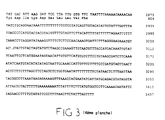
- Nitrate Reductase is derived from tobacco Nitrate Reductase Nia 2 gene described in Figure 3 ( Vaucheret et al., 1989) and the foreign gene coding for Nitrate Reductase is inserted into the plasmid pBin 19.
- the characteristics of plants expressing so deregulated Nitrate Reductase together or not with the expression deregulated Nitrite Reductase obtained by the process according to the invention are a gain of early germination, increased growth and more flowering precocious.
- Chlorate is used as a defoliant. Treatment with chlorate is useful before harvesting certain plants for maturity like cotton.
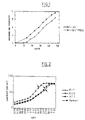
- Figure 1 represents the comparative study of the growth of offspring of processed tobacco 3051 PBD6, grown in vitro. The number mean of leaves per seedling (ordered) was measured and represented in depending on the number of days after sowing (Abscissa).
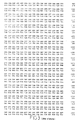
- Figure 2 shows the greenhouse growth and flowering of plants overexpressing Nitrate Reductase or not. These plants were transplanted in the greenhouse at the same stage of development and cultivated in same experimental conditions.
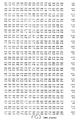
- FIG. 3 represents the sequence of the gene derived from Nia2 of Nitrate Reductase from tobacco deprived of its introns.
- Figure 4 shows the nitrate ion content of the different leaf stages of line 30.51.2 PB D6. The plants were grown in field in the presence of 400 kg of nitrogen per ha.
- Figure 5 shows the nitrate ion content of the different leaf stages of line 34.2.5 BB 16. The plants were grown in field in the presence of 400 kg of nitrogen per ha.
- Recombinant genes derived from the nitrate gene Tobacco reductase were initially performed according to a conventional procedure described by Vincentz and Caboche (1991) to complement deficient N. plumbaginifolia mutants for Nitrate Reductase. These genes are made up in the way next.
- the coding sequence for Nitrate Reductase (cDNA derived from messenger of Nia2 origin) preceded or not by the 5 'untranslated sequence of this transcript, and followed by transcription stop sequences derived from a tobacco nitrate reductase or CaMV genes have been placed under control of the strong promoter of CaSV 35S RNA.
- this gene was inserted into a binary vector plasmid pBin19 (BEVAN, 1984) and introduced according to a conventional procedure into the genome of industrial tobacco, varieties PBD6 and BB16, via Agrobacterium tumefaciens (strain LBA 4404) (Hoekema et al., 1983). The transformation was carried out by inoculation of leaf discs with an average surface of 5 cm 2 .
- the plasmid pBin19 carrying the NPTII (neomycin phosphotransferase) gene conferring resistance to kanamycin after transformation, the transformants were selected for their ability to develop on a dose of 100 mg / l of this antibiotic.
- This transformant obtained from the PBD6 genotype overexpresses approximately 600% of the level of nitrate reductase in the untransformed control. His offspring have been collected and studied.
- Figure 1 shows that the progeny of the transformant germinated significantly earlier than that of the untransformed control. An average carried out on each batch reveals that the progeny of the transformed plant germinated 9 days before that of the wild type.
- the seeds from the plant 30.1 BB16 (transforming primary overexpressing the nitrate reductase gene at a level three times greater than the unprocessed control) were sown on peat and supplied with the Co ⁇ c and Lesaint nutrient solution, containing 20 mM of nitrate as a nitrogen source. 10 plants were thus placed in the greenhouse under a light of 16 hours a day.
- the transformed plants accumulate much less nitrogen in the nitric form than the control plants.
- Processed plants accumulate nitrogen in reduced form. This excess of reduced internal nitrogen could be one of the causes of the higher dry matter (DM) content as well as the lower production of fresh and dry biomass (from -15% to -30%) observed in plants transformed.
- DM dry matter
- Wild and CI plants of Nicotiana plumbaginifolia identical to those described in Example 3 were transplanted at the 4-leaf stage, cultivated for three weeks in a greenhouse, at the INRA of Paris during the autumn of 1990 in a soil watered by a complete nitroco-ammoniacal nutrient solution, containing 12 mM nitrate and 2 mM ammonium.
- the plants were transferred to a culture chamber for 6 days and subjected to a photoperiod of 16 hours at 25 ° C, with an illumination of 130 mE m -2 s -1 PAR for 16 h (phytoclaude lamps) followed by 8 hours darkness at 16 ° C.
- Nitrate Reductase transcript was measured by the northern method (Thomas. 1980) in these sheets. This amount of transcript decreases by a factor of 20 to 50 in the control plants placed in the dark, whereas it decreases only by 50% in the C1 plants, placed under the same conditions.
- the level of Nitrate Reductase transcript remains high at the various stages of the experiment, showing that the reduction in the level of Nitrate Reductase transcript in the control plants does not result from a general slowing of the metabolism due to the deficiency in sugar.
- the sugar content therefore appears as an important signal for the expression of the unmodified gene for Nitrate Reductase, and can therefore constitute a factor limiting this expression at low light intensities.
- the plants were arranged in three blocks, each comprising 8 plots of 48 plants having received doses of 200 or 400 for nitrogen kg per ha.
- the plants were topped after flowering.
- the block experiment plan has been determined randomly, and 10 feet per plot, taken at random, have been the subject of chemical characterizations.
- the assay is performed on a continuous flow device of the Technicon autoanalyser AA type.
- C 500 mg of lyophilized tobacco are placed in 120 ml of water and stirred for 30 min. The suspension is filtered after the volume has been adjusted to 200 ml. The sample taken is reduced to nitrite ions on a column of cadmium then is mixed with reagent of Gness (sulfanilamide 10 g / l: concentrated phosphonic acid 10%: N-naphthyl-ethylene-diamine 0.5 g / l). After coloring, the optical density is read at 560 nm and the ion content nitrate is determined by reference to a standard range produced using nitrate of potassium.
- nitrite ion contents are evaluated in a similar manner to that used for the dosing of nitrate ions on a technicon type autoanalyzer AA II.
- 500 mg of tobacco powder are placed in 50 ml of extraction solution (KCI 1%; 0.5% sulfanilamide; triton X100 0.2%) and stirred 30 min.
- the solution is filtered on paper Whatman, 10 ml of the filtrate are then placed in the presence of 500 mg of activated carbon in order to discolor tobacco extracts.
- the sample is then colored with the Gness reagent described previously.
- the absorbance is read at 560 nm and the content of nitrite ions is determined. by reference to a standard range.
- the mineralization of organic matter is carried out in an oven at the temperature of 420 ° C.
- 500 mg of tobacco powder is digested with 15 ml of concentrated sulfunic acid in the presence of 1 g of catalyst comprising selenium (0.2 part), sulphate copper (1 part) and potassium sulphate (1 part).
- the nitrogen passes in the form of ammonium sulfate.
- 50 ml of water are then added and the ammonia form is liberated by an excess of 30% sodium hydroxide solution, then distilled by entrainment in the steam in a semi-automatic Técator appliance.
- Ammonia is collected in 20 ml 2% boric acid and titrated with 0.05 N sulfuric acid
- the transformed plants accumulate less nitrogen in the nitric form than the control plants. Nitrogen assimilation in processed plants is more efficient, and they accumulate nitrogen in reduced form.
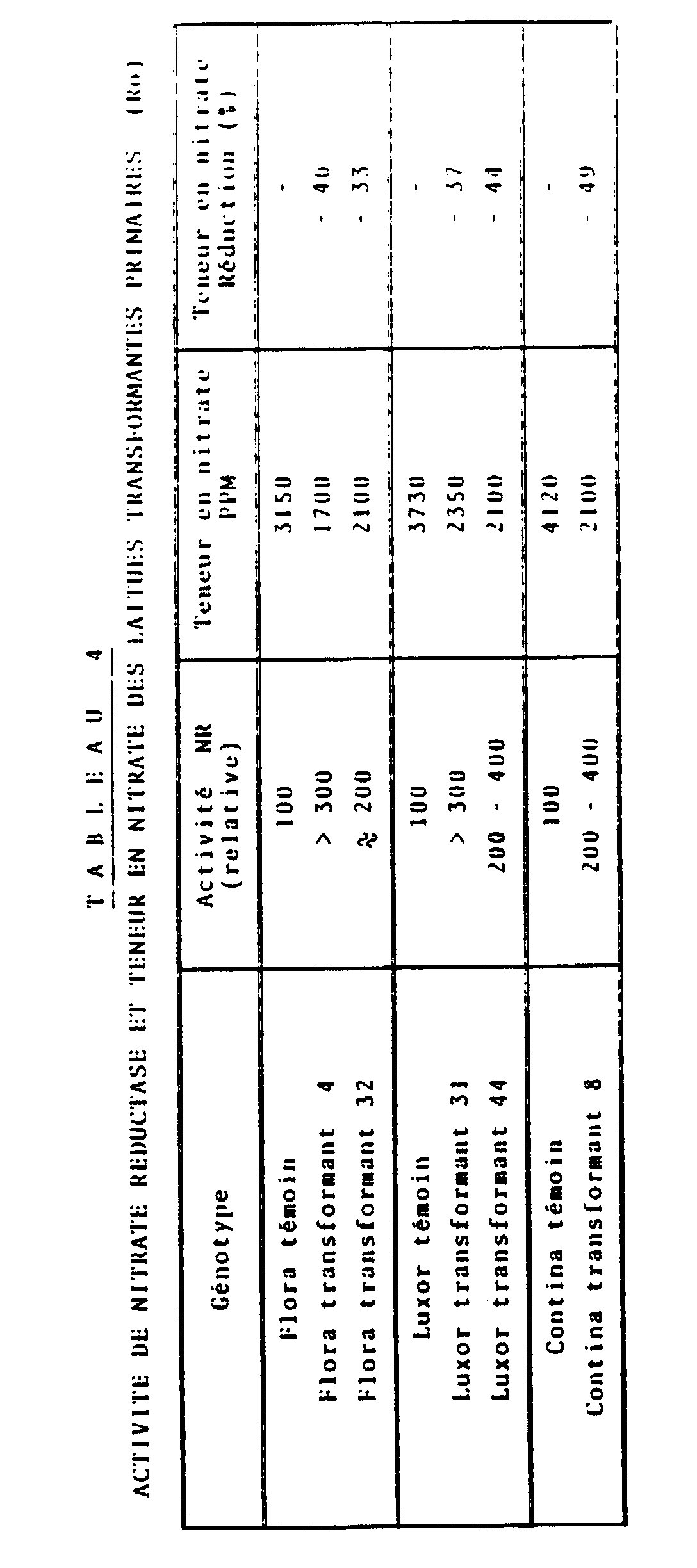
- the nitrate content in lettuce is very high and exceeds acceptable levels for consumption if the natural illumination of the cultivation is limited, as is the case in greenhouses during the fall, winter and spring.
- a strain of Agrobacterium tumefaciens (LBA-4404) containing a binary vector plasmid derived from pBin19 (pBCSL16), containing the tobacco nitrate reductase gene and the nptII gene (neomycin phosphotransferase) was used for the production of the study transformed.
- the tobacco gene was placed under the control of the same 35S promoter.
- the constructions used are identical to those of Example 1.
- Four varieties of greenhouse lettuces (Flora, Cortina, Luxor and Evola) were used for the transformation experiments. After a culture of injured explants and Agrobacteria (cf. Michelmore et al. PI. Cell Rep.
- the transformed plants were raised in a greenhouse in favorable conditions. Among plants, we observe phenotypes variables.
- nitrate content was reduced by almost 50% in plants with very high nitrate reductase activity.
- npt II activity was very high in these plants.
- Number of primary transgenic lettuce (Ro) plants and its nitrate reductase (NR) activity measured in vivo Number of plants with NR activity Genotype 200% 200-400% 400% Total Flora 11 5 1 17 Luxor 24 9 7 40 Cortina 8 3 2 13 Evola 24 7 3 34 Total 67 24 13 104
- HOEKEMA A., HIRSCH P.R., HOOYKAAS P.J.J. and SCHILPEROORT R.A.-1983 - A binary plant vector strategy based on separation of vir- and T-region of the Agrobacterium tumefaciens Ti-plasmid. Nature, 303, 179-180.
- KLEINHOFS A., WARNER R. L., HAMAT, H.B., JURIDEK, M., HUANG. VS., AND SCHNORR, K. (1988) Molecular genetics of barley and rice nitrate reductases. Curr. Topics Plant Biochem. Physiol. 7: 35-42.
- VAUCHERET H., VINCENTZ, M., KRONENBERGER, J., CABOCHE, M., AND ROUZE, P. (1989) Molecular cloning and characterization of the two homeologous genes coding for nitrate reductase in tobacco. Mol. Gen. Broom. 216: 10-15.
- Nitrate transport is independent of NADH and NADPH nitrate reductases in barley seedlings. Plant Physiol. 91: 947-953.
Landscapes
- Health & Medical Sciences (AREA)
- Genetics & Genomics (AREA)
- Life Sciences & Earth Sciences (AREA)
- Chemical & Material Sciences (AREA)
- Engineering & Computer Science (AREA)
- Organic Chemistry (AREA)
- Zoology (AREA)
- Bioinformatics & Cheminformatics (AREA)
- Wood Science & Technology (AREA)
- General Engineering & Computer Science (AREA)
- Biotechnology (AREA)
- Molecular Biology (AREA)
- General Health & Medical Sciences (AREA)
- Biochemistry (AREA)
- Biomedical Technology (AREA)
- Microbiology (AREA)
- Physics & Mathematics (AREA)
- Cell Biology (AREA)
- Biophysics (AREA)
- Plant Pathology (AREA)
- Nutrition Science (AREA)
- Physiology (AREA)
- Medicinal Chemistry (AREA)
- Breeding Of Plants And Reproduction By Means Of Culturing (AREA)
- Fertilizers (AREA)
- Enzymes And Modification Thereof (AREA)
- Storage Of Fruits Or Vegetables (AREA)
- Agricultural Chemicals And Associated Chemicals (AREA)
- Cultivation Of Plants (AREA)
Description
- Séquence CAGNRRKE des acides aminés 180 à 187 du domaine de fixation du cofacteur à molybdène de l'enzyme,
- Séquence HPGG des acides aminés 564 à 567 du domaine cytochrome b5 de l'enzyme,
- Séquence GLP des acides aminés 677 à 679 du domaine cytochrome b5 réductase de l'enzyme.
- une baisse de la teneur en nitrate dans les tissus de la plante, et
- de conférer aux plantes obtenues une caractéristique qui permet de les distinguer aisément des plantes non modifiées du fait de la sensibilité accrue au chlorate des plantes modifiées.


| Nombres de plantes de laitue transgénique primaire (Ro) et son activité Nitrate Réductase (NR) mesuré in vivo | ||||
| Nombre de plantes avec une activité NR | ||||
| Génotype | 200% | 200-400% | 400% | Total |
| Flora | 11 | 5 | 1 | 17 |
| Luxor | 24 | 9 | 7 | 40 |
| Cortina | 8 | 3 | 2 | 13 |
| Evola | 24 | 7 | 3 | 34 |
| Total | 67 | 24 | 13 | 104 |
Claims (10)
- Procédé pour abaisser la teneur en nitrates stockés dans une plante, caractérisé en ce qu'on induit une surexpression de la Nitrate Réductase dans la plante.
- Procédé selon la revendication 1, caractérisé en ce qu'il est mis en oeuvre pour accroítre la précocité de la plante.
- Procédé selon l'une des revendications 1 ou 2 caractérisé en ce qu'on introduit dans le génome de la plante un gène étranger codant pour la Nitrate Réductase dans des conditions permettant son expression.
- Procédé selon l'une des revendications 1 à 3 caractérisé en ce que le gène codant pour la Nitrate Réductase provient d'un ADNc de plantes dicotylédones codant pour la Nitrate Réductase.
- Procédé selon l'une des revendications 2 à 4 caractérisé en ce qu'on infecte des explants par une souche d'Agrobactérium tumefaciens ou Agrobactérium Rhizogenèse transformée par un plasmide dans lequel est inséré lesdit gène étranger codant pour la Nitrate Réductase placé sous le contrôle d'éléments assurant l'expression dudit gène.
- Procédé selon l'une des revendications à 5, caractérisé en ce que le gène étranger codant pour la Nitrate Réductase est inséré dans un plasmide dérivé du plasmide de Ti ou Ri.
- Procédé selon l'une des revendications 2 à 6, caractérisé en ce que le gène étranger codant pour la Nitrate Réductase est placé sous le contrôle d'un promoteur hétérologue fonctionnel dans la plante transformée.
- Procédé selon l'une des revendications 2 à 7 caractérisé en ce que le gène étranger codant pour la Nitrate Réductase est dérivé du gène Nia 2 de la Nitrate Réductase du tabac.
- Procédé selon l'une des revendications 2 à 7 caractérisé en ce que le gène étranger codant pour la Nitrate Réductase est placé sous le contrôle du promoteur de l'ARN 355 du Ca MV.
- Procédé selon l'une des revendications 2 à 7 caractérisé en ce que le gène étranger codant pour la Nitrate Réductase est inséré dans le plasmide pBin 19.
Applications Claiming Priority (3)
| Application Number | Priority Date | Filing Date | Title |
|---|---|---|---|
| FR9202658A FR2688228A1 (fr) | 1992-03-05 | 1992-03-05 | Procede pour accroitre la precocite d'une plante et/ou abaisser la teneur en nitrates stockes dans la plante. |
| FR9202658 | 1992-03-05 | ||
| PCT/FR1993/000222 WO1993018154A2 (fr) | 1992-03-05 | 1993-03-05 | Procede pour accroitre la precocite d'une plante et/ou abaisser la teneur en nitrates stockes dans la plante |
Publications (2)
| Publication Number | Publication Date |
|---|---|
| EP0629242A1 EP0629242A1 (fr) | 1994-12-21 |
| EP0629242B1 true EP0629242B1 (fr) | 1999-06-09 |
Family
ID=9427400
Family Applications (1)
| Application Number | Title | Priority Date | Filing Date |
|---|---|---|---|
| EP93905456A Expired - Lifetime EP0629242B1 (fr) | 1992-03-05 | 1993-03-05 | Procede pour accroitre la precocite d'une plante et/ou abaisser la teneur en nitrates stockes dans la plante |
Country Status (12)
| Country | Link |
|---|---|
| US (1) | US5569833A (fr) |
| EP (1) | EP0629242B1 (fr) |
| AT (1) | ATE181105T1 (fr) |
| AU (1) | AU3637493A (fr) |
| CA (1) | CA2131447A1 (fr) |
| DE (1) | DE69325264T2 (fr) |
| DK (1) | DK0629242T3 (fr) |
| ES (1) | ES2132222T3 (fr) |
| FI (1) | FI944042L (fr) |
| FR (1) | FR2688228A1 (fr) |
| NO (1) | NO943266L (fr) |
| WO (1) | WO1993018154A2 (fr) |
Families Citing this family (11)
| Publication number | Priority date | Publication date | Assignee | Title |
|---|---|---|---|---|
| US20040078838A1 (en) * | 1994-03-09 | 2004-04-22 | Bernd Muller-Rober | Processes for inhibiting and for inducing flower formation in plants |
| WO1997025433A1 (fr) * | 1996-01-09 | 1997-07-17 | Eidg. Technische Hochschule Zürich Ethz | Controle de la floraison de plantes |
| FR2748481B1 (fr) * | 1996-05-13 | 1998-06-12 | Rhone Poulenc Agrochimie | Proteine utilisable comme marqueur d'imbibition d'une semence au cours de la germination |
| CA2246889A1 (fr) * | 1997-09-09 | 1999-03-09 | Rafael Rangel-Aldao | Boisson au malt possedant une saveur stabilisee et methodes pour sa production |
| ATE240033T1 (de) * | 1999-03-29 | 2003-05-15 | Univ California | Mit thioredoxin transformierte pflanzen |
| US7179964B2 (en) * | 1999-03-29 | 2007-02-20 | The Regents Of The University Of California | Transgenic plants with elevated thioredoxin levels |
| US6784346B1 (en) * | 1999-03-29 | 2004-08-31 | The Regents Of The University Of California | Value-added traits in grain and seed transformed with thioredoxin |
| FR2829904B1 (fr) * | 2001-09-21 | 2004-07-16 | Genoplante Valor | Obtention de plantes sous-accumulant le nitrate |
| US7992575B2 (en) * | 2005-02-28 | 2011-08-09 | U.S. Smokeless Tobacco Company | Use of chlorate, sulfur or ozone to reduce tobacco specific nitrosamines |
| US9271524B1 (en) | 2007-09-07 | 2016-03-01 | U.S. Smokeless Tobacco Company | Tobacco having reduced tobacco specific nitrosamine content |
| CN116908128B (zh) * | 2023-08-22 | 2024-04-19 | 中国科学院东北地理与农业生态研究所 | 一种检测硝酸还原酶活性的试剂盒及其检测方法 |
Family Cites Families (5)
| Publication number | Priority date | Publication date | Assignee | Title |
|---|---|---|---|---|
| DD205603A1 (de) * | 1981-12-22 | 1984-01-04 | Heinz Graeser | Mittel zur foerderung der nitratreductase-aktivitaet in kulturpflanzen |
| PT83621B (en) * | 1985-10-28 | 1988-03-02 | Gen Hospital Corp | Method for producing polynucleotides coding for nitrate reductase |
| FR2618794B2 (fr) * | 1987-02-16 | 1991-03-15 | Agronomique Inst Nat Rech | Vecteur de clonage du gene de structure de la nitrate reductase et sonde d'adn obtenue |
| DE3719053A1 (de) * | 1987-06-06 | 1988-12-15 | Hoechst Ag | Verbesserte nutzung von pflanzenverwertbarem stickstoff durch kulturpflanzen mit ueberexpression der glutaminsynthetase |
| EP0491780A4 (en) * | 1989-09-15 | 1992-11-19 | The General Hospital Corporation | A membrane associated protein from plants which has nitrate reductase activity |
-
1992
- 1992-03-05 FR FR9202658A patent/FR2688228A1/fr active Granted
-
1993
- 1993-03-05 WO PCT/FR1993/000222 patent/WO1993018154A2/fr not_active Ceased
- 1993-03-05 EP EP93905456A patent/EP0629242B1/fr not_active Expired - Lifetime
- 1993-03-05 CA CA002131447A patent/CA2131447A1/fr not_active Abandoned
- 1993-03-05 AT AT93905456T patent/ATE181105T1/de not_active IP Right Cessation
- 1993-03-05 DK DK93905456T patent/DK0629242T3/da active
- 1993-03-05 ES ES93905456T patent/ES2132222T3/es not_active Expired - Lifetime
- 1993-03-05 FI FI944042A patent/FI944042L/fi unknown
- 1993-03-05 AU AU36374/93A patent/AU3637493A/en not_active Abandoned
- 1993-03-05 DE DE69325264T patent/DE69325264T2/de not_active Expired - Fee Related
- 1993-03-05 US US08/295,882 patent/US5569833A/en not_active Expired - Fee Related
-
1994
- 1994-09-02 NO NO943266A patent/NO943266L/no not_active Application Discontinuation
Also Published As
| Publication number | Publication date |
|---|---|
| FI944042A7 (fi) | 1994-10-12 |
| ES2132222T3 (es) | 1999-08-16 |
| DE69325264D1 (de) | 1999-07-15 |
| FI944042L (fi) | 1994-10-12 |
| EP0629242A1 (fr) | 1994-12-21 |
| FR2688228B1 (fr) | 1995-03-17 |
| AU3637493A (en) | 1993-10-05 |
| ATE181105T1 (de) | 1999-06-15 |
| FI944042A0 (fi) | 1994-09-02 |
| CA2131447A1 (fr) | 1993-09-16 |
| DE69325264T2 (de) | 1999-11-25 |
| NO943266L (no) | 1994-11-01 |
| FR2688228A1 (fr) | 1993-09-10 |
| NO943266D0 (no) | 1994-09-02 |
| WO1993018154A2 (fr) | 1993-09-16 |
| US5569833A (en) | 1996-10-29 |
| DK0629242T3 (da) | 1999-11-15 |
| WO1993018154A3 (fr) | 1993-10-28 |
Similar Documents
| Publication | Publication Date | Title |
|---|---|---|
| Ameziane et al. | Expression of the bacterial gdhA gene encoding a NADPH glutamate dehydrogenase in tobacco affects plant growth and development | |
| US7390937B2 (en) | Plants with enhanced levels of nitrogen utilization proteins in their root epidermis and uses thereof | |
| US20110268865A1 (en) | Method for increasing photosynthetic carbon fixation in rice | |
| EP0629242A1 (fr) | Procede pour accroitre la precocite d'une plante et/ou abaisser la teneur en nitrates stockes dans la plante | |
| EP3110832B1 (fr) | Plantes a rendement accru et methode d'obtention de telles plantes | |
| EP1383902B1 (fr) | Surexpression de la phosphoenolpyruvate carboxylase | |
| JP2012507263A (ja) | 変化した植物構造を示すグルタミン酸デカルボキシラーゼ(gad)トランスジェニック植物 | |
| KR101064590B1 (ko) | 인산결핍조건에서 발현되는 벼 탈인산화효소 유전자 OsPAP1 및 형질전환 식물체 | |
| JPH09509841A (ja) | 植物における花芽形成を阻害する方法および誘導する方法 | |
| CN103597081B (zh) | 用于增加植物的碳、氮、生物量和产量的表达构建体和方法 | |
| CN118374511A (zh) | 烟草钾离子通道基因nkt3a及其在烟草低钾胁迫条件下的应用 | |
| EP1123406A1 (fr) | SEQUENCE D'ADNc TRANSCRIVANT UN ARNm CODANT POUR L'OXYDASE TERMINALE ASSOCIEE A LA BIOSYNTHESE DES CAROTENOIDES ET UTILISATIONS | |
| CA2476048A1 (fr) | Utilisation de proteines elip pour accroitre la resistance des vegetaux au stress photo-oxydant | |
| CN115322248A (zh) | 一种钾离子通道蛋白AlAKT1、其编码基因及其应用 | |
| GB2462645A (en) | Modification of plant threonine production by aspartate kinase | |
| FR2866348A1 (fr) | Plantes ayant une periode de dormance reduite et procedes pour leur production | |
| Islam | Sucrose metabolism in domesticated cherry tomato, Lycopersicon esculentum var. cerasiforme Alef., and purification of sucrose synthase | |
| KR102828171B1 (ko) | 식물의 내염성 개선용 조성물 및 식물의 내염성 증가 방법 | |
| CA2758247A1 (fr) | Camelina sativa resistant aux herbicides | |
| KR100833476B1 (ko) | 성장이 향상된 AtPFP 형질전환 식물체 | |
| US20130117887A1 (en) | Herbicide resistant Camelina Sativa | |
| CA3133153A1 (fr) | Procedes d'amelioration de la biomasse dans une plante par stimulation de la regeneration de rubp et le transport d'electrons | |
| WO2006100573A1 (fr) | Procede de production de vegetaux a biomasse accrue |
Legal Events
| Date | Code | Title | Description |
|---|---|---|---|
| PUAI | Public reference made under article 153(3) epc to a published international application that has entered the european phase |
Free format text: ORIGINAL CODE: 0009012 |
|
| 17P | Request for examination filed |
Effective date: 19940912 |
|
| AK | Designated contracting states |
Kind code of ref document: A1 Designated state(s): AT BE CH DE DK ES FR GB GR IE IT LI LU MC NL PT SE |
|
| RIN1 | Information on inventor provided before grant (corrected) |
Inventor name: CABOCHE, MICHEL Inventor name: MOROT-GAUDRY, JEAN-FRANCOIS Inventor name: CHUPEAU, YVES Inventor name: DORLHAC, FRANCOIS Inventor name: VINCENTZ, MICHEL |
|
| 17Q | First examination report despatched |
Effective date: 19960607 |
|
| GRAG | Despatch of communication of intention to grant |
Free format text: ORIGINAL CODE: EPIDOS AGRA |
|
| GRAG | Despatch of communication of intention to grant |
Free format text: ORIGINAL CODE: EPIDOS AGRA |
|
| GRAH | Despatch of communication of intention to grant a patent |
Free format text: ORIGINAL CODE: EPIDOS IGRA |
|
| GRAH | Despatch of communication of intention to grant a patent |
Free format text: ORIGINAL CODE: EPIDOS IGRA |
|
| GRAA | (expected) grant |
Free format text: ORIGINAL CODE: 0009210 |
|
| AK | Designated contracting states |
Kind code of ref document: B1 Designated state(s): AT BE CH DE DK ES FR GB GR IE IT LI LU MC NL PT SE |
|
| PG25 | Lapsed in a contracting state [announced via postgrant information from national office to epo] |
Ref country code: SE Free format text: THE PATENT HAS BEEN ANNULLED BY A DECISION OF A NATIONAL AUTHORITY Effective date: 19990609 Ref country code: GR Free format text: LAPSE BECAUSE OF NON-PAYMENT OF DUE FEES Effective date: 19990609 Ref country code: AT Free format text: LAPSE BECAUSE OF FAILURE TO SUBMIT A TRANSLATION OF THE DESCRIPTION OR TO PAY THE FEE WITHIN THE PRESCRIBED TIME-LIMIT Effective date: 19990609 |
|
| REF | Corresponds to: |
Ref document number: 181105 Country of ref document: AT Date of ref document: 19990615 Kind code of ref document: T |
|
| REG | Reference to a national code |
Ref country code: CH Ref legal event code: NV Representative=s name: MICHELI & CIE INGENIEURS-CONSEILS Ref country code: CH Ref legal event code: EP |
|
| GBT | Gb: translation of ep patent filed (gb section 77(6)(a)/1977) |
Effective date: 19990610 |
|
| REF | Corresponds to: |
Ref document number: 69325264 Country of ref document: DE Date of ref document: 19990715 |
|
| REG | Reference to a national code |
Ref country code: IE Ref legal event code: FG4D Free format text: FRENCH |
|
| REG | Reference to a national code |
Ref country code: ES Ref legal event code: FG2A Ref document number: 2132222 Country of ref document: ES Kind code of ref document: T3 |
|
| PG25 | Lapsed in a contracting state [announced via postgrant information from national office to epo] |
Ref country code: PT Free format text: LAPSE BECAUSE OF FAILURE TO SUBMIT A TRANSLATION OF THE DESCRIPTION OR TO PAY THE FEE WITHIN THE PRESCRIBED TIME-LIMIT Effective date: 19990909 |
|
| REG | Reference to a national code |
Ref country code: DK Ref legal event code: T3 |
|
| PG25 | Lapsed in a contracting state [announced via postgrant information from national office to epo] |
Ref country code: LU Free format text: LAPSE BECAUSE OF NON-PAYMENT OF DUE FEES Effective date: 20000305 |
|
| PLBE | No opposition filed within time limit |
Free format text: ORIGINAL CODE: 0009261 |
|
| STAA | Information on the status of an ep patent application or granted ep patent |
Free format text: STATUS: NO OPPOSITION FILED WITHIN TIME LIMIT |
|
| 26N | No opposition filed | ||
| PG25 | Lapsed in a contracting state [announced via postgrant information from national office to epo] |
Ref country code: IE Free format text: LAPSE BECAUSE OF NON-PAYMENT OF DUE FEES Effective date: 20000719 |
|
| REG | Reference to a national code |
Ref country code: IE Ref legal event code: FD4D |
|
| K2C3 | Correction of patent specification (complete document) published |
Effective date: 19990609 |
|
| PG25 | Lapsed in a contracting state [announced via postgrant information from national office to epo] |
Ref country code: MC Free format text: LAPSE BECAUSE OF NON-PAYMENT OF DUE FEES Effective date: 20000930 |
|
| PGFP | Annual fee paid to national office [announced via postgrant information from national office to epo] |
Ref country code: ES Payment date: 20010221 Year of fee payment: 9 |
|
| PGFP | Annual fee paid to national office [announced via postgrant information from national office to epo] |
Ref country code: GB Payment date: 20010227 Year of fee payment: 9 |
|
| PGFP | Annual fee paid to national office [announced via postgrant information from national office to epo] |
Ref country code: BE Payment date: 20010313 Year of fee payment: 9 |
|
| PGFP | Annual fee paid to national office [announced via postgrant information from national office to epo] |
Ref country code: DK Payment date: 20010314 Year of fee payment: 9 |
|
| PGFP | Annual fee paid to national office [announced via postgrant information from national office to epo] |
Ref country code: FR Payment date: 20010321 Year of fee payment: 9 |
|
| PGFP | Annual fee paid to national office [announced via postgrant information from national office to epo] |
Ref country code: NL Payment date: 20010330 Year of fee payment: 9 |
|
| PGFP | Annual fee paid to national office [announced via postgrant information from national office to epo] |
Ref country code: DE Payment date: 20010523 Year of fee payment: 9 |
|
| PGFP | Annual fee paid to national office [announced via postgrant information from national office to epo] |
Ref country code: CH Payment date: 20010607 Year of fee payment: 9 |
|
| REG | Reference to a national code |
Ref country code: GB Ref legal event code: IF02 |
|
| PG25 | Lapsed in a contracting state [announced via postgrant information from national office to epo] |
Ref country code: GB Free format text: LAPSE BECAUSE OF NON-PAYMENT OF DUE FEES Effective date: 20020305 |
|
| PG25 | Lapsed in a contracting state [announced via postgrant information from national office to epo] |
Ref country code: ES Free format text: LAPSE BECAUSE OF NON-PAYMENT OF DUE FEES Effective date: 20020306 |
|
| PG25 | Lapsed in a contracting state [announced via postgrant information from national office to epo] |
Ref country code: LI Free format text: LAPSE BECAUSE OF NON-PAYMENT OF DUE FEES Effective date: 20020331 Ref country code: CH Free format text: LAPSE BECAUSE OF NON-PAYMENT OF DUE FEES Effective date: 20020331 Ref country code: BE Free format text: LAPSE BECAUSE OF NON-PAYMENT OF DUE FEES Effective date: 20020331 |
|
| PG25 | Lapsed in a contracting state [announced via postgrant information from national office to epo] |
Ref country code: DK Free format text: LAPSE BECAUSE OF NON-PAYMENT OF DUE FEES Effective date: 20020402 |
|
| BERE | Be: lapsed |
Owner name: *INSTITUT NATIONAL DE LA RECHERCHE AGRONOMIQUE Effective date: 20020331 |
|
| PG25 | Lapsed in a contracting state [announced via postgrant information from national office to epo] |
Ref country code: NL Free format text: LAPSE BECAUSE OF NON-PAYMENT OF DUE FEES Effective date: 20021001 Ref country code: DE Free format text: LAPSE BECAUSE OF NON-PAYMENT OF DUE FEES Effective date: 20021001 |
|
| GBPC | Gb: european patent ceased through non-payment of renewal fee |
Effective date: 20020305 |
|
| REG | Reference to a national code |
Ref country code: CH Ref legal event code: PL |
|
| REG | Reference to a national code |
Ref country code: DK Ref legal event code: EBP |
|
| PG25 | Lapsed in a contracting state [announced via postgrant information from national office to epo] |
Ref country code: FR Free format text: LAPSE BECAUSE OF NON-PAYMENT OF DUE FEES Effective date: 20021129 |
|
| NLV4 | Nl: lapsed or anulled due to non-payment of the annual fee |
Effective date: 20021001 |
|
| REG | Reference to a national code |
Ref country code: FR Ref legal event code: ST |
|
| REG | Reference to a national code |
Ref country code: ES Ref legal event code: FD2A Effective date: 20030410 |
|
| PG25 | Lapsed in a contracting state [announced via postgrant information from national office to epo] |
Ref country code: IT Free format text: LAPSE BECAUSE OF NON-PAYMENT OF DUE FEES;WARNING: LAPSES OF ITALIAN PATENTS WITH EFFECTIVE DATE BEFORE 2007 MAY HAVE OCCURRED AT ANY TIME BEFORE 2007. THE CORRECT EFFECTIVE DATE MAY BE DIFFERENT FROM THE ONE RECORDED. Effective date: 20050305 |