EP0600591B1 - Hemmung des Tumorzellwachstums durch Verabreichung von B7-transfizierten Zellen - Google Patents
Hemmung des Tumorzellwachstums durch Verabreichung von B7-transfizierten Zellen Download PDFInfo
- Publication number
- EP0600591B1 EP0600591B1 EP93307816A EP93307816A EP0600591B1 EP 0600591 B1 EP0600591 B1 EP 0600591B1 EP 93307816 A EP93307816 A EP 93307816A EP 93307816 A EP93307816 A EP 93307816A EP 0600591 B1 EP0600591 B1 EP 0600591B1
- Authority
- EP
- European Patent Office
- Prior art keywords
- cells
- tumor
- cell
- tumors
- tumor cells
- Prior art date
- Legal status (The legal status is an assumption and is not a legal conclusion. Google has not performed a legal analysis and makes no representation as to the accuracy of the status listed.)
- Expired - Lifetime
Links
Images


Classifications
-
- C—CHEMISTRY; METALLURGY
- C07—ORGANIC CHEMISTRY
- C07K—PEPTIDES
- C07K14/00—Peptides having more than 20 amino acids; Gastrins; Somatostatins; Melanotropins; Derivatives thereof
- C07K14/435—Peptides having more than 20 amino acids; Gastrins; Somatostatins; Melanotropins; Derivatives thereof from animals; from humans
- C07K14/46—Peptides having more than 20 amino acids; Gastrins; Somatostatins; Melanotropins; Derivatives thereof from animals; from humans from vertebrates
- C07K14/47—Peptides having more than 20 amino acids; Gastrins; Somatostatins; Melanotropins; Derivatives thereof from animals; from humans from vertebrates from mammals
- C07K14/4701—Peptides having more than 20 amino acids; Gastrins; Somatostatins; Melanotropins; Derivatives thereof from animals; from humans from vertebrates from mammals not used
- C07K14/4748—Tumour specific antigens; Tumour rejection antigen precursors [TRAP], e.g. MAGE
-
- A—HUMAN NECESSITIES
- A61—MEDICAL OR VETERINARY SCIENCE; HYGIENE
- A61K—PREPARATIONS FOR MEDICAL, DENTAL OR TOILETRY PURPOSES
- A61K39/00—Medicinal preparations containing antigens or antibodies
- A61K39/0005—Vertebrate antigens
- A61K39/0011—Cancer antigens
- A61K39/001102—Receptors, cell surface antigens or cell surface determinants
-
- A—HUMAN NECESSITIES
- A61—MEDICAL OR VETERINARY SCIENCE; HYGIENE
- A61P—SPECIFIC THERAPEUTIC ACTIVITY OF CHEMICAL COMPOUNDS OR MEDICINAL PREPARATIONS
- A61P35/00—Antineoplastic agents
-
- A—HUMAN NECESSITIES
- A61—MEDICAL OR VETERINARY SCIENCE; HYGIENE
- A61K—PREPARATIONS FOR MEDICAL, DENTAL OR TOILETRY PURPOSES
- A61K39/00—Medicinal preparations containing antigens or antibodies
- A61K2039/51—Medicinal preparations containing antigens or antibodies comprising whole cells, viruses or DNA/RNA
- A61K2039/515—Animal cells
- A61K2039/5156—Animal cells expressing foreign proteins
-
- A—HUMAN NECESSITIES
- A61—MEDICAL OR VETERINARY SCIENCE; HYGIENE
- A61K—PREPARATIONS FOR MEDICAL, DENTAL OR TOILETRY PURPOSES
- A61K38/00—Medicinal preparations containing peptides
-
- A—HUMAN NECESSITIES
- A61—MEDICAL OR VETERINARY SCIENCE; HYGIENE
- A61K—PREPARATIONS FOR MEDICAL, DENTAL OR TOILETRY PURPOSES
- A61K39/00—Medicinal preparations containing antigens or antibodies
-
- A—HUMAN NECESSITIES
- A61—MEDICAL OR VETERINARY SCIENCE; HYGIENE
- A61K—PREPARATIONS FOR MEDICAL, DENTAL OR TOILETRY PURPOSES
- A61K48/00—Medicinal preparations containing genetic material which is inserted into cells of the living body to treat genetic diseases; Gene therapy
Definitions
- T lymphocytes primarily mediated by T lymphocytes, plays the key role in the rejection of antigenic tumors. Both T helper cells (Th) and cytolytic T lymphocytes (CTL) are involved (Melief (1992) Adv. Cancer Res. 58 :143-175; Greenberg (1991) Adv. Immunol. 49 :281-355). Recognition and destruction of immunological targets require T lymphocyte recognition via the T cell receptor (TCR) of antigenic peptides presented in the context of MHC molecules (Bjorkman et al. (1988) Nature 329 :512-518; Unanue (1984) Annu. Rev. Immunol. 2 :395; Townsend et al. (1986) Cell 44 :959-968).
- TCR T cell receptor
- Another mechanism which may contribute to the induction of efficient tumor-reactive T cells is implicated from the two-signal models for immune cell activation.
- This model was originally proposed for B lymphocytes (Bretscher and Cohn (1970) Science 169 :1042-1049) as an explanation for why antigens expressed on cells of nonhematopoetic origin are ineffective in inducing transplant rejection (Lafferty et al. (1983) Ann. Rev. Immunol. 1 :143).
- Two-signal models have now been extended to all lymphocytes (Janeway (1989) Cold Spring Harbor Symp. Quant. Biol. 54 :1-13; Nossal (1989) Science 245:147-153; Schwartz (1989) Cell 57 :1073-1081).
- T cell costimulatory pathways determine whether TCR complex engagement results in immune cell activation or inactivation (Mueller et al. (1989) Annu. Rev. Immunol 7 :445; Schwartz (1989) Cell 57 :1073-1081) and antigen presentation in the absence of T cell costimulation leads to functional inactivation or clonal anergy or even cell death (Schwartz, (1989) Cell 57 :1073-1081).
- T cell costimulation The molecular basis of T cell costimulation is not well understood, but may involve several molecules on antigen presenting cells (APC) which are recognized by T cell surface receptors (van Seventer et al. (1991) Curr. Opinion Immunol. 3 :294-303).
- APC antigen presenting cells
- B7 One important costimulatory molecule is B7 which is expressed on activated B cells (Freeman et al. (1989) J. Immunol. 143 :2714) and other APC (Freeman et al., 1989; Razi-Wolf et al. (1992) Proc. Natl. Acad. Sci. USA 89 :4210-4214). B7 binds to the CD28 (Linsley et al. (1990) Proc. Natl.
- the B7 molecule is expressed primarily on hematopoetic cells (Freeman et al. (1989) J. Immunol. 143 :2714) and it is present only at very low levels, if at all, on many cultured human tumor cell lines.
- the human papillomavirus 16 (HPV-16) E7 gene was transfected into the poorly immunogenic K1735-M2 melanoma (Fidler and Hart (1981) Cancer Res. 41 :3266-3267).
- a tumorigenic transfectant, E7C3 was selected, against which a CD8 + T cell-mediated and HPV-16 E7-specific tumor immunity can be generated, by immunization of synegeneic C3H/HeN mice with E7-expressing fibroblasts (Chen et al. (1991) Proc. Natl. Acad. Sci. USA 88 :110-114; Chen et al. (1992) J. Immunol. 148 :2617-2621).
- the present invention demonstrates that transfection of E7C3 tumor cells with the costimulatory molecule B7 induces antitumor immunity to E7 + tumors.
- the present invention is directed to a novel composition and method of effectively inhibiting tumor cell growth.
- cells are removed from a tumor and then transfected with DNA encoding an immunogenic portion of the B7 ligand of B cells.
- the transfected tumor cells express B7 on their surface, and are then reinjected into the patient.
- the B7 transfected tumor cells effectively elicit an immune response which is directed against both the transfected and non-transfected tumor cells.
- the method of the present invention stimulates an immune response against the original tumor cells and metastases.
- the presence of B7 on the transfected cells serves as an unexpected catalyst or stimulant of this enhanced response.
- This method presents the possibility of treating disseminated metastatic cancer by removing some cells from foci, transfecting or transducing these cells to express B7 and then readministering the transfected cells to a patient in order to stimulate a broad and specific immune response against the disseminated tumor cells.
- a pharmaceutical composition containing either recombinant tumor cells that have been transfected to express B7 or membranes of these cells expressing B7 is also contemplated in this invention
- the present invention also encompasses a method of immunizing a patient against specific tumor cells by administering B7-transfected tumor cell membranes to the patient in order to produce an immune response capable of inducing a rejection response or cell killing upon subsequent tumor cell exposure.
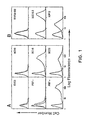
- FIGURE 1 illustrates the expression of B7 on transfected cell lines.
- Cells were stained with either CTLA4Ig (solid lines) or the control mAb chimeric L6 (dotted lines) followed by FITC-conjugated goat-anti-human Ig C ⁇ serum as described in Experimental Procedures. A total of 5,000 cells was analyzed for each sample.
- Panel A shows E7C3 cells and its B7 transfectants
- panel B shows K1735-M2 cells and its B7 transfectants.
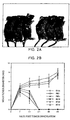
- FIGURE 2 illustrates the tumors induced by B7 + E7C3 cells are rejected by immunocompetent, syngeneic C3H/HeN mice.
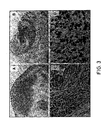
- FIGURE 3 illustrates the histology of tumors induced by B7 - or B7 + E7C3 cells.
- C3H/HeN mice were injected subcutaneously with PB7 - cells (panel A) or PB7 + cells (panels B-D).
- Tumors were excised and prepared for histological analysis.
- A Tumor induced by PB7 - cells. Note the presence of unencapsulated tumor nodules extending into superficial dermis. Focal necrosis of neoplastic cells can be seen (66x magnification).
- B Tumor induced by PB7 + cells. Note the presence of a large central area of tumor necrosis and infiltration of inflammatory cells among the tumor cells (66x magnification).
- D Larger magnification from (B). The tumor cells vary in size and shape and have pale eosinophilic cytoplasm with indistinct cell borders. Lymphocytes and macrophages are seen (1350x magnification).
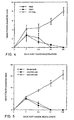
- FIGURE 4 illustrates that CTLA4Ig blocks rejection of B7 + E7C3 cells.
- C3H/HeN mice were injected subcutaneously on the back with 5 x 10 6 BC22 cells which had been premixed with 50 ⁇ g CTLA4Ig.
- CTLA4Ig treatment was continued for a total of two weeks by intravenous injection every other day (50 ⁇ g per treatment).
- Mice treated with either Hank's balanced salt solution (HBSS) or chimeric mAb L6 (ChiL6) were used as controls. Tumor growth was monitored as described in Figure 2. This experiment was repeated with similar results.
- HBSS Hank's balanced salt solution
- ChiL6 chimeric mAb L6
- FIGURE 5 illustrates the rejection of B7 + E7C3 tumors is mediated by CD8 + T cells.
- C3H/HeN mice were injected intraveneously twice at weekly intervals with purified anti-CD4 or anti-CD8 antibodies at 1mg/mouse. The same amount of the anti-human CD5 antibody 10.2 was injected as a control. Mice were then inoculated subcutaneously with BC16 cells and tumor growth was assessed as described in Figure 2. Similar results were obtained in another experiment.
- FIGURE 6 illustrates that CTL are generated from mice inoculated with B7 + E7C3 cells.
- FIGURE 7 illustrates that B7 + E7C3 cells induce immunity to B7 - E7C3 tumors at a distant site.
- C3H/HeN mice were injected subcutaneously in their left flanks with HBSS, E7C3 or BC22 cells (5 x 10 6 ).
- mice were challenged by subcutaneous injection on the right flank with E7C3 (upper panel) or E6B2 (lower panel) cells (5 x 10 6 cells). Growth of tumors in the right flank was measured as described in Figure 2.
- Four of five animals injected with BC22 cells completely rejected E7C3 tumors, whereas progressive E7C3 tumor growth was seen with all other groups. This experiment was repeated again with similar results.
- FIGURE 8 illustrates that B7 + E7C3 cells induce immunity against established metastatic tumors.
- C3H/HeN mice (10 per group) were injected intravenously with 1 x 10 5 E7C3 (A), E6B2 (B) or K1735-M2 cells (C).
- mice were treated by intravenous injection with BC16 cells (1 x 10 6 ). Treatment was subsequently repeated twice more at five day intervals. Survival of tumor-bearing animals was monitored. Survival of animals without E7C3 tumors was unaffected by treatment with BC16 cells.
- the present invention is directed to a method of treating and inhibiting tumor growth by the administration of tumor cells transfected with DNA encoding the B7 protein present in B-lymphocytes. This transfection stimulates the immune system to mount a response against the tumor cells, both B7-transfected and non-transfected.
- the transfected E7 tumor antigen as presented via MHC class I molecules, provides an antigen-specific "signal one" which triggers the TCR complex on reactive T cells.
- B7 expressed on tumor cells provides an antigen non-specific "signal two" by binding to its receptors CD28 and CTLA-4 on T cells, thereby costimulating the immune response to E7 + tumors.
- Antitumor immunity was abrogated in vivo and in vitro by anti-CD8, but not anti-CD4 mAbs, and CD8 + CTL were readily generated from mice which had rejected B7 + E7 + tumors.
- CD8 + CTL are also responsible for rejection of B7 - E7 + (Chen et al. (1991) Proc. Natl. Acad. Sci. USA 88 :110-114; Chen et al. (1992) J. Immunol. 148 :2617-2621) tumors in immunization and challenge experiments.
- Blocking interactions between CD28/CTLA-4 and B7 in vivo can lead to long term donor-specific graft survival (Lenschow et al. (1992) Science, 257 :789-792), indicating that blocking costimulation of the CD28 receptor in the continued presence of foreign antigens leads to T cell unresponsiveness.
- Tumors may fail to induce an immune response not because they lack foreign antigenic determinants, but because they fail to deliver or elicit T cell costimulatory signals.
- Such tumors may fail to express adequate T costimulatory molecules to directly stimulate expansion of CD8 + T cells which recognize internally processed tumor antigens.
- B7 + APC may fail to present adequate amounts of antigenic peptides to elicit a CD4 + T cell response.
- tumors may be nonimmunogenic because "signal one" or "signal two" is lacking.
- Nonimmunogenic K1735-M2 cells were not rejected even after transfection with B7, so the approach used here does not overcome the lack of immunogenicity of some tumors.
- other molecules besides B7 may be also needed to obtain optimal T cell costimulation in vitro (van Seventer et al. (1991) Curr. Opinion Immunol. 3 :294-303).
- molecules such as ICAM-1, LFA-3, VCAM-1 van Seventer et al. (1991) Curr. Opinion Immunol. 3 :294-303
- the heat stable antigen Liu, Y. et al. (1992) Eur. J.
- Immunol., 22 :2855-2859 are capable of stimulating antitumor immunity is not currently known.
- the experimental approach presented here suggest the possibility that rejection of "nonimmunogenic" tumors, such as K1735-M2, may be induced by transfecting them with costimulatory molecules other than, or in addition to B7.
- antitumor immune responses in cancer patients might be increased by stimulating the CD28 receptor in vivo. It may be possible to upregulate B7 (or target B7 to the tumor cell surface) expression on tumors in vivo, or on APC presenting potentially antigenic peptides from tumor cells. It may also be possible to transfer B7 into tumor cells in vitro, and to expand populations of tumor-reactive lymphocytes for in vivo infusion by exposure of patient lymphocytes to their B7 + tumor cells. A long range goal would be to generate systemic immunity to a tumor antigen by introducing B7 directly into tumor cells in vivo. Since B7 + E7 + tumor cells stimulated immunity to B7 - E7 + tumors at distant sites (Figure 7), generation of a therapeutically beneficial rejection response may only require introduction of B7 into some tumor cells in vivo.
- mice Female C3H/HeN mice, 6-8 weeks old, were bought from Charles River Breeding Laboratories (Wilmington, MA).
- K1735-M2 cells were of C3H/Hen (H-2 k ) mouse origin (Fidler and Hart, 1981).
- E7C3 and E6B2 are K1735-M2 transfectants expressing HPV-16 E7 or E6 gene respectively (Chen, et al. (1992) J. Immunol. 148 :2617-2621).
- Lines p2555 and 16N7 are derived from a fibrosarcoma NCTC2555 (H-2 k ) (American Type Culture Collection, Rockville, MD) and transfused with parental pLXSN retrovirus or retroviruses containing HPV-16 E7 gene, respectively (Chen et al. (1992) J. Immunol. 148 :2617-2621).
- the p815E7 is a DBA/2-derived mastocytoma (H-2 d ) (ATCC) transduced with retroviral HPV-16 E7 (Halbert et al. (1991) J. Virol. 65 :4417). All cells were maintained at 37 °C in Dulbecco's modified Eagle's medium (DMEM) containing 10% fetal calf serum (Sterile System, HyClone, Logan, UT).
- DMEM Dulbecco's modified Eagle's medium
- a DNA fragment encoding murine B7 (Freeman et al. (1991) J. Immunol. 143 :2714-2722) was amplified by PCR as described (Liu et al. (1992) Eur. J. Immunol. In Press) and cloned into a pLN expression plasmid vector (kindly provided by A. Aruffo of the Bristol-Myers Squibb Pharmaceutical Research Institute, Seattle, WA).
- the resulting expression construct (pmurB7) was cotransfected into E7C3 cells with an expressible mutant containing dihydrofolate reductase (DHFR) cDNA (D R /pic, a gift of S. Yarnold and P.
- DHFR dihydrofolate reductase
- K1735-M2 cells were also cotransfected by pmurB7 and PCMIpola (Stratagene, La Jolla, CA) and selected in DMEM with 10% FBS containing 1 mg/ml G418 (Gibco, Grand Island, NY).
- Hybridomas were purchased from ATCC, which produced rat anti-mouse CD4 (L3T4) mAb GK1.5, rat anti-mouse CD8 (Lyt2.1) mAb 116-13.1, and murine anti-H-2K k D k mAb 15-3-1S.
- the rat anti-human CD5 mAb 10.2 was used as control (Chen et al. (1991) Proc. Natl. Acad. Sci. USA 88 :110-114).
- Hybridomas were injected intraperitoneally into pristane-treated nude mice and ascites was purified by affinity chromatography on protein A coupled to Sepharose CL-4B (Pharmacia Fine Chemicals, Piscataway, NJ).
- transfected cells were first incubated with either chimeric L6 or CTLA-4Ig at 10 ⁇ g/ml in DMEM containing 10% FBS for 30 minutes at 4 °C. Cells were then washed and incubated for an additional 1 h at 4 °C with fluorescein isothiocyanate (FITC)-conjugated goat-anti-human Ig C ⁇ serum (Tago Corp., Burlingame, CA).
- FITC fluorescein isothiocyanate
- CD4 and CD8 expression on spleen cells For analysis of CD4 and CD8 expression on spleen cells, single cell suspensions were incubated with anti-CD4 (GF1.5) or anti-CD8 (53.6) mAb conjugated with FITC at 4 °C for 30 min and washed twice with medium. A total of 10,000 cells was then analyzed by flow cytometry (Becton Dickinson & Co., Mountain View, CA).
- mice in groups of five or ten, were each given a subcutaneous injection on the shaved flank at 5 x 10 6 cells. Tumor size was assessed by measuring two perpendicular diameters in millimeters (mm) by a caliper weekly for each animal. The results were expressed as mean diameters of tumors.
- mice were injected intravenously twice with purified mAbs to CD4 (GK1.5) or CD8 (116-13.1) in dosages of 1 mg/mice 7 days before and on the day of tumor inoculation. The same amount of anti-human CD5 mAb 10.2 was used as control.
- mice were killed and spleen cell suspensions were prepared and examined with flow cytometry by FITC-labeled anti-CD4 and CD8 antibodies for efficiency of depletion. Larger than 95% of depletion of specific T cell subset was consistently achieved without affecting other subsets.
- Tissues were removed from the site of tumor cell inoculation 10 days after injection, fixed in 10% formalin, blocked in paraffin, sectioned at 4-6 ⁇ m and was stained with hematoxylin and eosin (H & E). Microscopic evaluation was performed as indicated in Figure 4.
- mice were removed 4-10 weeks after tumor inoculation and the spleen cells (5 x 10 6 ) were cocultivated with ⁇ -irradiated (10,000 rad) 16N7 cells (1 x 10 5 ) in 2 ml medium per well in a 24-well plate (Costar, Cambridge, MA). Six days later cells were harvested and counted as effector cells.
- target cells Two million target cells were labeled with 250 ⁇ Ci of 51 Cr (New England Nuclear, Boston, MA) for 45 min (for p815E7) or overnight (for p2555 and 16N7 cells), after which labeled target cells (5,000 cells/well) were cocultivated with effector cells at different effector/target (E:%) ratio for 4 hr. Supernatants were collected and counted with a y-counter. Percent specific lysis was calculated as follows: 100 x ⁇ (experimental cpm-spontaneous cpm)/(maximal cpm - spontaneous cpm) ⁇ .
- Spontaneous release in the absence of CTL was between 5% - 20% of the maximal release by Triton X-100 (1:100) in all experiments.
- effector cells at 1 x 10 6 /ml were pretreated for 60 min at 37 °C with 30 ⁇ g/ml of mAbs as indicated in the presence of 1/10 diluted rabbit complement (Cedarlane Laboratories, Hornby, Ontario, Canada) and washed three times before use.
- the murine melanoma cell line E7C3 (B7 - E7 + ) was derived by transfecting the E7 gene of HPV-16 (Chen et al. (1991) Proc. Natl. Acad. Sci. USA 88 :110-114) into the K1735-M2 line (Fidler and Hart, 1981). E7C3 cells were co-transfected with pmB7 and D R /pic as described in Experimental Procedures and transfectants were selected for methotrexate (MTX) resistance. K1735-M2 cells were co-transfected with pmB7 and pCMlneoPolyA and selected for neomycin resistance.
- MTX methotrexate
- a pool of - 25 MTX-resistant clones from the E7C3 transfection were also sorted by flow cytometry into B7 positive (PB7 + ) and B7 negative (PB7 - ) populations. From the K1735-M2 transfection, two B7-positive clones (K/18.2 and K/P12) were selected. Levels of B7 expression on these cells were compared by flow cytometry ( Figure 1). In other experiments, all selected cell lines showed roughly similar levels of HPV-16 E7 gene expression by semiquantitative reverse transcriptase-coupled polymerase chain reaction (PCR) assay. All lines expressed low levels of MHC class I molecules as judged by flow cytometry, and also showed similar induction of MHC class I molecules following treatment with ⁇ interferon.
- PCR reverse transcriptase-coupled polymerase chain reaction
- B7 + and B7 - transfectants were injected subcutaneously into C3H/HeN mice and T cell-deficient nude mice (BALB/c nu/nu) to test their tumorigenicity (Table 1).
- E7C3 cells were less tumorigenic in naive C3H/HeN mice than parental K1735-M2 cells, but both lines showed similar tumorigenicity in nude mice (Table 1).
- FIG. 3 Histologic sections from growing B7 - tumors and B7 + tumors undergoing rejection are shown in Figure 3.
- a tumor induced by PB7 - cells 10 days after injection showed progressively growing neoplastic cells extending from the deep dermis into the superficial dermis. Histologic sections from E7C3-induced tumors appeared similar.
- Examination of a PB7 + cell tumor revealed a severely necrotic core, as shown in Figure 3B, surrounded by a thin rim of neoplastic cells infiltrated with inflammatory cells (Figure 3B-D). Similar results were obtained with BC16 tumors.
- BC22 cells were admixed with 50 ⁇ g CTLA4Ig prior to injection into C3H/HeN mice, followed by injection of 50 ⁇ g CTLA4Ig intraveneously every other day for 12 days; this regime of CTLA4Ig treatment was previously used to block rejection of pancreatic islet cell xenografts in mice (Lenschow et al. (1992) Science 257 :792-795).
- CTLA4Ig isotype-matched chimeric monoclonal antibody
- CTLA4Ig treatment prevented rejection of tumors caused by BC22 cells, whereas the control mAb did not. Similar results were obtained with BC16 cells. These results indicate that the rejection of B7 + E7C3 cells in immunocompetent syngeneic host is mediated by interactions between B7 and its receptors.
- mice were injected with mAbs to either CD4 + or CD8 + T cells to specifically deplete these cells in vivo. This procedure removed >95% of either population of T cells without effect on other cell populations, as judged by flow cytometry.
- the removal of CD8 + T cells completely abrogated the rejection of B7 + E7C3 cells, including both BC16 ( Figure 5) and BC22.
- injection of anti-CD4 mAb, or the control mAb did not affect tumor rejection ( Figure 5).
- C3H/HeN mice were injected with BC22 cells, E7C3 cells or medium alone on one flank and monitored the growth of simultaneously injected E7C3 tumor cells on the other flank.
- the growth of E7C3 tumors was significantly inhibited in animals having BC22 cells inoculated on the opposite flank; 4/5 of these mice completely rejected their tumors. Growth of E7C3 tumors was not affected in animals inoculated with medium or with B7 - E7C3 tumors ( Figure 7A).
- Different tumor cell lines were each divided into two general groups. The first group of cells was not genetically altered (mock); while the second group of cells was transfected with DNA encoding B7 (B7 + cells), such that the transfected tumor cells expressed B7.
- mice were then inoculated with a tumorigenic amount of cells (ranging from 1 x 10 5 to 5 x 10 6 cells per mouse) from either of the two groups for the different tumor cell lines, and tumor incidence was monitored at four weeks after inoculation.
- a tumorigenic amount of cells ranging from 1 x 10 5 to 5 x 10 6 cells per mouse
- mice were then inoculated with a tumorigenic amount of cells (ranging from 1 x 10 5 to 5 x 10 6 cells per mouse) from either of the two groups for the different tumor cell lines, and tumor incidence was monitored at four weeks after inoculation.
- Table 2 The results of these studies are shown in Table 2, and illustrate that tumor development from the B7 transfected cells was either eliminated or significantly inhibited compared to tumor incidence from the non-transfected tumor cell lines.
- E7 positive, B7 positive cells were effective in treating established tumors.
- Mice were injected intravenously with E7C3 cells capable of forming disseminated metastases to the lungs.
- Injection of E7 positive/B7 positive cells four days after establishment of E7C3 tumors prolonged survival of all treated mice and led to 40% long term survival.
- K1735-M2 mouse melanoma cells into which the gene for the p97 related tumor rejection antigen had been inserted (c162), were inoculated into immunocompetent mice and grew well, producing tumors.
- c162 the gene for the p97 related tumor rejection antigen had been inserted
Landscapes
- Health & Medical Sciences (AREA)
- Life Sciences & Earth Sciences (AREA)
- Chemical & Material Sciences (AREA)
- Organic Chemistry (AREA)
- Medicinal Chemistry (AREA)
- General Health & Medical Sciences (AREA)
- Immunology (AREA)
- Animal Behavior & Ethology (AREA)
- Veterinary Medicine (AREA)
- Public Health (AREA)
- Pharmacology & Pharmacy (AREA)
- Zoology (AREA)
- Proteomics, Peptides & Aminoacids (AREA)
- Mycology (AREA)
- Microbiology (AREA)
- Toxicology (AREA)
- Oncology (AREA)
- Gastroenterology & Hepatology (AREA)
- Biochemistry (AREA)
- Biophysics (AREA)
- Genetics & Genomics (AREA)
- Molecular Biology (AREA)
- Epidemiology (AREA)
- Cell Biology (AREA)
- Chemical Kinetics & Catalysis (AREA)
- General Chemical & Material Sciences (AREA)
- Nuclear Medicine, Radiotherapy & Molecular Imaging (AREA)
- Medicines Containing Material From Animals Or Micro-Organisms (AREA)
- Medicines That Contain Protein Lipid Enzymes And Other Medicines (AREA)
- Medicines Containing Antibodies Or Antigens For Use As Internal Diagnostic Agents (AREA)
- Micro-Organisms Or Cultivation Processes Thereof (AREA)
- Peptides Or Proteins (AREA)
- Compounds Of Unknown Constitution (AREA)
Claims (13)
- Rekombinante Tumorzelle transfiziert mit einem DNA-Vektor, der eine B7-Oberflächenantigen codierende DNA umfasst, so dass die Zelle das B7-Oberflächenantigen exprimiert, zur therapeutischen Verwendung.
- Rekombinante Tumorzelle nach Anspruch 1, die einen extrazellulären Teil von B7 exprimiert.
- Rekombinante Tumorzelle nach Anspruch 1 oder 2, die eine HPV-infizierte Zelle ist.
- Verwendung einer rekombinanten Tumorzelle nach einem der Ansprüche 1 bis 3 für die Herstellung einer Zusammensetzung zur Verwendung bei der Hemmung des Tumorzellwachstums in einem Patienten.
- Verwendung nach Anspruch 4, wobei die rekombinanten Tumorzellen und die Tumorzellen in dem Patienten abgestoßen werden.
- Verwendung nach Anspruch 4, wobei die Zellen sich als Metastasen in dem Körper eines Patienten ausbreiten.
- Verwendung nach Anspruch 6, wobei die Metastasen abgestoßen werden.
- Zellmembran, die von einer Zelle nach einem der Ansprüche 1 bis 3 stammt, zur therapeutischen Verwendung.
- Zusammensetzung umfassend eine Membran nach Anspruch 8 zur Verwendung als Impfstoff.
- Arzneimittel zur Verwendung bei der Hemmung des Tumorzellwachstums, umfassend eine Zelle nach einem der Ansprüche 1 bis 3 und/oder eine Membran nach Anspruch 8.
- Arzneimittel zur Verwendung bei der Hemmung des Tumorzellwachstums, umfassend rekombinante Tumorzellen transfiziert mit einem DNA-Vektor, der eine B7-Oberflächenantigen codierende DNA umfasst, so dass die Zellen das B7-Oberflächenantigen exprimieren, oder Zell-Membranen, die von den rekombinanten Tumorzellen stammen, wobei die rekombinanten Zellen oder Membranen einem Patienten verabreicht werden können, um eine verstärkte Immunantwort gegen die Tumorzellen zu stimulieren.
- Verfahren zur Herstellung eines Arzneimittels zur Behandlung eines Tumors, umfassend Tumorzellen, die aus einem Patienten entfernt wurden, und Transfektion der Tumorzellen mit einer Nucleinsäure, um ein B7-Oberflächenantigen zu exprimieren.
- Verfahren zur Herstellung eines Arzneimittels, umfassend Aliquots von Tumorzellen, die aus einem Tumor tragenden Patienten entfernt wurden, und Transfektion oder Transduktion der Tumorzellen mit einem retroviralen Vektor mit DNA, die das B7 B-Zelloberflächenprotein codiert, so dass die Tumorzellen B7 exprimieren.
Applications Claiming Priority (4)
| Application Number | Priority Date | Filing Date | Title |
|---|---|---|---|
| US95612392A | 1992-10-02 | 1992-10-02 | |
| US956123 | 1992-10-02 | ||
| US610293A | 1993-01-15 | 1993-01-15 | |
| US6102 | 1993-01-15 |
Publications (3)
| Publication Number | Publication Date |
|---|---|
| EP0600591A2 EP0600591A2 (de) | 1994-06-08 |
| EP0600591A3 EP0600591A3 (de) | 1995-03-01 |
| EP0600591B1 true EP0600591B1 (de) | 2003-05-02 |
Family
ID=26675186
Family Applications (1)
| Application Number | Title | Priority Date | Filing Date |
|---|---|---|---|
| EP93307816A Expired - Lifetime EP0600591B1 (de) | 1992-10-02 | 1993-10-01 | Hemmung des Tumorzellwachstums durch Verabreichung von B7-transfizierten Zellen |
Country Status (11)
| Country | Link |
|---|---|
| US (1) | US6183734B1 (de) |
| EP (1) | EP0600591B1 (de) |
| JP (1) | JP3837169B2 (de) |
| AT (1) | ATE239073T1 (de) |
| AU (1) | AU662450B2 (de) |
| CA (1) | CA2107537C (de) |
| DE (1) | DE69332921T2 (de) |
| DK (1) | DK0600591T3 (de) |
| ES (1) | ES2197147T3 (de) |
| MX (1) | MX9306147A (de) |
| PT (1) | PT600591E (de) |
Cited By (1)
| Publication number | Priority date | Publication date | Assignee | Title |
|---|---|---|---|---|
| US7960355B2 (en) | 2003-05-23 | 2011-06-14 | Isis Pharmaceuticals, Inc. | Compositions and methods for the modulation of the expression of B7 protein |
Families Citing this family (20)
| Publication number | Priority date | Publication date | Assignee | Title |
|---|---|---|---|---|
| US5056137A (en) * | 1989-09-27 | 1991-10-08 | Sills Richard R | Method and apparatus for encoding and decoding signals |
| US5858776A (en) * | 1993-11-03 | 1999-01-12 | Repligen Corporation | Tumor cells with increased immunogenicity and uses therefor |
| ES2176360T3 (es) * | 1994-12-30 | 2002-12-01 | Chiron Corp | Combinacion de vehiculos de administracion de genes. |
| EP0733373A3 (de) * | 1995-03-23 | 1999-04-28 | Bristol-Myers Squibb Company | Zusammensetzung und Verfahren zur Erhöhung der Tumorzellenimmunogenität durch Verabreichung von B7-CD2-transfizierten Zellen |
| DE19516040A1 (de) * | 1995-05-04 | 1996-11-07 | Boehringer Ingelheim Int | Expression TAP und LMP in Tumorzellen |
| WO1996034952A1 (de) * | 1995-05-04 | 1996-11-07 | Boehringer Ingelheim International Gmbh | Expression von tap und lmp in tumorzellen |
| SE9604581D0 (sv) * | 1996-12-12 | 1996-12-12 | Karolinska Innovations Ab | An agent against cancer and virus infections |
| US6319906B1 (en) | 1996-12-31 | 2001-11-20 | Isis Pharmaceuticals | Oligonucleotide compositions and methods for the modulation of the expression of B7 protein |
| US6077833A (en) * | 1996-12-31 | 2000-06-20 | Isis Pharmaceuticals, Inc. | Oligonucleotide compositions and methods for the modulation of the expression of B7 protein |
| US7235653B2 (en) | 1996-12-31 | 2007-06-26 | Isis Pharmaceuticals, Inc. | Oligonucleotide compositions and methods for the modulation of the expression of B7 protein |
| US6682741B1 (en) * | 1998-06-10 | 2004-01-27 | The United States Of America As Represented By The Department Of Health And Human Services | β2 microglobulin fusion proteins and high affinity variants |
| AUPQ755300A0 (en) * | 2000-05-17 | 2000-06-08 | Monash University | Immune potentiating compositions |
| US20030096016A1 (en) * | 2001-09-07 | 2003-05-22 | Yeda Research And Development Co. Ltd. | Methods of kidney transplantation utilizing developing nephric tissue |
| US7780993B2 (en) * | 2001-09-07 | 2010-08-24 | Yeda Research And Development Co. Ltd. | Therapeutic transplantation using developing, human or porcine, renal or hepatic, grafts |
| US20040136972A1 (en) * | 2001-09-07 | 2004-07-15 | Yeda Research And Development Co. Ltd. | Methods of treating disease by transplantation of developing allogeneic or xenogeneic organs or tissues |
| CN1665533A (zh) * | 2002-05-02 | 2005-09-07 | 康涅狄格大学健康中心 | 热激蛋白用于增强抗体疗法功效的用途 |
| IL165425A0 (en) * | 2004-11-28 | 2006-01-15 | Yeda Res & Dev | Methods of treating disease by transplantation of developing allogeneic or xenogeneic organs or tissues |
| CA2463487A1 (en) * | 2003-04-28 | 2004-10-28 | Auckland Uniservices Limited | Tumours treating combinations, compositions and methods |
| US20050070474A1 (en) * | 2003-04-28 | 2005-03-31 | Krissansen Geoffrey Wayne | Methods of treatment and compositions therefor |
| US7897582B2 (en) | 2003-05-23 | 2011-03-01 | Isis Pharmaceuticals, Inc. | Oligonucleotide compositions and methods for the modulation of the expression of B7 protein |
Family Cites Families (1)
| Publication number | Priority date | Publication date | Assignee | Title |
|---|---|---|---|---|
| WO1992000092A1 (en) * | 1990-07-02 | 1992-01-09 | Bristol-Myers Squibb Company | Ligand for cd28 receptor on b cells and methods |
-
1993
- 1993-10-01 EP EP93307816A patent/EP0600591B1/de not_active Expired - Lifetime
- 1993-10-01 MX MX9306147A patent/MX9306147A/es unknown
- 1993-10-01 DE DE69332921T patent/DE69332921T2/de not_active Expired - Lifetime
- 1993-10-01 PT PT93307816T patent/PT600591E/pt unknown
- 1993-10-01 ES ES93307816T patent/ES2197147T3/es not_active Expired - Lifetime
- 1993-10-01 DK DK93307816T patent/DK0600591T3/da active
- 1993-10-01 CA CA002107537A patent/CA2107537C/en not_active Expired - Fee Related
- 1993-10-01 AT AT93307816T patent/ATE239073T1/de active
- 1993-10-04 AU AU48772/93A patent/AU662450B2/en not_active Ceased
- 1993-10-04 JP JP24771693A patent/JP3837169B2/ja not_active Expired - Fee Related
-
1995
- 1995-03-10 US US08/402,405 patent/US6183734B1/en not_active Expired - Lifetime
Cited By (1)
| Publication number | Priority date | Publication date | Assignee | Title |
|---|---|---|---|---|
| US7960355B2 (en) | 2003-05-23 | 2011-06-14 | Isis Pharmaceuticals, Inc. | Compositions and methods for the modulation of the expression of B7 protein |
Also Published As
| Publication number | Publication date |
|---|---|
| EP0600591A3 (de) | 1995-03-01 |
| ES2197147T3 (es) | 2004-01-01 |
| MX9306147A (es) | 1994-06-30 |
| CA2107537C (en) | 2007-01-30 |
| PT600591E (pt) | 2003-09-30 |
| DE69332921T2 (de) | 2004-05-19 |
| CA2107537A1 (en) | 1994-04-03 |
| JP3837169B2 (ja) | 2006-10-25 |
| EP0600591A2 (de) | 1994-06-08 |
| JPH0769928A (ja) | 1995-03-14 |
| AU4877293A (en) | 1994-04-14 |
| ATE239073T1 (de) | 2003-05-15 |
| DE69332921D1 (de) | 2003-06-05 |
| US6183734B1 (en) | 2001-02-06 |
| AU662450B2 (en) | 1995-08-31 |
| DK0600591T3 (da) | 2003-08-25 |
Similar Documents
| Publication | Publication Date | Title |
|---|---|---|
| Chen et al. | Costimulation of antitumor immunity by the B7 counterreceptor for the T lymphocyte molecules CD28 and CTLA-4 | |
| US6183734B1 (en) | Inhibition of tumor cell growth by administration of B7-transfected cells | |
| Townsend et al. | Specificity and longevity of antitumor immune responses induced by B7-transfected tumors | |
| Ludewig et al. | Immunotherapy with dendritic cells directed against tumor antigens shared with normal host cells results in severe autoimmune disease | |
| Clarke | The critical role of CD40/CD40L in the CD4-dependent generation of CD8+ T cell immunity | |
| Tamura et al. | B7-H1 costimulation preferentially enhances CD28-independent T-helper cell function | |
| Sotomayor et al. | Cross-presentation of tumor antigens by bone marrow–derived antigen-presenting cells is the dominant mechanism in the induction of T-cell tolerance during B-cell lymphoma progression | |
| Ochsenbein | Principles of tumor immunosurveillance and implications for immunotherapy | |
| JP5341287B2 (ja) | Ctla−4遮断薬を用いる自己抗原に対するt細胞の刺激 | |
| Johnson et al. | Gene therapy with human and mouse T-cell receptors mediates cancer regression and targets normal tissues expressing cognate antigen | |
| JP4723722B2 (ja) | ワクチン用アジュバントとしてのmhcクラスiiリガンドの使用および癌治療におけるlag−3の使用 | |
| US20040058445A1 (en) | Activation of tumor-reactive lymphocytes via antibodies or genes recognizing CD3 or 4-1BB | |
| Li et al. | Costimulation by CD48 and B7-1 induces immunity against poorly immunogenic tumors. | |
| Fallarino et al. | Improved efficacy of dendritic cell vaccines and successful immunization with tumor antigen peptide‐pulsed peripheral blood mononuclear cells by coadministration of recombinant murine interleukin‐12 | |
| JP2005528892A (ja) | Cd3または4−1bbを認識する抗体または遺伝子を介する腫瘍反応性リンパ球の活性化 | |
| Liau et al. | Tumor immunity within the central nervous system stimulated by recombinant Listeria monocytogenes vaccination | |
| Okano et al. | In vivo manipulation of dendritic cells overcomes tolerance to unmodified tumor-associated self antigens and induces potent antitumor immunity | |
| US6491925B2 (en) | Compositions and methods for cancer prophylaxis and/or treatment | |
| Eck et al. | Generation of protective immunity against an immunogenic carcinoma requires CD40/CD40L and B7/CD28 interactions but not CD4+ T cells | |
| Pizzoferrato et al. | Enhanced immunogenicity of B cell lymphoma genetically engineered to express both B7-1 and interleukin-12 | |
| US20110165187A1 (en) | Tumor cells from immune privileged sites as base cells for cell-based cancer vaccines | |
| Louis et al. | Cellular immunotherapy for neuroblastoma: a review of current vaccine and adoptive T cell therapeutics | |
| AU1987500A (en) | Improvement of tolerance to a xenograft | |
| Li et al. | Potent Systemic Antitumor Immunity Induced by Vaccination with Chemotactic-Prostate Tumor Associated Antigen Gene-Modified Tumor Cell and Blockade of B7-H1: li et al. | |
| Kim et al. | Therapeutic anti‐tumor response induced with epitope‐pulsed fibroblasts genetically engineered for B7. 1 expression and IFN‐γ secretion |
Legal Events
| Date | Code | Title | Description |
|---|---|---|---|
| PUAI | Public reference made under article 153(3) epc to a published international application that has entered the european phase |
Free format text: ORIGINAL CODE: 0009012 |
|
| AK | Designated contracting states |
Kind code of ref document: A2 Designated state(s): AT BE CH DE DK ES FR GB GR IE IT LI LU MC NL PT SE |
|
| PUAL | Search report despatched |
Free format text: ORIGINAL CODE: 0009013 |
|
| RHK1 | Main classification (correction) |
Ipc: C12N 5/10 |
|
| AK | Designated contracting states |
Kind code of ref document: A3 Designated state(s): AT BE CH DE DK ES FR GB GR IE IT LI LU MC NL PT SE |
|
| 17P | Request for examination filed |
Effective date: 19950807 |
|
| 17Q | First examination report despatched |
Effective date: 19991206 |
|
| GRAG | Despatch of communication of intention to grant |
Free format text: ORIGINAL CODE: EPIDOS AGRA |
|
| GRAG | Despatch of communication of intention to grant |
Free format text: ORIGINAL CODE: EPIDOS AGRA |
|
| GRAH | Despatch of communication of intention to grant a patent |
Free format text: ORIGINAL CODE: EPIDOS IGRA |
|
| GRAH | Despatch of communication of intention to grant a patent |
Free format text: ORIGINAL CODE: EPIDOS IGRA |
|
| GRAA | (expected) grant |
Free format text: ORIGINAL CODE: 0009210 |
|
| AK | Designated contracting states |
Designated state(s): AT BE CH DE DK ES FR GB GR IE IT LI LU MC NL PT SE |
|
| REG | Reference to a national code |
Ref country code: GB Ref legal event code: FG4D |
|
| REG | Reference to a national code |
Ref country code: CH Ref legal event code: EP |
|
| REF | Corresponds to: |
Ref document number: 69332921 Country of ref document: DE Date of ref document: 20030605 Kind code of ref document: P |
|
| REG | Reference to a national code |
Ref country code: IE Ref legal event code: FG4D |
|
| REG | Reference to a national code |
Ref country code: CH Ref legal event code: NV Representative=s name: ARNOLD & SIEDSMA AG |
|
| REG | Reference to a national code |
Ref country code: DK Ref legal event code: T3 |
|
| REG | Reference to a national code |
Ref country code: SE Ref legal event code: TRGR |
|
| REG | Reference to a national code |
Ref country code: GR Ref legal event code: EP Ref document number: 20030402545 Country of ref document: GR |
|
| REG | Reference to a national code |
Ref country code: PT Ref legal event code: SC4A Free format text: AVAILABILITY OF NATIONAL TRANSLATION Effective date: 20030731 |
|
| REG | Reference to a national code |
Ref country code: ES Ref legal event code: FG2A Ref document number: 2197147 Country of ref document: ES Kind code of ref document: T3 |
|
| ET | Fr: translation filed | ||
| PLBE | No opposition filed within time limit |
Free format text: ORIGINAL CODE: 0009261 |
|
| 26N | No opposition filed |
Effective date: 20040203 |
|
| PGFP | Annual fee paid to national office [announced via postgrant information from national office to epo] |
Ref country code: MC Payment date: 20100929 Year of fee payment: 18 |
|
| PGFP | Annual fee paid to national office [announced via postgrant information from national office to epo] |
Ref country code: GR Payment date: 20100915 Year of fee payment: 18 Ref country code: GB Payment date: 20100929 Year of fee payment: 18 |
|
| PGFP | Annual fee paid to national office [announced via postgrant information from national office to epo] |
Ref country code: PT Payment date: 20100927 Year of fee payment: 18 Ref country code: NL Payment date: 20101009 Year of fee payment: 18 Ref country code: IE Payment date: 20101015 Year of fee payment: 18 Ref country code: FR Payment date: 20101020 Year of fee payment: 18 Ref country code: DK Payment date: 20101014 Year of fee payment: 18 Ref country code: AT Payment date: 20101014 Year of fee payment: 18 |
|
| PGFP | Annual fee paid to national office [announced via postgrant information from national office to epo] |
Ref country code: LU Payment date: 20101111 Year of fee payment: 18 Ref country code: DE Payment date: 20100929 Year of fee payment: 18 Ref country code: CH Payment date: 20101012 Year of fee payment: 18 Ref country code: BE Payment date: 20100915 Year of fee payment: 18 |
|
| REG | Reference to a national code |
Ref country code: CH Ref legal event code: PFA Owner name: BRISTOL-MYERS SQUIBB COMPANY Free format text: BRISTOL-MYERS SQUIBB COMPANY#345 PARK AVENUE#NEW YORK, N.Y. 10154 (US) -TRANSFER TO- BRISTOL-MYERS SQUIBB COMPANY#345 PARK AVENUE#NEW YORK, N.Y. 10154 (US) |
|
| PGFP | Annual fee paid to national office [announced via postgrant information from national office to epo] |
Ref country code: SE Payment date: 20101012 Year of fee payment: 18 Ref country code: IT Payment date: 20101016 Year of fee payment: 18 |
|
| PGFP | Annual fee paid to national office [announced via postgrant information from national office to epo] |
Ref country code: ES Payment date: 20101122 Year of fee payment: 18 |
|
| REG | Reference to a national code |
Ref country code: PT Ref legal event code: MM4A Free format text: LAPSE DUE TO NON-PAYMENT OF FEES Effective date: 20120402 |
|
| BERE | Be: lapsed |
Owner name: *BRISTOL-MYERS SQUIBB CY Effective date: 20111031 |
|
| REG | Reference to a national code |
Ref country code: NL Ref legal event code: V1 Effective date: 20120501 |
|
| PG25 | Lapsed in a contracting state [announced via postgrant information from national office to epo] |
Ref country code: MC Free format text: LAPSE BECAUSE OF NON-PAYMENT OF DUE FEES Effective date: 20111031 |
|
| REG | Reference to a national code |
Ref country code: CH Ref legal event code: PL |
|
| REG | Reference to a national code |
Ref country code: GR Ref legal event code: ML Ref document number: 20030402545 Country of ref document: GR Effective date: 20120503 |
|
| GBPC | Gb: european patent ceased through non-payment of renewal fee |
Effective date: 20111001 |
|
| REG | Reference to a national code |
Ref country code: DK Ref legal event code: EBP |
|
| REG | Reference to a national code |
Ref country code: SE Ref legal event code: EUG |
|
| REG | Reference to a national code |
Ref country code: FR Ref legal event code: ST Effective date: 20120629 |
|
| PG25 | Lapsed in a contracting state [announced via postgrant information from national office to epo] |
Ref country code: LI Free format text: LAPSE BECAUSE OF NON-PAYMENT OF DUE FEES Effective date: 20111031 Ref country code: CH Free format text: LAPSE BECAUSE OF NON-PAYMENT OF DUE FEES Effective date: 20111031 Ref country code: DE Free format text: LAPSE BECAUSE OF NON-PAYMENT OF DUE FEES Effective date: 20120501 Ref country code: NL Free format text: LAPSE BECAUSE OF NON-PAYMENT OF DUE FEES Effective date: 20120501 Ref country code: BE Free format text: LAPSE BECAUSE OF NON-PAYMENT OF DUE FEES Effective date: 20111031 |
|
| REG | Reference to a national code |
Ref country code: IE Ref legal event code: MM4A |
|
| REG | Reference to a national code |
Ref country code: DE Ref legal event code: R119 Ref document number: 69332921 Country of ref document: DE Effective date: 20120501 |
|
| PG25 | Lapsed in a contracting state [announced via postgrant information from national office to epo] |
Ref country code: FR Free format text: LAPSE BECAUSE OF NON-PAYMENT OF DUE FEES Effective date: 20111102 Ref country code: PT Free format text: LAPSE BECAUSE OF NON-PAYMENT OF DUE FEES Effective date: 20120402 Ref country code: GR Free format text: LAPSE BECAUSE OF NON-PAYMENT OF DUE FEES Effective date: 20120503 Ref country code: IT Free format text: LAPSE BECAUSE OF NON-PAYMENT OF DUE FEES Effective date: 20111001 Ref country code: GB Free format text: LAPSE BECAUSE OF NON-PAYMENT OF DUE FEES Effective date: 20111001 |
|
| PG25 | Lapsed in a contracting state [announced via postgrant information from national office to epo] |
Ref country code: DK Free format text: LAPSE BECAUSE OF NON-PAYMENT OF DUE FEES Effective date: 20111031 Ref country code: IE Free format text: LAPSE BECAUSE OF NON-PAYMENT OF DUE FEES Effective date: 20111001 Ref country code: SE Free format text: LAPSE BECAUSE OF NON-PAYMENT OF DUE FEES Effective date: 20111002 |
|
| REG | Reference to a national code |
Ref country code: AT Ref legal event code: MM01 Ref document number: 239073 Country of ref document: AT Kind code of ref document: T Effective date: 20111001 |
|
| PG25 | Lapsed in a contracting state [announced via postgrant information from national office to epo] |
Ref country code: AT Free format text: LAPSE BECAUSE OF NON-PAYMENT OF DUE FEES Effective date: 20111001 |
|
| REG | Reference to a national code |
Ref country code: ES Ref legal event code: FD2A Effective date: 20130417 |
|
| PG25 | Lapsed in a contracting state [announced via postgrant information from national office to epo] |
Ref country code: ES Free format text: LAPSE BECAUSE OF NON-PAYMENT OF DUE FEES Effective date: 20111002 |
|
| PG25 | Lapsed in a contracting state [announced via postgrant information from national office to epo] |
Ref country code: LU Free format text: LAPSE BECAUSE OF NON-PAYMENT OF DUE FEES Effective date: 20111001 |