EP0520700B1 - Tocopherol mixture for use as a mint oil antioxidant in chewing gum - Google Patents
Tocopherol mixture for use as a mint oil antioxidant in chewing gum Download PDFInfo
- Publication number
- EP0520700B1 EP0520700B1 EP92305648A EP92305648A EP0520700B1 EP 0520700 B1 EP0520700 B1 EP 0520700B1 EP 92305648 A EP92305648 A EP 92305648A EP 92305648 A EP92305648 A EP 92305648A EP 0520700 B1 EP0520700 B1 EP 0520700B1
- Authority
- EP
- European Patent Office
- Prior art keywords
- oil
- tocopherol
- mint
- chewing gum
- weight
- Prior art date
- Legal status (The legal status is an assumption and is not a legal conclusion. Google has not performed a legal analysis and makes no representation as to the accuracy of the status listed.)
- Expired - Lifetime
Links
- GVJHHUAWPYXKBD-IEOSBIPESA-N α-tocopherol Chemical compound OC1=C(C)C(C)=C2O[C@@](CCC[C@H](C)CCC[C@H](C)CCCC(C)C)(C)CCC2=C1C GVJHHUAWPYXKBD-IEOSBIPESA-N 0.000 title claims description 94
- GVJHHUAWPYXKBD-UHFFFAOYSA-N d-alpha-tocopherol Natural products OC1=C(C)C(C)=C2OC(CCCC(C)CCCC(C)CCCC(C)C)(C)CCC2=C1C GVJHHUAWPYXKBD-UHFFFAOYSA-N 0.000 title claims description 85
- 229930003799 tocopherol Natural products 0.000 title claims description 80
- 239000011732 tocopherol Substances 0.000 title claims description 80
- 239000000203 mixture Substances 0.000 title claims description 76
- 235000006679 Mentha X verticillata Nutrition 0.000 title claims description 72
- 235000002899 Mentha suaveolens Nutrition 0.000 title claims description 72
- 235000001636 Mentha x rotundifolia Nutrition 0.000 title claims description 72
- 235000015218 chewing gum Nutrition 0.000 title claims description 56
- 229940112822 chewing gum Drugs 0.000 title claims description 55
- 235000010384 tocopherol Nutrition 0.000 title claims description 55
- 229960001295 tocopherol Drugs 0.000 title claims description 55
- 239000003963 antioxidant agent Substances 0.000 title claims description 21
- 230000003078 antioxidant effect Effects 0.000 title claims description 19
- 239000003921 oil Substances 0.000 claims description 68
- 235000019198 oils Nutrition 0.000 claims description 68
- 239000001525 mentha piperita l. herb oil Substances 0.000 claims description 34
- 235000019477 peppermint oil Nutrition 0.000 claims description 34
- WIGCFUFOHFEKBI-UHFFFAOYSA-N gamma-tocopherol Natural products CC(C)CCCC(C)CCCC(C)CCCC1CCC2C(C)C(O)C(C)C(C)C2O1 WIGCFUFOHFEKBI-UHFFFAOYSA-N 0.000 claims description 32
- GZIFEOYASATJEH-VHFRWLAGSA-N δ-tocopherol Chemical compound OC1=CC(C)=C2O[C@@](CCC[C@H](C)CCC[C@H](C)CCCC(C)C)(C)CCC2=C1 GZIFEOYASATJEH-VHFRWLAGSA-N 0.000 claims description 30
- 235000006708 antioxidants Nutrition 0.000 claims description 20
- 235000010382 gamma-tocopherol Nutrition 0.000 claims description 18
- 239000001683 mentha spicata herb oil Substances 0.000 claims description 18
- 235000004835 α-tocopherol Nutrition 0.000 claims description 18
- 229940087168 alpha tocopherol Drugs 0.000 claims description 17
- 235000010389 delta-tocopherol Nutrition 0.000 claims description 17
- 229960000984 tocofersolan Drugs 0.000 claims description 17
- 239000002076 α-tocopherol Substances 0.000 claims description 17
- 239000002478 γ-tocopherol Substances 0.000 claims description 17
- QUEDXNHFTDJVIY-DQCZWYHMSA-N γ-tocopherol Chemical compound OC1=C(C)C(C)=C2O[C@@](CCC[C@H](C)CCC[C@H](C)CCCC(C)C)(C)CCC2=C1 QUEDXNHFTDJVIY-DQCZWYHMSA-N 0.000 claims description 17
- GZIFEOYASATJEH-UHFFFAOYSA-N D-delta tocopherol Natural products OC1=CC(C)=C2OC(CCCC(C)CCCC(C)CCCC(C)C)(C)CCC2=C1 GZIFEOYASATJEH-UHFFFAOYSA-N 0.000 claims description 15
- 239000002446 δ-tocopherol Substances 0.000 claims description 15
- 239000000796 flavoring agent Substances 0.000 claims description 13
- 235000019721 spearmint oil Nutrition 0.000 claims description 11
- 235000013355 food flavoring agent Nutrition 0.000 claims description 9
- XLYOFNOQVPJJNP-UHFFFAOYSA-N water Substances O XLYOFNOQVPJJNP-UHFFFAOYSA-N 0.000 claims description 8
- 235000007855 Mentha x cardiaca Nutrition 0.000 claims description 7
- 244000155567 Mentha x cardiaca Species 0.000 claims description 7
- 239000001699 mentha arvensis leaf oil Substances 0.000 claims description 7
- 235000019149 tocopherols Nutrition 0.000 description 25
- QUEDXNHFTDJVIY-UHFFFAOYSA-N γ-tocopherol Chemical class OC1=C(C)C(C)=C2OC(CCCC(C)CCCC(C)CCCC(C)C)(C)CCC2=C1 QUEDXNHFTDJVIY-UHFFFAOYSA-N 0.000 description 25
- 239000011521 glass Substances 0.000 description 19
- 239000003085 diluting agent Substances 0.000 description 16
- 239000000523 sample Substances 0.000 description 16
- 229930003427 Vitamin E Natural products 0.000 description 15
- 229940046009 vitamin E Drugs 0.000 description 15
- 235000019165 vitamin E Nutrition 0.000 description 15
- 239000011709 vitamin E Substances 0.000 description 15
- 230000003647 oxidation Effects 0.000 description 14
- 238000007254 oxidation reaction Methods 0.000 description 14
- SEQDDYPDSLOBDC-UHFFFAOYSA-N Temazepam Chemical compound N=1C(O)C(=O)N(C)C2=CC=C(Cl)C=C2C=1C1=CC=CC=C1 SEQDDYPDSLOBDC-UHFFFAOYSA-N 0.000 description 13
- 235000003599 food sweetener Nutrition 0.000 description 9
- 239000003765 sweetening agent Substances 0.000 description 9
- 239000004322 Butylated hydroxytoluene Substances 0.000 description 8
- NLZUEZXRPGMBCV-UHFFFAOYSA-N Butylhydroxytoluene Chemical compound CC1=CC(C(C)(C)C)=C(O)C(C(C)(C)C)=C1 NLZUEZXRPGMBCV-UHFFFAOYSA-N 0.000 description 8
- 235000010354 butylated hydroxytoluene Nutrition 0.000 description 8
- 229940095259 butylated hydroxytoluene Drugs 0.000 description 8
- 235000015112 vegetable and seed oil Nutrition 0.000 description 8
- 239000008158 vegetable oil Substances 0.000 description 8
- 235000019282 butylated hydroxyanisole Nutrition 0.000 description 7
- 239000004615 ingredient Substances 0.000 description 7
- 239000004255 Butylated hydroxyanisole Substances 0.000 description 6
- CZBZUDVBLSSABA-UHFFFAOYSA-N butylated hydroxyanisole Chemical compound COC1=CC=C(O)C(C(C)(C)C)=C1.COC1=CC=C(O)C=C1C(C)(C)C CZBZUDVBLSSABA-UHFFFAOYSA-N 0.000 description 6
- 229940043253 butylated hydroxyanisole Drugs 0.000 description 6
- 238000000034 method Methods 0.000 description 6
- WGVKWNUPNGFDFJ-DQCZWYHMSA-N β-tocopherol Chemical compound OC1=CC(C)=C2O[C@@](CCC[C@H](C)CCC[C@H](C)CCCC(C)C)(C)CCC2=C1C WGVKWNUPNGFDFJ-DQCZWYHMSA-N 0.000 description 6
- BGNXCDMCOKJUMV-UHFFFAOYSA-N Tert-Butylhydroquinone Chemical compound CC(C)(C)C1=CC(O)=CC=C1O BGNXCDMCOKJUMV-UHFFFAOYSA-N 0.000 description 5
- 235000012424 soybean oil Nutrition 0.000 description 5
- 239000003549 soybean oil Substances 0.000 description 5
- 235000000346 sugar Nutrition 0.000 description 5
- 239000004250 tert-Butylhydroquinone Substances 0.000 description 5
- 235000019281 tert-butylhydroquinone Nutrition 0.000 description 5
- 239000001993 wax Substances 0.000 description 5
- 235000007680 β-tocopherol Nutrition 0.000 description 5
- PEDCQBHIVMGVHV-UHFFFAOYSA-N Glycerine Chemical compound OCC(O)CO PEDCQBHIVMGVHV-UHFFFAOYSA-N 0.000 description 4
- 230000008901 benefit Effects 0.000 description 4
- 235000013399 edible fruits Nutrition 0.000 description 4
- 235000019634 flavors Nutrition 0.000 description 4
- XMGQYMWWDOXHJM-UHFFFAOYSA-N limonene Chemical compound CC(=C)C1CCC(C)=CC1 XMGQYMWWDOXHJM-UHFFFAOYSA-N 0.000 description 4
- NMRPBPVERJPACX-UHFFFAOYSA-N octan-3-ol Chemical compound CCCCCC(O)CC NMRPBPVERJPACX-UHFFFAOYSA-N 0.000 description 4
- 230000008569 process Effects 0.000 description 4
- 239000011347 resin Substances 0.000 description 4
- 229920005989 resin Polymers 0.000 description 4
- GRWFGVWFFZKLTI-UHFFFAOYSA-N α-pinene Chemical compound CC1=CCC2C(C)(C)C1C2 GRWFGVWFFZKLTI-UHFFFAOYSA-N 0.000 description 4
- YKFLAYDHMOASIY-UHFFFAOYSA-N γ-terpinene Chemical compound CC(C)C1=CCC(C)=CC1 YKFLAYDHMOASIY-UHFFFAOYSA-N 0.000 description 4
- 241000196324 Embryophyta Species 0.000 description 3
- QVGXLLKOCUKJST-UHFFFAOYSA-N atomic oxygen Chemical compound [O] QVGXLLKOCUKJST-UHFFFAOYSA-N 0.000 description 3
- 229940066595 beta tocopherol Drugs 0.000 description 3
- 150000001875 compounds Chemical class 0.000 description 3
- 239000000470 constituent Substances 0.000 description 3
- 229920001971 elastomer Polymers 0.000 description 3
- 239000000806 elastomer Substances 0.000 description 3
- 239000003995 emulsifying agent Substances 0.000 description 3
- 239000003925 fat Substances 0.000 description 3
- 235000019197 fats Nutrition 0.000 description 3
- 239000001301 oxygen Substances 0.000 description 3
- 229910052760 oxygen Inorganic materials 0.000 description 3
- -1 polyethylene Polymers 0.000 description 3
- 150000003839 salts Chemical class 0.000 description 3
- 239000003381 stabilizer Substances 0.000 description 3
- 230000000087 stabilizing effect Effects 0.000 description 3
- 239000006188 syrup Substances 0.000 description 3
- 235000020357 syrup Nutrition 0.000 description 3
- 238000012360 testing method Methods 0.000 description 3
- 239000011590 β-tocopherol Substances 0.000 description 3
- WTARULDDTDQWMU-RKDXNWHRSA-N (+)-β-pinene Chemical compound C1[C@H]2C(C)(C)[C@@H]1CCC2=C WTARULDDTDQWMU-RKDXNWHRSA-N 0.000 description 2
- WTARULDDTDQWMU-IUCAKERBSA-N (-)-Nopinene Natural products C1[C@@H]2C(C)(C)[C@H]1CCC2=C WTARULDDTDQWMU-IUCAKERBSA-N 0.000 description 2
- VBICKXHEKHSIBG-UHFFFAOYSA-N 1-monostearoylglycerol Chemical compound CCCCCCCCCCCCCCCCCC(=O)OCC(O)CO VBICKXHEKHSIBG-UHFFFAOYSA-N 0.000 description 2
- GRWFGVWFFZKLTI-IUCAKERBSA-N 1S,5S-(-)-alpha-Pinene Natural products CC1=CC[C@@H]2C(C)(C)[C@H]1C2 GRWFGVWFFZKLTI-IUCAKERBSA-N 0.000 description 2
- NMRPBPVERJPACX-QMMMGPOBSA-N 3-Octanol Natural products CCCCC[C@@H](O)CC NMRPBPVERJPACX-QMMMGPOBSA-N 0.000 description 2
- VTYYLEPIZMXCLO-UHFFFAOYSA-L Calcium carbonate Chemical compound [Ca+2].[O-]C([O-])=O VTYYLEPIZMXCLO-UHFFFAOYSA-L 0.000 description 2
- FBPFZTCFMRRESA-FSIIMWSLSA-N D-Glucitol Natural products OC[C@H](O)[C@H](O)[C@@H](O)[C@H](O)CO FBPFZTCFMRRESA-FSIIMWSLSA-N 0.000 description 2
- GHKOFFNLGXMVNJ-UHFFFAOYSA-N Didodecyl thiobispropanoate Chemical compound CCCCCCCCCCCCOC(=O)CCSCCC(=O)OCCCCCCCCCCCC GHKOFFNLGXMVNJ-UHFFFAOYSA-N 0.000 description 2
- 239000003508 Dilauryl thiodipropionate Substances 0.000 description 2
- RFSUNEUAIZKAJO-ARQDHWQXSA-N Fructose Chemical compound OC[C@H]1O[C@](O)(CO)[C@@H](O)[C@@H]1O RFSUNEUAIZKAJO-ARQDHWQXSA-N 0.000 description 2
- 244000068988 Glycine max Species 0.000 description 2
- 229920001908 Hydrogenated starch hydrolysate Polymers 0.000 description 2
- 239000004698 Polyethylene Substances 0.000 description 2
- 108010009736 Protein Hydrolysates Proteins 0.000 description 2
- WTARULDDTDQWMU-UHFFFAOYSA-N Pseudopinene Natural products C1C2C(C)(C)C1CCC2=C WTARULDDTDQWMU-UHFFFAOYSA-N 0.000 description 2
- 240000008042 Zea mays Species 0.000 description 2
- 235000005824 Zea mays ssp. parviglumis Nutrition 0.000 description 2
- 235000002017 Zea mays subsp mays Nutrition 0.000 description 2
- XCPQUQHBVVXMRQ-UHFFFAOYSA-N alpha-Fenchene Natural products C1CC2C(=C)CC1C2(C)C XCPQUQHBVVXMRQ-UHFFFAOYSA-N 0.000 description 2
- MVNCAPSFBDBCGF-UHFFFAOYSA-N alpha-pinene Natural products CC1=CCC23C1CC2C3(C)C MVNCAPSFBDBCGF-UHFFFAOYSA-N 0.000 description 2
- 238000004458 analytical method Methods 0.000 description 2
- 230000009286 beneficial effect Effects 0.000 description 2
- UAHWPYUMFXYFJY-UHFFFAOYSA-N beta-myrcene Chemical compound CC(C)=CCCC(=C)C=C UAHWPYUMFXYFJY-UHFFFAOYSA-N 0.000 description 2
- 229930006722 beta-pinene Natural products 0.000 description 2
- 230000001055 chewing effect Effects 0.000 description 2
- 239000003086 colorant Substances 0.000 description 2
- 239000013068 control sample Substances 0.000 description 2
- 235000005822 corn Nutrition 0.000 description 2
- 235000019304 dilauryl thiodipropionate Nutrition 0.000 description 2
- 230000000694 effects Effects 0.000 description 2
- 229960002737 fructose Drugs 0.000 description 2
- LCWMKIHBLJLORW-UHFFFAOYSA-N gamma-carene Natural products C1CC(=C)CC2C(C)(C)C21 LCWMKIHBLJLORW-UHFFFAOYSA-N 0.000 description 2
- 235000011187 glycerol Nutrition 0.000 description 2
- 239000008123 high-intensity sweetener Substances 0.000 description 2
- 235000001510 limonene Nutrition 0.000 description 2
- 229940087305 limonene Drugs 0.000 description 2
- 238000002844 melting Methods 0.000 description 2
- 230000008018 melting Effects 0.000 description 2
- 238000012986 modification Methods 0.000 description 2
- 230000004048 modification Effects 0.000 description 2
- 229930014626 natural product Natural products 0.000 description 2
- 235000013615 non-nutritive sweetener Nutrition 0.000 description 2
- HFPZCAJZSCWRBC-UHFFFAOYSA-N p-cymene Chemical compound CC(C)C1=CC=C(C)C=C1 HFPZCAJZSCWRBC-UHFFFAOYSA-N 0.000 description 2
- 229920000573 polyethylene Polymers 0.000 description 2
- 229920002689 polyvinyl acetate Polymers 0.000 description 2
- 239000011118 polyvinyl acetate Substances 0.000 description 2
- 239000000600 sorbitol Substances 0.000 description 2
- 235000010356 sorbitol Nutrition 0.000 description 2
- 238000003860 storage Methods 0.000 description 2
- 150000005846 sugar alcohols Chemical class 0.000 description 2
- 229930006978 terpinene Natural products 0.000 description 2
- 150000003507 terpinene derivatives Chemical class 0.000 description 2
- URAYPUMNDPQOKB-UHFFFAOYSA-N triacetin Chemical compound CC(=O)OCC(OC(C)=O)COC(C)=O URAYPUMNDPQOKB-UHFFFAOYSA-N 0.000 description 2
- 239000000341 volatile oil Substances 0.000 description 2
- YHQGMYUVUMAZJR-UHFFFAOYSA-N α-terpinene Chemical compound CC(C)C1=CC=C(C)CC1 YHQGMYUVUMAZJR-UHFFFAOYSA-N 0.000 description 2
- NPNUFJAVOOONJE-ZIAGYGMSSA-N β-(E)-Caryophyllene Chemical compound C1CC(C)=CCCC(=C)[C@H]2CC(C)(C)[C@@H]21 NPNUFJAVOOONJE-ZIAGYGMSSA-N 0.000 description 2
- 150000003781 β-tocopherols Chemical class 0.000 description 2
- 150000003789 δ-tocopherols Chemical class 0.000 description 2
- YGWKXXYGDYYFJU-SSDOTTSWSA-N (+)-menthofuran Chemical compound C1[C@H](C)CCC2=C1OC=C2C YGWKXXYGDYYFJU-SSDOTTSWSA-N 0.000 description 1
- GAIBLDCXCZKKJE-QRYCCKSOSA-N (-)-Germacrene D Natural products C(C)(C)[C@H]1/C=C/C(=C)CC/C=C(/C)\CC1 GAIBLDCXCZKKJE-QRYCCKSOSA-N 0.000 description 1
- NUFKRGBSZPCGQB-FLBSXDLDSA-N (3s)-3-amino-4-oxo-4-[[(2r)-1-oxo-1-[(2,2,4,4-tetramethylthietan-3-yl)amino]propan-2-yl]amino]butanoic acid;pentahydrate Chemical class O.O.O.O.O.OC(=O)C[C@H](N)C(=O)N[C@H](C)C(=O)NC1C(C)(C)SC1(C)C.OC(=O)C[C@H](N)C(=O)N[C@H](C)C(=O)NC1C(C)(C)SC1(C)C NUFKRGBSZPCGQB-FLBSXDLDSA-N 0.000 description 1
- 239000001745 (6R)-3,6-dimethyl-4,5,6,7-tetrahydro-1-benzofuran Substances 0.000 description 1
- IIZPXYDJLKNOIY-JXPKJXOSSA-N 1-palmitoyl-2-arachidonoyl-sn-glycero-3-phosphocholine Chemical compound CCCCCCCCCCCCCCCC(=O)OC[C@H](COP([O-])(=O)OCC[N+](C)(C)C)OC(=O)CCC\C=C/C\C=C/C\C=C/C\C=C/CCCCC IIZPXYDJLKNOIY-JXPKJXOSSA-N 0.000 description 1
- OWEGMIWEEQEYGQ-UHFFFAOYSA-N 100676-05-9 Natural products OC1C(O)C(O)C(CO)OC1OCC1C(O)C(O)C(O)C(OC2C(OC(O)C(O)C2O)CO)O1 OWEGMIWEEQEYGQ-UHFFFAOYSA-N 0.000 description 1
- 239000004377 Alitame Chemical class 0.000 description 1
- 108010011485 Aspartame Proteins 0.000 description 1
- 229920001412 Chicle Polymers 0.000 description 1
- 235000019499 Citrus oil Nutrition 0.000 description 1
- 244000180278 Copernicia prunifera Species 0.000 description 1
- 235000010919 Copernicia prunifera Nutrition 0.000 description 1
- FBPFZTCFMRRESA-KVTDHHQDSA-N D-Mannitol Chemical compound OC[C@@H](O)[C@@H](O)[C@H](O)[C@H](O)CO FBPFZTCFMRRESA-KVTDHHQDSA-N 0.000 description 1
- FBPFZTCFMRRESA-JGWLITMVSA-N D-glucitol Chemical compound OC[C@H](O)[C@@H](O)[C@H](O)[C@H](O)CO FBPFZTCFMRRESA-JGWLITMVSA-N 0.000 description 1
- 229920001353 Dextrin Polymers 0.000 description 1
- 239000004375 Dextrin Substances 0.000 description 1
- 235000019739 Dicalciumphosphate Nutrition 0.000 description 1
- 229930091371 Fructose Natural products 0.000 description 1
- 239000005715 Fructose Substances 0.000 description 1
- GAIBLDCXCZKKJE-YZJXYJLZSA-N Germacren D Chemical compound CC(C)C/1CC\C(C)=C\CCC(=C)\C=C\1 GAIBLDCXCZKKJE-YZJXYJLZSA-N 0.000 description 1
- WQZGKKKJIJFFOK-GASJEMHNSA-N Glucose Natural products OC[C@H]1OC(O)[C@H](O)[C@@H](O)[C@@H]1O WQZGKKKJIJFFOK-GASJEMHNSA-N 0.000 description 1
- 235000010469 Glycine max Nutrition 0.000 description 1
- VHOQXEIFYTTXJU-UHFFFAOYSA-N Isobutylene-isoprene copolymer Chemical compound CC(C)=C.CC(=C)C=C VHOQXEIFYTTXJU-UHFFFAOYSA-N 0.000 description 1
- GUBGYTABKSRVRQ-PICCSMPSSA-N Maltose Natural products O[C@@H]1[C@@H](O)[C@H](O)[C@@H](CO)O[C@@H]1O[C@@H]1[C@@H](CO)OC(O)[C@H](O)[C@H]1O GUBGYTABKSRVRQ-PICCSMPSSA-N 0.000 description 1
- 240000001794 Manilkara zapota Species 0.000 description 1
- 235000011339 Manilkara zapota Nutrition 0.000 description 1
- 229930195725 Mannitol Natural products 0.000 description 1
- WSTYNZDAOAEEKG-UHFFFAOYSA-N Mayol Natural products CC1=C(O)C(=O)C=C2C(CCC3(C4CC(C(CC4(CCC33C)C)=O)C)C)(C)C3=CC=C21 WSTYNZDAOAEEKG-UHFFFAOYSA-N 0.000 description 1
- YGWKXXYGDYYFJU-UHFFFAOYSA-N Menthofuran Natural products C1C(C)CCC2=C1OC=C2C YGWKXXYGDYYFJU-UHFFFAOYSA-N 0.000 description 1
- 108050004114 Monellin Proteins 0.000 description 1
- 235000007265 Myrrhis odorata Nutrition 0.000 description 1
- 240000004760 Pimpinella anisum Species 0.000 description 1
- 235000012550 Pimpinella anisum Nutrition 0.000 description 1
- 229920002367 Polyisobutene Polymers 0.000 description 1
- 239000004376 Sucralose Substances 0.000 description 1
- 229930006000 Sucrose Natural products 0.000 description 1
- CZMRCDWAGMRECN-UGDNZRGBSA-N Sucrose Chemical compound O[C@H]1[C@H](O)[C@@H](CO)O[C@@]1(CO)O[C@@H]1[C@H](O)[C@@H](O)[C@H](O)[C@@H](CO)O1 CZMRCDWAGMRECN-UGDNZRGBSA-N 0.000 description 1
- TVXBFESIOXBWNM-UHFFFAOYSA-N Xylitol Natural products OCCC(O)C(O)C(O)CCO TVXBFESIOXBWNM-UHFFFAOYSA-N 0.000 description 1
- YGCFIWIQZPHFLU-UHFFFAOYSA-N acesulfame Chemical class CC1=CC(=O)NS(=O)(=O)O1 YGCFIWIQZPHFLU-UHFFFAOYSA-N 0.000 description 1
- 229960005164 acesulfame Drugs 0.000 description 1
- 239000004480 active ingredient Substances 0.000 description 1
- 239000000654 additive Substances 0.000 description 1
- 230000002411 adverse Effects 0.000 description 1
- 235000019409 alitame Nutrition 0.000 description 1
- 108010009985 alitame Chemical class 0.000 description 1
- WQZGKKKJIJFFOK-PHYPRBDBSA-N alpha-D-galactose Chemical compound OC[C@H]1O[C@H](O)[C@H](O)[C@@H](O)[C@H]1O WQZGKKKJIJFFOK-PHYPRBDBSA-N 0.000 description 1
- VYBREYKSZAROCT-UHFFFAOYSA-N alpha-myrcene Natural products CC(=C)CCCC(=C)C=C VYBREYKSZAROCT-UHFFFAOYSA-N 0.000 description 1
- 230000004075 alteration Effects 0.000 description 1
- 239000000605 aspartame Substances 0.000 description 1
- 235000010357 aspartame Nutrition 0.000 description 1
- IAOZJIPTCAWIRG-QWRGUYRKSA-N aspartame Chemical compound OC(=O)C[C@H](N)C(=O)N[C@H](C(=O)OC)CC1=CC=CC=C1 IAOZJIPTCAWIRG-QWRGUYRKSA-N 0.000 description 1
- 229960003438 aspartame Drugs 0.000 description 1
- 235000013871 bee wax Nutrition 0.000 description 1
- 239000012166 beeswax Substances 0.000 description 1
- WQZGKKKJIJFFOK-VFUOTHLCSA-N beta-D-glucose Chemical compound OC[C@H]1O[C@@H](O)[C@H](O)[C@@H](O)[C@@H]1O WQZGKKKJIJFFOK-VFUOTHLCSA-N 0.000 description 1
- NPNUFJAVOOONJE-UHFFFAOYSA-N beta-cariophyllene Natural products C1CC(C)=CCCC(=C)C2CC(C)(C)C21 NPNUFJAVOOONJE-UHFFFAOYSA-N 0.000 description 1
- GUBGYTABKSRVRQ-QUYVBRFLSA-N beta-maltose Chemical compound OC[C@H]1O[C@H](O[C@H]2[C@H](O)[C@@H](O)[C@H](O)O[C@@H]2CO)[C@H](O)[C@@H](O)[C@@H]1O GUBGYTABKSRVRQ-QUYVBRFLSA-N 0.000 description 1
- 239000004067 bulking agent Substances 0.000 description 1
- 229910000019 calcium carbonate Inorganic materials 0.000 description 1
- 239000001506 calcium phosphate Substances 0.000 description 1
- 230000000711 cancerogenic effect Effects 0.000 description 1
- 150000001720 carbohydrates Chemical class 0.000 description 1
- 231100000315 carcinogenic Toxicity 0.000 description 1
- NPNUFJAVOOONJE-UONOGXRCSA-N caryophyllene Natural products C1CC(C)=CCCC(=C)[C@@H]2CC(C)(C)[C@@H]21 NPNUFJAVOOONJE-UONOGXRCSA-N 0.000 description 1
- 238000005266 casting Methods 0.000 description 1
- 239000003795 chemical substances by application Substances 0.000 description 1
- 239000010500 citrus oil Substances 0.000 description 1
- 239000010634 clove oil Substances 0.000 description 1
- 235000019868 cocoa butter Nutrition 0.000 description 1
- 229940110456 cocoa butter Drugs 0.000 description 1
- 235000012343 cottonseed oil Nutrition 0.000 description 1
- 239000002385 cottonseed oil Substances 0.000 description 1
- 238000005520 cutting process Methods 0.000 description 1
- 239000000625 cyclamic acid and its Na and Ca salt Chemical class 0.000 description 1
- HCAJEUSONLESMK-UHFFFAOYSA-N cyclohexylsulfamic acid Chemical class OS(=O)(=O)NC1CCCCC1 HCAJEUSONLESMK-UHFFFAOYSA-N 0.000 description 1
- 230000006866 deterioration Effects 0.000 description 1
- 235000019425 dextrin Nutrition 0.000 description 1
- 239000008121 dextrose Substances 0.000 description 1
- NEFBYIFKOOEVPA-UHFFFAOYSA-K dicalcium phosphate Chemical compound [Ca+2].[Ca+2].[O-]P([O-])([O-])=O NEFBYIFKOOEVPA-UHFFFAOYSA-K 0.000 description 1
- 229940038472 dicalcium phosphate Drugs 0.000 description 1
- 229910000390 dicalcium phosphate Inorganic materials 0.000 description 1
- 239000000686 essence Substances 0.000 description 1
- 238000002474 experimental method Methods 0.000 description 1
- 239000000284 extract Substances 0.000 description 1
- 239000000945 filler Substances 0.000 description 1
- 229930182830 galactose Natural products 0.000 description 1
- 229960003082 galactose Drugs 0.000 description 1
- 238000004817 gas chromatography Methods 0.000 description 1
- OJIGFVZZEVQUNV-UHFFFAOYSA-N germacrene D Natural products CC(C)C1CCC=C(/C)CCC(=C)C=C1 OJIGFVZZEVQUNV-UHFFFAOYSA-N 0.000 description 1
- YQEMORVAKMFKLG-UHFFFAOYSA-N glycerine monostearate Natural products CCCCCCCCCCCCCCCCCC(=O)OC(CO)CO YQEMORVAKMFKLG-UHFFFAOYSA-N 0.000 description 1
- SVUQHVRAGMNPLW-UHFFFAOYSA-N glycerol monostearate Natural products CCCCCCCCCCCCCCCCC(=O)OCC(O)CO SVUQHVRAGMNPLW-UHFFFAOYSA-N 0.000 description 1
- 235000013773 glyceryl triacetate Nutrition 0.000 description 1
- 239000008240 homogeneous mixture Substances 0.000 description 1
- 239000008172 hydrogenated vegetable oil Substances 0.000 description 1
- 230000006872 improvement Effects 0.000 description 1
- 239000011256 inorganic filler Substances 0.000 description 1
- 229910003475 inorganic filler Inorganic materials 0.000 description 1
- 229960004903 invert sugar Drugs 0.000 description 1
- GAIBLDCXCZKKJE-UHFFFAOYSA-N isogermacrene D Natural products CC(C)C1CCC(C)=CCCC(=C)C=C1 GAIBLDCXCZKKJE-UHFFFAOYSA-N 0.000 description 1
- 239000000787 lecithin Substances 0.000 description 1
- 235000010445 lecithin Nutrition 0.000 description 1
- 229940067606 lecithin Drugs 0.000 description 1
- ZLNQQNXFFQJAID-UHFFFAOYSA-L magnesium carbonate Chemical compound [Mg+2].[O-]C([O-])=O ZLNQQNXFFQJAID-UHFFFAOYSA-L 0.000 description 1
- 239000001095 magnesium carbonate Substances 0.000 description 1
- 229910000021 magnesium carbonate Inorganic materials 0.000 description 1
- 239000000845 maltitol Substances 0.000 description 1
- 235000010449 maltitol Nutrition 0.000 description 1
- VQHSOMBJVWLPSR-WUJBLJFYSA-N maltitol Chemical compound OC[C@H](O)[C@@H](O)[C@@H]([C@H](O)CO)O[C@H]1O[C@H](CO)[C@@H](O)[C@H](O)[C@H]1O VQHSOMBJVWLPSR-WUJBLJFYSA-N 0.000 description 1
- 229940035436 maltitol Drugs 0.000 description 1
- 239000000594 mannitol Substances 0.000 description 1
- 235000010355 mannitol Nutrition 0.000 description 1
- HEBKCHPVOIAQTA-UHFFFAOYSA-N meso ribitol Natural products OCC(O)C(O)C(O)CO HEBKCHPVOIAQTA-UHFFFAOYSA-N 0.000 description 1
- OSWPMRLSEDHDFF-UHFFFAOYSA-N methyl salicylate Chemical compound COC(=O)C1=CC=CC=C1O OSWPMRLSEDHDFF-UHFFFAOYSA-N 0.000 description 1
- 239000004200 microcrystalline wax Substances 0.000 description 1
- 235000019808 microcrystalline wax Nutrition 0.000 description 1
- 239000005445 natural material Substances 0.000 description 1
- 235000014571 nuts Nutrition 0.000 description 1
- 239000012188 paraffin wax Substances 0.000 description 1
- 239000008188 pellet Substances 0.000 description 1
- 239000012169 petroleum derived wax Substances 0.000 description 1
- 235000019381 petroleum wax Nutrition 0.000 description 1
- 239000008177 pharmaceutical agent Substances 0.000 description 1
- ISWSIDIOOBJBQZ-UHFFFAOYSA-N phenol group Chemical group C1(=CC=CC=C1)O ISWSIDIOOBJBQZ-UHFFFAOYSA-N 0.000 description 1
- 239000004014 plasticizer Substances 0.000 description 1
- 229920001223 polyethylene glycol Polymers 0.000 description 1
- 239000000376 reactant Substances 0.000 description 1
- 230000000717 retained effect Effects 0.000 description 1
- 238000005096 rolling process Methods 0.000 description 1
- 235000019204 saccharin Nutrition 0.000 description 1
- CVHZOJJKTDOEJC-UHFFFAOYSA-N saccharin Chemical class C1=CC=C2C(=O)NS(=O)(=O)C2=C1 CVHZOJJKTDOEJC-UHFFFAOYSA-N 0.000 description 1
- 229940081974 saccharin Drugs 0.000 description 1
- 239000000901 saccharin and its Na,K and Ca salt Chemical class 0.000 description 1
- 239000007787 solid Substances 0.000 description 1
- 235000013599 spices Nutrition 0.000 description 1
- 230000006641 stabilisation Effects 0.000 description 1
- 238000011105 stabilization Methods 0.000 description 1
- 229920003048 styrene butadiene rubber Polymers 0.000 description 1
- 239000000126 substance Substances 0.000 description 1
- 235000019408 sucralose Nutrition 0.000 description 1
- BAQAVOSOZGMPRM-QBMZZYIRSA-N sucralose Chemical compound O[C@@H]1[C@@H](O)[C@@H](Cl)[C@@H](CO)O[C@@H]1O[C@@]1(CCl)[C@@H](O)[C@H](O)[C@@H](CCl)O1 BAQAVOSOZGMPRM-QBMZZYIRSA-N 0.000 description 1
- 239000005720 sucrose Substances 0.000 description 1
- 150000008163 sugars Chemical class 0.000 description 1
- 235000020238 sunflower seed Nutrition 0.000 description 1
- 230000002195 synergetic effect Effects 0.000 description 1
- 239000000454 talc Substances 0.000 description 1
- 229910052623 talc Inorganic materials 0.000 description 1
- 239000003760 tallow Substances 0.000 description 1
- 150000003505 terpenes Chemical class 0.000 description 1
- 235000007586 terpenes Nutrition 0.000 description 1
- 239000000892 thaumatin Substances 0.000 description 1
- 235000010436 thaumatin Nutrition 0.000 description 1
- 125000002640 tocopherol group Chemical group 0.000 description 1
- 229960002622 triacetin Drugs 0.000 description 1
- 235000013311 vegetables Nutrition 0.000 description 1
- 239000009637 wintergreen oil Substances 0.000 description 1
- 239000000811 xylitol Substances 0.000 description 1
- 235000010447 xylitol Nutrition 0.000 description 1
- HEBKCHPVOIAQTA-SCDXWVJYSA-N xylitol Chemical compound OC[C@H](O)[C@@H](O)[C@H](O)CO HEBKCHPVOIAQTA-SCDXWVJYSA-N 0.000 description 1
- 229960002675 xylitol Drugs 0.000 description 1
- 150000003772 α-tocopherols Chemical class 0.000 description 1
- 150000003785 γ-tocopherols Chemical class 0.000 description 1
Images

Classifications
-
- A—HUMAN NECESSITIES
- A23—FOODS OR FOODSTUFFS; TREATMENT THEREOF, NOT COVERED BY OTHER CLASSES
- A23G—COCOA; COCOA PRODUCTS, e.g. CHOCOLATE; SUBSTITUTES FOR COCOA OR COCOA PRODUCTS; CONFECTIONERY; CHEWING GUM; ICE-CREAM; PREPARATION THEREOF
- A23G4/00—Chewing gum
- A23G4/06—Chewing gum characterised by the composition containing organic or inorganic compounds
- A23G4/12—Chewing gum characterised by the composition containing organic or inorganic compounds containing microorganisms or enzymes; containing paramedical or dietetical agents, e.g. vitamins
- A23G4/126—Chewing gum characterised by the composition containing organic or inorganic compounds containing microorganisms or enzymes; containing paramedical or dietetical agents, e.g. vitamins containing vitamins, antibiotics
-
- A—HUMAN NECESSITIES
- A23—FOODS OR FOODSTUFFS; TREATMENT THEREOF, NOT COVERED BY OTHER CLASSES
- A23L—FOODS, FOODSTUFFS OR NON-ALCOHOLIC BEVERAGES, NOT OTHERWISE PROVIDED FOR; PREPARATION OR TREATMENT THEREOF
- A23L27/00—Spices; Flavouring agents or condiments; Artificial sweetening agents; Table salts; Dietetic salt substitutes; Preparation or treatment thereof
- A23L27/70—Fixation, conservation, or encapsulation of flavouring agents
Definitions
- the present invention relates to mint oil and mint flavored chewing gum compositions containing a specific blend of tocopherol homologs which provides improved antioxidant effects.
- chewing gum compositions include a number of ingredients, some of which are subject to deterioration through oxidation during storage.
- Mint oils are important ingredients of chewing gum which require stabilization, both before and after the mint oils are incorporated into the chewing gum.
- the term "mint oil” as used herein includes, but is not limited to, peppermint oil, spearmint oil, corn mint oil and Scotch spearmint oil. The use of peppermint oil in chewing gum, enhanced with a minor amount of spearmint oil, is discussed in U.S. Patent 4,948,595 issued to Patel et al.
- BHA Butylated Hydroxyanisole
- BHT Butylated Hydroxytoluene
- TBHQ tertiary butyl hydroquinone
- Tocopherols are naturally occurring compounds which are known to have antioxidant properties.
- the most common tocopherol, alpha-tocopherol, is also known as vitamin E.
- the other common homologs are beta, gamma and delta tocopherols. All of these tocopherol homologs are FDA approved additives which have been shown to be safe in animal testing.
- Natural tocopherols are usually derived from vegetable oils, especially soybean oil. Tocopherols can also be found in many spices, fruits, nuts, seeds and other plant sources.
- tocopherols have been found to be generally less effective than BHA and BHT in preventing oxidation of mint oil and mint flavored chewing gum. Tocopherols also have upper usage level limits, above which oxidation of the mint oil will start to increase again. Tocopherols have been used successfully as chewing gum stabilizers when added in combination with certain synthetic stabilizers.
- U.S. Patent 4,489,099 issued to Shaheen et al. discloses the use of vitamin E tocopherol in combination with dilauryl thiodipropionate (DLTDP).
- DLTDP dilauryl thiodipropionate
- tocopherol homologs exhibit surprising and unexpected improvement in antioxidant properties when used in mint oil and mint flavored chewing gum compositions.
- the homologue mixtures useful in the invention are more effective at preventing oxidation of mint oil than any of the constituent homologs used alone.
- the tocopherol mixtures useful in the present invention will contain at least three tocopherol homologs, alpha, gamma and delta, in specific ratios. Beta tocopherol and possibly other homologs may also be present in small quantities.
- a stabilized mint oil composition comprising: a mint oil selected from peppermint oil, spearmint oil, corn mint oil, Scotch spearmint oil and mixtures thereof; and .05-3.0% by weight of a tocopherol mixture blended into the mint oil, the tocopherol mixture comprising 7-15% by weight alpha tocopherol, 45-70% by weight gamma tocopherol and 20-35% by weight delta tocopherol.
- the preferred ranges are 7-15% alpha tocopherol, 45-70% gamma tocopherol and 20-35% delta tocopherol.
- the most preferred ranges are 9-13% alpha tocopherol, 55-63% gamma tocopherol and 27-32% delta tocopherol.
- the tocopherol mixtures used in the present invention may be naturally occurring products, mixtures of naturally occurring products, modifications of natural products, mixtures of component tocopherols or natural products with added component tocopherols.
- the tocopherol mixture will be present in a diluent, most commonly a vegetable oil.
- a diluent most commonly a vegetable oil.
- the amount of the diluent is not important from an antioxidant standpoint. However, active levels of about 70% (reflecting about 70% by weight tocopherol and about 30% by weight diluent) are preferred for viscosity and handling reasons.
- mint oil compositions for use in chewing gum, especially peppermint oil compositions, which are shelf stable and which do not contain controversial synthetic antioxidants.
- Oxidation causes undesirable alterations of flavor of mint oil and chewing gum compositions containing mint oil. It has always been a major objective of chewing gum manufacturers to maintain the quality of the flavor and prolong the shelf life of chewing gum, including mint-flavored chewing gum. Therefore, the oxidation of mint oil, and its adverse impact on flavor, is a central concern of chewing gum manufacturers.
- Mint oils, and most particularly peppermint oil contain several key components which readily oxidise.
- Table 1 is a list of peppermint oil components and percentages, and half lives in peppermint oil, in days, at 29°C (85°F) and 6,9 bars (100) psi oxygen.
- mint oils also contain many of the oxidizable components that are present in peppermint oil.
- spearmint oil and Scotch spearmint oil contain alpha-pinene, limonene, 3-octanol and beta pinene along with other components.
- Corn mint oil contains alpha-pinene, myrcene, limonene, gamma-terpinene, 3-octanol, menthofuran, beta-caryophyllene, germacrene D, and beta-pinene along with other components. Therefore, an antioxidant which stabilises peppermint oil will generally be useful for stabilizing other mint oils as well.
- Tocopherols are natural substances found in vegetable and other plant seeds such as soybeans, sunflower seeds, and various fruits and nuts. The fact that tocopherols are naturally derived makes them more attractive to chewing gum manufacturers and consumers, than synthetic antioxidants. From an antioxidant standpoint, tocopherols are of interest because they contain phenolic-type groups similar to those found in BHA, BHT and TBHQ:
- the present invention relates to the use of tocopherol mixtures which effect improved antioxidant activity in mint oil and chewing gum which contains mint oil.
- the preferred amounts of tocopherol mixture may vary depending on the specific mint oil and/or the specific chewing gum composition. Generally, the preferred amounts of tocopherol are higher when the mint oil is to be used in chewing gum. This is because some of the antioxidant may migrate from the mint oil into the gum base.
- Table 2 summarizes both the preferred composition of the tocopherol mixture of the invention, and the preferred amounts which are to be used in mint oil and mint-flavored chewing gum.
- Table 2 Tocopherol Composition And Amounts Used (A) (B) (C) Tocopherol Composition (% by weight, based on total tocopherols) Amount Used in Mint Oil (% by weight tocopherols in mint oil) Amount Used In Mint Oil To Be Used In Chewing Gum (% by weight tocopherols based on mint oil weight)
- Column B in Table 2 reflects the amount of tocopherol which is necessary to stabilize unused mint oil, such as for storage of the mint oil.
- Column C indicates that the antioxidant level may have to be increased before or when the mint oil is mixed with the other chewing gum components.
- the amount of mint oil typically used in mint flavored chewing gum varies from about .5-3% based on the weight of the chewing gum product, and is most typically about 1%.
- the amount of tocopherol required to stabilize the mint oil in the chewing gum will vary depending on the amount and type of mint oil and other chewing gum components. Therefore, the antioxidant amounts in column C can only be stated generally, and should be optimized individually for individual chewing gums.
- a chewing gum composition includes a water soluble bulk portion, a water insoluble chewing gum base portion and typically water insoluble flavoring agents. The water soluble portion dissipates with a portion of the flavoring agents over a period of time during chewing. The gum base portion is retained in the mouth throughout the chewing process.
- the insoluble gum base generally includes elastomers, resins, fats, oils, waxes, softeners and inorganic fillers.
- the elastomers may include polyisobutylene, isobutylene-isoprene copolymer, styrene butadiene rubber and natural latexes such as chicle.
- the resins may include polyvinyl acetate and terpene resins. Low molecular weight polyvinyl acetate is a preferred resin.
- Fats and oils may include animal fats such as lard and tallow, vegetable oils such as soybean and cottonseed oils, hydrogenated and partially hydrogenated vegetable oils, and cocoa butter.
- waxes include petroleum waxes such as paraffin and microcrystalline wax, natural waxes such as beeswax, candellia, carnauba and polyethylene wax.
- the waxes Preferably, the waxes have a melting point between 35°C (95°F) and 116°C (240°F).
- the gum base typically also includes a filler component such as calcium carbonate, magnesium carbonate, talc, dicalcium phosphate and the like; elastomers, including glycerol monostearate and glycerol triacetate; and optional ingredients such as antioxidants, colors and emulsifiers.
- the gum base constitutes between 5-95% by weight of the chewing gum composition, more typically 10-50% by weight of the chewing gum, and most commonly 25-35% by weight of the chewing gum.
- the water soluble portion of the chewing gum may include softeners, bulk sweeteners, high intensity sweeteners and combinations thereof.
- Softeners are added to the chewing gum in order to optimize the chewability and mouth feel of the gum.
- the softeners which are also known as plasticizers or plasticizing agents, generally constitute between about .5-15% by weight of the chewing gum.
- the softeners may include glycerin, lecithin, and combinations thereof.
- the softeners may also include agueous sweetener solutions such as those containing sorbitol, hydrogenated starch hydrolysates, corn syrup and combinations thereof.
- Bulk sweeteners constitute between 20-80% by weight of the chewing gum and may include both sugar and sugarless sweeteners and components.
- Sugar sweeteners may include saccharide containing components including but not limited to sucrose, dextrose, maltose, dextrin, dried invert sugar, fructose, levulose, galactose, corn syrup solids, and the like, alone or in combination.
- Sugarless sweeteners include components with sweetening characteristics but are devoid of the commonly known sugars.
- Sugarless sweeteners include but are not limited to sugar alcohols such as sorbitol, mannitol, xylitol, hydrogenated starch hydrolysates, maltitol, and the like, alone or in combination.
- High intensity sweeteners may also be present. These may include but are not limited to sucralose®, aspartame, salts of acesulfame, alitame, saccharin and its salts, cyclamic acid and its salts, dihydrochalcones, thaumatin, monellin, and the like, alone or in combination.
- Combinations of sugar and/or sugarless sweeteners may be used in chewing gum.
- the sweetener may also function in the chewing gum in whole or in part as a water soluble bulking agent. Additionally, the softener may also provide additional sweetness such as with aqueous sugar or alditol solutions.
- One or more flavoring agents are generally present in the chewing gum in an amount within the range of about .1-10% by weight of the chewing gum, preferably between about .5-3% by weight of the chewing gum.
- the flavoring agents may include essential oils, synthetic flavors or mixtures thereof including but not limited to oils derived from plants and fruits such as citrus oils, fruit essences, peppermint oil, spearmint oil, other mint oils, clove oil, oil of wintergreen, anise and the like.
- Artificial flavoring agents and components may also be used. Natural and artificial flavoring agents may be combined in any sensorally acceptable fashion.
- Optional ingredients such as colors, emulsifiers and pharmaceutical agents may also be included in chewing gum.
- Chewing gum is generally manufactured by sequentially adding the various chewing gum ingredients to any commercially available mixer known in the art. After the ingredients have been thoroughly mixed, the gum mass is discharged from the mixer and shaped into the desired form such as by rolling into sheets and cutting into sticks, extruding into chunks, or casting into pellets. Generally, the ingredients are mixed by first melting the gum base and adding it to the running mixer. The gum base may alternatively be melted in the mixer. Color and emulsifiers can be added at this time.
- a softener such as glycerin can be added next along with syrup and part of the bulk portion. Further parts of the bulk portion may then be added to the mixer. The flavoring agent is typically added with the final part of the bulk portion. The entire mixing process typically takes from five to fifteen minutes, although longer mixing times are sometimes required. Those skilled in the art will recognize that variations of this mixing procedure, or other mixing procedures, may be followed.
- Tenox GT-2 The lot of Kodak Tenox GT-2 (trade mark) used contained 10.3% alpha tocopherol, 61.4% gamma tocopherol and 28.3% delta tocopherol, based on total tocopherol weight, and contained 68.4% total active tocopherol and 31.6% diluent. Tenox GT-2 is useful in the present invention. Eight other samples were prepared for comparison with Example 1, as discussed below. In each of Examples 2-8, a different tocopherol or tocopherol mixture was substituted for Tenox GT-2. The amount of tocopherol added to the 250 grams of peppermint oil corresponded, in each case, to an active tocopherol level of approximately .07% in the peppermint oil. Example 9, a control sample, did not contain tocopherol.
- T-3251 was added to 250 grams of peppermint oil in a 0.55 liter (one pint) glass jar. T-3251 contains virtually 100% alpha tocopherol and no diluent. The glass jar containing the sample was placed in a Parr bomb reactor. The reactor was placed under the same pressure and temperature conditions as used for Example 1.
- T-2028 was added to 250 grams of peppermint oil in 0.55 liter (one pint) glass jar. T-2028 contains 83.3% delta tocopherol and 16.7% other tocopherols, mostly gamma tocopherol, with no diluent.
- the glass jar containing the sample was placed in a Parr bomb reactor. The reactor was placed under the same pressure and temperature conditions as used for Example 1.
- Kodak 1187962 0.175 grams was added to 250 grams of peppermint oil in a 0.55 liter (one pint) glass jar.
- Kodak 1187962 contains 99.6% gamma tocopherol and .4% other tocopherols, with no diluent.
- the glass jar containing the sample was placed in a Parr bomb reactor. The reactor was placed under the same pressure and temperature conditions as used for Example 1.
- Vitamin E 4-50 from Kodak was added to 250 grams of peppermint oil in a 0.55 liter (one pint) glass jar.
- Vitamin E 4-50 contains 52.9% alpha tocopherol, 11.8% delta tocopherol and 35.3% gamma tocopherol in a vegetable oil diluent, the mixture containing 50.7% total active tocopherol and 49.3% diluent.
- the glass jar containing the sample was placed in a Parr bomb reactor. The reactor was placed under the same pressure and temperature conditions as used for Example 1.
- Vitamin E 4-80 0.260 grams of Vitamin E 4-80 from Kodak was added to 250 grams of peppermint oil in a 0.55 liter (one pint) glass jar. Vitamin E 4-80 contains 83.0% alpha tocopherol, 0.8% delta tocopherol and 16.2% gamma tocopherol in a vegetable oil diluent, the mixture Containing 71.7% total active tocopherol and 28.3% diluent.
- the glass jar containing the sample was placed in a Parr bomb reactor. The reactor was placed under the same pressure and temperature conditions as used for Example 1.
- Vitamin E 5-40 from Kodak was added to 250 grams of peppermint oil in a 0.55 liter (one pint) glass jar.
- Vitamin E 5-40 contains 99.1% alpha tocopherol and 0.9% gamma tocopherol in a vegetable oil diluent, the mixture containing 43.6% total active tocopherol and 56.4% diluent.
- the glass jar containing the sample was placed in a Parr bomb reactor. The reactor was placed under the same pressure and temperature conditions as used for Example 1.
- Covi-ox T-70 (trade mark) from Henkel was added to 250 grams of peppermint oil in a 0.55 liter (one pint) glass jar.
- Covi-ox T-70 is useful in the present invention and, according to the manufacturer, contains 12% alpha tocopherol, 2% beta tocopherol, 30% delta tocopherol and 56% gamma tocopherol in a vegetable oil diluent, the mixture containing 70% total active tocopherol and 30% diluent.
- the glass jar containing the sample was placed in a Parr bomb reactor. The reactor was placed under the same pressure and temperature conditions as used for Example 1.
- Example 2 250 grams of peppermint oil was placed in a 0.55 liter (one pint) glass jar for use as a Parr bomb control. No tocopherol was added. The glass jar containing the sample was placed in a Parr bomb reactor. The reactor was placed under the same pressure and temperature conditions as used for Example 1. A second control sample was placed in a one gallon amber glass jug with a polyethylene lined cap and stored in a refrigerator to serve as a reference standard to normalize results.
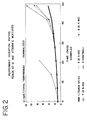
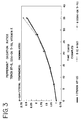
- the Parr bomb reactors of Examples 1-9 were maintained at 6,9 bars (100 psi) oxygen and stored in the 29°C (85°F) oven for 50 days. Samples were removed for analysis at 0, 7, 14, 21, 28, 35, 42 and 49 days. The samples were analyzed using Gas Chromatography for para-cymene, alpha-terpinene and gamma-terpinene. The terpinenes are oxidizable components which are depleted over time. Para-cymene is the oxidation product of the two terpinenes which increases in concentration as oxidation proceeds.
- Tx represents concentrations after x days, in the Parr bomb samples
- To represents concentrations in the refrigerated reference standard, measured at the same times as the Parr bomb samples.
- Figure 1 compares the Tenox GT-2 (trade mark) samples useful in the invention (Example 1) with the three constituent tocopherol homologs (Examples 2-4), and with the unprotected Parr bomb control (Example 9).
- the Parr bomb control oxidized very quickly and all of the tocopherol samples (Examples 1-4) showed significant antioxidant effect.
- the tocopherol mixture useful in the invention (Example 1) exhibited significantly greater antioxidant activity than each of the constituent homologs (Examples 2-4), especially at longer time periods.
- Figure 1 clearly illustrates the existence of a surprising and beneficial synergistic relationship between the three homologs, when the homologs are mixed in concentrations according to the invention.
- FIG. 2 compares the Tenox GT-2® samples (Example 1) with three vitamin E products (Examples 5-7) which are tocopherol mixtures falling outside the ranges of the invention.
- the Tenox GT-2 useful in the invention showed significantly greater antioxidant activity than each of the vitamin E products.
- the vitamin E products performed no better, and as a group were worse, than the individual homologs of Examples 2-4 plotted in Figure 1.
- FIG. 3 compares the Tenox GT-2 sample (Example 1) with the Covi-ox T-70 (trade mark) sample (Example 8) which is also useful in the invention. Both of the foregoing were compared with the vitamin E 4-50 sample (Example 5), for time periods of up to thirty-five days.
- the Tenox GT-2 (trade mark) and Covi-ox T-70 (trade mark) exhibited substantially identical antioxidant performance, and both outperformed the vitamin E 4-50 sample. This graph illustrates that the surprising and beneficial effects obtained with the invention are reproducible.
Landscapes
- Chemical & Material Sciences (AREA)
- Life Sciences & Earth Sciences (AREA)
- Polymers & Plastics (AREA)
- Engineering & Computer Science (AREA)
- Food Science & Technology (AREA)
- Nutrition Science (AREA)
- Health & Medical Sciences (AREA)
- Inorganic Chemistry (AREA)
- Microbiology (AREA)
- Confectionery (AREA)
- Fats And Perfumes (AREA)
- Seasonings (AREA)
- Pharmaceuticals Containing Other Organic And Inorganic Compounds (AREA)
- Food Preservation Except Freezing, Refrigeration, And Drying (AREA)
Applications Claiming Priority (2)
| Application Number | Priority Date | Filing Date | Title |
|---|---|---|---|
| US07/722,692 US5139796A (en) | 1991-06-28 | 1991-06-28 | Tocopherol mixture for use as a mint oil antioxidant in chewing gum |
| US722692 | 1991-06-28 |
Publications (2)
| Publication Number | Publication Date |
|---|---|
| EP0520700A1 EP0520700A1 (en) | 1992-12-30 |
| EP0520700B1 true EP0520700B1 (en) | 1995-10-11 |
Family
ID=24902964
Family Applications (1)
| Application Number | Title | Priority Date | Filing Date |
|---|---|---|---|
| EP92305648A Expired - Lifetime EP0520700B1 (en) | 1991-06-28 | 1992-06-19 | Tocopherol mixture for use as a mint oil antioxidant in chewing gum |
Country Status (12)
| Country | Link |
|---|---|
| US (2) | US5139796A (enExample) |
| EP (1) | EP0520700B1 (enExample) |
| JP (1) | JP2588668B2 (enExample) |
| CN (1) | CN1047920C (enExample) |
| AU (1) | AU642599B2 (enExample) |
| CA (1) | CA2072447C (enExample) |
| DE (1) | DE69205343T2 (enExample) |
| DK (1) | DK0520700T3 (enExample) |
| ES (1) | ES2077980T3 (enExample) |
| FI (1) | FI922973A7 (enExample) |
| MX (1) | MX9203450A (enExample) |
| PH (1) | PH30667A (enExample) |
Families Citing this family (24)
| Publication number | Priority date | Publication date | Assignee | Title |
|---|---|---|---|---|
| US5200213A (en) * | 1991-08-12 | 1993-04-06 | Wm. Wrigley Jr. Company | Gum base containing tocopherol |
| WO1993018661A1 (en) * | 1992-08-14 | 1993-09-30 | Wm. Wrigley Jr. Company | Use of antioxidants from natural sources in chewing gum |
| US5330771A (en) * | 1992-10-29 | 1994-07-19 | Wm. Wrigley Jr. Company | Use of eugenol in chewing gum as an antioxidant |
| US5330772A (en) * | 1992-12-11 | 1994-07-19 | Wm. Wrigley Jr. Company | Use of gum guaiac as an antioxidant in chewing gum |
| US5949017A (en) * | 1996-06-18 | 1999-09-07 | Abb Power T&D Company Inc. | Electrical transformers containing electrical insulation fluids comprising high oleic acid oil compositions |
| US6048891A (en) * | 1998-12-17 | 2000-04-11 | Loma Linda University Medical Center | Use of γ-tocopherol and its oxidative metabolite LLU-α in the treatment of natriuretic disease |
| US6426362B1 (en) * | 1999-10-08 | 2002-07-30 | Galileo Laboratories, Inc. | Formulations of tocopherols and methods of making and using them |
| CA2430415A1 (en) * | 2000-12-15 | 2002-06-20 | Galileo Laboratories, Inc. | Use of tocopherol, metabolites or derivatives thereof or flavonoid metabolites or derivatives thereof in the manufacture of a medicament for the treatment of tissue ischemia |
| US7034054B2 (en) * | 2000-12-15 | 2006-04-25 | Galileo Pharmaceuticals, Inc. | Methods for the prevention and treatment of cerebral ischemia using non-alpha tocopherols |
| AU2002327517B2 (en) * | 2001-08-21 | 2008-04-17 | Johnson & Johnson Consumer Companies, Inc. | Tocopherol enriched compositions and amelioration of inflammatory symptoms |
| US20030078186A1 (en) * | 2001-10-18 | 2003-04-24 | Christopher W. Denver | Method and composition for the prevention of the auto-oxidation of flavors and fragrances |
| AU2002352726A1 (en) * | 2001-11-15 | 2003-06-10 | Galileo Laboratories, Inc. | Formulations and methods for treatment or amelioration of inflammatory conditions |
| US20040152764A1 (en) * | 2001-12-14 | 2004-08-05 | Miller Guy M. | Compositions and methods for the prevention and treatment of cerebral ischemia |
| MY139332A (en) * | 2002-05-22 | 2009-09-30 | Hovid Berhad | Hair growth formulation |
| WO2005084452A1 (en) * | 2004-02-23 | 2005-09-15 | The Texas A & M University System | Antioxidant compositions and methods of use thereof |
| US7780873B2 (en) * | 2004-02-23 | 2010-08-24 | Texas A&M University System | Bioactive complexes compositions and methods of use thereof |
| EP1657294A1 (de) * | 2004-11-16 | 2006-05-17 | Symrise GmbH & Co. KG | Antiallergene Riechstoffzubereitungen |
| JP4750162B2 (ja) * | 2008-08-28 | 2011-08-17 | 三栄源エフ・エフ・アイ株式会社 | l−メントール含有乳化香料 |
| JP4460019B1 (ja) * | 2009-09-11 | 2010-05-12 | 株式会社 伊藤園 | メントール含有タブレット食品 |
| US20140186491A1 (en) * | 2011-07-05 | 2014-07-03 | Kraft Foods R & D, Inc. | Bitterness masking |
| WO2017149387A1 (en) * | 2016-03-04 | 2017-09-08 | Sharon Anavi-Goffer | Compositions of cb2 receptor selective agonists for treatment of mental disorders |
| JP2021181536A (ja) * | 2020-05-19 | 2021-11-25 | ライオン株式会社 | ミント系香料用の呈味改善剤、及びそれを含む香料組成物、並びにミント系香料を含有する香料組成物の呈味改善方法 |
| JP2022006720A (ja) * | 2020-06-24 | 2022-01-13 | 株式会社ロッテ | 香料配合組成物 |
| JP7803275B2 (ja) * | 2020-08-11 | 2026-01-21 | ライオン株式会社 | 口腔用組成物 |
Citations (1)
| Publication number | Priority date | Publication date | Assignee | Title |
|---|---|---|---|---|
| EP0265386A2 (en) * | 1986-10-24 | 1988-04-27 | Warner-Lambert Company | Chewing gum compositions having prolonged breath-freshening |
Family Cites Families (12)
| Publication number | Priority date | Publication date | Assignee | Title |
|---|---|---|---|---|
| BE549252A (enExample) * | ||||
| JPS4914665A (enExample) * | 1972-06-05 | 1974-02-08 | ||
| US4001438A (en) * | 1974-10-15 | 1977-01-04 | International Flavors & Fragrances Inc | Flavor composition for use in orally utilizable compositions |
| US4025640A (en) * | 1975-08-26 | 1977-05-24 | American Hoechst Corporation | Oxothienobenzoxepin-acetic acids, precursors and derivatives thereof |
| US4489099A (en) * | 1983-02-28 | 1984-12-18 | The Goodyear Tire & Rubber Company | Vitamin E/DLTDP stabilizer system for chewing gum SBR |
| US4504499A (en) * | 1983-04-25 | 1985-03-12 | Basf Wyandotte Corporation | Heat-stabilized, carotenoid-colored edible oils |
| US4480108A (en) * | 1983-08-01 | 1984-10-30 | Eastman Kodak Company | Process for separation of tocopherol homologues |
| US4977282A (en) * | 1984-04-17 | 1990-12-11 | Henkel Corporation | Production of d-alpha-tocopherol from natural plant sources |
| JPS6112629A (ja) * | 1984-06-28 | 1986-01-21 | Lion Corp | 口腔内組成物 |
| JPS6239684A (ja) * | 1985-08-12 | 1987-02-20 | House Food Ind Co Ltd | 酸化防止用組成物 |
| US4948595A (en) * | 1989-06-30 | 1990-08-14 | Wm. Wrigley Jr. Company | Spearmint enhanced peppermint flavored chewing gum with improved stability |
| US5102659A (en) * | 1990-07-12 | 1992-04-07 | Shaklee Corporation | Natural antioxidant compositions |
-
1991
- 1991-06-28 US US07/722,692 patent/US5139796A/en not_active Expired - Lifetime
-
1992
- 1992-04-14 US US07/868,545 patent/US5200214A/en not_active Expired - Lifetime
- 1992-06-19 DE DE69205343T patent/DE69205343T2/de not_active Expired - Lifetime
- 1992-06-19 DK DK92305648.5T patent/DK0520700T3/da active
- 1992-06-19 EP EP92305648A patent/EP0520700B1/en not_active Expired - Lifetime
- 1992-06-19 ES ES92305648T patent/ES2077980T3/es not_active Expired - Lifetime
- 1992-06-23 AU AU18469/92A patent/AU642599B2/en not_active Ceased
- 1992-06-25 PH PH44563A patent/PH30667A/en unknown
- 1992-06-26 CA CA002072447A patent/CA2072447C/en not_active Expired - Fee Related
- 1992-06-26 MX MX9203450A patent/MX9203450A/es unknown
- 1992-06-26 FI FI922973A patent/FI922973A7/fi not_active Application Discontinuation
- 1992-06-27 CN CN92108835A patent/CN1047920C/zh not_active Expired - Fee Related
- 1992-06-29 JP JP4170941A patent/JP2588668B2/ja not_active Expired - Fee Related
Patent Citations (1)
| Publication number | Priority date | Publication date | Assignee | Title |
|---|---|---|---|---|
| EP0265386A2 (en) * | 1986-10-24 | 1988-04-27 | Warner-Lambert Company | Chewing gum compositions having prolonged breath-freshening |
Non-Patent Citations (2)
| Title |
|---|
| Fat. Sci. Technol. 92. Jahrgang, 1990, nr.5, pp. 201-206 * |
| Journal Officiel de la Republique Française, 31-10-89, no. 254, pp. 13577-13578 * |
Also Published As
| Publication number | Publication date |
|---|---|
| JP2588668B2 (ja) | 1997-03-05 |
| CA2072447A1 (en) | 1992-12-29 |
| DE69205343T2 (de) | 1996-05-09 |
| US5200214A (en) | 1993-04-06 |
| FI922973L (fi) | 1992-12-29 |
| CA2072447C (en) | 1996-11-26 |
| CN1047920C (zh) | 2000-01-05 |
| US5139796A (en) | 1992-08-18 |
| AU1846992A (en) | 1993-01-07 |
| FI922973A7 (fi) | 1992-12-29 |
| ES2077980T3 (es) | 1995-12-01 |
| AU642599B2 (en) | 1993-10-21 |
| CN1070315A (zh) | 1993-03-31 |
| FI922973A0 (fi) | 1992-06-26 |
| DK0520700T3 (da) | 1995-11-27 |
| PH30667A (en) | 1997-09-16 |
| MX9203450A (es) | 1993-12-01 |
| EP0520700A1 (en) | 1992-12-30 |
| JPH06184590A (ja) | 1994-07-05 |
| DE69205343D1 (de) | 1995-11-16 |
Similar Documents
| Publication | Publication Date | Title |
|---|---|---|
| US5139796A (en) | Tocopherol mixture for use as a mint oil antioxidant in chewing gum | |
| EP0425115A1 (en) | Sucralose sweetened chewing gum | |
| US5158790A (en) | L-carvone enhanced fruit flavored chewing gum | |
| EP0325090A2 (en) | Use of maltitiol in chewing gum compositions for improved physical stability | |
| AU694744B2 (en) | Improved chewing gum compositions and methods for manufacturing same | |
| EP0664674A1 (en) | Dual composition hard coated gum with improved shelf life | |
| US5132121A (en) | Gum base containing tocopherol | |
| NZ234146A (en) | Peppermint flavoured chewing gum: enchanced with spearmint and methyl salicylate | |
| EP0407498B1 (en) | Emulsifiers for flavor prolongation in chewing gum | |
| NZ230328A (en) | Synthetic chewing gum base with enhanced flavour resulting from addition of cocoa powder | |
| AU3934793A (en) | Anti-cavity chewing gum and method using erythrose | |
| US5200213A (en) | Gum base containing tocopherol | |
| US5175009A (en) | Stabilized chewing gum containing acidified humectant | |
| US5034231A (en) | Alitame stability using hydrogenated starch hydrolysate syrups | |
| EP0758849B1 (en) | Method for creating a chewing gum including a liquid sorbitol/mannitol/glycerin blend | |
| US5330771A (en) | Use of eugenol in chewing gum as an antioxidant | |
| US5536510A (en) | Chewing gum products containing a liquid aspartame dispersion | |
| US5330772A (en) | Use of gum guaiac as an antioxidant in chewing gum | |
| CA2012581C (en) | Alitame stability using hydrogenated starch hydrolysate syrups | |
| EP0725568A1 (en) | Chewing gum with stable natural blue color | |
| EP0418371B1 (en) | Storage stable chewing gum containing alitame | |
| WO1993018661A1 (en) | Use of antioxidants from natural sources in chewing gum | |
| PH26771A (en) | Alitame stability using hydrogenated starch hydrolysate syrups |
Legal Events
| Date | Code | Title | Description |
|---|---|---|---|
| PUAI | Public reference made under article 153(3) epc to a published international application that has entered the european phase |
Free format text: ORIGINAL CODE: 0009012 |
|
| AK | Designated contracting states |
Kind code of ref document: A1 Designated state(s): DE DK ES FR GB IT NL |
|
| 17P | Request for examination filed |
Effective date: 19930129 |
|
| 17Q | First examination report despatched |
Effective date: 19930817 |
|
| GRAA | (expected) grant |
Free format text: ORIGINAL CODE: 0009210 |
|
| AK | Designated contracting states |
Kind code of ref document: B1 Designated state(s): DE DK ES FR GB IT NL |
|
| PG25 | Lapsed in a contracting state [announced via postgrant information from national office to epo] |
Ref country code: NL Free format text: LAPSE BECAUSE OF FAILURE TO SUBMIT A TRANSLATION OF THE DESCRIPTION OR TO PAY THE FEE WITHIN THE PRESCRIBED TIME-LIMIT Effective date: 19951011 |
|
| REF | Corresponds to: |
Ref document number: 69205343 Country of ref document: DE Date of ref document: 19951116 |
|
| ET | Fr: translation filed | ||
| REG | Reference to a national code |
Ref country code: DK Ref legal event code: T3 |
|
| REG | Reference to a national code |
Ref country code: ES Ref legal event code: FG2A Ref document number: 2077980 Country of ref document: ES Kind code of ref document: T3 |
|
| ITF | It: translation for a ep patent filed | ||
| NLV1 | Nl: lapsed or annulled due to failure to fulfill the requirements of art. 29p and 29m of the patents act | ||
| PLBE | No opposition filed within time limit |
Free format text: ORIGINAL CODE: 0009261 |
|
| STAA | Information on the status of an ep patent application or granted ep patent |
Free format text: STATUS: NO OPPOSITION FILED WITHIN TIME LIMIT |
|
| 26N | No opposition filed | ||
| REG | Reference to a national code |
Ref country code: GB Ref legal event code: IF02 |
|
| PGFP | Annual fee paid to national office [announced via postgrant information from national office to epo] |
Ref country code: ES Payment date: 20070626 Year of fee payment: 16 |
|
| PGFP | Annual fee paid to national office [announced via postgrant information from national office to epo] |
Ref country code: IT Payment date: 20070628 Year of fee payment: 16 |
|
| REG | Reference to a national code |
Ref country code: ES Ref legal event code: FD2A Effective date: 20080620 |
|
| PG25 | Lapsed in a contracting state [announced via postgrant information from national office to epo] |
Ref country code: IT Free format text: LAPSE BECAUSE OF NON-PAYMENT OF DUE FEES Effective date: 20080619 |
|
| PG25 | Lapsed in a contracting state [announced via postgrant information from national office to epo] |
Ref country code: ES Free format text: LAPSE BECAUSE OF NON-PAYMENT OF DUE FEES Effective date: 20080620 |
|
| PGFP | Annual fee paid to national office [announced via postgrant information from national office to epo] |
Ref country code: FR Payment date: 20110629 Year of fee payment: 20 |
|
| PGFP | Annual fee paid to national office [announced via postgrant information from national office to epo] |
Ref country code: DK Payment date: 20110627 Year of fee payment: 20 Ref country code: GB Payment date: 20110628 Year of fee payment: 20 |
|
| PGFP | Annual fee paid to national office [announced via postgrant information from national office to epo] |
Ref country code: DE Payment date: 20110629 Year of fee payment: 20 |
|
| REG | Reference to a national code |
Ref country code: DE Ref legal event code: R071 Ref document number: 69205343 Country of ref document: DE |
|
| REG | Reference to a national code |
Ref country code: DE Ref legal event code: R071 Ref document number: 69205343 Country of ref document: DE |
|
| REG | Reference to a national code |
Ref country code: DK Ref legal event code: EUP |
|
| REG | Reference to a national code |
Ref country code: GB Ref legal event code: PE20 Expiry date: 20120618 |
|
| PG25 | Lapsed in a contracting state [announced via postgrant information from national office to epo] |
Ref country code: DE Free format text: LAPSE BECAUSE OF EXPIRATION OF PROTECTION Effective date: 20120620 |
|
| PG25 | Lapsed in a contracting state [announced via postgrant information from national office to epo] |
Ref country code: GB Free format text: LAPSE BECAUSE OF EXPIRATION OF PROTECTION Effective date: 20120618 |