EP0447547A1 - C-terminus-amidierungsenzym-zusammensetzung, verfahren zur herstellung und verwendung - Google Patents
C-terminus-amidierungsenzym-zusammensetzung, verfahren zur herstellung und verwendung Download PDFInfo
- Publication number
- EP0447547A1 EP0447547A1 EP89906194A EP89906194A EP0447547A1 EP 0447547 A1 EP0447547 A1 EP 0447547A1 EP 89906194 A EP89906194 A EP 89906194A EP 89906194 A EP89906194 A EP 89906194A EP 0447547 A1 EP0447547 A1 EP 0447547A1
- Authority
- EP
- European Patent Office
- Prior art keywords
- terminal
- gly
- enzyme composition
- reaction
- serum
- Prior art date
- Legal status (The legal status is an assumption and is not a legal conclusion. Google has not performed a legal analysis and makes no representation as to the accuracy of the status listed.)
- Granted
Links
Images
Classifications
-
- C—CHEMISTRY; METALLURGY
- C12—BIOCHEMISTRY; BEER; SPIRITS; WINE; VINEGAR; MICROBIOLOGY; ENZYMOLOGY; MUTATION OR GENETIC ENGINEERING
- C12N—MICROORGANISMS OR ENZYMES; COMPOSITIONS THEREOF; PROPAGATING, PRESERVING, OR MAINTAINING MICROORGANISMS; MUTATION OR GENETIC ENGINEERING; CULTURE MEDIA
- C12N9/00—Enzymes; Proenzymes; Compositions thereof; Processes for preparing, activating, inhibiting, separating or purifying enzymes
- C12N9/0004—Oxidoreductases (1.)
-
- C—CHEMISTRY; METALLURGY
- C12—BIOCHEMISTRY; BEER; SPIRITS; WINE; VINEGAR; MICROBIOLOGY; ENZYMOLOGY; MUTATION OR GENETIC ENGINEERING
- C12N—MICROORGANISMS OR ENZYMES; COMPOSITIONS THEREOF; PROPAGATING, PRESERVING, OR MAINTAINING MICROORGANISMS; MUTATION OR GENETIC ENGINEERING; CULTURE MEDIA
- C12N9/00—Enzymes; Proenzymes; Compositions thereof; Processes for preparing, activating, inhibiting, separating or purifying enzymes
- C12N9/0004—Oxidoreductases (1.)
- C12N9/0071—Oxidoreductases (1.) acting on paired donors with incorporation of molecular oxygen (1.14)
-
- C—CHEMISTRY; METALLURGY
- C07—ORGANIC CHEMISTRY
- C07K—PEPTIDES
- C07K1/00—General methods for the preparation of peptides, i.e. processes for the organic chemical preparation of peptides or proteins of any length
- C07K1/107—General methods for the preparation of peptides, i.e. processes for the organic chemical preparation of peptides or proteins of any length by chemical modification of precursor peptides
-
- C—CHEMISTRY; METALLURGY
- C12—BIOCHEMISTRY; BEER; SPIRITS; WINE; VINEGAR; MICROBIOLOGY; ENZYMOLOGY; MUTATION OR GENETIC ENGINEERING
- C12Y—ENZYMES
- C12Y114/00—Oxidoreductases acting on paired donors, with incorporation or reduction of molecular oxygen (1.14)
- C12Y114/17—Oxidoreductases acting on paired donors, with incorporation or reduction of molecular oxygen (1.14) with reduced ascorbate as one donor, and incorporation of one atom of oxygen (1.14.17)
- C12Y114/17003—Peptidylglycine monooxygenase (1.14.17.3)
Definitions
- This invention relates to a C-terminal amidating enzyme composition derived from serum or plasma, a process for preparing the same and a method of production a peptide amidated at the C-terminal or a derivative thereof utilizing the same.
- Peptides which exhibit biological activity for the first time when C-terminal is amidated, for example, calcitonin, gastrin, secretin, vasoactive intestinal polypeptide, growth hormone-releasing factor, corticotropin-releasing factor, etc. have been known to be formed from glycine adducts through enzymatic reactions in vivo. Many of these biologically active peptides are useful as pharmaceuticals, and presently calcitonin, secretin, among others, are commercially available as pharmaceuticals.
- C-terminal amidating enzyme C-terminal amidating enzyme
- EC.1.14.17.3 peptidylglycine- ⁇ -amidating monoxygenase
- the C-terminal amidating enzyme exhibits a very interesting action in vivo, and a composition having a constant purity derived from a specific living body organ is known. Nevertheless, the use of these enzyme compositions for practical reactions in vitro, partly because of the difficulty of the availability thereof, is not always satisfactory.
- the present inventors studied intensively to find an enzyme composition useful for the above enzyme reaction in vitro, and consequently, surprisingly found that serum or plasma, particularly of horse or porcine, have high enzyme activities, and further, such serum or plasma and enzyme compositions derived from serum or plasma have a catalyzing activity in said enzymatic reaction in vitro, to accomplish the present invention.
- this invention provides a C-terminal amidating enzyme composition derived from serum or plasma which acts on a peptide, protein or a derivative thereof with a residue at the C-terminal to participate in the reaction for forming a product amidated at the C-terminal, a process for producing said enzyme composition, and the use of the same.
- the present invention relates to a C-terminal amidating enzyme composition derived from serum or plasma which acts on a C-terminal glycine adduct represented by the following formula: (wherein A represents a residue other than ⁇ -carboxyl group and an ⁇ -amino group or imino group derived from naturally occurring ⁇ -amino acid, X represents hydrogen atom or a residue of an amino acid derivative which is bonded to N atom through carbonyl group) to participate in the reaction for forming a C-terminal amidated product represented by the following formula: (wherein A and X have the same meanings as above) and glyoxylic acid, and has a purity which exerts substantially no bad influence on said reaction.
- A represents a residue other than ⁇ -carboxyl group and an ⁇ -amino group or imino group derived from naturally occurring ⁇ -amino acid
- X represents hydrogen atom or a residue of an amino acid derivative which is bonded to N atom through carbonyl group
- the hydrogen atom in the bracket (H) means no hydrogen atom exists when A is derived from an ⁇ -amino acid having an ⁇ -imino group.
- the C-terminal glycine adduct represented by the formula (I) of the present invention may include generally compounds derived from amino acid derivatives wherein the moiety in the above formula is natural or synthetic, particularly, peptides or proteins, with glycine being peptide bonded to the C-terminal amino acid residue thereof [represented by -N(H)-A-CO-].
- a residue derived from naturally occurring ⁇ -amino acid, particularly amino acid constituting proteins for example, an aliphatic amino acid such as glycine or alanine; branched amino acid such as valine, leucine or isoleucine; hydroxylated amino acid such as serine or threonine; acidic amino acid such as aspartic acid or glutamic acid; amide such as asparagine or glutamine; alkaline amino acid such as lysine, hydroxylysine or arginine; sulfur containing amino acid such as cysteine, cystine or methionine; aromatic amino acid such as phenylalanine or tyrosine; heterocylic amino acid such as tryptophan or histidine, and imino acid such as proline or hydroxyproline are preferred.
- an aliphatic amino acid such as glycine or alanine
- branched amino acid such as valine, leucine or isoleucine
- hydroxylated amino acid such as
- the hydrogen atom or the residue of amino acid derivative bonded to the ⁇ -amino group or imino group of the amino acid residue [represented by X-] is not particularly limited with respect to the kind and the chain length of peptide of the constituent amino acid residue, provided that it can be peptide bonded through single amino acid or ⁇ -amino group, and further, phosphoric acid, sugar or other substituent may be covalently bonded to the constituent amino acid residue, and it may form a conjugated with a lipid.
- the substituents may be as follows.
- substituent on the guanidino group of arginine residue there may be included alkyl groups such as methyl, ethyl, etc., the substituents derived from adenosine diphosphate ribose, citrulline, ornithine, etc.
- substituent on the ⁇ -amino group of lysine residue there may be included the substituents derived from compounds having glycosyl group, pyridoxyl group, biotinyl group, lipoyl group, acetyl group, phosphoric acid or ⁇ -hydroxyl group, compounds having ⁇ -glycosyl group, glutaraldehyde or anhydrous citraconic acid, etc.
- substituent on the imidazole group of hystidine residue there may included methyl group, the substituents derived from phosphoric acid, iodine or flavin, etc.
- substituent on proline residue there may be included hydroxyl group, dihydroxyl group, glycosyl group, etc.
- substituent on the benzene ring of phenylalanine residue there may be included hydroxyl group, glycosyl group, etc.
- the substituent on the hydroxyl group of tyrosine group there may be included glycosyloxy group, sulfonic acid group, iodine atom, bromine atom, chlorine atom, the substituents derived from compounds having hydroxyl group, bisether, adenine, uridine or RNA (ribonucleic acid), etc.
- the substituent on the hydroxyl group of serine residue there may included methyl group, glycosyl group, the substituents derived from phosphopanteteic acid, adenosine diphosphoric acid ribose or phosphoric acid, etc.
- the substituent on the hydroxyl group of threonine residue there may be included glycosyl group, methyl group, the substituents derived from phosphoric acid, etc.
- the substituent on the SH group of cysteine residue there may be included glycosyl group, the substituents derived from cystine, dehydroalanine, heme, flavin or selenium, etc.
- the substituent on the carboxyl group of aspartic acid or glutamic acid residue there may be included methyl group, the substituents derived from phosphoric acid or compounds having ⁇ -carboxyl group.
- the subsituent on the amide group of asparagine or glutamine residue there may be included the substituents derived from compounds having glycosyl group, pyrrolidonyl group or imino group, etc.
- the peptide having glycine peptide bonded to the C-terminal residue or its derivative as the above substrate may be either one extracted from nature, one produced by chemical synthesis or one produced by use of the recombinant DNA technique.
- the substrate represented by the formula (I) is a C-terminal glycine adduct, i.e., a peptide bonded compound between amino group of glycine and C-terminal carboxyl group of any peptides, for example, peptides with amino acid residues of about 2 to 100, phosphate peptides as represented by casein, protein kinase, adenovirus EIA protein, RAS1 protein, etc. and hydrolyzates thereof, lipoproteins such as thromboplastin, ⁇ 1-lipoprotein, lipovitellin, etc.
- a C-terminal glycine adduct i.e., a peptide bonded compound between amino group of glycine and C-terminal carboxyl group of any peptides, for example, peptides with amino acid residues of about 2 to 100, phosphate peptides as represented by casein, protein kinase, adenovirus EIA protein,
- metal proteins as represented by hemoglobin, myoglobin, hemocyanin, chlorophyl, phycocyanine, flavin, rhodopsin, etc., and hydrolyzates thereof, glycoproteins as represented by collagen, laminine, interferon ⁇ , seroglycolide, avidin, etc. and hydrolyzates thereof, as well as other peptides formed a maturation peptide having physiological activity, for example calcitonin, secretin, gastrin, vasoactive intestinal peptide, cholecystokinin, caerulein, pancreatic polypeptide, growth hormone-releasing factor, corticotropin-releasing factor, calcitonin gene related peptide, etc., with amidation.
- a preferable substrate for identification enzyme activity of the enzyme composition may include D-tyrosyl-valyl-glycine (D-Tyr-Val-Gly), D-tyrosyl-tryptophanyl-glycine (D-Tyr-Trp-Gly), glycyl-phenylalanyl-glycine (Gly-Phe-Gly), phenylalanyl-glycyl-phenylalanyl-glycine (Phe-Gly-Phe-Gly), D-tyrosyl-leucyl-asparaginyl-glycine (D-Tyr-Leu-Asn-Gly), arginyl-phenylalanyl-glycine (Arg-Phe-Gly), arginyl-alanyl-arginyl-leucyl-glycine (Arg-Ala-Arg-Leu-Gly), leucyl-methion
- a preferable substrate for using the enzyme composition may include the above peptides forming a maturation peptide having a physio-logical activity with amidation.
- the purity which does not have a substantially bad influence on the above formation reaction means that when intervening proteinaceous components are co-present in the enzyme composition of the present invention, they do not have a bad influence on separation and purification in conventional manner of the product represented by the formula (II).
- the peak derived from the enzyme composition of the present invention becomes much smaller compared with the amidated product represented by the above formula (II), whereby the product represented by the formula (II) can be isolated more easily by conventional peptide or protein separation and purification means.
- an enzyme purity such that, when the reaction is carried out at 37°C for 5 hours, and an enzyme composition is added in an amount which converts 50% or more of the substrate of the above reaction system (I) to the product of the formula (II), the peak of the protein formed from said enzyme composition becomes 20% or less of the above product peak.
- the animals from which serum and plasma are derived as the source of supply of the C-terminal amidating enzyme composition in the present invention may include mammals such as human, bovine, horse, porcine, sheep, rabbit, goat, rat, mouse, etc.; avian such as chicken, turkey, etc.; batrachian such as frog, etc.; reptiles such as snake; fish such as sardine, mackerel, eel, salmon, etc. Serum and plasma may be either prepared directly from blood or commercially available. For preparation from blood, the following method may be employed. Concerning blood collection, the methods generally used as described in, for example, "Seikagaku Handbook, p. 723 - 725" (written by Suzuki, Maruzen (1984) may be employed.
- anticoagulants such as heparin, ethylenediaminetetraacetic acid and their sodium salts, and sodium citrate
- the preparation of serum may be conducted as described in, for example, "Zoku Seikagaku Jikken Kouza, Vol. 5, p. 9" written by Matsumoto et al, Tokyo Kagakudojin (1986) or "Zoku Seikagaku Jikken Kouza, Vol. 8, Latter vol., p. 682", written by Matsumoto et al, Tokyo Kagaku Dojin (1987).
- it can be accomplished by leaving the blood to stand at 20 to 40°C for at least 30 minutes to sufficiently sediment blood clots, and recovering the supernatant.
- centrifugation, filtration, etc. When recovering the supernatant, if necessary, centrifugation, filtration, etc. may be performed.
- preparation of plasma it can be accomplished as described in, for example, "Seibutsugaku Jiten, Second ed., p. 332 - 333", Iwanami (1977), by adding the above anticoagulant during blooding or immediately after blooding, or after inhibiting progress of blood coagulation by leaving it to stand at a low temperature of 0 to 10°C for at least 10 minutes, sedimenting concrete components and recovering the supernatant.
- centrifugation, filtration, etc. may be conducted. Serum and plasma are stored at low temperatures of -80°C to 10°C, but the activity of the C-terminal amidating enzyme composition will not be lowered by freezing and thawing for several times.
- amidating enzyme composition is further specified by the following physicochemical properties. That is:
- the above properties (i) and (ii) are measured by use of buffers conventionally used, specifically tris-HCl, mes-potassium hydroxide, tes-sodium hydroxide, hepes-potassium hydroxide buffer.
- the enzyme composition of the present invention can catalyze the above reaction within the temperature range of 1°C to 55°C, but will be inactivated at 56°C within about 10 minutes, and also slight inactivation is seen at around 45°C.
- Cu2+, Ni2+, CO2+, Fe3+, etc. may be suitable, particularly preferably Cu2+.
- These metal ions and L-ascorbic acid may be considered to function as cofactor.
- the reducing agents such as NADH or NADPH and the catecholamines such as dopamine or norepinephrine may act as L-ascorbic acid.
- the present enzyme composition which may have the above described physicochemical properties and mixture including the plural enzymatic active substances, whereas it's active substance (or enzyme per se) may be separated independently from other, i.e., consisting of any one of active substances having a molecular weight of of about 50,000 and about 100,000.
- the molecular weight is the value measured according of the gel filtration method know per se [e.g. "Seikagaku Jikken Kouza 5, Enzyme Study Method, Former vol., p. 283 - 298, Tokyo Kagaku Dojin (1975)]. Specifically, by use of a 50 mM tris-HCl (pH 7.4) containing 100 mM potassium chloride as the equilibration and elution solution, gel filtration was effected on Toyopearl HW-55S (produced by Toso), and the molecular weight was determined with ⁇ -amylase (M.W. 200,000), alcohol dehydrogenase (M.W. 150,000), BSA (M.W. 66,000), carbonic anhydrolase (M.W. 29,000) and cytochrome C (M.W.15,400) as the indices.
- ⁇ -amylase M.W. 200,000
- alcohol dehydrogenase M.W. 150,000
- BSA M
- the isoelectric point is the value measured according to the isoelectric point chromatography known per se (chromatofocusting) [e.g. "Zoku Seikagaku Jikken Kouza 2, Chemistry of Proteins, Former vol., p. 160 - 171", Tokyo Kagaku Dojin (1987)]. Specifically, by use of MonoP column (0.5 x 20 cm) (produced by Pharmacia), the column was equilibrated with 25 mM imidazole-HCl buffer (pH 7.4), added with a sample substituted with the same buffer solvent system and then elution was effected with Polybuffer 74 (produced by Pharmacia: diluted to 8-fold, adjusted to pH 4.0 with hydrochloric acid) for measurement.
- MonoP column 0.5 x 20 cm
- Polybuffer 74 produced by Pharmacia: diluted to 8-fold, adjusted to pH 4.0 with hydrochloric acid
- the enzyme composition of the present invention as described above can be obtained according to the process described below. That is, it can be obtained by treating a serum or a plasma with the substrate affinity chromatography using the C-terminal glycine adduct represented by the above formula (I) as the ligand, used optionally in combination the method conventionally used, such as:
- all of the C-terminal glycine adducts represented by the above formula (I) can be used, but preferably they include the peptides comprising 2 to 6 amino acid residues including glycines as specifically a preferable substrate for identification enzyme activity of the present enzyme composition mentioned above.
- D-Tyr-Trp-Gly, Phe-Gly-Phe-Gly and Gly-Phe-Gly are more preferable, but that using Phe-Gly-Phe-Gly as the ligand is particularly preferred as having a strong affinity for the enzyme composition of the present invention.
- ligands are generally used as bound to a water-insoluble carrier, and it is important that the carboxyl group of the C-terminal glycine reside of the peptide to be used as the ligand should be under free state for bonding to the C-terminal amidating enzyme, and it is required to be bound to the carrier through the amino group of the amino acid reside at N-end.
- the carrier may be any one which can be bound to the amino group of the peptide, and an active group reactive with the amino group may be chemically introduced into the carrier, or alternatively a commercially available carrier having already introduced the active group may be used.
- the method for introducing chemically may be the method generally employed.
- imidocarboxyl group is introduced into agarose by use of cyan bromide.
- activated carriers may include agarose type, cellulose type, hydrophilic polyvinyl type, etc. with the substrate as the index, but any of these may be employed.
- the agarose type carrier there may be included CNBr activated Sepharose 4B (produced by Pharmacia) in which the CNBr method is used for binding the ligand with the amino group, CH-Sepharose 4B, ECH-Sepharose 4B (all produced by Pharmacia) by use of the carbodiimide method, Affigel 10, Affigel 15 (all are produced by Biorad), the tresyl activated Sepharose 4B (produced by Parmacia) by use of the tresyl chloride method, etc.
- the cellulose type carrier Formylcellulofine (produced by Chisso) by using the formyl method may be included.
- hydrophilic polyvinyl type carrier there may be included AF-carboxytoyopearl 650 by use of the carbodiimide method, AF-formyltoyopearl 650 by using the formyl method, AF-tresyltoyopearl 650 by using the tresyl chloride method, AF-epoxytoyopearl 650 by using the epoxy activation method (all are produced by Toso)., etc.
- the binding reaction with the ligand may be carried out according to the instructions for each carrier.
- Affigel 10 is described.
- the reaction between Affigel 10 and the peptide is carried out in a buffer such as Mops-potassium hydroxide, etc. of 0.001 to 1 M, preferably 0.1 M.
- the reaction conditions can be 0 to 20°C, 10 minutes to 24 hours and about pH 3 to 11, but preferably are 4°C, 4 to 24 hours and pH 5 to 9.
- the mixing ratio of Affigel 10 to the peptide to be used for binding may be within the range of about 25 ⁇ mol per 1 ml of Affigel, because more will be bound as the peptide is added in a larger amount within this range, but conveniently about 1 to 20 ⁇ mol may be used with respect to the binding efficiency.
- the mixture is thoroughly washed with the buffer used during the reaction, and then tris-HCl (pH 8.0) is added to the final concentration of 50 mM and the unreacted active groups are blocked according to the method of shaking, at 4°C for one hour, etc.
- the substrate affinity gel is prepared.
- the substrate affinity chromatography may be carried out either batchwise or continuously with the gel packed in a column.
- the time for contacting the sample with the gel may be such that the C-terminal amidating enzyme can be sufficiently adsorbed, but may be generally 20 minutes to 24 hours.
- Nonadsorbed components are washed away with a buffer having the same composition as that used for equilibration of the gel with a low ionic strength and pH of 6.0 to 11.0, preferably 7.0 to 9.0, for example, 10 mM hepes-potassium hydroxide (pH 7.0). Thereafter, the fractions in which the C-terminal amidating enzyme activity exists are eluted.
- the eluting solution may have any composition which can give the C-terminal amidating enzyme with a good efficiency, but preferable examples include buffers with pH between 7.0 and 9.0 containing about 1 to 40% of acetonitrile together with 0.1 to 1 M sodium chloride, such as 10 mM hepes-sodium hydroxide (pH 7.0) containing 20% of acetonitrile and 0.4 M sodium chloride. Also, when filled in the column, elusion may be carried out with application of the concentration gradient.
- heparin affinity chromatography [hereinafter represented by (2)] and/or the step of removing low molecular weight substances by dialysis, gel filtration, etc. [hereinafter represented by (3)] may be also practiced. Generally speaking, it is preferable to practice the total number of 1 to 6 steps, and further the above step (4) or (3) as the final step.
- Specific examples of the combination of the respective steps may include only (4), (1) ⁇ (4), (4) ⁇ (3), (2) ⁇ (4), (1) ⁇ (3) ⁇ (4), (2) ⁇ (3) ⁇ (4), (1) ⁇ (4) ⁇ (3), (2) ⁇ (4) ⁇ (3), (2) ⁇ (1) ⁇ (4), (1) ⁇ (2) ⁇ (3) ⁇ (4), (1) ⁇ (2) ⁇ (4) ⁇ (3), (1) ⁇ (3) ⁇ (4) ⁇ (3), (1) ⁇ (2) ⁇ (1) ⁇ (3) ⁇ (4), (2) ⁇ (1) ⁇ (3) ⁇ (4), (2) ⁇ (1) ⁇ (3) ⁇ (4), (2) ⁇ (1) ⁇ (3) ⁇ (4), (2) ⁇ (1) ⁇ (3) ⁇ (4) ⁇ (3), (1) ⁇ (2) ⁇ (3) ⁇ (4), (2) ⁇ (1) ⁇ (3) ⁇ (4) ⁇ (3), (1) ⁇ (2) ⁇ (3) ⁇ (4), (1) ⁇ (3) ⁇ (2) ⁇ (3) ⁇ (4), (1) ⁇ (3) ⁇ (2) ⁇ (3) ⁇ (4), (1) ⁇ (3)
- the steps should proceed in the order of (1) ⁇ (2) ⁇ (3) ⁇ (4), (1) ⁇ (2) ⁇ (3) ⁇ (4) ⁇ (3), (1) ⁇ (3) ⁇ (2) ⁇ (3) ⁇ (4) or (1) ⁇ (3) ⁇ (2) ⁇ (3) ⁇ (4) ⁇ (3).
- steps (1) to (3) are described. These steps are all carried out at 0°C to 10°C, preferably 4°C.
- salts such as ammonium sulfate, etc.
- organic solvents such as ethanol, acetone, etc.
- polymers such as polyethylene glycol etc.
- concentration added is not particularly limited, but it is preferable to use the conditions under which the C-terminal amidating enzyme can be recovered with a good efficiency, and can be separated from other protein components. For example, when 30 to 50% of saturated ammonium sulfate, 10 to 15% (w/v) of polyethylene glycol 6000 are added, the C-terminal amidating enzyme comes into the precipitated fraction, while albumin contained in much amount in serum and plasma exists in the supernatant portion, whereby purification can be effected with a good efficiency.
- Addition may be preferably done gradually while stirring with a stirrer. After the mixture is left to stand for at least one hour after completion of the addition, the fractions in which the C-terminal amidating enzyme exists are recovered. When the precipitated fraction is recovered, this is dissolved in an appropriate buffer.
- the buffer provided that it has pH 6.0 to 11.0, preferably pH 7.0 to 9.0, may have any composition, including, for example, tris-HCl, hepes-potassium hydroxide, tes-sodium hydroxide, etc.
- the concentration is not particularly limited within the range which can maintain the buffering ability, but is preferably about 5 to 50 mM.
- the active fraction obtained according to (1) may be subjected again to (1) or proceed to any step of (2) to (4), but when proceeding to (2) or (4) by using a salt such as ammonium sulfate for fractionation of (1), it is necessary to lower the salt concentration to a level at which the C-terminal amidating enzyme can be bound to the gel used in the step of (3) or in the subsequent step with addition of an appropriate buffer.
- a salt such as ammonium sulfate for fractionation of (1)
- heparin affinity chromatography of (2) it may be carried out either batchwise or continuously by filling the gel in a column.
- Commercially available gels having heparin as the ligand may include heparin Sepharose CL-6B (produced by Pharmacia), Affigel heparin (produced by Biorad), heparin Agarose (produced by Sigma), AF-heparintoyopearl 650 (produced by Toso).
- Serum or plasma is contacted directly, or after the treatment of the fraction by precipitation as shown in (1), with the heparin affinity gel.
- the contact time may be such that the C-terminal amidating enzyme can be sufficiently adsorbed, but generally 20 minutes to 12 hours.
- the components having no affinity for heparin are removed with a buffer having a low ionic strength to the extent that no C-terminal amidating enzyme is eluted with pH of 6.0 to 11.0, preferably 7.0 to 9.0, for example, 10 mM hepes-potassium hydroxide (pH 7.0). Thereafter, the fractions containing the C-terminal amidating enzyme are eluted.
- eluting solution one having a higher recovery of the C-terminal amidating enzyme activity is preferred.
- a salt generally used for enzyme purification such as 0.5 M - 2 M sodium chloride, potassium chloride, ammonium sulfate, etc.
- Elution may be performed according to the salt concentration gradient when packed in a column, but one step elution is preferred for a higher recovery.
- elution may be effected with 10 mM hepes-potassium hydroxide buffer (pH 7.0) containing 0.3 - 2.0 M sodium chloride.
- the active fraction obtained in the step (2) may be also provided subsequently for any of the steps (1) to (4) but when the step (2) is performed again, or when proceeding to the step (4), the step (3) may be previously conducted, or the ionic strength lowered to a level at which the C-terminal amidating enzyme can be adsorbed to the gel used in (2), (4) by addition of a large amount of a buffer of 50 mM or lower having a low ionic strength and pH 6.0 to 11.0, preferably 7.0 to 9.0, for example, 5 mM hepes-potassium hydroxide (pH 7.0), etc.
- the membrane to be used may have a cut-off molecular weight to the extent that the C-terminal amidating enzyme cannot pass therethrough, but is preferably 1,000 to 10,000.
- the method of dialysis may be one generally employed as described in, for example, "Seikagaku Jikken Kouza, Vol. 5, Former vol., p.
- 252-253 written by Soda, Tokyo Kagaku Dojin (1975), and may be carried out for several hours to several days, against a buffer with low ionic strength having pH 6.0 to 11.0, preferably pH 7.0 to 9.0, such as 10 mM hepes-potassium hydroxide (pH 7.0), 10 mM tris-HCl (pH 7.5), etc. Also, during dialysis, when insoluble substances are precipitated, they are removed by, for example, centrifugation, filtration, etc.
- any carrier generally used for gel filtration may be employed. It is preferable that, for example, Sephadex G-10, G-15, G-25, G-50, G-75, G-100, Sephacryl S-200, S-300 (all produced by Pharmacia), Toyopearl HW-40 (produced by Toso), Biogel P-2, P-4, P-6 (all produced by Biorad), etc.
- the buffer to be used may have the same composition as that used during dialysis. However, if the ionic strength is too low, it may be considered that adsorption of the C-terminal amidating enzyme onto the gel may occur, and therefore the concentration is made 5 to 200 mM, preferably 10 to 20 mM.
- the method of gel filtration may be practiced as described in, for example, "Seikagaku Jikken Kouza, Vol. 5, Former vol., p. 283-298", written by Soda, Tokyo Kagaku Dojin (1975). After a sample is added in an amount sufficient to obtain separation capacity relative to the bed volume of the gel filtration carrier (20% or less of the bed volume), elution is effected and the fraction in which the C-terminal amidating enzyme activity exists is recovered.
- the active fraction obtained by the step of (3) can be permitted to proceed to the respective steps of (1) to (4) without any particular treatment.
- an enzyme composition is isolated according to the method of gel filtration to purify a protein, and may be an enzyme composition having individually a single molecular weight of about 50,000 and 100,000.
- An assay of the C-terminal amidating enzyme activity may be carried out by any method which can confirm the amidated reaction, for example the method of Eipper et al in which 125I-D-tyrosyl-valyl-glycine (125I-D-Tyr-Val-Gly) is allowed to react as the substrate, and the substrate is separated from the reaction product by ion exchange chromatography (Eipper et al, Pro. Natl, Acad.
- the reaction solution was prepared by adding 50 mM hepes-potassium hydroxide buffer (pH 7.0), 10 ⁇ M copper sulfate, 1.5 mM L-ascorbic acid, 4 ⁇ g catalase (produced by Sigma), 2 ⁇ M D-Tyr-Val-Gly, 20,000 cpm 125I-D-Tyr-Val-Gly and the C-terminal amidating enzyme solution, and making the total amount to 80 ⁇ 1 with water.
- the reaction mixture was subjected to the reaction at 37°C in a thermostat water tank under stirring for 2 hours or 5 hours.
- the reaction was stopped by addition of one ml of 2 mM sodium phosphate buffer (pH 5.0).
- the substrate was separated from the reaction product through SP-Sephadex C-50 (produced by Pharmacia) ion exchange chromatography.
- the reaction mixture was passed through ion exchange gel with a bed volume of 2 ml, and the unreacted substrate was washed away with 10 ml of 2 mM sodium phosphate buffer (Solution A) to have only the reaction product adsorbed onto the gel.
- Solution A 2 mM sodium phosphate buffer
- the reaction product was eluted (Solution B).
- the radioactivities of Solution A and Solution B were measured by a 7-counter and the substrate conversion was determined from the following formula.
- the enzyme activity 1 (U) is defined as the activity which converts 1 pmol of the substrate per one hour.
- the specific activity is defined as the activity per 1 mg of protein.
- the present invention discloses the third invention related to the use of the enzyme composition of the present invention described above, i.e., a method of producing a C-terminal amidated compound by the formula (II), which comprises treating a C-terminal glycine adduct represented by the formula (I) with the above enzyme composition, a serum or plasma of horse or porcine.
- an enzyme composition of the present invention is used, since it is almost eliminated in an admixed protein, also a serum or plasma of horse or porcine, and a concentrate derived therefrom may be used, although the latter may require an intricate purifying process to obtain an end product.
- the C-terminal glycine adducts represented by the formula (I) may be a compound described above, particularly a compound which substituted a C-terminal carbamoyl group (-CONH2) of a compound represented by the formula (II) for a peptide bonded group (-CONHCH2COOH) between the C-terminal carboxyl group and the amino group in glycine, and the compound represented by the formula (II) may be included arginine vasotocin (AVT), lutenizing hormone-release hormone (LH-RH), oxytocin, gastrin, gastrin secretion promoting peptide (GGRP), calcitonin (CT), vasoactive intestinal peptide (VIP), thyrotropin-releasing hormone (TRH), melanophore stimulating hormone (MSH), MSH release inhibiting hormone (MIH), cholecystokininoctapeptide (CCK-8), substance P (SP), adipokin
- the treating may be carried out in a common buffer, preferably in the presence of a metal ion, L-ascorbic acid and others, and catalased in appropriate amounts, respectively.
- the compound represented by the formula (I) (or substrate) concentration in the buffer is not particularly limited, but can be varied as desired, generally suitably about 0.1 ⁇ M to 2 mM.
- the pH of the buffer is preferably 5 to 10, more preferably around pH 7.
- the buffering agent for preparing such buffer is not particularly limited, but those conventionally used may be employed.
- Tris-HCl, Hepes-potassium hydroxide may be included.
- the concentration of the buffering agent in the buffer may be any concentration, provided that the buffering action can be achieved, but is preferably 20 to 200 mM.
- the metal ion Cu2+, Ni2+, Co2+, Fe3+, etc. is preferable, particularly preferably Cu2+.
- the concentration of the metal ion in the buffer may be suitably 0 to 1000 ⁇ M, preferably 0 to 200 ⁇ M, more preferably 0.01 to 50 ⁇ M.
- the compounds for providing such metal ion are not particularly limited but may include CuSO4 , CuCl2 , NiCl2 , CoCl2 , FeCl3 , etc.
- L-ascorbic acid and others may be included the reducing agents such as L-ascorbic acid, NADH or NADPH, and the catecholamines such as dopamine or norepinephrine.
- the concentration of L-ascorbic acid in the buffer may be suitably 0 to 10 mM, particularly 0.5 to 2 mM.
- the concentration of catalase in the buffer may be suitably 0 to 300 ⁇ g/ml, preferably 10 to 200 ⁇ g/ml, more preferably 40 to 100 ⁇ g/ml.
- the amount of the present enzyme composition and serum or plasma obtained from horse or porcine employed is not particularly limited and can be varied, but suitably contains an amidation enzyme activity of a pmol/hr or more, more preferably 10 x a pmol/hr or more, most preferably 10 x a pmol/hr to a mol/hr [units indicate enzyme activity, amount of the substrate which can be reacted at 37°C for one hour (e.g., represented in terms of pmol)], based on the amount of the substrate existing in the reaction system (defined as a nmol).
- the enzyme reaction may be carried out stationarily or under shaking at 1 to 55°C, preferably 25 to 40°C, most preferably around 37°C.
- the reaction is completed generally within one minute to 48 hours.
- purification of the compound represented by the formula (II) derived from the said treating can be carried out by ion exchange chromatography, reverse phase chromatography, gel filtration, affinity chromatography, high performance liquid chromatography (HPLC), thin layer chromatography (TLC), etc.
- the substrate and the amidated product have C-termini which are carboxyl group and amide group, respectively, thus differing in charges.
- Ion exchange chromatography, reverse phase chromatography by utilizing this property may be suitable.
- affinity chromatography using the antibody of the product is effective.
- Affigel 10 was measured into a 10 ml volume Econocolumn (produced by Biorad) filled with isopropanol. After isopropanol was washed out, the gel was washed with 50 ml of 10 mM sodium acetate buffer (pH 4.5) and then with 10 ml of 0.1 M Mops-sodium hydroxide buffer (containing 80 mM calcium chloride, pH 7.5).
- the gel was transferred into a bottle of 20 ml volume, it was mixed with 10 ml of the above Mops-sodium hydroxide buffer containing 40 mg (about 100 ⁇ mol) of phenylalanyl-glycyl-phenylalanyl-glycine (Phe-Gly-Phe-Gly, produced by Sigma) dissolved therein and the shaking reaction was carried out at 4°C for 18 hours. Then, 0.5 ml of 1 M tris-HCl buffer (pH 8.0) was added and the shaking reaction was carried out at 4°C for one hour to deactivate the unreacted active groups.
- Phe-Gly-Phe-Gly phenylalanyl-glycyl-phenylalanyl-glycine
- composition from horse serum
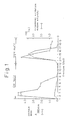
- Table 1 shows the total protein amounts, the total enzyme activities, specific activities, yields and purification folds in the respective steps of purification conducted in the above (1) to (4).
- the C-terminal amidating enzyme was purified to 178-fold with a yield of 7.6%.
- the purified enzymatic activity is increased by an introduction of acetonitrile into the reaction mixture.
- the activity is increased twofold as the specific activity having about 9000 U/mg, when acetonitrile is put into the enzymatic sample of the step (4) in table 1 to 10% by volume based on the whole of the reaction mixture.
- the specific activity is increased approximately seven fold according to the same enzymatic sample, 4000 U/mg to 28000 U/mg, when an enzymatic reaction was carried out in 7.5% acetonitrile instead of 0% acetonitrile with 100 ⁇ M Phe-Gly-Phe-Gly (a total of 200 ⁇ l reaction mixture), and the specific activity was determined by the HPLC method.
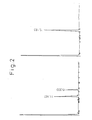
- the reaction was carried out with phenylalaninyl-glycyl-phenylalanyl-glycine (Phe-Gly-Phe-Gly) as the substrate.
- the composition of the reaction mixture was similar to that as described in the assaying method of enzyme activity.
- the substrate concentration was made 20 ⁇ M
- the enzyme preparation used was 10 ⁇ l and 50 ⁇ l.
- the reaction product was detected by HPLC.
- the column used was Capcell Pak C8SG, 300 ⁇ (produced by Shiseido).
- the eluting solvent used was 1 mM ammonium carbonate (pH 9.0) and acetonitrile, and a linear concentration gradient was applied to increase acetonitrile from 0% to 40%.
- the peptide was detected by the absorption at 214 nm.
- Fig. 2. (1) shows the result when the reaction was carried out for 5 hours with the use of an enzyme sample of 10 ⁇ l, and (2) that of 50 ⁇ l, and the peak at 11.2 min. is the unreacted Phe-Gly-Phe-Gly, and the peak at 15.2 min. the reaction product of phenylalanyl-glycyl-phenylalanine amide (Phe-Gly-Phe-NH2).
- the supernatant thus obtained was provided for serum sample.
- tyrosine residues in the (substrate were labelled with 125I.
- a 0.2 M phosphate buffer (pH 7.2) 2.0 ⁇ g of D-Tyr-Val-Gly was mixed which 2 mCi radioactive iodine (125I,) and one Iodo bead (produced by Pirce Chemical) was added thereto to carry out the reaction for 5 minutes, followed by addition of 10 ⁇ l of mercaptoethanol to stop the reaction.
- [125I]-D-Tyr-Val-Gly was recovered by using HPLC (LC-6-A, produced by Shimazu Seisakusho). As the column, Capcell Pak C18SG, 120 ⁇ 10 ⁇ produced by Shiseido K.K. was used. Elution was conducted according to the concentration gradient of water and acetonitrile. A linear concentration gradient was applied for elution from 100% of an aqueous 0.1% trifluoroacetic acid (TFA), by mixing acetonitrile containing 0.09% gradually therewith periodically until acetonitrile became 40% after 90 minutes. At an acetonitrile concentration of about 20%, [125I]-D-Tyr-Val-Gly could be detected as the peak of radioactivity. The peak was recovered by separation and lyophilized before use for the amidation reaction.
- HPLC LC-6-A, produced by Shimazu Seisakusho.
- Capcell Pak C18SG 120 ⁇ 10 ⁇ produced by Shiseido K.K. was used. Elution
- the amidation reaction mixture was prepared as follows. 50 mM Hepes-potassium hydroxide buffer (pH 7.0), 10 ⁇ M copper sulfate, 1.5 mM L-ascorbic acid, 4 ⁇ g catalase (produced by Sigma), 2 ⁇ M D-Tyr-Val-Gly, 20000 cpm [125I]-D-Tyr-Val-Gly and 10 ⁇ l of various sera were mixed, and the total amount was made up to 80 ⁇ l. While the reaction mixture was shaken in a thermostat water tank of 37°C, the reaction was carried out for 2 hours or 5 hours.
- the reaction was stopped by addition of 1 ml of 2 mM sodium phosphate buffer (pH 5.0).
- the reaction product and the substrate were separated from each other by SP-Sephadex C-50 (produced by Pharmacia) ion exchange column chromatography.
- the reaction mixture was passed through an ion exchange gel with a bed volume of 2 ml, and the unreacted substrate was washed away with 10 ml of 2 mM sodium phosphate buffer (Solution A), thereby having only the reaction product adsorbed onto the gel.
- Solution A 10 ml of 2 mM sodium phosphate buffer
- Solutions A and B were respectively lyophilized, and the radioactivity peak was detected. As a result, it was confirmed that separation of the substrate from the reaction product was effected and that the amidation reaction had been correct, because the peak of [125I]-D-Tyr-Val-NH2 obtained by 125I labelling of Sigma reagent D-tyrosyl-L-valineamide (D-Tyr-Val-NH2) coincided with the peak of Solution B and the peak of [125I]-D-Tyr-Val-Gly with the peak of Solution A.
- the radioactivities of Solution A and Solution B were measured by ⁇ -counter, and the substrate conversion ratio was determined from the formula as described above.
- the protein mass in serum was measured according to the improved method of Lowry [Bensadoun et al, Anal, Biochem., 70, 265 (1976)]. At this time, the standard curve was prepared by using bovine serum albumin (produced by Sigma).
- the substrate amount which can be converted in one hour per 1 mg of protein is shown as specific activity.
- the measurement results of various sera are summarized in Table 2.
- the amidation enzymatic activity was found in all the sera, but in Comparative Examples 1 - 5, the substrate conversion was as low as 5% even after the reaction for 5 hours, while in the horse and porcine of Examples 1 and 2, the conversion was found to exceed 50%. Also, with respect to a specific activity, Examples were found to be higher by 4 to 10-fold compared with Comparative Examples. Thus, horse and porcine sera per se , also, exhibited C-terminal amidating enzymatic activities which were sufficiently commercially available.
- the amidatation enzymatic reactions were carried out in mixtures at concentrations as described in Examples 4, 5, Comparative Examples 1 to 5. However, the substrate concentration was made 25 ⁇ M, and the total volume made 0.5 ml and 300 ⁇ l of the amidation enzymatic mixture was used.
- the reaction product was detected by HPLC. As the elution solvent, 1 mM ammonium carbonate (pH 9.0) and acetonitrile were used, and a linear concentration gradient was applied which increased acetonitrile from 0% to 60% in 40 minutes.
- the polypeptide was detected by absorption at 214 nm. The retention time of the unreacted Val-Gly-Val-Ala-Pro-Gly was 9.7 minutes.
- the amidated reaction product lost charges at C-terminal under the condition of pH 9 to become hydrophobic, whereby the retention time became longer, and it was detected after 13.5 minutes.
- the reaction mixture was eluted under this condition, and substrate conversion and recovery were determined from the peak area (C) at 9.7 minutes and the peak area (D) at 13.5 minutes.
- the horse and porcine sera used were the same as those used in Examples 4 and 5.
- the amidation enzymatic reaction conditions and the detection conditions of the polypeptide formed were conducted according to the conditions as shown in Examples 6 and 7.
- the amidation reaction efficiencies obtained from the peaks detected by HPLC are summarized in Table 4.
- the results of the reactions were for those of 30°C and 18 hours.
- amidated peptide which is the reaction product could be easily purified by separation through HPLC. By blowing nitrogen into the separated solution to evaporate acetonitrile, followed further by lyophilization, ammonium carbonate was sublimated and pure products of glycyl-L-phenylalanineamide and L-leucyl-glycineamide of the products could be obtained.
- Partial purification of horse serum and porcine serum was carried out as described below. Two ml of serum was filtered through Millipore filter 30,000 cut-off (produced by Nippon Millipore Limited) and the fractions with molecular weights of 30,000 containing the amidation enzyme protein were concentrated to 1 ml. This was washed with 1 ml of Tris-HCl buffer pH 7.0, and used as the partially purified product. By this operation, the yield of the amidation enzyme in the horse serum was 82%, with the specific activity being elevated from 28 to 62 (pmol/hr/mg). Also, concerning porcine serum, the yield was 78%, with the specific activity being elevated from 21 to 45 (pmol/hr/mg).
- the human calcitonin produced was recovered according to the method shown in Examples 8 to 11, and lyophilized.
- the human calcitonin powder obtained can be used as a pharmaceutical.
- the enzyme composition of the present invention can be used in the production of a compound represented by the formula (II) from a compound represented by the formula (I) according to an enzymatic reaction and an enzyme active reagent for study in the art, and the process for preparing the enzyme composition may be useful for the production thereof, and serum or plasma of horse or porcine can be used in production of the above compound.
Landscapes
- Chemical & Material Sciences (AREA)
- Organic Chemistry (AREA)
- Life Sciences & Earth Sciences (AREA)
- Health & Medical Sciences (AREA)
- Genetics & Genomics (AREA)
- Bioinformatics & Cheminformatics (AREA)
- Wood Science & Technology (AREA)
- Zoology (AREA)
- Engineering & Computer Science (AREA)
- General Health & Medical Sciences (AREA)
- Biochemistry (AREA)
- General Engineering & Computer Science (AREA)
- Molecular Biology (AREA)
- Medicinal Chemistry (AREA)
- Microbiology (AREA)
- Biotechnology (AREA)
- Biomedical Technology (AREA)
- Chemical Kinetics & Catalysis (AREA)
- Proteomics, Peptides & Aminoacids (AREA)
- Biophysics (AREA)
- Analytical Chemistry (AREA)
- General Chemical & Material Sciences (AREA)
- Enzymes And Modification Thereof (AREA)
- Preparation Of Compounds By Using Micro-Organisms (AREA)
- Medicines That Contain Protein Lipid Enzymes And Other Medicines (AREA)
- Peptides Or Proteins (AREA)
Applications Claiming Priority (5)
| Application Number | Priority Date | Filing Date | Title |
|---|---|---|---|
| JP13018788 | 1988-05-30 | ||
| JP1301/87 | 1988-05-30 | ||
| JP199960/89 | 1989-04-21 | ||
| JP9996089 | 1989-04-21 | ||
| PCT/JP1989/000521 WO1989012096A1 (en) | 1988-05-30 | 1989-05-25 | C-terminus amidation enzyme composition, process for its preparation and its use |
Publications (3)
| Publication Number | Publication Date |
|---|---|
| EP0447547A1 true EP0447547A1 (de) | 1991-09-25 |
| EP0447547A4 EP0447547A4 (en) | 1992-05-06 |
| EP0447547B1 EP0447547B1 (de) | 1994-07-27 |
Family
ID=26441053
Family Applications (1)
| Application Number | Title | Priority Date | Filing Date |
|---|---|---|---|
| EP89906194A Expired - Lifetime EP0447547B1 (de) | 1988-05-30 | 1989-05-25 | C-terminus-amidierungsenzym-zusammensetzung, verfahren zur herstellung und verwendung |
Country Status (7)
| Country | Link |
|---|---|
| US (1) | US5354675A (de) |
| EP (1) | EP0447547B1 (de) |
| KR (1) | KR920700283A (de) |
| AU (1) | AU637765B2 (de) |
| CA (1) | CA1338415C (de) |
| DE (1) | DE68917154T2 (de) |
| WO (1) | WO1989012096A1 (de) |
Cited By (1)
| Publication number | Priority date | Publication date | Assignee | Title |
|---|---|---|---|---|
| EP0438600A4 (en) * | 1989-08-15 | 1992-07-08 | Shiseido Company Limited | Enzymes which participate in c-terminal amidation, and production and use thereof |
Families Citing this family (13)
| Publication number | Priority date | Publication date | Assignee | Title |
|---|---|---|---|---|
| JPS6437298A (en) * | 1987-08-04 | 1989-02-07 | Hiroshi Okamoto | Production of c-terminal amidated peptide |
| ATE130368T1 (de) * | 1990-06-01 | 1995-12-15 | Japat Ltd | Peptdidylhydroxylglycine n-c lyase und dns dafür kodierend. |
| US20080124355A1 (en) | 2006-09-22 | 2008-05-29 | David Gordon Bermudes | Live bacterial vaccines for viral infection prophylaxis or treatment |
| US8241623B1 (en) | 2009-02-09 | 2012-08-14 | David Bermudes | Protease sensitivity expression system |
| US9597379B1 (en) | 2010-02-09 | 2017-03-21 | David Gordon Bermudes | Protease inhibitor combination with therapeutic proteins including antibodies |
| US8524220B1 (en) | 2010-02-09 | 2013-09-03 | David Gordon Bermudes | Protease inhibitor: protease sensitivity expression system composition and methods improving the therapeutic activity and specificity of proteins delivered by bacteria |
| US8771669B1 (en) | 2010-02-09 | 2014-07-08 | David Gordon Bermudes | Immunization and/or treatment of parasites and infectious agents by live bacteria |
| US9593339B1 (en) | 2013-02-14 | 2017-03-14 | David Gordon Bermudes | Bacteria carrying bacteriophage and protease inhibitors for the treatment of disorders and methods of treatment |
| US9737592B1 (en) | 2014-02-14 | 2017-08-22 | David Gordon Bermudes | Topical and orally administered protease inhibitors and bacterial vectors for the treatment of disorders and methods of treatment |
| US10676723B2 (en) | 2015-05-11 | 2020-06-09 | David Gordon Bermudes | Chimeric protein toxins for expression by therapeutic bacteria |
| US11129906B1 (en) | 2016-12-07 | 2021-09-28 | David Gordon Bermudes | Chimeric protein toxins for expression by therapeutic bacteria |
| US11180535B1 (en) | 2016-12-07 | 2021-11-23 | David Gordon Bermudes | Saccharide binding, tumor penetration, and cytotoxic antitumor chimeric peptides from therapeutic bacteria |
| US12285437B2 (en) | 2019-10-30 | 2025-04-29 | The Research Foundation For The State University Of New York | Reversing the undesirable pH-profile of doxorubicin via activation of a disubstituted maleamic acid prodrug at tumor acidity |
Family Cites Families (4)
| Publication number | Priority date | Publication date | Assignee | Title |
|---|---|---|---|---|
| US4708934A (en) * | 1984-09-27 | 1987-11-24 | Unigene Laboratories, Inc. | α-amidation enzyme |
| GB8523156D0 (en) * | 1985-09-19 | 1985-10-23 | Celltech Ltd | Polypeptide production |
| JPS6437298A (en) * | 1987-08-04 | 1989-02-07 | Hiroshi Okamoto | Production of c-terminal amidated peptide |
| JP2653820B2 (ja) * | 1988-03-14 | 1997-09-17 | 壽之 松尾 | アミド化酵素及びその製造方法 |
-
1989
- 1989-05-25 AU AU36816/89A patent/AU637765B2/en not_active Ceased
- 1989-05-25 DE DE68917154T patent/DE68917154T2/de not_active Expired - Fee Related
- 1989-05-25 WO PCT/JP1989/000521 patent/WO1989012096A1/ja not_active Ceased
- 1989-05-25 US US07/459,829 patent/US5354675A/en not_active Expired - Fee Related
- 1989-05-25 EP EP89906194A patent/EP0447547B1/de not_active Expired - Lifetime
- 1989-05-25 KR KR1019900700210A patent/KR920700283A/ko not_active Abandoned
- 1989-05-29 CA CA000600998A patent/CA1338415C/en not_active Expired - Fee Related
Cited By (5)
| Publication number | Priority date | Publication date | Assignee | Title |
|---|---|---|---|---|
| EP0438600A4 (en) * | 1989-08-15 | 1992-07-08 | Shiseido Company Limited | Enzymes which participate in c-terminal amidation, and production and use thereof |
| EP0666318A1 (de) * | 1989-08-15 | 1995-08-09 | Shiseido Company Limited | Enzym, das an einer C-terminalen Amidierung teilnimmt, sowie Verfahren zur Herstellung und Verwendung desselben |
| EP0884389A1 (de) * | 1989-08-15 | 1998-12-16 | Shiseido Company Limited | Enzym, das an einer C-terminalen Amidierung teilnimmt, sowie Verfahren zur Herstellung und Verwendung desselben |
| US5871995A (en) * | 1989-08-15 | 1999-02-16 | Shiseido Company, Ltd. | Purified enzymes participating in C-terminal amidation |
| US6156555A (en) * | 1989-08-15 | 2000-12-05 | Shiseido Company Ltd. | Method of preparing an enzyme participating in C-terminal amidation |
Also Published As
| Publication number | Publication date |
|---|---|
| US5354675A (en) | 1994-10-11 |
| EP0447547B1 (de) | 1994-07-27 |
| KR920700283A (ko) | 1992-02-19 |
| AU637765B2 (en) | 1993-06-10 |
| DE68917154D1 (de) | 1994-09-01 |
| CA1338415C (en) | 1996-06-25 |
| EP0447547A4 (en) | 1992-05-06 |
| DE68917154T2 (de) | 1994-12-22 |
| AU3681689A (en) | 1990-01-05 |
| WO1989012096A1 (en) | 1989-12-14 |
Similar Documents
| Publication | Publication Date | Title |
|---|---|---|
| EP0447547B1 (de) | C-terminus-amidierungsenzym-zusammensetzung, verfahren zur herstellung und verwendung | |
| CA1341207C (en) | Analogues of insulin-like growth factor-1 | |
| RU2080385C1 (ru) | α -АМИДИРУЮЩАЯ МОНООКСИГЕНАЗА (ВАРИАНТЫ) И СПОСОБ ПОЛУЧЕНИЯ a -АМИДИРОВАННОЙ ФОРМЫ РЕГУЛЯТОРНОГО ПОЛИПЕПТИДА | |
| EP0561412B1 (de) | Derivate des Parathormons | |
| EP0477885A2 (de) | Parathyroidhormon-Derivate | |
| CA2178894A1 (en) | Parathyroid hormone derivatives and their use | |
| US5049654A (en) | Calcitonin gene related peptide derivatives | |
| RU2073686C1 (ru) | Способ получения стабильных соматотропинов, стабильные соматотропины и композиция стабильного соматотропина | |
| JP2000191688A (ja) | 心房性ナトリウム尿排泄亢進ペプチド類似化合物 | |
| EP0438600B1 (de) | Enzyme die teilnehmen an c-endamidierung, herstellung und verwendung | |
| JP2512575B2 (ja) | C末端アミド化酵素組成物、調製方法および使用 | |
| JP2653820B2 (ja) | アミド化酵素及びその製造方法 | |
| JPH0775541B2 (ja) | C末端アミド化酵素及びその製造方法 | |
| JP2551399B2 (ja) | C末端アミド化に関与する酵素並びにその製造方法及びその使用 | |
| EP0347105B1 (de) | S-sulfonierte Calcitonin-Derivate | |
| EP0541822B1 (de) | Neuartiges calcitonin, und seine herstellung und verwendung | |
| JPWO1989012096A1 (ja) | C末端アミド化酵素組成物、調製方法および使用 | |
| Becker et al. | Purification of pyruvate kinase isoenzymes type M1 and M2 from dog (Canis familiaris) and comparison of their properties with those from chicken and rat | |
| KR100195372B1 (ko) | C말단아미드화에관여하는효소 | |
| US5262521A (en) | Isolated atrial peptide-degrading enzyme and novel compounds useful as inhibitors thereof | |
| JPH0740935B2 (ja) | C末端アミド化に関与する酵素ならびにその製造方法および使用 | |
| US5977298A (en) | Calcitonin derivatives | |
| SANO | Chemical synthesis of the cytochrome c molecule | |
| EP0672680A1 (de) | Neues peptid | |
| Sano | Cytochrome C and porphyrin-peptides: characterization of cytochrome C and status of studies on its chemical synthesis |
Legal Events
| Date | Code | Title | Description |
|---|---|---|---|
| PUAI | Public reference made under article 153(3) epc to a published international application that has entered the european phase |
Free format text: ORIGINAL CODE: 0009012 |
|
| 17P | Request for examination filed |
Effective date: 19900126 |
|
| AK | Designated contracting states |
Kind code of ref document: A1 Designated state(s): BE CH DE FR GB IT LI NL SE |
|
| A4 | Supplementary search report drawn up and despatched | ||
| AK | Designated contracting states |
Kind code of ref document: A4 Designated state(s): BE CH DE FR GB IT LI NL SE |
|
| 17Q | First examination report despatched |
Effective date: 19920618 |
|
| GRAA | (expected) grant |
Free format text: ORIGINAL CODE: 0009210 |
|
| AK | Designated contracting states |
Kind code of ref document: B1 Designated state(s): BE CH DE FR GB IT LI NL SE |
|
| ITF | It: translation for a ep patent filed | ||
| REF | Corresponds to: |
Ref document number: 68917154 Country of ref document: DE Date of ref document: 19940901 |
|
| ET | Fr: translation filed | ||
| EAL | Se: european patent in force in sweden |
Ref document number: 89906194.9 |
|
| PLBE | No opposition filed within time limit |
Free format text: ORIGINAL CODE: 0009261 |
|
| STAA | Information on the status of an ep patent application or granted ep patent |
Free format text: STATUS: NO OPPOSITION FILED WITHIN TIME LIMIT |
|
| 26N | No opposition filed | ||
| PGFP | Annual fee paid to national office [announced via postgrant information from national office to epo] |
Ref country code: SE Payment date: 19980406 Year of fee payment: 10 |
|
| PGFP | Annual fee paid to national office [announced via postgrant information from national office to epo] |
Ref country code: FR Payment date: 19980407 Year of fee payment: 10 |
|
| PGFP | Annual fee paid to national office [announced via postgrant information from national office to epo] |
Ref country code: GB Payment date: 19980408 Year of fee payment: 10 |
|
| PGFP | Annual fee paid to national office [announced via postgrant information from national office to epo] |
Ref country code: BE Payment date: 19980428 Year of fee payment: 10 |
|
| PGFP | Annual fee paid to national office [announced via postgrant information from national office to epo] |
Ref country code: DE Payment date: 19980525 Year of fee payment: 10 |
|
| PGFP | Annual fee paid to national office [announced via postgrant information from national office to epo] |
Ref country code: NL Payment date: 19980531 Year of fee payment: 10 |
|
| PG25 | Lapsed in a contracting state [announced via postgrant information from national office to epo] |
Ref country code: GB Free format text: LAPSE BECAUSE OF NON-PAYMENT OF DUE FEES Effective date: 19990525 |
|
| PG25 | Lapsed in a contracting state [announced via postgrant information from national office to epo] |
Ref country code: SE Free format text: LAPSE BECAUSE OF NON-PAYMENT OF DUE FEES Effective date: 19990526 |
|
| PG25 | Lapsed in a contracting state [announced via postgrant information from national office to epo] |
Ref country code: BE Free format text: LAPSE BECAUSE OF NON-PAYMENT OF DUE FEES Effective date: 19990531 |
|
| BERE | Be: lapsed |
Owner name: SHISEIDO CY LTD Effective date: 19990531 |
|
| PG25 | Lapsed in a contracting state [announced via postgrant information from national office to epo] |
Ref country code: NL Free format text: LAPSE BECAUSE OF NON-PAYMENT OF DUE FEES Effective date: 19991201 |
|
| GBPC | Gb: european patent ceased through non-payment of renewal fee |
Effective date: 19990525 |
|
| EUG | Se: european patent has lapsed |
Ref document number: 89906194.9 |
|
| PG25 | Lapsed in a contracting state [announced via postgrant information from national office to epo] |
Ref country code: FR Free format text: LAPSE BECAUSE OF NON-PAYMENT OF DUE FEES Effective date: 20000131 |
|
| NLV4 | Nl: lapsed or anulled due to non-payment of the annual fee |
Effective date: 19991201 |
|
| PG25 | Lapsed in a contracting state [announced via postgrant information from national office to epo] |
Ref country code: DE Free format text: LAPSE BECAUSE OF NON-PAYMENT OF DUE FEES Effective date: 20000301 |
|
| REG | Reference to a national code |
Ref country code: FR Ref legal event code: ST |
|
| PGFP | Annual fee paid to national office [announced via postgrant information from national office to epo] |
Ref country code: CH Payment date: 20020430 Year of fee payment: 14 |
|
| PG25 | Lapsed in a contracting state [announced via postgrant information from national office to epo] |
Ref country code: LI Free format text: LAPSE BECAUSE OF NON-PAYMENT OF DUE FEES Effective date: 20030531 Ref country code: CH Free format text: LAPSE BECAUSE OF NON-PAYMENT OF DUE FEES Effective date: 20030531 |
|
| REG | Reference to a national code |
Ref country code: CH Ref legal event code: PL |
|
| PG25 | Lapsed in a contracting state [announced via postgrant information from national office to epo] |
Ref country code: IT Free format text: LAPSE BECAUSE OF NON-PAYMENT OF DUE FEES;WARNING: LAPSES OF ITALIAN PATENTS WITH EFFECTIVE DATE BEFORE 2007 MAY HAVE OCCURRED AT ANY TIME BEFORE 2007. THE CORRECT EFFECTIVE DATE MAY BE DIFFERENT FROM THE ONE RECORDED. Effective date: 20050525 |