EP0411925B1 - Process for cross-linking collagenous materials and resulting product - Google Patents
Process for cross-linking collagenous materials and resulting product Download PDFInfo
- Publication number
- EP0411925B1 EP0411925B1 EP90308469A EP90308469A EP0411925B1 EP 0411925 B1 EP0411925 B1 EP 0411925B1 EP 90308469 A EP90308469 A EP 90308469A EP 90308469 A EP90308469 A EP 90308469A EP 0411925 B1 EP0411925 B1 EP 0411925B1
- Authority
- EP
- European Patent Office
- Prior art keywords
- cross
- media
- collagen fibrils
- process according
- collagen
- Prior art date
- Legal status (The legal status is an assumption and is not a legal conclusion. Google has not performed a legal analysis and makes no representation as to the accuracy of the status listed.)
- Expired - Lifetime
Links
- 238000000034 method Methods 0.000 title claims description 52
- 230000008569 process Effects 0.000 title claims description 39
- 238000004132 cross linking Methods 0.000 title description 37
- 239000000463 material Substances 0.000 title description 20
- 102000008186 Collagen Human genes 0.000 claims description 75
- 108010035532 Collagen Proteins 0.000 claims description 75
- 229920001436 collagen Polymers 0.000 claims description 75
- 239000003054 catalyst Substances 0.000 claims description 38
- QVGXLLKOCUKJST-UHFFFAOYSA-N atomic oxygen Chemical compound [O] QVGXLLKOCUKJST-UHFFFAOYSA-N 0.000 claims description 32
- 239000001301 oxygen Substances 0.000 claims description 32
- 229910052760 oxygen Inorganic materials 0.000 claims description 32
- 239000000243 solution Substances 0.000 claims description 29
- 230000029087 digestion Effects 0.000 claims description 15
- 239000012736 aqueous medium Substances 0.000 claims description 6
- 239000012298 atmosphere Substances 0.000 claims description 6
- 239000012620 biological material Substances 0.000 claims description 6
- 238000004519 manufacturing process Methods 0.000 claims description 6
- 239000007853 buffer solution Substances 0.000 claims description 4
- 230000001590 oxidative effect Effects 0.000 claims description 4
- 239000012062 aqueous buffer Substances 0.000 claims 1
- 238000011067 equilibration Methods 0.000 claims 1
- 210000001519 tissue Anatomy 0.000 description 39
- 239000000047 product Substances 0.000 description 36
- QTBSBXVTEAMEQO-UHFFFAOYSA-N Acetic acid Chemical compound CC(O)=O QTBSBXVTEAMEQO-UHFFFAOYSA-N 0.000 description 27
- 238000006243 chemical reaction Methods 0.000 description 22
- 102000004169 proteins and genes Human genes 0.000 description 21
- 108090000623 proteins and genes Proteins 0.000 description 21
- 239000000523 sample Substances 0.000 description 19
- 102000057297 Pepsin A Human genes 0.000 description 15
- 108090000284 Pepsin A Proteins 0.000 description 15
- 229940111202 pepsin Drugs 0.000 description 15
- 238000007539 photo-oxidation reaction Methods 0.000 description 15
- PMMYEEVYMWASQN-DMTCNVIQSA-N Hydroxyproline Chemical compound O[C@H]1CN[C@H](C(O)=O)C1 PMMYEEVYMWASQN-DMTCNVIQSA-N 0.000 description 13
- 241000283690 Bos taurus Species 0.000 description 12
- 102000029816 Collagenase Human genes 0.000 description 11
- 108060005980 Collagenase Proteins 0.000 description 11
- 229960002424 collagenase Drugs 0.000 description 11
- 210000003516 pericardium Anatomy 0.000 description 11
- 150000001413 amino acids Chemical class 0.000 description 10
- 238000012360 testing method Methods 0.000 description 10
- 239000000872 buffer Substances 0.000 description 9
- YYGBVRCTHASBKD-UHFFFAOYSA-M methylene green Chemical compound [Cl-].C1=CC(N(C)C)=C([N+]([O-])=O)C2=[S+]C3=CC(N(C)C)=CC=C3N=C21 YYGBVRCTHASBKD-UHFFFAOYSA-M 0.000 description 9
- 239000000725 suspension Substances 0.000 description 9
- 230000000694 effects Effects 0.000 description 8
- 239000012064 sodium phosphate buffer Substances 0.000 description 8
- 239000002609 medium Substances 0.000 description 7
- WCUXLLCKKVVCTQ-UHFFFAOYSA-M potassium chloride Inorganic materials [Cl-].[K+] WCUXLLCKKVVCTQ-UHFFFAOYSA-M 0.000 description 7
- SXRSQZLOMIGNAQ-UHFFFAOYSA-N Glutaraldehyde Chemical compound O=CCCCC=O SXRSQZLOMIGNAQ-UHFFFAOYSA-N 0.000 description 6
- FAPWRFPIFSIZLT-UHFFFAOYSA-M Sodium chloride Chemical compound [Na+].[Cl-] FAPWRFPIFSIZLT-UHFFFAOYSA-M 0.000 description 6
- 238000004925 denaturation Methods 0.000 description 6
- 230000036425 denaturation Effects 0.000 description 6
- LOKCTEFSRHRXRJ-UHFFFAOYSA-I dipotassium trisodium dihydrogen phosphate hydrogen phosphate dichloride Chemical compound P(=O)(O)(O)[O-].[K+].P(=O)(O)([O-])[O-].[Na+].[Na+].[Cl-].[K+].[Cl-].[Na+] LOKCTEFSRHRXRJ-UHFFFAOYSA-I 0.000 description 6
- HNDVDQJCIGZPNO-UHFFFAOYSA-N histidine Natural products OC(=O)C(N)CC1=CN=CN1 HNDVDQJCIGZPNO-UHFFFAOYSA-N 0.000 description 6
- 239000002953 phosphate buffered saline Substances 0.000 description 6
- 235000002639 sodium chloride Nutrition 0.000 description 6
- 102000004190 Enzymes Human genes 0.000 description 5
- 108090000790 Enzymes Proteins 0.000 description 5
- 241000700159 Rattus Species 0.000 description 5
- 239000002253 acid Substances 0.000 description 5
- 238000004458 analytical method Methods 0.000 description 5
- 229940088598 enzyme Drugs 0.000 description 5
- 210000003709 heart valve Anatomy 0.000 description 5
- CXKWCBBOMKCUKX-UHFFFAOYSA-M methylene blue Chemical compound [Cl-].C1=CC(N(C)C)=CC2=[S+]C3=CC(N(C)C)=CC=C3N=C21 CXKWCBBOMKCUKX-UHFFFAOYSA-M 0.000 description 5
- 229960000907 methylthioninium chloride Drugs 0.000 description 5
- 239000011941 photocatalyst Substances 0.000 description 5
- LWIHDJKSTIGBAC-UHFFFAOYSA-K potassium phosphate Substances [K+].[K+].[K+].[O-]P([O-])([O-])=O LWIHDJKSTIGBAC-UHFFFAOYSA-K 0.000 description 5
- 230000002829 reductive effect Effects 0.000 description 5
- 239000000126 substance Substances 0.000 description 5
- XLYOFNOQVPJJNP-UHFFFAOYSA-N water Substances O XLYOFNOQVPJJNP-UHFFFAOYSA-N 0.000 description 5
- 230000015556 catabolic process Effects 0.000 description 4
- 239000003153 chemical reaction reagent Substances 0.000 description 4
- 239000003431 cross linking reagent Substances 0.000 description 4
- 239000011159 matrix material Substances 0.000 description 4
- 239000001103 potassium chloride Substances 0.000 description 4
- 235000011164 potassium chloride Nutrition 0.000 description 4
- 239000000758 substrate Substances 0.000 description 4
- LFQSCWFLJHTTHZ-UHFFFAOYSA-N Ethanol Chemical compound CCO LFQSCWFLJHTTHZ-UHFFFAOYSA-N 0.000 description 3
- WSFSSNUMVMOOMR-UHFFFAOYSA-N Formaldehyde Chemical compound O=C WSFSSNUMVMOOMR-UHFFFAOYSA-N 0.000 description 3
- DGAQECJNVWCQMB-PUAWFVPOSA-M Ilexoside XXIX Chemical compound C[C@@H]1CC[C@@]2(CC[C@@]3(C(=CC[C@H]4[C@]3(CC[C@@H]5[C@@]4(CC[C@@H](C5(C)C)OS(=O)(=O)[O-])C)C)[C@@H]2[C@]1(C)O)C)C(=O)O[C@H]6[C@@H]([C@H]([C@@H]([C@H](O6)CO)O)O)O.[Na+] DGAQECJNVWCQMB-PUAWFVPOSA-M 0.000 description 3
- 241000124008 Mammalia Species 0.000 description 3
- ZLMJMSJWJFRBEC-UHFFFAOYSA-N Potassium Chemical compound [K] ZLMJMSJWJFRBEC-UHFFFAOYSA-N 0.000 description 3
- 230000001580 bacterial effect Effects 0.000 description 3
- 230000015572 biosynthetic process Effects 0.000 description 3
- 230000005587 bubbling Effects 0.000 description 3
- 230000002308 calcification Effects 0.000 description 3
- 210000004027 cell Anatomy 0.000 description 3
- 230000008859 change Effects 0.000 description 3
- 238000006731 degradation reaction Methods 0.000 description 3
- PMMYEEVYMWASQN-UHFFFAOYSA-N dl-hydroxyproline Natural products OC1C[NH2+]C(C([O-])=O)C1 PMMYEEVYMWASQN-UHFFFAOYSA-N 0.000 description 3
- 229960002591 hydroxyproline Drugs 0.000 description 3
- 238000007654 immersion Methods 0.000 description 3
- 230000003204 osmotic effect Effects 0.000 description 3
- 238000007254 oxidation reaction Methods 0.000 description 3
- 238000002264 polyacrylamide gel electrophoresis Methods 0.000 description 3
- 229910000160 potassium phosphate Inorganic materials 0.000 description 3
- 235000011009 potassium phosphates Nutrition 0.000 description 3
- 239000012429 reaction media Substances 0.000 description 3
- 150000003839 salts Chemical class 0.000 description 3
- 238000002791 soaking Methods 0.000 description 3
- 239000011734 sodium Substances 0.000 description 3
- 239000011780 sodium chloride Substances 0.000 description 3
- 239000001488 sodium phosphate Substances 0.000 description 3
- 229910000162 sodium phosphate Inorganic materials 0.000 description 3
- 230000006641 stabilisation Effects 0.000 description 3
- 238000011105 stabilization Methods 0.000 description 3
- 239000006228 supernatant Substances 0.000 description 3
- 210000002435 tendon Anatomy 0.000 description 3
- FGMPLJWBKKVCDB-UHFFFAOYSA-N trans-L-hydroxy-proline Natural products ON1CCCC1C(O)=O FGMPLJWBKKVCDB-UHFFFAOYSA-N 0.000 description 3
- 238000011282 treatment Methods 0.000 description 3
- UXVMQQNJUSDDNG-UHFFFAOYSA-L Calcium chloride Chemical compound [Cl-].[Cl-].[Ca+2] UXVMQQNJUSDDNG-UHFFFAOYSA-L 0.000 description 2
- 239000006173 Good's buffer Substances 0.000 description 2
- VEXZGXHMUGYJMC-UHFFFAOYSA-N Hydrochloric acid Chemical compound Cl VEXZGXHMUGYJMC-UHFFFAOYSA-N 0.000 description 2
- LCWXJXMHJVIJFK-UHFFFAOYSA-N Hydroxylysine Natural products NCC(O)CC(N)CC(O)=O LCWXJXMHJVIJFK-UHFFFAOYSA-N 0.000 description 2
- HNDVDQJCIGZPNO-YFKPBYRVSA-N L-histidine Chemical compound OC(=O)[C@@H](N)CC1=CN=CN1 HNDVDQJCIGZPNO-YFKPBYRVSA-N 0.000 description 2
- OUYCCCASQSFEME-QMMMGPOBSA-N L-tyrosine Chemical compound OC(=O)[C@@H](N)CC1=CC=C(O)C=C1 OUYCCCASQSFEME-QMMMGPOBSA-N 0.000 description 2
- JOCBASBOOFNAJA-UHFFFAOYSA-N N-tris(hydroxymethyl)methyl-2-aminoethanesulfonic acid Chemical compound OCC(CO)(CO)NCCS(O)(=O)=O JOCBASBOOFNAJA-UHFFFAOYSA-N 0.000 description 2
- 108090000526 Papain Proteins 0.000 description 2
- AUNGANRZJHBGPY-SCRDCRAPSA-N Riboflavin Chemical compound OC[C@@H](O)[C@@H](O)[C@@H](O)CN1C=2C=C(C)C(C)=CC=2N=C2C1=NC(=O)NC2=O AUNGANRZJHBGPY-SCRDCRAPSA-N 0.000 description 2
- DBMJMQXJHONAFJ-UHFFFAOYSA-M Sodium laurylsulphate Chemical compound [Na+].CCCCCCCCCCCCOS([O-])(=O)=O DBMJMQXJHONAFJ-UHFFFAOYSA-M 0.000 description 2
- 229930006000 Sucrose Natural products 0.000 description 2
- CZMRCDWAGMRECN-UGDNZRGBSA-N Sucrose Chemical compound O[C@H]1[C@H](O)[C@@H](CO)O[C@@]1(CO)O[C@@H]1[C@H](O)[C@@H](O)[C@H](O)[C@@H](CO)O1 CZMRCDWAGMRECN-UGDNZRGBSA-N 0.000 description 2
- 239000007994 TES buffer Substances 0.000 description 2
- XSQUKJJJFZCRTK-UHFFFAOYSA-N Urea Chemical compound NC(N)=O XSQUKJJJFZCRTK-UHFFFAOYSA-N 0.000 description 2
- 210000001015 abdomen Anatomy 0.000 description 2
- 239000001110 calcium chloride Substances 0.000 description 2
- 229910001628 calcium chloride Inorganic materials 0.000 description 2
- 239000011248 coating agent Substances 0.000 description 2
- 238000000576 coating method Methods 0.000 description 2
- 230000006378 damage Effects 0.000 description 2
- 230000007423 decrease Effects 0.000 description 2
- 239000007857 degradation product Substances 0.000 description 2
- YSMODUONRAFBET-UHFFFAOYSA-N delta-DL-hydroxylysine Natural products NCC(O)CCC(N)C(O)=O YSMODUONRAFBET-UHFFFAOYSA-N 0.000 description 2
- 238000000502 dialysis Methods 0.000 description 2
- 235000019621 digestibility Nutrition 0.000 description 2
- YSMODUONRAFBET-UHNVWZDZSA-N erythro-5-hydroxy-L-lysine Chemical compound NC[C@H](O)CC[C@H](N)C(O)=O YSMODUONRAFBET-UHNVWZDZSA-N 0.000 description 2
- 238000002474 experimental method Methods 0.000 description 2
- 239000011888 foil Substances 0.000 description 2
- 238000010438 heat treatment Methods 0.000 description 2
- 125000004435 hydrogen atom Chemical group [H]* 0.000 description 2
- QJHBJHUKURJDLG-UHFFFAOYSA-N hydroxy-L-lysine Natural products NCCCCC(NO)C(O)=O QJHBJHUKURJDLG-UHFFFAOYSA-N 0.000 description 2
- -1 hydroxyproline Chemical class 0.000 description 2
- 238000005286 illumination Methods 0.000 description 2
- 238000001727 in vivo Methods 0.000 description 2
- 238000010348 incorporation Methods 0.000 description 2
- 230000003993 interaction Effects 0.000 description 2
- 230000000670 limiting effect Effects 0.000 description 2
- 230000007935 neutral effect Effects 0.000 description 2
- 230000003647 oxidation Effects 0.000 description 2
- 229920003023 plastic Polymers 0.000 description 2
- 239000008057 potassium phosphate buffer Substances 0.000 description 2
- 238000012545 processing Methods 0.000 description 2
- 230000017854 proteolysis Effects 0.000 description 2
- 230000009467 reduction Effects 0.000 description 2
- 229930187593 rose bengal Natural products 0.000 description 2
- AZJPTIGZZTZIDR-UHFFFAOYSA-L rose bengal Chemical compound [K+].[K+].[O-]C(=O)C1=C(Cl)C(Cl)=C(Cl)C(Cl)=C1C1=C2C=C(I)C(=O)C(I)=C2OC2=C(I)C([O-])=C(I)C=C21 AZJPTIGZZTZIDR-UHFFFAOYSA-L 0.000 description 2
- 229940081623 rose bengal Drugs 0.000 description 2
- STRXNPAVPKGJQR-UHFFFAOYSA-N rose bengal A Natural products O1C(=O)C(C(=CC=C2Cl)Cl)=C2C21C1=CC(I)=C(O)C(I)=C1OC1=C(I)C(O)=C(I)C=C21 STRXNPAVPKGJQR-UHFFFAOYSA-N 0.000 description 2
- 229910052708 sodium Inorganic materials 0.000 description 2
- 235000019333 sodium laurylsulphate Nutrition 0.000 description 2
- 235000011008 sodium phosphates Nutrition 0.000 description 2
- 230000007928 solubilization Effects 0.000 description 2
- 238000005063 solubilization Methods 0.000 description 2
- 238000003756 stirring Methods 0.000 description 2
- 239000005720 sucrose Substances 0.000 description 2
- RYFMWSXOAZQYPI-UHFFFAOYSA-K trisodium phosphate Chemical compound [Na+].[Na+].[Na+].[O-]P([O-])([O-])=O RYFMWSXOAZQYPI-UHFFFAOYSA-K 0.000 description 2
- OUYCCCASQSFEME-UHFFFAOYSA-N tyrosine Natural products OC(=O)C(N)CC1=CC=C(O)C=C1 OUYCCCASQSFEME-UHFFFAOYSA-N 0.000 description 2
- JKMHFZQWWAIEOD-UHFFFAOYSA-N 2-[4-(2-hydroxyethyl)piperazin-1-yl]ethanesulfonic acid Chemical compound OCC[NH+]1CCN(CCS([O-])(=O)=O)CC1 JKMHFZQWWAIEOD-UHFFFAOYSA-N 0.000 description 1
- AJTVSSFTXWNIRG-UHFFFAOYSA-N 2-[bis(2-hydroxyethyl)amino]ethanesulfonic acid Chemical compound OCC[NH+](CCO)CCS([O-])(=O)=O AJTVSSFTXWNIRG-UHFFFAOYSA-N 0.000 description 1
- 239000007992 BES buffer Substances 0.000 description 1
- VEXZGXHMUGYJMC-UHFFFAOYSA-M Chloride anion Chemical compound [Cl-] VEXZGXHMUGYJMC-UHFFFAOYSA-M 0.000 description 1
- 102000012422 Collagen Type I Human genes 0.000 description 1
- 108010022452 Collagen Type I Proteins 0.000 description 1
- AUNGANRZJHBGPY-UHFFFAOYSA-N D-Lyxoflavin Natural products OCC(O)C(O)C(O)CN1C=2C=C(C)C(C)=CC=2N=C2C1=NC(=O)NC2=O AUNGANRZJHBGPY-UHFFFAOYSA-N 0.000 description 1
- 239000007995 HEPES buffer Substances 0.000 description 1
- FFEARJCKVFRZRR-BYPYZUCNSA-N L-methionine Chemical compound CSCC[C@H](N)C(O)=O FFEARJCKVFRZRR-BYPYZUCNSA-N 0.000 description 1
- COLNVLDHVKWLRT-QMMMGPOBSA-N L-phenylalanine Chemical compound OC(=O)[C@@H](N)CC1=CC=CC=C1 COLNVLDHVKWLRT-QMMMGPOBSA-N 0.000 description 1
- KDXKERNSBIXSRK-UHFFFAOYSA-N Lysine Natural products NCCCCC(N)C(O)=O KDXKERNSBIXSRK-UHFFFAOYSA-N 0.000 description 1
- 239000004472 Lysine Substances 0.000 description 1
- LSDPWZHWYPCBBB-UHFFFAOYSA-N Methanethiol Chemical compound SC LSDPWZHWYPCBBB-UHFFFAOYSA-N 0.000 description 1
- 102000035195 Peptidases Human genes 0.000 description 1
- 108091005804 Peptidases Proteins 0.000 description 1
- 102000009569 Phosphoglucomutase Human genes 0.000 description 1
- 102000012288 Phosphopyruvate Hydratase Human genes 0.000 description 1
- 108010022181 Phosphopyruvate Hydratase Proteins 0.000 description 1
- WDVSHHCDHLJJJR-UHFFFAOYSA-N Proflavine Chemical compound C1=CC(N)=CC2=NC3=CC(N)=CC=C3C=C21 WDVSHHCDHLJJJR-UHFFFAOYSA-N 0.000 description 1
- 239000004365 Protease Substances 0.000 description 1
- 240000004808 Saccharomyces cerevisiae Species 0.000 description 1
- 102000004142 Trypsin Human genes 0.000 description 1
- 108090000631 Trypsin Proteins 0.000 description 1
- PWAXUOGZOSVGBO-UHFFFAOYSA-N adipoyl chloride Chemical compound ClC(=O)CCCCC(Cl)=O PWAXUOGZOSVGBO-UHFFFAOYSA-N 0.000 description 1
- 230000002411 adverse Effects 0.000 description 1
- 125000000539 amino acid group Chemical group 0.000 description 1
- 230000002547 anomalous effect Effects 0.000 description 1
- 230000000890 antigenic effect Effects 0.000 description 1
- 239000011260 aqueous acid Substances 0.000 description 1
- 239000007864 aqueous solution Substances 0.000 description 1
- 238000003556 assay Methods 0.000 description 1
- FYXKZNLBZKRYSS-UHFFFAOYSA-N benzene-1,2-dicarbonyl chloride Chemical compound ClC(=O)C1=CC=CC=C1C(Cl)=O FYXKZNLBZKRYSS-UHFFFAOYSA-N 0.000 description 1
- AGSPXMVUFBBBMO-UHFFFAOYSA-N beta-aminopropionitrile Chemical compound NCCC#N AGSPXMVUFBBBMO-UHFFFAOYSA-N 0.000 description 1
- 238000006065 biodegradation reaction Methods 0.000 description 1
- 230000033558 biomineral tissue development Effects 0.000 description 1
- 239000008366 buffered solution Substances 0.000 description 1
- 239000004202 carbamide Substances 0.000 description 1
- 150000001720 carbohydrates Chemical class 0.000 description 1
- 230000003197 catalytic effect Effects 0.000 description 1
- 238000005119 centrifugation Methods 0.000 description 1
- 238000004587 chromatography analysis Methods 0.000 description 1
- 239000013068 control sample Substances 0.000 description 1
- 231100000433 cytotoxic Toxicity 0.000 description 1
- 230000001472 cytotoxic effect Effects 0.000 description 1
- 230000003247 decreasing effect Effects 0.000 description 1
- 230000001934 delay Effects 0.000 description 1
- 230000001419 dependent effect Effects 0.000 description 1
- 238000001212 derivatisation Methods 0.000 description 1
- 239000000385 dialysis solution Substances 0.000 description 1
- 238000004090 dissolution Methods 0.000 description 1
- 210000002889 endothelial cell Anatomy 0.000 description 1
- 230000007515 enzymatic degradation Effects 0.000 description 1
- YQGOJNYOYNNSMM-UHFFFAOYSA-N eosin Chemical compound [Na+].OC(=O)C1=CC=CC=C1C1=C2C=C(Br)C(=O)C(Br)=C2OC2=C(Br)C(O)=C(Br)C=C21 YQGOJNYOYNNSMM-UHFFFAOYSA-N 0.000 description 1
- 230000005284 excitation Effects 0.000 description 1
- 238000000605 extraction Methods 0.000 description 1
- 239000000835 fiber Substances 0.000 description 1
- 239000012530 fluid Substances 0.000 description 1
- GNBHRKFJIUUOQI-UHFFFAOYSA-N fluorescein Chemical compound O1C(=O)C2=CC=CC=C2C21C1=CC=C(O)C=C1OC1=CC(O)=CC=C21 GNBHRKFJIUUOQI-UHFFFAOYSA-N 0.000 description 1
- 229960002143 fluorescein Drugs 0.000 description 1
- 230000008014 freezing Effects 0.000 description 1
- 238000007710 freezing Methods 0.000 description 1
- 238000001502 gel electrophoresis Methods 0.000 description 1
- 238000003505 heat denaturation Methods 0.000 description 1
- 125000003651 hexanedioyl group Chemical group C(CCCCC(=O)*)(=O)* 0.000 description 1
- 125000000487 histidyl group Chemical group [H]N([H])C(C(=O)O*)C([H])([H])C1=C([H])N([H])C([H])=N1 0.000 description 1
- 230000002163 immunogen Effects 0.000 description 1
- 238000002513 implantation Methods 0.000 description 1
- 239000012535 impurity Substances 0.000 description 1
- 238000011534 incubation Methods 0.000 description 1
- 210000003041 ligament Anatomy 0.000 description 1
- 210000004379 membrane Anatomy 0.000 description 1
- 239000012528 membrane Substances 0.000 description 1
- 229930182817 methionine Natural products 0.000 description 1
- 238000002156 mixing Methods 0.000 description 1
- 239000000203 mixture Substances 0.000 description 1
- 239000002808 molecular sieve Substances 0.000 description 1
- 230000008450 motivation Effects 0.000 description 1
- FEMOMIGRRWSMCU-UHFFFAOYSA-N ninhydrin Chemical compound C1=CC=C2C(=O)C(O)(O)C(=O)C2=C1 FEMOMIGRRWSMCU-UHFFFAOYSA-N 0.000 description 1
- 239000012299 nitrogen atmosphere Substances 0.000 description 1
- 229940055729 papain Drugs 0.000 description 1
- 235000019834 papain Nutrition 0.000 description 1
- 230000036961 partial effect Effects 0.000 description 1
- 239000013618 particulate matter Substances 0.000 description 1
- 238000005453 pelletization Methods 0.000 description 1
- 230000035515 penetration Effects 0.000 description 1
- COLNVLDHVKWLRT-UHFFFAOYSA-N phenylalanine Natural products OC(=O)C(N)CC1=CC=CC=C1 COLNVLDHVKWLRT-UHFFFAOYSA-N 0.000 description 1
- 108091000115 phosphomannomutase Proteins 0.000 description 1
- 230000001699 photocatalysis Effects 0.000 description 1
- 239000003504 photosensitizing agent Substances 0.000 description 1
- 125000000612 phthaloyl group Chemical group C(C=1C(C(=O)*)=CC=CC1)(=O)* 0.000 description 1
- 229920001467 poly(styrenesulfonates) Polymers 0.000 description 1
- 229920000642 polymer Polymers 0.000 description 1
- 229910052700 potassium Inorganic materials 0.000 description 1
- 239000011591 potassium Substances 0.000 description 1
- 239000002244 precipitate Substances 0.000 description 1
- 238000001556 precipitation Methods 0.000 description 1
- 238000002360 preparation method Methods 0.000 description 1
- 229960000286 proflavine Drugs 0.000 description 1
- NGVDGCNFYWLIFO-UHFFFAOYSA-N pyridoxal 5'-phosphate Chemical compound CC1=NC=C(COP(O)(O)=O)C(C=O)=C1O NGVDGCNFYWLIFO-UHFFFAOYSA-N 0.000 description 1
- 235000007682 pyridoxal 5'-phosphate Nutrition 0.000 description 1
- 239000011589 pyridoxal 5'-phosphate Substances 0.000 description 1
- 229960001327 pyridoxal phosphate Drugs 0.000 description 1
- 239000011541 reaction mixture Substances 0.000 description 1
- 230000003134 recirculating effect Effects 0.000 description 1
- 230000008439 repair process Effects 0.000 description 1
- 238000011160 research Methods 0.000 description 1
- 239000011347 resin Substances 0.000 description 1
- 229920005989 resin Polymers 0.000 description 1
- 230000027756 respiratory electron transport chain Effects 0.000 description 1
- 229960002477 riboflavin Drugs 0.000 description 1
- 235000019192 riboflavin Nutrition 0.000 description 1
- 239000002151 riboflavin Substances 0.000 description 1
- 238000003345 scintillation counting Methods 0.000 description 1
- URGAHOPLAPQHLN-UHFFFAOYSA-N sodium aluminosilicate Chemical compound [Na+].[Al+3].[O-][Si]([O-])=O.[O-][Si]([O-])=O URGAHOPLAPQHLN-UHFFFAOYSA-N 0.000 description 1
- 239000012279 sodium borohydride Substances 0.000 description 1
- 229910000033 sodium borohydride Inorganic materials 0.000 description 1
- 229940083575 sodium dodecyl sulfate Drugs 0.000 description 1
- 238000002415 sodium dodecyl sulfate polyacrylamide gel electrophoresis Methods 0.000 description 1
- 230000000087 stabilizing effect Effects 0.000 description 1
- 239000007858 starting material Substances 0.000 description 1
- 230000003655 tactile properties Effects 0.000 description 1
- 238000012546 transfer Methods 0.000 description 1
- 238000006276 transfer reaction Methods 0.000 description 1
- 239000012588 trypsin Substances 0.000 description 1
- 229960001322 trypsin Drugs 0.000 description 1
- 230000002792 vascular Effects 0.000 description 1
- 239000011800 void material Substances 0.000 description 1
- 238000005406 washing Methods 0.000 description 1
Images
Classifications
-
- A—HUMAN NECESSITIES
- A61—MEDICAL OR VETERINARY SCIENCE; HYGIENE
- A61L—METHODS OR APPARATUS FOR STERILISING MATERIALS OR OBJECTS IN GENERAL; DISINFECTION, STERILISATION OR DEODORISATION OF AIR; CHEMICAL ASPECTS OF BANDAGES, DRESSINGS, ABSORBENT PADS OR SURGICAL ARTICLES; MATERIALS FOR BANDAGES, DRESSINGS, ABSORBENT PADS OR SURGICAL ARTICLES
- A61L27/00—Materials for grafts or prostheses or for coating grafts or prostheses
- A61L27/36—Materials for grafts or prostheses or for coating grafts or prostheses containing ingredients of undetermined constitution or reaction products thereof, e.g. transplant tissue, natural bone, extracellular matrix
- A61L27/3683—Materials for grafts or prostheses or for coating grafts or prostheses containing ingredients of undetermined constitution or reaction products thereof, e.g. transplant tissue, natural bone, extracellular matrix subjected to a specific treatment prior to implantation, e.g. decellularising, demineralising, grinding, cellular disruption/non-collagenous protein removal, anti-calcification, crosslinking, supercritical fluid extraction, enzyme treatment
- A61L27/3687—Materials for grafts or prostheses or for coating grafts or prostheses containing ingredients of undetermined constitution or reaction products thereof, e.g. transplant tissue, natural bone, extracellular matrix subjected to a specific treatment prior to implantation, e.g. decellularising, demineralising, grinding, cellular disruption/non-collagenous protein removal, anti-calcification, crosslinking, supercritical fluid extraction, enzyme treatment characterised by the use of chemical agents in the treatment, e.g. specific enzymes, detergents, capping agents, crosslinkers, anticalcification agents
-
- C—CHEMISTRY; METALLURGY
- C08—ORGANIC MACROMOLECULAR COMPOUNDS; THEIR PREPARATION OR CHEMICAL WORKING-UP; COMPOSITIONS BASED THEREON
- C08H—DERIVATIVES OF NATURAL MACROMOLECULAR COMPOUNDS
- C08H1/00—Macromolecular products derived from proteins
- C08H1/06—Macromolecular products derived from proteins derived from horn, hoofs, hair, skin or leather
Definitions
- This invention relates, in general, to a process for cross-linking and stabilizing collagen fibrils, and in particular, to a process for photooxidizing collagen fibrils in the presence of a photo-catalyst to cross-link and stabilize that material.
- the invention also relates to the resulting cross-linked product.
- Reagents and processes currently used for protein cross-linking generally depend upon the incorporation of the cross-linking reagent into the protein matrix to cross-link the ⁇ -amino groups of lysine, hydroxylysine, and/or other groups in the protein.
- Common cross-linking reagents in such processes include formaldehyde and glutaraldehyde; other processes include the introduction of a phthaloyl or adipoyl moiety into the protein via phthaloyl dichloride or adipoyl dichloride, respectively, and/or the introduction of a mercaptan for oxidization to a disulfide bond.
- cross-linking processes involve incorporating the reagent into or around the protein.
- Cheung and Nimni Connec. Tissue Res. 10 :201 (1982) and Connec. Tissue Res. 13 :109 (1984)
- Cheung and Nimni Connec. Tissue Res. 10 :201 (1982) and Connec. Tissue Res. 13 :109 (1984)
- this reagent is used to treat collagen fibrils, for example, a polymeric-like coating forms around the fibrils, resulting in stiffer collagen matrix.
- cross-linking method disclosed and claimed herein does not depend upon incorporation of a cross-linking reagent into the material to be cross-linked or the coating of the material with a cross-linked reagent.
- the present process involves a photooxidative dye which acts as a cross-linking oxidation catalyst or promotor and which can be removed from the cross-linked product.
- thermostable, irreversibly cross-linked collagenous polymers A dye-catalyzed process said to be useful for preparing thermostable, irreversibly cross-linked collagenous polymers is described in U.S. Patent No. 3,152,976.
- This patent alleges that the product resulting from that process is characterized by certain physical-chemical properties similar to those obtained by prior art tanning processes.
- the data presented in that patent do not support a conclusion that the product of that process possesses the properties of products of prior art tanning processes which would make that product a useful biomaterial for such applications as vascular grafts, heart valves, pericardial patches, injectable collagen, or replacement ligaments or tendons.
- that reference states that the product is more susceptible to enzymatic degradation than "uncross-linked" collagen.
- An object of this invention is to provide an effective and efficient method for the non-specific cross-linking of collagen fibrils.
- a further object of this invention is to provide a method of making a product having physical-chemical properties which make that product suitable for use as a biomaterial for use as an artificial tendon, heart valve, or pericardial patch.
- a further object of this invention is to provide a method of making a product which is not antigenic when implanted in a mammal.
- a further object of this invention is to provide a product, and a method of making that product, which does not calcify when implanted in a mammal.
- a further object of this invention is to provide a method of making a product, which is not cytotoxic when implanted in a mammal and over which endothelial cells are capable of growing.
- a process for preparing a cross-linked product suitable for use as a biomaterial which is digestion resistant comprising equilibrating native-like collagen fibrils with a photooxidative catalyst; and thereafter oxidizing the collagen fibrils to form cross-linkages therebetween the presence of oxygen by exposing the collagen fibrils to light while holding temperature and pH at levels sufficient to maintain the oxygen concentration in the aqueous medium.
- a sample of a cross-linked product producible by the method of: equilibrating collagen fibrils with a photooxidative catalyst; and thereafter oxidizing the collagen fibrils to form cross-linkages therebetween in the presence of oxygen by exposing the collagen fibrils to light while holding temperature and pH at levels sufficient to maintain the oxygen concentration in the aqueous medium.
- the present invention also relates to a cross-linked proteinaceous product produced by the above-described method.
- the process of the present invention provides cross-linked, stabilized proteinaceous products which are suitable biomaterials for use in the replacement and/or repair of diseased or damaged body tissues (medical prosthetics).
- the products of the present invention are superior to products previously employed, for they retain the mechanical properties of the pre-treated material, that is, they remain supple and plaint.
- the product is preferably non-immunogenic.
- the process of the present invention provides products which are further advantageous in medical prosthetics due to their stability.
- the cross-linked product resists in vivo degradation and calcification when implanted. Therefore the cross-linked product made by the process of the present invention is superior to the biomaterials known in the art which are susceptible to ordinary proteolytic degradation and mineralization.
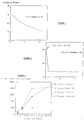
- Fig. 1 Effect of catalyst/irradiation on protein cross-linking and stability as measured by the susceptibility of tissue samples to pepsin digestion.
- Fig. 2 Effect of catalyst/irradiation on protein cross-linking and stability as measured by the susceptibility of tissue samples to collagenase digestion.
- FIG. 3 Calcification of implanted cross-linked tissue.
- the collagen fibrils to be photooxidized are immersed, dispersed, or suspended (depending upon its previous processing) in an aqueous media for processing in accordance with the present invention.
- Suitable media for immersion of the collagen fibrils include aqueous and organic buffer solutions having a neutral to alkaline pH, preferably a pH of about 6.5 and above because of the denaturation caused by acid pH.
- Particularly preferred are buffered aqueous solutions having a pH of from about 6.8 to about 8.6.
- media that can be used herein include:
- two media solutions are utilized for what is referred to herein as "preconditioning" the collagen fibrils before irradiation.
- the fibrils are "preconditioned” in that fibrils soaked in a first media solution and irradiated in a second are apparently better cross-linked, e.g., they show improved mechanical properties and decreased susceptibility to proteolytic degradation.
- the efficacy of the preconditioning is affected by the osmolality of the first media solution, it being preferred that solutions of high osmolality be used as the first media.
- sodium, potassium, or organic buffer solutions such as sodium, chloride, sodium phosphate, potassium chloride, potassium phosphate, and Good's buffers having a pH of from about 6.8 to about 8.6, the osmolality of which have been increased by addition of a solute such as 4M sucrose or other soluble, high molecular weight carbohydrate to between about 393 mosm and about 800 mosm.
- the solute added to increase the osmolality appears to have an adverse effect on the degree of cross-linking of the product when present during irradiation. Consequently, after soaking in the first media, collagen fibrils are preferably removed therefrom and immersed in a second media for irradiation.
- the second media is preferably an aqueous buffered solution having a pH of from about 6.8 to about 8.6 in which the photo-catalyst is dissolved.
- Preferred second media are sodium and potassium phosphate buffers having a pH of from about 7.4 to about 8.0 and an osmolality of from about 150 to about 400 mosm, 300 ⁇ 10 mosm being particularly preferred.
- the material to be cross-linked is a piece of tissue, tendon, or pericardium
- that sample is advantageously immersed sequentially in the first media and then in the catalyst-incorporated second media prior to photooxidation for a total period of time sufficient to allow tissue, dye, and medium to reach equilibrium before irradiation.
- the ratio of the concentration of the medium to that of the material to be cross-linked is in the range of from about 10:1 to 30:1, equilibrium can generally be readily achieved.
- the ratio of the concentrations is generally not critical, and is adjusted up or down as desired.
- the time required to reach equilibrium varies depending upon such factors as, for instance, the temperature of the media solutions, the osmolality of the first media, and the thickness of the tissue or other sample of collagen fibrils. As little as a few minutes or as long as several days may be sufficient, but periods of from minutes to hours duration are generally sufficient for most collagenous materials and media to equilibrate.
- the suitability of a catalyst for use in the present process is dependent upon the ability of the catalyst to be sensitized into an exited state (T.) where it serves as a photosensitizer.
- the substrate then reduces the (T.) state of the sensitizer by electron transfer.
- Studies have provided evidence that the substrate reacts initially with triplet state catalyst, producing secondary reactive radicals by electron or H atom transfer reactions. See, Spikes and Straight, Ann. Rev. Phys. Chem. 18 :409 (1967).
- the catalysts contemplated for use herein are photooxidative catalysts (photo-catalysts) that when activated will cause transfer of electrons or hydrogen atoms and thereby oxidize a substrate in the presence of oxygen.
- photooxidative catalysts photo-catalysts
- appropriate catalysts include, but are not limited to, those listed in Oster, et al., J. Am. Chem. Soc. 81 : 5095, 5096 (1959).
- Particularly preferred catalysts include methylene blue, methylene green, rose bengal, riboflavin, proflavin, fluorescein, eosin, and pyridoxal-5-phosphate.
- the concentration of catalyst in the media will vary based on several process parameters, but should be sufficient to insure adequate penetration into the material to be cross-linked and to catalyze the photooxidation of the protein.
- a typical catalyst concentration ranges from about 0.0001% - 0.25% (wt/vol); the preferred concentration ranges from about 0.01 to about 0.1 %.
- the photooxidative catalyst should be completely solubilized in the reaction medium prior to use to ensure that the desired dye concentration is achieved; (2) the concentration of the catalyst in the tissue or suspension should be in equilibrium with that in the surrounding medium; and (3) the catalyst solution should be filtered to remove any sizable particulate matter, including chemical particulates, therefrom.
- an adequate supply of oxygen must be provided during photooxidation. While an oxygen concentration of about 20% by volume (referring to the concentration of oxygen in the atmosphere over the media) is preferred to assure sufficient dissolved oxygen in the media to prevent oxygen content from becoming rate limiting, concentrations > 0 up to 25% are also used. Depending upon the temperature at which the collagen fibrils are held during exposure to light, the oxygen requirement can be met, for instance, by agitating or otherwise mixing the solution, suspension, or sample during the reaction process. Oxygen concentration in the atmosphere over the media during irradiation is preferably maintained in the range of from about 5% to about 20%. Such concentrations (again depending upon temperature) can also be achieved, for instance, by bubbling air into the media during irradiation of the collagen fibrils or, if concentrations higher than about 20% are desired, by bubbling oxygen mixtures into the media.
- the temperature at which the reaction is run directly affects the reaction rate and the oxygen available in the media.
- Tests conducted with various media ranging in pH from about 6.8 up to about 7.4 and having an osmolality of 300 ⁇ 10 mosm indicate that as the temperature of the media increases from 4 to 50°C, oxygen concentration drops in roughly linear fashion from about 11-12 ppm to about 5 ppm.
- the dye-catalyzed photooxidation process of the present invention is exothermic, and it is, therefore, preferred that a relatively constant temperature be maintained during irradiation to prevent denaturation of the collagen fibrils and the driving of the oxygen out of the media by the increase in temperature.
- a recirculating bath is sufficient to maintain the temperature within the jacketed reaction vessel or chamber but placement of the reaction chamber within a controlled environment such as a refrigerator or freezer will work as well.
- photooxidation conducted at temperatures ranging from about -2°C to +40°C has been shown to be effective; the preferred temperatures are from about 0 to about 25°C.
- temperatures below the denaturation temperature of that protein are preferred.
- temperatures above the freezing point of the reaction medium are also preferred.
- the process of the present invention is conducted at temperatures low enough to avoid heat denaturation and pH high enough to avoid acid denaturation of the collagen fibrils during cross-linking. Likewise, temperature is held at a level sufficient to maintain the oxygen concentration in the media in which the collagen fibrils are immersed during irradiation.
- the sample is photo-irradiated, preferably in the second media solution and in a controlled system wherein temperature, distance to light source, irradiation energy and wavelength, oxygen concentration and period of irradiation can be monitored and/or maintained.
- Photooxidation is generally achieved using incandescent, white light or fluorescent light, i.e., visible light, or that portion of light in the visible range that is absorbed by the catalyst.
- Light sources such as household bulbs, fluorescent lights and flood lamps are suitable for use herein.
- the intensity of the light employed, and the time required to cross-link given collagen fibrils, will vary depending upon several factors. These factor include: (1) the type and amount of collagen fibrils; (2) the thickness of the tissue sample; (3) the distance between the collagen fibrils and the irradiation source; (4) the catalyst employed; (5) the concentration of catalyst; and (6) the type and intensity of the light source. For instance, exposure time may vary from as little as a few seconds up to as much as about 160 hours. With regard to the intensity of the light, one or more lights may be used of intensity preferably ranging up to about 150 watts, preferably held at a distance from about 2.5 cm to 12 cm from the sample surface. Greater exposure time is required when fluorescent or lower power lights are utilized.
- the intensity of the light and the exposure time is conveniently expressed in lumen hours, and when common fluorescent lights are used as the light source, a range of from about 100 to about 20,000 lumen hours is utilized for cross-linking most samples of proteinaceous material.
- cross-linked collagen fibrils are generally insoluble such that solubility tests provide direct evidence of the degree of cross-linking.
- the digestibility tests involve incubation of the product with a proteolytic enzyme such as papain, trypsin, pepsin, or bacterial collagenase, and the subsequent testing of the media in which the product and enzyme are incubated for soluble degradation products of the cross-linked product.
- the test is generally accomplished by pelletizing the undigested, cross-linked product by centrifugation and testing the resulting supernatant for degradation products.
- the latter is particularly useful in light of the destruction of the amino acid histidine by photooxidation; analysis of the supernatant for histidine content and a comparison of that content to the amount of an amino acid such as hydroxyproline, which is not destroyed by photooxidation, in the supernatant provides a particularly sensitive assay for the degree of cross-linking.
- This comparison can be advantageously expressed as a ratio of histidine to hydroxyproline (his/hyp ratio), higher his/hyp ratios being indicative of more effective cross-linking.
- the process disclosed herein is carried out in a batch, intermittent, or continuous manner.
- the cross-linked product is advantageously subjected to various treatments for the removal of the catalyst and other chemicals or impurities found therein before being used as a vasular graft, heart valve leaflet, or other uses listed above.
- Multiple rinses in a fresh buffer solution are, for example, used, followed by a least partial de-watering with, for instance, ethanol.
- the number of rinses and the volume of rinse solution required depends upon the mass of the tissue or the suspended material and the catalyst concentration utilized.
- the oxygen concentration in the reaction medium was held at a level sufficient to insure adequate oxygen in the media by keeping the reaction vessel open to the atmosphere while stirring the reaction mixture vigorously.
- the disclosed process was deemed to be effective in cross-linking proteinaceous material when neither heating of the collagen product to 65°C (which would denature and solubilize the naturally cross-linked native collagen), nor digestion with pepsin at 15°C (which would also solubilize the native collagen) was successful in breaking it down. No denaturation of the collagen product was observed.
- Example 1 Following the procedures set forth in Example 1, several samples containing approximately 0.25 grams of pure reconstituted bovine skin collagen fibrils were mixed and suspended in 0.065 liters of 0.02 M sodium phosphate buffer, pH 7.4, containing 0.01% (wt/vol) methylene green. Photo-irradiation of the suspensions was carried out in jacketed water baths maintained at a temperature of 0°C. Two 150 watt floodlights held about 6 cm or 2.4 inches from the surface of each suspension were turned on and the reactions were allowed to run for periods up to 6 hours. The oxygen concentration in the vessels was maintained at sufficient levels by keeping the reaction vessels open to the approximately 20% oxygen concentration of the atmosphere and by stirring (see Example 1).
- Soluble collagen was extracted from 2 year-old bovine skin and purified. Purified reconstituted soluble collagen fibrils were irradiated under the conditions described in Example 2 in 0.01% and 0.1% catalyst for 6, 16, 24, and 48 hours. Attempts were made to dissolve 0.4 mg samples of the reconstituted fibrils at room temperature after they were cross-linked in 0.25 ml of 0.5 M acetic acid as well as in 0.250 ml of 0.1 M TRIS-borate buffer pH 8.6 containing 4 M urea and 0.2% SDS. The control (non-cross-linked) fibrils dissolved readily at 0°C and rapidly at room temperature in the latter two solutions. The collagen suspensions failed to dissolve when heated to 65°C. Some of these suspensions were subjected to PAGE analyses. The reconstituted soluble collagen (non-cross-linked) fibrils that dissolved showed normal electrophoretic patterns. However, when the supernatents of the heated cross-linked fibrils were run on the gel, the electrophoretic patterns were extremely light and barely visible.
- Pepsin and collagenase treatments were used to assess the efficiency of the cross-linking reaction. There was apparently very little if any dissolution caused by the pepsin digestion. There was some precipitate left after collagenase treatment. Aliquots of the supernatents and residues from each were collected and hydrolyzed. Other aliquots were removed for PAGE analysis. The residues from the pepsin digestions were insoluble in the TRIS-Borate buffer described above at 65°C.
- Example 2 Using a modified water jacketed reaction vessel similar to that employed in Example 1, a number of samples of bovine pericardium measuring approximately 2 cm 2 were irradiated simultaneously with two 150 watt floodlights held 7 cm to 10 cm or about 2.8 to 4 inches from the samples. Individual samples were removed from the vessel after periods ranging from 2.5 to 22 hours of irradiation.
- tissue samples irradiated for from 2.5 to 22 hours in the presence of the methylene green showed significant decreases in the solubility of the protein as compared to the controls.
- a 6 hour pepsin digestion of the control tissue yielded approximately 30 nm hydroxyproline (hyp) per mg of tissue, while the same digestion on a tissue sample irradiated for 22 hours in the presence of methylene green yielded values as low as 10 nm per mg.
- the disclosed process successfully cross-linked and stabilized the collagen.
- Soluble collagen was prepared by extraction of two-year old bovine corium with 1% acetic acid. Collagen was purified by salt precipitation from the acetic acid solution and two low ionic strength dialyses, then dissolved in 1% acetic acid and reconstituted into fibrils by dialysis against 0.02 M sodium phosphate buffer, pH 7.4. Aliquots of the reconstituted collagen were immersed in 0.02 M sodium phosphate buffer, pH 7.4 containing 0.01% methylene green in aluminum-foil covered flasks. The flasks were held at 4°C in a water bath while bubbling atmospheric air therethrough under two 150 W flood lamps for 24 hours at a distance of about 3 cm and the foil removed from a selected number of flasks.
- Fibrils from irradiated and non-irradiated aliquots were dialyzed against 0.02 M sodium phosphate buffer, pH 7.4 to remove the dye and then centrifuged and placed in 3% acetic acid.
- the non-irradiated fibrils dissolved in the acetic acid while those that were irradiated remained insoluble, even after heating to 65°C, indicating that the irradiated fibrils had been effectively cross-linked.
- the supernatent from the irradiated fibrils was hydrolyzed for hyp content, none was found, confirming the cross-linking of the collagen.
- Fibrils from irradiated and non-irradiated aliquots were also dialyzed for seven days with three changes per day against the same sodium phosphate buffer until free of catalyst. A few grams of DOWEX 50 X8 resin (20-50 mesh) in the H + form was included with the dialyzing fluid to absorb the catalyst. Samples of each irradiated and non-irradiated fibrils were then hydrolyzed with 6 N hydrochloric acid for 24 hours at 110°C in vacuo .
- the hydrolysates were dried and about 50 mg at a time was subjected to molecular sieve chromatography on a BIO-GEL P2-400 mesh column (1.6 x 100) that had been equilibrated with 0.1 M acetic acid ad calibrated with a 5 mg acid hydrolyzate of Na 3 BH 4 -reduced collagen fibrils.
- the column was monitored by taking small aliquots of the fractions and developed color for amino acids by ninhydrin and scintillation counting of the radioactivity. Void volumes (fractions 33 to 48) of natural cross-links of collagen (cross-link fractions) were pooled, lyophilized and subjected to amino acid analysis.
- a rectangular illumination cell was constructed from clear plastic with an outer jacket of the same material and tubes communicating with the inner chamber for circulation of media and dye.
- the tissue was incubated with the media including methylene green as described in Example 5, above and illuminated for 24 and 48 hours by two 150 watt flood lamps at a distance of about 4.5 cm while holding temperature at between - 2°C and 6°C.
- tissue samples After irradiation, small pieces of tissue from each sample were digested with pepsin or bacterial collagenase as described in Examples 4 and 5. The following ratios of hyp/mg of tissue in enzyme columns clearly demonstrate the cross-linking of the tissue samples.
- Soluble BAPN rat type I collagen in 0.5 M HAc was divided into six 4 ml samples and each sample laced in a dialysis bag with 300 mg NaCl (no salt was added to sample 5 and 6).
- Samples were dialyzed into the high osmotic strength buffer described in Example 7 (samples 5 and 6 were dialyzed into phosphate buffered saline (PBS), pH 7.4) and 2 ml of 0.2% methylene blue. Samples 2 and 3 were transferred to buffer including 0.1% methylene blue in PBS, sample 4 was transferred to PBS including 0.01% methylene blue, and samples 5 and 6 remained in PBS.
- PBS phosphate buffered saline
- Sample 2 was exposed to a 150 watt white floodlight located about 7 inches from the surface of the fluid while holding temperature between about 8 and 12°C for eight hours, samples 3 and 4 were exposed for 24 hours under the same conditions, and samples 5 and 6 were exposed for two hours under the same conditions. All samples were then dialyzed back into HAc until the solutions were no longer blue and then analyzed by SDS-PAGE as described in Example 3, above. The samples exposed for 24 hours were more cross-linked than those exposed for eight hours, and all samples were more cross-linked than samples 5 and 6.
- Example 3 Using the conditions described in Example 3, a series of tissues were prepared and implanted subcutaneously into the belly of growing three week old rats.
- the control tissues were commercially available glutaraldehyde cross-linked bovine pericardium (Pericard-A and Pericard-B) and porcine leaflets (GL).
- the tissue treated according to the invention did not significantly calcify as compared to the commercial tissue.
- Bovine pericardium samples treated as described in Example 3 were implanted subcutaneously into the belly of adult 6 month old rats. Fresh pericardium was used as a control. After three months of implantation, the fresh tissue had resorbed while the treated pericardium remained intact, again demonstrating the cross-linked nature of the product.
Landscapes
- Health & Medical Sciences (AREA)
- Chemical & Material Sciences (AREA)
- Life Sciences & Earth Sciences (AREA)
- Chemical Kinetics & Catalysis (AREA)
- Engineering & Computer Science (AREA)
- Medicinal Chemistry (AREA)
- Biomedical Technology (AREA)
- Oral & Maxillofacial Surgery (AREA)
- Veterinary Medicine (AREA)
- Public Health (AREA)
- General Health & Medical Sciences (AREA)
- Molecular Biology (AREA)
- Animal Behavior & Ethology (AREA)
- Botany (AREA)
- Dermatology (AREA)
- Epidemiology (AREA)
- Transplantation (AREA)
- Materials Engineering (AREA)
- Biochemistry (AREA)
- General Chemical & Material Sciences (AREA)
- Organic Chemistry (AREA)
- Polymers & Plastics (AREA)
- Peptides Or Proteins (AREA)
- Materials For Medical Uses (AREA)
Priority Applications (1)
| Application Number | Priority Date | Filing Date | Title |
|---|---|---|---|
| EP97102426A EP0779320A3 (en) | 1989-08-02 | 1990-08-01 | Process for cross-linking collagenous materials and resulting product |
Applications Claiming Priority (4)
| Application Number | Priority Date | Filing Date | Title |
|---|---|---|---|
| US38800389A | 1989-08-02 | 1989-08-02 | |
| US388003 | 1989-08-02 | ||
| US557639 | 1990-07-30 | ||
| US07/557,639 US5147514A (en) | 1987-08-02 | 1990-07-30 | Process for cross-linking collagenous material and resulting product |
Related Child Applications (2)
| Application Number | Title | Priority Date | Filing Date |
|---|---|---|---|
| EP97102426A Division EP0779320A3 (en) | 1989-08-02 | 1990-08-01 | Process for cross-linking collagenous materials and resulting product |
| EP97102426.0 Division-Into | 1997-02-14 |
Publications (3)
| Publication Number | Publication Date |
|---|---|
| EP0411925A2 EP0411925A2 (en) | 1991-02-06 |
| EP0411925A3 EP0411925A3 (en) | 1991-08-14 |
| EP0411925B1 true EP0411925B1 (en) | 1997-09-24 |
Family
ID=27012096
Family Applications (1)
| Application Number | Title | Priority Date | Filing Date |
|---|---|---|---|
| EP90308469A Expired - Lifetime EP0411925B1 (en) | 1989-08-02 | 1990-08-01 | Process for cross-linking collagenous materials and resulting product |
Country Status (6)
| Country | Link |
|---|---|
| US (2) | US5332475A (enExample) |
| EP (1) | EP0411925B1 (enExample) |
| JP (1) | JP3014726B2 (enExample) |
| CA (1) | CA2022480C (enExample) |
| DE (1) | DE69031483T2 (enExample) |
| ES (1) | ES2109230T3 (enExample) |
Cited By (6)
| Publication number | Priority date | Publication date | Assignee | Title |
|---|---|---|---|---|
| US7939108B2 (en) | 2000-12-14 | 2011-05-10 | Osteotech, Inc. | Method of making demineralized bone particles |
| US7959941B2 (en) | 2001-10-12 | 2011-06-14 | Warsaw Orthopedic, Inc. | Bone graft comprising a demineralized bone matrix and a stabilizing agent |
| US8002813B2 (en) | 1999-10-15 | 2011-08-23 | Warsaw Orthopedic, Inc. | Volume maintaining osteoinductive/osteoconductive compositions |
| US8545864B2 (en) | 2005-11-02 | 2013-10-01 | Warsaw Orthopedic, Inc. | Hemostatic bone graft |
| US8663672B2 (en) | 2000-07-19 | 2014-03-04 | Warsaw Orthopedic, Inc. | Osteoimplant and method of making same |
| US8722075B2 (en) | 2008-10-24 | 2014-05-13 | Warsaw Orthopedic, Inc. | Compositions and methods for promoting bone formation |
Families Citing this family (65)
| Publication number | Priority date | Publication date | Assignee | Title |
|---|---|---|---|---|
| US6350732B1 (en) | 1987-08-02 | 2002-02-26 | Carbomedics, Inc. | Method for extracting lipids from tissue samples using high osmolality storage medium and product |
| ES2109230T3 (es) * | 1989-08-02 | 1998-01-16 | Univ North Carolina | Procedimiento para reticular materiales colaginosos y producto resultante. |
| WO1993014170A1 (en) * | 1992-01-15 | 1993-07-22 | Invente S A | Method for the removal of metals from starting materials comprising proteinaceous substances as well as material obtainable according to such a method |
| US5800373A (en) * | 1995-03-23 | 1998-09-01 | Focal, Inc. | Initiator priming for improved adherence of gels to substrates |
| US6337389B1 (en) * | 1995-03-17 | 2002-01-08 | Bioscience Consultants, L.L.C. | Method and process for the production of collagen preparations from invertebrate marine animals and compositions thereof |
| US5714582A (en) * | 1995-03-17 | 1998-02-03 | Bioscience Consultants | Invertebrate type V telopeptide collagen, methods of making, and use thereof |
| JP4209941B2 (ja) | 1995-03-23 | 2009-01-14 | ジェンザイム・コーポレーション | ゲルの基材への改善された接着性のための下塗り用のレドックスおよび光開始剤システム |
| US5900245A (en) | 1996-03-22 | 1999-05-04 | Focal, Inc. | Compliant tissue sealants |
| AU5789796A (en) * | 1995-05-04 | 1996-11-21 | Carbomedics Inc. | Cross-linking of proteins, including collagen, using high os molality storage medium |
| EP0768332B1 (de) * | 1995-10-11 | 2001-03-28 | Sulzer Markets and Technology AG | Verfahren zu einer photooxidativen Behandlung von kollagenhaltigen Geweben |
| US5782931A (en) * | 1996-07-30 | 1998-07-21 | Baxter International Inc. | Methods for mitigating calcification and improving durability in glutaraldehyde-fixed bioprostheses and articles manufactured by such methods |
| ZA978537B (en) | 1996-09-23 | 1998-05-12 | Focal Inc | Polymerizable biodegradable polymers including carbonate or dioxanone linkages. |
| US5958669A (en) * | 1997-05-02 | 1999-09-28 | St. Jude Medical, Inc. | Apparatus and method for crosslinking to fix tissue or crosslink molecules to tissue |
| ATE220564T1 (de) | 1997-08-14 | 2002-08-15 | Sulzer Innotec Ag | Zusammensetzung und vorrichtung zur reparatur von knorpelgewebe in vivo bestehend aus nanokapseln mit osteoinduktiven und/oder chondroinduktiven faktoren |
| US6123731A (en) | 1998-02-06 | 2000-09-26 | Osteotech, Inc. | Osteoimplant and method for its manufacture |
| US6093530A (en) * | 1998-02-06 | 2000-07-25 | Sulzer Carbomedics Inc. | Non-calcific biomaterial by glutaraldehyde followed by oxidative fixation |
| US6187038B1 (en) | 1998-04-08 | 2001-02-13 | Sulzer Carbomedics Inc. | Small bore biologic graft with therapeutic delivery system |
| US6156531A (en) * | 1998-07-20 | 2000-12-05 | Sulzer Carbomedics Inc. | Cross-linking tissue with a compound having a C8 to C40 aliphatic chain |
| US6214054B1 (en) | 1998-09-21 | 2001-04-10 | Edwards Lifesciences Corporation | Method for fixation of biological tissues having mitigated propensity for post-implantation calcification and thrombosis and bioprosthetic devices prepared thereby |
| DE69922228T2 (de) | 1998-09-30 | 2005-12-01 | Medtronic, Inc., Minneapolis | Verfahren zur Reduzierung der Mineralisierung von Gewebe zum Gebrauch bei Transplantationen |
| US6361551B1 (en) * | 1998-12-11 | 2002-03-26 | C. R. Bard, Inc. | Collagen hemostatic fibers |
| US6454787B1 (en) | 1998-12-11 | 2002-09-24 | C. R. Bard, Inc. | Collagen hemostatic foam |
| US7615373B2 (en) * | 1999-02-25 | 2009-11-10 | Virginia Commonwealth University Intellectual Property Foundation | Electroprocessed collagen and tissue engineering |
| US20020081732A1 (en) * | 2000-10-18 | 2002-06-27 | Bowlin Gary L. | Electroprocessing in drug delivery and cell encapsulation |
| WO2002018441A2 (en) * | 2000-09-01 | 2002-03-07 | Virginia Commonwealth University Intellectual Property Foundation | Electroprocessed fibrin-based matrices and tissues |
| US6132986A (en) * | 1999-04-23 | 2000-10-17 | Sulzer Carbomedics Inc. | Tissue crosslinking for bioprostheses using activated difunctional or polyfunctional acids |
| US6358275B1 (en) | 1999-10-04 | 2002-03-19 | Sulzer Carbomedics Inc. | Tissue-derived vascular grafts and methods for making the same |
| US6479079B1 (en) | 1999-12-13 | 2002-11-12 | Sulzer Carbomedics Inc. | Anticalcification treatments for fixed biomaterials |
| US6723335B1 (en) | 2000-04-07 | 2004-04-20 | Jeffrey William Moehlenbruck | Methods and compositions for treating intervertebral disc degeneration |
| US6933103B1 (en) * | 2001-03-21 | 2005-08-23 | Brennen Medical, Inc. | Biocompatible tissue for therapeutic use and method of making same |
| US7078163B2 (en) * | 2001-03-30 | 2006-07-18 | Medtronic, Inc. | Process for reducing mineralization of tissue used in transplantation |
| US20030022146A1 (en) * | 2001-07-26 | 2003-01-30 | Cunanan Crystal M. | Oxidized bioprosthetic materials |
| MXPA04005707A (es) * | 2001-12-10 | 2005-06-20 | Colbar Lifescience Ltd D | Metodos, dispositivos, y preparaciones para tratamiento de discos intervertebrales. |
| US7232802B2 (en) | 2001-12-21 | 2007-06-19 | Zimmer Orthobiologics, Inc. | Compositions and methods for promoting myocardial and peripheral angiogenesis |
| US6878168B2 (en) | 2002-01-03 | 2005-04-12 | Edwards Lifesciences Corporation | Treatment of bioprosthetic tissues to mitigate post implantation calcification |
| US7622562B2 (en) | 2002-06-26 | 2009-11-24 | Zimmer Orthobiologics, Inc. | Rapid isolation of osteoinductive protein mixtures from mammalian bone tissue |
| US7008763B2 (en) * | 2002-09-23 | 2006-03-07 | Cheung David T | Method to treat collagenous connective tissue for implant remodeled by host cells into living tissue |
| JP2006518256A (ja) * | 2003-01-31 | 2006-08-10 | ジンマー オーソバイオロジクス,インコーポレイティド | 髄核組織(nucleuspulposustissue)を含むヒドロゲル組成物 |
| US7585499B2 (en) | 2003-04-10 | 2009-09-08 | Surmodics, Inc. | Method for encapsulation of cellular material using a charged initiator polymer |
| US7820158B2 (en) * | 2003-04-10 | 2010-10-26 | Surmodics, Inc. | Ligand-coupled initiator polymers and methods of use |
| NZ544050A (en) | 2003-06-11 | 2009-03-31 | Osteotech Inc | Osteoimplants and methods for their manufacture |
| US7955788B2 (en) * | 2003-10-30 | 2011-06-07 | Medtronic, Inc. | Bioprosthetic tissue preparation with synthetic hydrogels |
| US8202833B2 (en) * | 2003-11-26 | 2012-06-19 | Surmodics, Inc. | Composition containing biocompatible polymerization accelerator and polymerizable material |
| US20050266390A1 (en) * | 2004-06-01 | 2005-12-01 | Yuichiro Ueda | Processes for removing cells and cell debris from tissue and tissue constructs used in transplantation and tissue reconstruction |
| WO2006029571A1 (en) * | 2004-09-14 | 2006-03-23 | The University Of Hong Kong | Photochemically crosslinked collagen scaffolds and methods for their preparation |
| US7670762B2 (en) * | 2006-01-17 | 2010-03-02 | Brennen Medical, Llc | Biocompatible tissue graft material for implant and method of making |
| US20080026032A1 (en) * | 2006-07-27 | 2008-01-31 | Zubery Yuval | Composite implants for promoting bone regeneration and augmentation and methods for their preparation and use |
| US8007992B2 (en) | 2006-10-27 | 2011-08-30 | Edwards Lifesciences Corporation | Method of treating glutaraldehyde-fixed pericardial tissue with a non-aqueous mixture of glycerol and a C1-C3 alcohol |
| US20080306610A1 (en) * | 2007-06-07 | 2008-12-11 | Zimmer Orthobiologics, Inc. | Tissue processing for nonimmunogenic implants |
| US9101691B2 (en) * | 2007-06-11 | 2015-08-11 | Edwards Lifesciences Corporation | Methods for pre-stressing and capping bioprosthetic tissue |
| US8357387B2 (en) | 2007-12-21 | 2013-01-22 | Edwards Lifesciences Corporation | Capping bioprosthetic tissue to reduce calcification |
| US20110004240A1 (en) * | 2008-02-07 | 2011-01-06 | Riken | Visible light curable adhesive |
| WO2011014563A1 (en) | 2009-07-29 | 2011-02-03 | Vatrix Medical, Inc. | Tissue stabilization for heart failure |
| US20110059178A1 (en) * | 2009-09-08 | 2011-03-10 | Musculoskeletal Transplant Foundation Inc. | Tissue Engineered Meniscus Repair Composition |
| US20110060412A1 (en) * | 2009-09-08 | 2011-03-10 | Musculoskeletal Transplant Foundation Inc. | Tissue Engineered Meniscus Repair Composition |
| DE102010001271B8 (de) * | 2010-01-27 | 2012-12-06 | Urotiss Gmbh | Vernähbares Gewebetransplantatkonstrukt zur Rekonstruktion eines menschlichen oder tierischen Organs |
| US8846390B2 (en) | 2010-03-23 | 2014-09-30 | Edwards Lifesciences Corporation | Methods of conditioning sheet bioprosthetic tissue |
| US8906601B2 (en) | 2010-06-17 | 2014-12-09 | Edwardss Lifesciences Corporation | Methods for stabilizing a bioprosthetic tissue by chemical modification of antigenic carbohydrates |
| CA2794135C (en) | 2010-06-17 | 2018-01-02 | Edwards Lifesciences Corporation | Methods for stabilizing a bioprosthetic tissue by chemical modification of antigenic carbohydrates |
| US8435305B2 (en) | 2010-08-31 | 2013-05-07 | Zimmer, Inc. | Osteochondral graft delivery device and uses thereof |
| US9351829B2 (en) | 2010-11-17 | 2016-05-31 | Edwards Lifesciences Corporation | Double cross-linkage process to enhance post-implantation bioprosthetic tissue durability |
| US10238771B2 (en) | 2012-11-08 | 2019-03-26 | Edwards Lifesciences Corporation | Methods for treating bioprosthetic tissue using a nucleophile/electrophile in a catalytic system |
| US10478309B2 (en) | 2014-01-10 | 2019-11-19 | Mbp (Mauritius) Ltd | Method for producing osteosynthesis devices, osteosynthesis devices and implants made of semi-synthetic hybrid material obtained by structural modification of the components of a natural marine biomaterial |
| FR3016293B1 (fr) * | 2014-01-10 | 2019-12-20 | Mbp (Mauritius) Ltd | Procede de fabrication de dispositifs d'osteosynthese, dispositifs d'osteosynthese et implants en materiau hybride semi-synthetique obtenu par modification structurale des composants d'un biomateriau naturel marin |
| CN116444826A (zh) * | 2023-06-05 | 2023-07-18 | 天新福(北京)医疗器材股份有限公司 | 一种交联改性胶原蛋白凝胶、其制备方法和凝胶产品 |
Citations (3)
| Publication number | Priority date | Publication date | Assignee | Title |
|---|---|---|---|---|
| GB1015284A (en) * | 1961-09-21 | 1965-12-31 | Ethicon Inc | Preparation of collagenous materials |
| EP0052374A1 (en) * | 1980-11-18 | 1982-05-26 | Toppan Printing Co., Ltd. | Water based photosensitive composition |
| JPH0283395A (ja) * | 1988-09-19 | 1990-03-23 | Teijin Ltd | 架橋した蛋白質・ペプチドの製造方法 |
Family Cites Families (4)
| Publication number | Priority date | Publication date | Assignee | Title |
|---|---|---|---|---|
| US4835258A (en) * | 1986-12-24 | 1989-05-30 | Northwestsern University | Conjugation of aromatic amines or nitro-containing compounds with proteins or polypeptides by photoirradiation of the azide derivatives with ultraviolet light in order to produce antibodies against the haptens |
| US5147514A (en) * | 1987-08-02 | 1992-09-15 | University Of North Carolina | Process for cross-linking collagenous material and resulting product |
| US5024742A (en) * | 1988-02-24 | 1991-06-18 | Cedars-Sinai Medical Center | Method of crosslinking amino acid containing polymers using photoactivatable chemical crosslinkers |
| ES2109230T3 (es) * | 1989-08-02 | 1998-01-16 | Univ North Carolina | Procedimiento para reticular materiales colaginosos y producto resultante. |
-
1990
- 1990-08-01 ES ES90308469T patent/ES2109230T3/es not_active Expired - Lifetime
- 1990-08-01 CA CA002022480A patent/CA2022480C/en not_active Expired - Lifetime
- 1990-08-01 DE DE69031483T patent/DE69031483T2/de not_active Expired - Lifetime
- 1990-08-01 EP EP90308469A patent/EP0411925B1/en not_active Expired - Lifetime
- 1990-08-02 JP JP2204020A patent/JP3014726B2/ja not_active Expired - Lifetime
-
1992
- 1992-03-12 US US07/849,898 patent/US5332475A/en not_active Expired - Lifetime
-
1997
- 1997-01-10 US US08/782,539 patent/US5854397A/en not_active Expired - Fee Related
Patent Citations (3)
| Publication number | Priority date | Publication date | Assignee | Title |
|---|---|---|---|---|
| GB1015284A (en) * | 1961-09-21 | 1965-12-31 | Ethicon Inc | Preparation of collagenous materials |
| EP0052374A1 (en) * | 1980-11-18 | 1982-05-26 | Toppan Printing Co., Ltd. | Water based photosensitive composition |
| JPH0283395A (ja) * | 1988-09-19 | 1990-03-23 | Teijin Ltd | 架橋した蛋白質・ペプチドの製造方法 |
Non-Patent Citations (3)
| Title |
|---|
| Gowri, C. et al., Leather Sci. 16(8), 1969, 297-300 * |
| Nishihara, T. et al., Amer. Soc. Art. Int. Organs XIII (1967)243-147 * |
| Stenzel, K.H. et al., Annual Review of Biophysics and Bioengineering, 3 (1974) 231-253 * |
Cited By (10)
| Publication number | Priority date | Publication date | Assignee | Title |
|---|---|---|---|---|
| US8002813B2 (en) | 1999-10-15 | 2011-08-23 | Warsaw Orthopedic, Inc. | Volume maintaining osteoinductive/osteoconductive compositions |
| US8197474B2 (en) | 1999-10-15 | 2012-06-12 | Warsaw Orthopedic, Inc. | Volume maintaining osteoinductive/osteoconductive compositions |
| US8663672B2 (en) | 2000-07-19 | 2014-03-04 | Warsaw Orthopedic, Inc. | Osteoimplant and method of making same |
| US9387094B2 (en) | 2000-07-19 | 2016-07-12 | Warsaw Orthopedic, Inc. | Osteoimplant and method of making same |
| US7939108B2 (en) | 2000-12-14 | 2011-05-10 | Osteotech, Inc. | Method of making demineralized bone particles |
| US8529962B2 (en) | 2000-12-14 | 2013-09-10 | Warsaw Orthopedic, Inc. | Method of making demineralized bone particles |
| US7959941B2 (en) | 2001-10-12 | 2011-06-14 | Warsaw Orthopedic, Inc. | Bone graft comprising a demineralized bone matrix and a stabilizing agent |
| US8753689B2 (en) | 2001-12-14 | 2014-06-17 | Warsaw Orthopedic, Inc. | Method of making demineralized bone particles |
| US8545864B2 (en) | 2005-11-02 | 2013-10-01 | Warsaw Orthopedic, Inc. | Hemostatic bone graft |
| US8722075B2 (en) | 2008-10-24 | 2014-05-13 | Warsaw Orthopedic, Inc. | Compositions and methods for promoting bone formation |
Also Published As
| Publication number | Publication date |
|---|---|
| JPH03148293A (ja) | 1991-06-25 |
| US5332475A (en) | 1994-07-26 |
| CA2022480A1 (en) | 1991-02-03 |
| EP0411925A3 (en) | 1991-08-14 |
| US5854397A (en) | 1998-12-29 |
| ES2109230T3 (es) | 1998-01-16 |
| JP3014726B2 (ja) | 2000-02-28 |
| DE69031483D1 (de) | 1997-10-30 |
| EP0411925A2 (en) | 1991-02-06 |
| CA2022480C (en) | 2001-02-27 |
| DE69031483T2 (de) | 1998-02-05 |
Similar Documents
| Publication | Publication Date | Title |
|---|---|---|
| US5854397A (en) | Processs for cross-linking collagenous material | |
| US5147514A (en) | Process for cross-linking collagenous material and resulting product | |
| Ohan et al. | Synergistic effects of glucose and ultraviolet irradiation on the physical properties of collagen | |
| Petite et al. | Use of the acyl azide method for cross‐linking collagen‐rich tissues such as pericardium | |
| US6969523B1 (en) | Collagen/glycosaminoglycan matrix stable to sterilizing by electron beam radiation | |
| US6177514B1 (en) | Blocked functional reagants for cross-linking biological tissues | |
| Mcpherson et al. | Collagen fibrillogenesis in vitro: a characterization of fibril quality as a function of assembly conditions | |
| Paul et al. | Chemical stabilisation of collagen as a biomimetic | |
| Zeugolis et al. | Cross‐linking of extruded collagen fibers—A biomimetic three‐dimensional scaffold for tissue engineering applications | |
| Sung et al. | Crosslinking of biological tissues using genipin and/or carbodiimide | |
| Bet et al. | Characterization of polyanionic collagen prepared by selective hydrolysis of asparagine and glutamine carboxyamide side chains | |
| US6358275B1 (en) | Tissue-derived vascular grafts and methods for making the same | |
| CA2154294C (en) | Collagen-based matrix | |
| Hattori et al. | Alkali-treated collagen retained the triple helical conformation and the ligand activity for the cell adhesion via α2β1 integrin | |
| US6251579B1 (en) | Oxidative stabilization of collagen containing materials | |
| US20030003157A1 (en) | Collagen compositions and methods for making and using the same | |
| Vashi et al. | Stabilization of collagen tissues by photocrosslinking | |
| US10155804B2 (en) | Composition for inducing differentiation | |
| KANO et al. | Cross-linking of collagen by ascorbate-copper ion systems | |
| CA2051426C (en) | Process for cross-linking of collagen by diphenylphosphorylazide, the cross-linked collagen obtained thereby and collagen-based biomaterials thus cross-linked | |
| JP4490268B2 (ja) | システインプロテアーゼ処理コラーゲンの製造方法およびシステインプロテアーゼ処理コラーゲン | |
| EP0779320A2 (en) | Process for cross-linking collagenous materials and resulting product | |
| US5714584A (en) | Cross-linked oxygen binding proteins | |
| Radhika et al. | Studies on the desamidation of bovine collagen | |
| AU6007490A (en) | Process for cross-linking collagenous materials and resulting product |
Legal Events
| Date | Code | Title | Description |
|---|---|---|---|
| PUAI | Public reference made under article 153(3) epc to a published international application that has entered the european phase |
Free format text: ORIGINAL CODE: 0009012 |
|
| AK | Designated contracting states |
Kind code of ref document: A2 Designated state(s): CH DE ES FR GB IT LI |
|
| PUAL | Search report despatched |
Free format text: ORIGINAL CODE: 0009013 |
|
| AK | Designated contracting states |
Kind code of ref document: A3 Designated state(s): CH DE ES FR GB IT LI |
|
| 17P | Request for examination filed |
Effective date: 19920213 |
|
| 17Q | First examination report despatched |
Effective date: 19930727 |
|
| GRAG | Despatch of communication of intention to grant |
Free format text: ORIGINAL CODE: EPIDOS AGRA |
|
| GRAH | Despatch of communication of intention to grant a patent |
Free format text: ORIGINAL CODE: EPIDOS IGRA |
|
| GRAH | Despatch of communication of intention to grant a patent |
Free format text: ORIGINAL CODE: EPIDOS IGRA |
|
| GRAA | (expected) grant |
Free format text: ORIGINAL CODE: 0009210 |
|
| AK | Designated contracting states |
Kind code of ref document: B1 Designated state(s): CH DE ES FR GB IT LI |
|
| DX | Miscellaneous (deleted) | ||
| REG | Reference to a national code |
Ref country code: CH Ref legal event code: EP |
|
| REF | Corresponds to: |
Ref document number: 69031483 Country of ref document: DE Date of ref document: 19971030 |
|
| ET | Fr: translation filed | ||
| ITF | It: translation for a ep patent filed | ||
| REG | Reference to a national code |
Ref country code: CH Ref legal event code: NV Representative=s name: A. BRAUN, BRAUN, HERITIER, ESCHMANN AG PATENTANWAE |
|
| REG | Reference to a national code |
Ref country code: ES Ref legal event code: FG2A Ref document number: 2109230 Country of ref document: ES Kind code of ref document: T3 |
|
| PLBE | No opposition filed within time limit |
Free format text: ORIGINAL CODE: 0009261 |
|
| STAA | Information on the status of an ep patent application or granted ep patent |
Free format text: STATUS: NO OPPOSITION FILED WITHIN TIME LIMIT |
|
| 26N | No opposition filed | ||
| PGFP | Annual fee paid to national office [announced via postgrant information from national office to epo] |
Ref country code: CH Payment date: 19990723 Year of fee payment: 10 |
|
| PG25 | Lapsed in a contracting state [announced via postgrant information from national office to epo] |
Ref country code: CH Free format text: LAPSE BECAUSE OF NON-PAYMENT OF DUE FEES Effective date: 20000831 Ref country code: LI Free format text: LAPSE BECAUSE OF NON-PAYMENT OF DUE FEES Effective date: 20000831 |
|
| REG | Reference to a national code |
Ref country code: CH Ref legal event code: PL |
|
| REG | Reference to a national code |
Ref country code: GB Ref legal event code: IF02 |
|
| PGFP | Annual fee paid to national office [announced via postgrant information from national office to epo] |
Ref country code: FR Payment date: 20090814 Year of fee payment: 20 Ref country code: ES Payment date: 20090902 Year of fee payment: 20 |
|
| PGFP | Annual fee paid to national office [announced via postgrant information from national office to epo] |
Ref country code: DE Payment date: 20090730 Year of fee payment: 20 Ref country code: GB Payment date: 20090729 Year of fee payment: 20 |
|
| PGFP | Annual fee paid to national office [announced via postgrant information from national office to epo] |
Ref country code: IT Payment date: 20090814 Year of fee payment: 20 |
|
| REG | Reference to a national code |
Ref country code: GB Ref legal event code: PE20 Expiry date: 20100731 |
|
| REG | Reference to a national code |
Ref country code: ES Ref legal event code: FD2A Effective date: 20100802 |
|
| PG25 | Lapsed in a contracting state [announced via postgrant information from national office to epo] |
Ref country code: GB Free format text: LAPSE BECAUSE OF EXPIRATION OF PROTECTION Effective date: 20100731 |
|
| PG25 | Lapsed in a contracting state [announced via postgrant information from national office to epo] |
Ref country code: DE Free format text: LAPSE BECAUSE OF EXPIRATION OF PROTECTION Effective date: 20100801 |