EP0303483A2 - Lymphokin und dessen Zusammensetzungen - Google Patents
Lymphokin und dessen Zusammensetzungen Download PDFInfo
- Publication number
- EP0303483A2 EP0303483A2 EP88307438A EP88307438A EP0303483A2 EP 0303483 A2 EP0303483 A2 EP 0303483A2 EP 88307438 A EP88307438 A EP 88307438A EP 88307438 A EP88307438 A EP 88307438A EP 0303483 A2 EP0303483 A2 EP 0303483A2
- Authority
- EP
- European Patent Office
- Prior art keywords
- cells
- cytotoxic
- cell
- interleukin
- pma
- Prior art date
- Legal status (The legal status is an assumption and is not a legal conclusion. Google has not performed a legal analysis and makes no representation as to the accuracy of the status listed.)
- Withdrawn
Links
Images
Classifications
-
- C—CHEMISTRY; METALLURGY
- C07—ORGANIC CHEMISTRY
- C07K—PEPTIDES
- C07K14/00—Peptides having more than 20 amino acids; Gastrins; Somatostatins; Melanotropins; Derivatives thereof
- C07K14/435—Peptides having more than 20 amino acids; Gastrins; Somatostatins; Melanotropins; Derivatives thereof from animals; from humans
- C07K14/52—Cytokines; Lymphokines; Interferons
- C07K14/54—Interleukins [IL]
-
- A—HUMAN NECESSITIES
- A61—MEDICAL OR VETERINARY SCIENCE; HYGIENE
- A61P—SPECIFIC THERAPEUTIC ACTIVITY OF CHEMICAL COMPOUNDS OR MEDICINAL PREPARATIONS
- A61P37/00—Drugs for immunological or allergic disorders
- A61P37/02—Immunomodulators
- A61P37/04—Immunostimulants
-
- A—HUMAN NECESSITIES
- A61—MEDICAL OR VETERINARY SCIENCE; HYGIENE
- A61K—PREPARATIONS FOR MEDICAL, DENTAL OR TOILETRY PURPOSES
- A61K38/00—Medicinal preparations containing peptides
Definitions
- This invention relates to soluble factors involved in the cell-mediated immune response.
- lymphokines soluble factors known as lymphokines
- cytotoxic T-cells The mechanism by which cytotoxic T-cells are activated has been the subject of many recent publications. Early evidence has indicated that interleukin-2 has a role in activating cytotoxic T-cells by interacting with precursor cytotoxic T-cells. According to Erard et al (J. Immunol, 134, 1985) a combination of exposure of precursor cytotoxic T-cells to antigen and then interaction of those cells with interleukin-2 per se causes cytotoxic T-cell proliferation. These results support well the concept that cytotoxic T-cell precursors respond to stimulation by antigen by expressing interleukin-2 receptors.
- T4 or T-helper calls stimulates the T-helper cells to secrete interleukin-2 which then interacts with the antigen-sensitized cytotoxic T-cells to induce their proliferation.
- Resulting cytotoxic T-cells are specific for the antigen which has sensitized them, an affinity which facilitates a specific immune response.
- the present inventors have found that a soluble factor to be described herein is capable of co-acting with interleukin-2, in the absence of antigen, to induce the proliferation of precursor cytotoxic T-cells.
- the novel soluble factor of the present invention has an apparent molecular weight of 27kDa. Accordingly, for convenience herein the soluble factor of the present invention is referred to as the 27kDa factor. It will be appreciated from an understanding of the following description, however, that the molecular weight attributed to the novel factor of the present invention is an approximate one.
- the 27kDa factor is more appropriately defined with reference to its biological function and its original source.
- the 27kDa factor was recovered from the extracellular medium in which phorbol-12-myristate-13-acetate (PMA)-stimulated murine lymphoma line EL4.IL-2 was cultured, using techniques very similar to those described by Teh et al, 1983 supra , the entire contents of which are incorporated herein by reference.
- This cell line EL4.IL-2 is on publicly accessible deposit with the American Type Culture Collection, Rockville, Maryland, U.S.A. where it has been accorded accession number ATCC® TIB 181. Although this cell line producs interleukin-2 and other lymphokines as well as the 27kDa factor, the 27kDa factor has been substantially separated from interleukin-2 in order to assess the functions of these two soluble factors, and other soluble factors, separately.
- a novel soluble factor which is recoverable from the extracellular medium in which EL4.IL-2 (ATCC TIB 181) cells have been cultured in the presence of phorbol-12-myristate-13-acetate and which is capable when combined with interleukin-2 of inducing the proliferation of non-specific cytotoxic T-cells from precursor cytotoxic T-cells.
- EL4.IL-2 ATCC TIB 181
- the 27kDA factor participates in cytotoxic T-cell activation is not known evidence suggests that the 27kDa factor induces precursor cytotoxic T-cells to express the interleukin-2 receptor, eliciting much the same result as does antigen stimulation although probably by different interaction.
- the result of communication between the 27kDa factor and the precursor cytotoxic T-cell is said to be a "sensitized" precursor cytotoxic T-cell, which is responsive to the proliferation-inducing effect of interleukin-2.
- a further aspect of the present invention resides in a composition of matter comprising a precursor cytotoxic T-cell sensitizing amount of the novel soluble factor of the present invention as defined hereinabove and a cytotoxic T-cell-proliferation-inducing amount of a compound having interleuking-2 activity.
- the composition of the present invention is substantially free of antigen or mitogen.
- the composition of the present invention is substantially free of soluble factors other than the 27kDa factor and interleukin-2.
- a particularly valuable aspect of the present invention resides in the use of the composition defined above in activating cytotoxic
- T-cells for example, in serum obtained from patients whose immune response has been interrupted at some point in the cytotoxic T-cell activation pathway.
- the composition comprising the 27kDa factor and interleukin-2 may be used in vivo , being administered in suitable form such as by intravenous or intramuscular injection or may be used in vitro to treat a serum sample comprising precursor cytotoxic T-cells extracted from a patient. Treated cells may then be re-introduced by intravenous injection.
- a further aspect of the present invention comprises a method for inducing cytotoxic T-cell proliferation which comprises treating a population of precursor cytotoxic T-cells with the composition of the present invention as defined hereinabove.
- cytotoxic T-cells are progenitor lymphocyte cells which when activated by the composition of the present invention proliferate as antigen-non-specific cytotoxic T-cells; cytotoxic T-cells are lymphocytes recognizable by their antigenic markers as follows: Thy-1+, Lyt-2+ (CD8+), L3T4 ⁇ (CD4 ⁇ ).
- the 27kDa factor is produced by the murine lymphoma line EL4.IL-2 (ATCC TIB 181) when exposed to phorbol-12-myristate-13- acetate (PMA).
- the cell line EL4.IL-2 is a sub-line of EL4 (ATCC R TIB 39) and produces IL-2 which is biochemically and biologically indistiguishable from normal spleen cell-derived IL-2).
- Culture medium in which these PMA-stimulated cells have been grown is therefore a valuable source from which to extract the 27kDa factor, using any technique allowing a separation of components according to molecular size and/or charge such as chromatography and electrophoresis.
- monoclonal antibodies specific for the 27kDa factor may, when developed, be used to simplify the purification procss, e.g. using affinity chromatography.
- Interleukin-2 useful in the present invention is now well known in the art. It is produced by T-cells stimulated by lectin, allotype antigen, mitogen, etc. and may be recovered therefrom using procedures and cell lines described, for example in EP132,359 (published January 30, 1985), EP92,163 (published October 26,1983) U.S. 4,401,756; U.S. 4,411,992; 4,448,879; 4,473,642 and 4,623,622. Alternatively, the interleukin-2 may be produced by microbial expression systems such as in the E .
- interleukin-2 is available commercially from Amgen, California, U.S.A.
- interleukin-2 Various natural sources of interleukin-2 such as murine and human T-cells are available as are various derivatives of natural interleukin-2 including a mutein in which the amino acid in position 125 has been changed from cysteine to serine (see U.S. 4,518,584), a mutein in which the initial alanine residue is missing and a truncated version in which the last four amino acids are absent.
- interleukin-2 serves the biological function of interleukin-2, presumably that of binding to its receptor on sensitized precursor cytotoxic T-cells and thereby inducing cytotoxic T-cell proliferation
- derivatives of interleukin-2 and native interleukin-2 obtained from various sources may be used together with the 27kDa factor in the composition of the present invention. Selection of the preferred interleukin-2 compound will be dictated by economic considerations and by a desire to provide for superior biological efficacy in the composition of the present invention.
- the composition of the present invention comprises a sensitizing amount of the 27kDa factor and a proliferation - indlucing amount of a compound having interleukin-2 activity.
- a composition may be formulated for parenteral administation using, for example, the pharmaceutically acceptable carrier described in U.S. 4,604,377.
- the composition described in U.S. 4,604,377 is a sterile, stable, lyophilized formulation of selectivity oxidized, microbially-produced recombinant interleukin-2.
- the interleukin is admixed with a water-soluble carrier such as mannitol and a sufficient amount of surfactant such as sodium dodecyl sulfate to ensure solubility of the interleukin in water.
- a water-soluble carrier such as mannitol
- surfactant such as sodium dodecyl sulfate
- Such a composition can be reconstituted in aqueous medium for injection parenterally and is accordingly well suited as a means for introducing the composition of the present invention. It will be necessary simply to add a sufficient amount of the 27kDa factor to the composition described in U.S. 4,604,377 and to alter as necessary the surfactant concentration to ensure that the 27kDa is solubilized as well after aqueous reconstitution of the 27kDa and interleukin-2 composition. The entire contents of U.S. 4,604,377 are incorporated herein by reference.
- Both the 27kDa factor and the interleukin-2 are moderately hydrophobic and will require some surfaction in aqueous medium.
- An alternative delivery system may be used, as outlined in GB 2,157,172 published October 23, 1985, to provide for sustained release of the active agents, using liposomes as delivery agents.
- a hydrophilic solution of interleukin-2 and the 27kDa factor may be mixed with lipid in organic solvent, treated to remove liquid, residue taken up in buffered solution to form a suspension which is then subjected to ultrasonication to form liposomes.
- These liposomes containing desired relative amounts of interleukin-2 and 27kDa factor may then be selected, providing a valuable means for introducing the active agents to the target site, such as by injecting an aqueous solution of the liposomes.
- compositions containing in concentration from 10 ⁇ 8 to 10 ⁇ 13M 27kDa factor should be suitable for injection, preferably 10 ⁇ 10 to 10 ⁇ 12M.
- solutions containing interleukin-2 in concentrations as described in U.S. 4,604,377 may be supplemented with amounts of the 27kDa factor to produce compositions useful herein. It is possible, however, because these factors act synergistically to induce cytotoxic T-cell proliferation, to use marginally less IL-2 than described in U.S. 4,604,377.
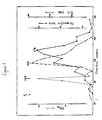
- Figure 1 illustrates the results of chromatographic fractionation of supernatant from EL4.IL-2 cells cultured in the presence of PMA.
- the 27kDa factor was produced by stimulating EL4.IL-2 cells (ATCC TIB 181) with phorbol-12-myristate-13-acetate (PMA) (a product of Sigma Chemical Co., St. Louis, MO, U.S.A.) as described by Farrar et al in J . Immunol 1980 125:2555, incorporated herein by reference. Briefly, the EL4.IL-2 cells were cultured at 106 cells/ml in RPMI 1640 medium (a product of Gibco Laboratories) supplemented with 5% bovine serum and 10 ng/ml PMA for 24 hours at 37°C. Supernatant obtained after pelletting cells is herein termed EL4.PMA and comprises, inter alia , the 27kDa factor of the present invention.
- PMA phorbol-12-myristate-13-acetate
- mice as sources for various tissues and lymphocytes populations true-breeding mice bred in the animal unit of the Department of Microbiology were used and included C5BL/6 (B6); DBA/2 (D2); Balb/c; CBA/J (CBA) and (B6 x D2)F1 (BDF1).
- the culture medium used was Iscove's Modified Dulbecco's medium supplemented with 10% fetal bovine serum (Bocknek, Rexdale, Ontario), 5 x 10 ⁇ 5M 2-mercaptoethanol, 50 U/ml of Penicillin and 50 g/ml streptomycin. All cultures were incubated at 37°C in 5% CO2 in humid air.
- CTL assays cultures were set up by incubating the indicated number of spleen cells, lymph node cells or thymocytes with the appropriate lymphokine in conical bottomed microtiter plates (Flow Laboratories, #76-023-05) as previously described by Teh et al, 1983, supra . Five days later the cultures were assessed for cytotoxic activity in phytohemaglutinin (PHA-P)-mediated cytotoxicity assay as described by Bevan and Cohn, J. Immunol 1975 114:559. This assay detects CTL of all specificities.
- PHA-P phytohemaglutinin
- Proliferative responses were determined by the incorporation of 3H-thymidine into proliferation cells. Lymphocytes (3 x 10⁴/well) were incubated with the indicated lymphokine for 3 days in a volume of 0.20 ml in round bottomed microtiter trays. One Ci of 3H-thymidine was added to each well during the last 6 hr of culture.
- monoclonal antibodies were used which were specific for the antigenic marker representative of a particular cell type.
- the antigenic marker known as Thy-1.2 is present on the surface of all T-cells and can be bound to JIj antibody.
- monoclonal antibody 7D4 against the IL-2 receptor will bind to this receptor.
- Monoclonal antibody GK1.5 is specific the L3T4 antigen present on the surface of all T-helper cells and ATCC T1B105 antibody is specific fo the mouse LyT2 antigen found on all cytotoxic cells.
- B cells hybridoma lines producing these monoclonal antibodies were obtained from the American Type Culture Collection.
- the percentages of cells expressing molecules bound by the monoclonal antibodies were determined by incubating the test cells with a saturating amount of fluorescein isothiocyanate FITC conjugated second antibodies.
- FITC rabbit anti-mouse IgG and FITC-rabbit anti-rat IgM were used to detect monoclonal antibody binding.
- the FITC labelled cells were analyzed by flow cytometry using the fluorescence activated cell sorter FACS IV.
- EL4.PMA contains a number of lymphokines in addition to interleukin-2. These lymphokines include IL-3, IL-4, colony stimulating factor and a T cell cytotoxicity-inducing factor described by Mannel and Falk in "Cellular and Molecular Biology of Lymphokines", Academic Press, 1985, p. 93.
- PMA contained factors in addition to IL-2 which can synergize with IL-2 in activating cytotoxic T-cells.
- Recombinant IL-2 by itself could also induce a cytotoxic response when BDF1 spleen cells were cultured at 2 x 10⁴ or 4 x 10⁴/well as shown below in Table 2.
- Table 2. Effect of varying cell density on proliferative and cytotoxic responses to EL4.PMA and IL-2 BDF1 spleen cells EL4.PMA % (v/v) rIL-2 U/ml CPM SE % specific lysis 4 x 10⁴ 1,973 ⁇ 136 2.4 ⁇ 1.8 2 x 10⁴ 886 ⁇ 58 1.2 ⁇ 1/8 1 x 10⁴ 567 ⁇ 48 0.0 ⁇ 1.5 5 x 10⁴ 1,262 ⁇ 786 1.7 ⁇ 1.1 2.5 x 10³ 1,349 ⁇ 457 1.0 ⁇ 1.1 4 x 10⁴ 10 49,238 ⁇ 811 84.1 ⁇ 5.4 2 x 10⁴ 10 28,126 ⁇ 592 81.7 ⁇ 4.7 1 x 10⁴ 10 17,867 ⁇ 725 8
- EL4.PMA could induce strong proliferative and cytotoxic responses at all cell densities tested (2.5 x 10³ to 4 x 10⁴). It is clear from this study that the cell responsive to IL-2 alone is present in low frequency in normal spleen cells and does not contribute to the proliferative and cytotoxic response in low density cultures. EL4.PMA apparently contains a factor(s) that can render non-IL-2 responsive cells responsive to IL-2. In this assay system, PMA and rIL-2 had only a minimal effect in inducing CTL (see Table 3 below). Thus, in the presence of excess rIL-2, a weak CTL response was induced when PMA was added at 0.1 or 0.3 ng/ml (lines 7 and 8).
- the target cell for EL4.PMA was determined by passing B6 lymph node (LN) cells over a nylon wool column to enrich for T cells (36).
- the nylon wool nonadherent cells were depleted of Thy-1+, Lyt2+ or L3T4+ cells by treatment with mAbs directed to these cell surface molecules and complement.
- the treated cells were then cultured with EL4.PMA. It can be seen from Table 4 that the cell that responds to EL4.PMA is a nylon wool nonadherent, Thy-1+, Lyt2+ L3T4 ⁇ cell.
- Nylon wool nonadherent B6 LN cells that had been treated with the mAb to L3T4 and complement were cultured for 3 days in EL4.PMA. After culture for 3 days in EL4.PMA there was a nine-fold increase in cell number indicating that most of the cells had proliferated in EL4.PMA.
- the cells at the end of the 3-day culture period were checked for the expression of the Lyt2, L3T4, IL-2 receptor and T-cell receptor. Most of the cultured cells were Lyt2+ (78%) and L3T4 ⁇ (3%). A significant number of these cells expressed IL-2 receptors (32%). Similarly, a population of cells also expressed the chain determinant of the T-cell receptor.
- EL4.PMA contains a factor(s) that can induce the expression of the IL-2 receptor on Thyl+ Lyt2+ L3T4 ⁇ cells in normal lymph node cells.
- Cells expressing IL-2 receptors then proliferate and differentiate into CTL in the presence of IL-2.
- B6 LN cells cultured with rIL-2 under the same conditions did not proliferate and did not give rise to cells expressing IL-2 receptor.
- cytotoxic T-cells Lyt2+ L3T4 ⁇ cells were activated by EL4.PMA.
- B6 spleen cells were cultured in EL4.PMA and the effector cells were assayed for cytotoxic activity against syngeneic B6 and allogeneic CBA, D2 and P815 target cells. Little or no cytotoxic effector cells were produced against syngeneic B6 (H-2 b ) target cells. Approximately the same number of effector cells were generated against D2 (H-2 d ) or CBA (H-2 k ) target cells.
- CTL of all specificities were determined by assaying for cytolytic activity against P815 targets in the presence of PHA-P.
- the total number of cytotoxic effector cells produced was more than a hundred-fold greater than the number of effector cells against any one specific target cells.
- EL4.PMA appears to polyclonally activate CTL-P of all antigenic specificities in the apparent absence of mitogen or antigen stimulation.
- IL-4 or B-cell stimulating factor (BSF-1) and IL-5 or T-cell replacing factor (TRF) also possess T-cell activating properties.
- rIL-4 can induce T-cell lines to proliferate and this response is inhibited by mAb to IL-4.
- IL-4, together with PMA, is also known to induce the production of cytotoxic cells from fetal thymocytes. However, this process appears from the literature to occur via an IL-2 independent mechanism since it was not inhibited by a mAb to the IL-2 receptor.
- Recombinant IL-5 is known to augment the proliferation of thymocytes in conjunction with suboptimal doses of ConA or IL-2.
Landscapes
- Health & Medical Sciences (AREA)
- Chemical & Material Sciences (AREA)
- Immunology (AREA)
- Life Sciences & Earth Sciences (AREA)
- Organic Chemistry (AREA)
- Medicinal Chemistry (AREA)
- General Health & Medical Sciences (AREA)
- Public Health (AREA)
- Gastroenterology & Hepatology (AREA)
- General Chemical & Material Sciences (AREA)
- Pharmacology & Pharmacy (AREA)
- Chemical Kinetics & Catalysis (AREA)
- Animal Behavior & Ethology (AREA)
- Bioinformatics & Cheminformatics (AREA)
- Engineering & Computer Science (AREA)
- Veterinary Medicine (AREA)
- Toxicology (AREA)
- Zoology (AREA)
- Nuclear Medicine, Radiotherapy & Molecular Imaging (AREA)
- Biochemistry (AREA)
- Biophysics (AREA)
- Genetics & Genomics (AREA)
- Molecular Biology (AREA)
- Proteomics, Peptides & Aminoacids (AREA)
- Preparation Of Compounds By Using Micro-Organisms (AREA)
- Medicines That Contain Protein Lipid Enzymes And Other Medicines (AREA)
- Peptides Or Proteins (AREA)
- Medicines Containing Material From Animals Or Micro-Organisms (AREA)
- Micro-Organisms Or Cultivation Processes Thereof (AREA)
Applications Claiming Priority (2)
| Application Number | Priority Date | Filing Date | Title |
|---|---|---|---|
| US8517687A | 1987-08-14 | 1987-08-14 | |
| US85176 | 1987-08-14 |
Publications (2)
| Publication Number | Publication Date |
|---|---|
| EP0303483A2 true EP0303483A2 (de) | 1989-02-15 |
| EP0303483A3 EP0303483A3 (de) | 1989-06-07 |
Family
ID=22189944
Family Applications (1)
| Application Number | Title | Priority Date | Filing Date |
|---|---|---|---|
| EP88307438A Withdrawn EP0303483A3 (de) | 1987-08-14 | 1988-08-11 | Lymphokin und dessen Zusammensetzungen |
Country Status (2)
| Country | Link |
|---|---|
| EP (1) | EP0303483A3 (de) |
| JP (1) | JPH01157397A (de) |
Cited By (1)
| Publication number | Priority date | Publication date | Assignee | Title |
|---|---|---|---|---|
| WO1996005288A3 (en) * | 1994-08-17 | 1996-04-18 | Biocine Spa | T cell activation |
Families Citing this family (1)
| Publication number | Priority date | Publication date | Assignee | Title |
|---|---|---|---|---|
| CA2357035A1 (en) * | 1998-12-29 | 2000-07-06 | University Of Vermont And State Agricultural College | Use of cd40 engagement to alter t cell receptor usage |
Family Cites Families (2)
| Publication number | Priority date | Publication date | Assignee | Title |
|---|---|---|---|---|
| US4411992A (en) * | 1981-04-14 | 1983-10-25 | Immunex Corporation | Process for preparing murine interleukin 2 |
| US4407945A (en) * | 1981-04-29 | 1983-10-04 | Immunex Corporation | Constitutive production of interleukin 2 by a T cell hybridoma |
-
1988
- 1988-08-11 EP EP88307438A patent/EP0303483A3/de not_active Withdrawn
- 1988-08-15 JP JP63203048A patent/JPH01157397A/ja active Pending
Cited By (1)
| Publication number | Priority date | Publication date | Assignee | Title |
|---|---|---|---|---|
| WO1996005288A3 (en) * | 1994-08-17 | 1996-04-18 | Biocine Spa | T cell activation |
Also Published As
| Publication number | Publication date |
|---|---|
| JPH01157397A (ja) | 1989-06-20 |
| EP0303483A3 (de) | 1989-06-07 |
Similar Documents
| Publication | Publication Date | Title |
|---|---|---|
| Shevach | The effects of cyclosporin A on the immune system. | |
| Rocklin et al. | Characterization of the human blood lymphocytes that produce a histamine-induced suppressor factor (HSF) | |
| JP3784063B2 (ja) | 異種移植耐性の増強およびブタサイトカイン | |
| CA2087525C (en) | Adoptive immunotherapy with interleukin-7 | |
| Koo et al. | The NK-1.1 (-) mouse: a model to study differentiation of murine NK cells. | |
| US4861589A (en) | Method for therapeutically treating abnormal cells expressing a major histocompatibility complex class II antigen using cytolytic inducer T4 cells | |
| Sondel et al. | Immunologic Functions of Isolated Human Lymphocyte Subpopulations: III. Specific Allogeneic Lympholysis Mediated by Human T Cells Alone | |
| Richards et al. | Use of human prolactin as a therapeutic protein to potentiate immunohematopoietic function | |
| Bowlin et al. | Potentiation of human lymphokine-activated killer cell activity by swainsonine, an inhibitor of glycoprotein processing | |
| AU4411196A (en) | Method for making a medicament for treating secondary immunodeficiency | |
| Lorberboum-Galski et al. | IL2-PE664Glu, a new chimeric protein cytotoxic to human-activated T lymphocytes. | |
| Garman et al. | Characterization of helper factors distinct from interleukin 2 necessary for the generation of allospecific cytolytic T lymphocytes. | |
| Kimoto et al. | Recombinant murine IL-3 fails to stimulate T or B lymphopoiesis in vivo, but enhances immune responses to T cell-dependent antigens. | |
| Takai et al. | Requirement for three distinct lymphokines for the induction of cytotoxic T lymphocytes from thymocytes. | |
| Ohnishi et al. | Prolongation of serum half-life of interleukin 2 and augmentation of lymphokine-activated killer cell activity by pepstatin in mice | |
| DD298056A5 (de) | Arzneimittel | |
| Lacerna Jr et al. | Adoptive cancer immunotherapy utilizing lymphokine activated killer cells and gamma interferon activated killer monocytes | |
| EP0303483A2 (de) | Lymphokin und dessen Zusammensetzungen | |
| EP0684828A1 (de) | Vermehrung von stammzellen in langzeitkulturen von knochenmarkzellen durch neutralisierung von t6f-beta | |
| Klein et al. | A murine cytotoxic T lymphocyte clone from the intestinal mucosa that is antigen specific for proliferation and displays broadly reactive inducible cytotoxic activity. | |
| Germann et al. | Different accessory function for TH1 cells of bone marrow derived macrophages cultured in granulocyte macrophage colony stimulating factor or macrophage colony stimulating factor | |
| Tovey et al. | Role of the type I interferons in allograft rejection | |
| Brenner et al. | Graft versus leukaemia effects after marrow transplantation in man | |
| EP0302435A1 (de) | Verfahren zur Augmentierung von antikörperabhängiger zellularer Zytotoxizität | |
| Lundberg et al. | Effects of 2, 3, 7, 8-tetrachlorodibenzo-p-dioxin (TCDD) treatment in vivo on thymocyte functions in mice after activation in vitro |
Legal Events
| Date | Code | Title | Description |
|---|---|---|---|
| PUAI | Public reference made under article 153(3) epc to a published international application that has entered the european phase |
Free format text: ORIGINAL CODE: 0009012 |
|
| AK | Designated contracting states |
Kind code of ref document: A2 Designated state(s): AT BE CH DE ES FR GB GR IT LI LU NL SE |
|
| PUAL | Search report despatched |
Free format text: ORIGINAL CODE: 0009013 |
|
| AK | Designated contracting states |
Kind code of ref document: A3 Designated state(s): AT BE CH DE ES FR GB GR IT LI LU NL SE |
|
| 16A | New documents despatched to applicant after publication of the search report | ||
| 17P | Request for examination filed |
Effective date: 19891205 |
|
| STAA | Information on the status of an ep patent application or granted ep patent |
Free format text: STATUS: THE APPLICATION HAS BEEN WITHDRAWN |
|
| 18W | Application withdrawn |
Withdrawal date: 19900131 |
|
| R18W | Application withdrawn (corrected) |
Effective date: 19900131 |