EP0192237B1 - Process for the degradation of enviromentally persistent organic compounds - Google Patents
Process for the degradation of enviromentally persistent organic compounds Download PDFInfo
- Publication number
- EP0192237B1 EP0192237B1 EP19860102067 EP86102067A EP0192237B1 EP 0192237 B1 EP0192237 B1 EP 0192237B1 EP 19860102067 EP19860102067 EP 19860102067 EP 86102067 A EP86102067 A EP 86102067A EP 0192237 B1 EP0192237 B1 EP 0192237B1
- Authority
- EP
- European Patent Office
- Prior art keywords
- fungus
- process according
- halogenated organic
- hydrogen peroxide
- enzyme
- Prior art date
- Legal status (The legal status is an assumption and is not a legal conclusion. Google has not performed a legal analysis and makes no representation as to the accuracy of the status listed.)
- Expired
Links
- 238000000034 method Methods 0.000 title claims description 37
- 150000002894 organic compounds Chemical class 0.000 title claims description 25
- 230000015556 catabolic process Effects 0.000 title description 33
- 238000006731 degradation reaction Methods 0.000 title description 33
- 230000002085 persistent effect Effects 0.000 title description 8
- 241000233866 Fungi Species 0.000 claims description 59
- IJGRMHOSHXDMSA-UHFFFAOYSA-N Atomic nitrogen Chemical compound N#N IJGRMHOSHXDMSA-UHFFFAOYSA-N 0.000 claims description 58
- 229910002092 carbon dioxide Inorganic materials 0.000 claims description 50
- 241000222393 Phanerochaete chrysosporium Species 0.000 claims description 48
- MHAJPDPJQMAIIY-UHFFFAOYSA-N Hydrogen peroxide Chemical compound OO MHAJPDPJQMAIIY-UHFFFAOYSA-N 0.000 claims description 40
- 229920005610 lignin Polymers 0.000 claims description 37
- CURLTUGMZLYLDI-UHFFFAOYSA-N Carbon dioxide Chemical compound O=C=O CURLTUGMZLYLDI-UHFFFAOYSA-N 0.000 claims description 30
- 102000004190 Enzymes Human genes 0.000 claims description 29
- 108090000790 Enzymes Proteins 0.000 claims description 29
- 229910052757 nitrogen Inorganic materials 0.000 claims description 29
- 150000001875 compounds Chemical class 0.000 claims description 23
- 239000002957 persistent organic pollutant Substances 0.000 claims description 19
- 230000000593 degrading effect Effects 0.000 claims description 18
- 239000001569 carbon dioxide Substances 0.000 claims description 15
- 239000001963 growth medium Substances 0.000 claims description 15
- 239000000203 mixture Substances 0.000 claims description 12
- 239000005447 environmental material Substances 0.000 claims description 10
- 229910052799 carbon Inorganic materials 0.000 claims description 9
- 230000002538 fungal effect Effects 0.000 claims description 9
- 239000013049 sediment Substances 0.000 claims description 9
- OKTJSMMVPCPJKN-UHFFFAOYSA-N Carbon Chemical compound [C] OKTJSMMVPCPJKN-UHFFFAOYSA-N 0.000 claims description 8
- 239000011541 reaction mixture Substances 0.000 claims description 8
- 239000000463 material Substances 0.000 claims description 7
- 235000015097 nutrients Nutrition 0.000 claims description 7
- XLYOFNOQVPJJNP-UHFFFAOYSA-N water Substances O XLYOFNOQVPJJNP-UHFFFAOYSA-N 0.000 claims description 7
- 238000006243 chemical reaction Methods 0.000 claims description 6
- 239000012736 aqueous medium Substances 0.000 claims description 5
- VUZPPFZMUPKLLV-UHFFFAOYSA-N methane;hydrate Chemical compound C.O VUZPPFZMUPKLLV-UHFFFAOYSA-N 0.000 claims description 5
- 150000001720 carbohydrates Chemical class 0.000 claims description 4
- 239000002689 soil Substances 0.000 claims description 4
- 239000001913 cellulose Substances 0.000 claims description 3
- 229920002678 cellulose Polymers 0.000 claims description 3
- 239000012141 concentrate Substances 0.000 claims description 3
- 238000002156 mixing Methods 0.000 claims description 3
- 230000005526 G1 to G0 transition Effects 0.000 claims description 2
- 238000000354 decomposition reaction Methods 0.000 claims description 2
- 229910052500 inorganic mineral Inorganic materials 0.000 claims description 2
- 239000011707 mineral Substances 0.000 claims description 2
- 230000003698 anagen phase Effects 0.000 claims 1
- 230000006378 damage Effects 0.000 claims 1
- 230000001066 destructive effect Effects 0.000 claims 1
- YVGGHNCTFXOJCH-UHFFFAOYSA-N DDT Chemical compound C1=CC(Cl)=CC=C1C(C(Cl)(Cl)Cl)C1=CC=C(Cl)C=C1 YVGGHNCTFXOJCH-UHFFFAOYSA-N 0.000 description 33
- 229940088598 enzyme Drugs 0.000 description 18
- 239000003344 environmental pollutant Substances 0.000 description 17
- 244000005700 microbiome Species 0.000 description 13
- 231100000719 pollutant Toxicity 0.000 description 13
- CSCPPACGZOOCGX-UHFFFAOYSA-N Acetone Chemical compound CC(C)=O CSCPPACGZOOCGX-UHFFFAOYSA-N 0.000 description 12
- FMMWHPNWAFZXNH-UHFFFAOYSA-N Benz[a]pyrene Chemical compound C1=C2C3=CC=CC=C3C=C(C=C3)C2=C2C3=CC=CC2=C1 FMMWHPNWAFZXNH-UHFFFAOYSA-N 0.000 description 12
- RTZKZFJDLAIYFH-UHFFFAOYSA-N Diethyl ether Chemical compound CCOCC RTZKZFJDLAIYFH-UHFFFAOYSA-N 0.000 description 12
- WQZGKKKJIJFFOK-GASJEMHNSA-N Glucose Natural products OC[C@H]1OC(O)[C@H](O)[C@@H](O)[C@@H]1O WQZGKKKJIJFFOK-GASJEMHNSA-N 0.000 description 12
- 108090000417 Oxygenases Proteins 0.000 description 12
- 102000004020 Oxygenases Human genes 0.000 description 12
- 238000011534 incubation Methods 0.000 description 12
- 239000008103 glucose Substances 0.000 description 11
- YXFVVABEGXRONW-UHFFFAOYSA-N Toluene Chemical compound CC1=CC=CC=C1 YXFVVABEGXRONW-UHFFFAOYSA-N 0.000 description 9
- 150000008282 halocarbons Chemical class 0.000 description 8
- 229960002809 lindane Drugs 0.000 description 8
- 230000002950 deficient Effects 0.000 description 7
- 150000002896 organic halogen compounds Chemical class 0.000 description 7
- 239000000758 substrate Substances 0.000 description 7
- 238000011282 treatment Methods 0.000 description 7
- 239000002699 waste material Substances 0.000 description 7
- TXVHTIQJNYSSKO-UHFFFAOYSA-N BeP Natural products C1=CC=C2C3=CC=CC=C3C3=CC=CC4=CC=C1C2=C34 TXVHTIQJNYSSKO-UHFFFAOYSA-N 0.000 description 6
- QVGXLLKOCUKJST-UHFFFAOYSA-N atomic oxygen Chemical compound [O] QVGXLLKOCUKJST-UHFFFAOYSA-N 0.000 description 6
- 238000006065 biodegradation reaction Methods 0.000 description 6
- 230000007613 environmental effect Effects 0.000 description 6
- 238000002474 experimental method Methods 0.000 description 6
- 239000001301 oxygen Substances 0.000 description 6
- 229910052760 oxygen Inorganic materials 0.000 description 6
- 239000003208 petroleum Substances 0.000 description 6
- 230000000694 effects Effects 0.000 description 5
- 239000007789 gas Substances 0.000 description 5
- 230000004060 metabolic process Effects 0.000 description 5
- 239000007800 oxidant agent Substances 0.000 description 5
- 230000001590 oxidative effect Effects 0.000 description 5
- 238000012360 testing method Methods 0.000 description 5
- HGUFODBRKLSHSI-UHFFFAOYSA-N 2,3,7,8-tetrachloro-dibenzo-p-dioxin Chemical compound O1C2=CC(Cl)=C(Cl)C=C2OC2=C1C=C(Cl)C(Cl)=C2 HGUFODBRKLSHSI-UHFFFAOYSA-N 0.000 description 4
- 125000002619 bicyclic group Polymers 0.000 description 4
- JLYXXMFPNIAWKQ-GNIYUCBRSA-N gamma-hexachlorocyclohexane Chemical compound Cl[C@H]1[C@H](Cl)[C@@H](Cl)[C@@H](Cl)[C@H](Cl)[C@H]1Cl JLYXXMFPNIAWKQ-GNIYUCBRSA-N 0.000 description 4
- JLYXXMFPNIAWKQ-UHFFFAOYSA-N gamma-hexachlorocyclohexane Natural products ClC1C(Cl)C(Cl)C(Cl)C(Cl)C1Cl JLYXXMFPNIAWKQ-UHFFFAOYSA-N 0.000 description 4
- 239000000126 substance Substances 0.000 description 4
- WEVYAHXRMPXWCK-UHFFFAOYSA-N Acetonitrile Chemical compound CC#N WEVYAHXRMPXWCK-UHFFFAOYSA-N 0.000 description 3
- OKKJLVBELUTLKV-UHFFFAOYSA-N Methanol Chemical compound OC OKKJLVBELUTLKV-UHFFFAOYSA-N 0.000 description 3
- 238000004587 chromatography analysis Methods 0.000 description 3
- 230000001419 dependent effect Effects 0.000 description 3
- 230000008034 disappearance Effects 0.000 description 3
- 239000000284 extract Substances 0.000 description 3
- 239000011159 matrix material Substances 0.000 description 3
- 239000000243 solution Substances 0.000 description 3
- HZAXFHJVJLSVMW-UHFFFAOYSA-N 2-Aminoethan-1-ol Chemical compound NCCO HZAXFHJVJLSVMW-UHFFFAOYSA-N 0.000 description 2
- 241000222385 Phanerochaete Species 0.000 description 2
- 239000002253 acid Substances 0.000 description 2
- 239000007864 aqueous solution Substances 0.000 description 2
- 125000003118 aryl group Chemical group 0.000 description 2
- NGPGDYLVALNKEG-UHFFFAOYSA-N azanium;azane;2,3,4-trihydroxy-4-oxobutanoate Chemical compound [NH4+].[NH4+].[O-]C(=O)C(O)C(O)C([O-])=O NGPGDYLVALNKEG-UHFFFAOYSA-N 0.000 description 2
- 239000007844 bleaching agent Substances 0.000 description 2
- 239000011203 carbon fibre reinforced carbon Substances 0.000 description 2
- 239000002361 compost Substances 0.000 description 2
- 238000011109 contamination Methods 0.000 description 2
- 230000007812 deficiency Effects 0.000 description 2
- 238000010790 dilution Methods 0.000 description 2
- 239000012895 dilution Substances 0.000 description 2
- TUJKJAMUKRIRHC-UHFFFAOYSA-N hydroxyl Chemical compound [OH] TUJKJAMUKRIRHC-UHFFFAOYSA-N 0.000 description 2
- 238000011065 in-situ storage Methods 0.000 description 2
- 230000006698 induction Effects 0.000 description 2
- 239000000543 intermediate Substances 0.000 description 2
- 239000002207 metabolite Substances 0.000 description 2
- VNWKTOKETHGBQD-UHFFFAOYSA-N methane Chemical compound C VNWKTOKETHGBQD-UHFFFAOYSA-N 0.000 description 2
- 239000012044 organic layer Substances 0.000 description 2
- 150000003071 polychlorinated biphenyls Chemical class 0.000 description 2
- 235000019157 thiamine Nutrition 0.000 description 2
- -1 vitamin thiamins Chemical class 0.000 description 2
- RUEIBQJFGMERJD-UHFFFAOYSA-N 1,2,3,4,5-pentachloro-6-(2-chlorophenyl)benzene Chemical compound ClC1=CC=CC=C1C1=C(Cl)C(Cl)=C(Cl)C(Cl)=C1Cl RUEIBQJFGMERJD-UHFFFAOYSA-N 0.000 description 1
- HMBBJSKXDBUNNT-UHFFFAOYSA-N 2,2',4,4',5,5'-hexabromobiphenyl Chemical group C1=C(Br)C(Br)=CC(Br)=C1C1=CC(Br)=C(Br)C=C1Br HMBBJSKXDBUNNT-UHFFFAOYSA-N 0.000 description 1
- HLQDGCWIOSOMDP-UHFFFAOYSA-N 2,3,4,5-tetrachlorobiphenyl Chemical group ClC1=C(Cl)C(Cl)=CC(C=2C=CC=CC=2)=C1Cl HLQDGCWIOSOMDP-UHFFFAOYSA-N 0.000 description 1
- UQMGJOKDKOLIDP-UHFFFAOYSA-N 3,3',4,4'-tetrachlorobiphenyl Chemical group C1=C(Cl)C(Cl)=CC=C1C1=CC=C(Cl)C(Cl)=C1 UQMGJOKDKOLIDP-UHFFFAOYSA-N 0.000 description 1
- 108010059892 Cellulase Proteins 0.000 description 1
- 108010084185 Cellulases Proteins 0.000 description 1
- 102000005575 Cellulases Human genes 0.000 description 1
- 239000004366 Glucose oxidase Substances 0.000 description 1
- 108010015776 Glucose oxidase Proteins 0.000 description 1
- 239000004367 Lipase Substances 0.000 description 1
- 102000004882 Lipase Human genes 0.000 description 1
- 108090001060 Lipase Proteins 0.000 description 1
- 241001465754 Metazoa Species 0.000 description 1
- 206010028980 Neoplasm Diseases 0.000 description 1
- QBWAWHAUCFAJGR-UHFFFAOYSA-N O1C=COC=C1.ClC=1C=CC2=C(OC3=C(O2)C=C(C(=C3)Cl)Cl)C1Cl Chemical compound O1C=COC=C1.ClC=1C=CC2=C(OC3=C(O2)C=C(C(=C3)Cl)Cl)C1Cl QBWAWHAUCFAJGR-UHFFFAOYSA-N 0.000 description 1
- 102000004316 Oxidoreductases Human genes 0.000 description 1
- 108090000854 Oxidoreductases Proteins 0.000 description 1
- 102000035195 Peptidases Human genes 0.000 description 1
- 108091005804 Peptidases Proteins 0.000 description 1
- 239000004365 Protease Substances 0.000 description 1
- FAPWRFPIFSIZLT-UHFFFAOYSA-M Sodium chloride Chemical class [Na+].[Cl-] FAPWRFPIFSIZLT-UHFFFAOYSA-M 0.000 description 1
- JZRWCGZRTZMZEH-UHFFFAOYSA-N Thiamine Natural products CC1=C(CCO)SC=[N+]1CC1=CN=C(C)N=C1N JZRWCGZRTZMZEH-UHFFFAOYSA-N 0.000 description 1
- 238000009825 accumulation Methods 0.000 description 1
- 210000000577 adipose tissue Anatomy 0.000 description 1
- 230000002411 adverse Effects 0.000 description 1
- 150000001348 alkyl chlorides Chemical class 0.000 description 1
- 238000004458 analytical method Methods 0.000 description 1
- 239000008346 aqueous phase Substances 0.000 description 1
- 239000007900 aqueous suspension Substances 0.000 description 1
- 238000003556 assay Methods 0.000 description 1
- 230000004888 barrier function Effects 0.000 description 1
- WQZGKKKJIJFFOK-VFUOTHLCSA-N beta-D-glucose Chemical compound OC[C@H]1O[C@@H](O)[C@H](O)[C@@H](O)[C@@H]1O WQZGKKKJIJFFOK-VFUOTHLCSA-N 0.000 description 1
- 231100000693 bioaccumulation Toxicity 0.000 description 1
- 230000031018 biological processes and functions Effects 0.000 description 1
- 235000010290 biphenyl Nutrition 0.000 description 1
- 150000004074 biphenyls Chemical class 0.000 description 1
- 238000004061 bleaching Methods 0.000 description 1
- 201000011510 cancer Diseases 0.000 description 1
- 230000000711 cancerogenic effect Effects 0.000 description 1
- 150000001721 carbon Chemical group 0.000 description 1
- CREMABGTGYGIQB-UHFFFAOYSA-N carbon carbon Chemical compound C.C CREMABGTGYGIQB-UHFFFAOYSA-N 0.000 description 1
- 231100000315 carcinogenic Toxicity 0.000 description 1
- 230000001413 cellular effect Effects 0.000 description 1
- 229940106157 cellulase Drugs 0.000 description 1
- 238000009264 composting Methods 0.000 description 1
- 239000000039 congener Substances 0.000 description 1
- 238000004042 decolorization Methods 0.000 description 1
- 238000005202 decontamination Methods 0.000 description 1
- 230000003588 decontaminative effect Effects 0.000 description 1
- 230000003247 decreasing effect Effects 0.000 description 1
- 239000007857 degradation product Substances 0.000 description 1
- 239000001064 degrader Substances 0.000 description 1
- 238000005695 dehalogenation reaction Methods 0.000 description 1
- 238000001784 detoxification Methods 0.000 description 1
- NGPGDYLVALNKEG-OLXYHTOASA-N diammonium L-tartrate Chemical compound [NH4+].[NH4+].[O-]C(=O)[C@H](O)[C@@H](O)C([O-])=O NGPGDYLVALNKEG-OLXYHTOASA-N 0.000 description 1
- UOAMTSKGCBMZTC-UHFFFAOYSA-N dicofol Chemical compound C=1C=C(Cl)C=CC=1C(C(Cl)(Cl)Cl)(O)C1=CC=C(Cl)C=C1 UOAMTSKGCBMZTC-UHFFFAOYSA-N 0.000 description 1
- 230000029087 digestion Effects 0.000 description 1
- 229920001971 elastomer Polymers 0.000 description 1
- 238000010828 elution Methods 0.000 description 1
- 230000002255 enzymatic effect Effects 0.000 description 1
- 238000000605 extraction Methods 0.000 description 1
- 239000000706 filtrate Substances 0.000 description 1
- 239000012530 fluid Substances 0.000 description 1
- 238000011010 flushing procedure Methods 0.000 description 1
- 238000004362 fungal culture Methods 0.000 description 1
- 239000000054 fungal extract Substances 0.000 description 1
- 229940116332 glucose oxidase Drugs 0.000 description 1
- 235000019420 glucose oxidase Nutrition 0.000 description 1
- 229910052736 halogen Inorganic materials 0.000 description 1
- 239000000383 hazardous chemical Substances 0.000 description 1
- 239000003864 humus Substances 0.000 description 1
- 239000004615 ingredient Substances 0.000 description 1
- 230000005764 inhibitory process Effects 0.000 description 1
- 239000004816 latex Substances 0.000 description 1
- 229920000126 latex Polymers 0.000 description 1
- 239000010410 layer Substances 0.000 description 1
- 108010062085 ligninase Proteins 0.000 description 1
- 230000002479 lignolytic effect Effects 0.000 description 1
- 235000019421 lipase Nutrition 0.000 description 1
- 239000007788 liquid Substances 0.000 description 1
- 238000009630 liquid culture Methods 0.000 description 1
- 238000004519 manufacturing process Methods 0.000 description 1
- 230000000696 methanogenic effect Effects 0.000 description 1
- QJGQUHMNIGDVPM-UHFFFAOYSA-N nitrogen group Chemical group [N] QJGQUHMNIGDVPM-UHFFFAOYSA-N 0.000 description 1
- 239000012074 organic phase Substances 0.000 description 1
- 239000010815 organic waste Substances 0.000 description 1
- 230000003647 oxidation Effects 0.000 description 1
- 238000007254 oxidation reaction Methods 0.000 description 1
- 238000004806 packaging method and process Methods 0.000 description 1
- 230000002688 persistence Effects 0.000 description 1
- 239000000575 pesticide Substances 0.000 description 1
- 150000002989 phenols Chemical class 0.000 description 1
- 238000012809 post-inoculation Methods 0.000 description 1
- 238000006042 reductive dechlorination reaction Methods 0.000 description 1
- 230000002829 reductive effect Effects 0.000 description 1
- 230000024053 secondary metabolic process Effects 0.000 description 1
- 230000028327 secretion Effects 0.000 description 1
- 239000010801 sewage sludge Substances 0.000 description 1
- 239000010802 sludge Substances 0.000 description 1
- 241000894007 species Species 0.000 description 1
- 238000001228 spectrum Methods 0.000 description 1
- 230000000707 stereoselective effect Effects 0.000 description 1
- 125000001424 substituent group Chemical group 0.000 description 1
- 239000000725 suspension Substances 0.000 description 1
- FKHIFSZMMVMEQY-UHFFFAOYSA-N talc Chemical compound [Mg+2].[O-][Si]([O-])=O FKHIFSZMMVMEQY-UHFFFAOYSA-N 0.000 description 1
- KYMBYSLLVAOCFI-UHFFFAOYSA-N thiamine Chemical compound CC1=C(CCO)SCN1CC1=CN=C(C)N=C1N KYMBYSLLVAOCFI-UHFFFAOYSA-N 0.000 description 1
- 229960003495 thiamine Drugs 0.000 description 1
- 239000011721 thiamine Substances 0.000 description 1
- 231100000331 toxic Toxicity 0.000 description 1
- 231100000167 toxic agent Toxicity 0.000 description 1
- 230000002588 toxic effect Effects 0.000 description 1
- 235000013343 vitamin Nutrition 0.000 description 1
- 239000011782 vitamin Substances 0.000 description 1
- 229940088594 vitamin Drugs 0.000 description 1
- 229930003231 vitamin Natural products 0.000 description 1
- 239000002023 wood Substances 0.000 description 1
- 239000002676 xenobiotic agent Substances 0.000 description 1
Images


Classifications
-
- A—HUMAN NECESSITIES
- A62—LIFE-SAVING; FIRE-FIGHTING
- A62D—CHEMICAL MEANS FOR EXTINGUISHING FIRES OR FOR COMBATING OR PROTECTING AGAINST HARMFUL CHEMICAL AGENTS; CHEMICAL MATERIALS FOR USE IN BREATHING APPARATUS
- A62D3/00—Processes for making harmful chemical substances harmless or less harmful, by effecting a chemical change in the substances
- A62D3/02—Processes for making harmful chemical substances harmless or less harmful, by effecting a chemical change in the substances by biological methods, i.e. processes using enzymes or microorganisms
-
- B—PERFORMING OPERATIONS; TRANSPORTING
- B09—DISPOSAL OF SOLID WASTE; RECLAMATION OF CONTAMINATED SOIL
- B09C—RECLAMATION OF CONTAMINATED SOIL
- B09C1/00—Reclamation of contaminated soil
- B09C1/10—Reclamation of contaminated soil microbiologically, biologically or by using enzymes
- B09C1/105—Reclamation of contaminated soil microbiologically, biologically or by using enzymes using fungi or plants
-
- A—HUMAN NECESSITIES
- A62—LIFE-SAVING; FIRE-FIGHTING
- A62D—CHEMICAL MEANS FOR EXTINGUISHING FIRES OR FOR COMBATING OR PROTECTING AGAINST HARMFUL CHEMICAL AGENTS; CHEMICAL MATERIALS FOR USE IN BREATHING APPARATUS
- A62D2101/00—Harmful chemical substances made harmless, or less harmful, by effecting chemical change
- A62D2101/20—Organic substances
- A62D2101/22—Organic substances containing halogen
Definitions
- the present invention proposes and demonstrates a method for degrading environmentally persistent organic compounds.
- the present invention uses a common fungus Phanerochaete chrysosporium and its biodegrading enzymes for such degradation. This work was performed under Environmental Protection Agency Contract No. CR-811464-01-0.
- organohalides are present in the biosphere as environmental pollutants. As a group, organohalides are often toxic and/or carcinogenic. Additionally, many organohalides are persistent in the environment and tend to bioaccumulate in the body fat of animals occupying higher trouphic levels. One reason for their persistence is the fact that microorganisms which normally possess the ability to degrade or metabolize a wide spectrum of organic compounds are either unable to degrade these persistent chemicals or do so very slowly.
- PCB's Polychlorinated biphenyls
- PBB's polybrominated biphenyls
- Lignin degradation is an enzymatic process which can be accomplished by some fungi. This is particularly shown by Forney, L. J. et al, Journal of Biological Chemistry 257, 11455-11462 (1982) and by Tien, M. et al, Science 221, 661-663 (1983). The process which occurs is a natural one. Lignin is one of the most abundant (250 million tons per year) and persistent natural chemicals. Its structure is variable and its molecular weight is relatively large. Lignin is not degraded by oxidase enzymes from most microorganisms; however, lignin is degraded by Phanerochaete chrysosporium, a white rot fungus.
- chromophores are largely polymeric, chlorinated, heavily oxidised degradation products of lignin produced during the bleaching process.
- the colour of the chromophores is removed by the use of a white rot fungus.
- this does not teach a substantial degradation of the halogenated organic compounds to carbon dioxide and water, since the document only describes organic compounds which are produced during the degradation treatment.
- the invention is concerned with a novel process for degrading a halogenated organic pollutant of a type which persists in environmental materials, and in such a way that a significant amount of the halogenated organic compound is degraded to form carbon dioxide and water.
- the invention provides, in a further aspect, a fungal composition for degrading a halogenated organic pollutant by reaction under areobic conditions and which comprises:
- the fungus generates hydrogen peroxide during the degradation, and when, as is preferred, phanerochaete chrysosporium is used as the fungus, this generates in situ both oxygenase and hydrogen peroxide.
- oxygenase and hydrogen peroxide are provided by a biologically pure culture of a lignin degrading fungus or fungi mixed with the halogenated organic pollutant compound, whereby this avoids the need for introducing the hydrogen peroxide and oxygenase periodically into the reaction mixture, since the fungus produces both the extra cellular enzyme and hydrogen peroxide.
- the most preferred fungus is, as indicated, phanerochaete chrysosporium, which produces oxygenase having a molecular weight of about 42,000 daltons.
- the oxygenase enzyme from phanerochaete chrysosporium or other fungi which degrade lignin can be used for the reaction with a pollutant organic compound.
- the oxygenase can be obtained in a purified pure form by taking a culture filtrate from the fungi, dialyzing it and then lyophilizing the dialyzate to prepare a concentrate of the enzyme.
- the oxygenase and the hydrogen peroxide can be reacted with the pollutant organic compound in aqueous solution or suspension.
- the hydrogen peroxide can be either provided directly or generated in situ using glucose and glucose oxidase, a H 2 0 2 generating enzyme. This process is not preferred because of the cost of isolating the enzyme which is an unnecessary step.
- the preferred phanerochaete crysosporium was grown in a low nitrogen containing growth medium which has been found to stimulate lignolytic activity.
- the cultures were preferably grown at 37-39°C for six (6) days in a source of carbon, nitrogen, minerals, and the vitamin thiamins as described by Kirk et al (Arch Microbiol 117, 277-285, 1978).
- the pollutant organic compounds can be mixed with various areobic matrices using a small volume of acetone which may then be allowed to evaporate.
- the matrices include lignin, cellulose (shredded paper), wood shavings, sawdust and humus. Water can be added to the matrix to give 50% by weight moisture and then the fungus can be added.
- the incubations are at 39°C (preferably between about 37° and 40°C) in air or oxygen.
- Environmental samples can be degraded, such as the PCB's in Kalamazoo, Michigan river sediments which may or may not require a cellulose matrix depending upon the amount of organic nutrients already present.
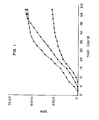
- Figure 1 is a graph showing 14 CO 2 evolution from "C-DDT in Nitrogen Deficient Cultures of P. chrysosporium. Cultures of P. chrysosporium were incubated at 37° ⁇ 39°C as described by Kirk et al. (Arch. Microbiol. 117,277-285,1978). Each culture contained 1.25 nmoles (50 nCi or 110,000 dpm) of' 4 C-labeled DDT.
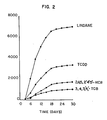
- Figure 2 is a graph showing 14 C0 2 Evolution by Nitrogen Deficient Cultures of P. chrysosporium containing selected 14 C-labeled Organohalides. Cultures of P. chrysosporium were incubated at 37°-39°C as described by Kirk et al. (Arch. Microbiol. 117, 277-285, 1978). Each culture contained 50 nCi (110,000 dpm) of a 14C-labeled organohalide corresponding to a mass of 0.93, 6.1, 0.34 and 1.8. nmoles of Lindane, TCDD, 2,4,5,2',4',5'-HCB and 3,4,3',4'-TCB, respectively.
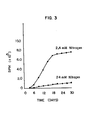
- Figure 3 is a graph showing the effect of Nitrogen on the Evolution of 14 CO 2 from 14 C-DDT in Cultures of P. chrysosporium. Cultures of P. chrysosporium were incubated at 37° ⁇ 39°C as described by Kirk et al. (Arch. Microbiol. 117, 277-285, 1978). Each culture contained 1.25 nmoles (110,000 dpm) of 14 C-labeled DDT. Nitrogen concentration (2.4 mM or 24 mM) refers to the amount of nitrogen present in the culture media as ammonium tartrate.
- Figure 4 is a graph showing the effect of Nitrogen Concentration on the Evolution of 14 CO 2 from 14 C-Lignin in Cultures of P. chrysosporium. Cultures of P. chrysosporium were incubated at 37° ⁇ 39°C as described by Kirk et al. (Arch. Microbiol. 117, 277-285, 1978). Each culture contained 0.122 mg (110,000 dm) of 14 C-labeled lignin. Nitrogen concentration (2.4 mM and 24 mM) refers to the amount of nitrogen present in the culture media as ammonium tartrate.
- Figure 5 is a graph showing the disappearance of DDT in Nitrogen Deficient Cultures of P. chrysosporium. Triplicate cultures of P. chrysosporium were incubated at 37° ⁇ 39°C as described by Kirk et al. (Arch. Microbiol. 117, 277 ⁇ 285, 1978). The initial concentration of DDT was 1.7 ppm.
- Figure 6 is a graph showing the disappearance of Benzo(a)pyrene in Nitrogen Deficient Cultures of P. chrysosporium. Quintuplicate cultures of P. chrysosporium were incubated at 37° ⁇ 39°C as described by Kirk et al. (Arch. Microbiol. 117, 277-285, 1978). Benzo(a)pyrene was extracted and quantitated as described by Selkirk et al. (Cancer Res. 34,3473,1974). The initial concentration of benzo(a)pyrene was 100 uM.
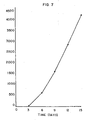
- Figure 7 is a graph showing evolution of 14 CO 2 from 14 C-Benzo(a)pyrene in Nitrogen Deficient Cultures of P. chrysosporium. Cultures of P. chrysosporium were incubated at 37°-39°C as described by Kirk et al. (Arch. Microbiol. 117, 277-285, 1978). Each culture contained 1.0 umole (91 nCi or 199,800 dpm) of 14 C-benzo(a)pyrene.
- Phanerochaete chrysosporium In order to test for the preferred growth temperature for the Phanerochaete chrysosporium, various cultures were prepared and tested. Six (6) separate 10 ml liquid cultures of Phanerochaete chrysosporium were prepared using 1 ml of a spore suspension in 9 ml of a culture medium as described by Forney et al. The culture medium was low in nitrogen source which, based upon the results of Forney et al, appears to induce the activity of the fungal culture. Two of the cultures were incubated at 37°C and four were incubated at room temperature. It was found that the fungus grew better at 37°C, although significant growth did occur at room temperatures.
- HBB 4,5,2',4',5'-hexabromo biphenyl
- each vial upon testing was quantitatively transferred to a 15 ml graduated centrifuge tube with rinses using acetone. The volume was adjusted to 10.0 ml in acetone. A 5.0 ml aliquot of each of these samples was evaporated to approximately 0.5 ml extracted with 5 ml of toluene and passed over a 9 centimeterx.7 centimeter Florisil column with elution by 10 ml of toluene. The samples were then adjusted to a final volume of 10.0 ml with toluene and subjected to gas chromatographic analysis. Based upon the analysis the results are shown in Table 1.
- Example 1 the concentration of HBB was substantially reduced as a result of fungal degradation. Over a period of time the HBB or intermediates thereof could be completely degraded by the process by repeated treatments.
- a control culture was spiked with 3.4 microliters of DDT (5.0 milligrams/milliliter acetone) and extracted in the same manner. In the same manner 3.4 milliliters of DDT (5.0 milligrams/milliliter acetone) in petroleum ether was used as a further control.
- the culture extract, the extraction control and the DDT petroleum ether was assayed by gas chromatograph as in Example 2. Extracts were diluted 1:10 for gas chromatographic analysis to give a 100 final dilution. The result was that 70.0% of the original concentration of DDT remained after 21 days of incubation with the fungus at an initial concentration of 1.7 ppm of DDT.
- Example 3 The experiment of Example 3 was repeated, except that the cultures were incubated with the DDT in an atmosphere of oxygen and at 39°C. The cultures were treated with oxygen for one (1) minute at 3 day intervals prior to testing. The results are shown in Table 2 for two separate tests.
- the DDT is in fact degraded over a period of time.
- Cultures were prepared in quintuplicate for 14 C-DDT, 14 C-2,4,5,2',4',5'-HCB, 3,4,3',4'-TCB, 14 C-Lindane and 14 C-TCDD.
- the culture medium was the same as that used in Example 5.
- An additional set of five (5) cultures were prepared for 14 C-lignin.
- Still another five (5) cultures were prepared for 14 C-DDT. These differed from the others in that they contained 12.0 mM diammonium tartrate (24 mM nitrogen) and were designated "high nitrogen".
- Phanerochaete chrysosporium was able to metabolize 14 C-2,4,5,2'4',5',- hexachlorobiphenyl (HCB), 14 C-3,4,3',4'-tetrachlorobiphenyl (TCB), 14 C-lindane, and. 3,4,7,8-tetrachlorodibenzo-p-dioxin (dioxin) to 14 CO 2 .
- 14 C0 2 evolution from 14 C-lignin coincides with 14 CO 2 evolution from 14 C-2,4,5,2',4',5',- hexachlorobiphenyl, 14 C-3,4,3'4', tetrachlorobiphenyl, 14 C-lindane and 2,3,7,8,-tetrachlorodibenzo-p-dioxin.
- Figures 6 and 7 show the results for degradation of benzo(a)pyrene with Phanerochaete chrysosporium in the manner of Examples 6 and 7. As can be seen, this resistant chemical is degraded to C0 2 .
- chrysosporium is able to dechlorinate alkyl chlorides as evidenced by the fact that Lindane, a compound which is chlorinated on every carbon atom, is degraded to carbon dioxide. Collaborating evidence was obtained in DDT metabolite studies in which it was demonstrated that DDT is converted to DDD, as a result of reductive dechlorination.
- 14C-DDT demonstrated that 14 CO 2 evolution was dependent on the presence of glucose. After the 30 day incubation period, increased rates of 14 CO 2 evolution could be induced simply by adding glucose to the glucose depleted culture. It was also shown that the rate of 14 CO 2 evolution was dependent on the absolute concentration of glucose in the culture medium. For example a two-fold increase in the glucose concentration (from 56 mM to 112 mM) was shown to more than double the amount of 14 CO 2 evolved over the 30 days incubation period. It is important to note that even in stationary phase cultures constitutive levels of 14 CO 2 evolution continued to occur. In other experiments, the rate of DDT disappearance was monitored by GLC.
- lignin degradation in P. chrysosporium was induced in nitrogen deficient cultures after approximately 3 days of incubation, after which 14 CO 2 evolution from 14 C-lignin was observed. Maximal rates of lignin degradation, as assayed by 14 C0 2 , were observed between day 3 and day 18 of the incubation. Lignin degradation continues to occur, albeit at successively lower rates, until the glucose concentration was depleted. The presence of a suitable carbohydrate source was critical in this system because hydrogen peroxide, a required cosubstrate for lignin degradation, was generated in actively respiring cultures.
- the present invention has focused on the use of P. chrysosporium as a useful organism in aerobic biodegradation.
- Fungi in general are the principle degraders of bio-organic molecules in nature. Because most organic nutrients are presented to fungi as large, insoluble macromolecular complexes, the organism must first degrade these large complexes to smaller substituents which may then be internalized and used as a source of nutrients. This is accomplished by the secretion of a battery of stable extracellular enzymes which may include proteases, lipases, cellulases and, in the case of P. chrysosporium, ligninases. Since many organic pollutants are physically absorbed in soils and sediments, thus making them unavailable for metabolism, these extracellular enzymes provide a mechanism whereby organic pollutants are released from these barriers to metabolism.
- the enzyme system of P. chrysosporium is deserving of special note because it is non-specific and non-stereoselective in its action. This is precisely the types of mechanism which one would select for site decontamination especially when one considers that contamination by only one compound is likely to be the exception rather than the rule.
- Phanerochaete chrysosporium to degrade pollutant organic compounds is clear based upon the Examples.
- the mechanism of biodegradation is particularly advantageous.
- the oxidant is generated extracellularly and it appears to have no adverse affect on the fungus.
- the result is that the pollutant organic compound being degraded does not have to be absorbed by the fungi in order to be degraded.
- the oxygenase does not have to recognize the organic compound as a substrate in order to provide the usual enzyme-substrate complex necessary for biodegradation.
- the enzymes secreted by the white rot fungi attack many recalcitrant organic chemicals by breaking carbon carbon bonds. Additionally, this organism causes dehalogenation of organic compounds. Thus, less stable metabolites are formed which may be metabolized to C0 2 by more conventional enzyme systems.
- the fungi are of the class Basidimycetes and are collectively known as white rot fungi and are ubiquitous in nature. This means that the fungi can be released in concentrated form in soil or wastes containing the pollutant organic compounds since no new organisms representing a potential danger to the environment are used.
- the nutrients for the fungi are abundantly available and are generally present in the substrates containing the pollutant organic compounds. Examples are contaminated sediments in rivers and lakes. These sediments are generally of plant origin and highly contaminated with PCB for example in the Hudson River in New York and, the Kalamazoo River and the Great Lakes in Michigan. All of these pollutants can be degraded.
- the fungi require aerobic conditions in order to generate the oxidant. This means that various systems for aerating the environmental materials being treated need to be used. Equipment for this kind of treatment is well known. Sediments only require dredging from the bottom of a river or lake to be placed in a temporary aerobic compost. High rate composting of organic wastes would be an economic means of treatment of toxic compounds prior to ultimate usage or disposal of the waste.
- Hydrogen peroxide is commercially available.
- the process of the present invention can be conducted chemically in the absence of the fungi by continuously mixing hydrogen peroxide and the enzymes from the white rot fungi with the pollutant organic compound over a period of time until it is degraded.
- the use of the Phanerochaete chrysosporium or other white rot fungi for this purpose is preferred since this fungus produces the oxygenase and hydrogen peroxide naturally.
- the presence of the fungus is required if it is desired that degradation go completely to C0 2 .
- the process of the present invention can be conducted in an open system in the environment or alternatively in a closed system in a reaction vessel.
- the oxygen or air can be introduced by various known means.
- the process of the present invention can be used to degrade pollutant organic compounds.
- the process is particularly advantageous for halogenated bi- or di-aromatic or ring compounds which resist natural degradation in the environment. Such compounds are those described in the preceding examples.
- the fungi are packaged for shipment and use in a manner so that they are not activated. Generally this is accomplished using dry and anaerobic packaging conditions.
Landscapes
- Life Sciences & Earth Sciences (AREA)
- Health & Medical Sciences (AREA)
- Engineering & Computer Science (AREA)
- Chemical & Material Sciences (AREA)
- Mycology (AREA)
- Biomedical Technology (AREA)
- Microbiology (AREA)
- Molecular Biology (AREA)
- General Health & Medical Sciences (AREA)
- Business, Economics & Management (AREA)
- Biotechnology (AREA)
- General Chemical & Material Sciences (AREA)
- Toxicology (AREA)
- Emergency Management (AREA)
- Botany (AREA)
- Biochemistry (AREA)
- Chemical Kinetics & Catalysis (AREA)
- Soil Sciences (AREA)
- Environmental & Geological Engineering (AREA)
- Preparation Of Compounds By Using Micro-Organisms (AREA)
- Micro-Organisms Or Cultivation Processes Thereof (AREA)
- Processing Of Solid Wastes (AREA)
- Enzymes And Modification Thereof (AREA)
- Biological Treatment Of Waste Water (AREA)
- Purification Treatments By Anaerobic Or Anaerobic And Aerobic Bacteria Or Animals (AREA)
Description
- The present invention proposes and demonstrates a method for degrading environmentally persistent organic compounds. In particular the present invention uses a common fungus Phanerochaete chrysosporium and its biodegrading enzymes for such degradation. This work was performed under Environmental Protection Agency Contract No. CR-811464-01-0.
- Large quantities of synthetic organohalides are present in the biosphere as environmental pollutants. As a group, organohalides are often toxic and/or carcinogenic. Additionally, many organohalides are persistent in the environment and tend to bioaccumulate in the body fat of animals occupying higher trouphic levels. One reason for their persistence is the fact that microorganisms which normally possess the ability to degrade or metabolize a wide spectrum of organic compounds are either unable to degrade these persistent chemicals or do so very slowly.
- The environment is contaminated with relatively persistent polyhalogenated bicyclic organic compounds. Polychlorinated biphenyls (PCB's) in the organic layer on the bottom of the Kalamazoo River and polybrominated biphenyls (PBB's) in the Gratiot County landfill in Michigan and many other areas are examples. Frequently these contaminated sites are biologically inactive because they are essentially anaerobic or lack the necessary microorganisms for biodegradation.
- The most complete solution to environmental contamination by halogenated organic compounds proposed to date is incineration; however, this is usually impractical where there are large volumes of waste to be processed or where the matrix or material containing the compounds is difficult to process. One possible alternative solution is a temporary aerobic landfill which would accomplish the degradation using microorganisms. The problem is that most microorganisms are only able to metabolize the halogenated organic compounds partially and selectively and are greatly affected by the intermediate compounds encountered in the biodegradation.
- Lignin degradation is an enzymatic process which can be accomplished by some fungi. This is particularly shown by Forney, L. J. et al, Journal of Biological Chemistry 257, 11455-11462 (1982) and by Tien, M. et al, Science 221, 661-663 (1983). The process which occurs is a natural one. Lignin is one of the most abundant (250 million tons per year) and persistent natural chemicals. Its structure is variable and its molecular weight is relatively large. Lignin is not degraded by oxidase enzymes from most microorganisms; however, lignin is degraded by Phanerochaete chrysosporium, a white rot fungus.
- In the article by Forney, L. J., et al it was suggested that the hydroxyl radical, an oxidant, degrades lignin and that the white rot fungi produced this radical. Tien et al subsequently showed that the fungi produce an extracellular oxygenase enzyme which uses hydrogen peroxide to generate the oxidant. They also showed that the oxidant radical is capable of degrading lignin as well as selected substructure model compounds which are used in experiments to simulate lignin.
- What was not recognized by Forney et al and Tien et al was that relatively low molecular weight halogenated (Br and Cl) organic compounds, particularly with halogenated aromatic ring substituents which are bicyclic or other organic pollutants, which are man-made and which persist in the environment could be efficiently degraded by this fungus. At this point it is open to question as to whether a hydroxyl radical is responsible for the oxidation; however, it is clear that the oxygenase is involved in lignin degradation.
- Eriksson, K et al Arch Microbiol 135:161-168 (1983) describes a mutant white rot fungi which has no cellulase activity and yet still degrades lignin. US patent No. 4478747 to Crawford et al discloses various white rot fungi used to degrade lignocellulose prior to acid polymerisation. US patent No. 3617436 describes various species of white rot fungi. Blanchette, R. A, Applied and
Environment Microbiol 48, 647-653 (1984) describes a large number of white rot fungi and as can be seen, there are many hundreds of them which are known and which can be used in the present invention. - Leathern, F. G. et al Applied and Environmental Microbiol 46: 191-197 July 1983 describe the degradation of various phenolic compounds. One compound 2-chloroisovanillic acid was only poorly degraded. There were no bicyclic compounds disclosed as being degraded.
- There is also disclosed in a technical publication, (Biotechnology Advances, Volume 2, No. 2, February 1984, Pergamon Press, Oxford GB at pages 301-308, J. W. Joyce et al, a continuous biological process to decolourise bleach plant effluents), the treatment of waste from paper mills utilising phanerochaete chrysosporium fungus. This known treatment takes place in aqueous media and is aerobic, and operates so as to degrade lignin and chlorolignins. However, this technical publication does not teach the degradation of halogenated organic compounds to carbon dioxide and water, but merely discloses the decolourisation of waste streams issuing from bleach plants. Thus, it is stated in the publication that chromophores are largely polymeric, chlorinated, heavily oxidised degradation products of lignin produced during the bleaching process. The colour of the chromophores is removed by the use of a white rot fungus. However, this does not teach a substantial degradation of the halogenated organic compounds to carbon dioxide and water, since the document only describes organic compounds which are produced during the degradation treatment.
- By contrast, the invention is concerned with a novel process for degrading a halogenated organic pollutant of a type which persists in environmental materials, and in such a way that a significant amount of the halogenated organic compound is degraded to form carbon dioxide and water.
- Accordingly, in one aspect of the invention there is provided a process for degrading an organic pollutant compound by reaction under aerobic conditions with a fungal enzyme, characterised in that:
- the organic pollutant compound is a halogenated organic pollutant of a type which persists in environmental materials;
- the halogenated organic pollutant reacts in a reaction mixture with fungal enzymes of a type containing a lignin degrading enzyme expressed by a white rot fungus in a growth medium containing a minimal nitrogen source level and hydrogen peroxide; and,
- a significant amount of the halogenated organic compound in the reaction mixture is degraded to form carbon dioxide and water.
- The invention provides, in a further aspect, a fungal composition for degrading a halogenated organic pollutant by reaction under areobic conditions and which comprises:
- (a) a biologically pure concentrate of a white rot fungus which generates a lignin degrading enzyme and hydrogen peroxide in the presence of a carbon source nutrient wherein the fungus has been grown in a growth medium containing a minimal nitrogen source level;
- (b) a particulate cellulosic material, wherein the fungus is present in an amount sufficient to initiate decomposition of the halogenated organic compound in environmental materials with which the composition is to be mixed; and,
- (c) a package for containing the composition and which prevents the fungus from being activated prior to being mixed with the environmental material.
- Preferably, the fungus generates hydrogen peroxide during the degradation, and when, as is preferred, phanerochaete chrysosporium is used as the fungus, this generates in situ both oxygenase and hydrogen peroxide.
- Preferably, oxygenase and hydrogen peroxide are provided by a biologically pure culture of a lignin degrading fungus or fungi mixed with the halogenated organic pollutant compound, whereby this avoids the need for introducing the hydrogen peroxide and oxygenase periodically into the reaction mixture, since the fungus produces both the extra cellular enzyme and hydrogen peroxide.
- The most preferred fungus is, as indicated, phanerochaete chrysosporium, which produces oxygenase having a molecular weight of about 42,000 daltons.
- The oxygenase enzyme from phanerochaete chrysosporium or other fungi which degrade lignin can be used for the reaction with a pollutant organic compound. The oxygenase can be obtained in a purified pure form by taking a culture filtrate from the fungi, dialyzing it and then lyophilizing the dialyzate to prepare a concentrate of the enzyme. The oxygenase and the hydrogen peroxide can be reacted with the pollutant organic compound in aqueous solution or suspension. The hydrogen peroxide can be either provided directly or generated in situ using glucose and glucose oxidase, a
H 202 generating enzyme. This process is not preferred because of the cost of isolating the enzyme which is an unnecessary step. - The preferred phanerochaete crysosporium was grown in a low nitrogen containing growth medium which has been found to stimulate lignolytic activity. The cultures were preferably grown at 37-39°C for six (6) days in a source of carbon, nitrogen, minerals, and the vitamin thiamins as described by Kirk et al (Arch Microbiol 117, 277-285, 1978).
- The pollutant organic compounds can be mixed with various areobic matrices using a small volume of acetone which may then be allowed to evaporate. The matrices include lignin, cellulose (shredded paper), wood shavings, sawdust and humus. Water can be added to the matrix to give 50% by weight moisture and then the fungus can be added. The incubations are at 39°C (preferably between about 37° and 40°C) in air or oxygen. Environmental samples can be degraded, such as the PCB's in Kalamazoo, Michigan river sediments which may or may not require a cellulose matrix depending upon the amount of organic nutrients already present.
- Unexpectedly it was found that the secondary metabolism (which induces the oxygenase), resulted in complete degradation of the pollutant compounds to C02. This result is unprecedented as far as the inventors know, since in many instances there are halogenated organic compounds formed in biodegradative processes which are not degraded to C02 by microorganisms.
- Figure 1 is a graph showing 14CO2 evolution from "C-DDT in Nitrogen Deficient Cultures of P. chrysosporium. Cultures of P. chrysosporium were incubated at 37°―39°C as described by Kirk et al. (Arch. Microbiol. 117,277-285,1978). Each culture contained 1.25 nmoles (50 nCi or 110,000 dpm) of'4C-labeled DDT.
- Figure 2 is a graph showing 14C02 Evolution by Nitrogen Deficient Cultures of P. chrysosporium containing selected 14C-labeled Organohalides. Cultures of P. chrysosporium were incubated at 37°-39°C as described by Kirk et al. (Arch. Microbiol. 117, 277-285, 1978). Each culture contained 50 nCi (110,000 dpm) of a 14C-labeled organohalide corresponding to a mass of 0.93, 6.1, 0.34 and 1.8. nmoles of Lindane, TCDD, 2,4,5,2',4',5'-HCB and 3,4,3',4'-TCB, respectively.
- Figure 3 is a graph showing the effect of Nitrogen on the Evolution of 14CO2 from 14C-DDT in Cultures of P. chrysosporium. Cultures of P. chrysosporium were incubated at 37°―39°C as described by Kirk et al. (Arch. Microbiol. 117, 277-285, 1978). Each culture contained 1.25 nmoles (110,000 dpm) of 14C-labeled DDT. Nitrogen concentration (2.4 mM or 24 mM) refers to the amount of nitrogen present in the culture media as ammonium tartrate.
- Figure 4 is a graph showing the effect of Nitrogen Concentration on the Evolution of 14CO2 from 14C-Lignin in Cultures of P. chrysosporium. Cultures of P. chrysosporium were incubated at 37°―39°C as described by Kirk et al. (Arch. Microbiol. 117, 277-285, 1978). Each culture contained 0.122 mg (110,000 dm) of 14C-labeled lignin. Nitrogen concentration (2.4 mM and 24 mM) refers to the amount of nitrogen present in the culture media as ammonium tartrate.
- Figure 5 is a graph showing the disappearance of DDT in Nitrogen Deficient Cultures of P. chrysosporium. Triplicate cultures of P. chrysosporium were incubated at 37°―39°C as described by Kirk et al. (Arch. Microbiol. 117, 277―285, 1978). The initial concentration of DDT was 1.7 ppm.
- Figure 6 is a graph showing the disappearance of Benzo(a)pyrene in Nitrogen Deficient Cultures of P. chrysosporium. Quintuplicate cultures of P. chrysosporium were incubated at 37°―39°C as described by Kirk et al. (Arch. Microbiol. 117, 277-285, 1978). Benzo(a)pyrene was extracted and quantitated as described by Selkirk et al. (Cancer Res. 34,3473,1974). The initial concentration of benzo(a)pyrene was 100 uM.
- Figure 7 is a graph showing evolution of 14CO2 from 14C-Benzo(a)pyrene in Nitrogen Deficient Cultures of P. chrysosporium. Cultures of P. chrysosporium were incubated at 37°-39°C as described by Kirk et al. (Arch. Microbiol. 117, 277-285, 1978). Each culture contained 1.0 umole (91 nCi or 199,800 dpm) of 14C-benzo(a)pyrene.
- The following is a specific description of the process of the present invention.
- In order to test for the preferred growth temperature for the Phanerochaete chrysosporium, various cultures were prepared and tested. Six (6) separate 10 ml liquid cultures of Phanerochaete chrysosporium were prepared using 1 ml of a spore suspension in 9 ml of a culture medium as described by Forney et al. The culture medium was low in nitrogen source which, based upon the results of Forney et al, appears to induce the activity of the fungal culture. Two of the cultures were incubated at 37°C and four were incubated at room temperature. It was found that the fungus grew better at 37°C, although significant growth did occur at room temperatures.
- In this experiment 2,4,5,2',4',5'-hexabromo biphenyl (HBB) was used as a model halogenated bicyclic organic compounds. This compound is a persistent man-made environmental pollutant. The compound was incubated in an aqueous solution containing four (4) day old cultures of Phanerochaetechrysosporium as described by Forney et al. Thiamine is a desirable ingredient for this fungus. There were fungal extracts in three (3) separate vials. The vials were incubated at 37°C and the vials were tested at 0, and 6 days post inoculation for the presence of the HBB.
- The contents of each vial upon testing was quantitatively transferred to a 15 ml graduated centrifuge tube with rinses using acetone. The volume was adjusted to 10.0 ml in acetone. A 5.0 ml aliquot of each of these samples was evaporated to approximately 0.5 ml extracted with 5 ml of toluene and passed over a 9 centimeterx.7 centimeter Florisil column with elution by 10 ml of toluene. The samples were then adjusted to a final volume of 10.0 ml with toluene and subjected to gas chromatographic analysis. Based upon the analysis the results are shown in Table 1.

- As can be seen from Example 1, the concentration of HBB was substantially reduced as a result of fungal degradation. Over a period of time the HBB or intermediates thereof could be completely degraded by the process by repeated treatments.
- In this example DDT 1,1-Bis(4-chlorophenyl)-2,2,2-trichloroethane) was assayed for degradation by Phanerochaete chrysosporium. This compound is also bicyclic.
- Two 10 milliliter cultures in 125 ml Erlenmeyer flasks received 3.4 microliters of DDT in acetone (50 mg/ 10 ml) which produced a concentration of 1.7 ppm DDT. At the time the DDT was added to the culture, the culture was four (4) days old. The cultures were incubated at 37°C with the DDT.
- Eighteen (18) days later the incubation by the Phanerochaete chrysosporium was terminated by adding 25 ml of acetonitrile to the culture and the mixture was homogenized in a homogenizer (10-20 Stokes). The mixture was transferred to a separatory funnel and vigorously shaken (1 minute) with 2 milliliters of a saturated sodium chloride solution along with 60 ml of water. Approximately 60 ml of petroleum ether was then added to the mixture which was vigorously shaken in the separatory funnel for about 1 to 2 minutes. The aqueous phase was separated and saved. The organic phase was collected in a 100 ml volumetric flask. Approximately 40 ml of petroleum ether was used to rinse all the glassware, the aqueous layer was reextracted with this volume of petroleum ether, the organic layer was then drained into the 100 ml flask to the 100 ml mark.
- A control culture was spiked with 3.4 microliters of DDT (5.0 milligrams/milliliter acetone) and extracted in the same manner. In the same manner 3.4 milliliters of DDT (5.0 milligrams/milliliter acetone) in petroleum ether was used as a further control.
- The culture extract, the extraction control and the DDT petroleum ether was assayed by gas chromatograph as in Example 2. Extracts were diluted 1:10 for gas chromatographic analysis to give a 100 final dilution. The result was that 70.0% of the original concentration of DDT remained after 21 days of incubation with the fungus at an initial concentration of 1.7 ppm of DDT.
- The experiment of Example 3 was repeated, except that the cultures were incubated with the DDT in an atmosphere of oxygen and at 39°C. The cultures were treated with oxygen for one (1) minute at 3 day intervals prior to testing. The results are shown in Table 2 for two separate tests.
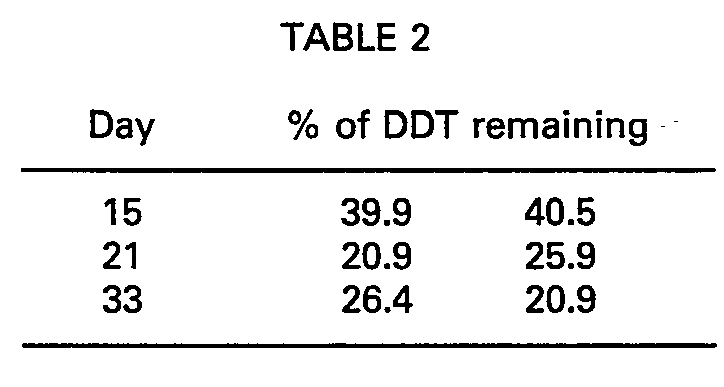
- As can be seen from this Example, the DDT is in fact degraded over a period of time.
- In this experiment 14C labeled DDT was used. Triplicate cultures were prepared with Phanerochaete crysosporium fungus. The triplicate cultures were prepared using 125 ml Erlenmeyer flasks as described by Kirk et al Archives of Microbiology 117 277-285 (1978). The purpose was to determine whether 14C02 would be produced. Each culture contained 110,000 dpm of 14C-DDT. The culture was assayed for carbon dioxide evolution every three (3) days.
- Day three (3) samples were collected for the carbon dioxide evolution studies. Oxygen was introduced into the closed culture vessel. Gases were expelled through latex tubing equipped with a 22 gauge needle and bubbled into a carbon dioxide trap (5 ml scintillation fluid, 1 ml ethanolamine and 4 ml methanol). The time for gassing was 15 minutes per sample. In the same manner, the day six (6) samples were collected and so on every three (3) days for a total of 57 days. The results are shown in Table 3.

- The samples were assayed for radioactivity on a PackardTM Tricarb Liquid Scintillation Spectrometer. The results are graphically shown for each of the three samples in Figure 1. It appeared that considerable variation occurred in the identical cultures in the rate of 14CO2 production. Once carbon dioxide evolution began in each culture, the slope, i.e. the rate of carbon dioxide evolution was the same for all three cultures. It was observed that no carbon dioxide evolution occurred in any culture until
day 6. This result coincides with that found in the literature for lignin degradation by Tien et al and Forney et al. - The degradation of other 14C-labeled halogenated organic compounds by Phanerochaete chrysosporium was performed. Thus 14C-2, 4, 5, 2', 4', 5'-hexachlorobiphenyl;
14C 3, 4, 3', 4'-tetrachlorobiphenyl; 14C-lindane and 14C-2,3,7,8, tetrachlorodibenzo-p-dioxin were also metabolized to 14CO2 by Phanerochaete chrysosporium. At the same time it was to be determined whether 14CO2 evolution from 14C lignin coincides with the 14CO2 evolution from the halogenated organic compounds. Finally experiments were conducted to determine if high nitrogen concentration inhibited carbon dioxide evolution from 14C-DDT. This phenomena of high nitrogen inhibition of C02 evolution is observed when 14C-labeled lignin is used as substrate. - Protocol: Cultures were prepared in quintuplicate for 14C-DDT, 14C-2,4,5,2',4',5'-HCB, 3,4,3',4'-TCB, 14C-Lindane and 14C-TCDD. The culture medium was the same as that used in Example 5. An additional set of five (5) cultures were prepared for 14C-lignin. Still another five (5) cultures were prepared for 14C-DDT. These differed from the others in that they contained 12.0 mM diammonium tartrate (24 mM nitrogen) and were designated "high nitrogen".
- All cultures were equipped for 14CO2 evolution studies as described by Kirk et al (Arch. Microbiol. 117, 277-285 (1978).
- All cultures were incubated at 37-39°C for 3 days under ambient atmosphere. At
day 3, the first time points were taken by flushing with 99.7% 02 as described by Kirk et al (Arch. Microbiol. 117, 277-285 (1978). - Subsequent time points were taken at three (3) day intervals.
- In addition to test flasks, a control was run in which all the components of the culture media were present except the fungus.


- The results are shown in Figure 2.
- 14CO2 evolution from 14C-DDT by Phanerochaete chrysosporium was a reproducible phenomena.
- In addition to "C-DDT, Phanerochaete chrysosporium was able to metabolize 14C-2,4,5,2'4',5',- hexachlorobiphenyl (HCB), 14C-3,4,3',4'-tetrachlorobiphenyl (TCB), 14C-lindane, and. 3,4,7,8-tetrachlorodibenzo-p-dioxin (dioxin) to 14CO2.
- 14C02 evolution from 14C-lignin coincides with 14CO2 evolution from 14C-2,4,5,2',4',5',- hexachlorobiphenyl, 14C-3,4,3'4', tetrachlorobiphenyl, 14C-lindane and 2,3,7,8,-tetrachlorodibenzo-p-dioxin. This suggested that the lignin degrading system of Phanerochaete chrysosporium was required for degradation of these organohalides.
- High nitrogen concentration suppressed 14CO2 evolution from 14C-DDT. This was the same phenomena observed with 14CO2 evolution from lignin (Kirk et al., Arch. Microbiol. 117, 277―285, 1978). This further indicates that the lignin degrading system of Phanerochaete chrysosporium is involved in degradation of these organohalides.
- Purpose:
- To demonstrate reproducibility of initial finding shown in DDT degradation.
- Protocol:
- Eight cultures of Phanerochaete chrysosporium containing 1.7 ppm DDT were set up in triplicate. In addition, two control cultures (minus Phanerochaete chrysosporium) were set up in duplicate. Cultures were sealed with #5 rubber stopper and incubated in the dark at 37°C.
- On
days - A standard was injected before and after each assay. The average of the two standards was used to determine the % DDT remaining.
- Each culture was assayed three times for DDT concentration and the average was determined.
- The values obtained for each of the three cultures were averaged and the average ±S.D. was calculated.

- The study was repeated and the results are shown in Figure 5.
- The results were reproducible and comparable to the earlier studies.
- Figures 6 and 7 show the results for degradation of benzo(a)pyrene with Phanerochaete chrysosporium in the manner of Examples 6 and 7. As can be seen, this resistant chemical is degraded to C02.
- The studies using 14C-labeled compounds demonstrated that all the compounds tested (DDT, 2,4,5,2',4',5'-HCB, 3,4,3',4'-TCB, TCDD, Lindane, and benzo(a)pyrene) were degraded to carbon dioxide by nitrogen deficient cultures of P. chrysosporium. Because all of the radiolabeled compounds were labeled exclusively in ring carbons, it was concluded that P. chrysosporium has the ability to degrade halogenated aromatic rings of environmental pollutants which are normally difficult to degrade using microorganisms. It is also apparent that P. chrysosporium is able to dechlorinate alkyl chlorides as evidenced by the fact that Lindane, a compound which is chlorinated on every carbon atom, is degraded to carbon dioxide. Collaborating evidence was obtained in DDT metabolite studies in which it was demonstrated that DDT is converted to DDD, as a result of reductive dechlorination.
- Although all radiolabeled compounds assayed could be degraded to "C02, this degradation was a relatively slow process. This is not a problem in environmental degradations. The highly chlorinated
PCB congener 3,4,3',4'-TCB and 2,4,5,2',4',5'-HCB exhibited rates (pmoles of 14CO2 evolved per culture per 30 days) of 16 and 91, respectively. DDT and TCDD showed rates of 10 and 34, while Lindane, a non-aromatic polychlorinated pesticide and benzo(a)pyrene, a non-halogenated polyaromatic hydrocarbon showed the highest rates of 58 and 78, respectively. In all cases, 14CO2 evolution was induced between the third and sixth day of incubation and showed a maximum rate between the third and eighteenth day of incubation after which 14CO2 evolution continued at decreasing rates until the end of the thirty day incubation. - Using 14C-DDT demonstrated that 14CO2 evolution was dependent on the presence of glucose. After the 30 day incubation period, increased rates of 14CO2 evolution could be induced simply by adding glucose to the glucose depleted culture. It was also shown that the rate of 14CO2 evolution was dependent on the absolute concentration of glucose in the culture medium. For example a two-fold increase in the glucose concentration (from 56 mM to 112 mM) was shown to more than double the amount of 14CO2 evolved over the 30 days incubation period. It is important to note that even in stationary phase cultures constitutive levels of 14CO2 evolution continued to occur. In other experiments, the rate of DDT disappearance was monitored by GLC. It was shown that 50-60% of the DDT initially present in culture was metabolized during the 30 day incubation period. DDD dicofol and DBP were identified as major metabolites. Upon addition of more glucose and continued incubation for 18 more days, it was demonstrated that more than 90% of the DDT initially present had been metabolized. Furthermore, there was no significant accumulation of identifiable DDT metabolites.
- By comparison, lignin degradation in P. chrysosporium was induced in nitrogen deficient cultures after approximately 3 days of incubation, after which 14CO2 evolution from 14C-lignin was observed. Maximal rates of lignin degradation, as assayed by 14C02, were observed between
day 3 andday 18 of the incubation. Lignin degradation continues to occur, albeit at successively lower rates, until the glucose concentration was depleted. The presence of a suitable carbohydrate source was critical in this system because hydrogen peroxide, a required cosubstrate for lignin degradation, was generated in actively respiring cultures. The same pattern of induction atday 3, maximal activity betweendays - Previous efforts using microorganisms have focused on a number of strategies to demonstrate or enhance their relative abilities to degrade various persistent xenobiotics. For example, there are a number of studies in which microorganisms have been adapted to grow on carbon sources whose structure resembles the organic pollutant under study. When the microorganism is presented with the structurally similar organic pollutant, it too is often metabolized. This is known as analog induced metabolism. Still other investigators have attempted to culture microorganisms using the organic pollutant itself as the sole carbon source with the intent to isolate strains that could be used to inoculate areas in the environment that have been contaminated with the pollutant in question. Other studies have focussed on the use of anaerobic organisms. This strategy has been adopted because many organic pollutants are found in lake and river sediments and landfills, sites where oxygen availability is limiting. Suflita et al (
Science 18, 1115 1982), for example have demonstrated that a methanogenic bacteriai consortium from sewage sludge possess the ability to dehalogenate and sometimes metabolize a variety of halobenzoates to methane and carbon dioxide. - The present invention has focused on the use of P. chrysosporium as a useful organism in aerobic biodegradation. Fungi in general are the principle degraders of bio-organic molecules in nature. Because most organic nutrients are presented to fungi as large, insoluble macromolecular complexes, the organism must first degrade these large complexes to smaller substituents which may then be internalized and used as a source of nutrients. This is accomplished by the secretion of a battery of stable extracellular enzymes which may include proteases, lipases, cellulases and, in the case of P. chrysosporium, ligninases. Since many organic pollutants are physically absorbed in soils and sediments, thus making them unavailable for metabolism, these extracellular enzymes provide a mechanism whereby organic pollutants are released from these barriers to metabolism.
- The enzyme system of P. chrysosporium is deserving of special note because it is non-specific and non-stereoselective in its action. This is precisely the types of mechanism which one would select for site decontamination especially when one considers that contamination by only one compound is likely to be the exception rather than the rule.
- It has been postulated that selective pressure to induce the evolution of microorganisms capable of degrading recalcitrant man-made compounds may occur only in ecological niches where the organopollutant is present in concentrations high enough to cause enzyme induction and subsequent metabolism of the compound in question. Therefore pollutants present in low concentrations may not be metabolized. In P. chrysosporium, we have shown that, like lignin degradation, organohalide degradation is induced, not by the substrates presence, but by nitrogen deficiency. Thus high levels of substrate need not be present to induce the enzymes required to initiate their biodegradation.
- Numerous strategies have been used in the aerobic treatment of contaminated waste effluents, sludges, sediments and landfills. Activated sludge processes, aerated lagoons, aerobic digestion, trickling filters, rotary biological contactors and aerobic composts are examples. The effectiveness of all of these systems is ultimately dependent upon the microorganisms present in the system. Thus it is critical that the most appropriate organisms (i.e., those with a demonstrated inherent ability to degrade a wide range of environmental pollutants) be selected for inclusion in these processes. Biotreatment systems inoculated with P. chrysosporium and fortified with a suitable carbohydrate source under nitrogen limiting conditions, can provide an effective and economical means for the biological detoxification and disposal of hazardous chemical wastes.
- The feasibility of using Phanerochaete chrysosporium to degrade pollutant organic compounds is clear based upon the Examples. The mechanism of biodegradation is particularly advantageous. The oxidant is generated extracellularly and it appears to have no adverse affect on the fungus. The result is that the pollutant organic compound being degraded does not have to be absorbed by the fungi in order to be degraded. The oxygenase does not have to recognize the organic compound as a substrate in order to provide the usual enzyme-substrate complex necessary for biodegradation. The enzymes secreted by the white rot fungi attack many recalcitrant organic chemicals by breaking carbon carbon bonds. Additionally, this organism causes dehalogenation of organic compounds. Thus, less stable metabolites are formed which may be metabolized to C02 by more conventional enzyme systems.
- The fungi are of the class Basidimycetes and are collectively known as white rot fungi and are ubiquitous in nature. This means that the fungi can be released in concentrated form in soil or wastes containing the pollutant organic compounds since no new organisms representing a potential danger to the environment are used.
- The nutrients for the fungi are abundantly available and are generally present in the substrates containing the pollutant organic compounds. Examples are contaminated sediments in rivers and lakes. These sediments are generally of plant origin and highly contaminated with PCB for example in the Hudson River in New York and, the Kalamazoo River and the Great Lakes in Michigan. All of these pollutants can be degraded.
- The fungi require aerobic conditions in order to generate the oxidant. This means that various systems for aerating the environmental materials being treated need to be used. Equipment for this kind of treatment is well known. Sediments only require dredging from the bottom of a river or lake to be placed in a temporary aerobic compost. High rate composting of organic wastes would be an economic means of treatment of toxic compounds prior to ultimate usage or disposal of the waste.
- Hydrogen peroxide is commercially available. Thus the process of the present invention can be conducted chemically in the absence of the fungi by continuously mixing hydrogen peroxide and the enzymes from the white rot fungi with the pollutant organic compound over a period of time until it is degraded. However, the use of the Phanerochaete chrysosporium or other white rot fungi for this purpose is preferred since this fungus produces the oxygenase and hydrogen peroxide naturally. Further, the presence of the fungus is required if it is desired that degradation go completely to C02.
- It will be appreciated that the process of the present invention can be conducted in an open system in the environment or alternatively in a closed system in a reaction vessel. In the closed system the oxygen or air can be introduced by various known means.
- It is preferred where environmental samples are being treated such as soils and sediments from rivers or lakes that they be combined with sawdust or other particulate cellulosic material as a source of nutrients for the Phanerochaete chrysosporium. The cellulosic materials provide glucose for the fungi which facilitates hydrogen peroxide generation. Glucose can also be added directly. Mixing in particulate cellulosic material may also physically facilitate areation of the materials being treated, a condition which is necessary for the degradation.
- Since the enzyme systems secreted by P. chrysosporium attack carbon-carbon and carbon-halogen bonds, the process of the present invention can be used to degrade pollutant organic compounds. The process is particularly advantageous for halogenated bi- or di-aromatic or ring compounds which resist natural degradation in the environment. Such compounds are those described in the preceding examples.
- The fungi are packaged for shipment and use in a manner so that they are not activated. Generally this is accomplished using dry and anaerobic packaging conditions.
- It will be appreciated that the foregoing description is merely illustrative of the present invention and that there are numerous variations which will occur to those skilled in the art. It is intended that all of these variations be included within the scope of the present invention.
Claims (18)
Applications Claiming Priority (2)
| Application Number | Priority Date | Filing Date | Title |
|---|---|---|---|
| US70294485A | 1985-02-19 | 1985-02-19 | |
| US702944 | 1985-02-19 |
Publications (2)
| Publication Number | Publication Date |
|---|---|
| EP0192237A1 EP0192237A1 (en) | 1986-08-27 |
| EP0192237B1 true EP0192237B1 (en) | 1990-06-27 |
Family
ID=24823266
Family Applications (1)
| Application Number | Title | Priority Date | Filing Date |
|---|---|---|---|
| EP19860102067 Expired EP0192237B1 (en) | 1985-02-19 | 1986-02-18 | Process for the degradation of enviromentally persistent organic compounds |
Country Status (5)
| Country | Link |
|---|---|
| EP (1) | EP0192237B1 (en) |
| JP (1) | JPS61204095A (en) |
| CA (1) | CA1283872C (en) |
| DE (2) | DE3672197D1 (en) |
| IN (1) | IN166926B (en) |
Families Citing this family (21)
| Publication number | Priority date | Publication date | Assignee | Title |
|---|---|---|---|---|
| AT390783B (en) * | 1987-04-10 | 1990-06-25 | Solvay Ebenseer | METHOD FOR DEGRADING LIGNIN AND / OR CHLORINE ORGANIC COMPOUNDS WITH WATERWATER MUSHROOMS |
| DE3731816C1 (en) * | 1987-09-22 | 1988-11-03 | Pfleiderer Fa G A | Process for the degradation of aromatics which are difficult to decompose in contaminated soils or landfill materials with microorganisms |
| DE3807033A1 (en) * | 1988-03-04 | 1989-09-14 | Aloys Prof Dr Huettermann | METHOD FOR DECONTAMINATING OXYGEN GAS, IN PARTICULAR EXHAUST GAS |
| DE3812364A1 (en) * | 1988-04-14 | 1989-10-26 | Olaf Dipl Biol Ermisch | Process for the microbiological treatment of a contaminated soil, and device for introducing the microorganism into the contaminated soil |
| DE4104623A1 (en) * | 1991-02-15 | 1992-08-20 | Reko Gmbh Entsorgung Und Recyc | Pretreatment of material contg. solids for biological decontamination - by forming pumpable compsn., opt. with addn. of water, homogenisation, and addn. of water absorbent substance, to form friable mixt. |
| DE4104624C1 (en) * | 1991-02-15 | 1993-01-21 | Reko Gmbh Entsorgung Und Recycling, 7123 Sachsenheim, De | Degradation of harmful organic material - using lignin-degrading organisms, without the need for specially prepd. substrate |
| DE4111121A1 (en) * | 1991-04-03 | 1992-10-08 | Preussag Noell Wassertech | METHOD FOR DECONTAMINATING SOILS, SLUDGES AND / OR OTHER SOLIDS SUBJECT TO XENOBIOTICS |
| GB9207181D0 (en) * | 1992-04-01 | 1992-05-13 | Enzymatix Ltd | Biocatalysis |
| GB9308401D0 (en) * | 1993-04-23 | 1993-06-09 | Biotal Ltd | Soil remediation |
| DE4314352A1 (en) * | 1993-04-30 | 1994-11-03 | Reinhold & Mahle Ag | Method for the breakdown of cyclic carbon-containing compounds |
| DE4318337C1 (en) * | 1993-06-02 | 1995-06-14 | Arno Dr Cordes | Decontamination of liq. to convert phenol(s) and derivs. to e.g., humus-like prod. |
| US5476788A (en) * | 1993-06-10 | 1995-12-19 | The United States Of America As Represented By The Secretary Of Agriculture | Solid phase bioremediation methods using lignin-degrading fungi |
| US5786439A (en) | 1996-10-24 | 1998-07-28 | Minimed Inc. | Hydrophilic, swellable coatings for biosensors |
| US5882494A (en) * | 1995-03-27 | 1999-03-16 | Minimed, Inc. | Polyurethane/polyurea compositions containing silicone for biosensor membranes |
| FR2733764B1 (en) * | 1995-05-05 | 1997-08-01 | Rhone Poulenc Chimie | METHOD FOR BIODEGRADATION OF POLYORGANOSILOXANES BY A MICROSCOPIC FUNGUS AND SCREENING METHOD |
| NL1000372C2 (en) * | 1995-05-16 | 1996-11-19 | Tno | Aerobic removal of difficult organic cpds. from aq. waste or ground water |
| DE19539189A1 (en) * | 1995-10-20 | 1997-04-24 | Basf Ag | Substituted Benzylidencyanessigester |
| JPH11514274A (en) * | 1995-10-24 | 1999-12-07 | バイエル・アクチエンゲゼルシヤフト | Decomposition method of quinolones and naphthyridones |
| JP2000107742A (en) * | 1998-09-30 | 2000-04-18 | Taisei Corp | Purification method for dioxin-contaminated soil |
| US6770729B2 (en) | 2002-09-30 | 2004-08-03 | Medtronic Minimed, Inc. | Polymer compositions containing bioactive agents and methods for their use |
| CN118460378A (en) * | 2024-03-04 | 2024-08-09 | 淮南师范学院 | A method for real-time monitoring of HPAM computer for bio-coal preparation |
Family Cites Families (1)
| Publication number | Priority date | Publication date | Assignee | Title |
|---|---|---|---|---|
| US4554075A (en) * | 1984-05-29 | 1985-11-19 | North Carolina State University | Process of degrading chloro-organics by white-rot fungi |
-
1986
- 1986-02-10 CA CA000501424A patent/CA1283872C/en not_active Expired - Lifetime
- 1986-02-18 DE DE8686102067T patent/DE3672197D1/en not_active Expired - Fee Related
- 1986-02-18 DE DE1986102067 patent/DE192237T1/en active Pending
- 1986-02-18 EP EP19860102067 patent/EP0192237B1/en not_active Expired
- 1986-02-19 JP JP61036482A patent/JPS61204095A/en active Pending
- 1986-02-19 IN IN114/MAS/86A patent/IN166926B/en unknown
Also Published As
| Publication number | Publication date |
|---|---|
| DE192237T1 (en) | 1987-01-15 |
| DE3672197D1 (en) | 1990-08-02 |
| EP0192237A1 (en) | 1986-08-27 |
| CA1283872C (en) | 1991-05-07 |
| JPS61204095A (en) | 1986-09-10 |
| IN166926B (en) | 1990-08-04 |
Similar Documents
| Publication | Publication Date | Title |
|---|---|---|
| US4891320A (en) | Methods for the degradation of environmentally persistent organic compounds using shite rot fungi | |
| CA1283872C (en) | Process for the degradation of environmentally persistent organic compounds | |
| Semple et al. | Impact of composting strategies on the treatment of soils contaminated with organic pollutants | |
| Bumpus | White rot fungi and their potential use in soil bioremediation processes | |
| Fernando et al. | Biodegradation of TNT (2, 4, 6-trinitrotoluene) by Phanerochaete chrysosporium | |
| Bamforth et al. | Bioremediation of polycyclic aromatic hydrocarbons: current knowledge and future directions | |
| Keck et al. | Evidence for cooxidation of polynuclear aromatic hydrocarbons in soil | |
| Zeddel et al. | Degradation of polychlorinated biphenyls by white‐rot fungi pleurotus ostreatus and trametes versicolor in a solid state system | |
| US5597730A (en) | Process for the degradation of coal tar and its constituents by white rot fungi | |
| Singh et al. | Applied bioremediation and phytoremediation | |
| McFarland et al. | Removal of benzo (a) pyrene in soil composting systems amended with the white rot fungus Phanerochaete chrysosporium | |
| Boyd et al. | Chlorophenols in soils | |
| HUT76967A (en) | A method for preparing microorganisms that decompose organic compounds | |
| Nakamiya et al. | Isolation of a fungus from denitrifying activated sludge that degrades highly chlorinated dioxins | |
| Balba | Microorganisms and detoxification of industrial waste | |
| CA1325988C (en) | Process for the degradation of coal tar constituents by white rot fungi | |
| US20040142458A1 (en) | White rot fungi and method for degrading dioxins by using same | |
| EP0690752B1 (en) | Process for bioremediation of contaminated soil or groundwater | |
| CA2207781C (en) | Systems and methods for biodegradation | |
| Carberry | Enhancement of Bioremediation by Partial Preoxidation | |
| Nakamiya et al. | Degradation of chlorinated dioxin in denitrifying activated sludge from leachate treatment plant of a landfill | |
| Myers et al. | Concepts and technologies for bioremediation in confined disposal facilities | |
| EP1114680A1 (en) | White rot fungus and method for degrading dioxins by using the same | |
| Azadpour et al. | Use of lignin degrading fungi in bioremediation | |
| Wilkins | The effects of Phanerochaete crysosporium on the degradation of toluene in freshly contaminated sites |
Legal Events
| Date | Code | Title | Description |
|---|---|---|---|
| PUAI | Public reference made under article 153(3) epc to a published international application that has entered the european phase |
Free format text: ORIGINAL CODE: 0009012 |
|
| AK | Designated contracting states |
Kind code of ref document: A1 Designated state(s): CH DE FR GB IT LI NL SE |
|
| ITCL | It: translation for ep claims filed |
Representative=s name: JACOBACCI CASETTA & PERANI S.P.A. |
|
| EL | Fr: translation of claims filed | ||
| 17P | Request for examination filed |
Effective date: 19861114 |
|
| DET | De: translation of patent claims | ||
| 17Q | First examination report despatched |
Effective date: 19870831 |
|
| RAP1 | Party data changed (applicant data changed or rights of an application transferred) |
Owner name: UTAH STATE UNIVERSITY FOUNDATION |
|
| GRAA | (expected) grant |
Free format text: ORIGINAL CODE: 0009210 |
|
| AK | Designated contracting states |
Kind code of ref document: B1 Designated state(s): CH DE FR GB IT LI NL SE |
|
| REF | Corresponds to: |
Ref document number: 3672197 Country of ref document: DE Date of ref document: 19900802 |
|
| ITF | It: translation for a ep patent filed | ||
| ET | Fr: translation filed | ||
| PLBE | No opposition filed within time limit |
Free format text: ORIGINAL CODE: 0009261 |
|
| STAA | Information on the status of an ep patent application or granted ep patent |
Free format text: STATUS: NO OPPOSITION FILED WITHIN TIME LIMIT |
|
| 26N | No opposition filed | ||
| ITTA | It: last paid annual fee | ||
| EAL | Se: european patent in force in sweden |
Ref document number: 86102067.5 |
|
| PGFP | Annual fee paid to national office [announced via postgrant information from national office to epo] |
Ref country code: SE Payment date: 19980120 Year of fee payment: 13 |
|
| PGFP | Annual fee paid to national office [announced via postgrant information from national office to epo] |
Ref country code: NL Payment date: 19980121 Year of fee payment: 13 Ref country code: FR Payment date: 19980121 Year of fee payment: 13 |
|
| PGFP | Annual fee paid to national office [announced via postgrant information from national office to epo] |
Ref country code: DE Payment date: 19980123 Year of fee payment: 13 |
|
| PGFP | Annual fee paid to national office [announced via postgrant information from national office to epo] |
Ref country code: CH Payment date: 19980126 Year of fee payment: 13 |
|
| PGFP | Annual fee paid to national office [announced via postgrant information from national office to epo] |
Ref country code: GB Payment date: 19980127 Year of fee payment: 13 |
|
| PG25 | Lapsed in a contracting state [announced via postgrant information from national office to epo] |
Ref country code: GB Free format text: LAPSE BECAUSE OF NON-PAYMENT OF DUE FEES Effective date: 19990218 |
|
| PG25 | Lapsed in a contracting state [announced via postgrant information from national office to epo] |
Ref country code: SE Free format text: LAPSE BECAUSE OF NON-PAYMENT OF DUE FEES Effective date: 19990219 |
|
| PG25 | Lapsed in a contracting state [announced via postgrant information from national office to epo] |
Ref country code: LI Free format text: LAPSE BECAUSE OF NON-PAYMENT OF DUE FEES Effective date: 19990228 Ref country code: CH Free format text: LAPSE BECAUSE OF NON-PAYMENT OF DUE FEES Effective date: 19990228 |
|
| PG25 | Lapsed in a contracting state [announced via postgrant information from national office to epo] |
Ref country code: NL Free format text: LAPSE BECAUSE OF NON-PAYMENT OF DUE FEES Effective date: 19990901 |
|
| GBPC | Gb: european patent ceased through non-payment of renewal fee |
Effective date: 19990218 |
|
| REG | Reference to a national code |
Ref country code: CH Ref legal event code: PL |
|
| PG25 | Lapsed in a contracting state [announced via postgrant information from national office to epo] |
Ref country code: FR Free format text: LAPSE BECAUSE OF NON-PAYMENT OF DUE FEES Effective date: 19991029 |
|
| EUG | Se: european patent has lapsed |
Ref document number: 86102067.5 |
|
| PG25 | Lapsed in a contracting state [announced via postgrant information from national office to epo] |
Ref country code: DE Free format text: LAPSE BECAUSE OF NON-PAYMENT OF DUE FEES Effective date: 19991201 |
|
| REG | Reference to a national code |
Ref country code: FR Ref legal event code: ST |
|
| PG25 | Lapsed in a contracting state [announced via postgrant information from national office to epo] |
Ref country code: IT Free format text: LAPSE BECAUSE OF NON-PAYMENT OF DUE FEES;WARNING: LAPSES OF ITALIAN PATENTS WITH EFFECTIVE DATE BEFORE 2007 MAY HAVE OCCURRED AT ANY TIME BEFORE 2007. THE CORRECT EFFECTIVE DATE MAY BE DIFFERENT FROM THE ONE RECORDED. Effective date: 20050218 |