EP0016261B1 - Neue Spiro(dibenz(b,f)oxepin-piperidine) und Verfahren zu ihrer Herstellung - Google Patents
Neue Spiro(dibenz(b,f)oxepin-piperidine) und Verfahren zu ihrer Herstellung Download PDFInfo
- Publication number
- EP0016261B1 EP0016261B1 EP79105373A EP79105373A EP0016261B1 EP 0016261 B1 EP0016261 B1 EP 0016261B1 EP 79105373 A EP79105373 A EP 79105373A EP 79105373 A EP79105373 A EP 79105373A EP 0016261 B1 EP0016261 B1 EP 0016261B1
- Authority
- EP
- European Patent Office
- Prior art keywords
- formula
- compound
- alkyl
- mixture
- oxepin
- Prior art date
- Legal status (The legal status is an assumption and is not a legal conclusion. Google has not performed a legal analysis and makes no representation as to the accuracy of the status listed.)
- Expired
Links
- 238000000034 method Methods 0.000 title claims description 37
- 125000003003 spiro group Chemical group 0.000 title description 3
- 150000001875 compounds Chemical class 0.000 claims description 70
- -1 C1 - C6-alkyl Chemical group 0.000 claims description 40
- 239000002253 acid Substances 0.000 claims description 17
- 238000006243 chemical reaction Methods 0.000 claims description 13
- 239000001257 hydrogen Substances 0.000 claims description 13
- 229910052739 hydrogen Inorganic materials 0.000 claims description 13
- LYCAIKOWRPUZTN-UHFFFAOYSA-N Ethylene glycol Chemical group OCCO LYCAIKOWRPUZTN-UHFFFAOYSA-N 0.000 claims description 12
- 150000003839 salts Chemical class 0.000 claims description 11
- 125000004435 hydrogen atom Chemical group [H]* 0.000 claims description 8
- ATDGTVJJHBUTRL-UHFFFAOYSA-N cyanogen bromide Chemical compound BrC#N ATDGTVJJHBUTRL-UHFFFAOYSA-N 0.000 claims description 7
- 125000002023 trifluoromethyl group Chemical group FC(F)(F)* 0.000 claims description 7
- 238000005903 acid hydrolysis reaction Methods 0.000 claims description 6
- PXGOKWXKJXAPGV-UHFFFAOYSA-N Fluorine Chemical group FF PXGOKWXKJXAPGV-UHFFFAOYSA-N 0.000 claims description 5
- 125000004093 cyano group Chemical group *C#N 0.000 claims description 5
- 239000011737 fluorine Chemical group 0.000 claims description 5
- 229910052731 fluorine Inorganic materials 0.000 claims description 5
- 125000002496 methyl group Chemical group [H]C([H])([H])* 0.000 claims description 5
- WKBOTKDWSSQWDR-UHFFFAOYSA-N Bromine atom Chemical group [Br] WKBOTKDWSSQWDR-UHFFFAOYSA-N 0.000 claims description 4
- GDTBXPJZTBHREO-UHFFFAOYSA-N bromine Chemical group BrBr GDTBXPJZTBHREO-UHFFFAOYSA-N 0.000 claims description 4
- 229910052794 bromium Inorganic materials 0.000 claims description 4
- 238000005945 von Braun degradation reaction Methods 0.000 claims description 4
- ZAMOUSCENKQFHK-UHFFFAOYSA-N Chlorine atom Chemical compound [Cl] ZAMOUSCENKQFHK-UHFFFAOYSA-N 0.000 claims description 3
- 239000000460 chlorine Substances 0.000 claims description 3
- 229910052801 chlorine Inorganic materials 0.000 claims description 3
- 229910052736 halogen Inorganic materials 0.000 claims description 3
- 150000002367 halogens Chemical class 0.000 claims description 3
- 125000002887 hydroxy group Chemical group [H]O* 0.000 claims description 3
- 125000001997 phenyl group Chemical group [H]C1=C([H])C([H])=C(*)C([H])=C1[H] 0.000 claims description 3
- VVKFXODVPQSIHU-UHFFFAOYSA-N 1-chloroethane-1,2-diol Chemical compound OCC(O)Cl VVKFXODVPQSIHU-UHFFFAOYSA-N 0.000 claims description 2
- RVAUFHAJSOMPOZ-UHFFFAOYSA-N NCl[N+]([O-])=O Chemical group NCl[N+]([O-])=O RVAUFHAJSOMPOZ-UHFFFAOYSA-N 0.000 claims description 2
- 125000000956 methoxy group Chemical group [H]C([H])([H])O* 0.000 claims description 2
- 229910052760 oxygen Inorganic materials 0.000 claims description 2
- 125000004169 (C1-C6) alkyl group Chemical group 0.000 claims 11
- 150000002431 hydrogen Chemical group 0.000 claims 8
- 125000006577 C1-C6 hydroxyalkyl group Chemical group 0.000 claims 2
- 125000000882 C2-C6 alkenyl group Chemical group 0.000 claims 2
- 125000003601 C2-C6 alkynyl group Chemical group 0.000 claims 2
- 230000002152 alkylating effect Effects 0.000 claims 1
- 238000004519 manufacturing process Methods 0.000 claims 1
- RTZKZFJDLAIYFH-UHFFFAOYSA-N Diethyl ether Chemical compound CCOCC RTZKZFJDLAIYFH-UHFFFAOYSA-N 0.000 description 192
- 239000000203 mixture Substances 0.000 description 108
- CSCPPACGZOOCGX-UHFFFAOYSA-N Acetone Chemical compound CC(C)=O CSCPPACGZOOCGX-UHFFFAOYSA-N 0.000 description 93
- XLYOFNOQVPJJNP-UHFFFAOYSA-N water Chemical compound O XLYOFNOQVPJJNP-UHFFFAOYSA-N 0.000 description 82
- ZMXDDKWLCZADIW-UHFFFAOYSA-N N,N-Dimethylformamide Chemical compound CN(C)C=O ZMXDDKWLCZADIW-UHFFFAOYSA-N 0.000 description 81
- OKKJLVBELUTLKV-UHFFFAOYSA-N Methanol Chemical compound OC OKKJLVBELUTLKV-UHFFFAOYSA-N 0.000 description 75
- 239000000243 solution Substances 0.000 description 58
- YMWUJEATGCHHMB-UHFFFAOYSA-N Dichloromethane Chemical compound ClCCl YMWUJEATGCHHMB-UHFFFAOYSA-N 0.000 description 45
- UHOVQNZJYSORNB-UHFFFAOYSA-N Benzene Chemical compound C1=CC=CC=C1 UHOVQNZJYSORNB-UHFFFAOYSA-N 0.000 description 44
- VEXZGXHMUGYJMC-UHFFFAOYSA-N Hydrochloric acid Chemical compound Cl VEXZGXHMUGYJMC-UHFFFAOYSA-N 0.000 description 42
- 238000002844 melting Methods 0.000 description 42
- 230000008018 melting Effects 0.000 description 42
- 239000003921 oil Substances 0.000 description 41
- HEDRZPFGACZZDS-UHFFFAOYSA-N Chloroform Chemical compound ClC(Cl)Cl HEDRZPFGACZZDS-UHFFFAOYSA-N 0.000 description 38
- UIIMBOGNXHQVGW-UHFFFAOYSA-M Sodium bicarbonate Chemical compound [Na+].OC([O-])=O UIIMBOGNXHQVGW-UHFFFAOYSA-M 0.000 description 31
- 239000007787 solid Substances 0.000 description 31
- 125000004432 carbon atom Chemical group C* 0.000 description 28
- BWHMMNNQKKPAPP-UHFFFAOYSA-L potassium carbonate Chemical compound [K+].[K+].[O-]C([O-])=O BWHMMNNQKKPAPP-UHFFFAOYSA-L 0.000 description 28
- VLKZOEOYAKHREP-UHFFFAOYSA-N n-Hexane Chemical compound CCCCCC VLKZOEOYAKHREP-UHFFFAOYSA-N 0.000 description 27
- NLKNQRATVPKPDG-UHFFFAOYSA-M potassium iodide Chemical compound [K+].[I-] NLKNQRATVPKPDG-UHFFFAOYSA-M 0.000 description 27
- 238000010992 reflux Methods 0.000 description 23
- 239000012458 free base Substances 0.000 description 22
- FAPWRFPIFSIZLT-UHFFFAOYSA-M Sodium chloride Chemical compound [Na+].[Cl-] FAPWRFPIFSIZLT-UHFFFAOYSA-M 0.000 description 19
- 239000012259 ether extract Substances 0.000 description 19
- CPELXLSAUQHCOX-UHFFFAOYSA-N Hydrogen bromide Chemical compound Br CPELXLSAUQHCOX-UHFFFAOYSA-N 0.000 description 18
- HEMHJVSKTPXQMS-UHFFFAOYSA-M Sodium hydroxide Chemical compound [OH-].[Na+] HEMHJVSKTPXQMS-UHFFFAOYSA-M 0.000 description 18
- 239000000843 powder Substances 0.000 description 15
- 235000017557 sodium bicarbonate Nutrition 0.000 description 15
- 229910000030 sodium bicarbonate Inorganic materials 0.000 description 15
- 125000000217 alkyl group Chemical group 0.000 description 14
- 239000003480 eluent Substances 0.000 description 14
- 229910000027 potassium carbonate Inorganic materials 0.000 description 14
- 238000003756 stirring Methods 0.000 description 14
- QTBSBXVTEAMEQO-UHFFFAOYSA-N Acetic acid Chemical compound CC(O)=O QTBSBXVTEAMEQO-UHFFFAOYSA-N 0.000 description 12
- VHUUQVKOLVNVRT-UHFFFAOYSA-N Ammonium hydroxide Chemical compound [NH4+].[OH-] VHUUQVKOLVNVRT-UHFFFAOYSA-N 0.000 description 12
- 239000000908 ammonium hydroxide Substances 0.000 description 12
- 239000002904 solvent Substances 0.000 description 12
- LFQSCWFLJHTTHZ-UHFFFAOYSA-N Ethanol Chemical compound CCO LFQSCWFLJHTTHZ-UHFFFAOYSA-N 0.000 description 11
- 239000011541 reaction mixture Substances 0.000 description 11
- JUJWROOIHBZHMG-UHFFFAOYSA-N Pyridine Chemical group C1=CC=NC=C1 JUJWROOIHBZHMG-UHFFFAOYSA-N 0.000 description 10
- VSCWAEJMTAWNJL-UHFFFAOYSA-K aluminium trichloride Chemical compound Cl[Al](Cl)Cl VSCWAEJMTAWNJL-UHFFFAOYSA-K 0.000 description 10
- 235000002639 sodium chloride Nutrition 0.000 description 10
- FYSNRJHAOHDILO-UHFFFAOYSA-N thionyl chloride Chemical compound ClS(Cl)=O FYSNRJHAOHDILO-UHFFFAOYSA-N 0.000 description 10
- WFDIJRYMOXRFFG-UHFFFAOYSA-N Acetic anhydride Chemical compound CC(=O)OC(C)=O WFDIJRYMOXRFFG-UHFFFAOYSA-N 0.000 description 9
- 239000000047 product Substances 0.000 description 9
- IJGRMHOSHXDMSA-UHFFFAOYSA-N Atomic nitrogen Chemical compound N#N IJGRMHOSHXDMSA-UHFFFAOYSA-N 0.000 description 8
- IAZDPXIOMUYVGZ-UHFFFAOYSA-N Dimethylsulphoxide Chemical compound CS(C)=O IAZDPXIOMUYVGZ-UHFFFAOYSA-N 0.000 description 8
- WSFSSNUMVMOOMR-UHFFFAOYSA-N Formaldehyde Chemical compound O=C WSFSSNUMVMOOMR-UHFFFAOYSA-N 0.000 description 8
- WYURNTSHIVDZCO-UHFFFAOYSA-N Tetrahydrofuran Chemical compound C1CCOC1 WYURNTSHIVDZCO-UHFFFAOYSA-N 0.000 description 8
- 239000004480 active ingredient Substances 0.000 description 8
- 239000013078 crystal Substances 0.000 description 8
- TWNQGVIAIRXVLR-UHFFFAOYSA-N oxo(oxoalumanyloxy)alumane Chemical compound O=[Al]O[Al]=O TWNQGVIAIRXVLR-UHFFFAOYSA-N 0.000 description 8
- 239000000725 suspension Substances 0.000 description 8
- BMYNFMYTOJXKLE-UHFFFAOYSA-N 3-azaniumyl-2-hydroxypropanoate Chemical compound NCC(O)C(O)=O BMYNFMYTOJXKLE-UHFFFAOYSA-N 0.000 description 7
- 0 N*1C=CC(C2(CCNCC2)C(O)=O)=C(CCC2=CC=CCCC/C=C2)C=C1 Chemical compound N*1C=CC(C2(CCNCC2)C(O)=O)=C(CCC2=CC=CCCC/C=C2)C=C1 0.000 description 7
- 239000011230 binding agent Substances 0.000 description 7
- 238000000354 decomposition reaction Methods 0.000 description 7
- 239000002244 precipitate Substances 0.000 description 7
- HLRQAABXSJASQQ-UHFFFAOYSA-N spiro[benzo[b][1]benzoxepine-5,4'-piperidine]-6-one Chemical compound O=C1C2=CC=CC=C2OC2=CC=CC=C2C11CCNCC1 HLRQAABXSJASQQ-UHFFFAOYSA-N 0.000 description 7
- 239000000126 substance Substances 0.000 description 7
- MVHCUYKLLWKEOZ-UHFFFAOYSA-N 3-chlorospiro[benzo[b][1]benzoxepine-6,4'-piperidine]-5-one Chemical compound O=C1C2=CC(Cl)=CC=C2OC2=CC=CC=C2C21CCNCC2 MVHCUYKLLWKEOZ-UHFFFAOYSA-N 0.000 description 6
- XEKOWRVHYACXOJ-UHFFFAOYSA-N Ethyl acetate Chemical compound CCOC(C)=O XEKOWRVHYACXOJ-UHFFFAOYSA-N 0.000 description 6
- VYPSYNLAJGMNEJ-UHFFFAOYSA-N Silicium dioxide Chemical compound O=[Si]=O VYPSYNLAJGMNEJ-UHFFFAOYSA-N 0.000 description 6
- 235000019441 ethanol Nutrition 0.000 description 6
- 238000002360 preparation method Methods 0.000 description 6
- 229960000583 acetic acid Drugs 0.000 description 5
- 230000002378 acidificating effect Effects 0.000 description 5
- 125000001589 carboacyl group Chemical group 0.000 description 5
- 239000007788 liquid Substances 0.000 description 5
- UMJSCPRVCHMLSP-UHFFFAOYSA-N pyridine Natural products COC1=CC=CN=C1 UMJSCPRVCHMLSP-UHFFFAOYSA-N 0.000 description 5
- 150000003254 radicals Chemical class 0.000 description 5
- 239000003826 tablet Substances 0.000 description 5
- 239000003204 tranquilizing agent Substances 0.000 description 5
- 230000002936 tranquilizing effect Effects 0.000 description 5
- 241000124008 Mammalia Species 0.000 description 4
- OFBQJSOFQDEBGM-UHFFFAOYSA-N Pentane Chemical compound CCCCC OFBQJSOFQDEBGM-UHFFFAOYSA-N 0.000 description 4
- KEAYESYHFKHZAL-UHFFFAOYSA-N Sodium Chemical compound [Na] KEAYESYHFKHZAL-UHFFFAOYSA-N 0.000 description 4
- 125000003342 alkenyl group Chemical group 0.000 description 4
- PNEYBMLMFCGWSK-UHFFFAOYSA-N aluminium oxide Inorganic materials [O-2].[O-2].[O-2].[Al+3].[Al+3] PNEYBMLMFCGWSK-UHFFFAOYSA-N 0.000 description 4
- 239000000730 antalgic agent Substances 0.000 description 4
- 230000037396 body weight Effects 0.000 description 4
- 239000002775 capsule Substances 0.000 description 4
- 239000000284 extract Substances 0.000 description 4
- 239000000706 filtrate Substances 0.000 description 4
- 238000001914 filtration Methods 0.000 description 4
- HAWPXGHAZFHHAD-UHFFFAOYSA-N mechlorethamine Chemical compound ClCCN(C)CCCl HAWPXGHAZFHHAD-UHFFFAOYSA-N 0.000 description 4
- BDAGIHXWWSANSR-UHFFFAOYSA-N methanoic acid Natural products OC=O BDAGIHXWWSANSR-UHFFFAOYSA-N 0.000 description 4
- 229910052757 nitrogen Inorganic materials 0.000 description 4
- 239000000741 silica gel Substances 0.000 description 4
- 229910002027 silica gel Inorganic materials 0.000 description 4
- 239000012312 sodium hydride Substances 0.000 description 4
- 229910000104 sodium hydride Inorganic materials 0.000 description 4
- YLQBMQCUIZJEEH-UHFFFAOYSA-N tetrahydrofuran Natural products C=1C=COC=1 YLQBMQCUIZJEEH-UHFFFAOYSA-N 0.000 description 4
- QNRATNLHPGXHMA-XZHTYLCXSA-N (r)-(6-ethoxyquinolin-4-yl)-[(2s,4s,5r)-5-ethyl-1-azabicyclo[2.2.2]octan-2-yl]methanol;hydrochloride Chemical compound Cl.C([C@H]([C@H](C1)CC)C2)CN1[C@@H]2[C@H](O)C1=CC=NC2=CC=C(OCC)C=C21 QNRATNLHPGXHMA-XZHTYLCXSA-N 0.000 description 3
- RWLYKWDZPCOAOL-UHFFFAOYSA-N 4-(2-phenoxyphenyl)piperidine-1,4-dicarbonitrile Chemical compound C1CN(C#N)CCC1(C#N)C1=CC=CC=C1OC1=CC=CC=C1 RWLYKWDZPCOAOL-UHFFFAOYSA-N 0.000 description 3
- WVDDGKGOMKODPV-UHFFFAOYSA-N Benzyl alcohol Chemical compound OCC1=CC=CC=C1 WVDDGKGOMKODPV-UHFFFAOYSA-N 0.000 description 3
- OKTJSMMVPCPJKN-UHFFFAOYSA-N Carbon Chemical class [C] OKTJSMMVPCPJKN-UHFFFAOYSA-N 0.000 description 3
- XDTMQSROBMDMFD-UHFFFAOYSA-N Cyclohexane Chemical compound C1CCCCC1 XDTMQSROBMDMFD-UHFFFAOYSA-N 0.000 description 3
- PEDCQBHIVMGVHV-UHFFFAOYSA-N Glycerine Chemical compound OCC(O)CO PEDCQBHIVMGVHV-UHFFFAOYSA-N 0.000 description 3
- MUBZPKHOEPUJKR-UHFFFAOYSA-N Oxalic acid Chemical compound OC(=O)C(O)=O MUBZPKHOEPUJKR-UHFFFAOYSA-N 0.000 description 3
- DNIAPMSPPWPWGF-UHFFFAOYSA-N Propylene glycol Chemical compound CC(O)CO DNIAPMSPPWPWGF-UHFFFAOYSA-N 0.000 description 3
- 239000003929 acidic solution Substances 0.000 description 3
- 125000000304 alkynyl group Chemical group 0.000 description 3
- 229940035676 analgesics Drugs 0.000 description 3
- 239000008346 aqueous phase Substances 0.000 description 3
- 239000003795 chemical substances by application Substances 0.000 description 3
- KRKNYBCHXYNGOX-UHFFFAOYSA-N citric acid Chemical compound OC(=O)CC(O)(C(O)=O)CC(O)=O KRKNYBCHXYNGOX-UHFFFAOYSA-N 0.000 description 3
- 239000012230 colorless oil Substances 0.000 description 3
- 125000000753 cycloalkyl group Chemical group 0.000 description 3
- 239000012362 glacial acetic acid Substances 0.000 description 3
- 125000005843 halogen group Chemical group 0.000 description 3
- 230000007062 hydrolysis Effects 0.000 description 3
- 238000006460 hydrolysis reaction Methods 0.000 description 3
- 239000012074 organic phase Substances 0.000 description 3
- 239000012071 phase Substances 0.000 description 3
- 229920000137 polyphosphoric acid Polymers 0.000 description 3
- 125000001424 substituent group Chemical group 0.000 description 3
- KWTSXDURSIMDCE-QMMMGPOBSA-N (S)-amphetamine Chemical compound C[C@H](N)CC1=CC=CC=C1 KWTSXDURSIMDCE-QMMMGPOBSA-N 0.000 description 2
- FLUUKJBMRUFNKW-UHFFFAOYSA-N 1',8-dimethyl-3-(trifluoromethyl)spiro[benzo[b][1]benzoxepine-6,4'-piperidine]-5-one Chemical compound C1CN(C)CCC21C(=O)C1=CC(C(F)(F)F)=CC=C1OC1=CC=C(C)C=C12 FLUUKJBMRUFNKW-UHFFFAOYSA-N 0.000 description 2
- MSUYDNLUQACBHK-UHFFFAOYSA-N 1'-(5-oxo-5-phenylpentyl)spiro[benzo[b][1]benzoxepine-5,4'-piperidine]-6-one Chemical compound C1CC2(C(C3=CC=CC=C3OC3=CC=CC=C32)=O)CCN1CCCCC(=O)C1=CC=CC=C1 MSUYDNLUQACBHK-UHFFFAOYSA-N 0.000 description 2
- JJYPNLAONJUYDF-UHFFFAOYSA-N 1'-acetylspiro[benzo[b][1]benzoxepine-5,4'-piperidine]-6-one Chemical compound C1CN(C(=O)C)CCC21C(=O)C1=CC=CC=C1OC1=CC=CC=C12 JJYPNLAONJUYDF-UHFFFAOYSA-N 0.000 description 2
- VEWNQOHCWZFRIH-UHFFFAOYSA-N 1'-methyl-3-methylsulfanyl-9-(trifluoromethyl)spiro[benzo[b][1]benzoxepine-6,4'-piperidine]-5-one Chemical compound O=C1C2=CC(SC)=CC=C2OC2=CC(C(F)(F)F)=CC=C2C21CCN(C)CC2 VEWNQOHCWZFRIH-UHFFFAOYSA-N 0.000 description 2
- LGKUMVXATBBYTQ-UHFFFAOYSA-N 1'-methylspiro[benzo[b][1]benzoxepine-5,4'-piperidine]-6-one Chemical compound C1CN(C)CCC21C(=O)C1=CC=CC=C1OC1=CC=CC=C12 LGKUMVXATBBYTQ-UHFFFAOYSA-N 0.000 description 2
- JTLTXEDRZCSOON-UHFFFAOYSA-N 1'-methylspiro[benzo[b][1]benzoxepine-5,4'-piperidine]-6-one;hydrobromide Chemical compound Br.C1CN(C)CCC21C(=O)C1=CC=CC=C1OC1=CC=CC=C12 JTLTXEDRZCSOON-UHFFFAOYSA-N 0.000 description 2
- NWUYHJFMYQTDRP-UHFFFAOYSA-N 1,2-bis(ethenyl)benzene;1-ethenyl-2-ethylbenzene;styrene Chemical compound C=CC1=CC=CC=C1.CCC1=CC=CC=C1C=C.C=CC1=CC=CC=C1C=C NWUYHJFMYQTDRP-UHFFFAOYSA-N 0.000 description 2
- LETNTEKQQCAOLB-UHFFFAOYSA-N 1-(chloromethyl)-2-(4-fluorophenoxy)benzene Chemical compound C1=CC(F)=CC=C1OC1=CC=CC=C1CCl LETNTEKQQCAOLB-UHFFFAOYSA-N 0.000 description 2
- KCOJQTSJUKOIEW-UHFFFAOYSA-N 1-acetyl-4-(2-phenoxyphenyl)piperidine-4-carbonyl chloride Chemical compound C1CN(C(=O)C)CCC1(C(Cl)=O)C1=CC=CC=C1OC1=CC=CC=C1 KCOJQTSJUKOIEW-UHFFFAOYSA-N 0.000 description 2
- XICVRBFTUHVIFM-UHFFFAOYSA-N 1-acetyl-4-(2-phenoxyphenyl)piperidine-4-carboxylic acid Chemical compound C1CN(C(=O)C)CCC1(C(O)=O)C1=CC=CC=C1OC1=CC=CC=C1 XICVRBFTUHVIFM-UHFFFAOYSA-N 0.000 description 2
- ZIERGXCOOJYCDS-UHFFFAOYSA-N 1-acetyl-4-[2-(4-fluorophenoxy)phenyl]piperidine-4-carboxylic acid Chemical compound C1CN(C(=O)C)CCC1(C(O)=O)C1=CC=CC=C1OC1=CC=C(F)C=C1 ZIERGXCOOJYCDS-UHFFFAOYSA-N 0.000 description 2
- QDKWLJJOYIFEBS-UHFFFAOYSA-N 1-fluoro-4-$l^{1}-oxidanylbenzene Chemical group [O]C1=CC=C(F)C=C1 QDKWLJJOYIFEBS-UHFFFAOYSA-N 0.000 description 2
- LVIGTOBKQZQTCM-UHFFFAOYSA-N 1-methyl-4-(2-phenoxyphenyl)piperidine-4-carbonitrile Chemical compound C1CN(C)CCC1(C#N)C1=CC=CC=C1OC1=CC=CC=C1 LVIGTOBKQZQTCM-UHFFFAOYSA-N 0.000 description 2
- DRJCFXDBXMHUGA-UHFFFAOYSA-N 2,3-dichloro-1'-methyl-9-methylsulfanylspiro[benzo[b][1]benzoxepine-6,4'-piperidine]-5-one Chemical compound C=1C(SC)=CC=C2C=1OC1=CC(Cl)=C(Cl)C=C1C(=O)C21CCN(C)CC1 DRJCFXDBXMHUGA-UHFFFAOYSA-N 0.000 description 2
- PCMQCXFXODBYGN-UHFFFAOYSA-N 2-(2-phenoxyphenyl)acetonitrile Chemical compound N#CCC1=CC=CC=C1OC1=CC=CC=C1 PCMQCXFXODBYGN-UHFFFAOYSA-N 0.000 description 2
- HIXDQWDOVZUNNA-UHFFFAOYSA-N 2-(3,4-dimethoxyphenyl)-5-hydroxy-7-methoxychromen-4-one Chemical compound C=1C(OC)=CC(O)=C(C(C=2)=O)C=1OC=2C1=CC=C(OC)C(OC)=C1 HIXDQWDOVZUNNA-UHFFFAOYSA-N 0.000 description 2
- WRWUSRADWXKZGV-UHFFFAOYSA-N 2-(4-fluorophenoxy)benzoic acid Chemical compound OC(=O)C1=CC=CC=C1OC1=CC=C(F)C=C1 WRWUSRADWXKZGV-UHFFFAOYSA-N 0.000 description 2
- NGNBDVOYPDDBFK-UHFFFAOYSA-N 2-[2,4-di(pentan-2-yl)phenoxy]acetyl chloride Chemical compound CCCC(C)C1=CC=C(OCC(Cl)=O)C(C(C)CCC)=C1 NGNBDVOYPDDBFK-UHFFFAOYSA-N 0.000 description 2
- ULYYXFJEPADHQV-UHFFFAOYSA-N 2-[2-(4-fluorophenoxy)phenyl]acetonitrile Chemical compound C1=CC(F)=CC=C1OC1=CC=CC=C1CC#N ULYYXFJEPADHQV-UHFFFAOYSA-N 0.000 description 2
- WMPPDTMATNBGJN-UHFFFAOYSA-N 2-phenylethylbromide Chemical compound BrCCC1=CC=CC=C1 WMPPDTMATNBGJN-UHFFFAOYSA-N 0.000 description 2
- VABANPQPJZJFPI-UHFFFAOYSA-N 3,8-dimethoxy-1'-methylspiro[benzo[b][1]benzoxepine-5,4'-piperidine]-6-one Chemical compound O=C1C2=CC(OC)=CC=C2OC2=CC=C(OC)C=C2C21CCN(C)CC2 VABANPQPJZJFPI-UHFFFAOYSA-N 0.000 description 2
- CLVNHRCWTPLQJO-UHFFFAOYSA-N 3-bromo-9-chloro-1'-methylspiro[benzo[b][1]benzoxepine-6,4'-piperidine]-5-one Chemical compound C1CN(C)CCC21C(=O)C1=CC(Br)=CC=C1OC1=CC(Cl)=CC=C12 CLVNHRCWTPLQJO-UHFFFAOYSA-N 0.000 description 2
- NIDWUZTTXGJFNN-UHFFFAOYSA-N 3-bromopropoxybenzene Chemical compound BrCCCOC1=CC=CC=C1 NIDWUZTTXGJFNN-UHFFFAOYSA-N 0.000 description 2
- AVDBJWPQVLOEMM-UHFFFAOYSA-N 3-chloro-8-methoxy-1'-methylspiro[benzo[b][1]benzoxepine-5,4'-piperidine]-6-one Chemical compound O=C1C2=CC(OC)=CC=C2OC2=CC=C(Cl)C=C2C21CCN(C)CC2 AVDBJWPQVLOEMM-UHFFFAOYSA-N 0.000 description 2
- HBJXZGOQMPVFGS-UHFFFAOYSA-N 3-fluoro-1'-(5-oxo-5-phenylpentyl)spiro[benzo[b][1]benzoxepine-6,4'-piperidine]-5-one Chemical compound O=C1C2=CC(F)=CC=C2OC2=CC=CC=C2C1(CC1)CCN1CCCCC(=O)C1=CC=CC=C1 HBJXZGOQMPVFGS-UHFFFAOYSA-N 0.000 description 2
- XPNKPYWZJWNEDM-UHFFFAOYSA-N 3-fluoro-5-oxospiro[benzo[b][1]benzoxepine-6,4'-piperidine]-1'-carbonitrile Chemical compound O=C1C2=CC(F)=CC=C2OC2=CC=CC=C2C21CCN(C#N)CC2 XPNKPYWZJWNEDM-UHFFFAOYSA-N 0.000 description 2
- UYGCOIFNZAOTEU-UHFFFAOYSA-N 4-(2-phenoxyphenyl)piperidine-4-carboxylic acid;hydrobromide Chemical compound Br.C=1C=CC=C(OC=2C=CC=CC=2)C=1C1(C(=O)O)CCNCC1 UYGCOIFNZAOTEU-UHFFFAOYSA-N 0.000 description 2
- OSWFIVFLDKOXQC-UHFFFAOYSA-N 4-(3-methoxyphenyl)aniline Chemical compound COC1=CC=CC(C=2C=CC(N)=CC=2)=C1 OSWFIVFLDKOXQC-UHFFFAOYSA-N 0.000 description 2
- DKWIOEYUEXVSGX-UHFFFAOYSA-N 4-[2-(4-chlorophenoxy)phenyl]-1-methylpiperidine-4-carboxylic acid Chemical compound C1CN(C)CCC1(C(O)=O)C1=CC=CC=C1OC1=CC=C(Cl)C=C1 DKWIOEYUEXVSGX-UHFFFAOYSA-N 0.000 description 2
- ZJDILOQSAPSSHI-UHFFFAOYSA-N 4-[2-(4-fluorophenoxy)phenyl]-1-methylpiperidine-4-carbonitrile Chemical compound C1CN(C)CCC1(C#N)C1=CC=CC=C1OC1=CC=C(F)C=C1 ZJDILOQSAPSSHI-UHFFFAOYSA-N 0.000 description 2
- LLNBZVWYVFRLLN-UHFFFAOYSA-N 7-methoxy-1',3-dimethylspiro[benzo[b][1]benzoxepine-6,4'-piperidine]-5-one Chemical compound C1=2C(OC)=CC=CC=2OC2=CC=C(C)C=C2C(=O)C21CCN(C)CC2 LLNBZVWYVFRLLN-UHFFFAOYSA-N 0.000 description 2
- MUNRMIRZPOKSES-UHFFFAOYSA-N 8-chloro-2,3-difluoro-1'-methylspiro[benzo[b][1]benzoxepine-5,4'-piperidine]-6-one Chemical compound C1CN(C)CCC21C(=O)C1=CC(Cl)=CC=C1OC1=CC(F)=C(F)C=C12 MUNRMIRZPOKSES-UHFFFAOYSA-N 0.000 description 2
- IWORHJSVCNZYTB-UHFFFAOYSA-N 8-chloro-2,3-difluoro-1'-methylspiro[benzo[b][1]benzoxepine-6,4'-piperidine]-5-one Chemical compound C1CN(C)CCC21C(=O)C1=CC(F)=C(F)C=C1OC1=CC=C(Cl)C=C12 IWORHJSVCNZYTB-UHFFFAOYSA-N 0.000 description 2
- ZCOCRLXVOOTRTP-UHFFFAOYSA-N 8-fluoro-2,3-dimethoxy-1'-methylspiro[benzo[b][1]benzoxepine-5,4'-piperidine]-6-one Chemical compound C1=2C=C(OC)C(OC)=CC=2OC2=CC=C(F)C=C2C(=O)C21CCN(C)CC2 ZCOCRLXVOOTRTP-UHFFFAOYSA-N 0.000 description 2
- BSVSYCNGQDOVMP-UHFFFAOYSA-N 9-methoxy-1'-methyl-3-(trifluoromethyl)spiro[benzo[b][1]benzoxepine-5,4'-piperidine]-6-one Chemical compound C=1C(OC)=CC=C(C2=O)C=1OC1=CC=C(C(F)(F)F)C=C1C12CCN(C)CC1 BSVSYCNGQDOVMP-UHFFFAOYSA-N 0.000 description 2
- CIWBSHSKHKDKBQ-JLAZNSOCSA-N Ascorbic acid Chemical compound OC[C@H](O)[C@H]1OC(=O)C(O)=C1O CIWBSHSKHKDKBQ-JLAZNSOCSA-N 0.000 description 2
- VGGSQFUCUMXWEO-UHFFFAOYSA-N Ethene Chemical compound C=C VGGSQFUCUMXWEO-UHFFFAOYSA-N 0.000 description 2
- 239000005977 Ethylene Substances 0.000 description 2
- 238000005727 Friedel-Crafts reaction Methods 0.000 description 2
- VZCYOOQTPOCHFL-OWOJBTEDSA-N Fumaric acid Chemical compound OC(=O)\C=C\C(O)=O VZCYOOQTPOCHFL-OWOJBTEDSA-N 0.000 description 2
- GUBGYTABKSRVRQ-QKKXKWKRSA-N Lactose Chemical compound OC[C@H]1O[C@@H](O[C@H]2[C@H](O)[C@@H](O)C(O)O[C@@H]2CO)[C@H](O)[C@@H](O)[C@H]1O GUBGYTABKSRVRQ-QKKXKWKRSA-N 0.000 description 2
- CSNNHWWHGAXBCP-UHFFFAOYSA-L Magnesium sulfate Chemical compound [Mg+2].[O-][S+2]([O-])([O-])[O-] CSNNHWWHGAXBCP-UHFFFAOYSA-L 0.000 description 2
- 241000699670 Mus sp. Species 0.000 description 2
- NBIIXXVUZAFLBC-UHFFFAOYSA-N Phosphoric acid Chemical compound OP(O)(O)=O NBIIXXVUZAFLBC-UHFFFAOYSA-N 0.000 description 2
- 229930006000 Sucrose Natural products 0.000 description 2
- CZMRCDWAGMRECN-UGDNZRGBSA-N Sucrose Chemical compound O[C@H]1[C@H](O)[C@@H](CO)O[C@@]1(CO)O[C@@H]1[C@H](O)[C@@H](O)[C@H](O)[C@@H](CO)O1 CZMRCDWAGMRECN-UGDNZRGBSA-N 0.000 description 2
- QAOWNCQODCNURD-UHFFFAOYSA-N Sulfuric acid Chemical compound OS(O)(=O)=O QAOWNCQODCNURD-UHFFFAOYSA-N 0.000 description 2
- 241000906446 Theraps Species 0.000 description 2
- LHUOIWVHXSPAQX-UHFFFAOYSA-N [2-(4-fluorophenoxy)phenyl]methanol Chemical compound OCC1=CC=CC=C1OC1=CC=C(F)C=C1 LHUOIWVHXSPAQX-UHFFFAOYSA-N 0.000 description 2
- WETWJCDKMRHUPV-UHFFFAOYSA-N acetyl chloride Chemical compound CC(Cl)=O WETWJCDKMRHUPV-UHFFFAOYSA-N 0.000 description 2
- 239000012346 acetyl chloride Substances 0.000 description 2
- 230000001476 alcoholic effect Effects 0.000 description 2
- 239000003513 alkali Substances 0.000 description 2
- 125000003545 alkoxy group Chemical group 0.000 description 2
- 125000004414 alkyl thio group Chemical group 0.000 description 2
- 239000002168 alkylating agent Substances 0.000 description 2
- 229940100198 alkylating agent Drugs 0.000 description 2
- 150000001412 amines Chemical class 0.000 description 2
- 229940025084 amphetamine Drugs 0.000 description 2
- 239000007864 aqueous solution Substances 0.000 description 2
- 125000003118 aryl group Chemical group 0.000 description 2
- 239000002585 base Substances 0.000 description 2
- 238000009835 boiling Methods 0.000 description 2
- 239000003729 cation exchange resin Substances 0.000 description 2
- 239000002026 chloroform extract Substances 0.000 description 2
- NEHMKBQYUWJMIP-UHFFFAOYSA-N chloromethane Chemical compound ClC NEHMKBQYUWJMIP-UHFFFAOYSA-N 0.000 description 2
- ZVTQWXCKQTUVPY-UHFFFAOYSA-N chloromethylcyclopropane Chemical compound ClCC1CC1 ZVTQWXCKQTUVPY-UHFFFAOYSA-N 0.000 description 2
- 238000000576 coating method Methods 0.000 description 2
- 239000003086 colorant Substances 0.000 description 2
- 238000002425 crystallisation Methods 0.000 description 2
- 230000008025 crystallization Effects 0.000 description 2
- 125000001316 cycloalkyl alkyl group Chemical group 0.000 description 2
- IJKVHSBPTUYDLN-UHFFFAOYSA-N dihydroxy(oxo)silane Chemical compound O[Si](O)=O IJKVHSBPTUYDLN-UHFFFAOYSA-N 0.000 description 2
- 230000000694 effects Effects 0.000 description 2
- 238000001704 evaporation Methods 0.000 description 2
- 230000008020 evaporation Effects 0.000 description 2
- 235000003599 food sweetener Nutrition 0.000 description 2
- 235000019253 formic acid Nutrition 0.000 description 2
- 239000000295 fuel oil Substances 0.000 description 2
- 239000011521 glass Substances 0.000 description 2
- 238000010438 heat treatment Methods 0.000 description 2
- 125000002768 hydroxyalkyl group Chemical group 0.000 description 2
- 230000005764 inhibitory process Effects 0.000 description 2
- 238000007912 intraperitoneal administration Methods 0.000 description 2
- 239000012280 lithium aluminium hydride Substances 0.000 description 2
- 239000000314 lubricant Substances 0.000 description 2
- HQKMJHAJHXVSDF-UHFFFAOYSA-L magnesium stearate Chemical compound [Mg+2].CCCCCCCCCCCCCCCCCC([O-])=O.CCCCCCCCCCCCCCCCCC([O-])=O HQKMJHAJHXVSDF-UHFFFAOYSA-L 0.000 description 2
- OSWPMRLSEDHDFF-UHFFFAOYSA-N methyl salicylate Chemical compound COC(=O)C1=CC=CC=C1O OSWPMRLSEDHDFF-UHFFFAOYSA-N 0.000 description 2
- LXCFILQKKLGQFO-UHFFFAOYSA-N methylparaben Chemical compound COC(=O)C1=CC=C(O)C=C1 LXCFILQKKLGQFO-UHFFFAOYSA-N 0.000 description 2
- LQNUZADURLCDLV-UHFFFAOYSA-N nitrobenzene Chemical compound [O-][N+](=O)C1=CC=CC=C1 LQNUZADURLCDLV-UHFFFAOYSA-N 0.000 description 2
- 230000036407 pain Effects 0.000 description 2
- 230000003285 pharmacodynamic effect Effects 0.000 description 2
- 125000005359 phenoxyalkyl group Chemical group 0.000 description 2
- 125000003884 phenylalkyl group Chemical group 0.000 description 2
- 239000006187 pill Substances 0.000 description 2
- 230000035939 shock Effects 0.000 description 2
- 239000007858 starting material Substances 0.000 description 2
- 239000008174 sterile solution Substances 0.000 description 2
- 229960004793 sucrose Drugs 0.000 description 2
- 239000003765 sweetening agent Substances 0.000 description 2
- 239000006188 syrup Substances 0.000 description 2
- 235000020357 syrup Nutrition 0.000 description 2
- 230000001225 therapeutic effect Effects 0.000 description 2
- 231100000419 toxicity Toxicity 0.000 description 2
- 230000001988 toxicity Effects 0.000 description 2
- VZCYOOQTPOCHFL-UHFFFAOYSA-N trans-butenedioic acid Natural products OC(=O)C=CC(O)=O VZCYOOQTPOCHFL-UHFFFAOYSA-N 0.000 description 2
- 238000005292 vacuum distillation Methods 0.000 description 2
- 239000003981 vehicle Substances 0.000 description 2
- BHUZZRDATFGITA-UHFFFAOYSA-N (1'-acetyl-5-hydroxyspiro[benzo[b][1]benzoxepine-6,4'-piperidine]-5-yl) acetate Chemical compound CC(=O)OC1(O)C2=CC=CC=C2OC2=CC=CC=C2C11CCN(C(C)=O)CC1 BHUZZRDATFGITA-UHFFFAOYSA-N 0.000 description 1
- HMHYLAWHZRUUKP-UHFFFAOYSA-N 1'-(2-hydroxyethyl)spiro[benzo[b][1]benzoxepine-5,4'-piperidine]-6-one Chemical compound C1CN(CCO)CCC21C(=O)C1=CC=CC=C1OC1=CC=CC=C12 HMHYLAWHZRUUKP-UHFFFAOYSA-N 0.000 description 1
- HCILJLXJTGRMIQ-UHFFFAOYSA-N 1'-(2-phenylethyl)spiro[benzo[b][1]benzoxepine-5,4'-piperidine]-6-one;hydrobromide Chemical compound Br.O=C1C2=CC=CC=C2OC2=CC=CC=C2C1(CC1)CCN1CCC1=CC=CC=C1 HCILJLXJTGRMIQ-UHFFFAOYSA-N 0.000 description 1
- SPIZVYSOSWMZHY-UHFFFAOYSA-N 1'-(3-phenoxypropyl)spiro[benzo[b][1]benzoxepine-5,4'-piperidine]-6-one;hydrobromide Chemical compound Br.O=C1C2=CC=CC=C2OC2=CC=CC=C2C1(CC1)CCN1CCCOC1=CC=CC=C1 SPIZVYSOSWMZHY-UHFFFAOYSA-N 0.000 description 1
- QIHYXFNQFZXRHI-UHFFFAOYSA-N 1'-(cyclopropylmethyl)spiro[benzo[b][1]benzoxepine-5,4'-piperidine]-6-one;hydrobromide Chemical compound Br.O=C1C2=CC=CC=C2OC2=CC=CC=C2C1(CC1)CCN1CC1CC1 QIHYXFNQFZXRHI-UHFFFAOYSA-N 0.000 description 1
- SVZDHTQBKKTWCG-UHFFFAOYSA-N 1'-[4-(4-fluorophenyl)-4-oxobutyl]spiro[benzo[b][1]benzoxepine-5,4'-piperidine]-6-one;hydrobromide Chemical compound Br.C1=CC(F)=CC=C1C(=O)CCCN1CCC2(C(C3=CC=CC=C3OC3=CC=CC=C32)=O)CC1 SVZDHTQBKKTWCG-UHFFFAOYSA-N 0.000 description 1
- PENZXLBVGZMHPT-UHFFFAOYSA-N 1'-acetyl-3-fluorospiro[benzo[b][1]benzoxepine-6,4'-piperidine]-5-one Chemical compound C1CN(C(=O)C)CCC21C(=O)C1=CC(F)=CC=C1OC1=CC=CC=C12 PENZXLBVGZMHPT-UHFFFAOYSA-N 0.000 description 1
- KDQGQLFMGCQCFZ-UHFFFAOYSA-N 1'-prop-2-ynylspiro[benzo[b][1]benzoxepine-5,4'-piperidine]-6-one;hydrobromide Chemical compound Br.O=C1C2=CC=CC=C2OC2=CC=CC=C2C11CCN(CC#C)CC1 KDQGQLFMGCQCFZ-UHFFFAOYSA-N 0.000 description 1
- LOYZVRIHVZEDMW-UHFFFAOYSA-N 1-bromo-3-methylbut-2-ene Chemical compound CC(C)=CCBr LOYZVRIHVZEDMW-UHFFFAOYSA-N 0.000 description 1
- ZRAGULUSHOHDGD-UHFFFAOYSA-N 1-methyl-4-(2-phenoxyphenyl)piperidine-4-carbonitrile;hydrochloride Chemical compound Cl.C1CN(C)CCC1(C#N)C1=CC=CC=C1OC1=CC=CC=C1 ZRAGULUSHOHDGD-UHFFFAOYSA-N 0.000 description 1
- VWUXVGGSGGDYDV-UHFFFAOYSA-N 2-[2-(4-chlorophenoxy)phenyl]acetonitrile Chemical compound C1=CC(Cl)=CC=C1OC1=CC=CC=C1CC#N VWUXVGGSGGDYDV-UHFFFAOYSA-N 0.000 description 1
- LDLCZOVUSADOIV-UHFFFAOYSA-N 2-bromoethanol Chemical compound OCCBr LDLCZOVUSADOIV-UHFFFAOYSA-N 0.000 description 1
- CJNZAXGUTKBIHP-UHFFFAOYSA-N 2-iodobenzoic acid Chemical compound OC(=O)C1=CC=CC=C1I CJNZAXGUTKBIHP-UHFFFAOYSA-N 0.000 description 1
- HVFHDEMZCPRAQM-UHFFFAOYSA-N 3-chloro-1'-(2-hydroxyethyl)spiro[benzo[b][1]benzoxepine-6,4'-piperidine]-5-one;hydrobromide Chemical compound Br.C1CN(CCO)CCC21C(=O)C1=CC(Cl)=CC=C1OC1=CC=CC=C12 HVFHDEMZCPRAQM-UHFFFAOYSA-N 0.000 description 1
- VASQEEGLPSQGQV-UHFFFAOYSA-N 3-chloro-1'-(2-methylbut-2-enyl)spiro[benzo[b][1]benzoxepine-6,4'-piperidine]-5-one;hydrobromide Chemical compound Br.C1CN(CC(C)=CC)CCC21C(=O)C1=CC(Cl)=CC=C1OC1=CC=CC=C12 VASQEEGLPSQGQV-UHFFFAOYSA-N 0.000 description 1
- KRSHXBXUBCSGSM-UHFFFAOYSA-N 3-chloro-1'-(cyclopropylmethyl)spiro[benzo[b][1]benzoxepine-6,4'-piperidine]-5-one;hydrobromide Chemical compound Br.O=C1C2=CC(Cl)=CC=C2OC2=CC=CC=C2C1(CC1)CCN1CC1CC1 KRSHXBXUBCSGSM-UHFFFAOYSA-N 0.000 description 1
- RHDJRFCVAQBRHL-UHFFFAOYSA-N 3-chloro-1'-[4-(4-fluorophenyl)-4-oxobutyl]spiro[benzo[b][1]benzoxepine-6,4'-piperidine]-5-one;hydrobromide Chemical compound Br.C1=CC(F)=CC=C1C(=O)CCCN1CCC2(C(C3=CC(Cl)=CC=C3OC3=CC=CC=C32)=O)CC1 RHDJRFCVAQBRHL-UHFFFAOYSA-N 0.000 description 1
- CIMVPJMSNPGAAP-UHFFFAOYSA-N 3-chloro-1'-ethylspiro[benzo[b][1]benzoxepine-6,4'-piperidine]-5-one;hydrobromide Chemical compound Br.C1CN(CC)CCC21C(=O)C1=CC(Cl)=CC=C1OC1=CC=CC=C12 CIMVPJMSNPGAAP-UHFFFAOYSA-N 0.000 description 1
- NHJFMKIMMUSFOW-UHFFFAOYSA-N 3-chloro-1'-methylspiro[benzo[b][1]benzoxepine-6,4'-piperidine]-5-one;hydrobromide Chemical compound Br.C1CN(C)CCC21C(=O)C1=CC(Cl)=CC=C1OC1=CC=CC=C12 NHJFMKIMMUSFOW-UHFFFAOYSA-N 0.000 description 1
- OZJSDPWRUYKBNJ-UHFFFAOYSA-N 3-chloro-1'-prop-2-ynylspiro[benzo[b][1]benzoxepine-6,4'-piperidine]-5-one Chemical compound O=C1C2=CC(Cl)=CC=C2OC2=CC=CC=C2C21CCN(CC#C)CC2 OZJSDPWRUYKBNJ-UHFFFAOYSA-N 0.000 description 1
- DHROSWSNSXRSAG-UHFFFAOYSA-N 3-chloro-1'-propylspiro[benzo[b][1]benzoxepine-6,4'-piperidine]-5-one;hydrobromide Chemical compound Br.C1CN(CCC)CCC21C(=O)C1=CC(Cl)=CC=C1OC1=CC=CC=C12 DHROSWSNSXRSAG-UHFFFAOYSA-N 0.000 description 1
- RYZRIDANYRTBNC-UHFFFAOYSA-N 3-chloro-5-oxospiro[benzo[b][1]benzoxepine-6,4'-piperidine]-1'-carbonitrile Chemical compound O=C1C2=CC(Cl)=CC=C2OC2=CC=CC=C2C21CCN(C#N)CC2 RYZRIDANYRTBNC-UHFFFAOYSA-N 0.000 description 1
- HCRNSEMKEDNZPL-UHFFFAOYSA-N 3-chlorospiro[benzo[b][1]benzoxepine-6,4'-piperidine]-5-one;hydrobromide Chemical compound Br.O=C1C2=CC(Cl)=CC=C2OC2=CC=CC=C2C21CCNCC2 HCRNSEMKEDNZPL-UHFFFAOYSA-N 0.000 description 1
- ODRKNCABUNROAG-UHFFFAOYSA-N 3-fluoro-1'-[3-(4-fluorophenyl)-3-oxopropyl]spiro[benzo[b][1]benzoxepine-6,4'-piperidine]-5-one Chemical compound C1=CC(F)=CC=C1C(=O)CCN1CCC2(C(C3=CC(F)=CC=C3OC3=CC=CC=C32)=O)CC1 ODRKNCABUNROAG-UHFFFAOYSA-N 0.000 description 1
- ZHYPOODMAXSAGM-UHFFFAOYSA-N 3-fluoro-1'-methylspiro[benzo[b][1]benzoxepine-6,4'-piperidine]-5-one Chemical compound C1CN(C)CCC21C(=O)C1=CC(F)=CC=C1OC1=CC=CC=C12 ZHYPOODMAXSAGM-UHFFFAOYSA-N 0.000 description 1
- RMRHZKRUMHBUKQ-UHFFFAOYSA-N 3-fluorospiro[benzo[b][1]benzoxepine-6,4'-piperidine]-5-one;hydrochloride Chemical compound Cl.O=C1C2=CC(F)=CC=C2OC2=CC=CC=C2C21CCNCC2 RMRHZKRUMHBUKQ-UHFFFAOYSA-N 0.000 description 1
- ZTLFEHDROHZADB-UHFFFAOYSA-N 4-(2-phenoxyphenyl)piperidine-4-carboxylic acid Chemical compound C=1C=CC=C(OC=2C=CC=CC=2)C=1C1(C(=O)O)CCNCC1 ZTLFEHDROHZADB-UHFFFAOYSA-N 0.000 description 1
- UOAPTLYTARIPII-UHFFFAOYSA-N 4-[2-(4-chlorophenoxy)phenyl]-1-methylpiperidine-4-carbonitrile Chemical compound C1CN(C)CCC1(C#N)C1=CC=CC=C1OC1=CC=C(Cl)C=C1 UOAPTLYTARIPII-UHFFFAOYSA-N 0.000 description 1
- QUXZOSYBPDBDTN-UHFFFAOYSA-N 4-[2-(4-fluorophenoxy)phenyl]-1-methylpiperidine-4-carboxylic acid Chemical compound C1CN(C)CCC1(C(O)=O)C1=CC=CC=C1OC1=CC=C(F)C=C1 QUXZOSYBPDBDTN-UHFFFAOYSA-N 0.000 description 1
- XXJKIIRFQVKARX-UHFFFAOYSA-N 4-[2-(4-fluorophenoxy)phenyl]piperidine-1,4-dicarbonitrile Chemical compound C1=CC(F)=CC=C1OC1=CC=CC=C1C1(C#N)CCN(C#N)CC1 XXJKIIRFQVKARX-UHFFFAOYSA-N 0.000 description 1
- GFGQJHYLDPEABL-UHFFFAOYSA-N 4-[2-(4-fluorophenoxy)phenyl]piperidine-4-carboxylic acid Chemical compound C=1C=CC=C(OC=2C=CC(F)=CC=2)C=1C1(C(=O)O)CCNCC1 GFGQJHYLDPEABL-UHFFFAOYSA-N 0.000 description 1
- DRBQHDWFHBJGBH-UHFFFAOYSA-N 4-[2-(4-fluorophenoxy)phenyl]piperidine-4-carboxylic acid;hydrobromide Chemical compound Br.C=1C=CC=C(OC=2C=CC(F)=CC=2)C=1C1(C(=O)O)CCNCC1 DRBQHDWFHBJGBH-UHFFFAOYSA-N 0.000 description 1
- JISRESLIZZDWPK-UHFFFAOYSA-N 4-chloro-1-(4-fluorophenyl)butan-1-one;ethene Chemical group C=C.FC1=CC=C(C(=O)CCCCl)C=C1 JISRESLIZZDWPK-UHFFFAOYSA-N 0.000 description 1
- RKNNOFFPYRLSNO-UHFFFAOYSA-N 4-fluoro-1-phenylbutan-1-one Chemical compound FCCCC(=O)C1=CC=CC=C1 RKNNOFFPYRLSNO-UHFFFAOYSA-N 0.000 description 1
- RHMPLDJJXGPMEX-UHFFFAOYSA-N 4-fluorophenol Chemical compound OC1=CC=C(F)C=C1 RHMPLDJJXGPMEX-UHFFFAOYSA-N 0.000 description 1
- LHRYNURXGHTOSZ-UHFFFAOYSA-N 5,6-dihydrobenzo[b][1]benzoxepine Chemical compound C1CC2=CC=CC=C2OC2=CC=CC=C12 LHRYNURXGHTOSZ-UHFFFAOYSA-N 0.000 description 1
- BSYNRYMUTXBXSQ-UHFFFAOYSA-N Aspirin Chemical compound CC(=O)OC1=CC=CC=C1C(O)=O BSYNRYMUTXBXSQ-UHFFFAOYSA-N 0.000 description 1
- 241000416162 Astragalus gummifer Species 0.000 description 1
- CPELXLSAUQHCOX-UHFFFAOYSA-M Bromide Chemical compound [Br-] CPELXLSAUQHCOX-UHFFFAOYSA-M 0.000 description 1
- 206010010904 Convulsion Diseases 0.000 description 1
- RYGMFSIKBFXOCR-UHFFFAOYSA-N Copper Chemical compound [Cu] RYGMFSIKBFXOCR-UHFFFAOYSA-N 0.000 description 1
- 229920002261 Corn starch Polymers 0.000 description 1
- FEWJPZIEWOKRBE-JCYAYHJZSA-N Dextrotartaric acid Chemical compound OC(=O)[C@H](O)[C@@H](O)C(O)=O FEWJPZIEWOKRBE-JCYAYHJZSA-N 0.000 description 1
- MYMOFIZGZYHOMD-UHFFFAOYSA-N Dioxygen Chemical compound O=O MYMOFIZGZYHOMD-UHFFFAOYSA-N 0.000 description 1
- KCXVZYZYPLLWCC-UHFFFAOYSA-N EDTA Chemical compound OC(=O)CN(CC(O)=O)CCN(CC(O)=O)CC(O)=O KCXVZYZYPLLWCC-UHFFFAOYSA-N 0.000 description 1
- 238000006824 Eschweiler-Clarke methylation reaction Methods 0.000 description 1
- WQZGKKKJIJFFOK-GASJEMHNSA-N Glucose Natural products OC[C@H]1OC(O)[C@H](O)[C@@H](O)[C@@H]1O WQZGKKKJIJFFOK-GASJEMHNSA-N 0.000 description 1
- UFHFLCQGNIYNRP-UHFFFAOYSA-N Hydrogen Chemical compound [H][H] UFHFLCQGNIYNRP-UHFFFAOYSA-N 0.000 description 1
- 229910021578 Iron(III) chloride Inorganic materials 0.000 description 1
- 244000246386 Mentha pulegium Species 0.000 description 1
- 235000016257 Mentha pulegium Nutrition 0.000 description 1
- 235000004357 Mentha x piperita Nutrition 0.000 description 1
- 229920000168 Microcrystalline cellulose Polymers 0.000 description 1
- 241001676573 Minium Species 0.000 description 1
- 241000699666 Mus <mouse, genus> Species 0.000 description 1
- 208000007101 Muscle Cramp Diseases 0.000 description 1
- GRYLNZFGIOXLOG-UHFFFAOYSA-N Nitric acid Chemical compound O[N+]([O-])=O GRYLNZFGIOXLOG-UHFFFAOYSA-N 0.000 description 1
- 229910019142 PO4 Inorganic materials 0.000 description 1
- OFOBLEOULBTSOW-UHFFFAOYSA-N Propanedioic acid Natural products OC(=O)CC(O)=O OFOBLEOULBTSOW-UHFFFAOYSA-N 0.000 description 1
- 229920001800 Shellac Polymers 0.000 description 1
- UIIMBOGNXHQVGW-DEQYMQKBSA-M Sodium bicarbonate-14C Chemical compound [Na+].O[14C]([O-])=O UIIMBOGNXHQVGW-DEQYMQKBSA-M 0.000 description 1
- DWAQJAXMDSEUJJ-UHFFFAOYSA-M Sodium bisulfite Chemical compound [Na+].OS([O-])=O DWAQJAXMDSEUJJ-UHFFFAOYSA-M 0.000 description 1
- 229920002472 Starch Polymers 0.000 description 1
- KDYFGRWQOYBRFD-UHFFFAOYSA-N Succinic acid Natural products OC(=O)CCC(O)=O KDYFGRWQOYBRFD-UHFFFAOYSA-N 0.000 description 1
- FEWJPZIEWOKRBE-UHFFFAOYSA-N Tartaric acid Natural products [H+].[H+].[O-]C(=O)C(O)C(O)C([O-])=O FEWJPZIEWOKRBE-UHFFFAOYSA-N 0.000 description 1
- YXFVVABEGXRONW-UHFFFAOYSA-N Toluene Natural products CC1=CC=CC=C1 YXFVVABEGXRONW-UHFFFAOYSA-N 0.000 description 1
- 229920001615 Tragacanth Polymers 0.000 description 1
- CIUQDSCDWFSTQR-UHFFFAOYSA-N [C]1=CC=CC=C1 Chemical compound [C]1=CC=CC=C1 CIUQDSCDWFSTQR-UHFFFAOYSA-N 0.000 description 1
- JEDZLBFUGJTJGQ-UHFFFAOYSA-N [Na].COCCO[AlH]OCCOC Chemical compound [Na].COCCO[AlH]OCCOC JEDZLBFUGJTJGQ-UHFFFAOYSA-N 0.000 description 1
- 150000001242 acetic acid derivatives Chemical class 0.000 description 1
- 229960001138 acetylsalicylic acid Drugs 0.000 description 1
- 150000007513 acids Chemical class 0.000 description 1
- 125000004423 acyloxy group Chemical group 0.000 description 1
- 239000000783 alginic acid Substances 0.000 description 1
- 235000010443 alginic acid Nutrition 0.000 description 1
- 229920000615 alginic acid Polymers 0.000 description 1
- 229960001126 alginic acid Drugs 0.000 description 1
- 150000004781 alginic acids Chemical class 0.000 description 1
- 125000004946 alkenylalkyl group Chemical group 0.000 description 1
- 125000006193 alkinyl group Chemical group 0.000 description 1
- 125000005277 alkyl imino group Chemical group 0.000 description 1
- 230000029936 alkylation Effects 0.000 description 1
- 238000005804 alkylation reaction Methods 0.000 description 1
- 125000005038 alkynylalkyl group Chemical group 0.000 description 1
- BHELZAPQIKSEDF-UHFFFAOYSA-N allyl bromide Chemical compound BrCC=C BHELZAPQIKSEDF-UHFFFAOYSA-N 0.000 description 1
- 229910000147 aluminium phosphate Inorganic materials 0.000 description 1
- 230000036592 analgesia Effects 0.000 description 1
- 230000000202 analgesic effect Effects 0.000 description 1
- 150000008064 anhydrides Chemical class 0.000 description 1
- 239000003242 anti bacterial agent Substances 0.000 description 1
- 229940125681 anticonvulsant agent Drugs 0.000 description 1
- 239000001961 anticonvulsive agent Substances 0.000 description 1
- 239000003963 antioxidant agent Substances 0.000 description 1
- 235000006708 antioxidants Nutrition 0.000 description 1
- 150000005840 aryl radicals Chemical class 0.000 description 1
- 235000010323 ascorbic acid Nutrition 0.000 description 1
- 229960005070 ascorbic acid Drugs 0.000 description 1
- 239000011668 ascorbic acid Substances 0.000 description 1
- 235000019445 benzyl alcohol Nutrition 0.000 description 1
- WQZGKKKJIJFFOK-VFUOTHLCSA-N beta-D-glucose Chemical compound OC[C@H]1O[C@@H](O)[C@H](O)[C@@H](O)[C@@H]1O WQZGKKKJIJFFOK-VFUOTHLCSA-N 0.000 description 1
- 239000012267 brine Substances 0.000 description 1
- 229940045348 brown mixture Drugs 0.000 description 1
- 239000000872 buffer Substances 0.000 description 1
- KDYFGRWQOYBRFD-NUQCWPJISA-N butanedioic acid Chemical compound O[14C](=O)CC[14C](O)=O KDYFGRWQOYBRFD-NUQCWPJISA-N 0.000 description 1
- 150000001732 carboxylic acid derivatives Chemical class 0.000 description 1
- 239000003054 catalyst Substances 0.000 description 1
- 239000002738 chelating agent Substances 0.000 description 1
- KXZJHVJKXJLBKO-UHFFFAOYSA-N chembl1408157 Chemical compound N=1C2=CC=CC=C2C(C(=O)O)=CC=1C1=CC=C(O)C=C1 KXZJHVJKXJLBKO-UHFFFAOYSA-N 0.000 description 1
- 239000007795 chemical reaction product Substances 0.000 description 1
- 239000003153 chemical reaction reagent Substances 0.000 description 1
- 239000003638 chemical reducing agent Substances 0.000 description 1
- 229940112822 chewing gum Drugs 0.000 description 1
- 235000015218 chewing gum Nutrition 0.000 description 1
- 150000001860 citric acid derivatives Chemical class 0.000 description 1
- 229940075614 colloidal silicon dioxide Drugs 0.000 description 1
- 238000001816 cooling Methods 0.000 description 1
- ARUVKPQLZAKDPS-UHFFFAOYSA-L copper(II) sulfate Chemical class [Cu+2].[O-][S+2]([O-])([O-])[O-] ARUVKPQLZAKDPS-UHFFFAOYSA-L 0.000 description 1
- 239000008120 corn starch Substances 0.000 description 1
- 239000010779 crude oil Substances 0.000 description 1
- XLMALTXPSGQGBX-GCJKJVERSA-N dextropropoxyphene Chemical compound C([C@](OC(=O)CC)([C@H](C)CN(C)C)C=1C=CC=CC=1)C1=CC=CC=C1 XLMALTXPSGQGBX-GCJKJVERSA-N 0.000 description 1
- 229960004193 dextropropoxyphene Drugs 0.000 description 1
- 239000008121 dextrose Substances 0.000 description 1
- 239000003085 diluting agent Substances 0.000 description 1
- 238000010790 dilution Methods 0.000 description 1
- 239000012895 dilution Substances 0.000 description 1
- 239000007884 disintegrant Substances 0.000 description 1
- 239000003814 drug Substances 0.000 description 1
- 239000010685 fatty oil Substances 0.000 description 1
- 239000012065 filter cake Substances 0.000 description 1
- 239000006260 foam Substances 0.000 description 1
- 239000001530 fumaric acid Substances 0.000 description 1
- 239000007789 gas Substances 0.000 description 1
- 239000007903 gelatin capsule Substances 0.000 description 1
- 239000008187 granular material Substances 0.000 description 1
- 229940093915 gynecological organic acid Drugs 0.000 description 1
- 150000004820 halides Chemical class 0.000 description 1
- 239000012456 homogeneous solution Substances 0.000 description 1
- 235000001050 hortel pimenta Nutrition 0.000 description 1
- 150000004678 hydrides Chemical class 0.000 description 1
- 239000005457 ice water Substances 0.000 description 1
- 125000001841 imino group Chemical group [H]N=* 0.000 description 1
- 239000003999 initiator Substances 0.000 description 1
- 210000000936 intestine Anatomy 0.000 description 1
- HVTICUPFWKNHNG-UHFFFAOYSA-N iodoethane Chemical compound CCI HVTICUPFWKNHNG-UHFFFAOYSA-N 0.000 description 1
- RBTARNINKXHZNM-UHFFFAOYSA-K iron trichloride Chemical compound Cl[Fe](Cl)Cl RBTARNINKXHZNM-UHFFFAOYSA-K 0.000 description 1
- 239000011968 lewis acid catalyst Substances 0.000 description 1
- XMGQYMWWDOXHJM-UHFFFAOYSA-N limonene Chemical compound CC(=C)C1CCC(C)=CC1 XMGQYMWWDOXHJM-UHFFFAOYSA-N 0.000 description 1
- 239000007937 lozenge Substances 0.000 description 1
- 235000019359 magnesium stearate Nutrition 0.000 description 1
- 229910052943 magnesium sulfate Inorganic materials 0.000 description 1
- 235000019341 magnesium sulphate Nutrition 0.000 description 1
- VZCYOOQTPOCHFL-UPHRSURJSA-N maleic acid Chemical compound OC(=O)\C=C/C(O)=O VZCYOOQTPOCHFL-UPHRSURJSA-N 0.000 description 1
- 239000011976 maleic acid Substances 0.000 description 1
- 239000000155 melt Substances 0.000 description 1
- 229940050176 methyl chloride Drugs 0.000 description 1
- 239000004292 methyl p-hydroxybenzoate Substances 0.000 description 1
- 235000010270 methyl p-hydroxybenzoate Nutrition 0.000 description 1
- 229960001047 methyl salicylate Drugs 0.000 description 1
- 125000001570 methylene group Chemical group [H]C([H])([*:1])[*:2] 0.000 description 1
- 229960002216 methylparaben Drugs 0.000 description 1
- 239000008108 microcrystalline cellulose Substances 0.000 description 1
- 229940016286 microcrystalline cellulose Drugs 0.000 description 1
- 235000019813 microcrystalline cellulose Nutrition 0.000 description 1
- 150000007522 mineralic acids Chemical class 0.000 description 1
- 238000002156 mixing Methods 0.000 description 1
- 108700039855 mouse a Proteins 0.000 description 1
- PVWOIHVRPOBWPI-UHFFFAOYSA-N n-propyl iodide Chemical compound CCCI PVWOIHVRPOBWPI-UHFFFAOYSA-N 0.000 description 1
- 230000002276 neurotropic effect Effects 0.000 description 1
- 229910017604 nitric acid Inorganic materials 0.000 description 1
- 231100000252 nontoxic Toxicity 0.000 description 1
- 230000003000 nontoxic effect Effects 0.000 description 1
- 239000000346 nonvolatile oil Substances 0.000 description 1
- 239000007968 orange flavor Substances 0.000 description 1
- 150000007524 organic acids Chemical class 0.000 description 1
- 235000005985 organic acids Nutrition 0.000 description 1
- 230000003204 osmotic effect Effects 0.000 description 1
- 235000006408 oxalic acid Nutrition 0.000 description 1
- 239000001301 oxygen Substances 0.000 description 1
- 239000000546 pharmaceutical excipient Substances 0.000 description 1
- 235000021317 phosphate Nutrition 0.000 description 1
- 150000003013 phosphoric acid derivatives Chemical class 0.000 description 1
- 239000002504 physiological saline solution Substances 0.000 description 1
- 239000004033 plastic Substances 0.000 description 1
- 229920003023 plastic Polymers 0.000 description 1
- 229920001223 polyethylene glycol Polymers 0.000 description 1
- 238000001556 precipitation Methods 0.000 description 1
- 239000003755 preservative agent Substances 0.000 description 1
- YORCIIVHUBAYBQ-UHFFFAOYSA-N propargyl bromide Chemical compound BrCC#C YORCIIVHUBAYBQ-UHFFFAOYSA-N 0.000 description 1
- LJZPPWWHKPGCHS-UHFFFAOYSA-N propargyl chloride Chemical compound ClCC#C LJZPPWWHKPGCHS-UHFFFAOYSA-N 0.000 description 1
- 125000001436 propyl group Chemical group [H]C([*])([H])C([H])([H])C([H])([H])[H] 0.000 description 1
- 125000004805 propylene group Chemical group [H]C([H])([H])C([H])([*:1])C([H])([H])[*:2] 0.000 description 1
- 230000000506 psychotropic effect Effects 0.000 description 1
- 239000000376 reactant Substances 0.000 description 1
- 238000007363 ring formation reaction Methods 0.000 description 1
- 238000002390 rotary evaporation Methods 0.000 description 1
- CVHZOJJKTDOEJC-UHFFFAOYSA-N saccharin Chemical compound C1=CC=C2C(=O)NS(=O)(=O)C2=C1 CVHZOJJKTDOEJC-UHFFFAOYSA-N 0.000 description 1
- 229940081974 saccharin Drugs 0.000 description 1
- 235000019204 saccharin Nutrition 0.000 description 1
- 239000000901 saccharin and its Na,K and Ca salt Substances 0.000 description 1
- 238000006748 scratching Methods 0.000 description 1
- 230000002393 scratching effect Effects 0.000 description 1
- 239000004208 shellac Substances 0.000 description 1
- ZLGIYFNHBLSMPS-ATJNOEHPSA-N shellac Chemical compound OCCCCCC(O)C(O)CCCCCCCC(O)=O.C1C23[C@H](C(O)=O)CCC2[C@](C)(CO)[C@@H]1C(C(O)=O)=C[C@@H]3O ZLGIYFNHBLSMPS-ATJNOEHPSA-N 0.000 description 1
- 229940113147 shellac Drugs 0.000 description 1
- 235000013874 shellac Nutrition 0.000 description 1
- 239000002002 slurry Substances 0.000 description 1
- 239000012419 sodium bis(2-methoxyethoxy)aluminum hydride Substances 0.000 description 1
- 239000011780 sodium chloride Substances 0.000 description 1
- 235000010267 sodium hydrogen sulphite Nutrition 0.000 description 1
- HPALAKNZSZLMCH-UHFFFAOYSA-M sodium;chloride;hydrate Chemical compound O.[Na+].[Cl-] HPALAKNZSZLMCH-UHFFFAOYSA-M 0.000 description 1
- 150000003413 spiro compounds Chemical class 0.000 description 1
- AQCCASGWDWKRLI-UHFFFAOYSA-N spiro[6h-benzo[b][1]benzoxepine-5,4'-piperidine]-6-ol Chemical compound OC1C2=CC=CC=C2OC2=CC=CC=C2C11CCNCC1 AQCCASGWDWKRLI-UHFFFAOYSA-N 0.000 description 1
- RMYDNFVTVZVXIN-UHFFFAOYSA-N spiro[benzo[b][1]benzoxepine-5,4'-piperidine]-6-one;hydrobromide Chemical compound Br.O=C1C2=CC=CC=C2OC2=CC=CC=C2C11CCNCC1 RMYDNFVTVZVXIN-UHFFFAOYSA-N 0.000 description 1
- PYTYLPGVGISLEI-UHFFFAOYSA-N spiro[piperidine-4,9'-xanthene] Chemical class C1CNCCC21C1=CC=CC=C1OC1=CC=CC=C12 PYTYLPGVGISLEI-UHFFFAOYSA-N 0.000 description 1
- 235000019698 starch Nutrition 0.000 description 1
- 239000008107 starch Substances 0.000 description 1
- 229910052717 sulfur Inorganic materials 0.000 description 1
- 125000004434 sulfur atom Chemical group 0.000 description 1
- 239000006228 supernatant Substances 0.000 description 1
- 208000011580 syndromic disease Diseases 0.000 description 1
- 239000011975 tartaric acid Substances 0.000 description 1
- 235000002906 tartaric acid Nutrition 0.000 description 1
- 239000000196 tragacanth Substances 0.000 description 1
- 235000010487 tragacanth Nutrition 0.000 description 1
- 229940116362 tragacanth Drugs 0.000 description 1
- 230000001960 triggered effect Effects 0.000 description 1
- 235000012431 wafers Nutrition 0.000 description 1
- 238000005406 washing Methods 0.000 description 1
- 239000008215 water for injection Substances 0.000 description 1
Classifications
-
- C—CHEMISTRY; METALLURGY
- C07—ORGANIC CHEMISTRY
- C07D—HETEROCYCLIC COMPOUNDS
- C07D491/00—Heterocyclic compounds containing in the condensed ring system both one or more rings having oxygen atoms as the only ring hetero atoms and one or more rings having nitrogen atoms as the only ring hetero atoms, not provided for by groups C07D451/00 - C07D459/00, C07D463/00, C07D477/00 or C07D489/00
- C07D491/02—Heterocyclic compounds containing in the condensed ring system both one or more rings having oxygen atoms as the only ring hetero atoms and one or more rings having nitrogen atoms as the only ring hetero atoms, not provided for by groups C07D451/00 - C07D459/00, C07D463/00, C07D477/00 or C07D489/00 in which the condensed system contains two hetero rings
- C07D491/10—Spiro-condensed systems
-
- A—HUMAN NECESSITIES
- A61—MEDICAL OR VETERINARY SCIENCE; HYGIENE
- A61P—SPECIFIC THERAPEUTIC ACTIVITY OF CHEMICAL COMPOUNDS OR MEDICINAL PREPARATIONS
- A61P25/00—Drugs for disorders of the nervous system
- A61P25/04—Centrally acting analgesics, e.g. opioids
-
- A—HUMAN NECESSITIES
- A61—MEDICAL OR VETERINARY SCIENCE; HYGIENE
- A61P—SPECIFIC THERAPEUTIC ACTIVITY OF CHEMICAL COMPOUNDS OR MEDICINAL PREPARATIONS
- A61P25/00—Drugs for disorders of the nervous system
- A61P25/20—Hypnotics; Sedatives
-
- C—CHEMISTRY; METALLURGY
- C07—ORGANIC CHEMISTRY
- C07C—ACYCLIC OR CARBOCYCLIC COMPOUNDS
- C07C43/00—Ethers; Compounds having groups, groups or groups
- C07C43/02—Ethers
- C07C43/20—Ethers having an ether-oxygen atom bound to a carbon atom of a six-membered aromatic ring
- C07C43/225—Ethers having an ether-oxygen atom bound to a carbon atom of a six-membered aromatic ring containing halogen
-
- C—CHEMISTRY; METALLURGY
- C07—ORGANIC CHEMISTRY
- C07C—ACYCLIC OR CARBOCYCLIC COMPOUNDS
- C07C43/00—Ethers; Compounds having groups, groups or groups
- C07C43/02—Ethers
- C07C43/20—Ethers having an ether-oxygen atom bound to a carbon atom of a six-membered aromatic ring
- C07C43/23—Ethers having an ether-oxygen atom bound to a carbon atom of a six-membered aromatic ring containing hydroxy or O-metal groups
-
- C—CHEMISTRY; METALLURGY
- C07—ORGANIC CHEMISTRY
- C07D—HETEROCYCLIC COMPOUNDS
- C07D211/00—Heterocyclic compounds containing hydrogenated pyridine rings, not condensed with other rings
- C07D211/04—Heterocyclic compounds containing hydrogenated pyridine rings, not condensed with other rings with only hydrogen or carbon atoms directly attached to the ring nitrogen atom
- C07D211/06—Heterocyclic compounds containing hydrogenated pyridine rings, not condensed with other rings with only hydrogen or carbon atoms directly attached to the ring nitrogen atom having no double bonds between ring members or between ring members and non-ring members
- C07D211/36—Heterocyclic compounds containing hydrogenated pyridine rings, not condensed with other rings with only hydrogen or carbon atoms directly attached to the ring nitrogen atom having no double bonds between ring members or between ring members and non-ring members with hetero atoms or with carbon atoms having three bonds to hetero atoms with at the most one bond to halogen, e.g. ester or nitrile radicals, directly attached to ring carbon atoms
- C07D211/60—Carbon atoms having three bonds to hetero atoms with at the most one bond to halogen, e.g. ester or nitrile radicals
- C07D211/62—Carbon atoms having three bonds to hetero atoms with at the most one bond to halogen, e.g. ester or nitrile radicals attached in position 4
- C07D211/64—Carbon atoms having three bonds to hetero atoms with at the most one bond to halogen, e.g. ester or nitrile radicals attached in position 4 having an aryl radical as the second substituent in position 4
Definitions
- the present invention relates to new spiro [dibenz (b, f) oxepin-piperidines] and their pharmaceutically acceptable acid addition salts which are useful as analgesics, tranquilizers and anticonvulsants and to medicaments which contain such a compound as an essential active ingredient.
- R is hydrogen, alkyl, alkenyl, alkynyl, hydroxyalkyl, cycloalkylalkyl, optionally substituted phenylalkyl or phenoxyalkyl, alkanoyl, optionally substituted benzoylalkyl, cyano or an ethylene glycol ketal of the formula stands
- X represents when R has the meaning given above, or represents when R is alkanoyl, methyl or cyan
- Y and Y ' are the same or different and each can be hydrogen, chlorine, fluorine, bromine, methoxy, methylthio or trifluoromethyl
- n and n' are the same or different and each a whole Can represent a number from 1 to 2 inclusive and m is an integer from 1 to 4 inclusive.
- the acids which can be used to prepare the pharmaceutically acceptable acid salts according to the invention include inorganic acids such as hydrochloric acid, hydrobromic acid, sulfuric acid, nitric acid, phosphoric acid and superchloric acid and organic acids such as tartaric acid, citric acid, acetic acid, succinic acid, maleic acid, fumaric acid and oxalic acid.
- inorganic acids such as hydrochloric acid, hydrobromic acid, sulfuric acid, nitric acid, phosphoric acid and superchloric acid
- organic acids such as tartaric acid, citric acid, acetic acid, succinic acid, maleic acid, fumaric acid and oxalic acid.
- R 1 represents a hydrogen atom, an alkyl radical having 1 to 10 carbon atoms, an alkenyl radical having 3 to 10 carbon atoms, a haloalkenyl radical having 3 to 6 carbon atoms, one optionally in the cycloalkyl nucleus by an aryl radical having 6 to 10 carbon atoms or one or two alkyl radicals having 1 up to 3 carbon atoms substituted cycloalkylalkyl radical with 4 to 7 carbon atoms, a phenyl radical, an arylalkyl radical with 7 to 10 carbon atoms optionally substituted in the aryl nucleus by one to three halogen atoms or alkyl radicals with 1 to 3 carbon atoms
- R represents a lower alkyl, lower alkenylalkyl or lower alkynylalkyl group which, in the case where it differs from a methyl group, can be substituted by a cyano, hydroxyl or alkanoyloxy group, or in which R represents a group of the general formula means in which X represents an oxygen or sulfur atom, an imino group, a lower alkylimino group or a methylene group and Y represents an ethylene or propylene group optionally substituted by a lower alkyl group, and m is 0 or 1, and furthermore one of the substituents R 1 and R 2 for one hydrogen atom and the other represents a lower alkyl, lower alkoxy or lower alkylthio group, a halogen or a trifluoromethyl or hydroxyl group and one of the substituents R 3 and R 4 represents hydrogen and the
- Alkylpiperazinyl-10,11-dihydro-dibenzo [b, f] -thiepine and -oxepine are known from AT patents 260 264 and 306 036 and from FR patent specification 8 456 M.
- the compounds described likewise show psychotropic and neurotropic effects, but are structurally distinctly different from the compounds according to the invention in that they are not spiro compounds.
- alkyl-piperidyl- or alkyltetrahydropyridyl-10,11-dihydro-dibenzo [b, f] -thiepines or -oxepines according to DE-OS 1 795 148 also have a non-spiro structure.
- the compounds according to the invention can be prepared by one or more of the following methods, where R. X, Y, Y 'and Z have the meaning defined above, unless stated otherwise.
- a 2-phenoxyphenylacetonitrile of the formula II is subjected bisalkylation with mechloroethamine hydrochloride in the presence of a strong base (as an acid-binding agent) at a temperature in the range from about room temperature to about 85 ° C., the corresponding 4-cyano-1-methyl-4- (2-phenoxyphenyl) piperidine of the formula III arises.
- Preferred procedures include the use of dimethylformamide or dimethyl sulfoxide as the solvent and sodium hydride as the acid binding agent.
- a compound of formula 111 is treated according to the first stage of a von Braun reaction, which is the corresponding 1,4-dicyan-4- (2-phenoxyphenyl) piperidine of formula IV delivers.
- cyanogen bromide is used to substitute the N-methyl.
- the reaction conditions further include a solvent such as chloroform or methylene chloride, a mild base acting as an acid binding agent such as potassium carbonate and a reaction temperature in the range from about room temperature to the reflux of the reaction mixture.
- a compound of formula IV is subjected to acidic hydrolysis, which gives the corresponding 4- (2-phenoxyphenyl) piperidine-4-carboxylic acid of formula V delivers.
- a preferred method uses concentrated (48%) hydrobromic acid under reflux conditions.
- a compound of formula V is acylated in the presence of a basic solvent or an acid-binding agent, which is the corresponding 1-alkanoyl-4- (2-phenoxyphenyl) piperidine-4-carboxylic acid of formula VI where R 'is alkyl.
- a basic solvent or an acid-binding agent which is the corresponding 1-alkanoyl-4- (2-phenoxyphenyl) piperidine-4-carboxylic acid of formula VI where R 'is alkyl.
- the solvent is pyridine and the acid binding agent is potassium carbonate.
- the acylating agent can be a suitable alkanoyl halide, e.g. B. acetyl chloride, or an anhydride, e.g. B. acetic anhydride.
- a compound of formula VI is carefully reacted with a thionyl halide, which is the corresponding acid halide of formula VII delivers.
- thionyl chloride is used and the reaction is carried out by heating on the steam bath for about 5 minutes.
- a compound of the formula VII is cyclized, which is the corresponding 10,11-dihydro-1'-alkanoyl-11-oxospiro [dibenz [b, f] oxepin-10,4'-piperidine], of the formula delivers.
- This cyclization can be carried out over the acid chloride under modified Friedel-Crafts conditions with a Lewis acid catalyst such as aluminum chloride or ferric chloride. Methylene chloride is preferred as the solvent.
- the reaction temperature can be between about 15 ° C and about 150 ° C.
- the acid chloride of formula VII aluminum chloride, methylene chloride and reflux conditions are used.
- a compound of formula III is subjected to acidic hydrolysis according to method A (3), which is the corresponding carboxylic acid of the formula delivers.
- a compound of formula VIII is cyclized to give the corresponding 10,11-dihydro-1'-methyl-11-oxospiro [dibenz (b, f) oxepin-10,4'-piperidine], a compound of the formula delivers.
- a preferred procedure uses a dehydrating medium such as polyphosphoric acid and a reaction temperature of approximately 95-115 ° C. Otherwise the method of method A (6) can be used.
- a compound of the formula Ia is subjected to acid hydrolysis, which is the corresponding N-unsubstituted compound of the formula Ic according to the invention delivers.
- Treatment with 3N hydrochloric acid under reflux conditions is a preferred procedure for performing this hydrolysis.
- a compound of formula Id is subjected to hydrolysis according to the second mare of von Braun reaction, which gives the corresponding N-unsubstituted compound of formula Ic according to the invention.
- a mixture of 3N hydrochloric acid and glacial acetic acid (2: 1) and temperatures in the range of about 75 to 150 ° C are used.
- a compound of the above formulas la, Ib or Id can be acylated under Friedel-Crafts conditions, as described in method A (6), which is the corresponding 11-alkanoyloxy-11-hydroxy compound of the formula le according to the invention where R CH 3 or CN is and R 'and R "are the same or different and each represent alkyl, provides.
- a compound of the above formulas la, Ib, Ic or Id is reduced, which is the corresponding 11-hydroxy compound of the formula If where R is alkyl or H, provides.
- a preferred way of working uses Lithium aluminum hydride as a reducing agent, tetrahydrofuran as a solvent and a reaction temperature in the range from room temperature to the reflux of the reaction mixture.
- a compound of the formula Ic or If (R H) is alkylated or acylated according to a suitable method known in the art with an appropriate alkylating agent, which is the corresponding N-substituted compound according to the invention of the formula Ig wherein R for alkyl, hydroxyalkyl, alkynyl, alkenyl, phenylalkyl, phenoxyalkyl, cycloalkylalkyl, alkanoyl or benzoylalkyl and X for stand, delivers.
- an alkylating agent of the formula R ⁇ halide is used, the alkylation in a solvent such as dimethylformamide, with an acid-binding agent such as sodium bicarbonate or potassium carbonate, a reaction initiator such as potassium iodide and at a reaction temperature in the range from about room temperature to the reflux of the reaction mixture he follows.
- An ethylene ketal compound according to the invention is subjected to acidic hydrolysis, which is the corresponding compound according to the invention in which R is benzoyl-lower alkyl represents, delivers.
- acidic hydrolysis which is the corresponding compound according to the invention in which R is benzoyl-lower alkyl represents, delivers.
- a preferred procedure uses 3n hydrochloric acid in ethanol as the hydrolysis agent.
- the compounds of the invention are valuable as analgesics because of their ability to relieve pain in mammals, such as in mouse curvature syndrome triggered by phenyl-x-quinone, a standard test for analgesia [Proc. Soc. Exptl. Biol. Med. 95, 729 (1957)].
- the percent inhibitions of writhing achieved at various doses of typical compounds of the invention are given in the table below.
- aspirin or propoxyphene known analgesic agents, cause 34% or 50% inhibition at a dose of 60 mg / kg or 28 mg / kg.
- Compounds of the present invention are also valuable as tranquilizers, as demonstrated by their ability to inhibit paw shock aggressiveness [Arch. Int. Pharmacodynamics. et de therap. 142, 30 (1963)].
- Compounds of the present invention are also valuable as mammalian seizures, as described by L.A. Woodbury and V.D. Davenport [Arch. Int. Pharmacodynamics. 92, pp. 97-107 (1952)].
- an intraperitoneal dose of 19.4 mg / kg body weight of 2-chloro-10,11-di-hydro-1'-methyl-11-o ⁇ ospiro [dibenz (b, f) o ⁇ epin-10.4 '-piperidine] ⁇ HBr provides 50% protection against the effects of an electric shock above the maximum.
- Effective amounts of the compounds according to the invention can follow a patient any of a variety of methods, such as orally, such as in capsules or tablets, parenterally in the form of sterile solutions or suspensions, and in some cases intravenously in the form of sterile solutions.
- end products themselves are effective as a free base, they can be formulated and administered in the form of their pharmaceutically acceptable addition salts for reasons of stability, ease of crystallization, increased solubility and the like.
- the active compounds according to the invention can be administered orally, for example with an inert excipient or edible carrier, or they can be enclosed in gelatin capsules or compressed into tablets.
- the active compounds according to the invention can be incorporated into vehicles and used in the form of tablets, lozenges, capsules, elixirs, suspensions, syrups, wafers, chewing gum and the like. These preparations should contain at least 0.5% active ingredient, but this can vary depending on the particular form and can suitably be between 4% and about 70% of the unit weight. Such an amount of active ingredient is present in such compositions that a suitable dose results.
- Preferred compositions and preparations according to the present invention are prepared so that an oral dosage unit form contains 1.0-300 milligrams of active ingredient.
- the tablets, pills, capsules, troches and the like may further contain the following components: a binder such as microcrystalline cellulose, tragacanth or gelatives; a vehicle such as starch or milk sugar, a disintegrant such as alginic acid, Primogel, corn starch and the like; a lubricant such as magnesium stearate or Sterotex, a lubricant such as colloidal silicon dioxide; a sweetener such as cane sugar or saccharin or a flavoring such as peppermint, methyl salicylate or orange flavor can also be added.
- a binder such as microcrystalline cellulose, tragacanth or gelatives
- a vehicle such as starch or milk sugar, a disintegrant such as alginic acid, Primogel, corn starch and the like
- a lubricant such as magnesium stearate or Sterotex, a lubricant such as colloidal silicon dioxide
- a sweetener such as cane sugar or saccharin or a
- dosage unit forms may contain other various substances that modify the physical shape of the dosage unit, such as coatings. Tablets or pills can thus be coated with sugar or shellac or with other coatings that are only soluble in the intestine.
- a syrup can contain cane sugar as a sweetener as well as certain preservatives, colors and colors as well as flavorings. Substances used in the preparation of these various compositions should be pharmaceutically pure and non-toxic in the amounts used.
- the active compounds according to the invention can be incorporated into a solution or suspension. These preparations should contain at least 0.1% active ingredient, but this can vary between 0.5 and about 50% of their weight. Such an amount of active ingredient is present in such compositions that a suitable dose results. Preferred compositions and preparations according to the present invention are prepared so that a parenteral dosage unit contains 0.5 to 100 milligrams of active ingredient.
- the solutions or suspensions can further comprise the following components: a sterile diluent such as water for injection, physiological saline, non-volatile oils, polyethylene glycols, glycerol, propylene glycol or other synthetic solvents; antibacterial agents such as benzyl alcohol or methyl paraben; Antioxidants such as ascorbic acid or sodium bisulfite; Chelating agents such as ethylenediaminetetraacetic acid; Buffers such as acetates, citrates or phosphates and agents for adjusting the osmotic pressure, such as table salt or dextrose.
- the parenteral preparation can be melted into ampoules, single-use syringes or multi-dose vials made of glass or plastic.
- the chloroform solution is evaporated on a rotary evaporator, a friable one Foam remains, which can easily be broken up into a white powder, which is recrystallized from acetone to give 2-chloro-1'-cyan-10,11-dihydro-11-oxospiro [dibenz (b, f) oxepin-10 , 4'-piperidine] as a product with a melting point of 141.53143.0 ° C.
- the residue is diluted with 200 ml of water and the diluted solution is successively cooled in an ice bath, basified to pH 9 with a small amount of 58% ammonium hydroxide and extracted three times with 80 ml of ether each time.
- the combined ether extracts are washed successively twice with 80 ml of water and once with 40 ml of saturated sodium chloride, then dried over magnesium sulfate and finally evaporated to dryness, leaving an oil. This is dissolved in ether and transferred to its hydrobromic acid salt.
- the purified oil is dissolved in ether and converted into its hydrobromic acid salt, which is recrystallized from methyl alcohol / ether, whereby 1'-cyclopropylmethyl-10,11-dihydro-11-oxospiro [dibenz (b, f) oxepin-10,4 ' -piperidine] -hydrobromide as rhombic crystals of melting point 258-259 ° C (decomposition).
- the combined ether extracts are washed successively twice with 40 ml of water and once with 20 ml of saturated saline and brought to dryness, which gives an oil.
- This is passed through an aluminum oxide column with ether as eluent, a purified oil being formed which is dissolved in ether and converted into its hydrobromic acid salt, which is recrystallized from methyl alcohol / acetone / ether, whereby 2-chloro-1'-cyclopropylmethyl 10,11-dihydro-11-oxo [di-benz (b, f) oxepin-10,4'-piperidine] hydrobromide is obtained as a white powder with a melting point of 305 ° C. (decomposition).
- a mixture of 0.9 g of allyl bromide and dimethylformamide is added in portions over the course of 60 minutes to a 65 ° C. mixture of 2.1 g of 2-chloro-10,11-dihydro-11-oxospiro [dibenz (b, f) oxepin-10,4'-piperidine], the free base from Example 5, and 2.1 g of sodium bicarbonate in 15 ml of dimethylformamide.
- the addition is complete, the mixture is stirred at 60-65 ° C. for 16 hours.
- the mixture is then diluted with 75 ml of water and the two-phase mixture is extracted with 40 ml of ether. A white precipitate forms at the interface.
- the aqueous layer and the interfacial substance are extracted three times with 40 ml of methylene chloride.
- the combined organic phases are washed successively twice with 50 ml of water and with 25 ml of saturated saline and brought to dryness, which gives an oil.
- This is passed through an alumina acid with ether as the eluent, resulting in a purified oil which is dissolved in ether and converted into its bromide of hydrochloric acid.
- a mixture of 1.2 g of ethyl iodide and 10 ml of dimethylformamide is added in portions over a period of 30 minutes to a mixture of 2.1 g of 2-chloro-10,11-dihydro-11-oxospiro [di- benz ( b, f) oxepin-10,4'-piperidine], the free base from Example 5, and 2.5 g of NaHCO 3 in 15 ml of dimethylformamide.
- the reaction mixture is cooled to 0 ° C., then diluted with 75 ml of water and then extracted with 40 ml of ether. Both phases are filtered through paper and the filter cake is dissolved in 75 ml of chloroform.
- the chloroform solution is washed with water and then brought to dryness, leaving an oil.
- the aqueous phase is extracted four times with 40 ml ether.
- the combined ether extracts are washed successively twice with 40 ml of water and then once with 20 ml of saturated saline, which gives an oil.
- This and the above oil are passed through an aluminum oxide column with ether as eluent, which gives a purified oil.
- a mixture of 2.1 g of 2-chloro-10,11-dihvdro-11-oxospiro [dibenz (b, f) oxepin-10,4'-piperidine], the free base from Example 5, and 2.1 is stirred g of sodium bicarbonate in 15 ml of dimethylformamide at 85 ° C. and then add a mixture of 1.3 g of iodopropane and 10 ml of dimethylformamide in portions over the course of 30 minutes. When the addition is complete, the mixture is stirred at 80-85 ° C. for 16 hours and then left to stand at room temperature for 48 hours. Then diluted with 75 ml of water and extracted three times with 40 ml of ether.
- the combined ether extracts are washed successively twice with 30 ml of water and with 20 ml of saturated saline and brought to dryness, which gives an oil.
- This is dissolved in a mixture of ethyl alcohol and 3N hydrochloric acid (2: 1).
- the acidic solution is made basic to pH 9 with 58% ammonium hydroxide solution and then extracted visrmally with 40 ml ether, which gives an oil.
- This is run through an aluminum oxide column using ether as the eluent, a purified oil being formed. This is dissolved in ether and transferred to its hydrobromic acid salt.
- a mixture of 1.0 g of 1-bromo-3-methyl-2-butene and 10 ml of dimethylformamide is added in portions over the course of 20 minutes with stirring to a mixture of 1.9 g of 2-chloro-10 at 80 ° C.
- 11-dihydro-11-oxospiro [dibenz (b, f) oxepin-10,4'-piperidine], the free base from Example 5, and 1.9 g of sodium bicarbonate in 15 ml of dimethylformamide.
- the addition is complete, the mixture is stirred at 80 ° C. for 16 hours. Then it is diluted with 75 ml of water the diluted mixture extracted three times with 40 ml ether.
- the combined ether extracts are washed successively twice with 30 ml of water and extracted twice with 36 ml of 2N hydrochloric acid.
- the combined acidic mixture is cooled and then basified to pH 9 with 58% ammonium hydroxide.
- the basic mixture is extracted three times with 40 ml ether each, then the combined ether extracts are washed once with 40 ml water and brought to dryness, which gives an oil. This is passed through an alumina column with methyl alcohol / ether (1: 1) as the eluent, resulting in a solid.
- the combined ether extracts are washed successively twice with 30 ml of water and once with 20 ml of saturated saline and brought to dryness, leaving an oil. This is run through an aluminum oxide column with ether as the eluent, resulting in a purified oil.
- the diluted mixture is extracted with 40 ml of ether and both phases (the organic and the aqueous) are passed through filter paper.
- the filtered aqueous phase is extracted three times with 40 ml of ether each time, and the combined ether extracts are washed successively twice with 40 ml of water and once with 20 ml of saturated saline and brought to dryness, leaving an oil.
- the crude oil is purified by passing it through an alumina column with ether as the eluent. The purified oil is dissolved in ether and the ethereal solution is left to form a white precipitate.
- a mixture of 1.8 g of 4-chloro-p-fluorobutyrophenone-ethylene ketal and 10 ml of dimethylformamide is added in portions over a period of 30 minutes to an 85 ° C mixture of 2.1 g of 2-chloro-10,11-dihydro- 11-oxospiro [dibenz (b, f) oxepin-10,4'-piperidine,] of the free base from Example 5, 1.7 g of potassium iodide and 2.1 g of sodium bicarbonate in 15 ml of dimethylformamide.
- the addition is complete, the mixture is stirred at 80-85 ° C. for 16 hours and then left to stand for 48 hours.
- the mixture is then diluted with 75 ml of water and the diluted mixture is extracted three times with 40 ml of ether each time.
- the combined ether extracts are washed twice with 30 ml of water each and then evaporated on a rotary evaporator, the compound 2-chloro-1 '- [4-fluorobutyrophenone] -10,11-dihydro-11-oxospiro [dibenz (b, f ) ox-epin-10,4'-piperidine] ethylene glycol ketal as a glassy residue.
- the residue is dissolved in a mixture of 55 ml of ethyl alcohol and 21 ml of 3N hydrochloric acid.
- the acidic solution is stirred for 19 hours at room temperature.
- the mixture is cooled with good stirring in an ice bath and then made basic to pH 9 with 58% ammonium hydroxide.
- the basic mixture is extracted three times with 40 ml ether each time, the combined ether extracts are washed successively twice with 30 ml water and once with 20 ml saturated sodium chloride solution, dried and evaporated to dryness, giving an oil. This is cleaned by running it through an alumina column with ether as the eluent.
- the purified oil is dissolved in ether and precipitated as its hydrobromic acid salt.
- the alcoholic solution is heated to reflux and mixed with acetone and ether, which produces a precipitate.
- the supernatant liquid is filtered and evaporated, leaving a glassy solid which is chromatographed on a silica gel column with ether / methylene chloride (1: 1) as the eluent in order to obtain a purer product.
- the precipitate is collected by filtration and then washed successively with water and ether before it is brought to dryness.
- the product is recrystallized several times from methyl alcohol / acetone / ether, whereby 2-fluoro-10,11-di-hydro-11-oxospiro [dibenz (b, f) oxepin-10,4'-piperidine] hydrochloride as granular white Solid obtained from the melting point 297-299 ° C.
Landscapes
- Chemical & Material Sciences (AREA)
- Organic Chemistry (AREA)
- Health & Medical Sciences (AREA)
- Medicinal Chemistry (AREA)
- General Health & Medical Sciences (AREA)
- Neurology (AREA)
- Neurosurgery (AREA)
- Bioinformatics & Cheminformatics (AREA)
- Chemical Kinetics & Catalysis (AREA)
- General Chemical & Material Sciences (AREA)
- Engineering & Computer Science (AREA)
- Nuclear Medicine, Radiotherapy & Molecular Imaging (AREA)
- Veterinary Medicine (AREA)
- Pharmacology & Pharmacy (AREA)
- Life Sciences & Earth Sciences (AREA)
- Animal Behavior & Ethology (AREA)
- Biomedical Technology (AREA)
- Public Health (AREA)
- Anesthesiology (AREA)
- Pain & Pain Management (AREA)
- Pharmaceuticals Containing Other Organic And Inorganic Compounds (AREA)
- Nitrogen Condensed Heterocyclic Rings (AREA)
Description
- Vorliegende Erfindung betrifft neue Spiro[dibenz(b,f)oxepin-piperidine] sowie deren pharmazeutisch unbedenkliche Säureadditionssalze, welche als Analgetika, Tranquilizer und Anticonvulsiva nützlich sind und Arzneimittel, die eine solche Verbindung als wesentlichen Wirkstoff enthalten. Die erfindungsgemäßen Verbindungen entsprechen der Formel


- Bei den obigen Definitionen und überall in dieser Anmeldung haben die folgenden Begriffe die ihnen zugeschriebene Bedeutung:
- »Alkyl« enthält 1 bis einschließlich 6 Kohlenstoffatome und kann geradkettig oder verzweigt sein;
- »Alkenyl«, »Alkinyl« oder »Alkanoyl« können je 2 bis einschließlich 6 Kohlenstoffatome enthalten und geradkettig oder verzweigt sein;
- »Cycloalkyl« enthält 3 bis einschließlich 7 Kohlenstoffatome, und
- »substituiert« bedeutet, daß das Phenyl der jeweiligen Gruppe durch die folgenden Substituenten:
- Nitro, Amino, Chlor, Fluor, Brom, Methoxy, Niederalkyl (siehe oben stehende Definition) oder Trifluormethyl einfach oder mehrfach substituiert ist.
- Die zur Herstellung der erfindungsgemäßen, pharmazeutisch unbedenklichen Säuresalze verwendbaren Säuren umfassen anorganische Säuren wie Salzsäure, Bromwasserstoffsäure, Schwefelsäure, Salpetersäure, Phosphorsäure und Überchlorsäure sowie organische Säuren wie Weinsäure, Zitronensäure, Essigsäure, Bernsteinsäure, Maleinsäure, Fumarsäure und Oxalsäure.
- Die Verbindungen der vorliegenden Erfindung sind bisher nicht beschrieben worden. Galt u. a., in der US-Patentschrift 4 001 419, beschreiben als Analgetika 1'-substituierte Xanthen-9-spiro-4'-piperi- dinderivate der Formel

- Ferner offenbaren Gerecke u. a., in der französischen Patentschrift 824066, als Tranquilizer tricyclische Verbindungen der Formel


in der X ein Sauerstoff- oder Schwefelatom, eine Iminogruppe, eine Niederalkyliminogruppe oder eine Methylengruppe und Y eine gegebenenfalls durch eine Niederalkylgruppe substituierte Äthylen-oder Propylengruppe darstellen, und m gleich 0 oder 1 ist, und ferner einer der Substituenten R1 und R2 für ein Wasserstoffatom und der andere für eine Niederalkyl-, Niederalkoxy- oder Niederalkylthiogruppe, ein Halogen oder eine Trifluormethyl- oder Hydroxylgruppe steht sowie einer der Substituenten R3 und R4 für Wasserstoff und der andere für ein Wasserstoffatom, eine Niederalkyl-, Niederalkoxy- oder Niederalkylthiogruppe, ein Halogen oder eine Trifluormethyl- oder Hydroxylgruppe steht, sowie Salze dieser Verbindungen. - Alkylpiperazinyl-10,11-dihydro-dibenzo[b,f]-thiepine und -oxepine sind aus den AT-Patentschriften 260 264 und 306 036 und aus der FR-Patentschrift 8 456 M bekannt. Die beschriebenen Verbindungen zeigen ebenfalls psychotrope und neurotrope Wirkungen, sind jedoch strukturell von den erfindungsgemäßen Verbindungen insofern deutlich verschieden, als sie keine Spiro-Verbindungen sind.
- Ebenfalls nicht-spiro-Struktur haben die Alkyl-piperidyl- bzw. Alkyltetrahydropyridyl-10,11-dihydro- dibenzo[b,f]-thiepine bzw. -oxepine gemäß der DE-OS 1 795 148.
- Ferner sind aus der US-Patentschrift 4 001 418 1-substituierte Thioxanthen-9-spiro-4'-piperidin-derivate mit analgetischer Wirkung bekannt. Diese Verbindungen besitzen zwar Spirostruktur, jedoch einen mittleren 6-Ring anstelle des 7-Rings der erfindungsgemäßen Verbindungen.
- Die erfindungsgemäßen Verbindungen lassen sich nach einer oder mehreren der folgenden Methoden herstellen, wobei R. X, Y, Y' und Z die oben definierte Bedeutung haben, falls nicht anders angegeben.
- 1. Man unterwirft ein 2-Phenoxyphenylacetonitril der Formel II


- 2. Eine Verbindung der Formel 111 wird gemäß der ersten Stufe einer von Braunreaktion behandelt, was das entsprechende 1,4-Dicyan-4-(2-phenoxyphenyl)-piperidin der Formel IV

- 3. Man unterwirft eine Verbindung der Formel IV einer sauren Hydrolyse, was die entsprechende 4-(2-Phenoxyphenyl)-piperidin-4-carbonsäure der Formel V

- Eine Verbindung der Formel V wird in Gegenwart eines basischen Lösungsmittels oder eines säurebindenden Mittels acyliert, was die entsprechende 1-Alkanoyl-4-(2-phenoxyphenyl)-piperidin-4-carbonsäure der Formel VI

- Eine Verbindung der Formel VI setzt man vorsichtig mit einem Thionylhalogenid um, was das entsprechende Säurehalogenid der Formel VII

- Eine Verbindung der Formel VII wird cyclisiert, was das entsprechende 10,11-Dihydro-1'-alkanoyl-11-oxospiro[dibenz[b,f]oxepin-10,4'-piperidin], der Formel

- 1. Man unterwirft eine Verbindung der Formel III einer sauren Hydrolyse nach Methode A (3), was die entsprechende Carbonsäure der Formel

- 2. Eine Verbindung der Formel VIII wird cyclisiert, was das entsprechende 10,11-Dihydro-1'-methyl-11 -oxospiro[dibenz(b,f)oxepin-10,4'-piperidin], eine Verbindung der Formel

- Man unterwirft eine Verbindung der Formel la einer sauren Hydrolyse, was die entsprechende erfindungsgemäße N-unsubstituierte Verbindung der Formel Ic

- 1. Man behandelt eine Verbindung der Formel Ib bzw. If weiter unten gemäß der Methode A (2), was die entsprechende erfindungsgemäße N-Cyanverbindung der Formel Id

- 2. Eine Verbindung der Formel Id wird einer Hydrolyse gemäß der zweiten Stute der von Braunreaktion unterworfen, was die entsprechende erfindungsgemäße N-unsubstituierte Verbindung der obigen Formel Ic liefert. Bei dieser Arbeitsweise werden ein Gemisch aus 3n-Salzsäure und Eisessig (2 : 1) sowie Temperaturen im Bereich von etwa 75 bis 150°C angewandt.
- Eine Verbindung der obigen Formeln la, Ib oder Id läßt sich unter Friedel-Craftsbedingungen acylieren, wie in Methode A (6) beschrieben, was die entsprechende erfindungsgemäße 11-Alkanoyloxy-11-hydroxyverbindung der Formel le

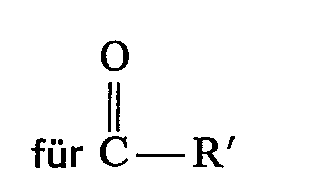
- Eine Verbindung der obigen Formeln la, Ib, Ic oder Id wird reduziert, was die entsprechende erfindungsgemäße 11-Hydroxyverbindung der Formel If

- Eine Verbindung der Formel Ic oder If (R=H) wird nach einer geeigneten, dem Stand der Technik bekannten Methode mit einem entsprechenden Alkylierungsmittel alkyliert bzw. acyliert, was die entsprechende erfindungsgemäße N-substituierte Verbindung der Formel lg


- 1. Eine Verbindung der Formel lc oder If (R = H) wird unter Bedingungen, die mit denen der Methode G übereinstimmen, mit einem Chloräthylenglykolketal der Formel

- 2. Man unterwirft eine erfindungsgemäße Äthylenketalverbindung einer sauren Hydrolyse, was die entsprechende erfindungsgemäße Verbindung, worin R Benzoylniederalkyl

- Man behandelt eine Verbindung der Formel Ic oder If (R=H) gemäß den Bedingungen der Eschweiler-Clarkereaktion, was die entsprechende Verbindung der Formel worin R Methyl darstellt, liefert. Diese Methode wird durch Umsetzung mit Ameisensäure und Formaldehyd unter Rückflußbedingungen durchgeführt.
- Bei allen obigen Methoden sind die optimalen Bedingungen von den Ausgangsstoffen, Lösungsmitteln, Katalysatoren und sonstigen Reaktionsteilnehmern abhängig. Dies wird in den nachfolgenden Beispielen weiter erläutert.
- Durch die Formel II dargestellte Ausgangsstoffe sind entweder im Handel erhältlich oder nach wohlbekannten Methoden gemäß dem folgenden Reaktionsschema herstellbar:


- Die erfindungsgemäßen Verbindungen sind wegen ihrer Fähigkeit, bei Säugetieren Schmerzen zu lindern, als Analgetika wertvoll, wie beim durch Phenyl-x-chinon ausgelösten Krümmungssyndrom an der Maus, einem Standardtest auf Analgesie [Proc. Soc. Exptl. Biol. Med. 95, 729 (1957)], nachgewiesen. Die bei verschiedenen Dosierungen typischer erfindungsgemäßer Verbindungen erzielten prozentualen Hemmungen des Writhing sind unten in der Tabelle angegeben.

- Vergleichsweise bewirken Aspirin bzw. Propoxyphen, bekannte analgetische Mittel, eine 34%ige bzw. 50%ige Hemmung bei einer Dosis von 60 mg/kg bzw. 28 mg/kg. Diese Daten veranschaulichen, daß die erfindungsgemäßen Verbindungen bei Verabreichung in Tagesmengen von etwa 0,1 bis etwa 100 mg/kg Körpergewicht zur Linderung von Schmerzen in Säugetieren verwendbar sind.
- Verbindungen der vorliegenden Erfindung sind ferner als Tranquilizer wertvoll, wie ihre Fähigkeit, Aggressivität nach Pfotenschock zu hemmen, zeigt [Arch. Int. Pharmacodynam. et de Therap. 142, 30 (1963)]. Beispielsweise bieten 10,11-Dihydro-1'-[3-(4-fluorbenzoyl)-propyl]-11-oxospiro[dibenz(b,f)ox- epin-10,4'-piperidin] - HBr bzw. 10,11-Dihydro-11-oxo-l'-(2-propinyl)-spiro[dibenz(b,f)oxepin-10,4'-piperidin] - HBr in einer peroralen Dosis von 20 mg/kg an der Maus einen 100%igen bzw. 50%igen Schutz gegen Aggressivität nach Pfotenschock. Diese Verwendbarkeit der erfindungsgemäßen Verbindungen als Tranquilizer folgt auch aus ihrer Fähigkei. bei Aggregationszuständen der Toxizität von Amphetamin an der Maus entgegenzuwirken [J.. Exp. Therap. 87, 214 (1946)]. Beispielsweise wirkt eine 50 mg/kg-Dosis von 2-Chlor-10 11-dihydro-11-oxospiro[dibenz(b,f)oxepin-10,4'-piperidin] - HBr der Amphetamintoxizität bei 50%der Mäuse entgegen. Diese Daten veranschaulichen, daß die erfindungsgemäßen Verbindungen bei Verabreichung in Tagesmengen im Bereich von etwa 0,5 bis etwa 100 mg/kg Körpergewicht in Säugetieren als Tranquilizer verwendbar sind.

- Verbindungen der vorliegenden Erfindung sind ferner als Krampfmittel für Säugetiere wertvoll, wie nach L. A. Woodbury und V. D. Davenport [Arch. Int. Pharmacodynam. 92, S. 97―107 (1952)] bestimmt. Beispielsweise bietet eine intraperitoneale Dosis von 19,4 mg/kg Körpergewicht von 2-Chlor-10,11-di- hydro-1'-rnethyl-11-o×ospiro[dibenz(b,f)o×epin-10,4'-piperidin] · HBr einen 50%igen Schutz gegen die Wirkung eines über dem Maximum liegenden Elektroschocks. Ähnliche Wirkungen erreicht man mit intraperitonealen Dosierungen von 27,1 bzw. 30-50 mg/kg von 2-Chlor-1'-cyclopropylmethyl-10,11-dihydro-11-oxospiro[dibenz(b,f)oxepin-10,4'-piperidin] - HBr bzw. 10,11-Dihydro-1'-methyl-11- oxospiro[dibenz(b,f)oxepin-10,4'-piperidin] - HBr. Diese Daten veranschaulichen, daß die erfindungsgemäßen Verbindungen bei Verabreichung in Tagesmengen im Bereich von etwa 0,5 bis 100 mg/kg Körpergewicht zur Behandlung von Krämpfen bei Säugetieren verwendbar sind.
- Erfindungsgemäße Verbindungen sind unter anderem:
- 8-Chlor-10,11 -dihydro-2-methoxy-1'-methyl-11-oxospiro-[dibenz(b,f)oxepin-10,4'-piperidin],
- 3-Brom-10,11 -dihydro-7-methytthio-1'-methyl-11-oxospiro-[dibenz(b,f)oxepin-10,4'-piperidin],
- 10,11-Dihydro-3-methoxy-1'-methyl-11-oxo-8-trifluormethylspiro-[dibenz(b,f)oxepin-10,4'-piperidin],
- 10,11-Dihydro-9-methoxy-1'-methyl-2-methyl-11 -oxospiro-[dibenz(b,f)oxepin-10,4'-piperidin],
- 10,11-Dihydro-1'-methyl-8-methyl-11-oxo-2-trifluormethylspiro-[dibenz(b,f)oxepin-10,4'-piperidin],
- 2-Brom-7-chlor-10,11-dihydro-1'-methyl-11-oxospiro-[dibenz(b,f)oxepin-10,4'-piperidin],
- 10,11-Dihydro-2,8-dimethoxy-1'-methyl-11-oxospiro-[dibenz(b,f)oxepin-10,4'-piperidin],
- 10,11-Dihydro-1'-methyl-2-methylthio-11-oxo-7-trifluormethylspiro-[dibenz(b,f)oxepin-10,4'-piperidin],
- 2-Fluor-1'-[2-(p-fluorbenzoyl)-äthyl]-10,11-dihydro-11-oxospiro-[dibenz(b,f)oxepin-10,4'-piperidin],
- 2-Chlor-1'-[2-(p-fluorbenzoyl)-äthyl]-10,11-dihydro-11-oxospiro-[dibenz(b,f)oxepin-10,4'-piperidin],
- 1'-(4-Benzoylbutyl)-10,11-dihydro-11-oxospiro-[dibenz(b,f)oxepin-10,4'-piperidin],
- 1'-(4-Benzoy)buty))-2-chlor-10,11-dihydro-11-oxospiro-[dibenz(b,f)oxepin-10,4'-piperidin],
- 1'-(4-Benzoylbutyl)-2-fluor-10,11-dihydro-11-oxospiro-[dibenz(b,f)oxepin-10,4'-piperidin],
- 2-Fluor-10,11-dihydro-7,8-dimethoxy-1'-methyl-11-oxospiro-[dibenz(b,f)oxepin-10,4'-piperidin],
- 2,3-Dichlor-10,11-dihydro-1'-methyl-7-methylthio-11-oxospiro-[dibenz(b,f)oxepin-10,4'-piperidin],
- 8-Chlor-2,3-difluor-10,11-dihydro-1'-methyl-11-oxospiro-[dibenz(b,f)oxepin-10,4'-piperidin] und
- 2-Chlor-7,8-difluor-10,11-dihydro-1'-methyl-11-oxospiro-[dibenz(b,f)oxepin-10,4'-piperidin].
- Wirksame Mengen der erfindungsgemäßen Verbindungen können einem Patienten nach irgendeiner von verschiedenen Methoden verabreicht werden, beispielsweise peroral wie in Kapseln oder Tabletten, parenteral in Form steriler Lösungen oder Suspensionen sowie in einigen Fällen intravenös in Form steriler Lösungen. Die Endprodukte selbst sind zwar als freie Base wirksam, doch kann man sie aus Gründen der Stabilität, Leichtigkeit der Kristallisation, erhöhter Löslichkeit und dergleichen in Form ihrer pharmazeutisch unbedenklichen Additionssalze formulieren und verabreichen.
- Die erfindungsgemäßen Wirkstoffe lassen sich peroral verabreichen, beispielsweise mit einem inerten Streckmittel oder eßbaren Träger, oder sie können in Gelatinekapseln eingeschlossen oder zu Tabletten komprimiert werden. Zur peroralen therapeutischen Verabreichung kann man die erfindungsgemäßen Wirkstoffe in Vehikel einarbeiten und in Form von Tabletten, Pastillen, Kapseln, Elixieren, Suspensionen, Sirupen, Oblaten, Kaugummi und dergleichen anwenden. Diese Präparate sollen mindestens 0,5% Wirkstoff enthalten, aber dies läßt sich in Abhängigkeit von der jeweiligen Form variieren und kann zweckmäßig zwischen 4% und etwa 70% des Einheitsgewichts liegen. Eine solche Wirkstoffmenge liegt in derartigen Zusammensetzungen vor, daß sich eine geeignete Dosis ergibt. Bevorzugte Zusammensetzungen und Präparate gemäß vorliegender Erfindung werden so zubereitet, daß eine perorale Dosiereinheitsform 1,0-300 Milligramm Wirkstoff enthält.
- Die Tabletten, Pillen, Kapseln, Pastillen und dergleichen können ferner folgende Bestandteile enthalten: ein Bindemittel wie mikrokristalline Cellulose, Traganthgummi oder Gelative; ein Vehikel wie Stärke oder Milchzucker, ein Sprengmittel wie Alginsäure, Primogel, Maisstärke und dergleichen; ein Schmiermittel wie Magnesiumstearat oder Sterotex, ein Gleitmittel wie kolloidales Siliciumdioxyd; ferner kann man einen Süßstoff wie Rohrzucker oder Saccharin oder auch einen Geschmacksstoff wie Pfefferminz, Methylsalicylat oder Orangenaroma zusetzen. Ist die Dosiereinheitsform eine Kapsel, so kann diese neben Stoffen der obigen Art einen flüssigen Träger wie ein fettes Öl enthalten. Andere Dosiereinheitsformen können weitere verschiedene Stoffe enthalten, welche die physikalische Form der Dosiereinheit modifizieren, wie beispielsweise Überzüge. Tabletten oder Pillen können somit mit Zucker oder Schellack überzogen oder mit anderen, erst im Darm löslichen Überzügen versehen werden. Ein Sirup kann neben den Wirkstoffen Rohrzucker als Süßstoff sowie gewisse Konservierungsmittel, Farbstoffe und Farben sowie Geschmacksstoffe er,thalten. Bei der Bereitung dieser verschiedenen Zusammensetzungen verwendete Stoffe sollen pharmazeutisch rein und in den verwendeten Mengen nicht toxisch sein.
- Zur parenteralen therapeutischen Verabreichung können die erfindungsgemäßen Wirkstoffe in eine Lösung oder Suspension eingearbeitet werden. Diese Zubereitungen sollen mindestens 0,1% Wirkstoff enthalten, doch läßt sich dies zwischen 0,5 und etwa 50% ihres Gewichtes variieren. Eine solche Wirkstoffmenge liegt in derartigen Zusammensetzungen vor, daß sich eine geeignete Dosis ergibt. Bevorzugte Zusammensetzungen und Präparate gemäß vorliegender Erfindung werden so hergestellt, daß eine parenterale Dosiereinheit 0,5 bis 100 Milligramm Wirkstoff enthält.
- Die Lösungen oder Suspensionen können ferner folgende Bestandteile umfassen: ein steriles Verdünnungsmittel wie Wasser zur Injektion, physiologische Kochsalzlösung, nichtflüchtige Öle, Polyäthylenglykole, Glycerin, Propylenglykol oder sonstige synthetische Lösungsmittel; antibakterielle Mittel wie Benzylalkohol oder Methylparaben; Antioxydantien wie Ascorbinsäure oder Natriumbisulfit; Chelatbildner wie Äthylendiamintetraessigsäure; Puffer wie Acetate, Citrate oder Phosphate sowie Mittel zur Einstellung des osmotischen Drucks, wie Kochsalz oder Dextrose. Das parenterale Präparat kann in Ampullen, zum einmaligen Gebrauch bestimmten Spritzen oder Mehrfachdosis-Phiolen aus Glas oder Kunststoff eingeschmolzen werden.
-
- a) Man gibt 2,6 g 99%iges Natriumhydrid portionsweise zu einer Lösung von 4,4 g 2-Phenoxyphenylacetonitril in 50 ml Dimethylformamid. Das dabei gebildete rötlichbraune Gemisch wird 30 Minuten gerührt, bevor man eine Lösung von 4,0 g Mechloräthaminhydrochlorid in 50 ml Dimethylformamid dazutropft, wobei man die Gasentwicklungsgeschwindigkeit niedrig hält. Nach beendeter Zugabe wird das Gemisch 15 Stunden bei 80-85°C gerührt. Danach gibt man 100 g Eis dazu, bevor das Gemisch dreimal mit Äther extrahiert wird. Die vereinigten Ätherextrakte trocknet man über Kaliumcarbonat und entfernt dann das Lösungsmittel im Vakuum, wobei ein bräunliches Öl verbleibt. Das Öl löst man in einer kleinen Menge Äther und läßt es mit weiterem Äther durch eine in Äther gefüllte Aluminiumoxydsäule laufen. Die filtrierte Lösung wird eingeengt, wobei ein schweres Öl zurückbleibt. Das Öl wird in sein Hydrochlorid umgewandelt und dieses aus Aceton/Äther umkristallisiert, wobei man 4-Cyan-1-methyl-4-(2-phenoxyphenyl)-piperidinhydrochlorid als glänzende Prismen vom Schmelzpunkt 242-244.° C erhält.
- b) Unter Rühren gibt man eine Lösung von 2,6 g 4-Cyan-1-methyl-4-(2-phenoxyphenyl)-piperidin, der freien Base aus a, in 22 ml Chloroform rasch zu einem Gemisch aus 1,5 g Bromcyan und 6 g Kaliumcarbonat in 30 ml Chloroform. Es wird 16 Stunden unter Rückfluß gerührt und danach filtriert. Das Filtrat wird zur Trockne eingeengt, was einen öligen Rückstand hinterläßt, den man in einigen ml Methylalkohol auflöst, um gegebenenfalls nicht umgesetztes Bromcyan zu zersetzen. Der Methylalkohol wird dann abgedampft, wobei ein beim Abkühlen kristallisierender blaßgelblicher Rückstand verbleibt. Der entstandene Feststoff wird aus Aceton umkristallisiert, wobei man 1,4-Dicyan-4-(2-phenoxyphenyl)-piperidin als rhombische Kristalle vom Schmelzpunkt 100-101°C erhält.
- c) Man rührt eine Suspension von 8 g 1,4-Dicyan-4-(2-phenoxyphenyl)-piperidin in 120 ml 48%iger Bromwasserstoffsäure 16 Stunden unter Rückfluß. Überschüssige Säure wird dann durch Vakuumdestillation entfernt, wobei ein glasiger Rückstand verbleibt, den man in 100 ml Wasser auflöst. Die Lösung trübt sich, Kristalle beginnen sich abzuscheiden und das trübe Gemisch wird 16 Stunden lang bei 0°C gehalten, wobei vollständige Kristallisation eintritt. Die Kristalle werden gesammelt und dann aus Äthylalkohol/Aceton/Äther umkristallisiert, wobei man 4-(2-Phenoxyphenyl)-piperidin-4-carbonsäurehydrobromid als hellbräunliche Prismen vom Schmelzpunkt 247-249°C erhält.
- d) Man erhitzt ein Gemisch aus 8 g 4-(2-Phenoxyphenyl)-piperidin-4-carbonsäurehydrobromid und 10 ml Eissigsäureanhydrid in 50 ml Pyridin 4 Stunden zum Rückfluß. Überschüssiges Pyridin wird dann durch Vakuumdestillation entfernt und der Rückstand mit 100 ml 1 n-Salzsäure angerieben und dann dreimal mit Chloroform extrahiert. Die vereinigten Chloroformextrakte werden nacheinander mit Wasser gut gewaschen, getrocknet und im Vakuum eingeengt, wobei ein fester Rückstand verbleibt. Dieser wird aus siedendem Aceton umkristallisiert, wobei man 1-Acetyl-4-(2-phenoxyphenyl)-piperidin-4-carbonsäure als kleine Prismen vom Schmelzpunkt 195―197,5°C erhält.
- e) Man erhitzt eine Suspension von 3,4 g 1-Acetyl-4-(2-phenoxyphenyl)-piperidin-4-carbonsäure in 5 ml frisch destilliertem Thionylchlorid 5 Minuten auf dem Dampfbad, wobei sich eine klare Lösung ergibt. Überschüssiges Thionylchlorid wird unter vermindertem Druck bei 50°C entfernt, wobei eine gelbliche feste Masse verbleibt. Diese wird fünfmal aus Benzol/Cyclohexan umkristallisiert, wobei man 1-Acetyl-4-(2-phenoxyphenyl)-piperidin-4-carbonylchlorid als Produkt vom Schmelzpunkt 106―108° C erhält.
- f) Man gibt eine Lösung von 14 g 1-Acetyl-4-(2-phenoxyphenyl)-piperidin-4-carbonylchlorid in 500 ml Methylenchlorid langsam unter Rühren zu 7,5 g Aluminiumchlorid. Nach beendeter Zugabe erhitzt man 2 Stunden zum Rückfluß, was zu einer Farbänderung von grünlich auf hellbräunlich führt. Anschließend wird Eis zugesetzt, bevor man dreimal mit Chloroform extrahiert. Die vereinigten Chloroformextrakte werden nacheinander mit verdünntem Alkali und mit Wasser gewaschen, getrocknet und im Vakuum vom Lösungsmittel befreit, wobei ein beim Stehen erstarrender öliger Rückstand verbleibt. Der Feststoff wird aus Benzol/Hexan umkristallisiert, wobei man 10,11-Dihydro- l'-acetyl-11-oxospiro[dibenz(b,f)oxepin-10,4'-piperidin] als farblose Prismen vom Schmelzpunkt 171-172° C erhält.
-
- a) Man gibt 14,4 g 97%iges Natriumhydrid in kleinen Portionen unter Rühren zu einem Gemisch aus 27,6 g 2-(4-Chlorphenoxy)-benzylcyanid und 300 ml Dimethylformamid. Nach beendeter Zugabe wird 45 Minuten bei Raumtemperatur gerührt, bevor man 20,2 g 98%iges Mechloräthaminhydrochlorid in 200 ml Dimethylformamid dazutropft. Anschließend rührt man das Reaktionsgemisch 17 Stunden bei 100°C und läßt abkühlen. Das abgekühlte Gemisch wird auf 1000 g Eis gegossen und dann umgerührt. Das wäßrige Gemisch extrahiert man fünfmal mit je 250 ml Äther. Die vereinigten Ätherextrakte werden mit 2n-Salzsäure extrahiert und die vereinigten sauren Extrakte mit konzentrierter Ammoniumhydroxydlösung basisch gemacht, was ein Öl liefert. Dieses extrahiert man dreimal mit je 250 ml Äther und bringt die vereinigten Ätherextrakte zur Trockne, was eine dunkle kristalline Substanz ergibt. Der Feststoff wird auf einer Aluminiumoxydsäule mit Äther als Eluiermittel chromatographiert, wobei man 1-Methyl-4-cyan-4-[2-(4-chlorphenoxy)-phenyl]-piperidin als weißes kristallines Produkt vom Schmelzpunkt 95―97° C erhält.
- b) Man rührt eine Lösung von 1,1 g 1-Methyl-4-cyan-4-(2-(4-chlorphenoxy)-phenyl]-piperidin in 25 ml 48Woiger Bromwasserstoffsäure 16 Stunden bei 130° C. Danach verdünnt man mit 175 ml Wasser und dampft am Rotationsverdampfer unter vermindertem Druck bei 85°C ein, um überschüssige Säure zu entfernen. Der entstandene glasige Feststoff wird in Wasser aufgelöst und mit 1,5n-Ammoniumhydroxyd als Eluiermittel durch eine Bio-Rad AG 50 W-X8-Kationenaustauscherharzsäule laufengelassen, wobei man 4-[2-(4-Chlorphenoxy)-phenyl]-1-methylpiperidin-4-carbonsäure als weißes Pulver vom Schmelzpunkt 320° C erhält.

- c) Man rührt ein Gemisch aus 4,4 g 4-[2-(4-Chlorphenoxy)-phenyl]-1-methylpiperidin-4-carbonsäure und 40 ml Polyphosphorsäure unter Stickstoff 2 Stunden bei 100―110° C. Danach kühlt man auf 0° C ab und versetzt mit 10 ml Eis und 70 ml Wasser. Das Gemisch wird mit konzentrierter Ammoniumhydroxydlösung alkalisch gemacht und viermal mit je 100 ml Äther extrahiert. Die vereinigten Ätherextrakte wäscht man nacheinander mit 100 ml Wasser, 100 ml 10%iger Natronlauge und 50 ml gesättigter Kochsalzlösung. Nach dem Waschen wird die Lösung zur Trockne gebracht, was ein Öl liefert. Dieses wird auf einer Silikagel-60-säule mit Methylalkohol/Chloroform (1 : 6) als Eluiermittel chromatographiert, was ein reineres Öl ergibt, welches man in Äther in sein Hydrobromidsalz überführt. Dieses wird aus Methylalkohol/Äther umkristallisiert, wobei man 2-Chlor-10,11-dihydro-1'-methyl-11-oxospi- ro[dibenz(b,f)oxepin-10,4'-piperidin]-hydrobromid als weißen Feststoff vom Schmelzpunkt 304―306°C erhält.

- Man rührt eine Suspension von 2,0 g 10,11-Dihydro-1'-acetyl-11-oxospiro[dibenz(b,f)oxepin-10,4'-piperidin], Beispiel 1, in 15 ml 3n-Salzsäure 3 Stunden unter Rückfluß. Die entstandene klare Lösung wird mit kaltem Wasser verdünnt und dann mit Essigester extrahiert. Die saure wäßrige Lösung macht man mit Kaliumcarbonat alkalisch, wobei ein Amin freigesetzt wird, das man in Äther auflöst. Die Ätherlösung wird nacheinander getrocknet und im Vakuum eingeengt, wobei ein blaßgelbliches Öl verbleibt, welches man in Äther in sein Bromwasserstoffsäuresalz überführt. Dieses wird aus Methylalkohol/Aceton/Äther umkristallisiert, wobei man 10,11-Dihydro-11-oxospiro[dibenz(b,f)oxe- pin-10,4'-piperidin]-hydrobromid als Nadeln vom Schmelzpunkt 280―282° C erhält.

- Man erhitzt ein Gemisch aus 3,5 g 2-Chlor-10,11-dihydro-1'-methyl-11-oxospiro(dibenz(b,f)oxepin-10,4'-piperidin], der freien Base aus Beispiel 2, 7,1 g Kaliumcarbonat und 1,8 g Bromcyan in 45 ml Methylenchlorid 2 Stunden unter Rückfluß. Dann filtriert man und dampft das Filtrat am Rotationsverdampfer ein, wobei ein Feststoff verbleibt. Dieser wird in 30 ml Methylalkohol aufgelöst und die Lösung 10e=Minuten am Rückfluß erhitzt und dann wiederum am Rotationsverdampfer eingedampft, wobei ein Feststoff verbleibt. Diesen chromatographiert man mit Äther über 50 g Silikagel 60, wobei ein nicht-kristalliner Feststoff verbleibt, den man in Chloroform löst. Die Chloroformlösung wird am Rotationsverdampfer eingedampft, wobei ein bröckliger Schaum verbleibt, den man leicht zu einem weißen Pulver aufbrechen kann. Das Pulver wird aus Aceton umkristallisiert, wobei man 2-Chlor-l'-cyan-10,11-dihydro-11-oxospiro[dibenz(b,f)oxepin-10,4'-piperidin] als Produkt vom Schmelzpunkt 141,5―143,0° C erhält.

- Man rührt eine homogene Lösung von 1,8 g 2-Chlor-1'-cyan-10,11-dihydro-11-oxospiro[dibenz(b,f)ox- epin-10,4'-piperidin], Beispiel 4, in 20 ml 3n-Salzsäure und 10 ml Eisessig 16 Stunden bei 110-120°C und läßt dann auf Raumtemperatur abkühlen. Die Lösung wird anschließend mit 50 ml Wasser verdünnt und dann bei 80°C am Rotationsverdampfer bis zur Entfernung von 50 ml Wasser eingedampft, worauf man den Verdünnungs- und Verdampfungsschritt wiederholt. Der Rückstand wird mit 200 ml Wasser verdünnt und die verdünnte Lösung nacheinander im Eisbad gekühlt, mit einer kleinen Menge 58%igem Ammoniumhydroxyd auf pH 9 basisch gemacht und dreimal mit je 80 ml Äther extrahiert. Die vereinigten Ätherextrakte wäscht man nacheinander zweimal mit je 80 ml Wasser und einmal mit 40 ml gesättigtem Kochsalz, trocknet dann über Magnesiumsulfat und dampft schließlich zur Trockne ein, wobei ein Öl verbleibt. Dieses löst man in Äther und überführt es in sein Bromwasserstoffsäuresalz. Dieses wird aus Aceton umkristallisiert, wobei man 2-Chlor-10,11-dihydro-11 oxospiro[dibenz(b,f)oxepin-10,4'-piperidin]-hydrobromid als Kristalle erhält, welche beim Erhitzen über 125° C ihre reguläre Gestalt verlieren, wobei das entstandene Glas bei 223-225° C schmilzt.

- Im Verlauf von 1 -2 Minuten gibt man eine Lösung von, Acetylchlorid in Methylenchlorid unter Rühren zu einem Gemisch aus 1,0 g 10,11-Dihydro-1'-acetyl 11-oxospiro[dibenz(b,f)oxepin-10,4'-piperidin], Beispiel 1, und 0,94 g Aluminiumchlorid in 20 ml Methyl ienchlorid. Nach beendeter Zugabe rührt man 16 Stunden bei Raumtemperatur und zersetzt
 mit Eiswasser. Anschließend wird die organische Phase dreimal mit Essigester/Äther (1 : 1) extrahiart, nacheinander mit Natriumbicarbonatlösung, Wasser und Kochsalzlösung gewaschen, getrocknet und im Vakuum eingeengt, wobei ein gelbliches Öl verbleibt, das beim Kratzen kristallisiert. Der entstandene Feststoff wird aus Aceton/Hexan umkristallsiert, wobei man 10,11-Dihydro-11-acetoxy-1'-acetyl-11-hydroxyspiro[di- benz(b,f)oxepin-10,4'-piperidin] als Prismen vom Schmelzpunkt 193-196° C erhält.

- Man tropft eine Lösung von 2,4g 10,11-Dihydro-11-oxospiro[dibenz(b,f)oxepin-10,4'-piperidin], der freien Base aus Beispiel 3 in 20 ml Tetrahydrofuran zu einer am Rückfluß erhitzten Aufschlämmung von 1,5 g Lithiumaluminiumhydrid in 20 ml Tetrahydrofuran. Nach beendeter Zugabe rührt man noch weitere 4 Stunden unter Rückfluß und dann 16 Stunden bei Raumtemperatur. Anschließend wird das Reaktionsgemisch durch aufeinanderfolgende Zugabe von 1,7 ml Wasser mit 1,7 ml 15%iger Natronlauge und 5,2 ml Wasser zersetzt. Das verdünnte Gemisch wird filtriert und das Filtrat im Vakuum zu einem festen Rückstand eingeengt. Der Rückstand wird aus siedendem Aceton umkristallisiert, wobei man 10,11-Dihydro-11-hydroxyspiro[dibenz(b,f)oxepin-10,4'-piperidin] als farblose Prismen vom Schmelzpunkt 202-203,5° C erhält.

- Man erhitzt ein Gemisch aus 1,1 g 10,11-Dihydro-11-oxospiro[dibenz(b,f)oxepin-10,4'-piperidin], der freien Base aus Beispiel 3 in 8 ml Ameisensäure 2 Stunden zum Rückfluß und setzt dann 7,2 ml Formalin (38% Formaldehyd in Wasser) dazu. Nach der Zugabe wird 16 Stunden weitergerührt und am Rückfluß erhitzt. Anschließend wird das Reagenzgemisch bei vermindertem Druck erwärmt und der Rückstand mit verdünntem Alkali basisch gemacht. Ein Öl scheidet sich ab und wird mit Äther extrahiert. Man trocknet die vereinigten Ätherextrakte und dampft dann im Vakuum ein, was ein farbloses Öl ergibt. Dieses wird in Äther gelöst und in sein Bromwasserstoffsäuresalz überführt, welches aus Methylalkohol/Äther umkristallisiert wird, wobei man 10,11-Dihydro-1'-methyl-11-oxospiro[di- benz(b,f)oxepin-10,4'-piperidin]-hydrobromid als Mikrogranulat vom Schmelzpunkt >290°C erhält.

- Man behandelt eine Lösung von 5,0 g 10,11-Dihydro-1'-methyl-11-oxospiro[dibenz(b,f)oxepin-10,4'-piperidin], der freien Base aus Beispiel 8 in 40 ml Tetrahydrofuran gemäß der Arbeitsweise von Beispiel 7, was einen Feststoff ergibt. Dieser wird aus Aceton/Hexan umkristallisiert, wobei man 10,11-Dihydro-11-hydroxy-1'-methylspiro[dibenz(b,fjoxepin-10,4'-piperidin] als farblose Prismen vom Schmelzpunkt 180 -182° C (Zersetzung) erhält.

- Man rührt ein Gemisch aus 1,0 g 10,11-Dihydro-11-oxospiro(dibenz(b,f)oxepin-10,4'-piperidin], der freien Base aus Beispiel 3, 0,3 g 2-Propinylchlorid und 1 g Natriumbicarbonat in 15 ml Dimethylformamid 16 Stunden bei 70°C. Danach wird das Gemisch nacheinander mit Äther verdünnt, filtriert, mit Wasser gewaschen, getrocknet und im Vakuum eingeengt, wobei ein blaßgelbliches Öl verbleibt. Dieses überführt man in Äther in sein Bromwasserstoffsäuresalz, welches aus Methylalkohol/Aceton/Äther umkristallisiert wird, wobei man 10,11-Dihydro-11-oxo-1'-(2-propinyl)-spiro[dibenz(b,f)oxepin-10,4'-piperidin]-hydrobromid als farbloses Granulat vom Schmelzpunkt 241-242° C erhält.

- Man rührt ein Gemisch aus 1,1 g 10,11-Dihydro-11-oxospiro[dibenz(b,f)oxepin-10,4'-piperidin], der freien Base aus Beispiel 3, 0,63 g β-Bromäthylalkohol und 1,1 g Natriumbicarbonat in 15 ml Dimethylformamid 16 Stunden bei 80°C. Dann verdünnt man mit Äther und Wasser. Die Ätherlösung wird mit einem Überschuß 2n-Salzsäure extrahiert. Den sauren Extrakt macht man mit Kaliumcarbonat basisch, was ein schweres Öl liefert. Dieses wird in Äther gelöst und die ätherische Lösung getrocknet und zur Trockne eingeengt, wobei ein farbloses Öl verbleibt, welches in Äther in sein Bromwasserstoffsäuresalz überführt wird. Dieses wird aus Methylalkohol/Aceton/Äther umkristallisiert, wobei man 10,11-Dihydro-1'-(β-hydroxyäthyl)-11-oxospiro[dibenz(b,f)oxepin-10,4'-piperidin] als farblose Prismen vom Schmelzpunkt 263-266° C erhält.

- Man rührt ein Gemisch aus 2,0 g 10,11-Dihydro-11-oxospiro[dibenz(b,f)oxepin-10,4'-piperidin], der freien Base aus Beispiel 3, 0,74 g Chlormethylcyclopropan, 1,8 g Natriumbicarbonat und 1,8g Kaliumjodid in 15 ml Dimethylformamid 16 Stunden bei 70-80°C. Man läßt die entstandene Suspension abkühlen und verdünnt dann mit Äther und Wasser. Die organische Phase wird nacheinander getrocknet, filtriert und im Vakuum eingeengt, wobei ein viskoses Öl verbleibt. Dieses löst man in Chloroform und läßt die Chloroformlösung mit Äther als Eluiermittel durch eine Aluminiumoxydsäule laufen. Das gereinigte Öl wird in Äther gelöst und in sein Bromwasserstoffsäuresalz überführt, welches aus Methylalkohol/Äther umkristallisiert wird, wobei man 1'-Cyclopropylmethyl-10,11-dihydro-11-oxospiro[dibenz(b,f)oxepin-10,4'-piperidin]-hydrobromid als rhombische Kristalle vom Schmelzpunkt 258-259° C (Zersetzung) erhält.

- Man behandelt Proben von 10,11-Dihydro-11-oxospiro[dibenz(b,f)oxepin-10,4'-piperidin], der freien Base aus Beispiel 3, nach der Arbeitsweise von Beispiel 12 getrennt mit Phenoxypropylbromid bzw. 2-Bromäthylbenzol, wobei man, Beispiel 13, 10,11-Dihydro-11-oxo-1'-(3-phenoxypropyl)-spiro[di- benz(b,f)oxepin-10,4'-piperidin]-hydrobromid (aus Äthylalkohol/Äther) als farblose Prismen vom Schmelzpunkt 213-215°C (Zersetzung) bzw., Beispiel 14, 10,11-Dihydro-11-oxo-1'-phenäthylspiro[di- benz(b,f)oxepin-10,4'-piperidin]-hydrobromid (aus Aceton/Äther) als farblose Prismen vom Schmelzpunkt > 300° C erhält.

-

- Man rührt ein Gemisch aus 1,3 g 10,11-Dihydro-11-oxospiro[dibenz(b,f)oxepin-10,4'-piperidin], der freien Base aus Beispiel 3, 1,4 g a-Chlor-4-fluorbutyrophenon-äthylenglykolketal, 1,0 g Natriumbicarbonat und 1,0 g Kaliumjodid in 15 ml Dimethylformamid 16 Stunden bei 80°C. Anschließend wird das Reaktionsgemisch filtriert und das Filtrat eingeengt, wobei die Verbindung 10,11-Dihydro-1'-[4-f)uor- butyrophenon]-11-oxospiro[dibenz(b,f)oxepin-10,4'-piperidin]-äthylenglykolketal als öliger Rückstand verbleibt. Dieser wird in durch Vermischen von 16 ml absolutem Äthylalkohol mit 6 ml 3n-Salzsäure hergestellter äthanolischer Salzsäure gelöst und 16 Stunden bei Raumtemperatur gerührt. Die saure Lösung macht man mit 40%iger Natronlauge alkalisch, wobei ein Amin frei wird, das mit Äther extrahiert wird. Man trocknet die vereinigten Ätherextrakte und engt dann zur Trockne ein. Den Rückstand läßt man mit Äther als Eluiermittel durch eine Aluminiumoxydsäule laufen, was ein farbloses Öl liefert. Dieses wird in Äther in sein Bromwasserstoffsäuresalz überführt, welches aus Methylalkohol/Äther umkristallisiert wird, wobei man 10,11-Dihydro-1'-[3-(4-fluorbenzoyl)-propyl]-11- oxospiro[dibenz(b,f)oxepin-10,4'-piperidin]-hydrobromid als farblose Prismen vom Schmelzpunkt 260-262° C erhält.

- Man rührt ein Gemisch aus 2,5g 2-Chlor-10,11-dihydro-11-oxospiro[dibenz(b,f)oxepin-10,4'-piperidin], der freien Base aus Beispiel 5, 2,5 g Natriumbicarbonat, 2,0 g Kaliumjodid und 0,8 g Chlormethylcyclopropan in 30 ml Dimethylformamid 16 Stunden bei 80°C. Anschließend kühlt man im Eisbad und verdünnt dann mit 90 ml Wasser. Die wäßrige Phase wird zweimal mit je 40 ml Äther extrahiert, mit 58%igem Ammoniumhydroxyd auf pH 9 gestellt und erneut zweimal mit je 40 ml Äther extrahiert. Die vereinigten Ätherextrakte wäscht man nacheinander zweimal mit je 40 ml Wasser und einmal mit 20 ml gesättigter Kochsalzlösung und bringt zur Trockne, was ein Öl liefert. Dieses läßt man mit Äther als Eluiermittel durch eine Aluminiumoxydsäule laufen, wobei ein gereinigtes Öl entsteht, welches man in Äther löst und in sein Bromwasserstoffsäuresalz überführt, das aus Methylalkohol/ Aceton/Äther umkristallisiert wird, wobei man 2-Chlor-1'-cyclopropylmethyl-10,11-dihydro-11-oxo[di- benz(b,f)oxepin-10,4'-piperidin]-hydrobromid als weißes Pulver vom Schmelzpunkt 305+°C (Zersetzung) erhält.

- Man behandelt ein Gemisch aus 2,5g 2-Chlor-10,11-dihydro-11-oxospiro[dibenz(b,f)oxepin-10,4'- piperidin], der freien Base aus Beispiel 5, 2,5 g Natriumbicarbonat, 2,0 g Kaliumjodid und 1,1 g 2-Propinylbromid in 30 ml Dimethylformamid gemäß der Arbeitsweise von Beispiel 16, was ein chromatographiertes gereinigtes Öl ergibt. Dieses wird mit Hexan überschichtet und auf 0°C abgekühlt, wobei sich weiße Kristalle bilden, die aus Benzol umkristallisiert werden, wobei man 2-Chlor-10,11-dihydro-11-oxo-1'-(2-propinyl)-spiro[dibenz(b,f)oxepin-10,4'-piperidin] als kristallinen Feststoff vom Schmelzpunkt 148-150°C erhält.

- Ein Gemisch aus 0,9 g Allylbromid und Dimethylformamid gibt man portionsweise im Verlauf von 60 Minuten zu einem 65°C warmen Gemisch aus 2,1 g 2-Chlor-10,11-dihydro-11-oxospiro[dibenz(b,f)oxe- pin-10,4'-piperidin], der freien Base aus Beispiel 5, und 2,1 g Natriumbicarbonat in 15 ml Dimethylformamid. Nach beendeter Zugabe rührt man 16 Stunden bei 60-65°C. Anschließend wird mit 75 ml Wasser verdünnt und das zweiphasige Gemisch mit 40 ml Äther extrahiert. Ein weißer Niederschlag bildet sich an der Grenzfläche. Die wäßrige Schicht und die Grenzflächensubstanz werden dreimal mit je 40 ml Methylenchlorid extrahiert. Die vereinigten organischen Phasen wäscht man nacheinander zweimal mit je 50 ml Wasser und mit 25 ml gesättigter Kochsalzlösung und bringt zur Trockne, was ein Öl liefert. Dieses läßt man mit Äther als Eluiermittel durch eine Aluminiumoxydsäute laufen, was ein gereinigtes Öl ergibt, das in Äther gelöst und in sein Brpmwasserstoffsäuresalz überführt wird. Dieses wird aus Methylalkohol umkristallisiert, wobei man 1'-Ally)-2-chlor-10,11-dihydro-11-oxospiro[dibenz(b,f)oxepin-10,4'-piperidin]-hydrobromid als weißen kristallinen Feststoff vom Schmelzpunkt 292-295° C (Zersetzung) erhält.

- Ein Gemisch aus 1,2 g Äthyljodid und 10 ml Dimethylformamid gibt man portionsweise im Verlauf von 30 Minuten zu einem 80°C warmen Gemisch aus 2,1 g 2-Chlor-10,11-dihydro-11-oxospiro[di- benz(b,f)oxepin-10,4'-piperidin], der freien Base aus Beispiel 5, und 2,5g NaHCO3 in 15 ml Dimethylformamid. Nach beendeter Zugabe kühlt man das Reaktionsgemisch auf 0° C, verdünnt dann mit 75 ml Wasser und extrahiert danach mit 40 ml Äther. Beide Phasen werden durch Papier hindurch filtriert, und der Filterkuchen wird in 75 ml Chloroform gelöst. Man wäscht die Chloroformlösung mit Wasser und bringt dann zur Trockne, wobei ein Öl verbleibt. Die wäßrige Phase wird viermal mit je 40 ml Äther extrahiert. Die vereinigten Ätherextrakte wäscht man nacheinander zweimal mit je 40 ml Wasser und dann einmal mit 20 ml gesättigter Kochsalzlösung, was ein Öl liefert. Dieses und das obige Öl läßt man mit Äther als Eluiermittel durch eine Aluminiumoxydsäule laufen, was ein gereinigtes Öl eigibt Dieses wird in Äther gelöst und in sein Bromwasserstoffsäuresalz überführt, ein weißes Pulver, welches aus Methylalkohol umkristallisiert wird, wobei man 2-Chlor-1'-äthyl-10, 11-dihydro-11-oxospi- ro[dibenz(b,f)oxepin-10,4'-piperidin]-hydrobromid als klare rhombische Plättchen vom Schmelzpunkt 303-304° C erhält.

- Man rührt ein Gemisch aus 2,1 g 2-Chlor-10,11-dihvdro-11-oxospiro[dibenz(b,f)oxepin-10,4'-piperidin], der freien Base aus Beispiel 5, und 2,1 g Nstriumbicarbonat in 15 ml Dimethylformamid bei 85° C und gibt dann im Verlauf von 30 Minuten portionsweise ein Gemisch aus 1,3 g Jodpropan und 10 ml Dimethvlformamid dazu. Nach beendeter Zugabe wird der Ansatz 16 Stunden bei 80-85°C gerührt und dann 48 Stunden bei Raumtemperatur stehengelassen. Danach verdünnt man mit 75 ml Wasser und extrahiert dreimal mit je 40 ml Äther. Die vereinigten Ätherextrakte werden nacheinander zweimal mit je 30 ml Wasser und mit 20 ml gesättigter Kochsalzlösung gewaschen und zur Trockne gebracht, was ein Öl liefert. Dieses löst man in einem Gemisch aus Äthylalkohol und 3n-Salzsäure (2: 1). Die saure Lösurng wird mit 58%iger Ammoniumhydroxydlösung auf pH 9 basisch gemacht und dann visrmal mit je 40 ml Äther extrahiert, was ein Öl liefert. Dieses läßt man mit Äther als Eluiermittel durch eine Aluminiumoiumoxydsäule laufen, wobei ein gereinigtes Öl entsteht. Dieses löst man in Äther und überführt es in sein Bromwasserstoffsäuresalz. Die ätherische Lösung versetzt man mit Methylalkohol, entfernt den Äther durch Erhitzen und gibt dann Aceton dazu, wobei man 2-Chlor-10,11-dihydro-11-oxo-1'-propylspiro[dibenz(b,f)oxepin-10,4'-piperidin]-hydrobromid als weißes Pulver vom Schmelzpunkt 315-316° C erhält.

- Ein Gemisch aus 1,0 g 1-Brom-3-methyl-2-buten und 10 ml Dimethylformamid gibt man portionsweise im Verlauf von 20 Minuten unter Rühren zu einem 80°C warmen Gemisch aus 1,9 g 2-Chlor-10,11-dihydro-11-oxospiro[dibenz(b,f)oxepin-10,4'-piperidin], der freien Base aus Beispiel 5, und 1,9 g Natriumbicarbonat in 15 ml Dimethylformamid. Nach beendeter Zugabe rührt man 16 Stunden bei 80°C. Danach wird mit 75 ml Wasser verdünntdas verdünnte Gemisch dreimal mit je 40 ml Äther extrahiert. Die vereinigten Ätherextrakte
 man nacheinander zweimal mit je 30 ml Wasser und dann mit 20 ml gesättigter Kochsalzlösung d bringt zur Trockne, was ein Öl liefert. Dieses wird auf vier 20 x 20 cm großen präparativen Silikagelschichtplatten F 254 in einem 10%igen Methylalkohol/Benzolgemisch chromatographiert. Eine Bande (Rf 0,25-0,61) wird eluiert und ergibt ein Öl. Dieses löst man in Äther und überführt es in sein Bromwasserstoffsäuresalz. Dieses wird aus Methylalkohol/Aceton/Äther umkristallisiert, wobei man 2-Chlor-10,11-dihydro-l'-(2-methyl-2-butenyl)-11-oxospiro[dibenz(b,f)oxepin-10,4'-piperidin]-hydrobromid als weißes Pulver vom Schmelzpunkt 266,5-267,5°C (Zersetzung) erhält.

- Eine Lösung von 0,93 g 2-Bromäthylalkohol in 10 ml Dimethylformamid gibt man portionsweise im Verlauf von 30 Minuten unter Rühren zu einem 80°C warmen Gemisch aus 2,1 g 2-Chlor-10,11-dihydro-11 -oxospiro[dibenz(b,f)oxepin-10,4'-piperidin], der freien Base aus Beispiel 5,2,1 g Natriumbicarbonat und 1,7 g Kaliumjodid in 15 ml Dimethylformamid. Nach beendeter Zugabe rührt man 16 Stunden bei 80-85°C. Danach wird mit 75 ml Wasser verdünnt und das verdünnte Gemisch dreimal mit je 40 ml Äther extrahiert. Die vereinigten Ätherextrakte wäscht man nacheinander zweimal mit je 30 ml Wasser und extrahiert zweimal mit je 36 ml 2n-Salzsäure. Das vereinigte saure Gemisch wird abgekühlt und dann mit 58%igem Ammoniumhydroxyd auf pH 9 basisch gemacht. Das basische Gemisch extrahiert man dreimal mit je 40 ml Äther, wäscht anschließend die vereinigten Ätherextrakte einmal mit 40 ml Wasser und bringt zur Trockne, was ein Öl liefert. Dieses läßt man mit Methylalkohol/Äther (1 : 1) als Eluiermittel durch eine Aluminiumoxydsäule laufen, was einen Feststoff ergibt. Dieser wird in Äther gelöst und filtriert, wonach man einen glasigen Feststoff erhält, der in 15%igem Aceton/Äthergemisch gelöst und in sein Bromwasserstoffsäuresalz überführt wird, welches aus Methylalkohol/Aceton/ Äther umkristallisiert wird, wobei man 2-Chlor-10,11-dihydro-1'-(2-hydroxyäthyl)-11-oxospiro[di- benz(b,f)oxepin-10,4'-piperidin]-hydrobromid als weißes Pulver vom Schmelzpunkt 240-242° C erhält.

- Man rührt ein Gemisch aus 2,1 g 2-Chlor-10,11-dihydro-11-oxospiro[dibenz(b,f)oxepin-10,4'-piperidin], der freien Base aus Beispiel 5, 2,1 g Natriumbicarbonat, 1,7 g Kaliumjodid und 1,4 g 2-Bromäthylbenzol in 25 ml Dimethylformamid 18 Stunden bei 50-65°C. Danach wird mit 75 ml Wasser verdünnt und das verdünnte Gemisch dreimal mit je 40 ml Äther extrahiert. Die vereinigten Ätherextrakte wäscht man nacheinander zweimal mit je 30 ml Wasser und einmal mit 20 ml gesättigter Kochsalzlösung und bringt zur Trockne, wobei ein Öl verbleibt. Dieses läßt man mit Äther als Eluiermittel durch eine Aluminiumoxydsäule laufen, was ein gereinigtes Öl ergibt. Dieses wird mit Hexan behandelt und das Hexangemisch abgekühlt und filtriert, was eine weiße kristalline Substanz ergibt, die aus Aceton umkristallisiert wird, wobei man 2-Chlor-10,11-dihydro-11-oxo-1'-(ß-phenyl- äthyl)-spiro[dibenz(b,f)oxepin-10,4'-piperidin] als weißen Feststoff vom Schmelzpunkt 136,5-138° C erhält.

- Im Verlauf von 20 Minuten gibt man eine Lösung von 1,6 g 3-Phenoxypropylbromid in 10 ml Dimethylformamid portionsweise zu einem 80° C warmen Gemisch aus 2,1 g 2-Chlor-10,11-dihydro-11- oxospiro[dibenz(b,f)oxepin-10,4'-piperidin], der freien Base aus Beispiel 5, 2,1 g Natriumbicarbonat und 1,7 g Kaliumjodid in 15 ml Dimethylformamid. Nach beendeter Zugabe rührt man 16 Stunden bei 80-85°C. Danach wird im Eisbad abgekühlt und anschließend mit 75 ml Wasser verdünnt. Das verdünnte Gemisch extrahiert man mit 40 ml Äther und läßt beide Phasen (die organische und die wäßrige) durch Filterpapier laufen. Die filtrierte wäßrige Phase wird dreimal mit je 40 ml Äther extrahiert und die vereinigten Ätherextrakte nacheinander zweimal mit je 40 ml Wasser und einmal mit 20 ml gesättigter Kochsalzlösung gewaschen und zur Trockne gebracht, wobei ein Öl verbleibt. Das rohe Öl wird gereinigt, indem man es mit Äther als Eluiermittel durch eine Aluminiumoxydsäule laufen läßt. Das gereinigte Öl wird in Äther gelöst und die ätherische Lösung stehengelassen, wobei sich ein weißer Niederschlag bildet. Der Niederschlag wird durch Filtrieren gewonnen und dann mit Äther gewaschen, wobei man 2-Chlor-10,11-dihydro-11-oxo-1'-(3-phenoxypropyl)-spiro(dibenz(b,f)oxepin-10,4'-piperidin] als weiße kristalline Substanz vom Schmelzpunkt 105-107°C erhält.

- Ein Gemisch aus 1,8 g 4-Chlor-p-fluorbutyrophenon-äthylenketal und 10 ml Dimethylformamid gibt man im Verlauf von 30 Minuten portionsweise zu einem 85°C warmen Gemisch aus 2,1 g 2-Chlor-10,11-dihydro-11-oxospiro[dibenz(b,f)oxepin-10,4'-piperidin,] der freien Base aus Beispiel 5, 1,7 g Kaliumjodid und 2,1 g Natriumbicarbonat in 15 ml Dimethylformamid. Nach beendeter Zugabe rührt man 16 Stunden bei 80-85°C und läßt dann 48 Stunden stehen. Danach wird mit 75 ml Wasser verdünnt und das verdünnte Gemisch dreimal mit je 40 ml Äther extrahiert. Die vereinigten Ätherextrakte wäscht man zweimal mit je 30 ml Wasser und dampft dann am Rotationsverdampfer ein, wobei man die Verbindung 2-Chlor-1'-[4-fluorbutyrophenon]-10,11-dihydro-11-oxospiro[dibenz(b,f)ox- epin-10,4'-piperidin]-äthylenglykolketal als glasigen Rückstand erhält. Der Rückstand wird in einem Gemisch aus 55 ml Athylalkohol und 21 ml 3n-Salzsäure gelöst. Die saure Lösung rührt man 19 Stunden bei Raumtemperatur. Das Gemisch wird unter gutem Rühren im Eisbad gekühlt und dann mit 58%igem Ammoniumhydroxyd auf pH 9 basisch gemacht. Das basische Gemisch extrahiert man dreimal mit je 40 ml Äther, wäscht die vereinigten Ätherextrakte nacheinander zweimal mit je 30 ml Wasser und einmal mit 20 ml gesättigter Kochsalzlösung, trocknet und dampft zur Trockne ein, was ein Öl ergibt. Dieses wird gereinigt, indem man es mit Äther als Eluiermittel durch eine Aluminiumoxydsäule laufen läßt. Das gereinigte Öl wird in Äther gelöst und als sein Bromwasserstoffsäuresalz gefällt. Das Salz wird mit Äther gewaschen und dann aus Aceton/Äther umkristallisiert, wobei man 2-Chlor-1'-[3-(4-fluorbenzoyl)-propyl]-10,11-dihydro-11-oxospiro[dibenz(b,f)oxepin-10,4'-piperidin]-hydrobromid als weißes Pulver vom Schmelzpunkt 220-221 ° C erhält.

-
- a) Man hält ein Gemisch aus 147 g Jodbenzoesäure und 45,5 g Kaliumcarbonat in 57 ml Nitrobenzol 40 Minuten unter Rühren bei 160°C. Danach werden weitere 46,5 g Kaliumcarbonat und anschließend 73,1 g 4-Fluorphenol, nochmals 46,5 g Kaliumcarbonat und 0,35 g Kupferpulver zugesetzt. Das Reaktionsgemisch wird 45 Minuten in einem Bad bei 160°C gerührt. Der entstandene Feststoff wird isoliert und dann auf 0° C gekühlt, bevor man ihn mit 100 ml Wasser und 200 ml 6n-Salzsäure vermischt. Dann verdünnt man das wäßrige Gemisch auf 1 Liter Gesamtvolumen und rührt dann mit 450 ml Chloroform. Der entstandene weiße Feststoff wird isoliert und nacheinander mit Chloroform und Wasser gewaschen. Der Feststoff wird in heißem Aceton aufgelöst und die Acetonlösung zuerst filtriert und dann abgekühlt, was ein weißes kristallines Produkt liefert. Das Produkt kristallisiert man aus Aceton um und überführt es dann mit Kaliumcarbonat in ein Salz. Das Salz wird in Wasser gelöst und die wäßrige Lösung mit 1 n-Salzsäure angesäuert, wobei man 2-(4-Fluorphenoxy)-benzoesäure als weiße Kristalle vom Schmelzpunkt 143-146° C erhält.
- b) Unter Stickstoff bei Raumtemperatur tropft man 36,1 ml 70%iges Natrium-(2-methoxyäthyl)-alu- miniurnhydrid in Benzol im Verlauf einer Stunde unter Rühren zu einem Gemisch aus 15 g 2-(4-Fluorphenoxy)-benzoesäure und 150 ml Benzol. Nach beendeter Zugabe rührt man noch 30 Minuten weiter und läßt das Reaktionsgemisch dann 4 Tage lang stehen. Danach kühlt man auf 0° C ab und versetzt dann unter Rühren mit 100 ml 10%iger Natronlauge. Nach dieser Zugabe scheiden sich die Schichten, und die wäßrige Schicht wird zweimal mit je 100 ml Benzol extrahiert. Die vereinigten Benzollösungen wäscht man nacheinander zweimal mit je 100 ml Wasser und einmal mit 60 ml gesättigter Kochsalzlösung und bringt zur Trockne, was ein klares gelbes Öl liefert. Das Öl wird bei 118,5-121,5° C und 0,07 Torr destilliert, wobei man 2-(4-Fluorphenoxy)-benzylalkohol als klare farblose Flüssigkeit erhält.
- c) Unter Rühren bei Raumtemperatur tropft man 8,5 g Thionylchlorid im Verlauf von 10 Minuten zu einem Gemisch aus 13,0 g 2-(4-Fluorphenoxy)-benzylalkohol und 80 ml Benzol. Nach beendeter Zugabe rührt man 16 Stunden und gießt das Reaktionsgemisch dann vorsichtig auf 350 ml zerkleinertes Eis, das 8 ml Natriumbicarbonat enthält. Man rührt bis das Eis schmilzt. Die Schichten scheiden sich, und die Benzolschicht wird nacheinander zweimal mit je 40 ml halbgesättigter Natriumbicarbonatlösung, zweimal mit je 40 mi Wasser und einmal mit 25 ml gesättigter Kochsalzlösung gewaschen, getrocknet und am Rotationsverdampfer eingedampft, was eine klare Flüssigkeit liefert. Diese wird bei 106-109°C und 0.16 Torr destilliert, wobei man 2-(4-Fluorphenoxy)-benzylchlorid als klare farblose Flüssigkeit erhält.
- d) Im Verlauf von 30 Minuten gibt man 12,0 g 2-(4-Fluorphenoxy)-benzylchlorid portionsweise zu einem Gemisch aus 2,9 g Natriumcyanid und 120 ml Dimethylsulfoxyd. Nach beendeter Zugabe rührt man 26 Stunden und gießt dann auf 150-200 ml zerkleinertes Eis. Man extrahiert viermal mit je 70 ml Äther und wäscht die vereinigten Ätherextrakte nacheinander viermal mit je 50 ml Wasser und einmal mit 25 ml gesättigter Kochsalzlösung und bringt zur Trockne, was ein klares Öl liefert. Dieses wird bei 128,5-130° C und 0,1 Torr destilliert, wobei man 2-(4-Fluorphenoxy)-benzylcyanid erhält.
- e) Unter Stickstoff gibt man 2,3 g 99%iges Natriumhydrid langsam zu einem Gemisch aus 4,3 g 2-(4-Fluorphenoxy)-benzylcyanid und 30 ml Dimethylsulfoxyd. Nach beendeter Zugabe rührt man fünf Minuten weiter und gibt dann im Verlauf von 40 Minuten ein Gemisch aus 3,9 g 95%igem Mechloräthaminhydrochlorid und 20 ml Dimethylsulfoxyd portionsweise dazu. Nach dieser Zugabe rührt man 1 Stunde in einem Heißwasserbad bei 70° C und läßt dann 16 Stunden bei Raumtemperatur stehen. Das abgekühlte Reaktionsgemisch gießt man auf 150 ml zerkleinertes Eis und extrahiert das verdünnte Gemisch dreimal mit je 60 ml Äther. Die vereinigten Ätherextrakte werden mit 25 ml gesättigter Kochsalzlösung gewaschen und zur Trockne gebracht, was einen gelben Feststoff liefert. Dieser wird aus Cyclohexan umkristallisiert, wobei man 4-Cyan-4-[2-(4-fluorphenoxy)-phenyl]-1-methylpiperidin als weißen Feststoff vom Schmelzpunkt 106 -107,5° C erhält.

- f) Man rührt ein Gemisch aus 4,4 g 4-Cyan-4-[2-(4-fluorphenoxy)-phenyl-1-methylpiperidin und 95 ml 48%iger Bromwasserstoffsäure 16 Stunden unter Rückfluß. Danach verdünnt man mit 300 ml Wasser und dampft bei 80° C am Rotationsverdampfer ein, was einen hellbraunen Feststoff liefert. Dieser wird mit 300 ml Wasser umgeschwenkt und durch Erhöhung des pH auf 9 mit konzentriertem Ammoniumhydroxyd aufgelöst. Die Lösung läßt man 96 Stunden stehen. Der pH wird langsam auf 4 erniedrigt und dann mit konzentriertem Ammoniumhydroxyd wieder auf 9 gebracht. Das Volumen wird durch Rotationsverdampfung bei 80°C verringert, bis ein Niederschlag in Erscheinung tritt. Anschließend wird das Reaktionsgemisch gekühlt und der Niederschlag durch Filtrieren gesammelt und dann mit Wasser gewaschen. Nacheinander wird der Niederschlag mit Aceton gewaschen, mit 1 ml mit 20 ml Wasser verdünnter 48%iger Bromwasserstoffsäure behandelt und auf Bio-Rad A 650 W-X8-Kationenaustauscherharz aufgebracht und mit 5,8-8,7%igem Ammoniumhydroxyd eluiert, wobei man 4-[2-(4-Fluorphenoxy)-pheny]-1-methylpiperidin-4-carbonsäure als weißes Pulver vom Schmelzpunkt 284-286° C erhält.

- g) Man rührt ein Gemisch aus 2,5 g 4-[2-(4-Fluorphenoxy)-phenyl]-1-methylpiperidin-4-carbonsäure und 24 ml Polyphosphorsäure 2 Stunden unter Stickstoff in einem Bad bei 100-115°C. Danach kühlt man im Eisbad und verdünnt dann mit 50 ml Wasser und 15 ml Eis. Das gekühlte verdünnte Gemisch wird mit 58%igem Ammoniumhydroxyd auf pH 9-10 basisch gemacht und dreimal mit je 50 ml Äther/Methylenchlorid (2 : 1) extrahiert. Man vereinigt die Extrakte und wäscht nacheinander einmal mit 75 ml 10%iger Natronlauge, dann mit 75 mi Wasser und schließlich mit 20 ml gesättigter Kochsalzlösung und trocknet dann. Die getrocknete Lösung wird zur Trockne eingeengt, wobei ein Öl verbleibt, welches man über eine Silikagelsäule mit Methylalkohol/Methylenchlorid (1 9) als Eluiermittel chromatographiert, was ein gereinigtes Öl ergibt. Dieses wird in Äther in sein Bromwasserstoffsäuresalz überführt. Das Salz wird mehrmals aus Methylalkohol/Äther umkristallisiert, wobei man 2-Fluor-10,11-dihydro-1'-methyl-11-oxospiro[dibenz(b,f)oxepin-10,4'-piperidin)-hydrobromid als weiße Kristalle vom Schmelzpunkt 294,0-295,5° C erhält.

- Im Verlauf von 15 Minuten gibt man ein Gemisch aus 3,0 g 2-Fluor-10,11-dihydro-1'-methyl-11-oxo- spiro[dibenz(b,f)oxepin-10,4'-piperidin], der freien Base aus Beispiel 26, und 10 ml Methylenchlorid portionsweise zu einem Gemisch aus 1,3g Bromcyan und 6,4 g Kaliumcarbonat in 17 ml Methylenchlorid. Nach beendeter Zugabe rührt man 2 Stunden unter Rückfluß und läßt dann auf Raumtemperatur abkühlen. Anschließend wird das Gemisch filtriert und dann zur Trockne eingedampft, und der Rückstand wird in Methylalkohol aufgenommen. Die alkoholische Lösung wird zum Rückfluß erhitzt und mit Aceton und Äther versetzt, was einen Niederschlag erzeugt. Man filtriert und dampft die überstehende Flüssigkeit ein, wobei ein glasiger Feststoff verbleibt, den man über eine Silikagelsäule mit Äther/Methylenchlorid (1 : 1) als Eluiermittel chromatographiert, um ein reineres Produkt zu erhalten. Dieses wird zunächst in Aceton gelöst und dann mit Äther und Pentan verdünnt und schließlich mehrmals aus Aceton/Äther/Pentan umkristallisiert, wobei man 1'-Cyan-2-fluor-10,11-dihydro-11-oxospiro[dibenz(b,f)oxepin-10,4'-piperidin] als weißes kristallines Pulver vom Schmelzpunkt 105-106°C erhält.

- Man rührt ein Gemisch aus 1,8 g 1'-Cyan-2-fluor-10,11-dihydro-11-oxospiro[dibenz(b,f)oxepin-10,4'-piperidin], Beispiel 27, 11 ml Essigsäure und 21 ml 3n-Salzsäure 20 Stunden in einem Bad bei 125-130°C. Anschließend wird mit 25 ml Wasser verdünnt und am Rotationsverdampfer zur Trockne eingedampft. Der Rückstand wird in 25 ml Wasser aufgenommen und das Wasser am Rotationsverdampfer entfernt, wobei ein weißer Feststoff verbleibt. Diesen nimmt man in 25 ml Wasser auf und kühlt das wäßrige Gemisch auf 0° C. Der Niederschlag wird durch Filtrieren gewonnen und dann nacheinander mit Wasser und Äther gewaschen, bevor er zur Trockne gebracht wird. Das Produkt wird mehrmals aus Methylalkohol/Aceton/Äther umkristallisiert, wobei man 2-Fluor-10,11-di- hydro-11-oxospiro[dibenz(b,f)oxepin-10,4'-piperidin]-hydrochlorid als weißen körnigen Feststoff vom Schmelzpunkt 297-299°C erhält.

-
- a) Im Verlauf von 15 Minuten gibt man ein Gemisch aus 19,8 g 4-Cyan-4-[2-(4-fluorphenoxy)-phenyl]-1-methylpiperidin, Beispiel 26(c), und 200 ml Chloroform portionsweise zu einem Gemisch aus 33,4 g 97%igem Bromcyan und 130 g Kaliumcarbonat in 250 ml Chloroform. Nach beendeter Zugabe wird das Gemisch nacheinander 16 Stunden zum Rückfluß erhitzt, abgekühlt, filtriert, dreimal mit je 300 ml Wasser und einmal mit 50 ml gesättigter Kochsalzlösung gewaschen und zur Trockne gebracht, was ein klares schwachgelbes, beim Stehen kristallisierendes Öl ergibt. Der Feststoff wird in Benzol aufgelöst und die Benzollösung nach Zusatz von Aktivkohlepulver aufgekocht. Das Gemisch wird über Celite filtriert, das Volumen dann verringert und wieder mit Hexan verdünnt, wobei man 1,4-Dicyan-4-[2-(4-fluorphenoxy)-phenylj-piperidin als weißes kristallines Pulver vom Schmelzpunkt 107,5 -109,5° C erhält.
- b) Man rührt ein Gemisch aus 12,0 g 1,4-Dicyan-4-[2-(4-fluorphenoxy)-phenyl]-piperidin und 240 ml 48%iger Bromwasserstoffsäure 40 Stunden in einem Bad bei 150°C, versetzt dann mit 120 ml Eisessig und rührt noch 30 Stunden bei derselben Temperatur weiter. Danach wird die Lösung 64 Stunden stehengelassen und der Überschuß dann abdestilliert, wobei ein breiiger Rückstand verbteibt. Dieser wird in 50 ml Wasser aufgenommen, und das wäßrige Gemisch wird am Rotationsverdampfer eingedampft, wobei ein Feststoff verbleibt, welcher beim Waschen mit Wasser und dann Äther zu einem hellbraungrauen Pulver wird. Dieses wird in 250 ml Methylalkohol aufgelöst und die alkoholische Lösung nach Zusatz von Aktivkohle aufgekocht; nach Filtration und Eindampfen erhält man ein weißes kristallines Pulver. Dieses wird dreimal aus Methylalkohol/Äther und einmal aus Äthylalkohol/Wasser umkristallisiert und getrocknet, wobei man 4-[2-(4-Fluorphenoxy)-phenyl]-piperidin-4-carbonsäurehydrobromid als Produkt mit einem Schmelzbereich von 180-250°C (Zersetzung) erhält.
- c) Man rührt ein Gemisch aus 0,7 g 4-[2-(4-Fluorphenoxy)-phenyl]-piperidin-4-carbonsäure und 0,83 ml Essigsäureanhydrid in 4,2 ml Pyridin 4 Stunden unter Rückfluß. Anschließend entfernt man überschüssiges Pyridin am Rotationsverdampfer und nimmt den Rückstand in 10 ml Wasser auf, worin er mit 10 ml 1n-Salzsäure behandelt wird. Das saure Gemisch extrahiert man dreimal mit je 20 ml Äther/Benzol (1 : 1) und wäscht die vereinigten Extrakte nacheinander zweimal mit je 40 ml Wasser, einmal mit 7 ml gesättiger Kupfersulfatlösung und einmal mit 15 ml gesättigter Kochsalzlösung und bringt zur Trockne, was einen glasigen Feststoff liefert. D 3er wird aus Aceton/Äther (1 : 4) und dann mehrmals aus Aceton umkristallisiert, wobei man 1-Acetyl-4-[2-(4-fluorphenoxy)-phenyl]-piperidin-4-carbonsäure als weißes kristallines Pulver vom Schmelzpunkt 192,5 -193,5° Cerhält.
- d) Man versetzt ein Gemisch aus 0,3 g 1-Acetyl-4-[2-(4-fluorphenoxy)-phenyl]-piperidin-4-carbonsäure und 3 ml Methylenchlorid mit 0,13 ml frisch destilliertem Thionylchlorid. Die entstandene rosafarbene Lösung rührt man 155 Minuten und verdünnt dann mit 7,5 ml Methylenchlorid. Die Reaktionslösung wird tropfenweise zu 0,17 g Aluminiumchlorid gegeben. Anschließend rührt man 15 Minuten und erhitzt dann drei Stunden zum Rückfluß. Das Gemisch wird unter Rückfluß 72 Stunden gerührt und dann nacheinander mit Eis, 25 ml Wasser und 25 ml Chloroform versetzt. Nach Umschütteln scheiden sich die Schichten. Die wäßrige Schicht wird zweimal mit je 25 ml Chloroform extrahiert, und die vereinigten Chloroformlösungen werden nacheinander einmal mit 20 ml 10%iger Natronlauge, zweimal mit je 30 ml Wasser und mit 1 ml gesättigter Kochsalzlösung gewaschen, getrocknet und eingedampft, wobei ein Öl verbleibt. Dieses wird auf 20 x 20 cm großen präparativen Dickschichtsilikagelplatten mit Aceton/Äther/Methylenchlorid (1 : 1 : 1) chromatographiert. Die Band mit hohem Rf wird verworfen und die Hauptbande zu einem glasigen Feststoff eingeengt. Dieser wird in Benzol gelöst und mit Hexan verdünnt, und nach Entfernung des Lösungsmittels verbleibt ein weißes kristallines Pulver. Dieses wird aus Benzol/Hexan umkristallisiert, wobei man 1 '-Acetyl-2-fluor-10,11-dihydro-11-oxospiro[dibenz(b,f)oxepin-10,4'-piperidin] als Produkt vom Schmelzpunkt 143-145° C erhält.

- Weitere erfindungsgemäße Verbindungen lassen sich im Einklang mit den Arbeitsweisen der obenstehenden Beispiele herstellen.

Claims (12)


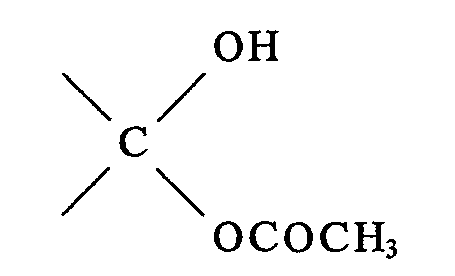


Priority Applications (1)
| Application Number | Priority Date | Filing Date | Title |
|---|---|---|---|
| AT79105373T ATE2147T1 (de) | 1979-01-10 | 1979-12-27 | Neue spiro(dibenz(b,f)oxepin-piperidine) und verfahren zu ihrer herstellung. |
Applications Claiming Priority (2)
| Application Number | Priority Date | Filing Date | Title |
|---|---|---|---|
| US06/002,348 US4198418A (en) | 1979-01-10 | 1979-01-10 | Spiro[dibenz(b,f)oxepin-piperidine]s |
| US2348 | 1998-01-02 |
Publications (2)
| Publication Number | Publication Date |
|---|---|
| EP0016261A1 EP0016261A1 (de) | 1980-10-01 |
| EP0016261B1 true EP0016261B1 (de) | 1982-12-29 |
Family
ID=21700360
Family Applications (1)
| Application Number | Title | Priority Date | Filing Date |
|---|---|---|---|
| EP79105373A Expired EP0016261B1 (de) | 1979-01-10 | 1979-12-27 | Neue Spiro(dibenz(b,f)oxepin-piperidine) und Verfahren zu ihrer Herstellung |
Country Status (10)
| Country | Link |
|---|---|
| US (1) | US4198418A (de) |
| EP (1) | EP0016261B1 (de) |
| JP (1) | JPS5594387A (de) |
| AR (1) | AR229153A1 (de) |
| AT (1) | ATE2147T1 (de) |
| AU (1) | AU534512B2 (de) |
| CA (1) | CA1142940A (de) |
| DE (1) | DE2964444D1 (de) |
| ES (1) | ES8101075A1 (de) |
| ZA (1) | ZA80115B (de) |
Families Citing this family (2)
| Publication number | Priority date | Publication date | Assignee | Title |
|---|---|---|---|---|
| GB0714713D0 (en) * | 2007-07-27 | 2007-09-05 | Glaxo Group Ltd | Novel compounds |
| US20100190764A1 (en) * | 2007-07-27 | 2010-07-29 | Glaxo Group Limited | Novel compounds |
Family Cites Families (6)
| Publication number | Priority date | Publication date | Assignee | Title |
|---|---|---|---|---|
| FI45449C (fi) * | 1965-04-29 | 1972-06-12 | Ciba Geigy Ag | Menetelmä uusien faramokologisesti aktiivisten 11-(1-piperatsinyyli)-d ibentso/b,f/tiepin-10(11H)-onien valmistamiseksi |
| FR1559622A (de) * | 1967-08-17 | 1969-03-14 | ||
| CH539044A (de) * | 1967-10-06 | 1973-08-31 | Gnii Orch Poluproduktov I Kras | Verfahren zur Herstellung quaternärer Ammoniumsalze von 1,3-Bis-(aminomethyl)-imidazolidonen |
| AT306036B (de) * | 1971-07-05 | 1973-03-26 | Spofa Vereinigte Pharma Werke | Verfahren zur Herstellung von Methylpiperazinderivaten und deren Salzen |
| GB1447583A (en) * | 1974-02-04 | 1976-08-25 | Ici Ltd | Xanthene derivatives |
| GB1434486A (en) * | 1974-02-04 | 1976-05-05 | Ici Ltd | Thioxanthene derivatives |
-
1979
- 1979-01-10 US US06/002,348 patent/US4198418A/en not_active Expired - Lifetime
- 1979-12-27 DE DE7979105373T patent/DE2964444D1/de not_active Expired
- 1979-12-27 EP EP79105373A patent/EP0016261B1/de not_active Expired
- 1979-12-27 AT AT79105373T patent/ATE2147T1/de not_active IP Right Cessation
-
1980
- 1980-01-04 ES ES487451A patent/ES8101075A1/es not_active Expired
- 1980-01-08 AR AR279570A patent/AR229153A1/es active
- 1980-01-09 CA CA000343372A patent/CA1142940A/en not_active Expired
- 1980-01-09 ZA ZA00800115A patent/ZA80115B/xx unknown
- 1980-01-09 AU AU54490/80A patent/AU534512B2/en not_active Ceased
- 1980-01-10 JP JP251680A patent/JPS5594387A/ja active Pending
Also Published As
| Publication number | Publication date |
|---|---|
| ES487451A0 (es) | 1980-12-01 |
| ZA80115B (en) | 1980-12-31 |
| AR229153A1 (es) | 1983-06-30 |
| DE2964444D1 (en) | 1983-02-03 |
| AU5449080A (en) | 1980-07-17 |
| ATE2147T1 (de) | 1983-01-15 |
| EP0016261A1 (de) | 1980-10-01 |
| ES8101075A1 (es) | 1980-12-01 |
| CA1142940A (en) | 1983-03-15 |
| AU534512B2 (en) | 1984-02-02 |
| JPS5594387A (en) | 1980-07-17 |
| US4198418A (en) | 1980-04-15 |
Similar Documents
| Publication | Publication Date | Title |
|---|---|---|
| EP0004952B1 (de) | Spiro-(dihydrobenzofuranpiperidine und -pyrrolidine) und deren Derivate, Verfahren zu ihrer Herstellung und ihre Verwendung für Arzneimittel | |
| DE2437610A1 (de) | Neue 5,9-beta-disubstituierte 2-tetrahydrofurfuryl-6,7-benzomorphane, deren saeureadditionssalze, ihre verwendung als arzneimittel und verfahren zu deren herstellung | |
| DE2411382B2 (de) | 2-Tetrahydrofurfuryl-6,7-benzomorphane, Verfahren zur Herstellung und deren Verwendung | |
| DE2952213A1 (de) | Phenoxyphenylpiperidine | |
| EP0004951B1 (de) | N-(3-Benzoyl-propyl)-spiro-(dihydrobenzofuranpiperidine und -pyrrolidine) und Derivate, Verfahren zu ihrer Herstellung und ihre Verwendung für Arzneimittel | |
| DD147537A5 (de) | Verfahren zur herstellung von 1,2,4,5-tetra-alkyl-4-aryl-piperidinen | |
| EP0189370A2 (de) | Spiro-dioxolane, -dithiolane und -oxothiolane | |
| DE2503407C2 (de) | ||
| DE3402060A1 (de) | Substituierte 5,11-dihydro-6h-dibenz(b,e)azepin-6-one, verfahren zu ihrer herstellung und diese verbindungen enthaltende arzneimittel | |
| DE2524054A1 (de) | 1-cycloalkylmethyl-3a-(substituiertes-phenyl)-decahydroisochinoline | |
| DE2524053A1 (de) | 1-aethyl-3a-substituiertes-phenyl- decahydroisochinoline | |
| EP0002672B1 (de) | Substituierte Pyrrolidine, Verfahren zu ihrer Herstellung und sie enthaltende Arzneimittel | |
| EP0096279B1 (de) | N-(2-Methoxyethyl)-noroxymorphon, dessen Säureadditionssalze, diese enthaltende Arzneimittel und Verfahren zu deren Herstellung | |
| EP0013424B1 (de) | Spiro(dibenz(b,f)thiepin-piperidine), Zwischenprodukte zu ihrer Herstellung und sie enthaltende Arzneimittel | |
| DE2117358C3 (de) | 4'-Aminomethyl-spiro eckige Klammer auf dibenzo eckige Klammer auf a,d eckige Klammer zu cycloheptadi-(oder tri-) en-5,2'-(1 \3'-dioxolan) eckige Klammer zu -Derivate, Verfahren zu deren Herstellung und diese Verbindungen enthaltene Arzneimittel | |
| EP0016261A1 (de) | Neue Spiro(dibenz(b,f)oxepin-piperidine) und Verfahren zu ihrer Herstellung | |
| DE2416491A1 (de) | Heterocyclische ester von alkylphenylbenzopyranen | |
| DE2717001A1 (de) | Arzneimittel mit antithrombotischer wirkung | |
| DE2952066A1 (de) | Phenylthiophenylpiperidine | |
| DE3237064A1 (de) | Pharmakologisch aktive xanthine, verfahren zu ihrer gewinnung und pharmazeutische zubereitungen | |
| DE2943286C2 (de) | ||
| EP0002508B1 (de) | Aminoalkylthiodibenzoxepine, Verfahren zu deren Darstellung sowie diese enthaltende Arzneimittel | |
| DE1620151B1 (de) | 10-Piperazino-dibenzo(a,d)cycloheptadienderivate und Verfahren zu ihrer Herstellung | |
| EP0182271B1 (de) | Neue Nb-quartäre Dibromderivate von Ajmalin, Isoajmalin, Sandwicin und Isosandwicin sowie diese Derivate enthaltende pharmazeutische Zubereitungen und Zwischenprodukte und Verfahren zu ihrer Herstellung | |
| EP0002500B1 (de) | Aminoalkylthiodibenzthiepine und -derivate, diese Verbindungen zur Verwendung als Arzneimittel, Verfahren und Zwischenprodukte zu ihrer Herstellung |
Legal Events
| Date | Code | Title | Description |
|---|---|---|---|
| PUAI | Public reference made under article 153(3) epc to a published international application that has entered the european phase |
Free format text: ORIGINAL CODE: 0009012 |
|
| AK | Designated contracting states |
Designated state(s): AT BE CH DE FR GB IT NL SE |
|
| 17P | Request for examination filed |
Effective date: 19810206 |
|
| ITF | It: translation for a ep patent filed | ||
| GRAA | (expected) grant |
Free format text: ORIGINAL CODE: 0009210 |
|
| AK | Designated contracting states |
Designated state(s): AT BE CH DE FR GB IT NL SE |
|
| REF | Corresponds to: |
Ref document number: 2147 Country of ref document: AT Date of ref document: 19830115 Kind code of ref document: T |
|
| REF | Corresponds to: |
Ref document number: 2964444 Country of ref document: DE Date of ref document: 19830203 |
|
| ET | Fr: translation filed | ||
| PGFP | Annual fee paid to national office [announced via postgrant information from national office to epo] |
Ref country code: FR Payment date: 19841109 Year of fee payment: 6 |
|
| PGFP | Annual fee paid to national office [announced via postgrant information from national office to epo] |
Ref country code: CH Payment date: 19841112 Year of fee payment: 6 |
|
| PGFP | Annual fee paid to national office [announced via postgrant information from national office to epo] |
Ref country code: SE Payment date: 19841231 Year of fee payment: 6 Ref country code: BE Payment date: 19841231 Year of fee payment: 6 |
|
| PGFP | Annual fee paid to national office [announced via postgrant information from national office to epo] |
Ref country code: DE Payment date: 19850116 Year of fee payment: 6 |
|
| PGFP | Annual fee paid to national office [announced via postgrant information from national office to epo] |
Ref country code: AT Payment date: 19861127 Year of fee payment: 8 |
|
| PGFP | Annual fee paid to national office [announced via postgrant information from national office to epo] |
Ref country code: NL Payment date: 19871231 Year of fee payment: 9 |
|
| PG25 | Lapsed in a contracting state [announced via postgrant information from national office to epo] |
Ref country code: GB Effective date: 19881227 Ref country code: AT Effective date: 19881227 |
|
| PG25 | Lapsed in a contracting state [announced via postgrant information from national office to epo] |
Ref country code: SE Effective date: 19881228 |
|
| PG25 | Lapsed in a contracting state [announced via postgrant information from national office to epo] |
Ref country code: CH Effective date: 19881231 Ref country code: BE Effective date: 19881231 |
|
| BERE | Be: lapsed |
Owner name: HOECHST A.G. Effective date: 19881231 |
|
| PG25 | Lapsed in a contracting state [announced via postgrant information from national office to epo] |
Ref country code: NL Effective date: 19890701 |
|
| NLV4 | Nl: lapsed or anulled due to non-payment of the annual fee | ||
| GBPC | Gb: european patent ceased through non-payment of renewal fee | ||
| PG25 | Lapsed in a contracting state [announced via postgrant information from national office to epo] |
Ref country code: FR Free format text: LAPSE BECAUSE OF NON-PAYMENT OF DUE FEES Effective date: 19890831 |
|
| REG | Reference to a national code |
Ref country code: CH Ref legal event code: PL |
|
| PG25 | Lapsed in a contracting state [announced via postgrant information from national office to epo] |
Ref country code: DE Effective date: 19890901 |
|
| REG | Reference to a national code |
Ref country code: FR Ref legal event code: ST |
|
| EUG | Se: european patent has lapsed |
Ref document number: 79105373.9 Effective date: 19891205 |
|
| PLBE | No opposition filed within time limit |
Free format text: ORIGINAL CODE: 0009261 |
|
| STAA | Information on the status of an ep patent application or granted ep patent |
Free format text: STATUS: NO OPPOSITION FILED WITHIN TIME LIMIT |