CN202492439U - Multistage anaerobic-anoxia-aerobic bioreaction tank - Google Patents
Multistage anaerobic-anoxia-aerobic bioreaction tank Download PDFInfo
- Publication number
- CN202492439U CN202492439U CN2012201035254U CN201220103525U CN202492439U CN 202492439 U CN202492439 U CN 202492439U CN 2012201035254 U CN2012201035254 U CN 2012201035254U CN 201220103525 U CN201220103525 U CN 201220103525U CN 202492439 U CN202492439 U CN 202492439U
- Authority
- CN
- China
- Prior art keywords
- anoxic
- anaerobic
- aerobic
- pool
- biological reaction
- Prior art date
- Legal status (The legal status is an assumption and is not a legal conclusion. Google has not performed a legal analysis and makes no representation as to the accuracy of the status listed.)
- Withdrawn - After Issue
Links
- 206010021143 Hypoxia Diseases 0.000 title claims description 3
- 206010002660 Anoxia Diseases 0.000 title 1
- 238000006243 chemical reaction Methods 0.000 claims abstract description 62
- XLYOFNOQVPJJNP-UHFFFAOYSA-N water Substances O XLYOFNOQVPJJNP-UHFFFAOYSA-N 0.000 claims abstract description 47
- 230000007704 transition Effects 0.000 claims description 23
- 239000010802 sludge Substances 0.000 claims description 17
- QVGXLLKOCUKJST-UHFFFAOYSA-N atomic oxygen Chemical compound [O] QVGXLLKOCUKJST-UHFFFAOYSA-N 0.000 claims description 8
- 229910052760 oxygen Inorganic materials 0.000 claims description 8
- 239000001301 oxygen Substances 0.000 claims description 8
- 230000001105 regulatory effect Effects 0.000 claims description 3
- 230000001146 hypoxic effect Effects 0.000 claims description 2
- 238000000034 method Methods 0.000 abstract description 28
- OAICVXFJPJFONN-UHFFFAOYSA-N Phosphorus Chemical compound [P] OAICVXFJPJFONN-UHFFFAOYSA-N 0.000 abstract description 11
- 229910052698 phosphorus Inorganic materials 0.000 abstract description 11
- 239000011574 phosphorus Substances 0.000 abstract description 11
- 230000000694 effects Effects 0.000 abstract description 8
- 230000009286 beneficial effect Effects 0.000 abstract description 2
- 238000005728 strengthening Methods 0.000 abstract description 2
- IJGRMHOSHXDMSA-UHFFFAOYSA-N Atomic nitrogen Chemical compound N#N IJGRMHOSHXDMSA-UHFFFAOYSA-N 0.000 description 12
- 239000010865 sewage Substances 0.000 description 8
- 229910052757 nitrogen Inorganic materials 0.000 description 6
- OKTJSMMVPCPJKN-UHFFFAOYSA-N Carbon Chemical compound [C] OKTJSMMVPCPJKN-UHFFFAOYSA-N 0.000 description 5
- 229910052799 carbon Inorganic materials 0.000 description 5
- 238000010276 construction Methods 0.000 description 4
- 238000005192 partition Methods 0.000 description 4
- 239000007788 liquid Substances 0.000 description 3
- 239000005416 organic matter Substances 0.000 description 3
- 230000004060 metabolic process Effects 0.000 description 2
- 244000005700 microbiome Species 0.000 description 2
- 239000011259 mixed solution Substances 0.000 description 2
- 239000000203 mixture Substances 0.000 description 2
- 238000012986 modification Methods 0.000 description 2
- 230000004048 modification Effects 0.000 description 2
- 238000004088 simulation Methods 0.000 description 2
- 230000033228 biological regulation Effects 0.000 description 1
- 238000005094 computer simulation Methods 0.000 description 1
- 230000007812 deficiency Effects 0.000 description 1
- 238000013461 design Methods 0.000 description 1
- 238000010586 diagram Methods 0.000 description 1
- 238000005516 engineering process Methods 0.000 description 1
- 239000003344 environmental pollutant Substances 0.000 description 1
- 238000009434 installation Methods 0.000 description 1
- 230000014759 maintenance of location Effects 0.000 description 1
- 231100000719 pollutant Toxicity 0.000 description 1
- 238000012545 processing Methods 0.000 description 1
- 238000010992 reflux Methods 0.000 description 1
- 239000000243 solution Substances 0.000 description 1
- 238000012360 testing method Methods 0.000 description 1
- 238000012546 transfer Methods 0.000 description 1
Images


Classifications
-
- Y—GENERAL TAGGING OF NEW TECHNOLOGICAL DEVELOPMENTS; GENERAL TAGGING OF CROSS-SECTIONAL TECHNOLOGIES SPANNING OVER SEVERAL SECTIONS OF THE IPC; TECHNICAL SUBJECTS COVERED BY FORMER USPC CROSS-REFERENCE ART COLLECTIONS [XRACs] AND DIGESTS
- Y02—TECHNOLOGIES OR APPLICATIONS FOR MITIGATION OR ADAPTATION AGAINST CLIMATE CHANGE
- Y02W—CLIMATE CHANGE MITIGATION TECHNOLOGIES RELATED TO WASTEWATER TREATMENT OR WASTE MANAGEMENT
- Y02W10/00—Technologies for wastewater treatment
- Y02W10/10—Biological treatment of water, waste water, or sewage
Landscapes
- Purification Treatments By Anaerobic Or Anaerobic And Aerobic Bacteria Or Animals (AREA)
Abstract
本实用新型涉及一种多级厌氧缺氧好氧生物反应池,包括一个厌氧池、一个缺氧池和一个好氧池依次按照厌氧-缺氧-好氧顺序排列并相互连通的单级厌氧缺氧好氧生物反应池,其特征在于:所述单级厌氧缺氧好氧生物反应池沿水流方向连接构成M级厌氧缺氧好氧生物反应池。有益效果:严格执行MAAO工艺流程理念,通过各级分流调节装置,调节进入厌氧池与好氧池的流量比例,实现“缺氧-好氧-缺氧-好氧......”多级高效脱氮和“厌氧-缺氧-厌氧-缺氧......”多级反硝化除磷两种不同强化效果的工艺模式。
The utility model relates to a multi-stage anaerobic-anoxic-aerobic biological reaction pool, which comprises an anaerobic pool, an anoxic pool and an aerobic pool which are sequentially arranged in the order of anaerobic-anoxic-aerobic and connected to each other. Level anaerobic-anoxic-aerobic biological reaction pools, characterized in that: the single-stage anaerobic-anoxic-aerobic biological reaction pools are connected along the direction of water flow to form M-level anaerobic-anoxic-aerobic biological reaction pools. Beneficial effects: Strictly implement the concept of MAAO process flow, adjust the flow ratio between the anaerobic pool and the aerobic pool through the diversion adjustment devices at all levels, and realize "anoxic-aerobic-anoxic-aerobic..." Multi-stage high-efficiency denitrification and "anaerobic-anoxic-anaerobic-anoxic..." multi-stage denitrification and phosphorus removal are two process modes with different strengthening effects.
Description
技术领域 technical field
本实用新型涉及污水处理领域中生物池,特别是涉及一种多级厌氧缺氧好氧生物反应池。The utility model relates to a biological pool in the field of sewage treatment, in particular to a multi-stage anaerobic-anoxic-aerobic biological reaction pool.
背景技术 Background technique
目前城市污水处理中的活性污泥法工艺,几乎全部基于生物的“厌氧、缺氧、好氧”生长代谢理论而实现的,即污水中的有机物、氮、磷等污染物,在生物池内不同环境下,通过微生物的生长代谢作用下得以去除,实现净化水体的目的。At present, the activated sludge process in urban sewage treatment is almost all realized based on the "anaerobic, anoxic, aerobic" growth and metabolism theory of organisms, that is, organic matter, nitrogen, phosphorus and other pollutants in sewage Under different environments, it can be removed through the growth and metabolism of microorganisms to achieve the purpose of purifying water.
在传统A2O工艺基础上变形而来的多级缺氧好氧(MAO)工艺,以污水中的有机物为碳源,最大限度地发挥了微生物的脱氮能力,适应目前城市污水低碳/氮比的特点,但其缺点是生物除磷的效果难以保障。在此基础上,专业技术人员开发出了多级厌氧缺氧好氧(MAAO)工艺,该工艺的特点是在同一生物系统中,即可实现多级缺氧好氧脱氮,又可实现多级厌氧缺氧反硝化除磷,在保留MAO工艺高效脱氮优势的同时,将污水中的有机物以“一碳两用”的方式实现高效除磷。The multi-stage anoxic aerobic (MAO) process, which is derived from the traditional A2O process, uses the organic matter in the sewage as the carbon source, maximizes the nitrogen removal ability of microorganisms, and adapts to the current low carbon/nitrogen ratio of urban sewage characteristics, but its disadvantage is that the effect of biological phosphorus removal is difficult to guarantee. On this basis, professional technicians have developed a multi-stage anaerobic-anoxic-oxic (MAAO) process, which is characterized in that it can realize multi-stage anoxic and aerobic denitrification in the same biological system, and can also realize Multi-stage anaerobic and anoxic denitrification dephosphorization, while retaining the advantages of MAO process for efficient denitrification, realizes efficient dephosphorization of organic matter in sewage in a "one carbon, two uses" manner.
MAAO工艺要求,除了常规工艺需要满足土建施工、设备安装、运行管理的便捷外,在工艺流程具体实施上,又对水量分配和流向切换等方面提出了更高的技术要求。按照常规生物反应池的水流设计理念,为实现上述目的,势必增加大量的连接管路或水力设备,建设投资或运行费用难以降低。MAAO process requirements, in addition to the conventional process needs to meet the convenience of civil construction, equipment installation, and operation management, in terms of the specific implementation of the process flow, higher technical requirements are put forward for water distribution and flow direction switching. According to the water flow design concept of conventional bioreactor tanks, in order to achieve the above goals, a large number of connecting pipelines or hydraulic equipment must be added, and it is difficult to reduce construction investment or operating costs.
实用新型内容 Utility model content
本实用新型是为了克服现有技术中的不足,提供一种多级厌氧缺氧好氧生物反应池,目的是符合多级厌氧缺氧好氧(MAAO)活性污泥法工艺,即可以严格执行MAAO工艺流程,又能满足建设投资小、运行成本低的施工要求,通过合理的功能区布置与流量分配方式,实现MAAO工艺的目标。即,在同一生物反应池中,存在可调的“缺氧-好氧-缺氧-好氧......”多级高效脱氮过程和“厌氧-缺氧-厌氧-缺氧......”多级反硝化除磷过程,并可根据水质情况有针对性地进行流量分配调控,调整主要工艺路线流量比,实现强化除磷或强化脱氮的工艺要求。The utility model is to overcome the deficiencies in the prior art, and provides a multi-stage anaerobic-anoxic-aerobic biological reaction tank, the purpose of which is to comply with the multi-stage anaerobic-anoxic-aerobic (MAAO) activated sludge process, which can Strictly implement the MAAO process flow, and meet the construction requirements of small construction investment and low operating cost, and achieve the goal of the MAAO process through reasonable functional area layout and flow distribution. That is, in the same biological reaction tank, there are adjustable "anoxic-aerobic-anoxic-aerobic..." multi-stage high-efficiency denitrification process and "anaerobic-anoxic-anaerobic-anoxic Oxygen..." multi-stage denitrification phosphorus removal process, and can carry out targeted flow distribution regulation according to the water quality, adjust the flow ratio of the main process route, and realize the process requirements of enhanced phosphorus removal or enhanced nitrogen removal.
本实用新型为实现上述目的,通过以下技术方案实现,一种多级厌氧缺氧好氧生物反应池,包括一个厌氧池、一个缺氧池和一个好氧池依次按照厌氧-缺氧-好氧顺序排列并相互连通的单级厌氧缺氧好氧生物反应池,其特征在于:所述单级厌氧缺氧好氧生物反应池沿水流方向连接构成M级厌氧缺氧好氧生物反应池,所述第1至(M-1)级的好氧池首端分别设有缺氧导流口,所述缺氧导流口上设有分流调节装置;所述本级缺氧池的尾端通过缺氧导流口与本级好氧池首端连通,所述本级缺氧池的尾端又通过设置在本级好氧池侧边的缺氧过渡渠与下级厌氧池首端连通;所述第1至(M-1)级的好氧池尾端分别设有好氧过渡渠,第1至(M-1)级的厌氧池尾端分别设有厌氧导流口,所述本级好氧池尾端通过好氧过渡渠与下级缺氧池首端相连,所述第1至(M-1)级的厌氧池尾端通过厌氧导流口与该级缺氧池首端相连。In order to achieve the above object, the utility model is realized through the following technical scheme. A multi-stage anaerobic-anoxic-aerobic biological reaction pool includes an anaerobic pool, an anoxic pool and an aerobic pool in sequence according to anaerobic-anoxic -Single-stage anaerobic-anoxic-aerobic biological reaction tanks arranged in an aerobic order and connected to each other, characterized in that: the single-stage anaerobic-anoxic-aerobic biological reaction tanks are connected along the direction of water flow to form an M-level anaerobic-anoxic well Oxygen bioreaction tank, the head end of the first to (M-1) level aerobic pool is respectively provided with anoxic diversion port, and the anoxic diversion port is provided with a shunt regulating device; the said level of anoxic The tail end of the pool communicates with the head end of the aerobic pool of this level through the anoxic diversion port, and the tail end of the anoxic pool of the level communicates with the anaerobic pool of the lower level through the anoxic transition channel arranged on the side of the aerobic pool of the level. The head end of the pool is connected; the tail ends of the aerobic pools of the first to (M-1) levels are respectively equipped with aerobic transition channels, and the tail ends of the anaerobic pools of the first to (M-1) levels are respectively equipped with anaerobic diversion The tail end of the aerobic pool of this level is connected to the head end of the lower level anoxic pool through the aerobic transition channel, and the tail end of the anaerobic pool of the first to (M-1) level is connected to the anaerobic pool of this level through the anaerobic diversion port. The oxygen pools are connected head-to-head.
所述M级厌氧缺氧好氧生物反应池的级数M≥2。The number of stages of the M-stage anaerobic-anoxic-aerobic biological reaction tank is M≥2.
所述第M级厌氧缺氧好氧生物反应池中的好氧池首端设置缺氧导流口,所述本级的缺氧池通过缺氧导流口与好氧池连通,所述好氧池尾端通过出水堰与出水口连通。The head end of the aerobic pool in the Mth-stage anaerobic-anoxic-aerobic biological reaction pool is provided with a hypoxic diversion port, and the anoxic pool of this level is communicated with the aerobic pool through the anoxic diversion port, and the The tail end of the aerobic pool is connected with the water outlet through the water outlet weir.
所述多级厌氧缺氧好氧生物反应池的一侧池壁设置进水渠,进水渠设置配水口,多级厌氧缺氧好氧生物反应池的另一侧和上侧设有回流污泥渠,回流污泥渠设有配泥口,所述配水口数量与单级厌氧缺氧好氧生物反应池的组合级数M相同,并与各级厌氧池首端对应;配泥口数量为两个,分别与第一级厌氧缺氧好氧生物反应池的厌氧池和缺氧池的首端对应。所述多级厌氧缺氧好氧生物反应池的池长等于M级厌氧缺氧好氧生物反应池宽度之和,池宽与各级厌氧池、缺氧池、好氧池的长度相等。One side of the multi-stage anaerobic-anoxic-aerobic biological reaction tank is provided with an inlet channel, and the water inlet channel is provided with a water distribution port; The mud ditch and the return sludge ditch are equipped with a mud distribution port, and the number of the water distribution ports is the same as the number of combined stages M of the single-stage anaerobic-anoxic-aerobic biological reaction tank, and corresponds to the head end of the anaerobic tank at all levels; the mud distribution port The number of ports is two, corresponding to the head end of the anaerobic pool and the anoxic pool of the first-stage anaerobic-anoxic-aerobic biological reaction pool respectively. The pool length of described multistage anaerobic-anoxic-aerobic biological reaction pool is equal to the sum of the width of M grade anaerobic-anoxic-aerobic biological reaction pool, and the pool width is the same as the length of anaerobic pool, anoxic pool, and aerobic pool at all levels. equal.
有益效果:严格执行MAAO工艺流程理念,通过各级分流调节装置,调节进入厌氧池与好氧池的流量比例,实现“缺氧-好氧-缺氧-好氧......”多级高效脱氮和“厌氧-缺氧-厌氧-缺氧......”多级反硝化除磷两种不同强化效果的工艺模式。该生物反应池工艺流程顺畅,功能分区科学合理,各级流量分配过渡路线明确,调节方便,水力损失小,无内回流设备,通过多级配水,提高污泥浓度,充分节省碳源,实现“一碳两用”,降低运行成本。采用无内回流技术,通过调节各级流量比值实现强化除磷与强化脱氮的控制目标。Beneficial effects: Strictly implement the concept of MAAO process flow, adjust the flow ratio between the anaerobic pool and the aerobic pool through the diversion adjustment devices at all levels, and realize "anoxic-aerobic-anoxic-aerobic..." Multi-stage high-efficiency denitrification and "anaerobic-anoxic-anaerobic-anoxic..." multi-stage denitrification and phosphorus removal are two process modes with different strengthening effects. The biological reaction tank has a smooth process flow, scientific and reasonable functional divisions, clear transition routes for flow distribution at all levels, convenient adjustment, small hydraulic loss, and no internal backflow equipment. Through multi-stage water distribution, the sludge concentration is increased, carbon sources are fully saved, and " "One carbon, two uses" to reduce operating costs. No internal reflux technology is adopted to achieve the control objectives of enhanced phosphorus removal and enhanced nitrogen removal by adjusting the flow ratio of each level.
附图说明 Description of drawings
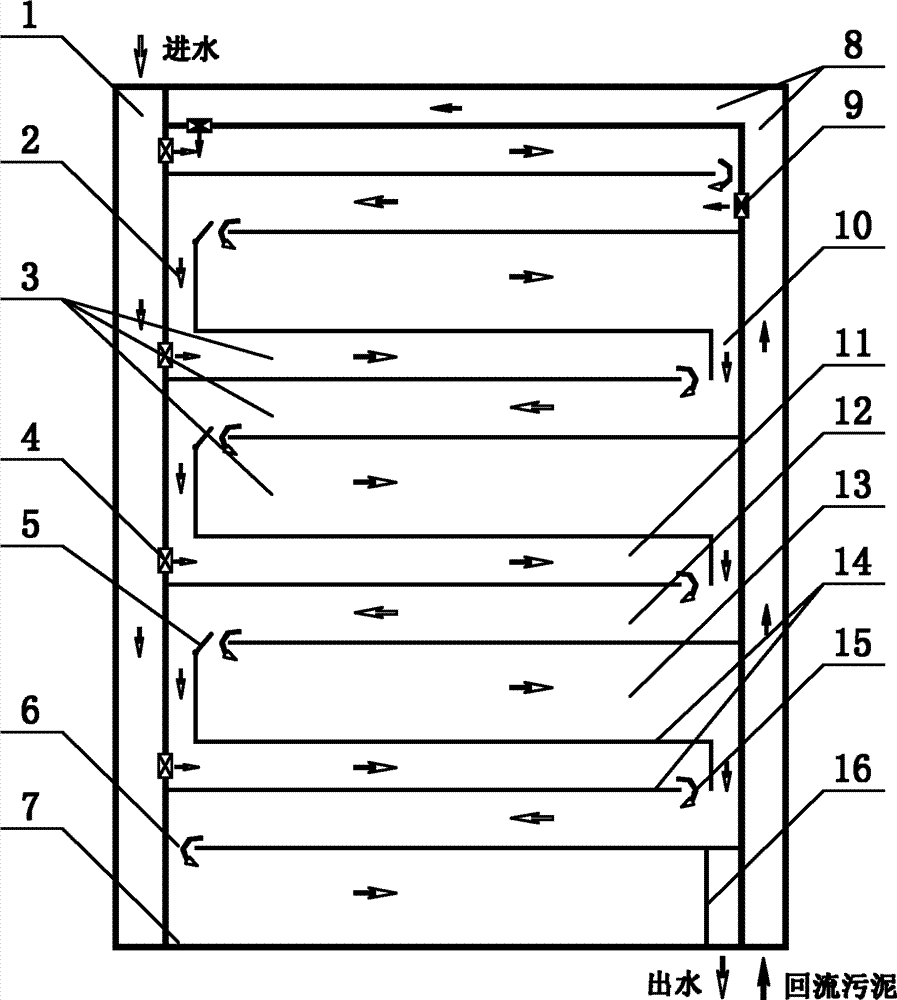
图1是本实用新型的结构示意图;Fig. 1 is a structural representation of the utility model;
图2是模型关系图;Figure 2 is a model relationship diagram;
图3是TN进出水曲线图;Figure 3 is a graph of TN inlet and outlet water;
图4是TP进出水曲线图。Figure 4 is a graph of water inflow and outflow of TP.
图中:1进水渠,2缺氧过渡渠,3AAO组合,4配水口,5分流调节装置,6缺氧导流口,7池壁,8回流污泥渠,9配泥口,10好氧过渡渠,11厌氧池,12缺氧池,13好氧池,14隔墙,15厌氧导流口,16出水堰。In the figure: 1 water inlet channel, 2 anoxic transition channel, 3AAO combination, 4 water distribution port, 5 diversion adjustment device, 6 anoxic diversion port, 7 pool wall, 8 return sludge channel, 9 mud distribution port, 10 aerobic Transition channel, 11 anaerobic pool, 12 anoxic pool, 13 aerobic pool, 14 partition wall, 15 anaerobic diversion port, 16 outlet weir.
具体实施方式 Detailed ways
以下结合较佳实施例,对依据本实用新型提供的具体实施方式详述如下:详见附图,一种多级厌氧缺氧好氧生物反应池,包括一个厌氧池、一个缺氧池和一个好氧池依次按照厌氧-缺氧-好氧顺序排列并相互连通的单级厌氧缺氧好氧生物反应池,所述单级厌氧缺氧好氧生物反应池沿水流方向连接构成M级厌氧缺氧好氧生物反应池,所述第1至(M-1)级的好氧池首端分别设有缺氧导流口,所述缺氧导流口上设有分流调节装置;所述本级缺氧池的尾端通过缺氧导流口与本级好氧池首端连通,所述本级缺氧池的尾端又通过设置在本级好氧池侧边的缺氧过渡渠与下级厌氧池首端连通;所述第1至(M-1)级的好氧池尾端分别设有好氧过渡渠,第1至(M-1)级的厌氧池尾端分别设有厌氧导流口,所述本级好氧池尾端通过好氧过渡渠与下级缺氧池首端相连,所述第1至(M-1)级的厌氧池尾端通过厌氧导流口与该级缺氧池首端相连。所述多级厌氧缺氧好氧生物反应池的一侧池壁设置进水渠,进水渠设置配水口,多级厌氧缺氧好氧生物反应池的另一侧和上侧设有回流污泥渠,回流污泥渠设有配泥口,所述配水口数量与单级厌氧缺氧好氧生物反应池的组合级数M相同,并与各级厌氧池首端对应;配泥口数量为两个,分别与第一级厌氧缺氧好氧生物反应池的厌氧池和缺氧池的首端对应。所述多级厌氧缺氧好氧生物反应池的池长等于M级厌氧缺氧好氧生物反应池宽度之和,池宽与各级厌氧池、缺氧池、好氧池的长度相等。Below in conjunction with preferred embodiment, the specific embodiment provided according to the utility model is described in detail as follows: see accompanying drawing for details, a kind of multi-stage anaerobic anoxic aerobic biological reaction tank, comprises an anaerobic tank, an anoxic tank A single-stage anaerobic-anoxic-aerobic biological reaction tank that is arranged in the order of anaerobic-anoxic-aerobic and connected to each other, and the single-stage anaerobic-anoxic-aerobic biological reaction tank is connected along the direction of water flow To form an M-level anaerobic-anoxic-aerobic biological reaction pool, the head ends of the first to (M-1) aerobic pools are respectively equipped with anoxic diversion ports, and the anoxic diversion ports are provided with shunt adjustment device; the tail end of the anoxic pool of this level is communicated with the head end of the aerobic pool of this level through the anoxic diversion port, and the tail end of the anoxic pool of this level is set on the side of the aerobic pool of this level The anoxic transition channel is connected to the head end of the lower anaerobic pool; the tail end of the aerobic pool of the first to (M-1) level is respectively equipped with an aerobic transition channel, and the anaerobic pool tail of the first to (M-1) level Anaerobic diversion outlets are respectively provided at the ends, and the end of the aerobic pool of this level is connected to the head end of the anoxic pool of the lower level through the aerobic transition channel, and the tail ends of the anaerobic pools of the first to (M-1) levels are connected through the anaerobic The oxygen diversion port is connected with the head end of the anoxic pool of this level. One side of the multi-stage anaerobic-anoxic-aerobic biological reaction tank is provided with an inlet channel, and the water inlet channel is provided with a water distribution port; The mud ditch and the return sludge ditch are equipped with a mud distribution port, and the number of the water distribution ports is the same as the number of combined stages M of the single-stage anaerobic-anoxic-aerobic biological reaction tank, and corresponds to the head end of the anaerobic tank at all levels; the mud distribution port The number of ports is two, corresponding to the head end of the anaerobic pool and the anoxic pool of the first-stage anaerobic-anoxic-aerobic biological reaction pool respectively. The pool length of described multistage anaerobic-anoxic-aerobic biological reaction pool is equal to the sum of the width of M grade anaerobic-anoxic-aerobic biological reaction pool, and the pool width is the same as the length of anaerobic pool, anoxic pool, and aerobic pool at all levels. equal.
以四级(M=4)厌氧缺氧好氧生物反应池为例:Take the four-stage (M=4) anaerobic-anoxic-aerobic biological reaction tank as an example:
多级厌氧缺氧好氧(MAAO)生物反应池整体划分为四级相同的单级厌氧缺氧好氧生物反应池(AAO)组合3,每级AAO组合3由一个厌氧池11,一个缺氧池12和一个好氧池13组成为功能区,各功能区之间由隔墙14分隔。各级AAO组合3沿水流工艺流程方向串联,保障生物反应池内水力流态为推流状态。The multi-stage anaerobic-anoxic-aerobic (MAAO) biological reaction tank is divided into four identical single-stage anaerobic-anoxic-aerobic biological reaction tanks (AAO)
第一级AAO组合3的厌氧池11尾端和缺氧池12首端,通过厌氧导流口15相连;其余各级AAO组合3的本级厌氧池11尾端、上一级好氧池13尾端与本级缺氧池12首端,通过厌氧导流口15和好氧过渡渠10相连通;The tail end of the
除最后一级AAO组合3的缺氧池12尾端与好氧池13首端通过分流调节装置5相连通,同时缺氧池12尾端与下一级厌氧池11首端,通过缺氧过渡渠2相连通。Except the tail end of the
最后一级AAO组合3的缺氧池12尾端和好氧池13首端,通过缺氧导流口6相连通;最后一级AAO组合的好氧池13尾端设置出水堰16。The tail end of the
在多级厌氧缺氧好氧生物反应池一侧设置进水渠1,进水渠1靠生物池的一侧设置配水口4。配水口4的数量与AAO组合3的级数相同,配水口4的位置与各级AAO组合3中厌氧池11的首端中轴线对应。配水口4处设置分流调节装置,即配水闸门或配水阀门,将污水配入所述生物反应池的厌氧池11首端。A
在多级厌氧缺氧好氧生物反应池另一侧与进水渠1对称和垂直一侧,On the other side of the multi-stage anaerobic-anoxic-aerobic biological reaction tank, which is symmetrical and vertical to the
设置回流污泥渠8,回流污泥渠8靠近生物池一侧设置2个配泥口9,其位置分别为第一级AAO组合3的厌氧池11首端和缺氧池12首端。A return sludge channel 8 is provided, and two
缺氧导流口6和厌氧导流口15,采用在隔墙14上开洞的方式进行水力导流,不破坏隔墙14与生物池池壁7的力学结构。The
缺氧过渡渠2和缺氧导流口6,好氧过渡渠10和厌氧导流口15,可采用水平并列或上下两层式结构设计。The
单级厌氧缺氧好氧生物反应池的厌氧池11,缺氧池12和好氧池13的长度与多级厌氧缺氧好氧生物反应池宽度相等,各级厌氧池11,缺氧池12和好氧池13的宽度总和与生物反应池长度相等。The
工作原理:working principle:
第一级厌氧缺氧好氧生物反应池的厌氧池首端有一部分回流污泥和一部分原水进行混合后,再经过厌氧反应,流入第一级缺氧池,其余各级厌氧池由进水渠按比例配入部分原水和上一级缺氧池的部分混合液由缺氧过渡渠同时进入厌氧池首端混合后,经过厌氧反应,再流入缺氧池;At the head of the anaerobic tank of the first-stage anaerobic-anoxic-aerobic biological reaction tank, a part of the return sludge is mixed with a part of the raw water, and after anaerobic reaction, it flows into the first-stage anoxic tank, and the rest of the anaerobic tanks Part of the raw water and part of the mixed solution from the anoxic tank of the upper stage are distributed in proportion from the inlet channel and enter the head of the anoxic tank through the anoxic transition channel. After mixing, they undergo anaerobic reaction and then flow into the anoxic tank;
第一级缺氧池首端由厌氧池末端混合液和部分回流污泥混合,经过缺氧反应后,在其末端按一定比例分成二部分,一部分由缺氧过渡渠流入下一级厌氧池,另一部分流入好氧池,缺氧过渡渠与缺氧导流口可以并排或上下分层设置在各级好氧池的首端一侧;The head end of the first-stage anoxic tank is mixed with the mixed liquid at the end of the anaerobic tank and part of the return sludge. After the anoxic reaction, it is divided into two parts according to a certain ratio at the end, and one part flows into the next-stage anaerobic tank through the anoxic transition channel. The other part flows into the aerobic pool, and the anoxic transition channel and the anoxic diversion port can be arranged side by side or layered up and down at the head end of the aerobic pool at all levels;
第一级和第(M-1)级的好氧池首端,由缺氧池末端的部分混合液流入,通过曝气好氧反应后,由好氧过渡渠流入下一级缺氧池,好氧过渡渠与厌氧导流口可以并排或上下分层设置在下一级厌氧池的末端一侧;最末一级(第M级)好氧池首端不设置缺氧过渡渠,末尾端设置出水堰;The first and (M-1) aerobic tank head ends are inflowed from part of the mixed liquid at the end of the anoxic tank, and after aerobic aerobic reactions, they flow into the next-level anoxic tank through the aerobic transition channel. The aerobic transition channel and the anaerobic diversion port can be arranged side by side or layered up and down on the end side of the anaerobic tank of the next level; there is no anoxic transition channel at the head end of the last level (Mth level) aerobic tank, and the anoxic transition channel at the end Set the outlet weir at the end;
(以四级为例)多级厌氧缺氧好氧生物反应池的流量关系满足:(Taking the fourth level as an example) the flow relationship of the multi-level anaerobic-anoxic-aerobic biological reaction tank satisfies:
二、三级AAO组合,本级缺氧池流量QA′=本级厌氧池流量QA+上级好氧池流量QO-=本级好氧池流量QO+下级厌氧池流量QA+-下级配水量QW+;The second and third-level AAO combinations, the flow rate of the anoxic tank at the current level Q A′ = the flow rate of the anaerobic tank at the current level Q A + the flow rate of the aerobic tank at the upper level Q O- = the flow rate of the aerobic tank at the current level Q O + the flow rate Q of the anaerobic tank at the lower level A+ - lower level water distribution Q W+ ;
第一级AAO组合内,本级厌氧池流量QA1=第一级配水量QW1+第一级厌氧池首端配泥量QS1=第一级缺氧池流量QA1′-第一级缺氧池首端配泥量QS2;In the first-stage AAO combination, the flow rate Q A1 of the anaerobic tank at this stage = the first-stage water distribution Q W1 + the first-stage anaerobic tank first-end mud distribution Q S1 = the first-stage anoxic tank flow Q A1′ - the second The amount of mud mix Q S2 at the head end of the first-level anoxic pool;
最后一级AAO组合内,本级好氧池流量QO4=本级缺氧池流量QA4′=进水总量QW+回流污泥总量QS=进水总量QW+第一级厌氧池首端配泥量QS1+第一级缺氧池首端配泥量QS2。In the last level of AAO combination, the flow rate of the aerobic tank at this level Q O4 = the flow rate of the anoxic tank at this level Q A4′ = the total amount of influent Q W + the total amount of return sludge Q S = the total amount of influent Q W + the first The amount of sludge at the head end of the first-stage anaerobic tank Q S1 + the amount of mud mix at the head end of the first-stage anoxic tank Q S2 .
A.QW=QW1+QW2+QW3+QW4; AQW = QW1 + QW2 + QW3 + QW4 ;
B.QA′=QA+QO-=QO+(QA+-Qw+);BQ A' = Q A +Q O- =Q O +(Q A+ -Q w+ );
C.QA1=QW1+QS1=QA1′-QS2;CQ A1 = Q W1 + Q S1 = Q A1' - Q S2 ;
D.QO4=QA4′=QW+QS=QW+QS1+QS2 DQ O4 = Q A4' = Q W + Q S = Q W + Q S1 + Q S2
上述公式:QW-进水总量;The above formula: Q W - the total amount of water inflow;
QW1-第一级厌氧池配水量;Q W1 - water distribution of the first stage anaerobic tank;
QW2-第二级厌氧池配水量;Q W2 - the water distribution of the second stage anaerobic tank;
QW3-第三级厌氧池配水量;Q W3 - water distribution of the third stage anaerobic tank;
QW4-第四级厌氧池配水量;Q W4 - water distribution of the fourth stage anaerobic tank;
QA′-第二、三级本级缺氧池流量;Q A′ - the flow rate of the second and third level anoxic pools;
QA-第二、三级本级厌氧池流量;Q A - the flow rate of the second and third stage anaerobic tanks;
QO--第二、三级前一级好氧池流量;Q O- - the flow rate of the second and third level aerobic pools;
QO-第二、三级本级好氧池流量;Q O - the flow rate of the second and third stage aerobic pool;
QA+-第二、三级下一级厌氧池流量;Q A+ - the flow rate of the second and third anaerobic tanks;
QW+-第二、三级下一级厌氧池配水量;Q W+ - the water distribution of the second and third anaerobic tanks;
QA1-第一级厌氧池流量;Q A1 - first-stage anaerobic tank flow rate;
QA1′-第一级缺氧池流量;Q A1′ - flow rate of the first stage anoxic pool;
QS1-第一级厌氧池首端配泥量;Q S1 - the amount of sludge at the head end of the first-stage anaerobic tank;
QS2-第一级缺氧池首端配泥量;Q S2 - the amount of sludge at the head end of the first-stage anoxic tank;
QO4-第四级好氧池流量;Q O4 - fourth level aerobic tank flow;
QA4′-第四级缺氧池流量;Q A4' - the flow rate of the fourth stage anoxic pool;
QS-回流污泥总量。Q S - Total amount of returned sludge.
详见图2,采用DHI WEST污水处理仿真模拟软件中的ASM2d模型对本池型进行计算机模拟,主要目的是验证通过分流调节装置改变流量比例后,多级高效脱氮和多级反硝化除磷两种工艺模式对脱氮和除磷的效果。See Figure 2 for details. The ASM2d model in DHI WEST sewage treatment simulation software is used to carry out computer simulation of this pool type. The effect of this process mode on nitrogen and phosphorus removal.
主要模拟参数:Main simulation parameters:
日处理量:50000m3/dDaily processing capacity: 50000m 3 /d
总池容:29167m3 Total pool capacity: 29167m 3
总水力停留时间:14hTotal hydraulic retention time: 14h
单级A/A/O时间:0.5h/0.75h/2.25hSingle-stage A/A/O time: 0.5h/0.75h/2.25h
水温:15℃Water temperature: 15°C
氧传递系数:150d-1 Oxygen transfer coefficient: 150d -1
在多级厌氧缺氧好氧生物反应池中,通过各级缺氧池出水处的分流调节装置,可以调节每级缺氧池出水进入本级好氧池和下级厌氧池的流量。定义K值为缺氧池进入下一级厌氧池和本级好氧池的流量比。根据MAAO工艺理论,在MAAO生物反应池中同时存在着“缺氧-好氧-缺氧-好氧......”多级高效脱氮和“厌氧-缺氧-厌氧-缺氧......”多级反硝化除磷两种工艺模式,当K≤1时,以多级高效脱氮为主;反之K>1时,以多级反硝化除磷为主。In the multi-stage anoxic-anoxic-aerobic biological reaction tank, the flow of the effluent of each anoxic tank into the aerobic tank of the current level and the anaerobic tank of the lower level can be adjusted through the diversion adjustment device at the outlet of the anoxic tank of each level. Define the K value as the flow ratio of the anoxic tank entering the next-level anaerobic tank and the current-level aerobic tank. According to the MAAO process theory, in the MAAO biological reaction tank, there are simultaneously "anoxic-aerobic-anoxic-aerobic..." multi-stage efficient denitrification and "anaerobic-anoxic-anaerobic-anoxic Oxygen..." multi-stage denitrification phosphorus removal two process modes, when K≤1, multi-stage high-efficiency denitrification is the main method; otherwise, when K>1, multi-stage denitrification phosphorus removal is the main method.
模拟试验选取了本MAAO工艺池连续7天的运行数据,进出水数据记录时间间隔约15min,运行结果如下:The simulation test selected the operation data of the MAAO process pool for 7 consecutive days, and the time interval for recording the inflow and outflow data is about 15 minutes. The operation results are as follows:
通过图3、4曲线可知,进水TN平均浓度为53.6mg/L,在K=0.4时,TN去除效果较好,出水TN平均值为6.2mg/L,低于K=2.3时的出水TN平均值8.1mg/L,说明K取较小值(K≤1)时,即缺氧池进行流量分配时大部分混合液进入了本级好氧池,此时能够起到强化脱氮效果;进水TP平均浓度为4.5mg/L,当K=2.3时,TP去除效果较好,出水TP平均值为0.2mg/L,低于K=0.4时的出水TP平均值0.3mg/L,说明K取较大值(K>1)时,即缺氧池进行流量分配时大部分混合液进入了下一级厌氧池,此时能够起到强化除磷效果。From the curves in Figures 3 and 4, it can be seen that the average concentration of TN in the influent is 53.6mg/L. When K=0.4, the TN removal effect is better, and the average TN of the effluent is 6.2mg/L, which is lower than the TN of the effluent when K=2.3. The average value is 8.1mg/L, which means that when K takes a small value (K≤1), that is, when the anoxic tank performs flow distribution, most of the mixed liquid enters the aerobic tank at the same level, and at this time it can strengthen the denitrification effect; The average concentration of TP in the influent water is 4.5mg/L. When K=2.3, the removal effect of TP is better. The average value of TP in the effluent water is 0.2mg/L, which is lower than the average value of TP in the effluent water when K=0.4 is 0.3mg/L. When K takes a larger value (K>1), that is, when the anoxic tank performs flow distribution, most of the mixed solution enters the next-stage anaerobic tank, and at this time, the effect of phosphorus removal can be enhanced.
以上所述,仅是本实用新型的较佳实施例而已,并非对本实用新型的结构作任何形式上的限制。凡是依据本实用新型的技术实质对以上实施例所作的任何简单修改、等同变化与修饰,均仍属于本实用新型的技术方案的范围内。The above descriptions are only preferred embodiments of the present utility model, and are not intended to limit the structure of the present utility model in any form. Any simple modifications, equivalent changes and modifications made to the above embodiments according to the technical essence of the present utility model still belong to the scope of the technical solution of the present utility model.
Claims (5)
Priority Applications (1)
| Application Number | Priority Date | Filing Date | Title |
|---|---|---|---|
| CN2012201035254U CN202492439U (en) | 2012-03-19 | 2012-03-19 | Multistage anaerobic-anoxia-aerobic bioreaction tank |
Applications Claiming Priority (1)
| Application Number | Priority Date | Filing Date | Title |
|---|---|---|---|
| CN2012201035254U CN202492439U (en) | 2012-03-19 | 2012-03-19 | Multistage anaerobic-anoxia-aerobic bioreaction tank |
Publications (1)
| Publication Number | Publication Date |
|---|---|
| CN202492439U true CN202492439U (en) | 2012-10-17 |
Family
ID=46998675
Family Applications (1)
| Application Number | Title | Priority Date | Filing Date |
|---|---|---|---|
| CN2012201035254U Withdrawn - After Issue CN202492439U (en) | 2012-03-19 | 2012-03-19 | Multistage anaerobic-anoxia-aerobic bioreaction tank |
Country Status (1)
| Country | Link |
|---|---|
| CN (1) | CN202492439U (en) |
Cited By (3)
| Publication number | Priority date | Publication date | Assignee | Title |
|---|---|---|---|---|
| CN102583746A (en) * | 2012-03-19 | 2012-07-18 | 中国市政工程西北设计研究院有限公司天津分院 | Multi-stage anaerobic anoxic aerobic biological reaction tank |
| CN103979682A (en) * | 2013-11-25 | 2014-08-13 | 玉溪师范学院 | A partitioned water inlet type D-A2O sewage treatment device |
| CN111977797A (en) * | 2020-08-25 | 2020-11-24 | 中生源(海南)生态环境发展有限公司 | Wastewater treatment system and process for synchronous denitrification and dephosphorization of AxOx |
-
2012
- 2012-03-19 CN CN2012201035254U patent/CN202492439U/en not_active Withdrawn - After Issue
Cited By (4)
| Publication number | Priority date | Publication date | Assignee | Title |
|---|---|---|---|---|
| CN102583746A (en) * | 2012-03-19 | 2012-07-18 | 中国市政工程西北设计研究院有限公司天津分院 | Multi-stage anaerobic anoxic aerobic biological reaction tank |
| CN102583746B (en) * | 2012-03-19 | 2013-06-05 | 中国市政工程西北设计研究院有限公司天津分院 | Multi-stage anaerobic anoxic aerobic biological reaction tank |
| CN103979682A (en) * | 2013-11-25 | 2014-08-13 | 玉溪师范学院 | A partitioned water inlet type D-A2O sewage treatment device |
| CN111977797A (en) * | 2020-08-25 | 2020-11-24 | 中生源(海南)生态环境发展有限公司 | Wastewater treatment system and process for synchronous denitrification and dephosphorization of AxOx |
Similar Documents
| Publication | Publication Date | Title |
|---|---|---|
| CN102276103B (en) | Integrated in-situ denitrification aquaculture wastewater biological treatment device and treatment method | |
| CN104261614A (en) | Step-feed multi-stage AO+MBR (Anoxic/Oxic+Membrane Biological Reactor) nitrogen and phosphorus removal system | |
| CN104512963B (en) | A kind of multistage simultaneous nitrification-denitrification biofilm system denitrogenation method of integral type and device | |
| CN105601030B (en) | A kind of sewage-treatment plant and technique of the operation of cycle sequence batch | |
| CN101172711A (en) | Sewage treatment equipment for point-inflow multi-stage biofilm reactor | |
| CN108191060B (en) | Assembled sewage biological treatment experimental device and process configuration method thereof | |
| CN103936231B (en) | A kind of energy-saving inversion A AO-MBR sewage water treatment method | |
| CN102897917B (en) | Domestic sewage non-backflow denitrification treatment device and method | |
| CN201141000Y (en) | A2/O and UCT technique integrated composite sewage treatment reactor | |
| CN114516683A (en) | Multi-process sewage nitrogen and phosphorus removal system and method based on aeration unpowered backflow | |
| CN103896453B (en) | The apparatus and method of denitrification dephosphorization-membrane aeration biomembrane coupled reactor process sanitary sewage | |
| CN209989143U (en) | Denitrifying phosphorus removal coupling vibration oxygen deficiency MBR device | |
| CN202492439U (en) | Multistage anaerobic-anoxia-aerobic bioreaction tank | |
| CN104030439A (en) | Multi-mode operating AAO biological reaction tank | |
| CN112607862A (en) | Multistage AO sewage biochemical treatment process | |
| CN105236570A (en) | Biological reaction tank capable of having modes switched | |
| CN102126817B (en) | AO efficient nitrogen and phosphorus removal system | |
| CN202880994U (en) | No-reflux denitrification treatment device for domestic sewage | |
| CN103951037A (en) | Integrated denitrification method and device by using multi-environment biomembrane-activated sludge system | |
| CN202658008U (en) | Sewage denitrifying phosphorus and nitrogen removal device of combined bio-filter of membrane bioreactor | |
| CN102583746B (en) | Multi-stage anaerobic anoxic aerobic biological reaction tank | |
| CN101696072B (en) | A kind of sludge transfer SBR process | |
| CN205241464U (en) | Sewage treatment plant of operation is criticized to circulation preface | |
| CN204981489U (en) | Good oxygen system of circulating fluidized bed | |
| CN202849160U (en) | Orbal oxidation ditch internal reflow system for water treatment |
Legal Events
| Date | Code | Title | Description |
|---|---|---|---|
| C14 | Grant of patent or utility model | ||
| GR01 | Patent grant | ||
| AV01 | Patent right actively abandoned |
Granted publication date: 20121017 Effective date of abandoning: 20130605 |
|
| AV01 | Patent right actively abandoned |
Granted publication date: 20121017 Effective date of abandoning: 20130605 |
|
| RGAV | Abandon patent right to avoid regrant |