CN1117543C - Hygroscopic foldable paper towels - Google Patents
Hygroscopic foldable paper towels Download PDFInfo
- Publication number
- CN1117543C CN1117543C CN98804371A CN98804371A CN1117543C CN 1117543 C CN1117543 C CN 1117543C CN 98804371 A CN98804371 A CN 98804371A CN 98804371 A CN98804371 A CN 98804371A CN 1117543 C CN1117543 C CN 1117543C
- Authority
- CN
- China
- Prior art keywords
- hand towel
- less
- paper handkerchief
- towel
- tissue
- Prior art date
- Legal status (The legal status is an assumption and is not a legal conclusion. Google has not performed a legal analysis and makes no representation as to the accuracy of the status listed.)
- Expired - Fee Related
Links
Images

Classifications
-
- A—HUMAN NECESSITIES
- A47—FURNITURE; DOMESTIC ARTICLES OR APPLIANCES; COFFEE MILLS; SPICE MILLS; SUCTION CLEANERS IN GENERAL
- A47K—SANITARY EQUIPMENT NOT OTHERWISE PROVIDED FOR; TOILET ACCESSORIES
- A47K10/00—Body-drying implements; Toilet paper; Holders therefor
- A47K10/16—Paper towels; Toilet paper; Holders therefor
-
- Y—GENERAL TAGGING OF NEW TECHNOLOGICAL DEVELOPMENTS; GENERAL TAGGING OF CROSS-SECTIONAL TECHNOLOGIES SPANNING OVER SEVERAL SECTIONS OF THE IPC; TECHNICAL SUBJECTS COVERED BY FORMER USPC CROSS-REFERENCE ART COLLECTIONS [XRACs] AND DIGESTS
- Y10—TECHNICAL SUBJECTS COVERED BY FORMER USPC
- Y10T—TECHNICAL SUBJECTS COVERED BY FORMER US CLASSIFICATION
- Y10T428/00—Stock material or miscellaneous articles
- Y10T428/24—Structurally defined web or sheet [e.g., overall dimension, etc.]
- Y10T428/2419—Fold at edge
- Y10T428/24215—Acute or reverse fold of exterior component
Landscapes
- Health & Medical Sciences (AREA)
- Public Health (AREA)
- Sanitary Thin Papers (AREA)
- Body Washing Hand Wipes And Brushes (AREA)
- Paper (AREA)
Abstract
Description
发明领域field of invention
本发明一般地说涉及吸湿性折叠式擦手纸巾,更具体地说,涉及改进了用于将手擦干时的效率的吸湿性折叠式擦手纸巾。This invention relates generally to absorbent folded paper towels and, more particularly, to absorbent folded paper towels with improved efficiency when used for drying hands.
背景技术Background technique
由纤维状纤维素制的吸湿性折叠式擦手纸巾已广泛用于商业、机关和公用设施。这种折叠式擦手纸巾是供一次性使用以防病源体散布的。由于这类擦手纸巾通常是免费供应用户的,因而希望将其成本降至最低。Absorbent folded paper towels made of fibrous cellulose have been widely used in businesses, institutions and public facilities. This folded paper towel is intended for single use to prevent the spread of pathogens. Since such paper towels are generally provided free of charge to the user, it is desirable to keep their cost to a minimum.
在每次使用或用于擦干手时,要用一张或多张折叠式擦手纸巾来擦抹用户的手以吸水。这种单个擦手纸巾的吸水能力(也称作“水容量”),大致地说,是与擦手纸巾中的纤维排列和吸湿性纤维状纤维素材料的总重(这也是此种擦手纸巾成本的一部分)有关系的。一般的规律是,随着擦手纸巾水容量的增加,也增加了它的重量,因而也就加大了它的成本。One or more folded paper towels are used to wipe the user's hands to absorb water each time they are used or used to dry hands. The water absorption capacity (also referred to as "water capacity") of such a single towel is, roughly speaking, related to the total weight of the fiber arrangement in the towel and the hygroscopic fibrous cellulose material (which is also the part of the cost of paper towels) is relevant. The general rule is that as the water capacity of a paper towel increases, so does its weight, and thus its cost.
为降低使用吸湿性折叠式擦手纸巾的成本,广泛采用的一种方法是提供具有“高容量”和面积充分大的纸巾,使得在一般性的用于擦干手的情况中只需用一张纸巾。为使这种纸巾不用大多的纤维,通常让这样大规格的纸巾保持低的基重。这些纸巾可以用造纸技术制成或是在低基重条件下保证给予其充分强度,以减少或防止纸巾在分配时撕裂。或者,可让这种纸巾构造成将两片或多片折叠形成一个前缘,其具有能可靠分配的充分强度。研究结果表明,这些“高容量”纸巾是较少用于手的擦干情况的。不幸的是,各种“高容量”纸巾的较大重量便意味着在用于手的擦干情况下所用纸巾的总重也是相当高的。典型的高容量纸巾的表面积大于或等于600cm2而基重大于或等于45g/m2。A widely adopted approach to reducing the cost of using absorbent folded paper towels is to provide paper towels with "high capacity" and a sufficiently large area so that only one towel is used in typical hand drying situations. paper towel. In order for such paper towels not to use a large number of fibers, the basis weight is usually kept low for such large gauge paper towels. These tissues can be made by papermaking techniques or ensured at a low basis weight to give them sufficient strength to reduce or prevent tearing of the tissues during dispensing. Alternatively, the tissue may be constructed so that two or more sheets are folded to form a leading edge of sufficient strength for reliable dispensing. The results of the study showed that these "high-capacity" paper towels were used less frequently in hand-drying situations. Unfortunately, the relatively high weight of various "high capacity" paper towels means that the overall weight of the paper towels used in hand drying situations is also quite high. A typical high capacity tissue has a surface area greater than or equal to 600 cm2 and a basis weight greater than or equal to 45 g/ m2 .
降低使用吸湿性折叠纸巾成本的另一种方法是提供廉价的“极低容量”的纸巾,其基重低到可以使用较少的纤维。这种低基重的纸巾也是用造纸技术制成,或是在低基重下减小或提供足以防止这种纸巾在分配时撕裂的强度。这种解决方法的问题是,用户通常感到这种纸巾在擦干手时的效率低而于每次使用时要取多张纸巾,致使在擦干手情况中所用纸巾的总重较高。典型的极低容量纸巾的表面积小于600cm2而基重等于或小于45g/m2。Another approach to reducing the cost of using absorbent folded tissues is to provide inexpensive "very low volume" tissues that have a basis weight low enough to use less fiber. Such low basis weight tissues are also made by papermaking techniques to either reduce or provide sufficient strength at a low basis weight to prevent the towels from tearing during dispensing. The problem with this solution is that users often feel that the paper towels are ineffective in drying their hands and that they have to fetch multiple paper towels per use, resulting in a higher overall weight of paper towels used in the hand drying situation. A typical very low capacity tissue has a surface area of less than 600 cm2 and a basis weight of 45 g/ m2 or less.
于是,极其需要实现这样的纸巾,它们能为用户提供适当的水容量以使其手擦干,并在每次擦干手情况中使所用纸巾的总重最低。Thus, there is a great need to achieve paper towels that provide the user with the proper water capacity to dry their hands while minimizing the total weight of paper towels used per hand drying situation.
满足上述要求后,由于降低了擦手纸巾的成本,对商业、机关和公用设施的管理者有着重要的经济效益。满足上述要求后,由于减少了每次擦干手情况中所用纸巾的总重而有重要的环境效益。这就是说,减少所用折叠式纸巾的总重以及折叠式纸巾本身的总重是所需要的。Meeting the above requirements provides significant economic benefits to managers of businesses, institutions and utilities due to the reduced cost of paper towels. Meeting the above requirements provides an important environmental benefit by reducing the total weight of paper towels used in each hand drying situation. That is, it is desirable to reduce the overall weight of the folded towels used, as well as the overall weight of the folded towels themselves.
发明概述Summary of the invention
上述的问题和需要已由本发明解决,本发明提供的吸湿性折叠式擦手纸巾相对于此纸巾的基重与面积而言改进了它擦干手时的效率。这种折叠式纸巾是由吸湿性纤维状纤维素纸幅构成,具有的组合:(1)小于约500cm2的总面积;(2)大于约45g/m2的基重;(3)大于约3g/g的TWA(总的吸收水量)以及(3)小于约1300m的单位抗张强度,使得这种擦手纸巾能够提供的纸巾的实用量为每次擦干手情况中约5g。The foregoing problems and needs have been addressed by the present invention which provides an absorbent folded paper towel having improved efficiency in drying hands relative to the basis weight and area of the towel. The folded tissue is composed of an absorbent fibrous cellulosic web having a combination of: (1) a total area of less than about 500 cm2 ; (2) a basis weight greater than about 45 g/ m2 ; (3) greater than about A TWA (Total Water Absorption) of 3 g/g and (3) a specific tensile strength of less than about 1300 m enables this paper towel to provide a practical amount of tissue of about 5 g per dry hand situation.
根据本发明,这种纸巾所具有的总面积最好小于约450cm2,例如可以小于约425cm2。According to the present invention, such tissues preferably have a total area of less than about 450 cm 2 , for example may be less than about 425 cm 2 .
这种纸巾的基重最好大于约50g/m2,例如可大于约60g/m2的基重;它的TWA(总的吸收水量)最好为等于或大于3.5,例如可等于或大于5.0,或可以等于或大于7.5,甚至可以等于或大于10。The basis weight of the paper towel is preferably greater than about 50 g/m 2 , for example may be greater than about 60 g/m 2 ; its TWA (total water absorption) is preferably equal to or greater than 3.5, for example may be equal to or greater than 5.0 , or can be equal to or greater than 7.5, or even equal to or greater than 10.
这种纸巾的单位抗张强度最好小于约1000m,该纸巾的单位抗张强度可以小于约900m。例如另一实施例纸巾的单位抗张强度可以小于约725m,如又一实施例,纸巾的单位抗张强度可以小于约500m。Preferably, the tissue has a specific tensile strength of less than about 1000 m. The tissue may have a specific tensile strength of less than about 900 m. For example, another embodiment of the tissue may have a specific tensile strength of less than about 725 m, and as yet another embodiment, the tissue may have a specific tensile strength of less than about 500 m.
还希望这种纸巾能提供的纸巾实用量为每次擦手情况中小于约4.8g,例如纸巾实用量在每次擦手时可以小于约4.5g,如又一实施例,纸巾的单位抗张强度可以小于约4.0g。It is also desirable that such paper towels provide a utility of less than about 4.8 grams per hand wipe, for example a utility of less than about 4.5 grams per hand wipe, as yet another example, the unit tensile strength of the towel The strength may be less than about 4.0 g.
表征本发明的上述的和各种其他的优点以及新颖特点,将具体指出于构成本发明一部分的后附权利要求书中。但是,为了更好地理解本发明、它的优点及通过应用它所能达到的目的,应参考构成本发明又一部分的附图以及与此相伴的对本发明的说明。The above and various other advantages and novel features which characterize the invention are pointed out with particularity in the claims annexed hereto and forming a part hereof. However, for a better understanding of the invention, its advantages and objects attained by its application, reference should be made to the accompanying drawings which form a further part hereof and to the accompanying description of the invention.
本发明附图的简要描述Brief description of the accompanying drawings of the present invention
图1A与1B示明具有较大面积和较低基重的传统的吸湿性C形折叠式纸巾;Figures 1A and 1B illustrate a conventional absorbent C-folded tissue having a larger area and a lower basis weight;
图2A与2B示明具有较大面积和较低基重的传统的吸湿性M形折叠式纸巾;Figures 2A and 2B illustrate a conventional absorbent M-folded tissue with a larger area and a lower basis weight;
图3A与3B示明了提高了擦干手时效率的典型的改进的吸湿性折叠式擦手纸巾;Figures 3A and 3B illustrate a typical improved absorbent folded paper towel that increases efficiency when drying hands;
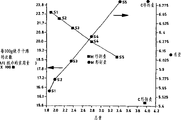
图4以曲线图表明了总重与纸巾实用量倒数的关系以及总重与质量的关系。Figure 4 shows the relationship between the total weight and the reciprocal of the practical amount of paper towels and the relationship between the total weight and the quality in a graph.
本发明的详细说明Detailed Description of the Invention
这里所用的词“总面积”是指平的大致为矩形或方形材料例如纸巾的二维表面积。此总面积是由此材料的长度尺寸乘以宽度尺寸决定的。As used herein, the term "total area" refers to the two-dimensional surface area of a flat, generally rectangular or square material, such as a paper towel. This total area is determined by multiplying the length dimension by the width dimension of this material.
这里所用的词“基重”是指每确定单位表面积的材料的重量。这种量度通常联系着较薄的平片状材料如纸、织物、等等。这里所讨论的材料的基重基本上是根据TAPPI试验法No.T410om-88确定的。基重的单位为材料每单位面积的重量(例如克/米2或盎司/码2)。As used herein, the term "basis weight" means the weight of material per defined unit surface area. This measure is usually associated with thinner flat sheet materials such as paper, fabric, and the like. The basis weights of the materials discussed herein are generally determined in accordance with TAPPI Test Method No. T410om-88. The unit of basis weight is the weight of material per unit area (eg g/ m2 or oz/ yd2 ).
这里所用的词“单位抗张强度”是指机器方向的抗张强度和横切机器方向的抗张强度二者的几何平均值相对于样品的基重规范化的结果。抗张强度是通过断裂长度试验(TAPPI试验法No-T494om-88)测量的,使用5.08cm的样品跨度和5.08cm/min的十字头速度。通常,纸巾的强度在其片料的机器方向和横切机器方向上是不同的。此外,纸巾样品基重的变化也会影响抗张强度。为了更好地比较各个样品的抗张强度,重要的是补偿样品的基重差和抗张强度的机器方向差。为了进行这种补偿,可计算基重和方向规范化的抗张强度,后者以后称作为“单位抗张强度”或“单位抗拉强度”。单位抗张强度是由基重去除机器方向的和横切机器方向的抗张强度之积的平方根而求得的商。相对于基重和机器方向的差来规范的抗张强度的计算是为了能更好地比较样品。当采用英制单位测量时,抗张强度是以盎司/英寸而基重是以磅/令(1令合2880英尺2)计算的。当以公制计算时,抗张强度是按g/2.54cm,而基重是按g/m2计量的。应注意到这里的公制单位并非是纯碎的公制单位,这是由于用来试验抗张强度的试验设备被安装成按英寸裁切试样所致,因而在此处的公制单位中出现了g/2.54cm的情形。用缩写字MDT表示机器方向的抗张强度、CDT表示横切机器方向的抗张强度、BW表示基重,此单位抗张强度的计算公式为:As used herein, the term "unit tensile strength" refers to the geometric mean of both the machine direction tensile strength and the cross machine direction tensile strength normalized to the basis weight of the sample. Tensile strength was measured by the Breaking Length Test (TAPPI Test Method No-T494om-88) using a sample span of 5.08 cm and a crosshead speed of 5.08 cm/min. Typically, the strength of a tissue is different in the machine and cross-machine directions of its web. In addition, changes in the basis weight of the tissue sample can also affect the tensile strength. To better compare the tensile strengths of individual samples, it is important to compensate for differences in basis weight of the samples and machine direction differences in tensile strength. To make this compensation, the basis weight and direction normalized tensile strength can be calculated, the latter being referred to hereinafter as "unit tensile strength" or "unit tensile strength". The unit tensile strength is the quotient obtained by dividing the square root of the product of the machine direction and cross machine direction tensile strengths by the basis weight. Calculation of tensile strength normalized to the difference in basis weight and machine direction is to allow better comparison of samples. When measured in imperial units, tensile strength is in ounces per inch and basis weight is in pounds per ream (1 ream = 2880 ft2 ). When calculated in the metric system, tensile strength is measured in g/2.54 cm and basis weight is measured in g/ m2 . It should be noted that the metric units here are not pure metric units. This is due to the fact that the test equipment used to test the tensile strength is installed to cut the specimens by inches, so g appears in the metric units here. /2.54cm case. Use the abbreviation MDT to indicate the tensile strength in the machine direction, CDT to indicate the tensile strength in the cross-machine direction, and BW to indicate the basis weight. The formula for calculating the tensile strength of this unit is:
单位抗张强度=(MDT×CDT)1/2/BWUnit tensile strength = (MDT × CDT) 1/2 /BW
英制单位中的抗张强度=0.060×上面定义的公制单位抗张强度。Tensile Strength in Imperial Units = 0.060 x Tensile Strength in Metric Units as defined above.
这里所用的词“擦手纸巾实用量”或“实用量”是指擦干手情况中所用擦手纸巾的重量。此值是由纸巾的使用率(而每次擦手中所用纸巾数)乘以纸巾重量。擦手纸巾的实用量表示为“重量/擦干手情况”或“Wt/HD”。As used herein, the words "useful amount of paper towel" or "useful amount" refer to the weight of the paper towel used in the dry hand situation. This value is calculated by multiplying the usage rate of the towel (as opposed to the number of towels used per wipe) by the weight of the towel. Useful amounts of paper towels are expressed as "weight per dry hand condition" or "Wt/HD".
这里所用的词“总的水吸收率”或“TWA”或“吸湿率”是指吸湿性纸产品每单位重量所吸收的水的测度。在本发明中,纸产品的TWA是在纸产品浸没于约23℃的液浴中,允许其全湿透后,通过测量此纸产品所吸收的液体量而确定的。The term "total water absorption" or "TWA" or "moisture absorption" as used herein refers to a measure of the water absorbed per unit weight of an absorbent paper product. In the present invention, the TWA of a paper product is determined by measuring the amount of liquid absorbed by the paper product after it has been immersed in a liquid bath at about 23°C and allowed to soak through.
更确切地说,为测定这种吸湿率,首先由待测材料切出7.62cm×7.62cm的样品,将此样品调节到23℃和50%的相对湿度,并对样品称重。以g为单位记录为W1。还应从同一材料上切裁下两条排水带。More specifically, to determine this moisture absorption rate, first a 7.62 cm x 7.62 cm sample is cut out of the material to be tested, the sample is conditioned to 23° C. and a relative humidity of 50%, and the sample is weighed. Reported as W 1 in g. Two drainage strips should also be cut from the same material.
将标准级增强不锈钢丝布构成的筛网放到上述液浴中。应用钝缘镊子将样品定位于液浴中上述筛网之上浸没两分钟。两分钟后,样品位于筛网之上而使其与筛网的底部角隅对正。提升筛网,在接附上排水带之前使样品排水数秒钟。然后将附有排水带的样品夹定于样品架上,垂挂于排水槽之上的杆上,允许排水30分钟。松释此排水夹,使样品与样品架分离,置于天平的称重盘上。称重此湿的试样,以g为单位记录其重量W2。液体重量可由下式求得:A screen made of standard grade reinforced stainless steel wire cloth is placed in the above liquid bath. Using blunt-edged tweezers, position the sample above the screen in the liquid bath and immerse for two minutes. After two minutes, the sample is on the screen so that it is aligned with the bottom corner of the screen. Lift the screen and allow the sample to drain for a few seconds before attaching the drain tape. The sample holder with the drainage tape attached is then fixed on the sample holder, hung on the pole above the drain, and allowed to drain for 30 minutes. Release the drain clamp to separate the sample from the sample holder and place it on the weighing pan of the balance. Weigh the wet sample and record its weight W2 in g. The liquid weight can be obtained by the following formula:
液体重量=W2-W1假定水的密度为1g/mL,此样品的试验容量可以由样品的面积去除液体重量求得。此试验容量可以由mL/cm2单位表示。以g/g为单位的TWA可由下式求得:Liquid weight = W 2 -W 1 Assuming that the density of water is 1g/mL, the test capacity of this sample can be obtained by subtracting the liquid weight from the area of the sample. This test volume can be expressed in units of mL/ cm2 . TWA in g/g can be obtained by the following formula:
TWA(g/g)=液体重量/W1为测定TWA,采用蒸馏水或去离子水进行这项试验。在每个试样试验完后更换液浴中的液体以避免由于处理而可能出现于样品上的污染。TWA (g/g) = liquid weight/W 1 To determine TWA, use distilled or deionized water for this test. Change the liquid in the bath after each test specimen to avoid possible contamination of the specimens due to handling.
这里所用的词“水容量”或“容量”是指能为各纸巾所吸收的水量。水容量是使试验容量(如上述)乘以纸巾面积(如上述)来确定,水容量表示为每纸巾的水量毫升数(mL/纸巾)。As used herein, the term "water capacity" or "capacity" refers to the amount of water that can be absorbed by each paper towel. Water capacity is determined by multiplying the test volume (as above) by the area of the towel (as above) and is expressed as milliliters of water per towel (mL/towel).
这里所用的词“质量”或“擦手纸巾质量”是对所用纸巾的整体质量的判别。这种判别质量涉及到许多变数包括:柔软度、总的水吸收率、水容量、干燥中的舒适度、强度以及比较不重要的外观。在本发明中,擦手纸巾质量的判别是由擦手纸巾的各个试验项目的参与者用下述方法测量的。记录下这些试验结果,将所有试验的平均值作为“质量”或“擦手纸巾质量”报告,其中共分10个等级,1为最低分而10为最高分。The term "quality" or "towel quality" as used herein is a measure of the overall quality of the tissue used. This judging quality involves many variables including: softness, total water absorption, water capacity, comfort in drying, strength and, to a lesser extent, appearance. In the present invention, the judgment of the quality of the paper towels was measured by the participants of the respective test items of the paper towels by the following method. The results of these tests were recorded and the average of all tests reported as "Quality" or "Towel Quality" on a scale of 10 with 1 being the lowest and 10 being the highest.
本发明的基础在于发现了可以改进纸巾在擦干手时的效率,得以在各次擦干手的过程中降低所用纸巾(即纤维状纤维素材料)的总重,或是在同等重量条件下使纸巾能够实现更佳的质量评定等级。概括地说,这种改进是用组合有某些性质的较小纸巾实现的。这种途径是与传统的看法相反的,传统上认为,采用较小的纸巾并不能减少甚至会增加每次干燥手情况中所用的纸巾量(即纸巾或纤维状纤维素材料的总重),与此同时还会降低质量的评分。The present invention is based on the discovery that the efficiency of paper towels in drying hands can be improved so that the total weight of paper towels (i.e. fibrous cellulose material) used can be reduced in each hand drying process, or under the same weight conditions Enables tissue to achieve better quality rating ratings. In a nutshell, this improvement is achieved with smaller paper towels combined with certain properties. This approach is contrary to the traditional belief that the use of smaller paper towels does not reduce or even increase the amount of paper towels (i.e. the total weight of paper towels or fibrous cellulosic material) used per hand drying situation, At the same time, it will reduce the quality score.
图1A示明(不依比例)了具有较大面积和较低基重的传统的吸湿性C形擦手纸巾。这种C形擦手纸巾是示明于其C形折叠的状态中。图1B示明图1A中所示纸巾的未折叠状态。图中可见此纸巾具有宽度“X”和较大的长度。沿纸巾的边缘处的阴影一般用来表示此纸巾具有较致密的结构。传统的看法是,当擦手纸巾具有很大的面积而要是其总体的水容量高时,在每次擦干手的过程中可以用较少的纸巾。Figure 1A illustrates (not to scale) a conventional absorbent C-shaped paper towel having a larger area and lower basis weight. This C-shaped paper towel is shown in its C-folded state. Figure 1B shows the unfolded state of the tissue shown in Figure 1A. The tissue can be seen to have a width "X" and a greater length. Shading along the edges of the tissue is generally used to indicate that the tissue has a denser structure. Conventional wisdom is that when a paper towel has a large surface area and its overall water capacity is high, fewer paper towels can be used per drying pass.
图2A示明(不按比例)具有较大面积和较低基重的传统的吸湿性M形折叠擦手纸巾。这种M形擦手纸巾是示明于其已折叠的状态中。图2B示明图2A中所示纸巾的未折叠状态。从图中可见,这种纸巾所具有的宽度X大致与C形折叠的纸巾相同,但具有较短的长度。沿纸巾的边缘的阴影一般用来表示此纸巾具有较致密的结构。Figure 2A shows (not to scale) a conventional absorbent M-folded paper towel having a larger area and lower basis weight. This M-shaped paper towel is shown in its folded state. Figure 2B shows the unfolded state of the tissue shown in Figure 2A. As can be seen from the figure, such a towel has approximately the same width X as a C-folded towel, but has a shorter length. Shading along the edges of a tissue is generally used to indicate that the tissue has a denser structure.
图3A示明(不按比例)提高了擦干手时的效率的典型的改进了的吸湿性折叠擦手纸巾.这种擦手纸巾是以M形折叠式样示明。这种改进的纸巾的面积更小而基重较大,且具有较高水平的吸湿性(即TWA)。如图中虚线所示,这种改进了的折叠擦手纸巾与图2A中所示纸巾相比具有较小的宽度,图3B示明图3A中所示纸巾的非折叠状态.可以看到,这种纸巾所具有的宽度y小于图1B与2B中所示的宽度x.沿纸巾的边缘的阴影一般用来表明此纸巾的结构与图1和2中所示纸巾相比具有较低的密度。Figure 3A illustrates (not to scale) a typical improved absorbent folded paper towel that improves efficiency in drying hands. The paper towel is shown in an M-fold. This improved tissue has a smaller area, a higher basis weight, and a higher level of moisture absorption (ie, TWA). As indicated by the dotted lines, this improved folded paper towel has a smaller width compared to the paper towel shown in Figure 2A, and Figure 3B shows the unfolded state of the paper towel shown in Figure 3A. As can be seen, This tissue has a width y that is less than the width x shown in FIGS. 1B and 2B. Shading along the edges of the tissue is generally used to indicate that the structure of the tissue has a lower density than that shown in FIGS. 1 and 2 .
这种改进了的擦手纸巾由吸湿性纤维状纤维素织物构成,其结合具有(1)小于约500cm2的总面积、(2)大于约45g/m2的基重、(3)大于约3g/g的TWA以及小于约1300m的单位抗张强度,使此纸巾能提供每次擦手情况中小于约5g的擦手纸巾实用量。The improved paper towel is comprised of an absorbent fibrous cellulosic fabric having in combination (1) a total area of less than about 500 cm 2 , (2) a basis weight greater than about 45 g/m 2 , (3) a basis weight greater than about With a TWA of 3 g/g and a specific tensile strength of less than about 1300 m, the tissue provides a practical amount of toweling of less than about 5 g per hand wiping situation.
根据本发明,这种纸巾的面积和基重最好调节到使纸巾重量保持于约1.87g~约3.36g之间。重要的是,此纸巾的总面积要小于约500cm2而基重应大于约45g/m2。In accordance with the present invention, the area and basis weight of such paper towels is preferably adjusted to maintain a paper towel weight between about 1.87 grams and about 3.36 grams. Importantly, the tissue has a total area of less than about 500 cm2 and a basis weight of greater than about 45 g/ m2 .
通过减小此纸巾的尺寸和增大其基重,可以显著地减小纸巾的单位抗张强度而不牺牲其实际强度。这就是说,用于纸巾中的纤维状纤维素织物或底片可以利用造纸技术以及能提高吸湿性的后处理和/或纤维制成。By reducing the size of the tissue and increasing its basis weight, the unit tensile strength of the tissue can be significantly reduced without sacrificing its actual strength. That is, fibrous cellulosic webs or backsheets for use in paper towels can be made using papermaking techniques and post-treatments and/or fibers to enhance absorbency.
例如,擦手纸巾之类的吸湿性纸产品可以包括占优势的高产量的粗纤维,典型的有石磨木浆(SGW)纤维、热机械浆粕(TMP)纤维和/或化学热机械浆粕(CTMP)纤维。这类粗纤维通常经过高度细加工,使其破碎和原纤化而有助于将强度传递给由此形成的纸制品,使之具有足以用于分配而不会撕裂的强度。上述这种细加工使粗纤维的自由度从“高”变到“低”。当形成为纸制品时,这些高度细加工的高产量的用机械方法浆粕化的粗纤维,从而由此形成的纸张就具有较低水平的吸湿性(例如按纸巾单位重量计的所吸收的总的水量较低)。For example, absorbent paper products such as paper towels may include a predominance of high yield coarse fibers, typically stone ground wood pulp (SGW) fibers, thermomechanical pulp (TMP) fibers and/or chemithermomechanical pulp meal (CTMP) fiber. Such coarse fibers are usually highly finely processed to break up and fibrillate to help impart strength to the paper product formed therefrom, making it strong enough for dispensing without tearing. Such fine processing as described above changes the degree of freedom of coarse fibers from "high" to "low". When formed into paper products, these highly refined, high-yield mechanically pulped coarse fibers, so that the paper formed therefrom has a relatively low level of hygroscopicity (e.g. absorbed moisture per towel basis weight). total water volume is low).
在本发明的一个方面,这种吸湿性擦手纸巾在增加了基重时,就能允许较粗的纤维例如上述描述到的或北方软木牛皮纸(NSWK)浆纤维、回收(RC)纤维、硬木牛皮纸(HWK)浆纤维或石磨木(SGW)浆纤维,则是只经过较少的细加工而产生较弱但是更能吸湿的产品。另外和/或加之这种纸巾还可以由弹性纤维例如化学热机械浆帕(CTMP)纤维或各类改性纤维构成或包括这样的纤维。In one aspect of the present invention, the absorbent paper towel, when increased in basis weight, allows for coarser fibers such as those described above or northern softwood kraft (NSWK) pulp fibers, recycled (RC) fibers, hardwood Kraft (HWK) pulp fibers or Stone Ground Wood (SGW) pulp fibers undergo less fine processing to produce a weaker but more hygroscopic product. Additionally and/or in addition the towel may also consist of or include elastic fibers such as chemithermomechanical pulp (CTMP) fibers or various types of modified fibers.
再者,这种吸湿性纸巾可以利用造纸方法制备,其中于常规的改良型长网造纸机的加压般只施加较小的压力,据认为,在造纸过程中减少加压段的压力会在由此形成的纸张中产生出较开放的纤维结构或纤维网络。与封闭的、致密的或塌缩纤维结构相比,这种开放的纤维结构或纤维网络通常能提供更高水平的吸湿能力。Furthermore, such absorbent paper towels can be prepared by a papermaking method in which only a small pressure is applied to the pressurization of a conventional improved Fourdrinier paper machine. It is believed that reducing the pressure in the press section during papermaking will result in A relatively open fibrous structure or network of fibers is produced in the resulting paper. Such an open fibrous structure or fiber network generally provides a higher level of moisture absorption capacity than closed, dense or collapsed fibrous structures.
所述造纸方法可以包括这样一些步骤,例如差速传输以及类似的步骤来形成或增强开放的纤维结构或网络。另外和/或加之可以采用不加压的干燥作业例如通空气的干燥作业来增强开放的纤维结构或纤维网络。The papermaking process may include steps such as differential transmission and the like to form or strengthen an open fibrous structure or network. Additionally and/or additionally, non-pressurized drying, such as air drying, can be used to reinforce the open fiber structure or fiber network.
在本发明的另一个方面,增加这种吸湿性擦手纸巾的基重可以提高机械舒解(例如起绉、水力针刺、刷擦、轧花等)能力,以松开纤维结构或网络。机械舒解通常能提高吸湿能力但会降低强度。较低的单位抗张强度则给出较软和更具韧性的纸张。尽管本发明人并未掌握任何具体的作业理论,但确信本发明的吸湿性擦手纸巾只需要比传统擦手纸巾较小的抗张强度,这是由于它的面积较小因而在分配时只产生较小的摩擦力或阻力。于是,本发明的纸巾与传统的纸巾相比具有较强的吸水性和仍然具有较低的整体强度,这样便提供了更好的性能和更好的质量评定等级。In another aspect of the present invention, increasing the basis weight of such absorbent towels increases the ability to mechanically relax (eg, creping, hydroneedling, brushing, embossing, etc.) to loosen the fibrous structure or network. Mechanical release generally increases moisture absorption capacity but reduces strength. A lower specific tensile strength gives a softer and more resilient paper. Although the inventors do not possess any particular theory of operation, it is believed that the absorbent paper towels of the present invention require only less tensile strength than conventional paper towels because of their smaller area and therefore only Creates less friction or drag. Thus, the tissue of the present invention is more absorbent and still has a lower overall strength than conventional tissue, thus providing better performance and a better quality rating.
纤维的舒解也可以用化学方法通过添加化合物舒解剂来完成。这种化合物舒解剂会减低所形成的纸制品的强度和提高其柔软性,同时一般对吸湿性只有极小的影响。普遍而论,化合物舒解剂在缺乏造纸工艺中的其他改性手段时看来对扩展纤维结构或网络影响甚微。Loosening of fibers can also be accomplished chemically by adding chemical debonding agents. Such compound debonders reduce the strength and increase the softness of the formed paper product while generally having only a minimal effect on moisture absorption. In general, compound debonders appear to have little effect on expanding the fiber structure or network in the absence of other modifications in the papermaking process.
这样,本发明的一个特点是,在单位抗张强度小于约1300m的条件下存在所需水平的吸水性(例如大于约3g/g的TWA)。Thus, it is a feature of the present invention that the desired level of water absorption (eg, TWA greater than about 3 g/g) is present at a specific tensile strength of less than about 1300 m.
已意外地发现,在擦手纸巾中结合地形成小的纸巾尺寸、高的基重、较高的吸湿性和较低的单位抗张强度,能提供每次干燥手情况中少于约5g的实用量。此外还意外地发现,由用户对这种擦手纸巾的评定质量是落在具有较低所测实用量等级的面积颇大的“高容量”擦手纸巾的较大范围内。It has been unexpectedly found that the combination of small paper towel size, high basis weight, high moisture absorbency and low unit tensile strength in paper towels provides less than about 5 g per dry hand Practical amount. Furthermore, it was surprisingly found that the quality ratings of such paper towels by users fall within a larger range of relatively large "high capacity" paper towels with lower measured usage ratings.
这种吸湿性手巾通常是折叠的织物例如折叠纸幅。由于本发明的纸巾具有较高的基重、小的面积和用于可靠分配的充分强度,这种纸巾可以具有单层形式和可以具有较简单的折叠构型。例如,这种纸巾可以具有简单的叠合构型或简单的互折构型,而不是由较复杂的构型来提供两层或多层的纸巾折叠成有足够强度的从分配器突出的纸巾前缘。另外和/或加之这种吸湿的折叠式纸巾可以包括由弯皱结合、叠层或其他技术结合的多层,通过各个低基重层来形成具有较高的总的基重的纸巾。在这样一些实施形式中,折叠纸巾(即由各别的层组成的纸巾)的单位抗张强度应小于约1300m。Such absorbent towels are typically folded fabrics such as folded paper webs. Due to the relatively high basis weight, small area and sufficient strength for reliable dispensing of the tissues of the present invention, such tissues can be in single-ply form and can have a relatively simple folded configuration. For example, the tissue may have a simple folded configuration or a simple interfolded configuration rather than a more complex configuration to provide two or more layers of tissue folded into a tissue of sufficient strength to protrude from the dispenser leading edge. Alternatively and/or additionally such absorbent folded towels may comprise multiple layers bonded by crepe bonding, lamination or other techniques with individual low basis weight layers to form a higher overall basis weight tissue. In such embodiments, the folded tissue (ie, the tissue composed of individual layers) should have a unit tensile strength of less than about 1300 m.
一般地说,这种吸湿性折叠纸巾可以是由传统造纸技术制成的吸湿纸巾,同时可以包括用于吸湿纸巾中传统的纤维。另外和/或加之这种吸湿性折叠纸巾也可以用例如美国专利No.5048589和No.5137600中所述的方法制成,它们的整体内容已综合于此供参考。Generally, such absorbent folded tissues can be absorbent tissues made by conventional papermaking techniques and can include conventional fibers used in absorbent tissues. Alternatively and/or additionally such absorbent folded towels may be made as described in, for example, US Patent Nos. 5,048,589 and 5,137,600, the entire contents of which are incorporated herein by reference.
折叠式擦手纸巾的试验Test of folded paper towels
设备equipment
这里的试验方法并不要求专门的设备。此试验方法采用下述的步骤与材料,由试验的参考者来评价吸湿性折叠纸巾试样。试验参与者在其应用试样的过程进行观察来确定某种信息。在使用样品后,根据标准问卷询问试验参与者对试样作出评定。The test method here does not require special equipment. This test method employs the procedure and materials described below to evaluate absorbent folded tissue samples by the referee of the test. Test participants observe as they apply the test specimen to determine certain information. After use of the samples, test participants were asked to rate the samples according to a standard questionnaire.
方法method
征求一些人来参加皂洗试验,这样来转移已研究过折叠纸巾这一事实的注意。要求这些人洗手三次,由接见人记录下每次所用纸巾数。在此阶段注意试验参与者的行为以及纸巾性能的其他一些方面。Solicit some people to participate in the soaping experiment, thus distracting attention from the fact that folding paper towels has been studied. These people were asked to wash their hands three times, and the interviewer recorded the number of tissues used each time. At this stage, note the behavior of the test participants as well as some other aspects of the tissue performance.
由各个试验参与者进行多次洗手(即三次洗涤和擦干其手),就能对各个产品获得基本了解,因而能在有需要时变更其行为。这种分析主要应根据第三次洗手结果,因为这时用户本身已熟悉了这种纸巾和分配机构,从而可以认为此第三次洗手结果最普遍地代表了这些参与者在擦干其手时的最自然情况。Multiple hand washings (ie, three washes and drying of hands) by each trial participant provided a basic understanding of each product, allowing behavior to be altered if necessary. This analysis should be based primarily on the third handwashing results, since the users themselves are familiar with the paper towels and dispensing mechanism at this point, so it can be considered that this third handwashing results most commonly represent the time the participants dried their hands. the most natural situation.
这种纸巾只要有可能是以单值形式进行试验并通过正确的分配器分配。分配器安装于或立在桌上或挂在门上的支架上,设定成离地面1.3m。The tissues were tested in single value whenever possible and dispensed through the correct dispenser. The dispenser was mounted or stood on a table or on a bracket hung on a door, set at 1.3m from the floor.
所用的洗皂对各个试验是一致的,设于泵式分配装置中以便尽可能控制各个参与者的使用量。所有用到的洗皂、纸巾与分配器都是无商标的。The soap used was the same for each trial and was provided in a pump dispensing unit in order to control as much as possible the amount used by each participant. All soaps, paper towels and dispensers used are unbranded.
将各个产品的一环返回到试验室以试验其底片。还从各个有关处所采取水样来测试其软度/硬度,这是因为水的软硬会影响冲洗皂液的容易程度,因而也就会影响到所用的纸巾数。One ring of each product was returned to the laboratory to test its negative. Water samples were also taken from various locations to test its softness/hardness, as the hardness of the water affects the ease of rinsing off the soap and thus the number of paper towels used.
试验参与者的观察Observations of trial participants
试验中,请参与者回答下述问题:During the experiment, participants were asked to answer the following questions:
“为取下纸巾您动过多少次手?”"How many times have you moved your hands to remove a tissue?"
“为把手擦干用了几张纸巾?”"How many paper towels did you use to dry your hands?"
“要是用到一张(纸巾)以上时,它们是逐一使用的还是一起使用的?”"When more than one (tissue) is used, are they used one by one or together?"
在第三次洗手后,请参与者离开洗手间,进行短暂的访谈,征询其:After the third wash, participants were asked to leave the restroom for a brief interview asking them:
对所用纸巾作出自然的评价;Make natural comments about the paper towels you use;
就质量、效率、强度和舒适对纸巾评级;Rating paper towels for quality, efficiency, strength and comfort;
评价纸巾的尺寸;Evaluate the size of the paper towel;
说明工作中擦干手方法类型的细节,把它们与这里试验的纸巾比较。Give details of the types of hand drying methods at work, comparing them to the paper towels tested here.
标准问卷standard questionnaire
在第三次擦干手后,对每个参与者询问有关折叠纸巾的一系列特点。请参与者用10分制对纸巾评级,1分表示极差,10分表示优良。具体请参与者对下列项目评级:After drying their hands for the third time, each participant was asked about a series of characteristics of the folded tissue. Participants were asked to rate the paper towels on a 10-point scale, with 1 being extremely poor and 10 being excellent. Specifically, participants are asked to rate the following items:
“所用纸巾的总体质量”"Overall quality of tissues used"
“纸巾在擦干手时的舒适程度”"The comfort level of paper towels when drying hands"
“纸巾的颜色与外观”"The Color and Appearance of Paper Towels"
“纸巾的强度”"Strength of Paper Towels"
“用于擦干参与者手时的纸巾的总体效率”。"Overall efficiency of paper towels when used to dry participants' hands".
还要求试验的参与者用6分制来评定纸巾的尺寸,其中1为“太大”,2为“稍大”,3为“基本合适”,4为“稍小”而5为“太小”。Participants in the test were also asked to rate the size of the paper towels on a 6-point scale, with 1 being "too large," 2 being "a little too big," 3 being "mostly fitting," 4 being "somewhat small" and 5 being "too small." ".
例1example 1
根据上述方法用下述试样于不同的地点进行了约1600次试验:About 1600 tests were carried out at different locations according to the above method with the following samples:
单层C形折叠式吸湿纸巾,购自Kimberly-Clark Corporation,Roswell,Georgia;Single-ply C-fold absorbent paper towels available from Kimberly-Clark Corporation, Roswell, Georgia;
单层M形折叠式吸湿纸巾,购自Kimberly-Clark Corporation,Roswell,Georgia;Single-ply M-fold absorbent paper towels available from Kimberly-Clark Corporation, Roswell, Georgia;
应用与上述市售产品基本上相同配料和相同造纸技术制成的5种试验用M形折叠式吸湿纸巾。各试验纸巾具有相同的面积和整体的MD和CD抗张强度,但有不同的基重和不同的单位抗张强度。Five experimental M-folded absorbent paper towels were prepared using substantially the same ingredients and the same papermaking technology as the above-mentioned commercially available products. Each test tissue had the same area and overall MD and CD tensile strength, but a different basis weight and different unit tensile strength.
在各个试验中,如上所述观察每次干燥手情况中所用纸巾数。结果列出于表1中。根据表1中报告的数据计算了擦手纸巾的实用率。在各次试验后,参与者回答标准问卷并确定擦手纸巾的“质量”值。这些结果也报告于表1中。In each test, the number of paper towels used in each hand drying situation was observed as described above. The results are listed in Table 1. From the data reported in Table 1, utility rates for paper towels were calculated. After each trial, participants answered a standard questionnaire and determined a "quality" value for the paper towels. These results are also reported in Table 1.
在各试验过程测量了各个纸巾试样的长度和宽度并计算了面积。结果列于表1。The length and width of each tissue sample was measured and the area calculated during each test. The results are listed in Table 1.
用常规技术测定纸巾重量精确至近似1/100g。按以上所述测量了纸巾的基重。结果列于表1。The weight of the tissue paper is determined to the nearest 1/100 gram using conventional techniques. The basis weight of the tissue paper was measured as described above. The results are listed in Table 1.
根据上述方法测量了试样的机器方向的抗张强度和横切机器方向的抗张强度,并在表1的栏中标题“MD抗张强度”和“CD抗张强度”下列出了相应的测量结果。按以前所述计算了单位抗张强度,列于栏标题为“单位抗张强度”之下。The tensile strength in the machine direction and the tensile strength in the cross-machine direction of the specimens were measured according to the method described above, and the corresponding measurement results. Specific tensile strengths were calculated as previously described and are listed under the column heading "Specific Tensile Strength".
根据上述方法测定了试样的总的水吸收值,报导于栏标题“TWA”之下。用TWA值计算了前述的水容量。结果也列出于表1中。The total water absorption values of the samples were determined according to the method described above and are reported under the column heading "TWA". The aforementioned water capacity was calculated using the TWA value. The results are also listed in Table 1.
从表1中看出,大面积的C形折叠式纸巾具有最大的水容量和纸巾重量。它有着最低水平的实用率和高水平的质量。这种纸巾还具有与较高TWA相对应的较低的单位抗张强度。It can be seen from Table 1 that the large area C-folded tissue has the largest water capacity and tissue weight. It has the lowest level of utility rate and high level of quality. The tissue also has a lower specific tensile strength corresponding to a higher TWA.
M形折叠式纸巾的面积比C形的小,纸巾重量与水容量中等。M形折叠式纸巾的较小面积导致较多的纸巾用量(即每次擦干手情况中要用较多的纸巾),即使如此,基重也较大。The area of the M-shaped folded tissue is smaller than that of the C-shaped one, and the weight and water capacity of the tissue are medium. The smaller area of the M-folded towel results in more towel usage (ie, more towels used per dry hand situation), and even then, the higher basis weight.
样品1的纸巾具有小的面积(425cm2),最低的纸巾基重、纸巾质量、水容量与TWA,最大的单位抗张强度和最佳水平的实用量。特别小的纸巾面积(与C形折叠式纸巾相比)和类似的基重会导致非常大的纸巾实用量。The tissue of Sample 1 had the small area (425 cm 2 ), the lowest tissue basis weight, tissue mass, water capacity and TWA, the highest specific tensile strength, and the best level of utility weight. The extremely small tissue area (compared to a C-folded tissue) and similar basis weight would result in a very large utility volume of tissue.
从表1中的5个试样来看,当纸巾面积、HD抗张强度和CD抗张强度保持不变而基重和TWA增加时,会意想不到的降低每次擦干手情况中纸巾使用次数而得到良好水平的纸巾实用量(即小于约5g/擦干手情况的纸巾用量),同时出乎意料地提高了评估的纸巾质量。From the five samples in Table 1, there is an unexpected decrease in the number of wipes used per dry hand situation when the tissue area, HD tensile strength and CD tensile strength are held constant while the basis weight and TWA are increased This results in a good level of tissue use (ie, less than about 5 g/towel use with dry hands) while unexpectedly improving the assessed tissue quality.
现在参看图3,其中以曲线图形式示明了纸巾实用量、纸巾质量与基重和面积的关系。具体地说,图3中的曲线以x轴表示纸巾重量,以一个y轴表示纸巾实用量的倒数(即1/纸巾实用量)而以另一个y轴表示纸巾质量。表1中试样1~5的数据分别标绘于图中以S1~S5标明的点处。表1中的M形折叠式与C形折叠式纸巾的数据则分别标绘于图中以M形折叠和C形折叠标明的点处。纸巾质量的数据以符号“●”表示而纸巾实用量倒数以“■”表示。Referring now to FIG. 3, there is shown graphically the tissue use, tissue mass versus basis weight and area. Specifically, the graph in FIG. 3 shows tissue weight on the x-axis, the reciprocal of tissue usage (ie, 1/tissue usage) on one y-axis and tissue mass on the other y-axis. The data of samples 1-5 in Table 1 are respectively plotted at the points marked with S1-S5 in the figure. The data of the M-fold and C-fold paper towels in Table 1 are plotted at the points indicated by the M-fold and C-fold in the figure, respectively. The data of paper towel quality is represented by the symbol "●" and the reciprocal of the practical amount of paper towel is represented by "■".
从图3中可见,大的C形折叠纸巾具有很高的质量和极低的实用量。具有较小面积的M形折叠纸巾显示出较好水平的实用量但是较低的质量。试样1~5显示出有较高的质量。试样3与M形折叠式纸巾的质量相同但有较大的实用量。试样5与C形折叠式纸巾的质量相同,但实用量则与M形折叠式纸巾相同。As can be seen in Figure 3, the large C-folded towels are of very high quality and very low utility volume. The M-folded tissue with a smaller area showed a better level of utility capacity but lower quality. Samples 1-5 showed higher quality. Sample 3 has the same quality as the M-folded tissue but has a larger utility amount.
应该认识到,在以上描述中尽管列出了本发明众多的特征与优点以及其结构与功能的细节,但这里所公开的内容只是说明性的,有关细节特别是在本发明原理内的涉及部件的形状、尺寸与配置,则在表明后附权利要求书广义措词所指出的整个范围内可以变动。It should be appreciated that although numerous features and advantages of the present invention, as well as details of structure and function thereof, have been set forth in the above description, what is disclosed herein is illustrative only, and the relevant details, particularly those involved in the principles of the invention, are The shape, size and configuration can be varied within the full range indicated by the broad wording of the appended claims.
表1
Claims (20)
Applications Claiming Priority (2)
| Application Number | Priority Date | Filing Date | Title |
|---|---|---|---|
| US08/847,990 | 1997-04-21 | ||
| US08/847,990 US5882743A (en) | 1997-04-21 | 1997-04-21 | Absorbent folded hand towel |
Publications (2)
| Publication Number | Publication Date |
|---|---|
| CN1252700A CN1252700A (en) | 2000-05-10 |
| CN1117543C true CN1117543C (en) | 2003-08-13 |
Family
ID=25302040
Family Applications (1)
| Application Number | Title | Priority Date | Filing Date |
|---|---|---|---|
| CN98804371A Expired - Fee Related CN1117543C (en) | 1997-04-21 | 1998-03-27 | Hygroscopic foldable paper towels |
Country Status (17)
| Country | Link |
|---|---|
| US (1) | US5882743A (en) |
| EP (1) | EP0977507B1 (en) |
| JP (1) | JP2001522271A (en) |
| KR (1) | KR100547550B1 (en) |
| CN (1) | CN1117543C (en) |
| AR (1) | AR012455A1 (en) |
| AU (1) | AU727221B2 (en) |
| BR (1) | BR9815475A (en) |
| CA (1) | CA2285050C (en) |
| CO (1) | CO5021234A1 (en) |
| CR (1) | CR5760A (en) |
| DE (1) | DE69819146T2 (en) |
| ES (1) | ES2206908T3 (en) |
| ID (1) | ID22895A (en) |
| IL (1) | IL132109A (en) |
| MY (1) | MY119525A (en) |
| WO (1) | WO1998047419A1 (en) |
Families Citing this family (38)
| Publication number | Priority date | Publication date | Assignee | Title |
|---|---|---|---|---|
| US6265052B1 (en) | 1999-02-09 | 2001-07-24 | The Procter & Gamble Company | Tissue paper |
| US20020193773A1 (en) * | 2001-06-08 | 2002-12-19 | Edens Ronald L. | Finger-receiving area for a labial pad |
| US7115116B2 (en) | 2001-06-08 | 2006-10-03 | Kimberly-Clark Worldwide, Inc. | Labial pad having various means |
| US7288080B2 (en) | 2001-06-08 | 2007-10-30 | Kimberly-Clark Worldwide, Inc. | Labial pad |
| US6955666B2 (en) | 2001-06-08 | 2005-10-18 | Kimberly-Clark Worldwide, Inc. | Labial pad having a tab |
| USD512259S1 (en) * | 2002-01-24 | 2005-12-06 | Phyllis Laurie Mitchell | Sport, workout, spa and gym towel |
| US7769579B2 (en) | 2005-05-31 | 2010-08-03 | Google Inc. | Learning facts from semi-structured text |
| US7587387B2 (en) | 2005-03-31 | 2009-09-08 | Google Inc. | User interface for facts query engine with snippets from information sources that include query terms and answer terms |
| GB0515754D0 (en) * | 2005-07-30 | 2005-09-07 | Dyson Technology Ltd | Drying apparatus |
| GB0515744D0 (en) * | 2005-07-30 | 2005-09-07 | Dyson Technology Ltd | Dryer |
| GB0515749D0 (en) * | 2005-07-30 | 2005-09-07 | Dyson Technology Ltd | Drying apparatus |
| GB2428569B (en) * | 2005-07-30 | 2009-04-29 | Dyson Technology Ltd | Dryer |
| GB0515750D0 (en) * | 2005-07-30 | 2005-09-07 | Dyson Technology Ltd | Drying apparatus |
| GB2434094A (en) * | 2006-01-12 | 2007-07-18 | Dyson Technology Ltd | Drying apparatus with sound-absorbing material |
| GB2434095B (en) * | 2006-01-17 | 2011-08-17 | Dyson Technology Ltd | Drying Apparatus |
| US8260785B2 (en) | 2006-02-17 | 2012-09-04 | Google Inc. | Automatic object reference identification and linking in a browseable fact repository |
| CA2604623C (en) | 2006-09-28 | 2018-10-30 | Tyco Healthcare Group Lp | Portable wound therapy system |
| US8122026B1 (en) | 2006-10-20 | 2012-02-21 | Google Inc. | Finding and disambiguating references to entities on web pages |
| US8347202B1 (en) | 2007-03-14 | 2013-01-01 | Google Inc. | Determining geographic locations for place names in a fact repository |
| GB0712763D0 (en) | 2007-07-02 | 2007-08-08 | Smith & Nephew | Apparatus |
| GB0803564D0 (en) | 2008-02-27 | 2008-04-02 | Smith & Nephew | Fluid collection |
| US8414519B2 (en) | 2008-05-21 | 2013-04-09 | Covidien Lp | Wound therapy system with portable container apparatus |
| US8177763B2 (en) | 2008-09-05 | 2012-05-15 | Tyco Healthcare Group Lp | Canister membrane for wound therapy system |
| US10912869B2 (en) | 2008-05-21 | 2021-02-09 | Smith & Nephew, Inc. | Wound therapy system with related methods therefor |
| US8827983B2 (en) | 2008-08-21 | 2014-09-09 | Smith & Nephew, Inc. | Sensor with electrical contact protection for use in fluid collection canister and negative pressure wound therapy systems including same |
| EP2448457A4 (en) * | 2009-06-30 | 2013-10-09 | Sca Hygiene Prod Ab | Method |
| US9427505B2 (en) | 2012-05-15 | 2016-08-30 | Smith & Nephew Plc | Negative pressure wound therapy apparatus |
| US8753751B1 (en) | 2013-01-31 | 2014-06-17 | Kimberly-Clark Worldwide, Inc. | Absorbent tissue |
| US12133789B2 (en) | 2014-07-31 | 2024-11-05 | Smith & Nephew, Inc. | Reduced pressure therapy apparatus construction and control |
| CA3179001C (en) | 2014-07-31 | 2025-08-05 | Smith & Nephew, Inc. | Systems and methods for applying reduced pressure therapy |
| USD796036S1 (en) | 2014-09-12 | 2017-08-29 | Medline Industries, Inc. | Slush drape |
| WO2016103033A2 (en) | 2014-12-22 | 2016-06-30 | Smith & Nephew Plc | Negative pressure wound therapy apparatus and methods |
| US10130221B2 (en) | 2015-01-23 | 2018-11-20 | Gpcp Ip Holdings Llc | Optimizing a dispensing parameter of a product dispenser based on product usage data |
| US9645561B2 (en) * | 2015-01-23 | 2017-05-09 | Georgia-Pacific Consumer Products Lp | Optimizing a dispensing parameter of a product dispenser based on product usage data |
| US9918595B2 (en) | 2015-05-26 | 2018-03-20 | Gpcp Ip Holdings Llc | Partitionable paper towel |
| US11471571B2 (en) | 2017-04-19 | 2022-10-18 | Smith & Nephew, Inc. | Negative pressure wound therapy canisters |
| GB201914283D0 (en) | 2019-10-03 | 2019-11-20 | Smith & Nephew | Apparatuses and methods for negative pressure wound therapy |
| US11605247B2 (en) | 2019-11-17 | 2023-03-14 | Gpcp Ip Holdings Llc | Generating people counts based on dispenser usage |
Family Cites Families (57)
| Publication number | Priority date | Publication date | Assignee | Title |
|---|---|---|---|---|
| US3679621A (en) * | 1970-01-28 | 1972-07-25 | Ciba Geigy Corp | Reaction products of carboxylic acid polymers,alkylenimines and alkylene oxides |
| US3738905A (en) * | 1970-04-29 | 1973-06-12 | Kimberly Clark Co | Paper toweling material and method of combining into multi ply products |
| US3798120A (en) * | 1972-04-11 | 1974-03-19 | Kimberly Clark Co | Disposable tissue with controlled wet break-up |
| US3903342A (en) * | 1973-04-30 | 1975-09-02 | Scott Paper Co | Soft, absorbent, unitary, laminate-like fibrous web with delaminating strength and method for producing it |
| US4000237A (en) * | 1973-04-30 | 1976-12-28 | Scott Paper Company | Method for producing a soft, absorbent, unitary, laminate-like fibrous web with delaminating strength |
| US3879257A (en) * | 1973-04-30 | 1975-04-22 | Scott Paper Co | Absorbent unitary laminate-like fibrous webs and method for producing them |
| US4308092A (en) * | 1975-12-15 | 1981-12-29 | Rohm And Haas Company | Creping paper using cationic water soluble addition |
| US4196044A (en) * | 1976-02-05 | 1980-04-01 | Dennison Manufacturing Company | Product and process for making a creped and calendered cellulosic electrical paper |
| US4093765A (en) * | 1976-02-13 | 1978-06-06 | Scott Paper Company | Soft absorbent fibrous web and disposable diaper including same |
| US4406737A (en) * | 1976-05-07 | 1983-09-27 | Rohm And Haas Company | Creping paper using cationic water soluble addition polymer |
| US4117187A (en) * | 1976-12-29 | 1978-09-26 | American Can Company | Premoistened flushable wiper |
| US4164595A (en) * | 1976-12-29 | 1979-08-14 | American Can Company | Premoistened flushable wiper |
| CA1093879A (en) * | 1977-10-11 | 1981-01-20 | William D. Lloyd | Forming absorbent tissue paper products with fine mesh fabrics |
| US4441962A (en) * | 1980-10-15 | 1984-04-10 | The Procter & Gamble Company | Soft, absorbent tissue paper |
| US4351699A (en) * | 1980-10-15 | 1982-09-28 | The Procter & Gamble Company | Soft, absorbent tissue paper |
| CA1191727A (en) * | 1981-09-28 | 1985-08-13 | Thomas W. Osborn, Iii | Soft, strong, absorbent tissue paper and process therefor |
| US4516616A (en) * | 1982-04-05 | 1985-05-14 | Fesler Ethel L | Portable towel accessory |
| SE441109B (en) * | 1984-01-19 | 1985-09-09 | Svenska Traeforskningsinst | PAPERS WITH IMPROVED FEATURES AND WAYS TO MAKE IT SAME |
| US4623576A (en) * | 1985-10-22 | 1986-11-18 | Kimberly-Clark Corporation | Lightweight nonwoven tissue and method of manufacture |
| US5277761A (en) * | 1991-06-28 | 1994-01-11 | The Procter & Gamble Company | Cellulosic fibrous structures having at least three regions distinguished by intensive properties |
| US4882221A (en) * | 1987-08-06 | 1989-11-21 | Scott Paper Company | Chemically treated paper products - towel and tissue |
| US4755421A (en) * | 1987-08-07 | 1988-07-05 | James River Corporation Of Virginia | Hydroentangled disintegratable fabric |
| US5019211A (en) * | 1987-12-09 | 1991-05-28 | Kimberly-Clark Corporation | Tissue webs containing curled temperature-sensitive bicomponent synthetic fibers |
| US5384013A (en) * | 1988-01-22 | 1995-01-24 | Ecc International Limited | Cationic pigment-containing paper coating composition |
| US5048589A (en) * | 1988-05-18 | 1991-09-17 | Kimberly-Clark Corporation | Non-creped hand or wiper towel |
| US5059282A (en) * | 1988-06-14 | 1991-10-22 | The Procter & Gamble Company | Soft tissue paper |
| US4906513A (en) * | 1988-10-03 | 1990-03-06 | Kimberly-Clark Corporation | Nonwoven wiper laminate |
| US4994144A (en) * | 1989-11-13 | 1991-02-19 | Kimberly-Clark Corporation | Method for increasing the bulk of creped tissue |
| US5087324A (en) * | 1990-10-31 | 1992-02-11 | James River Corporation Of Virginia | Paper towels having bulky inner layer |
| US5137600A (en) * | 1990-11-01 | 1992-08-11 | Kimberley-Clark Corporation | Hydraulically needled nonwoven pulp fiber web |
| US5245025A (en) * | 1991-06-28 | 1993-09-14 | The Procter & Gamble Company | Method and apparatus for making cellulosic fibrous structures by selectively obturated drainage and cellulosic fibrous structures produced thereby |
| US5169497A (en) * | 1991-10-07 | 1992-12-08 | Nalco Chemical Company | Application of enzymes and flocculants for enhancing the freeness of paper making pulp |
| US5217576A (en) * | 1991-11-01 | 1993-06-08 | Dean Van Phan | Soft absorbent tissue paper with high temporary wet strength |
| US5223096A (en) * | 1991-11-01 | 1993-06-29 | Procter & Gamble Company | Soft absorbent tissue paper with high permanent wet strength |
| US5262007A (en) * | 1992-04-09 | 1993-11-16 | Procter & Gamble Company | Soft absorbent tissue paper containing a biodegradable quaternized amine-ester softening compound and a temporary wet strength resin |
| US5264082A (en) * | 1992-04-09 | 1993-11-23 | Procter & Gamble Company | Soft absorbent tissue paper containing a biodegradable quaternized amine-ester softening compound and a permanent wet strength resin |
| GB2267680A (en) * | 1992-06-02 | 1993-12-15 | Kimberly Clark Ltd | Absorbent,abrasive composite non-woven web |
| TW244342B (en) * | 1992-07-29 | 1995-04-01 | Procter & Gamble | |
| DK0656970T3 (en) * | 1992-08-27 | 1997-11-03 | Procter & Gamble | Tissuepair treated with non-ionic plasticizers that are biodegradable |
| US5385642A (en) * | 1993-05-13 | 1995-01-31 | The Procter & Gamble Company | Process for treating tissue paper with tri-component biodegradable softener composition |
| US5334286A (en) * | 1993-05-13 | 1994-08-02 | The Procter & Gamble Company | Tissue paper treated with tri-component biodegradable softener composition |
| US5399412A (en) * | 1993-05-21 | 1995-03-21 | Kimberly-Clark Corporation | Uncreped throughdried towels and wipers having high strength and absorbency |
| ATE204935T1 (en) * | 1993-06-30 | 2001-09-15 | Procter & Gamble | MULTI-LAYER TISSUE PAPER FABRIC CONTAINING BIODEGRADABLE, PLASTICIZING CHEMICAL COMPOSITIONS AND BINDERS |
| US5405501A (en) * | 1993-06-30 | 1995-04-11 | The Procter & Gamble Company | Multi-layered tissue paper web comprising chemical softening compositions and binder materials and process for making the same |
| US5431783A (en) * | 1993-07-19 | 1995-07-11 | Cytec Technology Corp. | Compositions and methods for improving performance during separation of solids from liquid particulate dispersions |
| US5397435A (en) * | 1993-10-22 | 1995-03-14 | Procter & Gamble Company | Multi-ply facial tissue paper product comprising chemical softening compositions and binder materials |
| US5437766A (en) * | 1993-10-22 | 1995-08-01 | The Procter & Gamble Company | Multi-ply facial tissue paper product comprising biodegradable chemical softening compositions and binder materials |
| EP0734474B1 (en) * | 1993-12-13 | 2002-06-05 | The Procter & Gamble Company | Lotion composition for tissue paper |
| US5354425A (en) * | 1993-12-13 | 1994-10-11 | The Procter & Gamble Company | Tissue paper treated with polyhydroxy fatty acid amide softener systems that are biodegradable |
| ES2128705T3 (en) * | 1993-12-20 | 1999-05-16 | Procter & Gamble | PAPER BAND PRESSED IN WET AND METHOD TO MANUFACTURE THE SAME. |
| US5427652A (en) * | 1994-02-04 | 1995-06-27 | The Mead Corporation | Repulpable wet strength paper |
| WO1995021298A1 (en) * | 1994-02-04 | 1995-08-10 | The Mead Corporation | Repulpable wet strength paperboard |
| US5385643A (en) * | 1994-03-10 | 1995-01-31 | The Procter & Gamble Company | Process for applying a thin film containing low levels of a functional-polysiloxane and a nonfunctional-polysiloxane to tissue paper |
| US5389204A (en) * | 1994-03-10 | 1995-02-14 | The Procter & Gamble Company | Process for applying a thin film containing low levels of a functional-polysiloxane and a mineral oil to tissue paper |
| CA2194670C (en) * | 1994-07-29 | 2002-09-17 | Kenneth Douglas Vinson | Soft tissue paper from coarse cellulose fibers |
| US5813080A (en) * | 1996-08-01 | 1998-09-29 | Universal Technologies, Inc. | Towel structure |
| US5804279A (en) * | 1997-07-25 | 1998-09-08 | Pluth; Dean | Detailing towel |
-
1997
- 1997-04-21 US US08/847,990 patent/US5882743A/en not_active Expired - Lifetime
-
1998
- 1998-03-27 CN CN98804371A patent/CN1117543C/en not_active Expired - Fee Related
- 1998-03-27 AU AU67851/98A patent/AU727221B2/en not_active Expired
- 1998-03-27 IL IL13210998A patent/IL132109A/en active IP Right Grant
- 1998-03-27 KR KR1019997009682A patent/KR100547550B1/en not_active Expired - Lifetime
- 1998-03-27 DE DE69819146T patent/DE69819146T2/en not_active Expired - Lifetime
- 1998-03-27 EP EP98913257A patent/EP0977507B1/en not_active Expired - Lifetime
- 1998-03-27 ES ES98913257T patent/ES2206908T3/en not_active Expired - Lifetime
- 1998-03-27 CA CA002285050A patent/CA2285050C/en not_active Expired - Lifetime
- 1998-03-27 WO PCT/US1998/006174 patent/WO1998047419A1/en not_active Ceased
- 1998-03-27 ID IDW991134A patent/ID22895A/en unknown
- 1998-03-27 BR BR9815475-3A patent/BR9815475A/en not_active IP Right Cessation
- 1998-03-27 JP JP54603498A patent/JP2001522271A/en active Pending
- 1998-04-16 AR ARP980101768A patent/AR012455A1/en not_active Application Discontinuation
- 1998-04-20 MY MYPI98001748A patent/MY119525A/en unknown
- 1998-04-20 CO CO98021589A patent/CO5021234A1/en unknown
- 1998-04-20 CR CR5760A patent/CR5760A/en unknown
Also Published As
| Publication number | Publication date |
|---|---|
| AR012455A1 (en) | 2000-10-18 |
| MY119525A (en) | 2005-06-30 |
| IL132109A (en) | 2003-05-29 |
| JP2001522271A (en) | 2001-11-13 |
| US5882743A (en) | 1999-03-16 |
| IL132109A0 (en) | 2001-03-19 |
| DE69819146T2 (en) | 2004-08-26 |
| BR9815475A (en) | 2001-10-23 |
| EP0977507A1 (en) | 2000-02-09 |
| CR5760A (en) | 1998-06-18 |
| EP0977507B1 (en) | 2003-10-22 |
| CN1252700A (en) | 2000-05-10 |
| DE69819146D1 (en) | 2003-11-27 |
| KR20010020131A (en) | 2001-03-15 |
| ID22895A (en) | 1999-12-16 |
| CO5021234A1 (en) | 2001-03-27 |
| ES2206908T3 (en) | 2004-05-16 |
| CA2285050A1 (en) | 1998-10-29 |
| AU727221B2 (en) | 2000-12-07 |
| CA2285050C (en) | 2005-12-27 |
| KR100547550B1 (en) | 2006-01-31 |
| WO1998047419A1 (en) | 1998-10-29 |
| AU6785198A (en) | 1998-11-13 |
Similar Documents
| Publication | Publication Date | Title |
|---|---|---|
| CN1117543C (en) | Hygroscopic foldable paper towels | |
| US6544912B1 (en) | Water-decomposable fibrous sheet containing fibrillated rayon of different fiber length profiles | |
| US6808598B1 (en) | Water-decomposable fibrous sheet containing gel compound | |
| US6699806B1 (en) | Water-decomposable fibrous sheet of high resistance to surface friction, and method for producing it | |
| US7208429B2 (en) | Fibrous structures comprising a nonoparticle additive | |
| JP2003509598A (en) | Multifunctional tissue paper products | |
| US20140102650A1 (en) | Stretchable Nonwoven Materials | |
| US7976679B2 (en) | Fibrous structures comprising a low surface energy additive | |
| EP4015706B1 (en) | Hydrolyzable sheet | |
| CN1126497C (en) | Wipes | |
| EP4137637B1 (en) | Water-disintegrable sheet and method for producing same | |
| JP2017179648A (en) | Nonwoven fabric sheet for wiper | |
| JP2005213691A (en) | Crepe paper and method for producing crepe paper | |
| US6673203B1 (en) | Soft low lint tissue | |
| HK1027495A (en) | Absorbent folded hand towel | |
| JPH0376900A (en) | Aqueous dispersion detergent | |
| AU776560B2 (en) | Fibrillated rayon-containing, water-decomposable fibrous sheet | |
| JPH05285064A (en) | Tissue paper | |
| JP2004150911A (en) | Receiver sheet for collecting feces | |
| BR0003187B1 (en) | fibrous leaf that decomposes in water. |
Legal Events
| Date | Code | Title | Description |
|---|---|---|---|
| C06 | Publication | ||
| PB01 | Publication | ||
| C10 | Entry into substantive examination | ||
| SE01 | Entry into force of request for substantive examination | ||
| C14 | Grant of patent or utility model | ||
| GR01 | Patent grant | ||
| REG | Reference to a national code |
Ref country code: HK Ref legal event code: WD Ref document number: 1027495 Country of ref document: HK |
|
| C19 | Lapse of patent right due to non-payment of the annual fee | ||
| CF01 | Termination of patent right due to non-payment of annual fee |