CN111663115A - A kind of cleaning method of SiC chemical vapor deposition equipment reaction chamber accessories - Google Patents
A kind of cleaning method of SiC chemical vapor deposition equipment reaction chamber accessories Download PDFInfo
- Publication number
- CN111663115A CN111663115A CN202010452392.0A CN202010452392A CN111663115A CN 111663115 A CN111663115 A CN 111663115A CN 202010452392 A CN202010452392 A CN 202010452392A CN 111663115 A CN111663115 A CN 111663115A
- Authority
- CN
- China
- Prior art keywords
- accessories
- cleaning
- vapor deposition
- chemical vapor
- reaction chamber
- Prior art date
- Legal status (The legal status is an assumption and is not a legal conclusion. Google has not performed a legal analysis and makes no representation as to the accuracy of the status listed.)
- Granted
Links
Images


Classifications
-
- C—CHEMISTRY; METALLURGY
- C23—COATING METALLIC MATERIAL; COATING MATERIAL WITH METALLIC MATERIAL; CHEMICAL SURFACE TREATMENT; DIFFUSION TREATMENT OF METALLIC MATERIAL; COATING BY VACUUM EVAPORATION, BY SPUTTERING, BY ION IMPLANTATION OR BY CHEMICAL VAPOUR DEPOSITION, IN GENERAL; INHIBITING CORROSION OF METALLIC MATERIAL OR INCRUSTATION IN GENERAL
- C23C—COATING METALLIC MATERIAL; COATING MATERIAL WITH METALLIC MATERIAL; SURFACE TREATMENT OF METALLIC MATERIAL BY DIFFUSION INTO THE SURFACE, BY CHEMICAL CONVERSION OR SUBSTITUTION; COATING BY VACUUM EVAPORATION, BY SPUTTERING, BY ION IMPLANTATION OR BY CHEMICAL VAPOUR DEPOSITION, IN GENERAL
- C23C16/00—Chemical coating by decomposition of gaseous compounds, without leaving reaction products of surface material in the coating, i.e. chemical vapour deposition [CVD] processes
- C23C16/44—Chemical coating by decomposition of gaseous compounds, without leaving reaction products of surface material in the coating, i.e. chemical vapour deposition [CVD] processes characterised by the method of coating
- C23C16/4401—Means for minimising impurities, e.g. dust, moisture or residual gas, in the reaction chamber
- C23C16/4407—Cleaning of reactor or reactor parts by using wet or mechanical methods
-
- B—PERFORMING OPERATIONS; TRANSPORTING
- B08—CLEANING
- B08B—CLEANING IN GENERAL; PREVENTION OF FOULING IN GENERAL
- B08B7/00—Cleaning by methods not provided for in a single other subclass or a single group in this subclass
- B08B7/04—Cleaning by methods not provided for in a single other subclass or a single group in this subclass by a combination of operations
-
- C—CHEMISTRY; METALLURGY
- C23—COATING METALLIC MATERIAL; COATING MATERIAL WITH METALLIC MATERIAL; CHEMICAL SURFACE TREATMENT; DIFFUSION TREATMENT OF METALLIC MATERIAL; COATING BY VACUUM EVAPORATION, BY SPUTTERING, BY ION IMPLANTATION OR BY CHEMICAL VAPOUR DEPOSITION, IN GENERAL; INHIBITING CORROSION OF METALLIC MATERIAL OR INCRUSTATION IN GENERAL
- C23C—COATING METALLIC MATERIAL; COATING MATERIAL WITH METALLIC MATERIAL; SURFACE TREATMENT OF METALLIC MATERIAL BY DIFFUSION INTO THE SURFACE, BY CHEMICAL CONVERSION OR SUBSTITUTION; COATING BY VACUUM EVAPORATION, BY SPUTTERING, BY ION IMPLANTATION OR BY CHEMICAL VAPOUR DEPOSITION, IN GENERAL
- C23C16/00—Chemical coating by decomposition of gaseous compounds, without leaving reaction products of surface material in the coating, i.e. chemical vapour deposition [CVD] processes
- C23C16/22—Chemical coating by decomposition of gaseous compounds, without leaving reaction products of surface material in the coating, i.e. chemical vapour deposition [CVD] processes characterised by the deposition of inorganic material, other than metallic material
- C23C16/30—Deposition of compounds, mixtures or solid solutions, e.g. borides, carbides, nitrides
- C23C16/32—Carbides
- C23C16/325—Silicon carbide
-
- C—CHEMISTRY; METALLURGY
- C23—COATING METALLIC MATERIAL; COATING MATERIAL WITH METALLIC MATERIAL; CHEMICAL SURFACE TREATMENT; DIFFUSION TREATMENT OF METALLIC MATERIAL; COATING BY VACUUM EVAPORATION, BY SPUTTERING, BY ION IMPLANTATION OR BY CHEMICAL VAPOUR DEPOSITION, IN GENERAL; INHIBITING CORROSION OF METALLIC MATERIAL OR INCRUSTATION IN GENERAL
- C23C—COATING METALLIC MATERIAL; COATING MATERIAL WITH METALLIC MATERIAL; SURFACE TREATMENT OF METALLIC MATERIAL BY DIFFUSION INTO THE SURFACE, BY CHEMICAL CONVERSION OR SUBSTITUTION; COATING BY VACUUM EVAPORATION, BY SPUTTERING, BY ION IMPLANTATION OR BY CHEMICAL VAPOUR DEPOSITION, IN GENERAL
- C23C16/00—Chemical coating by decomposition of gaseous compounds, without leaving reaction products of surface material in the coating, i.e. chemical vapour deposition [CVD] processes
- C23C16/44—Chemical coating by decomposition of gaseous compounds, without leaving reaction products of surface material in the coating, i.e. chemical vapour deposition [CVD] processes characterised by the method of coating
- C23C16/4401—Means for minimising impurities, e.g. dust, moisture or residual gas, in the reaction chamber
- C23C16/4405—Cleaning of reactor or parts inside the reactor by using reactive gases
Landscapes
- Chemical & Material Sciences (AREA)
- General Chemical & Material Sciences (AREA)
- Chemical Kinetics & Catalysis (AREA)
- Engineering & Computer Science (AREA)
- Materials Engineering (AREA)
- Mechanical Engineering (AREA)
- Metallurgy (AREA)
- Organic Chemistry (AREA)
- Inorganic Chemistry (AREA)
- Chemical Vapour Deposition (AREA)
Abstract
本发明涉及SiC化学气相沉积技术领域,具体涉及一种SiC化学气相沉积设备反应腔配件清洁方法,包括如下步骤:(1)机械摩擦;(2)除尘;(3)超声清洗;(4)高温纯化:将配件置于高温炉中并通入气体进行纯化,控制高温炉的气压为50‑300mbar,温度为1300‑1700℃,持续30‑240min,通入的气体中,H2流量为30‑50slm,HCl流量为100‑1000sccm。本发明首先通过机械摩擦、除尘和超声清洗的方式去除配件表面明显的沉积物,而后利用氯化氢气体以及高温条件对配件进行纯化,去除沉积物杂质,本发明清洗过程不损坏原有涂层,而清洗后的配件的表面也较为平整,满足配件继续使用的要求。
The invention relates to the technical field of SiC chemical vapor deposition, and in particular relates to a method for cleaning parts of a reaction chamber of a SiC chemical vapor deposition equipment, comprising the following steps: (1) mechanical friction; (2) dust removal; (3) ultrasonic cleaning; (4) high temperature Purification: Put the accessories in a high-temperature furnace and pass gas for purification. Control the air pressure of the high-temperature furnace to 50-300mbar, and the temperature to 1300-1700℃ for 30-240min. In the passed-in gas, the flow rate of H 2 is 30- 50slm with HCl flow of 100‑1000sccm. The invention first removes the obvious deposits on the surface of the accessories by means of mechanical friction, dust removal and ultrasonic cleaning, and then uses hydrogen chloride gas and high temperature conditions to purify the accessories to remove the sediment impurities. The cleaning process of the present invention does not damage the original coating, and The surface of the cleaned accessories is also relatively flat, which meets the requirements for continued use of the accessories.
Description
技术领域technical field
本发明涉及SiC化学气相沉积技术领域,具体涉及一种SiC化学气相沉积设备反应腔配件清洁方法。The invention relates to the technical field of SiC chemical vapor deposition, in particular to a method for cleaning parts of a reaction chamber of a SiC chemical vapor deposition equipment.
背景技术Background technique
碳化硅(SiC)作为宽禁带半导体材料的代表之一,具有禁带宽度大,击穿电场高,热导率大,电子饱和漂移速度高,抗辐射能力强等优越性,是新一代电力电子器件和电路的关键材料。SiC从单晶材料到制作成器件过程中,SiC外延片制造是不可或缺的的一环。目前,SiC外延片的获得主要是通过化学气相沉积方法获得。Silicon carbide (SiC), as one of the representatives of wide-bandgap semiconductor materials, has the advantages of large band gap, high breakdown electric field, high thermal conductivity, high electron saturation drift speed, and strong radiation resistance. It is a new generation of electric power. Key materials for electronic devices and circuits. SiC epitaxial wafer manufacturing is an indispensable part in the process of SiC from single crystal material to device. At present, SiC epitaxial wafers are mainly obtained by chemical vapor deposition.
SiC化学气相沉积设备(简称SiC-CVD),通过CVD进气装置将反应气体通入反应室中,并控制反应室的压强、温度等反应条件,使得反应气体发生反应,在SiC衬底表明形成沉积层,即外延层。利用化学气相沉积工艺在SiC衬底表面形成外延层的同时,还会在反应腔的侧壁、挡板、盖板气体喷淋头表面、基座表面形成残余沉积物。这些残余沉积物会在反应腔内产生杂质,并可能从附着处剥落下来,最终可能落在待处理的晶片上,使得所述晶片表面生成的薄膜产生缺陷,影响最终形成的半导体器件的电学性能。SiC chemical vapor deposition equipment (referred to as SiC-CVD), the reaction gas is introduced into the reaction chamber through the CVD gas inlet device, and the reaction conditions such as the pressure and temperature of the reaction chamber are controlled, so that the reaction gas reacts and forms on the SiC substrate. Deposition layer, ie epitaxial layer. While the epitaxial layer is formed on the surface of the SiC substrate by the chemical vapor deposition process, residual deposits will also be formed on the sidewall of the reaction chamber, the baffle plate, the surface of the gas shower head of the cover plate, and the surface of the base. These residual deposits will generate impurities in the reaction chamber, and may peel off from the attachment point, and may eventually fall on the wafer to be processed, causing defects in the film formed on the surface of the wafer, affecting the electrical performance of the final semiconductor device. .
因而,在经过一段时间沉积工艺后,必须停止沉积工艺,将所述反应腔内的残余沉积物清除掉。现有技术中SiC-CVD设备的工艺腔室内,有大量用于组合成反应室的挡板、盖板、顶板等配件,这些材料的材质主要是带有碳化硅涂层的石墨件,此类配件价格昂贵,供货周期较长。经过一定时间生产工艺后,这些配件的表面会沉积上厚度在1mm-2mm残余碳化硅杂晶层,影响了产品的质量。为了保证产品质量,降低碳化硅外延片的生产成本,反应腔配件附着有较厚的残余物后,需要残余进行清理并重复使用,保证配件仍有固有的功能性,保持配件的洁净度。配件表明沉积的碳化硅杂晶层具有硬度大、化学性质稳定,单一清理手段无法去除,移除过程容易损伤原有结构,且容易引入杂质污染等情况。传统的一些CVD设备反应腔配件的原位的清洁方法并不适用于SiC-CVD,如CN 102615068A、CN 106835063A专利中提及的清洁方法。Therefore, after a period of deposition process, the deposition process must be stopped to remove the residual deposits in the reaction chamber. In the process chamber of SiC-CVD equipment in the prior art, there are a large number of accessories such as baffle plates, cover plates, and top plates that are used to form reaction chambers. The materials of these materials are mainly graphite parts with silicon carbide coating. Accessories are expensive and have a long lead time. After a certain period of production process, a residual silicon carbide heterocrystalline layer with a thickness of 1mm-2mm will be deposited on the surface of these parts, which affects the quality of the product. In order to ensure product quality and reduce the production cost of silicon carbide epitaxial wafers, after thick residues are attached to the reaction chamber accessories, the residues need to be cleaned and reused to ensure that the accessories still have inherent functionality and maintain the cleanliness of the accessories. The accessories show that the deposited silicon carbide heterocrystalline layer has high hardness and stable chemical properties, and cannot be removed by a single cleaning method. The removal process is easy to damage the original structure, and it is easy to introduce impurity pollution. The traditional in-situ cleaning methods of some CVD equipment reaction chamber accessories are not suitable for SiC-CVD, such as the cleaning methods mentioned in CN 102615068A and CN 106835063A patents.
发明内容SUMMARY OF THE INVENTION
为了克服现有技术中存在的缺点和不足,本发明的目的在于提供一种SiC化学气相沉积设备反应腔配件清洁方法。In order to overcome the shortcomings and deficiencies in the prior art, the purpose of the present invention is to provide a method for cleaning the reaction chamber fittings of SiC chemical vapor deposition equipment.
本发明的目的通过下述技术方案实现:The object of the present invention is achieved through the following technical solutions:
一种SiC化学气相沉积设备反应腔配件清洁方法,包括如下步骤:A method for cleaning SiC chemical vapor deposition equipment reaction chamber accessories, comprising the following steps:
(1)机械摩擦:采用机械摩擦的方式将配件表面沉积物去除;(1) Mechanical friction: remove the deposits on the surface of the accessories by mechanical friction;
(2)除尘:清扫配件表面的颗粒物;(2) Dust removal: clean the particles on the surface of the accessories;
(3)超声清洗:将配件浸泡于清洗液中进行超声清洗,然后烘干;(3) Ultrasonic cleaning: soak the accessories in the cleaning solution for ultrasonic cleaning, and then dry;
(4)高温纯化:将配件置于高温炉中并通入气体进行纯化,控制高温炉的气压为50-300mbar,温度为1300-1700℃,持续30-240min,通入的气体中,H2流量为30-50slm,HCl流量为100-1000sccm。(4) High-temperature purification: place the accessories in a high-temperature furnace and pass gas for purification, control the air pressure of the high-temperature furnace to be 50-300mbar, and the temperature to be 1300-1700°C for 30-240min. In the gas introduced, H 2 The flow rate is 30-50slm and the HCl flow rate is 100-1000sccm.
本发明首先通过机械摩擦、除尘和超声清洗的方式去除配件表面明显的沉积物,而后利用氯气以及高温条件对配件进行纯化,去除在清理过程被工具带入或者受环境中的主要以金属原子或者氧化物形式存在的沉积物杂质,沉积物杂质在高温下气化或者与与Cl反应转化成沸点低的氯化物气化溢出;如:Fe2O3+HCl+C→FeCl3↑+CO2↑+H2↑,而氢气作为载气气体不参与反应,可以将高温气化或者氯化物气化的杂质带走,从而移除表明疏松、或者坚硬的凸起的沉积物,同时保证不会引入杂质,清洗过程不损坏原有涂层,而清洗后的配件的表面也较为平整,满足配件继续使用的要求。The invention first removes obvious deposits on the surface of the accessories by means of mechanical friction, dust removal and ultrasonic cleaning, and then uses chlorine gas and high temperature conditions to purify the accessories to remove the main metal atoms or metal atoms that are brought into the tool or by the environment during the cleaning process. Sediment impurities in the form of oxides, which are gasified at high temperature or converted into chlorides with a low boiling point by reacting with Cl; such as: Fe 2 O 3 +HCl+C→FeCl 3 ↑+CO 2 ↑+H 2 ↑, while hydrogen as a carrier gas does not participate in the reaction, it can take away impurities from high-temperature gasification or chloride gasification, thereby removing loose or hard raised deposits, while ensuring no Introducing impurities, the cleaning process does not damage the original coating, and the surface of the cleaned accessories is relatively smooth, which meets the requirements for continued use of the accessories.
其中,所述步骤(1)机械摩擦中,采用磨具对配件的内表面进行摩擦,所述磨具采用的磨料为金刚石或/和碳化硅,所述磨具为锉刀或电磨头。碳化硅沉积物硬度大,附着力强,去除比较困难,采用特定的磨具进行处理,可以高效地将大部分沉积物去除。Wherein, in the mechanical friction in the step (1), an abrasive tool is used to rub the inner surface of the fitting, the abrasive used in the abrasive tool is diamond or/and silicon carbide, and the abrasive tool is a file or an electric grinding head. Silicon carbide deposits have high hardness and strong adhesion, and are difficult to remove. Using a specific abrasive tool to treat them can effectively remove most of the deposits.
其中,所述步骤(1)机械摩擦中,记录配件在使用前的尺寸数据,在机械摩擦过程中测量配件的厚度,控制配件的厚度不低于记录的尺寸数据。由于沉积物只会在配件的内部发生沉积,在机械摩擦去除沉积物的过程中,通过随时测量配件的尺寸,对比配件的原有尺寸数据,可以确保不会破坏原有涂层。Wherein, in the mechanical friction of step (1), the dimensional data of the accessories before use is recorded, the thickness of the accessories is measured during the mechanical friction process, and the thickness of the accessories is controlled not to be lower than the recorded dimensional data. Since the deposit will only be deposited inside the fitting, during the process of removing the deposit by mechanical friction, by measuring the size of the fitting at any time and comparing the original size data of the fitting, it can be ensured that the original coating will not be damaged.
其中,所述步骤(2)除尘包括如下步骤:Wherein, the step (2) dedusting comprises the following steps:
(2.1)吹尘:使用高压气体对配件进行喷吹除尘;(2.1) Dust blowing: use high-pressure gas to blow dust off the accessories;
(2.2)刷洗:使用纤维毛刷和去离子水对配件表面进行刷洗。(2.2) Brushing: Use a fiber brush and deionized water to brush the surface of the accessories.
通过吹尘和刷洗可以有效去除步骤(1)机械摩擦之后产生的微小颗粒以及清理过程中沾染的灰尘,先吹尘可以去除一部分灰尘,相对直接刷洗,可以避免部分灰尘在水的浸润作用下反而更加依附在配件表面,避免大量灰尘在刷洗过程中摩擦破坏配件的表面。Dust blowing and brushing can effectively remove the tiny particles generated after the mechanical friction in step (1) and the dust contaminated during the cleaning process. Blowing dust first can remove part of the dust. Relatively direct brushing can prevent part of the dust from being infiltrated by water. It is more attached to the surface of the accessories to avoid a lot of dust from rubbing and damaging the surface of the accessories during the brushing process.
其中,所述步骤(2.1)吹尘中,高压气体输出设备的吹气口的气压为4-8bar,吹气口与配件的距离为1-2cm。气压低于4bar或者吹气距离高于2cm,清扫效果较差;低于高于8bar或者吹气口距离低于1cm,风力过大容易使灰尘损伤表面,且配件也容易被气流带动飞出摔坏。Wherein, in the step (2.1) blowing dust, the air pressure of the air blowing port of the high-pressure gas output device is 4-8 bar, and the distance between the air blowing port and the accessories is 1-2 cm. If the air pressure is lower than 4bar or the blowing distance is higher than 2cm, the cleaning effect will be poor; if the air pressure is lower than 8bar or the blowing port distance is lower than 1cm, the dust will damage the surface if the wind is too large, and the accessories are also easily driven by the airflow to fly out and break. .
进一步地,所述步骤(2.2)刷洗中,所述去离子水的电阻率大于17MΩ·cm。去离子水的电阻率大于17MΩ·cm可以确保清洗用水的纯度,避免引入杂质。Further, in the step (2.2) brushing, the resistivity of the deionized water is greater than 17 MΩ·cm. The resistivity of deionized water is greater than 17MΩ·cm to ensure the purity of cleaning water and avoid introducing impurities.
进一步地,所述步骤(3)超声清洗中,清洗液为异丙醇和/或无水乙醇,超声清洗的频率为20-40KHz,时间为10-30min。采用挥发性强的异丙醇和/或无水乙醇在清洗后可以挥发,并且带走刷洗带进的一部分水分,有助于降低烘干的难度;而通过对超声清洗的频率和时间进行控制,可以清洗效率。Further, in the ultrasonic cleaning in the step (3), the cleaning solution is isopropanol and/or anhydrous ethanol, the frequency of ultrasonic cleaning is 20-40KHz, and the time is 10-30min. The use of highly volatile isopropanol and/or anhydrous ethanol can volatilize after cleaning, and take away part of the moisture brought in by brushing, which helps to reduce the difficulty of drying; and by controlling the frequency and time of ultrasonic cleaning, Can be cleaned efficiently.
本发明的步骤(2.1)吹尘-步骤(2.2)刷洗-步骤(3)超声清洗为层层递进的关系,逐步对不同结合能力的细小颗粒物进行针对性去除,既可以由易至难地逐层去除颗粒物,去除效率高,降低精细去除的难度,还可以通过异丙醇和/或无水乙醇带走水分的能力降低烘干的难度。The step (2.1) dust blowing-step (2.2) brushing-step (3) ultrasonic cleaning of the present invention is a layer-by-layer relationship, and the fine particles with different binding abilities are gradually removed in a targeted manner, which can be from easy to difficult. The particulate matter is removed layer by layer, the removal efficiency is high, the difficulty of fine removal is reduced, and the difficulty of drying can also be reduced by the ability of isopropanol and/or anhydrous ethanol to take away moisture.
其中,所述步骤(3)超声清洗中,烘干的温度为150-250℃,时间为60-120min。对烘干的参数进行设置,可以有效去除水分,提高烘干的效率。Wherein, in the ultrasonic cleaning of the step (3), the drying temperature is 150-250° C., and the time is 60-120 min. Setting drying parameters can effectively remove moisture and improve drying efficiency.
本发明的有益效果在于:本发明首先通过机械摩擦、除尘和超声清洗的方式去除配件表面明显的沉积物,而后利用氯化氢气体以及高温条件对配件进行纯化,去除在清理过程被工具带入或者受环境中的主要以金属原子或者氧化物形式存在的沉积物杂质,沉积物杂质在高温下气化或者与与Cl反应转化成沸点低的氯化物气化溢出;如:Fe2O3+HCl+C→FeCl3↑+CO2↑+H2↑,而氢气作为载气气体不参与反应,可以将高温气化或者氯化物气化的杂质带走,从而移除表明疏松、或者坚硬的凸起的沉积物,同时保证不会引入杂质,清洗过程不损坏原有涂层,而清洗后的配件的表面也较为平整,满足配件继续使用的要求。The beneficial effects of the present invention are as follows: the present invention first removes the obvious deposits on the surface of the fittings by means of mechanical friction, dust removal and ultrasonic cleaning, and then uses hydrogen chloride gas and high temperature conditions to purify the fittings, and removes the parts that are brought in or affected by tools during the cleaning process. The sediment impurities in the environment mainly exist in the form of metal atoms or oxides. The sediment impurities are gasified at high temperature or reacted with Cl and converted into chlorides with a low boiling point, such as: Fe 2 O 3 +HCl+ C→FeCl 3 ↑+CO 2 ↑+H 2 ↑, and hydrogen as a carrier gas does not participate in the reaction, which can take away impurities from high temperature gasification or chloride gasification, so as to remove the bulge that shows loose or hard At the same time, it ensures that no impurities are introduced, the original coating is not damaged during the cleaning process, and the surface of the cleaned accessories is relatively smooth, which meets the requirements for continued use of the accessories.
附图说明Description of drawings
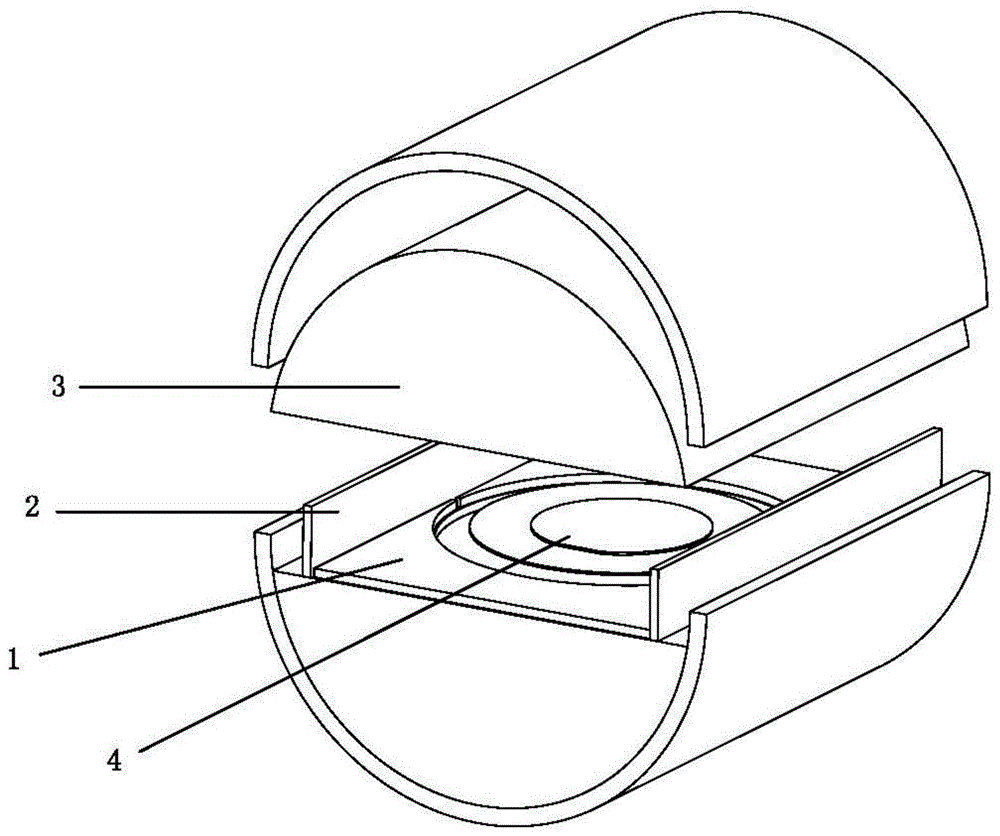
图1是现有技术的一种化学气相沉积反应腔的示意图;1 is a schematic diagram of a chemical vapor deposition reaction chamber in the prior art;
图2是现有技术的另一种化学气相沉积反应腔的示意图;2 is a schematic diagram of another chemical vapor deposition reaction chamber in the prior art;
图3是本发明配件使用前的效果图;Fig. 3 is the effect diagram before the accessory of the present invention is used;
图4是本发明配件使用后清洗前的效果图;Fig. 4 is the effect diagram before cleaning after the accessories of the present invention are used;
图5是本发明配件清洗后的效果图。FIG. 5 is an effect diagram of the accessories of the present invention after cleaning.
附图标记为:1-盖板、2-侧壁、3-顶板、4-晶片放置槽。Reference numerals are: 1-cover plate, 2-side wall, 3-top plate, 4-wafer placement slot.
具体实施方式Detailed ways
为了便于本领域技术人员的理解,下面结合实施例及附图1-5对本发明作进一步的说明,实施方式提及的内容并非对本发明的限定。In order to facilitate the understanding of those skilled in the art, the present invention will be further described below with reference to the embodiments and accompanying drawings 1-5, and the contents mentioned in the embodiments are not intended to limit the present invention.
实施例1Example 1
如图1和图2所示的两种化学气相沉积反应腔,均包括盖板1、侧壁2和顶板3,盖板1放置于底部并设置有晶片放置槽4;侧壁2作为盖板1的侧围,既可以如图1所示的是作为盖板1一体成型的延伸部件,也可以如图2所示作为独立的部件;顶板3作为封盖盖板1的部件设置于盖板1的上方。本发明的清洗方法主要针对的就是盖板1、侧壁2和顶板3等部件的清洗,其特性是可以拆卸,可以不用原位清洗,具有更好的清洗技术扩展性。The two chemical vapor deposition reaction chambers shown in Figures 1 and 2 both include a
一种SiC化学气相沉积设备反应腔配件清洁方法,包括如下步骤:A method for cleaning SiC chemical vapor deposition equipment reaction chamber accessories, comprising the following steps:
(1)机械摩擦:采用机械摩擦的方式将配件表面沉积物去除;(1) Mechanical friction: remove the deposits on the surface of the accessories by mechanical friction;
(2)除尘:清扫配件表面的颗粒物;(2) Dust removal: clean the particles on the surface of the accessories;
(3)超声清洗:将配件浸泡于清洗液中进行超声清洗,然后烘干;(3) Ultrasonic cleaning: soak the accessories in the cleaning solution for ultrasonic cleaning, and then dry;
(4)高温纯化:将配件置于高温炉中并通入气体进行纯化,控制高温炉的气压为175mbar,温度为1500℃,持续135min,通入的气体中,H2流量为40slm,HCl流量为550sccm。(4) High-temperature purification: The accessories are placed in a high-temperature furnace and gas is introduced for purification. The air pressure of the high-temperature furnace is controlled to be 175 mbar, and the temperature is 1500 ° C for 135 min. In the gas introduced, the flow rate of H 2 is 40 slm, and the flow rate of HCl is 40 slm. is 550sccm.
其中,所述步骤(1)机械摩擦中,采用磨具对配件的内表面进行摩擦,所述磨具为碳化硅电磨头。Wherein, in the mechanical friction in the step (1), an abrasive tool is used to rub the inner surface of the fitting, and the abrasive tool is a silicon carbide electric grinding head.
其中,所述步骤(1)机械摩擦中,记录配件在使用前的尺寸数据,在机械摩擦过程中测量配件的厚度,控制配件的厚度不低于记录的尺寸数据。Wherein, in the mechanical friction of step (1), the dimensional data of the accessories before use is recorded, the thickness of the accessories is measured during the mechanical friction process, and the thickness of the accessories is controlled not to be lower than the recorded dimensional data.
其中,所述步骤(2)除尘包括如下步骤:Wherein, the step (2) dedusting comprises the following steps:
(2.1)吹尘:使用高压气体对配件进行喷吹除尘;(2.1) Dust blowing: use high-pressure gas to blow dust off the accessories;
(2.2)刷洗:使用纤维毛刷和去离子水对配件表面进行刷洗。(2.2) Brushing: Use a fiber brush and deionized water to brush the surface of the accessories.
其中,所述步骤(2.1)吹尘中,高压气体输出设备的吹气口的气压为6bar,吹气口与配件的距离为1.5cm。Wherein, in the step (2.1) blowing dust, the air pressure of the air blowing port of the high-pressure gas output device is 6 bar, and the distance between the air blowing port and the accessories is 1.5 cm.
进一步地,所述步骤(2.2)刷洗中,所述去离子水的电阻率大于17MΩ·cm。Further, in the step (2.2) brushing, the resistivity of the deionized water is greater than 17 MΩ·cm.
进一步地,所述步骤(3)超声清洗中,清洗液为无水乙醇,超声清洗的频率为30KHz,时间为20min。Further, in the ultrasonic cleaning in the step (3), the cleaning solution is absolute ethanol, the frequency of ultrasonic cleaning is 30KHz, and the time is 20min.
其中,所述步骤(3)超声清洗中,烘干的温度为200℃,时间为90min。Wherein, in the ultrasonic cleaning in the step (3), the drying temperature is 200° C. and the time is 90 min.
如图3-5所示,分别为配件使用前、使用后清洗前以及清洗后的效果示意图,如图所示,可以明显看出使用后的配件表面依附了较厚的凹凸不平的沉积层,极大影响化学气相沉积的过程;通过本发明的清洗方法清洗后,局部呈现了与使用前一样的原色,其他部分虽然仍呈现沉积层的颜色,但是其表面较为平整,对化学气相沉积的反应控制影响较小,而且也说明本发明的清洗方法基本不会损伤配件表面,极大地提高了配件的使用寿命,不必要经常性的整件更换。As shown in Figure 3-5, it is a schematic diagram of the effect of the accessories before use, before cleaning and after cleaning. The process of chemical vapor deposition is greatly affected; after cleaning by the cleaning method of the present invention, the local color is the same as before use, although other parts still show the color of the deposited layer, but its surface is relatively flat, and the reaction to chemical vapor deposition The control effect is small, and it also shows that the cleaning method of the present invention basically does not damage the surface of the accessories, greatly improves the service life of the accessories, and does not require frequent replacement of the whole piece.
实施例2Example 2
一种SiC化学气相沉积设备反应腔配件清洁方法,包括如下步骤:A method for cleaning SiC chemical vapor deposition equipment reaction chamber accessories, comprising the following steps:
(1)机械摩擦:采用机械摩擦的方式将配件表面沉积物去除;(1) Mechanical friction: remove the deposits on the surface of the accessories by mechanical friction;
(2)除尘:清扫配件表面的颗粒物;(2) Dust removal: clean the particles on the surface of the accessories;
(3)超声清洗:将配件浸泡于清洗液中进行超声清洗,然后烘干;(3) Ultrasonic cleaning: soak the accessories in the cleaning solution for ultrasonic cleaning, and then dry;
(4)高温纯化:将配件置于高温炉中并通入气体进行纯化,控制高温炉的气压为300mbar,温度为1700℃,持续30min,通入的气体中,H2流量为50slm,HCl流量为1000sccm。(4) High temperature purification: The accessories are placed in a high temperature furnace and gas is introduced for purification. The air pressure of the high temperature furnace is controlled to be 300mbar, and the temperature is 1700°C for 30min. In the gas introduced, the flow rate of H2 is 50slm, and the flow rate of HCl is 50slm. is 1000sccm.
其中,所述步骤(1)机械摩擦中,采用磨具对配件的内表面进行摩擦,所述磨具为金刚石锉刀。Wherein, in the mechanical friction in the step (1), an abrasive tool is used to rub the inner surface of the fitting, and the abrasive tool is a diamond file.
其中,所述步骤(1)机械摩擦中,记录配件在使用前的尺寸数据,在机械摩擦过程中测量配件的厚度,控制配件的厚度不低于记录的尺寸数据。Wherein, in the mechanical friction of step (1), the dimensional data of the accessories before use is recorded, the thickness of the accessories is measured during the mechanical friction process, and the thickness of the accessories is controlled not to be lower than the recorded dimensional data.
其中,所述步骤(2)除尘包括如下步骤:Wherein, the step (2) dedusting comprises the following steps:
(2.1)吹尘:使用高压气体对配件进行喷吹除尘;(2.1) Dust blowing: use high-pressure gas to blow dust off the accessories;
(2.2)刷洗:使用纤维毛刷和去离子水对配件表面进行刷洗。(2.2) Brushing: Use a fiber brush and deionized water to brush the surface of the accessories.
其中,所述步骤(2.1)吹尘中,高压气体输出设备的吹气口的气压为8bar,吹气口与配件的距离为2cm。Wherein, in the dust blowing step (2.1), the air pressure of the air blowing port of the high-pressure gas output device is 8 bar, and the distance between the air blowing port and the accessories is 2 cm.
进一步地,所述步骤(2.2)刷洗中,所述去离子水的电阻率大于17MΩ·cm。Further, in the step (2.2) brushing, the resistivity of the deionized water is greater than 17 MΩ·cm.
进一步地,所述步骤(3)超声清洗中,清洗液为异丙醇,超声清洗的频率为40KHz,时间为10min。Further, in the step (3) ultrasonic cleaning, the cleaning solution is isopropanol, the frequency of ultrasonic cleaning is 40KHz, and the time is 10min.
其中,所述步骤(3)超声清洗中,烘干的温度为150-250℃,时间为60-120min。Wherein, in the ultrasonic cleaning of the step (3), the drying temperature is 150-250° C., and the time is 60-120 min.
实施例3Example 3
一种SiC化学气相沉积设备反应腔配件清洁方法,包括如下步骤:A method for cleaning SiC chemical vapor deposition equipment reaction chamber accessories, comprising the following steps:
(1)机械摩擦:采用机械摩擦的方式将配件表面沉积物去除;(1) Mechanical friction: remove the deposits on the surface of the accessories by mechanical friction;
(2)除尘:清扫配件表面的颗粒物;(2) Dust removal: clean the particles on the surface of the accessories;
(3)超声清洗:将配件浸泡于清洗液中进行超声清洗,然后烘干;(3) Ultrasonic cleaning: soak the accessories in the cleaning solution for ultrasonic cleaning, and then dry;
(4)高温纯化:将配件置于高温炉中并通入气体进行纯化,控制高温炉的气压为50mbar,温度为1300℃,持续240min,通入的气体中,H2流量为30slm,HCl流量为100sccm。(4) High temperature purification: The accessories are placed in a high temperature furnace and gas is introduced for purification. The air pressure of the high temperature furnace is controlled to be 50mbar, and the temperature is 1300°C for 240min. In the gas introduced, the flow rate of H2 is 30slm, and the flow rate of HCl is 30slm. is 100sccm.
其中,所述步骤(1)机械摩擦中,采用磨具对配件的内表面进行摩擦,所述磨具为金刚石电磨头。Wherein, in the mechanical friction in the step (1), an abrasive tool is used to rub the inner surface of the fitting, and the abrasive tool is a diamond electric grinding head.
其中,所述步骤(1)机械摩擦中,记录配件在使用前的尺寸数据,在机械摩擦过程中测量配件的厚度,控制配件的厚度不低于记录的尺寸数据。Wherein, in the mechanical friction of step (1), the dimensional data of the accessories before use is recorded, the thickness of the accessories is measured during the mechanical friction process, and the thickness of the accessories is controlled not to be lower than the recorded dimensional data.
其中,所述步骤(2)除尘包括如下步骤:Wherein, the step (2) dedusting comprises the following steps:
(2.1)吹尘:使用高压气体对配件进行喷吹除尘;(2.1) Dust blowing: use high-pressure gas to blow dust off the accessories;
(2.2)刷洗:使用纤维毛刷和去离子水对配件表面进行刷洗。(2.2) Brushing: Use a fiber brush and deionized water to brush the surface of the accessories.
其中,所述步骤(2.1)吹尘中,高压气体输出设备的吹气口的气压为4bar,吹气口与配件的距离为1cm。Wherein, in the dust blowing step (2.1), the air pressure of the air blowing port of the high-pressure gas output device is 4 bar, and the distance between the air blowing port and the accessories is 1 cm.
进一步地,所述步骤(2.2)刷洗中,所述去离子水的电阻率大于17MΩ·cm。Further, in the step (2.2) brushing, the resistivity of the deionized water is greater than 17 MΩ·cm.
进一步地,所述步骤(3)超声清洗中,清洗液为异丙醇和无水乙醇按重量比1:1组成的混合物,超声清洗的频率为20KHz,时间为30min。Further, in the ultrasonic cleaning of the step (3), the cleaning solution is a mixture of isopropanol and anhydrous ethanol in a weight ratio of 1:1, the frequency of ultrasonic cleaning is 20KHz, and the time is 30min.
其中,所述步骤(3)超声清洗中,烘干的温度为150℃,时间为120min。Wherein, in the ultrasonic cleaning in the step (3), the drying temperature is 150° C. and the time is 120 min.
实施例4Example 4
一种SiC化学气相沉积设备反应腔配件清洁方法,包括如下步骤:A method for cleaning SiC chemical vapor deposition equipment reaction chamber accessories, comprising the following steps:
(1)机械摩擦:采用机械摩擦的方式将配件表面沉积物去除;(1) Mechanical friction: remove the deposits on the surface of the accessories by mechanical friction;
(2)除尘:清扫配件表面的颗粒物;(2) Dust removal: clean the particles on the surface of the accessories;
(3)超声清洗:将配件浸泡于清洗液中进行超声清洗,然后烘干;(3) Ultrasonic cleaning: soak the accessories in the cleaning solution for ultrasonic cleaning, and then dry;
(4)高温纯化:将配件置于高温炉中并通入气体进行纯化,控制高温炉的气压为250mbar,温度为1600℃,持续50min,通入的气体中,H2流量为45slm,HCl流量为800sccm。(4) High temperature purification: The accessories are placed in a high temperature furnace and gas is introduced for purification. The air pressure of the high temperature furnace is controlled to be 250mbar, and the temperature is 1600°C for 50min. In the gas introduced, the flow rate of H2 is 45slm, and the flow rate of HCl is 45slm. is 800sccm.
其中,所述步骤(1)机械摩擦中,采用磨具对配件的内表面进行摩擦,所述磨具为碳化硅电磨头。Wherein, in the mechanical friction in the step (1), an abrasive tool is used to rub the inner surface of the fitting, and the abrasive tool is a silicon carbide electric grinding head.
其中,所述步骤(1)机械摩擦中,记录配件在使用前的尺寸数据,在机械摩擦过程中测量配件的厚度,控制配件的厚度不低于记录的尺寸数据。Wherein, in the mechanical friction of step (1), the dimensional data of the accessories before use is recorded, the thickness of the accessories is measured during the mechanical friction process, and the thickness of the accessories is controlled not to be lower than the recorded dimensional data.
其中,所述步骤(2)除尘包括如下步骤:Wherein, the step (2) dedusting comprises the following steps:
(2.1)吹尘:使用高压气体对配件进行喷吹除尘;(2.1) Dust blowing: use high-pressure gas to blow dust off the accessories;
(2.2)刷洗:使用纤维毛刷和去离子水对配件表面进行刷洗。(2.2) Brushing: Use a fiber brush and deionized water to brush the surface of the accessories.
其中,所述步骤(2.1)吹尘中,高压气体输出设备的吹气口的气压为7.5bar,吹气口与配件的距离为1.5cm。Wherein, in the dust blowing step (2.1), the air pressure of the air blowing port of the high-pressure gas output device is 7.5 bar, and the distance between the air blowing port and the accessories is 1.5 cm.
进一步地,所述步骤(2.2)刷洗中,所述去离子水的电阻率大于17MΩ·cm。Further, in the step (2.2) brushing, the resistivity of the deionized water is greater than 17 MΩ·cm.
进一步地,所述步骤(3)超声清洗中,清洗液为异丙醇,超声清洗的频率为35KHz,时间为15min。Further, in the ultrasonic cleaning in step (3), the cleaning solution is isopropanol, the frequency of ultrasonic cleaning is 35KHz, and the time is 15min.
其中,所述步骤(3)超声清洗中,烘干的温度为230℃,时间为75min。Wherein, in the ultrasonic cleaning of the step (3), the drying temperature is 230° C. and the time is 75 minutes.
实施例5Example 5
一种SiC化学气相沉积设备反应腔配件清洁方法,包括如下步骤:A method for cleaning SiC chemical vapor deposition equipment reaction chamber accessories, comprising the following steps:
(1)机械摩擦:采用机械摩擦的方式将配件表面沉积物去除;(1) Mechanical friction: remove the deposits on the surface of the accessories by mechanical friction;
(2)除尘:清扫配件表面的颗粒物;(2) Dust removal: clean the particles on the surface of the accessories;
(3)超声清洗:将配件浸泡于清洗液中进行超声清洗,然后烘干;(3) Ultrasonic cleaning: soak the accessories in the cleaning solution for ultrasonic cleaning, and then dry;
(4)高温纯化:将配件置于高温炉中并通入气体进行纯化,控制高温炉的气压为100mbar,温度为1400℃,持续200min,通入的气体中,H2流量为35slm,HCl流量为300sccm。(4) High temperature purification: The accessories are placed in a high temperature furnace and gas is introduced for purification. The air pressure of the high temperature furnace is controlled to be 100mbar, and the temperature is 1400°C for 200min. In the gas introduced, the flow rate of H2 is 35slm, and the flow rate of HCl is 35slm. is 300sccm.
其中,所述步骤(1)机械摩擦中,采用磨具对配件的内表面进行摩擦,所述磨具为碳化硅电磨头。Wherein, in the mechanical friction in the step (1), an abrasive tool is used to rub the inner surface of the fitting, and the abrasive tool is a silicon carbide electric grinding head.
其中,所述步骤(1)机械摩擦中,记录配件在使用前的尺寸数据,在机械摩擦过程中测量配件的厚度,控制配件的厚度不低于记录的尺寸数据。Wherein, in the mechanical friction of step (1), the dimensional data of the accessories before use is recorded, the thickness of the accessories is measured during the mechanical friction process, and the thickness of the accessories is controlled not to be lower than the recorded dimensional data.
其中,所述步骤(2)除尘包括如下步骤:Wherein, the step (2) dedusting comprises the following steps:
(2.1)吹尘:使用高压气体对配件进行喷吹除尘;(2.1) Dust blowing: use high-pressure gas to blow dust off the accessories;
(2.2)刷洗:使用纤维毛刷和去离子水对配件表面进行刷洗。(2.2) Brushing: Use a fiber brush and deionized water to brush the surface of the accessories.
其中,所述步骤(2.1)吹尘中,高压气体输出设备的吹气口的气压为5bar,吹气口与配件的距离为1.5cm。Wherein, in the step (2.1) blowing dust, the air pressure of the air blowing port of the high-pressure gas output device is 5 bar, and the distance between the air blowing port and the accessories is 1.5 cm.
进一步地,所述步骤(2.2)刷洗中,所述去离子水的电阻率大于17MΩ·cm。Further, in the step (2.2) brushing, the resistivity of the deionized water is greater than 17 MΩ·cm.
进一步地,所述步骤(3)超声清洗中,清洗液为无水乙醇,超声清洗的频率为25KHz,时间为25min。Further, in the ultrasonic cleaning in step (3), the cleaning solution is absolute ethanol, the frequency of ultrasonic cleaning is 25KHz, and the time is 25min.
其中,所述步骤(3)超声清洗中,烘干的温度为170℃,时间为100min。Wherein, in the ultrasonic cleaning in the step (3), the drying temperature is 170° C. and the time is 100 min.
上述实施例为本发明较佳的实现方案,除此之外,本发明还可以其它方式实现,在不脱离本发明构思的前提下任何显而易见的替换均在本发明的保护范围之内。The above-mentioned embodiment is a preferred implementation scheme of the present invention. In addition, the present invention can also be implemented in other ways, and any obvious replacements are within the protection scope of the present invention without departing from the concept of the present invention.
Claims (8)
Priority Applications (1)
| Application Number | Priority Date | Filing Date | Title |
|---|---|---|---|
| CN202010452392.0A CN111663115B (en) | 2020-05-26 | 2020-05-26 | A kind of cleaning method of SiC chemical vapor deposition equipment reaction chamber accessories |
Applications Claiming Priority (1)
| Application Number | Priority Date | Filing Date | Title |
|---|---|---|---|
| CN202010452392.0A CN111663115B (en) | 2020-05-26 | 2020-05-26 | A kind of cleaning method of SiC chemical vapor deposition equipment reaction chamber accessories |
Publications (2)
| Publication Number | Publication Date |
|---|---|
| CN111663115A true CN111663115A (en) | 2020-09-15 |
| CN111663115B CN111663115B (en) | 2022-06-28 |
Family
ID=72384672
Family Applications (1)
| Application Number | Title | Priority Date | Filing Date |
|---|---|---|---|
| CN202010452392.0A Active CN111663115B (en) | 2020-05-26 | 2020-05-26 | A kind of cleaning method of SiC chemical vapor deposition equipment reaction chamber accessories |
Country Status (1)
| Country | Link |
|---|---|
| CN (1) | CN111663115B (en) |
Cited By (3)
| Publication number | Priority date | Publication date | Assignee | Title |
|---|---|---|---|---|
| CN112374513A (en) * | 2020-10-21 | 2021-02-19 | 艾氢技术(苏州)有限公司 | Automatic recovery system of solid hydrogen reactant |
| CN114892147A (en) * | 2022-07-13 | 2022-08-12 | 芯三代半导体科技(苏州)有限公司 | Method for repairing graphite component of silicon carbide deposition equipment |
| CN116121860A (en) * | 2023-02-22 | 2023-05-16 | 江苏鑫华半导体科技股份有限公司 | Equipment and method for removing silicon carbide deposition layer of graphite piece |
Citations (4)
| Publication number | Priority date | Publication date | Assignee | Title |
|---|---|---|---|---|
| US20030221708A1 (en) * | 2002-06-04 | 2003-12-04 | Chun-Hao Ly | Method of cleaning a semiconductor process chamber |
| US20070264807A1 (en) * | 2004-08-30 | 2007-11-15 | Stefano Leone | Cleaining Process and Operating Process for a Cvd Reactor |
| CN104167351A (en) * | 2014-07-23 | 2014-11-26 | 东莞市天域半导体科技有限公司 | Chemical mechanical cleaning method of SiC epitaxial wafer and special-purpose tools |
| CN104576307A (en) * | 2013-10-10 | 2015-04-29 | 有研新材料股份有限公司 | Method for eliminating micro particle aggregation on surface of 12-inch monocrystalline silicon epitaxial wafer |
-
2020
- 2020-05-26 CN CN202010452392.0A patent/CN111663115B/en active Active
Patent Citations (4)
| Publication number | Priority date | Publication date | Assignee | Title |
|---|---|---|---|---|
| US20030221708A1 (en) * | 2002-06-04 | 2003-12-04 | Chun-Hao Ly | Method of cleaning a semiconductor process chamber |
| US20070264807A1 (en) * | 2004-08-30 | 2007-11-15 | Stefano Leone | Cleaining Process and Operating Process for a Cvd Reactor |
| CN104576307A (en) * | 2013-10-10 | 2015-04-29 | 有研新材料股份有限公司 | Method for eliminating micro particle aggregation on surface of 12-inch monocrystalline silicon epitaxial wafer |
| CN104167351A (en) * | 2014-07-23 | 2014-11-26 | 东莞市天域半导体科技有限公司 | Chemical mechanical cleaning method of SiC epitaxial wafer and special-purpose tools |
Cited By (4)
| Publication number | Priority date | Publication date | Assignee | Title |
|---|---|---|---|---|
| CN112374513A (en) * | 2020-10-21 | 2021-02-19 | 艾氢技术(苏州)有限公司 | Automatic recovery system of solid hydrogen reactant |
| CN114892147A (en) * | 2022-07-13 | 2022-08-12 | 芯三代半导体科技(苏州)有限公司 | Method for repairing graphite component of silicon carbide deposition equipment |
| CN114892147B (en) * | 2022-07-13 | 2022-10-25 | 芯三代半导体科技(苏州)有限公司 | Method for repairing graphite component of silicon carbide deposition equipment |
| CN116121860A (en) * | 2023-02-22 | 2023-05-16 | 江苏鑫华半导体科技股份有限公司 | Equipment and method for removing silicon carbide deposition layer of graphite piece |
Also Published As
| Publication number | Publication date |
|---|---|
| CN111663115B (en) | 2022-06-28 |
Similar Documents
| Publication | Publication Date | Title |
|---|---|---|
| TWI674617B (en) | Method for performing plasma treatment process after plasma cleaning process | |
| CN111663115B (en) | A kind of cleaning method of SiC chemical vapor deposition equipment reaction chamber accessories | |
| CN103911596B (en) | Device for preparing diamond film and method for preparing diamond film by using device | |
| TWI505990B (en) | Cleaning gas and cleaning methods | |
| CN102502592A (en) | Method for realizing epitaxial growth of wafer level graphene on 4H/6H-SiC carbon surfaces | |
| CN106653570B (en) | A preparation method of heavily doped substrate inversion high-resistance IC epitaxial wafer | |
| CN102534808A (en) | Method for obtaining high-quality silicon carbide surfaces | |
| CN102433586A (en) | Epitaxial growth method of wafer-scale graphene on 4H/6H-SiC silicon surface | |
| TW201905235A (en) | Film forming device and washing method thereof | |
| TWI626730B (en) | Epitaxial wafer manufacturing method | |
| JP2011233583A (en) | Vapor-phase growth device and method of manufacturing silicon epitaxial wafer | |
| WO2012063432A1 (en) | Bell jar cleaning method | |
| CN102674329A (en) | Preparation method of structured graphene based on Cl2 reaction | |
| JP3897165B2 (en) | Semiconductor device manufacturing method and substrate processing apparatus | |
| CN113463068B (en) | Maintenance method for dry-wet combination of semiconductor film forming APCVD machine process cavity | |
| CN103938268A (en) | Method for reducing surface grain density of silicon carbide epitaxial wafer | |
| CN111463117A (en) | A kind of preparation method of silicon epitaxial wafer for high frequency device | |
| CN111463096A (en) | Cleaning method of substrate processing apparatus and substrate processing apparatus | |
| TWI844268B (en) | Epitaxial growth equipment restart method | |
| JP6395924B2 (en) | Method for producing polycrystalline silicon | |
| CN103484933A (en) | Cleaning method for epitaxial chemical vapor deposition (CVD) device | |
| CN107012507A (en) | For preventing earth-fault current and with the polysilicon preparing device of excellent removal silica soot effect | |
| CN104882365B (en) | A kind of silicon carbide processing method | |
| JP2021046336A (en) | Method for processing surface of graphite support substrate, method for depositing silicon carbide polycrystalline film and method for manufacturing silicon carbide polycrystalline substrate | |
| CN115110147B (en) | A method of growing low-warpage semiconductor substrate wafers |
Legal Events
| Date | Code | Title | Description |
|---|---|---|---|
| PB01 | Publication | ||
| PB01 | Publication | ||
| SE01 | Entry into force of request for substantive examination | ||
| SE01 | Entry into force of request for substantive examination | ||
| GR01 | Patent grant | ||
| GR01 | Patent grant | ||
| CP01 | Change in the name or title of a patent holder |
Address after: 523000 second floor office building, No.5, Gongye North 1st Road, Hubei Industrial City, Songshan, Dongguan City, Guangdong Province Patentee after: Guangdong Tianyu Semiconductor Co.,Ltd. Address before: 523000 second floor office building, No.5, Gongye North 1st Road, Hubei Industrial City, Songshan, Dongguan City, Guangdong Province Patentee before: DONGGUAN TIANYU SEMICONDUCTOR TECHNOLOGY Co.,Ltd. |
|
| CP01 | Change in the name or title of a patent holder | ||
| CP03 | Change of name, title or address |
Address after: 523000 Guangdong Province Dongguan City Songshan Lake Industrial Park North Road 5 # Patentee after: Guangdong Tianyu Semiconductor Co.,Ltd. Country or region after: China Address before: 523000 second floor office building, No.5, Gongye North 1st Road, Hubei Industrial City, Songshan, Dongguan City, Guangdong Province Patentee before: Guangdong Tianyu Semiconductor Co.,Ltd. Country or region before: China |
|
| CP03 | Change of name, title or address |