CN102024949A - Negative active material, method of preparing same, and rechargeable lithium battering including same - Google Patents
Negative active material, method of preparing same, and rechargeable lithium battering including same Download PDFInfo
- Publication number
- CN102024949A CN102024949A CN2010102784176A CN201010278417A CN102024949A CN 102024949 A CN102024949 A CN 102024949A CN 2010102784176 A CN2010102784176 A CN 2010102784176A CN 201010278417 A CN201010278417 A CN 201010278417A CN 102024949 A CN102024949 A CN 102024949A
- Authority
- CN
- China
- Prior art keywords
- oxide
- negative active
- active core
- lithium
- active material
- Prior art date
- Legal status (The legal status is an assumption and is not a legal conclusion. Google has not performed a legal analysis and makes no representation as to the accuracy of the status listed.)
- Pending
Links
Classifications
-
- H—ELECTRICITY
- H01—ELECTRIC ELEMENTS
- H01M—PROCESSES OR MEANS, e.g. BATTERIES, FOR THE DIRECT CONVERSION OF CHEMICAL ENERGY INTO ELECTRICAL ENERGY
- H01M10/00—Secondary cells; Manufacture thereof
- H01M10/05—Accumulators with non-aqueous electrolyte
- H01M10/052—Li-accumulators
- H01M10/0525—Rocking-chair batteries, i.e. batteries with lithium insertion or intercalation in both electrodes; Lithium-ion batteries
-
- H—ELECTRICITY
- H01—ELECTRIC ELEMENTS
- H01M—PROCESSES OR MEANS, e.g. BATTERIES, FOR THE DIRECT CONVERSION OF CHEMICAL ENERGY INTO ELECTRICAL ENERGY
- H01M4/00—Electrodes
- H01M4/02—Electrodes composed of, or comprising, active material
- H01M4/04—Processes of manufacture in general
- H01M4/0471—Processes of manufacture in general involving thermal treatment, e.g. firing, sintering, backing particulate active material, thermal decomposition, pyrolysis
-
- H—ELECTRICITY
- H01—ELECTRIC ELEMENTS
- H01M—PROCESSES OR MEANS, e.g. BATTERIES, FOR THE DIRECT CONVERSION OF CHEMICAL ENERGY INTO ELECTRICAL ENERGY
- H01M4/00—Electrodes
- H01M4/02—Electrodes composed of, or comprising, active material
- H01M4/13—Electrodes for accumulators with non-aqueous electrolyte, e.g. for lithium-accumulators; Processes of manufacture thereof
- H01M4/139—Processes of manufacture
- H01M4/1391—Processes of manufacture of electrodes based on mixed oxides or hydroxides, or on mixtures of oxides or hydroxides, e.g. LiCoOx
-
- H—ELECTRICITY
- H01—ELECTRIC ELEMENTS
- H01M—PROCESSES OR MEANS, e.g. BATTERIES, FOR THE DIRECT CONVERSION OF CHEMICAL ENERGY INTO ELECTRICAL ENERGY
- H01M4/00—Electrodes
- H01M4/02—Electrodes composed of, or comprising, active material
- H01M4/36—Selection of substances as active materials, active masses, active liquids
- H01M4/48—Selection of substances as active materials, active masses, active liquids of inorganic oxides or hydroxides
- H01M4/485—Selection of substances as active materials, active masses, active liquids of inorganic oxides or hydroxides of mixed oxides or hydroxides for inserting or intercalating light metals, e.g. LiTi2O4 or LiTi2OxFy
-
- Y—GENERAL TAGGING OF NEW TECHNOLOGICAL DEVELOPMENTS; GENERAL TAGGING OF CROSS-SECTIONAL TECHNOLOGIES SPANNING OVER SEVERAL SECTIONS OF THE IPC; TECHNICAL SUBJECTS COVERED BY FORMER USPC CROSS-REFERENCE ART COLLECTIONS [XRACs] AND DIGESTS
- Y02—TECHNOLOGIES OR APPLICATIONS FOR MITIGATION OR ADAPTATION AGAINST CLIMATE CHANGE
- Y02E—REDUCTION OF GREENHOUSE GAS [GHG] EMISSIONS, RELATED TO ENERGY GENERATION, TRANSMISSION OR DISTRIBUTION
- Y02E60/00—Enabling technologies; Technologies with a potential or indirect contribution to GHG emissions mitigation
- Y02E60/10—Energy storage using batteries
Landscapes
- Chemical & Material Sciences (AREA)
- Engineering & Computer Science (AREA)
- Chemical Kinetics & Catalysis (AREA)
- Electrochemistry (AREA)
- General Chemical & Material Sciences (AREA)
- Manufacturing & Machinery (AREA)
- Materials Engineering (AREA)
- Inorganic Chemistry (AREA)
- Battery Electrode And Active Subsutance (AREA)
- Inorganic Compounds Of Heavy Metals (AREA)
- Secondary Cells (AREA)
Abstract
本发明提供了一种用于可充电锂电池的负极活性材料、制备该负极活性材料的方法及包含该负极活性材料的可充电锂电池。本发明的实施例涉及用于可充电锂电池的包含锂钛氧化物的负极活性材料。该锂钛氧化物通过利用Cu Kα射线的XRD测量具有在(111)面的大约0.08054°至大约0.10067°的2θ的半高宽。

The invention provides a negative electrode active material for a rechargeable lithium battery, a method for preparing the negative electrode active material, and a rechargeable lithium battery containing the negative electrode active material. Embodiments of the present invention relate to negative active materials including lithium titanium oxide for rechargeable lithium batteries. The lithium titanium oxide has a full width at half maximum in 2θ of about 0.08054° to about 0.10067° in the (111) plane as measured by XRD using Cu Kα rays.
Description
技术领域technical field
本公开涉及用于可充电锂电池的负极活性材料、制备该负极活性材料的方法以及包含该负极活性材料的可充电锂电池。The present disclosure relates to a negative active material for a rechargeable lithium battery, a method of preparing the negative active material, and a rechargeable lithium battery including the negative active material.
背景技术Background technique
近来,可充电锂电池作为小型、便携式的电子装置的电源已经引起了人们的注意。可充电锂电池使用有机电解质溶液,因此,具有两倍于使用碱性水溶液的传统电池的放电电压的放电电压。因此,可充电锂电池具有高能量密度。Recently, rechargeable lithium batteries have attracted attention as power sources for small, portable electronic devices. The rechargeable lithium battery uses an organic electrolyte solution, and thus, has a discharge voltage twice that of a conventional battery using an alkaline aqueous solution. Therefore, rechargeable lithium batteries have high energy density.
对于可充电锂电池的正极活性材料,已经使用了硫族化合物(即,诸如LiCoO2、LiMn2O4、LiNi1-xCoxO2(0<x<1)的复合金属氧化物)等。For positive electrode active materials of rechargeable lithium batteries, chalcogenides (ie, composite metal oxides such as LiCoO 2 , LiMn 2 O 4 , LiNi 1-x Co x O 2 (0<x<1)) and the like have been used. .
对于可充电锂电池的负极活性材料,已经使用了各种能够嵌入和脱嵌锂离子的碳基材料,例如,人工石墨、天然石墨和硬碳。因为石墨具有-0.2V的低放电电势(与锂相比),所以石墨增大了电池的放电电压和能量密度。使用石墨作为负极活性材料的电池具有3.6V的高平均放电电势和优良的能量密度。此外,因为石墨由于良好的可逆性而使电池具有更好的循环寿命,所以石墨是在前面提到的碳基材料中使用最多的材料。然而,石墨活性材料的密度低(即,2.2g/cc的理论密度),因此,当将石墨用作负极活性材料时,石墨在每单位体积的能量密度方面容量低。此外,由于石墨很可能在高放电电压下与有机电解液反应,所以在电池被错用或过充电等的情况下,石墨会导致膨胀或容量降低。For anode active materials for rechargeable lithium batteries, various carbon-based materials capable of intercalating and deintercalating lithium ions have been used, for example, artificial graphite, natural graphite, and hard carbon. Because graphite has a low discharge potential of -0.2V (compared to lithium), graphite increases the discharge voltage and energy density of the battery. The battery using graphite as the negative active material has a high average discharge potential of 3.6 V and excellent energy density. In addition, graphite is the most used material among the aforementioned carbon-based materials because graphite enables batteries to have better cycle life due to good reversibility. However, the graphite active material has a low density (ie, a theoretical density of 2.2 g/cc), and thus, when graphite is used as an anode active material, graphite has a low capacity in terms of energy density per unit volume. In addition, since graphite is likely to react with organic electrolytes at high discharge voltages, graphite can cause swelling or reduced capacity in cases where the battery is misused or overcharged, etc.
发明内容Contents of the invention
根据本发明的实施例,用于可充电锂电池的负极活性材料具有改善的高速率充电特性、循环寿命特性和安全特性。According to embodiments of the present invention, a negative active material for a rechargeable lithium battery has improved high-rate charging characteristics, cycle life characteristics, and safety characteristics.
本发明的其他实施例在于提供制备负极活性材料的方法。Other embodiments of the present invention provide methods for preparing negative electrode active materials.
根据本发明的其他实施例,可充电锂电池包含负极活性材料。According to other embodiments of the present invention, a rechargeable lithium battery includes a negative active material.
根据本发明的实施例,用于可充电锂电池的负极活性材料包括锂钛氧化物。锂钛氧化物通过利用Cu Kα射线的X射线衍射(XRD)测量具有在(111)面的从大约0.08054°至大约0.10067°范围内的2θ的半高宽(FWHM)(主峰,2θ=18.330°)。例如,在一些实施例中,锂钛氧化物通过利用Cu Kα射线的X射线衍射测量可以具有在(111)面的从大约0.08477°至大约0.09475°范围内的2θ的FWHM(主峰,2θ=18.330°)。According to an embodiment of the present invention, a negative active material for a rechargeable lithium battery includes lithium titanium oxide. The lithium titanium oxide has a full width at half maximum (FWHM) of 2θ in the (111) plane from about 0.08054° to about 0.10067° as measured by X-ray diffraction (XRD) using Cu Kα rays (main peak, 2θ=18.330° ). For example, in some embodiments, lithium titanium oxide may have a FWHM of 2θ in the range of from about 0.08477° to about 0.09475° in the (111) plane as measured by X-ray diffraction using Cu Kα rays (main peak, 2θ=18.330 °).
在一些实施例中,锂钛氧化物可以由下面的化学式1表示。In some embodiments, lithium titanium oxide may be represented by Chemical Formula 1 below.
化学式1chemical formula 1
Li4-x-yMyTi5+x-zM′zO12 Li 4-xy M y Ti 5+xz M′ z O 12
在上面的化学式1中,x的范围为0至1,y的范围为0至1,z的范围为0至1。此外,M可以选自La、Tb、Gd、Ce、Pr、Nd、Sm、Ba、Sr、Ca、Mg及它们的组合。M′选自V、Cr、Nb、Fe、Ni、Co、Mn、W、Al、Ga、Cu、P、Mo及它们的组合。In the above Chemical Formula 1, x ranges from 0 to 1, y ranges from 0 to 1, and z ranges from 0 to 1. In addition, M may be selected from La, Tb, Gd, Ce, Pr, Nd, Sm, Ba, Sr, Ca, Mg, and combinations thereof. M' is selected from V, Cr, Nb, Fe, Ni, Co, Mn, W, Al, Ga, Cu, P, Mo and combinations thereof.
在一些示例性实施例中,锂钛氧化物可以由下面的化学式2表示。In some exemplary embodiments, the lithium titanium oxide may be represented by Chemical Formula 2 below.
化学式2chemical formula 2
Li4-xTi5+xO12 Li 4-x Ti 5+x O 12
在上面的化学式2中,x的范围为从0至1。In the above Chemical Formula 2, x ranges from 0 to 1.
锂钛氧化物的一个非限制性示例为Li4Ti5O12。A non-limiting example of lithium titanium oxide is Li 4 Ti 5 O 12 .
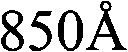
锂钛氧化物可以具有从大约


根据本发明的其他实施例,制备用于可充电锂电池的负极活性材料的方法包括以下步骤:在惰性气氛下以大约800℃至大约850℃加热锂钛氧化物前驱体,以提供锂钛氧化物。可以在从氮气、氩气和它们的组合中选择的惰性气氛下执行加热处理。According to other embodiments of the present invention, a method of preparing a negative electrode active material for a rechargeable lithium battery includes the step of: heating a lithium titanium oxide precursor at about 800° C. to about 850° C. under an inert atmosphere to provide lithium titanium oxide thing. The heat treatment may be performed under an inert atmosphere selected from nitrogen, argon, and combinations thereof.
在一个实施例中,可以通过在惰性气氛下以大约810℃至大约840℃加热锂钛氧化物前驱体来制备锂钛氧化物。In one embodiment, lithium titanium oxide may be prepared by heating a lithium titanium oxide precursor at about 810° C. to about 840° C. under an inert atmosphere.
可以通过在惰性气氛下加热锂钛氧化物前驱体大约5小时至大约10小时来执行加热处理工艺。The heat treatment process may be performed by heating the lithium titanium oxide precursor for about 5 hours to about 10 hours under an inert atmosphere.
根据本发明另外的实施例,可充电锂电池包括包含负极活性材料的负极、包含正极活性材料的正极以及非水电解液。According to another embodiment of the present invention, a rechargeable lithium battery includes a negative electrode including a negative active material, a positive electrode including a positive active material, and a non-aqueous electrolyte.
根据本发明实施例的用于可充电锂电池的负极活性材料表现出优异的高速率充电特性、循环寿命特性和稳定性。The negative active material for a rechargeable lithium battery according to an embodiment of the present invention exhibits excellent high-rate charging characteristics, cycle life characteristics, and stability.
附图说明Description of drawings
图1为根据本发明一个实施例的可充电锂电池的示意图。FIG. 1 is a schematic diagram of a rechargeable lithium battery according to one embodiment of the present invention.
具体实施方式Detailed ways
现在,将描述本发明的示例性实施例。然而,这些实施例是示例性的,本发明不局限于这些实施例。Now, an exemplary embodiment of the present invention will be described. However, these examples are exemplary, and the present invention is not limited to these examples.
根据本发明的实施例,通过利用Cu Kα射线的XRD测量,用于可充电锂电池的负极活性材料包含在(111)面2θ的半高宽(FWHM)在大约0.08054°至大约0.10067°范围内(主峰,2θ=18.330°)的锂钛氧化物(lithium titaniumoxide)。According to an embodiment of the present invention, the anode active material for a rechargeable lithium battery comprises a full width at half maximum (FWHM) of (111) plane 2θ in the range of about 0.08054° to about 0.10067° by XRD measurement using Cu Kα rays (main peak, 2θ=18.330°) lithium titanium oxide (lithium titanium oxide).
在一些实施例中,锂钛氧化物可以由下面的化学式1表示。In some embodiments, lithium titanium oxide may be represented by Chemical Formula 1 below.
化学式1chemical formula 1
Li4-x-yMyTi5+x-zM′zO12 Li 4-xy M y Ti 5+xz M′ z O 12
在上面的化学式1中,x的范围为0至1,y的范围为0至1,z的范围为0至1。此外,M可以从La、Tb、Gd、Ce、Pr、Nd、Sm、Ba、Sr、Ca、Mg及它们的组合中选择。M′可以从V、Cr、Nb、Fe、Ni、Co、Mn、W、Al、Ga、Cu、P、Mo及它们的组合中选择。满足式1的锂钛氧化物的非限制性示例包括Li3.9Mg0.1Ti5O12、Li4Ti4.8V0.2O12、Li4Ti4.8Nb0.2O12、Li4Ti4.8Mo0.2O12和Li4Ti4.8P0.2O12。因锂钛氧化物的尖晶石结构,使得氧化物中的一小部分锂或钛与另外的过渡金属的交换未改变尖晶石结构化合物的XRD峰。In the above Chemical Formula 1, x ranges from 0 to 1, y ranges from 0 to 1, and z ranges from 0 to 1. In addition, M can be selected from La, Tb, Gd, Ce, Pr, Nd, Sm, Ba, Sr, Ca, Mg, and combinations thereof. M' can be selected from V, Cr, Nb, Fe, Ni, Co, Mn, W, Al, Ga, Cu, P, Mo, and combinations thereof. Non-limiting examples of lithium titanium oxides satisfying Formula 1 include Li 3.9 Mg 0.1 Ti 5 O 12 , Li 4 Ti 4.8 V 0.2 O 12 , Li 4 Ti 4.8 Nb 0.2 O 12 , Li 4 Ti 4.8 Mo 0.2 O 12 , and Li 4 Ti 4.8 P 0.2 O 12 . Due to the spinel structure of lithium titanium oxide, the exchange of a small portion of lithium or titanium in the oxide with another transition metal did not change the XRD peaks of the spinel structure compound.
在一些实施例中,锂钛氧化物可以由下面的化学式2表示。In some embodiments, lithium titanium oxide may be represented by Chemical Formula 2 below.
化学式2chemical formula 2
Li4-xTi5+xO12 Li 4-x Ti 5+x O 12
在上面的化学式2中,x的范围为0至1。In the above Chemical Formula 2, x ranges from 0 to 1.
锂钛氧化物的一个非限制性示例为Li4Ti5O12。A non-limiting example of lithium titanium oxide is Li 4 Ti 5 O 12 .
锂钛氧化物可以具有大约0.08054°至大约0.10067°范围内的FWHM,且根据一些实施例,锂钛氧化物可以具有大约0.08477°至大约0.09475°范围内的FWHM。在一些实施例中,锂钛氧化物可以具有大约0.0882°至大约0.0986°范围内的FWHM。当锂钛氧化物具有这些范围内的FWHM时,包含锂钛氧化物的可充电锂电池具有改善的初始容量和效率特性(efficiencycharacteristics)。The lithium titanium oxide may have a FWHM in a range of about 0.08054° to about 0.10067°, and according to some embodiments, the lithium titanium oxide may have a FWHM in a range of about 0.08477° to about 0.09475°. In some embodiments, the lithium titanium oxide can have a FWHM in the range of about 0.0882° to about 0.0986°. When the lithium titanium oxide has a FWHM within these ranges, a rechargeable lithium battery including the lithium titanium oxide has improved initial capacity and efficiency characteristics.
为了计算FWHM,首先测量锂钛氧化物的利用Cu Kα射线的XRD峰。可以利用下面的测量标准用D8DdvanceTM(Brucker公司)来进行XRD测量:1)大约0.2°/每分钟至大约10°/每分钟的扫描速率;2)大约0°至大约90°的测量范围;3)大约20kV至大约90kV的管电压;4)大约20mA至大约100mA的管电流。In order to calculate the FWHM, the XRD peaks of the lithium titanium oxide using Cu Kα rays are first measured. XRD measurements can be performed with D8Ddvance ™ (Brucker Corporation) using the following measurement standards: 1) a scan rate of about 0.2°/min to about 10°/min; 2) a measurement range of about 0° to about 90°; 3) Tube voltage of about 20 kV to about 90 kV; 4) Tube current of about 20 mA to about 100 mA.
根据一些实施例,当根据上述方法测量XRD峰时,锂钛氧化物在大约18.330°处具有(111)面的主峰。根据洛伦兹拟合法(Lorentzian Fit method),从峰在大约18.330°处的(111)面(XRD的主峰)可以获得FWHM。According to some embodiments, when the XRD peaks are measured according to the above method, the lithium titanium oxide has a main peak of the (111) plane at about 18.330°. According to the Lorentzian Fit method, the FWHM can be obtained from the (111) plane (the main peak of XRD) with the peak at about 18.330°.
根据一些实施例,锂钛氧化物的晶粒尺寸在大约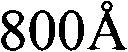


在从XRD峰获得FWHM之后,可以通过舍勒尔方程(Sherer Equation)(方程1)来计算锂钛氧化物的晶粒尺寸。After obtaining the FWHM from the XRD peaks, the grain size of lithium titanium oxide can be calculated by the Sherer Equation (Equation 1).
方程1Equation 1
t=0.9λ/BcosθB t=0.9λ/ BcosθB
在上面的方程1中,t表示颗粒尺寸,λ表示波长,B表示FWHM,θB表示峰的位置。In Equation 1 above, t represents the particle size, λ represents the wavelength, B represents the FWHM, and θ B represents the position of the peak.
当锂钛氧化物具有从大约0.08054°至大约0.10067°范围内的FWHM时,锂钛氧化物的晶粒尺寸的范围可以为从大约


根据其他实施例,制备用于可充电锂电池的负极活性材料的方法包括:在惰性气氛下以大约800℃至大约850℃加热锂原料和钛原料,以提供锂钛氧化物。在一个实施例中,例如,可以在大于大约800℃至大约850℃的温度下执行热处理。例如,在一个实施例中,可以在大于大约810℃至大约840℃的温度下执行热处理。在另一个实施例中,可以通过在惰性气氛中以大约805℃、大约810℃、大约815℃、大约820℃、大约825℃、大约830℃、大约835℃、大约840℃、大约845℃或大约850℃加热锂钛氧化物前体来制备锂钛氧化物。According to other embodiments, a method of preparing a negative active material for a rechargeable lithium battery includes heating a lithium feedstock and a titanium feedstock at about 800° C. to about 850° C. under an inert atmosphere to provide lithium titanium oxide. In one embodiment, for example, heat treatment may be performed at a temperature of greater than about 800°C to about 850°C. For example, in one embodiment, the thermal treatment may be performed at a temperature of greater than about 810°C to about 840°C. In another embodiment, it can be heated by heating at about 805°C, about 810°C, about 815°C, about 820°C, about 825°C, about 830°C, about 835°C, about 840°C, about 845°C, or Lithium titanium oxide is prepared by heating the lithium titanium oxide precursor at about 850°C.
锂原料的非限制性示例包括Li2CO3、LiOH、LiCl、LiNO3等。钛原料的非限制性示例包括TiO2、TiCl4和它们的组合。Non-limiting examples of lithium raw materials include Li 2 CO 3 , LiOH, LiCl, LiNO 3 , and the like. Non-limiting examples of titanium feedstocks include TiO 2 , TiCl 4 , and combinations thereof.
在一些实施例中,可以在惰性气氛中在大约810℃至大约840℃的温度下加热锂原料和钛原料。当以该范围内的温度加热原料时,获得的锂钛氧化物的结晶度得到改善,从而使可充电锂电池的初始容量和效率改善。In some embodiments, the lithium feedstock and the titanium feedstock may be heated at a temperature of about 810° C. to about 840° C. in an inert atmosphere. When the raw material is heated at a temperature within this range, the crystallinity of the obtained lithium titanium oxide is improved, resulting in improved initial capacity and efficiency of the rechargeable lithium battery.
可以以上述范围内的温度对锂原料和钛原料执行热处理大约5小时至大约10小时,以提供锂钛氧化物,通过利用Cu Kα射线的X射线衍射(XRD)测量,该锂钛氧化物具有在(111)面从大约0.08054°至大约0.10067°范围的2θ的FWHM。可以根据热处理的温度来调整用于热处理的时间段。当热处理温度为在大约800℃至大约850℃范围内的相对高的温度时,可以缩短加热的时间段。The heat treatment of the lithium raw material and the titanium raw material may be performed at a temperature within the above range for about 5 hours to about 10 hours to provide lithium titanium oxide having FWHM in 2Θ at the (111) plane ranging from about 0.08054° to about 0.10067°. The time period for the heat treatment may be adjusted according to the temperature of the heat treatment. When the heat treatment temperature is a relatively high temperature in the range of about 800°C to about 850°C, the heating period may be shortened.
可以在从氮气、氩气和它们的组合中选择的惰性气氛下执行热处理。通过热处理得到的锂钛氧化物的晶粒尺寸增大到大约

此外,可以对获得的锂钛氧化物进行再加热以改善结晶度。当对锂钛氧化物进行再加热来改善结晶度时,可以在与从锂源材料和钛源材料制备锂钛氧化物的方法的热处理条件相同的热处理条件下来执行再加热。例如,可以以大约800℃至大约850℃的温度或大于大约800℃至大约850℃的温度执行再加热大约5小时至大约10小时。In addition, the obtained lithium titanium oxide may be reheated to improve crystallinity. When reheating lithium titanium oxide to improve crystallinity, reheating may be performed under the same heat treatment conditions as those of the method of producing lithium titanium oxide from a lithium source material and a titanium source material. For example, reheating may be performed at a temperature of about 800°C to about 850°C or greater than about 800°C to about 850°C for about 5 hours to about 10 hours.
如上所述,锂钛氧化物的结晶度影响可充电锂电池的充电和放电特性。因此,当将具有高结晶度的锂钛氧化物用作前驱体时,包含热处理之后获得的锂钛氧化物的可充电锂电池在初始容量、效率和高速率放电特性方面改善略微或未得到改善。另一方面,当将非晶态锂钛氧化物用作前驱体时,包含热处理之后获得的锂钛氧化物的可充电锂电池在初始容量、效率和高速率放电特性方面得到更大的改善。As described above, the crystallinity of lithium titanium oxide affects the charge and discharge characteristics of a rechargeable lithium battery. Therefore, when lithium titanium oxide with high crystallinity is used as a precursor, a rechargeable lithium battery comprising lithium titanium oxide obtained after heat treatment shows little or no improvement in initial capacity, efficiency, and high-rate discharge characteristics . On the other hand, when amorphous lithium titanium oxide was used as a precursor, a rechargeable lithium battery comprising lithium titanium oxide obtained after heat treatment was more improved in initial capacity, efficiency, and high-rate discharge characteristics.
根据另外的实施例,可充电锂电池包括包含有负极活性材料的负极,该负极活性材料包含具有在从大约0.08054°至大约0.10067°范围内的FWHM的锂钛氧化物。可充电锂电池还包括包含正极活性材料的正极和非水电解质。负极包括集流体和形成在集流体上的负极活性材料层。负极活性材料层包括根据本发明实施例的负极活性材料以及粘合剂,负极活性材料层还可选择性地包括导电材料。负极活性材料层的负极活性材料为如上所述的负极活性材料。According to further embodiments, a rechargeable lithium battery includes a negative electrode comprising a negative active material comprising lithium titanium oxide having a FWHM in a range from about 0.08054° to about 0.10067°. A rechargeable lithium battery also includes a positive electrode including a positive electrode active material and a non-aqueous electrolyte. The negative electrode includes a current collector and a negative active material layer formed on the current collector. The negative electrode active material layer includes the negative electrode active material according to the embodiment of the present invention and a binder, and the negative electrode active material layer may optionally include a conductive material. The negative electrode active material of the negative electrode active material layer is the negative electrode active material as described above.
粘合剂改善负极活性材料颗粒之间及负极活性材料颗粒与集流体的粘合性能。粘合剂的非限制性示例包括聚乙烯醇、羧甲基纤维素、羟丙基纤维素、聚氯乙烯、羧化聚氯乙烯、聚氟乙烯、含有氧化乙烯的聚合物、聚乙烯吡咯烷酮、聚氨酯、聚四氟乙烯、聚偏氟乙烯、聚乙烯、聚丙烯、丁苯橡胶、丙烯酸化的丁苯橡胶、环氧树脂、尼龙等及它们的组合。The binder improves the binding properties between the negative electrode active material particles and between the negative electrode active material particles and the current collector. Non-limiting examples of binders include polyvinyl alcohol, carboxymethyl cellulose, hydroxypropyl cellulose, polyvinyl chloride, carboxylated polyvinyl chloride, polyvinyl fluoride, polymers containing ethylene oxide, polyvinylpyrrolidone, Polyurethane, polytetrafluoroethylene, polyvinylidene fluoride, polyethylene, polypropylene, styrene-butadiene rubber, acrylated styrene-butadiene rubber, epoxy resin, nylon, etc., and combinations thereof.
只要可以提供导电性并且不导致化学变化,任何导电材料都可以用作负极活性材料层中的导电材料。导电材料的非限制性示例包括天然石墨、人工石墨等。导电材料可以为包含聚苯撑衍生物的混合物。Any conductive material may be used as the conductive material in the negative electrode active material layer as long as it can provide conductivity and does not cause chemical changes. Non-limiting examples of conductive materials include natural graphite, artificial graphite, and the like. The conductive material may be a mixture including polyphenylene derivatives.
用于集流体的材料的非限制性示例包括铜箔、镍箔、不锈钢箔、钛箔、泡沫镍、泡沫铜、用导电金属涂覆的聚合物基板及它们的组合。Non-limiting examples of materials for the current collector include copper foil, nickel foil, stainless steel foil, titanium foil, nickel foam, copper foam, polymer substrates coated with conductive metals, and combinations thereof.
在可充电锂电池中,正极包括集流体和集流体上的正极活性材料层。正极活性材料包括一种或多种可逆地嵌入和脱嵌锂离子的嵌锂化合物。正极活性材料可包括选自钴、锰、镍、锂和它们的组合的氧化物的复合氧化物。含锂化合物的非限制性示例包括由下面的式3至式27表示的这些化合物:In a rechargeable lithium battery, the positive electrode includes a current collector and a positive active material layer on the current collector. The positive active material includes one or more lithium intercalation compounds that reversibly intercalate and deintercalate lithium ions. The positive active material may include a composite oxide selected from oxides of cobalt, manganese, nickel, lithium, and combinations thereof. Non-limiting examples of lithium-containing compounds include those represented by Formula 3 to Formula 27 below:
式3Formula 3
LiaA1-bXbD2(0.90≤a≤1.8,0≤b≤0.5)Li a A 1-b X b D 2 (0.90≤a≤1.8, 0≤b≤0.5)
式4Formula 4
LiaE1-bXbO2-cDc(0.90≤a≤1.8,0≤b≤0.5,0≤c≤0.05)Li a E 1-b X b O 2-c D c (0.90≤a≤1.8, 0≤b≤0.5, 0≤c≤0.05)
式5Formula 5
LiE2-bXbO4-cDc(0≤b≤0.5,0≤c≤0.05)LiE 2-b X b O 4-c D c (0≤b≤0.5, 0≤c≤0.05)
式6Formula 6
LiaNi1-b-cCobXcDα(0.90≤a≤1.8,0≤b≤0.5,0≤c≤0.05,0<α≤2)Li a Ni 1-bc Co b X c D α (0.90≤a≤1.8, 0≤b≤0.5, 0≤c≤0.05, 0<α≤2)
式7Formula 7
LiaNi1-b-cCobXcO2-αTα(0.90≤a≤1.8,0≤b≤0.5,0≤c≤0.05,0<α<2)Li a Ni 1-bc Co b X c O 2-α Tα (0.90≤a≤1.8, 0≤b≤0.5, 0≤c≤0.05, 0<α<2)
式8Formula 8
LiaNi1-b-cCobXcO2-αT2(0.90≤a≤1.8,0≤b≤0.5,0≤c≤0.05,0<α<2)Li a Ni 1-bc Co b X c O 2-α T 2 (0.90≤a≤1.8, 0≤b≤0.5, 0≤c≤0.05, 0<α<2)
式9Formula 9
LiaNi1-b-cMnbXcDα(0.90≤a≤1.8,0≤b≤0.5,0≤c≤0.05,0<α≤2)Li a Ni 1-bc Mn b X c D α (0.90≤a≤1.8, 0≤b≤0.5, 0≤c≤0.05, 0<α≤2)
式10Formula 10
LiaNi1-b-cMnbXcO2-αTα(0.90≤a≤1.8,0≤b≤0.5,0≤c≤0.05,0<α<2)Li a Ni 1-bc Mn b X c O 2-α T α (0.90≤a≤1.8, 0≤b≤0.5, 0≤c≤0.05, 0<α<2)
式11Formula 11
LiaNi1-b-cMnbXcO2-αT2(0.90≤a≤1.8,0≤b≤0.5,0≤c≤0.05,0<α<2)Li a Ni 1-bc Mn b X c O 2-α T 2 (0.90≤a≤1.8, 0≤b≤0.5, 0≤c≤0.05, 0<α<2)
式12Formula 12
LiaNibEcGdO2(0.90≤a≤1.8,0≤b≤0.9,0≤c≤0.5,0.001≤d≤0.1)Li a Ni b E c G d O 2 (0.90≤a≤1.8, 0≤b≤0.9, 0≤c≤0.5, 0.001≤d≤0.1)
式13Formula 13
LiaNibCocMndGeO2(0.90≤a≤1.8,0≤b≤0.9,0≤c≤0.5,0≤d≤0.5,0.001≤e≤0.1)Li a Ni b Co c Mn d G e O 2 (0.90≤a≤1.8, 0≤b≤0.9, 0≤c≤0.5, 0≤d≤0.5, 0.001≤e≤0.1)
式14Formula 14
LiaNiGbO2(0.90≤a≤1.8,0.001≤b≤0.1)Li a NiG b O 2 (0.90≤a≤1.8, 0.001≤b≤0.1)
式15Formula 15
LiaCoGbO2(0.90≤a≤1.8,0.001≤b≤0.1)Li a CoG b O 2 (0.90≤a≤1.8, 0.001≤b≤0.1)
式16Formula 16
LiaMnGbO2(0.90≤a≤1.8,0.001≤b≤0.1)Li a MnG b O 2 (0.90≤a≤1.8, 0.001≤b≤0.1)
式17Formula 17
LiaMn2GbO4(0.90≤a≤1.8,0.001≤b≤0.1)Li a Mn 2 G b O 4 (0.90≤a≤1.8, 0.001≤b≤0.1)
式18Formula 18
QO2 QO 2
式19Formula 19
QS2 QS 2
式20Formula 20
LiQS2 LiQS 2
式21Formula 21
V2O5 V 2 O 5
式22Formula 22
LiV2O5 LiV 2 O 5
式23Formula 23
LiZO2 LiZO 2
式24Formula 24
LiNiVO4 LiNiVO 4
式25Formula 25
Li(3-f)J2(PO4)3(0≤f≤2)Li (3-f) J 2 (PO 4 ) 3 (0≤f≤2)
式26Formula 26
Li(3-f)Fe2(PO4)3(0≤f≤2)Li (3-f) Fe 2 (PO 4 ) 3 (0≤f≤2)
式27Formula 27
LiFePO4 LiFePO 4
在上面的式3至式27中,A可从Ni、Co、Mn及它们的组合中选择;X可从Al、Ni、Co、Mn、Cr、Fe、Mg、Sr、V、稀土元素及它们的组合中选择;D可从O、F、S、P及它们的组合中选择;E可从Co、Mn及它们的组合中选择;T可从F、S、P及它们的组合中选择;G可从Al、Cr、Mn、Fe、Mg、La、Ce、Sr、V及它们的组合中选择;Q可从Ti、Mo、Mn及它们的组合中选择;Z可从Cr、V、Fe、Sc、Y及它们的组合中选择;J可从V、Cr、Mn、Co、Ni、Cu及他们的组合中选择。In the above formula 3 to formula 27, A can be selected from Ni, Co, Mn and their combinations; X can be selected from Al, Ni, Co, Mn, Cr, Fe, Mg, Sr, V, rare earth elements and their D can be selected from O, F, S, P and their combinations; E can be selected from Co, Mn and their combinations; T can be selected from F, S, P and their combinations; G can be selected from Al, Cr, Mn, Fe, Mg, La, Ce, Sr, V and their combinations; Q can be selected from Ti, Mo, Mn and their combinations; Z can be selected from Cr, V, Fe , Sc, Y and their combinations; J can be selected from V, Cr, Mn, Co, Ni, Cu and their combinations.
上述化合物在表面上可具有涂层,或可与具有涂层的另一化合物混合。涂层可包括至少一种涂覆元素的化合物,所述涂覆元素的化合物从涂覆元素的氧化物、涂覆元素的氢氧化物、涂覆元素的羟基氧化物、涂覆元素的氧碳酸盐(oxycarbonate)和涂覆元素的碱式碳酸盐(hydroxyl carbonate)中选择。涂层的化合物可以是非晶体或晶体。涂层的涂覆元素可包括Mg、Al、Co、K、Na、Ca、Si、Ti、V、Sn、Ge、Ga、B、As、Zr或它们的混合物。可以通过在化合物中包括这些元素且只要对正极活性材料的性质不具有不利影响的任何方法形成涂层。例如,所述方法可包括任何涂覆方法,例如喷涂、浸渍等。The above compound may have a coating on the surface, or may be mixed with another compound having a coating. The coating may comprise at least one compound of coating elements selected from oxides of coating elements, hydroxides of coating elements, oxyhydroxides of coating elements, oxycarbons of coating elements Choose between oxycarbonate and hydroxyl carbonate for coating elements. The coating compound can be amorphous or crystalline. The coating elements of the coating may include Mg, Al, Co, K, Na, Ca, Si, Ti, V, Sn, Ge, Ga, B, As, Zr or mixtures thereof. The coating may be formed by any method including these elements in the compound as long as it does not have an adverse effect on the properties of the cathode active material. For example, the method may include any coating method, such as spraying, dipping, and the like.
正极活性材料层还可包括粘合剂和导电材料。粘合剂改善正极活性材料颗粒之间及正极活性材料颗粒与集流体的粘合性能。粘合剂的非限制性示例包括聚乙烯醇、羧甲基纤维素、羟丙基纤维素、二乙酰基纤维素、聚氯乙烯、羧化聚氯乙烯、聚氟乙烯、含有氧化乙烯的聚合物、聚乙烯吡咯烷酮、聚氨酯、聚四氟乙烯、聚偏氟乙烯、聚乙烯、聚丙烯、丁苯橡胶、丙烯酸化的丁苯橡胶、环氧树脂、尼龙等和它们的组合。The positive active material layer may further include a binder and a conductive material. The binder improves the binding properties between the positive electrode active material particles and between the positive electrode active material particles and the current collector. Non-limiting examples of binders include polyvinyl alcohol, carboxymethyl cellulose, hydroxypropyl cellulose, diacetyl cellulose, polyvinyl chloride, carboxylated polyvinyl chloride, polyvinyl fluoride, polymers containing ethylene oxide polyvinylpyrrolidone, polyurethane, polytetrafluoroethylene, polyvinylidene fluoride, polyethylene, polypropylene, styrene-butadiene rubber, acrylated styrene-butadiene rubber, epoxy resin, nylon, etc., and combinations thereof.
可以包括导电材料以改善电极导电性。只要不导致化学变化,可使用任何导电的材料作为正极活性材料层中的导电材料。导电材料的非限制性示例包括炭黑、乙炔黑、科琴黑、碳纤维、金属粉末或金属纤维和它们的组合,其中,金属粉末或金属纤维包含铜、镍、铝、银等。导电材料可以为包含聚苯撑衍生物的混合物。Conductive materials may be included to improve electrode conductivity. As the conductive material in the positive electrode active material layer, any conductive material may be used as long as it does not cause a chemical change. Non-limiting examples of conductive materials include carbon black, acetylene black, ketjen black, carbon fibers, metal powders or metal fibers, wherein the metal powders or metal fibers include copper, nickel, aluminum, silver, and the like, and combinations thereof. The conductive material may be a mixture including polyphenylene derivatives.
集流体可以是Al,但不限于此。The current collector may be Al, but is not limited thereto.
可通过如下方法制备负极和正极:将活性材料、导电材料和粘合剂混合为活性材料组合物,然后在集流体上涂覆该组合物。溶剂可以是N-甲基吡咯烷酮,但不限于此。The negative and positive electrodes may be prepared by mixing an active material, a conductive material, and a binder into an active material composition, and then coating the composition on a current collector. The solvent may be N-methylpyrrolidone, but is not limited thereto.
在根据一些实施例的可充电锂电池中,非水电解液包括非水有机溶剂和锂盐。非水有机溶剂用作传输参与电池的电化学反应的离子的媒介。非水有机溶剂可包括碳酸酯类溶剂、酯类溶剂、醚类溶剂、酮类溶剂、醇类溶剂或非质子溶剂。In a rechargeable lithium battery according to some embodiments, the non-aqueous electrolyte includes a non-aqueous organic solvent and a lithium salt. The non-aqueous organic solvent serves as a medium for transporting ions participating in electrochemical reactions of the battery. The non-aqueous organic solvent may include carbonate-based solvents, ester-based solvents, ether-based solvents, ketone-based solvents, alcohol-based solvents, or aprotic solvents.
碳酸酯类溶剂的非限制性示例可包括碳酸二甲酯(DMC)、碳酸二乙酯(DEC)、碳酸二丙酯(DPC)、碳酸甲丙酯(MPC)、碳酸乙丙酯(EPC)、碳酸甲乙酯(MEC)、碳酸亚乙酯(EC)、碳酸亚丙酯(PC)、碳酸亚丁酯(BC)等。Non-limiting examples of carbonate-based solvents may include dimethyl carbonate (DMC), diethyl carbonate (DEC), dipropyl carbonate (DPC), methylpropyl carbonate (MPC), ethylpropyl carbonate (EPC) , methyl ethyl carbonate (MEC), ethylene carbonate (EC), propylene carbonate (PC), butylene carbonate (BC), etc.
酯类溶剂的非限制性示例可包括乙酸甲酯、乙酸乙酯、乙酸正丙酯、乙酸二甲酯、丙酸甲酯、丙酸乙酯、γ-丁内酯、癸内酯、戊内酯、甲瓦龙酸内酯(mevalonolactone)、己内酯等。Non-limiting examples of ester solvents may include methyl acetate, ethyl acetate, n-propyl acetate, dimethyl acetate, methyl propionate, ethyl propionate, gamma-butyrolactone, decanolactone, valerolactone Esters, mevalonolactone, caprolactone, etc.
醚类溶剂的非限制性示例包括二丁醚、四乙二醇二甲醚、二乙二醇二甲醚、乙二醇二甲醚(dimethoxyethane)、2-甲基四氢呋喃、四氢呋喃等。Non-limiting examples of ether solvents include dibutyl ether, tetraethylene glycol dimethyl ether, diethylene glycol dimethyl ether, dimethoxyethane, 2-methyltetrahydrofuran, tetrahydrofuran, and the like.
酮类溶剂的非限制性示例包括环己酮等。Non-limiting examples of ketone solvents include cyclohexanone and the like.
醇类溶剂的非限制性示例包括乙醇、异丙醇等。Non-limiting examples of alcoholic solvents include ethanol, isopropanol, and the like.
非质子溶剂的非限制性示例包括腈(例如R-CN,其中,R为C2至C20的直链烃、支链烃或环烃、双键、芳环或醚键)、酰胺(例如二甲基甲酰胺)、二氧戊环(例如1,3-二氧戊环)、环丁砜等。Non-limiting examples of aprotic solvents include nitriles (e.g., R-CN, wherein R is a C2 to C20 linear, branched, or cyclic hydrocarbon, double bond, aromatic ring, or ether bond), amides (e.g., Dimethylformamide), dioxolane (for example, 1,3-dioxolane), sulfolane and the like.
可以使用单独的非水有机溶剂,或者使用溶剂的混合物。当有机溶剂为混合物时,可以根据期望的电池性能来控制混合比。A single non-aqueous organic solvent may be used, or a mixture of solvents may be used. When the organic solvent is a mixture, the mixing ratio can be controlled according to desired battery performance.
碳酸酯类溶剂可包括环状碳酸酯和链状碳酸酯的混合物。可以以大约1∶1至大约1∶9的体积比将环状碳酸酯与链状碳酸酯混合在一起,且当将该混合物用作电解液时,可以提高电解液性能。Carbonate-based solvents may include mixtures of cyclic and chain carbonates. The cyclic carbonate and the chain carbonate may be mixed together in a volume ratio of about 1:1 to about 1:9, and when the mixture is used as an electrolyte, electrolyte performance may be improved.
此外,电解液还可包括碳酸酯类溶剂和芳香烃类溶剂的混合物。可以以大约1∶1至大约30∶1的体积比将碳酸酯类溶剂和芳香烃类溶剂混合在一起。In addition, the electrolytic solution may also include a mixture of carbonate-based solvents and aromatic hydrocarbon-based solvents. The carbonate-based solvent and the aromatic hydrocarbon-based solvent may be mixed together in a volume ratio of about 1:1 to about 30:1.
芳香烃类有机溶剂可以由下面的化学式28表示。The aromatic hydrocarbon-based organic solvent may be represented by Chemical Formula 28 below.
化学式28Chemical formula 28

在上面的化学式28中,R1至R6中的每一个可以单独地从氢、卤素、C1至C10烷基、C1至C10卤烷基和它们的组合中选择。In the above Chemical Formula 28, each of R 1 to R 6 may be independently selected from hydrogen, halogen, C 1 to C 10 alkyl, C 1 to C 10 haloalkyl, and combinations thereof.
芳香烃类有机溶剂的非限制性示例可包括苯、氟苯、1,2-二氟苯、1,3-二氟苯、1,4-二氟苯、1,2,3-三氟苯、1,2,4-三氟苯、氯苯、1,2-二氯苯、1,3-二氯苯、1,4-二氯苯、1,2,3-三氯苯、1,2,4-三氯苯、碘苯、1,2-二碘苯、1,3-二碘苯、1,4-二碘苯、1,2,3-三碘苯、1,2,4-三碘苯、甲苯、氟代甲苯、1,2-二氟甲苯、1,3-二氟甲苯、1,4-二氟甲苯、1,2,3-三氟甲苯、1,2,4-三氟甲苯、氯甲苯、1,2-二氯甲苯、1,3-二氯甲苯、1,4-二氯甲苯、1,2,3-三氯甲苯、1,2,4-三氯甲苯、碘甲苯、1,2-二碘甲苯、1,3-二碘甲苯、1,4-二碘甲苯、1,2,3-三碘甲苯、1,2,4-三碘甲苯、二甲苯和它们的组合。Non-limiting examples of aromatic hydrocarbon-based organic solvents may include benzene, fluorobenzene, 1,2-difluorobenzene, 1,3-difluorobenzene, 1,4-difluorobenzene, 1,2,3-trifluorobenzene , 1,2,4-trifluorobenzene, chlorobenzene, 1,2-dichlorobenzene, 1,3-dichlorobenzene, 1,4-dichlorobenzene, 1,2,3-trichlorobenzene, 1, 2,4-Trichlorobenzene, iodobenzene, 1,2-diiodobenzene, 1,3-diiodobenzene, 1,4-diiodobenzene, 1,2,3-triiodobenzene, 1,2,4 -Triiodobenzene, toluene, fluorotoluene, 1,2-difluorotoluene, 1,3-difluorotoluene, 1,4-difluorotoluene, 1,2,3-trifluorotoluene, 1,2,4 -Metrifluorotoluene, chlorotoluene, 1,2-dichlorotoluene, 1,3-dichlorotoluene, 1,4-dichlorotoluene, 1,2,3-trichlorotoluene, 1,2,4-trichlorotoluene Toluene, iodotoluene, 1,2-diiodotoluene, 1,3-diiodotoluene, 1,4-diiodotoluene, 1,2,3-triiodotoluene, 1,2,4-triiodotoluene, two Toluene and their combinations.
非水电解液还可包括碳酸亚乙烯酯或下面的化学式29的碳酸亚乙酯类化合物。The non-aqueous electrolytic solution may further include vinylene carbonate or an ethylene carbonate-based compound of the following Chemical Formula 29.
化学式29Chemical formula 29

在上面的化学式29中,假设R7和R8中的至少一个是卤素、硝基(NO2)或C1至C5氟烷基,且R7和R8不同时为氢,则R7和R8中的每一个可单独地从氢、卤素、氰基(CN)、硝基(NO2)和C1至C5氟烷基中选择。不饱和芳烃基可以从苯基、环1,3-戊二烯基中选择,然而,不饱和脂族烃基可以从乙烯基、丙烯基、丁二烯基、戊二烯基和己三烯中选择。In the above chemical formula 29, assuming that at least one of R 7 and R 8 is halogen, nitro (NO 2 ) or C 1 to C 5 fluoroalkyl, and R 7 and R 8 are not hydrogen at the same time, then R 7 and each of R 8 may be independently selected from hydrogen, halogen, cyano (CN), nitro (NO 2 ) and C 1 to C 5 fluoroalkyl. The unsaturated aromatic hydrocarbon group can be selected from phenyl, cyclopentadienyl, however, the unsaturated aliphatic hydrocarbon group can be selected from vinyl, propenyl, butadienyl, pentadienyl and hexatriene .
碳酸亚乙酯类化合物的非限制性示例包括碳酸氟代亚乙酯、碳酸二氟亚乙酯、碳酸氯代亚乙酯、碳酸二氯亚乙酯、碳酸溴代亚乙酯、碳酸二溴亚乙酯、碳酸硝基亚乙酯、碳酸氰基亚乙酯等。可以以适合改善循环寿命的任意量来使用添加剂,因此,可以对添加剂进行调整。Non-limiting examples of ethylene carbonate compounds include fluoroethylene carbonate, difluoroethylene carbonate, chloroethylene carbonate, dichloroethylene carbonate, bromoethylene carbonate, dibromoethylene carbonate Ethylene ester, nitroethylene carbonate, cyanoethylene carbonate, etc. Additives can be used in any amount suitable for improving cycle life, and thus, additives can be adjusted.
锂盐在电池中提供锂离子,操作可充电锂电池的基本操作,并改善锂离子在正极和负极之间的传输。锂盐的非限制性示例包括从LiPF6、LiBF4、LiSbF6、LiAsF6、LiN(SO2C2F5)2、Li(CF3SO2)2N、LiC4F9SO3、LiClO4、LiAlO2、LiAlCl4、LiN(CxF2x+1SO2)(CyF2y+1SO2)(其中,x和y为自然数)、LiCl、LiI、LiB(C2O4)2(二草酸硼酸锂;LiBOB)和它们的组合中选择的支持盐(supportingsalt)。可以以大约0.1M至大约2.0M的浓度来使用该锂盐。当以上述浓度范围包括锂盐时,由于最佳的电解液导电率和粘度,所以可以提高电解液的性能和锂离子的迁移率。Lithium salts provide lithium ions in the battery, operate the basic operation of rechargeable lithium batteries, and improve the transport of lithium ions between the positive and negative electrodes. Non-limiting examples of lithium salts include LiPF 6 , LiBF 4 , LiSbF 6 , LiAsF 6 , LiN(SO 2 C 2 F 5 ) 2 , Li(CF 3 SO 2 ) 2 N, LiC 4 F 9 SO 3 , LiClO 4. LiAlO 2 , LiAlCl 4 , LiN(C x F 2x+1 SO 2 )(C y F 2y+1 SO 2 ) (where x and y are natural numbers), LiCl, LiI, LiB(C 2 O 4 ) 2 (Lithium dioxalate borate; LiBOB) and their combinations are selected supporting salts. The lithium salt may be used at a concentration of about 0.1M to about 2.0M. When the lithium salt is included in the above concentration range, the performance of the electrolyte and the mobility of lithium ions can be improved due to the optimum conductivity and viscosity of the electrolyte.
根据需要,可充电锂电池还可包括在正极和负极之间的分隔件。合适的分隔件材料的非限制性示例包括聚乙烯、聚丙烯、聚偏氟乙烯和它们的多层(诸如聚乙烯/聚丙烯双层分隔件、聚乙烯/聚丙烯/聚乙烯三层分隔件及聚丙烯/聚乙烯/聚丙烯三层分隔件)。The rechargeable lithium battery may further include a separator between the positive electrode and the negative electrode as needed. Non-limiting examples of suitable separator materials include polyethylene, polypropylene, polyvinylidene fluoride, and multilayers thereof (such as polyethylene/polypropylene double layer separators, polyethylene/polypropylene/polyethylene triple layer separators and polypropylene/polyethylene/polypropylene three-layer separator).
图1为根据本发明一些实施例的可充电锂电池的示意性剖视图。如图1中所示,圆柱形可充电锂电池1包括正极2、负极4、正极2和负极4之间的分隔件3、注入分隔件3的电解质(未示出)、电池壳体5以及密封电池壳体5的密封构件6。FIG. 1 is a schematic cross-sectional view of a rechargeable lithium battery according to some embodiments of the present invention. As shown in FIG. 1, a cylindrical rechargeable lithium battery 1 includes a positive electrode 2, a negative electrode 4, a separator 3 between the positive electrode 2 and the negative electrode 4, an electrolyte (not shown) injected into the separator 3, a battery case 5, and The sealing member 6 that seals the battery case 5 .
下面的示例只是为了示出的目的,而不限制本发明的范围。The following examples are for illustration purposes only and do not limit the scope of the present invention.
示例1Example 1
以足以形成Li4Ti5O12的摩尔比将Li源材料Li2CO3和Ti源材料TiO2混合,在N2气氛下以800℃加热5小时,以提供Li4Ti5O12粉末。The Li source material Li2CO3 and the Ti source material TiO2 were mixed in a molar ratio sufficient to form Li4Ti5O12 , and heated at 800 °C for 5 h under N2 atmosphere to provide Li4Ti5O12 powder.
在N-甲基吡咯烷酮溶剂中以90∶5∶5的重量比混合获得的负极活性材料、聚偏氟乙烯粘合剂和炭黑导电材料,以提供负极活性浆料。将负极活性材料浆料涂覆在Cu箔集流体上,以提供负极。通过将LiPF6以1.0M溶解到碳酸亚乙酯和碳酸甲乙酯(ethylmethyl carbonate)(体积比为3∶7)的混合溶剂中来制备非水电解液,并将金属Li用作对向电极以提供纽扣型半电池。The obtained negative electrode active material, polyvinylidene fluoride binder, and carbon black conductive material were mixed in an N-methylpyrrolidone solvent in a weight ratio of 90:5:5 to provide negative electrode active slurry. The negative active material slurry was coated on the Cu foil current collector to provide the negative electrode. A non-aqueous electrolyte was prepared by dissolving LiPF 6 at 1.0 M into a mixed solvent of ethylene carbonate and ethylmethyl carbonate (3:7 by volume), and metal Li was used as a counter electrode to Coin type half cells are available.
示例2Example 2
除了通过以800℃加热源材料5小时来制备Li4Ti5O12,然后以800℃对Li4Ti5O12二次加热处理5小时之外,按示例1的方法制造纽扣型半电池。A coin-type half-cell was fabricated as in Example 1, except that Li 4 Ti 5 O 12 was prepared by heating the source material at 800°C for 5 hours, followed by a secondary heat treatment of Li 4 Ti 5 O 12 at 800°C for 5 hours.
示例3Example 3
除了通过加热10小时制备Li4Ti5O12之外,按示例1的方法制造纽扣型半电池。A coin-type half-cell was fabricated as in Example 1, except that Li 4 Ti 5 O 12 was prepared by heating for 10 hours.
示例4Example 4
除了通过以800℃加热源材料5小时来制备Li4Ti5O12,然后以800℃对Li4Ti5O12二次加热处理10小时之外,按示例1的方法制造纽扣型半电池。A coin-type half-cell was fabricated as in Example 1, except that Li 4 Ti 5 O 12 was prepared by heating the source material at 800°C for 5 hours, followed by secondary heat treatment of Li 4 Ti 5 O 12 at 800°C for 10 hours.
示例5Example 5
除了通过以大约850℃加热5小时制备Li4Ti5O12之外,按示例1的方法制造纽扣型半电池。A coin-type half-cell was fabricated as in Example 1, except that Li 4 Ti 5 O 12 was prepared by heating at about 850° C. for 5 hours.
示例6Example 6
除了通过以大约850℃加热8小时制备Li4Ti5O12之外,按示例1的方法制造纽扣型半电池。A coin type half cell was fabricated as in Example 1 except that Li 4 Ti 5 O 12 was prepared by heating at about 850° C. for 8 hours.
示例7Example 7
除了通过以大约850℃加热10小时制备Li4Ti5O12之外,按示例1的方法制造纽扣型半电池。A coin type half cell was fabricated as in Example 1 except that Li 4 Ti 5 O 12 was prepared by heating at about 850° C. for 10 hours.
对比示例1Comparative example 1
除了通过以大约750℃加热10小时制备Li4Ti5O12之外,按示例1的方法制造纽扣型半电池。A coin type half cell was fabricated as in Example 1 except that Li 4 Ti 5 O 12 was prepared by heating at about 750° C. for 10 hours.
对比示例2Comparative example 2
除了通过以大约900℃加热5小时制备Li4Ti5O12之外,按示例1的方法制造纽扣型半电池。A coin-type half-cell was fabricated as in Example 1, except that Li 4 Ti 5 O 12 was prepared by heating at about 900° C. for 5 hours.
对比示例3Comparative example 3
除了通过以800℃加热源材料5小时来制备Li4Ti5O12,然后以900℃对Li4Ti5O12二次加热处理5小时之外,按示例1的方法制造纽扣型半电池。A coin-type half-cell was fabricated as in Example 1, except that Li 4 Ti 5 O 12 was prepared by heating the source material at 800°C for 5 hours, followed by secondary heat treatment of Li 4 Ti 5 O 12 at 900°C for 5 hours.
测量X射线衍射角并计算FWHMMeasure X-ray diffraction angle and calculate FWHM
测量示例1-6和对比示例1-3的锂钛氧化物负极活性材料中每一个的X射线衍射角(2θ)。在下面的测量条件下用D8Adavance(Bruker公司)利用Cu Kα射线在(111)面(主峰,2θ=18.330°)测量该角:40kV/40mA、10°至80°连续模式扫描、0.02°/步,0.5秒曝光/步和1.2°/分钟的扫描速度。根据测量的X射线衍射角计算每种锂钛氧化物的FWHM。此外,测量负极活性材料的晶粒尺寸。表1示出了X射线衍射角、FWHM和晶粒尺寸。The X-ray diffraction angle (2θ) of each of the lithium titanium oxide negative electrode active materials of Examples 1-6 and Comparative Examples 1-3 was measured. Use D8Adavance (Bruker company) to measure the angle at the (111) plane (main peak, 2θ=18.330°) using Cu Kα rays under the following measurement conditions: 40kV/40mA, 10° to 80° continuous mode scanning, 0.02°/step , 0.5 sec exposure/step and 1.2°/min scanning speed. The FWHM of each lithium titanium oxide was calculated from the measured X-ray diffraction angles. In addition, the grain size of the negative electrode active material was measured. Table 1 shows the X-ray diffraction angle, FWHM and grain size.
表1Table 1

测量电池效率Measuring battery efficiency
如下面的表2所示,以变化的充电和放电速率对根据示例1-6和对比示例1-3而制备的每个电池进行充电和放电,以确定每个电池的初始容量、效率和高速率放电特性。表2中示出了测量结果。As shown in Table 2 below, each battery prepared according to Examples 1-6 and Comparative Examples 1-3 was charged and discharged at varying charge and discharge rates to determine the initial capacity, efficiency and high efficiency of each battery. rate discharge characteristics. Table 2 shows the measurement results.
表2Table 2

在该表中,1C=170mAh/g。In this table, 1C=170mAh/g.
如表2中所示,当以0.1C和0.2C充电/放电时,包含示例1至示例6的负极活性材料的可充电锂电池具有170mAh/g或更大的初始放电容量。相反,对比示例1至对比示例3的电池以这样的速率充电/放电时具有小于170mAh/g的初始放电容量。此外,当充电/放电速率为20C时,示例1至示例6的电池的充电/放电效率明显好于对比示例1至对比示例3的电池的充电/放电效率。具体地讲,示例1至示例6的电池表现出高于77%的20C的充电/放电效率,然而,对比示例1的20C充电/放电效率小于70%,对比示例2和对比示例3的20C的充电/放电效率小于63%。因此,包含根据本发明实施例的负极活性材料的电池与对比示例的电池相比表现出明显改善的高速率特性。具体地讲,包含具有大约0.08054°至大约0.10067°的FWHM的锂钛氧化物的电池显示出明显的更优异的高速率特性。因此,包含具有大约0.08054°至大约0.10067°范围内的FWHM的锂钛氧化物的可充电锂电池的性能在很大程度上得到改善。As shown in Table 2, the rechargeable lithium batteries including the negative active materials of Examples 1 to 6 had an initial discharge capacity of 170mAh/g or more when charged/discharged at 0.1C and 0.2C. In contrast, the batteries of Comparative Example 1 to Comparative Example 3 had an initial discharge capacity of less than 170 mAh/g when charged/discharged at such a rate. In addition, when the charging/discharging rate was 20C, the charging/discharging efficiencies of the batteries of Examples 1 to 6 were significantly better than those of the batteries of Comparative Example 1 to Comparative Example 3. Specifically, the batteries of Examples 1 to 6 exhibited 20C charging/discharging efficiencies higher than 77%, however, the 20C charging/discharging efficiencies of Comparative Example 1 were less than 70%, and the 20C charging/discharging efficiencies of Comparative Examples 2 and 3 were Charge/discharge efficiency is less than 63%. Therefore, the battery including the negative active material according to the embodiment of the present invention exhibited significantly improved high-rate characteristics compared with the battery of the comparative example. In particular, batteries including lithium titanium oxide having a FWHM of about 0.08054° to about 0.10067° showed significantly more excellent high-rate characteristics. Accordingly, the performance of a rechargeable lithium battery comprising lithium titanium oxide having a FWHM in the range of about 0.08054° to about 0.10067° is largely improved.
虽然已经结合特定的示例性实施例描述了本发明,但本领域的普通技术人员应该理解,在不脱离由权利要求限定的本发明的精神和范围的情况下,可以对描述的实施例做一定的修改。Although the invention has been described in connection with specific exemplary embodiments, those of ordinary skill in the art will appreciate that certain changes may be made to the described embodiments without departing from the spirit and scope of the invention as defined by the claims. Modifications.
Claims (16)


Applications Claiming Priority (4)
| Application Number | Priority Date | Filing Date | Title |
|---|---|---|---|
| US24080909P | 2009-09-09 | 2009-09-09 | |
| US61/240,809 | 2009-09-09 | ||
| US12/877,893 | 2010-09-08 | ||
| US12/877,893 US8530095B2 (en) | 2009-09-09 | 2010-09-08 | Negative active material for rechargeable lithium battery, method of preparing same, and rechargeable lithium battery including same |
Publications (1)
| Publication Number | Publication Date |
|---|---|
| CN102024949A true CN102024949A (en) | 2011-04-20 |
Family
ID=42938274
Family Applications (1)
| Application Number | Title | Priority Date | Filing Date |
|---|---|---|---|
| CN2010102784176A Pending CN102024949A (en) | 2009-09-09 | 2010-09-09 | Negative active material, method of preparing same, and rechargeable lithium battering including same |
Country Status (5)
| Country | Link |
|---|---|
| US (1) | US8530095B2 (en) |
| EP (1) | EP2306557B1 (en) |
| JP (1) | JP5208176B2 (en) |
| KR (1) | KR101373095B1 (en) |
| CN (1) | CN102024949A (en) |
Cited By (4)
| Publication number | Priority date | Publication date | Assignee | Title |
|---|---|---|---|---|
| CN103247795A (en) * | 2012-02-08 | 2013-08-14 | 三星电子株式会社 | Lithium titanium oxide, method of preparing the same, negative electrode including the same, and lithium battery including the negative electrode |
| CN103579602A (en) * | 2012-08-07 | 2014-02-12 | 株式会社东芝 | Active material, nonaqueous electrolyte battery, and battery pack |
| CN109952679A (en) * | 2016-11-14 | 2019-06-28 | 株式会社东芝 | Nonaqueous electrolyte battery and battery pack |
| CN113950760A (en) * | 2019-03-06 | 2022-01-18 | 株式会社Lg新能源 | Negative active material and lithium secondary battery comprising same |
Families Citing this family (17)
| Publication number | Priority date | Publication date | Assignee | Title |
|---|---|---|---|---|
| CA2809511A1 (en) | 2010-08-31 | 2012-03-08 | Toda Kogyo Corporation | Lithium titanate particles and process for producing the lithium titanate particles, mg-containing lithium titanate particles and process for producing the mg-containing lithium titanate particles, negative electrode active substance particles for non-aqueous electrolyte secondary batteries, and non-aqueous electrolyte secondary battery |
| KR101297173B1 (en) | 2011-02-09 | 2013-08-21 | 삼성에스디아이 주식회사 | Lithium rechargeable battery |
| KR101312271B1 (en) * | 2011-03-25 | 2013-09-25 | 삼성에스디아이 주식회사 | Lithium titanate, negative electrode comprising the same and lithium secondary battery containing the electrode |
| JP5698052B2 (en) * | 2011-03-30 | 2015-04-08 | 株式会社クボタ | Method for producing lithium titanate, electrode, and lithium ion secondary battery |
| US9005813B2 (en) * | 2011-04-05 | 2015-04-14 | Samsung Sdi Co., Ltd. | Negative electrode active material, method for preparing the same and lithium secondary battery including negative electrode active material |
| KR101425257B1 (en) * | 2011-06-16 | 2014-08-01 | 삼성에스디아이 주식회사 | Electrode assembly and secondary battery using the same |
| JP5810752B2 (en) * | 2011-08-31 | 2015-11-11 | 戸田工業株式会社 | Lithium titanate particle powder, negative electrode active material particle powder for non-aqueous electrolyte secondary battery, and non-aqueous electrolyte secondary battery |
| JP5529824B2 (en) * | 2011-10-12 | 2014-06-25 | 太陽誘電株式会社 | Electrode active material, battery electrode including the same, and lithium ion secondary battery |
| EP2595224A1 (en) * | 2011-11-18 | 2013-05-22 | Süd-Chemie IP GmbH & Co. KG | Doped lithium titanium spinel compound and electrode comprising the same |
| JP2014001110A (en) * | 2012-06-20 | 2014-01-09 | Taiyo Yuden Co Ltd | Lithium titanium complex oxide, production method thereof and electrode for battery |
| JP6329034B2 (en) * | 2014-09-01 | 2018-05-23 | 東邦チタニウム株式会社 | Method for producing lithium titanate and method for producing lithium ion secondary battery using the same |
| KR102328883B1 (en) * | 2015-05-19 | 2021-11-18 | 삼성에스디아이 주식회사 | Negative active material for rechargeable lithium battery and rechargeable lithium battery comprising same |
| US10749172B2 (en) * | 2016-01-07 | 2020-08-18 | Nissan Chemical Industries, Ltd. | Electrode for energy storage devices |
| CN108117096A (en) * | 2016-11-29 | 2018-06-05 | 丰田自动车株式会社 | Lithium ion battery negative material and negative electrode of lithium ion battery |
| CN110073529A (en) * | 2016-12-16 | 2019-07-30 | 宇部兴产株式会社 | Lithium titanate powder and active material for electrode of electrical storage device, and electrode sheet and electrical storage device using the same |
| WO2018135113A1 (en) * | 2017-01-20 | 2018-07-26 | 東邦チタニウム株式会社 | Lithium titanate having consistent battery characteristic, lithium ion secondary battery using same, and method for producing same |
| JP7317777B2 (en) * | 2020-09-08 | 2023-07-31 | 株式会社東芝 | Management method, management device and management system |
Citations (1)
| Publication number | Priority date | Publication date | Assignee | Title |
|---|---|---|---|---|
| JP2001240498A (en) * | 2000-02-25 | 2001-09-04 | Titan Kogyo Kk | High crystalline lithium titanate |
Family Cites Families (9)
| Publication number | Priority date | Publication date | Assignee | Title |
|---|---|---|---|---|
| JP2000106187A (en) | 1998-09-30 | 2000-04-11 | Toshiba Battery Co Ltd | Nonaqueous electrolytic secondary battery |
| JP3625680B2 (en) | 1999-03-25 | 2005-03-02 | 三洋電機株式会社 | Lithium secondary battery |
| US6827921B1 (en) | 2001-02-01 | 2004-12-07 | Nanopowder Enterprises Inc. | Nanostructured Li4Ti5O12 powders and method of making the same |
| JP2003238156A (en) | 2002-02-21 | 2003-08-27 | Toho Titanium Co Ltd | Method for producing lithium titanate, lithium ion battery and electrode for it |
| JP4249727B2 (en) | 2005-05-13 | 2009-04-08 | 株式会社東芝 | Nonaqueous electrolyte battery and lithium titanium composite oxide |
| JP4498977B2 (en) | 2005-05-18 | 2010-07-07 | 株式会社小糸製作所 | Vehicle headlamp |
| JP5207589B2 (en) | 2005-12-22 | 2013-06-12 | 三星エスディアイ株式会社 | Method for producing negative electrode active material for lithium secondary battery |
| US7494744B2 (en) | 2006-03-08 | 2009-02-24 | Changs-Ascending Enterprise Co. | Cathode material for Li-ion battery applications |
| KR101045416B1 (en) | 2006-09-12 | 2011-06-30 | 주식회사 엘지화학 | Lithium titanium oxide powder, a method of manufacturing the same, an electrode comprising the same, and a secondary battery |
-
2010
- 2010-09-08 US US12/877,893 patent/US8530095B2/en active Active
- 2010-09-09 EP EP10175921.5A patent/EP2306557B1/en active Active
- 2010-09-09 KR KR1020100088513A patent/KR101373095B1/en active Active
- 2010-09-09 JP JP2010201900A patent/JP5208176B2/en active Active
- 2010-09-09 CN CN2010102784176A patent/CN102024949A/en active Pending
Patent Citations (1)
| Publication number | Priority date | Publication date | Assignee | Title |
|---|---|---|---|---|
| JP2001240498A (en) * | 2000-02-25 | 2001-09-04 | Titan Kogyo Kk | High crystalline lithium titanate |
Non-Patent Citations (1)
| Title |
|---|
| J.L. ALLEN,ET AL: "Low temperature performance of nanophase Li4Ti5O12", 《JOURNAL OF POWER SOURCES》 * |
Cited By (11)
| Publication number | Priority date | Publication date | Assignee | Title |
|---|---|---|---|---|
| CN103247795A (en) * | 2012-02-08 | 2013-08-14 | 三星电子株式会社 | Lithium titanium oxide, method of preparing the same, negative electrode including the same, and lithium battery including the negative electrode |
| US9455443B2 (en) | 2012-02-08 | 2016-09-27 | Samsung Electronics Co., Ltd. | Lithium titanium oxide, method of preparing the same, negative electrode including the same, and lithium battery including the negative electrode |
| CN103247795B (en) * | 2012-02-08 | 2017-11-28 | 三星电子株式会社 | Li-Ti oxide, its preparation method, the negative pole containing it and the lithium battery including the negative pole |
| CN103579602A (en) * | 2012-08-07 | 2014-02-12 | 株式会社东芝 | Active material, nonaqueous electrolyte battery, and battery pack |
| CN103579602B (en) * | 2012-08-07 | 2016-06-01 | 株式会社东芝 | Active material, nonaqueous electrolyte battery and series of cells |
| US9431657B2 (en) | 2012-08-07 | 2016-08-30 | Kabushiki Kaisha Toshiba | Active material, nonaqueous electrolyte battery, and battery pack |
| CN109952679A (en) * | 2016-11-14 | 2019-06-28 | 株式会社东芝 | Nonaqueous electrolyte battery and battery pack |
| CN109952679B (en) * | 2016-11-14 | 2022-06-14 | 株式会社东芝 | Nonaqueous electrolyte battery and battery pack |
| CN113950760A (en) * | 2019-03-06 | 2022-01-18 | 株式会社Lg新能源 | Negative active material and lithium secondary battery comprising same |
| US12211995B2 (en) | 2019-03-06 | 2025-01-28 | Lg Energy Solution, Ltd. | Negative electrode active material and lithium secondary battery comprising the same |
| CN113950760B (en) * | 2019-03-06 | 2025-02-14 | 株式会社Lg新能源 | Negative electrode active material and lithium secondary battery comprising the same |
Also Published As
| Publication number | Publication date |
|---|---|
| KR20110027627A (en) | 2011-03-16 |
| EP2306557B1 (en) | 2018-01-03 |
| US20110059366A1 (en) | 2011-03-10 |
| US8530095B2 (en) | 2013-09-10 |
| JP2011060764A (en) | 2011-03-24 |
| EP2306557A1 (en) | 2011-04-06 |
| JP5208176B2 (en) | 2013-06-12 |
| KR101373095B1 (en) | 2014-03-12 |
Similar Documents
| Publication | Publication Date | Title |
|---|---|---|
| US8530095B2 (en) | Negative active material for rechargeable lithium battery, method of preparing same, and rechargeable lithium battery including same | |
| KR101646911B1 (en) | Positive active material for rechargeable lithium battery, method of preparing the same, and rechargeable lithium battery including the same | |
| KR101682502B1 (en) | Positive active material for rechargeable lithium battery, method of preparing the same, and rechargeable lithium battery including the same | |
| US20120045693A1 (en) | Negative active material for rechargeable lithium battery, method of preparing same, and rechargeable lithium battery including same | |
| US20100279172A1 (en) | Rechargeable lithium battery | |
| KR101309149B1 (en) | Method for manufacturing positive active material for rechargeable lithium battery and rechargeable lithium battery using the same | |
| CN102044670A (en) | Negative active material and method of preparing the same, and rechargeable lithium battery | |
| KR20150063956A (en) | Positive active material for rechargeable lithium battery, method of preparing the same, and rechargeable lithium battery including the same | |
| CN104600361A (en) | electrolyte for rechargeable lithium battery, and rechargeable lithium battery | |
| KR101330613B1 (en) | Method for manufacturing positive active material for rechargeable lithium battery | |
| KR20120004209A (en) | Anode active material for lithium secondary battery and lithium secondary battery comprising same | |
| KR102378595B1 (en) | Positive active material for rechargeable lithium battery, method of preparing the same, and rechargeable lithium battery including the same | |
| KR102217753B1 (en) | Positive active material for rechargeable lithium battery, method of preparing the same, and rechargeable lithium battery including the same | |
| KR102368363B1 (en) | Positive active material for rechargeable lithium battery, method of preparing the same, and rechargeable lithium battery including the same | |
| US10847793B2 (en) | Negative active material for rechargeable lithium battery and rechargeable lithium battery comprising same | |
| CN109314279B (en) | Lithium secondary battery electrolyte and lithium secondary battery comprising same | |
| KR101135491B1 (en) | Positive electrode for rechargeable lithium and rechargeable lithium battery comprising same | |
| US20180026266A1 (en) | Positive Active Material For Lithium Secondary Battery, Method For Producing Same, And Lithium Secondary Battery Comprising Same | |
| KR20170103507A (en) | Positive active material for rechargeable lithium battery, method of preparing the same, and rechargeable lithium battery including the same | |
| KR101668799B1 (en) | Positive active material for rechargeable lithium battery, method of preparing the same, and rechargeable lithium battery including the same | |
| KR101523081B1 (en) | Complex of positive electrode active material and fluorine compound, manufacturing method of the same, and rechargable lithium battery including the complex | |
| KR101223556B1 (en) | Negative active material for rechargeable lithium battery and rechargeable lithium battery including same | |
| KR101342511B1 (en) | Method of preparing negative active material for rechargeable lithium battery and rechargeable lithium battery inclulding nagative active material prepared therefrom | |
| KR20080093778A (en) | Manufacturing method of negative electrode active material for lithium secondary batteries and lithium secondary battery comprising negative electrode active material prepared according to the method | |
| KR102600145B1 (en) | Positive active material for rechargeable lithium battery, method of preparing the same, and rechargeable lithium battery including the same |
Legal Events
| Date | Code | Title | Description |
|---|---|---|---|
| C06 | Publication | ||
| PB01 | Publication | ||
| C10 | Entry into substantive examination | ||
| SE01 | Entry into force of request for substantive examination | ||
| C12 | Rejection of a patent application after its publication | ||
| RJ01 | Rejection of invention patent application after publication |
Application publication date: 20110420 |