CN101820552B - Image processing apparatus, image processing method, and three-dimensional image display apparatus - Google Patents
Image processing apparatus, image processing method, and three-dimensional image display apparatus Download PDFInfo
- Publication number
- CN101820552B CN101820552B CN2010101212574A CN201010121257A CN101820552B CN 101820552 B CN101820552 B CN 101820552B CN 2010101212574 A CN2010101212574 A CN 2010101212574A CN 201010121257 A CN201010121257 A CN 201010121257A CN 101820552 B CN101820552 B CN 101820552B
- Authority
- CN
- China
- Prior art keywords
- adjustment amount
- dimensional image
- amount
- difference
- adjustment
- Prior art date
- Legal status (The legal status is an assumption and is not a legal conclusion. Google has not performed a legal analysis and makes no representation as to the accuracy of the status listed.)
- Expired - Fee Related
Links
Images


Classifications
-
- G—PHYSICS
- G09—EDUCATION; CRYPTOGRAPHY; DISPLAY; ADVERTISING; SEALS
- G09G—ARRANGEMENTS OR CIRCUITS FOR CONTROL OF INDICATING DEVICES USING STATIC MEANS TO PRESENT VARIABLE INFORMATION
- G09G3/00—Control arrangements or circuits, of interest only in connection with visual indicators other than cathode-ray tubes
- G09G3/001—Control arrangements or circuits, of interest only in connection with visual indicators other than cathode-ray tubes using specific devices not provided for in groups G09G3/02 - G09G3/36, e.g. using an intermediate record carrier such as a film slide; Projection systems; Display of non-alphanumerical information, solely or in combination with alphanumerical information, e.g. digital display on projected diapositive as background
- G09G3/003—Control arrangements or circuits, of interest only in connection with visual indicators other than cathode-ray tubes using specific devices not provided for in groups G09G3/02 - G09G3/36, e.g. using an intermediate record carrier such as a film slide; Projection systems; Display of non-alphanumerical information, solely or in combination with alphanumerical information, e.g. digital display on projected diapositive as background to produce spatial visual effects
-
- H—ELECTRICITY
- H04—ELECTRIC COMMUNICATION TECHNIQUE
- H04N—PICTORIAL COMMUNICATION, e.g. TELEVISION
- H04N13/00—Stereoscopic video systems; Multi-view video systems; Details thereof
- H04N13/10—Processing, recording or transmission of stereoscopic or multi-view image signals
-
- H—ELECTRICITY
- H04—ELECTRIC COMMUNICATION TECHNIQUE
- H04N—PICTORIAL COMMUNICATION, e.g. TELEVISION
- H04N13/00—Stereoscopic video systems; Multi-view video systems; Details thereof
- H04N13/10—Processing, recording or transmission of stereoscopic or multi-view image signals
- H04N13/106—Processing image signals
- H04N13/128—Adjusting depth or disparity
-
- H—ELECTRICITY
- H04—ELECTRIC COMMUNICATION TECHNIQUE
- H04N—PICTORIAL COMMUNICATION, e.g. TELEVISION
- H04N13/00—Stereoscopic video systems; Multi-view video systems; Details thereof
- H04N13/10—Processing, recording or transmission of stereoscopic or multi-view image signals
- H04N13/106—Processing image signals
- H04N13/144—Processing image signals for flicker reduction
-
- G—PHYSICS
- G09—EDUCATION; CRYPTOGRAPHY; DISPLAY; ADVERTISING; SEALS
- G09G—ARRANGEMENTS OR CIRCUITS FOR CONTROL OF INDICATING DEVICES USING STATIC MEANS TO PRESENT VARIABLE INFORMATION
- G09G2340/00—Aspects of display data processing
- G09G2340/16—Determination of a pixel data signal depending on the signal applied in the previous frame
-
- H—ELECTRICITY
- H04—ELECTRIC COMMUNICATION TECHNIQUE
- H04N—PICTORIAL COMMUNICATION, e.g. TELEVISION
- H04N2213/00—Details of stereoscopic systems
- H04N2213/002—Eyestrain reduction by processing stereoscopic signals or controlling stereoscopic devices
Landscapes
- Engineering & Computer Science (AREA)
- Multimedia (AREA)
- Signal Processing (AREA)
- Physics & Mathematics (AREA)
- Computer Hardware Design (AREA)
- General Physics & Mathematics (AREA)
- Theoretical Computer Science (AREA)
- Testing, Inspecting, Measuring Of Stereoscopic Televisions And Televisions (AREA)
- Image Analysis (AREA)
- Image Processing (AREA)
Abstract
本发明涉及图像处理设备、图像处理方法、程序和三维图像显示设备。该图像处理设备包括:调整量设置部分,针对用于左眼的二维图像和用于右眼的二维图像设置视差量的调整量;差计算部分,计算利用由调整量设置部分设置的调整量改变了视差量的用于左眼的二维图像和用于右眼的二维图像的亮度值之间的差;最小值判断部分,通过判断利用亮度值之间的差的计算量最小的调整量,确定最佳调整量;以及视差量调整部分,基于由最小值判断部分确定的最佳调整量,调整用于左眼的二维图像和用于右眼的二维图像的视差量。
The present invention relates to an image processing device, an image processing method, a program, and a three-dimensional image display device. The image processing apparatus includes: an adjustment amount setting section that sets an adjustment amount of a parallax amount for a two-dimensional image for the left eye and a two-dimensional image for the right eye; a difference calculation section that calculates the difference using the adjustment amount set by the adjustment amount setting section The difference between the luminance values of the two-dimensional image for the left eye and the two-dimensional image for the right eye whose parallax amount has been changed; the minimum value judging part, by judging the one with the smallest calculation amount using the difference between the luminance values an adjustment amount to determine an optimum adjustment amount; and a parallax amount adjustment section to adjust parallax amounts of the two-dimensional image for the left eye and the two-dimensional image for the right eye based on the optimum adjustment amount determined by the minimum value judgment section.
Description
技术领域 technical field
本发明涉及图像处理设备、图像处理方法、程序和三维图像显示设备,更具体地讲,涉及一种能够显示更多地减小了串扰的三维图像的图像处理设备、图像处理方法、程序和三维图像显示设备。 The present invention relates to an image processing device, an image processing method, a program, and a three-dimensional image display device, and more particularly, to an image processing device, an image processing method, a program, and a three-dimensional image capable of displaying more crosstalk-reduced three-dimensional images. Image display device. the
背景技术 Background technique
近年来,对三维图像的显示的研究已经非常活跃。作为向观众呈现三维图像的方法,例如,存在一种向人的左眼和右眼呈现不同的二维图像并且由于这两个二维图像的视差使得两只眼睛感觉到三维图像的方法。通过感觉与提供给用于左眼的二维图像和用于右眼的二维图像的视差对应的深度,观众能够将观看图像识别为三维图像。 In recent years, research on the display of three-dimensional images has been very active. As a method of presenting a three-dimensional image to a viewer, for example, there is a method of presenting different two-dimensional images to the left and right eyes of a person and making both eyes perceive the three-dimensional image due to parallax of the two two-dimensional images. The viewer can recognize the viewing image as a three-dimensional image by feeling a depth corresponding to the disparity provided to the two-dimensional image for the left eye and the two-dimensional image for the right eye. the
应该注意,除了将用于左眼的二维图像及其对应的用于右眼的二维图像作为集合保持的格式以外,还按照将二维图像及其深度信息作为集合保持的格式来保持三维图像数据。此外,在按照将二维图像及其深度信息作为集合保持的格式来保持三维图像数据的情况下,从二维图像和深度信息产生用于左眼的二维图像和用于右眼的二维图像。因此,向观众呈现图像的方式与上述的用于左眼的二维图像和用于右眼的二维图像的情况相同。 It should be noted that in addition to the format in which the two-dimensional image for the left eye and its corresponding two-dimensional image for the right eye are held as a set, the three-dimensional image is also held in a format in which a two-dimensional image and its depth information are held as a set image data. Furthermore, in the case of holding three-dimensional image data in a format that holds a two-dimensional image and its depth information as a set, a two-dimensional image for the left eye and a two-dimensional image for the right eye are generated from the two-dimensional image and the depth information. image. Therefore, the manner in which the image is presented to the viewer is the same as in the case of the two-dimensional image for the left eye and the two-dimensional image for the right eye described above. the
在这种向人的左眼和右眼呈现不同的二维图像的方法中,需要将用于左眼的二维图像与用于右眼的二维图像进行彼此分离的手段。作为将用于左眼的二维图像与用于右眼的二维图像进行彼此分离的手段,例如,存在一种佩戴左眼侧与右眼侧具有不同的偏光特性的眼镜的方法。此外,使用裸眼而不使用眼镜观看图像的方法包括一种在显示器上附贴镜片并且调整光径以使得不同的图像进入预定位置处的观众的左眼和右眼的方法。 In such a method of presenting different two-dimensional images to the left and right eyes of a person, a means of separating the two-dimensional image for the left eye and the two-dimensional image for the right eye from each other is required. As a means of separating a two-dimensional image for the left eye and a two-dimensional image for the right eye from each other, for example, there is a method of wearing glasses having different polarization characteristics on the left eye side and the right eye side. In addition, a method of viewing an image using naked eyes instead of glasses includes a method of attaching a lens on a display and adjusting an optical path so that different images enter the left and right eyes of a viewer at a predetermined position. the
在向人的左眼和右眼呈现不同的二维图像并且使得两只眼睛感觉到三维图像的方法中,出现了如何适当设置用于左眼的二维图像与用于右眼的二维图像的视差的量(视差量)的问题。 In the method of presenting different two-dimensional images to the left and right eyes of a person and making both eyes perceive a three-dimensional image, how to properly set the two-dimensional image for the left eye and the two-dimensional image for the right eye arises The amount of parallax (parallax amount) is a problem. the
调整用于左眼的二维图像与用于右眼的二维图像的视差量的技术的示例包括例如在日本专利No.3,749,227(下文中称作专利文献1)中公开的技术。 Examples of techniques for adjusting the amount of parallax between a two-dimensional image for the left eye and a two-dimensional image for the right eye include, for example, the technique disclosed in Japanese Patent No. 3,749,227 (hereinafter referred to as Patent Document 1). the
专利文献1公开了一种向观众呈现具有不同的视差量的多个用于左眼的二维图像和用于右眼的二维图像并且通过观众回答是否可接受呈现的图像来调整视差量的方法。因此,可以调整到观众感觉良好的视差量。此外,可以存储曾经调整过的视差量,并且还用相同的视差量显示不同的图像。
发明内容 Contents of the invention
在专利文献1中公开的调整视差量的方法中,假定用于左眼的二维图像与用于右眼的二维图像能够被彼此完全分离并且被观看。
In the method of adjusting the amount of parallax disclosed in
然而,用于一只眼睛的二维图像被无意地入射到另一只眼睛的现象(即串扰)发生得并不少。在利用偏光滤波片的方法中,例如,发生大于5%的串扰。换言之,用于左眼的二维图像的5%的部分叠加在用于右眼的二维图像上,而用于右眼的二维图像的5%的部分叠加在用于左眼的二维图像上。 However, a phenomenon in which a two-dimensional image intended for one eye is unintentionally incident on the other eye (ie, crosstalk) does not occur much. In the method using a polarizing filter, for example, crosstalk of more than 5% occurs. In other words, 5% of the 2D image for the left eye is superimposed on the 2D image for the right eye, and 5% of the 2D image for the right eye is superimposed on the 2D image for the left eye. on the image. the
因此,在专利文献1中公开的调整视差量的方法中,即使在具有观众感觉良好的视差量的图像中,也已经在发生串扰的状态下对视差量进行了调整,这种可能性高。
Therefore, in the method of adjusting the amount of parallax disclosed in
在发生串扰的情况下,完全匹配的用于左眼的二维图像的像素与用于右眼的二维图像的像素不会受到影响,而不匹配的像素被观看成双重图像。结果,难以将该图像感觉为三维图像,并且此外观众可能会遭受例如头痛的生理反应。 In the event of crosstalk, perfectly matching pixels of the 2D image for the left eye and pixels of the 2D image for the right eye are not affected, while non-matching pixels are viewed as a double image. As a result, it is difficult to perceive the image as a three-dimensional image, and furthermore, the viewer may suffer from a physiological reaction such as a headache. the
鉴于如上所述的情况,期望显示更多地减小了串扰的三维图像。 In view of the circumstances as described above, it is desirable to display a three-dimensional image with more reduced crosstalk. the
根据本发明的一个实施例,提供了一种图像处理设备,包括:调 整量设置装置,针对用于左眼的二维图像和用于右眼的二维图像设置视差量的调整量;差计算装置,计算利用由调整量设置装置设置的调整量改变了视差量的用于左眼的二维图像和用于右眼的二维图像的亮度值之间的差;最小值判断装置,通过判断利用亮度值之间的差的计算量最小的调整量,确定最佳调整量;以及视差量调整装置,基于由最小值判断装置确定的最佳调整量,调整用于左眼的二维图像和用于右眼的二维图像的视差量。 According to one embodiment of the present invention, an image processing device is provided, including: an adjustment amount setting device, which sets an adjustment amount of a parallax amount for a two-dimensional image for the left eye and a two-dimensional image for the right eye; calculating means calculating a difference between brightness values of the two-dimensional image for the left eye and the two-dimensional image for the right eye whose parallax amount has been changed by the adjustment amount set by the adjustment amount setting means; the minimum value judging means by judging the adjustment amount with the smallest calculation amount using the difference between the luminance values, determining an optimum adjustment amount; and parallax amount adjusting means adjusting the two-dimensional image for the left eye based on the optimum adjustment amount determined by the minimum value judging means and the amount of disparity for the 2D image for the right eye. the
根据本发明的另一个实施例,提供了一种图像处理方法,包括:针对用于左眼的二维图像和用于右眼的二维图像设置视差量的调整量;计算利用设置的调整量改变了视差量的用于左眼的二维图像与用于右眼的二维图像的亮度值之间的差;通过判断利用亮度值之间的差的计算量最小的调整量,确定最佳调整量;以及基于所确定的最佳调整量,调整用于左眼的二维图像和用于右眼的二维图像的视差量。 According to another embodiment of the present invention, an image processing method is provided, including: setting an adjustment amount of a parallax amount for a two-dimensional image for the left eye and a two-dimensional image for the right eye; calculating and utilizing the set adjustment amount The difference between the luminance values of the two-dimensional image for the left eye and the two-dimensional image for the right eye with the amount of parallax changed; by judging the adjustment amount with the smallest calculation amount using the difference between the luminance values, the optimum an adjustment amount; and based on the determined optimal adjustment amount, adjusting a disparity amount of the two-dimensional image for the left eye and the two-dimensional image for the right eye. the
根据本发明的另一个实施例,提供了一种程序,使得计算机执行以下操作:针对用于左眼的二维图像和用于右眼的二维图像设置视差量的调整量;计算利用设置的调整量改变了视差量的用于左眼的二维图像与用于右眼的二维图像的亮度值之间的差;通过判断利用亮度值之间的差的计算量最小的调整量,确定最佳调整量;以及基于所确定的最佳调整量,调整用于左眼的二维图像和用于右眼的二维图像的视差量。 According to another embodiment of the present invention, there is provided a program that causes a computer to perform the following operations: setting the adjustment amount of the parallax amount for the two-dimensional image for the left eye and the two-dimensional image for the right eye; The adjustment amount changes the difference between the luminance values of the two-dimensional image for the left eye and the two-dimensional image for the right eye by the amount of parallax; an optimal adjustment amount; and based on the determined optimal adjustment amount, adjusting a disparity amount of the two-dimensional image for the left eye and the two-dimensional image for the right eye. the
在本发明的以上实施例中,针对用于左眼的二维图像和用于右眼的二维图像设置视差量的调整量,计算利用设置的调整量改变了视差量的用于左眼的二维图像与用于右眼的二维图像的亮度值之间的差;通过判断利用亮度值之间的差的计算量为最小的调整量确定最佳调整量,以及基于确定的最佳调整量对用于左眼的二维图像和用于右眼的二维图像的视差量进行调整。 In the above embodiments of the present invention, the adjustment amount of the parallax amount is set for the two-dimensional image for the left eye and the two-dimensional image for the right eye, and the adjustment amount for the left eye in which the parallax amount is changed by the set adjustment amount is calculated. The difference between the luminance values of the two-dimensional image and the two-dimensional image for the right eye; determining the optimal adjustment amount by judging that the calculation amount using the difference between the luminance values is the smallest, and the optimal adjustment based on the determination Amount Adjusts the amount of parallax for the 2D image for the left eye and the 2D image for the right eye. the
根据本发明的另一个实施例,提供了一种三维图像显示设备,包括:调整量设置装置,针对用于左眼的二维图像和用于右眼的二维图像设置视差量的调整量;差计算装置,计算利用由调整量设置装置设 置的调整量改变了视差量的用于左眼的二维图像与用于右眼的二维图像的亮度值之间的差;最小值判断装置,通过判断利用亮度值之间的差的计算量最小的调整量,确定最佳调整量;视差量调整装置,基于由最小值判断装置确定的最佳调整量,调整用于左眼的二维图像和用于右眼的二维图像的视差量;以及显示装置,显示由视差量调整装置调整了视差量的用于左眼的二维图像和用于右眼的二维图像。 According to another embodiment of the present invention, a three-dimensional image display device is provided, including: an adjustment amount setting device, which sets an adjustment amount of a parallax amount for a two-dimensional image for the left eye and a two-dimensional image for the right eye; difference calculation means for calculating a difference between brightness values of the two-dimensional image for the left eye and the two-dimensional image for the right eye whose parallax amount has been changed by the adjustment amount set by the adjustment amount setting means; minimum value judging means , determine the optimal adjustment amount by judging the adjustment amount with the smallest calculation amount using the difference between the luminance values; the parallax amount adjusting means adjusts the two-dimensional image for the left eye based on the optimal adjustment amount determined by the minimum value judging means a parallax amount of the image and the two-dimensional image for the right eye; and display means for displaying the two-dimensional image for the left eye and the two-dimensional image for the right eye with the parallax amount adjusted by the parallax amount adjusting means. the
在本发明的以上实施例中,针对用于左眼的二维图像和用于右眼的二维图像设置视差量的调整量,计算利用设置的调整量改变了视差量的用于左眼的二维图像与用于右眼的二维图像的亮度值之间的差,通过判断利用亮度值之间的差的计算量为最小的调整量确定最佳调整量,基于所确定的最佳调整量对用于左眼的二维图像和用于右眼的二维图像的视差量进行调整,以及显示调整了视差量的用于左眼的二维图像和用于右眼的二维图像。因此,能够观看三维图像。 In the above embodiments of the present invention, the adjustment amount of the parallax amount is set for the two-dimensional image for the left eye and the two-dimensional image for the right eye, and the adjustment amount for the left eye in which the parallax amount is changed by the set adjustment amount is calculated. The difference between the luminance values of the two-dimensional image and the two-dimensional image for the right eye is determined by judging that the amount of calculation using the difference between the luminance values is the smallest adjustment amount, and based on the determined optimal adjustment Adjust the amount of parallax of the 2D image for the left eye and the 2D image for the right eye, and display the 2D image for the left eye and the 2D image for the right eye with the amount of parallax adjusted. Therefore, three-dimensional images can be viewed. the
根据本发明的另一个实施例,提供了一种图像处理设备,包括:调整量设置部分,针对用于左眼的二维图像和用于右眼的二维图像设置视差量的调整量;差计算部分,计算利用由调整量设置部分设置的调整量改变了视差量的用于左眼的二维图像和用于右眼的二维图像的亮度值之间的差;最小值判断部分,通过判断利用亮度值之间的差的计算量最小的调整量,确定最佳调整量;以及视差量调整部分,基于由最小值判断部分确定的最佳调整量,调整用于左眼的二维图像和用于右眼的二维图像的视差量。 According to another embodiment of the present invention, there is provided an image processing apparatus including: an adjustment amount setting section for setting an adjustment amount of a parallax amount for a two-dimensional image for a left eye and a two-dimensional image for a right eye; a calculating section calculating a difference between brightness values of the two-dimensional image for the left eye and the two-dimensional image for the right eye whose parallax amount has been changed by the adjustment amount set by the adjustment amount setting section; the minimum value judging section by judging an adjustment amount with the smallest calculation amount using a difference between luminance values, determining an optimum adjustment amount; and a parallax amount adjustment section adjusting a two-dimensional image for the left eye based on the optimum adjustment amount determined by the minimum value judging section and the amount of disparity for the 2D image for the right eye. the
根据本发明的另一个实施例,提供了一种三维图像显示设备,包括:调整量设置部分,针对用于左眼的二维图像和用于右眼的二维图像设置视差量的调整量;差计算部分,计算利用由调整量设置部分设置的调整量改变了视差量的用于左眼的二维图像与用于右眼的二维图像的亮度值之间的差;最小值判断部分,通过判断利用亮度值之间的差的计算量最小的调整量,确定最佳调整量;视差量调整部分,基于由最小值判断部分确定的最佳调整量,调整用于左眼的二维图像和用于右眼的二维图像的视差量;以及显示部分,显示由视差量调整部 分调整了视差量的用于左眼的二维图像和用于右眼的二维图像。 According to another embodiment of the present invention, there is provided a three-dimensional image display device including: an adjustment amount setting section for setting an adjustment amount of a parallax amount for a two-dimensional image for a left eye and a two-dimensional image for a right eye; a difference calculation section calculating a difference between brightness values of the two-dimensional image for the left eye and the two-dimensional image for the right eye whose parallax amount has been changed by the adjustment amount set by the adjustment amount setting section; the minimum value judgment section, An optimum adjustment amount is determined by judging an adjustment amount with the smallest calculation amount using a difference between luminance values; and the parallax amount adjustment section adjusts the two-dimensional image for the left eye based on the optimum adjustment amount determined by the minimum value judgment section. and a parallax amount of the two-dimensional image for the right eye; and a display section that displays the two-dimensional image for the left eye and the two-dimensional image for the right eye whose parallax amounts are adjusted by the parallax amount adjustment section. the
应该注意,可以提供经由传输介质传输或者记录在记录介质中的程序。 It should be noted that a program transmitted via a transmission medium or recorded in a recording medium may be provided. the
图像处理设备可以是独立设备或者可以是构成一个设备的内部块。 The image processing device may be an independent device or may be an internal block constituting one device. the
根据本发明的实施例,可以显示更多地减小了串扰的三维图像。 According to an embodiment of the present invention, a three-dimensional image with more reduced crosstalk can be displayed. the
基于附图中所示的本发明的最佳实施例的下面的详细描述,本发明的这些和其它目的、特征和优点将变得更加清楚。 These and other objects, features and advantages of the present invention will become more apparent based on the following detailed description of the preferred embodiment of the invention shown in the accompanying drawings. the
附图说明 Description of drawings
图1是显示了用于显示三维图像的用于左眼的二维图像和用于右眼的二维图像的图; Figure 1 is a diagram showing a two-dimensional image for the left eye and a two-dimensional image for the right eye for displaying a three-dimensional image;
图2是显示了没有串扰的三维图像的图; Figure 2 is a diagram showing a three-dimensional image without crosstalk;
图3是显示了发生串扰时的图像的图; Figure 3 is a diagram showing images when crosstalk occurs;
图4是显示了由根据本发明的实施例的图像处理设备执行的第一视差量调整处理的结果示例的图; 4 is a diagram showing an example of a result of a first parallax amount adjustment process performed by an image processing apparatus according to an embodiment of the present invention;
图5是显示了由根据本发明的实施例的图像处理设备执行的第二视差量调整处理的结果示例的图; 5 is a diagram showing an example of a result of a second parallax amount adjustment process performed by an image processing apparatus according to an embodiment of the present invention;
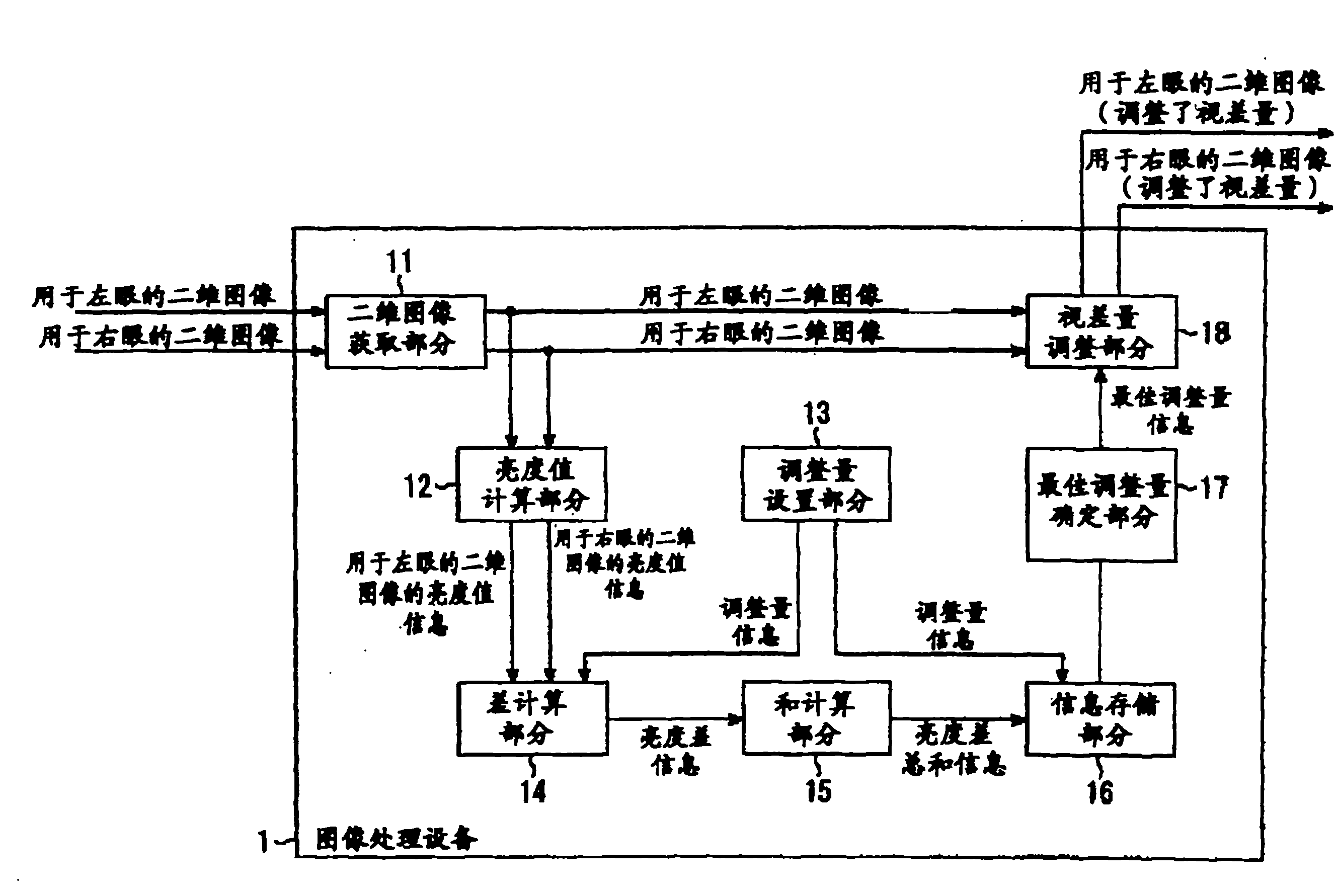
图6是显示了根据本发明的第一实施例的图像处理设备的结构示例的框图; FIG. 6 is a block diagram showing a structural example of an image processing apparatus according to a first embodiment of the present invention;
图7是解释第一视差量调整处理的流程图; Fig. 7 is a flowchart explaining the first parallax amount adjustment processing;
图8是显示了根据本发明的第二实施例的图像处理设备的结构示例的框图; FIG. 8 is a block diagram showing a structural example of an image processing apparatus according to a second embodiment of the present invention;
图9是解释第二视差量调整处理的流程图; FIG. 9 is a flowchart for explaining second parallax amount adjustment processing;
图10是显示了用于左眼的二维图像与用于右眼的二维图像的像素的亮度值的示例的图; 10 is a diagram showing an example of brightness values of pixels of a two-dimensional image for the left eye and a two-dimensional image for the right eye;
图11是显示了图10中的像素的亮度值之间的差的图; Figure 11 is a graph showing the difference between the brightness values of the pixels in Figure 10;
图12是显示了当调整量设置为“-2”时像素的亮度值之间的差的图; FIG. 12 is a graph showing the difference between brightness values of pixels when the adjustment amount is set to "-2";
图13是显示了当调整量设置为“-1”时像素的亮度值之间的差的图; FIG. 13 is a graph showing the difference between brightness values of pixels when the adjustment amount is set to "-1";
图14是显示了当调整量设置为“+1”时像素的亮度值之间的差的图; FIG. 14 is a graph showing the difference between brightness values of pixels when the adjustment amount is set to "+1";
图15是显示了当调整量设置为“+2”时像素的亮度值之间的差的图; FIG. 15 is a graph showing the difference between brightness values of pixels when the adjustment amount is set to "+2";
图16是显示了根据本发明的第三实施例的图像处理设备的结构示例的框图; FIG. 16 is a block diagram showing a structural example of an image processing apparatus according to a third embodiment of the present invention;
图17是显示了根据本发明的第四实施例的图像处理设备的结构示例的框图; FIG. 17 is a block diagram showing a structural example of an image processing apparatus according to a fourth embodiment of the present invention;
图18是显示了根据本发明的第五实施例的图像处理设备的结构示例的框图; FIG. 18 is a block diagram showing a configuration example of an image processing apparatus according to a fifth embodiment of the present invention;
图19是解释在进行区域分割后执行的第一视差量调整处理的流程图; FIG. 19 is a flow chart explaining the first parallax amount adjustment processing performed after region division;
图20是解释在进行区域分割后执行的第二视差量调整处理的流程图; FIG. 20 is a flow chart explaining the second parallax amount adjustment processing performed after performing region division;
图21是显示了分割的区域的示例的图; Figure 21 is a diagram showing an example of a segmented region;
图22是显示了进行了区域分割的图10的用于左眼的二维图像和用于右眼的二维图像的图; FIG. 22 is a diagram showing the two-dimensional image for the left eye and the two-dimensional image for the right eye of FIG. 10 subjected to region segmentation;
图23是显示了进行了区域分割的图10的亮度值之间的差的图; Figure 23 is a graph showing the difference between the luminance values of Figure 10 with region segmentation;
图24是显示了进行了区域分割的图11的亮度值之间的差的图; Figure 24 is a graph showing the difference between the luminance values of Figure 11 with region segmentation;
图25是显示了进行了区域分割的图12的亮度值之间的差的图; Figure 25 is a graph showing the difference between the luminance values of Figure 12 with region segmentation;
图26是显示了进行了区域分割的图13的亮度值之间的差的图; Figure 26 is a graph showing the difference between the luminance values of Figure 13 with region segmentation;
图27是显示了进行了区域分割的图14的亮度值之间的差的图; Figure 27 is a graph showing the difference between the luminance values of Figure 14 with region segmentation;
图28是显示了进行了区域分割的图15的亮度值之间的差的图; Figure 28 is a graph showing the difference between the luminance values of Figure 15 with region segmentation;
图29是显示了根据本发明的第七实施例的图像处理设备的结构示例的框图; Fig. 29 is a block diagram showing a structural example of an image processing apparatus according to a seventh embodiment of the present invention;
图30是显示了根据本发明的实施例的三维图像显示设备的结构示例的框图;以及 30 is a block diagram showing a structural example of a three-dimensional image display device according to an embodiment of the present invention; and
图31是显示了根据本发明的实施例的计算机的结构示例的框图。 FIG. 31 is a block diagram showing an example of the structure of a computer according to an embodiment of the present invention. the
具体实施方式 Detailed ways
(本发明的概念的说明) (Explanation of the concept of the present invention)
首先,将描述由根据本发明的实施例的图像处理设备执行的处理的概念。 First, the concept of processing performed by the image processing apparatus according to the embodiment of the present invention will be described. the
根据本发明的实施例的图像处理设备中的每一个是视差量调整设备,它对提供给被观众识别为三维图像的用于左眼的二维图像与用于右眼的二维图像的视差量进行调整。 Each of the image processing devices according to the embodiments of the present invention is a parallax amount adjustment device that adjusts the parallax of the two-dimensional image for the left eye and the two-dimensional image for the right eye that are provided to the viewer as three-dimensional images. volume is adjusted. the
图1显示了用于左眼的二维图像与用于右眼的二维图像的示例。 Figure 1 shows an example of a 2D image for the left eye and a 2D image for the right eye. the
图1A显示了用于左眼的二维图像,图1B显示了用于右眼的二维图像。 Figure 1A shows a 2D image for the left eye and Figure 1B shows a 2D image for the right eye. the
在图1中,假定用于左眼的二维图像和用于右眼的二维图像中的每个空心圆是预定对象。用于左眼的二维图像的对象的中心位置CL布置在用于右眼的二维图像的对象的中心位置CR的左侧。相反,用于右眼的二维图像的对象的中心位置CR布置在用于左眼的二维图像的对象的中心位置CL的右侧。用于左眼的二维图像的对象的中心位置CL与用于右眼的二维图像的对象的中心位置CR之间相差距离D。距离D与视差量近似成比例。因此,在下文中,将距离D重新定义为视差量进行使用。 In FIG. 1 , it is assumed that each hollow circle in the two-dimensional image for the left eye and the two-dimensional image for the right eye is a predetermined object. The center position CL of the object of the two-dimensional image for the left eye is arranged on the left side of the center position CR of the object of the two-dimensional image for the right eye. In contrast, the center position CR of the object of the two-dimensional image for the right eye is arranged on the right side of the center position CL of the object of the two-dimensional image for the left eye. There is a distance D between the center position CL of the object of the two-dimensional image for the left eye and the center position CR of the object of the two-dimensional image for the right eye. The distance D is approximately proportional to the amount of parallax. Therefore, in the following, the distance D is redefined as the parallax amount for use.
在用于左眼的二维图像与用于右眼的二维图像的视差量D相对于显示用于左眼的二维图像和用于右眼的二维图像的显示设备的显示表面与观众之间的距离足够小的情况下,如图2所示,当用双眼进行观看时这两个对象变成一个并且观众感觉这两个对象位于屏幕的深侧(以三维形式观看)。 In the parallax amount D of the two-dimensional image for the left eye and the two-dimensional image for the right eye relative to the display surface of the display device displaying the two-dimensional image for the left eye and the two-dimensional image for the right eye and the viewer When the distance between them is small enough, as shown in FIG. 2 , the two objects become one when viewed with both eyes and the viewer feels that the two objects are located on the deep side of the screen (viewed in three dimensions). the
另一方面,例如,在视差量D大的情况下,目标眼睛和相对眼睛会将图3所示的阴影部分感觉为串扰。结果,用于左眼的二维图像和用于右眼的二维图像均被双眼观看并且妨碍以三维形式进行观看。也就是说,观众在视觉上识别出:这两个对象没有被拉到屏幕的深侧,而是两 个圆被附贴到屏幕上。因此,为了使得观众能够在视觉上识别图像适当弹出或拉入,需要抑制串扰。 On the other hand, for example, in the case where the parallax amount D is large, the target eye and the opposing eye perceive the shaded portion shown in FIG. 3 as crosstalk. As a result, both the two-dimensional image for the left eye and the two-dimensional image for the right eye are viewed with both eyes and prevent viewing in three dimensions. That is, the viewer visually recognizes that the two objects are not drawn to the deep side of the screen, but that the two circles are attached to the screen. Therefore, in order to enable a viewer to visually recognize that an image pops up or pulls in as appropriate, crosstalk needs to be suppressed. the
在图3的阴影部分所示的区域中发生串扰,在该区域中用于左眼的二维图像的像素与用于右眼的二维图像的像素的亮度值彼此极大不同。因此,在用于左眼的二维图像的像素与用于右眼的二维图像的像素的亮度值之间的差作为整体很小的情况下,能够更大地抑制串扰。 Crosstalk occurs in a region shown in the shaded portion of FIG. 3 where the luminance values of the pixels of the two-dimensional image for the left eye and the pixels of the two-dimensional image for the right eye are greatly different from each other. Therefore, in the case where the difference between the luminance values of the pixels of the two-dimensional image for the left eye and the pixels of the two-dimensional image for the right eye as a whole is small, crosstalk can be more suppressed. the
在这点上,根据本发明的每个实施例的图像处理设备通过下面的第一和第二视差量调整处理来调整视差量。作为第一视差量调整处理,图像处理设备将使用于左眼的二维图像的像素的亮度值与用于右眼的二维图像的像素的亮度值之间的差在整个图像中的总和变成最小的视差量设置为最佳视差量。另外,作为第二视差量调整处理,图像处理设备将在忽视亮度值之间的轻微差别(假定不会感觉到这种轻微差别)的同时使差等于或大于预定阈值TH的像素的数目变得最小的视差量设置为最佳视差量。 In this regard, the image processing apparatus according to each embodiment of the present invention adjusts the parallax amount by the following first and second parallax amount adjustment processes. As the first parallax amount adjustment processing, the image processing apparatus changes the sum total of the differences in the entire image between the brightness values of the pixels of the two-dimensional image for the left eye and the brightness values of the pixels of the two-dimensional image for the right eye into The smallest parallax amount is set to the optimal parallax amount. In addition, as the second parallax amount adjustment processing, the image processing apparatus will make the number of pixels whose difference is equal to or larger than the predetermined threshold value TH become The smallest parallax amount is set to the best parallax amount. the
图4和图5分别显示了当对具有预定的视差量的用于左眼的二维图像和用于右眼的二维图像执行第一或第二视差量调整处理时获得的视差调整量。 4 and 5 show parallax adjustment amounts obtained when first or second parallax amount adjustment processing is performed on a two-dimensional image for the left eye and a two-dimensional image for the right eye having a predetermined amount of parallax, respectively. the
图4显示了第一视差量调整处理的结果。图4的横轴显示了调整后的视差量(视差调整量),其中,输入的用于左眼的二维图像和用于右眼的二维图像的初始视差量为0(基准)。图4的纵轴显示了在各个视差调整量处用于左眼的二维图像和用于右眼的二维图像的像素的亮度值之间的差的总和。 FIG. 4 shows the results of the first parallax amount adjustment processing. The horizontal axis of FIG. 4 shows the adjusted parallax amount (parallax adjustment amount), where the initial parallax amount of the input two-dimensional image for the left eye and the two-dimensional image for the right eye is 0 (reference). The vertical axis of FIG. 4 shows the sum of the differences between the luminance values of the pixels of the two-dimensional image for the left eye and the two-dimensional image for the right eye at each parallax adjustment amount. the
图5显示了第二视差量调整处理的结果。图5的横轴显示了调整后的视差量,这与图4中的相似,图5的纵轴显示了差等于或大于预定阈值TH的像素的数目。 FIG. 5 shows the results of the second parallax amount adjustment processing. The horizontal axis of FIG. 5 shows the adjusted parallax amount, which is similar to that in FIG. 4 , and the vertical axis of FIG. 5 shows the number of pixels whose difference is equal to or greater than a predetermined threshold TH. the
如图4和图5所示,亮度值之间的差的总和或者差等于或大于预定阈值TH的像素的数目变得最小的视差调整量是确定存在的。本发明的每个实施例的图像处理设备将输入的用于左眼的二维图像和用于右眼的二维图像的视差量改变成上述的亮度值之间的差的总和或者差等于或大 于预定阈值TH的像素的数目为最小的视差量。因此,可以产生能够进一步减小串扰的用于左眼的二维图像和用于右眼的二维图像并且向观众呈现更多地减小了串扰的三维图像。 As shown in FIGS. 4 and 5 , a parallax adjustment amount at which the sum of differences between luminance values or the number of pixels whose difference is equal to or greater than a predetermined threshold TH becomes minimum is determined to exist. The image processing apparatus of each embodiment of the present invention changes the amount of parallax of the input two-dimensional image for the left eye and the two-dimensional image for the right eye to the sum or difference of the above-mentioned difference between the brightness values equal to or The number of pixels larger than the predetermined threshold TH is the minimum amount of parallax. Therefore, it is possible to generate a two-dimensional image for the left eye and a two-dimensional image for the right eye capable of further reducing crosstalk and present a more crosstalk-reduced three-dimensional image to the viewer. the
在下文中,将描述执行本发明的实施方式(在下文中称作本发明的实施例)。应该注意,将按照下面顺序进行说明。 Hereinafter, embodiments for carrying out the invention (hereinafter referred to as embodiments of the invention) will be described. It should be noted that description will be made in the following order. the
1、第一实施例(亮度差的总和被最小化的第一结构示例) 1. The first embodiment (a first structural example in which the sum of brightness differences is minimized)
2、第二实施例(具有预定亮度差以上的像素的数目被最小化的第二结构示例) 2. Second Embodiment (Second Structure Example in which the Number of Pixels Having a Predetermined Brightness Difference or More is Minimized)
3、第三实施例(具有三维图像的数据格式转换功能的第一结构示例) 3. The third embodiment (the first structure example with the data format conversion function of three-dimensional image)
4、第四实施例(具有三维图像的数据格式转换功能的第二结构示例) 4, the fourth embodiment (the second structural example with the data format conversion function of three-dimensional image)
5、第五实施例(进行区域分割的第一结构示例) 5. The fifth embodiment (a first structural example for region segmentation)
6、第六实施例(进行区域分割的第二结构示例) 6. The sixth embodiment (an example of the second structure for performing region segmentation)
7、第七实施例(可选择第一和第二视差量调整处理的结构示例) 7. The seventh embodiment (a structural example in which the first and second parallax amount adjustment processes can be selected)
8、第八实施例(三维图像显示设备的结构示例) 8. Eighth embodiment (structural example of a three-dimensional image display device)
(1、第一实施例) (1. The first embodiment)
(图像处理设备的结构示例) (Example of structure of image processing device)
图6显示了根据本发明的第一实施例的图像处理设备的结构示例。 Fig. 6 shows a structural example of an image processing apparatus according to the first embodiment of the present invention. the
图6的图像处理设备1包括二维图像获取部分11、亮度值计算部分12、调整量设置部分13、差计算部分14、和计算部分15、信息存储部分16、最佳调整量确定部分17和视差量调整部分18。
The
图像处理设备1接收观众感觉为三维图像的用于左眼的二维图像和用于右眼的二维图像的输入,并且对提供给用于左眼的二维图像和用于右眼的二维图像的视差量进行调整(改变)。
The
应该注意,在下文中,已经输入的用于左眼的二维图像和用于右眼的二维图像还分别称作输入的用于左眼的二维图像和输入的用于右眼的二维图像,以将它们与在调整后获得的用于左眼的二维图像和用于右眼的二维图像进行区分。 It should be noted that hereinafter, the two-dimensional image for the left eye and the two-dimensional image for the right eye that have been input are also referred to as the input two-dimensional image for the left eye and the input two-dimensional image for the right eye, respectively. images to distinguish them from the two-dimensional images for the left eye and the two-dimensional images for the right eye obtained after adjustment. the
二维图像获取部分11获取从外部输入的用于左眼的二维图像和用于右眼的二维图像(的数据),并且将它们提供给亮度值计算部分12和视差量调整部分18。
The two-dimensional
亮度值计算部分12计算构成从二维图像获取部分11提供的用于左眼的二维图像和用于右眼的二维图像的各个像素的亮度值,并将它们作为亮度值信息提供到差计算部分14。例如,亮度值计算部分12将由RGB信号构成的用于左眼的二维图像和用于右眼的二维图像中的每一个转换成由ITU-R BT.709定义的亮度信号Y。然后,亮度值计算部分12将用于左眼的二维图像和用于右眼的二维图像中的每一个的亮度信号Y的值(Y值)设置为用于左眼的二维图像和用于右眼的二维图像中的每一个二维图像的每个像素的亮度值。应该注意,从外部输入的图像的信号格式可以是除了由RGB构成的格式以外的格式,还可以通过除了利用Y值的方法以外的方法来计算亮度值。
The luminance
调整量设置部分13设置视差量的调整量(视差调整量)并且将它作为调整量信息提供到差计算部分14和信息存储部分16。例如,能够在操作部分(未显示)中输入视差量的调整范围和调整间隔,调整量设置部分13基于输入的调整范围和调整间隔来设置调整量。
The adjustment
具体地讲,在操作部分中输入调整范围“50”和调整间隔“10”的情况下,包括作为基准(0)的输入的用于左眼的二维图像和输入的用于右眼的二维图像的视差量的-50、-40、-30、-20、-10、0、10、20、30、40和50是调整量。 Specifically, in the case of inputting the adjustment range "50" and the adjustment interval "10" in the operation section, including the input of the two-dimensional image for the left eye and the input of the two-dimensional image for the right eye as the reference (0). -50, -40, -30, -20, -10, 0, 10, 20, 30, 40, and 50 of the parallax amount of the dimensional image are adjustment amounts. the
这里,例如,调整量表示以用于左眼的二维图像为基准,用于右眼的二维图像的移位像素的数目,正调整量表示右向移位,负调整量表示左向移位。当调整量是“50”时,这表示用于左眼的二维图像保持原样作为基准,而用于右眼的二维图像的像素的亮度值右向移位了50个像素。然后,当对于输入的用于左眼的二维图像和输入的用于右眼的二维图像预先设置的视差量由P表示时,以调整量“50”进行了调整的用于左眼的二维图像和用于右眼的二维图像的视差量变成“P+50”。 Here, for example, the adjustment amount represents the number of shifted pixels of the two-dimensional image for the right eye based on the two-dimensional image for the left eye, a positive adjustment amount represents a rightward shift, and a negative adjustment amount represents a leftward shift. bit. When the adjustment amount is "50", it means that the two-dimensional image for the left eye remains as it is as a reference, and the luminance value of the pixel of the two-dimensional image for the right eye is shifted rightward by 50 pixels. Then, when the amount of disparity set in advance for the input two-dimensional image for the left eye and the input two-dimensional image for the right eye is represented by P, the image for the left eye adjusted with the adjustment amount "50" The amount of parallax between the two-dimensional image and the two-dimensional image for the right eye becomes "P+50". the
应该注意,作为调整量信息的视差量的调整范围和调整间隔可以不 在操作部分中输入,而是被预先确定和存储。另外,由调整量信息指定的调整量可以存在多个,其中以“0”为基准。 It should be noted that the adjustment range and adjustment interval of the parallax amount as the adjustment amount information may not be input in the operation section, but may be predetermined and stored. In addition, there may be a plurality of adjustment amounts specified by the adjustment amount information, and "0" is used as a reference. the
差计算部分14利用由调整量信息指定的预定的调整量,由此计算用于左眼的二维图像和用于右眼的二维图像中的对应像素的亮度值之间的差。差计算部分14然后将计算出的亮度值的差的绝对值提供到和计算部分15。在下文中,差是指差的绝对值。
The
例如,当调整量是“50”时,由差计算部分14计算输入的用于右眼的二维图像的像素的亮度值右向移位了50个像素的、移位的用于右眼的二维图像与输入的用于左眼的二维图像中的对应像素的亮度值之间的差。另外,当调整量是“40”时,由差计算部分14计算输入的用于右眼的二维图像的像素的亮度值右向移位了40个像素的、移位的用于右眼的二维图像与输入的用于左眼的二维图像中的对应像素的亮度值之间的差。以相同方式,关于“30”、……、“-50”中的每一个,计算亮度值之间的差。由差计算部分14计算的针对每个调整量的像素的亮度值之间的差被作为亮度差信息提供给和计算部分15。应该注意,当亮度值移位了一调整量时,从该计算中排除在移位的用于右眼的二维图像与输入的用于左眼的二维图像之间不具有对应的亮度值的像素。
For example, when the adjustment amount is "50", the shifted luminance value for the right eye in which the brightness value of the pixel of the input two-dimensional image for the right eye is shifted to the right by 50 pixels is calculated by the
和计算部分15利用从差计算部分14提供的预定调整量下的像素的亮度值之间的差,计算所有像素的亮度值之间的差(亮度差)的总和。因此,获得了预定调整量下的亮度差的总和。由和计算部分15获得的预定调整量下的亮度差的总和被作为亮度差总和信息提供到信息存储部分16。
The
在这个实施例中,如上所述,在和计算部分15中根据预定调整量下的像素的亮度值之间的差计算亮度差的总和,但是本发明不限于此。例如,可以获得亮度值之间的差的方差等。另外,由于从该计算排除了在移位的用于右眼的二维图像与输入的用于左眼的二维图像之间不具有对应的亮度值的像素,所以可以获得通过将亮度差的总和除以像素的数目获得的值作为亮度差总和信息,以消除由于像素数目的差别导致的影响。
In this embodiment, as described above, the sum of the luminance differences is calculated in the
如上所述,从调整量设置部分13向信息存储部分16提供调整量信息。另外,还从和计算部分15向信息存储部分16提供亮度差总和信息。信息存储部分16将由调整量信息表示的预定的调整量和由亮度差总和信息表示的亮度差的总和彼此相关联地存储。结果,关于均基于调整范围和调整间隔而设置的所有调整量,信息存储部分16将调整量和亮度差的总和彼此相关联地存储。
As described above, the adjustment amount information is supplied from the adjustment
最佳调整量确定部分17通过从存储在信息存储部分16中的调整量和亮度差的总和的组合中判断(选择)亮度差的总和最小的调整量,来确定最佳调整量。所确定的调整量被作为最佳调整量信息提供到视差量调整部分18。应该注意,在存在亮度差的总和最小的多个值的情况下,最佳调整量确定部分17将具有较小绝对值的调整量设置为最佳调整量。
The optimum adjustment
从二维图像获取部分11向视差量调整部分18提供输入的用于左眼的二维图像和输入的用于右眼的二维图像,并且从最佳调整量确定部分17向视差量调整部分18提供最佳调整量信息。视差量调整部分18针对输入的用于左眼的二维图像和输入的用于右眼的二维图像,调整由最佳调整量信息指定的调整量,由此产生具有最小的亮度差的总和的用于左眼的二维图像和用于右眼的二维图像。产生的用于左眼的二维图像和用于右眼的二维图像被输出为已经历了视差量调整的用于左眼的二维图像和用于右眼的二维图像。
The input two-dimensional image for the left eye and the input two-dimensional image for the right eye are supplied from the two-dimensional
如上所述构成了图像处理设备1。
The
(图6的图像处理设备1的视差量调整处理)
(The parallax amount adjustment process of the
接下来,参照图7的流程图,描述由图6的图像处理设备1执行的第一视差量调整处理。例如,当用于左眼的二维图像和用于右眼的二维图像被提供到图像处理设备1的二维图像获取部分11时,该处理开始。
Next, the first parallax amount adjustment process performed by the
首先,在步骤S1中,二维图像获取部分11获取从外部输入的用于左眼的二维图像和用于右眼的二维图像,并且将它们提供到亮度值计算部分12和视差量调整部分18。
First, in step S1, the two-dimensional
在步骤S2中,亮度值计算部分12计算构成从二维图像获取部分11提供的用于左眼的二维图像和用于右眼的二维图像的各个像素的亮度值,并且将它们作为亮度值信息提供到差计算部分14。
In step S2, the luminance
在步骤S3中,调整量设置部分13获取在操作部分(未显示)中输入的调整范围和调整间隔。
In step S3, the adjustment
在步骤S4中,调整量设置部分13基于获取的调整范围和调整间隔设置预定的调整量,并且将设置的调整量作为调整量信息提供到差计算部分14和信息存储部分16。差计算部分14通过利用由调整量信息指定的预定的调整量,改变用于左眼的二维图像和用于右眼的二维图像的视差量。例如,在由调整量信息指定的调整量是“50”的情况下,差计算部分14将输入的用于左眼的二维图像保持原样,并将输入的用于右眼的二维图像的各个像素的亮度值右向移位50个像素。
In step S4 , adjustment
在步骤S5中,差计算部分14计算由根据作为调整量信息提供的调整量进行了调整的视差量下的用于左眼的二维图像与用于右眼的二维图像的亮度值之间的差(的绝对值),然后将计算结果提供到和计算部分15。换言之,差计算部分14计算用于右眼的二维图像的像素的亮度值移位了作为调整量信息提供的调整量的、移位的用于右眼的二维图像与输入的用于左眼的二维图像中的对应像素的亮度值之间的差。将计算结果作为亮度差信息提供到和计算部分15。
In step S5, the
在步骤S6中,和计算部分15计算已调整了的视差量下的亮度差的总和。换言之,和计算部分15计算通过将移位的用于右眼的二维图像与输入的用于左眼的二维图像的所有像素的亮度值之间的差进行相加而获得的结果。计算结果从和计算部分15提供到信息存储部分16,作为亮度差总和信息。
In step S6, the
在步骤S7中,信息存储部分16将由调整量信息指定的预定的调整量和由亮度差总和信息表示的亮度差的总和彼此相关联地存储。
In step S7, the
在步骤S8中,调整量设置部分13判断是否已针对基于调整范围和调整间隔指定的所有调整量计算了亮度差的总和。当在步骤S8中判断还没有针对所有调整量计算亮度差的总和时,处理返回到步骤S4并且 重复从步骤S4到步骤S8的处理。也就是说,将尚未设置的调整量作为调整量信息提供到差计算部分14和信息存储部分16,然后计算预定的调整量下的亮度差的总和。
In step S8, the adjustment
另一方面,当在步骤S8中判断已经针对所有调整量获得了亮度差的总和时,处理进行到步骤S9。在步骤S9中,最佳调整量确定部分17从存储在信息存储部分16中的调整量和亮度差的总和的组合中确定亮度差的总和最小的调整量。然后,在步骤S10中,最佳调整量确定部分17将亮度差的总和最小的调整量作为最佳调整量信息提供到视差量调整部分18。
On the other hand, when it is judged in step S8 that the sum of the luminance differences has been obtained for all the adjustment amounts, the process proceeds to step S9. In step S9 , the optimum adjustment
在步骤S11中,视差量调整部分18基于提供的最佳调整量信息,对输入的用于左眼的二维图像和输入的用于右眼的二维图像进行调整。换言之,视差量调整部分18产生调整后的用于左眼的二维图像与用于右眼的二维图像的视差量变成“输入的用于左眼的二维图像与输入的用于右眼的二维图像的视差量P+最佳调整量”的、用于左眼的二维图像和用于右眼的二维图像。然后,视差量调整部分18输出产生的用于左眼的二维图像和用于右眼的二维图像,并且终止该处理。
In step S11 , the parallax
如上所述,第一实施例的图像处理设备1输出对视差量进行调整以使得亮度差的总和变成最小的用于左眼的二维图像和用于右眼的二维图像。在具有最小的亮度差的总和的用于左眼的二维图像和用于右眼的二维图像中,抑制产生具有被感觉为串扰的亮度差的区域。因此,可以显示由于具有最小的亮度差的总和的用于左眼的二维图像和用于右眼的二维图像而更多地减小了串扰的三维图像。
As described above, the
(2、第二实施例) (2. The second embodiment)
接下来,将描述根据第二实施例的图像处理设备。 Next, an image processing apparatus according to a second embodiment will be described. the
(图像处理设备的结构示例) (Example of structure of image processing device)
图8显示了根据本发明的第二实施例的图像处理设备的结构示例。 Fig. 8 shows a structural example of an image processing apparatus according to a second embodiment of the present invention. the
图8的图像处理设备1包括二维图像获取部分11、亮度值计算部分12、调整量设置部分13、差计算部分14、信息存储部分16A、最佳调整量确定部分17A、视差量调整部分18、阈值存储部分31和像素数计 数部分32。
The
在图8中,与图6的部分对应的部分由相同的附图标记表示,并且将适当省去了对其的描述。 In FIG. 8 , portions corresponding to those of FIG. 6 are denoted by the same reference numerals, and descriptions thereof will be appropriately omitted. the
也就是说,图8的图像处理设备1设置有阈值存储部分31和像素数计数部分32,替代图6的和计算部分15。另外,信息存储部分16和最佳调整量确定部分17用满足像素数计数部分32的处理的信息存储部分16A和最佳调整量确定部分17A替代。
That is, the
阈值存储部分31存储用于在像素数计数部分32中对像素数进行计数的阈值TH。作为阈值TH,可以存储预定的值或者在操作部分(未显示)中输入的值等。
The
从差计算部分14向像素数计数部分32提供预定的调整量下的像素的亮度值之间的差。另外,从阈值存储部分31向像素数计数部分32提供阈值TH。像素数计数部分32对具有等于或大于阈值TH的亮度值之间的差的像素的数目进行计数。像素数计数部分32然后将计得的像素数作为像素数计数信息提供到信息存储部分16A。
The difference between the luminance values of the pixels at a predetermined adjustment amount is supplied from the
信息存储部分16A基于从像素数计数部分32提供的像素数计数信息和从调整量设置部分13提供的调整量信息,将调整量和当用该调整量调整视差量时具有等于或大于阈值TH的差的像素的数目彼此相关联地存储。结果,信息存储部分16A针对基于调整范围和调整间隔设置的所有调整量,将调整量和像素数彼此相关联地存储。
The
最佳调整量确定部分17A通过从存储在信息存储部分16A中的调整量与像素数的组合中判断(选择)像素数最小的调整量,来确定最佳调整量。确定的调整量作为最佳调整量信息被提供到视差量调整部分18。
The optimum adjustment
如上所述构成了根据第二实施例的图像处理设备1。
The
(图8的图像处理设备1的视差量调整处理)
(The parallax amount adjustment process of the
接下来,参照图9的流程图,描述由图8的图像处理设备1执行的第二视差量调整处理。例如,当用于左眼的二维图像和用于右眼的二维图像被提供到图像处理设备1的二维图像获取部分11时,该处理开 始。
Next, the second parallax amount adjustment process performed by the
从步骤S21到S25的处理与上述的步骤S1到S5的处理相同,因此省去了对其的描述。 The processing from steps S21 to S25 is the same as the above-described processing of steps S1 to S5, and thus description thereof is omitted. the
在步骤S26中,像素数计数部分32读取存储在阈值存储部分31中的阈值TH。在步骤S27中,像素数计数部分32然后针对每个像素将亮度值之间的差与阈值TH进行相互比较,并且对具有等于或大于阈值TH的亮度值之间的差的像素的数目进行计数。计数结果作为像素数计数信息被提供到信息存储部分16A。
In step S26 , the pixel
在步骤S28中,信息存储部分16A将由从调整量设置部分13提供的调整量信息表示的调整量和由从像素数计数部分32提供的像素数计数信息表示的像素数彼此相关联地存储。
In step S28 , the
在步骤S29中,调整量设置部分13判断是否针对已基于调整范围和调整间隔指定的所有调整量获得了具有等于或大于阈值TH的亮度值之间的差的像素的数目。当在步骤S29中判断还没有针对所有调整量获得具有等于或大于阈值TH的亮度值之间的差的像素的数目时,处理返回到步骤S24并且重复从步骤S24到S29的处理。也就是说,将尚未设置的调整量作为调整量信息提供到差计算部分14和信息存储部分16A,然后计算预定的调整量下的具有等于或大于阈值TH的亮度值之间的差的像素的数目。
In step S29 , the adjustment
另一方面,当在步骤S29中判断已经针对基于调整范围和调整间隔指定的所有调整量获得了具有等于或大于阈值TH的亮度值之间的差的像素的数目时,处理进行到步骤S30。在步骤S30中,最佳调整量确定部分17A从存储在信息存储部分16A中的调整量和像素数的组合中确定像素数最小的调整量。然后,在步骤S31中,最佳调整量确定部分17A将像素数最小的调整量作为最佳调整量信息提供到视差量调整部分18。
On the other hand, when it is judged in step S29 that the number of pixels having a difference between luminance values equal to or greater than the threshold TH has been obtained for all adjustment amounts specified based on the adjustment range and adjustment interval, the process proceeds to step S30. In step S30, the optimum adjustment
在步骤S32中,视差量调整部分18基于提供的最佳调整量信息调整输入的用于左眼的二维图像和输入的用于右眼的二维图像,这与图7中的步骤S11的处理一样,然后终止处理。
In step S32, the parallax
如上所述,第二实施例的图像处理设备1输出用于左眼的二维图像和用于右眼的二维图像,在这些二维图像中,对视差量进行调整以使得具有等于或大于阈值TH的亮度值之间的差的像素的数目变得最小。在具有等于或大于阈值TH的亮度值之间的差的像素的数目最小的用于左眼的二维图像和用于右眼的二维图像中,抑制产生具有被感觉为串扰的亮度差的区域。因此,可以显示由于用于左眼的二维图像和用于右眼的二维图像的亮度值之间的差等于或大于阈值TH的像素的数目最小而更多地减小了串扰的三维图像。
As described above, the
(第一视差量调整处理和第二视差量调整处理的数值示例) (Example of Numerical Values of First Parallax Amount Adjustment Processing and Second Parallax Amount Adjustment Processing)
接下来,将参照图10到图15进一步描述上述的第一视差量调整处理和第二视差量调整处理。 Next, the above-described first parallax amount adjustment processing and second parallax amount adjustment processing will be further described with reference to FIGS. 10 to 15 . the
首先,描述第一视差量调整处理。 First, the first parallax amount adjustment processing is described. the
假定用于左眼的二维图像和用于右眼的二维图像被输入到图像处理设备1,每个图像总共具有162个像素(在水平方向上布置18个像素而在垂直方向上布置9个像素)。亮度值计算部分12计算用于左眼的二维图像和用于右眼的二维图像中的每个像素的亮度值。
Assuming that a two-dimensional image for the left eye and a two-dimensional image for the right eye are input to the
图10显示了用于左眼的二维图像和用于右眼的二维图像的像素的亮度值,这些亮度值是由亮度值计算部分12计算的。
FIG. 10 shows luminance values of pixels of the two-dimensional image for the left eye and the two-dimensional image for the right eye, which are calculated by the luminance
图10A显示了用于左眼的二维图像的像素的亮度值,图10B显示了用于右眼的二维图像的像素的亮度值。 FIG. 10A shows luminance values of pixels of the two-dimensional image for the left eye, and FIG. 10B shows luminance values of pixels of the two-dimensional image for the right eye. the
调整量设置部分13基于预定的调整范围和调整间隔,将-2、-1、0、+1和+2设置为调整量。例如,调整量设置部分13首先将调整量“0”作为调整量信息提供到差计算部分14和信息存储部分16。
The adjustment
利用由调整量信息指定的调整量“0”,差计算部分14计算用于左眼的二维图像和用于右眼的二维图像中的对应像素的亮度值之间的差。由于调整量是“0”,所以差计算部分14计算已经输入到图像处理设备1的原样的用于左眼的二维图像和用于右眼的二维图像中的对应像素的亮度值之间的差。
With the adjustment amount "0" specified by the adjustment amount information, the
图11显示了在调整量是“0”情况下由差计算部分14计算的像素 的亮度值之间的差。
FIG. 11 shows the difference between the luminance values of the pixels calculated by the
计算出的像素的亮度值之间的差被提供到和计算部分15。利用从差计算部分14提供的调整量“0”的情况下的像素的亮度值之间的差,和计算部分15计算关于所有像素的亮度值之间的差的和(亮度差的总和)。当针对图11所示的像素的亮度值之间的差计算亮度差的总和时,获得计算结果“6616”。计算结果“6616”被提供到信息存储部分16作为亮度差总和信息。
The calculated difference between the luminance values of the pixels is supplied to the
从调整量设置部分13向信息存储部分16提供调整量“0”作为调整量信息,从和计算部分15向信息存储部分16提供“6616”作为亮度差总和信息。信息存储部分16将调整量“0”和亮度差的总和“6616”彼此相关联地存储。
The adjustment amount "0" is supplied from the adjustment
接下来,例如,调整量“-2”作为调整量信息被提供到差计算部分14和信息存储部分16。
Next, for example, the adjustment amount "-2" is supplied to the
利用由调整量信息指定的调整量“-2”,差计算部分14计算用于左眼的二维图像和用于右眼的二维图像中的对应像素的亮度值之间的差。也就是说,差计算部分14产生移位的用于右眼的二维图像,在该二维图像中,用于右眼的二维图像的像素的亮度值左向移位了2个像素。然后,差计算部分14计算移位的用于右眼的二维图像和用于左眼的二维图像中的对应像素的亮度值之间的差。
Using the adjustment amount "-2" specified by the adjustment amount information, the
图12显示了在调整量是“-2”情况下由差计算部分14计算的像素的亮度值之间的差。
FIG. 12 shows the difference between the luminance values of the pixels calculated by the
然后,由和计算部分15针对图12所示的像素的亮度值之间的差计算亮度差的总和。当针对图12的亮度值之间的差计算亮度差的总和时,计算结果是“9416”。
Then, the sum of the luminance differences is calculated by the
从调整量设置部分13向信息存储部分16提供调整量“-2”作为调整量信息,从和计算部分15向信息存储部分16提供“9416”作为亮度差总和信息。信息存储部分16将调整量“-2”和亮度差的总和“9416”彼此相关联地存储。
The adjustment amount "-2" is supplied from the adjustment
下面,以这种方式,从调整量设置部分13向差计算部分14和信息 存储部分16顺序地提供调整量“-1”、“+1”和“+2”作为调整量信息。
Next, in this way, the adjustment amounts "-1", "+1" and "+2" are sequentially supplied from the adjustment
图13显示了在调整量是“-1”的情况下由差计算部分14计算的像素的亮度值之间的差。针对图13所示的像素的亮度值之间的差,获得“4832”作为亮度差的总和。信息存储部分16将调整量“-1”和亮度差的总和“4832”彼此相关联地存储。
FIG. 13 shows the difference between the luminance values of the pixels calculated by the
图14显示了在调整量是“+1”的情况下由差计算部分14计算的像素的亮度值之间的差。针对图14所示的像素的亮度值之间的差,获得“5728”作为亮度差的总和。信息存储部分16将调整量“+1”和亮度差的总和“5728”彼此相关联地存储。
FIG. 14 shows the difference between the luminance values of the pixels calculated by the
图15显示了在调整量是“+2”的情况下由差计算部分14计算的像素的亮度值之间的差。针对图15所示的像素的亮度值之间的差,获得“8776”作为亮度差的总和。信息存储部分16将调整量“+2”和亮度差的总和“8776”彼此相关联地存储。
FIG. 15 shows the difference between the luminance values of the pixels calculated by the
最佳调整量确定部分17从存储在信息存储部分16中的调整量和亮度差的总和的组合中确定亮度差的总和最小的调整量。此时,调整量“0”与亮度差的总和“6616”的对、调整量“-2”与亮度差的总和“9416”的对、调整量“-1”与亮度差的总和“4832”的对、调整量“+1”与亮度差的总和“5728”的对、以及调整量“+2”与亮度差的总和“8776”的对存储在信息存储部分16中。其中,最佳调整量确定部分17将与最小的亮度差的总和“4832”对应的调整量“-1”确定为最佳调整量,并将它提供到视差量调整部分18作为最佳调整量信息。
The optimum adjustment
视差量调整部分18利用调整量“-1”作为最佳调整量信息对输入的用于左眼的二维图像和输入的用于右眼的二维图像进行调整,由此产生具有最小的亮度差的总和的用于左眼的二维图像和用于右眼的二维图像。
The parallax
接下来,描述第二视差量调整处理。 Next, the second parallax amount adjustment processing is described. the
一直到由差计算部分14获得图11到图15所示的像素的亮度值之间的差的步骤为止,第二视差量调整处理与以上的第一视差量调整处理 相同。
Up to the step of obtaining the difference between the luminance values of the pixels shown in FIGS. 11 to 15 by the
阈值存储部分31存储“96”作为用于在像素数计数部分32中对像素数进行计数的阈值TH。由像素数计数部分32读取作为阈值TH的“96”。
The
然后,像素数计数部分32对在图11所示的调整量“0”的情况下的像素的亮度值之间的差等于或大于阈值TH“96”的像素的数目进行计数。结果,获得“31”作为像素数。
Then, the pixel
在调整量是“-2”的情况下,在图12所示的调整量“-2”的情况下对像素的亮度值之间的差等于或大于阈值TH“96”的像素的数目进行计数,并获得“47”作为像素数。 In the case where the adjustment amount is "-2", the number of pixels whose difference between the luminance values of the pixels is equal to or greater than the threshold value TH "96" is counted in the case of the adjustment amount "-2" shown in FIG. 12 , and get "47" as the number of pixels. the
在调整量是“-1”的情况下,在图13所示的调整量“-1”的情况下对像素的亮度值之间的差等于或大于阈值TH“96”的像素的数目进行计数,并获得“24”作为像素数。 In the case where the adjustment amount is "-1", the number of pixels whose difference between the luminance values of the pixels is equal to or greater than the threshold value TH "96" is counted in the case of the adjustment amount "-1" shown in FIG. 13 , and get "24" as the number of pixels. the
在调整量是“+1”的情况下,在图14所示的调整量“+1”的情况下对像素的亮度值之间的差等于或大于阈值TH“96”的像素的数目进行计数,并获得“30”作为像素数。 In the case where the adjustment amount is "+1", the number of pixels whose difference between the luminance values of the pixels is equal to or greater than the threshold value TH "96" is counted in the case of the adjustment amount "+1" shown in FIG. 14 , and get "30" as the number of pixels. the
在调整量是“+2”的情况下,在图15所示的调整量“+2”的情况下对像素的亮度值之间的差等于或大于阈值TH“96”的像素的数目进行计数,并获得“44”作为像素数。 In the case where the adjustment amount is "+2", the number of pixels whose difference between the luminance values of the pixels is equal to or greater than the threshold value TH "96" is counted in the case of the adjustment amount "+2" shown in FIG. 15 , and get "44" as the number of pixels. the
结果,调整量“0”与像素数“31”的对、调整量“-2”与像素数“47”的对、调整量“-1”与像素数“24”的对、调整量“+1”与像素数“30”的对、调整量“+2”与像素数“44”的对被存储在信息存储部分16A中。其中,最佳调整量确定部分17A将与最小像素数“24”对应的调整量“-1”确定为最佳调整量,并将它作为最佳调整量信息提供到视差量调整部分18。
As a result, the pair of the adjustment amount "0" and the number of pixels "31", the pair of the adjustment amount "-2" and the number of pixels "47", the pair of the adjustment amount "-1" and the number of pixels "24", the adjustment amount "+ A pair of 1" and the number of pixels "30" and a pair of the adjustment amount "+2" and the number of pixels "44" are stored in the
视差量调整部分18利用作为最佳调整量信息的调整量“-1”对输入的用于左眼的二维图像和输入的用于右眼的二维图像进行调整,由此产生具有最小像素数的用于左眼的二维图像和用于右眼的二维图像。
The parallax
(3、第三实施例) (3. The third embodiment)
接下来,将描述根据第三实施例的图像处理设备。 Next, an image processing apparatus according to a third embodiment will be described. the
在第三实施例中,执行第一视差量调整处理的图像处理设备具有三维图像的数据格式转换功能。换言之,该图像处理设备能够在由用于左眼的二维图像和用于右眼的二维图像构成的第一三维图像与不同于第一三维图像的第二三维图像之间转换数据格式。因此,可以以各种格式处理三维图像数据的输入和输出。 In the third embodiment, an image processing device that executes the first parallax amount adjustment processing has a data format conversion function of a three-dimensional image. In other words, the image processing apparatus is capable of converting a data format between a first three-dimensional image composed of a two-dimensional image for the left eye and a two-dimensional image for the right eye and a second three-dimensional image different from the first three-dimensional image. Therefore, input and output of three-dimensional image data can be handled in various formats. the
(图像处理设备的结构示例) (Example of structure of image processing device)
图16显示了根据本发明的第三实施例的图像处理设备的结构示例。 Fig. 16 shows a structural example of an image processing apparatus according to a third embodiment of the present invention. the
除了与图6的结构相同的结构以外,图16的图像处理设备1还包括图像输入部分51、图像格式识别/转换部分52、图像格式转换部分53和图像输出部分54。省去了对与图6的结构相同的结构部分的描述。
The
在以上第一实施例中输入用于左眼的二维图像和用于右眼的二维图像,但是对图像输入部分51输入各种格式的三维图像的数据(三维图像数据)。
A two-dimensional image for the left eye and a two-dimensional image for the right eye are input in the above first embodiment, but data of three-dimensional images (three-dimensional image data) in various formats are input to the
例如,输入到图像输入部分51的三维图像的格式的示例包括上述的由用于左眼的二维图像和用于右眼的二维图像构成的格式。另外,作为三维图像的其它格式,可以是由作为基准的用于左眼的二维图像和用于右眼的二维图像中的任何一个和由这两个二维图像之间的差表示的另一个图像构成的格式、以及由二维图像及其深度信息构成的格式。
For example, examples of the format of the three-dimensional image input to the
图像输入部分51将输入的三维图像数据提供到图像格式识别/转换部分52。
The
图像格式识别/转换部分52识别从图像输入部分51提供的三维图像数据的格式。在三维图像数据的格式并非由用于左眼的二维图像和用于右眼的二维图像构成的情况下,图像格式识别/转换部分52然后将该格式转换成由用于左眼的二维图像和用于右眼的二维图像构成的格式,并将它提供到二维图像获取部分11。
The image format recognition/
从视差量调整部分18向图像格式转换部分53提供已进行了视差量调整的用于左眼的二维图像和用于右眼的二维图像。图像格式转换部分 53将具有由提供的用于左眼的二维图像和用于右眼的二维图像构成的格式的三维图像数据转换成适于输出的格式,并将它提供到图像输出部分54。通过操作者在操作部分中进行设置,确定转换后的三维图像数据的格式。另外,在图像输出部分54通过HDMI(高清晰多媒体接口)(注册商标)等连接的情况下,图像格式转换部分53例如可以从包含在HDMI信号中的控制信息中获取连接在下一级的设备能够进行输入的格式。在不需要对三维图像数据的格式进行转换的情况下,图像格式转换部分53向图像输出部分54原样地提供已进行了视差量调整的用于左眼的二维图像和用于右眼的二维图像(的数据)。
The two-dimensional image for the left eye and the two-dimensional image for the right eye on which the parallax amount adjustment has been performed are supplied from the parallax
图像输出部分54将从图像格式转换部分53提供的三维图像数据输出到下一级的设备,诸如显示设备。
The
根据图16的图像处理设备1,能够输入各种格式的三维图像数据,并且输入的三维图像数据被转换成由用于左眼的二维图像和用于右眼的二维图像构成的格式。接下来,对视差量进行调整以使得亮度差的总和变得最小,产生调整后的用于左眼的二维图像和用于右眼的二维图像。然后,将产生的用于左眼的二维图像和用于右眼的二维图像转换成适于下一级的设备的格式的三维图像数据并且由此进行输出。
According to the
因此,可以处理各种格式的三维图像数据的输入和输出并且可以显示更多地减小了串扰的三维图像。 Therefore, input and output of three-dimensional image data in various formats can be handled and three-dimensional images with more crosstalk reduced can be displayed. the
(4、第四实施例) (4, the fourth embodiment)
接下来,将描述根据第四实施例的图像处理设备。 Next, an image processing apparatus according to a fourth embodiment will be described. the
在第四实施例中,执行第二视差量调整处理的图像处理设备具有三维图像的数据格式转换功能。 In the fourth embodiment, an image processing device that executes the second parallax amount adjustment processing has a data format conversion function of a three-dimensional image. the
(图像处理设备的结构示例) (Example of structure of image processing device)
图17显示了根据本发明的第四实施例的图像处理设备的结构示例。 Fig. 17 shows a structural example of an image processing apparatus according to a fourth embodiment of the present invention. the
除了与图8的结构相同的结构以外,图17的图像处理设备1还包括图16所示的图像输入部分51、图像格式识别/转换部分52、图像格式转换部分53和图像输出部分54。
图17的图像处理设备1的结构与图8或图16的对应块相同,因此省去了对它们的描述。
The structure of the
根据图17的图像处理设备1,能够输入各种格式的三维图像数据,并且输入的三维图像数据被转换成由用于左眼的二维图像和用于右眼的二维图像构成的格式。接下来,对视差量进行调整以使得具有等于或大于阈值TH的差的像素的数目变得最小,并且产生调整后的用于左眼的二维图像和用于右眼的二维图像。然后,将产生的用于左眼的二维图像和用于右眼的二维图像转换成适于下一级的设备的格式的三维图像数据并且进行输出。
According to the
因此,可以处理各种格式的三维图像数据的输入和输出并且可以显示更多地减小了串扰的三维图像。 Therefore, input and output of three-dimensional image data in various formats can be handled and three-dimensional images with more crosstalk reduced can be displayed. the
(5、第五实施例) (5. The fifth embodiment)
接下来,将描述根据第五实施例的图像处理设备。 Next, an image processing apparatus according to a fifth embodiment will be described. the
(图像处理设备的结构示例) (Example of structure of image processing device)
图18显示了根据本发明的第五实施例的图像处理设备的结构示例。 Fig. 18 shows a structural example of an image processing apparatus according to a fifth embodiment of the present invention. the
在上述的第一实施例中,图像处理设备1计算用于左眼的二维图像和用于右眼的二维图像中的所有像素的亮度差的总和,并且将亮度差的总和最小的调整量确定为最佳调整量。
In the first embodiment described above, the
与之相对,在第五实施例中,输入的用于左眼的二维图像和用于右眼的二维图像被分割成多个区域,并且对于每个分割区域计算亮度差的总和。然后,对于每个分割区域,将亮度差的总和最小的调整量确定为最佳调整量。因此,变得可以考虑各区域的特性来确定最佳视差量。 In contrast, in the fifth embodiment, the input two-dimensional image for the left eye and the two-dimensional image for the right eye are divided into a plurality of regions, and the sum of brightness differences is calculated for each divided region. Then, for each segmented area, the adjustment amount with the smallest sum of brightness differences is determined as the optimal adjustment amount. Therefore, it becomes possible to determine an optimum parallax amount in consideration of the characteristics of each area. the
图18的图像处理设备1与图6的图像处理设备1的不同点在于:设置了分割设置部分61、区域分割部分62和基于区域的差计算部分63,作为差计算部分14。此外,在图18中,图6的和计算部分15、信息存储部分16和最佳调整量确定部分17用与图18的差计算部分14的结构对应的和计算部分15B、信息存储部分16B、最佳调整量确定部分17B来代替。其它结构与图6的图像处理设备1的结构相同。适当地省 去了对与图6的图像处理设备1相同的部分的描述。
分割设置部分61设置输入的用于左眼的二维图像和用于右眼的二维图像的分割数目。例如,分割设置部分61将这些图像的垂直方向和水平方向中的每一个方向上的分割数目提供到区域分割部分62,由此设置分割数目。
The
区域分割部分62将输入的用于左眼的二维图像和输入的用于右眼的二维图像中的每一个的整个区域分割成已由分割设置部分61设置的分割数目。区域分割部分62通过利用由调整量信息指定的预定的调整量,改变用于左眼的二维图像和用于右眼的二维图像的视差量。
The
基于区域的差计算部分63基于分割区域,计算用于左眼的二维图像和用于右眼的二维图像中的对应像素的亮度值之间的差(的绝对值)。然后,差计算部分14将每个区域的像素的亮度值之间的差提供到和计算部分15B。
The region-based
和计算部分15B基于分割区域计算关于所有像素的亮度值之间的差的总和。每个区域的亮度差的总和被提供到信息存储部分16B作为亮度差总和信息。信息存储部分16B将由调整量信息表示的预定的调整量和由亮度差总和信息表示的每个区域的亮度差的总和彼此相关联地存储。结果,针对基于调整范围和调整间隔设置的所有调整量,信息存储部分16B将调整量和每个区域的亮度差的总和彼此相关联地存储。
The
最佳调整量确定部分17B基于存储在信息存储部分16B中的调整量与每个区域的亮度差的总和的组合,确定最佳调整量。 The optimum adjustment amount determination section 17B determines the optimum adjustment amount based on a combination of the adjustment amount stored in the information storage section 16B and the sum of the brightness differences of each area. the
这里,如何确定最佳调整量是重要的问题。也就是说,在每个分割区域中,能够假定亮度差的总和最小的调整量为最佳调整量。然而,在每个分割的区域中将亮度差的总和最小的调整量确定为最佳调整量但在各个分割区域之间最佳调整量彼此不同的情况下,调整后获得的用于左眼的二维图像和用于右眼的二维图像被毁坏。 Here, how to determine the optimum adjustment amount is an important issue. That is, in each divided area, it can be assumed that the adjustment amount with the smallest sum of luminance differences is the optimum adjustment amount. However, in the case where the adjustment amount that minimizes the sum of luminance differences in each divided area is determined as the optimum adjustment amount but in the case where the optimum adjustment amounts differ from each other among the respective divided areas, the value for the left eye obtained after adjustment The 2D image and the 2D image for the right eye were destroyed. the
在这点上,最佳调整量确定部分17B根据预定的判断标准,针对所有区域确定一个共同的调整量作为最佳调整量。 In this regard, the optimum adjustment amount determination section 17B determines a common adjustment amount for all areas as the optimum adjustment amount based on predetermined judgment criteria. the
例如,最佳调整量确定部分17B将亮度差的总和最小的区域的数目 最大的调整量确定为最佳调整量。这个判断标准是第一判断标准。将在后面参照图22到图28描述根据第一判断标准的最佳调整量的确定。 For example, the optimum adjustment amount determination section 17B determines the adjustment amount in which the number of areas in which the sum of the luminance differences is the smallest is the largest as the optimum adjustment amount. This judgment criterion is the first judgment criterion. Determination of the optimum adjustment amount according to the first judgment criterion will be described later with reference to FIGS. 22 to 28 . the
另外,最佳调整量确定部分17B将亮度差的总和的方差最小的调整量确定为最佳调整量。这个判断标准是第二判断标准。 In addition, the optimal adjustment amount determination section 17B determines the adjustment amount in which the variance of the sum of the luminance differences is the smallest as the optimal adjustment amount. This criterion is the second criterion. the
当存在亮度差的总和极大的区域时,此部分易于被感觉为串扰。因此,第二判断标准用作把使得不存在亮度差的总和极大的区域的调整量确定为最佳调整量的方法。 When there is an area where the sum of the luminance differences is extremely large, this portion is easily perceived as crosstalk. Therefore, the second judgment criterion is used as a method of determining, as an optimal adjustment amount, an adjustment amount for a region where there is no region where the sum of luminance differences is extremely large. the
另外,最佳调整量确定部分17B考虑图像的注视区域来确定最佳调整量。这个判断标准是第三判断标准。具体地讲,假定在九个分割区域之中,图像中的右侧的区域具有最佳调整量“-10”并且图像中的左侧的区域具有最佳调整量“+10”,在观众注视图像中的右侧的区域的情况下(与吸引注意的对象位于图像中的右侧的区域的情况一样),最佳调整量确定部分17B将右侧的最佳调整量“-10”确定为整个图像的最佳调整量。另外,在观众注视图像中的左侧的区域的情况下,最佳调整量确定部分17B将左侧的最佳调整量“+10”确定为整个图像的最佳调整量。 In addition, the optimum adjustment amount determination section 17B determines the optimum adjustment amount in consideration of the gaze area of the image. This judgment criterion is the third judgment criterion. Specifically, assuming that, among the nine divided regions, the region on the right side in the image has the optimal adjustment amount "-10" and the region on the left side in the image has the optimal adjustment amount "+10", when the viewer gazes at In the case of an area on the right side in the image (as in the case where the object attracting attention is located in the area on the right side in the image), the optimum adjustment amount determination section 17B determines the optimum adjustment amount "-10" on the right side as Optimal amount of adjustment for the entire image. Also, in the case where the viewer focuses on the area on the left side in the image, the optimum adjustment amount determination section 17B determines the optimum adjustment amount "+10" on the left side as the optimum adjustment amount of the entire image. the
应该注意,最佳调整量确定部分17B当然可以通过与上述的第一到第三判断标准不同的确定方法来确定最佳调整量。 It should be noted that the optimum adjustment amount determination section 17B may of course determine the optimum adjustment amount by a determination method different from the above-mentioned first to third judgment criteria. the
(图18的图像处理设备1的视差量调整处理)
(The parallax amount adjustment process of the
接下来,参照图19的流程图,描述在已进行区域分割后由图18的图像处理设备1执行的第一视差量调整处理。
Next, referring to the flowchart of FIG. 19 , the first parallax amount adjustment process performed by the
图19的从步骤S51到S53的处理与上述的图7的步骤S1到S3的处理相同,因此将省去了对它们的描述。 The processing from steps S51 to S53 of FIG. 19 is the same as the processing of steps S1 to S3 of FIG. 7 described above, and thus their description will be omitted. the
在步骤S54中,分割设置部分61设置输入的用于左眼的二维图像和用于右眼的二维图像的分割数目。区域分割部分62将用于左眼的二维图像和用于右眼的二维图像中的每一个的整个区域分割成由分割设置部分61设置的分割数目。
In step S54, the
在步骤S55中,调整量设置部分13基于获取的调整范围和调整间隔设置预定的调整量,并且将设置的调整量作为调整量信息提供到差计 算部分14和信息存储部分16B。差计算部分14的区域分割部分62通过利用由调整量信息指定的预定的调整量,改变用于左眼的二维图像和用于右眼的二维图像的视差量。
In step S55, the adjustment
在步骤S56中,基于区域的差计算部分63将所关注的区域(在下文中称作注视区域)设置为分割区域之中的要进行亮度差的计算的目标。
In step S56 , the area-based
在步骤S57中,对于注视区域,基于区域的差计算部分63计算在调整后获得的视差量的情况下的用于左眼的二维图像和用于右眼的二维图像的亮度值之间的差(的绝对值),并且计算结果被提供到和计算部分15B。
In step S57, for the gaze area, the area-based
在步骤S58中,对于注视区域,和计算部分15B计算在调整后获得的视差量的情况下的亮度差的总和。计算结果被作为注视区域的亮度差总和信息从和计算部分15B提供到信息存储部分16B。
In step S58 , for the gaze area, the
在步骤S59中,信息存储部分16B将由调整量信息指定的预定的调整量和由亮度差总和信息表示的注视区域的亮度差的总和彼此相关联地存储。 In step S59 , the information storage section 16B stores the predetermined adjustment amount specified by the adjustment amount information and the sum of the luminance difference of the gaze area indicated by the luminance difference sum information in association with each other. the
在步骤S60中,基于区域的差计算部分63判断是否已针对所有分割区域计算了亮度差的总和。在步骤S60中判断还没有针对所有分割区域计算亮度差的总和的情况下,处理返回到步骤S56,并且重复从步骤S56到S60的处理。换言之,将尚未计算亮度差的总和的区域设置为注视区域,并且计算预定的调整量下的亮度差的总和。
In step S60 , the area-based
另一方面,在步骤S60中判断已经针对所有分割区域计算了亮度差的总和的情况下,处理进行到步骤S61。 On the other hand, in a case where it is judged in step S60 that the sum of luminance differences has been calculated for all the divided regions, the process proceeds to step S61. the
在步骤S61中,调整量设置部分13判断是否针对所有的调整量计算了亮度差的总和。在步骤S61中判断还没有针对所有调整量计算亮度差的总和的情况下,处理返回到步骤S55并且重复从步骤S55到S61的处理。换言之,将尚未设置的调整量作为调整量信息提供到差计算部分14和信息存储部分16B,并且计算在预定的调整量下的每个区域的亮度差的总和。
In step S61, the adjustment
另一方面,在步骤S61中判断已经针对所有的调整量计算了亮度差的总和的情况下,处理进行到步骤S62。 On the other hand, in a case where it is judged in step S61 that the sum of the luminance differences has been calculated for all the adjustment amounts, the process proceeds to step S62. the
在步骤S62中,最佳调整量确定部分17B根据预定的判断标准确定最佳调整量。例如,当采用第一判断标准时,最佳调整量确定部分17B将亮度差的总和最小的区域的数目最大的调整量确定为最佳调整量。另外,当采用第二判断标准时,最佳调整量确定部分17B将亮度差的总和的方差最小的调整量确定为最佳调整量。 In step S62, the optimum adjustment amount determination section 17B determines the optimum adjustment amount based on predetermined judgment criteria. For example, when the first judgment criterion is adopted, the optimum adjustment amount determination section 17B determines the adjustment amount in which the number of areas in which the sum of the luminance differences is the smallest is the largest as the optimum adjustment amount. In addition, when the second judgment criterion is adopted, the optimum adjustment amount determination section 17B determines the adjustment amount having the smallest variance of the sum of the luminance differences as the optimum adjustment amount. the
在步骤S63中,最佳调整量确定部分17B将确定的最佳调整量作为最佳调整量信息提供到视差量调整部分18。
In step S63 , the optimum adjustment amount determination section 17B supplies the determined optimum adjustment amount to the parallax
在步骤S64中,视差量调整部分18基于提供的最佳调整量信息调整输入的用于左眼的二维图像和用于右眼的二维图像,输出已经进行了调整的用于左眼的二维图像和用于右眼的二维图像,并且终止处理。
In step S64, the parallax
如上所述,通过基于每个分割区域的亮度差的总和判断最佳调整量,可以针对整个输入的用于左眼的二维图像和用于右眼的二维图像确定最佳调整量。 As described above, by judging the optimal adjustment amount based on the sum of the luminance differences of each divided region, the optimal adjustment amount can be determined for the entire input two-dimensional image for the left eye and the two-dimensional image for the right eye. the
(6、第六实施例) (6, the sixth embodiment)
虽然图19的处理是针对每个分割区域执行参照图7描述的第一视差量调整处理的示例,但是也可以针对每个分割区域执行参照图9描述的第二视差量调整处理。 Although the processing of FIG. 19 is an example of performing the first parallax amount adjustment process described with reference to FIG. 7 for each divided area, the second parallax amount adjustment process described with reference to FIG. 9 may be performed for each divided area. the
在针对每个分割区域执行第二视差量调整处理的情况下,仅需对图8的图像处理设备1相似地施加从图6的图像处理设备1到图18的图像处理设备1的结构改变。也就是说,图8的图像处理设备的差计算部分14包括分割设置部分61、区域分割部分62和基于区域的差计算部分63,并且还包括与之对应的像素数计数部分32、信息存储部分16B和最佳调整量确定部分17B。
In the case where the second parallax amount adjustment processing is performed for each divided region, the structural change from the
图20是显示针对每个分割区域执行第二视差量调整处理的情况下的处理的流程图。 FIG. 20 is a flowchart showing processing in a case where the second parallax amount adjustment processing is performed for each divided area. the
图20的步骤S71到S77与上述的图19的步骤S51到S57相同,因此将省去对它们的描述。 Steps S71 to S77 of FIG. 20 are the same as steps S51 to S57 of FIG. 19 described above, and thus their description will be omitted. the
在步骤S78中,像素数计数部分32读取存储在阈值存储部分31中的阈值TH。然后,在步骤S79中,像素数计数部分32针对注视区域内的每个像素将亮度值之间的差与阈值TH进行比较,并且对具有等于或大于阈值TH的亮度值之间的差的像素的数目进行计数。
In step S78 , the pixel
在步骤S80中,信息存储部分16B将由从调整量设置部分13提供的调整量信息表示的调整量和由从像素数计数部分32提供的像素数计数信息表示的注视区域内的像素数彼此相关联地存储。
In step S80, the information storage section 16B associates the adjustment amount indicated by the adjustment amount information supplied from the adjustment
在步骤S81中,基于区域的差计算部分63判断是否已经针对所有分割区域计算了具有等于或大于阈值TH的差的像素的数目。当在步骤S81中判断还没有针对所有分割区域计算具有等于或大于阈值TH的差的像素的数目时,处理返回到步骤S76并且重复从步骤S76到S81的处理。换言之,将尚未计算具有等于或大于阈值TH的差的像素的数目的区域设置为注视区域,并且计算预定的调整量下的像素数。
In step S81 , the region-based
另一方面,当在步骤S81中判断已经针对所有分割区域计算了具有等于或大于阈值TH的差的像素的数目时,处理进行到步骤S82。 On the other hand, when it is judged in step S81 that the number of pixels having a difference equal to or greater than the threshold TH has been calculated for all the divided regions, the process proceeds to step S82. the
在步骤S82中,调整量设置部分13判断是否已经针对基于调整范围和调整间隔指定的所有的调整量计算了具有等于或大于阈值TH的差的像素的数目。当在步骤S82中判断还没有针对所有调整量计算具有等于或大于阈值TH的差的像素的数目时,处理返回到步骤S75并且重复从步骤S75到S82的处理。换言之,将尚未设置的调整量作为调整量信息提供到差计算部分14和信息存储部分16B,并且计算预定的调整量下的具有等于或大于阈值TH的差的像素的数目。
In step S82 , the adjustment
另一方面,当在步骤S82中判断已经针对所有调整量计算了具有等于或大于阈值TH的差的像素的数目时,处理进行到步骤S83。 On the other hand, when it is judged in step S82 that the number of pixels having a difference equal to or greater than the threshold TH has been calculated for all adjustment amounts, the process proceeds to step S83. the
在步骤S83中,最佳调整量确定部分17B根据预定的判断标准确定最佳调整量。例如,当采用第一判断标准时,最佳调整量确定部分17B将具有等于或大于阈值TH的差的像素数最小的区域的数目最大的调整量确定为最佳调整量。 In step S83, the optimum adjustment amount determination section 17B determines the optimum adjustment amount based on predetermined judgment criteria. For example, when the first judgment criterion is adopted, the optimum adjustment amount determination section 17B determines the adjustment amount in which the number of areas with the smallest number of pixels having a difference equal to or greater than the threshold TH is the largest as the optimum adjustment amount. the
在步骤S84中,最佳调整量确定部分17B将确定的最佳调整量提供 到视差量调整部分18作为最佳调整量信息。
In step S84, the optimum adjustment amount determination section 17B supplies the determined optimum adjustment amount to the parallax
在步骤S85中,视差量调整部分18基于提供的最佳调整量信息对输入的用于左眼的二维图像和用于右眼的二维图像进行调整,输出已进行了调整的用于左眼的二维图像和用于右眼的二维图像,然后终止处理。
In step S85, the parallax
如上所述,通过针对每个分割区域,基于具有等于或大于阈值TH的差的像素的数目判断最佳调整量,可以针对整个输入的用于左眼的二维图像和用于右眼的二维图像确定最佳调整量。 As described above, by judging the optimum adjustment amount based on the number of pixels having a difference equal to or greater than the threshold TH for each segmented area, it is possible to input the two-dimensional image for the left eye and the two-dimensional image for the right eye for the entire input. dimensional image to determine the optimal amount of adjustment. the
(在进行了区域分割后执行的第一视差量调整处理和第二视差量调整处理的数值示例) (Numerical example of the first parallax amount adjustment processing and the second parallax amount adjustment processing performed after the region division is performed)
接下来,参照图21到图28,进一步描述在进行了区域分割后执行的第一视差量调整处理和在进行了区域分割后执行的第二视差量调整处理。应该注意,在这个示例中,将第一判断标准用作判断标准。 Next, with reference to FIGS. 21 to 28 , the first parallax amount adjustment process performed after region division and the second parallax amount adjustment process performed after region division are further described. It should be noted that in this example, the first judgment criterion is used as the judgment criterion. the
分割设置部分61将用于左眼的二维图像和用于右眼的二维图像中的每一个(每一个均具有由在水平方向上布置18个像素而在垂直方向上布置9个像素而形成的162个像素)在水平方向和垂直方向上分别分割成3份。结果,如图21所示,用于左眼的二维图像和用于右眼的二维图像均被分割成9个区域:区域R11、区域R12、区域R13、区域R21、区域R22、区域R23、区域R31、区域R32和区域R33。
The
图22A是与图10A对应的9个分割区域的示例。也就是说,图22A显示了分割成9个区域R11到R33的图10A的用于左眼的二维图像。 Fig. 22A is an example of nine divided regions corresponding to Fig. 10A. That is, FIG. 22A shows the two-dimensional image for the left eye of FIG. 10A divided into nine regions R11 to R33 .
图22B是与图10B对应的9个分割区域的示例。也就是说,图22B显示了分割成9个区域R11到R33的图10B的用于右眼的二维图像。 FIG. 22B is an example of nine divided regions corresponding to FIG. 10B . That is, FIG. 22B shows the two-dimensional image for the right eye of FIG. 10B divided into nine regions R11 to R33 .
图23是与图11对应的9个分割区域的示例。也就是说,图23显示了一个示例,在该示例中,图10A的用于左眼的二维图像和图10B的用于右眼的二维图像中的亮度值之间的差(这些差是在调整量为“0”时获得的)被分割成9个区域。 FIG. 23 is an example of nine divided regions corresponding to FIG. 11 . That is, FIG. 23 shows an example in which the difference between the luminance values in the two-dimensional image for the left eye of FIG. 10A and the two-dimensional image for the right eye of FIG. 10B (these differences is obtained when the adjustment amount is "0") is divided into 9 regions. the
图24显示了针对在图23中在调整量“0”的情况下获得的区域R11 到R33中的像素的亮度值之间的差,通过计算每个区域中的亮度差的总和以及具有等于或大于阈值TH的差的像素的数目而获得的计算结果。应该注意,与以上的示例相同,阈值TH是“96”。 FIG. 24 shows the difference between the luminance values of the pixels in the regions R11 to R33 obtained with the adjustment amount “0” in FIG. 23 , by calculating the sum of the luminance differences in each region and having The calculation result obtained is the number of pixels of the difference equal to or greater than the threshold TH. It should be noted that the threshold TH is "96" as in the above example.
在图24中,在每个区域的上下两行中分别显示该区域中像素之间的亮度差的总和(该总和是在第一视差量调整处理中计算的)以及该区域中具有等于或大于阈值TH“96”的差的像素的数目(该像素的数目是在第二视差量调整处理中计算的)。也就是说,区域R11到R33的每一个的上行是在第一视差量调整处理中计算的像素之间的亮度差的总和,并且其下行是在第二视差量调整处理中计算的具有等于或大于阈值TH的差的像素的数目。 In FIG. 24 , the sum of the luminance differences between pixels in the area (the sum is calculated in the first parallax amount adjustment processing) and the sum of luminance differences equal to or greater than The number of pixels of difference of the threshold TH "96" (the number of pixels is calculated in the second parallax amount adjustment process). That is, the upper row of each of the regions R11 to R33 is the sum of the luminance differences between pixels calculated in the first parallax amount adjustment processing, and the lower row thereof is the sum of the brightness differences between pixels calculated in the second parallax amount adjustment processing. The number of pixels with a difference equal to or greater than the threshold TH.
图25显示了通过将显示在调整量为“-2”的情况下的像素的亮度值之间的差的图12分割成区域R11到R33并且计算每个区域中的亮度差的总和以及具有等于或大于阈值TH的差的像素的数目获得的计算结果。 FIG. 25 shows that by dividing FIG. 12 showing the difference between the luminance values of the pixels in the case where the adjustment amount is "-2" into regions R11 to R33 and calculating the sum of the luminance differences in each region and The calculation result obtained is the number of pixels having a difference equal to or greater than the threshold TH.
图26显示了通过将显示在调整量为“-1”的情况下的像素的亮度值之间的差的图13分割成区域R11到R33并且计算每个区域中的亮度差的总和以及具有等于或大于阈值TH的差的像素的数目而获得的计算结果。 FIG. 26 shows that by dividing FIG. 13 showing the difference between the luminance values of the pixels in the case where the adjustment amount is "-1" into regions R11 to R33 and calculating the sum of the luminance differences in each region and The calculation result obtained is the number of pixels having a difference equal to or greater than the threshold TH.
图27显示了通过将显示在调整量为“+1”的情况下的像素的亮度值之间的差的图14分割成区域R11到R33并且计算每个区域中的亮度差的总和以及具有等于或大于阈值TH的差的像素的数目而获得的计算结果。 FIG. 27 shows that by dividing FIG. 14 showing the difference between the luminance values of the pixels in the case where the adjustment amount is “+1” into regions R11 to R33 and calculating the sum of the luminance differences in each region and The calculation result obtained is the number of pixels having a difference equal to or greater than the threshold TH.
图28显示了通过将显示在调整量为“+2”的情况下的像素的亮度值之间的差的图15分割成区域R11到R33并且计算每个区域中的亮度差的总和以及具有等于或大于阈值TH的差的像素的数目而获得的计算结果。 FIG. 28 shows that by dividing FIG. 15 showing the difference between the luminance values of the pixels in the case where the adjustment amount is “+2” into regions R11 to R33 and calculating the sum of the luminance differences in each region and The calculation result obtained is the number of pixels having a difference equal to or greater than the threshold TH.
在进行了区域分割后执行的第一视差量调整处理中,将图24到图28中的每个区域的上行中显示的亮度差的总和与调整量相关联并存储在信息存储部分16B中。 In the first parallax amount adjustment process performed after region division, the sum of the luminance differences displayed in the upper row of each region in FIGS. 24 to 28 is associated with the adjustment amount and stored in the information storage section 16B. the
另一方面,在进行了区域分割后执行的第二视差量调整处理中,将图24到图28中的每个区域的下行中显示的具有等于或大于阈值TH的差的像素的数目与调整量相关联并存储在信息存储部分16B中。 On the other hand, in the second parallax amount adjustment process performed after the region division is performed, the number of pixels having a difference equal to or greater than the threshold TH displayed in the lower row of each region in FIGS. 24 to 28 is adjusted to The amounts are associated and stored in the information storage section 16B. the
针对这些计算结果,最佳调整量确定部分17B根据第一判断标准确定最佳调整量。 For these calculation results, the optimum adjustment amount determination section 17B determines the optimum adjustment amount according to the first judgment criterion. the
当在进行了区域分割后执行的第一视差量调整处理中确定最佳调整量时,最佳调整量确定部分17B将亮度差的总和最小的区域的数目最大的调整量确定为最佳调整量。 When the optimum adjustment amount is determined in the first parallax amount adjustment process performed after the area division is performed, the optimum adjustment amount determination section 17B determines the adjustment amount in which the number of areas in which the sum of the luminance differences is the smallest is the largest as the optimum adjustment amount . the
在图24到图28中的区域的上行中的亮度差的总和之中,具有五个调整量之中的亮度差的总和最小的调整量的区域被涂上灰色。 Among the sums of the luminance differences in the upper row of the regions in FIGS. 24 to 28 , the region having the adjustment amount with the smallest sum of the luminance differences among the five adjustment amounts is colored gray. the
也就是说,当在图26中调整量是“-1”时,区域R11、R12、R13、R21和R31的亮度差的总和在五个调整量之中最小。当在图27中调整量是“+1”时,区域R22、R32和R33的亮度差的总和在五个调整量之中最小。当在图24中调整量是“0”时,区域R23的亮度差的总和在五个调整量之中最小。 That is, when the adjustment amount is "-1" in FIG. 26 , the sum of the luminance differences of the regions R 11 , R 12 , R 13 , R 21 , and R 31 is the smallest among the five adjustment amounts. When the adjustment amount is "+1" in FIG. 27 , the sum of the luminance differences of the regions R 22 , R 32 , and R 33 is the smallest among the five adjustment amounts. When the adjustment amount is "0" in FIG. 24, the sum of the luminance differences of the region R23 is the smallest among the five adjustment amounts.
因此,在五个调整量之中,亮度差的总和最小的区域的数目最大的调整量是具有五个区域的图26的调整量“-1”。因此,调整量“-1”被最佳调整量确定部分17B确定为最佳调整量。 Therefore, among the five adjustment amounts, the adjustment amount having the largest number of regions in which the sum of the luminance differences is the smallest is the adjustment amount “−1” of FIG. 26 having five regions. Therefore, the adjustment amount "-1" is determined as the optimum adjustment amount by the optimum adjustment amount determination section 17B. the
另一方面,当在进行了区域分割后执行的第二视差量调整处理中确定最佳调整量时,最佳调整量确定部分17B将具有等于或大于阈值TH的差的像素数最小的区域的数目最大的调整量确定为最佳调整量。 On the other hand, when the optimum adjustment amount is determined in the second parallax amount adjustment process performed after the region division is performed, the optimum adjustment amount determination section 17B sets the minimum number of pixels of the region having a difference equal to or greater than the threshold TH The adjustment amount with the largest number is determined as the best adjustment amount. the
在图24到图28中的区域的下行中的具有等于或大于阈值TH的差的像素的数目之中,具有五个调整量之中的具有等于或大于阈值TH的差的像素的数目最小的调整量的区域被涂上灰色。 Among the numbers of pixels having a difference equal to or greater than the threshold TH in the lower row of the regions in FIGS. 24 to 28 , the one having the smallest number of pixels having a difference equal to or greater than the threshold TH among five adjustment amounts The area of the adjustment amount is colored gray. the
也就是说,当在图26中调整量是“-1”时,区域R11、R12、R13、R21和R31的像素数在五个调整量之中最小。当在图27中调整量是“+1”时,区域R32和R33的像素数在五个调整量之中最小。当在图24中调整量是“0”时,区域R22和R23的像素数在五个调整量之中最小。 That is, when the adjustment amount is "-1" in FIG. 26 , the number of pixels of the regions R 11 , R 12 , R 13 , R 21 , and R 31 is the smallest among the five adjustment amounts. When the adjustment amount is "+1" in FIG. 27, the number of pixels of the regions R32 and R33 is the smallest among the five adjustment amounts. When the adjustment amount is "0" in FIG. 24, the number of pixels of the regions R22 and R23 is the smallest among the five adjustment amounts.
因此,在五个调整量之中,像素数最小的区域的数目最大的调整量 是具有五个区域的调整量“-1”。因此,调整量“-1”被最佳调整量确定部分17B确定为最佳调整量。 Therefore, among the five adjustment amounts, the adjustment amount having the largest number of regions with the smallest number of pixels is the adjustment amount "-1" having five regions. Therefore, the adjustment amount "-1" is determined as the optimum adjustment amount by the optimum adjustment amount determination section 17B. the
应该注意,在分割区域内存在观众注视的注视区域的情况下,例如可以根据每个区域内的注视程度,将亮度差的总和或者像素数乘以加权因子。当利用加权后的亮度差的总和或者像素数确定亮度差的总和或者像素数最小的区域时,如第三判断标准一样,观众注视的区域的调整量是优先的。 It should be noted that, in the case where there is an attention area where the viewer is gazing in the divided area, for example, the sum of brightness differences or the number of pixels may be multiplied by a weighting factor according to the degree of attention in each area. When the weighted sum of brightness differences or the number of pixels is used to determine the area with the smallest sum of brightness differences or the smallest number of pixels, as in the third judgment criterion, the adjustment amount of the area focused by the viewer is given priority. the
如上所述,通过针对每个分割区域基于亮度差的总和或者亮度值之间的差等于或大于阈值TH的像素的数目来判断最佳调整量,可以针对整个输入的用于左眼的二维图像和用于右眼的二维图像确定最佳调整量。因此,可以显示考虑了区域的特性或者观众的情形而更多地减小了串扰的三维图像。 As described above, by judging the optimal adjustment amount for each segmented area based on the sum of luminance differences or the number of pixels whose differences between luminance values are equal to or greater than the threshold TH, it is possible to obtain a two-dimensional image for the left eye for the entire input. image and the 2D image for the right eye determine the optimal amount of adjustment. Therefore, it is possible to display a three-dimensional image in which crosstalk is more reduced in consideration of the characteristics of the area or the situation of the viewer. the
(7、第七实施例) (7, the seventh embodiment)
接下来,将描述根据第七实施例的图像处理设备。 Next, an image processing apparatus according to a seventh embodiment will be described. the
(图像处理设备的结构示例) (Example of structure of image processing device)
图29显示了根据本发明的第七实施例的图像处理设备的结构示例。 Fig. 29 shows a structural example of an image processing apparatus according to a seventh embodiment of the present invention. the
图29的图像处理设备包括图16和图18的彼此不重叠的所有结构,并且还包括控制部分81。这里,信息存储部分16C既具有第一实施例的信息存储部分16的功能,又具有第二实施例的信息存储部分16A的功能。相似地,最佳调整量确定部分17C既具有第一实施例的最佳调整量确定部分17的功能,又具有第二实施例的最佳调整量确定部分17A的功能。
The image processing apparatus of FIG. 29 includes all the structures of FIGS. 16 and 18 that do not overlap each other, and further includes a
图29的图像处理设备1能够选择性地执行第一视差量调整处理和第二视差量调整处理。
The
换言之,控制部分81确定执行第一视差量调整处理和第二视差量调整处理中的哪一个,并且根据该确定控制各个部分。
In other words, the
差计算部分14将计算出的亮度值之间的差(的绝对值)提供到和计算部分15和像素数计数部分32。
The
在控制部分81选择执行第一视差量调整处理的情况下,和计算部分15基于从差计算部分14提供的、预定的调整量下的亮度值之间的差计算亮度差的总和。然后,和计算部分15将计算结果提供到信息存储部分16C作为亮度差总和信息。
In the case where the
另一方面,在控制部分81选择执行第二视差量调整处理的情况下,像素数计数部分32基于从差计算部分14提供的、预定的调整量下的像素的亮度值之间的差对亮度值之间的差等于或大于阈值TH的像素的数目进行计数。然后,像素数计数部分32将计得的像素数提供到信息存储部分16C作为像素数计数信息。
On the other hand, in the case where the
信息存储部分16C在第一视差量调整处理中将调整量和亮度差的总和彼此相关联地存储,并且在第二视差量调整处理中将调整量和像素数彼此相关联地存储。 The information storage section 16C stores the adjustment amount and the sum of the luminance difference in association with each other in the first parallax amount adjustment process, and stores the adjustment amount and the pixel number in association with each other in the second parallax amount adjustment process. the
最佳调整量确定部分17C在第一视差量调整处理中将亮度差的总和最小的调整量确定为最佳调整量,并且在第二视差量调整处理中将像素数最小的调整量确定为最佳调整量。 The optimum adjustment amount determination section 17C determines the adjustment amount with the smallest sum of luminance differences as the optimum adjustment amount in the first parallax amount adjustment process, and determines the adjustment amount with the smallest number of pixels as the optimum adjustment amount in the second parallax amount adjustment process. best adjustment. the
应该注意,控制部分81可以执行第一视差量调整处理和第二视差量调整处理这两者,并且选择基于第一和第二视差量调整处理中的任何一个的最佳调整量。
It should be noted that the
另外,除了选择执行第一视差量调整处理或第二视差量调整处理以外,控制部分81还能够根据输入的三维图像的规格,控制最佳调整量的改变。这里,具体地讲,三维图像的规格表示被分类为“自然图像”、“计算机图形”、“动画”、“电影”等的“三维图像的类型”,诸如空间频率分布、色彩和亮度分布以及背景与对象之间的对比度等的“三维图像的特性”。
In addition, in addition to selectively executing the first parallax amount adjustment process or the second parallax amount adjustment process, the
例如,在输入的三维图像的类型是要呈现对观众有冲击的视频的“电影”的情况下,控制部分81能够设置,在该设置中,即使在一定程度上感觉到串扰,但作为三维图像仍非常重视冲击。也就是说,控制部分81可以使视差量调整部分18改变最佳调整量,以使得在整个图像中视差量变得大于确定的最佳调整量。
For example, in the case where the type of the input three-dimensional image is "Movie" in which a video that has an impact on the viewer is to be presented, the
另外,例如,在输入的三维图像具有背景与对象的相邻部分的对比度小的特性的情况下,在这些相邻部分内难以感觉到串扰。在这种情况下,控制部分81能够使视差量调整部分18改变最佳调整量,以使得在整个图像中视差量变得大于确定的最佳调整量。如上所述,在图29的图像处理设备1中,可以根据三维图像的规格强调作为三维图像的效果。
Also, for example, in the case where the input three-dimensional image has a characteristic that the contrast between the background and adjacent portions of the object is small, crosstalk is hardly perceived in these adjacent portions. In this case, the
此外,控制部分81还能够根据作为图像输出部分54的输出目的地的显示设备的规格,控制最佳调整量的改变。这里,具体地讲,显示设备的规格表示能够由显示设备显示的对比度或亮度值、显示器件的规格等。
Furthermore, the
例如,假定控制部分81能够获取对比度,作为用作图像输出部分54的输出目的地的显示设备的规格。通常,当高亮度的区域与低亮度的区域彼此相邻时易于感觉到串扰。因此,假定在获取的显示设备的对比度等于或小于预定值的情况下难以感觉到串扰,控制部分81能够进行如下设置:非常重视三维图像对观众的冲击。换言之,控制部分81能够使视差量调整部分81改变最佳调整量,以使得在整个图像中视差量变得大于确定的最佳调整量。
For example, assume that the
例如,假定作为要连接的显示设备,存在对比度为3000∶1的液晶显示器以及对比度为1000000∶1的有机EL显示器。 For example, assume that as display devices to be connected, there are a liquid crystal display with a contrast ratio of 3000:1 and an organic EL display with a contrast ratio of 1000000:1. the
在有机EL显示器连接作为显示设备并且获得高对比度的情况下,控制部分81通过利用在第一或第二视差量调整处理中确定的最佳调整量,产生用于左眼的二维图像和用于右眼的二维图像。另一方面,在连接了液晶显示器的情况下,控制部分81使视差量调整部分18改变最佳调整量,以使得在整个图像中视差量变得大于确定的最佳调整量。以这种方式,在图29的图像处理设备1中,可以根据显示设备的规格强调作为三维图像的效果。
In the case where an organic EL display is connected as a display device and high contrast is obtained, the
如上所述,图29的图像处理设备1能够通过利用用以抑制串扰的最佳调整量显示三维图像,并且还能够显示根据三维图像的规格或者显示设备的规格而强调作为三维图像的效果的三维图像。应该注意,三维 图像的规格或者显示设备的规格可以由观众输入,或者可以作为控制信息从显示设备自身获取。
As described above, the
根据上述的第一到第七实施例中的每一个的图像处理设备1,计算利用已经调整了视差量的用于左眼的二维图像与用于右眼的二维图像中的对应像素的亮度值之间的差的计算量(亮度差的总和或者具有阈值TH以上的差的像素的数目)。然后,通过确定该计算量为最小的调整量,确定最佳调整量并且调整输入的用于左眼的二维图像和用于右眼的二维图像的视差量。因此,可以显示更多地减小了串扰的三维图像。此外,观众不需要自己执行诸如调整视差量以减小串扰的操作,其结果是改善了用户的操作性。
According to the
(8、第八实施例) (8, the eighth embodiment)
以上示例描述了图像处理设备1产生减小了串扰的三维图像数据并且将它输出到连接在下一级的显示设备等。然而,图像处理设备1可以并入显示设备中作为它的一部分。
The above example describes that the
图30显示了并入了上述的第七实施例的图像处理设备1的显示设备的结构示例。
FIG. 30 shows a structural example of a display device incorporating the
除了图29的图像处理设备1的结构以外,图30的三维图像显示设备91还包括显示部分92。
The three-dimensional image display device 91 of FIG. 30 includes a
显示部分92例如由有机EL面板或者液晶面板构成,并且基于从图像输出部分54提供的三维图像数据,显示用于左眼的二维图像和用于右眼的二维图像。
The
采用这种结构,三维图像显示设备91能够显示更多地减小了串扰的三维图像。 With this structure, the three-dimensional image display device 91 can display a three-dimensional image with more reduced crosstalk. the
上述的一系列处理可以由硬件或软件执行。在由软件执行这一系列处理的情况下,构成该软件的程序被安装在计算机中。这里,计算机的示例包括并入了专用硬件的计算机以及通过安装各种类型的程序而能够执行各种类型的功能的通用个人计算机。 The series of processing described above can be executed by hardware or software. In the case of executing the series of processes by software, a program constituting the software is installed in a computer. Here, examples of the computer include a computer incorporating dedicated hardware and a general-purpose personal computer capable of performing various types of functions by installing various types of programs. the
图31是显示通过程序执行上述的一系列处理的计算机的硬件的结构示例的框图。 FIG. 31 is a block diagram showing a configuration example of the hardware of a computer that executes the above-described series of processing by a program. the
在该计算机中,CPU(中央处理单元)101、ROM(只读存储器)102以及RAM(随机存取存储器)103经由总线104彼此连接。
In this computer, a CPU (Central Processing Unit) 101 , a ROM (Read Only Memory) 102 , and a RAM (Random Access Memory) 103 are connected to each other via a
另外,输入/输出接口105连接到总线104。输入部分106、输出部分107、存储部分108、通信部分109和驱动器110连接到输入/输出接口105。
In addition, an input/
输入部分106由键盘、鼠标、麦克风等构成。输出部分107由显示器、扬声器等构成。存储部分108由硬盘、非易失性存储器等构成。通信部分109由网络接口等构成。驱动器110对诸如磁盘、光盘、磁光盘和半导体存储器的可移动介质111进行驱动。
The
在如上所述组成的计算机中,例如,CPU 101经由输入/输出接口105和总线104将存储在存储部分108中的程序加载到RAM 103并且执行它,由此执行上述的一系列处理。
In the computer constituted as described above, for example, the
例如,由计算机(CPU 101)执行的程序能够记录在作为封装介质的可移动介质111中并且这样提供。另外,能够经由有线或无线传输介质(例如,局域网、互联网和数字广播)提供程序。 For example, a program executed by a computer (CPU 101) can be recorded in a removable medium 111 as a package medium and provided as such. In addition, the program can be provided via a wired or wireless transmission medium such as a local area network, the Internet, and digital broadcasting. the
在该计算机中,通过将可移动介质111安装到驱动器110,可以经由输入/输出接口105将程序安装在存储部分108中。另外,通过经由有线或无线传输介质在通信部分109中接收程序,能够将程序安装在存储部分108中。此外,可将程序预先安装在ROM 102或存储部分108中。
In this computer, by mounting the removable medium 111 to the
应该注意,由计算机执行的程序可以是按照根据本文所述的顺序的时间顺序执行处理的程序,或者可以是并行或者在当进行调用时等的必要定时执行处理的程序。 It should be noted that the program executed by the computer may be a program that executes processing in chronological order according to the order described herein, or may be a program that executes processing in parallel or at necessary timing when a call is made or the like. the
本申请包含与于2009年2月27日提交到日本专利局的日本在先专利申请JP 2009-045284中公开的主题相关的主题,通过引用将该申请的全部内容包含于此。 The present application contains subject matter related to that disclosed in Japanese Priority Patent Application JP 2009-045284 filed in the Japan Patent Office on February 27, 2009, the entire content of which is hereby incorporated by reference. the
本领域技术人员应该明白,可以根据设计要求以及其它因素想到各种变型、组合、子组合和替代,只要它们位于权利要求及其等同物的范围内即可。 It should be understood by those skilled in the art that various modifications, combinations, sub-combinations and substitutions may be conceived according to design requirements and other factors as long as they are within the scope of the claims and their equivalents. the
Claims (19)
Applications Claiming Priority (2)
| Application Number | Priority Date | Filing Date | Title |
|---|---|---|---|
| JP2009-045284 | 2009-02-27 | ||
| JP2009045284A JP5327524B2 (en) | 2009-02-27 | 2009-02-27 | Image processing apparatus, image processing method, and program |
Publications (2)
| Publication Number | Publication Date |
|---|---|
| CN101820552A CN101820552A (en) | 2010-09-01 |
| CN101820552B true CN101820552B (en) | 2012-05-30 |
Family
ID=42655458
Family Applications (1)
| Application Number | Title | Priority Date | Filing Date |
|---|---|---|---|
| CN2010101212574A Expired - Fee Related CN101820552B (en) | 2009-02-27 | 2010-02-11 | Image processing apparatus, image processing method, and three-dimensional image display apparatus |
Country Status (3)
| Country | Link |
|---|---|
| US (1) | US20100220178A1 (en) |
| JP (1) | JP5327524B2 (en) |
| CN (1) | CN101820552B (en) |
Cited By (1)
| Publication number | Priority date | Publication date | Assignee | Title |
|---|---|---|---|---|
| CN103414907A (en) * | 2013-07-26 | 2013-11-27 | 冠捷显示科技(厦门)有限公司 | Method capable of improving 3D displayer crosstalk |
Families Citing this family (31)
| Publication number | Priority date | Publication date | Assignee | Title |
|---|---|---|---|---|
| US9135864B2 (en) | 2010-05-14 | 2015-09-15 | Dolby Laboratories Licensing Corporation | Systems and methods for accurately representing high contrast imagery on high dynamic range display systems |
| EP2429199B1 (en) * | 2010-09-13 | 2018-02-21 | LG Electronics Inc. | Image display apparatus and method for operating the same |
| JP5594067B2 (en) * | 2010-11-02 | 2014-09-24 | ソニー株式会社 | Image processing apparatus and image processing method |
| US20120133733A1 (en) * | 2010-11-26 | 2012-05-31 | Hidenori Sakaniwa | Three-dimensional video image processing device, three-dimensional display device, three-dimensional video image processing method and receiving device |
| CN102122075A (en) * | 2010-11-30 | 2011-07-13 | 上海大学 | Estimation system and method based on inter-image mutual crosstalk in projection stereoscope visible area |
| KR101212170B1 (en) * | 2010-12-10 | 2012-12-13 | 엘지디스플레이 주식회사 | Stereoscopic display device using patterned retarder and method for driving the same |
| JP5599063B2 (en) * | 2010-12-14 | 2014-10-01 | キヤノン株式会社 | Display control apparatus, display control method, and program |
| JP5914530B2 (en) | 2011-03-09 | 2016-05-11 | ドルビー ラボラトリーズ ライセンシング コーポレイション | High contrast grayscale and color display |
| GB2489929A (en) * | 2011-04-08 | 2012-10-17 | Sony Corp | Generation of a Colour Difference Amount Between Pairs of Images |
| JP5914838B2 (en) * | 2011-05-23 | 2016-05-11 | パナソニックIpマネジメント株式会社 | Image display device |
| KR101803571B1 (en) * | 2011-06-17 | 2017-11-30 | 엘지디스플레이 주식회사 | Stereoscopic Image Display Device and Driving Method thereof |
| KR101901242B1 (en) * | 2011-09-30 | 2018-09-21 | 엘지디스플레이 주식회사 | Method for correcting three dimensional image data |
| CN202332225U (en) * | 2011-11-28 | 2012-07-11 | 郑州中原显示技术有限公司 | 3D (Three-dimensional) LED (Light Emitting Diode) display system |
| KR20130063372A (en) * | 2011-12-06 | 2013-06-14 | 삼성디스플레이 주식회사 | 3 dimensional image display apparatus |
| JP2013150249A (en) * | 2012-01-23 | 2013-08-01 | Sony Corp | Image processing device, image processing method and program |
| US9509970B2 (en) | 2012-07-18 | 2016-11-29 | Qualcomm Incorporated | Crosstalk reduction with location-based adjustment in multiview video processing |
| JP6380881B2 (en) | 2012-07-31 | 2018-08-29 | Tianma Japan株式会社 | Stereoscopic image display apparatus, image processing apparatus, and stereoscopic image processing method |
| CN103686118A (en) * | 2012-09-19 | 2014-03-26 | 珠海扬智电子科技有限公司 | Image depth adjustment method and device |
| JP2014068256A (en) * | 2012-09-26 | 2014-04-17 | Sharp Corp | Display device and television receiver |
| KR101970563B1 (en) | 2012-11-23 | 2019-08-14 | 엘지디스플레이 주식회사 | Device for correcting depth map of three dimensional image and method for correcting the same |
| JP2015095779A (en) * | 2013-11-12 | 2015-05-18 | ソニー株式会社 | Image processing apparatus, image processing method, and electronic apparatus |
| JP2015149547A (en) * | 2014-02-05 | 2015-08-20 | ソニー株式会社 | Image processing method, image processing apparatus, and electronic apparatus |
| CN104539935B (en) | 2015-01-19 | 2017-05-31 | 北京京东方多媒体科技有限公司 | The adjusting method and adjusting means of brightness of image, display device |
| CN104795012B (en) | 2015-04-02 | 2017-04-05 | 京东方科技集团股份有限公司 | Display floater, display device and image element driving method |
| CN105763863B (en) * | 2016-02-02 | 2018-07-27 | 福建天晴数码有限公司 | Shutter type 3 D spectacles ghost optimization method and system |
| CN105959701B (en) * | 2016-05-13 | 2019-03-19 | 桂林电子科技大学 | Stereoscopic video disparity estimation method based on 3D self-organizing map |
| JP6586239B2 (en) * | 2016-08-29 | 2019-10-02 | 株式会社日立製作所 | Imaging apparatus and imaging method |
| CN107959846B (en) * | 2017-12-06 | 2019-12-03 | 苏州佳世达电通有限公司 | Display device and image display method |
| CN114390271B (en) * | 2020-10-19 | 2023-08-18 | 苏州佳世达光电有限公司 | System and method for judging sequence of images |
| TWI812566B (en) * | 2022-12-28 | 2023-08-11 | 宏碁股份有限公司 | Method and device for adjusting a depth of a stereoscopic image |
| CN116820048B (en) * | 2023-06-28 | 2026-05-12 | 中建材创新科技研究院有限公司 | Defect detection avoiding method based on gypsum board production full data acquisition |
Citations (4)
| Publication number | Priority date | Publication date | Assignee | Title |
|---|---|---|---|---|
| EP1548644A1 (en) * | 2002-09-30 | 2005-06-29 | Sony Corporation | Image processing device, image processing method, recording medium, and program |
| CN1643939A (en) * | 2002-03-27 | 2005-07-20 | 三洋电机株式会社 | Method and apparatus for processing three-dimensional images |
| CN101015220A (en) * | 2004-09-10 | 2007-08-08 | 江良一成 | 3D Image Reproduction Equipment |
| CN101247530A (en) * | 2007-02-16 | 2008-08-20 | 三星电子株式会社 | Three-dimensional image display device and method for enhancing image stereoscopic effect |
Family Cites Families (12)
| Publication number | Priority date | Publication date | Assignee | Title |
|---|---|---|---|---|
| JP3807583B2 (en) * | 1999-04-19 | 2006-08-09 | 本田技研工業株式会社 | Road area determination device |
| JP2001298754A (en) * | 2000-04-11 | 2001-10-26 | Tomohiko Hattori | Crosstalk elimination method and device for stereoscopic images |
| JP2002077947A (en) * | 2000-09-05 | 2002-03-15 | Sanyo Electric Co Ltd | Method for correcting stereoscopic image and stereoscopic image apparatus using the same |
| JP2003284095A (en) * | 2002-03-27 | 2003-10-03 | Sanyo Electric Co Ltd | Stereoscopic image processing method and apparatus therefor |
| US8369607B2 (en) * | 2002-03-27 | 2013-02-05 | Sanyo Electric Co., Ltd. | Method and apparatus for processing three-dimensional images |
| JP2004221700A (en) * | 2003-01-09 | 2004-08-05 | Sanyo Electric Co Ltd | Stereoscopic image processing method and apparatus |
| US7697749B2 (en) * | 2004-08-09 | 2010-04-13 | Fuji Jukogyo Kabushiki Kaisha | Stereo image processing device |
| US7643672B2 (en) * | 2004-10-21 | 2010-01-05 | Kazunari Era | Image processing apparatus, image pickup device and program therefor |
| JP2007131178A (en) * | 2005-11-10 | 2007-05-31 | Sumitomo Electric Ind Ltd | Obstacle location system |
| JP2008228037A (en) * | 2007-03-14 | 2008-09-25 | Matsushita Electric Ind Co Ltd | Phase adjustment device, phase adjustment method, and digital camera |
| JP4331224B2 (en) * | 2007-03-29 | 2009-09-16 | 株式会社東芝 | 3D image display device and 3D image display method |
| JP5194566B2 (en) * | 2007-05-30 | 2013-05-08 | 富士ゼロックス株式会社 | Image processing apparatus, image processing system, and control program |
-
2009
- 2009-02-27 JP JP2009045284A patent/JP5327524B2/en not_active Expired - Fee Related
-
2010
- 2010-02-11 CN CN2010101212574A patent/CN101820552B/en not_active Expired - Fee Related
- 2010-02-19 US US12/708,707 patent/US20100220178A1/en not_active Abandoned
Patent Citations (4)
| Publication number | Priority date | Publication date | Assignee | Title |
|---|---|---|---|---|
| CN1643939A (en) * | 2002-03-27 | 2005-07-20 | 三洋电机株式会社 | Method and apparatus for processing three-dimensional images |
| EP1548644A1 (en) * | 2002-09-30 | 2005-06-29 | Sony Corporation | Image processing device, image processing method, recording medium, and program |
| CN101015220A (en) * | 2004-09-10 | 2007-08-08 | 江良一成 | 3D Image Reproduction Equipment |
| CN101247530A (en) * | 2007-02-16 | 2008-08-20 | 三星电子株式会社 | Three-dimensional image display device and method for enhancing image stereoscopic effect |
Cited By (2)
| Publication number | Priority date | Publication date | Assignee | Title |
|---|---|---|---|---|
| CN103414907A (en) * | 2013-07-26 | 2013-11-27 | 冠捷显示科技(厦门)有限公司 | Method capable of improving 3D displayer crosstalk |
| CN103414907B (en) * | 2013-07-26 | 2015-04-29 | 冠捷显示科技(厦门)有限公司 | Method capable of improving 3D displayer crosstalk |
Also Published As
| Publication number | Publication date |
|---|---|
| JP5327524B2 (en) | 2013-10-30 |
| US20100220178A1 (en) | 2010-09-02 |
| JP2010200213A (en) | 2010-09-09 |
| CN101820552A (en) | 2010-09-01 |
Similar Documents
| Publication | Publication Date | Title |
|---|---|---|
| CN101820552A (en) | Image processing apparatus, image processing method, program, and three-dimensional image display apparatus | |
| US9832445B2 (en) | Stereoscopic image display system, disparity conversion device, disparity conversion method, and program | |
| JP5068391B2 (en) | Image processing device | |
| US8860784B2 (en) | Image processing apparatus, image processing method, and program | |
| JP4259913B2 (en) | Stereoscopic image processing apparatus, stereoscopic image processing program, and recording medium recording the program | |
| JP6024110B2 (en) | Image processing apparatus, image processing method, program, terminal device, and image processing system | |
| EP2259600B1 (en) | Image processing method, image processing device, and recording medium | |
| KR101198320B1 (en) | Method and apparatus for converting 2d image into 3d image | |
| US20130051659A1 (en) | Stereoscopic image processing device and stereoscopic image processing method | |
| JP6377155B2 (en) | Multi-view video processing apparatus and video processing method thereof | |
| TW201242335A (en) | Image processing device, image processing method, and program | |
| US20110228057A1 (en) | Image Processing Apparatus, Image Conversion Method, and Program | |
| TWI712990B (en) | Method and apparatus for determining a depth map for an image, and non-transitory computer readable storage medium | |
| CN101015220A (en) | 3D Image Reproduction Equipment | |
| JP5127973B1 (en) | Video processing device, video processing method, and video display device | |
| KR101731113B1 (en) | 2d-3d image conversion method and stereoscopic image display using the same | |
| US20120038743A1 (en) | Method and Apparatus for Adjusting 3D Video Images | |
| US20130194385A1 (en) | Stereoscopic image generation apparatus and stereoscopic image generation method | |
| JP2012186652A (en) | Electronic apparatus, image processing method and image processing program | |
| US20120121164A1 (en) | Image processing apparatus and control method therefor | |
| CN103828356B (en) | Adaptive Color Space Transformation for 3D Stereo Disparity Estimation | |
| CN103621076B (en) | Stereoscopic image processing device and stereoscopic image processing method | |
| US9641821B2 (en) | Image signal processing device and image signal processing method | |
| JP2006140822A (en) | Image display device | |
| TW201306562A (en) | Method for improving three-dimensional display qualities |
Legal Events
| Date | Code | Title | Description |
|---|---|---|---|
| C06 | Publication | ||
| PB01 | Publication | ||
| C10 | Entry into substantive examination | ||
| SE01 | Entry into force of request for substantive examination | ||
| C14 | Grant of patent or utility model | ||
| GR01 | Patent grant | ||
| CF01 | Termination of patent right due to non-payment of annual fee |
Granted publication date: 20120530 Termination date: 20150211 |
|
| EXPY | Termination of patent right or utility model |