BR102012006552B1 - dna vector containing sugarcane gene, plants tolerant to abiotic stresses, production method and uses - Google Patents
dna vector containing sugarcane gene, plants tolerant to abiotic stresses, production method and uses Download PDFInfo
- Publication number
- BR102012006552B1 BR102012006552B1 BR102012006552-5A BR102012006552A BR102012006552B1 BR 102012006552 B1 BR102012006552 B1 BR 102012006552B1 BR 102012006552 A BR102012006552 A BR 102012006552A BR 102012006552 B1 BR102012006552 B1 BR 102012006552B1
- Authority
- BR
- Brazil
- Prior art keywords
- plants
- seq
- gene
- plant
- vector
- Prior art date
Links
Images


Landscapes
- Breeding Of Plants And Reproduction By Means Of Culturing (AREA)
Abstract
VETOR DE DNA CONTENDO GENE DE CANA-DE-AÇÚCAR, PLANTAS TOLERANTES A ESTRESSES ABIÓTICOS, MÉTODO DE PRODUÇÃO E USOS. A identificação e a compreensão dos mecanismos de tolerância abióticos são fundamentais no desenvolvimento de novas cultivares tolerantes à seca devido ao fato de esse ser um dos tipos de estresse abiótico mais severo pelo qual plantas podem ser submetidas, já que afetam todas as suas funções, reduzindo seu crescimento e, consequentimente, sua produtividade. A presente invenção, portanto, descreve um método de produção de plantas que apresentam maior tolerância a estresses abióticos pois elas contém em suas células uma seqüência de nucleotídeos de cana-de- açúcar cuja superexpressão desse gene leva a planta em questão a tornar-se mais tolerante, por exemplo, aos períodos de seca ou aumento de salinidade do solo. De uma forma mais ampla, descreve-se um polinucleotídeo que codifica a proteína de cana- de-açúcar, o qual é expresso por um promotor e um terminador que funcionam em plantas.DNA VECTOR CONTAINING SUGARCANE GENE, PLANTS TOLERANT TO ABIOTIC STRESSES, PRODUCTION METHOD AND USES. The identification and understanding of abiotic tolerance mechanisms are fundamental in the development of new drought-tolerant cultivars due to the fact that this is one of the most severe types of abiotic stress that plants can be subjected to, since they affect all their functions, reducing its growth and, consequently, its productivity. The present invention, therefore, describes a method of producing plants that are more tolerant to abiotic stresses because they contain in their cells a sequence of sugarcane nucleotides whose overexpression of this gene causes the plant in question to become more tolerant, for example, to periods of drought or increased salinity of the soil. More broadly, a polynucleotide that encodes the sugar cane protein is described, which is expressed by a promoter and a terminator that work in plants.
Description
As plantas são influenciadas por um grande número de fatores ambientais e recorrentemente estresses abióticos como seca, salinidade, temperatura, e radiação são mais graves e afetam todas as funções da planta, resultando em redução do crescimento e da produtividade. Estima-se que os estresses abióticos reduzam a produtividade em 50% e em alguns casos até 70%. Isso tem levado a esforços para a identificação e a compreensão dos mecanismos de resposta a estresses, visando o desenvolvimento de novas cultivares mais tolerantes.Plants are influenced by a large number of environmental factors and recurrently abiotic stresses such as drought, salinity, temperature, and radiation are more severe and affect all plant functions, resulting in reduced growth and productivity. Abiotic stresses are estimated to reduce productivity by 50% and in some cases up to 70%. This has led to efforts to identify and understand the stress response mechanisms, aiming at the development of new, more tolerant cultivars.
Neste sentido, a presente invenção descreve um método para produção de plantas transgênicas mais tolerantes a estresses ambientais graças à introdução de um vetor de DNA, que contém um gene de cana-de-açúcar que apresenta similaridade com proteínas ISP (“iron sulfur protein”), a qual é componentes do complexo formador do citocromo b6f, além da construção do vetor e seus usos.In this sense, the present invention describes a method for producing transgenic plants more tolerant to environmental stresses thanks to the introduction of a DNA vector, which contains a sugar cane gene that is similar to ISP proteins (“iron sulfur protein” ), which are components of the cytochrome b6f-forming complex, in addition to the construction of the vector and its uses.
Um dos principais problemas na agricultura é a seca, que de longe é o estresse ambiental mais importante. Muitos esforços têm sido feitos para melhorar a produtividade das plantas sob condições limitantes de água. Nas últimas décadas tem- se investido fortemente na produção de plantas transgênicas tolerantes a estresses, dentre os quais se destacam a seca e o estresse salino. Isso tem permitido compreender melhor as respostas fisiológicas e moleculares das plantas aos estresses, abrindo perspectivas de aumentar o rendimento nestas condições.One of the main problems in agriculture is drought, which by far is the most important environmental stress. Many efforts have been made to improve plant productivity under water limiting conditions. In the last decades, there has been a strong investment in the production of transgenic plants tolerant to stress, among which drought and saline stress stand out. This has allowed us to better understand the physiological and molecular responses of plants to stresses, opening up perspectives for increasing yield under these conditions.
Dentre as tecnologias para produção de plantas tolerantes, a transformação por Agrobacterium (Hooykaas PJ, Schilperoort RA (1992) Agrobacterium and plant genetic engineering. Plant Mol Biol 19: 15-38; Barton KA, Chilton MD (1983) Agrobacterium Ti plasmids as vectors for plant genetic engineering. Methods Enzymol 101: 527-539), a transferência direta de genes em protoplastos (Gharti-Chhetri GB, Cherdshewasart W, Dewulf J, Paszkowski J, Jacobs M, et al. (1990) Hybrid genes in the analysis of transformation conditions. 3. Temporal/spatial fate of NPTII gene integration, its inheritance and factors affecting these processes in Nicotiana plumbaginifolia. Plant Mol Biol 14: 687-696; Lyznik LA, Peng JY, Hodges TK (1991) Simplified procedure for transient transformation of plant protoplasts using polyethylene glycol treatment. Biotechniques 10: 294-300; Rodenburg KW, de Groot MJ, Schilperoort RA, Hooykaas PJ (1989) Single-stranded DNA used as an efficient new vehicle for transformation of plant protoplasts. Plant Mol Biol 13: 711-719 e Ballas N, Zakai N, Loyter A (1987) Transient expression of the plasmid pCaMVCAT in plant protoplasts following transformation with polyethyleneglycol. Exp Cell Res 170: 228-234) e o bombardeamento de partículas (Klein TM, Wolf ED, Sanford JC (1987) High-velocity microprojectiles for delivering nucleic acids into living cells. Nature 327: 70-73) são as mais utilizadas.Among the technologies for the production of tolerant plants, the transformation by Agrobacterium (Hooykaas PJ, Schilperoort RA (1992) Agrobacterium and plant genetic engineering. Plant Mol Biol 19: 15-38; Barton KA, Chilton MD (1983) Agrobacterium Ti plasmids as vectors for plant genetic engineering. Methods Enzymol 101: 527-539), direct gene transfer in protoplasts (Gharti-Chhetri GB, Cherdshewasart W, Dewulf J, Paszkowski J, Jacobs M, et al. (1990) Hybrid genes in the analysis of transformation conditions. 3. Temporal / spatial fate of NPTII gene integration, its inheritance and factors affecting these processes in Nicotiana plumbaginifolia. Plant Mol Biol 14: 687-696; Lyznik LA, Peng JY, Hodges TK (1991) Simplified procedure for transient transformation of plant protoplasts using polyethylene glycol treatment.Biotechniques 10: 294-300; Rodenburg KW, by Groot MJ, Schilperoort RA, Hooykaas PJ (1989) Single-stranded DNA used as an efficient new vehicle for transformation of plan t protoplasts. Plant Mol Biol 13: 711-719 and Ballas N, Zakai N, Loyter A (1987) Transient expression of the plasmid pCaMVCAT in plant protoplasts following transformation with polyethyleneglycol. Exp Cell Res 170: 228-234) and particle bombardment (Klein TM, Wolf ED, Sanford JC (1987) High-velocity microprojectiles for delivering nucleic acids into living cells. Nature 327: 70-73) are the most used.
Nos últimos anos, tem-se obtido grande avanço nas tecnologias para a transformação de plantas e as pesquisas tem se voltado para a necessidade de desenvolver métodos eficazes de transformação genética das principais espécies de interesse experimental e econômico. A agrotransformação tem ganhado grande aceitação pela facilidade do método e a alta taxa de plantas transgênicas geradas. Por outro lado, o tabaco tem sido amplamente utilizado como modelo para estudos envolvendo transformação gênica pela facilidade de transformação e rápida obtenção de gerações transformadas. Desta forma, genes de diferentes espécies podem ser avaliados inicialmente em tabaco, pela facilidade e rapidez na produção e análise das plantas transgênicas. Isso tem ocorrido com genes de cereais, produtos hortícolas, plantas ornamentais e medicinais, árvores frutíferas, pastagens, dentre outros. Assim, embora o tabaco seja uma planta dicotiledônea, ele oferece evidências claras de que genes de monocotiledôneas, como cana-de-açúcar, milho, trigo e arroz, possam conferir tolerância a estresses abióticos tanto em plantas monocotiledôneas como dicotiledôneas.In recent years, great advances have been made in technologies for the transformation of plants and research has turned to the need to develop effective methods of genetic transformation of the main species of experimental and economic interest. Agrotransformation has gained wide acceptance due to the ease of the method and the high rate of transgenic plants generated. On the other hand, tobacco has been widely used as a model for studies involving gene transformation due to the ease of transformation and the rapid attainment of transformed generations. In this way, genes of different species can be initially evaluated in tobacco, due to the ease and speed in the production and analysis of transgenic plants. This has occurred with genes for cereals, vegetables, ornamental and medicinal plants, fruit trees, pastures, among others. Thus, although tobacco is a dicotyledonous plant, it offers clear evidence that monocotyledonous genes, such as sugar cane, corn, wheat and rice, can confer tolerance to abiotic stresses in both monocotyledon and dicotyledonous plants.
Mais recentemente, com a chegada de novas tecnologias como o sequenciamento genômico e os microarranjos (Mardis ER (2008) Next-generation DNA sequencing methods. Annu Rev Genomics Hum Genet 9: 387-402) tem aumentado a quantidade de informação sobre os genes, até o ponto do patenteamento de genomas completos (Stix G (2006) Owning the stuff of life. Sci Am 294: 76-83 e Stott M, Valentine J (2003) Impact of gene patenting on R&D and commerce. Nat Biotechnol 21: 729-731; author reply 731). A partir dessas novas abordagens, um grande número de genes vem sendo identificado. Dessa forma, tem-se buscado cada vez mais o patenteamento de plantas ricas em alguns nutrientes e vitaminas, que apresentem aumento na produção ou na tolerância a estresses, entre outros.More recently, with the arrival of new technologies such as genomic sequencing and microarrays (Mardis ER (2008) Next-generation DNA sequencing methods. Annu Rev Genomics Hum Genet 9: 387-402) has increased the amount of information about genes, to the point of patenting complete genomes (Stix G (2006) Owning the stuff of life. Sci Am 294: 76-83 and Stott M, Valentine J (2003) Impact of gene patenting on R&D and commerce. Nat Biotechnol 21: 729 -731; author reply 731). From these new approaches, a large number of genes have been identified. Thus, the patenting of plants rich in some nutrients and vitamins, which show an increase in production or in tolerance to stresses, among others, has been increasingly sought.
Dentre os tipos de estresse, os abióticos tem tido um interesse particular para aplicação na agricultura devido ao efeito negativo sobre o desenvolvimento geral e a produtividade, bem como pelo temor às mudanças climáticas. Um dos tipos de estresse mais estudado e, consequentemente, com alto número de patentes é a seca, que é a principal causa de déficit hídrico ou estresse osmótico nas plantas (Cattivelli L, Rizza F, Badeck FW, Mazzucotelli E, Mastrangelo AM, et al. (2008) Drought tolerance improvement in crop plants: An integrated view from breeding to genomics. Field Crops Research 105: 1-14).Among the types of stress, abiotics have been of particular interest for application in agriculture due to the negative effect on general development and productivity, as well as the fear of climate change. One of the most studied types of stress and, consequently, with a high number of patents is drought, which is the main cause of water deficit or osmotic stress in plants (Cattivelli L, Rizza F, Badeck FW, Mazzucotelli E, Mastrangelo AM, et (2008) Drought tolerance improvement in crop plants: An integrated view from breeding to genomics. Field Crops Research 105: 1-14).
Uma das mais recentes técnicas de análise de expressão gênica, denominada microarranjos ou chips de DNA, tem permitido associar função a genes até então desconhecidos. Essa técnica permite conhecer a expressão de centenas a milhares de genes distintos usando “tags” moleculares e marcações fluorescentes, que se são detectadas quando uma fita complementar derivada do RNA obtido dos tecidos vegetais em estudo se liga a um “tag”. Desta forma, os chips têm permitido conhecer e identificar genes envolvidos em diferentes processos da planta, como resposta a estresses abióticos, regulação gênica, acúmulo de sacarose, além de resistência a pragas, interação planta-patógeno e etc.One of the most recent techniques of analysis of gene expression, called microarrays or DNA chips, has allowed to associate function with genes hitherto unknown. This technique allows to know the expression of hundreds to thousands of different genes using molecular "tags" and fluorescent markings, which are detected when a complementary strand derived from the RNA obtained from the plant tissues under study is linked to a "tag". In this way, the chips have allowed to know and identify genes involved in different plant processes, as a response to abiotic stresses, gene regulation, sucrose accumulation, in addition to pest resistance, plant-pathogen interaction and so on.
Dentre os diversos genes e polinucleotídeos como diferencialmente expressos sob condições de seca, o que codifica uma proteína com similaridade a ISP (”iron sulfur protein”), componente do complexo formador do citocromo b6f, foi selecionado e o seu papel na proteção contra estresses abióticos é descrito nesta invenção.Among the various genes and polynucleotides as differentially expressed under drought conditions, which encodes a protein similar to ISP ("iron sulfur protein"), a component of the cytochrome b6f-forming complex, was selected and its role in protecting against abiotic stresses is described in this invention.
O complexo citocromo b6f é encontrado nas membranas dos tilacóides de plantas, cianobactérias e algas verdes (Greer, K. L. Golden, S. S. (1992) “Conserved Relationship between Psbh and Petbd Genes - Presence of a Shared Upstream Element in Prochlorothrix-Hollandica” Plant Mol Biol 19:355-365). Esse complexo contém quatro grandes subunidades incluindo o citocromo f, citocromo b6, o Rieske ISP e a subunidade IV, além de 4 pequenas subunidades hidrofóbicas: PetG, PetL, PetM e PetN. A subunidade Rieske ISP é uma das maiores encontradas no complexo e está envolvida na respiração e na transferência de elétrons na fotossínteseThe cytochrome b6f complex is found in the membranes of plant thylakoids, cyanobacteria and green algae (Greer, KL Golden, SS (1992) “Conserved Relationship between Psbh and Petbd Genes - Presence of a Shared Upstream Element in Prochlorothrix-Hollandica” Plant Mol Biol 19: 355-365). This complex contains four large subunits including cytochrome f, cytochrome b6, Rieske ISP and subunit IV, in addition to 4 small hydrophobic subunits: PetG, PetL, PetM and PetN. The Rieske ISP subunit is one of the largest found in the complex and is involved in respiration and electron transfer in photosynthesis
Na fotossíntese, o complexo citocromo b6f está envolvido na transferência de elétrons entre os dois centros de reações fotossintéticas, a partir do fotossistema II para o fotossistema I. A atuação desse complexo ocorre durante a transferência de prótons do estroma do cloroplasto através da membrana do tilacóide. O transporte de elétrons via citocromo b6f é responsável por criar um gradiente de prótons que direciona a síntese de ATP nos cloroplastos (Kurisu, G.; Zhang, H.; Smith, JL.; Cramer, WA. (2003). "Structure of the cytochrome b6f complex of oxygenic photosynthesis: tuning the cavity.". Science 302 (5647): 1009-14).In photosynthesis, the cytochrome b6f complex is involved in the transfer of electrons between the two centers of photosynthetic reactions, from photosystem II to photosystem I. The action of this complex occurs during the transfer of protons from the chloroplast stroma across the thylakoid membrane . Electron transport via cytochrome b6f is responsible for creating a proton gradient that directs ATP synthesis in chloroplasts (Kurisu, G .; Zhang, H .; Smith, JL .; Cramer, WA. (2003). "Structure of the cytochrome b6f complex of oxygenic photosynthesis: tuning the cavity. ". Science 302 (5647): 1009-14).
Os mecanismos de tolerância à seca em plantas têm semelhanças com outros tipos de estresses (Yamaguchi-Shinozaki K, Shinozaki K (2006) Transcriptional regulatory networks in cellular responses and tolerance to dehydration and cold stresses. Annual Review of Plant Biology 57: 781-803), uma vez que as mesmas proteínas e osmoprotetores estão envolvidos em respostas moleculares para diferentes tipos de estresse. Adicionalmente, a maioria dos estresses abióticos começa com um tipo de estresse, por exemplo, o osmótico, que logo desencadeia os outros. Isto indica que um gene ou via de transdução de sinais identificada como de resposta a um estresse específico pode estar envolvido na resposta de vários outros tipos de estresse (Yamaguchi-Shinozaki K, Shinozaki K (2006) e Zhu JK (2002) Salt and drought stress signal transduction in plants. Annu Rev Plant Biol 53: 247-273).The mechanisms of drought tolerance in plants have similarities with other types of stresses (Yamaguchi-Shinozaki K, Shinozaki K (2006) Transcriptional regulatory networks in cellular responses and tolerance to dehydration and cold stresses. Annual Review of Plant Biology 57: 781-803 ), since the same proteins and osmoprotectors are involved in molecular responses to different types of stress. In addition, most abiotic stresses start with a type of stress, for example, osmotic stress, which soon triggers others. This indicates that a gene or signal transduction pathway identified as responding to a specific stress may be involved in the response of several other types of stress (Yamaguchi-Shinozaki K, Shinozaki K (2006) and Zhu JK (2002) Salt and drought stress signal transduction in plants (Annu Rev Plant Biol 53: 247-273).
Ao nível celular, as membranas servem como uma barreira permeável para a perda de água e de algumas moléculas importantes. Assim, durante o estresse osmótico, a disponibilidade de água intercelular é restrita, e as concentrações extracelulares de solutos é alta. Desta forma, ocorre um fluxo de água para fora das células, causando uma diminuição na turgência da célula e um aumento nas concentrações intracelulares de solutos. As espécies reativas de oxigênio e toxinas geradas durante esse processo também podem causar um dano extensivo para a célula.At the cellular level, membranes serve as a permeable barrier to the loss of water and some important molecules. Thus, during osmotic stress, intercellular water availability is restricted, and extracellular solute concentrations are high. In this way, water flows out of the cells, causing a decrease in cell turgence and an increase in intracellular concentrations of solutes. Reactive oxygen species and toxins generated during this process can also cause extensive damage to the cell.
Muitas são as patentes que descrevem diferentes proteínas capazes de conferir tolerância a fatores abióticos como seca e estresse salino. Uma família de proteínas com papel chave na regulação da transdução de sinal induzida pelo estresse é a dos elementos de ligação a DNA ativados em resposta a desidratação (DREB - “drought response element binding” ou CBF - “C-repeat/dehydration-responsive element binding factor,), (Oh S, Song S, Kim Y, Jang H, Kim S, Kim M, Kim Y, Nahm B, Kim J. (2005). Arabidopsis CBF3/DREB1A and abf3 in transgenic Rrice increased tolerance to abiotic stress without stunting growth. Plant Physiology. 138:341-351; Stockinger E, Gilmour S, Thomashow M. (1997). Arabidopsis Thaliana CBF1 Encodes An AP2 Domain-Containing Transcription Activator That Binds To The C-Repeat/DRE, A Cis-Acting DNA Regulatory Element That Stimulates Transcription In Response To Low Temperature And Water Deficit. Proceedings of the National Academy of Sciences. 94:1035-1040). Proteínas CBF/DREB possuem diferentes domínios e foram identificadas em diferentes espécies. Os documentos US7368630, US7259297 e US7253000 utilizam estes importantes reguladores da transcrição para a produção de plantas transgênicas tolerantes ao estresse hídrico.Many are the patents that describe different proteins capable of conferring tolerance to abiotic factors such as drought and salt stress. A family of proteins with a key role in regulating stress-induced signal transduction is that of DNA binding elements activated in response to dehydration (DREB - “drought response element binding” or CBF - “C-repeat / dehydration-responsive element binding factor,), (Oh S, Song S, Kim Y, Jang H, Kim S, Kim M, Kim Y, Nahm B, Kim J. (2005). Arabidopsis CBF3 / DREB1A and abf3 in transgenic Rrice increased tolerance to abiotic stress without stunting growth. Plant Physiology. 138: 341-351; Stockinger E, Gilmour S, Thomashow M. (1997). Arabidopsis Thaliana CBF1 Encodes An AP2 Domain-Containing Transcription Activator That Binds To The C-Repeat / DRE, A Cis -Acting DNA Regulatory Element That Stimulates Transcription In Response To Low Temperature And Water Deficit. Proceedings of the National Academy of Sciences. 94: 1035-1040). CBF / DREB proteins have different domains and have been identified in different species. US7368630, US7259297 and US7253000 use these important transcription regulators for the production of transgenic plants tolerant to water stress.
A patente US7368630 descreve um método para a utilização do gene DREB1A na produção uma linhagem de células vegetais, tecidos ou plantas com este fator de transcrição, bem como os genes induzidos por desidratação identificados a partir de estudos de microarranjos. Por sua vez, o documento US7259297, descreve a produção de plantas transgênicas pela introdução de um gene que codifica um fator de transcrição DREB, que se liga ao elemento de resposta à seca DRE/CRT (Drought Response Element/Crepeat) e ativa a transcrição de genes localizados em promotores com o referido motivo DRE. Segundo essa patente, a superexpressão do fator de transcrição DREB ativa os genes Rd29A, Rd29B, Rd17, Rd22, DREB1A, Cor6, Cor15a, Erd1 e Kin1, induzindo uma resposta rápida da planta quando submetida ao estresse hídrico. E A patente US7253000 descreve a utilização de uma sequência de ácido nucléico de um dos genes pertencentes ao grupo CBF protegendo seu uso na produção de plantas transgênicas para aumento de tolerância a estresses abióticos.The US7368630 patent describes a method for using the DREB1A gene in the production of a line of plant cells, tissues or plants with this transcription factor, as well as the dehydration-induced genes identified from microarray studies. In turn, US7259297 describes the production of transgenic plants by introducing a gene that encodes a DREB transcription factor, which binds to the drought response element DRE / CRT (Drought Response Element / Crepeat) and activates transcription of genes located in promoters with the said DRE motif. According to this patent, the overexpression of the transcription factor DREB activates the Rd29A, Rd29B, Rd17, Rd22, DREB1A, Cor6, Cor15a, Erd1 and Kin1 genes, inducing a rapid response of the plant when subjected to water stress. E The US7253000 patent describes the use of a nucleic acid sequence from one of the genes belonging to the CBF group, protecting its use in the production of transgenic plants to increase tolerance to abiotic stresses.
Outras patentes descrevem o uso de fatores de transcrição envolvidos na tolerância ao estresse como, por exemplo, a WO2005024028 e JP2006158402, que empregam fatores de transcrição tipo “zinc finger” para conferir tolerância a estresse hídrico nas plantas. Por sua vez, o documento US2008163397, descreve a utilização do domínio B do fator de transcrição CAAT-binding, para obtenção de plantas tolerantes a seca e ao estresse por frio. Da mesma forma, na patente US2009265813 os autores descrevem a utilização do fator de transcrição AP2 para obtenção de plantas transgênicas relacionadas com múltiplas características, incluindo o crescimento reforçado da raiz e tolerância à seca como resultado final.Other patents describe the use of transcription factors involved in stress tolerance such as, for example, WO2005024028 and JP2006158402, which employ “zinc finger” transcription factors to confer tolerance to water stress in plants. In turn, the document US2008163397, describes the use of domain B of the CAAT-binding transcription factor, to obtain plants tolerant to drought and cold stress. Likewise, in US2009265813 the authors describe the use of the transcription factor AP2 to obtain transgenic plants related to multiple characteristics, including enhanced root growth and drought tolerance as a final result.
As patentes aqui mencionadas são reflexo do potencial biotecnológico dos genes que codificam fatores de transcrição, proteínas quinases e outras proteínas envolvidas nas respostas das plantas à seca. Essas proteínas atuam protegendo diretamente componentes celulares durante a desidratação, bem como amplificando o sinal molecular da percepção do estresse hídrico, permitindo a planta antecipar e acelerar os mecanismos de defesa. Nenhum documento apresenta proteção sobre sequências gênicas que codifiquem proteínas com alta similaridade à proteínas correspondentes à ISP (“iron sulfur protein”) que é componente do complexo formador do citocromo b6f, como é o caso da presente invenção.The patents mentioned here reflect the biotechnological potential of the genes that encode transcription factors, protein kinases and other proteins involved in plant responses to drought. These proteins act by directly protecting cellular components during dehydration, as well as amplifying the molecular signal of the perception of water stress, allowing the plant to anticipate and accelerate defense mechanisms. No document presents protection on gene sequences that encode proteins with high similarity to proteins corresponding to ISP (“iron sulfur protein”), which is a component of the cytochrome b6f-forming complex, as is the case of the present invention.
Apesar do crescimento em pesquisas com cana-de-açúcar, são poucos os exemplos de invenções que utilizam genes de cana para produção de plantas com maior tolerância a estresses abióticos. Os pedidos de patente PCT/BR2011/000201 e PCT/BR2011/000202 descrevem uso de dois genes de cana-de-açúcar que codificam proteínas de funções desconhecidas, capazes de conferir tolerância à seca e sal em plantas transgênicas de tabaco e um polinucleotídeo que codifica um polipeptídeo com alta similaridade com a subunidade β da ATP sintase, que também confere tolerância à seca e salinidade em tabaco.Despite the growth in research on sugarcane, there are few examples of inventions that use sugarcane genes to produce plants with greater tolerance to abiotic stresses. Patent applications PCT / BR2011 / 000201 and PCT / BR2011 / 000202 describe the use of two sugarcane genes that encode proteins of unknown functions, capable of conferring drought and salt tolerance in transgenic tobacco plants and a polynucleotide that encodes a polypeptide with high similarity to the β subunit of ATP synthase, which also provides tolerance to drought and salinity in tobacco.
O uso de genes de cana que dão tolerância a estresses abióticos, em contraponto a genes de outras espécies, permite a produção de plantas transgênicas da cana contendo genes da própria cana, os quais têm maior aceitação pelos consumidores. De fato, 70% dos consumidores dão suporte a modificações genéticas envolvendo genes da própria espécie, em contraste com o suporte de 26% quando se tratam de genes de outras espécies (Rommens CM (2010) Barriers and paths to market for genetically engineered crops. Plant Biotechnology Journal 8: 101-111).The use of sugarcane genes that tolerate abiotic stresses, as opposed to genes from other species, allows the production of transgenic sugarcane plants containing genes from the cane itself, which are more accepted by consumers. In fact, 70% of consumers support genetic modifications involving genes of the species themselves, in contrast to the 26% support when it comes to genes from other species (Rommens CM (2010) Barriers and paths to market for genetically engineered crops. Plant Biotechnology Journal 8: 101-111).
Portanto, a presente invenção descreve um vetor que contém uma sequência de DNA de cana-de-açúcar capaz de codificar uma proteína com similaridade a ISP (“iron sulfur protein”), componente do complexo formador do citocromo b6f de diversas espécies. Esta invenção descreve também um método para a construção do vetor para a expressão do referido gene de cana-de-açúcar, bem como um processo de produção de plantas transgênicas de forma a produzir um fenótipo de tolerância a estresse hídrico e salino, maior biomassa e maior fotossíntese, dentre outros possíveis.Therefore, the present invention describes a vector that contains a sugarcane DNA sequence capable of encoding a protein similar to ISP ("iron sulfur protein"), a component of the cytochrome b6f-forming complex of several species. This invention also describes a method for the construction of the vector for the expression of the aforementioned sugar cane gene, as well as a process for the production of transgenic plants in order to produce a phenotype of tolerance to water and salt stress, greater biomass and greater photosynthesis, among others possible.
A presente invenção descreve um método no qual são descritas etapas para a construção de um vetor de DNA recombinante compreendendo um gene de cana- de-açúcar, a inserção desse vetor no genoma de uma célula de planta, a obtenção de uma célula de planta transformada ou células transformadas, regeneração de plantas transformadas de células vegetais e seleção de plantas que apresentam melhores características agronômicas.The present invention describes a method in which steps are described for the construction of a recombinant DNA vector comprising a sugar cane gene, insertion of that vector into the genome of a plant cell, obtaining a transformed plant cell or transformed cells, regeneration of plants transformed from plant cells and selection of plants that have better agronomic characteristics.
Atualmente, um dos principais problemas na agricultura é a seca e, dessa forma, esforços têm sido feitos para melhorar a produtividade e rendimento das plantas sob condições limitantes de água e elevada salinidade.Currently, one of the main problems in agriculture is drought and, therefore, efforts have been made to improve the productivity and yield of plants under limiting water and high salinity conditions.
Dessa forma, o uso da presente invenção permite que as plantas geneticamente modificadas apresentem maior tolerância a estresses abióticos como tolerância à salinidade, seca e sobrevivência após o a combinação de estresses abióticos, adicionalmente, pode-se identificar que essas plantas também podem apresentar aumento ou incremento no rendimento da massa fresca da planta ou aumento ou incremento no rendimento da massa fresca de raízes.Thus, the use of the present invention allows genetically modified plants to show greater tolerance to abiotic stresses such as tolerance to salinity, drought and survival after the combination of abiotic stresses, in addition, it can be identified that these plants may also show an increase or increase in the yield of the fresh weight of the plant or increase or increase in the yield of the fresh weight of roots.
Além das plantas produzidas utilizando o método descrito e o vetor de DNA recombinante compreendendo um gene de cana-de-açúcar, as células vegetais e propágulos, como semente que contenham em seu genoma moléculas do DNA recombinante também são descritas na presente invenção.In addition to the plants produced using the described method and the recombinant DNA vector comprising a sugar cane gene, plant cells and propagules, such as seeds that contain recombinant DNA molecules in their genome are also described in the present invention.
A construção do vetor de DNA recombinante no sentido 5' para 3', compreende um promotor funcional em plantas, operacionalmente ligado a um gene que codifica uma proteína de cana de interesse, operacionalmente ligado ao terminador que sinaliza o final da transcrição do gene e fornece um sítio de poliadenilação.The construction of the recombinant DNA vector in the 5 'to 3' direction, comprises a functional promoter in plants, operationally linked to a gene that encodes a sugarcane protein of interest, operationally linked to the terminator that signals the end of the gene transcription and provides a polyadenylation site.
O promotor utilizado para a construção do vetor descrito é selecionado do grupo constituído por promotores induzíveis, promotores constitutivos, promotores regulados temporalmente, promotores com preferência por tecidos, promotores de estresses específicos, promotores induzíveis por seca, promotores induzíveis pelo déficit de água, e os promotores tecido-específicos.The promoter used for the construction of the described vector is selected from the group consisting of inducible promoters, constitutive promoters, promoters that are temporally regulated, promoters with a preference for tissues, promoters of specific stresses, promoters that are drought-inducing, promoters that are inducible for water deficit, and tissue-specific promoters.
Também são descritas células vegetais e plantas que contêm em seu genoma moléculas de DNA recombinante, tal como descrito e os propágulos e descendentes delas produzidas. As plantas incluem, mas não estão limitadas a plantas de cultivo, monocotiledôneas ou dicotiledôneas e dentre elas podem-se incluir cana-de- açúcar, soja, milho, canola, arroz, algodão, cevada, aveia, grama, trigo, pinhão manso, mangueira, goiabeira, limoeiro, abacateiro, laranjeira, ameixeira, pitagueira, jabuticabeira, macieira, pessegueira, batateira, ervilheira, tomateiro, roseira, girassol, feijão, eucalipto, abacate, morango, pêra, maçã, goiaba, cacau, limão, maracujá, palma forrageira, mamona, mandioca, seringueira, mate, jacarandá, café, abóbora, melancia, pêssego, pitanga e caju.Also described are plant and plant cells that contain recombinant DNA molecules in their genome, as described and the propagules and descendants produced therefrom. Plants include, but are not limited to, monocotyledonous or dicotyledonous plants and may include sugar cane, soybeans, corn, canola, rice, cotton, barley, oats, grass, wheat, jatropha, mango, guava, lemon, avocado, orange, plum, pitagueira, jabuticaba, apple, peach, potato, pea, tomato, rose, sunflower, beans, eucalyptus, avocado, strawberry, pear, apple, guava, cocoa, lemon, passion fruit forage palm, castor, cassava, rubber, mate, rosewood, coffee, pumpkin, watermelon, peach, cherry and cashew.
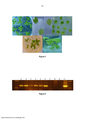
Figura 1: Fases da transformação genética de tabaco. (A) Produção de explantes utilizados na transformação de tabaco. Sementes de tabaco selvagem foram germinadas em placas de Petri contendo meio Murashige-Skoog (MS) com 0,28% (w/v) de phytagel®. As plantas foram culivadas em câmara de crescimento com fotoperíodo de 16/8h luz/escuro (300-400 μmol fótons m-2 s-1) a 25°C e umidade relativa de 75-80%. (B) Discos foliares de tabaco após a infecção com agrobactérias e mantidas em placa contendo meio MS (suplementado com 1 mg/L de benzilaminopurina, 0,1 mg/L de ácido naftalenocetico e 0,0059 g/L de acetoseringona) por 3 dias. (C) Os discos infectados em meio seletivo (sais MS, 1 mg/L de benzilaminopurina e 100 mg/L de canamicina). (D) Regeneração de plantas tolerantes ao antibiótico canamicina em placas contendo meioFigure 1: Phases of the genetic transformation of tobacco. (A) Production of explants used in the processing of tobacco. Wild tobacco seeds were germinated in Petri dishes containing Murashige-Skoog (MS) medium with 0.28% (w / v) of phytagel®. The plants were grown in a growth chamber with a 16 / 8h light / dark photoperiod (300-400 μmol photons m-2 s-1) at 25 ° C and relative humidity of 75-80%. (B) Tobacco leaf discs after infection with agrobacteria and kept in a plate containing MS medium (supplemented with 1 mg / L of benzylaminopurine, 0.1 mg / L of naphthalenocetic acid and 0.0059 g / L of acetoseringone) for 3 days. (C) Disks infected in selective media (MS salts, 1 mg / L of benzylaminopurine and 100 mg / L of kanamycin). (D) Regeneration of plants tolerant to the antibiotic kanamycin in plates containing medium
MS com 200 mg/L de canamicina. (E) Transferência das plântulas para fracos contendo meio MS para o alongamento e enraizamento.MS with 200 mg / L kanamycin. (E) Transfer of seedlings to weak ones containing MS medium for elongation and rooting.
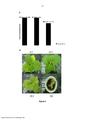
Figura 2: Detecção do DNA recombinante inserido no genoma de plantas de tabaco. Visualização de eletroforese em gel de agarose 0,8% em TAE corado com brometo de etídeo, sob iluminação de luz ultra-violeta. São observados os produtos da reação de PCR do gene nptII em 6 amostras de plantas transgênicas de tabaco, previamente confirmadas pelo ensaio histoquímico de GUS (colunas de 1 a 6). Na coluna 7 foi analisada a amostra de uma planta não transgênica pelo teste histoquímico de GUS. A coluna C- corresponde a amostras de plantas selvagens, usadas como controle negativo. A coluna C+ a uma amostra do vetor pCambia2301::H05 utilizado na transformação das plantas, como controle positivo.Figure 2: Detection of recombinant DNA inserted into the tobacco plant genome. Visualization of electrophoresis in 0.8% agarose gel in TAE stained with ethidium bromide, under illumination of ultra-violet light. The PCR reaction products of the nptII gene are observed in 6 samples of transgenic tobacco plants, previously confirmed by the GUS histochemical assay (
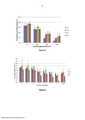
Figura 3: Análise fenotípica de plantas selvagens (não modificadas geneticamente) e transgênicas que possuem a SEQ ID NO: 1 após estresse hídrico. (A) Porcentagem de plantas sobreviventes após tratamento com suspensão de rega. Plantas de dois meses de idade foram privadas de água por 9 dias, rehidratadas por 1 dia e novamente expostas a suspensão de rega por 15 dias e rehidratação por 3 dias. O experimento foi realizado com 6 réplicas biológicas e 3 linhagens transgênicas homozigotas e o número de plantas sobreviventes foi contado após a segunda rehidratação. (B) Aspecto das plantas analisadas após a segunda rehidratação. WT: plantas selvagens; 19.2, 13.5 e 4.5 indicam diferentes eventos de plantas transgênicas contendo a SEQ ID NO:1.Figure 3: Phenotypic analysis of wild (not genetically modified) and transgenic plants that have SEQ ID NO: 1 after water stress. (A) Percentage of plants surviving after treatment with irrigation suspension. Two-month-old plants were deprived of water for 9 days, rehydrated for 1 day and again exposed to watering suspension for 15 days and rehydrated for 3 days. The experiment was carried out with 6 biological replicates and 3 homozygous transgenic strains and the number of surviving plants was counted after the second rehydration. (B) Aspect of the plants analyzed after the second rehydration. WT: wild plants; 19.2, 13.5 and 4.5 indicate different events of transgenic plants containing SEQ ID NO: 1.
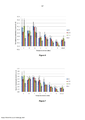
Figura 4: Efeito de diferentes concentrações de NaCl em discos foliares de linhagens de tabaco transgênico contendo a SEQ ID NO: 1 e de plantas selvagens. Foram analisadas plantas de tabaco de 3 linhagens contendo a SEQ ID NO: 1 e plantas selvagens com dois meses de idade. Os discos foliares foram tratados com 1 mL de meio MS líquido utilizando a metade dos reagentes recomendados suplementado com 0, 200, 300 ou 400 mM de NaCl por 4 dias. O experimento foi realizado com 4 réplicas biológicas contendo três discos de 0,5 cm de diâmetro por réplica. O conteúdo total de clorofila dos discos após o estresse salino foi extraído em 1 mL de acetona e quantificado. * indica a diferença estatística entre plantas transformadas e selvagens para P<0,05 e ** para P<0,01. WT: plantas selvagens; 19.2, 13.5 e 4.5 indicam diferentes eventos de plantas transgênicas contendo a SEQ ID NO:1.Figure 4: Effect of different concentrations of NaCl on leaf discs from transgenic tobacco lines containing SEQ ID NO: 1 and from wild plants. Tobacco plants of 3 strains containing SEQ ID NO: 1 and wild plants with two months of age were analyzed. The leaf discs were treated with 1 mL of liquid MS medium using half of the recommended reagents supplemented with 0, 200, 300 or 400 mM NaCl for 4 days. The experiment was carried out with 4 biological replicas containing three 0.5 cm diameter discs per replicate. The total chlorophyll content of the discs after saline stress was extracted in 1 mL of acetone and quantified. * indicates the statistical difference between transformed and wild plants for P <0.05 and ** for P <0.01. WT: wild plants; 19.2, 13.5 and 4.5 indicate different events of transgenic plants containing SEQ ID NO: 1.
Figura 5: Efeitos da suspensão de rega sobre a fotossíntese de plantas transgênicas que possuem a SEQ ID NO: 1 e de plantas selvagens. Plantas de dois meses de idade de 3 linhagens transgênicas e plantas selvagens foram expostas à privação de rega por 9 dias seguido de 1 dia de reidratação. O experimento foi realizado com 5 réplicas biológicas de cada linhagem e a fotossíntese líquida foi medida a cada dois dias utilizando o equipamento IRGA (LCpro+; ADC bioscientific, Reino Unido). * indica a diferença estatística entre plantas transformadas e selvagens para P<0,05 e ** para P<0,01. WT: plantas selvagens; 19.2, 13.5 e 4.5 indicam diferentes eventos de plantas transgênicas contendo a SEQ ID NO:1.Figure 5: Effects of irrigation suspension on photosynthesis of transgenic plants that have SEQ ID NO: 1 and wild plants. Two-month-old plants from 3 transgenic strains and wild plants were exposed to irrigation deprivation for 9 days followed by 1 day of rehydration. The experiment was carried out with 5 biological replicates of each strain and liquid photosynthesis was measured every two days using the IRGA equipment (LCpro +; ADC bioscientific, United Kingdom). * indicates the statistical difference between transformed and wild plants for P <0.05 and ** for P <0.01. WT: wild plants; 19.2, 13.5 and 4.5 indicate different events of transgenic plants containing SEQ ID NO: 1.
Figura 6: Efeito da suspensão de rega sobre a condutância estomática de plantas transgênicas que possuem a SEQ ID NO: 1 e de plantas selvagens. O delineamento experimental realizado foi o mesmo descrito na figura 3. WT: plantas selvagens; 19.2, 13.5 e 4.5 indicam diferentes eventos de plantas transgênicas contendo a SEQ ID NO:1. Figura 7: Efeito da suspensão de rega sobre a taxa de transpiração de plantas transgênicas que possuem a SEQ ID NO: 1 e de plantas selvagens. O delineamento experimental realizado foi o mesmo descrito na figura 3. WT: plantas selvagens; 19.2, 13.5 e 4.5 indicam diferentes eventos de plantas transgênicas contendo a SEQ ID NO:1. Figura 8: Análise por PCR em tempo real da expressão do gene que codifica uma proteína de cana com similaridade a ISP (“iron sulfur protein”), que é componente do complexo formador do citocromo b6f, em amostras de duas variedades de cana-de- açúcar. Entre as variedades utilizadas a RB867515 é considerada tolerante à seca (T) enquanto a RB855536 é considerada sensível (S). As plantas foram cultivadas em campo com irrigação (I) ou sem (S) por 7 meses. As análises utilizaram duas réplicas biológicas, triplicata técnica e o gene da poliubiquitina de cana como gene endógeno. As barras verticais correspondem ao “fold change” da expressão relativa do gene utilizando os dados da variedade sensível na condição de irrigação (SI) como referência. O gráfico ilustra a maior expressão do gene estudado na variedade tolerante e a indução por seca na variedade sensível.Figure 6: Effect of irrigation suspension on the stomatal conductance of transgenic plants that have SEQ ID NO: 1 and wild plants. The experimental design carried out was the same as described in figure 3. WT: wild plants; 19.2, 13.5 and 4.5 indicate different events of transgenic plants containing SEQ ID NO: 1. Figure 7: Effect of irrigation suspension on the transpiration rate of transgenic plants that have SEQ ID NO: 1 and wild plants. The experimental design carried out was the same as described in figure 3. WT: wild plants; 19.2, 13.5 and 4.5 indicate different events of transgenic plants containing SEQ ID NO: 1. Figure 8: Real-time PCR analysis of the expression of the gene that encodes a sugarcane protein similar to ISP (“iron sulfur protein”), which is a component of the cytochrome b6f-forming complex, in samples of two varieties of sugarcane - sugar. Among the varieties used, RB867515 is considered drought tolerant (T) while RB855536 is considered sensitive (S). The plants were grown in the field with irrigation (I) or without (S) for 7 months. The analyzes used two biological replicates, technical triplicate and the sugarcane polyubiquitin gene as an endogenous gene. The vertical bars correspond to the “fold change” of the relative expression of the gene using data from the sensitive variety in the irrigation condition (SI) as a reference. The graph illustrates the greater expression of the gene studied in the tolerant variety and drought induction in the sensitive variety.
Figura 9: Vetor binário pCambia2301::H05 utilizado na agrotransformação de plantas de tabaco. Os cassetes de seleção, repórter e de expressão do polipeptídeo codificado pela SEQ ID: 1 foram clonados sob controle do promotor do vírus do mosaico da couve- flor CamV35S e utilizando o terminador do gene da nopalina sintase (NOS) de agrobactéria. Para a seleção foi utilizado o gene nptII que confere resistência ao antibiótico canamicina e como repórter o gene uidA que codifica a proteína β- glucuronidase (GUS). O vetor possui também a marca de seleção em bactéria para o antibiótico canamicina (Kana).Figure 9: Binary vector pCambia2301 :: H05 used in the agrotransformation of tobacco plants. The selection, reporter and expression cassettes of the polypeptide encoded by SEQ ID: 1 were cloned under the control of the cauliflower mosaic virus promoter CamV35S and using the agrobacterium nopaline synthase (NOS) gene terminator. For selection, the nptII gene was used which confers resistance to the antibiotic kanamycin and the uidA gene encoding the β-glucuronidase protein (GUS) was used as a reporter. The vector also has the check mark in bacteria for the antibiotic kanamycin (Kana).
Figura 10: Efeito do estresse hídrico e salino sobre o desenvolvimento de plantas transgênicas contendo a SEQ ID NO: 1 e de plantas selvagens. Dez sementes de 3 linhagens transgênicas foram germinadas em meio MS líquido suplementado ou não com 100 mM de NaCl ou 150 mM de manitol. O experimento foi realizado em triplicata e após 20 dias sob agitação de 90 r.p.m., fotoperíodo de 16/8h de luz/escuro e temperatura de 25±2°C, as plantas germinadas foram analisadas. (A) Peso fresco por planta submetida ao estresse hídrico através da exposição a 150 mM de manitol. (B) Peso fresco por planta submetida ao estresse salino através da exposição a 100 mM de NaCl. (C) Peso fresco por planta crescida em meio MS não suplementado com manitol ou NaCl. * indica diferença estatística entre plantas transformadas e selvagens com P<0,05 e ** para P<0,01. WT: plantas selvagens; 19.2, 13.5 e 4.5 indicam diferentes eventos de plantas transgênicas contendo a SEQ ID NO:1.Figure 10: Effect of water and salt stress on the development of transgenic plants containing SEQ ID NO: 1 and wild plants. Ten seeds of 3 transgenic strains were germinated in liquid MS medium supplemented or not with 100 mM NaCl or 150 mM mannitol. The experiment was carried out in triplicate and after 20 days under agitation of 90 r.p.m., 16 / 8h light / dark photoperiod and temperature of 25 ± 2 ° C, the germinated plants were analyzed. (A) Fresh weight per plant subjected to water stress through exposure to 150 mM mannitol. (B) Fresh weight per plant subjected to salt stress through exposure to 100 mM NaCl. (C) Fresh weight per plant grown in MS medium not supplemented with mannitol or NaCl. * indicates statistical difference between transformed and wild plants with P <0.05 and ** for P <0.01. WT: wild plants; 19.2, 13.5 and 4.5 indicate different events of transgenic plants containing SEQ ID NO: 1.
Figura 11: Fenótipo visual de linhagens de tabaco que possuem a SEQ ID NO: 1 e de plantas selvagens expostas aos estresses hídrico e salino. (A) Duas plantas por evento independente de transformação e plantas selvagens expostas a 150 mM de manitol. (B) Duas plantas por evento de transformação e plantas selvagens expostas a 100 mM de NaCl. A escala está em centímetros e o delineamento experimental utilizado foi o mesmo descrito na figura 6. WT: plantas selvagens; 19.2, 13.5 e 4.5 indicam diferentes eventos de plantas transgênicas contendo a SEQ ID NO:1.Figure 11: Visual phenotype of tobacco strains that have SEQ ID NO: 1 and wild plants exposed to water and saline stresses. (A) Two plants per independent transformation event and wild plants exposed to 150 mM mannitol. (B) Two plants per transformation event and wild plants exposed to 100 mM NaCl. The scale is in centimeters and the experimental design used was the same as described in figure 6. WT: wild plants; 19.2, 13.5 and 4.5 indicate different events of transgenic plants containing SEQ ID NO: 1.
A presente invenção descreve um vetor de DNA recombinante compreendendo a sequência de nucleotídeos SEQ ID NO: 1, referente a um gene de cana-de-açúcar que codifica uma proteína com similaridade à ISP (“iron sulfur protein”), componente do complexo formador do citocromo b6f. A sequência de aminoácidos deduzidos a partir de SEQ ID: 1 está indicada em SEQ ID NO: 2.The present invention describes a recombinant DNA vector comprising the nucleotide sequence SEQ ID NO: 1, referring to a sugarcane gene that encodes a protein similar to ISP (“iron sulfur protein”), a component of the forming complex of cytochrome b6f. The sequence of amino acids deduced from SEQ ID: 1 is indicated in SEQ ID NO: 2.
Adicionalmente, o presente invento descreve um método para produção de plantas transgênicas tolerantes a estresses ambientais que superexpressam a molécula de ácido nucléico da SEQ ID NO: 1, envolvida na resposta das plantas a estresses abióticos e cuja superexpressão produz uma melhora significativa na resposta da planta a esses estresses. Assim, determina-se que o gene indicado na SEQ ID NO: 1 controla direta ou indiretamente a resposta de plantas contra esses estresses.In addition, the present invention describes a method for producing transgenic plants tolerant to environmental stresses that overexpress the nucleic acid molecule of SEQ ID NO: 1, involved in the response of plants to abiotic stresses and whose overexpression produces a significant improvement in plant response to these stresses. Thus, it is determined that the gene indicated in SEQ ID NO: 1 directly or indirectly controls the response of plants against these stresses.
A sequência de DNA descrita em SEQ ID NO: 1, da qual se deduz a proteína SEQ ID NO: 2, é usada como parte de um DNA quimérico capaz de produzir uma elevada expressão em células vegetais.The DNA sequence described in SEQ ID NO: 1, from which the SEQ ID NO: 2 protein is derived, is used as part of a chimeric DNA capable of producing high expression in plant cells.
O uso da presente invenção permite a melhoria da produção de plantas que sejam tolerantes a esses estresses abióticos.The use of the present invention allows the improvement of the production of plants that are tolerant to these abiotic stresses.
Da mesma forma, a invenção compreende as sequências com identidade igual ou superior a 50% à SEQ ID NO: 1, mas não limitantes a somente elas.Likewise, the invention comprises sequences with an identity equal to or greater than 50% to SEQ ID NO: 1, but not limited to them only.
O vetor de transformação de plantas usado para introduzir o ácido nucléico na célula vegetal pode ser um plasmídeo, em que o DNA SEQ ID NO: 1 é inserido em sítios de clivagem de endonucleases de restrição ou por recombinação mediada por outros tipos de enzimas. O DNA é inserido no vetor de clonagem utilizando procedimentos padrão amplamente conhecidos. Isso geralmente envolve o uso de enzimas de restrição e ligases de DNA, conforme descrito, por exemplo, por Sambrook et al. (Wood EJ (1983) Molecular-Cloning - a Laboratory Manual - Maniatis,T, Fritsch,Ef, Sambrook,J. Biochemical Education 11: 82-82). O plasmídeo resultante, que inclui a SEQ ID NO: 1 pode então ser usado para transformar uma célula vegetal, plantas ou partes de plantas por métodos convencionais de transformação.The plant transformation vector used to introduce nucleic acid into the plant cell can be a plasmid, in which DNA SEQ ID NO: 1 is inserted into restriction endonuclease cleavage sites or by recombination mediated by other types of enzymes. DNA is inserted into the cloning vector using widely known standard procedures. This usually involves the use of restriction enzymes and DNA ligases, as described, for example, by Sambrook et al. (Wood EJ (1983) Molecular-Cloning - a Laboratory Manual - Maniatis, T, Fritsch, Ef, Sambrook, J. Biochemical Education 11: 82-82). The resulting plasmid, which includes SEQ ID NO: 1, can then be used to transform a plant cell, plants or parts of plants by conventional transformation methods.
Para a transformação de plantas, o plasmídeo de preferência também inclui um gene marcador de seleção, embora existam métodos que prescindam do uso desse tipo de gene marcador. Marcadores de seleção de vegetais comumente usados incluem o gene de resistência a canamicina (neomicina fosfotransferase II ou nptII), o gene de resistência a higromicina (higromicina fosfotransferase ou hpt), o gene de fosfinotricina acetil transferase (bar), o gene 5-enolpiruvilshiquimato-3-fosfato sintase (epsps) eo gene da acetolactato sintase (als). Na presente invenção, o marcador de seleção é o gene nptII, que permite a seleção dos transformantes com o antibiótico canamicina.For plant transformation, the plasmid preferably also includes a selection marker gene, although there are methods that dispense with the use of this type of marker gene. Commonly used plant selection markers include the kanamycin resistance gene (neomycin phosphotransferase II or nptII), the hygromycin resistance gene (hygromycin phosphotransferase or hpt), the phosphinothricin acetyl transferase (bar) gene, the 5-enolpyruvylshiquime gene -3-phosphate synthase (epsps) and the acetolactate synthase gene (als). In the present invention, the selection marker is the nptII gene, which allows the selection of transformants with the antibiotic kanamycin.
O plasmídeo também pode incluir um gene repórter que fornece uma indicação clara de que a transformação genética foi efetuada através da detecção da atividade da proteína codificada pelo gene repórter. Os genes repórteres mais comumente utilizados são os que codificam a beta-glucuronidase (GUS), a luciferase e a proteína verde fluorescente (GFP). Genes repórteres são muitas vezes colocados nas proximidades do gene de interesse para assegurar que elas são expressas em conjunto e não separadas por eventos do “crossing-over”.The plasmid can also include a reporter gene that provides a clear indication that the genetic transformation was carried out by detecting the activity of the protein encoded by the reporter gene. The most commonly used reporter genes are those that encode beta-glucuronidase (GUS), luciferase and green fluorescent protein (GFP). Reporter genes are often placed in the vicinity of the gene of interest to ensure that they are expressed together and not separated by “crossing-over” events.
O plasmídeo, de preferência, também inclui os promotores adequados para a expressão do ácido nucléico indicado na SEQ ID NO: 1 e também para a expressão do gene marcador de seleção, assim como do gene repórter. O promotor do vírus do mosaico da couve-flor 35S (CaMV 35S) é comumente utilizado na transformação de plantas, bem como o do gene da actina 1 de arroz (Act1), da ubiquitina 1 (Ubi1), o promotor do gene da alfa-amilase e promotores de genes induzidos por estresse. Na presente invenção, o promotor utilizado é o promotor CaMV 35S, mas outros promotores também podem ser utilizados.The plasmid preferably also includes promoters suitable for the expression of the nucleic acid indicated in SEQ ID NO: 1 and also for the expression of the selection marker gene, as well as the reporter gene. The promoter of the cauliflower mosaic virus 35S (CaMV 35S) is commonly used in the transformation of plants, as well as that of the
No plasmídeo, o DNA descrito em SEQ ID NO: 1 pode estar sob o controle de um promotor constitutivo ou pode estar sob o controle do seu próprio promotor nativo ou de um promotor diferente. Para a transformação de plantas, o plasmídeo, de preferência, inclui também uma molécula de ácido nucléico que compreende o terminador, como a região 3’ não traduzida dos genes que codificam um inibidor de protease de actina, do vírus do mosaico da couve-flor ou da nopalina sintase (NOS). Na presente invenção, o plasmídeo inclui o terminador da nopalina sintase (NOS).In the plasmid, the DNA described in SEQ ID NO: 1 may be under the control of a constitutive promoter or it may be under the control of its own native promoter or a different promoter. For plant transformation, the plasmid preferably also includes a nucleic acid molecule comprising the terminator, such as the 3 'untranslated region of the genes encoding an actin protease inhibitor, from the cauliflower mosaic virus or nopaline synthase (NOS). In the present invention, the plasmid includes the nopaline synthase (NOS) terminator.
O plasmídeo é de preferência um vetor de transformação de plantas binário em que os polinucleotídeos de interesse são inseridos dentro das bordas do T- DNA (“Transferred-DNA”). Exemplos de tais vetores de transformação de plantas que podem ser usados na presente invenção são vetores obtidos a partir de fontes comerciais, tais como a série pCambia, pBI121 ou pGreenII, que contem uma origem RK2 de baixa replicação, promotor constitutivo, o gene marcador da neomicina- fosfotransferase (nptII), o terminador da nopalina sintase (NOS), e um sinal 3’ NOS de poliadenilação.The plasmid is preferably a binary plant transformation vector in which the polynucleotides of interest are inserted within the edges of the T-DNA ("Transferred-DNA"). Examples of such plant transformation vectors that can be used in the present invention are vectors obtained from commercial sources, such as the pCambia, pBI121 or pGreenII series, which contain a low replication RK2 origin, constitutive promoter, the marker gene for neomycin phosphotransferase (nptII), the nopaline synthase (NOS) terminator, and a 3 'NOS polyadenylation signal.
Para a produção de plantas transgênicas, qualquer método adequado para a transformação de monocotiledôneas ou dicotiledôneas pode ser usado, como, por exemplo, a transformação mediada por Agrobacterium ou bombardeamento de partículas (também conhecida como transformação de biobalística ou biolística). Na transformação mediada por Agrobacterium, as células vegetais são colocadas em contato com um inóculo de bactérias transformadas com o plasmídeo contendo o DNA indicado na SEQ ID NO: 1 da invenção. Bactérias do gênero Agrobacterium que podem ser utilizados para transformar células vegetais incluem espécies de Agrobacterium rhizogenes ou Agrobacterium tumefaciens, preferencialmente as cepas A. tumefaciens LBA4404, EHA105 ou GV301. Agrobacterium spp. são transformadas com o plasmídeo por métodos convencionais conhecidos.For the production of transgenic plants, any suitable method for the transformation of monocots or dicots can be used, such as, for example, Agrobacterium-mediated transformation or particle bombardment (also known as biobalistic or biolistic transformation). In Agrobacterium-mediated transformation, plant cells are brought into contact with an inoculum of bacteria transformed with the plasmid containing the DNA indicated in SEQ ID NO: 1 of the invention. Bacteria of the genus Agrobacterium that can be used to transform plant cells include species of Agrobacterium rhizogenes or Agrobacterium tumefaciens, preferably the A. tumefaciens strains LBA4404, EHA105 or GV301. Agrobacterium spp. are transformed with the plasmid by known conventional methods.
Por sua vez, utilizando-se um protocolo de transformação de discos foliares, bactérias de A. tumefaciens com o DNA indicado na SEQ ID NO: 1, clonado em vetor binário, são cultivadas em um meio de crescimento na presença de antibióticos, como por exemplo, canamicina, para selecionar as células bacterianas que possuem o plasmídeo binário. Em seguida, folhas de tabaco selvagem são esterilizadas superficialmente, cortadas em pequenos discos e incubadas numa suspensão de A. tumefaciens por um tempo adequado. Diferentes tecidos podem ser utilizados para a transformação, tais como folhas, talo, flor dentre outros. Após a incubação com A. tumefaciens as folhas infetadas são transferidas para meio de cultura in vitro por determinado período de tempo. A seleção das plantas transgênicas é iniciada colocando-se as plantas infetadas no meio de seleção in vitro com antibiótico. Após o desenvolvimento de plântulas com raízes ocorre a transferência para solo e o crescimento em câmara de crescimento.In turn, using a leaf disk transformation protocol, A. tumefaciens bacteria with the DNA indicated in SEQ ID NO: 1, cloned in a binary vector, are grown in a growth medium in the presence of antibiotics, such as example, kanamycin, to select the bacterial cells that have the binary plasmid. Then, wild tobacco leaves are sterilized superficially, cut into small discs and incubated in a suspension of A. tumefaciens for an appropriate time. Different fabrics can be used for transformation, such as leaves, stems, flowers, among others. After incubation with A. tumefaciens, the infected leaves are transferred to in vitro culture medium for a certain period of time. The selection of transgenic plants is initiated by placing the infected plants in the in vitro selection medium with antibiotics. After the development of seedlings with roots, transfer to soil occurs and growth in a growth chamber.
Adicionalmente, a presente invenção refere-se às plantas transgênicas transformadas com plasmídeos contendo a sequência indicada em SEQ ID NO: 1, aumentando a tolerância da planta obtida a estresses abióticos, como seca e alta salinidade.In addition, the present invention relates to transgenic plants transformed with plasmids containing the sequence indicated in SEQ ID NO: 1, increasing the tolerance of the obtained plant to abiotic stresses, such as drought and high salinity.
O presente documento também descreve um método para produção de plantas transgênicas que apresentam aumento de tolerância para estresses abióticos, através do aumento dos níveis de expressão de SEQ ID NO: 1. Neste método, é feita a produção de plantas geneticamente modificadas que superexpressem genes que induzam a atividade do promotor do gene endógeno, como é o caso de genes que codificam fatores de transcrição.This document also describes a method for the production of transgenic plants that show increased tolerance to abiotic stresses, by increasing the expression levels of SEQ ID NO: 1. In this method, the production of genetically modified plants that overexpress genes that induce the activity of the endogenous gene promoter, as is the case with genes encoding transcription factors.
Desta forma, este método permite a produção de plantas transgênicas que contém em suas células um gene quimérico com capacidade de expressão em células vegetais, bem como as subsequentes gerações compreendendo a sequência de DNA de SEQ ID NO: 1 e sequências de DNA que permitam a expressão do polipeptídeo SEQ ID NO: 2 em células vegetais.In this way, this method allows the production of transgenic plants that contain in their cells a chimeric gene capable of expression in plant cells, as well as the subsequent generations comprising the DNA sequence of SEQ ID NO: 1 and DNA sequences that allow the expression of SEQ ID NO: 2 polypeptide in plant cells.
Plantas transgênicas, de acordo com a invenção, incluem, sem limitação, a plantas de cultivo, monocotiledôneas ou dicotiledôneas e dentre elas podem-se incluir cana-de-açúcar, soja, milho, canola, arroz, algodão, cevada, aveia, grama, trigo, pinhão manso, mangueira, goiabeira, limoeiro, abacateiro, laranjeira, ameixeira, pitagueira, jabuticabeira, macieira, pessegueira, batateira, ervilheira, tomateiro, roseira, girassol, feijão, eucalipto, abacate, morango, pêra, maçã, goiaba, cacau, limão, maracujá, palma forrageira, mamona, mandioca, seringueira, mate, jacarandá, café, abóbora, melancia, pêssego, pitanga e caju.Transgenic plants, according to the invention, include, without limitation, cultivation plants, monocots or dicots and among them can be included sugar cane, soybeans, corn, canola, rice, cotton, barley, oats, grass , wheat, jatropha, mango, guava, lemon, avocado, orange, plum, pitagueira, jabuticabeira, apple, peach, potato, pea, tomato, rose, sunflower, beans, eucalyptus, avocado, strawberry, pear, apple, guava, cocoa, lemon, passion fruit, forage palm, castor, cassava, rubber, mate, rosewood, coffee, pumpkin, watermelon, peach, cherry and cashew.
Adicionalmente, também são descritas células vegetais e plantas que contêm em seu genoma moléculas de DNA recombinante, tal como descrito e os propágulos e descendentes delas produzidas.In addition, plant and plant cells that contain recombinant DNA molecules in their genome are also described, as described and the propagules and descendants produced from them.
Exemplo 1: ALINHAMENTO MÚLTIPLO ENTRE A SEQ ID NO:1 E PROTEÍNAS DE OUTRAS ESPÉCIES. Para verificar se a proteína codificada pela SEQ ID NO:1 é conservada em outras espécies monocotiledôneas e dicotiledôneas utilizou-se o programa de alinhamento múltiplo ClustalW2 (http://www.ebi.ac.uk/Tools/msa/clustalw2) nos parâmetros padrão recomendados. O resultado obtido mostrou que a proteína codificada pela SEQ ID NO:1 é altamente conservada entre as espécies.Example 1: MULTIPLE ALIGNMENT BETWEEN SEQ ID NO: 1 AND PROTEINS FROM OTHER SPECIES. To verify whether the protein encoded by SEQ ID NO: 1 is conserved in other monocot and dicot species, the multiple alignment program ClustalW2 (http://www.ebi.ac.uk/Tools/msa/clustalw2) was used in the parameters recommended standards. The result obtained showed that the protein encoded by SEQ ID NO: 1 is highly conserved among species.
Exemplo 2: AVALIAÇÃO DO NÍVEL DE EXPRESSÃO DA SEQ ID NO: 1 DE CANA- DE-AÇÚCAR Para avaliar o padrão de expressão do polinucleotídeo SEQ ID NO: 1 sob seca foi realizada um análise quantitativa por PCR em tempo real conforme descrito por Rocha et al (Rocha FR, Papini-Terzi FS, Nishiyama MY, Vencio RZN, Vicentini R, et al. (2007) Signal transduction-related responses to phytohormones and environmental challenges in sugarcane. Bmc Genomics 8).Example 2: EVALUATION OF THE EXPRESSION LEVEL OF SUGAR CANE SEQ ID NO: 1 To evaluate the expression pattern of the polynucleotide SEQ ID NO: 1 under drought, a quantitative analysis by real time PCR was performed as described by Rocha et al (Rocha FR, Papini-Terzi FS, Nishiyama MY, Vencio RZN, Vicentini R, et al. (2007) Signal transduction-related responses to phytohormones and environmental challenges in sugarcane. Bmc Genomics 8).
Para tal foram utilizadas amostras de RNA de folhas de uma variedade de cana com maior tolerância à seca (RB867515) e de outra com maior sensibilidade à seca (RB855536), cultivadas por 7 meses em campo, numa região de baixa pluviosidade, sob irrigação ou não (equivalente à estresse por seca). A amplificação foi realizada em triplicata com duas réplicas biológicas por variedade. Como gene de referência foi utilizado o gene da poliubiquitina de cana.For this purpose, RNA samples from leaves of a variety of sugarcane with greater drought tolerance (RB867515) and another with greater sensitivity to drought (RB855536) were used, cultivated for 7 months in the field, in a region with low rainfall, under irrigation or no (equivalent to drought stress). Amplification was performed in triplicate with two biological replicates per variety. As a reference gene, the sugarcane polyubiquitin gene was used.
A expressão do polinucleotídeo SEQ ID NO: 1 foi determinada utilizando o programa qPCR (Pabinger S, Thallinger GG, Snajder R, Eichhorn H, Rader R, Trajanoski Z (2009) QPCR: Application for real-time PCR data management and analysis. BMC Bioinformatics 10: 268) e o método 2-ΔΔCT (Livak KJ, Schmittgen TD (2001) Analysis of relative gene expression data using real-time quantitative PCR and the 2(-Delta Delta C(T)) Method. Methods 25: 402-408), utilizando a amostra da variedade sensível sob irrigação como referência. A interpretação dos resultados baseou-se na premissa de que a razão da expressão do gene entre duas amostras (“fold change”) deveria ser de pelo menos dois para que o gene fosse considerado diferencialmente expresso naquela comparação.The expression of the polynucleotide SEQ ID NO: 1 was determined using the qPCR program (Pabinger S, Thallinger GG, Snajder R, Eichhorn H, Rader R, Trajanoski Z (2009) QPCR: Application for real-time PCR data management and analysis. BMC Bioinformatics 10: 268) and the 2-ΔΔCT method (Livak KJ, Schmittgen TD (2001) Analysis of relative gene expression data using real-time quantitative PCR and the 2 (-Delta Delta C (T)) Method. Methods 25: 402 -408), using the sample of the sensitive variety under irrigation as a reference. The interpretation of the results was based on the premise that the ratio of the gene expression between two samples (“fold change”) should be at least two for the gene to be considered differentially expressed in that comparison.
O resultado da análise por PCR em tempo real mostrou indução na expressão do gene que contém a SEQ ID NO:1 em condição de estresse por déficit hídrico na variedade mais sensível (SS), comparada com a condição irrigada (SI) (Figura 1). Além disso, pode ser observado nessa Figura que a variedade tolerante possui maior expressão do gene analisado em ambas as condições, quando comparado com a variedade sensível. Esses dados indicam que este gene pode estar relacionado à maior tolerância a seca da variedade RB867515 e que pode ser importante no mecanismo de resposta ao estresse na variedade RB855536, fatos estes confirmados pela presente invenção.The result of the analysis by real-time PCR showed induction in the expression of the gene containing SEQ ID NO: 1 under stress due to water deficit in the most sensitive variety (SS), compared to the irrigated condition (SI) (Figure 1) . In addition, it can be seen in this Figure that the tolerant variety has greater expression of the analyzed gene in both conditions, when compared to the sensitive variety. These data indicate that this gene may be related to the greater drought tolerance of the RB867515 variety and that it may be important in the stress response mechanism in the RB855536 variety, facts confirmed by the present invention.
Exemplo 3: CLONAGEM DA SEQ ID NO: 1 DE CANA-DE-AÇÚCAR E PRODUÇÃO DE UM CASSETE RECOMBINANTE. Um plasmídeo com a sequência codificante da proteína similar a proteínas ISP (“iron sulfur protein”) de cana-de-açúcar foi obtido do “Brazilian Clone Collection Center” (BCCCENTER, Jaboticabal, Brasil). A partir desse DNA a sequência codificante, indicada na SEQ ID NO: 1, foi amplificada por PCR utilizando oligonucleotídeos específicos, 5' CCATGGCGACCTCCGCGG 3' e 5' GTGGAAGGCATGAGGTGACC 3' e então clonada no vetor pGEMT-Easy (Promega, EUA). Posteriormente, um fragmento contendo a SEQ ID NO: 1 foi retirado do vetor pGEMT-Easy com a enzima Eco R I e inserido no vetor pRT104 digerido com a mesma enzima.Example 3: CLONING OF SUGARCANE SEQ ID NO: 1 AND PRODUCTION OF A RECOMBINANT CASSETTE. A plasmid with the protein coding sequence similar to sugarcane ISP (iron sulfur protein) proteins was obtained from the “Brazilian Clone Collection Center” (BCCCENTER, Jaboticabal, Brazil). From that DNA, the coding sequence, indicated in SEQ ID NO: 1, was amplified by PCR using specific oligonucleotides, 5 'CCATGGCGACCTCCGCGG 3' and 5 'GTGGAAGGCATGAGGTGACC 3' and then cloned into the vector pGEMT-Easy (Promega, USA). Subsequently, a fragment containing SEQ ID NO: 1 was removed from the vector pGEMT-Easy with the enzyme Eco R I and inserted into the vector pRT104 digested with the same enzyme.
A orientação da clonagem foi verificada por digestão enzimática e um clone com a região codificante clonada no sentido senso em relação ao promotor foi escolhido e validado por sequenciamento. O cassete de expressão foi então liberado pela digestão com Hind III e clonado no vetor de expressão pCAMBIA 2301 (Cambia, Austrália), também digerido com a mesma enzima. A construção recombinante final resultante, pCAMBIA2301::H05 (Figura 2) foi introduzida em Agrobacterium tumefaciens cepa LBA4404 .The orientation of the cloning was verified by enzymatic digestion and a clone with the coding region cloned in the sense towards the promoter was chosen and validated by sequencing. The expression cassette was then released by digestion with Hind III and cloned into the expression vector pCAMBIA 2301 (Cambia, Australia), also digested with the same enzyme. The resulting final recombinant construct, pCAMBIA2301 :: H05 (Figure 2) was introduced into Agrobacterium tumefaciens strain LBA4404.
EJementes selvagens de tabaco (Nicotiana tabacum, var. SR1) foram germinadas em placas de Petri contendo meio Murashige-Skoog (MS) com 0,28% (w/v) de phytagel (Sigma, EUA). As plantas foram transferidas para potes e cultivadas em câmara de crescimento com fotoperíodo de 16/8h luz/escuro (300-400 μmol fótons m-2 s-1) a 25±2°C e umidade relativa de 75-80%.Wild tobacco seeds (Nicotiana tabacum, var. SR1) were germinated in Petri dishes containing Murashige-Skoog (MS) medium with 0.28% (w / v) phytagel (Sigma, USA). The plants were transferred to pots and grown in a growth chamber with a photoperiod of 16 / 8h light / dark (300-400 μmol photons m-2 s-1) at 25 ± 2 ° C and relative humidity of 75-80%.
Folhas de tabaco foram cortadas em discos pequenos e incubadas com suspensões de A. tumefaciens por 5 a 10 min. Após isto, as folhas infetadas foram transferidas ao meio MS (suplementado com 1 mg/L de benzilaminopurina, 0,1 mg/L de ácido naftalenoacético e 0,0059 g/L de acetoseringona) por 3 dias. Os discos infectados foram transferidos para meio seletivo (sais MS, 1 mg/L de benzilaminopurina e 100 mg/L de canamicina).Tobacco leaves were cut into small discs and incubated with suspensions of A. tumefaciens for 5 to 10 min. After that, the infected leaves were transferred to the MS medium (supplemented with 1 mg / L of benzylaminopurine, 0.1 mg / L of naphthaleneacetic acid and 0.0059 g / L of acetoseringone) for 3 days. The infected discs were transferred to selective media (MS salts, 1 mg / L of benzylaminopurine and 100 mg / L of kanamycin).
As plantas que começaram a se desenvolver foram transferidas para meio MS com 200 mg/L de canamicina (Figura 1). As plantas enraizadas foram transferidas para o substrato Flores e Folhagens (BIOMIX) e mantidas em casa de vegetação sob condições normais até o florescimento e coleta de sementes.The plants that started to develop were transferred to MS medium with 200 mg / L of kanamycin (Figure 1). The rooted plants were transferred to the substrate Flores e Folgens (BIOMIX) and kept in a greenhouse under normal conditions until flowering and seed collection.
Exemplo 5: ANÁLISES DA PRESENÇA DA SEQ ID NO: 1 EM PLANTAS GENETICAMENTE MODIFICADAS A caracterização inicial das plantas enraizadas e transferidas para solo foi feita pelo ensaio histoquímico de GUS utilizando-se o substrato X-Gluc para a detecção do gene que codifica a proteína β-glucuronidase, presente no cassete de expressão inserido na planta.Example 5: ANALYSIS OF THE PRESENCE OF SEQ ID NO: 1 IN GENETICALLY MODIFIED PLANTS The initial characterization of the rooted and transferred plants to the soil was done by the GUS histochemical test using the substrate X-Gluc for the detection of the gene that encodes the protein β-glucuronidase, present in the expression cassette inserted in the plant.
Observou-se que um grande número de plantas apresentou forte coloração azul, as quais foram selecionadas para confirmação da integração do cassete de expressão contendo a SEQ ID NO: 1 por PCR, utilizando DNA genômico como molde.It was observed that a large number of plants had a strong blue color, which were selected to confirm the integration of the expression cassette containing SEQ ID NO: 1 by PCR, using genomic DNA as a template.
Em seguida foi extraído DNA total de amostras de folha de plantas selvagens e plantas transgênicas. Para tal, coletaram-se cerca de 150 mg de folha, que foram macerados em microtubos de centrífuga com nitrogênio líquido até a obtenção de um pó bastante fino, ao qual acrescentaram-se 500 μL de tampão de extração (Tris 100 mM pH=8.0, EDTA 50 mM pH=8.0, NaCl 500 mM, β-mercaptoetanol 10 mM) seguido da adição de 35 μL de SDS 20%.Then, total DNA was extracted from leaf samples of wild plants and transgenic plants. For this, about 150 mg of leaf were collected, which were macerated in centrifuge microtubes with liquid nitrogen until a very fine powder was obtained, to which 500 μL of extraction buffer were added (Tris 100 mM pH = 8.0 , 50 mM EDTA pH = 8.0, 500 mM NaCl, 10 mM β-mercaptoethanol) followed by the addition of 35 μL of 20% SDS.
Em seguida, as amostras foram mantidas em banho-maria a 65°C por 10 minutos e 130 μL de acetato de potássio 5 M foram adicionados. Os tubos foram mantidos em gelo por 5 minutos e então centrifugados numa microcentrífuga a 15.000 x g durante 10 minutos. O sobrenadante foi transferido para um novo tubo plástico de 1,5 mL contendo 640 μL de álcool isopropílico e 60 μL de acetato de sódio 3 M, misturado por inversão e incubado a -20°C por 10 minutos.Then, the samples were kept in a water bath at 65 ° C for 10 minutes and 130 μL of 5 M potassium acetate were added. The tubes were kept on ice for 5 minutes and then centrifuged in a microcentrifuge at 15,000 x g for 10 minutes. The supernatant was transferred to a new 1.5 mL plastic tube containing 640 μL of isopropyl alcohol and 60 μL of 3 M sodium acetate, mixed by inversion and incubated at -20 ° C for 10 minutes.
Na sequência, os tubos foram centrifugados a 15.000 g durante 10 minutos e o sobrenadante foi descartado. O DNA precipitado foi lavado nos próprios tubos com 1 mL de álcool 70%, por três vezes. Por último, foram adicionados 100 μL de água ultrapura acrescida de RNase A 100 mg/mL seguido de incubação à 37°C por 30 minutos. O DNA genômico foi armazenado a 4°C.Then, the tubes were centrifuged at 15,000 g for 10 minutes and the supernatant was discarded. The precipitated DNA was washed in the tubes themselves with 1 ml of 70% alcohol, three times. Finally, 100 μL of ultrapure water was added plus RNase A 100 mg / mL followed by incubation at 37 ° C for 30 minutes. Genomic DNA was stored at 4 ° C.
A presença da construção de DNA contendo a SEQ ID NO: 1 no DNA genômico extraído de plantas transgênicas de tabaco foi confirmada pela reação em cadeia da polimerase (PCR) através da amplificação do gene nptII.The presence of the DNA construct containing SEQ ID NO: 1 in the genomic DNA extracted from transgenic tobacco plants was confirmed by the polymerase chain reaction (PCR) through the amplification of the nptII gene.
Inicialmente foram utilizados 1,0 μL de DNA, 0,5 μL dNTP (10 mM), 1,0 μL MgCl2 (25 mM), 0,75 μL de “primer” direto (10 μM), 0,75 μL “primer” reverso (10 μM), 2,5 μL tampão Taq 10 x, 0,3 μL Taq polimerase (Fermentas, PAIS), 18,2 μL de água Milli-Q. Essa reação foi submetida ao seguinte programa de amplificação: 10 minutos à 95°C, mais 35 ciclos de 1 minuto à 94°C, 1 minuto à 65°C, 1 minuto à 72°C e uma extensão final de 7 minutos a 72°C.Initially 1.0 μL of DNA, 0.5 μL dNTP (10 mM), 1.0 μL MgCl2 (25 mM), 0.75 μL of direct primer (10 μM), 0.75 μL “primer” were used ”Reverse (10 μM), 2.5 μL Taq buffer 10 x, 0.3 μL Taq polymerase (Fermentas, PAIS), 18.2 μL of Milli-Q water. This reaction was submitted to the following amplification program: 10 minutes at 95 ° C, plus 35 cycles of 1 minute at 94 ° C, 1 minute at 65 ° C, 1 minute at 72 ° C and a final extension of 7 minutes at 72 ° C ° C.
Os produtos dessa reação foram visualizados em gel de agarose 0,8% em TAE contendo brometo de etídio, sob iluminação de luz ultra-violeta e, dentre as 6 amostras de plantas que apresentaram a coloração azul para o ensaio histoquímico de GUS, a presença do gene nptII foi confirmada em todas, sendo que uma planta negativa para GUS foi utilizada como controle negativo da reação de PCR (Figura 2). Essas plantas foram utilizadas nos ensaios posteriores para observar os efeitos da SEQ ID NO: 1 nas características das plantas de tabaco transgênicas.The products of this reaction were visualized on 0.8% agarose gel in TAE containing ethidium bromide, under illumination of ultra-violet light and, among the 6 samples of plants that presented the blue color for the GUS histochemical test, the presence of the nptII gene was confirmed in all of them, and a GUS negative plant was used as a negative control of the PCR reaction (Figure 2). These plants were used in subsequent tests to observe the effects of SEQ ID NO: 1 on the characteristics of transgenic tobacco plants.
Exemplo 6: ANÁLISE DOS EFEITOS DA SUSPENSÃO DE REGA NAS PLANTAS GENETICAMENTE MODIFICADAS CONTENDO A SEQ ID NO: 1 A fim de verificar-se a resposta à suspensão de rega das plantas transgênicas em comparação com plantas selvagens foram utilizadas plantas de tabaco (geração T2) em que a homozigose do transgene foi verificada.Example 6: ANALYSIS OF THE EFFECTS OF IRRIGATION SUSPENSION ON GENETICALLY MODIFIED PLANTS CONTAINING SEQ ID NO: 1 In order to verify the response to the irrigation suspension of transgenic plants compared to wild plants, tobacco plants (generation T2) were used in which the homozygosity of the transgene was verified.
Para isso, sementes das linhagens homozigotas foram germinadas em placas de Petri contendo meio MS e, depois de cerca de 45 dias, as plantas foram transferidas para potes com 300 g de substrato Flores e Folhagens (BIOMIX) e mantidas sob condições normais de rega até atingirem 2 meses de idade. Esse procedimento foi realizado com plantas do tipo selvagem e com 3 linhagens de plantas transgênicas identificadas no Exemplo 5.For this, seeds from homozygous strains were germinated in Petri dishes containing MS medium and, after about 45 days, the plants were transferred to pots with 300 g of Flowers and Foliage substrate (BIOMIX) and kept under normal watering conditions until
Plantas de dois meses de idade de três eventos de transformação independentes (denominados 4.5, 13.5 e 19.2) e também plantas selvagens com a mesma idade foram expostas a 1 ciclo de suspensão de rega por 9 dias seguido de 1 dia de reidratação. Em seguida, as plantas foram expostas a um novo ciclo de de suspensão de rega por 15 dias seguido por 3 dias de reidratação.Two-month-old plants from three independent transformation events (named 4.5, 13.5 and 19.2) and wild plants of the same age were exposed to 1 cycle of watering suspension for 9 days followed by 1 day of rehydration. Then, the plants were exposed to a new cycle of watering suspension for 15 days followed by 3 days of rehydration.
O experimento foi realizado com 5 réplicas biológicas de cada linhagem (transgênicas ou selvagem) e o número de plantas sobreviventes foi contado (Figura 3 A).The experiment was carried out with 5 biological replicates of each strain (transgenic or wild) and the number of surviving plants was counted (Figure 3 A).
A diferença entre o número de plantas que tiveram a capacidade de se recuperarem após o período de seca foi significativamente diferente entre as linhagens transgênicas e a selvagem. As linhagens transgênicas 4.5, 13.5 e 19.2 que contém a SEQ ID NO: 1 apresentaram as taxas de sobrevivência ao período de seca de 100%, 100% e 80%, respectivamente, enquanto a linhagem não transformada apresenta uma taxa de sobrevivência nula. A Figura 3B mostra uma planta sobrevivente (transgênica) de cada evento e uma planta não sobrevivente (selvagem).The difference between the number of plants that were able to recover after the drought period was significantly different between the transgenic and wild strains. The transgenic strains 4.5, 13.5 and 19.2 that contain SEQ ID NO: 1 showed survival rates for the dry season of 100%, 100% and 80%, respectively, while the untransformed strain has a zero survival rate. Figure 3B shows a surviving (transgenic) plant from each event and a non-surviving (wild) plant.
Estes dados mostram que a inserção de uma sequência quimérica que contém a SEQ ID NO: 1 de cana-de-açúcar em plantas de tabaco aumentou a tolerância dessas plantas à seca.These data show that the insertion of a chimeric sequence containing SEQ ID NO: 1 of sugar cane in tobacco plants increased the tolerance of these plants to drought.
Exemplo 7: AVALIAÇÃO DOS EFEITOS DO ESTRESSE SALINO EM DISCOS DE PLANTAS TRANSGÊNICAS CONTENDO A SEQ ID NO: 1 Discos foliares de plantas de tabaco com 2 meses de idade e de 3 eventos transgênicos independentes (4.5, 13.5 e 19.2) que possuem a SEQ ID NO: 1 e de plantas selvagens foram tratados com 1 mL de meio MS líquido meia força com 0, 200, 300 ou 400 mM de NaCl por 4 dias. O experimento foi realizado com 4 réplicas e após o período estresse salino procedeu-se a extração de clorofila através da maceração dos discos na presença de acetona seguida de sua quantificação como descrito por Arnon (1949) (Arnon, D.I. (1949). Plant Physiology 24: 1-15).Example 7: EVALUATION OF THE EFFECTS OF SALINE STRESS ON TRANSGENIC PLANT DISCS CONTAINING SEQ ID NO: 1 Leaf discs of
O estresse por NaCl causou uma redução no teor de clorofila em todas as plantas (Figura 4). No entanto, os dados mostraram que a retenção da clorofila nos discos foliares dos eventos transformados com a SEQ ID NO: 1 é significativamente maior do que nos discos originados de plantas selvagens, quando tratados com 300 e 400 mM de NaCl e que não há diferença significativa nos tratamentos sem estresse e com 200 mM de NaCl (Figura 4). Para a análise estatística foi aplicado o teste t-Student, sendo considerados como diferentes os valores que apresentaram um valor de P<0,05.NaCl stress caused a reduction in chlorophyll content in all plants (Figure 4). However, the data showed that chlorophyll retention in leaf discs from events transformed with SEQ ID NO: 1 is significantly higher than in discs originating from wild plants, when treated with 300 and 400 mM NaCl and that there is no difference significant in treatments without stress and with 200 mM NaCl (Figure 4). For the statistical analysis, the t-Student test was applied, with values that presented a value of P <0.05 being considered as different.
Os dados acima descritos permitem concluir que plantas que receberam a inserção da SEQ ID NO: 1 apresentaram uma melhoria na tolerância ao estresse salino.The data described above allow us to conclude that plants that received the insertion of SEQ ID NO: 1 showed an improvement in tolerance to salt stress.
Exemplo 8: AVALIAÇÃO DE PARÂMETROS FOTOSSINTÉTICOS DE PLANTAS TRANSGÊNICAS CONTENDO A SEQ ID NO: 1 SUBMETIDAS A ESTRESSE HÍDRICO.Example 8: EVALUATION OF PHOTO SYNTHETIC PARAMETERS OF TRANSGENIC PLANTS CONTAINING SEQ ID NO: 1 SUBMITTED TO WATER STRESS.
Para verificar os efeitos da suspensão de rega sobre os parâmetros fotossintéticos das plantas transgênicas em comparação com as plantas selvagens foram utilizadas plantas de tabaco (T2) em que a homozigose do transgene foi verificada.To verify the effects of irrigation suspension on the photosynthetic parameters of transgenic plants compared to wild plants, tobacco plants (T2) were used in which the homozygosity of the transgene was verified.
Para isso, sementes das linhagens homozigotas foram germinadas e as plantas foram transferidas para potes com 300 g de substrato Flores e Folhagens (BIOMIX) e mantidas sob condições normais de rega até atingirem 2 meses de idade. Esse procedimento foi realizado com plantas do tipo selvagem e com plantas transgênicas identificadas no Exemplo 5.For this, seeds of homozygous strains were germinated and the plants were transferred to pots with 300 g of substrate Flowers and Foliage (BIOMIX) and kept under normal watering conditions until they reached 2 months of age. This procedure was carried out with wild type plants and with transgenic plants identified in Example 5.
Plantas de dois meses de idade de três eventos independentes (4.5, 13.5 e 19.2) e selvagens foram expostas a privação de rega por 9 dias seguido de 1 dia de reidratação. O experimento foi realizado com 5 réplicas biológicas de cada linhagem (transgênicas e selvagem) e os parâmetros fotossintéticos foram medidos a cada dois dias utilizando o equipamento IRGA (LCpro+; ADC Bioscientific, Reino Unido), numa concentração de CO2 de 360 μL L-1, intensidade de luz de 1000 μmol m-2 s-1, fluxo de gás 200 mL min-1 e temperatura dentro da câmara de 25°C (Guo Q, Zhang J, Gao Q, Xing S, Li F, et al. (2008) Drought tolerance through overexpression of monoubiquitin in transgenic tobacco. Journal of Plant Physiology 165: 1745-1755).Two-month-old plants from three independent events (4.5, 13.5 and 19.2) and wild were exposed to water deprivation for 9 days followed by 1 day of rehydration. The experiment was carried out with 5 biological replicates of each strain (transgenic and wild) and the photosynthetic parameters were measured every two days using the IRGA equipment (LCpro +; ADC Bioscientific, United Kingdom), in a CO2 concentration of 360 μL L-1 , light intensity of 1000 μmol m-2 s-1,
Para estimar a condutância estomática de CO2 (gs), taxa de transpiração (E) e fotossíntese (A), sob condições controle de estresse hídrico, foram utilizadas folhas completamente expandidas de três eventos independentes de plantas transgênicas contendo a SEQ ID NO: 1 e de plantas selvagens. Os dados obtidos com as plantas transgênicas foram comparados com aqueles obtidos com as plantas selvagens através da análise estatística pelo teste t-Student sendo considerado como diferentes os valores que apresentaram um valor de P<0,05.To estimate stomatal conductance of CO2 (gs), transpiration rate (E) and photosynthesis (A), under water stress control conditions, fully expanded leaves from three independent events of transgenic plants containing SEQ ID NO: 1 and of wild plants. The data obtained with the transgenic plants were compared with those obtained with the wild plants through statistical analysis by the t-Student test, being considered as different the values that presented a value of P <0.05.
Todas as variáveis fisiológicas analisadas foram negativamente afetadas pelo estresse hídrico, tanto nas plantas selvagens como nas plantas transgênicas contendo a SEQ ID NO: 1 (Figuras 5, 6 e 11). No entanto, as plantas transgênicas apresentaram melhor desempenho nas análises fisiológicas realizadas.All the physiological variables analyzed were negatively affected by water stress, both in wild plants and in transgenic plants containing SEQ ID NO: 1 (Figures 5, 6 and 11). However, transgenic plants performed better in the physiological analyzes performed.
A partir do terceiro dia de estresse, a taxa de fotossíntese (A) nas plantas transgênicas contendo SEQ ID NO: 1, submetidas a estresse hídrico, foi menos afetada (Figura 5). Da mesma forma, tanto a condutância estomática (gs) (Figura 6) como a taxa de transpiração (E) (Figura 11) apresentaram um melhor desempenho a partir dos dias 7 e 3, respectivamente. Em resumo, foi observada uma clara diferença entre plantas transgênicas e selvagens em todos os parâmetros fotossintéticos avaliados em condições de seca.As of the third day of stress, the rate of photosynthesis (A) in transgenic plants containing SEQ ID NO: 1, subjected to water stress, was less affected (Figure 5). Likewise, both stomatal conductance (gs) (Figure 6) and sweat rate (E) (Figure 11) showed a better performance from
As culturas agrícolas usualmente experimentam escassez de água em algum momento ao longo do seu ciclo de vida e, dependendo da duração e intensidade do estresse hídrico, podem ocorrer perdas expressivas na produtividade. Parâmetros importantes da fisiologia das plantas quando submetidas a estresse hídrico foram menos afetados naquelas que continham a SEQ ID NO: 1, comparativamente às plantas selvagens. Isto indica que a presente invenção contribui para a produção de plantas geneticamente modificadas com melhor performance em condições de escassez de água.Agricultural crops usually experience water scarcity at some point during their life cycle and, depending on the duration and intensity of water stress, significant losses in productivity can occur. Important parameters of plant physiology when subjected to water stress were less affected in those that contained SEQ ID NO: 1, compared to wild plants. This indicates that the present invention contributes to the production of genetically modified plants with better performance in conditions of water scarcity.
EXEMPLO 9: EFEITOS DOS ESTRESSES SALINOS E HÍDRICOS SOBRE O DESENVOLVIMENTO DAS PLANTAS QUE CONTÉM A SEQ ID NO: 1 Sementes de três eventos independentes de tabacos transgênicos que contém a SEQ ID NO: 1 e selvagens foram esterilizadas com hipoclorito de sódio 10% por 20 minutos seguidos de três lavagens com água Milli-Q autoclavada.EXAMPLE 9: EFFECTS OF SALINE AND WATER STRESSES ON THE DEVELOPMENT OF PLANTS CONTAINING SEQ ID NO: 1 Seeds from three independent transgenic tobacco events containing SEQ ID NO: 1 and wild were sterilized with 10% sodium hypochlorite for 20 minutes followed by three washes with autoclaved Milli-Q water.
Dez sementes de cada genótipo foram esterilizadas superficialmente e inoculadas em Erlenmeyers de 250 mL contendo meio líquido Murashige-Skoog (MS) suplementado ou não com 100 mM de NaCl ou 150 mM de manitol, mantidos sob agitação constante de 90 rpm em câmara de crescimento com fotoperíodo de 16/8h luz/escuro (300-400 μmol fótons m-2 s-1) à temperatura de 25±2°C. O experimento foi realizado em triplicata e após 20 dias avaliou-se o desempenho das plantas sob os diferentes tratamentos, através da análise visual e do peso fresco por planta.Ten seeds of each genotype were superficially sterilized and inoculated in 250 mL Erlenmeyers containing Murashige-Skoog (MS) liquid medium supplemented or not with 100 mM NaCl or 150 mM mannitol, kept under constant agitation at 90 rpm in a growth chamber with 16 / 8h light / dark photoperiod (300-400 μmol photons m-2 s-1) at a temperature of 25 ± 2 ° C. The experiment was carried out in triplicate and after 20 days the performance of the plants under the different treatments was evaluated, through visual analysis and fresh weight per plant.
O tratamento com NaCl não apresentou diferença significativa no peso fresco entre transgênicos e selvagens (Figura 3A). As plantas transgênicas que contém a SEQ ID NO: 1, quando expostas ao meio sem estresse mostraram peso fresco superior ao observado na linhagem não transformada (Figura 3B), o que sugere que em condições normais as plantas transgênicas possuem melhor desempenho em seu crescimento comparando-se com as plantas selvagens.NaCl treatment did not show any significant difference in fresh weight between transgenic and wild (Figure 3A). The transgenic plants that contain SEQ ID NO: 1, when exposed to the medium without stress showed a fresh weight higher than that observed in the untransformed strain (Figure 3B), which suggests that under normal conditions, transgenic plants have better performance in their growth comparing up with the wild plants.
Eventos transgênicos portadores de SEQ ID NO: 1, quando expostos ao estresse hídrico por manitol apresentaram maior peso fresco por planta (Figura 10C), o que é reflexo do seu melhor desenvolvimento das partes aérea e radicular (Figura 11B). O padrão de desenvolvimento observado nas partes aéreas e radiculares das plantas de tabaco sob condições de estresse salino e manitol é apresentado nas Figuras 11A e 11B), respectivamente.Transgenic events with SEQ ID NO: 1, when exposed to water stress by mannitol, presented higher fresh weight per plant (Figure 10C), which reflects their better development of the aerial and root parts (Figure 11B). The development pattern observed in the aerial and root parts of tobacco plants under conditions of salt stress and mannitol is shown in Figures 11A and 11B), respectively.
Os resultados descritos neste exemplo apresentam mais uma evidência de que as plantas transgênicas portadoras da SEQ ID NO: 1 possuem maior tolerância a seca comparando-se com as plantas selvagens.The results described in this example provide further evidence that transgenic plants with SEQ ID NO: 1 have greater drought tolerance compared to wild plants.
Claims (11)
Priority Applications (1)
| Application Number | Priority Date | Filing Date | Title |
|---|---|---|---|
| BR102012006552-5A BR102012006552B1 (en) | 2012-03-22 | 2012-03-22 | dna vector containing sugarcane gene, plants tolerant to abiotic stresses, production method and uses |
Applications Claiming Priority (1)
| Application Number | Priority Date | Filing Date | Title |
|---|---|---|---|
| BR102012006552-5A BR102012006552B1 (en) | 2012-03-22 | 2012-03-22 | dna vector containing sugarcane gene, plants tolerant to abiotic stresses, production method and uses |
Publications (2)
| Publication Number | Publication Date |
|---|---|
| BR102012006552A2 BR102012006552A2 (en) | 2015-08-18 |
| BR102012006552B1 true BR102012006552B1 (en) | 2021-03-09 |
Family
ID=53794591
Family Applications (1)
| Application Number | Title | Priority Date | Filing Date |
|---|---|---|---|
| BR102012006552-5A BR102012006552B1 (en) | 2012-03-22 | 2012-03-22 | dna vector containing sugarcane gene, plants tolerant to abiotic stresses, production method and uses |
Country Status (1)
| Country | Link |
|---|---|
| BR (1) | BR102012006552B1 (en) |
Families Citing this family (1)
| Publication number | Priority date | Publication date | Assignee | Title |
|---|---|---|---|---|
| GB201603320D0 (en) | 2016-02-25 | 2016-04-13 | Univ Essex Entpr Ltd | Enhancing photosynthesis |
-
2012
- 2012-03-22 BR BR102012006552-5A patent/BR102012006552B1/en active IP Right Grant
Also Published As
| Publication number | Publication date |
|---|---|
| BR102012006552A2 (en) | 2015-08-18 |
Similar Documents
| Publication | Publication Date | Title |
|---|---|---|
| ES2390919T3 (en) | Plants that have improved performance-related traits and a method to make them | |
| BRPI0719602B1 (en) | nucleic acid construction, and methods for increasing a plant's biomass, for increasing a plant's vigor, for increasing a plant's yield, for increasing a plant's tolerance to abiotic stress, for improving fiber quality and / or yield of a fiber producing plant and to produce cotton fibers | |
| ES2773916T3 (en) | Plant pattern recognition receptor and chimeras thereof for use against bacterial infections | |
| CN103695439B (en) | Gold mandarin orange FcWRKY70 gene and the application in raising drought tolerance in plants thereof | |
| Xiu et al. | Improvement and transcriptome analysis of root architecture by overexpression of Fraxinus pennsylvanica DREB2A transcription factor in Robinia pseudoacacia L.‘Idaho’ | |
| Ma et al. | Expression of a populus histone deacetylase gene 84KHDA903 in tobacco enhances drought tolerance | |
| CN103819549B (en) | A kind of rice protein and encoding gene application in regulation and control plant drought resistance thereof | |
| CN106749584B (en) | A protein GsERF71 related to plant alkali tolerance and its encoding gene and application | |
| BR112016008009B1 (en) | Method of producing transgenic cotton plants | |
| CN106397556B (en) | Plant drought resistance related protein ZmNAC111 and its coding gene and application | |
| CN107267526A (en) | Pseudo-ginseng myb transcription factor gene PnMYB2 and its application | |
| CN110938617B (en) | Lilium regale LrPAL-1 gene and application thereof | |
| US20150211016A1 (en) | Environmental stress-resistant plant with high seed productivity and method for producing the same | |
| US7238865B2 (en) | SOS1 gene from halophila that confers salt tolerance | |
| CN118290550A (en) | Medicago truncatula R2-R3 type transcription factor MfMYB4 and its application | |
| BR102012006552A2 (en) | DNA vector containing sugarcane gene, abiotic stress tolerant plants, method of production and use | |
| CN106282140A (en) | Tonoplast Membrane H+‑PPsae Gene, Its Encoded Protein and Its Application | |
| BRPI1009965B1 (en) | METHOD FOR PRODUCTION OF ENVIRONMENTAL STRESS TOLERANT PLANTS, THEIR USES AND RECOMBINANT DNA VECTOR | |
| BR102013007201B1 (en) | COMPOSITIONS AND METHODS CONTAINING LEAF SPECIFIC PROMOTER TO MODIFY THE EXPRESSION OF GENES OF INTEREST IN PLANTS | |
| BRPI1105303B1 (en) | sugarcane polynucleotide that gives tolerance to abiotic stresses | |
| CN104379746B (en) | One cotton ion channel albuminoid and its encoding gene and application | |
| CN103242438B (en) | Two types of plant proteins as well as coding genes and application thereof | |
| CN102660557B (en) | Chrysanthemum aquaporins coding gene CmAQP, plant expressing vector thereof and construction method | |
| CN107779471B (en) | Application of methanobacterium thermoautotrophicum MTH1745 gene in improving stress tolerance of plants | |
| WO2004058975A1 (en) | Method of enhancing tolerance to environmental stresses of plant |
Legal Events
| Date | Code | Title | Description |
|---|---|---|---|
| B03A | Publication of an application: publication of a patent application or of a certificate of addition of invention | ||
| B06F | Objections, documents and/or translations needed after an examination request according art. 34 industrial property law | ||
| B06A | Notification to applicant to reply to the report for non-patentability or inadequacy of the application according art. 36 industrial patent law | ||
| B09A | Decision: intention to grant | ||
| B16A | Patent or certificate of addition of invention granted |
Free format text: PRAZO DE VALIDADE: 20 (VINTE) ANOS CONTADOS A PARTIR DE 22/03/2012, OBSERVADAS AS CONDICOES LEGAIS. |