WO2025115397A1 - バイオセンサ、認識分子の再生方法 - Google Patents
バイオセンサ、認識分子の再生方法 Download PDFInfo
- Publication number
- WO2025115397A1 WO2025115397A1 PCT/JP2024/035491 JP2024035491W WO2025115397A1 WO 2025115397 A1 WO2025115397 A1 WO 2025115397A1 JP 2024035491 W JP2024035491 W JP 2024035491W WO 2025115397 A1 WO2025115397 A1 WO 2025115397A1
- Authority
- WO
- WIPO (PCT)
- Prior art keywords
- electrode
- recognition molecule
- sample solution
- biosensor
- current
- Prior art date
- Legal status (The legal status is an assumption and is not a legal conclusion. Google has not performed a legal analysis and makes no representation as to the accuracy of the status listed.)
- Pending
Links
Images
Classifications
-
- G—PHYSICS
- G01—MEASURING; TESTING
- G01N—INVESTIGATING OR ANALYSING MATERIALS BY DETERMINING THEIR CHEMICAL OR PHYSICAL PROPERTIES
- G01N21/00—Investigating or analysing materials by the use of optical means, i.e. using sub-millimetre waves, infrared, visible or ultraviolet light
- G01N21/62—Systems in which the material investigated is excited whereby it emits light or causes a change in wavelength of the incident light
- G01N21/63—Systems in which the material investigated is excited whereby it emits light or causes a change in wavelength of the incident light optically excited
- G01N21/64—Fluorescence; Phosphorescence
-
- G—PHYSICS
- G01—MEASURING; TESTING
- G01N—INVESTIGATING OR ANALYSING MATERIALS BY DETERMINING THEIR CHEMICAL OR PHYSICAL PROPERTIES
- G01N27/00—Investigating or analysing materials by the use of electric, electrochemical, or magnetic means
- G01N27/26—Investigating or analysing materials by the use of electric, electrochemical, or magnetic means by investigating electrochemical variables; by using electrolysis or electrophoresis
- G01N27/28—Electrolytic cell components
- G01N27/30—Electrodes, e.g. test electrodes; Half-cells
- G01N27/327—Biochemical electrodes, e.g. electrical or mechanical details for in vitro measurements
-
- G—PHYSICS
- G01—MEASURING; TESTING
- G01N—INVESTIGATING OR ANALYSING MATERIALS BY DETERMINING THEIR CHEMICAL OR PHYSICAL PROPERTIES
- G01N27/00—Investigating or analysing materials by the use of electric, electrochemical, or magnetic means
- G01N27/26—Investigating or analysing materials by the use of electric, electrochemical, or magnetic means by investigating electrochemical variables; by using electrolysis or electrophoresis
- G01N27/28—Electrolytic cell components
- G01N27/30—Electrodes, e.g. test electrodes; Half-cells
- G01N27/38—Cleaning of electrodes
-
- G—PHYSICS
- G01—MEASURING; TESTING
- G01N—INVESTIGATING OR ANALYSING MATERIALS BY DETERMINING THEIR CHEMICAL OR PHYSICAL PROPERTIES
- G01N33/00—Investigating or analysing materials by specific methods not covered by groups G01N1/00 - G01N31/00
- G01N33/48—Biological material, e.g. blood, urine; Haemocytometers
- G01N33/50—Chemical analysis of biological material, e.g. blood, urine; Testing involving biospecific ligand binding methods; Immunological testing
- G01N33/53—Immunoassay; Biospecific binding assay; Materials therefor
- G01N33/543—Immunoassay; Biospecific binding assay; Materials therefor with an insoluble carrier for immobilising immunochemicals
Definitions
- the present invention relates to a biosensor and a method for regenerating a recognition molecule in a biosensor.
- a biosensor is a sensor that uses a recognition molecule (antibody, enzyme, aptamer, etc.) that specifically binds to a specific biomarker.
- a biosensor detects specific proteins in blood, etc., using the intermolecular interaction between the biomarker and the recognition molecule.
- a first recognition molecule is fixed to a substrate in advance. Then, a sample such as a liquid containing a biomarker is poured, and the biomarker is captured by the first recognition molecule.
- a second recognition molecule modified with a labeling substance is bound to the biomarker, and the biomarker is sandwiched between the first recognition molecule and the second recognition molecule.
- the specific biomarker in the sample is quantified by measuring the absorbance, fluorescence intensity, and mass change of the second recognition molecule (label), and the absorbance and redox current of the reaction product of the labeling substance (enzyme) and the substrate.
- biomarkers that can be detected by wearable devices with built-in biosensors include lifestyle-related disease markers.
- tumor markers that suggest the presence of cancer include CEA and AFP (alpha-fetoprotein).
- biomarkers that suggest heart disease include oxidized LDL and C-reactive protein (CRP).
- biomarkers that suggest dementia include amyloid beta.
- Typical biosensors include, for example, sensors that use ELISA (a method for quantifying trace amounts of biological substances using an antigen-antibody reaction), sensors that use immunochromatography such as in pregnancy tests, sensors that use surface plasmon resonance (SPR) (see, for example, Non-Patent Document 1), and sensors that use enzymes and aptamers.
- ELISA a method for quantifying trace amounts of biological substances using an antigen-antibody reaction
- SPR surface plasmon resonance
- the present invention was made in consideration of the above circumstances, and aims to provide a biosensor that can be used repeatedly and continuously and can be further miniaturized, and a method for regenerating the recognition molecules in the biosensor.
- the present invention has the following aspects.
- a flow path for flowing a sample solution containing a biomarker a sensor portion disposed in the flow channel and having a recognition molecule; a first electrode and a second electrode spaced apart from each other within the flow channel; a current applying means for applying a current to the first electrode and the second electrode; A detection means for detecting the biomarker captured by the recognition molecule.
- the biosensor described in [1] further comprising a pH detection unit for detecting the pH of the sample solution present in an area including the first electrode and its surrounding area.
- the method for regenerating a recognition molecule according to [3] or [4] wherein the pH of the sample solution present in the region including the first electrode and its periphery is controlled to be 1 or more and 3.5 or less.
- the present invention provides a biosensor that can be used repeatedly and continuously and can be further miniaturized, and a method for regenerating the recognition molecules in the biosensor.
- Flow path 2 is a flow path through which a sample solution 120 containing a biomarker 110 flows.
- the first electrode 4 and the second electrode 5 are disposed apart from each other in the flow path 2.
- the first electrode 4 and the second electrode 5 are disposed in the flow path 2 along the flow direction of the sample solution 120 (the length direction of the flow path 2) so as to sandwich the sensor unit 3.
- the first electrode 4 and the second electrode 5 may be disposed in the flow path 2 along a direction perpendicular to the flow direction of the sample solution 120 (the inner circumferential direction of the flow path 2) so as to sandwich the sensor unit 3.
- the substrate 31 of the sensor unit 3 may be the first electrode 4. There is almost no difference in the regeneration ability of the biosensor 1 for the recognition molecule 32 whether the first electrode 4 and the second electrode 5 are arranged to sandwich the sensor part 3 or whether the substrate 31 of the sensor part 3 is the first electrode 4.
- the current application means 6 is connected to the first electrode 4 and the second electrode 5, and applies a current to these two electrodes with the first electrode 4 as the anode, thereby oxidizing chloride ions and hydroxide ions in the sample solution 120 on the surface 4a of the first electrode 4, generating chlorine and oxygen, and creating a high concentration of hydrogen ions (H + ) area near the surface 4a of the first electrode 4, or applies a current with the first electrode 4 as the cathode, thereby reducing hydrogen ions in the sample solution 120 on the surface 4a of the first electrode 4, generating hydrogen, and creating a high concentration of hydroxide ions (OH - ) area near the surface 4a of the first electrode 4.
- the detection means 7 detects the biomarker 110 captured by the recognition molecule 32.
- the pH detection unit 8 detects the pH of the sample solution 120 present in the region ⁇ including the first electrode 4 and its periphery.
- the pH detection unit 8 is connected to the reading unit 10.
- the region ⁇ including the first electrode 4 and its surroundings may be within 10 centimeters, within 7 centimeters, or within 5 centimeters from the downstream end of the first electrode 4 in the direction in which the sample solution 120 flows, in a cross section along the height direction of the biosensor.
- the flow channel 2 is not particularly limited as long as it can pass the sample solution 120 containing the biomarker 110, but is preferably a microchannel formed in the flow channel substrate 11 by, for example, a hydrogel molding method, a microfabrication method such as photolithography, soft lithography, cutting, bonding, or a combination of these microfabrication methods.
- a microchannel is a flow channel with an inner diameter (maximum diameter) on the order of nanometers to millimeters. Since the flow channel 2 is a microchannel, the biomarker 110 can be detected with high sensitivity by the biosensor 1. In addition, the biomarker 110 bound to the recognition molecule 32 can be easily dissociated by a regeneration method described later.
- the flow path substrate 11 may be made of, for example, silicone rubber, various resins other than silicone rubber, glass, or the like.
- the first electrode 4 is not particularly limited as long as it is not deteriorated by the sample solution 120 and ions such as hydrogen ions and hydroxide ions, and in some cases, can immobilize the recognition molecule 32 on its surface 4a.
- the first electrode 4 include metal electrodes made of metals such as gold and platinum, and carbon-based electrodes.
- the carbon-based electrodes include electrodes printed with carbon ink, glassy carbon electrodes, and boron-doped diamond electrodes.
- the second electrode 5 is not particularly limited as long as it is not deteriorated by the sample solution 120 and ions such as hydrogen ions and hydroxide ions.
- Examples of the second electrode 5 include metal electrodes made of metals such as gold and platinum, and carbon-based electrodes.
- the carbon-based electrodes include electrodes printed with carbon ink, glassy carbon electrodes, and boron-doped diamond electrodes.
- the current application means 6 is not particularly limited as long as it can apply a current to the first electrode 4 and the second electrode 5.
- the current application means 6 is not particularly limited as long as it functions as a current generation source, and examples of the current application means include a current generator, a voltage/current generator, and the like.
- the substrate 31 is not particularly limited as long as it is capable of immobilizing the recognition molecule 32 on its surface 31a and is not deteriorated by the sample solution 120 and ions such as hydrogen ions, hydroxide ions, etc.
- Examples of the substrate 31 include a metal film made of a metal such as gold or platinum, a carbon film, etc.
- the recognition molecule 32 is not particularly limited as long as it can capture the biomarker 110 contained in the sample solution 120, and examples thereof include antibodies, enzymes, and aptamers.
- the detection means 7 is not particularly limited as long as it functions as a detector, and a detection means according to the application of the biosensor 1, i.e., the type of biomarker 110 to be detected by the biosensor 1, is used.
- a detection means according to the application of the biosensor 1, i.e., the type of biomarker 110 to be detected by the biosensor 1, is used.
- a method is used in which a second recognition molecule modified with a labeling substance is bound to the biomarker 110 captured by the recognition molecule 32 (first recognition molecule), or a method is used that does not use a second recognition molecule modified with a labeling substance.
- a detection method that can perform a detection method corresponding to the second recognition molecule is used as the detection means 7.
- Examples of the detection means 7 include a device that measures the fluorescence emitted by the second recognition molecule (label), a device that measures the absorbance of a substance generated by the reaction of the second recognition molecule (label) with a substrate, and a device that measures the redox current of a substance generated by the reaction of the second recognition molecule (label) with a substrate.
- Examples of methods that do not use a second recognition molecule that is, methods that directly measure the amount of binding of the biomarker 110 to the recognition molecule 32, include surface plasmon resonance, quartz crystal microbalance, electrochemical impedance measurement, and surface acoustic wave measurement. Fig.
- the detection means 7 has a light source 71 that irradiates the sensor unit 3 with white light, and a detector 72 that detects the amount of change in the wavelength of light attenuated by surface plasmon resonance due to binding of the biomarker 110 to the recognition molecule 32.
- pH detection unit 8 An example of the pH detection unit 8 is a pH meter. By providing the pH detection unit 8, it is not necessary to use a pH indicator to detect the pH of the sample solution 120. Furthermore, by providing the pH detection unit 8, the pH of the sample solution 120 can be detected instantly, and the application of a current to the first electrode 4 and the second electrode 5 by the current application means 6 can be adjusted, making it easier to control the pH of the sample solution 120.
- the substrate 9 is not particularly limited as long as the flow path substrate 11 can be provided on one surface 9a of the substrate 9, and examples of the substrate 9 include a glass substrate, a resin substrate, etc.
- the sensor unit 3 is composed only of the recognition molecule 32 fixed to the inner surface 2a of the flow path 2 (the inner surface 11a of the flow path substrate 11)
- the flow path substrate 11 is not particularly limited as long as the recognition molecule 32 can be fixed to the inner surface 11a and the substrate 11 is not deteriorated by the sample solution 120 and ions such as hydrogen ions and hydroxide ions.
- biomarkers 110 include, but are not limited to, tumor markers that suggest the presence of cancer, such as CEA and AFP (alpha-fetoprotein), biomarkers that suggest heart disease, such as oxidized LDL and C-reactive protein (CRP), and biomarkers that suggest dementia, such as amyloid beta.
- tumor markers that suggest the presence of cancer
- AFP alpha-fetoprotein
- biomarkers that suggest heart disease such as oxidized LDL and C-reactive protein (CRP)
- CRP C-reactive protein
- biomarkers that suggest dementia such as amyloid beta.
- the sample solution 120 is a solution containing the biomarker 110.
- Specific examples of the sample solution 120 include body fluids such as blood, interstitial fluid, sweat, and saliva, and physiological saline such as phosphate buffered saline and Tris buffered saline.
- a sample solution 120 containing a biomarker 110 is caused to flow through the flow channel 2.
- the biomarker 110 contained in the sample solution 120 is captured by the recognition molecule 32 of the sensor unit 3.
- the biomarker 110 is qualitatively or quantitatively determined by the detection means 7. Specifically, white light is irradiated onto the sensor section 3 from the light source 71, and the amount of change in the wavelength of the light attenuated by surface plasmon resonance due to binding between the biomarker 110 and the recognition molecule 32 is detected by the detector 72, thereby qualitatively or quantitatively determining the biomarker 110.
- the current application means 6 applies a current to the first electrode 4 as an anode and the second electrode 5 as a cathode, and a high concentration hydrogen ion (H + ) region is generated near the surface 4a of the first electrode 4.
- the pH of the sample solution 120 present in the region ⁇ including the first electrode 4 and its periphery in the flow channel 2 becomes less than 7 (acidic).
- the flow of the sample solution 120 flowing in the flow channel 2 causes the hydrogen ions (H + ) near the surface 4a of the first electrode 4 to flow in the direction of the recognition molecule 32.
- the biomarker 110 captured by the recognition molecule 32 is dissociated by the acidic sample solution 120, and the recognition molecule 32 is regenerated to a state in which the biomarker 110 is not bound to it. This makes it possible for the recognition molecule 32 to capture the biomarker 110 contained in the sample solution 120 again.
- the current application means 6 applies a current with the first electrode 4 as an anode and the second electrode 5 as a cathode, and the pH of the sample solution 120 present in the region ⁇ including the first electrode 4 and its periphery can be made less than 7.
- the acidic sample solution 120 can dissociate the biomarker 110 captured by the recognition molecule 32, and the recognition molecule 32 can be restored to a state in which the biomarker 110 is not bound.
- the current application means 6 applies a current with the first electrode 4 as a cathode and the second electrode 5 as an anode, and the pH of the sample solution 120 present in the region ⁇ including the first electrode 4 and its periphery in the flow path 2 can be made to exceed 7.
- the alkaline sample solution 120 can dissociate the biomarker 110 captured by the recognition molecule 32, and the recognition molecule 32 can be restored to a state in which the biomarker 110 is not bound.
- the biosensor 1 can be used repeatedly and continuously without being disposable.
- the recognition molecule 32 can be regenerated without using large-scale equipment, the biosensor 1 can be made smaller.
- a method for regenerating a recognition molecule according to one embodiment of the present invention is a method for regenerating a recognition molecule in the biosensor according to one embodiment of the present invention described above.
- the current applied to the first electrode 4 and the second electrode 5 is not particularly limited, but is preferably, for example, 30 ⁇ A or more and 1 mA or less, and more preferably 50 ⁇ A or more and 200 ⁇ A or less. If the current is less than 30 ⁇ A, the amount of reaction of chloride ions and oxygen ions is small, making it difficult to manipulate the pH of the sample solution 120 present in the region ⁇ including the first electrode 4 and its periphery. If the current exceeds 1 mA, the amount of gas generated near the first electrode 4 increases, or the pH becomes too low, increasing the risk of damage to the recognition molecule 32.
- the flow rate of the sample solution 120 flowing through the flow channel 2 is not particularly limited, but is preferably, for example, 1 ⁇ l/min or more and 1 ml/min or less, and more preferably 10 ⁇ l/min or more and 200 ⁇ l/min or less.
- the pH of the sample solution 120 present in the region ⁇ including the first electrode 4 and its periphery is preferably controlled to 1 to 3.5, and more preferably to 2 to 3.
- the pH of the sample solution 120 is controlled to 1 to 3.5, and more preferably to 2 to 3.
- the sample solution 120 may contain a pH indicator.
- the pH indicator There are no particular limitations on the pH indicator as long as it can indicate a range from alkaline (pH 14) to acidic (pH 1), but examples include thymol blue, methyl red, and phenolphthalein. Thymol blue is yellow when neutral and turns red when acidic. Thymol blue is yellow when the pH is 3, and the closer to red the color is, the lower the pH and the higher the acidity.
- the sample solution 120 contains a pH indicator, the pH of the sample solution 120 present in the region ⁇ including the first electrode 4 and its surroundings can be confirmed by applying a current to the first electrode 4 and the second electrode 5.
- the pH indicator can be used to determine whether to continue applying a current to the first electrode 4 and the second electrode 5, or to stop applying a current to the first electrode 4 and the second electrode 5.
- the biosensor 1 may also include a pH detection unit 8, such as a pH meter, that detects the pH of the sample solution 120 present in the region ⁇ including the first electrode 4 and its periphery. If the biosensor 1 is provided with the pH detection unit 8, the pH of the sample solution 120 present in the region ⁇ including the first electrode 4 and its periphery can be confirmed by applying a current to the first electrode 4 and the second electrode 5.
- the pH detection unit 8 makes it possible to instantly determine whether to continue applying a current to the first electrode 4 and the second electrode 5, or to stop applying a current to the first electrode 4 and the second electrode 5.
- a current is applied to the first electrode 4 and the second electrode 5, and the pH of the sample solution 120 present in the region ⁇ including the first electrode 4 and its periphery is controlled to less than 7, thereby dissociating the biomarker 110 captured by the recognition molecule 32 and regenerating the recognition molecule 32 to a state in which the biomarker 110 is not bound.
- the recognition molecule 32 can be regenerated easily. Therefore, the biosensor 1 can be used repeatedly and continuously.
- the recognition molecule 32 can be regenerated without using large-scale equipment.
- “Second playback method” In the method for regenerating the recognition molecule of this embodiment, for example, in the biosensor 1, a current is applied by the current application means 6 to the first electrode 4 as an anode and the second electrode 5 as a cathode, a high concentration hydrogen ion region is generated near the surface 4 a of the first electrode 4, and the pH of the sample solution 120 present in the region ⁇ including the first electrode 4 and its periphery in the flow path 2 is controlled to be less than 7.
- a current is applied by the current application means 6 to the first electrode 4 as a cathode and the second electrode 5 as an anode, thereby generating a high concentration hydroxide ion region near the surface 5 a of the second electrode 5, and controlling the pH of the sample solution 120 present in the region ⁇ including the first electrode 4 and its periphery in the flow path 2 to be greater than 7.
- the current applied to the first electrode 4 and the second electrode 5 is not particularly limited, but is preferably, for example, 30 ⁇ A or more and 1 mA or less, and more preferably 50 ⁇ A or more and 200 ⁇ A or less. If the current is less than 30 ⁇ A, the amount of hydrogen ions reacting is small, making it difficult to sufficiently manipulate the pH of the sample solution 120 present in the region ⁇ including the first electrode 4 and its periphery. If the current exceeds 1 mA, the amount of gas generated near the first electrode 4 increases, or the pH becomes too high, increasing the risk of damage to the recognition molecule 32.
- the flow rate of the sample solution 120 flowing through the flow channel 2 is not particularly limited, but is preferably, for example, 1 ⁇ l/min or more and 1 ml/min or less, and more preferably 10 ⁇ l/min or more and 200 ⁇ l/min or less.
- the pH of the sample solution 120 present in the region ⁇ including the first electrode 4 and its periphery is preferably controlled to 10 or higher, more preferably 10 to 12, and even more preferably 11 to 12.
- the pH of the sample solution 120 is controlled to 10 or higher, more preferably 10 to 12, and even more preferably 11 to 12.
- the sample solution 120 may contain a pH indicator.
- the pH indicator There are no particular limitations on the pH indicator as long as it can indicate the range from alkaline (pH 14) to acidic (pH 1), but examples include alizarin yellow, thymol blue, methyl red, and phenolphthalein. Alizarin yellow is yellow when neutral and changes color to orange when alkaline. Alizarin yellow is yellow when the pH is 10, and the closer to orange the color is, the higher the pH and the higher the alkalinity.
- the sample solution 120 contains a pH indicator, the pH of the sample solution 120 present in the region ⁇ including the first electrode 4 and its periphery can be confirmed by applying a current to the first electrode 4 and the second electrode 5.
- the pH indicator can be used to determine whether to continue applying a current to the first electrode 4 and the second electrode 5, or to stop applying a current to the first electrode 4 and the second electrode 5.
- the biosensor 1 may also be provided with a pH detection unit 8, such as a pH meter, that detects the pH of the sample solution 120 present in the region ⁇ that includes the first electrode 4 and its periphery.
- a pH detection unit 8 such as a pH meter
- a current is applied to the first electrode 4 and the second electrode 5, and the pH of the sample solution 120 present in the region ⁇ including the first electrode 4 and its periphery is controlled to be greater than 7, thereby dissociating the biomarker 110 captured by the recognition molecule 32 and regenerating the recognition molecule 32 to a state in which the biomarker 110 is not bound.
- the recognition molecule 32 can be regenerated easily. Therefore, the biosensor 1 can be used repeatedly and continuously.
- the recognition molecule 32 can be regenerated without using large-scale equipment.
- Example 2 Using the biosensor shown in Figure 1, a current was applied to the first and second electrodes while a sample solution was flowing through a flow path, and the change in pH of the sample solution was measured. A pH meter was used to measure the pH of the sample solution. The sample solution used was a 0.9% aqueous sodium chloride solution. The flow rate of the sample solution was set to 10 ⁇ l/min to 20 ⁇ l/min. The current applied to the first electrode and the second electrode was set to 50 ⁇ A to 200 ⁇ A. The results are shown in Figure 2. From the results shown in FIG. 2, it was confirmed that the pH of the sample solution could be controlled to 2 to 3, which is effective for regenerating the recognition molecule.
- the biosensor of the present invention can be used repeatedly and continuously, making it possible to miniaturize the biosensor and realize a wearable device with a built-in biosensor.
Landscapes
- Health & Medical Sciences (AREA)
- Life Sciences & Earth Sciences (AREA)
- Immunology (AREA)
- Chemical & Material Sciences (AREA)
- Pathology (AREA)
- Physics & Mathematics (AREA)
- Analytical Chemistry (AREA)
- Biochemistry (AREA)
- General Health & Medical Sciences (AREA)
- General Physics & Mathematics (AREA)
- Molecular Biology (AREA)
- Engineering & Computer Science (AREA)
- Hematology (AREA)
- Chemical Kinetics & Catalysis (AREA)
- Biomedical Technology (AREA)
- Electrochemistry (AREA)
- Urology & Nephrology (AREA)
- Biotechnology (AREA)
- Microbiology (AREA)
- Cell Biology (AREA)
- Food Science & Technology (AREA)
- Medicinal Chemistry (AREA)
- Nuclear Medicine, Radiotherapy & Molecular Imaging (AREA)
- Investigating, Analyzing Materials By Fluorescence Or Luminescence (AREA)
- Investigating Or Analysing Biological Materials (AREA)
Abstract
バイオマーカー(110)を含む試料溶液(120)を流す流路(2)と、流路(2)内に配置され、認識分子(32)を有するセンサ部(3)と、流路(2)内にて、互いに離間して配置された第1電極(4)および第2電極(5)と、第1電極(4)と第2電極(5)に電流を印加する電流印加手段(6)と、認識分子(32)が捕捉したバイオマーカー(110)を検出する検出手段(7)と、を備える、バイオセンサ(1)。
Description
本発明は、バイオセンサ、およびバイオセンサにおける認識分子の再生方法に関する。
本願は、2023年11月29日に、日本に出願された特願2023-201854号に基づき優先権を主張し、その内容をここに援用する。
本願は、2023年11月29日に、日本に出願された特願2023-201854号に基づき優先権を主張し、その内容をここに援用する。
高度予防医療を実現するためのウェアラブル端末として、バイオセンサを内蔵したスマートウォッチ等の開発が進められている。バイオセンサとは、特定のバイオマーカーと特異的に結合する認識分子(抗体、酵素、アプタマー等)を用いたセンサのことである。バイオセンサは、血液中等の特定のタンパク質を、バイオマーカーと認識分子の分子間相互作用を用いて検出するものである。バイオセンサでは、基板に第1の認識分子を予め固定化する。その後、バイオマーカーを含む液体等の検体を流して、第1の認識分子でバイオマーカーを捕捉する。さらに、標識となる物質を修飾した第2の認識分子をバイオマーカーに結合させて、第1の認識分子と第2の認識分子でバイオマーカーを挟み込む。この状態で、第2の認識分子(標識)の吸光度、蛍光強度、質量変化、標識物質(酵素)と基質の反応生成物の吸光度や酸化還元電流等を測定することにより、検体中の特定のバイオマーカーを定量する。
バイオセンサを内蔵したウェアラブル端末で検出するバイオマーカーとしては、例えば、生活習慣病マーカーが挙げられる。癌の存在を示唆する腫瘍マーカーとしては、例えば、CEA、AFP(α-フェトプロテイン)等が挙げられる。心疾患を示唆するバイオマーカーとしては、例えば、酸化LDL、C反応性プロテイン(CRP)等が挙げられる。認知症を示唆するバイオマーカーとしては、例えば、アミロイドβ等が挙げられる。
現在、超高齢社会となった日本では、対処療法的医療体制が限界となっている。そこで、健康長寿社会の構築、生活習慣病の予防、対処療法的医療からの脱却が望まれている。このような課題を解決する手段としては、日常的に使用者(装着者)の健康管理を行うことができる、バイオセンサを内蔵したウェアラブル端末が有効であると考えられる。
代表的なバイオセンサとしては、例えば、ELISA(抗原抗体反応を利用して微量生体物質を定量する方法)を用いたセンサ、妊娠検査薬等のイムノクロマトグラフィーを用いたセンサ、表面プラズモン共鳴法(SPR)を用いたセンサ(例えば、非特許文献1参照)、酵素、アプタマーを用いたセンサ等が挙げられる。
Mazher-Iqbal Mohammed,Marc P.Y Desmulliez,"Lab-on-a-chip based immunosensor principles and technologies for the detection of cardiac biomarkers: a review",Lab on a chip 2011,11,569-595.
従来のバイオセンサは、基本的に使い捨てであり、連続して使用することができない。なぜならば、バイオマーカーを検出した後に、認識分子からバイオマーカーを解離させて、バイオセンサを再生するためには、送液ポンプやバルブを用いて、バイオセンサ内に、再生液(酸やアルカリ等)を送液する必要があった。このようなバイオマーカーを解離させる方法は、バイオセンサの複雑化や大型化を助長すると共に、試薬の消耗(交換の必要性)を生じていた。すなわち、従来の再生方法は、バイオセンサの小型化を阻害していた。
本発明は、上記事情に鑑みてなされたものであって、繰り返し、かつ連続的に使用することができ、さらに小型化できるバイオセンサ、およびバイオセンサにおける認識分子の再生方法を提供することを目的とする。
本発明は、以下の態様を有する。
[1]バイオマーカーを含む試料溶液を流す流路と、
前記流路内に配置され、認識分子を有するセンサ部と、
前記流路内にて、互いに離間して配置された第1電極および第2電極と、
前記第1電極と前記第2電極に電流を印加する電流印加手段と、
前記認識分子が捕捉したバイオマーカーを検出する検出手段と、を備える、バイオセンサ。
[2]前記第1電極およびその周辺を含む領域に存在する前記試料溶液のpHを検出するpH検出部を備える、[1]に記載のバイオセンサ。
[3][1]または[2]に記載のバイオセンサにおける認識分子の再生方法であって、
前記電流印加手段により、前記第1電極と前記第2電極に電流を印加し、前記第1電極およびその周辺を含む領域に存在する前記試料溶液のpHを制御する、認識分子の再生方法。
[4]前記認識分子として抗体を用いる、[3]に記載の認識分子の再生方法。
[5]前記第1電極およびその周辺を含む領域に存在する前記試料溶液のpHを1以上3.5以下に制御する、[3]または[4]に記載の認識分子の再生方法。
[6]前記第1電極およびその周辺を含む領域に存在する前記試料溶液のpHを10以上に制御する、[3]または[4]に記載の認識分子の再生方法。
[1]バイオマーカーを含む試料溶液を流す流路と、
前記流路内に配置され、認識分子を有するセンサ部と、
前記流路内にて、互いに離間して配置された第1電極および第2電極と、
前記第1電極と前記第2電極に電流を印加する電流印加手段と、
前記認識分子が捕捉したバイオマーカーを検出する検出手段と、を備える、バイオセンサ。
[2]前記第1電極およびその周辺を含む領域に存在する前記試料溶液のpHを検出するpH検出部を備える、[1]に記載のバイオセンサ。
[3][1]または[2]に記載のバイオセンサにおける認識分子の再生方法であって、
前記電流印加手段により、前記第1電極と前記第2電極に電流を印加し、前記第1電極およびその周辺を含む領域に存在する前記試料溶液のpHを制御する、認識分子の再生方法。
[4]前記認識分子として抗体を用いる、[3]に記載の認識分子の再生方法。
[5]前記第1電極およびその周辺を含む領域に存在する前記試料溶液のpHを1以上3.5以下に制御する、[3]または[4]に記載の認識分子の再生方法。
[6]前記第1電極およびその周辺を含む領域に存在する前記試料溶液のpHを10以上に制御する、[3]または[4]に記載の認識分子の再生方法。
本発明によれば、繰り返し、かつ連続的に使用することができ、さらに小型化できるバイオセンサ、およびバイオセンサにおける認識分子の再生方法を提供することができる。
本発明のバイオセンサ、およびバイオセンサにおける認識分子の再生方法の実施の形態について説明する。
なお、本実施の形態は、発明の趣旨をより良く理解させるために具体的に説明するものであり、特に指定のない限り、本発明を限定するものではない。
なお、本実施の形態は、発明の趣旨をより良く理解させるために具体的に説明するものであり、特に指定のない限り、本発明を限定するものではない。
[バイオセンサ]
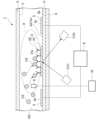
図1は、本発明の一実施形態に係るバイオセンサの概略構成を示し、バイオセンサの高さ方向に沿う断面を示す模式図である。
図1に示すように、本実施形態のバイオセンサ1は、流路2と、センサ部3と、第1電極4と、第2電極5と、電流印加手段6と、検出手段7と、を備える。本実施形態のバイオセンサ1は、pH検出部8を備えていてもよい。センサ部3は、基材31と、基材31の表面31aに固定された認識分子32と、を有する。なお、センサ部3は、流路2の内面2aに固定された認識分子32のみから構成されていてもよい。
また、本実施形態のバイオセンサ1は、流路2を支持する基板9を備えていてもよい。
図1は、本発明の一実施形態に係るバイオセンサの概略構成を示し、バイオセンサの高さ方向に沿う断面を示す模式図である。
図1に示すように、本実施形態のバイオセンサ1は、流路2と、センサ部3と、第1電極4と、第2電極5と、電流印加手段6と、検出手段7と、を備える。本実施形態のバイオセンサ1は、pH検出部8を備えていてもよい。センサ部3は、基材31と、基材31の表面31aに固定された認識分子32と、を有する。なお、センサ部3は、流路2の内面2aに固定された認識分子32のみから構成されていてもよい。
また、本実施形態のバイオセンサ1は、流路2を支持する基板9を備えていてもよい。
流路2は、バイオマーカー110を含む試料溶液120を流す流路である。
第1電極4および第2電極5は、流路2内にて、互いに離間して配置されている。第1電極4および第2電極5は、例えば、図1に示すように、流路2内において、試料溶液120の流れる方向(流路2の長さ方向)に沿って、センサ部3を挟むように配置されている。また、第1電極4および第2電極5は、流路2内において、試料溶液120の流れる方向と垂直方向(流路2の内周方向)に沿って、センサ部3を挟むように配置されていてもよい。また、センサ部3の基材31が、第1電極4であってもよい。
第1電極4と第2電極5が、センサ部3を挟むように配置されている場合と、センサ部3の基材31が第1電極4である場合も、バイオセンサ1による、認識分子32の再生能力にはほとんど差異がない。
第1電極4と第2電極5が、センサ部3を挟むように配置されている場合と、センサ部3の基材31が第1電極4である場合も、バイオセンサ1による、認識分子32の再生能力にはほとんど差異がない。
電流印加手段6は、第1電極4と第2電極5に接続され、これら2つの電極に第1電極4を陽極として電流を印加して、第1電極4の表面4aで試料溶液120内の塩素イオンや水酸化物イオンを酸化し、塩素や酸素を発生させ、第1電極4の表面4a近傍に高濃度の水素イオン(H+)領域を生成するか、または第1電極4を陰極として電流を印加して、第1電極4の表面4aで試料溶液120内の水素イオンを還元し、水素を発生させ、第1電極4の表面4a近傍に高濃度の水酸化物イオン(OH-)領域を生成させる。
検出手段7は、認識分子32が捕捉したバイオマーカー110を検出する。
pH検出部8は、第1電極4およびその周辺を含む領域αに存在する試料溶液120のpHを検出する。pH検出部8は、読取部10に接続されている。
前記第1電極4およびその周辺を含む領域αは、バイオセンサの高さ方向に沿う断面において、第1電極4の、試料溶液120の流れる方向の下流側の端から、10センチメートル以内であってよく、7センチメートル以内であってよく、5センチメートル以内であってよい。
前記第1電極4およびその周辺を含む領域αは、バイオセンサの高さ方向に沿う断面において、第1電極4の、試料溶液120の流れる方向の下流側の端から、10センチメートル以内であってよく、7センチメートル以内であってよく、5センチメートル以内であってよい。
[流路]
流路2は、バイオマーカー110を含む試料溶液120を流すことができれば特に限定されないが、例えば、ハイドロゲルモールディング法や、フォトリソグラフィー、ソフトリソグラフィー、切削加工、接合等の微細加工法、または、これらの微細加工法を組み合わせた方法によって、流路基材11に形成されたマイクロ流路であることが好ましい。マイクロ流路は、内径(最大径)がナノメートルからミリメートルのオーダーの流路である。流路2がマイクロ流路であることにより、バイオセンサ1によりバイオマーカー110を高感度に検出することができる。また、後述する再生方法により、認識分子32に結合したバイオマーカー110を容易に解離させることができる。
流路基材11としては、例えば、シリコーンゴム、シリコーンゴム以外の種々の樹脂、ガラス等が挙げられる。
流路2は、バイオマーカー110を含む試料溶液120を流すことができれば特に限定されないが、例えば、ハイドロゲルモールディング法や、フォトリソグラフィー、ソフトリソグラフィー、切削加工、接合等の微細加工法、または、これらの微細加工法を組み合わせた方法によって、流路基材11に形成されたマイクロ流路であることが好ましい。マイクロ流路は、内径(最大径)がナノメートルからミリメートルのオーダーの流路である。流路2がマイクロ流路であることにより、バイオセンサ1によりバイオマーカー110を高感度に検出することができる。また、後述する再生方法により、認識分子32に結合したバイオマーカー110を容易に解離させることができる。
流路基材11としては、例えば、シリコーンゴム、シリコーンゴム以外の種々の樹脂、ガラス等が挙げられる。
[第1電極]
第1電極4としては、試料溶液120、および水素イオン、水酸化物イオン等のイオンによって劣化しないものであり、場合によって、その表面4aに認識分子32を固定化することができるものであれば、特に限定されない。第1電極4としては、例えば、金、白金等の金属からなる金属電極、炭素系電極等が挙げられる。炭素系電極としては、例えば、カーボンインクを印刷した電極、グラッシーカーボン電極、ボロンドープダイヤモンド電極等が挙げられる。
第1電極4としては、試料溶液120、および水素イオン、水酸化物イオン等のイオンによって劣化しないものであり、場合によって、その表面4aに認識分子32を固定化することができるものであれば、特に限定されない。第1電極4としては、例えば、金、白金等の金属からなる金属電極、炭素系電極等が挙げられる。炭素系電極としては、例えば、カーボンインクを印刷した電極、グラッシーカーボン電極、ボロンドープダイヤモンド電極等が挙げられる。
[第2電極]
第2電極5としては、試料溶液120、および水素イオン、水酸化物イオン等のイオンによって劣化しないものであれば、特に限定されない。第2電極5としては、例えば、金、白金等の金属からなる金属電極、炭素系電極等が挙げられる。炭素系電極としては、例えば、カーボンインクを印刷した電極、グラッシーカーボン電極、ボロンドープダイヤモンド電極等が挙げられる。
第2電極5としては、試料溶液120、および水素イオン、水酸化物イオン等のイオンによって劣化しないものであれば、特に限定されない。第2電極5としては、例えば、金、白金等の金属からなる金属電極、炭素系電極等が挙げられる。炭素系電極としては、例えば、カーボンインクを印刷した電極、グラッシーカーボン電極、ボロンドープダイヤモンド電極等が挙げられる。
[電流印加手段]
電流印加手段6は、第1電極4と第2電極5に電流を印加することができるものであれば、特に限定されない。電流印加手段6としては、電流発生源として機能すれば特に限定されず、例えば、電流発生器、電圧電流発生器等が挙げられる。
電流印加手段6は、第1電極4と第2電極5に電流を印加することができるものであれば、特に限定されない。電流印加手段6としては、電流発生源として機能すれば特に限定されず、例えば、電流発生器、電圧電流発生器等が挙げられる。
[基材]
基材31としては、その表面31aに認識分子32を固定化することができると共に、試料溶液120、および水素イオン、水酸化物イオン等のイオンによって劣化しないものであれば、特に限定されない。基材31としては、例えば、金、白金等の金属からなる金属膜、炭素膜等が挙げられる。
基材31としては、その表面31aに認識分子32を固定化することができると共に、試料溶液120、および水素イオン、水酸化物イオン等のイオンによって劣化しないものであれば、特に限定されない。基材31としては、例えば、金、白金等の金属からなる金属膜、炭素膜等が挙げられる。
[認識分子]
認識分子32は、試料溶液120に含まれるバイオマーカー110を捕捉することができるものであれば、特に限定されないが、例えば、抗体、酵素、アプタマー等が挙げられる。
認識分子32は、試料溶液120に含まれるバイオマーカー110を捕捉することができるものであれば、特に限定されないが、例えば、抗体、酵素、アプタマー等が挙げられる。
[検出手段]
検出手段7は、検出器として機能すれば特に限定されず、バイオセンサ1の用途、すなわち、バイオセンサ1によって検出するバイオマーカー110の種類に応じたものが用いられる。バイオマーカー110を検出するには、認識分子32(第1の認識分子)によって捕捉されたバイオマーカー110に、標識となる物質が修飾された第2の認識分子を結合させる方法や、標識となる物質が修飾された第2の認識分子を用いない方法が用いられる。
第2の認識分子を用いる方法では、検出手段7としては、その第2の認識分子に応じた検出方法を行うことができるものが用いられる。検出手段7としては、例えば、第2の認識分子(標識)が発する蛍光を測定する装置、第2の認識分子(標識)と基質の反応により生成する物質の吸光度を測定する装置、第2の認識分子(標識)と基質の反応により生成する物質の酸化還元電流を測定する装置等が挙げられる。
第2の認識分子を用いない方法、すなわち、認識分子32へのバイオマーカー110の結合量を直接測定する方法としては、例えば、表面プラズモン共鳴法、水晶振動子マイクロバランス法、電気化学インピーダンス測定法、表面弾性波測定法等が挙げられる。図1では、表面プラズモン共鳴法によって、認識分子32へのバイオマーカー110の結合量を直接測定する場合を例示する。この場合、検出手段7は、センサ部3に白色光を照射する光源71と、表面プラズモン共鳴により減衰する光の波長が、バイオマーカー110と認識分子32の結合により変化する量を検出する検出器72とを有する。
検出手段7は、検出器として機能すれば特に限定されず、バイオセンサ1の用途、すなわち、バイオセンサ1によって検出するバイオマーカー110の種類に応じたものが用いられる。バイオマーカー110を検出するには、認識分子32(第1の認識分子)によって捕捉されたバイオマーカー110に、標識となる物質が修飾された第2の認識分子を結合させる方法や、標識となる物質が修飾された第2の認識分子を用いない方法が用いられる。
第2の認識分子を用いる方法では、検出手段7としては、その第2の認識分子に応じた検出方法を行うことができるものが用いられる。検出手段7としては、例えば、第2の認識分子(標識)が発する蛍光を測定する装置、第2の認識分子(標識)と基質の反応により生成する物質の吸光度を測定する装置、第2の認識分子(標識)と基質の反応により生成する物質の酸化還元電流を測定する装置等が挙げられる。
第2の認識分子を用いない方法、すなわち、認識分子32へのバイオマーカー110の結合量を直接測定する方法としては、例えば、表面プラズモン共鳴法、水晶振動子マイクロバランス法、電気化学インピーダンス測定法、表面弾性波測定法等が挙げられる。図1では、表面プラズモン共鳴法によって、認識分子32へのバイオマーカー110の結合量を直接測定する場合を例示する。この場合、検出手段7は、センサ部3に白色光を照射する光源71と、表面プラズモン共鳴により減衰する光の波長が、バイオマーカー110と認識分子32の結合により変化する量を検出する検出器72とを有する。
[pH検出部]
pH検出部8としては、例えば、pHメータ等が挙げられる。pH検出部8を備えることにより、試料溶液120のpHを検出するためにpH指示薬を用いる必要がない。また、pH検出部8を備えることにより、即時に試料溶液120のpHを検出することができ、電流印加手段6による第1電極4と第2電極5への電流の印加を調節して、試料溶液120のpHの制御をより容易に行うことができる。
pH検出部8としては、例えば、pHメータ等が挙げられる。pH検出部8を備えることにより、試料溶液120のpHを検出するためにpH指示薬を用いる必要がない。また、pH検出部8を備えることにより、即時に試料溶液120のpHを検出することができ、電流印加手段6による第1電極4と第2電極5への電流の印加を調節して、試料溶液120のpHの制御をより容易に行うことができる。
[基板]
基板9は、その一方の面9aに流路基材11を設けることができるものであれば、特に限定されないが、例えば、ガラス基板、樹脂基板等が挙げられる。センサ部3が、流路2の内面2a(流路基材11の内面11a)に固定された認識分子32のみから構成される場合、流路基材11としては、その内面11aに認識分子32を固定化することができると共に、試料溶液120、および水素イオン、水酸化物イオン等のイオンによって劣化しないものであれば、特に限定されない。
基板9は、その一方の面9aに流路基材11を設けることができるものであれば、特に限定されないが、例えば、ガラス基板、樹脂基板等が挙げられる。センサ部3が、流路2の内面2a(流路基材11の内面11a)に固定された認識分子32のみから構成される場合、流路基材11としては、その内面11aに認識分子32を固定化することができると共に、試料溶液120、および水素イオン、水酸化物イオン等のイオンによって劣化しないものであれば、特に限定されない。
[バイオマーカー]
バイオマーカー110としては、特に限定されないが、例えば、CEA、AFP(α-フェトプロテイン)等の癌の存在を示唆する腫瘍マーカー、酸化LDL、C反応性プロテイン(CRP)等の心疾患を示唆するバイオマーカー、アミロイドβ等の認知症を示唆するバイオマーカー等が挙げられる。
バイオマーカー110としては、特に限定されないが、例えば、CEA、AFP(α-フェトプロテイン)等の癌の存在を示唆する腫瘍マーカー、酸化LDL、C反応性プロテイン(CRP)等の心疾患を示唆するバイオマーカー、アミロイドβ等の認知症を示唆するバイオマーカー等が挙げられる。
[試料溶液]
試料溶液120は、バイオマーカー110を含む溶液である。試料溶液120としては、具体的には、血液、間質液、汗、唾液等の体液やリン酸緩衝生理食塩水、トリス緩衝生理食塩水等の生理食塩水等が挙げられる。
試料溶液120は、バイオマーカー110を含む溶液である。試料溶液120としては、具体的には、血液、間質液、汗、唾液等の体液やリン酸緩衝生理食塩水、トリス緩衝生理食塩水等の生理食塩水等が挙げられる。
[バイオセンサの使用方法]
本実施形態のバイオセンサ1の使用方法を説明する。
本実施形態のバイオセンサ1の使用方法を説明する。
流路2内にバイオマーカー110を含む試料溶液120を流す。流路2内に試料溶液120を流すと、センサ部3の認識分子32に、試料溶液120に含まれるバイオマーカー110が捕捉される。
次いで、検出手段7により、バイオマーカー110を定性または定量する。具体的には、光源71から白色光をセンサ部3に照射し、表面プラズモン共鳴により減衰する光の波長が、バイオマーカー110と認識分子32の結合により変化する量を検出器72で検出し、バイオマーカー110を定性または定量する。
バイオマーカー110の検出が終了した後、電流印加手段6により、第1電極4を陽極、第2電極5を陰極として電流を印加し、第1電極4の表面4a近傍に高濃度の水素イオン(H+)領域が生成する。これにより、流路2内において、第1電極4およびその周辺を含む領域αに存在する試料溶液120のpHが7未満(酸性)になる。また、流路2内を流れる試料溶液120の流れにより、第1電極4の表面4a近傍の水素イオン(H+)が認識分子32方向に流される。その結果、酸性の試料溶液120によって、認識分子32に捕捉されたバイオマーカー110が解離して、認識分子32はバイオマーカー110が結合されていない状態に再生される。これにより、再び、認識分子32に、試料溶液120に含まれるバイオマーカー110を捕捉することが可能となる。
次いで、検出手段7により、バイオマーカー110を定性または定量する。具体的には、光源71から白色光をセンサ部3に照射し、表面プラズモン共鳴により減衰する光の波長が、バイオマーカー110と認識分子32の結合により変化する量を検出器72で検出し、バイオマーカー110を定性または定量する。
バイオマーカー110の検出が終了した後、電流印加手段6により、第1電極4を陽極、第2電極5を陰極として電流を印加し、第1電極4の表面4a近傍に高濃度の水素イオン(H+)領域が生成する。これにより、流路2内において、第1電極4およびその周辺を含む領域αに存在する試料溶液120のpHが7未満(酸性)になる。また、流路2内を流れる試料溶液120の流れにより、第1電極4の表面4a近傍の水素イオン(H+)が認識分子32方向に流される。その結果、酸性の試料溶液120によって、認識分子32に捕捉されたバイオマーカー110が解離して、認識分子32はバイオマーカー110が結合されていない状態に再生される。これにより、再び、認識分子32に、試料溶液120に含まれるバイオマーカー110を捕捉することが可能となる。
本実施形態のバイオセンサ1によれば、電流印加手段6により、第1電極4を陽極、第2電極5を陰極として電流を印加し、第1電極4およびその周辺を含む領域αに存在する試料溶液120のpHを7未満とすることができる。その結果、酸性の試料溶液120によって、認識分子32に捕捉されたバイオマーカー110を解離して、認識分子32をバイオマーカー110が結合されていない状態に再生することができる。また、本実施形態のバイオセンサ1によれば、電流印加手段6により、第1電極4を陰極、第2電極5を陽極として電流を印加し、流路2内において、第1電極4およびその周辺を含む領域αに存在する試料溶液120のpHを7超とすることができる。その結果、アルカリ性の試料溶液120によって、認識分子32に捕捉されたバイオマーカー110を解離して、認識分子32をバイオマーカー110が結合されていない状態に再生することができる。また、従来のように、認識分子32を再生するために、送液ポンプやバルブを用いて、認識分子32が配置された流路2内に、酸やアルカリ等の再生液を送液する必要がないため、認識分子32の再生を簡便に行うことができる。従って、バイオセンサ1を使い捨てにすることなく、繰り返し、かつ連続的に使用することができる。また、大規模な設備を用いることなく、認識分子32の再生を行うことができるため、バイオセンサ1を小型化することができる。
[認識分子の再生方法]
本発明の一実施形態に係る認識分子の再生方法は、上述の本発明の一実施形態に係るバイオセンサにおける認識分子の再生方法である。
本発明の一実施形態に係る認識分子の再生方法は、上述の本発明の一実施形態に係るバイオセンサにおける認識分子の再生方法である。
「第1の再生方法」
本実施形態の認識分子の再生方法は、例えば、バイオセンサ1において、電流印加手段6により、第1電極4を陽極、第2電極5を陰極として、電流を印加し、第1電極4の表面4a近傍に高濃度の水素イオン領域を生成し、流路2内において、第1電極4およびその周辺を含む領域αに存在する試料溶液120のpHを7未満に制御する。
本実施形態の認識分子の再生方法は、例えば、バイオセンサ1において、電流印加手段6により、第1電極4を陽極、第2電極5を陰極として、電流を印加し、第1電極4の表面4a近傍に高濃度の水素イオン領域を生成し、流路2内において、第1電極4およびその周辺を含む領域αに存在する試料溶液120のpHを7未満に制御する。
第1電極4と第2電極5に印加する電流は、特に限定されないが、例えば、30μA以上1mA以下であることが好ましく、50μA以上200μA以下であることがより好ましい。電流が30μA未満では、塩素イオンや酸素イオンの反応量が少なく、第1電極4およびその周辺を含む領域αに存在する試料溶液120に対してpHの操作が難しくなる。電流が1mAを超えると、第1電極4近傍からのガス発生量が増えたり、pHが低くなり過ぎたりすることにより、認識分子32が損傷するリスクが高くなる。
流路2内を流れる試料溶液120の流速は、特に限定されないが、例えば、1μl/min以上1ml/min以下であることが好ましく、10μl/min以上200μl/min以下であることがより好ましい。
流路2内において、第1電極4およびその周辺を含む領域αに存在する試料溶液120のpHを1~3.5に制御することが好ましく、2~3に制御することがより好ましい。試料溶液120のpHを1~3.5に制御することにより、認識分子32からバイオマーカー110を解離することをより促進できる。
試料溶液120は、pH指示薬を含んでいてもよい。pH指示薬としては、アルカリ性(pH14)から酸性(pH1)の範囲を指示することができるものであれば、特に限定されないが、例えば、チモールブルー、メチルレッド、フェノールフタレイン等が挙げられる。チモールブルーは、中性では黄色を示し、酸性では赤色に変色する。チモールブルーは、pHが3では黄色を示し、赤色に近い程、pHが小さく、酸性度が高いことを示す。試料溶液120がpH指示薬を含んでいれば、第1電極4と第2電極5への電流の印加によって、第1電極4およびその周辺を含む領域αに存在する試料溶液120のpHを確認することができる。pH指示薬により、第1電極4と第2電極5への電流の印加を継続するか、または第1電極4と第2電極5への電流の印加を停止するかについて判断することができる。
また、バイオセンサ1は、第1電極4およびその周辺を含む領域αに存在する試料溶液120のpHを検出するpHメータ等のpH検出部8を備えていてもよい。pH検出部8を備えていれば、第1電極4と第2電極5への電流の印加によって、第1電極4およびその周辺を含む領域αに存在する試料溶液120のpHを確認することができる。pH検出部8により、第1電極4と第2電極5への電流の印加を継続するか、または第1電極4と第2電極5への電流の印加を停止するかについて即時に判断することができる。
本実施形態の認識分子の再生方法によれば、第1電極4と第2電極5に電流を印加して、第1電極4およびその周辺を含む領域αに存在する試料溶液120のpHを7未満に制御することにより、認識分子32に捕捉されたバイオマーカー110を解離して、認識分子32をバイオマーカー110が結合されていない状態に再生することができる。また、従来のように、認識分子32を再生するために、送液ポンプやバルブを用いて、認識分子32が配置された流路2内に、酸やアルカリ等の再生液を送液する必要がないため、認識分子32の再生を簡便に行うことができる。従って、バイオセンサ1を繰り返し、かつ連続的に使用することができる。また、大規模な設備を用いることなく、認識分子32の再生を行うことができる。
「第2の再生方法」
本実施形態の認識分子の再生方法は、例えば、バイオセンサ1において、電流印加手段6により、第1電極4を陽極、第2電極5を陰極として電流を印加し、第1電極4の表面4a近傍に高濃度の水素イオン領域を生成し、流路2内において、第1電極4およびその周辺を含む領域αに存在する試料溶液120のpHを7未満に制御する。
本実施形態の認識分子の再生方法は、バイオセンサ1において、電流印加手段6により、第1電極4を陰極、第2電極5を陽極として電流を印加し、第2電極5の表面5a近傍に高濃度の水酸化物イオン領域を生成し、流路2内において、第1電極4およびその周辺を含む領域αに存在する試料溶液120のpHを7超に制御する。
本実施形態の認識分子の再生方法は、例えば、バイオセンサ1において、電流印加手段6により、第1電極4を陽極、第2電極5を陰極として電流を印加し、第1電極4の表面4a近傍に高濃度の水素イオン領域を生成し、流路2内において、第1電極4およびその周辺を含む領域αに存在する試料溶液120のpHを7未満に制御する。
本実施形態の認識分子の再生方法は、バイオセンサ1において、電流印加手段6により、第1電極4を陰極、第2電極5を陽極として電流を印加し、第2電極5の表面5a近傍に高濃度の水酸化物イオン領域を生成し、流路2内において、第1電極4およびその周辺を含む領域αに存在する試料溶液120のpHを7超に制御する。
第1電極4と第2電極5に印加する電流は、特に限定されないが、例えば、30μA以上1mA以下であることが好ましく、50μA以上200μA以下であることがより好ましい。電流が30μA未満では、水素イオンの反応量が少なく、第1電極4およびその周辺を含む領域αに存在する試料溶液120に対して十分なpHの操作が難しくなる。電流が1mAを超えると、第1電極4近傍からのガス発生量が増えたり、pHが高くなりすぎたりすることにより、認識分子32が損傷するリスクが高くなる。
流路2内を流れる試料溶液120の流速は、特に限定されないが、例えば、1μl/min以上1ml/min以下であることが好ましく、10μl/min以上200μl/min以下であることがより好ましい。
流路2内において、第1電極4およびその周辺を含む領域αに存在する試料溶液120のpHを10以上に制御することが好ましく、10~12に制御することがより好ましく、11~12に制御することがさらに好ましい。試料溶液120のpHを10以上12に制御することにより、認識分子32からバイオマーカー110を解離することをより促進できる。
試料溶液120は、pH指示薬を含んでいてもよい。pH指示薬としては、アルカリ性(pH14)から酸性(pH1)の範囲を指示することができるものであれば、特に限定されないが、例えば、アリザリンイエロー、チモールブルー、メチルレッド、フェノールフタレイン等が挙げられる。アリザリンイエローは、中性では黄色を示し、アルカリ性では橙色に変色する。アリザリンイエローは、pHが10では黄色を示し、橙色に近い程、pHが大きく、アルカリ性度が高いことを示す。試料溶液120がpH指示薬を含んでいれば、第1電極4と第2電極5への電流の印加によって、第1電極4およびその周辺を含む領域αに存在する試料溶液120のpHを確認することができる。pH指示薬により、第1電極4と第2電極5への電流の印加を継続するか、または第1電極4と第2電極5への電流の印加を停止するかについて判断することができる。
第2の再生方法においても、第2の再生方法と同様に、バイオセンサ1は、第1電極4およびその周辺を含む領域αに存在する試料溶液120のpHを検出するpHメータ等のpH検出部8を備えていてもよい。
本実施形態の認識分子の再生方法によれば、第1電極4と第2電極5に電流を印加して、第1電極4およびその周辺を含む領域αに存在する試料溶液120のpHを7超に制御することにより、認識分子32に捕捉されたバイオマーカー110を解離して、認識分子32をバイオマーカー110が結合されていない状態に再生することができる。また、従来のように、認識分子32を再生するために、送液ポンプやバルブを用いて、認識分子32が配置された流路2内に、酸やアルカリ等の再生液を送液する必要がないため、認識分子32の再生を簡便に行うことができる。従って、バイオセンサ1を繰り返し、かつ連続的に使用することができる。また、大規模な設備を用いることなく、認識分子32の再生を行うことができる。
以下、実施例により本発明をさらに具体的に説明するが、本発明は以下の実施例に限定されるものではない。
[実施例]
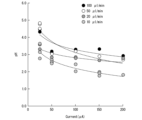
図1に示すバイオセンサを用いて、流路内に試料溶液を流動させながら、第1電極と第2電極に電流を印加し、試料溶液のpHの変化を測定した。試料溶液のpHの測定には、pH計を用いた。
試料溶液としては、0.9%塩化ナトリウム水溶液を用いた。
試料溶液の流量を、10μl/min~20μl/minとした。
第1電極と第2電極に印加する電流を、50μA~200μAとした。
結果を図2に示す。
図2に示す結果から、試料溶液のpHを認識分子の再生に有効な2~3に制御できることが確認された。
図1に示すバイオセンサを用いて、流路内に試料溶液を流動させながら、第1電極と第2電極に電流を印加し、試料溶液のpHの変化を測定した。試料溶液のpHの測定には、pH計を用いた。
試料溶液としては、0.9%塩化ナトリウム水溶液を用いた。
試料溶液の流量を、10μl/min~20μl/minとした。
第1電極と第2電極に印加する電流を、50μA~200μAとした。
結果を図2に示す。
図2に示す結果から、試料溶液のpHを認識分子の再生に有効な2~3に制御できることが確認された。
以上、本発明の好ましい実施例を説明したが、本発明はこれら実施例に限定されることはない。本発明の趣旨を逸脱しない範囲で、構成の付加、省略、置換、およびその他の変更が可能である。本発明は前述した説明によって限定されることはなく、添付のクレームの範囲によってのみ限定される。
本発明のバイオセンサは、繰り返し、かつ連続的に使用することができるため、バイオセンサを小型化することができ、バイオセンサを内蔵したウェアラブル端末を実現することができる。
1 バイオセンサ
2 流路
3 センサ部
4 第1電極
5 第2電極
6 電流印加手段
7 検出手段
8 pH検出部
9 基板
10 読取部
11 流路基材
32 認識分子
110 バイオマーカー
120 試料溶液
2 流路
3 センサ部
4 第1電極
5 第2電極
6 電流印加手段
7 検出手段
8 pH検出部
9 基板
10 読取部
11 流路基材
32 認識分子
110 バイオマーカー
120 試料溶液
Claims (6)
- バイオマーカーを含む試料溶液を流す流路と、
前記流路内に配置され、認識分子を有するセンサ部と、
前記流路内にて、互いに離間して配置された第1電極および第2電極と、
前記第1電極と前記第2電極に電流を印加する電流印加手段と、
前記認識分子が捕捉したバイオマーカーを検出する検出手段と、を備える、バイオセンサ。 - 前記第1電極およびその周辺を含む領域に存在する前記試料溶液のpHを検出するpH検出部を備える、請求項1に記載のバイオセンサ。
- 請求項1または2に記載のバイオセンサにおける認識分子の再生方法であって、
前記電流印加手段により、前記第1電極と前記第2電極に電流を印加し、前記流路内において、前記第1電極およびその周辺を含む領域に存在する前記試料溶液のpHを制御する、認識分子の再生方法。 - 前記認識分子として抗体を用いる、請求項3に記載の認識分子の再生方法。
- 前記第1電極およびその周辺を含む領域に存在する前記試料溶液のpHを1以上3.5以下に制御する、請求項3に記載の認識分子の再生方法。
- 前記第1電極およびその周辺を含む領域に存在する前記試料溶液のpHを10以上に制御する、請求項3に記載の認識分子の再生方法。
Applications Claiming Priority (2)
| Application Number | Priority Date | Filing Date | Title |
|---|---|---|---|
| JP2023-201854 | 2023-11-29 | ||
| JP2023201854A JP7744039B2 (ja) | 2023-11-29 | 2023-11-29 | バイオセンサ、認識分子の再生方法 |
Publications (1)
| Publication Number | Publication Date |
|---|---|
| WO2025115397A1 true WO2025115397A1 (ja) | 2025-06-05 |
Family
ID=95897582
Family Applications (1)
| Application Number | Title | Priority Date | Filing Date |
|---|---|---|---|
| PCT/JP2024/035491 Pending WO2025115397A1 (ja) | 2023-11-29 | 2024-10-03 | バイオセンサ、認識分子の再生方法 |
Country Status (2)
| Country | Link |
|---|---|
| JP (1) | JP7744039B2 (ja) |
| WO (1) | WO2025115397A1 (ja) |
Citations (3)
| Publication number | Priority date | Publication date | Assignee | Title |
|---|---|---|---|---|
| US20090205974A1 (en) * | 2006-08-31 | 2009-08-20 | Uri Sivan | Controllable binding and dissociation of chemical entities and electrode devices therefore |
| JP2021534930A (ja) * | 2018-11-14 | 2021-12-16 | コーニンクレッカ フィリップス エヌ ヴェKoninklijke Philips N.V. | 検体を検出するためのセンサユニット、体液モニタリング装置及び方法 |
| JP2023518112A (ja) * | 2020-05-11 | 2023-04-27 | コーニンクレッカ フィリップス エヌ ヴェ | 再生表面を使用する較正 |
-
2023
- 2023-11-29 JP JP2023201854A patent/JP7744039B2/ja active Active
-
2024
- 2024-10-03 WO PCT/JP2024/035491 patent/WO2025115397A1/ja active Pending
Patent Citations (3)
| Publication number | Priority date | Publication date | Assignee | Title |
|---|---|---|---|---|
| US20090205974A1 (en) * | 2006-08-31 | 2009-08-20 | Uri Sivan | Controllable binding and dissociation of chemical entities and electrode devices therefore |
| JP2021534930A (ja) * | 2018-11-14 | 2021-12-16 | コーニンクレッカ フィリップス エヌ ヴェKoninklijke Philips N.V. | 検体を検出するためのセンサユニット、体液モニタリング装置及び方法 |
| JP2023518112A (ja) * | 2020-05-11 | 2023-04-27 | コーニンクレッカ フィリップス エヌ ヴェ | 再生表面を使用する較正 |
Also Published As
| Publication number | Publication date |
|---|---|
| JP2025087295A (ja) | 2025-06-10 |
| JP7744039B2 (ja) | 2025-09-25 |
Similar Documents
| Publication | Publication Date | Title |
|---|---|---|
| Gaikwad et al. | Advances in point-of-care diagnostic devices in cancers | |
| JP4928257B2 (ja) | 凝集に基づくサンプル検査装置 | |
| CN105940300B (zh) | 检测高氨血症的装置和使用此类装置的方法 | |
| ES2536112T3 (es) | Sistemas y métodos para determinar el porcentaje de glucohemoglobina | |
| EP3880075B1 (en) | Sensor unit, body fluid monitoring device and method for detecting an analyte | |
| US20090246801A1 (en) | Rapid test for glycated albumin in blood | |
| Wang et al. | A paper-based device with an adjustable time controller for the rapid determination of tumor biomarkers | |
| Cai et al. | Lateral flow immunoassay based on gold magnetic nanoparticles for the protein quantitative detection: Prostate-specific antigen | |
| CN102980998A (zh) | 高通量微流控纸芯片即时快速检测多种人体肿瘤标志物 | |
| US20100167306A1 (en) | Rapid test for glycated albumin in saliva | |
| JPWO2007049607A1 (ja) | 測定デバイス、測定装置及び測定方法 | |
| US20210181118A1 (en) | Systems, sensors and methods for determining a concentration of an analyte | |
| Nemati et al. | Label-free real-time quantification of enzyme levels by interferometric spectroscopy combined with gelatin-modified nanoporous anodic alumina photonic films | |
| JP2010107496A (ja) | バイオセンサ、バイオセンサを用いた生体物質の検出方法、及びそのキット | |
| CN102472749B (zh) | 磁性传感器装置、操作该装置的方法以及样品 | |
| Wankhade et al. | Cortisol detection methods for stress monitoring: Current insight and future prospect: A review | |
| Zeng et al. | Quantitative measurement of acute myocardial infarction cardiac biomarkers by “All-in-One” immune microfluidic chip for early diagnosis of myocardial infarction | |
| JP7744039B2 (ja) | バイオセンサ、認識分子の再生方法 | |
| US20060270060A1 (en) | Rapid test for glycated albumin in saliva | |
| JP2023177167A (ja) | イムノセンサ、抗体の再生方法 | |
| CA3057963A1 (en) | Methods and devices for the separation, detection and measurement of molecules in liquid samples | |
| Vieira et al. | Lab-on-a-chip technologies for minimally invasive molecular sensing of diabetic retinopathy | |
| Jaiswal et al. | SERS-Based Microfluidic Bioscreening Platform for Selective Detection of β-Amyloid Peptides | |
| US20240418712A1 (en) | Multi-array impedimetric biosensors for the detection of concussion and traumatic brain injuries | |
| CA2998738A1 (en) | Device, system and method for using the device or system for assaying an analyte in a sample |
Legal Events
| Date | Code | Title | Description |
|---|---|---|---|
| 121 | Ep: the epo has been informed by wipo that ep was designated in this application |
Ref document number: 24897087 Country of ref document: EP Kind code of ref document: A1 |