WO2025089255A1 - 長期生存型t細胞、医薬組成物、及び使用方法 - Google Patents
長期生存型t細胞、医薬組成物、及び使用方法 Download PDFInfo
- Publication number
- WO2025089255A1 WO2025089255A1 PCT/JP2024/037491 JP2024037491W WO2025089255A1 WO 2025089255 A1 WO2025089255 A1 WO 2025089255A1 JP 2024037491 W JP2024037491 W JP 2024037491W WO 2025089255 A1 WO2025089255 A1 WO 2025089255A1
- Authority
- WO
- WIPO (PCT)
- Prior art keywords
- cells
- gene
- cell
- prdm1
- car
- Prior art date
- Legal status (The legal status is an assumption and is not a legal conclusion. Google has not performed a legal analysis and makes no representation as to the accuracy of the status listed.)
- Ceased
Links
Images







Classifications
-
- A—HUMAN NECESSITIES
- A61—MEDICAL OR VETERINARY SCIENCE; HYGIENE
- A61K—PREPARATIONS FOR MEDICAL, DENTAL OR TOILETRY PURPOSES
- A61K35/00—Medicinal preparations containing materials or reaction products thereof with undetermined constitution
- A61K35/12—Materials from mammals; Compositions comprising non-specified tissues or cells; Compositions comprising non-embryonic stem cells; Genetically modified cells
- A61K35/14—Blood; Artificial blood
- A61K35/17—Lymphocytes; B-cells; T-cells; Natural killer cells; Interferon-activated or cytokine-activated lymphocytes
-
- A—HUMAN NECESSITIES
- A61—MEDICAL OR VETERINARY SCIENCE; HYGIENE
- A61P—SPECIFIC THERAPEUTIC ACTIVITY OF CHEMICAL COMPOUNDS OR MEDICINAL PREPARATIONS
- A61P35/00—Antineoplastic agents
-
- C—CHEMISTRY; METALLURGY
- C12—BIOCHEMISTRY; BEER; SPIRITS; WINE; VINEGAR; MICROBIOLOGY; ENZYMOLOGY; MUTATION OR GENETIC ENGINEERING
- C12N—MICROORGANISMS OR ENZYMES; COMPOSITIONS THEREOF; PROPAGATING, PRESERVING, OR MAINTAINING MICROORGANISMS; MUTATION OR GENETIC ENGINEERING; CULTURE MEDIA
- C12N15/00—Mutation or genetic engineering; DNA or RNA concerning genetic engineering, vectors, e.g. plasmids, or their isolation, preparation or purification; Use of hosts therefor
- C12N15/09—Recombinant DNA-technology
- C12N15/11—DNA or RNA fragments; Modified forms thereof; Non-coding nucleic acids having a biological activity
- C12N15/62—DNA sequences coding for fusion proteins
-
- C—CHEMISTRY; METALLURGY
- C12—BIOCHEMISTRY; BEER; SPIRITS; WINE; VINEGAR; MICROBIOLOGY; ENZYMOLOGY; MUTATION OR GENETIC ENGINEERING
- C12N—MICROORGANISMS OR ENZYMES; COMPOSITIONS THEREOF; PROPAGATING, PRESERVING, OR MAINTAINING MICROORGANISMS; MUTATION OR GENETIC ENGINEERING; CULTURE MEDIA
- C12N5/00—Undifferentiated human, animal or plant cells, e.g. cell lines; Tissues; Cultivation or maintenance thereof; Culture media therefor
- C12N5/06—Animal cells or tissues; Human cells or tissues
-
- C—CHEMISTRY; METALLURGY
- C12—BIOCHEMISTRY; BEER; SPIRITS; WINE; VINEGAR; MICROBIOLOGY; ENZYMOLOGY; MUTATION OR GENETIC ENGINEERING
- C12N—MICROORGANISMS OR ENZYMES; COMPOSITIONS THEREOF; PROPAGATING, PRESERVING, OR MAINTAINING MICROORGANISMS; MUTATION OR GENETIC ENGINEERING; CULTURE MEDIA
- C12N5/00—Undifferentiated human, animal or plant cells, e.g. cell lines; Tissues; Cultivation or maintenance thereof; Culture media therefor
- C12N5/10—Cells modified by introduction of foreign genetic material
-
- C—CHEMISTRY; METALLURGY
- C07—ORGANIC CHEMISTRY
- C07K—PEPTIDES
- C07K14/00—Peptides having more than 20 amino acids; Gastrins; Somatostatins; Melanotropins; Derivatives thereof
- C07K14/435—Peptides having more than 20 amino acids; Gastrins; Somatostatins; Melanotropins; Derivatives thereof from animals; from humans
-
- C—CHEMISTRY; METALLURGY
- C07—ORGANIC CHEMISTRY
- C07K—PEPTIDES
- C07K16/00—Immunoglobulins [IG], e.g. monoclonal or polyclonal antibodies
Definitions
- the present invention relates to long-lived T cells, pharmaceutical compositions containing the T cells, and methods for using the T cells.
- Chimeric antigen receptor (CAR)-introduced T cell therapy is a promising treatment that can cure intractable cancers, but problems arise in that the infused T cells gradually age, losing their viability and cell-killing ability (i.e., exhaustion). Several genetic modification techniques for T cells have been reported to prevent this functional decline.
- Patent Document 1 discloses that overexpression of the cJUN gene, an AP-1 transcription factor, conferred exhaustion resistance to T cells. However, it does not disclose whether T cells acquire long-term survival ability.
- Non-Patent Document 1 discloses that deletion of the PRDM1 gene gives T cells the ability to survive for a long time. However, deletion of the PRDM1 gene alone inhibits the effector function of T cells, causing them to fall into a state of exhaustion. This document uses a method in which Cas9 protein and guide RNA are introduced by electroporation using CRISPR/Cas9 technology.
- Non-patent literature 2 shows that simultaneous knockout of the PRDM1 and NR4A3 genes allows CART cells to acquire long-term viability and fatigue resistance.
- electroporation was used for gene modification.
- T cell aging and exhaustion are controlled by distinct transcriptional networks, but few methods have been developed to simultaneously improve these properties.
- the problem to be solved by the present invention is to provide T cells with long-term survival ability and exhaustion resistance, a pharmaceutical composition containing the T cells, and a method for using the T cells.
- the present invention encompasses the embodiments described below.
- Item 1 A T cell that expresses a recombinant receptor and satisfies the following (I) and (II). (I) having reduced or eliminated expression and/or function of the PRDM1 gene; (II) having reduced or eliminated expression and/or function of the RCOR1 gene and/or having increased or activated expression of the c-Jun gene.
- CAR chimeric antigen receptor
- Item 3 The T cell according to item 1, wherein the recombinant receptor is a chimeric antigen receptor (CAR) that specifically recognizes a tumor antigen.
- Item 4 The T cell of claim 3, wherein the tumor antigen is CD19.
- the T cell according to item 6, wherein the PRDM1 gene inhibitor is the following (1) or (2): (1) a gene editing system that targets one or more sites within the PRDM1 gene or its regulatory elements; (2) A nucleic acid encoding one or more components of the gene editing system.
- the inhibitor of the RCOR1 gene is the following (1) or (2): (1) a gene editing system that targets one or more sites within the RCOR1 gene or its regulatory elements; (2) A nucleic acid encoding one or more components of the gene editing system.
- the present invention provides T cells that have long-term viability while maintaining high cytotoxicity.
- Pharmaceutical compositions containing such T cells and therapeutic methods using such T cells are useful for improving treatments using T cells.
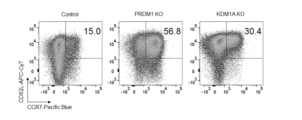
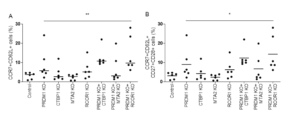
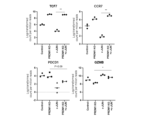
- H3K9 methylation-associated epigenetic factors that influence memory T cell differentiation Data are representative flow cytometry plots. Peripheral blood T cells were stimulated with K562/mOKT3/CD80 (day 0), transduced with CD19-targeted CAR, and the indicated genes were individually disrupted using the CRISPR/Cas9 system. Memory marker profiles were analyzed on day 15. Searching for H3K9 methylation-related epigenetic factors influencing memory T cell differentiation. Memory marker profiles were analyzed on day 15.
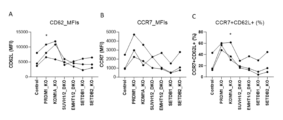
- (A) Mean fluorescence intensity of CD62L, (B) Mean fluorescence intensity of CCR7, (C) Frequency (%) of CD62L+CCR7+ cells within the CD8+CAR-T cell population (C, n 3, one-way ANOVA with multiple comparison test compared to control CAR-T cells). *P ⁇ 0.05.
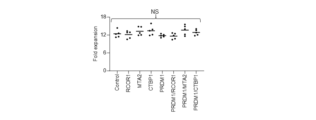
- KDM1A knockout inhibits T cell proliferation.
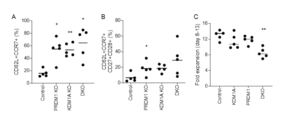
- CD19-targeting CAR-T cells were knocked out of PRDM1 and KDM1A individually (PRDM1 KO, KDM1A KO) or together (DKO). Memory marker profiles were analyzed on days 11-13.
- ANOVA analysis of variance
- CAR-T cells were PRDM1-deleted and then restimulated with K562-mesothelin once or daily for a total of seven times.
- PRDM1 knockout and C-JUN overexpression in GD2-targeted CAR-T cells were analyzed.
- host refers to an individual treated (e.g., administered) with the T cells, pharmaceutical compositions, and methods of the invention.
- Subjects include, but are not limited to, mammals (e.g., humans, mice, rats, monkeys, horses, cows, pigs, dogs, cats, etc.).
- T cell exhaustion refers to the loss of T cell function that may result from disease. T cell exhaustion is associated with increased expression of PD-1, TIM-3 and LAG-3, increased apoptosis, and decreased cytokine secretion.
- the terms “ameliorating T cell exhaustion”, “inhibiting T cell exhaustion”, “reducing T cell exhaustion”, etc. refer to a state of restored T cell function characterized by one or more of the following: decreased expression and/or levels of one or more of PD-1, TIM-3 and LAG-3; increased memory cell formation and/or maintenance of memory markers (e.g., CD62L); prevention of apoptosis; increased production and/or secretion of antigen-induced cytokines (e.g., IL-2); enhanced killing capacity; increased recognition of tumor targets with low surface antigens; and enhanced proliferation in response to antigen.
- ameliorating T cell exhaustion refers a state of restored T cell function characterized by one or more of the following: decreased expression and/or levels of one or more of PD-1, TIM-3 and LAG-3; increased memory cell formation and/or maintenance of memory markers (e.g., CD62L); prevention of apoptosis; increased production and/or secretion of
- cancer and tumor cells refer to a tissue or development containing cells that have lost the ability to control growth and proliferation. Cancer and tumor cells are generally characterized by a loss of contact inhibition, may be invasive, and may exhibit the ability to metastasize.
- the present invention is not limited by type of cancer or type of treatment, but a variety of cancers may be treated with the T cells, pharmaceutical compositions, and methods described herein, including brain or other cancers of the central nervous system, melanoma, lymphoma, bone cancer, epithelial cancer, breast cancer, ovarian cancer, endometrial cancer, colorectal cancer, lung cancer, renal cancer, melanoma, kidney cancer, prostate cancer, sarcoma, carcinoma, and/or combinations thereof.
- an effective amount refers to an amount of T cells, pharmaceutical composition, anticancer agent, or other drug effective at the dosage and time interval necessary to achieve the desired therapeutic or prophylactic result (e.g., alleviation of some or all symptoms of the disease being treated).
- purified refers to the removal of contaminants or undesirable compounds from a sample or composition.
- substantially purified refers to the removal of about 70-90%, up to 100%, of contaminants or undesirable compounds from a sample or composition.
- administration refers to the act of giving T cells or a pharmaceutical composition to a subject.
- routes of administration to the human body include, but are not limited to, via eye (ophthalmic), mouth (oral), skin (transdermal), nose (intranasal), lung (inhalation), oral mucosa (buccal), ear, rectum, injection (e.g., intravenous, subcutaneous, intraperitoneal, intratumoral, etc.), topical, etc.
- administration of the T cells of the invention is by intravenous infusion.
- co-administration refers to the administration of at least two agents (e.g., genetically modified immune cells and one or more other agents--e.g., anti-cancer agents) or therapeutic agents to a subject.
- the co-administration of two or more agents or therapeutic agents is simultaneous.
- the first agent/therapeutic agent is administered before the second agent/therapeutic agent.
- the co-administration may be via the same or different routes of administration.
- preparations and/or routes of administration of the various agents or therapeutic agents used may vary. Appropriate doses for co-administration may be readily determined by those of skill in the art.
- pharmaceutically acceptable refers to a composition that does not substantially produce an adverse reaction (e.g., a toxic, allergic, or other immunological reaction) when administered to a subject.
- the term "pharmaceutical acceptable carrier” refers to any of the standard pharmaceutical carriers, including, but not limited to, phosphate buffered saline solution, water, and various types of wetting agents (e.g., sodium lauryl sulfate), any and all solvents, dispersion media, coating agents, sodium lauryl sulfate, isotonic and absorption retardants, disintegrants (e.g., potato starch or sodium starch glycolate), polyethylene glycols, and the like. Pharmaceutical compositions may also include stabilizers and preservatives.
- wetting agents e.g., sodium lauryl sulfate
- dispersion media e.g., any and all solvents
- coating agents e.g., sodium lauryl sulfate
- disintegrants e.g., potato starch or sodium starch glycolate
- polyethylene glycols e.g., polyethylene glycols, and the like.
- Pharmaceutical compositions may also include stabilizers and pre
- pharmaceutical acceptable salt refers to any salt (e.g., obtained by reaction with an acid or base) of the pharmaceutical composition of the present invention that is physiologically acceptable in the target subject.
- salt of the pharmaceutical composition of the present invention may be derived from inorganic or organic acids and bases.
- acids include, but are not limited to, hydrochloric acid, hydrobromic acid, sulfuric acid, nitric acid, perchloric acid, fumaric acid, maleic acid, phosphoric acid, glycolic acid, lactic acid, salicylic acid, succinic acid, toluene-p-sulfonic acid, tartaric acid, acetic acid, citric acid, methanesulfonic acid, ethanesulfonic acid, formic acid, benzoic acid, malonic acid, sulfonic acid, naphthalene-2-sulfonic acid, benzenesulfonic acid, and the like.
- bases include, but are not limited to, alkali metal (e.g., sodium) hydroxides, alkaline earth metal (e.g., magnesium) hydroxides, ammonia, and compounds of the formula NW4+, where W is a C1-4 alkyl, and the like.
- alkali metal e.g., sodium
- alkaline earth metal e.g., magnesium
- W is a C1-4 alkyl, and the like.
- Exemplary salts include, but are not limited to, acetate, adipate, alginate, aspartate, benzoate, benzenesulfonate, bisulfate, butyrate, citrate, camphorate, camphorsulfonate, cyclopentanepropionate, digluconate, dodecylsulfate, ethanesulfonate, fumarate, flucoheptanoate, glycerophosphate, hemisulfate, heptanoate, hexanoate, chloride, bromide, iodide, 2-hydroxyethanesulfonate, lactate, maleate, methanesulfonate, 2-naphthalenesulfonate, nicotinate, oxalate, pamoate, pectinate, persulfate, phenylpropionate, picrate, pivalate, propionate, succinate, tartrate, thiocyanate, to
- salts include the anions of the compounds of the invention combined with suitable cations, such as Na+, NH4 +, and NW4 + (wherein W is a C1-4 alkyl group).
- suitable cations such as Na+, NH4 +, and NW4 + (wherein W is a C1-4 alkyl group).
- W is a C1-4 alkyl group.
- the salts of the compounds of the invention are pharma-ceutically acceptable.
- salts of acids and bases that are not pharma-ceutically acceptable may also find use, for example, in the preparation or purification of a pharma-ceutically acceptable compound.
- the salts contained in the pharmaceutical compositions of the invention are contemplated to be pharma- ceutically acceptable salts.
- salts of acids and bases that are not pharma-ceutically acceptable may also find use, for example, in the preparation or purification of a pharma-ceutically acceptable pharmaceutical composition.
- kit refers to any delivery system for delivering materials.
- delivery systems include systems that allow for the storage, transport or delivery of immunogenic agents and/or supporting materials (e.g., written instructions for using the materials) from one location to another.
- a kit may include one or more enclosures (e.g., boxes) that contain the relevant immunotherapeutic agents (e.g., modified T cells and/or supporting materials).
- enclosures e.g., boxes
- fragment kit refers to a delivery system that includes two or more separate containers, each of which contains a subportion of a component of the overall kit. The containers may be delivered to the intended recipient together or separately.
- a first container may contain a pharmaceutical composition that includes an immunotherapeutic composition for a particular application, while a second container contains a second agent (e.g., a chemotherapeutic agent).
- a second agent e.g., a chemotherapeutic agent
- a “combined kit” refers to a delivery system that contains all of the components needed for a particular application in one container (e.g., in one box housing each of the desired components).
- kit includes both fragmented and combined kits.
- immunoglobulin refers to a protein that binds to one or more epitopes on a specific antigen.
- Immunoglobulins include, but are not limited to, polyclonal, monoclonal, chimeric and humanized antibodies, as well as Fab and F(ab') 2 fragments of the following classes: IgG, IgA, IgM, IgD, IgE and secretory immunoglobulin (sIg).
- Immunoglobulins generally contain two identical heavy chains and two light chains.
- the terms “antibody” and “immunoglobulin” also include single chain and two chain antibodies.
- variable region refers to the amino-terminal domain of the antibody's heavy or light chain.
- variable domain of a heavy chain may be referred to as "VH.”
- variable domain of a light chain may be referred to as "VL.”
- a “single-chain Fv” or “scFv” antibody fragment comprises the VH and V domains of an antibody, wherein these domains are present in a single polypeptide chain.
- the scFv polypeptide further comprises a polypeptide linker between the VH and VL domains that enables the scFv to form a structure for antigen binding.
- antigen binding protein refers to a protein that binds to a specific antigen.
- Antigen binding proteins include, but are not limited to, immunoglobulins, including polyclonal, monoclonal, chimeric and humanized antibodies; Fab fragments, F(ab') 2 fragments and Fab expression libraries; and single chain antibodies.
- epitope refers to the portion of an antigen that makes contact with a specific immunoglobulin.
- scFv antibody or portion thereof
- a protein or peptide mean that the interaction is dependent on the presence of a particular sequence or structure (e.g., an antigenic determinant or epitope) on the protein; i.e., the antibody or portion thereof (e.g., scFv) recognizes and binds to a particular protein sequence or structure, rather than to proteins in general.
- an antibody is specific for epitope "A”
- the presence of a protein containing epitope A (or free, unlabeled A) in a reaction involving labeled "A” and an antibody will reduce the amount of labeled A that binds to the antibody.
- the term "subject suspected of having cancer” refers to a subject who exhibits one or more symptoms indicative of cancer (e.g., a noticeable lump or mass) or has been screened for cancer (e.g., during a routine physical exam). A subject suspected of having cancer may also have one or more risk factors for developing cancer. A subject suspected of having cancer generally has not been tested for cancer. However, “subject suspected of having cancer” includes individuals who have had a preliminary diagnosis (e.g., a CT scan showing a mass) but have not had a confirmatory test (e.g., biopsy and/or histology) or the type and/or stage of the cancer is unknown. The term also includes individuals who have previously had cancer (e.g., individuals in remission). "Subjects suspected of having cancer” are sometimes diagnosed with cancer and sometimes found not to have cancer.
- a preliminary diagnosis e.g., a CT scan showing a mass
- confirmatory test e.g., biopsy and/or histology
- the term also includes individuals who have previously had
- treatment refers to any and all uses of the T cells, pharmaceutical compositions, and methods of the present invention to treat a disease or condition, or to otherwise prevent, hinder, slow, or reverse the progression of any disease or other undesirable condition in any manner.
- treatment of cancer or “treatment of tumors” or grammatical equivalents herein means the inhibition, regression, or partial or complete disappearance of a previously existing cancer or tumor.
- the definition includes any decrease in size, aggressiveness, or growth rate of a previously existing cancer or tumor.
- improved therapeutic outcome and “enhanced therapeutic efficacy” in relation to cancer refer to the slowing or reduction in the growth of cancer cells or solid tumors, or the reduction in total cancer cell count or total tumor burden.
- gene transfer system refers to any means of delivering a pharmaceutical composition containing a nucleic acid sequence to a cell or tissue.
- gene transfer systems include, but are not limited to, vectors (e.g., retroviruses, adenoviruses, lentiviruses, adeno-associated viruses, and other nucleic acid-based delivery systems), microinjection of naked nucleic acid, polymer-based delivery systems (e.g., liposome-based and metal particle-based systems), biolistic injection, transduction using transposase-based systems for gene integration, Crispr/Cas9-mediated gene integration, non-integrating vectors such as RNA or adeno-associated viruses, etc.
- vectors e.g., retroviruses, adenoviruses, lentiviruses, adeno-associated viruses, and other nucleic acid-based delivery systems
- microinjection of naked nucleic acid e.g., polymer-based delivery systems (e.g.,
- viral gene transfer system refers to a gene transfer system that includes viral elements (e.g., intact viruses, modified viruses, and viral components such as nucleic acids or proteins) to facilitate delivery of a sample to a desired cell or tissue.
- viral elements e.g., intact viruses, modified viruses, and viral components such as nucleic acids or proteins
- Non-limiting examples of viral gene transfer systems useful in the T cells, pharmaceutical compositions, and methods of the invention are lentiviral and retroviral gene transfer systems.
- nucleic acid molecule refers to any nucleic acid-containing molecule, including but not limited to DNA or RNA.
- heterologous gene refers to a gene that is not in its natural environment.
- a heterologous gene includes a gene from one species that has been introduced into another species.
- Heterologous genes also include genes that are native to an organism that have been modified in some way (e.g., mutated, added in multiple copies, linked to non-native regulatory sequences, etc.).
- Heterologous genes are distinguished from endogenous genes in that heterologous gene sequences are typically linked to DNA sequences that are not found naturally associated with gene sequences in a chromosome or associated with a part of a chromosome not found in nature (e.g., a gene expressed at a locus where the gene is not normally expressed).
- T cells that contain a heterologous gene are described herein as “modified” or “altered” cells.
- T cells that contain a heterologous AP-1 transcription factor gene e.g., a heterologous AP-1 transcription factor gene expression construct
- a heterologous receptor gene e.g., a heterologous T cell receptor gene expression construct or a heterologous chimeric antigen receptor gene expression construct
- RNA expression refers to the process by which the genetic information encoded in a gene is converted into RNA (e.g., mRNA, rRNA, tRNA or snRNA) by "transcription” of the gene (i.e., by the enzymatic action of RNA polymerase) and, for protein-coding genes, by “translation” of the mRNA into protein. Gene expression can be controlled at many stages during the process.
- Upregulation or “activation” refers to regulation that increases production of the gene expression product (i.e., RNA or protein), while “downregulation” or “repression” refers to regulation that decreases production. Molecules involved in upregulation or downregulation (e.g., transcription factors) are sometimes called “activators” and “repressors", respectively.
- encoding nucleic acid molecule refers to the order or sequence of deoxyribonucleotides along a strand of deoxyribonucleic acid. The order of these deoxyribonucleotides determines the order of amino acids along the polypeptide (protein) chain. Thus, a DNA sequence codes for an amino acid sequence.
- naturally occurring protein includes only those amino acids found in the protein when it occurs in nature.
- a naturally occurring protein may be produced by recombinant means or may be isolated from a naturally occurring source.
- expression vector refers to a recombinant DNA molecule that contains a desired coding sequence and appropriate nucleic acid sequences necessary for the expression of the operably linked coding sequence in a particular host organism.
- Nucleic acid sequences necessary for expression in prokaryotes usually include a promoter, an operator (optional), and a ribosome binding site, sometimes in addition to other sequences.
- Eukaryotic cells are known to use promoters, enhancers, and termination and polyadenylation signals.
- sample is used in its broadest sense. In one sense, it is meant to include specimens or cultures obtained from any source, as well as biological and environmental samples. Biological samples may be obtained from animals (including humans) and may encompass fluids, solids, tissues, and gases. Biological samples include blood products such as plasma, serum, etc. However, such examples are not to be construed as limiting the types of samples applicable to the present invention.
- knockout refers to a change in the genetic code. A gene knockout completely removes the expression and/or function of a gene.
- knockdown refers to reducing the amount of transcription of a gene. Gene knockdown reduces, but does not completely eliminate, the expression and/or function of a gene.
- gene editing system refers to one or more molecules that perform modifications, e.g., deletions, of one or more nucleic acids at or near a site in DNA that is a targeted gene. Gene editing systems are known in the art.
- the present invention is based on the findings that knockout or knockdown of the PRDM1 gene extensively changes gene expression and epigenomic profiles of T cells, resulting in the acquisition of a profile associated with memory T cells with long-term viability, and that knockout or knockdown of the RCOR1 gene or overexpression of the c-Jun gene inhibits the induction of a gene expression profile associated with exhaustion, a state of functional decline that occurs with continuous antigen stimulation.
- a profile combining the characteristics of both can be acquired.
- a T cell that expresses a recombinant receptor and satisfies the following (I) and (II): (I) having reduced or eliminated expression and/or function of the PRDM1 gene; (II) having reduced or eliminated expression and/or function of the RCOR1 gene and/or having increased or activated expression of the c-Jun gene.
- reduced expression and/or function of the PRDM1 gene in T cells expressing a recombinant receptor refers to reduced expression and/or function of the PRDM1 gene, its transcription product, or its translation product due to knockdown of the PRDM1 gene, as compared to control T cells in which the PRDM1 gene is not knocked down.
- the control T cells in which the PRDM1 gene is not knocked down may be T cells expressing a recombinant receptor before knockdown, or may be T cells different from the T cells in which the PRDM1 gene is knocked down, differing only in that the PRDM1 gene is not knocked down.
- the reduced expression and/or function of the PRDM1 gene in T cells expressing the recombinant receptor is, for example, 90% or less, 80% or less, 70% or less, 60% or less, 50% or less, 40% or less, 30% or less, 20% or less, or 10% or less, when compared to the expression and/or function of the PRDM1 gene in control T cells not subjected to PRDM1 gene knockdown, in terms of the expression level of the PRDM1 gene or the activity of the PRDM1 protein.
- eliminated expression and/or function of the PRDM1 gene in T cells expressing the recombinant receptor refers to the elimination of expression and/or function of the PRDM1 gene, its transcription product, or its translation product by knocking out the PRDM1 gene.
- reduced expression and/or function of the RCOR1 gene in T cells expressing a recombinant receptor refers to reduced expression and/or function of the RCOR1 gene, its transcription product, or its translation product due to knockdown of the RCOR1 gene, compared to control T cells in which the RCOR1 gene is not knocked down.
- the control T cells in which the RCOR1 gene is not knocked down may be T cells expressing the recombinant receptor before knockdown, or may be T cells different from the T cells in which the RCOR1 gene is knocked down, differing only in that the RCOR1 gene is not knocked down.
- the reduced expression and/or function of the RCOR1 gene in T cells expressing a recombinant receptor is, for example, reduced to 90% or less, 80% or less, 70% or less, 60% or less, 50% or less, 40% or less, 30% or less, 20% or less, or 10% or less when compared to the expression and/or function of the RCOR1 gene in control T cells not subjected to knockdown of the RCOR1 gene, in terms of the expression level of the RCOR1 gene or the activity of the RCOR1 protein.
- eliminated expression and/or function of the RCOR1 gene in T cells expressing a recombinant receptor refers to the elimination of expression and/or function of the RCOR1 gene, its transcription product, or its translation product by knocking out the RCOR1 gene.
- the increased or activated expression of the c-Jun gene in T cells expressing a recombinant receptor refers to increased or activated expression of the c-Jun gene due to overexpression of the c-Jun gene, as compared to control T cells not subjected to overexpression of the c-Jun gene.
- the control T cells not subjected to overexpression of the c-Jun gene may be T cells expressing a recombinant receptor before overexpression of the c-Jun gene, or may be T cells different from the T cells subjected to overexpression of the c-Jun gene, which differ only in that the c-Jun gene is not overexpressed.
- the increased or activated expression of the c-Jun gene in T cells expressing a recombinant receptor increases the amount of expression of the c-Jun gene by, for example, 120% or more, 150% or more, or 200% or more, as compared to the expression of the c-Jun gene in control T cells not subjected to overexpression of the c-Jun gene.
- “Reduction of the RCOR1 gene” can be used interchangeably with “knockdown of the RCOR1 gene.”
- “Elimination of the RCOR1 gene” can be used interchangeably with “knockout of the RCOR1 gene.”
- Knockdown of the RCOR1 gene reduces the expression and/or function of the RCOR1 gene.
- Knockout of the RCOR1 gene eliminates the expression and/or function of the RCOR1 gene.
- the T cells may be natural T cells or engineered T cells (e.g., tumor infiltrating lymphocytes (TILs).
- TILs tumor infiltrating lymphocytes
- the T cells expressing a recombinant receptor may be T cells expressing a chimeric antigen receptor (CAR) or a T cell receptor (TCR).
- CAR chimeric antigen receptor
- TCR T cell receptor
- the T cells are CD3+ T cells (e.g., a combination of CD4+ and CD8+ T cells). In some embodiments, the T cells are CD8+ T cells. In some embodiments, the T cells are CD4+ T cells. In some embodiments, the T cells are natural killer (NK) T cells. In some embodiments, the T cells are gamma delta T cells. In some embodiments, the T cells are a combination of CD4+ and CD8 T+ cells (e.g., CD3+). In some embodiments, the T cells are memory T cells. In some embodiments, the T cells are a combination of CD8+ T cells, CD4+ T cells, NK T cells, memory T cells, and/or gamma delta T cells. In some embodiments, the T cells are immune effector cells. In some embodiments, the T cells are cytokine-induced killer cells.
- the T cells are selected from the group consisting of CD3+ T cells, CD8+ T cells, CD4+ T cells, immune effector cells, natural killer (NK) T cells, gamma delta T cells, a combination of CD4+ and CD8+ T cells, memory cells, cytokine-induced killer cells, tumor-infiltrating lymphocytes, and combinations thereof.
- the means of genetically expressing a CAR or TCR in a T cell is not limited and any means known in the art and/or described herein may be used.
- Non-limiting examples of methods for genetically engineering T cells include, but are not limited to, retroviral or lentiviral mediated transduction, transduction using transposase-based systems for gene integration, Crispr/Cas9 mediated gene integration, non-integrative vectors such as RNA or adeno-associated virus, or other methods described herein.
- the T cells of the invention may have a recombinant receptor that includes an antigen-binding domain.
- the T cells of the invention may have a chimeric antigen receptor (CAR) that includes an antigen-binding domain.
- CAR chimeric antigen receptor
- the choice of antigen-binding domain depends on the type and number of ligands that define the surface of the target cell.
- the antigen-binding domain of the CAR can be selected to recognize a ligand that acts as a cell surface marker on the target cell that is associated with a particular disease.
- Examples of cell surface markers that can act as ligands for the antigen moiety domain in the CAR include those associated with viral, bacterial and parasitic infections, autoimmune diseases and cancer cells.
- the CAR can target a tumor antigen of interest by having a desired antigen-binding domain that specifically binds to an antigen on the tumor cell.
- the T cells are T cells that express a recombinant receptor that specifically recognizes a tumor antigen. In other embodiments, the T cells are T cells that express, for example, a chimeric antigen receptor that specifically recognizes a tumor antigen. In other embodiments, the T cells are peripheral blood-derived T cells that have been genetically modified to express a chimeric antigen receptor that specifically recognizes a tumor antigen.
- Tumor antigens are proteins produced by tumor cells that elicit an immune response, particularly a T-cell mediated immune response. Tumor antigens are well known in the art. Tumor antigens may include one or more antigenic cancer antigens/epitopes associated with malignant tumors.
- Tumor antigens can also be tumor-specific antigens (TSA) or tumor-associated antigens (TAA).
- TSAs are unique to tumor cells and do not occur on other cells in the body.
- TAAs are not unique to tumor cells, but instead are also expressed on some normal cells under conditions that do not induce a state of immunological tolerance to the antigen. Expression of an antigen on a tumor can occur under conditions that allow the immune system to respond to the antigen.
- TSAs or TAAs include, but are not limited to, differentiation antigens such as MART-1/MelanA (MART-1), gp100 (Pmel17), tyrosinase, TRP-1, TRP-2 and tumor-specific multilineage antigens such as MAGE-1, MAGE-3, BAGE, GAGE-1, GAGE-2, p15; overexpressed fetal antigens such as CEA; overexpressed oncogenes and mutated tumor suppressor genes such as p53, Ras, HER-2/neu; unique tumor antigens resulting from chromosomal translocations such as BCR-A BL, E2A-PRL, H4-RET, I GH-IGK, MYL-RAR; and viral antigens such as Epstein-Barr virus antigen EBVA and human papillomavirus (HPV) antigens E6 and E7.
- differentiation antigens such as MART-1/MelanA (MART-1), gp100
- the tumor antigen is selected from the group consisting of CD5, CD19, CD20, CD22, CD33, CD38, CD44v6, CD47, CD70, CD116, CD123, CD138, CD269, ROR1, GD2, EBV protein or antigen, folate receptor, mesothelin, GM2, GPC3, human carcinoembryonic antigen, CD33/IL3Ra, c-Met, PSMA, glycolipid F77, EGFRvIII, NY-E SO-1, MAGE-A3, MART-1, gp100, Her2, p53, and alpha-fetoprotein (AFP), and combinations thereof.
- CD5 CD19, CD20, CD22, CD33, CD38, CD44v6, CD47, CD70, CD116, CD123, CD138, CD269, ROR1, GD2, EBV protein or antigen, folate receptor, mesothelin, GM2, GPC3, human carcinoembryonic antigen, CD33/IL3Ra, c-Met
- the chimeric antigen receptor (CAR) expressed in the T cell comprises an antigen-binding domain that is a fusion protein (e.g., a single-chain variable fragment (scFv)) of the variable regions of the heavy (VH) and light (VL) chains of an immunoglobulin that specifically binds to a tumor antigen (e.g., GD2).
- a fusion protein e.g., a single-chain variable fragment (scFv)
- VH variable heavy
- VL light chains of an immunoglobulin that specifically binds to a tumor antigen (e.g., GD2).
- Any antibody or antibody fragment thereof that specifically binds to a tumor antigen can be used to construct the antigen-binding site or antigen-binding domain of a CAR for expression in immune cells used in the therapeutic method of the present invention.
- a tumor antigen e.g. GD2
- antibodies/immunoglobulins include, but are not limited to, for GD2: 14 G2a, ch14.18, hu14.18K322A, m3F8, hu3 F8-IgG1, hu3 F8-IgG4, HM3F8, UNITUXIN, DMAb-20 or any other antibody that specifically binds to GD2.
- the transmembrane domain may include any transmembrane domain including, but not limited to, all or a portion of the transmembrane domain of the TCR ⁇ chain (CD3 ⁇ ), CD28, OX40/CD134, 4-1BB/CD137/TN FRSF9, FcERI ⁇ , I COS/CD278, I LRB/CD122, I L-2RG/CD132, or CD40.
- the T cells of the invention may have a recombinant receptor that includes an intracellular signaling domain that transduces the ligand binding event into an intracellular signal that activates the T cell.
- the T cells of the invention may have a chimeric antigen receptor (CAR) that includes an intracellular signaling domain.
- the intracellular signaling domain may be, for example, CD3 ⁇ and/or other signaling domains of the native T cell receptor complex (e.g., the MyD88 signaling domain).
- recombinant receptors e.g., CARs
- T cells may include one or more costimulatory domains (e.g., to provide additional signals to stimulate sufficient T cell activation).
- a costimulatory domain is used that increases CAR immune T cell cytokine production.
- a costimulatory domain is used that facilitates T cell replication.
- a costimulatory domain is used that prevents CAR T cell exhaustion.
- a costimulatory domain is used that increases T cell anti-tumor activity.
- a costimulatory domain is used that enhances survival of CAR T cells (e.g., after infusion into a patient).
- proteins or domains or portions thereof that can be used to provide costimulatory signals include, but are not limited to, B7-1/CD80; CD28; B7-2/CD86; CTLA-4; B7-H1/PD-L1; ICOS/CD278; ILRB/CD122; IL-2RG/CD132; B7-H2; PD-1; B7-H3; PD-L2; B7-H4; PDCD6; BTLA; 4-1BB/TNFRSF9/CD137; F cERI ⁇ ; CD40 ligand/TNFSF5; 4-1BB ligand/TNFSF9; GITR/TNFRSF18; BAFF/BLyS/TNFSF13B; GITR ligand/TNFSF18; BAFFR/TNFRS F13C; HVEM/TNFRSF14; CD
- the tumor antigen-specific CAR receptor comprises an antigen-binding domain that specifically binds to the tumor antigen, a transmembrane domain, an intracellular signaling domain, and optionally at least one costimulatory domain.
- the T cells of the present invention may further comprise an inhibitor of the PRDM1 gene and at least one of an inhibitor of the RCOR1 gene and an activator of the c-Jun gene.
- the inhibitor of the PRDM1 gene is any of the following (i) to (v): (i) (1) a gene editing system that targets one or more sites within the PRDM1 gene or a regulatory element thereof; (2) a nucleic acid encoding one or more components of the gene editing system; or (3) a combination of (1) and (2); (ii) a siRNA or shRNA specific for PRDM1, or a nucleic acid encoding the siRNA or shRNA; (iii) a protein or small molecule; (iv) a dominant negative binding partner of the protein encoded by the PRDM1 gene or a nucleic acid encoding said dominant negative binding partner; or (v) A dominant-negative mutant of a protein encoded by the PRDM1 gene or a nucleic acid encoding said dominant-negative mutant.
- T cells can have reduced or eliminated expression and/or function of the PRDM1 gene.
- the gene editing system is selected from the group consisting of a CRISPR/Cas9 system, a zinc finger nuclease system, a TALEN system, and a meganuclease system.
- the gene editing system may bind to any target sequence of the PRDM1 gene, such as an exon, an intron, a 5'UTR, or a 3'UTR.
- the gene editing system is a CRISPR/Cas system that includes a gRNA molecule that includes a targeting sequence that hybridizes to a target sequence of the PRDM1 gene.
- the inhibitor of the RCOR1 gene is any of the following (i) to (v): (i) (1) a gene editing system that targets one or more sites within the RCOR1 gene or a regulatory element thereof, (2) a nucleic acid encoding one or more components of the gene editing system, or (3) a combination of (1) and (2); (ii) an siRNA or shRNA specific to RCOR1, or a nucleic acid encoding the siRNA or shRNA; (iii) a protein or small molecule; (iv) a dominant negative binding partner of the protein encoded by the RCOR1 gene or a nucleic acid encoding said dominant negative binding partner; or (v) a dominant negative mutant of the protein encoded by the RCOR1 gene or a nucleic acid encoding said dominant negative mutant.
- T cells can have reduced or eliminated expression and/or function of the RCOR1 gene.
- the gene editing system is selected from the group consisting of a CRISPR/Cas9 system, a zinc finger nuclease system, a TALEN system, and a meganuclease system.
- the gene editing system can bind to any target sequence of the RCOR1 gene, such as an exon, an intron, a 5'UTR, or a 3'UTR.
- the gene editing system is a CRISPR/Cas system that includes a gRNA molecule that includes a targeting sequence that hybridizes to a target sequence of the RCOR1 gene.
- the activator of the c-Jun gene is any of the following (i) to (vi): (i) Integration of the c-Jun gene into cellular DNA via a virus or vector expressing c-Jun (ii) Small molecules or proteins that regulate the expression of c-Jun (iii) Integration of the c-Jun gene into cellular DNA via a CRISPR/Cas9-based system (iv) Expression of the c-Jun gene via RNA, oncolytic virus, or a transient expression system (v) Delivery of c-Jun to T cells ex vivo for adoptive transfer (vi) Delivery of c-Jun to T cells by in vivo gene transfer
- T cells can have increased or activated expression of the c-Jun gene.
- c-Jun is one of the AP-1 transcription factors induced after T cell activation and is involved in the production and secretion of cytokines (e.g., interleukin-2) by T cells.
- CAR-expressing T cells experience sustained antigen-independent signaling through the receptor rastalin and display the underlying biology of T cell exhaustion as indicated by high levels of PD-1, TIM-3 and LAG-3 expression, reduced antigen-induced cytokine production, and excessive programmed cell death.
- c-Jun has been identified as reduced in exhausted T cells, and overexpression of the c-Jun gene inhibits T cell exhaustion and prevents or suppresses T cell dysfunction associated with T cell exhaustion.
- the activator of the c-Jun gene is (i) incorporation of the c-Jun gene into cellular DNA via a virus or vector that expresses c-Jun, and c-Jun can be expressed from an expression construct, such as a virus or vector, by methods well known in genetic engineering.
- the chimeric antigen receptor and c-Jun are expressed from separate expression constructs, at least one of which is a viral vector.
- the chimeric antigen receptor and c-Jun are co-expressed from a single expression construct, and the expression construct is a viral vector.
- the c-Jun gene may be a mutated c-Jun gene or a truncated c-Jun gene (a portion of the c-Jun gene).
- c-Jun may be mutated and/or truncated without affecting the ability of the mutated/truncated c-Jun to mediate rescue of dysfunctional T cells.
- T cells may be engineered to have increased or activated expression of such mutated or truncated c-Jun genes.
- a c-Jun polypeptide with an N-terminal deletion and mutation maintains its ability to rescue the function of HA-28z exhausted CAR T cells and retains a comparable increase in cytokine production compared to native c-Jun.
- the c-Jun polypeptide comprises a mutation or deletion that renders the transactivation and/or ⁇ domain inactive or absent.
- the mutant/truncated c-Jun polypeptide comprises 70% or more sequence identity (e.g., 70%, 75%, 80%, 85%, 90%, 95%, 99%, 100% or ranges therebetween) to the C-terminal amino acid residues (e.g., 50 residues, 75 residues, 100 residues, 150 residues, 200 residues, 250 residues, or ranges therebetween), a C-terminal portion (e.g., one-quarter, one-third, one-half of the full length amino acids), or a C-terminal domain (e.g., ⁇ , bZIP and the amino acids C-terminal thereto) of wild-type c-Jun.
- the C-terminal amino acid residues e.g., 50 residues, 75 residues, 100 residues, 150 residues, 200 residues, 250 residues, or ranges therebetween
- a C-terminal portion e.g., one-quarter, one-third, one-half of the full length amino acids
- the N-terminal amino acid residues e.g., 50 residues, 75 residues, 100 residues, 150 residues or a range therebetween
- the N-terminal portion e.g., one-quarter, one-third, one-half
- the N-terminal domain e.g., the delta, transactivation domain and the amino acids N-terminal thereto
- the T cells of the present invention may be further modified to reduce and/or eliminate the expression and/or activity of one or more AP-1 inhibitory complex members, such as Jun B, BATF family members (e.g., BATF3), IRF4, and ATF family members.
- AP-1 inhibitory complex members such as Jun B, BATF family members (e.g., BATF3), IRF4, and ATF family members.
- modifications may be performed using techniques well known in the art, such as CRISPR/Cas9 systems, zinc finger nuclease targeting, TALEN, si RNA, sh RNA, protein inhibitors (e.g., chemical inhibitors, small molecule inhibitors, antibodies, etc.), expression of dominant negatives, etc., as described above for inhibitors of the PRDM1 gene and inhibitors of the RCOR1 gene.
- the T cells of the present invention may be further modified to inhibit the activity of an agent that inhibits T cell activity (such as PD1, PD-L1, CTLA4, TIM3, CEACAM, LAG3, VISTA, BTLA, TIGIT, LAIR1, CD160, 2B4, or TGF ⁇ ).
- an agent that inhibits T cell activity such as PD1, PD-L1, CTLA4, TIM3, CEACAM, LAG3, VISTA, BTLA, TIGIT, LAIR1, CD160, 2B4, or TGF ⁇ .
- the T cells may be modified to have the intracellular domain of the agent.
- the T cells of any of the above embodiments of the present invention maintain an initial memory phenotype, enhance or maintain cytokine production, reduce expression of exhaustion markers, and/or suppress decline in effector function, compared to control T cells that do not satisfy either (I) or (II) below.
- T cells according to any of the above embodiments of the present invention maintain an early memory phenotype and exhibit reduced decline in effector function compared to PRDM1 single knockout cells.
- the maintenance of the initial memory phenotype is evaluated based on the frequency of early memory T cells. In some embodiments, the maintenance of the initial memory phenotype is evaluated based on the expression of genes characteristic of memory T cells (e.g., IL7R, TCF7, CCR7, MYB). For example, if the proportion of early memory T cells among T cells after expansion of T cells expressing a recombinant receptor (particularly CAR-T cells) is at least twice as high as the proportion among early memory T cells before expansion, it can be said that the initial memory phenotype is maintained.
- genes characteristic of memory T cells e.g., IL7R, TCF7, CCR7, MYB.
- the cytokine production is production of IL-2, IFN- ⁇ , and/or TNF- ⁇ .
- the exhaustion marker is PD1 and/or TIM3. In some embodiments, the exhaustion marker is TOX and/or TOX2.
- inhibition of the decline in effector function is assessed based on the expression of effector transcription factors (e.g., TBX21 and RUNX3). In some embodiments, inhibition of the decline in effector function is assessed based on the expression of genes characteristic of non-exhausted effector T cells (PDCD1, granzyme B).
- effector transcription factors e.g., TBX21 and RUNX3
- inhibition of the decline in effector function is assessed based on the expression of genes characteristic of non-exhausted effector T cells (PDCD1, granzyme B).
- a pharmaceutical composition for treating a disease in a subject comprising a T cell according to any one of the above embodiments of the present invention.
- the disease is a tumor or cancer.
- the pharmaceutical composition may include a pharma- ceutical acceptable carrier.
- the pharmaceutical composition may further include one or more other agents (e.g., a chemotherapeutic agent).
- the pharmaceutical composition may optionally include one or more additional agents, such as other drugs for treating T cell exhaustion (e.g., an anti-PD-1 checkpoint inhibitor such as nivolumab), or other drugs used to treat a subject for a disease associated with T cell exhaustion (e.g., an antiviral, antibiotic, antibacterial, or anticancer drug).
- activated CAR-T cells efficiently enter the central nervous system after adoptive transfer.
- a method for treating a disease comprising administering to a subject having the disease an effective amount of any of the T cells of the present invention described above.
- the present invention is not limited by the type of disease to be treated. Any disease treatable by administration of T cells may be treated in a more effective manner by a pharmaceutical composition containing any of the T cells of the present invention described above and/or a method using any of the T cells of the present invention described above.
- the disease is a cancer or a tumor.
- the present invention is not limited by the type of cancer or tumor.
- administering an effective amount of any of the T cells of the present invention described above to a subject having a disease enables long-term viability of T cells in the subject (e.g., compared to when the same amount of unmodified T cells is administered to the subject) and inhibits T cell exhaustion.
- the method includes a method for treating a subject having a disease responsive to treatment using adoptive cell therapy.
- a method of treating a subject having a disease responsive to treatment with adoptive cell therapy comprises administering an effective amount of a pharmaceutical composition containing any of the T cells of the present invention described above, to enable long-term viability of T cells in the subject (e.g., compared to when the same amount of unmodified T cells is administered to the subject) and inhibit T cell exhaustion.
- a method for treating (e.g., inhibiting the growth and/or killing) cancer and/or tumors using any of the above T cells of the invention, wherein the T cells (e.g., CD3+ T cells) express a receptor that recognizes a tumor surface antigen (e.g., CD19, CD20, CD22, ROR1, GD2, EBV protein or antigen, folate receptor, mesothelin, human carcinoembryonic antigen, CD33/IL3Ra, c-Met, PSMA, glycolipid F77, EGFRvIII, NY-ESO-1, MAGE-A3, MART-1, gp100 and/or p53) and have been engineered to deliver a signal that activates the T cell to induce T cell proliferation and/or tumor killing.
- a tumor surface antigen e.g., CD19, CD20, CD22, ROR1, GD2, EBV protein or antigen, folate receptor, mesothelin, human carcinoembryonic antigen, CD
- a non-limiting example of a receptor is a chimeric antigen receptor (CAR) that incorporates an antibody binding domain (e.g., an scFv derived from a monoclonal antibody) that recognizes a tumor surface antigen (e.g., GD2), a transmembrane domain (e.g., the transmembrane domain of CD8), and one or more intracellular signaling domains.
- CAR chimeric antigen receptor
- the invention provides a method for treating or delaying the progression of cancer in a subject, comprising administering to the subject an effective amount of any of the above T cells of the invention.
- the treatment results in a sustained response in the individual after cessation of treatment.
- the invention provides a method for enhancing immune function in a subject with cancer, comprising administering to the subject an effective amount of any of the above T cells of the invention.
- the subject has a cancer that is resistant to one or more other forms of anti-cancer treatment (e.g., chemotherapy, immunotherapy, etc.).
- resistance includes recurrence of cancer or refractory cancer. Recurrence can refer to the reappearance of cancer at the site of origin or at a new site after treatment.
- resistance includes progression of cancer during chemotherapy treatment.
- resistance includes cancer that does not respond to conventional treatment with chemotherapeutic agents.
- the cancer may be resistant at the start of treatment or may become resistant during treatment. In some embodiments, the cancer is in an early stage or a late stage.
- immunotherapy compositions containing T cells genetically modified to express a tumor-specific CAR of the invention are used to treat, ameliorate, or prevent cancers characterized by resistance to one or more conventional cancer therapies (e.g., cancer cells that are chemoresistant, radioresistant, hormone resistant, etc.).
- conventional cancer therapies e.g., cancer cells that are chemoresistant, radioresistant, hormone resistant, etc.
- any of the above T cells of the invention, immunotherapy compositions containing the same, and methods of using the same may be used to induce cytotoxic activity against tumor cells and/or promote immune cell survival and function.
- any of the above T cells of the invention, immunotherapy compositions containing the same, and methods of using the same may be used to induce interleukin-2 (IL-2) to promote T cell survival; induce Fas ligand and/or tumor necrosis factor-related apoptosis-inducing ligand (TRAIL); and/or induce interferon-gamma.
- IL-2 interleukin-2
- TRAIL tumor necrosis factor-related apoptosis-inducing ligand
- any of the above T cells of the invention, immunotherapy compositions containing the same, and methods of using the same are used to induce cell cycle arrest and/or apoptosis, and also to enhance the induction of cell cycle arrest and/or apoptosis, either alone or in response to additional apoptosis-inducing signals.
- any of the above T cells of the invention, immunotherapy compositions containing the same, and methods of using the same sensitize cancer cells to induction of cell cycle arrest and/or apoptosis, including cells that are normally resistant to such inductive stimuli.
- any of the above T cells of the present invention, pharmaceutical compositions containing same, and methods of using same are used to treat diseased cells, tissues, organs, or pathological conditions and/or diseases in animals (e.g., mammalian patients, including but not limited to humans and companion animals).
- the cancer cells being treated are metastatic. In other aspects, the cancer cells being treated are resistant to anti-cancer drugs.
- T cells of the present invention or a pharmaceutical composition containing the same may be used in combination with at least one additional therapeutic agent (including, but not limited to, an anticancer agent, an apoptosis regulator, an antibacterial agent, an antiviral agent, an antifungal agent, and an anti-inflammatory agent) in a method for treating a disease in a subject.
- additional therapeutic agent including, but not limited to, an anticancer agent, an apoptosis regulator, an antibacterial agent, an antiviral agent, an antifungal agent, and an anti-inflammatory agent
- T cells of the present invention or a pharmaceutical composition containing the same may be used in combination with radiation therapy in a method for treating a disease in a subject.
- the T cells of any embodiment of the invention are included in an amount effective to achieve its intended purpose. While individual needs vary, determining the optimal range of effective amounts of each component is within the skill of the art.
- the T cells of any embodiment of the invention may be administered to a mammal, such as a human, to provide the human with 1000-10 10 T cells per day (e.g., to treat cancer).
- 1000-10 10 modified T cells are administered to treat, ameliorate or prevent cancer (e.g., to prevent metastasis, recurrence and/or progression of cancer).
- the unit dose may be administered one or more times daily in one or more administrations (e.g., for 1, 2, 3, 4, 5, 6 days or weeks or more).
- the T cells may be administered as part of a pharmaceutical formulation comprising a suitable pharma- ceutical acceptable carrier, including excipients and adjuvants that facilitate processing and/or administration of the modified cells into a medicament for use.
- the T cells and/or pharmaceutical formulations comprising the T cells may be administered intravenously, intramuscularly, subcutaneously, intratumorally, intraperitoneally, intrathecally or intraventricularly.
- An effective amount of the T cells and/or pharmaceutical formulations comprising the T cells may be administered for the prevention or treatment of disease.
- the appropriate dose may be determined based on the type of disease being treated, the type of modified T cells, the severity and course of the disease, the individual's clinical condition, the individual's clinical history and response to treatment, and the judgment of the treating physician.
- any of the methods described herein can be tested in a variety of ways known in the art, such as clinical or preclinical models. Suitable preclinical models are exemplified herein.
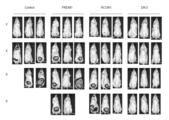
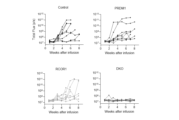
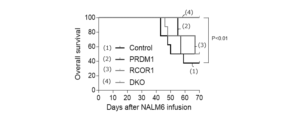
- mice are randomized into treatment groups that receive either a treatment or a control treatment. Tumor size (e.g., tumor volume) is measured over the course of treatment, and overall survival is also monitored.
- a method for enhancing the therapeutic efficacy of T cells having a chimeric antigen receptor (CAR) or a T cell receptor (TCR), comprising: reducing or eliminating the expression and/or function of the PRDM1 gene in the T cell, and reducing or eliminating the expression and/or function of the RCOR1 gene in the T cell and/or increasing or activating the expression of the c-Jun gene in the T cell.
- CAR chimeric antigen receptor
- TCR T cell receptor
- the step of reducing or eliminating the expression and/or function of the PRDM1 gene in the T cells comprises administering an inhibitor of the PRDM1 gene to the T cells, thereby reducing or eliminating the expression and/or function of the PRDM1 gene.
- the step of reducing or eliminating the expression and/or function of the RCOR1 gene in the T cells and/or increasing or activating the expression of the c-Jun gene in the T cells comprises reducing or eliminating the expression and/or function of the RCOR1 gene by administering an inhibitor of the RCOR1 gene to the T cells.
- the step of reducing or eliminating the expression and/or function of the RCOR1 gene in the T cells and/or increasing or activating the expression of the c-Jun gene in the T cells comprises increasing or activating the expression of the c-Jun gene by administering an activator of the c-Jun gene to the T cells.
- the step of reducing or eliminating the expression and/or function of the RCOR1 gene in the T cells and/or increasing or activating the expression of the c-Jun gene in the T cells comprises administering an inhibitor of the RCOR1 gene to the T cells to reduce or eliminate the expression and/or function of the RCOR1 gene, and administering an activator of the c-Jun gene to the T cells to increase or activate the expression of the c-Jun gene.
- a method for enhancing the therapeutic efficacy of T cells having a chimeric antigen receptor (CAR) or a T cell receptor (TCR), comprising: Contacting the T cell with an inhibitor of the PRDM1 gene, and contacting the T cell with an inhibitor of the RCOR1 gene and/or with an activator of the c-Jun gene are provided.
- CAR chimeric antigen receptor
- TCR T cell receptor
- an inhibitor of the PRDM1 gene in the manufacture of a medicament for CAR-expressing cell therapy, an inhibitor of the PRDM1 gene, Use of an inhibitor of the COR1 gene and/or an activator of the c-Jun gene is provided.
- the T cells, pharmaceutical compositions containing T cells, and methods using T cells according to the above embodiments of the present invention may be useful for treating any disease by T cells, since the T cells have long-term viability due to the knockout or knockdown of the PRDM1 gene, and the knockout or knockdown of the RCOR1 gene or the overexpression of the c-Jun gene inhibit the induction of exhaustion, a state of functional decline that occurs with continuous antigen stimulation, and have improved cytotoxicity.
- this technology can be applied to adoptive immunotherapy for cancer in general.
- gene modification during ex vivo culture and proliferation can be performed to create antitumor T cells that can induce a sustained antitumor effect after infusion. This technology can be applied regardless of the target antigen or the type of cancer to be treated.
- the erythroleukemia cell line K562 was obtained from the Japanese Collection of Research Bioresources (JCRB) Cell Bank (Osaka, Japan).
- the CD19 + B-cell leukemia cell line NALM6 was obtained from the Tohoku University Medical Cell Resource Center (Sendai, Japan).
- K562-OKT3/CD80 was generated by retroviral transduction of CD80 with scFV derived from an anti-CD3 monoclonal antibody (clone OKT3) linking the transmembrane and cytoplasmic domains of CD8 ⁇ (Yoshikawa, T. et al. Blood 139, 2156-2172 (2022)).
- NALM6-GL was prepared by retroviral transduction of NALM6 with EGFP linked to codon-optimized luciferase (Luc2) via the 2A peptide sequence derived from porcine teschovirus-1 (P2A).
- GD2-expressing NALM6-GL was generated by introducing GM2/GD2 synthase and GD3 synthase into NALM6-GL.
- K562, NALM6, and their derivatives were cultured in RPMI-1640 (Nacalai Tesque, Kyoto, Japan) supplemented with 10% FBS.
- PG13 cells were cultured in DMEM (Nacalai Tesque) supplemented with 10% FBS.
- PBMCs Human T cell culture Peripheral blood mononuclear cells
- PBMCs Peripheral blood mononuclear cells
- K562-OKT3/CD80 mitomycin C-treated K562-OKT3/CD80 at an effector:target ratio of 7:1 as previously described (Yoshikawa, T. et al. Blood 139, 2156-2172 (2022)).
- Stimulated T cells were cultured in RPMI-1640 medium containing 10% fetal bovine serum, 1% penicillin/streptomycin, and recombinant IL-2 (100 IU/mL, Nipro, Osaka, Japan).
- CAR constructs consist of single-chain variable fragments (scFv) derived from clones FMC63 (targeting CD19) (Nicholson, I. C. et al.
- CRISPR/Cas9CRISPR/ Cas9-mediated knockout was performed using the Alt-R CRISPR/Cas9 system provided by Integrated DNA Technologies (IDT, Coralville, IA) (Yoshikawa, T. et al. Blood 139, 2156-2172 (2022)). Electroporation of ribonucleoprotein (RNP) complexes was performed using a NEPA 21 electroporator (Nepa Gene, Ichikawa, Japan) after T cell stimulation. Chemically synthesized crRNA and tracrRNA (IDT) were mixed and annealed at 95°C for 5 min, then gradually cooled to room temperature.
- IDTT Integrated DNA Technologies
- RNP complexes were then generated by incubating Alt-R Cas9 Nuclease V3 (25 ⁇ g, IDT) with annealed guide RNA (300 pmol) at 37°C for 10–15 min.
- Alt-R Cas9 Electroporation Enhancer was added to a final concentration of 2 ⁇ M before electroporation. The following parameters were used for electroporation: Poling pulse: voltage 275 V, pulse length 1 msec, pulse interval 50 msec, pulse number 2, decay rate 10%, polarity +, Transfer pulse: voltage 20 V, pulse length 50 msec, pulse interval 50 msec, pulse number ⁇ 5, decay rate 40%, polarity ⁇ .
- Genomic DNA was extracted after 48-72 hours using the NucleoSpin DNA Rapid Lyse kit (Macherey Nagel, Düren, Germany). Genomic regions containing the target sites were amplified by PCR and amplicons were subjected to Sanger sequencing. Gene editing efficiency of each gRNA was calculated using Inference of CRISPR Edits (ICE) analysis (Conant, D. et al. CRISPR J 5, 123-130 (2022)).
- ICE Inference of CRISPR Edits
- Flow cytometry analysis was performed using an LSRFortessa (BD Biosciences, Franklin Lakes, NJ) or a CytoFLEX-S (Beckman Coulter, Brea, CA). The following antibodies were used: PerCP/Cyanine5.5-anti human CD271 (ME20.4, BioLegend), APC-anti CD8 (RPA-T8, BioLegend), FITC-anti CD8 (RPA-T8, BioLegend), FITC-anti CD45RA (clone HI100, BD Biosciences), Pacific blue-anti CCR7 (G043H7, BioLegend), APC-Cy7-anti CD62L (DREG-56, Biolegend), PE-Cy7-anti CD27 (M-T271, Biolegend), PE-anti CD28 (CD28.2, BioLegend), FITC-anti IL2 (clone MQ1-17H12, BioLegend), PE-Cy7-anti IFN ⁇ (
- T cells were co-cultured with the indicated target cells and incubated for 6 h. Brefeldin A (BioLegend) was added 2 h after stimulation. Cells were then fixed and permeabilized using the Cyto-Fas Fix/Perm kit (BioLegend) according to the manufacturer's protocol.
- In vitro cytotoxicity test To evaluate the cytotoxic activity of CAR-T cells, 1x10⁵ CAR-T cells were co-cultured with EGFP + target cells at the indicated ratios. The absolute number of viable target tumor cells was measured by flow cytometry. The frequency of viable tumor cells was calculated as a ratio to the number of cells cultured without CAR-T cells. Dead cells were distinguished by staining with the LIVE/DEAD Fixable Near-IR Dead Cell Stain Kit (Thermo Fisher Scientific).
- RNA sequencing analysis Paired-end RNA sequencing analysis was performed using NovaSeq 6000 (Illumina) from Riken Genesis (Tokyo, Japan) or Rhelixa (Tokyo, Japan). FASTQ files were quality trimmed and mapped to the GRCh38 human reference genome using Hisat2 (version 2.1.0). Differential expression of genes between groups was identified using edgeR. Unsupervised hierarchical clustering of differential expression of genes between groups was performed using the heatmap.2 function in the gplots package. Log-transformed counts-per-million reads were used as gene expression levels. GSEA was performed using GSEA v2 (Broad Institute) with a set of memory T cell-related genes extracted from GSE83978 (FDR ⁇ 0.05, log fold-change > 2). All analyses of read count data were performed in the R environment.
- KDM1A is also involved in the formation of various transcriptional complexes, mainly including CoREST, NuRD, and CtBP (Lynch, J. T., Expert Opin Ther Targets 16, 1239-1249 (2012)).
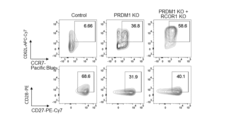
- double knockout of PRDM1 and RCOR1 significantly increased the frequency of CD62L+CCR7+ cells or CD62L+CCR7+CD27+CD28+ CAR-T cells compared with PRDM1 single knockout.
- RCOR1 knockout did not suppress CAR-T cell proliferation ( Figure 6).
- PRDM1/RCOR1 double knockout CAR-T cells also showed improved cytotoxicity against CD19+ target cells compared with PRDM1 knockout CAR-T cells (Figure 7). These results suggest that genetic disruption of PRDM1 and RCOR1 may enhance the sustained effector function of CAR-T cells.
- the double knockout CAR-T cells showed increased expression levels of effector transcription factors, such as TBX21 and RUNX3, and decreased expression levels of exhaustion molecules, such as TOX and TOX2, compared with PRDM1 knockout CAR-T cells (Figure 9).
- AP-1 transcription factor plays an important role in effector T cell function, but its role in inducing T cell exhaustion is controversial. Some studies have shown that AP1 TF promotes T cell exhaustion (Lynch, J. T.et al. Expert Opin Ther Targets 16, 1239-1249 (2012); Man, K. et al. Immunity 47, 1129-1141.e1125 (2017)), while others have shown that AP1 TF counters T cell exhaustion and maintains strong effector function (Chen, J. et al., Nature 567, 530-534 (2019); Chen, Y.
- PRDM1 knockout enhances memory T cell properties but conversely impairs effector function.
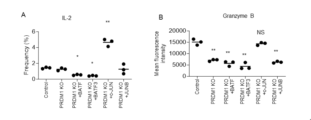
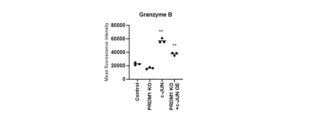
- expression of c-JUN in PRDM1-knockout CAR-T cells restored granzyme B production to the same level as that of control CAR-T cells ( Figure 15(B)).
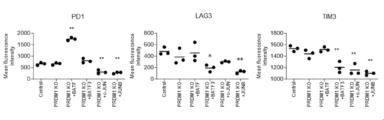
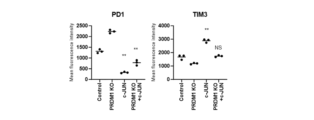
- c-JUN-overexpressing CAR-T cells showed reduced levels of immune inhibitory molecules such as PD1 and TIM3 (Fig. S16, S17).
- AP-1 TF impaired the memory phenotype enhanced by PRDM1 knockout (Fig. S18, S19).
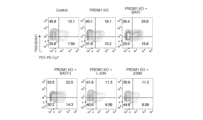
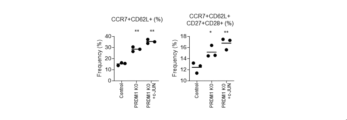
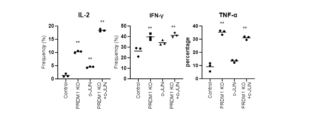
- PRDM1/c-JUN double modified CAR-T cells showed reduced expression of exhaustion markers (PD1 and TIM3, Figure 24), increased cytokine production (Figure 25), and maintained the initial memory phenotype well (Figure 26) compared to control CAR-T cells.
- the amount of IL-2 produced exceeded the combined total of PRDM1 knockout and c-JUN overexpression alone.
- PRDM1 knockout and c-JUN overexpression achieved both long-life characteristics and potent effector functions.
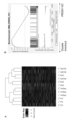
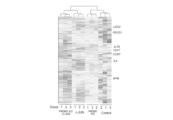
- PRDM1/c-JUN modified anti-GD2 CAR-T cells Hierarchical clustering of differentially expressed genes showed that four groups formed distinct clusters regardless of the different donor samples (Fig. 27).
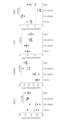
- PRDM1-deficient c-JUN-expressing CAR-T cells acquired gene expression profiles characteristic of both memory T cells (e.g., elevated levels of IL7R, TCF7, CCR7, and MYB) and non-exhausted effector T cells (e.g., decreased levels of PDCD1 and elevated levels of GZMB) (Fig. 28).
- Fig. 28 These results indicate that PRDM1 knockout and c-JUN-expressing CAR-T cells acquire a long-life and non-exhausted phenotype required for sustained antitumor effects.
- siRNA co-expressing mesothelin-targeting CAR-T cells were generated using lentiviral vectors in human peripheral blood mononuclear cells (PBMCs) (HemaCare) derived from healthy donors.
- PBMCs peripheral blood mononuclear cells
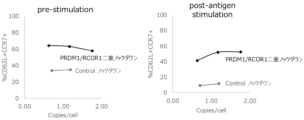
- the PRDM1/RCOR1 double knockdown vector contained two siRNA sequences targeting PRDM1 and RCOR1, while the control knockdown vector contained four siRNA sequences that did not target the human genome (Table 1).
- CAR-T cells were cultured on plates coated with mesothelin protein (MSN-H526x, ACRO Biosystems) for antigen stimulation, and CAR-T cells before and after three rounds of stimulation were stained with Brilliant Violet 421 anti-CCR7 (catalog number: 353208, BioLegend) and APC/cy7 anti-CD62L (catalog number: 304814, BioLegend) and then analyzed by flow cytometry. As shown in Figure 29, the frequency of CD62L+CCR7+ cells increased with PRDM1/RCOR1 double knockdown both before and after antigen stimulation.
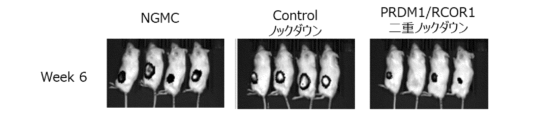
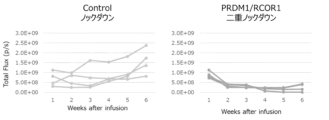
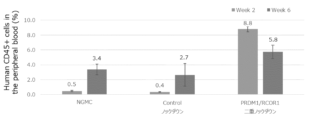
- PRDM1/RCOR1 double knockdown CAR-T cells The in vivo therapeutic effect of PRDM1/RCOR1 double knockdown CAR-T cells was investigated.
- AsPC-1/CMV-Luc (JCRB1454)-bearing NOG mice (Invivo Sciences) were injected with PRDM1/RCOR1 double knockdown or control knockdown CAR-T cells, or non-transfected cells (NGMC).
- NGMC non-transfected cells
Landscapes
- Health & Medical Sciences (AREA)
- Life Sciences & Earth Sciences (AREA)
- Engineering & Computer Science (AREA)
- Genetics & Genomics (AREA)
- Biomedical Technology (AREA)
- Chemical & Material Sciences (AREA)
- Organic Chemistry (AREA)
- Biotechnology (AREA)
- Zoology (AREA)
- Bioinformatics & Cheminformatics (AREA)
- Wood Science & Technology (AREA)
- General Health & Medical Sciences (AREA)
- General Engineering & Computer Science (AREA)
- Biochemistry (AREA)
- Microbiology (AREA)
- Cell Biology (AREA)
- Molecular Biology (AREA)
- Pharmacology & Pharmacy (AREA)
- Public Health (AREA)
- Biophysics (AREA)
- Immunology (AREA)
- Veterinary Medicine (AREA)
- Medicinal Chemistry (AREA)
- Physics & Mathematics (AREA)
- Plant Pathology (AREA)
- Animal Behavior & Ethology (AREA)
- Nuclear Medicine, Radiotherapy & Molecular Imaging (AREA)
- General Chemical & Material Sciences (AREA)
- Chemical Kinetics & Catalysis (AREA)
- Hematology (AREA)
- Developmental Biology & Embryology (AREA)
- Virology (AREA)
- Epidemiology (AREA)
- Micro-Organisms Or Cultivation Processes Thereof (AREA)
Priority Applications (1)
| Application Number | Priority Date | Filing Date | Title |
|---|---|---|---|
| JP2025553353A JPWO2025089255A1 (cg-RX-API-DMAC7.html) | 2023-10-23 | 2024-10-22 |
Applications Claiming Priority (2)
| Application Number | Priority Date | Filing Date | Title |
|---|---|---|---|
| JP2023181926 | 2023-10-23 | ||
| JP2023-181926 | 2023-10-23 |
Publications (1)
| Publication Number | Publication Date |
|---|---|
| WO2025089255A1 true WO2025089255A1 (ja) | 2025-05-01 |
Family
ID=95515698
Family Applications (1)
| Application Number | Title | Priority Date | Filing Date |
|---|---|---|---|
| PCT/JP2024/037491 Ceased WO2025089255A1 (ja) | 2023-10-23 | 2024-10-22 | 長期生存型t細胞、医薬組成物、及び使用方法 |
Country Status (2)
| Country | Link |
|---|---|
| JP (1) | JPWO2025089255A1 (cg-RX-API-DMAC7.html) |
| WO (1) | WO2025089255A1 (cg-RX-API-DMAC7.html) |
Citations (2)
| Publication number | Priority date | Publication date | Assignee | Title |
|---|---|---|---|---|
| JP2021508489A (ja) * | 2017-12-15 | 2021-03-11 | ザ ボード オブ トラスティーズ オブ ザ レランド スタンフォード ジュニア ユニバーシティー | T細胞疲弊を阻害するための組成物および方法 |
| WO2022182890A1 (en) * | 2021-02-25 | 2022-09-01 | Lyell Immunopharma, Inc. | Codon-optimized nucleotide sequences encoding an ap-1 transcription factor |
-
2024
- 2024-10-22 JP JP2025553353A patent/JPWO2025089255A1/ja active Pending
- 2024-10-22 WO PCT/JP2024/037491 patent/WO2025089255A1/ja not_active Ceased
Patent Citations (3)
| Publication number | Priority date | Publication date | Assignee | Title |
|---|---|---|---|---|
| JP2021508489A (ja) * | 2017-12-15 | 2021-03-11 | ザ ボード オブ トラスティーズ オブ ザ レランド スタンフォード ジュニア ユニバーシティー | T細胞疲弊を阻害するための組成物および方法 |
| US11400117B2 (en) | 2017-12-15 | 2022-08-02 | The Board Of Trustees Of The Leland Stanford Junior University | Compositions and methods for inhibiting T cell exhaustion |
| WO2022182890A1 (en) * | 2021-02-25 | 2022-09-01 | Lyell Immunopharma, Inc. | Codon-optimized nucleotide sequences encoding an ap-1 transcription factor |
Non-Patent Citations (16)
| Title |
|---|
| CHEN, J. ET AL., NATURE, vol. 567, 2019, pages 530 - 534 |
| CHEN, Y. ET AL., NAT IMMUNOL, vol. 22, 2021, pages 996 - 1007 |
| CONANT, D. ET AL., CRISPR J, vol. 5, 2022, pages 123 - 130 |
| JUNG IN-YOUNG ET AL., SCI TRANSL MED, vol. 14, no. 670, 2022, pages 7336 |
| LI, Q., VERSCHRAEGEN ET AL., ANTICANCER RES, vol. 24, 2004, pages 1327 - 1335 |
| LONG, A. H. ET AL., NAT MED, vol. 21, 2015, pages 581 - 590 |
| LYNCH, J. T. ET AL., EXPERT OPIN THER TARGETS, vol. 16, 2012, pages 1239 - 1249 |
| LYNN RACHEL C.; WEBER EVAN W.; SOTILLO ELENA; GENNERT DAVID; XU PENG; GOOD ZINAIDA; ANBUNATHAN HIMA; LATTIN JOHN; JONES ROBERT; TI: "c-Jun overexpression in CAR T cells induces exhaustion resistance", NATURE, vol. 576, no. 7786, 1 December 2019 (2019-12-01), pages 293 - 300, XP036953893, DOI: 10.1038/s41586-019-1805-z * |
| MAN, K. ET AL., IMMUNITY, vol. 47, no. 1125, 2017, pages 1129 - 1141 |
| MARTIN: "Remington's Pharmaceutical Sciences", 1975, MACK PUBL. CO. |
| NICHOLSON, I. C. ET AL., IMMUNOL, vol. 34, 1997, pages 1157 - 1165 |
| RICHMAN, S. A. ET AL., CANCER IMMUNOL RES, vol. 6, 2018, pages 36 - 46 |
| SHIN, H. M. ET AL., IMMUNITY, vol. 39, 2013, pages 661 - 675 |
| YAN XIONG, PHILIP A. COLE, WAYNE W. HANCOCK: ""Inhibiting the coregulator CoREST impairs Foxp3+ Treg function and promotes antitumor immunity."", JOURNAL OF CLINICAL INVESTIGATION, AMERICAN SOCIETY FOR CLINICAL INVESTIGATION, vol. 130, no. 4, 1 April 2020 (2020-04-01), pages 1830 - 1842, XP093308833, ISSN: 0021-9738, DOI: 10.1172/JCI135713 * |
| YOSHIKAWA TOSHIAKI; WU ZHIWEN; INOUE SATOSHI; KASUYA HITOMI; MATSUSHITA HIROKAZU; TAKAHASHI YUSUKE; KURODA HIROAKI; HOSODA WAKI; S: "Genetic ablation of PRDM1 in antitumor T cells enhances therapeutic efficacy of adoptive immunotherapy", BLOOD, AMSTERDAM, NL, vol. 139, no. 14, 7 December 2021 (2021-12-07), AMSTERDAM, NL, pages 2156 - 2172, XP087015775, DOI: 10.1182/blood.2021012714 * |
| YOSHIKAWA, T. ET AL., BLOOD, vol. 139, no. 14, 2022, pages 2156 - 2172 |
Also Published As
| Publication number | Publication date |
|---|---|
| JPWO2025089255A1 (cg-RX-API-DMAC7.html) | 2025-05-01 |
Similar Documents
| Publication | Publication Date | Title |
|---|---|---|
| Zhang et al. | The history and advances in cancer immunotherapy: understanding the characteristics of tumor-infiltrating immune cells and their therapeutic implications | |
| Andreu-Saumell et al. | CAR affinity modulates the sensitivity of CAR-T cells to PD-1/PD-L1-mediated inhibition | |
| JP6678215B2 (ja) | がんにおけるcd138の標的化 | |
| CN111727045B (zh) | 抑制t细胞衰竭的组合物和方法 | |
| Wei et al. | A novel AXL chimeric antigen receptor endows T cells with anti-tumor effects against triple negative breast cancers | |
| US20240325450A1 (en) | Nkt-cell subset for in vivo persistence and therapeutic activity and propagation of same | |
| Wang et al. | Natural killer cells in cancer immunotherapy | |
| Barber et al. | Immunotherapy with chimeric NKG2D receptors leads to long-term tumor-free survival and development of host antitumor immunity in murine ovarian cancer | |
| JP2021526814A5 (cg-RX-API-DMAC7.html) | ||
| US12295971B2 (en) | Compositions and methods for enhancing adoptive T cell therapeutics | |
| CN110958881A (zh) | 与免疫调节剂联合应用于癌症免疫治疗的免疫调节性类视黄醇和rexinoid化合物 | |
| Fan et al. | Development of CAR-T cell persistence in adoptive immunotherapy of solid tumors | |
| Schober et al. | The oncolytic adenovirus XVir-N-31 joins forces with CDK4/6 inhibition augmenting innate and adaptive antitumor immunity in Ewing sarcoma | |
| Pu et al. | Advances in adoptive cellular immunotherapy and therapeutic breakthroughs in multiple myeloma | |
| Hadiloo et al. | Targeting cancer stem cells with CAR-based immunotherapy: biology, evidence, and future directions | |
| WO2024026107A2 (en) | Chimeric antigen receptor therapies for treating solid tumors | |
| Sureshbabu et al. | Immunosuppressive microenvironment in oral cancer: implications for cancer immunotherapy | |
| JP2022546675A (ja) | 細胞治療の方法 | |
| HK40117726A (en) | Nkt-cell subset for in vivo persistence and therapeutic activity and propagation of same | |
| Spear | Endogenous Leukocyte Activation by Chimeric Antigen Receptor T cell Immunotherapy | |
| HK1252164B (en) | Nkt-cell subset for in vivo persistence and therapeutic activity and ppropagation of same | |
| HK40026717A (en) | Immunomodulatory retinoid and rexinoid compounds in combination with immune modulators for cancer immunotherapy |
Legal Events
| Date | Code | Title | Description |
|---|---|---|---|
| 121 | Ep: the epo has been informed by wipo that ep was designated in this application |
Ref document number: 24882366 Country of ref document: EP Kind code of ref document: A1 |
|
| ENP | Entry into the national phase |
Ref document number: 2025553353 Country of ref document: JP Kind code of ref document: A |
|
| WWE | Wipo information: entry into national phase |
Ref document number: 2025553353 Country of ref document: JP |
|
| WWE | Wipo information: entry into national phase |
Ref document number: 2024882366 Country of ref document: EP |
|
| NENP | Non-entry into the national phase |
Ref country code: DE |
|
| ENP | Entry into the national phase |
Ref document number: 2024882366 Country of ref document: EP Effective date: 20260526 |