WO2025057745A1 - 支援装置、支援方法及びプログラム - Google Patents
支援装置、支援方法及びプログラム Download PDFInfo
- Publication number
- WO2025057745A1 WO2025057745A1 PCT/JP2024/030824 JP2024030824W WO2025057745A1 WO 2025057745 A1 WO2025057745 A1 WO 2025057745A1 JP 2024030824 W JP2024030824 W JP 2024030824W WO 2025057745 A1 WO2025057745 A1 WO 2025057745A1
- Authority
- WO
- WIPO (PCT)
- Prior art keywords
- worker
- degree
- field
- predetermined
- movement speed
- Prior art date
- Legal status (The legal status is an assumption and is not a legal conclusion. Google has not performed a legal analysis and makes no representation as to the accuracy of the status listed.)
- Ceased
Links
Images

Classifications
-
- G—PHYSICS
- G06—COMPUTING OR CALCULATING; COUNTING
- G06Q—INFORMATION AND COMMUNICATION TECHNOLOGY [ICT] SPECIALLY ADAPTED FOR ADMINISTRATIVE, COMMERCIAL, FINANCIAL, MANAGERIAL OR SUPERVISORY PURPOSES; SYSTEMS OR METHODS SPECIALLY ADAPTED FOR ADMINISTRATIVE, COMMERCIAL, FINANCIAL, MANAGERIAL OR SUPERVISORY PURPOSES, NOT OTHERWISE PROVIDED FOR
- G06Q50/00—Information and communication technology [ICT] specially adapted for implementation of business processes of specific business sectors, e.g. utilities or tourism
- G06Q50/02—Agriculture; Fishing; Forestry; Mining
Definitions
- the present invention relates to a support device, a support method, and a program.
- the support device is a support device that includes an acquisition unit that acquires time series data of location information including at least one of the point and range where a worker is located in a field, an estimation unit that calculates the stay time or movement speed of the worker based on the time series data of the location information, and estimates the achievement level of a predetermined task performed by the worker in a predetermined area of the field based on the stay time or the movement speed of the worker, and an output unit that outputs the achievement level of the predetermined task in the predetermined area.
- the status of the predetermined task performed by the worker in the field can be easily grasped.
- the worker can be saved from the trouble of searching for a predetermined area where the achievement level of the predetermined task is low, improving the work efficiency of the worker and preventing time loss.
- the multiple workers can easily grasp the status of the predetermined task in the field and share the status of the predetermined task in the field among the multiple workers. Therefore, the work efficiency of the multiple workers can be improved and time loss can be prevented.
- the estimation unit may estimate the accuracy of the degree of completion of the specified task, which is estimated based on the worker's stay time or movement speed and the learning model, based on correct answer data, and the output unit may output the accuracy of the degree of completion of the specified task.
- the accuracy of the degree of completion of the specified task may be calculated as a positive or negative numerical value, a rank, and a level.
- the positive and negative numerical values may be expressed as a percentage or a fraction.
- the specified task may be crop harvesting performed by the worker in the field.
- the status of crop harvesting can be easily grasped.
- the worker can save the trouble of searching for a specified area among a plurality of specified areas where the harvesting task has been completed to a low degree, improving the efficiency of the worker's harvesting task and preventing time loss.
- the support method is a support method comprising the steps of: acquiring time series data of location information including at least one of a point and an area where a worker is located in a field; calculating the stay time or movement speed of the worker based on the time series data of the location information; estimating the degree of completion of a specified task performed by the worker in a specified area of the field based on the stay time or movement speed of the worker; and outputting the degree of completion of the specified task in the specified area.
- a program according to one aspect of the present invention is a program for causing a computer to execute the steps of acquiring time series data of location information including at least one of the point and range in which a worker is located in a field, calculating the stay time or movement speed of the worker based on the time series data of the location information, estimating the degree of completion of a specified task performed by the worker in a specified area of the field based on the stay time or movement speed of the worker, and outputting the degree of completion of the specified task in the specified area.
- FIG. 1 is a block diagram showing the configuration of the support system.
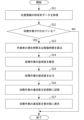
- FIG. 2 is a flowchart showing an example of the operation of the support device.
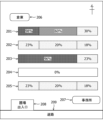
- FIG. 3 is a diagram showing an example of a screen displayed on the display device.
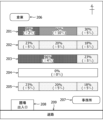
- FIG. 4 is a diagram showing an example of a screen displayed on the display device.
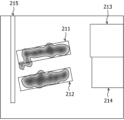
- FIG. 5 is a diagram showing an example of a screen displayed on the display device.
- FIG. 6 is a diagram showing an example of a screen displayed on the display device.
- FIG. 7 is a diagram showing an example of a display device installed in a farm field.
- Fig. 1 is a block diagram showing the configuration of the support system.
- the support system is a system that supports a worker who works in a field (farm), which is an example of a workplace for agriculture and the like.
- the worker performs cultivation work on crops (plants) in the field.
- Types of cultivation work on crops include, but are not limited to, defoliation, flower removal, bud removal, training, leaf removal, bud removal, top removal, watering, top dressing, pesticide spraying, and harvesting.
- the support system includes a support device 1 and a display device 2.
- the support device 1 includes a control unit 10, a storage unit 20, and a communication unit 30.
- the control unit 10 controls each operation of the support device 1.
- the control unit 10 is configured to include an acquisition unit 110, a determination unit 120, an estimation unit 130, and an output unit 140.
- the control unit 10 includes a CPU (Central Processing Unit), RAM (Random Access Memory), ROM (Read Only Memory), etc., and controls each part of the control unit 10 and performs various processes.
- the memory unit 20 stores programs executed by the control unit 10 and various data used in the processes executed by the control unit 10.
- the memory unit 20 may be an auxiliary storage device such as a HDD (Hard Disk Drive) or SSD (Solid State Drive).
- the memory unit 20 may be realized by a removable storage medium.
- the communication unit 30 is a communication interface that executes communication with an external device.
- the communication unit 30 includes a wired communication module and/or a wireless communication module.
- the display device 2 is a display device such as a display that displays various images and data.
- the display device 2 may have an input device such as a touch panel.
- the display device 2 is an example of a display unit.
- the support device 1 may have an input device such as a mouse or a touch panel. At least some of the functions of the support device 1 may be realized by a computer on the cloud.
- the support device 1 and the display device 2 may be configured as an integrated unit, or may be configured separately.
- the support device 1 may be realized, for example, by distributed computing using multiple computer devices, and some of the functional units may be realized by a cloud server. Some of the functional units of the support device 1 may be realized by dedicated hardware devices such as FPGAs or ASICs.
- FIG. 2 is a flowchart showing an example of the operation of the support device 1. An example of the operation of the support device 1 will be described along with the flowchart of FIG. 2.
- the acquisition unit 110 acquires time series data of position information of a worker performing crop harvesting work in a field. When there are multiple workers in a field, the acquisition unit 110 acquires time series data of position information of the multiple workers based on the position information of each worker.
- the position information is, for example, a coordinate value indicating the position where the worker is present.
- the coordinate system of the position information may be a sensor coordinate system or a global coordinate system.
- the acquisition unit 110 may acquire a photographed image (image data) of the field, and may acquire the position information of the worker based on the photographed image.
- the photographed image may be a moving image or a still image.
- the acquisition unit 110 may acquire time series data of the worker's position information based on the moving image.
- the acquisition unit 110 may acquire time series data of the worker's position information based on still images photographed at predetermined intervals by a photographing device.
- the photographed image may be an image photographed by a fixed camera (photographing device) installed in the field.
- the photographed image may be a satellite photograph image or an aerial photograph image.
- the photographed image may be an image photographed by a camera installed on an airborne mobile object such as a drone.
- the acquisition unit 110 may grasp in which of a plurality of cultivation areas the worker is staying based on the photographed image.
- the acquisition unit 110 may also acquire position information of buildings and the like in the field based on the photographed image.
- the estimation unit 130 calculates the movement speed of the worker based on the time series data of the position information. When a specific worker frequently enters or leaves the field, the estimation unit 130 does not calculate the movement speed of the specific worker.
- the estimation unit 130 may calculate the movement speed of the worker by excluding the time series data of the position information of the worker during the time period when the frequency of workers coming and going at the entrance and exit of the field is high. When the movement speed of a specific worker among a plurality of workers is equal to or higher than a threshold value related to speed, the estimation unit 130 may calculate the movement speed of the worker by excluding the time series data of the position information of the specific worker.
- the reference time is a judgment criterion (threshold) for the duration of a worker's stay.
- the reference time may be obtained by actual measurement or simulation, and is stored in the memory unit 20.
- the estimation unit 130 may estimate the degree of completion of the harvesting work by dividing the duration of the worker's stay by the reference time. If the duration of the worker's stay is short, it is highly likely that the crops have not been harvested. If the duration of the worker's stay is long, it is highly likely that the crops have been harvested.
- the estimation unit 130 may estimate the degree of completion of the harvesting work based on such a trend in the duration of the worker's stay.
- the estimation unit 130 calculates a weighting coefficient from the worker's work performance.
- the work performance of the worker may be, for example, an evaluation value of the harvesting work of the worker by the manager of the farm field. After the worker harvests the crops, the manager may visually check the area where the worker harvested and evaluate the harvesting work of the worker. For example, if almost all of the harvestable crops have been harvested in the area where the worker harvested, the harvesting work of the worker may be evaluated as "good”. Also, for example, if a small amount of harvestable crops remain in the area where the worker harvested, the harvesting work of the worker may be evaluated as "average”. Data regarding the work performance of the worker is stored in the memory unit 20.
- the estimation unit 130 may calculate a weighting coefficient from the work performance of the worker. The estimation unit 130 may estimate the achievement level of the harvesting work based on the above (Equation 3) or (Equation 4).
- the memory unit 20 stores the harvest record of the crops in the field.
- the estimation unit 130 estimates the achievement level of the harvesting work based on the stay time or movement speed of the worker and the harvest record of the crops in the field stored in the memory unit 20.
- the harvest record is the growth degree of the crops in a specified period, the harvest amount (total number of crops harvested) of the crops harvested in a specified period, etc.
- the harvest record may be the stay time or movement speed of the worker on the previous day.
- the estimation unit 130 selects the harvest record for the cultivation area that is the target of the process for estimating the achievement level of the harvesting work.
- the estimation unit 130 may calculate a weighting coefficient from the harvest record in the cultivation area.
- the estimation unit 130 may estimate the achievement level of the harvesting work based on the above (Equation 3) or (Equation 4).
- the estimation unit 130 may set the weighting coefficient low and estimate the degree of completion of the harvesting work based on the above (Equation 3) or (Equation 4).
- the estimation unit 130 may set the weighting coefficient in cultivation area A lower than the weighting coefficient in cultivation area B, and estimate the achievement level of the harvesting work based on the above (Equation 3) or (Equation 4).
- the estimation unit 130 may set the weighting coefficient high and estimate the degree of accomplishment of the harvesting work based on the above (Equation 3) or (Equation 4).
- the estimation unit 130 may estimate the degree of completion of a predetermined task performed by a worker in a field.
- the predetermined tasks include, but are not limited to, harvesting, defoliation, flower removal, bud removal, training, leaf removal, bud removal, top removal, watering, fertilization, and pesticide spraying.
- the estimation unit 130 may determine the type of task performed by the worker based on the movement of the person in the video, sensor data, and the like.
- the worker may also input the type of task using a device or the like before and after the task.
- the estimation unit 130 may determine the type of task performed by the worker based on the type of task input. Alternatively, the estimation unit 130 may determine the type of task performed by the worker based on a task plan or task record managed in the memory unit 20 or on the cloud.
- the estimation unit 130 may estimate the degree of completion of the specified task according to the degree of completion estimation processes 1 to 6, and may estimate the accuracy of the degree of completion of the specified task according to the degree of completion estimation process 5.
- the estimation unit 130 may estimate the degree of completion of the specified task and the accuracy of the degree of completion of the specified task by using the work plans and work records managed in the storage unit 20 or on the cloud.
- step S16 the output unit 140 stores the degree of accomplishment of the harvesting work in the memory unit 20.
- step S17 the output unit 140 displays the degree of accomplishment of the harvesting work and at least one of a map, a figure, and an image of the field on the display device 2.
- the images include still images and moving images.
- the output unit 140 displays the degrees of accomplishment of multiple harvesting works on the display device 2.
- the display device 2 may display the cultivation area and the degree of accomplishment of the harvesting work in association with each other.
- the display device 2 may display the degree of accomplishment of the harvesting work in association with each other for multiple cultivation areas, or may display the degree of accomplishment of the harvesting work in association with each other for multiple division areas.
- An example of a process for displaying the degree of accomplishment of the harvesting work is shown below.
- FIG. 3 is a diagram showing an example of a screen displayed on the display device 2.
- the estimation unit 130 may calculate the stay time or movement speed of the worker for each point where the worker is located in the field. For example, when the stay time or movement speed of the worker is calculated for each point where the worker is located in the field, a screen as shown in FIG. 3 is displayed on the display device 2.
- FIG. 3 shows a screen in which the display device 2 displays the achievement level of the harvesting work in association with each of a plurality of divided areas.
- a map of the field when viewed from directly above is displayed by an illustration.
- FIG. 3 shows a map of the field when viewed from directly above.
- a map of the field and an achievement level of the harvesting work superimposed on the map of the field are displayed.
- the harvesting work is performed by a plurality of workers, and the achievement levels of the harvesting work are displayed on the display device 2. This is not limited to this, and the harvesting work may be performed by one worker.
- the map of the field may be stored in advance in the storage unit 20.
- the output unit 140 may read out a map of the field from the memory unit 20 and display the map of the field on the display device 2.
- the worker may also transmit the number, size, position, etc. of cultivation areas in the field to the support device 1 using an information processing device.
- the output unit 140 may create a map of the field based on the number, size, position, etc. of ridges in the field and display the map of the field on the display device 2.
- the output unit 140 superimposes the achievement level of the harvesting work on the map of the field based on the position information of the worker and the positions of the cultivation areas on the map of the field.
- the degree of completion of harvest work is displayed as a percentage (%) and in shades of gray.
- Areas 201 to 205 in the example screen of FIG. 3 are cultivation areas. Each of areas 201 to 203 and 205 is divided into a number of sectioned areas.
- a warehouse 206, an office 207, an entrance/exit 208 to the farm field, and a road 209 are displayed.
- FIG. 4 is a diagram showing an example of a screen displayed on the display device 2.
- FIG. 4 shows a screen in which the display device 2 displays the degree of accomplishment of harvesting work in association with each of a plurality of divided areas.
- a map of the field as viewed from directly above is displayed in the form of an illustration.
- a map of the field, the degree of accomplishment of harvesting work superimposed on the map of the field, and the accuracy of the degree of accomplishment of harvesting work superimposed on the map of the field are displayed.
- harvesting work is performed by a plurality of workers, and the degree of accomplishment of multiple harvesting work is displayed on the display device 2.
- harvesting work may be performed by a single worker.
- the degree of accomplishment of harvesting work is displayed as a percentage (%) and a shade, and the accuracy of the degree of accomplishment of harvesting work is displayed as a percentage (%).
- messages encouraging the worker to check cultivation areas with low harvesting achievement levels, or messages encouraging the worker to prioritize harvesting work in cultivation areas with low harvesting achievement levels, etc. may be displayed. For example, if the harvesting time available on a given day is limited, the worker will be able to prioritize harvesting work in cultivation areas with low harvesting achievement levels. Furthermore, the worker will be able to determine whether or not to prioritize harvesting work in cultivation areas with low harvesting achievement levels based on such messages.
- FIG. 5 is a diagram showing an example of a screen displayed on the display device 2.
- the estimation unit 130 may calculate the stay time or movement speed of the worker for each point where the worker is located in the field.
- the estimation unit 130 may calculate the stay time or movement speed of the worker for each range where the worker is located in the field. For example, when the stay time or movement speed of the worker is calculated for each point or range where the worker is located in the field, a screen as shown in FIG. 5 is displayed on the display device 2.
- FIG. 5 is a diagram showing an example of a screen displayed on the display device 2.
- FIG. 5 shows a screen in which the display device 2 displays the achievement level of the harvesting work in association with each of a plurality of cultivation areas.
- a figure of the field when viewed from directly above the field is displayed.
- a figure of the field and an achievement level of the harvesting work superimposed on the figure of the field are displayed.
- harvesting work is performed by multiple workers, and the degree of accomplishment of multiple harvesting work is displayed on the display device 2. This is not limited to this, and harvesting work may be performed by one worker.
- the figure of the field may be stored in advance in the storage unit 20.
- the output unit 140 may read out the figure of the field from the storage unit 20 and display the figure of the field on the display device 2.
- the worker may transmit the number, size, position, etc. of the cultivation areas in the field to the support device 1 using an information processing device.
- the output unit 140 may create a figure of the field based on the number, size, etc. of the ridges in the field, and display the figure of the field on the display device 2.
- the output unit 140 superimposes the degree of accomplishment of the harvesting work on the figure of the field based on the position information of the worker and the position of the cultivation area in the figure of the field.
- the degree of accomplishment of the harvesting work is displayed in a heat map.
- the heat map may express the degree of accomplishment of the harvesting work, for example, by different colors or shades of color.
- the degree of accomplishment of the harvesting work may be expressed by a color gradation of the heat map, with areas where the degree of accomplishment of the harvesting work is high being colored red and areas where the degree of accomplishment of the harvesting work is low being colored blue.
- Heat maps can be created by various methods. In the example screen shown in FIG. 5, the heat map is superimposed on figures 211 and 212 indicating the cultivation area. In the example screen shown in FIG. 5, figures 213 and 214 indicating buildings and figure 215 indicating a passage are displayed.
- FIG. 6 is a diagram showing an example of a screen displayed on the display device 2.
- FIG. 6 shows a screen in which the display device 2 displays the degree of accomplishment of harvesting work in association with each of a plurality of cultivation areas.
- a diagram of the field as viewed from an oblique direction is displayed.
- a diagram of the field and a degree of accomplishment of harvesting work superimposed on the diagram of the field are displayed.
- harvesting work is performed by a plurality of workers, and the degree of accomplishment of the plurality of harvesting work is displayed on the display device 2. This is not limited to this, and harvesting work may be performed by a single worker.
- FIG. 6 shows a screen in which the display device 2 displays the degree of accomplishment of harvesting work in association with each of a plurality of cultivation areas.
- a diagram of the field as viewed from an oblique direction is displayed.
- a diagram of the field and a degree of accomplishment of harvesting work superimposed on the diagram of the field are displayed.
- harvesting work
- the degree of accomplishment of harvesting work is displayed in a heat map.
- the heat map may express the degree of accomplishment of harvesting work, for example, by differences in color or shades of color.
- the heat map is superimposed on a diagram 221 showing a cultivation area.
- diagrams 222 and 223 showing buildings and a diagram 224 showing a passage are displayed.
- the degree of accomplishment of the harvesting work (heat map) is superimposed on the diagram of the field.
- the accuracy of the degree of accomplishment of the harvesting work may be superimposed on the diagram of the field.
- the diagram of the field is displayed, but photos (still images) and videos (moving images) of the field taken by a fixed camera, and snapshots and videos of the field taken by a handheld camera may be displayed on the display device 2.
- the worker may refer to the photos and videos displayed on the display unit of the information processing device to determine the number, size, position, etc. of the cultivation areas in the field.
- the worker may transmit the number, size, position, etc. of the cultivation areas in the field to the support device 1 using the information processing device.
- the output unit 140 superimposes the degree of accomplishment of the harvesting work on the photos and videos of the field based on the worker's position information and the positions of the cultivation areas in the photos and videos (image data) of the field.
- a photograph or video of the field is displayed on the display device 2
- lines showing the outlines of the figures 221 to 224 may be superimposed on the photograph or video of the field.
- a message may be displayed to prompt the worker to check a specific area.
- the display device 2 may be installed in the field.
- FIG. 7 is a diagram showing an example of the case where the display device 2 is installed in the field.
- the display device 2 may be installed, for example, around the cultivation area of the field.
- the display device 2 has a large display.
- the worker and the manager can easily grasp the status of the harvesting work in the field by visually checking the achievement level of the harvesting work displayed on the display device 2 in the field. For example, the worker can save the trouble of searching for areas in the field where the achievement level of the harvesting work is low, improving the work efficiency of the worker and preventing time loss.
- the multiple workers can easily grasp the status of the harvesting work in the field and share the status of the harvesting work in the field among the multiple workers. Therefore, the work efficiency of the multiple workers can be improved and time loss can be prevented.
- the output unit 140 may transmit output data including the degree of accomplishment of the harvesting work and a map, photograph or video of the field to an information processing device.
- the information processing device may display the degree of accomplishment of the harvesting work and the map, photograph or video of the field on a display unit (such as a display) of the information processing device.
- the output unit 140 may transmit output data including the degree of accomplishment of the harvesting work, the accuracy of the degree of accomplishment of the harvesting work, and the map, photograph or video of the field to the worker's information processing device.
- the information processing device may display the degree of accomplishment of the harvesting work, the accuracy of the degree of accomplishment of the harvesting work, and the map, photograph or video of the field on a display unit of the information processing device.
- Workers and managers can grasp the status of the harvesting work in the field by visually checking the degree of accomplishment of the harvesting work displayed on the display unit of the information processing device. In addition, by multiple workers visually checking the progress of the harvesting work displayed on the display unit of the information processing device, the multiple workers can understand the status of the harvesting work in the field and share the status of the harvesting work in the field among the multiple workers.
- the information processing device may notify the worker of information regarding the degree of accomplishment of the harvesting work by outputting at least one of sound, vibration, and light.
- An example of a notification method in which the screen example shown in FIG. 4 is displayed on at least one of the display device 2 and the information processing device will be described.
- the information processing device receives output data including the degree of accomplishment of the harvesting work in the field area 201
- the information processing device outputs at least one of sound, vibration, and light.
- the worker can grasp the status of the harvesting work in the field area 201 in real time by visually checking the display device 2 or the display unit of the information processing device.
- the information processing device When the information processing device receives output data including the degree of accomplishment of the harvesting work in the field area 205, the information processing device outputs at least one of sound, vibration, and light.
- the worker can grasp the status of the harvesting work in the field area 205 in real time by visually checking the display device 2 or the display unit of the information processing device. Therefore, the worker can immediately recognize the unharvested area of the crop in the field, and the efficiency of the harvesting work of the crop in the field is improved. This will reduce the time lost in determining the extent of unharvested crops.
- a worker can grasp the work situation in a field (e.g., the crop harvest situation) without carrying any special equipment.
- multiple workers can share the work situation in a field among themselves without carrying any special equipment.
- a worker can instantly recognize areas in the field where crops have been harvested and areas where harvesting has not yet been completed, reducing the stress and time required to grasp the situation.
- the harvesting work for the entire field is shorter than before, and the physical exhaustion of workers can be suppressed.
- crops in the field can be prevented from being missed.
- the harvest status of a field was recorded by the cultivation manager's eyeball, but according to this embodiment, the harvest status of a field can be recorded as an objective value.
- This embodiment can also be applied to fields where workers and work robots work together. For example, a work robot can grasp the work status in the field, recognize areas that have not yet been harvested, and perform harvesting work.
- the present invention may be understood as an information processing device or information processing system having at least some of the configurations, means, and functions described above.
- the present invention may be understood as an assistance method or information processing method including at least some of the processes described above.
- the present invention may be understood as a method in which a computer executes each of the processes described above.
- the present invention may be understood as a program for causing a computer to execute each of the processes described above, and the program may be provided to the computer via a network or from a computer-readable recording medium that non-temporarily holds data.
- a program for causing an information processing device or other machine or device (hereinafter, computer, etc.) to realize any of the above functions can be recorded on a computer-readable recording medium.
- the function can be provided by having the computer, etc. read and execute the program from the recording medium.
- a computer-readable recording medium refers to a recording medium that stores information such as data and programs through electrical, magnetic, optical, mechanical, or chemical action and can be read by a computer, etc.
- An assistance device (1) comprising: ⁇ Appendix 2>
- the estimation unit (130) estimates the degree of completion of the predetermined work in a predetermined area of the field, or estimates the degree of completion of the predetermined work for each of a plurality of the predetermined areas in the field,
- the output unit (140) outputs the degree of completion of the predetermined task in the predetermined area, or outputs the degree of completion of the predetermined task for each of a plurality of the predetermined areas.
- the assistance device (1) according to claim 1. ⁇ Appendix 3> The estimation unit (130) estimates the degree of accomplishment of the predetermined task for each of a plurality of divided areas obtained by dividing the predetermined area into a plurality of areas, The output unit (140) outputs the degree of achievement of the predetermined task for each of the plurality of divided areas. 2.
- the assistance device (1) according to claim 1. ⁇ Appendix 4> The estimation unit (130) calculates the stay time or the movement speed of the worker based on the time series data of the position information, and estimates the achievement level of the predetermined task based on the stay time or the movement speed of the worker and a judgment criterion. 4. An assistance device (1) according to any one of appendices 1 to 3.
- a storage unit (20) is provided in which work results relating to the predetermined work are stored for each of the plurality of workers, the estimation unit (130) calculates the stay time or the movement speed of the worker based on the time series data of the position information, and estimates the achievement level of the predetermined task based on the stay time or the movement speed of the worker and a weighting coefficient calculated from the work performance of each of the multiple workers stored in the storage unit (20). 5.
- An assistance device (1) according to any one of appendices 1 to 4.
- the estimation unit (130) calculates the stay time or the movement speed of the worker based on the time series data of the position information, and estimates the achievement level of the predetermined work based on the stay time or the movement speed of the worker and a weighting coefficient calculated from the harvest record stored in the memory unit (20). 6.
- An assistance device (1) according to any one of appendices 1 to 5.
- the estimation unit (130) estimates accuracy of the degree of completion of the predetermined task estimated based on the staying time or the moving speed of the worker and the learning model based on correct answer data;
- the output unit (140) outputs the accuracy of the degree of achievement of the predetermined task.
- ⁇ Appendix 9> The achievement level of the predetermined work and at least one of a map, a figure, and an image of the farm field are displayed on a display unit. 9. An assistance device (1) according to any one of appendices 1 to 8.
- ⁇ Appendix 12> The predetermined work is a crop harvesting work performed by the worker in the field, 12.
- An assistance device (1) according to any one of appendices 1 to 11.
- ⁇ Appendix 13> A step (S11) of acquiring time series data of position information including at least one of a point and a range where a worker is located in a farm field; Calculating the stay time or movement speed of the worker based on the time series data of the position information, and estimating the degree of completion of a predetermined task performed by the worker in a predetermined area of the field based on the stay time or the movement speed of the worker (S13, S14);
- a method of support that provides: ⁇ Appendix 14> On the computer, A step (S11) of acquiring time series data of position information including at least one of a point and a range where a worker is located in a farm field; Calculating the stay time or movement speed
Landscapes
- Business, Economics & Management (AREA)
- Engineering & Computer Science (AREA)
- Human Resources & Organizations (AREA)
- Marketing (AREA)
- Marine Sciences & Fisheries (AREA)
- Mining & Mineral Resources (AREA)
- Agronomy & Crop Science (AREA)
- Health & Medical Sciences (AREA)
- Economics (AREA)
- General Health & Medical Sciences (AREA)
- Life Sciences & Earth Sciences (AREA)
- Animal Husbandry (AREA)
- Primary Health Care (AREA)
- Strategic Management (AREA)
- Tourism & Hospitality (AREA)
- Physics & Mathematics (AREA)
- General Business, Economics & Management (AREA)
- General Physics & Mathematics (AREA)
- Theoretical Computer Science (AREA)
- Management, Administration, Business Operations System, And Electronic Commerce (AREA)
Abstract
圃場の作業状況を容易に把握可能な技術を提供する。支援装置は、圃場における作業者が位置する点及び範囲の少なくとも一方を含む位置情報の時系列データを取得する取得部と、位置情報の時系列データに基づいて、作業者の滞在時間又は移動速度を算出し、作業者の滞在時間又は移動速度に基づいて、圃場における作業者によって行われる所定作業の達成度を推定する推定部と、所定作業の達成度を出力する出力部と、を備える。
Description
本発明は、支援装置、支援方法及びプログラムに関する。
例えば、特許文献1には、作業者が農作物の収穫を行った収穫位置を推定するための農業管理システムが開示されている。
圃場における作物の収穫作業は、短時間で複数の作業者が同時に作業する場合が多い。作物の収穫/未収穫の判断を目視で把握することは難しい。例えば、作業者は、自分に割り振られていた範囲の作業が終了し、別の範囲における作業を手伝おうとしたとき、作物の未収穫の範囲を探す。この場合、作業者は、作物の実の部分を順に目視していくため、作物の未収穫の範囲を把握するのには時間が掛かり、時間のロスや作物の収穫漏れが発生する可能性がある。作物の成長は早く、作物を一日収穫し忘れると、作物を出荷できなくなる場合がある。また、夏場は涼しい時間帯などの短い時間帯でしか、作物の収穫作業を行うことができないことも多い。また、作物の収穫作業に限らず、他の作業についても、圃場における未作業の範囲を把握するのには時間が掛かる。そのため、圃場の作業状況を容易に把握できることが望ましい。
本発明は上記実情に鑑みてなされたものであって、その目的とするところは、圃場の作業状況を容易に把握可能な技術を提供することである。
本発明の一観点に係る支援装置は、圃場における作業者が位置する点及び範囲の少なくとも一方を含む位置情報の時系列データを取得する取得部と、位置情報の時系列データに基づいて、前記作業者の滞在時間又は移動速度を算出し、前記作業者の前記滞在時間又は前記移動速度に基づいて、前記圃場の所定領域における前記作業者によって行われる所定作業の達成度を推定する推定部と、前記所定領域における前記所定作業の前記達成度を出力する出力部と、を備える支援装置である。上記支援装置によれば、作業者によって圃場で行われる所定作業の状況を容易に把握することができる。例えば、作業者は、所定作業の達成度が低い所定領域を探す手間を省くことができ、作業者における作業効率が向上し、時間のロスを抑止することができる。また、圃場内で複数の作業者が所定作業を行う場合、複数の作業者は、圃場における所定作業の状況を容易に把握すると共に、圃場における所定作業の状況を複数の作業者の間で共有することができる。したがって、複数の作業者における作業効率が向上し、時間のロスを抑止することができる。
上記支援装置において、前記推定部は、前記圃場の所定領域における前記所定作業の前記達成度を推定し、又は、前記圃場における複数の前記所定領域ごとに前記所定作業の前記達成度を推定し、前記出力部は、前記所定領域の前記所定作業の前記達成度を出力してもよい、又は、複数の前記所定領域ごとに前記所定作業の前記達成度を出力してもよい。上記支援装置において、前記推定部は、前記圃場の所定領域を複数に区分した複数の区分領域ごとに前記所定作業の前記達成度を推定し、前記出力部は、複数の前記区分領域ごとに前記所定作業の前記達成度を出力してもよい。上記支援装置において、前記推定部は、前記作業者の前記滞在時間又は前記移動速度と判定基準とに基づいて、前記所定作業の前記達成度を算出してもよい。上記支援装置は、前記所定作業に関する作業実績が複数の前記作業者ごとに記憶された記憶部を備え、前記推定部は、前記位置情報の前記時系列データに基づいて、前記作業者の前記滞在時間又は前記移動速度を算出し、前記作業者の前記滞在時間又は前記移動速度と前記記憶部に記憶された複数の前記作業者ごとの前記作業実績から算出した重み付け係数とに基づいて、前記所定作業の前記達成度を推定してもよい。上記支援装置は、前記圃場における作物の収穫実績が記憶された記憶部を備え、前記推定部は、前記位置情報の前記時系列データに基づいて、前記作業者の前記滞在時間又は前記移動速度を算出し、前記作業者の前記滞在時間又は前記移動速度と前記記憶部に記憶された前記収穫実績から算出した重み付け係数とに基づいて、前記所定作業の前記達成度を推定してもよい。上記支援装置において、前記推定部は、前記位置情報の前記時系列データに基づいて、前記作業者の前記滞在時間又は前記移動速度を算出し、前記作業者の前記滞在時間又は前記移動速度を用いた機械学習を行うことにより学習モデルを生成し、前記作業者の前記滞在時間又は前記移動速度と前記学習モデルとに基づいて、前記所定作業の前記達成度を推定してもよい。所定作業の達成度をより正確に推定することができる。
上記支援装置において、前記推定部は、前記作業者の前記滞在時間又は前記移動速度と前記学習モデルとに基づいて推定された前記所定作業の前記達成度の精度を、正解データに基づいて推定し、前記出力部は、前記所定作業の前記達成度の前記精度を出力してもよい。所定作業の達成度の精度を、正負の数値、ランク及びレベルで算出してもよい。正負の数値は、%表記であってもよいし、分数表記であってもよい。
上記支援装置において、前記所定作業の前記達成度と、前記圃場の地図、図形及び画像の少なくとも一つとが、表示部に表示されてもよい。上記支援装置において、前記所定作業の前記達成度と、前記圃場の地図、図形及び画像の少なくとも一つとが、表示部に表示され、前記表示部は、前記所定領域と前記所定作業の前記達成度とを紐づけて表示してもよい、又は、複数の前記所定領域ごとに前記所定作業の前記達成度を紐づけて表示してもよい。上記支援装置において、前記所定作業の前記達成度と、前記圃場の地図、図形及び画像の少なくとも一つとが、表示部に表示され、前記表示部は、複数の前記区分領域ごとに前記所定作業の前記達成度を紐づけて表示してもよい。作業者は、表示部を視認することで、圃場における作業状況をリアルタイムで把握することができる。
上記支援装置において、前記所定作業は、前記作業者によって前記圃場で行われる作物の収穫作業であってもよい。作物の収穫作業の状況を容易に把握することができる。例えば、作業者は、複数の所定領域のうちの収穫作業の達成度が低い所定領域を探す手間を省くことができ、作業者における収穫作業の効率が向上し、時間のロスを抑止することができる。
本発明の一観点に係る支援方法は、圃場における作業者が位置する点及び範囲の少なくとも一方を含む位置情報の時系列データを取得するステップと、前記位置情報の前記時系列データに基づいて、前記作業者の滞在時間又は移動速度を算出し、前記作業者の前記滞在時間又は前記移動速度に基づいて、前記圃場の所定領域における前記作業者によって行われる所定作業の達成度を推定するステップと、前記所定領域における前記所定作業の前記達成度を出力するステップと、を備える支援方法である。
本発明の一観点に係るプログラムは、コンピュータに、圃場における作業者が位置する点及び範囲の少なくとも一方を含む位置情報の時系列データを取得するステップと、前記位置情報の前記時系列データに基づいて、前記作業者の滞在時間又は移動速度を算出し、前記作業者の前記滞在時間又は前記移動速度に基づいて、前記圃場の所定領域における前記作業者によって行われる所定作業の達成度を推定するステップと、前記所定領域における前記所定作業の前記達成度を出力するステップと、を実行させるためのプログラムである。
本発明によれば、圃場の作業状況を容易に把握可能な技術を提供することができる。
以下、適用例及び実施形態について図を参照しながら説明する。以下に示す適用例及び実施形態は、本願の一態様であり、本願の権利範囲を限定するものではない。
<適用例>
本発明は例えば、図1に示す支援システムに適用することができる。図1は、支援システムの構成を示すブロック図である。支援システムは、農業などの作業場の一例である圃場(農場)で作業を行う作業者を支援するシステムである。作業者は、圃場で作物(植物)に対する栽培作業を行う。作物に対する栽培作業の種類として、例えば、摘葉、摘花、摘芽、誘引、葉欠き、芽欠き、摘芯、潅水、追肥、農薬散布、収穫などが挙げられるが、これらに限定されない。
本発明は例えば、図1に示す支援システムに適用することができる。図1は、支援システムの構成を示すブロック図である。支援システムは、農業などの作業場の一例である圃場(農場)で作業を行う作業者を支援するシステムである。作業者は、圃場で作物(植物)に対する栽培作業を行う。作物に対する栽培作業の種類として、例えば、摘葉、摘花、摘芽、誘引、葉欠き、芽欠き、摘芯、潅水、追肥、農薬散布、収穫などが挙げられるが、これらに限定されない。
<実施形態>
実施形態に係る支援システムについて説明する。図1に示すように、支援システムは、支援装置1及び表示装置2を備える。支援装置1は、制御部10、記憶部20及び通信部30を有する。制御部10は、支援装置1の各動作を制御する。制御部10は、取得部110、判定部120、推定部130及び出力部140を備えるように構成されている。
実施形態に係る支援システムについて説明する。図1に示すように、支援システムは、支援装置1及び表示装置2を備える。支援装置1は、制御部10、記憶部20及び通信部30を有する。制御部10は、支援装置1の各動作を制御する。制御部10は、取得部110、判定部120、推定部130及び出力部140を備えるように構成されている。
制御部10は、CPU(Central Processing Unit)やRAM(Random Access Memory)、ROM(Read Only Memory)などを含み、制御部10の各部の制御や、各種の処理などを行う。記憶部20は、制御部10で実行されるプログラムや、制御部10において実行される処理で使用される各種データなどを記憶する。例えば、記憶部20は、HDD(Hard Disk Drive)やSSD(Solid State Drive)などの補助記憶装置であってもよい。記憶部20は、着脱可能な記憶媒体によって実現されてもよい。通信部30は、外部装置との間の通信を実行する通信インターフェースである。通信部30は、有線通信モジュール及び/又は無線通信モジュールを含む。表示装置2は、各種の画像、データを表示するディスプレイなどの表示装置である。表示装置2は、タッチパネルなどの入力装置を有していてもよい。表示装置2は、表示部の一例である。
図1に示す支援装置1の構成要素の全てが必須というわけではなく、適宜、支援装置1の構成要素の追加又は削除がなされてもよい。例えば、支援装置1は、マウスやタッチパネルなどの入力装置などを有してもよい。また、支援装置1の少なくとも一部の機能が、クラウド上のコンピュータによって実現されてもよい。支援装置1及び表示装置2が、一体で構成されていてもよいし、それぞれ別体で構成されていてもよい。支援装置1は、例えば、複数台のコンピュータ装置による分散コンピューティングにより実現されてもよく、各機能部の一部をクラウドサーバにより実現されてもよい。また、支援装置1の各機能部の一部は、FPGA又はASICなどの専用のハードウェア装置によって実現されてもよい。
(支援装置の動作例)
図2は、支援装置1の動作の一例を示すフローチャートである。図2のフローチャートに沿って、支援装置1の動作の一例を説明する。ステップS11において、取得部110は、圃場で作物の収穫作業を行う作業者の位置情報の時系列データを取得する。取得部110は、圃場に複数の作業者が存在する場合、各作業者の位置情報に基づいて、複数の作業者の位置情報の時系列データを取得する。位置情報は、例えば、作業者が存在する位置を表す座標値である。位置情報の座標系は、センサ座標系でもよいしグローバル座標系でもよい。また、位置情報の座標系は、平面内の位置を示す2次元座標系であってもよい。作業者の位置情報は、圃場における作業者が位置する点及び圃場における作業者が位置する範囲の少なくとも一方を含んでもよい。取得部110は、圃場における作業者が位置する点及び圃場における作業者が位置する範囲の少なくとも一方を作業者の位置情報として取得してもよい。
図2は、支援装置1の動作の一例を示すフローチャートである。図2のフローチャートに沿って、支援装置1の動作の一例を説明する。ステップS11において、取得部110は、圃場で作物の収穫作業を行う作業者の位置情報の時系列データを取得する。取得部110は、圃場に複数の作業者が存在する場合、各作業者の位置情報に基づいて、複数の作業者の位置情報の時系列データを取得する。位置情報は、例えば、作業者が存在する位置を表す座標値である。位置情報の座標系は、センサ座標系でもよいしグローバル座標系でもよい。また、位置情報の座標系は、平面内の位置を示す2次元座標系であってもよい。作業者の位置情報は、圃場における作業者が位置する点及び圃場における作業者が位置する範囲の少なくとも一方を含んでもよい。取得部110は、圃場における作業者が位置する点及び圃場における作業者が位置する範囲の少なくとも一方を作業者の位置情報として取得してもよい。
取得部110は、圃場に作業者以外の人や動物が存在する場合、作業者の位置情報に基づいて、作業者と作業者以外の人や動物とを識別し、作業者の位置情報の時系列データを取得する。取得部110は、作業者の特徴に基づいて、作業者を識別してもよい。作業者の特徴は、作業者の顔、服装、作業者が身に着けているタグなどが挙げられる。取得部110は、作業者が所持するデバイスと通信を行うことで、作業者を識別してもよい。また、取得部110は、記憶部20やクラウド上で管理されている作業計画(作業者のスケジュール)や作業実績を利用して、複数の栽培領域のうちの何れに作業者が滞在しているかを把握してもよい。栽培領域は、圃場における作物が栽培されている領域であり、例えば、畝、畑などの区画された領域である。圃場は、一つの栽培領域を有してもよいし、複数の栽培領域を有してもよい。栽培領域は、複数の領域(畝、畑など)によって構成されていてもよいし、一つの領域(畝、畑など)によって構成されていてもよい。栽培領域は、所定領域の一例である。作業者の位置情報を取得する処理例を下記に示す。
(取得処理1)
取得部110は、圃場を撮影した撮影画像(画像データ)を取得し、撮影画像に基づいて、作業者の位置情報を取得してもよい。撮影画像は、動画像であってもよいし、静止画像であってもよい。取得部110は、動画像に基づいて、作業者の位置情報の時系列データを取得してもよい。取得部110は、撮影装置によって所定間隔で撮影された静止画像に基づいて、作業者の位置情報の時系列データを取得してもよい。撮影画像は、圃場に設置された定点カメラ(撮影装置)によって撮影された画像であってもよい。撮影画像は、衛星写真画像であってもよいし、航空写真画像であってもよい。撮影画像は、ドローンなどの飛行移動体に設けられたカメラによって撮影された画像であってもよい。取得部110は、撮影画像に基づいて、複数の栽培領域のうちの何れに作業者が滞在しているかを把握してもよい。また、取得部110は、撮影画像に基づいて、圃場における建物などの位置情報を取得してもよい。
取得部110は、圃場を撮影した撮影画像(画像データ)を取得し、撮影画像に基づいて、作業者の位置情報を取得してもよい。撮影画像は、動画像であってもよいし、静止画像であってもよい。取得部110は、動画像に基づいて、作業者の位置情報の時系列データを取得してもよい。取得部110は、撮影装置によって所定間隔で撮影された静止画像に基づいて、作業者の位置情報の時系列データを取得してもよい。撮影画像は、圃場に設置された定点カメラ(撮影装置)によって撮影された画像であってもよい。撮影画像は、衛星写真画像であってもよいし、航空写真画像であってもよい。撮影画像は、ドローンなどの飛行移動体に設けられたカメラによって撮影された画像であってもよい。取得部110は、撮影画像に基づいて、複数の栽培領域のうちの何れに作業者が滞在しているかを把握してもよい。また、取得部110は、撮影画像に基づいて、圃場における建物などの位置情報を取得してもよい。
(取得処理2)
取得部110は、圃場に設置されたセンサによって計測された計測値(センサデータ)を取得し、計測値に基づいて、作業者の位置情報を取得してもよい。取得部110は、計測値を連続的に取得し、連続的に取得した計測値に基づいて、作業者の位置情報の時系列データを取得してもよい。取得部110は、計測値を所定間隔で取得し、所定間隔で取得した計測値に基づいて、作業者の位置情報の時系列データを取得してもよい。センサは、圃場に存在する作業者の位置をセンシングするためのデバイスである。作業者の位置をセンシング可能であれば、センサの種類は問わない。例えば、作業者の滞在エリアを撮影するように設置された画像センサでもよいし、滞在エリア内の作業者の位置を検知する人感センサでもよい。人感センサとしては、例えば、赤外線センサ、電波式のセンサなどがある。あるいは、作業者が所持するデバイス(タグ、スマートフォン、BLEデバイス、発信機など)とセンサとの組み合わせで作業者の位置を検知する仕組みを用いてもよい。取得部110は、センサデータに基づいて、複数の栽培領域のうちの何れに作業者が滞在しているかを把握してもよい。
取得部110は、圃場に設置されたセンサによって計測された計測値(センサデータ)を取得し、計測値に基づいて、作業者の位置情報を取得してもよい。取得部110は、計測値を連続的に取得し、連続的に取得した計測値に基づいて、作業者の位置情報の時系列データを取得してもよい。取得部110は、計測値を所定間隔で取得し、所定間隔で取得した計測値に基づいて、作業者の位置情報の時系列データを取得してもよい。センサは、圃場に存在する作業者の位置をセンシングするためのデバイスである。作業者の位置をセンシング可能であれば、センサの種類は問わない。例えば、作業者の滞在エリアを撮影するように設置された画像センサでもよいし、滞在エリア内の作業者の位置を検知する人感センサでもよい。人感センサとしては、例えば、赤外線センサ、電波式のセンサなどがある。あるいは、作業者が所持するデバイス(タグ、スマートフォン、BLEデバイス、発信機など)とセンサとの組み合わせで作業者の位置を検知する仕組みを用いてもよい。取得部110は、センサデータに基づいて、複数の栽培領域のうちの何れに作業者が滞在しているかを把握してもよい。
(取得処理3)
取得部110は、作業者が所持するセンサ又は作業者に装着されたセンサによって計測された計測値を取得し、計測値に基づいて、作業者の位置情報を取得してもよい。作業者が所持するセンサは、スマートフォン、タブレット端末などの情報処理装置(端末装置)に搭載されたGPS(Global Positioning System)センサであってもよい。作業者が所持するセンサは、作業者が作物の収穫作業に用いる農具や機器に取り付けられたGPSセンサであってもよい。作業者に装着されたセンサは、作業者に装着されたウェアラブル機器に搭載されたGPSセンサであってもよい。GPSセンサは、複数のGPS衛星からのGPS信号を受信することで、情報処理装置の位置を計測する。取得部110は、センサデータに基づいて、複数の栽培領域のうちの何れに作業者が滞在しているかを把握してもよい。
取得部110は、作業者が所持するセンサ又は作業者に装着されたセンサによって計測された計測値を取得し、計測値に基づいて、作業者の位置情報を取得してもよい。作業者が所持するセンサは、スマートフォン、タブレット端末などの情報処理装置(端末装置)に搭載されたGPS(Global Positioning System)センサであってもよい。作業者が所持するセンサは、作業者が作物の収穫作業に用いる農具や機器に取り付けられたGPSセンサであってもよい。作業者に装着されたセンサは、作業者に装着されたウェアラブル機器に搭載されたGPSセンサであってもよい。GPSセンサは、複数のGPS衛星からのGPS信号を受信することで、情報処理装置の位置を計測する。取得部110は、センサデータに基づいて、複数の栽培領域のうちの何れに作業者が滞在しているかを把握してもよい。
取得部110は、取得処理1~3において、作業者の特徴に基づいて、作業者を識別してもよい。作業者の特徴は、作業者の顔、服装、作業者が身に着けているタグなどが挙げられる。取得部110は、作業者が所持するデバイスと通信を行うことで、作業者を識別してもよい。また、取得部110は、記憶部20やクラウド上で管理されている作業計画(作業者のスケジュール)や作業実績を利用して、作業者が、複数の栽培領域のうちの何れに滞在しているかを把握してもよい。
ステップS12において、判定部120は、作物の収穫作業が行われているか否かを判定する。作物の収穫作業が行われている場合(ステップS12;YES)、ステップS13の処理に進む。圃場に複数の作業者が存在しており、複数の作業者のうちの少なくとも一人について、作物の収穫作業が行われている場合(ステップS12;YES)、ステップS13の処理に進む。作物の収穫作業が行われていない場合(ステップS12;NO)、図2のフローチャートの処理が終了する。
判定部120は、作業者の位置情報に基づいて、ステップS12の判定処理を行ってもよい。収穫物を入れるカゴに重さを測定するセンサを搭載し、判定部120は、センサの測定値に基づいて、ステップS12の判定処理を行ってもよい。圃場の出入口に収穫物が通過したか検知できるセンサを設置し、判定部120は、センサの測定値に基づいて、ステップS12の判定処理を行ってもよい。収穫に使う農具や機器にセンサを搭載し、判定部120は、センサの測定値に基づいて、ステップS12の判定処理を行ってもよい。また、判定部120は、作業者の位置情報及びこれらのセンサの測定値を総合的に用いて、ステップS12の判定処理を行ってもよい。
ステップS13において、推定部130は、位置情報の時系列データに基づいて、圃場における作業者の滞在時間又は移動速度を算出する。作業者の滞在時間は、圃場における作物が栽培されている領域(栽培領域)に対する作業者の滞在時間である。作業者の移動速度は、栽培領域で作業を行っている作業者の移動速度である。作業者の滞在時間は、圃場における作業者が位置する点における滞在時間であってもよいし、圃場における作業者が位置する範囲における滞在時間であってもよい。作業者の移動速度は、圃場における作業者が位置する点から移動するときの速度であってもよいし、圃場における作業者が位置する範囲から移動するときの速度であってもよい。作業者の位置情報が、圃場における作業者が位置する点を示す情報を含む場合、推定部130は、圃場における作業者が位置する点ごとに作業者の滞在時間又は移動速度を算出してもよい。作業者の位置情報が、圃場における作業者が位置する範囲を示す情報を含む場合、推定部130は、圃場における作業者が位置する範囲ごとに作業者の滞在時間又は移動速度を算出してもよい。作業者の滞在時間を算出する処理例を下記に示す。
(滞在時間の算出処理1)
推定部130は、位置情報の時系列データに基づいて、作業者の移動方向を算出する。推定部130は、作業者の移動方向及び位置情報の時系列データに基づいて、作業者の滞在時間を算出する。例えば、圃場における所定位置(圃場の入り口)から離れる方向(第1方向)を、作業者が作物の収穫作業を行う際の移動方向と定義してもよい。作業者の移動方向が第1方向と一致する場合、推定部130は、位置情報の時系列データに基づいて、作業者の滞在時間を算出してもよい。圃場の地図を記憶部20に予め記憶してもよい。圃場の地図は、栽培領域の位置と、圃場の所定位置(圃場の入り口の位置)とを少なくとも有してもよい。例えば、圃場の出入り口における作業者の往来の頻度が高い場合がある。特定の作業者が、圃場内に入ったり、圃場から出て行ったりする頻度が高い場合、推定部130は、特定の作業者の滞在時間を算出しない。推定部130は、圃場の出入り口における作業者の往来の頻度が高い時間帯における作業者の位置情報の時系列データを除外して、作業者の滞在時間を算出してもよい。
推定部130は、位置情報の時系列データに基づいて、作業者の移動方向を算出する。推定部130は、作業者の移動方向及び位置情報の時系列データに基づいて、作業者の滞在時間を算出する。例えば、圃場における所定位置(圃場の入り口)から離れる方向(第1方向)を、作業者が作物の収穫作業を行う際の移動方向と定義してもよい。作業者の移動方向が第1方向と一致する場合、推定部130は、位置情報の時系列データに基づいて、作業者の滞在時間を算出してもよい。圃場の地図を記憶部20に予め記憶してもよい。圃場の地図は、栽培領域の位置と、圃場の所定位置(圃場の入り口の位置)とを少なくとも有してもよい。例えば、圃場の出入り口における作業者の往来の頻度が高い場合がある。特定の作業者が、圃場内に入ったり、圃場から出て行ったりする頻度が高い場合、推定部130は、特定の作業者の滞在時間を算出しない。推定部130は、圃場の出入り口における作業者の往来の頻度が高い時間帯における作業者の位置情報の時系列データを除外して、作業者の滞在時間を算出してもよい。
(滞在時間の算出処理2)
推定部130は、位置情報の時系列データに基づいて、作業者の移動速度を算出する。推定部130は、作業者の移動速度及び位置情報の時系列データに基づいて、作業者の滞在時間を算出する。作業者の移動速度が速度に関する閾値未満である場合、推定部130は、位置情報の時系列データに基づいて、作業者の滞在時間を算出する。作業者の移動速度が速度に関する閾値以上である場合、推定部130は、作業者の滞在時間を算出しない。作業者の移動速度が遅い場合、作業者は、作物の収穫作業を行っている可能性が高く、作業者の移動速度が速い場合、作業者は、作物の収穫作業を行っていない可能性が高い。このような傾向に基づき、推定部130は、作業者の滞在時間を算出してもよい。
推定部130は、位置情報の時系列データに基づいて、作業者の移動速度を算出する。推定部130は、作業者の移動速度及び位置情報の時系列データに基づいて、作業者の滞在時間を算出する。作業者の移動速度が速度に関する閾値未満である場合、推定部130は、位置情報の時系列データに基づいて、作業者の滞在時間を算出する。作業者の移動速度が速度に関する閾値以上である場合、推定部130は、作業者の滞在時間を算出しない。作業者の移動速度が遅い場合、作業者は、作物の収穫作業を行っている可能性が高く、作業者の移動速度が速い場合、作業者は、作物の収穫作業を行っていない可能性が高い。このような傾向に基づき、推定部130は、作業者の滞在時間を算出してもよい。
(滞在時間の算出処理3)
複数の作業者が、同じ栽培領域に滞在した場合、推定部130は、複数の作業者の位置情報の時系列データに基づいて、複数の作業者の滞在時間のそれぞれを計算し、各滞在時間を合算して、作業者の滞在時間を算出してもよい。また、複数の作業者が、同じ栽培領域に滞在した場合、推定部130は、栽培領域に対して最初に滞在した作業者の位置情報の時系列データに基づいて、作業者の滞在時間を算出し、作業者の滞在時間に対して複数の作業者の数に応じた数値を掛けてもよい。例えば、2人の作業者が同じ栽培領域に滞在した場合、作業者の滞在時間に対して1.3を掛けてもよい。例えば、3人の作業者が同じ栽培領域に滞在した場合、作業者の滞在時間に対して1.5を掛けてもよい。
複数の作業者が、同じ栽培領域に滞在した場合、推定部130は、複数の作業者の位置情報の時系列データに基づいて、複数の作業者の滞在時間のそれぞれを計算し、各滞在時間を合算して、作業者の滞在時間を算出してもよい。また、複数の作業者が、同じ栽培領域に滞在した場合、推定部130は、栽培領域に対して最初に滞在した作業者の位置情報の時系列データに基づいて、作業者の滞在時間を算出し、作業者の滞在時間に対して複数の作業者の数に応じた数値を掛けてもよい。例えば、2人の作業者が同じ栽培領域に滞在した場合、作業者の滞在時間に対して1.3を掛けてもよい。例えば、3人の作業者が同じ栽培領域に滞在した場合、作業者の滞在時間に対して1.5を掛けてもよい。
(移動速度の算出処理)
推定部130は、位置情報の時系列データに基づいて、作業者の移動速度を算出する。特定の作業者が、圃場内に入ったり、圃場から出て行ったりする頻度が高い場合、推定部130は、特定の作業者の移動速度を算出しない。推定部130は、圃場の出入り口における作業者の往来の頻度が高い時間帯における作業者の位置情報の時系列データを除外して、作業者の移動速度を算出してもよい。複数の作業者のうちの特定の作業者の移動速度が速度に関する閾値以上である場合、推定部130は、特定の作業者の位置情報の時系列データを除外して、作業者の移動速度を算出してもよい。作業者の移動速度が遅い場合、作業者は、作物の収穫作業を行っている可能性が高く、作業者の移動速度が速い場合、作業者は、作物の収穫作業を行っていない可能性が高い。このような傾向に基づき、推定部130は、作業者の移動速度を算出してもよい。
推定部130は、位置情報の時系列データに基づいて、作業者の移動速度を算出する。特定の作業者が、圃場内に入ったり、圃場から出て行ったりする頻度が高い場合、推定部130は、特定の作業者の移動速度を算出しない。推定部130は、圃場の出入り口における作業者の往来の頻度が高い時間帯における作業者の位置情報の時系列データを除外して、作業者の移動速度を算出してもよい。複数の作業者のうちの特定の作業者の移動速度が速度に関する閾値以上である場合、推定部130は、特定の作業者の位置情報の時系列データを除外して、作業者の移動速度を算出してもよい。作業者の移動速度が遅い場合、作業者は、作物の収穫作業を行っている可能性が高く、作業者の移動速度が速い場合、作業者は、作物の収穫作業を行っていない可能性が高い。このような傾向に基づき、推定部130は、作業者の移動速度を算出してもよい。
ステップS14において、推定部130は、圃場における収穫作業の達成度を推定する。収穫作業の達成度は、収穫作業の状況を示す値である。収穫作業の達成度は、収穫作業の目標値に対する収穫作業の現状値の割合を示す値であってもよい。また、収穫作業の達成度は、収穫作業が行われた可能性の確率(収穫可能性確率)であってもよい。複数の作業者が作物の収穫作業を行っている場合、推定部130は、複数の作業者ごとに、収穫作業の達成度を推定する。推定部130は、圃場の栽培領域における所定作業の達成度を推定してもよい。圃場に一つの栽培領域が存在する場合、推定部130は、一つの栽培領域における収穫作業の達成度を推定してもよい。圃場に複数の栽培領域が存在する場合、推定部130は、複数の栽培領域ごとに収穫作業の達成度を推定してもよい。推定部130は、栽培領域を複数の区分領域に区分し、複数の区分領域ごとに収穫作業の達成度を推定してもよい。収穫作業の達成度を推定する処理例を下記に示す。
(達成度の推定処理1)
推定部130は、下記の(式1)に基づいて、収穫作業の達成度を推定する。
作業者の滞在時間/基準時間=収穫作業の達成度(%) (式1)
基準時間は、作業者の滞在時間に関する判定基準(閾値)である。基準時間は、実測又はシミュレーションによって求めてもよく、記憶部20に記憶されている。推定部130は、作業者の滞在時間を基準時間で割ることにより、収穫作業の達成度を推定してもよい。作業者の滞在時間が短い場合、作物が未収穫である可能性が高い。作業者の滞在時間が長い場合、作物が収穫された可能性が高い。推定部130は、このような作業者の滞在時間の傾向に基づいて、収穫作業の達成度を推定するようにしてもよい。
推定部130は、下記の(式1)に基づいて、収穫作業の達成度を推定する。
作業者の滞在時間/基準時間=収穫作業の達成度(%) (式1)
基準時間は、作業者の滞在時間に関する判定基準(閾値)である。基準時間は、実測又はシミュレーションによって求めてもよく、記憶部20に記憶されている。推定部130は、作業者の滞在時間を基準時間で割ることにより、収穫作業の達成度を推定してもよい。作業者の滞在時間が短い場合、作物が未収穫である可能性が高い。作業者の滞在時間が長い場合、作物が収穫された可能性が高い。推定部130は、このような作業者の滞在時間の傾向に基づいて、収穫作業の達成度を推定するようにしてもよい。
(達成度の推定処理2)
推定部130は、下記の(式2)に基づいて、収穫作業の達成度を推定する。
作業者の移動速度/基準速度=収穫作業の達成度(%) (式2)
基準速度は、作業者の移動速度に関する判定基準(閾値)である。基準速度は、実測又はシミュレーションによって求めてもよく、記憶部20に記憶されている。推定部130は、作業者の移動速度を基準速度で割ることにより、収穫作業の達成度を推定してもよい。作業者の移動速度が速い場合、作物が未収穫である可能性が高い。作業者の移動速度が遅い場合、作物が収穫された可能性が高い。推定部130は、このような作業者の移動速度の傾向に基づいて、収穫作業の達成度を推定するようにしてもよい。
推定部130は、下記の(式2)に基づいて、収穫作業の達成度を推定する。
作業者の移動速度/基準速度=収穫作業の達成度(%) (式2)
基準速度は、作業者の移動速度に関する判定基準(閾値)である。基準速度は、実測又はシミュレーションによって求めてもよく、記憶部20に記憶されている。推定部130は、作業者の移動速度を基準速度で割ることにより、収穫作業の達成度を推定してもよい。作業者の移動速度が速い場合、作物が未収穫である可能性が高い。作業者の移動速度が遅い場合、作物が収穫された可能性が高い。推定部130は、このような作業者の移動速度の傾向に基づいて、収穫作業の達成度を推定するようにしてもよい。
(達成度の推定処理3)
記憶部20には、収穫作業(所定作業)に関する作業実績が複数の作業者ごとに記憶されている。推定部130は、作業者の滞在時間又は移動速度と記憶部20に記憶された作業者ごとの作業実績とに基づいて、収穫作業の達成度を推定する。作業者の作業実績は、作業者の収穫量を作業者の収穫時間で割った値であってもよい。作業者の収穫量は、例えば、作業者が一つの畝の作物を収穫したときの作物の収穫量である。作業者の収穫時間は、例えば、作業者が一つの畝の作物の収穫を開始してから作物の収穫が終了するまでの経過時間である。推定部130は、作業者の作業実績から重み付け係数を算出する。推定部130は、下記の(式3)又は(式4)に基づいて、収穫作業の達成度を推定する。
(作業者の滞在時間/基準時間)×重み付け係数=収穫作業の達成度(%) (式3)
(作業者の移動速度/基準速度)×重み付け係数=収穫作業の達成度(%) (式4)
作業者が収穫作業の熟練者(熟練作業者)である場合、収穫量は多くなり、収穫時間は短くなる傾向にある。すなわち、熟練作業者については、収穫時間当たりに対する収穫量が多くなる。そのため、熟練作業者の作業実績は高くなり、重み付け係数が大きくなる。作業者が収穫作業の非熟練者(非熟練作業者)である場合、収穫量は少なくなり、収穫時間は長くなる傾向にある。すなわち、非熟練作業者については、収穫時間当たりに対する収穫量が少なくなる。そのため、非熟練作業者の作業実績は低くなり、重み付け係数が小さくなる。熟練作業者の滞在時間と非熟練作業者の滞在時間とが同じ場合であっても、熟練作業者の収穫作業の達成度は、非熟練作業者の収穫作業の達成度よりも高くなる可能性がある。また、熟練作業者の滞在時間が非熟練作業者の滞在時間よりも短い場合であっても、熟練作業者の収穫作業の達成度は、非熟練作業者の収穫作業の達成度よりも高くなる可能性がある。熟練作業者の移動速度と非熟練作業者の移動速度とが同じ場合であっても、熟練作業者の収穫作業の達成度は、非熟練作業者の収穫作業の達成度よりも高くなる可能性がある。また、熟練作業者の移動速度が非熟練作業者の移動速度よりも速い場合であっても、熟練作業者の収穫作業の達成度は、非熟練作業者の収穫作業の達成度よりも高くなる可能性がある。
作業者の作業実績は、例えば、圃場の管理者が、作業者の収穫作業を評価した評価値であってもよい。作業者が作物の収穫を行った後に、作業者によって収穫が行われた箇所を管理者が目視で確認し、管理者が作業者の収穫作業を評価してもよい。例えば、作業者によって収穫が行われた箇所において、収穫可能な作物のほぼ全てが収穫されている場合、作業者の収穫作業を「良」と評価してもよい。また、例えば、作業者によって収穫が行われた箇所において、収穫可能な作物が少し残っている場合、作業者の収穫作業を「普通」と評価してもよい。作業者の作業実績に関するデータは、記憶部20に記憶される。推定部130は、作業者の作業実績から重み付け係数を算出してもよい。推定部130は、上記の(式3)又は(式4)に基づいて、収穫作業の達成度を推定してもよい。
(達成度の推定処理4)
記憶部20には、圃場における作物の収穫実績が記憶されている。推定部130は、作業者の滞在時間又は移動速度と記憶部20に記憶された圃場における作物の収穫実績とに基づいて、収穫作業の達成度を推定する。収穫実績は、所定期間内における作物の成長度合い、所定期間内に収穫された作物の収穫量(収穫総数)などである。収穫実績は、前日における作業者の滞在時間又は移動速度であってもよい。推定部130は、収穫作業の達成度を推定する際、収穫作業の達成度を推定する処理の対象である栽培領域についての収穫実績を選択する。推定部130は、栽培領域における収穫実績から重み付け係数を算出してもよい。推定部130は、上記の(式3)又は(式4)に基づいて、収穫作業の達成度を推定してもよい。
記憶部20には、圃場における作物の収穫実績が記憶されている。推定部130は、作業者の滞在時間又は移動速度と記憶部20に記憶された圃場における作物の収穫実績とに基づいて、収穫作業の達成度を推定する。収穫実績は、所定期間内における作物の成長度合い、所定期間内に収穫された作物の収穫量(収穫総数)などである。収穫実績は、前日における作業者の滞在時間又は移動速度であってもよい。推定部130は、収穫作業の達成度を推定する際、収穫作業の達成度を推定する処理の対象である栽培領域についての収穫実績を選択する。推定部130は、栽培領域における収穫実績から重み付け係数を算出してもよい。推定部130は、上記の(式3)又は(式4)に基づいて、収穫作業の達成度を推定してもよい。
例えば、所定の日の作物があまり成長しておらず、収穫可能な作物の量が少ないが、次の日は、作物が成長しており、収穫可能な作物の量が多くなる場合がある。このため、収穫可能な作物の量が多いにもかかわらず、作業者の滞在時間が短い場合、作業者は収穫可能な作物を十分に収穫できていない可能性が高い。また、収穫可能な作物の量が多いにもかかわらず、作業者の移動速度が速い場合、作業者は収穫可能な作物を十分に収穫できていない可能性が高い。このような場合、推定部130は、重み付け係数を低く設定し、上記の(式3)又は(式4)に基づいて、収穫作業の達成度を推定してもよい。
例えば、栽培領域A、Bにおける作物の種類が同じであり、栽培領域Aにおける作物の成長度合いと栽培領域Bにおける作物の成長度合いとが近似する場合、栽培領域Aにおける収穫可能な作物の量と栽培領域Bにおける収穫可能な作物の量とは近似する傾向にある。そのため、栽培領域Aにおける作物を収穫するために必要な時間と、栽培領域Bにおける作物を収穫するために必要な時間とが、近似する可能性が高い。栽培領域Aにおける作業者の滞在時間が、栽培領域Bにおける作業者の滞在時間よりも短い場合、栽培領域Aにおける作物が十分に収穫できていない可能性が高い。また、栽培領域Aにおける作業者の移動速度が、栽培領域Bにおける作業者の移動速度よりも速い場合、栽培領域Aにおける作物が十分に収穫できていない可能性が高い。このような場合、推定部130は、栽培領域Aにおける重み付け係数を栽培領域Bにおける重み付け係数よりも低く設定し、上記の(式3)又は(式4)に基づいて、収穫作業の達成度を推定してもよい。
例えば、所定の日に収穫された作物の収穫量が多い場合、次の日は、収穫可能な作物の量が少ない場合がある。このため、収穫可能な作物の量が少ない場合には、作業者の滞在時間が短くても、作業者は収穫可能な作物を十分に収穫した可能性が高い。また、収穫可能な作物の量が少ない場合には、作業者の移動速度が速くても、作業者は収穫可能な作物を十分に収穫した可能性が高い。このような場合、推定部130は、重み付け係数を高く設定し、上記の(式3)又は(式4)に基づいて、収穫作業の達成度を推定してもよい。このような収穫実績を考慮して、収穫作業の達成度を推定することで、圃場の収穫状況をより正確に把握することができる。また、推定部130は、作業者の滞在時間又は移動速度と、作業者の作業実績と、収穫実績とに基づいて、収穫作業の達成度を推定してもよい。
(達成度の推定処理5)
推定部130は、作業者の滞在時間又は移動速度と学習モデル(推定モデル)とに基づいて、収穫作業の達成度を推定してもよい。推定部130は、作業者の滞在時間又は移動速度を用いた機械学習を行うことにより学習モデルを生成してもよい。推定部130は、作業者の滞在時間又は移動速度と正解データとに基づいて、学習モデルを生成してもよい。例えば、管理者が、所定期間に圃場内を見回り、作物が収穫済であるか未収穫であるかについて、苗ごとや所定箇所ごとに判断した結果(収穫の判断結果)を、正解データとしてもよい。また、収穫の判断結果から算出された達成度を正解データとしてもよい。所定箇所は、作物を所定範囲(例えば、数cm範囲)に区切った箇所であってもよい。管理者は、栽培責任者等の作物の状態を正しく判断できる人物である。管理者は、作物の収穫作業中に圃場内の見回りを開始してもよい。管理者は、作物の収穫作業が終了した後に圃場内の見回りを開始してもよい。圃場内の栽培領域の全部について、作物が収穫済であるか未収穫であるかの判断が行われてもよい。また、管理者の負担を考慮して、圃場内の栽培領域の特定の箇所について、作物が収穫済であるか未収穫であるかの判断が行われてもよい。
推定部130は、作業者の滞在時間又は移動速度と学習モデル(推定モデル)とに基づいて、収穫作業の達成度を推定してもよい。推定部130は、作業者の滞在時間又は移動速度を用いた機械学習を行うことにより学習モデルを生成してもよい。推定部130は、作業者の滞在時間又は移動速度と正解データとに基づいて、学習モデルを生成してもよい。例えば、管理者が、所定期間に圃場内を見回り、作物が収穫済であるか未収穫であるかについて、苗ごとや所定箇所ごとに判断した結果(収穫の判断結果)を、正解データとしてもよい。また、収穫の判断結果から算出された達成度を正解データとしてもよい。所定箇所は、作物を所定範囲(例えば、数cm範囲)に区切った箇所であってもよい。管理者は、栽培責任者等の作物の状態を正しく判断できる人物である。管理者は、作物の収穫作業中に圃場内の見回りを開始してもよい。管理者は、作物の収穫作業が終了した後に圃場内の見回りを開始してもよい。圃場内の栽培領域の全部について、作物が収穫済であるか未収穫であるかの判断が行われてもよい。また、管理者の負担を考慮して、圃場内の栽培領域の特定の箇所について、作物が収穫済であるか未収穫であるかの判断が行われてもよい。
管理者は、圃場の地図、写真及び映像等をスマートフォン、タブレット端末などの端末装置(情報処理装置)の表示部(ディスプレイなど)に表示した後、作物が収穫済であるか未収穫であるかを判断した箇所を指定して、収穫の判断結果を端末装置に入力してもよい。管理者は、端末装置の表示部に表示された収穫ボタン又は未収穫ボタンを選択することで、収穫の判断結果を端末装置に入力してもよい。端末装置は、収穫の判断結果と、管理者によって作物が収穫済であるか未収穫であるかが判断された箇所と、を支援装置1に送信する。
また、端末装置は、GPSセンサにより管理者の位置情報を取得してもよい。この場合、管理者が収穫の判断結果を端末装置に入力した場合、端末装置は、収穫の判断結果が入力されたときの管理者の位置情報を取得してもよい。端末装置は、収穫の判断結果と、収穫の判断結果が入力されたときの管理者の位置情報と、を支援装置1に送信する。
学習モデル及び正解データは、記憶部20に記憶される。推定部130は、収穫作業の達成度の精度(確からしさを示す値)を、正解データに基づいて推定してもよい。推定部130は、機械学習に用いた学習データと学習モデルからの推定値とを比較することで、収穫作業の達成度の精度を推定してもよい。学習データに替えて、正解データを準備してもよい。推定部130は、学習モデルからの推定値と正解データとを比較することで、収穫作業の達成度の精度を推定してもよい。推定部130は、収穫作業の達成度の精度を、正負の数値やランク(レベル)で推定してもよい。正負の数値は、%表記であってもよいし、分数表記であってもよい。ランクは、1、2、3等の数値であってもよいし、A、B、C等の英文字であってもよい。正負の数値やランクは、色が付されていてもよい。例えば、A、B、C等の英文字のそれぞれに対して異なる色が付されていてもよい。
(達成度の推定処理6)
推定部130は、達成度の推定処理1~5によって推定された収穫作業の達成度(%)と閾値とを比較した比較結果に基づいて、収穫作業の達成度をランク(レベル)で推定してもよい。ランクは、1、2、3等の数値であってもよいし、A、B、C等の英文字であってもよい。正負の数値やランクは、色が付されていてもよい。
推定部130は、達成度の推定処理1~5によって推定された収穫作業の達成度(%)と閾値とを比較した比較結果に基づいて、収穫作業の達成度をランク(レベル)で推定してもよい。ランクは、1、2、3等の数値であってもよいし、A、B、C等の英文字であってもよい。正負の数値やランクは、色が付されていてもよい。
推定部130は、作業者によって圃場で行われる所定作業の達成度を推定してもよい。所定作業は、収穫作業、摘葉作業、摘花作業、摘芽作業、誘引作業、葉欠き作業、芽欠き作業、摘芯作業、潅水作業、追肥作業、農薬散布作業などが挙げられるが、これらに限定されない。推定部130は、映像における人の動きやセンサデータ等に基づいて、作業者が行っている作業の種類を把握してもよい。また、作業者が、作業の前後にデバイス等で作業の種類を入力してもよい。推定部130は、入力された作業の種類に基づいて、作業者が行っている作業の種類を把握してもよい。或いは、推定部130は、記憶部20やクラウド上で管理されている作業計画や作業実績に基づいて、作業者が行っている作業の種類を把握してもよい。
推定部130は、達成度の推定処理1~6に従って、所定作業の達成度を推定し、達成度の推定処理5に従って、所定作業の達成度の精度を推定してもよい。推定部130は、記憶部20やクラウド上で管理されている作業計画や作業実績を利用して、所定作業の達成度及び所定作業の達成度の精度を推定してもよい。
ステップS15において、出力部140は、圃場における収穫作業(所定作業)の達成度を出力する。複数の作業者ごとに収穫作業の達成度が推定された場合、出力部140は、複数の収穫作業の達成度を出力する。一つの栽培領域における収穫作業の達成度が推定された場合、出力部140は、一つの栽培領域の収穫作業の達成度を出力する。複数の栽培領域ごとに収穫作業の達成度が推定された場合、出力部140は、複数の栽培領域ごとに収穫作業の達成度を出力する。複数の区分領域ごとに収穫作業の達成度が推定された場合、出力部140は、複数の区分領域ごとに収穫作業の達成度を出力する。収穫作業の達成度の精度が推定された場合、出力部140は、収穫作業の達成度の精度を出力する。
ステップS16において、出力部140は、収穫作業の達成度を記憶部20に記憶する。ステップS17において、出力部140は、収穫作業の達成度と、圃場の地図、図形及び画像の少なくとも一つとを、表示装置2に表示する。画像は、静止画像及び動画像を含む。複数の収穫作業の達成度が推定された場合、出力部140は、複数の収穫作業の達成度を表示装置2に表示する。表示装置2は、栽培領域と収穫作業の達成度とを紐づけて表示してもよい。表示装置2は、複数の栽培領域ごとに収穫作業の達成度を紐づけて表示してもよいし、複数の区分領域ごとに収穫作業の達成度を紐づけて表示してもよい。以下において、収穫作業の達成度を表示する処理例を下記に示す。
(表示処理1)
図3は、表示装置2に表示される画面の一例を示す図である。作業者の位置情報が、圃場における作業者が位置する点を含む場合、推定部130は、圃場における作業者が位置する点ごとに作業者の滞在時間又は移動速度を算出してもよい。例えば、圃場における作業者が位置する点ごとに作業者の滞在時間又は移動速度が算出された場合、図3に示すような画面が表示装置2に表示される。図3には、表示装置2が複数の区分領域ごとに収穫作業の達成度を紐づけて表示した場合の画面が示されている。図3に示す画面例では、圃場を真上から視たときの圃場の地図がイラストによって表示されている。図3に示す画面例では、圃場の地図と、圃場の地図に重畳された収穫作業の達成度と、が表示されている。図3に示す画面例では、複数の作業者によって収穫作業が行われ、複数の収穫作業の達成度が表示装置2に表示されている。これに限定されず、一人の作業者によって収穫作業が行われてもよい。圃場の地図は、記憶部20に予め記憶されていてもよい。出力部140が、記憶部20から圃場の地図を読み出して、表示装置2に圃場の地図を表示してもよい。また、作業者は、圃場における栽培領域の数、大きさ、位置等を、情報処理装置を用いて支援装置1に送信してもよい。例えば、出力部140は、圃場における畝の数、大きさ、位置等に基づいて、圃場の地図を作成して、表示装置2に圃場の地図を表示してもよい。出力部140は、作業者の位置情報と、圃場の地図における栽培領域の位置とに基づいて、圃場の地図に対して収穫作業の達成度を重畳する。
図3は、表示装置2に表示される画面の一例を示す図である。作業者の位置情報が、圃場における作業者が位置する点を含む場合、推定部130は、圃場における作業者が位置する点ごとに作業者の滞在時間又は移動速度を算出してもよい。例えば、圃場における作業者が位置する点ごとに作業者の滞在時間又は移動速度が算出された場合、図3に示すような画面が表示装置2に表示される。図3には、表示装置2が複数の区分領域ごとに収穫作業の達成度を紐づけて表示した場合の画面が示されている。図3に示す画面例では、圃場を真上から視たときの圃場の地図がイラストによって表示されている。図3に示す画面例では、圃場の地図と、圃場の地図に重畳された収穫作業の達成度と、が表示されている。図3に示す画面例では、複数の作業者によって収穫作業が行われ、複数の収穫作業の達成度が表示装置2に表示されている。これに限定されず、一人の作業者によって収穫作業が行われてもよい。圃場の地図は、記憶部20に予め記憶されていてもよい。出力部140が、記憶部20から圃場の地図を読み出して、表示装置2に圃場の地図を表示してもよい。また、作業者は、圃場における栽培領域の数、大きさ、位置等を、情報処理装置を用いて支援装置1に送信してもよい。例えば、出力部140は、圃場における畝の数、大きさ、位置等に基づいて、圃場の地図を作成して、表示装置2に圃場の地図を表示してもよい。出力部140は、作業者の位置情報と、圃場の地図における栽培領域の位置とに基づいて、圃場の地図に対して収穫作業の達成度を重畳する。
図3に示す画面例では、収穫作業の達成度が、割合(%)及び濃淡で表示されている。図3の画面例における領域201~205は、栽培領域である。領域201~203及び205のそれぞれは、複数の区分領域に区分されている。図3の画面例では、倉庫206と、事務所207と、圃場の出入口208と、道路209とが表示されている。
図4は、表示装置2に表示される画面の一例を示す図である。図4には、表示装置2が複数の区分領域ごとに収穫作業の達成度を紐づけて表示した場合の画面が示されている。図4に示す画面例では、圃場を真上から視たときの圃場の地図がイラストによって表示されている。図4に示す画面例では、圃場の地図と、圃場の地図に重畳された収穫作業の達成度と、圃場の地図に重畳された収穫作業の達成度の精度とが表示されている。図4に示す画面例では、複数の作業者によって収穫作業が行われ、複数の収穫作業の達成度が表示装置2に表示されている。これに限定されず、一人の作業者によって収穫作業が行われてもよい。図4に示す画面例では、収穫作業の達成度が、割合(%)及び濃淡で表示され、収穫作業の達成度の精度が、割合(%)で表示されている。
図3及び図4に示す画面例では、収穫作業の達成度が、割合(%)及び濃淡で表示されている。収穫作業の達成度は、割合(%)及び色の濃淡で表示されてもよい。収穫作業の達成度は、割合(%)のみで表示されてもよいし、濃淡のみで表示されてもよいし、色の濃淡のみで表示されてもよい。図3及び図4に示す画面例では、地図がイラストによって表示されているが、圃場を撮影した衛星写真が表示装置2に表示されてもよい。出力部140は、作業者の位置情報と、衛星写真における栽培領域の位置情報(経度緯度の情報)とに基づいて、圃場の衛星写真に対して収穫作業の達成度を重畳する。圃場の衛星写真が表示装置2に表示される場合、領域201~205、倉庫206、事務所207、圃場の出入口208及び道路209の外形を示す線が、圃場の衛星写真に重畳表示されてもよい。
また、図3及び図4に示す画面例において、収穫作業の達成度が低い栽培領域の確認を促すメッセージや、収穫作業の達成度が低い栽培領域に対して優先的に収穫作業を行うことを促すメッセージなどを表示してもよい。例えば、所定の日の収穫可能時間が限られている場合、作業者は、収穫作業の達成度が低い栽培領域の収穫作業を優先的に行うことが可能となる。また、作業者は、このようなメッセージに基づいて、収穫作業の達成度が低い栽培領域の収穫作業を優先的に行うか否かを判断することが可能となる。
(表示処理2)
図5は、表示装置2に表示される画面の一例を示す図である。作業者の位置情報が、圃場における作業者が位置する点を含む場合、推定部130は、圃場における作業者が位置する点ごとに作業者の滞在時間又は移動速度を算出してもよい。作業者の位置情報が、圃場における作業者が位置する範囲を含む場合、推定部130は、圃場における作業者が位置する範囲ごとに作業者の滞在時間又は移動速度を算出してもよい。例えば、圃場における作業者が位置する点、範囲ごとに作業者の滞在時間又は移動速度が算出された場合、図5に示すような画面が表示装置2に表示される。図5には、表示装置2が、複数の栽培領域ごとに収穫作業の達成度を紐づけて表示した場合の画面が示されている。図5に示す画面例では、圃場を真上から視たときの圃場の図形が表示されている。図5に示す画面例では、圃場の図形と、圃場の図形に重畳された収穫作業の達成度と、が表示されている。図5に示す画面例では、複数の作業者によって収穫作業が行われ、複数の収穫作業の達成度が表示装置2に表示されている。これに限定されず、一人の作業者によって収穫作業が行われてもよい。圃場の図形は、記憶部20に予め記憶されていてもよい。出力部140が、記憶部20から圃場の図形を読み出して、表示装置2に圃場の図形を表示してもよい。また、作業者は、圃場における栽培領域の数、大きさ、位置等を、情報処理装置を用いて支援装置1に送信してもよい。例えば、出力部140は、圃場における畝の数、大きさ等に基づいて、圃場の図形を作成して、表示装置2に圃場の図形を表示してもよい。出力部140は、作業者の位置情報と、圃場の図形における栽培領域の位置とに基づいて、圃場の図形に対して収穫作業の達成度を重畳する。
図5は、表示装置2に表示される画面の一例を示す図である。作業者の位置情報が、圃場における作業者が位置する点を含む場合、推定部130は、圃場における作業者が位置する点ごとに作業者の滞在時間又は移動速度を算出してもよい。作業者の位置情報が、圃場における作業者が位置する範囲を含む場合、推定部130は、圃場における作業者が位置する範囲ごとに作業者の滞在時間又は移動速度を算出してもよい。例えば、圃場における作業者が位置する点、範囲ごとに作業者の滞在時間又は移動速度が算出された場合、図5に示すような画面が表示装置2に表示される。図5には、表示装置2が、複数の栽培領域ごとに収穫作業の達成度を紐づけて表示した場合の画面が示されている。図5に示す画面例では、圃場を真上から視たときの圃場の図形が表示されている。図5に示す画面例では、圃場の図形と、圃場の図形に重畳された収穫作業の達成度と、が表示されている。図5に示す画面例では、複数の作業者によって収穫作業が行われ、複数の収穫作業の達成度が表示装置2に表示されている。これに限定されず、一人の作業者によって収穫作業が行われてもよい。圃場の図形は、記憶部20に予め記憶されていてもよい。出力部140が、記憶部20から圃場の図形を読み出して、表示装置2に圃場の図形を表示してもよい。また、作業者は、圃場における栽培領域の数、大きさ、位置等を、情報処理装置を用いて支援装置1に送信してもよい。例えば、出力部140は、圃場における畝の数、大きさ等に基づいて、圃場の図形を作成して、表示装置2に圃場の図形を表示してもよい。出力部140は、作業者の位置情報と、圃場の図形における栽培領域の位置とに基づいて、圃場の図形に対して収穫作業の達成度を重畳する。
図5に示す画面例では、収穫作業の達成度が、ヒートマップで表示されている。ヒートマップは、例えば、色の違い又は色の濃淡等により、収穫作業の達成度が表現されてもよい。収穫作業の達成度が高い箇所は赤くしたり、収穫作業の達成度が低い箇所は青くしたりすることで、ヒートマップの色のグラデーションにより、収穫作業の達成度の高低を表現してもよい。ヒートマップは、種々の方法により作成することが可能である。図5の画面例では、栽培領域を示す図形211及び212に対してヒートマップが重畳表示されている。図5の画面例では、建物を示す図形213及び214、通路を示す図形215が表示されている。
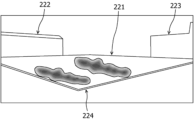
図6は、表示装置2に表示される画面の一例を示す図である。図6には、表示装置2が、複数の栽培領域ごとに収穫作業の達成度を紐づけて表示した場合の画面が示されている。図6に示す画面例では、圃場を斜め方向から視たときの圃場の図形が表示されている。図6に示す画面例では、圃場の図形と、圃場の図形に重畳された収穫作業の達成度と、が表示されている。図6に示す画面例では、複数の作業者によって収穫作業が行われ、複数の収穫作業の達成度が表示装置2に表示されている。これに限定されず、一人の作業者によって収穫作業が行われてもよい。図6に示す画面例では、収穫作業の達成度が、ヒートマップで表示されている。ヒートマップは、例えば、色の違い又は色の濃淡等により、収穫作業の達成度が表現されてもよい。図6の画面例では、栽培領域を示す図形221に対してヒートマップが重畳表示されている。図6の画面例では、建物を示す図形222及び223、通路を示す図形224が表示されている。
図5及び図6に示す画面例では、圃場の図形に対して収穫作業の達成度(ヒートマップ)が重畳表示されている。図5及び図6に示す画面例において、圃場の図形に対して収穫作業の達成度の精度が重畳表示されてもよい。図5及び図6に示す画面例では、圃場の図形が表示されているが、定点カメラで撮影した圃場の写真(静止画像)や映像(動画像)、手持ちカメラで撮影した圃場のスナップ写真や映像が表示装置2に表示されてもよい。この場合、作業者は、情報処理装置の表示部に表示された写真や映像を参照して、圃場における栽培領域の数、大きさ、位置等を決定してもよい。作業者は、圃場における栽培領域の数、大きさ、位置等を、情報処理装置を用いて支援装置1に送信してもよい。出力部140は、作業者の位置情報と、圃場の写真や映像(画像データ)における栽培領域の位置とに基づいて、圃場の写真や映像に対して収穫作業の達成度を重畳する。圃場の写真や映像が表示装置2に表示される場合、図形221~224の外形を示す線が、圃場の写真や映像に重畳表示されてもよい。また、図5及び図6に示す画面例において、作業者に特定の領域を確認することを促すメッセージを表示してもよい。
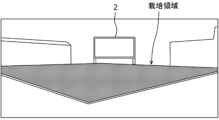
表示装置2は、圃場に設置されてもよい。図7は、圃場に表示装置2を設置した場合の一例を示す図である。表示装置2は、例えば、圃場の栽培領域の周辺に設置されてもよい。図7に示す例では、表示装置2は、大型のディスプレイを有している。作業者及び管理者は、圃場における表示装置2に表示された収穫作業の達成度を視認することで、圃場における収穫作業の状況を容易に把握することができる。例えば、作業者は、圃場における収穫作業の達成度が低い箇所を探す手間を省くことができ、作業者における作業効率が向上し、時間のロスを抑止することができる。また、複数の作業者が、圃場における表示装置2に表示された収穫作業の達成度を視認することで、複数の作業者は、圃場における収穫作業の状況を容易に把握すると共に、圃場における収穫作業の状況を複数の作業者の間で共有することができる。したがって、複数の作業者における作業効率が向上し、時間のロスを抑止することができる。
出力部140は、収穫作業の達成度と、圃場の地図、写真又は映像と、を含む出力データを情報処理装置に送信してもよい。情報処理装置は、収穫作業の達成度と、圃場の地図、写真又は映像と、を情報処理装置の表示部(ディスプレイなど)に表示してもよい。出力部140は、収穫作業の達成度と、収穫作業の達成度の精度と、圃場の地図、写真又は映像と、を含む出力データを作業者の情報処理装置に送信してもよい。情報処理装置は、収穫作業の達成度と、収穫作業の達成度の精度と、圃場の地図、写真又は映像と、を情報処理装置の表示部に表示してもよい。作業者及び管理者は、情報処置装置の表示部に表示された収穫作業の達成度を視認することで、圃場における収穫作業の状況を把握することができる。また、複数の作業者が、情報処理装置の表示部に表示された収穫作業の達成度を視認することで、複数の作業者は、圃場における収穫作業の状況を把握すると共に、圃場における収穫作業の状況を複数の作業者の間で共有することができる。
情報処理装置は、収穫作業の達成度を含む出力データを受信した場合、音、振動及び光の少なくとも一つを出力することにより、収穫作業の達成度に関する情報を作業者に通知してもよい。図4に示す画面例を表示装置2及び情報処理装置の少なくとも一方に表示する場合の通知方法の一例を説明する。情報処理装置は、圃場の領域201の収穫作業の達成度を含む出力データを受信した場合、音、振動及び光の少なくとも一つを出力する。作業者は、表示装置2又は情報処理装置の表示部を視認することで、圃場の領域201における収穫作業の状況をリアルタイムで把握することができる。情報処理装置は、圃場の領域205の収穫作業の達成度を含む出力データを受信した場合、音、振動及び光の少なくとも一つを出力する。作業者は、表示装置2又は情報処理装置の表示部を視認することで、圃場の領域205における収穫作業の状況をリアルタイムで把握することができる。そのため、作業者は、圃場における作物の未収穫の範囲を即座に認識でき、圃場における作物の収穫作業の効率が向上する。これにより、作物の未収穫の範囲を把握するのに要する時間のロスを抑止することができる。
本実施形態によれば、作業者は、特別な機器等を所持しない状態で、圃場内の作業状況(例えば、作物の収穫状況)を把握することができる。また、複数の作業者は、特別な機器等を所持しない状態で、圃場内の作業状況を複数の作業者の間で共有することができる。作業者は、圃場内で通常通りに作業するだけで、圃場内の作物が収穫済みの箇所と、まだ収穫の終わっていない箇所を、即座に認識することができるので、状況把握にかかるストレスや時間が減る。それに伴い、圃場全体の収穫作業が従来よりも短くなり、作業者の体力消耗を抑止することができる。また、圃場における作物の収穫漏れも抑止することができる。
従来は、圃場の収穫状況が、栽培責任者の目分量で記録されていたが、本実施形態によれば、圃場の収穫状況を客観的な値で記録することができる。これにより、圃場の収穫状況と、過去の収穫実績(天候、作業者の組み合わせ、収穫作物の種類、収穫作物の量、作業時間など)とを活用し、どれくらいの期間や時間で収穫作業が完了するかを精度よく予測できるようになる。これにより、より精度のよい農作業計画を立てるための支援を行うことができる。また、本実施形態は、作業者と作業ロボットとが協働する圃場に適用することが可能である。例えば、作業ロボットは、圃場内の作業状況を把握し、まだ収穫の終わっていない箇所を認識して、収穫作業を行うことができる。
本発明は、上記説明した各構成、各手段、各機能の少なくとも一部を有する情報処理装置又は情報処理システムとして捉えてもよい。本発明は、上記説明した各処理の少なくとも一部を含む支援方法又は情報処理方法として捉えてもよい。本発明は、コンピュータが上記で説明した各処理を実行する方法として捉えてもよい。本発明は、コンピュータに上記で説明した各処理を実行させるためのプログラムとして捉えてもよく、プログラムを、ネットワークを通じて、又は、非一時的にデータを保持するコンピュータ読取可能な記録媒体等からコンピュータに提供してもよい。
<コンピュータが読み取り可能な記録媒体>
情報処理装置その他の機械、装置(以下、コンピュータ等)に上記何れかの機能を実現させるプログラムをコンピュータ等が読み取り可能な記録媒体に記録することができる。そして、コンピュータ等に、この記録媒体のプログラムを読み込ませて実行させることにより、その機能を提供させることができる。コンピュータ等が読み取り可能な記録媒体とは、データやプログラム等の情報を電気的、磁気的、光学的、機械的、または化学的作用によって蓄積し、コンピュータ等から読み取ることができる記録媒体をいう。
情報処理装置その他の機械、装置(以下、コンピュータ等)に上記何れかの機能を実現させるプログラムをコンピュータ等が読み取り可能な記録媒体に記録することができる。そして、コンピュータ等に、この記録媒体のプログラムを読み込ませて実行させることにより、その機能を提供させることができる。コンピュータ等が読み取り可能な記録媒体とは、データやプログラム等の情報を電気的、磁気的、光学的、機械的、または化学的作用によって蓄積し、コンピュータ等から読み取ることができる記録媒体をいう。
<付記1>
圃場における作業者が位置する点及び範囲の少なくとも一方を含む位置情報の時系列データを取得する取得部(110)と、
前記位置情報の前記時系列データに基づいて、前記作業者の滞在時間又は移動速度を算出し、前記作業者の前記滞在時間又は前記移動速度に基づいて、前記圃場における前記作業者によって行われる所定作業の達成度を推定する推定部(130)と、
前記所定作業の前記達成度を出力する出力部(140)と、
を備える支援装置(1)。
<付記2>
前記推定部(130)は、前記圃場の所定領域における前記所定作業の前記達成度を推定し、又は、前記圃場における複数の前記所定領域ごとに前記所定作業の前記達成度を推定し、
前記出力部(140)は、前記所定領域の前記所定作業の前記達成度を出力する、又は、複数の前記所定領域ごとに前記所定作業の前記達成度を出力する、
付記1に記載の支援装置(1)。
<付記3>
前記推定部(130)は、前記所定領域を複数に区分した複数の区分領域ごとに前記所定作業の前記達成度を推定し、
前記出力部(140)は、前記複数の区分領域ごとに前記所定作業の前記達成度を出力する、
付記1に記載の支援装置(1)。
<付記4>
前記推定部(130)は、前記位置情報の前記時系列データに基づいて、前記作業者の前記滞在時間又は前記移動速度を算出し、前記作業者の前記滞在時間又は前記移動速度と判定基準とに基づいて、前記所定作業の前記達成度を推定する、
付記1から3の何れか一つに記載の支援装置(1)。
<付記5>
前記所定作業に関する作業実績が複数の前記作業者ごとに記憶された記憶部(20)を備え、
前記推定部(130)は、前記位置情報の前記時系列データに基づいて、前記作業者の前記滞在時間又は前記移動速度を算出し、前記作業者の前記滞在時間又は前記移動速度と前記記憶部(20)に記憶された複数の前記作業者ごとの前記作業実績から算出した重み付け係数とに基づいて、前記所定作業の前記達成度を推定する、
付記1から4の何れか一つに記載の支援装置(1)。
<付記6>
前記推定部(130)は、前記位置情報の前記時系列データに基づいて、前記作業者の前記滞在時間又は前記移動速度を算出し、前記作業者の前記滞在時間又は前記移動速度と前記記憶部(20)に記憶された前記収穫実績から算出した重み付け係数とに基づいて、前記所定作業の前記達成度を推定する、
付記1から5の何れか一つに記載の支援装置(1)。
<付記7>
前記推定部(130)は、前記位置情報の前記時系列データに基づいて、前記作業者の前記滞在時間又は前記移動速度を算出し、前記作業者の前記滞在時間又は前記移動速度を用いた機械学習を行うことにより学習モデルを生成し、前記作業者の前記滞在時間又は前記移動速度と前記学習モデルとに基づいて、前記所定作業の前記達成度を推定する、
付記1から6の何れか一つに記載の支援装置(1)。
<付記8>
前記推定部(130)は、前記作業者の前記滞在時間又は前記移動速度と前記学習モデルとに基づいて推定された前記所定作業の前記達成度の精度を、正解データに基づいて推定し、
前記出力部(140)は、前記所定作業の前記達成度の前記精度を出力する、
付記7に記載の支援装置(1)。
<付記9>
前記所定作業の前記達成度と、前記圃場の地図、図形及び画像の少なくとも一つとが、表示部に表示される、
付記1から8の何れか一つに記載の支援装置(1)。
<付記10>
前記所定作業の前記達成度と、前記圃場の地図、図形及び画像の少なくとも一つとが、表示部に表示され、
前記表示部は、前記所定領域と前記所定作業の前記達成度とを紐づけて表示する、又は、複数の前記所定領域ごとに前記所定作業の前記達成度を紐づけて表示する、
付記2に記載の支援装置(1)。
<付記11>
前記所定作業の前記達成度と、前記圃場の地図、図形及び画像の少なくとも一つとが、表示部に表示され、
前記表示部は、複数の前記区分領域ごとに前記所定作業の前記達成度を紐づけて表示する、
付記3に記載の支援装置(1)。
<付記12>
前記所定作業は、前記作業者によって前記圃場で行われる作物の収穫作業である、
付記1から11の何れか一つに記載の支援装置(1)。
<付記13>
圃場における作業者が位置する点及び範囲の少なくとも一方を含む位置情報の時系列データを取得するステップ(S11)と、
前記位置情報の前記時系列データに基づいて、前記作業者の滞在時間又は移動速度を算出し、前記作業者の前記滞在時間又は前記移動速度に基づいて、前記圃場の所定領域における前記作業者によって行われる所定作業の達成度を推定するステップ(S13、S14)と、
前記所定領域における前記所定作業の前記達成度を出力するステップ(S15)と、
を備える支援方法。
<付記14>
コンピュータに、
圃場における作業者が位置する点及び範囲の少なくとも一方を含む位置情報の時系列データを取得するステップ(S11)と、
前記位置情報の前記時系列データに基づいて、前記作業者の滞在時間又は移動速度を算出し、前記作業者の前記滞在時間又は前記移動速度に基づいて、前記圃場の所定領域における前記作業者によって行われる所定作業の達成度を推定するステップ(S13、S14)と、
前記所定領域における前記所定作業の前記達成度を出力するステップ(S15)と、
を実行させるためのプログラム。
1 支援装置
2 表示装置
10 制御部
20 記憶部
30 通信部
110 取得部
120 判定部
130 推定部
140 出力部
2 表示装置
10 制御部
20 記憶部
30 通信部
110 取得部
120 判定部
130 推定部
140 出力部
Claims (14)
- 圃場における作業者が位置する点及び範囲の少なくとも一方を含む位置情報の時系列データを取得する取得部と、
前記位置情報の前記時系列データに基づいて、前記作業者の滞在時間又は移動速度を算出し、前記作業者の前記滞在時間又は前記移動速度に基づいて、前記圃場における前記作業者によって行われる所定作業の達成度を推定する推定部と、
前記所定作業の前記達成度を出力する出力部と、
を備える支援装置。 - 前記推定部は、前記圃場の所定領域における前記所定作業の前記達成度を推定し、又は、前記圃場における複数の前記所定領域ごとに前記所定作業の前記達成度を推定し、
前記出力部は、前記所定領域の前記所定作業の前記達成度を出力する、又は、複数の前記所定領域ごとに前記所定作業の前記達成度を出力する、
請求項1に記載の支援装置。 - 前記推定部は、前記圃場の所定領域を複数に区分した複数の区分領域ごとに前記所定作業の前記達成度を推定し、
前記出力部は、複数の前記区分領域ごとに前記所定作業の前記達成度を出力する、
請求項1に記載の支援装置。 - 前記推定部は、前記作業者の前記滞在時間又は前記移動速度と判定基準とに基づいて、前記所定作業の前記達成度を算出する、
請求項1に記載の支援装置。 - 前記所定作業に関する作業実績が複数の前記作業者ごとに記憶された記憶部を備え、
前記推定部は、前記位置情報の前記時系列データに基づいて、前記作業者の前記滞在時間又は前記移動速度を算出し、前記作業者の前記滞在時間又は前記移動速度と前記記憶部に記憶された複数の前記作業者ごとの前記作業実績から算出した重み付け係数とに基づいて、前記所定作業の前記達成度を推定する、
請求項1に記載の支援装置。 - 前記圃場における作物の収穫実績が記憶された記憶部を備え、
前記推定部は、前記位置情報の前記時系列データに基づいて、前記作業者の前記滞在時間又は前記移動速度を算出し、前記作業者の前記滞在時間又は前記移動速度と前記記憶部に記憶された前記収穫実績から算出した重み付け係数とに基づいて、前記所定作業の前記達成度を推定する、
請求項1に記載の支援装置。 - 前記推定部は、前記位置情報の前記時系列データに基づいて、前記作業者の前記滞在時間又は前記移動速度を算出し、前記作業者の前記滞在時間又は前記移動速度を用いた機械学習を行うことにより学習モデルを生成し、前記作業者の前記滞在時間又は前記移動速度と前記学習モデルとに基づいて、前記所定作業の前記達成度を推定する、
請求項1に記載の支援装置。 - 前記推定部は、前記作業者の前記滞在時間又は前記移動速度と前記学習モデルとに基づいて推定された前記所定作業の前記達成度の精度を、正解データに基づいて推定し、
前記出力部は、前記所定作業の前記達成度の前記精度を出力する、
請求項7に記載の支援装置。 - 前記所定作業の前記達成度と、前記圃場の地図、図形及び画像の少なくとも一つとが、表示部に表示される、
請求項1に記載の支援装置。 - 前記所定作業の前記達成度と、前記圃場の地図、図形及び画像の少なくとも一つとが、表示部に表示され、
前記表示部は、前記所定領域と前記所定作業の前記達成度とを紐づけて表示する、又は、複数の前記所定領域ごとに前記所定作業の前記達成度を紐づけて表示する、
請求項2に記載の支援装置。 - 前記所定作業の前記達成度と、前記圃場の地図、図形及び画像の少なくとも一つとが、表示部に表示され、
前記表示部は、複数の前記区分領域ごとに前記所定作業の前記達成度を紐づけて表示する、
請求項3に記載の支援装置。 - 前記所定作業は、前記作業者によって前記圃場で行われる作物の収穫作業である、
請求項1から11の何れか一項に記載の支援装置。 - 圃場における作業者が位置する点及び範囲の少なくとも一方を含む位置情報の時系列データを取得するステップと、
前記位置情報の前記時系列データに基づいて、前記作業者の滞在時間又は移動速度を算出し、前記作業者の前記滞在時間又は前記移動速度に基づいて、前記圃場の所定領域における前記作業者によって行われる所定作業の達成度を推定するステップと、
前記所定領域における前記所定作業の前記達成度を出力するステップと、
を備える支援方法。 - コンピュータに、
圃場における作業者が位置する点及び範囲の少なくとも一方を含む位置情報の時系列データを取得するステップと、
前記位置情報の前記時系列データに基づいて、前記作業者の滞在時間又は移動速度を算出し、前記作業者の前記滞在時間又は前記移動速度に基づいて、前記圃場の所定領域における前記作業者によって行われる所定作業の達成度を推定するステップと、
前記所定領域における前記所定作業の前記達成度を出力するステップと、
を実行させるためのプログラム。
Applications Claiming Priority (2)
| Application Number | Priority Date | Filing Date | Title |
|---|---|---|---|
| JP2023149066A JP2025042202A (ja) | 2023-09-14 | 2023-09-14 | 支援装置、支援方法及びプログラム |
| JP2023-149066 | 2023-09-14 |
Publications (1)
| Publication Number | Publication Date |
|---|---|
| WO2025057745A1 true WO2025057745A1 (ja) | 2025-03-20 |
Family
ID=95021203
Family Applications (1)
| Application Number | Title | Priority Date | Filing Date |
|---|---|---|---|
| PCT/JP2024/030824 Ceased WO2025057745A1 (ja) | 2023-09-14 | 2024-08-28 | 支援装置、支援方法及びプログラム |
Country Status (2)
| Country | Link |
|---|---|
| JP (1) | JP2025042202A (ja) |
| WO (1) | WO2025057745A1 (ja) |
Citations (2)
| Publication number | Priority date | Publication date | Assignee | Title |
|---|---|---|---|---|
| JP2015049868A (ja) * | 2013-09-04 | 2015-03-16 | 株式会社クボタ | 農業支援システム |
| JP2022036524A (ja) * | 2020-08-24 | 2022-03-08 | ヤンマーホールディングス株式会社 | 作業管理システム、作業管理方法及び作業管理プログラム |
-
2023
- 2023-09-14 JP JP2023149066A patent/JP2025042202A/ja active Pending
-
2024
- 2024-08-28 WO PCT/JP2024/030824 patent/WO2025057745A1/ja not_active Ceased
Patent Citations (2)
| Publication number | Priority date | Publication date | Assignee | Title |
|---|---|---|---|---|
| JP2015049868A (ja) * | 2013-09-04 | 2015-03-16 | 株式会社クボタ | 農業支援システム |
| JP2022036524A (ja) * | 2020-08-24 | 2022-03-08 | ヤンマーホールディングス株式会社 | 作業管理システム、作業管理方法及び作業管理プログラム |
Also Published As
| Publication number | Publication date |
|---|---|
| JP2025042202A (ja) | 2025-03-27 |
Similar Documents
| Publication | Publication Date | Title |
|---|---|---|
| US12147506B2 (en) | Diagnostic assistance system and method therefor | |
| JP7039766B2 (ja) | 現場作業支援システム | |
| CN106022553B (zh) | 用于农业活动监控和培训的系统和方法 | |
| KR102200314B1 (ko) | 드론을 이용한 농작물 모니터링 시스템 | |
| US10709115B2 (en) | Agricultural monitoring system using image analysis | |
| JP7300796B2 (ja) | 生育状況または病害虫発生状況の予測システム、方法およびプログラム | |
| US12307343B2 (en) | Information processing apparatus, information processing method, and storage medium | |
| US20170042081A1 (en) | Systems, methods and apparatuses associated with soil sampling | |
| JP7081536B2 (ja) | 作物の倒伏リスク診断に用いる生育パラメータの測定推奨スポット提示方法、倒伏リスク診断方法、および情報提供装置 | |
| JP2018046787A (ja) | 農業管理予測システム、農業管理予測方法、及びサーバ装置 | |
| JP7321928B2 (ja) | 農業支援システム | |
| US11941880B2 (en) | System and method for image-based crop identification | |
| US20200250360A1 (en) | Use of data from field trials in crop protection for calibrating and optimising prediction models | |
| JP7218365B2 (ja) | 情報処理装置 | |
| JP2018143160A (ja) | 作物の倒伏度評価装置及び作物の倒伏度評価方法 | |
| JP2018077760A (ja) | 監視システム、監視方法および監視プログラム | |
| KR20210022448A (ko) | 웨어러블 디바이스를 활용한 영농 시스템 및 방법 | |
| CN113412498A (zh) | 自动移动田地勘察传感器数据和图像分类设备 | |
| JP2025042202A (ja) | 支援装置、支援方法及びプログラム | |
| EP4111136B1 (en) | DEVICE AND METHOD FOR DETERMINING HARVEST HEIGHT | |
| JP2023057569A (ja) | 情報処理装置および作業支援システム | |
| JP2022105923A (ja) | 情報処理装置、情報処理方法 | |
| JP2022147292A (ja) | 情報処理装置、情報処理システム、情報処理方法、および、コンピュータプログラム | |
| JP2021163007A (ja) | 計測システム、計測方法および計測用プログラム | |
| JP2026077601A (ja) | イチゴの収穫時果重推定方法及びイチゴの収穫時果重推定プログラム、並びに痩果数取得方法及び痩果数取得プログラム |
Legal Events
| Date | Code | Title | Description |
|---|---|---|---|
| 121 | Ep: the epo has been informed by wipo that ep was designated in this application |
Ref document number: 24865247 Country of ref document: EP Kind code of ref document: A1 |
|
| NENP | Non-entry into the national phase |
Ref country code: DE |