WO2025004573A1 - 電子制御装置及びデータ収集システム - Google Patents
電子制御装置及びデータ収集システム Download PDFInfo
- Publication number
- WO2025004573A1 WO2025004573A1 PCT/JP2024/017788 JP2024017788W WO2025004573A1 WO 2025004573 A1 WO2025004573 A1 WO 2025004573A1 JP 2024017788 W JP2024017788 W JP 2024017788W WO 2025004573 A1 WO2025004573 A1 WO 2025004573A1
- Authority
- WO
- WIPO (PCT)
- Prior art keywords
- data
- collection
- vehicle
- data collection
- task
- Prior art date
- Legal status (The legal status is an assumption and is not a legal conclusion. Google has not performed a legal analysis and makes no representation as to the accuracy of the status listed.)
- Ceased
Links
Images



Classifications
-
- G—PHYSICS
- G08—SIGNALLING
- G08G—TRAFFIC CONTROL SYSTEMS
- G08G1/00—Traffic control systems for road vehicles
-
- G—PHYSICS
- G08—SIGNALLING
- G08G—TRAFFIC CONTROL SYSTEMS
- G08G1/00—Traffic control systems for road vehicles
- G08G1/01—Detecting movement of traffic to be counted or controlled
Definitions
- the present invention relates to an electronic control device and a data collection system.
- Japanese Patent Laid-Open No. 2003-233693 discloses a means for changing the content and frequency of data to be collected depending on the content of an abnormal state detected by a terminal device.
- a vehicle data collection system collects data on a variety of events depending on the purpose of the data collection. For example, if the purpose is to analyze dangerous vehicle events, data on the occurrence of impacts or large acceleration/deceleration will be collected, and if the purpose is to analyze malfunctions in a specific application, data on the occurrence of unexpected behavior in the application will be collected.
- log information to be collected is collected at a general level and at a low frequency under normal conditions, and only when an abnormal condition occurs in the operating status of the hardware or software is the log information to be collected collected at a detailed level and at a high frequency, thereby preventing excessive data collection.
- the present invention was made in consideration of the above problems, and aims to prevent excessive data collection relative to the purpose of collection.
- the present invention is an electronic control device that includes a processing unit that performs calculations and a storage unit that stores information about a vehicle, the processing unit including a vehicle information acquisition unit that acquires information about the vehicle and stores it as vehicle unit data, a vehicle unit data collection task management unit that manages a vehicle unit data collection task in which collection conditions indicating the trigger for collection and collection goals indicating goals related to the collection are defined for the vehicle unit data to be collected, a data collection task condition monitoring unit that generates a data collection event based on the collection conditions defined in the vehicle unit data collection task and specifies the contents of the collected data, and a collection target data extraction unit that receives a data collection event from the data collection task condition monitoring unit and extracts the vehicle unit data to be collected and stores it as collected data when collection of vehicle unit data is specified, and the vehicle unit data collection task management unit changes the contents of the collected data stored by the collection target data extraction unit based on the collection results of the collected data for the collection goals specified in the vehicle unit data collection task.
- FIG. 1 is a functional block diagram showing a configuration of a data collection system according to an embodiment of the present invention.
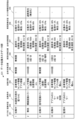
- FIG. 4 is a diagram showing an example of a data collection task data group of the data collection server according to the embodiment of the present invention.
- FIG. 4 is a diagram showing an example of a collection task data group of a data collection server according to an embodiment of the present invention.
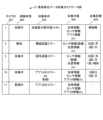
- FIG. 4 is a diagram showing an example of a data collection task data group of the electronic control device according to the embodiment of the present invention.
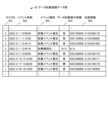
- FIG. 4 is a diagram showing an example of a data collection result data group of the electronic control device according to the embodiment of the present invention.
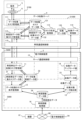
- FIG. 2 is an explanatory diagram of the correlation between functions of the data collection system in this embodiment according to the present invention.
- FIG. 1 is a functional block diagram showing a configuration of a data collection system according to an embodiment of the present invention.
- FIG. 4 is a diagram showing an example of a data collection task data group of the data collection server according to an embodiment of
- FIG. 13 is a diagram showing an example of an operation screen relating to a data collection task by the terminal according to the embodiment of the present invention.
- 10 is a flowchart illustrating a vehicle-specific data collection task update process according to an embodiment of the present invention.
- 10 is a flowchart illustrating a data collection event process according to an embodiment of the present invention.
- 11 is a flowchart illustrating a collected data upload process according to an embodiment of the present invention.
- FIG. 1 is a functional block diagram showing a configuration of a data collection system 1 according to an embodiment of the present invention.
- the data collection system 1 is a computer system that controls data collection from one or more vehicles 2, and is composed of the vehicles 2, a data collection server 4 that controls data collection from the vehicles 2, a terminal 5 that operates the data collection server 4, and a network 6 that connects the vehicles 2 and the data collection server 4 and the data collection server 4 and the terminal 5 so that communication is possible.
- the vehicle 2 includes an electronic control unit 3 and an in-vehicle network 60 that is communicatively connected to other devices mounted on the vehicle 2.
- the electronic control unit 3 is an ECU (Electronic Control Unit), and has a processing unit 10, a memory unit 30, and a communication unit 40.
- the processing unit 10 is configured to include, for example, a CPU (Central Processing Unit), which is a central processing unit. However, in addition to the CPU, it may also be configured to include a GPU (Graphics Processing Unit), an FPGA (Field-Programmable Gate Array), an ASIC (Application Specific Integrated Circuit), etc., or it may be configured with just one of them.
- a CPU Central Processing Unit
- GPU Graphics Processing Unit
- FPGA Field-Programmable Gate Array
- ASIC Application Specific Integrated Circuit
- the processing unit 10 has as its functions a vehicle-based data collection task management unit 11, a data collection task condition monitoring unit 12, a collection target data extraction unit 13, a collection data upload unit 14, a server communication control unit 15, and a vehicle information acquisition unit 16.
- the processing unit 10 executes a predetermined program stored in the memory unit 30 to realize a functional unit that provides a predetermined function.
- the vehicle-based data collection task management unit 11 acquires instruction information for the data collection task from the data collection server 4 via the server communication control unit 15, and stores the instruction information in the memory unit 30 as a vehicle-based data collection task data group 31.
- the data collection task is information that sets the collection conditions for vehicle-level data collected by vehicle 2, the collection target, the target value of the data to be collected (collection goal), the operating status of the data collection task (collecting, disabled, monitoring), etc.
- vehicle-based data collection task management unit 11 changes the operating status of each data collection task as necessary based on the data collection performance data group 32 stored in the memory unit 30, and notifies the data collection server 4 via the server communication control unit 15.
- the data collection task condition monitoring unit 12 monitors whether the data collection conditions for each data collection task are met by referring to the vehicle-unit data in the vehicle information data group 34, and if the data collection conditions are met, generates (or occurs) a collection event, notifies the collection target data extraction unit 13, and reflects information about the collection event in the data collection performance data group 32.
- the collection target data extraction unit 13 receives notification from the data collection task condition monitoring unit 12 and extracts the vehicle unit data that is to be collected in the corresponding data collection task from the vehicle information data group 34, and stores it in the collection data group 33 as collected data.
- the collected data upload unit 14 uploads the collected data stored in the collected data group 33 to the data collection server 4 via the server communication control unit 15.
- the collected data upload unit 14 can accumulate unsent collected data stored in the collected data group 33 for a specified period or up to a specified number of pieces before transmitting it to the data collection server 4. This makes it possible to reduce the frequency of communication from the vehicle 2 to the data collection server 4.
- the server communication control unit 15 controls data communication between the vehicle 2 and the data collection server 4 according to a predetermined data communication protocol. While the communication unit 40 controls lower-layer data communication with devices physically connected via the communication medium of the in-vehicle network 60, the server communication control unit 15 controls higher-layer data communication with the data collection server 4 via multiple networks (the in-vehicle network 60 and network 6).
- the vehicle information acquisition unit 16 acquires various information about the vehicle 2 as vehicle-unit data via the in-vehicle network 60 connected to the electronic control unit 3, and stores it in the memory unit 30 as a vehicle information data group 34.
- the vehicle-level data stored in the vehicle information data group 34 is information about the vehicle 2 acquired by the electronic control unit 3 while the vehicle is traveling, and includes, for example, environmental information around the vehicle 2 detected by external sensors mounted on the vehicle 2, information related to the movement and traveling state of the vehicle 2 detected by vehicle sensors (traveling state information), road information about the road on which the vehicle 2 is traveling, etc.
- information about the software running on the electronic control unit 3 is also acquired from the vehicle unit data, and is similarly stored as part of the vehicle information data group 34. For example, this includes log output information of applications running on the electronic control unit 3.
- External sensors may include, for example, image sensors, LiDAR (Light Detection And Ranging), radar, ultrasonic distance sensors, etc.
- Vehicle sensors may include acceleration sensors, vehicle speed sensors, steering angle sensors, etc.
- Road information may include, for example, latitude and longitude from a navigation system, and information from road information services such as VICS (registered trademark) (Vehicle Information and Communication System).
- the storage unit 30 is configured to include, for example, storage devices such as a hard disk drive (HDD), flash memory, and read-only memory (ROM), as well as memory such as a RAM.
- storage devices such as a hard disk drive (HDD), flash memory, and read-only memory (ROM), as well as memory such as a RAM.
- HDD hard disk drive
- ROM read-only memory
- RAM random access memory
- the storage unit 30 stores the programs processed by the processing unit 10 and data sets necessary for that processing. It is also used as the main memory when the processing unit 10 executes a program, and to temporarily store data necessary for the program's calculations.
- vehicle-based data collection task data group 31, data collection performance data group 32, collection data group 33, vehicle information data group 34, etc. are stored as information for realizing the functions of the electronic control unit 3.
- the vehicle-based data collection task data group 31 is a collection of data related to a data collection task that the vehicle 2 is instructed to perform by the data collection server 4.
- the data collection task includes, for example, information on the data sets to be collected, the collection conditions that trigger the collection of the data, and collection goals that indicate targets (or thresholds) for the amount of data to be collected and the frequency of collection.
- the data collection performance data group 32 is a collection of data on data collection performance that indicates, for each data collection task, how frequently and how many times the collection conditions were satisfied and vehicle-level data was collected by the vehicle 2.
- the collected data group 33 is a subset of vehicle-unit data that the collected data extraction unit 13 extracts from the vehicle information data group 34 and stores in the memory unit 30 the vehicle-unit data to be collected based on a collection event that is generated when the collection conditions of a data collection task are satisfied.
- the vehicle information data group 34 is a data group (vehicle-unit data) related to information about the vehicle 2 acquired by the vehicle information acquisition unit 16.
- the information about the vehicle 2 includes information from equipment such as sensors and devices that can be acquired via the in-vehicle network 60, and information that can be acquired via software running on other electronic control devices (application logs and output results).
- the communication unit 40 is configured to include a network device that complies with a communication standard such as IEEE802.3 or CAN (Controller Area Network).
- the communication unit 40 transmits and receives data to and from other devices mounted on the vehicle 2 via the in-vehicle network 60 based on various protocols.
- the communication unit 40 and the processing unit 10 are described separately, but part of the processing of the communication unit 40 may be executed within the processing unit 10.
- the equivalent of a hardware device in the communication processing may be located in the communication unit 40, and other device drivers, communication protocol processing, etc. may be located within the processing unit 10.
- the in-vehicle network 60 is a network for data communication between devices mounted on the vehicle 2, configured with communication media such as IEEE802.3 and CAN (Controller Area Network). Devices (not shown) configured to be able to communicate with the outside of the vehicle 2 via the network 6 are connected to the in-vehicle network 60, and the electronic control unit 3 is configured to be able to communicate with the data collection server 4 via the in-vehicle network 60.
- communication media such as IEEE802.3 and CAN (Controller Area Network).
- Devices (not shown) configured to be able to communicate with the outside of the vehicle 2 via the network 6 are connected to the in-vehicle network 60, and the electronic control unit 3 is configured to be able to communicate with the data collection server 4 via the in-vehicle network 60.
- the data collection server 4 has a processing unit 110, a storage unit 130, and a communication unit 140.
- the processing unit 110 is configured to include, for example, a CPU, which is a central processing unit. However, in addition to the CPU, the processing unit 110 may also be configured to include a GPU, FPGA, ASIC, etc., or may be configured with just one of them.
- the processing unit 110 has as its functions a data collection task management unit 111, a vehicle-specific data collection task management unit 112, a task status monitoring unit 113, a collected data management unit 114, and a vehicle communication control unit 115.
- the processing unit 110 realizes these functional units by executing a predetermined program stored in the memory unit 130.
- the vehicle-based data collection task management unit 11 manages data collection tasks that are set in advance by the operator (user) using the terminal 5 in the data collection server 4.
- the data collection task is data that specifies the vehicle-based data that should be uploaded to the data collection server 4 from among the vehicle-based data collected by the electronic control unit 3 of the vehicle 2, as described below.
- the vehicle-specific data collection task management unit 112 communicates with the terminal 5 via the network 6 to provide information on the data collection task data group 131 that is currently being managed, and to obtain information entered by the operator into the terminal 5 and reflect this information in the data collection task data group 131.
- the vehicle-specific data collection task management unit 112 manages the data collection tasks (vehicle-specific tasks) set for each vehicle 2 in the data collection server 4.
- the vehicle-specific data collection task management unit 112 determines the content of the data collection tasks for each vehicle to be set for each vehicle 2 based on the data collection tasks and the status of each task included in the data collection task data group 131, and the status of the data collection tasks for each vehicle 2 included in the vehicle-specific data collection task data group 132.
- the vehicle-specific data collection task management unit 112 updates the vehicle-specific data collection task data group 132 and transmits instruction information reflecting the new data collection task to the relevant vehicle 2 via the vehicle communication control unit 115.
- the task status monitoring unit 113 calculates the collection status of the data collection tasks for each vehicle 2 and the overall collection status (progress rate and operation rate) of the data collection tasks for each vehicle 2 based on the collected data group 133, which is vehicle-based data collected from the vehicles 2 by the collected data management unit 114, and stores these as performance information for the vehicle-specific data collection task data group 132 and the data collection task data group 131, respectively.
- the collected data management unit 114 acquires collected data uploaded from the electronic control unit 3 of each vehicle 2 via the vehicle communication control unit 115 , and stores the collected data in the collected data group 133 .
- the vehicle communication control unit 115 controls data communication between the vehicle 2 and the data collection server 4 in accordance with a predetermined protocol.
- the storage unit 130 is configured to include, for example, storage devices such as HDD, flash memory, and ROM, as well as memories such as RAM.
- the storage unit 130 stores the programs processed by the processing unit 110 and data sets necessary for the processing. It is also used as the main memory when the processing unit 110 executes a program, and to temporarily store data necessary for the program's calculations.
- a data collection task data group 131, a vehicle-specific data collection task data group 132, a collection data group 133, etc. are stored in the memory unit 130 as information for realizing the functions of the data collection server 4.
- the data collection task data group 131 is a collection of data related to a data collection task set by an operator in the data collection server 4.
- the data collection task includes not only the collection conditions for data collection, information on the data set to be collected, and data collection targets, but also information related to the data collection status from the vehicle 2 (reason for changing task information).
- the vehicle-specific data collection task data group 132 is a collection of data related to the data collection tasks set for each vehicle 2. In addition to the specifications related to data collection for each data collection task, it also includes information regarding the data collection status of each data collection task in each vehicle 2.
- the collected data group 133 is a collection of vehicle-level data that is extracted into the collected data group 33 by each vehicle 2 and uploaded to the data collection server 4.
- the communication unit 140 is configured to include, for example, a network card that complies with a communication standard such as IEEE 802.3.
- the communication unit 140 transmits and receives data to and from the electronic control device 3 and terminal 5 connected via the network 6 based on various protocols.
- the terminal 5 is a processing device that allows the operator to operate the data collection server 4.
- it may be a smartphone, tablet terminal, notebook terminal, or desktop terminal, and the operator views and sets information related to the data collection tasks of the data collection server 4 via specified software (such as a web browser).
- Network 6 is, for example, a wide area network such as a mobile communication network or the Internet.
- FIG. 2 shows an example of the structure of data stored in the data collection task data group 131.
- the data collection task data group 131 stores information related to the specifications of the data collection task set by the operator via the terminal 5 and collection results.
- the data collection task data group 131 includes a task ID 201, an operation status 202, collection conditions 203, collection targets 204, an overall collection goal 205, a vehicle collection goal 206, an overall collection result 207, a vehicle operation status 208, a reason for changing task information 209, etc.
- Task ID 201 is information related to the identifier of the data collection task.
- task XXX it means that the identifier of task ID 201 is "XXX”.
- the operation status 202 is information about the operation status of the data collection task. Types of operation status of a data collection task include “collecting,” “monitoring,” “disabled,” etc.
- “Collecting” means that collection of vehicle-based data is enabled for the data collection task, and the corresponding vehicle information data group 34 is being extracted from each vehicle 2 and stored in the collected data group 33.
- Monitoring means that when the collection conditions 203 for the data collection task are satisfied, vehicle-level data of the collection target 204 is not collected, and only information related to the collection event that the collection conditions 203 were satisfied is collected. In other words, this indicates the operating state of the data collection task that excludes (or prohibits) the extraction of vehicle-level data.
- Disabled means that data collection for the data collection task is disabled for some reason. In this case, it also indicates the operating state of the data collection task that excludes (or prohibits) the extraction of vehicle-level data.
- Information about collection events is information that is generated when the electronic control device 3 of the vehicle 2 satisfies the collection condition 203, and in this embodiment includes collection events (or data collection events) and collection disable events.
- Collection conditions 203 are information about conditions that trigger collection of vehicle-unit data of collection targets 204 in the data collection task. Collection conditions are expressed, for example, as conditional statements that are determined using vehicle-unit data included in vehicle information data group 34 of vehicle 2. "Absolute value of acceleration > 0.4G" means that vehicle information data group 34 contains information about the acceleration of the vehicle, and the determination is made based on whether the absolute value is greater than 0.4G.
- conditional statements may be judged by software or scripts that describe the judgement logic. In that case, when issuing a data collection task to vehicle 2, the corresponding software or script is also delivered to vehicle 2.
- Collection target 204 is information that represents the dataset to be collected in the data collection task. In FIG. 2, it is expressed by the name of the dataset, such as "own vehicle information" and "sensor information”, but it may also be expressed by an ID that identifies the dataset.
- the overall collection target 205 is a target value for the total amount of collected data to be obtained from each vehicle 2, and is information indicating the amount of data to be collected for the data collection task, or the number of times data is collected, the frequency of collection, etc., as a target value.
- the goal is set only for the collection frequency over a specified period, even if the target value is reached once, the actual collection frequency over the specified period will decrease over time, so the data collection task will not be disabled.
- the vehicle collection target 206 is information that indicates the amount of data to be collected for the data collection task in each vehicle 2, or the number of times data is to be collected, the frequency of collection, etc., to be set as a target value.
- the vehicle collection target 206 may be expressed as a combination of multiple target values, and even if a data collection event occurs, if any of the target values has been reached at that time, data collection for the data collection task is suppressed (disabled or monitored).
- Overall collection results 207 is information indicating the status of data collection with respect to overall collection target 205. For example, it includes the progress rate with respect to overall collection target 205, the cumulative number of data collections, the number of monitorings (the number of events that occur for the data collection task), the frequency of data collection and monitoring, etc.
- the vehicle operating state 208 is information regarding the ratio of the operating state 202 of the data collection task in all vehicles 2.
- the operating state 202 is "collecting", which indicates that each vehicle 2 is permitted to extract collected data, that collected data is being extracted in 80% of all vehicles 2, and that extraction of collected data is disabled in 20% of vehicles 2.
- the task information change reason 209 is information about the content and reason of the change when the data collection system 1 changes task information such as the operating status 202 or collection conditions 203 based on data collection results, etc.
- the task information change reason 209 for task 2 is set to a value of “excessive occurrence (disabled),” which means that data collection system 1 has disabled operation status 202 because it detected that a data collection event for task 2 occurred excessively.
- FIG. 3 is a diagram showing an example of the structure of some of the data stored in the vehicle-specific data collection task data group 132. As shown in FIG.
- the vehicle-specific data collection task data group 132 stores responses regarding data collection tasks instructed by the data collection server 4 to each vehicle 2.
- the vehicle-specific data collection task data group 132 includes a vehicle ID 301, a task ID 302, an operating state 303, a collection target 304, collection results 305, a reason for changing task information 306, etc.
- Vehicle ID 301 is information regarding the identifier of vehicle 2 for which the data collection task is instructed.
- Task ID 302 is information about the identifier of the data collection task. It corresponds to task ID 201 of data collection task data group 131.
- the operating state 303 is information about the operating state of the data collection task in the vehicle 2. It corresponds to the operating state 202 of the data collection task data group 131.
- the collection goal 304 is information indicating the target value of data collection for the data collection task in the vehicle 2. It corresponds to the vehicle collection goal 206 of the data collection task data group 131.
- Collection results 305 is information that indicates the status of data collection with respect to collection target 304. It includes information such as the cumulative number of collections, the number of collections during the most recent specified period, or the number of collection events occurring during monitoring (occurrence frequency).
- the task information change reason 306 is information indicating the content and reason of the information change notified from the vehicle 2 when the vehicle 2 changes information related to the data collection task. For example, in the figure, "Excessive occurrence (disabled)" means that the vehicle 2 has disabled the operating state 303 because it detected that a data collection event had occurred excessively.
- FIG. 4 shows an example of the structure of some of the data stored in the vehicle-based data collection task data group 31 of the electronic control unit 3.
- the vehicle-based data collection task data group 31 stores information about the data collection task for which the vehicle 2 is instructed by the data collection server 4.
- the vehicle-based data collection task data group 31 includes a task ID 401, an operating state 402, collection conditions 403, collection targets 404, collection goals 405, etc.
- Task ID 401 is information related to the identifier of the data collection task. It corresponds to task ID 201 of data collection task data group 131 and task ID 302 of vehicle-specific data collection task data group 132.
- the operating state 402 is information regarding the operating state of the data collection task in the vehicle 2. It corresponds to the operating state 202 of the data collection task data group 131 and the operating state 303 of the vehicle-specific data collection task data group 132.
- Collection conditions 403 are information about conditions that trigger collection of data of collection targets 404 in the data collection task. They correspond to collection conditions 203 of data collection task data group 131.
- the collection target 404 is information that represents the data set of the vehicle information data group 34 that is to be collected in the data collection task. It corresponds to the collection target 204 of the data collection task data group 131.
- the collection target 405 is information indicating the target value of data collection for the data collection task in the vehicle 2. It corresponds to the vehicle collection target 206 of the data collection task data group 131 and the collection target 304 of the vehicle-specific data collection task data group 132.
- FIG. 5 shows an example of the structure of some of the data stored in the data collection performance data group 32.
- the data collection performance data group 32 stores, for example, information about the occurrence history of events related to the collection or monitoring of data related to the data collection tasks defined in the vehicle-specific data collection task data group 31 in the vehicle 2.
- the data collection performance data group 32 includes a task ID 501, an event time 502, an event type 503, whether data collection was performed 504, and location information 505.
- Task ID 501 is information about the identifier of the data collection task. It corresponds to task ID 401 of vehicle-specific data collection task data group 31.
- Event time 502 is information about the time when an event related to the data collection task occurred.
- Event type 503 is information about the type of event that occurred. Examples of event types include "collection event occurrence,” which is an event indicating that the collection conditions for the data collection task have been met, and “collection disabled,” which disables the operation status of the data collection task.
- Data collection execution status 504 is information indicating whether or not to extract and store the data to be collected (vehicle information data group 34) in the collected data group 33 when the event type 503 is "collection event occurrence". If “Yes”, the data to be collected is extracted and stored, whereas if "No", this is not performed and only the event information (for example, the event type and identifier) is stored. This corresponds to the operating status 402 of the vehicle-based data collection task data group 31 being "collecting" or “monitoring”, respectively. Also, if "No", it is possible not to store the event information. This can reduce the amount of data to be stored.
- Location information 505 is information about the location of vehicle 2 when the event occurred. For example, it may be expressed as location information on the earth expressed by latitude and longitude, or it may be expressed as a road position on a road map. Furthermore, location information 505 may use information from a navigation system (not shown) installed in vehicle 2.
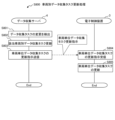
- FIG. 6 is a diagram showing the correlation between functions realized by the data collection system 1.
- the data collection system 1 is realized based on, for example, data collection task operation processing S700, vehicle-specific data collection task update processing S800, data collection event processing S900, and collected data upload processing S1000.
- the operator uses the terminal 5 to communicate with the data collection task management unit 111 of the data collection server 4 via the network 6, and views the status of the data collection task data group 131 set in the data collection server 4, and manually adds new data collection tasks, modifies data collection tasks, deletes data collection tasks, etc.
- the vehicle-specific data collection task management unit 112 detects changes to the data collection task data group 131 and updates the vehicle-specific data collection task data group 132 that is issuing instructions to the vehicle 2.
- the vehicle-specific data collection task management unit 112 also notifies the vehicle-specific data collection task management unit 11 of the electronic control unit 3 of the vehicle 2 of the changes to the data collection task.
- the vehicle-specific data collection task management unit 112 distributes the vehicle-specific data collection tasks of the vehicle-specific data collection task data group 132 managed by the vehicle-specific data collection task management unit 112 to each vehicle 2 in advance, and manages the distributed data collection tasks for each vehicle 2.
- the vehicle-based data collection task management unit 11 of the electronic control unit 3 reflects the changes received from the data collection server 4 in the vehicle-based data collection task data group 31.
- the data collection task condition monitoring unit 12 periodically monitors whether the collection conditions of the data collection task defined in the vehicle-based data collection task data group 31 are satisfied by referring to the vehicle information data group 34.
- the data collection task condition monitoring unit 12 When the data collection task condition monitoring unit 12 detects a data collection task that satisfies the collection conditions, it notifies the collection target data extraction unit 13 of the occurrence of a data collection event and records information about the data collection event in the data collection performance data group 32.
- the collection target data extraction unit 13 extracts collection target data by referencing the vehicle unit data in the vehicle information data group 34 based on the notified data collection event, and stores the data in the collection data group 33.
- the vehicle-based data collection task management unit 11 determines whether or not it is necessary to change the operating status of the data collection task defined in the vehicle-based data collection task data group 31 based on the updated data collection performance data group 32, and modifies the vehicle-based data collection task data group 31 if a change is necessary.
- the vehicle-based data collection task management unit 11 notifies the vehicle-specific data collection task management unit 112 of the data collection server 4 of the changes to the data collection task, and records event information that the operating status has been changed in the data collection performance data group 32.
- the vehicle-specific data collection task management unit 112 of the data collection server 4 which receives notification of a change in the operating status of the data collection task from the vehicle 2, reflects the change in the vehicle-specific data collection task data group 132 and updates the vehicle operating status 208 in the data collection task data group 131.
- the collected data upload unit 14 of the vehicle 2 uploads the collected data stored in the collected data group 33 to the collected data management unit 114 of the data collection server 4.
- the collected data management unit 114 stores the collected data acquired from the vehicle 2 in the collected data group 133.
- the task status monitoring unit 113 updates the overall collection results 207 of the data collection task data group 131 and the collection results 305 of the vehicle-specific data collection task data group 132 based on the updated collected data group 133.
- the terminal 5 is configured to be able to view and set information related to the data collection tasks of the data collection server 4 via a specific software (such as a web browser), and FIG. 7 shows an example of the operation screen of the terminal 5 in the data collection task operation process S700.
- Area 701 on the operation screen displays information about the data collection task data group 131 of the data collection server 4.
- the information about the data collection task data group 131 is obtained from the data collection task management unit 111 of the data collection server 4 by the software of the terminal 5.
- Area 701 also has a function for manipulating the entry information of the data collection task.
- the edit button 711 When the edit button 711 is pressed, for example, the operation status, collection conditions, collection target, overall collection goal, vehicle collection goal, etc. of the corresponding entry are entered into a mode in which they can be edited, making it possible to change the specifications of the data collection task.
- pressing the delete button 712 allows the corresponding data collection task entry to be deleted.
- the administrator can delete a data collection task that has generated excessive data collection and is registered in the data collection server 4, or change the specifications to reduce the frequency of data collection.
- Area 702 on the operation screen is an operation area for adding a new data collection task.
- the new data collection task is reflected in the data collection task data group 131 of the data collection server 4.
- Vehicle-specific data collection task update process S800 The vehicle-specific data collection task update process S800 will be described with reference to the flowchart of Fig. 8. This process is executed at a predetermined interval.
- step S801 the vehicle-specific data collection task management unit 112 refers to the data collection task data group 131 and extracts data collection task entries that have been changed.
- Changes to data collection task entries include new additions, modifications, and deletions of data collection tasks by the operator using the data collection task operation process S700, as well as changes to the operation status and collection conditions of data collection tasks based on data collection results by the data collection task management unit 111, which will be described later.
- step S802 the vehicle-specific data collection task management unit 112 reflects the changes to the data collection task entry extracted in step S801 in the corresponding vehicle-specific data collection task entry in the vehicle-specific data collection task data group 132.
- the relevant vehicle-specific data collection task entry can be determined by comparing the task ID 401 of the vehicle-specific data collection task data group 31 with the task ID 201 of the data collection task data entry.
- step S803 the vehicle-specific data collection task management unit 112 transmits the information of the task entry for the vehicle 2 corresponding to the vehicle ID 301 of the changed vehicle-specific data collection task entry as an update instruction for the vehicle-specific data collection task to the vehicle-specific data collection task management unit 11 of the electronic control unit 3 via the vehicle communication control unit 115.
- step S804 when the vehicle-based data collection task management unit 11 of the electronic control unit 3 receives an instruction to update the vehicle-based data collection task described above via the server communication control unit 15, the vehicle-based data collection task management unit 11 reflects (updates) the same content in the vehicle-based data collection task data group 31 in step S805.
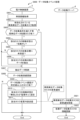
- ⁇ Data collection event processing S900> The data collection event process S900 will be described with reference to the flowchart of Fig. 9. This process is executed at a predetermined interval.
- step S901 the data collection task condition monitoring unit 12 acquires unprocessed vehicle-unit data from the vehicle information data group 34 among various pieces of information (vehicle-unit data) about the vehicle 2 that are periodically acquired or updated by the vehicle information acquisition unit 16 via the in-vehicle network 60 or software running on the electronic control unit 3.
- step S902 the data collection task condition monitoring unit 12 acquires task entries (collecting or monitoring) whose operation status 402 is not "invalid" from the vehicle-based data collection task data group 31.
- step S903 the data collection task condition monitoring unit 12 determines whether the collection condition 403 of the enabled vehicle-based data collection task entry is satisfied based on the vehicle-based data acquired from the vehicle information data group 34.
- step S903 If a task entry that satisfies the collection condition 403 exists (Y in step S903), proceed to step S904; if not (N in step S903), end the process.
- step S904 the data collection task condition monitoring unit 12 checks the operation status 402 of the task entry that satisfies the collection condition 403, and if it is "collecting" (Y in step S904), the process proceeds to step S905, otherwise (N in step S904), the process proceeds to step S907.
- step S905 the data collection task condition monitoring unit 12 refers to the past data collection results recorded in the data collection result data group 32 to check whether any of the collection goals 405 of the corresponding task entry have been achieved.
- step S905 If none of the conditions have been met (Y in step S905), the data collection task condition monitoring unit 12 proceeds to step S906, and if any of the conditions have been met (N in step S905), the data collection task condition monitoring unit 12 proceeds to step S907.
- the collection goal 405 for task 3 in FIG. 4 is a combination of "20 times/month,” “3 times/day,” and "1 time/location.”
- the occurrence frequency is low enough that no collection events have occurred at the same location, so data collection is being performed (data collection execution status 504 is "Yes").
- the data collection task condition monitoring unit 12 determines that this is a collection event at the same location and suppresses data collection (data collection execution status 504 is "no"). Note that if the distance in location information 505 between the two pieces of data is within a preset threshold, the data collection task condition monitoring unit 12 determines that the two pieces of data are from the same location.
- step S906 the collection target data extraction unit 13 refers to the vehicle information data group 34 and extracts data corresponding to the collection target 404 of the corresponding task entry from the vehicle unit data.
- the collection target data extraction unit 13 stores the extracted collection data in the collection data group 33 in association with the collection event.
- the extracted collection data includes the vehicle-unit data corresponding to the collection target 404 extracted in step S906, data related to the collection event that satisfied the collection condition 403 of the task entry (data collection event information), and the like.
- step S906 the vehicle-unit data is excluded and only the collected event is extracted and stored in the collected data group 33.
- the collected event information is, for example, data corresponding to the data collection result data group 32 in FIG. 5.
- the occurrence of an event is stored as data collection event information, but there is no vehicle-unit data in the vehicle information data group 34 that corresponds to this event.
- step S906 the vehicle-unit data is excluded and only the collected events are considered as collected data, thereby reducing the vehicle-unit data contained in the extracted data, thereby preventing the amount of collected data stored on the data collection server 4 from becoming excessive.
- step S908 the data collection task condition monitoring unit 12 adds the data collection event information to the data collection performance data group 32. If only the data collection event information is stored in the collected data group 133, the data collection execution status 504 becomes "no", and if the data corresponding to the collection target 404 is also stored, the data collection execution status 504 becomes "yes".
- step S909 the vehicle-based data collection task management unit 11 refers to the updated data collection performance data group 32, calculates the occurrence frequency of the data collection event for each vehicle-based data collection task entry, and checks whether the occurrence frequency is equal to or greater than a predetermined value. If the frequency is less than the predetermined value in step S909 (N in step S909), the process ends without doing anything.
- the vehicle-based data collection task management unit 11 sets the operation status 402 of the corresponding task entry to "invalid” or “monitoring” in step S910, and transmits the change to the operation status 402 and the reason for the change to the data collection server 4 in step S911.
- the reason for change in operating status 402 is information about what caused the change in operating status, and here an example is shown in which "excessive occurrence" of a data collection event applies.
- the vehicle-specific data collection task management unit 112 of the data collection server 4 receives the notification in step S921, it updates the operating status 303 in the vehicle-specific data collection task data group 132 and the vehicle operating status 208 and task information change reason 209 in the data collection task data group 131 in step S922.
- the occurrence frequency of the data collection event for each task entry calculated in step S909 can be calculated based on how many task IDs 501 with corresponding event times 502 are included in the data collection performance data group 32 within the most recent specified period (1 hour, 1 day, 1 month, etc.).
- it may be calculated from the ratio of the number of events occurring per unit time. For example, in the example of FIG. 5, three data collection events for task 2 occurred in succession on the same day.
- the collection target 405 for task 2 is 3 events/day, which can be calculated as 90 events/month.
- the predetermined value used in step S909 may be set to a fixed value regardless of the content of the task, or may be calculated based on the value of the collection target 405 of the vehicle-based data collection task data group 31.
- the collection target 405 for task 2 is 20 times/month, 3 times/day, which corresponds to 60 times/month, 9 times/day.
- step S910 If the monthly occurrence frequency as described above is 90 events/month, this exceeds the threshold of 60 events/month, so in step S910 the operation status of the task entry will be changed to "disabled” or "monitoring.”
- steps S902 to S904 can completely suppress data storage in the collected data group 33 in step S907 (if disabled), or limit the amount of data to only data collection event information with a small amount of data (if monitoring).
- Whether to set “invalid” or “monitoring” in step S910 may be preset as a fixed value, or the threshold (predetermined value) in step S909 may be set in two stages. For example, a value 1x the collection target 405 may be set as the first stage predetermining value, and if this value is exceeded, the setting is "monitoring", and a value 3x the collection target 405 may be set as the second stage predetermining value, and if this value is exceeded, the setting is "invalid".
- the operating state may be changed according to the progress toward the collection goal 405, in addition to the frequency of occurrence of the data collection event.
- the collection goal 405 of task 10 in FIG. 4 includes a cumulative number of times the event has occurred, which is "10 times.”
- targets related to frequency of occurrence Unlike targets related to frequency of occurrence, targets related to the number of cumulative occurrences will always be met once they have been achieved. Therefore, there is no need to keep the data collection task enabled any longer, and the operating status can be changed to "disabled” or "monitoring.”
- the electronic control unit 3 extracts vehicle-unit data from the vehicle information data group 34, and if the number or frequency of the extracted vehicle-unit data does not reach the collection target 405, the extracted data is stored in the collected data group 33 as collected data.
- the electronic control unit 3 changes the operation status 402 of the data collection task to "monitoring” or “disabled” and prohibits the extraction of subsequent collected data. This makes it possible for the data collection server 4 that receives the collected data to prevent excessive acquisition of collected data.
- the electronic control unit 3 notifies the data collection server 4 of the data collection task whose operating state 402 has been changed, so that the data collection server 4 can update the vehicle-specific data collection task data group 132 and synchronize it with the data collection task of the electronic control unit 3 of the vehicle 2.
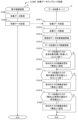
- the collected data upload unit 14 acquires the collected data stored in the collected data group 33 in step S1001, and transmits the collected data to the data collection server 4 via the server communication control unit 15 in step S1002.
- step S1011 the collected data management unit 114 receives the collected data via the vehicle communication control unit 115, and in step S1012, stores the collected data in the collected data group 133.
- the task status monitoring unit 113 updates the collection record 305 of the corresponding task entry in the vehicle-specific data collection task data group 132 in step S1013 based on the updated collection data group 133.
- step S1014 the task status monitoring unit 113 updates the overall collection results 207 and vehicle operation status 208 of the corresponding task entry in the data collection task data group 131.
- the task status monitoring unit 113 calculates the number of collections by, for example, calculating the number of data items for the corresponding task entry stored in the collection data group 133.
- the occurrence frequency can be calculated by, for example, having the task status monitoring unit 113 manage the data collection event information included in the collected data in a format such as the data collection performance data group 32 shown in FIG. 5, and calculating the number of pieces of data collection event information for the relevant task entry in the most recent specified period (one day, one month, etc.).
- the vehicle operating status 208 can be calculated by the task status monitoring unit 113 aggregating the operating status 303 for each vehicle in the vehicle-specific data collection task data group 132.
- the data collection task management unit 111 checks the overall collection results 207 of the task entries in the updated data collection task data group 131, and checks whether the number of collections has reached the overall collection target 205 (step S1015), and whether the occurrence frequency is equal to or greater than a predetermined value (step S1017).
- step S1015 If either condition is met (Y in step S1015 or Y in step S1017), the data collection task management unit 111 sets the operation status 202 of the corresponding task entry to "disabled" (step S1016 or step S1018) and proceeds to step S1019.
- step S1015 If neither condition is met (N in step S1015 and N in step S1017), the data collection task management unit 111 does nothing and proceeds to step S1019.
- step S1019 the data collection task management unit 111 further checks the vehicle operation status 208 in the data collection task data group 131 to see whether the proportion of vehicles 2 that are "invalid" is equal to or greater than a predetermined value.
- the data collection task management unit 111 sets the operation status 202 of the corresponding task entry to "invalid" and ends the process. If it is less than the predetermined value (N in step S1019), nothing is done and the process ends.
- the data collection server 4 acquires the collection data extracted by the electronic control unit 3 and updates the corresponding collection results 305 in the vehicle-specific data collection task data group 132, and also updates the task information change reason 306 of the task entry based on the data collection task change notification received from the vehicle 2.
- the data collection server 4 calculates the overall collection results from the collection results 305 of all vehicles 2, updates the overall collection results 207, and for data collection tasks for which the overall collection results 207 have reached the overall collection target 205, which is the target value, changes the operation status 202 to "invalid" to stop the extraction of subsequent collection data.
- the data collection server 4 also calculates the overall collection results from the collection results 305 of all vehicles 2, updates the overall collection results 207, and changes the operation state 202 of a data collection task for which the occurrence frequency of the overall collection results 207 has reached the overall collection target 205, which is the target value, to "invalid," thereby stopping the extraction of subsequent collected data.
- the data collection server 4 sets the operation status 202 in the data collection task data group 131 to "disabled,” thereby reducing the processing load on the electronic control unit 3 of each vehicle 2.
- the data collection task condition monitoring unit 12 detects the occurrence of an event that matches the collection conditions 403 using the vehicle information data group 34 related to the state of the vehicle 2 based on the information related to data collection specified in the vehicle-based data collection task data group 31 (operating state 402, collection conditions 403, and collection target 404 in FIG. 4), and the collection target data extraction unit 13 determines the target to be uploaded to the data collection server 4 as collection target data related to the detected event and stored in the collection data group 133 according to the operating state 402, and the vehicle-based data collection task management unit 11 changes the operating state 402 according to the collection results of each data collection task calculated based on the data collection event information included in the collection target data.
- steps S908 to S910 in FIG. 9 if the frequency of event occurrence in a data collection task exceeds a threshold, the operation status 402 of the task is set to "disabled” or "monitoring.” As a result, if data collection events occur more frequently than expected, the corresponding data collection task is disabled or only data collection event information with a small amount of data is displayed, thereby preventing excessive data collection.
- the data in the collection target 404 is excluded from the collection targets. This makes it possible to suppress redundant data collection that occurs when data collection events occur multiple times in the same location.
- each process is described on the assumption that it is executed by the same processing unit and storage unit, but it may be executed by multiple different processing units and storage units. In that case, for example, processing software having a similar configuration is loaded into each storage unit, and each processing unit shares the task of executing the process.
- each process of the electronic control device 3 and the data collection server 4 is realized by executing a specific program using a processor and RAM, but it can also be realized by unique hardware if necessary.
- An electronic control device (3) that includes a processing unit (10) that performs calculations and a memory unit (30) that stores information about a vehicle (2), the processing unit (10) including a vehicle information acquisition unit (16) that acquires information about the vehicle (2) and stores it as vehicle-unit data, a vehicle-unit data collection task management unit (11) that manages a vehicle-unit data collection task in which collection conditions indicating the trigger for collection and collection goals indicating goals related to the collection are defined for the vehicle-unit data to be collected, and a data collection event is generated based on the collection conditions defined in the vehicle-unit data collection task, and the collected data is stored in the storage unit (30).
- the electronic control device (3) includes a data collection task condition monitoring unit (12) that specifies the contents of the data, and a collection target data extraction unit (13) that receives a data collection event from the data collection task condition monitoring unit (12) and extracts the vehicle-unit data to be collected and stores it as collected data when collection of vehicle-unit data is specified, and the vehicle-unit data collection task management unit (11) changes the contents of the collected data stored by the collection target data extraction unit (13) based on the collection results of the collected data for the collection target specified in the vehicle-unit data collection task.
- the above configuration makes it possible to prevent the collection of excessive data relative to the purpose of collection.
- the above configuration makes it possible to prevent the collection of excessive data relative to the purpose of collection.
- the above configuration makes it possible to prevent excessive collection of data relative to the purpose of collection and to store the history of when collection events occurred.
- the above configuration makes it possible to prevent the collection of excessive data relative to the purpose of collection.
- the above configuration makes it possible to prevent excessive collection of data relative to the collection objectives by determining the collection results of the collected data relative to the collection objectives.
- the above configuration makes it possible to prevent excessive collection of data relative to the collection objective by determining the amount or frequency of occurrence of collected data events relative to the collection objective.
- a data collection system (1) including the electronic control device (3) described in (1) above, a processing unit (110) that performs calculations, a memory unit (130) that stores information, and a server (4) that includes a communication unit (140) that communicates with the electronic control device (3) and collects data from a vehicle (2), wherein the electronic control device (3) includes a communication unit (40) that receives the vehicle-unit data collection task from the server (4) and transmits the collection data stored by the collection target data extraction unit (13) to the server (4), the vehicle-unit data collection task management unit (11) manages the vehicle-unit data collection task received from the server (4), and the server (4) receives collection conditions indicating a collection trigger for the vehicle-unit data to be collected and a collection target data extraction unit (140) that extracts data to be collected from a plurality of the vehicles.
- the electronic control device (3) includes a communication unit (40) that receives the vehicle-unit data collection task from the server (4) and transmits the collection data stored by the collection target data extraction unit (13) to the server (4),
- the data collection system includes a data collection task management unit (111) that manages a data collection task in which an overall collection goal indicating a collection goal for the collected data to be collected is set, a vehicle-specific data collection task management unit (112) that manages the vehicle-specific data collection task set for each vehicle (2) according to the data collection task, and a collection data management unit (114) that receives the collected data from the vehicle (2) and stores it in a collection data group (133), and the data collection task management unit (111) updates the vehicle-specific data collection task based on the storage record of the collected data in the collection data group (133) for the overall collection goal specified in the data collection task, thereby changing the content of the collected data stored by the collection target data extraction unit (13).
- a data collection task management unit (111) that manages a data collection task in which an overall collection goal indicating a collection goal for the collected data to be collected is set
- a vehicle-specific data collection task management unit (112) that manages the vehicle-specific data collection task set for each vehicle (2) according to the
- the above configuration makes it possible to prevent excessive collection of data relative to the purpose of collection based on the collection history of data collected from multiple vehicles.
- the above configuration allows the server administrator to understand the reason why excessive data is being collected, and to set data collection tasks to prevent excessive collection of data relative to the collection purpose.
- the above configuration reduces the processing load on the electronic control device of each vehicle.
- the present invention is not limited to the above-described embodiments, but includes various modified examples.
- the above-described embodiments have been described in detail to clearly explain the present invention, and are not necessarily limited to including all of the configurations described. It is also possible to replace part of the configuration of one embodiment with the configuration of another embodiment, and it is also possible to add the configuration of another embodiment to the configuration of one embodiment. Furthermore, the addition, deletion, or replacement of part of the configuration of each embodiment with other configurations can be applied alone or in combination.
- the above-mentioned configurations, functions, processing units, and processing means, etc. may be realized in hardware, in part or in whole, for example by designing them as integrated circuits. Furthermore, the above-mentioned configurations and functions, etc. may be realized in software, by a processor interpreting and executing a program that realizes each function. Information on the programs, tables, files, etc. that realize each function can be stored in a memory, a recording device such as a hard disk or SSD (Solid State Drive), or a recording medium such as an IC card, SD card, or DVD.
- a recording device such as a hard disk or SSD (Solid State Drive)
- a recording medium such as an IC card, SD card, or DVD.
- control lines and information lines shown are those considered necessary for the explanation, and do not necessarily show all control lines and information lines on the product. In reality, it can be assumed that almost all components are interconnected.
Landscapes
- Physics & Mathematics (AREA)
- General Physics & Mathematics (AREA)
- Traffic Control Systems (AREA)
Abstract
Description
例えば、特許文献1では、端末装置で検出した異常状態の内容に応じて、収集するデータの内容や頻度を変更する手段が開示されている。
図1は、本発明の実施の形態に係るデータ収集システム1の構成を示す機能ブロック図である。
車両通信制御部115は、所定のプロトコルに従って、車両2とデータ収集サーバ4の間のデータ通信を制御する。
図3は、車両別データ収集タスクデータ群132に格納される一部のデータの構造例を示す図である。
図8のフローチャートを用いて車両別データ収集タスク更新処理S800を説明する。この処理は所定の周期で実行される。
図9のフローチャートを用いてデータ収集イベント処理S900の処理を説明する。この処理は所定の周期で実行される。
図10のフローチャートを用いて収集データアップロード処理S1000の処理を説明する。この処理は所定の周期で実行される。
以上のように、上記実施例は以下のような構成とすることができる。
上記構成により、同一場所において何度もデータ収集イベントが発生することにより生じる冗長なデータ収集を抑制することができる。
Claims (10)
- 演算を行う処理部と、情報を格納する記憶部を含んで車両の情報を収集する電子制御装置であって、
前記処理部は、
前記車両に関する情報を取得して車両単位データとして格納する車両情報取得部と、
収集対象となる車両単位データに対して収集の契機を示す収集条件および収集に関する目標を示す収集目標が定められた車両単位データ収集タスクを管理する車両単位データ収集タスク管理部と、
前記車両単位データ収集タスクにおいて定められた収集条件に基づいてデータ収集イベントを生成し、収集データの内容を指定するデータ収集タスク条件監視部と、
前記データ収集タスク条件監視部からデータ収集イベントを受け付けて、車両単位データの収集が指定された場合には、収集対象となる車両単位データを抽出して収集データとして格納する収集対象データ抽出部と、を含み、
前記車両単位データ収集タスク管理部は、前記車両単位データ収集タスクで指定された収集目標に対する前記収集データの収集実績に基づいて、前記収集対象データ抽出部により格納される収集データの内容を変更することを特徴とする電子制御装置。 - 請求項1に記載された電子制御装置であって、
前記データ収集タスク条件監視部は、前記車両単位データ収集タスクにおいて定められた収集条件が満たされている場合で、前記収集データの収集実績が前記収集目標に達していない場合には、前記車両単位データおよび前記データ収集イベントに関する情報を前記収集データとして指定することを特徴とする電子制御装置。 - 請求項1に記載された電子制御装置であって、
前記データ収集タスク条件監視部は、前記車両単位データ収集タスクにおいて定められた収集条件が満たされている場合で、前記収集データの収集実績が前記収集目標に達している場合には、前記データ収集イベントに関する情報を前記収集データとして指定し、前記車両単位データを前記収集データとして指定しないことを特徴とする電子制御装置。 - 請求項1に記載された電子制御装置であって、
前記データ収集タスク条件監視部は、前記車両単位データ収集タスクにおいて定められた収集条件が満たされている場合で、前記収集データの収集実績が前記収集目標に達している場合には、前記車両単位データおよび前記データ収集イベントに関する情報のいずれも前記収集データとして指定しないことを特徴とする電子制御装置。 - 請求項1に記載された電子制御装置であって、
前記データ収集タスク条件監視部は、前記データ収集イベントを生成した場合、当該データ収集イベントに関する情報および前記収集データに指定した内容に関する情報を、データ収集実績データとして格納し、
前記車両単位データ収集タスク管理部は、前記データ収集実績データに基づいて、前記車両単位データ収集タスクで指定された収集目標に対する前記収集データの収集実績を判断することを特徴とする電子制御装置。 - 請求項5に記載された電子制御装置であって、
前記データ収集タスク条件監視部は、前記データ収集実績データを参照し、前記車両単位データ収集タスクに係るデータ収集イベントの発生量または発生頻度が収集目標で定められた閾値を上回る場合には、前記車両単位データを前記収集データとして指定しないことを特徴とする電子制御装置。 - 請求項5に記載された電子制御装置であって、
前記データ収集タスク条件監視部は、
前記車両の位置情報を取得して、前記データ収集イベントに前記位置情報を対応づけて前記データ収集実績データに格納し、
前記車両単位データ収集タスクに係るデータ収集イベントのうち前記位置情報が所定の範囲内のデータ収集イベントの発生量又は発生頻度が前記収集目標で定められた閾値を上回る場合には、前記車両単位データを前記収集データとして指定しないことを特徴とする電子制御装置。 - 請求項1に記載された電子制御装置と、
演算を行う処理部と、情報を格納する記憶部と、前記電子制御装置と通信を行う通信部を含んで車両からデータを収集するサーバと、を含むデータ収集システムであって、
前記電子制御装置は、
前記車両単位データ収集タスクを前記サーバから受信し、前記収集対象データ抽出部により格納された前記収集データを前記サーバへ送信する通信部と、を含み、
前記車両単位データ収集タスク管理部は、前記サーバから受信した前記車両単位データ収集タスクを管理し、
前記サーバは、
収集対象となる車両単位データに対して収集の契機を示す収集条件および複数の前記車両から収集する前記収集データに関する収集目標を示す全体収集目標が定められたデータ収集タスクを管理するデータ収集タスク管理部と、
前記データ収集タスクに応じて前記車両毎に設定された前記車両単位データ収集タスクを管理する車両別データ収集タスク管理部と、
前記車両から前記収集データを受信して収集データ群に格納する収集データ管理部と、を含み、
前記データ収集タスク管理部は、前記データ収集タスクで指定された全体収集目標に対する前記収集データ群への前記収集データの格納実績に基づいて、前記車両単位データ収集タスクを更新することで、前記収集対象データ抽出部により格納される収集データの内容を変更することを特徴とするデータ収集システム。 - 請求項8に記載されたデータ収集システムであって、
前記車両単位データ収集タスク管理部は、前記収集対象データ抽出部により格納される収集データの内容を変更した場合に、当該変更の理由を示すタスク情報変更理由を前記サーバに通知し、
前記車両別データ収集タスク管理部は、前記車両から前記タスク情報変更理由が通知された場合に、前記データ収集タスクに変更後の収集データの内容および当該タスク情報変更理由を記録することを特徴とするデータ収集システム。 - 請求項8に記載されたデータ収集システムであって、
前記車両単位データ収集タスク管理部は、前記収集対象データ抽出部により格納される収集データの内容を変更した場合に、当該変更の内容を前記サーバに通知し、
前記車両別データ収集タスク管理部は、前記サーバが通信を行う車両の全体数に対して前記車両単位データが前記収集データとして指定されていない車両の割合が閾値を上回る車両単位データ収集タスクがある場合、全ての車両に対して当該車両単位データ収集タスクに係る収集データの抽出を停止させることを特徴とするデータ収集システム。
Priority Applications (3)
| Application Number | Priority Date | Filing Date | Title |
|---|---|---|---|
| JP2025529493A JPWO2025004573A1 (ja) | 2023-06-27 | 2024-05-14 | |
| CN202480014699.9A CN120752684A (zh) | 2023-06-27 | 2024-05-14 | 电子控制装置及数据收集系统 |
| EP24831446.0A EP4738306A1 (en) | 2023-06-27 | 2024-05-14 | Electronic control device and data collection system |
Applications Claiming Priority (2)
| Application Number | Priority Date | Filing Date | Title |
|---|---|---|---|
| JP2023-105033 | 2023-06-27 | ||
| JP2023105033 | 2023-06-27 |
Publications (1)
| Publication Number | Publication Date |
|---|---|
| WO2025004573A1 true WO2025004573A1 (ja) | 2025-01-02 |
Family
ID=93938162
Family Applications (1)
| Application Number | Title | Priority Date | Filing Date |
|---|---|---|---|
| PCT/JP2024/017788 Ceased WO2025004573A1 (ja) | 2023-06-27 | 2024-05-14 | 電子制御装置及びデータ収集システム |
Country Status (4)
| Country | Link |
|---|---|
| EP (1) | EP4738306A1 (ja) |
| JP (1) | JPWO2025004573A1 (ja) |
| CN (1) | CN120752684A (ja) |
| WO (1) | WO2025004573A1 (ja) |
Citations (2)
| Publication number | Priority date | Publication date | Assignee | Title |
|---|---|---|---|---|
| JP2019153128A (ja) * | 2018-03-05 | 2019-09-12 | 株式会社デンソー | 走行データ収集システム、走行データ収集センタ、及び車載端末 |
| JP2019200495A (ja) * | 2018-05-14 | 2019-11-21 | 富士通株式会社 | プログラム配信方法、プログラム配信装置およびプログラム配信システム |
-
2024
- 2024-05-14 JP JP2025529493A patent/JPWO2025004573A1/ja active Pending
- 2024-05-14 CN CN202480014699.9A patent/CN120752684A/zh active Pending
- 2024-05-14 WO PCT/JP2024/017788 patent/WO2025004573A1/ja not_active Ceased
- 2024-05-14 EP EP24831446.0A patent/EP4738306A1/en active Pending
Patent Citations (2)
| Publication number | Priority date | Publication date | Assignee | Title |
|---|---|---|---|---|
| JP2019153128A (ja) * | 2018-03-05 | 2019-09-12 | 株式会社デンソー | 走行データ収集システム、走行データ収集センタ、及び車載端末 |
| JP2019200495A (ja) * | 2018-05-14 | 2019-11-21 | 富士通株式会社 | プログラム配信方法、プログラム配信装置およびプログラム配信システム |
Also Published As
| Publication number | Publication date |
|---|---|
| JPWO2025004573A1 (ja) | 2025-01-02 |
| CN120752684A (zh) | 2025-10-03 |
| EP4738306A1 (en) | 2026-05-06 |
Similar Documents
| Publication | Publication Date | Title |
|---|---|---|
| US7506314B2 (en) | Method for automatically collecting trace detail and history data | |
| US7676699B2 (en) | Event trace conditional logging | |
| US8756199B2 (en) | File level hierarchical storage management system, method, and apparatus | |
| US11544173B1 (en) | Detecting performance regressions in software for controlling autonomous vehicles | |
| JP5966690B2 (ja) | サーバ装置、フィルタリング方法、およびフィルタリングプログラム | |
| US20110107053A1 (en) | Allocating Storage Memory Based on Future Use Estimates | |
| JP7571628B2 (ja) | 運転診断装置及び運転診断方法 | |
| JP2004334869A (ja) | プログラムによるコンピュータ問題の診断、解決、およびその自動的な報告ならびに更新 | |
| EP2357562A1 (en) | System for assisting with execution of actions in response to detected events, method for assisting with execution of actions in response to detected events, assisting device, and computer program | |
| US20200356460A1 (en) | Storage-based log file management | |
| CA3116357A1 (en) | Cloud computing-based vehicle fleet benchmarking | |
| WO2025004573A1 (ja) | 電子制御装置及びデータ収集システム | |
| JP7400522B2 (ja) | 支援管理装置、支援管理方法、及び支援管理プログラム | |
| WO2014162397A1 (ja) | 計算機システム、データ管理方法、及び計算機 | |
| CN118802407A (zh) | 数据采集方法、装置、设备及存储介质 | |
| US12547516B2 (en) | Systems and methods for dynamically configuring a client application | |
| CN117033078A (zh) | 数据备份方法、装置及计算机程序产品 | |
| JP2002366393A (ja) | 計算機稼動情報収集方法及びその実施システム並びにその処理プログラム | |
| CN119201541A (zh) | 一种日志存储方法、芯片和服务器 | |
| CN113568883B (zh) | 数据写入方法及装置 | |
| KR102658832B1 (ko) | 차량 포렌식 분석 방법 및 이를 수행하기 위한 컴퓨팅 장치 | |
| CN117076551B (zh) | 基于分布式数据处理架构的数据存储方法、装置及设备 | |
| JP2024056458A (ja) | 車両データ管理装置、車両データ管理プログラムおよび車両データ管理方法 | |
| JP6152012B2 (ja) | 運行記録装置 | |
| EP4080434A1 (en) | Cloud computing-based vehicle fleet benchmarking |
Legal Events
| Date | Code | Title | Description |
|---|---|---|---|
| 121 | Ep: the epo has been informed by wipo that ep was designated in this application |
Ref document number: 24831446 Country of ref document: EP Kind code of ref document: A1 |
|
| ENP | Entry into the national phase |
Ref document number: 2025529493 Country of ref document: JP Kind code of ref document: A |
|
| WWE | Wipo information: entry into national phase |
Ref document number: 2025529493 Country of ref document: JP |
|
| WWE | Wipo information: entry into national phase |
Ref document number: 202480014699.9 Country of ref document: CN |
|
| WWP | Wipo information: published in national office |
Ref document number: 202480014699.9 Country of ref document: CN |
|
| WWE | Wipo information: entry into national phase |
Ref document number: 2024831446 Country of ref document: EP |
|
| NENP | Non-entry into the national phase |
Ref country code: DE |
|
| ENP | Entry into the national phase |
Ref document number: 2024831446 Country of ref document: EP Effective date: 20260127 |
|
| ENP | Entry into the national phase |
Ref document number: 2024831446 Country of ref document: EP Effective date: 20260127 |