WO2024253024A1 - 通信装置、制御方法、及び、プログラム - Google Patents
通信装置、制御方法、及び、プログラム Download PDFInfo
- Publication number
- WO2024253024A1 WO2024253024A1 PCT/JP2024/019969 JP2024019969W WO2024253024A1 WO 2024253024 A1 WO2024253024 A1 WO 2024253024A1 JP 2024019969 W JP2024019969 W JP 2024019969W WO 2024253024 A1 WO2024253024 A1 WO 2024253024A1
- Authority
- WO
- WIPO (PCT)
- Prior art keywords
- channel
- setting screen
- channels
- psc
- communication device
- Prior art date
- Legal status (The legal status is an assumption and is not a legal conclusion. Google has not performed a legal analysis and makes no representation as to the accuracy of the status listed.)
- Ceased
Links
Images




Classifications
-
- H—ELECTRICITY
- H04—ELECTRIC COMMUNICATION TECHNIQUE
- H04W—WIRELESS COMMUNICATION NETWORKS
- H04W28/00—Network traffic management; Network resource management
- H04W28/16—Central resource management; Negotiation of resources or communication parameters, e.g. negotiating bandwidth or QoS [Quality of Service]
- H04W28/18—Negotiating wireless communication parameters
- H04W28/20—Negotiating bandwidth
-
- H—ELECTRICITY
- H04—ELECTRIC COMMUNICATION TECHNIQUE
- H04W—WIRELESS COMMUNICATION NETWORKS
- H04W48/00—Access restriction; Network selection; Access point selection
- H04W48/16—Discovering, processing access restriction or access information
-
- H—ELECTRICITY
- H04—ELECTRIC COMMUNICATION TECHNIQUE
- H04M—TELEPHONIC COMMUNICATION
- H04M1/00—Substation equipment, e.g. for use by subscribers
- H04M1/72—Mobile telephones; Cordless telephones, i.e. devices for establishing wireless links to base stations without route selection
- H04M1/724—User interfaces specially adapted for cordless or mobile telephones
- H04M1/72403—User interfaces specially adapted for cordless or mobile telephones with means for local support of applications that increase the functionality
- H04M1/72409—User interfaces specially adapted for cordless or mobile telephones with means for local support of applications that increase the functionality by interfacing with external accessories
- H04M1/72412—User interfaces specially adapted for cordless or mobile telephones with means for local support of applications that increase the functionality by interfacing with external accessories using two-way short-range wireless interfaces
-
- H—ELECTRICITY
- H04—ELECTRIC COMMUNICATION TECHNIQUE
- H04W—WIRELESS COMMUNICATION NETWORKS
- H04W48/00—Access restriction; Network selection; Access point selection
- H04W48/02—Access restriction performed under specific conditions
-
- H—ELECTRICITY
- H04—ELECTRIC COMMUNICATION TECHNIQUE
- H04W—WIRELESS COMMUNICATION NETWORKS
- H04W76/00—Connection management
- H04W76/10—Connection setup
-
- H—ELECTRICITY
- H04—ELECTRIC COMMUNICATION TECHNIQUE
- H04W—WIRELESS COMMUNICATION NETWORKS
- H04W84/00—Network topologies
- H04W84/02—Hierarchically pre-organised networks, e.g. paging networks, cellular networks, WLAN [Wireless Local Area Network] or WLL [Wireless Local Loop]
- H04W84/10—Small scale networks; Flat hierarchical networks
- H04W84/12—WLAN [Wireless Local Area Networks]
-
- H—ELECTRICITY
- H04—ELECTRIC COMMUNICATION TECHNIQUE
- H04M—TELEPHONIC COMMUNICATION
- H04M2250/00—Details of telephonic subscriber devices
- H04M2250/06—Details of telephonic subscriber devices including a wireless LAN interface
-
- H—ELECTRICITY
- H04—ELECTRIC COMMUNICATION TECHNIQUE
- H04W—WIRELESS COMMUNICATION NETWORKS
- H04W72/00—Local resource management
- H04W72/02—Selection of wireless resources by user or terminal
-
- H—ELECTRICITY
- H04—ELECTRIC COMMUNICATION TECHNIQUE
- H04W—WIRELESS COMMUNICATION NETWORKS
- H04W88/00—Devices specially adapted for wireless communication networks, e.g. terminals, base stations or access point devices
- H04W88/08—Access point devices
Definitions
- the present invention relates to a communication device that performs wireless communication.
- the IEEE 802.11 standard is known as a communication standard for wireless local area networks (LANs). This IEEE 802.11 standard allows communication in frequency bands such as the 2.4 GHz, 5 GHz, and 6 GHz bands.
- Patent document 1 also describes a mechanism for using a specific set of non-unitary and non-contiguous channels among 6 GHz channels as recommended channels for scanning.
- the search technology in Patent Document 1 makes it possible to shorten scan times even in wide bands by intentionally narrowing down the channels recommended for scanning.
- IEEE802.11ax also introduced the concept of PSC, which treats a specific set of channels among multiple channels in the 6 GHz band as channels recommended for scanning, for the purpose of reducing search time, etc.
- PSC Preferred Scanning Channels
- PSCs that are channels recommended for scanning are set every 80 MHz.
- an access point device can be configured to allow the network operating channel to be specified via a settings screen or the like, and the access point can operate on the specified channel.
- a settings screen is displayed that simply shows the 6 GHz channel as a selection candidate
- an end user who is unaware of the existence of concepts such as PSC may specify a channel other than PSC, which is the channel recommended for scanning.
- an access point operating on the operating channel set by the user may be difficult for the opposing station device to find.
- the present invention has been made in consideration of at least one of the above problems.
- One aspect of the present invention aims to provide a mechanism for controlling display so that channels recommended for scanning are specified via a settings screen that specifies an operating channel such as the 6 GHz band.
- a communication device as one aspect of the present invention is a communication device that functions as an access point, and has a providing means for providing a user with a setting screen on which operation settings of an operating channel of the access point in a specific frequency band can be specified, the providing means being configured to prevent a channel of the specific frequency band that is different from a channel for which scanning is recommended via the setting screen from being selectable as an operation setting of the operating channel of the access point in the specific frequency band, the setting screen being provided being configured to allow a channel of the specific frequency band for which scanning is recommended to be selected, and the channel for which scanning is recommended is a channel that constitutes a PSC (Preferred Scanning Channels) defined in the IEEE 802.11 standard series.
- PSC Preferred Scanning Channels
- display control can be performed so that a channel recommended for scanning is specified via a setting screen for specifying an operating channel such as the 6 GHz band. Therefore, when setting an operating channel by user operation, it becomes possible to prevent a channel other than the channel recommended for scanning from being specified.
- FIG. 1 illustrates an example of a network configuration.
- FIG. 2 is a diagram illustrating an example of a hardware configuration of an AP 101.
- FIG. 2 is a diagram illustrating an example of the functional configuration of an AP 101.
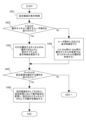
- 4 is a flowchart showing an example of a process in which the AP 101 in the present invention determines an operating channel.
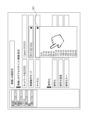
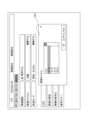
- 13 is an example of a setting screen provided by the AP 101.
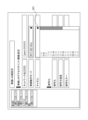
- 13 is an example of a setting screen provided by the AP 101.
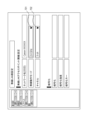
- 13 is an example of a setting screen provided by the AP 101.
- 13 is an example of a setting screen provided by the AP 101.
- 13 is an example of a setting screen provided by the AP 101.
- 13 is an example of a setting screen provided by the AP 101.
- 13 is an example of a setting screen provided by the AP 101.
- 13 is an example of a setting screen provided by the AP 101.
- 13 is an example of a setting screen provided by the AP 101.
- ⁇ Configuration of communication system> 1 shows the configuration of a network in which a communication device 102 (hereinafter, STA102) according to this embodiment participates.
- the STA102 is a station (STA) that has the role of participating in a network 100.
- the communication device 101 (hereinafter, AP101) is an access point (AP) that has the role of constructing the wireless network 100.
- the AP101 is capable of communicating with the STA102.
- the AP101 is an access point device that functions as an access point.
- the STA102 is a station device that functions as a station.
- Each of the AP101 and the STA102 can perform wireless communication conforming to the IEEE802.11ax/be/bn standard.
- IEEE is an abbreviation for the Institute of Electrical and Electronics Engineers.
- the AP101 and the STA102 can communicate at frequencies of 2.4 Hz, 5 GHz, and 6 GHz.
- the frequency bands used by each communication device are not limited to these, and different frequency bands such as the 60 GHz band may be used.
- the AP101 and the STA102 can communicate using bandwidths of 20 MHz, 40 MHz, 80 MHz, 160 MHz, and 320 MHz.
- the bandwidths used by each communication device are not limited to these, and different bandwidths such as 240 MHz and 4 MHz may be used.
- AP101 include, but are not limited to, a wireless LAN router or a personal computer (PC). It may also be a printing device, digital still camera, projector, etc. that operates as a software access point or a mobile access point.
- STA102 include, but are not limited to, a digital still camera, tablet, smartphone, PC, mobile phone, video camera, headset, etc.
- STA102 may also be an information processing device such as a wireless chip that can perform wireless communication conforming to the IEEE802.11ax/be/bn standard. Each communication device can communicate using bandwidths of 20 MHz, 40 MHz, 80 MHz, 160 MHz, and 320 MHz.
- ⁇ AP Configuration> 2 shows an example of the hardware configuration of the AP 101 in this embodiment.
- the AP 101 includes a storage unit 201, a control unit 202, a function unit 203, an input unit 204, an output unit 205, a communication unit 206, and an antenna 207. Note that the number of antennas may be multiple.
- the storage unit 201 is composed of one or more memories, such as ROM and RAM, and non-volatile storage, and stores various information, such as computer programs for performing various operations described below and communication parameters for wireless communication.
- ROM Read Only Memory
- RAM Random Access Memory.
- Non-volatile storage includes storage such as a hard disk, a non-volatile memory card, and an SSD (Solid State Drive).
- the control unit 202 is configured with one or more processors, such as a CPU or MPU, and controls the entire AP 101 by executing a computer program stored in the storage unit 201.
- the control unit 202 may control the entire AP 101 in cooperation with the computer program stored in the storage unit 201 and an OS (Operating System).
- the control unit 202 also generates data and signals (radio frames) to be transmitted in communication with other communication devices.
- the CPU stands for Central Processing Unit
- the MPU stands for Micro Processing Unit.
- the control unit 202 may also be equipped with multiple processors, such as multi-core processors, and the entire AP 101 may be controlled by the multiple processors.
- the control unit 202 also controls the functional unit 203 to perform predetermined processing such as wireless communication, imaging, printing, and projection.
- the functional unit 203 is hardware for the AP 101 to perform predetermined processing.
- the communication device is a camera such as a digital still camera or a smartphone with a camera
- the functional unit 203 is an imaging unit that performs imaging processing of surrounding images via a camera unit (not shown) that the AP 101 has.
- the functional unit 203 is a printing unit that performs printing processing on a sheet such as paper based on print data obtained from the outside through wireless communication.
- the printing method may be an inkjet method in which ink is ejected onto a sheet, or an electrophotographic method in which a color material such as toner is transferred onto a sheet.
- the functional unit 203 is a projection unit that performs projection processing of image data or video data obtained from the outside through wireless communication.
- the data processed by the functional unit 203 may be data stored in the storage unit 201, or may be data communicated with other APs or STAs via a communication unit 206 described later.
- the input unit 204 receives various operations from the user.
- the output unit 205 outputs various types of information to the user via a monitor screen or a speaker.
- the output by the output unit 205 may be a display on a monitor screen, an audio output by a speaker, a vibration output, or the like.
- both the input unit 204 and the output unit 205 may be realized by a single module, such as a touch panel.
- the input unit 204 and the output unit 205 may each be integrated with the AP 101, or may be a separate input unit and output unit connected to the AP 101.
- the communication unit 206 controls wireless communication conforming to the IEEE802.11ax/be/bn standard. In addition to the IEEE802.11ax/be/bn standard, the communication unit 206 may also control wireless communication conforming to other IEEE802.11 series standards and wired communication such as a wired LAN. The communication unit 206 controls the antenna 207 to transmit and receive signals for wireless communication generated by the control unit 202.
- AP101 supports the NFC standard, Bluetooth standard, etc. in addition to the IEEE802.11ax/be/bn standard, it may control wireless communication in accordance with these communication standards. If AP101 can perform wireless communication in accordance with multiple communication standards, it may be configured to have separate communication units and antennas corresponding to each communication standard. AP101 communicates data such as image data, document data, and video data with AP101 via communication unit 206. Antenna 207 may be configured as a separate entity from communication unit 206, or may be configured together with communication unit 206 as a single module.
- Antenna 207 is an antenna capable of communication in the 2.4 GHz, 5 GHz, and 6 GHz bands.
- AP 101 has one antenna, but it may have three antennas. Alternatively, it may have a different antenna for each frequency band. Furthermore, if AP 101 has multiple antennas, it may have a communication unit 206 corresponding to each antenna. Note that STA 102 has the same hardware configuration as AP 101.
- IEEE802.11ax introduced the concept of PSC, which treats a specific set of channels among multiple channels in the 6 GHz band as channels recommended for scanning, for the purpose of reducing search time, etc.
- PSC stands for Preferred Scanning Channels.
- PSCs are provided for channels recommended for scanning every 80 MHz. Specifically, channels 5, 21, 37, 53, 69, 85, 101, 117, 133, 149, 165, 181, 197, 213, and 229 in the 6 GHz band are specified as channels that make up a PSC.
- the channels that make up a PSC are channels recommended for scanning as specified in the IEEE802.11 standard.
- the access point device is configured to allow the user to specify the network operating channel via a settings screen or the like, and is provided with a function to operate the access point on the specified channel.
- a settings screen is displayed that simply shows 6 GHz channels as candidates
- an end user who is unaware of the existence of concepts such as PSC may specify a channel other than PSC, which is the channel recommended for scanning.
- the operating channel set by the user may be difficult for the opposing station device to find.
- this embodiment provides a mechanism for controlling the display so that the PSC channel, which is a channel recommended for scanning, is specified via a setting screen for specifying an operating channel such as the 6 GHz band. This is explained in detail below.
- FIG. 3 is a block diagram of the functional configuration of AP101 in this embodiment.
- STA102 has a similar configuration.
- AP101 is assumed to have a wireless LAN control unit 301.
- the number of wireless LAN control units is not limited to one, and may be two, or three or more.
- AP101 further has a frame generation unit 302, a communication method determination unit 303, a channel determination unit 304, a UI control unit 305, and a setting management unit 306.
- the wireless LAN control unit 301 is configured to include an antenna and circuit for transmitting and receiving wireless signals to and from other wireless LAN devices, as well as a program for controlling them.
- the wireless LAN control unit 301 executes wireless LAN communication control based on the frames generated by the frame generation unit 302 in accordance with the IEEE 802.11 standard series.
- Frame generation unit 302 generates a wireless control frame to be transmitted by wireless LAN control unit 301.
- the contents of the wireless control generated by frame generation unit 302 may be restricted based on the operation settings managed by management unit 306.
- the information of the generated frame is sent to wireless LAN control unit 301 and transmitted to the communication partner.
- the channel determination unit 304 determines the channel on which the AP 101 operates based on the operation settings managed by the setting management unit described below.
- the wireless LAN control unit 301 cooperates with each unit to operate the access point on the determined channel.
- the communication method determination unit 303 determines the communication format, such as communication parameters, based on the frame format supported by the other device received by the wireless LAN control unit 301 and the operation settings managed by the setting management unit 306. After determining the communication method, the wireless LAN control unit 301 communicates with the other device according to the determined communication method.
- the UI control unit 305 is a control unit that detects input from the input unit 204 and controls output to the output unit 205 in order to accept user operations such as changing settings on the AP 101 by the user.
- the UI control unit 305 also has a function for providing the user with information such as displaying a setting screen or images, or outputting audio.
- the UI control unit 305 is an example of a providing means for providing the user with a setting screen.
- the setting management unit 306 manages the operation settings of the AP 101 stored in the storage unit 201.
- the UI control unit 305 detects a user operation to change the settings, it requests the setting management unit 306 to change the settings.
- the operation settings managed by the setting management unit 306 are referred to as appropriate in the flowchart described below.
- the setting management unit 306 also manages information that identifies channels that constitute a PSC and/or information that identifies channels that do not constitute a PSC.
- the information that identifies channels that constitute a PSC is assumed to be information that lists channels that constitute a PSC, such as "5, 21, 37, 53, 69, 85, 101, 117, 133, 149, 165, 181, 197, 213, 229".
- the information that identifies channels that do not constitute a PSC is assumed to be information that lists channels that constitute a 6 GHz band, excluding channels that constitute a PSC. However, this is not limited to this.
- FIG. 4 is a flowchart showing an example of the control executed by AP101, and is a flowchart that excerpts part of the setting-related processing in order to explain the setting-related control. More specifically, the flowchart in FIG. 4 shows a series of processes that are started when AP101 receives an operation to change the network settings.
- the processes shown in the flowchart in FIG. 4 are executed by the processor of the control unit 202 of the AP 101 executing a computer program stored in the storage unit 201. Some processes, such as transmission and modulation, are realized by the processor of the control unit 202 working in cooperation with the various processors, ASICs, DSPs, FGPAs, etc. that make up the communication unit 206. Display control and user operation reception control are realized by the processor of the control unit 202 working in cooperation with the input unit 204 and output unit 205. When it is necessary to clearly indicate the subject of a process, the functional units described in FIG. 3 will be used as the subject.
- the UI control unit 305 of the AP 101 cooperates with the output unit 205 to display a setting screen related to wireless communication on the output unit 205, thereby providing the setting screen to the user.
- the UI control unit 305 cooperates with the input unit 204 to determine whether a user operation related to the 6 GHz operating channel has been accepted via the currently provided setting screen. If a user operation related to the 6 GHz operating channel has been accepted via the currently provided setting screen, the process proceeds to S403, and if a user operation related to the 6 GHz operating channel has not been accepted via the currently provided setting screen, the process proceeds to S404.
- the UI control unit 305 cooperates with the output unit 205 to update the display control of the display items that make up the setting screen so that only the channels that make up the PSC can be selected. This control will be described later using a schematic diagram of the setting screen.
- the UI control unit 305 cooperates with the input unit 204 and the output unit 205 to perform display control corresponding to user operations.
- the selection of all channels that make up each band is permitted.
- the display control of the setting screen is performed so that the operation of changing the setting to a channel different from the channel number that makes up the PSC can be accepted.
- the UI control unit 305 cooperates with the input unit 204 to determine whether a user operation to confirm the channel setting change has been received. If it is determined that a user operation to confirm the channel setting change has been received, the process proceeds to S406, and if it is not determined that a user operation to confirm the channel setting change has been received, the process proceeds to S401.
- the UI control unit 305 in cooperation with the setting management unit 306 and the storage unit 201, changes the operation settings of the operating channel stored in the storage unit 201 in accordance with the setting changes made via the setting screen.
- the channel determination unit 304 refers to the operation settings of the operating channel stored in the storage unit 201 and determines the channel on which the AP 101 will provide the network.
- the wireless LAN control unit 301 in cooperation with the channel determination unit 304, the communication method determination unit 303, the communication unit 206, and the antenna 207, starts operating as an access point on the channel after the operation settings have been changed. Note that after the operation settings have been changed, the AP 101 may restart itself, and in the startup process, read out the changed operation settings to change the operation parameters as an access point.
- FIG. 5 is an example of a setting screen provided to the user by the AP 101.
- the user can change various operation settings by selecting each display item displayed on the screen of FIG. 5.
- FIG. 5 shows an example of a setting screen when 6 GHz is selected as the wireless operation mode.
- the display item 501 is a pull-down list type display item and has two types of display modes.
- the first display mode is a display mode for presenting the currently selected channel to the user while accepting a change operation to the second display mode.
- the control unit 305 detects that a selection operation has been performed on the display area of the display item 501 displayed in the first display mode, it performs display control so that the display mode of the display item becomes the second display mode.
- the selection operation on the display area of the display item 501 displayed in the first display mode is an example of a predetermined user operation.
- FIG. 5 shows an example of a setting screen when the display item 501 is displayed in the second display mode.
- the UI control unit 305 displays only the channels that make up the PSC as options on the pull-down list so that only the channels that make up the PSC can be selected, as shown in FIG. 5.
- the UI control unit 305 displays the channels that make up the PSC, "5, 21, 37, 53, 69, 85, 101, 117, 133, 149, 165, 181, 197, 213, 229," as options, but controls so as not to display channels that do not make up the PSC.
- the UI control unit 305 identifies the options to be displayed based on information that identifies the channels that make up the PSC and/or information that identifies the channels that do not make up the PSC, which are managed by the management unit 306.
- control unit 305 detects, in cooperation with the input unit 204, that an operation to select one option from among multiple options has been performed, it determines that an operation to confirm the setting change has been received, and performs the setting change described in S406. At this time, the control unit 305 cooperates with the output unit 205 to update the display mode of the display item 501 to the first display mode. For example, when an operation to select the option "69ch” is performed, the display mode of the display item 501 on the setting screen is updated to the first display mode in which the character string "69ch" corresponding to that option is presented to the user.
- a pull-down list is used as an example of a display item for selection, but this is not limiting. Any display item that allows one option to be selected from multiple options may be used. For example, a radio button that lists multiple options and allows only one option to be selected may be used.
- the 6 GHz band operating channel operation when the 6 GHz band operating channel operation is set via the setting screen, display control can be performed so that operating channels other than the PSC are not selected. Therefore, the operating channels that can be selected by user operation are only the channels that make up the PSC, and in the case of 6 GHz, it is possible to operate the access point on the channels that make up the PSC.
- a setting screen is provided in which only channels that constitute a PSC are displayed as options, allowing the user to select only the channels that constitute a PSC.
- the setting screen may be configured to present information about channels that do not constitute a PSC to the user but not allow the user to select them.
- FIG. 6 is an example of a setting screen that AP101 provides to the user instead of the setting screen of FIG. 5 in the above-described embodiment. It differs from the setting screen of FIG. 5 in that display item 601 is displayed instead of display item 501.
- the control unit 305 displays information about channels that do not constitute a PSC as options, but in a grayed-out state. Even if it detects a user's selection operation on a grayed-out option, it performs control so that the selection operation is not confirmed. In this control, the UI control unit 305 identifies options to be displayed in a grayed-out state or in a normal state based on information that identifies channels that constitute a PSC and/or information that identifies channels that do not constitute a PSC, which are managed by the management unit 306.
- the setting screens described in Fig. 5 and Fig. 6 can be further configured to perform the following prohibition control.
- Figs. 7 and 8 show setting screens when prohibition control is performed, and are examples of setting screens that the AP 101 provides to the user.
- the control unit 305 updates the display of the display item 702 to an unselected state.
- Display item 701b in Fig. 8 illustrates an example of a display item after the display of the display item 701 is updated
- display item 702b illustrates an example of a display item after the display of the display item 702 is updated.
- the control unit 305 may control so as not to perform prohibition control. For example, when 5ch in the 2.4 GHz band or 165ch in the 5 GHz band is selected and an operation for setting the operation for the 6 GHz band is accepted, the control unit 305 may control the display of the setting screen so that the 5ch or 165ch is maintained in the selected state. On the other hand, when 1ch in the 2.4 GHz band or 157ch in the 5 GHz band is selected and an operation for setting the operation for the 6 GHz band is accepted, the control unit 305 updates the display item for setting the operating channel to a channel not selected state.
- the decision unit 304 performs control to automatically select a channel that is not congested from among the channels that make up the PSC.
- the setting screen can be modified to provide a different setting screen for each band.
- Fig. 9 shows an example of a setting screen provided by the AP 101, and shows an example of a basic setting screen for 6 GHz. Display items such as WPS, Basic (2.4 GHz), Basic (5 GHz), Basic (6 GHz), Advanced (6 GHz) at the top are display items used to switch the setting screen. Note that the third modification and the first modification can be combined as appropriate.
- a channel that does not constitute a PSC can be selected via the setting screen of the advanced setting mode.
- the user can switch the display to the setting screen of the advanced setting mode by selecting the display item 901 of Fig. 9.
- the control unit 305 detects an operation of selecting the display item 901, it switches the setting screen displayed on the output unit 205 to the setting screen of the advanced setting mode exemplified in Fig. 10.
- Fig. 10 is an example of a setting screen provided by the AP 101, and shows an example of a screen of the 6 GHz advanced setting mode.
- This setting screen of the advanced setting mode is an example of a second setting screen.
- the control unit 305 displays the display item 1001 in the second display mode.
- FIG. 10 illustrates an example in which a drop-down list display item is displayed in the second display mode.
- the display item 1001 in the second display mode displays multiple options, as in the embodiment described above.
- an example is shown of an advanced setting screen being provided to the user by transitioning the display screen from another setting screen such as a basic setting screen to a setting screen for advanced setting mode, but this is not limiting.
- a check box or pull-down menu such as "Advanced Settings" can be provided, and the display of the setting screen can be dynamically updated when an operation for performing advanced settings using the check box or pull-down menu is detected.
- the control unit 305 updates the display of the setting screen so that all channels in the 6 GHz band can be selected.
- the control unit 305 dynamically updates the display of the setting screen so that a display item for selecting a new channel for the advanced setting mode is displayed.
- the screen configuration can also be modified to provide an integrated setting screen so that the operating frequency bands and operating channel settings of multiple networks provided by AP 101 can be changed all at once on a single setting screen.
- FIGS. 11 and 12 show an example of an integrated setting screen provided by AP101.
- the setting screen in FIG. 11 displays a set of display items 1101 to 1103 for selecting a frequency band and an operating channel.
- FIGS. 11 and 12 show an example of a setting screen in which AP101 provides three different networks.
- the user uses a display item for selecting a frequency band constituting one of sets 1101 to 1103 to change the operating frequency band over which the network is provided. Then, a display item for selecting a corresponding channel is used to change that operating channel. These two operations allow the operating frequency band and operating channel over which the network is provided to be changed via an integrated setting screen.
- Figure 12 shows an example of the display of the setting screen when the operating channel is changed after the 6 GHz band has been selected.
- the control unit 305 controls the display of the setting screen so that only channels constituting the PSC are selected via the display item for changing the operating channel corresponding to the 6 GHz band, as shown in Figure 12.
- a specific channel in the 6 GHz band has already been selected in another set, that specific channel may also be excluded from the options, and multiple options may be displayed.
- 5ch in the 6GHz band has already been set in the second network configured in the second set, so 5ch is excluded from the options displayed in FIG. 12.
- the display can be modified to perform further prohibition control so that a channel adjacent to a network in the same frequency band is not selected.
- a 6 GHz 5-channel network is set as the second network
- the following further prohibition is set for the display items for selecting the operating channel of set 1103.
- 21 channel, adjacent to 5 channel is not included as an option, and 37 channels, 53 channels, 69 channels, 85 channels, 101 channels, 117 channels, 133 channels, 149 channels, 165 channels, 181 channels, 197 channels, 213 channels, and 229 channels are displayed as options.
- the display control using graying out described in variant 1 can also be applied to variant 5.
- ⁇ Modification 6> the case where the selection operation of the operating channel of the 6 GHz band is accepted using display items such as a pull-down list and a radio box is exemplified, but other modes may be used.
- a child window for setting can be popped up and configured to accept the setting change.
- FIG. 13 shows an example of a setting screen provided by the AP 101 as a child window.
- the frequency band selection method is the same as in the above embodiment and the above modified example. Note that instead of the pull-down list or radio box, a display item including a character string indicating the current operating channel and a character string such as "Edit" may be displayed.
- control unit 305 when the control unit 305 detects that the area "Edit" has been selected by a user operation, it controls to display a child window 1301. A list listing multiple options indicating the channels constituting the PSC is displayed in the child window. The list is configured so that one option can be specified.
- the control unit 305 updates the display of the child window based on the setting operation via the child window. Then, when it is detected that the OK key has been selected as an operation for confirming the settings, the control unit 305 cooperates with each unit to update the operation settings stored in the storage unit 201 based on the settings made via the child window.
- the display control using graying out described in the first modification can also be applied to the sixth modification.
- ⁇ Modification 7> In the above-described embodiment and modified examples 1 to 3 and 5 to 6, a mechanism is provided for suppressing selection of a channel that does not constitute a PSC by advance display control, but the present invention is not limited to this.
- control is performed so that settings are not changed based on the selection, and the system can also be modified to perform error handling processing that suppresses setting changes to channels that do not constitute a PSC by displaying an error screen (not shown).
- control unit 305 determines whether the option selected by the user corresponds to a channel that constitutes a PSC. This determination is made based on information that identifies channels that constitute a PSC managed by the management unit 306 and/or information that identifies channels that do not constitute a PSC, and the option selected by the user.
- control unit 305 determines that the option selected by the user does not correspond to the channel that constitutes the PSC, the control unit 305 performs the error handling process described above. On the other hand, if the control unit 305 determines that the option selected by the user corresponds to the channel that constitutes the PSC, the control unit 305 performs the setting change process. Specifically, the control unit 305 cooperates with each unit to update the operation settings stored in the storage unit 201 so that the operation settings for the 6 GHz band operating channel become settings that operate on the operating channel that corresponds to the option selected by the user operation. In this case, it is also possible to configure the system so that the change operation is accepted by directly inputting the channel number via a keyboard or software keyboard rather than selecting it from the options. In this case, the control unit 305 determines whether the value directly inputted via a keyboard or software keyboard matches the channel number that constitutes the PSC, and determines whether to update the operation settings or to treat it as an error depending on the determination.
- the present invention can also be applied to cases where an operation to change the 6 GHz operating channel is accepted by a voice input operation or a command input operation.
- the control unit 305 determines that the operation is an operation to change to a channel that does not constitute a PSC, it does not accept the setting change and performs an error handling process.
- the control unit 305 determines that the operation is an operation to change to a channel that constitutes a PSC, it accepts the setting change.
- the result of the setting change is notified by a method corresponding to the input operation.
- voice input success or failure may be notified via a speaker.
- a character string indicating success or failure may be notified as the execution result of the command.
- ⁇ Modification 9> it is also possible to modify the configuration so that only a part of the channels constituting the PSC can be set as the 6 GHz operating channel. More specifically, it is possible to configure so that a channel that cannot be used or should not be used cannot be set as the 6 GHz operating channel based on the radio wave regulations of the country where the product is sold and the constraints of the hardware such as the wireless chip and antenna mounted on the product. As a result, it is also possible to configure so that the operation setting of the 6 GHz band itself cannot be performed when there is no channel that can be used in the 6 GHz band and that constitutes a PSC.
- the control unit 305 When applying the modification 9 to the modification 1, the control unit 305 specifies a group 1 of options that excludes the above-mentioned channels that cannot be used or should not be used for the channels that constitute the PSC. Furthermore, it specifies a group 2 of options that excludes the above-mentioned channels that cannot be used or should not be used for the channels that do not constitute the PSC. Next, the control unit 305 displays the options corresponding to the specified group 1 of options in a selectable manner, and displays the options corresponding to the specified group 2 of options in a grayed-out state. Then, even if the control unit 305 detects a selection operation by the user on any of the options in group 2 of options, the control unit 305 performs display control so that the corresponding channel is not selected.
- the UI control unit 305 can also function as an HTTP server to provide a setting screen to a STA to which it provides a network connection by providing web content corresponding to the setting screen to the user.
- HTTP stands for Hypertext Transfer Protocol.
- the AP 101 provides web content corresponding to each setting screen described in the above embodiment in response to a request (HTTP request) from a web browser application of the connected STA.
- the web browser application of the STA such as STA 102 that receives the web content displays the setting screen as a web screen based on the received web content.
- the web browser application of the STA transmits information specifying the operation content performed via the display items on the web screen to the HTTP server. Transmission can be performed using the POST method or the like.
- the UI control unit 305 appropriately changes the operation settings stored in the memory unit 201 based on information identifying the operation content received from the STA's web browser application using a POST method or the like.
- the system When providing a web-based user interface as described in Variation 10, it is also possible to configure the system to provide the STA with web content including a script such as JavaScript (registered trademark) for dynamically updating the setting screen as necessary.
- a script such as JavaScript (registered trademark) for dynamically updating the setting screen as necessary.
- the script as the web content is executed by the script engine of the web browser, thereby dynamically updating the setting screen.
- This script engine is realized by the processor of the STA, such as STA 102, executing program code for implementing the script engine.
- the present invention can also be realized by a process in which a program for implementing one or more of the functions of the above-described embodiments is supplied to a system or device via a network or a storage medium, and one or more processors in a computer of the system or device read and execute the program.
- the present invention can also be realized by a circuit (e.g., ASIC) that implements one or more of the functions.
Landscapes
- Engineering & Computer Science (AREA)
- Computer Networks & Wireless Communication (AREA)
- Signal Processing (AREA)
- Computer Security & Cryptography (AREA)
- Quality & Reliability (AREA)
- Human Computer Interaction (AREA)
- Mobile Radio Communication Systems (AREA)
Abstract
アクセスポイントとして機能する通信装置は、特定の周波数帯における前記アクセスポイント装置の動作チャネルの動作設定を指定可能な設定画面をユーザに提供する。その設定画面は、当該設定画面を介してスキャンが推奨されるチャネルとは異なるチャネルが前記特定の周波数帯における前記アクセスポイントの動作チャネルの動作設定として選択されないよう制御される設定画面である。
Description
本発明は、無線通信を行う通信装置に関する。
無線LAN(Wireless Local Area Network)に関する通信規格として、IEEE(Institute of Electrical and Electronics Engineers)802.11規格が知られている。この、IEEE802.11規格では、2.4GHz帯や、5GHz帯、6GHz帯といった周波数帯で通信を行うことができる。
また、特許文献1には、6GHzのチャネルのうち、非ユニタリかつ非連続の特定のチャネルのセットをスキャン推奨のチャネルとして利用する仕組みが記載されている。特許文献1の探索技術は、スキャンに推奨するチャネルを意図的に絞ることにより、広い帯域であってもスキャン時間を短縮することを可能とする。
IEEE802.11axにも、探索時間を削減するなどの目的で、6GHz帯の複数のチャネルのうち、特定のチャネルのセットをスキャン推奨のチャネルとして取り扱うPSCという概念が導入された。PSC(Preferred Scanning Channels)では、80MHzごとにスキャンを推奨するチャネルであるPSCを設ける。
ところで、アクセスポイント装置において、ネットワークの動作チャネルを設定画面等を介して指定可能に構成し、当該指定されたチャネルでアクセスポイントを動作させることが考えられる。ここで、単純に6GHzのチャンネルを選択候補とする設定画面を表示した場合、PSCなどといった概念が存在することを知らないエンドユーザにより、スキャンを推奨するチャネルであるPSC以外のチャネルが指定されてしまう場合がある。その結果、ユーザの設定した動作チャネルで動作するアクセスポイントが対向機であるステーション装置から見つけ難いものになる可能性がある。
本発明は上述の課題の少なくとも1つを鑑みなされたものである。本発明の1つの側面としては、6GHz帯等の動作チャネルを指定する設定画面を介して、スキャンを推奨するチャネルが指定されるように表示制御を行う仕組みを提供することを目的の1つとする。
本発明の1つの側面としての通信装置は、アクセスポイントとして機能する通信装置であって、特定の周波数帯における前記アクセスポイントの動作チャネルの動作設定を指定可能な設定画面をユーザに提供する提供手段を有し、前記提供手段は、前記設定画面を介してスキャンが推奨されるチャネルとは異なる、前記特定の周波数帯のチャネルが前記特定の周波数帯における前記アクセスポイントの動作チャネルの動作設定として選択できないよう構成され、前記特定の周波数帯のチャネルであって前記スキャンが推奨されるチャネルは選択可能に構成された前記設定画面を提供し、前記スキャンが推奨されるチャネルは、IEEE802.11規格シリーズにおいて規定されているPSC(Preferred Scanning Channels)を構成するチャネルであることを特徴とする。
本発明の1つの側面によれば、6GHz帯等の動作チャネルを指定する設定画面を介して、スキャンを推奨するチャネルが指定されるように表示制御を行うことができる。従って、ユーザによる操作で動作チャネルの設定を行う際に、スキャンを推奨するチャネルとは異なるチャネルが指定されることを抑制できるようになる。
以下、添付図面を参照して実施形態を詳しく説明する。なお、以下の実施形態は特許請求の範囲に係る発明を限定するものでするものでない。実施形態には複数の特徴が記載されているが、これらの複数の特徴の全てが発明に必須のものとは限らず、また、複数の特徴は任意に組み合わせられてもよい。さらに、添付図面においては、同一若しくは同様の構成に同一の参照番号を付し、重複した説明は省略する。
<通信システムの構成>
図1は、本実施形態にかかる通信装置102(以下、STA102)が参加するネットワークの構成を示す。STA102はネットワーク100に参加する役割を有するステーション(STA)である。通信装置101(以下、AP101)は、無線ネットワーク100を構築する役割を有するアクセスポイント(AP)である。AP101はSTA102と通信可能である。即ち、AP101は、アクセスポイントとして機能するアクセスポイント装置である。また、STA102は、ステーションとして機能するステーション装置である。
図1は、本実施形態にかかる通信装置102(以下、STA102)が参加するネットワークの構成を示す。STA102はネットワーク100に参加する役割を有するステーション(STA)である。通信装置101(以下、AP101)は、無線ネットワーク100を構築する役割を有するアクセスポイント(AP)である。AP101はSTA102と通信可能である。即ち、AP101は、アクセスポイントとして機能するアクセスポイント装置である。また、STA102は、ステーションとして機能するステーション装置である。
AP101、STA102の各々は、IEEE802.11ax/be/bn規格に準拠した無線通信を実行することができる。なお、IEEEはInstitute of Electrical and Electronics Engineersの略である。AP101、STA102は、2.4Hz帯、5GHz帯、および6GHz帯の周波数において通信することができる。各通信装置が使用する周波数帯は、これに限定されるものではなく、例えば60GHz帯のように、異なる周波数帯を使用してもよい。また、AP101、STA102は、20MHz、40MHz、80MHz、160MHz、および320MHzの帯域幅を使用して通信することができる。各通信装置が使用する帯域幅は、これに限定されるものではなく、例えば240MHzや4MHzのように、異なる帯域幅を使用してもよい。
AP101の具体例としては、無線LANルーターやパーソナルコンピュータ(PC)などが挙げられるが、これらに限定されない。ソフトウェアアクセスポイントや、モバイルアクセスポイントとして動作する印刷装置、デジタルスチルカメラ、プロジェクタ等であってもよい。また、STA102の具体的な例としては、デジタルスチルカメラ、タブレット、スマートフォン、PC、携帯電話、ビデオカメラ、ヘッドセットなどが挙げられるが、これらに限定されない。また、STA102は、IEEE802.11ax/be/bn規格に準拠した無線通信を実行することができる無線チップなどの情報処理装置であってもよい。各通信装置は、20MHz、40MHz、80MHz、160MHz、および320MHzの帯域幅を使用して通信することができる。
<APの構成>
図2に、本実施形態におけるAP101のハードウェア構成例を示す。AP101は、記憶部201、制御部202、機能部203、入力部204、出力部205、通信部206およびアンテナ207を有する。なお、アンテナは複数でもよい。
図2に、本実施形態におけるAP101のハードウェア構成例を示す。AP101は、記憶部201、制御部202、機能部203、入力部204、出力部205、通信部206およびアンテナ207を有する。なお、アンテナは複数でもよい。
記憶部201は、ROMやRAM等の1以上のメモリ、不揮発性のストレージにより構成され、後述する各種動作を行うためのコンピュータプログラムや、無線通信のための通信パラメータ等の各種情報を記憶する。ROMはRead Only Memoryの、RAMはRandom Access Memoryの夫々略である。なお、不揮発性のストレージは、ハードディスク、不揮発性のメモリカード、SSD(Solid State Drive)などのストレージである。
制御部202は、例えば、例えばCPUやMPU等の1以上のプロセッサにより構成され、記憶部201に記憶されたコンピュータプログラムを実行することにより、AP101の全体を制御する。なお、制御部202は、記憶部201に記憶されたコンピュータプログラムとOS(Operating System)との協働により、AP101の全体を制御するようにしてもよい。また、制御部202は、他の通信装置との通信において送信するデータや信号(無線フレーム)を生成する。なお、CPUはCentral Processing Unitの、MPUは、Micro Processing Unitの略である。また、制御部202がマルチコア等の複数のプロセッサを備え、複数のプロセッサによりAP101全体を制御するようにしてもよい。
また、制御部202は、機能部203を制御して、無線通信や、撮像、印刷、投影等の所定の処理を実行する。機能部203は、AP101が所定の処理を実行するためのハードウェアである。例えば、通信装置がデジタルスチルカメラなどのカメラやカメラを有するスマートフォンである場合、機能部203は撮像部であり、AP101が有する図示省略のカメラ部を介して周囲の画像の撮像処理を行う。また、例えば、AP101がプリンタである場合、機能部203は印刷部であり、外部から無線通信で得られた印刷データに基づき、紙などのシートに印刷処理を行う。印刷の方式はシートにインクを吐出するインクジェット方式であってもよいし、シートにトナー等の色材を転写する電子写真方式であってもよい。また、例えば、AP101がプロジェクタ等である場合、機能部203は投影部であり、外部から無線通信で得られた画像データや映像データの投影処理を行う。機能部203が処理するデータは、記憶部201に記憶されているデータであってもよいし、後述する通信部206を介して他のAPやSTAと通信したデータであってもよい。
入力部204は、ユーザからの各種操作の受付を行う。出力部205は、モニタ画面やスピーカーを介して、ユーザに対して各種出力を行う。ここで、出力部205による出力とは、モニタ画面上への表示や、スピーカーによる音声出力、振動出力などであってもよい。なお、タッチパネルのように入力部204と出力部205の両方を1つのモジュールで実現するようにしてもよい。また、入力部204および出力部205は、夫々AP101と一体であってもよいし、AP101に接続された別体としての入力部、出力部であってもよい。
通信部206は、IEEE802.11ax/be/bn規格に準拠した無線通信の制御を行う。また、通信部206は、IEEE802.11ax/be/bn規格に加えて、他のIEEE802.11シリーズ規格に準拠した無線通信の制御や、有線LAN等の有線通信の制御を行ってもよい。通信部206は、アンテナ207を制御して、制御部202によって生成された無線通信のための信号の送受信を行う。
なお、AP101が、IEEE802.11ax/be/bn規格に加えて、NFC規格やBluetooth規格等に対応している場合、これらの通信規格に準拠した無線通信の制御を行ってもよい。また、AP101が複数の通信規格に準拠した無線通信を実行できる場合、夫々の通信規格に対応した通信部とアンテナを個別に有する構成であってもよい。AP101は通信部206を介して、画像データや文書データ、映像データ等のデータをAP101と通信する。なお、アンテナ207は、通信部206と別体として構成されていてもよいし、通信部206と合わせて一つのモジュールとして構成されていてもよい。
アンテナ207は、2.4GHz帯、5GHz帯、および6GHz帯における通信が可能なアンテナである。本実施形態では、AP101は1つのアンテナを有するとしたが、3つのアンテナでもよい。または周波数帯ごとに異なるアンテナを有していてもよい。また、AP101は、アンテナを複数有している場合、各アンテナに対応した通信部206を有していてもよい。なお、STA102はAP101と同様のハードウェア構成を有する。
ところで、IEEE802.11axにおいて、探索時間を削減するなどの目的で、6GHz帯の複数のチャネルのうち、特定のチャネルのセットをスキャン推奨のチャネルとして取り扱うPSCという概念が導入された。PSCは、Preferred Scanning Channelsの略である。PSCでは、80MHzごとにスキャンを推奨するチャネルであるPSCを設ける。具体的には、6GHzの帯域の5、21、37、53、69、85、101、117、133、149、165、181、197、213、229チャネルがPSCを構成するチャネルと規定されている。言い換えると、PSCを構成するチャネルは、IEEE802.11規格で規定されたスキャンを推奨するチャネルである。
本実施形態においては、アクセスポイント装置において、ネットワークの動作チャネルを設定画面等を介して指定可能に構成し、当該指定されたチャネルでアクセスポイントを動作させる機能をユーザに提供する。この際、単純に6GHzのチャンネルを候補とする設定画面を表示した場合、PSCなどといった概念が存在することを知らないエンドユーザにより、スキャンを推奨するチャネルであるPSC以外のチャネルが指定されてしまう場合がある。その結果、ユーザの設定した動作チャネルが対向機であるステーション装置から見つけづらいものになる可能性がある。
これを鑑み、本実施形態では、6GHz帯等の動作チャネルを指定する設定画面を介して、スキャンを推奨するチャネルであるPSCチャネルが指定されるように表示制御を行う仕組みを提供する。以下具体的に説明する。
図3を用いてAP101の機能構成を説明する。図3は、本実施形態におけるAP101の機能構成のブロック図である。なお、STA102も同様の構成である。ここではAP101は無線LAN制御部301を備えるものとする。なお、無線LAN制御部の数は1つに限らず、2つでもよいし、3つ以上でも構わない。AP101は、さらに、フレーム生成部302、通信方式決定部303、チャネル決定部304、UI制御部305および設定管理部306を有する。
無線LAN制御部301は、他の無線LAN装置との間で無線信号を送受信するためのアンテナ並びに回路、およびそれらを制御するプログラムを含んで構成される。無線LAN制御部301は、IEEE802.11規格シリーズに従って、フレーム生成部302で生成されたフレームを元に無線LANの通信制御を実行する。
フレーム生成部302は、無線LAN制御部301で送信するべき無線制御フレームを生成する。フレーム生成部302で生成する無線制御の内容は管理部306が管理する動作設定に基づき制約を課してもよい。生成されたフレームの情報は無線LAN制御部301に送られ、通信相手に送信される。
チャネル決定部304は、後述する設定管理部で管理される動作設定に基づき、AP101を動作させるチャネルを決定する。無線LAN制御部301は、各部と協働して決定されたチャネルにおいて、アクセスポイントを機能させる。
通信方式決定部303は、無線LAN制御部301により受信した相手装置がサポートするフレーム形式や、設定管理部306が管理する動作設定等に基づき、通信パラメータ等の通信形式を決定する。通信方式を決定した後、無線LAN制御部301は決定された通信方式に従って相手装置と通信を行う。
UI制御部305は、ユーザによるAP101に対する設定変更等のユーザ操作を受け付けるために、入力部204からの入力を検知したり、出力部205への出力を制御したりする制御部である。なお、UI制御部305は、例えば設定画面や画像等の表示、または音声出力等の情報をユーザに提供するための機能も有する。UI制御部305は、ユーザに設定画面を提供する提供手段の一例である。
設定管理部306は、記憶部201に記憶されたAP101の動作設定を管理する。UI制御部305は設定変更のユーザ操作を検知した場合、設定管理部306に設定変更を依頼する。設定変更の依頼を受信した設定管理部306は、当該設定変更の依頼に基づきAPの動作設定を変更する。当該設定管理部306が管理する動作設定は後述のフローチャートで適宜参照される。また、設定管理部306は、PSCを構成するチャネルを特定する情報及び又はPSCを構成しないチャネルを特定する情報を管理する。本実施形態においてPSCを構成するチャネルを特定する情報は、「5、21、37、53、69、85、101、117、133、149、165、181、197、213、229」等、PSCを構成するチャネルを列挙した情報を想定している。また本実施形態においてPSCを構成しないチャネルを特定する情報は、6GHz帯を構成するチャネルのうち、PSCを構成するチャネルを除外したチャネルを列挙した情報を想定している。しかしながら、これに限定されるものではない。
続いて、図4を用いてAP101における設定変更制御について説明する。図4は、AP101が実行する制御の一例を示すフローチャートであり、設定に関する制御を説明するため設定に関する処理を一部抜粋したフローチャートである。より具体的には、図4のフローチャートはAP101がネットワーク設定の変更操作を受け付けた場合に開始される一連の処理を示している。
図4のフローチャートに示す各処理は、AP101の制御部202のプロセッサが記憶部201に記憶されたコンピュータプログラムを実行することにより、実行される。なお、送信や変調等の一部の処理は制御部202のプロセッサと、通信部206を構成する各種プロセッサやASIC、DSP、FGPAなどが協働して実現するものとする。また、表示制御やユーザ操作の受付制御は制御部202のプロセッサと、入力部204や出力部205が協働して実現するものとする。なお処理の主体を明確に示したい場合、図3で説明した機能部を主語として説明する。
S401において、AP101のUI制御部305は、出力部205と協働して、出力部205に対して無線通信に関する設定画面を表示することで、設定画面をユーザに提供する。
続けて、S402において、UI制御部305は、入力部204と協働して、提供中の設定画面を介して6GHzの動作チャネルに関するユーザ操作を受け付けたかどうかを判断する。提供中の設定画面を介して6GHzの動作チャネルに関するユーザ操作を受け付けた場合、処理をS403に進め、提供中の設定画面を介して6GHzの動作チャネルに関するユーザ操作を受け付けていない場合、処理をS404に進める。
S403において、UI制御部305は、出力部205と協働して、PSCを構成するチャネルのみ選択できるように前記設定画面を構成する表示アイテムの表示制御を更新する。この制御については設定画面の模式図を用いて後述する。
S404において、UI制御部305は、入力部204及び出力部205と協働して、ユーザ操作に対応する表示制御を行う。なお、この際、2.4GHz帯並びに5GHz帯の動作チャネルの変更処理の操作においては、各バンドを構成する全てのチャネルの選択を許容する。即ち、2.4GHz帯や5GHz帯においてはPSCを構成するチャネル番号とは異なるチャネルへの設定変更の操作を受け付けることができるように設定画面の表示制御が行われる。
続いて、S405において、UI制御部305は、入力部204と協働してチャネルの設定変更を確定するユーザ操作を受け付けたかどうかを判断する。チャネルの設定変更を確定するユーザ操作を受け付けたと判断した場合、処理をS406に進め、チャネルの設定変更を確定するユーザ操作を受け付けたと判断していない場合、処理をS401に進める。
最後にS406において、UI制御部305は、設定管理部306及び記憶部201と協働して、設定画面を介してなされた設定変更に応じて記憶部201が記憶する動作チャネルの動作設定を変更する。続けて、チャネル決定部304は、記憶部201に格納された動作チャネルの動作設定を参照し、AP101がネットワークを提供するチャネルを決定する。続けて無線LAN制御部301は、チャネル決定部304、通信方式決定部303、通信部206、アンテナ207と協働して、動作設定変更後のチャネルでアクセスポイントとしての動作を開始する。なお、動作設定を変更した後に、AP101は自身の再起動を行い、起動処理において、変更された動作設定を読みだすことで、アクセスポイントとしての動作パラメータを変更してもよい。
続けて、図5を用いて本実施形態で表示される設定画面について説明する。図5は、AP101がユーザに提供する設定画面の一例である。ユーザは図5の画面に表示される各表示アイテムを選択することで各種動作設定の変更操作を行うことができる。図5は無線動作モードとして6GHzが選択されている場合の設定画面の一例を示している。表示アイテム501は、プルダウンリスト形式の表示アイテムであり2種類の表示様態を有する。第1の表示様態は、現在選択されているチャネルをユーザに提示しつつ、第2の表示様態への変更操作を受け付けるための表示様態である。制御部305は、第1の表示様態で表示される表示アイテム501の表示領域に対する選択操作がなされたことを検知すると、表示アイテムの表示様態が第2の表示様態となるよう表示制御を行う。第1の表示様態で表示される表示アイテム501の表示領域に対する選択操作は、所定のユーザ操作の一例である。図5では、第2の表示様態で表示アイテム501を表示している場合の設定画面を例示している。
この際に、UI制御部305は、図5に示すように、PSCを構成するチャネルのみ選択できるように、PSCを構成するチャネルのみをプルダウンリスト上の選択肢に表示する。すなわち選択肢として、PSCを構成するチャネルである「5、21、37、53、69、85、101、117、133、149、165、181、197、213、229」を表示するが、PSCを構成しないチャネルを表示しないように制御する。この制御において、UI制御部305は、管理部306が管理するPSCを構成するチャネルを特定する情報及び又はPSCを構成しないチャネルを特定する情報に基づいて表示対象とすべき選択肢を特定する。
次に、制御部305は、入力部204と協働して、複数の選択肢の中から1つの選択肢を選択する操作がなされたことを検知すると、設定変更を確定する操作を受け付けたと判断し、S406で説明した設定変更を行う。この際に、制御部305は、出力部205と協働して表示アイテム501の表示様態を第1の表示様態に更新する。例えば、69chという選択肢を選択する操作がなされた場合、設定画面上の表示アイテム501の表示様態を、当該選択肢に対応する「69ch」という文字列をユーザに提示する第1の表示様態に更新する。
なお、本実施形態では、選択のための表示アイテムとして、プルダウンリストを例示したが、これに限定されるものではない。適宜複数の選択肢の中から1つの選択肢を選択できる表示アイテムであればよい。例えば、複数の選択肢を列挙し、1つの選択肢のみ選択可能に構成したラジオボタン等であってもよい。
以上説明した設定画面の提供制御により、設定画面を介して6GHz帯の動作チャネルの動作設定が行われる際に、PSC以外の動作チャネルが選択されないように表示制御を行うことができるようになる。従って、ユーザ操作によって選択できる動作チャネルがPSCを構成するチャネルのみになり、6GHzの場合はPSCを構成するチャネルでアクセスポイントを動作させることが可能となる。
<変形例1>
上述の実施形態では、PSCを構成するチャネルのみを選択肢として表示することでPSCを構成するチャネルのみ選択できる設定画面を提供する場合を例示した。しかしながら、PSCを構成しないチャネルの情報をユーザに提示するが、選択させないよう設定画面を提供するように構成してもよい。
上述の実施形態では、PSCを構成するチャネルのみを選択肢として表示することでPSCを構成するチャネルのみ選択できる設定画面を提供する場合を例示した。しかしながら、PSCを構成しないチャネルの情報をユーザに提示するが、選択させないよう設定画面を提供するように構成してもよい。
図6を用いて具体的に説明する。図6は、上述の実施形態の図5の設定画面に代えてAP101がユーザに提供する設定画面の一例である。表示アイテム501に代えて、表示アイテム601が表示される点において、図5の設定画面と相違がある。
制御部305は、PSCを構成しないチャネルの情報を選択肢としては表示するものの、グレーアウト状態で表示する。そして当該グレーアウト状態の選択肢に対するユーザによる選択操作を検知したとしても、当該選択操作を確定しないように制御する。この制御において、UI制御部305は、管理部306が管理するPSCを構成するチャネルを特定する情報及び又はPSCを構成しないチャネルを特定する情報に基づいてグレーアウト状態や通常状態で表示すべき選択肢を特定する。
<変形例2>
図5、図6で説明した設定画面に対してさらに下記の禁則制御を行うよう構成することができる。図7~図8は禁則制御を行う場合の設定画面であって、AP101がユーザに提供する設定画面の一例である。2.4GHz帯の動作設定を行う設定画面を表示している状態で、表示アイテム701を介して6GHz帯の動作設定を行うためのユーザ操作がなされたことを検知すると、制御部305は、表示アイテム702の表示を未選択状態に更新する。図8の表示アイテム701bは、表示アイテム701の表示を更新した後の表示アイテムを例示しており、表示アイテム702bは、表示アイテム702の表示を更新した後の表示アイテムを例示している。
図5、図6で説明した設定画面に対してさらに下記の禁則制御を行うよう構成することができる。図7~図8は禁則制御を行う場合の設定画面であって、AP101がユーザに提供する設定画面の一例である。2.4GHz帯の動作設定を行う設定画面を表示している状態で、表示アイテム701を介して6GHz帯の動作設定を行うためのユーザ操作がなされたことを検知すると、制御部305は、表示アイテム702の表示を未選択状態に更新する。図8の表示アイテム701bは、表示アイテム701の表示を更新した後の表示アイテムを例示しており、表示アイテム702bは、表示アイテム702の表示を更新した後の表示アイテムを例示している。
なお、他の周波数帯にて動作チャネルとして選択していたチャネルが6GHz帯におけるPSCを構成するチャネルと同じチャネル番号の場合においては、制御部305は、禁則制御を行わないように制御してもよい。例えば2.4GHz帯の5chや5GHz帯の165chを選択されている状態で6GHz帯の動作設定の操作を受け付けた場合、制御部305は、当該5chや165chが選択されている状態を維持するように設定画面の表示制御を行えばよい。一方2.4GHz帯の1chや5GHz帯の157chを選択された状態で6GHzの動作設定の操作を受け付けた場合、制御部305は、動作チャネルを設定するための表示アイテムをチャネル未選択状態に更新する。また、上述の禁則制御を行う場合において、チャネル未選択状態に更新するのではなく、チャネルを自動選択するAutoモードが選択された状態に更新するよう構成することもできる。このAutoモードが設定画面を介して選択され、記憶部201の動作設定が更新された場合、決定部304は、PSCを構成するチャネルのうち、混雑していないチャネルを自動選択する制御を行うものとする。
<変形例3>
バンド帯ごとに、異なる設定画面を提供するよう設定画面を変形することもできる。図9は、AP101が提供する設定画面の一例であり、6GHzの基本設定画面の一例を示している。上部にあるWPS、基本(2.4GHz)、基本(5GHz)、基本(6GHz)Advanced(6GHz)等の表示アイテムは、設定画面を切り替えるために使用する表示アイテムである。なお、変形例3と変形例1を適宜組み合わせることもできる。
バンド帯ごとに、異なる設定画面を提供するよう設定画面を変形することもできる。図9は、AP101が提供する設定画面の一例であり、6GHzの基本設定画面の一例を示している。上部にあるWPS、基本(2.4GHz)、基本(5GHz)、基本(6GHz)Advanced(6GHz)等の表示アイテムは、設定画面を切り替えるために使用する表示アイテムである。なお、変形例3と変形例1を適宜組み合わせることもできる。
<変形例4>
変形例3に加えて、高度設定モードの設定画面を介して、PSCを構成しないチャネルを選択可能に構成することもできる。ユーザは、図9の表示アイテム901を選択することで、高度設定モードの設定画面に表示を切り替えることができる。制御部305は、表示アイテム901を選択する操作を検知すると、出力部205に表示する設定画面を図10に例示する高度設定モードの設定画面に切り替える。図10は、AP101が提供する設定画面の一例であり、6GHzの高度設定モードの画面の一例を示している。この、高度設定モードの設定画面は第2の設定画面の一例である。
変形例3に加えて、高度設定モードの設定画面を介して、PSCを構成しないチャネルを選択可能に構成することもできる。ユーザは、図9の表示アイテム901を選択することで、高度設定モードの設定画面に表示を切り替えることができる。制御部305は、表示アイテム901を選択する操作を検知すると、出力部205に表示する設定画面を図10に例示する高度設定モードの設定画面に切り替える。図10は、AP101が提供する設定画面の一例であり、6GHzの高度設定モードの画面の一例を示している。この、高度設定モードの設定画面は第2の設定画面の一例である。
第1の表示様態の表示アイテム1001を選択する操作を検知すると、制御部305は、第2の表示様態の表示アイテム1001を表示する。図10では第2の表示様態でドロップダウンリストの表示アイテムが表示されている場合を例示している。当該第2の表示様態の表示アイテム1001には前述した実施形態と同様に複数の選択肢が表示される。
しかしながら、各実施形態では選択できないようにしていたPSCを構成しないチャネルも選択できるように構成している点相違がある。この高度設定モードの設定画面を有することで、ネットワーク技術に造詣が深いユーザに対しては、よりカスタマイズ性の高い設定モードを提供することができる。
なお、本変形例では、基本設定画面等の他の設定画面から、高度設定モードの設定画面に表示画面を遷移する方法で高度な設定画面をユーザに提供する場合を例示しているがこれに限定されるものではない。「詳細設定」等のチェックボックスやプルダウンメニューを設け、当該チェックボックスやプルダウンメニューにより詳細設定を行うための操作がなされたことを検知した場合に、設定画面の表示を動的に更新するよう構成することもできる。チェックボックスを利用する場合高度設定モードに関するチェックボックスをチェックする操作を検知したことに従って、制御部305は、6GHz帯のすべてのチャネルを選択できるように設定画面の表示を更新する。プルダウンメニューを利用する場合、プルダウンメニューを介して高度設定モードの選択操作を検知したことに従って、制御部305は、新たに高度設定モード用のチャネル選択を行う表示アイテムが表示されるように動的に設定画面の表示を更新する。
<変形例5>
AP101が提供する複数のネットワークの動作周波数帯と、動作チャネルの設定を1つの設定画面で一斉に変更できるように、統合された設定画面を提供するよう画面構成を変形することもできる。
AP101が提供する複数のネットワークの動作周波数帯と、動作チャネルの設定を1つの設定画面で一斉に変更できるように、統合された設定画面を提供するよう画面構成を変形することもできる。
図11、図12はAP101が提供する統合された設定画面の一例を示している。図11の設定画面においては、周波数帯域を選択するための表示アイテムと動作チャネルを選択するための表示アイテムのセット1101~1103を表示する。ここでは、AP101が3つの異なるネットワークを提供する場合の設定画面を例示している。
ユーザはセット1101~1103のいずれかを構成する周波数帯域の選択するための表示アイテムを用いて、ネットワークを提供する動作周波数帯を変更する操作を行う。その後、対応するチャネルを選択するための表示アイテムを用いて、その動作チャネルを変更する操作を行う。この2つの操作により、ネットワークを提供する動作周波数帯と動作チャネルを統合された設定画面を介して設定変更することができる。図12では6GHz帯が選択された後に、動作チャネルの変更操作を行っている場合の設定画面の表示の一例を示している。この場合制御部305は、図12に示すように、6GHz帯に対応する動作チャネルを変更する表示アイテムを介してはPSCを構成するチャネルのみが選択されるよう設定画面の表示制御を行う。
なお、他のセットにおいて、すでに6GHz帯の特定のチャネルが選択されていた場合、当該特定のチャネルも選択肢から除外し、複数の選択肢を表示するようにしてもよい。
例えば、図12では、第2のセットで設定済みの第2のネットワークにおいて、6GHz帯の5chがすでに設定されているため、図12で表示する選択肢からは5chを除いて表示している。さらに、同じ周波数帯のネットワークを複数提供する設定がなされている場合、同じ周波数帯のネットワークに隣接するチャネルが選択されないように更なる禁則制御を行うよう変形することもできる。
例えば図11で第2のネットワークとして、6GHzの5chのネットワークを提供する設定がなされた場合、セット1103の動作チャネルを選択するための表示アイテムにさらなる下記の禁則を設ける。具体的には、5chに隣接する、21chを選択肢に含めず、37ch、53ch、69ch、85ch、101ch、117ch、133ch、149ch、165ch、181ch、197ch、213ch、229chを選択肢として表示する。なおこの変形例5に対しても、変形例1で説明したグレーアウトを用いた表示制御を適用することが可能である。
<変形例6>
上述の実施形態では、プルダウンリストやラジオボックスなどの表示アイテムを用いて6GHz帯の動作チャネルの選択操作を受け付ける場合を例示したが、他の様態であってもよい。例えば、設定画面を介して6GHz帯の動作チャネルの変更する操作を受け付けた場合に、設定のための子ウィンドウをポップアップ表示して設定変更を受け付けるように構成することもできる。図13は、AP101が子ウィンドウとして提供する設定画面の一例を示している。周波数帯の選択方法は上述の実施形態や上述の変形例と同様である。なお、プルダウンリストやラジオボックスに代えて、現在の動作チャネルを示す文字列と、「編集する」等の文字列を含む表示アイテムを表示すればよい。この場合、制御部305は、「編集する」という領域がユーザ操作により選択されたことを検知すると、子ウィンドウ1301を表示するよう制御する。子ウィンドウには、PSCを構成するチャネルを示す複数の選択肢を列挙したリストが表示される。当該リストは、1つの選択肢が指定可能に構成される。制御部305は、子ウィンドウを介した設定操作に基づき子ウィンドウの表示を更新する。そして、設定を確定する操作としてOKキーが選択されたことを検知すると、制御部305は、各部と協働して、当該子ウィンドウを介してなされた設定に基づき記憶部201に記憶する動作設定を更新する。この変形例6に対しても、変形例1で説明したグレーアウトを用いた表示制御を適用することができる。
上述の実施形態では、プルダウンリストやラジオボックスなどの表示アイテムを用いて6GHz帯の動作チャネルの選択操作を受け付ける場合を例示したが、他の様態であってもよい。例えば、設定画面を介して6GHz帯の動作チャネルの変更する操作を受け付けた場合に、設定のための子ウィンドウをポップアップ表示して設定変更を受け付けるように構成することもできる。図13は、AP101が子ウィンドウとして提供する設定画面の一例を示している。周波数帯の選択方法は上述の実施形態や上述の変形例と同様である。なお、プルダウンリストやラジオボックスに代えて、現在の動作チャネルを示す文字列と、「編集する」等の文字列を含む表示アイテムを表示すればよい。この場合、制御部305は、「編集する」という領域がユーザ操作により選択されたことを検知すると、子ウィンドウ1301を表示するよう制御する。子ウィンドウには、PSCを構成するチャネルを示す複数の選択肢を列挙したリストが表示される。当該リストは、1つの選択肢が指定可能に構成される。制御部305は、子ウィンドウを介した設定操作に基づき子ウィンドウの表示を更新する。そして、設定を確定する操作としてOKキーが選択されたことを検知すると、制御部305は、各部と協働して、当該子ウィンドウを介してなされた設定に基づき記憶部201に記憶する動作設定を更新する。この変形例6に対しても、変形例1で説明したグレーアウトを用いた表示制御を適用することができる。
<変形例7>
上述の実施形態及び変形例1~3及び5~6では、事前の表示制御によりPSCを構成しないチャネルが選択されることを抑制する仕組みを提供したが、これに限定されない。
上述の実施形態及び変形例1~3及び5~6では、事前の表示制御によりPSCを構成しないチャネルが選択されることを抑制する仕組みを提供したが、これに限定されない。
PSCを構成しないチャネルが選択された場合に、選択に基づく設定変更を行わないように制御するとともに、図示省略のエラー画面等を表示することでPSCを構成しないチャネルへの設定変更を抑制するエラーハンドリング処理を行うよう変形することもできる。
この場合、制御部305は、ユーザにより選択された選択肢がPSCを構成するチャネルに対応する選択肢かどうかを判断する。当該判断は、管理部306が管理するPSCを構成するチャネルを特定する情報及び又はPSCを構成しないチャネルを特定する情報と、ユーザにより選択された選択肢とに基づいてなされる。
ユーザにより選択された選択肢がPSCを構成するチャネルに対応しない選択肢であると判断した場合に、制御部305は、上述のエラーハンドリング処理を行う。一方、ユーザにより選択された選択肢がPSCを構成するチャネルに対応する選択肢であると判断した場合に、設定変更の処理を行う。具体的には、制御部305は、各部と協働して6GHz帯の動作チャネルの動作設定が、ユーザ操作により選択された選択肢に対応する動作チャネルで動作する設定となるように記憶部201に記憶する動作設定を更新する。なお、この場合、チャネル番号を選択肢から選択させるのではなく、キーボードやソフトウェアキーボードを介して直接入力することで、変更の操作を受け付けるように構成することもできる。この場合、制御部305は、キーボードやソフトウェアキーボードを介して直接入力された値がPSCを構成するチャネル番号に合致するかどうかを判断し、当該判断に応じて動作設定を更新するか、エラーとするかを異ならせればよい。
<変形例8>
本発明は、音声入力操作やコマンド入力操作により6GHzの動作チャネルを変更する操作を受け付ける場合にも適用することができる。制御部305は、変更する操作が、PSCを構成しないチャネルへの変更の操作であると判断すると、設定変更を受け付けずにエラーハンドリング処理を行う。一方、制御部305は、変更する操作が、PSCを構成するチャネルへの変更の操作であると判断すると、設定変更を受け付ける。設定変更の結果の通知は、入力操作に対応する方法で行われる。音声入力の場合、スピーカーを介して成功、失敗を通知すればよい。また、コマンド入力操作の場合、コマンドの実行結果として成功、失敗を示す文字列を通知すればよい。
本発明は、音声入力操作やコマンド入力操作により6GHzの動作チャネルを変更する操作を受け付ける場合にも適用することができる。制御部305は、変更する操作が、PSCを構成しないチャネルへの変更の操作であると判断すると、設定変更を受け付けずにエラーハンドリング処理を行う。一方、制御部305は、変更する操作が、PSCを構成するチャネルへの変更の操作であると判断すると、設定変更を受け付ける。設定変更の結果の通知は、入力操作に対応する方法で行われる。音声入力の場合、スピーカーを介して成功、失敗を通知すればよい。また、コマンド入力操作の場合、コマンドの実行結果として成功、失敗を示す文字列を通知すればよい。
<変形例9>
上述の各実施形態や各変形例において、PSCを構成するチャネルの一部のみを6GHzの動作チャネルとして設定できるように変形することもできる。より具体的には、製品を販売する国の電波法規制や製品に搭載する無線チップやアンテナ等のハードウェアの制約に基づき、使用できない、又は、使用すべきでないチャネルを6GHzの動作チャネルとして設定できないように構成することができる。その結果、6GHz帯で使用できるチャネルであって、PSCを構成するチャネルが1つも存在しない場合には6GHz帯の動作設定自体を行えないように構成することもできる。変形例1に変形例9を適用する場合、制御部305は、PSCを構成するチャネルについて、前述した使用できない、又は、使用すべきでないチャネルを除外した選択肢の群1を特定する。さらに、PSCを構成しないチャネルについて、前述した使用できない、又は、使用すべきでないチャネルを除外した選択肢の群2を特定する。続けて、制御部305は、特定した選択肢の群1に対応する選択肢を選択可能に表示し、特定した選択肢の群2に対応する選択肢をグレーアウト状態で表示する。そして、制御部305は、当該選択肢の群2のいずれかの選択肢に対する当該ユーザによる選択操作を検知したとしても、対応するチャネルが選択されないように表示制御を行う。
上述の各実施形態や各変形例において、PSCを構成するチャネルの一部のみを6GHzの動作チャネルとして設定できるように変形することもできる。より具体的には、製品を販売する国の電波法規制や製品に搭載する無線チップやアンテナ等のハードウェアの制約に基づき、使用できない、又は、使用すべきでないチャネルを6GHzの動作チャネルとして設定できないように構成することができる。その結果、6GHz帯で使用できるチャネルであって、PSCを構成するチャネルが1つも存在しない場合には6GHz帯の動作設定自体を行えないように構成することもできる。変形例1に変形例9を適用する場合、制御部305は、PSCを構成するチャネルについて、前述した使用できない、又は、使用すべきでないチャネルを除外した選択肢の群1を特定する。さらに、PSCを構成しないチャネルについて、前述した使用できない、又は、使用すべきでないチャネルを除外した選択肢の群2を特定する。続けて、制御部305は、特定した選択肢の群1に対応する選択肢を選択可能に表示し、特定した選択肢の群2に対応する選択肢をグレーアウト状態で表示する。そして、制御部305は、当該選択肢の群2のいずれかの選択肢に対する当該ユーザによる選択操作を検知したとしても、対応するチャネルが選択されないように表示制御を行う。
<変形例10>
上述の各実施形態や各変形例においては、設定画面を表示する際に、AP101が有する出力部205を介して設定画面をユーザに提供する場合を例に説明したが、設定画面を提供する方法はこれに限定されるものではない。
上述の各実施形態や各変形例においては、設定画面を表示する際に、AP101が有する出力部205を介して設定画面をユーザに提供する場合を例に説明したが、設定画面を提供する方法はこれに限定されるものではない。
UI制御部305を、HTTPサーバとして機能させ、自身がネットワーク接続を提供しているSTAに対して設定画面に対応するWebコンテンツを提供することで設定画面をユーザに提供することもできる。HTTPは、Hypertext Transfer Protocolの略である。例えば、AP101は、接続したSTAが備えるWebブラウザアプリケーションからの要求(HTTPリクエスト)に応じて上述の実施形態で説明した各設定画面に対応するWebコンテンツを提供する。当該Webコンテンツを受信したSTA102等のSTAのWebブラウザアプリケーションは、受信したWebコンテンツに基づきWeb画面としての設定画面を表示する。さらにSTAのWebブラウザアプリケーションは、Web画面上の表示アイテムを介してなされた操作内容を特定する情報をHTTPサーバに送信する。送信は、POSTメソッド等を用いて行うことができる。UI制御部305は、POSTメソッドなどでSTAのWebブラウザアプリケーションから受信した操作内容を特定する情報に基づき記憶部201に記憶する動作設定を適宜変更する。
なお変形例10で説明したWebベースのユーザインタフェースを提供する場合、必要に応じて設定画面を動的更新するためのJavaScript(登録商標)等のスクリプトを含むWebコンテンツをSTAに提供するように構成することもできる。この場合、WebコンテンツとしてのスクリプトがWebブラウザのスクリプトエンジンにより実行されることで、設定画面の動的な更新が行われるものとする。このスクリプトエンジンは、STA102等のSTAのプロセッサがスクリプトエンジンを実現するためのプログラムコードを実行することで実現される。
<その他の実施形態1>
本発明は、上述の実施形態の1以上の機能を実現するプログラムを、ネットワーク又は記憶媒体を介してシステム又は装置に供給し、そのシステム又は装置のコンピュータにおける1つ以上のプロセッサがプログラムを読出し実行する処理でも実現可能である。また、1以上の機能を実現する回路(例えば、ASIC)によっても実現可能である。
本発明は、上述の実施形態の1以上の機能を実現するプログラムを、ネットワーク又は記憶媒体を介してシステム又は装置に供給し、そのシステム又は装置のコンピュータにおける1つ以上のプロセッサがプログラムを読出し実行する処理でも実現可能である。また、1以上の機能を実現する回路(例えば、ASIC)によっても実現可能である。
発明は上記実施形態に制限されるものではなく、発明の精神及び範囲から離脱することなく、様々な変更及び変形が可能である。従って、発明の範囲を公にするために請求項を添付する。
本願は、2023年6月6日提出の日本国特許出願特願2023-093354を基礎として優先権を主張するものであり、その記載内容の全てをここに援用する。
Claims (15)
- アクセスポイントとして機能する通信装置であって、
特定の周波数帯における前記アクセスポイントの動作チャネルの動作設定を指定可能な設定画面をユーザに提供する提供手段を有し、
前記提供手段は、前記設定画面を介してスキャンが推奨されるチャネルとは異なる、前記特定の周波数帯のチャネルが前記特定の周波数帯における前記アクセスポイントの動作チャネルの動作設定として選択できないよう構成され、前記特定の周波数帯のチャネルであって前記スキャンが推奨されるチャネルは選択可能に構成された前記設定画面を提供し、
前記スキャンが推奨されるチャネルは、IEEE802.11規格シリーズにおいて規定されているPSC(Preferred Scanning Channels)を構成するチャネルであることを特徴とする通信装置。 - 前記特定の周波数帯は、6GHz帯であることを特徴とする請求項1に記載の通信装置。
- 前記通信装置は、印刷装置であることを特徴とする請求項2に記載の通信装置。
- 前記PSCを構成するチャネルのうちの少なくとも一部を選択する選択操作を受け付け可能であって、PSCを構成しないチャネルを選択する選択操作を受け付けない表示アイテムであって、動作チャネルを選択するための表示アイテムを前記設定画面に表示することで、前記PSCを構成するチャネルとは異なるチャネルが選択されないように表示制御を行うことを特徴とする請求項1乃至3のいずれか1項に記載の通信装置。
- 前記設定画面上の前記表示アイテムは、プルダウンリストを表示する表示アイテムであり、前記プルダウンリストに対する所定のユーザ操作がなされると、複数の選択肢が表示され、前記プルダウンリストにおいて、前記複数の選択肢のうちの前記PSCを構成するチャネルの少なくとも一部に対応する選択肢が選択可能な状態で表示される一方、前記PSCを構成しないチャネルに対応する選択肢の群はグレーアウト状態かつ、当該選択肢の群のいずれかに対する当該ユーザによる選択操作を検知したとしても、対応するチャネルが選択されないように表示制御を行うことを特徴とする請求項4に記載の通信装置。
- 前記設定画面上の前記表示アイテムは、プルダウンリストを表示する表示アイテムであり、前記プルダウンリストに対する所定のユーザ操作がなされると、複数の選択肢が表示される表示アイテムであり、前記プルダウンリストによって表示される前記複数の選択肢は、前記PSCを構成するチャネルの少なくとも一部に対応する選択肢を含むが、前記PSCを構成しないチャネルに対応する選択肢を含まないプルダウンリストであることを特徴とする請求項4に記載の通信装置。
- PSCを構成するチャネルを特定するための情報及び又はPSCを構成しないチャネルを特定するための情報をPSCに関する情報として記憶する記憶手段をさらに有し、
前記提供手段は、前記PSCに関する情報に少なくとも基づき、前記表示アイテムの表示が制御されるように構成された前記設定画面を提供することを特徴とする請求項4乃至6のいずれか1項に記載の通信装置。 - 前記提供手段は、前記設定画面を表示する操作とは異なる操作を受け付けたことに従って、前記設定画面とは異なる第2の設定画面をユーザに提供し、
前記第2の設定画面は、前記特定の周波数帯における前記アクセスポイントの動作チャネルの動作設定を指定可能な画面であり、前記特定の周波数帯のうちの、前記スキャンが推奨されるチャネルの少なくとも一部と、前記スキャンが推奨されるチャネルとは異なるチャネルの少なくとも一部とを含む複数のチャネルの中から、いずれか1つのチャネルの選択を受け付けることが可能に構成された設定画面であることを特徴とする請求項1乃至7のいずれか1項に記載の通信装置。 - アクセスポイントとして機能する通信装置であって、
特定の周波数帯における前記アクセスポイントの動作チャネルの動作設定を指定可能な設定画面をユーザに提供する提供手段と、
前記設定画面を介してPSC(Preferred Scanning Channels)を構成するチャネルに変更するユーザ操作を受け付けたことに従っては、当該ユーザ操作に基づいた設定変更を行うよう制御する一方、前記PSCを構成しないチャネルに変更するユーザ操作を受け付けたことに従っては、当該ユーザ操作に基づいた設定変更を行わないように制御する制御手段と、
を有することを特徴とする通信装置。 - 前記提供手段は、前記制御手段によって前記設定変更を行わない制御がなされた場合に、所定の通知をユーザに提供することを特徴とする請求項9に記載の通信装置。
- 前記所定の通知は、エラーを示す通知であることを特徴とする請求項10に記載の通信装置。
- 前記提供手段は、前記アクセスポイントに通信可能に接続しているステーション装置からの要求に応じて、前記設定画面を構成するWebコンテンツを前記ステーション装置に提供し、前記ステーション装置における前記設定画面の表示を引き起こすことでユーザに前記設定画面を提供することを特徴とする請求項1乃至11のいずれか1項に記載の通信装置。
- アクセスポイントとして機能する通信装置の制御方法であって、
特定の周波数帯における前記アクセスポイントの動作チャネルの動作設定を指定可能な設定画面をユーザに提供する提供工程と、を有し、
前記提供工程で提供される前記設定画面は、スキャンが推奨されるチャネルとは異なるチャネルが前記特定の周波数帯における前記アクセスポイントの動作チャネルの動作設定として選択されないように構成された設定画面であることを特徴とする通信装置の制御方法。 - アクセスポイントとして機能する通信装置の制御方法であって、
特定の周波数帯における前記アクセスポイントの動作チャネルの動作設定を指定可能な設定画面をユーザに提供する提供工程と、
前記設定画面を介してPSC(Preferred Scanning Channels)を構成するチャネルに変更するユーザ操作を受け付けたことに従っては、当該ユーザ操作に基づいた設定変更を行うよう制御する一方、前記PSCを構成しないチャネルに変更するユーザ操作を受け付けたことに従っては、当該ユーザ操作に基づいた設定変更を行わないように制御する制御工程と、
を有することを特徴とする通信装置の制御方法。 - 請求項13又は14に記載の通信装置の制御方法をコンピュータに実行させるためのプログラム。
Priority Applications (2)
| Application Number | Priority Date | Filing Date | Title |
|---|---|---|---|
| CN202480035941.0A CN121336493A (zh) | 2023-06-06 | 2024-05-31 | 通信设备、控制方法和程序 |
| US19/409,379 US20260095813A1 (en) | 2023-06-06 | 2025-12-04 | Communication device and control method |
Applications Claiming Priority (2)
| Application Number | Priority Date | Filing Date | Title |
|---|---|---|---|
| JP2023093354A JP2024175515A (ja) | 2023-06-06 | 2023-06-06 | 通信装置、制御方法、及び、プログラム |
| JP2023-093354 | 2023-06-06 |
Related Child Applications (1)
| Application Number | Title | Priority Date | Filing Date |
|---|---|---|---|
| US19/409,379 Continuation US20260095813A1 (en) | 2023-06-06 | 2025-12-04 | Communication device and control method |
Publications (1)
| Publication Number | Publication Date |
|---|---|
| WO2024253024A1 true WO2024253024A1 (ja) | 2024-12-12 |
Family
ID=93795936
Family Applications (1)
| Application Number | Title | Priority Date | Filing Date |
|---|---|---|---|
| PCT/JP2024/019969 Ceased WO2024253024A1 (ja) | 2023-06-06 | 2024-05-31 | 通信装置、制御方法、及び、プログラム |
Country Status (4)
| Country | Link |
|---|---|
| US (1) | US20260095813A1 (ja) |
| JP (1) | JP2024175515A (ja) |
| CN (1) | CN121336493A (ja) |
| WO (1) | WO2024253024A1 (ja) |
Citations (1)
| Publication number | Priority date | Publication date | Assignee | Title |
|---|---|---|---|---|
| JP2021103806A (ja) * | 2019-12-24 | 2021-07-15 | キヤノン株式会社 | 通信装置、制御方法、およびプログラム |
-
2023
- 2023-06-06 JP JP2023093354A patent/JP2024175515A/ja active Pending
-
2024
- 2024-05-31 WO PCT/JP2024/019969 patent/WO2024253024A1/ja not_active Ceased
- 2024-05-31 CN CN202480035941.0A patent/CN121336493A/zh active Pending
-
2025
- 2025-12-04 US US19/409,379 patent/US20260095813A1/en active Pending
Patent Citations (1)
| Publication number | Priority date | Publication date | Assignee | Title |
|---|---|---|---|---|
| JP2021103806A (ja) * | 2019-12-24 | 2021-07-15 | キヤノン株式会社 | 通信装置、制御方法、およびプログラム |
Non-Patent Citations (2)
| Title |
|---|
| ANONYMOUS: "User Guide AXE5400 Tri-Band Wi-Fi 6E Router Archer AXE75 REV1.0.1", TP-LINK, 1 January 2022 (2022-01-01), XP093245947, Retrieved from the Internet <URL:https://static.tp-link.com/upload/manual/2022/202212/20221215/1910013306_Archer%20AXE75_UG_REV1.0.1.pdf> * |
| ANONYMOUS: "Wi-Fi Router Series WXR-11000XE12, Users Manual", BUFFALO, 25 April 2023 (2023-04-25), XP093245945, Retrieved from the Internet <URL:https://manual.buffalo.jp/buf-doc/35022678-01.pdf> * |
Also Published As
| Publication number | Publication date |
|---|---|
| US20260095813A1 (en) | 2026-04-02 |
| CN121336493A (zh) | 2026-01-13 |
| JP2024175515A (ja) | 2024-12-18 |
Similar Documents
| Publication | Publication Date | Title |
|---|---|---|
| US10949144B2 (en) | Communication apparatus that communicates using two frequency bands, one of which including a specific frequency band that requires dynamic frequency selection, and printer | |
| US10489173B2 (en) | Information processing apparatus, control method and storage medium storing a program | |
| JP6406092B2 (ja) | 通信機器 | |
| JP6477132B2 (ja) | 通信機器 | |
| US11442671B2 (en) | Information processing apparatus performing notification about communication error causing communication via external apparatus to be inexecutable, control method, and storage medium for the same | |
| US20170034768A1 (en) | Communication apparatus, control method of communication apparatus, and storage medium | |
| US12159072B2 (en) | Information processing apparatus having a plurality of lines, control method therefor, and storage medium | |
| US11455133B2 (en) | Information processing apparatus including setting screen, control method therefor, and storage medium | |
| US11153460B2 (en) | Control method, information processing apparatus, and non-transitory computer-readable storage medium | |
| JP2024175515A (ja) | 通信装置、制御方法、及び、プログラム | |
| US10708447B2 (en) | Image forming apparatus sharing connection information with a terminal device | |
| JP7840919B2 (ja) | 画像形成システム | |
| JP2024056676A (ja) | 画像形成装置 | |
| JP6638786B2 (ja) | 通信機器 | |
| JP7456470B2 (ja) | 通信機器 | |
| US20260119095A1 (en) | Communication device, control method, and storage medium storing program | |
| JP7526029B2 (ja) | 通信装置、通信装置の制御方法、およびプログラム | |
| JP6919704B2 (ja) | 通信機器 | |
| JP2026006289A (ja) | 通信装置、端末装置、及びそれらのためのコンピュータプログラム | |
| JP2020024749A (ja) | 情報処理装置、制御方法およびプログラム |
Legal Events
| Date | Code | Title | Description |
|---|---|---|---|
| 121 | Ep: the epo has been informed by wipo that ep was designated in this application |
Ref document number: 24819254 Country of ref document: EP Kind code of ref document: A1 |
|
| NENP | Non-entry into the national phase |
Ref country code: DE |