WO2024252599A1 - サーバ装置、サーバ装置の制御方法及び記憶媒体 - Google Patents
サーバ装置、サーバ装置の制御方法及び記憶媒体 Download PDFInfo
- Publication number
- WO2024252599A1 WO2024252599A1 PCT/JP2023/021279 JP2023021279W WO2024252599A1 WO 2024252599 A1 WO2024252599 A1 WO 2024252599A1 JP 2023021279 W JP2023021279 W JP 2023021279W WO 2024252599 A1 WO2024252599 A1 WO 2024252599A1
- Authority
- WO
- WIPO (PCT)
- Prior art keywords
- auction
- hotel
- server
- reservation
- information
- Prior art date
- Legal status (The legal status is an assumption and is not a legal conclusion. Google has not performed a legal analysis and makes no representation as to the accuracy of the status listed.)
- Ceased
Links
Images








Classifications
-
- G—PHYSICS
- G06—COMPUTING OR CALCULATING; COUNTING
- G06Q—INFORMATION AND COMMUNICATION TECHNOLOGY [ICT] SPECIALLY ADAPTED FOR ADMINISTRATIVE, COMMERCIAL, FINANCIAL, MANAGERIAL OR SUPERVISORY PURPOSES; SYSTEMS OR METHODS SPECIALLY ADAPTED FOR ADMINISTRATIVE, COMMERCIAL, FINANCIAL, MANAGERIAL OR SUPERVISORY PURPOSES, NOT OTHERWISE PROVIDED FOR
- G06Q30/00—Commerce
- G06Q30/06—Buying, selling or leasing transactions
- G06Q30/08—Auctions
Definitions
- Patent Document 1 states that it provides an optimal room rate setting system that can set optimal room rates that reflect the market demand and supply of customers and hotels, as well as customer satisfaction.
- Patent Document 1 only discloses setting optimal room rates based on hotel ratings.
- the main objective of the present invention is to provide a server device, a method for controlling the server device, and a storage medium that contribute to selling hotel rooms at an appropriate price.
- a method for controlling a server device including: an acquisition step in which the server device acquires the bid amounts of each of a plurality of bidders who participate in an auction for hotel room rates; and an execution control step in which the auction is executed using the minimum bid amount and the bid amounts of each of the plurality of bidders output by an AI (Artificial Intelligence) model obtained by machine learning using bid amount influence information that influences the hotel room rates.
- AI Artificial Intelligence
- a computer-readable storage medium stores a program for causing a computer mounted on a server device to execute an acquisition process for acquiring the bid amounts of each of a plurality of bidders who participate in an auction for hotel room rates, and an execution control process for executing the auction using the minimum bid amount and the bid amounts of each of the plurality of bidders output by an AI (Artificial Intelligence) model obtained by machine learning using bid amount influence information that influences the hotel room rates.
- AI Artificial Intelligence
- a server device a method for controlling a server device, and a storage medium are provided that contribute to selling hotel rooms at an appropriate price.
- the effects of the present invention are not limited to the above.
- the present invention may achieve other effects instead of or in addition to the above effects.
- Fig. 3 is a diagram showing an example of a schematic configuration of an information processing system (hotel reservation system) according to the first embodiment.
- the information processing system includes a hotel server 10, a travel agency server 11, a plurality of OTA (Online Travel Agent) servers 20-1 to 20-3, a reservation management server 30, and a control server 40.
- OTA Online Travel Agent
- OTA server 20 In the following explanation, unless there is a particular reason to distinguish between OTA servers 20-1 to 20-3, they will simply be referred to as "OTA server 20." Similarly, for other elements, the symbol to the left of the hyphen will represent that element.
- the information processing system includes a server that handles hotel reservations, etc.
- the hotel server 10, travel agency server 11, and OTA server 20 accept reservations for rooms by users.
- the hotel server 10, travel agency server 11, and OTA server 20 that accept hotel room reservations will be collectively referred to as the "reservation server.”
- the information processing system includes a plurality of reservation servers.
- the plurality of reservation servers includes a plurality of OTA (Online Travel Agent) servers 20 each operated by a respective one of a plurality of OTA operators.
- OTA Online Travel Agent
- the hotel server 10 is a server that allows hotels to sell guest rooms directly to customers.
- the hotel server 10 implements a hotel reservation website that handles the hotel's guest rooms.
- the travel agency server 11 is a server device that is managed and operated by a travel agency operating in a brick-and-mortar store or the like.
- the OTA server 20 is managed and operated by an OTA operator that sells guest rooms online.
- the OTA server 20 implements a hotel reservation site for selling guest rooms to customers.
- the OTA operator sells rooms in multiple hotels.
- the OTA server 20 sells (accepts reservations for) rooms in many hotels, including the hotel that manages and operates the hotel server 10.
- the reservation servers (hotel server 10, travel agency server 11, OTA server 20) are connected to the reservation management server 30 etc. via a network.
- the reservation management server 30 is also known as a site controller.
- the reservation management server 30 collectively manages the reservation status from each reservation server. Specifically, the reservation management server 30 manages the room availability (room inventory) of each hotel.
- the control server 40 is a server managed and operated by the hotel.
- the control server 40 performs the main business of the hotel. Specifically, the control server 40 stores the reservation information of guests (e.g., name, gender, address, dates of stay (length of stay; check-in date, check-out date), room type, etc.).
- the control server 40 uses the reservation information to perform check-in and check-out procedures for guests.
- terminals 50 Users and hotel staff carry terminals 50. For example, users use the terminals 50 to make hotel reservations, etc.
- Examples of terminals 50 include mobile terminals such as smartphones and tablets.
- the configuration of the information processing system shown in FIG. 3 is an example and is not intended to be limiting.
- one hotel may include multiple hotel servers 10.
- multiple travel agency servers 11 may be included in the information processing system.
- FIG. 3 illustrates a hotel server 10 and a control server 40 corresponding to one hotel
- the information processing system includes hotel servers 10 and control servers 40 corresponding to multiple hotels.
- the reservation management server 30 manages the status (reservation status) of hotel rooms.
- the reservation management server 30 stores the total number of rooms available for sale and the number of rooms that have been sold (reserved) for each hotel.
- the reservation status is shared with the reservation servers (hotel server 10, travel agency server 11, OTA server 20).
- the user operates the terminal 50 to access the accommodation reservation site provided by the reservation server (here, as described above, the OTA server 20).
- the OTA server 20 presents the user with rooms that are available for sale (that the user can reserve) based on the reservation status notified by the reservation management server 30.
- the OTA server 20 When a user operates the terminal 50 to apply for a reservation, the OTA server 20 notifies the reservation management server 30 of the user's reservation information (e.g., the user's name, gender, address, accommodation date (length of stay), room type, etc.). Specifically, the OTA server 20 sends a "room reservation notification" including the above reservation information and the hotel ID to the reservation management server 30 (step S01 in FIG. 4).
- the reservation management server 30 of the user's reservation information (e.g., the user's name, gender, address, accommodation date (length of stay), room type, etc.).
- the OTA server 20 sends a "room reservation notification" including the above reservation information and the hotel ID to the reservation management server 30 (step S01 in FIG. 4).
- the hotel ID is an ID for identifying each hotel. Examples of hotel IDs include the name of the hotel and a predetermined code.
- the hotel ID is shared by any method among the parties participating in the system. For example, the system administrator determines the hotel ID and sets the determined hotel ID in the reservation management server 30. The system administrator also notifies the OTA operator of the determined hotel ID. Each OTA operator sets the notified hotel ID in its own OTA server 20.
- the reservation management server 30 In response to receiving the room reservation notification, the reservation management server 30 updates the hotel reservation status. After updating the reservation status, the reservation management server 30 notifies the reservation servers of the updated reservation status. Specifically, the reservation management server 30 generates reservation status information based on the latest reservation status. The reservation management server 30 sends a "reservation status notification" including the generated reservation status information to each reservation server (step S02).
- each reservation server updates the hotel reservation status (room availability, inventory status) stored on its own server.
- the reservation management server 30 transfers the received room reservation notification to the control server 40 (step S03).
- the control server 40 stores the reservation information contained in the room reservation notification. As described above, the reservation information is used for the guest's check-in procedures, etc.
- ⁇ Guest room auction> Among the multiple reservation sites, an auction for rooms (room rates) is held on a hotel's own site operated by the hotel itself. Specifically, the room auction is held on an accommodation reservation site provided by the hotel server 10.
- the guest rooms that are the subject of the auction may be guest rooms that OTA operators can sell, or they may be guest rooms that OTA operators cannot sell (guest rooms that the hotel has reserved for the auction).
- the guest rooms that are the subject of the auction are guest rooms that OTA operators can sell.
- a hotel employee operates terminal 50 to access control server 40.
- the hotel employee inputs detailed information about the auction to be held into control server 40. Specifically, the hotel employee selects rooms for the auction from among unreserved rooms (unsold rooms).
- the hotel employee inputs the auction start date (start date and time) and end date (end date and time) into control server 40. Note that when the auction start date and end date are input into control server 40, predetermined times are used for the auction start time and end time.
- the control server 40 acquires information such as the target rooms for the auction (the target date and room type for the auction), the start date and the end date of the auction, etc. as auction information (step S11 in FIG. 5). Upon acquiring the auction information, the control server 40 generates an auction ID for identifying the auction to be held.
- the control server 40 notifies the reservation management server 30 of the generated auction ID and auction information.
- the control server 40 sends an "auction information notification" to the reservation management server 30, which includes the hotel ID corresponding to its own hotel, the auction ID, and the auction information (information about the guest room to be auctioned, and the auction start and end dates) (step S12).
- the reservation management server 30 excludes the rooms that are the subject of the auction from being sold by travel agencies and OTA operators.
- the reservation management server 30 stops the sale of the rooms that are the subject of the auction by OTA operators, etc.
- the reservation management server 30 treats the rooms subject to the auction as reserved, and updates the reservation status of the corresponding hotel.
- the reservation management server 30 notifies the travel agency server 11 and the OTA server 20 of the reservation status in response to the update of the reservation status (step S13).
- the reservation management server 30 upon receiving the auction information notification, notifies the hotel server 10 of the auction information.
- the reservation management server 30 transmits an "auction start instruction" including the auction ID and the auction information to the hotel server 10 corresponding to the hotel ID included in the auction information notification (step S14).
- the hotel server 10 When the hotel server 10 receives the instruction to start the auction, it publishes details of the auction on its accommodation reservation site.
- the hotel server 10 publishes information about the rooms subject to the auction (auction date, room type, etc.) and the auction period (start date, end date), etc. on the accommodation reservation site.
- the hotel server 10 will accept bids from users. At that time, the hotel server 10 will acquire bidder information (e.g., name, gender, address, date of birth, telephone number, email address) and bid amount, etc.
- bidder information e.g., name, gender, address, date of birth, telephone number, email address
- the hotel server 10 notifies the control server 40 of the acquired bidder information and bid amount periodically or at a specified timing. For example, the hotel server 10 sends a "bidder information notification" including the auction ID, bidder information, and bid amount to the control server 40 each time a bid is made (see Figure 6). The control server 40 stores the bidder information and bid amount included in the received bidder information notification.
- the control server 40 conducts the auction on the predetermined closing date of the auction. At that time, the control server 40 comprehensively evaluates various information and conducts the auction. Specifically, the control server 40 conducts the auction using information that will affect the successful bid price for the guest room (hereinafter referred to as successful bid price influence information). For example, the control server 40 conducts the auction taking into consideration the working status of the hotel's own employees on the day the auction is conducted, etc.
- the control server 40 executes the auction using an AI (Artificial Intelligence) model. For example, when the control server 40 receives information influencing the winning bid price, the control server 40 executes the auction using an AI model that outputs the minimum winning bid price for the guest room that is the subject of the auction.
- AI Artificial Intelligence
- the control server 40 will determine that the user who submitted the highest bid amount (the auction bidder) is the successful bidder. If there is no bid amount higher than the minimum bid amount output by the AI model, the control server 40 will determine that there is no successful bidder in the auction.
- the control server 40 notifies the auction participants (bidders) of the results of the auction.
- the control server 40 sends an "auction result notification" including the results of the auction to the terminals 50 held by each bidder.
- the control server 40 notifies the auction bidders of the results of the auction (whether or not they were able to reserve the target room).
- control server 40 If there is no successful bidder, the control server 40 notifies the reservation management server 30 that the auction has ended in failure. In this case, the control server 40 sends an "auction failure notification" to the reservation management server 30, which includes the auction ID corresponding to the failed auction.
- the reservation management server 30 identifies the rooms (hotel, auction date, room type) that are the subject of the auction based on the auction ID included in the auction failure notice.
- the reservation management server 30 reduces the number of reservations for the identified rooms, making the rooms available for reservation by OTA operators, etc.
- Fig. 7 is a diagram showing an example of a processing configuration (processing module) of the reservation management server 30 according to the first embodiment.
- the reservation management server 30 includes a communication control unit 201, a reservation status control unit 202, and a storage unit 203.
- the reservation status control unit 202 obtains the total number of rooms available for sale by each hotel using any means. For example, the reservation status control unit 202 provides an interface for employees of each hotel to register the total number of rooms (total number of rooms for each room type) in the reservation management server 30. Alternatively, the reservation status control unit 202 obtains the total number of rooms available for sale from the control server 40.
- the reservation status control unit 202 manages the reservation status of each hotel using a reservation status management database (see Figure 8). As shown in Figure 8, the reservation status management database stores the total number of rooms and the number of reservations for each hotel's business day and room type. Note that the reservation status management database shown in Figure 8 is an example, and is not intended to limit the items to be stored.
- the reservation status control unit 202 receives a room reservation notification from the reservation server. In response to receiving the room reservation notification, the reservation status control unit 202 updates the reservation status management database. The reservation status control unit 202 identifies the entry corresponding to the user's reservation (entry in the reservation status management database) using the hotel ID, accommodation date (stay period), and room type contained in the room reservation notification. The reservation status control unit 202 increments the setting value in the number of reservations field of the identified entry to update the reservation status management database.
- the reservation status control unit 202 When the reservation status is updated, the reservation status control unit 202 notifies each reservation server of the updated reservation status. Specifically, the reservation status control unit 202 generates reservation status information based on the information stored in the reservation status management database.
- the reservation status information is information about the rooms that each reservation server can sell (room inventory status).
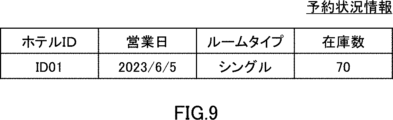
- the reservation status control unit 202 generates reservation status information for hotels where there has been a change in inventory (hotels corresponding to the hotel IDs included in the room reservation notification). For example, as shown in FIG. 9, the reservation status control unit 202 generates reservation status information including the hotel IDs of hotels where there has been a change in inventory, business days on which there has been a change in inventory (business days on which accommodation is available), and the number of rooms available for sale for each room type.
- the reservation status control unit 202 transfers the received room reservation notification to the control server 40.
- the reservation status control unit 202 notifies the control server 40 of the reservation information.
- the reservation status control unit 202 processes the "auction information notification” and "auction failure notification” received from the control server 40.
- the reservation status control unit 202 excludes the rooms subject to the auction from being sold by travel agencies and OTA operators. Specifically, the reservation status control unit 202 increments the setting value of the reservation quantity field of the entry (entry in the reservation status management database) corresponding to the hotel ID, the auction target date, and the room type included in the auction information notification.
- the reservation status control unit 202 When the sale of the rooms subject to the auction is prohibited (stopped) in response to receiving the auction information notification, the reservation status control unit 202 notifies the travel agency server 11 and the OTA server 20 of a reservation status notification in response to the update of the reservation status.
- the reservation status control unit 202 stores the hotel ID, auction ID, and auction information (information about the target room, auction start date, auction end date), etc., contained in the notification in association with each other.
- the reservation status control unit 202 upon receiving the auction information notification, notifies the hotel server 10 of the auction information.
- the reservation status control unit 202 transmits an "auction start instruction" including the auction ID and the auction information to the hotel server 10 corresponding to the hotel ID included in the auction information notification.
- the reservation status control unit 202 When a notice of the auction failure is received, the reservation status control unit 202 resets the rooms reserved for the auction to a status that makes them available for sale by the OTA operator, etc.
- the reservation status control unit 202 identifies the target guest room (hotel, target auction date, room type) for the auction corresponding to the auction ID included in the notice.
- the reservation status control unit 202 accesses the reservation status management database and decrements the setting value in the reservation quantity field of the identified guest room (entry in the reservation status management database).
- the memory unit 203 is a means for storing information necessary for the operation of the reservation management server 30.
- [Hotel Server] 10 is a diagram showing an example of a processing configuration (processing module) of the hotel server 10 according to the first embodiment.
- the hotel server 10 includes a communication control unit 301, a reservation control unit 302, an auction holding control unit 303, and a storage unit 304.
- the communication control unit 301 is a means for controlling communication with other devices.
- the communication control unit 301 receives data (packets) from the reservation management server 30.
- the communication control unit 301 also transmits data to the reservation management server 30.
- the communication control unit 301 passes data received from other devices to other processing modules.
- the communication control unit 301 transmits data acquired from other processing modules to other devices. In this way, the other processing modules transmit and receive data to and from other devices via the communication control unit 301.
- the communication control unit 301 has a function as a receiving unit that receives data from other devices, and a function as a transmitting unit that transmits data to other devices.
- the reservation control unit 302 is a means for controlling hotel (guest room) reservations made by users.
- the reservation control unit 302 realizes the functions of an accommodation reservation site, etc.
- the reservation control unit 302 uses the reservation status of its own hotel to generate guest room information, etc. to be presented to users on the accommodation reservation site.
- the reservation control unit 302 When the reservation control unit 302 accepts a reservation from a user, it sends a room reservation notification including reservation information to the reservation management server 30. Note that hotel room reservations made by the hotel server 10 are not within the scope of the present disclosure, so further explanation will be omitted.
- the auction holding control unit 303 is a means for controlling the holding of the guest room auction.
- the auction holding control unit 303 processes the auction start instruction received from the reservation management server 30.
- the auction hosting control unit 303 publishes details of the auction on the accommodation reservation site for normal room reservations and on a site dedicated to room auctions.
- the auction hosting control unit 303 publishes information about the rooms subject to the auction (target date, room type, etc.), the auction period (start date, end date), etc.
- the auction holding control unit 303 accepts bids from users. Specifically, the auction holding control unit 303 accepts bids from users (auction participants) using a GUI (Graphical User Interface) such as that shown in FIG. 11.
- GUI Graphic User Interface
- the auction hosting control unit 303 obtains the bidder information (e.g., name, gender, address, date of birth, telephone number, email address).
- the bidder information e.g., name, gender, address, date of birth, telephone number, email address.
- the auction hosting control unit 303 After acquiring the bid amount and bidder information, the auction hosting control unit 303 notifies the control server 40 of the acquired bidder information and bid amount periodically or at a predetermined timing. For example, the auction hosting control unit 303 sends a "bidder information notification" including the auction ID, bidder information, and bid amount to the control server 40 each time a bid is made.
- the auction holding control unit 303 may notify the control server 40 of bidder information and bid amounts for multiple bidders for each time period or each day.
- the auction holding control unit 303 may send a bidder information notification including bidder information and bid amounts for multiple bidders to the control server 40.
- the memory unit 304 is a means for storing information necessary for the operation of the hotel server 10.
- Control Server 12 is a diagram showing an example of a processing configuration (processing module) of the control server 40 according to the first embodiment.
- the control server 40 includes a communication control unit 401, a reservation information control unit 402, an auction execution control unit 403, and a storage unit 404.
- the communication control unit 401 is a means for controlling communication with other devices. For example, the communication control unit 401 receives data (packets) from the reservation management server 30. The communication control unit 401 also transmits data to the reservation management server 30. The communication control unit 401 passes data received from other devices to other processing modules. The communication control unit 401 transmits data acquired from other processing modules to other devices. In this way, the other processing modules transmit and receive data to and from other devices via the communication control unit 401.
- the communication control unit 401 has a function as a receiving unit that receives data from other devices, and a function as a transmitting unit that transmits data to other devices.
- the reservation information control unit 402 is a means for controlling room reservations at the hotel itself.
- the reservation information control unit 402 processes room reservation notifications received from the reservation management server 30.
- the reservation information control unit 402 stores reservation information included in the room reservation notification (e.g., the name, gender, address, date of birth, etc. of the person making the reservation).
- the reservation information is used for the check-in procedures of guests, etc.
- the reservation information control unit 402 also manages the hotel's inventory in response to receiving a room reservation notification.
- the reservation information control unit 402 reduces the room inventory for the reserved stay date (scheduled stay date) and room type.
- the auction execution control unit 403 is a means for controlling the execution of the room auction.
- the auction execution control unit 403 displays a GUI or the like on the terminal 50 for the hotel employee to input information related to the room auction.
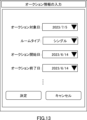
- the auction execution control unit 403 uses a GUI such as that shown in FIG. 13 to obtain information about the rooms to be auctioned (auction date, room type), the auction start date, and end date.
- the auction execution control unit 403 can select rooms to be auctioned from among the rooms in stock at the hotel.
- the auction execution control unit 403 When the auction execution control unit 403 acquires information such as the target guest rooms for the auction, it generates an auction ID for identifying the auction to be held.
- the auction ID may be any information that can uniquely identify the auction.
- the auction execution control unit 403 stores the auction ID, the guest room to be auctioned (target date, room type), and the auction start date and end date in association with each other.
- the auction execution control unit 403 sends an auction information notification including the hotel ID of the hotel, the auction ID, and the auction information to the reservation management server 30.
- the auction execution control unit 403 receives a bidder information notification from the hotel server 10 of the hotel.
- the auction execution control unit 403 stores the auction ID, bidder information, and bid amount contained in the received bidder information notification.
- the auction execution control unit 403 has a function as an acquisition unit that acquires the bid amounts of each of the multiple bidders who will participate in the auction for hotel room rates.
- the auction execution control unit 403 executes the auction.
- the auction execution control unit 403 executes the auction using a learning model (AI model) obtained by machine learning. Specifically, the auction execution control unit 403 executes the auction using the minimum winning bid price and the bid prices of each of the multiple bidders, which are output by an AI model obtained by machine learning using the winning bid price influence information.
- AI model learned by machine learning
- the operation of the auction execution control unit 403 will be explained with reference to FIG. 14.
- the auction execution control unit 403 acquires information on the successful bid price influence for the target date of the auction using any means (step S101). For example, the auction execution control unit 403 acquires information on the successful bid price influence such as the availability of rooms at the hotel itself, the room sales prices at other hotels, the working conditions of the hotel's employees, the time (season) of the target date of the auction, etc.
- the auction execution control unit 403 reads from the storage unit 404 the number of rooms in stock that are on the same business day and of the same room type as the room being auctioned.
- the auction execution control unit 403 accesses accommodation reservation sites operated by other hotels.
- the auction execution control unit 403 acquires the room sales prices of other hotels (particularly hotels operating in the vicinity of the hotel) from the accommodation reservation site.
- the auction execution control unit 403 acquires the room sales price (room sales price on the day the auction is targeted) of the same room type as the room targeted for auction.
- the auction execution control unit 403 may obtain the employee work schedule for the date of the auction (the hotel's business days) from a server device (not shown) that manages the attendance of hotel employees.
- the auction execution control unit 403 inputs the acquired successful bid price influence information to an AI model that outputs the minimum successful bid price, etc., for the rooms subject to auction (execute the AI model; step S102).
- the auction execution control unit 403 inputs the successful bid price influence information for the date subject to the auction to the AI model to acquire the minimum successful bid price.
- the AI model is obtained by machine learning using a large amount of training data in which labels (minimum bid amount) are assigned to combinations of various information (room availability, room sales prices at other hotels, working conditions of the hotel's employees, the date of the auction, etc.).
- Any algorithm such as a support vector machine, boosting, or neural network can be used to generate the learning model. Note that publicly known technologies can be used for the algorithms such as the support vector machine, so a description of them will be omitted.
- an AI model is prepared that outputs a low minimum bid price when there are many vacant rooms at the hotel, and a high minimum bid price when there are few vacant rooms.
- an AI model is prepared that outputs a low minimum bid price when other hotels' room sales prices are low, and a high minimum bid price when other hotels' room sales prices are high.
- an AI model is prepared that outputs a low minimum bid price when the hotel has a sufficient number of employees, and a high minimum bid price when the hotel has a shortage of employees.
- an AI model is prepared that outputs a low minimum bid price during the off-season, and a high minimum bid price during the busy season.
- the information used to generate the AI model described above is merely an example, and other information may be used to generate the AI model.
- information about events held near the hotel or information about the weather may be used to generate the AI model.
- At least one piece of successful bid price influence information should be used to generate the AI model, and the information used to generate the AI model should be the information that the hotel considers important when determining the room sales price. Furthermore, by generating an AI model using multiple pieces of successful bid price influence information, the optimal room rate price under complex conditions (complex situations) is output from the AI model.
- the auction execution control unit 403 determines whether or not there is a successful bidder (step S103). If there is a bid amount higher than the minimum bid amount output by the AI model, the auction execution control unit 403 determines that there is a successful bidder. In this case, the auction execution control unit 403 sets the user who submitted the highest bid amount as the successful bidder.
- the auction execution control unit 403 determines that there is no successful bidder (determines that the auction is not successful).
- step S104 If there is no successful bidder (step S104, No branch), the auction execution control unit 403 sends an "auction failure notification" including the auction ID corresponding to the failed auction to the reservation management server 30 (step S105).
- step S104 If there is a successful bidder (step S104, Yes branch), the auction execution control unit 403 does not send a notice that the auction was not successful.
- the auction execution control unit 403 notifies the auction participants (bidders) of the results of the auction (step S106). For example, the auction execution control unit 403 transmits the results of the auction to the terminal 50 held by the successful bidder.
- the auction execution control unit 403 sends an "auction result notification" including the information "no successful bidder" to each bidder's terminal 50.
- the auction execution control unit 403 sends an "auction result notification" including information about the successful room (planned stay dates, room type) and the successful bid amount (bid amount of the successful bidder) to the terminal 50 of that successful bidder.
- the auction execution control unit 403 sends an "auction result notification" including information that "someone else has successfully won the bid” to the terminals 50 of bidders (non-successful bidders) who participated in the auction but were unsuccessful in winning the room.
- the memory unit 404 is a means for storing information necessary for the operation of the control server 40.
- Examples of the terminal 50 include a smartphone, a mobile phone, a game machine, a mobile terminal device such as a tablet, a computer (personal computer, notebook computer), etc.
- the terminal 50 can be any equipment or device that can accept user operations and communicate with the hotel server 10, etc. Furthermore, since the configuration of the terminal 50 is clear to those skilled in the art, detailed explanations will be omitted.
- the hotel server 10 sends a bidder information notification to the control server 40 (step S21).
- the control server 40 receives the bidder information notification and stores the bidder information, bid amount, etc. (step S22).
- the control server 40 executes the auction (step S23).
- the control server 40 sends an auction result notification to the bidder's terminal 50 (step S24).
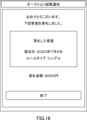
- the terminal 50 outputs a message or the like according to the information contained in the received auction result notification (step S25). For example, the terminal 50 of the successful bidder displays a message as shown in FIG. 16.
- ⁇ Modification 1> a case has been described in which the site controller (reservation management server 30) is included in the information processing system.
- the information processing system does not have to include the reservation management server 30.
- the functions of the reservation management server 30 described above may be implemented in a control server 40 that handles the hotel's operations.
- control server 40 may have a function to control reservations made by the OTA server 20, etc., in addition to controlling the check-in procedures for guests and the implementation of auctions, etc.
- control server 40 may have the functions of the hotel server 10.
- control server 40 only needs to have the functions of controlling the holding of the auction and selling the hotel's rooms (the functions of implementing a hotel reservation site).
- the rooms to be auctioned may be auctioned on a daily basis or over multiple days.
- the auction execution control unit 403 of the control server 40 may select a bidder who has submitted bids over multiple days as the successful bidder.
- the auction execution control unit 403 may select as the successful bidder a bidder who has a longer stay period than other bidders, even if the bid amount per day is low. For example, the auction execution control unit 403 may set as the successful bidder the bidder who pays the highest total amount of fees to the hotel. In this case, it is necessary that the bid amount of the bidder on each day (each business day) of the auction exceeds the minimum successful bid amount (the bid amount for each day) output by the AI model.
- the control server 40 may notify the hotel staff of the results of the auction.
- the control server 40 may transmit the auction result notification to a terminal 50 carried by the hotel staff.
- the control server 40 executes an auction using the lowest bid price output by the AI model that has learned various information that affects the hotel's room rates. For example, when the control server 40 is unable to secure sufficient employees, it sets a high room rate as the lowest bid price. In contrast, during the off-season, the control server 40 prioritizes securing more guests (room reservations) by setting a low room rate as the lowest bid price. In this way, the control server 40 considers various information inside and outside the hotel that affects the room rate and sells rooms at the most optimal price for the hotel. In other words, the hotel will not sell rooms at a room rate that is not profitable, nor will it try to sell rooms at a room rate that is far from the market price.
- control server 40 sells hotel rooms in an auction format and calculates the lowest bid price (acceptance or non-acceptance of the auction) using the AI model.
- the AI model considers the hotel's own information, surrounding information, etc., and outputs a room rate that maximizes the hotel's profits.
- the auction is conducted automatically by the control server 40, so there is no increased workload for hotel employees.
- Figure 18 is a diagram showing an example of the hardware configuration of the control server 40.
- the control server 40 can be configured by an information processing device (so-called a computer), and has the configuration shown in FIG. 18.
- the control server 40 has a processor 311, a memory 312, an input/output interface 313, and a communication interface 314.
- the components such as the processor 311 are connected by an internal bus or the like, and are configured to be able to communicate with each other.
- control server 40 may include hardware not shown, and may not include an input/output interface 313 as necessary.
- number of processors 311 and the like included in the control server 40 is not intended to be limited to the example shown in FIG. 18, and for example, the control server 40 may include multiple processors 311.
- the processor 311 is, for example, a programmable device such as a CPU (Central Processing Unit), an MPU (Micro Processing Unit), or a DSP (Digital Signal Processor). Alternatively, the processor 311 may be a device such as an FPGA (Field Programmable Gate Array) or an ASIC (Application Specific Integrated Circuit). The processor 311 executes various programs including an operating system (OS).
- OS operating system
- Memory 312 may be a RAM (Random Access Memory), a ROM (Read Only Memory), a HDD (Hard Disk Drive), a SSD (Solid State Drive), etc. Memory 312 stores the OS program, application programs, and various data.
- RAM Random Access Memory
- ROM Read Only Memory
- HDD Hard Disk Drive
- SSD Solid State Drive
- the input/output interface 313 is an interface for a display device and an input device (not shown).
- the display device is, for example, a liquid crystal display.
- the input device is, for example, a keyboard, a mouse, a touch panel, or other device that accepts user operations.
- the communication interface 314 is a circuit, module, etc. that communicates with other devices.
- the communication interface 314 includes a NIC (Network Interface Card), etc.
- the functions of the control server 40 are realized by various processing modules.
- the processing modules are realized, for example, by the processor 311 executing a program stored in the memory 312.
- the program can be recorded on a computer-readable storage medium.
- the storage medium can be a non-transitory medium such as a semiconductor memory, a hard disk, a magnetic recording medium, or an optical recording medium.
- the present invention can also be embodied as a computer program product.
- the program can be downloaded via a network, or updated using a storage medium that stores the program.
- the processing modules may also be realized by a semiconductor chip.
- the hotel server 10, reservation management server 30, etc. can also be configured using information processing devices, just like the control server 40, and their basic hardware configurations are no different from that of the control server 40, so a description of them will be omitted.
- the control server 40 is equipped with a computer, and the functions of the control server 40 can be realized by having the computer execute a program.
- the control server 40 also executes the control method of the control server 40 by the program.
- the OTA server 20 is included in the information processing system.
- the information processing system does not have to include the OTA server 20.
- Hotel rooms may be sold by the hotel's own accommodation reservation site and a travel agency.
- the information processing system realizes a reservation system for rooms in one hotel.
- the travel agency server 11 does not have to be included in the information processing system.
- the control server 40 executes the room auction.
- the room auction may also be executed by the hotel server 10.
- the hotel server 10 acquires information on the impact of the successful bid price, such as the hotel's room availability and employee working conditions, when executing the auction.
- the hotel server 10 inputs the acquired information on the impact of the successful bid price into the AI model and executes the auction.
- the hotel server 10 transmits the bidder information directly to the control server 40.
- the hotel server 10 may transmit the bidder information to the control server 40 via the reservation management server 30.
- the hotel server 10 transmits bidder information to the control server 40 each time a user makes a bid.
- the hotel server 10 may transmit a bid information notification to the control server 40 only to the bidder who submitted the highest bid amount at the end of the auction.
- the hotel server 10 may notify the control server 40 of the highest bid amount at the end of the auction and information about that bidder.
- the control server 40 may compare the notified bid amount (highest bid amount) with the minimum bid amount output by the AI model and execute the auction.
- the control server 40 acquires reservation information (bidder information; for example, name, gender, email address, etc.) of a user via the hotel server 10 when the user participates in an auction.
- the control server 40 may not acquire the reservation information when the user participates in an auction, but may acquire the reservation information of the auction winner when the auction winner is determined.
- the terminal 50 of the auction winner acquires the reservation information of the auction winner in FIG. 16 or in a screen that can be transitioned to from FIG. 16.
- the terminal 50 transmits the acquired reservation information to the control server 40.
- the control server 40 does not need to store personal information (for example, names, etc.) of many auction participants, and the auction winner can smoothly input reservation information after receiving notification of the auction results.
- a reservation status management database is configured inside the reservation management server 30, but the database may be constructed in an external database server or the like. In other words, some of the functions of the reservation management server 30 may be implemented in another device. More specifically, the above-described "reservation status control unit (reservation status control means)" and the like may be implemented in any of the devices included in the system.
- the form of data transmission between each device is not particularly limited, but data transmitted between these devices may be encrypted. User names and other information are transmitted between these devices, and in order to properly protect this information, it is desirable to transmit and receive encrypted data.
- each embodiment may be used alone or in combination.
- [Appendix 1] A method for participating in an auction for hotel room rates, acquiring bid amounts of each of a plurality of bidders, and an execution control means for executing an auction using a minimum winning bid price and the bid prices of the plurality of bidders, the minimum winning bid price being output by an AI (Artificial Intelligence) model obtained by machine learning using winning bid price influence information that influences the room rates of the hotel;
- a server device comprising: [Appendix 2] The server device according to claim 1, wherein the successful bid price impact information includes at least the working status of the hotel's employees.
- the server device obtains information about the guest rooms to be the subject of the auction, the auction start date, and the auction end date using a GUI (Graphical User Interface).
- a method for controlling a server device comprising: [Appendix 9] The method for controlling a server device according to claim 8, wherein the successful bid price influence information includes at least the working status of the hotel's employees.
- [Appendix 10] The control method for a server device described in Appendix 9, wherein the execution control step acquires the winning bid price influence information for the auction target date, and acquires the minimum winning bid price by inputting the acquired winning bid price influence information into the AI model.
- [Appendix 11] The server device control method according to any one of claims 8 to 10, wherein the execution control step sets the bidder who has offered the highest bid amount that is equal to or higher than the minimum bid amount as the successful bidder.
- [Appendix 12] 12 12. The method for controlling a server device according to claim 11, wherein the execution control step transmits an execution result of the auction to a terminal carried by the successful bidder. [Appendix 13] 12.
- Appendix 15 A computer installed in the server device An acquisition process for participating in an auction for hotel room rates and acquiring bid amounts from multiple bidders; an execution control process for executing an auction using the minimum winning bid price and the bid prices of the plurality of bidders, the minimum winning bid price being output by an AI (Artificial Intelligence) model obtained by machine learning using winning bid price influence information that influences the room rates of the hotel; A computer-readable storage medium that stores a program for executing the above.
- AI Artificial Intelligence
- [Appendix 17] The storage medium described in Appendix 16, wherein the execution control process acquires the winning bid price influence information for the auction target date, and acquires the minimum winning bid price by inputting the acquired winning bid price influence information into the AI model.
- [Appendix 18] 18. The storage medium according to any one of appendices 15 to 17, wherein the execution control process sets the bidder who offers the highest bid amount that is equal to or higher than the minimum bid amount as the successful bidder.
- [Appendix 19] 19. The storage medium of claim 18, wherein the execution control process transmits a result of the auction to a terminal carried by the successful bidder.
- [Appendix 20] 19. The storage medium according to claim 18, wherein the execution control process transmits a result of the auction to a terminal carried by an employee of the hotel.
- [Appendix 21] The storage medium according to any one of appendices 15 to 17, wherein the execution control process obtains information about the guest rooms that are the subject of the auction, the auction start date, and the auction end date using a
- Control server 50 Terminal 100 Server device 101 Acquisition means 102 Execution control means 201 Communication control unit 202 Reservation status control unit 203 Storage unit 301 Communication control unit 302 Reservation control unit 303 Auction holding control unit 304 Storage unit 311 Processor 312 Memory 313 Input/output interface 314 Communication interface 401 Communication control unit 402 Reservation information control unit 403 Auction execution control unit 404 Storage unit
Landscapes
- Business, Economics & Management (AREA)
- Finance (AREA)
- Accounting & Taxation (AREA)
- Marketing (AREA)
- Development Economics (AREA)
- Economics (AREA)
- Entrepreneurship & Innovation (AREA)
- Strategic Management (AREA)
- Physics & Mathematics (AREA)
- General Business, Economics & Management (AREA)
- General Physics & Mathematics (AREA)
- Engineering & Computer Science (AREA)
- Theoretical Computer Science (AREA)
- Management, Administration, Business Operations System, And Electronic Commerce (AREA)
Abstract
ホテルの客室を適切な金額で販売する、サーバ装置を提供する。サーバ装置は、取得手段と、実行制御手段と、を備える。取得手段は、ホテルの客室料金のオークションに参加する、複数の入札者それぞれの入札金額を取得する。実行制御手段は、ホテルの客室料金に影響を与える、落札金額影響情報を用いた機械学習により得られるAI(Artificial Intelligence)モデルが出力する、最低落札金額と複数の入札者それぞれの入札金額を用いてオークションを実行する。
Description
本発明は、サーバ装置、サーバ装置の制御方法及び記憶媒体に関する。
ホテルの客室料金の設定に関する技術が存在する。
例えば、特許文献1には、顧客及びホテル側の市場の需要供給、かつ顧客満足度を反映した最適な客室料金を設定することができる最適客室料金設定システムを提供する、と記載されている。
利用者がホテルの客室の予約を行う方法には、ホテルの自社サイトからの予約、旅行代理店からの予約、OTA(Online Travel Agent)サイトからの予約等が存在する。利用者は、なるべく安価でホテルの客室に宿泊したいと希望し、ホテルはなるべく高い料金で客室を販売したいと希望する。このような状況のため、ホテルの客室料金に関し、需給のバランスをとる方法、手段等が求められている。
需給のバランスをとるため、ホテルの客室をオークション形式で販売することが考えられる。しかし、単にオークション方式を採用しただけでは、ホテル側の要望を客室料金に反映させることが困難である。ホテルが希望する客室料金は、自ホテルや他ホテルの状況等に応じて変わることが多いためである。
なお、特許文献1に開示された技術を適用しても上記問題を解決することはできない。特許文献1は、ホテルの評価に基づいて最適な客室料金の設定を開示することに留まる。
本発明は、ホテルの客室を適切な金額で販売することに寄与する、サーバ装置、サーバ装置の制御方法及び記憶媒体を提供することを主たる目的とする。
本発明の第1の視点によれば、ホテルの客室料金のオークションに参加する、複数の入札者それぞれの入札金額を取得する、取得手段と、前記ホテルの客室料金に影響を与える、落札金額影響情報を用いた機械学習により得られるAI(Artificial Intelligence)モデルが出力する、最低落札金額と前記複数の入札者それぞれの入札金額を用いてオークションを実行する、実行制御手段と、を備える、サーバ装置が提供される。
本発明の第2の視点によれば、サーバ装置において、ホテルの客室料金のオークションに参加する、複数の入札者それぞれの入札金額を取得する、取得工程と、前記ホテルの客室料金に影響を与える、落札金額影響情報を用いた機械学習により得られるAI(Artificial Intelligence)モデルが出力する、最低落札金額と前記複数の入札者それぞれの入札金額を用いてオークションを実行する、実行制御工程と、を含む、サーバ装置の制御方法が提供される。
本発明の第3の視点によれば、サーバ装置に搭載されたコンピュータに、ホテルの客室料金のオークションに参加する、複数の入札者それぞれの入札金額を取得する、取得処理と、前記ホテルの客室料金に影響を与える、落札金額影響情報を用いた機械学習により得られるAI(Artificial Intelligence)モデルが出力する、最低落札金額と前記複数の入札者それぞれの入札金額を用いてオークションを実行する、実行制御処理と、を実行させるためのプログラムを記憶する、コンピュータ読取可能な記憶媒体が提供される。
本発明の各視点によれば、ホテルの客室を適切な金額で販売することに寄与する、サーバ装置、サーバ装置の制御方法及び記憶媒体が提供される。なお、本発明の効果は上記に限定されない。本発明により、当該効果の代わりに、又は当該効果と共に、他の効果が奏されてもよい。
はじめに、一実施形態の概要について説明する。なお、この概要に付記した図面参照符号は、理解を助けるための一例として各要素に便宜上付記したものであり、この概要の記載はなんらの限定を意図するものではない。また、特段の釈明がない場合には、各図面に記載されたブロックはハードウェア単位の構成ではなく、機能単位の構成を表す。各図におけるブロック間の接続線は、双方向及び単方向の双方を含む。一方向矢印については、主たる信号(データ)の流れを模式的に示すものであり、双方向性を排除するものではない。なお、本明細書及び図面において、同様に説明されることが可能な要素については、同一の符号を付することにより重複説明が省略され得る。
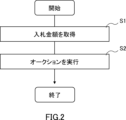
一実施形態に係るサーバ装置100は、取得手段101と、実行制御手段102と、を備える(図1参照)。取得手段101は、ホテルの客室料金のオークションに参加する、複数の入札者それぞれの入札金額を取得する(図2のステップS1)。実行制御手段102は、ホテルの客室料金に影響を与える、落札金額影響情報を用いた機械学習により得られるAI(Artificial Intelligence)モデルが出力する、最低落札金額と複数の入札者それぞれの入札金額を用いてオークションを実行する(ステップS2)。
サーバ装置100は、ホテルの客室を対象としたオークションを実施する。その際、サーバ装置100は、ホテルの客室料金に影響を与える情報に基づいて生成されたAIモデルを使ってオークションを実行する。例えば、サーバ装置100は、ホテルの人手が足りない場合には高い客室料金で落札されるようにオークションを実行する。あるいは、サーバ装置100は、閑散期のようなより多くの予約を確保した場合には安い客室料金で落札されることを許容する。このように、サーバ装置100は、ホテル内外の情報であって客室料金に影響を与える種々の情報を勘案し、ホテルにとって最適な料金で客室を販売する。即ち、ホテルは、自ホテルの客室を適切な金額で販売できる。
以下に具体的な実施形態について、図面を参照してさらに詳しく説明する。
[第1の実施形態]
第1の実施形態について、図面を用いてより詳細に説明する。
第1の実施形態について、図面を用いてより詳細に説明する。
[システムの構成]
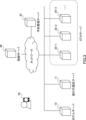
図3は、第1の実施形態に係る情報処理システム(ホテル予約システム)の概略構成の一例を示す図である。図3に示すように、情報処理システムには、ホテルサーバ10と、旅行代理店サーバ11と、複数のOTA(Online Travel Agent)サーバ20-1~20-3と、予約管理サーバ30と、制御サーバ40と、が含まれる。
図3は、第1の実施形態に係る情報処理システム(ホテル予約システム)の概略構成の一例を示す図である。図3に示すように、情報処理システムには、ホテルサーバ10と、旅行代理店サーバ11と、複数のOTA(Online Travel Agent)サーバ20-1~20-3と、予約管理サーバ30と、制御サーバ40と、が含まれる。
以降の説明において、OTAサーバ20-1~20-3を区別する特段の理由がない場合には、単に「OTAサーバ20」と表記する。他の要素についても同様に、ハイフンより左側の符号に当該要素を代表して表記する。
情報処理システムには、ホテルの宿泊予約等を行うサーバが含まれる。ホテルサーバ10、旅行代理店サーバ11及びOTAサーバ20が、利用者による客室の予約を受け付ける。以降の説明において、ホテルの客室予約を受け付ける、ホテルサーバ10、旅行代理店サーバ11及びOTAサーバ20を総称して「予約サーバ」と表記する。
情報処理システムには、複数の予約サーバが含まれる。当該複数の予約サーバのなかには、複数のOTA(Online Travel Agent)事業者それぞれより運営される、複数のOTAサーバ20が含まれる。
ホテルサーバ10は、ホテルが直接、客室を顧客に販売するためのサーバである。ホテルサーバ10は、自ホテルの客室を扱う宿泊予約サイトを実現する。
旅行代理店サーバ11は、実店舗等で営業する旅行代理店により管理、運営されるサーバ装置である。
OTAサーバ20は、オンラインで客室を販売するOTA事業者により管理、運営される。OTAサーバ20は、顧客に客室を販売するための宿泊予約サイトを実現する。なお、OTA事業者は、複数のホテルの客室を対象として販売を行う。図3の例では、OTAサーバ20は、ホテルサーバ10を管理、運営するホテルを含む多数のホテルの客室の販売(予約受付)を行う。
予約サーバ(ホテルサーバ10、旅行代理店サーバ11、OTAサーバ20)は、ネットワークを介して予約管理サーバ30等と接続されている。
予約管理サーバ30は、サイトコントローラとも称されるサーバである。予約管理サーバ30は、各予約サーバからの予約状況を一括で管理する。具体的には、予約管理サーバ30は、各ホテルの空き室状況(客室の在庫)を管理する。
制御サーバ40は、ホテルにより管理、運営されるサーバである。制御サーバ40は、ホテルの主たる業務を実現する。具体的には、制御サーバ40は、宿泊客の予約情報(例えば、氏名、性別、住所、宿泊日(宿泊期間;チェックイン日、チェックアウト日)、ルームタイプ等)を記憶する。制御サーバ40は、予約情報を用いて宿泊客のチェックイン手続きやチェックアウト手続き等を実現する。
利用者やホテルの従業員等は、端末50を所持する。例えば、利用者は、当該端末50を使ってホテルの予約等を行う。端末50には、例えば、スマートフォン、タブレット等のモバイル型端末が例示される。
図3に示す情報処理システムの構成は例示であって、その構成を限定する趣旨ではない。例えば、1つのホテルに複数のホテルサーバ10が含まれていてもよい。あるいは、複数の旅行代理店サーバ11が情報処理システムに含まれていてもよい。
なお、図3には、1つのホテルに対応するホテルサーバ10と制御サーバ40を図示しているが、実際には複数のホテルそれぞれに対応したホテルサーバ10及び制御サーバ40が情報処理システムには含まれる。
[概略動作]
続いて、第1の実施形態に係る情報処理システムの概略動作について説明する。
続いて、第1の実施形態に係る情報処理システムの概略動作について説明する。
<客室の予約>
ここでは、利用者がOTAサーバ20を用いてホテルの予約を行う場合について説明する。
ここでは、利用者がOTAサーバ20を用いてホテルの予約を行う場合について説明する。
予約管理サーバ30は、ホテルの客室に関する状況(予約状況)を管理する。予約管理サーバ30は、ホテルごとに販売可能な客室総数及び販売済(予約済)の客室数を記憶する。また、予約状況は、予約サーバ(ホテルサーバ10、旅行代理店サーバ11、OTAサーバ20)と共有されている。
利用者は、端末50を操作して予約サーバ(ここでは、上述のように、OTAサーバ20)が提供する宿泊予約サイトにアクセスする。利用者からのアクセスに応じて、OTAサーバ20は、予約管理サーバ30から通知されている予約状況に基づいて販売可能(利用者が予約可能)な客室を利用者に提示する。
利用者が端末50を操作して予約の申し込みを行うと、OTAサーバ20は、利用者の予約情報(例えば、利用者の氏名、性別、住所、宿泊日(宿泊期間)、ルームタイプ)等を予約管理サーバ30に通知する。具体的には、OTAサーバ20は、上記予約情報とホテルIDを含む「客室予約通知」を予約管理サーバ30に送信する(図4のステップS01)。
ホテルIDは、各ホテルを識別するためのIDである。ホテルIDには、ホテルの名称や予め定められたコード等が例示される。なお、ホテルIDは、システムに参加する各主体間において任意の方法によって共有される。例えば、システム管理者がホテルIDを決定し当該決定されたホテルIDを予約管理サーバ30に設定する。また、システム管理者は、当該決定されたホテルIDをOTA事業者等に通知する。各OTA事業者は、通知されたホテルIDを自社のOTAサーバ20に設定する。
客室予約通知の受信に応じて、予約管理サーバ30は、ホテルの予約状況を更新する。予約状況を更新すると、予約管理サーバ30は、更新後の予約状況を予約サーバに通知する。具体的には、予約管理サーバ30は、最新の予約状況に基づいて予約状況情報を生成する。予約管理サーバ30は、当該生成された予約状況情報を含む「予約状況通知」を各予約サーバに送信する(ステップS02)。
予約状況通知を受信すると、各予約サーバは、自サーバで保持するホテルの予約状況(空き室状況、在庫状況)を更新する。
また、客室予約通知を受信すると、予約管理サーバ30は、当該受信した客室予約通知を制御サーバ40に転送する(ステップS03)。
制御サーバ40は、客室予約通知に含まれる予約情報を記憶する。上述のように、予約情報は宿泊客のチェックイン手続き等に用いられる。
<客室のオークション>
複数の予約サイトのうち、ホテル自身が運営する自社サイトにおいて、客室(客室料金)のオークションが行われる。具体的には、ホテルサーバ10が提供する宿泊予約サイトにおいて客室オークションが行われる。
複数の予約サイトのうち、ホテル自身が運営する自社サイトにおいて、客室(客室料金)のオークションが行われる。具体的には、ホテルサーバ10が提供する宿泊予約サイトにおいて客室オークションが行われる。
オークションの対象となる客室は、OTA事業者等が販売できる客室であってもよいし、OTA事業者等は販売できない客室(ホテルがオークション用に確保した客室)であってもよい。ここでは、オークションの対象となる客室は、OTA事業者等も販売できる客室とする。
例えば、ホテルの従業員は、端末50を操作して制御サーバ40にアクセスする。ホテルの従業員は、実施するオークションの詳細な情報を制御サーバ40に入力する。具体的には、ホテルの従業員は、予約が埋まっていない客室(未販売な客室)のなかからオークション用の客室を選択する。さらに、ホテルの従業員は、オークション開始日(開始日時)、終了日(終了日時)等を制御サーバ40に入力する。なお、オークション開始日や終了日が制御サーバ40に入力された場合には、オークション開始時刻や終了時刻には予め定められた時刻が用いられる。
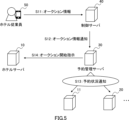
制御サーバ40は、オークションの対象客室(オークション対象日及びルームタイプ)、オークション開始日及び終了日等の情報をオークション情報として取得する(図5のステップS11)。制御サーバ40は、オークション情報を取得すると、実施されるオークションを識別するためのオークションIDを生成する。
制御サーバ40は、生成したオークションID及びオークション情報を予約管理サーバ30に通知する。制御サーバ40は、自ホテルに対応するホテルID、オークションID及びオークション情報(オークション対象客室の情報、オークション開始日、終了日)を含む「オークション情報通知」を予約管理サーバ30に送信する(ステップS12)。
オークション情報通知を受信すると、予約管理サーバ30は、オークションの対象客室を旅行代理店及びOTA事業者による販売の対象から除外する。予約管理サーバ30は、OTA事業者等によるオークションの対象客室の販売を停止する。
具体的には、予約管理サーバ30は、オークションの対象客室は予約されたものと扱い、該当するホテルの予約状況を更新する。予約管理サーバ30は、予約状況の更新に応じた予約状況通知を旅行代理店サーバ11及びOTAサーバ20に通知する(ステップS13)。
また、オークション情報通知を受信すると、予約管理サーバ30は、オークション情報をホテルサーバ10に通知する。予約管理サーバ30は、オークション情報通知に含まれるホテルIDに対応するホテルサーバ10に向けて、オークションID及びオークション情報を含む「オークション開始指示」を送信する(ステップS14)。
オークション開始指示を受信すると、ホテルサーバ10は、自社の宿泊予約サイトにおいて、オークションの詳細を公開する。ホテルサーバ10は、オークションの対象客室の情報(オークション対象日、ルームタイプ等)やオークション期間(開始日、終了日)等を宿泊予約サイトで公開する。
オークション開始日が過ぎると、ホテルサーバ10は、利用者からの入札を受け付ける。その際、ホテルサーバ10は、入札者情報(例えば、氏名、性別、住所、生年月日、電話番号、メールアドレス)と入札金額等を取得する。
ホテルサーバ10は、定期的又は所定のタイミングで、取得した入札者情報及び入札金額を制御サーバ40に通知する。例えば、ホテルサーバ10は、入札が行われるたびに、オークションID、入札者情報及び入札金額を含む「入札者情報通知」を制御サーバ40に送信する(図6参照)。制御サーバ40は、受信した入札者情報通知に含まれる入札者情報と入札金額を記憶する。
制御サーバ40は、予め定められたオークション終了日に、オークションを実施する。その際、制御サーバ40は、種々の情報を総合的に判断し、オークションを実行する。具体的には、制御サーバ40は、客室の落札金額に影響を与える情報(以下、落札金額影響情報と表記する)を用いて、オークションを実行する。例えば、制御サーバ40は、オークション実施日における自ホテル従業員の勤務状況等を考慮してオークションを実行する。
制御サーバ40は、AI(Artificial Intelligence)モデルを用いてオークションを実行する。例えば、制御サーバ40は、落札金額影響情報を入力すると、オークションの対象となっている客室の最低落札金額等を出力するようなAIモデルを用いてオークションを実行する。
制御サーバ40は、AIモデルが出力する最低落札金額よりも高額な入札金額が存在する場合、最高額の入札金額を提示した利用者(オークション入札者)を落札者とする。制御サーバ40は、AIモデルが出力する最低落札金額よりも高額な入札金額が存在しない場合、オークションの落札者をなしとする。
制御サーバ40は、オークションの結果をオークション参加者(入札者)に通知する。制御サーバ40は、オークションの結果を含む「オークション結果通知」を各入札者が所持する端末50に送信する。制御サーバ40は、オークション入札者に対し、オークションの結果(対象客室の予約成否)を通知する。
落札者が存在しない場合、制御サーバ40は、オークションが不成立で終わった旨を予約管理サーバ30に通知する。この場合、制御サーバ40は、不成立に終わったオークションに対応するオークションIDを含む「オークション不成立通知」を予約管理サーバ30に送信する。
予約管理サーバ30は、オークション不成立通知に含まれるオークションIDに基づきオークションの対象客室(ホテル、オークション対象日、ルームタイプ)を特定する。予約管理サーバ30は、特定した客室の予約数を減らしてOTA事業者等が当該客室を予約可能な状態にする。
また、予約管理サーバ30は、予約可能な客室が増えたことを予約サーバに通知する。予約管理サーバ30は、最新の空き室状況を含む予約状況通知を予約サーバ(ホテルサーバ10、旅行代理店サーバ11、OTAサーバ20)に通知する。
続いて、第1の実施形態に係る情報処理システムに含まれる各装置の詳細について説明する。
[予約管理サーバ]
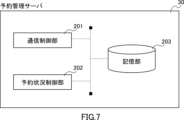
図7は、第1の実施形態に係る予約管理サーバ30の処理構成(処理モジュール)の一例を示す図である。図7を参照すると、予約管理サーバ30は、通信制御部201と、予約状況制御部202と、記憶部203と、を備える。
図7は、第1の実施形態に係る予約管理サーバ30の処理構成(処理モジュール)の一例を示す図である。図7を参照すると、予約管理サーバ30は、通信制御部201と、予約状況制御部202と、記憶部203と、を備える。
通信制御部201は、他の装置との間の通信を制御する手段である。例えば、通信制御部201は、OTAサーバ20からデータ(パケット)を受信する。また、通信制御部201は、OTAサーバ20に向けてデータを送信する。通信制御部201は、他の装置から受信したデータを他の処理モジュールに引き渡す。通信制御部201は、他の処理モジュールから取得したデータを他の装置に向けて送信する。このように、他の処理モジュールは、通信制御部201を介して他の装置とデータの送受信を行う。通信制御部201は、他の装置からデータを受信する受信部としての機能と、他の装置に向けてデータを送信する送信部としての機能と、を備える。
予約状況制御部202は、各ホテルの予約状況(空き室状況)に関する制御を行う手段である。
予約状況制御部202は、任意の手段を用いて各ホテルが販売可能な客室の総数を取得する。例えば、予約状況制御部202は、各ホテルの従業員等が客室総数(ルームタイプごとの客室総数)を予約管理サーバ30に登録するためのインターフェイスを提供する。あるいは、予約状況制御部202は、制御サーバ40から販売可能な客室総数を取得する。
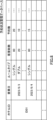
予約状況制御部202は、予約状況管理データベースを用いて各ホテルの予約状況を管理する(図8参照)。図8に示すように、予約状況管理データベースは、ホテルの営業日及びルームタイプごとに客室総数と予約数を記憶する。なお、図8に示す予約状況管理データベースは例示であって、記憶する項目等を限定する趣旨ではない。
予約状況制御部202は、予約サーバから客室予約通知を受信する。客室予約通知の受信に応じて、予約状況制御部202は、予約状況管理データベースを更新する。予約状況制御部202は、客室予約通知に含まれるホテルID、宿泊日(宿泊期間)及びルームタイプを用いて、利用者の予約に対応するエントリ(予約状況管理データベースのエントリ)を特定する。予約状況制御部202は、特定したエントリの予約数フィールドの設定値をインクリメントして予約状況管理データベースを更新する。
予約状況を更新すると、予約状況制御部202は、更新後の予約状況を各予約サーバに通知する。具体的には、予約状況制御部202は、予約状況管理データベースに記憶された情報に基づいて予約状況情報を生成する。予約状況情報は、各予約サーバが販売可能な客室(客室の在庫状況)に関する情報である。
予約状況制御部202は、在庫に変動があったホテル(客室予約通知に含まれるホテルIDに対応するホテル)の予約状況情報を生成する。例えば、予約状況制御部202は、図9に示すように、在庫の変動があったホテルのホテルID、在庫の変動があった営業日(宿泊可能な営業日)、ルームタイプの在庫数(販売可能な客室数)を含む予約状況情報を生成する。
予約状況制御部202は、生成した予約状況情報を含む「予約状況通知」を各予約サーバに送信する。
また、客室予約通知を受信すると、予約状況制御部202は、当該受信した客室予約通知を制御サーバ40に転送する。予約状況制御部202は、予約情報を制御サーバ40に通知する。
さらに、予約状況制御部202は、制御サーバ40から受信する「オークション情報通知」と「オークション不成立通知」を処理する。
オークション情報通知を受信すると、予約状況制御部202は、オークションの対象客室を旅行代理店及びOTA事業者による販売の対象から除外する。具体的には、予約状況制御部202は、オークション情報通知に含まれるホテルID、オークション対象日及びルームタイプに対応するエントリ(予約状況管理データベースのエントリ)の予約数フィールドの設定値をインクリメントする。
オークション情報通知の受信に応じて、オークションの対象客室の販売を禁止(停止)すると、予約状況制御部202は、予約状況の更新に応じた予約状況通知を旅行代理店サーバ11及びOTAサーバ20に通知する。
また、オークション情報通知を受信すると、予約状況制御部202は、当該通知に含まれるホテルID、オークションID及びオークション情報(対象客室の情報、オークション開始日、オークション終了日)等を対応付けて記憶する。
さらに、オークション情報通知を受信すると、予約状況制御部202は、オークション情報をホテルサーバ10に通知する。予約状況制御部202は、オークション情報通知に含まれるホテルIDに対応するホテルサーバ10に向けて、オークションID及びオークション情報を含む「オークション開始指示」を送信する。
オークション不成立通知を受信すると、予約状況制御部202は、オークションのために確保された客室をOTA事業者等が販売可能な状況に再設定する。
具体的には、オークション不成立通知を受信すると、予約状況制御部202は、当該通知に含まれるオークションIDに対応するオークションの対象客室(ホテル、オークション対象日、ルームタイプ)を特定する。予約状況制御部202は、予約状況管理データベースにアクセスし、上記特定した客室(予約状況管理データベースのエントリ)の予約数フィールドの設定値をデクリメントする。
記憶部203は、予約管理サーバ30の動作に必要な情報を記憶する手段である。
[ホテルサーバ]
図10は、第1の実施形態に係るホテルサーバ10の処理構成(処理モジュール)の一例を示す図である。図10を参照すると、ホテルサーバ10は、通信制御部301と、予約制御部302と、オークション開催制御部303と、記憶部304と、を備える。
図10は、第1の実施形態に係るホテルサーバ10の処理構成(処理モジュール)の一例を示す図である。図10を参照すると、ホテルサーバ10は、通信制御部301と、予約制御部302と、オークション開催制御部303と、記憶部304と、を備える。
通信制御部301は、他の装置との間の通信を制御する手段である。例えば、通信制御部301は、予約管理サーバ30からデータ(パケット)を受信する。また、通信制御部301は、予約管理サーバ30に向けてデータを送信する。通信制御部301は、他の装置から受信したデータを他の処理モジュールに引き渡す。通信制御部301は、他の処理モジュールから取得したデータを他の装置に向けて送信する。このように、他の処理モジュールは、通信制御部301を介して他の装置とデータの送受信を行う。通信制御部301は、他の装置からデータを受信する受信部としての機能と、他の装置に向けてデータを送信する送信部としての機能と、を備える。
予約制御部302は、利用者によるホテル(客室)の予約に関する制御を行う手段である。予約制御部302は、宿泊予約サイト等の機能を実現する。予約制御部302は、自ホテルの予約状況を用いて上記宿泊予約サイトで利用者に提示する客室の情報等を生成する。
予約制御部302は、利用者の予約を受け付けると、予約情報を含む客室予約通知を予約管理サーバ30に送信する。なお、ホテルサーバ10によるホテルの客室予約は本願開示の趣旨とは異なるので、さらなる説明を省略する。
オークション開催制御部303は、客室オークションの開催に関する制御を行う手段である。オークション開催制御部303は、予約管理サーバ30から受信するオークション開始指示を処理する。
オークション開始指示を受信すると、オークション開催制御部303は、通常の客室予約を行うための宿泊予約サイトや客室オークション専用サイトにおいて、オークションの詳細を公開する。オークション開催制御部303は、オークションの対象客室の情報(対象日、ルームタイプ等)やオークション期間(開始日、終了日)等を公開する。
オークション開始日が過ぎると、オークション開催制御部303は、利用者からの入札を受け付ける。具体的には、オークション開催制御部303は、図11に示すようなGUI(Graphical User Interface)等を用いて利用者(オークション参加者)からの入札を受け付ける。
入札金額を取得すると(図11の「次へ」ボタンが押下されると)、オークション開催制御部303は、入札者情報(例えば、氏名、性別、住所、生年月日、電話番号、メールアドレス)を取得する。
入札金額及び入札者情報を取得すると、オークション開催制御部303は、定期的又は所定のタイミングで、当該取得した入札者情報及び入札金額を制御サーバ40に通知する。例えば、オークション開催制御部303は、入札が行われるたびに、オークションID、入札者情報及び入札金額を含む「入札者情報通知」を制御サーバ40に送信する。
あるいは、オークション開催制御部303は、時間帯ごとや日ごとに複数の入札者に関する入札者情報及び入札金額をまとめて制御サーバ40に通知してもよい。オークション開催制御部303は、複数の入札者に関する入札者情報及び入札金額を含む入札者情報通知を制御サーバ40に送信してもよい。
記憶部304は、ホテルサーバ10の動作に必要な情報を記憶する手段である。
[制御サーバ]
図12は、第1の実施形態に係る制御サーバ40の処理構成(処理モジュール)の一例を示す図である。図12を参照すると、制御サーバ40は、通信制御部401と、予約情報制御部402と、オークション実行制御部403と、記憶部404と、を備える。
図12は、第1の実施形態に係る制御サーバ40の処理構成(処理モジュール)の一例を示す図である。図12を参照すると、制御サーバ40は、通信制御部401と、予約情報制御部402と、オークション実行制御部403と、記憶部404と、を備える。
通信制御部401は、他の装置との間の通信を制御する手段である。例えば、通信制御部401は、予約管理サーバ30からデータ(パケット)を受信する。また、通信制御部401は、予約管理サーバ30に向けてデータを送信する。通信制御部401は、他の装置から受信したデータを他の処理モジュールに引き渡す。通信制御部401は、他の処理モジュールから取得したデータを他の装置に向けて送信する。このように、他の処理モジュールは、通信制御部401を介して他の装置とデータの送受信を行う。通信制御部401は、他の装置からデータを受信する受信部としての機能と、他の装置に向けてデータを送信する送信部としての機能と、を備える。
予約情報制御部402は、自ホテルの客室予約に関する制御を行う手段である。予約情報制御部402は、予約管理サーバ30から受信する客室予約通知を処理する。予約情報制御部402は、客室予約通知に含まれる予約情報(例えば、予約者の氏名、性別、住所、生年月日等)を記憶する。当該予約情報は、宿泊客のチェックイン手続き等に用いられる。
また、予約情報制御部402は、客室予約通知の受信に応じて、自ホテルの在庫を管理する。予約情報制御部402は、予約された宿泊日(宿泊予定日)及びルームタイプの客室在庫を減らす。
オークション実行制御部403は、客室オークションの実行に関する制御を行う手段である。オークション実行制御部403は、ホテルの従業員等が端末50を操作して所定のウェブページ等にアクセスすると、当該ホテルの従業員が客室オークションに関する情報を入力するためのGUI等を端末50に表示する。
例えば、オークション実行制御部403は、図13に示すようなGUIを用いてオークションの対象となる客室の情報(オークション対象日、ルームタイプ)、オークション開始日及び終了日等を取得する。なお、オークション実行制御部403は、自ホテルの在庫が存在する客室のなかからオークション対象の客室を選択可能とする。
オークション実行制御部403は、オークションの対象客室等の情報を取得すると、実施されるオークションを識別するためのオークションIDを生成する。オークションIDは、オークションを一意に識別できる情報であればどのような情報であってもよい。
オークションIDを生成すると、オークション実行制御部403は、オークションID、オークション対象客室(対象日、ルームタイプ)、オークション開始日及び終了日を対応付けて記憶する。
また、オークションIDを生成すると、オークション実行制御部403は、自ホテルのホテルID、オークションID及びオークション情報を含むオークション情報通知を予約管理サーバ30に送信する。
オークション実行制御部403は、自ホテルのホテルサーバ10から入札者情報通知を受信する。オークション実行制御部403は、受信した入札者情報通知に含まれる、オークションID、入札者情報及び入札金額を記憶する。オークション実行制御部403は、ホテルの客室料金のオークションに参加する、複数の入札者それぞれの入札金額を取得する、取得手段としての機能を備える。
オークション終了日(オークション終了日時)が過ぎると、オークション実行制御部403は、オークションを実行する。オークション実行制御部403は、機械学習によって得られる学習モデル(AIモデル)を用いてオークションを実行する。具体的には、オークション実行制御部403は、落札金額影響情報を用いた機械学習により得られるAIモデルが出力する、最低落札金額と複数の入札者それぞれの入札金額を用いてオークションを実行する。
図14を参照し、オークション実行制御部403の動作を説明する。
オークション実行制御部403は、任意の手段を用いてオークション対象日の落札金額影響情報を取得する(ステップS101)。例えば、オークション実行制御部403は、自ホテルの空き室状況、他ホテルの客室販売価格、自ホテル従業員の勤務状況、オークション対象日の時期(季節)等の落札金額影響情報を取得する。
例えば、自ホテルの空き室状況に関し、オークション実行制御部403は、オークション対象客室と同じ営業日、同じルームタイプの客室在庫数を記憶部404から読み出す。
あるいは、他ホテルの客室販売価格に関し、オークション実行制御部403は、他ホテルによって運営されている宿泊予約サイトにアクセスする。オークション実行制御部403は、当該宿泊予約サイトから他ホテル(特に、自ホテルの周辺で営業するホテル)の客室販売価格を取得する。例えば、オークション実行制御部403は、オークション対象客室と同じルームタイプの客室販売価格(オークション対象日の客室販売価格)を取得する。
あるいは、オークション実行制御部403は、ホテル従業員の勤怠を管理するサーバ装置(図示せず)からオークション対象日(ホテルの営業日)における従業員の勤務予定を取得してもよい。
オークション実行制御部403は、オークション対象客室の最低落札金額等を出力するようなAIモデルに上記取得した落札金額影響情報を入力する(AIモデルを実行;ステップS102)。オークション実行制御部403は、オークション対象日の落札金額影響情報をAIモデルに入力することで最低落札金額を取得する。
なお、当該AIモデルは、各種情報の組み合わせ(空き室状況、他ホテルの客室販売価格、自ホテル従業員の勤務状況、オークション対象日の時期等)にラベル(最低落札金額)が付与された数多くの教師データを用いた機械学習により得られる。学習モデルの生成には、サポートベクタマシン、ブースティングやニューラルネットワーク等の任意のアルゴリズムを用いることができる。なお、上記サポートベクタマシン等のアルゴリズムは公知の技術を使用することができるので、その説明を省略する。
例えば、自ホテルの空き室が多い状況では低い最低落札金額を出力し、空き室が少ない状況では高い最低落札金額を出力するようなAIモデルが用意される。あるいは、他のホテルの客室販売価格が安い状況では低い最低落札金額を出力し、客室販売価格が高い状況では高い最低落札金額を出力するようなAIモデルが用意される。あるいは、自ホテルの従業員が十分足りている状況では低い最低落札金額を出力し、自ホテルの従業員が不足している状況では高い最低落札金額を出力するようなAIモデルが用意される。あるいは、閑散期には低い最低落札金額を出力し、繁忙期には高い最低落札金額を出力するようなAIモデルが用意される。
なお、上記説明したAIモデルの生成に使用される情報(落札金額影響情報)は例示であって、他の情報がAIモデルの生成に用いられてもよい。例えば、自ホテル周辺で開催されるイベントの情報や天気に関する情報がAIモデルの生成に用いられてもよい。
また、AIモデルの生成には少なくとも1以上の落札金額影響情報が使用されればよく、AIモデルの生成に使用される情報はホテルが客室販売価格決定時に重視する情報が使用されればよい。また、複数の落札金額影響情報を用いてAIモデルが生成されることで、複雑な条件下(複雑な状況下)における最適な客室料金価格がAIモデルから出力される。
オークション実行制御部403は、落札者の有無を判定する(ステップS103)。オークション実行制御部403は、AIモデルが出力する最低落札金額よりも高額な入札金額が存在する場合、落札者ありと判定する。この場合、オークション実行制御部403は、最高額の入札金額を提示した利用者を落札者に設定する。
オークション実行制御部403は、AIモデルが出力する最低落札金額よりも高額な入札金額が存在しない場合、落札者なしと判定する(オークション不成立と判定する)。
落札者が存在しない場合(ステップS104、No分岐)、オークション実行制御部403は、不成立に終わったオークションに対応するオークションIDを含む「オークション不成立通知」を予約管理サーバ30に送信する(ステップS105)。
落札者が存在する場合(ステップS104、Yes分岐)、オークション実行制御部403は、オークション不成立通知を送信しない。
さらに、オークション実行制御部403は、オークションの結果をオークション参加者(入札者)に通知する(ステップS106)。例えば、オークション実行制御部403は、オークションの実行結果を落札者が所持する端末50に送信する。
落札者が存在しない場合、オークション実行制御部403は、「落札者なし」という情報を含む「オークション結果通知」を各入札者の端末50に送信する。
落札者が存在する場合、オークション実行制御部403は、落札された客室の情報(宿泊予定日、ルームタイプ)及び落札金額(落札者の入札金額)等を含む「オークション結果通知」を当該落札者の端末50に送信する。オークション実行制御部403は、オークションに参加し、客室を落札できなかった入札者(非落札者)の端末50に対し、「他者が落札に成功」という情報を含む「オークション結果通知」を送信する。
落札者が存在する場合、オークション実行制御部403は、当該落札者の入札者情報を他の宿泊客の予約情報と同様に記憶する。また、オークション実行制御部403は、オークションが成立した客室の在庫を更新する。
記憶部404は、制御サーバ40の動作に必要な情報を記憶する手段である。
[旅行代理店サーバ]
旅行代理店サーバ11の構成及び動作に関する詳細な説明は省略する。旅行代理店サーバ11の動作等は、当業者にとって明らかなためである。
旅行代理店サーバ11の構成及び動作に関する詳細な説明は省略する。旅行代理店サーバ11の動作等は、当業者にとって明らかなためである。
[OTAサーバ]
OTAサーバ20の構成及び動作に関する詳細な説明は省略する。OTAサーバ20の動作等は、当業者にとって明らかなためである。
OTAサーバ20の構成及び動作に関する詳細な説明は省略する。OTAサーバ20の動作等は、当業者にとって明らかなためである。
[端末]
端末50には、スマートフォン、携帯電話機、ゲーム機、タブレット等の携帯端末装置やコンピュータ(パーソナルコンピュータ、ノートパソコン)等が例示される。端末50は、利用者の操作を受け付け、ホテルサーバ10等と通信可能であれば任意の機器、デバイスとすることができる。また、端末50の構成等は当業者にとって明らかであるので、詳細な説明を省略する。
端末50には、スマートフォン、携帯電話機、ゲーム機、タブレット等の携帯端末装置やコンピュータ(パーソナルコンピュータ、ノートパソコン)等が例示される。端末50は、利用者の操作を受け付け、ホテルサーバ10等と通信可能であれば任意の機器、デバイスとすることができる。また、端末50の構成等は当業者にとって明らかであるので、詳細な説明を省略する。
[システムの動作]
続いて、第1の実施形態に係る情報処理システムの動作について説明する。
続いて、第1の実施形態に係る情報処理システムの動作について説明する。
図15を参照し、第1の実施形態に係る情報処理システムの動作を説明する。
ホテルサーバ10は、オークションに対する入札が行われると、入札者情報通知を制御サーバ40に送信する(ステップS21)。
制御サーバ40は、入札者情報通知を受信し、入札者情報及び入札金額等を記憶する(ステップS22)。
オークション終了日(終了日時)が到来すると、制御サーバ40は、オークションを実行する(ステップS23)。
制御サーバ40は、オークション結果通知を入札者の端末50に送信する(ステップS24)。
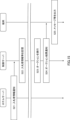
端末50は、受信したオークション結果通知に含まれる情報に応じたメッセージ等を出力する(ステップS25)。例えば、落札者の端末50は、図16に示すような表示を行う。
続いて、第1の実施形態に係る変形例について説明する。
<変形例1>
上記実施形態では、サイトコントローラ(予約管理サーバ30)が情報処理システムに含まれる場合について説明した。情報処理システムには、当該予約管理サーバ30は含まれていなくてもよい。具体的には、図17に示すように、ホテルの業務を担う制御サーバ40に上記説明した予約管理サーバ30の機能が実装されていてもよい。
上記実施形態では、サイトコントローラ(予約管理サーバ30)が情報処理システムに含まれる場合について説明した。情報処理システムには、当該予約管理サーバ30は含まれていなくてもよい。具体的には、図17に示すように、ホテルの業務を担う制御サーバ40に上記説明した予約管理サーバ30の機能が実装されていてもよい。
即ち、制御サーバ40は、宿泊客のチェックイン手続きやオークション実施等の制御に加え、OTAサーバ20等による予約を制御する機能を備えていてもよい。
あるいは、制御サーバ40は、ホテルサーバ10の機能を備えていてもよい。この場合、制御サーバ40は、オークションの開催に関する制御や自ホテルの客室を販売する機能(宿泊予約サイトを実現する機能)を備えていればよい。
<変形例2>
オークションの対象となる客室は、一日単位でオークションの対象とされてもよいし、複数の日に跨がってオークションの対象とされてもよい。制御サーバ40のオークション実行制御部403は、複数の日に亘り入札した入札者を落札者として選択してもよい。
オークションの対象となる客室は、一日単位でオークションの対象とされてもよいし、複数の日に跨がってオークションの対象とされてもよい。制御サーバ40のオークション実行制御部403は、複数の日に亘り入札した入札者を落札者として選択してもよい。
具体的には、オークション実行制御部403は、1日あたりの入札金額が低くても他の入札者よりも宿泊期間が長い入札者を落札者に選択してもよい。例えば、オークション実行制御部403は、ホテルに支払う料金の合計額が最も高い入札者を落札者に設定してもよい。なお、この場合、オークション対象の各日(各営業日)における当該入札者の入札金額が、AIモデルの出力する最低落札金額(各日の入札金額)を上回っていることが必要である。
<変形例3>
制御サーバ40は、オークション実行結果をホテル従業員等に通知してもよい。制御サーバ40は、オークション結果通知をホテル従業員が所持する端末50に送信してもよい。
制御サーバ40は、オークション実行結果をホテル従業員等に通知してもよい。制御サーバ40は、オークション結果通知をホテル従業員が所持する端末50に送信してもよい。
以上のように、第1の実施形態に係る情報処理システムでは、制御サーバ40は、ホテルの客室料金に影響を与える種々の情報を学習したAIモデルが出力する最低落札金額を用いてオークションを実行する。例えば、制御サーバ40は、十分な従業員が確保できない場合には高い客室料金を最低落札金額に設定する。対して、制御サーバ40は、閑散期には安い客室料金を最低落札金額に設定することでより多くの宿泊客(客室予約)の確保を優先する。このように、制御サーバ40は、ホテル内外の情報であって客室料金に影響を与える種々の情報を考慮して、ホテルにとって最適な料金で客室を販売する。即ち、ホテルは、採算の取れない客室料金で客室を販売せず、又、相場からかけ離れた客室料金で客室を販売しようとすることもない。このように、制御サーバ40は、ホテルの客室をオークション形式で販売すると共に、AIモデルを用いて最低落札金額(オークションの受け入れ可否)を算出する。AIモデルは、ホテル自身の情報、周辺の情報等を考慮して、ホテルの利益が最大化するような客室料金を出力する。また、オークションは、制御サーバ40により自動的に行われるので、ホテルの従業員の負荷が上昇するといったこともない。
続いて、情報処理システムを構成する各装置のハードウェアについて説明する。図18は、制御サーバ40のハードウェア構成の一例を示す図である。
制御サーバ40は、情報処理装置(所謂、コンピュータ)により構成可能であり、図18に例示する構成を備える。例えば、制御サーバ40は、プロセッサ311、メモリ312、入出力インターフェイス313及び通信インターフェイス314等を備える。上記プロセッサ311等の構成要素は内部バス等により接続され、相互に通信可能に構成されている。
但し、図18に示す構成は、制御サーバ40のハードウェア構成を限定する趣旨ではない。制御サーバ40は、図示しないハードウェアを含んでもよいし、必要に応じて入出力インターフェイス313を備えていなくともよい。また、制御サーバ40に含まれるプロセッサ311等の数も図18の例示に限定する趣旨ではなく、例えば、複数のプロセッサ311が制御サーバ40に含まれていてもよい。
プロセッサ311は、例えば、CPU(Central Processing Unit)、MPU(Micro Processing Unit)、DSP(Digital Signal Processor)等のプログラマブルなデバイスである。あるいは、プロセッサ311は、FPGA(Field Programmable Gate Array)、ASIC(Application Specific Integrated Circuit)等のデバイスであってもよい。プロセッサ311は、オペレーティングシステム(OS;Operating System)を含む各種プログラムを実行する。
メモリ312は、RAM(Random Access Memory)、ROM(Read Only Memory)、HDD(Hard Disk Drive)、SSD(Solid State Drive)等である。メモリ312は、OSプログラム、アプリケーションプログラム、各種データを格納する。
入出力インターフェイス313は、図示しない表示装置や入力装置のインターフェイスである。表示装置は、例えば、液晶ディスプレイ等である。入力装置は、例えば、キーボード、マウス、タッチパネル等のユーザ操作を受け付ける装置である。
通信インターフェイス314は、他の装置と通信を行う回路、モジュール等である。例えば、通信インターフェイス314は、NIC(Network Interface Card)等を備える。
制御サーバ40の機能は、各種処理モジュールにより実現される。当該処理モジュールは、例えば、メモリ312に格納されたプログラムをプロセッサ311が実行することで実現される。また、当該プログラムは、コンピュータが読み取り可能な記憶媒体に記録することができる。記憶媒体は、半導体メモリ、ハードディスク、磁気記録媒体、光記録媒体等の非トランジェント(non-transitory)なものとすることができる。即ち、本発明は、コンピュータプログラム製品として具現することも可能である。また、上記プログラムは、ネットワークを介してダウンロードするか、あるいは、プログラムを記憶した記憶媒体を用いて、更新することができる。さらに、上記処理モジュールは、半導体チップにより実現されてもよい。
なお、ホテルサーバ10、予約管理サーバ30等も制御サーバ40と同様に情報処理装置により構成可能であり、その基本的なハードウェア構成は制御サーバ40と相違する点はないので説明を省略する。
制御サーバ40は、コンピュータを搭載し、当該コンピュータにプログラムを実行させることで制御サーバ40の機能が実現できる。また、制御サーバ40は、当該プログラムにより制御サーバ40の制御方法を実行する。
[変形例]
なお、上記実施形態にて説明した情報処理システムの構成、動作等は例示であって、システムの構成等を限定する趣旨ではない。
なお、上記実施形態にて説明した情報処理システムの構成、動作等は例示であって、システムの構成等を限定する趣旨ではない。
上記実施形態では、OTAサーバ20が情報処理システムに含まれる場合について説明した。しかし、情報処理システムには、OTAサーバ20が含まれていなくてもよい。ホテルの客室は、自ホテルの宿泊予約サイトと旅行代理店によって販売されてもよい。この場合、情報処理システムは、1つのホテルの客室を対象とした予約システムを実現する。あるいは、旅行代理店サーバ11が情報処理システムに含まれていなくてもよい。
上記実施形態では、制御サーバ40が客室オークションを実行する場合について説明した。客室オークションは、ホテルサーバ10により実行されてもよい。この場合、ホテルサーバ10は、オークション実行時に、ホテルの空き室状況や従業員の勤務状況等の落札金額影響情報を取得する。ホテルサーバ10は、取得した落札金額影響情報をAIモデルに入力し、オークションを実行する。
上記実施形態では、ホテルサーバ10は、直接、制御サーバ40に入札者情報を送信する場合について説明した。ホテルサーバ10は、予約管理サーバ30を介して入札者情報を制御サーバ40に送信してもよい。
上記実施形態では、ホテルサーバ10は、利用者からの入札の都度、入札者情報を制御サーバ40に送信する場合について説明した。ホテルサーバ10は、オークション終了時において、最も高い入札金額を提示した入札者に限った入札情報通知を制御サーバ40に送信してもよい。即ち、ホテルサーバ10は、オークション終了時の最高入札金額及びその入札者の情報を制御サーバ40に通知してもよい。制御サーバ40は、通知された入札金額(最も高い入札金額)とAIモデルが出力する最低落札金額を比較してオークションを実行すればよい。
上記実施形態では、制御サーバ40は、利用者がオークションに参加する際、当該利用者の予約情報(入札者情報;例えば、氏名、性別、メールアドレス等)を、ホテルサーバ10を介して取得する場合について説明した。しかし、制御サーバ40は、利用者がオークションに参加する際に当該予約情報を取得せず、オークション落札者が決定した際に当該オークション落札者の予約情報を取得してもよい。具体的には、オークション落札者の端末50は、図16において、又は、図16から遷移可能な画面においてオークション落札者の予約情報を取得する。端末50は、取得した予約情報を制御サーバ40に送信する。このような構成を採用することで、制御サーバ40は、数多くのオークション参加者の個人情報(例えば、氏名等)を記憶する必要がなく、且つ、オークション落札者もオークション結果の通知から予約情報の入力をスムーズに行える。
上記実施形態では、予約管理サーバ30の内部に予約状況管理データベースが構成される場合について説明したが、当該データベースは外部のデータベースサーバ等に構築されてもよい。即ち、予約管理サーバ30の一部の機能は別の装置に実装されていてもよい。より具体的には、上記説明した「予約状況制御部(予約状況制御手段)」等がシステムに含まれるいずれかの装置に実装されていればよい。
各装置(予約サーバ、予約管理サーバ30)間のデータ送受信の形態は特に限定されないが、これら装置間で送受信されるデータは暗号化されていてもよい。これらの装置間では、利用者の氏名等が送受信され、これらの情報を適切に保護するためには、暗号化されたデータが送受信されることが望ましい。
上記説明で用いた流れ図(フローチャート、シーケンス図)では、複数の工程(処理)が順番に記載されているが、実施形態で実行される工程の実行順序は、その記載の順番に制限されない。実施形態では、例えば各処理を並行して実行する等、図示される工程の順番を内容的に支障のない範囲で変更することができる。
上記の実施形態は本願開示の理解を容易にするために詳細に説明したものであり、上記説明したすべての構成が必要であることを意図したものではない。また、複数の実施形態について説明した場合には、各実施形態は単独で用いてもよいし、組み合わせて用いてもよい。例えば、実施形態の構成の一部を他の実施形態の構成に置き換えることや、実施形態の構成に他の実施形態の構成を加えることも可能である。さらに、実施形態の構成の一部について他の構成の追加、削除、置換が可能である。
上記の説明により、本発明の産業上の利用可能性は明らかであるが、本発明は、ホテルの予約に関する情報処理システムなどに好適に適用可能である。
上記の実施形態の一部又は全部は、以下の付記のようにも記載され得るが、以下には限られない。
[付記1]
ホテルの客室料金のオークションに参加する、複数の入札者それぞれの入札金額を取得する、取得手段と、
前記ホテルの客室料金に影響を与える、落札金額影響情報を用いた機械学習により得られるAI(Artificial Intelligence)モデルが出力する、最低落札金額と前記複数の入札者それぞれの入札金額を用いてオークションを実行する、実行制御手段と、
を備える、サーバ装置。
[付記2]
前記落札金額影響情報は、少なくとも前記ホテルの従業員の勤務状況を含む、付記1に記載のサーバ装置。
[付記3]
前記実行制御手段は、オークション対象日の前記落札金額影響情報を取得し、前記取得した落札金額影響情報を前記AIモデルに入力することで前記最低落札金額を取得する、付記2に記載のサーバ装置。
[付記4]
前記実行制御手段は、前記最低落札金額以上の入札金額であって最も高い入札金額を提示した入札者を落札者に設定する、付記1乃至3のいずれか一項に記載のサーバ装置。
[付記5]
前記実行制御手段は、前記オークションの実行結果を前記落札者が所持する端末に送信する、付記4に記載のサーバ装置。
[付記6]
前記実行制御手段は、前記オークションの実行結果を前記ホテルの従業員が所持する端末に送信する、付記4に記載のサーバ装置。
[付記7]
前記実行制御手段は、前記オークションの対象となる客室の情報、オークション開始日及びオークション終了日をGUI(Graphical User Interface)を用いて取得する、付記1乃至3のいずれか一項に記載のサーバ装置。
[付記8]
サーバ装置において、
ホテルの客室料金のオークションに参加する、複数の入札者それぞれの入札金額を取得する、取得工程と、
前記ホテルの客室料金に影響を与える、落札金額影響情報を用いた機械学習により得られるAI(Artificial Intelligence)モデルが出力する、最低落札金額と前記複数の入札者それぞれの入札金額を用いてオークションを実行する、実行制御工程と、
を含む、サーバ装置の制御方法。
[付記9]
前記落札金額影響情報は、少なくとも前記ホテルの従業員の勤務状況を含む、付記8に記載のサーバ装置の制御方法。
[付記10]
前記実行制御工程は、オークション対象日の前記落札金額影響情報を取得し、前記取得した落札金額影響情報を前記AIモデルに入力することで前記最低落札金額を取得する、付記9に記載のサーバ装置の制御方法。
[付記11]
前記実行制御工程は、前記最低落札金額以上の入札金額であって最も高い入札金額を提示した入札者を落札者に設定する、付記8乃至10のいずれか一項に記載のサーバ装置の制御方法。
[付記12]
前記実行制御工程は、前記オークションの実行結果を前記落札者が所持する端末に送信する、付記11に記載のサーバ装置の制御方法。
[付記13]
前記実行制御工程は、前記オークションの実行結果を前記ホテルの従業員が所持する端末に送信する、付記11に記載のサーバ装置の制御方法。
[付記14]
前記実行制御工程は、前記オークションの対象となる客室の情報、オークション開始日及びオークション終了日をGUI(Graphical User Interface)を用いて取得する、付記8乃至10のいずれか一項に記載のサーバ装置の制御方法。
[付記15]
サーバ装置に搭載されたコンピュータに、
ホテルの客室料金のオークションに参加する、複数の入札者それぞれの入札金額を取得する、取得処理と、
前記ホテルの客室料金に影響を与える、落札金額影響情報を用いた機械学習により得られるAI(Artificial Intelligence)モデルが出力する、最低落札金額と前記複数の入札者それぞれの入札金額を用いてオークションを実行する、実行制御処理と、
を実行させるためのプログラムを記憶する、コンピュータ読取可能な記憶媒体。
[付記16]
前記落札金額影響情報は、少なくとも前記ホテルの従業員の勤務状況を含む、付記15に記載の記憶媒体。
[付記17]
前記実行制御処理は、オークション対象日の前記落札金額影響情報を取得し、前記取得した落札金額影響情報を前記AIモデルに入力することで前記最低落札金額を取得する、付記16に記載の記憶媒体。
[付記18]
前記実行制御処理は、前記最低落札金額以上の入札金額であって最も高い入札金額を提示した入札者を落札者に設定する、付記15乃至17のいずれか一項に記載の記憶媒体。
[付記19]
前記実行制御処理は、前記オークションの実行結果を前記落札者が所持する端末に送信する、付記18に記載の記憶媒体。
[付記20]
前記実行制御処理は、前記オークションの実行結果を前記ホテルの従業員が所持する端末に送信する、付記18に記載の記憶媒体。
[付記21]
前記実行制御処理は、前記オークションの対象となる客室の情報、オークション開始日及びオークション終了日をGUI(Graphical User Interface)を用いて取得する、付記15乃至17のいずれか一項に記載の記憶媒体。
[付記1]
ホテルの客室料金のオークションに参加する、複数の入札者それぞれの入札金額を取得する、取得手段と、
前記ホテルの客室料金に影響を与える、落札金額影響情報を用いた機械学習により得られるAI(Artificial Intelligence)モデルが出力する、最低落札金額と前記複数の入札者それぞれの入札金額を用いてオークションを実行する、実行制御手段と、
を備える、サーバ装置。
[付記2]
前記落札金額影響情報は、少なくとも前記ホテルの従業員の勤務状況を含む、付記1に記載のサーバ装置。
[付記3]
前記実行制御手段は、オークション対象日の前記落札金額影響情報を取得し、前記取得した落札金額影響情報を前記AIモデルに入力することで前記最低落札金額を取得する、付記2に記載のサーバ装置。
[付記4]
前記実行制御手段は、前記最低落札金額以上の入札金額であって最も高い入札金額を提示した入札者を落札者に設定する、付記1乃至3のいずれか一項に記載のサーバ装置。
[付記5]
前記実行制御手段は、前記オークションの実行結果を前記落札者が所持する端末に送信する、付記4に記載のサーバ装置。
[付記6]
前記実行制御手段は、前記オークションの実行結果を前記ホテルの従業員が所持する端末に送信する、付記4に記載のサーバ装置。
[付記7]
前記実行制御手段は、前記オークションの対象となる客室の情報、オークション開始日及びオークション終了日をGUI(Graphical User Interface)を用いて取得する、付記1乃至3のいずれか一項に記載のサーバ装置。
[付記8]
サーバ装置において、
ホテルの客室料金のオークションに参加する、複数の入札者それぞれの入札金額を取得する、取得工程と、
前記ホテルの客室料金に影響を与える、落札金額影響情報を用いた機械学習により得られるAI(Artificial Intelligence)モデルが出力する、最低落札金額と前記複数の入札者それぞれの入札金額を用いてオークションを実行する、実行制御工程と、
を含む、サーバ装置の制御方法。
[付記9]
前記落札金額影響情報は、少なくとも前記ホテルの従業員の勤務状況を含む、付記8に記載のサーバ装置の制御方法。
[付記10]
前記実行制御工程は、オークション対象日の前記落札金額影響情報を取得し、前記取得した落札金額影響情報を前記AIモデルに入力することで前記最低落札金額を取得する、付記9に記載のサーバ装置の制御方法。
[付記11]
前記実行制御工程は、前記最低落札金額以上の入札金額であって最も高い入札金額を提示した入札者を落札者に設定する、付記8乃至10のいずれか一項に記載のサーバ装置の制御方法。
[付記12]
前記実行制御工程は、前記オークションの実行結果を前記落札者が所持する端末に送信する、付記11に記載のサーバ装置の制御方法。
[付記13]
前記実行制御工程は、前記オークションの実行結果を前記ホテルの従業員が所持する端末に送信する、付記11に記載のサーバ装置の制御方法。
[付記14]
前記実行制御工程は、前記オークションの対象となる客室の情報、オークション開始日及びオークション終了日をGUI(Graphical User Interface)を用いて取得する、付記8乃至10のいずれか一項に記載のサーバ装置の制御方法。
[付記15]
サーバ装置に搭載されたコンピュータに、
ホテルの客室料金のオークションに参加する、複数の入札者それぞれの入札金額を取得する、取得処理と、
前記ホテルの客室料金に影響を与える、落札金額影響情報を用いた機械学習により得られるAI(Artificial Intelligence)モデルが出力する、最低落札金額と前記複数の入札者それぞれの入札金額を用いてオークションを実行する、実行制御処理と、
を実行させるためのプログラムを記憶する、コンピュータ読取可能な記憶媒体。
[付記16]
前記落札金額影響情報は、少なくとも前記ホテルの従業員の勤務状況を含む、付記15に記載の記憶媒体。
[付記17]
前記実行制御処理は、オークション対象日の前記落札金額影響情報を取得し、前記取得した落札金額影響情報を前記AIモデルに入力することで前記最低落札金額を取得する、付記16に記載の記憶媒体。
[付記18]
前記実行制御処理は、前記最低落札金額以上の入札金額であって最も高い入札金額を提示した入札者を落札者に設定する、付記15乃至17のいずれか一項に記載の記憶媒体。
[付記19]
前記実行制御処理は、前記オークションの実行結果を前記落札者が所持する端末に送信する、付記18に記載の記憶媒体。
[付記20]
前記実行制御処理は、前記オークションの実行結果を前記ホテルの従業員が所持する端末に送信する、付記18に記載の記憶媒体。
[付記21]
前記実行制御処理は、前記オークションの対象となる客室の情報、オークション開始日及びオークション終了日をGUI(Graphical User Interface)を用いて取得する、付記15乃至17のいずれか一項に記載の記憶媒体。
なお、引用した上記の先行技術文献の各開示は、本書に引用をもって繰り込むものとする。以上、本発明の実施形態を説明したが、本発明はこれらの実施形態に限定されるものではない。これらの実施形態は例示にすぎないということ、及び、本発明のスコープ及び精神から逸脱することなく様々な変形が可能であるということは、当業者に理解されるであろう。即ち、本発明は、請求の範囲を含む全開示、技術的思想にしたがって当業者であればなし得る各種変形、修正を含むことは勿論である。
10 ホテルサーバ
11 旅行代理店サーバ
20 OTAサーバ
20-1 OTAサーバ
20-2 OTAサーバ
20-3 OTAサーバ
30 予約管理サーバ
40 制御サーバ
50 端末
100 サーバ装置
101 取得手段
102 実行制御手段
201 通信制御部
202 予約状況制御部
203 記憶部
301 通信制御部
302 予約制御部
303 オークション開催制御部
304 記憶部
311 プロセッサ
312 メモリ
313 入出力インターフェイス
314 通信インターフェイス
401 通信制御部
402 予約情報制御部
403 オークション実行制御部
404 記憶部
11 旅行代理店サーバ
20 OTAサーバ
20-1 OTAサーバ
20-2 OTAサーバ
20-3 OTAサーバ
30 予約管理サーバ
40 制御サーバ
50 端末
100 サーバ装置
101 取得手段
102 実行制御手段
201 通信制御部
202 予約状況制御部
203 記憶部
301 通信制御部
302 予約制御部
303 オークション開催制御部
304 記憶部
311 プロセッサ
312 メモリ
313 入出力インターフェイス
314 通信インターフェイス
401 通信制御部
402 予約情報制御部
403 オークション実行制御部
404 記憶部
Claims (9)
- ホテルの客室料金のオークションに参加する、複数の入札者それぞれの入札金額を取得する、取得手段と、
前記ホテルの客室料金に影響を与える、落札金額影響情報を用いた機械学習により得られるAI(Artificial Intelligence)モデルが出力する、最低落札金額と前記複数の入札者それぞれの入札金額を用いてオークションを実行する、実行制御手段と、
を備える、サーバ装置。 - 前記落札金額影響情報は、少なくとも前記ホテルの従業員の勤務状況を含む、請求項1に記載のサーバ装置。
- 前記実行制御手段は、オークション対象日の前記落札金額影響情報を取得し、前記取得した落札金額影響情報を前記AIモデルに入力することで前記最低落札金額を取得する、請求項2に記載のサーバ装置。
- 前記実行制御手段は、前記最低落札金額以上の入札金額であって最も高い入札金額を提示した入札者を落札者に設定する、請求項1乃至3のいずれか一項に記載のサーバ装置。
- 前記実行制御手段は、前記オークションの実行結果を前記落札者が所持する端末に送信する、請求項4に記載のサーバ装置。
- 前記実行制御手段は、前記オークションの実行結果を前記ホテルの従業員が所持する端末に送信する、請求項4に記載のサーバ装置。
- 前記実行制御手段は、前記オークションの対象となる客室の情報、オークション開始日及びオークション終了日をGUI(Graphical User Interface)を用いて取得する、請求項1乃至3のいずれか一項に記載のサーバ装置。
- サーバ装置において、
ホテルの客室料金のオークションに参加する、複数の入札者それぞれの入札金額を取得する、取得工程と、
前記ホテルの客室料金に影響を与える、落札金額影響情報を用いた機械学習により得られるAI(Artificial Intelligence)モデルが出力する、最低落札金額と前記複数の入札者それぞれの入札金額を用いてオークションを実行する、実行制御工程と、
を含む、サーバ装置の制御方法。 - サーバ装置に搭載されたコンピュータに、
ホテルの客室料金のオークションに参加する、複数の入札者それぞれの入札金額を取得する、取得処理と、
前記ホテルの客室料金に影響を与える、落札金額影響情報を用いた機械学習により得られるAI(Artificial Intelligence)モデルが出力する、最低落札金額と前記複数の入札者それぞれの入札金額を用いてオークションを実行する、実行制御処理と、
を実行させるためのプログラムを記憶する、コンピュータ読取可能な記憶媒体。
Priority Applications (2)
| Application Number | Priority Date | Filing Date | Title |
|---|---|---|---|
| PCT/JP2023/021279 WO2024252599A1 (ja) | 2023-06-08 | 2023-06-08 | サーバ装置、サーバ装置の制御方法及び記憶媒体 |
| JP2025525561A JPWO2024252599A5 (ja) | 2023-06-08 | サーバ装置、サーバ装置の制御方法及びプログラム |
Applications Claiming Priority (1)
| Application Number | Priority Date | Filing Date | Title |
|---|---|---|---|
| PCT/JP2023/021279 WO2024252599A1 (ja) | 2023-06-08 | 2023-06-08 | サーバ装置、サーバ装置の制御方法及び記憶媒体 |
Publications (1)
| Publication Number | Publication Date |
|---|---|
| WO2024252599A1 true WO2024252599A1 (ja) | 2024-12-12 |
Family
ID=93795602
Family Applications (1)
| Application Number | Title | Priority Date | Filing Date |
|---|---|---|---|
| PCT/JP2023/021279 Ceased WO2024252599A1 (ja) | 2023-06-08 | 2023-06-08 | サーバ装置、サーバ装置の制御方法及び記憶媒体 |
Country Status (1)
| Country | Link |
|---|---|
| WO (1) | WO2024252599A1 (ja) |
Citations (3)
| Publication number | Priority date | Publication date | Assignee | Title |
|---|---|---|---|---|
| JP2002279227A (ja) * | 2001-03-21 | 2002-09-27 | Internatl Business Mach Corp <Ibm> | オークション方法、オークションシステムおよびプログラム |
| US20150348147A1 (en) * | 1999-05-12 | 2015-12-03 | Ewinwin, Inc. | Volume pricing search |
| JP2020071591A (ja) * | 2018-10-30 | 2020-05-07 | 一般社団法人不動産売却支援ネット | Aiを利用した不動産売却計画書オークションシステム |
-
2023
- 2023-06-08 WO PCT/JP2023/021279 patent/WO2024252599A1/ja not_active Ceased
Patent Citations (3)
| Publication number | Priority date | Publication date | Assignee | Title |
|---|---|---|---|---|
| US20150348147A1 (en) * | 1999-05-12 | 2015-12-03 | Ewinwin, Inc. | Volume pricing search |
| JP2002279227A (ja) * | 2001-03-21 | 2002-09-27 | Internatl Business Mach Corp <Ibm> | オークション方法、オークションシステムおよびプログラム |
| JP2020071591A (ja) * | 2018-10-30 | 2020-05-07 | 一般社団法人不動産売却支援ネット | Aiを利用した不動産売却計画書オークションシステム |
Also Published As
| Publication number | Publication date |
|---|---|
| JPWO2024252599A1 (ja) | 2024-12-12 |
Similar Documents
| Publication | Publication Date | Title |
|---|---|---|
| US11651401B2 (en) | Transactional platform | |
| US10963953B2 (en) | Reserve management for continuous bidding portal | |
| US10346918B2 (en) | System and method for automated trading of financial interests | |
| US10867291B1 (en) | Remote association of permissions for performing an action | |
| US10417657B2 (en) | Point management apparatus, system, and method | |
| US20150088655A1 (en) | Social media product reservation | |
| TW200947225A (en) | Distributed network for performing complex algorithms | |
| CN101903873A (zh) | 用于医疗设施和医生的更智能调度 | |
| US20250022023A1 (en) | Transactional platform utilizing artificial intelligence | |
| CN107038645B (zh) | 业务处理方法、装置及系统和服务器 | |
| US20140279353A1 (en) | C2EX Compute Commodities Exchange | |
| WO2018044226A1 (en) | Booking system | |
| US20080306854A1 (en) | Event Timing Mechanisms for Dutch Auction of Securities | |
| US10901801B2 (en) | Distributed monitoring of network computers for dynamically updating assignments of tasks | |
| WO2024252598A1 (ja) | サーバ装置、サーバ装置の制御方法及び記憶媒体 | |
| Deoraj et al. | Investigating a virtual queueing system for Durban University of technology: a comprehensive review approach to improve efficiency | |
| JP2019153022A (ja) | 電力取引支援システム | |
| WO2024252600A1 (ja) | サーバ装置、システム、サーバ装置の制御方法及び記憶媒体 | |
| JP6218093B1 (ja) | 価格管理支援システムおよび価格管理支援方法 | |
| US10496941B2 (en) | Medium storing control program for sharing service, and apparatus and method therefor | |
| KR102924970B1 (ko) | 인공지능 알고리즘에 기초하여 불용 자재 거래 서비스를 제공하는 방법 | |
| TWI910032B (zh) | 會議管理方法及會議管理裝置 | |
| US20250232365A1 (en) | System and method for bid floor control | |
| US20250291585A1 (en) | System and method for dynamically configuring and autonomously managing software product solutions | |
| US20250371609A1 (en) | Multi-platform online auction with continuous bidding systems and methods |
Legal Events
| Date | Code | Title | Description |
|---|---|---|---|
| 121 | Ep: the epo has been informed by wipo that ep was designated in this application |
Ref document number: 23940700 Country of ref document: EP Kind code of ref document: A1 |
|
| ENP | Entry into the national phase |
Ref document number: 2025525561 Country of ref document: JP Kind code of ref document: A |
|
| NENP | Non-entry into the national phase |
Ref country code: DE |