WO2024252598A1 - サーバ装置、サーバ装置の制御方法及び記憶媒体 - Google Patents
サーバ装置、サーバ装置の制御方法及び記憶媒体 Download PDFInfo
- Publication number
- WO2024252598A1 WO2024252598A1 PCT/JP2023/021278 JP2023021278W WO2024252598A1 WO 2024252598 A1 WO2024252598 A1 WO 2024252598A1 JP 2023021278 W JP2023021278 W JP 2023021278W WO 2024252598 A1 WO2024252598 A1 WO 2024252598A1
- Authority
- WO
- WIPO (PCT)
- Prior art keywords
- reservation
- room
- server
- hotel
- ota
- Prior art date
- Legal status (The legal status is an assumption and is not a legal conclusion. Google has not performed a legal analysis and makes no representation as to the accuracy of the status listed.)
- Ceased
Links
Images








Classifications
-
- G—PHYSICS
- G06—COMPUTING OR CALCULATING; COUNTING
- G06Q—INFORMATION AND COMMUNICATION TECHNOLOGY [ICT] SPECIALLY ADAPTED FOR ADMINISTRATIVE, COMMERCIAL, FINANCIAL, MANAGERIAL OR SUPERVISORY PURPOSES; SYSTEMS OR METHODS SPECIALLY ADAPTED FOR ADMINISTRATIVE, COMMERCIAL, FINANCIAL, MANAGERIAL OR SUPERVISORY PURPOSES, NOT OTHERWISE PROVIDED FOR
- G06Q10/00—Administration; Management
- G06Q10/02—Reservations, e.g. for tickets, services or events
Definitions
- the present invention relates to a server device, a control method for a server device, and a storage medium.
- Patent Document 1 describes providing an optimized hotel room allocation in response to receiving multiple hard and soft constraints and receiving reservation preferences and room characteristics.
- OTA Online Travel Agent
- Patent Document 1 does not take into account the fees that hotels pay to OTA operators.
- the main objective of the present invention is to provide a server device, a method for controlling the server device, and a storage medium that contribute to increasing hotel profits.
- a server device includes an acquisition means for acquiring room reservation rates for hotel rooms that can be reserved from each of a plurality of reservation servers, and a control means for controlling reservations of the rooms by the plurality of reservation servers based on the acquired room reservation rates.
- a method for controlling a server device including: an acquisition step in a server device for acquiring room reservation rates for hotel rooms that can be reserved from each of a plurality of reservation servers; and a control step for controlling reservations of the rooms by the plurality of reservation servers based on the acquired room reservation rates.
- a computer-readable storage medium stores a program for causing a computer installed in a server device to execute an acquisition process for acquiring room reservation rates for hotel rooms that can be reserved from each of a plurality of reservation servers, and a control process for controlling reservations of the rooms by the plurality of reservation servers based on the acquired room reservation rates.
- a server device a method for controlling a server device, and a storage medium are provided that contribute to increasing the profits of a hotel.
- the effects of the present invention are not limited to those described above.
- the present invention may achieve other effects instead of or in addition to the effects described above.
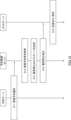
- FIG. 1 is a diagram for explaining an overview of an embodiment.
- FIG. 2 is a flowchart for explaining an outline of the operation of one embodiment.
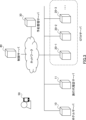
- FIG. 3 is a diagram illustrating an example of a schematic configuration of an information processing system according to the first embodiment.
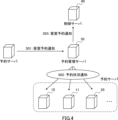
- FIG. 4 is a diagram for explaining the operation of the information processing system according to the first embodiment.
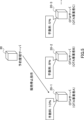
- FIG. 5 is a diagram for explaining the operation of the information processing system according to the first embodiment.
- FIG. 6 is a diagram illustrating an example of a processing configuration of the reservation management server according to the first embodiment.
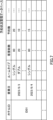
- FIG. 7 is a diagram illustrating an example of the reservation status management database according to the first embodiment.
- FIG. 8 is a diagram illustrating an example of reservation status information according to the first embodiment.
- FIG. 1 is a diagram for explaining an overview of an embodiment.
- FIG. 2 is a flowchart for explaining an outline of the operation of one embodiment.
- FIG. 3 is a diagram illustrating an example of a schematic configuration of an information processing system according
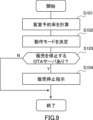
- FIG. 9 is a flowchart showing an example of the operation of the reservation server control unit according to the first embodiment.
- FIG. 10 is a diagram illustrating an example of a processing configuration of the OTA server according to the first embodiment.
- FIG. 11 is a diagram illustrating an example of the inventory management database according to the first embodiment.
- FIG. 12 is a sequence diagram illustrating an example of the operation of the information processing system according to the first embodiment.
- FIG. 13 is a diagram illustrating an example of a schematic configuration of an information processing system according to a modification of the first embodiment.
- FIG. 14 is a diagram illustrating an example of a display of a control server according to a modification of the first embodiment.
- FIG. 15 is a diagram illustrating an example of a hardware configuration of a reservation management server according to the present disclosure.
- the server device 100 includes an acquisition means 101 and a control means 102 (see FIG. 1).
- the acquisition means 101 acquires room reservation rates for hotel rooms that can be reserved from each of a plurality of reservation servers (step S1 in FIG. 2).
- the control means 102 controls the reservation of rooms by the plurality of reservation servers based on the acquired room reservation rates (step S2).
- the server device 100 controls the reservation of rooms by the reservation server based on the room reservation rate. For example, when the room reservation rate is low, the server device 100 controls each reservation server, including the server operated by the OTA operator, to sell rooms. When the room reservation rate is low, the server device 100 does not restrict the sale of rooms by the reservation server, thereby expanding the opportunities for users to make hotel reservations. On the other hand, when the room reservation rate increases, the server device 100, for example, stops the sale of rooms by an OTA server operated by an OTA operator that charges a high room sales commission. As a result, the room sales commission paid by the hotel to the OTA operator decreases, thereby increasing the hotel's profits.
- Fig. 3 is a diagram showing an example of a schematic configuration of an information processing system (hotel reservation system) according to the first embodiment.
- the information processing system includes a hotel server 10, a travel agency server 11, a plurality of OTA (Online Travel Agent) servers 20-1 to 20-3, a reservation management server 30, and a control server 40.
- OTA Online Travel Agent
- OTA server 20 In the following explanation, unless there is a particular reason to distinguish between OTA servers 20-1 to 20-3, they will simply be referred to as "OTA server 20." Similarly, for other elements, the symbol to the left of the hyphen will represent that element.
- the information processing system includes a server that handles hotel reservations, etc.
- the hotel server 10, travel agency server 11, and OTA server 20 accept reservations for rooms by users.
- the hotel server 10, travel agency server 11, and OTA server 20 that accept hotel room reservations will be collectively referred to as the "reservation server.”
- the information processing system includes a plurality of reservation servers.
- the plurality of reservation servers includes a plurality of OTA (Online Travel Agent) servers 20 each operated by a respective one of a plurality of OTA operators.
- OTA Online Travel Agent
- the hotel server 10 is a server that allows hotels to sell guest rooms directly to customers.
- the hotel server 10 implements a hotel reservation website that handles the hotel's guest rooms.
- the travel agency server 11 is a server device that is managed and operated by a travel agency operating in a brick-and-mortar store or the like.
- the OTA server 20 is managed and operated by an OTA operator that sells guest rooms online.
- the OTA server 20 implements a hotel reservation site for selling guest rooms to customers.
- the OTA operator sells rooms in multiple hotels.
- the OTA server 20 sells (accepts reservations for) rooms in many hotels, including the hotel that manages and operates the hotel server 10.
- the reservation servers (hotel server 10, travel agency server 11, OTA server 20) are connected to the reservation management server 30 via a network.
- the reservation management server 30 is also known as a site controller.
- the reservation management server 30 collectively manages the reservation status from each reservation server. Specifically, the reservation management server 30 manages the room availability (room inventory) of each hotel.
- the control server 40 is a server managed and operated by the hotel.
- the control server 40 performs the main business of the hotel. Specifically, the control server 40 stores the reservation information of guests (e.g., name, gender, address, dates of stay (length of stay; check-in date, check-out date), room type, etc.).
- the control server 40 uses the reservation information to perform check-in and check-out procedures for guests.
- the user possesses a terminal 50.
- the user uses the terminal 50 to make hotel reservations, etc.
- Examples of the terminal 50 include mobile terminals such as smartphones and tablets.
- the configuration of the information processing system shown in FIG. 3 is an example and is not intended to be limiting.
- one hotel may include multiple hotel servers 10.
- multiple travel agency servers 11 may be included in the information processing system.
- FIG. 3 illustrates a hotel server 10 and a control server 40 corresponding to one hotel
- the information processing system includes hotel servers 10 and control servers 40 corresponding to multiple hotels.
- the reservation management server 30 manages the status (reservation status) of hotel rooms.
- the reservation management server 30 stores the total number of rooms available for sale and the number of rooms that have been sold (reserved) for each hotel.
- the reservation status is shared with the reservation servers (hotel server 10, travel agency server 11, OTA server 20).
- the user operates the terminal 50 to access the accommodation reservation site provided by the reservation server (here, as described above, the OTA server 20).
- the OTA server 20 presents the user with rooms that are available for sale (that the user can reserve) based on the reservation status notified by the reservation management server 30.
- the OTA server 20 When a user operates the terminal 50 to apply for a reservation, the OTA server 20 notifies the reservation management server 30 of the user's reservation information (e.g., the user's name, gender, address, accommodation date (length of stay), room type, etc.). Specifically, the OTA server 20 sends a "room reservation notification" including the above reservation information and the hotel ID to the reservation management server 30 (step S01 in FIG. 4).
- the reservation management server 30 of the user's reservation information (e.g., the user's name, gender, address, accommodation date (length of stay), room type, etc.).
- the OTA server 20 sends a "room reservation notification" including the above reservation information and the hotel ID to the reservation management server 30 (step S01 in FIG. 4).
- the hotel ID is an ID for identifying each hotel. Examples of hotel IDs include the name of the hotel and a predetermined code.
- the hotel ID is shared by any method among the parties participating in the system. For example, the system administrator determines the hotel ID and sets the determined hotel ID in the reservation management server 30. The system administrator also notifies the OTA operator of the determined hotel ID. Each OTA operator sets the notified hotel ID in its own OTA server 20.
- the reservation management server 30 In response to receiving the room reservation notification, the reservation management server 30 updates the hotel reservation status. After updating the reservation status, the reservation management server 30 notifies the reservation servers of the updated reservation status. Specifically, the reservation management server 30 generates reservation status information based on the latest reservation status. The reservation management server 30 sends a "reservation status notification" including the generated reservation status information to each reservation server (step S02).
- each reservation server updates the hotel reservation status (room availability, inventory status) stored on its own server.
- the reservation management server 30 transfers the received room reservation notification to the control server 40 (step S03).
- the control server 40 stores the reservation information contained in the room reservation notification. As described above, the reservation information is used for the guest's check-in procedures, etc.
- each OTA operator charges the hotel a room sales commission (hereinafter, sometimes simply referred to as a commission).
- the commission that the OTA operator charges the hotel is determined by a contract between the parties (hotel, OTA) and usually differs depending on the OTA operator. For example, OTA operator A charges the hotel 10% of the accommodation fee as a commission. OTA operator B charges the hotel 5% of the accommodation fee as a commission.
- the reservation management server 30 controls the room reservations made by each reservation server to maximize the hotel's profits, while taking into account the commission paid by the hotel to the OTA operator in response to the user's stay at the hotel.
- the reservation management server 30 obtains the reservation rate of the guest rooms. For example, the reservation management server 30 calculates the reservation rate of the guest rooms periodically or at a specified timing. For example, the reservation management server 30 calculates the reservation rate of the guest rooms when the reservation status is updated.
- the reservation management server 30 controls (limits) room reservations made by OTA operators (OTA servers 20) based on the calculated reservation rate (acquired reservation rate). Specifically, when the reservation rate is low (when there are many vacant rooms), the reservation management server 30 allows room reservations made by each OTA server 20. As the reservation rate increases, the reservation management server 30 sequentially stops room reservations made by the OTA servers 20 of OTA operators with high room sales commissions.
- the reservation management server 30 sends a "sales suspension instruction" to the OTA server 20 of the OTA operator that will suspend room reservations, which includes the hotel ID of the hotel for which room reservations will be suspended and the date on which reservations will be suspended (the hotel's business days).
- the OTA server 20 upon receiving the sales suspension instruction, will suspend room reservations for the hotel specified by the hotel ID on the specified business day.
- OTA operator A's room sales commission is 10%
- OTA operator B's room sales commission is 8%
- OTA operator C's room sales commission is 5%.
- the reservation management server 30 enables room reservations by each OTA server 20.
- the reservation management server 30 When the room reservation rate increases, the reservation management server 30 is the first to stop the sale of rooms by OTA operator A (OTA server 20-1), which has the highest room sales commission. In this case, the reservation management server 30 sends a sales stop instruction to the OTA server 20-1. The OTA server 20-1, which receives the sales stop instruction, stops the sale of rooms at the specified hotel.
- OTA server 20-1 which receives the sales stop instruction, stops the sale of rooms at the specified hotel.
- the reservation management server 30 stops all room reservations through OTA operators. As a result, reservations for the hotel are limited to those made through travel agencies and the hotel's own website.
- Fig. 6 is a diagram showing an example of a processing configuration (processing module) of the reservation management server 30 according to the first embodiment.
- the reservation management server 30 includes a communication control unit 201, a reservation status control unit 202, a reservation server control unit 203, and a storage unit 204.
- the communication control unit 201 is a means for controlling communication with other devices.
- the communication control unit 201 receives data (packets) from the OTA server 20.
- the communication control unit 201 also transmits data to the OTA server 20.
- the communication control unit 201 passes data received from other devices to other processing modules.
- the communication control unit 201 transmits data acquired from other processing modules to other devices. In this way, the other processing modules transmit and receive data with other devices via the communication control unit 201.
- the communication control unit 201 has a function as a receiving unit that receives data from other devices and a function as a transmitting unit that transmits data to other devices.
- the reservation status control unit 202 is a means for controlling the reservation status (room availability) of each hotel.
- the reservation status control unit 202 obtains the total number of rooms available for sale by each hotel using any means. For example, the reservation status control unit 202 provides an interface for employees of each hotel to register the total number of rooms (total number of rooms for each room type) in the reservation management server 30. Alternatively, the reservation status control unit 202 obtains the total number of rooms from the control server 40.
- the reservation status control unit 202 manages the reservation status of each hotel using a reservation status management database (see Figure 7). As shown in Figure 7, the reservation status management database stores the total number of rooms and the number of reservations for each hotel's business days and room types. Note that the reservation status management database shown in Figure 7 is an example, and is not intended to limit the items to be stored.
- the reservation status control unit 202 receives a room reservation notification from the reservation server. In response to receiving the room reservation notification, the reservation status control unit 202 updates the reservation status management database. The reservation status control unit 202 identifies the entry corresponding to the user's reservation (entry in the reservation status management database) using the hotel ID, accommodation date (stay period), and room type contained in the room reservation notification. The reservation status control unit 202 increments the setting value in the number of reservations field of the identified entry to update the reservation status management database.
- the reservation status control unit 202 When the reservation status is updated, the reservation status control unit 202 notifies each reservation server of the updated reservation status. Specifically, the reservation status control unit 202 generates reservation status information based on the information stored in the reservation status management database.
- the reservation status information is information about the rooms that each reservation server can sell (room inventory status).
- the reservation status control unit 202 generates reservation status information for hotels where there has been a change in inventory (hotels corresponding to the hotel IDs included in the room reservation notification). For example, as shown in FIG. 8, the reservation status control unit 202 generates reservation status information including the hotel IDs of hotels where there has been a change in inventory, the business days on which the inventory change occurred, and the number of rooms available for sale for each room type.
- the reservation status control unit 202 sends a "reservation status notification" containing the generated reservation status information to each reservation server.
- the reservation status control unit 202 transfers the received room reservation notification to the control server 40.
- the reservation status control unit 202 notifies the control server 40 of the reservation information.
- the reservation server control unit 203 is a means for controlling the room sales of the reservation server.
- the reservation server control unit 203 controls the operation of the OTA server 20 related to room sales.
- the reservation server control unit 203 has a function as an acquisition means for acquiring room reservation rates for hotel rooms that can be reserved from each of the multiple reservation servers.
- the reservation server control unit 203 also has a function as a control means for controlling room reservations by the multiple reservation servers based on the acquired room reservation rates.
- the reservation server control unit 203 controls room reservations by at least the multiple OTA servers 20 based on the acquired room reservation rates (controls operations related to the sale of rooms by the OTA servers 20).
- the reservation server control unit 203 calculates the room reservation rate periodically or at a predetermined timing (step S101). For example, the reservation server control unit 203 calculates the room reservation rate when the reservation status management database is updated.
- the reservation server control unit 203 calculates the room reservation rate for the room type on the business day when the reservation was made (the business day when the reservation status changed).
- the reservation server control unit 203 calculates the room reservation rate using the total number of rooms and the number of reservations. For example, in the example of Figure 7, when a reservation is made for a single room type room on June 3, 2023, the room reservation rate for that business day and room type is calculated to be 25%.
- the reservation server control unit 203 determines the operation mode of the OTA server 20 based on the calculated room reservation rate (step S102).
- the reservation server control unit 203 determines the operation mode of the OTA server 20 (room sales mode, room sales suspension mode) by performing threshold processing on the calculated room reservation rate.
- the reservation server control unit 203 controls room reservations (acceptance of room reservations) by each of the multiple OTA servers 20 based on the result of threshold processing on the room reservation rate.
- the reservation server control unit 203 determines the operating mode of all OTA servers 20 to be the "room sales mode.”
- the reservation server control unit 203 stops room sales in order, starting with the OTA servers 20 of OTA operators with high room sales commissions. As the room reservation rate increases, the reservation server control unit 203 sets the operating mode of the OTA servers 20 corresponding to OTA operators with high room sales commissions to the "room sales stop mode.”
- the reservation server control unit 203 targets the OTA server 20 of the OTA operator with the highest room reservation fee as a target for suspending room sales.
- the reservation server control unit 203 targets the OTA servers 20 of all OTA operators for suspending room sales.
- step S103 If there is no OTA server 20 that stops room sales (step S103, No branch), the reservation server control unit 203 does not perform any special operation.
- the reservation server control unit 203 sends a "sales suspension instruction" to the OTA server 20 that is the target of the suspension of room sales (step S104).
- the reservation server control unit 203 sends a sales stop instruction to the OTA server 20, including the hotel ID of the hotel that has the room for which sales are to be stopped, the business days for which sales are to be stopped, and the room type.
- the reservation server control unit 203 sends a sales stop instruction to the OTA server 20 that has been set to room sales stop mode according to the room reservation rate.
- the reservation server control unit 203 controls the reservation of hotel rooms by multiple OTA servers 20 based on the room reservation rate and the room sales commission that the hotel pays to the OTA operator that sold the hotel room when the OTA operator sells the hotel room. More specifically, as the room reservation rate increases, the reservation server control unit 203 stops the reservation of hotel rooms in order, starting with the OTA servers 20 corresponding to the OTA operator with the highest room sales commission.
- the reservation server control unit 203 acquires (calculates) the room reservation rate for each business day and room type of the hotel. Based on the acquired room reservation rate, the reservation server control unit 203 controls the reservation of rooms by multiple reservation servers for each business day and room type of the hotel.
- the storage unit 204 is a means for storing information necessary for the operation of the reservation management server 30.
- the storage unit 204 stores the room sales commission for each OTA operator.
- [OTA Server] 10 is a diagram illustrating an example of a processing configuration (processing module) of the OTA server 20 according to the first embodiment.
- the OTA server 20 includes a communication control unit 301, a reservation control unit 302, an inventory control unit 303, and a storage unit 304.
- the communication control unit 301 is a means for controlling communication with other devices.
- the communication control unit 301 receives data (packets) from the reservation management server 30.
- the communication control unit 301 also transmits data to the reservation management server 30.
- the communication control unit 301 passes data received from other devices to other processing modules.
- the communication control unit 301 transmits data acquired from other processing modules to other devices. In this way, the other processing modules transmit and receive data to and from other devices via the communication control unit 301.
- the communication control unit 301 has a function as a receiving unit that receives data from other devices, and a function as a transmitting unit that transmits data to other devices.
- the reservation control unit 302 is a means for controlling hotel (guest room) reservations made by users.
- the reservation control unit 302 realizes the functions of an accommodation reservation site, etc.
- the reservation control unit 302 uses the reservation status of each hotel to generate information on guest rooms, etc., to be presented to users on the accommodation reservation site.
- the reservation control unit 302 refers to the inventory management database to obtain information on rooms that are available for sale to users (see FIG. 11).
- the inventory management database shown in FIG. 11 is an example and is not intended to limit the items to be stored.
- the reservation control unit 302 When the reservation control unit 302 accepts a reservation from a user, it sends a room reservation notification including reservation information to the reservation management server 30. Note that hotel room reservations using the OTA server 20 are not within the scope of the present disclosure, so further explanation will be omitted.
- the inventory control unit 303 is a means for controlling the inventory of rooms available for sale by the OTA server 20.
- the inventory control unit 303 receives a reservation status notification from the reservation management server 30.
- the inventory control unit 303 reflects the hotel ID, business days, and inventory quantity for each room type contained in the reservation status notification in the corresponding entry in the inventory management database (overwriting the set value in the inventory quantity field).
- the inventory control unit 303 receives a sales suspension instruction from the reservation management server 30.
- the inventory control unit 303 identifies the corresponding entry in the inventory management database based on the hotel ID, business days, and room type included in the sales suspension instruction.
- the inventory control unit 303 sets the inventory quantity of the identified entry to "0.”
- the inventory control unit 303 sets the number of single rooms in stock to "0.”
- the OTA server 20 By setting the inventory management database to a state where there is no room inventory, the OTA server 20 cannot sell rooms for the hotel, business day, and room type specified by the reservation management server 30.
- the memory unit 304 is a means for storing information necessary for the operation of the OTA server 20.
- Control Server A detailed description of the configuration and operation of the control server 40 will be omitted because the operation of the control server 40 is clear from the above description.
- Examples of the terminal 50 include a smartphone, a mobile phone, a game machine, a mobile terminal device such as a tablet, a computer (personal computer, notebook computer), etc.
- the terminal 50 can be any equipment or device that can accept user operations and communicate with the OTA server 20, etc.
- the configuration of the terminal 50 is clear to those skilled in the art, detailed description will be omitted.
- the reservation server (one of the hotel server 10, travel agency server 11, and OTA server 20) sends a room reservation notification including the reservation information to the reservation management server 30 (step S11).
- the reservation management server 30 updates the hotel reservation status (room availability) and obtains the room reservation rate for rooms of the same room type as the reserved room (step S12).
- the reservation management server 30 determines which OTA servers 20 will stop selling rooms based on the acquired room reservation rate and the OTA operator's room sales commission (step S13).
- the reservation management server 30 sends a sales suspension instruction to the OTA server 20 that is suspending room sales (step S14).
- the OTA server 20 which has received the sales suspension instruction, sets the inventory of the hotel, business days (available dates), and room type specified by the reservation management server 30 to "0" (step S15). By setting the inventory to "0", the OTA server 20 suspends sales of the specified room.
- ⁇ Modification 1> a case has been described in which the site controller (reservation management server 30) is included in the information processing system.
- the information processing system does not have to include the reservation management server 30.
- the functions of the reservation management server 30 described above may be implemented in a control server 40 that handles the operations of the hotel.
- control server 40 may have a function to control the operating mode of the OTA server 20 in addition to controlling the check-in procedures of guests.
- the reservation server control unit 203 may send a reservation stop notification to the hotel (control server 40) so that hotel staff are aware of the fact that room reservations have been stopped.
- the reservation server control unit 203 sends a "reservation suspension notice" to the control server 40, which includes information about the OTA operator that suspended room sales (the name of the OTA operator), the business days on which the sale was suspended, the room type, etc.
- the control server 40 presents the information contained in the reservation suspension notice to hotel employees, managers, etc. For example, the control server 40 displays a message such as that shown in FIG. 14 on an LCD monitor, etc. Alternatively, the control server 40 transfers the reservation suspension notice to a terminal (not shown) carried by an employee, etc. The employee's terminal displays the message as shown in FIG. 14.
- room sales by the reservation server are controlled according to the room reservation rate. More specifically, when the room reservation rate is low, the reservation management server 30 allows all OTA servers 20 to sell rooms. As a result, numerous sales channels are secured and room reservations are promoted. On the other hand, as the room reservation rate increases, the reservation management server 30 stops room sales by OTA operators who charge high room sales commissions. When the room reservation rate is high, there is no reason for a hotel to rely on room sales by OTA operators who charge high room sales commissions, and the hotel's profits will increase if it prioritizes room sales on its own website, etc., which do not require room sales commissions.
- Figure 15 is a diagram showing an example of the hardware configuration of the reservation management server 30.
- the reservation management server 30 can be configured using an information processing device (so-called a computer), and has the configuration shown in FIG. 15.
- the reservation management server 30 has a processor 311, a memory 312, an input/output interface 313, and a communication interface 314.
- the components such as the processor 311 are connected by an internal bus or the like, and are configured to be able to communicate with each other.
- the configuration shown in FIG. 15 is not intended to limit the hardware configuration of the reservation management server 30.
- the reservation management server 30 may include hardware not shown, and may not have an input/output interface 313, if necessary.
- the number of processors 311 and the like included in the reservation management server 30 is not intended to be limited to the example shown in FIG. 15, and for example, the reservation management server 30 may include multiple processors 311.
- the processor 311 is, for example, a programmable device such as a CPU (Central Processing Unit), an MPU (Micro Processing Unit), or a DSP (Digital Signal Processor). Alternatively, the processor 311 may be a device such as an FPGA (Field Programmable Gate Array) or an ASIC (Application Specific Integrated Circuit). The processor 311 executes various programs including an operating system (OS).
- OS operating system
- Memory 312 may be a RAM (Random Access Memory), a ROM (Read Only Memory), a HDD (Hard Disk Drive), a SSD (Solid State Drive), etc. Memory 312 stores the OS program, application programs, and various data.
- RAM Random Access Memory
- ROM Read Only Memory
- HDD Hard Disk Drive
- SSD Solid State Drive
- the input/output interface 313 is an interface for a display device and an input device (not shown).
- the display device is, for example, a liquid crystal display.
- the input device is, for example, a keyboard, a mouse, a touch panel, or other device that accepts user operations.
- the communication interface 314 is a circuit, module, etc. that communicates with other devices.
- the communication interface 314 includes a NIC (Network Interface Card), etc.
- the functions of the reservation management server 30 are realized by various processing modules.
- the processing modules are realized, for example, by the processor 311 executing a program stored in the memory 312.
- the program can be recorded on a computer-readable storage medium.
- the storage medium can be a non-transitory medium such as a semiconductor memory, a hard disk, a magnetic recording medium, or an optical recording medium.
- the present invention can also be embodied as a computer program product.
- the program can be downloaded via a network, or updated using a storage medium that stores the program.
- the processing modules may also be realized by a semiconductor chip.
- the OTA server 20, etc. can also be configured using an information processing device, just like the reservation management server 30, and since there is no difference in its basic hardware configuration from the reservation management server 30, a description of it will be omitted.
- the reservation management server 30 is equipped with a computer, and the functions of the reservation management server 30 can be realized by having the computer execute a program. In addition, the reservation management server 30 executes the control method of the reservation management server 30 by the program.
- the reservation management server 30 restricts room sales through the OTA server 20 based on the room reservation rate.
- the reservation management server 30 may also restrict room sales through the travel agency server 11 based on the room reservation rate. In other words, the reservation management server 30 may ultimately continue to sell rooms through the hotel's own website (hotel server 10).
- the operation of the reservation management server 30 has been described on the assumption that the room sales commission paid by the hotel to each OTA operator is different. If the room sales commission paid to each OTA operator is the same, the reservation management server 30 may restrict room sales by the OTA server 20 based on the room reservation rate without taking the room sales commission into consideration. For example, the reservation server control unit 203 of the reservation management server 30 may uniformly stop room sales by the OTA server 20 when the room reservation rate exceeds a predetermined threshold. Alternatively, the reservation management server 30 may stop room sales of randomly selected OTA servers 20 as the room reservation rate increases. In other words, the reservation management server 30 may increase the number of OTA servers 20 for which room sales are stopped as the room reservation rate increases.
- the reservation server control unit 203 of the reservation management server 30 may resume room sales on the OTA server 20 that has stopped selling rooms.
- the reservation server control unit 203 may notify the OTA server 20 that is resuming sales of the latest inventory number by specifying the business days and room type.
- the reservation management server 30 controls room sales by the OTA server 20 based on the room reservation rate for each business day and room type.
- the reservation management server 30 may also control room sales by the OTA server 20 based on the room reservation rate for the entire hotel (room reservation rate for each business day) regardless of room type.
- the reservation management server 30 may control the operation of the OTA server 20 using different thresholds for each room type. For example, the reservation management server 30 may use different thresholds for single rooms and double rooms as the threshold for initially stopping room sales by the OTA server 20. For example, the reservation management server 30 may stop room sales by the OTA server 20 early (at a stage when the room reservation rate is low) for room types that are popular with users.
- the reservation management server 30 may change the thresholds that limit room sales by the OTA server 20 depending on the business day of the week or the season.
- the reservation management server 30 obtains the room reservation rate by calculating the room reservation rate.
- the reservation management server 30 may obtain the room reservation rate from another external server, etc.
- the reservation management server 30 may request the provision of the room reservation rate from an external server equipped with a reservation status management database, and obtain the room reservation rate from the external server.
- a reservation status management database is configured inside the reservation management server 30, but the database may be constructed in an external database server or the like. That is, some of the functions of the reservation management server 30 may be implemented in another device. More specifically, the above-described "reservation status control unit (reservation status control means)", “reservation server control unit (reservation server control means)”, etc. may be implemented in any of the devices included in the system.
- the form of data transmission between each device is not particularly limited, but data transmitted between these devices may be encrypted. User names and other information are transmitted between these devices, and in order to properly protect this information, it is desirable to transmit and receive encrypted data.
- each embodiment may be used alone or in combination.
- the plurality of reservation servers include a plurality of OTA (Online Travel Agent) servers operated by a plurality of OTA operators, The server device according to claim 1, wherein the control means controls reservations of the rooms by at least the multiple OTA servers based on the acquired room reservation rate.
- OTA Online Travel Agent
- the acquiring means acquires the room reservation rate for each business day and room type of the hotel, The server device according to any one of claims 1 to 5, wherein the control means controls the reservations of the rooms by the multiple reservation servers for each business day and room type of the hotel based on the acquired room reservation rates.
- the control means when suspending the reservation of the room by at least one of the multiple reservation servers, sends a reservation suspension notice to the hotel so that the hotel staff is aware of the fact that the reservation of the room has been suspended.
- a method for controlling a server device comprising: [Appendix 9]
- the plurality of reservation servers include a plurality of OTA (Online Travel Agent) servers operated by a plurality of OTA operators,
- the server device control method controls the reservations of the rooms by the multiple OTA servers based on the result of threshold processing for the room reservation rate.
- the control step includes: A method for controlling a server device as described in Appendix 10, which controls reservations of rooms by the multiple OTA servers based on a room sales commission paid by the hotel to the OTA operator that sold the hotel room when the OTA operator sells the hotel room and the room reservation rate.
- the server device control method stops reservations for the hotel rooms in order from the OTA server corresponding to the OTA operator with the highest room sales commission as the room reservation rate increases.
- the acquiring step acquires the room reservation rate for each business day and room type of the hotel, The server device control method according to any one of appendixes 8 to 12, wherein the control step controls reservations of the rooms by the multiple reservation servers for each business day and room type of the hotel based on the acquired room reservation rates.
- a computer installed in the server device an acquisition process for acquiring room reservation rates for hotel rooms available for reservation from each of the multiple reservation servers; a control process for controlling reservations of the rooms by the plurality of reservation servers based on the acquired room reservation rates; A computer-readable storage medium that stores a program for executing the above.
- the plurality of reservation servers include a plurality of OTA (Online Travel Agent) servers operated by a plurality of OTA operators, The storage medium of claim 15, wherein the control process controls reservations of the rooms by at least the multiple OTA servers based on the acquired room reservation rate.
- OTA Online Travel Agent
- Appendix 17 A storage medium as described in Appendix 16, wherein the control process controls the reservation of the rooms by the multiple OTA servers based on the result of threshold processing on the room reservation rate.
- the control process includes: A storage medium as described in Appendix 17, which controls reservations of the rooms by the multiple OTA servers based on a room sales commission paid by the hotel to the OTA operator that sold the hotel room when the OTA operator sells the hotel room and the room reservation rate.
- Appendix 19 The storage medium of claim 18, wherein the control process stops reservations for the hotel rooms in order from the OTA server corresponding to the OTA operator with the highest room sales commission as the room reservation rate increases.
- Appendix 20 The acquisition process acquires the business days and the room reservation rate for each room type of the hotel, A storage medium described in any one of Appendices 15 to 19, wherein the control process controls reservations of the rooms by the multiple reservation servers for each business day and room type of the hotel based on the acquired room reservation rate.
- Appendix 21 The storage medium described in Appendix 20, wherein the control process, when the reservation of the room by at least one of the multiple reservation servers is stopped, sends a reservation stop notification to the hotel so that the hotel staff knows that the reservation of the room has been stopped.
- Control server 10 Hotel server 11 Travel agency server 20 OTA server 20-1 OTA server 20-2 OTA server 20-3 OTA server 30 Reservation management server 40 Control server 50 Terminal 100 Server device 101 Acquisition means 102 Control means 201 Communication control unit 202 Reservation status control unit 203 Reservation server control unit 204 Storage unit 301 Communication control unit 302 Reservation control unit 303 Inventory control unit 304 Storage unit 311 Processor 312 Memory 313 Input/output interface 314 Communication interface
Landscapes
- Business, Economics & Management (AREA)
- Engineering & Computer Science (AREA)
- Tourism & Hospitality (AREA)
- Operations Research (AREA)
- Economics (AREA)
- Entrepreneurship & Innovation (AREA)
- Human Resources & Organizations (AREA)
- Marketing (AREA)
- Development Economics (AREA)
- Quality & Reliability (AREA)
- Strategic Management (AREA)
- Physics & Mathematics (AREA)
- General Business, Economics & Management (AREA)
- General Physics & Mathematics (AREA)
- Theoretical Computer Science (AREA)
- Management, Administration, Business Operations System, And Electronic Commerce (AREA)
Abstract
ホテルの利益の拡大に寄与する、サーバ装置を提供する。サーバ装置は、取得手段と、制御手段と、を備える。取得手段は、複数の予約サーバそれぞれから予約可能なホテルの客室に関する、客室予約率を取得する。制御手段は、取得された客室予約率に基づいて、複数の予約サーバによる客室の予約を制御する。
Description
本発明は、サーバ装置、サーバ装置の制御方法及び記憶媒体に関する。
ホテルの客室の予約に関する技術が存在する。
例えば、特許文献1には、複数のハードな制約およびソフトな制約を受信することと、予約時の希望および部屋特徴を受信することとに応答して、ホテルの最適化された部屋割り当てを提供する、と記載されている。
利用者がホテルの客室の予約を行う方法には、ホテルの自社サイトからの予約、旅行代理店からの予約、OTA(Online Travel Agent)サイトからの予約等が存在する。OTA事業者がOTAサイトを介して客室を利用者に販売すると、ホテルは当該OTA事業者に対して所定の手数料を支払う必要がある。そのため、ホテルには、自社の利益を最大化するため、手数料の発生するOTAサイト経由の予約よりも自社サイトからの予約を優先させたいという要望が存在する。
なお、特許文献1に開示された技術を適用しても上記要望を満たすことはできない。特許文献1では、ホテルがOTA事業者に支払う手数料等は考慮されていない。
本発明は、ホテルの利益の拡大に寄与する、サーバ装置、サーバ装置の制御方法及び記憶媒体を提供することを主たる目的とする。
本発明の第1の視点によれば、複数の予約サーバそれぞれから予約可能なホテルの客室に関する、客室予約率を取得する、取得手段と、前記取得された客室予約率に基づいて、前記複数の予約サーバによる前記客室の予約を制御する、制御手段と、を備える、サーバ装置が提供される。
本発明の第2の視点によれば、サーバ装置において、複数の予約サーバそれぞれから予約可能なホテルの客室に関する、客室予約率を取得する、取得工程と、前記取得された客室予約率に基づいて、前記複数の予約サーバによる前記客室の予約を制御する、制御工程と、を含む、サーバ装置の制御方法が提供される。
本発明の第3の視点によれば、サーバ装置に搭載されたコンピュータに、複数の予約サーバそれぞれから予約可能なホテルの客室に関する、客室予約率を取得する、取得処理と、前記取得された客室予約率に基づいて、前記複数の予約サーバによる前記客室の予約を制御する、制御処理と、を実行させるためのプログラムを記憶する、コンピュータ読取可能な記憶媒体が提供される。
本発明の各視点によれば、ホテルの利益の拡大に寄与する、サーバ装置、サーバ装置の制御方法及び記憶媒体が提供される。なお、本発明の効果は上記に限定されない。本発明により、当該効果の代わりに、又は当該効果と共に、他の効果が奏されてもよい。
はじめに、一実施形態の概要について説明する。なお、この概要に付記した図面参照符号は、理解を助けるための一例として各要素に便宜上付記したものであり、この概要の記載はなんらの限定を意図するものではない。また、特段の釈明がない場合には、各図面に記載されたブロックはハードウェア単位の構成ではなく、機能単位の構成を表す。各図におけるブロック間の接続線は、双方向及び単方向の双方を含む。一方向矢印については、主たる信号(データ)の流れを模式的に示すものであり、双方向性を排除するものではない。なお、本明細書及び図面において、同様に説明されることが可能な要素については、同一の符号を付することにより重複説明が省略され得る。
一実施形態に係るサーバ装置100は、取得手段101と、制御手段102と、を備える(図1参照)。取得手段101は、複数の予約サーバそれぞれから予約可能なホテルの客室に関する、客室予約率を取得する(図2のステップS1)。制御手段102は、取得された客室予約率に基づいて、複数の予約サーバによる客室の予約を制御する(ステップS2)。
サーバ装置100は、客室の予約率に基づいて予約サーバによる客室の予約を制御する。例えば、サーバ装置100は、客室予約率が低い場合には、OTA事業者が運営するサーバを含む各予約サーバが客室を販売するように制御する。客室予約率が低い場合には、サーバ装置100は、予約サーバによる客室販売を制限しないことで利用者によるホテル予約の機会を広げる。対して、客室予約率が高まると、サーバ装置100は、例えば、客室販売手数料の高いOTA事業者が運営するOTAサーバによる客室販売を停止する。その結果、ホテルがOTA事業者に支払う客室販売手数料が減少するので、ホテルの利益が拡大する。
以下に具体的な実施形態について、図面を参照してさらに詳しく説明する。
[第1の実施形態]
第1の実施形態について、図面を用いてより詳細に説明する。
第1の実施形態について、図面を用いてより詳細に説明する。
[システムの構成]
図3は、第1の実施形態に係る情報処理システム(ホテル予約システム)の概略構成の一例を示す図である。図3に示すように、情報処理システムには、ホテルサーバ10と、旅行代理店サーバ11と、複数のOTA(Online Travel Agent)サーバ20-1~20-3と、予約管理サーバ30と、制御サーバ40と、が含まれる。
図3は、第1の実施形態に係る情報処理システム(ホテル予約システム)の概略構成の一例を示す図である。図3に示すように、情報処理システムには、ホテルサーバ10と、旅行代理店サーバ11と、複数のOTA(Online Travel Agent)サーバ20-1~20-3と、予約管理サーバ30と、制御サーバ40と、が含まれる。
以降の説明において、OTAサーバ20-1~20-3を区別する特段の理由がない場合には、単に「OTAサーバ20」と表記する。他の要素についても同様に、ハイフンより左側の符号に当該要素を代表して表記する。
情報処理システムには、ホテルの宿泊予約等を行うサーバが含まれる。ホテルサーバ10、旅行代理店サーバ11及びOTAサーバ20が、利用者による客室の予約を受け付ける。以降の説明において、ホテルの客室予約を受け付ける、ホテルサーバ10、旅行代理店サーバ11及びOTAサーバ20を総称して「予約サーバ」と表記する。
情報処理システムには、複数の予約サーバが含まれる。当該複数の予約サーバのなかには、複数のOTA(Online Travel Agent)事業者それぞれにより運営される、複数のOTAサーバ20が含まれる。
ホテルサーバ10は、ホテルが直接、客室を顧客に販売するためのサーバである。ホテルサーバ10は、自ホテルの客室を扱う宿泊予約サイトを実現する。
旅行代理店サーバ11は、実店舗等で営業する旅行代理店により管理、運営されるサーバ装置である。
OTAサーバ20は、オンラインで客室を販売するOTA事業者により管理、運営される。OTAサーバ20は、顧客に客室を販売するための宿泊予約サイトを実現する。なお、OTA事業者は、複数のホテルの客室を対象として販売を行う。図3の例では、OTAサーバ20は、ホテルサーバ10を管理、運営するホテルを含む多数のホテルの客室の販売(予約受付)を行う。
予約サーバ(ホテルサーバ10、旅行代理店サーバ11、OTAサーバ20)は、ネットワークを介して予約管理サーバ30と接続されている。
予約管理サーバ30は、サイトコントローラとも称されるサーバである。予約管理サーバ30は、各予約サーバからの予約状況を一括で管理する。具体的には、予約管理サーバ30は、各ホテルの空き室状況(客室の在庫)を管理する。
制御サーバ40は、ホテルにより管理、運営されるサーバである。制御サーバ40は、ホテルの主たる業務を実現する。具体的には、制御サーバ40は、宿泊客の予約情報(例えば、氏名、性別、住所、宿泊日(宿泊期間;チェックイン日、チェックアウト日)、ルームタイプ等)を記憶する。制御サーバ40は、予約情報を用いて宿泊客のチェックイン手続きやチェックアウト手続き等を実現する。
利用者は、端末50を所持する。利用者は、当該端末50を使ってホテルの予約等を行う。端末50には、例えば、スマートフォン、タブレット等のモバイル型端末が例示される。
図3に示す情報処理システムの構成は例示であって、その構成を限定する趣旨ではない。例えば、1つのホテルに複数のホテルサーバ10が含まれていてもよい。あるいは、複数の旅行代理店サーバ11が情報処理システムに含まれていてもよい。
なお、図3には、1つのホテルに対応するホテルサーバ10と制御サーバ40を図示しているが、実際には複数のホテルそれぞれに対応したホテルサーバ10及び制御サーバ40が情報処理システムには含まれる。
[概略動作]
続いて、第1の実施形態に係る情報処理システムの概略動作について説明する。
続いて、第1の実施形態に係る情報処理システムの概略動作について説明する。
<客室の予約>
ここでは、利用者がOTAサーバ20を用いてホテルの予約を行う場合について説明する。
ここでは、利用者がOTAサーバ20を用いてホテルの予約を行う場合について説明する。
予約管理サーバ30は、ホテルの客室に関する状況(予約状況)を管理する。予約管理サーバ30は、ホテルごとに販売可能な客室総数及び販売済(予約済)の客室数を記憶する。また、予約状況は、予約サーバ(ホテルサーバ10、旅行代理店サーバ11、OTAサーバ20)と共有されている。
利用者は、端末50を操作して予約サーバ(ここでは、上述のように、OTAサーバ20)が提供する宿泊予約サイトにアクセスする。利用者からのアクセスに応じて、OTAサーバ20は、予約管理サーバ30から通知されている予約状況に基づいて販売可能(利用者が予約可能)な客室を利用者に提示する。
利用者が端末50を操作して予約の申し込みを行うと、OTAサーバ20は、利用者の予約情報(例えば、利用者の氏名、性別、住所、宿泊日(宿泊期間)、ルームタイプ)等を予約管理サーバ30に通知する。具体的には、OTAサーバ20は、上記予約情報とホテルIDを含む「客室予約通知」を予約管理サーバ30に送信する(図4のステップS01)。
ホテルIDは、各ホテルを識別するためのIDである。ホテルIDには、ホテルの名称や予め定められたコード等が例示される。なお、ホテルIDは、システムに参加する各主体間において任意の方法によって共有される。例えば、システム管理者がホテルIDを決定し当該決定されたホテルIDを予約管理サーバ30に設定する。また、システム管理者は、当該決定されたホテルIDをOTA事業者等に通知する。各OTA事業者は、通知されたホテルIDを自社のOTAサーバ20に設定する。
客室予約通知の受信に応じて、予約管理サーバ30は、ホテルの予約状況を更新する。予約状況を更新すると、予約管理サーバ30は、更新後の予約状況を予約サーバに通知する。具体的には、予約管理サーバ30は、最新の予約状況に基づいて予約状況情報を生成する。予約管理サーバ30は、当該生成された予約状況情報を含む「予約状況通知」を各予約サーバに送信する(ステップS02)。
予約状況通知を受信すると、各予約サーバは、自サーバで保持するホテルの予約状況(空き室状況、在庫状況)を更新する。
また、客室予約通知を受信すると、予約管理サーバ30は、当該受信した客室予約通知を制御サーバ40に転送する(ステップS03)。
制御サーバ40は、客室予約通知に含まれる予約情報を記憶する。上述のように、予約情報は宿泊客のチェックイン手続き等に用いられる。
<客室の販売停止>
ここで、各OTA事業者(OTAサーバ20)は、顧客が客室の予約を行い、宿泊すると、ホテルに対して客室販売手数料(以下、単に手数料と表記することもある)を請求する。OTA事業者がホテルに請求する手数料は、当事者(ホテル、OTA)間の契約により定まり、OTA事業者ごとに異なっていることが通常である。例えば、OTA事業者Aは、宿泊代金の10%を手数料としてホテルに請求する。OTA事業者Bは、宿泊代金の5%を手数料としてホテルに請求する。
ここで、各OTA事業者(OTAサーバ20)は、顧客が客室の予約を行い、宿泊すると、ホテルに対して客室販売手数料(以下、単に手数料と表記することもある)を請求する。OTA事業者がホテルに請求する手数料は、当事者(ホテル、OTA)間の契約により定まり、OTA事業者ごとに異なっていることが通常である。例えば、OTA事業者Aは、宿泊代金の10%を手数料としてホテルに請求する。OTA事業者Bは、宿泊代金の5%を手数料としてホテルに請求する。
予約管理サーバ30は、利用者がホテルに宿泊したことに応じてホテルからOTA事業者に支払われる手数料を考慮しつつ、ホテルの利益を最大化するように各予約サーバによる客室の予約を制御する。
具体的には、予約管理サーバ30は、客室の予約率を取得する。例えば、予約管理サーバ30は、定期的又は所定のタイミングで、客室の予約率を計算する。例えば、予約管理サーバ30は、予約状況を更新したタイミングで、客室の予約率を計算する。
予約管理サーバ30は、計算した予約率(取得した予約率)に基づいて、OTA事業者(OTAサーバ20)による客室予約を制御(制限)する。具体的には、予約管理サーバ30は、予約率が低い場合(空き室が多い場合)、各OTAサーバ20による客室の予約を可能とする。予約管理サーバ30は、予約率が上昇するに従い、客室販売手数料の高いOTA事業者のOTAサーバ20による客室予約を順次、停止する。
具体的には、予約管理サーバ30は、客室予約を停止するOTA事業者のOTAサーバ20に対し、客室の予約を停止するホテルのホテルID及び予約の受付を停止する日(ホテル営業日)を含む「販売停止指示」を送信する。
販売停止指示を受信したOTAサーバ20は、ホテルIDにより指定されるホテルの指定された営業日における客室予約を停止する。
例えば、図5に示すように、OTA事業者Aの客室販売手数料が10%、OTA事業者Bの客室販売手数料が8%、OTA事業者Cの客室販売手数料が5%とする。この場合、予約率が所定の閾値よりも低い場合、予約管理サーバ30は、各OTAサーバ20による客室予約を可能な状態とする。
予約管理サーバ30は、客室の予約率が高まると、客室販売手数料が最も高いOTA事業者A(OTAサーバ20-1)による客室の販売を最初に停止する。この場合、予約管理サーバ30は、OTAサーバ20-1に向けて販売停止指示を送信する。販売停止指示を受信したOTAサーバ20-1は、指定されたホテルの客室販売を停止する。
最終的に予約率が所定の閾値を超えると、予約管理サーバ30は、全てのOTA事業者による客室予約を停止する。その結果、当該ホテルの予約は、旅行代理店と自社サイトを経由した予約に限定される。
続いて、第1の実施形態に係る情報処理システムに含まれる各装置の詳細について説明する。
[予約管理サーバ]
図6は、第1の実施形態に係る予約管理サーバ30の処理構成(処理モジュール)の一例を示す図である。図6を参照すると、予約管理サーバ30は、通信制御部201と、予約状況制御部202と、予約サーバ制御部203と、記憶部204と、を備える。
図6は、第1の実施形態に係る予約管理サーバ30の処理構成(処理モジュール)の一例を示す図である。図6を参照すると、予約管理サーバ30は、通信制御部201と、予約状況制御部202と、予約サーバ制御部203と、記憶部204と、を備える。
通信制御部201は、他の装置との間の通信を制御する手段である。例えば、通信制御部201は、OTAサーバ20からデータ(パケット)を受信する。また、通信制御部201は、OTAサーバ20に向けてデータを送信する。通信制御部201は、他の装置から受信したデータを他の処理モジュールに引き渡す。通信制御部201は、他の処理モジュールから取得したデータを他の装置に向けて送信する。このように、他の処理モジュールは、通信制御部201を介して他の装置とデータの送受信を行う。通信制御部201は、他の装置からデータを受信する受信部としての機能と、他の装置に向けてデータを送信する送信部としての機能と、を備える。
予約状況制御部202は、各ホテルの予約状況(空き室状況)に関する制御を行う手段である。
予約状況制御部202は、任意の手段を用いて各ホテルが販売可能な客室の総数を取得する。例えば、予約状況制御部202は、各ホテルの従業員等が客室総数(ルームタイプごとの客室総数)を予約管理サーバ30に登録するためのインターフェイスを提供する。あるいは、予約状況制御部202は、制御サーバ40から客室総数を取得する。
予約状況制御部202は、予約状況管理データベースを用いて各ホテルの予約状況を管理する(図7参照)。図7に示すように、予約状況管理データベースは、ホテルの営業日及びルームタイプごとに客室総数と予約数を記憶する。なお、図7に示す予約状況管理データベースは例示であって、記憶する項目等を限定する趣旨ではない。
予約状況制御部202は、予約サーバから客室予約通知を受信する。客室予約通知の受信に応じて、予約状況制御部202は、予約状況管理データベースを更新する。予約状況制御部202は、客室予約通知に含まれるホテルID、宿泊日(宿泊期間)及びルームタイプを用いて、利用者の予約に対応するエントリ(予約状況管理データベースのエントリ)を特定する。予約状況制御部202は、特定したエントリの予約数フィールドの設定値をインクリメントして予約状況管理データベースを更新する。
予約状況を更新すると、予約状況制御部202は、更新後の予約状況を各予約サーバに通知する。具体的には、予約状況制御部202は、予約状況管理データベースに記憶された情報に基づいて予約状況情報を生成する。予約状況情報は、各予約サーバが販売可能な客室(客室の在庫状況)に関する情報である。
予約状況制御部202は、在庫に変動があったホテル(客室予約通知に含まれるホテルIDに対応するホテル)の予約状況情報を生成する。例えば、予約状況制御部202は、図8に示すように、在庫の変動があったホテルのホテルID、在庫の変動があった営業日、ルームタイプの在庫数(販売可能な客室数)を含む予約状況情報を生成する。
予約状況制御部202は、生成した予約状況情報を含む「予約状況通知」を各予約サーバに送信する。
また、客室予約通知を受信すると、予約状況制御部202は、当該受信した客室予約通知を制御サーバ40に転送する。予約状況制御部202は、予約情報を制御サーバ40に通知する。
予約サーバ制御部203は、予約サーバの客室販売を制御する手段である。とりわけ、予約サーバ制御部203は、OTAサーバ20の客室販売に関する動作を制御する。
予約サーバ制御部203は、複数の予約サーバそれぞれから予約可能なホテルの客室に関する、客室予約率を取得する、取得手段としての機能を備える。また、予約サーバ制御部203は、取得された客室予約率に基づいて、複数の予約サーバによる客室の予約を制御する、制御手段としての機能を備える。予約サーバ制御部203は、取得された客室予約率に基づいて、少なくとも複数のOTAサーバ20による客室の予約を制御する(OTAサーバ20による客室の販売に関する動作を制御する)。
図9を参照しつつ、予約サーバ制御部203の動作を説明する。
予約サーバ制御部203は、定期的又は所定のタイミングで、客室予約率を計算する(ステップS101)。例えば、予約サーバ制御部203は、予約状況管理データベースが更新されたタイミングで客室予約率を計算する。
予約サーバ制御部203は、予約が行われた営業日(予約状況が変化した営業日)のルームタイプにおける客室予約率を計算する。予約サーバ制御部203は、客室総数と予約数を用いて客室予約率を計算する。例えば、図7の例では、2023年6月3日におけるシングルルームタイプの客室の予約が行われると、当該営業日及びルームタイプの客室予約率は25%と計算される。
予約サーバ制御部203は、計算した客室予約率に基づいて、OTAサーバ20の動作モードを決定する(ステップS102)。予約サーバ制御部203は、計算した客室予約率に対して閾値処理を実行することで、OTAサーバ20の動作モード(客室販売モード、客室販売停止モード)を決定する。予約サーバ制御部203は、客室予約率に対する閾値処理の結果に基づいて複数のOTAサーバ20それぞれによる客室の予約(客室の予約受付)を制御する。
具体的には、予約サーバ制御部203は、取得(計算)した客室予約率が第1の閾値よりも低ければ、各OTAサーバ20による客室販売を停止しない。予約サーバ制御部203は、全てのOTAサーバ20の動作モードを「客室販売モード」に決定する。
予約サーバ制御部203は、客室予約率が上昇するに従い、客室販売手数料の高いOTA事業者のOTAサーバ20から順番に客室販売を停止する。予約サーバ制御部203は、客室予約率が高まるにつれて客室販売手数料の高いOTA事業者に対応するOTAサーバ20の動作モードを「客室販売停止モード」にしていく。
例えば、予約サーバ制御部203は、客室予約率が第2の閾値よりも高ければ(第2の閾値>第1の閾値)、最も客室予約手数料の高いOTA事業者のOTAサーバ20を客室販売の停止対象とする。
最終的に予約率が第Nの閾値より高くなれば(Nは3以上の整数;第Nの閾値>第2の閾値>第1の閾値)、予約サーバ制御部203は、全てのOTA事業者のOTAサーバ20を客室販売の停止対象とする。
客室販売を停止するOTAサーバ20が存在しなければ(ステップS103、No分岐)、予約サーバ制御部203は、特段の動作を行わない。
客室販売を停止するOTAサーバ20が存在すれば(ステップS103、Yes分岐)、予約サーバ制御部203は、客室販売の停止対象となったOTAサーバ20に向けて「販売停止指示」を送信する(ステップS104)。
予約サーバ制御部203は、販売を停止する客室を有するホテルのホテルID、販売を停止する営業日及びルームタイプを含む販売停止指示をOTAサーバ20に送信する。予約サーバ制御部203は、客室予約率に応じて客室販売停止モードに設定されたOTAサーバ20に対して販売停止指示を送信する。
このように、予約サーバ制御部203は、OTA事業者がホテルの客室を販売した場合に、ホテルがホテルの客室を販売したOTA事業者に支払う客室販売手数料と客室予約率に基づいて、複数のOTAサーバ20による客室の予約を制御する。より具体的には、予約サーバ制御部203は、客室予約率が高まるに従い客室販売手数料の高いOTA事業者に対応するOTAサーバ20から順にホテルの客室の予約を停止する。
さらに、予約サーバ制御部203は、ホテルの営業日及びルームタイプごとの客室予約率を取得(計算)する。予約サーバ制御部203は、取得された客室予約率に基づいて、ホテルの営業日及びルームタイプごとに複数の予約サーバによる客室の予約を制御する。
記憶部204は、予約管理サーバ30の動作に必要な情報を記憶する手段である。例えば、記憶部204は、OTA事業者ごとの客室販売手数料を記憶する。
[OTAサーバ]
図10は、第1の実施形態に係るOTAサーバ20の処理構成(処理モジュール)の一例を示す図である。図10を参照すると、OTAサーバ20は、通信制御部301と、予約制御部302と、在庫制御部303と、記憶部304と、を備える。
図10は、第1の実施形態に係るOTAサーバ20の処理構成(処理モジュール)の一例を示す図である。図10を参照すると、OTAサーバ20は、通信制御部301と、予約制御部302と、在庫制御部303と、記憶部304と、を備える。
通信制御部301は、他の装置との間の通信を制御する手段である。例えば、通信制御部301は、予約管理サーバ30からデータ(パケット)を受信する。また、通信制御部301は、予約管理サーバ30に向けてデータを送信する。通信制御部301は、他の装置から受信したデータを他の処理モジュールに引き渡す。通信制御部301は、他の処理モジュールから取得したデータを他の装置に向けて送信する。このように、他の処理モジュールは、通信制御部301を介して他の装置とデータの送受信を行う。通信制御部301は、他の装置からデータを受信する受信部としての機能と、他の装置に向けてデータを送信する送信部としての機能と、を備える。
予約制御部302は、利用者によるホテル(客室)の予約に関する制御を行う手段である。予約制御部302は、宿泊予約サイト等の機能を実現する。予約制御部302は、各ホテルの予約状況を用いて上記宿泊予約サイトで利用者に提示する客室の情報等を生成する。
予約制御部302は、在庫管理データベースを参照し、利用者に販売可能な客室の情報を取得する(図11参照)。図11に示す在庫管理データベースは例示であって、記憶する項目等を限定する趣旨ではない。
予約制御部302は、利用者の予約を受け付けると、予約情報を含む客室予約通知を予約管理サーバ30に送信する。なお、OTAサーバ20によるホテルの客室予約は本願開示の趣旨とは異なるので、さらなる説明を省略する。
在庫制御部303は、OTAサーバ20が販売可能な客室の在庫に関する制御を行う手段である。
在庫制御部303は、予約管理サーバ30から予約状況通知を受信する。在庫制御部303は、当該予約状況通知に含まれるホテルID、営業日、ルームタイプごとの在庫数を在庫管理データベースの対応するエントリに反映する(在庫数フィールドの設定値を上書きする)。
在庫制御部303は、予約管理サーバ30から販売停止指示を受信する。在庫制御部303は、販売停止指示に含まれるホテルID、営業日及びルームタイプに基づいて在庫管理データベースの対応するエントリを特定する。在庫制御部303は、特定したエントリの在庫数を「0」に設定する。
図11の例では、ホテルID「ID01」のホテルのシングルルームについて2023年6月3日の販売停止指示を受信すると、在庫制御部303は、シングルルームの在庫数を「0」に設定する。
在庫管理データベースにおいて客室在庫がない状態に設定されることによって、OTAサーバ20は、予約管理サーバ30から指定されたホテル、営業日及びルームタイプの客室を販売できない。
記憶部304は、OTAサーバ20の動作に必要な情報を記憶する手段である。
[ホテルサーバ]
ホテルサーバ10の構成及び動作に関する詳細な説明は省略する。ホテルサーバ10の動作等は、OTAサーバ20の動作に関する説明から明らかなためである。
ホテルサーバ10の構成及び動作に関する詳細な説明は省略する。ホテルサーバ10の動作等は、OTAサーバ20の動作に関する説明から明らかなためである。
[旅行代理店サーバ]
旅行代理店サーバ11の構成及び動作に関する詳細な説明は省略する。旅行代理店サーバ11の動作等は、OTAサーバ20の動作に関する説明から明らかなためである。
旅行代理店サーバ11の構成及び動作に関する詳細な説明は省略する。旅行代理店サーバ11の動作等は、OTAサーバ20の動作に関する説明から明らかなためである。
[制御サーバ]
制御サーバ40の構成及び動作に関する詳細な説明は省略する。制御サーバ40の動作等は、上記説明から明らかなためである。
制御サーバ40の構成及び動作に関する詳細な説明は省略する。制御サーバ40の動作等は、上記説明から明らかなためである。
[端末]
端末50には、スマートフォン、携帯電話機、ゲーム機、タブレット等の携帯端末装置やコンピュータ(パーソナルコンピュータ、ノートパソコン)等が例示される。端末50は、利用者の操作を受け付け、OTAサーバ20等と通信可能であれば任意の機器、デバイスとすることができる。また、端末50の構成等は当業者にとって明らかであるので、詳細な説明を省略する。
端末50には、スマートフォン、携帯電話機、ゲーム機、タブレット等の携帯端末装置やコンピュータ(パーソナルコンピュータ、ノートパソコン)等が例示される。端末50は、利用者の操作を受け付け、OTAサーバ20等と通信可能であれば任意の機器、デバイスとすることができる。また、端末50の構成等は当業者にとって明らかであるので、詳細な説明を省略する。
[システムの動作]
続いて、第1の実施形態に係る情報処理システムの動作について説明する。
続いて、第1の実施形態に係る情報処理システムの動作について説明する。
図12を参照し、第1の実施形態に係る情報処理システムの動作を説明する。
利用者の客室予約を受け付けると、予約サーバ(ホテルサーバ10、旅行代理店サーバ11、OTAサーバ20のうちの1つのサーバ)は、予約情報を含む客室予約通知を予約管理サーバ30に送信する(ステップS11)。
客室予約通知を受信すると、予約管理サーバ30は、ホテルの予約状況(空き室状況)を更新すると共に、予約された客室と同じルームタイプの客室に関する客室予約率を取得する(ステップS12)。
予約管理サーバ30は、取得した客室予約率とOTA事業者の客室販売手数料に基づいて客室の販売を停止するOTAサーバ20を決定する(ステップS13)。
客室販売を停止するOTAサーバ20が存在すれば、予約管理サーバ30は、客室販売を停止するOTAサーバ20に対して販売停止指示を送信する(ステップS14)。
販売停止指示を受信したOTAサーバ20は、予約管理サーバ30から指定されたホテル、営業日(宿泊可能日)及びルームタイプの在庫を「0」に設定する(ステップS15)。在庫を「0」に設定することで、OTAサーバ20は、指定された客室の販売を停止する。
続いて、第1の実施形態に係る変形例について説明する。
<変形例1>
上記実施形態では、サイトコントローラ(予約管理サーバ30)が情報処理システムに含まれる場合について説明した。情報処理システムには、当該予約管理サーバ30は含まれていなくてもよい。具体的には、図13に示すように、ホテルの業務を担う制御サーバ40に上記説明した予約管理サーバ30の機能が実装されていてもよい。
上記実施形態では、サイトコントローラ(予約管理サーバ30)が情報処理システムに含まれる場合について説明した。情報処理システムには、当該予約管理サーバ30は含まれていなくてもよい。具体的には、図13に示すように、ホテルの業務を担う制御サーバ40に上記説明した予約管理サーバ30の機能が実装されていてもよい。
即ち、制御サーバ40は、宿泊客のチェックイン手続き等の制御に加え、OTAサーバ20の動作モードを制御する機能を備えていてもよい。
<変形例2>
予約管理サーバ30は、OTAサーバ20による客室販売を停止した場合、その旨をホテル(ホテルの従業員等)に通知してもよい。
予約管理サーバ30は、OTAサーバ20による客室販売を停止した場合、その旨をホテル(ホテルの従業員等)に通知してもよい。
複数の予約サーバのうち少なくとも1のOTAサーバ20による客室の予約を停止した場合、予約サーバ制御部203は、客室の予約を停止した事実をホテルの従業員が認識するための予約停止通知をホテル(制御サーバ40)に送信してもよい。
予約サーバ制御部203は、客室販売を停止したOTA事業者の情報(OTA事業者の名称)、停止した営業日及びルームタイプ等の情報を含む「予約停止通知」を制御サーバ40に送信する。
制御サーバ40は、予約停止通知に含まれる情報をホテルの従業員や支配人等に提示する。例えば、制御サーバ40は、図14に示すようなメッセージを液晶モニタ等に表示する。あるいは、制御サーバ40は、予約停止通知を従業員等が所持する端末(図示せず)に転送する。従業員等の端末は、図14に示すような表示を行う。
以上のように、第1の実施形態に係る情報処理システムでは、客室予約率に応じて予約サーバ(主に、OTAサーバ20)による客室販売を制御する。より具体的には、客室予約率が低い場合には、予約管理サーバ30は、全てのOTAサーバ20が客室を販売できるようにする。その結果、数多くの販路が確保され、客室の予約が促進される。対して、客室予約率が高まるにつれ、予約管理サーバ30は、客室販売手数料の高いOTA事業者による客室販売を停止する。客室予約率が高い状況下において、ホテルには客室手数料の高いOTA事業者による客室販売に依存する理由はなく、客室販売手数料が不要な自社サイト等での客室販売を優先する方がホテルの利益は拡大する。
続いて、情報処理システムを構成する各装置のハードウェアについて説明する。図15は、予約管理サーバ30のハードウェア構成の一例を示す図である。
予約管理サーバ30は、情報処理装置(所謂、コンピュータ)により構成可能であり、図15に例示する構成を備える。例えば、予約管理サーバ30は、プロセッサ311、メモリ312、入出力インターフェイス313及び通信インターフェイス314等を備える。上記プロセッサ311等の構成要素は内部バス等により接続され、相互に通信可能に構成されている。
但し、図15に示す構成は、予約管理サーバ30のハードウェア構成を限定する趣旨ではない。予約管理サーバ30は、図示しないハードウェアを含んでもよいし、必要に応じて入出力インターフェイス313を備えていなくともよい。また、予約管理サーバ30に含まれるプロセッサ311等の数も図15の例示に限定する趣旨ではなく、例えば、複数のプロセッサ311が予約管理サーバ30に含まれていてもよい。
プロセッサ311は、例えば、CPU(Central Processing Unit)、MPU(Micro Processing Unit)、DSP(Digital Signal Processor)等のプログラマブルなデバイスである。あるいは、プロセッサ311は、FPGA(Field Programmable Gate Array)、ASIC(Application Specific Integrated Circuit)等のデバイスであってもよい。プロセッサ311は、オペレーティングシステム(OS;Operating System)を含む各種プログラムを実行する。
メモリ312は、RAM(Random Access Memory)、ROM(Read Only Memory)、HDD(Hard Disk Drive)、SSD(Solid State Drive)等である。メモリ312は、OSプログラム、アプリケーションプログラム、各種データを格納する。
入出力インターフェイス313は、図示しない表示装置や入力装置のインターフェイスである。表示装置は、例えば、液晶ディスプレイ等である。入力装置は、例えば、キーボード、マウス、タッチパネル等のユーザ操作を受け付ける装置である。
通信インターフェイス314は、他の装置と通信を行う回路、モジュール等である。例えば、通信インターフェイス314は、NIC(Network Interface Card)等を備える。
予約管理サーバ30の機能は、各種処理モジュールにより実現される。当該処理モジュールは、例えば、メモリ312に格納されたプログラムをプロセッサ311が実行することで実現される。また、当該プログラムは、コンピュータが読み取り可能な記憶媒体に記録することができる。記憶媒体は、半導体メモリ、ハードディスク、磁気記録媒体、光記録媒体等の非トランジェント(non-transitory)なものとすることができる。即ち、本発明は、コンピュータプログラム製品として具現することも可能である。また、上記プログラムは、ネットワークを介してダウンロードするか、あるいは、プログラムを記憶した記憶媒体を用いて、更新することができる。さらに、上記処理モジュールは、半導体チップにより実現されてもよい。
なお、OTAサーバ20等も予約管理サーバ30と同様に情報処理装置により構成可能であり、その基本的なハードウェア構成は予約管理サーバ30と相違する点はないので説明を省略する。
予約管理サーバ30は、コンピュータを搭載し、当該コンピュータにプログラムを実行させることで予約管理サーバ30の機能が実現できる。また、予約管理サーバ30は、当該プログラムにより予約管理サーバ30の制御方法を実行する。
[変形例]
なお、上記実施形態にて説明した情報処理システムの構成、動作等は例示であって、システムの構成等を限定する趣旨ではない。
なお、上記実施形態にて説明した情報処理システムの構成、動作等は例示であって、システムの構成等を限定する趣旨ではない。
上記実施形態では、予約管理サーバ30は、客室予約率に基づいてOTAサーバ20による客室販売を制限することを説明した。予約管理サーバ30は、客室予約率に基づいて旅行代理店サーバ11による客室販売を制限してもよい。即ち、予約管理サーバ30は、最終的にホテルの自社サイト(ホテルサーバ10)による客室販売を継続してもよい。
上記実施形態では、ホテルが各OTA事業者に支払う客室販売手数料が異なっていることを前提として予約管理サーバ30の動作を説明した。各OTA事業者に支払う客室販売手数料が同一であれば、予約管理サーバ30は、当該客室販売手数料を考慮せず、客室予約率に基づいてOTAサーバ20による客室販売を制限してもよい。例えば、予約管理サーバ30の予約サーバ制御部203は、客室予約率が所定の閾値を超えると、一律にOTAサーバ20による客室販売を停止してもよい。あるいは、予約管理サーバ30は、客室予約率が上昇するに従いランダムに選択されたOTAサーバ20の客室販売を停止してもよい。即ち、予約管理サーバ30は、客室予約率が上昇するに伴い客室販売を停止するOTAサーバ20の台数を増やしてもよい。
客室の予約がキャンセルされることで、客室予約率が低下した場合、予約管理サーバ30の予約サーバ制御部203は、客室販売を停止したOTAサーバ20の客室販売を再開してもよい。この場合、予約サーバ制御部203は、販売を再開するOTAサーバ20に対し、営業日及びルームタイプを指定して最新の在庫数を通知すればよい。
上記実施形態では、予約管理サーバ30は、営業日及びルームタイプごとの客室予約率に基づいてOTAサーバ20による客室販売を制御することを説明した。予約管理サーバ30は、ルームタイプによらずホテル全体の客室予約率(営業日ごとの客室予約率)に基づいてOTAサーバ20の客室販売を制御してもよい。
予約管理サーバ30は、ルームタイプごとに異なる閾値を用いて、OTAサーバ20の動作を制御してもよい。例えば、予約管理サーバ30は、最初にOTAサーバ20の客室販売を停止する閾値としてシングルルームの客室とダブルルームの客室で異なる値を使用してもよい。例えば、予約管理サーバ30は、利用者に人気の高いタイプの客室に関しては早めに(客室予約率が低い段階で)OTAサーバ20による客室販売を停止してもよい。
あるいは、予約管理サーバ30は、営業日の曜日や季節に応じてOTAサーバ20による客室販売を制限する閾値を変更してもよい。
上記実施形態では、予約管理サーバ30は、客室予約率を計算することで当該客室予約率を取得する場合について説明した。予約管理サーバ30は、当該客室予約率を他の外部サーバ等から取得してもよい。例えば、予約管理サーバ30は、予約状況管理データベースを備える外部のサーバに、客室予約率の提供を要求し、当該外部のサーバから客室予約率を取得してもよい。
上記実施形態では、予約管理サーバ30の内部に予約状況管理データベースが構成される場合について説明したが、当該データベースは外部のデータベースサーバ等に構築されてもよい。即ち、予約管理サーバ30の一部の機能は別の装置に実装されていてもよい。より具体的には、上記説明した「予約状況制御部(予約状況制御手段)」、「予約サーバ制御部(予約サーバ制御手段)」等がシステムに含まれるいずれかの装置に実装されていればよい。
各装置(予約サーバ、予約管理サーバ30)間のデータ送受信の形態は特に限定されないが、これら装置間で送受信されるデータは暗号化されていてもよい。これらの装置間では、利用者の氏名等が送受信され、これらの情報を適切に保護するためには、暗号化されたデータが送受信されることが望ましい。
上記説明で用いた流れ図(フローチャート、シーケンス図)では、複数の工程(処理)が順番に記載されているが、実施形態で実行される工程の実行順序は、その記載の順番に制限されない。実施形態では、例えば各処理を並行して実行する等、図示される工程の順番を内容的に支障のない範囲で変更することができる。
上記の実施形態は本願開示の理解を容易にするために詳細に説明したものであり、上記説明したすべての構成が必要であることを意図したものではない。また、複数の実施形態について説明した場合には、各実施形態は単独で用いてもよいし、組み合わせて用いてもよい。例えば、実施形態の構成の一部を他の実施形態の構成に置き換えることや、実施形態の構成に他の実施形態の構成を加えることも可能である。さらに、実施形態の構成の一部について他の構成の追加、削除、置換が可能である。
上記の説明により、本発明の産業上の利用可能性は明らかであるが、本発明は、ホテルの予約に関する情報処理システムなどに好適に適用可能である。
上記の実施形態の一部又は全部は、以下の付記のようにも記載され得るが、以下には限られない。
[付記1]
複数の予約サーバそれぞれから予約可能なホテルの客室に関する、客室予約率を取得する、取得手段と、
前記取得された客室予約率に基づいて、前記複数の予約サーバによる前記客室の予約を制御する、制御手段と、
を備える、サーバ装置。
[付記2]
前記複数の予約サーバには、複数のOTA(Online Travel Agent)事業者それぞれにより運営される、複数のOTAサーバが含まれ、
前記制御手段は、前記取得された客室予約率に基づいて、少なくとも前記複数のOTAサーバによる前記客室の予約を制御する、付記1に記載のサーバ装置。
[付記3]
前記制御手段は、前記客室予約率に対する閾値処理の結果に基づいて前記複数のOTAサーバによる前記客室の予約を制御する、付記2に記載のサーバ装置。
[付記4]
前記制御手段は、
前記OTA事業者が前記ホテルの客室を販売した場合に、前記ホテルが前記ホテルの客室を販売したOTA事業者に支払う客室販売手数料と前記客室予約率に基づいて、前記複数のOTAサーバによる前記客室の予約を制御する、付記3に記載のサーバ装置。
[付記5]
前記制御手段は、前記客室予約率が高まるに従い前記客室販売手数料の高い前記OTA事業者に対応する前記OTAサーバから順に前記ホテルの客室の予約を停止する、付記4に記載のサーバ装置。
[付記6]
前記取得手段は、前記ホテルの営業日及びルームタイプごとの前記客室予約率を取得し、
前記制御手段は、前記取得された客室予約率に基づいて、前記ホテルの営業日及びルームタイプごとに前記複数の予約サーバによる前記客室の予約を制御する、付記1乃至5のいずれか一項に記載のサーバ装置。
[付記7]
前記制御手段は、前記複数の予約サーバのうち少なくとも1の予約サーバによる前記客室の予約を停止した場合には、前記客室の予約を停止した事実を前記ホテルの従業員が認識するための予約停止通知を前記ホテルに送信する、付記6に記載のサーバ装置。
[付記8]
サーバ装置において、
複数の予約サーバそれぞれから予約可能なホテルの客室に関する、客室予約率を取得する、取得工程と、
前記取得された客室予約率に基づいて、前記複数の予約サーバによる前記客室の予約を制御する、制御工程と、
を含む、サーバ装置の制御方法。
[付記9]
前記複数の予約サーバには、複数のOTA(Online Travel Agent)事業者それぞれにより運営される、複数のOTAサーバが含まれ、
前記制御工程は、前記取得された客室予約率に基づいて、少なくとも前記複数のOTAサーバによる前記客室の予約を制御する、付記8に記載のサーバ装置の制御方法。
[付記10]
前記制御工程は、前記客室予約率に対する閾値処理の結果に基づいて前記複数のOTAサーバによる前記客室の予約を制御する、付記9に記載のサーバ装置の制御方法。
[付記11]
前記制御工程は、
前記OTA事業者が前記ホテルの客室を販売した場合に、前記ホテルが前記ホテルの客室を販売したOTA事業者に支払う客室販売手数料と前記客室予約率に基づいて、前記複数のOTAサーバによる前記客室の予約を制御する、付記10に記載のサーバ装置の制御方法。
[付記12]
前記制御工程は、前記客室予約率が高まるに従い前記客室販売手数料の高い前記OTA事業者に対応する前記OTAサーバから順に前記ホテルの客室の予約を停止する、付記11に記載のサーバ装置の制御方法。
[付記13]
前記取得工程は、前記ホテルの営業日及びルームタイプごとの前記客室予約率を取得し、
前記制御工程は、前記取得された客室予約率に基づいて、前記ホテルの営業日及びルームタイプごとに前記複数の予約サーバによる前記客室の予約を制御する、付記8乃至12のいずれか一項に記載のサーバ装置の制御方法。
[付記14]
前記制御工程は、前記複数の予約サーバのうち少なくとも1の予約サーバによる前記客室の予約を停止した場合には、前記客室の予約を停止した事実を前記ホテルの従業員が認識するための予約停止通知を前記ホテルに送信する、付記13に記載のサーバ装置の制御方法。
[付記15]
サーバ装置に搭載されたコンピュータに、
複数の予約サーバそれぞれから予約可能なホテルの客室に関する、客室予約率を取得する、取得処理と、
前記取得された客室予約率に基づいて、前記複数の予約サーバによる前記客室の予約を制御する、制御処理と、
を実行させるためのプログラムを記憶する、コンピュータ読取可能な記憶媒体。
[付記16]
前記複数の予約サーバには、複数のOTA(Online Travel Agent)事業者それぞれにより運営される、複数のOTAサーバが含まれ、
前記制御処理は、前記取得された客室予約率に基づいて、少なくとも前記複数のOTAサーバによる前記客室の予約を制御する、付記15に記載の記憶媒体。
[付記17]
前記制御処理は、前記客室予約率に対する閾値処理の結果に基づいて前記複数のOTAサーバによる前記客室の予約を制御する、付記16に記載の記憶媒体。
[付記18]
前記制御処理は、
前記OTA事業者が前記ホテルの客室を販売した場合に、前記ホテルが前記ホテルの客室を販売したOTA事業者に支払う客室販売手数料と前記客室予約率に基づいて、前記複数のOTAサーバによる前記客室の予約を制御する、付記17に記載の記憶媒体。
[付記19]
前記制御処理は、前記客室予約率が高まるに従い前記客室販売手数料の高い前記OTA事業者に対応する前記OTAサーバから順に前記ホテルの客室の予約を停止する、付記18に記載の記憶媒体。
[付記20]
前記取得処理は、前記ホテルの営業日及びルームタイプごとの前記客室予約率を取得し、
前記制御処理は、前記取得された客室予約率に基づいて、前記ホテルの営業日及びルームタイプごとに前記複数の予約サーバによる前記客室の予約を制御する、付記15乃至19のいずれか一項に記載の記憶媒体。
[付記21]
前記制御処理は、前記複数の予約サーバのうち少なくとも1の予約サーバによる前記客室の予約を停止した場合には、前記客室の予約を停止した事実を前記ホテルの従業員が認識するための予約停止通知を前記ホテルに送信する、付記20に記載の記憶媒体。
[付記1]
複数の予約サーバそれぞれから予約可能なホテルの客室に関する、客室予約率を取得する、取得手段と、
前記取得された客室予約率に基づいて、前記複数の予約サーバによる前記客室の予約を制御する、制御手段と、
を備える、サーバ装置。
[付記2]
前記複数の予約サーバには、複数のOTA(Online Travel Agent)事業者それぞれにより運営される、複数のOTAサーバが含まれ、
前記制御手段は、前記取得された客室予約率に基づいて、少なくとも前記複数のOTAサーバによる前記客室の予約を制御する、付記1に記載のサーバ装置。
[付記3]
前記制御手段は、前記客室予約率に対する閾値処理の結果に基づいて前記複数のOTAサーバによる前記客室の予約を制御する、付記2に記載のサーバ装置。
[付記4]
前記制御手段は、
前記OTA事業者が前記ホテルの客室を販売した場合に、前記ホテルが前記ホテルの客室を販売したOTA事業者に支払う客室販売手数料と前記客室予約率に基づいて、前記複数のOTAサーバによる前記客室の予約を制御する、付記3に記載のサーバ装置。
[付記5]
前記制御手段は、前記客室予約率が高まるに従い前記客室販売手数料の高い前記OTA事業者に対応する前記OTAサーバから順に前記ホテルの客室の予約を停止する、付記4に記載のサーバ装置。
[付記6]
前記取得手段は、前記ホテルの営業日及びルームタイプごとの前記客室予約率を取得し、
前記制御手段は、前記取得された客室予約率に基づいて、前記ホテルの営業日及びルームタイプごとに前記複数の予約サーバによる前記客室の予約を制御する、付記1乃至5のいずれか一項に記載のサーバ装置。
[付記7]
前記制御手段は、前記複数の予約サーバのうち少なくとも1の予約サーバによる前記客室の予約を停止した場合には、前記客室の予約を停止した事実を前記ホテルの従業員が認識するための予約停止通知を前記ホテルに送信する、付記6に記載のサーバ装置。
[付記8]
サーバ装置において、
複数の予約サーバそれぞれから予約可能なホテルの客室に関する、客室予約率を取得する、取得工程と、
前記取得された客室予約率に基づいて、前記複数の予約サーバによる前記客室の予約を制御する、制御工程と、
を含む、サーバ装置の制御方法。
[付記9]
前記複数の予約サーバには、複数のOTA(Online Travel Agent)事業者それぞれにより運営される、複数のOTAサーバが含まれ、
前記制御工程は、前記取得された客室予約率に基づいて、少なくとも前記複数のOTAサーバによる前記客室の予約を制御する、付記8に記載のサーバ装置の制御方法。
[付記10]
前記制御工程は、前記客室予約率に対する閾値処理の結果に基づいて前記複数のOTAサーバによる前記客室の予約を制御する、付記9に記載のサーバ装置の制御方法。
[付記11]
前記制御工程は、
前記OTA事業者が前記ホテルの客室を販売した場合に、前記ホテルが前記ホテルの客室を販売したOTA事業者に支払う客室販売手数料と前記客室予約率に基づいて、前記複数のOTAサーバによる前記客室の予約を制御する、付記10に記載のサーバ装置の制御方法。
[付記12]
前記制御工程は、前記客室予約率が高まるに従い前記客室販売手数料の高い前記OTA事業者に対応する前記OTAサーバから順に前記ホテルの客室の予約を停止する、付記11に記載のサーバ装置の制御方法。
[付記13]
前記取得工程は、前記ホテルの営業日及びルームタイプごとの前記客室予約率を取得し、
前記制御工程は、前記取得された客室予約率に基づいて、前記ホテルの営業日及びルームタイプごとに前記複数の予約サーバによる前記客室の予約を制御する、付記8乃至12のいずれか一項に記載のサーバ装置の制御方法。
[付記14]
前記制御工程は、前記複数の予約サーバのうち少なくとも1の予約サーバによる前記客室の予約を停止した場合には、前記客室の予約を停止した事実を前記ホテルの従業員が認識するための予約停止通知を前記ホテルに送信する、付記13に記載のサーバ装置の制御方法。
[付記15]
サーバ装置に搭載されたコンピュータに、
複数の予約サーバそれぞれから予約可能なホテルの客室に関する、客室予約率を取得する、取得処理と、
前記取得された客室予約率に基づいて、前記複数の予約サーバによる前記客室の予約を制御する、制御処理と、
を実行させるためのプログラムを記憶する、コンピュータ読取可能な記憶媒体。
[付記16]
前記複数の予約サーバには、複数のOTA(Online Travel Agent)事業者それぞれにより運営される、複数のOTAサーバが含まれ、
前記制御処理は、前記取得された客室予約率に基づいて、少なくとも前記複数のOTAサーバによる前記客室の予約を制御する、付記15に記載の記憶媒体。
[付記17]
前記制御処理は、前記客室予約率に対する閾値処理の結果に基づいて前記複数のOTAサーバによる前記客室の予約を制御する、付記16に記載の記憶媒体。
[付記18]
前記制御処理は、
前記OTA事業者が前記ホテルの客室を販売した場合に、前記ホテルが前記ホテルの客室を販売したOTA事業者に支払う客室販売手数料と前記客室予約率に基づいて、前記複数のOTAサーバによる前記客室の予約を制御する、付記17に記載の記憶媒体。
[付記19]
前記制御処理は、前記客室予約率が高まるに従い前記客室販売手数料の高い前記OTA事業者に対応する前記OTAサーバから順に前記ホテルの客室の予約を停止する、付記18に記載の記憶媒体。
[付記20]
前記取得処理は、前記ホテルの営業日及びルームタイプごとの前記客室予約率を取得し、
前記制御処理は、前記取得された客室予約率に基づいて、前記ホテルの営業日及びルームタイプごとに前記複数の予約サーバによる前記客室の予約を制御する、付記15乃至19のいずれか一項に記載の記憶媒体。
[付記21]
前記制御処理は、前記複数の予約サーバのうち少なくとも1の予約サーバによる前記客室の予約を停止した場合には、前記客室の予約を停止した事実を前記ホテルの従業員が認識するための予約停止通知を前記ホテルに送信する、付記20に記載の記憶媒体。
なお、引用した上記の先行技術文献の各開示は、本書に引用をもって繰り込むものとする。以上、本発明の実施形態を説明したが、本発明はこれらの実施形態に限定されるものではない。これらの実施形態は例示にすぎないということ、及び、本発明のスコープ及び精神から逸脱することなく様々な変形が可能であるということは、当業者に理解されるであろう。即ち、本発明は、請求の範囲を含む全開示、技術的思想にしたがって当業者であればなし得る各種変形、修正を含むことは勿論である。
10 ホテルサーバ
11 旅行代理店サーバ
20 OTAサーバ
20-1 OTAサーバ
20-2 OTAサーバ
20-3 OTAサーバ
30 予約管理サーバ
40 制御サーバ
50 端末
100 サーバ装置
101 取得手段
102 制御手段
201 通信制御部
202 予約状況制御部
203 予約サーバ制御部
204 記憶部
301 通信制御部
302 予約制御部
303 在庫制御部
304 記憶部
311 プロセッサ
312 メモリ
313 入出力インターフェイス
314 通信インターフェイス
11 旅行代理店サーバ
20 OTAサーバ
20-1 OTAサーバ
20-2 OTAサーバ
20-3 OTAサーバ
30 予約管理サーバ
40 制御サーバ
50 端末
100 サーバ装置
101 取得手段
102 制御手段
201 通信制御部
202 予約状況制御部
203 予約サーバ制御部
204 記憶部
301 通信制御部
302 予約制御部
303 在庫制御部
304 記憶部
311 プロセッサ
312 メモリ
313 入出力インターフェイス
314 通信インターフェイス
Claims (9)
- 複数の予約サーバそれぞれから予約可能なホテルの客室に関する、客室予約率を取得する、取得手段と、
前記取得された客室予約率に基づいて、前記複数の予約サーバによる前記客室の予約を制御する、制御手段と、
を備える、サーバ装置。 - 前記複数の予約サーバには、複数のOTA(Online Travel Agent)事業者それぞれにより運営される、複数のOTAサーバが含まれ、
前記制御手段は、前記取得された客室予約率に基づいて、少なくとも前記複数のOTAサーバによる前記客室の予約を制御する、請求項1に記載のサーバ装置。 - 前記制御手段は、前記客室予約率に対する閾値処理の結果に基づいて前記複数のOTAサーバによる前記客室の予約を制御する、請求項2に記載のサーバ装置。
- 前記制御手段は、
前記OTA事業者が前記ホテルの客室を販売した場合に、前記ホテルが前記ホテルの客室を販売したOTA事業者に支払う客室販売手数料と前記客室予約率に基づいて、前記複数のOTAサーバによる前記客室の予約を制御する、請求項3に記載のサーバ装置。 - 前記制御手段は、前記客室予約率が高まるに従い前記客室販売手数料の高い前記OTA事業者に対応する前記OTAサーバから順に前記ホテルの客室の予約を停止する、請求項4に記載のサーバ装置。
- 前記取得手段は、前記ホテルの営業日及びルームタイプごとの前記客室予約率を取得し、
前記制御手段は、前記取得された客室予約率に基づいて、前記ホテルの営業日及びルームタイプごとに前記複数の予約サーバによる前記客室の予約を制御する、請求項1乃至5のいずれか一項に記載のサーバ装置。 - 前記制御手段は、前記複数の予約サーバのうち少なくとも1の予約サーバによる前記客室の予約を停止した場合には、前記客室の予約を停止した事実を前記ホテルの従業員が認識するための予約停止通知を前記ホテルに送信する、請求項6に記載のサーバ装置。
- サーバ装置において、
複数の予約サーバそれぞれから予約可能なホテルの客室に関する、客室予約率を取得する、取得工程と、
前記取得された客室予約率に基づいて、前記複数の予約サーバによる前記客室の予約を制御する、制御工程と、
を含む、サーバ装置の制御方法。 - サーバ装置に搭載されたコンピュータに、
複数の予約サーバそれぞれから予約可能なホテルの客室に関する、客室予約率を取得する、取得処理と、
前記取得された客室予約率に基づいて、前記複数の予約サーバによる前記客室の予約を制御する、制御処理と、
を実行させるためのプログラムを記憶する、コンピュータ読取可能な記憶媒体。
Priority Applications (2)
| Application Number | Priority Date | Filing Date | Title |
|---|---|---|---|
| PCT/JP2023/021278 WO2024252598A1 (ja) | 2023-06-08 | 2023-06-08 | サーバ装置、サーバ装置の制御方法及び記憶媒体 |
| JP2025525560A JPWO2024252598A5 (ja) | 2023-06-08 | サーバ装置、サーバ装置の制御方法及びプログラム |
Applications Claiming Priority (1)
| Application Number | Priority Date | Filing Date | Title |
|---|---|---|---|
| PCT/JP2023/021278 WO2024252598A1 (ja) | 2023-06-08 | 2023-06-08 | サーバ装置、サーバ装置の制御方法及び記憶媒体 |
Publications (1)
| Publication Number | Publication Date |
|---|---|
| WO2024252598A1 true WO2024252598A1 (ja) | 2024-12-12 |
Family
ID=93795697
Family Applications (1)
| Application Number | Title | Priority Date | Filing Date |
|---|---|---|---|
| PCT/JP2023/021278 Ceased WO2024252598A1 (ja) | 2023-06-08 | 2023-06-08 | サーバ装置、サーバ装置の制御方法及び記憶媒体 |
Country Status (1)
| Country | Link |
|---|---|
| WO (1) | WO2024252598A1 (ja) |
Citations (3)
| Publication number | Priority date | Publication date | Assignee | Title |
|---|---|---|---|---|
| JP2013015927A (ja) * | 2011-06-30 | 2013-01-24 | Rakuten Inc | 情報提供装置、情報提供方法、情報提供プログラム及び記録媒体 |
| JP2017174395A (ja) * | 2016-11-29 | 2017-09-28 | 株式会社パラダイムシフト | システム利用料管理装置およびシステム利用料管理方法 |
| JP2018060349A (ja) * | 2016-10-05 | 2018-04-12 | 株式会社アプロード | 予約可能時期予測システム |
-
2023
- 2023-06-08 WO PCT/JP2023/021278 patent/WO2024252598A1/ja not_active Ceased
Patent Citations (3)
| Publication number | Priority date | Publication date | Assignee | Title |
|---|---|---|---|---|
| JP2013015927A (ja) * | 2011-06-30 | 2013-01-24 | Rakuten Inc | 情報提供装置、情報提供方法、情報提供プログラム及び記録媒体 |
| JP2018060349A (ja) * | 2016-10-05 | 2018-04-12 | 株式会社アプロード | 予約可能時期予測システム |
| JP2017174395A (ja) * | 2016-11-29 | 2017-09-28 | 株式会社パラダイムシフト | システム利用料管理装置およびシステム利用料管理方法 |
Also Published As
| Publication number | Publication date |
|---|---|
| JPWO2024252598A1 (ja) | 2024-12-12 |
Similar Documents
| Publication | Publication Date | Title |
|---|---|---|
| US11487562B2 (en) | Rolling resource credits for scheduling of virtual computer resources | |
| US9015068B1 (en) | Framework for real-time brokering of digital content delivery | |
| US8954588B1 (en) | Reservations in real-time brokering of digital content delivery | |
| US9215180B1 (en) | File retrieval in real-time brokering of digital content | |
| CN114175602B (zh) | 用于基于云的资源的系统和方法 | |
| Titarmare et al. | A survey on patient queue management system | |
| CN113128727A (zh) | 用于服务预约的方法、装置、电子设备及存储介质 | |
| CN108510337B (zh) | 订单生成、库存更新方法、客户端及服务器 | |
| JP7159689B2 (ja) | 決済装置、決済方法及びプログラム | |
| JP2014014065A (ja) | 情報処理装置、会議システム及びプログラム | |
| US10410270B2 (en) | Granular selection and scheduling of queries | |
| CN110609734A (zh) | 定时任务调度的方法和装置 | |
| US12133118B2 (en) | Customer specific network slicing | |
| CN112308258A (zh) | 用于确定预约信息的方法和装置 | |
| US8352337B2 (en) | Automatic loaner part replacement to prevent system callback | |
| CN103902637A (zh) | 用于向用户提供计算资源的方法和装置 | |
| WO2024252600A1 (ja) | サーバ装置、システム、サーバ装置の制御方法及び記憶媒体 | |
| JP2015161956A (ja) | メンテナンス管理装置 | |
| CN110688676B (zh) | 一种用户信息可见性控制方法、装置、设备和储存介质 | |
| WO2024252599A1 (ja) | サーバ装置、サーバ装置の制御方法及び記憶媒体 | |
| US11244756B1 (en) | Integrated system and method for receiving and processing real-time digital data concerning transportation and service monitoring scheduling | |
| JP6218093B1 (ja) | 価格管理支援システムおよび価格管理支援方法 | |
| JP6938883B2 (ja) | 制御プログラム、装置、及び方法 | |
| US11652731B2 (en) | Dynamic routing of queued network-based communications using real-time information and machine learning | |
| JP7535204B1 (ja) | 情報処理装置、情報処理装置の制御方法、情報処理装置の制御プログラム、通信端末、通信端末の制御方法、及び通信端末の制御プログラム |
Legal Events
| Date | Code | Title | Description |
|---|---|---|---|
| 121 | Ep: the epo has been informed by wipo that ep was designated in this application |
Ref document number: 23940699 Country of ref document: EP Kind code of ref document: A1 |
|
| ENP | Entry into the national phase |
Ref document number: 2025525560 Country of ref document: JP Kind code of ref document: A |
|
| NENP | Non-entry into the national phase |
Ref country code: DE |