WO2024252451A1 - サーバ装置、サーバ装置の制御方法及び記憶媒体 - Google Patents
サーバ装置、サーバ装置の制御方法及び記憶媒体 Download PDFInfo
- Publication number
- WO2024252451A1 WO2024252451A1 PCT/JP2023/020774 JP2023020774W WO2024252451A1 WO 2024252451 A1 WO2024252451 A1 WO 2024252451A1 JP 2023020774 W JP2023020774 W JP 2023020774W WO 2024252451 A1 WO2024252451 A1 WO 2024252451A1
- Authority
- WO
- WIPO (PCT)
- Prior art keywords
- inquiry
- guest
- server device
- answer
- model
- Prior art date
- Legal status (The legal status is an assumption and is not a legal conclusion. Google has not performed a legal analysis and makes no representation as to the accuracy of the status listed.)
- Ceased
Links
Images






Classifications
-
- G—PHYSICS
- G06—COMPUTING OR CALCULATING; COUNTING
- G06F—ELECTRIC DIGITAL DATA PROCESSING
- G06F16/00—Information retrieval; Database structures therefor; File system structures therefor
- G06F16/90—Details of database functions independent of the retrieved data types
-
- G—PHYSICS
- G06—COMPUTING OR CALCULATING; COUNTING
- G06Q—INFORMATION AND COMMUNICATION TECHNOLOGY [ICT] SPECIALLY ADAPTED FOR ADMINISTRATIVE, COMMERCIAL, FINANCIAL, MANAGERIAL OR SUPERVISORY PURPOSES; SYSTEMS OR METHODS SPECIALLY ADAPTED FOR ADMINISTRATIVE, COMMERCIAL, FINANCIAL, MANAGERIAL OR SUPERVISORY PURPOSES, NOT OTHERWISE PROVIDED FOR
- G06Q50/00—Information and communication technology [ICT] specially adapted for implementation of business processes of specific business sectors, e.g. utilities or tourism
- G06Q50/10—Services
- G06Q50/12—Hotels or restaurants
Definitions
- the present invention relates to a server device, a control method for a server device, and a storage medium.
- Patent Document 1 discloses a system that uses a learning model obtained by machine learning to respond to requests from guests.
- guests have a wide range of requests and demands for hotels, and the responses output by a pre-prepared learning model may not be sufficient.
- the support for the guests will be insufficient.
- a server device includes an acquisition means for acquiring an inquiry from a guest who has an inquiry among a plurality of guests staying at a hotel, and a response control means for, depending on the acquired inquiry, answering the inquiry using information output by an AI (Artificial Intelligence) model, or controlling so that a person in charge of supporting guests can answer the inquiry.
- AI Artificial Intelligence
- a server device a control method for a server device, and a storage medium are provided that contribute to providing more satisfying support to hotel guests and the like.
- the effects of the present invention are not limited to those described above.
- the present invention may achieve other effects instead of or in addition to the effects described above.
- FIG. 9 is a flowchart illustrating an example of the operation of the inquiry response control unit according to the first embodiment.
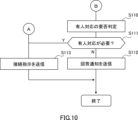
- FIG. 10 is a flowchart illustrating an example of the operation of the inquiry response control unit according to the first embodiment.
- FIG. 11 is a diagram illustrating an example of a processing configuration of the guide terminal according to the first embodiment.
- FIG. 12 is a diagram illustrating an example of a display of the guidance terminal according to the first embodiment.
- FIG. 13 is a sequence diagram illustrating an example of the operation of the information processing system according to the first embodiment.
- FIG. 14 is a sequence diagram illustrating an example of the operation of the information processing system according to the first embodiment.
- FIG. 15 is a diagram illustrating an example of a hardware configuration of a server device according to the present disclosure.
- the server device 100 includes an acquisition means 101 and a response control means 102 (see FIG. 1).
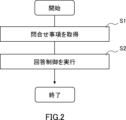
- the acquisition means 101 acquires an inquiry from a guest who has an inquiry among a plurality of guests staying at a hotel (step S1 in FIG. 2).
- the response control means 102 either answers the inquiry using information output by an AI (Artificial Intelligence) model, or controls the inquiry so that a person in charge of supporting the guest can answer the inquiry (executes response control; step S2).
- AI Artificial Intelligence
- the server device 100 responds to inquiries from guests using answers (proposed answers) output by the AI model based on the content of the inquiries, or controls the hotel staff to respond to the inquiries. For example, when the reliability of the output results from the AI model is low or when a request is difficult to handle using the AI model, the server device 100 leaves it up to the hotel staff to handle the request. In other words, appropriate information is provided in response to the guest's inquiry, and the hotel staff can take appropriate action. As a result, support that provides a higher level of satisfaction to guests is provided.
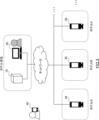
- Fig. 3 is a diagram showing an example of a schematic configuration of the information processing system according to the first embodiment.
- the information processing system includes a hotel headquarters and multiple hotels A to C. The same operator operates hotels A to C.
- hotels A to C may be hotels operated by operators in a partnership.
- a server device 10 and an employee terminal 20 are installed at the hotel's headquarters.
- a guide terminal 30 is installed at each hotel.
- the server device 10 performs the main business of the hotel. Specifically, the server device 10 stores reservation information of guests staying at each hotel (e.g., name, gender, address, date of birth, biometric information, name of the hotel where the guest will be staying, dates of stay (length of stay; check-in date, check-out date), room type, etc.). The server device 10 uses the reservation information to perform check-in and check-out procedures for guests.
- reservation information of guests staying at each hotel e.g., name, gender, address, date of birth, biometric information, name of the hotel where the guest will be staying, dates of stay (length of stay; check-in date, check-out date), room type, etc.
- the server device 10 uses the reservation information to perform check-in and check-out procedures for guests.
- biometric information examples include data (features) calculated from physical characteristics unique to an individual, such as the face, fingerprint, voiceprint, veins, retina, and iris pattern.
- biometric information may be image data such as a face image or fingerprint image. Any biometric information may be used as long as it contains information on the physical characteristics of a user. In the embodiment disclosed in this application, a case will be described in which biometric information related to a person's "face” (a face image or features generated from a face image) is used.
- the information terminal 30 is installed in the lobby of each hotel, as shown in FIG. 4.
- the information terminal 30 is, for example, a signage-type or tablet-type terminal.
- the information terminal 30 is equipped with a camera for photographing the user, a display for displaying various information, a speaker for outputting audio, a microphone for acquiring audio, etc.
- the information terminal 30 may be a smart speaker equipped with a speaker and a microphone.
- the information terminal 30 is a terminal that serves as an interface for guests who require support. Guests who have problems input questions, requests, etc. into the information terminal 30. The guests receive answers to their questions, etc. via the information terminal 30.
- a user carries a terminal 40.
- the user uses the terminal 40 to make hotel reservations, etc.
- Examples of the terminal 40 include mobile terminals such as smartphones and tablets.
- the devices shown in FIG. 3 are interconnected. Specifically, the server device 10, employee terminal 20, and information terminal 30 are connected by wired or wireless communication means and are configured to be able to communicate with each other.
- the configuration of the information processing system shown in FIG. 3 is an example and is not intended to be limiting.
- the system may include multiple server devices 10.
- multiple information terminals 30 may be installed in each hotel.
- the server device 10 stores the acquired reservation information in a guest management database.
- the reservation information is used for the guest's check-in procedures, etc. Details of the guest management database will be described later.
- Guests who have problems or requests regarding the use of the hotel, etc. input their inquiries into the information terminal 30 (see FIG. 5). For example, guests input their questions, requests, etc. into the information terminal 30 by voice.
- the guidance terminal 30 photographs the guest who inputs the inquiry and acquires biometric information (e.g., a facial image).
- the guidance terminal 30 notifies the server device 10 of the acquired biometric information and inquiry.
- the guidance terminal 30 transmits an "inquiry response request" including the biometric information, inquiry, and hotel ID to the server device 10.
- the hotel ID is an ID for identifying the hotel in which the information terminal 30 is installed.
- the hotel ID may be the name of the hotel or a predetermined code.
- the MAC (Media Access Control) address or IP (Internet Protocol) address of the information terminal 30 may be used as the hotel ID.
- the server device 10 processes the inquiry response request received from the information terminal 30.
- the server device 10 processes the inquiry response request using an AI (Artificial Intelligence) model obtained by machine learning.
- AI Artificial Intelligence
- the server device 10 inputs the inquiry into a classification AI model, and classifies the inquiry into five types.
- the first inquiry type is an inquiry that does not require personal data of the guest who made the inquiry (e.g., all or part of the reservation information) when generating a response, and does not require a certain level of accuracy (high accuracy) in the response.
- personal data of the guest who made the inquiry e.g., all or part of the reservation information
- high accuracy high accuracy
- an inquiry about traffic congestion forecasts around a hotel is an example of the first inquiry type.
- the second inquiry type is an inquiry that requires personal data of the guest who made the inquiry when generating an answer, and does not require a certain level of accuracy in the answer. For example, an inquiry about recommended tourist spots around the hotel is an example of the second inquiry type.
- the third inquiry type is an inquiry that does not require personal data of the guest making the inquiry when generating an answer, and requires the answer to have a certain level of accuracy. For example, an inquiry about the opening hours of restaurants in a hotel is an example of the third inquiry type.
- the fourth inquiry type is an inquiry that requires personal data of the guest who made the inquiry when generating an answer, and that requires a certain level of accuracy in the answer. For example, an inquiry about the accommodation fee to be paid at the time of check-out or the check-out time is an example of the fourth inquiry type.
- the first to fourth inquiry types can be summarized as shown in Figure 6.
- the fifth inquiry type is an inquiry that does not fall into any of the first to fourth inquiry types. For example, inquiries about guest room problems, hotel facility problems, etc. are examples of the fifth inquiry type.
- the server device 10 inputs the inquiries received from guests into an AI model (classification AI model) and classifies the inquiries into one of the above-mentioned first to fifth inquiry types.
- AI model classification AI model
- the server device 10 generates answers to the inquiries for the first to fourth inquiry types using an AI model (an AI model different from the classification AI model described above).
- the server device 10 is equipped with first to fourth answering AI models corresponding to the first to fourth inquiry types, respectively.
- the server device 10 inputs the inquiry classified by the classification AI model into one of the corresponding first through fourth answering AI models, and obtains information (suggested answers) from the answering AI model.
- the server device 10 performs a matching process using the biometric information of the guest acquired from the information terminal 30 and the biometric information stored in the guest management database.
- the server device 10 acquires personal data of the guest identified by the matching process (e.g., gender, age, date of stay, room type, etc.).
- the server device 10 inputs an inquiry classified as the first inquiry type into an AI model (first AI model for answering) prepared specifically for the first type, and obtains an answer (proposed answer).
- the server device 10 inputs an inquiry classified as the second inquiry type into an AI model (second AI model for answering) prepared in advance together with the guest's personal data read from the guest management database, and obtains a proposed answer.
- the server device 10 transmits the information output by the AI model to the information terminal 30 as a response to the inquiry.
- the server device 10 automatically responds without human intervention from hotel employees or the like. Such automatic responses are permissible because responses to the first and second inquiry types do not require high accuracy.
- the server device 10 determines the method of response based on the "certainty" of the information (proposed answer) output by the AI model. Specifically, the server device 10 determines whether to send the answer obtained from the AI model to the guidance terminal 30 or leave the response to the inquiry to a hotel employee (customer support staff, support personnel), etc., based on the confidence output by the AI model.
- the server device 10 If the confidence level is equal to or greater than a predetermined value (if the AI model's answer is reliable), the server device 10 notifies the guidance terminal 30 of the proposed answer output by the answering AI model. Specifically, the server device 10 transmits an "answer notification" including the proposed answer output by the answering AI model to the guidance terminal 30 (see FIG. 5).
- the information terminal 30 When the answer notification is received, the information terminal 30 presents the answer contained in the answer notification to the guest. The information terminal 30 outputs the answer by voice or displays it on a display.
- the server device 10 If the confidence level is less than a predetermined value (if the AI model's response is unreliable), the server device 10 requests a hotel employee to process the guest's inquiry. Specifically, the server device 10 instructs the guidance terminal 30 to connect to the employee terminal 20. The server device 10 sends a "connection instruction" to the guidance terminal 30, which includes the IP address of the employee terminal 20 to be connected to, etc.
- the information terminal 30 accesses the employee terminal 20 and sets the terminal to a state in which the guest and the employee can converse.
- the hotel employee converses with the guest via the employee terminal 20 and the information terminal 30 and processes the guest's inquiries.
- the server device 10 does not use an AI model to provide a response.
- the server device 10 leaves the response (problem resolution) to the inquiry item of the fifth inquiry type to the hotel staff from the start.
- the server device 10 sends a connection instruction to the information terminal 30.
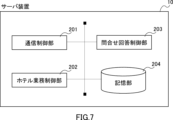
- FIG. 7 is a diagram showing an example of a processing configuration (processing module) of the server device 10 according to the first embodiment.
- the server device 10 includes a communication control unit 201, a hotel business control unit 202, an inquiry response control unit 203, and a storage unit 204.
- the communication control unit 201 is a means for controlling communication with other devices. For example, the communication control unit 201 receives data (packets) from the guidance terminal 30. The communication control unit 201 also transmits data to the guidance terminal 30. The communication control unit 201 passes the data received from the other devices to the other processing modules. The communication control unit 201 transmits data acquired from the other processing modules to the other devices. In this way, the other processing modules transmit and receive data with the other devices via the communication control unit 201.
- the communication control unit 201 has a function as a receiving unit that receives data from other devices and a function as a transmitting unit that transmits data to the other devices.
- the hotel operations control unit 202 realizes an accommodation reservation site where users can make room reservations.
- the hotel operations control unit 202 acquires information about the hotel reserved by the user (e.g., hotel name; hotel ID), room information (e.g., stay date, room type), and reservation person information (e.g., name, gender, etc.) from the accommodation reservation site.
- hotel name e.g., hotel name; hotel ID
- room information e.g., stay date, room type
- reservation person information e.g., name, gender, etc.
- the hotel business control unit 202 when the reservation information is acquired, the hotel business control unit 202 generates a user ID for identifying the user (guest).
- the user ID may be any information that can uniquely identify the guest.
- the hotel business control unit 202 may assign a unique value each time reservation information is acquired and use this as the user ID.
- the hotel operations control unit 202 associates the generated user ID, name, biometric information, etc., and registers them in the guest management database (see Figure 8).
- the guest management database shown in Figure 8 is an example, and is not intended to limit the items to be stored.
- a "face image" may be registered in the guest management database as biometric information.
- the hotel ID uses the name of the hotel listed in Figure 3.
- the hotel operations control unit 202 controls check-in and check-out procedures.
- Check-in procedures may be performed using biometric authentication, or may be performed by a hotel employee waiting at the reception counter.
- the check-in procedure is performed, the guest room number in which the guest will be staying is stored in the guest management database.
- the inquiry response control unit 203 is a means for controlling the responses to inquiries received from guests.
- the inquiry response control unit 203 processes inquiry response requests received from the information terminal 30.
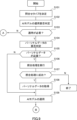
- the inquiry response control unit 203 determines the inquiry type of the inquiry item included in the request (step S101). Specifically, the inquiry response control unit 203 inputs the inquiry item into a classification AI model to obtain the type of the obtained inquiry item.
- the classification AI model (learning model) is obtained by machine learning using a large amount of training data in which labels (types of enquiries) are assigned to enquiries.
- Any algorithm such as a support vector machine, boosting or neural network, can be used to generate the AI model. Note that publicly known technologies can be used for the algorithms such as the support vector machine, so a description of these will be omitted.
- the inquiry response control unit 203 determines whether the inquiry item is a type that requires the application of an AI model or a type that does not require the application of an AI model (determining whether or not to apply an AI model; step S102). Specifically, the inquiry response control unit 203 determines that the application of an AI model is required when the inquiry type is the first to fourth types. The inquiry response control unit 203 determines that the application of an AI model is not required when the inquiry type is the fifth type.
- step S103 If application of the AI model is not required (step S103, No branch), the inquiry response control unit 203 executes the processing from step S113 onwards shown in FIG. 10.
- the inquiry response control unit 203 determines that it is not necessary to acquire the guest's personal data. If the inquiry type is the second or fourth type, the inquiry response control unit 203 determines that it is necessary to acquire the guest's personal data.
- the inquiry response control unit 203 performs a matching process using the biometric information included in the inquiry response request and the biometric information stored in the guest management database (step S106).
- the inquiry response control unit 203 calculates the similarity between the feature to be matched and each of the multiple feature on the registration side.
- the similarity can be calculated using chi-square distance, Euclidean distance, or the like. Note that the greater the distance, the lower the similarity, and the closer the distance, the higher the similarity.
- the inquiry response control unit 203 determines that the matching process (authentication process) has failed if there is no feature among the multiple features registered in the guest management database that has a similarity with the feature to be matched that is equal to or greater than a predetermined value.
- the inquiry response control unit 203 determines that the matching process is successful if, among the multiple features registered in the guest management database, there is a feature whose similarity with the feature to be matched is equal to or greater than a predetermined value. If the matching process is successful, the inquiry response control unit 203 identifies the guest (entry in the guest management database) corresponding to the feature with the highest similarity as the inquirer.
- the inquiry response control unit 203 determines that an error has occurred and ends the process.
- the inquiry response control unit 203 may take into consideration the possibility that a person other than a guest is using the information terminal 30 and may notify a security guard or the like of that fact.
- step S107 If the matching process is successful (step S107, Yes branch), the inquiry response control unit 203 reads the personal data of the guest identified by the matching process from the guest management database (obtaining personal data; step S108).
- the inquiry response control unit 203 applies an AI model according to the type of inquiry to the inquiry (application of AI model; step S109).
- the server device 10 has first to fourth answering AI models corresponding to the first to fourth inquiry types, respectively.
- the inquiry response control unit 203 determines whether or not a human response (guidance by a hotel employee) is required for the inquiry from the guest (step S110 in FIG. 10). Specifically, if the inquiry type is the first or second type, the inquiry response control unit 203 determines that a human response is not required.
- the inquiry response control unit 203 determines that manned response is not required. If the degree of certainty is less than the predetermined threshold, the inquiry response control unit 203 determines that manned response is required.
- the inquiry response control unit 203 If no human response is required (step S111, No branch), the inquiry response control unit 203 generates an answer using the information output by the answering AI model, and transmits an "answer notification" including the generated answer to the information terminal 30 (step S112). At that time, the inquiry response control unit 203 may adopt the information (proposed answer) output by the answering AI model as the answer as is, or may process the information output by the answering AI model to generate the answer.
- the inquiry response control unit 203 sends a "connection instruction" to the information terminal 30 (step S113).
- the inquiry response control unit 203 sends a connection instruction including the IP address of the employee terminal 20, etc., to the information terminal 30.
- the inquiry response control unit 203 uses the information output by the AI model to respond to the inquiry.
- the inquiry response control unit 203 performs control so that the person in charge can respond to the inquiry. More specifically, when the confidence level is lower than the predetermined value, the inquiry response control unit 203 instructs the first terminal (guide terminal 30) that has accepted the inquiry of the guest with an inquiry to connect to the second terminal (employee terminal 20) used by the person in charge.
- the storage unit 204 is a means for storing information necessary for the operation of the server device 10.
- the storage unit 204 stores biometric information and personal data (e.g., gender, date of birth, date of stay, room type, etc.) for each of a number of guests in association with each other.
- [Information terminal] 11 is a diagram showing an example of a processing configuration (processing module) of guide terminal 30.
- guide terminal 30 includes a communication control unit 301, an inquiry control unit 302, and a storage unit 303.
- the communication control unit 301 is a means for controlling communication with other devices. For example, the communication control unit 301 receives data (packets) from the server device 10. The communication control unit 301 also transmits data to the server device 10. The communication control unit 301 passes data received from other devices to other processing modules. The communication control unit 301 transmits data acquired from other processing modules to other devices. In this way, the other processing modules transmit and receive data to and from other devices via the communication control unit 301.
- the communication control unit 301 has a function as a receiving unit that receives data from other devices and a function as a transmitting unit that transmits data to other devices.
- the inquiry control unit 302 is a means for controlling inquiries made by guests. For example, the inquiry control unit 302 detects a user in front of the guest based on an output signal from a motion sensor or the like. When a user (guest) is detected, the inquiry control unit 302 controls a microphone or the like to obtain the inquiry from the user. Alternatively, when the user utters a specified phrase, the inquiry control unit 302 detects the user as a guest with an inquiry.
- the inquiry control unit 302 converts the voice into text information using voice recognition technology or the like, and obtains the inquiry.
- the inquiry control unit 302 controls the camera device (a camera device provided in the guidance terminal 30) to acquire biometric information (e.g., a facial image) of the user in front of the inquiry control unit 302.
- the inquiry control unit 302 transmits an inquiry response request including the acquired biometric information, the inquiry item, and the hotel ID to the server device 10.
- the inquiry control unit 302 obtains a response notification or a connection instruction from the server device 10 as a response to the inquiry response request.
- the inquiry control unit 302 displays the answer contained in the notification on a display or the like. At that time, the inquiry control unit 302 may display the guest's inquiry and the answer obtained from the server device 10 in an interactive format, as shown in FIG. 12. Alternatively, the inquiry control unit 302 may convert the obtained answer into voice data and output it from a speaker.
- the inquiry control unit 302 accesses the employee terminal 20 having the IP address included in the instruction.
- the inquiry control unit 302 sends the inquiry (guest's questions, requests, etc.) to the employee terminal 20.
- the inquiry control unit 302 then transmits the voice data of the guest collected via the microphone to the employee terminal 20, and outputs voice data from the hotel employee from the speaker.
- the inquiry control unit 302 also transmits and receives image data of the guest and hotel employee between the employee terminal 20.
- the inquiry control unit 302 provides an interface for conversation between the hotel employee and the guest, such as an online conference.
- employee terminal 20 examples include mobile terminal devices such as smartphones, mobile phones, game consoles, and tablets, as well as computers (personal computers, laptops).
- the employee terminal 20 can be any equipment or device that can accept operations by hotel employees and communicate with the server device 10, etc. Furthermore, the configuration of the employee terminal 20 is clear to those skilled in the art, so a detailed description will be omitted.
- the employee terminal 20 When the employee terminal 20 starts connecting with the information terminal 30, it presents the inquiry obtained from the information terminal 30 to the hotel employee, and sets up a situation in which the guest and the hotel employee can converse.
- Examples of the terminal 40 include a smartphone, a mobile phone, a game machine, a mobile terminal device such as a tablet, a computer (personal computer, notebook computer), etc.
- the terminal 40 can be any equipment or device that can accept user operations and communicate with the server device 10, etc.
- the configuration of the terminal 40 is clear to those skilled in the art, detailed explanations will be omitted.
- the information terminal 30 sends an inquiry response request including the guest's biometric information and the inquiry to the server device 10 (step S01).
- the server device 10 generates a response to the inquiry using the response AI model (step S02).
- the server device 10 sends a response notification including the generated response to the guidance terminal 30 (step S03).
- the information terminal 30 presents the answer contained in the received answer notification to the guest (step S04).
- the information terminal 30 sends an inquiry response request including the guest's biometric information and the inquiry to the server device 10 (step S11).
- the server device 10 determines that human response is required based on the inquiry type and the confidence level output by the AI model (step S12).
- the server device 10 sends a connection instruction to the information terminal 30 (step S13).
- the information terminal 30 connects to the employee terminal 20 (step S14).
- the information terminal 30 and the employee terminal 20 transmit and receive voice data and image data (step S15).
- the employee listens to the guest's concerns and other problems via the employee terminal 20 and the information terminal 30, and resolves the concerns and other problems.
- the server device 10 acquires the biometric information of the guest who has the inquiry along with the inquiry.
- the server device 10 identifies the personal data of the guest who has the inquiry by a matching process using the acquired biometric information and multiple pieces of biometric information stored in the guest management database.
- the server device 10 responds to the inquiry using the information output by the third or fourth AI model.
- the server device 10 performs control so that the person in charge can respond to the inquiry.
- the first inquiry type is an inquiry that does not require personal data of the guest (asker, requester) and does not require a high level of accuracy in the answer. For example, a question about traffic congestion predictions around the hotel, such as "Will the roads be congested tomorrow?", is an example of this first inquiry type. Traffic congestion can occur regardless of the attributes of the guest (e.g., age or gender). In addition, it can be said that users commonly recognize that such predictions can be wrong due to accidents, etc., so a high level of accuracy is not required in the answer to this type of question.
- the server device 10 generates an answer using a learning model generated using the congestion level for each day of the week, etc., and presents it to the guest.
- the server device 10 obtains an answer (proposed answer) to the inquiry by inputting the inquiry into the first AI model prepared for the first type.
- the second inquiry type is an inquiry that requires personal data of the guest, but does not require a high level of accuracy in the answer.
- an inquiry such as "What tourist spots do you recommend?" is an example of the second inquiry type.
- Evaluations of tourist spots can vary greatly depending on age and gender. Therefore, by inputting the guest's attribute information (e.g., gender, age) into an AI model trained using information on tourist spots that are highly rated by age and gender, the server device 10 provides information on tourist spots that are likely to be preferred by the guest.
- the questioner himself often does not require a high level of accuracy in the question.
- the server device 10 inputs the inquiry and the personal data into a second AI model prepared for the second type, and obtains an answer to the inquiry.
- the third inquiry type is an inquiry that does not require personal data of the guest and requires a high level of accuracy in the answer. For example, a question such as "Please tell me the restaurant's business hours" is an example of the third inquiry type.
- the business hours of restaurants operating in the hotel are not affected by the guest's personal data.
- the server device 10 cannot provide incorrect information about the business hours of restaurants operating in the hotel.
- the server device 10 generates an answer using a learning model generated using the business hours of restaurants operating in the hotel, and presents it to the guest.
- the server device 10 obtains the response to the inquiry by inputting the inquiry into a third AI model prepared for the third type.
- the fourth inquiry type is an inquiry that requires personal data of the guest and a high degree of accuracy in the answer. For example, questions such as "What is the accommodation price?" and "What is the check-out time?" are the fourth inquiry type.
- the accommodation price varies for each guest depending on the type (grade) of the room and the length of stay.
- the check-out time varies for each guest depending on whether late check-out is used. Therefore, in order to answer questions such as those above, personal data of the guest (part of the reservation information; length of stay, room type, etc.) is required.
- the server device 10 cannot provide incorrect information in response to this type of question.
- the server device 10 generates an answer using a learning model generated using the accommodation price for each room type and length of stay, and presents it to the guest.
- the server device 10 inputs the inquiry and the personal data into a fourth AI model prepared for the fourth type, and obtains the answer to the inquiry.
- the fifth inquiry type includes questions that do not fall into any of the first through fourth inquiry types above, and requests that cannot be resolved without physical or personal support from hotel employees, etc. Alternatively, requests that require careful handling, such as complaints about room defects, are also included in the fifth inquiry type.
- the fifth inquiry type includes matters such as "I would like to borrow an iron," "Please call a taxi with the airport as my destination,” and "The air conditioner is not working.” A hotel employee who receives such a request will instruct an employee of the hotel where the guest is staying to bring the iron to the guest's room or arrange for a taxi.
- inquiries of the same content may be classified into different types depending on the hotel's philosophy and policies. For example, if an inquiry such as "What tourist spots do you recommend?" is answered without using the guest's personal data (attribute information; for example, gender, age), the inquiry may be classified as the first inquiry type.
- the guide terminal 30 is installed in the lobby.
- the guide terminal 30 may be installed in each guest room.
- the guest room number in which the guide terminal 30 is installed or the terminal ID of the guide terminal 30 may be used to identify the guest who asks a question or makes a request, instead of biometric information (biometric authentication).
- biometric information biometric authentication
- the guide terminal 30 transmits the guest room number in which the terminal 30 is installed or the terminal ID of the terminal 30 instead of the biometric information of the questioner.
- the server device 10 may search the guest management database using the acquired guest room number as a key to identify the guest (questioner) who has an inquiry. Alternatively, the server device 10 may identify the questioner by determining the guest room number in which the guide terminal 30 is installed from the terminal ID.
- ⁇ Modification 2> In the above embodiment, the case where the AI model is used to support the guest has been described.
- the server device 10 may support the guest using a means other than the AI model instead of or in addition to the AI model.
- the server device 10 may support guests using information obtained from the Internet (external server on the network).
- the server device 10 may obtain weather forecasts, evacuation information in the event of a disaster, etc. from an external server.
- the server device 10 may obtain a weather forecast from an external server.
- a sixth type of inquiry that queries an external server may be added to the above five inquiry types.
- the server device 10 may obtain answers from an external server for inquiries classified as the sixth inquiry type.
- the server device 10 may retain information on the external server to which inquiries are made for each question, or may use an AI model that outputs the external server to which inquiries are made when an inquiry is input.
- the server device 10 may determine whether to send a human to respond to a request from a guest based on other information, rather than the confidence level output by the AI model.
- the inquiry response control unit 203 of the server device 10 may determine whether to send a human to respond to a request based on the number of hotel employees on duty or the number of guests who have checked in. For example, when the number of guests is small or when there are many hotel employees, the server device 10 may control the hotel employees to respond to the inquiries of the guests.
- the question and answer exchange between the guest and the AI model may continue several times. That is, the server device 10 may answer the guest's questions in a chatbot-like format. In this case, the confidence level of the AI model's output may decrease during the exchange, and the person who talks with the guest may switch from the AI model to a hotel employee.
- the inquiry response control unit 203 of the server device 10 may realize a smooth handover of the conversation by presenting the conversation history between the guest and the AI model to the hotel employee. Specifically, the inquiry response control unit 203 transmits a connection instruction including the conversation history to the guide terminal 30. After starting communication with the employee terminal 20, the guide terminal 30 transmits the conversation history to the employee terminal 20.
- the server device 10 classifies the type of inquiries from guests and responds using an answer (proposed answer) output by the AI model based on the classified type, or controls so that hotel employees can respond to the inquiries. For example, the server device 10 responds to inquiries using information output by the AI model regarding information such as facility guides for the hotel. In contrast, for inquiries in which the information obtained from the AI model is unreliable and the answer requires accuracy (precision, precision), the server device 10 leaves the response to the inquiry to hotel employees who are familiar with hotel operations. As a result, support that provides a higher level of satisfaction to hotel guests is provided.
- the information processing system disclosed in this application solves the above problem by centralizing support for guests at multiple hotels at a headquarters or other location. That is, the hotel front desk (employees working at the front desk) are required to respond to questions and requests from guests. On the other hand, there is a problem of a shortage of hotel employees to respond to questions and requests at night, etc.
- the information processing system disclosed in this application has a configuration in which an AI model responds to basic questions and answers, and hotel employees waiting in remote locations respond only when a person needs to respond.
- the information processing system disclosed in the present application provides support to guests with problems, etc., via information terminals 30 installed in the hotel lobby and guest rooms.
- the information processing system also provides more appropriate information, etc., using personal data on guests (information on the guest's gender, age, guest room, etc.) held by the hotel management system (PMS; Property Management System) and information obtained from the Internet.
- PMS Property Management System
- Figure 15 is a diagram showing an example of the hardware configuration of the server device 10.
- the server device 10 can be configured by an information processing device (so-called a computer), and has the configuration shown in FIG. 15.
- the server device 10 has a processor 311, a memory 312, an input/output interface 313, a communication interface 314, etc.
- the components such as the processor 311 are connected by an internal bus or the like, and are configured to be able to communicate with each other.
- the configuration shown in FIG. 15 is not intended to limit the hardware configuration of the server device 10.
- the server device 10 may include hardware not shown, and may not include an input/output interface 313 as necessary.
- the number of processors 311 and the like included in the server device 10 is not intended to be limited to the example shown in FIG. 15, and for example, the server device 10 may include multiple processors 311.
- the processor 311 is, for example, a programmable device such as a CPU (Central Processing Unit), an MPU (Micro Processing Unit), or a DSP (Digital Signal Processor). Alternatively, the processor 311 may be a device such as an FPGA (Field Programmable Gate Array) or an ASIC (Application Specific Integrated Circuit). The processor 311 executes various programs including an operating system (OS).
- OS operating system
- Memory 312 may be a RAM (Random Access Memory), a ROM (Read Only Memory), a HDD (Hard Disk Drive), a SSD (Solid State Drive), etc. Memory 312 stores the OS program, application programs, and various data.
- RAM Random Access Memory
- ROM Read Only Memory
- HDD Hard Disk Drive
- SSD Solid State Drive
- the input/output interface 313 is an interface for a display device and an input device (not shown).
- the display device is, for example, a liquid crystal display.
- the input device is, for example, a keyboard, a mouse, a touch panel, or other device that accepts user operations.
- the communication interface 314 is a circuit, module, etc. that communicates with other devices.
- the communication interface 314 includes a NIC (Network Interface Card), etc.
- the functions of the server device 10 are realized by various processing modules.
- the processing modules are realized, for example, by the processor 311 executing a program stored in the memory 312.
- the program can be recorded on a computer-readable storage medium.
- the storage medium can be a non-transitory medium such as a semiconductor memory, a hard disk, a magnetic recording medium, or an optical recording medium.
- the present invention can also be embodied as a computer program product.
- the program can be downloaded via a network, or updated using a storage medium that stores the program.
- the processing modules may also be realized by a semiconductor chip.
- the information terminal 30 and the like can be configured using an information processing device, just like the server device 10, and since there is no difference in the basic hardware configuration between them and the server device 10, a description of them will be omitted.
- the server device 10 is equipped with a computer, and the functions of the server device 10 can be realized by having the computer execute a program.
- the server device 10 also executes the control method of the server device 10 by the program.
- a guest inputs an inquiry to the server device 10 via the information terminal 30.
- the guest may also send the inquiry to the server device 10 via the terminal 40 that the guest carries.
- the guest is given a two-dimensional barcode containing a URL (Uniform Resource Locator) and the like for accessing the server device 10.
- the guest operates the terminal 40 to access the server device 10 according to the two-dimensional barcode.
- the server device 10 obtains the inquiry via the terminal 40 and presents a response.
- the server device 10 may use a single AI model that integrates the classification AI model and the response AI model to generate responses to inquiries and determine whether or not a human response is required for the inquiry.
- the server device 10 has been described as sending a connection instruction to the information terminal 30.
- the server device 10 may also send a connection instruction to the employee terminal 20.
- the server device 10 may assign the guest's inquiry to the employee terminal 20 of a hotel employee who is not involved in the guest's inquiry (an employee who is available).
- the server device 10 may also send a connection instruction to that employee terminal 20.
- the server device 10 may transmit a response including information about the guest who made the inquiry (e.g., name) to the information terminal 30.
- the information terminal 30 that receives the response may respond to the inquiry while outputting a message such as "Thank you for your inquiry, Yamada Taro.”
- the server device 10 may execute a matching process using biometric information to obtain information about the guest even in the case of the first or third inquiry type that does not require personal data of the guest.
- inquiry items using an AI model are classified into four types.
- the types of inquiry items using an AI model are not limited to four.
- Inquiry items may be classified into a number of inquiry types according to the hotel's policies, etc.
- the first and second inquiry types may be integrated.
- support is provided to hotel guests.
- the support is not limited to hotel guests, and support may also be provided to day-use users.
- the guest management database is configured inside the server device 10, but the database may be configured on an external database server or the like. That is, some of the functions of the server device 10 may be implemented in another device. More specifically, the above-described "enquiry response control unit (enquiry response control means)" and the like may be implemented in any of the devices included in the system.
- the form of data transmission between each device is not particularly limited, but the data transmitted between these devices may be encrypted. Biometric information of guests and the like is transmitted between these devices, and in order to properly protect this information, it is desirable to transmit and receive encrypted data.
- each embodiment may be used alone or in combination.
- AI Artificial Intelligence
- the server device further comprising: a control unit that performs control so that the person in charge can answer the inquiry if the certainty factor is smaller than the predetermined value.
- the answer control means The server device described in Appendix 2, wherein if the certainty level is smaller than the specified value, the server device instructs a first terminal that accepts the inquiry of the guest having the inquiry to connect to a second terminal used by the person in charge.
- the response control means classifies the inquiry item into one of a plurality of predetermined types, and determines whether to respond to the inquiry item using information output by the AI model or to have the person in charge respond to the inquiry item depending on the classified type.
- the answer control means If the inquiry is of a first type that does not require personal data of the guest having the inquiry and does not require a predetermined accuracy in the answer, the inquiry is input into a first AI model prepared for the first type to obtain an answer to the inquiry;
- the server device described in Appendix 4 wherein when the inquiry item is of a second type that requires personal data of a guest who has the inquiry item and does not require a specified level of accuracy in the answer, the inquiry item and the personal data of the guest who has the inquiry item are input into a second AI model prepared for the second type, thereby obtaining an answer to the inquiry item.
- the answer control means If the inquiry is of a third type that does not require personal data of the guest having the inquiry and requires a certain level of accuracy in the answer, the inquiry is input into a third AI model prepared for the third type to obtain an answer to the inquiry;
- the server device described in Appendix 5 wherein when the inquiry item is a fourth type that requires personal data of a guest who has the inquiry item and a certain level of accuracy in the answer, the inquiry item and the personal data of the guest who has the inquiry item are input into a fourth AI model prepared for the fourth type, thereby obtaining an answer to the inquiry item.
- [Appendix 7] a storage unit for storing biometric information and personal data for each of the guests in association with each other;
- the acquisition means acquires biometric information of the guest having the inquiry item together with the inquiry item,
- the server device according to claim 6, wherein the response control means identifies personal data of the guest who has the inquiry by performing a matching process using the acquired biometric information and the stored multiple pieces of biometric information.
- the answer control means If the confidence level output by the third or fourth AI model is equal to or greater than a predetermined value, the inquiry is answered using information output by the third or fourth AI model;
- the server device further comprising: a control unit that performs control so that the person in charge can answer the inquiry if the certainty factor is smaller than the predetermined value.
- the answer control step includes: If the confidence level of the information output by the AI model is equal to or greater than a predetermined value, the information output by the AI model is used to answer the inquiry; 10.
- the method for controlling a server device further comprising the step of: if the degree of certainty is smaller than the predetermined value, performing control so that the person in charge can answer the inquiry.
- the answer control step includes: A control method for a server device as described in Appendix 10, instructing a first terminal that accepts the inquiry of a guest having the inquiry to connect to a second terminal used by the person in charge if the certainty degree is smaller than the specified value.
- the answer control step includes: If the inquiry is of a first type that does not require personal data of the guest having the inquiry and does not require a predetermined accuracy in the answer, the inquiry is input into a first AI model prepared for the first type to obtain an answer to the inquiry; A method for controlling a server device as described in Appendix 12, in which, when the inquiry item is of a second type that requires personal data of a guest who has the inquiry item and does not require a specified level of accuracy in the answer, the inquiry item and the personal data of the guest who has the inquiry item are input into a second AI model prepared for the second type, thereby obtaining an answer to the inquiry item.
- the answer control step includes: If the inquiry is of a third type that does not require personal data of the guest having the inquiry and requires a certain level of accuracy in the answer, the inquiry is input into a third AI model prepared for the third type to obtain an answer to the inquiry; A method for controlling a server device as described in Appendix 13, in which, when the inquiry item is a fourth type that requires personal data of a guest who has the inquiry item and a certain level of accuracy in the answer, the inquiry item and the personal data of the guest who has the inquiry item are input into a fourth AI model prepared for the fourth type, thereby obtaining an answer to the inquiry item.
- the method further includes a storage step of storing biometric information and personal data for each of the plurality of guests in association with each other;
- the acquiring step acquires biometric information of a guest having the inquiry item together with the inquiry item,
- the server device control method according to claim 14, wherein the response control step identifies personal data of the guest who has the inquiry by performing a matching process using the acquired biometric information and the stored multiple pieces of biometric information.
- the answer control step includes: If the confidence level output by the third or fourth AI model is equal to or greater than a predetermined value, the inquiry is answered using information output by the third or fourth AI model; 16.
- the method for controlling a server device further comprising the step of: if the degree of certainty is smaller than the predetermined value, performing control so that the person in charge can answer the inquiry.
- a computer installed in the server device an acquisition process for acquiring an inquiry from a guest who has an inquiry among a plurality of guests staying at the hotel;
- a response control process that responds to the inquiry using information output by an AI (Artificial Intelligence) model according to the acquired inquiry, or controls so that a person in charge of supporting guests can respond to the inquiry;
- AI Artificial Intelligence
- the answer control process includes: If the confidence level of the information output by the AI model is equal to or greater than a predetermined value, the information output by the AI model is used to answer the inquiry; 18.
- the answer control process includes: A storage medium as described in Appendix 18, which, if the certainty level is less than the specified value, instructs a first terminal that accepts the inquiry of the guest having the inquiry item to connect to a second terminal used by the person in charge.
- the answer control process includes: If the inquiry is of a first type that does not require personal data of the guest having the inquiry and does not require a predetermined accuracy in the answer, the inquiry is input into a first AI model prepared for the first type to obtain an answer to the inquiry; A storage medium as described in Appendix 20, in which, when the inquiry item is of a second type that requires personal data of a guest who has the inquiry item and does not require a specified level of accuracy in the answer, the inquiry item and the personal data of the guest who has the inquiry item are input into a second AI model prepared for the second type, thereby obtaining an answer to the inquiry item.
- the answer control process includes: If the inquiry is of a third type that does not require personal data of the guest having the inquiry and requires a certain level of accuracy in the answer, the inquiry is input into a third AI model prepared for the third type to obtain an answer to the inquiry;
- the storage medium described in Appendix 21 in the case where the inquiry item is a fourth type that requires personal data of a guest who has the inquiry item and a certain level of accuracy in the answer, the inquiry item and the personal data of the guest who has the inquiry item are input into a fourth AI model prepared for the fourth type, thereby obtaining an answer to the inquiry item.
- Appendix 23 further executing a storage process for storing biometric information and personal data for each of the plurality of guests in association with each other;
- the acquisition process acquires biometric information of a guest having the inquiry item together with the inquiry item,
- the storage medium described in Appendix 22, wherein the response control process identifies personal data of the guest who has the inquiry by a matching process using the acquired biometric information and the stored multiple pieces of biometric information.
- the answer control process includes: If the confidence level output by the third or fourth AI model is equal to or greater than a predetermined value, the inquiry is answered using information output by the third or fourth AI model; 24.
- Server device 10
- Employee terminal 30
- Guide terminal 40
- Server device 101
- Acquisition means 102
- Response control means 201
- Communication control unit 202
- Hotel business control unit 203
- Enquiry response control unit 204
- Storage unit 301
- Communication control unit 302
- Enquiry control unit 303
- Storage unit 311 Processor 312 Memory 313 Input/output interface 314 Communication interface
Landscapes
- Engineering & Computer Science (AREA)
- Business, Economics & Management (AREA)
- Tourism & Hospitality (AREA)
- Theoretical Computer Science (AREA)
- Databases & Information Systems (AREA)
- Physics & Mathematics (AREA)
- General Physics & Mathematics (AREA)
- General Engineering & Computer Science (AREA)
- Data Mining & Analysis (AREA)
- Health & Medical Sciences (AREA)
- Economics (AREA)
- General Health & Medical Sciences (AREA)
- Human Resources & Organizations (AREA)
- Marketing (AREA)
- Primary Health Care (AREA)
- Strategic Management (AREA)
- General Business, Economics & Management (AREA)
- Management, Administration, Business Operations System, And Electronic Commerce (AREA)
Abstract
より満足度の高いサポートをホテルの宿泊客等に提供する、サーバ装置を提供する。サーバ装置は、取得手段と、回答制御手段と、を備える。取得手段は、ホテルに宿泊する複数の宿泊客のうち問合せ事項を有する宿泊客から問合せ事項を取得する。回答制御手段は、取得された問合せ事項に応じて、AI(Artificial Intelligence)モデルが出力する情報を用いて問合せ事項に回答するか、宿泊客のサポートを担当する担当者が問合せ事項に回答できるように制御を行う。
Description
本発明は、サーバ装置、サーバ装置の制御方法及び記憶媒体に関する。
ホテルの宿泊客に対して情報提供を行う技術が存在する。
例えば、特許文献1には、ユーザの属性に応じた応答を行なうプログラム等を提供する、と記載されている。特許文献1のプログラムは、宿泊施設の客室に設置されたユーザーインタフェースから取得した音声データに基づくリクエスト、および、ユーザーインタフェースを識別するユーザーインタフェース識別子を取得する。当該プログラムは、取得したユーザーインタフェース識別子に基づいて客室に宿泊中の宿泊客にかかる宿泊客情報を取得する。当該プログラムは、取得した宿泊客情報およびリクエストに基づいて商品またはサービスの情報である商品サービス情報を出力する処理をコンピュータに実行させる。
特許文献1には、機械学習によって得られた学習モデルを用いて宿泊客の要望(リクエスト)に応えるシステムが開示されている。ここで、宿泊客のホテルに対する要望、依頼は多岐に亘り、事前に用意された学習モデルが出力する回答では不十分な場合がある。換言すれば、特許文献1に開示されたように学習モデルが出力する回答だけを用いて宿泊客の要望に応えようとすると、宿泊客のサポートが十分ではない可能性がある。
本発明は、より満足度の高いサポートをホテルの宿泊客等に提供することに寄与する、サーバ装置、サーバ装置の制御方法及び記憶媒体を提供することを主たる目的とする。
本発明の第1の視点によれば、ホテルに宿泊する複数の宿泊客のうち問合せ事項を有する宿泊客から前記問合せ事項を取得する、取得手段と、前記取得された問合せ事項に応じて、AI(Artificial Intelligence)モデルが出力する情報を用いて前記問合せ事項に回答するか、宿泊客のサポートを担当する担当者が前記問合せ事項に回答できるように制御を行う、回答制御手段と、を備える、サーバ装置が提供される。
本発明の第2の視点によれば、サーバ装置において、ホテルに宿泊する複数の宿泊客のうち問合せ事項を有する宿泊客から前記問合せ事項を取得する、取得工程と、前記取得された問合せ事項に応じて、AI(Artificial Intelligence)モデルが出力する情報を用いて前記問合せ事項に回答するか、宿泊客のサポートを担当する担当者が前記問合せ事項に回答できるように制御を行う、回答制御工程と、を含む、サーバ装置の制御方法が提供される。
本発明の第3の視点によれば、サーバ装置に搭載されたコンピュータに、ホテルに宿泊する複数の宿泊客のうち問合せ事項を有する宿泊客から前記問合せ事項を取得する、取得処理と、前記取得された問合せ事項に応じて、AI(Artificial Intelligence)モデルが出力する情報を用いて前記問合せ事項に回答するか、宿泊客のサポートを担当する担当者が前記問合せ事項に回答できるように制御を行う、回答制御処理と、を実行させるためのプログラムを記憶する、コンピュータ読取可能な記憶媒体が提供される。
本発明の各視点によれば、より満足度の高いサポートをホテルの宿泊客等に提供することに寄与する、サーバ装置、サーバ装置の制御方法及び記憶媒体が提供される。なお、本発明の効果は上記に限定されない。本発明により、当該効果の代わりに、又は当該効果と共に、他の効果が奏されてもよい。
はじめに、一実施形態の概要について説明する。なお、この概要に付記した図面参照符号は、理解を助けるための一例として各要素に便宜上付記したものであり、この概要の記載はなんらの限定を意図するものではない。また、特段の釈明がない場合には、各図面に記載されたブロックはハードウェア単位の構成ではなく、機能単位の構成を表す。各図におけるブロック間の接続線は、双方向及び単方向の双方を含む。一方向矢印については、主たる信号(データ)の流れを模式的に示すものであり、双方向性を排除するものではない。なお、本明細書及び図面において、同様に説明されることが可能な要素については、同一の符号を付することにより重複説明が省略され得る。
一実施形態に係るサーバ装置100は、取得手段101と、回答制御手段102と、を備える(図1参照)。取得手段101は、ホテルに宿泊する複数の宿泊客のうち問合せ事項を有する宿泊客から問合せ事項を取得する(図2のステップS1)。回答制御手段102は、取得された問合せ事項に応じて、AI(Artificial Intelligence)モデルが出力する情報を用いて問合せ事項に回答するか、宿泊客のサポートを担当する担当者が問合せ事項に回答できるように制御を行う(回答制御を実行;ステップS2)。
サーバ装置100は、宿泊客からの問合せ事項について、その内容等に基づいてAIモデルが出力する回答(回答案)を用いて回答を行う、又は、ホテルの従業員等が問合せに回答できるような制御を行う。例えば、サーバ装置100は、AIモデルからの出力結果の信頼性が低い場合やAIモデルによる対処が難しい要求(依頼)事項についてはホテル従業員に対処を委ねる。即ち、宿泊客の問合せ事項に対して適切な情報が提供されたり、ホテル従業員は適切な行動ができたりする。その結果、宿泊客にとってより満足度の高いサポートが提供される。
以下に具体的な実施形態について、図面を参照してさらに詳しく説明する。
[第1の実施形態]
第1の実施形態について、図面を用いてより詳細に説明する。
第1の実施形態について、図面を用いてより詳細に説明する。
[システムの構成]
図3は、第1の実施形態に係る情報処理システムの概略構成の一例を示す図である。図3に示すように、情報処理システムには、ホテルの本社と、複数のホテルA~Cと、が含まれる。同一の事業者が、ホテルA~Cを経営する。あるいは、ホテルA~Cは、提携関係にある事業者によって経営されるホテルであってもよい。
図3は、第1の実施形態に係る情報処理システムの概略構成の一例を示す図である。図3に示すように、情報処理システムには、ホテルの本社と、複数のホテルA~Cと、が含まれる。同一の事業者が、ホテルA~Cを経営する。あるいは、ホテルA~Cは、提携関係にある事業者によって経営されるホテルであってもよい。
ホテルの本社には、サーバ装置10と、従業員端末20と、が設置されている。各ホテルには、案内端末30が設置されている。
サーバ装置10は、ホテルの主たる業務を実現する。具体的には、サーバ装置10は、各ホテルの宿泊客の予約情報(例えば、氏名、性別、住所、生年月日、生体情報、宿泊先のホテル名、宿泊日(宿泊期間;チェックイン日、チェックアウト日)、ルームタイプ等)を記憶する。サーバ装置10は、予約情報を用いて宿泊客のチェックイン手続きやチェックアウト手続き等を実現する。
生体情報には、例えば、顔、指紋、声紋、静脈、網膜、瞳の虹彩の模様(パターン)といった個人に固有の身体的特徴から計算されるデータ(特徴量)が例示される。あるいは、生体情報は、顔画像、指紋画像等の画像データであってもよい。生体情報は、利用者の身体的特徴を情報として含むものであればよい。本願開示の実施形態では、人の「顔」に関する生体情報(顔画像又は顔画像から生成された特徴量)を用いる場合について説明する。
また、サーバ装置10は、宿泊客をサポートする機能を備える。具体的には、サーバ装置10は、宿泊客からの質問事項や依頼事項に応える機能を備える。
従業員端末20は、ホテルの従業員により使用される端末である。とりわけ、宿泊客のサポートを担う従業員が従業員端末20を使用する。
案内端末30は、図4に示すように、各ホテルのロビー等に設置される。案内端末30は、例えば、サイネージ型やタブレット型の端末である。案内端末30は、利用者を撮影するためのカメラ、各種情報を表示するためのディスプレイ、音声を出力するためのスピーカー、音声を取得するためのマイク等を備える。あるいは、案内端末30は、スピーカーとマイクを備えたスマートスピーカーであってもよい。
案内端末30は、サポートを必要とする宿泊客のインターフェイスとなる端末である。困りごと等がある宿泊客は、案内端末30に質問事項、依頼事項等を入力する。宿泊客は、案内端末30を介して、質問事項等に対する回答を得る。
図3に示すように、利用者(宿泊客)は、端末40を所持する。利用者は、当該端末40を使ってホテルの予約等を行う。端末40には、例えば、スマートフォン、タブレット等のモバイル型端末が例示される。
図3に示す各装置は相互に接続されている。具体的には、サーバ装置10、従業員端末20及び案内端末30は、有線又は無線の通信手段により接続され、相互に通信が可能となるように構成されている。
図3に示す情報処理システムの構成は例示であって、その構成を限定する趣旨ではない。例えば、システムには複数のサーバ装置10が含まれていてもよい。あるいは、各ホテルには、複数の案内端末30が設置されていてもよい。
[概略動作]
続いて、第1の実施形態に係る情報処理システムの概略動作について説明する。
続いて、第1の実施形態に係る情報処理システムの概略動作について説明する。
<客室の予約>
利用者は、端末40を操作してサーバ装置10が提供する宿泊予約サイトにアクセスする。利用者が端末40を操作して予約の申し込みを行うと、サーバ装置10は、予約情報(例えば、予約者の氏名、性別、住所、生年月日、生体情報、宿泊先のホテル名、宿泊日(宿泊期間)、ルームタイプ)等を取得する。
利用者は、端末40を操作してサーバ装置10が提供する宿泊予約サイトにアクセスする。利用者が端末40を操作して予約の申し込みを行うと、サーバ装置10は、予約情報(例えば、予約者の氏名、性別、住所、生年月日、生体情報、宿泊先のホテル名、宿泊日(宿泊期間)、ルームタイプ)等を取得する。
サーバ装置10は、取得した予約情報を宿泊客管理データベースに記憶する。上述のように、予約情報は宿泊客のチェックイン手続き等に用いられる。なお、宿泊客管理データベースの詳細は後述する。
<宿泊客のサポート>
利用者は宿泊日にホテルを訪れ、チェックイン手続きを行う。
利用者は宿泊日にホテルを訪れ、チェックイン手続きを行う。
ホテルの利用等に関して、困りごとや依頼事項がある宿泊客は、案内端末30に問合せ事項を入力する(図5参照)。例えば、宿泊客は、質問事項、依頼事項等を案内端末30に音声入力する。
案内端末30は、問合せ事項を入力した宿泊客を撮影し、生体情報(例えば、顔画像)を取得する。案内端末30は、取得した生体情報、問合せ事項をサーバ装置10に通知する。具体的には、案内端末30は、生体情報、問合せ事項及びホテルIDを含む「問合せ回答要求」をサーバ装置10に送信する。
ホテルIDは、案内端末30が設置されたホテルを識別するためのIDである。ホテルIDには、ホテルの名称や事前に定められたコードを用いることができる。あるいは、ホテルIDとして、案内端末30のMAC(Media Access Control)アドレスやIP(Internet Protocol)アドレスを用いることもできる。
サーバ装置10は、案内端末30から受信した問合せ回答要求を処理する。サーバ装置10は、機械学習により得られたAI(Artificial Intelligence)モデルを使って問合せ回答要求を処理する。
サーバ装置10は、問合せ事項を分類用AIモデルに入力することで、当該問合せ事項を5つのタイプに分類する。
第1の問合せタイプは、回答を生成する際に問合せを行った宿泊客のパーソナルデータ(例えば、予約情報の全部又は一部)を必要とせず、且つ、回答に所定の正確性(高い正確性)が要求されない問合せ事項である。例えば、ホテル周辺の渋滞予測等に関する問合せ事項が、第1の問合せタイプとして例示される。
第2の問合せタイプは、回答を生成する際に問合せを行った宿泊客のパーソナルデータを必要とし、且つ、回答に所定の正確性が要求されない問合せ事項である。例えば、ホテル周辺のお勧めの観光スポットに関する問合せ事項が、第2の問合せタイプとして例示される。
第3の問合せタイプは、回答を生成する際に問合せを行った宿泊客のパーソナルデータを必要とせず、且つ、回答に所定の正確性が要求される問合せ事項である。例えば、ホテルで営業するレストラン等の営業時間に関する問合せ事項が、第3の問合せタイプとして例示される。
第4の問合せタイプは、回答を生成する際に問合せを行った宿泊客のパーソナルデータを必要とし、且つ、回答に所定の正確性が要求される問合せ事項である。例えば、チェックアウト時に支払う宿泊料金やチェックアウト時間に関する問合せ事項が、第4の問合せタイプとして例示される。
上記第1乃至第4の問合せタイプの概略は図6に示すように纏めることができる。
第5の問合せタイプは、上記第1乃至第4の問合せタイプのいずれにも分類されない問合せ事項である。例えば、客室の不具合、ホテル設備の不具合等に関する問合せ事項が第5の問合せタイプとして例示される。
サーバ装置10は、宿泊客から取得した問合せ事項をAIモデル(分類用AIモデル)に入力することで、当該問合せ事項を上記第1乃至第5の問合せタイプのいずれかに分類する。
サーバ装置10は、第1乃至第4の問合せタイプに関し、問合せ事項をAIモデル(上記分類用AIモデルとは異なるAIモデル)を用いて問合せ事項に対する回答を生成する。サーバ装置10には、第1乃至第4の問合せタイプそれぞれに対応する第1乃至第4の回答用AIモデルが実装されている。
サーバ装置10は、分類用AIモデルにより分類された問合せ事項を、対応する第1乃至第4の回答用AIモデルのいずれかに入力することで、当該回答用AIモデルから情報(回答案)を取得する。
その際、第2又は第4の問合せタイプについて回答が必要な場合には、サーバ装置10は、案内端末30から取得した宿泊客の生体情報と宿泊客管理データベースに記憶された生体情報を用いて照合処理を実行する。サーバ装置10は、照合処理により特定された宿泊客のパーソナルデータ(例えば、性別、年齢、宿泊日、ルームタイプ等)を取得する。
例えば、サーバ装置10は、第1の問合せタイプに分類された問合せ事項を、第1のタイプ専用に用意されたAIモデル(第1の回答用AIモデル)に入力し、回答(回答案)を取得する。あるいは、サーバ装置10は、第2の問合せタイプに分類された問合せ事項を、上記宿泊客管理データベースから読み出された宿泊客のパーソナルデータと共に事前に用意されたAIモデル(第2の回答用AIモデル)に入力し、回答案を取得する。
ここで、サーバ装置10は、第1及び第2の問合せタイプに関しては、AIモデルが出力する情報を問合せに対する回答として案内端末30に送信する。即ち、第1及び第2の問合せタイプに関しては、サーバ装置10は、ホテル従業員等の人手を介さず、自動的に回答を行う。第1及び第2の問合せタイプの回答には、高い正確性が要求されないのでこのような自動回答が許容される。
対して、第3及び第4の問合せタイプに関しては、サーバ装置10は、AIモデルが出力する情報(回答案)についての「確信度」に基づいて、回答の方法を決定する。具体的には、サーバ装置10は、AIモデルが出力する確信度に基づいて、AIモデルから取得した回答を案内端末30に送信するか、問合せに対する回答をホテル従業員(お客様サポート係、サポート担当者)等に委ねるか決定する。
確信度が所定の値以上の場合(AIモデルの回答が信頼できる場合)、サーバ装置10は、回答用AIモデルが出力する回答案を案内端末30に通知する。具体的には、サーバ装置10は、回答用AIモデルが出力する回答案を含む「回答通知」を案内端末30に送信する(図5参照)。
回答通知を受信すると、案内端末30は、当該回答通知に含まれる回答を宿泊客に提示する。案内端末30は、回答を音声出力したりディスプレイに表示したりする。
確信度が所定の値よりも小さい場合(AIモデルの回答が信頼できない場合)、サーバ装置10は、宿泊客の問合せに関する処理をホテル従業員に依頼する。具体的には、サーバ装置10は、案内端末30に対して従業員端末20と接続するように指示する。サーバ装置10は、接続先の従業員端末20のIPアドレス等を含む「接続指示」を案内端末30に送信する。
接続指示を受信すると、案内端末30は、従業員端末20にアクセスし、宿泊客と従業員が会話可能な状態に設定する。ホテル従業員は、従業員端末20及び案内端末30を介して、宿泊客と会話を行い当該宿泊客の問合せを処理する。
なお、第5の問合せタイプに関しては、サーバ装置10は、AIモデルを用いた回答は行わない。サーバ装置10は、はじめから、第5の問合せタイプの問い合わせ事項に対する回答(問題の解決)をホテル従業員に任せる。第5の問合せタイプの場合、サーバ装置10は、接続指示を案内端末30に送信する。
続いて、第1の実施形態に係る情報処理システムに含まれる各装置の詳細について説明する。
[サーバ装置]
図7は、第1の実施形態に係るサーバ装置10の処理構成(処理モジュール)の一例を示す図である。図7を参照すると、サーバ装置10は、通信制御部201と、ホテル業務制御部202と、問合せ回答制御部203と、記憶部204と、を備える。
図7は、第1の実施形態に係るサーバ装置10の処理構成(処理モジュール)の一例を示す図である。図7を参照すると、サーバ装置10は、通信制御部201と、ホテル業務制御部202と、問合せ回答制御部203と、記憶部204と、を備える。
通信制御部201は、他の装置との間の通信を制御する手段である。例えば、通信制御部201は、案内端末30からデータ(パケット)を受信する。また、通信制御部201は、案内端末30に向けてデータを送信する。通信制御部201は、他の装置から受信したデータを他の処理モジュールに引き渡す。通信制御部201は、他の処理モジュールから取得したデータを他の装置に向けて送信する。このように、他の処理モジュールは、通信制御部201を介して他の装置とデータの送受信を行う。通信制御部201は、他の装置からデータを受信する受信部としての機能と、他の装置に向けてデータを送信する送信部としての機能と、を備える。
ホテル業務制御部202は、各ホテルの業務に関する制御を行う手段である。ホテル業務制御部202は、客室予約、チェックイン手続き、チェックアウト手続き等に関する制御を行う。
具体的には、ホテル業務制御部202は、利用者が客室の予約を行うための宿泊予約サイトを実現する。ホテル業務制御部202は、宿泊予約サイトにおいて、利用者が予約したホテルの情報(例えば、ホテル名;ホテルID)、客室の情報(例えば、宿泊日、ルームタイプ)、予約者の情報(例えば、氏名、性別等)を取得する。
ホテル業務制御部202は、上記利用者の氏名等を取得するためのGUI(Graphical User Interface)を端末40に表示する。ホテル業務制御部202は、利用者から予約情報(氏名、性別、住所、生年月日、生体情報、宿泊先のホテル名、宿泊日、ルームタイプ等)を取得する。
生体情報として顔画像を取得すると、ホテル業務制御部202は、当該取得した顔画像から特徴量を生成する。なお、特徴量の生成処理に関しては既存の技術を用いることができるので、その詳細な説明を省略する。例えば、ホテル業務制御部202は、顔画像から目、鼻、口等を特徴点として抽出する。その後、ホテル業務制御部202は、特徴点それぞれの位置や各特徴点間の距離を特徴量として計算する(複数の特徴量からなる特徴ベクトルを生成する)。
また、予約情報を取得すると、ホテル業務制御部202は、利用者(宿泊客)を識別するためのユーザIDを生成する。なお、ユーザIDは、宿泊客を一意に識別できる情報であればどのような情報であってもよい。例えば、ホテル業務制御部202は、予約情報を取得するたびに一意な値を採番しユーザIDとしてもよい。
ホテル業務制御部202は、生成したユーザID、氏名、生体情報等を対応付けて宿泊客管理データベースに登録する(図8参照)。なお、図8に示す宿泊客管理データベースは例示であって、記憶する項目等を限定する趣旨ではない。例えば、生体情報として「顔画像」が宿泊客管理データベースに登録されていてもよい。また、図8において、理解の容易のため、ホテルIDには図3に記載したホテルの名称を用いている。
さらに、ホテル業務制御部202は、チェックイン手続きやチェックアウト手続き等に関する制御を行う。チェックイン手続き等は生体認証により行われてもよいし、受付カウンターに待機するホテル従業員等により行われてもよい。チェックイン手続きが行われることで、宿泊客の泊まる客室番号が宿泊客管理データベースに記憶される。
なお、ホテルの客室予約やチェックイン手続き等は本願開示の趣旨とは異なるので、さらなる説明を省略する。
問合せ回答制御部203は、宿泊客から取得する問合せの回答に関する制御を行う手段である。問合せ回答制御部203は、案内端末30から受信する問合せ回答要求を処理する。
問合せ回答制御部203は、ホテルに宿泊する複数の宿泊客のうち問合せ事項を有する宿泊客から問合せ事項を取得する、取得手段としての機能を備える。さらに、問合せ回答制御部203は、取得された問合せ事項に応じて、AIモデルが出力する情報を用いて問合せ事項に回答するか、宿泊客のサポートを担当する担当者が問合せ事項に回答できるように制御を行う、回答制御手段としての機能を備える。
図9及び図10を参照しつつ、問合せ回答制御部203の動作を説明する。
案内端末30から問合せ回答要求を受信すると、問合せ回答制御部203は、当該要求に含まれる問合せ事項の問合せタイプを決定する(ステップS101)。具体的には、問合せ回答制御部203は、問合せ事項を分類用AIモデルに入力することで、取得した問合せ事項のタイプを取得する。
問合せ回答制御部203は、問合せ事項を予め定められた複数のタイプのうちいずれかのタイプに分類し、当該分類されたタイプに応じて、AIモデルが出力する情報を用いて問合せ事項に回答するか、担当者が問合せ事項に回答するか決定する。
なお、当該分類用AIモデル(学習モデル)は、問合せ事項にラベル(問合せ事項のタイプ)が付与された数多くの教師データを用いた機械学習により得られる。AIモデルの生成には、サポートベクタマシン、ブースティングやニューラルネットワーク等の任意のアルゴリズムを用いることができる。なお、上記サポートベクタマシン等のアルゴリズムは公知の技術を使用することができるので、その説明を省略する。
問合せ回答制御部203は、問合せ事項がAIモデルの適用を必要とするタイプかAIモデルの適用が不要なタイプか判定する(AIモデルの適用要否判定;ステップS102)。具体的には、問合せ回答制御部203は、問合せタイプが第1乃至第4のタイプの場合AIモデルの適用が必要と判定する。問合せ回答制御部203は、問合せタイプが第5のタイプの場合AIモデルの適用が不要と判定する。
AIモデルの適用が不要な場合(ステップS103、No分岐)、問合せ回答制御部203は、図10に示すステップS113以降の処理を実行する。
AIモデルの適用が必要な場合(ステップS103、Yes分岐)、問合せ回答制御部203は、宿泊客(依頼事項等を有する宿泊客)のパーソナルデータの取得が必要か否か判定する(パーソナルデータの要否判定;ステップS104)。
具体的には、問合せ回答制御部203は、問合せタイプが第1又は第3のタイプの場合、宿泊客のパーソナルデータの取得が不要と判定する。問合せ回答制御部203は、問合せタイプが第2又は第4のタイプの場合、宿泊客のパーソナルデータの取得が必要と判定する。
宿泊客のパーソナルデータの取得が必要ない場合(ステップS105、No分岐)、問合せ回答制御部203は、ステップS109以降の処理を実行する。
宿泊客のパーソナルデータの取得が必要な場合(ステップS105、Yes分岐)、問合せ回答制御部203は、問合せ回答要求に含まれる生体情報と宿泊客管理データベースに記憶された生体情報を用いた照合処理を実行する(ステップS106)。
具体的には、問合せ回答制御部203は、問合せ回答要求に含まれる生体情報(顔画像)から特徴量を生成する。問合せ回答制御部203は、生成した特徴量と宿泊客管理データベースに登録された特徴量を用いた照合処理を実行する。問合せ回答制御部203は、生成された特徴量を照合対象に設定し、宿泊客管理データベースに登録された特徴量との間で照合処理(1対N照合;Nは正の整数、以下同じ)を行う。
問合せ回答制御部203は、照合対象の特徴量と登録側の複数の特徴量それぞれとの間の類似度を計算する。当該類似度には、カイ二乗距離やユークリッド距離等を用いることができる。なお、距離が離れているほど類似度は低く、距離が近いほど類似度が高い。
問合せ回答制御部203は、宿泊客管理データベースに登録された複数の特徴量のうち、照合対象の特徴量との間の類似度が所定の値以上の特徴量が存在しなければ、照合処理(認証処理)に失敗したと判定する。
問合せ回答制御部203は、宿泊客管理データベースに登録された複数の特徴量のうち、照合対象の特徴量との間の類似度が所定の値以上の特徴量が存在すれば、照合処理に成功したと判定する。照合処理に成功すると、問合せ回答制御部203は、類似度が最も高い特徴量に対応する宿泊客(宿泊客管理データベースのエントリ)を問合せ者として特定する。
照合処理に失敗すると(ステップS107、No分岐)、問合せ回答制御部203は、エラーが発生したと判定し、処理を終了する。この場合、問合せ回答制御部203は、宿泊客以外の人物が案内端末30を利用している可能性を考慮し、警備員等にその旨を通知してもよい。
照合処理に成功すると(ステップS107、Yes分岐)、問合せ回答制御部203は、照合処理により特定された宿泊客のパーソナルデータを宿泊客管理データベースから読み出す(パーソナルデータの取得;ステップS108)。
問合せ回答制御部203は、問合せ事項のタイプに応じたAIモデルを問合せ事項に適用する(AIモデルの適用;ステップS109)。サーバ装置10は、第1乃至第4の問合せタイプそれぞれに対応する第1乃至第4の回答用AIモデルを有する。
問合せ回答制御部203は、問合せタイプに応じた回答用AIモデルに問合せ事項を入力することで、問合せ事項に対する情報(回答案)を取得する。
なお、第1及び第3のタイプの回答用AIモデルは、問合せ事項と対応する回答案の組み合わせからなる多くの教師データを用いた機械学習により得られる。第2及び第4のタイプの回答用AIモデルは、問合せ事項及びパーソナルデータと対応する回答案の組み合わせからなる多くの教師データを用いた機械学習により得られる。また、少なくとも第3及び第4のタイプの回答用AIモデルは、確信度を出力する。
回答用AIモデルから回答案を得ると、問合せ回答制御部203は、宿泊客からの問合せに対して有人対応(ホテル従業員による案内)が必要か否か判定する(図10のステップS110)。具体的には、問合せタイプが第1又は第2のタイプの場合、問合せ回答制御部203は、有人対応不要と判定する。
問合せタイプが第3又は第4のタイプの場合、問合せ回答制御部203は、AIモデルが出力する確信度に対する閾値処理の結果に応じて有人対応が必要か否か判定する。
確信度が所定の閾値以上の場合、問合せ回答制御部203は、有人対応は不要と判定する。確信度が所定の閾値よりも小さい場合、問合せ回答制御部203は、有人対応が必要と判定する。
有人対応が不要な場合(ステップS111、No分岐)、問合せ回答制御部203は、回答用AIモデルが出力した情報を用いて回答を生成し、当該生成された回答を含む「回答通知」を案内端末30に送信する(ステップS112)。その際、問合せ回答制御部203は、回答用AIモデルが出力する情報(回答案)をそのまま回答として採用してもよいし、当該回答用AIモデルが出力する情報を加工して回答を生成してもよい。
有人対応が必要な場合(ステップS111、Yes分岐)、問合せ回答制御部203は、「接続指示」を案内端末30に送信する(ステップS113)。問合せ回答制御部203は、従業員端末20のIPアドレス等を含む接続指示を案内端末30に送信する。
このように、問合せ回答制御部203は、AIモデルが出力する情報の確信度が所定の値以上の場合、当該AIモデルが出力する情報を用いて問合せ事項に回答する。問合せ回答制御部203は、確信度が所定の値より小さい場合、担当者が問合せ事項に回答できるように制御を行う。より具体的には、問合せ回答制御部203は、確信度が所定の値より小さい場合、問合せ事項を有する宿泊客の問合せ事項を受け付けた第1の端末(案内端末30)に対し、担当者が使用する第2の端末(従業員端末20)に接続するように指示する。
記憶部204は、サーバ装置10の動作に必要な情報を記憶する手段である。記憶部204は、複数の宿泊客それぞれに関し、生体情報とパーソナルデータ(例えば、性別、生年月日、宿泊日、ルームタイプ等)を対応付けて記憶する。
[案内端末]
図11は、案内端末30の処理構成(処理モジュール)の一例を示す図である。図11を参照すると、案内端末30は、通信制御部301と、問合せ制御部302と、記憶部303と、を備える。
図11は、案内端末30の処理構成(処理モジュール)の一例を示す図である。図11を参照すると、案内端末30は、通信制御部301と、問合せ制御部302と、記憶部303と、を備える。
通信制御部301は、他の装置との間の通信を制御する手段である。例えば、通信制御部301は、サーバ装置10からデータ(パケット)を受信する。また、通信制御部301は、サーバ装置10に向けてデータを送信する。通信制御部301は、他の装置から受信したデータを他の処理モジュールに引き渡す。通信制御部301は、他の処理モジュールから取得したデータを他の装置に向けて送信する。このように、他の処理モジュールは、通信制御部301を介して他の装置とデータの送受信を行う。通信制御部301は、他の装置からデータを受信する受信部としての機能と、他の装置に向けてデータを送信する送信部としての機能と、を備える。
問合せ制御部302は、宿泊客による問合せ事項に関する制御を行う手段である。例えば、問合せ制御部302は、人感センサー等の出力信号に基づいて面前の利用者を検出する。利用者(宿泊客)を検出すると、問合せ制御部302は、マイク等を制御し、当該利用者からの問合せ事項を取得する。あるいは、問合せ制御部302は、利用者が所定の文言を発声した場合、当該利用者を、問合せ事項を有する宿泊客として検出する。
問合せ制御部302は、音声認識技術等を用いて音声をテキスト情報に変換し、問合せ事項を取得する。
問合せ事項を取得すると、問合せ制御部302は、カメラ装置(案内端末30が備えるカメラ装置)を制御し、面前の利用者の生体情報(例えば、顔画像)を取得する。問合せ制御部302は、取得した生体情報、問合せ事項及びホテルIDを含む問合せ回答要求をサーバ装置10に送信する。
問合せ制御部302は、回答通知又は接続指示を問合せ回答要求に対する応答としてサーバ装置10から取得する。
回答通知を受信した場合、問合せ制御部302は、当該通知に含まれる回答をディスプレイ等に表示する。その際、問合せ制御部302は、図12に示すように、宿泊客の問合せ事項とサーバ装置10から取得した回答を対話形式で表示してもよい。あるいは、問合せ制御部302は、取得した回答を音声データに変換し、スピーカーから出力する。
接続指示を受信した場合、問合せ制御部302は、当該指示に含まれるIPアドレスを持つ従業員端末20にアクセスする。従業員端末20と接続すると(セッションが確立すると)、問合せ制御部302は、問合せ事項(宿泊客の質問事項、依頼事項等)を従業員端末20に送信する。
その後、問合せ制御部302は、マイクを介して収集した宿泊客の音声データを従業員端末20に送信したり、ホテル従業員からの音声データをスピーカーから出力したりする。また、問合せ制御部302は、宿泊客やホテル従業員が写る画像データを従業員端末20の間で送受信する。問合せ制御部302は、オンライン会議のようなホテル従業員と宿泊客が会話するためのインターフェイスを提供する。
記憶部303は、案内端末30の動作に必要な情報を記憶する手段である。
[従業員端末]
従業員端末20には、スマートフォン、携帯電話機、ゲーム機、タブレット等の携帯端末装置やコンピュータ(パーソナルコンピュータ、ノートパソコン)等が例示される。従業員端末20は、ホテル従業員の操作を受け付け、サーバ装置10等と通信可能であれば任意の機器、デバイスとすることができる。また、従業員端末20の構成等は当業者にとって明らかであるので、詳細な説明を省略する。
従業員端末20には、スマートフォン、携帯電話機、ゲーム機、タブレット等の携帯端末装置やコンピュータ(パーソナルコンピュータ、ノートパソコン)等が例示される。従業員端末20は、ホテル従業員の操作を受け付け、サーバ装置10等と通信可能であれば任意の機器、デバイスとすることができる。また、従業員端末20の構成等は当業者にとって明らかであるので、詳細な説明を省略する。
従業員端末20は、案内端末30と接続を開始すると案内端末30から取得した問合せ事項をホテル従業員に提示し、宿泊客とホテル従業員が会話できる状況を設定すればよい。
[端末]
端末40には、スマートフォン、携帯電話機、ゲーム機、タブレット等の携帯端末装置やコンピュータ(パーソナルコンピュータ、ノートパソコン)等が例示される。端末40は、利用者の操作を受け付け、サーバ装置10等と通信可能であれば任意の機器、デバイスとすることができる。また、端末40の構成等は当業者にとって明らかであるので、詳細な説明を省略する。
端末40には、スマートフォン、携帯電話機、ゲーム機、タブレット等の携帯端末装置やコンピュータ(パーソナルコンピュータ、ノートパソコン)等が例示される。端末40は、利用者の操作を受け付け、サーバ装置10等と通信可能であれば任意の機器、デバイスとすることができる。また、端末40の構成等は当業者にとって明らかであるので、詳細な説明を省略する。
[システムの動作]
続いて、第1の実施形態に係る情報処理システムの動作について説明する。
続いて、第1の実施形態に係る情報処理システムの動作について説明する。
図13を参照し、AIモデルによる回答が宿泊客に提供される場合の情報処理システムの動作を説明する。
案内端末30は、宿泊客の生体情報及び問合せ事項を含む問合せ回答要求をサーバ装置10に送信する(ステップS01)。
サーバ装置10は、回答用AIモデルを用いて問合せに対する回答を生成する(ステップS02)。
サーバ装置10は、生成した回答を含む回答通知を案内端末30に送信する(ステップS03)。
案内端末30は、受信した回答通知に含まれる回答を宿泊客に提示する(ステップS04)。
続いて、図14を参照し、ホテル従業員が宿泊客の質問事項や依頼事項に応える場合の情報処理システムの動作を説明する。
案内端末30は、宿泊客の生体情報及び問合せ事項を含む問合せ回答要求をサーバ装置10に送信する(ステップS11)。
サーバ装置10は、問合せタイプやAIモデルの出力する確信度に基づいて有人対応が必要と判定する(ステップS12)。
サーバ装置10は、案内端末30に接続指示を送信する(ステップS13)。
当該指示を受信すると、案内端末30は、従業員端末20に接続する(ステップS14)。
案内端末30及び従業員端末20は、音声データ及び画像データを送受信する(ステップS15)。従業員は、従業員端末20及び案内端末30を介して、宿泊客の困りごと等を聞き出し、当該困りごと等の解決を行う。
このように、問合せ事項が第2又は第4のタイプの場合、サーバ装置10は、問合せ事項と共に問合せ事項を有する宿泊客の生体情報を取得する。サーバ装置10は、取得された生体情報と宿泊客管理データベースに記憶された複数の生体情報を用いた照合処理により、問合せ事項を有する宿泊客のパーソナルデータを特定する。さらに、サーバ装置10は、第3又は第4のAIモデルが出力する確信度が所定の値以上の場合、当該第3又は第4のAIモデルが出力する情報を用いて問合せ事項に回答する。対して、サーバ装置10は、確信度が所定の値より小さい場合、担当者が問合せ事項に回答できるように制御を行う。
<具体例>
上記第1乃至第5のタイプの問合せとその回答について具体例を示す。
上記第1乃至第5のタイプの問合せとその回答について具体例を示す。
第1の問合せタイプは、宿泊客(質問者、依頼者)のパーソナルデータを必要とせず、回答に高い正確性が要求されない問合せである。例えば、「明日の道路は混みますか」といったホテル周辺の渋滞予測等の質問が当該第1の問合せタイプとして例示される。交通渋滞は、宿泊客の属性(例えば、年齢や性別)とは関係なく発生し得る。また、事故等によってその予測が外れ得ることは利用者の共通認識とも言えるので、この種の質問の回答には高い正確性は要求されない。サーバ装置10は、曜日ごとの混雑度等を用いて生成された学習モデルを用いて回答を生成し、宿泊客に提示する。
このように、サーバ装置10は、問合せ事項が宿泊客のパーソナルデータを必要とせず、回答に所定の正確性が不要な第1のタイプの場合、問合せ事項を第1のタイプ用に用意された第1のAIモデルに入力することで、問合せ事項の回答(回答案)を取得する。
第2の問合せタイプは、宿泊客のパーソナルデータを必要とするが、回答に高い正確性が要求されない問合せである。例えば、「お勧めの観光スポットを教えてください」といった問合せ内容が第2の問合せタイプとして例示される。観光スポットに対する評価は、年代や性別によって大きく異なることがある。そこで、年代や性別ごとに評価が高い観光スポットの情報を用いて学習されたAIモデルに、宿泊客の属性情報(例えば、性別、年齢)を入力することで、サーバ装置10は、当該宿泊客が好む可能性が高い観光スポットの情報を提供する。一方で、人の好みについて個人差があることも多いので、質問者自身も当該質問に対して高い正確性を求めていないことが多い。
このように、サーバ装置10は、問合せ事項が宿泊客のパーソナルデータを必要とし、回答に所定の正確性が不要な第2のタイプの場合、問合せ事項とパーソナルデータを第2のタイプ用に用意された第2のAIモデルに入力して、問合せ事項の回答を取得する。
第3の問合せタイプは、宿泊客のパーソナルデータを必要とせず、回答に高い正確性が要求される問合せである。例えば、「レストランの営業時間を教えてください」といった質問が第3の問合せタイプとして例示される。自ホテルで営業するレストランの営業時間は、宿泊客のパーソナルデータに影響されない。また、サーバ装置10は、自ホテル内で営業レストランの営業時間について誤った情報を提供することはできない。サーバ装置10は、自ホテル内で営業するレストラン等の営業時間等を用いて生成された学習モデルを用いて回答を生成し、宿泊客に提示する。
このように、サーバ装置10は、問合せ事項が宿泊客のパーソナルデータを必要とせず、回答に所定の正確性が必要な第3のタイプの場合、問合せ事項を第3のタイプ用に用意された第3のAIモデルに入力することで、問合せ事項の回答を取得する。
第4の問合せタイプは、宿泊客のパーソナルデータを必要とし、回答に高い正確正が要求される問合せである。例えば、「宿泊料金を教えてください」や「チェックアウト時間を教えてください」といった質問が第4の問合せタイプである。宿泊した客室のタイプ(グレード)や宿泊期間に応じて宿泊客ごとに宿泊料金が変わる。あるいは、レイトチェックアウトの利用に応じて宿泊客ごとにチェックアウト時間が変わる。そのため、上記のような質問に回答するためには宿泊客のパーソナルデータ(予約情報の一部;宿泊期間、ルームタイプ等)が必要である。また、サーバ装置10は、この種の質問に対して誤った情報を提供することはできない。サーバ装置10は、ルームタイプや宿泊期間ごとの宿泊料金等を用いて生成された学習モデルを用いて回答を生成し、宿泊客に提示する。
このように、サーバ装置10は、問合せ事項が宿泊客のパーソナルデータを必要とし、回答に所定の正確性が必要な第4のタイプの場合、問合せ事項とパーソナルデータを第4のタイプ用に用意された第4のAIモデルに入力し、問合せ事項の回答を取得する。
第5の問合せタイプには、上記第1乃至第4の問合せタイプのいずれにも属さない質問事項や、ホテル従業員等の物理的なサポート、人的サポートがなければ解決できない依頼事項が該当する。あるいは、客室の不備等に関するクレームのように慎重な対応が求められる依頼事項も第5の問合せタイプに含まれる。例えば、「アイロンを借りたい」、「行き先を空港としてタクシーを呼んで欲しい」、「エアコンが効かない」といった事項が第5の問合せタイプに含まれる。このような依頼を受けたホテル従業員は、宿泊客が宿泊しているホテルの従業員にアイロンを宿泊客の客室まで持参するように指示したり、タクシーを手配したりする。
上記問合せタイプごとの具体例は例示であることは当然である。また、同じ内容の問合せであってもホテルの考え方やポリシーによって異なるタイプに分類されることもある。例えば、「お勧めの観光スポットを教えてください」という問合せに対して、宿泊者のパーソナルデータ(属性情報;例えば、性別、年齢)を用いずに回答をする場合には、当該問合せ事項は第1の問合せタイプに分類されてもよい。
続いて、第1の実施形態に係る変形例について説明する。
<変形例1>
上記実施形態では、案内端末30はロビーに設置されている場合について説明した。案内端末30は、各客室に設置されていてもよい。また、この場合、質問や依頼をする宿泊客の特定に生体情報(生体認証)ではなく、案内端末30が設置された客室番号や案内端末30の端末ID等が用いられてもよい。案内端末30は、問合せ回答要求をサーバ装置10に送信する際、質問者の生体情報に替えて自装置が設置された客室の番号や自装置の端末IDを送信する。サーバ装置10は、取得した客室の番号をキーとして宿泊客管理データベースを検索し、問合せ事項を有する宿泊客(質問者)を特定すればよい。あるいは、サーバ装置10は、端末IDから案内端末30が設置された客室の番号を割り出して質問者を特定してもよい。
上記実施形態では、案内端末30はロビーに設置されている場合について説明した。案内端末30は、各客室に設置されていてもよい。また、この場合、質問や依頼をする宿泊客の特定に生体情報(生体認証)ではなく、案内端末30が設置された客室番号や案内端末30の端末ID等が用いられてもよい。案内端末30は、問合せ回答要求をサーバ装置10に送信する際、質問者の生体情報に替えて自装置が設置された客室の番号や自装置の端末IDを送信する。サーバ装置10は、取得した客室の番号をキーとして宿泊客管理データベースを検索し、問合せ事項を有する宿泊客(質問者)を特定すればよい。あるいは、サーバ装置10は、端末IDから案内端末30が設置された客室の番号を割り出して質問者を特定してもよい。
<変形例2>
上記実施形態では、AIモデルを用いて宿泊客のサポートが行われる場合について説明した。サーバ装置10は、AIモデルに替えて又は加えてAIモデルとは異なる手段を用いて宿泊客のサポートをしてもよい。
上記実施形態では、AIモデルを用いて宿泊客のサポートが行われる場合について説明した。サーバ装置10は、AIモデルに替えて又は加えてAIモデルとは異なる手段を用いて宿泊客のサポートをしてもよい。
例えば、サーバ装置10は、インターネット(ネットワーク上の外部サーバ)から得られる情報を用いて宿泊客のサポートをしてもよい。例えば、サーバ装置10は、天気予報、災害発生時の避難情報等を外部のサーバから取得してもよい。例えば、「明日の天気を教えて」といった質問に回答するため、サーバ装置10は、外部のサーバから天気予報を取得してもよい。この場合、上記5つの問合せタイプに、外部のサーバに問い合わせる第6のタイプが追加されればよい。サーバ装置10は、第6の問合せタイプに分類された問合せ事項に関しては、外部のサーバから回答を得るようにしてもよい。この場合、サーバ装置10は、質問内容ごとに問合せ先となる外部サーバの情報を保持してもよいし、問合せ事項を入力すると問い合わせ先となる外部サーバを出力するようなAIモデルを用いてもよい。
<変形例3>
サーバ装置10は、AIモデルが出力する確信度ではなく、他の情報に基づいて宿泊客から依頼事項に有人対応するか否か決定してもよい。例えば、サーバ装置10の問合せ回答制御部203は、勤務しているホテル従業員の数やチェックインが完了した宿泊客の数に応じて依頼事項に対して有人対応するか否かを決定してもよい。例えば、宿泊者数が少ない場合やホテル従業員が多い場合には、サーバ装置10は、ホテル従業員が宿泊客の問合せに対して回答をするように制御してもよい。
サーバ装置10は、AIモデルが出力する確信度ではなく、他の情報に基づいて宿泊客から依頼事項に有人対応するか否か決定してもよい。例えば、サーバ装置10の問合せ回答制御部203は、勤務しているホテル従業員の数やチェックインが完了した宿泊客の数に応じて依頼事項に対して有人対応するか否かを決定してもよい。例えば、宿泊者数が少ない場合やホテル従業員が多い場合には、サーバ装置10は、ホテル従業員が宿泊客の問合せに対して回答をするように制御してもよい。
<変形例4>
宿泊客の問合せ内容によっては、宿泊客とAIモデルとの質問と回答のやり取りが何回か継続することがあり得る。即ち、サーバ装置10は、チャットボットのような形式で宿泊客の質問事項等に回答することがある。この場合、やり取りのなかでAIモデルが出力する確信度が低下し、宿泊客と会話する相手がAIモデルからホテル従業員に切り替わることがある。当該切り替わりが発生した場合、サーバ装置10の問合せ回答制御部203は、宿泊客とAIモデルの会話履歴をホテル従業員に提示することで円滑な会話の引き渡しを実現してもよい。具体的には、問合せ回答制御部203は、会話履歴を含む接続指示を案内端末30に送信する。案内端末30は、従業員端末20と通信を開始した後に、会話履歴を従業員端末20に送信する。
宿泊客の問合せ内容によっては、宿泊客とAIモデルとの質問と回答のやり取りが何回か継続することがあり得る。即ち、サーバ装置10は、チャットボットのような形式で宿泊客の質問事項等に回答することがある。この場合、やり取りのなかでAIモデルが出力する確信度が低下し、宿泊客と会話する相手がAIモデルからホテル従業員に切り替わることがある。当該切り替わりが発生した場合、サーバ装置10の問合せ回答制御部203は、宿泊客とAIモデルの会話履歴をホテル従業員に提示することで円滑な会話の引き渡しを実現してもよい。具体的には、問合せ回答制御部203は、会話履歴を含む接続指示を案内端末30に送信する。案内端末30は、従業員端末20と通信を開始した後に、会話履歴を従業員端末20に送信する。
以上のように、第1の実施形態に係るサーバ装置10は、宿泊客からの問合せ事項のタイプを分類し、分類されたタイプに基づいてAIモデルが出力する回答(回答案)を用いて回答を行う、又は、ホテルの従業員等が問合せに回答できるような制御を行う。例えば、サーバ装置10は、自ホテルの設備案内等の情報についてはAIモデルが出力する情報を活用して問合せ事項に回答する。対して、AIモデルから取得した情報の信頼性が低く、且つ、回答に正確性(正確度、精度)が求められる問合せに関しては、サーバ装置10は、ホテル業務に精通したホテル従業員に問合せに対する対応を委ねる。その結果、ホテルの宿泊客にとってより満足度の高いサポートが提供される。
さらには、ホテルには、宿泊客のサポートを担う現場の従業員が不足していると問題がある。本願開示の情報処理システムは、複数のホテルそれぞれの宿泊客サポートを本社等により集中的に行うことで上記問題を解決する。即ち、ホテルのフロント(フロントで働く従業員)には、宿泊客からの質問、要望等に応えることが求められる。一方で、夜間等には質問や要望に応えるホテル従業員が不足しているという問題がある。このような問題に対し、本願開示の情報処理システムは、基本的な質疑応答はAIモデルが受け答えを行い、対人での対応が必要な場合に限り遠隔地に待機しているホテル従業員が対応するといった構成を有する。ホテル従業員が現場のホテルに不在であっても複数のホテルが遠隔の1か所で管理されるため、現場の従業員の負荷軽減や省人化が実現される。即ち、本願開示の情報処理システムは、ホテルフロントの遠隔制御を実現する。
このように、本願開示の情報処理システムは、ホテルのロビーや客室に設置された案内端末30を介して困りごと等を有する宿泊客のサポートを行う。また、情報処理システムは、ホテル管理システム(PMS;Property Management System)が有する宿泊客のパーソナルデータ(宿泊客の性別、年齢や客室等に関する情報)やインターネットから得られる情報を使ってより適切な情報提供等を行う。即ち、ホテル管理システムをはじめとした様々なシステムと連携することで、宿泊客に対するホスピタリティを向上させることができる。
続いて、情報処理システムを構成する各装置のハードウェアについて説明する。図15は、サーバ装置10のハードウェア構成の一例を示す図である。
サーバ装置10は、情報処理装置(所謂、コンピュータ)により構成可能であり、図15に例示する構成を備える。例えば、サーバ装置10は、プロセッサ311、メモリ312、入出力インターフェイス313及び通信インターフェイス314等を備える。上記プロセッサ311等の構成要素は内部バス等により接続され、相互に通信可能に構成されている。
但し、図15に示す構成は、サーバ装置10のハードウェア構成を限定する趣旨ではない。サーバ装置10は、図示しないハードウェアを含んでもよいし、必要に応じて入出力インターフェイス313を備えていなくともよい。また、サーバ装置10に含まれるプロセッサ311等の数も図15の例示に限定する趣旨ではなく、例えば、複数のプロセッサ311がサーバ装置10に含まれていてもよい。
プロセッサ311は、例えば、CPU(Central Processing Unit)、MPU(Micro Processing Unit)、DSP(Digital Signal Processor)等のプログラマブルなデバイスである。あるいは、プロセッサ311は、FPGA(Field Programmable Gate Array)、ASIC(Application Specific Integrated Circuit)等のデバイスであってもよい。プロセッサ311は、オペレーティングシステム(OS;Operating System)を含む各種プログラムを実行する。
メモリ312は、RAM(Random Access Memory)、ROM(Read Only Memory)、HDD(Hard Disk Drive)、SSD(Solid State Drive)等である。メモリ312は、OSプログラム、アプリケーションプログラム、各種データを格納する。
入出力インターフェイス313は、図示しない表示装置や入力装置のインターフェイスである。表示装置は、例えば、液晶ディスプレイ等である。入力装置は、例えば、キーボード、マウス、タッチパネル等のユーザ操作を受け付ける装置である。
通信インターフェイス314は、他の装置と通信を行う回路、モジュール等である。例えば、通信インターフェイス314は、NIC(Network Interface Card)等を備える。
サーバ装置10の機能は、各種処理モジュールにより実現される。当該処理モジュールは、例えば、メモリ312に格納されたプログラムをプロセッサ311が実行することで実現される。また、当該プログラムは、コンピュータが読み取り可能な記憶媒体に記録することができる。記憶媒体は、半導体メモリ、ハードディスク、磁気記録媒体、光記録媒体等の非トランジェント(non-transitory)なものとすることができる。即ち、本発明は、コンピュータプログラム製品として具現することも可能である。また、上記プログラムは、ネットワークを介してダウンロードするか、あるいは、プログラムを記憶した記憶媒体を用いて、更新することができる。さらに、上記処理モジュールは、半導体チップにより実現されてもよい。
なお、案内端末30等もサーバ装置10と同様に情報処理装置により構成可能であり、その基本的なハードウェア構成はサーバ装置10と相違する点はないので説明を省略する。
サーバ装置10は、コンピュータを搭載し、当該コンピュータにプログラムを実行させることでサーバ装置10の機能が実現できる。また、サーバ装置10は、当該プログラムによりサーバ装置10の制御方法を実行する。
[変形例]
なお、上記実施形態にて説明した情報処理システムの構成、動作等は例示であって、システムの構成等を限定する趣旨ではない。
なお、上記実施形態にて説明した情報処理システムの構成、動作等は例示であって、システムの構成等を限定する趣旨ではない。
上記実施形態では、宿泊客は案内端末30を介してサーバ装置10に問合せ事項を入力する場合について説明した。宿泊客は、所持する端末40を介して問合せ事項をサーバ装置10に送信してもよい。この場合、宿泊客には、サーバ装置10にアクセスするためのURL(Uniform Resource Locator)等が記載された2次元バーコードが配布される。宿泊客は、端末40を操作し、2次元バーコードに従ってサーバ装置10にアクセスする。アクセスを受け付けると、サーバ装置10は、端末40を介して問合せ事項を取得し、回答を提示する。
上記実施形態では、複数のAIモデル(分類用AIモデル、回答用AIモデル)を連携して問合せ事項に対する回答を生成する場合について説明した。サーバ装置10は、上記分類用AIモデル、回答用AIモデルが統合された1つのAIモデルを用いて、問合せ事項に対する回答を生成したり、問合わせに対する有人対応の要否を判定したりしてもよい。
上記実施形態では、サーバ装置10は、案内端末30に接続指示を送信する場合について説明した。サーバ装置10は、従業員端末20に接続指示を送信してもよい。また、システムに複数の従業員端末20が含まれる場合には、サーバ装置10は、宿泊客の問合せに関わっていないホテル従業員(手が空いている従業員)の従業員端末20に宿泊客の問合せを割り当ててもよい。サーバ装置10は、当該従業員端末20に接続指示を送信してもよい。
サーバ装置10は、問合せを行った宿泊客の情報(例えば、氏名)を含む回答を案内端末30に送信してもよい。当該回答を受信した案内端末30は、「山田太郎様、お問い合わせ、ありがとうございます」といったメッセージ等を出力しつつ、問合せ事項に回答してもよい。この場合、サーバ装置10は、宿泊客のパーソナルデータを必要としない第1又は第3の問合せタイプの場合にも、生体情報を使った照合処理を実行し、宿泊客の情報を取得すればよい。
上記実施形態では、問合せ事項のタイプのうち、AIモデルを用いる問合せ事項を4つのタイプに分類することを説明した。しかし、AIモデルを用いる問合せ事項のタイプは4つに限定されない。問合せ事項は、ホテルのポリシー等に応じた数の問合せタイプに分類されればよい。例えば、第1及び第2の問合せタイプが統合されてもよい。
上記実施形態では、ホテルの宿泊客にサポートが提供される場合について説明した。しかし、サポートの対象はホテル宿泊者に限定されず、日帰り(デイユース)の利用者にサポートが提供されてもよい。
上記実施形態では、サーバ装置10の内部に宿泊客管理データベースが構成される場合について説明したが、当該データベースは外部のデータベースサーバ等に構築されてもよい。即ち、サーバ装置10の一部の機能は別の装置に実装されていてもよい。より具体的には、上記説明した「問合せ回答制御部(問合せ回答制御手段)」等がシステムに含まれるいずれかの装置に実装されていればよい。
各装置(サーバ装置10、案内端末30)間のデータ送受信の形態は特に限定されないが、これら装置間で送受信されるデータは暗号化されていてもよい。これらの装置間では、宿泊客の生体情報等が送受信され、これらの情報を適切に保護するためには、暗号化されたデータが送受信されることが望ましい。
上記説明で用いた流れ図(フローチャート、シーケンス図)では、複数の工程(処理)が順番に記載されているが、実施形態で実行される工程の実行順序は、その記載の順番に制限されない。実施形態では、例えば各処理を並行して実行する等、図示される工程の順番を内容的に支障のない範囲で変更することができる。
上記の実施形態は本願開示の理解を容易にするために詳細に説明したものであり、上記説明したすべての構成が必要であることを意図したものではない。また、複数の実施形態について説明した場合には、各実施形態は単独で用いてもよいし、組み合わせて用いてもよい。例えば、実施形態の構成の一部を他の実施形態の構成に置き換えることや、実施形態の構成に他の実施形態の構成を加えることも可能である。さらに、実施形態の構成の一部について他の構成の追加、削除、置換が可能である。
上記の説明により、本発明の産業上の利用可能性は明らかであるが、本発明は、ホテル宿泊客のサポートに関する情報処理システムなどに好適に適用可能である。
上記の実施形態の一部又は全部は、以下の付記のようにも記載され得るが、以下には限られない。
[付記1]
ホテルに宿泊する複数の宿泊客のうち問合せ事項を有する宿泊客から前記問合せ事項を取得する、取得手段と、
前記取得された問合せ事項に応じて、AI(Artificial Intelligence)モデルが出力する情報を用いて前記問合せ事項に回答するか、宿泊客のサポートを担当する担当者が前記問合せ事項に回答できるように制御を行う、回答制御手段と、
を備える、サーバ装置。
[付記2]
前記回答制御手段は、
前記AIモデルが出力する情報の確信度が所定の値以上の場合、前記AIモデルが出力する情報を用いて前記問合せ事項に回答し、
前記確信度が前記所定の値より小さい場合、前記担当者が前記問合せ事項に回答できるように制御を行う、付記1に記載のサーバ装置。
[付記3]
前記回答制御手段は、
前記確信度が前記所定の値より小さい場合、前記問合せ事項を有する宿泊客の問合せ事項を受け付けた第1の端末に対し、前記担当者が使用する第2の端末に接続するように指示する、付記2に記載のサーバ装置。
[付記4]
前記回答制御手段は、前記問合せ事項を予め定められた複数のタイプのうちいずれかのタイプに分類し、前記分類されたタイプに応じて、前記AIモデルが出力する情報を用いて前記問合せ事項に回答するか、前記担当者が前記問合せ事項に回答するか決定する、付記1に記載のサーバ装置。
[付記5]
前記回答制御手段は、
前記問合せ事項が前記問合せ事項を有する宿泊客のパーソナルデータを必要とせず、回答に所定の正確性が不要な第1のタイプの場合、前記問合せ事項を前記第1のタイプ用に用意された第1のAIモデルに入力することで、前記問合せ事項の回答を取得し、
前記問合せ事項が前記問合せ事項を有する宿泊客のパーソナルデータを必要とし、回答に所定の正確性が不要な第2のタイプの場合、前記問合せ事項と前記問合せ事項を有する宿泊客のパーソナルデータを前記第2のタイプ用に用意された第2のAIモデルに入力することで、前記問合せ事項の回答を取得する、付記4に記載のサーバ装置。
[付記6]
前記回答制御手段は、
前記問合せ事項が前記問合せ事項を有する宿泊客のパーソナルデータを必要とせず、回答に所定の正確性が必要な第3のタイプの場合、前記問合せ事項を前記第3のタイプ用に用意された第3のAIモデルに入力することで、前記問合せ事項の回答を取得し、
前記問合せ事項が前記問合せ事項を有する宿泊客のパーソナルデータを必要とし、回答に所定の正確性が必要な第4のタイプの場合、前記問合せ事項と前記問合せ事項を有する宿泊客のパーソナルデータを前記第4のタイプ用に用意された第4のAIモデルに入力することで、前記問合せ事項の回答を取得する、付記5に記載のサーバ装置。
[付記7]
前記複数の宿泊客それぞれに関し、生体情報とパーソナルデータを対応付けて記憶する、記憶手段をさらに含み、
前記取得手段は、前記問合せ事項と共に前記問合せ事項を有する宿泊客の生体情報を取得し、
前記回答制御手段は、前記取得された生体情報と前記記憶された複数の生体情報を用いた照合処理により、前記問合せ事項を有する宿泊客のパーソナルデータを特定する、付記6に記載のサーバ装置。
[付記8]
前記回答制御手段は、
前記第3又は第4のAIモデルが出力する確信度が所定の値以上の場合、前記第3又は第4のAIモデルが出力する情報を用いて前記問合せ事項に回答し、
前記確信度が前記所定の値より小さい場合、前記担当者が前記問合せ事項に回答できるように制御を行う、付記7に記載のサーバ装置。
[付記9]
サーバ装置において、
ホテルに宿泊する複数の宿泊客のうち問合せ事項を有する宿泊客から前記問合せ事項を取得する、取得工程と、
前記取得された問合せ事項に応じて、AI(Artificial Intelligence)モデルが出力する情報を用いて前記問合せ事項に回答するか、宿泊客のサポートを担当する担当者が前記問合せ事項に回答できるように制御を行う、回答制御工程と、
を含む、サーバ装置の制御方法。
[付記10]
前記回答制御工程は、
前記AIモデルが出力する情報の確信度が所定の値以上の場合、前記AIモデルが出力する情報を用いて前記問合せ事項に回答し、
前記確信度が前記所定の値より小さい場合、前記担当者が前記問合せ事項に回答できるように制御を行う、付記9に記載のサーバ装置の制御方法。
[付記11]
前記回答制御工程は、
前記確信度が前記所定の値より小さい場合、前記問合せ事項を有する宿泊客の問合せ事項を受け付けた第1の端末に対し、前記担当者が使用する第2の端末に接続するように指示する、付記10に記載のサーバ装置の制御方法。
[付記12]
前記回答制御工程は、前記問合せ事項を予め定められた複数のタイプのうちいずれかのタイプに分類し、前記分類されたタイプに応じて、前記AIモデルが出力する情報を用いて前記問合せ事項に回答するか、前記担当者が前記問合せ事項に回答するか決定する、付記9に記載のサーバ装置の制御方法。
[付記13]
前記回答制御工程は、
前記問合せ事項が前記問合せ事項を有する宿泊客のパーソナルデータを必要とせず、回答に所定の正確性が不要な第1のタイプの場合、前記問合せ事項を前記第1のタイプ用に用意された第1のAIモデルに入力することで、前記問合せ事項の回答を取得し、
前記問合せ事項が前記問合せ事項を有する宿泊客のパーソナルデータを必要とし、回答に所定の正確性が不要な第2のタイプの場合、前記問合せ事項と前記問合せ事項を有する宿泊客のパーソナルデータを前記第2のタイプ用に用意された第2のAIモデルに入力することで、前記問合せ事項の回答を取得する、付記12に記載のサーバ装置の制御方法。
[付記14]
前記回答制御工程は、
前記問合せ事項が前記問合せ事項を有する宿泊客のパーソナルデータを必要とせず、回答に所定の正確性が必要な第3のタイプの場合、前記問合せ事項を前記第3のタイプ用に用意された第3のAIモデルに入力することで、前記問合せ事項の回答を取得し、
前記問合せ事項が前記問合せ事項を有する宿泊客のパーソナルデータを必要とし、回答に所定の正確性が必要な第4のタイプの場合、前記問合せ事項と前記問合せ事項を有する宿泊客のパーソナルデータを前記第4のタイプ用に用意された第4のAIモデルに入力することで、前記問合せ事項の回答を取得する、付記13に記載のサーバ装置の制御方法。
[付記15]
前記複数の宿泊客それぞれに関し、生体情報とパーソナルデータを対応付けて記憶する、記憶工程をさらに含み、
前記取得工程は、前記問合せ事項と共に前記問合せ事項を有する宿泊客の生体情報を取得し、
前記回答制御工程は、前記取得された生体情報と前記記憶された複数の生体情報を用いた照合処理により、前記問合せ事項を有する宿泊客のパーソナルデータを特定する、付記14に記載のサーバ装置の制御方法。
[付記16]
前記回答制御工程は、
前記第3又は第4のAIモデルが出力する確信度が所定の値以上の場合、前記第3又は第4のAIモデルが出力する情報を用いて前記問合せ事項に回答し、
前記確信度が前記所定の値より小さい場合、前記担当者が前記問合せ事項に回答できるように制御を行う、付記15に記載のサーバ装置の制御方法。
[付記17]
サーバ装置に搭載されたコンピュータに、
ホテルに宿泊する複数の宿泊客のうち問合せ事項を有する宿泊客から前記問合せ事項を取得する、取得処理と、
前記取得された問合せ事項に応じて、AI(Artificial Intelligence)モデルが出力する情報を用いて前記問合せ事項に回答するか、宿泊客のサポートを担当する担当者が前記問合せ事項に回答できるように制御を行う、回答制御処理と、
を実行させるためのプログラムを記憶する、コンピュータ読取可能な記憶媒体。
[付記18]
前記回答制御処理は、
前記AIモデルが出力する情報の確信度が所定の値以上の場合、前記AIモデルが出力する情報を用いて前記問合せ事項に回答し、
前記確信度が前記所定の値より小さい場合、前記担当者が前記問合せ事項に回答できるように制御を行う、付記17に記載の記憶媒体。
[付記19]
前記回答制御処理は、
前記確信度が前記所定の値より小さい場合、前記問合せ事項を有する宿泊客の問合せ事項を受け付けた第1の端末に対し、前記担当者が使用する第2の端末に接続するように指示する、付記18に記載の記憶媒体。
[付記20]
前記回答制御処理は、前記問合せ事項を予め定められた複数のタイプのうちいずれかのタイプに分類し、前記分類されたタイプに応じて、前記AIモデルが出力する情報を用いて前記問合せ事項に回答するか、前記担当者が前記問合せ事項に回答するか決定する、付記17に記載の記憶媒体。
[付記21]
前記回答制御処理は、
前記問合せ事項が前記問合せ事項を有する宿泊客のパーソナルデータを必要とせず、回答に所定の正確性が不要な第1のタイプの場合、前記問合せ事項を前記第1のタイプ用に用意された第1のAIモデルに入力することで、前記問合せ事項の回答を取得し、
前記問合せ事項が前記問合せ事項を有する宿泊客のパーソナルデータを必要とし、回答に所定の正確性が不要な第2のタイプの場合、前記問合せ事項と前記問合せ事項を有する宿泊客のパーソナルデータを前記第2のタイプ用に用意された第2のAIモデルに入力することで、前記問合せ事項の回答を取得する、付記20に記載の記憶媒体。
[付記22]
前記回答制御処理は、
前記問合せ事項が前記問合せ事項を有する宿泊客のパーソナルデータを必要とせず、回答に所定の正確性が必要な第3のタイプの場合、前記問合せ事項を前記第3のタイプ用に用意された第3のAIモデルに入力することで、前記問合せ事項の回答を取得し、
前記問合せ事項が前記問合せ事項を有する宿泊客のパーソナルデータを必要とし、回答に所定の正確性が必要な第4のタイプの場合、前記問合せ事項と前記問合せ事項を有する宿泊客のパーソナルデータを前記第4のタイプ用に用意された第4のAIモデルに入力することで、前記問合せ事項の回答を取得する、付記21に記載の記憶媒体。
[付記23]
前記複数の宿泊客それぞれに関し、生体情報とパーソナルデータを対応付けて記憶する、記憶処理をさらに実行させ、
前記取得処理は、前記問合せ事項と共に前記問合せ事項を有する宿泊客の生体情報を取得し、
前記回答制御処理は、前記取得された生体情報と前記記憶された複数の生体情報を用いた照合処理により、前記問合せ事項を有する宿泊客のパーソナルデータを特定する、付記22に記載の記憶媒体。
[付記24]
前記回答制御処理は、
前記第3又は第4のAIモデルが出力する確信度が所定の値以上の場合、前記第3又は第4のAIモデルが出力する情報を用いて前記問合せ事項に回答し、
前記確信度が前記所定の値より小さい場合、前記担当者が前記問合せ事項に回答できるように制御を行う、付記23に記載の記憶媒体。
[付記1]
ホテルに宿泊する複数の宿泊客のうち問合せ事項を有する宿泊客から前記問合せ事項を取得する、取得手段と、
前記取得された問合せ事項に応じて、AI(Artificial Intelligence)モデルが出力する情報を用いて前記問合せ事項に回答するか、宿泊客のサポートを担当する担当者が前記問合せ事項に回答できるように制御を行う、回答制御手段と、
を備える、サーバ装置。
[付記2]
前記回答制御手段は、
前記AIモデルが出力する情報の確信度が所定の値以上の場合、前記AIモデルが出力する情報を用いて前記問合せ事項に回答し、
前記確信度が前記所定の値より小さい場合、前記担当者が前記問合せ事項に回答できるように制御を行う、付記1に記載のサーバ装置。
[付記3]
前記回答制御手段は、
前記確信度が前記所定の値より小さい場合、前記問合せ事項を有する宿泊客の問合せ事項を受け付けた第1の端末に対し、前記担当者が使用する第2の端末に接続するように指示する、付記2に記載のサーバ装置。
[付記4]
前記回答制御手段は、前記問合せ事項を予め定められた複数のタイプのうちいずれかのタイプに分類し、前記分類されたタイプに応じて、前記AIモデルが出力する情報を用いて前記問合せ事項に回答するか、前記担当者が前記問合せ事項に回答するか決定する、付記1に記載のサーバ装置。
[付記5]
前記回答制御手段は、
前記問合せ事項が前記問合せ事項を有する宿泊客のパーソナルデータを必要とせず、回答に所定の正確性が不要な第1のタイプの場合、前記問合せ事項を前記第1のタイプ用に用意された第1のAIモデルに入力することで、前記問合せ事項の回答を取得し、
前記問合せ事項が前記問合せ事項を有する宿泊客のパーソナルデータを必要とし、回答に所定の正確性が不要な第2のタイプの場合、前記問合せ事項と前記問合せ事項を有する宿泊客のパーソナルデータを前記第2のタイプ用に用意された第2のAIモデルに入力することで、前記問合せ事項の回答を取得する、付記4に記載のサーバ装置。
[付記6]
前記回答制御手段は、
前記問合せ事項が前記問合せ事項を有する宿泊客のパーソナルデータを必要とせず、回答に所定の正確性が必要な第3のタイプの場合、前記問合せ事項を前記第3のタイプ用に用意された第3のAIモデルに入力することで、前記問合せ事項の回答を取得し、
前記問合せ事項が前記問合せ事項を有する宿泊客のパーソナルデータを必要とし、回答に所定の正確性が必要な第4のタイプの場合、前記問合せ事項と前記問合せ事項を有する宿泊客のパーソナルデータを前記第4のタイプ用に用意された第4のAIモデルに入力することで、前記問合せ事項の回答を取得する、付記5に記載のサーバ装置。
[付記7]
前記複数の宿泊客それぞれに関し、生体情報とパーソナルデータを対応付けて記憶する、記憶手段をさらに含み、
前記取得手段は、前記問合せ事項と共に前記問合せ事項を有する宿泊客の生体情報を取得し、
前記回答制御手段は、前記取得された生体情報と前記記憶された複数の生体情報を用いた照合処理により、前記問合せ事項を有する宿泊客のパーソナルデータを特定する、付記6に記載のサーバ装置。
[付記8]
前記回答制御手段は、
前記第3又は第4のAIモデルが出力する確信度が所定の値以上の場合、前記第3又は第4のAIモデルが出力する情報を用いて前記問合せ事項に回答し、
前記確信度が前記所定の値より小さい場合、前記担当者が前記問合せ事項に回答できるように制御を行う、付記7に記載のサーバ装置。
[付記9]
サーバ装置において、
ホテルに宿泊する複数の宿泊客のうち問合せ事項を有する宿泊客から前記問合せ事項を取得する、取得工程と、
前記取得された問合せ事項に応じて、AI(Artificial Intelligence)モデルが出力する情報を用いて前記問合せ事項に回答するか、宿泊客のサポートを担当する担当者が前記問合せ事項に回答できるように制御を行う、回答制御工程と、
を含む、サーバ装置の制御方法。
[付記10]
前記回答制御工程は、
前記AIモデルが出力する情報の確信度が所定の値以上の場合、前記AIモデルが出力する情報を用いて前記問合せ事項に回答し、
前記確信度が前記所定の値より小さい場合、前記担当者が前記問合せ事項に回答できるように制御を行う、付記9に記載のサーバ装置の制御方法。
[付記11]
前記回答制御工程は、
前記確信度が前記所定の値より小さい場合、前記問合せ事項を有する宿泊客の問合せ事項を受け付けた第1の端末に対し、前記担当者が使用する第2の端末に接続するように指示する、付記10に記載のサーバ装置の制御方法。
[付記12]
前記回答制御工程は、前記問合せ事項を予め定められた複数のタイプのうちいずれかのタイプに分類し、前記分類されたタイプに応じて、前記AIモデルが出力する情報を用いて前記問合せ事項に回答するか、前記担当者が前記問合せ事項に回答するか決定する、付記9に記載のサーバ装置の制御方法。
[付記13]
前記回答制御工程は、
前記問合せ事項が前記問合せ事項を有する宿泊客のパーソナルデータを必要とせず、回答に所定の正確性が不要な第1のタイプの場合、前記問合せ事項を前記第1のタイプ用に用意された第1のAIモデルに入力することで、前記問合せ事項の回答を取得し、
前記問合せ事項が前記問合せ事項を有する宿泊客のパーソナルデータを必要とし、回答に所定の正確性が不要な第2のタイプの場合、前記問合せ事項と前記問合せ事項を有する宿泊客のパーソナルデータを前記第2のタイプ用に用意された第2のAIモデルに入力することで、前記問合せ事項の回答を取得する、付記12に記載のサーバ装置の制御方法。
[付記14]
前記回答制御工程は、
前記問合せ事項が前記問合せ事項を有する宿泊客のパーソナルデータを必要とせず、回答に所定の正確性が必要な第3のタイプの場合、前記問合せ事項を前記第3のタイプ用に用意された第3のAIモデルに入力することで、前記問合せ事項の回答を取得し、
前記問合せ事項が前記問合せ事項を有する宿泊客のパーソナルデータを必要とし、回答に所定の正確性が必要な第4のタイプの場合、前記問合せ事項と前記問合せ事項を有する宿泊客のパーソナルデータを前記第4のタイプ用に用意された第4のAIモデルに入力することで、前記問合せ事項の回答を取得する、付記13に記載のサーバ装置の制御方法。
[付記15]
前記複数の宿泊客それぞれに関し、生体情報とパーソナルデータを対応付けて記憶する、記憶工程をさらに含み、
前記取得工程は、前記問合せ事項と共に前記問合せ事項を有する宿泊客の生体情報を取得し、
前記回答制御工程は、前記取得された生体情報と前記記憶された複数の生体情報を用いた照合処理により、前記問合せ事項を有する宿泊客のパーソナルデータを特定する、付記14に記載のサーバ装置の制御方法。
[付記16]
前記回答制御工程は、
前記第3又は第4のAIモデルが出力する確信度が所定の値以上の場合、前記第3又は第4のAIモデルが出力する情報を用いて前記問合せ事項に回答し、
前記確信度が前記所定の値より小さい場合、前記担当者が前記問合せ事項に回答できるように制御を行う、付記15に記載のサーバ装置の制御方法。
[付記17]
サーバ装置に搭載されたコンピュータに、
ホテルに宿泊する複数の宿泊客のうち問合せ事項を有する宿泊客から前記問合せ事項を取得する、取得処理と、
前記取得された問合せ事項に応じて、AI(Artificial Intelligence)モデルが出力する情報を用いて前記問合せ事項に回答するか、宿泊客のサポートを担当する担当者が前記問合せ事項に回答できるように制御を行う、回答制御処理と、
を実行させるためのプログラムを記憶する、コンピュータ読取可能な記憶媒体。
[付記18]
前記回答制御処理は、
前記AIモデルが出力する情報の確信度が所定の値以上の場合、前記AIモデルが出力する情報を用いて前記問合せ事項に回答し、
前記確信度が前記所定の値より小さい場合、前記担当者が前記問合せ事項に回答できるように制御を行う、付記17に記載の記憶媒体。
[付記19]
前記回答制御処理は、
前記確信度が前記所定の値より小さい場合、前記問合せ事項を有する宿泊客の問合せ事項を受け付けた第1の端末に対し、前記担当者が使用する第2の端末に接続するように指示する、付記18に記載の記憶媒体。
[付記20]
前記回答制御処理は、前記問合せ事項を予め定められた複数のタイプのうちいずれかのタイプに分類し、前記分類されたタイプに応じて、前記AIモデルが出力する情報を用いて前記問合せ事項に回答するか、前記担当者が前記問合せ事項に回答するか決定する、付記17に記載の記憶媒体。
[付記21]
前記回答制御処理は、
前記問合せ事項が前記問合せ事項を有する宿泊客のパーソナルデータを必要とせず、回答に所定の正確性が不要な第1のタイプの場合、前記問合せ事項を前記第1のタイプ用に用意された第1のAIモデルに入力することで、前記問合せ事項の回答を取得し、
前記問合せ事項が前記問合せ事項を有する宿泊客のパーソナルデータを必要とし、回答に所定の正確性が不要な第2のタイプの場合、前記問合せ事項と前記問合せ事項を有する宿泊客のパーソナルデータを前記第2のタイプ用に用意された第2のAIモデルに入力することで、前記問合せ事項の回答を取得する、付記20に記載の記憶媒体。
[付記22]
前記回答制御処理は、
前記問合せ事項が前記問合せ事項を有する宿泊客のパーソナルデータを必要とせず、回答に所定の正確性が必要な第3のタイプの場合、前記問合せ事項を前記第3のタイプ用に用意された第3のAIモデルに入力することで、前記問合せ事項の回答を取得し、
前記問合せ事項が前記問合せ事項を有する宿泊客のパーソナルデータを必要とし、回答に所定の正確性が必要な第4のタイプの場合、前記問合せ事項と前記問合せ事項を有する宿泊客のパーソナルデータを前記第4のタイプ用に用意された第4のAIモデルに入力することで、前記問合せ事項の回答を取得する、付記21に記載の記憶媒体。
[付記23]
前記複数の宿泊客それぞれに関し、生体情報とパーソナルデータを対応付けて記憶する、記憶処理をさらに実行させ、
前記取得処理は、前記問合せ事項と共に前記問合せ事項を有する宿泊客の生体情報を取得し、
前記回答制御処理は、前記取得された生体情報と前記記憶された複数の生体情報を用いた照合処理により、前記問合せ事項を有する宿泊客のパーソナルデータを特定する、付記22に記載の記憶媒体。
[付記24]
前記回答制御処理は、
前記第3又は第4のAIモデルが出力する確信度が所定の値以上の場合、前記第3又は第4のAIモデルが出力する情報を用いて前記問合せ事項に回答し、
前記確信度が前記所定の値より小さい場合、前記担当者が前記問合せ事項に回答できるように制御を行う、付記23に記載の記憶媒体。
なお、引用した上記の先行技術文献の各開示は、本書に引用をもって繰り込むものとする。以上、本発明の実施形態を説明したが、本発明はこれらの実施形態に限定されるものではない。これらの実施形態は例示にすぎないということ、及び、本発明のスコープ及び精神から逸脱することなく様々な変形が可能であるということは、当業者に理解されるであろう。即ち、本発明は、請求の範囲を含む全開示、技術的思想にしたがって当業者であればなし得る各種変形、修正を含むことは勿論である。
10 サーバ装置
20 従業員端末
30 案内端末
40 端末
100 サーバ装置
101 取得手段
102 回答制御手段
201 通信制御部
202 ホテル業務制御部
203 問合せ回答制御部
204 記憶部
301 通信制御部
302 問合せ制御部
303 記憶部
311 プロセッサ
312 メモリ
313 入出力インターフェイス
314 通信インターフェイス
20 従業員端末
30 案内端末
40 端末
100 サーバ装置
101 取得手段
102 回答制御手段
201 通信制御部
202 ホテル業務制御部
203 問合せ回答制御部
204 記憶部
301 通信制御部
302 問合せ制御部
303 記憶部
311 プロセッサ
312 メモリ
313 入出力インターフェイス
314 通信インターフェイス
Claims (10)
- ホテルに宿泊する複数の宿泊客のうち問合せ事項を有する宿泊客から前記問合せ事項を取得する、取得手段と、
前記取得された問合せ事項に応じて、AI(Artificial Intelligence)モデルが出力する情報を用いて前記問合せ事項に回答するか、宿泊客のサポートを担当する担当者が前記問合せ事項に回答できるように制御を行う、回答制御手段と、
を備える、サーバ装置。 - 前記回答制御手段は、
前記AIモデルが出力する情報の確信度が所定の値以上の場合、前記AIモデルが出力する情報を用いて前記問合せ事項に回答し、
前記確信度が前記所定の値より小さい場合、前記担当者が前記問合せ事項に回答できるように制御を行う、請求項1に記載のサーバ装置。 - 前記回答制御手段は、
前記確信度が前記所定の値より小さい場合、前記問合せ事項を有する宿泊客の問合せ事項を受け付けた第1の端末に対し、前記担当者が使用する第2の端末に接続するように指示する、請求項2に記載のサーバ装置。 - 前記回答制御手段は、前記問合せ事項を予め定められた複数のタイプのうちいずれかのタイプに分類し、前記分類されたタイプに応じて、前記AIモデルが出力する情報を用いて前記問合せ事項に回答するか、前記担当者が前記問合せ事項に回答するか決定する、請求項1に記載のサーバ装置。
- 前記回答制御手段は、
前記問合せ事項が前記問合せ事項を有する宿泊客のパーソナルデータを必要とせず、回答に所定の正確性が不要な第1のタイプの場合、前記問合せ事項を前記第1のタイプ用に用意された第1のAIモデルに入力することで、前記問合せ事項の回答を取得し、
前記問合せ事項が前記問合せ事項を有する宿泊客のパーソナルデータを必要とし、回答に所定の正確性が不要な第2のタイプの場合、前記問合せ事項と前記問合せ事項を有する宿泊客のパーソナルデータを前記第2のタイプ用に用意された第2のAIモデルに入力することで、前記問合せ事項の回答を取得する、請求項4に記載のサーバ装置。 - 前記回答制御手段は、
前記問合せ事項が前記問合せ事項を有する宿泊客のパーソナルデータを必要とせず、回答に所定の正確性が必要な第3のタイプの場合、前記問合せ事項を前記第3のタイプ用に用意された第3のAIモデルに入力することで、前記問合せ事項の回答を取得し、
前記問合せ事項が前記問合せ事項を有する宿泊客のパーソナルデータを必要とし、回答に所定の正確性が必要な第4のタイプの場合、前記問合せ事項と前記問合せ事項を有する宿泊客のパーソナルデータを前記第4のタイプ用に用意された第4のAIモデルに入力することで、前記問合せ事項の回答を取得する、請求項5に記載のサーバ装置。 - 前記複数の宿泊客それぞれに関し、生体情報とパーソナルデータを対応付けて記憶する、記憶手段をさらに含み、
前記取得手段は、前記問合せ事項と共に前記前記問合せ事項を有する宿泊客の生体情報を取得し、
前記回答制御手段は、前記取得された生体情報と前記記憶された複数の生体情報を用いた照合処理により、前記問合せ事項を有する宿泊客のパーソナルデータを特定する、請求項6に記載のサーバ装置。 - 前記回答制御手段は、
前記第3又は第4のAIモデルが出力する確信度が所定の値以上の場合、前記第3又は第4のAIモデルが出力する情報を用いて前記問合せ事項に回答し、
前記確信度が前記所定の値より小さい場合、前記担当者が前記問合せ事項に回答できるように制御を行う、請求項7に記載のサーバ装置。 - サーバ装置において、
ホテルに宿泊する複数の宿泊客のうち問合せ事項を有する宿泊客から前記問合せ事項を取得する、取得工程と、
前記取得された問合せ事項に応じて、AI(Artificial Intelligence)モデルが出力する情報を用いて前記問合せ事項に回答するか、宿泊客のサポートを担当する担当者が前記問合せ事項に回答できるように制御を行う、回答制御工程と、
を含む、サーバ装置の制御方法。 - サーバ装置に搭載されたコンピュータに、
ホテルに宿泊する複数の宿泊客のうち問合せ事項を有する宿泊客から前記問合せ事項を取得する、取得処理と、
前記取得された問合せ事項に応じて、AI(Artificial Intelligence)モデルが出力する情報を用いて前記問合せ事項に回答するか、宿泊客のサポートを担当する担当者が前記問合せ事項に回答できるように制御を行う、回答制御処理と、
を実行させるためのプログラムを記憶する、コンピュータ読取可能な記憶媒体。
Priority Applications (2)
| Application Number | Priority Date | Filing Date | Title |
|---|---|---|---|
| PCT/JP2023/020774 WO2024252451A1 (ja) | 2023-06-05 | 2023-06-05 | サーバ装置、サーバ装置の制御方法及び記憶媒体 |
| JP2025525428A JPWO2024252451A5 (ja) | 2023-06-05 | サーバ装置、サーバ装置の制御方法及びプログラム |
Applications Claiming Priority (1)
| Application Number | Priority Date | Filing Date | Title |
|---|---|---|---|
| PCT/JP2023/020774 WO2024252451A1 (ja) | 2023-06-05 | 2023-06-05 | サーバ装置、サーバ装置の制御方法及び記憶媒体 |
Publications (1)
| Publication Number | Publication Date |
|---|---|
| WO2024252451A1 true WO2024252451A1 (ja) | 2024-12-12 |
Family
ID=93795227
Family Applications (1)
| Application Number | Title | Priority Date | Filing Date |
|---|---|---|---|
| PCT/JP2023/020774 Ceased WO2024252451A1 (ja) | 2023-06-05 | 2023-06-05 | サーバ装置、サーバ装置の制御方法及び記憶媒体 |
Country Status (1)
| Country | Link |
|---|---|
| WO (1) | WO2024252451A1 (ja) |
Cited By (1)
| Publication number | Priority date | Publication date | Assignee | Title |
|---|---|---|---|---|
| JP7672185B1 (ja) * | 2025-01-27 | 2025-05-07 | 株式会社コアバリュー | 情報処理方法、プログラム、及び情報処理装置 |
Citations (2)
| Publication number | Priority date | Publication date | Assignee | Title |
|---|---|---|---|---|
| JP2020091513A (ja) * | 2018-12-03 | 2020-06-11 | 楽天株式会社 | 情報処理装置、情報処理方法 |
| JP2021166102A (ja) * | 2019-09-27 | 2021-10-14 | Tradfit株式会社 | 情報提供方法、情報提供システム、情報提供装置及びコンピュータプログラム |
-
2023
- 2023-06-05 WO PCT/JP2023/020774 patent/WO2024252451A1/ja not_active Ceased
Patent Citations (2)
| Publication number | Priority date | Publication date | Assignee | Title |
|---|---|---|---|---|
| JP2020091513A (ja) * | 2018-12-03 | 2020-06-11 | 楽天株式会社 | 情報処理装置、情報処理方法 |
| JP2021166102A (ja) * | 2019-09-27 | 2021-10-14 | Tradfit株式会社 | 情報提供方法、情報提供システム、情報提供装置及びコンピュータプログラム |
Non-Patent Citations (1)
| Title |
|---|
| KOBAYASHI, YOSHIYUKI: "Expanding the scope of business automation with self-learning RPA", HITACHI REVIEW, vol. 100, no. 4, 20 July 2018 (2018-07-20), JP , pages 43 - 46, XP009560085, ISSN: 0367-5874 * |
Cited By (1)
| Publication number | Priority date | Publication date | Assignee | Title |
|---|---|---|---|---|
| JP7672185B1 (ja) * | 2025-01-27 | 2025-05-07 | 株式会社コアバリュー | 情報処理方法、プログラム、及び情報処理装置 |
Also Published As
| Publication number | Publication date |
|---|---|
| JPWO2024252451A1 (ja) | 2024-12-12 |
Similar Documents
| Publication | Publication Date | Title |
|---|---|---|
| CN111095892B (zh) | 电子装置及其控制方法 | |
| US10783476B2 (en) | System for customized interactions-related assistance | |
| CN111937086A (zh) | 信息提供方法、服务器、声音识别装置、信息提供程序以及信息提供系统 | |
| JP2020532757A (ja) | 複数のコンピューティングデバイスを使用したインターホン式の通信 | |
| JP2021166102A (ja) | 情報提供方法、情報提供システム、情報提供装置及びコンピュータプログラム | |
| KR20140031192A (ko) | 구조화된 통신을 이용하기 위한 관측 플랫폼 | |
| US20180143989A1 (en) | System to assist users of a software application | |
| KR101584685B1 (ko) | 시청 데이터를 이용한 기억 보조 방법 | |
| JP2016115257A (ja) | 通信システム、サーバ装置、ロボット、情報処理方法、およびプログラム | |
| KR102284694B1 (ko) | 자율주행로봇을 이용한 안내 서비스 제공 시스템 | |
| JP7409411B2 (ja) | サーバ、システム、サーバの制御方法、プログラム、端末、及び端末の制御方法 | |
| US20250247468A1 (en) | Automated alarm intake and classification | |
| KR20180006016A (ko) | 얼굴인식 기반의 미아 찾기 방법 및 이를 이용한 미아 찾기 시스템 | |
| US9794409B2 (en) | Adaptive system with call center and trusted network | |
| US20150003594A1 (en) | Adaptive system with call center and trusted network | |
| JP7127864B2 (ja) | 情報処理方法、情報処理装置及びプログラム | |
| JP7540594B2 (ja) | サーバ装置、システム、サーバ装置の制御方法及びプログラム | |
| KR20190071329A (ko) | 자녀대리 서비스를 수행하는 노인서비스 대행시스템 | |
| US12306602B2 (en) | Building system for private user communication | |
| CN114846781A (zh) | 交流管理装置及方法 | |
| US12389206B2 (en) | Private digital assistant talkgroup integration | |
| JP6534171B2 (ja) | 呼出支援システム | |
| JP2001243345A (ja) | 訪問者身元確認システム | |
| KR20240019484A (ko) | 청각장애인을 위한 수어 안내 도우미 키오스크 시스템 | |
| CN115016708B (zh) | 电子装置及其控制方法 |
Legal Events
| Date | Code | Title | Description |
|---|---|---|---|
| 121 | Ep: the epo has been informed by wipo that ep was designated in this application |
Ref document number: 23940559 Country of ref document: EP Kind code of ref document: A1 |
|
| ENP | Entry into the national phase |
Ref document number: 2025525428 Country of ref document: JP Kind code of ref document: A |
|
| WWE | Wipo information: entry into national phase |
Ref document number: 2025525428 Country of ref document: JP |
|
| NENP | Non-entry into the national phase |
Ref country code: DE |