WO2024204440A1 - 抗体、核酸、細胞、及び医薬 - Google Patents
抗体、核酸、細胞、及び医薬 Download PDFInfo
- Publication number
- WO2024204440A1 WO2024204440A1 PCT/JP2024/012454 JP2024012454W WO2024204440A1 WO 2024204440 A1 WO2024204440 A1 WO 2024204440A1 JP 2024012454 W JP2024012454 W JP 2024012454W WO 2024204440 A1 WO2024204440 A1 WO 2024204440A1
- Authority
- WO
- WIPO (PCT)
- Prior art keywords
- amino acid
- acid sequence
- antibody
- seq
- sequence represented
- Prior art date
- Legal status (The legal status is an assumption and is not a legal conclusion. Google has not performed a legal analysis and makes no representation as to the accuracy of the status listed.)
- Ceased
Links
Images







Classifications
-
- A—HUMAN NECESSITIES
- A61—MEDICAL OR VETERINARY SCIENCE; HYGIENE
- A61K—PREPARATIONS FOR MEDICAL, DENTAL OR TOILETRY PURPOSES
- A61K39/00—Medicinal preparations containing antigens or antibodies
- A61K39/395—Antibodies; Immunoglobulins; Immune serum, e.g. antilymphocytic serum
-
- C—CHEMISTRY; METALLURGY
- C07—ORGANIC CHEMISTRY
- C07K—PEPTIDES
- C07K16/00—Immunoglobulins [IG], e.g. monoclonal or polyclonal antibodies
- C07K16/18—Immunoglobulins [IG], e.g. monoclonal or polyclonal antibodies against material from animals or humans
- C07K16/28—Immunoglobulins [IG], e.g. monoclonal or polyclonal antibodies against material from animals or humans against receptors, cell surface antigens or cell surface determinants
- C07K16/2866—Immunoglobulins [IG], e.g. monoclonal or polyclonal antibodies against material from animals or humans against receptors, cell surface antigens or cell surface determinants against receptors for cytokines, lymphokines, interferons
-
- A—HUMAN NECESSITIES
- A61—MEDICAL OR VETERINARY SCIENCE; HYGIENE
- A61K—PREPARATIONS FOR MEDICAL, DENTAL OR TOILETRY PURPOSES
- A61K48/00—Medicinal preparations containing genetic material which is inserted into cells of the living body to treat genetic diseases; Gene therapy
-
- A—HUMAN NECESSITIES
- A61—MEDICAL OR VETERINARY SCIENCE; HYGIENE
- A61P—SPECIFIC THERAPEUTIC ACTIVITY OF CHEMICAL COMPOUNDS OR MEDICINAL PREPARATIONS
- A61P35/00—Antineoplastic agents
-
- A—HUMAN NECESSITIES
- A61—MEDICAL OR VETERINARY SCIENCE; HYGIENE
- A61P—SPECIFIC THERAPEUTIC ACTIVITY OF CHEMICAL COMPOUNDS OR MEDICINAL PREPARATIONS
- A61P35/00—Antineoplastic agents
- A61P35/02—Antineoplastic agents specific for leukemia
-
- C—CHEMISTRY; METALLURGY
- C07—ORGANIC CHEMISTRY
- C07K—PEPTIDES
- C07K16/00—Immunoglobulins [IG], e.g. monoclonal or polyclonal antibodies
-
- C—CHEMISTRY; METALLURGY
- C07—ORGANIC CHEMISTRY
- C07K—PEPTIDES
- C07K16/00—Immunoglobulins [IG], e.g. monoclonal or polyclonal antibodies
- C07K16/18—Immunoglobulins [IG], e.g. monoclonal or polyclonal antibodies against material from animals or humans
- C07K16/28—Immunoglobulins [IG], e.g. monoclonal or polyclonal antibodies against material from animals or humans against receptors, cell surface antigens or cell surface determinants
-
- C—CHEMISTRY; METALLURGY
- C12—BIOCHEMISTRY; BEER; SPIRITS; WINE; VINEGAR; MICROBIOLOGY; ENZYMOLOGY; MUTATION OR GENETIC ENGINEERING
- C12N—MICROORGANISMS OR ENZYMES; COMPOSITIONS THEREOF; PROPAGATING, PRESERVING, OR MAINTAINING MICROORGANISMS; MUTATION OR GENETIC ENGINEERING; CULTURE MEDIA
- C12N15/00—Mutation or genetic engineering; DNA or RNA concerning genetic engineering, vectors, e.g. plasmids, or their isolation, preparation or purification; Use of hosts therefor
- C12N15/09—Recombinant DNA-technology
- C12N15/63—Introduction of foreign genetic material using vectors; Vectors; Use of hosts therefor; Regulation of expression
- C12N15/74—Vectors or expression systems specially adapted for prokaryotic hosts other than E. coli, e.g. Lactobacillus, Micromonospora
-
- C—CHEMISTRY; METALLURGY
- C12—BIOCHEMISTRY; BEER; SPIRITS; WINE; VINEGAR; MICROBIOLOGY; ENZYMOLOGY; MUTATION OR GENETIC ENGINEERING
- C12N—MICROORGANISMS OR ENZYMES; COMPOSITIONS THEREOF; PROPAGATING, PRESERVING, OR MAINTAINING MICROORGANISMS; MUTATION OR GENETIC ENGINEERING; CULTURE MEDIA
- C12N15/00—Mutation or genetic engineering; DNA or RNA concerning genetic engineering, vectors, e.g. plasmids, or their isolation, preparation or purification; Use of hosts therefor
- C12N15/09—Recombinant DNA-technology
- C12N15/63—Introduction of foreign genetic material using vectors; Vectors; Use of hosts therefor; Regulation of expression
- C12N15/79—Vectors or expression systems specially adapted for eukaryotic hosts
- C12N15/80—Vectors or expression systems specially adapted for eukaryotic hosts for fungi
-
- C—CHEMISTRY; METALLURGY
- C12—BIOCHEMISTRY; BEER; SPIRITS; WINE; VINEGAR; MICROBIOLOGY; ENZYMOLOGY; MUTATION OR GENETIC ENGINEERING
- C12N—MICROORGANISMS OR ENZYMES; COMPOSITIONS THEREOF; PROPAGATING, PRESERVING, OR MAINTAINING MICROORGANISMS; MUTATION OR GENETIC ENGINEERING; CULTURE MEDIA
- C12N15/00—Mutation or genetic engineering; DNA or RNA concerning genetic engineering, vectors, e.g. plasmids, or their isolation, preparation or purification; Use of hosts therefor
- C12N15/09—Recombinant DNA-technology
- C12N15/63—Introduction of foreign genetic material using vectors; Vectors; Use of hosts therefor; Regulation of expression
- C12N15/79—Vectors or expression systems specially adapted for eukaryotic hosts
- C12N15/80—Vectors or expression systems specially adapted for eukaryotic hosts for fungi
- C12N15/81—Vectors or expression systems specially adapted for eukaryotic hosts for fungi for yeasts
-
- C—CHEMISTRY; METALLURGY
- C12—BIOCHEMISTRY; BEER; SPIRITS; WINE; VINEGAR; MICROBIOLOGY; ENZYMOLOGY; MUTATION OR GENETIC ENGINEERING
- C12N—MICROORGANISMS OR ENZYMES; COMPOSITIONS THEREOF; PROPAGATING, PRESERVING, OR MAINTAINING MICROORGANISMS; MUTATION OR GENETIC ENGINEERING; CULTURE MEDIA
- C12N5/00—Undifferentiated human, animal or plant cells, e.g. cell lines; Tissues; Cultivation or maintenance thereof; Culture media therefor
- C12N5/10—Cells modified by introduction of foreign genetic material
-
- A—HUMAN NECESSITIES
- A61—MEDICAL OR VETERINARY SCIENCE; HYGIENE
- A61K—PREPARATIONS FOR MEDICAL, DENTAL OR TOILETRY PURPOSES
- A61K39/00—Medicinal preparations containing antigens or antibodies
- A61K2039/505—Medicinal preparations containing antigens or antibodies comprising antibodies
-
- A—HUMAN NECESSITIES
- A61—MEDICAL OR VETERINARY SCIENCE; HYGIENE
- A61K—PREPARATIONS FOR MEDICAL, DENTAL OR TOILETRY PURPOSES
- A61K39/00—Medicinal preparations containing antigens or antibodies
- A61K2039/545—Medicinal preparations containing antigens or antibodies characterised by the dose, timing or administration schedule
-
- C—CHEMISTRY; METALLURGY
- C07—ORGANIC CHEMISTRY
- C07K—PEPTIDES
- C07K2317/00—Immunoglobulins specific features
- C07K2317/20—Immunoglobulins specific features characterized by taxonomic origin
- C07K2317/24—Immunoglobulins specific features characterized by taxonomic origin containing regions, domains or residues from different species, e.g. chimeric, humanized or veneered
-
- C—CHEMISTRY; METALLURGY
- C07—ORGANIC CHEMISTRY
- C07K—PEPTIDES
- C07K2317/00—Immunoglobulins specific features
- C07K2317/40—Immunoglobulins specific features characterized by post-translational modification
- C07K2317/41—Glycosylation, sialylation, or fucosylation
-
- C—CHEMISTRY; METALLURGY
- C07—ORGANIC CHEMISTRY
- C07K—PEPTIDES
- C07K2317/00—Immunoglobulins specific features
- C07K2317/50—Immunoglobulins specific features characterized by immunoglobulin fragments
- C07K2317/52—Constant or Fc region; Isotype
-
- C—CHEMISTRY; METALLURGY
- C07—ORGANIC CHEMISTRY
- C07K—PEPTIDES
- C07K2317/00—Immunoglobulins specific features
- C07K2317/50—Immunoglobulins specific features characterized by immunoglobulin fragments
- C07K2317/56—Immunoglobulins specific features characterized by immunoglobulin fragments variable (Fv) region, i.e. VH and/or VL
- C07K2317/565—Complementarity determining region [CDR]
-
- C—CHEMISTRY; METALLURGY
- C07—ORGANIC CHEMISTRY
- C07K—PEPTIDES
- C07K2317/00—Immunoglobulins specific features
- C07K2317/70—Immunoglobulins specific features characterized by effect upon binding to a cell or to an antigen
- C07K2317/73—Inducing cell death, e.g. apoptosis, necrosis or inhibition of cell proliferation
- C07K2317/732—Antibody-dependent cellular cytotoxicity [ADCC]
-
- C—CHEMISTRY; METALLURGY
- C07—ORGANIC CHEMISTRY
- C07K—PEPTIDES
- C07K2317/00—Immunoglobulins specific features
- C07K2317/70—Immunoglobulins specific features characterized by effect upon binding to a cell or to an antigen
- C07K2317/76—Antagonist effect on antigen, e.g. neutralization or inhibition of binding
-
- C—CHEMISTRY; METALLURGY
- C07—ORGANIC CHEMISTRY
- C07K—PEPTIDES
- C07K2317/00—Immunoglobulins specific features
- C07K2317/90—Immunoglobulins specific features characterized by (pharmaco)kinetic aspects or by stability of the immunoglobulin
- C07K2317/92—Affinity (KD), association rate (Ka), dissociation rate (Kd) or EC50 value
Definitions
- the present disclosure relates to an antibody that specifically binds to the extracellular domain of human CCR7, a nucleic acid that encodes the antibody, a cell that contains the nucleic acid, and a pharmaceutical that contains the antibody as an active ingredient.
- Chemokines are proteins that regulate the migration and function of various cells. Dysfunction of chemokines and their receptors is the cause of various diseases such as fibrosis, autoimmune diseases, acute and chronic inflammation, and cancer. Although drugs that control the activity of chemokines and their receptors have been developed and put to clinical use, it is difficult to say that they have fully solved the problem.
- chemokine-selective cell membrane receptor For a specific chemokine to exert its activity such as regulating cell migration or cell function, it is necessary for it to bind to a chemokine-selective cell membrane receptor. Approximately 20 types of chemokine receptors have already been discovered, and all of them are seven-transmembrane proteins (GPCRs) that bind to trimeric G proteins. When a chemokine binds to a receptor, it releases the G ⁇ unit of the trimeric G protein. As a result, it increases the intracellular Ca concentration and activates the phosphatidylinositol 3-kinase (PI3K) and small Rho GTPase pathways and other pathways to exert its function.
- GPCRs seven-transmembrane proteins
- Non-Patent Document 1 The functional expression of each chemokine and chemokine receptor in physiological and pathological conditions is controlled by the expression of each protein in specific cells and tissues at specific times (during inflammation) (Non-Patent Document 1).
- CCR7 Human CC motif receptor 7
- CC MOTIF RECEPTOR 7
- EBI1, CMKBR7 Epstein-Barr virus infection
- CCR7 was subsequently found to be a selective chemokine receptor for CCL19 (also known as ELC) and CCL21 (also known as SLC, EXODUS 2).
- ELC ELC
- CCL21 also known as SLC, EXODUS 2
- CCR7 is relatively selectively expressed in cells such as CD4 positive T cells (Th1, Th2, Treg cells), mature dendritic cells, and B cells. It is known that these cells are guided to lesions such as inflammatory sites via CCR7, enhancing inflammatory and immune responses.
- Abnormal activation of CCR7 is also the cause of various diseases such as autoimmune diseases, fibrosis after acute and chronic inflammation, and cancer metastasis.
- MMP inhibitors matrix metalloproteinase inhibitors
- CCR7 is expressed in various tumor cells, such as B-cell chronic lymphocytic leukemia, non-Hodgkin's lymphoma, breast cancer cells, and malignant breast tumors. Furthermore, it has become clear that CCR7 plays a role in lymph node metastasis of various cancers, such as gastric cancer, melanoma, non-small cell lung cancer, lung adenocarcinoma, T-cell leukemia cells, cervical cancer, various squamous cell carcinomas, hepatocellular carcinoma, urothelial carcinoma, and renal cell carcinoma (Non-Patent Document 1). Since CCL19 and CCL21, which are ligands of CCR7, are highly expressed in lymph nodes, selective inhibition of CCR7 function is expected to suppress lymphatic metastasis of cancer cells.
- Candidates for selective CCR7 function inhibitors include small molecule compounds and monoclonal antibodies that selectively bind to the extracellular domain of the receptor and block the CCR7 signaling mechanism induced by CCL19/CCL21 stimulation.
- Patent Document 1 discloses eight types of monoclonal antibodies that specifically bind to the extracellular domain of human CCR7. It also discloses the amino acid sequences of the complementarity determining region (CDR), heavy chain variable region, and light chain variable region of each monoclonal antibody. These anti-human CCR7 antibodies are considered to be particularly effective in treating fibrosis.
- Patent Document 2 discloses a humanized antibody of one type of monoclonal antibody that specifically binds to human CCR7. It also discloses that the humanized antibody or an Fc variant with enhanced complement-dependent cytotoxicity kills multiple tumor cells of blood cancer through its effector function.
- Patent Document 3 discloses an antibody-drug conjugate in which an anticancer drug is bound to a monoclonal antibody that specifically binds to human CCR7 and is a mutant that has no effector function.
- Patent Documents 1 to 3 have not yet been put to practical use as therapeutic agents. There is a need in the art for alternative or improved anti-human CCR7 antibodies that have superior properties as pharmaceutical raw materials.
- the properties required for monoclonal antibodies as raw materials for antibody drugs that inhibit the function of CCR7 include high selectivity for the receptor, strong functional inhibitory activity, high solubility, thermal stability, low aggregation, and low immunogenicity. All of these are necessary properties for the practical application of antibody drugs, but low immunogenicity in humans is particularly important in terms of the safety of antibody drugs and determining the administration period. The importance of low immunogenicity is also indicated in the guidelines for the development of biopharmaceuticals from the U.S. Food and Drug Administration (FDA) and the European Medicines Agency (EMA).
- FDA U.S. Food and Drug Administration
- EMA European Medicines Agency
- a common method for achieving low immunogenicity of antibodies is to humanize them.
- the antibodies can be humanized using the CDR grafting method while maintaining 100% of the amino acid sequences of the heavy chain CDR1-3 and light chain CDR1-3.
- the antibodies against GPCRs there are only two types of antibodies against GPCRs on the market as pharmaceuticals, and it is not easy to reduce immunogenicity while maintaining high target molecule specificity and strong functional inhibitory activity.
- ADCC antibody-dependent cell-mediated cytotoxicity
- CDC complement-dependent cellular cytotoxicity
- ADCC is a mechanism in which, when an antibody binds to an antigen on a cancer cell or target cell, immune cells such as macrophages and natural killer (NK) cells that have Fc receptors that recognize the Fc region of the antibody are attracted to the target cell and kill the cancer cell or target cell to which the antibody is bound.
- immune cells such as macrophages and natural killer (NK) cells that have Fc receptors that recognize the Fc region of the antibody are attracted to the target cell and kill the cancer cell or target cell to which the antibody is bound.
- NK natural killer
- antibodies that have ADCC activity in addition to neutralizing activity are considered useful because they exert antitumor activity at a small dose.
- the strength of ADCC activity is determined by the amount of antigen expression in the target cell, the strength of binding between the antigen and the antibody, the selectivity of the antibody, and the strength of the affinity between the Fc region of the antibody and the Fc receptor. It is not clear whether all GPCR antibodies have ADCC activity, and the strength of ADCC activity varies from antibody to antibody.
- Methods for artificially enhancing the ADCC activity of antibodies include modifying the amino acid sequence of the antibody's Fc region and controlling the antibody's glycan structure.
- One method for controlling the glycan structure of antibodies is known to be removing fucose from the reducing end of the antibody's N-type complex glycan (defucosylation).
- the purpose of this disclosure is to provide a novel anti-human CCR7 antibody that has superior properties as a pharmaceutical ingredient.
- the present inventors humanized the monoclonal antibody that blocks the CCR7 signaling mechanism described in Patent Document 1 by using the CDR grafting method.
- this method did not allow the acquisition of an antibody with the desired low immunogenicity as a pharmaceutical. Therefore, the inventors modified the amino acid sequence of the variable region including the CDR constituting a known monoclonal antibody that blocks the CCR7 signaling mechanism in various ways and investigated the functional inhibitory activity and immunogenicity.
- the antibody has a cytocidal effect due to ADCC activity against cancer cells, particularly leukemia cells that highly express CCR7.
- the antibody according to one embodiment of the present disclosure is an antibody that specifically binds to the extracellular domain of human CCR7, and has a heavy chain CDR1 including the amino acid sequence represented by SEQ ID NO:25, a heavy chain CDR2 including the amino acid sequence represented by SEQ ID NO:27, a heavy chain CDR3 including the amino acid sequence represented by SEQ ID NO:29, a light chain CDR1 including the amino acid sequence represented by SEQ ID NO:35, a light chain CDR2 including the amino acid sequence represented by SEQ ID NO:37, and a light chain CDR3 including the amino acid sequence represented by SEQ ID NO:39.
- the antibody has a heavy chain variable region comprising the amino acid sequence represented by SEQ ID NO:21, and a light chain variable region comprising the amino acid sequence represented by SEQ ID NO:31.
- the antibody has an Fc region, the Fc region contains an N-glycoside-linked glycan, fucose is not bound to the 6-position of the N-acetylglucosamine at the reducing end of the N-glycoside-linked glycan, and has antibody-dependent cellular cytotoxicity.
- the antibody according to one embodiment of the present disclosure is an antibody that specifically binds to the extracellular domain of human CCR7, and has a heavy chain variable region that includes an amino acid sequence represented by SEQ ID NO:21 in which 1 to 10 amino acids have been substituted, added, or deleted, or an amino acid sequence that has 90% or more identity with the amino acid sequence represented by SEQ ID NO:21, and a light chain variable region that includes an amino acid sequence represented by SEQ ID NO:31 in which 1 to 10 amino acids have been substituted, added, or deleted, or an amino acid sequence that has 90% or more identity with the amino acid sequence represented by SEQ ID NO:31, has an Fc region, and the Fc region includes an N-glycoside-linked glycan in which fucose is not bound to position 6 of the N-acetylglucosamine at the reducing end of the N-glycoside-linked glycan, and has antibody-dependent cellular cytotoxicity.
- the antibody according to one embodiment of the present disclosure is an antibody that specifically binds to the extracellular domain of human CCR7, and has a heavy chain CDR1 including the amino acid sequence represented by SEQ ID NO:45, a heavy chain CDR2 including the amino acid sequence represented by SEQ ID NO:47, a heavy chain CDR3 including the amino acid sequence represented by SEQ ID NO:49, a light chain CDR1 including the amino acid sequence represented by SEQ ID NO:55, a light chain CDR2 including the amino acid sequence represented by SEQ ID NO:57, and a light chain CDR3 including the amino acid sequence represented by SEQ ID NO:59.
- the antibody has a heavy chain variable region comprising the amino acid sequence represented by SEQ ID NO:41, and a light chain variable region comprising the amino acid sequence represented by SEQ ID NO:51.
- the antibody has an Fc region, the Fc region contains an N-glycoside-linked glycan, fucose is not bound to the 6-position of the N-acetylglucosamine at the reducing end of the N-glycoside-linked glycan, and has antibody-dependent cellular cytotoxicity.
- the antibody according to one embodiment of the present disclosure is an antibody that specifically binds to the extracellular domain of human CCR7, and has a heavy chain variable region that includes an amino acid sequence in which 1 to 10 amino acids have been substituted, added, or deleted from the amino acid sequence shown in SEQ ID NO: 41, or an amino acid sequence that has 90% or more identity with the amino acid sequence shown in SEQ ID NO: 41, and a light chain variable region that includes an amino acid sequence in which 1 to 10 amino acids have been substituted, added, or deleted from the amino acid sequence shown in SEQ ID NO: 51, or an amino acid sequence that has 90% or more identity with the amino acid sequence shown in SEQ ID NO: 51, and has an Fc region, which includes an N-glycoside-linked glycan, in which fucose is not bound to position 6 of the N-acetylglucosamine at the reducing end of the N-glycoside-linked glycan, and has antibody-dependent cellular cytotoxicity.
- the nucleic acid according to one embodiment of the present disclosure encodes the above-mentioned antibody.
- the nucleic acid includes a first nucleic acid encoding the amino acid sequence represented by SEQ ID NO:21 and a second nucleic acid encoding the amino acid sequence represented by SEQ ID NO:31.
- the nucleic acid includes a first nucleic acid encoding the amino acid sequence represented by SEQ ID NO:41 and a second nucleic acid encoding the amino acid sequence represented by SEQ ID NO:51.
- the cell according to one embodiment of the present disclosure contains the above-mentioned nucleic acid.
- a pharmaceutical according to one aspect of the present disclosure contains the above-mentioned antibody as an active ingredient.
- the medicine is used to treat cancer.
- the cancer is a blood cancer.
- the blood cancer is acute myeloid leukemia, acute lymphocytic leukemia, chronic myeloid leukemia, chronic lymphocytic leukemia, or non-Hodgkin's lymphoma.
- the non-Hodgkin's lymphoma is B-cell lymphoblastic leukemia, T-cell lymphoblastic leukemia, chronic lymphocytic leukemia, follicular lymphoma, MALT lymphoma, lymphoplasmacytic lymphoma, mantle cell lymphoma, diffuse large B-cell lymphoma, Burkitt's lymphoma, mature T/NK cell-derived, peripheral T-cell lymphoma, adult T-cell leukemia, extranodal NK/T-cell lymphoma, or cutaneous lymphoma.
- the cancer is a solid cancer.
- the solid cancer is breast cancer, malignant breast tumor, gastric cancer, melanoma, non-small cell lung cancer, lung adenocarcinoma, cervical cancer, hepatocellular carcinoma, urothelial carcinoma, renal cell carcinoma, or squamous cell carcinoma.
- the squamous cell carcinoma is oral squamous cell carcinoma, esophageal squamous cell carcinoma, or pharyngeal squamous cell carcinoma.
- the present disclosure makes it possible to provide a novel anti-human CCR7 antibody with superior properties as a pharmaceutical ingredient.
- FIG. 1 is an explanatory diagram showing an alignment of the heavy chain variable regions of multiple humanized anti-CCR7 antibodies obtained in the Examples.
- FIG. 1 is an explanatory diagram showing an alignment of the light chain variable regions of multiple humanized anti-CCR7 antibodies obtained in the Examples.
- 1 is a graph showing the relationship between the inhibitory activity of an antibody against intracellular Ca 2+ signals and the antibody concentration.
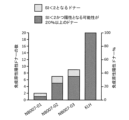
- 1 is a graph showing the number of immunogenicity positive donors for each antibody.
- 1 is a graph showing the relationship between antibody concentration and fluorescence intensity of a flow cytometry histogram in hCCR7 transfected cells.
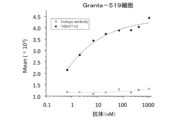
- 1 is a graph showing the relationship between antibody concentration and fluorescence intensity of flow cytometry histograms in Granta-519 cells.
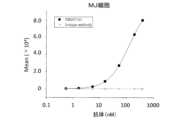
- 1 is a graph showing the relationship between antibody concentration and fluorescence intensity of flow cytometry histograms in MJ cells.
- 1 is a graph showing the results of evaluating the inhibitory activity of NB007-01 on intracellular Ca 2+ signals in hCCR7 gene-transfected cells stimulated with CCL21.
- 1 is a graph showing the results of evaluating the inhibitory activity of NB007-01 on intracellular Ca 2+ signals in hCCR7 gene-transfected cells stimulated with CCL19.
- 1 is a graph showing the results of evaluating the inhibitory activity of NB007-01 on intracellular Ca 2+ signals in MJ cells stimulated with CCL21.
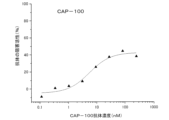
- FIG. 1 is a graph showing the results of evaluating the inhibitory activity of CAP-100 on intracellular Ca 2+ signals in MJ cells stimulated with CCL21.
- 1 is a graph showing the results of evaluating the inhibitory activity of NB007-01 against CCL19-induced cell migration in Granta-519 cells. This is an HPLC chromatogram analyzing the glycan structure of defucosylated NB007-01.
- FIG. 8B is an explanatory diagram showing the abundance ratio of each glycan species calculated from the chromatogram of FIG. 8A.
- 1 is a graph showing the results of evaluating the cytotoxic function of each antibody by the ADCC Reporter Bioassay method.
- 1 is a graph showing the results of evaluating the cytotoxic function of each antibody by a cytotoxicity assay using human PBMC.
- 1 is a graph showing the results of evaluating the antitumor effect of an antibody using a Granta-519 cell transplant model.
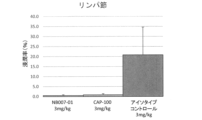
- 1 is a graph showing the results of evaluating the inhibitory effect of antibodies on cell infiltration into lymph nodes using a Granta-519 cell transplant model.
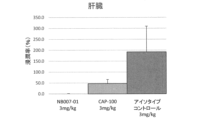
- 1 is a graph showing the results of evaluating the inhibitory effect of antibodies on cell infiltration into the liver using a Granta-519 cell transplant model.
- the complementarity determining region is abbreviated as CDR.
- the heavy chain variable region may be abbreviated as VH, the heavy chain constant region as CH, the light chain variable region as VL, and the light chain constant region as CL.
- the term “antibody” may be replaced with “immunoglobulin.”
- the term “nucleic acid” may be replaced with "DNA” or "gene.”
- a humanized antibody refers to an antibody in which the CDRs are derived from an animal other than human, and the other regions (framework regions, constant regions, etc.) are derived from humans.
- a chimeric antibody refers to an antibody in which the heavy chain variable region (VH) and light chain variable region (VL) are derived from an animal other than human, and other regions such as the heavy chain constant region (CH) and light chain constant region (CL) are derived from humans.
- CCR7 is a type of G protein-coupled receptor (GPCR), which penetrates the cell membrane seven times and exists with its N-terminus facing outside the cell and its C-terminus facing inside the cell.
- GPCR G protein-coupled receptor
- a gene (cDNA) encoding human CCR7 has already been isolated, and the amino acid sequence of human CCR7 is also known.
- the sequence information can be obtained, for example, from a database such as GenBank (for example, GenBank:EAW60669.1).
- GenBank for example, GenBank:EAW60669.1
- SEQ ID NO:81 shows the nucleotide sequence of the human CCR7 gene.
- SEQ ID NO:82 shows the amino acid sequence encoded by the nucleotide sequence.
- Each domain of human CCR7 is believed to correspond to the following parts of the amino acid sequence shown in SEQ ID NO:82.
- the left side indicates the amino acid number, and the right side indicates each domain. Note that there may be some variation in the boundaries between each domain.
- human CCR7 includes the above variants, so long as they have an extracellular domain and function as CCR7.
- the antibody disclosed in the present application specifically binds to the extracellular domain of human CCR7.
- the antibody according to one embodiment has a heavy chain CDR1 comprising the amino acid sequence represented by SEQ ID NO:25, a heavy chain CDR2 comprising the amino acid sequence represented by SEQ ID NO:27, a heavy chain CDR3 comprising the amino acid sequence represented by SEQ ID NO:29, a light chain CDR1 comprising the amino acid sequence represented by SEQ ID NO:35, a light chain CDR2 comprising the amino acid sequence represented by SEQ ID NO:37, and a light chain CDR3 comprising the amino acid sequence represented by SEQ ID NO:39.
- the antibody is a humanized antibody having a heavy chain variable region comprising the amino acid sequence represented by SEQ ID NO:21, and a light chain variable region comprising the amino acid sequence represented by SEQ ID NO:31.
- An example of the antibody according to this embodiment is NB007-01 described in the Examples below.
- the heavy chain variable region (SEQ ID NO:21) contains the heavy chain CDRs 1-3 (SEQ ID NOs:25, 27, and 29), and the regions other than the CDRs are derived from a human antibody.
- the light chain variable region (SEQ ID NO:31) contains the light chain CDRs 1-3 (SEQ ID NOs:35, 37, and 39), and the regions other than the CDRs are derived from a human antibody.
- An antibody according to another embodiment has a heavy chain CDR1 comprising the amino acid sequence represented by SEQ ID NO:45, a heavy chain CDR2 comprising the amino acid sequence represented by SEQ ID NO:47, a heavy chain CDR3 comprising the amino acid sequence represented by SEQ ID NO:49, a light chain CDR1 comprising the amino acid sequence represented by SEQ ID NO:55, a light chain CDR2 comprising the amino acid sequence represented by SEQ ID NO:57, and a light chain CDR3 comprising the amino acid sequence represented by SEQ ID NO:59.
- the antibody is a humanized antibody having a heavy chain variable region comprising the amino acid sequence represented by SEQ ID NO:41, and a light chain variable region comprising the amino acid sequence represented by SEQ ID NO:51.
- An example of an antibody according to this embodiment is NB007-02, which is described in the Examples below.
- the heavy chain variable region (SEQ ID NO: 41) includes the heavy chain CDRs 1 to 3 (SEQ ID NO: 45, 47, and 49), and the regions other than the CDRs are derived from a human antibody.
- the light chain variable region (SEQ ID NO: 51) includes the light chain CDRs 1 to 3 (SEQ ID NO: 55, 57, and 59), and the regions other than the CDRs are derived from a human antibody.
- the present disclosure includes an antibody that specifically binds to the extracellular domain of human CCR7, having a heavy chain CDR1 including the amino acid sequence represented by SEQ ID NO:5, a heavy chain CDR2 including the amino acid sequence represented by SEQ ID NO:7, a heavy chain CDR3 including the amino acid sequence represented by SEQ ID NO:9, a light chain CDR1 including the amino acid sequence represented by SEQ ID NO:15, a light chain CDR2 including the amino acid sequence represented by SEQ ID NO:17, and a light chain CDR3 including the amino acid sequence represented by SEQ ID NO:19.
- the antibody is a chimeric antibody having a heavy chain variable region including the amino acid sequence represented by SEQ ID NO:1, and a light chain variable region including the amino acid sequence represented by SEQ ID NO:11.
- An example of such an antibody is VH0/VL0 as described in the Examples below.
- the present disclosure includes an antibody that specifically binds to the extracellular domain of human CCR7, having a heavy chain CDR1 including the amino acid sequence represented by SEQ ID NO:65, a heavy chain CDR2 including the amino acid sequence represented by SEQ ID NO:67, a heavy chain CDR3 including the amino acid sequence represented by SEQ ID NO:69, a light chain CDR1 including the amino acid sequence represented by SEQ ID NO:75, a light chain CDR2 including the amino acid sequence represented by SEQ ID NO:77, and a light chain CDR3 including the amino acid sequence represented by SEQ ID NO:79.
- the antibody is a humanized antibody having a heavy chain variable region including the amino acid sequence represented by SEQ ID NO:61, and a light chain variable region including the amino acid sequence represented by SEQ ID NO:71.
- An example of such an antibody is NB007-03, which is described in the Examples below.
- the antibody may be a functional fragment of an antibody.
- “functional fragment of an antibody” refers to a partial fragment of an antibody (i.e., an immunoglobulin) that retains at least one action against an antigen.
- the partial fragment include F(ab')2, Fab, Fv, disulfide-linked Fv, single-chain antibodies (scFv, VH-VL), etc.
- the antibody of the present disclosure may be a multispecific antibody such as a diabody.
- the antibody When the antibody is a functional fragment, it has the following effects, for example. That is, when applying the anti-human CCR7 antibody of the present disclosure to a pharmaceutical product as described below, if a full-length antibody such as an IgG type is used, in addition to inhibiting the signal of the target receptor, damage to the target tissue may occur, which may lead to side effects. In such cases, the use of a "functional fragment of an antibody" using only the variable region makes it easier to avoid the side effects described above.
- the above antibody preferably has the activity of blocking the CCR7-dependent intracellular signal transduction mechanism induced by CCR7 ligand stimulation.
- the antibody preferably has antibody-dependent cellular cytotoxicity (ADCC) activity. This makes the antibody particularly suitable as an active ingredient in a cancer treatment drug.
- ADCC antibody-dependent cellular cytotoxicity
- the present disclosure includes antibodies that are "functionally equivalent" to the above-mentioned anti-human CCR7 antibodies.
- an antibody that specifically binds to the extracellular domain of human CCR7 which has a heavy chain variable region that includes an amino acid sequence in which 1 to 10 amino acids have been substituted, added, or deleted from the amino acid sequence shown in SEQ ID NO:21, or an amino acid sequence that has 90% or more identity to the amino acid sequence shown in SEQ ID NO:21, and a light chain variable region that includes an amino acid sequence in which 1 to 10 amino acids have been substituted, added, or deleted from the amino acid sequence shown in SEQ ID NO:31, or an amino acid sequence that has 90% or more identity to the amino acid sequence shown in SEQ ID NO:31, and has antibody-dependent cellular cytotoxicity.
- an antibody that specifically binds to the extracellular domain of human CCR7 which has a heavy chain variable region that includes an amino acid sequence in which 1 to 10 amino acids have been substituted, added, or deleted from the amino acid sequence shown in SEQ ID NO:41, or an amino acid sequence that has 90% or more identity to the amino acid sequence shown in SEQ ID NO:41, and a light chain variable region that includes an amino acid sequence in which 1 to 10 amino acids have been substituted, added, or deleted from the amino acid sequence shown in SEQ ID NO:51, or an amino acid sequence that has 90% or more identity to the amino acid sequence shown in SEQ ID NO:51, and which has antibody-dependent cellular cytotoxicity.
- the number of amino acids substituted, added, or deleted as described above is preferably 1 to 8, more preferably 1 to 5, and particularly preferably 1 to 3.
- the identity of the amino acid sequences described above is preferably 92% or more, more preferably 95% or more, and particularly preferably 97% or more.
- the anti-human CCR7 antibody preferably has an Fc region, the Fc region contains an N-glycoside-linked glycan, and fucose is not bound to position 6 of N-acetylglucosamine at the reducing end of the N-glycoside-linked glycan.
- the N-glycoside-linked glycan of the Fc region is preferably defucosylated.
- it is preferable that core fucose is not bound to the N-glycoside-linked glycan of the Fc region.
- An antibody in which the N-glycoside-linked glycan of the Fc region has been defucosylated can be produced, for example, by using a host cell in which the activity of an enzyme involved in the synthesis of fucose is reduced or deleted.
- a host cell in which the activity of an enzyme involved in the synthesis of fucose is reduced or deleted.
- enzymes include GDP-mannose 4,6-dehydratase (GMD), GDP-keto-6-deoxymannose 3,5-epimerase, 4-reductase (Fx), GDP-beta-L-fucose pyrophosphorylase (GFPP), and alpha-1,6-fucosyltransferase (FUT8).
- host cells include CHO cells.
- a defucosylated antibody when actually producing a defucosylated antibody, it may be obtained as an antibody composition consisting of a mixture of a defucosylated antibody and a non-defucosylated antibody.
- the abundance ratio (molar ratio) of the defucosylated antibody to the non-defucosylated antibody in the antibody composition but preferably the defucosylated antibody accounts for 50% or more, more preferably 70% or more, and particularly preferably 80% or more.
- the N-glycoside-linked glycans contained in the antibody composition preferably 50% or more, more preferably 70% or more, and particularly preferably 80% or more are defucosylated.
- the present disclosure includes nucleic acids (DNA) encoding the above-mentioned antibodies.
- the nucleic acids include, for example, a first nucleic acid encoding a heavy chain variable region and/or a second nucleic acid encoding a light chain variable region. Specific examples include those containing a first nucleic acid encoding the amino acid sequence represented by SEQ ID NO:21 and a second nucleic acid encoding the amino acid sequence represented by SEQ ID NO:31. Other examples include those containing a first nucleic acid encoding the amino acid sequence represented by SEQ ID NO:41 and a second nucleic acid encoding the amino acid sequence represented by SEQ ID NO:51.
- the nucleic acid may be incorporated into a vector.
- the vector is appropriately selected depending on the type of host cell into which it is to be introduced.
- Vectors include vectors for gene therapy.
- the present disclosure encompasses cells containing the nucleic acid.
- a cell containing a vector into which the nucleic acid is incorporated is an example of the cell.
- the type of cell is not particularly limited as long as it can express the nucleic acid, for example, the vector can function. Examples include animal cells (COS cells, CHO cells, etc.), yeast, bacteria (Escherichia coli, etc.), plant cells, insect cells, etc.
- the antibody can be produced by recombinant gene techniques, that is, by constructing recombinant cells expressing the nucleic acid and obtaining the antibody from a culture of the cells.
- DNAs encoding the heavy chain CDR1-3 and the light chain CDR1-3 are prepared, each encoding the amino acid sequences shown in SEQ ID NOs: 25, 27, 29, 35, 37, and 39.
- Examples of such DNAs include the base sequences shown in SEQ ID NOs: 26, 28, 30, 36, 38, and 40, but other base sequences may also be used.
- DNAs encoding the heavy chain CDR1-3 and the light chain CDR1-3 are prepared that encode the amino acid sequences shown in SEQ ID NOs: 45, 47, 49, 55, 57, and 59.
- Examples of such DNAs include the base sequences shown in SEQ ID NOs: 46, 48, 50, 56, 58, and 60, but other base sequences may also be used.
- DNA is prepared that encodes a variable region in which heavy chain CDR1-3 are grafted into the framework region (FR) of VH in any human antibody.
- DNA is prepared that encodes a variable region in which light chain CDR1-3 are grafted into the FR of VL in any human antibody.
- Each of the prepared DNAs is inserted into a vector having a sequence encoding the CH or CL of a human antibody to construct a humanized antibody expression vector.
- the constructed expression vector is introduced into a host cell to obtain a recombinant cell that expresses a humanized antibody.
- the recombinant cell is then cultured, and the desired humanized antibody is obtained from the culture.
- the method for purifying the antibody is not particularly limited, and any known method can be used.
- the culture supernatant of the recombinant cell can be collected, and the antibody can be purified by combining known methods such as various types of chromatography, salting out, dialysis, and membrane separation.
- the present disclosure includes a pharmaceutical comprising the anti-human CCR7 antibody as an active ingredient.
- the pharmaceutical may be a pharmaceutical composition comprising the anti-human CCR7 antibody and a pharma- ceutical acceptable carrier.
- the pharmaceutical blocks a CCR7-dependent intracellular signal transduction mechanism stimulated by a CCR7 ligand.
- the pharmaceutical has antibody-dependent cellular cytotoxicity (ADCC) activity.
- the pharmaceutical is used to treat cancer.
- the pharmaceutical is used as an anticancer agent.
- the cancer may be either a blood cancer or a solid cancer.
- Examples of blood cancers include acute myeloid leukemia, acute lymphocytic leukemia, chronic myeloid leukemia, chronic lymphocytic leukemia, non-Hodgkin's lymphoma, etc.
- Examples of non-Hodgkin's lymphomas include B-cell lymphoblastic leukemia, T-cell lymphoblastic leukemia, chronic lymphocytic leukemia, follicular lymphoma, MALT lymphoma, lymphoplasmacytic lymphoma, mantle cell lymphoma, diffuse large B-cell lymphoma, Burkitt's lymphoma, mature T/NK cell-derived, peripheral T-cell lymphoma, adult T-cell leukemia, extranodal NK/T-cell lymphoma, cutaneous lymphoma, etc.
- solid cancers include breast cancer, malignant breast tumors, gastric cancer, melanoma, non-small cell lung cancer, lung adenocarcinoma, cervical cancer, hepatocellular carcinoma, urothelial carcinoma, renal cell carcinoma, squamous cell carcinoma, etc.
- squamous cell carcinoma include oral squamous cell carcinoma, esophageal squamous cell carcinoma, pharyngeal squamous cell carcinoma, etc.
- treatment refers to preventing or alleviating the progression and worsening of the pathological condition of a disease in a mammal that is at risk of contracting or is contracting the disease, and is used to mean a therapeutic procedure aimed at preventing or alleviating the progression and worsening of the symptoms of the disease.
- the above-mentioned medicine can be administered orally or parenterally, systemically or locally.
- the administration form include injections, nasal administration, pulmonary administration, and transdermal administration.
- the medicine can be administered systemically or locally, for example, by intravenous injection, intramuscular injection, intraperitoneal injection, and subcutaneous injection.
- the administration method can be appropriately selected depending on the age and symptoms of the patient.
- the dosage of the above-mentioned antibody can be selected, for example, in the range of 0.0001 mg to 1000 mg per kg of body weight per administration. Alternatively, the dosage can be selected, for example, in the range of 0.001 to 100,000 mg of antibody per patient. However, the dosage of the above-mentioned antibody is not limited to these ranges.
- the above-mentioned medicines can be formulated according to conventional methods (for example, Remington's Pharmaceutical Science, latest edition, Mark Publishing Company, Easton, USA).
- the above-mentioned medicines can contain pharma- ceutically acceptable carriers and additives.
- the carriers or additives include surfactants (PEG, Tween, etc.), excipients, antioxidants (ascorbic acid, etc.), colorants, flavorings, preservatives, stabilizers, buffers (phosphate, citric acid, other organic acids, etc.), chelating agents (EDTA, etc.), suspending agents, isotonicity agents, binders, disintegrants, lubricants, flow enhancers, and flavoring agents, but are not limited to these, and other commonly used carriers and the like can be used as appropriate.
- surfactants PEG, Tween, etc.
- excipients antioxidants (ascorbic acid, etc.)
- colorants include phosphate, citric acid, other organic acids, etc.
- EDTA chelating agents
- suspending agents isotonicity agents
- Specific examples include light anhydrous silicic acid, lactose, crystalline cellulose, mannitol, starch, carmellose calcium, carmellose sodium, hydroxypropyl cellulose, hydroxypropyl methyl cellulose, polyvinyl acetal diethyl amino acetate, polyvinylpyrrolidone, gelatin, medium-chain fatty acid triglyceride, polyoxyethylene hydrogenated castor oil 60, sucrose, carboxymethyl cellulose, corn starch, inorganic salts, etc.
- proteins such as serum albumin, gelatin, immunoglobulin, etc.
- amino acids such as glycine, glutamine, asparagine, arginine, lysine, etc. may be included.
- examples include physiological saline, isotonic solutions containing glucose or other auxiliary drugs, such as D-sorbitol, D-mannose, D-mannitol, and sodium chloride, and may be used in combination with appropriate solubilizing agents, such as alcohol (ethanol, etc.), polyalcohol (propylene glycol, PEG, etc.), and nonionic surfactants (polysorbate 80, HCO-50), etc.
- solubilizing agents such as alcohol (ethanol, etc.), polyalcohol (propylene glycol, PEG, etc.), and nonionic surfactants (polysorbate 80, HCO-50), etc.
- the antibody can be encapsulated in microcapsules (microcapsules made of hydroxymethylcellulose, gelatin, poly[methyl methacrylate], etc.) or made into colloidal drug delivery systems (liposomes, albumin microspheres, microemulsions, nanoparticles, nanocapsules, etc.) (see, for example, "Remingto's Pharmaceutical Science 16th edition", Oslo Ed. 1980).
- microcapsules made of hydroxymethylcellulose, gelatin, poly[methyl methacrylate], etc.
- colloidal drug delivery systems liposomes, albumin microspheres, microemulsions, nanoparticles, nanocapsules, etc.
- ADC antibody-drug conjugates
- Drugs that can be combined include the antitumor agents monomethylauristatin E (MMAE) and monomethylauristatin F (MMAF).
- MMAE monomethylauristatin E
- MMAF monomethylauristatin F
- the nucleic acid may be incorporated into a gene therapy vector to produce a gene therapy drug.
- Methods for administering the gene therapy drug include direct administration using a naked plasmid, administration using packaging in liposomes, administration using various virus vectors such as retrovirus vectors, adenovirus vectors, vaccinia virus vectors, poxvirus vectors, adeno-associated virus vectors, and HVJ vectors (see Adolph, "Virus Genome Methods", CRC Press, Florida (1996)), and administration using beads carriers such as colloidal gold particles (International Publication No. WO 93/17706, etc.).
- the gene therapy drug may be administered by any method as long as the antibody is expressed in vivo and can exert its effect.
- a sufficient amount is administered via an appropriate parenteral route, such as intravenous, intraperitoneal, subcutaneous, intradermal, intraadipose tissue, intramammary tissue, inhalation, intramuscular, etc., by injection, infusion, gas-induced particle bombardment (using an electron gun, etc.), or mucosal route such as nasal drip.
- the gene therapy drug may be administered ex vivo to cells using liposome transfection, particle bombardment (U.S. Patent No. 4,945,050), or viral infection, and then the cells may be reintroduced into the animal.
- the disclosure includes a method of treating cancer comprising administering to a cancer patient an effective amount of the antibody.
- the disclosure includes the antibody for use in cancer treatment.
- the disclosure includes the use of the antibody for the manufacture of a medicament for use in cancer treatment.
- Example 1 Preparation of humanized anti-CCR7 antibody
- a humanized antibody of mouse anti-CCR7 antibody R7-18 (described in WO 2012/043533 and JP 5315495)
- a chimeric anti-CCR7 antibody "VH0/VL0" was first prepared by fusing the heavy and light chain modified regions of R7-18 with the IgG1 Fc region of a human antibody.
- a human framework was selected based on the homology between R7-18 and human germline VH and VK genes. Based on computer modeling, multiple variable region sequences were designed by adding mutations to the selected human germline VH and VK or the CDR sequences of the grafted R7-18 so as to support the predicted antibody conformation of R7-18.
- amino acid sequences (AA) of the heavy chain variable region, heavy chain constant region, heavy chain CDR1-3, light chain variable region, light chain constant region, and light chain CDR1-3 of each antibody obtained, as well as the base sequences of the DNA encoding them, are summarized in Tables 1-1 to 1-8.
- Example 2 Efficacy of humanized anti-CCR7 antibodies
- Human CCR7 gene-transfected cells (described in International Publication No. 2012/043533 and Japanese Patent No. 5315495) were seeded in a 96-well microplate at an initial cell concentration of 2 x 10⁴ cells/100 ⁇ L per well and cultured for 2 days. After 2 days, the culture medium was replaced with a solution containing 3 ⁇ M Cal-520 (AAT Bioquest), 0.05% Pluronic-F127, and 2.5 mM probenecid (Invitrogen). After 1 hour, humanized anti-CCR7 antibodies NB007-01, NB007-02, or NB007-03 in the concentration range of 10-6 to 10-10 M were added to each well. As a positive control, chimeric antibody VH0/VL0 was added within the concentration range of 10 ⁇ 6 to 10 ⁇ 10 M.
- FIG. 2 is a graph showing the relationship between the inhibitory activity of the antibody against the intracellular Ca 2+ signal and the antibody concentration. The inhibitory activity was calculated as a relative value by standardizing the inhibition rate of "no antibody and with ligand" to 0% and the inhibition rate of "no antibody and without ligand” to 100%. Table 2 shows the 50% inhibitory concentration (IC50) of each antibody calculated from the analysis results of FIG. 2.
- VH0/VL0, NB007-01, NB007-02, and NB007-03 all inhibited intracellular Ca 2+ signaling in a concentration-dependent manner. This indicates that each additive inhibited the binding between CCL21 and human CCR7, resulting in the inhibition of intracellular Ca 2+ signaling.
- the IC50 values were 16.2 nM for VH0/VL0, 18.2 nM for NB007-01, 16.4 nM for NB007-02, and 12.5 nM for NB007-03 (Table 2). From the above, it was shown that the obtained humanized anti-CCR7 antibodies all had CCR7 inhibitory activity equivalent to that of the chimeric antibody VH0/VL0.
- Example 3 Immunogenicity of humanized anti-CCR7 antibodies The immunogenicity of NB007-01, NB007-02, and NB007-03 against human PBMCs was evaluated.
- Human PBMC were separated from whole blood collected from healthy volunteers using a density gradient method, and cryopreserved by adding human AB serum or fetal bovine serum and 10% dimethyl sulfoxide. The human PBMC were stored at ⁇ 180° C. until use.
- DC-T cell assay Monocytes were separated from human PBMCs by magnetic separation, and cultured for 5 days in DC medium containing interleukin 4 (IL-4) and granulocyte-macrophage colony-stimulating factor (GM-CSF), to differentiate the monocytes into immature DCs (iDCs). iDCs were collected, seeded on cell culture plates, and the test substances NB007-01, NB007-02, or NB007-03 were added. The cells were then differentiated into mature DCs by overnight culture in DC medium containing interleukin 1 ⁇ (IL-1 ⁇ ) and tumor necrosis factor ⁇ (TNF- ⁇ ). NB007-01, NB007-02, and NB007-03 and the cytokine cocktail were removed by washing.
- IL-4 interleukin 4
- GM-CSF granulocyte-macrophage colony-stimulating factor
- CD4+ T cells were isolated from human PBMCs by magnetic separation with negative selection (StemCells: EasySep TM Human CD4+ T Cell Enrichment Kit; 19052). CD4+ T cells and mature DCs were co-cultured for 6 days in serum supplement medium. 5-Ethynyl-2'-deoxyuridine (EdU) was added to the co-culture solution of mature DCs and T cells. After 16 hours, live and dead cells were separated by fluorescent labeling, and further stained with CD3 and CD4, which are surface markers for T cells. Then, fixation and membrane permeabilization were performed, and EdU incorporation was stained with fluorescent azide and analyzed by flow cytometry (LSR Fortessa, BD). Proliferating Th cells were defined as CD3-positive, CD4-positive and EdU-positive cells, and were analyzed using FlowLogic software.
- the positive response of the test substance (NB007-01, NB007-02, or NB007-03) to the donor was evaluated by calculating the stimulation index (SI), defined as the ratio of the average response of the test substance to the average response of the control or reference substance.
- SI stimulation index
- KLH Keyhole Limpet Hemocyanin
- DFR Distribution Free Resampling
- the results are shown in Table 3 and Figure 3.
- the number of donors who were statistically immunogenic positive for NB007-01 was 2 out of 20, indicating that it has lower immunogenicity compared to the control substance.
- the number of donors who were statistically immunogenic positive for NB007-02 was 7 out of 20, indicating that it has lower immunogenicity compared to the control substance.
- the number of donors who were statistically immunogenic positive for NB007-03 was 9 out of 20, indicating that it has lower immunogenicity compared to the control substance.
- NB007-01 which has an improved CDR, showed a greater-than-expected improvement in immunogenicity than NB007-03, which has no improved CDR.
- Example 4 Cell binding evaluation by flow cytometry Binding to hCCR7 gene-transfected cells and binding to MJ cells, a human lymphoma cell line derived from T cell lymphoma, were evaluated using NB007-01 labeled with the fluorescent dye Allophycocyanin (APC). Binding to Granta-519 cells, a human lymphoma cell line derived from B cell lymphoma, was evaluated using unlabeled NB007-01 and an Alexa Fluor 647-labeled anti-human IgG antibody (Thermo Fisher Scientific) as a secondary antibody for detection. When labeling with APC, APC Conjugation Kit-Lightning-Link (Abcam) was used.
- APC APC Conjugation Kit-Lightning-Link
- the hCCR7 gene-introduced cells were detached from the culture dish using Cell Dissociation Buffer, enzyme-free, Hanks' Balanced Salt Solution (Thermo Fisher Scientific), and washed with PBS. Meanwhile, the required amount of Granta-519 cells and MJ cells, which are floating cells, was collected and washed with PBS. An equal volume of goat serum (Thermo Fisher Scientific) was added to the cell suspension suspended in PBS to a concentration of 1 x 10⁷ /mL, and the mixture was left to stand at 4°C for 30 minutes for blocking.
- Thermo Fisher Scientific goat serum
- FACS Buffer PBS containing 1% FBS
- FACS Buffer PBS containing 1% FBS
- Fluorescently labeled NB007-01 antibody or unlabeled NB007-01 diluted in FACS Buffer was mixed and allowed to stand at 4°C for 1 hour.
- the cells were collected by centrifugation at 200g for 5 minutes, and the cells were washed with 100 ⁇ L of FACS Buffer. This washing operation was performed twice.
- the hCCR7 gene-transfected cells and MJ cells that had been contacted with labeled NB007-01 were suspended in 100 ⁇ L of FACS Buffer, and the binding between the cells and the labeled antibody was measured using a flow cytometer CytoFLEX (Beckman Coulter, Inc.). Granta-519 cells contacted with unlabeled NB007-01 were suspended in 50 ⁇ L of Alexa Fluor 647-labeled anti-human IgG antibody dilution solution diluted 800-fold with FACS Buffer and left to stand for 1 hour at 4° C. The cells were washed twice, suspended in 100 ⁇ L of FACS Buffer, and antibody binding was measured using a flow cytometer.
- Figures 4A to 4C show graphs in which the horizontal axis represents the antibody concentration and the vertical axis represents the geometric mean value of the fluorescence intensity of the FACS histogram. This confirmed the specific binding of NB007-01 to hCCR7 transfected cells (Figure 4A), Granta-519 cells (Figure 4B), and MJ cells ( Figure 4C).
- Example 5 Functional evaluation of NB007-01 by measuring intracellular Ca 2+ signals Using the same procedure as in Example 2, hCCR7 gene-introduced cells were seeded on a 96-well microplate and cultured for 2 days. The culture medium was replaced with a solution containing 3 ⁇ M Cal-520 (AAT Bioquest), 0.05% Pluronic-F127, and 2.5 mM probenecid (Invitrogen), and after 1 hour, NB007-01 was added to each well at a concentration range of 10 ⁇ 6 to 10 ⁇ 10 M. After 15 minutes, each cell was stimulated with 5 ⁇ 10 ⁇ 8 M CCL21 (R&D Systems) or 1.5 ⁇ 10 ⁇ 8 M CCL19 (R&D Systems).
- Fig. 5A and Fig. 5B are graphs showing the relationship between the inhibitory activity of an antibody against intracellular Ca 2+ signals and the antibody concentration, Fig. 5A showing the case of stimulation with CCL21, and Fig. 5B showing the case of stimulation with CCL19.
- the inhibitory activity was calculated as a relative value by standardizing the case of "no antibody, with CCL21 or CCL19" as an inhibition rate of 0% and the case of "no antibody, with CCL21 or CCL19" as an inhibition rate of 100%.
- NB007-01 inhibited CCL21- and CCL19-induced intracellular Ca2 + signaling in a concentration-dependent manner.
- the IC50 values were 17.8 nM for CCL21 stimulation and 21.4 nM for CCL19 stimulation. These results demonstrate that NB007-01 inhibits CCL21- and CCL19-induced intracellular Ca2 + signals.
- Example 6 Evaluation of intracellular Ca 2+ signal transduction inhibitory activity using human lymphoma cell lines MJ cells were washed with an assay buffer of HBSS (containing CaCl 2 and MgCl 2 ) + 0.1% BSA, mixed with a solution containing 1 ⁇ M Cal-520 (AAT Bioquest) and 0.05% Pluronic-F127 at a cell concentration of 1.16 ⁇ 10 6 cells/mL, and incubated at 37 ° C. After 45 minutes, the cells were washed twice with assay buffer, adjusted to a cell concentration of 1 ⁇ 10 6 cells/mL, and 80 ⁇ L was seeded into each well of a 96-well black PDL-coated microplate (CELLCOAT, Grenier).
- HBSS containing CaCl 2 and MgCl 2
- Pluronic-F127 Pluronic-F127
- NB007-01 or CAP-100 was added to each well at a concentration range of 250 nM to 0.11 nM, 3-fold serial dilutions, and 8 concentrations, and incubated for 15 minutes.
- the assay plate was placed in a Ca 2+ signal analyzer (FDSS ⁇ CELL; Hamamatsu Photonics), and the inhibitory activity of each antibody against intracellular Ca 2+ signals when cells were stimulated with 20 nM CCL21 (R&D Systems) was analyzed.
- the results of NB007-01 are shown in FIG. 6A, and the results of CAP-100 are shown in FIG. 6B. As shown in FIG.
- NB007-01 inhibited CCL21-induced intracellular Ca 2+ signaling in a concentration-dependent manner, with a 50% inhibitory concentration (IC50) of 14.8 nM.
- IC50 inhibitory concentration
- FIG. 6B CAP-100 inhibited CCL21-induced intracellular Ca 2+ signaling in a concentration-dependent manner, but the maximum inhibition rate was about 50%.
- Example 7 Evaluation of cell migration inhibitory activity using human lymphoma cell lines Granta-519 cells were stained with CytoRed (Dojindo Laboratories) and then washed twice with RPMI + 0.5% BSA.
- NB007-01 0.3 ⁇ g to 100 ⁇ g/mL
- a negative control human IgG1 antibody Icosagen
- Example 8 Preparation of defucosylated NB007-01
- the GlymaxX method International Publication No. 2011/035884, Japanese Patent No. 5746183
- a CHO cell line (CHOEBNALT85-RMD C4) modified by the GlymaxX method was used as the CHO cells used for antibody gene expression to prepare defucosylated NB007-01.
- the antibody was purified.
- AdvanceBio Gly-X-N-glycan prep with InstantPC Kit (Agilent), sialidase (AdvanceBio Sialidase A) (Agilent, GK80040), ⁇ 1-3,4 Galactosidase ( ⁇ 1-3,4 Galactosidase; BTG) (NEB, P0746 S), ⁇ -N-acetylglucosaminidase S (GUH) (NEB, P0744), and ⁇ 1-2,4,6 Fucosidase O (FucO) (NEB, P0749) were used to extract and label N-glycans from the purified antibody according to the manual.
- the labeled N-glycans were analyzed by HPLC (Agilent 1260 Infinity II) using an AdvanceBio Glycan 2.7 ⁇ m column (Agilent) according to the manual.
- HPLC chromatogram results are shown in Figure 8A, and the abundance ratios of each glycan species calculated from the chromatogram are shown in Figure 8B.
- ADCC reporter bioassay The ADCC function of the defucosylated antibody was evaluated using ADCC Reporter Bioassay, V Variant (Promega). 1.4 mL of Low IgG Serum included in the kit was mixed with 33.6 mL of RPMI 1640 Medium to prepare ADCC Assay Buffer, and Granta-519 cells were suspended to a cell density of 5 x 10 5 /mL. In addition, a diluted solution of the antibody to be tested was prepared using the ADCC Assay Buffer.
- test substances used were NB007-01, defucosylated NB007-01, CAP-100, and negative control human IgG (Icosagen).
- 630 ⁇ L of ADCC Bioassay Effector Cells included in the kit were taken and added to 3.6 mL of ADCC Assay Buffer to prepare an effector cell suspension.
- 25 ⁇ L of antibody dilution solution, Granta-519 cell suspension, and effector cell suspension were dispensed into Culture plate-96 (PerkinElmer), and left to stand for 6 hours at 37 ° C. in a 5% CO 2 environment.
- Luciferase Assay Substrate included in the kit was dissolved in Luciferase Assay Buffer, and 75 ⁇ L was added to each well of the plate.
- FIG. 9 is a graph plotting antibody concentration on the horizontal axis and RLU on the vertical axis.
- RLU is an index of effector cell activation, and this bioassay is a functional measurement method based on the ADCC mechanism of action.
- NB007-01 exhibited greatly improved ADCC function compared to NB007-01
- Granta-519 cells were prepared in ADCC medium to a viable cell concentration of 3 x 10 4 /80 ⁇ L and seeded into each well of a 96-well round-bottom plate. Furthermore, 20 ⁇ L of a test substance diluted with ADCC medium was added to each well and allowed to stand at room temperature for 30 minutes. As test substances, defucosylated NB007-01 (1000-0.0001 ng/mL), CAP-100 (10000-0.1 ng/mL), and Rituximab (10000 ng/mL, Roche) were used.
- Example 10 Antitumor activity of humanized anti-CCR7 antibodies The antitumor activities of NB007-01, defucosylated NB007-01, and CAP-100 were evaluated using a tumor transplant model using Granta-519 cells. Female CB17/SCID mice aged 6-8 weeks were used as model animals.
- Granta-519 cells were cultured at 37°C under 5% CO2 using 20% FBS-containing RPMI-1640 medium. 1x10⁷ cells/0.1mL of Granta-519 cells were transplanted intravenously into 6-8 week old CB17/SCID mice. The day of transplantation was designated as day 0. On day 1 after transplantation, the mice were divided into groups based on their body weight. The grouping was performed using the Matched distribution method (StudyDirector TM software, version 3.1.399.19).
- test substances began two days after cancer cell transplantation.
- the dosage was 3 mg/kg for NB007-01, CAP-10, and isotype control human IgG1, and 0.03 mg/kg for defucosylated NB007-01.
- Each test substance was administered in a volume of 10 ⁇ L/g, twice a week.
- livers and lymph nodes were collected from some of the individuals in each group on the 24th day after cancer cell transplantation.
- the collected organs were fixed with 10% formalin buffer, and paraffin blocks were prepared.
- the prepared blocks were cut into 4 ⁇ m sections and treated at 60°C for 30 minutes.
- the infiltration rate of Granta-519 cells was measured by immunostaining.
- the sections were activated under the conditions of EDTA, pH 9.0, 100°C, 20 minutes. The antibody used was diluted 1:800.
- the transition of survival rate shown by Kaplan-Meier survival curve is shown in Figure 11.
- the number of CD45 positive cells in lymph nodes is shown in Figure 12A
- the number of CD45 positive cells in liver is shown in Figure 12B.
- NB007-01 extended the survival period compared to the isotype control group, and further extended the survival period more than CAP-100.
- NB007-01 strongly inhibited the infiltration of cancer cells into each organ, and the effect was stronger than CAP-100 in the liver. This suggests that NB007-01 exerts an antitumor effect by inhibiting lymphoma infiltration into various organs.
- defucosylated NB007-01 was observed to have a survival extension effect similar to that of CAP-100 at 1/100 dose. This indicates that defucosylated NB007-01, which has enhanced cytotoxic activity, can be expected to have an antitumor effect even at low doses.
Landscapes
- Health & Medical Sciences (AREA)
- Chemical & Material Sciences (AREA)
- Life Sciences & Earth Sciences (AREA)
- Organic Chemistry (AREA)
- Genetics & Genomics (AREA)
- General Health & Medical Sciences (AREA)
- Engineering & Computer Science (AREA)
- Medicinal Chemistry (AREA)
- Bioinformatics & Cheminformatics (AREA)
- Biotechnology (AREA)
- Pharmacology & Pharmacy (AREA)
- Animal Behavior & Ethology (AREA)
- Public Health (AREA)
- Veterinary Medicine (AREA)
- Immunology (AREA)
- Biochemistry (AREA)
- Molecular Biology (AREA)
- Biomedical Technology (AREA)
- Zoology (AREA)
- Wood Science & Technology (AREA)
- Biophysics (AREA)
- General Engineering & Computer Science (AREA)
- General Chemical & Material Sciences (AREA)
- Nuclear Medicine, Radiotherapy & Molecular Imaging (AREA)
- Chemical Kinetics & Catalysis (AREA)
- Microbiology (AREA)
- Proteomics, Peptides & Aminoacids (AREA)
- Mycology (AREA)
- Oncology (AREA)
- Hematology (AREA)
- Plant Pathology (AREA)
- Physics & Mathematics (AREA)
- Epidemiology (AREA)
- Cell Biology (AREA)
- Medicines Containing Antibodies Or Antigens For Use As Internal Diagnostic Agents (AREA)
- Peptides Or Proteins (AREA)
- Preparation Of Compounds By Using Micro-Organisms (AREA)
- Micro-Organisms Or Cultivation Processes Thereof (AREA)
Priority Applications (7)
| Application Number | Priority Date | Filing Date | Title |
|---|---|---|---|
| EP24780541.9A EP4692121A1 (en) | 2023-03-28 | 2024-03-27 | Antibody, nucleic acid, cell and drug |
| KR1020257013786A KR20260011663A (ko) | 2023-03-28 | 2024-03-27 | 항체, 핵산, 세포 및 의약 |
| JP2025511074A JP7747395B2 (ja) | 2023-03-28 | 2024-03-27 | 抗体、核酸、細胞、及び医薬 |
| CN202480004634.6A CN120092019A (zh) | 2023-03-28 | 2024-03-27 | 抗体、核酸、细胞和药物 |
| AU2024247601A AU2024247601A1 (en) | 2023-03-28 | 2024-03-27 | Antibody, nucleic acid, cell and drug |
| JP2025150483A JP2025183331A (ja) | 2023-03-28 | 2025-09-10 | 抗体、核酸、細胞、及び医薬 |
| IL323505A IL323505A (en) | 2023-03-28 | 2025-09-21 | Antibody, nucleic acid, cell and drug |
Applications Claiming Priority (2)
| Application Number | Priority Date | Filing Date | Title |
|---|---|---|---|
| JP2023-051486 | 2023-03-28 | ||
| JP2023051486 | 2023-03-28 |
Publications (1)
| Publication Number | Publication Date |
|---|---|
| WO2024204440A1 true WO2024204440A1 (ja) | 2024-10-03 |
Family
ID=92905743
Family Applications (1)
| Application Number | Title | Priority Date | Filing Date |
|---|---|---|---|
| PCT/JP2024/012454 Ceased WO2024204440A1 (ja) | 2023-03-28 | 2024-03-27 | 抗体、核酸、細胞、及び医薬 |
Country Status (7)
| Country | Link |
|---|---|
| EP (1) | EP4692121A1 (https=) |
| JP (2) | JP7747395B2 (https=) |
| KR (1) | KR20260011663A (https=) |
| CN (1) | CN120092019A (https=) |
| AU (1) | AU2024247601A1 (https=) |
| IL (1) | IL323505A (https=) |
| WO (1) | WO2024204440A1 (https=) |
Citations (15)
| Publication number | Priority date | Publication date | Assignee | Title |
|---|---|---|---|---|
| US3773919A (en) | 1969-10-23 | 1973-11-20 | Du Pont | Polylactide-drug mixtures |
| EP0058481A1 (en) | 1981-02-16 | 1982-08-25 | Zeneca Limited | Continuous release pharmaceutical compositions |
| EP0133988A2 (de) | 1983-08-02 | 1985-03-13 | Hoechst Aktiengesellschaft | Regulatorische Peptide enthaltende pharmazeutische Präparate mit protrahierter Freisetzung und Verfahren zu deren Herstellung |
| US4945050A (en) | 1984-11-13 | 1990-07-31 | Cornell Research Foundation, Inc. | Method for transporting substances into living cells and tissues and apparatus therefor |
| WO1993017706A1 (en) | 1992-03-11 | 1993-09-16 | Agracetus, Inc. | Genetic vaccine for immunodeficiency viruses |
| JP2005502586A (ja) * | 2001-01-18 | 2005-01-27 | アイデックス ラボラトリーズ インコーポレイテッド | EhrlichiacanisおよびEhrlichiachaffeensis抗体の検出のための組成物および方法 |
| JP2005530484A (ja) * | 2002-02-07 | 2005-10-13 | デルタ バイオテクノロジー リミテッド | アルブミン融合抗血管形成ペプチド |
| WO2006084754A1 (en) | 2005-02-11 | 2006-08-17 | Rakuvabrik Oü | Vectors, cell lines and their use in obtaining extended episomal maintenance replication of hybrid plasmids and expression of gene products |
| WO2011035884A1 (en) | 2009-09-22 | 2011-03-31 | Volker Sandig | Process for producing molecules containing specialized glycan structures |
| WO2012043533A1 (ja) | 2010-09-28 | 2012-04-05 | 積水化学工業株式会社 | 抗ヒトccr7抗体、ハイブリドーマ、核酸、ベクター、細胞、医薬組成物、並びに、抗体固定化担体 |
| JP2014530239A (ja) * | 2011-10-11 | 2014-11-17 | バクシネックス インコーポレーティッド | 血液脳関門透過性の調節のためのセマフォリン−4d結合分子の使用 |
| WO2017025569A1 (en) | 2015-08-10 | 2017-02-16 | Pepmab B.V. | Humanized anti-ccr7 receptor antibodies |
| WO2020138489A1 (ja) * | 2018-12-27 | 2020-07-02 | 塩野義製薬株式会社 | 新規抗ccr8抗体 |
| WO2021220199A1 (en) | 2020-04-30 | 2021-11-04 | Novartis Ag | Ccr7 antibody drug conjugates for treating cancer |
| WO2022004760A1 (ja) * | 2020-06-30 | 2022-01-06 | 塩野義製薬株式会社 | 抗ccr8抗体と化学療法剤の併用 |
-
2024
- 2024-03-27 AU AU2024247601A patent/AU2024247601A1/en active Pending
- 2024-03-27 CN CN202480004634.6A patent/CN120092019A/zh active Pending
- 2024-03-27 JP JP2025511074A patent/JP7747395B2/ja active Active
- 2024-03-27 WO PCT/JP2024/012454 patent/WO2024204440A1/ja not_active Ceased
- 2024-03-27 KR KR1020257013786A patent/KR20260011663A/ko active Pending
- 2024-03-27 EP EP24780541.9A patent/EP4692121A1/en active Pending
-
2025
- 2025-09-10 JP JP2025150483A patent/JP2025183331A/ja active Pending
- 2025-09-21 IL IL323505A patent/IL323505A/en unknown
Patent Citations (18)
| Publication number | Priority date | Publication date | Assignee | Title |
|---|---|---|---|---|
| US3773919A (en) | 1969-10-23 | 1973-11-20 | Du Pont | Polylactide-drug mixtures |
| EP0058481A1 (en) | 1981-02-16 | 1982-08-25 | Zeneca Limited | Continuous release pharmaceutical compositions |
| EP0133988A2 (de) | 1983-08-02 | 1985-03-13 | Hoechst Aktiengesellschaft | Regulatorische Peptide enthaltende pharmazeutische Präparate mit protrahierter Freisetzung und Verfahren zu deren Herstellung |
| US4945050A (en) | 1984-11-13 | 1990-07-31 | Cornell Research Foundation, Inc. | Method for transporting substances into living cells and tissues and apparatus therefor |
| WO1993017706A1 (en) | 1992-03-11 | 1993-09-16 | Agracetus, Inc. | Genetic vaccine for immunodeficiency viruses |
| JP2005502586A (ja) * | 2001-01-18 | 2005-01-27 | アイデックス ラボラトリーズ インコーポレイテッド | EhrlichiacanisおよびEhrlichiachaffeensis抗体の検出のための組成物および方法 |
| JP2005530484A (ja) * | 2002-02-07 | 2005-10-13 | デルタ バイオテクノロジー リミテッド | アルブミン融合抗血管形成ペプチド |
| JP2008529510A (ja) | 2005-02-11 | 2008-08-07 | クアトロメッド セル ファクトリー オーユー | ハイブリッドプラスミドの延長されたエピソーム維持複製および遺伝子産物発現を得るためのベクター、細胞株およびそれらの使用 |
| WO2006084754A1 (en) | 2005-02-11 | 2006-08-17 | Rakuvabrik Oü | Vectors, cell lines and their use in obtaining extended episomal maintenance replication of hybrid plasmids and expression of gene products |
| WO2011035884A1 (en) | 2009-09-22 | 2011-03-31 | Volker Sandig | Process for producing molecules containing specialized glycan structures |
| JP5746183B2 (ja) | 2009-09-22 | 2015-07-08 | プロビオゲン アーゲー | 特定のグリカン構造を含有する分子を生成する方法 |
| WO2012043533A1 (ja) | 2010-09-28 | 2012-04-05 | 積水化学工業株式会社 | 抗ヒトccr7抗体、ハイブリドーマ、核酸、ベクター、細胞、医薬組成物、並びに、抗体固定化担体 |
| JP5315495B2 (ja) | 2010-09-28 | 2013-10-16 | 積水化学工業株式会社 | 抗ヒトccr7抗体、ハイブリドーマ、核酸、ベクター、細胞、医薬組成物、並びに、抗体固定化担体 |
| JP2014530239A (ja) * | 2011-10-11 | 2014-11-17 | バクシネックス インコーポレーティッド | 血液脳関門透過性の調節のためのセマフォリン−4d結合分子の使用 |
| WO2017025569A1 (en) | 2015-08-10 | 2017-02-16 | Pepmab B.V. | Humanized anti-ccr7 receptor antibodies |
| WO2020138489A1 (ja) * | 2018-12-27 | 2020-07-02 | 塩野義製薬株式会社 | 新規抗ccr8抗体 |
| WO2021220199A1 (en) | 2020-04-30 | 2021-11-04 | Novartis Ag | Ccr7 antibody drug conjugates for treating cancer |
| WO2022004760A1 (ja) * | 2020-06-30 | 2022-01-06 | 塩野義製薬株式会社 | 抗ccr8抗体と化学療法剤の併用 |
Non-Patent Citations (8)
| Title |
|---|
| "Frontier of Antibody Engineering for Next-generation Therapeutics (Popular Edition", 1 September 2019, CMC PUBLISHING CO., LTD., JP, ISBN: 978-4-7813-1378-8, article KUMAGAI, IZUM: "2.3 What is POTELLIGENT® Technology? // 2.4 Benefits of POTELLIGENT® technology", pages: 145 - 148, XP009560160 * |
| "Remington's Pharmaceutical Science", 1980, MARK PUBLISHING COMPANY |
| BIRKENBACH, MJOSEFSEN, K.YALAMANCHILI, R.LENOIR, G.KIEFF, E.: "Epstein-Barr virus-induced genes: first lymphocyte-specific G protein-coupled peptide receptors", J. VIROL., vol. 67, 1993, pages 2209 - 2220 |
| LANGER ET AL., J. BIOMED. MASTER. RES., vol. 15, 1981, pages 162 - 277 |
| LANGER, CHEM. TECH., vol. 12, 1982, pages 98 - 105 |
| See also references of EP4692121A1 |
| SIDMAN ET AL., BIOPOLYMERS, vol. 22, 1983, pages 547 - 556 |
| VIOLA ALUSTER AD: "Chemokines and their receptors: drug targets in immunity and inflammation", ANNU REV PHARMACOL TOXICOL., vol. 48, 2008, pages 171 - 197 |
Also Published As
| Publication number | Publication date |
|---|---|
| JP7747395B2 (ja) | 2025-10-01 |
| EP4692121A1 (en) | 2026-02-11 |
| KR20260011663A (ko) | 2026-01-23 |
| JP2025183331A (ja) | 2025-12-16 |
| AU2024247601A1 (en) | 2025-10-23 |
| JPWO2024204440A1 (https=) | 2024-10-03 |
| CN120092019A (zh) | 2025-06-03 |
| IL323505A (en) | 2025-11-01 |
Similar Documents
| Publication | Publication Date | Title |
|---|---|---|
| EP3737694B1 (en) | Anti-pd-1 antibodies and methods of treatment | |
| TWI878150B (zh) | 嵌合抗原及t細胞受體以及使用方法 | |
| US20250019451A1 (en) | Anti-ccr8 antibodies and uses thereof | |
| JP7411575B2 (ja) | Ox40に対する完全ヒト抗体、それを調製する方法、およびその使用 | |
| TW201718630A (zh) | 多價和多重特異性之結合gitr的融合蛋白 | |
| KR20210030406A (ko) | Cd137 항원-결합 부위를 포함하는 fc 결합 단편 | |
| JP2020529422A (ja) | 急性骨髄性白血病を治療するためのflt3 car−t細胞及びflt3阻害剤の使用 | |
| JP7453971B2 (ja) | Nkエンゲージャー分子およびその使用方法 | |
| WO2023046156A1 (en) | Il-2 variants and fusion proteins thereof | |
| WO2019184549A1 (zh) | 双特异性抗体及其应用 | |
| US20250388682A1 (en) | Degradation of egfr using a bispecific binding agent | |
| US12054554B2 (en) | Monoclonal antibody against human 4-1BB, method for preparing the same, and use thereof | |
| KR20230169135A (ko) | 치료에 있어서 cd40 및 cd137에 대한 다중특이 결합제 | |
| JP7747395B2 (ja) | 抗体、核酸、細胞、及び医薬 | |
| WO2020119719A1 (en) | Anti-tim-3 antibodies and uses thereof | |
| CA3286179A1 (en) | Antibody, nucleic acid, cell and drug | |
| WO2022037662A1 (en) | Cd40 agonistic antibody and method of use | |
| HK40123416A (zh) | 抗体、核酸、细胞和药物 | |
| TWI799959B (zh) | Cd40激動劑抗體和使用方法 | |
| WO2024199458A1 (en) | Il-2 variants with improved stability and compositions thereof | |
| WO2024251160A1 (en) | Anti-pvrig antibodies and uses thereof | |
| US20240415828A1 (en) | Tlr7 agonist and combinations for cancer treatment | |
| WO2020119789A1 (en) | Fully human antibodies against ox40, method for preparing the same, and use thereof | |
| WO2020119792A1 (en) | Humanized antibodies against ox40, method for preparing the same, and use thereof | |
| WO2020119793A1 (en) | Humanized antibodies against ox40, method for preparing the same, and use thereof |
Legal Events
| Date | Code | Title | Description |
|---|---|---|---|
| 121 | Ep: the epo has been informed by wipo that ep was designated in this application |
Ref document number: 24780541 Country of ref document: EP Kind code of ref document: A1 |
|
| WWE | Wipo information: entry into national phase |
Ref document number: 202480004634.6 Country of ref document: CN |
|
| WWE | Wipo information: entry into national phase |
Ref document number: 2025511074 Country of ref document: JP |
|
| WWP | Wipo information: published in national office |
Ref document number: 202480004634.6 Country of ref document: CN |
|
| WWE | Wipo information: entry into national phase |
Ref document number: 323505 Country of ref document: IL |
|
| WWE | Wipo information: entry into national phase |
Ref document number: AU2024247601 Country of ref document: AU Ref document number: 825755 Country of ref document: NZ |
|
| WWE | Wipo information: entry into national phase |
Ref document number: 202547101428 Country of ref document: IN |
|
| ENP | Entry into the national phase |
Ref document number: 2024247601 Country of ref document: AU Date of ref document: 20240327 Kind code of ref document: A |
|
| WWE | Wipo information: entry into national phase |
Ref document number: 2024780541 Country of ref document: EP |
|
| NENP | Non-entry into the national phase |
Ref country code: DE |
|
| WWP | Wipo information: published in national office |
Ref document number: 825755 Country of ref document: NZ |
|
| ENP | Entry into the national phase |
Ref document number: 2024780541 Country of ref document: EP Effective date: 20251028 |
|
| ENP | Entry into the national phase |
Ref document number: 2024780541 Country of ref document: EP Effective date: 20251028 |
|
| WWP | Wipo information: published in national office |
Ref document number: 202547101428 Country of ref document: IN |
|
| ENP | Entry into the national phase |
Ref document number: 2024780541 Country of ref document: EP Effective date: 20251028 |
|
| ENP | Entry into the national phase |
Ref document number: 2024780541 Country of ref document: EP Effective date: 20251028 |
|
| ENP | Entry into the national phase |
Ref document number: 2024780541 Country of ref document: EP Effective date: 20251028 |
|
| ENP | Entry into the national phase |
Ref document number: 2024780541 Country of ref document: EP Effective date: 20251028 |
|
| ENP | Entry into the national phase |
Ref document number: 2024780541 Country of ref document: EP Effective date: 20251028 |
|
| ENP | Entry into the national phase |
Ref document number: 2024780541 Country of ref document: EP Effective date: 20251028 |
|
| WWP | Wipo information: published in national office |
Ref document number: 2024780541 Country of ref document: EP |