WO2024176291A1 - 配信支援システム、配信支援方法、および記録媒体 - Google Patents
配信支援システム、配信支援方法、および記録媒体 Download PDFInfo
- Publication number
- WO2024176291A1 WO2024176291A1 PCT/JP2023/005955 JP2023005955W WO2024176291A1 WO 2024176291 A1 WO2024176291 A1 WO 2024176291A1 JP 2023005955 W JP2023005955 W JP 2023005955W WO 2024176291 A1 WO2024176291 A1 WO 2024176291A1
- Authority
- WO
- WIPO (PCT)
- Prior art keywords
- user
- log information
- content
- predicted
- prediction
- Prior art date
- Legal status (The legal status is an assumption and is not a legal conclusion. Google has not performed a legal analysis and makes no representation as to the accuracy of the status listed.)
- Ceased
Links
Images





Classifications
-
- G—PHYSICS
- G06—COMPUTING OR CALCULATING; COUNTING
- G06Q—INFORMATION AND COMMUNICATION TECHNOLOGY [ICT] SPECIALLY ADAPTED FOR ADMINISTRATIVE, COMMERCIAL, FINANCIAL, MANAGERIAL OR SUPERVISORY PURPOSES; SYSTEMS OR METHODS SPECIALLY ADAPTED FOR ADMINISTRATIVE, COMMERCIAL, FINANCIAL, MANAGERIAL OR SUPERVISORY PURPOSES, NOT OTHERWISE PROVIDED FOR
- G06Q30/00—Commerce
- G06Q30/02—Marketing; Price estimation or determination; Fundraising
- G06Q30/0241—Advertisements
- G06Q30/0242—Determining effectiveness of advertisements
Definitions
- This disclosure relates to a distribution support system, etc.
- Patent Document 1 describes a technology that determines an advertisement to be delivered based on whether the user's location satisfies the conditions for ad delivery.
- Patent Document 2 describes a technology that generates a model that predicts whether a push notification will be opened using various contextual information such as the user's user information, user location information, user behavior information, and user environmental information when push-notified content is opened as correct answer information.
- One example of the objective of this disclosure is to provide a distribution support system that enables content to be distributed to users suitable for that content.
- a distribution support system includes: an acquisition unit that acquires content to be predicted, push log information that records whether the user to be predicted has opened content delivered in the past, and action log information that records the action of the user to be predicted; an opening rate prediction unit that predicts an opening rate at which the prediction target user opens the prediction target content based on the acquired push log information, the action log information, and the prediction target content, using an opening rate prediction model that has been trained to predict an opening rate of the distribution target content based on push log information that records whether a user has opened distribution target content that has been distributed in the past, action log information that records the user's actions, and the distribution target content; Equipped with.
- a distribution assistance method includes: Acquires content to be predicted, push log information recording whether the user to be predicted has opened content delivered in the past, and action log information recording the action of the user to be predicted; An opening rate prediction model that has been trained to predict the opening rate of the distribution target content based on push log information that records whether a user has opened distribution target content that has been delivered in the past, action log information that records the user's actions, and the distribution target content is used to predict the opening rate of the distribution target content by the prediction target user based on the acquired push log information, action log information, and prediction target content.
- a program includes: Acquires content to be predicted, push log information recording whether the user to be predicted has opened content delivered in the past, and action log information recording the action of the user to be predicted; A process is executed to predict the opening rate at which the predicted user will open the predicted content based on the acquired push log information, the action log information, and the predicted content, using an opening rate prediction model that has been trained to predict the opening rate of the distributed content based on push log information that records whether a user has opened previously distributed distributed content, action log information that records the user's actions, and the distributed content.
- Each program may be stored on a non-transitory computer-readable recording medium.
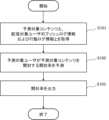
- FIG. 1 is a block diagram showing a configuration example of a distribution support system according to a first embodiment. 4 is a flowchart showing an operation example of the distribution support system according to the first embodiment.
- FIG. 11 is an explanatory diagram simply illustrating the operation of the distribution support system according to the second embodiment.
- FIG. 1 is an explanatory diagram showing an example of a mechanism of a web application.
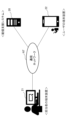
- FIG. 2 is an explanatory diagram showing an example of a connection between the distribution support system and other devices.
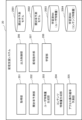
- FIG. 11 is a block diagram showing a configuration example of a distribution support system according to a second embodiment. 11 is an explanatory diagram showing an example of push delivery and push log information acquired by the push delivery;
- FIG. 11 is an explanatory diagram showing an example in which the opening rate and the operation probability of a content to be predicted are predicted;
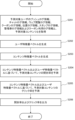
- FIG. 13 is a flowchart showing an operation example of the distribution support system according to the second embodiment.
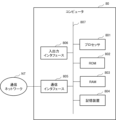
- FIG. 2 is an explanatory diagram illustrating an example of a hardware configuration of a computer.
- delivering content to a user means delivering content to an application program installed on the user's terminal device.
- content delivery is push delivery.
- Fig. 1 is a block diagram showing an example of a configuration of the distribution support system according to the embodiment 1.
- the distribution support system 10 includes an acquisition unit 101 and an open rate prediction unit 102.
- the acquisition unit 101 acquires the content to be predicted, push log information that records whether the user to be predicted has opened content delivered in the past, and action log information that records the actions of the user to be predicted.
- the acquisition unit 101 acquires the content to be predicted through the terminal device of the person in charge by the operation of the person in charge.
- the acquisition unit 101 acquires the push log information of the user to be predicted and the action log information of the user to be predicted through an application program installed on a terminal device that the user to be predicted can operate.
- the application program is a program that can receive the delivery of the content to be predicted.
- the application program may be a program that can send and receive electronic messages, make voice calls, video calls, and send and receive chats to chatbots.
- the application program may be capable of acquiring location information from the Global Positioning System (GPS) or reading two-dimensional codes using an imaging device provided on the user's terminal device.
- the application program may be, for example, a program that uses LINE (registered trademark), which is one of Japan's SNSs (Social Network Services).
- the open rate prediction unit 102 predicts the open rate at which a prediction target user opens a prediction target content based on the acquired push log information and action log information using an open rate prediction model.
- the open rate prediction model is a model that has learned to predict the open rate of a distribution target content based on push log information that records whether a user has opened a distribution target content that was distributed in the past, action log information that records the user's actions, and the distribution target content.
- the objective variable of the open rate prediction model is the open rate
- the explanatory variables of the open rate prediction model are the push log information, the action log information, and the distribution target content.
- (flowchart) 2 is a flowchart showing an example of an operation of the distribution support system 10 according to the first embodiment.
- the acquisition unit 101 acquires a prediction target content, push log information, and action log information (step S101).
- the open rate prediction unit 102 predicts an open rate at which a prediction target user opens the prediction target content based on the acquired push log information and action log information using an open rate prediction model (step S102), and the distribution support system 10 ends the process.
- the distribution support system 10 predicts the opening rate at which the predicted target user opens the predicted target content based on the acquired push log information and behavior log information using the open rate prediction model. For example, the person in charge can distribute the predicted target content to the predicted target user with a high open rate, and can avoid distributing the predicted target content to the predicted target user with a low open rate. Therefore, it is possible to distribute the content to users who are likely to open it. Since the content is distributed to users who are likely to open the content to be distributed, it is possible to efficiently publicize the content. In addition, there are cases where the content distribution is costly. Therefore, for example, the person in charge can reduce the cost required for content distribution by narrowing the content distribution to users who are predicted to have a high open rate. In addition, the person in charge can select users who are likely to open the content to be distributed simply by checking the open rate of each user. Therefore, the person in charge can improve the efficiency of the work of narrowing down the users to whom the content is to be distributed.
- the operation of accessing a link is also called a click.
- the probability of performing an operation to access a link is also called a click rate.
- FIG. 3 is an explanatory diagram showing in a simplified manner the operation of the distribution support system according to the second embodiment.
- the distribution support system inputs user log information of a user to be predicted into a neural network, and obtains from the neural network an opening rate indicating whether the user to be predicted will open the predicted content and a click rate indicating whether the user to be predicted will access a link included in the predicted content.
- the distribution support system push-distributes the predicted content to the user to be predicted according to the opening rate and the click rate.
- the neural network may be divided into multiple stages.
- the user log information includes digital log information and behavior log information.
- examples of digital log information include push log information, chat log information, and web browsing log information.
- examples of behavior log information include coupon usage log information, stamp log information, numbered ticket log information, location log information, and entrance/exit log information.
- Each piece of log information is installed on the user's terminal device and is acquired via an application program capable of distributing content. Alternatively, each piece of log information may be acquired from a server that manages the application program.
- Push log information is log information that records whether a user has opened content that was previously distributed. Furthermore, push log information is log information that records whether a user has performed an operation to access a link included in content that was previously distributed. Push log information is log information that records who opened what content, when, and who clicked on a link included in the content. Push log information stores, for example, user identification information that identifies a user, date and time information when the content was opened and the link included in the content was clicked, and message identification information that identifies a message including the content, in association with each other.
- Chat log information is further log information that records chats that have been sent and/or received via an application program by user operation. Chat log information is log information that records who spoke what message, when, and the reply message to that message. For example, chat log information stores user identification information that identifies the user, date and time information when the chat took place, information indicating the content of the message, and information indicating the content of the reply message in association with each other.
- Web browsing log information is log information that records the webs that a user has viewed. Specifically, for example, web browsing log information is log information that records who viewed what web, when, and what web was viewed. More specifically, for example, web browsing log information stores user identification information that identifies the user, date and time information when the web was viewed, and web identification information that identifies the viewed web, in association with each other.
- Coupon usage log information is log information that records coupons used by a user at each facility.
- coupon usage log information is log information that records who used what coupon at which facility, when, and at which facility. More specifically, for example, coupon usage log information is information that associates user identification information that identifies the user who used the coupon, date and time information at which the coupon was used, facility identification information that identifies the facility at which the coupon was used, and coupon information that represents the coupon.
- Facilities include train stations, stores, hospitals, etc. Coupon information includes the type of coupon and the contents of the coupon. Specifically, for example, a user presents a coupon via an application program when paying at a facility, and the coupon usage log information records that the presented coupon was used.
- the stamp log information is log information that records the stamps that a user has obtained at each facility.
- the stamp log information is log information that records who obtained a stamp, when, and at which facility.
- the stamp log information is information that associates user identification information that identifies the user who obtained the stamp, date and time information when the stamp was used, and facility identification information that identifies the facility where the stamp was used.
- an application program obtains a stamp by reading a two-dimensional code installed at a facility with an imaging device of the terminal device through user operation. The stamp log information records the stamps obtained in this manner.
- Numbered ticket log information is log information that records numbered tickets that users have acquired at each facility.
- a numbered ticket is a ticket that indicates the order in which a facility and the services at the facility can be used.
- numbered ticket log information is log information that records who acquired a numbered ticket, when, and for which facility. More specifically, for example, numbered ticket log information is information that associates user identification information that identifies the user who acquired the numbered ticket, date and time information when the numbered ticket was acquired, and facility identification information that identifies the facility where the ticket was acquired.
- an application program acquires a numbered ticket for a facility through user operation. The numbered ticket log information records the numbered ticket acquired in this manner.
- Entry and exit log information is log information that records when users enter and exit each facility or event.
- entry and exit log information is a log that records who entered and exited which facility or event, when, and for which purpose. More specifically, for example, entry and exit log information is information that associates user identification information that identifies the user who entered and exited, date and time information of entry and exit, and facility identification information that identifies the facility or event entered and exited.
- an application program displays a two-dimensional code in response to a user's operation, and the two-dimensional code is read at the reception desk of the facility or event. The entry and exit log information records entry and exit resulting from the reading of the two-dimensional code.
- Location log information is log information that records the location where the user was. Specifically, for example, location log information is log information that records who was there, when, and where, as well as information about nearby facilities. For example, if a user wants to search for nearby facilities, the application program sends GPS location information via the chatbot and receives a reply message about facilities near the user's location. The location log information records information about facilities included in the sent location information and the received reply message.
- Figure 4 is an explanatory diagram showing an example of the mechanism of a web app.
- a web app that runs on an application program installed on a user's terminal device will be described.
- a web app is used as a service for official accounts of companies, etc.
- a provider can create multiple Message API (Application Programming Interface) channels and multiple login channels. Under the provider, users are managed by the same user identification information. For example, the login channel is used to identify a user.
- the Message API channel is used for chatbots and push distribution.
- FIG. 5 is an explanatory diagram showing an example of a connection between the distribution support system and other devices.
- the distribution support system 20 is connected to a user's terminal device 22 via a communication network NT.
- the number of user's terminal devices 22 is not particularly limited.
- the type of user's terminal device 22 is not particularly limited, and may be a PC (Personal Computer), a smartphone, a tablet device, or the like.
- an application program capable of receiving content distribution is pre-installed on the user's terminal device 22.
- the distribution support system 20 acquires user log information such as that shown in FIG. 3 from the application program installed on the user's terminal device 22.
- the distribution support system 20 is also connected to the person in charge's terminal device 21 via the communication network NT.
- the person in charge decides whether to distribute content to the user.
- the type of the person in charge's terminal device 21 is not particularly limited, and may be a PC (Personal Computer), a smartphone, a tablet device, or the like.
- An application program that transmits information to the distribution support system 20 and receives and displays information from the distribution support system 20 may be installed in the person in charge's terminal device 21.
- the distribution support system 20 may also obtain the predicted target content created by the person in charge from the person in charge's terminal device 21.
- FIG. 6 is a block diagram showing an example configuration of a distribution assistance system 20 according to the second embodiment.
- the distribution assistance system 20 includes, for example, an acquisition unit 201, an open rate prediction unit 202, a user feature generation unit 203, a content feature generation unit 204, an access operation probability prediction unit 205, an output control unit 206, a distribution instruction unit 207, and a learning unit 208.
- the distribution assistance system 20 includes, in addition to the distribution assistance system 10 according to the first embodiment, a user feature generation unit 203, a content feature generation unit 204, an access operation probability prediction unit 205, an output control unit 206, a distribution instruction unit 207, and a learning unit 208.
- the acquisition unit 201 may have the function of the acquisition unit 101 according to the first embodiment as a basic function.
- the opening rate prediction unit 202 may have the function of the opening rate prediction unit 102 according to the first embodiment as a basic function.
- the distribution support system 20 has an open rate prediction model 2001, an operation probability prediction model 2002, a trained NN (Neural Network) 2003 for user features, and a trained NN 2004 for content features.
- the open rate prediction model 2001 may be, for example, a model that outputs an open rate at which a prediction target user opens a prediction target content.
- the operation probability prediction model 2002 may be, for example, a model that outputs a click rate at which a prediction target user performs an operation to access a link included in a prediction target content.
- the trained NN 2003 is a learning model that can output user features when log information is input.
- the trained NN 2004 is a learning model that can output content features when content is input.
- the trained NN 2003 and the trained NN 2004 may be prepared in advance using existing technology.
- the trained NN 2003 and the trained NN 2004 are models that have been trained in advance using Embedding in natural language processing.
- the acquisition unit 201 acquires digital log information and behavior log information for each user.
- the digital log information includes at least one of push log information, chat log information, and web browsing log information.
- the behavior log information includes at least one of coupon usage log information, stamp log information, numbered ticket log information, entrance/exit log information, and location log information.
- FIG. 7 is an explanatory diagram showing an example of push distribution and acquisition of push log information by push distribution.
- a message with a customizable layout may be used as a message including the content.
- a web beacon including user identification information for identifying a user and message identification information for identifying a message including the content to be distributed is embedded in the message for distributing the content.
- FIG. 7 (1) a message including the content is push distributed
- FIG. 7 (2) when the content to be distributed is opened in the terminal device, the web beacon outputs that the content has been opened.
- the acquisition unit 201 acquires push log information based on whether the web beacon outputs that the content to be distributed has been opened. This makes it possible to obtain information on which user opened what content and when. It is also possible to obtain information on which user did not open what content.
- the message is, for example, a FLEX message.
- the learning unit 208 learns an open rate prediction model 2001 that predicts the open rate of the content to be distributed based on at least a portion of the digital log information, at least a portion of the behavior log information, and the content to be distributed in the past.
- the learning unit 208 also learns an operation probability prediction model 2002 that predicts a click rate for an operation to access a link included in the content to be distributed, based on at least a portion of the digital log information, at least a portion of the action log information, and the content to be distributed in the past.
- the inference phase Next, the inference phase will be described.
- the open rate and click rate of the prediction target content that the person in charge wants to deliver to each prediction target user are predicted using each model generated in the learning phase.
- the acquisition unit 201 acquires the content to be predicted, and the behavior log information and digital log information for the user to be predicted.
- the open rate prediction unit 202 uses the open rate prediction model 2001 to predict the open rate at which the prediction target user opens the prediction target content based on the digital log information and behavior log information acquired for the prediction target user.
- the open rate prediction model 2001 may be, for example, a model that outputs the open rate at which the prediction target user opens the prediction target content when digital log information, behavior log information, and the prediction target content are input. That is, for example, the objective variable of the open rate prediction model 2001 is the open rate, and the explanatory variables of the open rate prediction model are the digital log information, the behavior log information, and the distribution target content.
- the open rate prediction model 2001 may be a model that outputs the open rate at which the prediction target user opens the prediction target content when user features related to the prediction target user and content features related to the prediction target content are input. That is, for example, the objective variable of the open rate prediction model 2001 is the open rate, and the explanatory variables of the open rate prediction model are the user features and the content features.
- the access operation probability prediction unit 205 uses the operation probability prediction model 2002 to predict the click rate at which the prediction target user performs an operation to access a link included in the prediction target content based on the digital log information and behavior log information acquired for the prediction target user.
- the operation probability prediction model 2002 may be, for example, a model that outputs a click rate at which the prediction target user performs an operation to access a link included in the prediction target content when digital log information, behavior log information, and the prediction target content are input. That is, for example, the objective variable of the operation probability prediction model 2002 is the click rate, and the explanatory variables of the operation probability prediction model 2002 are the digital log information, the behavior log information, and the delivery target content.
- the open rate prediction model 2001 may be a model that outputs a click rate at which the prediction target user performs an operation to access a link included in the prediction target content when a user feature amount related to the prediction target user and a content feature amount related to the prediction target content are input. That is, for example, the objective variable of the operation probability prediction model 2002 is the click rate, and the explanatory variables of the operation probability prediction model 2002 are the user feature amount and the content feature amount.
- the open rate prediction model 2001 and the operation probability prediction model 2002 are input with user features related to the user to be predicted and content features related to the content to be predicted.
- FIG. 8 is an explanatory diagram showing an example of predicting the open rate and click rate of the content to be predicted.
- the user feature generation unit 203 generates user features for the user to be predicted based on at least a portion of the digital log information and at least a portion of the behavior log information, using a learning model capable of outputting user features.
- the learning model for the user is a trained NN 2003.
- the user feature is, for example, a vector representing the user's features in the feature space of sentences or words.
- the vector representing the user's features may be a vector representing the user's preferences.
- the user feature is also called a user feature vector.
- the user feature generation unit 203 inputs the log information into a trained neural network capable of outputting user features for each piece of log information, and obtains a user feature vector.
- the user feature generation unit 203 inputs push log information to the trained NN 2003 and acquires a user feature vector for the push log information from the trained neural network.
- the user feature generation unit 203 inputs chat log information to the trained NN 2003 and acquires a user feature vector for the chat log information from the trained NN 2003.
- the user feature generation unit 203 inputs web browsing log information to the trained NN 2003 and acquires a user feature vector for the web browsing log information from the trained NN 2003.
- the user feature generation unit 203 inputs coupon usage log information to the learned NN 2003 and acquires a user feature vector for the coupon usage log information from the learned NN 2003.
- the user feature generation unit 203 inputs stamp log information to the learned NN 2003 and acquires a user feature vector for the stamp log information from the learned NN 2003.
- the user feature generation unit 203 inputs numbered ticket log information to the learned NN 2003 and acquires a user feature vector for the numbered ticket log information from the learned NN 2003.
- the user feature generation unit 203 inputs entrance/exit log information to the learned NN 2003 and acquires a user feature vector for the entrance/exit log information from the learned neural network.
- the user feature generation unit 203 inputs position log information to the trained NN 2003 and obtains a user feature vector for the position log information from the trained NN 2003.
- the user feature generation unit 203 integrates the multiple user feature vectors obtained from the multiple pieces of log information into one user feature vector. For example, as a method of integrating the user feature vectors, the user feature generation unit 203 uses average pooling or maximum value pooling to generate one user feature vector from the multiple user feature vectors.
- the content feature generation unit 204 uses a learning model capable of outputting content features to generate content features for the content to be predicted based on at least a portion of the digital log information and at least a portion of the behavior log information.
- the learning model for the content is the trained NN 2004.
- the content feature is a vector in the feature space of the content.
- the content feature is also called a content feature vector.
- the content feature generation unit 204 inputs the content to be predicted to the trained NN 2004 and obtains the content feature vector from the trained NN 2004.
- the open rate prediction unit 202 uses the open rate prediction model 2001 to predict the open rate at which the prediction target user opens the prediction target content, with the content features and user features as input.
- the access operation probability prediction unit 205 uses the operation probability prediction model 2002 to predict the click rate at which the prediction target user performs an operation to access a link included in the prediction target content, with the content features and user features as input.
- the output control unit 206 When the open rate is predicted, the output control unit 206 outputs the predicted open rate. When the click rate is predicted, the output control unit 206 outputs the predicted click rate.
- output may mean that the output control unit 206 causes the output device to output information such as the open rate and the click rate.
- the output device is not particularly limited to a terminal device, a display device, an audio output device, etc. The output device will be described using the terminal device 21 of the person in charge as an example.
- the output control unit 206 causes the terminal device 21 of the person in charge to display at least one of the open rate and the click rate. For example, the terminal device 21 of the person in charge may display the content to be predicted, information on the user to be predicted, the open rate, and the click rate.
- the information on the user to be predicted may be user identification information that identifies the user to be predicted, or may be attribute information that represents the attributes of the user to be predicted.
- the output control unit 206 may display attribute information for the content to be predicted in order of the user to be predicted with the highest open rate.
- the output control unit 206 may output a list of users with a high open rate.
- the open rate is expressed as a percentage
- the output control unit 206 outputs a list of users whose open rate is equal to or greater than a threshold.
- the output control unit 206 may output a list of users with a high click rate.
- the click rate is expressed as a percentage
- the output control unit 206 outputs a list of users whose click rate is equal to or greater than a threshold.
- the distribution support system 20 may also automatically select users to whom the predicted content is to be distributed based on the open rate and click rate.
- the delivery instruction unit 207 may instruct the delivery of the predicted content to at least some of the multiple predicted users based on at least one of the open rate and the click rate for each of the multiple predicted users. For example, when an application server that manages an application program delivers the content, the delivery instruction unit 207 instructs the application server to deliver the content.
- the delivery instruction unit 207 instructs the delivery of the predicted content to prediction target users whose open rates are equal to or higher than a threshold.
- the delivery instruction unit 207 instructs the delivery of the predicted content to a predetermined number of prediction target users in descending order of open rates.
- the predetermined number is not particularly limited, but may be determined based on the cost that can be spent on the predicted content when the content is distributed for a fee, for example.
- the delivery instruction unit 207 instructs the delivery of the predicted content to users who are the target of prediction and whose click rates are equal to or greater than the second threshold. Or, for example, the delivery instruction unit 207 instructs the delivery of the predicted content to a predetermined number of users who are the target of prediction, in descending order of click rates. The predetermined number may be the same as in the example of the open rate.
- examples of the selection of users to be delivered from among a plurality of predicted users are not particularly limited, but the examples of selection may be combined.
- the delivery instruction unit 207 instructs a predetermined number of predicted users, among the predicted users whose open rate is equal to or greater than a threshold, to deliver the predicted content to those users whose click rate is highest.
- the delivery instruction unit 207 instructs the predicted content to be delivered to predicted users whose open rate is equal to or greater than a threshold and whose click rate is equal to or greater than a second threshold.
- (flowchart) 9 is a flowchart showing an example of an operation of the distribution support system 20 according to the embodiment 2.
- the acquisition unit 201 acquires, for a user to be predicted, push log information, chat log information, web browsing log information, coupon log information, location log information, stamp log information, numbered ticket log information, and coupon usage log information, as well as content to be predicted (step S201).
- the user feature generation unit 203 generates a user feature vector for the user to be predicted (step S202).
- the user feature generation unit 203 generates a user feature vector for each of the push log information, chat log information, web browsing log information, coupon log information, location log information, stamp log information, numbered ticket log information, and coupon usage log information, using the trained NN.
- the user feature generation unit 203 integrates multiple user feature vectors for the user to be predicted into a single user feature vector.
- the content feature generation unit 204 generates a content feature vector for the user to be predicted (step S203).
- the user feature generation unit 203 uses the trained NN to generate a content feature vector based on the content to be predicted.
- the open rate prediction unit 202 predicts the open rate at which the prediction target user opens the prediction target content based on the content feature vector and the user feature vector using the open rate prediction model 2001 (step S204).
- the open rate prediction unit 202 inputs the content feature vector and the user feature vector into the open rate prediction model 2001, and obtains the open rate from the open rate prediction model 2001.
- the access operation probability prediction unit 205 uses the operation probability prediction model 2002 to predict the click rate at which the prediction target user performs an operation to access a link included in the prediction target content, based on the content feature vector and the user feature vector (step S205).
- the access operation probability prediction unit 205 inputs the content feature vector and the user feature vector into the operation probability prediction model 2002, and obtains the click rate from the operation probability prediction model 2002.
- the output control unit 206 outputs the open rate and click rate to the terminal device 21 of the person in charge (step S206), and the distribution support system 20 ends the process.
- the distribution assistance system 20 generates a content feature vector for the acquired prediction target content using a learning model capable of outputting a content feature vector for the content.
- the distribution assistance system 20 predicts the opening rate at which the prediction target user opens the prediction target content based on the acquired digital log information, behavior log information, and content feature vector using the open rate prediction model 2001. This makes it possible to distribute the content to users who are more suitable for the unique characteristics of the content.
- the distribution assistance system 20 also uses a learning model capable of outputting a user feature vector for a user to generate a user feature vector for the prediction target user based on the push log information and the action log information.
- the distribution assistance system 20 then inputs the content feature vector and the user feature vector into the open rate prediction model 2001, and obtains the open rate at which the prediction target user opens the prediction target content from the open rate prediction model 2001. This makes it possible to distribute content that is more suited to the preferences of the prediction target user.
- the push log information is also information that records whether a user has performed an operation to access a link included in the content.
- the distribution support system 20 predicts the click rate at which a user will access a link included in the content to be predicted using an operation probability prediction model 2002 that has been trained to predict the click rate at which a user will operate a link included in the content to be predicted. This makes it possible to predict users who are likely to not only open the content but also operate the links included in the content. Therefore, it is possible to distribute the content to users who are more suitable for the content.
- the distribution support system 20 also uses the operation probability prediction model 2002 to predict the click rate at which a prediction target user will access a link included in the prediction target content, based on the acquired digital log information, behavior log information, and content features. This makes it possible to distribute the content to users suited to the unique features of the content.
- the distribution support system 20 also inputs the content feature vector and the user feature vector into the operation probability prediction model 2002, and obtains from the operation probability prediction model 2002 the click rate at which the prediction target user performs an operation to access a link included in the prediction target content. This makes it possible to distribute content suited to the user's preferences.
- the distribution support system 20 outputs the predicted opening rate. For example, the distribution support system 20 outputs the opening rate to the terminal device 21 of the person in charge. This allows the person in charge to easily check the opening rate.
- the distribution support system 20 outputs the click rate.
- the distribution support system 20 outputs the click rate to the terminal device 21 of the person in charge. This allows the person in charge to easily check the click rate.
- each embodiment may be modified. Also, each embodiment may be used in appropriate combination. Also, in each embodiment, the distribution support system 10, 20 may be configured to include each functional unit and part of the information.
- each embodiment is not limited to the above-mentioned examples, and various modifications are possible.
- the configuration of the distribution support system 10, 20 in the embodiment is not particularly limited.
- the distribution support system 10, 20 may be realized by a single device, such as a single server.
- the single device may be called a distribution support device, an information processing device, etc., and is not particularly limited.
- the distribution support system 10, 20 in each embodiment may be realized by different devices depending on the function or data.
- each functional unit may be configured by multiple servers and realized as the distribution support system 10, 20.
- the distribution support system 10, 20 may be realized by a database server including each DB (Database) and a server having each functional unit.
- each piece of information and each DB may include a portion of the above-mentioned information. Furthermore, each piece of information and each DB may include information other than the above-mentioned information. Each piece of information and each DB may be divided into multiple DBs or multiple pieces of information in more detail, or may be one DB.
- the process of generating information to be displayed on the terminal device 21 of the person in charge may be performed by the output control unit 206. This process may also be performed by the terminal device 21 of the person in charge.
- Fig. 10 is an explanatory diagram showing an example of a hardware configuration of a computer.
- a part or all of each device can be realized by using any combination of a computer 80 and a program as shown in Fig. 10.
- the computer 80 has, for example, a processor 801, a ROM (Read Only Memory) 802, a RAM (Random Access Memory) 803, and a storage device 804.
- the computer 80 also has a communication interface 805 and an input/output interface 806.
- Each component is connected to the other via, for example, a bus 807. Note that the number of each component is not particularly limited, and there may be one or more of each component.
- the processor 801 controls the entire computer 80.
- the processor 801 may be, for example, a CPU (Central Processing Unit), a DSP (Digital Signal Processor), a GPU (Graphics Processing Unit), a MPU (Micro Processing Unit), an FPU (Floating point number Processing Unit), a PPU (Physics Processing Unit), a TPU (Tensor Processing Unit), a quantum processor, a microcontroller, or a combination of these.
- the computer 80 also has a ROM 802, a RAM 803, and a storage device 804 as storage units.
- the storage device 804 include semiconductor memory such as flash memory, a hard disk drive (HDD), and a solid state drive (SSD).
- the storage device 804 stores an OS (operating system) program, application programs, and programs related to each embodiment.
- the ROM 802 stores application programs and programs related to each embodiment.
- the RAM 803 is used as a work area for the processor 801.
- the processor 801 also loads programs stored in the storage device 804, ROM 802, etc. The processor 801 then executes each process coded in the program. The processor 801 may also download various programs via the communications network NT. The processor 801 also functions as a part or all of the computer 80. The processor 801 may then execute the processes or instructions in the illustrated flowchart based on the program.
- the communication interface 805 is connected to a communication network NT, such as a LAN (Local Area Network) or a WAN (Wide Area Network), via a wireless or wired communication line.
- the communication network NT may be composed of multiple communication networks NT.
- the computer 80 is connected to an external device or an external computer 80 via the communication network NT.
- the communication interface 805 serves as an interface between the communication network NT and the inside of the computer 80.
- the communication interface 805 also controls the input and output of data from the external device or the external computer 80.
- the input/output interface 806 is connected to at least one of an input device, an output device, and an input/output device.
- the connection method may be wireless or wired.
- Examples of the input device include a keyboard, a mouse, and a microphone.
- Examples of the output device include a display device, a lighting device, and an audio output device that outputs audio.
- Examples of the input/output device include a touch panel display.
- the input device, output device, and input/output device may be built into the computer 80 or may be external.
- the hardware configuration of the computer 80 is an example.
- the computer 80 may have some of the components shown in FIG. 10.
- the computer 80 may have components other than those shown in FIG. 10.
- the computer 80 may have a drive device or the like.
- the processor 801 may read out programs and data stored in a recording medium attached to the drive device or the like to the RAM 803. Examples of non-transient tangible recording media include optical disks, flexible disks, magnetic optical disks, and USB (Universal Serial Bus) memories.
- the computer 80 may have input devices such as a keyboard and a mouse.
- the computer 80 may have an output device such as a display.
- the computer 80 may also have an input device, an output device, and an input/output device.
- the computer 80 may also have various sensors (not shown). The type of sensor is not particularly limited.
- the computer 80 may also have an imaging device capable of capturing images and videos.
- each device may be implemented by any combination of a different computer and program for each component.
- multiple components of each device may be implemented by any combination of a single computer and program.
- each device may be realized by circuits for a specific application. Further, some or all of the components of each device may be realized by general-purpose circuits including a processor such as an FPGA (Field Programmable Gate Array). Further, some or all of the components of each device may be realized by a combination of circuits for a specific application and general-purpose circuits. Further, these circuits may be a single integrated circuit. Alternatively, these circuits may be divided into multiple integrated circuits. The multiple integrated circuits may be configured by being connected via a bus or the like.
- each device may be realized by multiple computers, circuits, etc.
- the multiple computers, circuits, etc. may be centralized or distributed.
- the distribution support method described in each embodiment is realized by execution by the distribution support system 10, 20. Also, for example, the distribution support method is realized by execution of a previously prepared program by a computer such as a server or a terminal device.
- the programs described in each embodiment are recorded on a computer-readable recording medium such as a HDD, SSD, flexible disk, optical disk, magneto-optical disk, or USB memory.
- the programs are then read from the recording medium by a computer and executed.
- the programs may also be distributed via a communications network NT.
- each component of the distribution support systems 10 and 20 in each embodiment described above may be realized by dedicated hardware, such as a computer.
- each component may be realized by software.
- each component may be realized by a combination of hardware and software.
- (Appendix 1) An acquisition means for acquiring content to be predicted, push log information recording whether the user to be predicted has opened content delivered in the past, and action log information recording the action of the user to be predicted; an opening rate prediction means for predicting an opening rate at which the prediction target user opens the prediction target content based on the acquired push log information, the action log information, and the prediction target content, using an opening rate prediction model that has been trained to predict an opening rate of the distribution target content based on push log information that records whether a user has opened distribution target content that has been distributed in the past, action log information that records the user's actions, and the distribution target content;
- a distribution support system comprising: (Appendix 2)
- the action log information is information obtained by an application program that is executed in a terminal device of the user to be predicted and is capable of receiving the distribution of the content to be predicted.
- the action log information includes at least any one of coupon usage log information that records coupons used by the user at each facility, stamp log information that records stamps acquired by the user at each facility, numbered ticket log information that records numbered tickets acquired by the user at each facility, entrance/exit log information that records whether the user entered and exited each facility, and location log information that records the location where the user was located. 3.
- Coupon usage log information that records coupons used by the user at each facility
- stamp log information that records stamps acquired by the user at each facility
- numbered ticket log information that records numbered tickets acquired by the user at each facility
- entrance/exit log information that records whether the user entered and exited each facility
- location log information that records the location where the user was located.
- the push log information is included in digital log information,
- the digital log information further includes at least one of chat log information that records chats that have been sent or received by the user's operation, and web browsing log information that records web pages that the user has browsed
- the acquisition means acquires the digital log information,
- the opening rate prediction means predicts the opening rate at which the prediction target user opens the prediction target content based on the acquired digital log information, the action log information, and the prediction target content, using the opening rate prediction model.
- a distribution support system according to any one of claims 1 to 3.
- a web beacon including user identification information for identifying the user and message identification information for identifying the message including the content to be distributed is embedded in the message including the content to be distributed;
- the web beacon outputs information indicating that the content to be distributed has been opened;
- the acquiring means acquires the push log information based on whether the web beacon outputs information indicating that the content to be distributed has been opened.
- a distribution support system according to any one of claims 1 to 5.
- (Appendix 7) a user feature generating means for outputting user features regarding the user based on the push log information and the action log information by using a learning model capable of outputting user features regarding the user, the opening rate prediction means inputs the content feature amount and the user feature amount into the opening rate prediction model, and obtains the opening rate at which the prediction target user opens the prediction target content from the opening rate prediction model;
- a distribution support system as described in appendix 6. (Appendix 8) an output control means for outputting the predicted opening rate; 8.
- a distribution support system comprising: (Appendix 9)
- the push log information further indicates whether the user has performed an operation to access a link included in the content, an access operation probability prediction means for predicting, by using an operation probability prediction model, a probability that the user will operate a link included in the content to be distributed, and for predicting the operation probability that the user to be predicted will perform an operation to access the link included in the content to be predicted; Equipped with A distribution support system according to any one of claims 1 to 5.
- a content feature generating means for outputting the acquired content feature regarding the prediction target content by using a learning model capable of outputting the content feature regarding the content, the access operation probability prediction means predicts, by using the operation probability prediction model, the operation probability that the prediction target user performs an operation to access the link included in the prediction target content, based on the acquired push log information, the action log information, and the content feature amount;
- a distribution support system as described in appendix 9.
- a distribution support system according to any one of claims 9 to 11, comprising: (Appendix 13) Acquires content to be predicted, push log information recording whether the user to be predicted has opened content delivered in the past, and action log information recording the action of the user to be predicted; A distribution support method which predicts an opening rate at which a predicted target user will open the predicted target content based on the acquired push log information, the action log information, and the predicted target content, using an opening rate prediction model which has been trained to predict the opening rate of the target content based on push log information which records whether a user has opened previously delivered target content, action log information which records the user's actions, and the target content.
- a non-transitory computer-readable recording medium that records a program for executing a process of predicting an opening rate at which a user opens a content to be predicted based on the acquired push log information, action log information, and content to be predicted, using an opening rate prediction model that has been trained to predict an opening rate of content to be distributed based on push log information that records whether a user has opened content to be distributed in the past, action log information that records the user's actions, and the content to be distributed.
- Distribution support system 21 Person in charge's terminal device 22
- User's terminal device 80 Computer 101, 201 Acquisition unit 102, 202 Open rate prediction unit 203
- User feature generation unit 204
- Content feature generation unit 205
- Access operation probability prediction unit 206
- Output control unit 207
- Distribution instruction unit 208
- Learning unit 801 Processor 802 ROM 803 RAM 804 Storage device 805 Communication interface 806 Input/output interface 807 Bus 2001 Open rate prediction model 2002 Operation probability prediction model 2003 Trained NN 2004 Trained NN NT Communication Network
Landscapes
- Business, Economics & Management (AREA)
- Engineering & Computer Science (AREA)
- Accounting & Taxation (AREA)
- Development Economics (AREA)
- Strategic Management (AREA)
- Finance (AREA)
- Game Theory and Decision Science (AREA)
- Entrepreneurship & Innovation (AREA)
- Economics (AREA)
- Marketing (AREA)
- Physics & Mathematics (AREA)
- General Business, Economics & Management (AREA)
- General Physics & Mathematics (AREA)
- Theoretical Computer Science (AREA)
- Information Transfer Between Computers (AREA)
Abstract
配信支援システムは、取得部と、開封率予測部と、を備える。取得部は、予測対象コンテンツと、予測対象ユーザが過去に配信されたコンテンツを開封したかを記録したプッシュログ情報および予測対象ユーザの行動を記録した行動ログ情報と、を取得する。開封率予測部は、ユーザが過去に配信された配信対象コンテンツを開封したかを記録したプッシュログ情報と、ユーザの行動を記録した行動ログ情報と、配信対象コンテンツとに基づいて配信対象コンテンツの開封率を予測するよう学習した開封率予測モデルを用いて、取得されたプッシュログ情報、行動ログ情報および予測対象コンテンツに基づいて、予測対象ユーザが予測対象コンテンツを開封する開封率を予測する。
Description
本開示は、配信支援システムなどに関する。
例えば、ユーザに対して広告を配信するかを決定する技術がある。例えば、特許文献1には、ユーザの位置が広告配信の条件を満たすかに基づいて、配信する広告を決定する技術が記載されている。また、例えば、特許文献2には、プッシュ通知されたコンテンツが開封された場合のユーザのユーザ情報やユーザの位置情報やユーザの行動情報やユーザの環境情報等の種々のコンテキスト情報を正解情報として、プッシュ通知を開封するかどうかを予測するモデルを生成する技術が記載されている。
各ユーザに対して、ユーザが開封する可能性が高いコンテンツを配信したい。しかしながら、依然として、配信されたコンテンツをユーザが開封しない場合がある。
本開示の目的の一例は、コンテンツに適したユーザにコンテンツを配信可能とする配信支援システムなどを提供することにある。
本開示の一態様における配信支援システムは、
予測対象コンテンツと、予測対象ユーザが過去に配信されたコンテンツを開封したかを記録したプッシュログ情報および前記予測対象ユーザの行動を記録した行動ログ情報と、を取得する取得部と、
ユーザが過去に配信された配信対象コンテンツを開封したかを記録したプッシュログ情報と、前記ユーザの行動を記録した行動ログ情報と、前記配信対象コンテンツとに基づいて前記配信対象コンテンツの開封率を予測するよう学習した開封率予測モデルを用いて、取得された前記プッシュログ情報、前記行動ログ情報および前記予測対象コンテンツに基づいて、前記予測対象ユーザが前記予測対象コンテンツを開封する開封率を予測する開封率予測部と、
を備える。
予測対象コンテンツと、予測対象ユーザが過去に配信されたコンテンツを開封したかを記録したプッシュログ情報および前記予測対象ユーザの行動を記録した行動ログ情報と、を取得する取得部と、
ユーザが過去に配信された配信対象コンテンツを開封したかを記録したプッシュログ情報と、前記ユーザの行動を記録した行動ログ情報と、前記配信対象コンテンツとに基づいて前記配信対象コンテンツの開封率を予測するよう学習した開封率予測モデルを用いて、取得された前記プッシュログ情報、前記行動ログ情報および前記予測対象コンテンツに基づいて、前記予測対象ユーザが前記予測対象コンテンツを開封する開封率を予測する開封率予測部と、
を備える。
本開示の一態様における配信支援方法は、
予測対象コンテンツと、予測対象ユーザが過去に配信されたコンテンツを開封したかを記録したプッシュログ情報および前記予測対象ユーザの行動を記録した行動ログ情報と、を取得し、
ユーザが過去に配信された配信対象コンテンツを開封したかを記録したプッシュログ情報と、前記ユーザの行動を記録した行動ログ情報と、前記配信対象コンテンツとに基づいて前記配信対象コンテンツの開封率を予測するよう学習した開封率予測モデルを用いて、取得された前記プッシュログ情報、前記行動ログ情報および前記予測対象コンテンツに基づいて、前記予測対象ユーザが前記予測対象コンテンツを開封する開封率を予測する。
予測対象コンテンツと、予測対象ユーザが過去に配信されたコンテンツを開封したかを記録したプッシュログ情報および前記予測対象ユーザの行動を記録した行動ログ情報と、を取得し、
ユーザが過去に配信された配信対象コンテンツを開封したかを記録したプッシュログ情報と、前記ユーザの行動を記録した行動ログ情報と、前記配信対象コンテンツとに基づいて前記配信対象コンテンツの開封率を予測するよう学習した開封率予測モデルを用いて、取得された前記プッシュログ情報、前記行動ログ情報および前記予測対象コンテンツに基づいて、前記予測対象ユーザが前記予測対象コンテンツを開封する開封率を予測する。
本開示の一態様におけるプログラムは、コンピュータに、
予測対象コンテンツと、予測対象ユーザが過去に配信されたコンテンツを開封したかを記録したプッシュログ情報および前記予測対象ユーザの行動を記録した行動ログ情報と、を取得し、
ユーザが過去に配信された配信対象コンテンツを開封したかを記録したプッシュログ情報と、前記ユーザの行動を記録した行動ログ情報と、前記配信対象コンテンツとに基づいて前記配信対象コンテンツの開封率を予測するよう学習した開封率予測モデルを用いて、取得された前記プッシュログ情報、前記行動ログ情報および前記予測対象コンテンツに基づいて、前記予測対象ユーザが前記予測対象コンテンツを開封する開封率を予測する
処理を実行させる。
予測対象コンテンツと、予測対象ユーザが過去に配信されたコンテンツを開封したかを記録したプッシュログ情報および前記予測対象ユーザの行動を記録した行動ログ情報と、を取得し、
ユーザが過去に配信された配信対象コンテンツを開封したかを記録したプッシュログ情報と、前記ユーザの行動を記録した行動ログ情報と、前記配信対象コンテンツとに基づいて前記配信対象コンテンツの開封率を予測するよう学習した開封率予測モデルを用いて、取得された前記プッシュログ情報、前記行動ログ情報および前記予測対象コンテンツに基づいて、前記予測対象ユーザが前記予測対象コンテンツを開封する開封率を予測する
処理を実行させる。
各プログラムは、コンピュータが読み取り可能な非一時的な記録媒体に記憶されていてもよい。
本開示によれば、コンテンツに適したユーザにコンテンツを配信可能とすることができる。
以下に図面を参照して、本開示に係る配信支援システム、配信支援方法、プログラム、およびプログラムを記録する非一時的な記録媒体の実施の形態を詳細に説明する。本実施の形態は、開示の技術を限定するものではない。
ここで、ユーザにコンテンツを配信するとは、ユーザの端末装置にインストールされたアプリケーションプログラムに、コンテンツを配信することである。例えば、コンテンツの配信の一例としては、プッシュ配信などが挙げられる。
(実施の形態1)
まず、実施の形態1では、配信支援システムの基本機能について説明する。図1は、実施の形態1に係る配信支援システムの一構成例を示すブロック図である。配信支援システム10は、取得部101と、開封率予測部102とを備える。
まず、実施の形態1では、配信支援システムの基本機能について説明する。図1は、実施の形態1に係る配信支援システムの一構成例を示すブロック図である。配信支援システム10は、取得部101と、開封率予測部102とを備える。
取得部101は、予測対象コンテンツと、予測対象ユーザが過去に配信されたコンテンツを開封したかを記録したプッシュログ情報および予測対象ユーザの行動を記録した行動ログ情報と、を取得する。例えば、取得部101は、担当者の操作により担当者の端末装置を介して、予測対象コンテンツを取得する。また、例えば、取得部101は、予測対象ユーザが操作可能な端末装置にインストールされたアプリケーションプログラムを介して、予測対象ユーザのプッシュログ情報および予測対象ユーザの行動ログ情報を取得する。例えば、アプリケーションプログラムは、予測対象コンテンツの配信を受信可能なプログラムである。例えば、アプリケーションプログラムは、電子メッセージの送受信、音声通話、ビデオ通話、チャットボットに対するチャットの送受信などを行うことができるプログラムであってもよい。また、例えば、アプリケーションプログラムは、GPS(Global Positioning System)の位置情報を取得可能であったり、ユーザの端末装置に備えられた撮像装置によって2次元コードを読み取り可能であってもよい。具体的に、アプリケーションプログラムは、例えば、日本のSNS(Social Network Service)の一つであるLINE(登録商標)を利用するプログラムであってもよい。
開封率予測部102は、開封率予測モデルを用いて、取得されたプッシュログ情報および行動ログ情報に基づいて、予測対象ユーザが予測対象コンテンツを開封する開封率を予測する。開封率予測モデルは、ユーザが過去に配信された配信対象コンテンツを開封したかを記録したプッシュログ情報と、ユーザの行動を記録した行動ログ情報と、配信対象コンテンツとに基づいて配信対象コンテンツの開封率を予測するよう学習したモデルである。例えば、開封率予測モデルの目的変数は開封率であり、開封率予測モデルの説明変数がプッシュログ情報、行動ログ情報、および配信対象コンテンツである。
(フローチャート)
図2は、実施の形態1に係る配信支援システム10の一動作例を示すフローチャートである。取得部101は、予測対象コンテンツと、プッシュログ情報および行動ログ情報と、を取得する(ステップS101)。開封率予測部102は、開封率予測モデルを用いて、取得されたプッシュログ情報および行動ログ情報に基づいて、予測対象ユーザが予測対象コンテンツを開封する開封率を予測し(ステップS102)、配信支援システム10は、処理を終了する。
図2は、実施の形態1に係る配信支援システム10の一動作例を示すフローチャートである。取得部101は、予測対象コンテンツと、プッシュログ情報および行動ログ情報と、を取得する(ステップS101)。開封率予測部102は、開封率予測モデルを用いて、取得されたプッシュログ情報および行動ログ情報に基づいて、予測対象ユーザが予測対象コンテンツを開封する開封率を予測し(ステップS102)、配信支援システム10は、処理を終了する。
以上、実施の形態1において、配信支援システム10は、開封率予測モデルを用いて、取得されたプッシュログ情報および行動ログ情報に基づいて、予測対象ユーザが予測対象コンテンツを開封する開封率を予測する。例えば、担当者は、開封率が高い予測対象ユーザに予測対象コンテンツを配信したり、開封率が低い予測対象ユーザに予測対象コンテンツを配信しないようにすることができる。したがって、コンテンツを開封する可能性が高いユーザに配信可能とすることができる。配信したいコンテンツを開封する可能性が高いユーザにコンテンツが配信されるため、コンテンツを効率的に周知することが可能となる。また、コンテンツの配信を行う場合に、費用が掛かる場合がある。このため、例えば、担当者は、開封率が高いと予測されるユーザに絞ってコンテンツを配信することにより、コンテンツの配信に要する費用の低廉化を図ることができる。また、担当者は、各ユーザの開封率を確認するだけで、配信したいコンテンツを開封する可能性がユーザを選別できる。よって、担当者によるコンテンツの配信対象となるユーザを絞り込む作業の効率化を図ることができる。
(実施の形態2)
つぎに、実施の形態2について図面を参照して詳細に説明する。実施の形態2では、予測対象ユーザが予測対象コンテンツを開封するかの開封率および配信対象コンテンツに含まれるリンクにアクセスする操作を行うかの操作確率を予測する例を説明する。また、実施の形態2では、デジタルログ情報および行動ログ情報の詳細な例について説明する。以下、本実施の形態2の説明が不明確にならない範囲で、前述の説明と重複する内容については説明を省略する。
つぎに、実施の形態2について図面を参照して詳細に説明する。実施の形態2では、予測対象ユーザが予測対象コンテンツを開封するかの開封率および配信対象コンテンツに含まれるリンクにアクセスする操作を行うかの操作確率を予測する例を説明する。また、実施の形態2では、デジタルログ情報および行動ログ情報の詳細な例について説明する。以下、本実施の形態2の説明が不明確にならない範囲で、前述の説明と重複する内容については説明を省略する。
ここで、実施の形態2では、リンクにアクセスする操作をクリックとも呼ぶ。リンクをアクセスする操作を行う操作確率をクリック率とも呼ぶ。
図3は、実施の形態2に係る配信支援システムの動作を簡易的に示す説明図である。例えば、配信支援システムは、予測対象ユーザのユーザログ情報をニューラルネットワークに入力し、ニューラルネットワークから、予測対象ユーザが予測対象コンテンツを開封するかの開封率および予測対象コンテンツに含まれるリンクにアクセスする操作を行うかのクリック率を取得する。さらに、例えば、配信支援システムは、開封率およびクリック率に応じて、予測対象ユーザに対して予測対象コンテンツのプッシュ配信を行う。ここで、ニューラルネットワークは、複数段階に別れていてもよい。
ここで、図3において、ユーザログ情報は、デジタルログ情報と、行動ログ情報と、がある。図3には、デジタルログ情報として、プッシュログ情報、チャットログ情報、ウェブ閲覧ログ情報が挙げられている。図3には、行動ログ情報として、クーポン利用ログ情報、スタンプログ情報、整理券ログ情報、位置ログ情報、入退場ログ情報が挙げられている。各ログ情報は、ユーザの端末装置にインストールされ、コンテンツを配信可能なアプリケーションプログラムを介して取得される。または、各ログ情報は、アプリケーションプログラムを管理するサーバから取得されてもよい。
プッシュログ情報は、ユーザが過去に配信されたコンテンツを開封したかを記録したログ情報である。さらに、プッシュログ情報は、ユーザが過去に配信されたコンテンツに含まれるリンクをアクセスする操作を行ったかを記録したログ情報である。プッシュログ情報は、誰が、いつ、何のコンテンツを開封、およびコンテンツに含まれるリンクにクリックしたか記録したログ情報である。プッシュログ情報は、例えば、ユーザを識別するユーザ識別情報と、コンテンツを開封およびコンテンツに含まれるリンクをクリックした日時情報、コンテンツを含むメッセージを識別するメッセージ識別情報と、を関連付けて記憶する。
チャットログ情報は、さらに、ユーザの操作によりアプリケーションプログラムを介して送信および受信の少なくともいずれかが行われたチャットを記録したログ情報である。チャットログ情報は、誰が、いつ、何のメッセージを発話したか、および、その発話に対するリプライメッセージを記録したログ情報である。例えば、チャットログ情報は、ユーザを識別するユーザ識別情報と、チャットが行われた日時情報と、メッセージの内容を表す情報およびリプライメッセージの内容を表す情報と、を関連付けて記憶する。
ウェブ閲覧ログ情報は、ユーザが閲覧したウェブを記録したログ情報である。具体的に、例えば、ウェブ閲覧ログ情報は、誰が、いつ、何のウェブを閲覧したかを記録したログ情報である。より具体的に、例えば、ウェブ閲覧ログ情報は、ユーザを識別するユーザ識別情報と、ウェブを閲覧した日時情報と、閲覧されたウェブを識別するウェブ識別情報と、を関連付けて記憶する。
クーポン利用ログ情報は、ユーザが各施設において利用したクーポンを記録したログ情報である。具体的に、例えば、クーポン利用ログ情報は、誰が、いつ、どの施設の何のクーポンを利用したか記録したログ情報である。より具体的に、例えば、クーポン利用ログ情報は、クーポンを利用したユーザを識別するユーザ識別情報と、クーポンを利用した日時情報と、クーポンを利用した施設を識別する施設識別情報と、クーポンを表すクーポン情報と、を関連付けた情報である。施設とは、駅、店舗、病院などが挙げられる。クーポン情報とは、クーポンの種類やクーポンの内容などである。具体的に、例えば、ユーザが、施設における会計時にアプリケーションプログラムを介してクーポンを提示し、クーポン利用ログ情報には、提示されたクーポンが利用されたことを記録する。
スタンプログ情報は、ユーザが各施設において取得したスタンプを記録したログ情報である。具体的に、例えば、スタンプログ情報は、誰が、いつ、どの施設においてスタンプを取得したか記録したログ情報である。より具体的に、例えば、スタンプログ情報は、スタンプを取得したユーザを識別するユーザ識別情報と、スタンプを利用した日時情報と、スタンプを利用した施設を識別する施設識別情報と、を関連付けた情報である。例えば、アプリケーションプログラムは、ユーザの操作により、端末装置の撮像装置によって施設に設置された2次元コードを読み取ることにより、スタンプを取得する。スタンプログ情報は、このようにして取得されたスタンプを記録する。
整理券ログ情報は、ユーザが各施設において取得した整理券を記録したログ情報である。整理券とは、施設および施設におけるサービスを利用する順を示す券である。具体的に、例えば、整理券ログ情報は、誰が、いつ、どの施設の整理券を取得したか記録したログ情報である。より具体的に、例えば、整理券ログ情報は、整理券を取得したユーザを識別するユーザ識別情報と、整理券を取得した日時情報と、整理券を取得した施設を識別する施設識別情報と、を関連付けた情報である。例えば、アプリケーションプログラムは、ユーザの操作により、施設における整理券を取得する。整理券ログ情報は、このようにして取得された整理券を記録する。
入退場ログ情報は、ユーザが各施設またはイベントにおいて入場および退場したかを記録したログ情報である。具体的に、例えば、入退場ログ情報は、誰が、いつ、どの施設またはイベントに入場および退場したかを記録したログである。より具体的に、例えば、入退場ログ情報は、入退場したユーザを識別するユーザ識別情報と、入退場した日時情報と、入退場した施設またはイベントを識別する施設識別情報と、を関連付けた情報である。例えば、アプリケーションプログラムは、ユーザの操作により、2次元コードを表示し、施設またはイベントの受付において、2次元コードが読み取られる。入退場ログ情報は、2次元コードが読み取られたことによる入退場を記録する。
位置ログ情報は、ユーザがいた位置を記録したログ情報である。具体的に、例えば、位置ログ情報は、誰が、いつ、どこの場所にいたか、および、その近隣施設に関する情報を記録したログ情報である。例えば、ユーザが近隣にある施設を探したい場合に、アプリケーションプログラムは、チャットボットを介してGPSの位置情報を送信し、ユーザがいる位置の近隣にある施設のリプライメッセージを受信する。位置ログ情報は、送信された位置情報や受信されたリプライメッセージに含まれる施設に関する情報を記録する。
図4は、ウェブアプリの仕組みの一例を示す説明図である。例えば、ユーザの端末装置にインストールされたアプリケーションプログラム上で動作するウェブアプリについて説明する。例えば、ウェブアプリは、企業などの公式のアカウントのサービスとして利用される。例えば、プロバイダには、複数Message API(Application Programming Interface)チャネルと複数のログインチャネルを作成可能である。プロバイダ配下では、ユーザが同一のユーザ識別情報によって管理される。例えば、ログインチャネルは、ユーザを特定するために用いられる。Message APIチャネルは、チャットボットやプッシュ配信を行うために用いられる。
図5は、配信支援システムと他の装置との接続例を示す説明図である。例えば、配信支援システム20は、通信ネットワークNTを介して、ユーザの端末装置22と接続される。例えば、ユーザの端末装置22の数は、特に限定されない。ユーザの端末装置22の種類は、PC(Personal Computer)、スマートフォン、タブレット型の装置など特に限定されない。なお、ユーザの端末装置22は、コンテンツの配信を受信可能なアプリケーションプログラムが予めインストールされている。また、配信支援システム20は、図3に示すようなユーザログ情報をユーザの端末装置22にインストールされたアプリケーションプログラムから取得する。
また、配信支援システム20は、通信ネットワークNTを介して、担当者の端末装置21と接続される。例えば、担当者は、ユーザにコンテンツの配信を行うかを決定する。担当者の端末装置21の種類は、PC(Personal Computer)、スマートフォン、タブレット型の装置など特に限定されない。担当者の端末装置21には、配信支援システム20へ情報を送信、および配信支援システム20からの情報を受信や表示するようなアプリケーションプログラムがインストールされていてもよい。また、例えば、配信支援システム20は、担当者の端末装置21から、担当者によって作成された予測対象コンテンツを取得してもよい。
図6は、実施の形態2に係る配信支援システム20の一構成例を示すブロック図である。配信支援システム20は、例えば、取得部201と、開封率予測部202と、ユーザ特徴量生成部203と、コンテンツ特徴量生成部204と、アクセス操作確率予測部205と、出力制御部206と、配信指示部207と、学習部208とを有する。配信支援システム20は、実施の形態1に係る配信支援システム10に対して、ユーザ特徴量生成部203と、コンテンツ特徴量生成部204と、アクセス操作確率予測部205と、出力制御部206と、配信指示部207と、学習部208とが追加される。
取得部201は、実施の形態1に係る取得部101の機能を基本機能として有してもよい。開封率予測部202は、実施の形態1に係る開封率予測部102の機能を基本機能として有してもよい。
配信支援システム20は、開封率予測モデル2001と、操作確率予測モデル2002と、ユーザ特徴量についての学習済NN(Neural Network)2003と、コンテンツ特徴量についての学習済NN2004と、を有する。
開封率予測モデル2001は、例えば、予測対象ユーザが予測対象コンテンツを開封する開封率を出力するモデルであってもよい。操作確率予測モデル2002は、例えば、予測対象ユーザが予測対象コンテンツに含まれるリンクにアクセスする操作を行うクリック率を出力するモデルであってもよい。学習済NN2003は、ログ情報が入力されると、ユーザ特徴量を出力可能な学習モデルである。学習済NN2004は、コンテンツが入力されると、コンテンツ特徴量を出力可能な学習モデルである。なお、学習済NN2003および学習済NN2004は、既存の技術が用いて予め用意されればよい。例えば、学習済NN2003および学習済NN2004は、自然言語処理におけるEmbeddingを用いて予め学習されたモデルである。
(学習フェーズ)
まず、学習フェーズについて説明する。
まず、学習フェーズについて説明する。
取得部201は、各ユーザについて、デジタルログ情報と、行動ログ情報と、を取得する。図3に示すように、デジタルログ情報は、プッシュログ情報、チャットログ情報、およびウェブ閲覧ログ情報の少なくともいずれかを含む。また、図3に示すように、行動ログ情報は、クーポン利用ログ情報、スタンプログ情報、整理券ログ情報、入退場ログ情報、および、位置ログ情報の少なくてもいずれかを含む。
取得部201が、プッシュログ情報を取得する方法について詳細に説明する。図7は、プッシュ配信およびプッシュ配信によってプッシュログ情報が取得される例を示す説明図である。例えば、コンテンツを配信する際に、コンテンツを含むメッセージとして、レイアウトをカスタマイズ可能なメッセージが用いられてもよい。コンテンツを配信するためのメッセージには、ユーザを識別するユーザ識別情報と配信対象コンテンツを含むメッセージを識別するメッセージ識別情報とを含むウェブビーコンが埋め込まれる。例えば、図7の(1)において、コンテンツを含むメッセージがプッシュ配信されると、図7の(2)において、端末装置において配信対象コンテンツが開封されると、ウェブビーコンが、コンテンツが開封されたことを出力する。そして、取得部201は、ウェブビーコンから配信対象コンテンツが開封されたかが出力されたかによってプッシュログ情報を取得する。これにより、どのユーザが、何のコンテンツをいつ開封したかの情報を得ることができる。また、どのユーザが、何のコンテンツを開封しなかったかの情報を得ることができる。
ここで、例えば、アプリケーションプログラムとして、LINE(登録商標)を利用するプログラムが用いられる場合、メッセージは、例えばFLEXメッセージである。
つぎに、学習部208は、デジタルログ情報の少なくとも一部と、行動ログ情報の少なくとも一部と、過去に配信された配信対象コンテンツとに基づいて、配信対象コンテンツの開封率を予測する開封率予測モデル2001を学習する。
また、学習部208は、デジタルログ情報の少なくとも一部と、行動ログ情報の少なくとも一部と、過去に配信された配信対象コンテンツとに基づいて、配信対象コンテンツに含まれるリンクにアクセスする操作を行うクリック率を予測する操作確率予測モデル2002を学習する。
(推論フェーズ)
つぎに、推論フェーズについて説明する。推論フェーズでは、学習フェーズで生成された各モデルを用いて、各予測対象ユーザについて、新たに担当者が配信したい予測対象コンテンツの開封率およびクリック率を予測する。
つぎに、推論フェーズについて説明する。推論フェーズでは、学習フェーズで生成された各モデルを用いて、各予測対象ユーザについて、新たに担当者が配信したい予測対象コンテンツの開封率およびクリック率を予測する。
取得部201は、予測対象コンテンツと、予測対象ユーザについての行動ログ情報およびデジタルログ情報と、を取得する。
開封率予測部202は、開封率予測モデル2001を用いて、予測対象ユーザについて取得されたデジタルログ情報および行動ログ情報に基づいて、予測対象ユーザが予測対象コンテンツを開封する開封率を予測する。ここで、開封率予測モデル2001は、例えば、デジタルログ情報および行動ログ情報と予測対象コンテンツが入力されると、予測対象ユーザが予測対象コンテンツを開封する開封率を出力するモデルであってもよい。すなわち、例えば、開封率予測モデル2001の目的変数は開封率であり、開封率予測モデルの説明変数がデジタルログ情報、行動ログ情報、および配信対象コンテンツである。または、例えば、開封率予測モデル2001は、予測対象ユーザに関するユーザ特徴量と、予測対象コンテンツに関するコンテンツ特徴量とが入力されると、予測対象ユーザが予測対象コンテンツを開封する開封率を出力するモデルであってもよい。すなわち、例えば、開封率予測モデル2001の目的変数は開封率であり、開封率予測モデルの説明変数がユーザ特徴量およびコンテンツ特徴量である。
また、アクセス操作確率予測部205は、操作確率予測モデル2002を用いて、予測対象ユーザについて取得されたデジタルログ情報および行動ログ情報に基づいて、予測対象ユーザが予測対象コンテンツに含まれるリンクにアクセスする操作を行うクリック率を予測する。ここで、操作確率予測モデル2002は、例えば、デジタルログ情報および行動ログ情報と予測対象コンテンツが入力されると、予測対象ユーザが予測対象コンテンツに含まれるリンクにアクセスする操作を行うクリック率を出力するモデルであってもよい。すなわち、例えば、操作確率予測モデル2002の目的変数はクリック率であり、操作確率予測モデル2002の説明変数がデジタルログ情報、行動ログ情報、および配信対象コンテンツである。または、例えば、開封率予測モデル2001は、予測対象ユーザに関するユーザ特徴量と、予測対象コンテンツに関するコンテンツ特徴量とが入力されると、予測対象ユーザが予測対象コンテンツに含まれるリンクにアクセスする操作を行うクリック率を出力するモデルであってもよい。すなわち、例えば、操作確率予測モデル2002の目的変数はクリック率であり、操作確率予測モデル2002の説明変数がユーザ特徴量およびコンテンツ特徴量である。
ここで、開封率予測モデル2001および操作確率予測モデル2002が、予測対象ユーザに関するユーザ特徴量と、予測対象コンテンツに関するコンテンツ特徴量とが入力される例について詳細に説明する。
図8は、予測対象コンテンツの開封率およびクリック率が予測される例を示す説明図である。ユーザ特徴量生成部203は、ユーザ特徴量を出力可能な学習モデルを用いて、デジタルログ情報の少なくとも一部、行動ログ情報の少なくとも一部とに基づいて、予測対象ユーザに関するユーザ特徴量を生成する。図8において、ユーザについての学習モデルは、学習済NN2003である。ユーザ特徴量は、例えば、文や単語の特徴空間におけるユーザの特徴を表すベクトルである。ユーザの特徴を表すベクトルは、ユーザの嗜好を表すベクトルであってもよい。ユーザ特徴量をユーザ特徴量ベクトルとも呼ぶ。
例えば、ユーザ特徴量生成部203は、ログ情報のそれぞれについてユーザ特徴量を出力可能な学習済ニューラルネットワークに、ログ情報を入力し、ユーザ特徴量ベクトルを取得する。
より具体的に、例えば、図8において、ユーザ特徴量生成部203は、学習済NN2003に、プッシュログ情報を入力し、学習済ニューラルネットワークから、プッシュログ情報についてのユーザ特徴量ベクトルを取得する。例えば、図8において、ユーザ特徴量生成部203は、学習済NN2003に、チャットログ情報を入力し、学習済NN2003から、チャットログ情報についてのユーザ特徴量ベクトルを取得する。例えば、図8において、ユーザ特徴量生成部203は、学習済NN2003に、ウェブ閲覧ログ情報を入力し、学習済NN2003から、ウェブ閲覧ログ情報についてのユーザ特徴量ベクトルを取得する。
そして、例えば、図8において、ユーザ特徴量生成部203は、学習済NN2003に、クーポン利用ログ情報を入力し、学習済NN2003から、クーポン利用ログ情報についてのユーザ特徴量ベクトルを取得する。例えば、図8において、ユーザ特徴量生成部203は、学習済NN2003にスタンプログ情報を入力し、学習済NN2003からスタンプログ情報についてのユーザ特徴量ベクトルを取得する。例えば、図8において、ユーザ特徴量生成部203は、学習済NN2003に整理券ログ情報を入力し、学習済NN2003から整理券ログ情報についてのユーザ特徴量ベクトルを取得する。例えば、図8において、ユーザ特徴量生成部203は、学習済NN2003に入退場ログ情報を入力し、学習済ニューラルネットワークから入退場ログ情報についてのユーザ特徴量ベクトルを取得する。例えば、図8において、ユーザ特徴量生成部203は、学習済NN2003に位置ログ情報を入力し、学習済NN2003から位置ログ情報についてのユーザ特徴量ベクトルを取得する。
そして、ユーザ特徴量生成部203は、複数のログ情報によって得られた複数のユーザ特徴量ベクトルを1つのユーザ特徴量ベクトルに統合する。例えば、ユーザ特徴量ベクトルを統合する方法として、ユーザ特徴量生成部203は、平均プーリングや最大値プーリングを用いて、複数のユーザ特徴量ベクトルから1つのユーザ特徴量ベクトルを生成する。
コンテンツ特徴量生成部204は、コンテンツ特徴量を出力可能な学習モデルを用いて、デジタルログ情報の少なくとも一部と行動ログ情報の少なくとも一部とに基づいて、予測対象コンテンツに関するコンテンツ特徴量を生成する。図8において、コンテンツについての学習モデルは、学習済NN2004である。例えば、コンテンツ特徴量は、コンテンツの特徴空間におけるベクトルである。コンテンツ特徴量をコンテンツ特徴量ベクトルとも呼ぶ。コンテンツ特徴量生成部204は、学習済NN2004に、予測対象コンテンツを入力し、学習済NN2004からコンテンツ特徴量ベクトルを取得する。
開封率予測部202は、開封率予測モデル2001を用いて、コンテンツ特徴量とユーザ特徴量とを入力として、予測対象ユーザが予測対象コンテンツを開封する開封率を予測する。また、アクセス操作確率予測部205は、操作確率予測モデル2002を用いて、コンテンツ特徴量とユーザ特徴量とを入力として、予測対象ユーザが予測対象コンテンツに含まれるリンクにアクセスする操作を行うクリック率を予測する。
開封率が予測された場合、出力制御部206は、予測された開封率を出力する。また、クリック率が予測された場合、出力制御部206は、予測されたクリック率を出力する。ここで、出力するとは、出力制御部206は、出力装置に、開封率およびクリック率などの情報を出力させることであってもよい。出力装置は、端末装置、表示装置、音声出力装置など特に限定されない。出力装置として担当者の端末装置21を例に挙げて説明する。出力制御部206は、担当者の端末装置21に、開封率およびクリック率の少なくともいずれかを表示させる。例えば、担当者の端末装置21には、予測対象コンテンツと、予測対象ユーザに関する情報と、開封率およびクリック率と、を表示させてもよい。例えば、予測対象ユーザに関する情報は、予測対象ユーザを識別するユーザ識別情報であってもよいし、予測対象ユーザの属性を表す属性情報であってもよい。例えば、出力制御部206は、予測対象コンテンツについて、開封率が高い予測対象ユーザの順に属性情報を並べて表示させてもよい。
また、例えば、出力制御部206は、開封率が高いユーザのリストを出力してもよい。開封率がパーセンテージで表される場合に、出力制御部206は、開封率が閾値以上であるユーザのリストを出力する。担当者は、リストを参照することで、予測対象コンテンツを配信すべきユーザを簡単に絞り込むことができる。
また、開封率と同様に、例えば、出力制御部206は、クリック率が高いユーザのリストを出力してもよい。クリック率がパーセンテージで表される場合に、出力制御部206は、クリック率が閾値以上であるユーザのリストを出力する。担当者は、リストを参照することで、予測対象コンテンツを配信すべきユーザを簡単に絞り込むことができる。
また、配信支援システム20は、開封率やクリック率によって自動で配信対象となるユーザを選別し、予測対象コンテンツを配信してもよい。
配信指示部207は、複数の予測対象ユーザのそれぞれについての開封率およびクリック率の少なくともいずれかに基づいて、複数の予測対象ユーザのうちの少なくとも一部に予測対象コンテンツを配信させる指示を行ってもよい。例えば、アプリケーションプログラムを管理するアプリサーバがコンテンツを配信する場合、配信指示部207は、アプリサーバにコンテンツの配信を指示する。
具体的に、例えば、配信指示部207は、開封率が閾値以上である予測対象ユーザに予測対象コンテンツの配信を指示する。例えば、配信指示部207は、開封率が高い順に所定数の予測対象ユーザに、予測対象コンテンツの配信を指示する。所定数は、特に限定されないが、例えば、コンテンツの配信が有料である場合に、予測対象コンテンツに掛けることが可能な費用に基づいて決められてもよい。
または、具体的に、例えば、配信指示部207は、クリック率が第2閾値以上である予測対象ユーザに予測対象コンテンツの配信を指示する。または、例えば、配信指示部207は、クリック率が高い順に所定数の予測対象ユーザに、予測対象コンテンツの配信を指示する。所定数は、開封率の例と同様であってよい。
このように、複数の予測対象ユーザのうち配信対象となるユーザが選択される例は、特に限定されないが、選択される例は組み合わせられてもよい。例えば、配信指示部207は、開封率が閾値以上である予測対象ユーザのうち、クリック率が高い順に所定数の予測対象ユーザに予測対象コンテンツの配信を指示する。または、例えば、配信指示部207は、開封率が閾値以上であり、かつクリック率が第2閾値以上である予測対象ユーザに、予測対象コンテンツの配信を指示する。
(フローチャート)
図9は、実施の形態2に係る配信支援システム20の一動作例を示すフローチャートである。取得部201は、予測対象ユーザについて、プッシュログ情報、チャットログ情報、ウェブ閲覧ログ情報、クーポンログ情報、位置ログ情報、スタンプログ情報、整理券ログ情報、およびクーポン利用ログ情報と、予測対象コンテンツと、を取得する(ステップS201)。
図9は、実施の形態2に係る配信支援システム20の一動作例を示すフローチャートである。取得部201は、予測対象ユーザについて、プッシュログ情報、チャットログ情報、ウェブ閲覧ログ情報、クーポンログ情報、位置ログ情報、スタンプログ情報、整理券ログ情報、およびクーポン利用ログ情報と、予測対象コンテンツと、を取得する(ステップS201)。
ユーザ特徴量生成部203は、予測対象ユーザに関するユーザ特徴量ベクトルを生成する(ステップS202)。ステップS202において、ユーザ特徴量生成部203は、プッシュログ情報、チャットログ情報、ウェブ閲覧ログ情報、クーポンログ情報、位置ログ情報、スタンプログ情報、整理券ログ情報、およびクーポン利用ログ情報のそれぞれについて、学習済みNNを用いて、ユーザ特徴量ベクトルを生成する。そして、ステップS202について、ユーザ特徴量生成部203は、予測対象ユーザに関する複数のユーザ特徴量ベクトルを一つのユーザ特徴量ベクトルに統合する。
つぎに、コンテンツ特徴量生成部204は、予測対象ユーザに関するコンテンツ特徴量ベクトルを生成する(ステップS203)。ステップS203において、ユーザ特徴量生成部203は、学習済みNNを用いて、予測対象コンテンツに基づいて、コンテンツ特徴量ベクトルを生成する。
開封率予測部202は、開封率予測モデル2001を用いて、コンテンツ特徴量ベクトルおよびユーザ特徴量ベクトルに基づいて、予測対象ユーザが予測対象コンテンツを開封する開封率を予測する(ステップS204)。ステップS204において、開封率予測部202は、開封率予測モデル2001にコンテンツ特徴量ベクトルおよびユーザ特徴量ベクトルを入力して、開封率予測モデル2001から開封率を取得する。
アクセス操作確率予測部205は、操作確率予測モデル2002を用いて、コンテンツ特徴量ベクトルおよびユーザ特徴量ベクトルに基づいて、予測対象ユーザが予測対象コンテンツに含まれるリンクにアクセスする操作を行うクリック率を予測する(ステップS205)。ステップS205において、アクセス操作確率予測部205は、操作確率予測モデル2002にコンテンツ特徴量ベクトルおよびユーザ特徴量ベクトルを入力して、操作確率予測モデル2002からクリック率を取得する。
出力制御部206は、開封率およびクリック率を担当者の端末装置21に出力させ(ステップS206)、配信支援システム20は、処理を終了する。
以上、実施の形態2において、配信支援システム20は、コンテンツについてのコンテンツ特徴量ベクトルを出力可能な学習モデルを用いて、取得された予測対象コンテンツに関するコンテンツ特徴量ベクトルを生成する。配信支援システム20は、開封率予測モデル2001を用いて、取得されたデジタルログ情報、行動ログ情報およびコンテンツ特徴量ベクトルに基づいて、予測対象ユーザが予測対象コンテンツを開封する開封率を予測する。これにより、コンテンツに固有の特徴により適したユーザに配信を行うことができる。
また、配信支援システム20は、ユーザについてのユーザ特徴量ベクトルを出力可能な学習モデルを用いて、プッシュログ情報と、行動ログ情報とに基づいて、予測対象ユーザに関するユーザ特徴量ベクトルを生成する。そして、配信支援システム20は、開封率予測モデル2001にコンテンツ特徴量ベクトルとユーザ特徴量ベクトルとを入力し、開封率予測モデル2001から、予測対象ユーザが予測対象コンテンツを開封する開封率を取得する。これにより、予測対象ユーザの嗜好により適したコンテンツを配信することができる。
また、プッシュログ情報は、さらに、ユーザがコンテンツに含まれるリンクにアクセスする操作を行ったかを記録した情報である。配信支援システム20は、ユーザがコンテンツに含まれるリンクを操作するクリック率を予測するよう学習された操作確率予測モデル2002を用いて、予測対象ユーザが予測対象コンテンツに含まれるリンクにアクセスする操作を行うクリック率を予測する。これにより、コンテンツを開封するだけでなく、コンテンツに含まれるリンクを操作してくれる可能性が高いユーザを予測することができる。したがって、コンテンツにより適したユーザにコンテンツを配信可能とすることができる。
また、配信支援システム20は、操作確率予測モデル2002を用いて、取得されたデジタルログ情報、行動ログ情報およびコンテンツ特徴量に基づいて、予測対象ユーザが予測対象コンテンツに含まれるリンクにアクセスする操作を行うクリック率を予測する。これにより、コンテンツに固有の特徴に適したユーザに配信を行うことができる。
また、配信支援システム20は、操作確率予測モデル2002にコンテンツ特徴量ベクトルとユーザ特徴量ベクトルとを入力し、操作確率予測モデル2002から、予測対象ユーザが予測対象コンテンツに含まれるリンクにアクセスする操作を行うクリック率を取得する。これにより、ユーザの好みに適したコンテンツを配信することができる。
また、開封率が予測された場合に、配信支援システム20は、予測された開封率を出力する。例えば、配信支援システム20は、担当者の端末装置21に開封率を出力する。これにより、担当者は、開封率を簡単に確認することができる。
また、クリック率が予測された場合に、配信支援システム20は、クリック率を出力する。配信支援システム20は、担当者の端末装置21にクリック率を出力する。これにより、担当者は、クリック率を簡単に確認することができる。
以上、各実施の形態の説明を終了する。各実施の形態は、変形されてもよい。また、各実施の形態は、適宜組み合わせて用いられてもよい。また、各実施の形態において、配信支援システム10,20は、各機能部および情報の一部が含まれる構成であってもよい。
また、各実施の形態については、上述した例に限られず、種々変更可能である。また、実施の形態における配信支援システム10,20の構成は特に限定されない。例えば、配信支援システム10,20は、一台のサーバなど、一台の装置によって実現されてもよい。配信支援システム10,20の各機能部が一台の装置によって実現される場合、例えば、一台の装置は、配信支援装置、情報処理装置などと呼ばれてもよいし、特に限定されない。または、各実施の形態における配信支援システム10,20は、機能またはデータ別に異なる装置によって実現されてもよい。例えば各機能部は、複数のサーバによって構成され、配信支援システム10,20として実現されてもよい。例えば、配信支援システム10,20は、各DB(DataBase)を含むデータベースサーバと、各機能部を有するサーバと、によって実現されてもよい。
また、各実施の形態において、各情報や各DBは、前述の情報の一部を含んでもよい。また、各情報や各DBは、前述の情報以外の情報を含んでもよい。各情報や各DBが、より詳細に、複数のDBや複数の情報に分けられてもよいし、一つのDBになっていてもよい。
また、担当者の端末装置21に表示させる情報などを生成する処理は、出力制御部206によって行われてもよい。また、この処理は、担当者の端末装置21によって行われてもよい。
(コンピュータのハードウェア構成例)
つぎに、各実施の形態において説明した配信支援システム10,20、担当者の端末装置21、ユーザの端末装置22などの各装置をコンピュータで実現した場合のハードウェア構成例について説明する。図10は、コンピュータのハードウェア構成例を示す説明図である。例えば、各装置の一部または全部は、図10に示すようなコンピュータ80とプログラムとの任意の組み合わせを用いて実現することも可能である。
つぎに、各実施の形態において説明した配信支援システム10,20、担当者の端末装置21、ユーザの端末装置22などの各装置をコンピュータで実現した場合のハードウェア構成例について説明する。図10は、コンピュータのハードウェア構成例を示す説明図である。例えば、各装置の一部または全部は、図10に示すようなコンピュータ80とプログラムとの任意の組み合わせを用いて実現することも可能である。
コンピュータ80は、例えば、プロセッサ801と、ROM(Read Only Memory)802と、RAM(Random Access Memory)803と、記憶装置804と、を有する。また、コンピュータ80は、通信インタフェース805と、入出力インタフェース806と、を有する。各構成部は、例えば、バス807を介してそれぞれ接続される。なお、各構成部の数は、特に限定されず、各構成部は1または複数である。
プロセッサ801は、コンピュータ80の全体を制御する。プロセッサ801としては、例えば、CPU(Central Processing Unit)、DSP(Digital Signal Processor)、GPU(Graphics Processing Unit)、МPU(Micro Processing Unit)、FPU(Floating point number Processing Unit)、PPU(Physics Processing Unit)、TPU(TensorProcessingUnit)、量子プロセッサ、マイクロコントローラ、または、これらの組み合わせなどを用いることができる。
また、コンピュータ80は、記憶部として、ROM802、RAM803および記憶装置804などを有する。記憶装置804は、例えば、フラッシュメモリなどの半導体メモリ、HDD(Hard Disk Drive)、SSD(Solid State Drive)などが挙げられる。例えば、記憶装置804は、OS(Operating System)のプログラム、アプリケーションプログラム、各実施の形態に係るプログラムなどを記憶する。または、ROM802は、アプリケーションプログラム、各実施の形態に係るプログラムなどを記憶する。そして、RAM803は、プロセッサ801のワークエリアとして使用される。
また、プロセッサ801は、記憶装置804、ROM802などに記憶されたプログラムをロードする。そして、プロセッサ801は、プログラムにコーディングされている各処理を実行する。また、プロセッサ801は、通信ネットワークNTを介して各種プログラムをダウンロードしてもよい。また、プロセッサ801は、コンピュータ80の一部または全部として機能する。そして、プロセッサ801は、プログラムに基づいて図示したフローチャートにおける処理または命令を実行してもよい。
通信インタフェース805は、無線または有線の通信回線を通じて、LAN(Local Area Network)、WAN(Wide Area Network)などの通信ネットワークNTに接続される。なお、通信ネットワークNTは複数の通信ネットワークNTによって構成されてもよい。これにより、コンピュータ80は、通信ネットワークNTを介して外部の装置や外部のコンピュータ80に接続される。通信インタフェース805は、通信ネットワークNTとコンピュータ80の内部とのインタフェースを司る。そして、通信インタフェース805は、外部の装置や外部のコンピュータ80からのデータの入出力を制御する。
また、入出力インタフェース806は、入力装置、出力装置、および入出力装置の少なくともいずれかに接続される。接続方法は、無線であってもよいし、有線であってもよい。入力装置は、例えば、キーボード、マウス、マイクなどが挙げられる。出力装置は、例えば、表示装置、点灯装置、音声を出力する音声出力装置などが挙げられる。また、入出力装置は、タッチパネルディスプレイなどが挙げられる。なお、入力装置、出力装置、および入出力装置などは、コンピュータ80に内蔵されていてもよいし、外付けであってもよい。
コンピュータ80のハードウェア構成は一例である。コンピュータ80は、図10に示す一部の構成要素を有していてもよい。コンピュータ80は、図10に示す以外の構成要素を有していてもよい。例えば、コンピュータ80は、ドライブ装置などを有してもよい。そして、プロセッサ801は、ドライブ装置などに装着された記録媒体に記憶されたプログラムやデータをRAM803に読み出してもよい。非一時的な有形な記録媒体としては、光ディスク、フレキシブルディスク、磁気光ディスク、USB(Universal Serial Bus)メモリなどが挙げられる。また、前述の通り、例えば、コンピュータ80は、キーボードやマウスなどの入力装置を有してもよい。コンピュータ80は、ディスプレイなどの出力装置を有していてもよい。また、コンピュータ80は、入力装置および出力装置と、入出力装置とをそれぞれ有してもよい。
また、コンピュータ80は、図示しない各種センサを有してもよい。センサの種類は特に限定されない。また、コンピュータ80は、画像や映像を撮像可能な撮像装置を備えていてもよい。
以上で、各装置のハードウェア構成の説明を終了する。また、各装置の実現方法には、様々な変形例がある。例えば、各装置は、構成要素ごとにそれぞれ異なるコンピュータとプログラムとの任意の組み合わせにより実現されてもよい。また、各装置が備える複数の構成要素が、一つのコンピュータとプログラムとの任意の組み合わせにより実現されてもよい。
また、各装置の各構成要素の一部または全部は、特定用途向けの回路で実現されてもよい。また、各装置の各構成要素の一部または全部は、FPGA(Field Programmable Gate Array)のようなプロセッサなどを含む汎用の回路によって実現されてもよい。また、各装置の各構成要素の一部または全部は、特定用途向けの回路や汎用の回路などの組み合わせによって実現されてもよい。また、これらの回路は、単一の集積回路であってもよい。または、これらの回路は、複数の集積回路に分割されてもよい。そして、複数の集積回路は、バスなどを介して接続されることにより構成されてもよい。
また、各装置の各構成要素の一部または全部が複数のコンピュータや回路などにより実現される場合、複数のコンピュータや回路などは、集中配置されてもよいし、分散配置されてもよい。
各実施の形態で説明した配信支援方法は、配信支援システム10,20が実行することにより実現される。また、例えば、配信支援方法は、予め用意されたプログラムをサーバや端末装置などのコンピュータが実行することにより実現される。
各実施の形態で説明したプログラムは、HDD、SSD、フレキシブルディスク、光ディスク、磁気光ディスク、USBメモリなどのコンピュータで読み取り可能な記録媒体に記録される。そして、プログラムは、コンピュータによって記録媒体から読み出されることによって実行される。また、プログラムは、通信ネットワークNTを介して配布されてもよい。
以上説明した、各実施の形態における配信支援システム10,20の各構成要素は、コンピュータのように、その機能を専用のハードウェアで実現されてもよい。または、各構成要素は、ソフトウェアによって実現されてもよい。または、各構成要素は、ハードウェアおよびソフトウェアの組み合わせによって実現されてもよい。
以上、各実施の形態を参照して本開示を説明したが、本開示は上記実施の形態に限定されるものではない。各本開示の構成や詳細には、本開示のスコープ内で当業者が把握し得る様々な変更を適用した実施の形態を含み得る。本開示は、本明細書に記載された事項を必要に応じて適宜に組み合わせ、または置換した実施の形態を含み得る。例えば、特定の実施の形態を用いて説明された事項は、矛盾を生じない範囲において、他の実施の形態に対しても適用され得る。例えば、複数の動作をフローチャートの形式で順番に記載してあるが、その記載の順番は複数の動作を実行する順番を限定するものではない。このため、各実施の形態を実施するときには、その複数の動作の順番を内容的に支障しない範囲で変更することができる。
上記の実施の形態の一部または全部は、以下の付記のようにも記載されることができる。ただし、上記の実施の形態の一部または全部は、以下に限られない。
(付記1)
予測対象コンテンツと、予測対象ユーザが過去に配信されたコンテンツを開封したかを記録したプッシュログ情報および前記予測対象ユーザの行動を記録した行動ログ情報と、を取得する取得手段と、
ユーザが過去に配信された配信対象コンテンツを開封したかを記録したプッシュログ情報と、前記ユーザの行動を記録した行動ログ情報と、前記配信対象コンテンツとに基づいて前記配信対象コンテンツの開封率を予測するよう学習した開封率予測モデルを用いて、取得された前記プッシュログ情報、前記行動ログ情報および前記予測対象コンテンツに基づいて、前記予測対象ユーザが前記予測対象コンテンツを開封する開封率を予測する開封率予測手段と、
を備える配信支援システム。
(付記2)
前記行動ログ情報は、前記予測対象ユーザの端末装置において実行され、前記予測対象コンテンツの配信を受信可能なアプリケーションプログラムによって得られる情報である、
付記1に記載の配信支援システム。
(付記3)
前記行動ログ情報は、前記ユーザが各施設において利用したクーポンを記録したクーポン利用ログ情報、前記ユーザが各施設において取得したスタンプを記録したスタンプログ情報、前記ユーザが各施設において取得した整理券を記録した整理券ログ情報、前記ユーザが各施設において入場および退場したかを記録した入退場ログ情報、および、前記ユーザがいた位置を記録した位置ログ情報の少なくてもいずれかを含む、
付記2に記載の配信支援システム。
(付記4)
前記プッシュログ情報は、デジタルログ情報に含まれ、
前記デジタルログ情報は、さらに、前記ユーザの操作により送信および受信の少なくともいずれかが行われたチャットを記録したチャットログ情報、前記ユーザが閲覧したウェブを記録したウェブ閲覧ログ情報の少なくともいずれかを含み、
前記取得手段は、前記デジタルログ情報を取得し、
前記開封率予測手段は、前記開封率予測モデルを用いて、取得された前記デジタルログ情報、前記行動ログ情報および前記予測対象コンテンツに基づいて、前記予測対象ユーザが前記予測対象コンテンツを開封する前記開封率を予測する、
付記1から付記3のいずれかに記載の配信支援システム。
(付記5)
前記配信対象コンテンツを含むメッセージには、前記ユーザを識別するユーザ識別情報と前記配信対象コンテンツを含むメッセージを識別するメッセージ識別情報とを含むウェブビーコンが埋め込まれ、
前記ユーザの端末装置において前記配信対象コンテンツが開封されると、前記ウェブビーコンが、前記配信対象コンテンツが開封されたことを出力し、
前記取得手段は、前記ウェブビーコンから前記配信対象コンテンツが開封されたことが出力されたかによって前記プッシュログ情報を取得する、
付記1から付記4のいずれかに記載の配信支援システム。
(付記6)
コンテンツについてのコンテンツ特徴量を出力可能な学習モデルを用いて、取得された前記予測対象コンテンツに関するコンテンツ特徴量を出力するコンテンツ特徴量生成手段
を備え、
前記開封率予測手段は、前記開封率予測モデルを用いて、取得された前記プッシュログ情報、前記行動ログ情報および前記コンテンツ特徴量に基づいて、前記予測対象ユーザが前記予測対象コンテンツを開封する前記開封率を予測する、
付記1から付記5のいずれかに記載の配信支援システム。
(付記7)
前記ユーザについてのユーザ特徴量を出力可能な学習モデルを用いて、前記プッシュログ情報と、前記行動ログ情報とに基づいて、前記予測対象ユーザに関するユーザ特徴量を出力するユーザ特徴量生成手段
を備え、
前記開封率予測手段は、前記開封率予測モデルに前記コンテンツ特徴量と前記ユーザ特徴量とを入力し、前記開封率予測モデルから、前記予測対象ユーザが前記予測対象コンテンツを開封する前記開封率を取得する、
付記6に記載の配信支援システム。
(付記8)
予測された前記開封率を出力する出力制御手段、
を備える付記1から付記7のいずれかに記載の配信支援システム。
(付記9)
前記プッシュログ情報は、さらに、前記ユーザが前記コンテンツに含まれるリンクにアクセスする操作を行ったかを表し、
前記ユーザが前記配信対象コンテンツに含まれるリンクを操作する操作確率を予測するよう操作確率予測モデルを用いて、前記予測対象ユーザが前記予測対象コンテンツに含まれる前記リンクにアクセスする操作を行う前記操作確率を予測するアクセス操作確率予測手段、
を備える、
付記1から付記5のいずれかに記載の配信支援システム。
(付記10)
前記コンテンツについてのコンテンツ特徴量を出力可能な学習モデルを用いて、取得された前記予測対象コンテンツに関するコンテンツ特徴量を出力するコンテンツ特徴量生成手段
を備え、
前記アクセス操作確率予測手段は、前記操作確率予測モデルを用いて、取得された前記プッシュログ情報、前記行動ログ情報および前記コンテンツ特徴量に基づいて、前記予測対象ユーザが前記予測対象コンテンツに含まれる前記リンクにアクセスする操作を行う前記操作確率を予測する、
付記9に記載の配信支援システム。
(付記11)
前記ユーザについてのユーザ特徴量を出力可能な学習モデルを用いて、前記プッシュログ情報と、前記行動ログ情報とに基づいて、前記予測対象ユーザに関するユーザ特徴量を出力するユーザ特徴量生成手段
を備え、
前記アクセス操作確率予測手段は、前記操作確率予測モデルに前記コンテンツ特徴量と前記ユーザ特徴量とを入力し、前記操作確率予測モデルから、前記予測対象ユーザが前記予測対象コンテンツに含まれる前記リンクにアクセスする操作を行う前記操作確率を取得する、
付記10に記載の配信支援システム。
(付記12)
予測された前記開封率および前記操作確率を出力する出力制御手段、
を備える付記9から付記11のいずれかに記載の配信支援システム。
(付記13)
予測対象コンテンツと、予測対象ユーザが過去に配信されたコンテンツを開封したかを記録したプッシュログ情報および前記予測対象ユーザの行動を記録した行動ログ情報と、を取得し、
ユーザが過去に配信された配信対象コンテンツを開封したかを記録したプッシュログ情報と、前記ユーザの行動を記録した行動ログ情報と、前記配信対象コンテンツとに基づいて前記配信対象コンテンツの開封率を予測するよう学習した開封率予測モデルを用いて、取得された前記プッシュログ情報、前記行動ログ情報および前記予測対象コンテンツに基づいて、前記予測対象ユーザが前記予測対象コンテンツを開封する開封率を予測する
配信支援方法。
(付記14)
コンピュータに、
予測対象コンテンツと、予測対象ユーザが過去に配信されたコンテンツを開封したかを記録したプッシュログ情報および前記予測対象ユーザの行動を記録した行動ログ情報と、を取得し、
ユーザが過去に配信された配信対象コンテンツを開封したかを記録したプッシュログ情報と、前記ユーザの行動を記録した行動ログ情報と、前記配信対象コンテンツとに基づいて前記配信対象コンテンツの開封率を予測するよう学習した開封率予測モデルを用いて、取得された前記プッシュログ情報、前記行動ログ情報および前記予測対象コンテンツに基づいて、前記予測対象ユーザが前記予測対象コンテンツを開封する開封率を予測する
処理を実行させるプログラムを記録する、前記コンピュータが読み取り可能な非一時的な記録媒体。
(付記15)
コンピュータに、
予測対象コンテンツと、予測対象ユーザが過去に配信されたコンテンツを開封したかを記録したプッシュログ情報および前記予測対象ユーザの行動を記録した行動ログ情報と、を取得し、
ユーザが過去に配信された配信対象コンテンツを開封したかを記録したプッシュログ情報と、前記ユーザの行動を記録した行動ログ情報と、前記配信対象コンテンツとに基づいて前記配信対象コンテンツの開封率を予測するよう学習した開封率予測モデルを用いて、取得された前記プッシュログ情報、前記行動ログ情報および前記予測対象コンテンツに基づいて、前記予測対象ユーザが前記予測対象コンテンツを開封する開封率を予測する
処理を実行させるプログラム。
予測対象コンテンツと、予測対象ユーザが過去に配信されたコンテンツを開封したかを記録したプッシュログ情報および前記予測対象ユーザの行動を記録した行動ログ情報と、を取得する取得手段と、
ユーザが過去に配信された配信対象コンテンツを開封したかを記録したプッシュログ情報と、前記ユーザの行動を記録した行動ログ情報と、前記配信対象コンテンツとに基づいて前記配信対象コンテンツの開封率を予測するよう学習した開封率予測モデルを用いて、取得された前記プッシュログ情報、前記行動ログ情報および前記予測対象コンテンツに基づいて、前記予測対象ユーザが前記予測対象コンテンツを開封する開封率を予測する開封率予測手段と、
を備える配信支援システム。
(付記2)
前記行動ログ情報は、前記予測対象ユーザの端末装置において実行され、前記予測対象コンテンツの配信を受信可能なアプリケーションプログラムによって得られる情報である、
付記1に記載の配信支援システム。
(付記3)
前記行動ログ情報は、前記ユーザが各施設において利用したクーポンを記録したクーポン利用ログ情報、前記ユーザが各施設において取得したスタンプを記録したスタンプログ情報、前記ユーザが各施設において取得した整理券を記録した整理券ログ情報、前記ユーザが各施設において入場および退場したかを記録した入退場ログ情報、および、前記ユーザがいた位置を記録した位置ログ情報の少なくてもいずれかを含む、
付記2に記載の配信支援システム。
(付記4)
前記プッシュログ情報は、デジタルログ情報に含まれ、
前記デジタルログ情報は、さらに、前記ユーザの操作により送信および受信の少なくともいずれかが行われたチャットを記録したチャットログ情報、前記ユーザが閲覧したウェブを記録したウェブ閲覧ログ情報の少なくともいずれかを含み、
前記取得手段は、前記デジタルログ情報を取得し、
前記開封率予測手段は、前記開封率予測モデルを用いて、取得された前記デジタルログ情報、前記行動ログ情報および前記予測対象コンテンツに基づいて、前記予測対象ユーザが前記予測対象コンテンツを開封する前記開封率を予測する、
付記1から付記3のいずれかに記載の配信支援システム。
(付記5)
前記配信対象コンテンツを含むメッセージには、前記ユーザを識別するユーザ識別情報と前記配信対象コンテンツを含むメッセージを識別するメッセージ識別情報とを含むウェブビーコンが埋め込まれ、
前記ユーザの端末装置において前記配信対象コンテンツが開封されると、前記ウェブビーコンが、前記配信対象コンテンツが開封されたことを出力し、
前記取得手段は、前記ウェブビーコンから前記配信対象コンテンツが開封されたことが出力されたかによって前記プッシュログ情報を取得する、
付記1から付記4のいずれかに記載の配信支援システム。
(付記6)
コンテンツについてのコンテンツ特徴量を出力可能な学習モデルを用いて、取得された前記予測対象コンテンツに関するコンテンツ特徴量を出力するコンテンツ特徴量生成手段
を備え、
前記開封率予測手段は、前記開封率予測モデルを用いて、取得された前記プッシュログ情報、前記行動ログ情報および前記コンテンツ特徴量に基づいて、前記予測対象ユーザが前記予測対象コンテンツを開封する前記開封率を予測する、
付記1から付記5のいずれかに記載の配信支援システム。
(付記7)
前記ユーザについてのユーザ特徴量を出力可能な学習モデルを用いて、前記プッシュログ情報と、前記行動ログ情報とに基づいて、前記予測対象ユーザに関するユーザ特徴量を出力するユーザ特徴量生成手段
を備え、
前記開封率予測手段は、前記開封率予測モデルに前記コンテンツ特徴量と前記ユーザ特徴量とを入力し、前記開封率予測モデルから、前記予測対象ユーザが前記予測対象コンテンツを開封する前記開封率を取得する、
付記6に記載の配信支援システム。
(付記8)
予測された前記開封率を出力する出力制御手段、
を備える付記1から付記7のいずれかに記載の配信支援システム。
(付記9)
前記プッシュログ情報は、さらに、前記ユーザが前記コンテンツに含まれるリンクにアクセスする操作を行ったかを表し、
前記ユーザが前記配信対象コンテンツに含まれるリンクを操作する操作確率を予測するよう操作確率予測モデルを用いて、前記予測対象ユーザが前記予測対象コンテンツに含まれる前記リンクにアクセスする操作を行う前記操作確率を予測するアクセス操作確率予測手段、
を備える、
付記1から付記5のいずれかに記載の配信支援システム。
(付記10)
前記コンテンツについてのコンテンツ特徴量を出力可能な学習モデルを用いて、取得された前記予測対象コンテンツに関するコンテンツ特徴量を出力するコンテンツ特徴量生成手段
を備え、
前記アクセス操作確率予測手段は、前記操作確率予測モデルを用いて、取得された前記プッシュログ情報、前記行動ログ情報および前記コンテンツ特徴量に基づいて、前記予測対象ユーザが前記予測対象コンテンツに含まれる前記リンクにアクセスする操作を行う前記操作確率を予測する、
付記9に記載の配信支援システム。
(付記11)
前記ユーザについてのユーザ特徴量を出力可能な学習モデルを用いて、前記プッシュログ情報と、前記行動ログ情報とに基づいて、前記予測対象ユーザに関するユーザ特徴量を出力するユーザ特徴量生成手段
を備え、
前記アクセス操作確率予測手段は、前記操作確率予測モデルに前記コンテンツ特徴量と前記ユーザ特徴量とを入力し、前記操作確率予測モデルから、前記予測対象ユーザが前記予測対象コンテンツに含まれる前記リンクにアクセスする操作を行う前記操作確率を取得する、
付記10に記載の配信支援システム。
(付記12)
予測された前記開封率および前記操作確率を出力する出力制御手段、
を備える付記9から付記11のいずれかに記載の配信支援システム。
(付記13)
予測対象コンテンツと、予測対象ユーザが過去に配信されたコンテンツを開封したかを記録したプッシュログ情報および前記予測対象ユーザの行動を記録した行動ログ情報と、を取得し、
ユーザが過去に配信された配信対象コンテンツを開封したかを記録したプッシュログ情報と、前記ユーザの行動を記録した行動ログ情報と、前記配信対象コンテンツとに基づいて前記配信対象コンテンツの開封率を予測するよう学習した開封率予測モデルを用いて、取得された前記プッシュログ情報、前記行動ログ情報および前記予測対象コンテンツに基づいて、前記予測対象ユーザが前記予測対象コンテンツを開封する開封率を予測する
配信支援方法。
(付記14)
コンピュータに、
予測対象コンテンツと、予測対象ユーザが過去に配信されたコンテンツを開封したかを記録したプッシュログ情報および前記予測対象ユーザの行動を記録した行動ログ情報と、を取得し、
ユーザが過去に配信された配信対象コンテンツを開封したかを記録したプッシュログ情報と、前記ユーザの行動を記録した行動ログ情報と、前記配信対象コンテンツとに基づいて前記配信対象コンテンツの開封率を予測するよう学習した開封率予測モデルを用いて、取得された前記プッシュログ情報、前記行動ログ情報および前記予測対象コンテンツに基づいて、前記予測対象ユーザが前記予測対象コンテンツを開封する開封率を予測する
処理を実行させるプログラムを記録する、前記コンピュータが読み取り可能な非一時的な記録媒体。
(付記15)
コンピュータに、
予測対象コンテンツと、予測対象ユーザが過去に配信されたコンテンツを開封したかを記録したプッシュログ情報および前記予測対象ユーザの行動を記録した行動ログ情報と、を取得し、
ユーザが過去に配信された配信対象コンテンツを開封したかを記録したプッシュログ情報と、前記ユーザの行動を記録した行動ログ情報と、前記配信対象コンテンツとに基づいて前記配信対象コンテンツの開封率を予測するよう学習した開封率予測モデルを用いて、取得された前記プッシュログ情報、前記行動ログ情報および前記予測対象コンテンツに基づいて、前記予測対象ユーザが前記予測対象コンテンツを開封する開封率を予測する
処理を実行させるプログラム。
10,20 配信支援システム
21 担当者の端末装置
22 ユーザの端末装置
80 コンピュータ
101,201 取得部
102,202 開封率予測部
203 ユーザ特徴量生成部
204 コンテンツ特徴量生成部
205 アクセス操作確率予測部
206 出力制御部
207 配信指示部
208 学習部
801 プロセッサ
802 ROM
803 RAM
804 記憶装置
805 通信インタフェース
806 入出力インタフェース
807 バス
2001 開封率予測モデル
2002 操作確率予測モデル
2003 学習済NN
2004 学習済NN
NT 通信ネットワーク
21 担当者の端末装置
22 ユーザの端末装置
80 コンピュータ
101,201 取得部
102,202 開封率予測部
203 ユーザ特徴量生成部
204 コンテンツ特徴量生成部
205 アクセス操作確率予測部
206 出力制御部
207 配信指示部
208 学習部
801 プロセッサ
802 ROM
803 RAM
804 記憶装置
805 通信インタフェース
806 入出力インタフェース
807 バス
2001 開封率予測モデル
2002 操作確率予測モデル
2003 学習済NN
2004 学習済NN
NT 通信ネットワーク
Claims (14)
- 予測対象コンテンツと、予測対象ユーザが過去に配信されたコンテンツを開封したかを記録したプッシュログ情報および前記予測対象ユーザの行動を記録した行動ログ情報と、を取得する取得手段と、
ユーザが過去に配信された配信対象コンテンツを開封したかを記録したプッシュログ情報と、前記ユーザの行動を記録した行動ログ情報と、前記配信対象コンテンツとに基づいて前記配信対象コンテンツの開封率を予測するよう学習した開封率予測モデルを用いて、取得された前記プッシュログ情報、前記行動ログ情報および前記予測対象コンテンツに基づいて、前記予測対象ユーザが前記予測対象コンテンツを開封する開封率を予測する開封率予測手段と、
を備える配信支援システム。 - 前記行動ログ情報は、前記予測対象ユーザの端末装置において実行され、前記予測対象コンテンツの配信を受信可能なアプリケーションプログラムによって得られる情報である、
請求項1に記載の配信支援システム。 - 前記行動ログ情報は、前記ユーザが各施設において利用したクーポンを記録したクーポン利用ログ情報、前記ユーザが各施設において取得したスタンプを記録したスタンプログ情報、前記ユーザが各施設において取得した整理券を記録した整理券ログ情報、前記ユーザが各施設において入場および退場したかを記録した入退場ログ情報、および、前記ユーザがいた位置を記録した位置ログ情報の少なくてもいずれかを含む、
請求項2に記載の配信支援システム。 - 前記プッシュログ情報は、デジタルログ情報に含まれ、
前記デジタルログ情報は、さらに、前記ユーザの操作により送信および受信の少なくともいずれかが行われたチャットを記録したチャットログ情報、前記ユーザが閲覧したウェブを記録したウェブ閲覧ログ情報の少なくともいずれかを含み、
前記取得手段は、前記デジタルログ情報を取得し、
前記開封率予測手段は、前記開封率予測モデルを用いて、取得された前記デジタルログ情報、前記行動ログ情報および前記予測対象コンテンツに基づいて、前記予測対象ユーザが前記予測対象コンテンツを開封する前記開封率を予測する、
請求項1から請求項3のいずれかに記載の配信支援システム。 - 前記配信対象コンテンツを含むメッセージには、前記ユーザを識別するユーザ識別情報と前記配信対象コンテンツを含むメッセージを識別するメッセージ識別情報とを含むウェブビーコンが埋め込まれ、
前記ユーザの端末装置において前記配信対象コンテンツが開封されると、前記ウェブビーコンが、前記配信対象コンテンツが開封されたことを出力し、
前記取得手段は、前記ウェブビーコンから前記配信対象コンテンツが開封されたことが出力されたかによって前記プッシュログ情報を取得する、
請求項1から請求項4のいずれかに記載の配信支援システム。 - コンテンツについてのコンテンツ特徴量を出力可能な学習モデルを用いて、取得された前記予測対象コンテンツに関するコンテンツ特徴量を出力するコンテンツ特徴量生成手段
を備え、
前記開封率予測手段は、前記開封率予測モデルを用いて、取得された前記プッシュログ情報、前記行動ログ情報および前記コンテンツ特徴量に基づいて、前記予測対象ユーザが前記予測対象コンテンツを開封する前記開封率を予測する、
請求項1から請求項5のいずれかに記載の配信支援システム。 - 前記ユーザについてのユーザ特徴量を出力可能な学習モデルを用いて、前記プッシュログ情報と、前記行動ログ情報とに基づいて、前記予測対象ユーザに関するユーザ特徴量を出力するユーザ特徴量生成手段
を備え、
前記開封率予測手段は、前記開封率予測モデルに前記コンテンツ特徴量と前記ユーザ特徴量とを入力し、前記開封率予測モデルから、前記予測対象ユーザが前記予測対象コンテンツを開封する前記開封率を取得する、
請求項6に記載の配信支援システム。 - 予測された前記開封率を出力する出力制御手段、
を備える請求項1から請求項7のいずれかに記載の配信支援システム。 - 前記プッシュログ情報は、さらに、前記ユーザが前記コンテンツに含まれるリンクにアクセスする操作を行ったかを記録し、
前記ユーザが前記配信対象コンテンツに含まれるリンクを操作する操作確率を予測するよう操作確率予測モデルを用いて、前記予測対象ユーザが前記予測対象コンテンツに含まれる前記リンクにアクセスする操作を行う前記操作確率を予測するアクセス操作確率予測手段、
を備える、
請求項1から請求項5のいずれかに記載の配信支援システム。 - 前記コンテンツについてのコンテンツ特徴量を出力可能な学習モデルを用いて、取得された前記予測対象コンテンツに関するコンテンツ特徴量を出力するコンテンツ特徴量生成手段
を備え、
前記アクセス操作確率予測手段は、前記操作確率予測モデルを用いて、取得された前記プッシュログ情報、前記行動ログ情報および前記コンテンツ特徴量に基づいて、前記予測対象ユーザが前記予測対象コンテンツに含まれる前記リンクにアクセスする操作を行う前記操作確率を予測する、
請求項9に記載の配信支援システム。 - 前記ユーザについてのユーザ特徴量を出力可能な学習モデルを用いて、前記プッシュログ情報と、前記行動ログ情報とに基づいて、前記予測対象ユーザに関するユーザ特徴量を出力するユーザ特徴量生成手段
を備え、
前記アクセス操作確率予測手段は、前記操作確率予測モデルに前記コンテンツ特徴量と前記ユーザ特徴量とを入力し、前記操作確率予測モデルから、前記予測対象ユーザが前記予測対象コンテンツに含まれる前記リンクにアクセスする操作を行う前記操作確率を取得する、
請求項10に記載の配信支援システム。 - 予測された前記開封率および前記操作確率を出力する出力制御手段、
を備える請求項9から請求項11のいずれかに記載の配信支援システム。 - 予測対象コンテンツと、予測対象ユーザが過去に配信されたコンテンツを開封したかを記録したプッシュログ情報および前記予測対象ユーザの行動を記録した行動ログ情報と、を取得し、
ユーザが過去に配信された配信対象コンテンツを開封したかを記録したプッシュログ情報と、前記ユーザの行動を記録した行動ログ情報と、前記配信対象コンテンツとに基づいて前記配信対象コンテンツの開封率を予測するよう学習した開封率予測モデルを用いて、取得された前記プッシュログ情報、前記行動ログ情報および前記予測対象コンテンツに基づいて、前記予測対象ユーザが前記予測対象コンテンツを開封する開封率を予測する
配信支援方法。 - コンピュータに、
予測対象コンテンツと、予測対象ユーザが過去に配信されたコンテンツを開封したかを記録したプッシュログ情報および前記予測対象ユーザの行動を記録した行動ログ情報と、を取得し、
ユーザが過去に配信された配信対象コンテンツを開封したかを記録したプッシュログ情報と、前記ユーザの行動を記録した行動ログ情報と、前記配信対象コンテンツとに基づいて前記配信対象コンテンツの開封率を予測するよう学習した開封率予測モデルを用いて、取得された前記プッシュログ情報、前記行動ログ情報および前記予測対象コンテンツに基づいて、前記予測対象ユーザが前記予測対象コンテンツを開封する開封率を予測する
処理を実行させるプログラムを記録する、前記コンピュータが読み取り可能な非一時的な記録媒体。
Priority Applications (1)
| Application Number | Priority Date | Filing Date | Title |
|---|---|---|---|
| PCT/JP2023/005955 WO2024176291A1 (ja) | 2023-02-20 | 2023-02-20 | 配信支援システム、配信支援方法、および記録媒体 |
Applications Claiming Priority (1)
| Application Number | Priority Date | Filing Date | Title |
|---|---|---|---|
| PCT/JP2023/005955 WO2024176291A1 (ja) | 2023-02-20 | 2023-02-20 | 配信支援システム、配信支援方法、および記録媒体 |
Publications (1)
| Publication Number | Publication Date |
|---|---|
| WO2024176291A1 true WO2024176291A1 (ja) | 2024-08-29 |
Family
ID=92500616
Family Applications (1)
| Application Number | Title | Priority Date | Filing Date |
|---|---|---|---|
| PCT/JP2023/005955 Ceased WO2024176291A1 (ja) | 2023-02-20 | 2023-02-20 | 配信支援システム、配信支援方法、および記録媒体 |
Country Status (1)
| Country | Link |
|---|---|
| WO (1) | WO2024176291A1 (ja) |
Citations (5)
| Publication number | Priority date | Publication date | Assignee | Title |
|---|---|---|---|---|
| JP2019075094A (ja) * | 2018-09-10 | 2019-05-16 | 澪標アナリティクス株式会社 | 一のユーザによるアプリケーションプログラムの利用に関する予測データを計算する情報処理装置、情報処理方法、プログラム及びマーケティング情報処理装置 |
| JP2019164735A (ja) * | 2018-03-20 | 2019-09-26 | ヤフー株式会社 | 通知装置、通知方法、および通知プログラム |
| JP2020123296A (ja) * | 2019-01-31 | 2020-08-13 | トッパン・フォームズ株式会社 | 通知方法選択装置、通知方法選択方法、及びプログラム |
| US20210157974A1 (en) * | 2019-11-21 | 2021-05-27 | Salesforce.Com, Inc. | Subject line tester |
| JP2022144304A (ja) * | 2021-03-18 | 2022-10-03 | ヤフー株式会社 | 情報処理装置、情報処理方法及び情報処理プログラム |
-
2023
- 2023-02-20 WO PCT/JP2023/005955 patent/WO2024176291A1/ja not_active Ceased
Patent Citations (5)
| Publication number | Priority date | Publication date | Assignee | Title |
|---|---|---|---|---|
| JP2019164735A (ja) * | 2018-03-20 | 2019-09-26 | ヤフー株式会社 | 通知装置、通知方法、および通知プログラム |
| JP2019075094A (ja) * | 2018-09-10 | 2019-05-16 | 澪標アナリティクス株式会社 | 一のユーザによるアプリケーションプログラムの利用に関する予測データを計算する情報処理装置、情報処理方法、プログラム及びマーケティング情報処理装置 |
| JP2020123296A (ja) * | 2019-01-31 | 2020-08-13 | トッパン・フォームズ株式会社 | 通知方法選択装置、通知方法選択方法、及びプログラム |
| US20210157974A1 (en) * | 2019-11-21 | 2021-05-27 | Salesforce.Com, Inc. | Subject line tester |
| JP2022144304A (ja) * | 2021-03-18 | 2022-10-03 | ヤフー株式会社 | 情報処理装置、情報処理方法及び情報処理プログラム |
Similar Documents
| Publication | Publication Date | Title |
|---|---|---|
| US11689483B2 (en) | Apparatus and method for relativistic event perception prediction and content creation | |
| US10599449B1 (en) | Predictive action modeling to streamline user interface | |
| CN110753908B (zh) | 在通信会话期间促进用户设备和/或代理设备动作 | |
| KR102352564B1 (ko) | 사용자의 할일 목록에 대한 알림을 제공하는 방법 및 시스템 | |
| JP7652916B2 (ja) | 情報をプッシュする方法および装置 | |
| US12418499B2 (en) | Intelligent assistant content generation | |
| KR20160018763A (ko) | 광고와 이벤트의 연관 | |
| CN108400929B (zh) | 数据处理方法、装置、计算设备和介质 | |
| US11159467B2 (en) | Methods and systems for managing content based on proxy understanding | |
| US20250181204A1 (en) | Active impression tracking | |
| CN113743636B (zh) | 一种目标操作预测方法、装置、电子设备及存储介质 | |
| CN113034168B (zh) | 内容项投放方法、装置、计算机设备及存储介质 | |
| US20170286642A1 (en) | Digital Rights Management Progressive Control and Background Processing | |
| US20170278120A1 (en) | Online dynamic resource planning for events based on aggregate attendance | |
| CN112346608A (zh) | 一种基于业务活动结果显示的页面展示方法、装置和电子设备 | |
| CN114519606A (zh) | 信息传播效果的预测方法及装置 | |
| WO2024176291A1 (ja) | 配信支援システム、配信支援方法、および記録媒体 | |
| CN111767290B (zh) | 用于更新用户画像的方法和装置 | |
| CN112926690A (zh) | 数据处理方法、装置、设备及存储介质 | |
| JP2025098864A (ja) | 情報処理装置、情報処理方法、および情報処理プログラム | |
| CN114445105B (zh) | 广告数据处理、模型部署方法、装置、电子设备和存储介质 | |
| CN117033617A (zh) | 信息处理方法、装置、电子设备及存储介质 | |
| CN115238305A (zh) | 一种营销信息发送方法、装置及设备 | |
| KR20230116221A (ko) | 인공지능 캐릭터의 발화량에 따른 수익화 방법 및 시스템 | |
| CN113110942A (zh) | 消息分发方法、装置、计算机设备及存储介质 |
Legal Events
| Date | Code | Title | Description |
|---|---|---|---|
| 121 | Ep: the epo has been informed by wipo that ep was designated in this application |
Ref document number: 23923947 Country of ref document: EP Kind code of ref document: A1 |
|
| NENP | Non-entry into the national phase |
Ref country code: DE |
|
| 122 | Ep: pct application non-entry in european phase |
Ref document number: 23923947 Country of ref document: EP Kind code of ref document: A1 |