WO2024154205A1 - 特異データ判定装置、及び特異データ判定方法 - Google Patents
特異データ判定装置、及び特異データ判定方法 Download PDFInfo
- Publication number
- WO2024154205A1 WO2024154205A1 PCT/JP2023/001043 JP2023001043W WO2024154205A1 WO 2024154205 A1 WO2024154205 A1 WO 2024154205A1 JP 2023001043 W JP2023001043 W JP 2023001043W WO 2024154205 A1 WO2024154205 A1 WO 2024154205A1
- Authority
- WO
- WIPO (PCT)
- Prior art keywords
- data
- evaluation
- unit
- peculiar
- evaluation score
- Prior art date
- Legal status (The legal status is an assumption and is not a legal conclusion. Google has not performed a legal analysis and makes no representation as to the accuracy of the status listed.)
- Ceased
Links
Images


Classifications
-
- G—PHYSICS
- G05—CONTROLLING; REGULATING
- G05B—CONTROL OR REGULATING SYSTEMS IN GENERAL; FUNCTIONAL ELEMENTS OF SUCH SYSTEMS; MONITORING OR TESTING ARRANGEMENTS FOR SUCH SYSTEMS OR ELEMENTS
- G05B23/00—Testing or monitoring of control systems or parts thereof
- G05B23/02—Electric testing or monitoring
Definitions
- This disclosure relates to a peculiar data determination device and a peculiar data determination method.
- Data detected by sensors, etc. may include "data that is unique compared to other data” (hereinafter referred to as peculiar data).
- This peculiar data includes, for example, noisy data that contains noise, abnormal data detected in an abnormal state, and novel data that indicates a previously undetected phenomenon.
- By analyzing the peculiar data it is possible to analyze the state in which the peculiar data is generated.
- By creating a data set that excludes the peculiar data it is possible to analyze the operating state of normal industrial machinery. For this reason, traditionally, people have had to sort out the peculiar data or use methods to detect outliers.
- the peculiar data determination device disclosed herein solves the above problem by determining an evaluation score for each piece of data using an evaluation model generated from data collected from industrial machinery, and detecting data with a large evaluation score as peculiar data.
- the evaluation score is an index that indicates how large the error appearing in the data being evaluated is compared to the errors appearing in other data.
- An aspect of the present disclosure is a peculiar data determination device that includes an acquired data storage unit that stores multiple data related to industrial machinery; an evaluation data selection unit that selects one piece of the multiple data as evaluation data; an evaluation model generation unit that executes machine learning processing based on the remaining data of the multiple data except for the evaluation data to generate an evaluation model; an evaluation score calculation unit that executes inference based on the evaluation data using the evaluation model and calculates an evaluation score for the evaluation data based on an inference value that is a result of the inference and the evaluation data; and a determination unit that determines whether the evaluation data is peculiar data based on the evaluation score calculated by the evaluation score calculation unit, in which the selection of evaluation data by the evaluation data selection unit, the generation of an evaluation model by the evaluation model generation unit, and the calculation of the evaluation score for the evaluation data by the evaluation score calculation unit are performed for each piece of data stored in the acquired data storage unit, and the determination unit determines that a predetermined number of pieces of data are peculiar data in descending order of evaluation score.
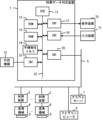
- FIG. 1 is a schematic hardware configuration diagram of a peculiar data determination device according to a first embodiment of the present disclosure
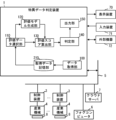
- 1 is a block diagram showing schematic functions of a peculiar data determination device according to a first embodiment
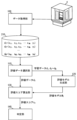
- FIG. 11 is a schematic diagram showing a flow of calculation of an evaluation score when predetermined data is used as evaluation data.
- FIG. 13 is a schematic diagram showing a flow of calculation of an evaluation score when other data is used as evaluation data.
- 10 is a schematic diagram showing an overview of a process of determining peculiar data by a determining unit
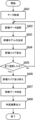
- FIG. 5 is a flowchart showing a flow of operations of the peculiar data determination device according to the first embodiment.
- FIG. 1 is a schematic hardware configuration diagram showing a main part of a peculiar data determination device according to a first embodiment of the present disclosure.
- the peculiar data determination device 1 according to this embodiment can be implemented as a control device that controls industrial machinery based on a control program, for example.
- the peculiar data determination device 1 according to this embodiment can be implemented on a computer such as a personal computer attached to a control device that controls industrial machinery, or a personal computer, cell computer, fog computer 6, or cloud server 7 that is connected to the control device via a wired/wireless network 5.
- a personal computer that is connected to a control device 3 that controls industrial machinery via a network 5.
- the CPU 11 provided in the peculiar data determination device 1 is a processor that controls the entire peculiar data determination device 1.
- the CPU 11 reads the system program stored in the ROM 12 via the bus 22, and controls the entire peculiar data determination device 1 according to the system program.
- the RAM 13 temporarily stores temporary calculation data, display data, various data input from outside, etc.
- the non-volatile memory 14 is composed of, for example, a memory backed up by a battery (not shown) or an SSD (Solid State Drive), and the memory state is maintained even when the power supply of the peculiar data determination device 1 is turned off.
- the non-volatile memory 14 stores programs and data read from the external device 72 via the interface 15, programs and data input from the input device 71 via the interface 18, and programs and data acquired from the control device 3 or other devices via the network 5.
- the stored data may include, for example, data related to physical quantities such as motor current, voltage, torque, position, speed, and acceleration of the drive unit detected by the sensor 8 attached to the industrial machine 4 controlled by the control device 3, and vibrations and sounds generated in each part of the industrial machine 4.
- the programs and data stored in the non-volatile memory 14 may be expanded into the RAM 13 when executed/used.
- various system programs such as known analysis programs are written in advance in the ROM 12.
- the interface 15 is an interface for connecting the CPU 11 of the peculiar data determination device 1 to an external device 72 such as a USB device.
- an external device 72 such as a USB device.
- system programs and data are read from the external device 72.
- programs and data created and edited within the peculiar data determination device 1 can be stored in the external device 72.
- the interface 20 is an interface for connecting the CPU 11 of the peculiar data determination device 1 to a wired or wireless network 5.
- the network 5 may communicate using technologies such as serial communication such as RS-485, Ethernet (registered trademark), optical communication, wireless LAN, Wi-Fi (registered trademark), Bluetooth (registered trademark), etc.
- the network 5 is connected to a control device 3 that controls at least one industrial machine 4, a fog computer 6, a cloud server 7, etc., and exchanges data with the peculiar data determination device 1.
- the display device 70 displays the various data loaded into the memory, data obtained as a result of executing programs, etc., output via the interface 17.
- the input device 71 which is comprised of a keyboard, pointing device, etc., passes instructions and data based on operations by the operator to the CPU 11 via the interface 18.
- FIG. 2 is a schematic block diagram showing the functions of the peculiar data determination device 1 according to the first embodiment of the present disclosure.
- Each function of the peculiar data determination device 1 according to this embodiment is realized by the CPU 11 of the peculiar data determination device 1 shown in FIG. 1 executing a system program and controlling the operation of each part of the peculiar data determination device 1.
- the peculiar data determination device 1 of this embodiment includes a data acquisition unit 100, an evaluation data selection unit 110, an evaluation model generation unit 120, an evaluation score calculation unit 130, a determination unit 140, and an output unit 150.
- the RAM 13 to the non-volatile memory 14 of the peculiar data determination device 1 are provided with an acquired data storage unit 210, which is an area for storing data acquired by the data acquisition unit 100 from the sensor 8 attached to the industrial machine 4, etc.
- the data acquisition unit 100 acquires data detected by sensors attached to the industrial machine 4.
- the data acquisition unit 100 may acquire data detected by the industrial machine 4 during operation from the control device 3 via the network 5.
- the data acquisition unit 100 may also acquire data stored in a higher-level computer such as the fog computer 6 or cloud server 7 via a network.
- the data may also be acquired from an external device 72.
- the data acquired by the data acquisition unit 100 may be, for example, values of processing parameters such as the maximum allowable speed, maximum allowable acceleration, time constant, and allowable inner rotation error set in the industrial machine 4 when the industrial machine 4 is in operation, motor current, voltage, torque, position, speed, and acceleration acquired from a servo motor that operates the industrial machine 4, data such as vibration and temperature of the drive unit detected by the sensor 8, and processing accuracy (tolerance, surface roughness, etc.) of the workpiece processed by the industrial machine 4.
- the data may be instantaneous values or time-series data.
- the data acquisition unit 100 stores the acquired data in the acquired data storage unit 210.
- the evaluation data selection unit 110 selects evaluation data to be evaluated from the data stored in the acquired data storage unit 210. It then notifies the evaluation score calculation unit 130 of the evaluation data, and instructs the evaluation model generation unit 120 to generate an evaluation model using data other than the evaluation data as learning data. Next, the evaluation data selection unit 110 selects evaluation data that has not yet been selected as evaluation data as the next evaluation data. It then instructs the evaluation model generation unit 120 to generate an evaluation model using data other than the evaluation data as learning data. The evaluation data selection unit 110 repeats the above process until all data stored in the acquired data storage unit 210 has been selected as evaluation data.
- the evaluation model generation unit 120 generates a machine learning evaluation model M by using, as learning data, data other than the data selected as the evaluation data at that time among the data stored in the acquired data storage unit 210, based on an instruction from the evaluation data selection unit 110.
- the machine learning evaluation model M may be, for example, a known supervised learning evaluation model M such as a linear regression evaluation model or a neural network. For example, when N pieces of learning data d i (i is 1 to N) each include a value of an explanatory variable X i and a value of a target variable Y i , when the value of the explanatory variable X i is given as an input, an evaluation model M that outputs the value of the target variable Y i as an inferred value may be generated. Note that the method of generating the evaluation model M is already well known, so a detailed description will be omitted in this specification.
- the evaluation score calculation unit 130 calculates a predetermined evaluation score for the evaluation data selected by the evaluation data selection unit 110, using the evaluation model M generated by the evaluation model generation unit 120. It is desirable that the evaluation score calculated by the evaluation score calculation unit 130 is capable of evaluating the degree to which the evaluation data contains values with specificity compared to other data, with respect to the data group used to generate the evaluation model M. For example, when the evaluation data d eval includes a value of the explanatory variable X eval and a value of the objective variable Y eval , the explanatory variable X eval is input to the evaluation model M generated by the evaluation model generation unit 120 to obtain an inference value YI eval .
- the evaluation score may be calculated using a predetermined evaluation function eval( ) that calculates the magnitude of deviation between the objective variable Y eval and the inference value YI eval .
- the evaluation function eval( ) may calculate the evaluation score using not only the objective variable Y eval and the inference value YI eval of the evaluation data d eval , but also the objective variable Y i of the learning data d i used to generate the evaluation model M, and the inference value YI i output when the explanatory variable Xi is input to the evaluation model M.
- an evaluation function eval( ) may be prepared that calculates, as an evaluation score, the magnitude of deviation of an inferred value regarding the evaluation data d eval relative to the magnitude of deviation of an inferred value regarding the training data d i .
- the determination unit 140 determines whether each piece of evaluation data is peculiar data or not based on the evaluation score calculated by the evaluation score calculation unit 130 for each piece of evaluation data.
- the determination unit 140 sorts each piece of evaluation data, for example, in descending order of the evaluation score calculated by the evaluation score calculation unit 130. Then, it determines that a predetermined number L of evaluation data, starting from the one with the highest evaluation score, is peculiar data.
- the output unit 150 outputs the judgment result by the judgment unit 140.
- the output unit 150 may display and output the data judged as peculiar data by the judgment unit 140 on the display device 70 together with its evaluation score.
- the output unit 150 may also output the data as a file on the non-volatile memory 14.
- the output unit 150 may transmit and output the data via the network 5 to the control device 3 of the industrial machine 4 from which the data is to be acquired, or to the fog computer 6 or cloud server 7, which are higher-level computers.
- the output unit 150 may output a data set in which the data judged as peculiar data is excluded from the data stored in the acquired data storage unit 210, rather than outputting the data judged as peculiar data.
- the output unit 150 may further acquire other information from the industrial machine 4 in the situation in which the data determined as peculiar data by the determination unit 140 was acquired, and display this to the operator.
- This configuration makes it possible to grasp in more detail the operating status of the industrial machine 4 in the situation in which the peculiar data was acquired.
- the peculiarities may be due to some kind of abnormality occurring in the industrial machine 4.
- the operator may carry out tasks such as inspecting the workpiece machined by the industrial machine 4 in more detail, or inspecting the industrial machine 4 for any malfunctions.
- the peculiarities are not due to an abnormality in the industrial machine 4, it is possible that the industrial machine 4 was operating with a novel combination of machining parameters.
- the data may be used to register the data as data for additional learning by a machine learning device.
- These data are data indicating the degree of machining accuracy with which the workpiece was machined when a predetermined machining parameter was set in the control device 3 of the industrial machine 4 and machining was performed.
- data d 1 to d N there is unique data including values that have uniqueness due to various factors.
- Unique data is useful for analyzing a machining state that includes uniqueness compared to others.
- unique data reduces the accuracy of the analysis. Therefore, consider extracting or removing a predetermined number L of peculiar data from among the data d 1 to d N .
- the evaluation model generation unit 120 executes a machine learning process using the data d 2 to d N as learning data to generate an evaluation model M 1.
- the evaluation model generation unit 120 outputs the generated evaluation model M 1 to the evaluation score calculation unit 130.
- the evaluation score calculation unit 130 calculates the evaluation score of the evaluation data d 1 using the evaluation model M 1 generated by the evaluation model generation unit 120.
- an evaluation function for example, as shown in the following formula 1 , the root mean square error of the inferred value yi 1 of the objective variable obtained by inputting the value of the explanatory variable of the evaluation data d 1 into the evaluation model M 1 is divided by the root mean square error of the inferred value yi 2 to yi N of the objective variable obtained by inputting the values of the explanatory variables of the evaluation data d 2 to d N into the evaluation model M 1. The larger this evaluation score is, the greater the uniqueness of the value contained in the evaluation data.
- the evaluation score calculation unit 130 notifies the judgment unit 140 of the calculated evaluation score s 1 of the evaluation data d 1 .
- FIG. 4 is a schematic diagram showing the flow of evaluation score calculation when data d 2 is used as evaluation data.
- the evaluation data d 2 is notified to the evaluation score calculation unit 130, and the evaluation model generation unit 120 is instructed to generate an evaluation model using the remaining data d 1 , d 3 to d N as learning data.
- the evaluation model generation unit 120 executes a machine learning process using data d 1 , d 3 to d N as learning data to generate an evaluation model M 2.
- the evaluation model generation unit 120 outputs the generated evaluation model M 2 to the evaluation score calculation unit 130.
- the evaluation score calculation unit 130 calculates the evaluation score of the evaluation data d 2 using the evaluation model M 2 generated by the evaluation model generation unit 120.
- the evaluation function for example, as shown in the following formula 2 , the root mean square error of the inferred value yi 2 of the objective variable obtained by inputting the value of the explanatory variable of the evaluation data d 2 into the evaluation model M 2 is divided by the root mean square error of the inferred value yi 1 , yi 3 to yi N of the objective variables y 1 , y 3 to y N of the learning data d 1 , d 3 to d N and the values of the explanatory variables of the evaluation data d 1 , d 3 to d N into the evaluation model M 2.
- the evaluation score calculation unit 130 notifies the judgment unit 140 of the calculated evaluation score s 2 of the evaluation data d 2 .
- data d 3 to d N are selected as evaluation data, and evaluation scores s 3 to s N are calculated for each of them. Then, the calculated evaluation scores s 3 to s N are notified to the determination unit 140.
- 5 is a schematic diagram showing an overview of the peculiar data determination process by the determination unit 140.
- the determination unit 140 sorts the evaluation data d 1 to d N in descending order of evaluation score using the evaluation scores as a key. Then, it determines that the L pieces of data with the highest evaluation scores are peculiar data.
- the determined peculiar data are displayed on the display device 70 or the like. The operator may analyze the circumstances under which the displayed peculiar data occurred. Furthermore, it is possible to analyze the machining accuracy based on the data from which the peculiar data has been removed.
- FIG. 6 is a flowchart showing the flow of operations of the peculiar data determination device 1 according to this embodiment.
- the data acquisition unit 100 acquires data related to the industrial machine 4 and stores it in the acquired data storage unit 210 (step SA01).
- the evaluation data selection unit 110 selects evaluation data to be evaluated from the data stored in the acquired data storage unit 210 (step SA02).
- it instructs the evaluation model generation unit 120 to generate an evaluation model based on data other than the currently selected evaluation data.
- the evaluation model generation unit 120 generates an evaluation model based on the instruction from the evaluation data selection unit 110, and outputs the generated evaluation model to the evaluation score calculation unit 130 (step SA03).
- the evaluation score calculation unit 130 uses the evaluation model generated by the evaluation model generation unit 120 to calculate a predetermined evaluation score for the evaluation data selected by the evaluation data selection unit 110 (step SA04). Then, it determines whether all the data stored in the acquired data storage unit 210 has been selected as evaluation data and an evaluation score calculated (step SA05). If all the data has been selected (Yes in step SA05), the process proceeds to step SA06. On the other hand, if there is data that has not yet been selected as evaluation data (No in step SA05), the process proceeds to step SA02.
- the determination unit 140 sorts all the data in descending order of the evaluation scores (step SA06). Then, a predetermined number of data items with the highest evaluation scores are determined to be peculiar data (step SA07). The output unit 150 then outputs the determination result made by the determination unit 140 (step SA08).
- the peculiar data determination device 1 can determine and output peculiar data that is considered to include a peculiar value from among the acquired data group.
- the calculation of the evaluation score does not depend on a specific machine learning algorithm, but can use a machine learning algorithm that suits the characteristics of the data. Therefore, it is expected that peculiar data can be discovered with high accuracy according to the type of data.
- By analyzing in detail the operating conditions of the industrial machine 4 from which data determined to be peculiar data was acquired it is possible to discover new operating conditions that have not been recognized before. For example, when the industrial machine 4 is operated with a special combination of processing parameter values, a remarkable effect occurs that is not seen when other combinations of processing parameter values are used, and this can be used to discover such effects.
- the peculiar data is considered to be a situation different from the normal operating state of the industrial machine 4, it can also be used for anomaly detection, etc.
- the peculiar data judgment device 1 according to the present embodiment has a hardware configuration similar to that of the peculiar data judgment device 1 according to the first embodiment. Similarly to the peculiar data judgment device 1 according to the first embodiment shown in Fig. 2, the peculiar data judgment device 1 according to the present embodiment has a data acquisition unit 100, an evaluation data selection unit 110, an evaluation model generation unit 120, an evaluation score calculation unit 130, a judgment unit 140, and an output unit 150. Furthermore, an acquired data storage unit 210, which is an area for storing data acquired by the data acquisition unit 100 from the sensor 8 attached to the industrial machine 4, is prepared in advance in the RAM 13 to the non-volatile memory 14 of the peculiar data judgment device 1.
- the functions of the data acquisition unit 100, evaluation data selection unit 110, evaluation model generation unit 120, evaluation score calculation unit 130, and output unit 150 of the peculiar data determination device 1 according to this embodiment are similar to those of the first embodiment.
- the peculiar data determination device 1 which is configured as described above, excludes data that is an extrapolation from a data group from the peculiar data, even if the data has a high evaluation score, and is therefore expected to further improve the accuracy of determining peculiar data.
- the peculiar data determination device 1 according to each embodiment of the present disclosure described so far is expected to be able to discover peculiar data with high accuracy according to the type of data in the acquired data group.
- a peculiar data determination device (1) includes an acquired data storage unit (210) that stores a plurality of data related to an industrial machine (4), an evaluation data selection unit (110) that selects one piece of data from the plurality of data as evaluation data, an evaluation model generation unit (120) that executes machine learning processing based on the remaining data from the plurality of data excluding the evaluation data to generate an evaluation model, and an evaluation score calculation unit (120) that uses the evaluation model to execute inference based on the evaluation data and calculates an evaluation score for the evaluation data based on an inference value that is a result of the inference and the evaluation data.
- each data stored in the acquired data storage unit (210) includes at least a value of an explanatory variable and a value of a target variable
- the determination unit (140) excludes a specified data from the peculiar data if the value of the explanatory variable included in the specified data is the minimum or maximum value among the values of the explanatory variables included in the multiple data.
Landscapes
- Physics & Mathematics (AREA)
- General Physics & Mathematics (AREA)
- Engineering & Computer Science (AREA)
- Automation & Control Theory (AREA)
- Management, Administration, Business Operations System, And Electronic Commerce (AREA)
Abstract
本開示による特異データ判定装置は、産業機械に係る複数のデータ複数のデータの内、1つのデータを評価データとして選択する評価データ選択部と、評価データを除く他のデータに基づいた機械学習を行い評価モデルを生成する評価モデル生成部と、評価モデルを用いて、評価データの評価スコアを算出する評価スコア算出部と、評価スコア算出部が算出した評価スコアに基づいて、評価データが特異データであるか否かを判定する判定部と、を備え、評価データ選択部による評価データの選択、評価モデル生成部による評価モデルの生成、及び評価スコア算出部による前記評価データの評価スコアの算出を、取得データ記憶部に記憶されるそれぞれのデータに対して行い、判定部は、評価スコアが高い順に所定数のデータを特異データであると判定する。
Description
本開示は、特異データ判定装置、及び特異データ判定方法に関する。
工作機械やロボット等の産業機械が設置された製造現場では、産業機械に取り付けられたセンサ等で検知したデータに基づいて該産業機械の動作状況を把握している。多くの製造現場では様々な産業機械の動作状況を把握するために、センサ等により検知したデータを用いた解析を行っている(例えば、特許文献1など)。
センサ等により検知したデータには、「他のデータと比較して特異性を持つデータ」(以下、特異データと言う)が含まれ得る。この特異データには、例えばノイズを含んだノイジーデータや、異常な状態で検知された異常データ、今までに検知されなかった事象を示す新奇データ等が含まれる。特異データを解析することで、特異データの発生状態を解析することができる。また、特異データを除外したデータセットを作成することで、通常の産業機械の動作状態を解析することができる。そのため、従来は人が特異データの振るい分けをしたり、外れ値を検出する手法を利用したりしていた。
人が手動でデータを振るい分ける作業は、産業機械の動作について熟練した知識を持った人が行う必要があり、多大なコストがかかる。また、判断基準が人によって変わることもある。更に、同じ人でも常に同じ判断ができるとは限らない。一方で、単純な外れ値の検出手法を特異データの判定に利用したとしても十分な精度が得られないことが多い。
現場では、精度よく特異データを判定する手法が望まれている。
現場では、精度よく特異データを判定する手法が望まれている。
本開示による特異データ判定装置は、産業機械から収集したデータを用いて生成した評価モデルを使って個々のデータの評価スコアを求め、評価スコアが大きいデータを特異データとして検出することで、上記課題を解決する。評価スコアは、評価対象のデータに表れる誤差が、他のデータに表れる誤差と比べてどれだけ大きいかを示す指標である。
そして、本開示の一態様は、産業機械に係る複数のデータを記憶する取得データ記憶部と、前記複数のデータの内、1つのデータを評価データとして選択する評価データ選択部と、前記複数のデータの内、前記評価データを除く他のデータに基づいた機械学習の処理を実行し、評価モデルを生成する評価モデル生成部と、前記評価モデルを用いて、前記評価データに基づく推論を実行し、前記推論の結果である推論値と、前記評価データとに基づいて該評価データの評価スコアを算出する評価スコア算出部と、前記評価スコア算出部が算出した評価スコアに基づいて、前記評価データが特異データであるか否かを判定する判定部と、を備え、前記評価データ選択部による評価データの選択、前記評価モデル生成部による評価モデルの生成、及び前記評価スコア算出部による前記評価データの評価スコアの算出を、前記取得データ記憶部に記憶されるそれぞれのデータに対して行い、前記判定部は、評価スコアが高い順に所定数のデータを特異データであると判定する、特異データ判定装置である。
以下、本開示の実施形態を図面と共に説明する。
[第1実施形態]
図1は本開示の第1実施形態による特異データ判定装置の要部を示す概略的なハードウェア構成図である。本実施形態による特異データ判定装置1は、例えば制御用プログラムに基づいて産業機械を制御する制御装置として実装することができる。また、本実施形態による特異データ判定装置1は、産業機械を制御する制御装置に併設されたパソコンや、該制御装置と有線/無線のネットワーク5を介して接続されたパソコン、セルコンピュータ、フォグコンピュータ6、クラウドサーバ7などのコンピュータ上に実装することができる。本実施形態では、特異データ判定装置1を、産業機械を制御する制御装置3とネットワーク5を介して接続されたパソコンの上に実装した例を示す。
[第1実施形態]
図1は本開示の第1実施形態による特異データ判定装置の要部を示す概略的なハードウェア構成図である。本実施形態による特異データ判定装置1は、例えば制御用プログラムに基づいて産業機械を制御する制御装置として実装することができる。また、本実施形態による特異データ判定装置1は、産業機械を制御する制御装置に併設されたパソコンや、該制御装置と有線/無線のネットワーク5を介して接続されたパソコン、セルコンピュータ、フォグコンピュータ6、クラウドサーバ7などのコンピュータ上に実装することができる。本実施形態では、特異データ判定装置1を、産業機械を制御する制御装置3とネットワーク5を介して接続されたパソコンの上に実装した例を示す。
本実施形態による特異データ判定装置1が備えるCPU11は、特異データ判定装置1を全体的に制御するプロセッサである。CPU11は、バス22を介してROM12に格納されたシステム・プログラムを読み出し、該システム・プログラムに従って特異データ判定装置1全体を制御する。RAM13には一時的な計算データや表示データ、及び外部から入力された各種データ等が一時的に格納される。
不揮発性メモリ14は、例えば図示しないバッテリでバックアップされたメモリやSSD(Solid State Drive)等で構成され、特異データ判定装置1の電源がオフされても記憶状態が保持される。不揮発性メモリ14には、インタフェース15を介して外部機器72から読み込まれたプログラムやデータ、インタフェース18を介して入力装置71から入力されたプログラムやデータ、ネットワーク5を介して制御装置3や他の装置から取得されたプログラムやデータ等が記憶される。記憶されるデータには、例えば制御装置3が制御する産業機械4に取り付けられたセンサ8により検出された駆動部のモータ電流、電圧、トルク、位置、速度、加速度、産業機械4の各部に発生する振動や音等の物理量に係るデータが含まれていてよい。不揮発性メモリ14に記憶されたプログラムやデータは、実行時/利用時にはRAM13に展開されてもよい。また、ROM12には、公知の解析プログラムなどの各種システム・プログラムがあらかじめ書き込まれている。
インタフェース15は、特異データ判定装置1のCPU11とUSB装置等の外部機器72と接続するためのインタフェースである。外部機器72側からは、例えばシステム・プログラムやデータ等が読み込まれる。また、特異データ判定装置1内で作成・編集したプログラムやデータ等は、外部機器72に記憶させることができる。
インタフェース20は、特異データ判定装置1のCPU11と有線乃至無線のネットワーク5とを接続するためのインタフェースである。ネットワーク5は、例えばRS-485等のシリアル通信、Ethernet(登録商標)通信、光通信、無線LAN、Wi-Fi(登録商標)、Bluetooth(登録商標)等の技術を用いて通信をするものであってよい。ネットワーク5には、少なくとも1つの産業機械4を制御する制御装置3、フォグコンピュータ6、クラウドサーバ7等が接続され、特異データ判定装置1との間で相互にデータのやり取りを行っている。
表示装置70には、メモリ上に読み込まれた各データ、プログラム等が実行された結果として得られたデータ等がインタフェース17を介して出力されて表示される。また、キーボードやポインティングデバイス等から構成される入力装置71は、オペレータによる操作に基づく指令、データ等をインタフェース18を介してCPU11に渡す。
図2は、本開示の第1実施形態による特異データ判定装置1が備える機能を概略的なブロック図として示したものである。本実施形態による特異データ判定装置1が備える各機能は、図1に示した特異データ判定装置1が備えるCPU11がシステム・プログラムを実行し、特異データ判定装置1の各部の動作を制御することにより実現される。
本実施形態の特異データ判定装置1は、データ取得部100、評価データ選択部110、評価モデル生成部120、評価スコア算出部130、判定部140、出力部150を備える。また、特異データ判定装置1のRAM13乃至不揮発性メモリ14には、データ取得部100が産業機械4に取り付けられたセンサ8等から取得したデータを記憶するための領域である取得データ記憶部210が予め用意されている。
データ取得部100は、産業機械4に取り付けられたセンサ等で検出されたデータを取得する。データ取得部100は、運転中の産業機械4で検出されたデータを制御装置3からネットワーク5を介して取得するようにしてもよい。また、フォグコンピュータ6、クラウドサーバ7などの上位のコンピュータが蓄積しているデータをネットワークを介して取得するようにしてもよい。更に、外部機器72から取得するようにしてもよい。データ取得部100が取得するデータは、例えば産業機械4の動作時に該産業機械4に設定されている最大許容速度、最大許容加速度、時定数、許容内回り誤差などの加工パラメータの値や、該産業機械4を動作させるサーボモータから取得されるモータ電流、電圧、トルク、位置、速度、加速度や、センサ8が検出した駆動部の振動、温度などのデータ、該産業機械4で加工されたワークの加工精度(公差や表面粗度など)であってよい。また、そのデータは瞬時値であってもよいし、時系列データであってもよい。データ取得部100は、取得したデータを取得データ記憶部210に記憶する。
評価データ選択部110は、取得データ記憶部210に記憶されたデータの中から評価の対象となる評価データを選択する。そして、評価データを評価スコア算出部130へ通知すると共に、その評価データ以外の他のデータを学習データとした評価モデルを生成するように評価モデル生成部120へと指令する。次に、評価データ選択部110は、まだ評価データとして選択されていない評価データを次の評価データとして選択する。そして、その評価データ以外の他のデータを学習データとした評価モデルを生成するように評価モデル生成部120へと指令する。評価データ選択部110は、取得データ記憶部210に記憶されているデータを全て評価データとして選択するまで、上記した処理を繰り返す。
評価モデル生成部120は、評価データ選択部110からの指令に基づいて、取得データ記憶部210に記憶されているデータの内で、その時の評価データとして選択されたデータ以外の他のデータを学習データとして機械学習の評価モデルMを生成する。機械学習の評価モデルMは、例えば線形回帰評価モデルやニューラルネットワークなどの公知の教師あり学習の評価モデルMであってよい。例えば、N個の学習データdi(iは1~N)がそれぞれ説明変数Xiの値と目的変数Yiの値を含むとき、説明変数Xiの値を入力として与えた時に、目的変数Yiの値を推論値として出力する評価モデルMを生成すればよい。なお、評価モデルMの生成方法については既に十分に公知となっているので、本明細書では詳細な説明を省略する。
評価スコア算出部130は、評価モデル生成部120が生成した評価モデルMを用いて、評価データ選択部110が選択した評価データについて、所定の評価スコアを算出する。評価スコア算出部130が算出する評価スコアは、評価モデルMの生成に用いられたデータ群に対して、評価データが他のデータと比べてどの程度特異性を持つ値を含んだものであるのかが評価できるものであることが望ましい。例えば、評価データdevalが説明変数Xevalの値と目的変数Yevalの値を含むとき、評価モデル生成部120が生成した評価モデルMに対して説明変数Xevalを入力して推論値YIevalを求める。そして、目的変数Yevalと推論値YIevalとのズレの大きさを算出する所定の評価関数eval()を用いて評価スコアを算出するようにしてもよい。評価関数eval()は、評価データdevalの目的変数Yeval及び推論値YIevalだけでなく、評価モデルMの生成に用いた学習データdiの目的変数Yiと、説明変数Xiを評価モデルMの入力とした時に出力される推論値YIiを用いて評価スコアを算出するものであってもよい。例えば、評価モデルMについて、学習データdiに関する推論値のズレの大きさに対する、評価データdevalに関する推論値のズレの大きさを評価スコアとして算出する評価関数eval()を用意すればよい。
判定部140は、それぞれの評価データについて評価スコア算出部130が算出した評価スコアに基づいて、それぞれの評価データが特異データであるか否かを判定をする。判定部140は、例えば評価スコア算出部130が算出した評価スコアの大きい順番でそれぞれの評価データを並び替える。そして、最も評価スコアが大きい方から予め定めた所定の個数Lの評価データを特異データであると判定する。
出力部150は、判定部140による判定結果を出力する。出力部150は、例えば判定部140により特異データとして判定されたデータを、その評価スコアと共に表示装置70に表示出力するようにしてもよい。また、不揮発性メモリ14上のファイルとして出力するようにしてもよい。更に、ネットワーク5を介してデータの取得対象である産業機械4の制御装置3や、上位コンピュータであるフォグコンピュータ6やクラウドサーバ7に対して送信出力するようにしてもよい。出力部150は、特異データとして判定されたデータを出力するのではなく、取得データ記憶部210に記憶されるデータから特異データとして判定されたデータを除外したデータセットを出力するようにしてもよい。
出力部150は、更に判定部140により特異データとして判定されたデータが取得された状況における他の情報を産業機械4から取得して、オペレータに対して表示するようにしてもよい。このように構成することで、特異データが取得された状況における産業機械4の動作状況をより詳細に把握することが可能となる。例えば、その特異性が産業機械4に生じた何らかの異常に基づくものである可能性がある。そのような場合、オペレータは産業機械4で加工したワークをより詳細に検査したり、産業機械4に故障がないか検査したり、といった作業を行う。また、その特異性が産業機械4の異常によるものでない場合には、新奇な加工パラメータの組み合わせで動作した可能性がある。そのような場合には、当該データを機械学習器の追加学習用のデータとして登録する、といった使い道が考えられる。
上記構成を備えた特異データ判定装置1の動作について、図3~図5を用いて説明する。
図3は、データd1を評価データとした時の評価スコア算出の流れを示す模式図である。取得データ記憶部210には、データ取得部が産業機械4から取得したN個のデータd1~dNが記憶されている。データdiは、例えば産業機械4に設定された最大許容速度、最大許容加速度、時定数、許容内回り誤差などの加工パラメータを示すM個の値(xi1,xi2,xi3,…,xiM)、その加工パラメータを設定した産業機械4で加工したワークの公差を示す値yiをそれぞれ含む。これらのデータは、産業機械4の制御装置3に所定の加工パラメータを設定して加工を行った際に、どの程度の加工精度でワークを加工できたかを表すデータである。データd1~dNの中には、様々な要因で特異性を持つ値を含む特異データが存在する。特異データは、他と比べて特異性を含んだ加工状態を解析するのに有用である。逆に、一般的な加工パラメータと加工精度との関係を解析するに際して、特異データは解析の精度を低下させる。そこで、データd1~dNの中から所定数Lの特異データを抽出又は除去することを考える。
図3は、データd1を評価データとした時の評価スコア算出の流れを示す模式図である。取得データ記憶部210には、データ取得部が産業機械4から取得したN個のデータd1~dNが記憶されている。データdiは、例えば産業機械4に設定された最大許容速度、最大許容加速度、時定数、許容内回り誤差などの加工パラメータを示すM個の値(xi1,xi2,xi3,…,xiM)、その加工パラメータを設定した産業機械4で加工したワークの公差を示す値yiをそれぞれ含む。これらのデータは、産業機械4の制御装置3に所定の加工パラメータを設定して加工を行った際に、どの程度の加工精度でワークを加工できたかを表すデータである。データd1~dNの中には、様々な要因で特異性を持つ値を含む特異データが存在する。特異データは、他と比べて特異性を含んだ加工状態を解析するのに有用である。逆に、一般的な加工パラメータと加工精度との関係を解析するに際して、特異データは解析の精度を低下させる。そこで、データd1~dNの中から所定数Lの特異データを抽出又は除去することを考える。
評価データ選択部110は、取得データ記憶部210に記憶されたデータd1~dNの内、1つのデータd1=(x11,x12,x13,…,x1M,y1)を評価データとして選択する。そして、評価データd1を評価スコア算出部130へと通知すると共に、残りのデータd2~dNを学習データとした評価モデルを生成するように評価モデル生成部120へ指令する。評価モデル生成部120は、データd2~dNを学習データとした機械学習の処理を実行して評価モデルM1を生成する。評価モデル生成部120は、生成した評価モデルM1を評価スコア算出部130へと出力する。
評価スコア算出部130は、評価モデル生成部120が生成した評価モデルM1を用いて、評価データd1の評価スコアを算出する。評価関数としては、例えば以下の数1式に示すように、評価データd1の目的変数y1の値と、評価モデルM1に評価データd1の説明変数の値を入力して得られる目的変数の推論値yi1の二乗平均平方根誤差を、学習データd2~dNの目的変数y2~yNの値と、評価モデルM1に評価データd2~dNの説明変数の値をそれぞれ入力して得られる目的変数の推論値yi2~yiNの二乗平均平方根誤差で除算したものを用いる。この評価スコアは、大きければ大きいほど評価データに含まれる値の特異性が大きいことを示す。評価スコア算出部130は、算出した評価データd1の評価スコアs1を判定部140へと通知する。

図4は、データd2を評価データとした時の評価スコア算出の流れを示す模式図である。評価データd1の評価スコアが算出されると、次に、評価データ選択部110は、取得データ記憶部210に記憶されたデータd1~dNの内、1つのデータd2=(x21,x22,x23,…,x2M,y2)を評価データとして選択する。そして、評価データd2を評価スコア算出部130へと通知すると共に、残りのデータd1,d3~dNを学習データとした評価モデルを生成するように評価モデル生成部120へ指令する。評価モデル生成部120は、データd1,d3~dNを学習データとした機械学習の処理を実行して評価モデルM2を生成する。評価モデル生成部120は、生成した評価モデルM2を評価スコア算出部130へと出力する。
評価スコア算出部130は、評価モデル生成部120が生成した評価モデルM2を用いて、評価データd2の評価スコアを算出する。評価関数としては、例えば以下の数2式に示すように、評価データd2の目的変数y2の値と、評価モデルM2に評価データd2の説明変数の値を入力して得られる目的変数の推論値yi2の二乗平均平方根誤差を、学習データd1,d3~dNの目的変数y1,y3~yNの値と、評価モデルM2に評価データd1,d3~dNの説明変数の値をそれぞれ入力して得られる目的変数の推論値yi1,yi3~yiNの二乗平均平方根誤差で除算したものを用いる。評価スコア算出部130は、算出した評価データd2の評価スコアs2を判定部140へと通知する。

同様に、データd3~dNをそれぞれ評価データとして選択し、それぞれの評価スコアs3~sNを算出する。そして、算出した評価スコアs3~sNを判定部140へと通知する。
図5は、判定部140による特異データの判定処理の概要を示す模式図である。評価データd1~dNの評価スコアs1~sNが入力されると、判定部140は、評価スコアをキーとして、評価スコアの大きい順に評価データd1~dNを並び替える。そして、評価スコアが上位のL個のデータを特異データと判定する。判定された特異データは表示装置70等に表示される。オペレータは、表示された特異データが発生した状況を解析してもよい。また、特異データを除去したデータに基づく加工精度の解析を行うことができる。
図5は、判定部140による特異データの判定処理の概要を示す模式図である。評価データd1~dNの評価スコアs1~sNが入力されると、判定部140は、評価スコアをキーとして、評価スコアの大きい順に評価データd1~dNを並び替える。そして、評価スコアが上位のL個のデータを特異データと判定する。判定された特異データは表示装置70等に表示される。オペレータは、表示された特異データが発生した状況を解析してもよい。また、特異データを除去したデータに基づく加工精度の解析を行うことができる。
図6は、本実施形態による特異データ判定装置1の動作の流れを示すフローチャートである。
初めに、データ取得部100が産業機械4に係るデータを取得し、取得データ記憶部210に記憶する(ステップSA01)。評価データ選択部110は、取得データ記憶部210に記憶されているデータから評価対象となる評価データを選択する(ステップSA02)。そして、今回選択された評価データ以外のデータに基づいて評価モデルを生成するように評価モデル生成部120へと指令する。評価モデル生成部120は、評価データ選択部110からの指令に基づいて評価モデルを生成し、生成した評価モデルを評価スコア算出部130へと出力する(ステップSA03)。
初めに、データ取得部100が産業機械4に係るデータを取得し、取得データ記憶部210に記憶する(ステップSA01)。評価データ選択部110は、取得データ記憶部210に記憶されているデータから評価対象となる評価データを選択する(ステップSA02)。そして、今回選択された評価データ以外のデータに基づいて評価モデルを生成するように評価モデル生成部120へと指令する。評価モデル生成部120は、評価データ選択部110からの指令に基づいて評価モデルを生成し、生成した評価モデルを評価スコア算出部130へと出力する(ステップSA03)。
評価スコア算出部130は、評価モデル生成部120が生成した評価モデルを用いて、評価データ選択部110が選択した評価データについて、所定の評価スコアを算出する(ステップSA04)。そして、取得データ記憶部210に記憶されているデータについて、全て評価データとして選択して評価スコアを算出したか否かを判定する(ステップSA05)。全てのデータを選択し終えた場合(ステップSA05でYes)、処理をステップSA06へと移行する。一方、まだ評価データとして選択していないデータがある場合(ステップSA05でNo)、処理をステップSA02へと移行する。
全てのデータについて評価スコアの算出が終了したら、判定部140は、評価スコアの降順で全てのデータを並び替える(ステップSA06)。そして、評価スコアが上位の所定数のデータを特異データと判定する(ステップSA07)。そして、出力部150は、判定部140による判定結果を出力する(ステップSA08)。
上記構成を備えた本実施形態による特異データ判定装置1は、取得したデータ群の内で、特異性を持つ値を含むと考えられる特異データを判定して出力することができる。評価スコアの算出には、特定の機械学習アルゴリズムに依存せず、データの特性に合った機械学習アルゴリズムを用いることができる。そのため、データの種類に合わせて高精度に特異データを発見できることが期待できる。特異データとして判定されたデータが取得された産業機械4の運転状況を詳細に解析することで、従来認識していなかった新しい動作状況を発見することができる。例えば、特別な加工パラメータの値の組み合わせで産業機械4を運転した時に、他の加工パラメータの値の組み合わせをしたときには見られない顕著な効果が発生する場合等に、その発見に活用することができる。また、特異データを、通常の産業機械4の運転状態とは異なる状況であると考えれば、異常検知などに用いることも可能である。
[第2実施形態]
以下では、本開示の第2実施形態による特異データ判定装置1について説明する。
本実施形態による特異データ判定装置1は、第1実施形態による特異データ判定装置1と同様のハードウェア構成を備える。また、本実施形態による特異データ判定装置1は、図2に示した第1実施形態による特異データ判定装置1と同様に、データ取得部100、評価データ選択部110、評価モデル生成部120、評価スコア算出部130、判定部140、出力部150を備える。また、特異データ判定装置1のRAM13乃至不揮発性メモリ14には、データ取得部100が産業機械4に取り付けられたセンサ8等から取得したデータを記憶するための領域である取得データ記憶部210が予め用意されている。
以下では、本開示の第2実施形態による特異データ判定装置1について説明する。
本実施形態による特異データ判定装置1は、第1実施形態による特異データ判定装置1と同様のハードウェア構成を備える。また、本実施形態による特異データ判定装置1は、図2に示した第1実施形態による特異データ判定装置1と同様に、データ取得部100、評価データ選択部110、評価モデル生成部120、評価スコア算出部130、判定部140、出力部150を備える。また、特異データ判定装置1のRAM13乃至不揮発性メモリ14には、データ取得部100が産業機械4に取り付けられたセンサ8等から取得したデータを記憶するための領域である取得データ記憶部210が予め用意されている。
本実施形態による特異データ判定装置1が備えるデータ取得部100、評価データ選択部110、評価モデル生成部120、評価スコア算出部130、出力部150の各機能は、第1実施形態による各機能と同様の機能を備える。
本実施形態による判定部140は、それぞれの評価データについて評価スコア算出部130が算出した評価スコアに基づいて、それぞれの評価データが特異データであるか否かを判定する。判定部140は、例えば評価スコア算出部130が算出した評価スコアの大きい順番でそれぞれの評価データを並び替える。そして、最も評価スコアが大きい方から予め定めた所定の個数Lの評価データを特異データであると仮判定する。そして、判定部140は、特異データであると仮判定したデータに説明変数の値が、データd1~dNの中で最小値又は最大値を含んでいる場合、そのデータを特異データから除外する。これは、そのデータに関する推定が外挿にあたるためである。外挿とは、ある既知のデータ群の値を基にして、そのデータ群の範囲外におけるデータの値を推定することを意味する。これに対して、そのデータ群の範囲内におけるデータの値を推定することを内挿という。一般に外挿は推論精度が低くなると言われている。そのため、本実施形態による判定部140は、外挿に相当するデータについては、特異データであると断定しないようにしている。この時、判定部140は、除外した特異データの代わりに、次点で評価スコアが大きいデータを特異データと判定するようにしてもよい。
上記構成を備えた本実施形態による特異データ判定装置1は、評価スコアが高いデータであっても、データ群の中で外挿となるデータを特異データから除外するので、特異データの判定の精度がさらに向上することが期待される。
これまで説明してきた本開示の各実施形態による特異データ判定装置1は、取得したデータ群のデータの種類に合わせて高精度に特異データを発見できることが期待される。
以上、本開示の実施形態について詳述したが、本開示は上述した個々の実施形態に限定されるものではない。これらの実施形態は、発明の要旨を逸脱しない範囲で、または、請求の範囲に記載された内容とその均等物から導き出される本開示の思想および趣旨を逸脱しない範囲で、種々の追加、置き換え、変更、部分的削除等が可能である。例えば、上述した実施形態において、各動作の順序や各処理の順序は、一例として示したものであり、これらに限定されるものではない。また、上述した実施形態の説明に数値又は数式が用いられている場合も同様である。
以下に、本開示の実施形態に係る付記を示す。
(付記1)
本開示の一態様による特異データ判定装置(1)は、産業機械(4)に係る複数のデータを記憶する取得データ記憶部(210)と、前記複数のデータの内、1つのデータを評価データとして選択する評価データ選択部(110)と、前記複数のデータの内、前記評価データを除く他のデータに基づいた機械学習の処理を実行し、評価モデルを生成する評価モデル生成部(120)と、前記評価モデルを用いて、前記評価データに基づく推論を実行し、前記推論の結果である推論値と、前記評価データとに基づいて該評価データの評価スコアを算出する評価スコア算出部(130)と、前記評価スコア算出部(130)が算出した評価スコアに基づいて、前記評価データが特異データであるか否かを判定する判定部(140)と、を備え、前記評価データ選択部(110)による評価データの選択、前記評価モデル生成部(120)による評価モデルの生成、及び前記評価スコア算出部(130)による前記評価データの評価スコアの算出を、前記取得データ記憶部(210)に記憶されるそれぞれのデータに対して行い、前記判定部(140)は、評価スコアが高い順に所定数のデータを特異データであると判定する。
(付記1)
本開示の一態様による特異データ判定装置(1)は、産業機械(4)に係る複数のデータを記憶する取得データ記憶部(210)と、前記複数のデータの内、1つのデータを評価データとして選択する評価データ選択部(110)と、前記複数のデータの内、前記評価データを除く他のデータに基づいた機械学習の処理を実行し、評価モデルを生成する評価モデル生成部(120)と、前記評価モデルを用いて、前記評価データに基づく推論を実行し、前記推論の結果である推論値と、前記評価データとに基づいて該評価データの評価スコアを算出する評価スコア算出部(130)と、前記評価スコア算出部(130)が算出した評価スコアに基づいて、前記評価データが特異データであるか否かを判定する判定部(140)と、を備え、前記評価データ選択部(110)による評価データの選択、前記評価モデル生成部(120)による評価モデルの生成、及び前記評価スコア算出部(130)による前記評価データの評価スコアの算出を、前記取得データ記憶部(210)に記憶されるそれぞれのデータに対して行い、前記判定部(140)は、評価スコアが高い順に所定数のデータを特異データであると判定する。
(付記2)
本開示の他の態様による特異データ判定装置(1)は、前記取得データ記憶部(210)に記憶されているそれぞれのデータは、少なくとも説明変数の値と、目的変数の値とを含み、前記判定部(140)は、所定のデータに含まれる説明変数の値が、前記複数のデータに含まれる説明変数の値の中で最小値又は最大値である場合、当該所定のデータを特異データから除外する。
本開示の他の態様による特異データ判定装置(1)は、前記取得データ記憶部(210)に記憶されているそれぞれのデータは、少なくとも説明変数の値と、目的変数の値とを含み、前記判定部(140)は、所定のデータに含まれる説明変数の値が、前記複数のデータに含まれる説明変数の値の中で最小値又は最大値である場合、当該所定のデータを特異データから除外する。
(付記3)
本開示の一態様による特異データの判定方法は、産業機械(4)に係る複数のデータを記憶する取得データ記憶部(210)を参照して、前記複数のデータの内、1つのデータを評価データとして選択する評価データ選択ステップと、前記複数のデータの内、前記評価データを除く他のデータに基づいた機械学習の処理を実行し、評価モデルを生成する評価モデル生成ステップと、前記評価モデルを用いて、前記評価データに基づく推論を実行し、前記推論の結果である推論値と、前記評価データとに基づいて該評価データの評価スコアを算出する評価スコア算出ステップと、前記評価スコア算出ステップで算出した評価スコアに基づいて、前記評価データが特異データであるか否かを判定する判定ステップと、をコンピュータが実行する特異データ判定方法であり、前記評価データ選択ステップによる評価データの選択、前記評価モデル生成ステップによる評価モデルの生成、及び前記評価スコア算出ステップによる前記評価データの評価スコアの算出を、前記取得データ記憶部(210)に記憶されるそれぞれのデータに対して行い、前記判定ステップでは、評価スコアが高い順に所定数のデータを特異データであると判定する。
本開示の一態様による特異データの判定方法は、産業機械(4)に係る複数のデータを記憶する取得データ記憶部(210)を参照して、前記複数のデータの内、1つのデータを評価データとして選択する評価データ選択ステップと、前記複数のデータの内、前記評価データを除く他のデータに基づいた機械学習の処理を実行し、評価モデルを生成する評価モデル生成ステップと、前記評価モデルを用いて、前記評価データに基づく推論を実行し、前記推論の結果である推論値と、前記評価データとに基づいて該評価データの評価スコアを算出する評価スコア算出ステップと、前記評価スコア算出ステップで算出した評価スコアに基づいて、前記評価データが特異データであるか否かを判定する判定ステップと、をコンピュータが実行する特異データ判定方法であり、前記評価データ選択ステップによる評価データの選択、前記評価モデル生成ステップによる評価モデルの生成、及び前記評価スコア算出ステップによる前記評価データの評価スコアの算出を、前記取得データ記憶部(210)に記憶されるそれぞれのデータに対して行い、前記判定ステップでは、評価スコアが高い順に所定数のデータを特異データであると判定する。
1 特異データ判定装置
3 制御装置
4 産業機械
5 ネットワーク
6 フォグコンピュータ
7 クラウドサーバ
8 センサ
11 CPU
12 ROM
13 RAM
14 不揮発性メモリ
15,17,18,20 インタフェース
22 バス
70 表示装置
71 入力装置
72 外部機器
100 データ取得部
110 評価データ選択部
120 評価モデル生成部
130 評価スコア算出部
140 判定部
150 出力部
210 取得データ記憶部
3 制御装置
4 産業機械
5 ネットワーク
6 フォグコンピュータ
7 クラウドサーバ
8 センサ
11 CPU
12 ROM
13 RAM
14 不揮発性メモリ
15,17,18,20 インタフェース
22 バス
70 表示装置
71 入力装置
72 外部機器
100 データ取得部
110 評価データ選択部
120 評価モデル生成部
130 評価スコア算出部
140 判定部
150 出力部
210 取得データ記憶部
Claims (3)
- 産業機械に係る複数のデータを記憶する取得データ記憶部と、
前記複数のデータの内、1つのデータを評価データとして選択する評価データ選択部と、
前記複数のデータの内、前記評価データを除く他のデータに基づいた機械学習の処理を実行し、評価モデルを生成する評価モデル生成部と、
前記評価モデルを用いて、前記評価データに基づく推論を実行し、前記推論の結果である推論値と、前記評価データとに基づいて該評価データの評価スコアを算出する評価スコア算出部と、
前記評価スコア算出部が算出した評価スコアに基づいて、前記評価データが特異データであるか否かを判定する判定部と、
を備え、
前記評価データ選択部による評価データの選択、前記評価モデル生成部による評価モデルの生成、及び前記評価スコア算出部による前記評価データの評価スコアの算出を、前記取得データ記憶部に記憶されるそれぞれのデータに対して行い、
前記判定部は、評価スコアが高い順に所定数のデータを特異データであると判定する、
特異データ判定装置。 - 前記取得データ記憶部に記憶されているそれぞれのデータは、少なくとも説明変数の値と、目的変数の値とを含み、
前記判定部は、所定のデータに含まれる説明変数の値が、前記複数のデータに含まれる説明変数の値の中で最小値又は最大値である場合、当該所定のデータを特異データから除外する、
請求項1に記載の特異データ判定装置。 - 産業機械に係る複数のデータを記憶する取得データ記憶部を参照して、前記複数のデータの内、1つのデータを評価データとして選択する評価データ選択ステップと、
前記複数のデータの内、前記評価データを除く他のデータに基づいた機械学習の処理を実行し、評価モデルを生成する評価モデル生成ステップと、
前記評価モデルを用いて、前記評価データに基づく推論を実行し、前記推論の結果である推論値と、前記評価データとに基づいて該評価データの評価スコアを算出する評価スコア算出ステップと、
前記評価スコア算出ステップで算出した評価スコアに基づいて、前記評価データが特異データであるか否かを判定する判定ステップと、
をコンピュータが実行する特異データ判定方法であり、
前記評価データ選択ステップによる評価データの選択、前記評価モデル生成ステップによる評価モデルの生成、及び前記評価スコア算出ステップによる前記評価データの評価スコアの算出を、前記取得データ記憶部に記憶されるそれぞれのデータに対して行い、
前記判定ステップでは、評価スコアが高い順に所定数のデータを特異データであると判定する、
特異データ判定方法。
Priority Applications (2)
| Application Number | Priority Date | Filing Date | Title |
|---|---|---|---|
| PCT/JP2023/001043 WO2024154205A1 (ja) | 2023-01-16 | 2023-01-16 | 特異データ判定装置、及び特異データ判定方法 |
| JP2024571459A JPWO2024154205A1 (ja) | 2023-01-16 | 2023-01-16 |
Applications Claiming Priority (1)
| Application Number | Priority Date | Filing Date | Title |
|---|---|---|---|
| PCT/JP2023/001043 WO2024154205A1 (ja) | 2023-01-16 | 2023-01-16 | 特異データ判定装置、及び特異データ判定方法 |
Publications (1)
| Publication Number | Publication Date |
|---|---|
| WO2024154205A1 true WO2024154205A1 (ja) | 2024-07-25 |
Family
ID=91955473
Family Applications (1)
| Application Number | Title | Priority Date | Filing Date |
|---|---|---|---|
| PCT/JP2023/001043 Ceased WO2024154205A1 (ja) | 2023-01-16 | 2023-01-16 | 特異データ判定装置、及び特異データ判定方法 |
Country Status (2)
| Country | Link |
|---|---|
| JP (1) | JPWO2024154205A1 (ja) |
| WO (1) | WO2024154205A1 (ja) |
Citations (3)
| Publication number | Priority date | Publication date | Assignee | Title |
|---|---|---|---|---|
| JP2011243118A (ja) * | 2010-05-20 | 2011-12-01 | Hitachi Ltd | 監視診断装置および監視診断方法 |
| JP2019159604A (ja) * | 2018-03-09 | 2019-09-19 | 株式会社インテック | 異常検知装置、異常検知方法及び異常検知プログラム |
| JP2022157118A (ja) * | 2021-03-31 | 2022-10-14 | 三菱重工業株式会社 | ボイラの運転支援装置、ボイラの運転制御システム、ボイラの運転支援方法、及びボイラの運転支援プログラム |
-
2023
- 2023-01-16 JP JP2024571459A patent/JPWO2024154205A1/ja active Pending
- 2023-01-16 WO PCT/JP2023/001043 patent/WO2024154205A1/ja not_active Ceased
Patent Citations (3)
| Publication number | Priority date | Publication date | Assignee | Title |
|---|---|---|---|---|
| JP2011243118A (ja) * | 2010-05-20 | 2011-12-01 | Hitachi Ltd | 監視診断装置および監視診断方法 |
| JP2019159604A (ja) * | 2018-03-09 | 2019-09-19 | 株式会社インテック | 異常検知装置、異常検知方法及び異常検知プログラム |
| JP2022157118A (ja) * | 2021-03-31 | 2022-10-14 | 三菱重工業株式会社 | ボイラの運転支援装置、ボイラの運転制御システム、ボイラの運転支援方法、及びボイラの運転支援プログラム |
Also Published As
| Publication number | Publication date |
|---|---|
| JPWO2024154205A1 (ja) | 2024-07-25 |
Similar Documents
| Publication | Publication Date | Title |
|---|---|---|
| CN109581962B (zh) | 数值控制系统 | |
| JP6898371B2 (ja) | 加工条件調整装置及び加工条件調整システム | |
| JP6404893B2 (ja) | 工具寿命推定装置 | |
| JP6450738B2 (ja) | 工作機械における工具のビビり発生の予兆を検知する機械学習装置、cnc装置および機械学習方法 | |
| US10082771B2 (en) | Machine learning method and machine learning apparatus learning operating command to electric motor and machine tool including machine learning apparatus | |
| JP6572265B2 (ja) | 制御装置及び機械学習装置 | |
| US20180264613A1 (en) | Abnormality detection apparatus and machine learning apparatus | |
| EP3171239B2 (en) | Predictive monitoring and diagnostics system and method | |
| JP6148316B2 (ja) | 故障条件を学習する機械学習方法及び機械学習装置、並びに該機械学習装置を備えた故障予知装置及び故障予知システム | |
| JP5997330B1 (ja) | 主軸交換の要否を判定できる機械学習装置、主軸交換判定装置、制御装置、工作機械及び生産システム、並びに機械学習方法 | |
| JP7101131B2 (ja) | 数値制御システム | |
| JP2019067136A (ja) | 数値制御システム | |
| JP6557285B2 (ja) | 制御装置及び機械学習装置 | |
| JP6856162B2 (ja) | 制御システム | |
| CN108723889B (zh) | 加减速控制装置 | |
| JP6659652B2 (ja) | 加工条件調整装置及び機械学習装置 | |
| JP6781242B2 (ja) | 制御装置、機械学習装置及びシステム | |
| US11334045B2 (en) | Diagnosis apparatus and diagnosis method | |
| JP2023510463A (ja) | 加工プロセスおよび/または加工結果を監視および/または予測するための方法 | |
| JP2020131342A (ja) | 切削液量調整装置及び切削液量調整システム | |
| JP7154100B2 (ja) | 工作機械の加工異常検出装置 | |
| JP6603272B2 (ja) | 情報収集装置及び情報収集方法 | |
| CN110340884B (zh) | 测定动作参数调整装置、机器学习装置以及系统 | |
| JP2018025936A (ja) | 工作機械 | |
| WO2024154205A1 (ja) | 特異データ判定装置、及び特異データ判定方法 |
Legal Events
| Date | Code | Title | Description |
|---|---|---|---|
| 121 | Ep: the epo has been informed by wipo that ep was designated in this application |
Ref document number: 23917420 Country of ref document: EP Kind code of ref document: A1 |
|
| WWE | Wipo information: entry into national phase |
Ref document number: 2024571459 Country of ref document: JP |
|
| NENP | Non-entry into the national phase |
Ref country code: DE |
|
| 122 | Ep: pct application non-entry in european phase |
Ref document number: 23917420 Country of ref document: EP Kind code of ref document: A1 |