WO2024079844A1 - 交渉装置、交渉方法、およびプログラム - Google Patents
交渉装置、交渉方法、およびプログラム Download PDFInfo
- Publication number
- WO2024079844A1 WO2024079844A1 PCT/JP2022/038197 JP2022038197W WO2024079844A1 WO 2024079844 A1 WO2024079844 A1 WO 2024079844A1 JP 2022038197 W JP2022038197 W JP 2022038197W WO 2024079844 A1 WO2024079844 A1 WO 2024079844A1
- Authority
- WO
- WIPO (PCT)
- Prior art keywords
- agreement
- negotiation
- candidate
- proposal
- negotiating
- Prior art date
- Legal status (The legal status is an assumption and is not a legal conclusion. Google has not performed a legal analysis and makes no representation as to the accuracy of the status listed.)
- Ceased
Links
Images




Classifications
-
- G—PHYSICS
- G06—COMPUTING OR CALCULATING; COUNTING
- G06Q—INFORMATION AND COMMUNICATION TECHNOLOGY [ICT] SPECIALLY ADAPTED FOR ADMINISTRATIVE, COMMERCIAL, FINANCIAL, MANAGERIAL OR SUPERVISORY PURPOSES; SYSTEMS OR METHODS SPECIALLY ADAPTED FOR ADMINISTRATIVE, COMMERCIAL, FINANCIAL, MANAGERIAL OR SUPERVISORY PURPOSES, NOT OTHERWISE PROVIDED FOR
- G06Q50/00—Information and communication technology [ICT] specially adapted for implementation of business processes of specific business sectors, e.g. utilities or tourism
- G06Q50/10—Services
- G06Q50/18—Legal services
- G06Q50/188—Electronic negotiation
-
- G—PHYSICS
- G06—COMPUTING OR CALCULATING; COUNTING
- G06Q—INFORMATION AND COMMUNICATION TECHNOLOGY [ICT] SPECIALLY ADAPTED FOR ADMINISTRATIVE, COMMERCIAL, FINANCIAL, MANAGERIAL OR SUPERVISORY PURPOSES; SYSTEMS OR METHODS SPECIALLY ADAPTED FOR ADMINISTRATIVE, COMMERCIAL, FINANCIAL, MANAGERIAL OR SUPERVISORY PURPOSES, NOT OTHERWISE PROVIDED FOR
- G06Q30/00—Commerce
- G06Q30/06—Buying, selling or leasing transactions
Definitions
- the present invention relates to technology for conducting negotiations.
- Patent document 1 describes a system that receives orders from a requester, divides the orders based on the results of a pre-load check, and creates a manufacturing plan based on the divided orders.
- Patent Document 1 when splitting an order as in the system described in Patent Document 1, it is necessary to negotiate multiple deadlines with the requester.
- Patent Document 1 does not mention negotiations regarding multiple deadlines.
- One aspect of the present invention was made in consideration of the above problem, and one example of the purpose is to provide a technology for negotiating multiple deadlines.
- a negotiation device includes a candidate agreement acquisition means for acquiring a first candidate agreement including a plurality of first deadlines provided by a negotiating entity in a negotiation with a negotiating entity that is a negotiating partner, and a determination means for determining whether or not to agree to the first candidate agreement.
- a negotiation device includes a candidate agreement generating means for generating a candidate agreement including a plurality of deadlines to be provided to a negotiating entity, which is a negotiating partner, in a negotiation with the negotiating entity, and a candidate agreement providing means for providing the candidate agreement to the negotiating entity.
- a negotiation method includes a computer acquiring a first candidate agreement proposal including a plurality of first deadlines provided by a negotiating subject in a negotiation with a negotiating subject that is a negotiating counterpart, and determining whether or not to agree to the first candidate agreement proposal.
- a negotiation method includes a computer generating a candidate agreement proposal including multiple deadlines to be provided to a negotiating entity in a negotiation with a negotiating entity that is a negotiating partner, and providing the candidate agreement proposal to the negotiating entity.
- a program causes a computer to function as: an agreement candidate acquisition means for acquiring a first agreement candidate including a plurality of first deadlines provided by a negotiating subject in a negotiation with a negotiating subject that is a negotiating partner; and a determination means for determining whether or not to agree to the first agreement candidate.
- a program causes a computer to function as: a candidate agreement generating means for generating a candidate agreement including multiple deadlines to be provided to a negotiating entity in a negotiation with the negotiating entity; and a candidate agreement providing means for providing the candidate agreement to the negotiating entity.
- a technique for negotiating multiple deadlines can be provided.
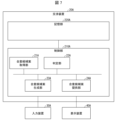
- FIG. 1 is a block diagram showing a configuration of a negotiation device according to a first exemplary embodiment of the present invention
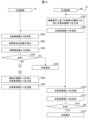
- FIG. 2 is a flow chart showing the flow of a negotiation method according to the first exemplary embodiment of the present invention.
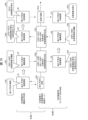
- FIG. 11 is a block diagram showing a configuration of a negotiation device according to an exemplary embodiment 2 of the present invention.
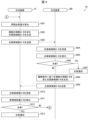
- FIG. 11 is a flow chart showing the flow of a negotiation method according to an exemplary embodiment 2 of the present invention.
- FIG. 11 is a block diagram showing a configuration of a negotiation system according to an exemplary embodiment 3 of the present invention.
- 6 is a block diagram showing an example of a functional configuration of the negotiation device shown in FIG. 5 .
- 6 is a block diagram showing an example of a functional configuration of the other negotiation device shown in FIG. 5.
- FIG. 11 is a flow chart showing the flow of a negotiation method according to an exemplary embodiment 3 of the present invention.
- FIG. 11 is a flow chart showing the flow of another negotiation method according to exemplary embodiment 3 of the present invention.
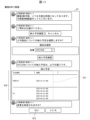
- 10A and 10B are diagrams showing an example of screen and process transitions in the specific example of the negotiation method shown in FIGS. 8 and 9 .
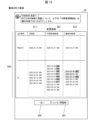
- FIG. 11 is a diagram showing a detailed example of the screen shown in FIG. 10 .
- FIG. 11 is a diagram showing a detailed example of another screen shown in FIG. 10 .
- FIG. 11 is a diagram showing a detailed example of still another screen shown in FIG. 10 .
- FIG. 11 is a diagram showing a detailed example of still another screen shown in FIG. 10 .
- FIG. 11 is a diagram showing a detailed example of still another screen shown in FIG. 10 .
- FIG. 10 is a diagram showing a detailed example of still another screen shown in FIG. 10 .
- FIG. 10 is a flow chart showing the flow
- FIG. 11 is a diagram showing a detailed example of still another screen shown in FIG. 10 .
- FIG. 11 is a diagram showing a detailed example of still another screen shown in FIG. 10 .
- FIG. 11 is a diagram showing a detailed example of still another screen shown in FIG. 10 .
- FIG. 13 is a diagram showing an example of an algorithm for generating multiple candidate agreement proposals in exemplary embodiment 3 of the present invention.
- 20 is a graph showing an example of multiple candidate agreement proposals based on the algorithm shown in FIG. 18.
- FIG. 13 is a block diagram showing the configuration of a negotiation system according to a modified example of the third exemplary embodiment.
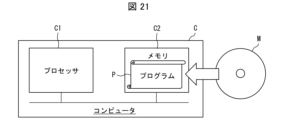
- FIG. 2 is a diagram illustrating an example of a hardware configuration of an apparatus according to each exemplary embodiment.
- a "negotiating entity” refers to, for example, an entity that has the ability to generate a candidate agreement proposal to be provided to other negotiating entities, and the ability to decide whether or not to agree to a candidate agreement proposal obtained from other negotiating entities.
- a negotiating entity may be a device, a human, or an organization.
- a "negotiating device” refers to, for example, a device that functions as a negotiating entity.
- a “negotiating device” may also refer to, for example, a device that functions based on the operation of a human who is a negotiating entity or a human who belongs to an organization that is a negotiating entity.
- Computers, robots, drones, and self-driving cars are examples of negotiation devices.
- a “negotiation” refers to, for example, the negotiating entities alternately providing each other with a candidate agreement proposal until an agreement is reached between the negotiating entities.
- the negotiation may be between entities with conflicting interests, or it may be a negotiation (adjustment) between entities with no conflicting interests.
- Example embodiment 1 DETAILED DESCRIPTION OF THE PREFERRED EMBODIMENTS
- This exemplary embodiment is a basic form of the exemplary embodiments described below.
- Fig. 1 is a block diagram showing the configuration of the negotiation apparatus 1.
- the negotiation apparatus 1 includes a candidate agreement proposal acquisition unit 11 and a determination unit 12.
- the candidate agreement proposal acquisition unit 11 acquires a first candidate agreement proposal including a plurality of first deadlines provided by a negotiating entity in a negotiation conducted with the negotiating entity, which is a negotiating partner.
- the determination unit 12 determines whether or not to agree to the first candidate agreement proposal.
- the above-described functions of the negotiation device 1 can also be realized by a program.
- the program according to the present exemplary embodiment causes a computer to function as a candidate agreement proposal acquisition unit 11 that acquires a first candidate agreement proposal including a plurality of first deadlines provided by a negotiating entity in a negotiation with a negotiating entity that is a negotiating partner, and a determination unit 12 that determines whether or not to agree to the first candidate agreement proposal.
- Flow of negotiation method S1 The flow of the negotiation method S1 according to this exemplary embodiment will be described with reference to Fig. 2.
- Fig. 2 is a flow diagram showing the flow of the negotiation method S1.
- the negotiation method S1 includes steps S101 to S102.
- step S101 the computer obtains a first candidate agreement proposal including a plurality of first deadlines provided by a negotiating subject in a negotiation conducted with the negotiating subject, which is a negotiating partner.
- step S102 the computer determines whether or not to agree to the first candidate agreement proposal.
- the negotiation device 1, the program, and the negotiation method S1 according to the exemplary embodiment are configured to obtain a first candidate agreement plan including a plurality of first deadlines provided by a negotiating entity in a negotiation with a negotiating entity that is a negotiating partner, and to determine whether or not to agree to the first candidate agreement plan. Therefore, according to the exemplary embodiment, negotiations regarding a plurality of deadlines can be conducted.
- Exemplary embodiment 2 A second exemplary embodiment of the present invention will be described in detail with reference to the drawings. This exemplary embodiment is a basic form of the exemplary embodiments described later.
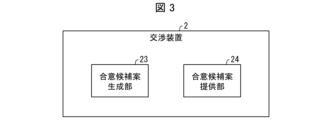
- Fig. 3 is a block diagram showing the configuration of the negotiation apparatus 2.
- the negotiation apparatus 2 includes a candidate agreement generation unit 23 and a candidate agreement provision unit 24.
- the candidate agreement generation unit 23 generates a candidate agreement proposal including a plurality of deadlines to be provided to a negotiating entity in a negotiation conducted with the negotiating entity, which is a negotiation partner.
- the candidate agreement provision unit 24 provides the candidate agreement proposal to the negotiating entity.
- the above-mentioned functions of the negotiation device 2 can also be realized by a program.
- the program according to the present exemplary embodiment causes a computer to function as a candidate agreement proposal generating unit 23 that generates a candidate agreement proposal including a plurality of deadlines to be provided to a negotiating entity in a negotiation with the negotiating entity, and a candidate agreement proposal providing unit 24 that provides the candidate agreement proposal to the negotiating entity.
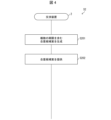
- Fig. 4 is a flow diagram showing the flow of the negotiation method S2.
- the negotiation method S2 includes steps S201 to S202.
- step S201 the computer generates a candidate agreement proposal including a plurality of deadlines to be provided to a negotiating subject in a negotiation with the negotiating subject, which is a negotiating partner.
- step S202 the computer provides the candidate agreement proposal to the negotiating subject.
- the negotiation device 2 As described above, the negotiation device 2, the program, and the negotiation method S2 according to the present exemplary embodiment are configured to generate a candidate agreement plan including multiple deadlines to be provided to a negotiating entity in a negotiation with a negotiating entity that is a negotiating partner, and provide the candidate agreement plan to the negotiating entity. Therefore, according to the present exemplary embodiment, negotiations regarding multiple deadlines can be conducted.
- Exemplary embodiment 3 A third exemplary embodiment of the present invention will be described in detail with reference to the drawings. Note that components having the same functions as those described in the first exemplary embodiment are denoted by the same reference numerals, and the description thereof will be omitted as appropriate.
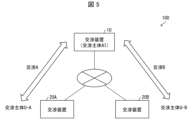
- Fig. 5 is a block diagram showing a configuration of negotiation system 100 according to this exemplary embodiment.
- negotiation system 100 includes negotiation device 10, negotiation device 20A, and negotiation device 20B.
- negotiation device 10, negotiation device 20A, and negotiation device 20B are communicatively connected to each other via a network.
- the negotiation device 10 functions as a negotiation entity AI that negotiates with other negotiation entities without user operation.
- the negotiation device 20A is a device used by a negotiation entity U-A, which is a human or organization, to negotiate with other negotiation entities.
- the negotiation device 20A has a function of negotiating with other negotiation entities based on the operation of the human who is the negotiation entity U-A (or the operation of a human who belongs to the organization that is the negotiation entity U-A).
- the negotiation device 20B is a device used by a negotiation entity U-B, which is a human or organization, to negotiate with other negotiation entities.
- the negotiation device 20B has a function of negotiating with other negotiation entities based on the operation of the human who is the negotiation entity U-B (or the operation of a human who belongs to the organization that is the negotiation entity U-B).
- negotiation A is conducted between the negotiation device 10 and the negotiation entity U-A
- negotiation B is conducted between the negotiation device 10 and the negotiation entity U-B.
- negotiation devices 10, 20A, and 20B are all examples of negotiation devices described in the claims.
- negotiation device 10 (negotiating entity AI) is applied as an example of a negotiation device described in the claims
- negotiation entities U-A and U-B can be applied as examples of "negotiating entities that are the negotiating counterpart.”
- negotiation device 20A or negotiation device 20B is applied as an example of a negotiation device described in the claims
- negotiation device 10 (negotiating entity AI) can be applied as an example of a "negotiating entity that is the negotiating counterpart.”
- the negotiation devices 10, 20A, and 20B each generate a candidate agreement proposal.
- the candidate agreement proposal includes multiple deadlines and multiple proposal amounts, and a cumulative proposal amount can be calculated from the candidate agreement proposal.
- the negotiation device 10 is an example of a negotiation device
- the candidate agreement proposal that the negotiation device 10 acquires from the negotiation devices 20A and 20B, the deadlines and proposal amounts included in the candidate agreement proposals, and the cumulative proposal amount that can be calculated from the candidate agreement proposals are examples of a first candidate agreement proposal, a first deadline and a first proposal amount, and a first cumulative proposal amount.
- the candidate agreement proposal that the negotiation device 10 generates are examples of a second candidate agreement proposal, a second deadline and a second proposal amount, and a second cumulative proposal amount.
- negotiation devices 20A and 20B are each an example of a negotiation device
- the candidate agreement proposal that negotiation devices 20A and 20B acquire from negotiation device 10 are examples of a first candidate agreement proposal, a first deadline and a first proposed amount, and a first cumulative proposed amount.
- the candidate agreement proposal that negotiation devices 20A and 20B generate, respectively, the deadline and proposed amount included in the candidate agreement proposal, and the cumulative proposed amount that can be calculated from the candidate agreement proposal are examples of a second candidate agreement proposal, a second deadline and a second proposed amount, and a second cumulative proposed amount.
- the negotiation in this exemplary embodiment is a negotiation regarding an order for a commodity from a negotiating entity, or a negotiation regarding an order for a commodity to a negotiating entity.
- a customer A who purchases a commodity is applied as the negotiating entity U-A
- a supplier B of the commodity is applied as the negotiating entity U-B.
- the negotiation device 10 which is the negotiating entity AI, functions as an agent of the middleman M.
- the negotiation A is a negotiation for the middleman M to receive an order for a commodity from the customer A.
- the negotiation A is conducted between the customer A and the middleman M to change the instalment delivery schedule A of the commodity.
- the negotiation B is a negotiation conducted in relation to the negotiation A, and is a negotiation for the middleman M to place an order for the commodity with the supplier B in response to the order for the commodity from the customer A.
- the negotiation B is conducted between the middleman M and the supplier B to change the instalment delivery schedule B of the commodity in response to the change in the instalment delivery schedule A between the middleman M and the customer A.
- the negotiation device 10 (negotiating entity AI), customer A (negotiating entity U-A), and supplier B (negotiating entity U-B) provide/obtain candidate agreement proposals from each other.
- candidate agreement proposal AI-A The candidate agreement proposal that customer A provides to the negotiation device 10 in negotiation A will also be referred to as candidate agreement proposal U-A.
- candidate agreement proposal AI-B The candidate agreement proposal that the negotiation device 10 provides to supplier B in negotiation B will also be referred to as candidate agreement proposal AI-B.
- candidate agreement proposal that supplier B provides to the negotiation device 10 in negotiation B will also be referred to as candidate agreement proposal U-B.
- candidate agreement proposals that supplier B provides to the negotiation device 10 in negotiation B will also be referred to as candidate agreement proposal U-B.
- the proposed agreement candidates are called, for example, "offers.” If the acquirer of a proposed agreement candidate does not agree to a proposed agreement candidate (offer), the acquirer may generate a new proposed agreement candidate (counteroffer). Any of the proposed agreement candidates described above may be counteroffers to other proposed agreement candidates.
- the proposed agreement includes a number of deadlines and a proposed quantity of the product that is proposed to be delivered corresponding to each deadline. Delivering the product in parts over a number of deadlines is also referred to as partial delivery.
- the candidate agreement plan U-A includes multiple deadlines U-A proposed by customer A, and a proposed quantity U-A corresponding to each deadline U-A.
- the candidate agreement plan U-A indicates the quantity of goods that customer A wants intermediary M to deliver by each deadline U-A.
- the candidate agreement plan AI-A includes multiple deadlines AI-A proposed by intermediary M, and a proposed quantity AI-A corresponding to each deadline AI-A.
- the candidate agreement plan AI-A indicates the quantity of goods that intermediary M can deliver to customer A by each deadline AI-A.
- the candidate agreement plan AI-B includes multiple deadlines AI-B proposed by intermediary M, and a proposed quantity AI-B corresponding to each deadline AI-B.
- the candidate agreement plan AI-B indicates the quantity of goods that intermediary M wants supplier B to deliver by each deadline AI-B.
- the candidate agreement plan U-B includes multiple deadlines U-B proposed by supplier B, and a proposed quantity U-B corresponding to each deadline U-B.
- the candidate agreement plan U-B indicates the quantity of goods that supplier B can deliver to intermediary M by each deadline U-B.
- a cumulative proposal volume may be calculated from the candidate agreement proposal.
- the cumulative proposal volume indicates the sum of the proposal volumes up to each point in time during a target period.
- the target period is a period including multiple deadlines included in the candidate agreement proposal.
- the target period may be a period from the start of negotiations to the latest deadline included in the candidate agreement proposal, but is not limited to this.
- the point in time may be a point in time for each unit period.
- the unit period may be in units of one day, but is not limited to this.
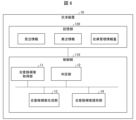
- Fig. 6 is a block diagram showing an example of the functional configuration of the negotiation device 10.
- the negotiation device 10 includes a control unit 110 and a storage unit 120.
- the control unit 110 controls each unit of the negotiation device 10.
- the control unit 110 includes a candidate agreement proposal acquisition unit 11, a determination unit 12, a candidate agreement proposal generation unit 13, and a candidate agreement proposal provision unit 14.
- the storage unit 120 stores order information, order information, and inventory management information.
- the order information is information regarding an order for goods from customer A, and indicates information before the start of negotiations A.
- the order information includes a partial delivery schedule A of the goods to customer A.
- the partial delivery schedule A includes a plurality of deadlines A and a delivery amount A of the goods that is scheduled to be delivered by each deadline A.
- the required quantity of the goods, the accumulated required quantity, the cumulative planned delivery amount U-A, and the pre-negotiation cumulative planned delivery amount U-A can be calculated.
- the required quantity is the quantity of goods that is required by the intermediary M at each point in time during the target period. Specifically, the required quantity indicates the quantity of goods that needs to be delivered by supplier B in response to an order for goods from customer A.
- the cumulative required quantity is the total required quantity of goods that is required up to each point in time during the target period.
- the cumulative required quantity can be calculated from the required quantity at each point in time.
- the required quantity at each point in time may be calculated by referring to the delivery quantity A included in the installment delivery schedule A and part or all of the inventory management information described later.
- the required quantity at each point in time may be calculated by referring to the proposed quantity U-A included in the candidate agreement plan U-A and part or all of the inventory management information described later.
- the order information is information regarding an order for goods to supplier B, and indicates information before negotiations B begin.
- the order information includes a partial delivery schedule B of the goods from supplier B.
- the partial delivery schedule B includes a plurality of deadlines B and a delivery quantity B of the goods that is scheduled to be delivered by each deadline B.
- a cumulative planned delivery quantity U-B and a pre-negotiation cumulative planned delivery quantity U-B can be calculated.
- the cumulative scheduled delivery volume U-A is the total amount of goods that are scheduled to be delivered by the intermediary M to the customer A by each point in time during the target period. For example, before the start of negotiation A, the cumulative scheduled delivery volume U-A is the total of the delivery volume A up to each point in the installment delivery schedule A that was scheduled before the start of negotiation A.
- Such cumulative scheduled delivery volume U-A before the start of negotiation A is hereinafter also referred to as the "accumulated scheduled delivery volume U-A before negotiation A starts.”
- the cumulative scheduled delivery volume U-A is the total of the proposed volume U-A up to each point in the agreement candidate plan U-A, and corresponds to the cumulative proposed volume U-A.
- the cumulative scheduled delivery volume U-B is the total of the proposed volume U-A up to each point in the agreement candidate plan U-A, and corresponds to the cumulative proposed volume U-A.
- the cumulative planned delivery volume U-B is the total amount of goods that are scheduled to be delivered by supplier B to intermediary M up to each point in time during the target period.
- the cumulative planned delivery volume U-B is the total of the delivery volume B up to each point in time in the installment delivery schedule B that was scheduled before negotiation B begins.
- this cumulative planned delivery volume U-B before negotiation B begins is also referred to as the "cumulative planned delivery volume U-B before negotiations begin.”
- the cumulative planned delivery volume U-B is the total of the proposed volumes U-B up to each point in the agreed-upon candidate plan U-B, and corresponds to the cumulative proposed volume U-B.
- Inventory management information is information for managing inventory of a product.
- the inventory management information includes the inventory amount of the product, the minimum safety stock amount, the maximum safety stock amount, the safety lead time, and the standard order unit amount.
- the inventory amount of the product indicates the inventory amount of the product before negotiation A and negotiation B start.
- Each of the minimum safety stock amount, maximum safety stock amount, safety lead time, and standard order unit amount is set according to the product.
- the cumulative available inventory amount can be calculated from some or all of the order information, order information, and inventory management information.
- the cumulative effective inventory amount indicates the minimum value of the planned inventory amount at each point in the target period from that point onward.
- the planned inventory amount is calculated by referring to the cumulative required amount, the cumulative planned delivery amount U-A, U-B, some or all of the inventory management information, etc.
- the candidate agreement proposal acquisition unit 11 acquires a candidate agreement proposal U-A including a plurality of deadlines U-A and a proposed amount U-A corresponding to each deadline U-A, provided by the customer A in a negotiation A conducted with the customer A. Specifically, the candidate agreement proposal acquisition unit 11 acquires the candidate agreement proposal U-A from the customer A by receiving it from the negotiation device 20A.
- acquiring the candidate agreement proposal U-A provided by the customer A may be described as receiving the candidate agreement proposal U-A from the negotiation device 20A.
- the deadline U-A may be described as the deadline U-A proposed by the customer A.
- the proposed amount U-A may be described as the proposed amount U-A of the customer A.
- the configuration of the candidate agreement proposal acquisition unit 11 may be described in the same manner even if A is replaced with B.
- the judgment unit 12 judges whether or not to agree to the candidate agreement plan U-A in negotiation A.
- the judgment unit 12 also judges whether or not to agree to the candidate agreement plan U-B in negotiation B.
- judgment criteria in negotiation A that is, judgment criteria when the negotiation device 10 is the order-receiving party for the product
- the judgment unit 12 may judge whether or not to agree to the proposed agreement U-A based on the results of a comparison between the cumulative proposed amount U-A up to each point in time during the target period and the cumulative available inventory amount of the product at each point in time during the target period.
- the determination unit 12 may also determine whether or not to agree to the proposed agreement U-A by referring to the minimum safety stock amount, maximum safety stock amount, safety lead time, standard order unit amount, or a combination of some or all of these. For example, the determination unit 12 may make a determination by referring to the cumulative available stock calculated taking into account some or all of the inventory management information.
- judgment criteria in negotiation B that is, judgment criteria when the negotiation device 10 is the ordering party for the product
- the judgment unit 12 may judge whether or not to agree to the candidate agreement plan U-B based on the result of comparing the cumulative proposed amount U-B up to each point in time during the target period with the cumulative required amount up to each point in time during the target period.
- the determination unit 12 may also determine whether to agree to the proposed agreement U-B by referring to the minimum safety stock amount, maximum safety stock amount, safety lead time, standard order unit amount, or a combination of some or all of these. For example, the determination unit 12 may make a determination by referring to the cumulative required amount calculated taking into account some or all of the inventory management information.
- the candidate agreement proposal generating unit 13 generates a candidate agreement proposal AI-A including multiple deadlines AI-A to be provided to customer A in negotiation A.
- the candidate agreement proposal AI-A includes a proposed quantity AI-A corresponding to each deadline AI-A.
- the candidate agreement proposal generating unit 13 generates a candidate agreement proposal AI-B including multiple deadlines AI-B to be provided to supplier B in negotiation B.
- the candidate agreement proposal AI-B includes a proposed quantity AI-B corresponding to each deadline AI-B.
- the candidate agreement proposal generating unit 13 determines, as at least one of the multiple deadlines AI-A, the time point at which the cumulative available inventory falls below customer A's pre-negotiation cumulative planned delivery amount U-A. Furthermore, the candidate agreement proposal generating unit 13 determines, as the proposed amount AI-A corresponding to the deadline AI-A, the amount obtained by subtracting the pre-negotiation cumulative planned delivery amount U-A from the cumulative available inventory amount at the deadline AI-A. Note that if no particular delivery schedule has been determined before the start of negotiation A, zero can be applied as the pre-negotiation cumulative planned delivery amount U-A.
- the agreement candidate generation unit 13 also determines one of the multiple deadlines U-A proposed by customer A as at least one other of the multiple deadlines AI-A.
- the agreement candidate generation unit 13 also determines the proposed amount U-A corresponding to the deadline U-A as the proposed amount AI-A corresponding to the deadline AI-A.
- the deadline A and delivery amount A included in the order information are referenced instead of the deadline U-A and proposed amount U-A.
- the agreement candidate proposal generating unit 13 determines, as at least one of the multiple deadlines AI-B, the time point at which the cumulative requirement exceeds the pre-negotiation cumulative planned delivery quantity U-B.
- the agreement candidate proposal generating unit 13 determines, as the proposed quantity AI-B corresponding to the deadline AI-B, the amount obtained by subtracting the pre-negotiation cumulative planned delivery quantity U-B from the cumulative requirement at the deadline AI-B. Note that if no particular delivery schedule has been determined before the start of negotiation B, zero can be applied as the pre-negotiation cumulative planned delivery quantity U-B.
- the agreement candidate proposal generating unit 13 also determines one of the multiple deadlines U-B included in the agreement candidate proposal U-B from supplier B as at least one other of the multiple deadlines AI-B.
- the agreement candidate proposal generating unit 13 also determines the proposed quantity U-B corresponding to the deadline U-B as the proposed quantity AI-B corresponding to the deadline AI-B.
- the deadline B and delivery quantity B included in the purchase order information are referenced instead of the deadline U-B and proposed quantity U-B.
- the agreement candidate generation unit 13 may generate the agreement candidate AI-A or AI-B in negotiation A or negotiation B by referring to the minimum safety stock, maximum safety stock, safety lead time, standard order unit, or a combination of some or all of these for the product.
- the agreement candidate generation unit 13 may refer to the cumulative available stock amount and cumulative required amount calculated taking into account some or all of the inventory management information.
- the candidate agreement proposal providing unit 14 provides candidate agreement proposal AI-A to customer A. Specifically, the candidate agreement proposal providing unit 14 provides candidate agreement proposal AI-A to customer A by transmitting it to the negotiation device 20A.
- “providing candidate agreement proposal AI-A to customer A” may also be written as “transmitting candidate agreement proposal AI-A to negotiation device 20A.”
- the candidate agreement proposal providing unit 14 also provides the candidate agreement proposal AI-B to supplier B. Specifically, the candidate agreement proposal providing unit 14 provides the candidate agreement proposal AI-B to supplier B by transmitting it to the negotiation device 20B.
- “providing the candidate agreement proposal AI-B to supplier B” may also be written as "transmitting the candidate agreement proposal AI-B to the negotiation device 20B.”
- Fig. 7 is a block diagram showing an example of the functional configuration of the negotiation device 20A.
- the negotiation device 20A includes a control unit 210A and a storage unit 220A.
- the negotiation device 20A is also connected to an input device 30A and a display device 40A.
- the control unit 210A controls each unit of the negotiation device 20A.
- the control unit 210A includes a candidate agreement proposal acquisition unit 21A, a determination unit 22A, a candidate agreement proposal generation unit 23A, and a candidate agreement proposal provision unit 24A.
- the candidate agreement proposal acquisition unit 21A acquires a candidate agreement proposal AI-A including multiple deadlines AI-A provided by the negotiation device 10 in negotiation A conducted with the negotiation device 10. Specifically, the candidate agreement proposal acquisition unit 21A acquires the candidate agreement proposal AI-A by receiving it from the negotiation device 10.
- “acquiring the candidate agreement proposal AI-A provided by the negotiation device 10" may also be described as “receiving the candidate agreement proposal AI-A from the negotiation device 10.”
- the agreement candidate acquisition unit 21A also displays the acquired agreement candidate AI-A and agreement candidate U-A on the display device 40A in a comparable manner.
- the agreement candidate U-A is generated by the agreement candidate generation unit 23A, which will be described later.
- the judgment unit 22A judges whether or not to agree to the candidate agreement plan AI-A based on the input operation on the input device 30A.
- the candidate agreement proposal generation unit 23A In negotiation A, the candidate agreement proposal generation unit 23A generates a candidate agreement proposal U-A including multiple deadlines U-A based on an operation from the input device 30A. For example, when the candidate agreement proposal AI-A received from the negotiation device 10 is displayed on the display device 40A, the candidate agreement proposal generation unit 23A generates a candidate agreement proposal U-A based on an operation to edit the candidate agreement proposal AI-A.
- the candidate agreement proposal providing unit 24A provides the candidate agreement proposal U-A to the negotiation device 10. Specifically, the candidate agreement proposal providing unit 24A provides the candidate agreement proposal U-A to the negotiation device 10 by transmitting the candidate agreement proposal U-A to the negotiation device 10.
- “providing the candidate agreement proposal U-A to the negotiation device 10" may also be written as "sending the candidate agreement proposal U-A to the negotiation device 10.”
- the negotiation system 100 configured as described above executes the negotiation method S3 according to this exemplary embodiment.
- the negotiation method S3 is a method executed in negotiation A.
- FIG. 8 is a flow diagram showing the flow of the negotiation method S3.
- the negotiation method S3 includes steps S301 to S313.
- steps S303 to S309 include a method executed by the negotiation device 10 as an example of a negotiation device described in the claims.
- steps S301 to S302 and S310 to S313 include a method executed by the negotiation device 20A as an example of a negotiation device described in the claims.
- step S301 the agreement candidate generation unit 23A of the negotiation device 20A generates an agreement candidate U-A including multiple deadlines U-A and proposed quantities U-A corresponding to each deadline U-A based on an operation from the input device 30A. Specifically, the agreement candidate generation unit 23A generates the agreement candidate U-A based on an operation to edit the installment schedule A displayed on the display device 40A.
- step S302 the candidate agreement proposal providing unit 24A transmits the candidate agreement proposal U-A to the negotiation device 10.
- step S303 the candidate agreement proposal acquisition unit 11 of the negotiation device 10 receives the candidate agreement proposal U-A from the negotiation device 20A.
- step S304 the determination unit 12 calculates the cumulative available inventory amount.
- the agreement candidate acquisition unit 11 calculates the cumulative available inventory amount at each point in time during the target period based on the agreement candidate U-A from customer A, the order information (delivery schedule B), and some or all of the inventory management information.
- step S305 the determination unit 12 calculates the cumulative proposal amount U-A up to each point in time during the target period based on the candidate agreement proposal U-A from customer A. Note that the order of the processing of steps S304 and S305 is not limited to the above-mentioned order, and may be reversed or performed in parallel.
- step S306 the judgment unit 12 judges whether or not to agree to the proposed agreement U-A from customer A. For example, the judgment unit 12 judges that there is an agreement if the cumulative proposed amount U-A is equal to or less than the cumulative available inventory amount at all times during the target period, and judges that there is no agreement if not.
- step S306 If it is determined in step S306 that an agreement has been reached, then in step S307 the control unit 110 transmits agreement notification information to the negotiating device 20A. Then, negotiation method S3 (negotiation A) ends. If it is determined in step S306 that an agreement has not been reached, the negotiation system 100 temporarily suspends negotiation method S3 and starts negotiation method S4 (negotiation B), which will be described later. If in negotiation B the negotiation device 10 determines that no agreement has been reached on the candidate agreement plan U-B, the negotiation system 100 resumes negotiation method S3 (negotiation A) from step S308.
- step S308 the agreement candidate generation unit 13 of the negotiation device 10 generates an agreement candidate AI-A (counter offer) by referring to the cumulative available inventory and the pre-negotiation cumulative planned delivery amount U-A. Specifically, the agreement candidate generation unit 13 generates pair information 1 with [the deadline U-A included in the agreement candidate U-A from customer A, and the proposed amount U-A corresponding to the deadline U-A]. The agreement candidate generation unit 13 also generates pair information 2 with [the point in time when the cumulative available inventory falls below the pre-negotiation cumulative planned delivery amount U-A, and the amount obtained by subtracting the pre-negotiation cumulative planned delivery amount U-A from the cumulative available inventory at that point in time]. The agreement candidate generation unit 13 also generates an agreement candidate AI-A that includes pair information 1 and pair information 2.
- step S309 the agreement candidate proposal providing unit 14 transmits the generated agreement candidate proposal AI-A to the negotiation device 20A.
- the agreement candidate proposal acquisition unit 21A of the negotiation device 20A receives the agreement candidate proposal AI-A from the negotiation device 10.
- step S311 the agreement candidate proposal acquisition unit 21A displays the acquired agreement candidate proposal AI-A and the agreement candidate proposal U-A transmitted in step S301 on the display device 40A so as to be comparable.
- step S312 the judgment unit 22A judges whether or not to agree to the candidate agreement plan AI-A based on the operation from the input device 30A.
- the customer A visually checks the candidate agreement plan AI-A displayed on the display device 40A, and uses the input device 30A to input whether or not to agree.
- step S312 If it is determined in step S312 that an agreement has been reached, the control unit 210A transmits agreement notification information to the negotiation device 10. Then, the negotiation method S3 ends. If it is determined in step S312 that an agreement has not been reached, the negotiation system 100 repeats the process from step S301.
- step S301 of the repeated process the agreement candidate generation unit 23A of the negotiation device 20A generates an agreement candidate U-A including multiple new deadlines U-A and new proposal quantities U-A corresponding to each deadline U-A, based on an operation to edit the agreement candidate AI-A.
- the previously generated agreement candidate U-A and the agreement candidate AI-A are displayed on the display device 40A so that they can be compared.
- customer A performs an operation to edit the displayed agreement candidate AI-A in order to generate a new agreement candidate U-A (counteroffer).
- the process from step S302 onwards is repeated.
- the negotiation device 10 has been described as generating the candidate agreement plan AI-A as a counter offer when the negotiation device 10 is unable to agree to the candidate agreement plan U-A from the customer A.
- the negotiation device 10 may generate the candidate agreement plan AI-A and provide it to the customer A before acquiring the candidate agreement plan U-A from the customer A.
- the generation process of the candidate agreement plan AI-A (offer) can be similarly described by replacing the candidate agreement plan U-A, deadline U-A, and proposed amount U-A with the installment delivery schedule A, deadline A, and delivery amount A in the description of the generation process of the candidate agreement plan AI-A (counter offer) in step S308.
- the negotiation system 100 configured as described above executes the negotiation method S4 according to this exemplary embodiment.
- the negotiation method S4 is a method executed in the negotiation B.
- the negotiation method S4 is started by the negotiation device 10 when the negotiation device 10 does not agree to the candidate agreement plan U-A in the negotiation A (No in step S306 of the negotiation method S3).
- FIG. 9 is a flow diagram showing the flow of the negotiation method S4.
- the negotiation method S4 includes steps S401 to S413.
- steps S401 to S403 and S410 to S413 include a method executed by the negotiation device 10 as an example of a negotiation device described in the claims.
- steps S404 to S409 include a method executed by the negotiation device 20B as an example of a negotiation device described in the claims.
- step S401 the agreement candidate generation unit 13 of the negotiation device 10 calculates the cumulative required quantity of the product at each point in time during the target period based on the agreement candidate U-A from customer A.
- step S402 the agreement candidate generation unit 13 generates an agreement candidate AI-B by referring to the cumulative requirement and the pre-negotiation cumulative planned delivery amount U-B. Specifically, the agreement candidate generation unit 13 generates pair information 3 with [deadline B included in installment schedule B, delivery amount B corresponding to said deadline B]. The agreement candidate generation unit 13 also generates pair information 4 with [the point in time when the cumulative requirement exceeds the pre-negotiation cumulative planned delivery amount U-B, and the amount obtained by subtracting the pre-negotiation cumulative planned delivery amount U-B from the cumulative requirement]. The agreement candidate generation unit 13 also generates an agreement candidate AI-B that includes pair information 3 and pair information 4.
- step S403 the agreement candidate proposal providing unit 14 transmits the generated agreement candidate proposal AI-B to the negotiation device 20B.
- step S404 the agreement candidate proposal acquisition unit 21B of the negotiation device 20B receives the agreement candidate proposal AI-B from the negotiation device 10.
- step S405 the agreement candidate proposal acquisition unit 21B displays the acquired agreement candidate proposal AI-B and delivery schedule B on the display device 40B so that they can be compared.
- delivery schedule B is included in the order information stored in the memory unit 120 of the negotiation device 10. Delivery schedule B may be transmitted from the negotiation device 10 together with the agreement candidate proposal AI-B and displayed on the display device 40B.
- step S406 the judgment unit 22B judges whether or not to agree to the candidate agreement plan AI-B based on the operation from the input device 30B.
- the supplier B visually checks the candidate agreement plan AI-B displayed on the display device 40B, and uses the input device 30B to input whether or not to agree.
- step S406 If it is determined in step S406 that an agreement has been reached, then in step S407, control unit 210B transmits agreement notification information to negotiating device 10.
- negotiation method S4 then ends. Also in this case, negotiating device 10 executes step S307 in negotiation method S3, and transmits agreement notification information to negotiating device 20A.
- negotiation method S3 then ends. If it is determined in step S406 that an agreement has not been reached, then step S408 is executed.
- step S408 the agreement candidate proposal generation unit 23B of the negotiation device 20B generates an agreement candidate proposal U-B (counter offer) including multiple deadlines U-B and proposed quantities U-B corresponding to each deadline U-B, based on an operation to edit the agreement candidate proposal AI-B from the negotiation device 10.
- the installment schedule B before the start of negotiation B and the agreement candidate proposal AI-B are displayed on the display device 40B so that they can be compared. Therefore, in order to generate the agreement candidate proposal U-B (counter offer), supplier B performs an operation to edit the displayed agreement candidate proposal AI-B.
- step S409 the candidate agreement proposal providing unit 24B transmits the candidate agreement proposal U-B to the negotiation device 10.
- step S410 the candidate agreement proposal acquisition unit 11 of the negotiation device 10 receives the candidate agreement proposal U-B from the negotiation device 20B.
- step S411 the determination unit 12 calculates the cumulative proposed amount U-B based on the candidate agreement plan U-B from supplier B.
- step S412 the determination unit 12 determines whether or not to agree with the candidate agreement plan U-B from supplier B. For example, the determination unit 12 determines that there is agreement if the cumulative proposed amount U-B is equal to or greater than the cumulative required amount at all times during the target period, and determines that there is no agreement if not.
- step S412 If it is determined in step S412 that an agreement has been reached, then in step S413, the control unit 110 transmits agreement notification information to the negotiation device 20B. Then, negotiation method S4 (negotiation B) ends. If it is determined in step S412 that an agreement has not been reached, the negotiation system 100 temporarily suspends negotiation method S4 (negotiation B) and resumes the above-mentioned negotiation method S3 (negotiation A) from step S308.
- step S402 a candidate agreement plan AI-B (offer) is generated to be provided to supplier B before receiving the candidate agreement plan U-B from supplier B.
- step S402 may be executed again to generate a candidate agreement plan AI-B as a counteroffer to the candidate agreement plan U-B from supplier B.
- step S406 the process returns to negotiation method S3 (negotiation A), and if the determination is No in S312 and No in S306, negotiation method S4 (negotiation B) is executed again and step S402 is executed again.
- negotiation method S4 no in negotiation method S4 (negotiation B) is executed again and step S402 is executed again.
- step S402 an agreement candidate plan AI-B (counteroffer) is generated.
- the generation process of the agreement candidate plan AI-B (counteroffer) can be explained in the same way as in the description of the generation process of the agreement candidate plan AI-B (offer) in step S402 described above, by replacing the installment schedule B, deadline B, and delivery amount B with the agreement candidate plan U-B, deadline U-B, and proposed amount U-B.
- FIG. 10 is a diagram showing specific examples of screens and process transitions in negotiation A and negotiation B.
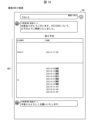
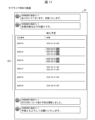
- Figures 11 to 17 are diagrams showing detailed examples of each screen shown in Figure 10. Note that these transitions and each screen are merely examples and do not limit this exemplary embodiment.
- customer A has placed an order for goods with intermediary M, but the goods have not yet been delivered.
- Intermediary M has also placed an order for goods with supplier B for delivery to customer A, but the goods have not yet been delivered.
- the negotiation device 10 functions as a procurement bot for intermediary M.
- customer A wishes to change installment delivery schedule A, and negotiation A to change installment delivery schedule A is conducted between customer A and the negotiation device 10.
- negotiation B to change installment delivery schedule B is conducted between the negotiation device 10 and supplier B.
- the top row shows the transition of screens displayed by the negotiation device 20A used by customer A in negotiation A. These screens are also referred to below as screens for customer A.
- the middle row shows the transition of processes executed by the negotiation device 10, which is a procurement bot for intermediary M.
- the bottom row shows the transition of screens displayed by the negotiation device 20B used by supplier B in negotiation B. These screens are also referred to below as screens for supplier B.
- This specific example includes steps PS1 to PS11. This specific example also includes screens G1 to G7.
- screen G1 for customer A shows a delivery schedule confirmation screen.
- Screen G1 is displayed by executing steps PS1 and PS2.
- the control unit 210A of the negotiation device 20A sends a request to the negotiation device 10 to confirm the delivery schedule of the ordered product, based on the operation of customer A.
- the control unit 110 of the negotiation device 10 refers to the order information in the memory unit 120, obtains the installment delivery schedule A of the product, and sends it to the negotiation device 20A.
- screen G1 includes a display interface G19.
- Display interface G19 is in the form of a table.
- Display interface G19 includes order numbers and delivery schedule G11 before the change as table columns.
- Delivery schedule G11 before the change includes delivery schedule A before the start of negotiation A.
- Each row of display interface G19 indicates each deadline A of delivery schedule A and the corresponding delivery amount A. This makes it possible to recognize the association between each order included in delivery schedule G11 and the order number.
- order "P000127” indicates an order to which order number "P000127” has already been assigned
- order "FC" indicates an order to which an order number has not yet been assigned.
- step PS3 is executed on screen G2.
- Step PS3 includes steps S301 to S302 of negotiation method S3. That is, the agreement candidate proposal generation unit 23A of the negotiation device 20A accepts editing operations on the delivery schedule G11 before the change, and transmits an agreement candidate proposal including the changed delivery schedule to the negotiation device 10.
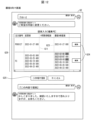
- FIG. 12 is a diagram showing a detailed example of the screen G2.
- the screen G2 includes an editing interface G29.
- the editing interface G29 is in a table format, and a column for the customer proposal G23 is added to the display interface G19.
- the editing interface G29 displays the delivery schedule G11 before the change and the customer proposal G23 in a comparable manner.
- the editing interface G29 also includes an operation object G24 (an "edit" button).
- the customer proposal G23 includes the delivery schedule G11 before the change in the pre-editing state, and becomes editable when the operation object G24 is operated. This allows the customer A to edit the delivery schedule G11 before the change and input the customer proposal G23 while checking the order number of the delivery schedule G11 before the change.
- the customer A can also easily compare the delivery schedule G11 before the change with the customer proposal G23 that he or she has input.
- the shaded portion of customer proposal G23 has been changed from the delivery schedule G11 before the change.
- operation object G25 the "Propose with this content” button
- the agreement candidate proposal providing unit 24A of the negotiation device 20A sends an agreement candidate proposal U-A including customer proposal G23 to the negotiation device 10.
- Step PS4 includes steps S303 to S306 and S401 to S403 of the negotiation method S3.
- the installment delivery schedule B from supplier B before the start of negotiation B will not be able to meet the customer proposal G23.
- the determination unit 12 of the negotiation device 10 calculates the cumulative available stock amount and the cumulative proposed amount U-A based on the installment schedule B from supplier B before the start of negotiation B and the candidate agreement plan U-A from customer A.
- the determination unit 12 also determines that the cumulative proposed amount U-A exceeds the cumulative available stock amount at least at some points during the target period, and therefore does not agree to the candidate agreement plan U-A. Therefore, the candidate agreement plan generation unit 13 calculates the cumulative required amount based on the candidate agreement plan U-A, and generates the candidate agreement plan AI-B based on the calculated information. Details of the process of generating the candidate agreement plan AI-B are as explained in step S402.
- the candidate agreement plan AI-B includes an intermediary proposal to have supplier B change the installment schedule B so that it is in time for the customer proposal G23.
- the candidate agreement plan provision unit 14 of the negotiation device 10 transmits the generated candidate agreement plan AI-B to the negotiation device 20B.
- Step PS5 includes steps S404 to S406 of the negotiation method S4. That is, the candidate agreement proposal acquisition unit 21B of the negotiation device 20B displays the received candidate agreement proposal AI-B. As a result, the screen G3 for supplier B is displayed. Furthermore, the judgment unit 22B judges whether or not to agree to the candidate agreement proposal AI-B based on the input from the input device 30B.
- Screen G3 for supplier B is a delivery schedule proposal screen.
- Screen G3 shows the agreement candidate proposal AI-B received from the negotiation device 10.
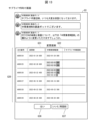
- FIG. 13 is a diagram showing a detailed example of screen G3.
- Screen G3 includes a display interface G39.
- Display interface G39 is in a table format.
- Display interface G39 includes order numbers, delivery schedules before the change G31, and middleman proposals G32 as table columns.
- Delivery schedules before the change G31 include partial delivery schedules B before the start of negotiation B.
- Each row of display interface G39 indicates a deadline and the corresponding quantity of goods. This makes it possible to recognize the association between each order included in delivery schedule G31 and the order number. In this example, it is possible to compare delivery schedules before the change G31 and middleman proposals G32 for order numbers A000124 to A000129.
- the pre-change delivery schedule G31 was set in accordance with the pre-change delivery schedule G11 for delivering the goods to customer A, taking into consideration the inventory amount and lead time at intermediary M.
- the intermediary proposal G32 is information included in the agreement candidate plan AI-B.
- the intermediary proposal G32 differs from the delivery schedule G31 in the shaded areas. This allows supplier B to easily compare the pre-change delivery schedule G31 with the intermediary proposal G52.
- step PS6 is executed on screen G4.
- Step PS6 includes steps S408 to S409 of negotiation method S4. That is, in step PS6, the agreement candidate proposal generation unit 23B of the negotiation device 20B accepts an editing operation on the displayed delivery schedule G31, and transmits an agreement candidate proposal U-B including the changed delivery schedule to the negotiation device 10.
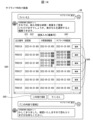
- the screen G4 includes an editing interface G49.
- the editing interface G49 is in a table format, and a column for the supplier proposal G43 and an operation object G44 ("edit button") are added to the display interface G39.
- the editing interface G49 displays the delivery schedule G31 before the change, the intermediary proposal G32, and the supplier proposal G43 in a comparable manner.
- the supplier proposal G43 includes the intermediary proposal G32 in the pre-editing state, and becomes editable when the operation object G44 is operated. This allows supplier B to edit the pre-change delivery schedule G31 and input the supplier proposal G43 while checking the order number of the pre-change delivery schedule G31. Furthermore, supplier B can easily compare the pre-change delivery schedule G31, the intermediary proposal G32, and the supplier proposal G43 that he or she has input.
- the shaded portion of the supplier proposal G43 has been changed from the middleman proposal G42.
- the agreement candidate proposal providing unit 24B of the negotiation device 20B sends the agreement candidate proposal U-B, which includes the supplier proposal G43, to the negotiation device 10.
- Step PS7 includes steps S410 to S412 and S308 to S309 of the negotiation method S3.
- the candidate agreement plan U-B from supplier B is not in time for the customer proposal G23.
- the determination unit 12 of the negotiation device 10 calculates the cumulative proposed amount U-B based on the agreement candidate plan U-B from supplier B.
- the determination unit 12 also refers to the cumulative required amount calculated in step PS4 based on the agreement candidate plan U-A from customer A.
- the determination unit 12 also determines that there is no agreement because the cumulative proposed amount U-B does not meet the cumulative required amount at least at some points during the target period. Therefore, the agreement candidate plan generation unit 13 calculates the cumulative available inventory amount based on the agreement candidate plan U-B, and generates the agreement candidate plan AI-A based on the calculated information.
- the details of the process of generating the agreement candidate plan AI-A are as explained in step S308.
- the agreement candidate plan AI-A includes an intermediary proposal for inviting customer A to change the customer proposal G23 so that it conforms to the supplier proposal G43.
- the agreement candidate plan provision unit 14 of the negotiation device 10 also transmits the generated agreement candidate plan AI-A to the negotiation device 20A.
- Step PS8 includes steps S310 to S312 of the negotiation method S2. That is, the candidate agreement proposal acquisition unit 21A of the negotiation device 20A displays the received candidate agreement proposal AI-A. This causes the screen G5 for customer A to be displayed. Furthermore, the judgment unit 22A judges whether or not to agree to the candidate agreement proposal AI-A based on the input from the input device 30A.
- the screen G5 for customer A is a delivery schedule proposal screen.
- the screen G5 shows the agreement candidate proposal AI-A received from the negotiation device 10.
- FIG. 15 is a diagram showing a detailed example of the screen G5.
- the screen G5 includes a display interface G59.
- the display interface G59 is in a table format, and a column for the middleman proposal G52 is added to the editing interface G29.
- the display interface G59 displays the delivery schedule G11 before the change, the customer proposal G23, and the middleman proposal G52 in a comparable format.
- the middleman proposal G52 is information included in the agreement candidate proposal AI-A.
- the middleman proposal G52 differs from the customer proposal G23 in the shaded areas. This allows customer A to easily compare the delivery schedule G11 before the change, the customer proposal G23 that has been proposed by the customer A, and the middleman proposal G52 that was received as a counter offer to the customer proposal G23.
- the screen G6 for customer A shows a screen for agreeing on a delivery schedule.
- the screen G6 is displayed by the negotiation device 20A executing step PS9.
- Step PS9 includes step S313 of the negotiation method S3. That is, in step PS9, the judgment unit 22A transmits to the negotiation device 10, based on the input from the input device 30A, an agreement to the proposed agreement AI-A (agreement notification information).
- the control unit 210A of the negotiation device 20A also displays the screen G6 showing the agreement result.
- FIG. 16 is a diagram showing a detailed example of the screen G6 for customer A.
- the screen G6 includes the agreed delivery schedule G61.
- the middleman proposal G52 is applied. Note that if the operation object G57 (the "No (re-proposal)" button) is input on the screen G5, this specific example repeats the process from step PS3.
- step PS10 when the control unit 110 of the negotiating device 10 receives an agreement from the negotiating device 20A, it transmits to the negotiating device 20B an agreement to the candidate agreement plan U-B, which includes the supplier proposal G43, in negotiation B.
- step PS11 when the control unit 210B of the negotiation device 20B receives from the negotiation device 10 an agreement to the candidate agreement plan, it displays a screen G7 indicating the agreement result.
- FIG. 14 is a diagram showing a detailed example of the screen G7 for supplier B. As shown in FIG. 14, the screen G6 includes the agreed delivery schedule G71. The supplier proposal G43 is applied as the delivery schedule G71.
- each of the negotiation devices 10, 20A, and 20B includes a candidate agreement acquisition unit 11, 21A, and 21B that acquires a candidate agreement plan including multiple deadlines, and a determination unit 12, 22A, and 22B that determines whether or not to agree to the acquired candidate agreement plan including multiple deadlines.
- Each of the negotiation devices 10, 20A, and 20B also includes a candidate agreement generation unit 13, 23A, and 23B that generates a candidate agreement plan including multiple deadlines, and a candidate agreement provision unit 14, 24A, and 24B that provides the generated candidate agreement plan including the multiple deadlines.
- the negotiating parties can provide/obtain candidate agreement plans to each other.
- the agreement candidate proposal acquisition units 21A, 22B display the acquired agreement candidate proposals AI-A, AI-B and the proposed agreement candidate proposals U-A, U-B on the display devices 40A, 40B in a comparable manner.
- the negotiation subjects U-A, U-B using the negotiation devices 20A, 20B can easily compare the agreement candidate proposals AI-A, AI-B acquired from the negotiation counterpart with the agreement candidate proposals U-A, U-B to be provided to the negotiation counterpart.
- the agreement candidate generation units 23A, 23B generate new agreement candidate proposals U-A, U-B based on an operation to edit the acquired agreement candidate proposals AI-A, AI-B.
- the negotiating parties U-A, U-B using the negotiation devices 20A, 20B can easily generate new agreement candidate proposals U-A, U-B by editing the parts of the agreement candidate proposals AI-A, AI-B acquired from the negotiating partner that cannot be agreed upon.
- the judgment unit 12 judges whether or not to agree to the acquired candidate agreement plan U-A based on the results of a comparison between the cumulative proposed amount U-A at each point in time during the target period calculated from the acquired candidate agreement plan U-A and the cumulative available inventory amount of the product at each point in time during the target period. According to the above configuration, it is possible to accurately judge whether or not to agree to the candidate agreement plan U-A, which includes a partial delivery schedule for the order for the product.
- the determination unit 12 determines whether or not to agree to the acquired candidate agreement plan U-B based on the results of a comparison between the cumulative proposed amount U-B at each point in time during the target period calculated from the acquired candidate agreement plan U-B and the cumulative required amount up to each point in time during the target period. According to the above configuration, it is possible to accurately determine whether or not to agree to the candidate agreement plan U-B, which includes a partial delivery schedule for the order of goods.
- the judgment unit 12 refers to the minimum safety stock amount, maximum safety stock amount, safety lead time, standard order unit amount, or a combination of some or all of these for the goods, to judge whether or not to agree to the obtained candidate agreement plans U-A and U-B. According to the above configuration, it is possible to more accurately judge whether or not to agree to the candidate agreement plans U-A and U-B, which include partial delivery schedules regarding the purchase and sale of goods.
- the agreement candidate proposal generation unit 13 determines the time when the cumulative available inventory falls below the pre-negotiation cumulative planned delivery amount U-A as at least one of the multiple deadlines AI-A to be included in the agreement candidate proposal AI-A, and determines the amount obtained by subtracting the pre-negotiation cumulative planned delivery amount U-A from the cumulative available inventory amount at that deadline as the proposed amount AI-A corresponding to that deadline AI-A.
- the agreement candidate proposal AI-A including the installment delivery schedule regarding the order for a product can be generated with high accuracy.
- the agreement candidate proposal generation unit 13 determines the point in time at which the cumulative requirement exceeds the pre-negotiation cumulative planned delivery quantity U-B as at least one of the multiple deadlines AI-B to be included in the agreement candidate proposal AI-B, and determines the amount obtained by subtracting the pre-negotiation cumulative planned delivery quantity U-B from the cumulative requirement as the proposed quantity AI-B corresponding to the deadline AI-B.
- the agreement candidate proposal AI-B including the installment delivery schedule regarding the order of goods can be generated with high accuracy.
- the agreement candidate generation unit 13 when the negotiation device 10 conducts negotiations A and B regarding the purchase and sale of goods, the agreement candidate generation unit 13 generates the agreement candidate proposals AI-A and AI-B by referring to the minimum safety stock amount, maximum safety stock amount, safety lead time, standard order unit amount, or a combination of some or all of these for the goods.
- the agreement candidate proposals AI-A and AI-B which include partial delivery schedules regarding the purchase and sale of goods, can be generated with high accuracy.
- the generation/transmission process of the candidate agreement proposal AI-A can be modified as follows. Specifically, in steps S308 to S309, the negotiation device 10 may generate a plurality of candidate agreement proposals AI-A with different priorities, and transmit the candidate agreement proposal AI-A selected according to the priority to the negotiation device 20A. Also, in steps S402 to S403 of the above-mentioned negotiation method S4, the negotiation device 10 may generate a plurality of candidate agreement proposals AI-B with different priorities, and transmit the candidate agreement proposal AI-B selected according to the priority to the negotiation device 20B.
- the priority may be determined heuristically or by a utility function. For example, if the priorities are set in descending order as first priority, second priority, third priority, ..., the agreement candidate providing unit 14 may transmit AI-A (AI-B) of the second priority if no agreement is reached on the first priority agreement candidate AI-A (AI-B), and may transmit AI-A (AI-B) of the third priority if no agreement is reached on the second priority agreement candidate AI-A (AI-B).
- AI-A AI-B
- AI-B AI-A
- AI-B AI-A
- AI-B AI-A
- AI-B AI-A
- AI-B AI-A
- AI-B AI-A
- the number of priority levels is not limited to the three mentioned above.
- FIG. 18 is a diagram showing an example of an algorithm for generating multiple agreement candidates AI-B with different priorities when the negotiation device 10 is the ordering side of the product.
- FIG. 19 is a graph showing an example of multiple agreement candidates AI-B generated by the algorithm shown in FIG. 18.
- the priorities are determined heuristically.
- the ninth line shows the cumulative requirement that does not consider either the safety lead time (SLT p ) or the minimum safety stock (MNS p ).
- the tenth line shows the cumulative requirement that considers the safety lead time but does not consider the minimum safety stock.
- the twelfth line shows the cumulative requirement that considers the safety lead time and the minimum safety stock.
- the sixteenth line shows the cumulative proposal amount UB by supplier B.
- the twentieth line shows the first priority agreement candidate AI-B, which is generated with reference to the cumulative requirement that considers both the safety lead time and the minimum safety stock.
- Line 22 shows the second priority agreement candidate AI-B, which is generated by referring to the cumulative requirement that refers to the safety lead time but does not consider the minimum safety stock.
- Line 24 shows the third priority agreement candidate AI-B, which is generated by referring to the cumulative requirement that does not consider either the safety lead time or the minimum safety stock.
- the first priority, second priority, and third priority agreement candidate AI-B are all calculated by considering the maximum safety stock (MXS p ) and the standard order quantity (SPQ p ).
- the horizontal axis indicates each point in time from May 5, 2022 to December 12, 2022, which is the target period.
- the vertical axis indicates the amount of goods.
- the broken line of "q op p,d " corresponds to the cumulative proposed amount U-B of supplier B (line 16 of FIG. 18).
- the point at which the broken line of "q op p,d " rises indicates the deadline U-B proposed by supplier B.
- the broken line of "q op p,d " rises at the point of "September 6, 2022". This indicates that the deadline U-B "September 6, 2022" is included in the candidate agreement proposal U-B of supplier B.
- the broken lines of "Offer1" to “Offer3" indicate the cumulative proposed amount AI-B in the first to third priority agreement candidate plans AI-B (lines 20, 22, and 24 in FIG. 18).
- the point at which the broken lines of "Offer1" to “Offer3" rise indicates the deadline AI-B proposed as a counter offer to supplier B.
- the broken line of "Offer1” rises on "August 24, 2022,” the point at which the broken line of "MNQ p,d " (cumulative required amount considering safety lead time and minimum safety stock amount, line 12 in FIG. 18) first exceeds the broken line of "q op p,d " (cumulative proposed amount U-B).
- the proposed agreement AI-B for "Offer 1" includes a deadline AI-B of "August 24, 2022,” which is earlier than the deadline U-B of "September 6" proposed by Supplier B.
- the broken line for "Offer2" rises on "August 29, 2022," the point when the broken line for "Needs with SLT” (the cumulative required amount considering the safety lead time and not considering the minimum safety stock amount, the 10th line in FIG. 18) first exceeds the broken line for "q op p,d " (the cumulative proposed amount U-B).
- the agreement candidate proposal AI-B for "Offer2” includes the deadline AI-B "August 29, 2022,” which is earlier than the deadline U-B "September 6" proposed by supplier B and is later than "Offer1.”
- the line for "Offer3" rises on “September 1, 2022," the point when the line for "Actual needs (now)” (the cumulative required amount not considering either the safety lead time or the minimum safety stock amount, the 9th line in FIG. 18) first exceeds the line for "q op p,d " (the cumulative proposed amount U-B).
- the agreement candidate proposal AI-B for "Offer3” includes the deadline AI-B "September 1, 2022,” which is earlier than the deadline U-B "September 6" proposed by supplier B and is later than "Offer2.”
- the "point in time when the cumulative required quantity first exceeds the cumulative proposed quantity U-B" is equivalent to the "point in time when the cumulative required quantity exceeds the pre-negotiation cumulative planned delivery quantity U-B" in this example.
- the negotiation device 10 can provide the negotiation partner with the candidate agreement proposals AI-B in order of priority (i.e., in order of convenience for the negotiating entity AI), thereby increasing the possibility of reaching an agreement on the candidate agreement proposal AI-B with the higher priority.
- the process of determining whether to agree to the candidate agreement plan can be modified as follows.
- the determination unit 12 of the negotiation device 10 may determine whether to agree to the candidate agreement plan U-A based on the result of comparing the utility of the acquired candidate agreement plan U-A with the utility of the candidate agreement plan AI-A to be provided next to the customer A.
- a process of generating the candidate agreement plan AI-A to be provided next is performed before performing the determination process in step S306, a process of generating the candidate agreement plan AI-A to be provided next is performed.
- the judgment unit 12 of the negotiation device 10 may judge whether to agree to the candidate agreement plan U-B based on the result of comparing the utility of the acquired candidate agreement plan U-B with the utility of the candidate agreement plan AI-B that is to be provided next to supplier B. In this case, before executing the judgment process in step S412, the generation process of the candidate agreement plan AI-B that is to be provided next is executed.
- the agreement candidate generation unit 13 generates the first-priority and second-priority agreement candidate AI-A as described in the modified example 1, and the agreement candidate provision unit 14 transmits the first-priority agreement candidate AI-A to the negotiation device 20A.
- the agreement candidate acquisition unit 11 receives the agreement candidate U-A from the negotiation device 20A as a counter offer for the first-priority agreement candidate AI-A.
- the judgment unit 12 judges that the agreement candidate U-A will be agreed to if the utility of the agreement candidate U-A is higher than the utility of the second-priority agreement candidate AI-A, and judges that the agreement will not be agreed to if not.
- the agreement candidate provision unit 14 transmits the second-priority agreement candidate AI-A to the negotiation device 20A.
- This specific example can be similarly explained even if A is replaced with B.
- the judgment unit 12 may determine whether or not to agree to the candidate agreement plan U-A based on whether the utility of the acquired candidate agreement plan U-A exceeds a threshold. In addition, in step S412, the judgment unit 12 may determine whether or not to agree to the candidate agreement plan U-B based on whether the utility of the acquired candidate agreement plan U-B exceeds a threshold.
- the determination unit 12 of the negotiation device 10 determines whether or not to agree to the candidate agreement proposals U-A and U-B based on the results of a comparison between the utility of the acquired candidate agreement proposals U-A and U-B and the utility of the candidate agreement proposals AI-A and AI-B that are to be next provided to the negotiating subjects U-A and U-B.
- FIG. 20 is a block diagram showing the configuration of a negotiation system 200 according to the modification 3.
- the negotiation system 200 includes a negotiation platform 80, a terminal 90A, and a terminal 90B.
- the negotiation platform 80, the terminal 90A, and the terminal 90B are communicatively connected via a network.
- the negotiation platform 80 includes the negotiation device 10, the negotiation device 20A, and the negotiation device 20B.
- the negotiation platform 80 is, for example, configured by one or more computers, and realizes the functions of the negotiation device 10, the negotiation device 20A, and the negotiation device 20B by executing a program stored in memory.
- the negotiation device 20A functions based on the operation of the terminal 90A used by the negotiation subject U-A.
- the input device 30A and the display device 40A are connected to or built-in the terminal 90A.
- the negotiation device 20B functions based on the operation of the terminal 90B used by the negotiation subject U-B.
- the input device 30B and the display device 40B are connected to or built-in the terminal 90B.
- the negotiation device 10, the negotiation device 20A, and the negotiation device 20B may provide/obtain a candidate agreement proposal by sharing the candidate agreement proposal via memory, instead of transmitting/receiving the candidate agreement proposal to each other via a network.
- This modified example has the same effect as the exemplary embodiment 2 described above.
- the product is not limited to a tangible object, but may be an intangible service.
- the exemplary embodiment 3 can be similarly explained by replacing the above-mentioned "vendor” and “supplier” with, for example, "subcontractor”.
- the negotiations A and B are not limited to negotiations regarding the purchase and sale of products, but may be other negotiations including multiple deadlines.
- the negotiations A and B may be negotiations in which multiple negotiating entities adjust multiple deadlines set for each process of a collaborative work.
- the negotiation device 10 that is the negotiating entity AI may conduct one or both of the negotiations A and B with another negotiation device 10. Furthermore, the negotiation device 20A used by the negotiating entity U-A or UB may conduct negotiations regarding multiple deadlines with the negotiation device 20B used by the negotiating entity UB.
- each device may be realized by hardware such as an integrated circuit (IC chip), or may be realized by software.
- each device is realized, for example, by a computer that executes instructions of a program, which is software that realizes each function.
- a computer that executes instructions of a program, which is software that realizes each function.
- An example of such a computer (hereinafter referred to as computer C) is shown in Figure 21.
- Computer C has at least one processor C1 and at least one memory C2.
- Memory C2 stores program P for operating computer C as each device.
- processor C1 reads and executes program P from memory C2, thereby realizing each function of each device.
- the processor C1 may be, for example, a CPU (Central Processing Unit), GPU (Graphic Processing Unit), DSP (Digital Signal Processor), MPU (Micro Processing Unit), FPU (Floating point number Processing Unit), PPU (Physics Processing Unit), TPU (Tensor Processing Unit), quantum processor, microcontroller, or a combination of these.
- the memory C2 may be, for example, a flash memory, HDD (Hard Disk Drive), SSD (Solid State Drive), or a combination of these.
- Computer C may further include a RAM (Random Access Memory) for expanding program P during execution and for temporarily storing various data.
- Computer C may further include a communications interface for sending and receiving data to and from other devices.
- Computer C may further include an input/output interface for connecting input/output devices such as a keyboard, mouse, display, and printer.
- the program P can also be recorded on a non-transitory, tangible recording medium M that can be read by the computer C.
- a recording medium M can be, for example, a tape, a disk, a card, a semiconductor memory, or a programmable logic circuit.
- the computer C can obtain the program P via such a recording medium M.
- the program P can also be transmitted via a transmission medium.
- a transmission medium can be, for example, a communications network or broadcast waves.
- the computer C can also obtain the program P via such a transmission medium.
- An agreement candidate proposal acquisition means for acquiring a first agreement candidate proposal including a plurality of first deadlines provided by a negotiating entity in a negotiation conducted with a negotiating entity that is a negotiating counterpart;
- a determination means for determining whether or not the first candidate agreement plan should be agreed to;
- Negotiation devices including:
- the agreement candidate acquisition means displays the first agreement candidate and the second agreement candidate on a display device in a comparable manner. 3.
- the agreement candidate generation means generates the second agreement candidate based on an operation of editing the first agreement candidate. 4.
- the determination means is determining whether to agree to the first proposed agreement based on a comparison between the utility of the first proposed agreement and the utility of a second proposed agreement to be subsequently provided to the negotiating parties; 5.
- the negotiation device of any one of claims 1 to 4.
- the negotiation is regarding an order for a product from the negotiating entity, the first potential agreement includes a first proposed quantity of the commodity proposed to be delivered corresponding to each of the plurality of first deadlines;
- the determination means is A first cumulative proposal amount that is the sum of the first proposal amounts up to each point in time during a target period that includes the plurality of first deadlines; The cumulative available inventory of the product at each point in time during the target period; and determining whether to agree to the first candidate agreement based on the comparison result; 5.
- the negotiation is regarding an order for a commodity to the negotiating entity, the first potential agreement includes a first proposed quantity of the commodity proposed to be delivered corresponding to each of the plurality of first deadlines;
- the determination means is A first cumulative proposal amount that is the sum of the first proposal amounts up to each point in time during a target period that includes the plurality of first deadlines;
- a cumulative requirement which is the total amount of the commodity required up to each point during the target period; and determining whether to agree to the first candidate agreement based on the comparison result; 5.
- the negotiation is a negotiation regarding an order or purchase of a product between the negotiating entities,
- the determination means determines whether or not to agree to the first agreement candidate plan by referring to a minimum safety stock amount, a maximum safety stock amount, a safety lead time, a standard order unit amount, or a combination of a part or all of these. 5.
- the negotiation is regarding an order for a product from the negotiating entity
- the first potential agreement includes a first proposed quantity of the commodity proposed to be delivered corresponding to each of the plurality of first deadlines
- the second potential agreement includes second proposed quantities of the goods proposed to be delivered corresponding to each of the plurality of second deadlines
- the candidate agreement generation means A cumulative available inventory amount of the product at each point in time during a target period including the first deadlines
- a pre-negotiation cumulative planned delivery quantity which is the sum of the planned delivery quantities of the commodity to the negotiating entity up to each point in time during the target period that were planned before the start of the negotiations; and Please refer to determining a time when the cumulative available inventory amount falls below the pre-negotiation cumulative scheduled delivery amount as at least one of the plurality of second deadlines; determining an amount obtained by subtracting the pre-negotiation cumulative delivery schedule amount from the cumulative available inventory amount at the second deadline as the second proposed amount corresponding to the second deadline; 5.
- the negotiation is regarding an order for a commodity to the negotiating entity, the first potential agreement includes a first proposed quantity of the commodity proposed to be delivered corresponding to each of the plurality of first deadlines; the second potential agreement includes second proposed quantities of the goods proposed to be delivered corresponding to each of the plurality of second deadlines;
- the candidate agreement generation means A cumulative required amount is a sum of the required amount of the commodity required up to each point in a target period including the first deadlines; and A pre-negotiation cumulative delivery volume, which is the sum of the delivery volumes of the goods from the negotiating parties up to each point in time during the target period that were scheduled before the start of the negotiations; and Please refer to determining, as at least one of the plurality of second deadlines, a time when the cumulative requirement exceeds the pre-negotiation cumulative delivery schedule; determining an amount obtained by subtracting the pre-negotiation cumulative delivery schedule amount from the cumulative required amount as the second proposed amount corresponding to the second deadline; 5.
- the negotiation is a negotiation regarding an order or purchase of a product between the negotiating entities,
- the agreement candidate plan generating means generates the second agreement candidate plan by referring to a minimum safety stock, a maximum safety stock, a safety lead time, a standard order unit, or a combination of a part or all of these. 5.
- Negotiation devices including:
- a first candidate agreement proposal including a plurality of first deadlines is obtained from the negotiating entity; determining whether to agree to the first candidate agreement; including, how to negotiate.
- the computer generating a candidate agreement proposal, the candidate agreement proposal including a plurality of deadlines, for providing to a counterpart negotiating entity in a negotiation with the counterpart negotiating entity; providing the potential agreement to the negotiating parties; including, how to negotiate.
- An agreement candidate proposal acquisition means for acquiring a first agreement candidate proposal including a plurality of first deadlines provided by a negotiating entity in a negotiation conducted with a negotiating entity that is a negotiating counterpart;
- a determination means for determining whether or not the first candidate agreement plan should be agreed to;
- a program that functions as a
- (Appendix 16) Computer a candidate agreement proposal generating means for generating a candidate agreement proposal including a plurality of deadlines to be provided to a negotiating entity in a negotiation with the negotiating entity; a means for providing the candidate agreement proposal to the negotiating parties; A program that functions as a.
- a negotiation device comprising at least one processor, the processor executing a candidate agreement acquisition process for acquiring a first candidate agreement including a plurality of first deadlines provided by a negotiating subject in a negotiation with a negotiating subject, and a determination process for determining whether or not to agree to the first candidate agreement.
- the negotiation device may further include a memory that stores a program for causing the processor to execute the process of obtaining the candidate agreement proposal and the process of determining whether or not the negotiation device is ready to proceed.
- the program may be recorded in a computer-readable, non-transitory, tangible recording medium.
- a negotiation device comprising at least one processor that executes a candidate agreement generation process that generates a candidate agreement including multiple deadlines to be provided to a negotiating entity in a negotiation with the negotiating entity, and a candidate agreement provision process that provides the candidate agreement to the negotiating entity.
- the negotiation device may further include a memory that stores a program for causing the processor to execute the process for generating the candidate agreement plan and the process for providing the candidate agreement plan.
- the program may be recorded in a computer-readable, non-transitory, tangible recording medium.
- Reference Signs List 1 2, 10, 20A, 20B Negotiation device 11, 21A, 21B Agreement candidate acquisition unit 14, 24, 24A, 24B Agreement candidate provision unit 12, 22A, 22B Determination unit 13, 23, 23A, 23B Agreement candidate generation unit 30A, 30B Input device 40A, 40B Display device 80 negotiationation platform 90A, 90B Terminal 100, 200 Negotiation system 110, 210A, 210B Control unit 120, 220A, 220B Storage unit
Landscapes
- Business, Economics & Management (AREA)
- Engineering & Computer Science (AREA)
- Tourism & Hospitality (AREA)
- Marketing (AREA)
- Theoretical Computer Science (AREA)
- Economics (AREA)
- Strategic Management (AREA)
- Physics & Mathematics (AREA)
- General Business, Economics & Management (AREA)
- General Physics & Mathematics (AREA)
- Technology Law (AREA)
- Health & Medical Sciences (AREA)
- General Health & Medical Sciences (AREA)
- Human Resources & Organizations (AREA)
- Primary Health Care (AREA)
- Finance (AREA)
- Accounting & Taxation (AREA)
- Development Economics (AREA)
- Management, Administration, Business Operations System, And Electronic Commerce (AREA)
- Information Transfer Between Computers (AREA)
Priority Applications (3)
| Application Number | Priority Date | Filing Date | Title |
|---|---|---|---|
| JP2024550995A JPWO2024079844A1 (cg-RX-API-DMAC7.html) | 2022-10-13 | 2022-10-13 | |
| PCT/JP2022/038197 WO2024079844A1 (ja) | 2022-10-13 | 2022-10-13 | 交渉装置、交渉方法、およびプログラム |
| US19/118,025 US20260127692A1 (en) | 2022-10-13 | 2022-10-13 | Negotiation apparatus, negotiation method, and storage medium |
Applications Claiming Priority (1)
| Application Number | Priority Date | Filing Date | Title |
|---|---|---|---|
| PCT/JP2022/038197 WO2024079844A1 (ja) | 2022-10-13 | 2022-10-13 | 交渉装置、交渉方法、およびプログラム |
Publications (1)
| Publication Number | Publication Date |
|---|---|
| WO2024079844A1 true WO2024079844A1 (ja) | 2024-04-18 |
Family
ID=90668994
Family Applications (1)
| Application Number | Title | Priority Date | Filing Date |
|---|---|---|---|
| PCT/JP2022/038197 Ceased WO2024079844A1 (ja) | 2022-10-13 | 2022-10-13 | 交渉装置、交渉方法、およびプログラム |
Country Status (3)
| Country | Link |
|---|---|
| US (1) | US20260127692A1 (cg-RX-API-DMAC7.html) |
| JP (1) | JPWO2024079844A1 (cg-RX-API-DMAC7.html) |
| WO (1) | WO2024079844A1 (cg-RX-API-DMAC7.html) |
Citations (1)
| Publication number | Priority date | Publication date | Assignee | Title |
|---|---|---|---|---|
| JP2014032645A (ja) * | 2012-07-31 | 2014-02-20 | Tata Consultancy Services Ltd | ライナ配送サービスの注文管理 |
Family Cites Families (5)
| Publication number | Priority date | Publication date | Assignee | Title |
|---|---|---|---|---|
| US20040172371A1 (en) * | 2003-02-28 | 2004-09-02 | Fujitsu Limited | Automated negotiation |
| JP2005352702A (ja) * | 2004-06-09 | 2005-12-22 | Fujitsu Ltd | 調達交渉プログラムおよび交渉代行プログラム |
| JP5688387B2 (ja) * | 2012-02-24 | 2015-03-25 | 株式会社日立製作所 | 受注見積り案作成支援システム |
| EP3594891A1 (en) * | 2018-07-13 | 2020-01-15 | Tata Consultancy Services Limited | Method and system for performing negotiation task using reinforcement learning agents |
| JP7298697B2 (ja) * | 2019-08-22 | 2023-06-27 | 日本電気株式会社 | 受注側交渉装置、受注側交渉方法および受注側交渉プログラム |
-
2022
- 2022-10-13 US US19/118,025 patent/US20260127692A1/en active Pending
- 2022-10-13 WO PCT/JP2022/038197 patent/WO2024079844A1/ja not_active Ceased
- 2022-10-13 JP JP2024550995A patent/JPWO2024079844A1/ja active Pending
Patent Citations (1)
| Publication number | Priority date | Publication date | Assignee | Title |
|---|---|---|---|---|
| JP2014032645A (ja) * | 2012-07-31 | 2014-02-20 | Tata Consultancy Services Ltd | ライナ配送サービスの注文管理 |
Non-Patent Citations (1)
| Title |
|---|
| NEC: "Demonstrating efficiency in adjustment operations using automatic negotiation AI in parts purchasing operations", 24 August 2022 (2022-08-24), XP093158764, Retrieved from the Internet <URL:https://prtimes.jp/main/html/rd/p/000000158.000078149.html> * |
Also Published As
| Publication number | Publication date |
|---|---|
| US20260127692A1 (en) | 2026-05-07 |
| JPWO2024079844A1 (cg-RX-API-DMAC7.html) | 2024-04-18 |
Similar Documents
| Publication | Publication Date | Title |
|---|---|---|
| US20190272488A1 (en) | System and method for outsourcing computer-based tasks | |
| US20070276714A1 (en) | Business process map management | |
| US20160086131A1 (en) | Storage system | |
| Jain et al. | Hybrid cloud computing investment strategies | |
| CN113723641B (zh) | 一种资源调度方法及装置 | |
| CN102906774A (zh) | 用于使用多种清算手段来执行多清算的方法、用于执行多清算的设备、以及用于执行多清算的程序 | |
| TW200825962A (en) | System and method for multi-enterprise supply chain optimization | |
| JP7481487B2 (ja) | 出庫制御のための方法、装置及びシステム | |
| TW201403505A (zh) | 可提供互動式排隊之系統及方法及其相關電子裝置 | |
| JP6961840B2 (ja) | サービス処理方法および装置、ならびに電子デバイス | |
| CN109670965A (zh) | 资金数据的处理方法及装置、存储介质、计算机设备 | |
| JP2019149052A (ja) | 取引制御装置、取引制御方法および取引制御プログラム | |
| US20220292559A1 (en) | Order-receiving-side negotiation device, order-receiving-side negotiation method, and order-receiving-side negotiation program | |
| TWI920824B (zh) | 處理會員資格解除請求之方法、電子裝置及記錄媒體 | |
| US20250225590A1 (en) | Microservice-based platform for management of insurance policies | |
| JP2020191016A (ja) | 情報処理プログラム、情報処理装置及び情報処理方法 | |
| KR102798482B1 (ko) | 결제 처리 방법 및 그 장치 | |
| JP2024055874A (ja) | アイテムの取引を管理するためのシステム、方法、及びプログラム | |
| JP7590272B2 (ja) | 納期回答装置および納期回答方法 | |
| WO2024079843A1 (ja) | 交渉装置、交渉方法、およびプログラム | |
| CN115829532A (zh) | 面试方法及相关设备 | |
| JP7433767B2 (ja) | マルチテナント管理装置、マルチテナント管理方法、及びプログラム | |
| JP5356855B2 (ja) | ポイント移行装置、ポイント移行プログラム、ポイント移行方法、及びポイント移行システム | |
| KR102691337B1 (ko) | 보험 고객 위탁관리 지원 방법 및 시스템 | |
| JP7077468B2 (ja) | 情報処理装置、情報処理方法及び情報処理プログラム |
Legal Events
| Date | Code | Title | Description |
|---|---|---|---|
| 121 | Ep: the epo has been informed by wipo that ep was designated in this application |
Ref document number: 22962063 Country of ref document: EP Kind code of ref document: A1 |
|
| WWE | Wipo information: entry into national phase |
Ref document number: 2024550995 Country of ref document: JP |
|
| NENP | Non-entry into the national phase |
Ref country code: DE |
|
| 122 | Ep: pct application non-entry in european phase |
Ref document number: 22962063 Country of ref document: EP Kind code of ref document: A1 |