WO2024071362A1 - 神経系送達促進剤 - Google Patents
神経系送達促進剤 Download PDFInfo
- Publication number
- WO2024071362A1 WO2024071362A1 PCT/JP2023/035565 JP2023035565W WO2024071362A1 WO 2024071362 A1 WO2024071362 A1 WO 2024071362A1 JP 2023035565 W JP2023035565 W JP 2023035565W WO 2024071362 A1 WO2024071362 A1 WO 2024071362A1
- Authority
- WO
- WIPO (PCT)
- Prior art keywords
- nucleic acid
- pharmaceutical composition
- delivery enhancer
- delivery
- group
- Prior art date
- Legal status (The legal status is an assumption and is not a legal conclusion. Google has not performed a legal analysis and makes no representation as to the accuracy of the status listed.)
- Ceased
Links
Images






Classifications
-
- A—HUMAN NECESSITIES
- A61—MEDICAL OR VETERINARY SCIENCE; HYGIENE
- A61K—PREPARATIONS FOR MEDICAL, DENTAL OR TOILETRY PURPOSES
- A61K31/00—Medicinal preparations containing organic active ingredients
- A61K31/70—Carbohydrates; Sugars; Derivatives thereof
- A61K31/7088—Compounds having three or more nucleosides or nucleotides
- A61K31/7105—Natural ribonucleic acids, i.e. containing only riboses attached to adenine, guanine, cytosine or uracil and having 3'-5' phosphodiester links
-
- A—HUMAN NECESSITIES
- A61—MEDICAL OR VETERINARY SCIENCE; HYGIENE
- A61K—PREPARATIONS FOR MEDICAL, DENTAL OR TOILETRY PURPOSES
- A61K45/00—Medicinal preparations containing active ingredients not provided for in groups A61K31/00 - A61K41/00
-
- A—HUMAN NECESSITIES
- A61—MEDICAL OR VETERINARY SCIENCE; HYGIENE
- A61K—PREPARATIONS FOR MEDICAL, DENTAL OR TOILETRY PURPOSES
- A61K47/00—Medicinal preparations characterised by the non-active ingredients used, e.g. carriers or inert additives; Targeting or modifying agents chemically bound to the active ingredient
- A61K47/06—Organic compounds, e.g. natural or synthetic hydrocarbons, polyolefins, mineral oil, petrolatum or ozokerite
- A61K47/22—Heterocyclic compounds, e.g. ascorbic acid, tocopherol or pyrrolidones
-
- A—HUMAN NECESSITIES
- A61—MEDICAL OR VETERINARY SCIENCE; HYGIENE
- A61K—PREPARATIONS FOR MEDICAL, DENTAL OR TOILETRY PURPOSES
- A61K47/00—Medicinal preparations characterised by the non-active ingredients used, e.g. carriers or inert additives; Targeting or modifying agents chemically bound to the active ingredient
- A61K47/50—Medicinal preparations characterised by the non-active ingredients used, e.g. carriers or inert additives; Targeting or modifying agents chemically bound to the active ingredient the non-active ingredient being chemically bound to the active ingredient, e.g. polymer-drug conjugates
- A61K47/51—Medicinal preparations characterised by the non-active ingredients used, e.g. carriers or inert additives; Targeting or modifying agents chemically bound to the active ingredient the non-active ingredient being chemically bound to the active ingredient, e.g. polymer-drug conjugates the non-active ingredient being a modifying agent
- A61K47/56—Medicinal preparations characterised by the non-active ingredients used, e.g. carriers or inert additives; Targeting or modifying agents chemically bound to the active ingredient the non-active ingredient being chemically bound to the active ingredient, e.g. polymer-drug conjugates the non-active ingredient being a modifying agent the modifying agent being an organic macromolecular compound, e.g. an oligomeric, polymeric or dendrimeric molecule
- A61K47/59—Medicinal preparations characterised by the non-active ingredients used, e.g. carriers or inert additives; Targeting or modifying agents chemically bound to the active ingredient the non-active ingredient being chemically bound to the active ingredient, e.g. polymer-drug conjugates the non-active ingredient being a modifying agent the modifying agent being an organic macromolecular compound, e.g. an oligomeric, polymeric or dendrimeric molecule obtained otherwise than by reactions only involving carbon-to-carbon unsaturated bonds, e.g. polyureas or polyurethanes
- A61K47/60—Medicinal preparations characterised by the non-active ingredients used, e.g. carriers or inert additives; Targeting or modifying agents chemically bound to the active ingredient the non-active ingredient being chemically bound to the active ingredient, e.g. polymer-drug conjugates the non-active ingredient being a modifying agent the modifying agent being an organic macromolecular compound, e.g. an oligomeric, polymeric or dendrimeric molecule obtained otherwise than by reactions only involving carbon-to-carbon unsaturated bonds, e.g. polyureas or polyurethanes the organic macromolecular compound being a polyoxyalkylene oligomer, polymer or dendrimer, e.g. PEG, PPG, PEO or polyglycerol
-
- A—HUMAN NECESSITIES
- A61—MEDICAL OR VETERINARY SCIENCE; HYGIENE
- A61K—PREPARATIONS FOR MEDICAL, DENTAL OR TOILETRY PURPOSES
- A61K47/00—Medicinal preparations characterised by the non-active ingredients used, e.g. carriers or inert additives; Targeting or modifying agents chemically bound to the active ingredient
- A61K47/50—Medicinal preparations characterised by the non-active ingredients used, e.g. carriers or inert additives; Targeting or modifying agents chemically bound to the active ingredient the non-active ingredient being chemically bound to the active ingredient, e.g. polymer-drug conjugates
- A61K47/51—Medicinal preparations characterised by the non-active ingredients used, e.g. carriers or inert additives; Targeting or modifying agents chemically bound to the active ingredient the non-active ingredient being chemically bound to the active ingredient, e.g. polymer-drug conjugates the non-active ingredient being a modifying agent
- A61K47/62—Medicinal preparations characterised by the non-active ingredients used, e.g. carriers or inert additives; Targeting or modifying agents chemically bound to the active ingredient the non-active ingredient being chemically bound to the active ingredient, e.g. polymer-drug conjugates the non-active ingredient being a modifying agent the modifying agent being a protein, peptide or polyamino acid
-
- A—HUMAN NECESSITIES
- A61—MEDICAL OR VETERINARY SCIENCE; HYGIENE
- A61K—PREPARATIONS FOR MEDICAL, DENTAL OR TOILETRY PURPOSES
- A61K47/00—Medicinal preparations characterised by the non-active ingredients used, e.g. carriers or inert additives; Targeting or modifying agents chemically bound to the active ingredient
- A61K47/50—Medicinal preparations characterised by the non-active ingredients used, e.g. carriers or inert additives; Targeting or modifying agents chemically bound to the active ingredient the non-active ingredient being chemically bound to the active ingredient, e.g. polymer-drug conjugates
- A61K47/51—Medicinal preparations characterised by the non-active ingredients used, e.g. carriers or inert additives; Targeting or modifying agents chemically bound to the active ingredient the non-active ingredient being chemically bound to the active ingredient, e.g. polymer-drug conjugates the non-active ingredient being a modifying agent
- A61K47/68—Medicinal preparations characterised by the non-active ingredients used, e.g. carriers or inert additives; Targeting or modifying agents chemically bound to the active ingredient the non-active ingredient being chemically bound to the active ingredient, e.g. polymer-drug conjugates the non-active ingredient being a modifying agent the modifying agent being an antibody, an immunoglobulin or a fragment thereof, e.g. an Fc-fragment
-
- A—HUMAN NECESSITIES
- A61—MEDICAL OR VETERINARY SCIENCE; HYGIENE
- A61K—PREPARATIONS FOR MEDICAL, DENTAL OR TOILETRY PURPOSES
- A61K47/00—Medicinal preparations characterised by the non-active ingredients used, e.g. carriers or inert additives; Targeting or modifying agents chemically bound to the active ingredient
- A61K47/50—Medicinal preparations characterised by the non-active ingredients used, e.g. carriers or inert additives; Targeting or modifying agents chemically bound to the active ingredient the non-active ingredient being chemically bound to the active ingredient, e.g. polymer-drug conjugates
- A61K47/69—Medicinal preparations characterised by the non-active ingredients used, e.g. carriers or inert additives; Targeting or modifying agents chemically bound to the active ingredient the non-active ingredient being chemically bound to the active ingredient, e.g. polymer-drug conjugates the conjugate being characterised by physical or galenical forms, e.g. emulsion, particle, inclusion complex, stent or kit
-
- A—HUMAN NECESSITIES
- A61—MEDICAL OR VETERINARY SCIENCE; HYGIENE
- A61K—PREPARATIONS FOR MEDICAL, DENTAL OR TOILETRY PURPOSES
- A61K48/00—Medicinal preparations containing genetic material which is inserted into cells of the living body to treat genetic diseases; Gene therapy
-
- A—HUMAN NECESSITIES
- A61—MEDICAL OR VETERINARY SCIENCE; HYGIENE
- A61K—PREPARATIONS FOR MEDICAL, DENTAL OR TOILETRY PURPOSES
- A61K9/00—Medicinal preparations characterised by special physical form
- A61K9/10—Dispersions; Emulsions
-
- A—HUMAN NECESSITIES
- A61—MEDICAL OR VETERINARY SCIENCE; HYGIENE
- A61K—PREPARATIONS FOR MEDICAL, DENTAL OR TOILETRY PURPOSES
- A61K9/00—Medicinal preparations characterised by special physical form
- A61K9/10—Dispersions; Emulsions
- A61K9/127—Synthetic bilayered vehicles, e.g. liposomes or liposomes with cholesterol as the only non-phosphatidyl surfactant
-
- A—HUMAN NECESSITIES
- A61—MEDICAL OR VETERINARY SCIENCE; HYGIENE
- A61P—SPECIFIC THERAPEUTIC ACTIVITY OF CHEMICAL COMPOUNDS OR MEDICINAL PREPARATIONS
- A61P25/00—Drugs for disorders of the nervous system
-
- A—HUMAN NECESSITIES
- A61—MEDICAL OR VETERINARY SCIENCE; HYGIENE
- A61P—SPECIFIC THERAPEUTIC ACTIVITY OF CHEMICAL COMPOUNDS OR MEDICINAL PREPARATIONS
- A61P25/00—Drugs for disorders of the nervous system
- A61P25/02—Drugs for disorders of the nervous system for peripheral neuropathies
-
- C—CHEMISTRY; METALLURGY
- C07—ORGANIC CHEMISTRY
- C07D—HETEROCYCLIC COMPOUNDS
- C07D213/00—Heterocyclic compounds containing six-membered rings, not condensed with other rings, with one nitrogen atom as the only ring hetero atom and three or more double bonds between ring members or between ring members and non-ring members
- C07D213/02—Heterocyclic compounds containing six-membered rings, not condensed with other rings, with one nitrogen atom as the only ring hetero atom and three or more double bonds between ring members or between ring members and non-ring members having three double bonds between ring members or between ring members and non-ring members
- C07D213/04—Heterocyclic compounds containing six-membered rings, not condensed with other rings, with one nitrogen atom as the only ring hetero atom and three or more double bonds between ring members or between ring members and non-ring members having three double bonds between ring members or between ring members and non-ring members having no bond between the ring nitrogen atom and a non-ring member or having only hydrogen or carbon atoms directly attached to the ring nitrogen atom
- C07D213/60—Heterocyclic compounds containing six-membered rings, not condensed with other rings, with one nitrogen atom as the only ring hetero atom and three or more double bonds between ring members or between ring members and non-ring members having three double bonds between ring members or between ring members and non-ring members having no bond between the ring nitrogen atom and a non-ring member or having only hydrogen or carbon atoms directly attached to the ring nitrogen atom with hetero atoms or with carbon atoms having three bonds to hetero atoms with at the most one bond to halogen, e.g. ester or nitrile radicals, directly attached to ring carbon atoms
- C07D213/72—Nitrogen atoms
- C07D213/76—Nitrogen atoms to which a second hetero atom is attached
-
- C—CHEMISTRY; METALLURGY
- C07—ORGANIC CHEMISTRY
- C07K—PEPTIDES
- C07K14/00—Peptides having more than 20 amino acids; Gastrins; Somatostatins; Melanotropins; Derivatives thereof
-
- C—CHEMISTRY; METALLURGY
- C07—ORGANIC CHEMISTRY
- C07K—PEPTIDES
- C07K16/00—Immunoglobulins [IG], e.g. monoclonal or polyclonal antibodies
-
- C—CHEMISTRY; METALLURGY
- C12—BIOCHEMISTRY; BEER; SPIRITS; WINE; VINEGAR; MICROBIOLOGY; ENZYMOLOGY; MUTATION OR GENETIC ENGINEERING
- C12N—MICROORGANISMS OR ENZYMES; COMPOSITIONS THEREOF; PROPAGATING, PRESERVING, OR MAINTAINING MICROORGANISMS; MUTATION OR GENETIC ENGINEERING; CULTURE MEDIA
- C12N15/00—Mutation or genetic engineering; DNA or RNA concerning genetic engineering, vectors, e.g. plasmids, or their isolation, preparation or purification; Use of hosts therefor
- C12N15/09—Recombinant DNA-technology
- C12N15/11—DNA or RNA fragments; Modified forms thereof; Non-coding nucleic acids having a biological activity
-
- C—CHEMISTRY; METALLURGY
- C12—BIOCHEMISTRY; BEER; SPIRITS; WINE; VINEGAR; MICROBIOLOGY; ENZYMOLOGY; MUTATION OR GENETIC ENGINEERING
- C12N—MICROORGANISMS OR ENZYMES; COMPOSITIONS THEREOF; PROPAGATING, PRESERVING, OR MAINTAINING MICROORGANISMS; MUTATION OR GENETIC ENGINEERING; CULTURE MEDIA
- C12N15/00—Mutation or genetic engineering; DNA or RNA concerning genetic engineering, vectors, e.g. plasmids, or their isolation, preparation or purification; Use of hosts therefor
- C12N15/09—Recombinant DNA-technology
- C12N15/11—DNA or RNA fragments; Modified forms thereof; Non-coding nucleic acids having a biological activity
- C12N15/113—Non-coding nucleic acids modulating the expression of genes, e.g. antisense oligonucleotides; Antisense DNA or RNA; Triplex- forming oligonucleotides; Catalytic nucleic acids, e.g. ribozymes; Nucleic acids used in co-suppression or gene silencing
-
- C—CHEMISTRY; METALLURGY
- C12—BIOCHEMISTRY; BEER; SPIRITS; WINE; VINEGAR; MICROBIOLOGY; ENZYMOLOGY; MUTATION OR GENETIC ENGINEERING
- C12N—MICROORGANISMS OR ENZYMES; COMPOSITIONS THEREOF; PROPAGATING, PRESERVING, OR MAINTAINING MICROORGANISMS; MUTATION OR GENETIC ENGINEERING; CULTURE MEDIA
- C12N15/00—Mutation or genetic engineering; DNA or RNA concerning genetic engineering, vectors, e.g. plasmids, or their isolation, preparation or purification; Use of hosts therefor
- C12N15/09—Recombinant DNA-technology
- C12N15/11—DNA or RNA fragments; Modified forms thereof; Non-coding nucleic acids having a biological activity
- C12N15/115—Aptamers, i.e. nucleic acids binding a target molecule specifically and with high affinity without hybridising therewith ; Nucleic acids binding to non-nucleic acids, e.g. aptamers
-
- C—CHEMISTRY; METALLURGY
- C12—BIOCHEMISTRY; BEER; SPIRITS; WINE; VINEGAR; MICROBIOLOGY; ENZYMOLOGY; MUTATION OR GENETIC ENGINEERING
- C12N—MICROORGANISMS OR ENZYMES; COMPOSITIONS THEREOF; PROPAGATING, PRESERVING, OR MAINTAINING MICROORGANISMS; MUTATION OR GENETIC ENGINEERING; CULTURE MEDIA
- C12N15/00—Mutation or genetic engineering; DNA or RNA concerning genetic engineering, vectors, e.g. plasmids, or their isolation, preparation or purification; Use of hosts therefor
- C12N15/09—Recombinant DNA-technology
- C12N15/63—Introduction of foreign genetic material using vectors; Vectors; Use of hosts therefor; Regulation of expression
Definitions
- the present invention relates to a delivery enhancer for enhancing the delivery of a drug to the central nervous system or peripheral nervous system, and a pharmaceutical composition for treating a central nervous system disease or a peripheral nervous system disease.
- oligonucleotides have attracted attention in the ongoing development of pharmaceuticals known as nucleic acid drugs, and in particular, the development of nucleic acid drugs using the antisense method is being actively pursued, given their high selectivity for target genes and low toxicity.
- the antisense method involves selectively modifying or inhibiting the expression of proteins encoded by target genes or the activity of miRNA by introducing complementary oligonucleotides (antisense oligonucleotides: often referred to as "ASOs (Antisense Oligonucleotides)" in this specification) into cells, using a partial sequence of mRNA or miRNA transcribed from a target gene as the target sense strand.
- ASOs Antisense Oligonucleotides
- the present inventors have developed a double-stranded nucleic acid complex (heteroduplex oligonucleotide, HDO) in which an antisense oligonucleotide is annealed to its complementary strand (Patent Documents 1 and 2, Non-Patent Documents 1 and 2).
- the double-stranded nucleic acid complex is a technological technology with a strong antisense effect.
- the goal is to provide a new method to improve the efficiency of delivery of drugs, such as nucleic acid medicines, to the nervous system.
- Aquaporin 4 is a member of the aquaporin family with extremely high water selectivity, and is the main AQP involved in water transport in the nervous system. In the central nervous system, including the brain and spinal cord, AQP4 is found in large amounts, particularly in the endfeet membranes of astrocytes that contact the basement membrane.
- the periarterial space/perivenous space that exists between the blood vessels and brain tissue in the brain is called the Virchow-Robin space.
- CSF cerebrospinal fluid
- This transport is similar to the lymphatic system, and the mechanism for excreting waste products from the brain through the perivascular space is called the Glymphatic system.
- Patent Document 3 International Publication No. 2017/150704 describes that the accumulation of amyloid beta in the brain is suppressed by promoting water transport by AQP4 in the brain and thereby promoting the excretion function of the glymphatic system.
- the inventors attempted to activate the glymphatic system by simultaneously administering an AQP4 function promoter when administering nucleic acid drugs such as antisense nucleic acids or siRNA into the ventricles of mice. As a result, they found that the amount of nucleic acid drugs detected in the nervous system after administration increased dramatically, and the inhibitory effect on the target gene was significantly improved. This result is a surprising effect that could not be predicted from the effect of promoting the excretion of amyloid ⁇ .
- a delivery enhancer for promoting delivery of a drug to the central nervous system and/or peripheral nervous system the delivery enhancer consisting of an aquaporin 4 function enhancer or an aquaporin 4 function modifier.
- the aquaporin 4 function promoter or aquaporin 4 function modifier is represented by the following formula (I): or a derivative thereof, or a salt thereof.
- the derivative is represented by the following formula (III): The delivery enhancer according to (2), (4) The delivery enhancer according to (2) or (3), wherein the compound or the derivative is conjugated to a carrier molecule.
- the protein is albumin, lipoprotein, or an antibody or antibody fragment.
- the polymer comprises polyethylene glycol (PEG) or a PEG-grafted polymer.
- PEG polyethylene glycol
- a pharmaceutical composition for treating a central nervous system disease or a peripheral nervous system disease comprising a therapeutically effective amount of a drug and a delivery enhancer according to any one of (1) to (8).
- the pharmaceutical composition according to (14) which is administered intrathecally, nasally, intravenously, subcutaneously, intraperitoneally, orally, by inhalation, or intramuscularly.
- the pharmaceutical composition according to (15), wherein the intrathecal administration is intraventricular administration, posterior fossa puncture, or lumbar puncture.
- the nucleic acid drug is selected from the group consisting of an antisense nucleic acid, a heteronucleic acid, an siRNA, an shRNA, an miRNA, an mRNA, an lncRNA, a plasmid DNA, an aptamer, a decoy, a bait nucleic acid, a ribozyme, and a nucleic acid vector.
- nucleic acid drug comprises a nucleic acid molecule capable of hybridizing to at least a portion of a target gene or its transcription product and having an antisense effect on the target gene or its transcription product.
- nucleic acid molecule is 12 to 30 bases in length.
- nucleic acid molecule comprises one or more selected from the group consisting of deoxyribonucleosides, 2'-modified nucleosides, 5'-modified nucleosides, and bridged nucleosides.
- nucleic acid molecule is a mixmer.
- nucleic acid molecule comprises a morpholino nucleic acid, or the entire nucleic acid of the nucleic acid molecule consists of a morpholino nucleic acid.
- nucleic acid molecule is a gapmer.
- the nucleic acid molecule (1) a central region containing at least three consecutive deoxyribonucleosides; (2) a 5' wing region comprising an unnatural nucleoside and disposed on the 5' end of the central region; and (3) a 3' wing region comprising an unnatural nucleoside and disposed on the 3' end of the central region.
- the bridged nucleoside is selected from the group consisting of an LNA nucleoside, a 2',4'-BNA NC nucleoside, a cEt BNA nucleoside, an ENA nucleoside, an AmNA nucleoside, a GuNA nucleoside, a scpBNA nucleoside, a scpBNA2 nucleoside, and a BANA3 nucleoside.
- nucleic acid drug comprises a double-stranded nucleic acid complex comprising a first nucleic acid strand consisting of the nucleic acid molecule and a second nucleic acid strand comprising a base sequence complementary to the first nucleic acid strand.
- second nucleic acid strand is at least 8 bases in length.
- the delivery enhancer or pharmaceutical composition according to (41) or (42), wherein the second nucleic acid strand comprises any one or more selected from the group consisting of deoxyribonucleosides, 2'-modified nucleosides, 5'-modified nucleosides, and bridged nucleosides.
- linker comprises a group represented by the following formula (IV):
- L2 represents a substituted or unsubstituted C1-12 alkylene group, a substituted or unsubstituted C3- C8 cycloalkylene group, -( CH2 ) 2 -O-(CH2) 2 -O-( CH2 ) 2 -O-(CH2) 3- , or CH( CH2 - OH) -CH2 -O-( CH2 ) 2 -O-( CH2 ) 2 -O-( CH2 ) 2 -O-( CH2 ) 2- -O-( CH2 ) 3- ;
- L3 represents -NH- or a bond;
- L4 represents a substituted or unsubstituted C 1 -12 alkylene group, a substituted or unsubstituted C 3 -C 8 cycloalkylene group, -(CH 2 ) 2
- the linker comprises a nucleic acid, a polyether group, and/or an alkylamino group.
- the polyether group is a polyethylene glycol group or a triethylene glycol group.
- the delivery enhancer or pharmaceutical composition according to (57), wherein the alkylamino group is a hexylamino group.
- the delivery enhancer or pharmaceutical composition according to (66), wherein the lipid is selected from the group consisting of cholesterol or an analogue thereof, tocopherol or an analogue thereof, folic acid, phosphatidylethanolamine, and a substituted or unsubstituted alkyl group having 16 to 30 carbon atoms.
- the linker comprises a nucleic acid, a polyether group, and/or an alkylamino group.
- the central nervous system is selected from the group consisting of the cerebral cortex, the basal ganglia, the cerebral white matter, the diencephalon, the brainstem, the cerebellum, and the spinal cord.
- the central nervous system is selected from the group consisting of the frontal lobe, temporal lobe, hippocampus, parahippocampal gyrus, parietal lobe, occipital lobe, striatum, globus pallidus, claustrum, thalamus, subthalamic nucleus, midbrain,
- This specification includes the disclosure of Japanese Patent Application No. 2022-158781, which is the priority basis of this application.
- the present invention provides a delivery enhancer that improves the efficiency of drug delivery to the nervous system.
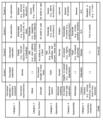
- FIG. 1 shows the structures of various natural and non-natural nucleotides.
- FIG. 2 shows the structures of various bridged nucleic acids.
- Figure 3 shows the amount of Malat1-targeting ASO delivered to the central nervous system and its target gene suppression effect.
- Figure 3A shows the results of measuring ASO concentration in the hippocampus 3 hours or 7 days after intracerebroventricular administration.
- Figure 3B shows Malat1 RNA expression levels in the hippocampus 7 days after intracerebroventricular administration.
- ASO only indicates the group administered ASO alone, and "ASO + TGN-073" indicates the group administered ASO/TGN-073 together. Error bars indicate standard error.
- Figure 4 shows the amount of ASO delivered to the central nervous system and the target gene suppression effect in the central nervous system when Malat1-targeting ASO was administered intracerebroventricularly at various concentrations.
- ASO only indicates the group administered ASO alone, and
- ASO + TGN-073 indicates the group administered ASO/TGN-073 together. Error bars indicate standard error.
- Figure 5 shows Mapt mRNA expression levels in the hippocampus 7 days after intracerebroventricular administration of Mapt-targeting ASO.
- “ASO only” indicates the group administered ASO alone, and "ASO + TGN-073” indicates the group administered ASO/TGN-073 together. Error bars indicate standard error.
- FIG. 6 shows the scoring system used for behavioral assessment.
- Figure 7 shows the results of central neurotoxicity evaluation of Malat1-targeting ASO.
- the figure shows the acute tolerability scores 30 minutes, 1 hour, and 2 hours after intracerebroventricular administration.
- TGN-073 only indicates the group administered TGN-073 alone
- ASO only indicates the group administered ASO alone
- ASO + TGN-073 indicates the group administered ASO/TGN-073 co-administration.
- Error bars indicate standard error.
- Figure 8 shows the results of evaluating motor function in an open field test 1 hour after intracerebroventricular administration.
- Figure 8A shows the maximum movement speed.
- Figure 8B shows the movement time.
- TGN-073 only indicates the group administered TGN-073 alone
- ASO only indicates the group administered ASO alone
- ASO + TGN-073 indicates the group administered ASO/TGN-073 co-administration. Error bars indicate standard error.
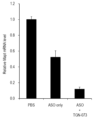
- Figure 9 shows Malat1 RNA expression levels in the hippocampus 7 days after intracerebroventricular administration of 2'-O-MOE-modified ASO targeting the Malat1 gene.
- PBS indicates the negative control PBS-administered group
- ASO only indicates the ASO-only administration group
- ASO + TGN-073 indicates the ASO/TGN-073 co-administration group. Error bars indicate standard error.
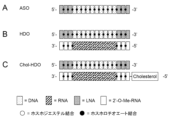
- FIG. 10 shows the structure of the nucleic acid used in Example 5.
- Figure 11 shows the ASO concentration in the central nervous system (amount delivered to the central nervous system) and the target gene suppression effect when single-stranded or double-stranded nucleic acid agents targeting the Malat1 gene were administered intracerebroventricularly.
- Figure 11A shows the results of measuring the ASO concentration in the hippocampus 7 days after intracerebroventricular administration.
- Figure 11B shows the Malat1 RNA expression level in the hippocampus 7 days after intracerebroventricular administration.
- +/- indicates the presence or absence of co-administration of TGN-073 when the nucleic acid agent was administered intracerebroventricularly. Error bars indicate standard error.
- Figure 12 shows the target gene suppression effect when siRNA targeting the Sod1 gene was administered intracerebroventricularly.
- PBS indicates the negative control PBS-administered group
- siRNA only indicates the siRNA-only administered group
- siRNA + TGN-073 indicates the siRNA/TGN-073 co-administered group. Error bars indicate standard error.
- Figure 13 shows the ASO concentration in the central nervous system (amount delivered to the central nervous system) and target gene suppression effect when TGN-073-mes, a derivative of TGN-073, was administered intracerebroventricularly together with ASO.
- Figure 13A shows the results of measuring the ASO concentration in the hippocampus 7 days after intracerebroventricular administration.
- Figure 13B shows the Mapt mRNA expression level in the hippocampus 7 days after intracerebroventricular administration.
- PBS indicates the negative control PBS-administered group
- TGN-073-mes only indicates the TGN-073-mes alone-administered group
- ASO only indicates the ASO alone-administered group
- ASO + TGN-073-mes indicates the ASO/TGN-073-mes co-administered group.
- Error bars indicate standard error.
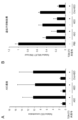
- Figure 14 shows the efficiency of exon 23 skipping in the brain 7 days after intracerebroventricular administration of phosphorodiamidate morpholino oligomers (PMOs) targeting exon 23/intron 23 of dystrophin pre-mRNA.
- Figure 14A shows the efficiency of skipping in the hippocampus.
- Figure 14B shows the efficiency of skipping in the striatum.
- Figure 14C shows the efficiency of skipping in the cortex. Error bars show standard error.
- FIG. 15 shows the structure of the nucleic acid used in Example 8.
- Figure 16 shows the skipping efficiency of exon 23 in the brain 7 days after intracerebroventricular administration of a double-stranded nucleic acid complex containing a PMO targeting exon 23/intron 23 of dystrophin pre-mRNA.
- Figure 16A shows the skipping efficiency in the hippocampus.
- Figure 16B shows the skipping efficiency in the striatum.
- Figure 16C shows the skipping efficiency in the cortex. Error bars show standard error.
- Figure 17 shows the delivery amount of Malat1-targeting ASO to the lumbar spinal cord and the target gene suppression effect.
- Figure 17A shows the results of measuring the ASO concentration in the lumbar spinal cord 7 days after intracerebroventricular administration.
- Figure 17B shows the Malat1 RNA expression level in the lumbar spinal cord 7 days after intracerebroventricular administration.
- PBS indicates the negative control PBS-administered group
- ASO only indicates the ASO-only administered group
- ASO + TGN-073 indicates the ASO/TGN-073 co-administered group. Error bars indicate standard error.
- Figure 18 shows the amount of Malat1-targeting ASO delivered to the central nervous system after intrathecal administration.
- Figure 18A shows the ASO concentration in spinal cord tissue.
- Figure 18B shows the ASO concentration in the left hippocampus.
- ASO only indicates the group administered ASO alone, and "ASO + TGN-073” indicates the group administered ASO/TGN-073 together. Error bars indicate standard error.
- Figure 19 shows the amount of VHH antibody delivered to the central nervous system after intracerebroventricular administration.
- Figure 19A shows the VHH antibody concentration in the left hippocampus.
- Figure 19B shows the VHH antibody concentration in the left occipital cortex.
- Figure 19C shows the VHH antibody concentration in the left basal ganglia.
- VHH only indicates the group administered VHH antibody alone, and
- VHH + TGN-073 indicates the group administered VHH antibody/TGN-073 together. Error bars indicate standard error.
- Figure 20 shows the amount of IgG antibody delivered to the central nervous system after intracerebroventricular administration.
- IgG only indicates the group administered IgG antibody alone
- IgG + TGN-073 indicates the group administered IgG antibody/TGN-073 together. Error bars indicate standard error.
- Figure 21 shows the results of observing the fluorescence of GFP protein expressed from the AAV9 vector administered intracerebroventricularly in coronal sections at the hippocampal level.
- AAV only indicates the group administered AAV alone
- AAV + TGN-073 indicates the group administered AAV/TGN-073 co-administration.
- a first aspect of the present invention is a delivery enhancer.
- the delivery enhancer of the present invention is an aquaporin 4 function enhancer or an aquaporin 4 function modifier.
- a drug such as a nucleic acid drug, a peptide, or a low molecular weight compound, the efficiency of delivery of the drug to the central nervous system and/or the peripheral nervous system can be improved.
- the "transcription product" of a target gene refers to any RNA synthesized by RNA polymerase. Specifically, it may include mRNA (including mature mRNA, mRNA precursor, and mRNA without base modification) transcribed from a target gene, non-coding RNA (ncRNA) such as miRNA, long non-coding RNA (lncRNA), and natural antisense RNA.
- ncRNA non-coding RNA
- miRNA miRNA
- lncRNA long non-coding RNA
- lncRNA long non-coding RNA
- a "target gene” refers to a gene whose transcription or translation product expression level can be suppressed or enhanced, whose transcription or translation product function can be inhibited, or whose steric blocking, splicing control (e.g., splicing switch, exon skipping, exon inclusion), base editing, or RNA editing can be induced by the antisense effect of a nucleic acid molecule or double-stranded nucleic acid complex.
- the type of target gene is not particularly limited.
- Examples include genes derived from an organism into which a nucleic acid strand, nucleic acid molecule, or double-stranded nucleic acid complex is introduced, and include genes whose expression increases in various diseases (e.g., central nervous system diseases and peripheral nervous system diseases) and genes expressed in living organisms such as the nervous system.
- diseases e.g., central nervous system diseases and peripheral nervous system diseases
- SR-B1 scavenger receptor B1
- Malat1 metastasis associated lung adenocarcinoma transcript 1
- Mapt microtubule-associated protein tau
- BACE1 beta-secretase 1
- Hdac2 histone deacetylase 2
- DMPK dystrophia myotonic-protein kinase
- target transcript refers to a transcript that is the direct target of a nucleic acid molecule or a double-stranded nucleic acid complex
- transcript of a target gene also falls under the category of target transcript.
- Information on the base sequences of target transcripts and target genes can be obtained from publicly known databases, such as the NCBI (National Center for Biotechnology Information) database.
- antisense nucleic acid refers to a single-stranded nucleic acid molecule that contains a base sequence capable of hybridizing (i.e., complementary) to at least a portion of a target transcript (mainly a transcript of a target gene) and can exert an antisense effect on the target transcript.
- antisense oligonucleotide refers to an antisense nucleic acid composed of an oligonucleotide.
- antisense nucleic acid or “antisense oligonucleotide” is often referred to as "ASO.”
- ASO antisense nucleic acid
- the nucleic acid molecule of the present invention or the first nucleic acid strand of the double-stranded nucleic acid complex functions as an ASO, and the target region may include the 3'UTR, 5'UTR, exon, intron, coding region, translation initiation region, translation termination region, or any other nucleic acid region.
- the target region of the target transcript can be at least 8 bases long, for example, 10-35 bases long, 12-25 bases long, 13-20 bases long, 14-19 bases long, or 15-18 bases long, or 13-22 bases long, 16-22 bases long, or 16-20 bases long.
- the term "antisense effect” refers to any effect that occurs when an ASO hybridizes to a target transcript (e.g., an RNA sense strand), such as the effect of regulating the expression or editing of a target transcript.
- a target transcript e.g., an RNA sense strand
- “Regulating the expression or editing of a target transcript” refers to suppression or reduction of the expression of a target gene or the expression level of a target transcript (herein, "the expression level of a target transcript” is often referred to as “the level of a target transcript”), inhibition of translation, RNA editing, base editing, splicing control or splicing function modification effects (e.g., splicing switch, exon inclusion, exon skipping, etc.), steric blocking, or degradation of a transcript.
- RNA oligonucleotide when introduced into a cell as an ASO, the ASO forms a partial duplex by annealing with the mRNA, which is the transcription product of the target gene.
- This partial duplex acts as a cover to prevent translation by ribosomes, thereby inhibiting the expression of a target protein encoded by the target gene at the translational level (steric blocking).
- an oligonucleotide containing DNA is introduced into a cell as an ASO, a partial DNA-RNA heteroduplex is formed.
- This heteroduplex structure is recognized by RNase H, resulting in degradation of the mRNA of the target gene and inhibition of expression of the protein encoded by the target gene at the expression level.
- an antisense effect can also be achieved by targeting an intron in a pre-mRNA.
- an antisense effect can also be achieved by targeting an miRNA.
- inhibition of the function of the miRNA can increase the expression of a gene whose expression is normally controlled by the miRNA.
- the modulation of expression of the target transcript can be a reduction in the amount of the target transcript.
- the antisense effect can be measured, for example, by administering a test nucleic acid compound to a subject (e.g., a mouse) and measuring, for example, several days later (e.g., 2 to 7 days later), the expression level of a target gene or the level (amount) of a target transcript (e.g., the amount of mRNA or RNA such as microRNA, the amount of cDNA, the amount of protein, etc.) whose expression is regulated by the antisense effect provided by the test nucleic acid compound.
- a test nucleic acid compound e.g., a mouse
- the expression level of a target gene or the level (amount) of a target transcript e.g., the amount of mRNA or RNA such as microRNA, the amount of cDNA, the amount of protein, etc.
- a decrease in the measured expression level of the target gene or the level of the target transcript by at least 10%, at least 20%, at least 25%, at least 30%, or at least 40% compared to a negative control (e.g., vehicle administration) indicates that the test nucleic acid compound can produce an antisense effect (e.g., a reduction in the amount of the target transcript).
- nucleic acid strand may affect the antisense effect provided by the nucleic acid strand, nucleic acid molecule or nucleic acid complex.
- the choice of modification may vary depending on the sequence of the target gene, etc., but a person skilled in the art can determine a suitable embodiment by referring to the descriptions in the literature related to antisense methods (e.g., WO 2007/143315, WO 2008/043753, and WO 2008/049085).
- the relevant modification can be evaluated if the measured value thus obtained is not significantly lower than that of the nucleic acid complex before modification (e.g., if the measured value obtained after modification is 70% or more, 80% or more, or 90% or more of the measured value of the nucleic acid complex before modification).
- translation product of a target gene refers to any polypeptide or protein synthesized by translation of the target transcript or the transcription product of a target gene that is the direct target of a nucleic acid molecule or a double-stranded nucleic acid complex.
- decoy refers to a nucleic acid that has a sequence of the binding site of a transcription factor (e.g., NF-kB) or a similar sequence, and is introduced into a cell as a “decoy” to suppress the action of the transcription factor (if it is a transcription activator, it suppresses transcription, and if it is a transcription repressor, it promotes transcription).
- a transcription factor e.g., NF-kB
- Decoy nucleic acids can be easily designed based on information on the binding sequence of the target transcription factor.
- bait refers to a nucleic acid molecule that specifically binds to a specific target molecule within a cell and modifies the function of the target molecule.
- a target that interacts with a bait is also called a "prey.”
- nucleic acid or “nucleic acid molecule” as used herein may refer to a monomeric nucleotide or nucleoside, an oligonucleotide composed of multiple monomers, or multiple nucleosides linked by internucleoside bonds, and also includes polynucleotides if they are polymers.
- Natural nucleic acid refers to a nucleic acid that exists in nature. Natural nucleic acids include natural nucleosides and natural nucleotides, etc., described below.
- Non-natural nucleic acid or “artificial nucleic acid” refers to any nucleic acid other than natural nucleic acid. Non-natural nucleic acid or artificial nucleic acid includes non-natural nucleosides and non-natural nucleotides, etc., described below.
- nucleic acid strand refers to two or more nucleosides linked by internucleoside bonds, and may be, for example, an oligonucleotide or a polynucleotide.
- a nucleic acid strand may be made full length or partial by chemical synthesis, for example, using an automated synthesizer, or by enzymatic processes using polymerases, ligases, or restriction reactions.
- a nucleic acid strand may contain natural and/or non-natural nucleotides.
- Nucleoside generally refers to a molecule that is composed of a combination of a base and a sugar.
- the sugar portion of a nucleoside is typically, but not limited to, a pentofuranosyl sugar, examples of which include ribose and deoxyribose.
- the base portion of a nucleoside is typically a heterocyclic base moiety, including, but not limited to, adenine, cytosine, guanine, thymine, or uracil, as well as other modified nucleobases (modified bases).
- Nucleotide refers to a molecule in which a phosphate group is covalently linked to the sugar portion of the nucleoside.
- the phosphate group is usually linked to the hydroxyl group at the 2', 3', or 5' position of the sugar.
- Oligonucleotide refers to a linear oligomer formed by covalently linking several to several dozen hydroxyl groups and phosphate groups in the sugar moieties between adjacent nucleotides.
- Polynucleotide refers to a linear polymer formed by linking several dozen or more, preferably several hundred or more, nucleotides that are more numerous than an oligonucleotide, by the covalent bonds.
- the phosphate groups are generally considered to form internucleoside bonds.
- natural nucleosides refer to nucleosides that exist in nature. Examples include ribonucleosides consisting of ribose and bases such as adenine, cytosine, guanine, or uracil, and deoxyribonucleosides consisting of deoxyribose and bases such as adenine, cytosine, guanine, or thymine.
- ribonucleosides found in RNA and deoxyribonucleosides found in DNA are often referred to as “RNA nucleosides” and “DNA nucleosides,” respectively.
- natural nucleotide refers to a nucleotide that exists in nature and is a molecule in which a phosphate group is covalently bonded to the sugar portion of the natural nucleoside.
- examples include ribonucleotides, which are known as the building blocks of RNA and in which a phosphate group is bonded to a ribonucleoside, and deoxyribonucleotides, which are known as the building blocks of DNA and in which a phosphate group is bonded to a deoxyribonucleoside.
- non-natural nucleotide refers to any nucleotide other than a natural nucleotide, and includes modified nucleotides and nucleotide mimetics.
- modified nucleotide refers to a nucleotide having one or more of a modified sugar moiety, a modified internucleoside linkage, and a modified nucleobase.
- nucleotide mimetics includes structures used to replace nucleosides and linkages at one or more positions of an oligomeric compound.
- Peptide nucleic acids PNA are nucleotide mimetics with a backbone in which N-(2-aminoethyl)glycine is linked by amide bonds in place of sugars.
- nucleic acid strands including non-natural oligonucleotides often have desirable properties, such as enhanced cellular uptake, enhanced affinity for nucleic acid targets, increased stability in the presence of nucleases, or increased inhibitory activity. Thus, they are preferred over natural nucleotides.
- unnatural nucleoside refers to any nucleoside other than a natural nucleoside. For example, it includes modified nucleosides and nucleoside mimetics.
- modified nucleoside refers to a nucleoside having a modified sugar moiety and/or a modified nucleobase.
- mimetic refers to functional groups that replace the sugar, nucleobase, and/or internucleoside linkage. Generally, a mimetic is used in place of a sugar or sugar-internucleoside linkage combination, and the nucleobase is maintained for hybridization to a selected target.
- nucleoside mimic includes structures that are used to replace the sugar, or the sugar and base, at one or more positions of an oligomeric compound, or to replace the linkage between the monomeric subunits that make up the oligomeric compound, etc.
- oligomeric compound is meant a polymer of linked monomeric subunits that is at least capable of hybridizing to a region of a nucleic acid molecule.
- Nucleoside mimetics include, for example, morpholino, cyclohexenyl, cyclohexyl, tetrahydropyranyl, bicyclic or tricyclic sugar mimetics, e.g., nucleoside mimetics having non-furanose sugar units.
- Modified sugar refers to a sugar having a substitution and/or any change from a natural sugar moiety (i.e., a sugar moiety found in DNA (2'-H) or RNA (2'-OH)), and "sugar modification” refers to a substitution and/or any change from a natural sugar moiety.
- a nucleic acid strand may optionally include one or more modified nucleosides, including modified sugars.
- “Sugar-modified nucleoside” refers to a nucleoside having a modified sugar moiety. Such sugar-modified nucleosides may impart enhanced nuclease stability, increased binding affinity, or some other beneficial biological property to a nucleic acid strand.
- the nucleoside includes a chemically modified ribofuranose ring moiety.
- chemically modified ribofuranose rings include, but are not limited to, the addition of substituents (including 5' and 2' substituents), bridging of non-geminal ring atoms to form bicyclic nucleic acids (bridged nucleic acids, BNAs), replacement of ribosyl ring oxygen atoms with S, N(R), or C(R1)(R2) (wherein R, R1, and R2 each independently represent H, C1 - C12 alkyl, or a protecting group), and combinations thereof.
- sugar modified nucleosides include, but are not limited to, nucleosides containing 5'-vinyl, 5'-alkyl (e.g., 5'-methyl (R or S), 5'-ethyl (R or S)), 5'-allyl (R or S), 4'-S, 2'-F (2'-fluoro group), 2'- OCH3 (2'-O-Me group or 2'-O-methyl group), 2'-O-[2-(N-methylcarbamoyl)ethyl] (2'-O-MCE group), and 2'-O - methoxyethyl (2'-O-MOE or 2-O( CH2 ) 2OCH3 ) substituents.
- nucleosides containing 5'-vinyl, 5'-alkyl (e.g., 5'-methyl (R or S), 5'-ethyl (R or S)), 5'-allyl (R or S), 4'-S, 2'-F (2
- “2'-modified sugar” refers to a furanosyl sugar modified at the 2'-position.
- a nucleoside containing a 2'-modified sugar may also be referred to as a "2'-modified nucleoside” or a "2'-sugar modified nucleoside.”
- “5'-modified sugar” refers to a furanosyl sugar modified at the 5'-position.
- Nucleosides containing a 5'-modified sugar are referred to as “5'-modified nucleosides" or “5'-sugar-modified nucleosides,” and are specifically distinguished as “5'-modified deoxyribonucleosides” and "5'-modified ribonucleosides” and “5'-modified ribonucleosides,” respectively.
- BNA nucleoside refers to a modified nucleoside that contains a bicyclic sugar moiety. Nucleics that contain a bicyclic sugar moiety are commonly referred to as bridged nucleic acids (BNAs). Nucleosides that contain a bicyclic sugar moiety are also sometimes referred to as “bridged nucleosides,” “bridged non-natural nucleosides,” or “BNA nucleosides.” Some examples of bridged nucleic acids are shown in Figure 2.
- a bicyclic sugar may be a sugar in which the 2' and 4' carbon atoms are bridged by two or more atoms.
- bicyclic sugars are known to those of skill in the art.
- One subgroup of bicyclic sugar-containing nucleic acids (BNAs) or BNA nucleosides can be described as having the 2' and 4 ' carbon atoms bridged by 4'-( CH2 ) p -O-2', 4'-( CH2 ) p - CH2-2 ', 4'-( CH2 ) p -S-2', 4'-( CH2 )p-OCO-2', 4'-(CH2) n -N( R3 )-O-( CH2 ) m -2', where p, m and n represent integers from 1 to 4, 0 to 2 and 1 to 3, respectively; and R3 represents a hydrogen atom, an alkyl group, an alkenyl group, a cycloalkyl group, an ary
- R 1 and R 2 are typically hydrogen atoms, but may be the same as or different from each other, and may also be a protecting group for a hydroxyl group for nucleic acid synthesis, an alkyl group, an alkenyl group, a cycloalkyl group, an aryl group, an aralkyl group, an acyl group, a sulfonyl group, a silyl group, a phosphate group, a phosphate group protected by a protecting group for nucleic acid synthesis, or P(R 4 )R 5 (wherein R 4 and R 5 may be the same as or different from each other and respectively represent a hydroxyl group, a hydroxyl group protected by a protecting group for nucleic acid synthesis, a mercapto group, a mercapto
- amine BNAs also known as 2'-Amino-LNAs
- 2'-Amino-LNAs e.g., 3-(Bis(3-aminopropyl)amino)propanoyl substitutions
- 2'-O,4'-C-spirocyclopropylene bridged nucleic acids also known as scpBNAs
- BNA nucleosides include methyleneoxy (4'-CH 2 -O-2') BNA nucleosides (also known as LNA nucleosides, 2',4'-BNA nucleosides) (e.g., ⁇ -L-methyleneoxy (4'-CH 2 -O-2') BNA nucleosides, ⁇ -D-methyleneoxy (4'-CH 2 -O-2') BNA nucleosides), ethyleneoxy (4'-(CH 2 ) 2 -O-2') BNA nucleosides (also known as ENA nucleosides), ⁇ -D-thio (4'-CH 2 -S-2') BNA nucleosides, aminooxy (4'-CH 2 -ON(R 3 )-2') BNA nucleosides, oxyamino (4'-CH 2 -N(R 3 )-O-2') BNA nucleosides (2',4'-BNA Also known as NC nucle
- a "cationic nucleoside” is a modified nucleoside that exists in a cationic form relative to a neutral form (such as the neutral form of a ribonucleoside) at a certain pH (e.g., human physiological pH (about 7.4), the pH of a delivery site (e.g., an organelle, cell, tissue, organ, organism, etc.) etc.).
- a cationic nucleoside may contain one or more cationic modifying groups at any position of the nucleoside.
- Bicyclic nucleosides with a methyleneoxy (4'- CH2 -O-2') bridge are sometimes referred to as LNA nucleosides.
- modified internucleoside linkage refers to an internucleoside linkage having a substitution or any change from a naturally occurring internucleoside linkage (i.e., a phosphodiester linkage).
- Modified internucleoside linkages include internucleoside linkages that contain a phosphorus atom and internucleoside linkages that do not contain a phosphorus atom.
- Representative phosphorus-containing internucleoside bonds include phosphodiester bonds, phosphorothioate bonds, phosphorodithioate bonds, phosphotriester bonds (e.g., methyl phosphotriester bonds and ethyl phosphotriester bonds as described in U.S. Patent Registration No.
- alkyl phosphonate bonds e.g., methyl phosphonate bonds as described in U.S. Patent Registration Nos. 5,264,423 and 5,286,717, and methoxypropyl phosphonate bonds as described in WO 2015/168172
- alkylthiophosphonate bonds e.g., methylthiophosphonate bonds
- boranophosphate bonds e.g., a cyclic guanidine moiety
- internucleoside linkage containing a guanidine moiety e.g., a tetramethylguanidine (TMG) moiety
- TMG tetramethylguanidine
- Phosphorothioate linkages refer to internucleoside linkages in which the non-bridging oxygen atom of the phosphodiester bond is replaced with a sulfur atom. Methods for preparing phosphorus-containing and non-phosphorus-containing linkages are well known.
- the modified internucleoside linkage is preferably one that is more resistant to nucleases than naturally occurring internucleoside linkages.
- internucleoside linkage When an internucleoside linkage has a chiral center, the internucleoside linkage may be chiral controlled.
- chiral controlled it is intended that the internucleoside linkage exists as a single diastereomer about a chiral center, e.g., a chiral phosphorus linkage.
- the internucleoside linkage may be a phosphorothioate linkage chirally controlled in the Rp or Sp configuration, an internucleoside linkage containing a guanidine moiety substituted with one to four C1-6 alkyl groups (e.g., a tetramethylguanidine (TMG) moiety; see, for example, Alexander A. Lomzov et al., Biochem Biophys Res Commun., 2019, 513(4), 807-811), and/or an internucleoside linkage containing a cyclic guanidine moiety.
- TMG tetramethylguanidine
- Chirally controlled phosphorothioate linkages in the Rp or Sp configuration are also known, and phosphorothioate linkages chirally controlled in the Sp configuration are known to be more stable than those in the Rp configuration, and ASOs chirally controlled in the Sp configuration are also known to promote target RNA cleavage by RNase H1 and result in a more sustained response in vivo.
- nucleobase refers to the base component (heterocyclic moiety) that constitutes a nucleic acid, and the main known bases are adenine, guanine, cytosine, thymine, and uracil.
- nucleobase or “base” includes both modified and unmodified nucleic acid bases (bases), unless otherwise specified.
- a purine base may be either a modified or unmodified purine base.
- a pyrimidine base may be either a modified or unmodified pyrimidine base.
- Modified nucleobase or “modified base” means any nucleobase other than adenine, cytosine, guanine, thymine, or uracil.
- Unmodified nucleobase or “unmodified base” (natural nucleobase) means the purine bases adenine (A) and guanine (G), and the pyrimidine bases thymine (T), cytosine (C), and uracil (U).
- modified nucleobases include, but are not limited to, hypoxanthine, 5-methylcytosine, 5-fluorocytosine, 5-bromocytosine, 5-iodocytosine, or N4-methylcytosine; N6-methyladenine, or 8-bromoadenine; 2-thio-thymine; and N2-methylguanine, or 8-bromoguanine.
- a “mixmer” refers to a nucleic acid chain that contains alternating natural and non-natural nucleosides of periodic or random segment lengths, and does not contain four or more consecutive deoxyribonucleosides and ribonucleosides.
- a mixmer in which the non-natural nucleoside is a bridged nucleoside and the natural nucleoside is a deoxyribonucleoside is specifically referred to as a "BNA/DNA mixmer.”
- a mixmer in which the non-natural nucleoside is a peptide nucleic acid and the natural nucleoside is a deoxyribonucleoside is specifically referred to as a "peptide nucleic acid/DNA mixmer.”
- a mixmer in which the non-natural nucleoside is a morpholino nucleic acid and the natural nucleoside is a deoxyribonucleoside is specifically referred to as a "morpholino nucleic acid/DNA mixmer.”
- a mixmer is not limited to containing only two types of nucleosides.
- a mixmer can include any number of types of nucleosides, whether natural or modified nucleosides or nucleoside mimetics. For example, it may have one or two consecutive deoxyribonucleosides separated by a bridged nucleoside (e.g., an LNA nucleoside).
- the bridged nucleoside may further include a modified nucleobase (e.g., 5-methylcytosine).
- the term "gapmer” refers, in principle, to a single-stranded nucleic acid that includes or consists of a "central region” (DNA gap region) and wing regions (referred to as the "5' wing region” and “3' wing region”, respectively) located directly at the 5' end and 3' end of the central region.
- the central region in a gapmer contains at least three or at least four consecutive deoxyribonucleosides.
- each of the 5' wing region and the 3' wing region contains at least one non-natural nucleoside.
- the central region can be functionally defined as a region that can be recognized by RNase H (e.g., RNase H1).
- RNase H e.g., RNase H1
- "recognizable by RNase H” means that when the gapmer binds to a target RNA, the paired sequence in the target RNA can be cleaved by RNase H.
- the boundary positions can be determined by defining the region in a gapmer that can be recognized by RNase H as the central region, and the regions that are not recognized by RNase H (more specifically, regions in which cleavage activity by RNase H is not substantially detectable under physiological conditions) as the wing regions (5' wing region and 3' wing region).
- the terminal nucleosides adjacent to the central region in the 5' wing region and 3' wing region are non-natural nucleosides (e.g., 2'-modified nucleosides or bridged nucleosides), and the nucleosides adjacent to the 5' wing region or 3' wing region in the central region are deoxyribonucleosides or sugar-modified versions thereof.
- both nucleosides adjacent to the 5' wing region and 3' wing region in the central region are deoxyribonucleosides.
- the central region may contain a modified nucleic acid base recognized by RNase H, for example, 5-methylcytosine.
- the central region may also contain non-natural nucleosides, such as 2'-modified nucleosides and 5'-modified nucleosides, except for the two terminal nucleosides adjacent to the 5' and 3' wing regions.
- the central region may be configured such that all internucleoside bonds in the region that it pairs with in the target RNA are susceptible to cleavage by RNase H.
- non-natural nucleosides contained in the wing regions typically have a stronger binding strength to RNA than natural nucleosides and are highly resistant to nucleic acid degrading enzymes (nucleases, etc.).
- the non-natural nucleosides that make up the 5' and 3' wing regions may be, for example, bridged nucleosides and/or 2'-modified nucleosides.
- the gapmer is specifically referred to as a "BNA/DNA gapmer.”
- the number of bridged nucleosides in the 5' and 3' wing regions is at least one, and may be, for example, two or three.
- the bridged nucleosides in the 5' and 3' wing regions may be contiguous or non-contiguous in the 5' and 3' wing regions.
- the bridged nucleoside may further comprise a modified nucleobase (e.g., 5-methylcytosine).
- the bridged nucleoside may be an LNA nucleoside or an ENA nucleoside.
- the gapmer When the bridged nucleoside is an LNA nucleoside, the gapmer is referred to as an "LNA/DNA gapmer.” When the bridged nucleoside is an ENA nucleoside, the gapmer is referred to as an "ENA/DNA gapmer.” When the non-natural nucleosides constituting the 5' and 3' wing regions comprise or consist of peptide nucleic acids, the gapmer is specifically referred to as a "peptide nucleic acid gapmer.” When the non-natural nucleosides constituting the 5' wing region and the 3' wing region comprise or consist of morpholino nucleic acid, the gapmer is specifically referred to as a "morpholino nucleic acid gapmer”.
- the 2'-modified group of the 2'-modified nucleoside may be a 2'-O-methyl group or a 2'-O-methoxyethyl group.
- the number of 2'-modified nucleosides contained in the 5' wing region and the 3' wing region is at least one, and may be, for example, two or three.
- the 2'-modified nucleosides contained in the 5' wing region and the 3' wing region may be contiguous or non-contiguous in the 5' wing region and the 3' wing region.
- the 2'-modified nucleoside may further comprise a modified nucleobase (e.g., 5-methylcytosine).
- a modified nucleobase e.g., 5-methylcytosine
- the nucleosides may be composed of a combination of two or more types of bridged nucleosides and/or 2'-modified nucleosides.
- a nucleic acid strand having a wing region only on either the 5' end or the 3' end is called a "hemigapmer" in the art, and in this specification, hemi-gapmers are also included in the term "gapmer.”
- nucleobases can form so-called Watson-Crick base pairs (natural base pairs) or Wobble base pairs (guanine-thymine or guanine-uracil) through hydrogen bonds, and a relationship in which similar base pairs can be formed between natural nucleobases and modified nucleobases or between modified nucleobases themselves.
- the antisense region of the nucleic acid molecule does not necessarily have to be completely complementary to at least a portion of the target transcript (e.g., the transcript of the target gene), but is acceptable if the base sequence has at least 70%, preferably at least 80%, and even more preferably at least 90% (e.g., 95%, 96%, 97%, 98%, or 99% or more) complementarity.
- the antisense region of the nucleic acid molecule can hybridize to the target transcript when the base sequence is complementary (typically when the base sequence is complementary to at least a portion of the base sequence of the target transcript).
- the complementary region in the second nucleic acid strand does not necessarily have to be completely complementary to at least a portion of the nucleic acid molecule that is the first nucleic acid strand, but is acceptable if the base sequence has at least 70%, preferably at least 80%, and even more preferably at least 90% (e.g., 95%, 96%, 97%, 98%, or 99% or more) complementarity.
- a complementary region in the second nucleic acid strand can anneal when the base sequence is complementary to at least a portion of the first nucleic acid strand.
- the complementarity of the base sequence can be determined by using a BLAST program or the like.
- Those skilled in the art can easily determine the conditions (temperature, salt concentration, etc.) under which the two strands can anneal or hybridize, taking into account the degree of complementarity between the strands. Furthermore, those skilled in the art can easily design an antisense nucleic acid complementary to a target transcription product, for example, based on information on the base sequence of the target gene.
- Hybridization conditions may be various stringent conditions, such as low stringency conditions and high stringency conditions.
- Low stringency conditions may be conditions of relatively low temperature and high salt concentration, for example, 30°C, 2xSSC, 0.1% SDS.
- High stringency conditions may be conditions of relatively high temperature and low salt concentration, for example, 65°C, 0.1xSSC, 0.1% SDS.
- Hybridization stringency can be adjusted by changing conditions such as temperature and salt concentration.
- 1xSSC contains 150 mM sodium chloride and 15 mM sodium citrate.
- delivery to the central nervous system and/or peripheral nervous system means delivery to any site in the central nervous system and/or peripheral nervous system or to the entire central nervous system and/or peripheral nervous system.
- the nervous system is divided into the central nervous system and the peripheral nervous system.
- the central nervous system consists of the brain and spinal cord.
- the brain includes the cerebrum (cerebral cortex, cerebral white matter, basal ganglia), diencephalon (thalamus, subthalamic nucleus), cerebellum (cerebellar cortex, cerebellar nuclei), and brainstem (midbrain, substantia nigra, pons, medulla oblongata).
- the spinal cord includes the cervical spinal cord, thoracic spinal cord, lumbar spinal cord, sacral spinal cord, and coccygeal spinal cord.
- the "central nervous system” as used herein may be any of these regions, but may particularly be the cerebral cortex (frontal lobe, temporal lobe, parietal lobe, occipital lobe), cerebellum, striatum, globus pallidus, claustrum, hippocampus, parahippocampal gyrus, brainstem, cervical spinal cord, thoracic spinal cord, or lumbar spinal cord.
- An example of the central nervous system is the brain.
- the peripheral nerves consist of the cranial nerves and spinal nerves, including the ventral root of the spinal cord, the dorsal root, the cranial nerves 1 to 12, the cauda equina, and the dorsal root ganglion.
- enhanced delivery to the central nervous system means an increase in the amount of drug delivered to the central nervous system and/or peripheral nervous system, or an increase in the efficiency of delivery to the central nervous system and/or peripheral nervous system.
- the amount of drug delivered to the central nervous system and/or peripheral nervous system under co-administration conditions may be increased compared to the amount of drug delivered to the central nervous system and/or peripheral nervous system under conditions in which the delivery enhancer of the present invention is not co-administered.
- the term "subject” refers to an object to which a drug or pharmaceutical composition is applied.
- Subjects include individuals, as well as organs, tissues, and cells. When the subject is an individual, it may be any animal, including humans. Examples of subjects other than humans include various livestock, poultry, pets, and laboratory animals. Without being limited thereto, the subject may be an individual in which the expression level of a target transcript needs to be reduced, or an individual in which treatment or prevention of a disease, such as a central nervous system disease, is required.
- multiple refers to, for example, 2, 2-3, 2-4, 2-5, 2-6, 2-7, 2-8, 2-10, 2-12, 2-14, 2-16, 2-18, 2-20, 2-25, 2-30, 2-35, 2-40, or more.
- the drug delivery enhancer of this embodiment comprises an aquaporin 4 function enhancer or an aquaporin 4 function modifier.
- aquaporin 4 function promoter is not limited to any substance that can activate aquaporin 4, and any known aquaporin 4 function promoter can be used.
- aquaporin 4 function modifier is not limited to any substance that can modify the function of aquaporin 4, and any known aquaporin 4 function modifier can be used.
- An example of the aquaporin 4 function promoter or aquaporin 4 function modifier is a compound represented by the following formula (I): or a derivative thereof, or a salt thereof.
- the compound represented by the above formula (I) is disclosed in International Publication No. 2017/150704 and the inventors' previous publication (Huber VJ et al., NeuroReport, 2018, 29(9):697-703) as being capable of promoting the function of aquaporin 4, and is known under the generic name TGN-073, but can also be written as N-(3-benzyloxypyridin-2-yl)-benzene-sulfonamide or 2-(phenylsulfonamido)-3-benzyloxypyridine.
- the derivative of the compound represented by the above formula (I) is any derivative capable of inducing a function-promoting activity or a function-modifying activity on aquaporin 4.
- An example of the derivative is a compound represented by the following formula (III): Examples of the compound include those represented by the following formula:
- the salt of the compound represented by formula (I) above is not particularly limited, and may be any pharma- ceutically acceptable salt.
- pharma-ceutically acceptable salts include metal salts, salts of inorganic acids, and salts of organic acids.
- the metal salt may be a sodium salt, a potassium salt, a calcium salt, a magnesium salt, or a strontium salt.
- the salt of an inorganic acid may be a salt of hydrochloric acid, bromic acid, phosphoric acid, sulfuric acid, or disulfuric acid.
- the salt of an organic acid may be a salt of formic acid, acetic acid, propionic acid, lactic acid, oxalic acid, tartaric acid, malic acid, maleic acid, citric acid, fumaric acid, besylic acid, camsylic acid, edisylic acid, trichloroacetic acid, trifluoroacetic acid, benzoic acid, gluconic acid, methanesulfonic acid, glycolic acid, succinic acid, 4-toluenesulfonic acid, galacturonic acid, embonic acid, glutamic acid, ethanesulfonic acid, benzenesulfonic acid, p-toluenesulfonic acid, or aspartic acid.
- the compound represented by formula (I) or a derivative thereof is bound to a carrier molecule.
- the carrier molecule is any molecule bound to the delivery enhancer for the purpose of adjusting the delivery efficiency of the delivery enhancer to the target delivery site.
- the carrier molecule can adjust the delivery efficiency to the target delivery site based on the control of its molecular size, hydrophilicity/hydrophobicity, etc.
- the carrier molecule is not particularly limited, and examples thereof include proteins (e.g., proteins of 1 kDa or more), polymers, lipid molecules, and contrast agents. Examples of proteins include albumin, lipoproteins (e.g., HDL-like particles), and antibodies or antibody fragments (e.g., IgG, Fc, modified Fc, etc.). Examples of polymers include polyethylene glycol (PEG) or PEG-grafted polymers. Examples of lipids include tocopherol, cholesterol, fatty acids, phospholipids, and the lipid examples described below.
- the compound of formula (I) or a derivative thereof can be bound or associated with a microbubble, micelle, or liposome.
- the manner of binding or association is not limited, but can be, for example, via a carrier molecule, such as the above-mentioned lipid or polymer, bound to the compound of formula (I) or a derivative thereof.
- the delivery enhancer of the present invention By controlling the molecular size and hydrophilicity/hydrophobicity of the delivery enhancer of the present invention, it is possible to prevent penetration into tissues near the administration site, which is advantageous because it is possible to prevent a decrease in the efficiency of delivery to the desired delivery site.
- drug also referred to as a drug, medicine, or pharmaceutical product
- drug is not particularly limited and includes nucleic acid medicines, peptides, low molecular weight compounds, viral vectors, cellular medicines, nanoparticles, liposomes, micelles, and exosomes.
- a drug to be delivered to the central nervous system and/or peripheral nervous system in combination with the delivery enhancer of the present invention is often referred to as a "drug to be delivered to the nervous system.”
- peptide refers to an amino acid polymer having one or more peptide bonds.
- the term “peptide” is not limited by the number of amino acid residues contained in the peptide.
- peptides include everything from oligopeptides containing several amino acid residues, such as dipeptides and tripeptides, to polypeptides containing many amino acid residues.
- peptides include not only so-called proteins, but also fragmented peptides and peptides linked to other peptides by peptide bonds. Examples of peptides include antibodies or antibody fragments, and enzymes.
- peptides include exogenous peptides such as protein pharmaceuticals (e.g., protein preparations), and do not include protein degradation products and other cellular waste products. Furthermore, peptides may be naturally derived or non-naturally derived. Furthermore, peptides may be either cyclic or non-cyclic.
- the peptide is an antibody or an antibody fragment.
- antibody refers to a protein that exhibits immune responsiveness to an antigen.
- species of organism from which the antibody is derived There are no particular limitations on the species of organism from which the antibody is derived. Antibodies are preferably derived from birds and mammals. Examples include chicken, ostrich, mouse, rat, guinea pig, rabbit, goat, donkey, sheep, camel, horse, and human. The antibody may be a full-length antibody.
- fragment of an antibody refers to an antibody fragment that is composed of a part of an antibody and exhibits immune responsiveness to an antigen like an antibody, and is an antigen-binding fragment.
- fragments include Fab, Fab', F(ab') 2 , Fv fragment, Fv fragment stabilized by a disulfide bond (dsFv), (dsFv) 2 , bispecific dsFv (dsFv-dsFv'), diabody stabilized by a disulfide bond (dsdiabody), single-chain antibody molecule (scFv), dimeric scFv (bivalent diabody), multispecific antibody, heavy chain antibody such as camelized single domain antibody (camelized antibody; VHH antibody), nanobody, domain antibody, and bivalent domain antibody.
- Fab is an antibody fragment generated by cleavage of an IgG molecule at the N-terminal side of the disulfide bond in the hinge region with papain, and is composed of the C H 1 and V H adjacent to the V H of the three domains (C H 1, C H 2, C H 3) that constitute the H chain constant region (heavy chain constant region: hereinafter referred to as C H ) , and a full-length L chain.
- C H H chain constant region
- Fab' can be obtained by reducing the Fab' dimer (F(ab') 2 ) generated by cleavage of an IgG molecule at the C-terminal side of the disulfide bond in the hinge region with pepsin under mild conditions to cleave the disulfide bond in the hinge region. All of these antibody fragments contain an antigen-binding site and therefore have the ability to specifically bind to an antigen epitope.
- the term "low molecular weight compound” is not particularly limited, and may be a therapeutic drug for a central nervous system disease or a peripheral nervous system disease, a psychiatric drug, an anticancer drug, or the like. Note that the above-mentioned delivery enhancer itself is excluded from the low molecular weight compound to be delivered to the nervous system in this specification.
- viral vector is not particularly limited, and examples of usable viral vectors include retroviral vectors (including oncoretroviral vectors, lentiviral vectors, and pseudotype vectors), adenoviral vectors, adeno-associated virus (AAV) vectors, simian virus vectors, vaccinia virus vectors, Sendai virus vectors, Epstein-Barr virus (EBV) vectors, and HSV vectors. Viral vectors that lack replication ability so as not to replicate autonomously within infected cells may also be used.
- the viral vector can encode a gene for gene therapy.
- cell medicine is not particularly limited, and may be, for example, a cell used in the treatment of any central nervous system disease or peripheral nervous system disease.
- cells contained in cell medicines include nerve cells, T cells (e.g., CAR-T cells), NK cells, NKT cells, hematopoietic stem cells, peripheral blood mononuclear cells, mesenchymal stem cells, iPS cells, and ES cells.
- nanoparticles refers to particles with a particle size on the order of nanometers (nm). In principle, nanoparticles refer to particles with a particle size of 1 nm to several hundred nm. Specific examples of nanoparticles include polymer nanoparticles, metal nanoparticles, and dendrimers.
- liposome refers to a vesicle that contains a lipid membrane and an aqueous medium encapsulated in the lipid membrane.
- the lipid membrane of a liposome is composed of one or more lipid layers. For example, it is composed of a lipid bilayer containing phospholipids, etc.
- micelle refers to a vesicle formed by a single molecular membrane.
- components of micelles include amphiphilic molecules such as surfactants.
- nanoparticles, liposomes, and micelles can contain nucleic acid drugs, peptides, low molecular weight compounds, etc., making them useful for drug delivery.
- Exosomes are small vesicles enclosed in a lipid bilayer membrane that are secreted from cells. Exosomes originate from multivesicular endosomes, and when released into the extracellular environment, they may contain biological materials such as nucleic acids (RNA, DNA, etc.) and proteins.
- nucleic acid medicine refers to a drug containing any nucleic acid molecule.
- nucleic acid medicine generally refers to a drug containing two or more nucleosides, and the nucleosides contained in the nucleic acid medicine may be natural or non-natural nucleosides.
- nucleic acid molecule contained in the nucleic acid medicine may be a single-stranded or double-stranded or more nucleic acid.
- nucleic acid medicines include, but are not limited to, antisense nucleic acids as nucleic acid molecules described below, heterogeneous nucleic acids as double-stranded nucleic acid complexes described below, siRNA, shRNA, miRNA, mRNA, lncRNA, aptamers, plasmid DNA, decoys, bait nucleic acids, ribozymes, and nucleic acid vectors such as plasmid vectors.
- the nucleic acid medicine comprises a nucleic acid molecule capable of hybridizing to at least a part of a target gene or its transcription product and having an antisense effect on the target gene or its transcription product.
- the base length of the nucleic acid molecule is not particularly limited, but may be at least 8 bases, at least 9 bases, at least 10 bases, at least 11 bases, at least 12 bases, at least 13 bases, at least 14 bases, or at least 15 bases.
- the base length of the nucleic acid molecule may be 40 bases or less, 35 bases or less, 30 bases or less, 25 bases or less, 24 bases or less, 23 bases or less, 22 bases or less, 21 bases or less, 20 bases or less, 19 bases or less, 18 bases or less, 17 bases or less, or 16 bases or less.
- the base length of the nucleic acid molecule may be, for example, 10 to 40 bases, 12 to 30 bases, or 15 to 25 bases.
- the length can be determined by the balance between the strength of the antisense effect and the specificity of the nucleic acid strand for the target, among other factors such as cost and synthesis yield.
- the base length of the nucleic acid molecule as a whole may be the above-mentioned base length plus the base length of the bound nucleic acid.
- the nucleosides contained in the nucleic acid molecule may be natural nucleosides (deoxyribonucleosides, ribonucleosides, or both) and/or non-natural nucleosides.
- the nucleic acid molecule may be a mixmer.
- the nucleic acid molecule may be a gapmer.
- the central region (gap region) of a gapmer may be, for example, 3-12 bases long, 4-11 bases long, 5-10 bases long, 6-9 bases long, or 7-8 bases long.
- the base length of the 5' wing region and the 3' wing region of the gapmer may each independently be at least 2 bases long, for example, 2 to 10 bases long, 2 to 7 bases long, 3 to 5 bases long, 3 to 4 bases long, or 3 bases long.
- the nucleic acid molecule can include 2'-modified nucleosides and/or bridged nucleosides in the 5' and 3' wing regions.
- the 2'-modified nucleosides can be, for example, 2'-O-methyl modified nucleosides, 2'-O-methoxyethyl modified nucleosides, 2'-O-[2-(N-methylcarbamoyl)ethyl] modified nucleosides, or 2'-fluoro modified nucleosides.
- the bridged nucleosides can be, for example, LNA nucleosides, 2',4'-BNA NC nucleosides, cEt BNA nucleosides, ENA nucleosides, AmNA nucleosides, GuNA nucleosides, scpBNA nucleosides, scpBNA2 nucleosides, or BANA3 nucleosides.
- 2'-O-methyl modified nucleosides, 2'-O-methoxyethyl modified nucleosides, 2'-LNA or ENA may be combined, and the types of modifications may include 1 to 4 types, 2 to 3 types, for example 2 types, which may be the same or different in the 5' wing region and the 3' wing region.
- the nucleic acid molecule comprises a 2'-modified nucleoside at the terminal base position adjacent to the central region in the 5' wing region, the second base position from the 5' side of the central region, and/or the eighth base position from the 5' side of the central region.
- the "terminal base position adjacent to the central region in the 5' wing region” refers to the base position located at the 3' end in the 5' wing region.
- the "Nth base position from the 5' side of the central region” refers to the Nth base in the direction from the terminal base adjacent to the 5' wing region in the central region.
- the second base position from the 5' side of the central region refers to the second base in the 3' direction from the terminal base adjacent to the 5' wing region in the central region
- the eighth base position from the 5' side of the central region refers to the eighth base in the 3' direction from the terminal base adjacent to the 5' wing region in the central region.
- the 2'-modification in the 2'-modified nucleoside may be, for example, a 2'-O-methyl group, a 2'-O-[2-(N-methylcarbamoyl)ethyl] group, a 2'-O-methoxyethyl group, or a 2'-fluoro group, but a 2'-O-methyl group is preferred.
- the 5' wing region and/or the 3' wing region are comprised of two or more 2'-modified nucleosides and/or bridged nucleosides linked by internucleoside linkages.
- examples of base lengths of the 5' wing region, central region, and 3' wing region include 2-12-3, 3-12-2, 3-12-3, 4-12-3, 2-11-3, 3-11-2, 3-11-3, 4-11-3, 2-10-3, 3-10-2, 3-10-3, 4-10-3, 2-9-3, 3-9-2, 3-9-3, 4-9-3, 2-8-3, 3-8-2, 3-7-3, 4-6-3, 3-6-4, 4-5-4, 4-7-3, 3-7-4, 4-6-4, 5-6-3, 3-6-5, 3-7-5, 5-7-3, 4-7-4, 4-6-5, 5-6-4, 5-5-5, 5-6-5, etc.
- A-B-C indicates the base length of the 5' wing region
- B indicates the base length of the central region
- C indicates the base length of the 3' wing region.
- the internucleoside bond in the nucleic acid molecule may be a naturally occurring internucleoside bond and/or a modified internucleoside bond. Although not limited thereto, it is preferred that at least one, at least two, or at least three internucleoside bonds from the end (5' end, 3' end, or both ends) of the nucleic acid molecule are modified internucleoside bond.
- two internucleoside bonds from the end of the nucleic acid chain refer to the internucleoside bond closest to the end of the nucleic acid chain and the internucleoside bond adjacent thereto and located on the opposite side to the end.
- Modified internucleoside bonds in the terminal region of the nucleic acid chain are preferred because they can suppress or inhibit undesired degradation of the nucleic acid chain.
- all or a portion of the internucleoside linkages of the nucleic acid molecule may be modified internucleoside linkages.
- the modified internucleoside linkages may be phosphorothioate linkages.
- the nucleic acid molecule may comprise, in whole or in part, a nucleoside mimic or a nucleotide mimic.
- the nucleotide mimic may be a peptide nucleic acid and/or a morpholino nucleic acid.
- 25% or more, 33% or more, 40% or more, 50% or more, 60% or more, 70% or more, 80% or more, 90% or more, 95% or more, or 100% (all) of the nucleic acids in the nucleic acid molecule are morpholino nucleic acids.
- the internucleoside linkages between the morpholino nucleic acids are not limited, and some or all of them may be phosphorodiamidate linkages.
- the antisense effect of the nucleic acid molecule on the target transcript can be measured by a method known in the art. For example, after introducing the nucleic acid molecule into cells, the effect can be measured using known techniques such as Northern blotting, quantitative PCR, or Western blotting. By measuring the expression level of the target gene or the level of the target transcript (e.g., the amount of RNA such as mRNA, the amount of cDNA, etc.) in a specific tissue, it can be determined whether the expression of the target gene is suppressed by the nucleic acid molecule at those sites.
- the expression level of the target gene or the level of the target transcript e.g., the amount of RNA such as mRNA, the amount of cDNA, etc.
- test nucleic acid compound can have an antisense effect.
- the nucleic acid drug consists of a double-stranded nucleic acid complex including a first nucleic acid strand consisting of any of the above-mentioned nucleic acid molecules and a second nucleic acid strand including a base sequence complementary to the first nucleic acid strand.
- the double-stranded nucleic acid complex contains a first nucleic acid strand and a second nucleic acid strand.
- the first nucleic acid strand is any of the nucleic acid molecules described above, so a detailed explanation of it will be omitted here.
- the second nucleic acid strand is a nucleic acid molecule that contains a base sequence complementary to the first nucleic acid strand.
- the second nucleic acid strand is annealed to the first nucleic acid strand through hydrogen bonds of complementary base pairs.
- the second nucleic acid strand may contain deoxyribonucleosides, 2'-modified nucleosides, 5'-modified nucleosides, and/or bridged nucleosides.
- the second nucleic acid strand may be such that all nucleosides in a region consisting of a base sequence complementary to the central region of the first nucleic acid strand are (a) deoxyribonucleosides; (b) deoxyribonucleosides and ribonucleosides; (c) deoxyribonucleosides and 2'-modified nucleosides; (d) ribonucleosides and 2'-modified nucleosides; or (e) deoxyribonucleosides, ribonucleosides, and 2'-modified nucleosides.
- the second nucleic acid strand includes a region containing at least three or at least four consecutive ribonucleosides and/or deoxyribonucleosides that are complementary to at least three or at least four consecutive deoxyribonucleosides in a central region of the first nucleic acid strand.
- the second nucleic acid strand may include a region consisting of a base sequence complementary to the 5' wing region and/or the 3' wing region of the first nucleic acid strand.
- the region consisting of a base sequence complementary to the 5' wing region and/or the 3' wing region of the first nucleic acid strand may include at least one non-natural nucleoside, which may be a bridged nucleoside and/or a 2'-modified nucleoside.
- the 2'-modified group of the 2'-modified nucleoside in the second nucleic acid strand may be a 2'-O-methyl group or a 2'-O-methoxyethyl group.
- the bridged nucleoside and/or the 2'-modified nucleoside in the first nucleic acid strand and the second nucleic acid strand may be the same or different.
- the internucleoside linkages in the second nucleic acid strand may be naturally occurring internucleoside linkages and/or modified internucleoside linkages. It is preferred, but not limited to, that at least one, at least two, or at least three internucleoside linkages from the ends (5' end, 3' end, or both ends) of the second nucleic acid strand are modified internucleoside linkages. In one embodiment, all or a portion of the internucleoside linkages in the second nucleic acid strand may be modified internucleoside linkages.
- the second nucleic acid strand may include modified internucleoside linkages in a region consisting of a base sequence complementary to the 5' wing region and/or the 3' wing region of the first nucleic acid strand.
- the modified internucleoside linkages may be phosphorothioate linkages.
- the second nucleic acid strand can include 2'-modified nucleosides (e.g., 2'-O-methyl modified nucleosides, 2'-O-methoxyethyl modified nucleosides, 2'-O-[2-(N-methylcarbamoyl)ethyl] modified nucleosides, or 2'-fluoro modified nucleosides).
- 2'-modified nucleosides e.g., 2'-O-methyl modified nucleosides, 2'-O-methoxyethyl modified nucleosides, 2'-O-[2-(N-methylcarbamoyl)ethyl] modified nucleosides, or 2'-fluoro modified nucleosides.
- the number of 2'-modified nucleosides in the second nucleic acid strand is not limited.
- At least 20%, at least 30%, at least 40%, at least 50%, at least 60%, at least 70%, at least 75%, at least 80%, at least 85%, at least 90%, or at least 95%, or 100% of the total number of nucleosides in the second nucleic acid strand may be 2'-modified nucleosides. In one embodiment, all of the nucleosides in the second nucleic acid strand are 2'-modified nucleosides.
- the second nucleic acid strand may include one or more consecutive 2'-modified nucleosides (e.g., 2'-O-methyl modified nucleosides, 2'-O-methoxyethyl modified nucleosides, 2'-O-[2-(N-methylcarbamoyl)ethyl] modified nucleosides, or 2'-fluoro modified nucleosides) located at the 5' end and/or one or more consecutive 2'-modified nucleosides located at the 3' end.
- the number of 2'-modified nucleosides located at the 5' end and/or the 3' end is not limited.
- the second nucleic acid strand may include one or two, three, four, five, six, or seven consecutive 2'-modified nucleosides located at the 5' end and/or one or two, three, four, five, six, or seven consecutive 2'-modified nucleosides located at the 3' end.
- the first nucleic acid strand and/or the second nucleic acid strand may comprise modified nucleobases.
- the number of modified nucleobases is not limited and may be, for example, at least 1, at least 2, at least 3, at least 4, at least 5, or at least 6.
- the second nucleic acid strand may include non-complementary bases and/or an insertion sequence and/or deletion of one or more bases relative to the first nucleic acid strand.
- the number of non-complementary bases in the second nucleic acid strand is not limited, but may be, for example, 1-10, 1-9, 1-8, 1-7, 1-6, 1-5, 1-4, 1-3, 1-2, or 1 or 2.
- the number of bases of the insertion sequence in the second nucleic acid strand is not limited, but may be, for example, 1-10, 1-9, 1-8, 1-7, 1-6, 1-5, 1-4, 1-3, 1-2, or 1 or 2.
- the length of the deleted contiguous bases in the second nucleic acid strand is not limited, but may be, for example, 1 to 10, 1 to 9, 1 to 8, 1 to 7, 1 to 6, 1 to 5, 1 to 4, 1 to 3, 1 to 2, or 1 or 2.
- the region composed of non-complementary bases or an inserted sequence may form a bulge.
- the second nucleic acid strand may further include at least one overhang region located at one or both of the 5'-end and 3'-end of the complementary region.
- overhang region refers to a region adjacent to a complementary region, in which, when the first and second nucleic acid strands anneal to form a double-stranded structure, the 5'-end of the second nucleic acid strand extends beyond the 3'-end of the first nucleic acid strand and/or the 3'-end of the second nucleic acid strand extends beyond the 5'-end of the first nucleic acid strand, that is, a nucleotide region in the second nucleic acid strand that protrudes from the double-stranded structure.
- the overhang region in the second nucleic acid strand may be located at the 5'-end or 3'-end of the complementary region.
- the overhang region in the second nucleic acid strand may be located at the 5'-end and 3'-end of the complementary region.
- the base length of the overhang region is not particularly limited and may be 1 to 30 bases long or 1 to 20 bases long.
- a functional moiety may be bound to the first nucleic acid strand and/or the second nucleic acid strand, for example, the second nucleic acid strand.
- the bond between the first nucleic acid strand and/or the second nucleic acid strand and the functional moiety may be a direct bond or an indirect bond via another substance, but in one embodiment, it is preferable that the first nucleic acid strand and/or the second nucleic acid strand and the functional moiety are directly bound to each other via a covalent bond, an ionic bond, a hydrogen bond, or the like, and a covalent bond is more preferable from the viewpoint of obtaining a more stable bond.
- the structure of the "functional portion” is not particularly limited, and it confers a desired function to the double-stranded nucleic acid complex to which it is bound.
- the desired function include a labeling function, a purification function, and a target delivery function.
- the portion that confers the labeling function is, for example, a lipid or a peptide, and specific examples thereof include compounds such as fluorescent proteins and luciferase.
- the portion that confers the purification function include compounds such as biotin, avidin, His tag peptide, GST tag peptide, and FLAG tag peptide.
- a molecule having an activity of delivering the double-stranded nucleic acid complex in a certain embodiment to a target site is bound as a functional portion to the first nucleic acid strand and/or the second nucleic acid strand.
- the portion that confers a target delivery function include lipids, antibodies, aptamers, and ligands for specific receptors.
- the first nucleic acid strand and/or the second nucleic acid strand, e.g., the second nucleic acid strand, is bound to a lipid.
- the lipid may include, but is not limited to, tocopherol, cholesterol, fatty acids, phospholipids (e.g., phosphatidylethanolamine) and analogs thereof; folic acid, vitamin C, vitamin B1, vitamin B2; estradiol, androstane and analogs thereof; steroids and analogs thereof; ligands of LDLR, SRBI, or LRP1/2; FK-506, and cyclosporine; lipids described in WO2019/182109 and WO2019/177061, etc.
- the lipid may be tocopherol or an analog thereof and/or cholesterol or an analog thereof, a substituted or unsubstituted C 1-30 alkyl group, a substituted or unsubstituted C 2-30 alkenyl group, or a substituted or unsubstituted C 1-30 alkoxy group.
- the second nucleic acid strand may be conjugated to tocopherol or cholesterol or an analogue thereof.
- tocopherol is a methylated derivative of tocorol, a fat-soluble vitamin (vitamin E) with a ring structure called chroman.
- Tocorol has a strong antioxidant effect, and therefore, as an antioxidant in the body, it has the function of eliminating free radicals generated by metabolism and protecting cells from damage.
- Tocopherol is known in several different forms, consisting of ⁇ -tocopherol, ⁇ -tocopherol, ⁇ -tocopherol, and ⁇ -tocopherol, based on the position of the methyl group bound to the chroman.
- tocopherol may be any tocopherol.
- examples of tocopherol analogs include various unsaturated analogs of tocopherol, such as ⁇ -tocotrienol, ⁇ -tocotrienol, ⁇ -tocotrienol, and ⁇ -tocotrienol.
- the tocopherol is ⁇ -tocopherol.
- cholesterol refers to a type of sterol, also known as a steroid alcohol, and is found in large amounts in animals. Cholesterol plays an important role in metabolic processes in the body, and in animal cells, it is also a major component of the cell membrane system along with phospholipids. Furthermore, cholesterol analogs refer to various cholesterol metabolites and analogs, which are alcohols with a sterol skeleton, and include, but are not limited to, cholestanol, lanosterol, cerebrosterol, dehydrocholesterol, and coprostanol.
- analog or “derivative” refers to a compound that has an identical or similar basic skeleton and similar structure and properties. Analogs include, for example, biosynthetic intermediates, metabolic products, and compounds with substituents. Those skilled in the art can determine whether a compound is an analog of another compound based on their common technical knowledge.
- the functional moiety may be linked to the 5' end, or the 3' end, or both ends of the first and/or second nucleic acid strand.
- the functional moiety may be linked to an internal nucleotide of the first and/or second nucleic acid strand.
- the first and/or second nucleic acid strand may contain two or more functional moieties, such as lipids, which may be linked to multiple positions on the first and/or second nucleic acid strand and/or may be linked as a group to one position on the first and/or second nucleic acid strand.
- the functional moieties may be linked to the 5' end and the 3' end of the first and/or second nucleic acid strand, one each.
- the bond between the first and/or second nucleic acid strand and the functional moiety may be a direct bond or an indirect bond mediated by another substance. However, in certain embodiments, it is preferred that the functional moiety is directly bonded to the first and/or second nucleic acid strand via a covalent bond, ionic bond, hydrogen bond, etc., and a covalent bond is more preferred in terms of obtaining a more stable bond.
- the functional portion may also be linked to the first and/or second nucleic acid strands via a cleavable or uncleavable linker.
- the first and second nucleic acid strands may be linked via a linker to form a single strand.
- the functional region has the same structure as in the double-stranded nucleic acid complex, and therefore, in this specification, such a single-stranded nucleic acid is also included as an embodiment of the double-stranded nucleic acid complex of the present invention.
- the linker may be any polymer. Examples include polynucleotides, polypeptides, and alkylenes.
- the linker may be composed of natural nucleotides such as DNA and RNA, or non-natural nucleotides such as peptide nucleic acids and morpholino nucleic acids.
- the chain length of the linker may be at least 1 base, for example, 3 to 10 bases or 4 to 6 bases. The chain length is preferably 4 bases.
- the linker may take the form of a hinge (hairpin loop).
- the linker can be located on either the 5' or 3' side of the first nucleic acid strand, but for example, in the case of a configuration in which the second nucleic acid strand is bound to the 5' side of the first nucleic acid strand, the 5' end of the first nucleic acid strand and the 3' end of the second nucleic acid strand are linked via a linker.
- “Cleavable linker” refers to a linking group that is cleaved under physiological conditions, e.g., within a cell or within an animal (e.g., within the human body). In certain embodiments, the cleavable linker is selectively cleaved by an endogenous enzyme, such as a nuclease. Cleavable linkers include amides, esters, phosphodiesters or both esters, phosphate esters, carbamates, and disulfide bonds, as well as natural DNA linkers.
- Non-cleavable linker means a linker that is not cleaved under physiological conditions, for example, within a cell or an animal body (for example, within the human body).
- Non-cleavable linkers include, but are not limited to, linkers consisting of phosphorothioate bonds, and modified or unmodified deoxyribonucleosides or modified or unmodified ribonucleosides linked by phosphorothioate bonds.
- the linker is a nucleic acid such as DNA or an oligonucleotide
- the chain length is not particularly limited, but may be usually 2 to 20 bases, 3 to 10 bases, or 4 to 6 bases.
- linker represented by the following formula (IV):
- L 2 represents a substituted or unsubstituted C 1 -C 12 alkylene group (e.g., propylene, hexylene, dodecylene), a substituted or unsubstituted C 3 -C 8 cycloalkylene group (e.g., cyclohexylene), -(CH 2 ) 2 -O-(CH 2 ) 2 -O-(CH 2 ) 2 -O-(CH 2 ) 3 -, -(CH 2 ) 2 -O-(CH 2 ) 2 -O-(CH 2 ) 2 -O-(CH 2 ) 3 -, or CH(CH 2 -OH)-CH 2 -O- (CH 2 ) 2 -O-(CH 2 ) 2 -O-(CH 2 ) 2 -O-(CH 2 ) 3 -;
- L 3 represents -NH- or a bond;
- L 4 represents a substituted or
- L5 represents an alkylene group having 1 to 12 carbon atoms (e.g., ethylene, pentylene, heptylene, undecylene), a substituted or unsubstituted cycloalkylene group having 3 to 8 carbon atoms (e.g., cyclohexylene), -( CH2
- the linker represented by formula (VI) is one in which L 2 is an unsubstituted C 3 to C 6 alkylene group (e.g., propylene, hexylene), -(CH 2 ) 2 -O-(CH 2 ) 2 -O-(CH 2 ) 2 -O-(CH 2 ) 3 -, or -(CH 2 ) 2 -O-(CH 2 ) 2 -O-(CH 2 ) 2 -O-(CH 2 ) 2 -O-(CH 2 ) 3 -, L 3 is -NH-, and L 4 and L 5 are bonds.
- L 2 is an unsubstituted C 3 to C 6 alkylene group (e.g., propylene, hexylene), -(CH 2 ) 2 -O-(CH 2 ) 2 -O-(CH 2 ) 2 -O-(CH 2 ) 3 -, or -(CH 2 ) 2 -O-(CH 2 )
- the linker includes a nucleic acid, a polyether group, and/or an alkylamino group.
- the nucleic acid may be, for example, one or two to ten nucleosides and/or non-natural nucleosides linked by internucleoside bonds.
- Examples of polyether groups include polyethylene glycol groups, triethylene glycol groups, and tetraethylene glycol groups.
- alkylamino groups include hexylamino groups.
- the base length of the first nucleic acid strand and the second nucleic acid strand is not particularly limited, but may be at least 8 bases, at least 9 bases, at least 10 bases, at least 11 bases, at least 12 bases, at least 13 bases, at least 14 bases, or at least 15 bases.
- the base length of the first nucleic acid strand and the second nucleic acid strand may be 40 bases or less, 35 bases or less, 30 bases or less, 25 bases or less, 24 bases or less, 23 bases or less, 22 bases or less, 21 bases or less, 20 bases or less, 19 bases or less, 18 bases or less, 17 bases or less, or 16 bases or less.
- the first nucleic acid strand and the second nucleic acid strand may be the same length or different lengths (for example, one of them may be 1 to 3 bases shorter or longer).
- the double-stranded structure formed by the first nucleic acid strand and the second nucleic acid strand may include a bulge.
- the length can be selected based on the balance between the strength of the antisense effect and the specificity of the nucleic acid strand for the target, among other factors such as cost and synthesis yield.
- the overall base length of the first nucleic acid strand and the second nucleic acid strand may be the above-mentioned base length plus the base length of the bound nucleic acid.
- the base length of the bound nucleic acid is not limited, but may be, for example, at least 10 bases, at least 15 bases, or at least 20 bases, or may be 100 bases or less, 80 bases or less, 60 bases or less, 40 bases or less, or 30 bases or less.
- the nucleic acid drug is an siRNA.
- siRNA short-interfering RNA refers to a double-stranded nucleic acid having about 19 to 25 base pairs that can induce suppression of expression of a target gene by RNAi.
- An siRNA is composed of two nucleic acid strands, a guide strand and a passenger strand, which will be described later.
- the two nucleic acid strands that constitute the siRNA of the present invention can contain not only ribonucleosides but also deoxynucleosides and/or any modified nucleoside.
- siRNAs that can induce RNAi activity are not limited to those consisting of ribonucleosides, and siRNAs containing deoxynucleosides or modified nucleosides can also be incorporated into the RISC described later to recognize target mRNA.
- RNAi RNA interference
- siRNA RNA interference
- RNAi by siRNA can be explained as follows. First, one strand of the siRNA introduced into the cell is incorporated into a complex called RISC (RNA-induced Silencing Complex), which recognizes the mRNA of the target gene, which has a highly complementary sequence. The mRNA of the target gene is cleaved by RISC at the center of the highly complementary sequence. The cleaved mRNA can then be degraded.
- RISC RNA-induced Silencing Complex
- the siRNA is composed of a guide strand that can hybridize to at least a portion of a target gene or its transcription product, and a passenger strand that contains a base sequence complementary to the guide strand.
- guide strand refers to a nucleic acid strand that contains a sequence complementary to the mRNA of a target gene.
- passenger strand refers to a nucleic acid strand that contains a sequence complementary to the guide strand (i.e., contains a sequence homologous to the mRNA of a target gene).
- the guide strand anneals with the passenger strand to generate siRNA.
- the guide strand can bind to the mRNA of a target gene to induce RNAi.
- the siRNA can include one or more selected from the group consisting of deoxyribonucleosides, 2'-modified nucleosides, 5'-modified nucleosides, and bridged nucleosides. These modified nucleosides can be located in the guide strand and/or passenger strand of the siRNA.
- the siRNA can also include the various configurations described above for the double-stranded nucleic acid complex. That is, the guide strand of the siRNA of the present invention can include each of the configurations described above for the first nucleic acid strand, and similarly, the passenger strand can include each of the configurations described above for the second nucleic acid strand.
- the siRNA of the present invention may be bound to a functional moiety.
- the functional moiety may be a lipid or a peptide, as in the case of the double-stranded nucleic acid complex.
- the lipid may also be cholesterol or an analog thereof, tocopherol or an analog thereof, folic acid, phosphatidylethanolamine, or a substituted or unsubstituted alkyl group having 16 to 30 carbon atoms.
- the nucleic acid drug of the present invention may contain two siRNAs (hereinafter, each siRNA is referred to as the first siRNA and the second siRNA).
- each siRNA is referred to as the first siRNA and the second siRNA.
- the guide strands contained in the two siRNAs may be linked to each other via a linker.
- the linker binding positions in the first guide strand and the second guide strand are not particularly limited and may be the 5' end and/or the 3' end, respectively, but it is preferable that the 3' end of the first guide strand and the 3' end of the second guide strand are linked to the linker.
- linkers are similar to those described for the double-stranded nucleic acid complex, and may include, for example, a nucleic acid, a polyether group, and/or an alkylamino group.
- the structure in which two siRNAs are linked is known as a divalent siRNA (Alterman J.F. et al., Nature Biotechnology, 2019, 37:884-894).
- the delivery enhancer of the present invention can increase the efficiency of delivery of a drug to the central nervous system by using the delivery enhancer of the present invention in combination with a drug to be delivered to the nervous system.
- the administration route and/or administration timing of the drug and the delivery enhancer of the present invention may be the same or different.
- administration form of the delivery enhancer of this embodiment and the drug to be delivered to the nervous system may be systemic or local.
- the route of administration may be oral or parenteral.
- parenteral administration include intrathecal administration (intracerebroventricular administration, posterior fossa puncture, or lumbar puncture), intranasal administration, intravenous administration, intraarterial administration, administration by blood transfusion, intraperitoneal administration, intraocular administration, intramuscular administration, subcutaneous administration (including implantable continuous subcutaneous administration), intradermal administration, intravesical administration, intravaginal administration, rectal administration, inhalation or nasal administration, and tracheal/bronchial administration.
- Intrathecal administration may be administered using a shunt, an indwelling catheter, or a subcutaneous port.
- the administration form of the delivery enhancer of this embodiment and the drug to be delivered to the nervous system may be independently selected from the administration methods described above.
- the delivery enhancer of this aspect is administered intranasally, intravenously, subcutaneously, intraperitoneally, orally, by inhalation, or intramuscularly, and the agent to be delivered to the nervous system is administered intrathecally.
- the delivery enhancer of this embodiment and the drug to be delivered to the nervous system may be administered simultaneously.
- they may be administered as a composition, as described below, that includes the delivery enhancer of this embodiment and the drug to be delivered to the nervous system.
- the delivery enhancer of this embodiment is administered before or after the drug to be delivered to the nervous system.
- the delivery enhancer of this embodiment and the drug to be delivered to the nervous system may be administered within one week, three days, one day, 12 hours, six hours, three hours, or one hour.
- the delivery enhancer of this embodiment is administered intravenously or subcutaneously before the drug, and the drug to be delivered to the nervous system is administered intrathecally after the delivery enhancer.
- the dosage of the delivery enhancer of this embodiment can be appropriately selected as an effective amount depending on the type of drug used in combination and the target disease.
- the delivery enhancer may be administered at 0.01 mg or more, 0.1 mg or more, or 1 mg or more, for example, 2 mg or more, 3 mg or more, 4 mg or more, 5 mg or more, 10 mg or more, 20 mg or more, 30 mg or more, 40 mg or more, 50 mg or more, 75 mg or more, 100 mg or more, 200 mg or more, 300 mg or more, 400 mg or more, or 500 mg or more, or 0.01 mg to 10 g, 0.1 mg to 1 g, or 1 mg to 100 mg, and in the case of mice, 1 ⁇ g or more may be administered.
- the delivery enhancer may be administered in a single dose or multiple doses.
- the dosage of the drug to be delivered to the nervous system can be appropriately selected as an effective amount depending on the type of drug and target disease.
- the drug such as a nucleic acid drug may be administered at 0.01 mg or more, 0.1 mg or more, or 1 mg or more, for example, 2 mg or more, 3 mg or more, 4 mg or more, 5 mg or more, 10 mg or more, 20 mg or more, 30 mg or more, 40 mg or more, 50 mg or more, 75 mg or more, 100 mg or more, 200 mg or more, 300 mg or more, 400 mg or more, or 500 mg or more, or 0.01 mg to 1000 mg, 0.1 mg to 200 mg, or 1 mg to 20 mg, and in the case of mice, 1 ⁇ g or more may be administered.
- the drug to be delivered to the nervous system may be administered in a single dose or multiple doses.
- the dosage of a drug, such as a nucleic acid drug, to be delivered to the nervous system may be, for example, 0.00001 mg/kg/day to 10,000 mg/kg/day, or 0.001 mg/kg/day to 100 mg/kg/day.
- the drug may be administered in a single dose or multiple doses. In the case of multiple doses, the drug may be administered daily or at appropriate time intervals (for example, at intervals of 1 day, 2 days, 3 days, 1 week, 2 weeks, or 1 month), for example, 2 to 20 times.
- the dosage of a single dose of a drug such as a nucleic acid drug may be, for example, 0.001 mg/kg or more, 0.005 mg/kg or more, 0.01 mg/kg or more, 0.25 mg/kg or more, 0.5 mg/kg or more, 1.0 mg/kg or more, 2.0 mg/kg or more, 2.5 mg/kg or more, 3.0 mg/kg or more, 4.0 mg/kg or more, 5 mg/kg or more, 10 mg/kg or more, 20 mg/kg or more, 30 mg/kg or more, 40 mg/kg or more, 50 mg/kg or more, 75 mg/kg or more, 100 mg/kg or more, g/kg or more, 150 mg/kg or more, 200 mg/kg or more, 300 mg/kg or more, 400 mg/kg or more, or 500 mg/kg or more, and can be appropriately selected from any amount within the range of, for example, 0.001 mg/kg to 500 mg/kg (e.g., 0.001 mg/kg, 0.01 mg/kg, 0.1 mg
- the delivery enhancer of the present invention By using the delivery enhancer of the present invention in combination with a drug such as a nucleic acid drug, the delivery efficiency of the drug can be dramatically improved. Therefore, the delivery enhancer of the present invention can be called a delivery enhancer or a delivery auxiliary.
- the present invention also provides a method for improving the efficiency of delivery of a drug to the central nervous system and/or peripheral nervous system, comprising administering a delivery enhancer of the present invention to a subject, as compared to a subject not administered the delivery enhancer of the present invention.
- a second aspect of the present invention is a pharmaceutical composition for treating a central or peripheral nervous system disorder, comprising a therapeutically effective amount of a drug and a delivery enhancer as described in the first aspect.
- the pharmaceutical composition of this embodiment contains a drug and a delivery enhancer as active ingredients.
- the composition of the drug and the delivery enhancer are similar to those described in the first embodiment, and therefore the description thereof will be omitted here.
- the amount (content) of the drug and delivery enhancer contained in the pharmaceutical composition of this embodiment varies depending on the type of drug and delivery enhancer, the delivery site, the dosage form of the composition, the dosage amount of the composition, and the type of carrier described below. Therefore, it may be determined appropriately taking into account each condition.
- the composition is adjusted so that an effective amount of the drug is contained in a single dose.
- An "effective amount” refers to an amount that is necessary for the drug to function as an active ingredient and that gives little or no harmful side effects to the living body to which it is applied. This effective amount may vary depending on various conditions such as information on the subject, the route of administration, and the number of administrations. It is ultimately determined by the judgment of a doctor, veterinarian, pharmacist, etc.
- Subject information refers to various individual information of the living body to which the composition is applied. For example, if the subject is a human, it includes age, weight, sex, diet, health condition, progression and severity of the disease, drug sensitivity, and the presence or absence of concomitant drugs.
- the pharmaceutical composition of this embodiment can include a pharma- ceutically acceptable carrier.
- pharmaceutically acceptable carrier refers to an additive commonly used in the field of formulation technology.
- solvents, vegetable oils, bases, emulsifiers, suspending agents, surfactants, pH adjusters, stabilizers, excipients, vehicles, preservatives, binders, diluents, isotonicity agents, sedatives, bulking agents, disintegrants, buffers, coating agents, lubricants, thickeners, dissolution aids, and other additives can be mentioned.
- the solvent may be, for example, water or any other pharma- ceutically acceptable aqueous solution, or a pharma-ceutically acceptable organic solvent.
- aqueous solutions include physiological saline, isotonic solutions containing glucose or other adjuvants, phosphate buffer, and sodium acetate buffer.
- adjuvants include D-sorbitol, D-mannose, D-mannitol, sodium chloride, and other low-concentration nonionic surfactants, polyoxyethylene sorbitan fatty acid esters, etc.
- the above-mentioned carriers are used to avoid or suppress the decomposition of the drug and delivery enhancer by enzymes in the body, to facilitate formulation and administration, and to maintain the dosage form and efficacy, and may be used appropriately as needed.
- the dosage form of the pharmaceutical composition of the present invention is not particularly limited as long as it is a form that can deliver the drug and delivery enhancer to the target site without inactivating them by decomposition or the like, and can exert the pharmacological effect of the active ingredients (antisense effect on the expression of the target gene) in the body.
- the specific dosage form may be a dosage form suitable for intrathecal administration.
- an example of a preferred dosage form is an injection.
- the injection can be formulated by appropriately combining the above-mentioned excipients, elixirs, emulsifiers, suspending agents, surfactants, stabilizers, pH regulators, etc., and mixing them in a unit dosage form required for generally accepted pharmaceutical practice.
- each of the above dosage forms are not particularly limited as long as they are within the range of dosage forms known in the art.
- the pharmaceutical composition of this embodiment may be formulated according to standard methods in the art.
- the dosage form and dosage amount of the pharmaceutical composition of this embodiment are not particularly limited, and should conform to the description of "(Dosage form of delivery enhancer/drug)" in the first embodiment.
- Administration may be systemic or local.
- the route of administration may be oral or parenteral.
- parenteral administration include intrathecal administration (intraventricular administration, posterior fossa puncture, or lumbar puncture), nasal administration, intravenous administration, intraarterial administration, administration by blood transfusion, intraperitoneal administration, intraocular administration, intramuscular administration, subcutaneous administration (including implantable continuous subcutaneous administration), intradermal administration, intravesical administration, intravaginal administration, rectal administration, inhalation or nasal drop administration, and tracheal/bronchial administration.
- intrathecal administration intraventricular administration, posterior fossa puncture, or lumbar puncture
- nasal administration intravenous administration
- intraarterial administration administration by blood transfusion
- intraperitoneal administration intraocular administration
- intramuscular administration subcutaneous administration (including implantable continuous subcutaneous administration)
- intradermal administration intravesical administration
- intravaginal administration rectal administration
- inhalation or nasal drop administration and tracheal/bronchial administration.
- intrathecal administration and nasal administration which are advantageous for delivery to the target site, are preferred, but delivery to the central nervous system is also possible by passing through the blood-brain barrier, for example, by intravenous administration, subcutaneous administration, intraperitoneal administration, oral administration, inhalation, or intramuscular administration.
- the diseases to which the pharmaceutical composition is applied are, for example, central nervous system diseases or peripheral nervous system diseases.
- the target diseases can be diseases that can be controlled by delivering the drug contained in the pharmaceutical composition of the present invention to the central nervous system and/or peripheral nervous system.
- the target diseases can be diseases that involve genes that can suppress or enhance the expression level of a target gene or its transcription product or translation product, inhibit the function of the transcription product or translation product, or induce steric blocking, splicing switch, RNA editing, exon skipping, or exon inclusion due to its antisense effect.
- the pharmaceutical composition may be used in animals, including humans, as subjects. However, there is no particular limitation on animals other than humans, and various livestock, poultry, pets, laboratory animals, etc. may be subjects in some embodiments.
- the subject may be one in which it is necessary to reduce the expression level of a target transcript in the central and/or peripheral nervous system.
- the subject may also be one in which it is necessary to treat a neurological disorder, such as a brain disorder.
- the disease to be treated may be a central nervous system disease or peripheral nervous system disease associated with increased or decreased gene expression, particularly a disease (such as a tumor) associated with increased expression of a target transcript or target gene.
- central nervous system diseases include, but are not limited to, brain tumors, Alzheimer's disease, Parkinson's disease, amyotrophic lateral sclerosis, multiple sclerosis, Huntington's disease, etc.
- the pharmaceutical composition of this aspect can target central nervous system diseases other than Alzheimer's disease, cerebral infarction, brain tumor, demyelinating disease, epilepsy, and neuropathic pain.
- the nervous system is divided into the central nervous system and the peripheral nervous system.
- the central nervous system consists of the brain and spinal cord.
- the brain includes the cerebrum (cerebral cortex, cerebral white matter, basal ganglia), diencephalon (thalamus, subthalamic nucleus), cerebellum (cerebellar cortex, cerebellar nuclei), and brainstem (midbrain, substantia nigra, pons, medulla oblongata).
- the spinal cord includes the cervical, thoracic, lumbar, sacral, and coccygeal spinal cord.
- the central nervous system in this specification may be any of these regions, but in particular may be the cerebral cortex (frontal lobe, temporal lobe, parietal lobe, occipital lobe), cerebellum, striatum, globus pallidus, claustrum, hippocampus, parahippocampal gyrus, brainstem, cervical spinal cord, thoracic spinal cord, or lumbar spinal cord.
- the peripheral nerves consist of the cranial nerves and spinal nerves, and include the spinal cord anterior root, dorsal root, cranial nerves 1 to 12, cauda equina, and dorsal root ganglion.
- central nervous system disease refers to a disease associated with any part of the central nervous system or the entire central nervous system.
- the central nervous system includes the cerebrum (cerebral cortex, cerebral white matter, basal ganglia), diencephalon (thalamus, subthalamic nucleus), cerebellum (cerebellar cortex, cerebellar nuclei), and brain stem (midbrain, substantia nigra, pons, medulla oblongata).
- the spinal cord includes the cervical, thoracic, lumbar, sacral, and coccygeal spinal cord.
- the central nervous system disease may be a disease associated with any of these parts, but may particularly be a disease associated with the cerebral cortex (frontal lobe, temporal lobe, parietal lobe, occipital lobe), cerebellum, striatum, globus pallidus, claustrum, hippocampus, parahippocampal gyrus, brain stem, cervical spinal cord, thoracic spinal cord, or lumbar spinal cord.
- cerebral cortex frontal lobe, temporal lobe, parietal lobe, occipital lobe
- cerebellum cerebellum
- striatum striatum
- globus pallidus globus pallidus
- claustrum claustrum
- hippocampus hippocampus
- parahippocampal gyrus brain stem
- cervical spinal cord thoracic spinal cord
- lumbar spinal cord lumbar spinal cord
- FTD frontotemporal dementia
- SD semantic dementia
- PNFA progressive non-fluent aphasia
- Pick's disease drug delivery to the frontal lobe, temporal lobe and/or substantia nigra may be effective.
- Parkinson's disease dementia drug delivery to the occipital lobe, substantia nigra and/or striatum may be effective.
- drug delivery to the substantia nigra and/or striatum may be effective.
- corticobasal degeneration In the treatment of corticobasal degeneration (CBD), drug delivery to the frontal lobe, parietal lobe, basal ganglia and/or substantia nigra may be effective. In the treatment of progressive supranuclear palsy (PSP), drug delivery to the frontal lobe, basal ganglia and/or substantia nigra may be effective. In the treatment of amyotrophic lateral sclerosis, drug delivery to the frontal lobe, parietal lobe, basal ganglia, and/or substantia nigra may be effective.
- CBD corticobasal degeneration
- PPSP progressive supranuclear palsy
- amyotrophic lateral sclerosis drug delivery to the frontal lobe, parietal lobe, basal ganglia, and/or substantia nigra may be effective.
- SCD spinocerebellar degeneration
- DPLA dentatorubral-pallidoluysian degeneration
- SBMA spinal-bulbar atrophy
- FA Friedreich's ataxia
- striatum In the treatment of Huntington's disease, drug delivery to the striatum, frontal lobe, parietal lobe, and/or basal ganglia may be effective.
- prion diseases mad cow disease, GSS
- drug delivery to the cerebral cortex, cerebral white matter, basal ganglia and/or substantia nigra In the treatment of cerebral leukoencephalopathy, drug delivery to the cerebral white matter may be effective.
- encephalitis viral, bacterial, fungal, tuberculous
- meningitis viral, bacterial, fungal, tuberculous
- drug delivery to the entire brain may be effective.
- drug delivery to the cerebral white matter may be effective.
- cerebral infarction cerebral hemorrhage, subarachnoid hemorrhage, moyamoya disease, and anoxic encephalopathy
- drug delivery to the entire brain may be effective.
- drug delivery to the cerebral white matter may be effective.
- drug delivery to the cerebral white matter may be effective.
- drug delivery to the cerebral white matter may be effective.
- drug delivery to the cerebral white matter may be effective.
- drug delivery to the cerebral white matter may be effective.
- head trauma drug delivery to the entire brain may be effective.
- MM ⁇ sclerosis multiple sclerosis
- NMO neuromyelitis optica
- drug delivery to the cerebral white matter, cerebral cortex, optic nerve, and/or spinal cord may be effective.
- myotonic dystrophy DM1, DM2
- drug delivery to skeletal muscle, cardiac muscle, cerebral cortex, and/or cerebral white matter may be effective.
- HSP familial spastic paraplegia
- drug delivery to the parietal lobe and/or spinal cord may be effective.
- Fukuyama muscular dystrophy drug delivery to skeletal muscle, cerebral cortex, and/or cerebral white matter may be effective.
- ⁇ nigra In the treatment of dementia with Lewy bodies (DLB), drug delivery to the substantia nigra, striatum, occipital lobe, frontal lobe, and/or parietal lobe may be effective.
- MSA multiple system atrophy
- drug delivery to the striatum, basal ganglia, cerebellum, substantia nigra, frontal lobe, and/or temporal lobe In the treatment of Alexander disease, drug delivery to the cerebral white matter may be effective. In the treatment of CADASIL and CARASIL, drug delivery to the cerebral white matter may be effective.
- peripheral nervous system disease refers to a disease associated with any part of the peripheral nervous system or the entire peripheral nervous system.
- the peripheral nerves consist of the cranial nerves and spinal nerves, and include the ventral root of the spinal cord, the dorsal root, the first to twelfth cranial nerves, the cauda equina, and the dorsal root ganglion.
- the peripheral nervous system disease may be a disease associated with any of these parts, but may particularly be a disease associated with the ventral root of the spinal cord, the dorsal root, the first to twelfth cranial nerves, the cauda equina, or the dorsal root ganglion.
- the pharmaceutical composition of the present invention contains a delivery enhancer in addition to a therapeutically effective amount of a drug, thereby dramatically improving the efficiency of delivery of the drug to the central nervous system and/or peripheral nervous system, thereby increasing the drug efficacy.
- the present invention also provides a method for treating and/or preventing a disease, such as a central nervous system disease or a peripheral nervous system disease, which comprises administering (e.g., intrathecally administering) the pharmaceutical composition of this embodiment to a subject, such as a human.
- a disease such as a central nervous system disease or a peripheral nervous system disease
- administering e.g., intrathecally administering
- Example 1 Identification of novel compounds that enhance the delivery efficiency of antisense nucleic acids to the nervous system and the gene suppression effect in the nervous system (the purpose)
- the candidate compound TGN-073 is administered intracerebroventricularly in mice together with ASO.
- the delivery efficiency of antisense nucleic acid to the central nervous system and the effect of coadministration of TGN-073 on the target gene suppression effect in the central nervous system are verified by in vivo experiments.
- Malat1 target ASO is used as ASO.
- the compound represented by the above formula (I) can also be written as 2-(phenylsulfonamido)-3-benzyloxypyridine.
- the compound represented by the above formula (I) is called “TGN-073” in the previous publication by the present inventors (Huber VJ et al., NeuroReport, 2018, 29(9):697-703), and is called “2A” in International Publication No. 2017/150704.
- TGN-073 the compound represented by the above formula (I) and its salts are referred to as "TGN-073".
- TGN-073 The synthesis of TGN-073 was carried out according to the method for preparing compound 2A described in WO 2017/150704. Specifically, 2-amino-3-benzyloxypyridine (1.50 g, 7.50 mmol) was added to a 50 mL round-bottom flask containing dry dichloromethane (35 mL). Aqueous 2,6-lutidine (2.62 mL, 22.5 mmol) was then added to the stirring solution using a syringe, and the reaction vessel was backfilled with argon. Benzenesulfonyl chloride (1.05 mL, 8.25 mmol) was then added to the stirring solution using a syringe.
- the ASO used in this example is an LNA/DNA gapmer-type antisense nucleic acid targeting mouse metastasis associated lung adenocarcinoma transcript 1 (Malat1) non-coding RNA, and has a base sequence complementary to a portion of Malat1 RNA, with three LNA nucleosides at the 5' end, three LNA nucleosides at the 3' end, and 10 DNA nucleosides between them linked by phosphorothioate bonds. All oligonucleotides were synthesized by Gene Design Co., Ltd. (Osaka, Japan).
- ASO/TGN-073 co-administration group ASO mixed with TGN-073 was administered, and in the group administered only with ASO (hereinafter referred to as the "ASO alone administration group"), only ASO was administered without mixing with TGN-073.
- the dose of TGN-073 in the ASO/TGN-073 co-administration group was 0.25 mg per mouse. After intraventricular administration, the skin was sutured with nylon thread.
- mice administered only TGN-073 hereinafter referred to as the "TGN-073 administration group”
- mice administered only PBS hereinafter referred to as the "PBS administration group” were also prepared.
- Figure 3A shows the ASO concentration in the hippocampus 3 hours or 7 days after intracerebroventricular administration.
- the ASO/TGN-073 co-administration group showed a dramatic increase in ASO concentration in the brain (amount of nucleic acid delivered to the brain) compared with the ASO alone administration group.
- Figure 3B shows the levels of Malat1 RNA expression in the hippocampus 7 days after intracerebroventricular administration.
- the ASO/TGN-073 co-administration group showed a significantly improved inhibitory effect on the Malat1 gene compared to the ASO alone administration group.
- Example 2 Dose dependency of ASO administered intracerebroventricularly with TGN-073 (the purpose) In order to quantitatively evaluate the effects of TGN-073 found in Example 1, various concentrations of ASO will be administered intracerebroventricularly together with TGN-073, and the delivery efficiency of ASO to the central nervous system and its effect of suppressing target genes in the central nervous system will be verified through in vivo experiments.
- Example 1 the ASO targeting Malat1 used in Example 1 (ASO listed in Table 1) was used. Preparation of nucleic acid, in vivo experiment, and evaluation of ASO concentration in the brain (amount of nucleic acid delivered to the brain) and target gene suppression effect were performed according to Example 1. However, in this example, the ASO dosage per mouse was 1.25 ⁇ g, 5 ⁇ g, and 20 ⁇ g in the ASO alone administration group, and 0.075 ⁇ g, 0.3 ⁇ g, and 1.25 ⁇ g in the ASO/TGN-073 co-administration group.
- Figure 4A shows the ASO concentration in the hippocampus 7 days after intraventricular administration of the nucleic acid agent.
- the ASO/TGN-073 co-administration group achieved the same amount of intracerebral delivery at a concentration approximately 16- to 20-fold lower than the ASO alone administration group.
- Figure 4B shows the levels of Malat1 RNA expression in the hippocampus 7 days after intracerebroventricular administration of the nucleic acid agent.
- the ASO/TGN-073 co-administration group achieved the same gene suppression effect at approximately 16- to 20-fold lower concentrations than the ASO alone administration group.
- Example 3 Effect of coadministration of TGN-073 with intracerebroventricular administration of Mapt-targeting ASO (the purpose) ASO targeting the Mapt gene (hereinafter referred to as "Mapt-targeted ASO") will be co-administered intracerebroventricularly with TGN-073.
- Mapt-targeted ASO ASO targeting the Mapt gene
- the ASO used in this example is an LNA/DNA gapmer-type antisense nucleic acid that targets mouse microtubule-associated protein tau (Mapt) mRNA, has a base sequence complementary to a portion of Mapt mRNA, and has a structure in which three LNA nucleosides at the 5' end, three LNA nucleosides at the 3' end, and 10 DNA nucleosides between them are linked by phosphorothioate bonds.
- Mapt mouse microtubule-associated protein tau
- nucleic acid preparation for the ASOs listed in Table 2, nucleic acid preparation, in vivo experiments, and evaluation of the target gene suppression effect were performed in the same manner as in Example 1. However, in this example, the amount of nucleic acid agent administered per mouse was 9.4 nmol (50 ⁇ g).
- each category includes two behavioral evaluation items. Each behavioral evaluation item is scored on a five-point scale from 0 to 4 points ( Figure 6, scores 0 to 4), with normal being scored as 0 and higher scores indicating higher toxicity. In each category, the higher score of the two behavioral evaluation items is adopted as the score for that category. The sum of the scores for the five categories represents the acute tolerability score (0 to 20 points).
- Figure 5 shows the expression levels of Mapt RNA in the hippocampus 7 days after intracerebroventricular administration of the nucleic acid agent.
- the ASO/TGN-073 co-administration group showed a significant increase in the target gene suppression effect compared to the ASO alone administration group.
- Figure 7 shows the results of the central neurotoxicity evaluation.
- the group administered TGN-073 alone had an acute tolerability score of 0 at 30 minutes, 1 hour, and 2 hours after intracerebroventricular administration, showing no toxicity. Furthermore, the acute tolerability scores of the ASO/TGN-073 co-administration group were almost equivalent to those of the ASO alone administration group.
- Figure 8 shows the results of evaluating motor function in an open field test 1 hour after administration.
- the ASO/TGN-073 co-administration group showed nearly equivalent maximum movement speed (Figure 8A) and movement time (Figure 8B) compared to the ASO alone administration group.
- Example 4 Effect of coadministration of TGN-073 with intracerebroventricular administration of 2'-O-MOE-modified ASO (the purpose)
- the Malat1 targeting ASO used in Example 1 is co-administered with TGN-073 when the ASO is intracerebroventricularly administered, in which 2'-MOE modification is introduced into the wing region as a different nucleic acid chemical modification.
- the effect of TGN-073 co-administration on the target gene suppression effect in the central nervous system is verified by in vivo experiments.
- the ASO used in this example is a 2'-O-MOE-RNA/DNA gapmer-type antisense nucleic acid that targets Malat1 non-coding RNA, has a base sequence complementary to a portion of Malat1 ncRNA, and has a structure in which five 2'-O-MOE-RNA nucleosides at the 5' end, five 2'-O-MOE-RNA nucleosides at the 3' end, and 10 DNA nucleosides between them are linked by phosphorothioate bonds.
- nucleic acid preparation for the ASOs listed in Table 3, nucleic acid preparation, in vivo experiments, and evaluation of the target gene suppression effect were performed in the same manner as in Example 1. However, in this example, the amount of nucleic acid agent administered per mouse was 1.7 nmol (12.5 ⁇ g).
- Figure 9 shows the levels of Malat1 RNA expression in the hippocampus 7 days after intracerebroventricular administration.
- the ASO/TGN-073 co-administration group showed enhanced target gene silencing effects compared to the ASO alone administration group.
- Example 5 Effect of coadministration of TGN-073 with intracerebroventricular administration of heteroduplex nucleic acid (the purpose) TGN-073 is co-administered when a heteroduplex oligonucleotide (hereinafter referred to as "HDO") containing a first nucleic acid strand consisting of the single-stranded ASO used in Example 1 and a second nucleic acid strand having a base sequence complementary to the first nucleic acid strand is intracerebroventricularly administered.
- HDO heteroduplex oligonucleotide
- the ASOs listed in Table 4 were prepared in a manner similar to that of Example 1.
- the heteroduplex oligonucleotide (HDO) used in this example contains the above-mentioned ASO as a first nucleic acid strand, and the second nucleic acid strand has a sequence complementary to the first nucleic acid strand.
- Heteroduplex oligonucleotides with cholesterol bound to the 5' end contain the above ASO as the first nucleic acid strand, and cholesterol is linked to the 5' end of the second nucleic acid strand.
- Figure 11A shows the ASO concentration in the hippocampus 7 days after intracerebroventricular administration. All groups co-administered with TGN-073 along with ASO, HDO, and Chol-HDO showed a dramatic increase in ASO concentration in the central nervous system compared to groups administered with the nucleic acid agent alone without co-administration of TGN-073.
- Figure 11B shows the levels of Malat1 RNA expression in the hippocampus 7 days after intracerebroventricular administration.
- the effect of target gene inhibition in the central nervous system was significantly improved compared to the groups in which each nucleic acid agent was administered alone without co-administration of TGN-073.
- TGN-073 can dramatically improve the amount of nucleic acid delivered to the central nervous system and the effect of suppressing target genes in the central nervous system, not only for single-stranded nucleic acid agents but also for double-stranded nucleic acid agents.
- Example 6 Effect of coadministration of TGN-073 with intracerebroventricular administration of siRNA (the purpose) siRNA will be co-administered intracerebroventricularly with TGN-073, and the effect of co-administration of TGN-073 on target gene silencing in the central nervous system will be examined in vivo.
- the siRNA used in this example was an siRNA targeting copper/zinc superoxide dismutase 1 (Sod1) mRNA, and for the siRNAs listed in Table 5, in vivo experiments and evaluation of the target gene suppression effect were performed in the same manner as in Example 1. However, in this example, the amount of nucleic acid agent administered per mouse was 7.0 nmol (100 ⁇ g).
- (result) 12 shows the Sod1 mRNA expression level in the hippocampus 7 days after intracerebroventricular administration.
- the TGN-073 co-administration group showed a marked increase in the effect of suppressing the target gene in the brain compared to the siRNA alone administration group.
- Example 7 TGN-073 derivatives (the purpose) To investigate the effect of TGN-073 derivatives, ASO targeting the Mapt gene will be co-administered with TGN-073-mes, a derivative of TGN-073, when administered intracerebroventricularly. The amount of ASO delivered to the central nervous system and its effect on target gene suppression in the central nervous system will be verified by in vivo experiments.
- the ASO used in this example is an LNA/DNA gapmer-type antisense nucleic acid that targets mouse Mapt mRNA, has a base sequence complementary to a portion of Mapt mRNA, and has a structure in which three LNA nucleosides at the 5' end, three LNA nucleosides at the 3' end, and 10 DNA nucleosides between them are linked by phosphorothioate bonds.
- TGN-073-mes which is co-administered with ASO in this embodiment, is a derivative of TGN-073X shown in formula (I) above, and its chemical structure is shown in formula (III) below.
- TGN-073-mes the compound represented by the above formula (III) and its salts are referred to as "TGN-073-mes.”
- TGN-073-mes the sodium salt of the compound represented by the above formula (III) was used.
- the sodium salt of the compound represented by the above formula (III) is represented by the following formula (VII).
- nucleic acid preparation for the ASOs listed in Table 6, nucleic acid preparation, in vivo experiments, and evaluation of ASO concentration and target gene suppression effect in the central nervous system were performed in the same manner as in Example 1. However, in this example, the amount of nucleic acid administered per mouse was 9.4 nmol (50 ⁇ g).
- TGN-073-mes was mixed with ASO at a dose of 0.125 mg/mouse and administered intracerebroventricularly.
- Figure 13 shows the expression levels of Mapt RNA in the hippocampus 7 days after intracerebroventricular administration.
- the ASO/TGN-073 co-administration group showed a significant increase in ASO concentration in the central nervous system (Figure 13A) and in the target gene silencing effect (Figure 13B) compared with the ASO alone administration group.
- Example 8 Effect of coadministration of TGN-073 on intracerebroventricular administration of single-chain PMO (the purpose) Phosphorodiamidate morpholino oligomers (hereinafter also referred to as "PMO") are administered intracerebroventricularly to mice as antisense oligonucleotides targeting the exon 23/intron 23 boundary region of dystrophin pre-mRNA for exon skipping.
- PMO Phosphorodiamidate morpholino oligomers
- TGN-073 is co-administered to evaluate the effect of TGN-073 co-administration on exon skipping in the brain.
- the PMO described in Table 7 is a 25-mer single-stranded morpholino nucleic acid that targets exon 23/intron 23 of mouse dystrophin pre-mRNA.
- the entire 25-mer of this PMO is composed of morpholino nucleic acid, and all internucleoside linkages are phosphorodiamidate bonds.
- This morpholino nucleic acid has a base sequence complementary to positions 83803536 to 83803512 of mouse dystrophin pre-mRNA (GenBank accession number: NC000086.7).
- the PMO was contracted for synthesis by Gene Design Co., Ltd. (Osaka, Japan).
- mice used were 6-week-old male C57BL/6J mice weighing approximately 20 g.
- 2.5 nmol of PMO (PMO alone administration group) or 2.5 nmol of PMO plus 250 ⁇ g of TGN-073 (PMO/TGN-073 co-administration group) were administered in a volume of 10 ⁇ L into the left ventricle of the mice.
- mice were dissected and the hippocampus, striatum, and cortex (occipital lobe) were removed. Then, mRNA was extracted from each tissue using Isogen II. One-Step RT-PCR was performed on the extracted total RNA (900 ng) using the Qiagen One Step RT-PCR Kit (Qiagen). The reaction mixture was prepared according to the protocol attached to the kit. The thermal cycler used was LifeECO (Bioer Technology).
- RT-PCR program used was reverse transcription reaction at 42°C for 30 minutes, followed by thermal denaturation at 95°C for 15 minutes, followed by 35 cycles of PCR amplification reaction (94°C for 30 seconds, 60°C for 30 seconds, and 72°C for 60 seconds) as one cycle, and a final extension reaction at 72°C for 7 minutes.
- RT-PCR was performed using the forward (Fw) primer (5'-ATCCAGCAGTCAGAAAGCAAA-3', SEQ ID NO: 10) and reverse (Rv) primer base sequences (5'-CAGCCATCCATTTCTGTAAGG-3', SEQ ID NO: 11).
- skipping efficiency A/(A+B) x 100.
- Figure 14 shows the exon 23 skipping efficiency in the hippocampus ( Figure 14A), striatum ( Figure 14B), and cortex ( Figure 14C) 7 days after intracerebroventricular administration. In all brain regions, the PMO/TGN-073 co-administration group showed a significant increase in the skipping efficiency compared to the PMO alone administration group.
- Example 9 Effect of coadministration of TGN-073 on intracerebroventricular administration of a double-stranded nucleic acid complex containing a PMO (the purpose)
- a double-stranded nucleic acid complex consisting of a PMO targeting the exon 23/intron 23 boundary region of dystrophin pre-mRNA for exon skipping and its complementary sequence bound to cholesterol (hereinafter referred to as "Chol-HDO (PMO)”) is administered intracerebroventricularly to mice, and TGN-073 is co-administered.
- PMO complementary sequence bound to cholesterol
- Chol-HDO (PMO) described in Table 8 is composed of PMO and Chol-cRNA.
- PMO is the same single-stranded morpholino nucleic acid as in Example 8.
- Chol-cRNA has a base sequence complementary to the PMO, cholesterol is bound to the 5' side, and has a structure in which three 2'-O-methyl modified RNA nucleosides at the 5' end, three 2'-O-methyl modified RNA nucleosides at the 3' end, and 19 DNA nucleosides between them are linked by phosphorothioate bonds and phosphodiester bonds.
- PMO and Chol-cRNA were synthesized by Gene Design Co., Ltd.
- double-stranded Chol-HDO was prepared by annealing the two. Specifically, equimolar amounts of PMO and Chol-cRNA were mixed, and the solution was heated to 95°C for 5 minutes, then cooled to 37°C and held for 1 hour, thereby annealing the nucleic acid strands and preparing the above-mentioned double-stranded nucleic acid agent.
- Example 10 Effect of coadministration of TGN-073 on spinal delivery of nucleic acid chains (the purpose)
- the Malat1-targeting ASO used in Example 1 is administered intracerebroventricularly together with TGN-073.
- the effect of coadministration of TGN-073 on the target gene suppression effect and the amount of nucleic acid delivered in the spinal cord is verified by in vivo experiments.
- the ASO used in this example was the Malat1-targeting ASO described in Example 1. Specifically, for the ASOs listed in Table 1, nucleic acid preparation, in vivo experiments, and evaluation of the target gene suppression effect were performed in the same manner as in Example 1. However, in this example, the amount of nucleic acid agent administered per mouse was 1.7 nmol (12.5 ⁇ g), and the amount of nucleic acid delivered and the target gene suppression effect were evaluated in the lumbar spinal cord.
- Figure 17A shows the ASO concentration in the lumbar spinal cord 7 days after intracerebroventricular administration.
- the ASO/TGN-073 co-administration group showed a dramatic increase in ASO concentration in the lumbar spinal cord compared to the ASO alone administration group.
- Figure 17B shows the Malat1 RNA expression levels in the lumbar spinal cord 7 days after intracerebroventricular administration.
- the ASO/TGN-073 co-administration group showed significantly improved target gene suppression effects in the lumbar spinal cord compared to the ASO alone administration group.
- Example 11 Effect of TGN-073 co-administration with intrathecal ASO administration (the purpose) The effect of TGN-073 co-administration will be verified by intrathecal administration, which is non-intracerebroventricular administration. Specifically, the Mapt-targeted ASO used in Example 3 will be administered intrathecally, and the effect of TGN-073 co-administration on the amount of nucleic acid delivered to the spinal cord tissue and hippocampus will be verified by in vivo experiments.
- Intrathecal administration of ASO and measurement of ASO concentration were performed as follows. A catheter was inserted into the spinal subarachnoid space of 8-week-old Slc:SD rats (male), and 76 nmol (400 ⁇ g) of ASO and/or TGN-073 (1.5 g/rat) were administered intrathecally per rat at 9 weeks of age.
- rats administered only ASO intrathecally are referred to as the "ASO alone administration group," and rats administered both ASO and TGN-073 intrathecally are referred to as the "ASO/TGN-073 co-administration group.”
- ASO alone administration group rats administered only ASO and TGN-073 intrathecally are referred to as the "ASO/TGN-073 co-administration group.”
- ASO/TGN-073 co-administration group Seven days after intrathecal administration, the spinal cord and left hippocampus were removed from the rats, and the ASO concentration in each tissue was evaluated using the same method as in Example 1.
- Figure 18 shows ASO concentrations in the spinal cord tissue (Figure 18A) and left hippocampus ( Figure 18B) 7 days after intrathecal administration.
- the ASO/TGN-073 co-administration group showed a dramatic increase in ASO concentrations in the spinal cord and left hippocampus compared to the ASO alone administration group.
- Example 12 Effect of co-administration of TGN-073 with intracerebroventricular administration of VHH antibody (the purpose) To verify the effect of TGN-073 co-administration on drug modalities other than nucleic acid drugs, we will verify the effect of TGN-073 co-administration on intracerebroventricular administration of VHH antibodies through in vivo experiments in mice.
- VHH antibody Alpaca anti-Rabbit IgG Nano (VHH) Recombinant Secondary Antibody, Alexa FluorTM 647, Invitrogen, #SA5-10327
- VHH antibody Alpaca anti-Rabbit IgG Nano (VHH) Recombinant Secondary Antibody, Alexa FluorTM 647, Invitrogen, #SA5-10327
- TGN-073 250 ⁇ g/mouse
- mice that received only VHH antibody intracerebroventricularly are referred to as the "VHH antibody alone administration group," and mice that received both VHH antibody and TGN-073 intracerebroventricularly are referred to as the "VHH antibody/TGN-073 co-administration group.”
- VHH antibody alone administration group mice that received only VHH antibody intracerebroventricularly
- VHH antibody/TGN-073 co-administration group mice that received both VHH antibody and TGN-073 intracerebroventricularly.
- Brain tissue samples from the left hippocampus, left occipital cortex, and left basal ganglia were collected from the mice 3 hours after intraventricular administration, and the VHH antibody concentration in each brain tissue was evaluated by measuring the Alexa647 fluorescence intensity per brain weight using a fluorescent plate reader (TECAN, M1000Pro).
- Figure 19 shows the VHH antibody concentrations in the left hippocampus (Figure 19A), left occipital cortex ( Figure 19B), and left basal ganglia ( Figure 19C) after intraventricular administration.
- the VHH antibody/TGN-073 co-administration group showed a dramatic increase in VHH antibody concentration in the central nervous system compared to the VHH antibody alone administration group.
- Example 13 Effect of coadministration of TGN-073 with intracerebroventricular administration of IgG antibody (the purpose) The efficacy of co-administration of TGN-073 for delivery of IgG antibodies will also be verified through in vivo experiments in mice.
- Alexa647 fluorescently labeled IgG antibody Goat anti-Rabbit IgG (H+L) Highly Cross-Adsorbed Secondary Antibody, Alexa FluorTM 647 (Invitrogen, #A-21245) was administered at a dose of 10 ⁇ g/mouse, either alone or in combination with TGN-073 (250 ⁇ g/mouse), into the left lateral ventricle of 8-week-old ICR mice (female).
- mice that received only IgG antibody intracerebroventricular administration will be referred to as the “IgG antibody alone administration group”
- mice that received both IgG antibody and TGN-073 intracerebroventricular administration will be referred to as the “IgG/TGN-073 co-administration group”.
- Brain tissue samples from the left hippocampus were collected from the mice 3 hours after intracerebroventricular administration, and the IgG antibody concentration was evaluated by measuring the Alexa647 fluorescence intensity per brain weight using a fluorescent plate reader (TECAN, M1000Pro).
- Figure 20 shows the IgG antibody concentration in the left hippocampus after intracerebroventricular administration.
- the IgG/TGN-073 co-administration group showed a dramatic increase in IgG antibody concentration in the central nervous system compared to the IgG antibody alone administration group.
- TGN-073 can also dramatically improve the efficiency of delivery of IgG antibodies into the central nervous system when administered intracerebroventricularly.
- Example 14 Effect of coadministration of TGN-073 in intracerebroventricular administration of viral vectors (the purpose) The effect of coadministration of TGN-073 with intracerebroventricular administration of AAV gene therapy drugs will be verified through in vivo experiments in mice.
- GFP-expressing AAV9 (AAV9-CMV-hrGFP) was administered as an adeno-associated virus (AAV) vector at a dose of 26 ⁇ 10 9 vg/mouse, either alone or in combination with TGN-073 (250 ⁇ g/mouse), into the left lateral ventricle of 7-week-old ICR mice (female).
- AAV9-CMV-hrGFP adeno-associated virus
- mice that received only the AAV vector intraventricularly will be referred to as the "AAV alone administration group,” and mice that received both the AAV vector and TGN-073 intraventricularly will be referred to as the "AAV/TGN-073 co-administration group.”
- AAV alone administration group mice that received only the AAV vector intraventricularly
- AAV/TGN-073 co-administration group mice that received both the AAV vector and TGN-073 intraventricularly
- mice that received both the AAV vector and TGN-073 intraventricularly will be referred to as the "AAV/TGN-073 co-administration group.”
- Figure 21 shows coronal sections at the hippocampal level 3 weeks after intraventricular injection.
- the AAV/TGN-073 co-injection group showed significantly more extensive GFP expression in the central nervous system than the AAV mono-injection group, and also showed increased expression.
Landscapes
- Health & Medical Sciences (AREA)
- Life Sciences & Earth Sciences (AREA)
- Chemical & Material Sciences (AREA)
- Engineering & Computer Science (AREA)
- Genetics & Genomics (AREA)
- General Health & Medical Sciences (AREA)
- Organic Chemistry (AREA)
- Medicinal Chemistry (AREA)
- Bioinformatics & Cheminformatics (AREA)
- Biomedical Technology (AREA)
- Animal Behavior & Ethology (AREA)
- Public Health (AREA)
- Veterinary Medicine (AREA)
- Pharmacology & Pharmacy (AREA)
- Molecular Biology (AREA)
- Epidemiology (AREA)
- Biotechnology (AREA)
- Wood Science & Technology (AREA)
- Zoology (AREA)
- General Engineering & Computer Science (AREA)
- Biochemistry (AREA)
- Biophysics (AREA)
- Physics & Mathematics (AREA)
- Microbiology (AREA)
- Plant Pathology (AREA)
- General Chemical & Material Sciences (AREA)
- Proteomics, Peptides & Aminoacids (AREA)
- Chemical Kinetics & Catalysis (AREA)
- Immunology (AREA)
- Nuclear Medicine, Radiotherapy & Molecular Imaging (AREA)
- Neurosurgery (AREA)
- Neurology (AREA)
- Dispersion Chemistry (AREA)
- Gastroenterology & Hepatology (AREA)
- Oil, Petroleum & Natural Gas (AREA)
- Pharmaceuticals Containing Other Organic And Inorganic Compounds (AREA)
- Medicines That Contain Protein Lipid Enzymes And Other Medicines (AREA)
Priority Applications (1)
| Application Number | Priority Date | Filing Date | Title |
|---|---|---|---|
| JP2024550481A JPWO2024071362A1 (https=) | 2022-09-30 | 2023-09-29 |
Applications Claiming Priority (2)
| Application Number | Priority Date | Filing Date | Title |
|---|---|---|---|
| JP2022158781 | 2022-09-30 | ||
| JP2022-158781 | 2022-09-30 |
Publications (1)
| Publication Number | Publication Date |
|---|---|
| WO2024071362A1 true WO2024071362A1 (ja) | 2024-04-04 |
Family
ID=90478074
Family Applications (1)
| Application Number | Title | Priority Date | Filing Date |
|---|---|---|---|
| PCT/JP2023/035565 Ceased WO2024071362A1 (ja) | 2022-09-30 | 2023-09-29 | 神経系送達促進剤 |
Country Status (2)
| Country | Link |
|---|---|
| JP (1) | JPWO2024071362A1 (https=) |
| WO (1) | WO2024071362A1 (https=) |
Citations (4)
| Publication number | Priority date | Publication date | Assignee | Title |
|---|---|---|---|---|
| WO2017150704A1 (ja) * | 2016-03-04 | 2017-09-08 | 国立大学法人新潟大学 | アクアポリン4機能促進剤及び神経疾患用の医薬組成物 |
| WO2021187392A1 (ja) * | 2020-03-16 | 2021-09-23 | 国立大学法人東京医科歯科大学 | モルホリノ核酸を含むヘテロ核酸 |
| US20220072128A1 (en) * | 2020-09-04 | 2022-03-10 | The Board Of Trustees Of The Leland Stanford Junior University | Ultrasound-induced convection for drug delivery and to drive glymphatic or lymphatic flows |
| WO2023073526A1 (en) * | 2021-10-25 | 2023-05-04 | Novartis Ag | Methods for improving adeno-associated virus (aav) delivery |
-
2023
- 2023-09-29 JP JP2024550481A patent/JPWO2024071362A1/ja active Pending
- 2023-09-29 WO PCT/JP2023/035565 patent/WO2024071362A1/ja not_active Ceased
Patent Citations (4)
| Publication number | Priority date | Publication date | Assignee | Title |
|---|---|---|---|---|
| WO2017150704A1 (ja) * | 2016-03-04 | 2017-09-08 | 国立大学法人新潟大学 | アクアポリン4機能促進剤及び神経疾患用の医薬組成物 |
| WO2021187392A1 (ja) * | 2020-03-16 | 2021-09-23 | 国立大学法人東京医科歯科大学 | モルホリノ核酸を含むヘテロ核酸 |
| US20220072128A1 (en) * | 2020-09-04 | 2022-03-10 | The Board Of Trustees Of The Leland Stanford Junior University | Ultrasound-induced convection for drug delivery and to drive glymphatic or lymphatic flows |
| WO2023073526A1 (en) * | 2021-10-25 | 2023-05-04 | Novartis Ag | Methods for improving adeno-associated virus (aav) delivery |
Non-Patent Citations (5)
| Title |
|---|
| DOUGLAS H. KELLEY: "Brain cerebrospinal fluid flow", PHYSICAL REVIEW FLUIDS, vol. 6, no. 7, 1 July 2021 (2021-07-01), XP093156374, ISSN: 2469-990X, DOI: 10.1103/PhysRevFluids.6.070501 * |
| LILIUS TUOMAS O.; BLOMQVIST KIM; HAUGLUND NATALIE L.; LIU GUOJUN; STæGER FREDERIK FILIP; BæRENTZEN SIMONE; DU TING; AHLS: "Dexmedetomidine enhances glymphatic brain delivery of intrathecally administered drugs", JOURNAL OF CONTROLLED RELEASE, ELSEVIER, AMSTERDAM, NL, vol. 304, 28 June 2019 (2019-06-28), AMSTERDAM, NL , pages 29 - 38, XP085733414, ISSN: 0168-3659, DOI: 10.1016/j.jconrel.2019.05.005 * |
| MUNA ARYAL: "Noninvasive ultrasonic induction of cerebrospinal fluid flow enhances intrathecal drug delivery", JOURNAL OF CONTROLLED RELEASE, ELSEVIER, AMSTERDAM, NL, vol. 349, 1 September 2022 (2022-09-01), AMSTERDAM, NL , pages 434 - 442, XP093156370, ISSN: 0168-3659, DOI: 10.1016/j.jconrel.2022.06.067 * |
| TERHI J. LOHELA: "The glymphatic system: implications for drugs for central nervous system diseases ", NATURE REVIEWS DRUG DISCOVERY, vol. 21, 1 October 2022 (2022-10-01), pages 763 - 779, XP093156366 * |
| VINCENT J. HUBER: "Aquaporin-4 facilitator TGN-073 promotes interstitial fluid circulation within the blood–brain barrier : [17O]H2O JJVCPE MRI study", NEUROREPORT, LIPPINCOTT WILLIAMS & WILKINS, UK, vol. 29, no. 9, 13 June 2018 (2018-06-13), UK , pages 697 - 703, XP093156364, ISSN: 0959-4965, DOI: 10.1097/WNR.0000000000000990 * |
Also Published As
| Publication number | Publication date |
|---|---|
| JPWO2024071362A1 (https=) | 2024-04-04 |
Similar Documents
| Publication | Publication Date | Title |
|---|---|---|
| JP7687682B2 (ja) | 筋疾患治療用医薬組成物 | |
| JP7554488B2 (ja) | 血液脳関門通過型ヘテロ2本鎖核酸 | |
| US11260134B2 (en) | Double-stranded nucleic acid complex having overhang | |
| JP7394392B2 (ja) | 核酸複合体 | |
| EP4389891A1 (en) | Modified heteronucleic acid containing morpholino nucleic acid | |
| JP7669602B2 (ja) | ヘテロ核酸のbbb通過脂質リガンド | |
| JP7333079B2 (ja) | 毒性が軽減した核酸 | |
| JP2025156522A (ja) | 修飾ヘテロ核酸 | |
| JP7737667B2 (ja) | 核酸複合体 | |
| WO2021187392A1 (ja) | モルホリノ核酸を含むヘテロ核酸 | |
| EP4596694A1 (en) | Nucleic acid molecule containing 5'-cyclopropylene modification | |
| WO2024071362A1 (ja) | 神経系送達促進剤 | |
| JP6934695B2 (ja) | 核酸医薬とその使用 | |
| WO2024005156A1 (ja) | 核酸医薬の毒性軽減剤 | |
| EP4403191A1 (en) | Heteronucleic acid including 2'-modified nucleoside | |
| WO2024106545A1 (ja) | 髄腔内投与のためのヘテロ核酸 | |
| CN120693403A (zh) | 多价结合性核酸剂 |
Legal Events
| Date | Code | Title | Description |
|---|---|---|---|
| 121 | Ep: the epo has been informed by wipo that ep was designated in this application |
Ref document number: 23872582 Country of ref document: EP Kind code of ref document: A1 |
|
| DPE1 | Request for preliminary examination filed after expiration of 19th month from priority date (pct application filed from 20040101) | ||
| WWE | Wipo information: entry into national phase |
Ref document number: 2024550481 Country of ref document: JP |
|
| NENP | Non-entry into the national phase |
Ref country code: DE |
|
| 122 | Ep: pct application non-entry in european phase |
Ref document number: 23872582 Country of ref document: EP Kind code of ref document: A1 |