WO2023218531A1 - 入場許否判定システム、入場許否判定装置、プログラム及び入場許否判定方法 - Google Patents
入場許否判定システム、入場許否判定装置、プログラム及び入場許否判定方法 Download PDFInfo
- Publication number
- WO2023218531A1 WO2023218531A1 PCT/JP2022/019830 JP2022019830W WO2023218531A1 WO 2023218531 A1 WO2023218531 A1 WO 2023218531A1 JP 2022019830 W JP2022019830 W JP 2022019830W WO 2023218531 A1 WO2023218531 A1 WO 2023218531A1
- Authority
- WO
- WIPO (PCT)
- Prior art keywords
- area
- mobile terminal
- physical quantity
- wireless communication
- request
- Prior art date
- Legal status (The legal status is an assumption and is not a legal conclusion. Google has not performed a legal analysis and makes no representation as to the accuracy of the status listed.)
- Ceased
Links
Images





Classifications
-
- G—PHYSICS
- G07—CHECKING-DEVICES
- G07C—TIME OR ATTENDANCE REGISTERS; REGISTERING OR INDICATING THE WORKING OF MACHINES; GENERATING RANDOM NUMBERS; VOTING OR LOTTERY APPARATUS; ARRANGEMENTS, SYSTEMS OR APPARATUS FOR CHECKING NOT PROVIDED FOR ELSEWHERE
- G07C9/00—Individual registration on entry or exit
- G07C9/20—Individual registration on entry or exit involving the use of a pass
- G07C9/29—Individual registration on entry or exit involving the use of a pass the pass containing active electronic elements, e.g. smartcards
Definitions
- the present disclosure relates to an admission permission/denial determination system, an admission permission/denial determination device, a program, and an admission permission/denial determination method.
- Patent Document 1 discloses that beacon authentication of an IC card equivalent to a tag, user identification, authentication based on location information using short-range wireless, and authentication based on a travel route equivalent to a location history are used for entry and exit.
- a technology for performing advanced security management that is used in conjunction with an authentication method has been disclosed.
- one or more aspects of the present disclosure aim to prevent entry to areas where entry is restricted by disguising the location.
- An entry permission/denial determination system is installed in a first area where users can enter regardless of whether or not they are registered, and includes a first wireless communication device that performs wireless communication, and a registered wireless communication device.
- a second wireless communication device that performs wireless communication and is installed in a second area where registrants who are users are allowed to enter and users other than the registrants are restricted from entering; a condition determining device that communicates with a wireless communication device and the second wireless communication device; from a mobile terminal used by a requester who is a user who makes a request or a second admission request that is a request for admission from the second area to the first area.
- the present invention is characterized by comprising a control unit that allows the requester to enter the first area from the second area when it can be determined that the requester exists in the second area.
- the admission permission/denial determination system includes a first area in which users can enter regardless of whether or not they have registered for use, and a first area in which registrants who are registered users are permitted to enter, and A wireless communication device that is installed in a third area that is located between a second area where entry of users other than the user is restricted and that performs wireless communication, and conditions for communicating with the wireless communication device.
- a determination device, and the condition determination device is configured to issue a first admission request that is an admission request from the first area to the second area, or from the second area to the first area.
- the first admission request or the second admission request is received from the mobile terminal used by the requester, who is the user who makes the second admission request, which is the admission request of a communication unit that receives a physical quantity that changes depending on the interval between the terminal and the wireless communication device;
- the requester is permitted to enter the second area from the first area.
- the second admission request is sent from the mobile terminal and it can be determined from the physical quantity that the mobile terminal does not exist in the third area, and a control unit that permits entry from the second area to the first area.
- An entry permission/denial determination system is installed in a first area where users can enter regardless of whether or not they are registered, and includes a first wireless communication device that performs wireless communication, and a registered area. a second wireless communication device that performs wireless communication and is installed in a second area where registrants who are users are allowed to enter and users other than the registrants are restricted from entering; and a third wireless communication device that is installed in a third area that is located between the area and the second area and performs wireless communication, the first wireless communication device, and the second wireless communication device.
- a condition determining device that communicates with the device and the third wireless communication device, the condition determining device receiving a first entry request that is an entry request from the first area to the second area; Alternatively, the first admission request or the second Upon receiving the admission request, a first physical quantity, which is a physical quantity that changes depending on the interval between the mobile terminal and the first wireless communication device, is transmitted from the mobile terminal to the mobile terminal and the second wireless communication device. a second physical quantity that changes depending on the distance between the mobile terminal and the third wireless communication device; and a third physical amount that changes depending on the distance between the mobile terminal and the third wireless communication device.
- the mobile terminal receives the first admission request from the mobile terminal. 1 area, and the requester is the registrant, the requester is permitted to enter the second area from the first area, and the mobile phone determining that the mobile terminal exists in the second area based on the first physical quantity, the second physical quantity, and the third physical quantity when the second entrance request is sent from the terminal; and a control unit that allows the requester to enter the first area from the second area when the requester is able to enter the first area.
- the admission permission/denial determination device allows entry of a registrant who is a registered user from a first area where a user can enter regardless of whether or not the user is registered, and A first admission request is a request for admission to a second area where entry of users other than the user is restricted, or a second request is a request for admission from the second area to the first area.
- the first admission request or the second admission request is received from the mobile terminal used by the requester, who is the user making the admission request, and the mobile terminal receives the first admission request or the second admission request from the mobile terminal, which is installed in the first area.
- a first physical quantity that is a physical quantity that changes depending on the distance between the mobile terminal and a first wireless communication device that performs wireless communication with the mobile terminal; and a first physical quantity that is installed in the second area and performs wireless communication.
- a communication unit that receives a second physical quantity that is a physical quantity that changes depending on an interval between a second wireless communication device and the mobile terminal; and a communication unit that receives the first admission request from the mobile terminal;
- the requester's When permission is granted to enter the second area from the first area and the second entry request is sent from the mobile terminal, the first physical quantity and the second physical quantity indicate that the mobile terminal
- a control unit that allows the requester to enter the first area from the second area when it can be determined that a terminal exists in the second area.
- the admission permission/denial determination device allows entry of a registrant who is a registered user from a first area to which a user can enter regardless of whether or not the user is registered, and A first admission request is a request for admission to a second area where entry of users other than the user is restricted, or a second request is a request for admission from the second area to the first area.
- the first admission request or the second admission request is received from a mobile terminal used by a requester who is a user making an admission request, and the first area and the second area are received from the mobile terminal.
- a communication unit that is installed in a third area located between the area of , when the first admission request is sent from the mobile terminal, it can be determined from the physical quantity that the mobile terminal does not exist in the third area, and the requester is not in the registered area. If the requester is permitted to enter the second area from the first area and the second entry request is sent from the mobile terminal, from the physical quantity, and a control unit that allows the requester to enter the first area from the second area when it can be determined that the mobile terminal does not exist in the third area.
- the entrance permission/denial determination device allows entry of a registrant who is a registered user from a first area to which a user can enter regardless of whether or not the user is registered, and A first admission request is a request for admission to a second area where entry of users other than the user is restricted, or a second request is a request for admission from the second area to the first area.
- the first admission request or the second admission request is received from the mobile terminal used by the requester, who is the user making the admission request, and the mobile terminal receives the first admission request or the second admission request from the mobile terminal, which is installed in the first area.
- a first physical quantity that is a physical quantity that changes depending on the distance between the mobile terminal and a first wireless communication device that performs wireless communication with the mobile terminal; a second physical quantity that changes depending on the distance between the second wireless communication device and the mobile terminal; and a second physical quantity arranged between the first area and the second area.
- a communication unit that is installed in a third area where the mobile terminal is located, and receives a third physical quantity that is a physical quantity that changes depending on an interval between the mobile terminal and a third wireless communication device that performs wireless communication with the mobile terminal;
- the present invention is characterized by comprising a control unit that allows the requester to enter the first area from the second area.
- a program allows a registrant who is a registered user to enter from a first area where a user can enter regardless of whether or not he/she has registered for use.
- a first admission request is a request for admission to a second area where entry of users other than the user is restricted, or a second request is a request for admission from the second area to the first area.
- the first admission request or the second admission request is received from the mobile terminal used by the requester, who is the user making the admission request, and the mobile terminal receives the first admission request or the second admission request from the mobile terminal, which is installed in the first area.
- the first physical quantity and the second physical quantity determine the It is characterized by functioning as a control unit that allows the requester to enter the first area from the second area when it can be determined that the mobile terminal exists in the second area. do.
- a program allows a registrant who is a registered user to enter from a first area where a user can enter regardless of whether or not he or she is registered for use.
- a first admission request is a request for admission to a second area where entry of users other than the user is restricted, or a second request is a request for admission from the second area to the first area.
- the first admission request or the second admission request is received from a mobile terminal used by a requester who is a user making an admission request, and the first area and the second area are received from the mobile terminal.
- a communication unit that is installed in a third area located between the area of When the first admission request is sent from the mobile terminal, it can be determined from the physical quantity that the mobile terminal does not exist in the third area, and the requester is not present in the third area.
- the requester is permitted to enter the second area from the first area, and when the second admission request is sent from the mobile terminal, from the physical quantity.
- functioning as a control unit that allows the requester to enter the first area from the second area when it can be determined that the mobile terminal does not exist in the third area. It is characterized by
- a program allows a registrant who is a registered user to enter from a first area where a user can enter regardless of whether or not he/she has registered for use.
- a first admission request is a request for admission to a second area where entry of users other than the user is restricted, or a second request is a request for admission from the second area to the first area.
- the first admission request or the second admission request is received from the mobile terminal used by the requester, who is the user making the admission request, and the mobile terminal receives the first admission request or the second admission request from the mobile terminal, which is installed in the first area.
- a first physical quantity that is a physical quantity that changes depending on the distance between the mobile terminal and a first wireless communication device that performs wireless communication with the mobile terminal; a second physical quantity that changes depending on the distance between the second wireless communication device and the mobile terminal; and a second physical quantity arranged between the first area and the second area.
- a communication unit that is installed in a third area where the mobile terminal is located, and receives a third physical quantity that is a physical quantity that changes depending on an interval between the mobile terminal and a third wireless communication device that performs wireless communication with the mobile terminal; , and when the first admission request is sent from the mobile terminal, the mobile terminal enters the first area based on the first physical quantity, the second physical quantity, and the third physical quantity.
- the requester is permitted to enter the second area from the first area, and the requester is allowed to enter the second area from the mobile terminal. 2, when it can be determined from the first physical quantity, the second physical quantity, and the third physical quantity that the mobile terminal exists in the second area; , a control unit that allows the requester to enter the first area from the second area.
- the entrance permission/denial determination method is such that a registrant who is a registered user is permitted to enter from a first area where a user can enter regardless of whether or not he or she has registered for use.
- a first admission request is a request for admission to a second area where entry of users other than the user is restricted, or a second request is a request for admission from the second area to the first area.
- the first admission request or the second admission request is received from a mobile terminal used by a requester who is a user making an admission request, and from the mobile terminal, the mobile terminal installed in the first area a first physical quantity that is a physical quantity that changes depending on the distance between the mobile terminal and a first wireless communication device that performs wireless communication with a terminal;
- a second physical quantity that is a physical quantity that changes depending on the distance between the second wireless communication device and the mobile terminal is received, and the first admission request is sent from the mobile terminal, the first When it can be determined from the physical quantity and the second physical quantity that the mobile terminal exists in the first area, and the requester is the registrant, the mobile terminal is located in the first area of the requester.
- the mobile terminal When the mobile terminal permits entry to the second area and the second entry request is sent from the mobile terminal, based on the first physical quantity and the second physical quantity, the mobile terminal
- the present invention is characterized in that when it can be determined that the requester exists in the second area, the requester is permitted to enter the first area from the second area.
- the entrance permission/denial determination method is such that a registrant who is a registered user is permitted to enter from a first area where users can enter regardless of whether or not they have registered for use, and A first admission request is a request for admission to a second area where entry of users other than the user is restricted, or a second request is a request for admission from the second area to the first area.
- the first admission request or the second admission request is received from a mobile terminal used by a requester who is a user making an admission request, and the first area and the second area are received from the mobile terminal.
- a third area that is installed in a third area between the mobile terminal and the mobile terminal, and receives a physical quantity that changes depending on the distance between the mobile terminal and a wireless communication device that performs wireless communication with the mobile terminal;
- the first admission request is sent from the physical quantity
- the requester is permitted to enter the second area from the first area and the second entry request is sent from the mobile terminal, it is determined from the physical quantity that the mobile terminal
- the requester is allowed to enter the first area from the second area.
- the entrance permission/denial determination method is such that a registrant who is a registered user is permitted to enter from a first area where a user can enter regardless of whether or not he/she has registered for use;
- a first admission request is a request for admission to a second area where entry of users other than the user is restricted, or a second request is a request for admission from the second area to the first area.
- the first admission request or the second admission request is received from a mobile terminal used by a requester who is a user making an admission request, and from the mobile terminal, the mobile terminal installed in the first area a first physical quantity that is a physical quantity that changes depending on the distance between the mobile terminal and a first wireless communication device that performs wireless communication with the terminal; a second physical quantity that changes depending on the distance between the second wireless communication device and the mobile terminal; and a second physical quantity arranged between the first area and the second area.
- a third physical quantity that is a physical quantity that changes depending on the distance between the mobile terminal and a third wireless communication device that performs wireless communication with the mobile terminal; determining that the mobile terminal exists in the first area based on the first physical quantity, the second physical quantity, and the third physical quantity when the first entrance request is sent from the terminal; and the requester is the registrant, the requestor is permitted to enter the second area from the first area, and the second entry request is made from the mobile terminal. If the mobile terminal is sent, and it can be determined from the first physical quantity, the second physical quantity, and the third physical quantity that the mobile terminal exists in the second area, It is characterized in that entry to the first area is permitted from the second area.
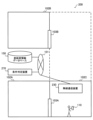
- FIG. 1 is a block diagram schematically showing the configuration of an admission permission/denial determination system according to Embodiment 1.
- FIG. FIG. 2 is a block diagram schematically showing the configuration of a mobile terminal.
- (A) and (B) are block diagrams showing examples of hardware configurations.
- FIG. 1 is a block diagram schematically showing the configuration of a wireless communication device.
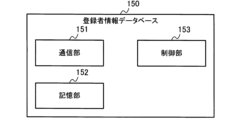
- FIG. 2 is a block diagram schematically showing the configuration of a registrant information database.
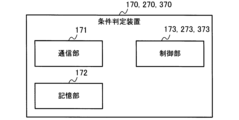
- 1 is a block diagram schematically showing the configuration of a condition determination device in embodiments 1 to 3.
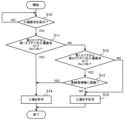
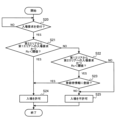
- FIG. 3 is a flowchart for explaining an overview of the operation of the condition determination device in the first embodiment.
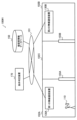
- FIG. 2 is a block diagram schematically showing an entry permission/denial determination system according to a first modification of the first embodiment.
- FIG. 2 is a block diagram schematically showing an entry permission/denial determination system according to a second modification of the first embodiment.
- FIG. 2 is a block diagram schematically showing the configuration of an admission permission/denial determination system according to a second embodiment.
- 7 is a flowchart for explaining an overview of the operation of the condition determination device in Embodiment 2.
- FIG. 3 is a block diagram schematically showing the configuration of an admission permission/denial determination system according to Embodiment 3.
- FIG. 12 is a flowchart for explaining an overview of the operation of the condition determination device in Embodiment 3.
- FIG. 1 is a block diagram schematically showing the configuration of an admission permission/denial determination system 100 according to the first embodiment.
- the admission permission/denial determination system 100 includes a first wireless communication device 130A, a second wireless communication device 130B, a registrant information database (hereinafter referred to as registrant information DB) 150, and a condition determination device as an admission permission/denial determination device. 170.
- the first wireless communication device 130A, the second wireless communication device 130B, the registrant information DB 150, and the condition determination device 170 are configured to be able to communicate via the network 101.
- the first wireless communication device 130A is installed in the first area 102A.
- the first wireless communication device 130A is installed on the wall or ceiling of the first area 102A.
- the second wireless communication device 130B is installed in the second area 102B.
- the second wireless communication device 130B is installed on the wall or ceiling of the second area 102B.
- the first wireless communication device 130A and the second wireless communication device 130B can perform wireless communication with the mobile terminal 110 used by the user. Further, the first wireless communication device 130A and the second wireless communication device 130B communicate with the condition determination device 170 using a method different from the wireless communication performed with the mobile terminal 110. Here, the first wireless communication device 130A and the second wireless communication device 130B communicate with the condition determination device 170 by wire. Then, the condition determination device 170 and the mobile terminal 110 are connected to each other via the first wireless communication device 130A or the second wireless communication device 130B, in other words, to the first wireless communication device 130A or the second wireless communication device 130B. Communication can be performed by receiving the relay. Note that the first wireless communication device 130A and the second wireless communication device 130B may communicate with the condition determination device 170 wirelessly.
- first wireless communication device 130A and the second wireless communication device 130B are configured in the same way, if there is no need to distinguish between them, one of them will be referred to as the wireless communication device 130. . Further, if there is no need to distinguish between the first area 102A and the second area 102B, one of them will be referred to as area 102.
- the user can freely enter from the second area 102B to the first area 102A, but from the first area 102A to the second area 102B, It is assumed that only registered users are allowed to enter.
- the first area 102A is an area where users can enter regardless of whether they have registered for use
- the second area 102B is an area where registrants who are registered users are allowed to enter. This is an area where entry is restricted to other users.
- FIG. 2 is a block diagram schematically showing the configuration of the mobile terminal 110.
- the mobile terminal 110 includes a wireless communication section 111, a display section 112, an input section 113, a storage section 114, and a control section 115.
- the wireless communication unit 111 performs wireless communication by transmitting and receiving radio waves to and from the first wireless communication device 130A or the second wireless communication device 130B.
- the wireless communication unit 111 periodically receives radio waves from each of the first wireless communication device 130A and the second wireless communication device 130, and measures the intensity of the radio waves. Then, the wireless communication unit 111 identifies each of the first wireless communication device 130A and the second wireless communication device 130B based on the radio field intensity of each of the first wireless communication device 130A and the second wireless communication device 130B. It is provided to the control unit 115 along with the wireless device identification information that is the identification information for the wireless device.
- wireless communication includes wireless LAN (Local Area Network), Bluetooth Low Energy, Ultra Wide Band, visible light communication, sonic communication, ultrasonic communication, and the like.
- the display unit 112 displays various screen images.
- the input unit 113 accepts input instructions from the user. For example, the input unit 113 accepts an entry request specifying the area 102 to which the user wishes to enter. Here, an entry request specifying the first area 102A or the second area 102B is accepted.
- the storage unit 114 stores data and programs necessary for processing by the mobile terminal 110.
- a user ID which is identification information for identifying a user making an entry request, is stored.
- the user who requests admission is also referred to as a requester.
- the user ID is also referred to as user identification information.
- Control unit 115 controls processing at mobile terminal 110. For example, when the control unit 115 receives the radio field strength and the wireless device identification information from the wireless communication unit 111, the control unit 115 stores the radio field strength and the wireless device identification information and the user ID stored in the storage unit 114. The reception strength information shown is sent to the condition determination device 170 via the wireless communication unit 111. Further, when the input unit 113 receives the input of an admission request, the control unit 115 transmits admission request information indicating the admission request and the user ID stored in the storage unit 114 via the wireless communication unit 111. and sends it to the condition determination device 170.
- Part or all of the control unit 115 described above includes, for example, the memory 10 and a CPU (Central Processing Unit) that executes a program stored in the memory 10, as shown in FIG. ) and the like.
- a program may be provided through a network, or may be provided recorded on a recording medium. That is, such a program may be provided as a program product, for example.
- the mobile terminal 110 can be realized by a so-called computer.
- control unit 115 may include, for example, a single circuit, a composite circuit, a processor that operates on a program, a parallel processor that operates on a program, or an ASIC (Application It can also be configured with a processing circuit 12 such as a specific integrated circuit (specific integrated circuit) or an FPGA (field programmable gate array). As described above, the control unit 115 can be realized by a processing circuit network.
- the wireless communication unit 111 can be realized by a wireless communication interface compatible with wireless communication standards.
- the display section 112 can be realized by a display device, and the input section 113 can be realized by an input device such as a button.
- the display section 112 and the input section 113 may be realized by a touch panel.
- the storage unit 114 can be realized by a nonvolatile or volatile memory.
- FIG. 4 is a block diagram schematically showing the configuration of the wireless communication device 130.
- the wireless communication device 130 includes a wireless communication section 131, a wired communication section 132, a storage section 133, and a control section 134.
- the wireless communication unit 131 transmits and receives radio waves to and from the mobile terminal 110 to perform wireless communication. For example, the wireless communication unit 131 receives reception strength information. The wireless communication unit 131 also receives admission request information.
- the wired communication unit 132 communicates with the condition determination device 170 via the network 101. For example, the wired communication unit 132 transmits the reception strength information or admission request information received by the wireless communication unit 131 to the condition determination device 170.
- the storage unit 133 stores data and programs necessary for processing by the wireless communication device 130.
- the control unit 134 controls processing in the wireless communication device 130.
- Part or all of the control unit 134 described above is configured by, for example, the memory 10 and the processor 11 that executes the program stored in the memory 10, as shown in FIG. 3(A). can do.
- a program may be provided through a network, or may be provided recorded on a recording medium. That is, such a program may be provided as a program product, for example.
- the wireless communication device 130 can be realized by a so-called computer.
- a part or all of the control unit 134 may be configured by the processing circuit 12, for example, as shown in FIG. 3(B). As described above, the control unit 134 can be realized by a processing circuit network.
- the wireless communication unit 131 can be realized by a wireless communication interface compatible with wireless communication standards.
- the wired communication unit 132 can be realized by a communication interface such as a NIC (Network Interface Card).
- the storage unit 133 can be realized by a nonvolatile or volatile memory.
- FIG. 5 is a block diagram schematically showing the configuration of the registrant information DB 150.
- the registrant information DB 150 includes a communication section 151, a storage section 152, and a control section 153.
- the communication unit 151 communicates with the condition determination device 170 via the network 101. For example, upon receiving registration information indicating a user ID, the communication unit 151 provides the registration information to the control unit 153. Further, upon receiving a confirmation request indicating the user ID, the communication section 151 provides the confirmation request to the control section 153.
- the storage unit 152 stores data and programs necessary for processing in the registrant information DB 150.
- the storage unit 152 stores registrant information in which the user ID of a user who can enter the second area 102B from the first area 102A is registered as the registrant ID of the registrant.
- the control unit 153 controls processing in the registrant information DB 150. For example, upon receiving the registration information, the control unit 153 uses the user ID indicated by the registration information as the registrant ID of the registrant who can enter the second area 102B from the first area 102A. Register for information.
- control unit 153 determines whether a registrant ID matching the user ID indicated in the confirmation request is registered in the registrant information. Then, the control unit 153 sends the determination result, registration presence/absence information indicating the presence/absence of registration, to the condition determination device 170 via the communication unit 151.
- Part or all of the control unit 153 described above is configured by, for example, the memory 10 and the processor 11 that executes the program stored in the memory 10, as shown in FIG. 3(A). can do.
- a program may be provided through a network, or may be provided recorded on a recording medium. That is, such a program may be provided as a program product, for example.
- the registrant information DB 150 can be realized by a so-called computer.
- a part or all of the control unit 153 may be configured by the processing circuit 12, for example, as shown in FIG. 3(B). As described above, the control unit 153 can be realized by a processing circuit network.
- the communication unit 151 can be realized by a communication interface such as a NIC.
- the storage unit 152 can be realized by a storage device such as an HDD (Hard Disk Drive) or an SSD (Solid State Drive).
- FIG. 6 is a block diagram schematically showing the configuration of the condition determination device 170.
- the condition determination device 170 includes a communication section 171, a storage section 172, and a control section 173.
- the communication unit 171 communicates with the wireless communication device 130 or the registrant information DB 150 via the network 101. Furthermore, the communication unit 171 can communicate with the mobile terminal 110 via the network 101 and the wireless communication device 130.
- the communication unit 171 receives a first entry request from the requester's mobile terminal 110, which is a request for entry from the first area 102A to the second area 102B, or a request for entry from the second area 102B to the first area.
- a request to enter 102A is received.
- the intensity of the radio wave that the requester's mobile terminal 110 receives from the first wireless communication device 130A is defined as the first radio wave intensity.
- the intensity of the radio wave that the requester's mobile terminal 110 receives from the second wireless communication device 130B is defined as the second radio wave intensity.
- the communication unit 171 receives the first radio field strength and the second radio field strength from the requester's mobile terminal 110.
- the communication unit 171 transmits the radio waves from the first wireless communication device 130A from the requester's mobile terminal 110 to the first radio wave intensity, which is the intensity at which the requester's mobile terminal 110 received the radio waves, and the second radio wave intensity.
- the requester's mobile terminal 110 receives a second radio wave intensity that is the intensity at which the requester's mobile terminal 110 receives the radio waves from the wireless communication device 130B.
- the communication unit 171 receives reception strength information or admission request information from the mobile terminal 110 via the network 101 and the wireless communication device 130. Further, the communication unit 171 transmits registration information to the registrant information DB 150, for example. Further, the communication unit 171 transmits a confirmation request to the registrant information DB 150, and receives registration information as a response. The received reception strength information, admission request information, or registration presence/absence information is given to the control unit 173.
- the storage unit 172 stores data and programs necessary for processing by the condition determination device 170.
- the control unit 173 controls processing by the condition determination device 170. For example, when a first admission request is sent from a requester's mobile terminal, the control unit 173 determines that the first radio field strength is stronger than the second radio field strength and that the requester is a registrant. , the requester is permitted to enter the second area 102B from the first area 102A. Further, when a second admission request is sent from the requester's mobile terminal 110 and the second radio field intensity is stronger than the first radio field intensity, the control unit 173 controls the requester's second admission request. Entry from area 102B to first area 102A is permitted.
- the control unit 173 upon acquiring admission request information from the mobile terminal 110, the control unit 173 refers to the corresponding reception strength information to determine the area where the user is currently located and the area in which the user is requesting admission. Determine whether the contents match. Specifically, when a user requests entry from the first area 102A to the second area 102B, the control unit 173 controls the reception from the mobile terminal 110 that the user is using. By checking the radio field strength indicated by the strength information, the radio field strength Ra from the first wireless communication device 130A installed in the first area 102A becomes the same as that of the second wireless communication device installed in the second area 102B. If the radio field intensity Rb from the communication device 130B is stronger, it is determined that the area where the user is currently located matches the content of the user's request for entry.
- the control unit 173 uses reception strength information from the mobile terminal 110 that the user is using. By checking the indicated radio field strength, the radio field strength Rb from the second radio communication device 130B installed in the second area 102B is determined to be the radio field strength Rb from the first radio communication device 130A installed in the first area 102A. If the radio field strength Ra is stronger than the radio field strength Ra from the area, it is determined that the area where the user is currently located matches the content of the user's request for entry.
- the control unit 173 controls the area where the user is requesting entry to be subject to entry restrictions. Determine whether it is in the area.
- the first area 102A is an area that is not subject to admission restrictions
- the second area 102B is an area that is subject to admission restrictions.
- control unit 173 allows the user to enter the area. On the other hand, if the area to which the user is requesting entry is an area subject to admission restrictions, the control unit 173 controls, if the user is registered as a registrant in the registrant information DB 150, Entry to the area is permitted, but if the user is not registered as a registrant, entry to the area is not permitted.
- the control unit 173 controls a blocking member such as a door or gate between the first area 102A and the second area 102B, as shown in FIG. 103 so that it can be opened.
- a blocking member such as a door or gate between the first area 102A and the second area 102B, as shown in FIG. 103 so that it can be opened.
- the control unit 173 refuses to unlock the blocking member 103 and prevents it from being opened.
- the blocking member 103 is a member provided to block the first area 102A and the second area 102B.
- Part or all of the control unit 173 described above is configured by, for example, the memory 10 and the processor 11 that executes the program stored in the memory 10, as shown in FIG. 3(A). can do.
- a program may be provided through a network, or may be provided recorded on a recording medium. That is, such a program may be provided as a program product, for example.
- the condition determination device 170 can be realized by a so-called computer.
- a part or all of the control unit 173 may be configured by the processing circuit 12, for example, as shown in FIG. 3(B). As described above, the control unit 173 can be realized by a processing circuit network.
- the communication unit 171 can be realized by a communication interface such as a NIC.
- the storage unit 172 can be realized by a storage device such as an HDD or an SSD.
- FIG. 7 is a flowchart for explaining an overview of the operation of condition determination device 170 in the first embodiment.
- the process advances to step S11.
- the received admission request information is given to the control unit 173.
- the entry request information indicates a request for entry from the first area 102A to the second area, or a request for entry from the second area 102B to the first area 102A.
- step S11 the control unit 173 determines that the entry request information indicates an entry request from the second area 102B to the first area 102A, and that the reception strength information from the mobile terminal 110 used by the user indicates that the radio wave It is determined whether or not intensity Ra ⁇ radio wave intensity Rb.
- radio field strength Ra ⁇ radio field strength Rb it can be determined that the user who made the entry request is staying in the second area 102B. Therefore, if the conditions in step S11 are met, it can be determined that the area where the user is currently located matches the content of the user's request for entry. If the condition of step S11 is satisfied (Yes in S11), the process proceeds to step S14, and if the condition of step S11 is not satisfied (No in S11), the process proceeds to step S12.
- step S12 the control unit 173 determines that the entry request information indicates an entry request from the first area 102A to the second area 102B, and that the reception strength information from the mobile terminal 110 used by the user indicates that the radio wave It is determined whether or not intensity Ra>radio wave intensity Rb.
- radio field strength Ra>radio field strength Rb it can be determined that the user who made the entry request is staying in the first area 102A. Therefore, if the conditions in step S12 are met, it can be determined that the area where the user is currently located matches the content of the user's request for entry. If the condition of step S12 is satisfied (Yes in S12), the process proceeds to step S13, and if the condition of step S12 is not satisfied (No in S12), the process proceeds to step S15.
- step S13 the control unit 173 sends a confirmation request indicating the user ID of the user who sent the admission request information to the registrant information DB 150 via the communication unit 171, and sends the registration presence/absence information as a response.
- the information is received via the communication unit 171, and it is determined whether or not a registrant ID matching the user ID is registered in the registrant information. If the user ID is registered as a registrant ID (Yes in S13), the process proceeds to step S14, and if the user ID is not registered as a registrant ID (No in S13), the process proceeds to step S14. , the process proceeds to step S15.
- step S14 the control unit 173 unlocks the blocking member 103 and allows the user to enter the area 102.
- step S15 the control unit 173 does not unlock the blocking member 103 and does not allow the user to enter the area 102.
- the control unit 173 of the condition determination device 170 determines whether the user's location matches the entrance request via the communication unit 171. By sending information to the effect that the user's location does not match the entry request to the mobile terminal 110, the display unit 112 of the mobile terminal 110 may display that the user's location does not match the entry request.
- control unit 173 sends information to the mobile terminal 110 that the user is not registered, thereby controlling the mobile terminal 110.
- the display unit 112 may display that the user is not registered as a user who can enter.
- a user who cannot enter from the first area 102A to the second area 102B, but who can enter from the second area 102B to the first area 102A actually Even if the user makes an entry request from the second area 102B to the first area 102A despite being in the first area 102A, by comparing the entry request and the user's position, the second area 102A It becomes possible to prevent entry to area 102B. Therefore, security can be improved.
- the control unit 173 determines whether the radio field strength Ra and the radio field strength Rb are measured within a predetermined time. Using a plurality of pieces of received strength information, for example, it may be determined by majority vote which radio field strength is stronger. By making such a determination, it is possible to increase the accuracy of determining whether the mobile terminal 110 is in the first area 102A or the second area 102B even if disturbances occur locally in the radio field strength. It is possible.
- first wireless communication device 130A and the second wireless communication device 130B are located at positions where the radio field intensity Ra and the radio field intensity Rb are equal when the mobile terminal 110 is exactly at the position of the blocking member 103. It is desirable that it be placed. By installing in such a position, it is possible to increase the accuracy of determination as to whether the mobile terminal 110 is in the first area 102A or the second area 102B.
- the first wireless communication device 130A and the second wireless communication device 130B are installed in the first area 102A and the second area 102B, respectively.
- the wireless communication device 130 may be installed only in one of the area 102A and the second area 102B.
- step S11 of FIG. 7 the entry request information indicates an entry request from the second area 102B to the first area 102A, and , if the magnitude of the radio field intensity Ra is less than or equal to the predetermined threshold Th1 (Yes in S11), the process proceeds to step S14, and if such a condition is not met (No in S11), the process proceeds to step S14.
- the process proceeds to step S12.
- step S12 of FIG. 7 if the admission request information indicates an admission request from the first area 102A to the second area 102B, and the magnitude of the radio field intensity Ra is equal to or greater than the predetermined threshold Th2. If (Yes in S12), the process proceeds to step S13, and if such conditions are not met (No in S12), the process proceeds to step S15.
- a modification of the real position form 1 As shown in FIG. 1, the entrance permission/denial determination system 100 according to the first embodiment has a configuration in which a first area 102A and a second area 102B partitioned by a blocking member 103 have different security levels. It had become. On the other hand, as shown in FIG. 8, the entrance permission/denial determination system 100#1 according to the first modification of the first embodiment has a first area 102A and a second area 102B. A third area 102C is provided in between.
- FIG. 8 is a block diagram schematically showing an entry permission/denial determination system 100#1 according to a first modification of the first embodiment.
- a first blocking member 103A such as a door or gate is provided between the first area 102A and the third area 102C
- a first blocking member 103A such as a door or gate is provided between the first area 102A and the third area 102C.
- a second blocking member 103B is also provided.
- the first blocking member 103A is a member for blocking between the first area 102A and the third area 102C
- the second blocking member 103B is a member for blocking between the second area 102B and the third area 102C.
- the first area 102A and the second area 102B are areas outside the gate, and the third area Area 102C corresponds to the passage between gates.
- FIG. 9 is a block diagram schematically showing an entry permission/denial determination system 100#2 according to a second modification of the first embodiment.
- the admission permission/denial determination system 100#2 according to the second modification is an example in which the admission permission/denial determination system 100 according to the first embodiment is applied to an elevator system.
- the first area 102A and the second area 102B are each a specific floor within the building, and the third area 102C is operated as a car of the elevator system used in the building. be able to.
- the floor of the first area 102A is also referred to as a first floor
- the floor of the second area 102B is also referred to as a second floor.
- control unit 173 of the condition determination device 170 acquires the admission request information from the mobile terminal 110, it can determine the area where the user is currently located and the area where the user is currently located by referring to the corresponding reception strength information. It is determined whether or not the contents of the request for admission match.
- a user who is not a registered user who can enter the floor that is the second area 102B requests entry from the second area 102B to the first area 102A on the floor that is the first area 102A.
- the elevator doors which are the first blocking member 103A and the second blocking member 103B, will not open because it is detected from the radio wave intensity that the user is on the floor that is the first area 102A.
- Embodiment 2 shows a system that has a simpler configuration than Embodiment 1 and is applicable to an elevator system.
- the admission permission/denial determination system in Embodiment 2 allows an admission request from a user if the user is in a passing area (in the case of an elevator, inside a car) provided between multiple areas where the user can enter. It's something you don't do.
- FIG. 10 is a block diagram schematically showing the configuration of an admission permission/denial determination system 200 according to the second embodiment.
- the admission permission/denial determination system 200 includes a wireless communication device 230, a registrant information DB 150, and a condition determination device 270.
- the wireless communication device 230, the registrant information DB 150, and the condition determination device 270 are configured to be able to communicate via the network 101.
- the wireless communication device 230 is installed in the elevator car, which is the third area 102C.
- the wireless communication device 230 can perform wireless communication with the mobile terminal 110 used by the user.
- the mobile terminal 110 and the registrant information DB 150 in the second embodiment are configured similarly to the mobile terminal 110 and the registrant information DB 150 in the first embodiment.
- wireless communication device 230 in Embodiment 2 has the same configuration as wireless communication device 130 in Embodiment 1, except for the installation location.
- users can freely enter from the second area 102B to the first area 102A, but from the first area 102A to the second area 102B, It is assumed that only registered users are allowed to enter.
- the condition determination device 270 includes a communication section 171, a storage section 172, and a control section 273.
- the communication unit 171 and storage unit 172 of the condition determination device 270 in the second embodiment are configured similarly to the communication unit 171 and the storage unit 172 of the condition determination device 170 in the first embodiment. Therefore, the communication unit 171 receives a first entry request, which is a request for entry from the first area 102A to the second area 102B, or a request for entry from the second area 102B, from the mobile terminal 110 used by the requester.
- a second admission request which is a request for admission to area 102A of No. 1, is received.
- the intensity of the radio waves that the requester's mobile terminal 110 receives from the wireless communication device 230 is defined as the radio wave intensity.
- the communication unit 171 receives the radio field intensity from the requester's mobile terminal 110. That is, the communication unit 171 receives from the mobile terminal 110 the radio wave intensity that is the strength at which the mobile terminal 110 receives the radio wave from the wireless communication device 230.
- the control unit 273 controls processing by the condition determination device 270. For example, when a first admission request is sent from the requester's mobile terminal 110, the control unit 273 determines that the radio field strength from the wireless communication device 230 is weaker than a predetermined threshold, and the requester is a registrant, the requester is permitted to enter the second area 102B from the first area 102A. Further, when a second admission request is sent from the requester's mobile terminal 110, the control unit 273 controls the requester's second admission request when the radio field strength from the wireless communication device 230 is weaker than the threshold. Entry from area 102B to first area 102A is permitted.
- the control unit 273 upon acquiring admission request information from the mobile terminal 110, the control unit 273 refers to the corresponding reception strength information to determine the area where the user is currently located and the area in which the user is requesting admission. Determine whether the contents match. Specifically, when a user requests entry from the first area 102A to the second area 102B, the control unit 273 controls the reception from the mobile terminal 110 that the user is using. By checking the radio field strength indicated by the strength information, if the radio field strength Rc from the wireless communication device 230 is less than a predetermined threshold, it is possible to determine the area where the user is currently located and the area where the user requests entry. It is determined that the content matches the content.
- the control unit 273 uses reception strength information from the mobile terminal 110 that the user is using. By checking the displayed radio field strength, if the radio field strength Rc from the wireless communication device 230 is less than a predetermined threshold, the area where the user is currently located and the content of the user's request to enter are displayed. It is determined that they match.
- the control unit 273 controls the area to which the user is requesting admission to be restricted. Determine whether it is in the area.
- the first area 102A is an area that is not subject to admission restrictions
- the second area 102B is an area that is subject to admission restrictions. If the area to which the user requests entry is not an area subject to entry restrictions, the control unit 273 allows the user to enter the area.
- control unit 273 controls, if the user is registered as a registrant in the registrant information DB 150, Entry to the area is permitted, but if the user is not registered as a registrant, entry to the area is not permitted.
- the control unit 273 opens the first blocking member 103A between the first area 102A and the third area 102C, as shown in FIG.
- a second blocking member 103B such as a door or a gate between the second area 102B and the third area 102C can be opened.
- FIG. 11 is a flowchart for explaining an overview of the operation of condition determination device 270 in the second embodiment.
- the process proceeds to step S21.
- the received admission request information is given to the control unit 273.
- the entry request information indicates a request for entry from the first area 102A to the second area, or a request for entry from the second area 102B to the first area 102A.
- step S21 the control unit 273 determines that the entry request information indicates an entry request from the second area 102B to the first area 102A, and that the reception strength information from the mobile terminal 110 used by the user indicates that the radio wave It is determined whether the intensity Rc ⁇ threshold value is indicated.
- the radio field strength Rc ⁇ threshold value is satisfied, it can be determined that the user who made the entry request is not in the third area 102C. Therefore, if the conditions in step S21 are met, it can be determined that the area where the user is currently located matches the content of the user's request for entry. If the condition of step S21 is satisfied (Yes in S21), the process proceeds to step S24, and if the condition of step S21 is not satisfied (No in S21), the process proceeds to step S22.
- step S22 the control unit 273 determines that the entry request information indicates an entry request from the first area 102A to the second area 102B, and that the reception strength information from the mobile terminal 110 used by the user indicates that the radio wave It is determined whether the intensity Rc ⁇ threshold value is indicated. Here, if the radio field strength Rc ⁇ threshold value is satisfied, it can be determined that the user who made the entry request is not staying in the third area 102C. Therefore, if the conditions in step S22 are met, it can be determined that the area where the user is currently located matches the content of the user's request for entry. If the condition of step S22 is satisfied (Yes in S22), the process proceeds to step S23, and if the condition of step S22 is not satisfied (No in S22), the process proceeds to step S25.
- step S23 the control unit 273 sends a confirmation request indicating the user ID of the user who sent the admission request information to the registrant information DB 150 via the communication unit 171, and sends the registration presence/absence information as a response.
- the information is received via the communication unit 171, and it is determined whether or not a registrant ID matching the user ID is registered in the registrant information. If the user ID is registered as a registrant ID (Yes in S23), the process proceeds to step S24, and if the user ID is not registered as a registrant ID (No in S23), the process proceeds to step S24. , the process proceeds to step S25.
- step S24 the control unit 273 opens the first blocking member 103A and the second blocking member 103B to permit the user to enter the area 102.
- step S25 the control unit 273 does not open the first blocking member 103A and the second blocking member 103B, and does not allow the user to enter the area 102.
- the control unit 273 of the condition determination device 270 determines whether the user's location matches the entrance request via the communication unit 171. By sending information to the effect that the user's location does not match the entry request to the mobile terminal 110, the display unit 112 of the mobile terminal 110 may display that the user's location does not match the entry request.
- control unit 273 sends information to the mobile terminal 110 that the user is not registered, thereby controlling the mobile terminal 110.
- the display unit 112 may display that the user is not registered as a user who can enter.
- Embodiment 2 a user who cannot get off the elevator car at a floor corresponding to the second area 102B, even though he is actually inside the elevator car, is unable to get off at the floor corresponding to the second area 102B. Even if an entry request is made to the floor corresponding to the first area 102A from the floor where the user is requesting entry, the door will not open by comparing the floor making the entry request with the floor where the user is actually located. It becomes possible to prevent users from entering the second area 102B. Therefore, it has the effect of improving security.
- Embodiment 3 shows a system that can be applied to an elevator system with a configuration that detects the user's position more accurately and improves security more than Embodiment 2.
- FIG. 12 is a block diagram schematically showing the configuration of an admission permission/denial determination system 300 according to the third embodiment.
- the admission permission/denial determination system 300 includes a first wireless communication device 330A, a second wireless communication device 330B, a third wireless communication device 330C, a registrant information DB 150, and a condition determination device 370.
- the first wireless communication device 330A, the second wireless communication device 330B, the third wireless communication device 330C, the registrant information DB 150, and the condition determination device 370 are configured to be able to communicate via the network 101. There is.
- the first wireless communication device 330A is installed in the first area 102A.
- the second wireless communication device 330B is installed in the second area 102B.
- the third wireless communication device 330C is installed in the elevator car, which is the third area 102C.
- the first wireless communication device 330A, the second wireless communication device 330B, and the third wireless communication device 330C can perform wireless communication with the mobile terminal 110 used by the user.
- the first wireless communication device 330A, the second wireless communication device 330B and the third wireless communication device 330C are each referred to as a wireless communication device 330.
- the wireless communication device 330 is configured similarly to the wireless communication device 130 in the first embodiment.
- the mobile terminal 110 and registrant information DB 150 in the third embodiment are configured similarly to the mobile terminal 110 and the registrant information DB 150 in the first embodiment.
- users can freely enter from the second area 102B to the first area 102A, but from the first area 102A to the second area 102B, It is assumed that only registered users are allowed to enter.
- the condition determination device 370 includes a communication section 171, a storage section 172, and a control section 373.
- the communication unit 171 and storage unit 172 of the condition determination device 370 in the third embodiment are configured similarly to the communication unit 171 and the storage unit 172 of the condition determination device 170 in the first embodiment. Therefore, the communication unit 171 receives a first entry request, which is a request for entry from the first area 102A to the second area 102B, or a request for entry from the second area 102B, from the mobile terminal 110 used by the requester.
- a second admission request which is a request for admission to area 102A of No. 1, is received.
- the intensity of the radio waves that the requester's mobile terminal 110 receives from the first wireless communication device 330A is defined as the first radio wave intensity.
- the intensity of the radio wave that the requester's mobile terminal 110 receives from the second wireless communication device 330B is defined as the second radio wave intensity.
- the intensity of the radio wave that the requester's mobile terminal 110 receives from the third wireless communication device 330C is defined as the third radio wave intensity.
- the communication unit 171 receives the first radio field strength, the second radio field strength, and the third radio field strength from the requester's mobile terminal 110.
- the communication unit 171 transmits the radio waves from the second wireless communication device 330B from the mobile terminal 110 to the first radio wave intensity, which is the intensity at which the mobile terminal 110 received the radio waves from the first wireless communication device 330A.
- the mobile terminal 110 receives a second radio field strength that is the strength received by the mobile terminal 110, and a third radio field strength that is the strength that the mobile terminal 110 receives the radio wave from the third wireless communication device 330C.
- the control unit 373 controls processing by the condition determination device 370. For example, when a first admission request is sent from the requester's mobile terminal 110, the control unit 373 controls the control unit 373 to determine that the first radio field strength is stronger than the second radio field strength and that the third radio field strength is set in advance. If the requester is weaker than the set threshold and the requester is a registrant, the requester is permitted to enter from the first area 102A to the second area 102B. Further, when a second admission request is sent from the requester's mobile terminal 110, the control unit 373 determines that the second radio field strength is stronger than the first radio field strength, and the third radio field strength is higher than the first radio field strength. When the threshold is lower than that, the requester is allowed to enter the first area 102A from the second area 102B.
- the control unit 373 upon acquiring admission request information from the mobile terminal 110, the control unit 373 refers to the corresponding reception strength information to determine the area where the user is currently located and the area in which the user is requesting admission. Determine whether the contents match. Specifically, when a user requests entry from the first area 102A to the second area 102B, the control unit 373 controls the reception from the mobile terminal 110 that the user is using. By checking the radio field strength indicated by the strength information, the radio field strength Ra from the first wireless communication device 330A installed in the first area 102A becomes the same as that of the second wireless communication device installed in the second area 102B.
- the radio field strength Rb from the communication device 330B is stronger and the radio field strength Rc from the third wireless communication device 330C is less than a predetermined threshold, the area where the user is currently located and the area where the user is not allowed to enter are displayed. Determine that the requested content matches.
- the control unit 373 uses reception strength information from the mobile terminal 110 that the user is using. By checking the radio field strength shown, the radio field strength Rb from the second wireless communication device 330B installed in the second area 102B becomes the first wireless communication device 330A installed in the first area 102A. If the radio field strength Rc from the third wireless communication device 330C is lower than the predetermined threshold, the area where the user is currently located and the area where the user is requesting entry. It is determined that the content matches the content in the file.
- the control unit 373 controls the area where the user is requesting entry to be subject to entry restrictions. Determine whether it is in the area.
- the first area 102A is an area that is not subject to admission restrictions
- the second area 102B is an area that is subject to admission restrictions. If the area to which the user requests entry is not an area subject to entry restrictions, the control unit 373 allows the user to enter the area.
- control unit 373 controls, if the user is registered as a registrant in the registrant information DB 150, Entry to the area is permitted, but if the user is not registered as a registrant, entry to the area is not permitted.
- the control unit 373 opens the first blocking member 103A between the first area 102A and the third area 102C, as shown in FIG.
- a second blocking member 103B such as a door or a gate between the second area 102B and the third area 102C can be opened.
- FIG. 13 is a flowchart for explaining an overview of the operation of condition determination device 370 in the third embodiment.
- the process proceeds to step S31.
- the received admission request information is given to the control unit 373.
- the entry request information indicates a request for entry from the first area 102A to the second area, or a request for entry from the second area 102B to the first area 102A.
- step S31 the control unit 373 determines that the entry request information indicates an entry request from the second area 102B to the first area 102A, and that the reception strength information from the mobile terminal 110 used by the user is radio wave strength Ra. ⁇ radio field strength Rb>, and it is determined whether reception strength information from the mobile terminal 110 used by the user indicates radio field strength Rc ⁇ threshold value.
- radio field strength Ra ⁇ radio field strength Rb and radio field strength Rc ⁇ threshold are satisfied, it can be determined that the user who made the entry request is staying in the second area 102B. Therefore, if the conditions in step S31 are met, it can be determined that the area where the user is currently located matches the content of the user's request for entry. If the condition of step S31 is satisfied (Yes in S31), the process proceeds to step S34, and if the condition of step S31 is not satisfied (No in S31), the process proceeds to step S32.
- step S32 the control unit 373 determines that the entry request information indicates an entry request from the first area 102A to the second area 102B, and that the reception strength information from the mobile terminal 110 used by the user is based on the radio wave strength Ra. >Radio field strength Rb, and it is determined whether reception strength information from the mobile terminal 110 used by the user indicates radio field strength Rc ⁇ threshold value.
- radio field strength Ra>radio field strength Rb and radio field strength Rc ⁇ threshold are satisfied, it can be determined that the user who made the entry request is staying in the first area 102A. Therefore, if the conditions in step S32 are met, it can be determined that the area where the user is currently located matches the content of the user's request for entry. If the condition of step S32 is satisfied (Yes in S32), the process proceeds to step S33, and if the condition of step S32 is not satisfied (No in S32), the process proceeds to step S35.
- step S33 the control unit 373 sends a confirmation request indicating the user ID of the user who sent the admission request information to the registrant information DB 150 via the communication unit 171, and sends the registration presence/absence information that is the response.
- the information is received via the communication unit 171, and it is determined whether or not a registrant ID matching the user ID is registered in the registrant information. If the user ID is registered as a registrant ID (Yes in S33), the process proceeds to step S34, and if the user ID is not registered as a registrant ID (No in S33), the process proceeds to step S34. , the process proceeds to step S35.
- step S34 the control unit 373 opens the first blocking member 103A and the second blocking member 103B to permit the user to enter the area 102.
- step S35 the control unit 373 does not open the first blocking member 103A and the second blocking member 103B, and does not allow the user to enter the area 102.
- the control unit 373 of the condition determination device 370 determines whether the user's location matches the entrance request via the communication unit 171. By sending information to the effect that the user's location does not match the entry request to the mobile terminal 110, the display unit 112 of the mobile terminal 110 may display that the user's location does not match the entry request.
- control unit 373 sends information to the mobile terminal 110 that the user is not registered, thereby controlling the mobile terminal 110.
- the display unit 112 may display that the user is not registered as a user who can enter.
- the elevator car although it is not possible to board the elevator car from the floor corresponding to the first area 102A, it is not possible to board the elevator car from the floor corresponding to the second area 102B. If a user who is able to do so makes a request to enter the floor corresponding to the first area 102A from the floor corresponding to the second area 102B even though the user is actually on the floor corresponding to the first area 102A. However, by comparing the floor requesting entry with the floor or car where the user is actually located, the door will not open, making it possible to prevent the user from boarding the elevator car. Therefore, it has the effect of improving security.
- a user who cannot get off at the floor corresponding to the second area 102B from inside the car may get off the car from the floor corresponding to the second area 102B to the floor corresponding to the first area 102A, even though the user is actually inside the car. Even if a user makes an entry request to the second area 102B, the door will not open due to the combination of the floor on which the user is making the entry request and the floor where the user is actually located, preventing the user from entering the second area 102B. It becomes possible to prevent Therefore, it has the effect of improving security.
- the registrant information DB 150 is provided, but the first to third embodiments are not limited to such an example.
- the storage unit 172 of the condition determination device 170, 270, 370 may store registrant information. In such a case, the registrant information DB 150 may not be provided.
- radio field intensity is used as the physical quantity that changes depending on the distance between the mobile terminal 110 and the wireless communication device 130, 230, 330. 1 to 3 are not limited to these examples. Denial of entry may be determined based on another physical quantity that changes depending on the distance between the mobile terminal 110 and the wireless communication device 130, 230, 330.
- the wireless communication unit 111 of the mobile terminal 110 transmits and receives radio waves to and from the first wireless communication device 130A or the second wireless communication device 130B to perform wireless communication. , the time from transmitting radio waves to each of the first wireless communication device 130A and the second wireless communication device 130 until receiving the response is measured. Then, the wireless communication unit 111 calculates the communication time, which is the time required for transmitting and receiving radio waves in each of the first wireless communication device 130A and the second wireless communication device 130B, to the communication time of the first wireless communication device 130A and the second wireless communication device 130B. It is provided to the control unit 115 together with wireless device identification information that is identification information for identifying each wireless communication device 130B.
- control unit 115 When the control unit 115 receives the communication time and wireless device identification information from the wireless communication unit 111, the control unit 115 stores the communication time and wireless device identification information and the user ID stored in the storage unit 114. The communication time information shown is sent to the condition determination device 170 via the wireless communication unit 111.
- the control unit 173 of the condition determination device 170 receives communication time information from the mobile terminal 110.
- the communication time with the first wireless communication device 130A is also referred to as a first communication time
- the communication time with the second wireless communication device 130B is also referred to as a second communication time.
- the control unit 173 determines that the first communication time is shorter than the second communication time and that the requester is registered. 102A, the requester is permitted to enter the second area 102B from the first area 102A.
- the control unit 173 controls the requester's second admission request when the second communication time is shorter than the first communication time. Entry from area 102B to first area 102A is permitted.
- the control unit 173 controls the control unit 173 if the first distance is shorter than the second distance and the requester is When the requester is a registrant, the requester is permitted to enter from the first area 102A to the second area 102B.
- the control unit 173 controls the requester's second area. 102B is permitted to enter the first area 102A.
- the first distance and the second distance may be calculated by the control unit 115 of the mobile terminal 110 or may be calculated by the control unit 173 of the condition determination device 170.
- the communication unit 171 of the condition determination device 170 is a physical quantity that changes depending on the interval between the mobile terminal 110 and the first wireless communication device 130A.
- a first physical quantity and a second physical quantity that is a physical quantity that changes depending on the interval between the mobile terminal 110 and the second wireless communication device 130B are received.
- the control unit 173 of the condition determination device 170 determines that the mobile terminal 110 is in the first area 102A based on the first physical quantity and the second physical quantity.
- the requester is permitted to enter from the first area 102A to the second area 102B.
- the control unit 173 determines that the mobile terminal 110 exists in the second area 102B from the first physical quantity and the second physical quantity. When the requester is able to do so, the requester is permitted to enter the first area 102A from the second area 102B.
- the wireless communication unit 111 of the mobile terminal 110 transmits and receives radio waves to and from the wireless communication device 230 to perform wireless communication, and after transmitting the radio waves to the wireless communication device 230, Measure the communication time until receiving a response. Then, the wireless communication section 111 gives the communication time to the control section 115.
- control unit 115 When the control unit 115 receives the communication time and wireless device identification information from the wireless communication unit 111, the control unit 115 stores the communication time and wireless device identification information and the user ID stored in the storage unit 114. The communication time information shown is sent to the condition determination device 270 via the wireless communication unit 111.
- the control unit 273 of the condition determination device 270 determines that the communication time with the wireless communication device 230 is longer than a predetermined threshold. Further, when the requester is a registrant, the requester is permitted to enter from the first area 102A to the second area 102B. In addition, when a second admission request is sent from the requester's mobile terminal 110, the control unit 273 controls the requester's second admission request when the communication time with the wireless communication device 230 is longer than the threshold value. Entry from area 102B to first area 102A is permitted.
- the distance between mobile terminal 110 and wireless communication device 230 may be calculated from the communication time, and the above determination may be made using that distance. Specifically, when the first admission request is sent from the requester's mobile terminal 110, the control unit 273 determines whether the distance is longer than the threshold and the requester is a registrant. Then, the requester is allowed to enter the second area 102B from the first area 102A. Further, when a second entry request is sent from the requester's mobile terminal 110 and the distance is longer than the threshold, the control unit 273 controls the requester's second area 102B to the first entry request. Entry to area 102A is permitted. Note that the distance may be calculated by the control unit 115 of the mobile terminal 110 or may be calculated by the control unit 273 of the condition determination device 270.
- the communication unit 171 of the condition determination device 270 receives from the mobile terminal 110 a physical quantity that changes depending on the interval between the mobile terminal 110 and the wireless communication device 230. Then, when the first entry request is sent from the mobile terminal 110, the control unit 273 of the condition determination device 270 can determine from the physical quantity that the mobile terminal 110 does not exist in the third area 102C. , and when the requester who is the user of the mobile terminal 110 is a registrant, the requester is permitted to enter from the first area 102A to the second area 102B.
- control unit 273 controls the request when it can be determined from the physical quantity that the mobile terminal 110 does not exist in the third area 102C. person is allowed to enter the first area 102A from the second area 102B.
- the wireless communication unit 111 of the mobile terminal 110 measures the communication time with the first wireless communication device 330A, the second wireless communication device 330B, and the third wireless communication device 330C. do.
- the communication time between the mobile terminal 110 and the first wireless communication device 330A is referred to as a first communication time
- the communication time between the mobile terminal 110 and the second wireless communication device 330B is referred to as a second communication time.
- time, and the communication time between the mobile terminal 110 and the third wireless communication device 330C is the third communication time.
- the control unit 373 of the condition determination device 370 determines that the first communication time is shorter than the second communication time and the third communication time is shorter than the second communication time.
- the communication time is longer than a predetermined threshold and the requester is a registrant, the requester is permitted to enter from the first area 102A to the second area 102B.
- the control unit 373 determines that the second communication time is shorter than the first communication time and the third communication time is shorter than the first communication time.
- the time is longer than the threshold, the requester is allowed to enter the first area 102A from the second area 102B.
- the distance between the mobile terminal 110 and the first wireless communication device 330A, the second wireless communication device 330B, and the third wireless communication device 330C is determined based on the communication time.
- the distance, the second distance, and the third distance may be calculated, and these distances may be used to make the above determination.
- the control unit 373 of the condition determination device 370 determines that the first distance is shorter than the second distance and the third distance is shorter than the second distance. is longer than a predetermined threshold and the requester is a registrant, the requester is permitted to enter from the first area 102A to the second area 102B.
- the control unit 373 determines that the second distance is shorter than the first distance and the third distance is less than the threshold value. 102A, the requester is allowed to enter the first area 102A from the second area 102B.
- the communication unit 171 of the condition determination device 370 in the third embodiment transmits the first physical quantity, which is a physical quantity that changes depending on the interval between the mobile terminal 110 and the first wireless communication device 330A, from the mobile terminal 110. , a second physical quantity that is a physical quantity that changes depending on the distance between the mobile terminal 110 and the second wireless communication device 330B, and a second physical amount that changes according to the distance between the mobile terminal 110 and the third wireless communication device 330C.
- a third physical quantity that is a physical quantity that changes is received.
- the control unit 373 of the condition determination device 370 determines whether the mobile terminal 110 is the first entry request based on the first physical quantity, the second physical quantity, and the third physical quantity. When it can be determined that the requester exists in the area 102A and the requester who is the user of the mobile terminal 110 is a registrant, the requester's entry from the first area 102A to the second area 102B Allow. Further, when the second entry request is sent from the mobile terminal 110, the control unit 373 determines that the mobile terminal 110 is in the second area 102B based on the first physical quantity, the second physical quantity, and the third physical quantity. When it can be determined that the requester exists, the requester is permitted to enter the first area 102A from the second area 102B.
Landscapes
- Physics & Mathematics (AREA)
- General Physics & Mathematics (AREA)
- Mobile Radio Communication Systems (AREA)
- Time Recorders, Dirve Recorders, Access Control (AREA)
Abstract
Description
例えば、特許文献1には、タグに相当するICカードのビーコン認証と、利用者識別と、近距離無線による位置情報による認証と、さらに位置履歴に相当する移動経路による認証とを、入退場の認証方法として併用する高度なセキュリティ管理を行う技術が開示されている。
図1は、実施の形態1に係る入場許否判定システム100の構成を概略的に示すブロック図である。
入場許否判定システム100は、第1の無線通信装置130Aと、第2の無線通信装置130Bと、登録者情報データベース(以下、登録者情報DBという)150と、入場許否判定装置としての条件判定装置170とを備える。
第1の無線通信装置130A、第2の無線通信装置130B、登録者情報DB150及び条件判定装置170は、ネットワーク101を介して通信を行うことができるようにされている。
また、第1の無線通信装置130A及び第2の無線通信装置130Bは、携帯端末110との間で行う無線通信とは異なる方式で条件判定装置170と通信を行う。ここでは、第1の無線通信装置130A及び第2の無線通信装置130Bは、有線で条件判定装置170と通信を行う。そして、条件判定装置170及び携帯端末110は、第1の無線通信装置130A又は第2の無線通信装置130Bを介して、言い換えると、第1の無線通信装置130A又は第2の無線通信装置130Bでの中継を受けて、通信を行うことができる。なお、第1の無線通信装置130A及び第2の無線通信装置130Bは、無線で条件判定装置170と通信を行ってもよい。
また、第1のエリア102A及び第2のエリア102Bの各々を特に区別する必要がない場合には、その何れか一方をエリア102という。
言い換えると、第1のエリア102Aは、利用登録の有無に関わらず利用者が入場できるエリアであり、第2のエリア102Bは、登録された利用者である登録者の入場が許可され、登録者以外の利用者の入場が制限されているエリアである。
携帯端末110は、無線通信部111と、表示部112と、入力部113と、記憶部114と、制御部115とを備える。
また、無線通信は、無線LAN(Local Area Network)、Blutooth Low Energy、Ultra Wide Band、可視光通信、音波通信又は超音波通信等がある。
入力部113は、利用者からの指示の入力を受け付ける。例えば、入力部113は、利用者から入場することを希望するエリア102を指定した入場要求の入力を受け付ける。ここでは、第1のエリア102A又は第2のエリア102Bを指定した入場要求の入力が受け付けられる。
例えば、制御部115は、無線通信部111から、電波強度及び無線装置識別情報を受け取った場合には、その電波強度及び無線装置識別情報と、記憶部114に記憶されている利用者IDとを示す受信強度情報を、無線通信部111を介して、条件判定装置170に送る。
また、制御部115は、入力部113が、入場要求の入力を受けると、その入場要求と、記憶部114に記憶されている利用者IDとを示す入場要求情報を、無線通信部111を介して、条件判定装置170に送る。
以上のように、制御部115は、処理回路網により実現することができる。
また、表示部112は、表示装置により実現することができ、入力部113は、ボタン等の入力装置により実現することができる。なお、表示部112及び入力部113が、タッチパネルで実現されてもよい。
記憶部114は、不揮発性又は揮発性のメモリにより実現することができる。
無線通信装置130は、無線通信部131と、有線通信部132と、記憶部133と、制御部134とを備える。
制御部134は、無線通信装置130での処理を制御する。
また、制御部134の一部又は全部は、例えば、図3(B)に示されているように、処理回路12で構成することもできる。
以上のように、制御部134は、処理回路網により実現することができる。
有線通信部132は、NIC(Network Interface Card)等の通信インタフェースにより実現することができる。
記憶部133は、不揮発性又は揮発性のメモリにより実現することができる。
登録者情報DB150は、通信部151と、記憶部152と、制御部153とを備える。
また、制御部153の一部又は全部は、例えば、図3(B)に示されているように、処理回路12で構成することもできる。
以上のように、制御部153は、処理回路網により実現することができる。
記憶部152は、HDD(Hard Disk Drive)又はSSD(Solid State Drive)等の記憶装置により実現することができる。
条件判定装置170は、通信部171と、記憶部172と、制御部173とを備える。
また、要求者の携帯端末110が第1の無線通信装置130Aから受信する電波の強度を第1の電波強度とする。要求者の携帯端末110が第2の無線通信装置130Bから受信する電波の強度を第2の電波強度とする。通信部171は、要求者の携帯端末110から第1の電波強度及び第2の電波強度を受信する。つまり、通信部171は、要求者の携帯端末110から、第1の無線通信装置130Aからの電波を、要求者の携帯端末110が受信した強度である第1の電波強度、及び、第2の無線通信装置130Bからの電波を要求者の携帯端末110が受信した強度である第2の電波強度を受信する。
例えば、制御部173は、要求者の携帯端末から、第1の入場要求が送られてきた場合に、第1の電波強度が第2の電波強度よりも強く、かつ、その要求者が登録者であるときに、その要求者の第1のエリア102Aから第2のエリア102Bへの入場を許可する。また、制御部173は、要求者の携帯端末110から第2の入場要求が送られてきた場合に、第2の電波強度が第1の電波強度よりも強いときに、その要求者の第2のエリア102Bから第1のエリア102Aへの入場を許可する。
一方、利用者が入場を要求しているエリアが入場制限を受けるエリアである場合には、制御部173は、登録者情報DB150において、その利用者が登録者として登録されている場合には、そのエリアへの入場を許可し、その利用者が登録者として登録されていない場合には、そのエリアへの入場を許可しない。
また、制御部173の一部又は全部は、例えば、図3(B)に示されているように、処理回路12で構成することもできる。
以上のように、制御部173は、処理回路網により実現することができる。
記憶部172は、HDD又はSSD等の記憶装置により実現することができる。
図7は、実施の形態1における条件判定装置170の動作の概要を説明するためのフローチャートである。
一方、ステップS15では、制御部173は、遮断部材103を解錠せず、利用者のエリア102への入場を許可しない。ここで、ステップS12からステップS15に処理が遷移した場合(ステップS12でNo)には、条件判定装置170の制御部173は、通信部171を介して、利用者の位置が入場要求と整合していない旨の情報を携帯端末110に送ることで、携帯端末110の表示部112に、利用者の位置が入場要求と整合していない旨を表示させてもよい。また、ステップS13からステップS15に処理が遷移した場合(ステップS13でNo)には、制御部173は、利用者が登録されていない旨の情報を携帯端末110に送ることで、携帯端末110の表示部112に、入場可能な利用者として登録されていない旨を表示させてもよい。
また、図7のステップS12では、入場要求情報が第1のエリア102Aから第2のエリア102Bへの入場要求を示し、かつ、電波強度Raの大きさが予め定められた閾値Th2以上である場合(S12でYes)に、処理はステップS13に進み、そのような条件が満たされていない場合(S12でNo)に、処理はステップS15に進む。
実施の形態1に係る入場許否判定システム100は、図1に示されているように、遮断部材103によって仕切られた第1のエリア102A及び第2のエリア102Bのセキュリティレベルが異なる場合の構成となっていた。これに対して、実施の形態1の第1の変形例に係る入場許否判定システム100#1は、図8に示されているように、第1のエリア102Aと、第2のエリア102Bとの間に、第3のエリア102Cが設けられている。
図8に示されているように、第1のエリア102Aと、第3のエリア102Cとの間には、扉又はゲートといった第1の遮断部材103Aが設けられており、第2のエリア102Bと、第3のエリア102Cとの間にも、第2の遮断部材103Bが設けられている。第1の遮断部材103Aは、第1のエリア102Aと、第3のエリア102Cとの間を遮断するための部材であり、第2の遮断部材103Bは、第2のエリア102Bと、第3のエリア102Cとの間を遮断するための部材である。
このような場合でも、条件判定装置170の制御部173は、携帯端末110からの入場要求情報を取得すると、対応する受信強度情報を参照することで、利用者が現在いるエリアと、利用者が入場を要求している内容とが一致しているか否かを判断する。これにより、例えば、第2のエリア102Bへ入場できる登録者ではない利用者が、第1のエリア102A内で、第2のエリア102Bから第1のエリア102Aへの入場要求を行ったとしても、電波強度から第1のエリア102Aにいることが検出されるため、第1の遮断部材103A及び第2の遮断部材103Bは解錠されず、第1の遮断部材103A及び第2の遮断部材103Bを開くことができないため、利用者は入場することができなくなる。
図9に示されているように、第2の変形例に係る入場許否判定システム100#2は、実施の形態1に係る入場許否判定システム100をエレベータシステムに適用した例である。
このような場合、第1のエリア102A及び第2のエリア102Bは、建物内のそれぞれ特定の階であり、第3のエリア102Cは、その建物で使用されているエレベータシステムのかごとして、運用することができる。ここで、第1のエリア102Aの階を第1の階、第2のエリア102Bの階を第2の階ともいう。
実施の形態2は、実施の形態1よりも、より簡易な構成で、エレベータシステムに適用可能なシステムを示す。実施の形態2における入場許否判定システムは、利用者が入場できる複数のエリア間に設けられた通行エリア(エレベータの場合、かご内)に利用者がいる場合、その利用者からの入場要求を許可しないものである。
入場許否判定システム200は、無線通信装置230と、登録者情報DB150と、条件判定装置270とを備える。
無線通信装置230、登録者情報DB150及び条件判定装置270は、ネットワーク101を介して通信を行うことができるようにされている。
また、実施の形態2における無線通信装置230は、設置場所を除いて、実施の形態1における無線通信装置130と同様に構成されている。
実施の形態2における条件判定装置270の通信部171及び記憶部172は、実施の形態1における条件判定装置170の通信部171及び記憶部172と同様に構成されている。
このため、通信部171は、要求者が使用する携帯端末110から、第1のエリア102Aから第2のエリア102Bへの入場要求である第1の入場要求、又は、第2のエリア102Bから第1のエリア102Aへの入場要求である第2の入場要求を受信する。また、要求者の携帯端末110が無線通信装置230から受信する電波の強度を電波強度とする。通信部171は、要求者の携帯端末110から電波強度を受信する。つまり、通信部171は、その携帯端末110から、無線通信装置230からの電波をその携帯端末110が受信した強度である電波強度を受信する。
例えば、制御部273は、要求者の携帯端末110から第1の入場要求が送られてきた場合に、無線通信装置230からの電波強度が予め定められた閾値よりも弱く、かつ、その要求者が登録者であるときに、その要求者の第1のエリア102Aから第2のエリア102Bへの入場を許可する。また、制御部273は、要求者の携帯端末110から第2の入場要求が送られてきた場合に、無線通信装置230からの電波強度がその閾値よりも弱いときに、その要求者の第2のエリア102Bから第1のエリア102Aへの入場を許可する。
利用者が入場を要求しているエリアが入場制限を受けるエリアではない場合には、制御部273は、その利用者にそのエリアへの入場を許可する。
一方、利用者が入場を要求しているエリアが入場制限を受けるエリアである場合には、制御部273は、登録者情報DB150において、その利用者が登録者として登録されている場合には、そのエリアへの入場を許可し、その利用者が登録者として登録されていない場合には、そのエリアへの入場を許可しない。
図11は、実施の形態2における条件判定装置270の動作の概要を説明するためのフローチャートである。
一方、ステップS25では、制御部273は、第1の遮断部材103A及び第2の遮断部材103Bを開かず、利用者のエリア102への入場を許可しない。ここで、ステップS22からステップS25に処理が遷移した場合(ステップS22でNo)には、条件判定装置270の制御部273は、通信部171を介して、利用者の位置が入場要求と整合していない旨の情報を携帯端末110に送ることで、携帯端末110の表示部112に、利用者の位置が入場要求と整合していない旨を表示させてもよい。また、ステップS23からステップS25に処理が遷移した場合(ステップS23でNo)には、制御部273は、利用者が登録されていない旨の情報を携帯端末110に送ることで、携帯端末110の表示部112に、入場可能な利用者として登録されていない旨を表示させてもよい。
実施の形態3は、実施の形態2よりも、利用者の位置をより正確に検出して、よりセキュリティ性を高める構成で、エレベータシステムに適用可能なシステムを示す。
入場許否判定システム300は、第1の無線通信装置330Aと、第2の無線通信装置330Bと、第3の無線通信装置330Cと、登録者情報DB150と、条件判定装置370とを備える。
第1の無線通信装置330A、第2の無線通信装置330B、第3の無線通信装置330C、登録者情報DB150及び条件判定装置370は、ネットワーク101を介して通信を行うことができるようにされている。
そして、第1の無線通信装置330A、第2の無線通信装置330B及び第3の無線通信装置330Cは、利用者が使用する携帯端末110と無線通信を行うことができる。
なお、無線通信装置330は、実施の形態1における無線通信装置130と同様に構成されている。
また、実施の形態3における携帯端末110及び登録者情報DB150は、実施の形態1における携帯端末110及び登録者情報DB150と同様に構成されている。
実施の形態3における条件判定装置370の通信部171及び記憶部172は、実施の形態1における条件判定装置170の通信部171及び記憶部172と同様に構成されている。
このため、通信部171は、要求者が使用する携帯端末110から、第1のエリア102Aから第2のエリア102Bへの入場要求である第1の入場要求、又は、第2のエリア102Bから第1のエリア102Aへの入場要求である第2の入場要求を受信する。
また、要求者の携帯端末110が第1の無線通信装置330Aから受信する電波の強度を第1の電波強度とする。要求者の携帯端末110が第2の無線通信装置330Bから受信する電波の強度を第2の電波強度とする。要求者の携帯端末110が第3の無線通信装置330Cから受信する電波の強度を第3の電波強度とする。通信部171は、要求者の携帯端末110から第1の電波強度、第2の電波強度、及び第3の電波強度を受信する。つまり、通信部171は、その携帯端末110から、第1の無線通信装置330Aからの電波を携帯端末110が受信した強度である第1の電波強度、第2の無線通信装置330Bからの電波を携帯端末110が受信した強度である第2の電波強度、及び、第3の無線通信装置330Cからの電波を携帯端末110が受信した強度である第3の電波強度を受信する。
例えば、制御部373は、要求者の携帯端末110から第1の入場要求が送られてきた場合に、第1の電波強度が第2の電波強度よりも強く、第3の電波強度が予め定められた閾値よりも弱く、かつ、その要求者が登録者であるときに、その要求者の第1のエリア102Aから第2のエリア102Bへの入場を許可する。また、制御部373は、要求者の携帯端末110から第2の入場要求が送られてきた場合に、第2の電波強度が第1の電波強度よりも強く、かつ、第3の電波強度がその閾値よりも弱いときに、その要求者の第2のエリア102Bから第1のエリア102Aへの入場を許可する。
利用者が入場を要求しているエリアが入場制限を受けるエリアではない場合には、制御部373は、その利用者にそのエリアへの入場を許可する。
一方、利用者が入場を要求しているエリアが入場制限を受けるエリアである場合には、制御部373は、登録者情報DB150において、その利用者が登録者として登録されている場合には、そのエリアへの入場を許可し、その利用者が登録者として登録されていない場合には、そのエリアへの入場を許可しない。
図13は、実施の形態3における条件判定装置370の動作の概要を説明するためのフローチャートである。
一方、ステップS35では、制御部373は、第1の遮断部材103A及び第2の遮断部材103Bを開かず、利用者のエリア102への入場を許可しない。ここで、ステップS32からステップS35に処理が遷移した場合(ステップS32でNo)には、条件判定装置370の制御部373は、通信部171を介して、利用者の位置が入場要求と整合していない旨の情報を携帯端末110に送ることで、携帯端末110の表示部112に、利用者の位置が入場要求と整合していない旨を表示させてもよい。また、ステップS33からステップS35に処理が遷移した場合(ステップS33でNo)には、制御部373は、利用者が登録されていない旨の情報を携帯端末110に送ることで、携帯端末110の表示部112に、入場可能な利用者として登録されていない旨を表示させてもよい。
そして、制御部173は、要求者の携帯端末110から、第1の入場要求が送られてきた場合に、第1の通信時間が第2の通信時間よりも短く、かつ、その要求者が登録者であるときに、その要求者の第1のエリア102Aから第2のエリア102Bへの入場を許可する。また、制御部173は、要求者の携帯端末110から第2の入場要求が送られてきた場合に、第2の通信時間が第1の通信時間よりも短いときに、その要求者の第2のエリア102Bから第1のエリア102Aへの入場を許可する。
具体的には、制御部173は、要求者の携帯端末110から、第1の入場要求が送られてきた場合に、第1の距離が第2の距離よりも短く、かつ、その要求者が登録者であるときに、その要求者の第1のエリア102Aから第2のエリア102Bへの入場を許可する。また、制御部173は、要求者の携帯端末110から第2の入場要求が送られてきた場合に、第2の距離が第1の距離よりも短いときに、その要求者の第2のエリア102Bから第1のエリア102Aへの入場を許可する。
なお、第1の距離及び第2の距離は、携帯端末110の制御部115が算出してもよく、条件判定装置170の制御部173が算出してもよい。
そして、条件判定装置170の制御部173は、携帯端末110から第1の入場要求が送られてきた場合に、第1の物理量及び第2の物理量から、携帯端末110が第1のエリア102Aに存在すると判断することができ、かつ、携帯端末110の利用者である要求者が登録者であるときに、その要求者の第1のエリア102Aから第2のエリア102Bへの入場を許可する。また、制御部173は、携帯端末110から第2の入場要求が送られてきた場合に、第1の物理量及び第2の物理量から、携帯端末110が第2のエリア102Bに存在すると判断することができるときに、その要求者の第2のエリア102Bから第1のエリア102Aへの入場を許可する。
具体的には、制御部273は、要求者の携帯端末110から、第1の入場要求が送られてきた場合に、その距離が閾値よりも長く、かつ、その要求者が登録者であるときに、その要求者の第1のエリア102Aから第2のエリア102Bへの入場を許可する。また、制御部273は、要求者の携帯端末110から第2の入場要求が送られてきた場合に、その距離が閾値よりも長いときに、その要求者の第2のエリア102Bから第1のエリア102Aへの入場を許可する。
なお、その距離については、携帯端末110の制御部115が算出してもよく、条件判定装置270の制御部273が算出してもよい。
そして、条件判定装置270の制御部273は、携帯端末110から第1の入場要求が送られてきた場合に、物理量から、携帯端末110が第3のエリア102Cに存在しないと判断することができ、かつ、携帯端末110の利用者である要求者が登録者であるときに、その要求者の第1のエリア102Aから第2のエリア102Bへの入場を許可する。また、制御部273は、携帯端末110から第2の入場要求が送られてきた場合に、物理量から、携帯端末110が第3のエリア102Cに存在しないと判断することができるときに、その要求者の第2のエリア102Bから第1のエリア102Aへの入場を許可する。
具体的には、条件判定装置370の制御部373は、要求者の携帯端末110から第1の入場要求が送られてきた場合に、第1の距離が第2の距離よりも短く、第3の距離が予め定められた閾値よりも長く、かつ、その要求者が登録者であるときに、その要求者の第1のエリア102Aから第2のエリア102Bへの入場を許可する。また、制御部373は、要求者の携帯端末110から第2の入場要求が送られてきた場合に、第2の距離が第1の距離よりも短く、かつ、第3の距離がその閾値よりも長いときに、その要求者の第2のエリア102Bから第1のエリア102Aへの入場を許可する。
そして、条件判定装置370の制御部373は、携帯端末から第1の入場要求が送られてきた場合に、第1の物理量、第2の物理量及び第3の物理量から、携帯端末110が第1のエリア102Aに存在すると判断することができ、かつ、携帯端末110の利用者である要求者が登録者であるときに、その要求者の第1のエリア102Aから第2のエリア102Bへの入場を許可する。また、制御部373は、携帯端末110から第2の入場要求が送られてきた場合に、第1の物理量、第2の物理量及び第3の物理量から、携帯端末110が第2のエリア102Bに存在すると判断することができるときに、その要求者の第2のエリア102Bから第1のエリア102Aへの入場を許可する。
Claims (27)
- 利用登録の有無に関わらず利用者が入場できる第1のエリアに設置され、無線通信を行う第1の無線通信装置と、
登録された利用者である登録者の入場が許可され、前記登録者以外の利用者の入場が制限されている第2のエリアに設置され、無線通信を行う第2の無線通信装置と、
前記第1の無線通信装置及び前記第2の無線通信装置と通信を行う条件判定装置と、を備え、
前記条件判定装置は、
前記第1のエリアから前記第2のエリアへの入場要求である第1の入場要求、又は、前記第2のエリアから前記第1のエリアへの入場要求である第2の入場要求を行う利用者である要求者が使用する携帯端末から、前記第1の入場要求又は前記第2の入場要求を受信するとともに、前記携帯端末から、前記携帯端末と前記第1の無線通信装置との間の間隔に応じて変化する物理量である第1の物理量、及び、前記携帯端末と前記第2の無線通信装置との間の間隔に応じて変化する物理量である第2の物理量を受信する通信部と、
前記携帯端末から前記第1の入場要求が送られてきた場合に、前記第1の物理量及び前記第2の物理量から、前記携帯端末が前記第1のエリアに存在すると判断することができ、かつ、前記要求者が前記登録者であるときに、前記要求者の前記第1のエリアから前記第2のエリアへの入場を許可し、前記携帯端末から前記第2の入場要求が送られてきた場合に、前記第1の物理量及び前記第2の物理量から、前記携帯端末が前記第2のエリアに存在すると判断することができるときに、前記要求者の前記第2のエリアから前記第1のエリアへの入場を許可する制御部と、を備えること
を特徴とする入場許否判定システム。 - 前記通信部は、前記第1の物理量として、前記第1の無線通信装置からの電波を前記携帯端末が受信した強度である第1の電波強度を受信し、前記第2の物理量として、前記第2の無線通信装置からの電波を前記携帯端末が受信した強度である第2の電波強度を受信し、
前記制御部は、前記携帯端末から前記第1の入場要求が送られてきた場合に、前記第1の電波強度が前記第2の電波強度よりも強く、かつ、前記要求者が前記登録者であるときに、前記要求者の前記第1のエリアから前記第2のエリアへの入場を許可し、前記携帯端末から前記第2の入場要求が送られてきた場合に、前記第2の電波強度が前記第1の電波強度よりも強いときに、前記要求者の前記第2のエリアから前記第1のエリアへの入場を許可すること
を特徴とする請求項1に記載の入場許否判定システム。 - 前記通信部は、前記第1の物理量として、前記携帯端末が前記第1の無線通信装置に電波を送信してから、前記第1の無線通信装置からの応答の電波を受信するまでの時間である第1の通信時間を受信し、前記第2の物理量として、前記携帯端末が前記第2の無線通信装置に電波を送信してから、前記第2の無線通信装置からの応答の電波を受信するまでの時間である第2の通信時間を受信し、
前記制御部は、前記携帯端末から前記第1の入場要求が送られてきた場合に、前記第1の通信時間が前記第2の通信時間よりも短く、かつ、前記要求者が前記登録者であるときに、前記要求者の前記第1のエリアから前記第2のエリアへの入場を許可し、前記携帯端末から前記第2の入場要求が送られてきた場合に、前記第2の通信時間が前記第1の通信時間よりも短いときに、前記要求者の前記第2のエリアから前記第1のエリアへの入場を許可すること
を特徴とする請求項1に記載の入場許否判定システム。 - 前記通信部は、前記第1の物理量として、前記携帯端末が前記第1の無線通信装置に電波を送信してから、前記第1の無線通信装置からの応答の電波を受信するまでの時間である第1の通信時間を受信し、前記第2の物理量として、前記携帯端末が前記第2の無線通信装置に電波を送信してから、前記第2の無線通信装置からの応答の電波を受信するまでの時間である第2の通信時間を受信し、
前記制御部は、前記第1の通信時間から、前記携帯端末と前記第1の無線通信装置との間の距離である第1の距離を算出し、前記第2の通信時間から、前記携帯端末と前記第2の無線通信装置との間の距離である第2の距離を算出し、
前記制御部は、前記携帯端末から前記第1の入場要求が送られてきた場合に、前記第1の距離が前記第2の距離よりも短く、かつ、前記要求者が前記登録者であるときに、前記要求者の前記第1のエリアから前記第2のエリアへの入場を許可し、前記携帯端末から前記第2の入場要求が送られてきた場合に、前記第2の距離が前記第1の距離よりも短いときに、前記要求者の前記第2のエリアから前記第1のエリアへの入場を許可すること
を特徴とする請求項1に記載の入場許否判定システム。 - 前記通信部は、前記第1の物理量として、前記携帯端末と前記第1の無線通信装置との間の距離である第1の距離を受信し、前記第2の物理量として、前記携帯端末と前記第2の無線通信装置との間の距離である第2の距離を受信し、
前記制御部は、前記携帯端末から前記第1の入場要求が送られてきた場合に、前記第1の距離が前記第2の距離よりも短く、かつ、前記要求者が前記登録者であるときに、前記要求者の前記第1のエリアから前記第2のエリアへの入場を許可し、前記携帯端末から前記第2の入場要求が送られてきた場合に、前記第2の距離が前記第1の距離よりも短いときに、前記要求者の前記第2のエリアから前記第1のエリアへの入場を許可すること
を特徴とする請求項1に記載の入場許否判定システム。 - 前記第1のエリア及び前記第2のエリアの間には、前記第1のエリアと、前記第2のエリアとを遮断するための遮断部材が設けられており、
前記制御部は、前記入場を許可した場合には、前記遮断部材を開くことができるようにし、前記入場を許可しない場合には、前記遮断部材を開くことができないようにすること
を特徴とする請求項1から5の何れか一項に記載の入場許否判定システム。 - 前記第1のエリア及び前記第2のエリアの間には、第3のエリアが設けられており、
前記第1のエリア及び前記第3のエリアの間には、前記第1のエリアと、前記第3のエリアとを遮断するための第1の遮断部材が設けられており、
前記第2のエリア及び前記第3のエリアの間には、前記第2のエリアと、前記第3のエリアとを遮断するための第2の遮断部材が設けられており、
前記制御部は、前記入場を許可した場合には、前記第1の遮断部材及び前記第2の遮断部材を開くことができるようにし、前記入場を許可しない場合には、前記第1の遮断部材及び前記第2の遮断部材を開くことができないようにすること
を特徴とする請求項1から5の何れか一項に記載の入場許否判定システム。 - 利用登録の有無に関わらず利用者が入場できる第1のエリアと、登録された利用者である登録者の入場が許可され、前記登録者以外の利用者の入場が制限されている第2のエリアとの間に配置されている第3のエリアに設置され、無線通信を行う無線通信装置と、
前記無線通信装置と通信を行う条件判定装置と、を備え、
前記条件判定装置は、
前記第1のエリアから前記第2のエリアへの入場要求である第1の入場要求、又は、前記第2のエリアから前記第1のエリアへの入場要求である第2の入場要求を行う利用者である要求者が使用する携帯端末から、前記第1の入場要求又は前記第2の入場要求を受信するとともに、前記携帯端末から、前記携帯端末と前記無線通信装置との間の間隔に応じて変化する物理量を受信する通信部と、
前記携帯端末から前記第1の入場要求が送られてきた場合に、前記物理量から、前記携帯端末が前記第3のエリアに存在しないと判断することができ、かつ、前記要求者が前記登録者であるときに、前記要求者の前記第1のエリアから前記第2のエリアへの入場を許可し、前記携帯端末から前記第2の入場要求が送られてきた場合に、前記物理量から、前記携帯端末が前記第3のエリアに存在しないと判断することができるときに、前記要求者の前記第2のエリアから前記第1のエリアへの入場を許可する制御部と、を備えること
を特徴とする入場許否判定システム。 - 前記通信部は、前記物理量として、前記無線通信装置からの電波を前記携帯端末が受信した強度である電波強度を受信し、
前記制御部は、前記携帯端末から前記第1の入場要求が送られてきた場合に、前記電波強度が予め定められた閾値よりも弱く、かつ、前記要求者が前記登録者であるときに、前記要求者の前記第1のエリアから前記第2のエリアへの入場を許可し、前記携帯端末から前記第2の入場要求が送られてきた場合に、前記電波強度が前記閾値よりも弱いときに、前記要求者の前記第2のエリアから前記第1のエリアへの入場を許可すること
を特徴とする請求項8に記載の入場許否判定システム。 - 前記通信部は、前記物理量として、前記携帯端末が前記無線通信装置に電波を送信してから、前記無線通信装置からの応答の電波を受信するまでの時間である通信時間を受信し、
前記制御部は、前記携帯端末から前記第1の入場要求が送られてきた場合に、前記通信時間が予め定められた閾値よりも長く、前記要求者が前記登録者であるときに、前記要求者の前記第1のエリアから前記第2のエリアへの入場を許可し、前記携帯端末から前記第2の入場要求が送られてきた場合に、前記通信時間が前記閾値よりも長いときに、前記要求者の前記第2のエリアから前記第1のエリアへの入場を許可すること
を特徴とする請求項8に記載の入場許否判定システム。 - 前記通信部は、前記物理量として、前記携帯端末が前記無線通信装置に電波を送信してから、前記無線通信装置からの応答の電波を受信するまでの時間である通信時間を受信し、
前記制御部は、前記通信時間から、前記携帯端末と前記無線通信装置との間の距離を算出し、
前記制御部は、前記携帯端末から前記第1の入場要求が送られてきた場合に、前記距離が予め定められた閾値よりも長く、かつ、前記要求者が前記登録者であるときに、前記要求者の前記第1のエリアから前記第2のエリアへの入場を許可し、前記携帯端末から前記第2の入場要求が送られてきた場合に、前記距離が前記閾値よりも長いときに、前記要求者の前記第2のエリアから前記第1のエリアへの入場を許可すること
を特徴とする請求項8に記載の入場許否判定システム。 - 前記通信部は、前記物理量として、前記携帯端末と前記無線通信装置との間の距離を受信し、
前記制御部は、前記携帯端末から前記第1の入場要求が送られてきた場合に、前記距離が予め定められた閾値よりも長く、かつ、前記要求者が前記登録者であるときに、前記要求者の前記第1のエリアから前記第2のエリアへの入場を許可し、前記携帯端末から前記第2の入場要求が送られてきた場合に、前記距離が前記閾値よりも長いときに、前記要求者の前記第2のエリアから前記第1のエリアへの入場を許可すること
を特徴とする請求項8に記載の入場許否判定システム。 - 利用登録の有無に関わらず利用者が入場できる第1のエリアに設置され、無線通信を行う第1の無線通信装置と、
登録された利用者である登録者の入場が許可され、前記登録者以外の利用者の入場が制限されている第2のエリアに設置され、無線通信を行う第2の無線通信装置と、
前記第1のエリアと、前記第2のエリアとの間に配置されている第3のエリアに設置され、無線通信を行う第3の無線通信装置と、
前記第1の無線通信装置、前記第2の無線通信装置及び前記第3の無線通信装置と通信を行う条件判定装置と、を備え、
前記条件判定装置は、
前記第1のエリアから前記第2のエリアへの入場要求である第1の入場要求、又は、前記第2のエリアから前記第1のエリアへの入場要求である第2の入場要求を行う利用者である要求者が使用する携帯端末から、前記第1の入場要求又は前記第2の入場要求を受信するとともに、前記携帯端末から、前記携帯端末と前記第1の無線通信装置との間の間隔に応じて変化する物理量である第1の物理量、前記携帯端末と前記第2の無線通信装置との間の間隔に応じて変化する物理量である第2の物理量、及び、前記携帯端末と前記第3の無線通信装置との間の間隔に応じて変化する物理量である第3の物理量を受信する通信部と、
前記携帯端末から前記第1の入場要求が送られてきた場合に、前記第1の物理量、前記第2の物理量及び前記第3の物理量から、前記携帯端末が前記第1のエリアに存在すると判断することができ、かつ、前記要求者が前記登録者であるときに、前記要求者の前記第1のエリアから前記第2のエリアへの入場を許可し、前記携帯端末から前記第2の入場要求が送られてきた場合に、前記第1の物理量、前記第2の物理量及び前記第3の物理量から、前記携帯端末が前記第2のエリアに存在すると判断することができるときに、前記要求者の前記第2のエリアから前記第1のエリアへの入場を許可する制御部と、を備えること
を特徴とする入場許否判定システム。 - 前記通信部は、前記第1の物理量として、前記第1の無線通信装置からの電波を前記携帯端末が受信した強度である第1の電波強度を受信し、前記第2の物理量として、前記第2の無線通信装置からの電波を前記携帯端末が受信した強度である第2の電波強度を受信し、前記第3の物理量として、前記第3の無線通信装置からの電波を前記携帯端末が受信した強度である第3の電波強度を受信し
前記制御部は、前記携帯端末から前記第1の入場要求が送られてきた場合に、前記第1の電波強度が前記第2の電波強度よりも強く、前記第3の電波強度が予め定められた閾値よりも弱く、かつ、前記要求者が前記登録者であるときに、前記要求者の前記第1のエリアから前記第2のエリアへの入場を許可し、前記携帯端末から前記第2の入場要求が送られてきた場合に、前記第2の電波強度が前記第1の電波強度よりも強く、かつ、前記第3の電波強度が前記閾値よりも弱いときに、前記要求者の前記第2のエリアから前記第1のエリアへの入場を許可すること
を特徴とする請求項13に記載の入場許否判定システム。 - 前記通信部は、前記第1の物理量として、前記携帯端末が前記第1の無線通信装置に電波を送信してから、前記第1の無線通信装置からの応答の電波を受信するまでの時間である第1の通信時間を受信し、前記第2の物理量として、前記携帯端末が前記第2の無線通信装置に電波を送信してから、前記第2の無線通信装置からの応答の電波を受信するまでの時間である第2の通信時間を受信し、前記第3の物理量として、前記携帯端末が前記第3の無線通信装置に電波を送信してから、前記第3の無線通信装置からの応答の電波を受信するまでの時間である第3の通信時間を受信し、
前記制御部は、前記携帯端末から前記第1の入場要求が送られてきた場合に、前記第1の通信時間が前記第2の通信時間よりも短く、前記第3の通信時間が予め定められた閾値よりも長く、かつ、前記要求者が前記登録者であるときに、前記要求者の前記第1のエリアから前記第2のエリアへの入場を許可し、前記携帯端末から前記第2の入場要求が送られてきた場合に、前記第2の通信時間が前記第1の通信時間よりも短く、かつ、前記第3の通信時間が前記閾値よりも長いときに、前記要求者の前記第2のエリアから前記第1のエリアへの入場を許可すること
を特徴とする請求項13に記載の入場許否判定システム。 - 前記通信部は、前記第1の物理量として、前記携帯端末が前記第1の無線通信装置に電波を送信してから、前記第1の無線通信装置からの応答の電波を受信するまでの時間である第1の通信時間を受信し、前記第2の物理量として、前記携帯端末が前記第2の無線通信装置に電波を送信してから、前記第2の無線通信装置からの応答の電波を受信するまでの時間である第2の通信時間を受信し、前記第3の物理量として、前記携帯端末が前記第3の無線通信装置に電波を送信してから、前記第3の無線通信装置からの応答の電波を受信するまでの時間である第3の通信時間を受信し、
前記制御部は、前記第1の通信時間から、前記携帯端末と前記第1の無線通信装置との間の距離である第1の距離を算出し、前記第2の通信時間から、前記携帯端末と前記第2の無線通信装置との間の距離である第2の距離を算出し、前記第3の通信時間から、前記携帯端末と前記第3の無線通信装置との間の距離である第3の距離を算出し、
前記制御部は、前記携帯端末から前記第1の入場要求が送られてきた場合に、前記第1の距離が前記第2の距離よりも短く、前記第3の距離が予め定められた閾値よりも長く、かつ、前記要求者が前記登録者であるときに、前記要求者の前記第1のエリアから前記第2のエリアへの入場を許可し、前記携帯端末から前記第2の入場要求が送られてきた場合に、前記第2の距離が前記第1の距離よりも短く、前記第3の距離が前記閾値よりも長いときに、前記要求者の前記第2のエリアから前記第1のエリアへの入場を許可すること
を特徴とする請求項13に記載の入場許否判定システム。 - 前記通信部は、前記第1の物理量として、前記携帯端末と前記第1の無線通信装置との間の距離である第1の距離を受信し、前記第2の物理量として、前記携帯端末と前記第2の無線通信装置との間の距離である第2の距離を受信し、前記第3の物理量として、前記携帯端末と前記第3の無線通信装置との間の距離である第3の距離を受信し、
前記制御部は、前記携帯端末から前記第1の入場要求が送られてきた場合に、前記第1の距離が前記第2の距離よりも短く、前記第3の距離が予め定められた閾値よりも長く、かつ、前記要求者が前記登録者であるときに、前記要求者の前記第1のエリアから前記第2のエリアへの入場を許可し、前記携帯端末から前記第2の入場要求が送られてきた場合に、前記第2の距離が前記第1の距離よりも短く、かつ、前記第3の距離が前記閾値よりも長いときに、前記要求者の前記第2のエリアから前記第1のエリアへの入場を許可すること
を特徴とする請求項13に記載の入場許否判定システム。 - 前記第1のエリアは、建物の予め定められた階である第1の階であり、
前記第2のエリアは、前記建物の、前記第1の階とは異なる階である第2の階であり、
前記第3のエリアは、前記建物のエレベータシステムで使用されているかごであること
を特徴とする請求項8から17の何れか一項に記載の入場許否判定システム。 - 利用登録の有無に関わらず利用者が入場できる第1のエリアから、登録された利用者である登録者の入場が許可され、前記登録者以外の利用者の入場が制限されている第2のエリアへの入場要求である第1の入場要求、又は、前記第2のエリアから前記第1のエリアへの入場要求である第2の入場要求を行う利用者である要求者が使用する携帯端末から、前記第1の入場要求又は前記第2の入場要求を受信するとともに、前記携帯端末から、前記第1のエリアに設置され、前記携帯端末と無線通信を行う第1の無線通信装置と前記携帯端末との間の間隔に応じて変化する物理量である第1の物理量、及び、前記第2のエリアに設置され、無線通信を行う第2の無線通信装置と前記携帯端末との間隔に応じて変化する物理量である第2の物理量を受信する通信部と、
前記携帯端末から前記第1の入場要求が送られてきた場合に、前記第1の物理量及び前記第2の物理量から、前記携帯端末が前記第1のエリアに存在すると判断することができ、かつ、前記要求者が前記登録者であるときに、前記要求者の前記第1のエリアから前記第2のエリアへの入場を許可し、前記携帯端末から前記第2の入場要求が送られてきた場合に、前記第1の物理量及び前記第2の物理量から、前記携帯端末が前記第2のエリアに存在すると判断することができるときに、前記要求者の前記第2のエリアから前記第1のエリアへの入場を許可する制御部と、を備えること
を特徴とする入場許否判定装置。 - 利用登録の有無に関わらず利用者が入場できる第1のエリアから、登録された利用者である登録者の入場が許可され、前記登録者以外の利用者の入場が制限されている第2のエリアへの入場要求である第1の入場要求、又は、前記第2のエリアから前記第1のエリアへの入場要求である第2の入場要求を行う利用者である要求者が使用する携帯端末から、前記第1の入場要求又は前記第2の入場要求を受信するとともに、前記携帯端末から、前記第1のエリアと、前記第2のエリアとの間に配置されている第3のエリアに設置され、前記携帯端末と無線通信を行う無線通信装置と前記携帯端末との間の間隔に応じて変化する物理量を受信する通信部と、
前記携帯端末から前記第1の入場要求が送られてきた場合に、前記物理量から、前記携帯端末が前記第3のエリアに存在しないと判断することができ、かつ、前記要求者が前記登録者であるときに、前記要求者の前記第1のエリアから前記第2のエリアへの入場を許可し、前記携帯端末から前記第2の入場要求が送られてきた場合に、前記物理量から、前記携帯端末が前記第3のエリアに存在しないと判断することができるときに、前記要求者の前記第2のエリアから前記第1のエリアへの入場を許可する制御部と、を備えること
を特徴とする入場許否判定装置。 - 利用登録の有無に関わらず利用者が入場できる第1のエリアから、登録された利用者である登録者の入場が許可され、前記登録者以外の利用者の入場が制限されている第2のエリアへの入場要求である第1の入場要求、又は、前記第2のエリアから前記第1のエリアへの入場要求である第2の入場要求を行う利用者である要求者が使用する携帯端末から、前記第1の入場要求又は前記第2の入場要求を受信するとともに、前記携帯端末から、前記第1のエリアに設置され、前記携帯端末と無線通信を行う第1の無線通信装置と前記携帯端末との間の間隔に応じて変化する物理量である第1の物理量、前記第2のエリアに設置され、前記携帯端末と無線通信を行う第2の無線通信装置と前記携帯端末との間の間隔に応じて変化する物理量である第2の物理量、及び、前記第1のエリアと、前記第2のエリアとの間に配置されている第3のエリアに設置され、前記携帯端末と無線通信を行う第3の無線通信装置と前記携帯端末との間の間隔に応じて変化する物理量である第3の物理量を受信する通信部と、
前記携帯端末から前記第1の入場要求が送られてきた場合に、前記第1の物理量、前記第2の物理量及び前記第3の物理量から、前記携帯端末が前記第1のエリアに存在すると判断することができ、かつ、前記要求者が前記登録者であるときに、前記要求者の前記第1のエリアから前記第2のエリアへの入場を許可し、前記携帯端末から前記第2の入場要求が送られてきた場合に、前記第1の物理量、前記第2の物理量及び前記第3の物理量から、前記携帯端末が前記第2のエリアに存在すると判断することができるときに、前記要求者の前記第2のエリアから前記第1のエリアへの入場を許可する制御部と、を備えること
を特徴とする入場許否判定装置。 - コンピュータを、
利用登録の有無に関わらず利用者が入場できる第1のエリアから、登録された利用者である登録者の入場が許可され、前記登録者以外の利用者の入場が制限されている第2のエリアへの入場要求である第1の入場要求、又は、前記第2のエリアから前記第1のエリアへの入場要求である第2の入場要求を行う利用者である要求者が使用する携帯端末から、前記第1の入場要求又は前記第2の入場要求を受信するとともに、前記携帯端末から、前記第1のエリアに設置され、前記携帯端末と無線通信を行う第1の無線通信装置と前記携帯端末との間の間隔に応じて変化する物理量である第1の物理量、及び、前記第2のエリアに設置され、無線通信を行う第2の無線通信装置と前記携帯端末との間隔に応じて変化する物理量である第2の物理量を受信する通信部、及び、
前記携帯端末から前記第1の入場要求が送られてきた場合に、前記第1の物理量及び前記第2の物理量から、前記携帯端末が前記第1のエリアに存在すると判断することができ、かつ、前記要求者が前記登録者であるときに、前記要求者の前記第1のエリアから前記第2のエリアへの入場を許可し、前記携帯端末から前記第2の入場要求が送られてきた場合に、前記第1の物理量及び前記第2の物理量から、前記携帯端末が前記第2のエリアに存在すると判断することができるときに、前記要求者の前記第2のエリアから前記第1のエリアへの入場を許可する制御部、として機能させること
を特徴とするプログラム。 - コンピュータを、
利用登録の有無に関わらず利用者が入場できる第1のエリアから、登録された利用者である登録者の入場が許可され、前記登録者以外の利用者の入場が制限されている第2のエリアへの入場要求である第1の入場要求、又は、前記第2のエリアから前記第1のエリアへの入場要求である第2の入場要求を行う利用者である要求者が使用する携帯端末から、前記第1の入場要求又は前記第2の入場要求を受信するとともに、前記携帯端末から、前記第1のエリアと、前記第2のエリアとの間に配置されている第3のエリアに設置され、前記携帯端末と無線通信を行う無線通信装置と前記携帯端末との間の間隔に応じて変化する物理量を受信する通信部、及び、
前記携帯端末から前記第1の入場要求が送られてきた場合に、前記物理量から、前記携帯端末が前記第3のエリアに存在しないと判断することができ、かつ、前記要求者が前記登録者であるときに、前記要求者の前記第1のエリアから前記第2のエリアへの入場を許可し、前記携帯端末から前記第2の入場要求が送られてきた場合に、前記物理量から、前記携帯端末が前記第3のエリアに存在しないと判断することができるときに、前記要求者の前記第2のエリアから前記第1のエリアへの入場を許可する制御部、として機能させること
を特徴とするプログラム。 - コンピュータを、
利用登録の有無に関わらず利用者が入場できる第1のエリアから、登録された利用者である登録者の入場が許可され、前記登録者以外の利用者の入場が制限されている第2のエリアへの入場要求である第1の入場要求、又は、前記第2のエリアから前記第1のエリアへの入場要求である第2の入場要求を行う利用者である要求者が使用する携帯端末から、前記第1の入場要求又は前記第2の入場要求を受信するとともに、前記携帯端末から、前記第1のエリアに設置され、前記携帯端末と無線通信を行う第1の無線通信装置と前記携帯端末との間の間隔に応じて変化する物理量である第1の物理量、前記第2のエリアに設置され、前記携帯端末と無線通信を行う第2の無線通信装置と前記携帯端末との間の間隔に応じて変化する物理量である第2の物理量、及び、前記第1のエリアと、前記第2のエリアとの間に配置されている第3のエリアに設置され、前記携帯端末と無線通信を行う第3の無線通信装置と前記携帯端末との間の間隔に応じて変化する物理量である第3の物理量を受信する通信部、及び、
前記携帯端末から前記第1の入場要求が送られてきた場合に、前記第1の物理量、前記第2の物理量及び前記第3の物理量から、前記携帯端末が前記第1のエリアに存在すると判断することができ、かつ、前記要求者が前記登録者であるときに、前記要求者の前記第1のエリアから前記第2のエリアへの入場を許可し、前記携帯端末から前記第2の入場要求が送られてきた場合に、前記第1の物理量、前記第2の物理量及び前記第3の物理量から、前記携帯端末が前記第2のエリアに存在すると判断することができるときに、前記要求者の前記第2のエリアから前記第1のエリアへの入場を許可する制御部、として機能させること
を特徴とするプログラム。 - 利用登録の有無に関わらず利用者が入場できる第1のエリアから、登録された利用者である登録者の入場が許可され、前記登録者以外の利用者の入場が制限されている第2のエリアへの入場要求である第1の入場要求、又は、前記第2のエリアから前記第1のエリアへの入場要求である第2の入場要求を行う利用者である要求者が使用する携帯端末から、前記第1の入場要求又は前記第2の入場要求を受信し、
前記携帯端末から、前記第1のエリアに設置され、前記携帯端末と無線通信を行う第1の無線通信装置と前記携帯端末との間の間隔に応じて変化する物理量である第1の物理量、及び、前記第2のエリアに設置され、無線通信を行う第2の無線通信装置と前記携帯端末との間隔に応じて変化する物理量である第2の物理量を受信し、
前記携帯端末から前記第1の入場要求が送られてきた場合に、前記第1の物理量及び前記第2の物理量から、前記携帯端末が前記第1のエリアに存在すると判断することができ、かつ、前記要求者が前記登録者であるときに、前記要求者の前記第1のエリアから前記第2のエリアへの入場を許可し、
前記携帯端末から前記第2の入場要求が送られてきた場合に、前記第1の物理量及び前記第2の物理量から、前記携帯端末が前記第2のエリアに存在すると判断することができるときに、前記要求者の前記第2のエリアから前記第1のエリアへの入場を許可すること
を特徴とする入場許否判定方法。 - 利用登録の有無に関わらず利用者が入場できる第1のエリアから、登録された利用者である登録者の入場が許可され、前記登録者以外の利用者の入場が制限されている第2のエリアへの入場要求である第1の入場要求、又は、前記第2のエリアから前記第1のエリアへの入場要求である第2の入場要求を行う利用者である要求者が使用する携帯端末から、前記第1の入場要求又は前記第2の入場要求を受信し、
前記携帯端末から、前記第1のエリアと、前記第2のエリアとの間に配置されている第3のエリアに設置され、前記携帯端末と無線通信を行う無線通信装置と前記携帯端末との間の間隔に応じて変化する物理量を受信し、
前記携帯端末から前記第1の入場要求が送られてきた場合に、前記物理量から、前記携帯端末が前記第3のエリアに存在しないと判断することができ、かつ、前記要求者が前記登録者であるときに、前記要求者の前記第1のエリアから前記第2のエリアへの入場を許可し、
前記携帯端末から前記第2の入場要求が送られてきた場合に、前記物理量から、前記携帯端末が前記第3のエリアに存在しないと判断することができるときに、前記要求者の前記第2のエリアから前記第1のエリアへの入場を許可すること
を特徴とする入場許否判定方法。 - 利用登録の有無に関わらず利用者が入場できる第1のエリアから、登録された利用者である登録者の入場が許可され、前記登録者以外の利用者の入場が制限されている第2のエリアへの入場要求である第1の入場要求、又は、前記第2のエリアから前記第1のエリアへの入場要求である第2の入場要求を行う利用者である要求者が使用する携帯端末から、前記第1の入場要求又は前記第2の入場要求を受信し、
前記携帯端末から、前記第1のエリアに設置され、前記携帯端末と無線通信を行う第1の無線通信装置と前記携帯端末との間の間隔に応じて変化する物理量である第1の物理量、前記第2のエリアに設置され、前記携帯端末と無線通信を行う第2の無線通信装置と前記携帯端末との間の間隔に応じて変化する物理量である第2の物理量、及び、前記第1のエリアと、前記第2のエリアとの間に配置されている第3のエリアに設置され、前記携帯端末と無線通信を行う第3の無線通信装置と前記携帯端末との間の間隔に応じて変化する物理量である第3の物理量を受信し、
前記携帯端末から前記第1の入場要求が送られてきた場合に、前記第1の物理量、前記第2の物理量及び前記第3の物理量から、前記携帯端末が前記第1のエリアに存在すると判断することができ、かつ、前記要求者が前記登録者であるときに、前記要求者の前記第1のエリアから前記第2のエリアへの入場を許可し、
前記携帯端末から前記第2の入場要求が送られてきた場合に、前記第1の物理量、前記第2の物理量及び前記第3の物理量から、前記携帯端末が前記第2のエリアに存在すると判断することができるときに、前記要求者の前記第2のエリアから前記第1のエリアへの入場を許可すること
を特徴とする入場許否判定方法。
Priority Applications (3)
| Application Number | Priority Date | Filing Date | Title |
|---|---|---|---|
| JP2023552526A JP7374399B1 (ja) | 2022-05-10 | 2022-05-10 | 入場許否判定システム、入場許否判定装置、プログラム及び入場許否判定方法 |
| CN202280095623.4A CN119156651A (zh) | 2022-05-10 | 2022-05-10 | 进入许可与否判定系统、进入许可与否判定装置、程序和进入许可与否判定方法 |
| PCT/JP2022/019830 WO2023218531A1 (ja) | 2022-05-10 | 2022-05-10 | 入場許否判定システム、入場許否判定装置、プログラム及び入場許否判定方法 |
Applications Claiming Priority (1)
| Application Number | Priority Date | Filing Date | Title |
|---|---|---|---|
| PCT/JP2022/019830 WO2023218531A1 (ja) | 2022-05-10 | 2022-05-10 | 入場許否判定システム、入場許否判定装置、プログラム及び入場許否判定方法 |
Publications (1)
| Publication Number | Publication Date |
|---|---|
| WO2023218531A1 true WO2023218531A1 (ja) | 2023-11-16 |
Family
ID=88645818
Family Applications (1)
| Application Number | Title | Priority Date | Filing Date |
|---|---|---|---|
| PCT/JP2022/019830 Ceased WO2023218531A1 (ja) | 2022-05-10 | 2022-05-10 | 入場許否判定システム、入場許否判定装置、プログラム及び入場許否判定方法 |
Country Status (3)
| Country | Link |
|---|---|
| JP (1) | JP7374399B1 (ja) |
| CN (1) | CN119156651A (ja) |
| WO (1) | WO2023218531A1 (ja) |
Citations (4)
| Publication number | Priority date | Publication date | Assignee | Title |
|---|---|---|---|---|
| US20160055692A1 (en) * | 2014-08-19 | 2016-02-25 | Sensormatic Electronics, LLC | Method and system for access control proximity location |
| US20170088397A1 (en) * | 2015-09-30 | 2017-03-30 | Mastercard International Incorporated | Methods, systems, and computer readable media for causing a mechanical action based on transient user data |
| WO2020070860A1 (ja) * | 2018-10-04 | 2020-04-09 | 三菱電機株式会社 | 警備システム、警備方法 |
| WO2020080314A1 (ja) * | 2018-10-15 | 2020-04-23 | PaylessGate株式会社 | 位置特定システム、位置特定装置、位置特定方法、位置特定プログラム及びコンピュータで読み取り可能な記録媒体並びに記録した機器 |
-
2022
- 2022-05-10 CN CN202280095623.4A patent/CN119156651A/zh active Pending
- 2022-05-10 JP JP2023552526A patent/JP7374399B1/ja active Active
- 2022-05-10 WO PCT/JP2022/019830 patent/WO2023218531A1/ja not_active Ceased
Patent Citations (4)
| Publication number | Priority date | Publication date | Assignee | Title |
|---|---|---|---|---|
| US20160055692A1 (en) * | 2014-08-19 | 2016-02-25 | Sensormatic Electronics, LLC | Method and system for access control proximity location |
| US20170088397A1 (en) * | 2015-09-30 | 2017-03-30 | Mastercard International Incorporated | Methods, systems, and computer readable media for causing a mechanical action based on transient user data |
| WO2020070860A1 (ja) * | 2018-10-04 | 2020-04-09 | 三菱電機株式会社 | 警備システム、警備方法 |
| WO2020080314A1 (ja) * | 2018-10-15 | 2020-04-23 | PaylessGate株式会社 | 位置特定システム、位置特定装置、位置特定方法、位置特定プログラム及びコンピュータで読み取り可能な記録媒体並びに記録した機器 |
Also Published As
| Publication number | Publication date |
|---|---|
| JP7374399B1 (ja) | 2023-11-06 |
| CN119156651A (zh) | 2024-12-17 |
| JPWO2023218531A1 (ja) | 2023-11-16 |
Similar Documents
| Publication | Publication Date | Title |
|---|---|---|
| JP7629038B2 (ja) | 位置推定に基づく意図検知を備える物理アクセス制御システム | |
| US11625965B2 (en) | Smart building integration and device hub | |
| US9516503B2 (en) | Location based access | |
| KR102713609B1 (ko) | 출입 관리 시스템 및 그 방법 | |
| JP4232355B2 (ja) | 分散システムにおけるサービス提供方法 | |
| US11049346B2 (en) | Visitor access control system with radio identification and facial recognition | |
| US10679446B2 (en) | Extended instant guest access using near field communication tags | |
| JP2019520281A (ja) | モバイル訪問者管理 | |
| KR101632944B1 (ko) | 무선 신호 검출기를 이용한 출입 통제 방법, 장치 및 시스템 | |
| KR101545953B1 (ko) | 출입 통제 및 위치 인식 방법 및 출입 제한 방법을 기록한 기록 매체 | |
| US10202256B2 (en) | Interfacing destination entry system with building security using switches | |
| JP2018505503A (ja) | 出入制御システムのためのシステム、方法及びコンピュータプログラム | |
| KR101547489B1 (ko) | 출입 통제 및 위치 인식 장치 및 출입 보안 시스템 | |
| JP7374399B1 (ja) | 入場許否判定システム、入場許否判定装置、プログラム及び入場許否判定方法 | |
| KR100400454B1 (ko) | 블루투스를 이용한 출입 통제 시스템 | |
| JP7700316B1 (ja) | 解錠システム及び解錠システムに用いられる携帯端末、認証サーバ、解錠指令装置並びにドアセンサ装置 | |
| US12548392B2 (en) | Systems and techniques for accessing multiple access points within a facility using a single authentication instance | |
| JP2006188294A (ja) | エレベータの情報提供システム及びその情報提供方法 | |
| EP3669528B1 (en) | Configuration of user positioning information sharing |
Legal Events
| Date | Code | Title | Description |
|---|---|---|---|
| ENP | Entry into the national phase |
Ref document number: 2023552526 Country of ref document: JP Kind code of ref document: A |
|
| 121 | Ep: the epo has been informed by wipo that ep was designated in this application |
Ref document number: 22941613 Country of ref document: EP Kind code of ref document: A1 |
|
| WWE | Wipo information: entry into national phase |
Ref document number: 202280095623.4 Country of ref document: CN |
|
| NENP | Non-entry into the national phase |
Ref country code: DE |
|
| 122 | Ep: pct application non-entry in european phase |
Ref document number: 22941613 Country of ref document: EP Kind code of ref document: A1 |