WO2023033128A1 - タンパク質の製造方法 - Google Patents
タンパク質の製造方法 Download PDFInfo
- Publication number
- WO2023033128A1 WO2023033128A1 PCT/JP2022/033054 JP2022033054W WO2023033128A1 WO 2023033128 A1 WO2023033128 A1 WO 2023033128A1 JP 2022033054 W JP2022033054 W JP 2022033054W WO 2023033128 A1 WO2023033128 A1 WO 2023033128A1
- Authority
- WO
- WIPO (PCT)
- Prior art keywords
- pkc
- cells
- nucleic acid
- culturing
- alkyl
- Prior art date
- Legal status (The legal status is an assumption and is not a legal conclusion. Google has not performed a legal analysis and makes no representation as to the accuracy of the status listed.)
- Ceased
Links
Images











Classifications
-
- C—CHEMISTRY; METALLURGY
- C12—BIOCHEMISTRY; BEER; SPIRITS; WINE; VINEGAR; MICROBIOLOGY; ENZYMOLOGY; MUTATION OR GENETIC ENGINEERING
- C12N—MICROORGANISMS OR ENZYMES; COMPOSITIONS THEREOF; PROPAGATING, PRESERVING, OR MAINTAINING MICROORGANISMS; MUTATION OR GENETIC ENGINEERING; CULTURE MEDIA
- C12N15/00—Mutation or genetic engineering; DNA or RNA concerning genetic engineering, vectors, e.g. plasmids, or their isolation, preparation or purification; Use of hosts therefor
- C12N15/09—Recombinant DNA-technology
- C12N15/63—Introduction of foreign genetic material using vectors; Vectors; Use of hosts therefor; Regulation of expression
-
- C—CHEMISTRY; METALLURGY
- C12—BIOCHEMISTRY; BEER; SPIRITS; WINE; VINEGAR; MICROBIOLOGY; ENZYMOLOGY; MUTATION OR GENETIC ENGINEERING
- C12P—FERMENTATION OR ENZYME-USING PROCESSES TO SYNTHESISE A DESIRED CHEMICAL COMPOUND OR COMPOSITION OR TO SEPARATE OPTICAL ISOMERS FROM A RACEMIC MIXTURE
- C12P21/00—Preparation of peptides or proteins
- C12P21/02—Preparation of peptides or proteins having a known sequence of two or more amino acids, e.g. glutathione
Definitions
- biopharmaceuticals have made it possible to treat many chronic and acute diseases that were previously difficult to treat, and are becoming essential pharmaceuticals for modern medicine.
- the price of biopharmaceuticals is very high, and many people cannot enjoy the benefits.
- the biggest reason for this is that cultured cells are usually used for the production of biopharmaceuticals, and the amount of production per culture volume is limited.
- biopharmaceuticals are produced by connecting the cDNA of the target protein (antibody, bioactive peptide, etc.) downstream of a strong promoter represented by the CMV promoter, and expressing it in cultured mammalian cells such as HEK and CHO.
- a strong promoter represented by the CMV promoter represented by the CMV promoter
- biopharmaceuticals is determined by the protein-producing capacity of cells, the culture volume and the culture time, it is necessary to increase the protein-producing capacity of cells in order to increase production while suppressing production costs.
- the purpose of the present disclosure is to increase the yield of the target protein in protein production using cultured cells.
- the present inventors have found that activating PKC can enhance the transcriptional activity of promoters such as the CMV promoter, and have found a new method for activating PKC, thereby producing the desired protein in cultured cells. It was revealed that the amount could be increased.
- the present disclosure provides a method for producing a protein of interest operably linked to a promoter comprising a binding site for at least one transcription factor selected from SP1, CEBP, AP1, NF- ⁇ B and YY1.
- culturing a cell containing a nucleic acid encoding a linked protein of interest under conditions that activate PKC A method is provided wherein culturing under conditions that activate PKC is any of the following: (1) culturing said cells in the presence of a PKC activator and a calmodulin inhibitor; (2) expressing activated PKC in the cells and culturing in the presence of a calmodulin inhibitor; (3) expressing a nucleic acid encoding a peptide containing a Pro region or a RING region in said cells and culturing in the presence of a PKC activator; (4) The cells are cultured in the presence of a compound selected from or an ester, salt or solvate thereof.
- the present disclosure provides a method of enhancing transcription of a gene of interest operable on a promoter comprising a binding site for at least one transcription factor selected from SP1, CEBP, AP1, NF- ⁇ B and YY1.
- culturing under conditions that activate PKC a cell containing the nucleic acid of the gene linked to A method wherein culturing under conditions that activate PKC is any of the following: (1) culturing said cells in the presence of a PKC activator and a calmodulin inhibitor; (2) expressing activated PKC in the cells and culturing in the presence of a calmodulin inhibitor; (3) expressing a nucleic acid encoding a peptide containing a Pro region or a RING region in said cells and culturing in the presence of a PKC activator; (4) culturing the cells in the presence of compound X and a compound selected from compounds #1 to #7 or an ester, salt or solvate thereof;
- the present application provides a kit for producing a protein of interest, comprising: (1) PKC activators and calmodulin inhibitors, (2) a nucleic acid encoding activated PKC and a calmodulin inhibitor; (3) a nucleic acid encoding a peptide comprising a PKC activator and a Pro region or a RING region, or (4) a compound selected from compound X and compounds #1 to #7 or an ester, salt or solvate thereof; including Production of the protein of interest comprises a cell comprising a nucleic acid encoding the protein of interest operably linked to a promoter comprising a binding site for at least one transcription factor selected from SP1, CEBP, AP1, NF- ⁇ B and YY1.
- a kit is provided, comprising culturing.
- the present application provides a promoter comprising a binding site for at least one transcription factor selected from SP1, CEBP, AP1, NF- ⁇ B and YY1, operably linked, a nucleic acid encoding a protein, an internal ribosome Expression constructs are provided that include an entry site (IRES) or 2A self-cleaving peptide (2A peptide) sequence and a nucleic acid encoding activated PKC.
- a promoter comprising a binding site for at least one transcription factor selected from SP1, CEBP, AP1, NF- ⁇ B and YY1, operably linked, a nucleic acid encoding a protein, an internal ribosome Expression constructs are provided that include an entry site (IRES) or 2A self-cleaving peptide (2A peptide) sequence and a nucleic acid encoding activated PKC.
- IRS entry site
- 2A peptide 2A self-cleaving peptide
- the present application provides, operably linked, a promoter comprising a binding site for at least one transcription factor selected from SP1, CEBP, AP1, NF- ⁇ B and YY1, a nucleic acid encoding a protein, and
- An expression construct is provided that includes a nucleic acid encoding a peptide that includes a Pro region or a RING region.
- the present application provides a composition for activating PKC comprising Compound X and a compound selected from Compounds #1-#7 or an ester, salt or solvate thereof.
- the present disclosure can increase the production of the target protein.
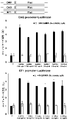
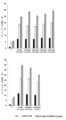
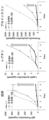
- Luciferase activity in HEK293A cells constitutively expressing pRL-CMV in the presence or absence of PKC inhibitors in the presence of either compound X or compounds #1-#7.
- Figure 2 shows changes in luciferase activity in the presence or absence of Compound X in HEK293A cells constitutively expressing pRL-CMV (Renilla Luciferase).
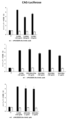
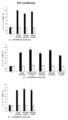
- Luciferase activity in HEK293A cells constitutively expressing pRL-CMV (Renilla Luciferase) in the presence or absence of PKC inhibitors in the presence of either compound X or PKC activators #1-#4 indicates Luciferase activity in HEK293A cells constitutively expressing pRL-CMV (Renilla Luciferase) in the presence or absence of PKC inhibitors in the presence of either compound X or PKC activators #5-#6 indicates Luciferase activity in HEK293A cells transfected with pRL-CAG or pRL-EF1 in the presence of either compound X or compounds #1-#5 in the presence or absence of PKC inhibitors.
- Luciferase in pRL-CAG-transfected HEK293A cells in the presence or absence of PKC inhibitors in the presence of either compound X, compounds #6-#7 and PKC activators #1-#6 It shows activity. Luciferase in pRL-EF1 transfected HEK293A cells in the presence or absence of PKC inhibitors in the presence of either compound X, compounds #6-#7 and PKC activators #1-#6 It shows activity. PKC levels in HEK293A cells in the presence or absence of PKC inhibitors in the presence of any of Compound X, Compounds #1-#7, PKC activators #1-#6, Compound SC and Compound SB The phosphorylation state of substrate proteins is shown.
- Figure 2 shows luciferase activity in HEK293A cells constitutively expressing pRL-CMV (Renilla Luciferase) in the presence of compound X and/or compound SC and in the presence or absence of PKC inhibitors.
- Figure 2 shows luciferase activity in HEK293A cells constitutively expressing pRL-CMV (Renilla Luciferase) in the presence of compound X, compound SC and/or SB.
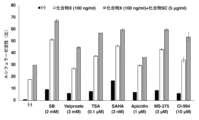
- FIG. 2 shows luciferase activity in HEK293A cells constitutively expressing pRL-CMV (Renilla Luciferase) in the presence of compound X or compound X+compound SC and in the presence of various histone deacetylase inhibitors.
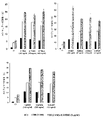
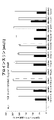
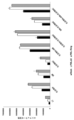
- HEK293A cells were transfected with an expression construct in which a mouse IgG antibody heavy chain cDNA was linked under the control of a CMV promoter and an expression construct in which a mouse IgG antibody light chain cDNA was linked under the control of a CMV promoter, and compound X and compound # 1 to #5 and PKC activators #1 to #6, cultured in the presence or absence of compound SB+SC, and the concentration of mouse IgG antibody in the medium was measured. .
- HEK293A cells constitutively expressing human proinsulin under the control of the CMV promoter were incubated in medium supplemented with compound X, compounds #1-#5, PKC activators #1-#3, #5 or #6.
- HEK293A cells were transfected with an expression construct in which human leptin cDNA was linked under the control of the CMV promoter, and either compound X, compounds #1 to #5, or PKC activators #1 to #6 were added in medium.
- the results of culturing in the presence or absence of compound SB+SC and measuring the concentration of human leptin in the medium are shown.
- HEK293A cells which constitutively express mouse IgG antibody heavy and light chains, human proinsulin or human leptin under the control of the CMV promoter, were cultured in the presence or absence of compound X or compound X+SB, and each Results of measuring protein concentration over 3 or 4 days are shown.
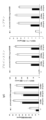
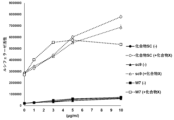
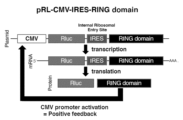
- FIG. 4 shows the results of measuring luciferase activity after transfecting HEK293A cells with an expression construct in which a CMV promoter, Rluc cDNA, IRES and activated PKC cDNA are linked.
- the result of transfecting HEK293A cells with expression constructs in which the CMV promoter, Rluc cDNA, IRES or P2A, and activated PKC cDNA were linked, and measuring the luciferase activity is shown.
- An expression construct linking the CMV promoter, mouse IgG antibody heavy chain cDNA, IRES and activated PKC cDNA and an expression construct linking the CMV promoter, mouse IgG antibody light chain cDNA, IRES and activated PKC cDNA were prepared.
- HEK293A cells were transfected with an expression construct in which the CMV promoter, human leptin cDNA, IRES and activated PKC cDNA were linked, and the concentration of leptin in the medium was measured for 4 days.
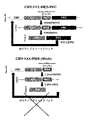
- Figure 2 shows luciferase activity in the presence of naphthalenesulfonamide derivatives, in the presence or absence of compound X, in HEK293A cells transfected with pRL-CMV. Schematic representation of expression constructs linking the CMV promoter, Rluc cDNA, IRES and PML (wild-type or deleted) cDNA.
- Figure 2 shows luciferase activity in the presence or absence of compound X in HEK293A cells transfected with expression constructs containing CMV promoter, Rluc cDNA, IRES and PML (wild-type or deleted) cDNA.
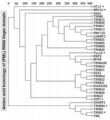
- Luciferase activity in the presence or absence of Compound X, SB, Compound SC or combinations thereof in HEK293A cells transfected with expression constructs containing CMV promoter, Rluc cDNA, IRES and PML ⁇ 9 or PML-Ring cDNA indicates BLAST analysis of the amino acid sequence of the RING region of PML is performed, and a phylogenetic tree among genes having homologous amino acid sequences is shown.
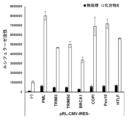
- FIG. 3 shows luciferase activity in the presence or absence of compound X in HEK293A cells transfected with an expression construct linking the CMV promoter, Rluc cDNA, IRES and RING region cDNAs.
- FIG. 3 shows luciferase activity in the presence or absence of compound X in HEK293A cells transfected with an expression construct linking the CMV promoter, Rluc cDNA, IRES and RING region cDNAs.
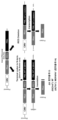
- Schematic diagram of an expression construct in which the CMV promoter, Rluc cDNA, IRES and PML (stop codon introduction) cDNAs are linked and an expression construct in which the CMV promoter, Rluc cDNA and PML (wild-type or deleted) cDNA are linked.
- the method for producing the protein of the present disclosure utilizes genetic engineering techniques in which a nucleic acid encoding a target protein is introduced into cultured cells, and the protein is expressed and recovered.
- genetic engineering techniques are well known in the art and can be carried out according to methods described in literature (for example, Molecular Cloning, T. Maniatis et al., CSH Laboratory (1983), DNA Cloning, D.M. Glover, IRL PRESS (1985)).
- the promoter may contain a binding site for at least one transcription factor selected from SP1, CEBP, AP1, NF- ⁇ B and YY1.
- the promoter may also contain binding sites for other transcription factors, such as CREB.
- the promoter comprises binding sites for SP1, CEBP, AP1, NF- ⁇ B and YY1.
- the promoter comprises binding sites for SP1, CEBP, AP1, NF- ⁇ B, YY1 and CREB.
- promoters that may be used include the CMV promoter, the CAG promoter and the EF1 promoter, especially the CMV promoter.
- operably linked means that the regulatory sequence elements, such as the promoter, IRES and 2A peptide sequences, and the nucleic acid encoding the protein are linked in a manner that allows expression of the protein. meaning that the 3' end of each DNA and the 5' end of its downstream DNA may be directly linked, and any DNA sequence may exist between them.
- the target protein is not limited as long as it does not have unacceptable toxicity to the cultured cells used.
- the protein of interest can be the active ingredient of a biopharmaceutical such as immunoglobulin, leptin, insulin or fragments thereof.
- a nucleic acid encoding a protein of interest can be produced based on the amino acid sequence information of the protein and the sequence information of the nucleic acid encoding it, for example, by conventional DNA synthesis or amplification by RT-PCR.
- An expression construct can be created by incorporating a promoter and a nucleic acid encoding the target protein into an expression vector.
- the expression vector used here can be appropriately selected according to the host to be used, the purpose, etc. Examples thereof include plasmids, phage vectors, virus vectors, and the like. Examples include plasmid vectors such as pKCR, pCDM8, pGL2, pcDNA3.1, pRc/RSV and pRc/CMV, and viral vectors such as retroviral vectors, adenoviral vectors and adeno-associated viral vectors.
- the vector may optionally have elements such as a selection marker gene and a terminator.
- Host cells are typically animal cells such as HEK293A cells, HEK293T cells, CHO cells, COS cells, Vero cells, HeLa cells, L929 cells, BALB/c3T3 cells, C127 cells and the like.
- a normal introduction method suitable for the host cell may be used. Specific examples include calcium phosphate method, DEAE-dextran method, electroporation method, lipofection method and the like.
- the transformed cells thus obtained may transiently express the protein of interest, or a cell line stably expressing the protein of interest may be established.
- the target protein By culturing transformed cells under conditions that activate PKC, the target protein can be produced efficiently.
- Culture conditions such as medium, culture time, and culture temperature suitable for culturing each cell are well known to those skilled in the art, and may be appropriately selected. For example, under conditions that activate PKC, 1 hour or more, 2 hours or more, 4 hours or more, 6 hours or more, 8 hours or more, 12 hours or more, 18 hours or more, 24 hours or more, 48 hours or more, and 60
- the protein of interest is recovered within hours, within 48 hours, within 36 hours, within 30 hours or within 24 hours after culturing the cells.
- the resulting protein can be further isolated and purified by common biochemical purification means. Examples of purification means include salting out, ion exchange chromatography, adsorption chromatography, affinity chromatography, gel filtration chromatography and the like.
- the conditions for activating PKC are (1) culturing the cells in the presence of a PKC activator and a calmodulin inhibitor.
- PKC is a type of protein kinase that phosphorylates the hydroxyl groups of serine and threonine residues of substrate proteins, and more than 10 isoenzymes are known. Isozymes are classified into conventional ( ⁇ , ⁇ I, ⁇ II, ⁇ ), novel ( ⁇ , ⁇ , ⁇ , ⁇ ) and atypical ( ⁇ , M ⁇ , ⁇ / ⁇ ) types depending on their structures, activation mechanisms, and physiological activities. It is classified into three subfamilies. In the present disclosure, PKC is preferably a conventional PKC isozyme or a new PKC isozyme, particularly preferably PKC ⁇ or PKC ⁇ .
- PKC activator means a substance that enhances the kinase activity of PKC. Two or more PKC activators may be used in combination.
- the PKC activator is of formula (I): ⁇ In the formula, R 1 is H, halogen, —OH, C 1-6 alkyl, C 2-6 alkenyl, C 2-6 alkynyl, C 1-6 alkoxy, C 6-14 aryl or —OC(O)R 3 , wherein C 1-6 alkyl, C 2-6 alkenyl, C 2-6 alkynyl, C 1-6 alkoxy or aryl are optionally substituted by 1 to 3 halogens, the same or different, R 2 is C 6-12 alkyl, C 6-12 alkenyl, C 6-12 alkynyl or C 6-12 alkoxy, where C 6-12 alkyl, C 6-12 alkenyl, C 6-12 alkynyl or C 6-12 alkoxy is optionally substituted by 1 to 3 halogens, which may be the same or different; R 3 is C 1-6 alkyl, C 2-6 alkenyl, C 2-6 alkynyl, amino or C
- halogen means an atom selected from fluorine, chlorine, bromine and iodine.
- alkyl denotes a saturated, straight or branched chain hydrocarbon group.
- alkenyl means a straight or branched chain hydrocarbon containing one or more double bonds.
- alkynyl means a straight or branched chain hydrocarbon containing one or more triple bonds.
- alkoxy means -O-alkyl, where alkyl is defined in this disclosure.
- aryl means a monovalent aromatic carbocyclic group of 6 to 14 carbon atoms having a single ring (eg phenyl) or multiple condensed rings (eg naphthyl or anthryl). do.
- Aryl typically includes phenyl and naphthyl.
- amino means the group -NH2 .
- ester means an ester that can be hydrolyzed in vivo or in vitro, including those that are readily degraded to release the parent compound or a salt thereof.
- Suitable ester groups are, for example, those derived from aliphatic carboxylic acids, especially alkanoic acids, alkenoic acids, cycloalkanoic acids and alkanedioic acids, wherein each alkyl or alkenyl group has, for example, up to 6 carbon atoms. have).
- specific esters include formates, acetates, propionates, butyrates, acrylates and ethylsuccinates.
- a “salt” may be a salt of a compound with an inorganic or organic acid.
- Preferred salts are those with inorganic acids such as hydrochloric, hydrobromic, phosphoric or sulfuric acids, or with organic carboxylic or sulfonic acids such as acetic acid, trifluoroacetic acid, propionic acid, maleic acid, fumaric acid, It is a salt with malic acid, citric acid, tartaric acid, lactic acid, benzoic acid or methanesulfonic acid, ethanesulfonic acid, benzenesulfonic acid, toluenesulfonic acid, naphthalenesulfonic acid or naphthalenedisulfonic acid.
- Salts can also be salts with customary bases, such as alkali metal salts (for example sodium or potassium salts), alkaline earth metal salts (for example calcium or magnesium salts), or ammonia or organic amines (for example diethylamine, triethylamine, ammonium derived from ethyldiisopropylamine, procaine, dibenzylamine, N-methylmorpholine, dihydroabiethylamine, methylpiperidine, L-arginine, creatine, choline, L-lysine, ethylenediamine, benzathine, ethanolamine, meglumine or tromethamine) It may be a salt, especially the sodium salt.
- alkali metal salts for example sodium or potassium salts
- alkaline earth metal salts for example calcium or magnesium salts
- ammonia or organic amines for example diethylamine, triethylamine, ammonium derived from ethyldiisopropyl
- solvate means a compound that forms a complex through coordination with solvent molecules in a solid or liquid state.
- Preferred solvates are hydrates.
- R 1 is H or —OC(O)R 3 ;
- R 2 is C 6-12 alkyl or C 6-12 alkenyl,
- R 3 is C 1-6 alkyl or C 6-14 aryl.
- R 1 is H or —OC(O)R 3 ;
- R 2 is nonyl or 1,3-nonadienyl, R3 is methyl or phenyl.
- the compound of formula (I) is compound X, compound #1 or compound #2, described below.
- R 4 is H or —OC(O)R 6 ;
- R 5 is C 1-6 alkyl or C 2-6 alkenyl;
- R 6 is C 1-18 alkyl.
- R 4 is H or —OC(O)R 6 ;
- R5 is methyl, propyl, sec-butyl or butenyl;
- R6 is propyl, nonyl or tridecyl.
- the compound of formula (II) is Compound #3, Compound #4, Compound #5, TPA, phorbol 12,13-dibutyrate or prostratin, particularly Compound #3, Compound #4 or Compound # 5.
- R 7 is H or —C(O)R 9 ;
- R 8 is H or —C(O)R 9 ;
- R 9 is C 1-18 alkyl or C 2-18 alkenyl.
- R 7 is H or —C(O)R 9 ;
- R 8 is H or —C(O)R 9 ;
- R9 is pentadecyl or butenyl.
- the compound of formula (III) is compound #6, compound #7 or ingenol 3-angelate, particularly compound #6 or compound #7, described below.
- Compounds of formulas (I)-(III) or their esters, salts or solvates are, for example, 0.1-10 ⁇ g/ml, 0.1-1 ⁇ g/ml, 0.1-1000 ng/ml, 2-500 ng /ml or 5-200 ng/ml to the culture medium.
- the PKC activator is a compound of formula (I) or an ester, salt or solvate thereof. These can be added to the culture medium in concentrations of, for example, 0.1-10 ⁇ g/ml, 0.1-1 ⁇ g/ml, 0.1-1000 ng/ml, 20-500 ng/ml or 50-200 ng/ml.
- the PKC activator is a compound selected from Compound X and Compounds #1-#7 below or an ester, salt or solvate thereof.
- the PKC activator is Compound X or an ester, salt or solvate thereof.
- PKC activator A known PKC activator may be used.
- PKC activators include 12-O-tetradecanoylphorbol 13-acetate (TPA, also called phorbol 12-myristate 13-acetate (PMA)), prostratin, bryostatin 1, bryostatin 2, FR236924 , ( ⁇ )-indolactam V, PEP005, phorbol 12,13-dibutyrate, 1-oleoyl-2-acetyl-sn-glycerol, 1-O-hexadecyl-2-O-arachidonyl-sn-glycerol, 1,2 -dioctanoyl-sn-glycerol, PIP2, resiniferatoxin, phorbol 12,13-dihexanoate, mezerein, ingenol 3-angelate, RHC-80267, DCP-LA, lipoxin A4, (2S,5S)-(E ,E)-8-(5-(4
- the PKC activator is TPA, prostratin, ( ⁇ )-indolactam V, phorbol 12,13-dibutyrate, ingenol 3-angelate, or (2S,5S)-(E,E)- 8-(5-(4-(trifluoromethyl)phenyl)-2,4-pentadienoylamino)benzolactam.
- Known PKC activators can be used as appropriate by methods known in the art, such as methods recommended by manufacturers.
- the PKC activator is Compound X, Compounds #1-#7, TPA, prostratin, ( ⁇ )-indolactam V, phorbol 12,13-dibutyrate, ingenol 3-angelate and (2S,5S )-(E,E)-8-(5-(4-(trifluoromethyl)phenyl)-2,4-pentadienoylamino)benzolactam or an ester, salt or solvate thereof; be.
- Calmodulin is an acidic protein that functions as a calcium sensor, regulating intracellular calcium levels.
- formula (IV) ⁇ In the formula, n is an integer from 1 to 8, R is C 1-6 alkyl, C 2-6 alkenyl, C 2-6 alkynyl, C 1-6 alkoxy, C 6-14 aryl, amino, hydroxy, COOH or COOR', where R' is C 1-6 alkyl ⁇ or an ester, salt or solvate thereof may be used.
- n is an integer from 4 to 6
- R is C 1-6 alkyl, C 6-14 aryl or amino.
- n is an integer of 4 or 6; R is methyl, phenyl or amino.
- the compounds of formula (IV) include, for example, SC-9, SC-10 and W-7.
- Compounds of formula (IV) may be used at concentrations of, for example, 0.5-100 ⁇ g/ml, 1-50 ⁇ g/ml or 2-10 ⁇ g/ml.
- calmodulin inhibitors such as W-7, calmidazolium, bisindolylmaleimide I, trifluoperazine, ruthenium red, ophiovorin A, CaM kinase II (290-309), E6 berbamine, mastoparan, compound 48/80, phenoxy Benzamine, W-7 isomer, Polystesmastoparan, A-7, Fluphenazine-N-2-chloroethane, W-13, W-13 isomer, CGS 9343B, W-5 isomer, W-12, N-(5 -aminopentyl)-5-chloro-2-naphthalenesulfonamide, W-5, may be used as appropriate by methods known in the art, such as manufacturer's recommendations. Two or more calmodulin inhibitors may be used in combination.
- the condition for activating PKC is (2) allowing the cell to express activated PKC and culturing in the presence of a calmodulin inhibitor.
- Activated PKC means a PKC mutant that constitutively exhibits kinase activity.
- Activated PKC can be PKC lacking the N-terminal regulatory region (Molecular and Cellular Biology 19(2):1313-24, 1999).
- Activated PKC may further have mutations that enhance kinase activity (PNAS 115(24):E5497-E5505. 2018).
- Examples of activated PKC include PKC ⁇ -CA (SEQ ID NO: 1) and PKC ⁇ CA-M489V (SEQ ID NO: 2).
- Kinase activity of a PKC mutant can be measured by various methods known in the art. For example, a method of overexpressing a PKC mutant in cultured cells and detecting the phosphorylation level of the substrate by Western blotting using a phosphorylated substrate-specific antibody (for example, THE JOURNAL OF BIOLOGICAL CHEMISTRY, Vol. 279, No. 27, pp. 27986-27993, 2004), ELISA (for example, Cell Death and Differentiation (2015) 22, 2078-2086), and in vitro incorporation of phosphate groups into substrates using 32 P-gamma-ATP. Evaluation methods (eg, THE JOURNAL OF BIOLOGICAL CHEMISTRY, Vol. 262, No. 20, pp. 9569-9573, 1987) and the like can be used. Various kits that measure kinase activity may be used, such as the PKC kinase activity kit (Enzo Life Science, #ADI-EKS-420A).
- cells expressing a PKC mutant are cultured in the presence and absence of a PKC inhibitor, and the amount of phosphorylated protein is determined by an immunological method using an antibody that specifically recognizes the phosphorylated protein.
- a PKC mutant can be determined to be an activated form of PKC if it is measured and the amount of phosphorylated protein is reduced by a PKC inhibitor.
- immunological techniques include flow cytometry analysis, radioisotope immunoassay (RIA), enzyme immunoassay (ELISA), western blotting, and immunohistochemical staining.
- expression comprising, operably linked, a promoter, a nucleic acid encoding a protein of interest, an internal ribosome entry site (IRES) or 2A self-cleaving peptide (2A peptide) sequence, and a nucleic acid encoding an activated PKC.
- Constructs can be used to express proteins of interest and activated PKC in cells.
- a promoter, a nucleic acid encoding a protein of interest, an IRES or 2A peptide sequence, and a nucleic acid encoding activated PKC are operably linked in this order.
- IRES is an RNA region that can recruit eukaryotic ribosomes to mRNA, allowing cap-independent initiation of translation as part of the process of protein synthesis.
- Many IRESs have been identified in viral and eukaryotic genomes, and synthetic IRESs have also been developed.
- IRES can be identified by enteroviruses (e.g. human papillomavirus 1, human coxsackievirus B); rhinoviruses (e.g. human rhinovirus); hepatoviruses (hepatitis A virus); cardioviruses (encephalomyocarditis virus ECMV and Theiler's encephalomyelitis virus) ); aphthoviruses (foot-and-mouth disease virus, equine rhinitis A virus, equine rhinitis B virus); pestiviruses (e.g. bovine viral diarrhea virus and swine fever virus; hepaciviruses (e.g.
- enteroviruses e.g. human papillomavirus 1, human coxsackievirus B
- rhinoviruses e.g. human rhinovirus
- hepatoviruses hepatoviruses (hepatitis A virus)
- cardioviruses encephalomyocardit
- the IRES is a virus of the retroviridae family, such as members of the lentivirus family (e.g., simian immunodeficiency virus and human immunodeficiency virus 1); BLV-HTLV retroviruses (e.g., human T-lymphotropic virus type 1); ); and mammalian C-type retrovirus families (e.g., Moloney murine leukemia virus, Friend murine leukemia virus, Harvey murine sarcoma virus, avian reticuloendotheliosis virus, murine leukemia virus (envRNA), Rous sarcoma virus).
- retroviridae family such as members of the lentivirus family (e.g., simian immunodeficiency virus and human immunodeficiency virus 1); BLV-HTLV retroviruses (e.g., human T-lymphotropic virus type 1); ); and mammalian C-type retrovirus families (e.g., Moloney
- IRESs derived from eukaryotic mRNAs include, for example, the IRESs of BiP, Drosophila Antennapedia (exons d and e), c-myc, and the X-linked inhibitor of apoptosis (XIAP) gene.
- IRESs Various synthetic IRESs have also been developed, for example De Gregorio et al. (1999) EMBO J. 75:4865-74; Owens et al. (2001) PNAS 4:1471-6; and Venkatesan et al. (2001) Molecular and Cellular Biology 21:2826-37.
- IRESs known in the art see, for example, rangueil.inserm.fr/IRESdatabase.
- an IRES from encephalomyocarditis virus ECMV is used.
- the 2A peptide sequence induces ribosome skipping during protein translation.
- a 2A peptide sequence is present in the amino acid sequence of a protein, the protein is translated as two polypeptides truncated at the C-terminus of the 2A peptide sequence.
- 2A peptides include, for example, peptides described in Kim, J. H., et al., PLoS One.
- P2A peptide SEQ ID NO: 3: (GSG )ATNFSLLKQAGDVEENPGP
- T2A peptide SEQ ID NO: 4
- E2A peptide SEQ ID NO: 5: (GSG)QCTNYALLKLAGDVESNPGP
- F2A peptide SEQ ID NO: 6: (GSG)VKQTLNFDLLKLAGDVESNPGP
- the N-terminal GSG may or may not be present in each sequence).
- calmodulin inhibitors can be used in the same manner as in (1) above.
- the condition for activating PKC is (3) allowing the cell to express a nucleic acid encoding a peptide containing a Pro region or a RING region and culturing in the presence of a PKC activator.
- the target protein can be efficiently produced by using an expression construct containing a nucleic acid encoding the target protein and a nucleic acid encoding a peptide containing the Pro region or the RING region.
- an expression construct comprising, operably linked, a promoter, nucleic acid encoding a protein, and nucleic acid encoding a peptide comprising a Pro region or a RING region may be used.
- a promoter, a protein-encoding nucleic acid, and a peptide-encoding nucleic acid comprising a Pro region or a RING region are operably linked in this order.
- a nucleic acid encoding a peptide containing a Pro region or a RING region may or may not be translated into a peptide.
- an IRES or 2A peptide sequence may be inserted between the nucleic acid encoding the protein of interest and the nucleic acid encoding the peptide containing the Pro region or RING region.
- IRES and 2A peptide sequences can be used as in (2) above.
- an expression construct comprising, operably linked, a promoter, a nucleic acid encoding a protein, an IRES or 2A peptide sequence, and a nucleic acid encoding a peptide comprising a Pro region or a RING region may be used.
- a promoter, a nucleic acid encoding a protein, an IRES or 2A peptide sequence, and a nucleic acid encoding a peptide comprising a Pro or RING region are operably linked in that order.
- the Pro region or RING region may be of any species, e.g., mouse, rat, hamster, rabbit, cat, dog, bovine, porcine, ovine, monkey, human, etc., particularly human. It is. Preferably, the Pro region or RING region is from the same species as the cells used.
- a Pro region refers to a region having an amino acid sequence rich in proline residues and mediates specific interactions with functional domains such as WW domains and SH3 domains.
- Pro regions include repetitive short proline residue-rich amino acid sequences, tandemly repeated proline residue-rich amino acid sequences, non-repetitive proline residue-rich amino acid sequences, and hydroxyproline residues.
- regions with amino acid sequences rich in Pro regions include, but are not limited to, integral membrane proteins such as nuclear proteins, transcription factors, transporters, channels and receptors, globular proteins, hormones, neuropeptides, mucins, immunoglobulins, and extracellular matrix proteins. can be found in a variety of proteins, including
- the Pro region may be derived from any protein. Proteins containing the Pro region include, for example, PML, ARHGEF1, aggrecan-1, RALGDS, DGKK, SPATA21, Rabufilin-3A, TEAD3, SPPL2B and FLJ43093.
- the RING region also called the RING finger region, binds to a pair of zinc atoms and mediates protein-protein interactions.
- RING regions generally have the following consensus sequences.
- C is a cysteine residue
- H is a histidine residue
- X is any amino acid residue.
- the RING region may be derived from any protein.
- proteins containing a RING region include TRIM13, LONRF3, TRIM47, RNF135, TRIM10, TRIM72, TRIM60, TRIM39, TRIM4, TRIM43B, TRIM43, TRIM25, TRIM26, TRIM31, HTLF, BRCA1, TRIM50, TRIM21, SSA1, TRIM5d, TRIM22 , KIAA0182, TRIM65, RAG1, BFAR, Pex10, RNF8, RING2, COPI, TRIM2, TRIM3, SH3RF2, PML and TRIM56.
- the RING region is the RING region of PML, TRIM3, TRIM56, COPI, Pex10, BRCA1 or HTLF.
- the Pro region or RING region is derived from promyelocytic leukemia protein (PML).
- PML is required for the assembly of intranuclear structures called PML bodies.
- PML bodies have diverse functions and have been suggested to be involved in a wide range of intracellular processes.
- a plurality of isoforms are known for human PML, and the N-terminal side has the same amino acid sequence in all isoforms.
- the amino acid and nucleotide sequences of human wild-type (WT) PML isoform 5 (Gene ID: 5371, NCBI Reference Sequence: NP_150247.2) are shown in SEQ ID NOs: 7 and 8.
- the amino acid sequence consists of 560 amino acids and has each region shown in FIG.
- positions 1 to 45 (SEQ ID NO: 9) are the Pro region
- positions 46 to 105 (SEQ ID NO: 10) are the RING region.
- Positions 1 to 135 (SEQ ID NO: 11) of the nucleotide sequence of SEQ ID NO: 8 encode the Pro region
- positions 136 to 315 (SEQ ID NO: 12) encode the RING region.
- the Pro region corresponds to the region of positions 1 to 45 of SEQ ID NO: 7. It can be the region of the protein that corresponds.
- the Pro region comprises or consists of an amino acid sequence having at least 90% or more identity to the amino acid sequence of SEQ ID NO:9.
- the Pro region comprises the amino acid sequence of SEQ ID NO:9.
- the Pro region consists of the amino acid sequence of SEQ ID NO:9.
- the Pro region is encoded by a nucleotide sequence having at least 90% or more identity to the nucleotide sequence of SEQ ID NO:11 or comprising it. In some embodiments, the Pro region is encoded by a nucleotide sequence comprising the nucleotide sequence of SEQ ID NO:11. In one embodiment, the Pro region is encoded by the nucleotide sequence of SEQ ID NO:11.
- the RING region can be a region of a protein that corresponds to the region from position 46 to position 105 of SEQ ID NO: 7 when the amino acid sequence of a protein and the amino acid sequence of SEQ ID NO: 7 are optimally aligned. .
- the RING region comprises or consists of an amino acid sequence having at least 90% or more identity to the amino acid sequence of SEQ ID NO:10.
- the RING region comprises the amino acid sequence of SEQ ID NO:10.
- the RING region consists of the amino acid sequence of SEQ ID NO:10.
- the RING region is encoded by a nucleotide sequence having at least 90% or more identity to the nucleotide sequence of SEQ ID NO:12, or by a nucleotide sequence comprising the same. In some embodiments, the RING region is encoded by a nucleotide sequence comprising the nucleotide sequence of SEQ ID NO:12. In one embodiment, the RING region is encoded by the nucleotide sequence of SEQ ID NO:12.
- nucleotide or amino acid sequence identity refers to the degree of sequence similarity between nucleic acids or proteins, and is optimal (maximum nucleotide or amino acid identity) over the region of the sequences to be compared. ) is determined by comparing the two sequences aligned to . A numerical value (%) of sequence identity is determined by determining the number of identical nucleotides or amino acids present in both sequences to determine the number of matching sites, and then dividing this number of matching sites by nucleotides or amino acids within the sequence region being compared. It is calculated by dividing by the total number and multiplying the resulting number by 100.
- Algorithms for obtaining optimal alignment and sequence identity include various algorithms commonly available to those of skill in the art (eg, BLAST algorithms, FASTA algorithms, etc.). Sequence identity can be determined, for example, using sequence analysis software such as BLAST, FASTA.
- the PKC activator can be used in the same manner as in (1) above.
- the condition for activating PKC is (4) culturing the cells in the presence of compound X and a compound selected from compounds #1 to #7 or esters, salts or solvates thereof. be. These compounds are included in the PKC activators described in (1) above and can be used as described above.
- Compound X and compounds #1 to #7 may be obtained by chemical synthesis or may be extracted from plants containing them.
- compound X is from Lowdaphne Stringbush
- compounds #1 and #2 are from Lilac Daphne
- compounds #3-#5 are from Croton
- compounds #6-#7 are Caper Euphorbia).
- Plant products containing these compounds, such as plant extracts or extracts, may also be used.
- a composition for activating PKC comprising a compound selected from Compound X and Compounds #1 to #7 or esters, salts or solvates thereof.
- the composition may contain, for example, suitable carriers, excipients, additives, etc., and may contain other active ingredients.
- a histone deacetylase inhibitor may be added to the medium when PKC is activated under the conditions (1) to (4).
- Histone deacetylase is an enzyme that deacetylates histones, which are major constituents in chromatin structure, and plays an important role in the regulation of gene transcription.
- histone deacetylase inhibitors such as trichostatin A, M344, butyrate, phenylbutyrate, apicidin, valproic acid, BML-210, depudecin, romidepsin (FK-228), HC toxin, oxamflatin, scriptaid, Splitomycin, suberoyl bis-hydroxamic acid, vorinostat, dacinostat (LAQ-824), panobinostat (LBH-589), belinostat (PXD-101), phenyl acetate, IF2357, FK-228, entinostat (MS-275), mosetinostat (MGCD0103) or tacedinaline (CI994), preferably sodium butyrate, valproic acid, trichostatin A, vorinostat, apicidin, entinostat or tacedinaline, particularly preferably sodium butyrate, by methods known in the art, e.g. can be used as appropriate according to the method
- a calmodulin inhibitor may be added to the medium when PKC is activated under conditions (3) or (4).
- a calmodulin inhibitor can be used in the same manner as in (1) above.
- the disclosure also provides a method of enhancing transcription of a gene of interest, wherein the promoter is operably linked to a promoter comprising binding sites for at least one transcription factor selected from SP1, CEBP, AP1, NF- ⁇ B and YY1.
- a method comprising culturing a cell containing the nucleic acid of the gene of interest under conditions that activate PKC. Cultivation under conditions that activate PKC is any of (1) to (4) described with respect to the protein production method.
- kits that can be used in the methods of the present disclosure.
- Each component contained in the kit may be dissolved in water or a suitable buffer, or lyophilized and contained in a suitable container, either separately or, if possible, in admixture.
- Suitable containers include bottles, vials, test tubes, tubes, plates and the like.
- the container may be made from a variety of materials such as glass, plastic, metal, and the like.
- the present inventors have found that the transcriptional activity of the CMV promoter can be enhanced by expressing a nucleic acid encoding a peptide containing a Pro region or RING region. Accordingly, in one aspect, the present application provides a method for producing a protein of interest, wherein the binding site for at least one transcription factor selected from SP1, CEBP, AP1, NF- ⁇ B and YY1 is operably linked , a nucleic acid encoding a protein of interest, and a nucleic acid encoding a peptide comprising a Pro region or a RING region. This method can be performed according to (3) above, but without using a PKC activator.
- a method for producing a protein of interest which encodes the protein of interest operably linked to a promoter containing a binding site for at least one transcription factor selected from SP1, CEBP, AP1, NF- ⁇ B and YY1 culturing a cell containing a nucleic acid that activates PKC
- a method, wherein culturing under conditions that activate PKC is any of the following: (1) culturing said cells in the presence of a PKC activator and a calmodulin inhibitor; (2) expressing activated PKC in the cells and culturing in the presence of a calmodulin inhibitor; (3) expressing a nucleic acid encoding a peptide containing a Pro region or a RING region in said cells and culturing in the presence of a PKC activator; (4) culturing the cells in the presence of compound X and a compound selected from compounds #1 to #7 or an ester, salt or solvate thereof; [2] The
- a method for enhancing transcription of a gene of interest wherein the gene is operably linked to a promoter comprising a binding site for at least one transcription factor selected from SP1, CEBP, AP1, NF- ⁇ B and YY1 culturing a cell containing the nucleic acid of A method, wherein culturing under conditions that activate PKC is any of the following: (1) culturing said cells in the presence of a PKC activator and a calmodulin inhibitor; (2) expressing activated PKC in the cells and culturing in the presence of a calmodulin inhibitor; (3) expressing a nucleic acid encoding a peptide containing a Pro region or a RING region in said cells and culturing in the presence of a PKC activator; (4) culturing the cells in the presence of compound X and a compound selected from compounds #1 to #7 or an ester, salt or solvate thereof;
- any one of items 1 to 7, wherein the culturing under conditions that activate PKC is (1) culturing the cells in the presence of a PKC activator and a calmodulin inhibitor. described method.
- the culture under conditions that activate PKC is (2) allowing the cells to express activated PKC and culturing in the presence of a calmodulin inhibitor. Any method described.
- the cell comprises an expression construct comprising, operably linked, a promoter, a nucleic acid encoding a protein of interest, an internal ribosome entry site or 2A peptide sequence, and a nucleic acid encoding an activated PKC. , paragraph 9.
- Culturing under conditions that activate PKC is (3) allowing cells to express a nucleic acid encoding a peptide containing a Pro region or a RING region, and culturing in the presence of a PKC activator. 8. The method according to any one of items 1 to 7. [14] The method according to item 13, wherein a nucleic acid encoding a peptide containing a RING region is expressed in a cell.
- the RING area is CX 2 -CX 9-39 -CX 1-3 -HX 2-3 -CX 2 -CX 4-48- CX 2 -C ⁇ Wherein, C is a cysteine residue, H is a histidine residue, and X is any amino acid residue. ⁇ 15.
- the method of paragraph 14, comprising the amino acid sequence of [16]
- the RING region is TRIM13, LONRF3, TRIM47, RNF135, TRIM10, TRIM72, TRIM60, TRIM39, TRIM4, TRIM43B, TRIM43, TRIM25, TRIM26, TRIM31, HTLF, BRCA1, TRIM50, TRIM21, SSA1, TRIM5d, TRIM22, KIAA0182 , TRIM65, RAG1, BFAR, Pex10, RNF8, RING2, COPI, TRIM2, TRIM3, SH3RF2, PML or TRIM56.
- nucleic acid encoding the peptide containing the Pro region consists of a nucleotide sequence having at least 90% identity with the nucleotide sequence of SEQ ID NO: 11. .
- nucleic acid encoding a peptide containing a Pro region and a RING region is expressed in a cell.
- the cell comprises an expression construct comprising, operably linked, a promoter, a nucleic acid encoding a protein of interest, and a nucleic acid encoding a peptide comprising a Pro region or a RING region.
- a promoter, a nucleic acid encoding a protein of interest, and a nucleic acid encoding a peptide containing a Pro region or a RING region are operably linked in this order.
- the expression construct further comprises a nucleic acid encoding an internal ribosome entry site or 2A peptide sequence.
- a promoter, a nucleic acid encoding a protein of interest, an internal ribosome entry site or 2A peptide sequence, and a nucleic acid encoding a peptide containing a Pro region or RING region are operably linked in this order. 29. The method according to any one of paragraphs 27-29. [31] The method according to any one of items 13 to 30, wherein the cell is cultured in the presence of a calmodulin inhibitor.
- the PKC activator is compound X, compounds #1-#7, TPA, prostratin, (-)-indolactam V, phorbol 12,13-dibutyrate, ingenol 3-angelate and (2S,5S)- (E,E)-8-(5-(4-(trifluoromethyl)phenyl)-2,4-pentadienoylamino)benzolactam or an ester, salt or solvate thereof; 32.
- culturing under conditions that activate PKC comprises (4) culturing said cells in the presence of a compound selected from compound X and compounds #1 to #7 or an ester, salt or solvate thereof 8.
- a compound selected from compound X and compounds #1 to #7 or an ester, salt or solvate thereof 8.
- the method of paragraph 45 or 46, wherein the cell is cultured in the presence of a calmodulin inhibitor.
- the calmodulin inhibitor is a compound of formula (IV) or an ester, salt or solvate thereof.
- a kit for producing a protein of interest comprising: (1) PKC activators and calmodulin inhibitors, (2) a nucleic acid encoding activated PKC and a calmodulin inhibitor; (3) a nucleic acid encoding a peptide comprising a PKC activator and a Pro region or a RING region, or (4) a compound selected from compound X and compounds #1 to #7 or an ester, salt or solvate thereof; including Production of the protein of interest comprises a cell comprising a nucleic acid encoding the protein of interest operably linked to a promoter comprising a binding site for at least one transcription factor selected from SP1, CEBP, AP1, NF- ⁇ B and YY1.
- a kit comprising culturing.
- a promoter comprising a binding site for at least one transcription factor selected from SP1, CEBP, AP1, NF- ⁇ B and YY1, operably linked, a nucleic acid encoding a protein, an internal ribosome entry site or 2A
- An expression construct comprising a peptide sequence and a nucleic acid encoding activated PKC.
- Paragraph 55 wherein a promoter, a nucleic acid encoding a protein of interest, an internal ribosome entry site or 2A peptide sequence, and a nucleic acid encoding activated PKC are operably linked in this order. expression construct.
- a promoter comprising a binding site for at least one transcription factor selected from SP1, CEBP, AP1, NF- ⁇ B and YY1, operably linked, a nucleic acid encoding a protein, and a Pro region or RING
- An expression construct comprising a nucleic acid encoding a peptide containing region.
- paragraph 57 wherein a promoter, a protein-encoding nucleic acid, and a peptide-encoding nucleic acid comprising a Pro region or a RING region are operably linked in this order.
- the expression construct of paragraphs 57 or 58 comprising a nucleic acid encoding an internal ribosome entry site or 2A peptide sequence.
- a promoter, a nucleic acid encoding a protein of interest, an internal ribosome entry site or 2A peptide sequence, and a nucleic acid encoding a peptide containing a Pro region or RING region are operably linked in this order, 59.
- a composition for activating PKC comprising compound X and a compound selected from compounds #1 to #7 or an ester, salt or solvate thereof.
- pRL-CMV Promega, #E2261
- pCAGGS vector As the CAG promoter
- pEFBOS vector As the EF1 promoter
- a construct was prepared in which the CMV region of pRL-CMV was replaced.
- Mouse IgG antibody (heavy chain, light chain), human proinsulin and human leptin expression constructs were prepared by inserting these cDNAs downstream of the CMV promoter of a pcDNA vector.
- HEK293A cells human embryonic kidney cells
- DMEM medium containing 10% FCS and 1% penicillin/streptomycin under conditions of 37°C, 5% CO 2 and 90% humidity.
- a HEK293A cell line that constitutively expresses mouse IgG antibody, human proinsulin, and leptin was transfected with constructs that inserted these cDNAs downstream of the CMV promoter, followed by long-term culture to form single clones. . Thereafter, the expression of the target protein was confirmed from each clone using the ELISA method, and cell lines were established. These cell lines were also cultured under similar conditions.
- Transfected HEK293A cells were seeded in a 24-well plate at 1.0 ⁇ 10 5 cells/well and cultured for 24 hours. Unless otherwise specified, 50 ng of expression construct, 1 ⁇ l-Plus Reagent, and 1 ⁇ l-Lipofectamine LTX per well were prepared in 50 ⁇ l of Opti-MEM, added to each well of a 24-well plate in which cells were cultured, and incubated at 37°C for 24 hours. Transfection was performed by culturing.
- the medium was removed from the wells, medium supplemented with each concentration of compound was added, and cultured for an additional 24 hours. Thereafter, the medium was removed, washed with 500 ⁇ l of PBS, and then the cells were lysed with 50 ⁇ l of 1x Glo Lysis buffer (Promega #E2661). Of this, 5 ⁇ l was used for luciferase activity measurement, and 5 ⁇ l was used for protein concentration measurement.
- Luciferase activity was determined by detecting the luminescence of coelenterazine h (FUJIFILM #035-22991) to quantify the expression level of Rluc, protein concentration was quantified using the BCA method, and each luciferase activity was calculated as the Rluc/BCA value. bottom.
- a multi-label reader 2030 ARVOTM X (Perkin Elmer) was used for luminescence detection and BCA measurement.
- Western blot HEK293A cells were seeded in a 6-well plate at 5.0 ⁇ 10 5 cells/well and cultured for 24 hours. Thereafter, each compound group was treated by medium exchange, and after 3 hours the cells were washed with 2 ml of PBS and lysed with 200 ⁇ l of RIPA buffer. Lysed cells were disrupted using sonication, centrifuged (20,000 g, 15 min, 4° C.), the supernatant collected and protein concentration quantified. After equal amounts of these lysates were combined, 1 ⁇ SDS sample buffer was added, and the mixture was heat-treated at 95° C. for 3 minutes and used as a sample for SDS-PAGE (5 ⁇ g of protein per lane).
- the membrane was washed three times with TBS-T, and the secondary antibody reaction was performed by adding HRP-labeled secondary antibody (Anti-Rabbit IgG, HRP-Linked Whole Ab Donkey, Cytiva #NA934-1ML) in TBS-T. was performed at room temperature for 3 hours under conditions of 5000-fold dilution. After that, the membrane was washed three times with TBST and detected using Chemi-Lumi One (nacalai #07880-70) and ImageQuant LAS4010.
- HRP-labeled secondary antibody Anti-Rabbit IgG, HRP-Linked Whole Ab Donkey, Cytiva #NA934-1ML
- ELISA method Cells expressing each secretory protein were seeded in a 24-well plate at 1.0 ⁇ 10 4 cells/well and cultured for 24 hours. Thereafter, each compound group was treated by medium exchange under the condition of 1 ml/well, and 120 ⁇ l of medium was collected every 24 hours and stored in a refrigerator. After that, each ELISA kit (mouse IgG, Betyl Lab #E99-131, human proinsulin: Mercodia #10-1118-01, human leptin: Proteintech #KE00095) was used to measure the concentration of the target protein in the medium. A multi-label reader 2030 ARVOTM X (Perkin Elmer) was used for the measurement.
- Test 1 Identification of compounds that enhance the transcriptional activity of the CMV promoter HEK293T cells were transfected with 20 ng per well of a 24-well plate with a plasmid having a luciferase gene inserted downstream of the CMV promoter. The medium was replaced with a medium containing a plant extract. CMV promoter activity was then measured 24 hours later using a luciferase assay. About 1000 types of plant extracts were used in this study. Five types of plant extracts that dramatically enhance the transcriptional activity of the CMV promoter and compounds responsible for the activity (the following eight types) were identified from a proprietary plant (raw drug material) extract library.
- Test 2 Activity of Compounds is Inhibited by Inhibitors of Protein Kinase C (PKC) HEK293A cells constitutively expressing pRL-CMV were treated with Compound X or Compounds #1-#7 at the concentrations indicated in FIG. The cells were cultured in the medium in the presence or absence of PKC inhibitors for 24 hours, and luciferase activity was measured. The results are shown in FIG. Transcriptional activity of the CMV promoter was enhanced in the presence of compounds, and the enhancement was inhibited by PKC inhibitors.
- PKC Protein Kinase C
- HEK293A cells that constitutively express pRL-CMV were cultured in medium supplemented with compound X (100 ng/ml) for 24 hours, and luciferase activity was measured over time. The results are shown in FIG. Enhancement of transcriptional activity of the CMV promoter by Compound X was observed from 1 hour after addition of Compound X.
- Test 3 CMV promoter activity is also enhanced by known PKC activators. was cultured for 24 hours in the presence or absence of a PKC inhibitor in a medium containing the luciferase activity was measured. The results are shown in FIG. CMV promoter transcriptional activity was also enhanced by known PKC activators.
- Compound X, compounds #1-#7 and PKC activators #1-#4 belong to terpenes and are compounds collectively called diterpenes. It is classified into the following three types according to the skeleton.
- Test 4 CMV promoter activity is also enhanced by PKC activators other than diterpenes.
- the cells were cultured in medium containing 6 in the presence or absence of a PKC inhibitor (Ro-318425) for 24 hours, and luciferase activity was measured. The results are shown in FIG. CMV promoter transcriptional activity was also enhanced by PKC activators other than diterpenes.
- Test 5 Compounds also enhance CAG and EF1 promoter activity
- the cells were cultured in media containing PKC activators #1 to #6, and the transcriptional activities of the pCAGGS vector-derived CAG promoter and the pEFBOS vector-derived EF1 promoter were measured. The results are shown in Figures 5-7.
- CAG and EF1 promoter transcriptional activities were enhanced in the presence of compounds or PKC activators, but the enhancement was inhibited by PKC inhibitors. These promoters have binding sites for transcription factors such as SP1, CEBP, AP1, NF- ⁇ B, YY1. Therefore, it is suggested that these compounds and PKC activators activate these promoters through common transcription factors.
- Test 6 Compounds Activate PKC HEK293A cells were treated with Compound X, Compounds #1-#7, PKC activators #1-#6, Compound SC or sodium butyrate ( SB) in the presence or absence of a PKC inhibitor (3 ⁇ M) for 3 hours. Cells were lysed and Western blots were performed using an antibody that specifically recognizes proteins phosphorylated by PKC. The results are shown in FIG. Compound X, compounds #1-#7 and PKC activators #1-#6 activated PKC. PKC activation by Compound SC and sodium butyrate was not confirmed.
- Test 7 Identification of New CMV Promoter Activators HEK293A cells constitutively expressing pRL-CMV were incubated in medium containing compound X and/or compound SC at the concentrations shown in FIG. After culturing for 24 hours in the absence, luciferase activity was measured. The results are shown in FIG. CMV promoter transcriptional activity was also enhanced by compound SC, but this enhancement was not inhibited by PKC inhibitors. Transcriptional activity was further enhanced when compound X and compound SC were used in combination.
- Test 8 Combined use of PKC activator, compound SC and histone deacetylase inhibitor further enhances transcriptional activity of CMV promoter.
- X, compound SC and/or sodium butyrate (SB) were cultured for 24 hours and luciferase activity was measured. The results are shown in FIG. Transcriptional activity of the CMV promoter was highest when compound X, compound SC and sodium butyrate were combined. Similar results were obtained with compounds #1-#7 and PKC activators #1-#6 (FIGS. 11 and 12).
- Test 9 Increased Protein Production by PKC Activator Expression constructs were prepared by inserting cDNAs of mouse IgG antibody heavy chain, mouse IgG antibody light chain, human proinsulin or human leptin downstream of the CMV promoter of a pcDNA vector.
- Mouse IgG antibody and human leptin constructs were transfected into HEK293A cells, respectively.
- the human proinsulin construct was transfected into HEK293A cells to generate HEK293A cells that constitutively express human proinsulin.
- Compound SC or Compound SC plus sodium butyrate (SB) in media containing Compound X, Compounds #1-#7, PKC activators #1-#6 at the concentrations shown in FIGS.
- Test 10 Activation of CMV promoter by genetically engineered PKC activation PKC was genetically engineered to examine the transcriptional activity of the CMV promoter.
- An expression construct was used in which the cDNA for the protein (XXX), the IRES and the cDNA for activated PKC were linked downstream of the CMV promoter.
- the activated PKC the 334-695 amino acid region of human PKC ⁇ (PKC ⁇ -CA) and the constitutively activated form (PKC ⁇ CA-M489V) in which the 489th methionine in the 326-672 amino acid region of human PKC ⁇ was changed to valine were used.
- PKC ⁇ -CA the 334-695 amino acid region of human PKC ⁇
- PDC ⁇ CA-M489V constitutively activated form
- XXX Rluc, mouse IgG antibody (heavy chain, light chain), and human leptin gene were inserted. Schematic representations of these constructs are shown in FIG.
- An expression construct was prepared by inserting Rluc cDNA, IRES, and PKC ⁇ -CA or PKC ⁇ CA-M489V cDNA downstream of the CMV promoter in a pcDNA vector.
- a control construct lacking PKC was also made.
- HEK293A cells were transfected with these constructs at concentrations of 6.25-200 ng/well, cultured for 24 hours, and luciferase activity was measured. The results are shown in FIG.
- the PKC group had higher luciferase activity. This result indicates that the transcriptional activity of the CMV promoter is enhanced by positive feedback. Similar results were obtained with an expression construct using the P2A peptide sequence, a 2A self-cleaving peptide sequence, instead of the IRES (Fig. 21).
- a mouse IgG antibody heavy chain or light chain cDNA, IRES, and PKC ⁇ -CA or PKC ⁇ CA-M489V cDNA were inserted downstream of the CMV promoter in a pcDNA vector to prepare an expression construct.
- a control construct lacking PKC was also made.
- HEK293A cells were transfected with combined IgG antibody heavy and light chain constructs at a concentration of 100 ng/well, cultured for 24 hours, and the concentration of IgG antibodies in the medium was measured by ELISA every 24 hours for 4 days. bottom. The results are shown in FIG. In the PKC group, IgG antibody production was enhanced. This result indicates that genetically engineered PKC activation can activate the CMV promoter and enhance protein production.
- An expression construct was prepared by inserting human leptin cDNA, IRES, and PKC ⁇ CA-M489V cDNA downstream of the CMV promoter of the pcDNA vector.
- a control construct lacking PKC was also made.
- HEK293A cells were transfected with these constructs at a concentration of 100 ng/well, cultured for 24 hours, and the concentration of leptin in the medium was measured by ELISA over 4 days. The results are shown in FIG. In the PKC group, leptin production was enhanced. This result indicates that genetically engineered PKC activation can activate the CMV promoter and enhance protein production.
- Test 11 Search for Target Protein of Compound SC
- compound X was investigated for naphthalenesulfonamide derivatives having the following structure, including compound SC.
- HEK293A cells constitutively expressing pRL-CMV were cultured for 24 hours in the presence or absence of compound X (100 ng/ml) in a medium containing any of the naphthalenesulfonamide derivatives at the concentrations shown in FIG. , luciferase activity was measured. The results are shown in FIG.
- the transcriptional activity of the CMV promoter was not changed by the naphthalenesulfonamide derivative alone, but was enhanced when the naphthalenesulfonamide derivative was used in combination with compound X.
- the naphthalenesulfonamide derivative W-7 has been utilized as a calmodulin inhibitor, and compounds SC and SC-9 also act as calmodulin inhibitors and are thought to exhibit a synergistic effect with compound X.
- Test 12 Transcriptional activity of CMV promoter is enhanced by PKC activator and genetically engineered PML expression.
- ⁇ 10 or PML-Ring) cDNA was inserted to generate an expression construct (Fig. 25). Wild-type PML and PML ⁇ 1-10 constructs were transfected into HEK293A cells, cultured in the presence or absence of compound X for 24 hours, and luciferase activity was measured. The results are shown in FIG. The luciferase activity in the presence of compound X was higher in cells transfected with wild-type PML, PML ⁇ 1 and PML ⁇ 6-10 compared to control ( ⁇ ) cells.
- HEK293A cells were also transfected with constructs containing PML ⁇ 9 or PML-Ring, cultured for 24 hours in the presence or absence of compound X, SB, compound SC, or a combination thereof, and luciferase activity was measured.
- the results are shown in FIG.
- the cells into which PML ⁇ 9 or PML-Ring was introduced had higher luciferase activity under all conditions than the control (Mock) cells. This result suggests that the RING region encompassing PML positions 47-106 also enhances compound X-enhanced transcriptional activity of the CMV promoter.
- the luciferase activity was higher than the control ( ⁇ ) cells even in the absence of compound X.
- Test 13 Genetic Engineering Expression of a PKC Activator and a Peptide Containing the RING Region Enhances the Transcriptional Activity of the CMV Promoter
- the RING region has a common sequence among various proteins. BLAST analysis was performed on the amino acid sequence of the RING region of PML, and proteins shown in FIG. 28 were identified as proteins having similar sequences. Some cysteine and histidine residues were highly conserved in the RING regions of these proteins. Several proteins with different degrees of similarity to the PML RING region were selected and used for the following analysis.
- the cDNA of Rluc, IRES, and the cDNA of the RING region of PML, TRIM3, TRIM56, COPI, Pex10, BRCA1 or HTLF were inserted downstream of the CMV promoter of the pcDNA vector to prepare an expression construct (Fig. 29).
- These expression constructs were transfected into HEK293A cells, cultured in the presence or absence of compound X for 24 hours, and luciferase activity was measured. The results are shown in FIG.
- the luciferase activity in the presence of compound X was higher in the cells introduced with the RING region than in the control (-) cells. This result suggests that the RING region of various proteins further enhances the CMV promoter transcriptional activity enhanced by Compound X.
- the luciferase activity was higher than in the control (-) cells even in the absence of compound X.
- Test 14 Enhancement of transcriptional activity of CMV promoter by PML depends on mRNA expression.
- a cDNA of PML ⁇ 9 introduced with a stop codon or PML ⁇ 9 introduced with a stop codon at position 7) was inserted to prepare an expression construct (FIG. 31, left).
- the cDNA of Rluc and the cDNA of wild-type PML or defective mutant PML (PML ⁇ 9, PML ⁇ 10 or PML-RING) were inserted downstream of the CMV promoter of the pcDNA vector to prepare an expression construct (FIG. 31, right). .
- the PML mRNA is transcribed but not translated into protein.
- constructs were transfected into HEK293A cells, cultured in the presence or absence of Compound X for 24 hours, and luciferase activity was measured. The results are shown in FIG. Both constructs showed higher luciferase activity than the control in the presence and absence of compound X. This result suggests that enhancement of the transcriptional activity of the CMV promoter by PML depends on the expression of the mRNA encoding the PML Pro region or RING region, rather than the PML protein.
- the present disclosure can be used for the production of biopharmaceuticals, as it enables increased production of the protein of interest.
Landscapes
- Life Sciences & Earth Sciences (AREA)
- Health & Medical Sciences (AREA)
- Organic Chemistry (AREA)
- Genetics & Genomics (AREA)
- Chemical & Material Sciences (AREA)
- Engineering & Computer Science (AREA)
- Zoology (AREA)
- Wood Science & Technology (AREA)
- Biotechnology (AREA)
- Bioinformatics & Cheminformatics (AREA)
- General Engineering & Computer Science (AREA)
- Microbiology (AREA)
- Molecular Biology (AREA)
- Biomedical Technology (AREA)
- General Health & Medical Sciences (AREA)
- Biochemistry (AREA)
- General Chemical & Material Sciences (AREA)
- Proteomics, Peptides & Aminoacids (AREA)
- Physics & Mathematics (AREA)
- Chemical Kinetics & Catalysis (AREA)
- Biophysics (AREA)
- Plant Pathology (AREA)
- Preparation Of Compounds By Using Micro-Organisms (AREA)
Priority Applications (1)
| Application Number | Priority Date | Filing Date | Title |
|---|---|---|---|
| JP2023545685A JPWO2023033128A1 (https=) | 2021-09-03 | 2022-09-02 |
Applications Claiming Priority (2)
| Application Number | Priority Date | Filing Date | Title |
|---|---|---|---|
| JP2021-144198 | 2021-09-03 | ||
| JP2021144198 | 2021-09-03 |
Publications (1)
| Publication Number | Publication Date |
|---|---|
| WO2023033128A1 true WO2023033128A1 (ja) | 2023-03-09 |
Family
ID=85412427
Family Applications (1)
| Application Number | Title | Priority Date | Filing Date |
|---|---|---|---|
| PCT/JP2022/033054 Ceased WO2023033128A1 (ja) | 2021-09-03 | 2022-09-02 | タンパク質の製造方法 |
Country Status (2)
| Country | Link |
|---|---|
| JP (1) | JPWO2023033128A1 (https=) |
| WO (1) | WO2023033128A1 (https=) |
Cited By (1)
| Publication number | Priority date | Publication date | Assignee | Title |
|---|---|---|---|---|
| WO2025090442A1 (en) * | 2023-10-23 | 2025-05-01 | Research Development Foundation | Compositions and methods for neuroprotection |
Citations (4)
| Publication number | Priority date | Publication date | Assignee | Title |
|---|---|---|---|---|
| JPH05509327A (ja) * | 1990-07-30 | 1993-12-22 | プロシオン・フアーマシユーテイカルズ・インコーポレーテツド | 抗炎症および抗ウイルス活性を有する蛋白質キナーゼcモジュレーター |
| WO1996040614A1 (en) * | 1995-06-07 | 1996-12-19 | Procyon Pharmaceuticals, Inc. | Protein kinase c modulators .x. |
| JP2008517100A (ja) * | 2004-10-14 | 2008-05-22 | アカデミア シニカ | GanodermaLucidumの抽出物の投与に関連した方法及び組成物 |
| CN114786697A (zh) * | 2019-09-24 | 2022-07-22 | K-Gen股份有限公司 | 作用于蛋白激酶c(pkc)的二萜类化合物 |
-
2022
- 2022-09-02 JP JP2023545685A patent/JPWO2023033128A1/ja active Pending
- 2022-09-02 WO PCT/JP2022/033054 patent/WO2023033128A1/ja not_active Ceased
Patent Citations (4)
| Publication number | Priority date | Publication date | Assignee | Title |
|---|---|---|---|---|
| JPH05509327A (ja) * | 1990-07-30 | 1993-12-22 | プロシオン・フアーマシユーテイカルズ・インコーポレーテツド | 抗炎症および抗ウイルス活性を有する蛋白質キナーゼcモジュレーター |
| WO1996040614A1 (en) * | 1995-06-07 | 1996-12-19 | Procyon Pharmaceuticals, Inc. | Protein kinase c modulators .x. |
| JP2008517100A (ja) * | 2004-10-14 | 2008-05-22 | アカデミア シニカ | GanodermaLucidumの抽出物の投与に関連した方法及び組成物 |
| CN114786697A (zh) * | 2019-09-24 | 2022-07-22 | K-Gen股份有限公司 | 作用于蛋白激酶c(pkc)的二萜类化合物 |
Non-Patent Citations (3)
| Title |
|---|
| SIDIROPOULOS, K.G. ZASTEPA, A. ADELI, K.: "Translational control of apolipoprotein B mRNA via insulin and the protein kinase C signaling cascades: Evidence for modulation of RNA-protein interactions at the 5'UTR", ARCHIVES OF BIOCHEMISTRY AND BIOPHYSICS, ACADEMIC PRESS, US, vol. 459, no. 1, 24 February 2007 (2007-02-24), US , pages 10 - 19, XP005899748, ISSN: 0003-9861, DOI: 10.1016/j.abb.2006.11.003 * |
| SILVA, ROSA, TANSINI, MARTINHO, TANURI, EVANGELISTA, CRUVINEL CARLONI, LIMA, PIANOWSKI, REIS: "Semi-Synthetic Ingenol Derivative from Euphorbia tirucalli Inhibits Protein Kinase C Isotypes and Promotes Autophagy and S-phase Arrest on Glioma Cell Lines", MOLECULES, vol. 24, no. 23, 22 November 2019 (2019-11-22), pages 4265, XP093041523, DOI: 10.3390/molecules24234265 * |
| ZHANG LING; LENG TIAN-DONG; YANG TAO; LI JUN; XIONG ZHI-GANG: "Protein Kinase C Regulates ASIC1a Protein Expression and Channel Function via NF-kB Signaling Pathway", MOLECULAR NEUROBIOLOGY, SPRINGER US, NEW YORK, vol. 57, no. 11, 11 August 2020 (2020-08-11), New York, pages 4754 - 4766, XP037254740, ISSN: 0893-7648, DOI: 10.1007/s12035-020-02056-4 * |
Cited By (1)
| Publication number | Priority date | Publication date | Assignee | Title |
|---|---|---|---|---|
| WO2025090442A1 (en) * | 2023-10-23 | 2025-05-01 | Research Development Foundation | Compositions and methods for neuroprotection |
Also Published As
| Publication number | Publication date |
|---|---|
| JPWO2023033128A1 (https=) | 2023-03-09 |
Similar Documents
| Publication | Publication Date | Title |
|---|---|---|
| Peter et al. | GIGYF1/2 proteins use auxiliary sequences to selectively bind to 4EHP and repress target mRNA expression | |
| Chen et al. | Targeting WD repeat-containing protein 5 (WDR5): a medicinal chemistry perspective | |
| Ravichandran | Signaling via Shc family adapter proteins | |
| RU2707531C2 (ru) | Модели рака и соответствующие способы | |
| Wang et al. | BMP-7 attenuates liver fibrosis via regulation of epidermal growth factor receptor | |
| WO2023033128A1 (ja) | タンパク質の製造方法 | |
| US9775879B2 (en) | Use of human small leucine zipper protein in adipocyte differentiation procedure | |
| JPH10503369A (ja) | Src SH3結合性ペプチドとその分離法と利用法 | |
| Xie et al. | Identification of chaperones in a MPP+-induced and ATRA/TPA-differentiated SH-SY5Y cell PD model | |
| Fu et al. | Multivalent interactions of Septin 6 promote the establishment of epithelial cell polarity | |
| Wolf et al. | MAPK-induced Gab1 translocation to the plasma membrane depends on a regulated intramolecular switch | |
| Bose et al. | 14–3‐3γ prevents centrosome duplication by inhibiting NPM1 function | |
| Schaefer et al. | RHOAL57V drives the development of diffuse gastric cancer through IGF1R-PAK1-YAP1 signaling | |
| CN107827970A (zh) | 一种抑制foxm1的抗肿瘤蛋白肽 | |
| Gómez-Ferrería et al. | Functional domains of FOXJ2 | |
| JP2024123940A (ja) | ウイルスベクターの製造方法 | |
| US10456446B2 (en) | Use of human small leucine zipper protein in osteogenesis procedure | |
| CN103012566B (zh) | 结合Grb7蛋白SH2结构域的非磷酸化配体及其制药用途 | |
| CN109942680B (zh) | 一种gpr1拮抗多肽及其衍生物与应用 | |
| Zhang | Expanding the Horizon of Proteolysis Targeting Chimeras (PROTACs) in RAPID Platforms, CLIPTAC, and the Exploration of E3 Ligase Substrate Receptors | |
| KR101385357B1 (ko) | 항암 활성을 갖는 GKN1 brichos 도메인의 용도 | |
| James et al. | The Interactome of the VAP Family of Proteins: An Overview. Cells 2021, 10, 1780 | |
| Zhang | Investigating the role of amino acid transporter LAT3/SLC43A1 in prostate cancer | |
| Turetti et al. | NOTCH1-specific phosphorylation of S1970 by Casein Kinase 1 is required for NOTCH1 transcriptional competence and signaling activity in vivo | |
| Franz | Novel inhibitors of the transcriptional coactivator MRTF-A for tumor therapy |
Legal Events
| Date | Code | Title | Description |
|---|---|---|---|
| 121 | Ep: the epo has been informed by wipo that ep was designated in this application |
Ref document number: 22864710 Country of ref document: EP Kind code of ref document: A1 |
|
| WWE | Wipo information: entry into national phase |
Ref document number: 2023545685 Country of ref document: JP |
|
| NENP | Non-entry into the national phase |
Ref country code: DE |
|
| 122 | Ep: pct application non-entry in european phase |
Ref document number: 22864710 Country of ref document: EP Kind code of ref document: A1 |