WO2023008317A1 - 情報処理システム、方法、およびプログラム - Google Patents
情報処理システム、方法、およびプログラム Download PDFInfo
- Publication number
- WO2023008317A1 WO2023008317A1 PCT/JP2022/028397 JP2022028397W WO2023008317A1 WO 2023008317 A1 WO2023008317 A1 WO 2023008317A1 JP 2022028397 W JP2022028397 W JP 2022028397W WO 2023008317 A1 WO2023008317 A1 WO 2023008317A1
- Authority
- WO
- WIPO (PCT)
- Prior art keywords
- terms
- raw materials
- term
- representing
- information processing
- Prior art date
- Legal status (The legal status is an assumption and is not a legal conclusion. Google has not performed a legal analysis and makes no representation as to the accuracy of the status listed.)
- Ceased
Links
Images


Classifications
-
- G—PHYSICS
- G06—COMPUTING OR CALCULATING; COUNTING
- G06F—ELECTRIC DIGITAL DATA PROCESSING
- G06F16/00—Information retrieval; Database structures therefor; File system structures therefor
- G06F16/30—Information retrieval; Database structures therefor; File system structures therefor of unstructured textual data
- G06F16/38—Retrieval characterised by using metadata, e.g. metadata not derived from the content or metadata generated manually
- G06F16/383—Retrieval characterised by using metadata, e.g. metadata not derived from the content or metadata generated manually using metadata automatically derived from the content
-
- G—PHYSICS
- G06—COMPUTING OR CALCULATING; COUNTING
- G06Q—INFORMATION AND COMMUNICATION TECHNOLOGY [ICT] SPECIALLY ADAPTED FOR ADMINISTRATIVE, COMMERCIAL, FINANCIAL, MANAGERIAL OR SUPERVISORY PURPOSES; SYSTEMS OR METHODS SPECIALLY ADAPTED FOR ADMINISTRATIVE, COMMERCIAL, FINANCIAL, MANAGERIAL OR SUPERVISORY PURPOSES, NOT OTHERWISE PROVIDED FOR
- G06Q50/00—Information and communication technology [ICT] specially adapted for implementation of business processes of specific business sectors, e.g. utilities or tourism
- G06Q50/10—Services
- G06Q50/18—Legal services
Definitions
- the present invention relates to an information processing system, method, and program.
- Patent Document 1 Conventionally, various searches related to patents of others or one's own have been conducted using patent search systems (Patent Document 1). For example, when developing a new product, a company conducts a clearance survey to check whether the patent rights of others are infringed. It is also investigating whether there are any products on the market that infringe on its own patents.
- one embodiment of the present invention aims to facilitate the identification of raw materials corresponding to the terms described in the claims of patent documents.
- One aspect of the present invention is a terminology database in which terms representing raw materials are stored, an acquisition unit that acquires claims of patent documents, terms described in the claims, and raw materials in the terminology database. and an identification unit that identifies a term representing a raw material that corresponds to the term described in the claim by collating with the term.
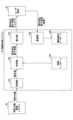
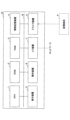
- FIG. 1 is an overall configuration diagram according to an embodiment of the present invention
- FIG. 1 is a functional block diagram of an information processing system according to one embodiment of the present invention
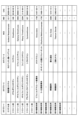
- FIG. It is an example of a terminology database according to one embodiment of the present invention.
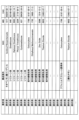
- It is an example of a configuration requirement database according to one embodiment of the present invention.
- FIG. 4 is a sequence diagram of processing for identifying raw materials according to one embodiment of the present invention
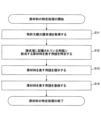
- FIG. 4 is a flowchart of a process for identifying raw materials according to one embodiment of the present invention
- FIG. 1 is a block diagram showing an example hardware configuration of an information processing system according to an embodiment of the present invention
- patent documents relating to cosmetics will be mainly described as an example, but the present invention can be applied to patent documents relating to any substance including compounds, not limited to cosmetics. In other words, the present invention can be applied to specify raw materials for any product such as cosmetics.
- patent document is a document that includes claims (also called claim, scope of claim, or claims).
- patent documents include patent publications, published patent publications, published patent publications, and the like. Note that the patent documents also include procedural amendments.
- the invention described in each claim may be an invention of a product, an invention of a method (also called a simple method), or an invention of producing a product.
- FIG. 1 is an overall configuration diagram according to one embodiment of the present invention. As shown in FIG. 1, the information processing system 10 is communicably connected to a patent document distribution system 20 and one or more user terminals 30 via an arbitrary network 40 . Each of these will be described below.
- the information processing system 10 can identify terms that represent raw materials that correspond to the terms described in the claims of patent documents.
- the information processing system 10 consists of one or more computers.
- the information processing system 10 can transmit and receive data to and from the patent document distribution system 20 and the user terminal 30 via any network 40 .
- the information processing system 10 can identify terms representing raw materials corresponding to the terms described in the claims of the patent documents distributed by the patent document distribution system 20 .
- the information processing system 10 can present (recommend) a term representing the identified raw material to the user terminal 30 .
- the information processing system 10 can register terms representing raw materials in association with constituent features of the claims in accordance with instructions from the user terminal 30 . The information processing system 10 will be described in detail later with reference to FIG.
- the information processing system 10 may register terms representing raw materials in association with constituent features of claims without an instruction from the user terminal 30 .
- the patent document distribution system 20 is a system for distributing patent documents.
- a company or the like that manages the information processing system 10 can use the patent document distribution system 20 for patent research.
- the patent document distribution system 20 uses the SDI (Selective Dissemination of Information) function to search for patent documents that satisfy the conditions registered in advance by corporate researchers when new patent documents are issued by the patent office or the like. and deliver.
- SDI Selective Dissemination of Information
- the user terminal 30 allows a person (for example, a researcher) who wants to receive a recommendation of a term representing raw materials corresponding to the terms described in the claims of the patent document, raw materials corresponding to the terms described in the claims of the patent document. It is a terminal used by a person (for example, a researcher) who wants to register a
- the user terminal 30 may be any terminal such as a personal computer, a tablet terminal, or a smart phone.
- the user terminal 30 uses terms representing raw materials recommended by the information processing system 10 (for example, compound name, raw material name, INCI name, MID, CAS registration number (CAS RN (registered trademark)), etc.) as information It is received from the processing system 10 and displayed on the display.
- the user terminal 30 inputs a term (eg, compound name, raw material name, INCI name, MID, CAS registration number (CAS RN), etc.) representing a raw material to be registered in the information processing system 10. direct to.
- a term eg, compound name, raw material name, INCI name, MID, CAS registration number (CAS RN), etc.
- FIG. 2 is a functional block diagram of the information processing system 10 according to one embodiment of the invention.
- the information processing system 10 can include an acquisition unit 101, an identification unit 102, a presentation unit 103, a registration unit 104, a terminology database 105, and a configuration requirement database 106.
- the information processing system 10 can function as the acquisition unit 101, the identification unit 102, the presentation unit 103, and the registration unit 104 by executing programs.
- the acquisition unit 101 acquires the claims of patent documents. For example, the acquisition unit 101 receives patent documents distributed by the patent document distribution system 20 from the patent document distribution system 20 (that is, receives electronic data of the patent documents). The acquisition unit 101 extracts claims included in patent documents received from the patent document distribution system 20 .
- the identification unit 102 collates the terms described in the claims acquired by the acquisition unit 101 with the terms representing raw materials in the terminology database 105, and the terms described in the claims acquired by the acquisition unit 101 Identify the terms that describe the raw materials to which the term applies.
- the terminology database 105 Before describing the identification unit 102 in detail, the terminology database 105 will be described.
- the terminology database 105 is a database in which terms representing raw materials are stored. Hereinafter, the terminology database 105 will be described in detail with reference to FIG.
- FIG. 3 is an example of the terminology database 105 according to one embodiment of the present invention.
- the terminology database 105 registers terms that express raw materials (for example, ingredients of cosmetics) in various ways.
- the terms representing raw materials are the name of the compound, the name of the raw material, the INCI (International Nomenclature of Cosmetic Ingredients) name, the MID (Monograph ID), and the CAS (Chemical Abstracts Service) registration number.
- the terms representing raw materials are the name of the compound, the name of the raw material, the INCI (International Nomenclature of Cosmetic Ingredients) name, the MID (Monograph ID), and the CAS (Chemical Abstracts Service) registration number.
- Terms representing raw materials eg, compound names, raw material names
- categories eg, hierarchized by concepts.
- the identification unit 102 identifies one or more terms representing one or more raw materials.
- the identifying unit 102 identifies only terms that are the same as the terms acquired by the acquiring unit 101 .
- the specifying unit 102 specifies "Dimethicone (INCI) and corresponding MID and CAS registration number (CAS RN)" in FIG.
- the specifying unit 102 obtains "Dimethicone (INCI) and corresponding MID and CAS registration number (CAS RN)" and “Diphenyl Dimethicone ( INCI) and applicable MID and CAS Registry Numbers (CAS RN)” and “Phenyl Trimethicone (INCI) and applicable MID and CAS Registry Numbers (CAS RN)” and “Cyclomethicone (INCI) and applicable MID and CAS Registry Numbers (CAS RN)” CAS RN)" (ie, a match in one category (eg, higher hierarchy) identifies another category (eg, lower hierarchy)).
- the identifying unit 102 identifies terms that include the term acquired by the acquiring unit 101 . For example, when the term acquired by the acquiring unit 101 is "Dimethicone", the specifying unit 102 obtains "Dimethicone (INCI) and corresponding MID and CAS registration number (CAS RN)" and “Diphenyl Dimethicone (INCI)” in FIG. ) and the applicable MID and CAS Registry Number (CAS RN). Also in the case of partial match matching, if there is a match in a certain category (eg, a higher layer), another category (eg, a lower layer) may be specified.
- a certain category eg, a higher layer
- another category eg, a lower layer
- the specifying unit 102 determines whether or not the morphemes extracted by morphological analysis of the claims are included in the terms representing raw materials in the terminology database 105, thereby determining whether the morphemes in the claims acquired by the acquiring unit 101 are included. You can identify the terms that describe the raw materials that correspond to the terms listed.
- the identifying unit 102 determines whether or not the noun phrase extracted by morphological analysis and syntactic analysis of the claims is included in the term representing the raw material in the term database 105, and the acquiring unit 101 acquires A term can be specified for the raw material that corresponds to the term in the claim.
- the specifying unit 102 determines whether the terms representing the raw materials in the term database 105 are included in the claims acquired by the acquiring unit 101, thereby identifying the terms described in the claims acquired by the acquiring unit 101.
- a term can be specified to describe raw materials that fall under
- the presentation unit 103 presents one or more terms representing one or more raw materials specified by the specifying unit 102 .
- the presenting unit 103 presents terms representing raw materials specified by the specifying unit 102 for each claim (for example, displays them on the display of the user terminal 30).
- the registration unit 104 registers one or more terms representing one or more raw materials (specifically, the terms representing raw materials are stored in the constituent feature database 106 in association with the constituent features of the claims. ).
- the registration unit 104 stores the term representing the raw material presented by the presentation unit 103 (that is, the term representing the raw material specified by the specifying unit 102) in the constituent feature database 106 for each claim.
- the registration unit 104 may register all of the terms representing raw materials presented by the presentation unit 103 (that is, terms representing raw materials specified by the specifying unit 102), or may register the terms presented by the presentation unit 103. Some of the terms representing raw materials identified by the identifying unit 102 (that is, terms representing raw materials identified by the identifying unit 102) may be registered. For example, the registration unit 104 can register terms representing raw materials specified by the user terminal 30 .
- the registration unit 104 may store the terms representing raw materials in the constituent element database 106 in association with the constituent elements of the claims without an instruction from the user terminal 30 (that is, in this case, the presentation unit 103 is unnecessary). Specifically, the registration unit 104 registers all terms specified by the specifying unit 102 .
- the constituent feature database 106 is a database in which constituent features (terms associated with raw materials) described in the claims of patent documents and raw materials corresponding to the terms are associated with each other.
- the configuration requirement database 106 will be described in detail below with reference to FIG.
- FIG. 4 is an example of the configuration requirement database 106 according to one embodiment of the present invention.
- constituent elements that is, terms representing raw materials registered by the registration unit 104
- Raw materials that is, terms representing raw materials registered by the registration unit 104
- configuration requirements will be described. "Constituent elements (terms associated with raw materials)" are constituent elements necessary to specify the invention described in a claim. It should be noted that each claim includes one or more constituent features. Each configuration requirement is associated with one or more raw materials. In addition, each component may be associated with one type of information (eg, INCI only) for specifying raw materials, or multiple types of information for specifying raw materials (eg, INCI, MID, and CAS registration number (CAS RN)) may be associated with each other.
- information eg, INCI only
- CAS registration number CAS registration number
- FIG. 5 is a sequence diagram of processing for identifying raw materials according to one embodiment of the present invention.
- step 1 (S1) the patent document distribution system 20 distributes patent documents. For example, when a new patent document is issued by a patent office or the like, the patent document distribution system 20 searches for and distributes a patent document that satisfies a condition registered in advance by a researcher or the like. Thereafter, the information processing system 10 receives the patent documents distributed by the patent document distribution system 20 from the patent document distribution system 20 .
- step 2 the information processing system 10 identifies raw materials corresponding to the terms described in the claims of the patent documents distributed in S1. Specifically, the information processing system 10 collates the terms described in the claims of the patent documents distributed in S1 with the terms representing raw materials in the term database 105, and distributes in S1 Identify terms that describe raw materials that fall under the terms in the claims of the patent document.
- step 3 the information processing system 10 presents to the user terminal 30 terms representing the raw materials specified in S2 for each claim. Therefore, an operator of the user terminal 30 (for example, a researcher or the like) can know the terms representing the ingredients recommended by the information processing system 10 .
- step 4 (S4) the user terminal 30 instructs the information processing system 10 to register terms that represent raw materials. Therefore, the operator of the user terminal 30 (for example, a researcher) can register a desired term among the terms recommended by the information processing system 10 .
- step 5 (S5) the information processing system 10 registers terms representing raw materials for each claim in accordance with the instruction in S4. Specifically, the information processing system 10 stores terms representing raw materials in the constituent feature database 106 for each claim in accordance with the instruction in S4.
- S3 and S4 may be omitted.
- the information processing system 10 associates the terms representing raw materials with the constituent features of the claims and stores them in the constituent feature database 106 without an instruction from the user terminal 30 .
- the information processing system 10 registers all the terms identified in S2.
- FIG. 6 is a flowchart of processing for identifying raw materials according to one embodiment of the present invention.
- step 11 (S11) the acquisition unit 101 acquires claims of patent documents.
- the acquisition unit 101 receives patent documents distributed by the patent document distribution system 20 from the patent document distribution system 20 .
- the acquisition unit 101 extracts claims included in the patent documents received from the patent document distribution system 20 .
- step 12 the identification unit 102 collates the terms described in the claims acquired in S11 with the terms representing raw materials in the terminology database 105, and the claims acquired in S11. Identify the terms that describe the ingredients that correspond to the terms listed in
- the specifying unit 102 determines whether the morpheme extracted by morphologically analyzing the claim is included in the term representing the raw material in the term database 105, thereby determining whether the term is included in the claim acquired in S11.
- a term can be identified that describes the raw material that corresponds to the term
- the identification unit 102 determines whether the noun phrase extracted by morphological analysis and syntactic analysis of the claim is included in the term representing the raw material in the term database 105, thereby identifying the claim acquired in S11. You can identify the terms that describe the ingredients that correspond to the terms listed in the section.
- the identification unit 102 determines whether the term representing the raw material in the terminology database 105 is included in the claim acquired in S11, thereby determining whether the term corresponds to the term described in the claim acquired in S11.
- a term can be specified to describe raw materials that
- the presentation unit 103 presents terms representing raw materials.
- the presentation unit 103 presents to the user terminal 30 terms representing the raw materials specified in S12 for each claim.
- the registration unit 104 registers terms representing raw materials.
- the registration unit 104 stores the terms representing the raw materials presented in S13 (that is, the terms representing the raw materials specified in S12) for each claim in the constituent feature database. Store in 106. Note that the registration unit 104 may register all of the terms representing the raw materials presented in S13, or may register some of the terms representing the raw materials presented in S13. good too.
- S13 may be omitted.
- the registration unit 104 associates the terms representing raw materials with the constituent features of the claims and stores them in the constituent feature database 106.
- FIG. 7 is a block diagram showing an example of the hardware configuration of the information processing system 10 according to one embodiment of the present invention.
- the information processing system 10 has a CPU (Central Processing Unit) 1 , a ROM (Read Only Memory) 2 and a RAM (Random Access Memory) 3 .
- CPU1, ROM2, and RAM3 form a so-called computer.
- the information processing system 10 can have an auxiliary storage device 4, a display device 5, an operation device 6, an I/F (Interface) device 7, and a drive device 8.
- auxiliary storage device 4 a display device 5
- operation device 6 an I/F (Interface) device 7
- drive device 8 Each piece of hardware of the information processing system 10 is interconnected via a bus B.
- the CPU 1 is a computing device that executes various programs installed in the auxiliary storage device 4.
- ROM2 is a non-volatile memory.
- the ROM 2 functions as a main storage device for storing various programs, data, etc. necessary for the CPU 1 to execute various programs installed in the auxiliary storage device 4 .
- the ROM 2 functions as a main storage device that stores boot programs such as BIOS (Basic Input/Output System) and EFI (Extensible Firmware Interface).
- BIOS Basic Input/Output System
- EFI Extensible Firmware Interface
- the RAM 3 is a volatile memory such as DRAM (Dynamic Random Access Memory) or SRAM (Static Random Access Memory).
- the RAM 3 functions as a main storage device that provides a work area to be expanded when various programs installed in the auxiliary storage device 4 are executed by the CPU 1 .
- the auxiliary storage device 4 is an auxiliary storage device that stores various programs and information used when various programs are executed.
- the display device 5 is a display device that displays the internal state of the information processing system 10 and the like.
- the operation device 6 is an input device through which the administrator of the information processing system 10 inputs various instructions to the information processing system 10 .
- the I/F device 7 is a communication device for connecting to a network and communicating with the patent document distribution system 20 and the user terminal 30 .
- the drive device 8 is a device for setting the storage medium 9.
- the storage medium 9 here includes media for optically, electrically or magnetically recording information, such as CD-ROMs, flexible disks, and magneto-optical disks.
- the storage medium 9 may also include a semiconductor memory that electrically records information such as an EPROM (Erasable Programmable Read Only Memory), a flash memory, or the like.
- EPROM Erasable Programmable Read Only Memory
- auxiliary storage device 4 Various programs to be installed in the auxiliary storage device 4 are installed by, for example, setting the distributed storage medium 9 in the drive device 8 and reading out the various programs recorded in the storage medium 9 by the drive device 8. be done. Alternatively, various programs installed in the auxiliary storage device 4 may be installed by being downloaded from a network via the I/F device 7 .
- Information processing system 20 Patent document distribution system 30 User terminal 40 Network 101 Acquisition unit 102 Identification unit 103 Presentation unit 104 Registration unit 105 Term database 106 Configuration requirement database 1 CPU 2 ROMs 3 RAM 4 Auxiliary storage device 5 Display device 6 Operation device 7 I/F device 8 Drive device 9 Storage medium
Landscapes
- Engineering & Computer Science (AREA)
- Business, Economics & Management (AREA)
- Theoretical Computer Science (AREA)
- Physics & Mathematics (AREA)
- Library & Information Science (AREA)
- Tourism & Hospitality (AREA)
- General Physics & Mathematics (AREA)
- Economics (AREA)
- Marketing (AREA)
- Primary Health Care (AREA)
- Strategic Management (AREA)
- Human Resources & Organizations (AREA)
- General Business, Economics & Management (AREA)
- General Health & Medical Sciences (AREA)
- Health & Medical Sciences (AREA)
- Technology Law (AREA)
- Data Mining & Analysis (AREA)
- Databases & Information Systems (AREA)
- General Engineering & Computer Science (AREA)
- Information Retrieval, Db Structures And Fs Structures Therefor (AREA)
Abstract
特許文献の請求項に記載されている用語に該当する原材料の特定を容易にする。原材料を表す用語が記憶された用語データベースと、特許文献の請求項を取得する取得部と、前記請求項に記載されている用語と、前記用語データベース内の原材料を表す用語と、を照合して、前記請求項に記載されている用語に該当する原材料を表す用語を特定する特定部と、を備える。
Description
本発明は、情報処理システム、方法、およびプログラムに関する。
従来、特許調査のシステムを用いて、他者または自身の特許に関わる種々の調査が行われている(特許文献1)。例えば、企業では、新製品の開発時に、他者の特許権を侵害しないかを調査するクリアランス調査が行われている。また、自身の特許権を侵害している製品が市場に出回っていないかの調査が行われている。
このような特許に関わる調査では、特許公報等の特許文献の請求項に記載されている用語に該当する原材料(例えば、化粧品の成分)が特定されていることが求められる。
しかしながら、従来の手法では、企業の研究員等が、特許公報等の特許文献を読んで発明の内容を検討し、請求項に記載されている用語に該当する原材料(例えば、化粧品の成分)を特定しなければならなかった。この作業は膨大な時間が必要であり、かつ、研究員等の化学の知識、原材料の知識、請求項の解釈の能力等によって作業の品質が大幅に変動するという課題があった。
そこで、本発明の一実施形態では、特許文献の請求項に記載されている用語に該当する原材料の特定を容易にすることを目的とする。
本発明の一態様は、原材料を表す用語が記憶された用語データベースと、特許文献の請求項を取得する取得部と、前記請求項に記載されている用語と、前記用語データベース内の原材料を表す用語と、を照合して、前記請求項に記載されている用語に該当する原材料を表す用語を特定する特定部と、を備える。
本発明によれば、特許文献の請求項に記載されている用語に該当する原材料の特定を容易にすることができる。
以下、図面に基づいて本発明の実施の形態を説明する。
本明細書では、主に、化粧品に関する特許文献を一例として説明するが、本発明は、化粧品に限らず化合物を含む任意の物に関する特許文献に適用することができる。つまり、本発明は、化粧品等の任意の物の原材料の特定に適用することができる。
<用語の説明>
・本明細書において、「特許文献」とは、請求項(なお、特許請求の範囲、請求の範囲、クレームとも呼ばれる)を含む文書である。例えば、特許文献は、特許公報、公開特許公報、公表特許公報等である。なお、特許文献は、手続補正書も含む。各請求項に記載されている発明は、物の発明、方法(単純方法ともいう)の発明、物を生産する発明のいずれであってもよい。
・本明細書において、「特許文献」とは、請求項(なお、特許請求の範囲、請求の範囲、クレームとも呼ばれる)を含む文書である。例えば、特許文献は、特許公報、公開特許公報、公表特許公報等である。なお、特許文献は、手続補正書も含む。各請求項に記載されている発明は、物の発明、方法(単純方法ともいう)の発明、物を生産する発明のいずれであってもよい。
<全体構成>
図1は、本発明の一実施形態に係る全体の構成図である。図1に示されるように、情報処理システム10は、任意のネットワーク40を介して、特許文献配信システム20と、1つまたは複数のユーザ端末30と、通信可能に接続されている。以下、それぞれについて説明する。
図1は、本発明の一実施形態に係る全体の構成図である。図1に示されるように、情報処理システム10は、任意のネットワーク40を介して、特許文献配信システム20と、1つまたは複数のユーザ端末30と、通信可能に接続されている。以下、それぞれについて説明する。
情報処理システム10は、特許文献の請求項に記載されている用語に該当する原材料を表す用語を特定することができる。情報処理システム10は、1つまたは複数のコンピュータからなる。情報処理システム10は、任意のネットワーク40を介して、特許文献配信システム20と、ユーザ端末30と、データを送受信することができる。
例えば、情報処理システム10は、特許文献配信システム20が配信した特許文献の請求項に記載されている用語に該当する原材料を表す用語を特定することができる。また、情報処理システム10は、特定した原材料を表す用語をユーザ端末30に提示する(レコメンド(推奨)する)ことができる。また、情報処理システム10は、ユーザ端末30からの指示に応じて、原材料を表す用語を、請求項の構成要件と紐付けて登録することができる。後段で、図2を参照しながら、情報処理システム10について詳細に説明する。
なお、情報処理システム10は、ユーザ端末30からの指示が無くとも、原材料を表す用語を、請求項の構成要件と紐付けて登録してもよい。
特許文献配信システム20は、特許文献を配信するためのシステムである。なお、情報処理システム10を管理する企業等は、特許調査のために特許文献配信システム20を利用することができる。
例えば、特許文献配信システム20は、SDI(Selective Dissemination of Information)機能により、新たな特許文献が特許庁等から発行されると、企業の研究員等によって事前に登録された条件を満たす特許文献を検索して配信する。
ユーザ端末30は、特許文献の請求項に記載されている用語に該当する原材料を表す用語のレコメンドを受けたい者(例えば、研究員)、特許文献の請求項に記載されている用語に該当する原材料を登録したい者(例えば、研究員)等が利用する端末である。ユーザ端末30は、パーソナルコンピュータ、タブレット端末、スマートフォン等の任意の端末であってよい。
例えば、ユーザ端末30は、情報処理システム10がレコメンドする原材料を表す用語(例えば、化合物の名称、原材料の名称、INCI名、MID、CAS登録番号(CAS RN(登録商標))等)を、情報処理システム10から受信してディスプレイ上に表示する。また、ユーザ端末30は、情報処理システム10に登録させたい原材料を表す用語(例えば、化合物の名称、原材料の名称、INCI名、MID、CAS登録番号(CAS RN)等)を、情報処理システム10に指示する。
<機能ブロック>
図2は、本発明の一実施形態に係る情報処理システム10の機能ブロック図である。図2に示されるように、情報処理システム10は、取得部101と、特定部102と、提示部103と、登録部104と、用語データベース105と、構成要件データベース106と、を備えることができる。また、情報処理システム10は、プログラムを実行することで、取得部101、特定部102、提示部103、登録部104として機能することができる。
図2は、本発明の一実施形態に係る情報処理システム10の機能ブロック図である。図2に示されるように、情報処理システム10は、取得部101と、特定部102と、提示部103と、登録部104と、用語データベース105と、構成要件データベース106と、を備えることができる。また、情報処理システム10は、プログラムを実行することで、取得部101、特定部102、提示部103、登録部104として機能することができる。
取得部101は、特許文献の請求項を取得する。例えば、取得部101は、特許文献配信システム20から、特許文献配信システム20が配信した特許文献を受信する(つまり、電子データ化された特許文献のデータを受信する)。取得部101は、特許文献配信システム20から受信した特許文献に含まれている各請求項を抽出する。
特定部102は、取得部101が取得した請求項に記載されている用語と、用語データベース105内の原材料を表す用語と、を照合して、取得部101が取得した請求項に記載されている用語に該当する原材料を表す用語を特定する。特定部102について詳細に説明する前に、用語データベース105について説明する。
用語データベース105は、原材料を表す用語が記憶されたデータベースである。以下、図3を参照しながら、用語データベース105について詳細に説明する。
図3は、本発明の一実施形態に係る用語データベース105の一例である。図3に示されるように、用語データベース105では、原材料(例えば、化粧品の成分)を種々の表現法により表した用語が登録されている。具体的には、原材料を表す用語は、化合物の名称と、原材料の名称と、INCI(International Nomenclature of Cosmetic Ingredients)名と、MID(Monograph ID)と、CAS(Chemical Abstracts Service)登録番号と、のうちの少なくとも1つを含む。原材料を表す用語(例えば、化合物の名称、原材料の名称)は、カテゴリーにより分けられる(例えば、概念により階層化される)。
原材料を表す用語は、請求項に記載されている用語と同一の用語を含む(そのため、請求項に記載されている用語と、用語データベース105内の原材料を表す用語と、が照合される)。なお、原材料を表す用語は、請求項に記載されている用語の上位概念の用語と、請求項に記載されている用語と同位概念の用語と、請求項に記載されている用語の下位概念の用語と、のうちの少なくとも1つを含むことができる。
図2に戻る。特定部102は、1つまたは複数の原材料を表す1つまたは複数の用語を特定する。
完全一致の照合の場合、特定部102は、取得部101が取得した用語と同じ用語のみを特定する。例えば、取得部101が取得した用語が"Dimethicone"の場合には、特定部102は、図3の"Dimethicone(INCI)および該当するMIDとCAS登録番号(CAS RN)"を特定する。例えば、取得部101が取得した用語が"シリコーン油"の場合には、特定部102は、図3の"Dimethicone(INCI)および該当するMIDとCAS登録番号(CAS RN)"と"Diphenyl Dimethicone(INCI)および該当するMIDとCAS登録番号(CAS RN)"と"Phenyl Trimethicone(INCI)および該当するMIDとCAS登録番号(CAS RN)"と"Cyclomethicone(INCI)および該当するMIDとCAS登録番号(CAS RN)"を特定する(つまり、あるカテゴリー(例えば、上位の階層)で一致した場合に別のカテゴリー(例えば、下位の階層)が特定される)。
部分一致の照合の場合、特定部102は、取得部101が取得した用語を含む用語を特定する。例えば、取得部101が取得した用語が"Dimethicone"の場合には、特定部102は、図3の"Dimethicone(INCI)および該当するMIDとCAS登録番号(CAS RN)"と"Diphenyl Dimethicone(INCI)および該当するMIDとCAS登録番号(CAS RN)"を特定する。なお、部分一致の照合の場合も、あるカテゴリー(例えば、上位の階層)で一致した場合に別のカテゴリー(例えば、下位の階層)が特定されてもよい。
以下、<特定例1>と<特定例2>に分けて説明する。
<特定例1>
特定部102は、請求項を形態素解析することによって抽出された形態素が、用語データベース105内の原材料を表す用語に含まれるか否かを判断することによって、取得部101が取得した請求項に記載されている用語に該当する原材料を表す用語を特定することができる。
特定部102は、請求項を形態素解析することによって抽出された形態素が、用語データベース105内の原材料を表す用語に含まれるか否かを判断することによって、取得部101が取得した請求項に記載されている用語に該当する原材料を表す用語を特定することができる。
特定部102は、請求項を形態素解析および構文解析することによって抽出された名詞句が、用語データベース105内の原材料を表す用語に含まれるか否かを判断することによって、取得部101が取得した請求項に記載されている用語に該当する原材料を表す用語を特定することができる。
<特定例2>
特定部102は、用語データベース105内の原材料を表す用語が、取得部101が取得した請求項に含まれるか否かを判断することによって、取得部101が取得した請求項に記載されている用語に該当する原材料を表す用語を特定することができる。
特定部102は、用語データベース105内の原材料を表す用語が、取得部101が取得した請求項に含まれるか否かを判断することによって、取得部101が取得した請求項に記載されている用語に該当する原材料を表す用語を特定することができる。
提示部103は、特定部102が特定した1つまたは複数の原材料を表す1つまたは複数の用語を提示する。例えば、提示部103は、特定部102が特定した原材料を表す用語を請求項毎に提示する(例えば、ユーザ端末30のディスプレイ上に表示させる)。
登録部104は、1つまたは複数の原材料を表す1つまたは複数の用語を登録する(具体的には、原材料を表す用語を、請求項の構成要件と紐付けて構成要件データベース106に記憶させる)。例えば、登録部104は、提示部103が提示した原材料を表す用語(つまり、特定部102が特定した原材料を表す用語)を請求項毎に構成要件データベース106に記憶させる。
なお、登録部104は、提示部103が提示した原材料を表す用語(つまり、特定部102が特定した原材料を表す用語)のうちの全部の用語を登録してもよいし、提示部103が提示した原材料を表す用語(つまり、特定部102が特定した原材料を表す用語)のうちの一部の用語を登録してもよい。例えば、登録部104は、ユーザ端末30から指示された原材料を表す用語を登録することができる。
なお、登録部104は、ユーザ端末30からの指示が無くとも、原材料を表す用語を、請求項の構成要件と紐付けて構成要件データベース106に記憶させてもよい(つまり、この場合、提示部103は不要である)。具体的には、登録部104は、特定部102が特定した全ての用語を登録する。
構成要件データベース106は、特許文献の請求項に記載されている構成要件(原材料に関連付けられた用語)と、該用語に該当する原材料と、が対応付けられたデータベースである。以下、図4を参照しながら、構成要件データベース106について詳細に説明する。
図4は、本発明の一実施形態に係る構成要件データベース106の一例である。図4に示されるように、構成要件データベース106では、各特許文献の請求項毎に、特許文献の請求項に記載されている構成要件(原材料に関連付けられた用語)と、該用語に該当する原材料(つまり、登録部104が登録した原材料を表す用語)と、が紐付けられて登録されている。
なお、各特許文献に含まれる全ての請求項において、該請求項に記載されている構成要件と原材料とが紐付けられて登録されてもよいし、あるいは、各特許文献に含まれる一部の請求項(例えば、独立項のみ、請求項1のみ等)において、該請求項に記載されている構成要件と原材料とが紐付けられて登録されてもよい。
[構成要件]
ここで、構成要件について説明する。「構成要件(原材料に関連付けられた用語)」は、請求項に記載されている発明を特定するために必要な構成要素である。なお、各請求項には、1つまたは複数の構成要件が含まれる。各構成要件には、1つまたは複数の原材料が対応付けられている。また、各構成要件には、原材料を特定するための1種類の情報(例えば、INCIのみ)が対応付けられていてもよいし、あるいは、原材料を特定するための複数の種類の情報(例えば、INCIとMIDとCAS登録番号(CAS RN))が対応付けられていてもよい。
ここで、構成要件について説明する。「構成要件(原材料に関連付けられた用語)」は、請求項に記載されている発明を特定するために必要な構成要素である。なお、各請求項には、1つまたは複数の構成要件が含まれる。各構成要件には、1つまたは複数の原材料が対応付けられている。また、各構成要件には、原材料を特定するための1種類の情報(例えば、INCIのみ)が対応付けられていてもよいし、あるいは、原材料を特定するための複数の種類の情報(例えば、INCIとMIDとCAS登録番号(CAS RN))が対応付けられていてもよい。
<方法>
以下、特許文献の請求項に記載されている用語に該当する原材料を特定する処理について説明する。
以下、特許文献の請求項に記載されている用語に該当する原材料を特定する処理について説明する。
図5は、本発明の一実施形態に係る原材料を特定する処理のシーケンス図である。
ステップ1(S1)において、特許文献配信システム20は、特許文献を配信する。例えば、特許文献配信システム20は、新たな特許文献が特許庁等から発行されると、研究員等によって事前に登録された条件を満たす特許文献を検索して配信する。その後、情報処理システム10は、特許文献配信システム20から、特許文献配信システム20が配信した特許文献を受信する。
ステップ2(S2)において、情報処理システム10は、S1で配信された特許文献の請求項に記載されている用語に該当する原材料を特定する。具体的には、情報処理システム10は、S1で配信された特許文献の請求項に記載されている用語と、用語データベース105内の原材料を表す用語と、を照合して、S1で配信された特許文献の請求項に記載されている用語に該当する原材料を表す用語を特定する。
ステップ3(S3)において、情報処理システム10は、S2で特定された原材料を表す用語を請求項毎にユーザ端末30に提示する。そのため、ユーザ端末30の操作者(例えば、研究員等)は、情報処理システム10がレコメンドする原材料を表す用語を知ることができる。
ステップ4(S4)において、ユーザ端末30は、原材料を表す用語の登録を情報処理システム10に指示する。そのため、ユーザ端末30の操作者(例えば、研究員等)は、情報処理システム10がレコメンドする用語のうち所望の用語を登録させることができる。
ステップ5(S5)において、情報処理システム10は、S4の指示に応じて、原材料を表す用語を請求項毎に登録する。具体的には、情報処理システム10は、S4の指示に応じて、原材料を表す用語を請求項毎に構成要件データベース106に記憶させる。
なお、S3およびS4は、省略されうる。この場合、情報処理システム10は、ユーザ端末30からの指示が無くとも、原材料を表す用語を、請求項の構成要件と紐付けて構成要件データベース106に記憶させる。具体的には、S5において、情報処理システム10は、S2で特定された全ての用語を登録する。
図6は、本発明の一実施形態に係る原材料を特定する処理のフローチャートである。
ステップ11(S11)において、取得部101は、特許文献の請求項を取得する。
例えば、取得部101は、特許文献配信システム20から、特許文献配信システム20が配信した特許文献を受信する。次に、取得部101は、特許文献配信システム20から受信した特許文献に含まれている各請求項を抽出する。
ステップ12(S12)において、特定部102は、S11で取得された請求項に記載されている用語と、用語データベース105内の原材料を表す用語と、を照合して、S11で取得された請求項に記載されている用語に該当する原材料を表す用語を特定する。
[特定例1]
特定部102は、請求項を形態素解析することによって抽出された形態素が、用語データベース105内の原材料を表す用語に含まれるか否かを判断することによって、S11で取得された請求項に記載されている用語に該当する原材料を表す用語を特定することができる。
特定部102は、請求項を形態素解析することによって抽出された形態素が、用語データベース105内の原材料を表す用語に含まれるか否かを判断することによって、S11で取得された請求項に記載されている用語に該当する原材料を表す用語を特定することができる。
特定部102は、請求項を形態素解析および構文解析することによって抽出された名詞句が、用語データベース105内の原材料を表す用語に含まれるか否かを判断することによって、S11で取得された請求項に記載されている用語に該当する原材料を表す用語を特定することができる。
[特定例2]
特定部102は、用語データベース105内の原材料を表す用語が、S11で取得された請求項に含まれるか否かを判断することによって、S11で取得された請求項に記載されている用語に該当する原材料を表す用語を特定することができる。
特定部102は、用語データベース105内の原材料を表す用語が、S11で取得された請求項に含まれるか否かを判断することによって、S11で取得された請求項に記載されている用語に該当する原材料を表す用語を特定することができる。
ステップ13(S13)において、提示部103は、原材料を表す用語を提示する。
具体的には、提示部103は、S12で特定された原材料を表す用語を請求項毎にユーザ端末30に提示する。
ステップ14(S14)において、登録部104は、原材料を表す用語を登録する。
具体的には、登録部104は、ユーザ端末30からの指示に応じて、S13で提示された原材料を表す用語(つまり、S12で特定された原材料を表す用語)を請求項毎に構成要件データベース106に記憶させる。なお、登録部104は、S13で提示された原材料を表す用語のうちの全部の用語を登録してもよいし、S13で提示された原材料を表す用語のうちの一部の用語を登録してもよい。
なお、S13は、省略されうる。この場合、登録部104は、ユーザ端末30からの指示が無くとも、原材料を表す用語を、請求項の構成要件と紐付けて構成要件データベース106に記憶させる。具体的には、S14において、登録部104は、S12で特定された全ての用語を登録する。
<効果>
このように、本発明の一実施形態では、特許文献の請求項に記載されている用語に該当する原材料の特定を容易にすることができる。そのため、特許文献の請求項の構成要件データベース(特許文献の請求項に記載されている原材料に関連付けられた用語と、該用語に該当する原材料と、が対応付けられたデータベース)を容易に作成することができるようになる。
このように、本発明の一実施形態では、特許文献の請求項に記載されている用語に該当する原材料の特定を容易にすることができる。そのため、特許文献の請求項の構成要件データベース(特許文献の請求項に記載されている原材料に関連付けられた用語と、該用語に該当する原材料と、が対応付けられたデータベース)を容易に作成することができるようになる。
<ハードウェア構成>
図7は、本発明の一実施形態に係る情報処理システム10のハードウェア構成の一例を示すブロック図である。情報処理システム10は、CPU(Central Processing Unit)1、ROM(Read Only Memory)2、RAM(Random Access Memory)3を有する。CPU1、ROM2、RAM3は、いわゆるコンピュータを形成する。
図7は、本発明の一実施形態に係る情報処理システム10のハードウェア構成の一例を示すブロック図である。情報処理システム10は、CPU(Central Processing Unit)1、ROM(Read Only Memory)2、RAM(Random Access Memory)3を有する。CPU1、ROM2、RAM3は、いわゆるコンピュータを形成する。
また、情報処理システム10は、補助記憶装置4、表示装置5、操作装置6、I/F(Interface)装置7、ドライブ装置8を有することができる。なお、情報処理システム10の各ハードウェアは、バスBを介して相互に接続されている。
CPU1は、補助記憶装置4にインストールされている各種プログラムを実行する演算デバイスである。
ROM2は、不揮発性メモリである。ROM2は、補助記憶装置4にインストールされている各種プログラムをCPU1が実行するために必要な各種プログラム、データ等を格納する主記憶デバイスとして機能する。具体的には、ROM2はBIOS(Basic Input/Output System)やEFI(Extensible Firmware Interface)等のブートプログラム等を格納する、主記憶デバイスとして機能する。
RAM3は、DRAM(Dynamic Random Access Memory)やSRAM(Static Random Access Memory)等の揮発性メモリである。RAM3は、補助記憶装置4にインストールされている各種プログラムがCPU1によって実行される際に展開される作業領域を提供する、主記憶デバイスとして機能する。
補助記憶装置4は、各種プログラムや、各種プログラムが実行される際に用いられる情報を格納する補助記憶デバイスである。
表示装置5は、情報処理システム10の内部状態等を表示する表示デバイスである。
操作装置6は、情報処理システム10の管理者が情報処理システム10に対して各種指示を入力する入力デバイスである。
I/F装置7は、ネットワークに接続し、特許文献配信システム20、ユーザ端末30と通信を行うための通信デバイスである。
ドライブ装置8は記憶媒体9をセットするためのデバイスである。ここでいう記憶媒体9には、CD-ROM、フレキシブルディスク、光磁気ディスク等のように情報を光学的、電気的あるいは磁気的に記録する媒体が含まれる。また、記憶媒体9には、EPROM (Erasable Programmable Read Only Memory)、フラッシュメモリ等のように情報を電気的に記録する半導体メモリ等が含まれていてもよい。
なお、補助記憶装置4にインストールされる各種プログラムは、例えば、配布された記憶媒体9がドライブ装置8にセットされ、該記憶媒体9に記録された各種プログラムがドライブ装置8により読み出されることでインストールされる。あるいは、補助記憶装置4にインストールされる各種プログラムは、I/F装置7を介して、ネットワークよりダウンロードされることでインストールされてもよい。
以上、本発明の実施例について詳述したが、本発明は上述した特定の実施形態に限定されるものではなく、特許請求の範囲に記載された本発明の要旨の範囲内において、種々の変形・変更が可能である。
本国際出願は2021年7月28日に出願された日本国特許出願2021-123476号に基づく優先権を主張するものであり、2021-123476号の全内容をここに本国際出願に援用する。
10 情報処理システム
20 特許文献配信システム
30 ユーザ端末
40 ネットワーク
101 取得部
102 特定部
103 提示部
104 登録部
105 用語データベース
106 構成要件データベース
1 CPU
2 ROM
3 RAM
4 補助記憶装置
5 表示装置
6 操作装置
7 I/F装置
8 ドライブ装置
9 記憶媒体
20 特許文献配信システム
30 ユーザ端末
40 ネットワーク
101 取得部
102 特定部
103 提示部
104 登録部
105 用語データベース
106 構成要件データベース
1 CPU
2 ROM
3 RAM
4 補助記憶装置
5 表示装置
6 操作装置
7 I/F装置
8 ドライブ装置
9 記憶媒体
Claims (18)
- 原材料を表す用語が記憶された用語データベースと、
特許文献の請求項を取得する取得部と、
前記請求項に記載されている用語と、前記用語データベース内の原材料を表す用語と、を照合して、前記請求項に記載されている用語に該当する原材料を表す用語を特定する特定部と
を備えた情報処理システム。 - 前記特定された原材料を表す用語を提示する提示部をさらに備えた、請求項1に記載の情報処理システム。
- 前記特定された原材料を表す用語を請求項毎に提示する提示部をさらに備えた、請求項1に記載の情報処理システム。
- 前記特定された原材料を表す用語を記憶させる登録部をさらに備えた、請求項1から3のいずれか一項に記載の情報処理システム。
- 前記特定された原材料を表す用語を請求項毎に記憶させる登録部をさらに備えた、請求項1から3のいずれか一項に記載の情報処理システム。
- 前記登録部は、前記特定された原材料を表す用語を、特許文献の請求項に記載されている原材料に関連付けられた用語と、前記用語に該当する原材料と、が対応付けられた構成要件データベースに記憶させる、請求項4または5に記載の情報処理システム。
- 前記原材料を表す用語は、前記請求項に記載されている用語の上位概念の用語と、前記請求項に記載されている用語と同位概念の用語と、前記請求項に記載されている用語と同一の用語と、前記請求項に記載されている用語の下位概念の用語と、のうちの少なくとも1つを含む、請求項1から6のいずれか一項に記載の情報処理システム。
- 前記原材料は、化粧品の原材料である、請求項1から7のいずれか一項に記載の情報処理システム。
- 前記原材料を表す用語は、化合物の名称と、原材料の名称と、INCI(International Nomenclature of Cosmetic Ingredients)名と、MID(Monograph ID)と、CAS(Chemical Abstracts Service)登録番号と、のうちの少なくとも1つを含む、請求項1から8のいずれか一項に記載の情報処理システム。
- 前記特定部は、前記請求項を形態素解析することによって抽出された形態素が、前記用語データベース内の原材料を表す用語に含まれるか否かを判断することによって、前記請求項に記載されている用語に該当する原材料を表す用語を特定する、請求項1から9のいずれか一項に記載の情報処理システム。
- 前記特定部は、前記請求項を形態素解析および構文解析することによって抽出された名詞句が、前記用語データベース内の原材料を表す用語に含まれるか否かを判断することによって、前記請求項に記載されている用語に該当する原材料を表す用語を特定する、請求項1から9のいずれか一項に記載の情報処理システム。
- 前記特定部は、前記用語データベース内の原材料を表す用語が、前記請求項に含まれるか否かを判断することによって、前記請求項に記載されている用語に該当する原材料を表す用語を特定する、請求項1から9のいずれか一項に記載の情報処理システム。
- 原材料を表す用語が記憶された用語データベースを備えた情報処理システムが実行する方法であって、
特許文献の請求項を取得するステップと、
前記請求項に記載されている用語と、前記用語データベース内の原材料を表す用語と、を照合して、前記請求項に記載されている用語に該当する原材料を表す用語を特定するステップと
を含む方法。 - 前記特定された原材料を表す用語を提示するステップをさらに含む、請求項13に記載の方法。
- 前記特定された原材料を表す用語を記憶させるステップをさらに含む、請求項13または14に記載の方法。
- 原材料を表す用語が記憶された用語データベースを備えたコンピュータを、
特許文献の請求項を取得する取得部、
前記請求項に記載されている用語と、前記用語データベース内の原材料を表す用語と、を照合して、前記請求項に記載されている用語に該当する原材料を表す用語を特定する特定部
として機能させるためのプログラム。 - 前記コンピュータを
前記特定された原材料を表す用語を提示する提示部としてさらに機能させる、請求項16に記載のプログラム。 - 前記コンピュータを
前記特定された原材料を表す用語を記憶させる登録部としてさらに機能させる、請求項16または17に記載のプログラム。
Priority Applications (1)
| Application Number | Priority Date | Filing Date | Title |
|---|---|---|---|
| JP2023538482A JPWO2023008317A1 (ja) | 2021-07-28 | 2022-07-21 |
Applications Claiming Priority (2)
| Application Number | Priority Date | Filing Date | Title |
|---|---|---|---|
| JP2021-123476 | 2021-07-28 | ||
| JP2021123476 | 2021-07-28 |
Publications (1)
| Publication Number | Publication Date |
|---|---|
| WO2023008317A1 true WO2023008317A1 (ja) | 2023-02-02 |
Family
ID=85086789
Family Applications (1)
| Application Number | Title | Priority Date | Filing Date |
|---|---|---|---|
| PCT/JP2022/028397 Ceased WO2023008317A1 (ja) | 2021-07-28 | 2022-07-21 | 情報処理システム、方法、およびプログラム |
Country Status (2)
| Country | Link |
|---|---|
| JP (1) | JPWO2023008317A1 (ja) |
| WO (1) | WO2023008317A1 (ja) |
Citations (2)
| Publication number | Priority date | Publication date | Assignee | Title |
|---|---|---|---|---|
| JP2008537362A (ja) * | 2004-11-30 | 2008-09-11 | エレクトロニクス アンド テレコミュニケーションズ リサーチ インスチチュート | 嗅覚情報符号化装置及びその方法と香りコード生成装置及びその方法 |
| WO2021084781A1 (ja) * | 2019-10-30 | 2021-05-06 | 株式会社資生堂 | 情報処理システム、方法、プログラム、および、データ構造 |
-
2022
- 2022-07-21 WO PCT/JP2022/028397 patent/WO2023008317A1/ja not_active Ceased
- 2022-07-21 JP JP2023538482A patent/JPWO2023008317A1/ja active Pending
Patent Citations (2)
| Publication number | Priority date | Publication date | Assignee | Title |
|---|---|---|---|---|
| JP2008537362A (ja) * | 2004-11-30 | 2008-09-11 | エレクトロニクス アンド テレコミュニケーションズ リサーチ インスチチュート | 嗅覚情報符号化装置及びその方法と香りコード生成装置及びその方法 |
| WO2021084781A1 (ja) * | 2019-10-30 | 2021-05-06 | 株式会社資生堂 | 情報処理システム、方法、プログラム、および、データ構造 |
Non-Patent Citations (1)
| Title |
|---|
| TANAKA KAZUNARI, TOMOYA IWAKURA, YUSUKE KOYANAGI, MATSU SHINDO: "Visualization of Chemical Substance Information Utilizing Natural Language Processing and LinkedData", PROCEEDINGS OF THE 24TH ANNUAL MEETING OF THE NATURAL LANGUAGE PROCESSING SOCIETY, 5 March 2018 (2018-03-05), pages 1243 - 1246, XP093028434, Retrieved from the Internet <URL:https://www.anlp.jp/proceedings/annual_meeting/2018/pdf_dir/A7-2.pdf> [retrieved on 20230302] * |
Also Published As
| Publication number | Publication date |
|---|---|
| JPWO2023008317A1 (ja) | 2023-02-02 |
Similar Documents
| Publication | Publication Date | Title |
|---|---|---|
| US8150898B2 (en) | User data profile namespace | |
| JP2003518664A (ja) | パーソナライズされた結果セットを構成する方法およびシステム | |
| US20080249977A1 (en) | Similar files management apparatus and method and program therefor | |
| US20040162809A1 (en) | Apparatus, method, storage medium and data structure for identifying and storing data | |
| JP7079676B2 (ja) | 在庫管理装置、在庫管理方法、及び在庫管理プログラム | |
| JPH08305616A (ja) | データ管理システム | |
| Macmillan et al. | Addressing the challenges of acute fish toxicity hazard classification using a non-animal defined approach | |
| JP6694104B1 (ja) | 情報処理システム、方法、プログラム | |
| Hughes | Gay men's holidays: identity and inhibitors. | |
| Crewe | Natural history of honey-bee mandibular gland secretions: development of analytical techniques and the emergence of complexity. | |
| Uter et al. | Downward trend of sensitization to glyceryl monothioglycolate in German hairdressers | |
| JP2001175672A (ja) | 情報フィルタリングシステム、その方法及びその方法を実行させるためのプログラムを記録したコンピュータ読み取り可能な記録媒体 | |
| JP4174992B2 (ja) | Msds作成システム、msds作成方法およびそのプログラム | |
| CN113962666A (zh) | 前端软件开发测试方法及系统 | |
| Alekhin et al. | Building an Application Architecture Using the FSD Concept | |
| JP7245309B2 (ja) | 情報処理装置、帳票出力方法、およびプログラム | |
| Tang et al. | A study on the differences in the expressions of emotional cognition between bloggers and users based on the “cloud pet keeping” phenomenon | |
| JP6892716B1 (ja) | コンテンツ配信システムおよび方法 | |
| KR100381546B1 (ko) | 통신망을 통한 가상서재 시스템 및 그 처리방법 | |
| Tran et al. | MOTIFSIM 2.1: an enhanced software platform for detecting similarity in multiple DNA motif data sets | |
| Sjölander et al. | Bespoke instrumental variables with nonideal reference populations | |
| TWI588669B (zh) | 電子書整合管理系統 | |
| Saxton | ProCite 5.0 | |
| Moreno et al. | easyDAS: Automatic creation of DAS servers | |
| Grinberg | Shredding XML |
Legal Events
| Date | Code | Title | Description |
|---|---|---|---|
| 121 | Ep: the epo has been informed by wipo that ep was designated in this application |
Ref document number: 22849379 Country of ref document: EP Kind code of ref document: A1 |
|
| WWE | Wipo information: entry into national phase |
Ref document number: 2023538482 Country of ref document: JP |
|
| NENP | Non-entry into the national phase |
Ref country code: DE |
|
| 122 | Ep: pct application non-entry in european phase |
Ref document number: 22849379 Country of ref document: EP Kind code of ref document: A1 |