WO2022190955A1 - 人物選択方法、装置、およびプログラム - Google Patents
人物選択方法、装置、およびプログラム Download PDFInfo
- Publication number
- WO2022190955A1 WO2022190955A1 PCT/JP2022/008553 JP2022008553W WO2022190955A1 WO 2022190955 A1 WO2022190955 A1 WO 2022190955A1 JP 2022008553 W JP2022008553 W JP 2022008553W WO 2022190955 A1 WO2022190955 A1 WO 2022190955A1
- Authority
- WO
- WIPO (PCT)
- Prior art keywords
- person
- skin
- customer
- skin characteristics
- persons
- Prior art date
- Legal status (The legal status is an assumption and is not a legal conclusion. Google has not performed a legal analysis and makes no representation as to the accuracy of the status listed.)
- Ceased
Links
Images


Classifications
-
- G—PHYSICS
- G06—COMPUTING OR CALCULATING; COUNTING
- G06Q—INFORMATION AND COMMUNICATION TECHNOLOGY [ICT] SPECIALLY ADAPTED FOR ADMINISTRATIVE, COMMERCIAL, FINANCIAL, MANAGERIAL OR SUPERVISORY PURPOSES; SYSTEMS OR METHODS SPECIALLY ADAPTED FOR ADMINISTRATIVE, COMMERCIAL, FINANCIAL, MANAGERIAL OR SUPERVISORY PURPOSES, NOT OTHERWISE PROVIDED FOR
- G06Q10/00—Administration; Management
- G06Q10/06—Resources, workflows, human or project management; Enterprise or organisation planning; Enterprise or organisation modelling
-
- G—PHYSICS
- G06—COMPUTING OR CALCULATING; COUNTING
- G06Q—INFORMATION AND COMMUNICATION TECHNOLOGY [ICT] SPECIALLY ADAPTED FOR ADMINISTRATIVE, COMMERCIAL, FINANCIAL, MANAGERIAL OR SUPERVISORY PURPOSES; SYSTEMS OR METHODS SPECIALLY ADAPTED FOR ADMINISTRATIVE, COMMERCIAL, FINANCIAL, MANAGERIAL OR SUPERVISORY PURPOSES, NOT OTHERWISE PROVIDED FOR
- G06Q30/00—Commerce
- G06Q30/02—Marketing; Price estimation or determination; Fundraising
-
- G—PHYSICS
- G06—COMPUTING OR CALCULATING; COUNTING
- G06Q—INFORMATION AND COMMUNICATION TECHNOLOGY [ICT] SPECIALLY ADAPTED FOR ADMINISTRATIVE, COMMERCIAL, FINANCIAL, MANAGERIAL OR SUPERVISORY PURPOSES; SYSTEMS OR METHODS SPECIALLY ADAPTED FOR ADMINISTRATIVE, COMMERCIAL, FINANCIAL, MANAGERIAL OR SUPERVISORY PURPOSES, NOT OTHERWISE PROVIDED FOR
- G06Q30/00—Commerce
- G06Q30/06—Buying, selling or leasing transactions
-
- G—PHYSICS
- G06—COMPUTING OR CALCULATING; COUNTING
- G06Q—INFORMATION AND COMMUNICATION TECHNOLOGY [ICT] SPECIALLY ADAPTED FOR ADMINISTRATIVE, COMMERCIAL, FINANCIAL, MANAGERIAL OR SUPERVISORY PURPOSES; SYSTEMS OR METHODS SPECIALLY ADAPTED FOR ADMINISTRATIVE, COMMERCIAL, FINANCIAL, MANAGERIAL OR SUPERVISORY PURPOSES, NOT OTHERWISE PROVIDED FOR
- G06Q50/00—Information and communication technology [ICT] specially adapted for implementation of business processes of specific business sectors, e.g. utilities or tourism
- G06Q50/10—Services
Definitions
- the present invention relates to a person selection method, device, and program.
- salespeople serve customers who visit the store.
- customer service personnel For example, at a store that sells cosmetics, a beauty advisor measures the skin condition of a customer and provides skin counseling to the customer.
- Patent Document 1 proposes a responder who will respond to the customer from among multiple responders based at least on the response record and response status.
- the purpose of the present invention is to select a customer service person suitable for the customer's skin.
- An embodiment of the present invention a method comprising the steps of identifying a skin feature of a first person; and from a plurality of second persons skin features that are identical to the skin feature of said first person, or , selecting a person having skin characteristics similar to the skin characteristics of said first person.
- FIG. 1 is an overall configuration diagram according to an embodiment of the present invention
- FIG. 1 is a functional block diagram of a person selection device according to an embodiment of the present invention
- FIG. 4 is a flowchart of person selection processing according to an embodiment of the present invention
- FIG. 4 is a diagram for explaining skin characteristics identified based on genes according to one embodiment of the present invention.
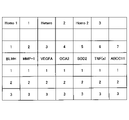
- FIG. 4 is a diagram for explaining skin characteristics identified based on genes according to one embodiment of the present invention. It is a block diagram showing an example of hardware constitutions of a person selection device concerning one embodiment of the present invention.
- embodiments of customer service in the sale of cosmetics will be mainly described, but the present invention is not limited to this, and the present invention can be applied to customer service in the sale of supplements, health foods and drinks, and in the sale of beauty equipment. , and can also be applied to customer service at an esthetic salon.
- embodiments of customer service at a store and customer service on the Internet will be mainly described, but the present invention is not limited to this, and can be applied to customer service over the phone.
- this specification mainly describes an embodiment in which a customer is selected at the time of customer service, it is not limited to this, and the present invention can also be applied to the case of selecting a customer at the time of reservation for customer service.
- FIG. 1 is an overall configuration diagram according to one embodiment of the present invention.
- the person selection device 10 selects a plurality of customers 11 who have the same skin characteristics as the skin characteristics of the customer 21 who visited the store or who have skin characteristics similar to the skin characteristics of the customer 21. to choose from among the customers. After that, the selected service person serves the customer.
- a host in a service over the Internet for example, a service by chat, message, email, etc.
- the customer 21 uses the customer terminal 20 to access a website selling cosmetics and the like.
- the customer 21 uses the customer terminal 20 to request service on the Internet.
- the person selection device 10 selects the customer 11 who has the same skin characteristics as the customer 21 skin characteristics or the skin characteristics similar to the customer 21 skin characteristics from among the plurality of customers. do. After that, the selected service person serves the customer.
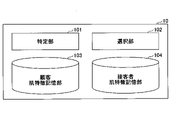
- FIG. 2 is a functional block diagram of the person selection device 10 according to one embodiment of the present invention.
- the person selection device 10 can include an identification unit 101 , a selection unit 102 , a customer skin feature storage unit 103 , and a customer service person skin feature storage unit 104 .
- the person selection device 10 can function as the identification unit 101 and the selection unit 102 by executing a program.
- a first person eg, a customer
- a second person eg, a customer such as a beauty staff
- the second person is a person who receives a beauty consultation from the first person (for example, a customer).
- the identifying unit 101 identifies the skin characteristics of the first person (eg, customer). For example, the identification unit 101 acquires information for identifying the first person (eg, customer ID, customer name, etc.). Further, the identification unit 101 refers to the skin characteristics of the first person in the customer skin characteristics storage unit 103 based on the information for identifying the first person.
- the identification unit 101 acquires information for identifying the first person (eg, customer ID, customer name, etc.). Further, the identification unit 101 refers to the skin characteristics of the first person in the customer skin characteristics storage unit 103 based on the information for identifying the first person.
- the selection unit 102 selects, from a plurality of second persons (for example, a plurality of customers at a shop), skin characteristics identical to the skin characteristics of the first person identified by the identification unit 101, or select those who have skin characteristics similar to those of the first person identified by .
- the selection unit 102 outputs (for example, displays) information about the selected second person.
- the selection unit 102 can select and output a plurality of persons having skin characteristics similar to those of the first person in descending order of similarity. Further, the selection unit 102 can select a person who can serve customers (for example, a person who is not serving customers) from among the plurality of second persons. In addition, the selection unit 102 selects a person who is older than the first person among the plurality of second persons (in other words, the future age of the first person based on the experience corresponding to the change of the own skin in the past). A person who can give advice on skin changes) can be selected.
- the customer skin feature storage unit 103 stores information about the skin features of the first person (for example, the customer). For example, the customer skin characteristic storage unit 103 stores genetic information of the first person. Also, for example, the customer skin feature storage unit 103 stores the measured value of the skin condition of the first person. Further, for example, the customer skin feature storage unit 103 stores the result of an interview about the first person's skin.
- the customer skin feature storage unit 104 stores information about the skin characteristics of the second person (for example, the customer). For example, the customer's skin feature storage unit 104 stores genetic information of the second person. Further, for example, the customer skin feature storage unit 104 stores the measured value of the second person's skin condition. Further, for example, the service person skin feature storage unit 104 stores the result of an interview about the second person's skin.
- skin characteristics of a first person (eg, customer) and a second person (eg, hostess) are identified based on genes.
- skin characteristics are identified based on genetic SNPs (Single Nucleotide Polymorphisms, also called single nucleotide polymorphisms).
- SNPs Single Nucleotide Polymorphisms, also called single nucleotide polymorphisms.
- the gene is related to stratum corneum moisture, dermal collagen degradation, vascular function, skin UV sensitivity, skin antioxidant, skin trouble, body odor and acne. A detailed description will be given below with reference to FIGS. 4 and 5.
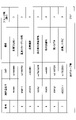
- FIG. 4 is a diagram for explaining skin characteristics identified based on genes according to an embodiment of the present invention.
- seven genes shown in FIG. 4 specifically, stratum corneum moisture, dermal collagen degradation, vascular function, skin UV sensitivity, skin antioxidant, skin trouble and genes related to body odor and acne
- the first person e.g., customer
- the second person e.g., customer
- 2187 3 7 (3 groups for each of the 7 genes). Because there is) divided into groups.
- ⁇ Number 1>> Number 1 in FIG. 4 will be described.
- the gene is "BLMH”, the SNP (RS number) is “rs1050565”, and the function is "moisturizing the stratum corneum”.
- selector 102 determines if the first group of persons (ie, all seven digits) and the second group of persons (ie, all seven digits) are identical. If so, it is determined that the skin characteristics of the first person and the skin characteristics of the second person are the same. In addition, the selection unit 102 selects a predetermined number of numbers of the first person (that is, part of the 7-digit number) and a predetermined number of numbers of the second person (that is, part of the 7-digit number). are the same, it is determined that the skin characteristics of the first person and the skin characteristics of the second person are similar. The selection unit 102 can determine that the skin features of the first person and the skin features of the second person are more similar as the number of identical numbers among the seven-digit numbers increases.
- each gene is weighted (for example, when the genes related to stratum corneum moisture are the same, the difference between the skin characteristics of the first person and the second person is higher than when the genes related to dermal collagen degradation are the same). It may be determined that the characteristics of the skin are similar).
- skin characteristics of a first person (eg, customer) and a second person (eg, customer) are identified based on skin condition measurements.
- the value obtained by measuring the skin condition is the value obtained by measuring each of the following items.
- ⁇ Skin condition sebum volume, pore size, stratum corneum moisture content, stratum corneum barrier (transepidermal moisture loss), etc.
- ⁇ Skin shape wrinkle depth, wrinkle length, wrinkle area, eye bag size Conspicuity of nasolabial folds, degree of sagging, etc.
- ⁇ Skin color characteristics Skin color, size of blemishes, number of blemishes, darkness of blemishes, degree of dullness, degree of dark circles around the eyes, etc.
- the selection unit 102 selects the first person. It is determined that the skin characteristics of the first person and the skin characteristics of the second person are the same. In addition, when the measurement values of the first person's predetermined number or more items and the second person's measurement values of the predetermined number or more items are the same, the selection unit 102 selects the first person's and the skin features of the second person are similar. The selection unit 102 can determine that the skin features of the first person and the skin features of the second person are more similar as the number of items having the same measurement value increases.
- Each item is weighted (for example, when the measured values of item 1 are the same, the difference between the skin characteristics of the first person and the second person is higher than when the measured values of item 2 are the same). It may be determined that the characteristics of the skin are similar).
- skin characteristics of a first person (eg, a customer) and a second person (eg, a customer) are identified based on results of a skin interview.
- the inquiry is an inquiry about changes in the case of sunburn, skin quality, skin trouble, and earwax condition.
- the selection unit 102 determines that the skin characteristics and the skin characteristics of the second person are the same. In addition, if the first person's answers to a predetermined number or more of questions and the second person's answers to a predetermined number or more of questions are the same, the selection unit 102 selects the skin of the first person. and the skin features of the second person are similar. The selection unit 102 can determine that the features of the skin of the first person and the features of the skin of the second person are more similar to each other as the number of interviews with the same answers increases.
- each interview is weighted (for example, when the answers to the interview 1 are the same, the difference between the skin characteristics of the first person and the skin of the second person is higher than the case where the answers to the interview 2 are the same). It may be determined that the features are similar).
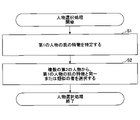
- FIG. 3 is a flowchart of person selection processing according to an embodiment of the present invention.
- step 1 (S1) the identifying unit 101 identifies the skin characteristics of the first person (eg, customer). For example, the identification unit 101 acquires information for identifying the first person (eg, customer ID, customer name, etc.). Next, the specifying unit 101 refers to the skin features of the first person in the customer skin feature storage unit 103 based on the information for identifying the first person.
- step 2 (S2) the selection unit 102 selects skin features that are the same as the skin features of the first person identified in S1 from a plurality of second persons (for example, a plurality of customers at a store). Alternatively, a person having skin characteristics similar to those of the first person identified in S1 is selected.
- the selection unit 102 can select and output a plurality of persons having skin characteristics similar to those of the first person in descending order of similarity. Further, the selection unit 102 can select a person who can serve customers (for example, a person who is not serving customers) from among the plurality of second persons. In addition, the selection unit 102 selects a person who is older than the first person among the plurality of second persons (in other words, the future age of the first person based on the experience corresponding to the change of the own skin in the past). A person who can give advice on skin changes) can be selected.
- the customer can be served by a customer who has the same or similar skin characteristics as the customer's skin characteristics.
- the customer has the same skin concerns as the customer (or has had the same skin concerns as the customer). Therefore, the customer can sympathize with the customer's skin troubles and provide customer service (for example, proposal of items such as cosmetics, dietary habits, and exercise) according to the characteristics of the customer's skin. can.
- customers and beauty advisors can be matched based on genetic similarity. Just as some people are prone to reddening and others are not reddened even when exposed to the same amount of UV light, differences in genetics also lead to different reactivity to UV light. Differences in skin characteristics are believed to be hereditary. The receptionist and the customer have the same or similar skin characteristics due to genetic factors, not skin characteristics due to environmental factors. Therefore, even if the environmental factors of the customer and the customer are different, the customer can sympathize with the customer's skin troubles, and provide customer service (for example, propose items such as cosmetics) according to the characteristics of the customer's skin. , diet suggestions, exercise suggestions).
- customers and beauty advisors can be matched based on age differences between the customers and beauty advisors. Since the skin changes with aging, the beauty advisor can give advice on the future skin changes of the customer based on his/her past experience of dealing with the changes in the skin.
- FIG. 6 is a block diagram showing an example of the hardware configuration of the person selection device 10 according to one embodiment of the present invention.
- the person selection device 10 has a CPU (Central Processing Unit) 1001, a ROM (Read Only Memory) 1002, and a RAM (Random Access Memory) 1003.
- the CPU 1001, ROM 1002, and RAM 1003 form a so-called computer.
- the person selection device 10 can have an auxiliary storage device 1004 , a display device 1005 , an operation device 1006 , an I/F (Interface) device 1007 and a drive device 1008 .
- Each piece of hardware of the person selection device 10 is interconnected via a bus B.
- the CPU 1001 is an arithmetic device that executes various programs installed in the auxiliary storage device 1004 .
- the ROM 1002 is a non-volatile memory.
- the ROM 1002 functions as a main storage device that stores various programs, data, etc. necessary for the CPU 1001 to execute various programs installed in the auxiliary storage device 1004 .
- the ROM 1002 functions as a main storage device that stores boot programs such as BIOS (Basic Input/Output System) and EFI (Extensible Firmware Interface).
- BIOS Basic Input/Output System
- EFI Extensible Firmware Interface
- the RAM 1003 is a volatile memory such as DRAM (Dynamic Random Access Memory) or SRAM (Static Random Access Memory).
- the RAM 1003 functions as a main storage device that provides a work area that is developed when various programs installed in the auxiliary storage device 1004 are executed by the CPU 1001 .
- the auxiliary storage device 1004 is an auxiliary storage device that stores various programs and information used when various programs are executed.
- the display device 1005 is a display device that displays the internal state of the person selection device 10 and the like.
- the operation device 1006 is an input device through which the administrator of the person selection device 10 inputs various instructions to the person selection device 10 .
- the I/F device 1007 is a communication device for connecting to a network and communicating with other devices.
- a drive device 1008 is a device for setting a storage medium 1009 .
- the storage medium 1009 here includes media such as CD-ROMs, flexible disks, magneto-optical disks, etc., which record information optically, electrically or magnetically.
- the storage medium 1009 may also include a semiconductor memory that electrically records information such as an EPROM (Erasable Programmable Read Only Memory), a flash memory, or the like.
- auxiliary storage device 1004 Various programs to be installed in the auxiliary storage device 1004 are installed by, for example, setting the distributed storage medium 1009 in the drive device 1008 and reading the various programs recorded in the storage medium 1009 by the drive device 1008. be done. Alternatively, various programs installed in the auxiliary storage device 1004 may be installed by being downloaded from the network via the I/F device 1007 .
Landscapes
- Business, Economics & Management (AREA)
- Engineering & Computer Science (AREA)
- Strategic Management (AREA)
- Economics (AREA)
- Finance (AREA)
- General Physics & Mathematics (AREA)
- Development Economics (AREA)
- Marketing (AREA)
- Accounting & Taxation (AREA)
- Theoretical Computer Science (AREA)
- Physics & Mathematics (AREA)
- General Business, Economics & Management (AREA)
- Entrepreneurship & Innovation (AREA)
- Human Resources & Organizations (AREA)
- Tourism & Hospitality (AREA)
- Game Theory and Decision Science (AREA)
- Quality & Reliability (AREA)
- Health & Medical Sciences (AREA)
- General Health & Medical Sciences (AREA)
- Primary Health Care (AREA)
- Operations Research (AREA)
- Educational Administration (AREA)
- Management, Administration, Business Operations System, And Electronic Commerce (AREA)
- Cosmetics (AREA)
Abstract
Description
・本明細書では、店頭での接客やインターネット上での接客の実施形態を主に説明するが、これに限られず、本発明は、電話での接客の場合にも適用することができる。
・本明細書では、接客時に接客者を選択する実施形態を主に説明するが、これに限られず、本発明は、接客の予約時に接客者を選択する場合にも適用することができる。
図1は、本発明の一実施形態に係る全体の構成図である。
本発明の一実施形態では、店頭での接客における接客者を選び出すことができる。具体的には、人物選択装置10は、店舗を訪れた顧客21の肌の特徴と同一の肌の特徴、または、顧客21の肌の特徴と類似する肌の特徴を有する接客者11を、複数の接客者のなかから選択する。その後、選び出された接客者が顧客に対して接客を行う。
本発明の一実施形態では、インターネット上での接客(例えば、チャット、メッセージ、メール等による接客)における接客者を選び出すことができる。具体的には、顧客21は、顧客端末20を用いて、化粧品等を販売しているウェブサイトにアクセスする。そして、顧客21は、顧客端末20を用いて、インターネット上での接客を要求したとする。そうすると、人物選択装置10は、顧客21の肌の特徴と同一の肌の特徴、または、顧客21の肌の特徴と類似する肌の特徴を有する接客者11を、複数の接客者の中から選択する。その後、選び出された接客者が顧客に対して接客を行う。
図2は、本発明の一実施形態に係る人物選択装置10の機能ブロック図である。図2に示されるように、人物選択装置10は、特定部101と、選択部102と、顧客肌特徴記憶部103と、接客者肌特徴記憶部104と、を備えることができる。また、人物選択装置10は、プログラムを実行することで、特定部101、選択部102として機能することができる。
ここで、肌の特徴の特定について説明する。以下、<<遺伝子に基づく特定>>、<<肌の状態の測定値に基づく特定>>、<<肌に関する問診の結果に基づく特定>>に分けて説明する。
本発明の一実施形態では、第1の人物(例えば、顧客)および第2の人物(例えば、接客者)の肌の特徴は、遺伝子に基づいて特定される。例えば、肌の特徴は、遺伝子のSNP(Single Nucleotide Polymorphism(一塩基多型とも呼ばれる))に基づいて特定される。例えば、遺伝子は、角層うるおいと、真皮コラーゲン分解と、血管機能と、肌の紫外線感受性と、肌の抗酸化と、肌トラブルと、体臭およびニキビと、に関する遺伝子である。以下、図4および図5を参照しながら詳細に説明する。
図4の番号1について説明する。遺伝子は「BLMH」であり、SNP(RS番号)は「rs1050565」であり、機能は「角層うるおい」である。「Homo1」と「Hetero」と「Homo2」の3グループがある。
図4の番号2について説明する。遺伝子は「MMP-1」であり、SNP(RS番号)は「rs1799750」であり、機能は「真皮コラーゲン分解」である。「Homo1」と「Hetero」と「Homo2」の3グループがある。
図4の番号3について説明する。遺伝子は「VEGFA」であり、SNP(RS番号)は「rs833061」であり、機能は「血管機能」である。「Homo1」と「Hetero」と「Homo2」の3グループがある。
図4の番号4について説明する。遺伝子は「OCA2」であり、SNP(RS番号)は「rs74653330」であり、機能は「肌の紫外線感受性」である。「Homo1」と「Hetero」と「Homo2」の3グループがある。
図4の番号5について説明する。遺伝子は「S0D2」であり、SNP(RS番号)は「rs4880」であり、機能は「肌の抗酸化」である。「Homo1」と「Hetero」と「Homo2」の3グループがある。
図4の番号6について説明する。遺伝子は「TNF(a)」であり、SNP(RS番号)は「rs1799724」であり、機能は「肌トラブル」である。「Homo1」と「Hetero」と「Homo2」の3グループがある。
図4の番号7について説明する。遺伝子は「ABCC11」であり、SNP(RS番号)は「rs17822931」であり、機能は「体臭、ニキビ」である。「Homo1」と「Hetero」と「Homo2」の3グループがある。
上記では、各遺伝子が3グループ(具体的には、「Homo1」と「Hetero」と「Homo2」の3グループ)の場合を説明したが、本発明の一実施形態では、各遺伝子を2つのグループとしてもよい。つまり、第1の人物(例えば、顧客)および第2の人物(例えば、接客者)を128(=27(7つの遺伝子のそれぞれに2グループあるため))のグループに分ける。
本発明の一実施形態では、第1の人物(例えば、顧客)および第2の人物(例えば、接客者)の肌の特徴は、肌の状態を測定した値に基づいて特定される。例えば、肌の状態を測定した値は、以下の各項目について測定した値である。
・肌状態:皮脂量、毛穴の大きさ、角層水分量、角層バリア(経表皮水分蒸散量)等
・肌形状:シワの深さ、シワの長さ、シワの面積、目袋の大きさ、ほうれい線の目立ち、たるみ度等
・肌の色特性:肌色、シミの大きさ、シミの数、シミの濃さ、くすみ度、目周りのくま度等
本発明の一実施形態では、第1の人物(例えば、顧客)および第2の人物(例えば、接客者)の肌の特徴は、肌に関する問診の結果に基づいて特定される。例えば、問診は、日焼けをした場合の変化と、肌質と、肌のトラブルと、耳あかの状態と、に関する問診である。
回答1.赤くならず、黒くなる
回答2.ほとんど赤くならず、黒くなる
回答3.あまり赤くならず、すぐ黒くなる
回答4.赤くなった後、黒くなる
回答5.すぐに赤くなった後、わずかに黒くなる
回答6.すぐに赤くなりやすいが、黒くならない
問診2.あなたの「普段の顔の肌の状態」についてあてはまるものをひとつ選んでください。
回答1.脂性肌(うるおいはあるがべたつきやすい)
回答2.乾燥型脂性肌(脂っぽいのにかさつく)
回答3.乾燥肌(かさついてあれやすい)
回答4.普通肌(うるいおいがありみずみずしい)
回答5.わからない
回答1.はい
回答2.いいえ
回答1.過去に化粧品トラブルで皮膚科への通院・治療経験がある
回答2.過去に肌荒れやかぶれ(花粉症からのトラブルも含む)で通院・治療経験がある
回答3.化粧品で(新しいものに変えたときなど)、赤み、ブツブツ、腫れなどの症状が出現したことがある
回答4.化粧品で(新しいものに変えたときなど)、かゆみ、ヒリヒリ、チクチクなどの症状が出現したことがある
回答5.アクセサリーなどの貴金属の接触で赤みや痒み、かぶれなどの症状が出たことがある
回答6.20代以降に、アトピー性皮膚炎と診断されたことがある
回答7.20代よりも前に、アトピー性皮膚炎と診断されたことがある
回答8.顔のお肌に、大きなほくろ・あざ・傷・やけど跡がある
回答9.日にあたったときに湿疹や蕁麻疹などの症状が出たことがある
回答10.家族(親・兄弟・子供)にアトピー性皮膚炎と診断された者がいる
回答11.あてはまるものはない
回答1.普通
回答2.敏感
回答1.はい
回答2.いいえ
回答1.白いと思う
回答2.黒いと思う
回答3.黄色いと思う
回答4.赤いと思う
回答5.青いと思う
回答6.その他
回答1.白いと思う
回答2.黒いと思う
回答3.黄色いと思う
回答4.赤いと思う
回答5.青いと思う
回答6.その他
問診9.あなたの顔の肌に「くすみ」はありますか。
回答1.はい
回答2.いいえ
回答1.はい
回答2.いいえ
回答1.はい
回答2.いいえ
回答1.はい
回答2.いいえ
回答1.はい
回答2.いいえ
回答1.はい
回答2.いいえ
回答1.はい
回答2.いいえ
回答1.はい
回答2.いいえ
回答1.はい
回答2.いいえ
回答1.はい
回答2.いいえ
回答1.はい
回答2.いいえ
問診20.あなたのいつもの耳垢の状態は次のうちどれに近いですか。
回答1.湿っている
回答2.乾いている
回答3.日によって変化する」
図3は、本発明の一実施形態に係る人物選択処理のフローチャートである。
このように、本発明の一実施形態では、顧客の肌の特徴と同一の肌の特徴または類似する肌の特徴を有する接客者が接客を行うことができる。接客者は、顧客の肌の悩みと同じような悩みがある(あるいは、顧客の肌の悩みと同じような悩みがあった)可能性が高い。そのため、接客者は、顧客の肌の悩みに共感することができ、顧客の肌の特徴に応じた接客(例えば、化粧品等のアイテムの提案、食生活の提案、エクササイズの提案)を行うことができる。
図6は、本発明の一実施形態に係る人物選択装置10のハードウェア構成の一例を示すブロック図である。
11 接客者
20 顧客端末
21 顧客
101 特定部
102 選択部
103 顧客肌特徴記憶部
104 接客者肌特徴記憶部
1001 CPU
1002 ROM
1003 RAM
1004 補助記憶装置
1005 表示装置
1006 操作装置
1007 I/F装置
1008 ドライブ装置
1009 記憶媒体
Claims (11)
- 第1の人物の肌の特徴を特定するステップと、
複数の第2の人物から、前記第1の人物の肌の特徴と同一の肌の特徴、または、前記第1の人物の肌の特徴と類似する肌の特徴を有する人物を選択するステップと
を含む方法。 - 前記第1の人物は、前記第2の人物に対して美容に関する相談をする者であり
前記第2の人物は、前記第1の人物から美容に関する相談を受ける者である、請求項1に記載の方法。 - 前記肌の特徴は、遺伝子に基づいて特定される、請求項1または2に記載の方法。
- 前記肌の特徴は、前記遺伝子のSNPに基づいて特定される、請求項3に記載の方法。
- 前記遺伝子は、角層うるおいと、真皮コラーゲン分解と、血管機能と、肌の紫外線感受性と、肌の抗酸化と、肌トラブルと、体臭およびニキビと、に関する遺伝子である、請求項3に記載の方法。
- 前記肌の特徴は、肌の状態を測定した値に基づいて特定される、請求項1または2に記載の方法。
- 前記値は、皮脂量、毛穴の大きさ、角層水分量、角層バリア(経表皮水分蒸散量)、シワの深さ、シワの長さ、シワの面積、目袋の大きさ、ほうれい線の目立ち、たるみ度、肌色、シミの大きさ、シミの数、シミの濃さ、くすみ度、目周りのくま度に関する値である、請求項6に記載の方法。
- 前記肌の特徴は、肌に関する問診の結果に基づいて特定される、請求項1または2に記載の方法。
- 前記問診は、日焼けをした場合の変化と、肌質と、肌のトラブルと、耳あかの状態と、に関する問診である請求項8に記載の方法。
- 第1の人物の肌の特徴を特定する特定部と、
複数の第2の人物から、前記第1の人物の肌の特徴と同一の肌の特徴、または、前記第1の人物の肌の特徴と類似する肌の特徴を有する人物を選択する選択部と
を備えた情報処理装置。 - 情報処理装置を、
第1の人物の肌の特徴を特定する特定部、
複数の第2の人物から、前記第1の人物の肌の特徴と同一の肌の特徴、または、前記第1の人物の肌の特徴と類似する肌の特徴を有する前記第2の人物を選択する選択部
として機能させるためのプログラム。
Priority Applications (2)
| Application Number | Priority Date | Filing Date | Title |
|---|---|---|---|
| JP2023505322A JP7797760B2 (ja) | 2021-03-11 | 2022-03-01 | 人物選択方法、装置、およびプログラム |
| CN202280014732.9A CN116848541A (zh) | 2021-03-11 | 2022-03-01 | 人物选择方法、装置和程序 |
Applications Claiming Priority (2)
| Application Number | Priority Date | Filing Date | Title |
|---|---|---|---|
| JP2021-039278 | 2021-03-11 | ||
| JP2021039278 | 2021-03-11 |
Publications (1)
| Publication Number | Publication Date |
|---|---|
| WO2022190955A1 true WO2022190955A1 (ja) | 2022-09-15 |
Family
ID=83226832
Family Applications (2)
| Application Number | Title | Priority Date | Filing Date |
|---|---|---|---|
| PCT/JP2022/008553 Ceased WO2022190955A1 (ja) | 2021-03-11 | 2022-03-01 | 人物選択方法、装置、およびプログラム |
| PCT/JP2022/019524 Ceased WO2023089848A1 (ja) | 2021-03-11 | 2022-05-02 | 情報処理装置、情報処理方法、及び、プログラム |
Family Applications After (1)
| Application Number | Title | Priority Date | Filing Date |
|---|---|---|---|
| PCT/JP2022/019524 Ceased WO2023089848A1 (ja) | 2021-03-11 | 2022-05-02 | 情報処理装置、情報処理方法、及び、プログラム |
Country Status (3)
| Country | Link |
|---|---|
| JP (2) | JP7754691B2 (ja) |
| CN (1) | CN116848541A (ja) |
| WO (2) | WO2022190955A1 (ja) |
Citations (3)
| Publication number | Priority date | Publication date | Assignee | Title |
|---|---|---|---|---|
| JP2002373199A (ja) * | 2001-06-15 | 2002-12-26 | Toppan Printing Co Ltd | カウンセリングシステム及びカウンセリングシステムに用いるサーバ並びにそのサーバのメンテナンス方法及びカウンセリング方法及びカウンセリングプログラムを記録した記録媒体 |
| WO2018101449A1 (ja) * | 2016-11-30 | 2018-06-07 | 株式会社資生堂 | 肌特性解析方法 |
| WO2020080890A1 (ko) * | 2018-10-18 | 2020-04-23 | 주식회사 닥터에이 | 시술 서비스 매칭 방법 |
Family Cites Families (7)
| Publication number | Priority date | Publication date | Assignee | Title |
|---|---|---|---|---|
| JP2002269212A (ja) * | 2001-03-06 | 2002-09-20 | Kanebo Ltd | 肌診断方法 |
| JP2003271728A (ja) * | 2002-03-19 | 2003-09-26 | Shiseido Co Ltd | 個人の皮膚、頭皮又は毛髪に関する遺伝子情報に基づいて化粧品、整髪料又はケア方法を選定する方法 |
| WO2014147813A1 (ja) | 2013-03-22 | 2014-09-25 | 株式会社洛洛.Com | 情報処理システム、情報処理方法、及び、プログラム |
| CN105705654A (zh) | 2013-09-25 | 2016-06-22 | 宝洁公司 | 用于皮肤护理咨询的方法和系统 |
| CN110149301A (zh) * | 2018-02-13 | 2019-08-20 | 英属开曼群岛商玩美股份有限公司 | 用于基于事件的彩妆咨询会议的系统及方法 |
| CN113228088A (zh) * | 2018-12-21 | 2021-08-06 | 株式会社资生堂 | 咨询方法以及咨询装置 |
| KR20220044515A (ko) | 2019-08-09 | 2022-04-08 | 가부시키가이샤 시세이도 | 피부 카운슬링을 실현하는 유전자 검사 방법 |
-
2021
- 2021-11-18 JP JP2021187545A patent/JP7754691B2/ja active Active
-
2022
- 2022-03-01 JP JP2023505322A patent/JP7797760B2/ja active Active
- 2022-03-01 WO PCT/JP2022/008553 patent/WO2022190955A1/ja not_active Ceased
- 2022-03-01 CN CN202280014732.9A patent/CN116848541A/zh active Pending
- 2022-05-02 WO PCT/JP2022/019524 patent/WO2023089848A1/ja not_active Ceased
Patent Citations (3)
| Publication number | Priority date | Publication date | Assignee | Title |
|---|---|---|---|---|
| JP2002373199A (ja) * | 2001-06-15 | 2002-12-26 | Toppan Printing Co Ltd | カウンセリングシステム及びカウンセリングシステムに用いるサーバ並びにそのサーバのメンテナンス方法及びカウンセリング方法及びカウンセリングプログラムを記録した記録媒体 |
| WO2018101449A1 (ja) * | 2016-11-30 | 2018-06-07 | 株式会社資生堂 | 肌特性解析方法 |
| WO2020080890A1 (ko) * | 2018-10-18 | 2020-04-23 | 주식회사 닥터에이 | 시술 서비스 매칭 방법 |
Non-Patent Citations (2)
| Title |
|---|
| HASHIMOTO, KAZUE: "Answer the common worries of salesmen directly! The reception method of best-selling salesmen.", FASHION HR, 14 June 2018 (2018-06-14), XP055965972, Retrieved from the Internet <URL:https://fashion-hr.com/hr-talks/hr-talks_real/17782/> * |
| HINA: "If your skin isn't clear, isn't it suitable for beauty advisor? Obviously, it's NO.", TOPSELLER.STYLE, 18 September 2020 (2020-09-18), XP055965968, Retrieved from the Internet <URL:https://topseller.style/archives/20358> * |
Also Published As
| Publication number | Publication date |
|---|---|
| WO2023089848A1 (ja) | 2023-05-25 |
| CN116848541A (zh) | 2023-10-03 |
| JP2022140270A (ja) | 2022-09-26 |
| JP7754691B2 (ja) | 2025-10-15 |
| JPWO2022190955A1 (ja) | 2022-09-15 |
| JP7797760B2 (ja) | 2026-01-14 |
Similar Documents
| Publication | Publication Date | Title |
|---|---|---|
| Lauren Munger et al. | The effects of alternative price promotional methods on consumers’ product evaluations and purchase intentions | |
| Vinson et al. | The role of personal values in marketing and consumer behavior | |
| Park | The effect of individual and situation-related factors on consumer selection of judgmental models | |
| Girman et al. | Effects of self-perceived hair loss in a community sample of men | |
| Mahler et al. | Effects of upward and downward social comparison information on the efficacy of an appearance-based sun protection intervention: A randomized, controlled experiment | |
| JP2008521145A (ja) | 肌タイプを決定し、肌ケア製品および処置を選択し、肌ケア製品を販促する方法 | |
| US20040143513A1 (en) | Method for providing personalized programs to retail customers | |
| Helgeson et al. | A conceptual and measurement comparison of self-congruity and brand personality: The impact of socially desirable responding | |
| Osman et al. | Validation of the inventory of college students' recent life experiences in an American college sample | |
| Dolte et al. | Development of a health‐related quality of life questionnaire for women with androgenetic alopecia | |
| WO2004042511A2 (en) | Method for providing personalized programs to retail customers | |
| Dai et al. | Exploring consumers’ skincare retail patronage | |
| Vanoosthuyze et al. | Survey of practicing dermatologists on the prevalence of sensitive skin in men | |
| Tan et al. | Effect of quality of life impact and clinical severity on adherence to topical acne treatment | |
| Scheman et al. | Alternative hair-dye products for persons allergic to para-phenylenediamine | |
| KR20200067369A (ko) | 개인 맞춤형 화장품 정보 제공 시스템 및 방법 | |
| Robinson et al. | Predicting the sun-protective decisions of young female Australian beachgoers | |
| JP7797760B2 (ja) | 人物選択方法、装置、およびプログラム | |
| Petty et al. | Sunscreen use among recreational cyclists: How intentions predict reported behavior | |
| Lim | Analysis of time pressure and value perception: An exploratory study of consumer travel fair | |
| Warshaw et al. | Patch testing with benzophenone-3 and-4: the North American Contact Dermatitis Group experience, 2013–2020 | |
| JP2001112741A (ja) | 皮膚の診断システム | |
| Mizuochi | Retirement Pathways’ Effect on Physical and Mental Health: Evidence from Japan | |
| Akhyani et al. | The association between nuchal nevus flammeus and alopecia areata: a case-control study | |
| Lee et al. | Recognition and development of customized cosmetics for military trainees in 20s and 30s in Republic of Korea |
Legal Events
| Date | Code | Title | Description |
|---|---|---|---|
| 121 | Ep: the epo has been informed by wipo that ep was designated in this application |
Ref document number: 22766914 Country of ref document: EP Kind code of ref document: A1 |
|
| WWE | Wipo information: entry into national phase |
Ref document number: 2023505322 Country of ref document: JP |
|
| WWE | Wipo information: entry into national phase |
Ref document number: 202280014732.9 Country of ref document: CN |
|
| NENP | Non-entry into the national phase |
Ref country code: DE |
|
| 122 | Ep: pct application non-entry in european phase |
Ref document number: 22766914 Country of ref document: EP Kind code of ref document: A1 |