WO2022137488A1 - 情報処理装置、表示制御システム、表示制御方法、及び表示制御プログラム - Google Patents
情報処理装置、表示制御システム、表示制御方法、及び表示制御プログラム Download PDFInfo
- Publication number
- WO2022137488A1 WO2022137488A1 PCT/JP2020/048645 JP2020048645W WO2022137488A1 WO 2022137488 A1 WO2022137488 A1 WO 2022137488A1 JP 2020048645 W JP2020048645 W JP 2020048645W WO 2022137488 A1 WO2022137488 A1 WO 2022137488A1
- Authority
- WO
- WIPO (PCT)
- Prior art keywords
- listener
- concentration
- presenter
- avatar
- generation
- Prior art date
- Legal status (The legal status is an assumption and is not a legal conclusion. Google has not performed a legal analysis and makes no representation as to the accuracy of the status listed.)
- Ceased
Links
Images










Classifications
-
- G—PHYSICS
- G06—COMPUTING OR CALCULATING; COUNTING
- G06F—ELECTRIC DIGITAL DATA PROCESSING
- G06F3/00—Input arrangements for transferring data to be processed into a form capable of being handled by the computer; Output arrangements for transferring data from processing unit to output unit, e.g. interface arrangements
- G06F3/01—Input arrangements or combined input and output arrangements for interaction between user and computer
Definitions
- the volatile storage device 102 is the main storage device of the information processing device 100.
- the volatile storage device 102 is a RAM (Random Access Memory).
- the non-volatile storage device 103 is an auxiliary storage device of the information processing device 100.
- the non-volatile storage device 103 is an HDD (Hard Disk Drive) or an SSD (Solid State Drive).
- a display, a mouse, a keyboard, an image pickup device, and a microphone are connected to the information processing device 200. Further, the information processing device 200 may have at least one of the display, the keyboard, the image pickup device, and the microphone.
- the display is a display that the audience sees.
- the display, the mouse, the keyboard, the image pickup device, and the microphone may be referred to as a display, a mouse, a keyboard, an image pickup device, and a microphone on the listener side.
- the presenter gives a presentation using Avata.
- An example of an avatar displayed on the display 300 is shown.
- FIG. 3 is a diagram (No. 1) showing a specific example of the avatar displayed on the display of the first embodiment.
- the display 300 shows the presenter avatar 301, the listener avatar 302, and the range 303.
- Presenter Avata 301 is the presenter's Avata.
- the listener avatar 302 is a listener avatar.
- the presenter Avata 301 speaks according to the utterance of the presenter.
- the information processing apparatus 100 can make the presenter Avata 301 speak according to the utterance of the presenter by using the lip sync.
- the information processing apparatus 100 may have the presenter Avata 301 speak an utterance in which the voice of the presenter is changed.
- the range 303 is a range in which the content of the chat is displayed. For example, the characters entered by the listener are displayed in the range 303.
- the screen displayed on the display 300 is also displayed on the display of the information processing apparatus 200. Therefore, the listener can hear the presentation of the presenter through the information processing device 200.
- FIG. 4 is a block diagram showing the functions of the information processing apparatus according to the first embodiment.
- the information processing apparatus 100 includes a storage unit 110, an acquisition unit 120, a calculation unit 130, a generation processing unit 140, and a display control unit 150.
- the storage unit 110 may be realized as a storage area secured in the volatile storage device 102 or the non-volatile storage device 103.
- a part or all of the acquisition unit 120, the calculation unit 130, the generation processing unit 140, and the display control unit 150 may be realized by a processing circuit. Further, a part or all of the acquisition unit 120, the calculation unit 130, the generation processing unit 140, and the display control unit 150 may be realized as a module of a program executed by the processor 101.
- the program executed by the processor 101 is also referred to as a display control program.
- the display control program is recorded on a recording medium.
- the storage unit 110 stores various information.
- the acquisition unit 120 acquires the listener status information. For example, the acquisition unit 120 acquires the listener status information from the information processing device 200. Further, for example, the acquisition unit 120 acquires the listener status information via an external device. The illustration of the external device is omitted.
- the listener status information is information indicating the status of the listener. Audience status information will be described in detail later.
- the calculation unit 130 calculates the concentration level of the listeners based on the listener status information. The calculation method will be described later. The degree of concentration may be read as the degree of interest.
- the generation processing unit 140 executes a generation processing of a screen on which the listener avatar 302 reflecting at least one of the colors and sizes according to the degree of concentration is displayed. Further, when the listener avatar 302 is already displayed on the display 300, the processing of the generation processing unit 140 may be expressed as follows. The generation processing unit 140 displayed the listener avatar 302 in which at least one of the color of the listener avatar 302 and the size of the listener avatar 302 displayed on the display 300 was changed based on the degree of concentration. Execute the screen generation process. Further, the generation processing unit 140 may execute the generation processing of the screen on which the degree of concentration is displayed.
- the display control unit 150 controls the display so that the generated screen is displayed on the display 300. For example, when the display 300 exists outside the information processing apparatus 100, the display control unit 150 transmits the generated screen and the display instruction of the screen to the display 300.
- the display 300 displays the listener avatar 302 in a color corresponding to the degree of concentration. Further, for example, the display 300 displays the listener avatar 302 having a size corresponding to the degree of concentration. Further, for example, the display 300 shows the degree of concentration.
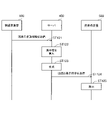
- FIG. 5 is a sequence diagram showing an example of processing executed by the display control system of the first embodiment.
- the process of FIG. 5 is executed periodically.
- the listener status information is acquired from the mouse, keyboard, image pickup device, and microphone connected to the information processing device 200.
- the information processing device 200 transmits the listener status information to the information processing device 100.
- the information processing device 200 may voluntarily transmit the listener status information.
- the information processing apparatus 200 may transmit the listener status information.
- the listener status information is acquired by the acquisition unit 120.
- the calculation unit 130 calculates the concentration level of the listeners based on the listener state information.
- the concentration level is a numerical value of 0 to 100.
- the listener status information is the number of clicks performed by the listener using the mouse per unit time.
- the unit time is 1 minute.
- the acquisition unit 120 acquires the number of clicks.
- the calculation unit 130 calculates the degree of concentration based on the number of times. Specifically, the calculation unit 130 subtracts 10 per click with respect to 100.
- the calculated value is the concentration ratio. In this way, the concentration ratio is calculated based on the number of times. For example, it can be said that the audience does not concentrate on listening when the audience clicks during the presentation. Therefore, the calculation unit 130 calculates a low concentration ratio according to the number of times.
- the listener status information is the time when the listener moves the mouse per unit time.
- the acquisition unit 120 acquires the time.
- the calculation unit 130 calculates the degree of concentration based on the time. Specifically, the calculation unit 130 calculates the ratio of the time per unit time. For example, the unit time is 10 minutes. If the time is 4 minutes, the calculation unit 130 calculates 40%. The calculation unit 130 subtracts 40 from 100. The calculation unit 130 calculates the concentration ratio “60”.
- the listener status information is information indicating an active application in the information processing apparatus 200 and the number of characters input using the application.
- the acquisition unit 120 acquires the information indicating the application and the number of characters.
- the calculation unit 130 calculates the degree of concentration based on the value corresponding to the application (hereinafter referred to as a coefficient) and the number of characters. Specifically, the calculation unit 130 multiplies the coefficient corresponding to the application by the number of characters. For example, the coefficient corresponding to the application is stored in the storage unit 110. The calculation unit 130 subtracts the calculated value from 100. The calculated value is the concentration ratio.
- the coefficients will be specifically described. For example, if the application is Notepad, the factor is 0. By setting the coefficient to 0, the calculation unit 130 calculates the concentration degree “100”.
- the concentration of the listener is "100". Further, for example, when the application is mail, the coefficient is 2. By setting the coefficient to 2, the calculation unit 130 calculates the concentration ratio of a value smaller than 100. In this way, when the listener is composing the mail, it can be said that the listener is not concentrated. Therefore, when the listener is using an unrelated application, the calculation unit 130 calculates a low concentration ratio by using a coefficient.
- Step ST104 The display control unit 150 controls the display so that the generated screen is displayed on the display 300.
- the presenter can change the content of the presentation as appropriate. As a result, the presenter can improve the understanding and concentration of the audience.
- the information processing device 100 may execute the following processing.
- the acquisition unit 120 acquires presentation materials.
- the acquisition unit 120 acquires the presentation material from the storage unit 110.
- the generation processing unit 140 executes a screen generation process in which the listener avatar 302 reflecting at least one of the colors and sizes according to the degree of concentration and the presentation material are displayed. Further, the generation processing unit 140 may execute the generation processing of the screen on which the concentration ratio and the presentation material are displayed.
- the display control unit 150 controls the display so that the generated screen is displayed on the display 300.
- the presenter can visually recognize the display 300 on which the screen is displayed.
- the presenter makes a presentation while looking at the presentation materials. Therefore, by displaying the presentation material on the display 300, the presenter also visually recognizes the listener Avata 302 while visually recognizing the presentation material. Therefore, the information processing apparatus 100 can improve the possibility that the presenter visually recognizes the concentrated state of the listener.
- the information processing device 100 may execute the following processing.
- the display control unit 150 controls the display so that the generated screen is displayed on the display of the information processing apparatus 200.
- the display control unit 150 transmits the screen and the display instruction of the screen to the information processing apparatus 200.
- the information processing apparatus 200 displays the screen on the display of the information processing apparatus 200.
- the audience can intuitively grasp their concentration level. Therefore, the information processing apparatus 100 can intuitively make the listener grasp the degree of concentration.
- FIG. 7 is a sequence diagram showing an example of processing executed by the display control system of the modified example of the first embodiment.
- the process of FIG. 7 is executed periodically.
- the display control system includes an information processing device 100 and information processing devices 200 and 201.
- the information processing devices 200 and 201 are devices used by the listener. That is, the information processing devices 200 and 201 are two listener devices.
- FIG. 7 illustrates two listener devices. The number of listener devices may be three or more.
- Step ST111 The information processing device 200 transmits the listener status information to the information processing device 100.
- Step ST112 The information processing device 201 transmits the listener status information to the information processing device 100.
- a plurality of listener status information indicating the status of the plurality of listeners is acquired by the acquisition unit 120.
- the calculation unit 130 calculates the concentration of the entire audience based on the concentration of each of the plurality of listeners. For example, the calculation unit 130 calculates the average value of a plurality of concentration levels as the concentration level of the entire audience. Further, the calculation unit 130 may calculate the concentration degree of the entire audience by the following method. The calculation unit 130 calculates the number of listeners having a concentration equal to or higher than a preset threshold value among the plurality of listeners. The number of listeners whose concentration is equal to or higher than the threshold value is referred to as the number of concentrated listeners. The calculation unit 130 calculates the concentration level of the entire audience using the equation (1).
- Step ST115 The generation processing unit 140 executes a screen generation process in which an individual non-individual listener avatar reflecting at least one of the number, color, and size according to the concentration of the entire listener is displayed. do. Further, when the non-individual listener avatar is already displayed on the display 300, the processing of the generation processing unit 140 may be expressed as follows. The generation processing unit 140 has changed at least one of the number, color, and size of the non-individual listener avatars displayed on the display 300 based on the concentration of the entire listener. Is displayed, the screen generation process is executed.
- the generation processing unit 140 converts the concentration to 0.8.
- the maximum number of non-individual listener avatars that can be displayed is 100.
- the generation processing unit 140 generates a red non-individual listener avatar when the concentration of the entire listener is equal to or higher than a preset threshold value.
- the generation processing unit 140 generates a blue non-individual listener avatar when the concentration of the entire listener is smaller than the threshold value.
- the generation processing unit 140 executes the following processing when generating the non-individual listener avatar between blue and red. For example, when the concentration of the entire audience is 80, the generation processing unit 140 converts the concentration to 0.8.
- the generation processing unit 140 may execute a screen generation process in which the concentration level of the entire audience is displayed.
- Step ST116 The display control unit 150 controls the display so that the generated screen is displayed on the display 300.
- FIG. 8 is a diagram showing a specific example of the avatar displayed on the display of the modified example of the first embodiment.
- the presenter avatar 301 and the non-individual listener avatars 304a to 304c are displayed on the display 300 in the upper part of FIG. That is, three non-individual listener avatars are displayed on the display 300.
- the information processing apparatus 100 displays the non-individual listener avatar reflecting at least one of the number, the color, and the size according to the concentration degree of the entire listener. Generate a screen.
- the information processing apparatus 100 causes the display 300 to display the generated screen. In this way, the information processing apparatus 100 can easily make the presenter understand the concentration state of the entire audience by displaying the information that the presenter can intuitively understand on the display 300.
- the calculation unit 130 totals the number of listeners for each concentration ratio category.
- the calculation unit 130 calculates the ratio for each category.
- the generation processing unit 140 generates an individual non-individual listener avatar corresponding to a category in which the ratio is other than 0.
- the generation processing unit 140 does not generate the non-individual listener avatar corresponding to the division having a ratio of 0.
- the generation processing unit 140 generates eight non-individual listener avatars.
- the generation processing unit 140 colors eight non-individual listener avatars according to the classification. For example, the generation processing unit 140 gives a blue color to the non-individual listener avatar in the category with a low concentration.
- the generation processing unit 140 turns red as the non-individual listener avatar in the category with higher concentration.
- the generation processing unit 140 changes the size of the eight non-individual listener avatars according to the ratio. For example, the generation processing unit 140 maximizes the size of the non-individual listener avatar in the category having the largest proportion. The generation processing unit 140 minimizes the size of the non-individual listener avatar in the category with the smallest ratio.
- the information processing apparatus 100 summarizes the degree of concentration of individuals for each category, and displays the screen of the non-individual listener avatar according to each category on the display 300.
- the information processing device 100 may execute the following processing.
- the acquisition unit 120 acquires presentation materials.
- the acquisition unit 120 acquires the presentation material from the storage unit 110.
- the generation processing unit 140 generates a screen in which the non-individual listener avatar reflecting at least one of the number, color, and size according to the concentration of the entire audience and the presentation material are displayed. Run.
- the generation processing unit 140 may execute a generation processing of a screen displaying the concentration level of the entire audience and the presentation material.
- the presenter can visually recognize the display 300 on which the screen is displayed.
- the presenter makes a presentation while looking at the presentation materials. Therefore, by displaying the presentation material on the display 300, the presenter also visually recognizes the non-individual listener Abata while visually recognizing the presentation material. Therefore, the information processing apparatus 100 can improve the possibility that the presenter visually recognizes the concentrated state of the entire audience.
- the information processing device 100 may execute the following processing.
- the display control unit 150 controls the display so that the generated screen is displayed on the display of the information processing apparatus 200.
- the information processing apparatus 200 displays the screen on the display of the information processing apparatus 200.
- the listener can grasp the concentration state of other listeners.
- the information processing apparatus 100 can give the listener a sense of unity as if they were in the same place by letting the listener grasp the concentration state of other listeners.
- Embodiment 2 Next, the second embodiment will be described.
- the matters different from the first embodiment will be mainly described.
- the description of the matters common to the first embodiment will be omitted.
- the case where the information processing apparatus used by the presenter generates the avatar has been described.
- the case where the server generates the avatar will be described.
- the server 400 is also called an information processing device.
- the server 400 is a cloud server.
- the server 400 is a device that executes a display control method.
- the server 400 has a processor, a volatile storage device, and a non-volatile storage device.
- the server 400 may have a processing circuit.
- FIG. 11 is a block diagram showing a function of the server according to the second embodiment.
- the server 400 has a storage unit 410, an acquisition unit 420, a calculation unit 430, a generation processing unit 440, and a display control unit 450.
- the storage unit 410 may be realized as a storage area secured in the volatile storage device or the non-volatile storage device of the server 400.
- a part or all of the acquisition unit 420, the calculation unit 430, the generation processing unit 440, and the display control unit 450 may be realized by the processing circuit included in the server 400.
- a part or all of the acquisition unit 420, the calculation unit 430, the generation processing unit 440, and the display control unit 450 may be realized as a module of a program executed by the processor of the server 400.
- the program executed by the processor is also referred to as a display control program.
- the display control program is recorded on a recording medium.
- the storage unit 410 stores various information.
- the acquisition unit 420 acquires the listener status information. For example, the acquisition unit 420 acquires the listener status information from the listener device 600. Further, for example, the acquisition unit 420 acquires the listener status information via an external device. The illustration of the external device is omitted.
- the process executed by the calculation unit 430 is the same as the process executed by the calculation unit 130.
- the calculation unit 430 calculates the concentration level of the listeners based on the listener status information.
- the process executed by the calculation unit 430 is the same as the process executed by the calculation unit 130. Therefore, a detailed description of the calculation unit 430 will be omitted.
- the processing executed by the generation processing unit 440 is the same as the processing executed by the generation processing unit 140.
- the generation processing unit 440 executes a generation processing of a screen on which the listener avatar reflecting at least one of the colors and sizes according to the degree of concentration is displayed.
- the processing executed by the generation processing unit 440 is the same as the processing executed by the generation processing unit 140. Therefore, a detailed description of the generation processing unit 440 will be omitted.
- the display control unit 450 performs display control on the presenter device 500 so that the generated screen is displayed on the display of the presenter device 500.
- the display control unit 450 transmits the screen and the display instruction of the screen to the presenter device 500.
- the display of the presenter device 500 displays the listener avatars in colors according to the degree of concentration.
- the display shows a listener avatar having a size corresponding to the degree of concentration.
- the degree of concentration is displayed on the display.
- Step ST122 The calculation unit 430 calculates the concentration level of the listeners based on the listener state information.
- the generation processing unit 440 executes a generation process of a screen on which the listener avatar reflecting the color corresponding to the concentration degree or the size corresponding to the concentration degree is displayed.
- the display control unit 450 transmits the generated screen and the display instruction of the screen to the presenter device 500.
- the presenter device 500 displays the screen on the display of the presenter device 500.
- the server 400 may cause the presenter device 500 to generate a screen. For example, after step ST122, the server 400 transmits the concentration ratio to the presenter device 500.
- the presenter device 500 executes a screen generation process in which the listener avatar reflecting at least one of the colors and sizes according to the degree of concentration is displayed. Further, the presenter device 500 may execute a screen generation process in which the degree of concentration is displayed.
- the presenter device 500 controls the display so that the generated screen is displayed on the display of the presenter device 500.
- the server 400 may execute the following processing.
- the display control unit 450 controls the display so that the generated screen is displayed on the display of the listener device 600.
- the display control unit 450 transmits the screen and the display instruction of the screen to the listener device 600.
- the listener device 600 displays the screen on the display of the listener device 600.
- a modified example of the second embodiment In the modified example of the second embodiment, the case where the server 400 executes the same processing as the modified example of the first embodiment will be described. The server 400 executes the same processing as the modification of the first embodiment. Therefore, the detailed processing of the server 400 will be omitted.
- FIG. 13 is a sequence diagram showing an example of processing executed by the display control system of the modified example of the second embodiment.
- the process of FIG. 13 is executed periodically.
- the display control system includes a server 400, a presenter device 500, and a listener device 600,601.
- FIG. 13 illustrates two listener devices. The number of listener devices may be three or more.
- Step ST131 The listener device 600 transmits the listener status information to the server 400.
- Step ST132 The listener device 601 transmits the listener status information to the server 400.
- a plurality of listener status information indicating the status of the plurality of listeners is acquired by the acquisition unit 420.
- the server 400 may cause the presenter device 500 to calculate the concentration of the entire audience and generate the screen. For example, after step ST133, the server 400 transmits the concentration ratios of the plurality of listeners to the presenter device 500.
- the presenter device 500 calculates the concentration of the entire audience based on the concentration of each of the plurality of listeners.
- the presenter device 500 executes a screen generation process in which an unindividual listener avatar reflecting at least one of a number, a color, and a size according to the concentration of the entire listener is displayed. Further, the presenter device 500 may execute a screen generation process in which the concentration level of the entire audience is displayed.
- the server 400 may execute the following processing.
- Acquisition unit 420 acquires presentation materials.
- the generation processing unit 440 executes a screen generation process in which the non-individual listener avatar reflecting at least one of the number, color, and size according to the degree of concentration and the presentation material are displayed.
- the server 400 may execute the following processing.
- the display control unit 450 controls the display so that the generated screen is displayed on the display of the listener device 600.
- the display control unit 450 transmits the screen and the display instruction of the screen to the listener device 600.
- the listener device 600 displays the screen on the display of the listener device 600.
- FIG. 16 is a sequence diagram showing an example of processing executed by the display control system of the third embodiment.
- the process of FIG. 16 is executed periodically.
- the acquisition unit 720 acquires the listener status information.
- the calculation unit 730 calculates the concentration level of the listeners based on the listener status information.
- Step ST143 The communication unit 740 transmits the concentration ratio of the listeners to the presenter device 800.
- Step ST144 The presenter apparatus 800 executes a screen generation process in which the listener avatar reflecting at least one of the colors and sizes according to the degree of concentration is displayed.
- the presenter device 800 may execute a screen generation process in which the concentration level is displayed.
- Step ST145 The presenter device 800 controls the display so that the generated screen is displayed on the display of the presenter device 800.
- the display control system displays information that the presenter can intuitively understand on the display of the presenter device 800.
- the display control system can easily make the presenter understand the concentration state of the audience.
- a modified example of the third embodiment In the modification of the third embodiment, the case where the non-individual listener avatar is displayed on the display of the presenter device 800 will be described. A part of the modified example of the third embodiment overlaps with the modified example of the first embodiment. Therefore, the description of the process that overlaps with the modification of the first embodiment will be omitted.
- Step ST154 The acquisition unit of the listener device 701 acquires the listener status information indicating the status of the listener using the listener device 701.
- Step ST155 The calculation unit of the listener device 701 calculates the concentration degree of the listener based on the listener status information.
- Step ST156 The communication unit of the listener device 701 transmits the concentration ratio of the listener to the presenter device 800. As a result, the concentration ratios of the plurality of listeners are received by the presenter device 800.
- the display control system displays information that the presenter can intuitively understand on the display of the presenter device 800.
- the display control system can easily make the presenter understand the concentration state of the audience.
- 100 information processing device 101 processor, 102 volatile storage device, 103 non-volatile storage device, 110 storage unit, 120 acquisition unit, 130 calculation unit, 140 generation processing unit, 150 display control unit, 200, 201 information processing device, 300 Display, 301 Presenter Abata, 302 Audience Avatar, 303 Range, 304a-304c Non-Individual Audience Avatar, 310 Mouse, 320 Keyboard, 330 Imaging Device, 340 Microphone, 400 Server, 410 Storage Unit, 420 Acquisition Unit, 430 Calculation Unit, 440 generation processing unit, 450 display control unit, 500 presenter device, 600,601 listener device, 700,701 listener device, 710 storage unit, 720 acquisition unit, 730 calculation unit, 740 communication unit, 800 presenter Device.
Landscapes
- Engineering & Computer Science (AREA)
- General Engineering & Computer Science (AREA)
- Theoretical Computer Science (AREA)
- Human Computer Interaction (AREA)
- Physics & Mathematics (AREA)
- General Physics & Mathematics (AREA)
- User Interface Of Digital Computer (AREA)
Abstract
発表者が用いる情報処理装置(100)は、聴講者の状態を示す聴講者状態情報を取得する取得部(120)と、聴講者状態情報に基づいて、聴講者の集中度を算出する算出部(130)と、集中度が表示された画面の生成処理、又は集中度に応じた色及び大きさのうちの少なくとも1つが反映された、聴講者のアバタである聴講者アバタが表示された画面の生成処理を実行する生成処理部(140)と、発表者が見る表示装置(300)に、生成された画面が表示されるように、表示制御を行う表示制御部(150)と、を有する。
Description
本開示は、情報処理装置、表示制御システム、表示制御方法、及び表示制御プログラムに関する。
近年、ネットワークを介したプレゼンテーションが行われている。例えば、プレゼンテーションは、アバタを用いて、行われる。ここで、アバタに関する技術が提案されている(特許文献1を参照)。特許文献1の集団状態推定装置は、聴衆を撮影した映像を受け取る。集団状態推定装置は、映像に基づいて聴衆全体の状態を推定し、聴衆全体の状態に基づいてアバタを生成する。また、集団状態推定装置は、表情スコアに基づいてスコア値が最大の表情分類を判定し、表情分類の顔の画像データに基づくアバタの顔を生成する。さらに、集団状態推定装置は、頷き状態の割合をもとに、頷きの角度を判定し、頷きの角度に基づいてアバタを下に向ける。
発表者は、聴講者がどのくらい集中して聞いているのかを理解したい。聴講者がどのくらい集中して聞いているのかを示す状態は、聴講者の集中状態と呼ぶ。例えば、上記の技術を用いることで、発表者は、聴講者の集中状態を理解することができる。すなわち、発表者は、ディスプレイに表示されているアバタの表情の変化又はアバタの頷きを視認することで、聴講者の集中状態を理解することができる。しかし、発表者が発表をしながら、アバタの表情の変化又はアバタの頷きを視認することは、困難である。そのため、発表者が聴講者の集中状態を容易に理解することは、困難である。
本開示の目的は、容易に、聴講者の集中状態を発表者に理解させることである。
本開示の一態様に係る情報処理装置が提供される。情報処理装置は、発表者が用いる装置である。情報処理装置は、聴講者の状態を示す聴講者状態情報を取得する取得部と、前記聴講者状態情報に基づいて、前記聴講者の集中度を算出する算出部と、前記集中度が表示された画面の生成処理、又は前記集中度に応じた色及び大きさのうちの少なくとも1つが反映された、前記聴講者のアバタである聴講者アバタが表示された画面の生成処理を実行する生成処理部と、前記発表者が見る表示装置に、生成された画面が表示されるように、表示制御を行う表示制御部と、を有する。
本開示によれば、容易に、聴講者の集中状態を発表者に理解させることができる。
以下、図面を参照しながら実施の形態を説明する。以下の実施の形態は、例にすぎず、本開示の範囲内で種々の変更が可能である。
実施の形態1.
図1は、実施の形態1の表示制御システムを示す図である。表示制御システムは、情報処理装置100と情報処理装置200とを含む。情報処理装置100と情報処理装置200とは、ネットワークを介して、通信する。
図1は、実施の形態1の表示制御システムを示す図である。表示制御システムは、情報処理装置100と情報処理装置200とを含む。情報処理装置100と情報処理装置200とは、ネットワークを介して、通信する。
情報処理装置100は、発表者が用いる装置である。情報処理装置100は、発表者装置と呼んでもよい。情報処理装置100は、表示制御方法を実行する装置である。情報処理装置200は、聴講者が用いる装置である。情報処理装置200は、聴講者装置と呼んでもよい。例えば、情報処理装置100,200は、ノート型、デスクトップ型、又はタブレット型のコンピュータである。
次に、情報処理装置100が有するハードウェアを説明する。
図2は、実施の形態1の情報処理装置が有するハードウェアを示す図である。情報処理装置100は、プロセッサ101、揮発性記憶装置102、及び不揮発性記憶装置103を有する。
図2は、実施の形態1の情報処理装置が有するハードウェアを示す図である。情報処理装置100は、プロセッサ101、揮発性記憶装置102、及び不揮発性記憶装置103を有する。
プロセッサ101は、情報処理装置100全体を制御する。例えば、プロセッサ101は、CPU(Central Processing Unit)、FPGA(Field Programmable Gate Array)などである。プロセッサ101は、マルチプロセッサでもよい。情報処理装置100は、処理回路を有してもよい。処理回路は、単一回路又は複合回路でもよい。
揮発性記憶装置102は、情報処理装置100の主記憶装置である。例えば、揮発性記憶装置102は、RAM(Random Access Memory)である。不揮発性記憶装置103は、情報処理装置100の補助記憶装置である。例えば、不揮発性記憶装置103は、HDD(Hard Disk Drive)、又はSSD(Solid State Drive)である。
情報処理装置100には、ディスプレイ300、マウス310、キーボード320、撮像装置330、及びマイク340が接続されている。また、情報処理装置100は、ディスプレイ300、キーボード320、撮像装置330、及びマイク340のうちの少なくとも1つを有してもよい。ディスプレイ300は、発表者が見るディスプレイである。ディスプレイ300、マウス310、キーボード320、撮像装置330、及びマイク340は、発表者側のディスプレイ、マウス、キーボード、撮像装置、及びマイクと呼んでもよい。
ここで、ディスプレイは、表示装置とも言う。また、マイクは、マイクロフォンである。
ここで、ディスプレイは、表示装置とも言う。また、マイクは、マイクロフォンである。
情報処理装置200には、ディスプレイ、マウス、キーボード、撮像装置、及びマイクが接続されている。また、情報処理装置200は、当該ディスプレイ、当該キーボード、当該撮像装置、及び当該マイクのうちの少なくとも1つを有してもよい。当該ディスプレイは、聴講者が見るディスプレイである。なお、当該ディスプレイ、当該マウス、当該キーボード、当該撮像装置、及び当該マイクは、聴講者側のディスプレイ、マウス、キーボード、撮像装置、及びマイクと呼んでもよい。
ここで、発表者は、アバタを用いて、プレゼンテーションを行う。ディスプレイ300に表示されるアバタの例を示す。
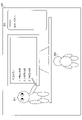
図3は、実施の形態1のディスプレイに表示されるアバタの具体例を示す図(その1)である。ディスプレイ300には、発表者アバタ301、聴講者アバタ302、及び範囲303が表示されている。発表者アバタ301は、発表者のアバタである。聴講者アバタ302は、聴講者のアバタである。
発表者アバタ301は、発表者の発話に合わせて発話する。例えば、情報処理装置100は、リップシンクを用いることで、発表者の発話に合わせて発表者アバタ301を話させることができる。また、情報処理装置100は、発表者の声色が変えられた発話を発表者アバタ301に話させてもよい。
範囲303は、チャットの内容が表示される範囲である。例えば、聴講者が入力した文字が、範囲303に表示される。
範囲303は、チャットの内容が表示される範囲である。例えば、聴講者が入力した文字が、範囲303に表示される。
ディスプレイ300に表示されている画面は、情報処理装置200のディスプレイでも表示されている。そのため、聴講者は、情報処理装置200を介して、発表者のプレゼンテーションを聞くことができる。
次に、情報処理装置100が有する機能を説明する。
図4は、実施の形態1の情報処理装置の機能を示すブロック図である。情報処理装置100は、記憶部110、取得部120、算出部130、生成処理部140、及び表示制御部150を有する。
図4は、実施の形態1の情報処理装置の機能を示すブロック図である。情報処理装置100は、記憶部110、取得部120、算出部130、生成処理部140、及び表示制御部150を有する。
記憶部110は、揮発性記憶装置102又は不揮発性記憶装置103に確保した記憶領域として実現してもよい。
取得部120、算出部130、生成処理部140、及び表示制御部150の一部又は全部は、処理回路によって実現してもよい。また、取得部120、算出部130、生成処理部140、及び表示制御部150の一部又は全部は、プロセッサ101が実行するプログラムのモジュールとして実現してもよい。例えば、プロセッサ101が実行するプログラムは、表示制御プログラムとも言う。例えば、表示制御プログラムは、記録媒体に記録されている。
取得部120、算出部130、生成処理部140、及び表示制御部150の一部又は全部は、処理回路によって実現してもよい。また、取得部120、算出部130、生成処理部140、及び表示制御部150の一部又は全部は、プロセッサ101が実行するプログラムのモジュールとして実現してもよい。例えば、プロセッサ101が実行するプログラムは、表示制御プログラムとも言う。例えば、表示制御プログラムは、記録媒体に記録されている。
記憶部110は、様々な情報を記憶する。
取得部120は、聴講者状態情報を取得する。例えば、取得部120は、聴講者状態情報を情報処理装置200から取得する。また、例えば、取得部120は、外部装置を介して、聴講者状態情報を取得する。なお、外部装置の図示は、省略されている。聴講者状態情報は、聴講者の状態を示す情報である。聴講者状態情報については、後で詳細に説明する。
算出部130は、聴講者状態情報に基づいて、聴講者の集中度を算出する。算出方法については、後で説明する。なお、集中度は、関心度と読み替えてもよい。
取得部120は、聴講者状態情報を取得する。例えば、取得部120は、聴講者状態情報を情報処理装置200から取得する。また、例えば、取得部120は、外部装置を介して、聴講者状態情報を取得する。なお、外部装置の図示は、省略されている。聴講者状態情報は、聴講者の状態を示す情報である。聴講者状態情報については、後で詳細に説明する。
算出部130は、聴講者状態情報に基づいて、聴講者の集中度を算出する。算出方法については、後で説明する。なお、集中度は、関心度と読み替えてもよい。
生成処理部140は、集中度に応じた色及び大きさのうちの少なくとも1つが反映された聴講者アバタ302が表示された画面の生成処理を実行する。また、既にディスプレイ300に聴講者アバタ302が表示されている場合、生成処理部140の処理は、次のように表現してもよい。生成処理部140は、集中度に基づいて、ディスプレイ300に表示されている聴講者アバタ302の色及び聴講者アバタ302の大きさのうちの少なくとも1つが変更された聴講者アバタ302が表示された画面の生成処理を実行する。
また、生成処理部140は、集中度が表示された画面の生成処理を実行してもよい。
また、生成処理部140は、集中度が表示された画面の生成処理を実行してもよい。
表示制御部150は、生成された画面がディスプレイ300に表示されるように、表示制御を行う。例えば、ディスプレイ300が情報処理装置100の外部に存在する場合、表示制御部150は、生成された画面と、当該画面の表示指示とをディスプレイ300に送信する。
このように、表示制御部150が表示制御を行うことで、例えば、ディスプレイ300には、集中度に応じた色の聴講者アバタ302が表示される。また、例えば、ディスプレイ300には、集中度に応じた大きさの聴講者アバタ302が表示される。また、例えば、ディスプレイ300には、集中度が表示される。
次に、表示制御システムで実行される処理を、シーケンス図を用いて、説明する。
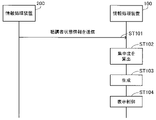
図5は、実施の形態1の表示制御システムで実行される処理の例を示すシーケンス図である。図5の処理は、定期的に実行される。
(ステップST101)聴講者状態情報は、情報処理装置200に接続されているマウス、キーボード、撮像装置、及びマイクから取得される。情報処理装置200は、聴講者状態情報を情報処理装置100に送信する。なお、情報処理装置200は、聴講者状態情報を自主的に送信してもよい。また、情報処理装置200は、聴講者状態情報の送信指示を情報処理装置100から受信した場合、聴講者状態情報を送信してもよい。
聴講者状態情報は、取得部120に取得される。
図5は、実施の形態1の表示制御システムで実行される処理の例を示すシーケンス図である。図5の処理は、定期的に実行される。
(ステップST101)聴講者状態情報は、情報処理装置200に接続されているマウス、キーボード、撮像装置、及びマイクから取得される。情報処理装置200は、聴講者状態情報を情報処理装置100に送信する。なお、情報処理装置200は、聴講者状態情報を自主的に送信してもよい。また、情報処理装置200は、聴講者状態情報の送信指示を情報処理装置100から受信した場合、聴講者状態情報を送信してもよい。
聴講者状態情報は、取得部120に取得される。
(ステップST102)算出部130は、聴講者状態情報に基づいて、聴講者の集中度を算出する。
ここで、聴講者状態情報と集中度の算出方法とを具体的に説明する。また、集中度は、0~100の数値とする。
ここで、聴講者状態情報と集中度の算出方法とを具体的に説明する。また、集中度は、0~100の数値とする。
例えば、聴講者状態情報は、聴講者がマウスを用いて単位時間当たりに行ったクリックの回数である。例えば、単位時間は、1分である。取得部120は、当該クリックの回数を取得する。算出部130は、当該回数に基づいて、集中度を算出する。具体的には、算出部130は、100に対して、1クリック当たりに10を減算する。算出された値が、集中度である。このように、集中度が、当該回数に基づいて、算出される。例えば、聴講者が発表中にクリックを行うことは、聴講者が集中して聞いていないと言える。そのため、算出部130は、当該回数に応じて、低い集中度を算出する。
例えば、聴講者状態情報は、聴講者が単位時間当たりにマウスを動かしている時間である。取得部120は、当該時間を取得する。算出部130は、当該時間に基づいて、集中度を算出する。具体的には、算出部130は、単位時間当たりの当該時間の割合を算出する。例えば、単位時間は、10分とする。当該時間が4分である場合、算出部130は、40%を算出する。算出部130は、100に対して40を減算する。算出部130は、集中度“60”を算出する。
例えば、聴講者状態情報は、情報処理装置200でアクティブなアプリケーションを示す情報と、当該アプリケーションを用いて入力された文字数とである。取得部120は、当該アプリケーションを示す情報と当該文字数とを取得する。算出部130は、当該アプリケーションに対応する値(以下、係数と呼ぶ)と文字数とに基づいて、集中度を算出する。具体的には、算出部130は、当該アプリケーションに対応する係数と当該文字数とを乗算する。なお、例えば、当該アプリケーションに対応する係数は、記憶部110に格納されている。算出部130は、100に対して、算出された値を減算する。算出された値が、集中度である。具体的に係数を説明する。例えば、当該アプリケーションがメモ帳である場合、係数は、0である。係数を0にすることで、算出部130は、集中度“100”を算出する。聴講者が発表者の話を聞いてメモ帳に文字を入力していると言えるから、聴講者の集中度は、“100”である。また、例えば、当該アプリケーションがメールである場合、係数は、2である。係数を2にすることで、算出部130は、100より小さい値の集中度を算出する。このように、聴講者がメールの作成作業を行っている場合、聴講者は、集中していないと言える。よって、聴講者が関係ないアプリケーションを使っている場合、算出部130は、係数を用いて、低い集中度を算出する。
例えば、聴講者状態情報は、情報処理装置200でアクティブなアプリケーションを示す情報と、当該アプリケーションを用いて入力された文字数とである。取得部120は、当該アプリケーションを示す情報と当該文字数とを取得する。算出部130は、当該アプリケーションが、聴講者が集中しているときに用いられるアプリケーションである場合、当該文字数に応じた値を集中度として、算出する。例えば、算出部130は、当該アプリケーションがメモ帳である場合、当該文字数に基づいて、10文字当たりに10を加算する。加算することにより得られた合計値が、集中度である。
例えば、聴講者状態情報は、情報処理装置200でアクティブなアプリケーションを示す情報である。取得部120は、当該アプリケーションを示す情報を取得する。取得部120は、当該アプリケーションと集中度との対応関係を示す関係情報を取得する。例えば、取得部120は、関係情報を記憶部110から取得する。なお、関係情報は、関係テーブルと呼んでもよい。算出部130は、当該アプリケーションを示す情報と当該関係情報とに基づいて、集中度を特定する。
例えば、聴講者状態情報は、単位時間当たりにおける、聴講者側のマイクに入力された音の音量の平均値である。取得部120は、当該音量の平均値を取得する。算出部130は、当該音量の平均値に基づいて、集中度を算出する。具体的には、算出部130は、100に対して、当該音量の平均値に対応する値を減算する。例えば、当該音量の平均値が10dBである場合、算出部130は、100に対して、10を減算する。算出された値が、集中度である。
例えば、聴講者状態情報は、単位時間当たりにおける、聴講者側のマイクに入力された音の音量を示す情報である。取得部120は、当該音量を示す情報を取得する。算出部130は、当該音量を示す情報に基づいて、当該音量が予め設定された閾値以上である時間の割合を算出する。算出部130は、当該割合に基づいて、集中度を算出する。具体的に算出処理を説明する。例えば、単位時間は、10秒とする。よって、当該音量を示す情報は、10秒間におけるマイクに入力された音の音量を示す情報である。当該音量が予め設定された閾値以上である時間が4秒である場合、算出部130は、40%を算出する。算出部130は、100に対して40を減算する。算出部130は、集中度“60”を算出する。
例えば、聴講者状態情報は、単位時間当たりにおける、聴講者側の撮像装置が撮像することにより得られた聴講者の顔の映像である。取得部120は、聴講者の顔の映像を取得する。算出部130は、聴講者の顔の映像に基づいて、集中度を算出する。具体的には、算出部130は、聴講者の顔の映像に基づいて、単位時間当たりにおける、聴講者が聴講者側のディスプレイを見ていない時間の割合を算出する。例えば、算出部130は、40%を算出する。算出部130は、100に対して40を減算する。算出部130は、集中度“60”を算出する。
例えば、聴講者が何もしていないことを聴講者状態情報が示している場合、算出部130は、集中度“50”を算出してもよい。
取得部120は、複数の聴講者状態情報(例えば、音量を示す情報と映像)を取得してもよい。複数の聴講者状態情報が取得された場合、算出部130は、複数の聴講者状態情報に基づいて、集中度を算出してもよい。例えば、算出部130は、上述したように、音量を示す情報に基づいて集中度を算出し、映像に基づいて集中度を算出する。算出部130は、2つの集中度の平均値を算出する。算出された平均値が、最終的な集中度である。
取得部120は、複数の聴講者状態情報(例えば、音量を示す情報と映像)を取得してもよい。複数の聴講者状態情報が取得された場合、算出部130は、複数の聴講者状態情報に基づいて、集中度を算出してもよい。例えば、算出部130は、上述したように、音量を示す情報に基づいて集中度を算出し、映像に基づいて集中度を算出する。算出部130は、2つの集中度の平均値を算出する。算出された平均値が、最終的な集中度である。
また、上述した集中度の算出方法は、一例である。そのため、他の方法を用いて集中度が算出されてもよい。例えば、算出部130は、取得部120によって取得された学習済モデルと聴講者状態情報とを用いて、集中度を算出してもよい。
(ステップST103)生成処理部140は、集中度に応じた色又は大きさが反映された聴講者アバタ302が表示された画面の生成処理を実行する。
具体的に、聴講者アバタ302の色に関する処理を説明する。生成処理部140は、集中度が予め設定された閾値以上である場合、赤色の聴講者アバタ302を生成する。生成処理部140は、集中度が当該閾値よりも小さい場合、青色の聴講者アバタ302を生成する。また、生成処理部140は、青色から赤色の間の聴講者アバタ302を生成する場合、生成処理部140は、次の処理を実行する。例えば、集中度が80である場合、生成処理部140は、集中度を0.8に変換する。生成処理部140は、算出することにより得られた値である48(=240-0.8×240)の色相の聴講者アバタ302を生成する。
具体的に、聴講者アバタ302の色に関する処理を説明する。生成処理部140は、集中度が予め設定された閾値以上である場合、赤色の聴講者アバタ302を生成する。生成処理部140は、集中度が当該閾値よりも小さい場合、青色の聴講者アバタ302を生成する。また、生成処理部140は、青色から赤色の間の聴講者アバタ302を生成する場合、生成処理部140は、次の処理を実行する。例えば、集中度が80である場合、生成処理部140は、集中度を0.8に変換する。生成処理部140は、算出することにより得られた値である48(=240-0.8×240)の色相の聴講者アバタ302を生成する。
具体的に、聴講者アバタ302の大きさに関する処理を説明する。生成処理部140は、集中度が予め設定された閾値以上である場合、ディスプレイ300に表示されている聴講者アバタ302よりも大きい聴講者アバタ302を生成する。生成処理部140は、集中度が当該閾値よりも小さい場合、ディスプレイ300に表示されている聴講者アバタ302よりも小さい聴講者アバタ302を生成する。また、生成処理部140は、次の方法を実行してもよい。例えば、集中度が80の場合、生成処理部140は、集中度を0.8に変換する。聴講者アバタ302の大きさの最大値を20とする。聴講者アバタ302の大きさの最小値を5とする。生成処理部140は、算出することにより得られた値である17(=(20-5)×0.8+5)の大きさの聴講者アバタ302を生成する。
(ステップST104)表示制御部150は、生成された画面がディスプレイ300に表示されるように、表示制御を行う。
図6は、実施の形態1のディスプレイに表示されるアバタの具体例を示す図(その2)である。図6のディスプレイ300は、図3のディスプレイ300よりも後の状態である。
ディスプレイ300には、聴講者アバタ302が表示されている。図6の聴講者アバタ302の色は、図3の聴講者アバタ302の色から変更されている。例えば、図6の聴講者アバタ302の色は、赤色と考えてもよい。例えば、発表者は、聴講者アバタ302の色が赤色に変わることで、聴講者が集中して聞いていることを、直感的に理解することができる。
ディスプレイ300には、聴講者アバタ302が表示されている。図6の聴講者アバタ302の色は、図3の聴講者アバタ302の色から変更されている。例えば、図6の聴講者アバタ302の色は、赤色と考えてもよい。例えば、発表者は、聴講者アバタ302の色が赤色に変わることで、聴講者が集中して聞いていることを、直感的に理解することができる。
実施の形態1によれば、情報処理装置100は、集中度に応じた色の聴講者アバタ302をディスプレイ300に表示させる。これにより、発表者は、発表中であっても、直感的に、聴講者が集中して聞いているかを理解できる。
情報処理装置100は、集中度に応じた大きさの聴講者アバタ302をディスプレイ300に表示させる。これにより、発表者は、発表中であっても、直感的に、聴講者が集中して聞いているかを理解できる。
情報処理装置100は、集中度に応じた大きさの聴講者アバタ302をディスプレイ300に表示させる。これにより、発表者は、発表中であっても、直感的に、聴講者が集中して聞いているかを理解できる。
また、集中度に応じた色又は大きさの聴講者アバタ302がディスプレイ300に表示された場合、発表者は、聴講者と対面で発表しているような感覚を得ることができる。
情報処理装置100は、集中度をディスプレイ300に表示させる。これにより、発表者は、発表中であっても、直感的に、聴講者が集中して聞いているかを理解できる。
このように、情報処理装置100は、発表者が直感的に理解できる情報をディスプレイ300に表示されることで、容易に、聴講者の集中状態を発表者に理解させることができる。
このように、情報処理装置100は、発表者が直感的に理解できる情報をディスプレイ300に表示されることで、容易に、聴講者の集中状態を発表者に理解させることができる。
また、発表者は、ディスプレイ300を視認し、聴講者が集中して発表を聞いていないことを理解した場合、発表者は、発表内容を適宜変更できる。これにより、発表者は、聴講者の理解度及び集中度を高めることができる。
また、生成処理部140は、集中度が予め設定された閾値以下である場合、聴講者アバタ302が表示されていない画面の生成処理を実行してもよい。発表者は、当該画面がディスプレイ300に表示されることで、直感的に、聴講者が聞いていないことを理解できる。
情報処理装置100は、次の処理を実行してもよい。取得部120は、発表資料を取得する。例えば、取得部120は、発表資料を記憶部110から取得する。生成処理部140は、集中度に応じた色及び大きさのうちの少なくとも1つが反映された聴講者アバタ302と当該発表資料とが表示された画面の生成処理を実行する。また、生成処理部140は、集中度と当該発表資料とが表示された画面の生成処理を実行してもよい。表示制御部150は、生成された画面がディスプレイ300に表示されるように、表示制御を行う。これにより、発表者は、当該画面が表示されたディスプレイ300を視認することができる。発表者は、発表資料を見ながら発表を行う。そのため、発表資料がディスプレイ300に表示されることで、発表者は、発表資料を視認しながら聴講者アバタ302も視認する。よって、情報処理装置100は、発表者が聴講者の集中状態を視認する可能性を向上させることができる。
情報処理装置100は、次の処理を実行してもよい。表示制御部150は、生成された画面が情報処理装置200のディスプレイに表示されるように、表示制御を行う。例えば、表示制御部150は、当該画面と、当該画面の表示指示とを情報処理装置200に送信する。これにより、情報処理装置200は、情報処理装置200のディスプレイに当該画面を表示する。聴講者は、当該画面を視認することで、自分の集中度を直感的に把握できる。よって、情報処理装置100は、直感的に、自分の集中度を聴講者に把握させることができる。
実施の形態1の変形例.
実施の形態1の変形例では、複数の聴講者が発表を聞いている場合を説明する。実施の形態1では、ディスプレイ300に聴講者アバタ302が表示される場合を説明した。聴講者アバタ302は、聴講者のアバタであるため、個性のあるアバタであると考えてもよい。実施の形態1の変形例では、ディスプレイ300に、無個性の聴講者のアバタが表示される。無個性の聴講者のアバタは、無個性聴講者アバタと呼ぶ。
実施の形態1の変形例では、複数の聴講者が発表を聞いている場合を説明する。実施の形態1では、ディスプレイ300に聴講者アバタ302が表示される場合を説明した。聴講者アバタ302は、聴講者のアバタであるため、個性のあるアバタであると考えてもよい。実施の形態1の変形例では、ディスプレイ300に、無個性の聴講者のアバタが表示される。無個性の聴講者のアバタは、無個性聴講者アバタと呼ぶ。
次に、表示制御システムで実行される処理を、シーケンス図を用いて、説明する。
図7は、実施の形態1の変形例の表示制御システムで実行される処理の例を示すシーケンス図である。図7の処理は、定期的に実行される。
表示制御システムは、情報処理装置100と情報処理装置200,201とを含む。情報処理装置200,201は、聴講者が用いる装置である。すなわち、情報処理装置200,201は、2つの聴講者装置である。図7には、2つの聴講者装置が、例示されている。聴講者装置の数は、3つ以上でもよい。
図7は、実施の形態1の変形例の表示制御システムで実行される処理の例を示すシーケンス図である。図7の処理は、定期的に実行される。
表示制御システムは、情報処理装置100と情報処理装置200,201とを含む。情報処理装置200,201は、聴講者が用いる装置である。すなわち、情報処理装置200,201は、2つの聴講者装置である。図7には、2つの聴講者装置が、例示されている。聴講者装置の数は、3つ以上でもよい。
(ステップST111)情報処理装置200は、聴講者状態情報を情報処理装置100に送信する。
(ステップST112)情報処理装置201は、聴講者状態情報を情報処理装置100に送信する。
これにより、複数の聴講者の状態を示す複数の聴講者状態情報が、取得部120に取得される。
(ステップST112)情報処理装置201は、聴講者状態情報を情報処理装置100に送信する。
これにより、複数の聴講者の状態を示す複数の聴講者状態情報が、取得部120に取得される。
(ステップST113)算出部130は、複数の聴講者状態情報に基づいて、複数の聴講者のそれぞれの集中度を算出する。なお、集中度の算出方法は、実施の形態1の算出方法と同じである。
(ステップST114)算出部130は、複数の聴講者のそれぞれの集中度に基づいて、聴講者全体の集中度を算出する。例えば、算出部130は、複数の集中度の平均値を、聴講者全体の集中度として、算出する。また、算出部130は、次の方法で、聴講者全体の集中度を算出してもよい。算出部130は、複数の聴講者のうち、予め設定された閾値以上の集中度の聴講者の数を算出する。なお、当該閾値以上の集中度の聴講者の数は、集中している聴講者の数と呼ぶ。算出部130は、式(1)を用いて、聴講者全体の集中度を算出する。

ここで、表示制御部150は、理解しているか否かを確認するためのボタンを情報処理装置200,201に表示させてもよい。聴講者は、発表内容を理解している場合、当該ボタンを押下する。取得部120は、当該ボタンを押下した聴講者の数を示す情報を取得してもよい。取得部120が当該情報を取得した場合、算出部130は、式(2)を用いて、聴講者全体の集中度を算出してもよい。

(ステップST115)生成処理部140は、聴講者全体の集中度に応じた数、色、及び大きさのうちの少なくとも1つが反映された無個性聴講者アバタが表示された画面の生成処理を実行する。また、既にディスプレイ300に無個性聴講者アバタが表示されている場合、生成処理部140の処理は、次のように表現してもよい。生成処理部140は、聴講者全体の集中度に基づいて、ディスプレイ300に表示されている無個性聴講者アバタの数、色、及び大きさのうちの少なくとも1つが変更された無個性聴講者アバタが表示された画面の生成処理を実行する。
具体的に、無個性聴講者アバタの数に関する処理を説明する。例えば、聴講者全体の集中度が80の場合、生成処理部140は、集中度を0.8に変換する。無個性聴講者アバタの最大表示可能数は、100とする。生成処理部140は、算出することにより得られた値である80(=100×0.8)の無個性聴講者アバタを生成する。
具体的に、無個性聴講者アバタの色に関する処理を説明する。生成処理部140は、聴講者全体の集中度が予め設定された閾値以上である場合、赤色の無個性聴講者アバタを生成する。生成処理部140は、聴講者全体の集中度が当該閾値よりも小さい場合、青色の無個性聴講者アバタを生成する。また、生成処理部140は、青色から赤色の間の無個性聴講者アバタを生成する場合、次の処理を実行する。例えば、聴講者全体の集中度が80の場合、生成処理部140は、集中度を0.8に変換する。生成処理部140は、算出することにより得られた値である48(=240-0.8×240)の色相の無個性聴講者アバタを生成する。
具体的に、無個性聴講者アバタの大きさに関する処理を説明する。生成処理部140は、聴講者全体の集中度が予め設定された閾値以上である場合、ディスプレイ300に表示されている無個性聴講者アバタよりも大きい無個性聴講者アバタを生成する。生成処理部140は、聴講者全体の集中度が当該閾値よりも小さい場合、ディスプレイ300に表示されている無個性聴講者アバタよりも小さい無個性聴講者アバタを生成する。また、生成処理部140は、次の方法を実行してもよい。例えば、集中度が80の場合、生成処理部140は、集中度を0.8に変換する。無個性聴講者アバタの大きさの最大値を20とする。無個性聴講者アバタの大きさの最小値を5とする。生成処理部140は、算出することにより得られた値である17(=(20-5)×0.8+5)の大きさの無個性聴講者アバタを生成する。
また、生成処理部140は、次の処理を実行してもよい。“聴講者全体の集中度<50”である場合、生成処理部140は、“無個性聴講者アバタの最大表示可能数×聴講者全体の集中度(例えば、聴講者全体の集中度が80の場合は、0.8)×2”により算出された数の青色の無個性聴講者アバタを生成する。“50≦聴講者全体の集中度<80”である場合、生成処理部140は、最大表示可能数の無個性聴講者アバタを生成する。また、生成処理部140は、聴講者全体の集中度が80に近いほど、生成される無個性聴講者アバタの色を赤色に近づける。“80≦聴講者全体の集中度”である場合、生成処理部140は、最大表示可能数の無個性聴講者アバタを生成する。また、生成処理部140は、生成される無個性聴講者アバタの色を赤色にする。さらに、生成処理部140は、聴講者全体の集中度が100に近いほど、生成される無個性聴講者アバタの大きさを大きくする。
生成処理部140は、聴講者全体の集中度が表示された画面の生成処理を実行してもよい。
(ステップST116)表示制御部150は、生成された画面がディスプレイ300に表示されるように、表示制御を行う。
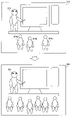
図8は、実施の形態1の変形例のディスプレイに表示されるアバタの具体例を示す図である。図8の上図のディスプレイ300には、発表者アバタ301と無個性聴講者アバタ304a~304cとが表示されている。すなわち、3つの無個性聴講者アバタが、ディスプレイ300に表示されている。
図8の下図のディスプレイ300の画面は、情報処理装置100の処理後の状態である。図8の下図のディスプレイ300には、6つの無個性聴講者アバタが表示されている。すなわち、無個性聴講者アバタの数が、増加している。発表者は、無個性聴講者アバタの数が増加することで、聴講者全体が集中して聞いていることを、直感的に理解することができる。
実施の形態1の変形例によれば、情報処理装置100は、聴講者全体の集中度に応じた数、色、及び大きさのうちの少なくとも1つが反映された無個性聴講者アバタが表示された画面を生成する。情報処理装置100は、生成された画面をディスプレイ300に表示させる。このように、情報処理装置100は、発表者が直感的に理解できる情報をディスプレイ300に表示させることで、容易に、聴講者全体の集中状態を発表者に理解させることができる。
また、情報処理装置100は、聴講者全体の集中度を算出しなくてもよい。聴講者全体の集中度が算出されない場合、情報処理装置100は、次の処理を実行する。当該処理を、図を用いて説明する。
図9は、実施の形態1の変形例の情報処理装置が実行する処理を説明するための図である。図9の説明では、聴講者の数は、40である。
算出部130は、ステップST113が実行された後、集中度の区分ごとに、聴講者数を集計する。算出部130は、区分ごとに割合を算出する。生成処理部140は、割合が0以外の区分に対応する無個性聴講者アバタを生成する。生成処理部140は、割合が0の区分に対応する無個性聴講者アバタを生成しない。図9の場合、生成処理部140は、8つの無個性聴講者アバタを生成する。生成処理部140は、区分に応じて、8つの無個性聴講者アバタに色付ける。例えば、生成処理部140は、集中度が低い区分の無個性聴講者アバタほど、青色を付ける。生成処理部140は、集中度が高い区分の無個性聴講者アバタほど、赤色を付ける。生成処理部140は、割合に応じて、8つの無個性聴講者アバタの大きさを変える。例えば、生成処理部140は、割合が最も大きい区分の無個性聴講者アバタの大きさを最も大きくする。生成処理部140は、割合が最も小さい区分の無個性聴講者アバタの大きさを最も小さくする。
このように、情報処理装置100は、個人の集中度を区分ごとにまとめて、区分ごとに応じた無個性聴講者アバタの画面をディスプレイ300に表示させる。
情報処理装置100は、次の処理を実行してもよい。取得部120は、発表資料を取得する。例えば、取得部120は、発表資料を記憶部110から取得する。生成処理部140は、聴講者全体の集中度に応じた数、色、及び大きさのうちの少なくとも1つが反映された無個性聴講者アバタと当該発表資料とが表示された画面の生成処理を実行する。生成処理部140は、聴講者全体の集中度と当該発表資料とが表示された画面の生成処理を実行してもよい。これにより、発表者は、当該画面が表示されたディスプレイ300を視認することができる。発表者は、発表資料を見ながら発表を行う。そのため、発表資料がディスプレイ300に表示されることで、発表者は、発表資料を視認しながら無個性聴講者アバタも視認する。よって、情報処理装置100は、発表者が聴講者全体の集中状態を視認する可能性を向上させることができる。
情報処理装置100は、次の処理を実行してもよい。表示制御部150は、生成された画面が情報処理装置200のディスプレイに表示されるように、表示制御を行う。これにより、情報処理装置200は、情報処理装置200のディスプレイに当該画面を表示する。聴講者は、当該画面を視認することで、他の聴講者の集中状態を把握できる。また、情報処理装置100は、聴講者に他の聴講者の集中状態を把握させることで、同じ場所にいるような一体感を聴講者に与えることができる。
実施の形態2.
次に、実施の形態2を説明する。実施の形態2では、実施の形態1と相違する事項を主に説明する。そして、実施の形態2では、実施の形態1と共通する事項の説明を省略する。
実施の形態1では、発表者が用いる情報処理装置がアバタを生成する場合を説明した。実施の形態2では、サーバがアバタを生成する場合を説明する。
次に、実施の形態2を説明する。実施の形態2では、実施の形態1と相違する事項を主に説明する。そして、実施の形態2では、実施の形態1と共通する事項の説明を省略する。
実施の形態1では、発表者が用いる情報処理装置がアバタを生成する場合を説明した。実施の形態2では、サーバがアバタを生成する場合を説明する。
図10は、実施の形態2の表示制御システムを示す図である。表示制御システムは、サーバ400、発表者装置500、及び聴講者装置600を含む。サーバ400、発表者装置500、及び聴講者装置600は、ネットワークを介して、通信する。
サーバ400は、情報処理装置とも言う。例えば、サーバ400は、クラウドサーバである。サーバ400は、表示制御方法を実行する装置である。サーバ400は、プロセッサ、揮発性記憶装置、及び不揮発性記憶装置を有する。サーバ400は、処理回路を有してもよい。
発表者装置500は、発表者が用いる装置である。例えば、発表者装置500は、PC(Personal Computer)である。発表者装置500は、ディスプレイを有する。また、発表者装置500には、ディスプレイが接続されてもよい。
聴講者装置600は、聴講者が用いる装置である。例えば、聴講者装置600は、PCである。聴講者装置600は、ディスプレイを有する。また、聴講者装置600には、ディスプレイが接続されてもよい。
聴講者装置600は、聴講者が用いる装置である。例えば、聴講者装置600は、PCである。聴講者装置600は、ディスプレイを有する。また、聴講者装置600には、ディスプレイが接続されてもよい。
次に、サーバ400が有する機能を説明する。
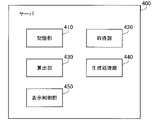
図11は、実施の形態2のサーバの機能を示すブロック図である。サーバ400は、記憶部410、取得部420、算出部430、生成処理部440、及び表示制御部450を有する。
図11は、実施の形態2のサーバの機能を示すブロック図である。サーバ400は、記憶部410、取得部420、算出部430、生成処理部440、及び表示制御部450を有する。
記憶部410は、サーバ400が有する揮発性記憶装置又は不揮発性記憶装置に確保した記憶領域として実現してもよい。
取得部420、算出部430、生成処理部440、及び表示制御部450の一部又は全部は、サーバ400が有する処理回路によって実現してもよい。また、取得部420、算出部430、生成処理部440、及び表示制御部450の一部又は全部は、サーバ400が有するプロセッサが実行するプログラムのモジュールとして実現してもよい。例えば、当該プロセッサが実行するプログラムは、表示制御プログラムとも言う。例えば、表示制御プログラムは、記録媒体に記録されている。
取得部420、算出部430、生成処理部440、及び表示制御部450の一部又は全部は、サーバ400が有する処理回路によって実現してもよい。また、取得部420、算出部430、生成処理部440、及び表示制御部450の一部又は全部は、サーバ400が有するプロセッサが実行するプログラムのモジュールとして実現してもよい。例えば、当該プロセッサが実行するプログラムは、表示制御プログラムとも言う。例えば、表示制御プログラムは、記録媒体に記録されている。
記憶部410は、様々な情報を記憶する。
取得部420は、聴講者状態情報を取得する。例えば、取得部420は、聴講者状態情報を聴講者装置600から取得する。また、例えば、取得部420は、外部装置を介して、聴講者状態情報を取得する。なお、外部装置の図示は、省略されている。
取得部420は、聴講者状態情報を取得する。例えば、取得部420は、聴講者状態情報を聴講者装置600から取得する。また、例えば、取得部420は、外部装置を介して、聴講者状態情報を取得する。なお、外部装置の図示は、省略されている。
算出部430が実行する処理は、算出部130が実行する処理と同じである。例えば、算出部430は、聴講者状態情報に基づいて、聴講者の集中度を算出する。このように、算出部430が実行する処理は、算出部130が実行する処理と同じである。そのため、算出部430の詳細な説明は、省略する。
生成処理部440が実行する処理は、生成処理部140が実行する処理と同じである。例えば、生成処理部440は、集中度に応じた色及び大きさのうちの少なくとも1つが反映された聴講者アバタが表示された画面の生成処理を実行する。このように、生成処理部440が実行する処理は、生成処理部140が実行する処理と同じである。そのため、生成処理部440の詳細な説明は、省略する。
表示制御部450は、発表者装置500のディスプレイに、生成された画面が表示されるように、発表者装置500に対して表示制御を行う。例えば、表示制御部450は、当該画面と、当該画面の表示指示とを発表者装置500に送信する。これにより、例えば、発表者装置500のディスプレイには、集中度に応じた色の聴講者アバタが表示される。また、例えば、当該ディスプレイには、集中度に応じた大きさの聴講者アバタが表示される。また、例えば、当該ディスプレイには、集中度が表示される。
次に、表示制御システムで実行される処理を、シーケンス図を用いて、説明する。
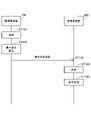
図12は、実施の形態2の表示制御システムで実行される処理の例を示すシーケンス図である。図12の処理は、定期的に実行される。
(ステップST121)聴講者装置600は、聴講者状態情報を取得する。例えば、聴講者状態情報は、聴講者装置600に接続されているマウス、キーボード、撮像装置、及びマイクを介して、取得される。聴講者装置600は、聴講者状態情報をサーバ400に送信する。
これにより、聴講者状態情報は、取得部420に取得される。
図12は、実施の形態2の表示制御システムで実行される処理の例を示すシーケンス図である。図12の処理は、定期的に実行される。
(ステップST121)聴講者装置600は、聴講者状態情報を取得する。例えば、聴講者状態情報は、聴講者装置600に接続されているマウス、キーボード、撮像装置、及びマイクを介して、取得される。聴講者装置600は、聴講者状態情報をサーバ400に送信する。
これにより、聴講者状態情報は、取得部420に取得される。
(ステップST122)算出部430は、聴講者状態情報に基づいて、聴講者の集中度を算出する。
(ステップST123)生成処理部440は、集中度に応じた色、又は集中度に応じた大きさが反映された聴講者アバタが表示された画面の生成処理を実行する。
(ステップST124)表示制御部450は、生成された画面と、当該画面の表示指示とを発表者装置500に送信する。
(ステップST125)発表者装置500は、当該画面を発表者装置500のディスプレイに表示する。
(ステップST123)生成処理部440は、集中度に応じた色、又は集中度に応じた大きさが反映された聴講者アバタが表示された画面の生成処理を実行する。
(ステップST124)表示制御部450は、生成された画面と、当該画面の表示指示とを発表者装置500に送信する。
(ステップST125)発表者装置500は、当該画面を発表者装置500のディスプレイに表示する。
実施の形態2によれば、サーバ400は、発表者が直感的に理解できる情報を発表者装置500のディスプレイに表示させる。これにより、サーバ400は、容易に、聴講者の集中状態を発表者に理解させることができる。
また、サーバ400は、画面の生成を発表者装置500に実行させてもよい。例えば、ステップST122の後、サーバ400は、集中度を発表者装置500に送信する。発表者装置500は、集中度に応じた色及び大きさのうちの少なくとも1つが反映された聴講者アバタが表示された画面の生成処理を実行する。また、発表者装置500は、集中度が表示された画面の生成処理を実行してもよい。発表者装置500は、生成された画面が発表者装置500のディスプレイに表示されるように、表示制御を行う。
サーバ400は、次の処理を実行してもよい。取得部420は、発表資料を取得する。例えば、取得部420は、発表資料を記憶部410から取得する。生成処理部440は、集中度に応じた色及び大きさのうちの少なくとも1つが反映された聴講者アバタと発表資料とが表示された画面の生成処理を実行する。また、生成処理部440は、集中度と当該発表資料とが表示された画面の生成処理を実行してもよい。
サーバ400は、次の処理を実行してもよい。表示制御部450は、生成された画面が聴講者装置600のディスプレイに表示されるように、表示制御を行う。例えば、表示制御部450は、当該画面と、当該画面の表示指示とを聴講者装置600に送信する。これにより、聴講者装置600は、聴講者装置600のディスプレイに当該画面を表示する。
実施の形態2の変形例.
実施の形態2の変形例では、サーバ400が実施の形態1の変形例と同様の処理を実行する場合を説明する。サーバ400は、実施の形態1の変形例と同様の処理を実行する。そのため、サーバ400の詳細な処理の説明は、省略する。
実施の形態2の変形例では、サーバ400が実施の形態1の変形例と同様の処理を実行する場合を説明する。サーバ400は、実施の形態1の変形例と同様の処理を実行する。そのため、サーバ400の詳細な処理の説明は、省略する。
次に、表示制御システムで実行される処理を、シーケンス図を用いて、説明する。
図13は、実施の形態2の変形例の表示制御システムで実行される処理の例を示すシーケンス図である。図13の処理は、定期的に実行される。
表示制御システムは、サーバ400、発表者装置500、及び聴講者装置600,601を含む。図13には、2つの聴講者装置が例示されている。聴講者装置の数は、3つ以上でもよい。
図13は、実施の形態2の変形例の表示制御システムで実行される処理の例を示すシーケンス図である。図13の処理は、定期的に実行される。
表示制御システムは、サーバ400、発表者装置500、及び聴講者装置600,601を含む。図13には、2つの聴講者装置が例示されている。聴講者装置の数は、3つ以上でもよい。
(ステップST131)聴講者装置600は、聴講者状態情報をサーバ400に送信する。
(ステップST132)聴講者装置601は、聴講者状態情報をサーバ400に送信する。
これにより、複数の聴講者の状態を示す複数の聴講者状態情報が、取得部420に取得される。
(ステップST132)聴講者装置601は、聴講者状態情報をサーバ400に送信する。
これにより、複数の聴講者の状態を示す複数の聴講者状態情報が、取得部420に取得される。
(ステップST133)算出部430は、複数の聴講者状態情報に基づいて、複数の聴講者のそれぞれの集中度を算出する。
(ステップST134)算出部430は、複数の聴講者のそれぞれの集中度に基づいて、聴講者全体の集中度を算出する。
(ステップST134)算出部430は、複数の聴講者のそれぞれの集中度に基づいて、聴講者全体の集中度を算出する。
(ステップST135)生成処理部440は、聴講者全体の集中度に応じた数、色、及び大きさのうちの少なくとも1つが反映された無個性聴講者アバタが表示された画面の生成処理を実行する。生成処理部440は、聴講者全体の集中度が表示された画面の生成処理を実行してもよい。
(ステップST136)表示制御部450は、生成された画面と、当該画面の表示指示とを発表者装置500に送信する。
(ステップST137)発表者装置500は、当該画面を発表者装置500のディスプレイに表示する。
(ステップST136)表示制御部450は、生成された画面と、当該画面の表示指示とを発表者装置500に送信する。
(ステップST137)発表者装置500は、当該画面を発表者装置500のディスプレイに表示する。
実施の形態2の変形例によれば、サーバ400は、発表者が直感的に理解できる情報を発表者装置500のディスプレイに表示させる。これにより、サーバ400は、容易に、聴講者全体の集中状態を発表者に理解させることができる。
サーバ400は、聴講者全体の集中度の算出と、画面の生成とを発表者装置500に実行させてもよい。例えば、ステップST133の後、サーバ400は、複数の聴講者のそれぞれの集中度を発表者装置500に送信する。発表者装置500は、複数の聴講者のそれぞれの集中度に基づいて、聴講者全体の集中度を算出する。発表者装置500は、聴講者全体の集中度に応じた数、色、及び大きさのうちの少なくとも1つが反映された無個性聴講者アバタが表示された画面の生成処理を実行する。また、発表者装置500は、聴講者全体の集中度が表示された画面の生成処理を実行してもよい。
サーバ400は、画面の生成を発表者装置500に実行させてもよい。例えば、ステップST134の後、サーバ400は、聴講者全体の集中度を発表者装置500に送信する。発表者装置500は、聴講者全体の集中度に応じた数、色、及び大きさのうちの少なくとも1つが反映された無個性聴講者アバタが表示された画面の生成処理を実行する。また、発表者装置500は、聴講者全体の集中度が表示された画面の生成処理を実行してもよい。
サーバ400は、次の処理を実行してもよい。取得部420は、発表資料を取得する。生成処理部440は、集中度に応じた数、色、及び大きさのうちの少なくとも1つが反映された無個性聴講者アバタと発表資料とが表示された画面の生成処理を実行する。
サーバ400は、次の処理を実行してもよい。表示制御部450は、生成された画面が聴講者装置600のディスプレイに表示されるように、表示制御を行う。例えば、表示制御部450は、当該画面と、当該画面の表示指示とを聴講者装置600に送信する。これにより、聴講者装置600は、聴講者装置600のディスプレイに当該画面を表示する。
実施の形態3.
次に、実施の形態3を説明する。実施の形態3では、実施の形態1と相違する事項を主に説明する。そして、実施の形態3では、実施の形態1と共通する事項の説明を省略する。
実施の形態1では、発表者装置である情報処理装置100が集中度を算出する場合を説明した。実施の形態3では、聴講者装置が集中度を算出する場合を説明する。
次に、実施の形態3を説明する。実施の形態3では、実施の形態1と相違する事項を主に説明する。そして、実施の形態3では、実施の形態1と共通する事項の説明を省略する。
実施の形態1では、発表者装置である情報処理装置100が集中度を算出する場合を説明した。実施の形態3では、聴講者装置が集中度を算出する場合を説明する。
図14は、実施の形態3の表示制御システムを示す図である。表示制御システムは、聴講者装置700と発表者装置800を含む。聴講者装置700と発表者装置800は、ネットワークを介して、通信する。
聴講者装置700は、聴講者が用いる装置である。例えば、聴講者装置700は、PCである。聴講者装置700は、ディスプレイを有する。また、聴講者装置700には、ディスプレイが接続されてもよい。
聴講者装置700は、聴講者が用いる装置である。例えば、聴講者装置700は、PCである。聴講者装置700は、ディスプレイを有する。また、聴講者装置700には、ディスプレイが接続されてもよい。
聴講者装置700は、プロセッサ、揮発性記憶装置、及び不揮発性記憶装置を有する。聴講者装置700は、処理回路を有してもよい。
発表者装置800は、発表者が用いる装置である。例えば、発表者装置800は、PCである。発表者装置800は、ディスプレイを有する。また、発表者装置800には、ディスプレイが接続されてもよい。
発表者装置800は、発表者が用いる装置である。例えば、発表者装置800は、PCである。発表者装置800は、ディスプレイを有する。また、発表者装置800には、ディスプレイが接続されてもよい。
次に、聴講者装置700が有する機能を説明する。
図15は、実施の形態3の聴講者装置の機能を示すブロック図である。聴講者装置700は、記憶部710、取得部720、算出部730、及び通信部740を有する。
図15は、実施の形態3の聴講者装置の機能を示すブロック図である。聴講者装置700は、記憶部710、取得部720、算出部730、及び通信部740を有する。
記憶部710は、聴講者装置700が有する揮発性記憶装置又は不揮発性記憶装置に確保した記憶領域として実現してもよい。
取得部720、算出部730、及び通信部740の一部又は全部は、聴講者装置700が有する処理回路によって実現してもよい。また、取得部720、算出部730、及び通信部740の一部又は全部は、聴講者装置700が有するプロセッサが実行するプログラムのモジュールとして実現してもよい。
取得部720、算出部730、及び通信部740の一部又は全部は、聴講者装置700が有する処理回路によって実現してもよい。また、取得部720、算出部730、及び通信部740の一部又は全部は、聴講者装置700が有するプロセッサが実行するプログラムのモジュールとして実現してもよい。
記憶部710は、様々な情報を記憶する。
取得部720は、聴講者状態情報を取得する。例えば、取得部720は、聴講者装置700に接続されているマウス、キーボード、撮像装置、及びマイクを介して、聴講者状態情報を取得する。聴講者状態情報は、実施の形態1で説明した聴講者状態情報と同じである。
取得部720は、聴講者状態情報を取得する。例えば、取得部720は、聴講者装置700に接続されているマウス、キーボード、撮像装置、及びマイクを介して、聴講者状態情報を取得する。聴講者状態情報は、実施の形態1で説明した聴講者状態情報と同じである。
算出部730が実行する処理は、算出部130が実行する処理と同じである。例えば、算出部730は、聴講者状態情報に基づいて、聴講者の集中度を算出する。このように、算出部730が実行する処理は、算出部130が実行する処理と同じである。そのため、算出部730の詳細な説明は、省略する。
通信部740は、聴講者の集中度を発表者装置800に送信する。
通信部740は、聴講者の集中度を発表者装置800に送信する。
次に、表示制御システムで実行される処理を、シーケンス図を用いて、説明する。
図16は、実施の形態3の表示制御システムで実行される処理の例を示すシーケンス図である。図16の処理は、定期的に実行される。
(ステップST141)取得部720は、聴講者状態情報を取得する。
(ステップST142)算出部730は、聴講者状態情報に基づいて、聴講者の集中度を算出する。
図16は、実施の形態3の表示制御システムで実行される処理の例を示すシーケンス図である。図16の処理は、定期的に実行される。
(ステップST141)取得部720は、聴講者状態情報を取得する。
(ステップST142)算出部730は、聴講者状態情報に基づいて、聴講者の集中度を算出する。
(ステップST143)通信部740は、聴講者の集中度を発表者装置800に送信する。
(ステップST144)発表者装置800は、集中度に応じた色及び大きさのうちの少なくとも1つが反映された聴講者アバタが表示された画面の生成処理を実行する。発表者装置800は、集中度が表示された画面の生成処理を実行してもよい。
(ステップST145)発表者装置800は、生成された画面が発表者装置800のディスプレイに表示されるように、表示制御を行う。
(ステップST144)発表者装置800は、集中度に応じた色及び大きさのうちの少なくとも1つが反映された聴講者アバタが表示された画面の生成処理を実行する。発表者装置800は、集中度が表示された画面の生成処理を実行してもよい。
(ステップST145)発表者装置800は、生成された画面が発表者装置800のディスプレイに表示されるように、表示制御を行う。
実施の形態3によれば、表示制御システムは、発表者が直感的に理解できる情報を発表者装置800のディスプレイに表示させる。これにより、表示制御システムは、容易に、聴講者の集中状態を発表者に理解させることができる。
実施の形態3の変形例.
実施の形態3の変形例では、無個性聴講者アバタが発表者装置800のディスプレイに表示される場合を説明する。実施の形態3の変形例の一部は、実施の形態1の変形例と重複する。そのため、実施の形態1の変形例と重複する処理の説明は、省略する。
実施の形態3の変形例では、無個性聴講者アバタが発表者装置800のディスプレイに表示される場合を説明する。実施の形態3の変形例の一部は、実施の形態1の変形例と重複する。そのため、実施の形態1の変形例と重複する処理の説明は、省略する。
次に、表示制御システムで実行される処理を、シーケンス図を用いて、説明する。
図17は、実施の形態3の変形例の表示制御システムで実行される処理の例を示すシーケンス図である。図17の処理は、定期的に実行される。
表示制御システムは、聴講者装置700,701、及び発表者装置800を含む。図17には、2つの聴講者装置が例示されている。聴講者装置の数は、3つ以上でもよい。
図17は、実施の形態3の変形例の表示制御システムで実行される処理の例を示すシーケンス図である。図17の処理は、定期的に実行される。
表示制御システムは、聴講者装置700,701、及び発表者装置800を含む。図17には、2つの聴講者装置が例示されている。聴講者装置の数は、3つ以上でもよい。
(ステップST151)取得部720は、聴講者装置700を用いる聴講者の状態を示す聴講者状態情報を取得する。
(ステップST152)算出部730は、聴講者状態情報に基づいて、聴講者の集中度を算出する。
(ステップST153)通信部740は、聴講者の集中度を発表者装置800に送信する。
(ステップST152)算出部730は、聴講者状態情報に基づいて、聴講者の集中度を算出する。
(ステップST153)通信部740は、聴講者の集中度を発表者装置800に送信する。
(ステップST154)聴講者装置701の取得部は、聴講者装置701を用いる聴講者の状態を示す聴講者状態情報を取得する。
(ステップST155)聴講者装置701の算出部は、聴講者状態情報に基づいて、聴講者の集中度を算出する。
(ステップST156)聴講者装置701の通信部は、聴講者の集中度を発表者装置800に送信する。
これにより、複数の聴講者のそれぞれの集中度は、発表者装置800に受信される。
(ステップST155)聴講者装置701の算出部は、聴講者状態情報に基づいて、聴講者の集中度を算出する。
(ステップST156)聴講者装置701の通信部は、聴講者の集中度を発表者装置800に送信する。
これにより、複数の聴講者のそれぞれの集中度は、発表者装置800に受信される。
(ステップST157)発表者装置800は、複数の聴講者のそれぞれの集中度に基づいて、聴講者全体の集中度を算出する。
(ステップST158)発表者装置800は、聴講者全体の集中度に応じた数、色、及び大きさのうちの少なくとも1つが反映された無個性聴講者アバタが表示された画面の生成処理を実行する。発表者装置800は、聴講者全体の集中度が表示された画面の生成処理を実行してもよい。
(ステップST159)発表者装置800は、生成された画面が発表者装置800のディスプレイに表示されるように、表示制御を行う。
(ステップST158)発表者装置800は、聴講者全体の集中度に応じた数、色、及び大きさのうちの少なくとも1つが反映された無個性聴講者アバタが表示された画面の生成処理を実行する。発表者装置800は、聴講者全体の集中度が表示された画面の生成処理を実行してもよい。
(ステップST159)発表者装置800は、生成された画面が発表者装置800のディスプレイに表示されるように、表示制御を行う。
実施の形態3の変形例によれば、表示制御システムは、発表者が直感的に理解できる情報を発表者装置800のディスプレイに表示させる。これにより、表示制御システムは、容易に、聴講者の集中状態を発表者に理解させることができる。
以上に説明した各実施の形態における特徴は、互いに適宜組み合わせることができる。
100 情報処理装置、 101 プロセッサ、 102 揮発性記憶装置、 103 不揮発性記憶装置、 110 記憶部、 120 取得部、 130 算出部、 140 生成処理部、 150 表示制御部、 200,201 情報処理装置、 300 ディスプレイ、 301 発表者アバタ、 302 聴講者アバタ、 303 範囲、 304a~304c 無個性聴講者アバタ、 310 マウス、 320 キーボード、 330 撮像装置、 340 マイク、 400 サーバ、 410 記憶部、 420 取得部、 430 算出部、 440 生成処理部、 450 表示制御部、 500 発表者装置、 600,601 聴講者装置、 700,701 聴講者装置、 710 記憶部、 720 取得部、 730 算出部、 740 通信部、 800 発表者装置。
Claims (27)
- 発表者が用いる情報処理装置であって、
聴講者の状態を示す聴講者状態情報を取得する取得部と、
前記聴講者状態情報に基づいて、前記聴講者の集中度を算出する算出部と、
前記集中度が表示された画面の生成処理、又は前記集中度に応じた色及び大きさのうちの少なくとも1つが反映された、前記聴講者のアバタである聴講者アバタが表示された画面の生成処理を実行する生成処理部と、
前記発表者が見る表示装置に、生成された画面が表示されるように、表示制御を行う表示制御部と、
を有する情報処理装置。 - 前記聴講者状態情報は、前記聴講者がマウスを用いて単位時間当たりに行ったクリックの回数であり、
前記算出部は、前記回数に基づいて、前記集中度を算出する、
請求項1に記載の情報処理装置。 - 前記聴講者状態情報は、前記聴講者が単位時間当たりにマウスを動かしている時間であり、
前記算出部は、前記時間に基づいて、前記集中度を算出する、
請求項1に記載の情報処理装置。 - 前記聴講者状態情報は、前記聴講者が用いる情報処理装置でアクティブなアプリケーションを示す情報と、前記アプリケーションを用いて入力された文字数とであり、
前記算出部は、前記アプリケーションに対応する値と前記文字数とに基づいて、前記集中度を算出する、
請求項1に記載の情報処理装置。 - 前記聴講者状態情報は、前記聴講者が用いる情報処理装置でアクティブなアプリケーションを示す情報と、前記アプリケーションを用いて入力された文字数とであり、
前記算出部は、前記アプリケーションが、前記聴講者が集中しているときに用いられるアプリケーションである場合、前記文字数に応じた値を前記集中度として、算出する、
請求項1に記載の情報処理装置。 - 前記聴講者状態情報は、前記聴講者が用いる情報処理装置でアクティブなアプリケーションを示す情報であり、
前記取得部は、前記アプリケーションと前記集中度との対応関係を示す関係情報を取得し、
前記算出部は、前記アプリケーションを示す情報と前記関係情報とに基づいて、前記集中度を特定する、
請求項1に記載の情報処理装置。 - 前記聴講者状態情報は、単位時間当たりにおける、聴講者側のマイクロフォンに入力された音の音量の平均値であり、
前記算出部は、前記音量の平均値に基づいて、前記集中度を算出する、
請求項1に記載の情報処理装置。 - 前記聴講者状態情報は、単位時間当たりにおける、聴講者側のマイクロフォンに入力された音の音量を示す情報であり、
前記算出部は、前記音量を示す情報に基づいて、前記音量が予め設定された閾値以上である時間の割合を算出し、前記割合に基づいて、前記集中度を算出する、
請求項1に記載の情報処理装置。 - 前記聴講者状態情報は、単位時間当たりにおける、前記聴講者の顔の映像であり、
前記算出部は、前記聴講者の顔の映像に基づいて、前記集中度を算出する、
請求項1に記載の情報処理装置。 - 前記取得部は、複数の前記聴講者状態情報を取得し、
前記算出部は、複数の前記聴講者状態情報に基づいて、前記集中度を算出する、
請求項1から9のいずれか1項に記載の情報処理装置。 - 前記取得部は、学習済モデルを取得し、
前記算出部は、前記聴講者状態情報と前記学習済モデルとを用いて、前記集中度を算出する、
請求項1に記載の情報処理装置。 - 前記生成処理部は、前記集中度が予め設定された閾値以下である場合、前記聴講者アバタが表示されていない画面の生成処理を実行する、
請求項1から11のいずれか1項に記載の情報処理装置。 - 前記取得部は、発表資料を取得し、
前記生成処理部は、前記集中度と前記発表資料とが表示された画面の生成処理、又は前記集中度に応じた色及び大きさのうちの少なくとも1つが反映された前記聴講者アバタと前記発表資料とが表示された画面の生成処理を実行する、
請求項1から12のいずれか1項に記載の情報処理装置。 - 前記取得部は、複数の聴講者の状態を示す複数の聴講者状態情報を取得し、
前記算出部は、前記複数の聴講者状態情報に基づいて、前記複数の聴講者のそれぞれの集中度を算出し、前記複数の聴講者のそれぞれの集中度に基づいて、聴講者全体の集中度を算出し、
前記生成処理部は、前記聴講者全体の集中度が表示された画面の生成処理、又は前記聴講者全体の集中度に応じた数、色、及び大きさのうちの少なくとも1つが反映された、無個性の聴講者のアバタである無個性聴講者アバタが表示された画面の生成処理を実行する、
請求項1に記載の情報処理装置。 - 前記取得部は、発表資料を取得し、
前記生成処理部は、前記聴講者全体の集中度と前記発表資料とが表示された画面の生成処理、又は前記聴講者全体の集中度に応じた数、色、及び大きさのうちの少なくとも1つが反映された前記無個性聴講者アバタと前記発表資料とが表示された画面の生成処理を実行する、
請求項14に記載の情報処理装置。 - 前記表示制御部は、前記聴講者が見る表示装置に、生成された画面が表示されるように、表示制御を行う、
請求項1から15のいずれか1項に記載の情報処理装置。 - 表示装置と接続し又は前記表示装置を有し、かつ発表者が用いる発表者装置と通信する情報処理装置であって、
聴講者の状態を示す聴講者状態情報を取得する取得部と、
前記聴講者状態情報に基づいて、前記聴講者の集中度を算出する算出部と、
前記集中度が表示された画面の生成処理、又は前記集中度に応じた色及び大きさのうちの少なくとも1つが反映された、前記聴講者のアバタである聴講者アバタが表示された画面の生成処理を実行する生成処理部と、
生成された画面が前記表示装置に表示されるように、前記発表者装置に対して表示制御を行う表示制御部と、
を有する情報処理装置。 - 前記取得部は、複数の聴講者の状態を示す複数の聴講者状態情報を取得し、
前記算出部は、前記複数の聴講者状態情報に基づいて、前記複数の聴講者のそれぞれの集中度を算出し、前記複数の聴講者のそれぞれの集中度に基づいて、聴講者全体の集中度を算出し、
前記生成処理部は、前記聴講者全体の集中度が表示された画面の生成処理、又は前記聴講者全体の集中度に応じた数、色、及び大きさのうちの少なくとも1つが反映された、無個性の聴講者のアバタである無個性聴講者アバタが表示された画面の生成処理を実行する、
請求項17に記載の情報処理装置。 - 表示装置と接続し又は前記表示装置を有し、かつ発表者が用いる発表者装置と、
前記発表者装置と通信する情報処理装置と、
を含み、
前記情報処理装置は、
聴講者の状態を示す聴講者状態情報を取得し、
前記聴講者状態情報に基づいて、前記聴講者の集中度を算出し、
前記集中度を前記発表者装置に送信し、
前記発表者装置は、
前記集中度が表示された画面の生成処理、又は前記集中度に応じた色及び大きさのうちの少なくとも1つが反映された、前記聴講者のアバタである聴講者アバタが表示された画面の生成処理を実行し、
生成された画面が前記表示装置に表示されるように、表示制御を行う、
表示制御システム。 - 前記情報処理装置は、
複数の聴講者の状態を示す複数の聴講者状態情報を取得し、
前記複数の聴講者状態情報に基づいて、前記複数の聴講者のそれぞれの集中度を算出し、
前記複数の聴講者のそれぞれの集中度を前記発表者装置に送信し、
前記発表者装置は、
前記複数の聴講者のそれぞれの集中度に基づいて、聴講者全体の集中度を算出し、
前記聴講者全体の集中度が表示された画面の生成処理、又は前記聴講者全体の集中度に応じた数、色、及び大きさのうちの少なくとも1つが反映された、無個性の聴講者のアバタである無個性聴講者アバタが表示された画面の生成処理を実行する、
請求項19に記載の表示制御システム。 - 前記情報処理装置は、
複数の聴講者の状態を示す複数の聴講者状態情報を取得し、
前記複数の聴講者状態情報に基づいて、前記複数の聴講者のそれぞれの集中度を算出し、
前記複数の聴講者のそれぞれの集中度に基づいて、聴講者全体の集中度を算出し、
前記聴講者全体の集中度を前記発表者装置に送信し、
前記発表者装置は、
前記聴講者全体の集中度が表示された画面の生成処理、又は前記聴講者全体の集中度に応じた数、色、及び大きさのうちの少なくとも1つが反映された、無個性の聴講者のアバタである無個性聴講者アバタが表示された画面の生成処理を実行する、
請求項19に記載の表示制御システム。 - 表示装置と接続し又は前記表示装置を有し、かつ発表者が用いる発表者装置と、
前記発表者装置と通信し、かつ聴講者が用いる聴講者装置と、
を含み、
前記聴講者装置は、
前記聴講者の状態を示す聴講者状態情報を取得し、
前記聴講者状態情報に基づいて、前記聴講者の集中度を算出し、
前記集中度を前記発表者装置に送信し、
前記発表者装置は、
前記集中度が表示された画面の生成処理、又は前記集中度に応じた色及び大きさのうちの少なくとも1つが反映された、前記聴講者のアバタである聴講者アバタが表示された画面の生成処理を実行し、
生成された画面が前記表示装置に表示されるように、表示制御を行う、
表示制御システム。 - 前記発表者装置と通信し、かつ複数の聴講者が用いる複数の聴講者装置を含み、
前記複数の聴講者装置のそれぞれは、
聴講者の状態を示す聴講者状態情報を取得し、
前記聴講者状態情報に基づいて、前記聴講者の集中度を算出し、
前記聴講者の集中度を前記発表者装置に送信し、
前記発表者装置は、
前記複数の聴講者のそれぞれの集中度を受信し、
前記複数の聴講者のそれぞれの集中度に基づいて、聴講者全体の集中度を算出し、
前記聴講者全体の集中度が表示された画面の生成処理、又は前記聴講者全体の集中度に応じた数、色、及び大きさのうちの少なくとも1つが反映された、無個性の聴講者のアバタである無個性聴講者アバタが表示された画面の生成処理を実行する、
請求項22に記載の表示制御システム。 - 発表者が用いる情報処理装置が、
聴講者の状態を示す聴講者状態情報を取得し、
前記聴講者状態情報に基づいて、前記聴講者の集中度を算出し、
前記集中度が表示された画面の生成処理、又は前記集中度に応じた色及び大きさのうちの少なくとも1つが反映された、前記聴講者のアバタである聴講者アバタが表示された画面の生成処理を実行し、
前記発表者が見る表示装置に、生成された画面が表示されるように、表示制御を行う、
表示制御方法。 - 表示装置と接続し又は前記表示装置を有し、かつ発表者が用いる発表者装置と通信する情報処理装置が、
聴講者の状態を示す聴講者状態情報を取得し、
前記聴講者状態情報に基づいて、前記聴講者の集中度を算出し、
前記集中度が表示された画面の生成処理、又は前記集中度に応じた色及び大きさのうちの少なくとも1つが反映された、前記聴講者のアバタである聴講者アバタが表示された画面の生成処理を実行し、
生成された画面が前記表示装置に表示されるように、前記発表者装置に対して表示制御を行う、
表示制御方法。 - 発表者が用いる情報処理装置に、
聴講者の状態を示す聴講者状態情報を取得し、
前記聴講者状態情報に基づいて、前記聴講者の集中度を算出し、
前記集中度が表示された画面の生成処理、又は前記集中度に応じた色及び大きさのうちの少なくとも1つが反映された、前記聴講者のアバタである聴講者アバタが表示された画面の生成処理を実行し、
前記発表者が見る表示装置に、生成された画面が表示されるように、表示制御を行う、
処理を実行させる表示制御プログラム。 - 表示装置と接続し又は前記表示装置を有し、かつ発表者が用いる発表者装置と通信する情報処理装置に、
聴講者の状態を示す聴講者状態情報を取得し、
前記聴講者状態情報に基づいて、前記聴講者の集中度を算出し、
前記集中度が表示された画面の生成処理、又は前記集中度に応じた色及び大きさのうちの少なくとも1つが反映された、前記聴講者のアバタである聴講者アバタが表示された画面の生成処理を実行し、
生成された画面が前記表示装置に表示されるように、前記発表者装置に対して表示制御を行う、
処理を実行させる表示制御プログラム。
Priority Applications (2)
| Application Number | Priority Date | Filing Date | Title |
|---|---|---|---|
| PCT/JP2020/048645 WO2022137488A1 (ja) | 2020-12-25 | 2020-12-25 | 情報処理装置、表示制御システム、表示制御方法、及び表示制御プログラム |
| JP2022570933A JP7427112B2 (ja) | 2020-12-25 | 2020-12-25 | 情報処理装置、表示制御システム、表示制御方法、及び表示制御プログラム |
Applications Claiming Priority (1)
| Application Number | Priority Date | Filing Date | Title |
|---|---|---|---|
| PCT/JP2020/048645 WO2022137488A1 (ja) | 2020-12-25 | 2020-12-25 | 情報処理装置、表示制御システム、表示制御方法、及び表示制御プログラム |
Publications (1)
| Publication Number | Publication Date |
|---|---|
| WO2022137488A1 true WO2022137488A1 (ja) | 2022-06-30 |
Family
ID=82157617
Family Applications (1)
| Application Number | Title | Priority Date | Filing Date |
|---|---|---|---|
| PCT/JP2020/048645 Ceased WO2022137488A1 (ja) | 2020-12-25 | 2020-12-25 | 情報処理装置、表示制御システム、表示制御方法、及び表示制御プログラム |
Country Status (2)
| Country | Link |
|---|---|
| JP (1) | JP7427112B2 (ja) |
| WO (1) | WO2022137488A1 (ja) |
Citations (4)
| Publication number | Priority date | Publication date | Assignee | Title |
|---|---|---|---|---|
| JP2004252970A (ja) * | 2003-01-30 | 2004-09-09 | Daiwa Securities Group Inc | 遠隔講演システム、方法及びプログラム、情報処理システム及び方法、遠隔聴講端末装置 |
| JP2006262010A (ja) * | 2005-03-16 | 2006-09-28 | Tokai Univ | 遠隔会議・教育システム |
| JP2007213282A (ja) * | 2006-02-09 | 2007-08-23 | Seiko Epson Corp | 講演者支援装置および講演者支援方法 |
| JP2018084874A (ja) * | 2016-11-21 | 2018-05-31 | コニカミノルタ株式会社 | 会議システム、会議管理装置およびプログラム |
Family Cites Families (1)
| Publication number | Priority date | Publication date | Assignee | Title |
|---|---|---|---|---|
| US20200311392A1 (en) * | 2019-03-27 | 2020-10-01 | Agt Global Media Gmbh | Determination of audience attention |
-
2020
- 2020-12-25 WO PCT/JP2020/048645 patent/WO2022137488A1/ja not_active Ceased
- 2020-12-25 JP JP2022570933A patent/JP7427112B2/ja active Active
Patent Citations (4)
| Publication number | Priority date | Publication date | Assignee | Title |
|---|---|---|---|---|
| JP2004252970A (ja) * | 2003-01-30 | 2004-09-09 | Daiwa Securities Group Inc | 遠隔講演システム、方法及びプログラム、情報処理システム及び方法、遠隔聴講端末装置 |
| JP2006262010A (ja) * | 2005-03-16 | 2006-09-28 | Tokai Univ | 遠隔会議・教育システム |
| JP2007213282A (ja) * | 2006-02-09 | 2007-08-23 | Seiko Epson Corp | 講演者支援装置および講演者支援方法 |
| JP2018084874A (ja) * | 2016-11-21 | 2018-05-31 | コニカミノルタ株式会社 | 会議システム、会議管理装置およびプログラム |
Also Published As
| Publication number | Publication date |
|---|---|
| JPWO2022137488A1 (ja) | 2022-06-30 |
| JP7427112B2 (ja) | 2024-02-02 |
Similar Documents
| Publication | Publication Date | Title |
|---|---|---|
| JP7400100B2 (ja) | 音声映像ストリームからのプライバシーに配慮した会議室でのトランスクリプション | |
| CN116368785B (zh) | 智能查询缓冲机制 | |
| US11677575B1 (en) | Adaptive audio-visual backdrops and virtual coach for immersive video conference spaces | |
| CN111258528B (zh) | 语音用户界面的显示方法和会议终端 | |
| CN113170076A (zh) | 用于通信会话的序列事件的动态策展 | |
| US11514924B2 (en) | Dynamic creation and insertion of content | |
| US20150296181A1 (en) | Augmenting web conferences via text extracted from audio content | |
| US12603927B2 (en) | System and method for identifying active communicator | |
| JP2022074024A (ja) | 方法、コンピュータ・プログラム製品、およびコンピュータ・システム(聴衆フィードバックを用いたパーソナル・スピーチ提案) | |
| US12143752B2 (en) | Indication of non-verbal cues within a video communication session | |
| WO2021015948A1 (en) | Measuring and responding to attention levels in group teleconferences | |
| Kang et al. | The influence of emotion-based prioritized facial expressions on social presence in avatar-mediated remote communication | |
| US12026978B2 (en) | Measuring and transmitting emotional feedback in group teleconferences | |
| US12184709B2 (en) | Active speaker proxy presentation for sign language interpreters | |
| JP7152453B2 (ja) | 情報処理装置、情報処理方法、情報処理プログラム及び情報処理システム | |
| JP7427112B2 (ja) | 情報処理装置、表示制御システム、表示制御方法、及び表示制御プログラム | |
| US20240089136A1 (en) | Facilitating efficient meeting management | |
| US11848792B2 (en) | Facilitating efficient meeting management | |
| JP7561101B2 (ja) | 情報処理装置、情報処理方法、及び情報処理プログラム | |
| CN116170617A (zh) | 对象推荐方法、装置、电子设备以及存储介质 | |
| JP7523589B2 (ja) | 情報処理装置、制御方法、及び制御プログラム | |
| US20250299405A1 (en) | Video Conferencing Remote Gesture Control | |
| EP4575789A1 (en) | Joint processing of interactions by an interactive computing application in a grouped interactive session | |
| US20240146876A1 (en) | Audio visualization | |
| CN121462607A (zh) | 数据处理方法、装置、电子设备和计算机可读存储介质 |
Legal Events
| Date | Code | Title | Description |
|---|---|---|---|
| 121 | Ep: the epo has been informed by wipo that ep was designated in this application |
Ref document number: 20966974 Country of ref document: EP Kind code of ref document: A1 |
|
| ENP | Entry into the national phase |
Ref document number: 2022570933 Country of ref document: JP Kind code of ref document: A |
|
| NENP | Non-entry into the national phase |
Ref country code: DE |
|
| 122 | Ep: pct application non-entry in european phase |
Ref document number: 20966974 Country of ref document: EP Kind code of ref document: A1 |