WO2022025093A1 - がんペプチドワクチンおよびその製造方法 - Google Patents
がんペプチドワクチンおよびその製造方法 Download PDFInfo
- Publication number
- WO2022025093A1 WO2022025093A1 PCT/JP2021/027832 JP2021027832W WO2022025093A1 WO 2022025093 A1 WO2022025093 A1 WO 2022025093A1 JP 2021027832 W JP2021027832 W JP 2021027832W WO 2022025093 A1 WO2022025093 A1 WO 2022025093A1
- Authority
- WO
- WIPO (PCT)
- Prior art keywords
- peptide
- seq
- cancer
- aqueous solution
- leu
- Prior art date
- Legal status (The legal status is an assumption and is not a legal conclusion. Google has not performed a legal analysis and makes no representation as to the accuracy of the status listed.)
- Ceased
Links
Images
Classifications
-
- A—HUMAN NECESSITIES
- A61—MEDICAL OR VETERINARY SCIENCE; HYGIENE
- A61K—PREPARATIONS FOR MEDICAL, DENTAL OR TOILETRY PURPOSES
- A61K40/00—Cellular immunotherapy
- A61K40/30—Cellular immunotherapy characterised by the recombinant expression of specific molecules in the cells of the immune system
- A61K40/34—Antigenic peptides
-
- A—HUMAN NECESSITIES
- A61—MEDICAL OR VETERINARY SCIENCE; HYGIENE
- A61K—PREPARATIONS FOR MEDICAL, DENTAL OR TOILETRY PURPOSES
- A61K39/00—Medicinal preparations containing antigens or antibodies
-
- A—HUMAN NECESSITIES
- A61—MEDICAL OR VETERINARY SCIENCE; HYGIENE
- A61K—PREPARATIONS FOR MEDICAL, DENTAL OR TOILETRY PURPOSES
- A61K39/00—Medicinal preparations containing antigens or antibodies
- A61K39/0005—Vertebrate antigens
- A61K39/0011—Cancer antigens
- A61K39/001102—Receptors, cell surface antigens or cell surface determinants
- A61K39/001129—Molecules with a "CD" designation not provided for elsewhere
-
- A—HUMAN NECESSITIES
- A61—MEDICAL OR VETERINARY SCIENCE; HYGIENE
- A61K—PREPARATIONS FOR MEDICAL, DENTAL OR TOILETRY PURPOSES
- A61K39/00—Medicinal preparations containing antigens or antibodies
- A61K39/0005—Vertebrate antigens
- A61K39/0011—Cancer antigens
- A61K39/00119—Melanoma antigens
-
- A—HUMAN NECESSITIES
- A61—MEDICAL OR VETERINARY SCIENCE; HYGIENE
- A61K—PREPARATIONS FOR MEDICAL, DENTAL OR TOILETRY PURPOSES
- A61K39/00—Medicinal preparations containing antigens or antibodies
- A61K39/395—Antibodies; Immunoglobulins; Immune serum, e.g. antilymphocytic serum
- A61K39/39533—Antibodies; Immunoglobulins; Immune serum, e.g. antilymphocytic serum against materials from animals
- A61K39/3955—Antibodies; Immunoglobulins; Immune serum, e.g. antilymphocytic serum against materials from animals against proteinaceous materials, e.g. enzymes, hormones, lymphokines
-
- A—HUMAN NECESSITIES
- A61—MEDICAL OR VETERINARY SCIENCE; HYGIENE
- A61K—PREPARATIONS FOR MEDICAL, DENTAL OR TOILETRY PURPOSES
- A61K47/00—Medicinal preparations characterised by the non-active ingredients used, e.g. carriers or inert additives; Targeting or modifying agents chemically bound to the active ingredient
- A61K47/06—Organic compounds, e.g. natural or synthetic hydrocarbons, polyolefins, mineral oil, petrolatum or ozokerite
- A61K47/16—Organic compounds, e.g. natural or synthetic hydrocarbons, polyolefins, mineral oil, petrolatum or ozokerite containing nitrogen, e.g. nitro-, nitroso-, azo-compounds, nitriles, cyanates
- A61K47/18—Amines; Amides; Ureas; Quaternary ammonium compounds; Amino acids; Oligopeptides having up to five amino acids
- A61K47/183—Amino acids, e.g. glycine, EDTA or aspartame
-
- A—HUMAN NECESSITIES
- A61—MEDICAL OR VETERINARY SCIENCE; HYGIENE
- A61K—PREPARATIONS FOR MEDICAL, DENTAL OR TOILETRY PURPOSES
- A61K9/00—Medicinal preparations characterised by special physical form
- A61K9/14—Particulate form, e.g. powders, Processes for size reducing of pure drugs or the resulting products, Pure drug nanoparticles
- A61K9/19—Particulate form, e.g. powders, Processes for size reducing of pure drugs or the resulting products, Pure drug nanoparticles lyophilised, i.e. freeze-dried, solutions or dispersions
-
- A—HUMAN NECESSITIES
- A61—MEDICAL OR VETERINARY SCIENCE; HYGIENE
- A61P—SPECIFIC THERAPEUTIC ACTIVITY OF CHEMICAL COMPOUNDS OR MEDICINAL PREPARATIONS
- A61P35/00—Antineoplastic agents
-
- A—HUMAN NECESSITIES
- A61—MEDICAL OR VETERINARY SCIENCE; HYGIENE
- A61P—SPECIFIC THERAPEUTIC ACTIVITY OF CHEMICAL COMPOUNDS OR MEDICINAL PREPARATIONS
- A61P37/00—Drugs for immunological or allergic disorders
- A61P37/02—Immunomodulators
- A61P37/04—Immunostimulants
-
- A—HUMAN NECESSITIES
- A61—MEDICAL OR VETERINARY SCIENCE; HYGIENE
- A61P—SPECIFIC THERAPEUTIC ACTIVITY OF CHEMICAL COMPOUNDS OR MEDICINAL PREPARATIONS
- A61P43/00—Drugs for specific purposes, not provided for in groups A61P1/00-A61P41/00
-
- C—CHEMISTRY; METALLURGY
- C07—ORGANIC CHEMISTRY
- C07K—PEPTIDES
- C07K7/00—Peptides having 5 to 20 amino acids in a fully defined sequence; Derivatives thereof
- C07K7/04—Linear peptides containing only normal peptide links
- C07K7/06—Linear peptides containing only normal peptide links having 5 to 11 amino acids
-
- A—HUMAN NECESSITIES
- A61—MEDICAL OR VETERINARY SCIENCE; HYGIENE
- A61K—PREPARATIONS FOR MEDICAL, DENTAL OR TOILETRY PURPOSES
- A61K39/00—Medicinal preparations containing antigens or antibodies
- A61K2039/505—Medicinal preparations containing antigens or antibodies comprising antibodies
-
- A—HUMAN NECESSITIES
- A61—MEDICAL OR VETERINARY SCIENCE; HYGIENE
- A61K—PREPARATIONS FOR MEDICAL, DENTAL OR TOILETRY PURPOSES
- A61K39/00—Medicinal preparations containing antigens or antibodies
- A61K2039/80—Vaccine for a specifically defined cancer
- A61K2039/876—Skin, melanoma
Definitions
- immune checkpoint inhibitors targeting immune checkpoint molecules such as CTLA-4, PD-1, and PD-L1 have been developed (Patent Document 1 or 2). It has been shown that immunotherapy using these inhibitors can obtain excellent clinical effects that could not be achieved by conventional treatment methods, and development of various immune checkpoint inhibitors and treatment methods using them have been shown. Is being actively developed. However, immune checkpoint inhibitors do not provide effective clinical effects in all patients, and approximately 20 to 50% of patients do not respond to immune checkpoint inhibitors, and clinical effects are obtained. There are also non-existent cancer types. Therefore, in order to increase the response rate of immune checkpoint inhibitors, combination therapy of the inhibitor with a drug such as a chemotherapeutic agent or a molecular target drug is being actively studied.
- a drug such as a chemotherapeutic agent or a molecular target drug
- One of the drug candidates to be used in combination with an immune checkpoint inhibitor is a cancer vaccine that uses a tumor antigen peptide that is also used for immunotherapy.
- Cytotoxic T cells (called CTLs) play an important role in the elimination of tumor cells by living organisms, and CTLs are antigenic peptides on tumor cells, that is, tumor antigenic peptides and human leukocytes.
- Precursor T cells that recognize a complex with an antigen (HLA) class I antigen are produced by differentiation and proliferation, and attack cancer cells. Therefore, by using a tumor antigen peptide as a drug to induce the activity of CTL on cancer cells and attack the cancer cells, clinical effects such as tumor shrinkage effect can be obtained.
- tumor antigen peptides for example, peptides derived from tumor-specific antigens such as MAGE-A3 antigen, EGFRvIII, and gp100 discovered at the Ludwig Institute, and peptides derived from tumor-related antigens have been studied (Patent). Documents 3 to 7, Non-Patent Documents 1 to 26). However, cancer vaccines containing these peptides have not been able to obtain sufficient clinical effects by themselves, and there is no approved cancer vaccine even at present. In addition, for example, a combination therapy with an anti-CTLA-4 antibody and a cancer vaccine containing a gp100 peptide was conducted as a combination therapy with an immune checkpoint inhibitor, but the effect of the combination therapy could not be proved. (Non-Patent Document 27).
- Noguchi, M., et al. Phase I trial of patient-oriented vaccination in HLA-A2-positive patients with metastatic hormone-refractory prostate cancer. Cancer Sci, 2004. 95 (1): p. 77-84.
- Noguchi, M., et al. Immunological monitoring during combination of patient-oriented peptide vaccination and estramustine phosphate in patients with metastatic hormone refractory promise cancer. Prostate, 2004. 60 (1): p. 32-45.
- Noguchi, M., et al. Combination therapy of personalized peptide vaccination and low-dose estramustine phosphate for metastatic hormones refractory promise cancer patients: an analysis of prognostic factors in the treatment. 341-9.
- Yamada, A., et al. Phase I clinical study of a personalized peptide vaccination available for six different human leukocyte antigen (HLA-A2, -A3, -A11, -A24, -A31 and -A33) cancer. Exp Ther Med, 2011. 2 (1): p. 109-117.
- Yamamoto, K., et al. Immunological evaluation of personalized peptide vaccination for patients with pancreatic cancer. Oncol Rep, 2005. 13 (5): p. 875-83.
- Yanagimoto, H., et al. Immunological evaluation of personalized peptide vaccination with gemcitabine for pancreatic cancer. Cancer Sci, 2007. 98 (4): p. 605-11.
- One of the objects of the present invention is to provide a cancer peptide vaccine and a method for producing the same.
- the present inventors have diligently studied a cancer peptide vaccine, particularly a cancer peptide vaccine suitable for concomitant use with an immune checkpoint inhibitor. Then, the present inventors induce a CTL in a human subject by a cancer peptide vaccine containing four kinds of peptides of SEQ ID NOs: 1 to 4, and exert an excellent clinical effect particularly in combination with an immune checkpoint inhibitor. I found that. In addition, we have found a prescription and a method for producing the same, which can stably produce and provide a cancer peptide vaccine containing the above four types of peptides.
- the present disclosure presents the peptide of Asn-Val-Leu-His-Phe-Phe-Asn-Ala-Pro-Leu (SEQ ID NO: 1), Ala-Ser-Leu-Asp-Ser-Asp-Pro-Trp. -Val (SEQ ID NO: 2) peptide, Lys-Leu-Lys-His-Tyr-Gly-Pro-Gly-Trp-Val (SEQ ID NO: 3) peptide, and Leu-Leu-Gln-Ala-Glu-Ala- Provided is a cancer peptide vaccine containing the peptide of Pro-Arg-Leu (SEQ ID NO: 4).
- the present disclosure is a method for producing a cancer peptide vaccine, wherein the cancer peptide vaccine is Asn-Val-Leu-His-Phe-Phe-Asn-Ala-Pro-Leu (SEQ ID NO: 1).
- the cancer peptide vaccine disclosed in the present disclosure induces CTLs in human subjects and exhibits excellent clinical effects in combination with immune checkpoint inhibitors.
- the production method of the present disclosure can provide a cancer peptide vaccine in which the solubility and stability of a tumor antigen peptide as an active ingredient are guaranteed, and enables stable production and supply of a pharmaceutical product.
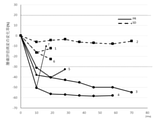
- FIG. 1 shows the results of analysis of the tumor shrinkage effect in a patient to which a peptide cocktail preparation containing the peptides of SEQ ID NOs: 1 to 4 was administered.
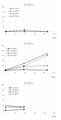
- FIG. 2 shows the results of analysis of the number of IFN- ⁇ -producing cells for each peptide in peripheral blood mononuclear cells of patients who received the peptide cocktail preparation containing the peptides of SEQ ID NOs: 1 to 4.
- the cancer peptide vaccine of the present disclosure contains four kinds of peptides of SEQ ID NOs: 1 to 4 shown below.
- SEQ ID NOs: 1 to 4 Asn-Val-Leu-His-Phe-Phe-Asn-Ala-Pro-Leu (SEQ ID NO: 1) Ala-Ser-Leu-Asp-Ser-Asp-Pro-Trp-Val (SEQ ID NO: 2) Lys-Leu-Lys-His-Tyr-Gly-Pro-Gly-Trp-Val (SEQ ID NO: 3) Leu-Leu-Gln-Ala-Glu-Ala-Pro-Arg-Leu (SEQ ID NO: 4)
- These peptides are peptides derived from tumor antigen proteins expressed by cancer cells (also referred to as tumor antigen peptides in the present specification), are recognized by CTLs bound to HLA class I, and cause cell damage to cancer cells.
- the cancer peptide vaccine is synonymous with a peptide vaccine for treating cancer, and is a drug that treats cancer by inducing an immune response against cancer cells using a tumor antigen peptide as an active ingredient.
- the term "peptide" is used to include its pharmaceutically acceptable salt, unless contextually inappropriate.
- the "pharmaceutically acceptable salt” in the present disclosure includes acetates, hydrochlorides, hydrobromates, sulfates, hydroiodide, nitrates, phosphates, citrates, oxalates, and the like.
- the cancer peptide vaccine may be a single composition containing the four peptides of SEQ ID NOs: 1 to 4, but may contain one of the peptides of SEQ ID NOs: 1 to 4, or a combination of two or three. It may be a kit containing two or more compositions containing each. In certain embodiments, the cancer peptide vaccine is a composition comprising the peptides of SEQ ID NOs: 1-4. In another embodiment, the cancer peptide vaccine is a kit comprising four compositions each comprising the peptides of SEQ ID NOs: 1-4.
- Peptides can be produced by conventional methods, for example, PeptideSynthesis, Interscience, NewYork, 1966; The Proteins, Vo1.2, Academic Press Inc, NewYork, 1976; Basics and Experiments of Peptide Synthesis, Maruzen Co., Ltd. 1985; Development of Pharmaceuticals Vol. 14, Peptide Synthesis, Hirokawa Shoten, 1991, etc., but not limited to these, known methods can be widely used.
- Peptide purification / recovery can be performed by a known method such as chromatography such as gel chromatography, ion column chromatography, affinity chromatography, or fractionation means based on solubility difference using ammonium sulfate, alcohol, or the like. ..
- a polyclonal antibody or a monoclonal antibody specific to these based on the information on the amino acid sequence of the peptide, and to specifically adsorb and recover the antibody using the antibody.
- the produced peptide is usually recovered as a salt with counter ions such as acetic acid, hydrochloric acid, sodium and trifluoroacetic acid in addition to the peptide.
- Such a salt can be used as a drug substance in the preparation of a cancer peptide vaccine.
- the mass of a peptide in the present disclosure it means the mass of the peptide in free form, not the salt.
- the cancer peptide vaccine preferably contains one or more pharmaceutically acceptable additives in addition to the peptide.
- Pharmaceutically acceptable additives include buffers, antioxidants, preservatives, excipients, suspending agents, tonicity agents, chelating agents, surfactants and the like, and specific examples thereof.
- Buffers such as phosphoric acid, citric acid, and other organic acids; antioxidants such as ascorbic acid and methionine; preservatives such as octadecyldimethylbenzylammonium chloride, hexamethonium chloride, benzalkonium chloride, and benzethonium chloride; Polypeptides; proteins such as serum albumin, gelatin, and immunoglobulins; hydrophilic polymers such as polyvinylpyrrolidone; amino acids such as glycine, glutamine, asparagine, histidine, arginine, and lysine; monosaccharides, disaccharides, and glucose, mannose, And other carbohydrates including dextrin; chelating agents such as EDTA; sugars such as sucrose, mannitol, trehalose, and sorbitol; salt-forming counterions such as sodium; metal complexes (eg, Zn-protein complexes); and TWEEN TM.
- the cancer peptide vaccines of the present disclosure comprise glycine. Since the peptide of SEQ ID NO: 1 has low solubility in an aqueous solution, it is preferable to improve this by formulation. Conventionally, sodium hydrogencarbonate has been used to improve the solubility of a peptide in an aqueous solution, but sodium hydrogencarbonate is produced by producing water from sodium hydrogencarbonate, especially when the peptide preparation is a lyophilized preparation. There was a problem that the water content in the lyophilized preparation could not be measured accurately, and there was a problem that the peptide was easily oxidized because the pH became basic when it was made into an aqueous solution.
- the peptide of SEQ ID NO: 1 can be dissolved in an aqueous solution, and the dissolution stability can be improved without precipitation after dissolution.
- the amount of glycine contained in the cancer peptide vaccine is not particularly limited, but the mass ratio of the peptide of SEQ ID NO: 1 to glycine is 0.3 to 30, 0.4 to 28, 0.6 to 3.0, 0.7 to 2.9, or 0.8 to 2.8. Is preferable.
- the term "glycine” is used to include its pharmaceutically acceptable salt, unless contextually inappropriate.
- the glycine is glycine hydrochloride. When referring to the mass of glycine in the present disclosure, it means the mass of glycine in free form.
- the cancer peptide vaccines of the present disclosure contain citric acid.
- the amount of citric acid contained in the peptide vaccine is not particularly limited, but the mass ratio of each peptide of SEQ ID NOs: 2 to 4 to citric acid is preferably 0.1 to 20 or 0.3 to 10.
- the term "citric acid” is used to include its pharmaceutically acceptable salt, unless contextually inappropriate. When referring to the mass of citric acid in the present disclosure, it means the mass of citric acid in free form.
- the cancer peptide vaccines of the present disclosure comprise trehalose.
- the amount of trehalose contained in the cancer peptide vaccine is not particularly limited, but the mass ratio of each peptide to trehalose is preferably 0.01 to 1 or 0.02 to 0.3.
- the mass of trehalose in the present disclosure it means the mass of trehalose anhydride.
- cancer peptide vaccines of the present disclosure include glycine and trehalose, or glycine, citric acid, and trehalose.
- the cancer peptide vaccines of the present disclosure include the following compositions: A composition comprising the peptide of SEQ ID NO: 1, glycine and trehalose, wherein the mass ratio of the peptide of SEQ ID NO: 1 to glycine is 2.67 and the mass ratio of the peptide of SEQ ID NO: 1 to trehalose is 0.15; A composition comprising the peptide of SEQ ID NO: 2, citric acid and trehalose, wherein the mass ratio of the peptide of SEQ ID NO: 2 to citric acid is 1.04 and the mass ratio of the peptide of SEQ ID NO: 2 to trehalose is 0.11; A composition comprising the peptide of SEQ ID NO: 3, citric acid and trehalose, wherein the mass ratio of the peptide of SEQ ID NO: 3 to citric acid is 5.21 and the mass ratio of the peptide of SEQ ID NO: 3 to trehalose is 0.11; A composition comprising the peptide of SEQ ID NO: 1,
- the cancer peptide vaccines of the present disclosure comprise a composition comprising the peptides of SEQ ID NOs: 1-4, glycine and trehalose, wherein the mass ratio of the peptide of SEQ ID NO: 1 to glycine is 0.8. The mass ratio of each peptide to trehalose is 0.03.
- the cancer peptide vaccine of the present disclosure comprises a composition comprising the peptides of SEQ ID NOs: 1-4 and glycine, wherein the mass ratio of each peptide to glycine is 0.8.
- the dosage form of the cancer peptide vaccine is not particularly limited, but an aqueous solution preparation or a lyophilized preparation is preferable, and a lyophilized preparation is more preferable from the viewpoint of peptide stability.
- the cancer peptide vaccine may be a preparation containing four kinds of peptides of SEQ ID NOs: 1 to 4 (for example, an aqueous solution preparation or a lyophilized preparation), and one kind or two kinds of the peptides of SEQ ID NOs: 1 to 4.
- it may be a kit containing two or more formulations containing each of the three combinations (for example, an aqueous solution formulation or a lyophilized formulation).
- the cancer peptide vaccine is a lyophilized preparation containing four kinds of peptides of SEQ ID NOs: 1 to 4, and more preferably, a lyophilized preparation containing four kinds of peptides of SEQ ID NOs: 1 to 4 and glycine. be.
- the cancer peptide vaccine of the present disclosure is administered in the form of an aqueous solution.
- the cancer peptide vaccine is an aqueous solution, it can be administered to the patient as it is, and when it is a lyophilized product, it is administered after being dissolved in a pharmaceutically acceptable solvent (for example, purified water or water for injection). ..
- a pharmaceutically acceptable solvent for example, purified water or water for injection.
- the cancer peptide vaccine is a kit containing two or more pharmaceutical products, the aqueous solution containing each peptide may be administered separately or in combination.
- the aqueous solution containing the peptide of SEQ ID NO: 1 has a pH of 3.5 to 5.0
- the aqueous solution containing each peptide of SEQ ID NO: 2 to 4 has a pH of 3.0 to 8.0. Or pH 4.0-7.0.
- the aqueous solution at the time of administration of the cancer peptide vaccine contains four kinds of peptides of SEQ ID NOs: 1 to 4 and has a pH of 3.5 to 8.2.
- the aqueous solution at the time of administration of the cancer peptide vaccine contains four kinds of peptides of SEQ ID NOs: 1 to 4 and has a pH of 3.5 to 5.0. In a further embodiment, the aqueous solution at the time of administration of the cancer peptide vaccine contains four kinds of peptides of SEQ ID NOs: 1 to 4 and has a pH of 6.0 to 8.0.
- the cancer peptide vaccine is a lyophilized preparation, and the pH of the aqueous solution after being dissolved in a pharmaceutically acceptable solvent may be the above pH.
- the cancer peptide vaccines of the present disclosure add a peptide to an aqueous solution containing a pharmaceutically acceptable additive, adjust the pH of the solution as necessary to obtain an aqueous solution containing the peptide, and optionally. It can be produced by freeze-drying the obtained aqueous solution.
- the pH of the solution can be adjusted with, for example, hydrochloric acid (HCl), sodium hydroxide (NaOH), or a buffer solution such as a phosphate buffer solution or a histidine buffer solution.
- the aqueous solution containing the peptide may be sterilized by filtration, filled in a container such as a glass vial, and provided as an aqueous solution. May be provided.
- the peptides of SEQ ID NOs: 1 to 4 may be added to different aqueous solutions, or a part of the peptides of SEQ ID NOs: 1 to 4 may be combined. It may be added to the same aqueous solution, or all the peptides of SEQ ID NOs: 1 to 4 may be added to the same aqueous solution.
- each of these aqueous solutions may be lyophilized to form a kit containing two or more lyophilized preparations, or the components after lyophilization may be mixed to form a single lyophilized preparation. May be good.
- the concentration of the peptide of SEQ ID NO: 1 in the aqueous solution after addition is 20 mg / mL or less, preferably 3 to 20 mg / mL. More preferably, it is added so as to be 3 mg to 10 mg / mL.
- the peptide of SEQ ID NO: 1 is added to an aqueous solution containing glycine.
- the aqueous solution containing glycine preferably has a pH of 3.5 to 5.0.
- the mass ratio of the peptide of SEQ ID NO: 1 to glycine in the aqueous solution after addition is preferably 0.3 to 30, 0.4 to 28, 0.6 to 3.0, 0.7 to 2.9, or 0.8 to 2.8.
- the peptide of SEQ ID NO: 1 is added to an aqueous solution containing trehalose in addition to glycine.
- the mass ratio of the peptide of SEQ ID NO: 1 to trehalose in the aqueous solution after addition is, for example, 0.01 to 1 or 0.02 to 0.3.
- the pH of the aqueous solution after adding the peptide of SEQ ID NO: 1 is preferably adjusted to pH 3.5 to 5.0, if necessary.
- the concentration of each peptide in the aqueous solution after addition is not particularly limited, and is added so as to be, for example, 20 to 200 mg / mL. However, it is preferably added so as to be 20 mg / mL or less, preferably 3 to 20 mg / mL, and more preferably 3 mg to 10 mg / mL.
- the peptides of SEQ ID NOs: 2-4 are added to an aqueous solution containing citric acid.
- the aqueous solution containing citric acid is, for example, pH 3.0 to 8.0 or pH 4.0 to 7.0.
- the mass ratio of each peptide to citric acid in the aqueous solution after addition is, for example, 0.1 to 20 or 0.3 to 10.
- the peptides of SEQ ID NOs: 2-4 are added to an aqueous solution containing trehalose in addition to citric acid.
- the mass ratio of each peptide to trehalose in the aqueous solution after addition is, for example, 0.01 to 1 or 0.02 to 0.3.
- the pH of the aqueous solution after adding the peptides of SEQ ID NOs: 2 to 4 is preferably adjusted to pH 3.0 to 8.0 or pH 4.0 to 7.0, if necessary.
- the concentration of each peptide is 20 mg / mL or less, preferably 3 to 20 mg / mL, more preferably. Is preferably added so as to be 3 mg to 10 mg / mL.
- the aqueous solution containing the medically acceptable additive preferably has a pH of 3.5 to 5.0. In certain embodiments, these four peptides are added to an aqueous solution containing glycine.
- the mass ratio of the peptide of SEQ ID NO: 1 to glycine in the aqueous solution after addition is 0.3 to 30, 0.4 to 28, 0.6 to 3.0, 0.7 to 2.9, or 0.8 to 2.8 in relation to SEQ ID NO: 1. Is preferable.
- these four peptides are added to an aqueous solution containing citric acid in addition to glycine.
- the mass ratio of each peptide to citric acid in the aqueous solution after addition is, for example, 0.1 to 20 or 0.3 to 10.
- these four peptides are added to glycine, or to glycine and citric acid, and to an aqueous solution containing trehalose.
- the mass ratio of each peptide to trehalose in the aqueous solution after addition is, for example, 0.01 to 1 or 0.02 to 0.3.
- the pH of the aqueous solution after adding the peptides of SEQ ID NOs: 1 to 4 is preferably adjusted to pH 3.5 to 8.2, if necessary.
- the aqueous solution after adding the peptides of SEQ ID NOs: 1 to 4 may have a pH of 3.5 to 5.0 or a pH of 6.0 to 8.0.
- the peptide of SEQ ID NO: 1 was added to an aqueous solution containing glycine and trehalose, the aqueous solution containing glycine and trehalose had a pH of 3.5, and the mass ratio of the peptide of SEQ ID NO: 1 to glycine in the added aqueous solution was 2.67, and trehalose.
- the mass ratio of the peptide of SEQ ID NO: 1 to to is 0.15, and the aqueous solution after addition is adjusted to pH 3.5 as necessary;
- the peptide of SEQ ID NO: 2 was added to an aqueous solution containing citric acid and trehalose, the aqueous solution containing citric acid and trehalose had a pH of 4, and the mass ratio of the peptide of SEQ ID NO: 2 to citric acid in the added aqueous solution was 1.04.
- the mass ratio of the peptide of SEQ ID NO: 2 to trehalose is 0.11, and the aqueous solution after addition is adjusted to pH 4 if necessary;
- the peptide of SEQ ID NO: 3 was added to an aqueous solution containing citric acid and trehalose, the aqueous solution containing citric acid and trehalose had a pH of 7, and the mass ratio of the peptide of SEQ ID NO: 3 to citric acid in the added aqueous solution was 5.21.
- the mass ratio of the peptide of SEQ ID NO: 3 to trehalose is 0.11, and the aqueous solution after addition is adjusted to pH 7 if necessary;
- the peptide of SEQ ID NO: 4 was added to an aqueous solution containing citric acid and trehalose, the aqueous solution containing citric acid and trehalose had a pH of 6, and the mass ratio of the peptide of SEQ ID NO: 4 to citric acid in the added aqueous solution was 5.21.
- the mass ratio of the peptide of SEQ ID NO: 4 to trehalose is 0.11, and the aqueous solution after addition is adjusted to pH 6 if necessary;
- the concentration of each peptide after addition is 10 mg / mL.
- the peptides of SEQ ID NOs: 1 to 4 were added to the aqueous solution containing glycine and trehalose, the aqueous solution containing glycine and trehalose had a pH of 3.5, and the mass ratio of the peptide of SEQ ID NO: 1 to glycine in the added aqueous solution was 0.8. Yes, the mass ratio of each peptide to trehalose in the aqueous solution after addition is 0.03, the concentration of each peptide after addition is about 3 mg / mL, and the aqueous solution after addition is adjusted to pH 3.5 as necessary. ..
- the peptides of SEQ ID NOs: 1 to 4 were added to the aqueous solution containing glycine, the aqueous solution containing glycine had a pH of 3.5, and the mass ratio of the peptide of SEQ ID NO: 1 to glycine in the aqueous solution after addition was 0.8, after the addition.
- the concentration of each peptide in the above is about 3 mg / mL, and the pH of the aqueous solution after addition is adjusted to 6.0-8.0 as necessary.
- cancers include prostate cancer, pancreatic cancer, colon cancer, lung cancer (including non-small cell lung cancer), hematopoietic tumor, brain tumor, uterine cancer, cervical cancer, gastric cancer, and melanoma (malignant). Includes melanoma), thyroid cancer, liver cancer, esophageal cancer.
- the cancer peptide vaccines of the present disclosure are used for prostate cancer, brain tumor, melanoma (including malignant melanoma), or lung cancer (including non-small cell lung cancer).
- the cancer peptide vaccines of the present disclosure are used for melanoma (including malignant melanoma) or lung cancer (including non-small cell lung cancer).
- the cancer peptide vaccine may further contain an adjuvant or may be administered together with the adjuvant.
- an adjuvant polysaccharides such as incomplete Freund's adjuvant (for example, ISA-51, SEPPIC) and purulan, which enhances the retention of the peptide locally by emulsifying an aqueous solution of the peptide, complete Freund's adjuvant, and BCG.
- Alam, GM-CSF, IL-2, CpG and the like having an immunopotentiating effect can be used.
- the adjuvant is GM-CSF.
- the cancer peptide vaccine is usually administered intradermally or subcutaneously to the patient. This is because the peptide is rapidly decomposed when administered by, for example, intravenous injection, and cannot sufficiently provoke an immune response.
- antigen-presenting cells that capture antigens and present them on the cell surface via HLA molecules to activate T cells such as CTLs are present intradermally or subcutaneously, they are administered intradermally or subcutaneously. This is because CTLs and the like showing cytotoxic activity can be efficiently activated.
- the administration site is not particularly limited, but is preferably near the lymph node as close to the cancer lesion as possible from the start of administration, and examples thereof include the upper arm and thigh.
- administration may be performed at another site (abdomen or the like).
- the cancer peptide vaccine is administered to the patient in an amount capable of exerting the desired effect (also referred to as an "effective amount" in the present specification).
- the dose is not particularly limited as long as it is acceptable for intradermal or subcutaneous administration, but is preferably 0.1 mg or more, preferably 0.1 mg to 3 mg, based on the mass of the dry powder of the peptide per one peptide. , More preferably 1 mg to 3 mg.
- the frequency of administration of the peptide may be as long as an immune response can be obtained, and even if it is administered once every 1 day, 2 days, 3 days, 4 days, 5 days, or 6 days, it is 1 week, 2 weeks, 3 It may be administered once every week, 4 weeks, 5 weeks, or 6 weeks, and the frequency of administration may be changed in the middle. For example, once a week may be administered four times, and then once every three to four weeks may be continued.
- the frequency of administration of the peptide is, for example, at least 8 times, preferably 16 times or more. There is no upper limit to the number of doses as long as the patient can tolerate the dose, but in the clinical studies described in the examples, the dose has been recorded up to 84 times, and the dose can be administered at least up to that number.
- cancer peptide vaccine When a cancer peptide vaccine is administered to a patient, CTLs against the peptide administered in the patient's body are activated, cancer cells are eliminated, and clinical effects can be obtained.
- the cancer peptide vaccine may be used in combination with one or more other antitumor agents or treatment methods. Since the cancer cells of each patient are a heterogeneous population, and there are cells that cannot be eliminated by the immune response and cells that are resistant to antitumor drugs, hormone therapies, etc., the cancer peptide vaccines of the present disclosure are disclosed. By using this in combination with other antitumor agents and treatment methods, clinical effects such as reduction of cancer lesions and prolongation of survival can be enhanced.
- the antitumor agent is an immune checkpoint inhibitor.
- Immune checkpoint inhibitors inhibit the immunosuppressive effects of cancer cells and antigen-presenting cells.
- Immune checkpoint inhibitors include, for example, agents against the following molecules (eg, antibodies): CTLA-4 (iprimumab, tremelimumab, etc.), PD-1 (nivolumab, pembrolizumab, AMP-224, AMP-514).
- MEDI0680 pidilizumab (CT-011), etc.), LAG-3 (IMP-321, BMS-986016, etc.), BTLA, KIR (IPH2101, etc.), TIM-3, PD-L1 (Durvalumab (MEDI4736), MPDL3280A, BMS) -936559, Avelumab (MSB0010718C), etc.), PD-L2, B7-H3 (MGA-271, etc.), B7-H4, HVEM, GAL9, CD160, VISTA, BTNL2, TIGIT, PVR, BTN1A1, BTN2A2, BTN3A2, and CSF1 -R.
- the immune checkpoint inhibitor is an agent against PD-1, such as an anti-PD-1 antibody (nivolumab, pembrolizumab, AMP-514 (MEDI0680), pidirizumab (CT-011), etc.).
- an anti-PD-1 antibody nivolumab, pembrolizumab, AMP-514 (MEDI0680), pidirizumab (CT-011), etc.
- antitumor agents include alkylating agents, antimetabolites, plant alkaloids, topoisomerase inhibitors, microtube polymerization inhibitors, molecular targeting agents, and the like, specifically, 5-FU, estramstin, and the like.
- Docetaxel, temozolomide, cisplatin, mitoxantrone, gemzar, rituximab and the like can be mentioned.
- Treatment methods include surgery, radiation therapy, hormone therapy (steroids such as dexamethasone, prezonizolone, estrogen, and progesterone, and analog agents such as leuprorelin).
- the combination includes simultaneous or sequential use for the treatment of cancer in the same patient, and the order thereof does not matter.
- the cancer peptide vaccine activates blood cell system cells such as CTL and exerts its effect, thus activating the hematopoietic system and immune response.
- the cancer peptide vaccine is administered after the lymphocyte count has recovered (for example, 1,000 cells / mL or more) after the administration of the antitumor drug, and other antitumor drugs and treatment methods are administered after the cancer peptide vaccine is administered.
- other antitumor agents or treatment methods can be considered within the range that does not cause a decrease in the number of leukocytes and lymphocytes during the administration period of the cancer peptide vaccine.
- the present disclosure is a method for treating cancer, the peptide of Asn-Val-Leu-His-Phe-Phe-Asn-Ala-Pro-Leu (SEQ ID NO: 1), Ala-Ser.
- the present invention relates to a method comprising administering to a patient a cancer peptide vaccine containing the peptide of Leu-Leu-Gln-Ala-Glu-Ala-Pro-Arg-Leu (SEQ ID NO: 4).
- the present disclosure is a peptide of Asn-Val-Leu-His-Phe-Phe-Asn-Ala-Pro-Leu (SEQ ID NO: 1) for the production of a cancer peptide vaccine, Ala-Ser-Leu. -Asp-Ser-Asp-Pro-Trp-Val (SEQ ID NO: 2) peptide, Lys-Leu-Lys-His-Tyr-Gly-Pro-Gly-Trp-Val (SEQ ID NO: 3) peptide, and Leu- Concerning the use of the peptide of Leu-Gln-Ala-Glu-Ala-Pro-Arg-Leu (SEQ ID NO: 4).
- the cancer peptide vaccine according to 1 above further comprising glycine.
- the cancer peptide vaccine according to 1 or 2 above wherein the mass ratio of the peptide of SEQ ID NO: 1 to glycine is 0.3 to 30.
- the cancer peptide peptide vaccine according to any one of 1 to 3 above which is a freeze-dried preparation.
- the cancer peptide vaccine according to any one of 1 to 4 above which is used in combination with an immune checkpoint inhibitor.
- the cancer peptide vaccine according to 5 above, wherein the immune checkpoint inhibitor is an anti-PD-1 antibody.
- the cancer peptide vaccine according to 6 above, wherein the anti-PD-1 antibody is pembrolizumab.
- cancer peptide vaccine is a peptide of Asn-Val-Leu-His-Phe-Phe-Asn-Ala-Pro-Leu (SEQ ID NO: 1), Ala-Ser-Leu-.
- Asp-Ser-Asp-Pro-Trp-Val (SEQ ID NO: 2) peptide, Lys-Leu-Lys-His-Tyr-Gly-Pro-Gly-Trp-Val (SEQ ID NO: 3) peptide, and Leu-Leu -A method comprising the peptide of Gln-Ala-Glu-Ala-Pro-Arg-Leu (SEQ ID NO: 4), wherein the method comprises adding the peptide of SEQ ID NO: 1 to an aqueous solution containing glycine.
- the method described in Crab. [13] 12 The method according to 12 above, further comprising freeze-drying each of the aqueous solutions.
- a method for treating cancer comprising administering to a patient an effective amount of the cancer peptide vaccine according to any one of 1 to 7 above. [18] 17. The method of 17 above, further comprising administering an immune checkpoint inhibitor. [19] 18. The method of 18 above, wherein the immune checkpoint inhibitor is an anti-PD-1 antibody. [20] 19. The method of 19 above, wherein the anti-PD-1 antibody is pembrolizumab.
- Test Example 2 Examination of Solubility of SEQ ID NO: 1 Since the peptide of SEQ ID NO: 1 could not be dissolved in Test Example 1, additional conditions were further examined for SEQ ID NO: 1.
- Solubility was examined as follows using the peptide drug substance of SEQ ID NO: 1 (purity 95w / w% or higher, PPL Corporation).
- the solubility of the peptide and the pH of the peptide solution after dissolution were evaluated at room temperature (25 ° C.). The results are shown in Table 2.
- the peptide of SEQ ID NO: 1 can be dissolved by using a glycine-HCl buffer, but the peptide cannot be dissolved even at 500 mM, which is the highest concentration of glycine, at a peptide concentration of 25 mg / mL. It was found that the concentration of 20 mg / mL or less is suitable. It was also found that the peptide can be dissolved if the mass ratio (peptide / glycine) of the peptide to glycine is in the range of 0.44 to 26.67. In addition, it was found that the peptide can be stably dissolved if the pH after dissolution is in the range of 3.57 to 4.22.
- Test Example 3 Peptide stability evaluation Based on the results of Test Example 1 and Test Example 2, a test was conducted to evaluate the stability of the peptide.
- the peptide drug substance purity 95w / w% or higher, PPL
- the buffers shown in Table 3 so that the final concentration of the peptides of SEQ ID NOs: 1 to 4 is 10 mg / mL, and the peptide solution is prepared.
- the peptides were prepared and stored at 25 ° C / 60% humidity or 40 ° C / 75% humidity for 24 and 48 hours to evaluate the stability of the peptide.
- Example 1 Using the peptide freeze-dried preparation prepared in Production Example 1, a peptide cocktail preparation for administration was prepared as follows. First, 1 mL of purified water is added to each peptide lyophilized preparation to dissolve the lyophilized product in the vial to prepare a peptide solution, and the entire amount of the peptide solution is recovered from each vial and transferred to a separately prepared vial. Instead, a peptide cocktail preparation was prepared.
- the GM-CSF lyophilized preparation (product name: Lukine (250 mg / vial), sanofi) is dissolved in 1 mL of purified water, 0.6 mL as an adjuvant is added to 1.4 mL of the peptide cocktail preparation, and the peptide for administration is added.
- a cocktail formulation was prepared. After preparation, the mixture was allowed to stand at room temperature for 6 hours, and changes in peptide concentration, pH (25 ° C), and osmotic pressure compared with those before standing were evaluated. The results are shown in Table 5.
- Example 2 The peptide cocktail preparation was prepared in the same manner as in Example 2 except that 25 mM citrate buffer was used instead of the 50 mM glycine-HCl buffer of Example 2 and the pH adjustment after peptide dissolution was adjusted to pH 5.0. It was prepared and the solubility of the peptide was evaluated by observing the appearance of the solution. The results are shown in Table 6.
- the peptide of Example 2 using 50 mM glycine-HCl buffer was stably dissolved, whereas the pharmaceuticals of Comparative Examples 1 and 2 were precipitated.
- the peptide concentration of SEQ ID NO: 1 is preferably 20 mg / mL or less, preferably 3 to 20 mg / mL, and more preferably 3 mg to 10 mg. It was found that the mass ratio of the peptide to glycine was 0.3 to 30, preferably 0.6 to 3.0, and the pH was 3.5 to 5.0.
- freeze-dried preparation obtained by freeze-drying the peptide cocktail preparation of Example 1 did not show any precipitation due to dissolution in purified water, and that the peptide could be stably stored at room temperature.
- Example 3 A clinical test in humans was carried out using the peptide freeze-dried preparation produced in Production Example 1.
- HLA-A2-positive malignant melanoma patients The subjects who participated in this clinical trial were HLA-A2-positive malignant melanoma patients.
- a peptide cocktail preparation was prepared using a freeze-dried preparation of the peptides of SEQ ID NOs: 1 to 4.
- the prepared peptide cocktail preparation was intradermally administered to 6 patients for each dose at a single dose of 0.1 mg / peptide, 1.0 mg / peptide, or 3 mg / peptide.
- the peptide was administered weekly from the start of administration to the 4th administration, and every 4 weeks after the 5th administration, and a maximum of 8 administrations were performed.
- PBMC peripheral blood mononuclear cells
- Example 4 A clinical test in humans was carried out using the peptide freeze-dried preparation produced in Production Example 1.
- HLA-A2-positive lung cancer patients and non-small cell lung cancer patients with metastasis for the first time.
- a peptide cocktail preparation was prepared using a lyophilized preparation of the peptides of SEQ ID NOs: 1-4 in the same manner as in Example 1.
- the prepared peptide cocktail preparation was administered intradermally to the patient at 3 mg / peptide (administration volume 1 mL).
- the peptide was administered weekly from the start of administration to the 4th administration, and every 3 weeks after the 5th administration, and a maximum of 16 administrations were performed.
- Pembrolizumab was started on the same day as the administration of the peptide cocktail preparation, and the administration was performed once every 3 weeks for a maximum of 35 cycles.
- Evaluation of clinical effect Perform CT or MRI examination to set the lesion to be evaluated, evaluate the tumor size (Best Target Lesion Response) of the evaluable lesion, PR (partial response), SD (unchanged), PD (progression of the disease) was determined. Evaluation was performed every 9 to 12 weeks from the start of administration. In this study, the rate of change in tumor size was evaluated based on pre-administration in 7 patients whose clinical efficacy could be evaluated.
- CTL activity was measured and 3 patients who completed blood sampling at the start of administration, after 8 doses, and after 16 doses. Evaluation was performed.
- Peripheral blood mononuclear cells (PBMC) were separated from the peripheral blood obtained by blood sampling and stored frozen, and after the administration was completed, CTL activity was measured using all PBMCs. The measurement was performed by the known ELISPOT method.
- the cells are seeded on an ELISPOT plate at 4x10 5 cells / well, and the peptide is contained in a serum-free medium (CTL serum free) so that the final concentration of each peptide is 100 ⁇ g / mL.
- CTL serum free serum-free medium
- Test medium 1% L-glutamine, CTL
- IFN- ⁇ secreted from the cells and trapped on the plate was stained with HRP-labeled anti-IFN- ⁇ antibody and CTL ImmunoSpot® Analyzer (CTL). The number of IFN- ⁇ secreting cells was measured.
- Fig. 1 results are shown in Fig. 1 for clinical effects and in Fig. 2 for CTL activity.
- FIG. 1 As a result of the combined administration of the peptide cocktail preparation and pembrolizumab, it was found that 4 cases had PR and 3 cases had SD, and the response rate was 57% (4/7 cases). Since the effect of pembrolizumab alone in the same target group is 45% (Reck, M., et al., Pembrolizumab versatherapy for PD-L1-Positive Non-Small-Cell Lung Cancer. N Engl J Med, 2016. 375 (19): p. 1823-1833), it was suggested that the combined use of the peptide cocktail preparation and pembrolizumab may provide excellent clinical effects.
- the number of IFN- ⁇ -producing cells that responded to the peptide increased as the number of peptide administrations increased (Fig. 2, middle), and the peptide cocktail.
- the immune response was enhanced by the administration of the preparation, suggesting a relationship between the clinical effect and the immune response to the peptide cocktail preparation.
Landscapes
- Health & Medical Sciences (AREA)
- Life Sciences & Earth Sciences (AREA)
- Chemical & Material Sciences (AREA)
- Medicinal Chemistry (AREA)
- General Health & Medical Sciences (AREA)
- Animal Behavior & Ethology (AREA)
- Veterinary Medicine (AREA)
- Public Health (AREA)
- Pharmacology & Pharmacy (AREA)
- Immunology (AREA)
- Epidemiology (AREA)
- Engineering & Computer Science (AREA)
- Bioinformatics & Cheminformatics (AREA)
- Organic Chemistry (AREA)
- General Chemical & Material Sciences (AREA)
- Mycology (AREA)
- Microbiology (AREA)
- Chemical Kinetics & Catalysis (AREA)
- Nuclear Medicine, Radiotherapy & Molecular Imaging (AREA)
- Oncology (AREA)
- Proteomics, Peptides & Aminoacids (AREA)
- Endocrinology (AREA)
- Molecular Biology (AREA)
- Genetics & Genomics (AREA)
- Biophysics (AREA)
- Biochemistry (AREA)
- Cell Biology (AREA)
- Oil, Petroleum & Natural Gas (AREA)
- Medicines Containing Antibodies Or Antigens For Use As Internal Diagnostic Agents (AREA)
- Peptides Or Proteins (AREA)
Priority Applications (3)
| Application Number | Priority Date | Filing Date | Title |
|---|---|---|---|
| US18/018,380 US20230321241A1 (en) | 2020-07-29 | 2021-07-28 | Cancer peptide vaccine and method of preparing the same |
| CN202180066525.3A CN116261450A (zh) | 2020-07-29 | 2021-07-28 | 癌症肽疫苗及其制备方法 |
| JP2022539513A JPWO2022025093A1 (cg-RX-API-DMAC7.html) | 2020-07-29 | 2021-07-28 |
Applications Claiming Priority (2)
| Application Number | Priority Date | Filing Date | Title |
|---|---|---|---|
| JP2020-128412 | 2020-07-29 | ||
| JP2020128412 | 2020-07-29 |
Publications (1)
| Publication Number | Publication Date |
|---|---|
| WO2022025093A1 true WO2022025093A1 (ja) | 2022-02-03 |
Family
ID=80035678
Family Applications (1)
| Application Number | Title | Priority Date | Filing Date |
|---|---|---|---|
| PCT/JP2021/027832 Ceased WO2022025093A1 (ja) | 2020-07-29 | 2021-07-28 | がんペプチドワクチンおよびその製造方法 |
Country Status (4)
| Country | Link |
|---|---|
| US (1) | US20230321241A1 (cg-RX-API-DMAC7.html) |
| JP (1) | JPWO2022025093A1 (cg-RX-API-DMAC7.html) |
| CN (1) | CN116261450A (cg-RX-API-DMAC7.html) |
| WO (1) | WO2022025093A1 (cg-RX-API-DMAC7.html) |
Cited By (1)
| Publication number | Priority date | Publication date | Assignee | Title |
|---|---|---|---|---|
| WO2023013755A1 (ja) * | 2021-08-06 | 2023-02-09 | ブライトパス・バイオ株式会社 | がんペプチドワクチンカクテル製剤、及びその製造方法 |
Citations (1)
| Publication number | Priority date | Publication date | Assignee | Title |
|---|---|---|---|---|
| JP2017505331A (ja) * | 2014-02-06 | 2017-02-16 | ゼリス ファーマシューティカルズ インコーポレイテッド | 安定なペプチド製剤、および調製のための方法 |
-
2021
- 2021-07-28 JP JP2022539513A patent/JPWO2022025093A1/ja active Pending
- 2021-07-28 WO PCT/JP2021/027832 patent/WO2022025093A1/ja not_active Ceased
- 2021-07-28 CN CN202180066525.3A patent/CN116261450A/zh active Pending
- 2021-07-28 US US18/018,380 patent/US20230321241A1/en not_active Abandoned
Patent Citations (1)
| Publication number | Priority date | Publication date | Assignee | Title |
|---|---|---|---|---|
| JP2017505331A (ja) * | 2014-02-06 | 2017-02-16 | ゼリス ファーマシューティカルズ インコーポレイテッド | 安定なペプチド製剤、および調製のための方法 |
Non-Patent Citations (2)
| Title |
|---|
| "Personalizing cancer immunotherapy", BIOPHARM DEAL, 2017, pages B21, ISSN: 2730-6283 * |
| NOGUCHI, M. ET AL.: "Personalized peptide vaccination: a new approach for advanced cancer as therapeutic cancer vaccine", CANCER IMMUNOL IMMUNOTHER, vol. 62, 2013, pages 919 - 929, XP037120675, ISSN: 0340- 7004, DOI: 10.1007/s00262-012-1379-1 * |
Cited By (1)
| Publication number | Priority date | Publication date | Assignee | Title |
|---|---|---|---|---|
| WO2023013755A1 (ja) * | 2021-08-06 | 2023-02-09 | ブライトパス・バイオ株式会社 | がんペプチドワクチンカクテル製剤、及びその製造方法 |
Also Published As
| Publication number | Publication date |
|---|---|
| US20230321241A1 (en) | 2023-10-12 |
| CN116261450A (zh) | 2023-06-13 |
| JPWO2022025093A1 (cg-RX-API-DMAC7.html) | 2022-02-03 |
Similar Documents
| Publication | Publication Date | Title |
|---|---|---|
| US10993956B2 (en) | GLA monotherapy for use in cancer treatment | |
| US12226480B2 (en) | Combination drug including TLR7 agonist | |
| KR20220044481A (ko) | 암 면역요법을 위한 조성물 및 방법 | |
| JP5129122B2 (ja) | 癌治療のための抗体およびグルココルチコイドの組み合わせ | |
| US9757439B2 (en) | Peptide vaccine comprising mutant RAS peptide and chemotherapeutic agent | |
| KR20200142542A (ko) | Cd73 길항제 항체 및 pd-1/pd-l1 축 길항제 항체에 의한 항암 조합 요법 | |
| KR20170003575A (ko) | 비-소세포 폐암을 치료하기 위한 항-b7-h1 및 항-ctla-4 항체 | |
| KR20180038550A (ko) | 다양한 암의 면역요법 치료에서의 사용을 위한 신규 펩티드, 펩티드의 조합 및 골격 | |
| US12083111B2 (en) | Use of hexokinase 2/mitochondria-detaching compounds for activating immune responses | |
| US20220160718A1 (en) | Compositions and methods of treating cancer | |
| KR20180100652A (ko) | 크로멘 화합물 및 제2활성제의 조합물 | |
| WO2021230247A1 (ja) | 癌を処置するための医薬組成物 | |
| CN119630421A (zh) | 用于治疗癌症的抗pd-1活性剂、抗tim-3活性剂和抗lag-3活性剂的组合疗法 | |
| KR102043725B1 (ko) | 뇌 전이 치료를 위한 치료용 다중 펩타이드 t 특이적 면역 요법 | |
| CN109663130B (zh) | Pd-1抗体和mek抑制剂联合在制备治疗肿瘤的药物中的用途 | |
| KR20230106663A (ko) | 정의된 크기의 나노입자 복합체 | |
| KR102921677B1 (ko) | 수용성 보조제 | |
| WO2019131722A1 (ja) | Wt1由来ペプチドのコンジュゲート体およびこれを含む組成物 | |
| US20230321241A1 (en) | Cancer peptide vaccine and method of preparing the same | |
| KR20250092133A (ko) | 면역억제성 종양미세환경을 조절하는 항체-펩타이드 융합체 및 이의 항암용도 | |
| JPWO2020067453A1 (ja) | 注射用組成物 | |
| EP4338742A1 (en) | Application of hydroxyprogesterone caproate in enhancing tumor treatment effect | |
| JP2024149926A (ja) | がんペプチドワクチンカクテル製剤、及びその製造方法 | |
| CN115461062A (zh) | T细胞疗法 | |
| CN115947848B (zh) | Dc细胞和单克隆抗体制备的抗癌组合物 |
Legal Events
| Date | Code | Title | Description |
|---|---|---|---|
| 121 | Ep: the epo has been informed by wipo that ep was designated in this application |
Ref document number: 21849757 Country of ref document: EP Kind code of ref document: A1 |
|
| ENP | Entry into the national phase |
Ref document number: 2022539513 Country of ref document: JP Kind code of ref document: A |
|
| NENP | Non-entry into the national phase |
Ref country code: DE |
|
| 122 | Ep: pct application non-entry in european phase |
Ref document number: 21849757 Country of ref document: EP Kind code of ref document: A1 |