WO2022018889A1 - 部品表作成支援装置、部品表作成支援方法、及び部品表作成支援プログラム - Google Patents
部品表作成支援装置、部品表作成支援方法、及び部品表作成支援プログラム Download PDFInfo
- Publication number
- WO2022018889A1 WO2022018889A1 PCT/JP2021/003104 JP2021003104W WO2022018889A1 WO 2022018889 A1 WO2022018889 A1 WO 2022018889A1 JP 2021003104 W JP2021003104 W JP 2021003104W WO 2022018889 A1 WO2022018889 A1 WO 2022018889A1
- Authority
- WO
- WIPO (PCT)
- Prior art keywords
- unit
- delivered
- approximate
- data
- parts list
- Prior art date
- Legal status (The legal status is an assumption and is not a legal conclusion. Google has not performed a legal analysis and makes no representation as to the accuracy of the status listed.)
- Ceased
Links
Images






Classifications
-
- G—PHYSICS
- G06—COMPUTING OR CALCULATING; COUNTING
- G06Q—INFORMATION AND COMMUNICATION TECHNOLOGY [ICT] SPECIALLY ADAPTED FOR ADMINISTRATIVE, COMMERCIAL, FINANCIAL, MANAGERIAL OR SUPERVISORY PURPOSES; SYSTEMS OR METHODS SPECIALLY ADAPTED FOR ADMINISTRATIVE, COMMERCIAL, FINANCIAL, MANAGERIAL OR SUPERVISORY PURPOSES, NOT OTHERWISE PROVIDED FOR
- G06Q50/00—Information and communication technology [ICT] specially adapted for implementation of business processes of specific business sectors, e.g. utilities or tourism
- G06Q50/04—Manufacturing
-
- Y—GENERAL TAGGING OF NEW TECHNOLOGICAL DEVELOPMENTS; GENERAL TAGGING OF CROSS-SECTIONAL TECHNOLOGIES SPANNING OVER SEVERAL SECTIONS OF THE IPC; TECHNICAL SUBJECTS COVERED BY FORMER USPC CROSS-REFERENCE ART COLLECTIONS [XRACs] AND DIGESTS
- Y02—TECHNOLOGIES OR APPLICATIONS FOR MITIGATION OR ADAPTATION AGAINST CLIMATE CHANGE
- Y02P—CLIMATE CHANGE MITIGATION TECHNOLOGIES IN THE PRODUCTION OR PROCESSING OF GOODS
- Y02P90/00—Enabling technologies with a potential contribution to greenhouse gas [GHG] emissions mitigation
- Y02P90/30—Computing systems specially adapted for manufacturing
Definitions
- This disclosure relates to a parts list creation support device, a parts list creation support method, and a parts list creation support program.
- BOM bill of materials
- Patent Document 1 when an order for a product whose design has been changed is received, the parts list of the product before the design change delivered in the past is used as a template, and the parts of the product after the design change are used. Creating a table is being done.
- the purpose of this disclosure is to provide a parts list creation support device, a parts list creation support method, and a parts list creation support program that can efficiently create a parts list of an ordered product.
- the parts list creation support device includes an acquisition unit, a selection unit, and a presentation unit.
- the acquisition unit acquires order data that defines the specifications required for the ordered product.
- the order data is associated with the specification element data representing the specific contents of the specification element for each of the plurality of specification elements constituting the specification.
- the selection unit obtains past specification element data representing the specific contents of the representative specification element, which is a specification element that can be required for the delivered unit, from the delivered product database.
- a unit with a relatively high degree of approximation to the product is selected as an approximation unit.
- the presentation unit presents the approximate BOM data representing the approximate BOM data, which is the BOM of the approximate unit, to the user as a template of the BOM of the ordered product, and the user has an editing environment for editing the presented approximate BOM data. To provide to.
- a delivered unit having a relatively high degree of approximation to the ordered product is selected as an approximation unit from the viewpoint of the specific contents of the specifications.
- the approximate BOM data representing the BOM of the approximate unit is presented to the user as a template, and the user is provided with an editing environment for editing the approximate BOM data. Therefore, the user can efficiently create a bill of materials for the ordered product by using the approximate bill of materials data.
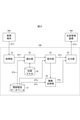
- Conceptual diagram showing the configuration of the parts list creation support system according to the first embodiment Conceptual diagram showing the function of the parts list creation support device according to the first embodiment.
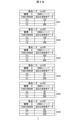
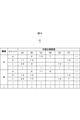
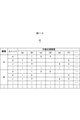
- Conceptual diagram showing the structure of order data according to the first embodiment Conceptual diagram showing the structure of the past specification element data extracted by the selection unit according to the first embodiment.
- Conceptual diagram showing the configuration of the delivered product database according to the first embodiment Conceptual diagram showing the structure of the order content data group according to the first embodiment
- Conceptual diagram showing the configuration of the specification master according to the second embodiment Conceptual diagram showing the configuration of the specification master according to the third embodiment
- the parts list creation support system 400 includes a sales terminal 200 arranged in a sales department, a parts list creation support device 100 arranged in a design department, and a production control department. It is provided with an arranged production control device 300.
- the sales department we receive orders for products.
- the design department designs the ordered product and creates a parts list and work instruction for the product.
- the production control department manages the production of products using the parts list and work instructions.
- the parts list creation support device 100 is communicably connected to the business terminal 200 and the production control device 300 by the communication network CN.
- the sales terminal 200 transmits the order data DT1 that defines the specifications required for the ordered product (hereinafter referred to as the ordered product) to the parts list creation support device 100.
- the parts list creation support device 100 uses the order data DT1 to support the user of the design department to create the parts list and the work instruction sheet of the ordered product, and the production representing the parts list and the work instruction sheet completed by the support.
- the management data DT2 is transmitted to the production control device 300.
- the production control device 300 manages the production of the ordered product by using the production control data DT2.
- the parts list creation support device 100 has accumulated information on products delivered in the past (hereinafter referred to as already delivered products) in order to obtain production control data DT2 based on the order data DT1.
- the already-delivered product database 21 is used as a resource, and the newly created specification master 22 is used to enable effective utilization of the resource.
- the already-delivered product database 21 stores the parts list and work instructions already created for the already-delivered products.
- the parts list creation support device 100 selects the parts list and the work instruction sheet suitable for use as the parts list and the work instruction sheet of the ordered product from the delivered product database 21. It is the specification master 22 that gives the judgment criteria for the selection.
- the parts list creation support device 100 presents the parts list and the work instruction sheet selected from the delivered product database 21 to the user as a template.
- the user completes the parts list and work instructions of the ordered product by editing the presented template as necessary.
- the production control data DT2 representing the parts list and the work instruction sheet of the ordered product is obtained.
- FIG. 3A shows the data structure of the order data DT1.
- the order data DT1 represents a product ID that identifies the ordered product and a model of the ordered product. Further, the order data DT1 has a data structure in which specification element data representing a specific content of the specification element is associated with each of a plurality of specification elements constituting the specifications required for the ordered product.
- the "specification element data” specifically means numerical data representing specific numerical values of dimensions in a specific part of the ordered product, numerical data representing specific numerical values of strength in a specific part of the ordered product, and ordering. Numerical data or the like representing the quantity of specific members constituting the product.
- FIG. 4A shows the data structure of the delivered product database 21.
- a product ID that identifies the delivered product
- a model of the delivered product a unit constituting the delivered product
- a delivered unit a unit constituting the delivered product
- unit means a constituent unit of a product.
- a unit is composed of a plurality of parts, and a product is composed of one or a plurality of units.
- the delivered product database 21 represents an order content data group DTa representing the order details for the delivered unit and a parts list created for the delivered unit for each model of the delivered product and the type of the delivered unit.
- the order content data group DTa is a plurality of specification elements requested at the time of receiving an order for a delivered product, and specification element data representing the specific contents of each of the plurality of specification elements (hereinafter, past specifications). It has a data structure associated with (referred to as element data).
- the set of the set of the specification element and the past specification element data included in each order content data group DTa is associated with the model of the delivered product and the delivered unit.
- FIG. 5 shows the data structure of the specification master 22.
- the specification master 22 defines a plurality of specification elements that are particularly likely to be required among a plurality of specification elements that can be required for the unit, as representative specification elements, according to the model of the product and the type of the unit.
- representative specification elements are indicated by black circles.
- the representative specification elements of the unit “ ⁇ ” are “(b)", “(c)", and “(d)”.
- the representative specification elements of the unit “ ⁇ ” are "(a)", “(b)” and “(f)”.
- the representative specification elements of the unit “ ⁇ ” are “(a)", “(b)", “(e)", and "(f)”.
- the number of representative specification elements may vary from unit to unit.
- FIG. 5 illustrates a case where the representative specification elements of the same type of unit do not depend on the model of the product. However, even if the unit is of the same type, the representative specification elements may differ depending on the model of the product to which it is applied.
- the parts list creation support device 100 has specifications similar to those of the ordered product represented by the order data DT1 from the acquisition unit 31 that acquires the order data DT1 from the sales terminal 200 and a plurality of already paid units. It is provided with a selection unit 32 that selects what can be said to be an approximate unit as an approximate unit, and a presentation unit 33 that presents a parts list of the selected approximate unit to the user as a template.
- the selection unit 32 sets the representative specification element defined by the specification master 22 for the unit of the same type as the delivered unit for each delivered unit in which the order content data group DTa is stored in the delivered product database 21. Identify.
- the selection unit 32 extracts past specification element data representing the specific contents of the representative specification element for the already-paid unit from the order content data group DTa.
- the selection unit 32 collates the extracted past specification element data with the specification element data representing the specific content of the same specification element as the representative specification element of the ordered product.
- the selection unit 32 considers the ordered product from the viewpoint of the specific content of the specification among the plurality of paid units in which the order content data group DTa is stored in the delivered product database 21 based on the collation result. A unit with a relatively high degree of approximation is selected as an approximation unit.
- the presentation unit 33 extracts the BOM data (hereinafter referred to as the approximate BOM data) DTb representing the approximate BOM which is the BOM of the approximate unit selected by the selection unit 32 from the delivered product database 21. Then, the presentation unit 33 presents the extracted approximate parts list data DTb to the user as a template of the parts list of the ordered product.
- the approximate BOM data hereinafter referred to as the approximate BOM data
- the presentation unit 33 provides the user with an editing environment for editing the presented approximate parts list data DTb.
- the user completes the parts list of the ordered product by editing the approximate parts list data DTb as a template as necessary.
- the parts list creation support device 100 includes an editing reflection unit 34 that supports the creation of a work instruction sheet for instructing work related to the manufacture of the ordered product.
- the editing reflection unit 34 delivers work instruction data (hereinafter referred to as approximation work instruction data) DTc representing an approximation work instruction which is a work instruction of the approximation unit selected by the selection unit 32. Extract from database 21.
- approximation work instruction data hereinafter referred to as approximation work instruction data
- the editing reflection unit 34 reflects at least a part of the editing of the approximate parts list data DTb in the editing environment provided by the presentation unit 33 on the extracted approximate work instruction data DTc.
- the editing reflection unit 34 provides the user with an editing environment for further editing the approximate work instruction data DTc to which the reflection has been made.
- the user completes the work instruction sheet of the ordered product by editing the approximate work instruction sheet data DTc as a template as necessary.
- the parts list creation support device 100 uses the parts list data DTx representing the parts list completed in the presentation unit 33 and the work instruction data DTy representing the work instructions completed in the edit reflection unit 34.
- the output unit 35 to be transmitted to the production control device 300 as the production control data DT2 described above is provided.
- the parts list creation support device 100 includes a communication device 40 connected to the communication network CN.
- the communication device 40 is responsible for receiving the order data DT1 from the business terminal 200 shown in FIG. 1 and transmitting the production control data DT2 to the production control device 300 shown in FIG.
- the parts list creation support device 100 includes a display device 50 that displays various data.
- the display device 50 realizes the presentation of the approximate parts list data DTb by the presentation unit 33 shown in FIG. 2 to the user and the presentation of the approximate work instruction data DTc by the edit reflection unit 34 shown in FIG.
- the parts list creation support device 100 includes an input device 60 for adding and deleting various data.
- the user can edit the approximate parts list data DTb and the approximate work instruction data DTc displayed on the display device 50 by using the input device 60.
- the parts list creation support device 100 includes an auxiliary storage device 20 that stores the already-delivered product database 21 and the specification master 22.
- the auxiliary storage device 20 also stores the parts list creation support program 23 that defines the parts list creation support process for supporting the creation of the parts list and the work instruction sheet for the ordered product.
- the BOM creation support device 100 temporarily has a CPU (Central Processing Unit) 30 that reads and executes the BOM creation support program 23 from the auxiliary storage device 20, and the CPU 30 temporarily stores the BOM creation support program 23 and various data. It is provided with a main storage device 10 for storing.
- CPU Central Processing Unit
- the CPU 30 By executing the parts list creation support program 23, the CPU 30 expresses the functions as the acquisition unit 31, the selection unit 32, the presentation unit 33, the edit reflection unit 34, and the output unit 35 shown in FIG. 2, and the above-mentioned components are exhibited. Execute table creation support processing.
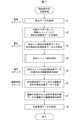
- the acquisition unit 31 acquires the order data DT1 from the sales terminal 200 (step S1).
- This step S1 is an example of an acquisition step for acquiring the order data DT1.
- the selection unit 32 extracts the past specification element data for each delivered unit from the delivered product database 21 according to the specification master 22 (step S2).
- FIG. 3B schematically lists the past specification element data SD1-SD6 extracted for each paid unit by the selection unit 32.
- the process of step S2 will be described with reference to the specific example shown in FIG. 3B.
- the selection unit 32 is a model of the same type as the model of the delivered product in which the delivered unit is used for each delivered unit in which the order content data group DTa is stored in the delivered product database 21.
- the representative specification element defined in the specification master 22 is specified for the unit of the same type as the already delivered unit.
- the past specification element data SD1-SD6 is extracted from the order content data group DTa shown in FIG. 4B. That is, the past specification element data SD1-SD6 is associated with the same specification element as the above-mentioned representative specification element specified above in the order content data group DTa.
- the selection unit 32 receives the past specification element data representing the specific contents of the representative specification element for the already paid unit for each of the representative specification elements specified for each model and the type of the already paid unit. Extract from group DTa.
- the selection unit 32 collates the extracted past specification element data with the corresponding specification element data of the ordered product (step S3).
- step S3 the past specification element data and the corresponding specification element data of the ordered product are collated for each delivered unit.
- the selection unit 32 receives the ordered product from the viewpoint of the specific content of the specification among the plurality of paid units in which the order content data group DTa is stored in the delivered product database 21 based on the collation result.
- An approximate unit selection process is performed in which a unit having a relatively high degree of approximation to is selected as an approximate unit (step S4).
- the only approximate unit is selected for each type of already paid unit.
- the specific contents of the approximate unit selection process will be described later.
- steps S2-S4 described above a unit whose specifications are close to the ordered product represented by the order data DT1 is selected as an approximate unit from a plurality of delivered units constituting the already delivered product of the same model as the ordered product. This is an example of the selection step to be performed.
- the presentation unit 33 extracts the approximate parts list data DTb representing the approximate parts list, which is the parts list of the approximate unit selected by the selection unit 32, from the delivered product database 21.
- the presentation unit 33 presents the extracted approximate BOM data DTb to the user as a template of the BOM of the ordered product, and provides the user with an editing environment for editing the presented approximate BOM data DTb (step). S5).
- This step S5 is an example of a presentation step in which a template of the parts list of the ordered product is presented to the user, and an editing environment for editing the presented template is provided to the user.
- step S4 the selection unit 32 selects approximate units according to the type of the already paid unit. Therefore, in step S5, the presentation unit 33 extracts the approximate parts list data DTb for each approximate unit, and presents to the user a combination of all the extracted approximate parts list data DTb as a template.
- the presentation unit 33 provides the user with an editing environment for editing the combination of the approximate parts list data DTb.
- the user provided with the editing environment completes the parts list of the ordered product by editing the combination of the approximate parts list data DTb as a template as necessary.
- the editing reflection unit 34 extracts the approximate work instruction data DTc representing the approximate work instruction, which is the work instruction of each of the approximate units selected by the selection unit 32, from the delivered product database 21.
- the editing reflection unit 34 reflects at least a part of the editing of the approximate parts list data DTb in the editing environment provided by the presentation unit 33 on the extracted approximate work instruction data DTc (step S6).
- This step S6 is an example of an edit reflection step in which the edit of the parts list is reflected in the work instruction sheet.
- the editing reflection unit 34 provides the user with an editing environment in which the approximate work instruction data DTc to which the above reflection has been made can be further edited (step S7).
- the user completes the work instruction sheet of the ordered product by editing the approximate work instruction sheet data DTc as a template as necessary.
- the output unit 35 uses the current parts list data DTx representing the parts list completed in step S5 and the current work instruction data DTy representing the work instructions completed in step S7 as production control data DT2. It is transmitted to the production control device 300 (step S8). With the above, the parts list creation support device 100 completes the parts list creation support process.
- step S4 the approximate unit selection process in step S4 described above will be specifically described below.
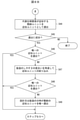
- the selection unit 32 collates the past specification element data extracted from the order content data group DTa with the specification element data for the ordered product in step S3 described above, and as a result, the order content is stored in the already-delivered product database 21. It is determined whether or not there is a plurality of already-delivered units in which the data group DTa is stored, in which the contents of all the representative specification elements completely match the ordered product (hereinafter referred to as an exact match unit). (Step S41).
- the selection unit 32 When the exact match unit exists among the plurality of paid units (step S41; YES), the selection unit 32 further determines whether or not the number of the exact match units is one (step S42). If the number of exact match units is one (step S42; YES), the selection unit 32 selects the exact match unit as an approximate unit, and proceeds to step S5 of FIG. 7.
- step S42 when the number of exact match units is two or more (step S42; NO), the selection unit 32 has already delivered the date data DTe shown in FIG. 4A for each of the plurality of exact match units. Extract from the product database 21. Then, the selection unit 32 selects one exact match unit having the latest date represented by the extracted date data DTe (step S43). As described above, the date and time data DTe represents the date and time when the delivered unit was designed or manufactured. That is, in step S43, only the one with the latest design or manufacture date and time is selected from the plurality of exact match units. Then, the selection unit 32 proceeds to step S5 in FIG. 7 with the selected exact match unit as an approximation unit.
- step S5 of FIG. 7 When proceeding to step S5 of FIG. 7 through step S42 or step 43, an exact match unit whose contents of the representative specification element completely match the ordered product is specified as an approximate unit. Therefore, in step S5 of FIG. 7, it is not always necessary to edit the approximate parts list data DTb. Similarly, in step S7 of FIG. 7, it is not always necessary to edit the approximate work instruction data DTc.
- step S42 of FIG. 8A the process in the case of “YES” in step S42 of FIG. 8A in which the only exact match unit is selected will be specifically described.
- the past specification element data SD1 indicates that the specific contents of the representative specification elements “(b)”, “(c)” and “(d)” are “120”, “2” and “440”. Further, the past specification element data SD2 indicates that the specific contents of the representative specification elements “(b)”, “(c)”, and “(d)” are “140", “2", and "340”. Further, the past specification element data SD3 indicates that the specific contents of the representative specification elements “(b)", “(c)”, and “(d)” are "300”, “2”, and "440".
- step S3 of FIG. 7 each of the above-mentioned past specification element data SD1-SD3 and the specification element data of the ordered product, that is, the representative specification elements “(b)” “(c)” “(d)” for the ordered product. Is collated with the specific contents of the same specification elements "(b)", “(c)", and "(d)".
- the order data DT1 has the same specification elements "(b)", “(c)” and “(" as the representative specification elements “(b)” "(c)” "(d)” for the ordered product. It shows that the specific contents of "d)" are "120", “2”, and "440".
- the past specification element data SD1 has the highest degree of approximation to the contents of the order data DT1 for the delivered unit of the type " ⁇ " used for the model "A". You can see that. Specifically, all of the past specification element data SD1 completely matches the specification element data of the corresponding ordered product. Therefore, in step S42 of FIG. 8A, the selection unit 32 only selects the already-paid unit representing the past specification element data SD1 as the exact match unit.
- step S41 of FIG. 8A the selection unit 32 proceeds to step S44 of FIG. 8B if there is no exact match unit among the plurality of paid units (step S41; NO).
- step S44 of FIG. 8B the selection unit 32 collates the past specification element data extracted from the order content data group DTa with the specification element data of the ordered product, and thereby, among the plurality of already-delivered units, the representative specification. Attempts are made to select a paid unit whose element content is similar to that of the ordered product (step S44). A specific example of the process in step S44 will be described later.
- step S45 NO
- the approximation unit to which the BOM data that can be used as a template is associated does not exist, so that the approximation unit selection process is performed. finish.
- step S44 determines whether or not the only paid unit has been selected in step S44 (step S46).
- step S46 determines whether or not the only paid unit has been selected in step S44 (step S46).
- step S46 when a plurality of paid units are selected in step S46 (step S46; NO), the selection unit 32 considers the degree of ease of manufacturing the plurality of paid units that are candidates for the approximate unit. Then, the number of paid units that are candidates for the approximate unit is narrowed down (step S47).
- step S47 the selection unit 32 first obtains the ease of manufacture index data DTd shown in FIG. 4A for each of the plurality of paid units that are candidates for the approximate unit from the delivered product database 21. Extract.
- the manufacturability index data DTd is a numerical value of the degree of manufacturability of the delivered unit.
- "ease of manufacturing” specifically means a short time required for manufacturing, a good yield, and the like.
- the selection unit 32 attempts to select the already-delivered unit that can be said to be the easiest to manufacture by using the extracted manufacturability index data DTd.
- step S48 when the only paid unit is selected (step S48; YES), the selection unit 32 proceeds to step S5 in FIG. 7 with the paid unit as an approximate unit.
- step S48 when a plurality of paid units are selected in step S48 (step S48; NO), the selection unit 32 has date data DTe representing the date and time of design or manufacture of the plurality of paid units that are candidates for the approximate unit. The only unit that has the latest design or manufacture date and time is selected as the approximate unit from among the plurality of delivered units (step S49).
- step S49 the selection unit 32 first extracts the date and time data DTe shown in FIG. 4A for each of the plurality of paid units that are candidates for the approximate unit from the delivered product database 21.
- the date and time data DTe represents the date and time when the delivered unit was designed or manufactured, as described above. Then, the selection unit 32 selects only the delivered unit with the latest design or manufacture date and time using the extracted date and time data DTe.
- step S44 a specific example of the process of step S44 will be described.
- the past specification element data SD4-SD6 the one with the smallest calculated value can be said to be close to the specification element data of the ordered product. Specifically, it can be seen that among the past specification element data SD4-SD6, the past specification element data SD4 has the highest degree of approximation to the contents of the order data DT1.
- the selection unit 32 selects the already-paid unit representing the past specification element data SD4 as an approximate unit.
- the degree of approximation to the ordered product is relatively high from the viewpoint of the specific content of the specification
- the degree of specification difference is relatively small.
- the paid unit having the smallest total difference in specifications is selected as the approximate unit for each type of the paid unit.
- the selection unit 32 can identify the paid unit having the smallest total specification difference among the plurality of paid units, if the total specification difference exceeds a predetermined threshold value, the selection unit 32 can specify the unit. Assuming that the approximate knit could not be selected (step S45; NO), the approximate unit selection process is terminated.
- the threshold value here represents the maximum value of the total degree of specification difference when it can be said that the past specification element data is close to the specification element data of the ordered product. That is, the selection unit 32 ends the approximate unit selection process when the past specification element data of all the paid units deviates significantly from the specification element data of the ordered product.
- a delivered unit having a relatively high degree of approximation to the ordered product is selected as an approximation unit from the viewpoint of the specific contents of the specifications. Will be done.
- the approximate BOM data DTb representing the BOM of the approximate unit is presented to the user as a template, and an editing environment for editing the approximate BOM data DTb is provided to the user. Therefore, the user can efficiently create the parts list of the ordered product by using the approximate parts list data DTb.
- an editing environment for further editing the approximate work instruction data DTc that reflects the reflection is provided to the user. Therefore, the user can efficiently create the work instruction sheet of the ordered product by using the approximate work instruction sheet data DTc.
- step S44 of FIG. 8B an approximate unit is selected using the above-mentioned degree of difference in specifications.
- An approximate unit may be selected using a value obtained by multiplying the degree of specification difference by a weighting coefficient.
- a weighting coefficient is defined for each of a plurality of representative specification elements defined for each type of unit.
- the weighting factor represents the importance of the representative specification element in determining the degree of approximation between the delivered unit and the ordered product. The greater the importance, the greater the weighting factor. The user can freely adjust the weighting factor.
- the selection unit 32 selects the approximation unit under the condition that the larger the weighting coefficient of the representative specification element, the greater the contribution to the degree of approximation to the ordered product. Specifically, first, the selection unit 32 calculates the above-mentioned degree of specification difference, which is the absolute value of the difference between the past specification element data and the specification element data of the corresponding ordered product. Next, the selection unit 32 multiplies the degree of difference in specifications by the above-mentioned weighting coefficient. Then, the selection unit 32 uses the sum of all the representative specification elements of the value obtained by multiplying the specification difference degree by the weighting coefficient (hereinafter, referred to as a weighted specification difference degree) as an evaluation index. The smaller the evaluation index, the greater the degree of approximation to the ordered product.
- step S44 a specific example of the process of step S44 according to the present embodiment will be described.
- the weighting coefficient of the representative specification element (a) is “11” and the weighting coefficient of the representative specification element (f) is “11” for the unit of the type “ ⁇ ” used in the model “A”. 12 ”, and the weighting factor of the representative specification element (b) is“ 13 ”.
- the selection unit 32 selects the already-paid unit representing the past specification element data SD4 as an approximate unit.
- step S44 As described above, in the present embodiment, "the degree of approximation to the ordered product is relatively high from the viewpoint of the specific contents of the specifications" is specifically obtained by multiplying the degree of specification difference by a weighting coefficient. It means that the total degree of weighted specification difference is relatively small.
- the process of step S44 according to the first embodiment described with reference to FIG. 5 corresponds to a special case in which all the weighting coefficients according to the present embodiment are set to 1.
- the selection unit 32 can identify the paid unit having the smallest total weighted specification difference among the plurality of paid units, the total weighted specification difference is a predetermined threshold value. If it exceeds, it is assumed that the approximate knit could not be selected (step S45; NO), and the approximate unit selection process is terminated.
- the threshold value here represents the maximum value of the total degree of weighted specification difference when it can be said that the past specification element data is close to the specification element data of the ordered product.
- step S44 In the specification master 22 shown in FIG. 5, a plurality of representative specification elements that can be required for the unit are defined for each product model and unit type. Further, a priority may be defined among the plurality of representative specification elements, and an approximate unit may be selected in consideration of the priority.
- a priority may be defined among the plurality of representative specification elements, and an approximate unit may be selected in consideration of the priority.
- the set of the same type of already-delivered units applied to the already-delivered products of the same model as the ordered product is a candidate for the approximate unit of that type, which is the same as in the first and second embodiments.
- the priority order is defined among a plurality of representative specification elements defined for each product model and unit type. Specifically, each of the black circles shown in FIG. 5 is replaced with a number indicating the priority in FIG.
- the selection unit 32 selects the approximate unit under the condition that the number of paid units that are candidates for the approximate unit is narrowed down in the order according to the above-mentioned priority in step S44 of FIG. 8B. do.
- the selection unit 32 collates the past specification element data representing the specific contents of the specification element of the first priority with the specification element data of the corresponding ordered product, and the past specification element data. Attempts to select the only unit that has a small absolute value of the difference between the data and the corresponding specification element data of the ordered product.
- the number of candidates for approximate units is narrowed down in the second priority. If there are still a plurality of paid units that can be candidates for approximate units, the number of paid units that can be candidates for approximate units is narrowed down in the same order of priority after the third priority. Finally, the only paid unit is identified.
- step S47 or S49 of FIG. 8B Even if the number of candidates for the approximate unit is narrowed down to the final priority, if there are a plurality of paid units that are candidates for the approximate unit, in step S47 or S49 of FIG. 8B, only one of the candidates is selected. The paid unit of is selected as the only approximate unit.
- the approximation unit selection process is terminated.
- the approximate unit can be determined without waiting for the collation of the past specification element data representing the specific contents of the representative specification element having the lowest priority with the specification element data for the ordered product.
- the higher the priority of the representative specification element the greater the condition that contributes to the degree of approximation to the ordered product.
- FIG. 3B describes a case where one approximate unit of the same type “ ⁇ ” is selected from a set of already paid units of the same type “ ⁇ ” used for the same model “A”. That is, three paid units representing the past specification element data SD4-SD6 are candidates.
- the selection unit 32 is assigned to "42" corresponding to the representative specification element “(a)” in the past specification element data SD4 shown in FIG. 3B, and to the representative specification element “(a)” in the past specification element data SD5.
- Each of the corresponding "38” and the “60” corresponding to the representative specification element “(a)” in the past specification element data SD6 is the specification element data "(a)” corresponding to the specification element "(a)” shown in FIG. 3A. Check with "40".
- the selection unit 32 excludes the paid unit representing the past specification element data SD6 from the candidates.
- the selection unit 32 has "97” corresponding to the representative specification element “(f)” in the past specification element data SD4 shown in FIG. 3B, and the representative specification element “(f)” in the past specification element data SD5.
- Each of the "60” corresponding to the above is collated with the specification element data "78” corresponding to the specification element "(f)” shown in FIG. 3A.
- the selection unit 32 excludes the paid unit representing the past specification element data SD4 from the candidates.
- the already-paid unit representing the past specification element data SD5 is specified only as an approximate unit for the above type " ⁇ ".
- the approximate unit is specified by a method of gradually reducing the number of candidates in the order according to the priority of the representative specification elements. Therefore, the approximate unit can be determined without waiting for collation of the past specification element data representing the specific contents of the representative specification element having a relatively low priority with the specification element data of the ordered product. Therefore, the approximate unit can be selected more quickly than in the cases of the first and second embodiments.
- the parts list creation support device 100 may further include a specification master creation unit that creates a specification master 22. A specific example thereof will be described below.
- FIG. 11 shows a specification master creation unit 70 according to this embodiment.
- the specification master creation unit 70 creates the specification master 22 using the primitive data DTs.
- Primitive data DTs are data that identifies each delivered product, data that identifies the model of the delivered product, data that identifies the delivered unit that constitutes the delivered product, and the delivered product at the time of ordering. It is associated with the data that specifies the specifications requested in.
- the specification master creation unit 70 has a specification division unit 71 that performs a division operation for dividing the specifications required for each delivered product into a plurality of specification elements for each of the primitive data DTs.
- the divided data DTt is obtained by the above-mentioned division operation performed by the specification division unit 71.
- Divided data DTt includes data that identifies each delivered product, data that identifies the model of the delivered product, data that identifies the paid units that make up the delivered product, and the delivered product. It is associated with the data that identifies the requested multiple specification elements.
- the specification master creation unit 70 classifies, for each delivered product, a set of specification elements required for the delivered product into the divided data DTt according to the paid units constituting the delivered product. It has a specification element classification unit 72 that performs a classification operation.
- Intermediate data DTu can be obtained by the above classification operation performed by the specification element classification unit 72.
- the intermediate data DTu is for each delivered product, the specification elements classified into the delivered unit by the above classification operation are associated with each of the delivered units constituting the delivered product. ..
- the specification master creation unit 70 has a representative specification element determination unit 73 that determines a plurality of representative specification elements for each type of the already-delivered unit by using the intermediate data DTu.
- the representative specification element determination unit 73 statistically analyzes the intermediate data DTu. Specifically, the representative specification element determination unit 73 aggregates the intermediate data DTu for each model of the already-delivered product and the type of the already-delivered unit, and is associated with each already-delivered unit by the intermediate data DTu. Find the frequency of appearance of each of the specified elements for each model of the delivered product and the type of the delivered unit.
- the representative specification element determination unit 73 determines a plurality of specification elements having a relatively high appearance frequency as representative specification elements for the model of the already-delivered product and the type of the already-delivered unit. As a result, the specification master 22 also shown in FIG. 5 is obtained.
- the specification master 22 shown in FIG. 9 can be obtained. Further, if the representative specification elements are given priority in the order of the appearance frequency of the above-mentioned specification elements, the specification master 22 shown in FIG. 10 can be obtained.
- the specification master creation unit 70 may be realized by artificial intelligence.
- the specification division unit 71 can be realized by a learning model generated by supervised machine learning.
- teacher data that defines a plurality of correspondences between a specification and a set of specification elements obtained by dividing the specification is used.
- the teacher data may be created manually.
- the specification element classification unit 72 can also be realized by a learning model generated by supervised machine learning.
- teacher data that defines a plurality of correspondences between the specification element and the already-paid unit for which the specification element can be requested is used.
- the teacher data may be created manually.
- the delivered product database 21 shown in FIGS. 2 and 4A may be composed of a plurality of databases. That is, the delivered product database 21 may be a set of a first database including the order content data group DTa, a second database including the BOM data DTb, and a third database including the work instruction data DTc. By extracting necessary data from the first database, the second database, and the third database using at least one of the product ID, the model, and the delivered unit as a key, the function of the delivered product database 21 can be obtained as a whole. Can be done.
- the manufacturability index data DTd and the date and time data DTe shown in FIG. 4A do not necessarily have to be stored in advance in the delivered product database 21.
- the BOM creation support device 100 needs the ease of manufacture index data DTd or the date and time data DTd each time the ease of manufacture index data DTd or the date and time data DTe is required in step S43 of FIG. 8A, step S47 of FIG. 8B, and step S49. May be obtained from the production control device 300.
- the product may be an individually ordered product manufactured based on individual specifications for each order.
- heavy electric appliances, industrial electric products, electric transport equipment, and transport aircraft are exemplified as individual ordered products.
- heavy electric products include generators, transformers, and electric power equipment.
- industrial electric products include industrial motors and industrial robots.
- An elevator is exemplified as an electric transport device.
- a ship is exemplified as a transport aircraft.
- the acquisition function for acquiring order data and the approximation of a plurality of already-delivered units whose specifications are close to those of the ordered product are approximated to the computer. It is possible to realize a selection function for selecting as a unit and a presentation function for presenting approximate parts list data representing the parts list of the approximate unit to the user. That is, the computer can be made to function as the parts list creation support device 100.
- the BOM creation support program 23 can be distributed via a communication line, or can be stored and distributed in a computer-readable recording medium such as an optical disk, a magnetic disk, or a flash memory.
Landscapes
- Business, Economics & Management (AREA)
- Engineering & Computer Science (AREA)
- Primary Health Care (AREA)
- Strategic Management (AREA)
- Economics (AREA)
- General Health & Medical Sciences (AREA)
- Human Resources & Organizations (AREA)
- Marketing (AREA)
- Manufacturing & Machinery (AREA)
- Health & Medical Sciences (AREA)
- Tourism & Hospitality (AREA)
- Physics & Mathematics (AREA)
- General Business, Economics & Management (AREA)
- General Physics & Mathematics (AREA)
- Theoretical Computer Science (AREA)
- Management, Administration, Business Operations System, And Electronic Commerce (AREA)
- General Factory Administration (AREA)
Abstract
部品表作成支援装置(100)において、取得部(31)は、受注製品に要求される仕様を定めた受注データ(DT1)を取得する。選出部(32)は、既納ユニットごとに、その既納ユニットに要求されうる仕様要素である代表仕様要素の具体的内容を表す過去仕様要素データを既納製品データベース(21)から抽出し、抽出した過去仕様要素データと、受注製品についての仕様要素の具体的内容を表す仕様要素データとを照合することにより、複数の既納ユニットのうち、仕様の具体的内容の観点から受注製品との近似の度合いが相対的に高いものを近似ユニットとして選出する。提示部(33)は、近似ユニットの部品表を表す近似部品表データ(DTb)を、受注製品の部品表の雛型としてユーザに提示し、かつ提示した近似部品表データ(DTb)を編集する編集環境をユーザに提供する。
Description
本開示は、部品表作成支援装置、部品表作成支援方法、及び部品表作成支援プログラムに関する。
製品を製造する製造業界においては、製品を構成する部品群を一覧にした部品表(BOM:Bills of materials)を用いて、製品を管理している。新規に製品の受注があった場合は、まず、受注の内容に基づいて、その製品の部品表が作成される。
特許文献1に開示されているように、設計変更された製品の受注があった場合には、過去に納品した設計変更前の製品の部品表を雛型にして、設計変更後の製品の部品表を作成することが行われている。
今回受注した製品である受注製品と、過去に納品した製品である既納製品との間に、明確な承継関係が存在しない場合もある。その場合、仕様が受注製品に近似するとは言えない既納製品の部品表を雛型として選出してしまう結果、雛型に大幅な改変を施さねばならない事態が生じる懸念がある。この場合は、受注製品の部品表を能率的に作成することができない。
また、受注製品の少なくとも一部をユニット化できる場合は、部品表を作成するにあたり、どの種類のユニットを採用するかについても都度検討しなければならない。このことも、部品表の作成の能率化を妨げる要因となっていた。以上の理由から、受注製品の部品表を能率的に作成することができる技術が望まれる。
本開示の目的は、受注製品の部品表を能率的に作成することができる部品表作成支援装置、部品表作成支援方法、及び部品表作成支援プログラムを提供することである。
本開示に係る部品表作成支援装置は、取得部、選出部、及び提示部を備える。
取得部は、受注製品に要求される仕様を定めた受注データを取得する。受注データは、仕様を構成する複数の仕様要素の各々について、その仕様要素の具体的内容を表す仕様要素データを対応付けたものである。
選出部は、既納製品を構成するユニットである既納ユニットごとに、その既納ユニットに要求されうる仕様要素である代表仕様要素の具体的内容を表す過去仕様要素データを既納製品データベースから抽出し、抽出した過去仕様要素データと、受注製品についての仕様要素の具体的内容を表す仕様要素データとを照合することにより、複数の既納ユニットのうち、仕様の具体的内容の観点から受注製品との近似の度合いが相対的に高いものを近似ユニットとして選出する。
提示部は、近似ユニットの部品表である近似部品表を表す近似部品表データを、受注製品の部品表の雛型としてユーザに提示し、かつ提示した近似部品表データを編集する編集環境をユーザに提供する。
取得部は、受注製品に要求される仕様を定めた受注データを取得する。受注データは、仕様を構成する複数の仕様要素の各々について、その仕様要素の具体的内容を表す仕様要素データを対応付けたものである。
選出部は、既納製品を構成するユニットである既納ユニットごとに、その既納ユニットに要求されうる仕様要素である代表仕様要素の具体的内容を表す過去仕様要素データを既納製品データベースから抽出し、抽出した過去仕様要素データと、受注製品についての仕様要素の具体的内容を表す仕様要素データとを照合することにより、複数の既納ユニットのうち、仕様の具体的内容の観点から受注製品との近似の度合いが相対的に高いものを近似ユニットとして選出する。
提示部は、近似ユニットの部品表である近似部品表を表す近似部品表データを、受注製品の部品表の雛型としてユーザに提示し、かつ提示した近似部品表データを編集する編集環境をユーザに提供する。
本開示に係る部品表作成支援装置によれば、仕様の具体的内容の観点から受注製品との近似の度合いが相対的に高い既納ユニットが近似ユニットとして選出される。そして、その近似ユニットの部品表を表す近似部品表データが雛型としてユーザに提示され、かつその近似部品表データを編集する編集環境がユーザに提供される。このため、ユーザは、近似部品表データを用いて、受注製品の部品表を能率的に作成することができる。
以下、図面を参照し、実施の形態1-4に係る部品表作成支援システムについて述べる。図中、同一又は対応する部分に同一の符号を付す。
[実施の形態1]
図1に示すように、本実施の形態に係る部品表作成支援システム400は、営業部門に配置された営業端末200と、設計部門に配置された部品表作成支援装置100と、生産管理部門に配置された生産管理装置300とを備える。営業部門では、製品を受注する。設計部門では、受注した製品の設計を行い、かつその製品の部品表及び作業指示書(work instruction)を作成する。生産管理部門では、部品表及び作業指示書を用いて製品の生産を管理する。
図1に示すように、本実施の形態に係る部品表作成支援システム400は、営業部門に配置された営業端末200と、設計部門に配置された部品表作成支援装置100と、生産管理部門に配置された生産管理装置300とを備える。営業部門では、製品を受注する。設計部門では、受注した製品の設計を行い、かつその製品の部品表及び作業指示書(work instruction)を作成する。生産管理部門では、部品表及び作業指示書を用いて製品の生産を管理する。
部品表作成支援装置100は、通信網CNによって、営業端末200及び生産管理装置300と通信可能に接続されている。営業端末200は、受注した製品(以下、受注製品と記す。)に要求される仕様を定めた受注データDT1を、部品表作成支援装置100に送信する。
部品表作成支援装置100は、受注データDT1を用いて、設計部門のユーザによる受注製品の部品表及び作業指示書の作成を支援し、かつ支援によって完成された部品表及び作業指示書を表す生産管理データDT2を、生産管理装置300に送信する。生産管理装置300は、生産管理データDT2を用いて、受注製品の生産を管理する。
以下、部品表作成支援装置100について具体的に説明する。
図2に示すように、部品表作成支援装置100は、受注データDT1に基づいて生産管理データDT2を得るために、過去に納品した製品(以下、既納製品と記す。)に関する情報を蓄積した既納製品データベース21をリソースとして用い、かつそのリソースの有効活用を可能とするために新規に作成した仕様マスタ22を用いる。
具体的には、既納製品データベース21には、既納製品についての既に作成した部品表及び作業指示書が蓄積されている。
部品表作成支援装置100は、受注製品の部品表及び作業指示書の雛型として用いるに適した部品表及び作業指示書を、既納製品データベース21から選出する。その選出の判断基準を与えるものが仕様マスタ22である。
そして、部品表作成支援装置100は、既納製品データベース21から選出した部品表及び作業指示書を雛型としてユーザに提示する。ユーザは、提示された雛型を必要に応じて編集することにより、受注製品の部品表及び作業指示書を完成させる。この結果、受注製品の部品表及び作業指示書を表す生産管理データDT2が得られる。
以下、部品表作成支援装置100の機能の説明に先立ち、まず、受注データDT1、既納製品データベース21、及び仕様マスタ22のデータ構造を説明する。
図3Aは、受注データDT1のデータ構造を示す。受注データDT1は、受注製品を識別する製品IDと、その受注製品の機種とを表す。また、受注データDT1は、その受注製品に要求される仕様を構成する複数の仕様要素の各々について、その仕様要素の具体的内容を表す仕様要素データが対応付けられたデータ構造を有する。
ここで“仕様要素データ”とは、具体的には、受注製品の特定の部位における寸法の具体的数値を表す数値データ、受注製品の特定の部位における強度の具体的数値を表す数値データ、受注製品を構成する特定の部材の数量を表す数値データ等である。
図4Aは、既納製品データベース21のデータ構造を示す。既納製品データベース21によれば、各々の既納製品について、その既納製品を識別する製品IDと、その既納製品の機種と、その既納製品を構成するユニット(以下、既納ユニットと記す。)とを特定可能である。
ここで“ユニット”とは、製品の構成単位を意味する。複数の部品によって1つのユニットが構成され、1つ又は複数のユニットによって1つの製品が構成される。異種の製品間で流用可能なユニットを設計しておくことにより、製品の生産を効率的に行える。
また、既納製品データベース21は、既納製品の機種及び既納ユニットの種類別に、その既納ユニットに対する受注内容を表す受注内容データ群DTaと、その既納ユニットについて作成された部品表を表す部品表データDTbと、その既納ユニットの製造に関わる作業を指示するためのものとして作成された作業指示書を表す作業指示書データDTcと、その既納ユニットの製造のしやすさの度合いを数値化した製造容易性指数データDTdと、その既納ユニットを設計又は製造した日時を表す日時データDTeとが紐づけされたデータ構造を有する。
図4Bに示すように、受注内容データ群DTaは、既納製品の受注時に要求された複数の仕様要素と、それら複数の仕様要素の各々の具体的内容を表す仕様要素データ(以下、過去仕様要素データと記す。)とが対応付けられたデータ構造を有する。
各々の受注内容データ群DTaに含まれる仕様要素と過去仕様要素データとの組の集合は、図4Aに示すように、既納製品の機種及び既納ユニットと紐づけされている。
図5は、仕様マスタ22のデータ構造を示す。仕様マスタ22は、製品の機種及びユニットの種類別に、そのユニットに対して要求されうる複数の仕様要素のうち、特に要求される蓋然性が高いものを代表仕様要素として複数定めたものである。
図5では、代表仕様要素を黒丸で示す。例えば、機種「A」に使用される場合のユニット「α」の代表仕様要素は「(b)」「(c)」「(d)」の3つである。機種「A」に使用される場合のユニット「β」の代表仕様要素は「(a)」「(b)」「(f)」の3つである。機種「A」に使用される場合のユニット「γ」の代表仕様要素は「(a)」「(b)」「(e)」「(f)」の4つである。このように、代表仕様要素の数はユニット間で異なっていてもよい。
なお、図5では、同種類のユニットの代表仕様要素が、製品の機種に依存しない場合を例示している。但し、同種類のユニットであっても、それが適用される製品の機種に応じて、代表仕様要素は異なりうる。
次に、図2に戻り、部品表作成支援装置100の機能について具体的に説明する。
図2に示すように、部品表作成支援装置100は、営業端末200から受注データDT1を取得する取得部31と、複数の既納ユニットの中から、受注データDT1が表す受注製品に仕様が近似していると言えるものを近似ユニットとして選出する選出部32と、選出された近似ユニットの部品表を雛型としてユーザに提示する提示部33とを備える。
選出部32は、まず、既納製品データベース21に受注内容データ群DTaが格納されている既納ユニットごとに、その既納ユニットと同種類のユニットに対して仕様マスタ22で定める代表仕様要素を特定する。
次に、選出部32は、特定した代表仕様要素の各々について、その既納ユニットに対するその代表仕様要素の具体的内容を表す過去仕様要素データを受注内容データ群DTaから抽出する。
次に、選出部32は、抽出した過去仕様要素データと、受注製品についての、その代表仕様要素と同じ仕様要素の具体的内容を表す仕様要素データとを照合する。
次に、選出部32は、照合の結果に基づいて、既納製品データベース21に受注内容データ群DTaが格納されている複数の既納ユニットのうち、仕様の具体的内容の観点から受注製品との近似の度合いが相対的に高いものを近似ユニットとして選出する。
提示部33は、選出部32によって選出された近似ユニットの部品表である近似部品表を表す部品表データ(以下、近似部品表データと記す。)DTbを既納製品データベース21から抽出する。そして、提示部33は、抽出した近似部品表データDTbを受注製品の部品表の雛型としてユーザに提示する。
また、提示部33は、提示した近似部品表データDTbを編集する編集環境を、ユーザに提供する。ユーザは、雛型としての近似部品表データDTbを必要に応じて編集することにより、受注製品の部品表を完成させる。
また、部品表作成支援装置100は、受注製品の製造に関わる作業を指示するための作業指示書の作成を支援する編集反映部34を備える。
まず、編集反映部34は、選出部32によって選出された近似ユニットの作業指示書である近似作業指示書を表す作業指示書データ(以下、近似作業指示書データと記す。)DTcを既納製品データベース21から抽出する。
次に、編集反映部34は、抽出した近似作業指示書データDTcに対して、提示部33が提供する編集環境での近似部品表データDTbの編集の少なくとも一部を反映させる。
次に、編集反映部34は、その反映がなされた近似作業指示書データDTcをさらに編集する編集環境を、ユーザに提供する。ユーザは、雛型としての近似作業指示書データDTcを必要に応じて編集することにより、受注製品の作業指示書を完成させる。
また、部品表作成支援装置100は、提示部33において完成された部品表を表す今回部品表データDTxと、編集反映部34において完成された作業指示書を表す今回作業指示書データDTyとを、既述の生産管理データDT2として生産管理装置300に送信する出力部35を備える。
次に、図6を参照し、部品表作成支援装置100のハードウエア構成について説明する。
図6に示すように、部品表作成支援装置100は、通信網CNに接続された通信装置40を備える。通信装置40は、図1に示す営業端末200からの受注データDT1の受信、及び図1に示す生産管理装置300への生産管理データDT2の送信を担う。
また、部品表作成支援装置100は、各種データを表示する表示装置50を備える。表示装置50が、図2に示す提示部33による近似部品表データDTbのユーザへの提示、及び図2に示す編集反映部34による近似作業指示書データDTcのユーザへの提示を実現する。
また、部品表作成支援装置100は、各種データの追加及び削除を行うための入力装置60を備える。ユーザは、表示装置50に表示される近似部品表データDTb及び近似作業指示書データDTcの編集を、入力装置60を用いて行うことができる。
また、部品表作成支援装置100は、既述の既納製品データベース21及び仕様マスタ22を記憶する補助記憶装置20を備える。また、補助記憶装置20は、受注製品についての部品表及び作業指示書の作成を支援する部品表作成支援処理を規定した部品表作成支援プログラム23も記憶する。
また、部品表作成支援装置100は、補助記憶装置20から部品表作成支援プログラム23を読み出して実行するCPU(Central Processing Unit)30と、CPU30が部品表作成支援プログラム23及び各種データを一時的に蓄えるための主記憶装置10とを備える。
CPU30は、部品表作成支援プログラム23を実行することにより、図2に示す取得部31、選出部32、提示部33、編集反映部34、及び出力部35としての機能を発現し、上述した部品表作成支援処理を実行する。
以下、図7を参照し、部品表作成支援処理について具体的に説明する。
図7に示すように、まず、取得部31が、営業端末200から受注データDT1を取得する(ステップS1)。このステップS1は、受注データDT1を取得する取得ステップの一例である。
次に、選出部32が、仕様マスタ22に従って、既納製品データベース21から、既納ユニットごとに過去仕様要素データを抽出する(ステップS2)。
図3Bに、選出部32によって既納ユニットごとに抽出された過去仕様要素データSD1-SD6を例示的に列挙する。以下、図3Bに示す具体例に沿って、ステップS2の処理を説明する。
図3Bに示す具体例では、機種「A」の既納製品に用いられた、種類「α」の既納ユニットの代表仕様要素として「(b)」「(c)」(d)」が採用されている。これは、図5に示す仕様マスタ22において、機種「A」の製品に用いられる場合の、種類「α」のユニットの代表仕様要素が「(b)」「(c)」(d)」であると規定されているからである。
また、図3Bに示す具体例では、機種「A」の既納製品に用いられた、種類「β」の既納ユニットの代表仕様要素として「(a)」「(f)」(b)」が採用されている。これは、図5に示す仕様マスタ22において、機種「A」の製品に用いられる場合の、種類「β」のユニットの代表仕様要素が「(a)」「(f)」(b)」であると規定されているからである。
このように、選出部32は、まず、既納製品データベース21に受注内容データ群DTaが格納されている既納ユニットごとに、その既納ユニットが用いられる既納製品の機種と同種の機種でかつその既納ユニットと同種類のユニットに対して、仕様マスタ22で定める代表仕様要素を特定する。
また、図3Bにおいて、過去仕様要素データSD1-SD6は、図4Bに示す受注内容データ群DTaから抽出されたものである。つまり、過去仕様要素データSD1-SD6は、受注内容データ群DTaにおいて、先に特定した上記代表仕様要素と同じ仕様要素に対して紐づけされていたものである。
このように、選出部32は、機種及び既納ユニットの種類ごとに特定した代表仕様要素の各々について、その既納ユニットに対するその代表仕様要素の具体的内容を表す過去仕様要素データを受注内容データ群DTaから抽出する。
図7に戻り、説明を続ける。次に、選出部32は、抽出した過去仕様要素データと、受注製品についての、対応する仕様要素データとの照合を行う(ステップS3)。ステップS3では、過去仕様要素データと、それに対応する受注製品の仕様要素データとの照合が、既納ユニットごとに行われる。
次に、選出部32は、照合の結果に基づいて、各々既納製品データベース21に受注内容データ群DTaが格納されている複数の既納ユニットのうち、仕様の具体的内容の観点から受注製品との近似の度合いが相対的に高いものを近似ユニットとして選出する近似ユニット選出処理を行う(ステップS4)。
近似ユニット選出処理では、既納ユニットの種類別に、唯一の近似ユニットが選出される。近似ユニット選出処理の具体的な内容については後述する。以上説明したステップS2-S4は、受注製品と同じ機種の既納製品を構成する複数の既納ユニットの中から、受注データDT1が表す受注製品に仕様が近似しているものを近似ユニットとして選出する選出ステップの一例である。
次に、提示部33が、選出部32によって選出された近似ユニットの部品表である近似部品表を表す近似部品表データDTbを、既納製品データベース21から抽出する。
次に、提示部33は、抽出した近似部品表データDTbを受注製品の部品表の雛型としてユーザに提示し、かつ提示した近似部品表データDTbを編集する編集環境をユーザに提供する(ステップS5)。このステップS5は、受注製品の部品表の雛型をユーザに提示し、提示した雛型を編集する編集環境をユーザに提供する提示ステップの一例である。
なお、既述のように、ステップS4では、選出部32が既納ユニットの種類別に近似ユニットを選出する。従って、ステップS5で提示部33は、近似ユニット別に近似部品表データDTbを抽出し、抽出したすべての近似部品表データDTbを組み合わせたものを雛型としてユーザに提示する。
そして、提示部33は、近似部品表データDTbの組み合わせを編集する編集環境を、ユーザに提供する。編集環境を提供されたユーザは、雛型としての近似部品表データDTbの組み合わせを必要に応じて編集することにより、受注製品の部品表を完成させる。
次に、編集反映部34が、選出部32によって選出された近似ユニットの各々の作業指示書である近似作業指示書を表す近似作業指示書データDTcを、既納製品データベース21から抽出する。
次に、編集反映部34は、抽出した近似作業指示書データDTcに対して、提示部33が提供した編集環境での近似部品表データDTbの編集の少なくとも一部を反映させる(ステップS6)。このステップS6は、部品表の編集を作業指示書に反映させる編集反映ステップの一例である。
次に、編集反映部34は、上記反映がなされた近似作業指示書データDTcをさらに編集可能な編集環境を、ユーザに提供する(ステップS7)。ここでユーザは、雛型としての近似作業指示書データDTcを必要に応じて編集することにより、受注製品の作業指示書を完成させる。
次に、出力部35が、ステップS5で完成された部品表を表す今回部品表データDTxと、ステップS7で完成された作業指示書を表す今回作業指示書データDTyとを、生産管理データDT2として生産管理装置300に送信する(ステップS8)。以上で、部品表作成支援装置100は、部品表作成支援処理を終える。
図8Aを参照し、以下、上述したステップS4の近似ユニット選出処理について、具体的に説明する。
まず、選出部32は、上述したステップS3での、受注内容データ群DTaから抽出した過去仕様要素データと、受注製品についての仕様要素データとの照合の結果、各々既納製品データベース21に受注内容データ群DTaが格納されている複数の既納ユニットのうち、すべての代表仕様要素の内容が受注製品と完全に一致するもの(以下、完全一致ユニットという。)が存在するか否かを判定する(ステップS41)。
選出部32は、複数の既納ユニットの中に完全一致ユニットが存在する場合(ステップS41;YES)、その完全一致ユニットの数が1つであるか否かをさらに判定する(ステップS42)。選出部32は、完全一致ユニットの数が1つである場合は(ステップS42;YES)、その完全一致ユニットを近似ユニットとして選出し、図7のステップS5に進む。
一方、選出部32は、完全一致ユニットの数が2つ以上である場合は(ステップS42;NO)、まず、それら複数の完全一致ユニットの各々についての、図4Aに示す日付データDTeを既納製品データベース21から抽出する。そして、選出部32は、抽出した日付データDTeが表す日付が、最も新しい完全一致ユニットを1つ選出する(ステップS43)。既述のように、日時データDTeは、既納ユニットを設計又は製造した日時を表す。つまり、ステップS43では、複数の完全一致ユニットの中から、設計又は製造した日時が最新のものが唯一選出される。そして、選出部32は、その選出した完全一致ユニットを近似ユニットとして、図7のステップS5に進む。
なお、ステップS42又はステップ43を経て図7のステップS5に進む場合は、近似ユニットとして、代表仕様要素の内容が受注製品と完全に一致する完全一致ユニットが特定されている。このため、図7のステップS5では、必ずしも近似部品表データDTbを編集する必要がない。同様に、図7のステップS7では、必ずしも近似作業指示書データDTcを編集する必要がない。
図3A及び図3Bを参照し、唯一の完全一致ユニットが選出される図8AのステップS42の「YES」の場合の処理を具体的に説明する。
図3Bに示す、機種「A」に用いられる種類「α」の既納ユニットの中から唯一の完全一致ユニットが選出される場合を述べる。過去仕様要素データSD1は、代表仕様要素「(b)」「(c)」「(d)」の具体的内容が「120」「2」「440」であることを示している。また、過去仕様要素データSD2は、代表仕様要素「(b)」「(c)」「(d)」の具体的内容が「140」「2」「340」であることを示している。また、過去仕様要素データSD3は、代表仕様要素「(b)」「(c)」「(d)」の具体的内容が「300」「2」「440」であることを示している。
図7のステップS3では、上述した過去仕様要素データSD1-SD3の各々と、受注製品の仕様要素データ、つまり、受注製品についての代表仕様要素「(b)」「(c)」「(d)」と同じ仕様要素「(b)」「(c)」「(d)」の具体的内容との照合が行われる。
図3Aに示すように、受注データDT1は、受注製品についての代表仕様要素「(b)」「(c)」「(d)」と同じ仕様要素「(b)」「(c)」「(d)」の具体的内容が、「120」「2」「440」であることを示している。
従って、機種「A」に用いられる種類「α」の既納ユニットに関しては、過去仕様要素データSD1-SD3のうち、過去仕様要素データSD1が、最も受注データDT1の内容との近似の度合いが高いことが分かる。具体的には、過去仕様要素データSD1のすべてが、対応する受注製品の仕様要素データと完全に一致する。このため、選出部32は図8AのステップS42において、過去仕様要素データSD1を表す既納ユニットを、完全一致ユニットとして唯一選出する。
一方、選出部32は、図8AのステップS41で、複数の既納ユニットの中に完全一致ユニットが存在しない場合は(ステップS41;NO)、図8BのステップS44に進む。
図8Bを参照し、以下、上述した近似ユニット選出処理の続きを説明する。
図8BのステップS44では、選出部32は、受注内容データ群DTaから抽出した過去仕様要素データと、受注製品についての仕様要素データとを照合することにより、複数の既納ユニットのうち、代表仕様要素の内容が受注製品と近似すると言える既納ユニットの選出を試みる(ステップS44)。なお、ステップS44の処理の具体例については後述する。
選出部32は、ステップS44での選出に失敗した場合(ステップS45;NO)、雛型として使用可能な部品表データが対応付けられた近似ユニットが存在しなかったので、本近似ユニット選出処理を終了する。
一方、選出部32は、ステップS44での選出に成功した場合は(ステップS45;YES)、ステップS44で唯一の既納ユニットが選出されたか否かを判定する(ステップS46)。選出部32は、ステップS46で唯一の既納ユニットが選出された場合(ステップS46;YES)、その既納ユニットを近似ユニットとして、図7のステップS5に進む。
一方、選出部32は、ステップS46で複数の既納ユニットが選出された場合(ステップS46;NO)、近似ユニットの候補となるそれら複数の既納ユニットの製造のしやすさの度合いを考慮して、近似ユニットの候補となる既納ユニットの数の絞り込みを行う(ステップS47)。
具体的には、選出部32は、ステップS47では、まず近似ユニットの候補となるそれら複数の既納ユニットの各々についての、図4Aに示す製造容易性指数データDTdを、既納製品データベース21から抽出する。なお、製造容易性指数データDTdは、既述のとおり、既納ユニットの製造のしやすさの度合いを数値化したものである。ここで“製造のしやすさ”とは、具体的には、製造に要する時間の短さ、歩留まりの良さ等を意味する。そして、選出部32は、抽出した製造容易性指数データDTdを用いて、最も製造やすいと言える既納ユニットの選出を試みる。
その結果、唯一の既納ユニットが選出された場合(ステップS48;YES)、選出部32は、その既納ユニットを近似ユニットとして、図7のステップS5に進む。
一方、選出部32は、ステップS48で複数の既納ユニットが選出された場合(ステップS48;NO)、近似ユニットの候補となるそれら複数の既納ユニットの設計又は製造の日時を表す日付データDTeを用いて、それら複数の既納ユニットのうち設計又は製造した日時が最新のものを近似ユニットとして唯一選出する(ステップS49)。
具体的には、選出部32は、ステップS49では、まず近似ユニットの候補となるそれら複数の既納ユニットの各々についての、図4Aに示す日時データDTeを、既納製品データベース21から抽出する。なお、日時データDTeは、既述のとおり、既納ユニットを設計又は製造した日時を表す。そして、選出部32は、抽出した日時データDTeを用いて、設計又は製造の日時が最新の既納ユニットを唯一選出する。
以下、ステップS44の処理の一具体例を述べる。
図3Bに示す過去仕様要素データSD4-SD6を用いて、機種「A」に用いられる種類「β」の既納ユニットの中から、代表仕様要素の内容が受注製品と近似すると言える既納ユニットが選出される場合を述べる。
まず、選出部32は、過去仕様要素データSD4の各々の、対応する受注製品の仕様要素データとの差分の絶対値の合計「2+19+80=101」、過去仕様要素データSD5の各々の、対応する受注製品の仕様要素データとの差分の絶対値の合計「2+18+160=180」、及び過去仕様要素データSD6の各々の、対応する受注製品の仕様要素データとの差分の絶対値の合計「20+22+200=242」をそれぞれ算出する。
過去仕様要素データSD4-SD6のうち、これらの算出値が最も小さくなるものは、受注製品の仕様要素データに近似すると言える。具体的には、過去仕様要素データSD4-SD6のうち、過去仕様要素データSD4が、最も受注データDT1の内容との近似の度合いが高いことが分かる。
従って、機種「A」に用いられる種類「β」の既納ユニットの中において、過去仕様要素データSD4を表すものは、仕様の具体的内容の観点から受注製品との近似の度合いが相対的に高いと言える。このため、選出部32は、その過去仕様要素データSD4を表す既納ユニットを、近似ユニットとして選出する。
つまり、本具体例では、複数の既納ユニットのうち、代表仕様要素の内容が受注製品と近似すると言える近似ユニットを唯一選出することができる。本具体例では、“仕様の具体的内容の観点から受注製品との近似の度合いが相対的に高い”とは、具体的には、過去仕様要素データの、対応する受注製品の仕様要素データとの差分の絶対値(以下、仕様相違度と記す。)の合計が相対的に小さいことを意味する。以上のように、本具体例では、既納ユニットの種類別に、仕様相違度の合計が最も小さい既納ユニットが近似ユニットとして選出される。
但し、選出部32は、複数の既納ユニットの間で、仕様相違度の合計が最も小さくなる既納ユニットが特定できるとしても、その仕様相違度の合計が、予め定めた閾値を上回る場合は、近似ニットが選出できなかったものとして(ステップS45;NO)、近似ユニット選出処理を終了する。
なお、ここでいう閾値とは、過去仕様要素データが受注製品の仕様要素データに近似していると言える場合の、仕様相違度の合計の最大値を表す。つまり、選出部32は、すべての既納ユニットの過去仕様要素データが、受注製品の仕様要素データから大幅に乖離している場合は、近似ユニット選出処理を終了する。
以上説明したように、本実施の形態に係る部品表作成支援装置100によれば、仕様の具体的内容の観点から受注製品との近似の度合いが相対的に高い既納ユニットが近似ユニットとして選出される。そして、その近似ユニットの部品表を表す近似部品表データDTbが雛型としてユーザに提示され、かつその近似部品表データDTbを編集する編集環境がユーザに提供される。このため、ユーザは、近似部品表データDTbを用いて、受注製品の部品表を能率的に作成することができる。
また、近似部品表データDTbに対してユーザが施した編集の少なくとも一部が、近似ユニットの作業指示書を表す近似作業指示書データDTcに対して自動的に反映される。このため、ユーザは、近似部品表データDTbの編集と重複する編集を近似作業指示書データDTcに施す必要がない。
また、その反映がなされた近似作業指示書データDTcをさらに編集する編集環境が、ユーザに提供される。このため、ユーザは、その近似作業指示書データDTcを用いて、受注製品の作業指示書を能率的に作成することができる。
[実施の形態2]
上記実施の形態1では、図8BのステップS44において、既述の仕様相違度を用いて近似ユニットの選出を行った。仕様相違度に重み係数が掛け算された値を用いて、近似ユニットの選出を行ってもよい。以下、その具体例として、実施の形態2に係るステップS44の処理について説明する。
上記実施の形態1では、図8BのステップS44において、既述の仕様相違度を用いて近似ユニットの選出を行った。仕様相違度に重み係数が掛け算された値を用いて、近似ユニットの選出を行ってもよい。以下、その具体例として、実施の形態2に係るステップS44の処理について説明する。
図9に示すように、本実施の形態に係る仕様マスタ22においては、ユニットの種類別に定められた複数の代表仕様要素の各々に対して重み係数が規定されている。重み係数は、その代表仕様要素の、既納ユニットと受注製品との近似の度合いを判断するうえでの重要度を表す。重要度が大きいほど重み係数が大きい。なお、ユーザは、重み係数を自由に調整できる。
本実施の形態では、選出部32は、図8BのステップS44において、重み係数が大きい代表仕様要素ほど、受注製品との近似の度合いに大きく寄与する条件で、近似ユニットを選出する。具体的には、まず、選出部32は、過去仕様要素データの、対応する受注製品の仕様要素データとの差分の絶対値である、既述の仕様相違度を算出する。次に、選出部32は、その仕様相違度に、上述した重み係数を掛け算する。そして、選出部32は、その仕様相違度に重み係数を掛け算した値(以下、重み付き仕様相違度と記す。)の、すべての代表仕様要素に関する和を評価指標として用いる。その評価指標が小さいほど、受注製品との近似の度合いが大きい。
以下、本実施の形態に係るステップS44の処理の具体例を述べる。
図3Bに示す過去仕様要素データSD4-SD6を用いて、機種「A」に用いられる種類「β」の既納ユニットの中から、代表仕様要素の内容が受注製品と近似すると言える既納ユニットが選出される場合を述べる。
図9に示すように、機種「A」に用いられる種類「β」のユニットについての、代表仕様要素(a)の重み係数は「11」であり、代表仕様要素(f)の重み係数は「12」であり、代表仕様要素(b)の重み係数は「13」である。
従って、図3Bにおいて、過去仕様要素データSD4についての重み付き仕様相違度の和は、「2×11+19×12+80×13=1270」と算出される。また、過去仕様要素データSD5についての重み付き仕様相違度の和は、「2×11+18×12+160×13=2318」と算出される。また、過去仕様要素データSD6についての重み付き仕様相違度の和は、「20×11+22×12+200×13=3084」と算出される。
以上より、過去仕様要素データSD4-SD6のうち、重み付き仕様相違度の和が最も小さくなるものは、過去仕様要素データSD4であると分かる。
従って、本実施形態に係る判断基準では、機種「A」に用いられる種類「β」の既納ユニットの中において、過去仕様要素データSD4を表すものが、仕様の具体的内容の観点から受注製品との近似の度合いが相対的に高いと言える。このため、選出部32は、その過去仕様要素データSD4を表す既納ユニットを、近似ユニットとして選出する。
以上説明したように、本実施形態では、“仕様の具体的内容の観点から受注製品との近似の度合いが相対的に高い”とは、具体的には、仕様相違度に重み係数を掛け算した重み付き仕様相違度の合計が相対的に小さいことを意味する。なお、図5を参照して述べた実施の形態1に係るステップS44の処理は、本実施の形態に係る重み係数をすべて1とした特別な場合に該当する。
但し、選出部32は、複数の既納ユニットの間で、重み付き仕様相違度の合計が最も小さくなる既納ユニットが特定できるとしても、その重み付き仕様相違度の合計が、予め定めた閾値を上回る場合は、近似ニットが選出できなかったものとして(ステップS45;NO)、近似ユニット選出処理を終了する。なお、ここでいう閾値とは、過去仕様要素データが受注製品の仕様要素データに近似していると言える場合の、重み付き仕様相違度の合計の最大値を表す。
[実施の形態3]
図5に示した仕様マスタ22においては、製品の機種及びユニットの種類別に、そのユニットに対して要求されうる複数の代表仕様要素が定められていた。さらに、それら複数の代表仕様要素の間で、優先順位を規定し、その優先順位を考慮して近似ユニットの選出を行ってもよい。以下、その具体例として、実施の形態3に係るステップS44の処理について説明する。
図5に示した仕様マスタ22においては、製品の機種及びユニットの種類別に、そのユニットに対して要求されうる複数の代表仕様要素が定められていた。さらに、それら複数の代表仕様要素の間で、優先順位を規定し、その優先順位を考慮して近似ユニットの選出を行ってもよい。以下、その具体例として、実施の形態3に係るステップS44の処理について説明する。
なお、受注製品と同じ機種の既納製品に適用された同種類の既納ユニットの集合が、その種類の近似ユニットの候補となる点は、実施の形態1及び2と同じである。
図10に示すように、本実施の形態に係る仕様マスタ22では、製品の機種及びユニットの種類別に定められた複数の代表仕様要素の間で、優先順位が規定されている。具体的には、図5に示した黒丸の各々が、図10では、優先順位を表す数字に置き換えられている。
本実施の形態では、選出部32は、図8BのステップS44において、上述した優先順位に従った順番で近似ユニットの候補となる既納ユニットの数が絞り込まれてゆく条件で、近似ユニットを選出する。
具体的には、まず、選出部32は、第1優先順位の仕様要素の具体的内容を表す過去仕様要素データと、それに対応する受注製品についての仕様要素データとを照合し、過去仕様要素データとそれに対応する受注製品の仕様要素データとの差分の絶対値が小さい既納ユニットを唯一選出することを試みる。
第1優先順位で近似ユニットの候補となる既納ユニットが複数選出された場合、第2優先順位で近似ユニットの候補の数を絞り込む。それでも近似ユニットの候補となる既納ユニットが複数存在する場合、第3優先順位以降も同様にして優先順位の順番に近似ユニットの候補となる既納ユニットの数を絞り込んでゆく。そして、最終的に唯一の既納ユニットを特定する。
なお、最終の優先順位まで近似ユニットの候補の数を絞り込んだ場合でも、近似ユニットの候補となる既納ユニットが複数存在する場合は、図8BのステップS47又はS49で、それら候補の中から唯一の既納ユニットが近似ユニットとして唯一選出される。
また、第1優先順位で近似ユニットの候補となる既納ユニットが選出されなかった場合、即ち複数の既納ユニットと受注製品のユニットの仕様要素のデータが大幅に乖離している場合は、近似ニットが選出できなかったものとして(ステップS45;NO)、近似ユニット選出処理を終了する。
本手法によれば、優先順位が最下位の代表仕様要素の具体的内容を表す過去仕様要素データの、受注製品についての仕様要素データとの照合を待たずに、近似ユニットが決まりうる。この意味で、優先順位の高い代表仕様要素ほど、受注製品との近似の度合いに大きく寄与する条件となっている。
図3及び図10を参照し、本実施の形態に係る選出部32の動作の一具体例を述べる。図3Bにおいて、同じ機種「A」に用いられる同種類「β」の既納ユニットの集合の中から、その種類「β」の近似ユニットを1つ選出する場合について述べる。即ち、過去仕様要素データSD4-SD6を表す3つの既納ユニットが候補である。
まず、図10を参照すると、機種「A」に用いられる場合のユニット「β」の代表仕様要素のうち、第1優先順位のものは「(a)」であることが分かる。
このため、選出部32は、図3Bに示す過去仕様要素データSD4のうち代表仕様要素「(a)」に対応する「42」、過去仕様要素データSD5のうち代表仕様要素「(a)」に対応する「38」、及び過去仕様要素データSD6のうち代表仕様要素「(a)」に対応する「60」の各々を、図3Aに示す仕様要素「(a)」に対応する仕様要素データ「40」と照合する。
この結果、過去仕様要素データSD6を表す既納ユニットは、代表仕様要素「(a)」の観点で、受注製品との仕様相違度が相対的に大きいことが分かる。そこで、選出部32は、過去仕様要素データSD6を表す既納ユニットを候補から除外する。
次に、図10を再び参照すると、機種「A」に用いられる場合のユニット「β」の代表仕様要素のうち、第2優先順位のものは「(f)」であることが分かる。
このため、選出部32は、図3Bに示す過去仕様要素データSD4のうち代表仕様要素「(f)」に対応する「97」、及び過去仕様要素データSD5のうち代表仕様要素「(f)」に対応する「60」の各々を、図3Aに示す仕様要素「(f)」に対応する仕様要素データ「78」と照合する。
この結果、過去仕様要素データSD4を表す既納ユニットは、代表仕様要素「(f)」の観点で、受注製品との仕様相違度が相対的に大きいことが分かる。そこで、選出部32は、過去仕様要素データSD4を表す既納ユニットを候補から除外する。
以上により、過去仕様要素データSD5を表す既納ユニットが、上記種類「β」に関しての近似ユニットとして唯一特定される。
以上説明したように、本実施形態によれば、代表仕様要素の優先順位に従った順番で候補数を次第に減少させていく手法で近似ユニットを特定する。このため、優先順位が相対的に低い代表仕様要素の具体的内容を表す過去仕様要素データの、受注製品についての仕様要素データとの照合を待たずに、近似ユニットが決まりうる。従って、実施の形態1及び2の場合よりも、近似ユニットを速やかに選出しうる。
[実施の形態4]
実施の形態1-3において、部品表作成支援装置100は、仕様マスタ22を作成する仕様マスタ作成部をさらに備えてもよい。以下、その具体例を述べる。
実施の形態1-3において、部品表作成支援装置100は、仕様マスタ22を作成する仕様マスタ作成部をさらに備えてもよい。以下、その具体例を述べる。
図11に、本実施の形態に係る仕様マスタ作成部70を示す。仕様マスタ作成部70は、原始データDTsを用いて、仕様マスタ22を作成する。
原始データDTsは、各々の既納製品を特定するデータと、その既納製品の機種を特定するデータと、その既納製品を構成する既納ユニットを特定するデータと、受注時にその既納製品に要求された仕様を特定するデータとが紐づけされたものである。
仕様マスタ作成部70は、原始データDTsに対し、各々の既納製品について、その既納製品に要求された仕様を複数の仕様要素に分割する分割操作を施す仕様分割部71を有する。仕様分割部71が施す上記分割操作によって、分割済データDTtが得られる。
分割済データDTtは、各々の既納製品を特定するデータと、その既納製品の機種を特定するデータと、その既納製品を構成する既納ユニットを特定するデータと、その既納製品に要求された複数の仕様要素を特定するデータとが紐づけされたものである。
また、仕様マスタ作成部70は、分割済データDTtに対し、各々の既納製品について、その既納製品に要求された仕様要素の集合を、その既納製品を構成する既納ユニット別に分類する分類操作を施す仕様要素分類部72を有する。
仕様要素分類部72が施す上記分類操作によって、中間データDTuが得られる。中間データDTuは、各々の既納製品について、その既納製品を構成する既納ユニットの各々に対して、上記分類操作でその既納ユニットに分類された仕様要素が紐づけされたものである。
また、仕様マスタ作成部70は、中間データDTuを用いて、既納ユニットの種類ごとに複数の代表仕様要素を決定する代表仕様要素決定部73を有する。
代表仕様要素決定部73は、中間データDTuを統計分析する。具体的には、代表仕様要素決定部73は、既納製品の機種及び既納ユニットの種類ごとに中間データDTuを集計することにより、中間データDTuで個々の既納ユニットに対して紐づけされた仕様要素の各々の、既納製品の機種及び既納ユニットの種類ごとの出現頻度を求める。
そして、代表仕様要素決定部73は、出現頻度が相対的に高い複数の仕様要素を、その既納製品の機種及びその既納ユニットの種類についての代表仕様要素と決定する。これにより、図5にも示した仕様マスタ22が得られる。
また、代表仕様要素に所望の重み係数を対応付ければ、図9に示した仕様マスタ22が得られる。また、上述した仕様要素の出現頻度の順番に、代表仕様要素に優先順位を付与すれば、図10に示した仕様マスタ22が得られる。
なお、仕様マスタ作成部70は、人工知能によって実現してもよい。
具体的には、仕様分割部71は、教師あり機械学習により生成された学習モデルによって実現することができる。その機械学習には、仕様と、その仕様を分割することにより得られる仕様要素の集合との対応関係を複数定めた教師データが用いられる。その教師データは、人手により作成してもよい。
また、仕様要素分類部72も、教師あり機械学習により生成された学習モデルによって実現することができる。その機械学習には、仕様要素と、その仕様要素が要求されうる既納ユニットとの対応関係を複数定めた教師データが用いられる。その教師データは、人手により作成してもよい。
以上、実施の形態1-4について説明した。以下に述べる変形も可能である。
図2及び図4Aに示した既納製品データベース21は、複数のデータベースによって構成されていてもよい。つまり、既納製品データベース21は、受注内容データ群DTaを含む第1データベース、部品表データDTbを含む第2データベース、及び作業指示書データDTcを含む第3データベースの集合であってもよい。製品ID、機種、既納ユニットの少なくともいずれかをキーとして、上記第1データベース、第2データベース、及び第3データベースから必要なデータを取り出すことにより、全体として既納製品データベース21の機能を得ることができる。
また、図4Aに示した製造容易性指数データDTd及び日時データDTeは、必ずしも既納製品データベース21に予め格納されていなくてもよい。部品表作成支援装置100は、図8AのステップS43、図8BのステップS47、ステップS49で製造容易性指数データDTd又は日時データDTeが必要となる度に、製造容易性指数データDTd又は日時データDTeを生産管理装置300から取得してもよい。
実施の形態1-4において、製品は、受注ごとの個別の仕様に基づいて製造される個別受注製品であってもよい。具体的には、個別受注製品として、重電製品、産業用電気製品、電動輸送機器、輸送機が例示される。重電製品としては、発電機、変圧器、電力設備が例示される。産業用電気製品としては、産業用電動機、産業用ロボットが例示される。電動輸送機器としては、昇降機が例示される。輸送機としては、船舶が例示される。
図6に示した部品表作成支援プログラム23をコンピュータにインストールすることで、そのコンピュータに、受注データを取得する取得機能と、複数の既納ユニットの中から受注製品に仕様が近似するものを近似ユニットとして選出する選出機能と、近似ユニットの部品表を表す近似部品表データをユーザに提示する提示機能とを実現させることができる。即ち、そのコンピュータを部品表作成支援装置100として機能させることができる。部品表作成支援プログラム23は、通信回線を通じて配布することもできるし、光ディスク、磁気ディスク、フラッシュメモリ等のコンピュータ読み取り可能な記録媒体に格納して配布することもできる。
本開示は、本開示の広義の精神と範囲を逸脱することなく、様々な実施の形態及び変形が可能とされる。また、上述した実施の形態は、本開示を説明するためのものであり、本開示の範囲を限定するものではない。つまり、本開示の範囲は、実施の形態ではなく、請求の範囲によって示される。そして、請求の範囲内及びそれと同等の発明の意義の範囲内で施される様々な変形が、本開示の範囲内とみなされる。
本出願は、2020年7月21日に出願された、日本国特許出願特願2020-124546号に基づく。本明細書中に、日本国特許出願特願2020-124546号の明細書、特許請求の範囲、及び図面全体を参照として取り込むものとする。
10…主記憶装置、20…補助記憶装置、21…既納製品データベース、22…仕様マスタ、23…部品表作成支援プログラム、30…CPU、31…取得部、32…選出部、33…提示部、34…編集反映部、35…出力部、40…通信装置、50…表示装置、60…入力装置、70…仕様マスタ作成部、71…仕様分割部、72…仕様要素分類部、73…代表仕様要素決定部、100…部品表作成支援装置、200…営業端末、300…生産管理装置、400…部品表作成支援システム、CN…通信網、DT1…受注データ、DT2…生産管理データ、DTa…受注内容データ群、DTb…部品表データ、DTc…作業指示書データ、DTd…製造容易性指数データ、DTe…日時データ、DTs…原始データ、DTt…分割済データ、DTu…中間データ、DTx…今回部品表データ、DTy…今回作業指示書データ、SD1-SD6…過去仕様要素データ。
Claims (11)
- 受注した製品である受注製品に要求される仕様を定めた受注データであって、前記仕様を構成する複数の仕様要素の各々について、該仕様要素の具体的内容を表す仕様要素データが対応付けられた受注データを取得する取得部と、
過去に納品した前記製品である既納製品に関する情報を蓄積した既納製品データベースと、前記製品の構成単位となるユニットの種類別に該ユニットに要求されうる前記仕様要素である代表仕様要素を複数定めた仕様マスタとを参照する選出部であって、前記既納製品を構成する前記ユニットである既納ユニットごとに、該既納ユニットと同種類の前記ユニットに対して前記仕様マスタで定める前記代表仕様要素の各々について、該既納ユニットに対する該代表仕様要素の具体的内容を表す過去仕様要素データを前記既納製品データベースから抽出し、抽出した該過去仕様要素データと、前記受注製品についての該代表仕様要素と同じ前記仕様要素の具体的内容を表す前記仕様要素データとを照合することにより、前記既納製品データベースに前記過去仕様要素データが蓄積されている複数の前記既納ユニットのうち、前記仕様の具体的内容の観点から前記受注製品との近似の度合いが相対的に高いものを近似ユニットとして選出する選出部と、
前記選出部によって選出された前記近似ユニットの部品表である近似部品表を表す近似部品表データを前記既納製品データベースから抽出し、抽出した前記近似部品表データを前記受注製品の前記部品表の雛型としてユーザに提示し、かつ提示した前記近似部品表データを編集する編集環境をユーザに提供する提示部と、
を備える、部品表作成支援装置。 - 前記仕様マスタにおいて、前記ユニットの種類別に定められた複数の前記代表仕様要素の間で、優先順位が規定されており、
前記選出部が、前記優先順位に従った順番で前記近似ユニットの候補となる前記既納ユニットの数が絞り込まれてゆく条件で、前記近似ユニットを選出する、
請求項1に記載の部品表作成支援装置。 - 前記仕様マスタにおいて、前記ユニットの種類別に定められた複数の前記代表仕様要素の各々に対して重み係数が規定されており、
前記選出部が、前記重み係数が大きい前記代表仕様要素ほど、前記受注製品との前記近似の度合いに大きく寄与する条件で、前記近似ユニットを選出する、
請求項1に記載の部品表作成支援装置。 - 前記選出部が、前記近似ユニットの選出に際して、前記近似ユニットの候補となる前記既納ユニットの製造のしやすさの度合いを考慮して、前記近似ユニットの候補となる前記既納ユニットの数の絞り込みを行う、
請求項2又は3に記載の部品表作成支援装置。 - 前記選出部が、前記近似ユニットの選出に際して、前記近似ユニットの候補となる前記既納ユニットの設計又は製造の日時を考慮して、前記近似ユニットの候補となる前記既納ユニットの数の絞り込みを行う、
請求項2から4のいずれか1項に記載の部品表作成支援装置。 - 前記近似ユニットの製造に関わる作業を指示するための作業指示書である近似作業指示書を表す近似作業指示書データを、前記既納製品データベースから抽出し、抽出した前記近似作業指示書データに対して、前記編集環境での前記近似部品表データの編集の少なくとも一部を反映させる編集反映部、
をさらに備える、請求項1から5のいずれか1項に記載の部品表作成支援装置。 - 前記選出部が、前記既納ユニットの種類別に、前記近似ユニットを選出し、
前記提示部が、前記選出部によって選出された前記近似ユニット別に、前記近似部品表データを前記既納製品データベースから抽出し、抽出したすべての前記近似部品表データを組み合わせたものを前記雛型として提示し、かつ提示した前記近似部品表データの組み合わせを編集する前記編集環境をユーザに提供する、
請求項1から6のいずれか1項に記載の部品表作成支援装置。 - 前記受注データにおいて、前記受注製品の機種が定められており、
前記仕様マスタにおいて、前記機種と前記ユニットの種類との組み合わせ別に、前記代表仕様要素が複数定められており、
前記選出部が、前記受注製品と同じ前記機種の前記既納製品を構成する前記既納ユニットの中から、前記近似ユニットを選出する、
請求項1から7のいずれか1項に記載の部品表作成支援装置。 - 複数の前記既納製品の各々に要求された複数の前記仕様要素を、該既納製品を構成する前記既納ユニット別に分類した結果を用いて、前記既納ユニットの種類ごとに前記代表仕様要素を決定することにより、前記仕様マスタを作成する仕様マスタ作成部、
をさらに備える、請求項1から8のいずれか1項に記載の部品表作成支援装置。 - 受注した製品である受注製品に要求される仕様を定めた受注データであって、前記仕様を構成する複数の仕様要素の各々について、該仕様要素の具体的内容を表す仕様要素データが対応付けられた受注データをコンピュータが取得する取得ステップと、
過去に納品した前記製品である既納製品に関する情報を蓄積した既納製品データベースと、前記製品の構成単位となるユニットの種類別に該ユニットに要求されうる前記仕様要素である代表仕様要素を複数定めた仕様マスタとをコンピュータが参照する選出ステップであって、コンピュータが、前記既納製品を構成する前記ユニットである既納ユニットごとに、該既納ユニットと同種類の前記ユニットに対して前記仕様マスタで定める前記代表仕様要素の各々について、該既納ユニットに対する該代表仕様要素の具体的内容を表す過去仕様要素データを前記既納製品データベースから抽出し、抽出した該過去仕様要素データと、前記受注製品についての該代表仕様要素と同じ前記仕様要素の具体的内容を表す前記仕様要素データとを照合することにより、前記既納製品データベースに前記過去仕様要素データが蓄積されている複数の前記既納ユニットのうち、前記仕様の具体的内容の観点から前記受注製品との近似の度合いが相対的に高いものを近似ユニットとして選出する選出ステップと、
コンピュータが、前記選出ステップで選出した前記近似ユニットの部品表である近似部品表を表す近似部品表データを前記既納製品データベースから抽出し、抽出した前記近似部品表データを前記受注製品の前記部品表の雛型としてユーザに提示し、かつ提示した前記近似部品表データを編集する編集環境をユーザに提供する提示ステップと、
を含む、部品表作成支援方法。 - コンピュータに、
受注した製品である受注製品に要求される仕様を定めた受注データであって、前記仕様を構成する複数の仕様要素の各々について、該仕様要素の具体的内容を表す仕様要素データが対応付けられた受注データを取得する取得機能と、
過去に納品した前記製品である既納製品に関する情報を蓄積した既納製品データベースと、前記製品の構成単位となるユニットの種類別に該ユニットに要求されうる前記仕様要素である代表仕様要素を複数定めた仕様マスタとを参照する選出機能であって、前記既納製品を構成する前記ユニットである既納ユニットごとに、該既納ユニットと同種類の前記ユニットに対して前記仕様マスタで定める前記代表仕様要素の各々について、該既納ユニットに対する該代表仕様要素の具体的内容を表す過去仕様要素データを前記既納製品データベースから抽出し、抽出した該過去仕様要素データと、前記受注製品についての該代表仕様要素と同じ前記仕様要素の具体的内容を表す前記仕様要素データとを照合することにより、前記既納製品データベースに前記過去仕様要素データが蓄積されている複数の前記既納ユニットのうち、前記仕様の具体的内容の観点から前記受注製品との近似の度合いが相対的に高いものを近似ユニットとして選出する選出機能と、
前記選出機能によって選出された前記近似ユニットの部品表である近似部品表を表す近似部品表データを前記既納製品データベースから抽出し、抽出した前記近似部品表データを前記受注製品の前記部品表の雛型としてユーザに提示し、かつ提示した前記近似部品表データを編集する編集環境をユーザに提供する提示機能と、
を実現させる、部品表作成支援プログラム。
Priority Applications (2)
| Application Number | Priority Date | Filing Date | Title |
|---|---|---|---|
| JP2022538575A JP7403659B2 (ja) | 2020-07-21 | 2021-01-28 | 部品表作成支援装置、部品表作成支援方法、及び部品表作成支援プログラム |
| CN202180032993.9A CN115735223A (zh) | 2020-07-21 | 2021-01-28 | 部件表生成辅助装置、部件表生成辅助方法和部件表生成辅助程序 |
Applications Claiming Priority (2)
| Application Number | Priority Date | Filing Date | Title |
|---|---|---|---|
| JP2020-124546 | 2020-07-21 | ||
| JP2020124546 | 2020-07-21 |
Publications (1)
| Publication Number | Publication Date |
|---|---|
| WO2022018889A1 true WO2022018889A1 (ja) | 2022-01-27 |
Family
ID=79729369
Family Applications (1)
| Application Number | Title | Priority Date | Filing Date |
|---|---|---|---|
| PCT/JP2021/003104 Ceased WO2022018889A1 (ja) | 2020-07-21 | 2021-01-28 | 部品表作成支援装置、部品表作成支援方法、及び部品表作成支援プログラム |
Country Status (3)
| Country | Link |
|---|---|
| JP (1) | JP7403659B2 (ja) |
| CN (1) | CN115735223A (ja) |
| WO (1) | WO2022018889A1 (ja) |
Cited By (3)
| Publication number | Priority date | Publication date | Assignee | Title |
|---|---|---|---|---|
| WO2024090463A1 (ja) | 2022-10-28 | 2024-05-02 | 株式会社日立製作所 | ソフトウェア構成管理データ構造、ソフトウェア構成管理データ作成支援装置、ソフトウェア構成管理データ作成支援方法 |
| JP2024092740A (ja) * | 2022-12-26 | 2024-07-08 | 株式会社オービック | データ作成装置、データ作成方法、及びデータ作成プログラム |
| EP4437858A1 (en) | 2023-03-31 | 2024-10-02 | Fundación Para la Investigación del Hospital Universitario y Politécnico La Fe de la Comunidad Valenciana | Composition comprising oxylipins present in human milk derived small extracellular vesicles and its use in the prevention and treatment of intestinal diseases |
Citations (3)
| Publication number | Priority date | Publication date | Assignee | Title |
|---|---|---|---|---|
| JPH0689291A (ja) * | 1992-05-11 | 1994-03-29 | Nec Corp | 個別受注仕様に対応する部品手配方式 |
| JP2001282343A (ja) * | 2000-03-31 | 2001-10-12 | Fujitsu Ltd | 生産管理方法および生産管理支援システム並びに仕様部品表 |
| JP2018036899A (ja) * | 2016-08-31 | 2018-03-08 | 三菱電機株式会社 | 製造bom編集支援システム、製造bom編集支援方法、およびプログラム |
-
2021
- 2021-01-28 WO PCT/JP2021/003104 patent/WO2022018889A1/ja not_active Ceased
- 2021-01-28 CN CN202180032993.9A patent/CN115735223A/zh active Pending
- 2021-01-28 JP JP2022538575A patent/JP7403659B2/ja active Active
Patent Citations (3)
| Publication number | Priority date | Publication date | Assignee | Title |
|---|---|---|---|---|
| JPH0689291A (ja) * | 1992-05-11 | 1994-03-29 | Nec Corp | 個別受注仕様に対応する部品手配方式 |
| JP2001282343A (ja) * | 2000-03-31 | 2001-10-12 | Fujitsu Ltd | 生産管理方法および生産管理支援システム並びに仕様部品表 |
| JP2018036899A (ja) * | 2016-08-31 | 2018-03-08 | 三菱電機株式会社 | 製造bom編集支援システム、製造bom編集支援方法、およびプログラム |
Cited By (4)
| Publication number | Priority date | Publication date | Assignee | Title |
|---|---|---|---|---|
| WO2024090463A1 (ja) | 2022-10-28 | 2024-05-02 | 株式会社日立製作所 | ソフトウェア構成管理データ構造、ソフトウェア構成管理データ作成支援装置、ソフトウェア構成管理データ作成支援方法 |
| JP2024092740A (ja) * | 2022-12-26 | 2024-07-08 | 株式会社オービック | データ作成装置、データ作成方法、及びデータ作成プログラム |
| EP4437858A1 (en) | 2023-03-31 | 2024-10-02 | Fundación Para la Investigación del Hospital Universitario y Politécnico La Fe de la Comunidad Valenciana | Composition comprising oxylipins present in human milk derived small extracellular vesicles and its use in the prevention and treatment of intestinal diseases |
| WO2024200855A1 (en) | 2023-03-31 | 2024-10-03 | Fundacion Para La Investigacion Del Hospital Universitario Y Politecnico La Fe De La Comunidad Valenciana | Composition comprising oxylipins present in human milk derived small extracellular vesicles and its use in the prevention and treatment of intestinal diseases |
Also Published As
| Publication number | Publication date |
|---|---|
| JP7403659B2 (ja) | 2023-12-22 |
| JPWO2022018889A1 (ja) | 2022-01-27 |
| CN115735223A (zh) | 2023-03-03 |
Similar Documents
| Publication | Publication Date | Title |
|---|---|---|
| Nakashima* et al. | Optimal control of a remanufacturing system | |
| US7523483B2 (en) | Determining a policy parameter for an entity of a supply chain | |
| US6226656B1 (en) | System and method for creating, generating and processing user-defined generic specs | |
| JP3860866B2 (ja) | 営業ナビゲーション装置 | |
| US7117211B2 (en) | Internet label production system | |
| JP7403659B2 (ja) | 部品表作成支援装置、部品表作成支援方法、及び部品表作成支援プログラム | |
| JPH0628378A (ja) | 離散活動資源割振り方法および装置 | |
| Kim et al. | Multiple-choice knapsack-based heuristic algorithm for the two-stage two-dimensional cutting stock problem in the paper industry | |
| Silva et al. | A case study of the successful implementation of workload control: A practitioner-led approach | |
| JP6853134B2 (ja) | 生産支援システム、及び生産支援方法 | |
| US20240343440A1 (en) | Label Printing System and Method | |
| JP2020181361A (ja) | マッチング支援装置、マッチング支援方法及びプログラム | |
| JPWO2017145524A1 (ja) | 出荷支援装置、出荷支援方法及びプログラム並びに出荷支援システム | |
| Gunasekaran et al. | Design and implementation of computer integrated manufacturing in small and medium-sized enterprises: a case study | |
| JP2001273313A (ja) | プロセス記述装置および方法ならびにプロセス分類方法 | |
| WO2022094413A1 (en) | Methods and systems for processing products listed in a landscaping project | |
| Döppner et al. | Big data and the data value chain: Translating insights from business analytics into actionable results-the case of unit load device (uld) management in the air cargo industry | |
| US20140282186A1 (en) | System and method for facilitating electronic transactions in a facilities management computing environment | |
| JP2014016805A (ja) | 生産計画調整支援装置、生産計画調整支援方法、および生産計画調整支援プログラム | |
| Kushmerick et al. | Activity-centric email: A machine learning approach | |
| Kim et al. | A hybrid multi-criteria decision-making approach for production line configuration based on product modularity and lifecycle | |
| Ding et al. | Research and implementation of order-oriented textile production scheduling system | |
| JP7637492B2 (ja) | コンピュータプログラム、情報処理装置及び情報処理方法 | |
| JP6777907B1 (ja) | 業務支援装置、及び業務支援システム | |
| US20260017285A1 (en) | Systems and methods for artificial-intelligence-augmented data retrieval |
Legal Events
| Date | Code | Title | Description |
|---|---|---|---|
| 121 | Ep: the epo has been informed by wipo that ep was designated in this application |
Ref document number: 21845887 Country of ref document: EP Kind code of ref document: A1 |
|
| ENP | Entry into the national phase |
Ref document number: 2022538575 Country of ref document: JP Kind code of ref document: A |
|
| NENP | Non-entry into the national phase |
Ref country code: DE |
|
| 122 | Ep: pct application non-entry in european phase |
Ref document number: 21845887 Country of ref document: EP Kind code of ref document: A1 |