WO2022009668A1 - 人体検出装置および人体検出方法 - Google Patents
人体検出装置および人体検出方法 Download PDFInfo
- Publication number
- WO2022009668A1 WO2022009668A1 PCT/JP2021/023622 JP2021023622W WO2022009668A1 WO 2022009668 A1 WO2022009668 A1 WO 2022009668A1 JP 2021023622 W JP2021023622 W JP 2021023622W WO 2022009668 A1 WO2022009668 A1 WO 2022009668A1
- Authority
- WO
- WIPO (PCT)
- Prior art keywords
- human body
- detected
- mode
- moving
- condition
- Prior art date
- Legal status (The legal status is an assumption and is not a legal conclusion. Google has not performed a legal analysis and makes no representation as to the accuracy of the status listed.)
- Ceased
Links
Images






Classifications
-
- G—PHYSICS
- G06—COMPUTING OR CALCULATING; COUNTING
- G06T—IMAGE DATA PROCESSING OR GENERATION, IN GENERAL
- G06T7/00—Image analysis
- G06T7/20—Analysis of motion
- G06T7/254—Analysis of motion involving subtraction of images
-
- G—PHYSICS
- G06—COMPUTING OR CALCULATING; COUNTING
- G06V—IMAGE OR VIDEO RECOGNITION OR UNDERSTANDING
- G06V40/00—Recognition of biometric, human-related or animal-related patterns in image or video data
- G06V40/10—Human or animal bodies, e.g. vehicle occupants or pedestrians; Body parts, e.g. hands
- G06V40/103—Static body considered as a whole, e.g. static pedestrian or occupant recognition
-
- G—PHYSICS
- G06—COMPUTING OR CALCULATING; COUNTING
- G06V—IMAGE OR VIDEO RECOGNITION OR UNDERSTANDING
- G06V40/00—Recognition of biometric, human-related or animal-related patterns in image or video data
- G06V40/20—Movements or behaviour, e.g. gesture recognition
- G06V40/23—Recognition of whole body movements, e.g. for sport training
-
- G—PHYSICS
- G06—COMPUTING OR CALCULATING; COUNTING
- G06T—IMAGE DATA PROCESSING OR GENERATION, IN GENERAL
- G06T2207/00—Indexing scheme for image analysis or image enhancement
- G06T2207/20—Special algorithmic details
- G06T2207/20076—Probabilistic image processing
-
- G—PHYSICS
- G06—COMPUTING OR CALCULATING; COUNTING
- G06T—IMAGE DATA PROCESSING OR GENERATION, IN GENERAL
- G06T2207/00—Indexing scheme for image analysis or image enhancement
- G06T2207/20—Special algorithmic details
- G06T2207/20212—Image combination
- G06T2207/20224—Image subtraction
-
- G—PHYSICS
- G06—COMPUTING OR CALCULATING; COUNTING
- G06T—IMAGE DATA PROCESSING OR GENERATION, IN GENERAL
- G06T2207/00—Indexing scheme for image analysis or image enhancement
- G06T2207/30—Subject of image; Context of image processing
- G06T2207/30196—Human being; Person
Definitions
- the present invention relates to a technique for detecting a human body from a captured image.
- moving object detection cannot detect a stationary human body.
- a stationary human body can be detected, but an object similar to the human body such as a mannequin doll may be erroneously detected as a human body. Therefore, the human body cannot be detected with high accuracy by either the motion detection or the human body detection.
- the present invention has been made in view of the above circumstances, and an object of the present invention is to provide a technique capable of detecting a human body with high accuracy.
- the present invention adopts the following configuration.
- the first aspect of the present invention is a human body detecting means for detecting a human body from an captured image, and a moving body determining means for determining whether or not the human body detected by the human body detecting means is a moving body based on the image.
- the condition determining means for determining whether or not the human body detected by the human body detecting means satisfies the predetermined conditions shown by the human body framed in the image, and the condition determining means for determining that the predetermined conditions are satisfied. Is maintained until the determination is made, and the mode setting for switching from the first mode to the second mode according to the determination by the condition determination means that the predetermined condition is satisfied.
- a human body detection means comprising an information output means for outputting information on the human body regardless of whether or not the moving body determining means determines that the human body detected by the human body detecting means is a moving body.
- the information on the human body includes, for example, an identifier assigned to the human body, information indicating a position (or area) where the human body is detected, and the like.
- the human body is detected by the combination of the moving body detection and the human body detection (the logical product (AND) of the moving body detection result and the human body detection result is regarded as the human body detection result).
- the human body which is a moving body, can be detected with high accuracy.
- the human body cannot be detected.
- the information of the detected human body is output regardless of whether or not the detected human body is determined to be a moving body ().
- Second mode That is, the human body is detected by the human body detection. By doing so, even if the human body is stationary, the human body can be detected with high accuracy (after the human body is framed in the captured image, the human body can be detected with high accuracy by the human body detection).
- the mode setting means may set a mode for each human body detected by the human body detection means. By doing so, it is possible to detect a plurality of human bodies with high accuracy.
- the moving body determining means does not determine whether or not the human body detected by the human body detecting means is a moving body in the second mode, and is detected by the human body detecting means in the first mode. It may be determined whether or not the human body is a moving body. By doing so, it is possible to reduce the processing load of moving object detection (determining whether or not the human body detected by the human body detecting means is a moving object).
- the mode setting means may reset to the first mode when the human body is no longer detected by the human body detecting means.
- the human body detection means for example, when the human body is not detected even once by the human body detection means, or when the state in which the human body is not detected by the human body detection means continues for longer than a predetermined time, etc. Is.
- the predetermined condition may be a condition that the human body moves for a longer time than a predetermined time with a movement amount larger than the predetermined amount.
- the predetermined condition may be a condition that the total time during which the human body has moved with a movement amount larger than the predetermined amount in the predetermined period up to the present is longer than the predetermined time.
- the predetermined condition may be a condition that the human body moves from the outside of the predetermined range in the image to the inside of the predetermined range.
- the predetermined range is, for example, the central portion of an image captured so as to look down on the floor or the ground from directly above, and when such an image is a fisheye image, the distance from the center of the image is equal to or less than the predetermined distance. It is a circular range.
- the predetermined condition may be a condition that the human body moves from the inside of the predetermined range in the image to the outside of the predetermined range.
- the human body detecting means calculates the reliability which is the certainty that the detected human body is a human body, and the predetermined condition is the human body detected by the human body detecting means. It may be a condition that the cumulative value of the reliability when the moving body determining means determines that is a moving body is higher than a predetermined value.
- the second aspect of the present invention is a human body detection step of detecting a human body from an captured image, and a moving body determination step of determining whether or not the human body detected in the human body detection step is a moving body based on the image.
- the first mode is maintained until the determination is made, and the first mode is switched to the second mode according to the determination in the condition determination step that the predetermined condition is satisfied.
- the human body detected in the human body detection step is determined to be a moving body in the moving body determination step
- the information of the human body is output and the second
- the mode is characterized by having an information output step for outputting information on the human body regardless of whether or not the human body detected in the human body detection step is determined to be a moving body in the moving body determination step.
- the present invention can be regarded as a human body detection system having at least a part of the above configuration or function. Further, the present invention provides a human body detection method or a control method of a human body detection system including at least a part of the above processing, a program for causing a computer to execute these methods, or such a program non-temporarily. It can also be regarded as a recorded computer-readable recording medium.
- a human body detection method or a control method of a human body detection system including at least a part of the above processing, a program for causing a computer to execute these methods, or such a program non-temporarily. It can also be regarded as a recorded computer-readable recording medium.
- the human body can be detected with high accuracy.
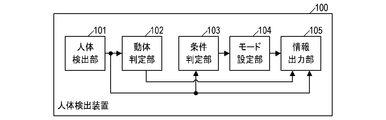
- FIG. 1 is a block diagram showing a configuration example of a human body detection device to which the present invention is applied.
- FIG. 2A is a schematic diagram showing a rough configuration example of the human body detection system according to the first embodiment of the present invention
- FIG. 2B shows a configuration example of a PC according to the embodiment. It is a block diagram.
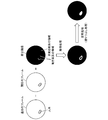
- FIG. 3 is a diagram showing how a difference image according to the first embodiment of the present invention is generated.
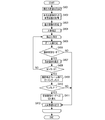
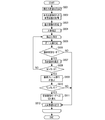
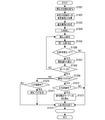
- FIG. 4 is a flowchart showing an example of a processing flow of a PC according to the first embodiment of the present invention.
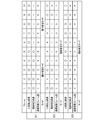
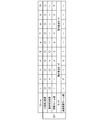
- FIG. 5 is a diagram showing a specific example of the operation according to the first embodiment of the present invention.
- FIG. 1 is a block diagram showing a configuration example of a human body detection device to which the present invention is applied.
- FIG. 2A is a schematic diagram showing a rough configuration example of the human body detection system according to the first embodiment of the present invention
- FIG. 2B shows a configuration example of a PC according to the
- FIG. 6 is a flowchart showing an example of a processing flow of a PC according to a second embodiment of the present invention.
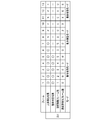
- FIG. 7 is a diagram showing a specific example of the operation according to the second embodiment of the present invention.
- FIG. 8 is a block diagram showing a configuration example of a PC according to a third embodiment of the present invention.
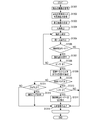
- FIG. 9 is a flowchart showing an example of a processing flow of a PC according to a third embodiment of the present invention.
- FIG. 10 is a diagram showing a specific example of the operation according to the third embodiment of the present invention.
- FIG. 11 is a block diagram showing a configuration example of a PC according to a fourth embodiment of the present invention.
- FIG. 11 is a block diagram showing a configuration example of a PC according to a fourth embodiment of the present invention.
- FIG. 12 is a diagram showing an example of an activity range according to a fourth embodiment of the present invention.
- FIG. 13 is a flowchart showing an example of a processing flow of a PC according to a fourth embodiment of the present invention.
- FIG. 14 is a diagram showing an example of an entry / exit range according to the fifth embodiment of the present invention.
- FIG. 15 is a flowchart showing an example of a processing flow of a PC according to a fifth embodiment of the present invention.
- FIG. 16 is a flowchart showing an example of a processing flow of a PC according to a sixth embodiment of the present invention.
- FIG. 17 is a diagram showing a specific example of the operation according to the sixth embodiment of the present invention.
- moving object detection In moving object detection, all moving objects such as robot arms are detected. In addition, moving object detection cannot detect a stationary human body. In human body detection, a stationary human body can be detected, but an object similar to the human body such as a mannequin doll may be erroneously detected as a human body. Therefore, the human body cannot be detected with high accuracy by either the motion detection or the human body detection.
- FIG. 1 is a block diagram showing a configuration example of the human body detection device 100 to which the present invention is applied.
- the human body detection device 100 includes a human body detection unit 101, a moving body determination unit 102, a condition determination unit 103, a mode setting unit 104, and an information output unit 105.
- the human body detection unit 101 detects the human body from the captured image.
- the moving body determination unit 102 determines whether or not the human body detected by the human body detecting unit 101 is a moving body based on the captured image.
- the condition determination unit 103 determines whether or not the human body detected by the human body detection unit 101 satisfies a predetermined condition shown by the human body framed in the captured image.
- the mode setting unit 104 maintains the first mode until the condition determination unit 103 determines that the predetermined condition is satisfied, and the condition determination unit 103 determines that the predetermined condition is satisfied. Switching from the first mode to the second mode is performed.
- the information output unit 105 outputs information about the human body when the moving body determination unit 102 determines that the human body detected by the human body detection unit 101 is a moving body. Further, in the second mode, the information output unit 105 outputs the information of the human body regardless of whether or not the moving body determination unit 102 determines that the human body detected by the human body detection unit 101 is a moving body. do.
- the human body detection unit 101 is an example of the human body detection means of the present invention
- the moving body determination unit 102 is an example of the moving body determination means of the present invention
- the condition determination unit 103 is an example of the condition determination means of the present invention.
- the mode setting unit 104 is an example of the mode setting means of the present invention
- the information output unit 105 is an example of the information output means of the present invention.
- the information on the human body includes, for example, an identifier assigned to the human body, information indicating a position (or area) where the human body is detected, and the like.
- the human body is detected by the combination of the moving body detection and the human body detection (the logical product (AND) of the moving body detection result and the human body detection result is regarded as the human body detection result).
- the human body which is a moving body, can be detected with high accuracy.
- the human body cannot be detected.
- the information of the detected human body is output regardless of whether or not the detected human body is determined to be a moving body ().
- Second mode That is, the human body is detected by the human body detection. By doing so, even if the human body is stationary, the human body can be detected with high accuracy (after the human body is framed in the captured image, the human body can be detected with high accuracy by the human body detection).
- FIG. 2A is a schematic diagram showing a rough configuration example of the human body detection system according to the first embodiment.
- the human body detection system according to the first embodiment includes a camera 10 and a PC200 (personal computer; human body detection device).
- the camera 10 and the PC 200 are connected to each other by wire or wirelessly.
- the camera 10 captures an image and outputs it to the PC 200.
- the image pickup direction of the camera 10 is not particularly limited, but in the first embodiment, it is assumed that the image is captured so as to look down on the floor or the ground from directly above.
- the type of the captured image is not particularly limited, but in the first embodiment, it is assumed that a fisheye image is captured.
- the PC 200 detects a human body from an image captured by the camera 10.
- the PC 200 displays the detected information on the human body (identifier assigned to the human body, information indicating the position (or area) where the human body is detected, etc.) on the display unit, records it on a storage medium, or uses other information.
- Output to a terminal such as an administrator's smartphone in a remote location).
- the PC 200 may be built in the camera 10.
- the display unit and the storage medium described above may or may not be a part of the PC200.
- the installation location of the PC 200 is not particularly limited.
- the PC 200 may or may not be installed in the same room as the camera 10.
- the PC 200 may or may not be a computer on the cloud.
- the PC 200 may be a terminal such as a smartphone carried by an administrator.
- FIG. 2B is a block diagram showing a configuration example of the PC200.
- the PC 200 has an input unit 210, a control unit 220, a storage unit 230, and an output unit 240.
- the input unit 210 sequentially performs a process of acquiring an captured image (frame of a moving image) from the camera 10 and outputting it to the control unit 220.
- the camera 10 may sequentially capture still images, and in that case, the input unit 210 sequentially acquires the captured still images from the camera 10 and outputs them to the control unit 220. conduct.
- the control unit 220 includes a CPU (Central Processing Unit), a RAM (Random Access Memory), a ROM (Read Only Memory), and the like, and controls each component and performs various information processing.
- the control unit 220 detects a human body from the captured image, and information on the detected human body (an identifier assigned to the human body or information indicating a position (or region) in which the human body is detected). Etc.) is output to the output unit 240.
- the storage unit 230 stores programs executed by the control unit 220, various data used by the control unit 220, and the like.
- the storage unit 230 is an auxiliary storage device such as a hard disk drive or a solid state drive.
- the output unit 240 displays the information output by the control unit 220 (detected human body information) on the display unit, records it on a storage medium, or uses another terminal (such as a smartphone of an administrator at a remote location). ).
- the control unit 220 includes a human body detection unit 221, a moving body determination unit 222, a condition determination unit 223, a mode setting unit 224, and an information output unit 225.
- the human body detection unit 221 acquires an image captured by the camera 10 from the input unit 210, and detects the human body from the acquired image. Then, the human body detection unit 221 outputs the detected human body information to the moving body determination unit 222 and the information output unit 225.
- the human body detection unit 221 is an example of the human body detection means of the present invention.
- a human body may be detected using a detector (identifier) that combines boosting with image features such as HoG and Haar-like.
- the human body may be detected using a trained model generated by existing machine learning, specifically, learning generated by deep learning (for example, R-CNN, Fast R-CNN, YOLO, SSD, etc.).
- the human body may be detected using a completed model.
- the moving object determination unit 222 acquires the image captured by the camera 10 from the input unit 210, and acquires the detection result (human body detection result) by the human body detection unit 221 from the human body detection unit 221.
- the moving body determination unit 222 determines whether or not the human body detected by the human body detection unit 221 is a moving body based on the acquired image. Then, the moving body determination unit 222 outputs the result of the moving body detection (determination of whether or not the human body detected by the human body detection unit 221 is a moving body) to the condition determination unit 223 and the information output unit 225.
- the moving body determination unit 222 is an example of the moving body determination means of the present invention.
- the moving object determination unit 222 may detect a moving object by the background subtraction method or may detect the moving object by the interframe subtraction method.
- the background subtraction method is, for example, a method of detecting a pixel in an image in which the difference (absolute value) of the pixel value from a predetermined background image is equal to or greater than a predetermined threshold value as motion pixels.
- the inter-frame difference method for example, among the captured current images (current frames), the pixels whose pixel value difference from the captured past images (past frames) is equal to or larger than a predetermined threshold value are motion pixels. It is a method to detect as.
- the past frame is a frame before a predetermined number of the current frame, and the predetermined number is 1 or more.
- the predetermined number (the number of frames from the current frame to the past frame) is the frame rate of the processing of the control unit 220 (the processing of detecting the human body and outputting the detected information of the human body) and the frame rate of the image taken by the camera 10. It may be decided according to the above.
- the moving object determination unit 222 generates a difference image in the moving object detection.
- the difference image represents the difference between the captured image and a predetermined background image in the case of the background subtraction method, and the difference between the current image captured and the past image captured in the case of the interframe difference method.
- FIG. 3 shows how a difference image is generated by the inter-frame difference method.
- the moving pixels are white pixels, and the non-moving pixels (non-moving pixels) are black pixels.
- the moving body determination unit 222 calculates the movement amount of the human body detected by the human body detection unit 221 based on the difference image, and determines (detects) the human body whose calculated movement amount is larger than the predetermined amount as a moving body.
- the amount of movement of the human body is, for example, the ratio of the number of motion pixels in the region of the human body to the number of pixels of the human body.
- the moving body determination unit 222 when calculating the amount of movement, performs an expansion process for expanding a moving body region (a region consisting of moving pixels) and pixels in a region surrounded by moving pixels (non-moving). Pixels) may be converted into moving pixels. In FIG. 3, the conversion process can be said to be a fill process in which the area (black) surrounded by white is filled with white.
- the condition determination unit 223 acquires the determination result (result of the moving object detection) by the moving object determination unit 222 from the moving object determination unit 222. Then, the condition determination unit 223 determines whether or not the human body detected by the human body detection unit 221 (the human body determined to be a moving body by the moving body determination unit 222) satisfies the frame-in condition, based on the acquired determination result. judge.
- the frame-in condition is a predetermined condition that the human body framed in to the captured image. Then, the condition determination unit 223 outputs the determination result of whether or not the frame-in condition is satisfied to the mode setting unit 224.
- the condition determination unit 223 is an example of the condition determination means of the present invention.
- the human body often shows a relatively long time movement with a relatively large amount of movement when framed in to the captured image. Therefore, in the first embodiment, the condition that the human body moves for a longer time than a predetermined time with a movement amount larger than a predetermined amount is used as a frame-in condition.
- the mode setting unit 224 sets the mode (operation mode) of the PC200.
- the mode setting unit 224 sets the mode for the moving object determination unit 222 and the information output unit 225. Further, it is assumed that the first mode is set by default.
- the mode setting unit 224 acquires the determination result by the condition determination unit 223 from the condition determination unit 223, and maintains the first mode until the condition determination unit 223 determines that the frame-in condition is satisfied. Then, the mode setting unit 224 switches from the first mode to the second mode according to the condition determination unit 223 determining that the frame-in condition is satisfied.
- the mode setting unit 224 is an example of the mode setting means of the present invention.
- the human body detection unit 221 can detect a plurality of human bodies from one image, and the mode setting unit 224 sets a mode for each human body detected by the human body detection unit 221. By doing so, it is possible to detect a plurality of human bodies with high accuracy. When the number of human bodies that can be detected by the human body detection unit 221 from one image is one, it is not necessary to associate the human body with the mode.
- the information output unit 225 acquires the detection result (human body detection result) by the human body detection unit 221 from the human body detection unit 221 and the determination result (moving object detection result) by the moving body determination unit 222 from the moving body determination unit 222. Then, in the first mode, when the moving body determination unit 222 determines that the human body detected by the human body detecting unit 221 is a moving body, the information output unit 225 outputs the information of the human body to the final human body. The detection result is output to the output unit 240. Further, in the second mode, the information output unit 225 outputs the information of the human body regardless of whether or not the moving body determination unit 222 determines that the human body detected by the human body detecting unit 221 is a moving body.
- the first mode can be said to be a moving body valid mode, and the second mode can also be called a moving body invalid mode.
- the information output unit 225 is an example of the information output means of the present invention.
- the moving body determination unit 222 does not determine whether or not the human body detected by the human body detection unit 221 is a moving body in the second mode, and in the first mode, the human body detection unit 222. It is determined whether or not the human body detected by 221 is a moving body. Therefore, the first mode can also be referred to as a moving object detection mode, and the second mode can also be referred to as a moving object non-detection mode. By doing so, it is possible to reduce the processing load of motion detection (determination of whether or not the human body detected by the human body detection unit 221 is a moving object).
- the moving object determination unit 222 may perform moving object detection in either the first mode or the second mode. In that case, the mode setting unit 224 may not set the mode for the moving object determination unit 222, but may set the mode for the information output unit 225.
- FIG. 4 is a flowchart showing an example of the processing flow of the PC200.
- the PC 200 repeatedly executes the processing flow of FIG.
- the repetition cycle of the processing flow of FIG. 4 is not particularly limited, but in the first embodiment, it is assumed that the processing flow of FIG. 4 is repeated at a frame rate (for example, 30 fps) of imaging by the camera 10.
- the input unit 210 acquires the captured image (current frame) from the camera 10 (step S401).
- the moving object determination unit 222 acquires an image captured in the past (past frame) or a predetermined background image from the storage unit 230 (step S402). Then, the moving object determination unit 222 generates a difference image from the image acquired in step S401 and the image acquired in step S402 (step S403).
- the human body detection unit 221 detects the human body from the image acquired in step S401 (step S404). Then, the processes of steps S405 to S412 are performed for each human body detected in step S404.
- the human body detection unit 221 determines whether or not the human body to be processed (the human body detected this time) has been detected in the past (same human body determination).
- the human body detection unit 221 assigns a new identifier (ID) to the human body to be processed if the human body to be processed has not been detected in the past, and if the human body to be processed has been detected in the past, the human body detection unit 221 assigns a new identifier (ID) to the human body to be processed. Assign the same identifier as the assigned identifier to the human body to be processed.
- the method for determining the same human body is not particularly limited, but for example, when the difference between the position of the human body to be processed (center position of the detection rectangle, etc.) and the position of the previously detected human body is equal to or less than the threshold value, the human body to be processed is processed. Can be determined to be the same as the previously detected human body. Even when the IoU (Intersection over Union) between the area of the human body to be processed (detection rectangle, etc.) and the area of the previously detected human body is equal to or less than the threshold value, the human body to be processed is the same as the previously detected human body. Can be determined. Whether or not the human body to be processed has been detected in the past can also be determined by Person Re-Identification.
- IoU Intersection over Union
- step S406 determines whether or not the moving object effective mode (moving object detection mode; first mode) is set for the human body to be processed. If it is determined that the moving object valid mode is set (step S406: YES), the process proceeds to step S407. If it is determined that the moving object valid mode is not set (step S406: NO), that is, if it is determined that the moving object invalid mode (moving object non-detection mode; second mode) is set, step S412 Processing proceeds to.
- step S406 determines whether or not the moving object effective mode (moving object detection mode; first mode) is set for the human body to be processed. If it is determined that the moving object valid mode is set (step S406: YES), the process proceeds to step S407. If it is determined that the moving object valid mode is not set (step S406: NO), that is, if it is determined that the moving object invalid mode (moving object non-detection mode; second mode) is set, step S412 Processing proceeds to.
- step S407 the moving object determination unit 222 calculates the amount of movement M of the human body to be processed based on the difference image generated in step S403. Then, the moving body determination unit 222 determines whether or not the movement amount M calculated in step S407 is larger than the predetermined amount Th_M (step S408). When it is determined that the movement amount M is larger than the predetermined amount Th_M (step S408: YES), the moving body determination unit 222 determines that the human body to be processed is a moving body. Then, the process proceeds to step S409.
- the moving body determination unit 222 determines that the human body to be processed is not a moving body. Then, when an unprocessed human body (a human body detected in step S404 but not processed in steps S405 to S412) remains, the human body to be processed is switched to the unprocessed human body. The processing of steps S405 to S412 is performed. If no unprocessed human body remains, the processing flow of FIG. 4 ends.
- step S409 the condition determination unit 223 increments the number of continuously moving frames F1 of the human body to be processed by 1.
- the number of continuously moving frames F1 is the number of frames in which the human body detected by the human body detection unit 221 is continuously determined to be a moving body, and corresponds to the time during which the human body continues to move with a movement amount larger than a predetermined amount.
- the initial value of the number of continuously moving frames F1 is 0, and if the corresponding human body is not detected by the human body detection unit 221 or is determined not to be a moving body, the number of continuously moving frames F1 is reset to 0.
- the condition determination unit 223 determines whether or not the number of continuously moving frames F1 of the human body to be processed is larger than the predetermined number Th_F1 (step S410).
- the predetermined number Th_F1 corresponds to the "predetermined time” under the frame-in condition that "the human body moves longer than the predetermined time with a movement amount larger than the predetermined amount”.
- step S411 the mode setting unit 224 switches the mode of the human body to be processed from the moving body valid mode to the moving body invalid mode. Then, the process proceeds to step S412.
- step S412 the information output unit 225 outputs information on the human body to be processed. Then, when an unprocessed human body (a human body detected in step S404 but not processed in steps S405 to S412) remains, the human body to be processed is switched to the unprocessed human body. The processing of steps S405 to S412 is performed. If no unprocessed human body remains, the processing flow of FIG. 4 ends.
- an unprocessed human body a human body detected in step S404 but not processed in steps S405 to S412
- steps S405 to S412 is performed. If no unprocessed human body remains, the processing flow of FIG. 4 ends.
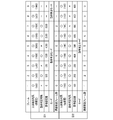
- FIG. 5 shows a specific example of the operation according to the processing flow of FIG. Specifically, FIG. 5 shows an example of a frame, an identifier (ID) of a human body, a detection result by the human body detection unit 221, a determination result by the moving body determination unit 222, the number of continuously moving frames F1, and a mode.
- ID an identifier
- ⁇ means that the human body was detected
- x means that the human body was not detected.
- the determination result by the moving object determination unit 222 “ ⁇ ” means that the human body is determined to be a moving object
- “x” means that the human body is determined not to be a moving object
- “-” indicates that the determination is made. It means it wasn't done.
- the predetermined number Th_F1 to be compared with the number of continuously moving frames F1 is not particularly limited, but is assumed to be 4 here. That is, when the number of continuous moving frames F1 reaches 5, the moving body valid mode is switched to the moving body invalid mode.
- ID1 is an identifier of the human body. Since the number of continuously moving frames F1 reaches 5 in the frame 5, switching to the moving object invalid mode is performed between the frames 5 and 6. As a result, even if the human body of ID1 is stationary, the information of the human body can be output.
- ID2 is an identifier of a robot arm that is erroneously detected as a human body by the human body detection unit 221. Since the frequency of erroneous detection of the robot arm as a human body by the human body detection unit 221 is low and the number of continuous moving frames F1 does not reach 5, the moving object effective mode is maintained. As a result, since the combination of motion detection and human body detection continues to be applied, it is possible to suppress the output of robot arm information as human body information.
- ID3 is an identifier of a mannequin doll that was erroneously detected as a human body by the human body detection unit 221. Even if the human body detection unit 221 erroneously detects the mannequin as a human body, the frequency of determining that the mannequin is a moving body is low, and the number of continuous moving frames F1 does not reach 5, so that the moving body effective mode is maintained. As a result, since the combination of motion detection and human body detection continues to be applied, it is possible to suppress the output of the mannequin doll information as human body information.
- the information of the detected human body is output when it is determined that the detected human body is a moving body.
- the human body is detected by the combination of the moving body detection and the human body detection (the logical product (AND) of the moving body detection result and the human body detection result is regarded as the human body detection result).
- the human body which is a moving body, can be detected with high accuracy.
- the human body when the human body is stationary, the human body cannot be detected.
- the information of the detected human body is output regardless of whether or not the detected human body is determined to be a moving body. Yes (moving object invalid mode). That is, the human body is detected by the human body detection. By doing so, even if the human body is stationary, the human body can be detected with high accuracy (after the human body is framed in the captured image, the human body can be detected with high accuracy by the human body detection).
- ⁇ Second embodiment> A second embodiment of the present invention will be described.
- the configuration of the human body detection system according to the second embodiment is the same as that of the first embodiment, and the configuration of the PC200 (human body detection device) according to the second embodiment is the same as that of the first embodiment.
- the frame-in condition is different from that of the first embodiment.
- the human body often exhibits a relatively long time movement with a relatively large amount of movement when frame-in to the captured image. Therefore, in the second embodiment, the condition that the total time during which the human body has moved with a movement amount larger than the predetermined amount in the predetermined period up to the present is longer than the predetermined time is used as the frame-in condition. By doing so, even if the human body repeatedly moves and stands still, it is possible to suitably switch from the moving body valid mode to the moving body invalid mode.
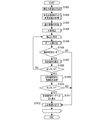
- FIG. 6 is a flowchart showing an example of the processing flow of the PC 200 according to the second embodiment.
- the PC 200 repeatedly executes the processing flow of FIG.
- the repetition cycle of the processing flow of FIG. 6 is not particularly limited, but in the second embodiment, it is assumed that the processing flow of FIG. 6 is repeated at the frame rate (for example, 30 fps) of the image taken by the camera 10.
- steps S601 to S608 are the same as the processing of steps S401 to S408 of the first embodiment.
- the moving body determination unit 222 determines that the human body to be processed is a moving body. Then, the process proceeds to step S609.
- step S609 the condition determination unit 223 calculates the number of frames (moving frame number F2) for which the human body to be processed is determined to be a moving body among the predetermined number of frames up to now.
- the predetermined number of frames corresponds to the "predetermined period" under the frame-in condition that "the total time that the human body has moved with a movement amount larger than the predetermined amount in the predetermined period up to now is longer than the predetermined time".
- the number of moving frames F2 corresponds to "the total time that the human body has moved with a movement amount larger than a predetermined amount” in the frame-in condition.
- the condition determination unit 223 determines whether or not the number of moving frames F2 of the human body to be processed is larger than the predetermined number Th_F2 (step S610).
- the predetermined number Th_F2 corresponds to the "predetermined time” under the frame-in condition that "the total time that the human body has moved with a movement amount larger than the predetermined amount in the predetermined period up to now is longer than the predetermined time".
- steps S611 and S612 are the same as the processing of steps S411 and S412 of the first embodiment.
- FIG. 7 shows a specific example of the operation according to the processing flow of FIG. Specifically, FIG. 7 shows an example of a frame, an identifier (ID) of a human body, a detection result by the human body detection unit 221, a determination result by the moving body determination unit 222, the number of moving frames F2, and a mode. FIG. 7 also shows the number of continuously moving frames F1 of the first embodiment.
- the number of frames referred to for calculating the number of moving frames F2 is not particularly limited, but is 5 here.
- the predetermined number Th_F2 to be compared with the number of moving frames F2 is not particularly limited, but is assumed to be 2 here.
- the moving body valid mode is changed to the moving body invalid mode. Is switched. Others are the same as in the first embodiment.
- ID1 is an identifier of the human body. Since the number of moving frames F2 reaches 3 in the frame 5, switching to the moving object invalid mode is performed between the frames 5 and 6. As a result, even if the human body of ID1 is stationary, the information of the human body can be output.
- the human body detected by the human body detection unit 221 continues to be determined to be a moving body, and if the number of continuous moving frames F1 does not reach 5, the switching to the moving body invalid mode is not performed. Therefore, the switching to the moving object invalid mode is not performed between the frames 5 and 6.
- the switching to the moving body invalid mode can be preferably performed.
- the combination of motion detection and human body detection is switched to human body detection according to the condition that the frame-in condition is satisfied, so that the human body can be detected with high accuracy.
- the frame-in condition is set to the condition that the total time that the human body has moved with a movement amount larger than the predetermined amount in the predetermined period up to now is longer than the predetermined time, so that the human body repeats movement and rest.
- the above switching can be preferably performed.
- a third embodiment of the present invention will be described.
- the configuration of the human body detection system according to the third embodiment is the same as that of the first embodiment.
- the moving body invalid mode is maintained after switching to the moving body invalid mode, but in the third embodiment, the reset to the moving body valid mode may be performed.
- FIG. 8 is a block diagram showing a configuration example of the PC200 (human body detection device) according to the third embodiment.
- the PC 200 according to the third embodiment has the same components as those of the first embodiment.
- the mode setting unit 224 acquires the detection result (result of human body detection) by the human body detection unit 221 from the human body detection unit 221 and resets to the moving object effective mode based on the acquired detection result. ..
- Other processes are the same as those in the first embodiment.
- the mode setting unit 224 resets to the moving body effective mode when the human body is no longer detected by the human body detection unit 221.
- the human body detection unit 221 it may be the case where the human body is not detected even once by the human body detection unit 221.
- the human body is detected by the human body detection unit 221. It is assumed that the undetected state continues for a longer time than a predetermined time.
- FIG. 9 is a flowchart showing an example of the processing flow of the PC 200 according to the third embodiment.
- the PC 200 repeatedly executes the processing flow of FIG.
- the repetition cycle of the processing flow of FIG. 9 is not particularly limited, but in the third embodiment, it is assumed that the processing flow of FIG. 9 is repeated at the frame rate (for example, 30 fps) of the image taken by the camera 10.
- steps S901 to S912 is the same as the processing of steps S401 to S412 of the first embodiment.
- steps S905 to S912 is performed for each human body detected in step S904
- steps S913 to 915 is performed for each human body not detected in step S904.
- the human body that was not detected in step S904 is a human body that was detected in the past and assigned an identifier, but was not detected this time.
- the mode setting unit 224 increments the number of consecutive non-detected frames F3 of the human body to be processed by 1.
- the number of continuous non-detection frames F3 is the number of continuous frames in which the human body is not detected by the human body detection unit 221 and corresponds to the duration of the state in which the human body is not detected by the human body detection unit 221.
- the initial value of the continuous non-detection frame number F3 is 0, and when the corresponding human body is detected by the human body detection unit 221, the continuous non-detection frame number F3 is reset to 0.
- the mode setting unit 224 determines whether or not the number of consecutive non-detected frames F3 of the human body to be processed is larger than the predetermined number Th_F3 (step S914).
- the predetermined number Th_F3 corresponds to a predetermined time.
- step S914: YES it corresponds to the case where the human body to be processed is not detected by the human body detection unit 221 for a longer time than the predetermined time. do. In this case, the process proceeds to step S915.
- step S914 NO
- the human body detection unit 221 determines whether the number of continuous non-detection frames F3 is the predetermined number Th_F3 or less. If it is determined that the number of continuous non-detection frames F3 is the predetermined number Th_F3 or less (step S914: NO), it corresponds to the case where the state in which the human body is not detected by the human body detection unit 221 does not continue for longer than the predetermined time. do.
- an unprocessed human body a human body that was not detected in step S904 but has not been processed in steps S913 to S915
- the human body to be processed is switched to the unprocessed human body. Then, the processes of steps S913 to S915 are performed. If no unprocessed human body remains, the processing flow of FIG. 9 ends.
- step S915 the mode setting unit 224 resets the mode of the human body to be processed to the moving body effective mode. Then, if the unprocessed human body remains, the human body to be processed is switched to the unprocessed human body, and the processes of steps S913 to S915 are performed. If no unprocessed human body remains, the processing flow of FIG. 9 ends.
- FIG. 10 shows a specific example of the operation according to the processing flow of FIG. Specifically, FIG. 10 shows a frame, an identifier (ID) of a human body, a detection result by the human body detection unit 221, a determination result by the moving body determination unit 222, a continuous moving frame number F1, a continuous non-detection frame number F3, and a mode.
- ID an identifier
- the predetermined number Th_F3 to be compared with the number of continuous non-detected frames F3 is not particularly limited, but is assumed to be 2 here. That is, when the number of continuous non-detection frames F3 reaches 3, the reset to the moving object effective mode is performed. Others are the same as in the first embodiment.
- ID1 is an identifier of the human body. Since the number of continuously moving frames F1 reaches 5 in the frame 5, switching to the moving object invalid mode is performed between the frames 5 and 6. As a result, even if the human body of ID1 is stationary, the information of the human body can be output. Then, since the number of continuous non-detected frames F3 reaches 3 in the frame 10, the switching to the moving object invalid mode is performed between the frames 10 and 11. As a result, it is possible to suppress the output of information on other objects similar to the person with ID1.
- the reset to the moving body effective mode is performed.
- the human body is detected by the combination of the motion detection and the human body detection, so that it is possible to prevent other objects similar to the human body that are no longer detected from being erroneously detected as the human body.
- a fourth embodiment of the present invention will be described.
- the configuration of the human body detection system according to the fourth embodiment is the same as that of the first embodiment.
- the frame-in conditions are different from those in the first to third embodiments.
- FIG. 11 is a block diagram showing a configuration example of the PC200 (human body detection device) according to the fourth embodiment.
- the PC 200 according to the fourth embodiment has the same components as those of the first embodiment.
- the condition determination unit 223 acquires the detection result (human body detection result) by the human body detection unit 221 from the human body detection unit 221 and obtains the determination result (moving object detection result) by the moving body determination unit 222. Obtained from the determination unit 222. Then, the condition determination unit 223 determines whether or not the human body detected by the human body detection unit 221 (the human body determined to be a moving body by the moving body determination unit 222) satisfies the frame-in condition, the detection result by the human body detection unit 221. Judgment is based on. Other processes are the same as those in the first embodiment.
- the place where the frame-in human body mainly works (for example, the place where people mainly work) is often decided in advance. Therefore, in the fourth embodiment, the condition that the human body moves from the outside of the predetermined range to the inside of the predetermined range in the captured image is used as the frame-in condition.
- this predetermined range will be referred to as an activity range.
- the range of activity is, for example, the central part of an image captured so as to look down on the floor or the ground from directly above.
- the fisheye image is captured so as to look down on the floor or the ground from directly above. Then, as shown in FIG. 12, it is assumed that the activity range is a circular range in which the distance from the center of the fisheye image is a predetermined distance or less.
- FIG. 13 is a flowchart showing an example of the processing flow of the PC 200 according to the fourth embodiment.
- the PC 200 repeatedly executes the processing flow of FIG.
- the repetition cycle of the processing flow of FIG. 13 is not particularly limited, but in the fourth embodiment, it is assumed that the processing flow of FIG. 13 is repeated at the frame rate (for example, 30 fps) of the image taken by the camera 10.
- steps S1301 to S1308 is the same as the processing of steps S401 to S408 of the first embodiment.
- step S1308 determines that the movement amount M is larger than the predetermined amount Th_M (step S1308: YES)
- step S1308 determines that the human body to be processed is a moving body. Then, the process proceeds to step S1309.
- step S1309 the condition determination unit 223 calculates the distance D from the center of the image acquired in step S1301 to the position of the human body to be processed (center position of the detection rectangle, etc.).
- the condition determination unit 223 determines whether or not the detection flag is ON (step S1310). If it is determined that the detection flag is ON (step S1310: YES), the process proceeds to step S1313. If it is determined that the detection flag is not ON (step S1310: NO), that is, if it is determined that the detection flag is OFF, the process proceeds to step S1311.
- the detection flag is a flag indicating whether or not the human body to be processed is detected outside the activity range, and is turned ON depending on whether the human body to be processed is detected outside the activity range. Will be.
- the detection flag is a flag indicating whether or not the precondition of the frame-in condition that the human body has moved from the outside of the activity range to the inside of the activity range is satisfied, and is turned on when the precondition is satisfied. It becomes.
- the initial state of the detection flag is OFF.
- step S1311 the condition determination unit 223 determines whether or not the distance D calculated in step S1309 is equal to or greater than the predetermined distance Th_D.
- the predetermined distance Th_D is the radius of the activity range, and if the distance D is equal to or greater than the predetermined distance Th_D, the human body to be processed is located outside the activity range, and if the distance D is less than the predetermined distance Th_D, the human body to be processed is processed. Is located inside the range of activity. Therefore, it can be said that the determination in step S1311 is a determination as to whether or not the above-mentioned preconditions are satisfied.
- step S1311: YES If it is determined that the distance D is equal to or greater than the predetermined distance Th_D (step S1311: YES), that is, if it is determined that the precondition is satisfied, the process proceeds to step S1312. If it is determined that the distance D is less than the predetermined distance Th_D (step S1311: NO), that is, if it is determined that the precondition is not satisfied, the process proceeds to step S1315.
- the position where the distance D is the predetermined distance Th_D is outside the activity range, but the position may be inside the activity range.
- step S1312 the condition determination unit 223 turns on the detection flag. Then, the process proceeds to step S1315.
- step S1313 the condition determination unit 223 determines whether or not the distance D calculated in step S1309 is less than the predetermined distance Th_D.
- the determination in step S1313 can be said to be a determination as to whether or not the frame-in condition that the human body has moved from the outside of the activity range to the inside of the activity range is satisfied. If it is determined that the distance D is less than the predetermined distance Th_D (step S1313: YES), that is, if it is determined that the frame-in condition is satisfied, the process proceeds to step S1314. If it is determined that the distance D is equal to or greater than the predetermined distance Th_D (step S1313: NO), that is, if it is determined that the frame-in condition is not satisfied, the process proceeds to step S1315.
- steps S1314 and S1315 is the same as the processing of steps S411 and S412 of the first embodiment.
- the combination of motion detection and human body detection is switched to human body detection according to the condition that the frame-in condition is satisfied, so that the human body can be detected with high accuracy. Furthermore, by setting the condition that the human body moves from the outside of the activity range to the inside of the activity range as a frame-in condition, an object (not a human body) existing in the activity range from the beginning is erroneously detected as a human body. Can be suppressed.
- a fifth embodiment of the present invention will be described.
- the configuration of the human body detection system according to the fifth embodiment is the same as that of the first embodiment, and the configuration of the PC200 (human body detection device) according to the fifth embodiment is the same as that of the fourth embodiment.
- the frame-in conditions are different from those in the first to fourth embodiments.
- the place where the human body passes when frame-in (for example, the entrance / exit of a room) is often predetermined. Therefore, in the fifth embodiment, the condition that the human body moves from the inside of the predetermined range to the outside of the predetermined range in the captured image is used as the frame-in condition.
- this predetermined range will be referred to as an entry / exit range.
- the entry / exit range is, for example, as shown in FIG. 14, the end of the passage shown in the captured image in the direction in which the passage extends.
- FIG. 15 is a flowchart showing an example of the processing flow of the PC 200 according to the fifth embodiment.
- the PC 200 repeatedly executes the processing flow of FIG.
- the repetition cycle of the processing flow of FIG. 15 is not particularly limited, but in the fifth embodiment, it is assumed that the processing flow of FIG. 15 is repeated at the frame rate (for example, 30 fps) of the image taken by the camera 10.
- steps S1501 to S1508 is the same as the processing of steps S401 to S408 of the first embodiment.
- step S1508 determines that the movement amount M is larger than the predetermined amount Th_M (step S1508: YES)
- step S1508 determines that the human body to be processed is a moving body. Then, the process proceeds to step S1509.
- step S1509 the condition determination unit 223 determines whether or not the detection flag is ON. If it is determined that the detection flag is ON (step S1509: YES), the process proceeds to step S1512. If it is determined that the detection flag is not ON (step S1509: NO), that is, if it is determined that the detection flag is OFF, the process proceeds to step S1510.
- the detection flag is a flag indicating whether or not the human body to be processed is detected inside the entry / exit range, and is turned on according to the detection of the human body to be processed inside the entry / exit range. Will be.
- the detection flag is a flag indicating whether or not the precondition of the frame-in condition that the human body has moved from the inside of the entry / exit range to the outside of the entry / exit range is satisfied, and is turned on when the precondition is satisfied. It becomes.
- the initial state of the detection flag is OFF.
- step S1510 the condition determination unit 223 determines whether or not the position of the human body to be processed (such as the center position of the detection rectangle) is inside the entry / exit range, that is, whether or not the above-mentioned preconditions are satisfied. If it is determined that the position of the human body to be processed is inside the entry / exit range (step S1510: YES), that is, if it is determined that the preconditions are satisfied, the process proceeds to step S1511. If it is determined that the position of the human body to be processed is not inside (outside) the entry / exit range (step S1510: NO), that is, if it is determined that the preconditions are not satisfied, the process proceeds to step S1514. It can be advanced.
- step S1511 the condition determination unit 223 turns on the detection flag. Then, the process proceeds to step S1514.
- step S1512 the condition determination unit 223 determines whether or not the position of the human body to be processed is outside the entry / exit range.
- the determination in step S1512 can be said to be a determination as to whether or not the frame-in condition that the human body has moved from the inside of the entry / exit range to the outside of the entry / exit range is satisfied. If it is determined that the position of the human body to be processed is outside the entry / exit range (step S1512: YES), that is, if it is determined that the frame-in condition is satisfied, the process proceeds to step S1513.
- step S1512 If it is determined that the position of the human body to be processed is not outside (inside) the entry / exit range (step S1512: NO), that is, if it is determined that the frame-in condition is not satisfied, the process proceeds to step S1514. Is advanced.
- steps S1513 and S1514 is the same as the processing of steps S411 and S412 of the first embodiment.
- the human body can be detected with high accuracy because the combination of the moving object detection and the human body detection is switched to the human body detection according to the satisfaction of the frame-in condition. Furthermore, by setting the condition that the human body has moved from the inside of the entry / exit range to the outside of the entry / exit range as the frame-in condition, an object (not a human body) framed in from a place other than the entry / exit range is erroneously detected as a human body. Can be suppressed.
- FIG. 6 A sixth embodiment of the present invention will be described.
- the configuration of the human body detection system according to the sixth embodiment is the same as that of the first embodiment, and the configuration of the PC200 (human body detection device) according to the sixth embodiment is the fourth embodiment or the fifth embodiment. Is similar to.
- the frame-in conditions are different from those in the first to fifth embodiments.
- the human body detection unit 221 calculates the reliability, which is the certainty that the detected human body is a human body, when the human body is detected from the captured image.
- the method for calculating the reliability is not particularly limited, but for example, the reliability is the degree of similarity between the detected characteristics of the human body and the characteristics predetermined as the characteristics of the human body.
- the calculated reliability is notified from the human body detection unit 221 to the condition determination unit 223.
- the frame-in condition is that the cumulative value of the reliability when the moving body determination unit 222 determines that the human body detected by the human body detecting unit 221 is a moving body is higher than a predetermined value. Used as.
- FIG. 16 is a flowchart showing an example of the processing flow of the PC 200 according to the sixth embodiment.
- the PC 200 repeatedly executes the processing flow of FIG.
- the repetition cycle of the processing flow of FIG. 16 is not particularly limited, but in the sixth embodiment, it is assumed that the processing flow of FIG. 16 is repeated at the frame rate (for example, 30 fps) of the image taken by the camera 10.
- steps S1601 to S1608 is the same as the processing of steps S401 to S408 of the first embodiment.
- the moving body determination unit 222 determines that the human body to be processed is a moving body. Then, the process proceeds to step S1609.
- step S1609 the condition determination unit 223 adds the reliability of the human body to be processed to the cumulative reliability R of the human body.
- the cumulative reliability R is a cumulative value of the reliability when the moving body determination unit 222 determines that the human body detected by the human body detection unit 221 is a moving body.
- the condition determination unit 223 determines whether or not the cumulative reliability R of the human body to be processed is higher than the predetermined value Th_R, that is, whether or not the frame-in condition is satisfied (step S1610). If it is determined that the cumulative reliability R is higher than the predetermined value Th_R (step S1610: YES), that is, if it is determined that the frame-in condition is satisfied, the process proceeds to step S1611. If it is determined that the cumulative reliability R is equal to or less than the predetermined value Th_R (step S1610: NO), that is, if it is determined that the frame-in condition is not satisfied, the process proceeds to step S1612.
- steps S1611 and S1612 are the same as the processing of steps S411 and S412 of the first embodiment.
- FIG. 17 shows a specific example of the operation according to the processing flow of FIG. Specifically, FIG. 17 shows an example of a frame, an identifier (ID) of a human body, a detection result by the human body detection unit 221, a determination result by the moving body determination unit 222, a cumulative reliability R, and a mode. FIG. 17 also shows the number of continuously moving frames F1 of the first embodiment.
- the predetermined value Th_R to be compared with the cumulative reliability R is not particularly limited, but is assumed to be 3000 here. That is, when the cumulative reliability exceeds 3000, the moving body valid mode is switched to the moving body invalid mode. Others are the same as in the first embodiment.
- ID1 is an identifier of the human body. Since the cumulative reliability R exceeds 3000 in frame 7, switching to the moving object invalid mode is performed between frame 7 and frame 8. As a result, even if the human body of ID1 is stationary, the information of the human body can be output. In the first embodiment, it is continuously determined that the human body detected by the human body detection unit 221 is a moving body, and if the number of continuous moving frames F1 does not reach 5, the switching to the moving body invalid mode is not performed. Therefore, the switching to the moving object invalid mode is not performed between the frame 7 and the frame 8. On the other hand, in the second embodiment, even if the human body detected by the human body detection unit 221 is intermittently determined to be a moving body, the switching to the moving body invalid mode can be preferably performed.
- ID2 is an identifier of a mannequin doll that was erroneously detected as a human body by the human body detection unit 221. Since the cumulative reliability R does not exceed 3000, the moving object effective mode is maintained. Since the mannequin doll is moved during the period of frames 1 to 6, the number of continuous moving frames F1 reaches 5 at frame 5. Therefore, in the first embodiment, the switching to the moving object invalid mode is performed between the frames 5 and 6, and the information of the mannequin doll continues to be output as the information of the human body. On the other hand, in the second embodiment, since the moving body effective mode is maintained, it is possible to suppress the information of the mannequin doll from being output as the information of the human body. Specifically, after the mannequin doll is stationary, the information of the mannequin doll is not output as the information of the human body.
- the human body can be detected with high accuracy because the combination of the moving object detection and the human body detection is switched to the human body detection according to the satisfaction of the frame-in condition. Further, in the sixth embodiment, the certainty that the human body detected by the human body detection unit 221 is a human body is calculated. Then, a condition that the cumulative value of the reliability when the moving body determination unit 222 determines that the human body detected by the human body detecting unit 221 is a moving body is higher than a predetermined value is used as a frame-in condition. As a result, since the combination of motion detection and human body detection is applied to an object having a low cumulative reliability, it is possible to prevent other objects similar to the human body from being erroneously detected as the human body. Further, even if the human body repeatedly moves and stands still, it is possible to preferably switch from the moving body valid mode to the moving body invalid mode.
- Human body detection means (101,221) that detects the human body from the captured image, and Based on the image, the moving body determination means (102, 222) for determining whether or not the human body detected by the human body detecting means is a moving body, and Condition determination means (103, 223) for determining whether or not the human body detected by the human body detection means satisfies a predetermined condition shown by the human body framed in the image based on the determination result by the moving object determination means (103, 223).
- the first mode is maintained until the condition determination means determines that the predetermined condition is satisfied, and the first mode is determined according to the condition determination means determining that the predetermined condition is satisfied.
- Mode setting means for switching from to the second mode, and In the first mode, when the moving body determination means determines that the human body detected by the human body detecting means is a moving body, the information of the human body is output, and in the second mode, the human body is described. It is characterized by having an information output means (105, 225) that outputs information on the human body regardless of whether or not the moving body determining means determines that the human body detected by the detecting means is a moving body. Human body detection device (100,200).
- a human body detection step (S404, S604, S904, S1304, S1504, S1604) for detecting a human body from an captured image, and Based on the image, a moving body determination step (S408, S608, S908, S1308, S1508, S1608) for determining whether or not the human body detected in the human body detection step is a moving body, Based on the determination result in the moving object determination step, the condition determination step (S410, S610, S910, S1313, S1512, S1610) and The first mode is maintained until it is determined in the condition determination step that the predetermined condition is satisfied, and the first mode is determined according to the determination in the condition determination step that the predetermined condition is satisfied.
- Mode setting steps for switching from the mode of In the first mode, when it is determined in the moving body determination step that the human body detected in the human body detection step is a moving body, the information of the human body is output, and in the second mode, the said An information output step (S421, S612, S912, S1315, S1514, S1612) that outputs information about the human body regardless of whether or not the human body detected in the human body detection step is determined to be a moving body. ) And a human body detection method.
Landscapes
- Engineering & Computer Science (AREA)
- Physics & Mathematics (AREA)
- General Physics & Mathematics (AREA)
- Multimedia (AREA)
- Theoretical Computer Science (AREA)
- Computer Vision & Pattern Recognition (AREA)
- Human Computer Interaction (AREA)
- Health & Medical Sciences (AREA)
- General Health & Medical Sciences (AREA)
- Psychiatry (AREA)
- Social Psychology (AREA)
- Image Analysis (AREA)
Abstract
人体検出装置が、撮像された画像から人体を検出する人体検出手段と、画像に基づいて、検出された人体が動体であるか否かを判定する動体判定手段と、検出された人体が、画像にフレームインした人体がみせる所定の条件を満たしたか否かを判定する条件判定手段と、所定の条件が満たされたと判定されるまで、第1のモードを維持し、所定の条件が満たされたと判定されたことに応じて、第1のモードから第2のモードへの切り替えを行うモード設定手段と、第1のモードにおいては、検出された人体が動体であると判定された場合に、当該人体の情報を出力し、第2のモードにおいては、検出された人体が動体であると判定されたか否かに拘わらずに、当該人体の情報を出力する情報出力手段とを有する。
Description
本発明は、撮像された画像から人体を検出する技術に関する。
撮像された画像から人体を検出する技術として、動体検出や人体検出が知られている。動体検出に関する技術は、例えば、特許文献1に開示されている。
しかしながら、動体検出では、ロボットアームなどの動きのある物体を全て検出してしまう。また、動体検出では、静止した人体を検出できない。人体検出では、静止した人体を検出できるが、マネキン人形のように人体に類似した物体を人体として誤検出してしまうことがある。このため、動体検出でも人体検出でも、人体を高精度に検出できない。
本発明は上記実情に鑑みなされたものであって、人体を高精度に検出できる技術を提供することを目的とする。
上記目的を達成するために本発明は、以下の構成を採用する。
本発明の第一側面は、撮像された画像から人体を検出する人体検出手段と、前記画像に基づいて、前記人体検出手段により検出された人体が動体であるか否かを判定する動体判定手段と、前記人体検出手段により検出された人体が、前記画像にフレームインした人体がみせる所定の条件を満たしたか否かを判定する条件判定手段と、前記所定の条件が満たされたと前記条件判定手段が判定するまで、第1のモードを維持し、前記所定の条件が満たされたと前記条件判定手段が判定したことに応じて、前記第1のモードから第2のモードへの切り替えを行うモード設定手段と、前記第1のモードにおいては、前記人体検出手段により検出された人体が動体であると前記動体判定手段が判定した場合に、当該人体の情報を出力し、前記第2のモードにおいては、前記人体検出手段により検出された人体が動体であると前記動体判定手段が判定したか否かに拘わらずに、当該人体の情報を出力する情報出力手段とを有することを特徴とする人体検出装置を提供する。人体の情報は、例えば、当該人体に割り当てられた識別子や、当該人体が検出された位置(または領域)を示す情報、等を含む。
上述した構成では、検出された人体が、撮像された画像にフレームインした人体がみせる所定の条件を満たすまでは、検出された人体が動体であると判定された場合に、当該人体の情報が出力される(第1のモード)。つまり、動体検出と人体検出の組み合わせにより人体が検出される(動体検出の結果と人体検出の結果との論理積(AND)が人体の検出結果とされる)。こうすることで、動体である人体を高精度に検出できる。しかし、人体が静止した場合に、当該人体を検出できなくなってしまう。そこで、上述した構成では、検出された人体が所定の条件を満たした後では、検出された人体が動体であると判定されたか否かに拘わらずに、当該人体の情報を出力するとしている(第2のモード)。つまり、人体検出により人体が検出される。こうすることで、人体が静止しても、当該人体を高精度に検出できる(撮像された画像に人体がフレームインした後であれば、人体検出により当該人体を高精度に検出できる)。
前記モード設定手段は、前記人体検出手段により検出された人体ごとにモードを設定するとしてもよい。こうすることで、複数の人体を高精度に検出できる。
前記動体判定手段は、前記第2のモードにおいては、前記人体検出手段により検出された人体が動体であるか否かを判定せず、前記第1のモードにおいて、前記人体検出手段により検出された人体が動体であるか否かを判定するとしてもよい。こうすることで、動体検出(人体検出手段により検出された人体が動体であるか否かの判定)の処理負荷を低減できる。
撮像された画像から人体がフレームアウトすると、人体検出では、当該人体として、それに類似した他の物体が誤検出されることがある。このため、前記モード設定手段は、前記人体検出手段により人体が検出されなくなった場合に、前記第1のモードへのリセットを行うとしてもよい。こうすることで、動体検出と人体検出の組み合わせにより人体が検出されるようになるため、検出されなくなった人体に類似した他の物体が当該人体として誤検出されることを抑制できる。人体検出手段により人体が検出されなくなった場合は、例えば、人体検出手段により1回でも人体が検出されなかった場合や、人体検出手段により人体が検出されない状態が所定時間よりも長く継続した場合などである。
人体は、撮像された画像にフレームインする際に、比較的大きい動き量で、比較的長い時間の動きを示すことが多い。このため、前記所定の条件は、人体が所定量よりも大きい動き量で所定時間よりも長く動いたという条件であるとしてもよい。前記所定の条件は、現在までの所定期間における、人体が所定量よりも大きい動き量で動いた総時間が、所定時間よりも長いという条件であるとしてもよい。後者の条件を所定の条件として用いることにより、人体が動きと静止を繰り返していても、第1のモードから第2のモードへの切り替えを好適に行うことができる。
フレームインした人体が主に活動する場所(例えば、人が主に作業を行う場所)は、予め決まっていることが多い。このため、前記所定の条件は、前記画像における所定範囲の外側から前記所定範囲の内側へ人体が移動したという条件であるとしてもよい。こうすることで、初めから所定範囲内に存在する物体(人体でない)については、動体検出と人体検出の組み合わせが適用されるため、当該物体が人体として誤検出されることを抑制できる。所定範囲は、例えば、床や地面を真上から見下ろすように撮像した画像の中央部であり、そのような画像が魚眼画像である場合には、当該画像の中心からの距離が所定距離以下の円状の範囲である。
人体がフレームインする際に通る場所(例えば、部屋の出入り口)は、予め決まっていることが多い。このため、前記所定の条件は、前記画像における所定範囲の内側から前記所定範囲の外側へ人体が移動したという条件であるとしてもよい。こうすることで、所定範囲以外の場所からフレームインした物体(人体でない)については、動体検出と人体検出の組み合わせが適用されるため、当該物体が人体として誤検出されることを抑制できる。
前記人体検出手段は、前記画像から人体を検出する際に、検出した人体が人体であることの確からしさである信頼度を算出し、前記所定の条件は、前記人体検出手段により検出された人体が動体であると前記動体判定手段が判定した際の信頼度の累積値が所定値よりも高いという条件であるとしてもよい。こうすることで、上記累積値が低い物体については、動体検出と人体検出の組み合わせが適用されるため、人体に類似した他の物体が当該人体として誤検出されることを抑制できる。また、人体が動きと静止を繰り返していても、第1のモードから第2のモードへの切り替えを好適に行うことができる。
本発明の第二側面は、撮像された画像から人体を検出する人体検出ステップと、前記画像に基づいて、前記人体検出ステップで検出された人体が動体であるか否かを判定する動体判定ステップと、前記人体検出ステップで検出された人体が、前記画像にフレームインした人体がみせる所定の条件を満たしたか否かを判定する条件判定ステップと、前記所定の条件が満たされたと前記条件判定ステップで判定されるまで、第1のモードを維持し、前記所定の条件が満たされたと前記条件判定ステップで判定されたことに応じて、前記第1のモードから第2のモードへの切り替えを行うモード設定ステップと、前記第1のモードにおいては、前記人体検出ステップで検出された人体が動体であると前記動体判定ステップで判定された場合に、当該人体の情報を出力し、前記第2のモードにおいては、前記人体検出ステップで検出された人体が動体であると前記動体判定ステップで判定されたか否かに拘わらずに、当該人体の情報を出力する情報出力ステップとを有することを特徴とする人体検出方法を提供する。
なお、本発明は、上記構成ないし機能の少なくとも一部を有する人体検出システムとして捉えることができる。また、本発明は、上記処理の少なくとも一部を含む、人体検出方法又は人体検出システムの制御方法や、これらの方法をコンピュータに実行させるためのプログラム、又は、そのようなプログラムを非一時的に記録したコンピュータ読取可能な記録媒体として捉えることもできる。上記構成及び処理の各々は技術的な矛盾が生じない限り互いに組み合わせて本発明を構成することができる。
本発明によれば、人体を高精度に検出できる。
<適用例>
本発明の適用例について説明する。
本発明の適用例について説明する。
動体検出では、ロボットアームなどの動きのある物体を全て検出してしまう。また、動体検出では、静止した人体を検出できない。人体検出では、静止した人体を検出できるが、マネキン人形のように人体に類似した物体を人体として誤検出してしまうことがある。このため、動体検出でも人体検出でも、人体を高精度に検出できない。
図1は、本発明が適用された人体検出装置100の構成例を示すブロック図である。人体検出装置100は、人体検出部101、動体判定部102、条件判定部103、モード設定部104、及び、情報出力部105を有する。人体検出部101は、撮像された画像から人体を検出する。動体判定部102は、撮像された画像に基づいて、人体検出部101により検出された人体が動体であるか否かを判定する。条件判定部103は、人体検出部101により検出された人体が、撮像された画像にフレームインした人体がみせる所定の条件を満たしたか否かを判定する。モード設定部104は、所定の条件が満たされたと条件判定部103が判定するまで、第1のモードを維持し、所定の条件が満たされたと条件判定部103が判定したことに応じて、第1のモードから第2のモードへの切り替えを行う。情報出力部105は、第1のモードにおいては、人体検出部101により検出された人体が動体であると動体判定部102が判定した場合に、当該人体の情報を出力する。また、情報出力部105は、第2のモードにおいては、人体検出部101により検出された人体が動体であると動体判定部102が判定したか否かに拘わらずに、当該人体の情報を出力する。人体検出部101は本発明の人体検出手段の一例であり、動体判定部102は本発明の動体判定手段の一例であり、条件判定部103は本発明の条件判定手段の一例である。そして、モード設定部104は本発明のモード設定手段の一例であり、情報出力部105は本発明の情報出力手段の一例である。人体の情報は、例えば、当該人体に割り当てられた識別子や、当該人体が検出された位置(または領域)を示す情報、等を含む。
上述した構成では、検出された人体が、撮像された画像にフレームインした人体がみせる所定の条件を満たすまでは、検出された人体が動体であると判定された場合に、当該人体の情報が出力される(第1のモード)。つまり、動体検出と人体検出の組み合わせにより人体が検出される(動体検出の結果と人体検出の結果との論理積(AND)が人体の検出結果とされる)。こうすることで、動体である人体を高精度に検出できる。しかし、人体が静止した場合に、当該人体を検出できなくなってしまう。そこで、上述した構成では、検出された人体が所定の条件を満たした後では、検出された人体が動体であると判定されたか否かに拘わらずに、当該人体の情報を出力するとしている(第2のモード)。つまり、人体検出により人体が検出される。こうすることで、人体が静止しても、当該人体を高精度に検出できる(撮像された画像に人体がフレームインした後であれば、人体検出により当該人体を高精度に検出できる)。
<第1の実施形態>
本発明の第1の実施形態について説明する。
本発明の第1の実施形態について説明する。
図2(A)は、第1の実施形態に係る人体検出システムの大まかな構成例を示す模式図である。第1の実施形態に係る人体検出システムは、カメラ10と、PC200(パーソナルコンピュータ;人体検出装置)とを有する。カメラ10とPC200は有線または無線で互いに接続されている。カメラ10は、画像を撮像してPC200へ出力する。カメラ10の撮像方向は特に限定されないが、第1の実施形態では床や地面を真上から見下ろすように画像が撮像されるとする。撮像された画像の種類も特に限定されないが、第1の実施形態では魚眼画像が撮像されるとする。PC200は、カメラ10で撮像された画像から人体を検出する。PC200は、検出した人体の情報(人体に割り当てられた識別子や、人体が検出された位置(または領域)を示す情報、等)を表示部に表示したり、記憶媒体に記録したり、他の端末(遠隔地にいる管理者のスマートフォンなど)へ出力したりする。
なお、第1の実施形態ではPC10がカメラ10とは別体の装置であるものとするが、PC200はカメラ10に内蔵されてもよい。上述した表示部や記憶媒体は、PC200の一部であってもよいし、そうでなくてもよい。また、PC200の設置場所は特に限定されない。例えば、PC200はカメラ10と同じ部屋に設置されてもよいし、そうでなくてもよい。PC200はクラウド上のコンピュータであってもよいし、そうでなくてもよい。PC200は、管理者に携帯されるスマートフォンなどの端末であってもよい。
図2(B)は、PC200の構成例を示すブロック図である。PC200は、入力部210、制御部220、記憶部230、及び、出力部240を有する。
第1の実施形態では、カメラ10が動画を撮像するとする。入力部210は、撮像された画像(動画のフレーム)をカメラ10から取得して制御部220へ出力する処理を、順次行う。なお、カメラ10は静止画の撮像を順次行うものであってもよく、その場合は、入力部210は、撮像された静止画をカメラ10から取得して制御部220へ出力する処理を、順次行う。
制御部220は、CPU(Central Processing Unit)やRAM(Random Access Memory)、ROM(Read Only Memory)などを含み、各構成要素の制御や、各種情報処理などを行う。第1の実施形態では、制御部220は、撮像された画像から人体を検出し、検出した人体の情報(人体に割り当てられた識別子や、人体が検出された位置(または領域)を示す情報、等)を出力部240へ出力する。
記憶部230は、制御部220で実行されるプログラムや、制御部220で使用される各種データなどを記憶する。例えば、記憶部230は、ハードディスクドライブ、ソリッドステートドライブ、等の補助記憶装置である。
出力部240は、制御部220により出力された情報(検出された人体の情報)を、表示部に表示したり、記憶媒体に記録したり、他の端末(遠隔地にいる管理者のスマートフォンなど)へ出力したりする。
制御部220について、より詳細に説明する。制御部220は、人体検出部221、動体判定部222、条件判定部223、モード設定部224、及び、情報出力部225を有する。
人体検出部221は、カメラ10により撮像された画像を入力部210から取得し、取得した画像から人体を検出する。そして、人体検出部221は、検出した人体の情報を、動体判定部222と情報出力部225へ出力する。人体検出部221は本発明の人体検出手段の一例である。
なお、人体検出部221による人体検出にはどのようなアルゴリズムを用いてもよい。例えば、HoGやHaar-likeなどの画像特徴とブースティングを組み合わせた検出器(識別器)を用いて人体を検出してもよい。既存の機械学習により生成された学習済みモデルを用いて人体を検出してもよく、具体的にはディープラーニング(例えば、R-CNN、Fast R-CNN、YOLO、SSDなど)により生成された学習済みモデルを用いて人体を検出してもよい。
動体判定部222は、カメラ10により撮像された画像を入力部210から取得し、人体検出部221による検出結果(人体検出の結果)を人体検出部221から取得する。動体判定部222は、取得した画像に基づいて、人体検出部221により検出された人体が動体であるか否かを判定する。そして、動体判定部222は、動体検出(人体検出部221により検出された人体が動体であるか否かの判定)の結果を、条件判定部223と情報出力部225へ出力する。動体判定部222は本発明の動体判定手段の一例である。
なお、動体判定部222による動体判定にはどのようなアルゴリズムを用いてもよい。例えば、動体判定部222は、背景差分法により動体を検出してもよいし、フレーム間差分法により動体を検出してもよい。背景差分法は、例えば、撮像された画像のうち、所定の背景画像との画素値の差分(絶対値)が所定の閾値以上の画素を、動き画素として検出する方法である。フレーム間差分法は、例えば、撮像された現在の画像(現在のフレーム)のうち、撮像された過去の画像(過去のフレーム)との画素値の差分が所定の閾値以上の画素を、動き画素として検出する方法である。フレーム間差分法において、例えば、過去のフレームは、現在のフレームの所定数前のフレームであり、所定数は1以上である。所定数(現在のフレームから過去のフレームまでのフレーム数)は、制御部220の処理(人体を検出し、検出した人体の情報を出力する処理)のフレームレートや、カメラ10による撮像のフレームレートなどに応じて決定されてもよい。
第1の実施形態では、動体判定部222は、動体検出において、差分画像を生成するとする。差分画像は、背景差分法であれば、撮像された画像と所定の背景画像との差分を表し、フレーム間差分法であれば、撮像された現在の画像と撮像された過去の画像との差分を表す。図3は、フレーム間差分法により差分画像が生成される様子を示す。図3の差分画像では、動き画素が白色の画素となっており、動き画素でない画素(非動き画素)が黒色の画素となっている。そして、動体判定部222は、人体検出部221により検出された人体の動き量を差分画像に基づいて算出し、算出した動き量が所定量よりも大きい人体を動体として判定(検出)するとする。人体の動き量は、例えば、人体の画素数に対する当該人体の領域における動き画素の数の割合である。図3に示すように、動体判定部222は、動き量を算出する際に、動体の領域(動き画素からなる領域)を膨らませる膨張処理や、動き画素で囲まれた領域の画素(非動き画素)を動き画素に変換する変換処理などを行ってもよい。図3では、変換処理は、白色で囲まれた領域(黒色)を白色で塗りつぶす塗りつぶし処理とも言える。
条件判定部223は、動体判定部222による判定結果(動体検出の結果)を動体判定部222から取得する。そして、条件判定部223は、人体検出部221により検出された人体(動体判定部222により動体であると判定された人体)がフレームイン条件を満たしたか否かを、取得した判定結果に基づいて判定する。フレームイン条件は、撮像された画像にフレームインした人体がみせる所定の条件である。そして、条件判定部223は、フレームイン条件が満たされたか否かの判定結果を、モード設定部224へ出力する。条件判定部223は本発明の条件判定手段の一例である。
人体は、撮像された画像にフレームインする際に、比較的大きい動き量で、比較的長い時間の動きを示すことが多い。このため、第1の実施形態では、人体が所定量よりも大きい動き量で所定時間よりも長く動いたという条件を、フレームイン条件として用いる。
モード設定部224は、PC200のモード(動作モード)を設定する。第1の実施形態では、モード設定部224は、動体判定部222と情報出力部225に対してモードを設定するとする。また、デフォルトでは第1のモードが設定されているとする。モード設定部224は、条件判定部223による判定結果を条件判定部223から取得し、フレームイン条件が満たされたと条件判定部223が判定するまで、第1のモードを維持する。そして、モード設定部224は、フレームイン条件が満たされたと条件判定部223が判定したことに応じて、第1のモードから第2のモードへの切り替えを行う。モード設定部224は本発明のモード設定手段の一例である。
第1の実施形態では、人体検出部221は1枚の画像から複数の人体を検出可能であり、モード設定部224は、人体検出部221により検出された人体ごとにモードを設定するとする。こうすることで、複数の人体を高精度に検出できる。なお、人体検出部221が1枚の画像から検出可能な人体の数が1つである場合には、人体とモードの紐づけは行わなくてもよい。
情報出力部225は、人体検出部221による検出結果(人体検出の結果)を人体検出部221から取得し、動体判定部222による判定結果(動体検出の結果)を動体判定部222から取得する。そして、情報出力部225は、第1のモードにおいては、人体検出部221により検出された人体が動体であると動体判定部222が判定した場合に、当該人体の情報を、最終的な人体の検出結果として出力部240へ出力する。また、情報出力部225は、第2のモードにおいては、人体検出部221により検出された人体が動体であると動体判定部222が判定したか否かに拘わらずに、当該人体の情報を、最終的な人体の検出結果として出力部240へ出力する。このため、第1のモードは動体有効モードとも言うことができ、第2のモードは動体無効モードとも言うことができる。情報出力部225は本発明の情報出力手段の一例である。
第1の実施形態では、動体判定部222は、第2のモードにおいては、人体検出部221により検出された人体が動体であるか否かを判定せず、第1のモードにおいて、人体検出部221により検出された人体が動体であるか否かを判定するとする。このため、第1のモードは動体検出モードとも言うことができ、第2のモードは動体非検出モードとも言うことができる。こうすることで、動体検出(人体検出部221により検出された人体が動体であるか否かの判定)の処理負荷を低減できる。なお、動体判定部222は、第1のモードでも第2のモードでも動体検出を行ってよい。その場合には、モード設定部224は、動体判定部222に対してはモードを設定せず、情報出力部225に対してモードを設定するとしてもよい。
図4は、PC200の処理フロー例を示すフローチャートである。PC200は、図4の処理フローを繰り返し実行する。図4の処理フローの繰り返し周期は特に限定されないが、第1の実施形態では、カメラ10による撮像のフレームレート(例えば30fps)で図4の処理フローが繰り返されるとする。
まず、入力部210は、撮像された画像(現在のフレーム)をカメラ10から取得する(ステップS401)。次に、動体判定部222は、過去に撮像された画像(過去のフレーム)、または、所定の背景画像を、記憶部230から取得する(ステップS402)。そして、動体判定部222は、ステップS401で取得された画像と、ステップS402で取得された画像とから、差分画像を生成する(ステップS403)。次に、人体検出部221は、ステップS401で取得された画像から人体を検出する(ステップS404)。そして、ステップS404で検出された人体ごとに、ステップS405~S412の処理が行われる。
ステップS405では、人体検出部221は、処理対象の人体(今回検出した人体)を過去に検出したことがあるか否かを判定する(同一人体判定)。人体検出部221は、処理対象の人体を過去に検出したことが無ければ、新たな識別子(ID)を処理対象の人体に割り当て、処理対象の人体を過去に検出したことがあれば、過去に割り当てた識別子と同じ識別子を、処理対象の人体に割り当てる。同一人体判定の方法は特に限定されないが、例えば、処理対象の人体の位置(検出矩形の中心位置など)と前回検出された人体の位置との差が閾値以下である場合に、処理対象の人体が前回検出された人体と同じであると判定できる。処理対象の人体の領域(検出矩形など)と前回検出された人体の領域とのIoU(Intersection over Union)が閾値以下である場合にも、処理対象の人体が前回検出された人体と同じであると判定できる。処理対象の人体を過去に検出したことがあるか否かは、Person Re-Identificationでも判定できる。
次に、動体判定部222や情報出力部225は、処理対象の人体について動体有効モード(動体検出モード;第1のモード)が設定されているか否かを判定する(ステップS406)。動体有効モードが設定されていると判定された場合(ステップS406:YES)にはステップS407へ処理が進められる。動体有効モードが設定されていないと判定された場合(ステップS406:NO)、つまり動体無効モード(動体非検出モード;第2のモード)が設定されていると判定された場合には、ステップS412へ処理が進められる。
ステップS407では、動体判定部222は、ステップS403で生成した差分画像に基づいて、処理対象の人体の動き量Mを算出する。そして、動体判定部222は、ステップS407で算出した動き量Mが所定量Th_Mよりも大きいか否かを判定する(ステップS408)。動き量Mが所定量Th_Mよりも大きいと判定された場合(ステップS408:YES)には、動体判定部222は、処理対象の人体が動体であると判定する。そして、ステップS409へ処理が進められる。動き量Mが所定量Th_M以下であると判定された場合(ステップS408:NO)には、動体判定部222は、処理対象の人体が動体でないと判定する。そして、未処理の人体(ステップS404で検出されたが、ステップS405~S412の処理が行われていない人体)が残っている場合には、処理対象の人体が未処理の人体に切り替えられて、ステップS405~S412の処理が行われる。未処理の人体が残っていない場合には、図4の処理フローが終了する。
ステップS409では、条件判定部223は、処理対象の人体の連続移動フレーム数F1を1インクリメントする。連続移動フレーム数F1は、人体検出部221により検出された人体が動体であると連続して判定されたフレーム数であり、人体が所定量よりも大きい動き量で動き続けた時間に相当する。連続移動フレーム数F1の初期値は0であり、対応する人体が人体検出部221により検出されなかったり、動体でないと判定されりすると、当該連続移動フレーム数F1は0にリセットされる。
次に、条件判定部223は、処理対象の人体の連続移動フレーム数F1が所定数Th_F1よりも多いか否かを判定する(ステップS410)。所定数Th_F1は、「人体が所定量よりも大きい動き量で所定時間よりも長く動いた」というフレームイン条件における「所定時間」に相当する。連続移動フレーム数F1が所定数Th_F1よりも多いと判定された場合(ステップS410:YES)、つまりフレームイン条件が満たされたと判定された場合には、ステップS411へ処理が進められる。連続移動フレーム数F1が所定数Th_F1以下であると判定された場合(ステップS410:NO)、つまりフレームイン条件が満たされなかったと判定された場合には、ステップS412へ処理が進められる。
ステップS411では、モード設定部224は、処理対象の人体のモードを動体有効モードから動体無効モードへ切り替える。そして、ステップS412へ処理が進められる。
ステップS412では、情報出力部225は、処理対象の人体の情報を出力する。そして、未処理の人体(ステップS404で検出されたが、ステップS405~S412の処理が行われていない人体)が残っている場合には、処理対象の人体が未処理の人体に切り替えられて、ステップS405~S412の処理が行われる。未処理の人体が残っていない場合には、図4の処理フローが終了する。
図5は、図4の処理フローによる動作の具体例を示す。具体的には、図5は、フレーム、人体の識別子(ID)、人体検出部221による検出結果、動体判定部222による判定結果、連続移動フレーム数F1、及び、モードの一例を示す。人体検出部221による検出結果について、「〇」は人体が検出されたことを意味し、「×」は人体が検出されなかったことを意味する。動体判定部222による判定結果について、「〇」は人体が動体であると判定されたことを意味し、「×」は人体が動体でないと判定されたことを意味し、「-」は判定が行われなかったことを意味する。連続移動フレーム数F1と比較される所定数Th_F1は特に限定されないが、ここでは4であるとする。つまり、連続移動フレーム数F1が5に達すると、動体有効モードから動体無効モードへの切り替えが行われる。
ID1は人体の識別子である。フレーム5で連続移動フレーム数F1が5に達するため、フレーム5とフレーム6の間で動体無効モードへの切り替えが行われる。これにより、ID1の人体が静止しても、当該人体の情報を出力できるようになる。
ID2は、人体検出部221により人体として誤検出されたロボットアームの識別子である。人体検出部221がロボットアームを人体として誤検出する頻度は少なく、連続移動フレーム数F1が5に達しないため、動体有効モードが維持される。これにより、動体検出と人体検出の組み合わせが適用され続けるため、ロボットアームの情報が人体の情報として出力されることを抑制できる。
ID3は、人体検出部221により人体として誤検出されたマネキン人形の識別子である。人体検出部221がマネキン人形を人体として誤検出したとしても、マネキン人形が動体であると判定される頻度は少なく、連続移動フレーム数F1が5に達しないため、動体有効モードが維持される。これにより、動体検出と人体検出の組み合わせが適用され続けるため、マネキン人形の情報が人体の情報として出力されることを抑制できる。
以上述べたように、第1の実施形態では、検出された人体が、フレームイン条件を満たすまでは、検出された人体が動体であると判定された場合に、当該人体の情報が出力される(動体有効モード)。つまり、動体検出と人体検出の組み合わせにより人体が検出される(動体検出の結果と人体検出の結果との論理積(AND)が人体の検出結果とされる)。こうすることで、動体である人体を高精度に検出できる。しかし、人体が静止した場合に、当該人体を検出できなくなってしまう。そこで、第1の実施形態では、検出された人体がフレームイン条件を満たした後では、検出された人体が動体であると判定されたか否かに拘わらずに、当該人体の情報を出力するとしている(動体無効モード)。つまり、人体検出により人体が検出される。こうすることで、人体が静止しても、当該人体を高精度に検出できる(撮像された画像に人体がフレームインした後であれば、人体検出により当該人体を高精度に検出できる)。
<第2の実施形態>
本発明の第2の実施形態について説明する。第2の実施形態に係る人体検出システムの構成は第1の実施形態と同様であり、第2の実施形態に係るPC200(人体検出装置)の構成は第1の実施形態と同様である。第2の実施形態では、フレームイン条件が第1の実施形態と異なる。
本発明の第2の実施形態について説明する。第2の実施形態に係る人体検出システムの構成は第1の実施形態と同様であり、第2の実施形態に係るPC200(人体検出装置)の構成は第1の実施形態と同様である。第2の実施形態では、フレームイン条件が第1の実施形態と異なる。
第1の実施形態で述べたように、人体は、撮像された画像にフレームインする際に、比較的大きい動き量で、比較的長い時間の動きを示すことが多い。このため、第2の実施形態では、現在までの所定期間における、人体が所定量よりも大きい動き量で動いた総時間が、所定時間よりも長いという条件を、フレームイン条件として用いる。こうすることで、人体が動きと静止を繰り返していても、動体有効モードから動体無効モードへの切り替えを好適に行うことができる。
図6は、第2の実施形態に係るPC200の処理フロー例を示すフローチャートである。PC200は、図6の処理フローを繰り返し実行する。図6の処理フローの繰り返し周期は特に限定されないが、第2の実施形態では、カメラ10による撮像のフレームレート(例えば30fps)で図6の処理フローが繰り返されるとする。
ステップS601~S608の処理は、第1の実施形態のステップS401~S408の処理と同じである。ステップS608で動き量Mが所定量Th_Mよりも大きいと判定された場合(ステップS608:YES)には、動体判定部222は、処理対象の人体が動体であると判定する。そして、ステップS609へ処理が進められる。
ステップS609では、条件判定部223は、現在までの所定数のフレームのうち、処理対象の人体が動体であると判定されたフレームの数(移動フレーム数F2)を算出する。所定数のフレームは、「現在までの所定期間における、人体が所定量よりも大きい動き量で動いた総時間が、所定時間よりも長い」というフレームイン条件における「所定期間」に相当する。移動フレーム数F2は、フレームイン条件における「人体が所定量よりも大きい動き量で動いた総時間」に相当する。
次に、条件判定部223は、処理対象の人体の移動フレーム数F2が所定数Th_F2よりも多いか否かを判定する(ステップS610)。所定数Th_F2は、「現在までの所定期間における、人体が所定量よりも大きい動き量で動いた総時間が、所定時間よりも長い」というフレームイン条件における「所定時間」に相当する。移動フレーム数F2が所定数Th_F2よりも多いと判定された場合(ステップS610:YES)、つまりフレームイン条件が満たされたと判定された場合には、ステップS611へ処理が進められる。移動フレーム数F2が所定数Th_F2以下であると判定された場合(ステップS610:NO)、つまりフレームイン条件が満たされなかったと判定された場合には、ステップS612へ処理が進められる。
ステップS611,S612の処理は、第1の実施形態のステップS411,S412の処理と同じである。
図7は、図6の処理フローによる動作の具体例を示す。具体的には、図7は、フレーム、人体の識別子(ID)、人体検出部221による検出結果、動体判定部222による判定結果、移動フレーム数F2、及び、モードの一例を示す。図7には、第1の実施形態の連続移動フレーム数F1も示されている。移動フレーム数F2を算出するために参照するフレーム(現在までの所定数のフレーム)の数は特に限定さないが、ここでは5であるとする。移動フレーム数F2と比較される所定数Th_F2は特に限定されないが、ここでは2であるとする。つまり、移動フレーム数F2(現在までの5フレームのうち、人体検出部221により検出された人体が動体であると判定されたフレームの数)が3に達すると、動体有効モードから動体無効モードへの切り替えが行われる。その他については、第1の実施形態と同じであるとする。
ID1は人体の識別子である。フレーム5で移動フレーム数F2が3に達するため、フレーム5とフレーム6の間で動体無効モードへの切り替えが行われる。これにより、ID1の人体が静止しても、当該人体の情報を出力できるようになる。
第1の実施形態では、人体検出部221により検出された人体が動体であると判定され続け、連続移動フレーム数F1が5に達しなければ、動体無効モードへの切り替えは行われない。このため、フレーム5とフレーム6の間で動体無効モードへの切り替えが行われない。一方で、第2の実施形態では、人体検出部221により検出された人体が動体であると断続的に判定されても、動体無効モードへの切り替えを好適に行うことができる。
以上述べたように、第2の実施形態でも、フレームイン条件を満たしたことに応じて、動体検出と人体検出の組み合わせから人体検出への切り替えが行われるため、人体を高精度に検出できる。さらに、現在までの所定期間における、人体が所定量よりも大きい動き量で動いた総時間が、所定時間よりも長いという条件を、フレームイン条件としたことにより、人体が動きと静止を繰り返していても、上記切り替えを好適に行うことができる。
<第3の実施形態>
本発明の第3の実施形態について説明する。第3の実施形態に係る人体検出システムの構成は第1の実施形態と同様である。第1の実施形態や第2の実施形態では、動体無効モードへの切り替え後は動体無効モードが維持されるが、第3の実施形態では、動体有効モードへのリセットが行われることがある。
本発明の第3の実施形態について説明する。第3の実施形態に係る人体検出システムの構成は第1の実施形態と同様である。第1の実施形態や第2の実施形態では、動体無効モードへの切り替え後は動体無効モードが維持されるが、第3の実施形態では、動体有効モードへのリセットが行われることがある。
図8は、第3の実施形態に係るPC200(人体検出装置)の構成例を示すブロック図である。第3の実施形態に係るPC200は、第1の実施形態と同様の構成要素を有する。第3の実施形態では、モード設定部224は、人体検出部221による検出結果(人体検出の結果)を人体検出部221から取得し、取得した検出結果に基づいて動体有効モードへのリセットを行う。その他の処理は、第1の実施形態と同じであるとする。
撮像された画像から人体がフレームアウトすると、人体検出では、当該人体として、それに類似した他の物体が誤検出されることがある。このため、第3の実施形態に係るモード設定部224は、人体検出部221により人体が検出されなくなった場合に、動体有効モードへのリセットを行う。こうすることで、動体検出と人体検出の組み合わせにより人体が検出されるようになるため、検出されなくなった人体に類似した他の物体が当該人体として誤検出されることを抑制できる。人体検出部221により人体が検出されなくなった場合は、人体検出部221により1回でも人体が検出されなかった場合であってもよいが、第3の実施形態では、人体検出部221により人体が検出されない状態が所定時間よりも長く継続した場合であるとする。
図9は、第3の実施形態に係るPC200の処理フロー例を示すフローチャートである。PC200は、図9の処理フローを繰り返し実行する。図9の処理フローの繰り返し周期は特に限定されないが、第3の実施形態では、カメラ10による撮像のフレームレート(例えば30fps)で図9の処理フローが繰り返されるとする。
ステップS901~S912の処理は、第1の実施形態のステップS401~S412の処理と同じである。ステップS904で検出された人体ごとに、ステップS905~S912の処理が行われた後、ステップS904で検出されなかった人体ごとに、ステップS913~915の処理が行われる。ここで、ステップS904で検出されなかった人体とは、過去に検出されて識別子が割り当てられたが今回は検出されなかった人体のことである。
ステップS913では、モード設定部224は、処理対象の人体の連続非検出フレーム数F3を1インクリメントする。連続非検出フレーム数F3は、人体検出部221により人体が検出されない状態が連続したフレーム数であり、人体検出部221により人体が検出されない状態の継続時間に相当する。連続非検出フレーム数F3の初期値は0であり、対応する人体が人体検出部221により検出されると、当該連続非検出フレーム数F3は0にリセットされる。
次に、モード設定部224は、処理対象の人体の連続非検出フレーム数F3が所定数Th_F3よりも多いか否かを判定する(ステップS914)。所定数Th_F3は、所定時間に相当する。連続非検出フレーム数F3が所定数Th_F3よりも多いと判定された場合(ステップS914:YES)は、人体検出部221により処理対象の人体が検出されない状態が所定時間よりも長く継続した場合に相当する。この場合には、ステップS915へ処理が進められる。連続非検出フレーム数F3が所定数Th_F3以下であると判定された場合(ステップS914:NO)は、人体検出部221により人体が検出されない状態が所定時間よりも長くは継続していない場合に相当する。この場合には、未処理の人体(ステップS904で検出されなかったが、ステップS913~S915の処理が行われていない人体)が残っていれば、処理対象の人体が未処理の人体に切り替えられて、ステップS913~S915の処理が行われる。未処理の人体が残っていない場合には、図9の処理フローが終了する。
ステップS915では、モード設定部224は、処理対象の人体のモードを動体有効モードへリセットする。そして、未処理の人体が残っていれば、処理対象の人体が未処理の人体に切り替えられて、ステップS913~S915の処理が行われる。未処理の人体が残っていない場合には、図9の処理フローが終了する。
図10は、図9の処理フローによる動作の具体例を示す。具体的には、図10は、フレーム、人体の識別子(ID)、人体検出部221による検出結果、動体判定部222による判定結果、連続移動フレーム数F1、連続非検出フレーム数F3、及び、モードの一例を示す。連続非検出フレーム数F3と比較される所定数Th_F3は特に限定されないが、ここでは2であるとする。つまり、連続非検出フレーム数F3が3に達すると、動体有効モードへのリセットが行われる。その他については、第1の実施形態と同じであるとする。
ID1は人体の識別子である。フレーム5で連続移動フレーム数F1が5に達するため、フレーム5とフレーム6の間で動体無効モードへの切り替えが行われる。これにより、ID1の人体が静止しても、当該人体の情報を出力できるようになる。そして、フレーム10で連続非検出フレーム数F3が3に達するため、フレーム10とフレーム11の間で動体無効モードへの切り替えが行われる。これにより、ID1の人物に類似した他の物体の情報が出力されることを抑制できる。
以上述べたように、第3の実施形態によれば、人体検出部221により人体が検出されなくなった場合に、動体有効モードへのリセットが行われる。これにより、動体検出と人体検出の組み合わせにより人体が検出されるようになるため、検出されなくなった人体に類似した他の物体が当該人体として誤検出されることを抑制できる。
<第4の実施形態>
本発明の第4の実施形態について説明する。第4の実施形態に係る人体検出システムの構成は第1の実施形態と同様である。第4の実施形態では、フレームイン条件が第1~第3の実施形態と異なる。
本発明の第4の実施形態について説明する。第4の実施形態に係る人体検出システムの構成は第1の実施形態と同様である。第4の実施形態では、フレームイン条件が第1~第3の実施形態と異なる。
図11は、第4の実施形態に係るPC200(人体検出装置)の構成例を示すブロック図である。第4の実施形態に係るPC200は、第1の実施形態と同様の構成要素を有する。第4の実施形態では、条件判定部223は、人体検出部221による検出結果(人体検出の結果)を人体検出部221から取得し、動体判定部222による判定結果(動体検出の結果)を動体判定部222から取得する。そして、条件判定部223は、人体検出部221により検出された人体(動体判定部222により動体であると判定された人体)がフレームイン条件を満たしたか否かを、人体検出部221による検出結果に基づいて判定する。その他の処理は、第1の実施形態と同じであるとする。
フレームインした人体が主に活動する場所(例えば、人が主に作業を行う場所)は、予め決まっていることが多い。このため、第4の実施形態では、撮像された画像における所定範囲の外側から当該所定範囲の内側へ人体が移動したという条件を、フレームイン条件として用いる。こうすることで、初めから所定範囲内に存在する物体(人体でない)については、動体検出と人体検出の組み合わせが適用されるため、当該物体が人体として誤検出されることを抑制できる。以後、この所定範囲を、活動範囲と記載する。活動範囲は、例えば、床や地面を真上から見下ろすように撮像した画像の中央部である。第4の実施形態では、第1の実施形態と同様に、床や地面を真上から見下ろすように魚眼画像が撮像されるとする。そして、図12に示すように、活動範囲が、魚眼画像の中心からの距離が所定距離以下の円状の範囲であるとする。
図13は、第4の実施形態に係るPC200の処理フロー例を示すフローチャートである。PC200は、図13の処理フローを繰り返し実行する。図13の処理フローの繰り返し周期は特に限定されないが、第4の実施形態では、カメラ10による撮像のフレームレート(例えば30fps)で図13の処理フローが繰り返されるとする。
ステップS1301~S1308の処理は、第1の実施形態のステップS401~S408の処理と同じである。ステップS1308で動き量Mが所定量Th_Mよりも大きいと判定された場合(ステップS1308:YES)には、動体判定部222は、処理対象の人体が動体であると判定する。そして、ステップS1309へ処理が進められる。
ステップS1309では、条件判定部223は、ステップS1301で取得された画像の中心から、処理対象の人体の位置(検出矩形の中心位置など)までの距離Dを算出する。
次に、条件判定部223は、検知フラグがONになっているか否かを判定する(ステップS1310)。検知フラグがONになっていると判定された場合(ステップS1310:YES)には、ステップS1313へ処理が進められる。検知フラグがONになっていないと判定された場合(ステップS1310:NO)、つまり検知フラグがOFFになっていると判定された場合には、ステップS1311へ処理が進められる。第4の実施形態では、検知フラグは、処理対象の人体が活動範囲の外側で検出されたか否かを示すフラグであり、処理対象の人体が活動範囲の外側で検出されたことに応じてONとなる。つまり、検知フラグは、活動範囲の外側から活動範囲の内側へ人体が移動したというフレームイン条件の前提条件が満たされたか否かを示すフラグであり、前提条件が満たされたことに応じてONとなる。検知フラグの初期状態はOFFである。
ステップS1311では、条件判定部223は、ステップS1309で算出した距離Dが所定距離Th_D以上であるか否かを判定する。所定距離Th_Dは活動範囲の半径であり、距離Dが所定距離Th_D以上であれば、処理対象の人体は活動範囲の外側に位置し、距離Dが所定距離Th_D未満であれば、処理対象の人体は活動範囲の内側に位置する。従って、ステップS1311の判定は、上述した前提条件が満たされたか否かの判定とも言える。距離Dが所定距離Th_D以上であると判定された場合(ステップS1311:YES)、つまり前提条件が満たされたと判定された場合には、ステップS1312へ処理が進められる。距離Dが所定距離Th_D未満であると判定された場合(ステップS1311:NO)、つまり前提条件が満たされなかったと判定された場合には、ステップS1315へ処理が進められる。なお、第4の実施形態では、距離Dが所定距離Th_Dである位置を活動範囲の外側とするが、当該位置を活動範囲の内側としてもよい。
ステップS1312では、条件判定部223は、検知フラグをONにする。そして、ステップS1315へ処理が進められる。
ステップS1313では、条件判定部223は、ステップS1309で算出した距離Dが所定距離Th_D未満であるか否かを判定する。ここで、上述した前提条件は既に満たされている。従って、ステップS1313の判定は、活動範囲の外側から活動範囲の内側へ人体が移動したというフレームイン条件が満たされたか否かの判定とも言える。距離Dが所定距離Th_D未満であると判定された場合(ステップS1313:YES)、つまりフレームイン条件が満たされたと判定された場合には、ステップS1314へ処理が進められる。距離Dが所定距離Th_D以上であると判定された場合(ステップS1313:NO)、つまりフレームイン条件が満たされなかったと判定された場合には、ステップS1315へ処理が進められる。
ステップS1314,S1315の処理は、第1の実施形態のステップS411,S412の処理と同じである。
以上述べたように、第4の実施形態でも、フレームイン条件を満たしたことに応じて、動体検出と人体検出の組み合わせから人体検出への切り替えが行われるため、人体を高精度に検出できる。さらに、活動範囲の外側から活動範囲の内側へ人体が移動したという条件を、フレームイン条件としたことにより、初めから活動範囲内に存在する物体(人体でない)が人体として誤検出されることを抑制できる。
<第5の実施形態>
本発明の第5の実施形態について説明する。第5の実施形態に係る人体検出システムの構成は第1の実施形態と同様であり、第5の実施形態に係るPC200(人体検出装置)の構成は第4の実施形態と同様である。第5の実施形態では、フレームイン条件が第1~第4の実施形態と異なる。
本発明の第5の実施形態について説明する。第5の実施形態に係る人体検出システムの構成は第1の実施形態と同様であり、第5の実施形態に係るPC200(人体検出装置)の構成は第4の実施形態と同様である。第5の実施形態では、フレームイン条件が第1~第4の実施形態と異なる。
人体がフレームインする際に通る場所(例えば、部屋の出入り口)は、予め決まっていることが多い。このため、第5の実施形態では、撮像された画像における所定範囲の内側から当該所定範囲の外側へ人体が移動したという条件を、フレームイン条件として用いる。こうすることで、所定範囲以外の場所からフレームインした物体(人体でない)については、動体検出と人体検出の組み合わせが適用されるため、当該物体が人体として誤検出されることを抑制できる。以後、この所定範囲を、入出範囲と記載する。入出範囲は、例えば、図14に示すように、撮像された画像に写っている通路の、当該通路が延びた方向における端部である。
図15は、第5の実施形態に係るPC200の処理フロー例を示すフローチャートである。PC200は、図15の処理フローを繰り返し実行する。図15の処理フローの繰り返し周期は特に限定されないが、第5の実施形態では、カメラ10による撮像のフレームレート(例えば30fps)で図15の処理フローが繰り返されるとする。
ステップS1501~S1508の処理は、第1の実施形態のステップS401~S408の処理と同じである。ステップS1508で動き量Mが所定量Th_Mよりも大きいと判定された場合(ステップS1508:YES)には、動体判定部222は、処理対象の人体が動体であると判定する。そして、ステップS1509へ処理が進められる。
ステップS1509では、条件判定部223は、検知フラグがONになっているか否かを判定する。検知フラグがONになっていると判定された場合(ステップS1509:YES)には、ステップS1512へ処理が進められる。検知フラグがONになっていないと判定された場合(ステップS1509:NO)、つまり検知フラグがOFFになっていると判定された場合には、ステップS1510へ処理が進められる。第5の実施形態では、検知フラグは、処理対象の人体が入出範囲の内側で検出されたか否かを示すフラグであり、処理対象の人体が入出範囲の内側で検出されたことに応じてONとなる。つまり、検知フラグは、入出範囲の内側から入出範囲の外側へ人体が移動したというフレームイン条件の前提条件が満たされたか否かを示すフラグであり、前提条件が満たされたことに応じてONとなる。検知フラグの初期状態はOFFである。
ステップS1510では、条件判定部223は、処理対象の人体の位置(検出矩形の中心位置など)が入出範囲の内側にあるか否か、つまり上述した前提条件が満たされたか否かを判定する。処理対象の人体の位置が入出範囲の内側にあると判定された場合(ステップS1510:YES)、つまり前提条件が満たされたと判定された場合には、ステップS1511へ処理が進められる。処理対象の人体の位置が入出範囲の内側に無い(外側にある)と判定された場合(ステップS1510:NO)、つまり前提条件が満たされなかったと判定された場合には、ステップS1514へ処理が進められる。
ステップS1511では、条件判定部223は、検知フラグをONにする。そして、ステップS1514へ処理が進められる。
ステップS1512では、条件判定部223は、処理対象の人体の位置が入出範囲の外側にあるか否かを判定する。ここで、上述した前提条件は既に満たされている。従って、ステップS1512の判定は、入出範囲の内側から入出範囲の外側へ人体が移動したというフレームイン条件が満たされたか否かの判定とも言える。処理対象の人体の位置が入出範囲の外側にあると判定された場合(ステップS1512:YES)、つまりフレームイン条件が満たされたと判定された場合には、ステップS1513へ処理が進められる。処理対象の人体の位置が入出範囲の外側に無い(内側にある)と判定された場合(ステップS1512:NO)、つまりフレームイン条件が満たされなかったと判定された場合には、ステップS1514へ処理が進められる。
ステップS1513,S1514の処理は、第1の実施形態のステップS411,S412の処理と同じである。
以上述べたように、第5の実施形態でも、フレームイン条件を満たしたことに応じて、動体検出と人体検出の組み合わせから人体検出への切り替えが行われるため、人体を高精度に検出できる。さらに、入出範囲の内側から入出範囲の外側へ人体が移動したという条件を、フレームイン条件としたことにより、入出範囲以外の場所からフレームインした物体(人体でない)が人体として誤検出されることを抑制できる。
<第6の実施形態>
本発明の第6の実施形態について説明する。第6の実施形態に係る人体検出システムの構成は第1の実施形態と同様であり、第6の実施形態に係るPC200(人体検出装置)の構成は第4の実施形態や第5の実施形態と同様である。第6の実施形態では、フレームイン条件が第1~第5の実施形態と異なる。
本発明の第6の実施形態について説明する。第6の実施形態に係る人体検出システムの構成は第1の実施形態と同様であり、第6の実施形態に係るPC200(人体検出装置)の構成は第4の実施形態や第5の実施形態と同様である。第6の実施形態では、フレームイン条件が第1~第5の実施形態と異なる。
第6の実施形態では、人体検出部221は、撮像された画像から人体を検出する際に、検出した人体が人体であることの確からしさである信頼度を算出する。信頼度の算出方法は特に限定されないが、例えば、信頼度は、検出された人体の特徴と、人体の特徴として予め定められた特徴との類似度である。算出された信頼度は、人体検出部221から条件判定部223へ通知される。そして、第6の実施形態では、人体検出部221により検出された人体が動体であると動体判定部222が判定した際の信頼度の累積値が所定値よりも高いという条件を、フレームイン条件として用いる。こうすることで、上記累積値が低い物体については、動体検出と人体検出の組み合わせが適用されるため、人体に類似した他の物体が当該人体として誤検出されることを抑制できる。また、人体が動きと静止を繰り返していても、動体有効モードから動体無効モードへの切り替えを好適に行うことができる。
図16は、第6の実施形態に係るPC200の処理フロー例を示すフローチャートである。PC200は、図16の処理フローを繰り返し実行する。図16の処理フローの繰り返し周期は特に限定されないが、第6の実施形態では、カメラ10による撮像のフレームレート(例えば30fps)で図16の処理フローが繰り返されるとする。
ステップS1601~S1608の処理は、第1の実施形態のステップS401~S408の処理と同じである。ステップS1608で動き量Mが所定量Th_Mよりも大きいと判定された場合(ステップS1608:YES)には、動体判定部222は、処理対象の人体が動体であると判定する。そして、ステップS1609へ処理が進められる。
ステップS1609では、条件判定部223は、処理対象の人体の信頼度を当該人体の累積信頼度Rに加算する。累積信頼度Rは、人体検出部221により検出された人体が動体であると動体判定部222が判定した際の信頼度の累積値である。
次に、条件判定部223は、処理対象の人体の累積信頼度Rが所定値Th_Rよりも高いか否か、つまりフレームイン条件が満たされたか否かを判定する(ステップS1610)。累積信頼度Rが所定値Th_Rよりも高いと判定された場合(ステップS1610:YES)、つまりフレームイン条件が満たされたと判定された場合には、ステップS1611へ処理が進められる。累積信頼度Rが所定値Th_R以下であると判定された場合(ステップS1610:NO)、つまりフレームイン条件が満たされなかったと判定された場合には、ステップS1612へ処理が進められる。
ステップS1611,S1612の処理は、第1の実施形態のステップS411,S412の処理と同じである。
図17は、図16の処理フローによる動作の具体例を示す。具体的には、図17は、フレーム、人体の識別子(ID)、人体検出部221による検出結果、動体判定部222による判定結果、累積信頼度R、及び、モードの一例を示す。図17には、第1の実施形態の連続移動フレーム数F1も示されている。累積信頼度Rと比較される所定値Th_Rは特に限定されないが、ここでは3000であるとする。つまり、累積信頼度が3000を超えると、動体有効モードから動体無効モードへの切り替えが行われる。その他については、第1の実施形態と同じであるとする。
ID1は人体の識別子である。フレーム7で累積信頼度Rが3000を超えるため、フレーム7とフレーム8の間で動体無効モードへの切り替えが行われる。これにより、ID1の人体が静止しても、当該人体の情報を出力できるようになる。第1の実施形態では、人体検出部221により検出された人体が動体であると判定され続け、連続移動フレーム数F1が5に達しなければ、動体無効モードへの切り替えは行われない。このため、フレーム7とフレーム8の間で動体無効モードへの切り替えが行われない。一方で、第2の実施形態では、人体検出部221により検出された人体が動体であると断続的に判定されても、動体無効モードへの切り替えを好適に行うことができる。
ID2は、人体検出部221により人体として誤検出されたマネキン人形の識別子である。累積信頼度Rは3000を超えないため、動体有効モードが維持される。マネキン人形はフレーム1~6の期間に動かされているため、フレーム5で連続移動フレーム数F1が5に達する。このため、第1の実施形態では、フレーム5とフレーム6の間で動体無効モードへの切り替えが行われ、マネキン人形の情報が人体の情報として出力され続けてしまう。一方で、第2の実施形態では、動体有効モードが維持されるため、マネキン人形の情報が人体の情報として出力されることを抑制できる。具体的には、マネキン人形が静止した後に、当該マネキン人形の情報が人体の情報として出力されなくなる。
以上述べたように、第6の実施形態でも、フレームイン条件を満たしたことに応じて、動体検出と人体検出の組み合わせから人体検出への切り替えが行われるため、人体を高精度に検出できる。さらに、第6の実施形態では、人体検出部221により検出された人体が人体であることの確からしさが算出される。そして、人体検出部221により検出された人体が動体であると動体判定部222が判定した際の信頼度の累積値が所定値よりも高いという条件が、フレームイン条件として使用される。これにより、累積信頼度が低い物体については、動体検出と人体検出の組み合わせが適用されるため、人体に類似した他の物体が当該人体として誤検出されることを抑制できる。また、人体が動きと静止を繰り返していても、動体有効モードから動体無効モードへの切り替えを好適に行うことができる。
<その他>
上記実施形態は、本発明の構成例を例示的に説明するものに過ぎない。本発明は上記の具体的な形態には限定されることはなく、その技術的思想の範囲内で種々の変形が可能である。例えば、第2の実施形態や、第4の実施形態、第5の実施形態、第6の実施形態のフレームイン条件を用いる構成において、第3の実施形態のリセット(動体有効モードへのリセット)を行うようにしてもよい。
上記実施形態は、本発明の構成例を例示的に説明するものに過ぎない。本発明は上記の具体的な形態には限定されることはなく、その技術的思想の範囲内で種々の変形が可能である。例えば、第2の実施形態や、第4の実施形態、第5の実施形態、第6の実施形態のフレームイン条件を用いる構成において、第3の実施形態のリセット(動体有効モードへのリセット)を行うようにしてもよい。
<付記1>
撮像された画像から人体を検出する人体検出手段(101,221)と、
前記画像に基づいて、前記人体検出手段により検出された人体が動体であるか否かを判定する動体判定手段(102,222)と、
前記動体判定手段による判定結果に基づいて、前記人体検出手段により検出された人体が、前記画像にフレームインした人体がみせる所定の条件を満たしたか否かを判定する条件判定手段(103,223)と、
前記所定の条件が満たされたと前記条件判定手段が判定するまで、第1のモードを維持し、前記所定の条件が満たされたと前記条件判定手段が判定したことに応じて、前記第1のモードから第2のモードへの切り替えを行うモード設定手段(104,224)と、
前記第1のモードにおいては、前記人体検出手段により検出された人体が動体であると前記動体判定手段が判定した場合に、当該人体の情報を出力し、前記第2のモードにおいては、前記人体検出手段により検出された人体が動体であると前記動体判定手段が判定したか否かに拘わらずに、当該人体の情報を出力する情報出力手段(105,225)と
を有することを特徴とする人体検出装置(100,200)。
撮像された画像から人体を検出する人体検出手段(101,221)と、
前記画像に基づいて、前記人体検出手段により検出された人体が動体であるか否かを判定する動体判定手段(102,222)と、
前記動体判定手段による判定結果に基づいて、前記人体検出手段により検出された人体が、前記画像にフレームインした人体がみせる所定の条件を満たしたか否かを判定する条件判定手段(103,223)と、
前記所定の条件が満たされたと前記条件判定手段が判定するまで、第1のモードを維持し、前記所定の条件が満たされたと前記条件判定手段が判定したことに応じて、前記第1のモードから第2のモードへの切り替えを行うモード設定手段(104,224)と、
前記第1のモードにおいては、前記人体検出手段により検出された人体が動体であると前記動体判定手段が判定した場合に、当該人体の情報を出力し、前記第2のモードにおいては、前記人体検出手段により検出された人体が動体であると前記動体判定手段が判定したか否かに拘わらずに、当該人体の情報を出力する情報出力手段(105,225)と
を有することを特徴とする人体検出装置(100,200)。
<付記2>
撮像された画像から人体を検出する人体検出ステップ(S404,S604,S904,S1304,S1504,S1604)と、
前記画像に基づいて、前記人体検出ステップで検出された人体が動体であるか否かを判定する動体判定ステップ(S408,S608,S908,S1308,S1508,S1608)と、
前記動体判定ステップにおける判定結果に基づいて、前記人体検出ステップで検出された人体が、前記画像にフレームインした人体がみせる所定の条件を満たしたか否かを判定する条件判定ステップ(S410,S610,S910,S1313,S1512,S1610)と、
前記所定の条件が満たされたと前記条件判定ステップで判定されるまで、第1のモードを維持し、前記所定の条件が満たされたと前記条件判定ステップで判定されたことに応じて、前記第1のモードから第2のモードへの切り替えを行うモード設定ステップ(S411,S611,S911,S1314,S1513,S1611)と、
前記第1のモードにおいては、前記人体検出ステップで検出された人体が動体であると前記動体判定ステップで判定された場合に、当該人体の情報を出力し、前記第2のモードにおいては、前記人体検出ステップで検出された人体が動体であると前記動体判定ステップで判定されたか否かに拘わらずに、当該人体の情報を出力する情報出力ステップ(S412,S612,S912,S1315,S1514,S1612)と
を有することを特徴とする人体検出方法。
撮像された画像から人体を検出する人体検出ステップ(S404,S604,S904,S1304,S1504,S1604)と、
前記画像に基づいて、前記人体検出ステップで検出された人体が動体であるか否かを判定する動体判定ステップ(S408,S608,S908,S1308,S1508,S1608)と、
前記動体判定ステップにおける判定結果に基づいて、前記人体検出ステップで検出された人体が、前記画像にフレームインした人体がみせる所定の条件を満たしたか否かを判定する条件判定ステップ(S410,S610,S910,S1313,S1512,S1610)と、
前記所定の条件が満たされたと前記条件判定ステップで判定されるまで、第1のモードを維持し、前記所定の条件が満たされたと前記条件判定ステップで判定されたことに応じて、前記第1のモードから第2のモードへの切り替えを行うモード設定ステップ(S411,S611,S911,S1314,S1513,S1611)と、
前記第1のモードにおいては、前記人体検出ステップで検出された人体が動体であると前記動体判定ステップで判定された場合に、当該人体の情報を出力し、前記第2のモードにおいては、前記人体検出ステップで検出された人体が動体であると前記動体判定ステップで判定されたか否かに拘わらずに、当該人体の情報を出力する情報出力ステップ(S412,S612,S912,S1315,S1514,S1612)と
を有することを特徴とする人体検出方法。
100:人体検出装置 101:人体検出部 102:動体判定部
103:条件判定部 104:モード設定部 105:情報出力部
10:カメラ 200:PC(人体検出装置)
210:入力部 220:制御部 230:記憶部 240:出力部
221:人体検出部 222:動体判定部 223:条件判定部
224:モード設定部 225:情報出力部
103:条件判定部 104:モード設定部 105:情報出力部
10:カメラ 200:PC(人体検出装置)
210:入力部 220:制御部 230:記憶部 240:出力部
221:人体検出部 222:動体判定部 223:条件判定部
224:モード設定部 225:情報出力部
Claims (11)
- 撮像された画像から人体を検出する人体検出手段と、
前記画像に基づいて、前記人体検出手段により検出された人体が動体であるか否かを判定する動体判定手段と、
前記人体検出手段により検出された人体が、前記画像にフレームインした人体がみせる所定の条件を満たしたか否かを判定する条件判定手段と、
前記所定の条件が満たされたと前記条件判定手段が判定するまで、第1のモードを維持し、前記所定の条件が満たされたと前記条件判定手段が判定したことに応じて、前記第1のモードから第2のモードへの切り替えを行うモード設定手段と、
前記第1のモードにおいては、前記人体検出手段により検出された人体が動体であると前記動体判定手段が判定した場合に、当該人体の情報を出力し、前記第2のモードにおいては、前記人体検出手段により検出された人体が動体であると前記動体判定手段が判定したか否かに拘わらずに、当該人体の情報を出力する情報出力手段と
を有することを特徴とする人体検出装置。 - 前記モード設定手段は、前記人体検出手段により検出された人体ごとにモードを設定する
ことを特徴とする請求項1に記載の人体検出装置。 - 前記動体判定手段は、前記第2のモードにおいては、前記人体検出手段により検出された人体が動体であるか否かを判定せず、前記第1のモードにおいて、前記人体検出手段により検出された人体が動体であるか否かを判定する
ことを特徴とする請求項1または2に記載の人体検出装置。 - 前記モード設定手段は、前記人体検出手段により人体が検出されなくなった場合に、前記第1のモードへのリセットを行う
ことを特徴とする請求項1~3のいずれか1項に記載の人体検出装置。 - 前記所定の条件は、人体が所定量よりも大きい動き量で所定時間よりも長く動いたという条件である
ことを特徴とする請求項1~4のいずれか1項に記載の人体検出装置。 - 前記所定の条件は、現在までの所定期間における、人体が所定量よりも大きい動き量で動いた総時間が、所定時間よりも長いという条件である
ことを特徴とする請求項1~4のいずれか1項に記載の人体検出装置。 - 前記所定の条件は、前記画像における所定範囲の外側から前記所定範囲の内側へ人体が移動したという条件である
ことを特徴とする請求項1~4のいずれか1項に記載の人体検出装置。 - 前記所定の条件は、前記画像における所定範囲の内側から前記所定範囲の外側へ人体が移動したという条件である
ことを特徴とする請求項1~4のいずれか1項に記載の人体検出装置。 - 前記人体検出手段は、前記画像から人体を検出する際に、検出した人体が人体であることの確からしさである信頼度を算出し、
前記所定の条件は、前記人体検出手段により検出された人体が動体であると前記動体判定手段が判定した際の当該人体の信頼度の累積値が所定値よりも高いという条件である
ことを特徴とする請求項1~4のいずれか1項に記載の人体検出装置。 - 撮像された画像から人体を検出する人体検出ステップと、
前記画像に基づいて、前記人体検出ステップで検出された人体が動体であるか否かを判定する動体判定ステップと、
前記人体検出ステップで検出された人体が、前記画像にフレームインした人体がみせる所定の条件を満たしたか否かを判定する条件判定ステップと、
前記所定の条件が満たされたと前記条件判定ステップで判定されるまで、第1のモードを維持し、前記所定の条件が満たされたと前記条件判定ステップで判定されたことに応じて、前記第1のモードから第2のモードへの切り替えを行うモード設定ステップと、
前記第1のモードにおいては、前記人体検出ステップで検出された人体が動体であると前記動体判定ステップで判定された場合に、当該人体の情報を出力し、前記第2のモードにおいては、前記人体検出ステップで検出された人体が動体であると前記動体判定ステップで判定されたか否かに拘わらずに、当該人体の情報を出力する情報出力ステップと
を有することを特徴とする人体検出方法。 - 請求項10に記載の人体検出方法の各ステップをコンピュータに実行させるためのプログラム。
Priority Applications (3)
| Application Number | Priority Date | Filing Date | Title |
|---|---|---|---|
| US18/002,400 US20230252652A1 (en) | 2020-07-08 | 2021-06-22 | Human body detection device and human body detection method |
| CN202180046955.9A CN115917592B (zh) | 2020-07-08 | 2021-06-22 | 人体检测装置以及人体检测方法 |
| DE112021003644.0T DE112021003644T5 (de) | 2020-07-08 | 2021-06-22 | Einrichtung zur erfassung von menschlichen körpern und verfahren zumerfassen von menschlichen körpern |
Applications Claiming Priority (2)
| Application Number | Priority Date | Filing Date | Title |
|---|---|---|---|
| JP2020-117925 | 2020-07-08 | ||
| JP2020117925A JP7413942B2 (ja) | 2020-07-08 | 2020-07-08 | 人体検出装置および人体検出方法 |
Publications (1)
| Publication Number | Publication Date |
|---|---|
| WO2022009668A1 true WO2022009668A1 (ja) | 2022-01-13 |
Family
ID=79552980
Family Applications (1)
| Application Number | Title | Priority Date | Filing Date |
|---|---|---|---|
| PCT/JP2021/023622 Ceased WO2022009668A1 (ja) | 2020-07-08 | 2021-06-22 | 人体検出装置および人体検出方法 |
Country Status (5)
| Country | Link |
|---|---|
| US (1) | US20230252652A1 (ja) |
| JP (1) | JP7413942B2 (ja) |
| CN (1) | CN115917592B (ja) |
| DE (1) | DE112021003644T5 (ja) |
| WO (1) | WO2022009668A1 (ja) |
Citations (3)
| Publication number | Priority date | Publication date | Assignee | Title |
|---|---|---|---|---|
| JP2000105835A (ja) * | 1998-07-28 | 2000-04-11 | Hitachi Denshi Ltd | 物体認識方法及び物体追跡監視装置 |
| JP2004007174A (ja) * | 2002-05-31 | 2004-01-08 | Toshiba Corp | 画像処理システム、画像処理方法、画像処理プログラム |
| JP2011060167A (ja) * | 2009-09-14 | 2011-03-24 | Secom Co Ltd | 移動物体追跡装置 |
Family Cites Families (7)
| Publication number | Priority date | Publication date | Assignee | Title |
|---|---|---|---|---|
| KR100601933B1 (ko) * | 2003-11-18 | 2006-07-14 | 삼성전자주식회사 | 사람검출방법 및 장치와 이를 이용한 사생활 보호방법 및 시스템 |
| US9117147B2 (en) * | 2011-04-29 | 2015-08-25 | Siemens Aktiengesellschaft | Marginal space learning for multi-person tracking over mega pixel imagery |
| KR101313879B1 (ko) * | 2011-12-28 | 2013-10-01 | 대전대학교 산학협력단 | 기울기 히스토그램을 이용한 사람 검출 추적 시스템 및 방법 |
| CN106372662B (zh) * | 2016-08-30 | 2020-04-28 | 腾讯科技(深圳)有限公司 | 安全帽佩戴的检测方法和装置、摄像头、服务器 |
| JP6891793B2 (ja) * | 2017-12-20 | 2021-06-18 | カシオ計算機株式会社 | 行動検出装置、行動検出システム、行動検出方法及びプログラム |
| JP7239132B2 (ja) * | 2018-03-30 | 2023-03-14 | Necソリューションイノベータ株式会社 | モーション判定装置、モーション判定方法、及びプログラム |
| JP7204421B2 (ja) * | 2018-10-25 | 2023-01-16 | キヤノン株式会社 | 検知装置およびその制御方法 |
-
2020
- 2020-07-08 JP JP2020117925A patent/JP7413942B2/ja active Active
-
2021
- 2021-06-22 DE DE112021003644.0T patent/DE112021003644T5/de active Pending
- 2021-06-22 US US18/002,400 patent/US20230252652A1/en active Pending
- 2021-06-22 CN CN202180046955.9A patent/CN115917592B/zh active Active
- 2021-06-22 WO PCT/JP2021/023622 patent/WO2022009668A1/ja not_active Ceased
Patent Citations (3)
| Publication number | Priority date | Publication date | Assignee | Title |
|---|---|---|---|---|
| JP2000105835A (ja) * | 1998-07-28 | 2000-04-11 | Hitachi Denshi Ltd | 物体認識方法及び物体追跡監視装置 |
| JP2004007174A (ja) * | 2002-05-31 | 2004-01-08 | Toshiba Corp | 画像処理システム、画像処理方法、画像処理プログラム |
| JP2011060167A (ja) * | 2009-09-14 | 2011-03-24 | Secom Co Ltd | 移動物体追跡装置 |
Also Published As
| Publication number | Publication date |
|---|---|
| US20230252652A1 (en) | 2023-08-10 |
| CN115917592A (zh) | 2023-04-04 |
| JP2022015222A (ja) | 2022-01-21 |
| DE112021003644T5 (de) | 2023-04-27 |
| CN115917592B (zh) | 2026-05-15 |
| JP7413942B2 (ja) | 2024-01-16 |
Similar Documents
| Publication | Publication Date | Title |
|---|---|---|
| US10410077B2 (en) | Method and apparatus for detecting error in gesture recognition | |
| JP4542207B1 (ja) | 移動体検出方法および移動体検出装置 | |
| CN110199316B (zh) | 相机和相机的图像处理方法 | |
| EP2342647A2 (en) | Long-term memory in a video analysis system | |
| US20140003669A1 (en) | Moving object detecting device, moving object detecting method, and computer program | |
| JP2010136032A (ja) | 映像監視システム | |
| KR20080058171A (ko) | 카메라 템퍼링 검출 | |
| JP2016085487A (ja) | 情報処理装置、情報処理方法及びコンピュータプログラム | |
| JP6638723B2 (ja) | 画像解析装置、画像解析方法、及び、画像解析プログラム | |
| CN111898518B (zh) | 一种摔倒检测方法、电子设备和存储介质 | |
| US20200364894A1 (en) | Video processing | |
| JP6995083B2 (ja) | 原映像ストリームから有意映像ストリームを生成するプログラム、装置及び方法 | |
| US20130342712A1 (en) | Photographing control apparatus and photographing control method | |
| JP7208713B2 (ja) | 画像解析装置および画像解析方法 | |
| JP2018191182A (ja) | 監視装置、監視方法、コンピュータプログラム、及び記憶媒体 | |
| JP7413942B2 (ja) | 人体検出装置および人体検出方法 | |
| JP2018133645A (ja) | 映像符号化装置、映像符号化プログラム及び情報処理装置 | |
| KR100711950B1 (ko) | 하이브리드 광학 및 가상 주밍 장치를 사용한 관심있는물체의 실시간 트래킹 | |
| US11645763B2 (en) | Image processing apparatus, image processing method, and non-transitory computer-readable storage medium | |
| JP6911888B2 (ja) | 監視装置、監視方法、及びプログラム | |
| JP4241562B2 (ja) | 画像圧縮装置 | |
| WO2021261125A1 (ja) | 動体検出装置および動体検出方法 | |
| CN117115913B (zh) | 一种基于雷达的姿态检测方法、装置、计算机设备及介质 | |
| JP2011003144A (ja) | 移動物体領域検出装置及び移動物体領域検出プログラム | |
| JP6501749B2 (ja) | 情報処理装置、情報処理方法及びプログラム |
Legal Events
| Date | Code | Title | Description |
|---|---|---|---|
| 121 | Ep: the epo has been informed by wipo that ep was designated in this application |
Ref document number: 21838683 Country of ref document: EP Kind code of ref document: A1 |
|
| 122 | Ep: pct application non-entry in european phase |
Ref document number: 21838683 Country of ref document: EP Kind code of ref document: A1 |