WO2021199727A1 - 投稿の表示制御装置、投稿の表示制御方法、およびプログラム - Google Patents
投稿の表示制御装置、投稿の表示制御方法、およびプログラム Download PDFInfo
- Publication number
- WO2021199727A1 WO2021199727A1 PCT/JP2021/005437 JP2021005437W WO2021199727A1 WO 2021199727 A1 WO2021199727 A1 WO 2021199727A1 JP 2021005437 W JP2021005437 W JP 2021005437W WO 2021199727 A1 WO2021199727 A1 WO 2021199727A1
- Authority
- WO
- WIPO (PCT)
- Prior art keywords
- reaction set
- reaction
- post
- trained model
- output
- Prior art date
- Legal status (The legal status is an assumption and is not a legal conclusion. Google has not performed a legal analysis and makes no representation as to the accuracy of the status listed.)
- Ceased
Links
Images





Classifications
-
- G—PHYSICS
- G06—COMPUTING OR CALCULATING; COUNTING
- G06F—ELECTRIC DIGITAL DATA PROCESSING
- G06F13/00—Interconnection of, or transfer of information or other signals between, memories, input/output devices or central processing units
-
- G—PHYSICS
- G06—COMPUTING OR CALCULATING; COUNTING
- G06Q—INFORMATION AND COMMUNICATION TECHNOLOGY [ICT] SPECIALLY ADAPTED FOR ADMINISTRATIVE, COMMERCIAL, FINANCIAL, MANAGERIAL OR SUPERVISORY PURPOSES; SYSTEMS OR METHODS SPECIALLY ADAPTED FOR ADMINISTRATIVE, COMMERCIAL, FINANCIAL, MANAGERIAL OR SUPERVISORY PURPOSES, NOT OTHERWISE PROVIDED FOR
- G06Q50/00—Information and communication technology [ICT] specially adapted for implementation of business processes of specific business sectors, e.g. utilities or tourism
- G06Q50/10—Services
Definitions
- the present invention relates to a post display control device, a post display control method, and a program.
- reaction button such as "Like” is output in association with a post such as a diary or a comment, and a user other than the poster selects this reaction button to post the above. It is known that it can show a reaction to (Patent Document 1).
- reaction to the post is not appropriate for the poster, it may cause stress on the poster.
- an object of the present invention is to provide a system capable of reducing the stress of the poster by preventing reactions that are inappropriate for the poster.
- the display control device of the submission of the present invention has a receiving unit, a reaction set setting unit, and an output unit.
- the receiver receives a post from the user and
- the reaction set setting unit sets a reaction set to be output in association with the post, and sets the reaction set.
- the reaction set includes a reaction button.
- the reaction button can input a reaction to the post,
- the output unit outputs the post and the reaction button included in the set reaction set in association with each other.
- the display control method for submissions of the present invention is as follows. It has a receiving process, a reaction set setting process, and an output process.
- the receiving process receives a post from the user and In the reaction set setting process, a reaction set to be output in association with the post is set, and the reaction set is set.
- the reaction set includes a reaction button.
- the reaction button can input a reaction to the post, In the output step, the posting and the reaction button included in the set reaction set are linked and output.
- FIG. 1 is a block diagram showing a configuration of an example of the display control device of the first embodiment.
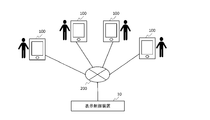
- FIG. 2 is a schematic view showing an example of a usage embodiment of the display control device of the first embodiment.
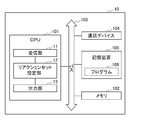
- FIG. 3 is a block diagram showing an example of the hardware configuration of the display control device of the first embodiment.
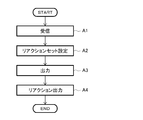
- FIG. 4 is a flowchart showing an example of processing in the display control device of the first embodiment.
- FIG. 5 is a diagram showing an example of a screen output to the user terminal in the first embodiment.
- FIG. 6 is a block diagram showing a configuration of an example of the display control device according to the second embodiment.
- FIG. 7 is a flowchart showing an example of processing in the display control device of the second embodiment.
- FIG. 1 is a block diagram showing a configuration of an example of the display control device of the first embodiment.
- FIG. 2 is a schematic view showing an example of a usage embodiment of the display control device of the first embodiment.
- FIG. 3 is a block diagram showing an example
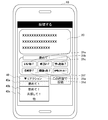
- FIG. 8 is a diagram showing an example of a screen output to the user terminal in the third embodiment.
- FIG. 9 is a flowchart showing an example of processing in the display control device of the third embodiment.
- FIG. 10 is a block diagram showing a configuration of an example of the display control device according to the fourth embodiment.
- FIG. 1 is a block diagram showing a configuration of an example of the display control device 10 of the present embodiment.
- the display control device 10 includes a receiving unit 11, a reaction set setting unit 12, and an output unit 13.
- the display control device 10 is also referred to as, for example, a display control system.
- the "post display control device” is also simply referred to as a "display control device”.
- the display control device 10 can be connected to a plurality of user terminals 100 via a communication network 200.
- the terminal 100 is preferably a terminal provided with a display, and specific examples thereof include a mobile phone, a smartphone, a tablet, a PC, and a wearable terminal.
- the communication network 200 is not particularly limited, and a known network can be used.
- the communication network 200 may be wired or wireless.
- Examples of the communication line network 200 include an Internet line, a telephone line, a LAN (Local Area Network), WiFi (Wireless Fidelity), and the like.
- the display control system in the present embodiment may include, for example, a display control device 10 and a user terminal 100.
- the display control device 10 may be, for example, one display control device including the above-mentioned parts, or the display control device 10 may be a display control device in which each part can be connected via the communication network 200.
- the display control device 10 may include, for example, a terminal and a server, and the terminal and the server may be connected to each other via the communication network 200.
- FIG. 3 illustrates a block diagram of the hardware configuration of the display control device 10.
- the display control device 10 includes, for example, a CPU (central processing unit) 101, a memory 102, a bus 103, a communication device 104, a storage device 105, and the like. Each part of the display control device 10 is connected via the bus 103 by, for example, each interface (I / F).
- the CPU 101 is responsible for controlling the entire display control device 10.
- the program of the present invention and other programs are executed by the CPU 101, and various information is read and written.
- the CPU 101 functions as a receiving unit 11, a reaction set setting unit 12, an output unit 13, and a learned model acquisition unit 14, which will be described later.
- a central processing unit such as a GPU may be used instead of the CPU 101.
- Bus 103 can also be connected to, for example, an external device.
- the external device include a terminal, an external storage device (external database, etc.) and the like.
- the display control device 10 can be connected to the communication line network 200 by, for example, the communication device 104 connected to the bus 103, and can also be connected to the external device via the communication line network 200.
- the memory 102 includes, for example, a main memory, and the main memory is also referred to as a main storage device.
- the main memory is, for example, a RAM (random access memory).
- the memory 102 further includes, for example, a ROM (read-only memory).
- the storage device 105 is also referred to as a so-called auxiliary storage device with respect to the main memory (main storage device), for example.
- the storage device 105 stores the operation program 106 including the program of the present invention.
- the storage device 105 includes, for example, a storage medium and a drive for reading and writing to the storage medium.
- the storage medium is not particularly limited, and may be an internal type or an external type, for example, HD (hard disk), FD (floppy (registered trademark) disk), CD-ROM, CD-R, CD-RW, MO, etc. Examples thereof include a DVD, a flash memory, a memory card, and the like, and the drive is not particularly limited.
- the storage device 105 may be, for example, a hard disk drive (HDD) in which a storage medium and a drive are integrated.
- HDD hard disk drive
- the operation program 106 is stored in the storage device 105.
- the storage device 105 may store, for example, information such as the content of the post and the learned model described later.
- the display control device 10 may further include, for example, an input device and an output device such as a display.
- the input device is, for example, a touch panel, a keyboard, a mouse, or the like.
- Examples of the display include an LED display and a liquid crystal display.
- the memory 102 and the storage device 105 can also store access information and log information from the user, as well as information acquired from an external database (not shown).
- the receiving unit 11 receives a post from the user.
- the post is a post in a system such as SNS that enables communication between a plurality of users, and is not particularly limited, and is, for example, a text, an image, or the like.
- the post includes, for example, comments on other posts.
- the reaction set setting unit 12 sets the reaction set to be output in association with the post.
- the reaction set includes a reaction button.
- the reaction button can input a reaction (reaction) to the post.
- the reaction button may be any as long as it is possible to input a reaction to the post, and is not particularly limited. For example, it may be a default one or one created by a user (poster or other user). In addition, characters may or may not be included. Further, it may be text data or image data (icon, stamp, etc.). Specific examples of the reaction button include “Like” and “Congratulations!. In addition, as shown in FIG. 5 to be described later, “same for us”, “don't care”, “helpful”, “mama is hard”, “understand” and the like can be mentioned.
- the number of the reaction buttons included in the reaction set is not particularly limited, and examples thereof include 1 to 10 and 3 to 5.
- the reaction set setting unit 12 may set the reaction set based on the input of the user, for example. Specifically, for example, the user can set in advance the reaction set to be output in association with the post among the plurality of reaction sets.
- the reaction set setting unit 12 may set the reaction set by analyzing the post, for example.
- the analysis is not particularly limited, and examples thereof include context analysis and word analysis.
- the post is tagged (for example, emotional determination) by the analysis.
- the reaction set including the reaction button related to the tag (emotion) can be set.
- the reaction button included in the reaction set may be a default one or a preset one by a user (poster or other user). Further, it may be set for each setting of the reaction set.
- the output unit 13 outputs the post and the reaction button included in the set reaction set in association with each other.
- the output post and the reaction button are transmitted, for example, to the user who is the poster of the post and the terminal of a user other than the poster who can view the post via the communication device 104. It may be displayed on the display or the like of the display control device 10.
- the receiving unit 11 may further receive a reaction to the post in response to an input to the reaction button, for example. Then, the output unit 13 may further output the received reaction, for example.
- the output of the reaction is not particularly limited, and examples thereof include changing the display of numbers on the reaction button as shown in FIG. 5. Specifically, for example, each time the reaction is received, "1" can be added to the number displayed on the reaction button.
- the input to the reaction button is, for example, by a user other than the poster who can view the post.
- the present invention can reduce the stress of the poster by preventing reactions that are inappropriate for the poster. Specifically, for example, it is possible to prevent giving an unintended icon such as "Congratulations" to a poster who posted something unpleasant, and to reduce communication stress due to SNS. can. Also, gaining empathy from others about something, for example, being celebrated by others when something good happens or being comforted by others when something bad happens, reduces the stress of the person. You can get good effects for yourself, such as motivating yourself. According to the present invention, since an appropriate reaction can be set for the poster, it can be expected that such a good effect can be obtained.
- FIG. 4 is a flowchart showing an example of the display control method.
- FIG. 5 is a diagram showing an example of a screen output to the user terminal.
- the display control method of the present embodiment can be implemented as follows, for example, by using the display control device 10 of FIG.
- the display control method of the present embodiment is not limited to the use of the display control device 10 of FIG.
- the receiving unit 11 receives a post from the user (step (A1)). For example, in FIG. 5, posts 20A to 20C are received from the user (“you”) who is using the terminal, which is the display control device 10, and “user A” and “user B”, respectively.
- the reaction set setting unit 12 sets the reaction set to be output in association with the post (step (A2)).
- the reaction set includes a reaction button, which can input a reaction to the post.
- the reaction set 300C is set, and the reaction set 300C includes the reaction buttons 30a to 30f.
- Reaction buttons 30a to 30f can input reactions such as "Like”, “Same for us”, “Understand”, “I don't care”, “Mom is hard”, and "Helpful", respectively.
- the output unit 13 links and outputs the post and the reaction button included in the set reaction set (step (A3)).
- the reaction set 300C is displayed (output) in association with the post 20C.
- the button 3000B is displayed in association with the post 20B, and the reaction set associated with the post 20B is displayed according to the selection of the button 3000B.
- the reaction to the post is received in response to the input to the reaction button, the received reaction is output (step (A4)) and ends (END).
- the reaction of "understand" to the post 20C is displayed according to the selection of the reaction button 30c.
- the reaction set setting unit 12 uses a trained model in which the content of the post is input and the reaction set is output in the setting of the reaction set that is output in association with the post. Set the reaction set. Except for this point, it is the same as that of the first embodiment.
- the trained model may be, for example, one generated by the trained model acquisition unit 14 described later in the display control device 10, or may be separately prepared.
- the content of the post input to the trained model may be, for example, the post itself, or may use the analysis result after analyzing the post.
- the analysis of the post for example, the analysis method of the post described in the first embodiment can be used.
- the display control device 10 may further include a trained model acquisition unit 14, as shown in FIG. 6, for example.
- FIG. 6 is a block diagram showing a configuration of an example of the display control device 10 of the present embodiment.
- the trained model acquisition unit 14 includes a teacher data acquisition unit 141 and a trained model generation unit 142, and the teacher data acquisition unit 141 includes the content of the post and the reaction set output in association with the post.
- the trained model generation unit 142 acquires the teacher data including the above, and uses the acquired teacher data to input the content of the post and generate a trained model that outputs the reaction set.
- the teacher data acquisition unit 141 may acquire the data output from the output unit 13 of the display control device 10 as the teacher data, or may acquire the data prepared separately. Further, the teacher data may be the data of the user, the data of a user other than the user, the data of one person, or the data of a plurality of people.
- the method of generating the trained model by the trained model generation unit 142 is not particularly limited, and a known machine learning method can be used.
- the generation of the trained model by the trained model generation unit 142 may be, for example, a modification of the generated trained model.
- the trained model generation unit 142 calculates the operation parameters of the trained model so that the reaction set output in association with the post is output by the trained model as a candidate for the reaction set. Can be modified.
- FIG. 7 is a flowchart showing an example of the display control method.
- the display control method of the present embodiment can be implemented as follows, for example, by using the display control device 10 of FIG.
- the display control method of the present embodiment is not limited to the use of the display control device 10 of FIG.
- the receiving unit 11 receives a post from the user (step (A1)).
- reaction set setting unit 12 acquires a trained model in which the content of the post is input and the reaction set is output (step (A2'-1)).
- reaction set setting unit 12 sets the reaction set to be output in association with the post using the trained model (step (A2'-2)).
- the output unit 13 links and outputs the post and the reaction button included in the set reaction set (step (A3)).
- the teacher data acquisition unit 141 of the trained model acquisition unit 14 acquires teacher data including the content of the post and the reaction set output in association with the post (step (A4-1)).
- the trained model generation unit 142 of the trained model acquisition unit 14 uses the acquired teacher data to input the content of the post and generate a trained model that outputs the reaction set (step). (A4-2)). Then, the generated trained model is set to be the trained model acquired in the step (A2'-1) (step (A4-3)), and the process ends (END).
- the user's post and the reaction set output in association with the post are acquired as the teacher data, and the trained model is generated. Therefore, by repeatedly executing the steps (A1) to (A4-3), for example, the trained model with higher accuracy can be obtained.
- the reaction set setting unit 12 presents the reaction set candidate to the user in the reaction set setting output in association with the post, and is based on the user's selection of the candidate. , Set the reaction set. Except for this point, it is the same as that of the first embodiment.
- the setting of the reaction set presented as the candidate can be performed in the same manner as the setting of the reaction set in the embodiment, for example.
- a label corresponding to the reaction set candidate may be set and the label may be displayed.
- the label may or may not be related, for example, to the content of the candidate reaction set (eg, number, etc.).
- the label may be a classification of the user's emotions, a classification by a topic in a post, or the like. Examples of the classification of the user's emotions include “praise", “comfort”, and “sympathize”.
- the reaction set candidate with the label "praise” includes the reaction buttons such as "Like” and "Congratulations!. Examples of the topics classified by the topic in the above-mentioned post include “animals” and the like.
- the reaction set candidate with the label "dog" includes the reaction button with a dog icon.
- the topic in the post may be set in advance, or may be set by analyzing the post or the like.
- the topic in the post may be the main topic of a series of posts or the topic of an individual post.
- the label may be, for example, a default label or may be arbitrarily set by the user.
- the presentation of the reaction set candidates is not limited to the display of the label, and for example, the reaction buttons included in the reaction set candidates may be displayed in a list.
- the presentation of the reaction set candidate can be, for example, the same as the output by the output unit 13.
- the label may be displayed, for example, by displaying a button (also referred to as a candidate button) corresponding to the candidate in the reaction set.
- FIG. 8 shows an example of the candidate button.
- candidate buttons 40a to 40c are displayed in association with the post 20.
- the reaction set can be set based on the selection of the candidate buttons 40a to 40c by the user.
- the candidate for the reaction set may include, for example, a plurality of the reaction sets as candidates, or may include one reaction set as a candidate.
- the reaction set setting unit 12 may further accept an evaluation by the user for the reaction set presented to the user as the candidate. Then, the setting of the reaction set presented as the candidate may be modified according to the evaluation. Thereby, for example, the reaction set that is not preferable for the user can be prevented from being output as a candidate for the reaction set.
- FIG. 9 is a flowchart showing an example of the display control method.
- the receiving unit 11 receives a post from the user (step (A1)).
- the post 20 is received (acceptance of input / editing) from the user who is using the terminal which is the display control device 10.
- the reaction set setting unit 12 presents the reaction set candidate to the user (step (A2 ′′ -1)).
- the candidate button 40 is presented as a candidate for the reaction set.
- the candidate button 40 is displayed as " ⁇ reaction”, and when the user selects the candidate button 40, the candidate buttons 40a to 40c corresponding to the candidate of the reaction set are displayed by the pull-down display.
- the candidate buttons 40a to 40c correspond to the candidates of the reaction set of "praise!, "Comfort!, And "sympathize!, Respectively.
- the reaction set setting unit 12 sets the reaction set based on the selection of the candidate by the user (step (A2 ′′ -2)).
- the reaction buttons 31a to 31f included in the reaction set of "praise! Are preview-displayed based on the selection of the candidate button 40a by the user.
- the reaction buttons 31a to 31f can be set in association with the post 20.
- the output unit 13 links and outputs the post and the reaction button included in the set reaction set (step (A3)), and then ends (END).
- the post 20 and the reaction buttons 31a to 31f are output in association with the screen (not shown) of the terminal of the user who posted or another user.
- the trained model acquisition unit 14 includes a teacher data acquisition unit 341 and a trained model generation unit 342. Except for this point, it is the same as that of the second embodiment. That is, also in the present embodiment, the reaction set setting unit 12 sets the trained model in which the content of the post is input and the reaction set is output in the setting of the reaction set that is output in association with the post. Use to set the reaction set.
- the reaction set output by the trained model may be a candidate for the reaction set.
- the teacher data acquisition unit 341 acquires teacher data including the content of the post and the reaction set presented to the user as the candidate. Then, the reaction set presented to the user as the candidate is associated with information regarding whether or not it is output in association with the post.
- the trained model generation unit 342 inputs the content of the post using the acquired teacher data, and outputs the reaction set presented to the user as the candidate in association with the post. Generate a trained model that outputs the reaction set.
- the trained model generation unit 342 for example, among the reaction sets presented to the user as the candidates for the trained model that has been generated, the reaction set output in association with the post is described. As a candidate for the reaction set, the arithmetic parameters of the trained model may be modified so as to be output by the trained model.
- the reaction sets that are not output in association with the post are trained as candidates for the reaction sets.
- the arithmetic parameters of the trained model may be modified so that they are not output by the model.
- the reaction set output in association with the post is output by the trained model.
- the appropriate reaction set can be output.
- the present embodiment relates to a trained model and a method of generating the trained model.
- the trained model (also referred to as a discriminator) of the present embodiment includes an input layer, an output layer, and an intermediate layer, the input layer is input with the content of a post from a user, and the output layer is the post.
- the reaction set that is output in association with the post is output, the intermediate layer inputs the content of the post from the user, and the parameter is set using the teacher data that outputs the reaction set that is output in association with the post.
- the computer has been trained so that the content of the post from the user is input to the input layer, the operation is performed in the intermediate layer, and the reaction set output in association with the post is output from the output layer. To work.
- the trained model can be generated, for example, based on a known machine learning method. Further, for example, it may be generated by the method of generating a trained model described later.
- the trained model generation method of the present embodiment includes a teacher data acquisition step and a trained model generation step, and the teacher data acquisition step includes the content of the post and the reaction output in association with the post.
- the teacher data including the set is acquired, and the trained model generation step uses the acquired teacher data to input the content of the post and generate a trained model that outputs the reaction set.
- the method of generating the trained model of the present embodiment includes a teacher data acquisition step and a trained model generation step, and the teacher data acquisition step is presented to the user as the content of the post and the candidate.
- the teacher data including the reaction set is acquired, and the reaction set presented to the user as the candidate is associated with information regarding whether or not it is output in association with the post, and has been learned.
- the learned model may be generated by inputting the content of the post and outputting the reaction set by using the acquired teacher data.
- the program of the present embodiment is a program for causing a computer to execute each step of the method of the present invention as a procedure.
- "procedure” may be read as "processing”.
- the program of the present embodiment may be recorded on a computer-readable recording medium, for example.
- the recording medium is not particularly limited, and examples thereof include a read-only memory (ROM), a hard disk (HD), an optical disk, a floppy (registered trademark) disk (FD), and the like.
- (Appendix 1) It has a receiving unit, a reaction set setting unit, and an output unit.
- the receiver receives a post from the user and
- the reaction set setting unit sets a reaction set to be output in association with the post, and sets the reaction set.
- the reaction set includes a reaction button.
- the reaction button can input a reaction to the post,
- the output unit outputs the post and the reaction button included in the set reaction set in association with each other.
- (Appendix 2) The display control device according to Appendix 1, wherein the reaction set setting unit presents a candidate for the reaction set to the user and sets the reaction set based on the selection of the candidate by the user.
- the reaction set setting unit presents the user with a button corresponding to the candidate of the reaction set.
- the display control device according to Appendix 2 wherein the reaction set setting unit sets the reaction set based on the selection of the button by the user.
- the display control device according to any one of Appendix 1 to 3 wherein the reaction set setting unit sets the reaction set by analyzing the post.
- the display control device according to Appendix 4 wherein the reaction set setting unit sets the reaction set by analyzing the context of the post.
- the trained model acquisition unit includes a teacher data acquisition unit and a trained model generation unit.
- the teacher data acquisition unit acquires teacher data including the content of the post and the reaction set output in association with the post.
- the display control device according to Appendix 6, wherein the trained model generation unit generates the trained model by inputting the content of the post and outputting the reaction set by using the acquired teacher data.
- the teacher data acquisition unit acquires the teacher data including the content of the post and the reaction set presented to the user as the candidate.
- the reaction set presented to the user as the candidate is associated with information regarding whether or not it was output in association with the post.
- the trained model generation unit inputs the content of the post using the acquired teacher data, and outputs the reaction set presented to the user as the candidate in association with the post.
- the display control device according to Appendix 7, which generates a trained model that outputs a reaction set.
- Appendix 9 In the trained model generation unit, among the reaction sets presented to the user as the candidates, the reaction set that is not output in association with the post is used as the candidate for the reaction set by the trained model.
- the display control device according to Appendix 8 which modifies the arithmetic parameters of the trained model so as not to be output. (Appendix 10) It has a receiving process, a reaction set setting process, and an output process.
- the receiving process receives a post from the user and In the reaction set setting process, a reaction set to be output in association with the post is set, and the reaction set is set.
- the reaction set includes a reaction button.
- the reaction button can input a reaction to the post, In the output process, the post and the reaction button included in the set reaction set are linked and output.
- Post display control method (Appendix 11) The display control method according to Appendix 10, wherein the reaction set setting step presents a candidate for the reaction set to the user and sets the reaction set based on the selection of the candidate by the user. (Appendix 12) In the reaction set setting step, the user is presented with a candidate button corresponding to the candidate of the reaction set.
- Appendix 13 The display control method according to any one of Appendix 10 to 12, wherein the reaction set setting step sets the reaction set by analyzing the post.
- Appendix 14 The display control method according to Appendix 13, wherein the reaction set setting step sets the reaction set by analyzing the context of the post.
- Appendix 15 The display control method according to any one of Supplementary note 10 to 14, wherein the reaction set setting step sets the reaction set using a trained model in which the content of the post is input and the reaction set is output.
- Appendix 16 In addition, it includes a trained model acquisition process.
- the trained model acquisition step includes a teacher data acquisition step and a trained model generation step.
- the teacher data acquisition step acquires teacher data including the content of the post and the reaction set output in association with the post.
- the teacher data acquisition step acquires the teacher data including the content of the post and the reaction set presented to the user as the candidate.
- the reaction set presented to the user as the candidate is associated with information regarding whether or not it was output in association with the post.
- the content of the post is input using the acquired teacher data, and the reaction set presented to the user as the candidate is output in association with the post.
- the display control method according to Appendix 16 which generates a trained model that outputs a reaction set.
- Appendix 18 In the trained model generation step, among the reaction sets presented to the user as the candidates, the reaction set that is not output in association with the post is used as the candidate for the reaction set by the trained model.
- Appendix 19 A program that allows the computer to perform receive, reaction set, and output procedures: The receiving procedure receives a post from a user and The reaction set setting procedure sets the reaction set to be output in association with the post, and then sets the reaction set.
- the reaction set includes a reaction button.
- the reaction button can input a reaction to the post, In the output procedure, the post and the reaction button included in the set reaction set are linked and output.
- Appendix 20 The program according to Appendix 19, wherein the reaction set setting procedure presents a candidate for the reaction set to the user and sets the reaction set based on the selection of the candidate by the user.
- Appendix 21 The reaction set setting procedure presents the user with a candidate button corresponding to the candidate of the reaction set.
- the program according to Appendix 20 wherein the reaction set setting procedure sets the reaction set based on the selection of the candidate button by the user.
- Appendix 22 The program according to any one of Appendix 19 to 21, wherein the reaction set setting procedure sets the reaction set by analyzing the post.
- (Appendix 23) The program according to Appendix 22, wherein the reaction set setting procedure sets the reaction set by analyzing the context of the post.
- (Appendix 24) The program according to any one of Appendix 19 to 23, wherein the reaction set setting procedure sets the reaction set using a trained model in which the content of the post is input and the reaction set is output.
- (Appendix 25) In addition, it includes a trained model acquisition procedure.
- the trained model acquisition procedure includes a teacher data acquisition procedure and a trained model generation procedure.
- the teacher data acquisition procedure acquires teacher data including the content of the post and the reaction set output in association with the post.
- the program according to Appendix 24, wherein the trained model generation procedure uses the acquired teacher data to input the content of the post and generate the trained model with the reaction set as an output.
- the teacher data acquisition procedure acquires the teacher data including the content of the post and the reaction set presented to the user as the candidate.
- the reaction set presented to the user as the candidate is associated with information regarding whether or not it was output in association with the post.
- the content of the post is input using the acquired teacher data, and the reaction set presented to the user as the candidate is output in association with the post.
- the program according to Appendix 25, which generates a trained model that outputs a reaction set.
- Appendix 27 In the trained model generation procedure, among the reaction sets presented to the user as the candidates, the reaction set that is not output in association with the post is used as the candidate for the reaction set by the trained model.
- Appendix 28 A computer-readable recording medium on which the program according to any one of Appendix 19 to 27 is recorded.
- the present invention it is possible to provide a system capable of reducing the stress of the poster by preventing reactions that are inappropriate for the poster. In addition, troubles between users can be prevented.
Landscapes
- Engineering & Computer Science (AREA)
- Theoretical Computer Science (AREA)
- Business, Economics & Management (AREA)
- Tourism & Hospitality (AREA)
- Physics & Mathematics (AREA)
- General Physics & Mathematics (AREA)
- Economics (AREA)
- Health & Medical Sciences (AREA)
- General Engineering & Computer Science (AREA)
- General Health & Medical Sciences (AREA)
- Human Resources & Organizations (AREA)
- Marketing (AREA)
- Primary Health Care (AREA)
- Strategic Management (AREA)
- General Business, Economics & Management (AREA)
- Management, Administration, Business Operations System, And Electronic Commerce (AREA)
- User Interface Of Digital Computer (AREA)
Abstract
投稿者にとって適切でないリアクションを防ぐことにより、投稿者のストレスを軽減可能なシステムを提供する。 本発明の投稿の表示制御装置10は、受信部11、リアクションセット設定部12、および出力部13を有し、受信部11は、ユーザーから投稿を受信し、リアクションセット設定部12は、前記投稿に紐づけて出力されるリアクションセットを設定し、前記リアクションセットは、リアクションボタンを含み、前記リアクションボタンは、前記投稿に対するリアクションを入力可能であり、出力部13は、前記投稿と、前記設定された前記リアクションセットに含まれる前記リアクションボタンとを、紐づけて出力する。
Description
本発明は、投稿の表示制御装置、投稿の表示制御方法、およびプログラムに関する。
SNS(Social Networking Service)において、日記やコメント等の投稿に紐づけて、「いいね!」等のリアクションボタンが出力され、投稿者以外のユーザーが、このリアクションボタンを選択することにより、前記投稿へのリアクションを示すことができることが知られている(特許文献1)。
また、「いいね!」、「おめでとう!」等の肯定的なリアクションのほか、悲しみや怒り等のリアクション等を含む、複数の前記リアクションボタンを選択可能とする方法も知られている。
しかしながら、複数の前記リアクションボタンを選択可能な場合でも、投稿に対するリアクションが、投稿者にとって適切でないものであった場合に、投稿者にストレスを生じさせる一因となることがあった。
そこで、本発明は、投稿者にとって適切でないリアクションを防ぐことにより、投稿者のストレスを軽減可能なシステムの提供を目的とする。
前記目的を達成するために、本発明の投稿の表示制御装置は、
受信部、リアクションセット設定部、および出力部を有し、
前記受信部は、ユーザーから投稿を受信し、
前記リアクションセット設定部は、前記投稿に紐づけて出力されるリアクションセットを設定し、
前記リアクションセットは、リアクションボタンを含み、
前記リアクションボタンは、前記投稿に対するリアクションを入力可能であり、
前記出力部は、前記投稿と、前記設定された前記リアクションセットに含まれる前記リアクションボタンとを、紐づけて出力する。
受信部、リアクションセット設定部、および出力部を有し、
前記受信部は、ユーザーから投稿を受信し、
前記リアクションセット設定部は、前記投稿に紐づけて出力されるリアクションセットを設定し、
前記リアクションセットは、リアクションボタンを含み、
前記リアクションボタンは、前記投稿に対するリアクションを入力可能であり、
前記出力部は、前記投稿と、前記設定された前記リアクションセットに含まれる前記リアクションボタンとを、紐づけて出力する。
本発明の投稿の表示制御方法は、
受信工程、リアクションセット設定工程、および出力工程を有し、
前記受信工程は、ユーザーから投稿を受信し、
前記リアクションセット設定工程は、前記投稿に紐づけて出力されるリアクションセットを設定し、
前記リアクションセットは、リアクションボタンを含み、
前記リアクションボタンは、前記投稿に対するリアクションを入力可能であり、
前記出力工程は、前記投稿と、前記設定された前記リアクションセットに含まれる前記リアクションボタンとを、紐づけて出力する。
受信工程、リアクションセット設定工程、および出力工程を有し、
前記受信工程は、ユーザーから投稿を受信し、
前記リアクションセット設定工程は、前記投稿に紐づけて出力されるリアクションセットを設定し、
前記リアクションセットは、リアクションボタンを含み、
前記リアクションボタンは、前記投稿に対するリアクションを入力可能であり、
前記出力工程は、前記投稿と、前記設定された前記リアクションセットに含まれる前記リアクションボタンとを、紐づけて出力する。
本発明によれば、投稿者にとって適切でないリアクションを防ぐことにより、投稿者のストレスを軽減可能なシステムを提供することができる。
本発明の実施形態について説明する。なお、本発明は、以下の実施形態には限定されない。なお、以下の各図において、同一部分には、同一符号を付している。また、各実施形態の説明は、特に言及がない限り、互いの説明を援用できる。さらに、各実施形態の構成は、特に言及がない限り、組合せ可能である。
[実施形態1]
図1は、本実施形態の表示制御装置10の一例の構成を示すブロック図である。表示制御装置10は、受信部11、リアクションセット設定部12、および出力部13を含む。表示制御装置10は、例えば、表示制御システムともいう。なお、「投稿の表示制御装置」を、単に「表示制御装置」ともいう。
図1は、本実施形態の表示制御装置10の一例の構成を示すブロック図である。表示制御装置10は、受信部11、リアクションセット設定部12、および出力部13を含む。表示制御装置10は、例えば、表示制御システムともいう。なお、「投稿の表示制御装置」を、単に「表示制御装置」ともいう。
表示制御装置10は、例えば、図2に示すように、複数のユーザー端末100と、通信回線網200を介して、接続可能である。端末100は、例えば、ディスプレイを備える端末が好ましく、具体例として、携帯電話、スマートフォン、タブレット、PC、ウェアラブル端末等があげられる。通信回線網200は、特に制限されず、公知のネットワークを使用でき、例えば、有線でも無線でもよい。通信回線網200は、例えば、インターネット回線、電話回線、LAN(Local Area Network)、WiFi(Wireless Fidelity)等があげられる。本実施形態における表示制御システムは、例えば、表示制御装置10とユーザー端末100とを含んでもよい。
表示制御装置10は、例えば、前記各部を含む1つの表示制御装置でもよいし、前記各部が、通信回線網200を介して接続可能な表示制御装置であってもよい。表示制御装置10は、例えば、端末とサーバーとを含み、前記端末とサーバーとが、通信回線網200を介して接続可能でもよい。
図3に、表示制御装置10のハードウエア構成のブロック図を例示する。表示制御装置10は、例えば、CPU(中央処理装置)101、メモリ102、バス103、通信デバイス104、記憶装置105等を有する。表示制御装置10の各部は、例えば、それぞれのインターフェイス(I/F)により、バス103を介して、接続されている。
CPU101は、表示制御装置10の全体の制御を担う。表示制御装置10において、CPU101により、例えば、本発明のプログラムやその他のプログラムが実行され、また、各種情報の読み込みや書き込みが行われる。具体的には、例えば、CPU101が、受信部11、リアクションセット設定部12、出力部13、および、後述する学習済みモデル取得部14として機能する。なお、本発明において、CPU101に代えて、GPU等の中央処理装置を用いてもよい。
バス103は、例えば、外部機器とも接続できる。前記外部機器は、例えば、端末、外部記憶装置(外部データベース等)等が挙げられる。表示制御装置10は、例えば、バス103に接続された通信デバイス104により、通信回線網200に接続でき、通信回線網200を介して、前記外部機器と接続することもできる。
メモリ102は、例えば、メインメモリを含み、前記メインメモリは、主記憶装置ともいう。CPU101が処理を行う際には、例えば、後述する記憶装置105に記憶されている本発明のプログラム等の種々の動作プログラムを、メモリ102が読み込み、CPU101は、メモリ102からデータを受け取って、プログラムを実行する。前記メインメモリは、例えば、RAM(ランダムアクセスメモリ)である。メモリ102は、例えば、さらに、ROM(読み出し専用メモリ)を含む。
記憶装置105は、例えば、前記メインメモリ(主記憶装置)に対して、いわゆる補助記憶装置ともいう。前述のように、記憶装置105には、本発明のプログラムを含む動作プログラム106が格納されている。記憶装置105は、例えば、記憶媒体と、前記記憶媒体に読み書きするドライブとを含む。前記記憶媒体は、特に制限されず、例えば、内蔵型でも外付け型でもよく、HD(ハードディスク)、FD(フロッピー(登録商標)ディスク)、CD-ROM、CD-R、CD-RW、MO、DVD、フラッシュメモリー、メモリーカード等が挙げられ、前記ドライブは、特に制限されない。記憶装置105は、例えば、記憶媒体とドライブとが一体化されたハードディスクドライブ(HDD)であってもよい。記憶装置105には、例えば、前述のように、動作プログラム106が格納される。また、記憶装置105は、例えば、投稿の内容、後述する学習済みモデル等の情報が格納されてもよい。
表示制御装置10は、例えば、さらに、入力装置、およびディスプレイ等の出力装置を有していてもよい。前記入力装置は、例えば、タッチパネル、キーボード、マウス等である。前記ディスプレイは、例えば、LEDディスプレイ、液晶ディスプレイ等が挙げられる。
表示制御装置10において、メモリ102および記憶装置105は、ユーザーからのアクセス情報およびログ情報、並びに、外部データベース(図示せず)から取得した情報を記憶することも可能である。
受信部11は、ユーザーから投稿を受信する。前記投稿は、SNS等の、複数のユーザー間のコミュニケーションが可能なシステムにおける投稿であり、特に制限されず、例えば、テキスト、画像等である。前記投稿は、例えば、他の投稿に対するコメント等を含む。
リアクションセット設定部12は、前記投稿に紐づけて出力されるリアクションセットを設定する。前記リアクションセットは、リアクションボタンを含む。前記リアクションボタンは、前記投稿に対するリアクション(反応)を入力可能である。
前記リアクションボタンは、前記投稿に対するリアクションを入力可能であればよく、特に制限されず、例えば、既定のものでもよいし、ユーザー(投稿者、または他のユーザー)が作成したものでもよい。また、文字を含んでもよいし、含まなくてもよい。また、テキストデータでもよいし、画像データ(アイコン、スタンプ等)でもよい。前記リアクションボタンは、具体的には、例えば、「いいね!」、「おめでとう!」等があげられる。また、後述する図5に示すように、「うちも同じ」、「気にしない」、「参考になった」、「ママは大変」、「わかる」等もあげられる。
前記リアクションセットに含まれる前記リアクションボタンの数は、特に制限されず、例えば、1~10個、3~5個等があげられる。
リアクションセット設定部12は、例えば、前記ユーザーの入力に基づき、前記リアクションセットを設定してもよい。具体的には、例えば、前記ユーザーは、予め、複数の前記リアクションセットのうち、前記投稿に紐づけて出力される前記リアクションセットを設定しておくことができる。
リアクションセット設定部12は、例えば、前記投稿を分析することにより、前記リアクションセットを設定してもよい。前記分析は、特に制限されず、例えば、文脈分析、単語の分析等があげられる。具体的には、例えば、前記分析により、前記投稿にタグ付け(例えば、感情の判定)をする。そして、そのタグ(感情)に関連する前記リアクションボタンを含む前記リアクションセットを設定することができる。
前記リアクションセットに含まれる前記リアクションボタンは、既定のものでもよいし、ユーザー(投稿者、または他のユーザー)が予め設定したものでもよい。また、前記リアクションセットの設定ごとに、設定されてもよい。
出力部13は、前記投稿と、前記設定された前記リアクションセットに含まれる前記リアクションボタンとを、紐づけて出力する。前記出力された前記投稿および前記リアクションボタンは、例えば、通信デバイス104を介して、前記投稿の投稿者である前記ユーザー、および前記投稿を閲覧可能な、前記投稿者以外のユーザーの端末に送信されてもよいし、表示制御装置10の前記ディスプレイ等に表示されてもよい。
受信部11は、例えば、さらに、前記リアクションボタンへの入力に応じて、前記投稿に対するリアクションを受信してもよい。そして、出力部13は、例えば、さらに、前記受信したリアクションを出力してもよい。前記リアクションの出力は、特に制限されず、例えば、図5に示すように、前記リアクションボタンにおける数字の表示を変更する等があげられ、具体的には、例えば、前記リアクションを受信するごとに、前記リアクションボタンに表示されている数字に「1」を加算することができる。前記リアクションボタンへの入力は、例えば、前記投稿者以外の、前記投稿を閲覧可能なユーザーによるものである。
本発明は、投稿者にとって適切でないリアクションを防ぐことにより、投稿者のストレスを軽減することができる。具体的には、例えば、嫌なことがあったことを投稿した投稿者に対し、「おめでとう」という意図しないアイコンを贈ること等を防ぐことができ、SNSによるコミュニケーション上のストレスを軽減することができる。また、何かについて他者から共感を得ること、例えば、良いことがあったときに他者から祝われたり、嫌なことがあったときに他者から慰められることは、本人のストレスを軽減したり、更なるやる気を引き出したりするなど、本人にとって良い効果が得られる。本発明によれば、投稿者にとって適切なリアクションを設定できるため、このような良い効果が得られることが期待できる。
次に、本実施形態の表示制御方法について、図4および図5を用いて説明する。図4は、前記表示制御方法の一例を示すフローチャートである。図5は、ユーザー端末に出力された画面の一例を示す図である。本実施形態の表示制御方法は、例えば、図1の表示制御装置10を用いて、次のように実施できる。なお、本実施形態の表示制御方法は、図1の表示制御装置10の使用には限定されない。
まず、受信部11により、ユーザーから投稿を受信する(工程(A1))。例えば、図5において、表示制御装置10である前記端末を使用しているユーザー(「あなた」)、ならびに「ユーザーA」および「ユーザーB」から、それぞれ、投稿20A~20Cを受信している。
つぎに、リアクションセット設定部12により、前記投稿に紐づけて出力されるリアクションセットを設定する(工程(A2))。前記リアクションセットは、リアクションボタンを含み、前記リアクションボタンは、前記投稿に対するリアクションを入力可能である。図5において、リアクションセット300Cが設定されており、リアクションセット300Cは、リアクションボタン30a~30fを含む。リアクションボタン30a~30fは、それぞれ、「いいね」、「うちも同じ」、「わかる」、「気にしない」、「ママは大変」、「参考になった」のリアクションを入力可能である。
つぎに、出力部13により、前記投稿と、前記設定された前記リアクションセットに含まれる前記リアクションボタンとを、紐づけて出力する(工程(A3))。図5において、投稿20Cに紐づけて、リアクションセット300Cが表示(出力)されている。なお、図5において、投稿20Bに紐づけて、ボタン3000Bが表示されており、ボタン3000Bの選択に応じて、投稿20Bに紐づけられた前記リアクションセットが表示される。
その後、前記リアクションボタンへの入力に応じて、前記投稿に対するリアクションを受信すると、前記受信したリアクションを出力し(工程(A4))、終了する(END)。図5において、リアクションボタン30cの選択に応じて、投稿20Cに対する「わかる」とのリアクションが表示されている。
なお、図5の例では、工程(A4)において、前記投稿者である「あなた」に対しては、前記投稿のみを出力しており、前記リアクションセットについては、出力していない。ただし、これには制限されず、前記投稿者に対しても、前記投稿に紐づけて、前記リアクションセットを出力してもよい。
[実施形態2]
つぎに、実施形態2について、説明する。本実施形態において、リアクションセット設定部12は、前記投稿に紐づけて出力される前記リアクションセットの設定において、前記投稿の内容を入力とし、前記リアクションセットを出力とする学習済みモデルを用いて、前記リアクションセットを設定する。この点以外は、前記実施形態1と同様である。
つぎに、実施形態2について、説明する。本実施形態において、リアクションセット設定部12は、前記投稿に紐づけて出力される前記リアクションセットの設定において、前記投稿の内容を入力とし、前記リアクションセットを出力とする学習済みモデルを用いて、前記リアクションセットを設定する。この点以外は、前記実施形態1と同様である。
前記学習済みモデルは、例えば、表示制御装置10における、後述する学習済みモデル取得部14により生成されたものでもよいし、別途用意したものでもよい。
前記学習済みモデルに入力される前記投稿の内容は、例えば、前記投稿そのものでもよいし、前記投稿の分析を行った後、その分析結果を用いてもよい。前記投稿の分析は、例えば、実施形態1に記載の前記投稿の分析方法を用いることができる。
表示制御装置10は、例えば、図6に示すように、さらに、学習済みモデル取得部14を含んでもよい。図6は、本実施形態の表示制御装置10の一例の構成を示すブロック図である。学習済みモデル取得部14は、教師データ取得部141、および学習済みモデル生成部142を含み、教師データ取得部141は、前記投稿の内容と、前記投稿に紐づけて出力された前記リアクションセットとを含む教師データを取得し、学習済みモデル生成部142は、前記取得した前記教師データを用いて、前記投稿の内容を入力、前記リアクションセットを出力とする学習済みモデルを生成する。
教師データ取得部141は、前記教師データとして、表示制御装置10における、出力部13から出力されたデータを取得してもよいし、別途用意したデータを取得してもよい。また、前記教師データは、前記ユーザーのデータでもよいし、前記ユーザー以外のデータでもよく、1人のデータでも複数人のデータでもよい。
学習済みモデル生成部142による前記学習済みモデルの生成方法は、特に制限されず、既知の機械学習による方法を用いることができる。
学習済みモデル生成部142による前記学習済みモデルの生成は、例えば、生成済みの前記学習済みモデルの修正であってもよい。この場合、学習済みモデル生成部142は、前記投稿に紐づけて出力された前記リアクションセットが、前記リアクションセットの候補として、前記学習済みモデルにより出力されるように、前記学習済みモデルの演算パラメータを修正することができる。
次に、本実施形態の表示制御方法において、前記ユーザーの、前記投稿および前記投稿に紐づけて出力された前記リアクションセットを、前記教師データとして取得する場合について、図7を用いて説明する。図7は、前記表示制御方法の一例を示すフローチャートである。本実施形態の表示制御方法は、例えば、図6の表示制御装置10を用いて、次のように実施できる。なお、本実施形態の表示制御方法は、図6の表示制御装置10の使用には限定されない。
まず、受信部11により、ユーザーから投稿を受信する(工程(A1))。
つぎに、リアクションセット設定部12により、前記投稿の内容を入力とし、前記リアクションセットを出力とする学習済みモデルを取得する(工程(A2’-1))。
つぎに、リアクションセット設定部12により、前記学習済みモデルを用いて、前記投稿に紐づけて出力されるリアクションセットを設定する(工程(A2’-2))。
つぎに、出力部13により、前記投稿と、前記設定された前記リアクションセットに含まれる前記リアクションボタンとを、紐づけて出力する(工程(A3))。
つぎに、学習済みモデル取得部14の教師データ取得部141により、前記投稿の内容と、前記投稿に紐づけて出力された前記リアクションセットとを含む教師データを取得する(工程(A4-1))。
つぎに、学習済みモデル取得部14の学習済みモデル生成部142により、前記取得した前記教師データを用いて、前記投稿の内容を入力、前記リアクションセットを出力とする学習済みモデルを生成する(工程(A4-2))。そして、前記生成した前記学習済みモデルが、前記工程(A2’-1)において取得される前記学習済みモデルとなるように設定し(工程(A4-3))、終了する(END)。
このように、前記表示制御方法によれば、前記ユーザーの、前記投稿および前記投稿に紐づけて出力された前記リアクションセットを、前記教師データとして取得し、前記学習済みモデルを生成する。このため、前記工程(A1)~工程(A4-3)を、繰り返し実行することにより、例えば、より精度の高い前記学習済みモデルにすることができる。
[実施形態3]
つぎに、実施形態3について、説明する。本実施形態において、リアクションセット設定部12は、前記投稿に紐づけて出力される前記リアクションセットの設定において、前記ユーザーに、前記リアクションセットの候補を提示し、前記ユーザーによる前記候補の選択に基づき、前記リアクションセットを設定する。この点以外は、前記実施形態1と同様である。
つぎに、実施形態3について、説明する。本実施形態において、リアクションセット設定部12は、前記投稿に紐づけて出力される前記リアクションセットの設定において、前記ユーザーに、前記リアクションセットの候補を提示し、前記ユーザーによる前記候補の選択に基づき、前記リアクションセットを設定する。この点以外は、前記実施形態1と同様である。
前記候補として提示される前記リアクションセットの設定は、例えば、前記実施形態における前記リアクションセットの設定と同様にして行うことができる。
前記リアクションセットの候補の提示は、例えば、前記リアクションセットの候補に対応するラベルを設定し、そのラベルを表示してもよい。前記ラベルは、例えば、前記リアクションセットの候補の内容に関連するものでもよいし、関連しなくてもよい(例えば、番号等)。前者の場合、前記ラベルは、前記ユーザーの感情を分類したもの、投稿における話題で分類したもの等があげられる。前記ユーザーの感情を分類したものとしては、例えば、「褒めて」、「慰めて」、「共感して」等があげられる。例えば、「褒めて」という前記ラベルが設定された前記リアクションセットの候補は、「いいね!」、「おめでとう!」等の前記リアクションボタンを含む。前記投稿における話題で分類したものとしては、例えば、「動物」等があげられる。例えば、「犬」の前記ラベルが設定された前記リアクションセットの候補は、犬のアイコン付きの前記リアクションボタンを含む。前記投稿における話題は、予め設定されてもよいし、前記投稿を分析する等により設定されてもよい。前記投稿における話題は、一連の投稿の主たる話題でもよいし、個別の投稿における話題でもよい。前記ラベルは、例えば、既定のものでもよいし、前記ユーザーが任意に設定できてもよい。なお、前記リアクションセットの候補の提示は、前記ラベルの表示には限定されず、例えば、前記リアクションセットの候補に含まれる前記リアクションボタンを一覧表示してもよい。前記リアクションセットの候補の提示は、例えば、出力部13による前記出力と同様とすることができる。
前記ラベルの表示は、例えば、前記リアクションセットの前記候補に対応するボタン(候補ボタンともいう。)の表示でもよい。図8に、前記候補ボタンの一例を示す。図8に示すように、投稿20に紐づけて、候補ボタン40a~cが表示されている。そして、例えば、前記ユーザーによる候補ボタン40a~cの選択に基づき、前記リアクションセットを設定することができる。
前記リアクションセットの候補は、例えば、複数の前記リアクションセットを候補として含んでもよいし、1つの前記リアクションセットを候補として含んでもよい。
リアクションセット設定部12は、例えば、さらに、前記候補として前記ユーザーに提示された前記リアクションセットについて、前記ユーザーによる評価を受付けてもよい。そして、前記評価に応じて、前記候補として提示される前記リアクションセットの設定を修正してもよい。これにより、例えば、前記ユーザーにとって好ましくない前記リアクションセットを、前記リアクションセットの候補として出力されないようにすることができる。
次に、本実施形態の表示制御方法について、図8および図9を用いて説明する。図9は、前記表示制御方法の一例を示すフローチャートである。
まず、受信部11により、ユーザーから投稿を受信する(工程(A1))。例えば、図8において、表示制御装置10である前記端末を使用しているユーザーから、投稿20を受信(入力・編集の受付)している。
つぎに、リアクションセット設定部12により、前記ユーザーに、前記リアクションセットの候補を提示する(工程(A2’’―1))。図8において、リアクションセットの候補として、候補ボタン40が提示されている。候補ボタン40は、「▼リアクション」と表示されており、候補ボタン40をユーザーが選択することにより、プルダウン表示により、前記リアクションセットの前記候補に対応する候補ボタン40a~cが表示される。候補ボタン40a~cは、それぞれ、「褒めて!」、「慰めて!」、「共感して!」の前記リアクションセットの前記候補に対応している。
つぎに、リアクションセット設定部12により、前記ユーザーによる前記候補の選択に基づき、前記リアクションセットを設定する(工程(A2’’-2))。図8において、前記ユーザーによる候補ボタン40aの選択に基づき、「褒めて!」の前記リアクションセットに含まれるリアクションボタン31a~31fがプレビュー表示される。そして、前記ユーザーが「この内容で投稿」を選択すると、投稿20に紐づけて、リアクションボタン31a~31fを設定することができる。
つぎに、出力部13により、前記投稿と、前記設定された前記リアクションセットに含まれる前記リアクションボタンとを、紐づけて出力し(工程(A3))、その後、終了する(END)。図8の場合、投稿20と、リアクションボタン31a~31fとが、投稿を行ったユーザーや他のユーザーの端末の画面(図示せず)等に、紐づけて出力される。
[実施形態4]
つぎに、実施形態4について、説明する。本実施形態において、図10に示すように、学習済みモデル取得部14は、教師データ取得部341、および学習済みモデル生成部342を含む。この点以外は、実施形態2と同様である。すなわち、本実施形態においても、リアクションセット設定部12は、前記投稿に紐づけて出力される前記リアクションセットの設定において、前記投稿の内容を入力とし、前記リアクションセットを出力とする学習済みモデルを用いて、前記リアクションセットを設定する。
つぎに、実施形態4について、説明する。本実施形態において、図10に示すように、学習済みモデル取得部14は、教師データ取得部341、および学習済みモデル生成部342を含む。この点以外は、実施形態2と同様である。すなわち、本実施形態においても、リアクションセット設定部12は、前記投稿に紐づけて出力される前記リアクションセットの設定において、前記投稿の内容を入力とし、前記リアクションセットを出力とする学習済みモデルを用いて、前記リアクションセットを設定する。
前記学習済みモデルにより出力される前記リアクションセットは、前記リアクションセットの候補でもよい。
教師データ取得部341は、前記投稿の内容と、前記候補として前記ユーザーに提示された前記リアクションセットとを含む教師データを取得する。そして、前記候補として前記ユーザーに提示された前記リアクションセットには、前記投稿に紐づけて出力されたか否かに関する情報が紐づけられている。
学習済みモデル生成部342は、前記取得した前記教師データを用いて、前記投稿の内容を入力、前記候補として前記ユーザーに提示された前記リアクションセットのうち、前記投稿に紐づけて出力された前記リアクションセットを出力とする学習済みモデルを生成する。
学習済みモデル生成部342は、例えば、生成済みの前記学習済みモデルに対し、前記候補として前記ユーザーに提示された前記リアクションセットのうち、前記投稿に紐づけて出力された前記リアクションセットが、前記リアクションセットの候補として、前記学習済みモデルにより出力されるように、前記学習済みモデルの演算パラメータを修正してもよい。
学習済みモデル生成部342は、例えば、前記候補として前記ユーザーに提示された前記リアクションセットのうち、前記投稿に紐づけて出力されなかった前記リアクションセットが、前記リアクションセットの候補として、前記学習済みモデルにより出力されないように、前記学習済みモデルの演算パラメータを修正してもよい。
本実施形態によれば、前記候補として前記ユーザーに提示された前記リアクションセットのうち、前記投稿に紐づけて出力された前記リアクションセットが、前記学習済みモデルにより出力されるようになるため、より、適切な前記リアクションセットを出力することができる。
[実施形態5]
本実施形態は、学習済みモデル、および学習済みモデルの生成方法に関する。
本実施形態は、学習済みモデル、および学習済みモデルの生成方法に関する。
本実施形態の学習済みモデル(判別器ともいう。)は、入力層、出力層、および中間層を含み、前記入力層は、ユーザーからの投稿の内容が入力され、前記出力層は、前記投稿に紐づけて出力されるリアクションセットを出力し、前記中間層は、ユーザーからの投稿の内容を入力、前記投稿に紐づけて出力されたリアクションセットを出力とする教師データを用いて、パラメータが学習されており、前記入力層に、前記ユーザーからの投稿の内容を入力し、前記中間層において演算し、前記出力層から、前記投稿に紐づけて出力されるリアクションセットを出力するようにコンピュータを機能させる。
前記学習済みモデルは、例えば、公知の機械学習の方法に基づき、生成することができる。また、例えば、後述する学習済みモデルの生成方法により生成してもよい。
本実施形態の学習済みモデルの生成方法は、教師データ取得工程、および学習済みモデル生成工程を含み、前記教師データ取得工程は、前記投稿の内容と、前記投稿に紐づけて出力された前記リアクションセットとを含む教師データを取得し、前記学習済みモデル生成工程は、前記取得した前記教師データを用いて、前記投稿の内容を入力、前記リアクションセットを出力とする学習済みモデルを生成する。
また、本実施形態の学習済みモデルの生成方法は、教師データ取得工程、および学習済みモデル生成工程を含み、前記教師データ取得工程は、前記投稿の内容と、前記候補として前記ユーザーに提示された前記リアクションセットとを含む教師データを取得し、前記候補として前記ユーザーに提示された前記リアクションセットには、前記投稿に紐づけて出力されたか否かに関する情報が紐づけられており、前記学習済みモデル生成工程は、前記取得した前記教師データを用いて、前記投稿の内容を入力、前記リアクションセットを出力とする学習済みモデルを生成してもよい。
[実施形態6]
本実施形態のプログラムは、本発明の方法の各工程を、手順として、コンピュータに実行させるためのプログラムである。本発明において、「手順」は、「処理」と読み替えてもよい。また、本実施形態のプログラムは、例えば、コンピュータ読み取り可能な記録媒体に記録されてもよい。前記記録媒体としては、特に限定されず、例えば、読み出し専用メモリ(ROM)、ハードディスク(HD)、光ディスク、フロッピー(登録商標)ディスク(FD)等が挙げられる。
本実施形態のプログラムは、本発明の方法の各工程を、手順として、コンピュータに実行させるためのプログラムである。本発明において、「手順」は、「処理」と読み替えてもよい。また、本実施形態のプログラムは、例えば、コンピュータ読み取り可能な記録媒体に記録されてもよい。前記記録媒体としては、特に限定されず、例えば、読み出し専用メモリ(ROM)、ハードディスク(HD)、光ディスク、フロッピー(登録商標)ディスク(FD)等が挙げられる。
以上、実施形態を参照して本発明を説明したが、本発明は、上記実施形態に限定されるものではない。本発明の構成や詳細には、本発明のスコープ内で当業者が理解しうる様々な変更をすることができる。
この出願は、2020年4月2日に出願された日本出願特願2020-066945を基礎とする優先権を主張し、その開示の全てをここに取り込む。
<付記>
上記の実施形態の一部または全部は、以下の付記のようにも記載しうるが、以下には限定されない。
(付記1)
受信部、リアクションセット設定部、および出力部を有し、
前記受信部は、ユーザーから投稿を受信し、
前記リアクションセット設定部は、前記投稿に紐づけて出力されるリアクションセットを設定し、
前記リアクションセットは、リアクションボタンを含み、
前記リアクションボタンは、前記投稿に対するリアクションを入力可能であり、
前記出力部は、前記投稿と、前記設定された前記リアクションセットに含まれる前記リアクションボタンとを、紐づけて出力する、
投稿の表示制御装置。
(付記2)
前記リアクションセット設定部は、前記ユーザーに、前記リアクションセットの候補を提示し、前記ユーザーによる前記候補の選択に基づき、前記リアクションセットを設定する、付記1記載の表示制御装置。
(付記3)
前記リアクションセット設定部は、前記ユーザーに、前記リアクションセットの前記候補に対応するボタンを提示し、
前記リアクションセット設定部は、前記ユーザーによる前記ボタンの選択に基づき、前記リアクションセットを設定する、付記2記載の表示制御装置。
(付記4)
前記リアクションセット設定部は、前記投稿を分析することにより、前記リアクションセットを設定する、付記1から3のいずれかに記載の表示制御装置。
(付記5)
前記リアクションセット設定部は、前記投稿を文脈分析することにより、前記リアクションセットを設定する、付記4記載の表示制御装置。
(付記6)
前記リアクションセット設定部は、前記投稿の内容を入力とし、前記リアクションセットを出力とする学習済みモデルを用いて、前記リアクションセットを設定する、付記1から5のいずれかに記載の表示制御装置。
(付記7)
さらに、学習済みモデル取得部を含み、
前記学習済みモデル取得部は、教師データ取得部、および学習済みモデル生成部を含み、
前記教師データ取得部は、前記投稿の内容と、前記投稿に紐づけて出力された前記リアクションセットとを含む教師データを取得し、
前記学習済みモデル生成部は、前記取得した前記教師データを用いて、前記投稿の内容を入力、前記リアクションセットを出力とする前記学習済みモデルを生成する、付記6記載の表示制御装置。
(付記8)
前記教師データ取得部は、前記投稿の内容と、前記候補として前記ユーザーに提示された前記リアクションセットとを含む前記教師データを取得し、
前記候補として前記ユーザーに提示された前記リアクションセットには、前記投稿に紐づけて出力されたか否かに関する情報が紐づけられており、
前記学習済みモデル生成部は、前記取得した前記教師データを用いて、前記投稿の内容を入力、前記候補として前記ユーザーに提示された前記リアクションセットのうち、前記投稿に紐づけて出力された前記リアクションセットを出力とする学習済みモデルを生成する、付記7記載の表示制御装置。
(付記9)
前記学習済みモデル生成部は、前記候補として前記ユーザーに提示された前記リアクションセットのうち、前記投稿に紐づけて出力されなかった前記リアクションセットが、前記リアクションセットの候補として、前記学習済みモデルにより出力されないように、前記学習済みモデルの演算パラメータを修正する、付記8記載の表示制御装置。
(付記10)
受信工程、リアクションセット設定工程、および出力工程を有し、
前記受信工程は、ユーザーから投稿を受信し、
前記リアクションセット設定工程は、前記投稿に紐づけて出力されるリアクションセットを設定し、
前記リアクションセットは、リアクションボタンを含み、
前記リアクションボタンは、前記投稿に対するリアクションを入力可能であり、
前記出力工程は、前記投稿と、前記設定された前記リアクションセットに含まれる前記リアクションボタンとを、紐づけて出力する、
投稿の表示制御方法。
(付記11)
前記リアクションセット設定工程は、前記ユーザーに、前記リアクションセットの候補を提示し、前記ユーザーによる前記候補の選択に基づき、前記リアクションセットを設定する、付記10記載の表示制御方法。
(付記12)
前記リアクションセット設定工程は、前記ユーザーに、前記リアクションセットの前記候補に対応する候補ボタンを提示し、
前記リアクションセット設定工程は、前記ユーザーによる前記候補ボタンの選択に基づき、前記リアクションセットを設定する、付記11記載の表示制御方法。
(付記13)
前記リアクションセット設定工程は、前記投稿を分析することにより、前記リアクションセットを設定する、付記10から12のいずれかに記載の表示制御方法。
(付記14)
前記リアクションセット設定工程は、前記投稿を文脈分析することにより、前記リアクションセットを設定する、付記13記載の表示制御方法。
(付記15)
前記リアクションセット設定工程は、前記投稿の内容を入力とし、前記リアクションセットを出力とする学習済みモデルを用いて、前記リアクションセットを設定する、付記10から14のいずれかに記載の表示制御方法。
(付記16)
さらに、学習済みモデル取得工程を含み、
前記学習済みモデル取得工程は、教師データ取得工程、および学習済みモデル生成工程を含み、
前記教師データ取得工程は、前記投稿の内容と、前記投稿に紐づけて出力された前記リアクションセットとを含む教師データを取得し、
前記学習済みモデル生成工程は、前記取得した前記教師データを用いて、前記投稿の内容を入力、前記リアクションセットを出力とする前記学習済みモデルを生成する、付記15記載の表示制御方法。
(付記17)
前記教師データ取得工程は、前記投稿の内容と、前記候補として前記ユーザーに提示された前記リアクションセットとを含む前記教師データを取得し、
前記候補として前記ユーザーに提示された前記リアクションセットには、前記投稿に紐づけて出力されたか否かに関する情報が紐づけられており、
前記学習済みモデル生成工程は、前記取得した前記教師データを用いて、前記投稿の内容を入力、前記候補として前記ユーザーに提示された前記リアクションセットのうち、前記投稿に紐づけて出力された前記リアクションセットを出力とする学習済みモデルを生成する、付記16記載の表示制御方法。
(付記18)
前記学習済みモデル生成工程は、前記候補として前記ユーザーに提示された前記リアクションセットのうち、前記投稿に紐づけて出力されなかった前記リアクションセットが、前記リアクションセットの候補として、前記学習済みモデルにより出力されないように、前記学習済みモデルの演算パラメータを修正する、付記17記載の表示制御方法。
(付記19)
コンピュータに、受信手順、リアクションセット設定手順、および出力手順を実行させるためのプログラム:
前記受信手順は、ユーザーから投稿を受信し、
前記リアクションセット設定手順は、前記投稿に紐づけて出力されるリアクションセットを設定し、
前記リアクションセットは、リアクションボタンを含み、
前記リアクションボタンは、前記投稿に対するリアクションを入力可能であり、
前記出力手順は、前記投稿と、前記設定された前記リアクションセットに含まれる前記リアクションボタンとを、紐づけて出力する。
(付記20)
前記リアクションセット設定手順は、前記ユーザーに、前記リアクションセットの候補を提示し、前記ユーザーによる前記候補の選択に基づき、前記リアクションセットを設定する、付記19記載のプログラム。
(付記21)
前記リアクションセット設定手順は、前記ユーザーに、前記リアクションセットの前記候補に対応する候補ボタンを提示し、
前記リアクションセット設定手順は、前記ユーザーによる前記候補ボタンの選択に基づき、前記リアクションセットを設定する、付記20記載のプログラム。
(付記22)
前記リアクションセット設定手順は、前記投稿を分析することにより、前記リアクションセットを設定する、付記19から21のいずれかに記載のプログラム。
(付記23)
前記リアクションセット設定手順は、前記投稿を文脈分析することにより、前記リアクションセットを設定する、付記22記載のプログラム。
(付記24)
前記リアクションセット設定手順は、前記投稿の内容を入力とし、前記リアクションセットを出力とする学習済みモデルを用いて、前記リアクションセットを設定する、付記19から23のいずれかに記載のプログラム。
(付記25)
さらに、学習済みモデル取得手順を含み、
前記学習済みモデル取得手順は、教師データ取得手順、および学習済みモデル生成手順を含み、
前記教師データ取得手順は、前記投稿の内容と、前記投稿に紐づけて出力された前記リアクションセットとを含む教師データを取得し、
前記学習済みモデル生成手順は、前記取得した前記教師データを用いて、前記投稿の内容を入力、前記リアクションセットを出力とする前記学習済みモデルを生成する、付記24記載のプログラム。
(付記26)
前記教師データ取得手順は、前記投稿の内容と、前記候補として前記ユーザーに提示された前記リアクションセットとを含む前記教師データを取得し、
前記候補として前記ユーザーに提示された前記リアクションセットには、前記投稿に紐づけて出力されたか否かに関する情報が紐づけられており、
前記学習済みモデル生成手順は、前記取得した前記教師データを用いて、前記投稿の内容を入力、前記候補として前記ユーザーに提示された前記リアクションセットのうち、前記投稿に紐づけて出力された前記リアクションセットを出力とする学習済みモデルを生成する、付記25記載のプログラム。
(付記27)
前記学習済みモデル生成手順は、前記候補として前記ユーザーに提示された前記リアクションセットのうち、前記投稿に紐づけて出力されなかった前記リアクションセットが、前記リアクションセットの候補として、前記学習済みモデルにより出力されないように、前記学習済みモデルの演算パラメータを修正する、付記26記載のプログラム。
(付記28)
付記19から27のいずれかに記載のプログラムを記録しているコンピュータ読み取り可能な記録媒体。
上記の実施形態の一部または全部は、以下の付記のようにも記載しうるが、以下には限定されない。
(付記1)
受信部、リアクションセット設定部、および出力部を有し、
前記受信部は、ユーザーから投稿を受信し、
前記リアクションセット設定部は、前記投稿に紐づけて出力されるリアクションセットを設定し、
前記リアクションセットは、リアクションボタンを含み、
前記リアクションボタンは、前記投稿に対するリアクションを入力可能であり、
前記出力部は、前記投稿と、前記設定された前記リアクションセットに含まれる前記リアクションボタンとを、紐づけて出力する、
投稿の表示制御装置。
(付記2)
前記リアクションセット設定部は、前記ユーザーに、前記リアクションセットの候補を提示し、前記ユーザーによる前記候補の選択に基づき、前記リアクションセットを設定する、付記1記載の表示制御装置。
(付記3)
前記リアクションセット設定部は、前記ユーザーに、前記リアクションセットの前記候補に対応するボタンを提示し、
前記リアクションセット設定部は、前記ユーザーによる前記ボタンの選択に基づき、前記リアクションセットを設定する、付記2記載の表示制御装置。
(付記4)
前記リアクションセット設定部は、前記投稿を分析することにより、前記リアクションセットを設定する、付記1から3のいずれかに記載の表示制御装置。
(付記5)
前記リアクションセット設定部は、前記投稿を文脈分析することにより、前記リアクションセットを設定する、付記4記載の表示制御装置。
(付記6)
前記リアクションセット設定部は、前記投稿の内容を入力とし、前記リアクションセットを出力とする学習済みモデルを用いて、前記リアクションセットを設定する、付記1から5のいずれかに記載の表示制御装置。
(付記7)
さらに、学習済みモデル取得部を含み、
前記学習済みモデル取得部は、教師データ取得部、および学習済みモデル生成部を含み、
前記教師データ取得部は、前記投稿の内容と、前記投稿に紐づけて出力された前記リアクションセットとを含む教師データを取得し、
前記学習済みモデル生成部は、前記取得した前記教師データを用いて、前記投稿の内容を入力、前記リアクションセットを出力とする前記学習済みモデルを生成する、付記6記載の表示制御装置。
(付記8)
前記教師データ取得部は、前記投稿の内容と、前記候補として前記ユーザーに提示された前記リアクションセットとを含む前記教師データを取得し、
前記候補として前記ユーザーに提示された前記リアクションセットには、前記投稿に紐づけて出力されたか否かに関する情報が紐づけられており、
前記学習済みモデル生成部は、前記取得した前記教師データを用いて、前記投稿の内容を入力、前記候補として前記ユーザーに提示された前記リアクションセットのうち、前記投稿に紐づけて出力された前記リアクションセットを出力とする学習済みモデルを生成する、付記7記載の表示制御装置。
(付記9)
前記学習済みモデル生成部は、前記候補として前記ユーザーに提示された前記リアクションセットのうち、前記投稿に紐づけて出力されなかった前記リアクションセットが、前記リアクションセットの候補として、前記学習済みモデルにより出力されないように、前記学習済みモデルの演算パラメータを修正する、付記8記載の表示制御装置。
(付記10)
受信工程、リアクションセット設定工程、および出力工程を有し、
前記受信工程は、ユーザーから投稿を受信し、
前記リアクションセット設定工程は、前記投稿に紐づけて出力されるリアクションセットを設定し、
前記リアクションセットは、リアクションボタンを含み、
前記リアクションボタンは、前記投稿に対するリアクションを入力可能であり、
前記出力工程は、前記投稿と、前記設定された前記リアクションセットに含まれる前記リアクションボタンとを、紐づけて出力する、
投稿の表示制御方法。
(付記11)
前記リアクションセット設定工程は、前記ユーザーに、前記リアクションセットの候補を提示し、前記ユーザーによる前記候補の選択に基づき、前記リアクションセットを設定する、付記10記載の表示制御方法。
(付記12)
前記リアクションセット設定工程は、前記ユーザーに、前記リアクションセットの前記候補に対応する候補ボタンを提示し、
前記リアクションセット設定工程は、前記ユーザーによる前記候補ボタンの選択に基づき、前記リアクションセットを設定する、付記11記載の表示制御方法。
(付記13)
前記リアクションセット設定工程は、前記投稿を分析することにより、前記リアクションセットを設定する、付記10から12のいずれかに記載の表示制御方法。
(付記14)
前記リアクションセット設定工程は、前記投稿を文脈分析することにより、前記リアクションセットを設定する、付記13記載の表示制御方法。
(付記15)
前記リアクションセット設定工程は、前記投稿の内容を入力とし、前記リアクションセットを出力とする学習済みモデルを用いて、前記リアクションセットを設定する、付記10から14のいずれかに記載の表示制御方法。
(付記16)
さらに、学習済みモデル取得工程を含み、
前記学習済みモデル取得工程は、教師データ取得工程、および学習済みモデル生成工程を含み、
前記教師データ取得工程は、前記投稿の内容と、前記投稿に紐づけて出力された前記リアクションセットとを含む教師データを取得し、
前記学習済みモデル生成工程は、前記取得した前記教師データを用いて、前記投稿の内容を入力、前記リアクションセットを出力とする前記学習済みモデルを生成する、付記15記載の表示制御方法。
(付記17)
前記教師データ取得工程は、前記投稿の内容と、前記候補として前記ユーザーに提示された前記リアクションセットとを含む前記教師データを取得し、
前記候補として前記ユーザーに提示された前記リアクションセットには、前記投稿に紐づけて出力されたか否かに関する情報が紐づけられており、
前記学習済みモデル生成工程は、前記取得した前記教師データを用いて、前記投稿の内容を入力、前記候補として前記ユーザーに提示された前記リアクションセットのうち、前記投稿に紐づけて出力された前記リアクションセットを出力とする学習済みモデルを生成する、付記16記載の表示制御方法。
(付記18)
前記学習済みモデル生成工程は、前記候補として前記ユーザーに提示された前記リアクションセットのうち、前記投稿に紐づけて出力されなかった前記リアクションセットが、前記リアクションセットの候補として、前記学習済みモデルにより出力されないように、前記学習済みモデルの演算パラメータを修正する、付記17記載の表示制御方法。
(付記19)
コンピュータに、受信手順、リアクションセット設定手順、および出力手順を実行させるためのプログラム:
前記受信手順は、ユーザーから投稿を受信し、
前記リアクションセット設定手順は、前記投稿に紐づけて出力されるリアクションセットを設定し、
前記リアクションセットは、リアクションボタンを含み、
前記リアクションボタンは、前記投稿に対するリアクションを入力可能であり、
前記出力手順は、前記投稿と、前記設定された前記リアクションセットに含まれる前記リアクションボタンとを、紐づけて出力する。
(付記20)
前記リアクションセット設定手順は、前記ユーザーに、前記リアクションセットの候補を提示し、前記ユーザーによる前記候補の選択に基づき、前記リアクションセットを設定する、付記19記載のプログラム。
(付記21)
前記リアクションセット設定手順は、前記ユーザーに、前記リアクションセットの前記候補に対応する候補ボタンを提示し、
前記リアクションセット設定手順は、前記ユーザーによる前記候補ボタンの選択に基づき、前記リアクションセットを設定する、付記20記載のプログラム。
(付記22)
前記リアクションセット設定手順は、前記投稿を分析することにより、前記リアクションセットを設定する、付記19から21のいずれかに記載のプログラム。
(付記23)
前記リアクションセット設定手順は、前記投稿を文脈分析することにより、前記リアクションセットを設定する、付記22記載のプログラム。
(付記24)
前記リアクションセット設定手順は、前記投稿の内容を入力とし、前記リアクションセットを出力とする学習済みモデルを用いて、前記リアクションセットを設定する、付記19から23のいずれかに記載のプログラム。
(付記25)
さらに、学習済みモデル取得手順を含み、
前記学習済みモデル取得手順は、教師データ取得手順、および学習済みモデル生成手順を含み、
前記教師データ取得手順は、前記投稿の内容と、前記投稿に紐づけて出力された前記リアクションセットとを含む教師データを取得し、
前記学習済みモデル生成手順は、前記取得した前記教師データを用いて、前記投稿の内容を入力、前記リアクションセットを出力とする前記学習済みモデルを生成する、付記24記載のプログラム。
(付記26)
前記教師データ取得手順は、前記投稿の内容と、前記候補として前記ユーザーに提示された前記リアクションセットとを含む前記教師データを取得し、
前記候補として前記ユーザーに提示された前記リアクションセットには、前記投稿に紐づけて出力されたか否かに関する情報が紐づけられており、
前記学習済みモデル生成手順は、前記取得した前記教師データを用いて、前記投稿の内容を入力、前記候補として前記ユーザーに提示された前記リアクションセットのうち、前記投稿に紐づけて出力された前記リアクションセットを出力とする学習済みモデルを生成する、付記25記載のプログラム。
(付記27)
前記学習済みモデル生成手順は、前記候補として前記ユーザーに提示された前記リアクションセットのうち、前記投稿に紐づけて出力されなかった前記リアクションセットが、前記リアクションセットの候補として、前記学習済みモデルにより出力されないように、前記学習済みモデルの演算パラメータを修正する、付記26記載のプログラム。
(付記28)
付記19から27のいずれかに記載のプログラムを記録しているコンピュータ読み取り可能な記録媒体。
本発明によれば、投稿者にとって適切でないリアクションを防ぐことにより、投稿者のストレスを軽減可能なシステムを提供することができる。また、ユーザー間のトラブルの防止を図ることができる。
10 表示制御装置
11 受信部
12 リアクションセット設定部
13 出力部
14 学習済みモデル取得部
11 受信部
12 リアクションセット設定部
13 出力部
14 学習済みモデル取得部
Claims (28)
- 受信部、リアクションセット設定部、および出力部を有し、
前記受信部は、ユーザーから投稿を受信し、
前記リアクションセット設定部は、前記投稿に紐づけて出力されるリアクションセットを設定し、
前記リアクションセットは、リアクションボタンを含み、
前記リアクションボタンは、前記投稿に対するリアクションを入力可能であり、
前記出力部は、前記投稿と、前記設定された前記リアクションセットに含まれる前記リアクションボタンとを、紐づけて出力する、
投稿の表示制御装置。 - 前記リアクションセット設定部は、前記ユーザーに、前記リアクションセットの候補を提示し、前記ユーザーによる前記候補の選択に基づき、前記リアクションセットを設定する、請求項1記載の表示制御装置。
- 前記リアクションセット設定部は、前記ユーザーに、前記リアクションセットの前記候補に対応するボタンを提示し、
前記リアクションセット設定部は、前記ユーザーによる前記ボタンの選択に基づき、前記リアクションセットを設定する、請求項2記載の表示制御装置。 - 前記リアクションセット設定部は、前記投稿を分析することにより、前記リアクションセットを設定する、請求項1から3のいずれか一項に記載の表示制御装置。
- 前記リアクションセット設定部は、前記投稿を文脈分析することにより、前記リアクションセットを設定する、請求項4記載の表示制御装置。
- 前記リアクションセット設定部は、前記投稿の内容を入力とし、前記リアクションセットを出力とする学習済みモデルを用いて、前記リアクションセットを設定する、請求項1から5のいずれか一項に記載の表示制御装置。
- さらに、学習済みモデル取得部を含み、
前記学習済みモデル取得部は、教師データ取得部、および学習済みモデル生成部を含み、
前記教師データ取得部は、前記投稿の内容と、前記投稿に紐づけて出力された前記リアクションセットとを含む教師データを取得し、
前記学習済みモデル生成部は、前記取得した前記教師データを用いて、前記投稿の内容を入力、前記リアクションセットを出力とする前記学習済みモデルを生成する、請求項6記載の表示制御装置。 - 前記教師データ取得部は、前記投稿の内容と、前記候補として前記ユーザーに提示された前記リアクションセットとを含む前記教師データを取得し、
前記候補として前記ユーザーに提示された前記リアクションセットには、前記投稿に紐づけて出力されたか否かに関する情報が紐づけられており、
前記学習済みモデル生成部は、前記取得した前記教師データを用いて、前記投稿の内容を入力、前記候補として前記ユーザーに提示された前記リアクションセットのうち、前記投稿に紐づけて出力された前記リアクションセットを出力とする学習済みモデルを生成する、請求項7記載の表示制御装置。 - 前記学習済みモデル生成部は、前記候補として前記ユーザーに提示された前記リアクションセットのうち、前記投稿に紐づけて出力されなかった前記リアクションセットが、前記リアクションセットの候補として、前記学習済みモデルにより出力されないように、前記学習済みモデルの演算パラメータを修正する、請求項8記載の表示制御装置。
- 受信工程、リアクションセット設定工程、および出力工程を有し、
前記受信工程は、ユーザーから投稿を受信し、
前記リアクションセット設定工程は、前記投稿に紐づけて出力されるリアクションセットを設定し、
前記リアクションセットは、リアクションボタンを含み、
前記リアクションボタンは、前記投稿に対するリアクションを入力可能であり、
前記出力工程は、前記投稿と、前記設定された前記リアクションセットに含まれる前記リアクションボタンとを、紐づけて出力する、
投稿の表示制御方法。 - 前記リアクションセット設定工程は、前記ユーザーに、前記リアクションセットの候補を提示し、前記ユーザーによる前記候補の選択に基づき、前記リアクションセットを設定する、請求項10記載の表示制御方法。
- 前記リアクションセット設定工程は、前記ユーザーに、前記リアクションセットの前記候補に対応する候補ボタンを提示し、
前記リアクションセット設定工程は、前記ユーザーによる前記候補ボタンの選択に基づき、前記リアクションセットを設定する、請求項11記載の表示制御方法。 - 前記リアクションセット設定工程は、前記投稿を分析することにより、前記リアクションセットを設定する、請求項10から12のいずれか一項に記載の表示制御方法。
- 前記リアクションセット設定工程は、前記投稿を文脈分析することにより、前記リアクションセットを設定する、請求項13記載の表示制御方法。
- 前記リアクションセット設定工程は、前記投稿の内容を入力とし、前記リアクションセットを出力とする学習済みモデルを用いて、前記リアクションセットを設定する、請求項10から14のいずれか一項に記載の表示制御方法。
- さらに、学習済みモデル取得工程を含み、
前記学習済みモデル取得工程は、教師データ取得工程、および学習済みモデル生成工程を含み、
前記教師データ取得工程は、前記投稿の内容と、前記投稿に紐づけて出力された前記リアクションセットとを含む教師データを取得し、
前記学習済みモデル生成工程は、前記取得した前記教師データを用いて、前記投稿の内容を入力、前記リアクションセットを出力とする前記学習済みモデルを生成する、請求項15記載の表示制御方法。 - 前記教師データ取得工程は、前記投稿の内容と、前記候補として前記ユーザーに提示された前記リアクションセットとを含む前記教師データを取得し、
前記候補として前記ユーザーに提示された前記リアクションセットには、前記投稿に紐づけて出力されたか否かに関する情報が紐づけられており、
前記学習済みモデル生成工程は、前記取得した前記教師データを用いて、前記投稿の内容を入力、前記候補として前記ユーザーに提示された前記リアクションセットのうち、前記投稿に紐づけて出力された前記リアクションセットを出力とする学習済みモデルを生成する、請求項16記載の表示制御方法。 - 前記学習済みモデル生成工程は、前記候補として前記ユーザーに提示された前記リアクションセットのうち、前記投稿に紐づけて出力されなかった前記リアクションセットが、前記リアクションセットの候補として、前記学習済みモデルにより出力されないように、前記学習済みモデルの演算パラメータを修正する、請求項17記載の表示制御方法。
- コンピュータに、受信手順、リアクションセット設定手順、および出力手順を実行させるためのプログラム:
前記受信手順は、ユーザーから投稿を受信し、
前記リアクションセット設定手順は、前記投稿に紐づけて出力されるリアクションセットを設定し、
前記リアクションセットは、リアクションボタンを含み、
前記リアクションボタンは、前記投稿に対するリアクションを入力可能であり、
前記出力手順は、前記投稿と、前記設定された前記リアクションセットに含まれる前記リアクションボタンとを、紐づけて出力する。 - 前記リアクションセット設定手順は、前記ユーザーに、前記リアクションセットの候補を提示し、前記ユーザーによる前記候補の選択に基づき、前記リアクションセットを設定する、請求項19記載のプログラム。
- 前記リアクションセット設定手順は、前記ユーザーに、前記リアクションセットの前記候補に対応する候補ボタンを提示し、
前記リアクションセット設定手順は、前記ユーザーによる前記候補ボタンの選択に基づき、前記リアクションセットを設定する、請求項20記載のプログラム。 - 前記リアクションセット設定手順は、前記投稿を分析することにより、前記リアクションセットを設定する、請求項19から21のいずれか一項に記載のプログラム。
- 前記リアクションセット設定手順は、前記投稿を文脈分析することにより、前記リアクションセットを設定する、請求項22記載のプログラム。
- 前記リアクションセット設定手順は、前記投稿の内容を入力とし、前記リアクションセットを出力とする学習済みモデルを用いて、前記リアクションセットを設定する、請求項19から23のいずれか一項に記載のプログラム。
- さらに、学習済みモデル取得手順を含み、
前記学習済みモデル取得手順は、教師データ取得手順、および学習済みモデル生成手順を含み、
前記教師データ取得手順は、前記投稿の内容と、前記投稿に紐づけて出力された前記リアクションセットとを含む教師データを取得し、
前記学習済みモデル生成手順は、前記取得した前記教師データを用いて、前記投稿の内容を入力、前記リアクションセットを出力とする前記学習済みモデルを生成する、請求項24記載のプログラム。 - 前記教師データ取得手順は、前記投稿の内容と、前記候補として前記ユーザーに提示された前記リアクションセットとを含む前記教師データを取得し、
前記候補として前記ユーザーに提示された前記リアクションセットには、前記投稿に紐づけて出力されたか否かに関する情報が紐づけられており、
前記学習済みモデル生成手順は、前記取得した前記教師データを用いて、前記投稿の内容を入力、前記候補として前記ユーザーに提示された前記リアクションセットのうち、前記投稿に紐づけて出力された前記リアクションセットを出力とする学習済みモデルを生成する、請求項25記載のプログラム。 - 前記学習済みモデル生成手順は、前記候補として前記ユーザーに提示された前記リアクションセットのうち、前記投稿に紐づけて出力されなかった前記リアクションセットが、前記リアクションセットの候補として、前記学習済みモデルにより出力されないように、前記学習済みモデルの演算パラメータを修正する、請求項26記載のプログラム。
- 請求項19から27のいずれか一項に記載のプログラムを記録しているコンピュータ読み取り可能な記録媒体。
Priority Applications (1)
| Application Number | Priority Date | Filing Date | Title |
|---|---|---|---|
| JP2022511630A JP7376185B2 (ja) | 2020-04-02 | 2021-02-15 | 投稿の表示制御装置、投稿の表示制御方法、およびプログラム |
Applications Claiming Priority (2)
| Application Number | Priority Date | Filing Date | Title |
|---|---|---|---|
| JP2020066945 | 2020-04-02 | ||
| JP2020-066945 | 2020-04-02 |
Publications (1)
| Publication Number | Publication Date |
|---|---|
| WO2021199727A1 true WO2021199727A1 (ja) | 2021-10-07 |
Family
ID=77928293
Family Applications (1)
| Application Number | Title | Priority Date | Filing Date |
|---|---|---|---|
| PCT/JP2021/005437 Ceased WO2021199727A1 (ja) | 2020-04-02 | 2021-02-15 | 投稿の表示制御装置、投稿の表示制御方法、およびプログラム |
Country Status (2)
| Country | Link |
|---|---|
| JP (1) | JP7376185B2 (ja) |
| WO (1) | WO2021199727A1 (ja) |
Cited By (1)
| Publication number | Priority date | Publication date | Assignee | Title |
|---|---|---|---|---|
| JP2025026793A (ja) * | 2023-08-11 | 2025-02-25 | 株式会社カカオ | コンテンツに対するリアクションセットを提供する方法、端末及びサーバー |
Citations (2)
| Publication number | Priority date | Publication date | Assignee | Title |
|---|---|---|---|---|
| JP2013254420A (ja) * | 2012-06-08 | 2013-12-19 | Nippon Telegr & Teleph Corp <Ntt> | 質問応答装置、モデル学習装置、方法、及びプログラム |
| WO2016203805A1 (ja) * | 2015-06-15 | 2016-12-22 | ソニー株式会社 | 情報処理装置、情報処理システム、情報処理方法及びプログラム |
-
2021
- 2021-02-15 JP JP2022511630A patent/JP7376185B2/ja active Active
- 2021-02-15 WO PCT/JP2021/005437 patent/WO2021199727A1/ja not_active Ceased
Patent Citations (2)
| Publication number | Priority date | Publication date | Assignee | Title |
|---|---|---|---|---|
| JP2013254420A (ja) * | 2012-06-08 | 2013-12-19 | Nippon Telegr & Teleph Corp <Ntt> | 質問応答装置、モデル学習装置、方法、及びプログラム |
| WO2016203805A1 (ja) * | 2015-06-15 | 2016-12-22 | ソニー株式会社 | 情報処理装置、情報処理システム、情報処理方法及びプログラム |
Cited By (2)
| Publication number | Priority date | Publication date | Assignee | Title |
|---|---|---|---|---|
| JP2025026793A (ja) * | 2023-08-11 | 2025-02-25 | 株式会社カカオ | コンテンツに対するリアクションセットを提供する方法、端末及びサーバー |
| JP7785863B2 (ja) | 2023-08-11 | 2025-12-15 | 株式会社カカオ | コンテンツに対するリアクションセットを提供する方法、端末及びサーバー |
Also Published As
| Publication number | Publication date |
|---|---|
| JPWO2021199727A1 (ja) | 2021-10-07 |
| JP7376185B2 (ja) | 2023-11-08 |
Similar Documents
| Publication | Publication Date | Title |
|---|---|---|
| US11328116B2 (en) | Intelligently identifying collaborators for a document | |
| US10839149B2 (en) | Generating templates from user's past documents | |
| US20200142545A1 (en) | Document contribution management system | |
| JP2017215996A (ja) | 変更要求フォームの注釈 | |
| US10891441B2 (en) | Apparatus, system, and method of assisting information sharing, and recording medium | |
| JP6637947B2 (ja) | 認知ロボット工学アナライザ | |
| US11522924B2 (en) | Notifications regarding updates to collaborative content | |
| Smith et al. | A scoping review to identify the techniques frequently used when analysing qualitative visual data | |
| Johnson et al. | Engagement-oriented design: a study of New Zealand public cultural heritage institutions crowdsourcing platforms | |
| JP2024035205A (ja) | 意見分析システム、意見分析方法、及びプログラム | |
| JP5893825B2 (ja) | ワークフローのための方法及びシステム | |
| Heijkant et al. | Framing pension reform in the news: Traditional versus social media | |
| Ouyang | Assessing meaning-dimension quality in consecutive interpreting training | |
| KR20180039019A (ko) | 상황-특정 기록 프레임워크와 관련된 방법 및 시스템 | |
| Ndindeng | The impact of social media on mental health | |
| Gan | Different registers, different grammars in second language production? The dative alternation in spoken and written Chinese learner English | |
| WO2021199727A1 (ja) | 投稿の表示制御装置、投稿の表示制御方法、およびプログラム | |
| JP2021012646A (ja) | 情報処理装置、情報処理方法および情報処理プログラム | |
| Pedroso Carvalho et al. | SIM-SR—Semiotic Inspection Method Mediated by Screen Reader: Analysing the Benefits of Bringing Communicability to the Accessibility Evaluation Table | |
| Kwon | Aspect-based sentiment analysis through zero-shot text classification and impact-asymmetry analysis | |
| JP2023014159A (ja) | 分類システム、及び、分類方法 | |
| JP5246309B2 (ja) | 情報処理装置及び情報処理プログラム | |
| KR20230051963A (ko) | 외국 입시 컨설팅 서비스 제공 시스템 | |
| US20250371265A1 (en) | System and method for annotation-guided document summarization through generative artificial intelligence | |
| JP7727351B1 (ja) | 情報共有装置、情報共有方法、及び情報共有プログラム |
Legal Events
| Date | Code | Title | Description |
|---|---|---|---|
| 121 | Ep: the epo has been informed by wipo that ep was designated in this application |
Ref document number: 21780433 Country of ref document: EP Kind code of ref document: A1 |
|
| ENP | Entry into the national phase |
Ref document number: 2022511630 Country of ref document: JP Kind code of ref document: A |
|
| NENP | Non-entry into the national phase |
Ref country code: DE |
|
| 122 | Ep: pct application non-entry in european phase |
Ref document number: 21780433 Country of ref document: EP Kind code of ref document: A1 |