WO2021182316A1 - 袋状培養容器 - Google Patents
袋状培養容器 Download PDFInfo
- Publication number
- WO2021182316A1 WO2021182316A1 PCT/JP2021/008595 JP2021008595W WO2021182316A1 WO 2021182316 A1 WO2021182316 A1 WO 2021182316A1 JP 2021008595 W JP2021008595 W JP 2021008595W WO 2021182316 A1 WO2021182316 A1 WO 2021182316A1
- Authority
- WO
- WIPO (PCT)
- Prior art keywords
- culture
- bag
- cells
- shaped
- water contact
- Prior art date
- Legal status (The legal status is an assumption and is not a legal conclusion. Google has not performed a legal analysis and makes no representation as to the accuracy of the status listed.)
- Ceased
Links
Images

Classifications
-
- C—CHEMISTRY; METALLURGY
- C12—BIOCHEMISTRY; BEER; SPIRITS; WINE; VINEGAR; MICROBIOLOGY; ENZYMOLOGY; MUTATION OR GENETIC ENGINEERING
- C12M—APPARATUS FOR ENZYMOLOGY OR MICROBIOLOGY; APPARATUS FOR CULTURING MICROORGANISMS FOR PRODUCING BIOMASS, FOR GROWING CELLS OR FOR OBTAINING FERMENTATION OR METABOLIC PRODUCTS, i.e. BIOREACTORS OR FERMENTERS
- C12M3/00—Tissue, human, animal or plant cell, or virus culture apparatus
Definitions
- the present invention relates to a cell culture technique, and particularly to a bag-shaped culture vessel for floating cells derived from pluripotent stem cells.
- the culture section is hydrophobic so that the cells do not adhere to the culture section of the culture vessel.
- a surface treatment suitable for applying a cell adhesion inhibitor is performed on the culture part so that the cells do not adhere to the culture part.
- a culture container coated with this is used.
- the floating cells used in the above culture experiment were iPS cell-derived T cells obtained by inducing differentiation of iPS cells. Therefore, the present inventor speculated that a culture vessel having properties different from that of a normal culture vessel for floating cells would be suitable for culturing such floating cells.
- iPS cells are adhesive cells that can be adhered to and proliferated in a culture section of a culture vessel. Therefore, it was speculated that the properties of the culture vessel for adhesive cells are more suitable for iPS cell-derived T cells than the general culture vessel for floating cells.
- a method of culturing iPS cells there is also a method of forming spheres (cell aggregates) without adhering the cells to the culture portion of the culture vessel and suspending the spheres in the culture vessel for culturing.
- the present inventor has studied diligently, and when the floating cells derived from pluripotent stem cells are proliferated using the bag-shaped culture container, the culture portion of the bag-shaped culture container is formed of polyethylene-based resin. It was found that the static water contact angle of the culture section is preferably 49.6 ° or more and 90.1 ° or less. Further, the static water contact angle of the culture section is more preferably 49.6 ° or more and 80.0 ° or less.
- the applicant has conventionally studied appropriate conditions for producing a culture vessel for floating cells and a culture vessel for adhesive cells, and described the culture vessel substrate and Patent Document 2 described in Patent Document 1.
- the cell culture vessel described in the above has already been proposed. Since the culture vessel base material described in Patent Document 1 is for adhesive cells, the culture container formed from this culture container base material has a different use from the present invention for floating cells. Further, since the static water contact angle of the culture part of the culture container is larger than 80 °, it is different from the preferable range of the static water contact angle of the culture part of the bag-shaped culture container of the present invention.
- the cell culture vessel described in Patent Document 2 has a static water contact angle of 80 ° to 95 ° in the culture section for floating cells, and a static water contact angle of 60 ° to 80 ° in the culture section. Is for adhesive cells.
- the bag-shaped culture vessel of the present invention is for floating cells derived from pluripotent stem cells, its use is further limited as compared with the cell culture vessel for floating cells described in Patent Document 2. ing. Further, the preferable range of the static water contact angle of the culture portion of the bag-shaped culture vessel of the present invention is different from that of the cell culture vessel for floating cells described in Patent Document 2.
- the present invention has been made in view of the above circumstances, and an object of the present invention is to provide a bag-shaped culture vessel capable of suitably proliferating floating cells derived from pluripotent stem cells.
- the bag-shaped culture vessel of the present invention is a bag-shaped culture container for proliferating floating cells derived from pluripotent stem cells, and the culture portion of the bag-shaped culture container is made of polyethylene. It is formed of a system resin and has a structure in which the static water contact angle of the culture section is 49.6 ° or more and 90.1 ° or less.
- the bag-shaped culture container of the present invention has a static water contact angle of 49.6 ° or more and 80.0 ° or less of the culture part, and the static water contact of the culture part. It is more preferable that the angle is 74.2 ° or more and 80.0 ° or less. Further, it is preferable that the bag-shaped culture vessel of the present invention has a structure in which the floating cells derived from the pluripotent stem cells are iPS cell-derived T cells.
- a bag-shaped culture vessel capable of suitably proliferating floating cells derived from pluripotent stem cells.
- the bag-shaped culture vessel of the present embodiment is a bag-shaped culture container for proliferating floating cells derived from pluripotent stem cells, and the culture portion of the bag-shaped culture container is formed of a polyethylene resin and cultured.
- the static water contact angle of the portion is 49.6 ° or more and 90.1 ° or less.
- Pluripotent stem cells are cells that can be induced to differentiate into various tissues of a living body, and examples thereof include embryonic stem cells (ES cells) and induced pluripotent stem cells (iPS cells).
- Floating cells are cells that are cultured by being suspended in a medium in a culture vessel, and examples thereof include lymphocytes such as T cells and dendritic cells.
- iPS cell-derived T cells can be preferably used as floating cells derived from pluripotent stem cells.
- polyethylene-based resin used as the material for the culture part of the bag-shaped culture vessel of the present embodiment examples include polyethylene, a copolymer of ethylene and ⁇ -olefin, a copolymer of ethylene and vinyl acetate, ethylene and acrylic acid, and methacryl. Examples thereof include ionomers using an acid copolymer and metal ions. In the present embodiment, it is particularly preferable to use polyethylene or ethylene vinyl acetate as the polyethylene-based resin.
- the static water contact angle means the angle ( ⁇ s) formed by the liquid surface and the solid surface where the surface of the stationary liquid contacts the surface of the solid wall.
- the static water contact angle is large, the hydrophobicity of the surface of the solid wall is relatively strong, and when the static water contact angle is small, the hydrophilicity of the surface of the solid wall is relatively strong.
- the static water contact angle in the culture section of the culture vessel made of polyethylene film, which is a kind of polyethylene resin is larger than 60 ° and 80 ° or less, the adhesive cells are suitably adhered to the culture section. , It is known that it can be cultured efficiently.
- the static water contact angle on the surface of the polyethylene film is 95 ° or more in the untreated state, and since it is highly hydrophobic, adhesive cells cannot be adhered and cultured. In addition, since the cell adhesion inhibitor cannot be coated, floating cells cannot be cultured. On the other hand, if the culture portion of the culture vessel made of polyethylene film is surface-treated and the static water contact angle thereof is greater than 80 ° and less than 95 °, the culture portion can be coated with the cell adhesion inhibitor. It becomes possible to culture floating cells.
- the static water contact angle of the culture portion of the bag-shaped culture container of the present embodiment is 49.6 ° or more and 90.1 ° or less, and the bag-shaped culture container of the present embodiment has such a static water contact angle. It is possible to preferably proliferate floating cells derived from pluripotent stem cells.
- the static water contact angle of the culture portion of the bag-shaped culture vessel of the present embodiment is 49.6 ° or more and 80.0 ° or less, and 74.2 ° or more and 80.0 ° or less (or). Less than) is more preferable.
- iPS cell-derived T cells are more likely to aggregate than natural T cells, so by adhering them to the culture section with a certain degree of strength, they become excessive. It is presumed that this is because some cells are prevented from becoming oxygen deficient or undernourished by preventing such aggregation. Further, as shown in Examples described later, if the hydrophilicity of the static water contact angle of the culture part is too strong, the growth efficiency is lowered. The reason is not clear, but it is speculated that one of the causes is that the cells sticking strongly to the culture part hinders the movement of floating from the culture part during proliferation.
- the bag-shaped culture vessel of the present embodiment is characterized in that the culture portion is hydrophilized by excimer treatment or corona treatment.
- the excimer treatment is a surface treatment using an excimer lamp as a light source.
- Ultraviolet rays having a wavelength of 200 nm or less are called vacuum ultraviolet rays, and the excimer treatment involves irradiation of the vacuum ultraviolet rays.
- Some excimer lamps irradiate vacuum ultraviolet rays having various wavelengths, but generally, a xenon excimer lamp having a wavelength of 172 nm is used. Then, the distance between the culture unit and the lamp, the moving speed of the stage, and the like are set to desired sizes.
- the corona treatment is a surface treatment using corona discharge irradiation.
- a batch type corona processing apparatus is used to set the output, the distance between electrodes, the moving speed of the stage, and the like to desired sizes.
- the surface physical properties of the polyethylene are changed to make the polyethylene hydrophilic. Further, the stronger the treatment strength of the corona treatment, the greater the degree of hydrophilicity.
- Examples of the cell adhesion factor that is not applied to the culture portion of the bag-shaped culture vessel of the present embodiment include laminin.
- Examples of the cell adhesion inhibitor that is not applied to the culture portion of the bag-shaped culture vessel of the present embodiment include phospholipid polymer, polyvinyl alcohol derivative, phospholipid / polymer complex, polyhydroxyethyl methacrylate, polyvinyl alcohol, agarose, and chitosan. , Polyethylene glycol, albumin and the like.
- the bag-shaped culture vessel of the present embodiment is provided with one or more injection / discharge ports, and the medium or cell suspension can be injected into the bag-shaped culture container through the injection / discharge ports.
- the medium and cell suspension can be discharged from the culture vessel.
- a tube is connected to the injection / delivery port, and a medium supply container, a cell recovery container, an enzyme supply container, a disposal container, or the like can be appropriately connected to the tube.
- a polyolefin resin such as polyethylene or polypropylene
- polyethylene a copolymer of ethylene and ⁇ -olefin, a copolymer of ethylene and vinyl acetate, an ionomer using ethylene and acrylic acid, a methacrylic acid copolymer and metal ions, and the like can be mentioned.
- polyolefins, styrene-based elastomers, polyester-based thermoplastic elastomers, silicone-based thermoplastic elastomers, silicone resins and the like can also be used.
- silicone rubber soft vinyl chloride resin, polybutadiene resin, ethylene-vinyl acetate copolymer, chlorinated polyethylene resin, polyurethane-based thermoplastic elastomer, polyester-based thermoplastic elastomer, silicone-based thermoplastic elastomer, styrene-based elastomer, for example, Using SBS (styrene / butadiene / styrene), SIS (styrene / isoprene / styrene), SEBS (styrene / ethylene / butylene / styrene), SEPS (styrene / ethylene / propylene / styrene), polyolefin resin, fluororesin, etc. May be good.
- SBS styrene / butadiene / styrene
- SIS styrene / isoprene / st
- polyethylene polypropylene, vinyl chloride, polystyrene elastomer, thermoplastic resin such as FEP, etc.
- thermoplastic resin such as FEP, etc.
- the bag-shaped culture vessel of the present embodiment has a static water contact angle of 49.6 ° or more and 90.1 by applying an excimation treatment or the like to at least a part of the region using, for example, a polyethylene film. It can be formed by arranging the polyethylene film in a bag shape, sandwiching the injection / delivery port, and heat-sealing the surroundings, etc., with the region as the culture part at ° or less.
- the bag-shaped culture vessel of the present embodiment it is possible to suitably proliferate floating cells such as T cells derived from pluripotent stem cells.
- Test 1 The cells used for culturing are T cells that have been induced to differentiate from iPS cells and activated with a CD3 antibody and retronectin. Specifically, it is a T cell obtained by differentiating the Ff-I01s04 strain donated by the Center for iPS Cell Research and Application (CiRA), Kyoto University according to a known method (WO2017 / 221975).
- the medium used for culturing was IMDM medium (Thermo Fisher Scientific), FBS (corning) 15%, penicillin-streptomycin-glutamine solution (Sigma-Aldrich) 1%, insulin-transferase-selenium solution (Thermo Fisher). Scientific) 1%, L-ascorbic acid 2-phosphate sesquimagnesium salt hydrate (Sigma-Aldrich) 50 ⁇ g / ml, IL-7 (PeproTech) 10 ng / ml, IL-15 (PeproTech) 10 ng / The one to which ml was added was used.
- a polyethylene film was used as the material of the bag-shaped culture container.
- the culture part of the bag-shaped culture container was also integrally formed of the same polyethylene film. Then, an excimer treatment or a corona treatment was performed as a hydrophilic treatment on the region to be the culture part of the bag-shaped culture container under the following conditions.
- a xenon excimer lamp device (excimer irradiation device manufactured by MD.com Co., Ltd.) was used, and the voltage was set to 12 V. Then, the excimer treatment was performed under the following conditions based on the distance between the culture section and the lamp and the moving speed of the stage on which the polyethylene film was placed in the xenon excimer lamp device, and the static water contact angle of the culture section was measured.
- the static water contact angle of the culture section was 90.1 °.
- the static water contact angle of the culture part is 82.0 °
- the same distance is 4 mm
- the moving speed of the same stage is 2 mm / sec.
- the static water contact angle of the culture section in the case of sec is 77.8 °
- the same distance is 4 mm
- the moving speed of the same stage is 2 mm / sec
- the static water contact angle was 74.2 °.
- a batch type corona processing apparatus manufactured by Kasuga Electric Works Ltd.
- the output is 520 W
- the distance between the electrodes is 5 mm
- the moving speed of the stage on which the polyethylene film is arranged in the batch type corona processing device is 50 mm / sec, and this is repeated three times to treat the static water contact of the culture part.
- the angle was 49.6 °.
- the bag-shaped culture vessel was formed by sealing each polyethylene film treated as described above with an impulse sealer so that the area of the culture portion was 10 cm ⁇ 10 cm. Further, at this time, the injection / discharge port was attached by sandwiching the polyethylene port and sealing the port.
- Cell culture was performed according to the following culture protocol. First, 1.5 ⁇ 10 6 cells cells were suspended in 30 ml of medium and sealed in each bag-shaped culture vessel. Next, the number of cells was counted 3 days after the start of culture, 15 ml of the suspension in each bag-shaped culture container was removed, and 30 ml of new medium was added.
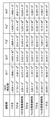
- the number of seeded cells on each day shown in FIG. 2 indicates the number of cells existing in the bag-shaped culture vessel after discarding the suspension.
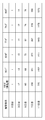
- the total proliferation ratio was obtained by calculating how many times the number of cells increased at each interval of each day when the number of cells was counted and multiplying them. Specifically, as shown in FIG. 3, the proliferation ratio of the number of cells on the 3rd day with respect to the number of cells on the 0th day, the proliferation ratio of the number of cells on the 5th day with respect to the number of seeded cells on the 3rd day, and 5 By calculating the proliferation ratio of the number of cells on the 7th day with respect to the number of seeded cells on the day and the proliferation ratio of the number of cells on the 11th day with respect to the number of seeded cells on the 7th day, and multiplying these, the total proliferation ratio Was calculated.
- the proliferation ratio on each day was the same, and it was calculated by multiplying the multiplication ratio calculated at the intervals of each day up to that point.
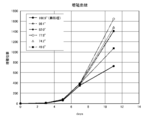
- a graph showing the result is shown in FIG.
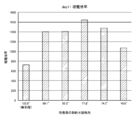
- a graph showing the growth ratio on the 11th day is shown in FIG.
- the present invention can be suitably used when efficiently producing a large amount of iPS cell-derived T cells or the like.
Landscapes
- Life Sciences & Earth Sciences (AREA)
- Engineering & Computer Science (AREA)
- Health & Medical Sciences (AREA)
- Wood Science & Technology (AREA)
- Biomedical Technology (AREA)
- Organic Chemistry (AREA)
- Bioinformatics & Cheminformatics (AREA)
- Chemical & Material Sciences (AREA)
- Zoology (AREA)
- Virology (AREA)
- Sustainable Development (AREA)
- Microbiology (AREA)
- Biotechnology (AREA)
- Biochemistry (AREA)
- General Engineering & Computer Science (AREA)
- General Health & Medical Sciences (AREA)
- Genetics & Genomics (AREA)
- Cell Biology (AREA)
- Apparatus Associated With Microorganisms And Enzymes (AREA)
- Micro-Organisms Or Cultivation Processes Thereof (AREA)
Abstract
多能性幹細胞から誘導された浮遊性細胞を好適に増殖可能な袋状培養容器の提供を可能とする。多能性幹細胞から誘導された浮遊性細胞を増殖させるための袋状培養容器であって、袋状培養容器の培養部がポリエチレン系樹脂により形成され、培養部の静的水接触角が49.6°以上90.1°以下である袋状培養容器。培養部の静的水接触角は49.6°以上80.0°以下であることがより好ましく、74.2°以上80.0°以下であることがさらに好ましい。
Description
本発明は、細胞培養技術に関し、特に多能性幹細胞から誘導された浮遊性細胞用の袋状培養容器に関する。
近年、医薬品の生産や、遺伝子治療、再生医療、免疫療法等の分野において、細胞や組織、微生物などを人工的な環境下で効率良く大量に培養することが求められている。
細胞を大量に培養する場合には、容量の大きい培養容器を容易に製造可能な軟包材からなる袋状の培養容器(培養バッグ)を用いることが有益である。
細胞を大量に培養する場合には、容量の大きい培養容器を容易に製造可能な軟包材からなる袋状の培養容器(培養バッグ)を用いることが有益である。
ところが、袋状培養容器などを用いて浮遊性細胞につき各種条件で培養実験を行ったところ、袋状培養容器を用いた場合に、相対的に高い培養効率を得ることができなかった。
具体的には、培養容器の培養部(培養容器内において細胞培養が行われる表面部分)が親水化処理された、本来は接着性細胞の培養に適する培養容器を用いた場合の方が、高い培養効率が得られた。
具体的には、培養容器の培養部(培養容器内において細胞培養が行われる表面部分)が親水化処理された、本来は接着性細胞の培養に適する培養容器を用いた場合の方が、高い培養効率が得られた。
リンパ球や樹状細胞など培地中に浮遊させて培養が行われる浮遊性細胞を培養する場合、細胞が培養容器の培養部に接着しないように培養部が疎水性であることが望ましい。
また、浮遊性細胞の培養にあたっては、一般的に、培養部に細胞が接着しないように、培養部に対して細胞接着抑制剤(細胞低接着処理剤)の塗布に適した表面処理が行われ、これを塗布した培養容器が用いられている。
また、浮遊性細胞の培養にあたっては、一般的に、培養部に細胞が接着しないように、培養部に対して細胞接着抑制剤(細胞低接着処理剤)の塗布に適した表面処理が行われ、これを塗布した培養容器が用いられている。
ここで、上記の培養実験で用いた浮遊性細胞は、iPS細胞を分化誘導して得られたiPS細胞由来T細胞であった。このため、本発明者は、このような浮遊性細胞の培養にあたっては、通常の浮遊性細胞用の培養容器とは別個の性質を備えた培養容器が適するのではないかと推察した。
具体的には、iPS細胞は、培養容器の培養部に接着させて増殖させることのできる接着性細胞である。このため、iPS細胞由来T細胞についても、一般的な浮遊性細胞用の培養容器ではなく、接着性細胞用の培養容器が有する性質の方が適しているのではないかと推察した。なお、iPS細胞を培養する方法としては、培養容器の培養部に細胞を接着させることなく、スフェア(細胞凝集塊)を形成させて、スフェアを培養容器内で浮遊させて培養する方法もある。
具体的には、iPS細胞は、培養容器の培養部に接着させて増殖させることのできる接着性細胞である。このため、iPS細胞由来T細胞についても、一般的な浮遊性細胞用の培養容器ではなく、接着性細胞用の培養容器が有する性質の方が適しているのではないかと推察した。なお、iPS細胞を培養する方法としては、培養容器の培養部に細胞を接着させることなく、スフェア(細胞凝集塊)を形成させて、スフェアを培養容器内で浮遊させて培養する方法もある。
そこで、本発明者は鋭意研究して、多能性幹細胞から誘導された浮遊性細胞を袋状培養容器を用いて増殖させる場合には、袋状培養容器の培養部がポリエチレン系樹脂により形成され、培養部の静的水接触角が49.6°以上90.1°以下であることが好ましいことを見いだした。また、この培養部の静的水接触角としては、49.6°以上80.0°以下であることがより好ましい。
ところで、本出願人は、従来から浮遊性細胞用の培養容器と接着性細胞用の培養容器を製造するための適切な条件につき研究し、特許文献1に記載の培養容器基材及び特許文献2に記載の細胞培養容器を既に提案している。
特許文献1に記載の培養容器基材は接着性細胞用であるため、この培養容器基材により形成された培養容器は、浮遊性細胞用である本発明とは用途が相違している。また、この培養容器の培養部の静的水接触角は80°より大きいため、本発明の袋状培養容器の培養部の静的水接触角の好適な範囲とは異なるものとなっている。
特許文献1に記載の培養容器基材は接着性細胞用であるため、この培養容器基材により形成された培養容器は、浮遊性細胞用である本発明とは用途が相違している。また、この培養容器の培養部の静的水接触角は80°より大きいため、本発明の袋状培養容器の培養部の静的水接触角の好適な範囲とは異なるものとなっている。
特許文献2に記載の細胞培養容器は、培養部の静的水接触角が80°~95°のものを浮遊性細胞用とし、培養部の静的水接触角が60°~80°のものを接着性細胞用としている。
一方、本発明の袋状培養容器は、多能性幹細胞から誘導された浮遊性細胞用であるため、特許文献2に記載の浮遊性細胞用の細胞培養容器に比較して用途がさらに限定されている。また、本発明の袋状培養容器の培養部の静的水接触角の好適な範囲は、特許文献2に記載の浮遊性細胞用の細胞培養容器とは異なるものとなっている。
一方、本発明の袋状培養容器は、多能性幹細胞から誘導された浮遊性細胞用であるため、特許文献2に記載の浮遊性細胞用の細胞培養容器に比較して用途がさらに限定されている。また、本発明の袋状培養容器の培養部の静的水接触角の好適な範囲は、特許文献2に記載の浮遊性細胞用の細胞培養容器とは異なるものとなっている。
本発明は、上記事情に鑑みてなされたものであり、多能性幹細胞から誘導された浮遊性細胞を好適に増殖可能な袋状培養容器の提供を目的とする。
上記目的を達成するため、本発明の袋状培養容器は、多能性幹細胞から誘導された浮遊性細胞を増殖させるための袋状培養容器であって、前記袋状培養容器の培養部がポリエチレン系樹脂により形成され、前記培養部の静的水接触角が49.6°以上90.1°以下である構成としてある。
また、本発明の袋状培養容器を、前記培養部の静的水接触角が49.6°以上80.0°以下であること構成とすることがより好ましく、前記培養部の静的水接触角が74.2°以上80.0°以下である構成とすることがさらに好ましい。
また、本発明の袋状培養容器を、前記多能性幹細胞から誘導された浮遊性細胞がiPS細胞由来T細胞である構成とすることが好ましい。
また、本発明の袋状培養容器を、前記多能性幹細胞から誘導された浮遊性細胞がiPS細胞由来T細胞である構成とすることが好ましい。
本発明によれば、多能性幹細胞から誘導された浮遊性細胞を好適に増殖可能な袋状培養容器の提供が可能となる。
以下、本発明の袋状培養容器の実施形態について詳細に説明する。ただし、本発明は、以下の実施形態及び実施例の具体的な内容に限定されるものではない。
本実施形態の袋状培養容器は、多能性幹細胞から誘導された浮遊性細胞を増殖させるための袋状培養容器であって、袋状培養容器の培養部がポリエチレン系樹脂により形成され、培養部の静的水接触角が49.6°以上90.1°以下であることを特徴とする。
本実施形態の袋状培養容器は、多能性幹細胞から誘導された浮遊性細胞を増殖させるための袋状培養容器であって、袋状培養容器の培養部がポリエチレン系樹脂により形成され、培養部の静的水接触角が49.6°以上90.1°以下であることを特徴とする。
多能性幹細胞は、生体の様々な組織に分化誘導され得る細胞であり、胚性幹細胞(ES細胞)、人工多能性幹細胞(iPS細胞)などを挙げることができる。
浮遊性細胞は、培養容器内で培地中に浮遊させて培養が行われる細胞であり、T細胞などのリンパ球や樹状細胞等を挙げることができる。本実施形態では、多能性幹細胞から誘導された浮遊性細胞としてiPS細胞由来T細胞を好適に用いることができる。
浮遊性細胞は、培養容器内で培地中に浮遊させて培養が行われる細胞であり、T細胞などのリンパ球や樹状細胞等を挙げることができる。本実施形態では、多能性幹細胞から誘導された浮遊性細胞としてiPS細胞由来T細胞を好適に用いることができる。
本実施形態の袋状培養容器の培養部の材料であるポリエチレン系樹脂としては、例えば、ポリエチレン、エチレンとα-オレフィンの共重合体、エチレンと酢酸ビニルの共重合体、エチレンとアクリル酸やメタクリル酸共重合体と金属イオンを用いたアイオノマー等を挙げることができる。本実施形態では、ポリエチレン系樹脂として、ポリエチレン又はエチレンビニルアセテートを用いることが特に好ましい。
静的水接触角とは、図1に示すように、静止した液体の表面が固体壁の表面に接するところで液面と固体面がなす角(θs)を意味する。静的水接触角が大きいと、固体壁の表面の疎水性が相対的に強く、静的水接触角が小さいと、固体壁の表面の親水性が相対的に強いという関係がある。
具体的には、ポリエチレン系樹脂の一種であるポリエチレンフィルムからなる培養容器の培養部における静的水接触角が60°より大きく80°以下の場合、接着性細胞は培養部に好適に接着して、効率的に培養できることが知られている。
具体的には、ポリエチレン系樹脂の一種であるポリエチレンフィルムからなる培養容器の培養部における静的水接触角が60°より大きく80°以下の場合、接着性細胞は培養部に好適に接着して、効率的に培養できることが知られている。
また、ポリエチレンフィルムの表面の静的水接触角は、未処理の状態では95°以上を示し、疎水性が強いために、接着性細胞を接着させて培養することはできない。また、細胞接着抑制剤をコーティングすることもできないため、浮遊性細胞を培養することもできない。
一方、ポリエチレンフィルムからなる培養容器の培養部に表面処理を施して、その静的水接触角を80°より大きく95°未満とすれば、培養部に細胞接着抑制剤をコーティングすることができ、浮遊性細胞を培養することが可能となる。
一方、ポリエチレンフィルムからなる培養容器の培養部に表面処理を施して、その静的水接触角を80°より大きく95°未満とすれば、培養部に細胞接着抑制剤をコーティングすることができ、浮遊性細胞を培養することが可能となる。
本実施形態の袋状培養容器の培養部の静的水接触角は、49.6°以上90.1°以下であり、本実施形態の袋状培養容器は、このような静的水接触角を有することにより、多能性幹細胞から誘導された浮遊性細胞を好適に増殖させることが可能になっている。
また、本実施形態の袋状培養容器の培養部の静的水接触角を、49.6°以上80.0°以下とすることがより好ましく、74.2°以上80.0°以下(又は未満)とすることがさらに好ましい。
本実施形態の袋状培養容器の培養部の静的水接触角をこのような範囲にすることで、多能性幹細胞から誘導された浮遊性細胞の増殖効率をより好適に向上させることが可能になっている。
本実施形態の袋状培養容器の培養部の静的水接触角をこのような範囲にすることで、多能性幹細胞から誘導された浮遊性細胞の増殖効率をより好適に向上させることが可能になっている。
これらの条件で増殖が良くなったメカニズムは、明らかではないが、iPS細胞由来T細胞は、天然のT細胞に比較して凝集しやすいため、ある程度の強度で培養部に接着させることによって、過度な凝集を防ぐことで、一部の細胞が酸欠や栄養不足に陥るのが回避されているためと推測される。
また、後述する実施例に示されるように、培養部の静的水接触角の親水性が強すぎると増殖効率は低下する。その理由は明らかではないが、細胞が培養部に強く貼り付くことで、増殖時に培養部から浮き上がる動作が阻害されていることが原因の一つではないかと推測される。
また、後述する実施例に示されるように、培養部の静的水接触角の親水性が強すぎると増殖効率は低下する。その理由は明らかではないが、細胞が培養部に強く貼り付くことで、増殖時に培養部から浮き上がる動作が阻害されていることが原因の一つではないかと推測される。
本実施形態の袋状培養容器は、培養部がエキシマ処理又はコロナ処理により親水化処理されてなることを特徴とする。
エキシマ処理は、光源としてエキシマランプを用いる表面処理である。波長200nm以下の紫外線は真空紫外線と呼ばれ、エキシマ処理ではこの真空紫外線の照射が行われる。エキシマランプには様々な波長の真空紫外線を照射するものがあるが、一般的には、波長172nmのキセノンエキシマランプが使用されている。そして、培養部とランプの距離、及びステージの移動速度等を所望の大きさに設定することにより実施する。
このようなエキシマ処理をポリエチレンフィルムに施すと、ポリエチレンの表面物性が変化して、親水化される。また、エキシマ処理の処理強度が強いほど、その親水化の程度は大きくなる。エキシマ処理によれば、処理ムラがなく、均一に親水化された培養面を得ることができる。
エキシマ処理は、光源としてエキシマランプを用いる表面処理である。波長200nm以下の紫外線は真空紫外線と呼ばれ、エキシマ処理ではこの真空紫外線の照射が行われる。エキシマランプには様々な波長の真空紫外線を照射するものがあるが、一般的には、波長172nmのキセノンエキシマランプが使用されている。そして、培養部とランプの距離、及びステージの移動速度等を所望の大きさに設定することにより実施する。
このようなエキシマ処理をポリエチレンフィルムに施すと、ポリエチレンの表面物性が変化して、親水化される。また、エキシマ処理の処理強度が強いほど、その親水化の程度は大きくなる。エキシマ処理によれば、処理ムラがなく、均一に親水化された培養面を得ることができる。
コロナ処理は、コロナ放電照射を用いる表面処理である。例えばバッチ式コロナ処理装置を使用して、出力、電極間距離、及びステージの移動速度等を所望の大きさに設定することにより実施する。
このようなコロナ処理をポリエチレンフィルムに施すと、ポリエチレンの表面物性が変化して、親水化される。また、コロナ処理の処理強度が強いほど、その親水化の程度は大きくなる。
このようなコロナ処理をポリエチレンフィルムに施すと、ポリエチレンの表面物性が変化して、親水化される。また、コロナ処理の処理強度が強いほど、その親水化の程度は大きくなる。
本実施形態の袋状培養容器の培養部に塗布されない細胞接着因子とは、例えばラミニンなどを挙げることができる。
また、本実施形態の袋状培養容器の培養部に塗布されない細胞接着抑制剤としては、リン脂質ポリマー、ポリビニルアルコール誘導体、リン脂質・高分子複合体、ポリヒドロキシエチルメタクリレート、ポリビニルアルコール、アガロース、キトサン、ポリエチレングリコール、アルブミン等を挙げることができる。
また、本実施形態の袋状培養容器の培養部に塗布されない細胞接着抑制剤としては、リン脂質ポリマー、ポリビニルアルコール誘導体、リン脂質・高分子複合体、ポリヒドロキシエチルメタクリレート、ポリビニルアルコール、アガロース、キトサン、ポリエチレングリコール、アルブミン等を挙げることができる。
本実施形態の袋状培養容器は、1つ以上の注入出用ポートを備え、この注入出用ポートを介して、袋状培養容器に培地や細胞懸濁液を注入することができ、また袋状培養容器から培地や細胞懸濁液を排出することができる。なお、注入出用ポートにはチューブが接続され、チューブには培地供給容器、細胞回収容器、酵素供給容器、廃棄容器等を適宜接続することができる。
本実施形態の袋状培養容器(培養部を除く)の材料としては、ポリエチレンやポリプロピレンなどのポリオレフィン系樹脂などを好適に用いることができる。例えば、ポリエチレン、エチレンとα-オレフィンの共重合体、エチレンと酢酸ビニルの共重合体、エチレンとアクリル酸やメタクリル酸共重合体と金属イオンを用いたアイオノマー等を挙げることができる。また、ポリオレフィン、スチレン系エラストマー、ポリエステル系熱可塑性エラストマー、シリコーン系熱可塑性エラストマー、シリコーン樹脂等を用いることもできる。さらに、シリコーンゴム、軟質塩化ビニル樹脂、ポリブタジエン樹脂、エチレン-酢酸ビニル共重合体、塩素化ポリエチレン樹脂、ポリウレタン系熱可塑性エラストマー、ポリエステル系熱可塑性エラストマー、シリコーン系熱可塑性エラストマー、スチレン系エラストマー、例えば、SBS(スチレン・ブタジエン・スチレン)、SIS(スチレン・イソプレン・スチレン)、SEBS(スチレン・エチレン・ブチレン・スチレン)、SEPS(スチレン・エチレン・プロピレン・スチレン)、ポリオレフィン樹脂、フッ素系樹脂等を用いてもよい。
注入出用ポートの材料としては、例えば、ポリエチレン、ポリプロピレン、塩化ビニル、ポリスチレン系エラストマー、FEPなどの熱可塑性樹脂等を用いることができる。
本実施形態の袋状培養容器は、例えばポリエチレンフィルムを用いて、その少なくとも一部の領域にエキシマ処理等を施すことにより、当該領域の静的水接触角を、49.6°以上90.1°以下として当該領域を培養部とし、当該ポリエチレンフィルムを袋状に配置して注入出用ポートを挟み込み、周囲をヒートシールすることなどによって形成することができる。
以上説明したように、本実施形態の袋状培養容器によれば、多能性幹細胞から誘導されたT細胞などの浮遊性細胞を好適に増殖することが可能となる。
以下、本実施形態の袋状培養容器と、培養部に親水化処理がなされていない静的水接触角が本実施形態の範囲外である袋状培養容器とを用いて、多能性幹細胞から誘導された浮遊性細胞を培養した試験について説明する。
(試験1)
培養に使用した細胞は、iPS細胞から分化誘導され、CD3抗体及びレトロネクチンを用いて活性化されたT細胞である。
具体的には、京都大学iPS細胞研究所(CiRA)から供与されたFf-I01s04株を公知の方法(WO2017/221975)に準じて分化させることによって得られたT細胞である。
培養に使用した細胞は、iPS細胞から分化誘導され、CD3抗体及びレトロネクチンを用いて活性化されたT細胞である。
具体的には、京都大学iPS細胞研究所(CiRA)から供与されたFf-I01s04株を公知の方法(WO2017/221975)に準じて分化させることによって得られたT細胞である。
培養に使用した培地は、IMDM培地(Thermo Fisher Scientific社)に対し、FBS(corning社)15%、ペニシリン-ストレプトマイシン-グルタミン溶液(Sigma-Aldrich社)1%、インスリン-トランスフェリン-セレニウム溶液(Thermo Fisher Scientific社)1%、L-アスコルビン酸 2-リン酸 セスキマグネシウム塩 水和物(Sigma-Aldrich社)50μg/ml、IL-7(PeproTech社)10ng/ml、IL-15(PeproTech社)10ng/mlを加えたものを使用した。
袋状培養容器の材料としては、ポリエチレンフィルムを使用した。袋状培養容器の培養部も同一のポリエチレンフィルムにより一体的に形成した。
そして、袋状培養容器の培養部となる領域に対し、親水化処理としてエキシマ処理又はコロナ処理を以下の条件で行った。
そして、袋状培養容器の培養部となる領域に対し、親水化処理としてエキシマ処理又はコロナ処理を以下の条件で行った。
エキシマ処理を行うための装置としては、キセノンエキシマランプ装置(株式会社エム・ディ・コム製のエキシマ照射装置)を使用して、電圧を12Vとした。
そして、培養部とランプの距離、及びキセノンエキシマランプ装置におけるポリエチレンフィルムを配置したステージの移動速度を以下の条件としてエキシマ処理を行い、培養部の静的水接触角を測定した。
そして、培養部とランプの距離、及びキセノンエキシマランプ装置におけるポリエチレンフィルムを配置したステージの移動速度を以下の条件としてエキシマ処理を行い、培養部の静的水接触角を測定した。
培養部とランプの距離が4mm、キセノンエキシマランプ装置におけるポリエチレンフィルムを配置したステージの移動速度を20mm/secとした場合における培養部の静的水接触角は、90.1°であった。
また、同距離を 4mm、同ステージの移動速度を5mm/secとした場合における培養部の静的水接触角は、82.0°であり、同距離を4mm、同ステージの移動速度を2mm/secとした場合における培養部の静的水接触角は、77.8°であり、同距離を4mm、同ステージの移動速度を2mm/secとし、同処理を2回行った場合における培養部の静的水接触角は、74.2°であった。
また、同距離を 4mm、同ステージの移動速度を5mm/secとした場合における培養部の静的水接触角は、82.0°であり、同距離を4mm、同ステージの移動速度を2mm/secとした場合における培養部の静的水接触角は、77.8°であり、同距離を4mm、同ステージの移動速度を2mm/secとし、同処理を2回行った場合における培養部の静的水接触角は、74.2°であった。
コロナ処理を行うための装置としては、バッチ式コロナ処理装置(春日電機株式会社製)を使用した。そして、出力を520W、電極間距離を5mm、バッチ式コロナ処理装置におけるポリエチレンフィルムを配置したステージの移動速度を50mm/secとし、これを3回繰り返して処理した場合における培養部の静的水接触角は、49.6°であった。
なお、これらの静的水接触角は、フィルム表面から任意に10カ所の点を選択してそれぞれにおける静的水接触角を測定し、その平均値を算出することにより得た。
なお、これらの静的水接触角は、フィルム表面から任意に10カ所の点を選択してそれぞれにおける静的水接触角を測定し、その平均値を算出することにより得た。
袋状培養容器は、上記のように処理した各ポリエチレンフィルムを培養部の面積が10cm×10cmとなるように、インパルスシーラーでシールすることによって形成した。また、このとき、ポリエチレン製のポートを挟み込んでシールを行うことにより、注入出用ポートを取り付けた。
細胞培養は、以下の培養プロトコルにより行った。
まず、1.5×10⁶cellsの細胞を30mlの培地に懸濁して、各袋状培養容器内に封入した。
次に、培養開始から3日後に細胞数をカウントし、それぞれの袋状培養容器内の懸濁液15mlを除去し、新たな培地を30ml追加した。
まず、1.5×10⁶cellsの細胞を30mlの培地に懸濁して、各袋状培養容器内に封入した。
次に、培養開始から3日後に細胞数をカウントし、それぞれの袋状培養容器内の懸濁液15mlを除去し、新たな培地を30ml追加した。
培養開始から5日後に細胞数をカウントし、それぞれの袋状培養容器内の懸濁液35mlを除去し、新たな培地を30ml追加した。
培養開始から7日後に細胞数をカウントし、それぞれの袋状培養容器内の懸濁液30mlを除去し、新たな培地を30ml追加した。
培養開始から7日後に細胞数をカウントし、それぞれの袋状培養容器内の懸濁液30mlを除去し、新たな培地を30ml追加した。
そして、培養開始から11日後に最終の細胞数をカウントした。その結果を図2に示す。
なお、上記の培養プロトコルにおいて、途中で懸濁液を捨てている理由は、細胞密度が上がりすぎると増殖が止まってしまうため、培養部の静的水接触角による影響を適切に評価できないためである。また、図2に示される各日における播種細胞数は、懸濁液を捨てた後、袋状培養容器内に存在している細胞数を示している。
なお、上記の培養プロトコルにおいて、途中で懸濁液を捨てている理由は、細胞密度が上がりすぎると増殖が止まってしまうため、培養部の静的水接触角による影響を適切に評価できないためである。また、図2に示される各日における播種細胞数は、懸濁液を捨てた後、袋状培養容器内に存在している細胞数を示している。
そして、細胞数をカウントした各日の間隔ごとに細胞数が何倍になったかを計算して、これらを掛け合わせることで、合計増殖倍率を求めた。
具体的には、図3に示すように、0日目の細胞数に対する3日目の細胞数の増殖倍率と、3日目の播種細胞数に対する5日目の細胞数の増殖倍率と、5日目の播種細胞数に対する7日目の細胞数の増殖倍率と、7日目の播種細胞数に対する11日目の細胞数の増殖倍率とを算出し、これらを掛け合わせることによって、合計増殖倍率を算出した。
具体的には、図3に示すように、0日目の細胞数に対する3日目の細胞数の増殖倍率と、3日目の播種細胞数に対する5日目の細胞数の増殖倍率と、5日目の播種細胞数に対する7日目の細胞数の増殖倍率と、7日目の播種細胞数に対する11日目の細胞数の増殖倍率とを算出し、これらを掛け合わせることによって、合計増殖倍率を算出した。
また、各日における増殖倍率を同様にして、それまでの各日の間隔で算出された倍率を掛け合わせることにより算出した。その結果を表すグラフを図4に示す。さらに、11日目の増殖倍率を示すグラフを図5に示す。
これらの図に示されるように、袋状培養容器の培養部の静的水接触角が49.6°以上90.1°以下である場合、培養部に親水化処理を行っていない袋状培養容器に比較して、多能性幹細胞から誘導された浮遊性細胞の増殖倍率が大きく向上することが分かった。
特に、培養部の静的水接触角が74.2°以上で、少なくとも80.0°以下の場合に、優れた増殖効率が示されている。
特に、培養部の静的水接触角が74.2°以上で、少なくとも80.0°以下の場合に、優れた増殖効率が示されている。
本発明は、以上の実施形態及び実施例に限定されるものではなく、本発明の範囲内において、種々の変更実施が可能であることは言うまでもない。
例えば、上記実施形態及び実施例では、エキシマ処理の条件として特定の条件を示したが、これらに限定されるものではなく、袋状培養容器の培養部の静的水接触角が本発明の範囲内になるように処理可能な表面処理方法及び処理条件であれば、適宜変更することが可能である。
例えば、上記実施形態及び実施例では、エキシマ処理の条件として特定の条件を示したが、これらに限定されるものではなく、袋状培養容器の培養部の静的水接触角が本発明の範囲内になるように処理可能な表面処理方法及び処理条件であれば、適宜変更することが可能である。
本発明は、iPS細胞由来T細胞等を効率的に大量に作成する場合などに、好適に利用することが可能である。
この明細書に記載の文献及び本願のパリ優先の基礎となる日本出願明細書の内容を全てここに援用する。
Claims (8)
- 多能性幹細胞から誘導された浮遊性細胞を増殖させるための袋状培養容器であって、前記袋状培養容器の培養部がポリエチレン系樹脂により形成され、前記培養部の静的水接触角が49.6°以上90.1°以下であることを特徴とする袋状培養容器。
- 前記培養部の静的水接触角が49.6°以上80.0°以下であることを特徴とする請求項1記載の袋状培養容器。
- 前記培養部の静的水接触角が74.2°以上80.0°以下であることを特徴とする請求項1又は2記載の袋状培養容器。
- 前記多能性幹細胞から誘導された浮遊性細胞がiPS細胞由来T細胞であることを特徴とする請求項1~3のいずれかに記載の袋状培養容器。
- 前記ポリエチレン系樹脂がポリエチレン又はエチレンビニルアセテートであることを特徴とする請求項1~4のいずれかに記載の袋状培養容器。
- 前記培養部がエキシマ処理又はコロナ処理により親水化処理されてなることを特徴とする請求項1~5のいずれかに記載の袋状培養容器。
- 前記培養部には細胞接着因子及び細胞接着抑制剤のいずれもが塗布されていないことを特徴とする請求項1~6のいずれかに記載の袋状培養容器。
- 1つ以上の注入出用ポートを備えたことを特徴とする請求項1~7のいずれかに記載の袋状培養容器。
Applications Claiming Priority (2)
| Application Number | Priority Date | Filing Date | Title |
|---|---|---|---|
| JP2020040551A JP7622348B2 (ja) | 2020-03-10 | 2020-03-10 | 袋状培養容器の形成方法 |
| JP2020-040551 | 2020-03-10 |
Publications (1)
| Publication Number | Publication Date |
|---|---|
| WO2021182316A1 true WO2021182316A1 (ja) | 2021-09-16 |
Family
ID=77671658
Family Applications (1)
| Application Number | Title | Priority Date | Filing Date |
|---|---|---|---|
| PCT/JP2021/008595 Ceased WO2021182316A1 (ja) | 2020-03-10 | 2021-03-05 | 袋状培養容器 |
Country Status (2)
| Country | Link |
|---|---|
| JP (1) | JP7622348B2 (ja) |
| WO (1) | WO2021182316A1 (ja) |
Citations (4)
| Publication number | Priority date | Publication date | Assignee | Title |
|---|---|---|---|---|
| JP2016146777A (ja) * | 2015-02-12 | 2016-08-18 | ダイキン工業株式会社 | 細胞培養用バッグ及びそれを用いた細胞培養方法 |
| JP2019022453A (ja) * | 2017-07-22 | 2019-02-14 | 東洋製罐グループホールディングス株式会社 | 培養容器、及び培養容器の製造方法 |
| JP2019077787A (ja) * | 2017-10-24 | 2019-05-23 | 東洋インキScホールディングス株式会社 | ペレット、シート、積層体、筒状物、細胞培養用袋状容器、積層体の製造方法、および筒状物の製造方法 |
| JP2019198288A (ja) * | 2018-05-17 | 2019-11-21 | 東洋製罐グループホールディングス株式会社 | 細胞培養容器、及び細胞培養容器の製造方法 |
-
2020
- 2020-03-10 JP JP2020040551A patent/JP7622348B2/ja active Active
-
2021
- 2021-03-05 WO PCT/JP2021/008595 patent/WO2021182316A1/ja not_active Ceased
Patent Citations (4)
| Publication number | Priority date | Publication date | Assignee | Title |
|---|---|---|---|---|
| JP2016146777A (ja) * | 2015-02-12 | 2016-08-18 | ダイキン工業株式会社 | 細胞培養用バッグ及びそれを用いた細胞培養方法 |
| JP2019022453A (ja) * | 2017-07-22 | 2019-02-14 | 東洋製罐グループホールディングス株式会社 | 培養容器、及び培養容器の製造方法 |
| JP2019077787A (ja) * | 2017-10-24 | 2019-05-23 | 東洋インキScホールディングス株式会社 | ペレット、シート、積層体、筒状物、細胞培養用袋状容器、積層体の製造方法、および筒状物の製造方法 |
| JP2019198288A (ja) * | 2018-05-17 | 2019-11-21 | 東洋製罐グループホールディングス株式会社 | 細胞培養容器、及び細胞培養容器の製造方法 |
Also Published As
| Publication number | Publication date |
|---|---|
| JP7622348B2 (ja) | 2025-01-28 |
| JP2021141820A (ja) | 2021-09-24 |
Similar Documents
| Publication | Publication Date | Title |
|---|---|---|
| CN1826408B (zh) | 大容量离体电穿孔法 | |
| JP6431341B2 (ja) | 接着性細胞の培養方法 | |
| US20100190246A1 (en) | Method for preparing biological tissue | |
| WO2018038032A1 (ja) | 環状培養容器、細胞培養システム、及び細胞培養方法 | |
| JP2008061609A (ja) | 細胞培養容器の製造方法および細胞培養容器。 | |
| WO2021182316A1 (ja) | 袋状培養容器 | |
| US10745659B2 (en) | Culture container and method for manufacturing culture container | |
| WO2018066287A1 (ja) | 細胞培養容器、細胞培養システム、細胞培養方法、及び細胞培養容器の製造方法 | |
| KR102360048B1 (ko) | 세포 배양 방법 및 세포 배양 시스템 | |
| US12122990B2 (en) | Culture container base material, culture container, and production method of culture container base material | |
| CN112930390A (zh) | 培养容器、培养方法及运输方法 | |
| JP7196419B2 (ja) | 細胞培養容器、及び細胞培養容器の製造方法 | |
| JP4967520B2 (ja) | 細胞転写用部材 | |
| JP6939181B2 (ja) | 培養容器、及び培養容器の製造方法 | |
| JPH05244938A (ja) | 細胞及びその培養法 | |
| US20210108035A1 (en) | Production method and production apparatus for dried vitrigel membrane | |
| JP7548474B1 (ja) | 細胞培養方法、及び接着細胞の剥離方法 | |
| JP4979199B2 (ja) | 細胞培養基材及び細胞培養方法 | |
| US20250320444A1 (en) | Cell culture vessel and cell culture method | |
| WO2026010861A1 (en) | Multi-functional cell culture flask and its use in t-cell therapies | |
| JP7348586B2 (ja) | 培養容器、培養方法、及び培養装置 | |
| CN106750445A (zh) | 一种水凝胶膜材料表面抗蛋白粘附的处理方法 |
Legal Events
| Date | Code | Title | Description |
|---|---|---|---|
| 121 | Ep: the epo has been informed by wipo that ep was designated in this application |
Ref document number: 21767149 Country of ref document: EP Kind code of ref document: A1 |
|
| NENP | Non-entry into the national phase |
Ref country code: DE |
|
| 122 | Ep: pct application non-entry in european phase |
Ref document number: 21767149 Country of ref document: EP Kind code of ref document: A1 |