WO2021132691A1 - D-セリン輸送調節剤及びそのスクリーニング方法、並びにd-セリン輸送体タンパク質のスクリーニング方法 - Google Patents
D-セリン輸送調節剤及びそのスクリーニング方法、並びにd-セリン輸送体タンパク質のスクリーニング方法 Download PDFInfo
- Publication number
- WO2021132691A1 WO2021132691A1 PCT/JP2020/049031 JP2020049031W WO2021132691A1 WO 2021132691 A1 WO2021132691 A1 WO 2021132691A1 JP 2020049031 W JP2020049031 W JP 2020049031W WO 2021132691 A1 WO2021132691 A1 WO 2021132691A1
- Authority
- WO
- WIPO (PCT)
- Prior art keywords
- serine
- cells
- transport
- acid
- transporter protein
- Prior art date
- Legal status (The legal status is an assumption and is not a legal conclusion. Google has not performed a legal analysis and makes no representation as to the accuracy of the status listed.)
- Ceased
Links
Images







Classifications
-
- C—CHEMISTRY; METALLURGY
- C12—BIOCHEMISTRY; BEER; SPIRITS; WINE; VINEGAR; MICROBIOLOGY; ENZYMOLOGY; MUTATION OR GENETIC ENGINEERING
- C12N—MICROORGANISMS OR ENZYMES; COMPOSITIONS THEREOF; PROPAGATING, PRESERVING, OR MAINTAINING MICROORGANISMS; MUTATION OR GENETIC ENGINEERING; CULTURE MEDIA
- C12N15/00—Mutation or genetic engineering; DNA or RNA concerning genetic engineering, vectors, e.g. plasmids, or their isolation, preparation or purification; Use of hosts therefor
- C12N15/09—Recombinant DNA-technology
- C12N15/11—DNA or RNA fragments; Modified forms thereof; Non-coding nucleic acids having a biological activity
- C12N15/113—Non-coding nucleic acids modulating the expression of genes, e.g. antisense oligonucleotides; Antisense DNA or RNA; Triplex- forming oligonucleotides; Catalytic nucleic acids, e.g. ribozymes; Nucleic acids used in co-suppression or gene silencing
-
- A—HUMAN NECESSITIES
- A61—MEDICAL OR VETERINARY SCIENCE; HYGIENE
- A61K—PREPARATIONS FOR MEDICAL, DENTAL OR TOILETRY PURPOSES
- A61K31/00—Medicinal preparations containing organic active ingredients
- A61K31/185—Acids; Anhydrides, halides or salts thereof, e.g. sulfur acids, imidic, hydrazonic or hydroximic acids
- A61K31/19—Carboxylic acids, e.g. valproic acid
- A61K31/192—Carboxylic acids, e.g. valproic acid having aromatic groups, e.g. sulindac, 2-aryl-propionic acids, ethacrynic acid
-
- A—HUMAN NECESSITIES
- A61—MEDICAL OR VETERINARY SCIENCE; HYGIENE
- A61K—PREPARATIONS FOR MEDICAL, DENTAL OR TOILETRY PURPOSES
- A61K31/00—Medicinal preparations containing organic active ingredients
- A61K31/185—Acids; Anhydrides, halides or salts thereof, e.g. sulfur acids, imidic, hydrazonic or hydroximic acids
- A61K31/19—Carboxylic acids, e.g. valproic acid
- A61K31/195—Carboxylic acids, e.g. valproic acid having an amino group
- A61K31/197—Carboxylic acids, e.g. valproic acid having an amino group the amino and the carboxyl groups being attached to the same acyclic carbon chain, e.g. gamma-aminobutyric acid [GABA], beta-alanine, epsilon-aminocaproic acid or pantothenic acid
-
- A—HUMAN NECESSITIES
- A61—MEDICAL OR VETERINARY SCIENCE; HYGIENE
- A61K—PREPARATIONS FOR MEDICAL, DENTAL OR TOILETRY PURPOSES
- A61K31/00—Medicinal preparations containing organic active ingredients
- A61K31/185—Acids; Anhydrides, halides or salts thereof, e.g. sulfur acids, imidic, hydrazonic or hydroximic acids
- A61K31/19—Carboxylic acids, e.g. valproic acid
- A61K31/195—Carboxylic acids, e.g. valproic acid having an amino group
- A61K31/197—Carboxylic acids, e.g. valproic acid having an amino group the amino and the carboxyl groups being attached to the same acyclic carbon chain, e.g. gamma-aminobutyric acid [GABA], beta-alanine, epsilon-aminocaproic acid or pantothenic acid
- A61K31/198—Alpha-amino acids, e.g. alanine or edetic acid [EDTA]
-
- A—HUMAN NECESSITIES
- A61—MEDICAL OR VETERINARY SCIENCE; HYGIENE
- A61K—PREPARATIONS FOR MEDICAL, DENTAL OR TOILETRY PURPOSES
- A61K31/00—Medicinal preparations containing organic active ingredients
- A61K31/33—Heterocyclic compounds
- A61K31/395—Heterocyclic compounds having nitrogen as a ring hetero atom, e.g. guanethidine or rifamycins
- A61K31/435—Heterocyclic compounds having nitrogen as a ring hetero atom, e.g. guanethidine or rifamycins having six-membered rings with one nitrogen as the only ring hetero atom
- A61K31/44—Non condensed pyridines; Hydrogenated derivatives thereof
- A61K31/455—Nicotinic acids, e.g. niacin; Derivatives thereof, e.g. esters, amides
-
- A—HUMAN NECESSITIES
- A61—MEDICAL OR VETERINARY SCIENCE; HYGIENE
- A61K—PREPARATIONS FOR MEDICAL, DENTAL OR TOILETRY PURPOSES
- A61K31/00—Medicinal preparations containing organic active ingredients
- A61K31/33—Heterocyclic compounds
- A61K31/395—Heterocyclic compounds having nitrogen as a ring hetero atom, e.g. guanethidine or rifamycins
- A61K31/435—Heterocyclic compounds having nitrogen as a ring hetero atom, e.g. guanethidine or rifamycins having six-membered rings with one nitrogen as the only ring hetero atom
- A61K31/465—Nicotine; Derivatives thereof
-
- A—HUMAN NECESSITIES
- A61—MEDICAL OR VETERINARY SCIENCE; HYGIENE
- A61K—PREPARATIONS FOR MEDICAL, DENTAL OR TOILETRY PURPOSES
- A61K31/00—Medicinal preparations containing organic active ingredients
- A61K31/60—Salicylic acid; Derivatives thereof
- A61K31/612—Salicylic acid; Derivatives thereof having the hydroxy group in position 2 esterified, e.g. salicylsulfuric acid
- A61K31/616—Salicylic acid; Derivatives thereof having the hydroxy group in position 2 esterified, e.g. salicylsulfuric acid by carboxylic acids, e.g. acetylsalicylic acid
-
- A—HUMAN NECESSITIES
- A61—MEDICAL OR VETERINARY SCIENCE; HYGIENE
- A61K—PREPARATIONS FOR MEDICAL, DENTAL OR TOILETRY PURPOSES
- A61K38/00—Medicinal preparations containing peptides
- A61K38/16—Peptides having more than 20 amino acids; Gastrins; Somatostatins; Melanotropins; Derivatives thereof
- A61K38/17—Peptides having more than 20 amino acids; Gastrins; Somatostatins; Melanotropins; Derivatives thereof from animals; from humans
-
- A—HUMAN NECESSITIES
- A61—MEDICAL OR VETERINARY SCIENCE; HYGIENE
- A61K—PREPARATIONS FOR MEDICAL, DENTAL OR TOILETRY PURPOSES
- A61K45/00—Medicinal preparations containing active ingredients not provided for in groups A61K31/00 - A61K41/00
-
- A—HUMAN NECESSITIES
- A61—MEDICAL OR VETERINARY SCIENCE; HYGIENE
- A61P—SPECIFIC THERAPEUTIC ACTIVITY OF CHEMICAL COMPOUNDS OR MEDICINAL PREPARATIONS
- A61P13/00—Drugs for disorders of the urinary system
- A61P13/12—Drugs for disorders of the urinary system of the kidneys
-
- A—HUMAN NECESSITIES
- A61—MEDICAL OR VETERINARY SCIENCE; HYGIENE
- A61P—SPECIFIC THERAPEUTIC ACTIVITY OF CHEMICAL COMPOUNDS OR MEDICINAL PREPARATIONS
- A61P43/00—Drugs for specific purposes, not provided for in groups A61P1/00-A61P41/00
-
- C—CHEMISTRY; METALLURGY
- C12—BIOCHEMISTRY; BEER; SPIRITS; WINE; VINEGAR; MICROBIOLOGY; ENZYMOLOGY; MUTATION OR GENETIC ENGINEERING
- C12Q—MEASURING OR TESTING PROCESSES INVOLVING ENZYMES, NUCLEIC ACIDS OR MICROORGANISMS; COMPOSITIONS OR TEST PAPERS THEREFOR; PROCESSES OF PREPARING SUCH COMPOSITIONS; CONDITION-RESPONSIVE CONTROL IN MICROBIOLOGICAL OR ENZYMOLOGICAL PROCESSES
- C12Q1/00—Measuring or testing processes involving enzymes, nucleic acids or microorganisms; Compositions therefor; Processes of preparing such compositions
- C12Q1/02—Measuring or testing processes involving enzymes, nucleic acids or microorganisms; Compositions therefor; Processes of preparing such compositions involving viable microorganisms
-
- G—PHYSICS
- G01—MEASURING; TESTING
- G01N—INVESTIGATING OR ANALYSING MATERIALS BY DETERMINING THEIR CHEMICAL OR PHYSICAL PROPERTIES
- G01N33/00—Investigating or analysing materials by specific methods not covered by groups G01N1/00 - G01N31/00
- G01N33/15—Medicinal preparations ; Physical properties thereof, e.g. dissolubility
-
- G—PHYSICS
- G01—MEASURING; TESTING
- G01N—INVESTIGATING OR ANALYSING MATERIALS BY DETERMINING THEIR CHEMICAL OR PHYSICAL PROPERTIES
- G01N33/00—Investigating or analysing materials by specific methods not covered by groups G01N1/00 - G01N31/00
- G01N33/48—Biological material, e.g. blood, urine; Haemocytometers
- G01N33/50—Chemical analysis of biological material, e.g. blood, urine; Testing involving biospecific ligand binding methods; Immunological testing
-
- C—CHEMISTRY; METALLURGY
- C12—BIOCHEMISTRY; BEER; SPIRITS; WINE; VINEGAR; MICROBIOLOGY; ENZYMOLOGY; MUTATION OR GENETIC ENGINEERING
- C12N—MICROORGANISMS OR ENZYMES; COMPOSITIONS THEREOF; PROPAGATING, PRESERVING, OR MAINTAINING MICROORGANISMS; MUTATION OR GENETIC ENGINEERING; CULTURE MEDIA
- C12N15/00—Mutation or genetic engineering; DNA or RNA concerning genetic engineering, vectors, e.g. plasmids, or their isolation, preparation or purification; Use of hosts therefor
- C12N15/09—Recombinant DNA-technology
- C12N15/11—DNA or RNA fragments; Modified forms thereof; Non-coding nucleic acids having a biological activity
- C12N15/113—Non-coding nucleic acids modulating the expression of genes, e.g. antisense oligonucleotides; Antisense DNA or RNA; Triplex- forming oligonucleotides; Catalytic nucleic acids, e.g. ribozymes; Nucleic acids used in co-suppression or gene silencing
- C12N15/1138—Non-coding nucleic acids modulating the expression of genes, e.g. antisense oligonucleotides; Antisense DNA or RNA; Triplex- forming oligonucleotides; Catalytic nucleic acids, e.g. ribozymes; Nucleic acids used in co-suppression or gene silencing against receptors or cell surface proteins
-
- C—CHEMISTRY; METALLURGY
- C12—BIOCHEMISTRY; BEER; SPIRITS; WINE; VINEGAR; MICROBIOLOGY; ENZYMOLOGY; MUTATION OR GENETIC ENGINEERING
- C12N—MICROORGANISMS OR ENZYMES; COMPOSITIONS THEREOF; PROPAGATING, PRESERVING, OR MAINTAINING MICROORGANISMS; MUTATION OR GENETIC ENGINEERING; CULTURE MEDIA
- C12N2310/00—Structure or type of the nucleic acid
- C12N2310/10—Type of nucleic acid
- C12N2310/14—Type of nucleic acid interfering nucleic acids [NA]
Definitions
- the present invention is a D-serine transport regulator, a pharmaceutical composition for treating or preventing a disease associated with an increase or decrease in the amount of D-serine, or a disease for treating or preventing a disease associated with an increase or decrease in the amount of D-serine. And a method of screening for substances that control the transport of D-serine.
- the present invention also relates to a method for screening a D-serine transporter protein.
- Non-Patent Documents 1 to 3 D-amino acids, which were conventionally thought to not exist in the living body of mammals, are present in various tissues and play a physiological function. It has been clarified that D-serine, which is one of the D-amino acids, can be one of the biomarkers reflecting renal function and renal disease.
- ASCT1 (SLC1A4) (Non-Patent Documents 4 and 5), ASCT2 (SLC1A5) (Non-Patent Document 5), Asc1 (SLC7A10) (Non-Patent Documents 6 and 7), PAT1 (SLC36A1) (Non-Patent Document 8), and ATB.
- 0, + (SLC6A14) (Non-Patent Document 9) plays a role of a membrane transporter protein of D-serine.
- D-serine transporter protein that can regulate the amount of D-serine in cells, tissues, organs or body fluids, and a screening method thereof is sought.
- D-serine transporter protein that can regulate the amount of D-serine in cells, tissues, organs or body fluids, and such a D-serine transporter. It has been found that by using a protein or a substance acting on the protein as a D-serine transport regulator, it is possible to treat or prevent a disease (for example, kidney disease) associated with an increase or decrease in the amount of D-serine. ..
- a novel D-serine transporter protein that can regulate the amount of D-serine in cells, tissues, organs, or body fluids, and a novel substance that acts on the D-serine transporter protein are easily screened. A method for obtaining the protein was developed, and the present invention was reached. That is, the present invention includes the following inventions.
- a D-serine transport regulator characterized by controlling the transport of D-serine into and out of cells by a D-serine transporter protein.
- the D-serine transporter according to item 1 wherein the D-serine transporter protein is selected one or more from the group of the first D-serine transporter proteins consisting of the SMCT family, GLUT5, CAT1, THTR2 and SNAT2. Serine transport regulator.
- the D-serine transporter protein is further selected from the group of the second D-serine transporter proteins consisting of the ASCT family Asc1, PAT1 and ATB 0, +.
- the D-serine transport regulator according to item 2 which comprises.
- the D-serine transport regulator according to any one of items 1 to 3, which regulates the amount of D-serine in cells, tissues, organs or body fluids.
- RNAi-inducible nucleic acids RNAi-inducible nucleic acids
- miRNAs microRNAs
- ribozymes genome-editing nucleic acids and their expression vectors, small molecule compounds, aptamers, antibodies, antibody fragments, and combinations thereof.
- the D-serine transport regulator according to item 6.
- D-in cells, tissues, organs or body fluids which comprises administering the D-serine transport regulator according to any one of items 6 to 10 to a subject in need thereof.
- the method according to item 13, wherein the disease associated with an increase in the amount of D-serine is kidney disease.
- the D-serine transport regulator according to any one of items 1 to 5, which promotes the transport of D-serine to cells by acting on the D-serine transporter protein. ..
- the item 15 is selected from the group consisting of the D-serine transporter protein, a vector expressing the derivative or a part thereof, a low molecular weight compound, an aptamer, an antibody, an antibody fragment, and a combination thereof. D-serine transport regulator.
- the D-serine transport regulator according to item 15 which is selected from the group consisting of diclophenac, curcumin, activin A, and SMCT family, GLUT5, CAT1, THTR2, SNAT2 and PDZK1 expression vectors.
- Diseases associated with a decrease in the amount of D-serine in cells, tissues, organs, or body fluids which comprises the D-serine transport regulator according to any one of items 15 to 17 as an active ingredient.
- the pharmaceutical composition according to item 18, wherein the disease associated with the decrease in the amount of D-serine is kidney disease.
- D-in cells, tissues, organs or body fluids which comprises administering the D-serine transport regulator according to any one of items 15 to 17 to a subject in need thereof.
- a method of treating or preventing a disease associated with a decrease in serine levels [21] The method according to item 20, wherein the disease associated with the decrease in the amount of D-serine is kidney disease.
- a substance that inhibits the transport of D-serine to cells by acting on the D-serine transporter protein is selected to increase the amount of D-serine in cells, tissues, organs, or body fluids.
- the method according to item 26 wherein the disease associated with an increase in the amount of D-serine is kidney disease.
- a substance that promotes the transport of D-serine to cells by acting on the D-serine transporter protein is selected to reduce the amount of D-serine in cells, tissues, organs, or body fluids.
- the method according to item 28, wherein the disease associated with the decrease in the amount of D-serine is kidney disease.
- the method according to item 30, wherein the expression of cytotoxicity caused by the addition of D-serine is used as an index for transport of D-serine to the cells.
- the method according to item 30 or 31, wherein the cell is a cell expressing a candidate transporter protein.
- the cell is a cell obtained by introducing a vector expressing the candidate transporter protein.
- the vector is selected from the group consisting of a plasmid vector, a cosmid vector, a phosmid vector, an artificial chromosome vector, and a viral vector.
- the present invention it is possible to regulate the amount of D-serine in cells, tissues, organs or body fluids, and thus to prevent diseases related to an increase or decrease in the amount of D-serine, such as kidney disease. , Can be treated or prevented.
- a novel D-serine transporter protein that can regulate the amount of D-serine in cells, tissues, organs, or body fluids, and a novel that acts on the D-serine transporter protein. It becomes possible to find the substance of.
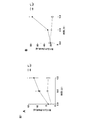
- FIG. 1 shows that D-serine transport in mouse brush border membrane vesicles (BBMV) was predominantly Na + -dependent.
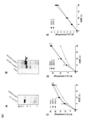
- FIG. 2 shows that D-serine transport in BBMV was inhibited primarily by ASCT2 and SMCT inhibitors. 1 mM presence-absence of nicotinic acid or 2 mM L-threonine (L-Thr) (-) indicates a D- [3 H] result of measuring the serine transport (10 [mu] M) activity.
- FIG. 3 shows that human SMCT1 and hSMCT2 transport D-serine.
- a stable cell line of FlpIn293TR-hSLC5A8-3xFLAG (hSMCT1) or FlpIn293TR-hSLC5A12-3xFLAG (hSMCT2) was prepared, and
- B Two days before the uptake experiment, doxycycline was added to hSMCT1 and SMCT2 cells to induce expression. Its expression was confirmed by Western blotting using an anti-FLAG antibody.
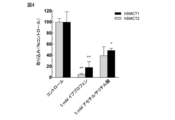
- FIG. 5 shows that the D-serine transport activity in mouse brush border membrane vesicles (BBMV) was inhibited by the SMCTs inhibitor ibuprofen. ** P ⁇ 0.01.
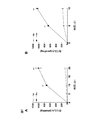
- FIG. 6 shows that D-serine suppressed the proliferation of Flp-In TREx293 cells.
- Flp-In TREx293 cells were treated with L- or D-serine for 2 days and cell proliferation was measured by the XTT assay. The same data is shown in (A) linear curve plots (B) semi-logarithmic plots. * P ⁇ 0.05
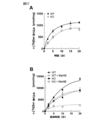
- FIG. 7 shows that D-serine transport was driven by the Na + -dependent transporter of the cell line.
- FIG. 10 shows a toxicity test of D-serine by a transient expression system of SMCT1 and SMCT2. Toxicity testing of D-serine was performed on HEK293 cells transiently transfected with (A) pCMV14-hSLC5A8-3xFLAG (SMCT1) or (B) pCMV14-hSLC5A12-3xFLAG (SMCT2). * P ⁇ 0.05.
- FIG. 11 shows the construction of an hSMCT stable cell line.
- FIG. 11 shows the construction of an hSMCT stable cell line.
- C Western blotting was performed on hSMCT1-3xFLAG (arrowhead) and hSMCT2-3xFLAG (arrow) using an anti-FLAG antibody.
- FIG. 12 shows that SMCT2 enhanced the growth inhibition by D-serine.
- FIG. 13 shows that ibuprofen reduced D-serine sensitivity in SMCT2 stable cell lines. * P ⁇ 0.05, NS: No significant difference.
- FIG. 14 shows that SMCT1 increased D-serine sensitivity and ibuprofen counteracted the increased D-serine sensitivity. * P ⁇ 0.05, NS: No significant difference.
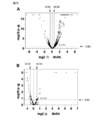
- FIG. 15 shows a proteome volcanic plot of the renal brush border membrane fraction from renal ischemia-reperfusion injury (IRI) mice.
- IRI renal ischemia-reperfusion injury
- FIG. 16 shows D-serine-induced cytotoxicity in HEK293 cells transfected with D-serine transporter candidates. HEK293 cells were transfected with each transporter candidate shown in the figure.
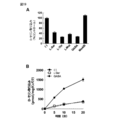
- FIG. 17 shows the identification results of SNAT2 as a D-serine transporter in ASCT2 knockout HAP1 cells.
- A D-serine transport was measured in wild-type HAP1 cells and ASCT2 knockout HAP1 cells.
- D-serine transport was found to be reduced by -30% in ASCT2 knockout cells.
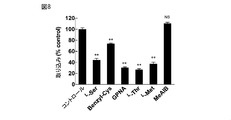
- FIG. 18 shows D-serine transport in ASCT2 knockout HAP1 cells that stably express cDNA candidates. Using ASCT2-knockout HAP1 cells, a stable cell line expressing the cDNA clone as pointed out was prepared. The ASCT2 stable cell line was used as a positive control. [ 3 H] D-serine uptake was measured in the presence of MeAIB for 10 minutes and SNAT1 and SNAT2 activities were subtracted from the background.
- first, second, etc. are used only to distinguish one element from the other, and have no further implications. Therefore, for example, the first element may be expressed as a second element, and the second element may be expressed as a first element in the same manner, which does not deviate from the scope of the present invention.
- One embodiment of the present invention provides a D-serine transport regulator, which controls the transport of D-serine into and out of cells by a D-serine transporter protein.
- D-serine is an optical isomer of L-serine, which is a type of amino acid that constitutes a protein.
- D-serine transporter protein also referred to as” D-serine transporter "
- D-serine transporter is a general term for proteins that penetrate a biological membrane and transport D-serine through the membrane.
- transportation of D-serine into and out of cells means transport of D-serine from intracellular to extracellular, and from extracellular to intracellular via D-serine transporter protein. It means that the concept includes the transport of cells or the transport between multiple cells.
- the present invention is one from a group of D-serine transporter proteins consisting of the SMCT family, GLUT5, CAT1, THTR2 and SNAT2 (as appropriate, referred to as a "group of first D-serine transporter proteins"). It may be a D-serine transport regulator that controls the transport of D-serine inside and outside the cell by a plurality of selected D-serine transporter proteins.
- group of first D-serine transporter proteins may be a D-serine transport regulator that controls the transport of D-serine inside and outside the cell by a plurality of selected D-serine transporter proteins.
- SMCT family refers to a protein family of SMCT, including SMCT1 and SMCT2.
- SMCT1 is a Sodium-coupled monocarboxylate transporter1 protein encoded by the human SLC5A8 gene.
- the mRNA and amino acid sequences of human SMCT1 are provided, for example, in the GenBank database and the GenPept database as accession numbers NM_145913 (SEQ ID NO: 1) and NP_666018 (SEQ ID NO: 2), respectively, and can be used in the present invention.
- SMCT2 is a Sodium-coupled monocarboxylate transporter2 protein encoded by the human SLC5A12 gene.
- the mRNA and amino acid sequences of human SMCT2 are provided, for example, in the GenBank database and the GenPept database as accession numbers NM_178448 (SEQ ID NO: 3) and NP_884593 (SEQ ID NO: 4), respectively, and can be used in the present invention.
- GLUT5 is a Glucose transporter5 protein encoded by the human SLC2A5 gene.
- the human GLUT5 mRNA and amino acid sequences are provided, for example, in the GenBank database and the GenPept database as acceptance numbers NM_003039 (SEQ ID NO: 5) and NP_003030 (SEQ ID NO: 6), respectively, and can be used in the present invention.
- CAT1 is a Cationic amino acid transporter1 protein encoded by the SLC7A1 gene.
- the human CAT1 mRNA and amino acid sequences are provided, for example, in the GenBank database and the GenPept database as acceptance numbers NM_003045 (SEQ ID NO: 7) and NP_003036 (SEQ ID NO: 8), respectively, and can be used in the present invention.
- THTR2 is a Thiamine transporter2 protein encoded by the SLC19A3 gene.
- the mRNA and amino acid sequences of human THTR2 are provided, for example, in the GenBank database and the GenPept database as accession numbers NM_025243 (SEQ ID NO: 9) and NP_079519 (SEQ ID NO: 10), respectively, and can be used in the present invention.
- SNAT2 is a Sodium-coupled neutral amino acid transporter2 protein encoded by the SLC38A2 gene.
- the human SNAT2 mRNA and amino acid sequences are provided, for example, in the GenBank database and the GenPept database as acceptance numbers NM_018996 (SEQ ID NO: 11) and NP_061849 (SEQ ID NO: 12), respectively, and can be used in the present invention.
- the present invention comprises a group of D-serine transporter proteins consisting of the SMCT family, GLUT5, CAT1, THTR2 and / or SNAT2, as well as the ASCT family Asc1, PAT1 and ATB 0, + (as appropriate, "second".
- the transport of D-serine inside and outside the cell is controlled by the D-serine transporter protein, which further comprises one or more selected D-serine transporter proteins from the group of D-serine transporter proteins. It may be a D-serine transport regulator.
- ASCT family means a protein family of ASCT including ASCT1 and ASCT2.
- ASCT1 is a Sodium-dependent alanine, serine, cysteine, threonine transporter1 protein encoded by the SLC1A4 gene.
- the mRNA and amino acid sequences of human ASCT1 are provided, for example, in the GenBank database and the GenPept database as acceptance numbers NM_003038 (SEQ ID NO: 13) and NP_003029 (SEQ ID NO: 14), respectively, and can be used in the present invention.
- ASCT2 is a Sodium-dependent alanine, serine, cysteine, threonine transporter2 protein encoded by the SLC1A5 gene.
- the mRNA and amino acid sequences of human ASCT2 are provided, for example, in the GenBank database and the GenPept database as acceptance numbers NM_005628 (SEQ ID NO: 15) and NP_005619 (SEQ ID NO: 16), respectively, and can be used in the present invention.
- Asc1 is a Sodium-independent alanine, serine, and cysteine transporter1 protein encoded by the SLC7A10 gene.
- the human Asc1 mRNA and amino acid sequences are provided, for example, in the GenBank database and the GenPept database as accession numbers NM_019849 (SEQ ID NO: 17) and NP_062823 (SEQ ID NO: 18), respectively, and can be used in the present invention.
- PAT1 is a Proton-coupled amino acid transporter1 protein encoded by the SLC36A1 gene.
- the human PAT1 mRNA and amino acid sequences are provided, for example, in the GenBank database and the GenPept database as accession numbers NM_078483 (SEQ ID NO: 19) and NP_510968 (SEQ ID NO: 20), respectively, and can be used in the present invention.
- ATB 0, + is a Sodium-andchoroide-dependent neutral and basic amino acid transporter B ( 0, + ) protein encoded by the SLC6A14 gene.
- the human ATB 0, + mRNA and amino acid sequences are provided, for example, in the GenBank database and the GenPept database as accession numbers NM_007231 (SEQ ID NO: 21) and NP_009162 (SEQ ID NO: 22), respectively, and can be used in the present invention.
- the present invention provides a D-serine transport regulator characterized by regulating the amount of D-serine in cells, tissues, organs or body fluids.
- regulating the amount of D-serine in a cell means that the amount of D-serine in a cell is increased or decreased by applying a D-serine transport regulator to increase or decrease the amount of D-serine in the cell. Means to adjust to any range.
- regulating the amount of D-serine in a tissue means that the amount of D-serine in a tissue (for example, renal tubule, glomerulus, etc.) is adjusted by applying a D-serine transport regulator.
- regulating the amount of D-serine in an organ means that the amount of D-serine in an organ (for example, in the kidney, in the heart, etc.) is adjusted by applying a D-serine transport regulator. It means increasing or decreasing the amount of D-serine to adjust the amount to an arbitrary range.
- regulating the amount of D-serine in body fluid means that the amount of D-serine in body fluid (for example, blood, urine, etc.) is adjusted by applying a D-serine transport regulator. It means increasing or decreasing the amount of D-serine to adjust the amount to an arbitrary range.
- the present invention is characterized in that it regulates the excretion rate of D-serine calculated from the amount of D-serine in blood and / or urine, preferably the amount of D-serine in blood and urine.
- regulating the amount of D-serine in blood means increasing or decreasing the amount of D-serine in blood by applying a D-serine transport regulator within an arbitrary range. It means adjusting so that.
- the amount of D-serine is in the range of 0.5 to 3.0 nmol / mL, preferably 0.7 to 2.5 nmol / mL, and more preferably 1.0 to 2.0 nmol / mL.
- Regulating the amount of D-serine in urine means increasing or decreasing the amount of D-serine in urine, that is, the excretion rate of D-serine, by applying a D-serine transport regulator. It means adjusting so that it is within an arbitrary range.
- the excretion rate of D-serine may be adjusted to be in the range of 20 to 80%, preferably 30 to 70%, and more preferably 40 to 60%.
- D-serine excretion rate refers to the amount of D-serine filtered by the glomerulus that is excreted in the urine through the renal tubular regulation function of reabsorption and secretion. It is an index indicating whether or not it is to be excreted, and is expressed in any unit in addition to the ratio and percentage. In addition, a value excluding the effects of water reabsorption and concentration can be calculated by correction with a correction factor, and is sometimes expressed as a partial excretion rate (FE). Since the concentration rate of urine may not be constant, the excretion rate of the target D-serine may be corrected by using a "correction factor" that corrects the concentration rate of urine.
- FE partial excretion rate
- the excretion rate of D-serine may be corrected by a correction factor derived from blood and / or urine.
- the excretion rate of D-serine is most simply expressed by the ratio of the amount of D-serine in urine divided by the glomerular filtration rate of D-serine.
- the actually measured urine volume and the amount of D-serine in the blood may be used.
- the amount of L-amino acid in urine (preferably the amount of L-serine) can be used as a urine volume correction factor in calculating the excretion rate of D-serine.
- creatinine clearance calculated by the amount of creatinine in urine or the amount of creatinine in blood can be used.
- the excretion rate of D-serine can be expressed by the following formula. This may be multiplied by 100 and expressed as a percentage (%).
- U D-Ser represents the amount of D- serine in urine
- P D-Ser represents the amount of D- serine in the blood
- U cre represents the amount of creatinine in the urine
- P cre represents the amount of creatinine in the blood.
- the amount of D-serine and L-serine can be measured by any method, for example, chiral column chromatography, measurement using an enzymatic method, and immunology using a monoclonal antibody that identifies an optical isomer of an amino acid. It can be quantified by the method.
- the measurement of the amount of D-serine and L-serine in the sample in the present invention may be carried out by any method well known to those skilled in the art. For example, chromatography and enzyme methods (Y. Nagata et al., Clinical Science, 73 (1987), 105. Analytical Biochemistry, 150 (1985), 238., A. D'Aniello et al., Comparative Biochemistry and Physiology.
- the optical isomer separation analysis system in the present invention may combine a plurality of separation analyzes. More specifically, a step of separating a sample containing a component having an optical isomer through a first column packing material as a stationary phase together with a first liquid as a mobile phase to separate the component of the sample. A step of individually holding each of the components of the sample in the multi-loop unit, each of the components of the sample individually held in the multi-loop unit as a stationary phase together with a second liquid as a mobile phase. A step of supplying the optical isomer having the optically active center of the sample through a flow path to divide the optical isomer contained in each of the components of the sample, and the optical isomer contained in each of the components of the sample.
- the amount of D- / L-amino acids in a sample can be measured by using a method for analyzing optical isomers, which comprises a step of detecting a body (Patent No. 4291628).
- D- and L-amino acids are previously derived with fluorescent reagents such as o-phthalaldehyde (OPA) and 4-fluoro-7-nitro-2,1,3-benzoxaziazole (NBD-F). It may be converted to diasteremeric using N-tert-butyloxycarbonyl-L-cysteine (Boc-L-Cys), etc. (Kenji Hamase and Kiyoshi Zaitsu, Analytical Chemistry, Vol.
- D-amino acids can be measured by immunological techniques using monoclonal antibodies that identify the optical isomers of the amino acids, such as monoclonal antibodies that specifically bind to D-serine, L-serine, and the like. Further, when the total amount of D-form and L-form is used as an index, it is not necessary to analyze D-form and L-form separately, and amino acids can be analyzed without distinguishing between D-form and L-form. Even in that case, it can be separated and quantified by an enzyme method, an antibody method, GC, CE, HPLC or the like.
- the D-serine transport regulator of the present invention acts on a D-serine transporter protein expressed in kidney cells. This makes it possible to regulate the amount of D-serine in blood and / or urine, preferably the excretion rate of D-serine.
- the D-serine transport regulator of the present invention is characterized by inhibiting the transport of D-serine to cells by acting on the D-serine transporter protein, eg, D. -A substrate or inhibitor of the serine transporter protein (eg, a selective inhibitor or a non-selective inhibitor), a substance that inhibits the expression of the D serine transporter protein itself, D- It may be a substance that directly or indirectly suppresses a gene related to the expression of a serine transporter protein.
- the D-serine transporter protein eg, D. -A substrate or inhibitor of the serine transporter protein (eg, a selective inhibitor or a non-selective inhibitor)
- D- It may be a substance that directly or indirectly suppresses a gene related to the expression of a serine transporter protein.
- the "selective inhibitor of a D-serine transporter protein” is an inhibitor that selectively acts on a D-serine transporter protein and exhibits inhibitory activity, and is, for example, a D-serine transporter protein.
- examples thereof include inhibitors in which the Ki value for a protein is 1/5 times, preferably 1/10 times, more preferably 1/25 times, still more preferably 1/100 times or less the Ki value for other proteins.
- the Ki value of the selective inhibitor of the D-serine transporter protein can be measured using various methods well known in the art.
- the selective inhibitor of the D-serine transporter protein may be, for example, a small molecule compound, an aptamer, an antibody, an antibody fragment or a combination thereof.
- the term "non-selective inhibitor of D-serine transporter protein” refers to an inhibitor that acts non-selectively on D-serine transporter protein and exhibits inhibitory activity.
- the term "low molecular weight compound” refers to a molecule having the same size as an organic molecule generally used in pharmaceutical products, and is, for example, about 5000 Da or less, preferably about 2000 Da or less, more preferably. Refers to a compound having a molecular weight in the range of about 1000 Da or less.
- the low molecular weight compound as the D-serine transport regulator of the present invention is selected from the group of first D-serine transporter proteins consisting of SMCT family, GLUT5, CAT1, THTR2 and SNAT2.
- the low molecular weight compound as the D-serine transport regulator of the present invention may be a substrate or inhibitor for SMCT1, eg, ibuprofene, phenoprofene, ketoprofene, propeneside, acetylsalicylic acid, naproxene, etc.
- the term “derivative” is intended to include a specific compound or protein in which a part of the molecule is modified with various substituents, sugar chains, or the like.
- the pharmaceutically acceptable salt thereof refers to any non-toxic salt formed from a substance used as a D-serine transport regulator.
- Such salts include, for example: inorganic acids such as hydrochloric acid, sulfuric acid, phosphoric acid, hydrobromic acid; oxalic acid, malonic acid, citric acid, fumaric acid, lactic acid, malic acid, succinic acid, tartaric acid, acetic acid, trifluoroacetic acid.
- Organic acids such as gluconic acid, ascorbic acid, methylsulfonic acid, benzylsulfonic acid; inorganic bases such as sodium hydroxide, potassium hydroxide, calcium hydroxide, magnesium hydroxide, ammonium hydroxide; methylamine, diethylamine, triethylamine, It can be obtained by reaction with an organic base such as triethanolamine, ethylenediamine, tris (hydroxymethyl) methylamine, guanidine, choline or cincholine, or an amino acid such as lysine, arginine or alanine.
- the pharmaceutically acceptable salt thereof includes hydrous products and solvates (for example, hydrates, etc.) of substances used as D-serine transport regulators.
- the low molecular weight compound as the D-serine transport regulator of the present invention may be a substrate or inhibitor for SMCT2, eg, ibuprofen, phenoprofen, ketoprofen, probenecid, acetylsalicylic acid, naproxen, etc. It may be selected from, but is not limited to, the group consisting of pyroglutamic acid, phenoxyacetic acid and its derivatives, and pharmaceutically acceptable salts thereof.
- the low molecular weight compound as the D-serine transport regulator of the present invention may be a substrate or inhibitor for GLUT5, for example, N- (4-methanesulfonyl-2-nitrophenyl) -2H. It may be selected from, but is not limited to, the group consisting of -1,3-benzodioxol-5-amine (MSNBA), fructose and its derivatives, and pharmaceutically acceptable salts thereof.
- MSNBA -1,3-benzodioxol-5-amine
- the low molecular weight compound as the D-serine transport regulator of the present invention may be a substrate or inhibitor for CAT1, eg, N-ethylmaleimide (NEM), N-amino-L-arginine. , N-Amino-L-homoarginine, L-arginine, L-histidine, L-lysine, L-ornithine and derivatives thereof, and pharmaceutically acceptable salts thereof, which may be selected from the group. Not limited to.
- the low molecular weight compound as the D-serine transport regulator of the present invention may be a substrate or inhibitor for THTR2, eg, metformin, chloroquine, 2,4-diaminopyrimidine, 2,4-. It may be selected from the group consisting of agents containing diaminopyrimidine groups (eg, Fedratinib, AZD1480, Serdulatinib), thiamine and its derivatives, and pharmaceutically acceptable salts thereof. Not limited.
- the low molecular weight compound as the D-serine transport regulator of the present invention may be a substrate or inhibitor for SNAT2, eg, methyl-amino-isobutyric acid (MeAIB), ⁇ -glutamyl-p. -Nitroanilide (GPNA), 2-amino-4-bis (allyloxybenzyl) aminobutanoic acid (AABA), L-alanine, L-methionine, L-proline, L-serine, L-asparagin, L-glutamine, L -It may be selected from the group consisting of histidine, glycine and derivatives thereof, and pharmaceutically acceptable salts thereof, and is not limited thereto.
- SNAT2 methyl-amino-isobutyric acid
- GPNA ⁇ -glutamyl-p. -Nitroanilide
- AABA 2-amino-4-bis (allyloxybenzyl) aminobutanoic acid
- the D-serine transport regulators of the invention include one or more low molecular weight compounds selected from the group of first substrates or inhibitors, as well as the ASCT family, Asc1, PAT1 and ATB 0, One or one from a group of substrates or inhibitors for the D-serine transporter protein selected from the group of second D-serine transporter proteins consisting of + (appropriately referred to as "second substrate or inhibitor group"). It may further contain a plurality of selected low molecular weight compounds.
- phenylglycine analogs eg, L-4-fluorophenylglycine, L-4-chlorophenylglycine, etc.
- ASCT family eg, ASCT1 and ASCT2
- benzylserine benzylcysteine
- S- Phenyl-L-cystine L- ⁇ -glutamyl-p-nitroanilide
- L-serine L-threonine
- L-methionine L-alanine
- L-cysteine L-glutamine
- D-alanine and its derivatives D-alanine and its derivatives
- pharmaceuticals may contain a substance selected from the group consisting of the generally acceptable salt.
- phenylglycine analogs eg, L-4-bromophenylglycine, L-4-hydroxyphenylglycine, etc.
- Asc1 alanine analogs
- alanine analogs eg, 2-aminoisobutyl acid (AIB)
- Etc. L-serine, L-alanine, L-cysteine, glycine, L-threonine and its derivatives, and pharmaceutically acceptable salts thereof, even those containing substances selected from the group. Good.
- taurine for example, taurine, GABA, tryptophan, tryptamine derivatives, 5-hydroxy-L-tryptophan, serotonin, indole-3-propionic acid, and derivatives thereof, which are substrates or inhibitors for PAT1, and pharmaceutically acceptable ones thereof.
- It may contain a substance selected from the group consisting of salts.
- It also contains, for example, a substance selected from the group consisting of ⁇ -methyl-DL-tryptophan, which is a substrate or inhibitor for ATB 0, +, and its derivatives, and pharmaceutically acceptable salts thereof. You may.
- aptamer refers to a synthetic DNA or RNA molecule and a peptidic molecule having the ability to specifically bind to a target substance, and can be chemically synthesized in vitro in a short time.
- the aptamer used in the present invention can, for example, bind to the D-serine transporter protein and inhibit the activity of the D-serine transporter protein.
- the aptamer used in the present invention can be obtained, for example, by repeatedly selecting binding to various molecular targets such as small molecules, proteins and nucleic acids using the SELEX method (Tuerk C., Gold).
- the "antibody fragment” refers to a part of a full-length antibody that maintains an activity capable of binding to an antigen, and generally includes an antigen-binding domain or a variable domain thereof.
- antibody fragments include F (ab') 2, Fab', Fab or Fv antibody fragments (including scFv antibody fragments) and the like.
- a fragment obtained by treating an antibody with a protease enzyme and reducing it in some cases is also included in the antibody fragment.
- the antibody or antibody fragment used in the present invention may be any antibody of a human-derived antibody, a mouse-derived antibody, a rat-derived antibody, a rabbit-derived antibody, a camel family-derived antibody such as llama, or a goat-derived antibody. It may be any of a monoclonal antibody, a complete or shortened (eg, F (ab') 2, Fab', Fab or Fv fragment) antibody, a chimeric antibody, a humanized antibody or a fully human antibody.
- a monoclonal antibody eg, F (ab') 2, Fab', Fab or Fv fragment
- the D-serine transport regulator of the present invention may directly or indirectly inhibit the expression of the D-serine transporter protein, eg, small molecule compounds, aptamers, antibodies, etc. It may be selected from antibody fragments and antisense RNA or DNA molecules, RNAi-inducible nucleic acids, microRNAs (miRNAs), ribozymes, genome-editing nucleic acids and expression vectors thereof.
- the D-serine transport regulator of the present invention may directly or indirectly inhibit the expression of the D-serine transporter protein, eg, small molecule compounds, aptamers, antibodies, etc. It may be selected from antibody fragments and antisense RNA or DNA molecules, RNAi-inducible nucleic acids, microRNAs (miRNAs), ribozymes, genome-editing nucleic acids and expression vectors thereof.
- antisense RNA or DNA molecule has a base sequence complementary to RNA (sense RNA) having a certain function, such as messenger RNA (mRNA), and forms a double strand with sense RNA.
- RNA messenger RNA
- mRNA messenger RNA
- an antisense oligonucleotide containing an antisense RNA or DNA molecule inhibits translation into a protein by binding to the mRNA of a D-serine transporter protein. Thereby, the expression level of the D-serine transporter protein can be reduced and the activity of the D-serine transporter protein can be inhibited.
- Methods for synthesizing antisense RNA or DNA molecules are well known in the art and can be used in the present invention.
- RNAi-inducible nucleic acid refers to a polynucleotide capable of inducing RNA interference (RNAi) by being introduced into a cell, and is usually 19 to 30 nucleotides, preferably 19 to 25 nucleotides. , More preferably RNA, DNA containing 19-23 nucleotides, or a chimeric molecule of RNA and DNA, optionally modified. RNAi may be generated against mRNA or RNA of a nucleotide sequence containing an RNA immediately after transcription prior to processing, ie, an exon, an intron, a 3'untranslated region, and a 5'untranslated region.
- RNAi RNA interference
- RNAi method that can be used in the present invention is to (1) directly introduce a short double-stranded RNA (siRNA) into a cell, or (2) incorporate a small-molecular-weight hairpin RNA (SHRNA) into various expression vectors and incorporate the vector.
- siRNA short double-stranded RNA
- SHRNA small-molecular-weight hairpin RNA
- a vector is prepared by inserting short double-stranded DNA corresponding to siRNA between promoters into a vector having two promoters that are introduced into the cell or (3) arranged in opposite directions to express siRNA, and the cells are prepared.
- RNAi may be induced by a method such as introduction into the RNAi.
- RNAi-inducible nucleic acids may include siRNA, shRNA or miRNA that allows cleavage of RNA of D-serine transporter protein or suppression of its function, and these RNAi nucleic acids may be directly introduced using liposomes or the like. Alternatively, it may be introduced using an expression vector that induces these RNAi nucleic acids.
- the RNAi-inducible nucleic acid for the D-serine transporter protein used in the present invention is any nucleic acid that exhibits a biological effect that inhibits or significantly suppresses the expression of the D-serine transporter protein.
- a person skilled in the art can synthesize it with reference to the base sequence of the D-serine transporter protein.
- it is chemically synthesized using a DNA (/ RNA) automatic synthesizer using a DNA synthesis technique such as a solid-phase phosphoamidite method, or a siRNA-related contract synthesis company (for example, Life Technologies). It is also possible to outsource and synthesize.
- the siRNA used in the present invention is derived from its precursor, short-hairpin type double-stranded RNA (SHRNA), via processing by an intracellular RNase, Dicer. There may be.
- miRNA is a single-stranded RNA molecule having a length of 21 to 25 bases and is a molecule involved in post-transcriptional expression regulation of a gene in eukaryotes. miRNAs generally recognize the 3'UTR of mRNA, suppress translation of target mRNA, and suppress protein production. Therefore, miRNAs capable of directly and / or indirectly reducing the expression level of the D-serine transporter protein are also included in the scope of the present invention.
- ribozyme is a general term for enzymatic RNA molecules capable of catalyzing specific cleavage of RNA.
- Some ribozymes have a size of 400 nucleotides or more, such as Group I intron type and M1 RNA contained in RNase P, but some have an active domain of about 40 nucleotides called hammerhead type and hairpin type. (See, for example, Makoto Koizumi and Eiko Otsuka, Protein Nucleic Acid Enzymes, 1990, 35, 2191).
- the self-cleaving domain of a hammerhead ribozyme cleaves the 3'side of C15 in the sequence G13U14C15, but base pairing between U14 and A9 is important for its activity, and A15 or U15 instead of C15.
- it has been shown that it can be cleaved see, for example, Koizumi, M. et al., FEBS Lett, 1988, 228, 228.).
- a hairpin-type ribozyme can also be used in the present invention.
- This ribozyme is found, for example, in the negative strand of satellite RNA of tobacco ring spot virus (Buzayan, JM., Nature, 1986, 323, 349.). Hairpin-type ribozymes have also been shown to produce target-specific RNA-cleaving ribozymes (eg, Kikuchi, Y. & Sasaki, N., Nucl. Acids. Res., 991, 19, 6751 .; Hiroshi Kikuchi, Chemistry and Biology, 1992, 30, 112.).
- target-specific RNA-cleaving ribozymes eg, Kikuchi, Y. & Sasaki, N., Nucl. Acids. Res., 991, 19, 6751 .; Hiroshi Kikuchi, Chemistry and Biology, 1992, 30, 112.
- the genome editing nucleic acid refers to a nucleic acid used for editing a desired gene in a system using a nuclease used for gene targeting.
- the nucleases used for gene targeting include known nucleases as well as new nucleases that will be used for gene targeting in the future.
- known nucleases include CRISPR / Cas9 (Ran, FA, et al., Cell, 2013, 154, 1380-1389), TALEN (Mahfouz, M., et al., PNAS, 2011, 108). , 2623-2628), ZFN (Urnov, F., et al., Nature, 2005, 435, 646-651) and the like.
- the CRISPR / Cas9 system makes it possible to introduce double-strand breaks at any site in DNA.
- at least three elements are required: a protospacer flanking motif (PAM sequence), a guide RNA (gRNA), and a Cas protein (Cas, Cas9).
- the gRNA is designed to form a sequence complementary to the target site adjacent to the PAM sequence (5'-NGG) and introduced into a desired cell together with the Cas protein.
- the introduced gRNA and Cas protein form a complex.
- the gRNA binds to the target sequence on the genome and the Cas protein cleaves the double strand of the target genomic DNA by its nuclease activity.
- homologous recombinant repair Homologous directed repair (HDR)
- non-homologous end binding repair non-homology end joining (NHEJ)
- HDR repair template a DNA fragment that is present in the cell
- homologous recombination occurs, and modifications such as deletion, insertion, and disruption can be performed in any genome.
- deletions or additions of several bases may occur during the NHEJ process. This causes a frameshift in the region encoding the protein, disrupting the protein reading frame and introducing immature stop codons, which can result in knockout of the desired protein.
- the genome editing nucleic acid may be a gRNA targeting a gene encoding a D-serine transporter protein or a vector expressing the gRNA.
- the genome editing nucleic acid may further comprise a nucleic acid expressing a nuclease used for gene targeting.
- the gRNA and the nuclease used for gene targeting (preferably Cas protein) may be encoded in the same vector or may be encoded separately.
- the genome editing nucleic acid may further comprise a template nucleic acid for HDR repair.
- the present invention is for treating or preventing a disease associated with an increase in the amount of D-serine in cells, tissues, organs or body fluids, which comprises a D-serine transport regulator as an active ingredient.
- a pharmaceutical composition is provided.
- the D-serine transport regulator of the present invention or the pharmaceutical composition containing the D-serine transport regulator can be administered by any administration route as long as the concentration at the site of action can be appropriately adjusted.
- Routes of administration include topical administration (skin, inhalation, enema, eye drops, ear drops, nasal, vaginal, etc.), enteral administration (oral, tube, transinjection, etc.), parenteral administration (intravenous, intravenous, etc.) Transarterial, percutaneous, intramuscular injection, etc.).
- the term "disease associated with an increase in the amount of D-serine in a cell, tissue, organelle or body fluid” refers to an increase in the amount of D-serine in a cell, tissue, organelle or body fluid.
- the "kidney disease” to which the present invention can be applied is, for example, a condition associated with glomerular and / or tubule disorders, such as acute kidney disease, chronic kidney disease, myeloma kidney, diabetes.
- nephropathy IgA nephropathy, interstitial nephritis or multiple cystic kidneys, or kidney disease resulting from systemic erythmatosus, primary aldosteronism, prostatic hypertrophy, Fabry's disease or microvariant nephrosis syndrome.
- the present invention relates to an increase in the amount of D-serine in cells, tissues, organs or body fluids, comprising administering a D-serine transport regulator to a subject in need thereof.
- a method for treating or preventing a disease refers to alleviating or eliminating the affected disease or disease and / or the associated symptoms, for example, by confirming the recovery and / or maintenance of glomerular filtration rate. The therapeutic effect can be evaluated.
- prevention means preventing the onset of a disease or disease.
- the present invention provides a D-serine transport regulator characterized by promoting the transport of D-serine to cells by acting on the D-serine transporter protein.
- a D-serine transport regulator characterized by promoting transport of D-serine to cells by acting on a D-serine transporter protein is, for example, a D-serine transporter. It may be a vector expressing a protein, a derivative thereof or a part thereof, or may directly or indirectly increase the expression of a D-serine transporter protein, for example, a low molecular weight compound, an aptamer, etc. It may be selected from antibodies, antibody fragments, and antisense RNA or DNA molecules, RNAi-inducible nucleic acids, microRNAs (miRNAs), ribozymes, genome-editing nucleic acids, and expression vectors thereof.
- the "vector” is a nucleic acid molecule (carrier) capable of transporting a nucleic acid molecule inserted therein into a target such as a cell, and the inserted nucleic acid in an appropriate host cell.
- the vector may be selected from the group consisting of plasmid vectors, cosmid vectors, phosmid vectors, artificial chromosome vectors, and viral vectors.
- a known method can be used as the method for introducing the vector into cells.
- the "vector expressing a D-serine transporter protein, a derivative thereof or a part thereof” is a vector into which a nucleic acid encoding a D-serine transporter protein, a derivative thereof or a part thereof is inserted, and is an appropriate host.
- the "vector expressing the D-serine transporter protein or a derivative thereof” that can be used in the present invention includes the amino acid sequence of the above-mentioned D-serine transporter protein and at least 85% or more, preferably 90% or more.
- a vector capable of expressing a D-serine transporter protein having a homology (preferably identity) of 95% or more, more preferably 97% or more, and most preferably 99% or more is included.
- the "vector expressing the D-serine transporter protein or a derivative thereof" that can be used in the present invention has at least 85% or more, preferably 90% or more, more than the amino acid sequence of the above-mentioned D-serine transporter protein. It has preferably 95% or more, more preferably 97% or more, most preferably 99% or more homology (preferably identity), and the amino acid sequence of the substrate (eg, D-serine) binding site is conserved. It may be a vector capable of expressing the D-serine transporter protein.
- the "homosphere” of two amino acid sequences is the ratio at which the same or similar amino acid residues appear at each corresponding portion when both amino acid sequences are aligned, and the “homogeneity” of the two amino acid sequences is ". "Identity” is the ratio at which the same amino acid residue appears at each corresponding location when both amino acid sequences are aligned.
- the "homology” and “identity” of the two amino acid sequences are, for example, the EMBOSS package (EMBOSS: The European Molecular Biology Open Software Suite, Rice et al., 2000, Trends Genet. 16: 276-277) (preferably.
- the Needle program (version 5.00 or later) allows the determination using the Needleman-Wunsch algorithm (Needleman and Wunsch, 1970, J. Mol. Biol. 48: 443-453).
- Aromatic amino acids F, H, W, Y; Aliphatic amino acids: I, L, V; Hydrophobic amino acids: A, C, F, H, I, K, L, M, T, V, W, Y; Charged amino acids: D, E, H, K, R, etc .: Positively charged amino acids: H, K, R; Loaded amino acids: D, E; Polar amino acids: C, D, E, H, K, N, Q, R, S, T, W, Y; Small amino acids: A, C, D, G, N, P, S, T, V, etc .: Ultra-small amino acids: A, C, G, S; Amino acids with aliphatic side chains: G, A, V, L, I; Amino acids with aromatic side chains: F, Y, W; Amino acids with sulfur-containing side chains: C, M; Amin
- D-serine transport regulators characterized by promoting the transport of D-serine to cells by acting on the D-serine transporter protein include, for example, diclofenac, curcumin, activin. It may be selected from the group consisting of A and the SMCT family, GLUT5, CAT1, THTR2, SNAT2 and PDZK1 expression vectors.
- PDZK1 is a scaffold protein called PDZ domain contouring 1, and it is known that when the expression level of the protein increases, the expression level and activity of SMCT family proteins in the membrane increase (Liu Y., et al., See Drag Protein Pharmacokine. 2013; 28 (2): 153-8 .; Srivastava S., et al., J Physiol Sci. 2019 Mar; 69 (2): 399-408.).
- the mRNA and amino acid sequences of human PDZK1 are provided, for example, in the GenBank and GenPept databases as acceptance numbers NM_002614 (SEQ ID NO: 23) and NP_002605 (SEQ ID NO: 24).
- the "vector expressing PDZK1, a derivative thereof or a part thereof” that can be used in the present invention is a vector into which a nucleic acid encoding a PDZK1 protein, a derivative thereof or a part thereof is inserted, and is introduced into an appropriate host cell.
- the "vector expressing PDZK1, a derivative thereof or a part thereof” that can be used in the present invention includes the amino acid sequence of the PDZK1 protein described above and at least 85% or more, preferably 90% or more, more preferably 95%.
- a vector capable of expressing a PDZK1 protein having a homology (preferably identity) of 97% or more, more preferably 99% or more is included.
- the present invention is for treating or preventing a disease associated with a decrease in the amount of D-serine in cells, tissues, organs or body fluids, which comprises a D-serine transport regulator as an active ingredient.
- a pharmaceutical composition is provided.
- the term "disease associated with a decrease in the amount of D-serine in cells, tissues, organelles or body fluids” refers to a decrease in the amount of D-serine in cells, tissues, organelles or body fluids.
- the "kidney disease” to which the present invention can be applied is, for example, a condition associated with glomerular and / or tubule disorders, such as acute kidney disease, chronic kidney disease, myeloma kidney, diabetes.
- nephropathy IgA nephropathy, interstitial nephritis or multiple cystic kidneys, or kidney disease resulting from systemic erythmatosus, primary aldosteronism, prostatic hypertrophy, Fabry's disease or microvariant nephrosis syndrome.
- the present invention relates to a reduction in the amount of D-serine in cells, tissues, organs or body fluids, comprising administering a D-serine transport regulator to a subject in need thereof.
- a method for treating or preventing a disease comprising administering a D-serine transport regulator to a subject in need thereof.
- the present invention is a method for screening a substance that controls the transport of D-serine into and out of cells by a D-serine transporter protein.
- a step of applying a candidate substance and D-serine to a cell expressing a D-serine transporter protein and evaluating the degree of transport of D-serine into and out of the cell using the expression of cytotoxicity as an index. Provide methods, including.
- the "candidate substance” is a substance to be screened, and includes, for example, low molecular weight compounds, peptides, proteins, mammals (for example, mice, rats, pigs, cows, sheep, monkeys, humans, etc.). ) Tissue extract or cell culture supernatant, plant-derived compound or extract (for example, crude drug extract, crude drug-derived compound), and microorganism-derived compound or extract or culture product. Not limited.
- the term "cytotoxicity manifestation” refers to causing some damage to living cells (such as some modulation or deterioration of various functions performed by cells such as cell death, proliferative ability, and metabolic ability). It means that an event occurs.
- the cells obtained in the screening method of the present invention are of animal origin, preferably of mammalian origin (eg, humans, non-human primates, rodents (mouse, rat, hamster, guinea pig, etc.)). , Rabbits, dogs, cows, horses, pigs, cats, goats, sheep, etc.), more preferably humans and non-human primate-derived cells.
- the cells that can be used in the screening method of the present invention may be cells derived from the brain or kidneys, and are not limited thereto.
- the cells that can be used in the screening method of the present invention may be kidney or brain-derived cells expressing the D-serine transporter protein.
- the cell that can be used in the screening method of the present invention is a first D-serine transporter protein consisting of the SMCT family, GLUT5, CAT1, THTR2 and SNAT2 as the D-serine transporter protein.
- the D-serine transporter protein selected from the group may be expressed, and in addition to the D-serine transporter protein selected from the first D-serine transporter protein group, the ASCT family, Asc1, One or more selected D-serine transporter proteins from the group of second D-serine transporter proteins consisting of PAT1 and ATB 0, + may be further expressed.
- the cell that can be used in the screening method of the present invention may be a cell obtained by introducing a vector expressing a D-serine transporter protein from the outside.
- the screening method of the present invention selects a substance that inhibits the transport of D-serine to cells by acting on the D-serine transporter protein, and in cells, tissues, organs or body fluids. It may be a method of screening a substance for treating or preventing a disease (for example, kidney disease) associated with an increase in the amount of D-serine. Also, in one embodiment, the screening method of the present invention selects a substance that promotes the transport of D-serine to cells by acting on the D-serine transporter protein, and intracellularly, tissue-, organically or. It may be a method of screening a substance for treating or preventing a disease (for example, kidney disease) associated with a decrease in the amount of D-serine in a body fluid.
- a disease for example, kidney disease
- the present invention provides a method for screening a D-serine transporter protein using the transport of D-serine to cells as an index.
- the "index of transport of D-serine into cells” may be any index indicating that D-serine has been transported into cells, for example, labeled with a radioisotope.
- the amount of radioisotope measured by a scintillation counter or the like for the D-serine taken up into the cells may be used, and the toxicity of the cells caused by the addition of D-serine may be obtained.
- the degree of expression may be used as an index for transport of D-serine to cells.
- the "index of transport of D-serine to cells” is the degree of toxicity expression of cells caused by the addition of D-serine, the assay system becomes simple and is preferable.
- the cell used in the present invention may be a cell expressing a candidate transporter protein, for example, a cell obtained by introducing a vector expressing a candidate transporter protein. May be good.
- the term "candidate transporter protein” refers to a protein known as a membrane transporter protein but not as a D-serine transporter protein.
- the gene sequence of a candidate transporter protein that can be applied in the screening method of the present invention can be obtained by using a known gene database or the like. Therefore, those skilled in the art can prepare a vector expressing a candidate transporter protein by using a known gene database or the like.
- the screening method of the present invention may be a method of further adding an ion selected from the group consisting of sodium ion, potassium ion, proton, and chloride ion in addition to D-serine.
- Example 1 Materials General chemicals were purchased from FUJIFILM Wako Kasei Co., Ltd. unless otherwise specified. The cell culture medium was obtained from FUJIFILM Wako Kasei Co., Ltd., and the bacterial culture medium was obtained from Nacalai Tesque Co., Ltd. Restriction enzymes were obtained from NEW ENGLAND BioLabs, Massachusetts, USA. DNA primer synthesis and DNA sequencing were performed by Macrogen of South Korea.
- the Flp-In TREx293 cell line was obtained from Invitrogen, CA, USA, and fetal bovine serum, p3XFLAG-CMV-14 expression vector and HRP-binding anti-FLAG M2 monoclonal antibody (anti-FLAG-HRP) were used in Sigma, Missouri, USA. -Purchased from Aldrich. ASCT2-siRNA was obtained from Thermo Fisher Scientific, Massachusetts, USA. D- [3 H] serine (10 Ci / mmol) were purchased from the United States, California Moravek. The anti-SMCT2 (H4) monoclonal antibody was obtained from Santa Cruz Biotechnology, Texas, USA.
- mice 8-week-old male C57BL / 6J mice (body weight 21-27 g) were purchased from Nippon SLC Co., Ltd., and these mice were divided into groups of 4 or less per cage under a 12-hour light-dark cycle. It was bred and fed. Animal experiments were conducted in accordance with the guidelines of the Animal Experiment Utilization Committee of Nara Medical University.
- the supernatant was centrifuged at 3,000 xg for 5 minutes at 4 ° C. After centrifugation, the supernatant and 1 M MgCl 2 were mixed to a final concentration of 11 mM MgCl 2 and incubated on ice for 20 minutes. Then, it was centrifuged at 3,000 ⁇ g for 15 minutes at 4 ° C., and the supernatant containing crude membrane vesicles was ultracentrifuged at 438,000 ⁇ g for 30 minutes at 4 ° C.
- BBMVs The pellets (BBMVs) remaining after ultracentrifugation were suspended in a buffer containing 20 mM Tris-HCl pH 7.6, 250 mM mannitol. BBMVs were quantified using the BCA protein quantification kit (Thermo Fisher SCIENTIFIC). BBMVs were cryopreserved at ⁇ 80 ° C. until use.
- Transport activity measurements uptake buffer (10 mM Tris-HCl pH 7.6,150 mM NaCl - or alternatively KCl, 50 mM Mannitol of NaCl, D- [3 H] serine-containing) BBMV samples (100 [mu] g contained in ) was started by diluting 5 times. The reaction was kept warm in a constant temperature bath at 30 ° C. for the indicated time, and the reaction was stopped by adding a buffer solution containing well-cooled 10 mM Tris-HCl pH 7.6 and 200 mM mannitol. It was filtered through a 0.45 ⁇ m nitrocellulose filter (Millipore) and then washed once with the same buffer.
- BBMV samples 100 [mu] g contained in
- the filtered filter was thawed by Clear-sol I (Nacalai Tesque) and the radioactivity on the filter was measured by a ⁇ -scintillation counter (LSC-8000, HITACHI). Inhibitors used for the inhibition experiments were added simultaneously with D- [3 H] serine incorporation buffer.
- AK313788 The cDNA of hSLC5A8_AK313788 (SEQ ID NO: 27) was obtained from the Incorporated Administrative Agency Product Evaluation Technology Infrastructure Organization (NBRC, NITE). AK313788 (SEQ ID NO: 27) includes variations of V193I, A201T and M490I as compared to NM_145913 (SEQ ID NO: 1). Therefore, the cDNA clone NM_145913 (SEQ ID NO: 1) was constructed from AK313788 (SEQ ID NO: 27).
- hSLC5A8_AK313788 (SEQ ID NO: 27) obtained from NBRC was incorporated into the p3XFLAG-CMV-14 expression vector to obtain hSLC5A8_AK313788 with a 3xFLAG tag added to the C-terminus.
- hSLC5A8_AK313788 The coding sequence of hSLC5A8_AK313788 (SEQ ID NO: 27) is 5'-ACTAAGCTTATGGACACGCCACGGGGC-3' (HindIII at the 5'end) (SEQ ID NO: 28) and 5'-GCCGGATCCCAAACGAGTCCCATTGCTCTTG-3'(BamHI at the end of 3') (SEQ ID NO: 29) Amplified by polymerase chain reaction (PCR) using the primers of.
- PCR reaction and thermal cycle profile were performed using Q5 High-Fidelity DNA polymerase (New England BioLabs) according to the manufacturer's protocol: PCR reaction was performed using 100 ng vector template, 0.2 mM dNTPs, 0.5 ⁇ M primers, Q5 High-Fidelity DNA polymerase was mixed and the total amount was 50 ⁇ L. After reacting at 98 ° C. for 30 seconds, a cycle of 98 ° C. for 10 seconds, 55 ° C. Ramp 50% for 30 seconds, and 72 ° C. for 1 minute was performed 35 times. After that, the reaction was carried out at 72 ° C. for 2 minutes.
- Q5 High-Fidelity DNA polymerase New England BioLabs
- the PCR product was analyzed by 1% agarose gel electrophoresis to obtain the expected size of 1.9 kbp.
- the PCR product was purified using Gel and PCR clean-up kit (Machery-Nagel, Germany), and the plasmid vector was subjected to FaborPrep plasmid extension mini kit (Favorgen) according to the manufacturer's protocol.
- the purified plasmid vector and PCR product were cleaved with HindIII and BamHI, and the cleaved PCR insert was ligated to the cleaved vector using T4 DNA ligase (NEB).
- the vector and PCR insert were mixed at a ratio of 8: 1 and reacted at 16 ° C. for 1 hour.
- DH5 ⁇ Escherichia coli competent cells (BioDynamics Laboratory) were transformed by the heat shock method.
- the cells were cultured on an LB medium plate containing 100 mg / L Ampicillin for 16 hours at 37 ° C.
- Ampicillin-resistant clones were collected and screened by DNA size screening.
- DNA size screening is performed on Escherichia coli in lysis buffer (10% w / v concentration, 100 mM NaOH, 100 mM KCl, 5 mM EDAT, 0.25% w / v SDS, 0.05% w / v bromophenol blue). The colonies were mixed, incubated at 37 ° C.
- the next step is to generate "pcDNA5-hSLC5A8_NM145913-3xFLAG" using pcDNA5 / FRT / TO (Invitrogen) as the vector backbone and pCMV14-hSLC5A8_AK313788-3xFLAG as the template to generate hSLC5A8_NM145913-3xFL.
- pcDNA5 / FRT / TO Invitrogen
- pCMV14-hSLC5A8_AK313788-3xFLAG as the template to generate hSLC5A8_NM145913-3xFL.
- pcDNA5-hSLC5A8_NM145913-3xFLAG a clone of V193 and A201 mutated to I193 and T201, respectively.
- the PCR reaction was carried out using Q5 High-Fidelity DNA polymerase according to the manufacturer's protocol modified as follows. A 100 ng vector template, 0.2 mM dNTPs, 0.5 ⁇ M primers, and Q5 High-Fidelity DNA polymerase were mixed to make a total volume of 50 ⁇ L. After reacting at 98 ° C. for 30 seconds, a cycle of 98 ° C. for 10 seconds, 55 ° C. Ramp 50% for 30 seconds, and 72 ° C. for 30 seconds was performed 35 times. After that, the reaction was carried out at 72 ° C. for 2 minutes. The PCR product was analyzed by 1% agarose gel electrophoresis to give an expected size of 1.9 kbp.
- PCR product was analyzed by electrophoresis on a 1% agarose gel. After generating a 3-piece PCR product, linearized pcDNA5 / FRT / TO with BamHI + XhoI added by HiFi DNA Assembury Kit (NEB) was combined with a vector: insert ratio of 8: 1. The mixture was incubated at 50 ° C. for 1 hour and transformed into DH5 ⁇ E. coli competent cells by heat shock method. Positive clones grown on ampicillin-resistant LB medium were screened by DNA size screening to confirm their sequences. Finally, "pcDNA5-hSLC5A8_M490I-3xFLAG" (3xFLAG tag added at the end of C) could be obtained.
- M490 was mutated to I490.
- the PCR reaction induced mutations site-specifically using the following primers.
- the PCR reaction was carried out using Q5 High-Fidelity DNA polymerase according to the manufacturer's protocol modified as follows. A 100 ng vector template, 0.2 mM dNTPs, 0.5 ⁇ M primers, and Q5 High-Fidelity DNA polymerase were mixed to make a total volume of 50 ⁇ L. After reacting at 98 ° C. for 30 seconds, a cycle of 98 ° C. for 30 seconds, 55 ° C. for 30 seconds, and 72 ° C. for 7 minutes was performed 18 times. After that, the reaction was carried out at 72 ° C. for 7 minutes. DpnI was added to the PCR products of all plasmids, incubated at 37 ° C.
- hSLC5A12 Cloning of pcDNA5-hSLC5A12 (human SLC5A12 / SMCT2) hSLC5A12 was amplified from the human kidney cDNA library. This protein was designed to tag the C-terminus with 3xFLAG by cloning the hSLC5A12 cDNA into a p3xFLAG-CMV-14 expression vector. The coding sequence of hSLC5A12 was amplified by PCR using the following primers.
- the PCR reaction and thermal cycle profile were performed using Q5 High-Fidelity DNA polymerase (New England BioLabs) with modifications to the manufacturer's protocol: the PCR reaction was performed with 100 ng vector template, 0.2 mM dNTPs, 0.5 ⁇ M. Each primer of Q5 High-Fidelity DNA polymerase was mixed and the total amount was 50 ⁇ L. After reacting at 98 ° C. for 30 seconds, a cycle of 98 ° C. for 10 seconds, 55 ° C. Ramp 50% for 30 seconds, and 72 ° C. for 1 minute was performed 35 times. After that, the reaction was carried out at 72 ° C. for 2 minutes.
- Q5 High-Fidelity DNA polymerase New England BioLabs
- the PCR product was analyzed by 1% agarose gel electrophoresis to give an expected size of 1.9 kbp.
- the PCR product was purified using Gel and PCR clean-up kit (Machery-Nagel, Germany), and the plasmid vector was subjected to FaborPrep plasmid extension mini kit (Favorgen) according to the manufacturer's protocol.
- the purified plasmid and PCR product were cleaved with KpnI and BamHI, and the cleaved PCR insert was ligated into a linear vector using T4 DNA ligase (NEB).
- the vector and PCR insert were mixed at a ratio of 8: 1 and reacted at 16 ° C. for 1 hour.
- DH5 ⁇ Escherichia coli competent cells (BioDynamics Laboratory) were transformed by the heat shock method.
- the cells were cultured on an LB medium plate containing 100 mg / L Ampicillin for 16 hours at 37 ° C.
- Ampicillin-resistant clones were collected and screened by DNA size screening similar to SLC5A8.
- the DNA sequence of the obtained positive clone was confirmed, and the clone was designated as "pCMV14-hSLC5A12-3xFLAG".
- PCR reaction and thermal cycle profile are the same as when cloning pCMV14-hSLC5A12-3xFLAG.
- PCR products ending in XhoI and BamHI were cleaved with the corresponding enzymes.
- the mixture was incubated at 50 ° C. for 1 hour and transformed into DH5 ⁇ E. coli competent cells by heat shock method. Ampicillin-resistant clones were collected and screened on an agarose gel by DNA size screening similar to SLC5A8. A positive clone was confirmed by DNA sequencing and designated as "pcDNA5-hSLC5A12-3xFLAG".
- the Flp-In TREX 293 cell line was supplemented with 10% fetal bovine serum (FBS), 100 units / ml Penicillin G and 100 ⁇ g / ml streptomycin (P / S). Culturing was carried out in a 5% CO 2 environment at 37 ° C. using s Modified Eagle Medium (DMEM). The cells constructed three types of stable cell lines using the corresponding pcDNA plasmid constructs as follows.
- Flp-In TREx293 cells were co-transfected with the corresponding pcDNA5-plasmid construct and pOG44 Flp-recombinase expression vector (Invitrogen). The cells after transfection were seeded and cultured in DMEM + 10% FBS + P / S + 5 mg / L blastidin + 150 mg / L hygromycin B at a ratio of 1:20. Cells were subcultured 3 times at 1:20 to confirm DNA insertion and gene expression. Cells were regularly maintained in the same medium until use.
- FlpIn293TR-hSLC5A8-3xFLAG and FlpIn293TR-hSLC5A12-3xFLAG confirmed the expression of hSLC5A8 and hSLC5A12 by Western blotting and immunofluorescence staining using anti-FLAG antibody and anti-SLC5A12 antibody.
- FlpIn293TR-hSLC5A8-3FLAG and FlpIn293TR-hSLC5A12-3xFLAG were expressed on the cell membrane.
- transport activity buffer PBS + 1 g / LD-glucose
- Transport activity measurement was started by adding D- [3 H] serine-containing transport activity buffer of the specified concentration.
- the reaction after addition was incubated at 37 ° C. for the indicated time.
- the reaction was stopped by removing the D- [3 H] serine-containing transport activity buffer and wash 3 times with ice-cold transport activity buffer.
- Cells were lysed with 500 ⁇ L of 0.1 N NaOH and incubated for at least 1 hour.
- the protein concentration of the cell lysate was measured by BCA protein quantification.
- the lysate was mixed with 1 mL of Emulsifier Safe (PerkinElmer, MA, USA), and the radioactivity in the lysate was measured by a ⁇ -scintillation counter (LSC-8000, HITACHI).
- HBSS (+ Na + : 125 mM NaCl, -Na + : cholesterol chloride, 4.8 mM KCl, 1.2 mM sulfonyl 4 , 1.2 mM KH 2 PO 4 , 1.3 mM CaCl 2 , 5.6 mM D-glucose, 25 mM HEPES.
- a non-radiolabeled compound was included in the uptake substrate as shown in the figure.
- D-serine transport in BBMV was predominantly inhibited by ASCT2 and SMCT inhibitors (Fig. 2).
- mice BBMV 1 mM presence-absence of nicotinic acid or 2 mM L-threonine (L-Thr) (-) of D- [3 H] serine transport (10 [mu] M) was performed activity measurement (measurement time Is 30 seconds). About 30% of Na + -dependent uptake was inhibited by nicotinic acid, suggesting that the SMCT transporter contributes to this effect. On the other hand, about 70% of the uptake activity was inhibited in L-threonine, suggesting that ASCT2 is involved in this action.
- hSMCT1 FlpIn293TR-hSLC5A8-3xFLAG
- hSMCT2 FlpIn293TR-hSLC5A12-3xFLAG
- A Flp-In TREX 293 cells were knocked down by ASCT2siRNA, and anti-ASCT2 antibody was used. confirmed.
- B Two days before the uptake experiment, doxycycline was added to hSMCT1 and SMCT2 cells to induce expression. Its expression was confirmed by Western blotting using an anti-FLAG antibody.
- C Time course of 100 ⁇ M D- [ 3 H] serine uptake was measured in ASCT2 endogenous hSMCT1 and 2 stable cell lines.
- NSAID non-steroidal anti-inflammatory drugs
- Example 2 Materials The following experiments were performed using the same materials as in Example 1.
- HEK 293 and Flp-In TREx 293 cells HEK 293 and Flp-In TREx 293 cells were supplemented with 10% fetal bovine serum (FBS), 100 units / ml Penicillin G and 100 ⁇ g / ml streptomycin (FBS). Cultivation was carried out in a 5% CO 2 environment at 37 ° C. using the added Benzylpenicill's Modified Eagle Medium (DMEM). 6 ⁇ 10 4 cells / well cells were seeded on a Poly-D-lysine coated 24-well plate. After culturing in DMEM medium supplemented with 10% FBS and P / S for 3 days, cells were used for transport activity measurement.
- FBS fetal bovine serum
- FBS fetal bovine serum
- FBS fetal bovine serum
- FBS fetal bovine serum
- FBS fetal bovine serum
- FBS fetal bovine serum
- FBS fetal bovine serum
- FBS
- the cells Prior to the transport activity measurement, the cells were washed with transport activity measurement buffer (PBS + 1 g / LD-glucose) pre-warmed at 37 ° C. and incubated with 500 ⁇ L buffer for 10 minutes at 37 ° C.
- Transport activity measurement was started by adding D- [3 H] serine-containing transport activity buffer of the specified concentration. The reaction after addition was incubated at 37 ° C. for the indicated time. The reaction was stopped by removing the D- [3 H] serine-containing transport activity buffer and wash 3 times with ice-cold transport activity buffer.
- Cells were lysed with 500 ⁇ L of 0.1 N NaOH and incubated for at least 1 hour. The protein concentration of the cell lysate was measured by BCA protein quantification.
- the lysate was mixed with 1 mL of Emulsifier Safe (PerkinElmer, MA, USA), and the radioactivity in the lysate was measured by a ⁇ -scintillation counter (LSC-8000, HITACHI).
- HBSS (+ Na + : 125 mM NaCl, -Na + : cholesterol chloride, 4.8 mM KCl, 1.2 mM sulfonyl 4 , 1.2 mM KH 2 PO 4 , 1.3 mM CaCl 2 , 5.6 mM D-glucose, 25 mM HEPES.
- a non-radiolabeled compound was included in the uptake substrate as shown in the figure.
- FlpIn293TR Stable Expression Cell Line 2-3 FlpIn293TR stable expression cell line was constructed by the procedure described in 1.
- Frozen cells are 1% w / v Fos-Choline-12 (Avanti Polar Lipids, AL, USA), 1% w / v n-dodecyl- ⁇ -D-maltoside (DDM; Dojindo Molecular Technology, Ethylenediaminetetraacene). -Dissolved in PBS containing free protease inhibitor cocktail (Roche, Switzerland) for 30 minutes.
- the lysate was centrifuged at 15,000 xg, and the amount of protein in the supernatant was measured with a BCA protein quantification kit (Thermo Scientific). 50 ⁇ g (protein obtained from lysate) / well is subjected to 10% SDS-PAGE, transferred to PVDF membrane (Millipore, MA, USA), and then 5% skim milk / TBS-T (Tris buffer saline (20 mM)). Tris-HCl, 150 mM NaCl), 0.1% v / v Protein-20) or Blocking One (Nacalai Tesque) was used for blocking.
- BCA protein quantification kit Thermo Scientific. 50 ⁇ g (protein obtained from lysate) / well is subjected to 10% SDS-PAGE, transferred to PVDF membrane (Millipore, MA, USA), and then 5% skim milk / TBS-T (Tris buffer saline (20 mM)). Tris-HCl, 150 mM Na
- Anti-FLAG-HRP (1: 20,000) and anti-ASCT2 (1: 2,500) antibodies are used as the primary antibody, and HRP dilution (Jackson ImmunoResearch, PA, USA) or StarBright fluorescently labeled secondary antibody (Secondary antibody). Bio-Rad Laboratories, CA, USA) was diluted with Blocking One at a ratio of 1: 2,500 and used. The signal of the HRP-binding protein was detected using a chemiluminescent detection method (Immobilon Forest Wstern HRP Substrate, Millipore). Images were obtained using the ChemiDoc Touch Imaging system (Bio-Rad Laboratories).
- the XTT solution is 1 mg / ml XTT (2,3-Bis- (2-Methoxy-4-nitro-5-sulfofenyl) -2H-tetrazolium-5-carboxanilide, disodium salt: Biotium, CA, USA) 7 .5 ⁇ g / ml Phenazine methylfate (Nacalai Tesque) was mixed and added to cultured cells. The reaction was incubated at 37 ° C., 5% CO 2 , for 4 hours. Then, the absorbance at 450 nm was measured with a microplate reader.
- Flp-In TREx293 cells were treated with L- or D-serine for 2 days and cell proliferation was measured by the XTT assay. The same data are shown in (A) linear curve plots (B) semi-logarithmic plots. EC 50 for reducing cell proliferation by D- serine treatment was 18.7 mM. It was suggested that D-serine was transported into cells via a transporter, and that intracellular D-serine suppressed cell proliferation. There was a significant difference in D-serine concentration at 10-40 mM.
- the uptake activity was inhibited by non-specific inhibitors and substrates of ASCT2, but not by system A / N inhibitors, so that ASCT2 contributes to the uptake of D-serine in the Flp-In TREx 293 cell line. was suggested.
- the ASPT2 transporter was expressed in Flp-In TREx 293 cells, and its KD reduced the toxicity of D-serine (Fig. 9).
- ASCT2 knockdown in Flp-In TREx 293 cells was performed using ASCT2-siRNA transfection.
- the expression of ASCT2 in the membrane fraction of Flp-In TREx 293 cells was detected by Western blotting. This indicates that the expression of endogenous ASCT2 is highly suppressed in ASCT2 knockdown cells.
- SMCT1 and SMCT2-expressing cells D-serine treatment induced higher cytotoxicity compared to Mock cells (Mock).
- hSMCT stable cell line (Fig. 11-1 and Fig. 11-2)
- A Vector map of pCDNA5-hSLC5A8-3xFLAG for producing hSMCT1-3xFLAG stable cell line
- B Vector map of pCDNA5-hSLC5A12-3xFLAG for producing hSMCT2-3xFLAG stable cell line
- C hSMCT1-3xFLAG (Arrow head) and hSMCT2-3xFLAG (arrow) were Western blotting using anti-FLAG antibody. It was shown to express the protein corresponding to either stable cell line.
- SMCT2 enhanced the growth inhibition by D-serine (Fig. 12).
- Ibuprofen reduced D-serine sensitivity in SMCT2 stable cell lines (Fig. 13).
- the cell proliferation effect of D-serine treatment was performed on FlpIn293TR-Mock (Mock) and FlpIn293TR-hSLC5A12-3xFLAG (SMCT2) stable cell lines.
- Treatment of D-serine in SMCT2 cells ( ⁇ ) resulted in a strong decrease in proliferation as compared with Mock cells ( ⁇ ).
- Addition of the SMCT2 inhibitor 500 ⁇ M ibuprofen ( ⁇ ) to SMCT2 cells reduced the D-serine effect to the same level as Mock cells.
- SMCT1 increased D-serine sensitivity and ibuprofen counteracted the increased D-serine sensitivity (Fig. 14).
- the cell proliferation effect of D-serine treatment was performed on FlpIn293TR-Mock (Mock) and FlpIn293TR-hSLC5A8-3xFLAG (SMCT1) stable cell lines.
- Treatment of D-serine in SMCT1 cells resulted in a strong decrease in proliferation as compared with Mock cells ( ⁇ ).
- Addition of 500 ⁇ M ibuprofen ( ⁇ ), an inhibitor of SMCT1 to SMCT1 cells reduced the D-serine effect to the same level as Mock cells.
- Example 3 Proteomics analysis of renal brush border membrane fractions from IRI mice
- IRI renal ischemia-reperfusion injury
- DAO D-amino acid oxidase
- D-serine transporters Screening for D-serine transporters using cytotoxicity tests From the results of the proteome, 19 candidates for D-serine transporters were selected. Based on the idea that intracellular D-serine accumulated through the function of the D-serine transporter induces cytotoxicity, a cytotoxicity test for screening the D-serine transporter was developed.
- HEK293 cells were transiently transfected with cDNA clones and treated with 15 mM or 25 mM D-serine, respectively, to observe the initial and quiescent (stationary) stages of toxic effects. Two days after D-serine treatment, cells were subjected to the XTT cell proliferation assay. The toxic effects of D-serine on each component were compared with those of Mock cells.
- the known D-serine transporter Asc1 endogenously expressed in the measurement membrane was used as a positive control.
- the results showed that cells transfected with SMCT2, CAT1, TAT1 and SNAT2 increased the toxicity of 15 mM D-serine treatment (FIG. 16 (A)).
- At 25 mM D-serine treatment significant toxicity was observed in cells transfected with GLUT5, SMCT1, SMCT2, CAT1, THTR2 and SNAT2 (FIG. 16 (B)).
- ASCT2 has previously been reported to be a D-serine transporter. Previous studies were consistent with the results of our experiments on HEK293 cells. In this experiment, the endogenous expression of ASCT2 and the D-serine transport function were observed. Furthermore, [3 H] D-serine transport is a ASCT2 substrate L- serine, was inhibited by L- threonine and L- methionine, was not inhibited by MeAIB (FIG 19 (A)). In particular, as a result of investigating the inhibition of D-serine transport by GABA ( ⁇ -aminobutyric acid), it was found that GABA inhibits D-serine transport.
- GABA ⁇ -aminobutyric acid
Landscapes
- Health & Medical Sciences (AREA)
- Life Sciences & Earth Sciences (AREA)
- Chemical & Material Sciences (AREA)
- General Health & Medical Sciences (AREA)
- Medicinal Chemistry (AREA)
- Pharmacology & Pharmacy (AREA)
- Animal Behavior & Ethology (AREA)
- Public Health (AREA)
- Veterinary Medicine (AREA)
- Engineering & Computer Science (AREA)
- Epidemiology (AREA)
- Bioinformatics & Cheminformatics (AREA)
- Organic Chemistry (AREA)
- Molecular Biology (AREA)
- Genetics & Genomics (AREA)
- Biomedical Technology (AREA)
- Zoology (AREA)
- Immunology (AREA)
- Biotechnology (AREA)
- Wood Science & Technology (AREA)
- Physics & Mathematics (AREA)
- Biochemistry (AREA)
- General Engineering & Computer Science (AREA)
- Biophysics (AREA)
- Microbiology (AREA)
- Urology & Nephrology (AREA)
- Proteomics, Peptides & Aminoacids (AREA)
- Analytical Chemistry (AREA)
- General Physics & Mathematics (AREA)
- Pathology (AREA)
- Food Science & Technology (AREA)
- Nuclear Medicine, Radiotherapy & Molecular Imaging (AREA)
- General Chemical & Material Sciences (AREA)
- Hematology (AREA)
- Chemical Kinetics & Catalysis (AREA)
- Plant Pathology (AREA)
- Cell Biology (AREA)
- Gastroenterology & Hepatology (AREA)
- Investigating Or Analysing Biological Materials (AREA)
- Medicines That Contain Protein Lipid Enzymes And Other Medicines (AREA)
Priority Applications (2)
| Application Number | Priority Date | Filing Date | Title |
|---|---|---|---|
| US17/789,399 US20230220387A1 (en) | 2019-12-27 | 2020-12-25 | D-serine transport modifier and screening method thereof, and screening method of d-serine transporter protein |
| JP2021567746A JPWO2021132691A1 (https=) | 2019-12-27 | 2020-12-25 |
Applications Claiming Priority (2)
| Application Number | Priority Date | Filing Date | Title |
|---|---|---|---|
| JP2019239834 | 2019-12-27 | ||
| JP2019-239834 | 2019-12-27 |
Publications (1)
| Publication Number | Publication Date |
|---|---|
| WO2021132691A1 true WO2021132691A1 (ja) | 2021-07-01 |
Family
ID=76575259
Family Applications (1)
| Application Number | Title | Priority Date | Filing Date |
|---|---|---|---|
| PCT/JP2020/049031 Ceased WO2021132691A1 (ja) | 2019-12-27 | 2020-12-25 | D-セリン輸送調節剤及びそのスクリーニング方法、並びにd-セリン輸送体タンパク質のスクリーニング方法 |
Country Status (3)
| Country | Link |
|---|---|
| US (1) | US20230220387A1 (https=) |
| JP (1) | JPWO2021132691A1 (https=) |
| WO (1) | WO2021132691A1 (https=) |
Cited By (3)
| Publication number | Priority date | Publication date | Assignee | Title |
|---|---|---|---|---|
| WO2022244846A1 (ja) * | 2021-05-19 | 2022-11-24 | Kagami株式会社 | 細胞増殖の調整のための組成物及び細胞増殖の調整方法 |
| WO2023157841A1 (ja) * | 2022-02-16 | 2023-08-24 | 洋孝 松尾 | 尿中排泄物質量・尿量の評価方法 |
| WO2024060864A1 (zh) * | 2022-09-22 | 2024-03-28 | 华东师范大学 | Snat2竞争性抑制剂或基因表达抑制在制备预防和/或治疗高血压的药物中的应用 |
Families Citing this family (2)
| Publication number | Priority date | Publication date | Assignee | Title |
|---|---|---|---|---|
| CN119552876B (zh) * | 2024-12-27 | 2025-11-25 | 中国人民解放军军事科学院军事医学研究院 | 识别d-丝氨酸的核酸适配体及其应用 |
| CN119662654B (zh) * | 2024-12-27 | 2025-10-10 | 中国人民解放军军事科学院军事医学研究院 | 用于识别d-丝氨酸的核酸适配体 |
Citations (2)
| Publication number | Priority date | Publication date | Assignee | Title |
|---|---|---|---|---|
| JP2004529642A (ja) * | 2001-04-13 | 2004-09-30 | メディカル カレッジ オブ ジョージア リサーチ インスティチュート インコーポレーテッド | 薬物およびプロドラッグの送達系としてのアミノ酸輸送体atb0,+の利用 |
| JP2005527525A (ja) * | 2002-03-15 | 2005-09-15 | ハー・ルンドベック・アクチエゼルスカベット | 神経学的及び精神医学的障害の治療にasc−1阻害剤を使用する方法 |
Family Cites Families (3)
| Publication number | Priority date | Publication date | Assignee | Title |
|---|---|---|---|---|
| RU2003125876A (ru) * | 2001-02-22 | 2005-02-10 | Оно Фармасьютикал Ко., Лтд. (Jp) | Лекарственная композиция, включающая диклофенак и орнопростил |
| EP1547587A4 (en) * | 2002-08-22 | 2009-04-08 | Ono Pharmaceutical Co | AGENT USED TO REDUCE THE SIDE EFFECTS OF DICLOFENAC |
| ES2539425B1 (es) * | 2015-03-30 | 2016-01-12 | Enrique Blanxart Sena | Composición farmacéutica para el tratamiento de la inflamación y/o agrandamiento de la próstata |
-
2020
- 2020-12-25 US US17/789,399 patent/US20230220387A1/en active Pending
- 2020-12-25 JP JP2021567746A patent/JPWO2021132691A1/ja active Pending
- 2020-12-25 WO PCT/JP2020/049031 patent/WO2021132691A1/ja not_active Ceased
Patent Citations (2)
| Publication number | Priority date | Publication date | Assignee | Title |
|---|---|---|---|---|
| JP2004529642A (ja) * | 2001-04-13 | 2004-09-30 | メディカル カレッジ オブ ジョージア リサーチ インスティチュート インコーポレーテッド | 薬物およびプロドラッグの送達系としてのアミノ酸輸送体atb0,+の利用 |
| JP2005527525A (ja) * | 2002-03-15 | 2005-09-15 | ハー・ルンドベック・アクチエゼルスカベット | 神経学的及び精神医学的障害の治療にasc−1阻害剤を使用する方法 |
Non-Patent Citations (5)
| Title |
|---|
| BODNER ODED, RADZISHEVSKY INNA, FOLTYN VERONIKA N., TOUITOU AYELET, VALENTA ALEC C., RANGEL IGOR F., PANIZZUTTI ROGERIO, KENNEDY R: "D-Serine Signaling and NMDAR-Mediated Synaptic Plasticity Are Regulated by System A-Type of Glutamine/D-Serine Dual Transporters", THE JOURNAL OF NEUROSCIENCE, SOCIETY FOR NEUROSCIENCE, US, vol. 40, no. 34, 19 August 2020 (2020-08-19), US, pages 6489 - 6502, XP055834745, ISSN: 0270-6474, DOI: 10.1523/JNEUROSCI.0801-20.2020 * |
| HASEGAWA HIROSHI; MASUDA NAMI; NATORI HIROMI; SHINOHARA YOSHIHIKO; ICHIDA KIMIYOSHI: "Pharmacokinetics and toxicokinetics ofd-serine in rats", JOURNAL OF PHARMACEUTICAL AND BIOMEDICAL ANALYSIS, ELSEVIER B.V., AMSTERDAM, NL, vol. 162, 14 September 2018 (2018-09-14), AMSTERDAM, NL, pages 264 - 271, XP085509505, ISSN: 0731-7085, DOI: 10.1016/j.jpba.2018.09.026 * |
| JUMPEI SASABE, MASATAKA SUZUKI, YURIKA MIYOSHI, YOSUKE TOJO, CHIEKO OKAMURA, SONOMI ITO, RYUICHI KONNO, MASASHI MITA, KENJI HAMASE: "Ischemic Acute Kidney Injury Perturbs Homeostasis of Serine Enantiomers in the Body Fluid in Mice: Early Detection of Renal Dysfunction Using the Ratio of Serine Enantiomers", PLOS ONE, vol. 9, no. 1, pages e86504, XP055348838, DOI: 10.1371/journal.pone.0086504 * |
| UNGPRASERT PATOMPONG, WISIT CHEUNGPASITPORN, CYNTHIA S. CROWSON, ERIC L. MATTESON: "Individual non-steroidal anti-inflammatory drugs and risk of acute kidney injury: A systematic review and meta-analysis of observational studies", EUROPEAN JOURNAL OF INTERNAL MEDICINE, vol. 26, 8 April 2015 (2015-04-08), pages 285 - 291, XP055834748, DOI: 10.1016/j.ejim.2015.03.008 * |
| ZHONG CHEN, YOU-JUN FEI, CATRIONA M. H. ANDERSON, KATHERINE A. WAKE, SEIJI MIYAUCHI, WEI HUANG, DAVID T. THWAITES, VADIVEL GANAPAT: "Structure, function and immunolocalization of a proton-coupled amino acid transporter (hPAT1) in the human intestinal cell line Caco-2", JOURNAL OF PHYSIOLOGY, vol. 546, no. 2, 2003, pages 349 - 361, XP009529634, ISSN: 0022-3751, DOI: 10.1113/jphysiol.2002.026500 * |
Cited By (3)
| Publication number | Priority date | Publication date | Assignee | Title |
|---|---|---|---|---|
| WO2022244846A1 (ja) * | 2021-05-19 | 2022-11-24 | Kagami株式会社 | 細胞増殖の調整のための組成物及び細胞増殖の調整方法 |
| WO2023157841A1 (ja) * | 2022-02-16 | 2023-08-24 | 洋孝 松尾 | 尿中排泄物質量・尿量の評価方法 |
| WO2024060864A1 (zh) * | 2022-09-22 | 2024-03-28 | 华东师范大学 | Snat2竞争性抑制剂或基因表达抑制在制备预防和/或治疗高血压的药物中的应用 |
Also Published As
| Publication number | Publication date |
|---|---|
| JPWO2021132691A1 (https=) | 2021-07-01 |
| US20230220387A1 (en) | 2023-07-13 |
Similar Documents
| Publication | Publication Date | Title |
|---|---|---|
| Stegen et al. | Glutamine metabolism controls chondrocyte identity and function | |
| WO2021132691A1 (ja) | D-セリン輸送調節剤及びそのスクリーニング方法、並びにd-セリン輸送体タンパク質のスクリーニング方法 | |
| Wang et al. | N 1-methyladenosine methylation in tRNA drives liver tumourigenesis by regulating cholesterol metabolism | |
| Li et al. | Fusion protein engineered exosomes for targeted degradation of specific RNAs in lysosomes: a proof-of-concept study | |
| Li et al. | Aging-induced tRNAGlu-derived fragment impairs glutamate biosynthesis by targeting mitochondrial translation-dependent cristae organization | |
| Tajan et al. | A role for p53 in the adaptation to glutamine starvation through the expression of SLC1A3 | |
| Huang et al. | Role of glutamine and interlinked asparagine metabolism in vessel formation | |
| Jia et al. | WHEP domains direct noncanonical function of glutamyl-Prolyl tRNA synthetase in translational control of gene expression | |
| Ye et al. | Serine catabolism regulates mitochondrial redox control during hypoxia | |
| Li et al. | The histone mark H3K36me3 regulates human DNA mismatch repair through its interaction with MutSα | |
| Bassila et al. | Methionine synthase and methionine synthase reductase interact with MMACHC and with MMADHC | |
| Homma et al. | Expression of FSHD‐related DUX4‐FL alters proteostasis and induces TDP‐43 aggregation | |
| Cui et al. | Arg-tRNA synthetase links inflammatory metabolism to RNA splicing and nuclear trafficking via SRRM2 | |
| Tomoda et al. | Restoration of mitochondrial function through activation of hypomodified tRNAs with pathogenic mutations associated with mitochondrial diseases | |
| Hyndman et al. | Histone deacetylase 1 reduces NO production in endothelial cells via lysine deacetylation of NO synthase 3 | |
| Yao et al. | p53 protects against alcoholic fatty liver disease via ALDH2 inhibition | |
| Heim et al. | Myosin-1E interacts with FAK proline-rich region 1 to induce fibronectin-type matrix | |
| KR20220041896A (ko) | Klf 유도 심근생성 | |
| Belali et al. | WT1 activates transcription of the splice factor kinase SRPK1 gene in PC3 and K562 cancer cells in the absence of corepressor BASP1 | |
| Wisse et al. | Proteomic and metabolomic analyses of vanishing white matter mouse astrocytes reveal deregulation of ER functions | |
| Russo et al. | Acetyl-CoA production by Mediator-bound 2-ketoacid dehydrogenases boosts de novo histone acetylation and is regulated by nitric oxide | |
| Siragusa et al. | Stromal cell–derived factor 2 is critical for Hsp90-dependent eNOS activation | |
| Brum et al. | Identification of chloride intracellular channel protein 3 as a novel gene affecting human bone formation | |
| Davidson et al. | The Chd4 helicase regulates chromatin accessibility and gene expression critical for β-cell function in vivo | |
| Johal et al. | Restricting lysine normalizes toxic catabolites associated with ALDH7A1 deficiency in cells and mice |
Legal Events
| Date | Code | Title | Description |
|---|---|---|---|
| 121 | Ep: the epo has been informed by wipo that ep was designated in this application |
Ref document number: 20905218 Country of ref document: EP Kind code of ref document: A1 |
|
| ENP | Entry into the national phase |
Ref document number: 2021567746 Country of ref document: JP Kind code of ref document: A |
|
| NENP | Non-entry into the national phase |
Ref country code: DE |
|
| 122 | Ep: pct application non-entry in european phase |
Ref document number: 20905218 Country of ref document: EP Kind code of ref document: A1 |