WO2021037212A1 - 用于对抗代谢疾病的组合物及其用途 - Google Patents
用于对抗代谢疾病的组合物及其用途 Download PDFInfo
- Publication number
- WO2021037212A1 WO2021037212A1 PCT/CN2020/112143 CN2020112143W WO2021037212A1 WO 2021037212 A1 WO2021037212 A1 WO 2021037212A1 CN 2020112143 W CN2020112143 W CN 2020112143W WO 2021037212 A1 WO2021037212 A1 WO 2021037212A1
- Authority
- WO
- WIPO (PCT)
- Prior art keywords
- therapeutic agent
- pharmaceutical composition
- group
- mice
- glucose
- Prior art date
- Legal status (The legal status is an assumption and is not a legal conclusion. Google has not performed a legal analysis and makes no representation as to the accuracy of the status listed.)
- Ceased
Links
Images










Classifications
-
- A—HUMAN NECESSITIES
- A61—MEDICAL OR VETERINARY SCIENCE; HYGIENE
- A61K—PREPARATIONS FOR MEDICAL, DENTAL OR TOILETRY PURPOSES
- A61K31/00—Medicinal preparations containing organic active ingredients
- A61K31/33—Heterocyclic compounds
- A61K31/395—Heterocyclic compounds having nitrogen as a ring hetero atom, e.g. guanethidine or rifamycins
-
- A—HUMAN NECESSITIES
- A61—MEDICAL OR VETERINARY SCIENCE; HYGIENE
- A61K—PREPARATIONS FOR MEDICAL, DENTAL OR TOILETRY PURPOSES
- A61K31/00—Medicinal preparations containing organic active ingredients
- A61K31/16—Amides, e.g. hydroxamic acids
- A61K31/165—Amides, e.g. hydroxamic acids having aromatic rings, e.g. colchicine, atenolol, progabide
- A61K31/167—Amides, e.g. hydroxamic acids having aromatic rings, e.g. colchicine, atenolol, progabide having the nitrogen of a carboxamide group directly attached to the aromatic ring, e.g. lidocaine, paracetamol
-
- A—HUMAN NECESSITIES
- A61—MEDICAL OR VETERINARY SCIENCE; HYGIENE
- A61K—PREPARATIONS FOR MEDICAL, DENTAL OR TOILETRY PURPOSES
- A61K31/00—Medicinal preparations containing organic active ingredients
- A61K31/33—Heterocyclic compounds
- A61K31/395—Heterocyclic compounds having nitrogen as a ring hetero atom, e.g. guanethidine or rifamycins
- A61K31/495—Heterocyclic compounds having nitrogen as a ring hetero atom, e.g. guanethidine or rifamycins having six-membered rings with two or more nitrogen atoms as the only ring heteroatoms, e.g. piperazine or tetrazines
-
- A—HUMAN NECESSITIES
- A61—MEDICAL OR VETERINARY SCIENCE; HYGIENE
- A61K—PREPARATIONS FOR MEDICAL, DENTAL OR TOILETRY PURPOSES
- A61K31/00—Medicinal preparations containing organic active ingredients
- A61K31/60—Salicylic acid; Derivatives thereof
-
- A—HUMAN NECESSITIES
- A61—MEDICAL OR VETERINARY SCIENCE; HYGIENE
- A61K—PREPARATIONS FOR MEDICAL, DENTAL OR TOILETRY PURPOSES
- A61K31/00—Medicinal preparations containing organic active ingredients
- A61K31/60—Salicylic acid; Derivatives thereof
- A61K31/612—Salicylic acid; Derivatives thereof having the hydroxy group in position 2 esterified, e.g. salicylsulfuric acid
- A61K31/616—Salicylic acid; Derivatives thereof having the hydroxy group in position 2 esterified, e.g. salicylsulfuric acid by carboxylic acids, e.g. acetylsalicylic acid
-
- A—HUMAN NECESSITIES
- A61—MEDICAL OR VETERINARY SCIENCE; HYGIENE
- A61K—PREPARATIONS FOR MEDICAL, DENTAL OR TOILETRY PURPOSES
- A61K38/00—Medicinal preparations containing peptides
- A61K38/005—Enzyme inhibitors
-
- A—HUMAN NECESSITIES
- A61—MEDICAL OR VETERINARY SCIENCE; HYGIENE
- A61K—PREPARATIONS FOR MEDICAL, DENTAL OR TOILETRY PURPOSES
- A61K45/00—Medicinal preparations containing active ingredients not provided for in groups A61K31/00 - A61K41/00
-
- A—HUMAN NECESSITIES
- A61—MEDICAL OR VETERINARY SCIENCE; HYGIENE
- A61K—PREPARATIONS FOR MEDICAL, DENTAL OR TOILETRY PURPOSES
- A61K45/00—Medicinal preparations containing active ingredients not provided for in groups A61K31/00 - A61K41/00
- A61K45/06—Mixtures of active ingredients without chemical characterisation, e.g. antiphlogistics and cardiaca
-
- A—HUMAN NECESSITIES
- A61—MEDICAL OR VETERINARY SCIENCE; HYGIENE
- A61K—PREPARATIONS FOR MEDICAL, DENTAL OR TOILETRY PURPOSES
- A61K9/00—Medicinal preparations characterised by special physical form
- A61K9/0012—Galenical forms characterised by the site of application
- A61K9/0019—Injectable compositions; Intramuscular, intravenous, arterial, subcutaneous administration; Compositions to be administered through the skin in an invasive manner
-
- A—HUMAN NECESSITIES
- A61—MEDICAL OR VETERINARY SCIENCE; HYGIENE
- A61P—SPECIFIC THERAPEUTIC ACTIVITY OF CHEMICAL COMPOUNDS OR MEDICINAL PREPARATIONS
- A61P1/00—Drugs for disorders of the alimentary tract or the digestive system
- A61P1/16—Drugs for disorders of the alimentary tract or the digestive system for liver or gallbladder disorders, e.g. hepatoprotective agents, cholagogues, litholytics
-
- A—HUMAN NECESSITIES
- A61—MEDICAL OR VETERINARY SCIENCE; HYGIENE
- A61P—SPECIFIC THERAPEUTIC ACTIVITY OF CHEMICAL COMPOUNDS OR MEDICINAL PREPARATIONS
- A61P15/00—Drugs for genital or sexual disorders; Contraceptives
- A61P15/08—Drugs for genital or sexual disorders; Contraceptives for gonadal disorders or for enhancing fertility, e.g. inducers of ovulation or of spermatogenesis
-
- A—HUMAN NECESSITIES
- A61—MEDICAL OR VETERINARY SCIENCE; HYGIENE
- A61P—SPECIFIC THERAPEUTIC ACTIVITY OF CHEMICAL COMPOUNDS OR MEDICINAL PREPARATIONS
- A61P27/00—Drugs for disorders of the senses
-
- A—HUMAN NECESSITIES
- A61—MEDICAL OR VETERINARY SCIENCE; HYGIENE
- A61P—SPECIFIC THERAPEUTIC ACTIVITY OF CHEMICAL COMPOUNDS OR MEDICINAL PREPARATIONS
- A61P27/00—Drugs for disorders of the senses
- A61P27/02—Ophthalmic agents
- A61P27/06—Antiglaucoma agents or miotics
-
- A—HUMAN NECESSITIES
- A61—MEDICAL OR VETERINARY SCIENCE; HYGIENE
- A61P—SPECIFIC THERAPEUTIC ACTIVITY OF CHEMICAL COMPOUNDS OR MEDICINAL PREPARATIONS
- A61P29/00—Non-central analgesic, antipyretic or antiinflammatory agents, e.g. antirheumatic agents; Non-steroidal antiinflammatory drugs [NSAID]
-
- A—HUMAN NECESSITIES
- A61—MEDICAL OR VETERINARY SCIENCE; HYGIENE
- A61P—SPECIFIC THERAPEUTIC ACTIVITY OF CHEMICAL COMPOUNDS OR MEDICINAL PREPARATIONS
- A61P3/00—Drugs for disorders of the metabolism
-
- A—HUMAN NECESSITIES
- A61—MEDICAL OR VETERINARY SCIENCE; HYGIENE
- A61P—SPECIFIC THERAPEUTIC ACTIVITY OF CHEMICAL COMPOUNDS OR MEDICINAL PREPARATIONS
- A61P3/00—Drugs for disorders of the metabolism
- A61P3/04—Anorexiants; Antiobesity agents
-
- A—HUMAN NECESSITIES
- A61—MEDICAL OR VETERINARY SCIENCE; HYGIENE
- A61P—SPECIFIC THERAPEUTIC ACTIVITY OF CHEMICAL COMPOUNDS OR MEDICINAL PREPARATIONS
- A61P3/00—Drugs for disorders of the metabolism
- A61P3/06—Antihyperlipidemics
-
- A—HUMAN NECESSITIES
- A61—MEDICAL OR VETERINARY SCIENCE; HYGIENE
- A61P—SPECIFIC THERAPEUTIC ACTIVITY OF CHEMICAL COMPOUNDS OR MEDICINAL PREPARATIONS
- A61P3/00—Drugs for disorders of the metabolism
- A61P3/08—Drugs for disorders of the metabolism for glucose homeostasis
- A61P3/10—Drugs for disorders of the metabolism for glucose homeostasis for hyperglycaemia, e.g. antidiabetics
-
- A—HUMAN NECESSITIES
- A61—MEDICAL OR VETERINARY SCIENCE; HYGIENE
- A61P—SPECIFIC THERAPEUTIC ACTIVITY OF CHEMICAL COMPOUNDS OR MEDICINAL PREPARATIONS
- A61P43/00—Drugs for specific purposes, not provided for in groups A61P1/00-A61P41/00
-
- A—HUMAN NECESSITIES
- A61—MEDICAL OR VETERINARY SCIENCE; HYGIENE
- A61P—SPECIFIC THERAPEUTIC ACTIVITY OF CHEMICAL COMPOUNDS OR MEDICINAL PREPARATIONS
- A61P9/00—Drugs for disorders of the cardiovascular system
- A61P9/10—Drugs for disorders of the cardiovascular system for treating ischaemic or atherosclerotic diseases, e.g. antianginal drugs, coronary vasodilators, drugs for myocardial infarction, retinopathy, cerebrovascula insufficiency, renal arteriosclerosis
Definitions
- the present invention relates to the field of small molecule drugs, in particular, to a composition for reducing the risk of metabolic syndrome and its use.
- Metabolic syndrome refers to the case of metabolic disorders in the body's protein, fat, carbohydrates and other substances. It is not a single disease, but a group of complex metabolic disorder syndromes: abdominal fat accumulation, high blood fat, high glycerol Triester, high cholesterol, high blood pressure, high blood sugar, etc.
- the central link of metabolic syndrome is obesity and insulin resistance. Its main components are obesity, especially central obesity.
- Metabolic syndrome subjects have risk factors for diabetes, cardiovascular and cerebrovascular diseases, fatty liver, and polycystic ovary syndrome. , The prevalence of cardiovascular events and the risk of death are about 2-3 times that of subjects with non-metabolic syndrome.
- Type 2 diabetes T2DM is an increasingly common disease, due to the high frequency of complications, leading to a significant reduction in life expectancy. Due to the microvascular complications associated with diabetes, type 2 diabetes is currently the most common cause of adult-onset vision loss, renal failure, and amputation in the industrialized world. In addition, the presence of type 2 diabetes is associated with an increased risk of cardiovascular disease.
- High glucose-induced prostaglandin E2 (PGE2) inhibits the proliferation of ⁇ cells and induces apoptosis of ⁇ cells, resulting in a decrease in the amount of ⁇ cells (Oshima, H. et al., 2006).
- Indomethacin is a non-selective cyclooxygenase inhibitor that can prevent HFD (high fat diet)-induced obesity and insulin resistance in C57BL/6J mice (Fjaere E. et al., 2014) .
- NSAID Celecoxib non-steroidal anti-inflammatory drugs
- NSAID can partially restore insulin sensitivity in both transformed preclinical models and obese T2DM subjects (Gonzalez-Ortiz et al., 2005 ).
- Hyperglycemia activates Cox-2 in pancreatic ⁇ -cells and causes ⁇ -cell dysfunction.
- the treatment of NS-398 may reverse ⁇ cell dysfunction by reducing PGE2-mediated ⁇ cell apoptosis (Tian, V.F. et al., 2014).
- the inflammation caused by obesity leads to non-alcoholic liver steatosis, which is a pathological sign of insulin resistance.
- Non-alcoholic steatohepatitis is a disease coexisting with T2DM.
- Celecoxib can reverse steatohepatitis and inflammation in the HFD-induced Wistar rat NASH model (Chen, J. et al., 2011).
- Overexpression of NAG-1/GDF-15 (NSAID activated gene-1) has been shown to improve blood glucose parameters and prevent the development of obesity by increasing thermogenesis, lipolysis and oxidative metabolism of obese C57BL/6J mice (Chrysovergis, K. Et al., 2014).
- the activation of the inducible form of Cox-2 plays a crucial role in the initiation of cellular dysfunction, including: adipocyte dysfunction, pancreatic ⁇ -cell dysfunction, and macrophage dysfunction.
- adipocyte-specific Glut4 deletion or MCP-1 overdose Expression leads to systemic insulin resistance (Qi, L. et al., 2009), and TNF- ⁇ deficiency improves insulin sensitivity in diet-induced obesity and Lep ob/ob model obesity (Hotamisiligil, GS et al., 1995). Elevated IL-1 ⁇ , IL-6 and CRP herald the development of T2DM (Visser, M.
- mice are protected from inflammation and insulin resistance (Shi, H. et al., 2006) .
- the current hypoglycemic drugs do not involve inflammation inhibitors at all, so they lack sufficient efficacy and lack sufficient overall clinical benefits. This is due to their inability to inhibit the pro-inflammatory components of the complex pathophysiology that initiate and maintain systemic insulin resistance.
- Inflammation is not only the pathophysiology of type 2 diabetes, but also an important part of clinically relevant comorbidities. More importantly, pro-inflammatory signals help trigger and maintain complications related to type 2 diabetes, such as diabetic retinopathy, skin ulcers, coronary heart disease (CHD), stroke, fatty liver, polycystic ovary syndrome, and chronic kidney disease (CKD), diabetic peripheral neuropathy and diabetic vascular disease. Pro-inflammatory signals determine the severity and duration of diabetes-related complications. There is a direct correlation between the increase in pro-inflammatory biomarkers and impaired glucose metabolism.
- the purpose of the present invention is to overcome the shortcomings in the prior art, that is, all drugs on the market cannot effectively treat or prevent metabolic syndrome caused by obesity, type 2 diabetes and insulin resistance, thereby providing a not only A pharmaceutical composition that can correct impaired glucose homeostasis, reduce clinically relevant comorbidities, and more importantly, reduce the severity of diabetes-related complications.
- the present invention provides a pharmaceutical composition
- a pharmaceutical composition comprising therapeutic agent A or a pharmaceutically acceptable salt thereof; therapeutic agent B or a pharmaceutically acceptable salt thereof; and at least one pharmaceutically acceptable salt thereof
- the therapeutic agent A is a non-steroidal anti-inflammatory drug
- the therapeutic agent B is a fatty acid oxidation inhibitor
- the therapeutic agent A and the therapeutic agent B are contained in a single dosage form.
- the therapeutic agent A and the therapeutic agent B are present in separate dosage forms.
- the therapeutic agent A is selected from salicylate, ibuprofen, indomethacin, flurbiprofen, phenoxy ibuprofen, naproxen, nabumetone, piroxicam At least one of phenylbutazone, diclofenac, fenprofen, ketoprofen, ketorolac, tetraclofenamic acid, sulindac and tolmetin.
- the therapeutic agent B is selected from trimetazidine, emoxicil, aminocarnitine, or a phosphonooxy derivative of carnitine.
- the present invention provides a pharmaceutical composition
- a pharmaceutical composition comprising therapeutic agent A or a pharmaceutically acceptable salt thereof; therapeutic agent B or a pharmaceutically acceptable salt thereof; and at least one pharmaceutically acceptable salt
- the therapeutic agent A is selected from salicylate
- the therapeutic agent B is selected from trimetazidine.
- the present invention provides a pharmaceutical composition comprising therapeutic agent A or a pharmaceutically acceptable salt thereof; therapeutic agent B or a pharmaceutically acceptable salt thereof; and at least one pharmaceutically acceptable salt
- the therapeutic agent A is selected from aspirin
- the therapeutic agent B is selected from trimetazidine.
- the weight ratio of the therapeutic agent A for example, salicylate, such as aspirin
- the therapeutic agent B for example, trimetazidine
- the therapeutic agent A such as salicylic acid
- the therapeutic agent B such as trimetazidine
- the pharmaceutical dosage form is an oral dosage form. In some embodiments, the pharmaceutical dosage form is an injection dosage form.
- the present invention also provides therapeutic agent A and therapeutic agent B prepared for the treatment of type 1 diabetes, type 2 diabetes, impaired glucose tolerance, impaired fasting blood glucose, hyperglycemia, in subjects in need, Postprandial hyperglycemia, overweight, obesity and metabolic syndrome; or improve blood sugar control and/or reduce fasting plasma glucose, postprandial plasma glucose and/or glycosylated hemoglobin HbA1c; or slow, delay or reverse the effects of impaired glucose tolerance and fasting blood glucose Progression of insulin resistance and/or metabolic syndrome to type 2 diabetes; or treatment of diabetic complications such as cataracts, and microvascular and macrovascular diseases such as nephropathy, retinopathy, neuropathy, tissue ischemia, arteriosclerosis, myocardial infarction, stroke And peripheral artery occlusive disease; or reduce weight or promote weight loss; or treat pancreatic ⁇ -cell degeneration and/or pancreatic ⁇ -cell function decline, and/or restore pancreatic ⁇ -cell function, and/or restore pancreatic insulin secretion
- the subject is an individual diagnosed with one or more disorders selected from the group consisting of overweight, obesity, visceral obesity, and abdominal obesity.
- the subject is an individual diagnosed with one or more of the following conditions:
- the postprandial plasma glucose concentration is equal to or greater than 140 mg/dL.
- the HbA1c value is equal to or greater than 6.5%, especially equal to or greater than 8.0%.
- the subject is an individual with one or more of the following conditions:
- the subject is an individual who is contraindicated on metformin alone treatment and/or is intolerant to a therapeutic dose of metformin.
- the subject is an individual with insufficient blood glucose control after treatment with one or more anti-diabetic drugs selected from the group consisting of:
- the pharmaceutical composition according to the present invention shows very good effects in blood sugar control, especially in the reduction of fasting plasma glucose, postprandial plasma glucose and/or glycosylated hemoglobin (HbA1c), and can effectively treat or prevent obesity at the same time , Non-alcoholic fatty liver, polycystic ovary syndrome, type 2 diabetes and metabolic syndrome caused by insulin resistance.
- HbA1c glycosylated hemoglobin
- the therapeutic agent A is selected from salicylate, and the therapeutic agent B is selected from trimetazidine.
- the therapeutic agent A is selected from aspirin, and the therapeutic agent B is selected from trimetazidine.
- the weight ratio of the therapeutic agent A for example, salicylate, such as aspirin
- the therapeutic agent B for example, trimetazidine
- the therapeutic agent A such as salicylic acid
- the therapeutic agent B such as trimetazidine
- the therapeutic agent A and the therapeutic agent B are administered simultaneously. In some embodiments, the therapeutic agent A and the therapeutic agent B are contained in a single dosage form. In some embodiments, the single pharmaceutical dosage form is an oral dosage form.
- the therapeutic agent A and the therapeutic agent B are administered separately. In some embodiments, the therapeutic agent A is administered before the therapeutic agent B. In some embodiments, the therapeutic agent A is administered after the therapeutic agent B. In some embodiments, therapeutic agent A and therapeutic agent B are separately administered orally. In some embodiments, therapeutic agent A and therapeutic agent B are administered separately by injection.
- Fig. 1 shows the results of the change in body weight of diet-induced obesity (DIO) mice in a test group using a pharmaceutical composition according to an embodiment of the present invention after 10 days of the drug treatment agent A+B compared with the control group.
- DIO diet-induced obesity
- Fig. 2 shows the results of the induction of fat reduction in DIO mice by the pharmaceutical therapeutic agent A+B in the test group using the pharmaceutical composition according to the embodiment of the present invention compared to the control group.
- Fig. 3 shows the results of the morphology of gonadal fat pad fat cells in the test group using the pharmaceutical composition according to the embodiment of the present invention compared with the DIO control group.
- Fig. 4 shows the results of fatty liver and liver cell morphology in the test group using the pharmaceutical composition according to the embodiment of the present invention compared with the DIO control group.
- Fig. 5 shows the results of the morphology of heart muscle cells in the test group using the pharmaceutical composition according to the embodiment of the present invention compared with the DIO control group.
- Fig. 6 shows the results of the morphology of skeletal muscle cells in the test group using the pharmaceutical composition according to the embodiment of the present invention compared with the DIO control group.
- Fig. 7 shows the results of serum creatinine (CREA) and blood urea nitrogen (BUN), which are indicators of renal toxicity, in the test group using the pharmaceutical composition according to the embodiment of the present invention compared with the DIO control group.
- CREA serum creatinine
- BUN blood urea nitrogen
- FIG. 8 shows the results of the weight change of the diabetic DIO mice in the test group using the pharmaceutical composition according to the embodiment of the present invention after 4 weeks of the drug treatment agent A+B compared with the control group.
- Figure 9 shows the comparison of the total amount of serum cholesterol, an index related to hyperlipidemia in each group of DIO mice.
- Figure 10 shows the comparison of serum LDL-cholesterol, an index related to hyperlipidemia in each group of DIO mice.
- FIG 11 shows the comparison of serum alanine aminotransferase (ALT), an index related to fatty liver in each group of DIO mice.
- ALT serum alanine aminotransferase
- Fig. 12 shows the comparison of the ratio of serum albumin/globulin, which is an index related to nitrogen metabolism function, in each group of DIO mice.
- FIG. 13 shows the comparison of serum total protein, which is an index related to nitrogen metabolism function, in each group of DIO mice.
- FIG. 14 shows the results of glucose tolerance in diabetic DIO mice.
- Figure 15 shows the results of insulin sensitivity in diabetic DIO mice.
- Figure 16 shows a comparison of the body weight of DIO mice after administration of various therapeutic agent combinations.
- Figure 17 shows the comparison of fasting blood glucose levels in DIO mice after administration of various therapeutic agent combinations.
- Fig. 18 shows the results of induction of body weight changes in normal wild-type mice by the pharmaceutical therapeutic agent A+B in the test group using the pharmaceutical composition according to the embodiment of the present invention, compared with the control group.
- Fig. 19 shows the results of the induction of fat reduction in normal wild-type mice by the pharmaceutical therapeutic agent A+B in the test group using the pharmaceutical composition according to the embodiment of the present invention compared to the control group.
- FIG. 20 shows the results of the change in body weight in rats with polycystic ovary syndrome induced by the pharmaceutical therapeutic agent A+B in the test group using the pharmaceutical composition according to the embodiment of the present invention compared to the control group.
- Fig. 21 shows the comparison of the fasting blood glucose levels in each group of polycystic ovary syndrome rats.
- Figure 22 shows the comparison of serum aspartate aminotransferase (AST) and total cholesterol in fatty liver-related indicators in each group of polycystic ovary syndrome rats.
- AST serum aspartate aminotransferase
- Figure 23 shows the comparison of serum total protein, which is an index related to liver nitrogen metabolism function, in each group of polycystic ovary syndrome rats.
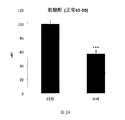
- Figure 24 shows a comparison of serum creatinine, an index related to kidney function, in each group of polycystic ovary syndrome rats.
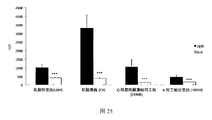
- Figure 25 shows the indicators related to heart disease in each group of polycystic ovary syndrome rats, serum lactate dehydrogenase (LDH), creatine kinase (CK), myocardial creatine kinase isoenzyme MB (CKMB), Comparison of ⁇ -hydroxybutyrate dehydrogenase (HBDH).
- LDH serum lactate dehydrogenase
- CKMB creatine kinase
- CKMB myocardial creatine kinase isoenzyme MB
- HBDH ⁇ -hydroxybutyrate dehydrogenase
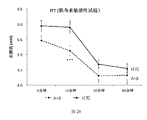
- Figure 26 shows the results of insulin sensitivity in rats with polycystic ovary syndrome.
- Figure 27 shows the results of the estrus cycle in polycystic ovary syndrome rats.
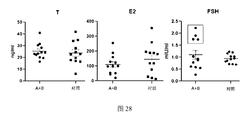
- Figure 28 shows the results of serum hormone ELISA in rats with polycystic ovary syndrome.
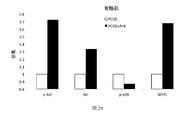
- Figure 29 shows the results of Western blot analysis of skeletal muscle protein in rats with polycystic ovary syndrome.
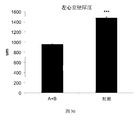
- Figure 30 shows the results of left ventricular wall thickness analysis in rats with polycystic ovary syndrome.
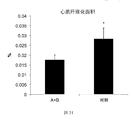
- Figure 31 shows the results of myocardial fibrosis analysis in rats with polycystic ovary syndrome.
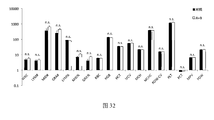
- Figure 32 shows the results of routine blood analysis in rats with polycystic ovary syndrome.
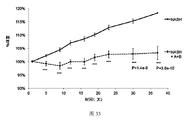
- Figure 33 shows the results of the drug therapy A+B on the body weight changes in NASH mice.
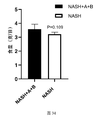
- Figure 34 shows the results of the food intake test in NASH mice.
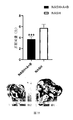
- Figure 35 shows the results of the NASH mouse liver weight test.
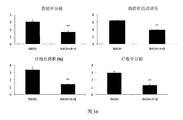
- Figure 36 shows the results of analysis of liver sections of NASH mice.
- Figure 37 shows the results of analysis of heart slices in NASH mice.
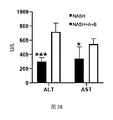
- Figure 38 shows a comparison of two indicators related to liver damage in each group of mice.
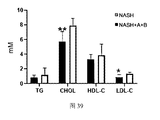
- Fig. 39 shows a comparison of indexes related to hyperlipidemia in each group of mice.
- Figure 40 shows a comparison of indicators related to each organ damage in each group of mice.
- Figure 41 shows the results of fasting blood glucose in each group of mice.
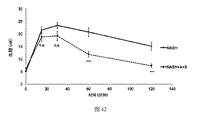
- Figure 42 shows the results of glucose tolerance in NASH mice.
- Figure 43 shows the results of insulin sensitivity in NASH mice.
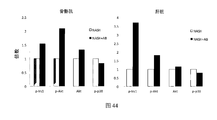
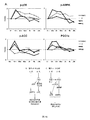
- Figure 44 shows the results of Western blot analysis of skeletal muscle protein in NASH mice.
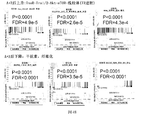
- Figure 45 shows the results of transcriptomics sequencing analysis in NASH mice.
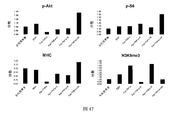
- Figure 46 shows the results of protein Western blot analysis 24 hours after administration of human primary skeletal muscle cells in vitro.
- Figure 47 shows the results of protein Western blot analysis of human primary skeletal muscle cells induced insulin resistance 7 days after administration.
- Figure 48 shows the results of transcriptomics sequencing analysis of skeletal muscle in PCOS polycystic ovary syndrome rats induced by high-fat and high-sugar diet.
- Figure 49 shows the results of insulin enzyme-linked immunosorbent assay and insulin resistance index HOMA-IR of serum samples in NASH mice.
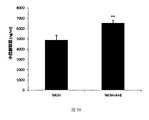
- Figure 50 shows the results of the adiponectin enzyme-linked immunosorbent assay of serum samples in NASH mice.
- FIG. 51 shows the comparison results of the liquid phase mass spectrometry analysis of the serum samples in the control group 1 and the control group 3 mice.
- the present invention is largely based on the unexpected effects obtained by the inventors in the combined application of non-steroidal anti-inflammatory drugs (therapeutic agent A) and fatty acid oxidation inhibitors (therapeutic agent B).
- therapeutic agent A non-steroidal anti-inflammatory drugs
- therapeutic agent B fatty acid oxidation inhibitors
- the inventor surprisingly found that when subjects with diabetes, cardiovascular and cerebrovascular diseases, fatty liver, or polycystic ovary syndrome were administered both therapeutic agent A and therapeutic agent B, multiple indicators of the subject were obtained. Improve, and the drug combination can also achieve the effect of reversing a variety of symptoms.
- the inventors also surprisingly discovered that the mechanism of action of the drug combination is not limited to regulating inflammation and metabolism.
- Daily administration of the drug combination can also specifically cause p38 and AMPK signal pathways and related metabolic changes to repeat themselves, forming a cycle of excitatory effects, just like imitating exercise.
- the drug therapeutic agent A+B provided by the present invention jointly regulates p38 and AMPK signals through fatty acid oxidation (FAO), fatty acid metabolites (acyl-metabolites), and adenosine triphosphate (ATP)
- FEO fatty acid oxidation
- acyl-metabolites acyl-metabolites
- ATP adenosine triphosphate
- the drug therapeutic agent A+B provided by the present invention can pass inflammatory factors (Inf cytokines), fatty acid oxidation (FAO), mitochondrial reactive oxygen species (mtROS), and glycolysis (glycolysis). Jointly regulate the mechanism model of p38 and AMPK signaling pathways, so that the p38 and AMPK signaling pathways suddenly drop at the same time, thereby promoting anabolism and muscle repair.
- the patent application therefore provides a novel and effective pharmaceutical composition on the one hand, and a treatment method using the pharmaceutical composition on the other hand.
- the present invention provides a pharmaceutical composition
- a pharmaceutical composition comprising therapeutic agent A or a pharmaceutically acceptable salt thereof; therapeutic agent B or a pharmaceutically acceptable salt thereof; and at least one pharmaceutically acceptable excipient A formulation, wherein the therapeutic agent A is a non-steroidal anti-inflammatory drug, and the therapeutic agent B is a fatty acid oxidation inhibitor.
- pharmaceutically acceptable refers to within the scope of reasonable medical judgment, suitable for use in contact with human and animal tissues without excessive toxicity, irritation, allergic reactions or other problems or complications, and reasonable benefits Those compounds, materials, compositions and/or dosage forms that are commensurate with the risk ratio.
- the therapeutic agent A and the therapeutic agent B can form stable pharmaceutically acceptable acid or base salts, and in such cases, it may be appropriate to administer the compound as the salt.
- acid addition salts include acetate, adipate, ascorbate, benzoate, benzenesulfonate, bicarbonate, bisulfate, butyrate, camphorate, camphorsulfonate, Choline, citrate, cyclamate, diethylenediamine, ethanesulfonate, fumarate, glutamate, glycolate, hemisulfate, 2-hydroxyethylsulfonate Acid salt, enanthate, caproate, hydrochloride, hydrobromide, hydroiodide, hydroxymaleate, lactate, malate, maleate, methanesulfonate, dextran Methylamine, 2-naphthalenesulfonate, nitrate, oxalate, pamoate, persulfate, phenyl acetate, phosphate, diphosphate, picrate, pivalate, propionate Acid salt, quinic acid salt, salicylate, stearate, succ
- alkali salts include ammonium salts; alkali metal salts such as sodium, lithium, and potassium salts; alkaline earth metal salts such as aluminum, calcium, and magnesium salts; salts with organic bases such as dicyclohexylamine salt and N-methyl-D-glucose Glycosamine; and salts with amino acids such as arginine, lysine, ornithine and the like.
- the therapeutic agent A and therapeutic agent B in the pharmaceutical composition may be present in a therapeutically effective amount.
- therapeutically effective amount refers to an amount of a compound or composition sufficient to significantly and positively alter the symptoms and/or condition to be treated (for example, provide a positive clinical response).
- the effective amount of the active ingredient used in the pharmaceutical composition will depend on the specific condition to be treated, the severity of the condition, the duration of the treatment, the nature of the simultaneous therapy, the specific active ingredient used, and the specific pharmaceutically acceptable excipient used. The medicine, as well as similar factors in the knowledge and expertise of the attending physician.
- treatment refers to methods used to obtain beneficial or desired clinical results.
- treatment refers to inhibiting, preventing, or preventing the development or progression of a pathology (disease, disorder or condition) and/or causing the reduction, alleviation or regression of the pathology.
- pathology disease, disorder or condition
- Those skilled in the art will understand that various methods and assays can be used to assess the development of pathology, and similarly, various methods and assays can be used to assess the reduction, remission, or regression of pathology.
- prevention refers to preventing a disease, disorder, or condition from occurring in a subject who may be at risk for the disease but has not been diagnosed with the disease.
- the prevention and the dose effective for prevention) can be demonstrated in population studies. For example, relative to an untreated control population, an effective amount to prevent a given disease or medical condition is an effective amount to reduce the incidence in the treated population.
- the term "subject” may include mammals, preferably humans of any age with pathological features. Preferably, the term may also include individuals who are at risk of developing pathological features.
- Therapeutic agent A and therapeutic agent B are therapeutic agents A and therapeutic agent B.
- therapeutic agent A is a non-steroidal anti-inflammatory drug.
- non-steroidal anti-inflammatory drugs NSAID
- NSAID non-steroidal anti-inflammatory drugs
- acetylsalicyclic acid including aspirin (acetyl salicyclic acid)
- Non-acetyl salicylates including magnesium salicylate, sodium salicylate, magnesium choline salicylate, diflunisal, di-salicylate
- non-salicylates including ibuprofen , Indomethacin, flurbiprofen, phenoxyibuprofen, naproxen, nabumetone, piroxicam, phenylbutazone, diclofenac, fenprofen, ketoprofen, ketorolac, Tetraclofenamic acid, sulindac, tolmetin, etc.
- the therapeutic agent A in the present invention can be selected from any of these non-steroidal anti-inflammatory drugs.
- the therapeutic agent A may be selected from salicylate, ibuprofen, indomethacin, flurbiprofen, phenoxy ibuprofen, naproxen, nabumetone, piroxicam, phenylbutazone , At least one of diclofenac, fenprofen, ketoprofen, ketorolac, tetraclofenamic acid, sulindac and tolmetin. More preferably, the therapeutic agent A may be salicylate, such as aspirin or magnesium salicylate.
- therapeutic agent B is a fatty acid oxidation inhibitor, which includes, but is not limited to, Etomoxir, Meldonium, Oxfenicine, Perhexiline ), Ranolazine, substituted piperazines, trimetazidine and carnitine derivatives.
- the therapeutic agent B may be Trimetazidine, aminocarnitines (such as described in WO85/04396), phosphinyloxy derivatives of carnitine, such as described in EP0574355B1 ), or complex products of carnitine and other compounds (such as those described in JP5127093B2/US6369073B1). More preferably, the therapeutic agent B may be trimetazidine.
- the combination of therapeutic agent A and therapeutic agent B is not particularly limited. That is to say, in the pharmaceutical composition of the present invention, the therapeutic agent A and the therapeutic agent B may be contained in a single dosage form, or may also exist in separate dosage forms, so that when the pharmaceutical composition of the present invention is subsequently used, the treatment Agent A and therapeutic agent B can be administered to the subject at the same time, separately or sequentially.
- the therapeutic agent A and the therapeutic agent B can be administered to the subject at the same time (for example, they are administered in the same dosage form), and the therapeutic agent A can be administered to the subject at the same time.
- Administer to the subject and then immediately administer the therapeutic agent B to the subject or it may be 1 hour, 2 hours, 3 hours, 4 hours, 5 hours, 6 hours, 7 hours after the therapeutic agent A is administered to the subject.
- the therapeutic agent B is administered to the subject within 8 hours, or within 8 hours.
- therapeutic agent B may be administered to the subject and then therapeutic agent A may be administered to the subject immediately, or may be 1 hour, 2 hours, 3 hours after the administration of therapeutic agent B to the subject ,
- the therapeutic agent A is administered to the subject within 4 hours, 5 hours, 6 hours, 7 hours, or 8 hours.
- the pharmaceutical composition of the present invention may be suitable for oral administration (for example, as a tablet, lozenge, hard or soft capsule, aqueous or oily suspension, emulsion, dispersible powder or granule, syrup or elixir), topical administration ( For example as a cream, ointment, gel, or aqueous or oily solution or suspension), by inhalation (for example as a finely divided powder or liquid aerosol), by insufflation (for example as a finely divided powder) or parenteral (for example As a sterile aqueous or oily solution for intravenous, subcutaneous, intramuscular or intramuscular administration, or as a suppository for rectal administration).
- the pharmaceutical composition of the present invention is administered orally.
- the pharmaceutical composition of the present invention can be obtained by conventional procedures using conventional pharmaceutical excipients known in the art.
- suitable pharmaceutically acceptable excipients for tablet formulations include, for example, inert diluents such as lactose, sodium carbonate, calcium phosphate or calcium carbonate; granulating and disintegrating agents such as corn starch or alginic acid; binders , Such as starch; lubricants such as magnesium stearate, stearic acid or talc; preservatives such as ethyl or propyl p-hydroxybenzoate; and antioxidants such as ascorbic acid.
- Tablet formulations can be uncoated or coated. The coating is either to modify their disintegration in the gastrointestinal tract and subsequent absorption of active ingredients, or to improve their stability and/or appearance. In either case, conventional coating agents and methods known in the art can be used.
- the pharmaceutical composition of the present invention has no strict restrictions on the dosage and frequency of administration, and it can vary according to many factors, such as age, weight, general health, diet, gender, drug to be administered, route of administration (or method), and disease to be treated The severity of the disease and the judgment of the attending physician.
- the pharmaceutical composition of the present invention can be administered once or multiple times a day, for example, once a day, twice a day, three times a day or more, and can also be administered once every two days, once every three days, every Administer once a week or other frequency.
- the amount of therapeutic agent A may be 0.1 mg to 5000 mg per day, or preferably 10 mg to 3000 mg, more preferably 80 mg to 2000 mg, or even more preferably 500 mg to 1500 mg
- the amount of therapeutic agent B may be 0.1 mg per day To 1000 mg, or preferably 10 mg to 1000 mg, more preferably 100 mg to 500 mg, or even more preferably 35 mg to 300 mg. Therefore, the above-mentioned dosage can be reasonably achieved according to the above-mentioned different frequency and manner of administration, for example, 5 mg to 500 mg once a day Therapeutic agent A, or the therapeutic agent A of 10 mg to 250 mg administered twice a day, etc.
- the pharmaceutical composition comprises salicylate (such as 100, 200, 300, 400, 500, or 600 mg salicylate), and trimetazidine (such as 10, 20, 30, 40, 50, 60, 70, 80, 90, or 100 mg trimetazidine).
- the pharmaceutical composition contains aspirin (such as 100, 200, 300, 400, 500, or 600 mg aspirin), and trimetazidine (such as 10, 20, 30, 40, 50, 60, 70, 80, 90, or 100 mg trimetazidine).
- the weight ratio of salicylate (such as aspirin) and trimetazidine is 1:1 to 10:1, including 2:1, 3:1, 4:1, 5:1, 6: 1, 7:1, 8:1, 9:1, or 10:1.
- the present invention also provides therapeutic agent A and therapeutic agent B prepared for the treatment of type 2 diabetes in subjects in need, impaired glucose tolerance, impaired fasting blood glucose, hyperglycemia, postprandial hyperglycemia , Type 1 diabetes, overweight, obesity and metabolic syndrome; or improve blood sugar control and/or reduce fasting plasma glucose, postprandial plasma glucose and/or glycosylated hemoglobin HbA1c; or slow, delay or reverse the effects of impaired glucose tolerance and fasting blood glucose Progression of insulin resistance and/or metabolic syndrome to type 2 diabetes; or treatment of diabetic complications such as cataracts, and microvascular and macrovascular diseases such as nephropathy, retinopathy, neuropathy, tissue ischemia, arteriosclerosis, myocardial infarction, stroke And peripheral artery occlusive disease; or reduce weight or promote weight loss; or treat pancreatic ⁇ -cell degeneration and/or pancreatic ⁇ -cell function decline, and/or restore pancreatic ⁇ -cell function, and/or restore pancreatic insulin secretion
- the present invention provides therapeutic agent A and therapeutic agent B prepared for the treatment of type 2 diabetes, impaired glucose tolerance, impaired fasting blood glucose, type 1 diabetes, obesity, and fat in subjects in need Use (or method) in medicine for one or more of the symptoms of hepatitis, atherosclerosis, glaucoma, dyslipidemia/hyperlipidemia, and hyperglycemia, wherein the therapeutic agent A is a non-steroidal As an anti-inflammatory drug, the therapeutic agent B is a fatty acid oxidation inhibitor.
- the present invention provides the treatment of type 2 diabetes, impaired glucose tolerance, impaired fasting blood glucose, type 1 diabetes, obesity, steatohepatitis, atherosclerosis, glaucoma, blood lipids in a subject in need
- the use (or method) of one or more disorders in abnormal/hyperlipidemia and hyperglycemia includes administering a therapeutic agent A and a therapeutic agent B to a diseased individual, wherein the therapeutic agent A is a non-steroidal As an anti-inflammatory drug, the therapeutic agent B is a fatty acid oxidation inhibitor.
- the therapeutic agent A is selected from salicylate (e.g., aspirin), and the therapeutic agent B is selected from trimetazidine.
- the weight ratio of the therapeutic agent A (for example, salicylate, such as aspirin) and the therapeutic agent B (for example, trimetazidine) is 1:1 to 10:1, including 2:1 , 3:1, 4:1, 5:1, 6:1, 7:1, 8:1, 9:1, or 10:1. In some embodiments, the weight ratio of the therapeutic agent A (for example, salicylate, such as aspirin) and the therapeutic agent B (for example, trimetazidine) is 6:1.
- the present invention provides the use (or method) of therapeutic agent A and therapeutic agent B in the preparation of a medicament for the treatment of type 1 diabetes or type 2 diabetes in a subject in need, wherein the The therapeutic agent A is a non-steroidal anti-inflammatory drug, and the therapeutic agent B is a fatty acid oxidation inhibitor.
- the present invention provides a use (or method) for treating type 1 diabetes or type 2 diabetes in a subject in need thereof, including administering therapeutic agent A and therapeutic agent B to a diseased individual, wherein The therapeutic agent A is a non-steroidal anti-inflammatory drug, and the therapeutic agent B is a fatty acid oxidation inhibitor.
- the therapeutic agent A is selected from salicylate (e.g., aspirin), and the therapeutic agent B is selected from trimetazidine.
- the weight ratio of the therapeutic agent A (for example, salicylate, such as aspirin) and the therapeutic agent B (for example, trimetazidine) is 1:1 to 10:1, including 2:1 , 3:1, 4:1, 5:1, 6:1, 7:1, 8:1, 9:1, or 10:1.
- the weight ratio of the therapeutic agent A (for example, salicylate, such as aspirin) and the therapeutic agent B (for example, trimetazidine) is 6:1.
- the present invention provides the use (or method) of therapeutic agent A and therapeutic agent B in the preparation of a medicament for treating a disease or condition that causes abnormal accumulation of liver fat in a subject in need, wherein
- the therapeutic agent A is a non-steroidal anti-inflammatory drug
- the therapeutic agent B is a fatty acid oxidation inhibitor.
- the present invention provides the use (or method) of treating a disease or condition that causes abnormal accumulation of liver fat in a subject in need thereof, comprising administering therapeutic agent A and therapeutic agent B to a diseased individual, wherein The therapeutic agent A is a non-steroidal anti-inflammatory drug, and the therapeutic agent B is a fatty acid oxidation inhibitor.
- the therapeutic agent A is selected from salicylate (e.g., aspirin), and the therapeutic agent B is selected from trimetazidine.
- the weight ratio of the therapeutic agent A (for example, salicylate, such as aspirin) and the therapeutic agent B (for example, trimetazidine) is 1:1 to 10:1, including 2:1 , 3:1, 4:1, 5:1, 6:1, 7:1, 8:1, 9:1, or 10:1.
- the therapeutic agent A (such as salicylic acid
- the weight ratio of the salt, such as aspirin) and the therapeutic agent B (such as trimetazidine) is 6:1.
- the present invention provides the use (or method) of therapeutic agent A and therapeutic agent B for the treatment of reproduction-related metabolic diseases in a subject in need thereof, wherein the therapeutic agent A is a non-steroidal
- the therapeutic agent B is a fatty acid oxidation inhibitor.
- the present invention provides a use (or method) for treating reproduction-related metabolic diseases in a subject in need thereof, comprising administering therapeutic agent A and therapeutic agent B to the diseased individual, wherein the therapeutic agent A is a non-steroidal anti-inflammatory drug, and the therapeutic agent B is a fatty acid oxidation inhibitor.
- Reproductive-related metabolic diseases include, but are not limited to, polycystic ovary syndrome (PCOS), gestational diabetes, preeclampsia, recurrent spontaneous abortion, fetal growth restriction, ovarian insufficiency, premature ovarian failure, and male infertility.
- the therapeutic agent A is selected from salicylate (e.g., aspirin)
- the therapeutic agent B is selected from trimetazidine.
- the weight ratio of the therapeutic agent A (for example, salicylate, such as aspirin) and the therapeutic agent B (for example, trimetazidine) is 1:1 to 10:1, including 2:1 , 3:1, 4:1, 5:1, 6:1, 7:1, 8:1, 9:1, or 10:1.
- the weight ratio of the therapeutic agent A (for example, salicylate, such as aspirin) and the therapeutic agent B (for example, trimetazidine) is 6:1.
- the present invention provides the use (or method) of therapeutic agent A and therapeutic agent B in the preparation of a medicament for the treatment of polycystic ovary syndrome (PCOS) in a diseased individual in need, wherein,
- the therapeutic agent A is a non-steroidal anti-inflammatory drug
- the therapeutic agent B is a fatty acid oxidation inhibitor.
- the present invention provides a method of treating polycystic ovary syndrome (PCOS), comprising administering therapeutic agent A and therapeutic agent B to a diseased individual, wherein said therapeutic agent A is a non-steroidal anti-inflammatory drug ,
- the therapeutic agent B is a fatty acid oxidation inhibitor.
- the therapeutic agent A is selected from salicylate (e.g., aspirin), and the therapeutic agent B is selected from trimetazidine.
- the weight ratio of the therapeutic agent A (for example, salicylate, such as aspirin) and the therapeutic agent B (for example, trimetazidine) is 1:1 to 10:1, including 2:1 , 3:1, 4:1, 5:1, 6:1, 7:1, 8:1, 9:1, or 10:1.
- the weight ratio of the therapeutic agent A (for example, salicylate, such as aspirin) and the therapeutic agent B (for example, trimetazidine) is 6:1.
- the present invention provides therapeutic agent A and therapeutic agent B in preparation for restoring skeletal muscle insulin sensitivity and protein synthesis in diseased individuals in need (such as patients with polycystic ovary syndrome)
- the present invention provides a method for restoring skeletal muscle insulin sensitivity and protein anabolism (or alleviating muscle inflammation, insulin resistance) in diseased individuals in need (such as patients with polycystic ovary syndrome).
- the use (or method) of muscle attenuation syndrome and/or metabolic syndrome comprising administering therapeutic agent A and therapeutic agent B to a diseased individual, wherein said therapeutic agent A is a non-steroidal anti-inflammatory drug, and said therapeutic agent B Is a fatty acid oxidation inhibitor.
- the therapeutic agent A is selected from salicylate (such as aspirin)
- the therapeutic agent B is selected from trimetazidine.
- the The weight ratio of the therapeutic agent A (for example, salicylate, such as aspirin) and the therapeutic agent B (for example, trimetazidine) is 1:1 to 10:1, including 2:1, 3:1, 4: 1, 5:1, 6:1, 7:1, 8:1, 9:1, or 10:1.
- the therapeutic agent A (for example, salicylate, such as aspirin) and the The weight ratio of the therapeutic agent B (for example, trimetazidine) is 6:1.
- the present invention provides therapeutic agent A and therapeutic agent B prepared for improving (including reversing) myocardial fibers in diseased individuals in need (such as patients with polycystic ovary syndrome or NASH)
- the therapeutic agent A is a non-steroidal anti-inflammatory drug
- the therapeutic agent B is a fatty acid oxidation inhibitor.
- the present invention provides a method for improving (including reversing) myocardial fibrosis, ventricular hypertrophy, heart failure, etc. in diseased individuals in need (such as patients with polycystic ovary syndrome or NASH).
- the use (or method) of a vascular disease includes administering a therapeutic agent A and a therapeutic agent B to a diseased individual, wherein the therapeutic agent A is a non-steroidal anti-inflammatory drug, and the therapeutic agent B is a fatty acid oxidation inhibitor.
- the therapeutic agent A is selected from salicylate (e.g., aspirin)
- the therapeutic agent B is selected from trimetazidine.
- the weight ratio of the therapeutic agent A (for example, salicylate, such as aspirin) and the therapeutic agent B (for example, trimetazidine) is 1:1 to 10:1, including 2:1 , 3:1, 4:1, 5:1, 6:1, 7:1, 8:1, 9:1, or 10:1.
- the weight ratio of the therapeutic agent A (for example, salicylate, such as aspirin) and the therapeutic agent B (for example, trimetazidine) is 6:1.
- the present invention provides therapeutic agent A and therapeutic agent B in preparation for reversing insulin resistance and muscle attenuation in a diseased individual in need (such as patients with polycystic ovary syndrome or NASH).
- a diseased individual in need such as patients with polycystic ovary syndrome or NASH.
- the therapeutic agent A is a non-steroidal anti-inflammatory drug
- the therapeutic agent B is a fatty acid oxidation inhibitor.
- the present invention provides a use for reversing insulin resistance, muscle attenuation syndrome, and metabolic syndrome in a diseased individual in need (such as patients with polycystic ovary syndrome or NASH) (or Method) comprising administering therapeutic agent A and therapeutic agent B to a diseased individual, wherein said therapeutic agent A is a non-steroidal anti-inflammatory drug, and said therapeutic agent B is a fatty acid oxidation inhibitor.
- the therapeutic agent A is selected from salicylate (e.g., aspirin), and the therapeutic agent B is selected from trimetazidine.
- the weight ratio of the therapeutic agent A (for example, salicylate, such as aspirin) and the therapeutic agent B (for example, trimetazidine) is 1:1 to 10:1, including 2:1 , 3:1, 4:1, 5:1, 6:1, 7:1, 8:1, 9:1, or 10:1. In some embodiments, the weight ratio of the therapeutic agent A (for example, salicylate, such as aspirin) and the therapeutic agent B (for example, trimetazidine) is 6:1.
- the present invention provides therapeutic agent A and therapeutic agent B prepared for the treatment of non-alcoholic fatty liver (NAFLD) or non-alcoholic steatohepatitis (NASH) in a diseased individual in need
- NASH non-alcoholic fatty liver
- the therapeutic agent A is a non-steroidal anti-inflammatory drug
- the therapeutic agent B is a fatty acid oxidation inhibitor
- the present invention provides a use (or method) for treating non-alcoholic fatty liver (NAFLD) or non-alcoholic steatohepatitis (NASH), comprising administering therapeutic agent A and therapeutic agent to a diseased individual B, wherein the therapeutic agent A is a non-steroidal anti-inflammatory drug, and the therapeutic agent B is a fatty acid oxidation inhibitor.
- the therapeutic agent A is selected from salicylate (e.g., aspirin), and the therapeutic agent B is selected from trimetazidine.
- the weight ratio of the therapeutic agent A (for example, salicylate, such as aspirin) and the therapeutic agent B (for example, trimetazidine) is 1:1 to 10:1, including 2:1 , 3:1, 4:1, 5:1, 6:1, 7:1, 8:1, 9:1, or 10:1. In some embodiments, the weight ratio of the therapeutic agent A (for example, salicylate, such as aspirin) and the therapeutic agent B (for example, trimetazidine) is 6:1.
- the present invention provides therapeutic agent A and therapeutic agent B in preparation for curbing (or reversing) weight gain in diseased individuals in need (such as patients with non-alcoholic fatty liver (NASH))
- the use (or method) in a medicine for hyperlipidemia wherein the therapeutic agent A is a non-steroidal anti-inflammatory drug, and the therapeutic agent B is a fatty acid oxidation inhibitor.
- the present invention provides a treatment for curbing weight gain (or reversing hyperlipidemia) in diseased individuals in need (such as patients with non-alcoholic fatty liver (NASH)) ( Or method), comprising administering therapeutic agent A and therapeutic agent B to a diseased individual, wherein said therapeutic agent A is a non-steroidal anti-inflammatory drug, and said therapeutic agent B is a fatty acid oxidation inhibitor.
- the therapeutic agent A is selected from salicylate (e.g., aspirin), and the therapeutic agent B is selected from trimetazidine.
- the weight ratio of the therapeutic agent A (for example, salicylate, such as aspirin) and the therapeutic agent B (for example, trimetazidine) is 1:1 to 10:1, including 2:1 , 3:1, 4:1, 5:1, 6:1, 7:1, 8:1, 9:1, or 10:1. In some embodiments, the weight ratio of the therapeutic agent A (for example, salicylate, such as aspirin) and the therapeutic agent B (for example, trimetazidine) is 6:1.
- the present invention provides therapeutic agent A and therapeutic agent B in preparation for reversing liver enlargement (or patients with non-alcoholic fatty liver (NASH)) in a diseased individual in need thereof (or The use (or method) in medicine for liver injury), wherein the therapeutic agent A is a non-steroidal anti-inflammatory drug, and the therapeutic agent B is a fatty acid oxidation inhibitor.
- NASH non-alcoholic fatty liver
- the present invention provides a use (or method) for reversing liver enlargement (or liver damage) in a diseased individual in need (such as patients with non-alcoholic fatty liver (NASH)) ), including administering therapeutic agent A and therapeutic agent B to a diseased individual, wherein said therapeutic agent A is a non-steroidal anti-inflammatory drug, and said therapeutic agent B is a fatty acid oxidation inhibitor.
- the therapeutic agent A is selected from salicylate (e.g., aspirin), and the therapeutic agent B is selected from trimetazidine.
- the weight ratio of the therapeutic agent A (for example, salicylate, such as aspirin) and the therapeutic agent B (for example, trimetazidine) is 1:1 to 10:1, including 2:1 , 3:1, 4:1, 5:1, 6:1, 7:1, 8:1, 9:1, or 10:1. In some embodiments, the weight ratio of the therapeutic agent A (for example, salicylate, such as aspirin) and the therapeutic agent B (for example, trimetazidine) is 6:1.
- the present invention provides that therapeutic agent A and therapeutic agent B are prepared for increasing glucose tolerance (or patients with non-alcoholic fatty liver (NASH)) in a diseased individual in need thereof (or Use (or method) in a medicine for reversing insulin resistance, restoring skeletal muscle and liver insulin sensitivity, and alleviating muscle inflammation), wherein the therapeutic agent A is a non-steroidal anti-inflammatory drug, and the therapeutic agent B is fatty acid oxidation inhibitor Agent.
- the present invention provides a treatment for increasing glucose tolerance (or reversing insulin resistance, restoring skeletal muscle and skeletal muscles) in diseased individuals in need (such as patients with non-alcoholic fatty liver (NASH)).
- the use (or method) of liver insulin sensitivity and alleviation of muscle inflammation includes administering therapeutic agent A and therapeutic agent B to a diseased individual, wherein said therapeutic agent A is a non-steroidal anti-inflammatory drug, and said therapeutic agent B is a fatty acid Oxidation inhibitor.
- the therapeutic agent A is selected from salicylate (e.g., aspirin), and the therapeutic agent B is selected from trimetazidine.
- the weight ratio of the therapeutic agent A (for example, salicylate, such as aspirin) and the therapeutic agent B (for example, trimetazidine) is 1:1 to 10:1, including 2:1 , 3:1, 4:1, 5:1, 6:1, 7:1, 8:1, 9:1, or 10:1.
- the weight ratio of the therapeutic agent A (for example, salicylate, such as aspirin) and the therapeutic agent B (for example, trimetazidine) is 6:1.
- the present invention provides therapeutic agent A and therapeutic agent B in preparation for promoting angiogenesis (or promoting angiogenesis in a diseased individual in need (such as patients with non-alcoholic fatty liver (NASH))
- a diseased individual in need such as patients with non-alcoholic fatty liver (NASH)
- NASH non-alcoholic fatty liver
- the therapeutic agent A is a non-steroidal anti-inflammatory drug
- the therapeutic agent B is a fatty acid oxidation inhibitor.
- the present invention provides a treatment for promoting angiogenesis (or promoting neuromuscular tissue sensitivity) in a diseased individual in need (such as patients with non-alcoholic fatty liver (NASH)) (Or method) comprising administering therapeutic agent A and therapeutic agent B to a diseased individual, wherein said therapeutic agent A is a non-steroidal anti-inflammatory drug, and said therapeutic agent B is a fatty acid oxidation inhibitor.
- the therapeutic agent A is selected from salicylate (e.g., aspirin), and the therapeutic agent B is selected from trimetazidine.
- the weight ratio of the therapeutic agent A (for example, salicylate, such as aspirin) and the therapeutic agent B (for example, trimetazidine) is 1:1 to 10:1, including 2:1 , 3:1, 4:1, 5:1, 6:1, 7:1, 8:1, 9:1, or 10:1. In some embodiments, the weight ratio of the therapeutic agent A (for example, salicylate, such as aspirin) and the therapeutic agent B (for example, trimetazidine) is 6:1.
- the present invention provides therapeutic agent A and therapeutic agent B in the preparation of drugs for regulating p38 and AMPK signaling pathways in individuals in need (such as patients with non-alcoholic fatty liver (NASH))
- drugs for regulating p38 and AMPK signaling pathways in individuals in need such as patients with non-alcoholic fatty liver (NASH)
- NASH non-alcoholic fatty liver
- the therapeutic agent A is a non-steroidal anti-inflammatory drug
- the therapeutic agent B is a fatty acid oxidation inhibitor.
- the present invention provides a use (or method) for modulating p38 and AMPK signaling pathways, including administering therapeutic agent A and therapeutic agent A to a desired individual (such as patients with non-alcoholic fatty liver (NASH))
- the therapeutic agent B wherein the therapeutic agent A is a non-steroidal anti-inflammatory drug, and the therapeutic agent B is a fatty acid oxidation inhibitor.
- the therapeutic agent A is selected from salicylate (e.g., aspirin), and the therapeutic agent B is selected from trimetazidine.
- the weight ratio of the therapeutic agent A (for example, salicylate, such as aspirin) and the therapeutic agent B (for example, trimetazidine) is 1:1 to 10:1, including 2:1 , 3:1, 4:1, 5:1, 6:1, 7:1, 8:1, 9:1, or 10:1. In some embodiments, the weight ratio of the therapeutic agent A (for example, salicylate, such as aspirin) and the therapeutic agent B (for example, trimetazidine) is 6:1.
- therapeutic agent A and therapeutic agent B as well as the frequency, manner, and dosage of administration, can be the same as described above.
- the therapeutic agent A is selected from salicylate, and the therapeutic agent B is selected from trimetazidine. In some embodiments, the therapeutic agent A is selected from aspirin, and the therapeutic agent B is selected from trimetazidine.
- the weight ratio of the therapeutic agent A (for example, salicylate, such as aspirin) and the therapeutic agent B (for example, trimetazidine) is 1:1 to 10:1, including 2:1 , 3:1, 4:1, 5:1, 6:1, 7:1, 8:1, 9:1, or 10:1. In some embodiments, the weight ratio of the therapeutic agent A (for example, salicylate, such as aspirin) and the therapeutic agent B (for example, trimetazidine) is 6:1.
- the therapeutic agent A and the therapeutic agent B are administered at the same time (for example, oral administration).
- the therapeutic agent A and the therapeutic agent B are contained in a single dosage form.
- the single pharmaceutical dosage form is an oral dosage form.
- the therapeutic agent A and the therapeutic agent B are administered separately (for example, oral administration).
- the course of treatment can include 1, 2, 3, 4, 5, 6, 7, 8, 9, 10, 11, 12 months or longer.
- the therapeutic agent A can be administered once a day, twice a day, three times a day or more, and can also be administered once every two days, once every three days, once a week, or other frequencies.
- therapeutic agent B can be administered once a day, twice a day, three times a day or more, and can also be administered once every two days, once every three days, once a week, or other frequencies.
- the frequency of administration of the two may be the same or different.
- the subjects in need can be divided into many types, for example, subjects who have been diagnosed with or are at risk of suffering from various metabolic syndromes, or indicate that various indexes of various metabolic syndromes exceed Subjects in the normal range, or subjects who are intolerant to, unavailable, or not effective after use of certain anti-diabetic drugs, etc. Therefore, in one embodiment, the subject may be an individual diagnosed with one or more disorders selected from the group consisting of overweight, obesity, visceral obesity, and abdominal obesity.
- the subject may be an individual diagnosed with one or more of the following conditions: (a) fasting blood glucose or serum glucose concentration is greater than 110 mg/dL, especially greater than 125 mg/dL; (b) meal The post-plasma glucose concentration is equal to or greater than 140 mg/dL; and (c) the HbA1c value is equal to or greater than 6.5%, especially equal to or greater than 8.0%.
- the subject may be an individual with one or more of the following conditions: (a) obesity, visceral obesity and/or abdominal obesity; (b) blood triglyceride concentration ⁇ 150 mg/ dL; (c) HDL-cholesterol blood level of female subjects ⁇ 40mg/dL; HDL-cholesterol blood level of male subjects ⁇ 50mg/dL; (d) systolic blood pressure ⁇ 130mmHg, diastolic blood pressure ⁇ 85mmHg; (e ) Fasting blood glucose level ⁇ 110mg/dL; and (f) LDL-cholesterol blood level ⁇ 130mg/dL.
- the subject may be an individual who is contraindicated on metformin treatment alone and/or is intolerant to a therapeutic dose of metformin.
- the subject may be an individual with insufficient blood glucose control after treatment with one or more anti-diabetic drugs selected from the group consisting of: (a) biguanides; (b) sulfonate Urea; (c) meglitinides; (d) thiazolidinediones; (e) ⁇ -glucosidase inhibitors; (f) insulin and insulin analogs; (g) dipeptidyl peptidase IV inhibitors; (h) SGLT2 inhibitors; (i) PPAR ⁇ modulators; (j) glucose-dependent insulinotropic polypeptide agonists; (k) ⁇ -3 adrenergic receptor agonists; (l) GLP1 and GLP1 are similar (M) PPAR ⁇ modulator; and (n) HMG-CoA reductase inhibitor.
- anti-diabetic drugs selected
- the subject is a human, such as an age of 20, 30, 40, 50, 60, 70, or 80.
- both the control group and the test group of the present invention are injected intraperitoneally in the examples.
- the injection volume starts at 4 ⁇ l/g body weight and is adjusted according to the dose, wherein the therapeutic agent A in the test group (in the following examples are both Use aspirin (trade name Aspirin) diluted in PBS to a dose between 0.3 mg/kg to 120 mg/kg body weight, and therapeutic agent B (in the following examples all use trimetazidine (trade name Trimetazidine) ) Diluted in PBS to a dose between 0.05 mg/kg and 500 mg/kg body weight, while the control group usually uses only the same amount of therapeutic agent A or the same amount of therapeutic agent B, or only the same amount of PBS solvent as a blank control.
- the therapeutic agent A in the test group in the following examples are both Use aspirin (trade name Aspirin) diluted in PBS to a dose between 0.3 mg/kg to 120 mg/kg body weight
- therapeutic agent B in the following examples all use trimetazidine (trade
- mice with similar physical conditions in all aspects were selected and divided into four groups.
- the number of mice in each group was equal to For the test group, 30 mg/kg of therapeutic agent A and 5 mg/kg of therapeutic agent B were effectively administered to each mouse per day; for the control group 1, each mouse was effectively administered 30 mg/kg of therapeutic agent per day A; For the control group 2, 5 mg/kg of therapeutic agent B was effectively administered to each mouse per day; for the control group 3, only the same amount of PBS solvent was administered to each mouse per day as a blank control for a total of 10 days .
- the body weight of each mouse was recorded every day, and a graph of the body weight change over time was drawn according to the body weight of each mouse, as shown in Figure 1.
- Fig. 1 shows the results of the change in body weight of the obesity-induced DIO mice by the drug therapeutic agent A+B in the test group using the pharmaceutical composition according to the embodiment of the present invention, compared with the control group. It can be seen that the pharmaceutical composition of the present invention can effectively reduce the body weight of DIO mice by more than 10% within 10 days, and the control groups 1-3 have almost no significant effect on the body weight of the mice. Therefore, it can be considered that the present invention
- the provided therapeutic agent A and therapeutic agent B have a synergistic effect on the therapeutic effect of weight loss when used in combination.
- mice in the test group and the control group 3 after the completion of Example 1, and dissected them, and observe the accumulation of fat in the test group and the control group 3, and then compare them. After the dissection, the mice in the test group and the control group 3 were dissected. The captured images of fat deposits everywhere are shown in FIG. 2.
- Fig. 2 shows the results of the induction of fat reduction in DIO mice by the pharmaceutical therapeutic agent A+B in the test group using the pharmaceutical composition according to the embodiment of the present invention compared to the control group. It can be seen that there are many obvious fat accumulations in the mice in the control group 3, such as fatty liver, visceral fat, and subcutaneous fat, while the fat accumulation in the mice in the test group is significantly reduced. Therefore, it can be considered that the present invention
- the provided pharmaceutical composition has the effect of significantly reducing body fat content.
- mice in the experimental group and the control group 1, 2, and 3 after the completion of Example 1 were selected, and the dissected mice were observed under a microscope, and the morphology and size of the fat granules of the gonadal fat pad were compared, and the fat granules under the microscope were compared.
- the diagram of the morphology is shown in FIG. 3.
- Fig. 3 shows the results of the gonadal fat pad in the test group using the pharmaceutical composition according to the embodiment of the present invention compared with the control group. It can be seen that compared with the fat granules in the control group 1, 2, and 3, the fat granules in the test group are significantly reduced in size, which means that the therapeutic agent A+B has the therapeutic effect of inducing fat loss.
- mice in the experimental group and the control group 1, 2, and 3 that have completed Example 1 select the mice in the experimental group and the control group 1, 2, and 3 that have completed Example 1, and observe the dissected mice under a microscope, and compare the morphology of liver cells and the size of fat particles, and the morphology of liver cells under the microscope.
- the diagram of is shown in Figure 4.
- Fig. 4 shows the results of the liver in the test group using the pharmaceutical composition according to the embodiment of the present invention compared with the control group. It can be seen that compared with the liver cells in the control group 1, 2, and 3, the liver cells in the test group have a reduced number of fat granules, a significantly smaller size, and a decrease in inflammatory cells, which means that the therapeutic agent A+B induces The therapeutic effect of fatty liver with reduced fat and inflammation.
- mice in the experimental group and the control group 1, 2, and 3 after the completion of Example 1 were selected, and the dissected mice were observed under a microscope, and the morphology of the heart muscle was compared.
- the image of the myocardium under the microscope is shown in the figure. 5 in.
- Fig. 5 shows the results of the morphology of cardiomyocytes in the test group using the pharmaceutical composition according to the embodiment of the present invention compared with the control group. It can be seen that the color and shape of the muscle images in the test group and the control group 1, 2, and 3 are basically the same, that is, the therapeutic agent A+B did not cause myocardial toxicity.
- mice in the experimental group and the control group 1, 2, and 3 after the completion of Example 1 were selected, and the dissected mice were observed under a microscope, and the skeletal muscle morphology was compared.
- the skeletal muscle morphology under the microscope is shown in the figure Figure 6.
- Fig. 6 shows the results of the morphology of skeletal muscle cells in the test group using the pharmaceutical composition according to the embodiment of the present invention compared with the control group. It can be seen that the color and shape of the muscle images in the test group and the control group 1, 2, and 3 are basically the same, that is, the therapeutic agent A+B did not cause muscle loss and muscle toxicity.
- mice in the experimental group and the control group 1, 2, and 3 after the completion of Example 1 perform blood biochemical test on the dissected mouse serum, and compare the renal toxicity indicators of serum creatinine (CREA) and blood urea nitrogen (BUN). The comparison of the two indicators is shown in Figure 7.
- CREA serum creatinine
- BUN blood urea nitrogen
- Fig. 7 shows the results of serum creatinine (CREA) and blood urea nitrogen (BUN) in the test group using the pharmaceutical composition according to the embodiment of the present invention compared with the control group. It can be seen that the levels of serum creatinine (CREA) and blood urea nitrogen (BUN) in the test group and the control group 1, 2, and 3 are basically the same, and there is no significant difference. That is to say, the therapeutic agent A+B did not cause renal damage. toxicity.
- the weight change test was performed on the diabetic DIO mice according to the same method in Example 1, except that 12 mice were used in each group, and the treatment time was increased to 4 weeks.
- the body weight of each mouse was recorded every day, and a graph of the body weight change over time was drawn according to the weight of each mouse, as shown in FIG. 8.
- Fig. 8 shows the results of the change in body weight in diabetic DIO mice induced by the drug therapy agent A+B in the test group using the pharmaceutical composition according to the embodiment of the present invention in comparison with the control group.
- the pharmaceutical composition of the present invention can effectively and stably reduce the body weight of diabetic DIO mice by more than 20% within 3 weeks, while the control groups 1-3 have almost no obvious effect on the body weight of the mice. Therefore, it can be considered that the therapeutic agent A and the therapeutic agent B provided by the present invention have a synergistic effect on the therapeutic effect of weight loss in diabetic patients when used in combination.
- Figure 9 shows the comparison of the total amount of serum cholesterol, an index related to hyperlipidemia in each group of DIO mice.
- Figure 10 shows the comparison of serum LDL-cholesterol, an index related to hyperlipidemia in each group of DIO mice.
- FIG 11 shows the comparison of serum alanine aminotransferase (ALT), an index related to fatty liver in each group of DIO mice.
- ALT serum alanine aminotransferase
- Fig. 12 shows the comparison of the ratio of serum albumin/globulin, which is an index related to nitrogen metabolism function, in each group of DIO mice.
- FIG. 13 shows the comparison of serum total protein, which is an index related to nitrogen metabolism function, in each group of DIO mice.
- Example 9-10 detected two indicators related to obesity and hyperlipidemia: total cholesterol and LDL-cholesterol.
- Example 11 tested Alanine aminotransferase (ALT), an indicator related to fatty liver disease, and
- Examples 12-13 detected two indicators related to nitrogen metabolism: albumin/globulin ratio and total protein. The comparison of each index of each group is shown in Figure 9-13.
- Figures 9-13 respectively show the comparison of various indicators related to metabolic syndrome such as obesity and hyperlipidemia, fatty liver disease, and nitrogen metabolism in each group of mice. It can be seen that after 4 weeks of administration of the therapeutic agent A+B, compared with the blank control group 3, all the indicators in the test group mice showed a significant decrease, while in the control group 1 the therapeutic agent A or the control group The therapeutic agent B of Group 2 did not achieve significant therapeutic or recovery effects when used alone. It can be seen that the pharmaceutical composition provided by the present invention is effective in treating or improving obesity and hyperlipidemia, fatty liver disease, and nitrogen metabolism. There are obvious medical uses in related diseases.
- mice in each group that have completed the treatment of Example 8 were also tested for glucose tolerance.
- mice that were fasted overnight were given intraperitoneal glucose injection (2 mg/ g body weight), so as to carry out the test. Every 15-30 minutes thereafter, the Lifescan One Touch blood glucose meter was used to test the glucose content (mM) in the mice at various time points, and a line graph was drawn according to the glucose content and time. The results are shown in Figure 14.
- Figure 14 shows the results of glucose tolerance in diabetic DIO mice. It can be seen that compared with the control group 1-3, the glucose content of the mice in the test group did not significantly increase to a very high glucose content, and it quickly decreased to a lower glucose content in the follow-up, so it can be seen that After 4 weeks of treatment with the pharmaceutical composition of the present invention, the mice showed excellent performance in glucose tolerance.
- mice in each group that have completed the treatment of Example 8 were tested for insulin sensitivity.
- the rats were administered intraperitoneally with a 27G syringe needle for 5 hours. 0.75U insulin/kg body weight of insulin (Humulin). Every 15-30 minutes thereafter, the Lifescan One Touch blood glucose meter was used to test the glucose content (mM) in the mice at various time points, and a line graph was drawn according to the glucose content and time. The results are shown in Figure 15.
- Figure 15 shows the results of insulin sensitivity in diabetic DIO mice. It can be seen that, compared with the control group 1-3, the glucose content of the mice in the test group has always been maintained at a lower glucose content and the changes are greater. Therefore, it can be seen that the pharmaceutical composition of the present invention has The treated mice showed excellent performance in insulin sensitivity.
- Figure 16 shows a comparison of the body weight of DIO mice after administration of various therapeutic agent combinations. It can be seen that the expected therapeutic effect cannot be achieved when the usual dose is administered. In contrast, in the case of the combination of 30 mg/kg A + 5 mg/kg B in group (4), it can be Demonstrates excellent performance in weight loss.
- Figure 17 shows the comparison of fasting blood glucose levels in DIO mice after administration of various therapeutic agent combinations. It can be seen that the expected therapeutic effect cannot be achieved when the usual dose is administered. In contrast, in the case of the combination of 30 mg/kg A + 5 mg/kg B in group (4), it can be It shows excellent performance in reducing fasting blood sugar content.
- mice with similar physical conditions in all aspects were selected.
- each mouse was effectively administered 30 mg/kg therapeutic agent A and 5 mg/kg therapeutic agent B per day; for the blank control group, Each mouse was given only the same amount of PBS solvent every day for a total of 13 days.
- the body weight of each mouse was recorded every day, and a graph of the body weight change over time was drawn according to the body weight of each mouse, as shown in FIG. 18.
- Fig. 18 shows the results of the induction of body weight changes in common wild-type C57BL/6 mice by the pharmaceutical therapeutic agent A+B in the test group using the pharmaceutical composition according to the embodiment of the present invention compared to the control group. It can be seen that the pharmaceutical composition of the present invention can effectively reduce the body weight of ordinary wild-type C57BL/6 mice by more than 10% within 13 days, while the control group has almost no obvious effect on the body weight of the mice.
- the therapeutic agent A and the therapeutic agent B provided by the invention also have a synergistic effect on the therapeutic effect of weight loss in common wild-type C57BL/6 mice when used in combination.
- mice in the test group and the control group after the completion of Example 18 dissect them, and observe the accumulation of fat in the test group and the control group, and then compare them. After the dissection, the mice in the test group and the control group are dissected. The captured image of fat accumulation is shown in FIG. 19.
- Fig. 19 shows the results of the induction of fat loss in common wild-type C57BL/6 mice by the pharmaceutical therapeutic agent A+B in the test group using the pharmaceutical composition according to the embodiment of the present invention compared to the control group. It can be seen that there are many obvious fat accumulations in the mice in the control group, such as visceral fat and gonadal fat, while the fat accumulation in the mice in the test group is significantly reduced. Therefore, it can be considered that the drug combination provided by the present invention It has the effect of significantly reducing body fat content.
- Sprague Dawley female rats Twenty-four 8-week-old Sprague Dawley female rats with similar physical conditions in all aspects were selected and divided into two groups. The number of rats in each group was twelve, and each was fed a high-fat and high-sugar diet every day (HFHSD, D11092103; Research Diet Inc) and subcutaneous injection of 60mg/kg of dehydroepiandrosterone (DHEA; Sigma Aldrich) daily to simulate the occurrence of polycystic ovary syndrome (PCOS) (Zhang et al., Reproduction 2016 ).
- HFHSD high-fat and high-sugar diet every day
- DHEA dehydroepiandrosterone
- PCOS polycystic ovary syndrome
- each rat was effectively administered 30 mg/kg of therapeutic agent A and 5 mg/kg of therapeutic agent B per day; for the control group, each rat was effectively administered the same amount of PBS solvent daily as a blank control. Lasts three weeks. The weight of each rat was recorded every day, and a graph of the weight change over time was drawn according to the weight of each rat, as shown in FIG. 20.
- FIG. 20 shows the results of the change in body weight in rats with polycystic ovary syndrome induced by the pharmaceutical therapeutic agent A+B in the test group using the pharmaceutical composition according to the embodiment of the present invention compared to the control group.
- the pharmaceutical composition of the present invention can effectively and stably avoid more than 10% weight gain in rats with polycystic ovary syndrome within 3 weeks. Therefore, it can be considered that the therapeutic agent A and therapeutic agent B provided by the present invention are effective When used in combination, it has a synergistic effect on the preventive effect of obesity in patients with polycystic ovary syndrome.
- Figure 21 shows the comparison of fasting blood glucose levels in PCOS polycystic ovary syndrome rats in each group.
- Figure 22 shows the comparison of serum aspartate aminotransferase (AST) and total cholesterol in fatty liver-related indicators in each group of polycystic ovary syndrome rats.
- AST serum aspartate aminotransferase
- Figure 23 shows the comparison of serum total protein, which is an index related to liver nitrogen metabolism function, in each group of polycystic ovary syndrome rats.
- Figure 24 shows a comparison of serum creatinine, an index related to kidney function, in each group of polycystic ovary syndrome rats.
- Figure 25 shows the indicators related to heart disease in each group of polycystic ovary syndrome rats, serum lactate dehydrogenase (LDH), creatine kinase (CK), myocardial creatine kinase isoenzyme MB (CKMB), Comparison of ⁇ -hydroxybutyrate dehydrogenase (HBDH).
- LDH serum lactate dehydrogenase
- CKMB creatine kinase
- CKMB myocardial creatine kinase isoenzyme MB
- HBDH ⁇ -hydroxybutyrate dehydrogenase
- Example 21 detected fasting blood glucose, an index related to diabetes, and Example 22 detected serum aspartate aminotransferase (AST), an index related to fatty liver disease. ) And total cholesterol.
- Example 23 detected the index related to liver nitrogen metabolism, serum total protein,
- Example 24 detected the index related to kidney function, serum creatinine (creatinine), and
- Example 25 detected heart disease.
- Figures 21-25 show the comparison of various indicators related to polycystic ovary syndrome such as diabetes, obesity, hyperlipidemia, fatty liver disease, and heart disease in each group of rats. It can be seen that after 3 weeks of administration of the therapeutic agent A+B, compared with the blank control group, the indicators in the test group rats all showed a significant decrease. It can be seen that the pharmaceutical composition provided by the present invention is It has obvious medical uses in preventing or improving polycystic ovary syndrome and related diabetes, obesity, hyperlipidemia, fatty liver disease and heart disease-related diseases.
- Example 20 the rats in each group that have completed the treatment of Example 20 were tested for insulin sensitivity.
- 0.75 U insulin was administered intraperitoneally to fasted rats for 5 hours with a 27G syringe needle. /kg body weight of insulin (Humulin). Every 15-30 minutes thereafter, the Lifescan One Touch blood glucose meter was used to test the glucose content (mM) in the mice at various time points, and a line graph was drawn according to the glucose content and time. The results are shown in Figure 26.
- Figure 26 shows the results of insulin sensitivity in rats with polycystic ovary syndrome. It can be seen that, compared with the control group, the glucose content of the test group rats always remained at a lower glucose content and the changes were greater. Therefore, it can be seen that after 3 weeks of treatment with the pharmaceutical composition of the present invention, the Rats show excellent performance in insulin sensitivity.
- Example 20 the rats in each group of Example 20 were analyzed by vaginal cytology, and the various stages of the estrus cycle were evaluated for 11 consecutive days, including D interestrus, P proestrus, E estrus, M late estrus, and according to the estrus cycle The phase and time are plotted as a line graph, and the results are shown in Figure 27.
- Figure 27 shows the results of the estrus cycle in polycystic ovary syndrome rats. It can be seen that compared with the normal control group (Control), the estrus cycle of the rats with polycystic ovary syndrome (DHEA+HFHSD) is abnormal, and the 12/12 rats have a non-cyclic phenomenon. The estrus cycle of the experimental group rats (DHEA+HFHSD+A+B) was relatively normal, and the estrus cycle of 4/12 rats completely returned to normal. Therefore, it can be seen that after 3 weeks of treatment with the pharmaceutical composition of the present invention, the estrus cycle Some of the rats with polycystic ovary syndrome can fully recover the normal estrus cycle.
- Example 20 each group of rats in Example 20 was also subjected to serum hormone ELISA analysis, including androgen (T), estrogen (E2), and follicle stimulating hormone (FSH). The results are shown in FIG. 28.
- serum hormone ELISA analysis including androgen (T), estrogen (E2), and follicle stimulating hormone (FSH). The results are shown in FIG. 28.
- Figure 28 shows the results of serum hormone ELISA in rats with polycystic ovary syndrome. It can be seen that compared with the control group of rats with polycystic ovary syndrome (Control), the androgens (T) and estrogen (E2) of the test group rats (A+B) did not change significantly, but 4/12 Follicle-stimulating hormone (FSH) in rats has a significant increase. Therefore, it can be seen that after 3 weeks of treatment with the pharmaceutical composition of the present invention, some of the rats with polycystic ovary syndrome can return to the normal estrus cycle because of the rise of follicle-stimulating hormone (FSH), rather than through androgen ( T) and estrogen (E2) regulation.
- FSH follicle-stimulating hormone
- Figure 29 shows the results of Western blot analysis of skeletal muscle protein in rats with polycystic ovary syndrome. It can be seen that compared with the control group of rats with polycystic ovary syndrome (PCOS), the experimental group of rats (PCOS+A+B) has phospho-Akt (S473), Akt, and muscle protein heavy chain (Myosin Heavy Chain, MHC) has a significant increase, and phospho-p38 has a significant decrease. Therefore, it can be seen that after 3 weeks of treatment with the pharmaceutical composition of the present invention, rats with polycystic ovary syndrome can restore normal skeletal muscle insulin sensitivity and protein anabolism, and relieve muscle inflammation, insulin resistance, and muscle attenuation syndrome. And metabolic syndrome.
- PCOS+A+B the experimental group of rats
- MHC muscle protein heavy chain
- Example 20 the heart slice analysis of each group of rats in Example 20 was also performed, including ventricular wall thickness and fibrosis analysis of Masson trichrome staining. The results are shown in Figure 30 and Figure 31.
- Figure 30 shows the results of left ventricular wall thickness analysis in rats with polycystic ovary syndrome. It can be seen that compared with the control group of rats with polycystic ovary syndrome (Control), the thickness of the left ventricular wall of the rats in the test group (A+B) was significantly reduced (P ⁇ 0.001). Therefore, it can be seen that the rats with polycystic ovary syndrome after 3 weeks of treatment with the pharmaceutical composition of the present invention can significantly improve cardiovascular diseases such as ventricular hypertrophy and heart failure.
- Figure 31 shows the results of myocardial fibrosis analysis in rats with polycystic ovary syndrome. It can be seen that compared with the control group of rats with polycystic ovary syndrome (Control), the area of myocardial fibrosis in the experimental group (A+B) was significantly reduced (P ⁇ 0.05). Therefore, it can be seen that the rats with polycystic ovary syndrome after 3 weeks of treatment with the pharmaceutical composition of the present invention can significantly improve cardiovascular diseases such as myocardial fibrosis, ventricular hypertrophy, and heart failure caused by myocardial infarction.
- cardiovascular diseases such as myocardial fibrosis, ventricular hypertrophy, and heart failure caused by myocardial infarction.
- Figure 32 shows the results of routine blood analysis in rats with polycystic ovary syndrome. It can be seen that, compared with the control group of rats with polycystic ovary syndrome (Control), the blood routine indexes of the rats in the test group (A+B) have no significant changes (P>0.05). Therefore, it can be seen that the rats with polycystic ovary syndrome after 3 weeks of treatment with the pharmaceutical composition of the present invention have no significant toxic reaction.
- mice Twenty-six 6-week-old ob/ob obese (Jackson Lab B6.Cg-Lepob/J, Stock No: 000632) male mice with similar physical conditions in all aspects were selected, and each was fed with high fat and high fat every day Sugar feed (HFSD, D11092103; Research Diet Inc), for a total of 45 days to simulate the occurrence of fatty liver (NASH) (Kristiansen et al., 2016; doi:10.4254/wjh.v8.i16.673). After 45 days, continue to feed the high-fat and high-sugar feed and divide them into two groups. The number of mice in each group is 13. For the experimental group, each mouse is effectively administered 30mg/kg of therapeutic agent A and 5mg per day.
- HFSD high fat and high fat every day Sugar feed
- NASH fatty liver
- mice of each group that had completed the treatment of Example 33 were also dissected, and the liver weight was measured. The results are shown in FIG. 35.
- Figure 35 shows the results of the NASH mouse liver weight test. It can be seen that compared with the NASH control group, the liver weight of the experimental group mice was significantly reduced (P ⁇ 0.001), and the liver volume was also significantly reduced. Therefore, it can be seen that after 40 days of treatment with the pharmaceutical composition of the present invention, NASH mice can reverse liver enlargement.
- mice in each group that have completed the treatment in Example 33 were dissected, fixed tissue sections, stained with hematoxylin-eosin and Picro-Sirius red (Sigma-Aldrich), and observed under microscope and scored by experts, and analyzed the slice results of the liver. It is shown in Fig. 36, and the results of the heart analysis section are shown in Fig. 37.
- Figure 36 shows the results of analysis of liver sections of NASH mice. It can be seen that compared with the NASH control group, the fatty liver grade and fatty liver activity evaluation of the experimental group mice were significantly reduced (P ⁇ 0.01), which means that the therapeutic agent A+B induced fatty liver fat and inflammation reduction The therapeutic effect. At the same time, it can be seen that compared with the NASH control group, the liver fibrosis area (%) and fibrosis stage of the experimental group mice are also significantly reduced (P ⁇ 0.01), which means that the therapeutic agent A+B induces fatty liver The therapeutic effect of fibrosis reduction. After 40 days of treatment with the pharmaceutical composition of the present invention, the mice can reverse NASH fatty liver and liver fibrosis even if they continue to eat a large amount of high-fat and high-sugar feed.
- Figure 37 shows the results of analysis of heart slices in NASH mice. It can be seen that compared with the NASH control group, the area of cardiac fibrous tissue in the experimental group was significantly reduced (P ⁇ 0.01), which means that the therapeutic agent A+B has the therapeutic effect of inducing the reduction of cardiac fibrosis. After 40 days of treatment with the pharmaceutical composition of the present invention, the mice can reverse cardiovascular diseases such as heart fibrosis and heart failure even if they continue to eat a large amount of high-fat and high-sugar feed.
- Example 38 detected indicators related to liver damage: alanine aminotransferase (ALT) and aspartate aminotransferase (AST).
- Example 39 tested the indicators related to hyperlipidemia: triglycerides (TG), total cholesterol (CHOL), HDL-cholesterol (HDL-C) and LDL-cholesterol (LDL-C), and
- Example 40 tested Indicators related to organ damage: Albumin/Globulin ratio, Urea, Creatinine, Lactate dehydrogenase (LDH), Creatine kinase (CK), Myocardial creatine Kinase isoenzyme MB (CKMB) and ⁇ -hydroxybutyrate dehydrogenase (HBDH). The comparison of each index of each group is shown in Figure 38-40.
- Figure 38 shows a comparison of two indicators related to liver damage in each group of mice.
- the mice can reverse liver damage even if they continue to eat a large amount of high-fat and high-sugar feed.
- Fig. 39 shows a comparison of indexes related to hyperlipidemia in each group of mice.
- TG total cholesterol
- HDL-C HDL-cholesterol
- LDL-C LDL-cholesterol
- Figure 40 shows a comparison of indicators related to each organ damage in each group of mice. Compared with the NASH control group, the ratio of albumin/globulin, urea, creatinine, lactate dehydrogenase (LDH), creatine kinase (CK), Myocardial creatine kinase isoenzyme MB (CKMB) and ⁇ -hydroxybutyrate dehydrogenase (HBDH) had no significant changes (P>0.05). After 40 days of treatment with the pharmaceutical composition of the present invention, all organs of the mice did not show any toxic reaction.
- LDH lactate dehydrogenase
- CKMB creatine kinase
- CKMB Myocardial creatine kinase isoenzyme MB
- HBDH ⁇ -hydroxybutyrate dehydrogenase
- Figure 41 shows the results of fasting blood glucose in each group of mice. It can be seen that compared with the NASH control group, the glucose content of the mice in the A+B test group not only did not increase significantly, but significantly decreased to a lower glucose content within 14 days (P ⁇ 0.001). Therefore, it can be seen that the mice after 40 days of treatment with the pharmaceutical composition of the present invention showed a significant improvement in blood sugar control, preventing the occurrence of type 2 diabetes.
- mice in each group of Example 33 were also tested for glucose tolerance.
- mice fasted overnight were given intraperitoneal injections of an equal amount of glucose (2 mg/g body weight). So as to test. Every 15-30 minutes thereafter, the Lifescan One Touch blood glucose meter was used to test the glucose content (mM) in the mice at various time points, and a line graph was drawn according to the glucose content and time. The results are shown in Figure 42.
- Figure 42 shows the results of glucose tolerance in NASH mice. It can be seen that compared with the NASH control group, the glucose content of the mice in the A+B test group did not increase significantly to a very high glucose content, and it quickly decreased to a lower glucose content (P ⁇ 0.001). ). Therefore, it can be seen that after 40 days of treatment with the pharmaceutical composition of the present invention, the NASH mice returned to normal in terms of glucose tolerance.
- mice in each group of Example 33 were tested for insulin sensitivity.
- the same amount of insulin Human, 0.75 U/kg body weight.
- the Lifescan One Touch blood glucose meter was used to test the glucose content (mM) in the mice at various time points, and a line graph was drawn according to the glucose content and time. The results are shown in Figure 43.
- Figure 43 shows the results of insulin sensitivity in NASH mice. It can be seen that, compared with the control group, the glucose content of mice in the test group always remained at a lower glucose content and changed significantly after 60 minutes (P ⁇ 0.01). Therefore, it can be seen that after 40 days of treatment with the pharmaceutical composition of the present invention, the NASH mice returned to normal in terms of insulin sensitivity, and insulin resistance was reversed.
- mice in each group of Example 33 were injected with insulin (Humulin, 0.75 U/kg body weight) after 6 hours of fasting, and 15 minutes later, skeletal muscle and liver samples were taken and protein Western blot analysis, including phospho-Irs1 (S307), phospho-Akt (S473), Akt, phospho-p38, GAPDH. The results are shown in FIG. 44.
- Figure 44 shows the results of Western blot analysis of skeletal muscle protein in NASH mice. It can be seen that compared with the control group (Control) of NASH mice, the skeletal muscle phospho-Irs1 (S307), phospho-Akt (S473) and Akt of the test group mice (A+B) increased significantly, and the phospho-Irs1 (S307), phospho-Akt (S473) and Akt were significantly increased in the test group (A+B). p38 decreased significantly. It can also be seen that compared with the NASH mouse control group (Control), the liver phospho-Akt (S473) and phospho-Irs1 (S307) of the test group mice (A+B) have a significant increase. Therefore, it can be seen that after 40 days of treatment with the pharmaceutical composition of the present invention, NASH mice can restore normal skeletal muscle and liver insulin sensitivity, and relieve muscle inflammation, systemic insulin resistance and metabolic syndrome.
- mice from the Jackson Laboratory with similar physical conditions in all aspects, and each of them is fed a high-fat and high-sugar diet every day (HFSD, D11092103; Research Diet Inc), for a total of 45 days to simulate the occurrence of fatty liver (NASH) (Kristiansen et al., 2016; doi: 10.4254/wjh.v8.i16.673). After 45 days, continue to feed the high-fat and high-sugar feed and divide them into two groups. The number of mice in each group is 3.
- each mouse is effectively administered 30mg/kg therapeutic agent A and 5mg per day. /kg of therapeutic agent B; for the control group, only the same amount of PBS solvent was administered to each mouse every day as a blank control for a total of 7 days.
- skeletal muscle and liver samples were taken, RNAseq transcriptomics sequencing analysis, and GSEA (Gene Set Enrichment Analysis) analysis were performed, and the most significant gene tags and markers were taken out, as shown in Figure 45.
- the drug therapeutic agent A+B provided by the present invention can effectively promote angiogenesis, neuromuscular tissue, and insulin sensitivity, just like imitating exercise (Hoier&Hellsten 2014doi:10.1111/micc.12117; Stark et al.2015doi:10.1083/jcb .201502036; Lavin et al.2020doi:10.3389/fphys.2020.00653; Sarvas et al.2015doi:10.14814/phy2.12277).
- in vitro human primary skeletal muscle cells they were divided into four groups at six time points in each group.
- the test group was administered 100 mg/L of therapeutic agent A and 2 mg/L of therapeutic agent B; for the control group 1, 100 mg/L was administered.
- Therapeutic agent A of L; 2mg/L therapeutic agent B was administered to control group 2; and the same amount of DMSO solvent was administered to control group 3 as a blank control for a total of 24 hours.
- protein Western was performed on samples at each time point. Blot analysis, as shown in Figure 46.
- Figure 46 shows the results of in vitro Western blot analysis of human primary skeletal muscle cell proteins.
- FIG. 46A shows that after short-term administration (within 60 minutes), compared with the control group 1-3, in the test group using the pharmaceutical composition according to the embodiment of the present invention, the drug therapeutic agent A+B can quickly and Significantly up-regulate phospho-p38, phospho-AMPK, phospho-ACC and PGC1a.
- the control group 1 and the control group 2 single-use therapeutic agent A or single-use therapeutic agent B can also up-regulate phospho-p38, phospho-AMPK, phospho-ACC and PGC1a, the effects are weaker or slower , And the time is not uniform.
- the drug therapeutic agent A+B provided by the present invention can promote p38 and AMPK signaling pathways and downstream targets more effectively than single-use therapeutic A or single-use therapeutic B, thereby promoting lipolysis And fatty acid oxidation and other catabolism.
- the drug therapeutic agent A+B can significantly down-regulate phospho-p38 , Phospho-AMPK, phospho-ACC and PGC1a.
- control group 1 and the control group 2 single-use therapeutic agent A or single-use therapeutic agent B can also down-regulate phospho-p38, phospho- ACC and PGC1a within 24 hours, the effects are weaker or slower , And the time is not uniform. It can be seen that after long-term administration, the drug therapeutic agent A+B provided by the present invention can inhibit p38 and AMPK signaling pathways and downstream targets more effectively than single-use therapeutic A or single-use therapeutic B, thereby promoting anabolic metabolism .
- Figure 46B shows that after short-term administration (within 60 minutes), the drug therapeutic agent A+B provided by the present invention undergoes a combination of fatty acid oxidation (FAO), fatty acid metabolites (acyl-metabolites), and adenosine triphosphate (ATP).
- FEO fatty acid oxidation
- acyl-metabolites fatty acid metabolites
- ATP adenosine triphosphate
- Figure 46C shows that after long-term administration (3-24 hours), the drug therapeutic agent A+B provided by the present invention passes inflammatory factors (Inf cytokines), fatty acid oxidation (FAO), mitochondrial reactive oxygen species (mtROS), and glycolysis (glycolysis), a mechanism model for joint regulation of p38 and AMPK signaling pathways. It can be seen that the drug treatment agent A+B can cause the p38 and AMPK signal pathways to drop sharply after long-term administration, thereby promoting anabolism and muscle repair.
- inflammatory factors Inf cytokines
- FEO fatty acid oxidation
- mtROS mitochondrial reactive oxygen species
- glycolysis glycolysis
- control group 1 was given the same amount of DMSO for 7 days as a blank control, and the control group 2 was given the same amount of bovine serum albumin (BSA) for 7 days. Fat solvent control.
- control group 3 palmitic acid (Pal) and TNFa were administered for 7 days for high-fat and inflammation-induced insulin resistance controls.
- control group 4 palmitic acid (Pal) and TNFa were administered for 7 days and 100 mg/day was administered on the fourth day.
- Therapeutic agent A of L was administered to the control group 5 with palmitic acid (Pal) and TNFa for 7 days and the therapeutic agent B was administered at 2 mg/L on the 4th day, and the test group was administered with palmitic acid (Pal) and TNFa for 7 days and the treatment group For 4 days, 100 mg/L therapeutic agent A and 2 mg/L therapeutic agent B were administered; then, Western blot analysis of protein was performed on each group of samples, as shown in Figure 47.
- Figure 47 shows the results of protein Western blot analysis of human primary skeletal muscle cells induced insulin resistance 7 days after administration.
- the drug therapeutic agent A+B can more significantly up-regulate the insulin sensitivity indicators phospho-Akt and phospho- S6 and myosin heavy chain (MHC) and down-regulate the cell senescence indicator H3K9me3, returning to the level of 1-2 in the control group.
- MHC myosin heavy chain
- the control group 4 and the control group 5 with single treatment agent A or single treatment agent B can also up-regulate the insulin sensitivity indicators phospho-Akt, phospho-S6 and myosin heavy chain, but the effects are relatively compared weak.
- the control group 4 alone with the therapeutic agent A can down-regulate the cell senescence index H3K9me3 and return to the level of the control group 1, but the control group 5 with the therapeutic agent B alone cannot.
- the drug therapeutic agent A+B provided by the present invention is more effective in promoting insulin sensitivity and reversing cell senescence in the case of insulin resistance than the single therapeutic agent A or the single therapeutic agent B.
- the inflammation-related Interferon target P ⁇ 0.0001, FDR ⁇ 0.0001
- fiber of the A+B test group M1
- mesenchymal cell division targets P ⁇ 0.0001, FDR ⁇ 0.0001 both decreased significantly. Therefore, it can be seen that the polycystic ovary syndrome rats treated with the pharmaceutical composition of the present invention can restore normal insulin (insulin/IGF-IRS-PI3K-mTOR) sensitivity and mitochondrial metabolism, and alleviate inflammation, aging and fibrosis. , Thereby reversing insulin resistance, muscle attenuation syndrome and metabolic syndrome.
- Example 33 serum samples of each group of mice in Example 33 were subjected to fasting insulin (ELISA) enzyme-linked immunosorbent assay (ELISA, Abcam), and the insulin resistance index HOMA-IR was calculated, as shown in FIG. 49.
- ELISA fasting insulin
- ELISA enzyme-linked immunosorbent assay
- Figure 49 shows the results of insulin enzyme-linked immunosorbent assay and insulin resistance index HOMA-IR of serum samples in NASH mice. It can be seen that, compared with the NASH control group, the pharmaceutical composition A+B of the present invention can effectively reduce serum fasting insulin (P ⁇ 0.05) and insulin resistance index (P ⁇ 0.05). Therefore, it can be considered that the drug therapeutic agent A+B provided by the present invention can effectively promote insulin sensitivity and relieve insulin resistance and hyperinsulinemia in NASH patients, just like imitating exercise (van der Windt et al.2018, doi:10.3727/ 105221617X15124844266408).
- Example 33 serum samples of each group of mice in Example 33 were subjected to the enzyme-linked immunosorbent assay (ELISA, Abcam) of adiponectin, as shown in FIG. 50.
- ELISA enzyme-linked immunosorbent assay
- Figure 50 shows the results of the adiponectin enzyme-linked immunosorbent assay of serum samples in NASH mice. It can be seen that, compared with the NASH control group, the pharmaceutical composition A+B of the present invention can effectively up-regulate serum adiponectin (P ⁇ 0.001). Therefore, it can be considered that the drug therapeutic agent A+B provided by the present invention can effectively promote glucose and lipid metabolism and inhibit inflammation through adiponectin, just like imitating exercise (Simpson & Singh 2008, doi:10.1038/oby.2007.53).
- mice were grouped and administered according to the same method in Example 8. The difference was that the serum samples of each group of mice were subjected to liquid phase mass spectrometry (LC-MS, Waters XBridge C18 column and Xevo G2-XS) after 1 hour. Analyze and take out the most significant small molecule markers, as shown in Figure 51.
- LC-MS liquid phase mass spectrometry
- FIG. 51 shows the comparison results of the liquid phase mass spectrometry analysis of the serum samples in the control group 1 and the control group 3 mice. It can be seen that, compared to control group 3 (blank control), drug A (control group 1) can effectively form a variety of salicylate derivatives in the serum, most of which have a retention time of 5-5.5 minutes. It is similar to acetylsalicylic acid (https://mona.fiehnlab.ucdavis.edu/spectra/display/EQ357853). Therefore, it can be considered that any kind of salicylic acid derivative can imitate the efficacy of drug A in the obese body.
- the pharmaceutical composition according to the present invention exhibits a very good synergistic effect in blood sugar control, especially in In terms of fasting plasma glucose and postprandial plasma glucose reduction, it can effectively treat or prevent metabolic syndrome caused by obesity, fatty liver, type 2 diabetes and insulin resistance.
Landscapes
- Health & Medical Sciences (AREA)
- Life Sciences & Earth Sciences (AREA)
- Medicinal Chemistry (AREA)
- Veterinary Medicine (AREA)
- Animal Behavior & Ethology (AREA)
- General Health & Medical Sciences (AREA)
- Public Health (AREA)
- Chemical & Material Sciences (AREA)
- Pharmacology & Pharmacy (AREA)
- Bioinformatics & Cheminformatics (AREA)
- Engineering & Computer Science (AREA)
- Chemical Kinetics & Catalysis (AREA)
- Nuclear Medicine, Radiotherapy & Molecular Imaging (AREA)
- Organic Chemistry (AREA)
- General Chemical & Material Sciences (AREA)
- Epidemiology (AREA)
- Diabetes (AREA)
- Obesity (AREA)
- Hematology (AREA)
- Ophthalmology & Optometry (AREA)
- Child & Adolescent Psychology (AREA)
- Pain & Pain Management (AREA)
- Reproductive Health (AREA)
- Endocrinology (AREA)
- Gastroenterology & Hepatology (AREA)
- Urology & Nephrology (AREA)
- Vascular Medicine (AREA)
- Heart & Thoracic Surgery (AREA)
- Cardiology (AREA)
- Emergency Medicine (AREA)
- Pregnancy & Childbirth (AREA)
- Rheumatology (AREA)
- Immunology (AREA)
- Proteomics, Peptides & Aminoacids (AREA)
- Dermatology (AREA)
- Gynecology & Obstetrics (AREA)
- Pharmaceuticals Containing Other Organic And Inorganic Compounds (AREA)
- Medicines That Contain Protein Lipid Enzymes And Other Medicines (AREA)
- Acyclic And Carbocyclic Compounds In Medicinal Compositions (AREA)
- Nitrogen Condensed Heterocyclic Rings (AREA)
Priority Applications (8)
| Application Number | Priority Date | Filing Date | Title |
|---|---|---|---|
| JP2022513603A JP7645244B2 (ja) | 2019-08-30 | 2020-08-28 | 代謝性疾患と闘うために使用される組成物およびその組成物の使用 |
| AU2020339557A AU2020339557B2 (en) | 2019-08-30 | 2020-08-28 | Composition used for combating metabolic diseases and uses of composition |
| CN202080060415.1A CN114364385B (zh) | 2019-08-30 | 2020-08-28 | 用于对抗代谢疾病的组合物及其用途 |
| CA3152868A CA3152868A1 (en) | 2019-08-30 | 2020-08-28 | Composition used for combating metabolic diseases and uses of composition |
| EP20856770.1A EP4023225B1 (en) | 2019-08-30 | 2020-08-28 | Combinations of a salicylate and trimetazidine for use in the treatment of metabolic diseases |
| KR1020227009807A KR20220054351A (ko) | 2019-08-30 | 2020-08-28 | 대사 질환의 예방을 위해 사용된 조성물 및 조성물의 용도 |
| US17/639,181 US20220323408A1 (en) | 2019-08-30 | 2020-08-28 | Composition used for combating metabolic diseases and uses of composition |
| IL290927A IL290927A (en) | 2019-08-30 | 2022-02-27 | The composition used to combat metabolic diseases and uses of the composition |
Applications Claiming Priority (2)
| Application Number | Priority Date | Filing Date | Title |
|---|---|---|---|
| CN2019103677 | 2019-08-30 | ||
| CNPCT/CN2019/103677 | 2019-08-30 |
Publications (2)
| Publication Number | Publication Date |
|---|---|
| WO2021037212A1 true WO2021037212A1 (zh) | 2021-03-04 |
| WO2021037212A9 WO2021037212A9 (zh) | 2022-03-24 |
Family
ID=74683374
Family Applications (1)
| Application Number | Title | Priority Date | Filing Date |
|---|---|---|---|
| PCT/CN2020/112143 Ceased WO2021037212A1 (zh) | 2019-08-30 | 2020-08-28 | 用于对抗代谢疾病的组合物及其用途 |
Country Status (8)
| Country | Link |
|---|---|
| US (1) | US20220323408A1 (https=) |
| EP (1) | EP4023225B1 (https=) |
| JP (1) | JP7645244B2 (https=) |
| KR (1) | KR20220054351A (https=) |
| CN (1) | CN114364385B (https=) |
| CA (1) | CA3152868A1 (https=) |
| IL (1) | IL290927A (https=) |
| WO (1) | WO2021037212A1 (https=) |
Families Citing this family (2)
| Publication number | Priority date | Publication date | Assignee | Title |
|---|---|---|---|---|
| CA3163342A1 (en) * | 2019-12-05 | 2021-06-10 | Flagship Pioneering Innovations V, Inc. | Acylated active agents and methods of their use for the treatment of metabolic disorders and nonalcoholic fatty liver disease |
| CN116583274A (zh) * | 2020-12-14 | 2023-08-11 | 医学文库有限责任公司 | 用于治疗和预防微生物感染性疾病和相关炎性障碍的方法和药物组合物 |
Citations (7)
| Publication number | Priority date | Publication date | Assignee | Title |
|---|---|---|---|---|
| JPS5127093B1 (https=) | 1970-11-11 | 1976-08-10 | ||
| WO1985004396A1 (en) | 1984-04-02 | 1985-10-10 | Cornell Research Foundation, Inc. | Aminocarnitines |
| EP0574355B1 (en) | 1992-06-11 | 1997-08-13 | Novartis AG | Phosphinyloxy propanaminium inner salt derivatives |
| US6369073B1 (en) | 1998-05-15 | 2002-04-09 | Sigma-Tau Industrie Farmaceutiche Riunite S.P.A. | Compounds having reversible inhibiting activity of carnitine palmitoyl-transferase |
| CN101702884A (zh) * | 2007-03-09 | 2010-05-05 | 西姆科皮亚公司 | 用于治疗高血糖症及相关病症的脂肪酸氧化抑制剂 |
| US20110275649A1 (en) * | 2010-05-05 | 2011-11-10 | Palmetto Pharmaceuticals Llc | Combination therapy for the prevention of statin induced diabetes |
| CN103384529A (zh) * | 2010-12-21 | 2013-11-06 | 雀巢产品技术援助有限公司 | 适合于控制动物血糖的方法和组合物 |
-
2020
- 2020-08-28 JP JP2022513603A patent/JP7645244B2/ja active Active
- 2020-08-28 CA CA3152868A patent/CA3152868A1/en active Pending
- 2020-08-28 EP EP20856770.1A patent/EP4023225B1/en active Active
- 2020-08-28 KR KR1020227009807A patent/KR20220054351A/ko active Pending
- 2020-08-28 CN CN202080060415.1A patent/CN114364385B/zh active Active
- 2020-08-28 WO PCT/CN2020/112143 patent/WO2021037212A1/zh not_active Ceased
- 2020-08-28 US US17/639,181 patent/US20220323408A1/en active Pending
-
2022
- 2022-02-27 IL IL290927A patent/IL290927A/en unknown
Patent Citations (7)
| Publication number | Priority date | Publication date | Assignee | Title |
|---|---|---|---|---|
| JPS5127093B1 (https=) | 1970-11-11 | 1976-08-10 | ||
| WO1985004396A1 (en) | 1984-04-02 | 1985-10-10 | Cornell Research Foundation, Inc. | Aminocarnitines |
| EP0574355B1 (en) | 1992-06-11 | 1997-08-13 | Novartis AG | Phosphinyloxy propanaminium inner salt derivatives |
| US6369073B1 (en) | 1998-05-15 | 2002-04-09 | Sigma-Tau Industrie Farmaceutiche Riunite S.P.A. | Compounds having reversible inhibiting activity of carnitine palmitoyl-transferase |
| CN101702884A (zh) * | 2007-03-09 | 2010-05-05 | 西姆科皮亚公司 | 用于治疗高血糖症及相关病症的脂肪酸氧化抑制剂 |
| US20110275649A1 (en) * | 2010-05-05 | 2011-11-10 | Palmetto Pharmaceuticals Llc | Combination therapy for the prevention of statin induced diabetes |
| CN103384529A (zh) * | 2010-12-21 | 2013-11-06 | 雀巢产品技术援助有限公司 | 适合于控制动物血糖的方法和组合物 |
Non-Patent Citations (16)
| Title |
|---|
| "National Diabetes Data Set, American Diabetes", 1994, NATIONAL INSTITUTE OF DIABETES AND DIGESTIVE DISEASES |
| AMOS ET AL., DIABET MED, vol. 14, 1997, pages S1 - 85 |
| GAO YUAN; TANG WEI; LIU CHAO: "Research Progress in the Relationship Between Inflammation and Type 2 Diabetes Mellitus Almost perfect , a space is missing between Type and 2", CHINESE JOURNAL OF CLINICIANS, vol. 4, no. 9, 30 September 2010 (2010-09-30), pages 1635 - 1638, XP009526504, ISSN: 1674-0785, DOI: 10.3877/cma.j.issn.1674-0785.2010.09.064 * |
| KING ET AL., DIABETES CARE, vol. 21, 1998, pages 1414 - 1431 |
| LU YU; LI HAITAO; YANG YOUMING: "Clinical Study of Trimetazidine Combined with Aspirin on Treatment of Unstable Angina: Report of 82 Cases", CHINESE JOURNAL OF TRAUMA AND DISABILITY MEDICINE, vol. 22, no. 10, 31 December 2014 (2014-12-31), pages 143 - 144, XP009526503, ISSN: 1673-6567, DOI: 10.13214/j.cnki.cjotadm.2014.10.127 * |
| MOKDAD ET AL., DIABETES CARE, vol. 23, no. 9, 2000, pages 1278 - 12 |
| MOKDAD ET AL., JAMA, vol. 284, no. 13, 2000, pages 1650 - 1651 |
| MOKDAD ET AL., JAMA, vol. 286, no. 10, 2001, pages 1195 - 1200 |
| MOKDAD ET AL., JAMA, vol. 289, no. 1, 2003, pages 76 - 79 |
| OMAR M E ABDEL-SALAM , SIHAM EL-BARAN: "Pharmacological Investigation of Trimetazidine in Models of Inflammation, Pain and Gastric Injury in Rodents", PHARMACOLOGY, vol. 75, no. 3, 9 September 2005 (2005-09-09), pages 122 - 132, XP009086065, ISSN: 0031-7012, DOI: 10.1159/000088211 * |
| RIPUDAMAN S. HUNDAL , KITT F PETERSEN , ADAM B MAYERSON , PRITPAL S RANDHAWA , SILVIO INZUCCHI , STEVEN E SHOELSON , GERARD I SCHO: "Mechanism by which high-dose aspirin improves glucose metabolism in type 2 diabetes.", THE JOURNAL OF CLINICAL INVESTIGATION., vol. 109, no. 10, 15 May 2002 (2002-05-15), pages 1321 - 1326, XP002432772, DOI: 10.1172/JCI200214955 * |
| ROGLIC ET AL., DIABETES CARE, vol. 28, 2005, pages 2130 - 2135 |
| See also references of EP4023225A4 |
| WANG, ZHENGUO: "Clinical Effect of Trimetazidine Combined with Aspirin on Treatment for Patients with Coronary Artery Disease and Heart Failure", SHANXI MEDICAL JOURNAL, vol. 48, no. 24, 31 December 2019 (2019-12-31), XP009526482, DOI: 10.3969/j.issn.0253-9926.2019.24.012 * |
| WILD ET AL., DIABETES CARE, vol. 27, 2004, pages 1047 - 1053 |
| ZHANG ET AL., REPRODUCTION, 2016 |
Also Published As
| Publication number | Publication date |
|---|---|
| IL290927A (en) | 2022-04-01 |
| EP4023225A4 (en) | 2023-08-30 |
| CN114364385B (zh) | 2025-05-27 |
| JP2022546987A (ja) | 2022-11-10 |
| AU2020339557A1 (en) | 2022-03-24 |
| EP4023225C0 (en) | 2026-01-28 |
| EP4023225B1 (en) | 2026-01-28 |
| US20220323408A1 (en) | 2022-10-13 |
| EP4023225A1 (en) | 2022-07-06 |
| CN114364385A (zh) | 2022-04-15 |
| CA3152868A1 (en) | 2021-03-04 |
| WO2021037212A9 (zh) | 2022-03-24 |
| JP7645244B2 (ja) | 2025-03-13 |
| KR20220054351A (ko) | 2022-05-02 |
Similar Documents
| Publication | Publication Date | Title |
|---|---|---|
| Hoong et al. | SGLT2 inhibitors as calorie restriction mimetics: insights on longevity pathways and age-related diseases | |
| Tan et al. | Curcumin relieved cisplatin-induced kidney inflammation through inhibiting Mincle-maintained M1 macrophage phenotype | |
| Diamant et al. | Thiazolidinediones in type 2 diabetes mellitus: current clinical evidence | |
| JP5615805B2 (ja) | 細胞ストレス応答の調節を通したアルツハイマー病および関連障害の処置のための新たな治療アプローチ | |
| Fink | Ethyl pyruvate: a novel anti‐inflammatory agent | |
| Ghosh et al. | Curcumin ameliorates renal failure in 5/6 nephrectomized rats: role of inflammation | |
| Shen et al. | Beneficial effects of combination therapy of phloretin and metformin in streptozotocin-induced diabetic rats and improved insulin sensitivity in vitro | |
| Marketou et al. | Differential metabolic effects of beta-blockers: an updated systematic review of nebivolol | |
| Rizos et al. | Pleiotropic effects of thiazolidinediones | |
| Wang et al. | mTOR-Independent autophagy inducer trehalose rescues against insulin resistance-induced myocardial contractile anomalies: Role of p38 MAPK and Foxo1 | |
| ES2959111T3 (es) | Composiciones farmaceuticas que comprenden glitazonas y activadores de Nrf2 | |
| JP2020517612A (ja) | エラフィブラノールのようなPPARアゴニスト及びアセチルCoAカルボキシラーゼ(ACC)を含む組合せ | |
| US10617689B2 (en) | Compositions, methods and uses for the treatment of diabetes and related conditions by controlling blood glucose level | |
| Farrell | Signalling links in the liver: knitting SOCS with fat and inflammation | |
| KR20150081323A (ko) | 혈당 수치 조절을 통한 당뇨 및 관련 증상의 치료용 조성물, 방법 및 용도 | |
| KR20190117632A (ko) | Ppar 효현제와 fxr 효현제의 병용 | |
| KR20190108141A (ko) | 조합 치료요법용 약학 조성물 | |
| Zhang et al. | Involvement of glucose-regulated protein 78 and spliced X-box binding protein 1 in the protective effect of gliclazide in diabetic nephropathy | |
| CN112675165A (zh) | 鞣花酸及其代谢物作为天然抑制剂在制备抗细胞焦亡药物的应用 | |
| EP4023225B1 (en) | Combinations of a salicylate and trimetazidine for use in the treatment of metabolic diseases | |
| Yuan et al. | Phlorizin treatment attenuates obesity and related disorders through improving BAT thermogenesis | |
| KR102633249B1 (ko) | 조합 치료를 위한 약학 조성물 | |
| AU2020339557B2 (en) | Composition used for combating metabolic diseases and uses of composition | |
| RU2827553C1 (ru) | Композиция, используемая для борьбы с метаболическими заболеваниями, и применения композиции | |
| Ren et al. | A novel PPARα/γ agonist, propane-2-sulfonic acid octadec-9-enyl-amide, ameliorates insulin resistance and gluconeogenesis in vivo and vitro |
Legal Events
| Date | Code | Title | Description |
|---|---|---|---|
| 121 | Ep: the epo has been informed by wipo that ep was designated in this application |
Ref document number: 20856770 Country of ref document: EP Kind code of ref document: A1 |
|
| ENP | Entry into the national phase |
Ref document number: 2022513603 Country of ref document: JP Kind code of ref document: A |
|
| WWE | Wipo information: entry into national phase |
Ref document number: 290927 Country of ref document: IL |
|
| ENP | Entry into the national phase |
Ref document number: 3152868 Country of ref document: CA |
|
| NENP | Non-entry into the national phase |
Ref country code: DE |
|
| ENP | Entry into the national phase |
Ref document number: 20227009807 Country of ref document: KR Kind code of ref document: A Ref document number: 2020339557 Country of ref document: AU Date of ref document: 20200828 Kind code of ref document: A |
|
| ENP | Entry into the national phase |
Ref document number: 2020856770 Country of ref document: EP Effective date: 20220330 |
|
| WWG | Wipo information: grant in national office |
Ref document number: 202080060415.1 Country of ref document: CN |
|
| WWG | Wipo information: grant in national office |
Ref document number: 2020856770 Country of ref document: EP |