WO2021005692A1 - 保険料算出システムおよび保険料算出方法 - Google Patents
保険料算出システムおよび保険料算出方法 Download PDFInfo
- Publication number
- WO2021005692A1 WO2021005692A1 PCT/JP2019/027025 JP2019027025W WO2021005692A1 WO 2021005692 A1 WO2021005692 A1 WO 2021005692A1 JP 2019027025 W JP2019027025 W JP 2019027025W WO 2021005692 A1 WO2021005692 A1 WO 2021005692A1
- Authority
- WO
- WIPO (PCT)
- Prior art keywords
- information
- insurance premium
- insurance
- premium calculation
- deterioration
- Prior art date
- Legal status (The legal status is an assumption and is not a legal conclusion. Google has not performed a legal analysis and makes no representation as to the accuracy of the status listed.)
- Ceased
Links
Images






Classifications
-
- G—PHYSICS
- G06—COMPUTING OR CALCULATING; COUNTING
- G06Q—INFORMATION AND COMMUNICATION TECHNOLOGY [ICT] SPECIALLY ADAPTED FOR ADMINISTRATIVE, COMMERCIAL, FINANCIAL, MANAGERIAL OR SUPERVISORY PURPOSES; SYSTEMS OR METHODS SPECIALLY ADAPTED FOR ADMINISTRATIVE, COMMERCIAL, FINANCIAL, MANAGERIAL OR SUPERVISORY PURPOSES, NOT OTHERWISE PROVIDED FOR
- G06Q10/00—Administration; Management
-
- G—PHYSICS
- G06—COMPUTING OR CALCULATING; COUNTING
- G06Q—INFORMATION AND COMMUNICATION TECHNOLOGY [ICT] SPECIALLY ADAPTED FOR ADMINISTRATIVE, COMMERCIAL, FINANCIAL, MANAGERIAL OR SUPERVISORY PURPOSES; SYSTEMS OR METHODS SPECIALLY ADAPTED FOR ADMINISTRATIVE, COMMERCIAL, FINANCIAL, MANAGERIAL OR SUPERVISORY PURPOSES, NOT OTHERWISE PROVIDED FOR
- G06Q40/00—Finance; Insurance; Tax strategies; Processing of corporate or income taxes
- G06Q40/08—Insurance
Definitions
- the present invention relates to an insurance premium calculation system and an insurance premium calculation method for calculating insurance premiums for structures.
- Patent Document 1 there is a system that supports the cost reduction and efficiency improvement of maintenance by performing planned maintenance on structures such as bridges and tunnels (see Patent Document 1).
- the system described in Patent Document 1 diagnoses the state of a structure, predicts deterioration, and takes measures to maximize the life, durability, and asset value of the structure.
- Patent Document 1 describes that the manager of a structure concludes an insurance contract with an insurance company for the target structure.
- the premium paid by the structure manager to the insurance company generally depends on the condition of the structure.
- the inspector inspects the state of the structure, but the inspector uses the diagnostic system and also visually inspects the structure. In this case, the inspection result may vary depending on the inspector. Therefore, there is a problem that it is difficult to accurately grasp the state of the structure and it is not possible to calculate an appropriate insurance premium.
- the present invention has been made in view of the above, and an object of the present invention is to obtain an insurance premium calculation system capable of calculating insurance premiums for structures subject to maintenance.
- the present invention evaluates the management status of the structure by using the information related to the structure and the inspection / repair history information of the structure, and obtains the management status information.
- the management status evaluation unit to be generated, the information related to the structure, and the measurement information obtained by measuring the structure, the degree of relevance of the structure to other structures is evaluated, and the structure relevance degree information is generated. Deterioration and soundness of structures are evaluated using the structure-related information, measurement information, management status information, and structure-related information, and deterioration information and soundness information.
- the risk evaluation unit that generates risk evaluation information by performing risk evaluation in the event of an accident in a structure using information related to the structure, deterioration information, and soundness information. It is characterized by including an insurance premium calculation unit for calculating an insurance premium for a structure using management status information, structure-related degree information, deterioration information, soundness information, and risk evaluation information.
- the insurance premium calculation system has the effect of being able to calculate the insurance premium of the structure to be maintained and managed.
- Block diagram showing a configuration example of the insurance premium calculation system according to the first embodiment A flowchart showing the operation of the insurance premium calculation system according to the first embodiment to calculate the insurance premium of the structure.
- Flow chart showing the operation of the management status evaluation unit according to the first embodiment A flowchart showing the operation of the structure relevance evaluation unit according to the first embodiment.
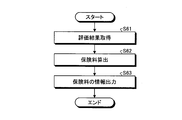
- Flow chart showing the operation of the risk evaluation unit according to the first embodiment Flow chart showing the operation of the insurance premium calculation unit according to the first embodiment
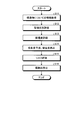
- the figure which shows the example of the case where the processing circuit provided in the insurance premium calculation system which concerns on Embodiment 1 is configured by a processor and memory The figure which shows the example of the case where the processing circuit provided in the insurance premium calculation system which concerns on Embodiment 1 is configured by the dedicated hardware.
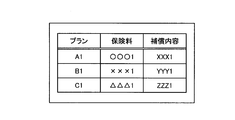
- Flow chart showing the operation of the insurance premium calculation unit according to the second embodiment The figure which shows the 1st display example of a plurality of insurance premiums by the insurance premium calculation system which concerns on Embodiment 2.
- FIG. 1 is a block diagram showing a configuration example of the insurance premium calculation system 1 according to the first embodiment of the present invention.
- the insurance premium calculation system 1 is a system for calculating insurance premiums for the structure 5 in order to maintain and manage the structure 5.
- the structure 5 is intended for facilities such as bridges, tunnels, and roads, but is not limited thereto.
- the structure 5 is a slope of a construction site where railroad rails or roads are laid, a culvert, ancillary equipment of a road, ancillary equipment of a railway, a wall surface of a building such as a building, a water supply facility, a sewerage facility, and the like. May be good.
- Ancillary equipment of roads and railways is, for example, signs, traffic lights, and the like.
- the bridges and tunnels shall also include electrical equipment such as lighting installed in each.
- the structure 5 may include a natural object as well as an artificial object made by a human.
- the insurance premium calculation system 1 can calculate the insurance premium for each structure 5 for a plurality of structures 5, but here, when calculating the insurance premium for one structure 5. Will be described.
- the measuring instrument 6 and the monitoring device 7 measure the state of the structure 5.
- the measuring instrument 6 is, for example, a device mounted on a moving body such as a train or a car and capable of three-dimensionally measuring the structure 5 as the moving body moves.
- the three-dimensional point cloud data 221 and the image data 222 are generated by the measurement by the measuring instrument 6.
- deformation data 223 showing the state of deformation such as cracks and floats generated in the structure 5 is generated.
- the deformation data 223 may be generated by the insurance premium calculation system 1 or by a computer such as a personal computer (not shown).
- the monitoring device 7 is, for example, a sensor installed in a structure 5 or the like, which can monitor the structure 5 and detect the position, vibration, etc. of the structure 5. Monitoring data 23 is generated by monitoring by the monitoring device 7.
- the measuring instrument 6 and the monitoring device 7 may each be one device or a plurality of devices.
- the operation unit 8 is an interface used when the manager of the structure 5 stores the inspection / repair history information 24, which is information indicating a record when the structure 5 is inspected or repaired, in the storage unit 2. ..
- the operation unit 8 may be an input device such as a keyboard or a mouse, or may be a reading device capable of reading the inspection / repair history information 24 from the recording medium on which the inspection / repair history information 24 is recorded.
- the insurance premium calculation system 1 includes a storage unit 2, an evaluation unit 3, and an insurance premium calculation unit 4.
- the storage unit 2 stores information about the structure 5.
- the information about the structure 5 includes the structure-related information 21, the measurement result 22, the monitoring data 23, and the inspection / repair history information 24.
- the structure-related information 21 includes manager information 211, accident information 212, claim information 213, structure origin information 214, disaster information 215, and user number data 216.
- the administrator information 211 is information indicating an administrator in charge of managing the structure 5.
- the manager information 211 is an expressway operating company when the target structure 5 is an expressway, and is a railway company when the target structure 5 is a railway facility such as a rail.
- the manager information 211 may be a department or person in charge of a company, a government office, or the like.
- the accident information 212 is information indicating the date of occurrence of an accident that occurred in the structure 5 in the past, the content of the accident, and the like.
- the claim information 213 is information received from the user regarding the structure 5.
- the claim information 213 is, for example, information that when the structure 5 is a road, there is a hole in the road surface, the lighting at a certain point is not lit, and the like.
- Structure specification information 214 is information indicating various specifications of the structure 5.
- the structure source information 214 is, for example, information such as the structure of the tunnel, the number of lanes of the road in the tunnel, and the operation start date of the tunnel when the structure 5 is a tunnel.
- the disaster information 215 is information indicating the state when there was a disaster in the past.
- the disaster information 215 is, for example, information indicating, for example, when the structure 5 is a bridge, whether or not it collapsed during an earthquake that occurred in the past, and what kind of collapse it was when it collapsed.
- the number of users data 216 is information indicating the usage status of the structure 5.
- the number of users data 216 is, for example, the number of vehicles traveling on the road every day when the structure 5 is a road, or every day when the structure 5 is a railway facility. , Or the number of users per year.
- Information including at least one of the six pieces of information contained in the structure-related information 21 may be referred to as information related to the structure 5.
- the measurement result 22 includes three-dimensional point cloud data 221, image data 222, and deformation data 223.
- the three-dimensional point cloud data 221 is data indicating the coordinates of each point on the surface of the structure 5 measured three-dimensionally when the measuring instrument 6 is provided with a high-density laser or the like.
- the image data 222 is data showing the surface state of the structure 5 taken when the measuring instrument 6 is provided with a line camera or the like.
- the deformation data 223 is data showing the state of deformation such as cracks and floats of the structure 5 obtained from the three-dimensional point cloud data 221 and the image data 222.
- the monitoring data 23 is data obtained by the monitoring device 7 monitoring the structure 5.
- the measurement result 22 and the monitoring data 23 may be collectively referred to as measurement information.
- the inspection / repair history information 24 is information showing a record when the manager in charge of managing the structure 5 inspects and repairs the structure 5. For example, when the structure 5 is a road, when a hole is found on the road surface during regular inspection, the administrator inspects and repairs the information that the road surface has a hole. As a result, it is stored in the storage unit 2 via the operation unit 8. In addition, when the structure 5 is repaired, the administrator uses information such as the location where the structure 5 was repaired, the content of the repair, and the date of the repair as the inspection repair history information 24 as the operation unit. It is stored in the storage unit 2 via 8.
- the evaluation unit 3 evaluates the state of the structure 5 based on the information about the structure 5 stored in the storage unit 2.
- the evaluation unit 3 includes a management status evaluation unit 31, a structure-related degree evaluation unit 32, a deterioration prediction unit 33, and a risk evaluation unit 34.
- the management status evaluation unit 31 evaluates the management level of the structure 5 and the administrator.
- the structure relevance evaluation unit 32 evaluates the similarity between the structure 5 and the other structures 5 and the relevance.
- the deterioration prediction unit 33 predicts the deterioration of the structure 5 and calculates the soundness.
- the risk evaluation unit 34 evaluates the risk when an accident occurs in the structure 5. The detailed operation of each configuration of the evaluation unit 3 will be described later.
- the insurance premium calculation unit 4 calculates the insurance premium for the structure 5 using the evaluation result of the evaluation unit 3. The detailed operation of the insurance premium calculation unit 4 will be described later.
- FIG. 2 is a flowchart showing an operation in which the insurance premium calculation system 1 according to the first embodiment calculates the insurance premium of the structure 5.
- the insurance premium calculation system 1 acquires information about the structure 5 (step S11).
- the information about the structure 5 is the structure-related information 21, the measurement result 22, the monitoring data 23, and the inspection / repair history information 24.
- the insurance premium calculation system 1 acquires the structure-related information 21 and the inspection / repair history information 24 from the manager of the structure 5, the measurement result 22 from the measuring instrument 6, and the monitoring data 23 from the monitoring device 7. .
- the insurance premium calculation system 1 may acquire information about the structure 5 via a recording medium, or may be acquired by wired communication or wireless communication.
- FIG. 3 is a flowchart showing the operation of the management status evaluation unit 31 according to the first embodiment.
- the management status evaluation unit 31 acquires the structure specification information 214 from the storage unit 2 (step S21).
- the management status evaluation unit 31 acquires the manager information 211, the accident information 212, the complaint information 213, the disaster information 215, and the inspection / repair history information 24 from the storage unit 2 (step S22).
- the management status evaluation unit 31 uses the acquired structure specification information 214, manager information 211, accident information 212, complaint information 213, disaster information 215, and inspection / repair history information 24 to cause an accident for each structure 5.
- the frequency, disaster frequency, complaint frequency, inspection frequency, and repair interval are calculated (step S23).
- the management status evaluation unit 31 uses the acquired structure specification information 214, manager information 211, accident information 212, complaint information 213, disaster information 215, and inspection / repair history information 24 to determine the accident occurrence frequency for each manager. , Accident frequency, complaint frequency, inspection frequency, and repair interval are calculated (step S24).
- the management status evaluation unit 31 classifies the management level for the structure 5 and the manager based on each calculated frequency and repair interval (step S25).
- the management status evaluation unit 31 generates and outputs management status information 301 indicating the management level for the structure 5 and the manager from the classification result.
- the management status information 301 is information indicating whether or not there is a difference in the management status depending on the structure 5 or the manager of the structure 5.
- FIG. 4 is a flowchart showing the operation of the structure relevance evaluation unit 32 according to the first embodiment.
- the structure relevance evaluation unit 32 acquires the structure specification information 214 from the storage unit 2 (step S31).
- the structure relevance evaluation unit 32 acquires the measurement result 22, the monitoring data 23, and the inspection / repair history information 24 from the storage unit 2 (step S32).
- the measurement result 22 includes the three-dimensional point cloud data 221 and the image data 222, and the deformation data 223.
- the structure relevance evaluation unit 32 acquires the manager information 211, the accident information 212, the complaint information 213, and the disaster information 215 from the storage unit 2 (step S33). The structure relevance evaluation unit 32 compares the acquired information and calculates the structure relevance (step S34). The structure relevance evaluation unit 32 generates and outputs the structure relevance information 302 indicating the similarity and relevance of the target structure 5 to the other structure 5 from the result of calculating the structure relevance. To do.
- the deterioration prediction unit 33 of the evaluation unit 3 predicts the deterioration degree of the structure 5 and calculates the soundness (step S14). Specifically, the deterioration prediction unit 33 evaluates the deterioration degree and the soundness of the structure 5 by using the information related to the structure 5, the measurement information, the management status information 301, and the structure relevance degree information 302. ..
- FIG. 5 is a flowchart showing the operation of the deterioration prediction unit 33 according to the first embodiment.
- the deterioration prediction unit 33 acquires the structure specification information 214 from the storage unit 2 (step S41).
- the deterioration prediction unit 33 acquires the measurement result 22, the monitoring data 23, and the inspection / repair history information 24 from the storage unit 2.
- the measurement result 22 includes the three-dimensional point cloud data 221 and the image data 222, and the deformation data 223.
- the deterioration prediction unit 33 acquires the management status information 301 generated by the management status evaluation unit 31 and the structure relevance information 302 generated by the structure relevance evaluation unit 32 (step S42).
- the deterioration prediction unit 33 acquires the deterioration information 303 for the structure 5 (step S43).
- the deterioration information 303 is information indicating a state of deterioration such as cracks and floats of the structure 5.
- the deterioration prediction unit 33 omits step S43 when there is no deterioration information 303 in the initial processing.
- the deterioration prediction unit 33 learns the difference between the deterioration information 303 and the actual result of the structure 5, that is, the difference between the deterioration information 303 and the information acquired in steps S41 and S42, generates new deterioration information, and deteriorates. Information 303 is modified (step S44). If there is no deterioration information 303 in the first process, the deterioration prediction unit 33 generates the deterioration information 303 at this stage. The deterioration prediction unit 33 predicts the amount of difference from the normal data in the future based on the deterioration information 303 (step S45). The deterioration prediction unit 33 calculates the soundness of the structure 5 from the predicted result (step S46).
- the deterioration prediction unit 33 generates soundness information 304 from the result of calculating the soundness.
- the soundness is an index indicating the necessity of repairing the structure 5.
- the soundness is represented by, for example, an integer from 1 to 5, and the smaller the numerical value, the higher the soundness.
- the risk evaluation unit 34 of the evaluation unit 3 uses the information related to the structure 5, the deterioration information 303, and the soundness information 304 to evaluate the risk of the structure 5 when an accident occurs in the structure 5 ( Step S15).
- FIG. 6 is a flowchart showing the operation of the risk evaluation unit 34 according to the first embodiment.
- the risk evaluation unit 34 acquires the structure specification information 214 from the storage unit 2 (step S51).
- the risk evaluation unit 34 acquires the deterioration information 303 and the soundness information 304 generated by the deterioration prediction unit 33 (step S52).
- the risk evaluation unit 34 acquires disaster information 215, accident information 212, complaint information 213, and inspection / repair history information 24 from the storage unit 2 (step S53).
- the risk evaluation unit 34 calculates the accident occurrence probability of the structure 5 according to the soundness by using the information acquired in steps S51 to S53 (step S54).
- the risk evaluation unit 34 acquires the number of users data 216 from the storage unit 2.
- the risk evaluation unit 34 evaluates the risk of the structure 5 from the accident occurrence probability of the structure 5 obtained by calculation and the number of users data 216 (step S55).
- the risk evaluation unit 34 generates and outputs the risk evaluation information 305, which is the risk evaluation result of the structure 5.
- the risk evaluation information 305 is information indicating the degree of influence on users and the like when an accident occurs in the structure 5.
- the evaluation method, prediction method, etc. according to each configuration of the evaluation unit 3 may be a conventional general method.
- the insurance premium calculation unit 4 calculates the insurance premium of the structure 5 based on the evaluation result of the evaluation unit 3 (step S16).
- FIG. 7 is a flowchart showing the operation of the insurance premium calculation unit 4 according to the first embodiment.
- the insurance premium calculation unit 4 acquires the evaluation result, specifically, the management status information 301, the structure-related degree information 302, the deterioration information 303, the soundness information 304, and the risk evaluation information 305 from the evaluation unit 3 (step). S61).
- the insurance premium calculation unit 4 calculates the insurance premium for the structure 5 using the acquired evaluation result (step S62).
- the insurance premium calculation unit 4 separately acquires the information of the basic insurance premium for the target structure 5, and for the basic insurance premium.
- the insurance premium of the structure 5 can be calculated by multiplying the coefficient according to the content of each information acquired from the evaluation unit 3.
- the insurance premium calculation unit 4 may calculate the insurance premium of the structure 5 by adding the insurance premiums according to the contents of each information acquired from the evaluation unit 3. In either case, the insurance premium calculation unit 4 calculates the insurance premium based on the asset value of the structure 5 at the time of calculating the insurance premium, taking into consideration the depreciation period of the structure 5.
- the above-mentioned insurance premium calculation method in the insurance premium calculation unit 4 is an example, and is not limited to these calculation methods.
- the insurance premium calculation unit 4 outputs the calculated insurance premium information (step S63).
- the insurance premium calculation unit 4 may display the insurance premium information on a display unit (not shown) or print the insurance premium information from a printer (not shown).
- the insurance premium calculation system 1 evaluates the state of the structure 5, and by using the evaluation result, the insurance premium of the structure 5 can be calculated according to the evaluation result.
- the storage unit 2 is a memory.
- the evaluation unit 3 and the insurance premium calculation unit 4 are realized by a processing circuit.
- the processing circuit may be a processor and memory for executing a program stored in the memory, or may be dedicated hardware.
- FIG. 8 is a diagram showing an example in which the processing circuit included in the insurance premium calculation system 1 according to the first embodiment is configured by a processor and a memory.
- the processing circuit is composed of the processor 91 and the memory 92, each function of the processing circuit of the insurance premium calculation system 1 is realized by software, firmware, or a combination of software and firmware.
- the software or firmware is written as a program and stored in the memory 92.
- each function is realized by the processor 91 reading and executing the program stored in the memory 92. That is, the processing circuit includes a memory 92 for storing a program in which the processing of the insurance premium calculation system 1 is eventually executed. It can also be said that these programs cause the computer to execute the procedure and method of the insurance premium calculation system 1.
- the processor 91 may be a CPU (Central Processing Unit), a processing device, an arithmetic unit, a microprocessor, a microcomputer, a DSP (Digital Signal Processor), or the like.
- the memory 92 includes, for example, non-volatile or volatile such as RAM (Random Access Memory), ROM (Read Only Memory), flash memory, EPROM (Erasable Programmable ROM), EEPROM (registered trademark) (Electrically EPROM).
- RAM Random Access Memory
- ROM Read Only Memory
- flash memory EPROM (Erasable Programmable ROM), EEPROM (registered trademark) (Electrically EPROM).
- Semiconductor memory magnetic disk, flexible disk, optical disk, compact disk, mini disk, DVD (Digital Versatile Disc), etc. are applicable.
- FIG. 9 is a diagram showing an example in which the processing circuit included in the insurance premium calculation system 1 according to the first embodiment is configured by dedicated hardware.
- the processing circuit is composed of dedicated hardware
- the processing circuit 93 shown in FIG. 9 includes, for example, a single circuit, a composite circuit, a programmed processor, a parallel programmed processor, an ASIC (Application Specific Integrated Circuit), and the like. FPGA (Field Programmable Gate Array) or a combination of these is applicable.
- Each function of the insurance premium calculation system 1 may be realized by the processing circuit 93 for each function, or each function may be collectively realized by the processing circuit 93.
- each function of the insurance premium calculation system 1 may be partially realized by dedicated hardware and partly realized by software or firmware.
- the processing circuit can realize each of the above-mentioned functions by the dedicated hardware, software, firmware, or a combination thereof.
- the insurance premium calculation system 1 evaluates the state of the structure 5 and calculates the insurance premium of the structure 5 to be maintained and managed by using the evaluation result. be able to.
- the insurance premium calculation system 1 includes three-dimensional point cloud data 221 and image data 222 measured by the measuring instrument 6, deformation data 223 generated from the three-dimensional point cloud data 221 and image data 222, and a monitoring device 7. By using the monitoring data 23 measured in the above, the insurance premium can be calculated accurately according to the state of the structure 5.
- Embodiment 2 In general, insurance premiums vary depending on the condition of the object as well as the content of compensation for the object. In the second embodiment, a case where the insurance premium calculation system 1 calculates a plurality of insurance premiums for the structure 5 will be described.
- FIG. 10 is a flowchart showing the operation of the insurance premium calculation unit 4 according to the second embodiment.
- the insurance premium calculation unit 4 acquires the evaluation result, specifically, the management status information 301, the structure-related degree information 302, the deterioration information 303, the soundness information 304, and the risk evaluation information 305 from the evaluation unit 3 (step). S71).
- the insurance premium calculation unit 4 calculates a plurality of insurance premiums of the structure 5 according to the compensation content by using the acquired evaluation result (step S72).
- the insurance premium calculation unit 4 calculates the insurance premium of the structure 5 for each of the plurality of compensation contents. Specifically, the insurance premium calculation unit 4 calculates the insurance premium of the structure 5 according to the difference in the coverage of compensation for a disaster or the like, the difference in the compensation amount, and the like. The method of calculating individual insurance premiums in the insurance premium calculation unit 4 is the same as that of the first embodiment.
- the insurance premium calculation unit 4 outputs the calculated information on the plurality of insurance premiums (step S73). At this time, the insurance premium calculation unit 4 may emphasize and output a specific insurance premium among the plurality of calculated insurance premiums as in the recommended plan.
- the insurance premium calculation unit 4 calculates two or more insurance premiums
- one or more insurance premiums may be presented separately from the two or more insurance premiums.
- the insurance premium calculation unit 4 emphasizes and outputs, for example, the insurance premiums for the one with the lowest insurance premium, the one with the most complete compensation content, and the one with the same compensation content as before.
- the insurance premium calculation system 1 can present various compensation contents to the manager of the structure 5 by calculating and outputting a plurality of insurance premiums according to the compensation contents.
- the insurance premium calculation system 1 can calculate and output a plurality of insurance premiums when options such as various special contracts are added to the basic compensation contents.
- the insurance premium calculation system 1 accepts changes in the contents of the inspection / repair history information 24 via the operation unit 8, and evaluates or simulates the state of the structure 5 according to the changed contents of the inspection / repair history information 24. Therefore, a plurality of insurance premiums may be calculated. For example, when the manager of the structure 5 plans to repair the structure 5, the manager of the structure 5 inspects and repairs the storage unit 2 of the insurance premium calculation system 1 in a plurality of patterns in which the repair time of the structure 5 is changed. The history information 24 is stored. The insurance premium calculation system 1 evaluates the state of the structure 5 based on a plurality of patterns having different repair times and calculates the insurance premium, so that the insurance premium can be reduced by repairing the structure 5 at what time. You can show if you can.
- the manager of the structure 5 may store the inspection / repair history information 24 in the storage unit 2 of the insurance premium calculation system 1 in a plurality of patterns in which the inspection frequency of the structure 5 is changed.
- the insurance premium calculation system 1 evaluates the state of the structure 5 based on a plurality of patterns having different inspection frequencies and calculates the insurance premium. By inspecting the structure 5 at any frequency, the insurance premium is calculated. Can be shown if it can be cheaper.
- FIG. 11 is a diagram showing a first display example of a plurality of insurance premiums by the insurance premium calculation system 1 according to the second embodiment.
- FIG. 12 is a diagram showing a second display example of a plurality of insurance premiums by the insurance premium calculation system 1 according to the second embodiment. 11 and 12 both show an example in which the insurance premium calculation system 1 displays three insurance premium plans.
- the figure shown in FIG. 11 shows an example of displaying a plurality of insurance premiums when the compensation content is changed.
- the figure shown in FIG. 12 shows an example of displaying a plurality of insurance premiums when conditions such as repair time and inspection frequency are changed.
- the manager of the structure 5 can easily compare the plurality of insurance premiums and select a desired insurance premium. As described above, the insurance premium calculation system 1 may distinguish, that is, highlight and present one insurance premium as a recommended plan from the insurance premiums shown in FIGS. 11 and 12. Further, the insurance premium calculation system 1 may print and output the insurance premium information shown in FIGS. 11 and 12.
- the insurance premium calculation system 1 calculates a plurality of insurance premiums according to the compensation content. As a result, the insurance premium calculation system 1 can present various compensation contents to the manager of the structure 5.
- the configuration shown in the above-described embodiment shows an example of the content of the present invention, can be combined with another known technique, and is one of the configurations without departing from the gist of the present invention. It is also possible to omit or change the part.
- 1 insurance premium calculation system 2 storage unit, 3 evaluation unit, 4 insurance premium calculation unit, 5 structure, 6 measuring instrument, 7 monitoring device, 8 operation unit, 21 structure-related information, 22 measurement result, 23 monitoring data, 24 Inspection and repair history information, 31 Management status evaluation department, 32 Structure relevance evaluation department, 33 Deterioration prediction department, 34 Risk evaluation department, 211 Manager information, 212 Accident information, 213 Claim information, 214 Structure origin information, 215 disaster information, 216 user number data, 221 three-dimensional point group data, 222 image data, 223 deformation data, 301 management status information, 302 structure relevance information, 303 deterioration information, 304 soundness information, 305 risk evaluation information.
Landscapes
- Business, Economics & Management (AREA)
- Engineering & Computer Science (AREA)
- General Physics & Mathematics (AREA)
- Accounting & Taxation (AREA)
- Finance (AREA)
- Economics (AREA)
- Marketing (AREA)
- Strategic Management (AREA)
- Theoretical Computer Science (AREA)
- Physics & Mathematics (AREA)
- General Business, Economics & Management (AREA)
- Development Economics (AREA)
- Technology Law (AREA)
- Entrepreneurship & Innovation (AREA)
- Human Resources & Organizations (AREA)
- Operations Research (AREA)
- Quality & Reliability (AREA)
- Tourism & Hospitality (AREA)
- Financial Or Insurance-Related Operations Such As Payment And Settlement (AREA)
Abstract
構造物関連情報(21)、および構造物(5)の点検補修履歴情報(24)を用いて、構造物(5)の管理状況を評価し、管理状況情報を生成する管理状況評価部(31)と、構造物関連情報(21)、および計測情報を用いて、構造物(5)の関連度を評価し、構造物関連度情報を生成する構造物関連度評価部(32)と、構造物関連情報(21)、計測情報、管理状況情報、および構造物関連度情報を用いて、構造物(5)の劣化度および健全度を評価し、劣化情報および健全度情報を生成する劣化予測部(33)と、構造物関連情報(21)、劣化情報、および健全度情報を用いて、構造物(5)のリスク評価を行い、リスク評価情報を生成するリスク評価部(34)と、管理状況情報、構造物関連度情報、劣化情報、健全度情報、およびリスク評価情報を用いて、構造物(5)の保険料を算出する保険料算出部(4)と、を備える。
Description
本発明は、構造物の保険料を算出する保険料算出システムおよび保険料算出方法に関する。
従来、橋梁、トンネルなどの構造物に対して、計画的なメンテナンスを行って維持管理の低コスト化および効率化を支援するシステムがある(特許文献1参照)。特許文献1に記載のシステムは、構造物の状態を診断して劣化を予測し、構造物の寿命、耐久性、および資産価値を最大にするように対処している。
特許文献1には、構造物の管理者が対象の構造物について保険会社との間で保険契約を結ぶことが記載されている。構造物の管理者が保険会社に支払う保険料は、構造物の状態によって異なることが一般的である。しかしながら、特許文献1に記載の手法では、検査員が構造物の状態を検査しているが、検査員は、診断システムを使用する他、目視などによる点検も行う。この場合、検査員によって検査結果にばらつきが生じる可能性がある。そのため、構造物の状態を正確に把握することが難しく、適正な保険料を算出できない、という問題があった。
本発明は、上記に鑑みてなされたものであって、維持管理対象の構造物の保険料を算出可能な保険料算出システムを得ることを目的とする。
上述した課題を解決し、目的を達成するために、本発明は、構造物に関連する情報、および構造物の点検補修履歴情報を用いて、構造物の管理状況を評価し、管理状況情報を生成する管理状況評価部と、構造物に関連する情報、および構造物を計測した計測情報を用いて、構造物に対する他の構造物との関連度を評価し、構造物関連度情報を生成する構造物関連度評価部と、構造物に関連する情報、計測情報、管理状況情報、および構造物関連度情報を用いて、構造物の劣化度および健全度を評価し、劣化情報および健全度情報を生成する劣化予測部と、構造物に関連する情報、劣化情報、および健全度情報を用いて、構造物において事故が発生した場合のリスク評価を行い、リスク評価情報を生成するリスク評価部と、管理状況情報、構造物関連度情報、劣化情報、健全度情報、およびリスク評価情報を用いて、構造物の保険料を算出する保険料算出部と、を備えることを特徴とする。
本発明によれば、保険料算出システムは、維持管理対象の構造物の保険料を算出できる、という効果を奏する。
以下に、本発明の実施の形態に係る保険料算出システムおよび保険料算出方法を図面に基づいて詳細に説明する。なお、この実施の形態によりこの発明が限定されるものではない。
実施の形態1.
図1は、本発明の実施の形態1に係る保険料算出システム1の構成例を示すブロック図である。保険料算出システム1は、構造物5を維持管理するため、構造物5を対象とする保険料を算出するシステムである。構造物5は、橋梁、トンネル、道路などの設備を対象としているが、これらに限定されない。構造物5は、鉄道のレールまたは道路などが敷設された造成地ののり面、函渠、道路の付帯設備、鉄道の付帯設備、ビルなどの建物の壁面、上水道設備、下水道設備などであってもよい。道路および鉄道の付帯設備とは、例えば、標識、信号機などである。なお、橋梁、トンネルには、各々に設置された照明などの電気設備も含まれるものとする。構造物5は、人によって作られた人工物の他、自然物が含まれるものであってもよい。なお、保険料算出システム1は、複数の構造物5を対象にして各構造物5の保険料を算出することが可能であるが、ここでは、1つの構造物5の保険料を算出する場合について説明する。
図1は、本発明の実施の形態1に係る保険料算出システム1の構成例を示すブロック図である。保険料算出システム1は、構造物5を維持管理するため、構造物5を対象とする保険料を算出するシステムである。構造物5は、橋梁、トンネル、道路などの設備を対象としているが、これらに限定されない。構造物5は、鉄道のレールまたは道路などが敷設された造成地ののり面、函渠、道路の付帯設備、鉄道の付帯設備、ビルなどの建物の壁面、上水道設備、下水道設備などであってもよい。道路および鉄道の付帯設備とは、例えば、標識、信号機などである。なお、橋梁、トンネルには、各々に設置された照明などの電気設備も含まれるものとする。構造物5は、人によって作られた人工物の他、自然物が含まれるものであってもよい。なお、保険料算出システム1は、複数の構造物5を対象にして各構造物5の保険料を算出することが可能であるが、ここでは、1つの構造物5の保険料を算出する場合について説明する。
計測器6およびモニタリング機器7は、構造物5の状態を計測する。計測器6は、例えば、列車、車などの移動体に搭載され、移動体の移動に伴って構造物5を三次元計測可能な機器である。計測器6による計測によって、三次元点群データ221および画像データ222が生成される。さらに、三次元点群データ221および画像データ222から、構造物5に発生したひび、浮きなどの変状の状態を示す変状データ223が生成される。変状データ223については、保険料算出システム1で生成してもよいし、図示しないパーソナルコンピュータなどの計算機で生成してもよい。
モニタリング機器7は、例えば、構造物5などに設置され、構造物5をモニタリングし、構造物5の位置、振動などを検出可能なセンサである。モニタリング機器7によるモニタリングによってモニタリングデータ23が生成される。なお、計測器6およびモニタリング機器7は、各々1つの機器であってもよいし、複数の機器であってもよい。
操作部8は、構造物5の管理人が、構造物5を点検、補修などをしたときの記録を示す情報である点検補修履歴情報24を記憶部2に記憶させる際に使用するインターフェースである。操作部8は、キーボード、マウスなどの入力機器であってもよいし、点検補修履歴情報24が記録された記録媒体から点検補修履歴情報24を読み取り可能な読み取り装置であってもよい。
保険料算出システム1の構成について説明する。図1に示すように、保険料算出システム1は、記憶部2と、評価部3と、保険料算出部4と、を備える。
記憶部2は、構造物5についての情報を記憶する。構造物5についての情報には、構造物関連情報21、計測結果22、モニタリングデータ23、および点検補修履歴情報24が含まれる。
構造物関連情報21には、管理者情報211、事故情報212、クレーム情報213、構造物緒元情報214、災害情報215、および利用者数データ216が含まれる。管理者情報211は、構造物5の管理を担当する管理者を示す情報である。管理者情報211は、対象の構造物5が高速道路の場合は高速道路の運営会社であり、対象の構造物5がレールなどの鉄道設備の場合は鉄道会社である。管理者情報211は、会社、役所などの担当部署または担当者であってもよい。事故情報212は、構造物5で過去に発生した事故の発生日、事故の内容などを示す情報である。クレーム情報213は、構造物5について利用者から寄せられた情報である。クレーム情報213は、例えば、構造物5が道路であった場合は路面に穴が開いている、ある地点の照明が点灯していないなどの情報である。
構造物緒元情報214は、構造物5についての各種の緒元を示す情報である。構造物緒元情報214は、例えば、構造物5がトンネルであった場合、トンネルの構造、トンネル内の道路の車線数、トンネルの運用開始日などの情報である。災害情報215は、過去に災害があったときの状態を示す情報である。災害情報215は、例えば、構造物5が橋梁であった場合、過去に発生した地震のときに崩落したか否か、崩落した場合にどのような崩落の仕方であったかなどを示す情報である。利用者数データ216は、構造物5の利用状況を示す情報である。利用者数データ216は、例えば、構造物5が道路であった場合は道路を走行する1日ごと、または年間の車の数であり、構造物5が鉄道設備であった場合は1日ごと、または年間の利用者数である。なお、構造物関連情報21に含まれる6つの情報のうち少なくとも1つの情報を含む情報のことを、構造物5に関連する情報と称することがある。
計測結果22には、三次元点群データ221、画像データ222、および変状データ223が含まれる。三次元点群データ221は、計測器6が高密度レーザなどを備える場合に三次元計測された構造物5の表面の各点の座標などを示すデータである。画像データ222は、計測器6がラインカメラなどを備える場合に撮影された構造物5の表面状態を示すデータである。変状データ223は、三次元点群データ221および画像データ222から得られる構造物5のひび、浮きなどの変状の状態を示すデータである。
モニタリングデータ23は、モニタリング機器7が構造物5をモニタリングすることによって得られたデータである。なお、計測結果22およびモニタリングデータ23をまとめて計測情報と称することがある。
点検補修履歴情報24は、構造物5の管理を担当する管理者が、構造物5を点検、補修などをしたときの記録を示す情報である。管理者は、例えば、構造物5が道路であった場合、定期的に点検を行った際に路面に穴を発見したとき、道路の路面に穴が開いているという情報を点検補修履歴情報24として、操作部8を介して記憶部2に記憶させる。また、管理者は、構造物5を補修した場合、構造物5に対して補修を行った箇所、補修内容、および補修を行った年月日などの情報を点検補修履歴情報24として、操作部8を介して記憶部2に記憶させる。
評価部3は、記憶部2に記憶されている構造物5についての情報に基づいて、構造物5の状態を評価する。評価部3は、管理状況評価部31と、構造物関連度評価部32と、劣化予測部33と、リスク評価部34と、を備える。管理状況評価部31は、構造物5および管理者の管理レベルを評価する。構造物関連度評価部32は、構造物5と他の構造物5との類似度、および関連度を評価する。劣化予測部33は、構造物5の劣化を予測し、健全度を算出する。リスク評価部34は、構造物5で事故が発生したときのリスク評価を行う。評価部3の各構成の詳細な動作については後述する。
保険料算出部4は、評価部3の評価結果を用いて、構造物5の保険料を算出する。保険料算出部4の詳細な動作については後述する。
つづいて、保険料算出システム1が構造物5の保険料を算出する動作について説明する。図2は、実施の形態1に係る保険料算出システム1が構造物5の保険料を算出する動作を示すフローチャートである。まず、保険料算出システム1は、構造物5についての情報を取得する(ステップS11)。構造物5についての情報は、前述のように、構造物関連情報21、計測結果22、モニタリングデータ23、および点検補修履歴情報24である。保険料算出システム1は、構造物関連情報21および点検補修履歴情報24を構造物5の管理者から取得し、計測結果22を計測器6から取得し、モニタリングデータ23をモニタリング機器7から取得する。保険料算出システム1は、構造物5についての情報を、記録媒体を介して取得してもよいし、有線通信または無線通信によって取得してもよい。
保険料算出システム1において、評価部3の管理状況評価部31は、構造物5に関連する情報、および点検補修履歴情報24を用いて、構造物5の管理状況を評価する(ステップS12)。図3は、実施の形態1に係る管理状況評価部31の動作を示すフローチャートである。管理状況評価部31は、記憶部2から構造物緒元情報214を取得する(ステップS21)。管理状況評価部31は、記憶部2から管理者情報211、事故情報212、クレーム情報213、災害情報215、および点検補修履歴情報24を取得する(ステップS22)。管理状況評価部31は、取得した構造物緒元情報214、管理者情報211、事故情報212、クレーム情報213、災害情報215、および点検補修履歴情報24を用いて、構造物5ごとの事故発生頻度、災害発生頻度、クレーム発生頻度、点検頻度、および補修間隔を計算する(ステップS23)。管理状況評価部31は、取得した構造物緒元情報214、管理者情報211、事故情報212、クレーム情報213、災害情報215、および点検補修履歴情報24を用いて、管理者ごとの事故発生頻度、災害発生頻度、クレーム発生頻度、点検頻度、および補修間隔を計算する(ステップS24)。管理状況評価部31は、計算した各頻度および補修間隔に基づいて、構造物5および管理者に対する管理レベルを分類する(ステップS25)。管理状況評価部31は、分類した結果から、構造物5および管理者に対する管理レベルを示す管理状況情報301を生成して出力する。管理状況情報301は、構造物5、または構造物5の管理者によって管理状態に差異があるか否かを示す情報である。
図2のフローチャートに戻る。評価部3の構造物関連度評価部32は、構造物5に関連する情報、および構造物5を計測した計測情報を用いて、構造物5に対する他の構造物5との関連度を評価する(ステップS13)。図4は、実施の形態1に係る構造物関連度評価部32の動作を示すフローチャートである。構造物関連度評価部32は、記憶部2から構造物緒元情報214を取得する(ステップS31)。構造物関連度評価部32は、記憶部2から計測結果22、モニタリングデータ23、および点検補修履歴情報24を取得する(ステップS32)。前述のように、計測結果22には、三次元点群データ221、画像データ222、および変状データ223が含まれる。構造物関連度評価部32は、記憶部2から管理者情報211、事故情報212、クレーム情報213、および災害情報215を取得する(ステップS33)。構造物関連度評価部32は、取得した各情報を比較して、構造物関連度を計算する(ステップS34)。構造物関連度評価部32は、構造物関連度を計算した結果から、対象の構造物5に対する他の構造物5との類似度および関連度を示す構造物関連度情報302を生成して出力する。
図2のフローチャートに戻る。評価部3の劣化予測部33は、構造物5の劣化度を予測し、健全度を算出する(ステップS14)。具体的には、劣化予測部33は、構造物5に関連する情報、計測情報、管理状況情報301、および構造物関連度情報302を用いて、構造物5の劣化度および健全度を評価する。図5は、実施の形態1に係る劣化予測部33の動作を示すフローチャートである。劣化予測部33は、記憶部2から構造物緒元情報214を取得する(ステップS41)。劣化予測部33は、記憶部2から計測結果22、モニタリングデータ23、および点検補修履歴情報24を取得する。前述のように、計測結果22には、三次元点群データ221、画像データ222、および変状データ223が含まれる。また、劣化予測部33は、管理状況評価部31で生成された管理状況情報301、および構造物関連度評価部32で生成された構造物関連度情報302を取得する(ステップS42)。劣化予測部33は、構造物5についての劣化情報303を取得する(ステップS43)。劣化情報303は、構造物5のひび、浮きなどの劣化の状態を示す情報である。なお、劣化予測部33は、初回の処理で劣化情報303が無い場合はステップS43を省略する。劣化予測部33は、劣化情報303と構造物5についての実績との差分、すなわち劣化情報303とステップS41およびステップS42で取得した情報との差分を学習し、新たな劣化情報を生成し、劣化情報303を修正する(ステップS44)。なお、劣化予測部33は、初回の処理で劣化情報303が無い場合、この段階で劣化情報303を生成する。劣化予測部33は、劣化情報303に基づいて、未来における正常データからの差分量を予測する(ステップS45)。劣化予測部33は、予測した結果から構造物5の健全度を算出する(ステップS46)。劣化予測部33は、健全度を算出した結果から、健全度情報304を生成する。健全度は、構造物5の補修の必要性を示す指標である。健全度は、例えば、1から5の整数で表され、数値が小さいほど健全度が高いことを示す情報である。
図2のフローチャートに戻る。評価部3のリスク評価部34は、構造物5に関連する情報、劣化情報303、および健全度情報304を用いて、構造物5において事故が発生した場合の構造物5のリスク評価を行う(ステップS15)。図6は、実施の形態1に係るリスク評価部34の動作を示すフローチャートである。リスク評価部34は、記憶部2から構造物緒元情報214を取得する(ステップS51)。リスク評価部34は、劣化予測部33で生成された劣化情報303および健全度情報304を取得する(ステップS52)。リスク評価部34は、記憶部2から災害情報215、事故情報212、クレーム情報213、および点検補修履歴情報24を取得する(ステップS53)。リスク評価部34は、ステップS51からステップS53で取得した情報を用いて、健全度に応じた構造物5の事故発生確率を計算する(ステップS54)。リスク評価部34は、記憶部2から利用者数データ216を取得する。リスク評価部34は、計算により求めた構造物5の事故発生確率、および利用者数データ216から、構造物5のリスク評価を行う(ステップS55)。リスク評価部34は、構造物5のリスク評価結果であるリスク評価情報305を生成して出力する。リスク評価情報305は、構造物5で事故が発生した場合の利用者などへの影響度を示す情報である。なお、評価部3の各構成による評価方法、予測方法などは従来からの一般的な方法でよい。
図2のフローチャートに戻る。保険料算出部4は、評価部3の評価結果に基づいて、構造物5の保険料を算出する(ステップS16)。図7は、実施の形態1に係る保険料算出部4の動作を示すフローチャートである。保険料算出部4は、評価部3から評価結果、具体的には、管理状況情報301、構造物関連度情報302、劣化情報303、健全度情報304、およびリスク評価情報305を取得する(ステップS61)。保険料算出部4は、取得した評価結果を用いて、構造物5の保険料を算出する(ステップS62)。保険料算出部4による保険料の算出方法については、例えば、保険料算出部4は、対象の構造物5について、基本となる保険料の情報を別途取得し、基本となる保険料に対して、評価部3から取得した各情報の内容に応じた係数を乗算することで、構造物5の保険料を算出することができる。また、保険料算出部4は、評価部3から取得した各情報の内容に応じた保険料を加算することで、構造物5の保険料を算出してもよい。いずれの場合においても、保険料算出部4は、構造物5の減価償却期間などを考慮して、保険料算出時点の構造物5の資産価値に基づいて保険料を算出する。保険料算出部4における上記の保険料の算出方法は一例であり、これらの算出方法に限定されない。保険料算出部4は、算出した保険料の情報を出力する(ステップS63)。保険料算出部4は、保険料の情報を出力する方法として、図示しない表示部に保険料の情報を表示してもよいし、図示しないプリンタから保険料の情報を印刷してもよい。
このように、保険料算出システム1は、構造物5の状態を評価し、評価結果を用いることで、評価結果に応じた構造物5の保険料を算出することができる。
つづいて、保険料算出システム1のハードウェア構成について説明する。保険料算出システム1において、記憶部2はメモリである。評価部3および保険料算出部4は処理回路により実現される。処理回路は、メモリに格納されるプログラムを実行するプロセッサおよびメモリであってもよいし、専用のハードウェアであってもよい。
図8は、実施の形態1に係る保険料算出システム1が備える処理回路をプロセッサおよびメモリで構成する場合の例を示す図である。処理回路がプロセッサ91およびメモリ92で構成される場合、保険料算出システム1の処理回路の各機能は、ソフトウェア、ファームウェア、またはソフトウェアとファームウェアとの組み合わせにより実現される。ソフトウェアまたはファームウェアはプログラムとして記述され、メモリ92に格納される。処理回路では、メモリ92に記憶されたプログラムをプロセッサ91が読み出して実行することにより、各機能を実現する。すなわち、処理回路は、保険料算出システム1の処理が結果的に実行されることになるプログラムを格納するためのメモリ92を備える。また、これらのプログラムは、保険料算出システム1の手順および方法をコンピュータに実行させるものであるともいえる。
ここで、プロセッサ91は、CPU(Central Processing Unit)、処理装置、演算装置、マイクロプロセッサ、マイクロコンピュータ、またはDSP(Digital Signal Processor)などであってもよい。また、メモリ92には、例えば、RAM(Random Access Memory)、ROM(Read Only Memory)、フラッシュメモリ、EPROM(Erasable Programmable ROM)、EEPROM(登録商標)(Electrically EPROM)などの、不揮発性または揮発性の半導体メモリ、磁気ディスク、フレキシブルディスク、光ディスク、コンパクトディスク、ミニディスク、またはDVD(Digital Versatile Disc)などが該当する。
図9は、実施の形態1に係る保険料算出システム1が備える処理回路を専用のハードウェアで構成する場合の例を示す図である。処理回路が専用のハードウェアで構成される場合、図9に示す処理回路93は、例えば、単一回路、複合回路、プログラム化したプロセッサ、並列プログラム化したプロセッサ、ASIC(Application Specific Integrated Circuit)、FPGA(Field Programmable Gate Array)、またはこれらを組み合わせたものが該当する。保険料算出システム1の各機能を機能別に処理回路93で実現してもよいし、各機能をまとめて処理回路93で実現してもよい。
なお、保険料算出システム1の各機能について、一部を専用のハードウェアで実現し、一部をソフトウェアまたはファームウェアで実現するようにしてもよい。このように、処理回路は、専用のハードウェア、ソフトウェア、ファームウェア、またはこれらの組み合わせによって、上述の各機能を実現することができる。
以上説明したように、本実施の形態によれば、保険料算出システム1は、構造物5の状態を評価し、評価結果を用いることで、維持管理対象の構造物5の保険料を算出することができる。また、保険料算出システム1は、計測器6で計測された三次元点群データ221および画像データ222、三次元点群データ221および画像データ222から生成される変状データ223、さらにモニタリング機器7で計測されたモニタリングデータ23を用いることで、構造物5の状態に応じて、精度良く保険料を算出することができる。
実施の形態2.
一般的に、保険料は、対象物の状態の他、対象物に対する補償内容によっても異なってくる。実施の形態2では、保険料算出システム1が、構造物5に対する複数の保険料を算出する場合について説明する。
一般的に、保険料は、対象物の状態の他、対象物に対する補償内容によっても異なってくる。実施の形態2では、保険料算出システム1が、構造物5に対する複数の保険料を算出する場合について説明する。
実施の形態2の保険料算出システム1の構成は、図1に示す実施の形態1のときの構成と同様である。実施の形態2では、保険料算出部4の動作が、実施の形態1のときの動作と異なる。図10は、実施の形態2に係る保険料算出部4の動作を示すフローチャートである。保険料算出部4は、評価部3から評価結果、具体的には、管理状況情報301、構造物関連度情報302、劣化情報303、健全度情報304、およびリスク評価情報305を取得する(ステップS71)。保険料算出部4は、取得した評価結果を用いて、補償内容に応じた構造物5の複数の保険料を算出する(ステップS72)。ここで、保険料算出部4は、複数の補償内容ごとに構造物5の保険料を算出する。具体的には、保険料算出部4は、災害などに対する補償の適用範囲の違い、補償金額の違いなどに応じて構造物5の保険料を算出する。保険料算出部4における個々の保険料の算出方法は、実施の形態1のときと同様である。保険料算出部4は、算出した複数の保険料の情報を出力する(ステップS73)。このとき、保険料算出部4は、算出した複数の保険料のうち、おすすめプランのように特定の保険料を強調して出力してもよい。すなわち、保険料算出部4は、2つ以上の保険料を算出した場合、2つ以上の保険料から1つ以上の保険料を区別して提示してもよい。保険料算出部4は、例えば、最も保険料の安いもの、最も補償内容が充実しているもの、以前と同様の補償内容のものについての保険料を強調して出力する。
このように、保険料算出システム1は、補償内容に応じて複数の保険料を算出して出力することで、構造物5の管理者に対して様々な補償内容を提示することができる。また、保険料算出システム1は、基本となる補償内容に対して、様々な特約などのオプションを付加した場合の複数の保険料を算出して出力することができる。
なお、保険料算出システム1は、操作部8を介して点検補修履歴情報24の内容の変更を受け付け、変更された点検補修履歴情報24の内容に応じて構造物5の状態を評価すなわちシミュレーションすることで、複数の保険料を算出してもよい。例えば、構造物5の管理者は、構造物5の補修を計画している場合、構造物5の補修を行う時期を変えた複数のパターンで、保険料算出システム1の記憶部2に点検補修履歴情報24を記憶させる。保険料算出システム1は、補修時期の異なる複数のパターンに基づいて構造物5の状態を評価して保険料を算出することで、どの時期に構造物5の補修を行うことによって保険料を安くできるかを提示することができる。
また、構造物5の管理者は、構造物5の点検頻度を変えた複数のパターンで、保険料算出システム1の記憶部2に点検補修履歴情報24を記憶させてもよい。保険料算出システム1は、点検頻度の異なる複数のパターンに基づいて構造物5の状態を評価して保険料を算出することで、どのような頻度で構造物5の点検を行うことによって保険料を安くできるかを提示することができる。
保険料算出システム1が複数の保険料を算出した際の表示例について説明する。図11は、実施の形態2に係る保険料算出システム1による複数の保険料の第1の表示例を示す図である。図12は、実施の形態2に係る保険料算出システム1による複数の保険料の第2の表示例を示す図である。図11および図12は、ともに保険料算出システム1が3つの保険料のプランを表示する例を示している。図11に示す図は、補償内容を変更した場合の複数の保険料の表示例を示している。図12に示す図は、補修時期、点検頻度などの条件を変更した場合の複数の保険料の表示例を示している。保険料算出システム1が複数の保険料を同時に表示することで、構造物5の管理者は、複数の保険料を容易に比較することができ、所望の保険料を選択することができる。なお、保険料算出システム1は、前述のように、図11および図12に示す保険料の中から、おすすめプランとして1つの保険料を区別、すなわち強調表示して提示してもよい。また、保険料算出システム1は、図11および図12に示す保険料の情報を印刷して出力してもよい。
以上説明したように、本実施の形態によれば、保険料算出システム1は、補償内容に応じて、複数の保険料を算出する。これにより、保険料算出システム1は、構造物5の管理者に対して様々な補償内容を提示することができる。
以上の実施の形態に示した構成は、本発明の内容の一例を示すものであり、別の公知の技術と組み合わせることも可能であるし、本発明の要旨を逸脱しない範囲で、構成の一部を省略、変更することも可能である。
1 保険料算出システム、2 記憶部、3 評価部、4 保険料算出部、5 構造物、6 計測器、7 モニタリング機器、8 操作部、21 構造物関連情報、22 計測結果、23 モニタリングデータ、24 点検補修履歴情報、31 管理状況評価部、32 構造物関連度評価部、33 劣化予測部、34 リスク評価部、211 管理者情報、212 事故情報、213 クレーム情報、214 構造物緒元情報、215 災害情報、216 利用者数データ、221 三次元点群データ、222 画像データ、223 変状データ、301 管理状況情報、302 構造物関連度情報、303 劣化情報、304 健全度情報、305 リスク評価情報。
Claims (10)
- 構造物に関連する情報、および前記構造物の点検補修履歴情報を用いて、前記構造物の管理状況を評価し、管理状況情報を生成する管理状況評価部と、
前記構造物に関連する情報、および前記構造物を計測した計測情報を用いて、前記構造物に対する他の構造物との関連度を評価し、構造物関連度情報を生成する構造物関連度評価部と、
前記構造物に関連する情報、前記計測情報、前記管理状況情報、および前記構造物関連度情報を用いて、前記構造物の劣化度および健全度を評価し、劣化情報および健全度情報を生成する劣化予測部と、
前記構造物に関連する情報、前記劣化情報、および前記健全度情報を用いて、前記構造物において事故が発生した場合のリスク評価を行い、リスク評価情報を生成するリスク評価部と、
前記管理状況情報、前記構造物関連度情報、前記劣化情報、前記健全度情報、および前記リスク評価情報を用いて、前記構造物の保険料を算出する保険料算出部と、
を備えることを特徴とする保険料算出システム。 - 前記保険料算出部は、前記構造物に対する基本となる保険料に対して、各情報の内容に応じた係数を乗算することで、前記保険料を算出する、
ことを特徴とする請求項1に記載の保険料算出システム。 - 前記保険料算出部は、各情報の内容に応じた保険料を加算することで、前記保険料を算出する、
ことを特徴とする請求項1に記載の保険料算出システム。 - 前記保険料算出部は、補償内容に応じた1つ以上の前記保険料を算出する、
ことを特徴とする請求項1から3のいずれか1つに記載の保険料算出システム。 - 前記保険料算出部は、2つ以上の保険料を算出した場合、前記2つ以上の保険料から1つ以上の保険料を区別して提示する、
ことを特徴とする請求項4に記載の保険料算出システム。 - 管理状況評価部が、構造物に関連する情報、および前記構造物の点検補修履歴情報を用いて、前記構造物の管理状況を評価し、管理状況情報を生成する第1のステップと、
構造物関連度評価部が、前記構造物に関連する情報、および前記構造物を計測した計測情報を用いて、前記構造物に対する他の構造物との関連度を評価し、構造物関連度情報を生成する第2のステップと、
劣化予測部が、前記構造物に関連する情報、前記計測情報、前記管理状況情報、および前記構造物関連度情報を用いて、前記構造物の劣化度および健全度を評価し、劣化情報および健全度情報を生成する第3のステップと、
リスク評価部が、前記構造物に関連する情報、前記劣化情報、および前記健全度情報を用いて、前記構造物において事故が発生した場合のリスク評価を行い、リスク評価情報を生成する第4のステップと、
保険料算出部が、前記管理状況情報、前記構造物関連度情報、前記劣化情報、前記健全度情報、および前記リスク評価情報を用いて、前記構造物の保険料を算出する第5のステップと、
を含むことを特徴とする保険料算出方法。 - 前記第5のステップにおいて、前記保険料算出部は、前記構造物に対する基本となる保険料に対して、各情報の内容に応じた係数を乗算することで、前記保険料を算出する、
ことを特徴とする請求項6に記載の保険料算出方法。 - 前記第5のステップにおいて、前記保険料算出部は、各情報の内容に応じた保険料を加算することで、前記保険料を算出する、
ことを特徴とする請求項6に記載の保険料算出方法。 - 前記第5のステップにおいて、前記保険料算出部は、補償内容に応じた1つ以上の前記保険料を算出する、
ことを特徴とする請求項6から8のいずれか1つに記載の保険料算出方法。 - 前記第5のステップにおいて、前記保険料算出部は、2つ以上の保険料を算出した場合、前記2つ以上の保険料から1つ以上の保険料を区別して提示する、
ことを特徴とする請求項9に記載の保険料算出方法。
Priority Applications (2)
| Application Number | Priority Date | Filing Date | Title |
|---|---|---|---|
| JP2019555702A JP6636228B1 (ja) | 2019-07-08 | 2019-07-08 | 保険料算出システムおよび保険料算出方法 |
| PCT/JP2019/027025 WO2021005692A1 (ja) | 2019-07-08 | 2019-07-08 | 保険料算出システムおよび保険料算出方法 |
Applications Claiming Priority (1)
| Application Number | Priority Date | Filing Date | Title |
|---|---|---|---|
| PCT/JP2019/027025 WO2021005692A1 (ja) | 2019-07-08 | 2019-07-08 | 保険料算出システムおよび保険料算出方法 |
Publications (1)
| Publication Number | Publication Date |
|---|---|
| WO2021005692A1 true WO2021005692A1 (ja) | 2021-01-14 |
Family
ID=69183677
Family Applications (1)
| Application Number | Title | Priority Date | Filing Date |
|---|---|---|---|
| PCT/JP2019/027025 Ceased WO2021005692A1 (ja) | 2019-07-08 | 2019-07-08 | 保険料算出システムおよび保険料算出方法 |
Country Status (2)
| Country | Link |
|---|---|
| JP (1) | JP6636228B1 (ja) |
| WO (1) | WO2021005692A1 (ja) |
Cited By (2)
| Publication number | Priority date | Publication date | Assignee | Title |
|---|---|---|---|---|
| JP7026831B1 (ja) | 2021-02-10 | 2022-02-28 | 三菱電機インフォメーションシステムズ株式会社 | 浸水高計測装置、浸水高計測方法及び浸水高計測プログラム |
| JP7071576B1 (ja) | 2021-08-12 | 2022-05-19 | 日新火災海上保険株式会社 | 保険料算定システム |
Families Citing this family (1)
| Publication number | Priority date | Publication date | Assignee | Title |
|---|---|---|---|---|
| JP7571798B2 (ja) * | 2020-12-17 | 2024-10-23 | 日本電気株式会社 | インフラ管理システム、インフラ管理方法、及び、プログラム |
Citations (4)
| Publication number | Priority date | Publication date | Assignee | Title |
|---|---|---|---|---|
| JP2002149965A (ja) * | 2000-11-16 | 2002-05-24 | Toshiba Corp | 建物火災リスク評価装置、建物火災リスク評価方法および記憶媒体 |
| JP2004264913A (ja) * | 2003-02-21 | 2004-09-24 | Nippon Steel Corp | 保険料算出装置、保険料算出方法、プログラム及び記録媒体 |
| JP2005190271A (ja) * | 2003-12-26 | 2005-07-14 | Mitsubishi Heavy Ind Ltd | プラントの保守及び保険契約システム |
| US20140358592A1 (en) * | 2013-05-31 | 2014-12-04 | OneEvent Technologies, LLC | Sensors for usage-based property insurance |
-
2019
- 2019-07-08 JP JP2019555702A patent/JP6636228B1/ja active Active
- 2019-07-08 WO PCT/JP2019/027025 patent/WO2021005692A1/ja not_active Ceased
Patent Citations (4)
| Publication number | Priority date | Publication date | Assignee | Title |
|---|---|---|---|---|
| JP2002149965A (ja) * | 2000-11-16 | 2002-05-24 | Toshiba Corp | 建物火災リスク評価装置、建物火災リスク評価方法および記憶媒体 |
| JP2004264913A (ja) * | 2003-02-21 | 2004-09-24 | Nippon Steel Corp | 保険料算出装置、保険料算出方法、プログラム及び記録媒体 |
| JP2005190271A (ja) * | 2003-12-26 | 2005-07-14 | Mitsubishi Heavy Ind Ltd | プラントの保守及び保険契約システム |
| US20140358592A1 (en) * | 2013-05-31 | 2014-12-04 | OneEvent Technologies, LLC | Sensors for usage-based property insurance |
Cited By (4)
| Publication number | Priority date | Publication date | Assignee | Title |
|---|---|---|---|---|
| JP7026831B1 (ja) | 2021-02-10 | 2022-02-28 | 三菱電機インフォメーションシステムズ株式会社 | 浸水高計測装置、浸水高計測方法及び浸水高計測プログラム |
| JP2022122587A (ja) * | 2021-02-10 | 2022-08-23 | 三菱電機インフォメーションシステムズ株式会社 | 浸水高計測装置、浸水高計測方法及び浸水高計測プログラム |
| JP7071576B1 (ja) | 2021-08-12 | 2022-05-19 | 日新火災海上保険株式会社 | 保険料算定システム |
| JP2023026122A (ja) * | 2021-08-12 | 2023-02-24 | 日新火災海上保険株式会社 | 保険料算定システム |
Also Published As
| Publication number | Publication date |
|---|---|
| JPWO2021005692A1 (ja) | 2021-09-13 |
| JP6636228B1 (ja) | 2020-01-29 |
Similar Documents
| Publication | Publication Date | Title |
|---|---|---|
| Pierce et al. | Practical guide for quality management of pavement condition data collection | |
| Wenzel | Health monitoring of bridges | |
| JP6636228B1 (ja) | 保険料算出システムおよび保険料算出方法 | |
| US20120173150A1 (en) | Sensor-based systems and methods for assessing internal bridge deck deterioration | |
| Follen et al. | Statistical bridge signatures | |
| Aktan et al. | Technology leveraging for infrastructure asset management: Challenges and opportunities | |
| Peiris et al. | Lessons learned from six different structural health monitoring systems on highway bridges | |
| Glisic | Introduction to strain-based structural health monitoring of civil structures | |
| US20220129805A1 (en) | Digital platform for automated assessing and rating of construction and erection risks, and method thereof | |
| Moreu et al. | Framework for consequence-based management and safety of railroad bridge infrastructure using wireless smart sensors (WSS) | |
| JP2008291440A (ja) | 構造物劣化曲線算出システムおよびライフサイクルコスト評価方法 | |
| Mohammadi et al. | Asset management decision-making for infrastructure systems | |
| Engqvist Stöhr et al. | Deep Learning for Pavement Distress Forecasting: A Hybrid-LSTM Approach and Application Evaluation for Efficient Pavement Maintenance Forecasting | |
| Carigi et al. | Italian guidelines for the risk classification, safety evaluation and monitoring of existing tunnels: An overview | |
| Gao | Use of Data Analytics and Machine Learning to Improve Culverts Asset Management Systems | |
| Harris et al. | Analysis of traffic sign asset management scenarios | |
| Kimmerling et al. | Assessment of retaining wall inventories for geotechnical asset management | |
| Narasimhan et al. | Inspection manual for bridges and associated structures | |
| Shamsabadi | Design and implementation of Pavemon: A gis web-based Pavement Monitoring System based on large amounts of heterogeneous sensors data | |
| Salomone et al. | Visual inspection of bridges and tunnels in Italy: By experience made with different owners and methods to a new proposal for a better and more efficient inspection procedures | |
| WO2021199793A1 (ja) | 劣化診断装置、劣化診断システム、及び、記録媒体 | |
| Jin | Evaluating infrastructure performance to assist facility management toward sustainable systems | |
| Samuel | A human-centered infrastructure asset management framework using BIM and augmented reality | |
| Pedersen | Using the owners experience through big data & AI to improve new projects and asset management | |
| Tsai | Enhancing GDOT’s Jointed Plain Concrete Pavement (JPCP) Rehabilitation Program Using Emerging 3D Sensing Technology and Historical Concrete Condition Survey Data |
Legal Events
| Date | Code | Title | Description |
|---|---|---|---|
| ENP | Entry into the national phase |
Ref document number: 2019555702 Country of ref document: JP Kind code of ref document: A |
|
| 121 | Ep: the epo has been informed by wipo that ep was designated in this application |
Ref document number: 19936912 Country of ref document: EP Kind code of ref document: A1 |
|
| NENP | Non-entry into the national phase |
Ref country code: DE |
|
| 122 | Ep: pct application non-entry in european phase |
Ref document number: 19936912 Country of ref document: EP Kind code of ref document: A1 |