WO2020240641A1 - 指示出力装置、指示出力方法及びプログラム - Google Patents
指示出力装置、指示出力方法及びプログラム Download PDFInfo
- Publication number
- WO2020240641A1 WO2020240641A1 PCT/JP2019/020819 JP2019020819W WO2020240641A1 WO 2020240641 A1 WO2020240641 A1 WO 2020240641A1 JP 2019020819 W JP2019020819 W JP 2019020819W WO 2020240641 A1 WO2020240641 A1 WO 2020240641A1
- Authority
- WO
- WIPO (PCT)
- Prior art keywords
- message
- instruction
- user
- risk
- contact
- Prior art date
- Legal status (The legal status is an assumption and is not a legal conclusion. Google has not performed a legal analysis and makes no representation as to the accuracy of the status listed.)
- Ceased
Links
Images




Classifications
-
- G—PHYSICS
- G06—COMPUTING OR CALCULATING; COUNTING
- G06F—ELECTRIC DIGITAL DATA PROCESSING
- G06F21/00—Security arrangements for protecting computers, components thereof, programs or data against unauthorised activity
- G06F21/50—Monitoring users, programs or devices to maintain the integrity of platforms, e.g. of processors, firmware or operating systems
- G06F21/55—Detecting local intrusion or implementing counter-measures
- G06F21/554—Detecting local intrusion or implementing counter-measures involving event detection and direct action
-
- G—PHYSICS
- G06—COMPUTING OR CALCULATING; COUNTING
- G06F—ELECTRIC DIGITAL DATA PROCESSING
- G06F2221/00—Indexing scheme relating to security arrangements for protecting computers, components thereof, programs or data against unauthorised activity
- G06F2221/03—Indexing scheme relating to G06F21/50, monitoring users, programs or devices to maintain the integrity of platforms
- G06F2221/034—Test or assess a computer or a system
Definitions
- the present invention relates to an instruction output device, an instruction output method, and a program.
- the present invention has been made in view of the above points, and an object of the present invention is to promote measures against security risks.
- the instruction output device is a first acquisition unit that acquires one or more instructions corresponding to the risk information in response to input of risk information indicating the content of the security of the information processing terminal.
- a second acquisition unit that acquires a message indicating the content of the instruction corresponding to the security skill level of the user of the information processing terminal, and the second acquisition unit. It has an output unit that outputs a message acquired by the acquisition unit to the user.
- FIG. 10 It is a figure which shows the system configuration example in embodiment of this invention. It is a figure which shows the hardware configuration example of the user terminal 10 in embodiment of this invention. It is a figure which shows the functional structure example of the user terminal 10 in embodiment of this invention. It is a flowchart for demonstrating an example of the processing procedure executed by a user terminal 10. It is a figure which shows an example of risk information. It is a figure which shows the structural example of one message data. It is a figure which shows the configuration example of the user information DB 121. It is a figure which shows the configuration example of the instruction DB 122. It is a figure which shows an example of an instruction list. It is a figure which shows the structural example of the preamble DB 123. It is a figure which shows the configuration example of the contact DB 124. It is a figure which shows the configuration example of a message DB 125. It is a figure for demonstrating the output example of a message.
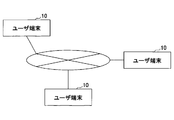
- FIG. 1 is a diagram showing an example of a system configuration according to an embodiment of the present invention.
- a plurality of user terminals 10 for example, a PC (Personal Computer) or the like
- a network such as a LAN (Local Area Network) or the Internet.
- the user of any user terminal 10 is a supporter of another user.
- the supporter is another person different from the user who is the support recipient, and when a security problem occurs in the user terminal 10 of the support recipient, a person who supports the action for dealing with the problem. To say.
- the relationship between the support recipient and the supporter may be one-to-one, one-to-many, many-to-one, or many-to-many.
- the relationship between the person to be supported and the person to be supported may be hierarchical. That is, there may be a supporter for the supporter of another user.
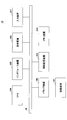
- FIG. 2 is a diagram showing a hardware configuration example of the user terminal 10 according to the embodiment of the present invention.
- the user terminal 10 of FIG. 2 has a drive device 100, an auxiliary storage device 102, a memory device 103, a CPU 104, an interface device 105, a display device 106, an input device 107, and the like, which are connected to each other by a bus B, respectively.
- the program that realizes the processing on the user terminal 10 is provided by a recording medium 101 such as a CD-ROM.
- a recording medium 101 such as a CD-ROM.
- the program is installed in the auxiliary storage device 102 from the recording medium 101 via the drive device 100.
- the program does not necessarily have to be installed from the recording medium 101, and may be downloaded from another computer via the network.
- the auxiliary storage device 102 stores the installed program and also stores necessary files, data, and the like.
- the memory device 103 reads and stores the program from the auxiliary storage device 102 when the program is instructed to start.
- the CPU 104 realizes the function related to the user terminal 10 according to the program stored in the memory device 103.
- the interface device 105 is used as an interface for connecting to a network.
- the display device 106 displays a programmatic GUI (Graphical User Interface) or the like.
- the input device 107 is composed of a keyboard, a mouse, and the like, and is used for inputting various operation instructions.
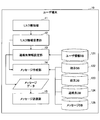
- FIG. 3 is a diagram showing a functional configuration example of the user terminal 10 according to the embodiment of the present invention.
- the user terminal 10 includes a risk sensing unit 11, a risk information receiving unit 12, a contact information setting unit 13, a message creating unit 14, a message transmitting unit 15, and the like.
- Each of these parts is realized by a process of causing the CPU 104 to execute one or more programs installed in the user terminal 10.
- the user terminal 10 also uses the user information DB 121, the instruction DB 122, the preamble DB 123, the contact DB 124, the message DB 125, and the like.
- Each of these databases (storage unit) can be realized by using, for example, an auxiliary storage device 102, a storage device that can be connected to the user terminal 10 via a network, or the like.
- the risk sensing unit 11 detects (detects) the occurrence of a security problem (hereinafter, simply referred to as “risk”) in the user terminal 10 by monitoring the status of the user terminal 10.
- the risk sensing unit 11 transmits information indicating the content of the detected risk (hereinafter, referred to as “risk information”) to the risk information receiving unit 12.
- the risk information receiving unit 12 receives the risk information transmitted from the risk sensing unit 11.
- the contact information setting unit 13 refers to the user information DB 121, and provides information indicating the contact (output destination) of the message in the message data in which the message indicating the instruction for dealing with the risk indicated by the risk information is recorded. Record (contact information).
- the user information DB 121 stores the skill level, contact information, contact information of the supporter, and the like for each user.
- the skill level is, for example, a level related to skills for dealing with risks.
- the skill level related to IT Information Technology
- the message creation unit 14 completes the message data by referring to the instruction DB 122, the preamble DB 123, the contact DB 124, the message DB 125, and the like.
- the instruction DB 122 stores a list of instructions regarding actions to be taken for each type of risk (hereinafter, referred to as “risk type”).
- risk type a type of risk
- the preamble DB 123 the preamble of the message is stored for each combination of the risk type and the skill level.
- the contact (destination) of the message data is stored for each combination of the instruction and the skill level.
- the contact information here is the user who is at risk, the supporter of the user, or the like.
- the message DB 125 the body of the message indicating the instruction is stored for each combination of the instruction and the partition level.
- the message transmission unit 15 transmits (outputs) a message based on the message data created by the message creation unit 14 to the contact recorded in the message data.
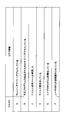
- FIG. 4 is a flowchart for explaining an example of a processing procedure executed by the user terminal 10.
- the processing procedure of FIG. 4 is a processing procedure executed by one user terminal 10.
- the user terminal 10 during execution of the processing procedure of FIG. 4 is hereinafter referred to as a "target terminal".
- FIG. 5 is a diagram showing an example of risk information.
- a risk ID and risk information are shown for each risk.
- the risk ID and risk information related to any of the risks are received.
- the received risk ID is referred to as “target risk ID”
- the received risk information is referred to as “target risk information”.
- the risk information receiving unit 12 outputs the target risk information to the message creating unit 14.
- the risk information shown in FIG. 5 is an example, and other risk information may be defined.
- the content indicated by the risk information is limited to incidents, but the risk information in normal times (a state in which no security risk or problem has occurred) is defined, and such risk information is periodically notified. You may.
- step S102 the contact information setting unit 13 of the target terminal generates one message data and sets the contact information for the message data.
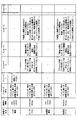
- FIG. 6 is a diagram showing a configuration example of one message data.
- one message data is configured so that contact information, message preamble, and one or more messages can be recorded for each contact category.
- the message data in the completed state is shown in FIG. 6, only the value of the contact classification is determined in the message data immediately after the generation.
- the contact classification is a classification of a plurality of types of contacts for one user. As shown in FIG. 6, in the present embodiment, four contact categories of "user / telephone", “user / email”, “supporter / telephone” and “supporter / email” are defined. ..
- “User / telephone” means a telephone contact for a user of the target terminal (hereinafter referred to as “target user”).
- “User / Email” means an email contact to the Target User.
- “Supporter / telephone” means a telephone contact for the supporter of the target user (hereinafter, referred to as “target supporter”).
- “Supporter / Email” means an email contact to the Target Supporter.
- Contact information is an item in which specific values are stored for each contact category.
- the information stored in the user information DB 121 of the target terminal is referred to, and a value is set for the item.
- FIG. 7 is a diagram showing a configuration example of the user information DB 121.
- the user information DB 121 of the target terminal stores the user ID of the target user, the skill level of the target user, "contact information of the user”, “contact information of the supporter”, and the like. There is.
- the skill level is evaluated on a five-point scale, and the larger the value, the higher the skill.
- the skill level may be evaluated by a grade other than five.
- the skill level may be evaluated by the user himself, or a skill level determination test or the like may be performed and the score may be registered in the user information DB 121.
- the skill level may be set for the supporter as well.
- the meaning of each skill level in this embodiment is as follows. Skill level 5: You can understand and do most things yourself. Skill level 4: I can understand other than specialized things and can do it myself. Skill level 3: You can do common terms and simple things yourself. Skill level 2: I can understand simple terms and can do it myself. Skill level 1: Most things can only be done by relying on someone.
- "User contact information” is the contact information of the target user.
- "Supporter's contact information” is the contact information of the target supporter.
- Each of the user's contact information and the supporter's contact information includes "telephone” and "email”.
- "Telephone” is a telephone number.
- "Email” is an email address.
- the contact information does not have to be information related to telephone or e-mail. For example, other information that can be contacted with the target user or the target supporter, such as the ID of the message chat application, may be set as the contact information.
- FIG. 7 shows an example in which one supporter can be set for one user, a plurality of supporters may be set.
- step S102 "user contact information” and “supporter contact information” are recorded for “contact information” in the message data (FIG. 6). Further, the contact information setting unit 13 outputs the skill level of the target user to the message creation unit 14.
- the message creation unit 14 inputs the target risk ID output from the risk information receiving unit 12, and acquires an instruction list corresponding to the target risk ID from the instruction DB 122 of the target terminal (S103).
- FIG. 8 is a diagram showing a configuration example of the instruction DB 122.
- the instruction DB 122 stores one or more “instructions” (instructions 1 to 5) for each risk ID. However, there are some desks with less than 5 instructions.
- “Instruction” refers to information indicating the content of an action to be taken against a risk.
- the numerical value following the "instruction” indicates the order of the instructions. That is, the numerical value indicates the order of actions to be performed.
- the instruction is an example and is not limited to that shown in FIG.
- FIG. 8 a list of instructions associated with the risk ID "E" is acquired as an instruction list. To.
- the instruction list is shown in FIG.
- the message creation unit 14 inputs the skill level output from the contact information setting unit 13 (hereinafter referred to as “target skill level”), and refers to the preamble DB 123 to obtain the target risk ID and the target skill level.
- the preamble of the message corresponding to is set in the message data (S104).
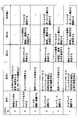
- FIG. 10 is a diagram showing a configuration example of the preamble DB 123.
- the preamble DB 123 stores a preamble corresponding to each combination of the risk ID and the skill level.
- the content of the preamble has been changed to an easy-to-understand expression according to the skill level.
- the preamble shown in FIG. 10 is an example, and other preambles may be used.
- the message creation unit 14 acquires the preamble of the column corresponding to the target skill level of the record corresponding to the target risk ID, and uses the preamble as the “message preamble” of each contact category of the message data (FIG. 6). Set to. Therefore, the same preamble is set for all contact categories. However, when the skill level of the supporter is registered in the user information DB 121, the "message preamble" of the contact category regarding the supporter corresponds to the combination of the target risk ID and the skill level of the target supporter. The preamble may be set.
- the message creation unit 14 executes the loop process L1 including steps S105 to S107 for each instruction included in the instruction list (FIG. 9).
- instruction n the instruction that is the nth processing target in the loop processing L1 is referred to as "instruction n”.
- step S105 the message creation unit 14 refers to the contact DB 124 of the target terminal and identifies the contact means and the contact target person corresponding to the instruction n and the target skill level.
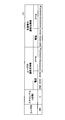
- FIG. 11 is a diagram showing a configuration example of the contact DB 124. As shown in FIG. 11, in the contact DB 124, the contact means is stored for each instruction, and the contact is stored for each combination of the instruction and the skill level.
- the contact means is a communication means used for communication, and in the present embodiment, it is a telephone or an email.
- a contact is a person who is the target of the contact and is a "user” or a "user / supporter”.
- "User” means that only the target user is a contact.
- “User / supporter” means that both the target user and the target supporter are contacts (that is, the contact includes the target supporter).
- the means of contact may be determined based on the urgency of the instruction, and the contact information may be determined based on the balance between the difficulty of executing the instruction and the skill level of the user. Further, the means of communication and the person to be contacted are not limited to those shown in FIG.
- step S105 the message creation unit 14 sets the contact means of the record corresponding to the instruction n (hereinafter referred to as “target contact means”) in the contact DB 124 and the contacts in the column corresponding to the target skill level in the record. (Hereinafter, referred to as “target contact information”) and is acquired. By acquiring the contact, the message creation unit 14 specifies whether or not to include the target supporter in the contact of the message regarding the instruction n.
- target contact means the contact means of the record corresponding to the instruction n
- target contact information the contacts in the column corresponding to the target skill level in the record.
- the message creation unit 14 acquires the message corresponding to the instruction n and the target skill level from the message DB 125 of the target terminal (S106).
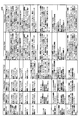
- FIG. 12 is a diagram showing a configuration example of the message DB 125.
- the message DB 125 stores a message indicating the content of the instruction for each combination of the instruction and the skill level.
- each message is represented as text data in FIG. 12, voice data of each message may be stored for the contact of the telephone. Further, the message shown in FIG. 12 is an example, and other messages may be used.
- step S106 the message creation unit 14 acquires the message in the column corresponding to the target skill level in the record corresponding to the instruction n of the message DB 125. At this time, if the target contact means is a "telephone", voice data may be acquired.
- the message creation unit 14 records the acquired message in the nth message column of the target contact means and the row of the "contact classification" corresponding to the target contact in the message data (FIG. 6). Set) (S107).
- the message transmitting unit 15 contacts the contact category for each "contact category" of the message data (FIG. 6). By using the means, the message preamble and each message set for the contact category are transmitted (output) to the destination indicated by the contact information of the contact category (S108).
- FIG. 13 is a diagram for explaining an output example of a message.
- FIG. 13 shows an output example of a message based on the message data of FIG.
- (1) is an output example of a message for a contact classification of "user / telephone".
- telephone communication is performed to the telephone number set in the "contact information" of the contact category in the message data, and the message preamble and the message (FIG. 6) shown in FIG. 13 (1) are performed.
- "Message 1" is output.
- the message for the contact category is voice data
- each voice data may be reproduced in order.
- voice may be output by voice synthesis based on the text data.
- (2) is an output example of a message for a contact classification of "user / email".
- the message preamble and the message (message 2" in FIG. 6) shown in (2) of FIG. , "Message 3", “Message 4")) is transmitted.
- (3) is an output example of a message for the contact classification "supporter / telephone".
- a message is not set in the contact category. Therefore, the message transmission unit 15 does not send a message to the contact category.
- the content of the message does not have to be limited to text data.
- an image file, an audio file, or the like may be attached to an e-mail.
- the maintenance service or the like may be notified.
- each user terminal 10 may have a risk sensing unit 11, and the server may have a functional unit other than the risk sensing unit 11 in FIG.
- the server executes the processing procedure of FIG. 4
- the record of each user terminal 10 (that is, a plurality of records) may be stored in the user information DB 121.
- a message according to the skill level of the user is output. For example, a message using a simpler expression or an expression that makes it easier to imagine a specific action item is output to a user with low IT skill. As a result, it is possible to facilitate the response to security risks.
- the means of communication is changed due to the urgency of the instruction, and the supporter is notified only when the implementation item is difficult due to the IT skill level of the user.
- the user can deal with what he / she can do by himself / herself and automatically request the support of the other person only when he / she needs the support of the other person.
- supporters are not contacted in vain, and only those who really need help are contacted by appropriate means.
- the user terminal 10 is an example of an information processing terminal and an instruction output device.
- the message creation unit 14 is an example of a first acquisition unit, a second acquisition unit, and a specific unit.
- the message transmission unit 15 is an example of an output unit.
Landscapes
- Engineering & Computer Science (AREA)
- Computer Security & Cryptography (AREA)
- Software Systems (AREA)
- Theoretical Computer Science (AREA)
- Computer Hardware Design (AREA)
- Physics & Mathematics (AREA)
- General Engineering & Computer Science (AREA)
- General Physics & Mathematics (AREA)
- Information Transfer Between Computers (AREA)
Abstract
指示出力装置は、情報処理端末のセキュリティに関するリスクの内容を示すリスク情報の入力に応じ、前記リスク情報に対応する1以上の指示を取得する第1の取得部と、前記第1の取得部が取得した前記指示ごとに、前記情報処理端末のユーザのセキュリティに関するスキルレベルに対応する、当該指示の内容を示すメッセージを取得する第2の取得部と、前記第2の取得部が取得したメッセージを前記ユーザに対して出力する出力部と、を有することで、セキュリティ上のリスクに対する対処を促進する。
Description
本発明は、指示出力装置、指示出力方法及びプログラムに関する。
ネットワークセキュリティ上の問題(リスク)が生じた際、ユーザは何かしらの方法でそれを回避するための行動を取る必要がある。
従来、ユーザの端末の利用状況に基づき、通知のタイミングを制御する方法がある。これにより、ユーザが端末からの通知に気づきセキュリティ上の問題を回避するための行動を促進することが可能となる。
しかしながら、上記の方法では、通知によって行動を促すことはできるが、ITレベルの高低を問わずすべてのユーザがセキュリティ問題を回避するために適切な行動を取れるわけではない。
例えば、利用しているパソコンがウイルスに感染していた場合、ITスキルの高いユーザは「PCをネットワーク隔離する。全スキャンし、ウイルスを駆除する。」という指示のみで行動をとることができるが、ITスキルの低いユーザは、上記のような指示を受けても具体的な実施事項をイメージできず、行動が先送りになる可能性が有る。
本発明は、上記の点に鑑みてなされたものであって、セキュリティ上のリスクに対する対処を促進することを目的とする。
そこで上記課題を解決するため、指示出力装置は、情報処理端末のセキュリティに関するリスクの内容を示すリスク情報の入力に応じ、前記リスク情報に対応する1以上の指示を取得する第1の取得部と、前記第1の取得部が取得した前記指示ごとに、前記情報処理端末のユーザのセキュリティに関するスキルレベルに対応する、当該指示の内容を示すメッセージを取得する第2の取得部と、前記第2の取得部が取得したメッセージを前記ユーザに対して出力する出力部と、を有する。
セキュリティ上のリスクに対する対処を促進することができる。
以下、図面に基づいて本発明の実施の形態を説明する。図1は、本発明の実施の形態におけるシステム構成例を示す図である。図1において、複数のユーザ端末10(例えば、PC(Personal Computer)等)は、LAN(Local Area Network)又はインターネット等のネットワークを介して接続されている。本実施の形態において、いずれかのユーザ端末10のユーザは、他のユーザの支援者であるとする。支援者とは、被支援者であるユーザとは異なる他者であり、被支援者のユーザ端末10にセキュリティ上の問題が発生した際に、当該問題に対処するための行動について支援を行う者をいう。被支援者と支援者との関係は、1対1、1対多、多対1、又は多対多のいずれでもよい。また、被支援者と支援者との関係は階層的であってもよい。すなわち、他のユーザの支援者に対する支援者が存在してもよい。
図2は、本発明の実施の形態におけるユーザ端末10のハードウェア構成例を示す図である。図2のユーザ端末10は、それぞれバスBで相互に接続されているドライブ装置100、補助記憶装置102、メモリ装置103、CPU104、インタフェース装置105、表示装置106、及び入力装置107等を有する。
ユーザ端末10での処理を実現するプログラムは、CD-ROM等の記録媒体101によって提供される。プログラムを記憶した記録媒体101がドライブ装置100にセットされると、プログラムが記録媒体101からドライブ装置100を介して補助記憶装置102にインストールされる。但し、プログラムのインストールは必ずしも記録媒体101より行う必要はなく、ネットワークを介して他のコンピュータよりダウンロードするようにしてもよい。補助記憶装置102は、インストールされたプログラムを格納すると共に、必要なファイルやデータ等を格納する。
メモリ装置103は、プログラムの起動指示があった場合に、補助記憶装置102からプログラムを読み出して格納する。CPU104は、メモリ装置103に格納されたプログラムに従ってユーザ端末10に係る機能を実現する。インタフェース装置105は、ネットワークに接続するためのインタフェースとして用いられる。表示装置106はプログラムによるGUI(Graphical User Interface)等を表示する。入力装置107はキーボード及びマウス等で構成され、様々な操作指示を入力させるために用いられる。
図3は、本発明の実施の形態におけるユーザ端末10の機能構成例を示す図である。図3において、ユーザ端末10は、リスク感知部11、リスク情報受信部12、連絡先情報設定部13、メッセージ作成部14及びメッセージ送信部15等を有する。これら各部は、ユーザ端末10にインストールされた1以上のプログラムが、CPU104に実行させる処理により実現される。ユーザ端末10は、また、ユーザ情報DB121、指示DB122、前文DB123、連絡先DB124及びメッセージDB125等を利用する。これら各データベース(記憶部)は、例えば、補助記憶装置102、又はユーザ端末10にネットワークを介して接続可能な記憶装置等を用いて実現可能である。
リスク感知部11は、ユーザ端末10の状況を監視することで、ユーザ端末10におけるセキュリティ上の問題(以下、単に「リスク」という。)の発生を感知(検知)する。リスク感知部11は、感知したリスクの内容を示す情報(以下、「リスク情報」という。)をリスク情報受信部12へ送信する。
リスク情報受信部12は、リスク感知部11から送信されたリスク情報を受信する。連絡先情報設定部13は、ユーザ情報DB121を参照して、リスク情報が示すリスクに対処するための指示を示すメッセージが記録されるメッセージデータに、当該メッセージの連絡先(出力先)を示す情報(連絡先情報)を記録する。ユーザ情報DB121には、ユーザごとに、スキルレベル、連絡先、支援者の連絡先等が記憶されている。スキルレベルとは、例えば、リスクに対処するためのスキルに関するレベルをいう。例えば、IT(Information Technology)に関するスキルのレベルがスキルレベルとされてもよい。
メッセージ作成部14は、指示DB122、前文DB123、連絡先DB124及びメッセージDB125等を参照してメッセージデータを完成させる。指示DB122には、リスクの種別(以下、「リスク種別」という。)ごとに、とるべき行動に関する指示のリストが記憶されている。前文DB123には、リスク種別とスキルレベルとの組み合わせごとに、メッセージの前文が記憶されている。連絡先DB124には、指示とスキルレベルとの組み合わせごとに、メッセージデータの連絡先(送信先)が記憶されている。ここでいう連絡先とは、リスクに晒されているユーザ本人や当該ユーザの支援者等である。メッセージDB125には、指示と仕切るレベルとの組み合わせごとに、指示を示すメッセージの本文が記憶されている。
メッセージ送信部15は、メッセージ作成部14によって作成されたメッセージデータに基づくメッセージを、当該メッセージデータに記録されている連絡先へ送信(出力)する。
以下、ユーザ端末10が実行する処理手順について説明する。図4は、ユーザ端末10が実行する処理手順の一例を説明するためのフローチャートである。なお、図4の処理手順は、或る一つのユーザ端末10が実行する処理手順である。図4の処理手順の実行中のユーザ端末10を、以下「対象端末」という。
対象端末におけるリスクを感知したリスク感知部11から送信されたリスク情報を、対象端末のリスク情報受信部12が受信すると(S101でYes)、ステップS102以降が開始される。
図5は、リスク情報の一例を示す図である。図5には、リスクごとに、リスクID及びリスク情報が示されている。ステップS101では、いずれかのリスクに関するリスクID及びリスク情報が受信される。以下、受信されたリスクIDを「対象リスクID」といい、受信されたリクス情報を「対象リスク情報」という。リスク情報受信部12は、対象リスク情報をメッセージ作成部14に出力する。
なお、図5に示されるリスク情報は一例であり、他のリスク情報が定義されてもよい。例えば、図5では、リスク情報が示す内容がインシデントに限定されているが、平時(セキュリティリスクや問題の発生していない状態)におけるリスク情報が定義され、斯かるリスク情報が定期的に通知されてもよい。
ステップS102において、対象端末の連絡先情報設定部13は、1つのメッセージデータを生成して、当該メッセージデータに対して連絡先情報を設定する。
図6は、1つのメッセージデータの構成例を示す図である。図6に示されるように、1つのメッセージデータは、連絡先区分ごとに、連絡先情報、メッセージ前文、1以上のメッセージを記録可能なように構成される。なお、図6では、完成状態のメッセージデータが示されているが、生成直後のメッセージデータには、連絡先区分の値のみが決定されている。連絡先区分とは、一人のユーザに対する複数種類の連絡先の区分である。図6に示されるように、本実施の形態では、「ユーザ/電話」、「ユーザ/メール」、「支援者/電話」及び「支援者/メール」の4つの連絡先区分が定義されている。
「ユーザ/電話」は、対象端末のユーザ(以下、「対象ユーザ」という。)に対する電話での連絡先を意味する。「ユーザ/メール」は、対象ユーザに対する電子メールでの連絡先を意味する。「支援者/電話」は、対象ユーザの支援者(以下、「対象支援者」という。)に対する電話での連絡先を意味する。「支援者/メール」は、対象支援者に対する電子メールでの連絡先を意味する。
連絡先情報は、各連絡先区分について、具体的な値が格納される項目である。ステップS102では、対象端末のユーザ情報DB121に記憶されている情報が参照されて、当該項目に対して値が設定される。
図7は、ユーザ情報DB121の構成例を示す図である。図7に示されるように、対象端末のユーザ情報DB121には、対象ユーザのユーザID、対象ユーザのスキルレベル、「ユーザの連絡先情報」及び「支援者の連絡先情報」等が記憶されている。
本実施の形態においてスキルレベルは5段階で評価され、値が大きい程、高いスキルを有していることを示す。但し、スキルレベルは5段階以外によって評価されてもよい。スキルレベルは、ユーザ自身が評価してもよいし、スキルレベル判定テスト等を実施し、その得点がユーザ情報DB121に登録されてもよい。また、支援者にもスキルレベルが設定されてもよい。本実施の形態における各スキルレベルの意味は、以下の通りであるとする。
スキルレベル5:だいたいのことが自分で理解し、実行できる。
スキルレベル4:専門的なこと以外は理解でき、自分でできる。
スキルレベル3:よく使われる用語や簡単なことは自分でできる。
スキルレベル2:簡単な用語は理解でき、自分でできる。
スキルレベル1:ほとんどのことが誰かに頼らないとできない。
スキルレベル5:だいたいのことが自分で理解し、実行できる。
スキルレベル4:専門的なこと以外は理解でき、自分でできる。
スキルレベル3:よく使われる用語や簡単なことは自分でできる。
スキルレベル2:簡単な用語は理解でき、自分でできる。
スキルレベル1:ほとんどのことが誰かに頼らないとできない。
「ユーザの連絡先情報」は、対象ユーザの連絡先情報である。「支援者の連絡先情報」は、対象支援者の連絡先情報である。ユーザの連絡先情報及び支援者の連絡先情報のそれぞれは、「電話」及び「メール」を含む。「電話」は、電話番号である。「メール」は、メールアドレスである。なお、連絡先情報は、電話又はメールに関する情報でなくてもよい。例えば、メッセージチャットアプリのID等、対象ユーザ又は対象支援者との連絡が取れる他の情報が、連絡先情報として設定されてもよい。なお、図7では、1ユーザに対して設定できる支援者が一人である例が示されているが、複数人の支援者が設定可能とされてもよい。
ステップS102では、「ユーザの連絡先情報」及び「支援者の連絡先情報」が、メッセージデータ(図6)の「連絡先情報」に対して記録される。また、連絡先情報設定部13は、対象ユーザのスキルレベルをメッセージ作成部14へ出力する。
続いて、メッセージ作成部14は、リスク情報受信部12から出力された対象リスクIDを入力とし、対象リスクIDに対応する指示リストを対象端末の指示DB122から取得する(S103)。
図8は、指示DB122の構成例を示す図である。図8に示されるように、指示DB122には、リスクIDごとに、1以上の「指示」(指示1~指示5)が記憶されている。但し、指示が5個未満のスクも有る。「指示」は、リスクに対して実行すべき行動の内容を示す情報をいう。なお、「指示」に続く数値は、指示の順番を示す。すなわち、当該数値は、実行すべき行動の順番を示す。なお、指示は一例であり、図8に示したものに限らない。
例えば、対象リスクIDが「E」(ユーザのPCがDos攻撃をしている)である場合、図8において、リスクID「E」に対応付けられている指示の一覧が、指示リストとして取得される。当該指示リストは、図9に示されている。
続いて、メッセージ作成部14は、連絡先情報設定部13から出力されたスキルレベル(以下、「対象スキルレベル」という。)を入力とし、前文DB123を参照して、対象リスクID及び対象スキルレベルに対応する、メッセージの前文をメッセージデータに設定する(S104)。
図10は、前文DB123の構成例を示す図である。図10に示されるように、前文DB123には、リスクIDとスキルレベルとの組み合わせごとに、当該組み合わせに対応する前文が記憶されている。前文の内容は、スキルレベルに応じて理解しやすい表現に変更されている。なお、図10に示される前文は一例であり、他の前文が用いられてもよい。
メッセージ作成部14は、前文DB123において、対象リスクIDに対応するレコードの対象スキルレベルに対応する列の前文を取得し、当該前文をメッセージデータ(図6)の各連絡先区分の「メッセージ前文」に設定する。したがって、全ての連絡先区分に対して同一の前文が設定される。但し、支援者のスキルレベルがユーザ情報DB121に登録されている場合には、支援者に関する連絡先区分の「メッセージ前文」には、対象リスクIDと対象支援者のスキルレベルとの組み合わせに対応する前文が設定されるようにしてもよい。
続いて、メッセージ作成部14は、指示リスト(図9)に含まれる指示ごとに、ステップS105~S107を含むループ処理L1を実行する。以下、ループ処理L1においてn番目に処理対象とされている指示を「指示n」という。
ステップS105において、メッセージ作成部14は、対象端末の連絡先DB124を参照して、指示n及び対象スキルレベルに対応する連絡手段及び連絡対象者を特定する。
図11は、連絡先DB124の構成例を示す図である。図11に示されるように、連絡先DB124には、指示ごとに連絡手段が記憶され、指示とスキルレベルとの組み合わせごとに連絡先が記憶されている。
連絡手段とは、連絡に利用する通信手段であり、本実施の形態では、電話又はメールである。連絡先とは、連絡先の対象者であり、「ユーザ」又は「ユーザ/支援者」である。「ユーザ」は、対象ユーザのみが連絡先であることを意味する。「ユーザ/支援者」は、対象ユーザ及び対象支援者の双方が連絡先であること(すなわち、連絡先に対象支援者も含まれること)を意味する。なお、連絡手段は指示の緊急性に基づき決定され、連絡先は指示の実行難度とユーザのスキルレベルのバランスによって決定されればよい。また、連絡手段、連絡対象者は、図11に示すものに限定されない。
ステップS105において、メッセージ作成部14は、連絡先DB124において、指示nに対応するレコードの連絡手段(以下、「対象連絡手段」という。)と、当該レコードにおいて対象スキルレベルに対応する列の連絡先(以下、「対象連絡先」という。)とを取得する。連絡先の取得によって、メッセージ作成部14は、指示nに関するメッセージの連絡先に対象支援者を含めるか否かを特定する。
続いて、メッセージ作成部14は、指示n及び対象スキルレベルに対応するメッセージを対象端末のメッセージDB125から取得する(S106)。
図12は、メッセージDB125の構成例を示す図である。図12に示されるように、メッセージDB125には、指示とスキルレベルとの組み合わせごとに、当該指示の内容を示すメッセージが記憶されている。なお、図12では、各メッセージはテキストデータとして表現されているが、電話の連絡先のために、各メッセージの音声データも記憶されていてもよい。また、図12に示すメッセージは一例であり、他のメッセージが利用されてもよい。
ステップS106において、メッセージ作成部14は、メッセージDB125の指示nに対応するレコードにおいて対象スキルレベルに対応する列のメッセージが取得する。この際、対象連絡手段が「電話」であれば、音声データが取得されるようにしてもよい。
続いて、メッセージ作成部14は、取得したメッセージを、メッセージデータ(図6)において、対象連絡手段及び対象連絡先に対応する「連絡先区分」の行の、n番目のメッセージの列に記録(設定)する(S107)。
ループ処理L1が、指示リスト(図9)に含まれる全ての指示について実行されると、メッセージ送信部15は、メッセージデータ(図6)の「連絡先区分」ごとに、当該連絡先区分の連絡手段を用いて、当該連絡先区分の連絡先情報が示す宛先へ、当該連絡先区分に対して設定されたメッセージ前文及び各メッセージを送信(出力)する(S108)。
図13は、メッセージの出力例を説明するための図である。図13には、図6のメッセージデータに基づくメッセージの出力例が示されている。
図13において、(1)は、連絡先区分が「ユーザ/電話」に対するメッセージの出力例である。この場合、メッセージデータにおいて当該連絡先区分の「連絡先情報」に設定されている電話番号に対して電話通信が行われ、図13の(1)に示されているメッセージ前文及びメッセージ(図6の「メッセージ1」)が出力される。この際、当該連絡先区分に対するメッセージが音声データである場合には、各音声データが順番に再生されてもよい。また、当該メッセージがテキストデータである場合には、当該テキストデータに基づいて音声合成により音声が出力されてもよい。
(2)は、連絡先区分が「ユーザ/メール」に対するメッセージの出力例である。この場合、メッセージデータにおいて当該連絡先区分の「連絡先情報」に設定されているメールアドレスに対して、図13の(2)に示されているメッセージ前文及びメッセージ(図6の「メッセージ2」、「メッセージ3」、「メッセージ4」)を含む電子メールが送信される。
(3)は、連絡先区分が「支援者/電話」に対するメッセージの出力例である。この場合、図6において、当該連絡先区分にはメッセージが設定されていない。したがって、メッセージ送信部15は、当該連絡先区分に対しては、メッセージを送信しない。
(4)は、連絡先区分が「支援者/メール」に対するメッセージの出力例である。この場合、メッセージデータにおいて当該連絡先区分の「連絡先情報」に設定されているメールアドレスに対して、図13の(4)に示されているメッセージ前文及びメッセージ(図6の「メッセージ2」、「メッセージ3」、「メッセージ4」)を含む電子メールが送信される。
なお、当事者であるユーザ宛のメッセージの先頭には「あなたの」が付加され、他者である支援者宛のメッセージの先頭には「(ユーザ名)の」が付加されてもよい。
また、電子メールによってメッセージが送信される場合、メッセージの内容がテキストデータに限られなくてもよい。例えば、画像ファイルや音声ファイル等が電子メールに添付されてもよい。
また、支援者のスキルレベルが指示内容に対し低い場合には、メンテナンスサービス等に通知が行われるようにしてもよい。
なお、上記では、ユーザ端末10が図4の処理手順を実行する例について説明したが、各ユーザ端末10に接続するサーバ(1以上のコンピュータ)が、図4の処理手順を実行してもよい。この場合、各ユーザ端末10は、リスク感知部11を有し、サーバは、図3のうち、リスク感知部11以外の機能部を有してもよい。サーバが図4の処理手順を実行する場合、ユーザ情報DB121には、各ユーザ端末10のレコード(すなわち、複数のレコード)が記憶されればよい。
上述したように、本実施の形態によれば、セキュリティ上のリスクが発生した際に、ユーザのスキルレベルに応じたメッセージが出力される。例えば、ITスキルの低いユーザには、より平易な表現、具体的な実施事項をイメージしやすい表現を用いたメッセージが出力される。その結果、セキュリティ上のリスクに対する対処を促進することができる。
また、本実施の形態では、指示の緊急性に伴い連絡手段が変更され、実施事項がユーザのITスキルレベル上難しい場合に限り支援者に通知される。これにより、ユーザは自分自身ができることは自分で対処し、他者の支援が必要なことだけを他者に支援を自動で要請できる。また支援者には、無駄な連絡が行かず、真に支援が必要なものだけが適切な手段で連絡される。
なお、本実施の形態において、ユーザ端末10は、情報処理端末及び指示出力装置の一例である。メッセージ作成部14は、第1の取得部、第2の取得部及び特定部の一例である。メッセージ送信部15は、出力部の一例である。
以上、本発明の実施の形態について詳述したが、本発明は斯かる特定の実施形態に限定されるものではなく、請求の範囲に記載された本発明の要旨の範囲内において、種々の変形・変更が可能である。
10 ユーザ端末
11 リスク感知部
12 リスク情報受信部
13 連絡先情報設定部
14 メッセージ作成部
15 メッセージ送信部
100 ドライブ装置
101 記録媒体
102 補助記憶装置
103 メモリ装置
104 CPU
105 インタフェース装置
106 表示装置
107 入力装置
121 ユーザ情報DB
122 指示DB
123 前文DB
124 連絡先DB
125 メッセージDB
B バス
11 リスク感知部
12 リスク情報受信部
13 連絡先情報設定部
14 メッセージ作成部
15 メッセージ送信部
100 ドライブ装置
101 記録媒体
102 補助記憶装置
103 メモリ装置
104 CPU
105 インタフェース装置
106 表示装置
107 入力装置
121 ユーザ情報DB
122 指示DB
123 前文DB
124 連絡先DB
125 メッセージDB
B バス
Claims (5)
- 情報処理端末のセキュリティに関するリスクの内容を示すリスク情報の入力に応じ、前記リスク情報に対応する1以上の指示を取得する第1の取得部と、
前記第1の取得部が取得した前記指示ごとに、前記情報処理端末のユーザのセキュリティに関するスキルレベルに対応する、当該指示の内容を示すメッセージを取得する第2の取得部と、
前記第2の取得部が取得したメッセージを前記ユーザに対して出力する出力部と、
を有することを特徴とする指示出力装置。 - 前記第1の取得部が取得した前記指示ごとに連絡手段を特定する特定部を有し、
前記出力部は、前記特定部が前記指示ごとに特定した連絡手段を用いて前記各メッセージを出力する、
ことを特徴とする請求項1記載の指示出力装置。 - 前記特定部は、前記第1の取得部が取得した前記指示ごとに、前記スキルレベルに応じて、前記ユーザとは異なる他者を当該指示に対応するメッセージの出力先に含めるか否かを特定し、
前記出力部は、前記他者が出力先に含められたメッセージについては、前記他者に対しても出力する、
ことを特徴とする請求項2記載の指示出力装置。 - 情報処理端末のセキュリティに関するリスクの内容を示すリスク情報の入力に応じ、前記リスク情報に対応する1以上の指示を取得する第1の取得手順と、
前記第1の取得手順が取得した前記指示ごとに、前記情報処理端末のユーザのセキュリティに関するスキルレベルに対応する、当該指示の内容を示すメッセージを取得する第2の取得手順と、
前記第2の取得手順が取得したメッセージを前記ユーザに対して出力する出力手順と、
をコンピュータが実行することを特徴とする指示出力方法。 - 請求項1乃至3いずれか一項記載の指示出力装置としてコンピュータを機能させることを特徴とするプログラム。
Priority Applications (3)
| Application Number | Priority Date | Filing Date | Title |
|---|---|---|---|
| JP2021521574A JP7160193B2 (ja) | 2019-05-27 | 2019-05-27 | 指示出力装置、指示出力方法及びプログラム |
| PCT/JP2019/020819 WO2020240641A1 (ja) | 2019-05-27 | 2019-05-27 | 指示出力装置、指示出力方法及びプログラム |
| US17/614,216 US11921852B2 (en) | 2019-05-27 | 2019-05-27 | Instruction output apparatus, instruction output method and program |
Applications Claiming Priority (1)
| Application Number | Priority Date | Filing Date | Title |
|---|---|---|---|
| PCT/JP2019/020819 WO2020240641A1 (ja) | 2019-05-27 | 2019-05-27 | 指示出力装置、指示出力方法及びプログラム |
Publications (1)
| Publication Number | Publication Date |
|---|---|
| WO2020240641A1 true WO2020240641A1 (ja) | 2020-12-03 |
Family
ID=73553617
Family Applications (1)
| Application Number | Title | Priority Date | Filing Date |
|---|---|---|---|
| PCT/JP2019/020819 Ceased WO2020240641A1 (ja) | 2019-05-27 | 2019-05-27 | 指示出力装置、指示出力方法及びプログラム |
Country Status (3)
| Country | Link |
|---|---|
| US (1) | US11921852B2 (ja) |
| JP (1) | JP7160193B2 (ja) |
| WO (1) | WO2020240641A1 (ja) |
Citations (6)
| Publication number | Priority date | Publication date | Assignee | Title |
|---|---|---|---|---|
| US20090013410A1 (en) * | 2002-07-01 | 2009-01-08 | Christopher Kaler | Distributed threat management |
| JP2010250677A (ja) * | 2009-04-17 | 2010-11-04 | Mitsubishi Electric Corp | セキュリティ評価装置及びセキュリティ評価装置のセキュリティ評価方法及びセキュリティ評価装置のセキュリティ評価プログラム |
| JP2013250624A (ja) * | 2012-05-30 | 2013-12-12 | Nippon Telegr & Teleph Corp <Ntt> | 技術用語置換装置およびその動作方法、ならびにコンピュータプログラム |
| JP2018005607A (ja) * | 2016-07-04 | 2018-01-11 | 富士ゼロックス株式会社 | 情報処理装置及びプログラム |
| JP2019021161A (ja) * | 2017-07-20 | 2019-02-07 | 株式会社日立製作所 | セキュリティ設計支援システムおよびセキュリティ設計支援方法 |
| JP2019046207A (ja) * | 2017-09-04 | 2019-03-22 | 三菱電機株式会社 | プラントのセキュリティ対処支援システム |
Family Cites Families (6)
| Publication number | Priority date | Publication date | Assignee | Title |
|---|---|---|---|---|
| JP2001282409A (ja) * | 2000-03-30 | 2001-10-12 | Brother Ind Ltd | ヘルプ情報表示装置及びヘルプ情報表示方法 |
| US7937763B2 (en) * | 2005-02-25 | 2011-05-03 | Panasonic Corporation | Processor and processing apparatus performing virus protection |
| JP4955631B2 (ja) * | 2007-09-25 | 2012-06-20 | パナソニック株式会社 | 部品搭載装置 |
| CA2850733C (en) * | 2011-10-03 | 2020-03-10 | Zoosk, Inc. | System and method for validating users using social network or other information from a web site |
| JP6577907B2 (ja) | 2016-06-03 | 2019-09-18 | 日本電信電話株式会社 | 通信監視装置および通信監視方法 |
| US20200125725A1 (en) * | 2018-10-19 | 2020-04-23 | Logrhythm, Inc. | Generation and maintenance of identity profiles for implementation of security response |
-
2019
- 2019-05-27 WO PCT/JP2019/020819 patent/WO2020240641A1/ja not_active Ceased
- 2019-05-27 US US17/614,216 patent/US11921852B2/en active Active
- 2019-05-27 JP JP2021521574A patent/JP7160193B2/ja active Active
Patent Citations (6)
| Publication number | Priority date | Publication date | Assignee | Title |
|---|---|---|---|---|
| US20090013410A1 (en) * | 2002-07-01 | 2009-01-08 | Christopher Kaler | Distributed threat management |
| JP2010250677A (ja) * | 2009-04-17 | 2010-11-04 | Mitsubishi Electric Corp | セキュリティ評価装置及びセキュリティ評価装置のセキュリティ評価方法及びセキュリティ評価装置のセキュリティ評価プログラム |
| JP2013250624A (ja) * | 2012-05-30 | 2013-12-12 | Nippon Telegr & Teleph Corp <Ntt> | 技術用語置換装置およびその動作方法、ならびにコンピュータプログラム |
| JP2018005607A (ja) * | 2016-07-04 | 2018-01-11 | 富士ゼロックス株式会社 | 情報処理装置及びプログラム |
| JP2019021161A (ja) * | 2017-07-20 | 2019-02-07 | 株式会社日立製作所 | セキュリティ設計支援システムおよびセキュリティ設計支援方法 |
| JP2019046207A (ja) * | 2017-09-04 | 2019-03-22 | 三菱電機株式会社 | プラントのセキュリティ対処支援システム |
Also Published As
| Publication number | Publication date |
|---|---|
| US11921852B2 (en) | 2024-03-05 |
| US20220261479A1 (en) | 2022-08-18 |
| JP7160193B2 (ja) | 2022-10-25 |
| JPWO2020240641A1 (ja) | 2020-12-03 |
Similar Documents
| Publication | Publication Date | Title |
|---|---|---|
| US7499926B1 (en) | Maintaining and replicating chat histories | |
| US8725824B2 (en) | Message processing in a messaging service client device | |
| US20100087173A1 (en) | Inter-threading Indications of Different Types of Communication | |
| WO2021057595A1 (zh) | 信息推送方法、装置、电子设备和计算机可读介质 | |
| US11531689B2 (en) | Information processing apparatus, information processing method, and non-transitory computer readable medium | |
| US9336674B1 (en) | Notifying a user utilizing smart alerting techniques | |
| CN109684155A (zh) | 监控配置方法、装置、设备及可读存储介质 | |
| US20180349754A1 (en) | Communication reply bot | |
| EP3959632B1 (en) | File storage service initiation of antivirus software locally installed on a user device | |
| WO2018196739A1 (zh) | 即时通信群组的管理方法和装置 | |
| JP2012503364A (ja) | 無線機器に対する既定の応答方法及び装置 | |
| JP2021071641A (ja) | 情報処理装置、情報処理システム、情報処理方法及びプログラム | |
| CN115037709A (zh) | 信息处理方法、装置、电子设备和存储介质 | |
| US20220261527A1 (en) | Information processing apparatus and non-transitory computer readable medium | |
| CN110445667B (zh) | 一种链路延迟检测方法、装置、存储介质以及终端 | |
| JP2022083228A (ja) | 情報処理装置、情報処理方法および情報処理プログラム | |
| JP2010152790A (ja) | 返信メールの作成を支援する装置、方法及びコンピュータプログラム | |
| CN108668241A (zh) | 信息提醒方法、装置、存储介质及电子设备 | |
| JP7160193B2 (ja) | 指示出力装置、指示出力方法及びプログラム | |
| CN111045723B (zh) | 关联系统间的代码变更通知方法、装置 | |
| CN111124841B (zh) | 一种异常页面的报警方法、装置及计算机系统 | |
| JP4388449B2 (ja) | 画面遷移システムの監視システム及び監視方法 | |
| WO2021064360A1 (en) | Method, processor, and system for processing data packages | |
| CN105119801A (zh) | 一种社交消息管理方法、系统、用户终端及服务器 | |
| JP2020035046A (ja) | チェック支援装置、チェック支援方法およびチェック支援プログラム |
Legal Events
| Date | Code | Title | Description |
|---|---|---|---|
| 121 | Ep: the epo has been informed by wipo that ep was designated in this application |
Ref document number: 19931117 Country of ref document: EP Kind code of ref document: A1 |
|
| ENP | Entry into the national phase |
Ref document number: 2021521574 Country of ref document: JP Kind code of ref document: A |
|
| NENP | Non-entry into the national phase |
Ref country code: DE |
|
| 122 | Ep: pct application non-entry in european phase |
Ref document number: 19931117 Country of ref document: EP Kind code of ref document: A1 |