WO2020189250A1 - 服薬支援情報生成装置、方法およびプログラム - Google Patents
服薬支援情報生成装置、方法およびプログラム Download PDFInfo
- Publication number
- WO2020189250A1 WO2020189250A1 PCT/JP2020/008791 JP2020008791W WO2020189250A1 WO 2020189250 A1 WO2020189250 A1 WO 2020189250A1 JP 2020008791 W JP2020008791 W JP 2020008791W WO 2020189250 A1 WO2020189250 A1 WO 2020189250A1
- Authority
- WO
- WIPO (PCT)
- Prior art keywords
- information
- medication
- inquiry
- user
- prescription
- Prior art date
- Legal status (The legal status is an assumption and is not a legal conclusion. Google has not performed a legal analysis and makes no representation as to the accuracy of the status listed.)
- Ceased
Links
Images




Classifications
-
- A—HUMAN NECESSITIES
- A61—MEDICAL OR VETERINARY SCIENCE; HYGIENE
- A61J—CONTAINERS SPECIALLY ADAPTED FOR MEDICAL OR PHARMACEUTICAL PURPOSES; DEVICES OR METHODS SPECIALLY ADAPTED FOR BRINGING PHARMACEUTICAL PRODUCTS INTO PARTICULAR PHYSICAL OR ADMINISTERING FORMS; DEVICES FOR ADMINISTERING FOOD OR MEDICINES ORALLY; BABY COMFORTERS; DEVICES FOR RECEIVING SPITTLE
- A61J7/00—Devices for administering medicines orally, e.g. spoons; Pill counting devices; Arrangements for time indication or reminder for taking medicine
- A61J7/04—Arrangements for time indication or reminder for taking medicine, e.g. programmed dispensers
-
- G—PHYSICS
- G16—INFORMATION AND COMMUNICATION TECHNOLOGY [ICT] SPECIALLY ADAPTED FOR SPECIFIC APPLICATION FIELDS
- G16H—HEALTHCARE INFORMATICS, i.e. INFORMATION AND COMMUNICATION TECHNOLOGY [ICT] SPECIALLY ADAPTED FOR THE HANDLING OR PROCESSING OF MEDICAL OR HEALTHCARE DATA
- G16H20/00—ICT specially adapted for therapies or health-improving plans, e.g. for handling prescriptions, for steering therapy or for monitoring patient compliance
- G16H20/10—ICT specially adapted for therapies or health-improving plans, e.g. for handling prescriptions, for steering therapy or for monitoring patient compliance relating to drugs or medications, e.g. for ensuring correct administration to patients
Definitions
- An embodiment of the present invention relates to, for example, a medication support information generator, a method, and a program that support a user's medication behavior.
- Patients may take medication at home or on the go to treat injuries and improve symptoms. In this case, if the patient is busy or has an irregular wake-up or meal time, the patient may forget to take the medicine or take the medicine at an irregular timing.
- Patent Document 1 describes a technique for changing the morning medicine delivery time according to the difference between the wake-up time and the (reference) morning medicine delivery time. According to this technology, even if the wake-up time is delayed due to oversleeping and the time until the (standard) morning medicine delivery time is shortened, the morning medicine delivery time is changed to a time later than the (standard) morning medicine delivery time. By doing so, it is possible to secure a sufficient time (meal time) from the time of waking up to the time of providing the morning medicine.
- Patent Document 1 cannot deal with the case where the wake-up time is later than the (standard) morning medicine provision time, or when the wake-up time is forgotten to take the medicine.
- the present invention has been made by paying attention to the above circumstances, and is intended to provide a technique that enables more appropriate medication support according to the user's medication status.
- the medication support information generator acquires information on the prescription of the drug prescribed to the user, and the user's current medication is taken.
- the medication inquiry information including the information indicating the status of the drug is acquired, and based on the information representing the current medication status included in the acquired medication inquiry information and the information regarding the prescription of the acquired drug, the present This is intended to generate medication support information indicating the content of coping with medication according to the medication status of the above, and to output the generated medication support information to be presented to the user.
- the user when the medication timing is later than the recommended medication timing or the user forgets to take the medication, the user includes the current medication status in the medication inquiry information to support the medication.
- the medication support information generator When input to the information generation device, the medication support information generator generates medication support information including appropriate coping content based on the current medication status of the user and information on the prescription of the drug, and presents the medication support information to the user. Therefore, the user can take the medicine appropriately according to the contents of the above-mentioned medication support information.
- each aspect of the present invention it is possible to provide a technique that enables appropriate medication support according to a user's medication situation.
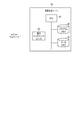
- FIG. 1 is a functional block diagram for explaining an application example of a medication support information generator according to an embodiment of the present invention.
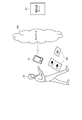
- FIG. 2 is a diagram showing an overall configuration of a medication support system according to an embodiment of the present invention.
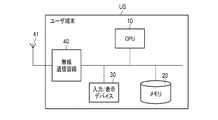
- FIG. 3 is a block diagram showing an example of the hardware configuration of the user terminal used in the system shown in FIG.
- FIG. 4 is a functional block diagram showing an example of the software configuration of the user terminal used in the system shown in FIG.
- FIG. 5 is a diagram showing an example of the hardware configuration of the medication support server used as the medication support information generator in the system shown in FIG.
- FIG. 6 is a diagram showing an example of a software configuration of a medication support server used as a medication support information generator in the system shown in FIG.
- FIG. 1 is a functional block diagram for explaining an application example of a medication support information generator according to an embodiment of the present invention.
- FIG. 2 is a diagram showing an overall configuration of a medication support system according to an embodiment of the present invention.
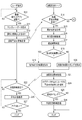
- FIG. 7 is a flowchart showing an example of a processing procedure and processing contents of medication support control by the user terminal and the medication support server shown in FIGS. 4 and 6.
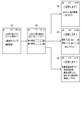
- FIG. 8 is a diagram showing an example of display screen information displayed on the user terminal by the medication support control shown in FIG. 7.
- FIG. 9 is a diagram showing another example of display screen information displayed on the user terminal by the medication support control shown in FIG. 7.
- FIG. 1 is a diagram for explaining one application example, in which 1 is a user terminal and 2 is a medication support information generator.
- the user terminal 1 is composed of a portable information terminal such as a smartphone or a wearable terminal, and has a browser function for accessing the Web and a mailer function for sending and receiving e-mails. Further, the user terminal 1 includes an application program for processing an inquiry regarding medication in order to realize a unique function according to an embodiment of the present invention.
- the application program for processing inquiries about medication displays template data used for inputting inquiry information about medication by the user on the display unit, and the medication inquiry information input by the input unit on this template is used as medication support information. It has a function of transmitting to the generator 2.
- the application program for processing inquiries regarding medication also has a function of receiving medication support information including the response contents returned from the medication support information generation device 2 in response to the inquiry regarding medication and displaying it on the display unit. It is also possible to receive the above-mentioned medication support information by using the mailer function.
- the medication inquiry information includes, for example, user identification information (user ID), inquiry type, and information indicating the user's current medication status.
- the information that represents the user's current medication status depends on the type of query.
- Types of inquiries include, for example, "medication timing" and "dose amount”.
- “Drug timing” is selected, for example, when the drug is missed or the timing of taking the drug is delayed.
- the information representing the current medication status of the user when “medication timing” is selected for example, the elapsed time from the recommended medication timing (for example, immediately after a meal) to the present is used.
- the elapsed time from the recommended medication timing for example, immediately after a meal
- the “dose amount” is selected when, for example, the amount taken is forgotten or the amount taken may be incorrect.
- the “dose amount” is selected, for example, the amount actually taken by the user (0 tablets if not yet taken) is used as the information indicating the current medication status of the user.
- the medication support information generation device 2 comprises, for example, a server computer arranged on the Web, and its functions include a prescription information storage unit 2a, a medication inquiry information reception unit 2b, a medication support information generation unit 2c, and medication support information. It is provided with a transmission unit 2d.
- the prescription information storage unit 2a stores, for example, prescription information (also referred to as prescription information) including the type, amount, and medication conditions of the drug prescribed to the user in association with the user ID.
- prescription information is acquired from, for example, a terminal used by a doctor or a pharmacist, or an EMR (Electronic Medical Records) server that stores and manages medical information of a user.
- EMR Electronic Medical Records
- the medication inquiry information receiving unit 2b receives the inquiry information regarding the user's medication transmitted from the user terminal 1 by the browser function.
- the medication support information generation unit 2c includes information indicating the type of inquiry included in the received inquiry information regarding medication and the current medication status of the user, and the prescription information of the user stored in the prescription information storage unit 2a. Based on the above, answer information indicating the action content according to the type of the above inquiry and the current medication status of the user is generated.
- the medication support information transmission unit 2d returns the medication support information to which the user ID is added to the generated response information to the user terminal 1 of the inquiry source.
- the reply method for example, a method of downloading data to the browser function of the user terminal 1 is used, but it is also possible to use mail transmission.
- the user starts an application program for making an inquiry about medication on the user terminal 1, and the inquiry type is either "medication timing" or "medication amount”. After selecting, it is assumed that the information indicating the current medication status of the user is input. Then, the medication inquiry information is transmitted from the user terminal 1 to the medication support information generation device 2. This medication inquiry information is transmitted to the medication support information generation device 2 via a network (not shown) including the Internet and the like.
- the medication support information generation unit 2c when the medication inquiry information transmitted from the user terminal 1 is received by the medication inquiry information receiving unit 2b, the medication support information generation unit 2c first receives the received medication inquiry.
- the prescription information of the corresponding user is read from the prescription information storage unit 2a using the user ID included in the information as a key. Then, with reference to this prescription information, response information indicating the type of inquiry included in the above-mentioned medication inquiry information and the response content according to the user's current medication status is generated.
- the elapsed time from the recommended dosing timing (for example, immediately after a meal) to the present is within the dosing period (for example, 30 minutes after a meal) specified by the prescription information. It is determined whether or not it is, and instruction information of the medication timing is generated according to the determination result. As one specific example, if the elapsed time is within the doseable period, instruction information for prompting the patient to take the drug within the doseable period is generated. On the other hand, if the elapsed time has passed the dosing period, information instructing the patient to take the drug after the next meal is generated.
- the medication inquiry information includes information on the presence or absence of meals
- information indicating the timing of medication is generated in consideration of the medication conditions indicating the relationship with the meal defined in the prescription information. Will be done. For example, information indicating the timing of medication is generated depending on whether the medication condition specifies the timing of medication before, during, or after a meal, or whether the time interval is specified regardless of the meal. Will be done.
- the amount of the drug actually taken by the user is compared with the dose amount specified by the prescription information, and the dose amount is instructed according to the comparison result.
- Information is generated.
- the amount of the drug actually taken is less than the amount of the drug specified by the prescription information, information instructing to additionally take an amount corresponding to the difference is generated.
- the amount of the drug actually taken is larger than the amount specified by the prescription information, for example, cautionary information regarding overreactions and side reactions that may occur in the user's body, or contact the attending physician or pharmacist. Information is generated to prompt you.
- the response information when the response information is generated by the medication support information generation unit 2c, the response information is combined with the user ID as the medication support information by the user of the inquiry source under the control of the medication support information transmission unit 2d. It is returned to the terminal 1.
- the return method either download from the web or e-mail may be used as described above.
- the medication support information is received on the user terminal 1, the content of the response information included in the medication support information is displayed on the display unit.
- the user can confirm, for example, an appropriate dosing timing or an appropriate dosing amount in consideration of the relationship with the meal timing, based on the content of the displayed response information. It is possible to take the medicine safely without making a mistake.
- the medication support information generator can generate the medication support information.
- the processing to be generated it is determined whether or not the elapsed time included in the medication inquiry information is within the doseable period defined by the information on the prescription of the drug, and if it is determined that the dose is within the doseable period, the drug can be taken. Generate medication support information that encourages medication within the period.
- the elapsed time from the recommended medicine timing to the current time is within the dosing period specified by the prescription information. If so, the user is replied with information instructing the patient to take the drug within the period of the dose. Therefore, even if the user takes the medicine late or forgets to take the medicine, he / she can take the medicine with confidence at that time.
- the medication support information generator generates medication support information that specifies the next recommended medication timing when the elapsed time is determined to be outside the dosageable period in the process of generating the medication support information. To do.
- the dosing timing is delayed or the dosing is forgotten, the elapsed time from the recommended dosing timing to the current time has passed the dosing period specified by the prescription information. , Information is returned to the user instructing them to take the drug at the next recommended dosing timing. For this reason, if the timing of taking the drug has passed the dosing period, the user can take the drug without taking the drug at that time, for example, after the next meal, so that the desired medicinal effect can be maintained. Become.
- the medication support information generation device when the medication inquiry information includes the content of an inquiry regarding the dose amount as information representing the current medication status, the medication inquiry information is generated in the process of generating the medication support information. It is determined whether the dose contained in the drug is larger or smaller than the prescribed dose defined by the information on the prescription of the drug, and the medication support information indicating the response content to the dose is generated according to the determination result. Generate support information.
- the user terminal sends an inquiry about the amount of medicine to the medication support information generator.
- the medication support information generator the amount of the actual dosage with respect to the prescribed dosage specified by the prescription information is determined, and the user is instructed to confirm or adjust the dosage according to the determination result. Will be answered. Therefore, for example, even if the user forgets the amount of the medicine to be taken or takes the wrong amount, the user can confirm or adjust the dose at that time by making an inquiry to the medication support information generator. It becomes possible to do.
- the medication support information generator determines in the process of generating the medication support information that the dosage included in the medication inquiry information is less than the prescribed dosage defined by the information on the prescription of the drug.
- an additional dose corresponding to the difference between the dose and the prescribed dose is calculated, and medication support information for instructing the dose of the additional dose is generated.
- the medication support information generation device receives the medication in the process of generating the medication support information.
- the medication conditions of the drug prescribed to the user include information indicating the relevance to the meal based on the information for declaring the presence or absence of a meal included in the medication inquiry information and the information regarding the prescription of the drug. If it is determined that the food is contained, medication support information including information indicating the relationship with the meal is generated.
- the user can take the above-mentioned drug with a meal depending on whether or not he / she has a meal and whether or not the prescription conditions for taking the drug have a relationship with the meal. After confirming the relevance, it is possible to always take the medicine under appropriate conditions.
- FIG. 2 is a diagram showing an overall configuration of a system including a medication support information generator according to an embodiment of the present invention.
- SV is a medication support server as a medication support information generator
- UT is a user.
- the terminals (user terminals) used by the US are shown respectively.
- DR indicates a drug prescribed for user US, for example, a capsule-type or tablet-type drug for lowering blood pressure.
- the NW is a network, and is composed of, for example, a wide area network centered on the Internet and an access network for accessing the wide area network.
- the access network for example, a wireless LAN (Local Area Network) constructed in a building or a business establishment, or a public mobile communication network provided by a telecommunications carrier is used.
- LAN Local Area Network
- FIG. 3 is a block diagram showing an example of the hardware configuration of the user terminal UT.
- the user terminal UT has, for example, a hardware processor 10 (hereinafter, also simply referred to as a CPU) such as a CPU (Central Processing Unit), and a memory 20, an input / display device 30, and a wireless communication circuit 40 are provided to the CPU 10. , It is connected via a bus.
- a hardware processor 10 hereinafter, also simply referred to as a CPU
- CPU Central Processing Unit
- the memory 20 uses a non-volatile memory such as an SSD (Solid State Drive) that can be written and read at any time as a storage medium, and has a program storage area and a data storage area.
- the program storage area is used to store a middleware program that functions as an OS (Operation System) and various application programs.
- the data storage area is used to store various data sent and received in the process of inquiring about medication.
- the input / display device 30 is composed of, for example, a tablet-type device in which a capacitive or pressure-sensitive input sheet is arranged on a display using a liquid crystal or an organic EL, and a user inputs operation information and displays data. Is used to display.
- the wireless communication circuit 40 is used for wireless communication with an access point of the network NW according to, for example, a wireless communication method defined in a wireless LAN.
- the control of the protocol and the like in the wireless communication is usually performed by the CPU 10, but may be performed by the wireless communication circuit 40.
- Reference numeral 41 denotes an antenna.
- FIG. 4 is a block diagram showing the software configuration of the user terminal UT in association with the hardware configuration shown in FIG.
- a query template storage unit 21 is provided in the data storage area of the memory 20.
- the inquiry template storage unit 21 stores display data of the inquiry template used when the user US inputs inquiry information regarding medication.
- the CPU 10 has a medication inquiry control unit 11 and a medication response reception control unit 12 as processing function units according to one embodiment. Both of these control units 11 and 12 are realized by causing the CPU 10 to execute an application program stored in the program storage area in the memory 20.
- the medication inquiry control unit 11 displays the display data of the inquiry template stored in the inquiry template storage unit 21 on the display unit of the input / display device 30, and in this state, the user inputs the input / display device 30. Generates medication inquiry information by incorporating information related to medication inquiries. At this time, the user ID is included in the medication inquiry information. Then, the medication inquiry control unit 11 performs a process of transmitting the generated medication inquiry information from the wireless communication circuit 40 to the medication support server SV. Specific examples of medication inquiry information will be described later.
- the medication response reception control unit 12 receives the medication support information returned from the medication support server SV in response to the transmission of the medication inquiry information via the wireless communication circuit 40, and receives the response information included in the received medication support information. Performs a process of displaying on the display unit of the input / display device 30.
- FIG. 5 is a block diagram showing an example of the hardware configuration of the medication support server SV.
- the medication support server SV has, for example, a hardware processor 50 (hereinafter, also simply referred to as a CPU) such as a CPU (Central Processing Unit), and the program memory 60, the data memory 70, and the communication interface unit 80 are provided to the CPU 50. It is connected via a bus.
- a hardware processor 50 hereinafter, also simply referred to as a CPU
- CPU Central Processing Unit
- the communication interface unit 80 transmits data to and from the user terminal UT in accordance with a communication protocol defined in, for example, a network NW.
- the program memory 60 is a combination of a non-volatile memory such as an HDD (Hard Disk Drive) and an SSD (Solid State Drive) that can be written and read at any time and a non-volatile memory such as a ROM as a storage medium. , Stores programs required to execute various control processes according to the embodiment.
- a non-volatile memory such as an HDD (Hard Disk Drive) and an SSD (Solid State Drive) that can be written and read at any time
- a non-volatile memory such as a ROM as a storage medium.
- the data memory 70 includes, for example, a combination of a non-volatile memory such as an HDD or SSD that can be written and read at any time and a volatile memory such as a RAM (RandomAccess Memory) as a storage medium.
- the data memory 70 is used to store various data necessary for realizing one embodiment.
- FIG. 6 is a block diagram showing the software configuration of the medication support server SV in association with the hardware configuration shown in FIG.
- the data memory 70 is provided with a prescription information storage unit 71 and a support log data storage unit 72.
- the prescription information storage unit 71 is used to store the prescription information of each user in association with the user ID.
- the prescription information is acquired from, for example, a terminal used by a doctor or a pharmacist, or an EMR server that stores and manages medical information of the user US. It is also possible to access the terminal used by the doctor or pharmacist or the EMR server in the process of generating the medication support information without providing the prescription information storage unit 71, and acquire the information each time.
- the support log data storage unit 72 is used to store the log data of the generated medication support information.
- the log data includes, for example, a user ID, medication inquiry information, response information to the user ID, and information indicating the date and time of the inquiry or response.
- the CPU 50 includes a medication inquiry information reception control unit 51, an elapsed time determination unit 52, a medication support information generation unit 53, a medication support information transmission control unit 54, and a prediction support information notification. It has a control unit 55. All of these control processing functions 51 to 55 are realized by causing the CPU 50 to execute the program stored in the program memory 60.
- the medication inquiry information reception control unit 51 performs a process of receiving the medication inquiry information transmitted from the user terminal UT. Further, the medication inquiry information reception control unit 51 also performs a process of storing the received medication inquiry information in the support log data storage unit 72 in a state of being associated with the information representing the user ID and the inquiry date and time.
- the elapsed time determination unit 52 stores the elapsed time in the prescription information storage unit 71. Performs a process of determining whether or not it is within the doseable period specified by the user's prescription information.
- the medication support information generation unit 53 generates response information prompting the patient to take the medicine within the doseable period when the elapsed time is within the doseable period according to the determination result by the elapsed time determination unit 52. On the other hand, if the elapsed time has passed the dosing period, response information instructing the next meal to be taken is generated. In addition, the medication support information generation unit 53 also performs a process of storing the generated response information in the support log data storage unit 72.
- the medication support information transmission control unit 54 is a process of transmitting the medication support information in which the user ID is added to the response information generated by the medication support information generation unit 53 from the communication interface unit 80 to the user terminal UT of the inquiry source. I do.
- the transmission method as described above, download from the web or e-mail is used.
- the prediction support information notification control unit 55 estimates the tendency of inquiries regarding medication for each user based on the log data stored in the support log data storage unit 72. Then, according to the tendency of the inquiry for each user, a process of generating medication support information (also referred to as prediction support information) for the user and transmitting it to the user terminal UT is performed before the inquiry is made.
- medication support information also referred to as prediction support information
- FIG. 7 is a flowchart illustrating an example of the operation
- FIG. 8 is a diagram showing a display example of display data representing medication inquiry information and medication support information.
- this operation example a case where the user forgets to take the medicine after eating and inquires about the timing of taking the medicine will be described as an example.
- the user terminal UT monitors the activation operation of the application program for medication inquiry (hereinafter abbreviated as medication inquiry application) in step S10. In this state, when the user US inputs the activation instruction of the medication inquiry application on the input / display device 30 of the user terminal UT in order to inquire about the medication timing, the user terminal UT activates the medication inquiry application.
- medication inquiry application the application program for medication inquiry
- the user terminal UT first reads the display data of the inquiry template from the inquiry template storage unit 21 in step S11 and inputs / displays the device. It is displayed on the display unit of 30.
- the medication inquiry control unit 11 accepts the input of the type of inquiry and the elapsed time for forgetting to take in step S12, and step S13. Generates medication inquiry information with a user ID attached to the type of inquiry input and the elapsed time of forgetting to take the medicine, and transmits this medication inquiry information from the communication interface unit 80 to the medication support server SV.
- the medication inquiry control unit 11 first displays the main menu screen of the inquiry template as shown in Q1 of FIG. On the main menu screen Q1, "medication timing” and “medication amount” are displayed as the types of inquiries. In this state, when the user US selects "meal timing”, the medication inquiry control unit 11 displays a selection screen Q2 for inputting "presence or absence of meal” next. Then, when the user US selects, for example, "eaten”, the medication inquiry control unit 11 subsequently displays an input screen Q3 for inputting "elapsed time after meal”.
- the medication inquiry control unit 11 indicates the "meal timing” indicating the type of inquiry and the “meal completed” indicating the current status of the user. And, the medication inquiry information including "elapsed time after meal” and with the user ID is generated and transmitted.
- the medication inquiry control unit 11 When the user selects "not eating” on the selection screen Q2, the medication inquiry control unit 11 does not display the input screen Q3 of the elapsed time after meals, but instead displays the "medication timing" indicating the type of inquiry. , Generates and transmits medication inquiry information including only "not eaten” as information representing the current situation of the user.
- the medication support server SV holds the display data of the inquiry template and takes the medicine in response to the display request from the user terminal UT.
- the support server SV may sequentially download the screen data Q1 to Q3 of the inquiry template and display them on the display unit of the user terminal UT.
- the medication support server SV monitors the reception of medication inquiry information in step S14 in the standby state.
- the content of the medication inquiry information is analyzed in step S15 after receiving the medication inquiry information in step S14 under the control of the medication inquiry information reception control unit 51. To do.
- the user ID, the type of inquiry, and the content of the current situation of the user, which are included in the medication inquiry information are separated and the contents are identified.
- the medication support server SV first searches the prescription information storage unit 71 using the user ID included in the medication inquiry information as a key in step S16, and the prescription of the user. Read information. Then, in step S17 and step S18, the elapsed time determination unit 52 uses the prescription information and the "elapsed time after meal (elapsed time for forgetting to take)" included in the medication inquiry information as information indicating the current situation of the user. Based on the prescribed medication conditions, it is determined whether or not the elapsed time for forgetting to take the medicine is within the period during which the medicine can be taken.
- the medication support server SV generates response information in step S19 or step S20 according to the determination result of the elapsed time for forgetting to take in step S18 under the control of the medication support information generation unit 53.
- the generation unit 53 uses the information prompting the current medication in step S19 as the response information.
- step S20 the information instructing to take the medication after the next meal is provided. It will be the answer information.
- the medication support information generation unit 53 provides information instructing to take the medication after eating. It will be the answer information.
- the medication support server SV When the above response information is generated, the medication support server SV subsequently generates medication support information in which a user ID is added to the generated response information in step S21 under the control of the medication support information transmission control unit 54. , This medication support information is transmitted from the communication interface unit 80 to the user terminal UT that is the inquiry source.
- the user terminal UT monitors the reply of the medication response information in step S22.
- the user terminal UT receives the received medication in step S23 under the control of the medication response reception control unit 12.
- the content of the answer information included in the support information is displayed on the display unit of the input / display device 30.
- the content of the answer information is information that encourages taking the drug at the present time
- an instruction sentence such as "I am still in time. Please take it now! Is displayed as shown in A1 of FIG.
- the content of the answer information is information instructing to take the medicine after the next meal, for example, as shown in A2 of FIG. 8, an instruction such as "Please take within 30 minutes after the next meal! The statement is displayed.
- the content of the answer information is information instructing to eat and take medicine, for example, as shown in A3 of FIG. 8, "Please drink within 30 minutes after eating! Instructions are displayed.
- the medication support server SV sends the medication inquiry information sent from the user terminal UT to the support log data storage unit 72 under the control of the medication inquiry information reception control unit 51, and the reception date and time. It is stored in the support log data storage unit 72 in association with. At the same time, under the control of the medication support information generation unit 53, the generated response information is associated with the user ID and the reception date and time of the corresponding medication inquiry information and stored in the support log data storage unit 72.
- the medication support server SV has the contents of a plurality of medication inquiry information and response information stored in the support log data storage unit 72 for each user in step S24. Infer the tendency of user inquiries based on. The tendency is determined by, for example, the frequency of inquiries with the same or similar contents in a unit period (for example, one week or one month).
- the prediction support information notification control unit 55 estimates the timing at which the user makes an inquiry based on the estimation result of the tendency of the inquiry regarding the medication for each user. Then, a timing earlier than the estimated timing by a certain time is set as the notification timing, and when this notification timing is reached, the prediction support information is transmitted to the corresponding user terminal UT by e-mail, for example, in step S26.
- the prediction support information includes, for example, a message notifying that it is possible to take the medicine after meals, a message notifying that it is about to take the medicine, or a message recommending eating.
- the user terminal UT when the user terminal UT receives the prediction support information in step S22, the user terminal UT inputs the content of the prediction support information in response to the user's mail opening operation in step S23 under the control of the medication response reception control unit 12. / Display on the display unit of the display device 30.
- the user is notified of a message of the content corresponding to the inquiry before the user makes an inquiry about medication, so that the user responds to the content to be inquired before making the inquiry. You can receive the message to be sent, and you can save time and effort. Further, since the number of occurrences of communication for transmitting inquiry information and returning the answer information can be reduced, it is possible to suppress an increase in communication traffic in the network NW.
- the medication support server SV when the inquiry information regarding the medication timing of the user US is transmitted from the user terminal UT to the medication support server SV, the medication support server SV presents the type of inquiry included in the inquiry information and the current user. Based on the information indicating the situation of the user and the prescription information of the user US, the answer information indicating the action content according to the current situation of the user is generated and returned to the user terminal UT. Therefore, even if the user forgets to take the medicine or takes the medicine later than the recommended timing, the user can take the medicine appropriately according to the coping content shown in the above answer information.
- the medication support server SV collects information indicating whether or not the user has a meal by including it in the inquiry information, so that the prescription information includes meal as one of the medication conditions. It is also possible to answer accurately about the timing of taking medicines for drugs for which the relevance of is specified.
- the input screen Q4 for inputting the type and amount of the medicine taken is subsequently selected. Is displayed.
- the medication inquiry information including the above-entered drug type and the dosage amount is generated as information indicating the current situation of the user, and the medication support is provided. It is sent to the server SV. If it is before taking the drug, 0 tablet is input in the input field of the dose amount of the corresponding drug.
- the medication support server SV when the medication support server SV receives the medication inquiry information, it first reads the corresponding prescription information from the prescription information storage unit 71 using the user ID included in the inquiry information as a key. Subsequently, the medication support server SV compares the type and amount of the drug taken by the user included in the above-mentioned medication inquiry information with the respective doses (prescribed dosage) of the medicines specified in the above-mentioned prescription information. It is determined whether the amount of the drug taken by the user is less than or exceeds the prescribed amount, and the difference is calculated.
- the medication support server SV generates response information including a message that the correct dose has been taken if the respective doses of the medicines taken by the user match the prescribed doses as a result of the above determination. On the other hand, if there is a drug that the user has taken that is less than the prescribed dose, response information including a message instructing to additionally take the amount corresponding to the difference is provided. Generate.
- the medication support server SV monitors the change in physical condition when there is a drug in which the amount of the drug taken by the user exceeds the specified dose value, for example, and if an abnormality is felt, the doctor or pharmacist in charge Generate response information, including information instructing you to contact.
- the medication support server SV assigns a user ID to the generated response information to generate medication support information, and returns the medication support information to the user terminal UT of the inquiry source.
- the message included in the medication support information is displayed on the display unit of the input / display device 30.
- a message A4 indicating that the correct amount has been taken is displayed as illustrated in FIG.
- a message indicating the type and the amount to be additionally taken is displayed for each drug as shown in A5 of FIG. If the amount of the drug taken by the user exceeds the prescribed amount, as shown in A6 of FIG. 9, the change in physical condition is monitored and if an abnormality is felt, the doctor in charge Or a message is displayed instructing you to contact the pharmacist.
- the user may or may not take the drug by inquiring to the medication support server SV, for example, when the dose of the drug is unknown or when the wrong dose may have been taken. And you can get accurate instructions according to the amount you took.
- the medication support server SV makes inquiries about the user's dosage based on the log data regarding the dosage. It is possible to infer the tendency of the drug and notify the correct dosage at an appropriate timing before the user makes an inquiry.
- the user when the inquiry of the dosage amount is selected, the user is made to input the type and amount of the drug.
- the present invention is not limited to this, for example, when the user's prescription information is downloaded and stored in advance from the terminal of a doctor or pharmacist or the EMR server, or when "dose amount" is selected on the input main menu screen Q1.
- the user's prescription information may be downloaded from the terminal of the doctor or pharmacist or the EMR server, and the type of the drug may be automatically displayed on the dosage amount input screen Q4 based on the prescription information. By doing so, it is possible to save the user the trouble of inputting the type of the drug and prevent erroneous input, so that the user terminal UT is not notified of the erroneous instruction from the medication support server SV.
- the configuration of the medication support information generator, the processing procedure and processing content, the configuration of inquiry information and response information, display examples thereof, etc. can be variously modified and implemented without departing from the gist of the present invention. is there.
- Appendix 1 It is a medication support information generator equipped with a processor and a storage medium and capable of communicating with a user's terminal via a network.
- the storage medium stores information about the prescription of the drug prescribed to the user.
- the processor A process of receiving medication inquiry information including information indicating the current medication status of the user, which is transmitted from the user's terminal, and Based on the information indicating the current medication status included in the received medication inquiry information and the information regarding the prescription of the stored drug, the contents of the measures to be taken according to the current medication status are described. Processing to generate the medication support information to be represented, A medication support information generator configured to execute a process of transmitting the generated medication support information to the user terminal.
Landscapes
- Health & Medical Sciences (AREA)
- Engineering & Computer Science (AREA)
- General Health & Medical Sciences (AREA)
- Medical Informatics (AREA)
- Public Health (AREA)
- Life Sciences & Earth Sciences (AREA)
- Animal Behavior & Ethology (AREA)
- Veterinary Medicine (AREA)
- Chemical & Material Sciences (AREA)
- Bioinformatics & Cheminformatics (AREA)
- Medicinal Chemistry (AREA)
- Epidemiology (AREA)
- Primary Health Care (AREA)
- Medical Treatment And Welfare Office Work (AREA)
- Medical Preparation Storing Or Oral Administration Devices (AREA)
Abstract
この発明の一態様は、ユーザの服薬の状況に応じたより適切な服薬支援を可能にするために、服薬支援情報生成装置2において、ユーザに処方された薬剤の処方に関する情報を取得し、前記ユーザの現在の服薬の状況を表す情報を含む服薬問合せ情報を取得し、前記取得された服薬問合せ情報に含まれる現在の服薬の状況を表す情報と、前記取得された薬剤の処方に関する情報とに基づいて、前記現在の服薬の状況に応じた服薬への対処内容を表す服薬支援情報を生成し、前記生成された服薬支援情報を前記ユーザに提示するべく出力する。
Description
この発明の実施形態は、例えばユーザの服薬行動を支援する服薬支援情報生成装置、方法およびプログラムに関する。
傷病の治療や症状の改善のために患者は自宅又は出先で服薬することがある。この場合、多忙だったり起床又は食事の時刻が不規則だったりすると、患者は服薬を忘れたり服薬タイミングが不規則になることがある。
そこで、従来、予め設定した薬提供時刻になるとユーザに薬の服用を促す装置が提案されている。例えば、特許文献1には、起床時刻と(基準)朝用薬提供時刻との差分に応じて朝用薬提供時刻を可変する技術が記載されている。この技術によれば、例えば朝寝坊により起床時刻が遅れて(基準)朝用薬提供時刻までの時間が短くなっても、朝用薬提供時刻を(基準)朝用薬提供時刻より遅い時刻に変更することで、起床時刻から朝用薬提供時刻までの時間(食事時間)を十分に確保することが可能となる。
ところが、特許文献1に記載された技術では、起床時刻が(基準)朝用薬提供時刻より遅くなった場合や、早く起床しても服薬し忘れた場合には対処できない。
この発明は上記事情に着目してなされたもので、ユーザの服薬の状況に応じたより適切な服薬支援を可能にする技術を提供しようとするものである。
上記課題を解決するためにこの発明に係る服薬支援情報生成装置又は方法の一態様は、服薬支援情報生成装置が、ユーザに処方された薬剤の処方に関する情報を取得し、前記ユーザの現在の服薬の状況を表す情報を含む服薬問合せ情報を取得し、前記取得された服薬問合せ情報に含まれる現在の服薬の状況を表す情報と、前記取得された薬剤の処方に関する情報とに基づいて、前記現在の服薬の状況に応じた服薬への対処内容を表す服薬支援情報を生成し、前記生成された服薬支援情報を前記ユーザに提示するべく出力するようにしたものである。
この発明の一態様によれば、例えば、服薬タイミングが推奨される服薬タイミングより遅くなったり、服薬を忘れた場合に、ユーザがこのような現在の服薬の状況を服薬問合せ情報に含めて服薬支援情報生成装置に入力すると、服薬支援情報生成装置において上記ユーザの現在の服薬の状況と薬剤の処方に関する情報とに基づいて適切な対処内容を含む服薬支援情報が生成され、ユーザに提示される。従って、ユーザは上記服薬支援情報の対処内容に従って適切に服薬することが可能となる。
すなわちこの発明の各態様によれば、ユーザの服薬の状況に応じた適切な服薬支援を可能にする技術を提供することができる。
以下、本発明の一側面に係る実施の形態を図面に基づいて説明する。ただし、以下に説明する実施形態はあらゆる点においてこの発明の例示に過ぎない。
[適用例]
先ず、この発明の一実施形態に係る服薬支援情報生成装置の一適用例を説明する。図1は、この一適用例を説明するための図であり、1はユーザ端末、2は服薬支援情報生成装置をそれぞれ示している。
先ず、この発明の一実施形態に係る服薬支援情報生成装置の一適用例を説明する。図1は、この一適用例を説明するための図であり、1はユーザ端末、2は服薬支援情報生成装置をそれぞれ示している。
(1)ユーザ端末1
ユーザ端末1は、例えばスマートフォンまたはウェアラブル端末等の携帯型情報端末からなり、ウェブに対しアクセスするためのブラウザ機能と、メールを送受信するメーラ機能を備えている。またユーザ端末1は、この発明の一実施形態に係る特有の機能を実現するために、服薬に関する問合せ処理を行うためのアプリケーションプログラムを備えている。
ユーザ端末1は、例えばスマートフォンまたはウェアラブル端末等の携帯型情報端末からなり、ウェブに対しアクセスするためのブラウザ機能と、メールを送受信するメーラ機能を備えている。またユーザ端末1は、この発明の一実施形態に係る特有の機能を実現するために、服薬に関する問合せ処理を行うためのアプリケーションプログラムを備えている。
服薬に関する問合せ処理を行うためのアプリケーションプログラムは、服薬に関する問合せ情報をユーザが入力するために用いるテンプレートデータを表示部に表示し、このテンプレート上で入力部により入力された服薬問合せ情報を服薬支援情報生成装置2へ送信する機能を有する。また、服薬に関する問合せ処理を行うためのアプリケーションプログラムは、上記服薬に関する問合せに対し服薬支援情報生成装置2から返信される回答内容を含む服薬支援情報を受信し、表示部に表示する機能も有する。なお、上記服薬支援情報の受信はメーラ機能を用いて行うことも可能である。
上記服薬問合せ情報には、例えば、ユーザの識別情報(ユーザID)と、問合せの種類と、ユーザの現在の服薬の状況を表す情報が含まれる。ユーザの現在の服薬の状況を表す情報は、問合せの種類によって異なる。問合せの種類には、例えば「服薬タイミング」と「服薬量」がある。
「服薬タイミング」は、例えば薬を飲み忘れた場合や飲むタイミングが遅れた場合に選択される。「服薬タイミング」が選択された場合の、ユーザの現在の服薬の状況を表す情報としては、例えば、推奨される服薬タイミング(例えば食事の直後)から現在までの経過時間が用いられる。また「服薬タイミング」の判定には「食事の有無」が重要な要件となるため、上記ユーザの現在の服薬の状況を表す情報には、食事の有無の申告情報を追加することも可能である。
一方、「服薬量」は、例えば服薬量を忘れてしまった場合や、服薬した量を誤った可能性があるような場合に選択される。「服薬量」が選択された場合の、ユーザの現在の服薬の状況を表す情報としては、例えばユーザが実際に服薬した量(まだ服薬していない場合は0錠)が用いられる。
(2)服薬支援情報生成装置2
服薬支援情報生成装置2は、例えばウェブ上に配置されたサーバコンピュータからなり、その機能として、処方情報記憶部2aと、服薬問合せ情報受信部2bと、服薬支援情報生成部2cと、服薬支援情報送信部2dとを備えている。
服薬支援情報生成装置2は、例えばウェブ上に配置されたサーバコンピュータからなり、その機能として、処方情報記憶部2aと、服薬問合せ情報受信部2bと、服薬支援情報生成部2cと、服薬支援情報送信部2dとを備えている。
処方情報記憶部2aは、例えば、ユーザに対し処方された薬剤の種類、量および服薬条件を含む処方情報(処方箋情報とも言う)を、ユーザIDと関連付けて記憶する。なお、処方箋情報は、例えば、医師又は薬剤師が使用する端末、或いはユーザの診療情報を記憶管理するEMR(Electronic Medical Records)サーバから取得される。
服薬問合せ情報受信部2bは、上記ユーザ端末1からそのブラウザ機能により送信される、ユーザの服薬に関する問合せ情報を受信する。
服薬支援情報生成部2cは、上記受信された服薬に関する問合せ情報に含まれる問合せの種類およびユーザの現在の服薬の状況を表す情報と、上記処方情報記憶部2aに記憶された前記ユーザの処方箋情報とに基づいて、上記問合せの種類およびユーザの現在の服薬の状況に応じた対処内容を表す回答情報を生成する。
服薬支援情報送信部2dは、上記生成された回答情報にユーザIDを付与した服薬支援情報を、問合せ元のユーザ端末1に向け返信する。返信手法としては、例えばユーザ端末1のブラウザ機能に対しデータをダウンロードする手法が使用されるが、メール送信を使用することも可能である。
(3)動作
以上のような構成であるから、例えば、ユーザがユーザ端末1において、服薬に関する問合せを行うためのアプリケーションプログラムを起動し、問合せの種類として「服薬タイミング」と「服薬量」のいずれかを選択した上で、ユーザの現在の服薬の状況を表す情報を入力したとする。そうすると、ユーザ端末1から服薬支援情報生成装置2へ服薬問合せ情報が送信される。この服薬問合せ情報は、インターネット等を含む図示しないネットワークを介して服薬支援情報生成装置2に伝送される。
以上のような構成であるから、例えば、ユーザがユーザ端末1において、服薬に関する問合せを行うためのアプリケーションプログラムを起動し、問合せの種類として「服薬タイミング」と「服薬量」のいずれかを選択した上で、ユーザの現在の服薬の状況を表す情報を入力したとする。そうすると、ユーザ端末1から服薬支援情報生成装置2へ服薬問合せ情報が送信される。この服薬問合せ情報は、インターネット等を含む図示しないネットワークを介して服薬支援情報生成装置2に伝送される。
これに対し服薬支援情報生成装置2では、上記ユーザ端末1から送信された服薬問合せ情報が服薬問合せ情報受信部2bにより受信されると、服薬支援情報生成部2cにおいて、先ず上記受信された服薬問合せ情報に含まれるユーザIDをキーとして処方情報記憶部2aから該当ユーザの処方箋情報が読み出される。そして、この処方箋情報を参照して、上記服薬問合せ情報に含まれる問合せの種類およびユーザの現在の服薬の状況に応じた対処内容を表す回答情報が生成される。
例えば、問合せの種類が「服薬タイミング」の場合には、推奨される服薬タイミング(例えば食事の直後)から現在までの経過時間が、処方箋情報により規定された服用可能期間(例えば食後30分)以内であるか否かが判定され、その判定結果に応じて服薬タイミングの指示情報が生成される。一つの具体例としては、経過時間が服用可能期間内であれば当該服用可能期間内の服薬を促す指示情報が生成される。これに対し、経過時間が服用可能期間を過ぎていれば、次の食事後に服薬するように指示する情報が生成される。
またその際、服薬問合せ情報に食事の有無の申告情報が含まれている場合には、処方箋情報において定義された食事との関連性を示す服薬条件を考慮して服薬タイミングを指示する情報が生成される。例えば、服薬条件が、服薬のタイミングを食前、食中又は食後のいずれかに指定しているか、或いは食事とは無関係に時間間隔を指定しているかに応じて、服薬タイミングを指示する情報が生成される。
さらに、例えば問合せの種類が「服薬量」の場合には、ユーザが実際に服用した薬剤の量と、処方箋情報により規定された服薬量とが比較され、その比較結果に応じて服薬量の指示情報が生成される。一つの具体例としては、実際に服用した薬剤の量が処方箋情報により規定された服薬量より少なければ、その差分に相当する量を追加服用するように指示する情報が生成される。また、実際に服用した薬剤の量が処方箋情報により規定された服薬量より多い場合には、例えばユーザの体に生じる可能性がある過剰反応や副反応に関する注意情報、又は主治医又は薬剤師に連絡するように促す情報が生成される。
服薬支援情報生成装置2では、上記服薬支援情報生成部2cにより回答情報が生成されると、服薬支援情報送信部2dの制御の下、当該回答情報がユーザIDと共に服薬支援情報として問合せ元のユーザ端末1へ返送される。返送手法には、先に述べたようにウェブからのダウンロード又はメールのいずれを用いてもよい。ユーザ端末1では、上記服薬支援情報が受信されると、当該服薬支援情報に含まれる回答情報の内容が表示部に表示される。
(4)効果
従って、ユーザは、表示された回答情報の内容により、例えば食事のタイミングとの関連性が考慮された適切な服薬タイミングや、または適切な服薬量について確認することができ、これにより服薬を誤らずに安全に行うことが可能となる。
従って、ユーザは、表示された回答情報の内容により、例えば食事のタイミングとの関連性が考慮された適切な服薬タイミングや、または適切な服薬量について確認することができ、これにより服薬を誤らずに安全に行うことが可能となる。
また、この発明に係る服薬支援情報生成装置においては、以下のような適用例も考えられる。
例えば、服薬支援情報生成装置は、前記服薬問合せ情報が、現在の服薬の状況を表す情報として、推奨される服薬タイミングから現在時刻までの経過時間を示す情報を含む場合に、前記服薬支援情報を生成する処理において、前記服薬問合せ情報に含まれる前記経過時間が前記薬剤の処方に関する情報により定義される服用可能期間以内か否かを判定し、服用可能期間以内と判定された場合は前記服用可能期間内における服薬を促す服薬支援情報を生成する。
例えば、服薬支援情報生成装置は、前記服薬問合せ情報が、現在の服薬の状況を表す情報として、推奨される服薬タイミングから現在時刻までの経過時間を示す情報を含む場合に、前記服薬支援情報を生成する処理において、前記服薬問合せ情報に含まれる前記経過時間が前記薬剤の処方に関する情報により定義される服用可能期間以内か否かを判定し、服用可能期間以内と判定された場合は前記服用可能期間内における服薬を促す服薬支援情報を生成する。
このような構成によれば、例えば、ユーザが、服薬タイミングが遅くなったり服薬を忘れた場合に、推奨される服薬タイミングから現在時刻までの経過時間が処方情報により規定された服用可能期間内であれば、当該服用可能期間内における服薬を指示する情報がユーザに回答される。このため、ユーザはたとえ服薬タイミングが遅くなったり服薬を忘れていたとしても、その時点で安心して服薬することができる。
例えば、服薬支援情報生成装置は、前記服薬支援情報を生成する処理において、前記経過時間が前記服用可能期間外と判定された場合に、次回の推奨される服薬タイミングを指定する服薬支援情報を生成する。
このような構成によれば、例えば、服薬タイミングが遅くなったり服薬を忘れた場合に、推奨される服薬タイミングから現在時刻までの経過時間が処方情報により規定された服用可能期間を過ぎていれば、次回の推奨される服薬タイミングに服薬するように指示する情報がユーザに回答される。このため、服薬タイミングが服用可能期間を過ぎてしまった場合、ユーザはその時点では服薬せずに、例えば次回の食事後に服薬することができ、これにより所期の薬効を維持することが可能となる。
例えば、服薬支援情報生成装置は、前記服薬問合せ情報が、前記現在の服薬の状況を表す情報として、服薬量に関する問合せ内容を含む場合に、前記服薬支援情報を生成する処理において、前記服薬問合せ情報に含まれる服薬量が、前記薬剤の処方に関する情報により定義される規定服薬量に対し多いか少ないかを判定し、その判定結果に応じて服薬量に対する回答内容を表す服薬支援情報を生成する服薬支援情報を生成する。
このような構成によれば、例えば、ユーザが服薬すべき薬の量を忘れた場合や誤った場合に、ユーザ端末から服薬支援情報生成装置に服薬量に関する問合せが送られる。これに対し服薬支援情報生成装置では、処方情報により規定された規定服薬量に対する実際の服薬量の多少が判定され、その判定結果に応じて例えば服薬量の確認又は調整を指示する情報がユーザに回答される。このため、ユーザは例えば服薬すべき薬の量を忘れた場合でも、また誤った量を服薬した場合でも、服薬支援情報生成装置に対し問合せを行うことで、その時点で服薬量を確認又は調整することが可能となる。
例えば、服薬支援情報生成装置は、前記服薬支援情報を生成する処理において、前記服薬問合せ情報に含まれる服薬量が、前記薬剤の処方に関する情報により定義される規定服薬量より少ないと判定された場合に、前記服薬量と前記規定服薬量との差に相当する追加服薬量を算出し、当該追加服薬量の服薬を指示する服薬支援情報を生成する。
このような構成によれば、例えば、ユーザが服薬を忘れた場合又は規定量より少ない量しか服薬しなかった場合には、当該ユーザに対し追加服薬量が通知される。このため、ユーザは常に正確な量を服薬することが可能となる。
例えば、服薬支援情報生成装置は、前記服薬問合せ情報が、前記現在の服薬の状況を表す情報として、食事の有無を申告する情報を含む場合に、前記服薬支援情報を生成する処理において、受前記服薬問合せ情報に含まれる食事の有無を申告する情報と前記薬剤の処方に関する情報とに基づいて、前記ユーザに処方された薬剤の服薬条件に食事との関連性を示す情報が含まれているか否かを判定し、含まれていると判定された場合には前記食事との関連性を表す情報を含む服薬支援情報を生成する。
このような構成によれば、ユーザは、自身の食事の有無と、処方された薬剤の服薬条件に食事との関連性が規定されているか否かに応じて、上記薬剤の服用について食事との関連性を確認した上で常に適切な条件の下で服薬することが可能となる。
[一実施形態]
(構成例)
(1)システム
図2は、この発明の一実施形態に係る服薬支援情報生成装置を備えたシステムの全体構成を示す図であり、SVは服薬支援情報生成装置としての服薬支援サーバ、UTはユーザUSが使用する端末(ユーザ端末)をそれぞれ示している。なお、DRはユーザUSに対し処方された薬剤、例えば血圧を下げるためのカプセル型又は錠剤型の薬剤を示す。また、NWはネットワークであり、例えばインターネットを中核とする広域ネットワークと、当該広域ネットワークに対しアクセスするためのアクセスネットワークとから構成される。アクセスネットワークとしては、例えばビルや事業所に構築された無線LAN(Local Area Network)、通信事業者が提供する公衆移動通信ネットワークが用いられる。
(2)ユーザ端末UT
(2-1)ハードウェア構成
図3は、ユーザ端末UTのハードウェア構成の一例を示すブロック図である。
ユーザ端末UTは、例えば、CPU(Central Processing Unit)等のハードウェアプロセッサ10(以後単にCPUとも言う)を有し、このCPU10に対し、メモリ20、入力/表示デバイス30、および無線通信回路40を、バスを介して接続したものとなっている。
(2-1)ハードウェア構成
図3は、ユーザ端末UTのハードウェア構成の一例を示すブロック図である。
ユーザ端末UTは、例えば、CPU(Central Processing Unit)等のハードウェアプロセッサ10(以後単にCPUとも言う)を有し、このCPU10に対し、メモリ20、入力/表示デバイス30、および無線通信回路40を、バスを介して接続したものとなっている。
メモリ20は、記憶媒体として例えばSSD(Solid State Drive)等の随時書込みおよび読出しが可能な不揮発性メモリを用いたもので、プログラム記憶領域とデータ記憶領域とを有する。プログラム記憶領域は、OS(Operation System)として機能するミドルウェアプログラムと、種々アプリケーションプログラムを格納するために用いられる。データ記憶領域は、服薬に関する問合せ処理を行う過程で送受信される各種データを記憶するために用いられる。
入力/表示デバイス30は、例えば、液晶又は有機ELを用いたディスプレイ上に、静電容量式又は感圧式の入力シートを配置したタブレット型のデバイスからなり、ユーザによる操作情報の入力と、表示データの表示を行うために使用される。
無線通信回路40は、例えば無線LANにおいて規定される無線通信方式に従い、ネットワークNWのアクセスポイントとの間で無線通信を行うために使用される。無線通信におけるプロトコル等の制御は、通常ではCPU10において行われるが、無線通信回路40において行われるようにしてもよい。なお、41はアンテナを示す。
(2-2)ソフトウェア構成
図4は、ユーザ端末UTのソフトウェア構成を、図3に示したハードウェア構成と関連付けて示したブロック図である。
メモリ20のデータ記憶領域には、問合せテンプレート記憶部21が設けられている。問合せテンプレート記憶部21には、ユーザUSが服薬に関する問合せ情報を入力する際に使用される問合せテンプレートの表示データが記憶されている。
図4は、ユーザ端末UTのソフトウェア構成を、図3に示したハードウェア構成と関連付けて示したブロック図である。
メモリ20のデータ記憶領域には、問合せテンプレート記憶部21が設けられている。問合せテンプレート記憶部21には、ユーザUSが服薬に関する問合せ情報を入力する際に使用される問合せテンプレートの表示データが記憶されている。
CPU10は、一実施形態に係る処理機能部として、服薬問合せ制御部11と、服薬回答受信制御部12とを有している。これらの制御部11,12はいずれも上記メモリ20内のプログラム記憶領域に格納されたアプリケーションプログラムをCPU10に実行させることにより実現される。
服薬問合せ制御部11は、上記問合せテンプレート記憶部21に記憶された問合せテンプレートの表示データを入力/表示デバイス30の表示部に表示させ、この状態で入力/表示デバイス30の入力部においてユーザが入力した服薬の問合せに関する情報を取り込んで服薬問合せ情報を生成する。このとき、服薬問合せ情報にはユーザIDを含める。そして、服薬問合せ制御部11は、上記生成された服薬問合せ情報を、無線通信回路40から服薬支援サーバSVに向け送信する処理を行う。なお、服薬問合せ情報の具体例については後述する。
服薬回答受信制御部12は、上記服薬問合せ情報の送信に対し服薬支援サーバSVから返送される服薬支援情報を無線通信回路40を介して受信し、受信された服薬支援情報に含まれる回答情報を入力/表示デバイス30の表示部に表示させる処理を行う。
(3)服薬支援サーバSV
(3-1)ハードウェア構成
図5は、服薬支援サーバSVのハードウェア構成の一例を示すブロック図である。
服薬支援サーバSVは、例えば、CPU(Central Processing Unit)等のハードウェアプロセッサ50(以後単にCPUとも言う)を有し、このCPU50に対し、プログラムメモリ60、データメモリ70および通信インタフェースユニット80を、バスを介して接続したものとなっている。
(3-1)ハードウェア構成
図5は、服薬支援サーバSVのハードウェア構成の一例を示すブロック図である。
服薬支援サーバSVは、例えば、CPU(Central Processing Unit)等のハードウェアプロセッサ50(以後単にCPUとも言う)を有し、このCPU50に対し、プログラムメモリ60、データメモリ70および通信インタフェースユニット80を、バスを介して接続したものとなっている。
通信インタフェースユニット80は、例えばネットワークNWにおいて規定される通信プロトコルに従い、上記ユーザ端末UTとの間でデータ伝送を行う。
プログラムメモリ60は、記憶媒体として、例えば、HDD(Hard Disk Drive)、SSD(Solid State Drive)等の随時書込みおよび読出しが可能な不揮発性メモリと、ROM等の不揮発性メモリとを併用したもので、一実施形態に係る各種制御処理を実行するために必要なプログラムを格納する。
データメモリ70は、例えば、HDDまたはSSD等の随時書込みおよび読出しが可能な不揮発性メモリと、RAM(Random Access Memory)等の揮発性メモリとを組み合わせたものを記憶媒体として備える。データメモリ70は、一実施形態を実現するために必要な各種データを保存するために用いられる。
(3-2)ソフトウェア構成
図6は、服薬支援サーバSVのソフトウェア構成を、図5に示したハードウェア構成と関連付けて示したブロック図である。
データメモリ70には、処方箋情報記憶部71と、支援ログデータ記憶部72とが設けられている。処方箋情報記憶部71は、ユーザ別にそのユーザIDに紐づけて当該ユーザの処方箋情報を記憶するために用いられる。処方箋情報は、先に述べたように、例えば、医師又は薬剤師が使用する端末、或いはユーザUSの診療情報を記憶管理するEMRサーバから取得される。なお、処方箋情報記憶部71を設けずに、服薬支援情報を生成する処理の過程で医師又は薬剤師が使用する端末、或いはEMRサーバにアクセスしてその都度取得することも可能である。
支援ログデータ記憶部72は、生成された服薬支援情報のログデータを記憶するために使用される。ログデータには、例えば、ユーザIDと、服薬の問合せ情報とそれに対する回答情報と、問合せ又は回答の日時を表す情報が含まれる。
CPU50は、一実施形態に係る処理機能部として、服薬問合せ情報受信制御部51と、経過時間判定部52と、服薬支援情報生成部53と、服薬支援情報送信制御部54と、予測支援情報通知制御部55とを有している。これらの制御処理機能51~55はいずれも上記プログラムメモリ60に格納されたプログラムをCPU50に実行させることにより実現される。
服薬問合せ情報受信制御部51は、ユーザ端末UTから送信された服薬問合せ情報を受信する処理を行う。また服薬問合せ情報受信制御部51は、上記受信された服薬問合せ情報をユーザIDおよび問合せ日時を表す情報と紐づけた状態で支援ログデータ記憶部72に記憶させる処理も行う。
経過時間判定部52は、上記受信された服薬問合せ情報に、推奨される服薬タイミングから問合せ時点までの経過時間が含まれる場合に、当該経過時間が、処方箋情報記憶部71に記憶されている該当ユーザの処方箋情報により規定される服用可能期間以内であるか否かを判定する処理を行う。
服薬支援情報生成部53は、上記経過時間判定部52による判定結果に応じて、上記経過時間が服用可能期間内の場合には当該服用可能期間内における服薬を促す回答情報を生成する。これに対し、経過時間が服用可能期間を過ぎている場合には次回の食事後の服薬を指示する回答情報を生成する。また服薬支援情報生成部53は、上記生成した回答情報を支援ログデータ記憶部72に記憶させる処理も行う。
服薬支援情報送信制御部54は、上記服薬支援情報生成部53により生成された回答情報にユーザIDが付与された服薬支援情報を、通信インタフェースユニット80から問合せ元のユーザ端末UTに向け送信する処理を行う。送信手法としては、先に述べたようにウェブからのダウンロード、又はメールが用いられる。
予測支援情報通知制御部55は、上記支援ログデータ記憶部72に記憶されたログデータをもとに、ユーザごとに服薬に関する問合せの傾向性を推測する。そして、上記ユーザごとの問合せの傾向性に応じて、問合せがなされる前にユーザに対する服薬支援情報(予測支援情報とも言う)を生成してユーザ端末UTへ送信する処理を行う。
(動作例)
次に、以上のように構成されたユーザ端末UTおよび服薬支援サーバSVの動作を説明する。図7はその動作の一例を例示するフローチャート、図8は服薬問合せ情報および服薬支援情報を表す表示データの表示例を示す図である。
なお、この動作例では、ユーザが食後に薬を飲み忘れて服薬タイミングを問い合わせる場合を例にとって説明する。
次に、以上のように構成されたユーザ端末UTおよび服薬支援サーバSVの動作を説明する。図7はその動作の一例を例示するフローチャート、図8は服薬問合せ情報および服薬支援情報を表す表示データの表示例を示す図である。
なお、この動作例では、ユーザが食後に薬を飲み忘れて服薬タイミングを問い合わせる場合を例にとって説明する。
(1)服薬問合せ情報の生成および送信
ユーザ端末UTは、ステップS10により服薬問合せ用のアプリケーションプログラム(以後服薬問合せアプリと略称する)の起動操作を監視している。この状態で、ユーザUSが服薬タイミングを問い合わせるために、ユーザ端末UTの入力/表示デバイス30において上記服薬問合せアプリの起動指示を入力すると、ユーザ端末UTは上記服薬問合せアプリを起動する。
ユーザ端末UTは、ステップS10により服薬問合せ用のアプリケーションプログラム(以後服薬問合せアプリと略称する)の起動操作を監視している。この状態で、ユーザUSが服薬タイミングを問い合わせるために、ユーザ端末UTの入力/表示デバイス30において上記服薬問合せアプリの起動指示を入力すると、ユーザ端末UTは上記服薬問合せアプリを起動する。
次にユーザ端末UTは、上記服薬問合せアプリの機能の一つである服薬問合せ制御部11の制御の下、先ずステップS11により問合せテンプレート記憶部21から問合せテンプレートの表示データを読み出して入力/表示デバイス30の表示部に表示させる。この状態で、ユーザUSが上記問合せテンプレートに従い問合せの種類と飲み忘れの経過時間を入力すると、服薬問合せ制御部11がステップS12により上記問合せの種類と飲み忘れの経過時間の入力を受け付け、ステップS13により上記入力された問合せの種類および飲み忘れの経過時間にユーザIDを付与した服薬問合せ情報を生成し、この服薬問合せ情報を通信インタフェースユニット80から服薬支援サーバSVへ向け送信する。
例えば、服薬問合せ制御部11は、先ず図8のQ1に示すような問合せテンプレートのメインメニュー画面を表示させる。このメインメニュー画面Q1には、問合せの種類として「服薬タイミング」、「服薬量」が表示される。この状態で、ユーザUSが「服薬タイミング」を選択すると、服薬問合せ制御部11は次に「食事の有無」を入力させるための選択画面Q2を表示させる。そして、ユーザUSが例えば「食べた」を選択すると、服薬問合せ制御部11は続いて「食後の経過時間」を入力させるための入力画面Q3を表示させる。この状態で、ユーザUSが食後の経過時間(飲み忘れ経過時間)を入力すると、服薬問合せ制御部11は、問合せの種類を表す「服薬タイミング」と、ユーザの現在の状況を表す「食事済み」および「食後の経過時間」を含み、かつユーザIDを付加した服薬問合せ情報を生成し、送信する。
なお、選択画面Q2においてユーザが「食べていない」を選択した場合には、服薬問合せ制御部11は食後の経過時間の入力画面Q3を表示させずに、問合せの種類を表す「服薬タイミング」と、ユーザの現在の状況を表す情報として「未食事」のみを含む服薬問合せ情報を生成し、送信する。
なお、この例ではユーザ端末UTが問合せテンプレートの表示データを保持している場合について説明したが、問合せテンプレートの表示データを服薬支援サーバSVが保持し、ユーザ端末UTからの表示要求に応じて服薬支援サーバSVが問合せテンプレートの各画面データQ1~Q3を順次ダウンロードしてユーザ端末UTの表示部に表示させるようにしてもよい。
(2)服薬支援情報の生成および表示
服薬支援サーバSVは、待受状態において、ステップS14により服薬問合せ情報の受信を監視している。この状態でユーザ端末UTから服薬問合せ情報が送信されると、服薬問合せ情報受信制御部51の制御の下、ステップS14により上記服薬問合せ情報を受信した後、ステップS15において服薬問合せ情報の内容を分析する。この結果、服薬問合せ情報に含まれる、ユーザIDと、問合せの種類と、ユーザの現在の状況の内容とが分離され、それぞれ内容が識別される。
服薬支援サーバSVは、待受状態において、ステップS14により服薬問合せ情報の受信を監視している。この状態でユーザ端末UTから服薬問合せ情報が送信されると、服薬問合せ情報受信制御部51の制御の下、ステップS14により上記服薬問合せ情報を受信した後、ステップS15において服薬問合せ情報の内容を分析する。この結果、服薬問合せ情報に含まれる、ユーザIDと、問合せの種類と、ユーザの現在の状況の内容とが分離され、それぞれ内容が識別される。
服薬支援サーバSVは、次に経過時間判定部52の制御の下、先ずステップS16において、上記服薬問合せ情報に含まれていたユーザIDをキーに処方箋情報記憶部71を検索し、当該ユーザの処方箋情報を読み出す。そして経過時間判定部52は、ステップS17、ステップS18において、上記服薬問合せ情報にユーザの現在の状況を表す情報として含まれている「食後の経過時間(飲み忘れ経過時間)」と、処方箋情報で規定されている服薬条件とをもとに、飲み忘れ経過時間が服用可能期間内か否かを判定する。
次に服薬支援サーバSVは、服薬支援情報生成部53の制御の下、上記ステップS18による飲み忘れ経過時間の判定結果に応じて、ステップS19又はステップS20により回答情報を生成する。
例えば、ユーザの現在の状況が「食事済み」で「食後の経過時間」25分であったとし、処方箋情報で規定された服薬条件が「食後30分以内に服用」であれば、服薬支援情報生成部53は食後の経過時間(25分)が服用可能期間(30分)以内であるため、ステップS19において現時点での服薬を促す情報を回答情報とする。
一方、食後の経過時間が例えば2時間だったとすると、服薬支援情報生成部53は、服用可能期間(30分)を超えているため、ステップS20において次回の食後に服薬することを指示する情報を回答情報とする。
また、上記受信された服薬問合せ情報にユーザの現在の状況を表す情報として「未食事」が含まれていた場合、服薬支援情報生成部53は食事をしてから服薬することを指示する情報を回答情報とする。
上記回答情報が生成されると服薬支援サーバSVは、続いて服薬支援情報送信制御部54の制御の下、ステップS21において、上記生成された回答情報にユーザIDを付与した服薬支援情報を生成し、この服薬支援情報を問合せ元のユーザ端末UTに向けて通信インタフェースユニット80から送信させる。
これに対しユーザ端末UTは、ステップS22により服薬回答情報の返信を監視している。この状態で、服薬支援サーバSVから返信された服薬支援情報が無線通信回路40で受信されると、ユーザ端末UTは服薬回答受信制御部12の制御の下、ステップS23において、上記受信された服薬支援情報に含まれる回答情報の内容を入力/表示デバイス30の表示部に表示させる。
例えば、回答情報の内容が現時点での服薬を促す情報の場合には、例えば図8のA1に示すように「まだ間に合います。いま飲んで下さい!」のような指示文が表示される。一方、回答情報の内容が次回の食後に服薬することを指示する情報の場合には、例えば図8のA2に示すように「次回の食後、30分以内に飲んで下さい!」のような指示文が表示される。また、回答情報の内容が食事をして服薬することを指示する情報の場合には、例えば図8のA3に示すように「食事をしてから30分以内に飲んで下さい!」のような指示文が表示される。
(3)予測支援情報の通知
服薬支援サーバSVは、ユーザ端末UTから送られた服薬問合せ情報を、服薬問合せ情報受信制御部51の制御の下、支援ログデータ記憶部72にユーザIDと受信日時に紐づけて支援ログデータ記憶部72に記憶させる。またそれと共に、服薬支援情報生成部53の制御の下、生成された回答情報をユーザIDおよび対応する服薬問合せ情報の受信日時と紐づけて支援ログデータ記憶部72に記憶させる。
服薬支援サーバSVは、ユーザ端末UTから送られた服薬問合せ情報を、服薬問合せ情報受信制御部51の制御の下、支援ログデータ記憶部72にユーザIDと受信日時に紐づけて支援ログデータ記憶部72に記憶させる。またそれと共に、服薬支援情報生成部53の制御の下、生成された回答情報をユーザIDおよび対応する服薬問合せ情報の受信日時と紐づけて支援ログデータ記憶部72に記憶させる。
そして服薬支援サーバSVは、予測支援情報通知制御部55の制御の下、ステップS24において、ユーザごとに、上記支援ログデータ記憶部72に記憶されている複数の服薬問合せ情報と回答情報との内容をもとに、ユーザの問合せの傾向性を推測する。傾向性は、例えば単位期間(例えば1週間又は1ヶ月)における同一内容又は類似する内容の問合せの発生頻度により求める。
続いて予測支援情報通知制御部55は、ステップS25において、ユーザごとに、上記服薬に関する問合せの傾向性の推測結果をもとに、ユーザが問合せをするタイミングを推定する。そして、この推定されたタイミングより一定時間だけ早いタイミングを通知タイミングに設定し、この通知タイミングになるとステップS26により予測支援情報を例えばメールにより該当するユーザ端末UTに向け送信する。このとき予測支援情報には、例えばいま食後の服用可能期間であることを通知するメッセージ、まもなく服薬タイミングになることを通知するメッセージ、或いは食事を取ることを勧めるメッセージが含められる。
これに対しユーザ端末UTは、ステップS22により上記予測支援情報を受信すると、服薬回答受信制御部12の制御の下、ステップS23において、ユーザのメール開封操作に応じて上記予測支援情報の内容を入力/表示デバイス30の表示部に表示させる。この結果ユーザには、当該ユーザが服薬に関する問合せをする前に、その問合せに応じた内容のメッセージが通知されることになり、これによりユーザは問合せをする前に、問合せしようとする内容に対応するメッセージを受信することができ、手間を省くことができる。また、問合せ情報の送信とその回答情報の返信のための通信の発生数を減らすことができるので、これによりネットワークNWにおける通信トラフィックの増加を抑制することが可能となる。
(効果)
以上述べたように一実施形態では、ユーザ端末UTから服薬支援サーバSVへユーザUSの服薬タイミングに関する問合せ情報を送信すると、服薬支援サーバSVにおいて、上記問合せ情報に含まれる問合せの種類およびユーザの現在の状況を表す情報と、上記ユーザUSの処方箋情報とに基づいて、上記ユーザの現在の状況に応じた対処内容を示す回答情報が生成され、ユーザ端末UTへ返信される。従って、ユーザは服薬を忘れていたり、服薬が推奨タイミングより遅くなった場合でも、上記回答情報に示される対処内容に従って適切に服薬することが可能となる。また、適切な服薬タイミングを回答する際に、服薬支援サーバSVはユーザの食事の有無を表す情報を問合せ情報に含めて収集するようにしているので、処方箋情報において服薬条件の一つとして食事との関連性が規定されている薬剤についても、服薬タイミングについて正確に回答することができる。
以上述べたように一実施形態では、ユーザ端末UTから服薬支援サーバSVへユーザUSの服薬タイミングに関する問合せ情報を送信すると、服薬支援サーバSVにおいて、上記問合せ情報に含まれる問合せの種類およびユーザの現在の状況を表す情報と、上記ユーザUSの処方箋情報とに基づいて、上記ユーザの現在の状況に応じた対処内容を示す回答情報が生成され、ユーザ端末UTへ返信される。従って、ユーザは服薬を忘れていたり、服薬が推奨タイミングより遅くなった場合でも、上記回答情報に示される対処内容に従って適切に服薬することが可能となる。また、適切な服薬タイミングを回答する際に、服薬支援サーバSVはユーザの食事の有無を表す情報を問合せ情報に含めて収集するようにしているので、処方箋情報において服薬条件の一つとして食事との関連性が規定されている薬剤についても、服薬タイミングについて正確に回答することができる。
[他の実施形態]
(1)前記一実施形態では、問合せのメインメニューにおいて「服薬タイミング」が選択された場合を例にとって説明したが、「服薬量」が選択された場合にはユーザ端末UTおよび服薬支援サーバSVは例えば以下のように動作する。
(1)前記一実施形態では、問合せのメインメニューにおいて「服薬タイミング」が選択された場合を例にとって説明したが、「服薬量」が選択された場合にはユーザ端末UTおよび服薬支援サーバSVは例えば以下のように動作する。
すなわち、ユーザ端末UTでは、問合せテンプレートの問合せメニューとして例えば図9のQ1に示すように「服薬量」が選択されると、続いて、服用した薬剤の種類と量を入力するための入力画面Q4が表示される。この状態で、ユーザが現時点で服用した薬剤の種類と量を入力すると、ユーザの現在の状況を示す情報として上記入力された薬剤の種類とその服薬量を含む服薬問合せ情報が生成され、服薬支援サーバSVへ送信される。なお、薬剤の服用前であれば、該当する薬剤の服薬量の入力欄に0錠が入力される。
これに対し服薬支援サーバSVは、上記服薬問合せ情報を受信すると、先ず当該問合せ情報に含まれるユーザIDをキーにして処方箋情報記憶部71から対応する処方箋情報を読み出す。続いて服薬支援サーバSVは、上記服薬問合せ情報に含まれる、ユーザが服用した薬剤の種類と量を、上記処方箋情報で規定されている薬剤のそれぞれの服用量(規定服薬量)と比較し、ユーザが服用した薬剤の量が規定服薬量に満たないか又は超えているかを判定すると共にその差を計算する。
次に服薬支援サーバSVは、上記判定の結果、ユーザが服用した薬剤のそれぞれの量が規定服薬量と一致していれば、正しい量が服用された旨のメッセージを含む回答情報を生成する。これに対し、ユーザが服用した薬剤のうち服薬量が規定服薬量に満たない薬剤がある場合には、当該薬剤についてその差に相当する量を追加服用することを指示するメッセージを含む回答情報を生成する。
さらに服薬支援サーバSVは、ユーザが服用した薬剤の量が規定服薬量の値を超えている薬剤がある場合には、例えば体調の変化を監視して異常を感じた場合には担当医師又は薬剤師に連絡することを指示する情報を含む回答情報を生成する。服薬支援サーバSVは、上記生成された回答情報にユーザIDを付与して服薬支援情報を生成し、この服薬支援情報を問合せ元のユーザ端末UTへ返信する。
ユーザ端末UTでは、上記服薬支援サーバSVから返信された服薬支援情報が受信されると、この服薬支援情報に含まれるメッセージが入力/表示デバイス30の表示部に表示される。例えば、ユーザが服用した薬剤の量が規定服薬量と一致した場合には、図9に例示するように、正しい量が服用された旨のメッセージA4が表示される。これに対し、ユーザが服用した薬剤の量が規定服薬量に満たない薬剤があった場合には、図9のA5に示すように薬剤ごとにその種類と追加服用する量を指示するメッセージが表示され、またユーザが服用した薬剤の量が規定服薬量を超えている薬剤がある場合には、図9のA6に示すように、体調の変化を監視して異常を感じた場合には担当医師又は薬剤師に連絡することを指示するメッセージが表示される。
この実施形態によれば、ユーザは例えば薬剤の服用量が分からなくなった場合や、誤った量を服用してしまった可能性がある場合に、服薬支援サーバSVに対し問い合わせることにより、服用の有無および服用した量に応じて的確な指示を得ることができる。
なお、以上述べた服薬量の問合せ情報とその回答情報についても支援ログデータ記憶部72に記憶することで、服薬支援サーバSVは上記服薬量に関するログデータをもとに、ユーザの服薬量に関する問合せの傾向性を推測して、ユーザが問合せる前の適切なタイミングにおいて正しい服薬量を通知することが可能となる。
また、上記例では服薬量の問合せが選択された場合にユーザに薬剤の種類と量を入力させるようにした。しかし、それに限らず、例えば医師又は薬剤師の端末又はEMRサーバからユーザの処方箋情報を予めダウンロードして記憶しておくか、或いは上記入力メインメニュー画面Q1において「服薬量」が選択されたときに上記医師又は薬剤師の端末又はEMRサーバからユーザの処方箋情報をダウンロードし、当該処方箋情報に基づいて薬剤の種類を服薬量入力画面Q4に自動的に表示するようにしてもよい。このようにすると、ユーザが薬剤の種類を入力する手間を省くと共に誤入力を防止して、服薬支援サーバSVからユーザ端末UTに対し誤った指示が通知されないようにすることができる。
(2)以上述べた各実施形態では、問合せの種類として「服薬タイミング」および「服薬量」のいずれかを選択する場合を例にとって説明したが、「服薬タイミング」および「服薬量」の両方を同時に選択し、これらの問合せに対し同時に回答情報を返信するようにしてもよい。
(3)前記各実施形態では、服薬支援情報の生成処理を服薬支援サーバSVで行う場合を例にとって説明したが、服薬に関する問合せ情報の入力受け付け処理から当該問合せ情報に対する回答情報の生成および表示処理までの一連の処理を、ユーザ端末UTにおいて実行するようにしてもよい。
(4)その他、服薬支援情報生成装置の構成、処理手順および処理内容、問合せ情報および回答情報の構成、その表示例等については、この発明の要旨を逸脱しない範囲で種々変形して実施可能である。
以上、本発明の実施形態を詳細に説明してきたが、前述までの説明はあらゆる点において本発明の例示に過ぎない。本発明の範囲を逸脱することなく種々の改良や変形を行うことができることは言うまでもない。つまり、本発明の実施にあたって、実施形態に応じた具体的構成が適宜採用されてもよい。
[付記]
上記各実施形態の一部または全部は、特許請求の範囲のほか以下の付記に示すように記載することも可能であるが、これに限られない。
(付記1)
プロセッサおよび記憶媒体を備え、かつユーザの端末との間でネットワークを介して通信が可能な服薬支援情報生成装置であって、
前記記憶媒体が、前記ユーザに処方された薬剤の処方に関する情報を記憶し、
前記プロセッサが、
前記ユーザの端末から送信される、前記ユーザの現在の服薬の状況を表す情報を含む服薬問合せ情報を受信する処理と、
前記受信された服薬問合せ情報に含まれる現在の服薬の状況を表す情報と、前記記憶されている薬剤の処方に関する情報とに基づいて、前記現在の服薬の状況に応じた服薬への対処内容を表す服薬支援情報を生成する処理と、
前記生成された服薬支援情報を前記ユーザ端末へ送信する処理と
を実行するように構成される、服薬支援情報生成装置。
1,UT…ユーザ端末
2…服薬支援情報生成装置
2a…処方情報記憶部
2b…服薬問合せ情報受信部
2c…服薬支援情報生成部
2d…服薬支援情報送信部
SV…服薬支援サーバ
NW…ネットワーク
10…ユーザ端末のハードウェアプロセッサ(CPU)
11…服薬問合せ制御部
12…服薬回答受信制御部
20…メモリ
21…問合せテンプレート記憶部
30…入力/表示デバイス
40…無線通信回路
50…服薬支援サーバのハードウェアプロセッサ(CPU)
51…服薬問合せ情報受信制御部
52…経過時間判定部
53…服薬支援情報生成部
54…服薬支援情報送信制御部
55…予測支援情報通知制御部
60…プログラムメモリ
70…データメモリ
71…処方箋情報記憶部71
72…支援ログデータ記憶部
80…通信インタフェースユニット
Claims (8)
- ユーザに処方された薬剤の処方に関する情報を取得する処方情報取得部と、
前記ユーザの現在の服薬の状況を表す情報を含む服薬問合せ情報を取得する問合せ情報取得部と、
前記取得された服薬問合せ情報に含まれる現在の服薬の状況を表す情報と、前記取得された薬剤の処方に関する情報とに基づいて、前記現在の服薬の状況に応じた服薬への対処内容を表す服薬支援情報を生成する生成部と、
前記生成された服薬支援情報を前記ユーザに提示するべく出力する出力部と
を具備する服薬支援情報生成装置。 - 前記服薬問合せ情報が、現在の服薬の状況を表す情報として、推奨される服薬タイミングから現在時刻までの経過時間を示す情報を含む場合に、
前記生成部は、前記服薬問合せ情報に含まれる前記経過時間が前記薬剤の処方に関する情報により定義される服用可能期間以内か否かを判定し、前記経過時間が前記服用可能期間以内と判定された場合は前記服用可能期間以内における服薬を促す回答情報を前記服薬支援情報として生成する、
請求項1に記載の服薬支援情報生成装置。 - 前記生成部は、前記経過時間が前記服用可能期間外と判定された場合は、次回の推奨される服薬タイミングを指定する回答情報を前記服薬支援情報として生成する、
請求項2に記載の服薬支援情報生成装置。 - 前記服薬問合せ情報が、前記現在の服薬の状況を表す情報として、服薬量に関する問合せ内容を含む場合に、
前記生成部は、前記服薬問合せ情報に含まれる服薬量が、前記薬剤の処方に関する情報により定義される規定服薬量に対し多いか少ないかを判定し、その判定結果に応じて服薬量に対する指示内容を含む回答情報を前記服薬支援情報として生成する、
請求項1に記載の服薬支援情報生成装置。 - 前記生成部は、前記服薬問合せ情報に含まれる服薬量が、前記薬剤の処方に関する情報により定義される規定服薬量より少ないと判定された場合に、前記服薬量と前記規定服薬量との差に相当する追加服薬量を算出し、当該追加服薬量の服薬を指示する回答情報を前記服薬支援情報として生成する、
請求項4に記載の服薬支援情報生成装置。 - 前記服薬問合せ情報が、前記現在の服薬の状況を表す情報として、食事の有無を申告する情報を含む場合に、
前記生成部は、前記服薬問合せ情報に含まれる食事の有無を申告する情報と、前記薬剤の処方に関する情報とに基づいて、前記ユーザに処方された薬剤の服薬条件に食事との関連性を示す情報が含まれているか否かを判定し、含まれていると判定された場合には前記食事との関連性を表す情報を含む回答情報を前記服薬支援情報として生成する、
請求項1に記載の服薬支援情報生成装置。 - プロセッサを備える装置が実行する服薬支援情報生成方法であって、
前記プロセッサが、ユーザの現在の服薬の状況を表す情報を含む服薬問合せ情報を取得する過程と、
前記プロセッサが、前記ユーザに対する薬剤の処方に関する情報を取得する過程と、
前記プロセッサが、前記取得された服薬問合せ情報に含まれる現在の服薬の状況を表す情報と、前記取得された薬剤の処方に関する情報とに基づいて、前記現在の服薬の状況に応じた服薬への対処内容を表す服薬支援情報を生成する過程と、
前記プロセッサが、前記生成された服薬支援情報を前記ユーザに提示するべく出力する過程と
を備える服薬支援情報生成方法。 - 請求項1乃至6のいずれかに記載の服薬支援情報生成装置が備える前記各部の処理を、前記服薬支援情報生成装置が備えるプロセッサに実行させる、プログラム。
Applications Claiming Priority (2)
| Application Number | Priority Date | Filing Date | Title |
|---|---|---|---|
| JP2019050350A JP2020151039A (ja) | 2019-03-18 | 2019-03-18 | 服薬支援情報生成装置、方法およびプログラム |
| JP2019-050350 | 2019-03-18 |
Publications (1)
| Publication Number | Publication Date |
|---|---|
| WO2020189250A1 true WO2020189250A1 (ja) | 2020-09-24 |
Family
ID=72520221
Family Applications (1)
| Application Number | Title | Priority Date | Filing Date |
|---|---|---|---|
| PCT/JP2020/008791 Ceased WO2020189250A1 (ja) | 2019-03-18 | 2020-03-03 | 服薬支援情報生成装置、方法およびプログラム |
Country Status (2)
| Country | Link |
|---|---|
| JP (1) | JP2020151039A (ja) |
| WO (1) | WO2020189250A1 (ja) |
Cited By (1)
| Publication number | Priority date | Publication date | Assignee | Title |
|---|---|---|---|---|
| CN116072257A (zh) * | 2021-10-29 | 2023-05-05 | 腾讯科技(深圳)有限公司 | 信息提醒方法、装置、设备及计算机可读存储介质 |
Families Citing this family (1)
| Publication number | Priority date | Publication date | Assignee | Title |
|---|---|---|---|---|
| KR102856624B1 (ko) * | 2022-11-01 | 2025-09-08 | 주식회사 유비케어 | 환자 맞춤형 복약 관리 서비스 제공 방법 및 시스템 |
Citations (4)
| Publication number | Priority date | Publication date | Assignee | Title |
|---|---|---|---|---|
| JP2007188149A (ja) * | 2006-01-11 | 2007-07-26 | Sharp Corp | 服薬情報提供システム、服薬情報提供サーバ、服用者端末、並びにプログラムおよび記録媒体 |
| JP2011072749A (ja) * | 2009-10-02 | 2011-04-14 | Fujitsu Ltd | 服用支援装置、服用支援プログラム、及び服用支援方法 |
| JP2014053791A (ja) * | 2012-09-07 | 2014-03-20 | Panasonic Corp | 画像処理装置、画像処理プログラムおよび画像撮影装置 |
| JP2017107312A (ja) * | 2015-12-08 | 2017-06-15 | セイコーエプソン株式会社 | 服薬管理システム、ユーザー端末及びサーバー |
-
2019
- 2019-03-18 JP JP2019050350A patent/JP2020151039A/ja active Pending
-
2020
- 2020-03-03 WO PCT/JP2020/008791 patent/WO2020189250A1/ja not_active Ceased
Patent Citations (4)
| Publication number | Priority date | Publication date | Assignee | Title |
|---|---|---|---|---|
| JP2007188149A (ja) * | 2006-01-11 | 2007-07-26 | Sharp Corp | 服薬情報提供システム、服薬情報提供サーバ、服用者端末、並びにプログラムおよび記録媒体 |
| JP2011072749A (ja) * | 2009-10-02 | 2011-04-14 | Fujitsu Ltd | 服用支援装置、服用支援プログラム、及び服用支援方法 |
| JP2014053791A (ja) * | 2012-09-07 | 2014-03-20 | Panasonic Corp | 画像処理装置、画像処理プログラムおよび画像撮影装置 |
| JP2017107312A (ja) * | 2015-12-08 | 2017-06-15 | セイコーエプソン株式会社 | 服薬管理システム、ユーザー端末及びサーバー |
Cited By (1)
| Publication number | Priority date | Publication date | Assignee | Title |
|---|---|---|---|---|
| CN116072257A (zh) * | 2021-10-29 | 2023-05-05 | 腾讯科技(深圳)有限公司 | 信息提醒方法、装置、设备及计算机可读存储介质 |
Also Published As
| Publication number | Publication date |
|---|---|
| JP2020151039A (ja) | 2020-09-24 |
Similar Documents
| Publication | Publication Date | Title |
|---|---|---|
| RU2336906C2 (ru) | Портативное устройство и способ передачи информации медицинских данных | |
| US20140039445A1 (en) | Computer-based reusable bidirectional medical adherence system and method for personalized medication packaging | |
| US7956727B2 (en) | Methods and systems for medication management | |
| JP5689617B2 (ja) | 通信ネットワークを利用した医師指示管理システム | |
| US20060089545A1 (en) | System and method for presenting and distributing medication information | |
| WO2011054000A1 (en) | Smart medicament management methods and devices | |
| JP5718288B2 (ja) | 疾病管理用行動記録端末及び疾病管理用行動記録方法 | |
| KR20170087299A (ko) | 스마트 기기를 이용한 맞춤형 약 복용 정보 서비스 제공 방법 | |
| US20080255874A1 (en) | System and method for delivering clinical notifications | |
| WO2017217226A1 (ja) | 情報処理装置、情報処理方法、およびプログラム | |
| US20130096939A1 (en) | Methods and Systems for Patient Self-Management | |
| JP2001160102A (ja) | 患者動向を監視するための方法および装置 | |
| JP2020151039A (ja) | 服薬支援情報生成装置、方法およびプログラム | |
| KR20190085582A (ko) | 개인 맞춤형 건강관리 서비스 시스템 및 방법 | |
| AlDuaij | mPillBox: An open framework for a smarter pillbox | |
| JP6606209B2 (ja) | 薬剤服用支援システム、薬剤服用支援方法及びプログラム | |
| CN113544791A (zh) | 服药情况管理装置、方法以及程序 | |
| US20140038150A1 (en) | Computer-based combined personalized prescription packaging and medication compliance system and method with incentives | |
| WO2020195597A1 (ja) | 服薬状況管理装置、方法およびプログラム | |
| CN114420241A (zh) | 一种用药提醒方法、装置、电子设备及存储介质 | |
| CN112185489A (zh) | 信息提醒方法、系统、设备及存储介质 | |
| JP6301288B2 (ja) | 薬剤服用支援システム、薬剤服用支援方法及びプログラム | |
| Srikanteswara et al. | IoT Based Automatic Medicine Reminder | |
| CN116508108A (zh) | 用于调整药的摄取量的系统、电子装置、方法以及程序 | |
| KR20240028869A (ko) | 환자와 주치약사를 연결하는 시스템 및 방법 |
Legal Events
| Date | Code | Title | Description |
|---|---|---|---|
| 121 | Ep: the epo has been informed by wipo that ep was designated in this application |
Ref document number: 20771972 Country of ref document: EP Kind code of ref document: A1 |
|
| NENP | Non-entry into the national phase |
Ref country code: DE |
|
| 122 | Ep: pct application non-entry in european phase |
Ref document number: 20771972 Country of ref document: EP Kind code of ref document: A1 |