WO2020174786A1 - 制御装置及びプログラム - Google Patents
制御装置及びプログラム Download PDFInfo
- Publication number
- WO2020174786A1 WO2020174786A1 PCT/JP2019/045994 JP2019045994W WO2020174786A1 WO 2020174786 A1 WO2020174786 A1 WO 2020174786A1 JP 2019045994 W JP2019045994 W JP 2019045994W WO 2020174786 A1 WO2020174786 A1 WO 2020174786A1
- Authority
- WO
- WIPO (PCT)
- Prior art keywords
- tactile
- stimulus
- contact
- unit
- degree
- Prior art date
- Legal status (The legal status is an assumption and is not a legal conclusion. Google has not performed a legal analysis and makes no representation as to the accuracy of the status listed.)
- Ceased
Links
Images

Classifications
-
- G—PHYSICS
- G06—COMPUTING OR CALCULATING; COUNTING
- G06F—ELECTRIC DIGITAL DATA PROCESSING
- G06F3/00—Input arrangements for transferring data to be processed into a form capable of being handled by the computer; Output arrangements for transferring data from processing unit to output unit, e.g. interface arrangements
- G06F3/01—Input arrangements or combined input and output arrangements for interaction between user and computer
- G06F3/016—Input arrangements with force or tactile feedback as computer generated output to the user
-
- A—HUMAN NECESSITIES
- A63—SPORTS; GAMES; AMUSEMENTS
- A63F—CARD, BOARD, OR ROULETTE GAMES; INDOOR GAMES USING SMALL MOVING PLAYING BODIES; VIDEO GAMES; GAMES NOT OTHERWISE PROVIDED FOR
- A63F13/00—Video games, i.e. games using an electronically generated display having two or more dimensions
- A63F13/20—Input arrangements for video game devices
- A63F13/21—Input arrangements for video game devices characterised by their sensors, purposes or types
- A63F13/218—Input arrangements for video game devices characterised by their sensors, purposes or types using pressure sensors, e.g. generating a signal proportional to the pressure applied by the player
-
- A—HUMAN NECESSITIES
- A63—SPORTS; GAMES; AMUSEMENTS
- A63F—CARD, BOARD, OR ROULETTE GAMES; INDOOR GAMES USING SMALL MOVING PLAYING BODIES; VIDEO GAMES; GAMES NOT OTHERWISE PROVIDED FOR
- A63F13/00—Video games, i.e. games using an electronically generated display having two or more dimensions
- A63F13/25—Output arrangements for video game devices
- A63F13/28—Output arrangements for video game devices responding to control signals received from the game device for affecting ambient conditions, e.g. for vibrating players' seats, activating scent dispensers or affecting temperature or light
- A63F13/285—Generating tactile feedback signals via the game input device, e.g. force feedback
-
- G—PHYSICS
- G06—COMPUTING OR CALCULATING; COUNTING
- G06F—ELECTRIC DIGITAL DATA PROCESSING
- G06F3/00—Input arrangements for transferring data to be processed into a form capable of being handled by the computer; Output arrangements for transferring data from processing unit to output unit, e.g. interface arrangements
- G06F3/01—Input arrangements or combined input and output arrangements for interaction between user and computer
- G06F3/03—Arrangements for converting the position or the displacement of a member into a coded form
- G06F3/033—Pointing devices displaced or positioned by the user, e.g. mice, trackballs, pens or joysticks; Accessories therefor
- G06F3/038—Control and interface arrangements therefor, e.g. drivers or device-embedded control circuitry
-
- G—PHYSICS
- G08—SIGNALLING
- G08B—SIGNALLING SYSTEMS, e.g. PERSONAL CALLING SYSTEMS; ORDER TELEGRAPHS; ALARM SYSTEMS
- G08B23/00—Alarms responsive to unspecified undesired or abnormal conditions
-
- G—PHYSICS
- G08—SIGNALLING
- G08B—SIGNALLING SYSTEMS, e.g. PERSONAL CALLING SYSTEMS; ORDER TELEGRAPHS; ALARM SYSTEMS
- G08B6/00—Tactile signalling systems, e.g. tactile personal calling systems
-
- G—PHYSICS
- G08—SIGNALLING
- G08G—TRAFFIC CONTROL SYSTEMS
- G08G1/00—Traffic control systems for road vehicles
- G08G1/16—Anti-collision systems
-
- G—PHYSICS
- G06—COMPUTING OR CALCULATING; COUNTING
- G06F—ELECTRIC DIGITAL DATA PROCESSING
- G06F2203/00—Indexing scheme relating to G06F3/00 - G06F3/048
- G06F2203/01—Indexing scheme relating to G06F3/01
- G06F2203/013—Force feedback applied to a game
Definitions
- the present invention relates to a control device and a program.
- the degree of contact between the target person who operates the moving body and the configuration for presenting the tactile stimulus to the target person (hereinafter referred to as “tactile presenting unit”)
- the degree of contact between the subject and the tactile sense presentation unit is weaker than a predetermined value, the subject may not be able to perceive the tactile sense if a uniform tactile sense is presented.
- the strength of the tactile stimulus is set to be high enough that the tactile stimulus is reliably perceived by the target person, the strength of the tactile stimulus may be too strong and the target person may feel discomfort. It should be noted that examples of cases in which the tactile stimulus cannot be appropriately notified to the target person are not limited to these.
- the present invention has been made in view of the above circumstances, and notifies the subject by tactile stimulation without being affected by the degree of contact between the subject who operates the moving body and the tactile sense presentation unit.
- a new and improved control device and program that can be more appropriately performed.
- a subject who operates a moving body and a tactile sense presentation unit that presents a tactile stimulus to at least a part of the body of the subject during the operation.
- a control device comprising: a contact degree detection unit that detects the contact degree; and a tactile presentation control unit that controls the aspect of the tactile stimulation presented by the tactile presentation unit based on the contact degree.
- the tactile presentation control unit may change the mode of the tactile stimulation so as to increase the sensitivity of the tactile stimulation by the subject.
- the tactile presentation control unit increases the sensitivity by changing at least one of the intensity of the tactile stimulus, the presentation time, the presentation interval, and the number of presentations. You may let me.
- the degree of contact may include the strength of contact between the subject and the tactile presentation unit, or the contact area between the subject and the tactile presentation unit.
- the contact degree detection unit may estimate the contact degree based on the movement status of the moving body.
- the tactile stimulus may include vibration stimulus, electric stimulus, temperature change stimulus, force sense stimulus, or skin sense stimulus.
- the tactile presentation control unit may cause the tactile presentation unit to present a tactile stimulus when an event to be notified occurs.
- the moving body may include a real or virtual vehicle, aircraft, or ship.
- the tactile sense presentation unit may be provided in a controller, an armrest, a seat, or a seat belt used for the operation.
- a subject who operates a moving body and a tactile sensation that presents a tactile stimulus to at least a part of the body of the subject during the operation.
- a program is provided for causing a computer to detect the degree of contact with a presentation unit and control the mode of the tactile stimulus presented by the tactile presentation unit based on the degree of contact.
- FIG. 1 is a block diagram showing a configuration example of a control system according to this embodiment.
- the control system 1 according to the present embodiment includes a control device 100 and a tactile sense presentation unit 200.
- the control system 1 is a control system for a moving body, and is a system for controlling notification by tactile stimulus to a subject who operates the moving body.
- the term “moving body” as used herein is a concept including a vehicle, an aircraft, or a ship, which is real or virtual. More specifically, the moving body is a real vehicle (for example, a car, a bus, a motorcycle, a locomotive, or a train), an aircraft (for example, an airplane, a helicopter, a glider, or an airship), or a ship (for example, Passenger ship, cargo ship, or submarine).
- the moving body may include a virtual vehicle, an aircraft, or a ship, such as a simulator, a game machine, or the like related to the vehicle, the airplane, or the ship. Further, the moving body may include not only a manned one but also an unmanned one.
- the moving body may also include an unmanned transportation vehicle, an unmanned aerial vehicle, an unmanned aerial vehicle, a radio-controlled model, or the like that is remotely operated by the subject.
- the moving body is not necessarily limited to the above example, and may be any movable object. In the present embodiment, the case where the moving body is an automobile will be mainly described as an example.
- the “tactile stimulus” used for notification to the subject includes vibration stimulus, electric stimulus, temperature change stimulus, and force-related stimulus (for example, stimulus for a sense of being pressed by an object, stimulus of a sense of contact with an object). , Or a sensation of tightening sensation), or a stimulus related to a skin sensation (for example, a sensation of a rough sensation or a stimulus of a slippery sensation), and a combination thereof may be included.
- a stimulus such as voice, wind, or aroma
- the control system according to the present embodiment 1 can notify only the target person by using the tactile stimulus.
- the tactile stimulus is not necessarily limited to the above example, and may be any stimulus that acts on the tactile sense of the subject. In the present embodiment, a case where the tactile stimulus is mainly a vibration stimulus will be mainly described as an example.
- notification to the target person includes notification regarding the occurrence of an abnormality.
- the notification is that when the mobile body is likely to deviate from (or departs from) a predetermined movement route (for example, a road), when the movement of the mobile body is unstable, the emergency vehicle passes near the mobile body.
- a predetermined movement route for example, a road
- the emergency vehicle passes near the mobile body.
- the moving body approaches another object (for example, an obstacle)
- a threshold value for example, the subject If the person becomes more drowsy, etc.
- the type of notification is not necessarily limited to the above example.
- notifications other than abnormal times such as reception of mails, reception of messages, reception of telephones, notifications by a navigation device, and the like (for example, notifications regarding routes to destinations) may be included.
- notifications other than abnormal times such as reception of mails, reception of messages, reception of telephones, notifications by a navigation device, and the like (for example, notifications regarding routes to destinations) may be included.
- notifications regarding routes to destinations may be included.
- these events for which notification is given are referred to as "notification events”.
- the tactile sense presentation unit 200 is configured to present the tactile stimulus to at least a part of the body of the subject who performs the operation while operating the moving body.
- the tactile sense presentation unit 200 is provided in a controller, an armrest, a seat, a seat belt, or the like used for operating a moving body, and presents a tactile stimulus to the subject by making contact with them.
- the device provided with the tactile sense presentation unit 200 is not necessarily limited to the above example, and may be any device that can contact the target person. Further, the position (arrangement) of the tactile sense presentation unit 200 in these devices may be any position (arrangement) that can contact the target person.
- the tactile sense presentation unit 200 is mainly a handle that is a kind of controller will be mainly described as an example.
- the tactile sense presentation unit 200 can be realized by various devices according to the type of tactile sense stimulation presented to the subject.
- the tactile presentation unit 200 can be realized by an actuator (eg, an eccentric motor, a linear resonance actuator, a voice coil motor, or the like).
- the tactile sense presentation unit 200 can be realized by various electric elements.
- the tactile sense presentation unit 200 can be realized by a temperature change element (for example, a Peltier element or the like).
- the device that realizes the tactile sense presentation unit 200 is not necessarily limited to the above example.
- the control device 100 is a device that controls the mode of the tactile stimulus presented to the subject.
- the control device 100 may be realized by, for example, an ECU (Electronic Control Unit) mounted on an automobile.
- the device that realizes the control device 100 is not necessarily limited to the ECU.
- the control device 100 may be realized by a microcomputer mounted on the ECU.
- the control device 100 may be realized by an external device (for example, a cloud server, a smartphone, or another moving body) that is not mounted on the automobile.
- the control device 100 includes a control unit 110, a communication unit 120, and a storage unit 130.
- Control unit 110 The control unit 110 is configured to integrally control the overall processing performed by the control device 100.
- the control unit 110 can control activation and deactivation of each component.
- the control unit 110 can be realized by, for example, a processor such as a CPU (Central Processing Unit) or an MCU (Micro Controller Unit). Note that the control content of the control unit 110 is not limited to these.
- the control unit 110 includes a contact degree detection unit 111 and a tactile sense presentation control unit 112.
- the contact degree detection unit 111 is configured to detect the degree of contact between the target person who operates the moving body and the tactile sense presentation unit 200 that presents the tactile stimulus to at least a part of the body of the target person during the operation.
- the “degree of contact between the target person and the tactile sense presentation unit 200” is an index indicating the degree of contact between the target person and the tactile sense presentation unit 200.
- the strength of contact between the subject and the tactile sense presentation unit 200 for example, the strength with which the subject grips the handle (the tactile sense presentation unit 200) or the like
- the subject and the tactile sense presentation unit may include a contact area with 200 (for example, an area in which the subject is touching the handle) and a combination of these.
- the contact degree detection unit 111 can detect the degree of contact between the subject and the tactile sense presentation unit 200 by various methods. For example, the contact degree detection unit 111 calculates a load applied to the handle by analyzing sensor data from a load sensor provided in a part or the whole of the handle which is the tactile sense presentation unit 200, and the target based on the load. The degree of contact between the person and the tactile sense presentation unit 200 may be detected.
- the contact degree detection unit 111 may detect the degree of contact between the target person and the tactile sense presentation unit 200 based on the detection result of the distance measuring sensor that detects the distance between the hand and the handle of the target person.
- the distance measuring sensor may be provided on the steering wheel so as to detect the distance between the target person's hand and the handle, or an in-vehicle device other than the handle so as to detect the distance between the target person's hand and the handle. May be equipped with.
- the contact degree detection unit 111 recognizes the gripping state of the handle by the target person by analyzing the captured image of the camera provided in the vehicle, and the contact between the target person and the tactile sense presentation unit 200 based on the gripping state. The degree may be detected. Further, the contact degree detection unit 111 may detect the degree of contact between the target person and the tactile sense presentation unit 200 according to the result of analysis of the detection result of the sensor for detecting the electrostatic capacitance arranged on the handle. For example, the contact degree detection unit 111 may detect that the greater the capacitance, the greater the degree of contact between the target person and the tactile sense presentation unit 200.
- the contact degree between the subject and the tactile sense presentation unit 200 may be estimated based on the moving state of the moving body. For example, when a vehicle that is a moving body is moving straight ahead, the subject may not be sufficiently gripping the steering wheel that is the tactile sense presentation unit 200, while the vehicle turns right or left or moves backward for parking. When doing so, it is highly possible that the subject has a sufficient handle to operate the vehicle. In addition, when the environment in which the vehicle is running is stable (for example, when the wind is weak), the target person may not be sufficiently gripping the steering wheel, while the environment in which the vehicle is running is In the case of instability (for example, in the case of strong wind, heavy rain, or snowstorm), the subject is likely to hold the steering wheel sufficiently to stabilize the traveling of the vehicle.
- instability for example, in the case of strong wind, heavy rain, or snowstorm
- the contact degree detection unit 111 recognizes the movement state of the moving body as described above by analyzing the sensor data from various sensors, and the contact between the target person and the tactile sense presentation unit 200 based on the movement state. The degree may be estimated.
- the method of detecting the contact degree by the contact degree detection unit 111 is not necessarily limited to the above example.
- the contact degree detection unit 111 provides the detection result of the contact degree to the tactile sense presentation control unit 112.
- the tactile sense presentation control unit 112 is configured to control the aspect of the tactile sense stimulation based on the degree of contact between the subject and the tactile sense presentation unit 200 when a notification event occurs. More specifically, the tactile sense presentation control unit 112 first detects the occurrence of a notification event. The detection method depends on the content of the notification event. For example, when the notification event is the occurrence of an abnormality (for example, when the moving body is likely to deviate from the movement route), the tactile sense presentation control unit 112 detects the occurrence of the abnormality by analyzing sensor data from various sensors. To do.
- the tactile presentation control unit 112 causes the notification event to occur through communication cooperation with various devices (for example, an external device that received the email). To detect the occurrence of. Then, when the tactile presentation control unit 112 detects the occurrence of the notification event, the tactile presentation control unit 112 generates a control signal for controlling the tactile presentation unit 200, and provides the signal to the tactile presentation unit 200 via the communication unit 120.
- the tactile sense presentation unit 200 realizes the presentation of the tactile sense stimulus. As described above, unlike the case where a stimulus such as voice, wind, or aroma is used, the tactile sense presentation control unit 112 can notify only the target person by using the tactile sense stimulus.
- the tactile presentation control unit 112 controls the mode of the tactile stimulation based on the detection result of the contact degree between the subject and the tactile presentation unit 200, which is provided from the contact degree detection unit 111. More specifically, when the degree of contact between the subject and the tactile sense presentation unit 200 is below the threshold value (in other words, when the subject and the tactile sense presentation unit 200 are not in sufficient contact), the tactile sense presentation control unit 112 , The sensitivity of the tactile stimulation by the subject is increased by changing the mode of the tactile stimulation.
- the intensity of the stimulus given as the tactile stimulus (hereinafter, stimulus intensity) is made higher, or the length of time for presenting the tactile stimulus (hereinafter, presentation time) is set. It may be longer.
- the time interval for presenting each of the tactile stimuli (hereinafter, referred to as It is conceivable to further shorten the interval) or increase the number of times the tactile stimulus is presented (hereinafter referred to as the number of presentations).
- the tactile sense presentation control unit 112 may control the aspect of the tactile sense stimulation by combining these elements.
- the tactile presentation control unit 112 can more appropriately realize the notification by the tactile stimulation to the target person without being affected by the degree of contact between the target person and the tactile presentation unit 200. For example, even when the degree of contact between the target person and the tactile sense presentation unit 200 is weaker than the threshold value, the tactile sense presentation control unit 112 more reliably applies the tactile sense stimulation by increasing the strength of the tactile sense stimulation. Can be perceived by. When the contact degree between the subject and the tactile sense presentation unit 200 is stronger than the threshold value, the tactile sense presentation control unit 112 maintains the intensity of the tactile sense stimulation without increasing the intensity of the tactile sense stimulation so that the strength of the tactile sense stimulation is high. It is possible to prevent the subject from feeling uncomfortable due to overshooting.
- the tactile presentation control unit 112 adjusts parameters regarding the strength of the tactile stimulus, the presentation time, the presentation interval, or the number of presentations to a value at which the subject feels discomfort.
- a control signal reflecting the parameter is generated.
- the content of the parameter depends on the type of tactile stimulus. For example, when the tactile stimulus is a vibration stimulus, the tactile sense presentation control unit 112 adjusts the frequency, acceleration, etc. related to the presentation of the vibration stimulus as parameters.
- the "threshold value" used for the above control is not necessarily limited to one.
- the tactile sense presentation control unit 112 may change each of the above-described elements (for example, the intensity of the tactile stimulation) in a stepwise manner. With this, the tactile sense presentation control unit 112 can more finely control the aspect of the tactile sense stimulation.
- the aspect of tactile stimulation is controlled by the result of comparison between the contact degree and the threshold value means “the aspect of tactile stimulation is controlled according to the contact degree" (for example, Note that it is equivalent to the case where the mode of tactile stimulation is associated with each other).
- the tactile presentation control unit 112 may reduce the sensitivity of the tactile stimulation by the subject by changing the mode of the tactile stimulation. For example, when the degree of contact between the subject and the tactile sense presentation unit 200 exceeds the threshold value, the tactile sense presentation control unit 112 lowers the strength of the tactile sense stimulation, shortens the presentation time of the tactile sense stimulation, or reduces the tactile sense stimulation. It is also possible to reduce the sensitivity of the tactile stimulus by the subject by making the presentation interval of the item longer or by presenting the tactile stimulus less frequently.
- the tactile sense presentation control unit 112 may reduce the sensitivity of the tactile sense stimulus by the subject by reducing the integral value of the tactile sense stimulus presented by the occurrence of one notification event. Further, the tactile sense presentation control unit 112 may control the mode of the tactile sense stimulation by combining these respective elements. As a result, even when the degree of contact between the subject and the tactile sense presentation unit 200 is stronger than the threshold value, the tactile sense presentation control unit 112 causes the subject to feel discomfort because the intensity of the tactile stimulation is too strong. Can be prevented.
- the communication unit 120 has a configuration of transmitting and receiving information to and from an external configuration or device. For example, when the sensor data used to detect the contact degree between the subject and the tactile sense presentation unit 200 is acquired by various sensors, the communication unit 120 receives the sensor data from the sensor. Further, when the tactile sense presentation control unit 112 generates a control signal used for controlling the tactile sense presentation unit 200, the communication unit 120 transmits the control signal to the tactile sense presentation unit 200.
- the content of the information transmitted and received by the communication unit 120 is not necessarily limited to the above example. Further, the method of transmitting and receiving information by the communication unit 120 (for example, wired communication or wireless communication) is not particularly limited.
- the storage unit 130 is configured to store various types of information.
- the storage unit 130 stores programs and parameters used by the control unit 110 and the communication unit 120. Further, the storage unit 130 may store the processing result by the control unit 110, the information received from the external device by the communication unit 120, and the like.
- the content of the information stored in the storage unit 130 is not necessarily limited to the above example.
- the storage unit 130 can be realized by, for example, a ROM (Read Only Memory) or a RAM (Random Access Memory), but is not necessarily limited thereto.
- the configuration example of the control system 1 according to the present embodiment has been described above.
- the configuration described above with reference to FIG. 1 is merely an example, and the configuration of the control system 1 according to the present embodiment is not limited to this example.
- the numbers of the control device 100 and the tactile sense presentation unit 200 are not particularly limited.
- the control device 100 may not include a part of the configuration shown in FIG. 1 or may have a configuration not shown in FIG.
- the configuration of the control device 100 shown in FIG. 1 may be provided in an external device (not shown), and the control device 100 may realize each function described above by communicating and cooperating with the external device.
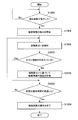
- FIG. 2 is a flowchart showing an example of a tactile stimulation presentation control processing flow performed by the control device 100 according to the present embodiment.
- step S1000 the haptic presentation control unit 112 of the control device 100 determines whether a notification event has occurred.
- the tactile sense presentation control unit 112 detects the occurrence of an abnormality by analyzing sensor data from various sensors, or detects the occurrence of reception of a mail or the like through communication cooperation with various devices.
- the content of the notification event and the method of detecting the notification event are not necessarily limited to these.
- step S1000/Yes the presentation of the tactile stimulus is started in step S1004. More specifically, the tactile sense presentation control unit 112 generates a control signal for controlling the tactile sense presentation unit 200, and provides the signal to the tactile sense presentation unit 200 via the communication unit 120, whereby the tactile sense presentation unit 200. To start presenting tactile stimuli.
- the contact degree detection unit 111 detects the degree of contact between the target person and the tactile sense presentation unit 200. More specifically, the contact degree detection unit 111 analyzes sensor data from various sensors (for example, a load sensor and a distance measurement sensor included in the tactile sense presentation unit 200 or a camera included in the vehicle). Then, the degree of contact between the subject and the tactile sense presentation unit 200 is detected.
- sensors for example, a load sensor and a distance measurement sensor included in the tactile sense presentation unit 200 or a camera included in the vehicle.
- step S1012 the tactile sense presentation control unit 112 sufficiently contacts the subject and the tactile sense presentation unit 200 based on the detection result of the degree of contact between the subject and the tactile sense presentation unit 200 provided from the contact degree detection unit 111. It is determined whether or not. More specifically, the tactile sense presentation control unit 112 compares the degree of contact between the subject and the tactile sense presentation unit 200 with a threshold value.
- step S1016 the tactile sense presentation control unit 112 causes the tactile sense stimulation based on the degree of contact between the target person and the tactile sense presentation unit 200. Control the aspect of. For example, the tactile presentation control unit 112 increases the sensitivity of the tactile stimulation by the subject by changing the intensity of the tactile stimulation, the presentation time, the presentation interval, the number of presentations, or the like. In addition, when the target person and the tactile sense presentation unit 200 are in sufficient contact with each other (step S1012/Yes), the process of step S1016 is not performed.
- step S1020 tactile presentation control unit 112 determines whether or not a predetermined presentation time has elapsed since the presentation of the tactile stimulus was started.
- the tactile sense presentation control unit 112 terminates the presentation of the tactile sense stimulus, thereby ending a series of processes. In other words, the tactile sense presentation control unit 112 ends the generation of the control signal used to present the tactile sense stimulus.
- the predetermined presentation time has not elapsed (step S1020/No)
- the process returns to step S1008. In other words, the processing of steps S1008 to S1020 is repeated until the predetermined presentation time has elapsed.
- the process shown in FIG. 2 is repeated while the moving body is moved by the operation of the target person (not necessarily limited to this). Further, the steps in the flowchart shown in FIG. 2 do not necessarily have to be processed in time series in the order described. That is, the steps in the flowchart may be processed in a different order from the described order or in parallel.
- the tactile sense presentation unit 200 that presents the tactile stimulus to the target person who operates the moving body and at least part of the body of the target person during the operation.
- the degree of contact with is detected, and the mode of the tactile stimulus is controlled based on the degree of contact. More specifically, when the degree of contact between the subject and the tactile sense presentation unit 200 is below the threshold value (in other words, when the subject and the tactile sense presentation unit 200 are not in sufficient contact), the tactile sense presentation control unit 112 , The sensitivity of the tactile stimulation by the subject is increased by changing the mode of the tactile stimulation.
- the tactile presentation control unit 112 can more appropriately realize the notification by the tactile stimulation to the target person without being affected by the degree of contact between the target person and the tactile presentation unit 200. For example, even when the contact degree between the subject and the tactile sense presentation unit 200 is weaker than the threshold value, the tactile sense presentation control unit 112 more reliably applies the tactile sense stimulation by increasing the intensity of the tactile sense stimulation. Can be perceived by. Further, when the contact degree between the subject and the tactile sense presentation unit 200 is stronger than the threshold value, the tactile sense presentation control unit 112 maintains the intensity of the tactile sense stimulation without increasing the intensity of the tactile sense stimulation so that the strength of the tactile sense stimulation is high. It is possible to prevent the subject from feeling uncomfortable due to overshooting.
- control system 100 control device, 110 control unit, 111 contact degree detection unit, 112 tactile presentation control unit, 120 communication unit, 130 storage unit, 200 tactile presentation unit
Landscapes
- Engineering & Computer Science (AREA)
- General Engineering & Computer Science (AREA)
- Theoretical Computer Science (AREA)
- Physics & Mathematics (AREA)
- General Physics & Mathematics (AREA)
- Human Computer Interaction (AREA)
- Multimedia (AREA)
- Business, Economics & Management (AREA)
- Emergency Management (AREA)
- User Interface Of Digital Computer (AREA)
- Alarm Systems (AREA)
- Traffic Control Systems (AREA)
- Audible And Visible Signals (AREA)
Abstract
【課題】移動体の操作を行う対象者と触覚提示部との接触度合いに影響されることなく、対象者に対して触覚刺激による通知をより適切に行うことを可能にする。 【解決手段】移動体の操作を行う対象者と、前記操作中に前記対象者の体の少なくとも一部に触覚刺激を提示する触覚提示部との接触度合いを検知する接触度合検知部と、前記接触度合いに基づいて、前記触覚提示部が提示する前記触覚刺激の態様を制御する触覚提示制御部と、を備える、制御装置が提供される。
Description
本発明は、制御装置及びプログラムに関する。
近年、移動体(例えば、自動車等)を操作する対象者に対して、異常の発生を触覚刺激(例えば、振動等)によって通知する装置が普及している。例えば、以下の特許文献1には、振動による通知を視覚的な通知と組み合わせて行うことで、聴覚機能が低下した運転者に周囲の警報音等を認識させ、車両の運転を的確に支援することができる運転支援装置が開示されている。
しかし、特許文献1に開示されている技術等によっては、移動体の操作を行う対象者と、対象者に触覚刺激を提示する構成(以降、「触覚提示部」と呼称する)との接触度合いに影響されることで、対象者に対して触覚刺激による通知を適切に行うことができない場合があった。例えば、対象者と触覚提示部との接触度合いが所定値より弱い場合、一律の触覚刺激が提示されると対象者が当該触覚刺激を知覚できない場合がある。また、確実に触覚刺激が対象者に知覚されるほど触覚刺激の強度が高く設定された場合、触覚刺激の強度が強すぎて対象者が不快感を覚える場合がある。なお、対象者に対して触覚刺激による通知を適切に行うことができない場合の例はこれらに限定されないことに留意されたい。
そこで、本発明は、上記事情に鑑みてなされたものであり、移動体の操作を行う対象者と触覚提示部との接触度合いに影響されることなく、対象者に対して触覚刺激による通知をより適切に行うことが可能な、新規かつ改良された制御装置及びプログラムを提供する。
上記課題を解決するために、本発明のある観点によれば、移動体の操作を行う対象者と、前記操作中に前記対象者の体の少なくとも一部に触覚刺激を提示する触覚提示部との接触度合いを検知する接触度合検知部と、前記接触度合いに基づいて、前記触覚提示部が提示する前記触覚刺激の態様を制御する触覚提示制御部と、を備える、制御装置が提供される。
また、前記接触度合いが閾値を下回った場合、前記触覚提示制御部は、前記対象者による前記触覚刺激の感度を増加させるように、前記触覚刺激の態様を変化させてもよい。
また、前記接触度合いが前記閾値を下回った場合、前記触覚提示制御部は、前記触覚刺激の強度、提示時間、提示間隔、及び提示回数のうちの少なくとも1つを変化させることで前記感度を増加させてもよい。
また、前記接触度合いは、前記対象者と前記触覚提示部との接触の強さ、又は前記対象者と前記触覚提示部との接触面積を含んでもよい。
また、前記接触度合検知部は、前記移動体の移動状況に基づいて前記接触度合いを推定してもよい。
また、前記触覚刺激は、振動刺激、電気刺激、温度変化による刺激、力覚に関する刺激、又は皮膚感覚に関する刺激を含んでもよい。
また、前記触覚提示制御部は、報知すべき事象が発生すると、前記触覚提示部に触覚刺激を提示させてもよい。
また、前記移動体は、現実又は仮想の、車両、航空機、又は船舶を含んでもよい。
また、前記触覚提示部は、前記操作に使用されるコントローラ、アームレスト、シート、又はシートベルトに備えられてもよい。
また、上記課題を解決するために、本発明の別の観点によれば、移動体の操作を行う対象者と、前記操作中に前記対象者の体の少なくとも一部に触覚刺激を提示する触覚提示部との接触度合いを検知することと、前記接触度合いに基づいて、前記触覚提示部が提示する前記触覚刺激の態様を制御することと、をコンピュータに実現させるためのプログラムが提供される。
以上説明したように本発明によれば、移動体の操作を行う対象者と触覚提示部との接触度合いに影響されることなく、対象者に対して触覚刺激による通知をより適切に行うことが可能になる。
以下に添付図面を参照しながら、本発明の好適な実施の形態について詳細に説明する。なお、本明細書及び図面において、実質的に同一の機能構成を有する構成要素については、同一の符号を付することにより重複説明を省略する。
<1.構成例>
まず、図1を参照して、本発明の一実施形態に係る制御システムの構成例について説明する。図1は、本実施形態に係る制御システムの構成例を示すブロック図である。図1に示すように、本実施形態に係る制御システム1は、制御装置100と、触覚提示部200と、を備える。
まず、図1を参照して、本発明の一実施形態に係る制御システムの構成例について説明する。図1は、本実施形態に係る制御システムの構成例を示すブロック図である。図1に示すように、本実施形態に係る制御システム1は、制御装置100と、触覚提示部200と、を備える。
(制御システム1)
本実施形態に係る制御システム1は、移動体に関する制御システムであり、移動体の操作を行う対象者に対して触覚刺激による通知を制御するシステムである。
本実施形態に係る制御システム1は、移動体に関する制御システムであり、移動体の操作を行う対象者に対して触覚刺激による通知を制御するシステムである。
ここで「移動体」とは、現実又は仮想の、車両、航空機、又は船舶を含む概念である。より具体的には、移動体は、現実の車両(例えば、自動車、バス、バイク、機関車、又は電車等)、航空機(例えば、飛行機、ヘリコプター、グライダー、又は飛行船等)、又は船舶(例えば、旅客船、貨物船、又は潜水艦等)を含む。また、移動体は、仮想の車両、航空機、又は船舶、例えば車両、航空機、又は船舶に関するシミュレータ又はゲーム機等を含んでもよい。また、移動体は有人のものだけでなく無人のものを含んでもよい。例えば、移動体は、対象者によって遠隔で操作される無人輸送車、無人航空機、無人船舶、又はラジコン等も含んでもよい。なお、移動体は、必ずしも上記の例に限定されず、移動可能な物体であればよい。本実施形態では、主として移動体が自動車である場合を一例として説明する。
また、対象者への通知に用いられる「触覚刺激」とは、振動刺激、電気刺激、温度変化による刺激、力覚に関する刺激(例えば、物体に押される感覚の刺激、物体と接触した感覚の刺激、又は締め付けられる感覚の刺激等)、又は皮膚感覚に関する刺激(例えば、ざらざらした感覚の刺激、又はつるつるした感覚の刺激等)を含み、これらが組み合わされたものであってもよい。例えば音声、風、又はアロマ等の刺激によって通知が行われると、対象者(例えば、運転者等)のみならず同乗者も影響を受けてしまう可能性があるところ、本実施形態に係る制御システム1は、触覚刺激を用いることによって対象者のみに通知を行うことができる。なお、触覚刺激は、必ずしも上記の例に限定されず、対象者の触覚に対して作用する刺激であればよい。本実施形態では、主として触覚刺激が振動刺激である場合を一例として説明する。
また、対象者への「通知」とは、異常の発生に関する通知を含む。例えば、通知は、移動体が所定の移動経路(例えば、道路等)を外れそうな場合(又は、外れた場合)、移動体の移動が不安定な場合、緊急車両が移動体の付近を通過する場合、移動体が他の物体(例えば、障害物等)に接近した場合、移動体の付近で事故が発生した場合、又は対象者の覚醒度が閾値より低下した場合等(例えば、対象者の眠気が強くなった場合等)に行われるものを含む。なお、通知の種類は、必ずしも上記の例に限定されない。例えば、メールの受信、メッセージの受信、電話の受信、又はナビゲーション装置による通知等(例えば、目的地までの経路に関する通知等)のように、異常時以外に行われる通知が含まれてもよい。以降では、通知が行われるこれらの事象を「報知事象」と呼称する。
(触覚提示部200)
触覚提示部200は、移動体の操作中に、当該操作を行う対象者の体の少なくとも一部に上記の触覚刺激を提示する構成である。触覚提示部200は、移動体の操作に使用されるコントローラ、アームレスト、シート、又はシートベルト等に備えられ、これらと対象者が接触することで触覚刺激を対象者に提示する。なお、触覚提示部200が備えられる装置は、必ずしも上記の例に限定されず、対象者に接触可能な装置であればよい。また、これらの装置における触覚提示部200の位置(配置)は、対象者に接触可能な位置(配置)であればよい。本実施形態では、主として触覚提示部200が、コントローラの一種であるハンドルである場合を一例として説明する。
触覚提示部200は、移動体の操作中に、当該操作を行う対象者の体の少なくとも一部に上記の触覚刺激を提示する構成である。触覚提示部200は、移動体の操作に使用されるコントローラ、アームレスト、シート、又はシートベルト等に備えられ、これらと対象者が接触することで触覚刺激を対象者に提示する。なお、触覚提示部200が備えられる装置は、必ずしも上記の例に限定されず、対象者に接触可能な装置であればよい。また、これらの装置における触覚提示部200の位置(配置)は、対象者に接触可能な位置(配置)であればよい。本実施形態では、主として触覚提示部200が、コントローラの一種であるハンドルである場合を一例として説明する。
また、触覚提示部200は、対象者に提示される触覚刺激の種類に応じて様々な装置で実現され得る。例えば、振動刺激が提示される場合、触覚提示部200は、アクチュエータ(例えば、偏心モータ、リニア共振アクチュエータ、又はボイスコイルモータ等)で実現され得る。また、電気刺激、力覚に関する刺激、又は皮膚感覚に関する刺激が提示される場合、触覚提示部200は、各種電気素子で実現され得る。また、温度変化による刺激が提示される場合、触覚提示部200は、温度変化素子(例えば、ペルチェ素子等)で実現され得る。なお、触覚提示部200を実現する装置は必ずしも上記の例に限定されない。
(制御装置100)
制御装置100は、対象者へ提示される触覚刺激の態様を制御する装置である。制御装置100は、例えば自動車に搭載されるECU(Electronic Control Unit)等によって実現され得る。なお、制御装置100を実現する装置は必ずしもECUに限定されない。例えば、制御装置100は、ECUに搭載されるマイコン等によって実現されてもよい。また、制御装置100は、自動車に搭載されない外部装置(例えば、クラウドサーバ、スマートフォン、又は他の移動体等)によって実現されてもよい。図1に示すように、制御装置100は、制御部110と、通信部120と、記憶部130と、を備える。
制御装置100は、対象者へ提示される触覚刺激の態様を制御する装置である。制御装置100は、例えば自動車に搭載されるECU(Electronic Control Unit)等によって実現され得る。なお、制御装置100を実現する装置は必ずしもECUに限定されない。例えば、制御装置100は、ECUに搭載されるマイコン等によって実現されてもよい。また、制御装置100は、自動車に搭載されない外部装置(例えば、クラウドサーバ、スマートフォン、又は他の移動体等)によって実現されてもよい。図1に示すように、制御装置100は、制御部110と、通信部120と、記憶部130と、を備える。
(制御部110)
制御部110は、制御装置100が行う処理全般を統括的に制御する構成である。例えば、制御部110は、各構成の起動や停止を制御することができる。制御部110は、例えば、CPU(Central Processing Unit)や、MCU(Micro Controller Unit)等のプロセッサによって実現され得る。なお、制御部110の制御内容はこれらに限定されない。図1に示すように、制御部110は、接触度合検知部111と、触覚提示制御部112と、を備える。
制御部110は、制御装置100が行う処理全般を統括的に制御する構成である。例えば、制御部110は、各構成の起動や停止を制御することができる。制御部110は、例えば、CPU(Central Processing Unit)や、MCU(Micro Controller Unit)等のプロセッサによって実現され得る。なお、制御部110の制御内容はこれらに限定されない。図1に示すように、制御部110は、接触度合検知部111と、触覚提示制御部112と、を備える。
(接触度合検知部111)
接触度合検知部111は、移動体の操作を行う対象者と、当該操作中に対象者の体の少なくとも一部に触覚刺激を提示する触覚提示部200との接触度合いを検知する構成である。
接触度合検知部111は、移動体の操作を行う対象者と、当該操作中に対象者の体の少なくとも一部に触覚刺激を提示する触覚提示部200との接触度合いを検知する構成である。
ここで、「対象者と触覚提示部200との接触度合い」とは、対象者と触覚提示部200との間の接触の程度を表す指標である。この接触の程度を表す指標には、対象者と触覚提示部200との接触の強さ(例えば、対象者がハンドル(触覚提示部200)を握る強さ等)、又は対象者と触覚提示部200との接触面積(例えば、対象者がハンドルに触れている面積等)を含み、これらが組み合わされたものであってもよい。
接触度合検知部111は、対象者と触覚提示部200との接触度合いを種々の方法により検知することができる。例えば、接触度合検知部111は、触覚提示部200であるハンドルの一部または全体に備えられた荷重センサからのセンサデータを解析することでハンドルにかかる荷重を算出し、当該荷重に基づいて対象者と触覚提示部200との接触度合いを検知してもよい。
また、接触度合検知部111は、対象者の手とハンドルとの距離を検出する測距センサでの検出結果に基づいて対象者と触覚提示部200との接触度合いを検知してもよい。測距センサは、対象者の手とハンドルとの離隔距離を検出するようにハンドルに備えられていてもよいし、対象者の手とハンドルとの離隔距離を検出するようにハンドル以外の車載装置に備えられていてもよい。
また、接触度合検知部111は、車内に備えられたカメラの撮像画像を解析することで対象者によるハンドルの把持状態を認識し、当該把持状態に基づいて対象者と触覚提示部200との接触度合いを検知してもよい。さらに、接触度合検知部111は、ハンドルに配置された静電容量を検出するセンサでの検出結果を解析した結果に従って、対象者と触覚提示部200との接触度合いを検知してもよい。例えば、接触度合検知部111は、静電容量が大きいほど、対象者と触覚提示部200との接触度合いが大きいものと検知してもよい。
また、対象者と触覚提示部200との接触度合いは、移動体の移動状況に基づいて推定できる場合がある。例えば、移動体である自動車が直進している場合、対象者は、触覚提示部200であるハンドルを十分握っていない可能性がある一方で、自動車が右左折したり駐車のために後進したりしている場合等には、対象者は、自動車を操作するためにハンドルを十分握っている可能性が高い。また、自動車が走行している環境が安定している場合(例えば、弱風の場合等)、対象者は、ハンドルを十分握っていない可能性がある一方で、自動車が走行している環境が不安定な場合等(例えば、強風、豪雨、又は吹雪の場合等)には、対象者は、自動車の走行を安定させるためにハンドルを十分握っている可能性が高い。そこで、接触度合検知部111は、各種センサからのセンサデータを解析することで、上記のような移動体の移動状況を認識し、当該移動状況に基づいて対象者と触覚提示部200との接触度合いを推定してもよい。なお、接触度合検知部111による接触度合いの検知方法は必ずしも上記の例に限定されない。接触度合検知部111は、接触度合いの検知結果を触覚提示制御部112に提供する。
(触覚提示制御部112)
触覚提示制御部112は、報知事象が発生した場合に、対象者と触覚提示部200との接触度合いに基づいて、触覚刺激の態様を制御する構成である。より具体的に説明すると、まず触覚提示制御部112は、報知事象の発生を検知する。検知方法は報知事象の内容による。例えば、報知事象が異常の発生(例えば、移動体が移動経路を外れそうな場合等)である場合、触覚提示制御部112は、各種センサからのセンサデータを解析することで異常の発生を検知する。また報知事象が、メールの受信等のように、異常の発生以外のものである場合、触覚提示制御部112は、各種装置(例えば、メールを受信した外部装置等)との通信連携によって報知事象の発生を検知する。そして触覚提示制御部112は、報知事象の発生を検知した場合、触覚提示部200を制御する制御信号を生成し、当該信号を、通信部120を介して触覚提示部200へ提供することで、触覚提示部200による触覚刺激の提示を実現する。上記のとおり、音声、風、又はアロマ等の刺激が用いられる場合と違い、触覚提示制御部112は、触覚刺激を用いることによって対象者のみに通知を行うことができる。
触覚提示制御部112は、報知事象が発生した場合に、対象者と触覚提示部200との接触度合いに基づいて、触覚刺激の態様を制御する構成である。より具体的に説明すると、まず触覚提示制御部112は、報知事象の発生を検知する。検知方法は報知事象の内容による。例えば、報知事象が異常の発生(例えば、移動体が移動経路を外れそうな場合等)である場合、触覚提示制御部112は、各種センサからのセンサデータを解析することで異常の発生を検知する。また報知事象が、メールの受信等のように、異常の発生以外のものである場合、触覚提示制御部112は、各種装置(例えば、メールを受信した外部装置等)との通信連携によって報知事象の発生を検知する。そして触覚提示制御部112は、報知事象の発生を検知した場合、触覚提示部200を制御する制御信号を生成し、当該信号を、通信部120を介して触覚提示部200へ提供することで、触覚提示部200による触覚刺激の提示を実現する。上記のとおり、音声、風、又はアロマ等の刺激が用いられる場合と違い、触覚提示制御部112は、触覚刺激を用いることによって対象者のみに通知を行うことができる。
触覚刺激の提示に際して、触覚提示制御部112は、接触度合検知部111から提供される、対象者と触覚提示部200との接触度合いの検知結果に基づいて触覚刺激の態様を制御する。より具体的には、対象者と触覚提示部200との接触度合いが閾値を下回った場合(換言すると、対象者と触覚提示部200とが十分接触していない場合)、触覚提示制御部112は、触覚刺激の態様を変化させることで対象者による触覚刺激の感度を増加させる。
触覚刺激の感度を増加させる具体的な手法として、例えば、触覚刺激として与える刺激の強度(以下、刺激強度)をより高くしたり、触覚刺激を提示する時間の長さ(以下、提示時間)をより長くしたりすることが考えられる。また、触覚刺激の感度を増加させる具体的な手法として、例えば、報知事象が1回発生すると、触覚刺激として複数回刺激を与える構成とした場合、触覚刺激各々を提示する時間間隔(以下、提示間隔)をより短くしたり、触覚刺激を提示する回数(以下、提示回数)をより多くしたりすることが考えられる。
また、触覚刺激の感度を増加させる具体的な手法として、例えば、一度の報知事象の発生により提示される触覚刺激の強度が提示時間で積分された値(以降、「積分値」と呼称する)をより大きくすることで対象者による触覚刺激の感度を増加させてもよい。また、触覚提示制御部112は、これらの各要素を組合せて触覚刺激の態様を制御してもよい。
これによって、触覚提示制御部112は、対象者と触覚提示部200との接触度合いに影響されることなく、対象者に対して触覚刺激による通知をより適切に実現することができる。例えば、対象者と触覚提示部200との接触度合いが閾値より弱い場合であっても、触覚提示制御部112は、触覚刺激の強度をより高くすること等によって、より確実に触覚刺激を対象者に知覚させることができる。また、対象者と触覚提示部200との接触度合いが閾値より強い場合には、触覚提示制御部112は、触覚刺激の強度をより高くすること等なく維持することによって、触覚刺激の強度が強すぎること等を理由に対象者が不快感を覚えることを防ぐことができる。自動運転技術や、ACC(Adaptive Cruise Control)等の運転補助技術の発展により、対象者がコントローラ(例えば、ハンドル等)を十分把持しなくても安全な運転の実現が可能となっている分野(例えば、自動車分野等)においては特に有用であると言える。
上記機能を実現するために、触覚提示制御部112は、触覚刺激の強度、提示時間、提示間隔、又は提示回数等に関するパラメータを、対象者が不快感を覚える程度の値に調節した上で、当該パラメータを反映させた制御信号を生成する。パラメータの内容は触覚刺激の種類による。例えば、触覚刺激が振動刺激である場合、触覚提示制御部112は、振動刺激の提示に係る周波数や加速度等をパラメータとして調節する。
ここで、上記の制御に用いられる「閾値」は、必ずしも1つに限定されない。例えば複数の閾値が設けられることで、触覚提示制御部112は、上記の各要素(例えば、触覚刺激の強度等)を段階的に変化させてもよい。これによって、触覚提示制御部112は、より細かく触覚刺激の態様を制御することができる。なお、上記のように「接触度合いと閾値との比較結果によって触覚刺激の態様が制御されること」は、「接触度合いに応じて触覚刺激の態様が制御されること」(例えば、接触度合いと触覚刺激の態様とが対応付けられている場合等)と等価である点に留意されたい。
また、対象者と触覚提示部200との接触度合いが閾値(上記の閾値とは異なるものであってもよい)を上回った場合(換言すると、対象者と触覚提示部200とが十分接触している場合)、触覚提示制御部112は、触覚刺激の態様を変化させることで対象者による触覚刺激の感度を低下させてもよい。例えば、対象者と触覚提示部200との接触度合いが閾値を上回った場合、触覚提示制御部112は、触覚刺激の強度をより低くしたり、触覚刺激の提示時間をより短くしたり、触覚刺激の提示間隔をより長くしたり、触覚刺激の提示回数をより少なくしたりすることで対象者による触覚刺激の感度を低下させてもよい。また、触覚提示制御部112は、一度の報知事象の発生により提示される触覚刺激の積分値をより小さくすることで対象者による触覚刺激の感度を低下させてもよい。また、触覚提示制御部112は、これらの各要素を組合せて触覚刺激の態様を制御してもよい。これによって、対象者と触覚提示部200との接触度合いが閾値より強い場合であっても、触覚提示制御部112は、触覚刺激の強度が強すぎること等を理由に対象者が不快感を覚えることを防ぐことができる。
(通信部120)
通信部120は、外部の構成や装置との間で情報の送受信を行う構成である。例えば、対象者と触覚提示部200との接触度合いの検知に用いられるセンサデータが各種センサによって取得された場合、通信部120は、当該センサからセンサデータを受信する。また、触覚提示制御部112によって触覚提示部200の制御に用いられる制御信号が生成された場合、通信部120は、当該制御信号を触覚提示部200に対して送信する。なお、通信部120によって送受信される情報の内容は必ずしも上記の例に限定されない。また、通信部120による情報の送受信方式(例えば、有線通信又は無線通信等)は特に限定されない。
通信部120は、外部の構成や装置との間で情報の送受信を行う構成である。例えば、対象者と触覚提示部200との接触度合いの検知に用いられるセンサデータが各種センサによって取得された場合、通信部120は、当該センサからセンサデータを受信する。また、触覚提示制御部112によって触覚提示部200の制御に用いられる制御信号が生成された場合、通信部120は、当該制御信号を触覚提示部200に対して送信する。なお、通信部120によって送受信される情報の内容は必ずしも上記の例に限定されない。また、通信部120による情報の送受信方式(例えば、有線通信又は無線通信等)は特に限定されない。
(記憶部130)
記憶部130は、各種情報を記憶する構成である。例えば、記憶部130は、制御部110や通信部120によって使用されるプログラムやパラメータ等を記憶する。また、記憶部130は、制御部110による処理結果や、通信部120によって外部装置から受信された情報等を記憶してもよい。なお、記憶部130が記憶する情報の内容は必ずしも上記の例に限定されない。記憶部130は、例えばROM(Read Only Memory)やRAM(Random Access Memory)等によって実現され得るところ、必ずしもこれらに限定されない。
記憶部130は、各種情報を記憶する構成である。例えば、記憶部130は、制御部110や通信部120によって使用されるプログラムやパラメータ等を記憶する。また、記憶部130は、制御部110による処理結果や、通信部120によって外部装置から受信された情報等を記憶してもよい。なお、記憶部130が記憶する情報の内容は必ずしも上記の例に限定されない。記憶部130は、例えばROM(Read Only Memory)やRAM(Random Access Memory)等によって実現され得るところ、必ずしもこれらに限定されない。
以上、本実施形態に係る制御システム1の構成例について説明した。なお、図1を用いて説明した上記の構成はあくまで一例であり、本実施形態に係る制御システム1の構成は係る例に限定されない。例えば、制御装置100及び触覚提示部200の台数は特に限定されない。また、制御装置100は、図1に示す構成の一部を備えていなくてもよいし、図1に示していない構成を備えていてもよい。また、図1に示す制御装置100の構成が外部装置(図示なし)に設けられ、制御装置100は当該外部装置と通信連携することによって上記で説明した各機能を実現してもよい。
<2.処理フロー例>
上記では、本実施形態に係る制御システム1の構成例について説明した。続いて、図2を参照して、本実施形態に係る制御装置100によって行われる、触覚刺激の提示制御の処理フロー例について説明する。図2は、本実施形態に係る制御装置100によって行われる、触覚刺激の提示制御処理フローの一例を示すフローチャートである。
上記では、本実施形態に係る制御システム1の構成例について説明した。続いて、図2を参照して、本実施形態に係る制御装置100によって行われる、触覚刺激の提示制御の処理フロー例について説明する。図2は、本実施形態に係る制御装置100によって行われる、触覚刺激の提示制御処理フローの一例を示すフローチャートである。
ステップS1000では、制御装置100の触覚提示制御部112が、報知事象が発生したか否かを判定する。例えば、触覚提示制御部112は、各種センサからのセンサデータを解析することで異常の発生を検知したり、各種装置との通信連携によってメールの受信等の発生を検知したりする。なお上記のとおり、報知事象の内容、及び報知事象の検知方法は必ずしもこれらに限定されない。
報知事象が発生した場合(ステップS1000/Yes)、ステップS1004にて、触覚刺激の提示が開始される。より具体的には、触覚提示制御部112が、触覚提示部200を制御する制御信号を生成し、当該信号を、通信部120を介して触覚提示部200へ提供することで、触覚提示部200による触覚刺激の提示を開始させる。
ステップS1008では、接触度合検知部111が、対象者と触覚提示部200との接触度合いを検知する。より具体的には、接触度合検知部111は、各種センサ(例えば、触覚提示部200に備えられた荷重センサや測距センサ、又は車内に備えられたカメラ等)からのセンサデータを解析することで、対象者と触覚提示部200との接触度合いを検知する。
ステップS1012では、触覚提示制御部112が、接触度合検知部111から提供された、対象者と触覚提示部200との接触度合いの検知結果に基づいて、対象者と触覚提示部200とが十分接触しているか否かを判定する。より具体的には、触覚提示制御部112が、対象者と触覚提示部200との接触度合いと閾値とを比較する。
対象者と触覚提示部200とが十分接触していない場合(ステップS1012/No)、ステップS1016にて、触覚提示制御部112が、対象者と触覚提示部200との接触度合いに基づいて触覚刺激の態様を制御する。例えば、触覚提示制御部112が、触覚刺激の強度、提示時間、提示間隔、又は提示回数等を変化させることで対象者による触覚刺激の感度を増加させる。なお、対象者と触覚提示部200とが十分接触している場合(ステップS1012/Yes)、ステップS1016の処理は行われない。
ステップS1020では、触覚提示制御部112が、触覚刺激の提示が開始されてから所定の提示時間が経過したか否かを判定する。所定の提示時間が経過した場合(ステップS1020/Yes)、ステップS1024にて、触覚提示制御部112が、触覚刺激の提示を終了することで、一連の処理が終了する。換言すると、触覚提示制御部112は、触覚刺激の提示に用いられる制御信号の生成を終了する。所定の提示時間が経過していない場合(ステップS1020/No)、処理がステップS1008に戻る。換言すると、所定の提示時間が経過するまでステップS1008~ステップS1020の処理が繰り返される。
移動体が対象者の操作によって移動している間、図2に示す処理が繰り返される(必ずしもこれに限定されない)。また、図2に示したフローチャートにおける各ステップは、必ずしも記載された順序に沿って時系列に処理する必要はない。すなわち、フローチャートにおける各ステップは、記載された順序と異なる順序で処理されても、並列的に処理されてもよい。
<3.むすび>
以上で説明してきたように、本実施形態に係る制御装置100は、移動体の操作を行う対象者と、当該操作中に対象者の体の少なくとも一部に触覚刺激を提示する触覚提示部200との接触度合いを検知し、当該接触度合いに基づいて触覚刺激の態様を制御する。より具体的には、対象者と触覚提示部200との接触度合いが閾値を下回った場合(換言すると、対象者と触覚提示部200とが十分接触していない場合)、触覚提示制御部112は、触覚刺激の態様を変化させることで対象者による触覚刺激の感度を増加させる。
以上で説明してきたように、本実施形態に係る制御装置100は、移動体の操作を行う対象者と、当該操作中に対象者の体の少なくとも一部に触覚刺激を提示する触覚提示部200との接触度合いを検知し、当該接触度合いに基づいて触覚刺激の態様を制御する。より具体的には、対象者と触覚提示部200との接触度合いが閾値を下回った場合(換言すると、対象者と触覚提示部200とが十分接触していない場合)、触覚提示制御部112は、触覚刺激の態様を変化させることで対象者による触覚刺激の感度を増加させる。
これによって、触覚提示制御部112は、対象者と触覚提示部200との接触度合いに影響されることなく、対象者に対して触覚刺激による通知をより適切に実現することができる。例えば、対象者と触覚提示部200との接触度合いが閾値より弱い場合であっても、触覚提示制御部112は、触覚刺激の強度をより高くすること等によって、より確実に触覚刺激を対象者に知覚させることができる。また、対象者と触覚提示部200との接触度合いが閾値より強い場合には、触覚提示制御部112は、触覚刺激の強度をより高くすること等なく維持することによって、触覚刺激の強度が強すぎること等を理由に対象者が不快感を覚えることを防ぐことができる。
以上、添付図面を参照しながら本発明の好適な実施形態について詳細に説明したが、本発明はかかる例に限定されない。本発明の属する技術の分野における通常の知識を有する者であれば、請求の範囲に記載された技術的思想の範疇内において、各種の変更例または修正例に想到し得ることは明らかであり、これらについても、当然に本発明の技術的範囲に属するものと了解される。
1 制御システム、100 制御装置、110 制御部、111 接触度合検知部、112 触覚提示制御部、120 通信部、130 記憶部、200 触覚提示部
Claims (10)
- 移動体の操作を行う対象者と、前記操作中に前記対象者の体の少なくとも一部に触覚刺激を提示する触覚提示部との接触度合いを検知する接触度合検知部と、
前記接触度合いに基づいて、前記触覚提示部が提示する前記触覚刺激の態様を制御する触覚提示制御部と、を備える、
制御装置。 - 前記接触度合いが閾値を下回った場合、前記触覚提示制御部は、前記対象者による前記触覚刺激の感度を増加させるように、前記触覚刺激の態様を変化させる、
請求項1に記載の制御装置。 - 前記接触度合いが前記閾値を下回った場合、前記触覚提示制御部は、前記触覚刺激の強度、提示時間、提示間隔、及び提示回数のうちの少なくとも1つを変化させることで前記感度を増加させる、
請求項2に記載の制御装置。 - 前記接触度合いは、前記対象者と前記触覚提示部との接触の強さ、又は前記対象者と前記触覚提示部との接触面積を含む、
請求項1から3のいずれか1項に記載の制御装置。 - 前記接触度合検知部は、前記移動体の移動状況に基づいて前記接触度合いを推定する、
請求項1から4のいずれか1項に記載の制御装置。 - 前記触覚刺激は、振動刺激、電気刺激、温度変化による刺激、力覚に関する刺激、又は皮膚感覚に関する刺激を含む、
請求項1から5のいずれか1項に記載の制御装置。 - 前記触覚提示制御部は、報知すべき事象が発生すると、前記触覚提示部に触覚刺激を提示させる、
請求項1から6のいずれか1項に記載の制御装置。 - 前記移動体は、現実又は仮想の、車両、航空機、又は船舶を含む、
請求項1から7のいずれか1項に記載の制御装置。 - 前記触覚提示部は、前記操作に使用されるコントローラ、アームレスト、シート、又はシートベルトに備えられる、
請求項8に記載の制御装置。 - 移動体の操作を行う対象者と、前記操作中に前記対象者の体の少なくとも一部に触覚刺激を提示する触覚提示部との接触度合いを検知することと、
前記接触度合いに基づいて、前記触覚提示部が提示する前記触覚刺激の態様を制御することと、
をコンピュータに実現させるためのプログラム。
Priority Applications (2)
| Application Number | Priority Date | Filing Date | Title |
|---|---|---|---|
| CN201980093008.8A CN113490903A (zh) | 2019-02-27 | 2019-11-25 | 控制装置以及程序 |
| US17/421,888 US20220113802A1 (en) | 2019-02-27 | 2019-11-25 | Control device and program |
Applications Claiming Priority (2)
| Application Number | Priority Date | Filing Date | Title |
|---|---|---|---|
| JP2019-033829 | 2019-02-27 | ||
| JP2019033829A JP2020140315A (ja) | 2019-02-27 | 2019-02-27 | 制御装置及びプログラム |
Publications (1)
| Publication Number | Publication Date |
|---|---|
| WO2020174786A1 true WO2020174786A1 (ja) | 2020-09-03 |
Family
ID=72239905
Family Applications (1)
| Application Number | Title | Priority Date | Filing Date |
|---|---|---|---|
| PCT/JP2019/045994 Ceased WO2020174786A1 (ja) | 2019-02-27 | 2019-11-25 | 制御装置及びプログラム |
Country Status (4)
| Country | Link |
|---|---|
| US (1) | US20220113802A1 (ja) |
| JP (1) | JP2020140315A (ja) |
| CN (1) | CN113490903A (ja) |
| WO (1) | WO2020174786A1 (ja) |
Citations (3)
| Publication number | Priority date | Publication date | Assignee | Title |
|---|---|---|---|---|
| JP2017090993A (ja) * | 2015-11-04 | 2017-05-25 | 株式会社東海理化電機製作所 | 触覚呈示装置 |
| JP2017140915A (ja) * | 2016-02-09 | 2017-08-17 | パナソニックIpマネジメント株式会社 | ヒータ装置、ステアリングホイール、および運輸装置 |
| WO2018110432A1 (ja) * | 2016-12-15 | 2018-06-21 | 株式会社ソニー・インタラクティブエンタテインメント | 情報処理システム、コントローラデバイス、コントローラデバイスの制御方法、及びプログラム |
Family Cites Families (3)
| Publication number | Priority date | Publication date | Assignee | Title |
|---|---|---|---|---|
| US8766933B2 (en) * | 2009-11-12 | 2014-07-01 | Senseg Ltd. | Tactile stimulation apparatus having a composite section comprising a semiconducting material |
| US9196134B2 (en) * | 2012-10-31 | 2015-11-24 | Immersion Corporation | Method and apparatus for simulating surface features on a user interface with haptic effects |
| TWI710934B (zh) * | 2016-04-07 | 2020-11-21 | 國立硏究開發法人科學技術振興機構 | 觸覺資訊轉換裝置、觸覺資訊轉換方法、及觸覺資訊轉換程式與元件配置構造體 |
-
2019
- 2019-02-27 JP JP2019033829A patent/JP2020140315A/ja active Pending
- 2019-11-25 WO PCT/JP2019/045994 patent/WO2020174786A1/ja not_active Ceased
- 2019-11-25 US US17/421,888 patent/US20220113802A1/en not_active Abandoned
- 2019-11-25 CN CN201980093008.8A patent/CN113490903A/zh active Pending
Patent Citations (3)
| Publication number | Priority date | Publication date | Assignee | Title |
|---|---|---|---|---|
| JP2017090993A (ja) * | 2015-11-04 | 2017-05-25 | 株式会社東海理化電機製作所 | 触覚呈示装置 |
| JP2017140915A (ja) * | 2016-02-09 | 2017-08-17 | パナソニックIpマネジメント株式会社 | ヒータ装置、ステアリングホイール、および運輸装置 |
| WO2018110432A1 (ja) * | 2016-12-15 | 2018-06-21 | 株式会社ソニー・インタラクティブエンタテインメント | 情報処理システム、コントローラデバイス、コントローラデバイスの制御方法、及びプログラム |
Also Published As
| Publication number | Publication date |
|---|---|
| US20220113802A1 (en) | 2022-04-14 |
| CN113490903A (zh) | 2021-10-08 |
| JP2020140315A (ja) | 2020-09-03 |
Similar Documents
| Publication | Publication Date | Title |
|---|---|---|
| CN108205731B (zh) | 情境评估车辆系统 | |
| US20170151959A1 (en) | Autonomous vehicle with interactions with wearable devices | |
| JP7329755B2 (ja) | 支援方法およびそれを利用した支援システム、支援装置 | |
| US11491903B2 (en) | System and method for alleviating sensory conflict in a vehicle | |
| US9725036B1 (en) | Wake-up alerts for sleeping vehicle occupants | |
| US20170151957A1 (en) | Vehicle with interactions with wearable device to provide health or physical monitoring | |
| US10906550B2 (en) | Vehicle control apparatus | |
| EP4156128A1 (en) | Vehicle occupant monitoring technical field | |
| CN110254373A (zh) | 清醒度保持装置 | |
| WO2017089524A1 (en) | Vehicle to vehicle communications using ear pieces | |
| JP2014019301A (ja) | 緊急退避装置 | |
| CN111667667A (zh) | 对自主车辆的方向盘接合的监测 | |
| US12563373B2 (en) | Communication system and method for a vehicle | |
| US11373462B2 (en) | Autonomous vehicle computer | |
| US20230077600A1 (en) | Seat for moving device, seat control device, and seat control method | |
| CN116135616B (zh) | 车厢内儿童座椅监测方法和系统 | |
| EP4459588A1 (en) | Notification system, vehicle control device, notification method, and storage medium | |
| EP4458636A2 (en) | Notification system, vehicle control device, notification method, and non-transitory storage medium | |
| CN111469849B (zh) | 车辆控制装置和车辆 | |
| JP2020140315A (ja) | 制御装置及びプログラム | |
| WO2019244445A1 (ja) | 車両制御システムおよび車両制御装置 | |
| EP4454939A1 (en) | Method of facilitating occupant safety in an autonomous vehicle and a vehicle occupant safety system | |
| US20260045152A1 (en) | Information processing apparatus, information processing method, and program | |
| CN121361468A (zh) | 驾驶支援装置 |
Legal Events
| Date | Code | Title | Description |
|---|---|---|---|
| 121 | Ep: the epo has been informed by wipo that ep was designated in this application |
Ref document number: 19917339 Country of ref document: EP Kind code of ref document: A1 |
|
| NENP | Non-entry into the national phase |
Ref country code: DE |
|
| 122 | Ep: pct application non-entry in european phase |
Ref document number: 19917339 Country of ref document: EP Kind code of ref document: A1 |