WO2020154833A1 - 一种空口资源调度方法、装置及设备 - Google Patents
一种空口资源调度方法、装置及设备 Download PDFInfo
- Publication number
- WO2020154833A1 WO2020154833A1 PCT/CN2019/073367 CN2019073367W WO2020154833A1 WO 2020154833 A1 WO2020154833 A1 WO 2020154833A1 CN 2019073367 W CN2019073367 W CN 2019073367W WO 2020154833 A1 WO2020154833 A1 WO 2020154833A1
- Authority
- WO
- WIPO (PCT)
- Prior art keywords
- air interface
- interface resource
- resource configuration
- configuration information
- narrowband
- Prior art date
- Legal status (The legal status is an assumption and is not a legal conclusion. Google has not performed a legal analysis and makes no representation as to the accuracy of the status listed.)
- Ceased
Links
Images




Classifications
-
- H—ELECTRICITY
- H04—ELECTRIC COMMUNICATION TECHNIQUE
- H04W—WIRELESS COMMUNICATION NETWORKS
- H04W72/00—Local resource management
- H04W72/04—Wireless resource allocation
Definitions
- the present invention relates to the technical field of cluster communication, and more specifically, to an air interface resource scheduling method, device and equipment.
- trunking communication technology has been widely used in the command and dispatch process of public security, government affairs, transportation, ports, medical and other industries.
- broadband mobile communications With the increasing demand for broadband mobile communications in various industries, traditional narrowband trunking communication systems based on voice and low-speed data transmission can no longer meet the increasing demand for high-speed data services. Therefore, narrowband trunking communication systems and broadband trunking communications The system is used in combination to meet the various needs of industry users.
- Air interface resources refer to the spectrum resources required to transmit data between user terminals and base stations.
- Two independent base stations equipped with a narrowband trunking communication system and a broadband trunking communication system can achieve communication between the base station and the user terminal through air interface resources.
- Two-way data communication for multiple services At present, the total number of air interface resources used by the narrowband trunking communication system and the broadband trunking communication system is fixed, and the number of air interface resources that can be used by the two are also statically allocated and independent of each other.
- the traffic carried by the narrowband trunking communication system and the broadband trunking communication system varies in real time with the actual size of the data transmitted by the two-way data communication, that is, the resources of the air interface resources actually required by the narrowband trunking communication system and the broadband trunking communication system.
- the quantity changes dynamically, which results in that when the wide and narrowband trunking communication system uses the existing statically allocated air interface resources for data communication, it is difficult to obtain high air interface resource utilization.
- the present invention provides an air interface resource scheduling method, device and equipment, which improves the air interface resource utilization rate.
- the present invention provides the following technical solutions:
- An air interface resource scheduling method includes:
- the service data information includes transmission service volume and/or service scheduling conditions
- the service data information schedule and allocate the total amount of available air interface resources to generate air interface resource configuration information;
- the air interface resource configuration information includes narrowband air interface resource configuration information and/or broadband air interface resource configuration information;
- the method further includes:
- performing data transmission according to the air interface resource configuration information includes:
- the same radio frequency unit is used to send or receive data.
- scheduling and assigning the total amount of available air interface resources to generate air interface resource configuration information includes:
- the service scheduling condition includes: the narrowband channel condition, the broadband channel condition, and the service level.
- sending the air interface resource configuration information to the terminal includes:
- the air interface resource configuration signal includes a narrowband resource configuration signal and/or a broadband resource configuration signal
- An air interface resource scheduling method applied to a terminal, includes:
- the air interface resource configuration information includes narrowband air interface resource configuration information and/or broadband air interface resource configuration information;
- Data transmission is performed according to the air interface resource configuration information.
- performing data transmission according to the air interface resource configuration information includes:
- the base station According to the data packet transmission resource configuration information, send the first narrowband service data packet and/or the first broadband service data packet to the base station, so that the base station parses the first narrowband service data packet and /Or the first broadband service data packet.
- performing data transmission according to the air interface resource configuration information includes:
- An air interface resource scheduling device including:
- the information determining unit is used to determine service data information between the base station and the terminal; the service data information includes transmission service volume and/or service scheduling conditions;
- the resource acquisition unit is used to acquire currently available air interface resources
- the resource allocation unit is configured to schedule and allocate the total amount of available air interface resources according to the service data information to generate air interface resource configuration information;
- the air interface resource configuration information includes narrowband air interface resource configuration information and/or broadband air interface resource configuration information;
- the data transmission unit is configured to perform data transmission according to the air interface resource configuration information.
- it also includes:
- the information sending unit is used for the resource allocation unit to schedule and allocate the total amount of available air interface resources according to the service data information, and after generating air interface resource configuration information, send the air interface resource configuration information to the terminal to Enabling the terminal to perform data transmission according to the received air interface resource configuration information.
- the data transmission unit includes:
- the first transmission unit is configured to use the same radio frequency unit and the same feeder system to send or receive data according to the narrowband air interface resource configuration information and/or the broadband air interface resource configuration information;
- the second transmission unit is configured to use the same radio frequency unit to send or receive data according to the narrowband air interface resource configuration information and/or the broadband air interface resource configuration information.
- the resource allocation unit includes:
- a usage determination unit configured to determine the occupation of narrowband air interface resources and the occupation of broadband air interface resources required for the transmission service volume in the service data information
- An information generating unit configured to schedule and allocate the total amount of air interface resources according to the narrowband air interface resource occupation, the broadband air interface resource occupation, narrowband channel conditions, broadband channel conditions, and service level, to generate the air interface resources Configuration information;
- the service scheduling condition includes: the narrowband channel condition, the broadband channel condition, and the service level.
- the information sending unit includes:
- An information processing unit configured to perform signal waveform conversion, signal modulation, and frequency conversion on the air interface resource configuration information to generate an air interface resource configuration signal;
- the air interface resource configuration signal includes a narrowband resource configuration signal and/or a broadband resource configuration signal;
- the information sending unit is configured to send the air interface resource configuration signal to the terminal.
- An air interface resource scheduling device applied to a terminal including:
- An information receiving unit configured to receive air interface resource configuration information sent by the base station; the air interface resource configuration information includes narrowband air interface resource configuration information and/or broadband air interface resource configuration information;
- the data transmission unit is configured to perform data transmission according to the air interface resource configuration information.
- the data transmission unit includes:
- An information determining unit configured to determine data packet transmission resource configuration information corresponding to the air interface resource configuration information
- a data generating unit configured to generate a first narrowband service data packet corresponding to the narrowband air interface resource configuration information, and/or a first broadband service data packet corresponding to the broadband air interface resource configuration information;
- the data sending unit is configured to send the first narrowband service data packet and/or the first broadband service data packet to the base station according to the data packet transmission resource configuration information, so that the base station can analyze the first A narrowband service data packet and/or the first broadband service data packet.
- the data transmission unit includes:
- a data receiving unit configured to receive, from the base station, a second narrowband service data packet corresponding to the narrowband air interface resource configuration information, and/or a second broadband service data packet corresponding to the broadband air interface resource configuration information;
- the data analysis unit is configured to analyze the second narrowband service data packet and/or the second broadband service data packet.
- a scheduling device including: a memory and a processor
- the memory is used to store programs
- the processor calls the program and is used to:
- the service data information includes transmission service volume and/or service scheduling conditions
- the service data information schedule and allocate the total amount of available air interface resources to generate air interface resource configuration information;
- the air interface resource configuration information includes narrowband air interface resource configuration information and/or broadband air interface resource configuration information;
- a terminal including a receiving port and a processor
- the receiving port is used to receive air interface resource configuration information sent by the base station;
- the air interface resource configuration information includes narrowband air interface resource configuration information and/or broadband air interface resource configuration information;
- the processor is configured to perform data transmission according to the air interface resource configuration information.
- the present invention provides an air interface resource scheduling method, device, and equipment.
- the total amount of available air interface resources is scheduled and allocated based on the service data information between the base station and the terminal. , Generating air interface resource configuration information including narrowband air interface resource configuration information and/or broadband air interface resource configuration information, and then perform data transmission according to the air interface resource configuration information. It can be seen that according to the actual service data information between the base station and the terminal, the total amount of available air interface resources is flexibly scheduled and allocated, which realizes the on-demand dynamic allocation of air interface resources when two-way data communication is carried out between the base station and the terminal. The utilization rate of air interface resources is improved.
- FIG. 1 is a method flowchart of an air interface resource scheduling method provided by an embodiment of the present invention
- Figure 2 is a schematic structural diagram of a scheduling platform provided by an embodiment of the present invention.
- FIG. 3 is a method flowchart of another air interface resource scheduling method according to an embodiment of the present invention.
- FIG. 4 is a method flowchart of yet another air interface resource scheduling method provided by an embodiment of the present invention.
- FIG. 5 is a method flowchart of an air interface resource scheduling method applied to a terminal according to an embodiment of the present invention
- FIG. 6 is a method flowchart of another air interface resource scheduling method applied to a terminal according to an embodiment of the present invention.
- FIG. 7 is a method flowchart of still another air interface resource scheduling method applied to a terminal according to an embodiment of the present invention.
- FIG. 8 is a framework diagram of a unified time-frequency resource provided by an embodiment of the present invention.
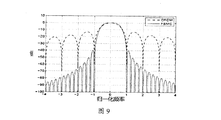
- FIG. 9 is a comparison diagram of an OFDM waveform and an FBMC waveform provided by an embodiment of the present invention.
- FIG. 10 is a comparison diagram of OFDM and FBMC waveform guardbands provided by an embodiment of the present invention.
- FIG. 11 is a schematic structural diagram of an air interface resource scheduling apparatus provided by an embodiment of the present invention.
- FIG. 12 is a schematic structural diagram of an air interface resource scheduling apparatus applied to a terminal according to an embodiment of the present invention.
- the embodiment of the present invention discloses an air interface resource scheduling method, which is applied to a base station or a core network.
- the implementation of the present invention uses the base station as an example for description.
- the method specifically includes the following steps:
- the service data information includes transmission service volume and/or service scheduling conditions.
- the transmission service volume between the base station and the terminal refers to the data volume in the wide and narrowband service data packets transmitted between the base station and the terminal during data communication, and mainly includes the uplink transmission service volume and the downlink transmission service volume.
- the terminal transmits data packets to the base station.
- the base station can obtain the transmission traffic through the buffer status report reported from the terminal; when the transmission traffic is the downlink transmission traffic, The base station transmits data packets to the terminal.
- the base station or the core network can obtain the transmission traffic through the background equipment connected to it, such as the broadband and narrowband converged core network system or the cluster scheduling application integrated platform system.
- Service scheduling conditions include narrowband channel conditions, broadband channel conditions, and service levels.
- the narrowband channel can refer to the channel used to transmit narrowband service data packets between the base station and the terminal, and the narrowband channel condition can refer to the distance between the narrowband channel and the base station, the transmission speed of the narrowband channel, etc.
- the broadband channel can refer to the base station
- the channel used to transmit broadband service data packets with the terminal, and the broadband channel condition may refer to the distance between the broadband channel and the base station, and the transmission speed of the broadband channel.
- the narrowband channel condition corresponds to the wideband channel condition one to one.
- the narrowband channel condition is the distance between the narrowband channel and the base station
- the wideband channel condition is the distance between the wideband channel and the base station.
- the service level of the terminal can be pre-set based on the type of service data packets that the terminal itself sends more times. If the number of times "video service data packets" are sent more, then the service level of the terminal can be set to "one Level", the number of times of sending "voice service data packets" is more, then the service level of the terminal can be set to "Level 2", where "Level 1" is higher than “Level 2".
- the service scheduling conditions can be obtained in advance, and the obtaining method can be based on the process of the terminal sending broadband and narrowband service data packets last time; it can also be based on the statistics of the process of sending broadband and narrowband service data packets multiple times by the terminal. Analysis obtained.
- Air interface resources refer to the spectrum resources occupied by the user terminal and the base station for mutual data transmission.
- the available air interface resources in this embodiment can be allocated, including all unused narrowband resources and broadband resources.
- the air interface resource configuration information includes narrowband air interface resource configuration information and/or broadband air interface resource configuration information.
- the narrowband air interface resource configuration information includes the narrowband air interface resources that need to be used, and the broadband air interface resource configuration information includes the broadband air interface resources that need to be used.
- the narrowband air interface resources or broadband air interface resources that need to be used may be zero. That is, only broadband air interface resources or narrowband air interface resources can be used for data transmission. In addition, broadband air interface resources and narrowband air interface resources can also be used for data transmission.
- the sum of the allocation of narrowband air interface resources and the allocation of broadband air interface resources is generally less than or equal to the total available air interface resources.
- the allocation of narrowband air interface resources corresponds to the occupancy of narrowband air interface resources, which is mainly used as the air interface resources to be occupied by narrowband service data packets in the data communication process;
- the allocation of broadband air interface resources corresponds to the occupancy of broadband air interface resources, which is mainly used in the data communication process Air interface resources to be occupied by broadband service data packets.
- the total amount of narrowband air interface resource allocation and broadband air interface resource allocation is greater than the total amount of available air interface resources, the total amount of available air interface resources can be repeated for multiple scheduling allocations, and the remaining after this scheduling allocation
- the narrowband air interface resource allocation and broadband air interface resource allocation are used as the narrowband air interface resource allocation and broadband air interface resource allocation for the next scheduling and allocation operation, until all narrowband service data packets and all data packets in a data communication process are completed.
- the transmission of broadband service data packets not only provides sufficient air interface resources for the two-way data communication between the base station and the terminal, but also ensures the data integrity of the two-way data communication.
- the base station of the embodiment of the present invention integrates a narrowband trunking communication system and a broadband trunking communication system
- the base station when used for two-way data communication with the terminal, it can be based on the actual narrowband air interface required in the two-way data communication process.
- Resources and broadband air interface resources are dynamically allocated to the available air interface resources in the base station to maximize the utilization rate of the air interface resources of the base station.
- the narrowband trunking communication system and the broadband trunking communication system are integrated into one base station, which simplifies the structure of the base station, improves the functions of the base station, and further reduces the construction cost.
- step S13 may include:
- the same radio frequency unit is used to send or receive data.
- the radio frequency units of the broadband trunking communication system and the narrowband trunking communication system are merged, and the two systems use the same radio frequency unit;
- the antenna feeder system of the broadband trunking communication system and the narrowband trunking communication system are merged, and the two systems use the same feeder system.
- the broadband trunking communication system and the narrowband trunking communication system can use the same radio frequency unit, and more preferably, in addition to the same radio frequency unit, the same feeder system can also be used.
- radio resource control RRC layer entities of the broadband trunking communication system and the narrowband trunking communication system are merged to form a converged RRC layer entity, which is uniformly responsible for the management of the air interface resources of the two systems;
- the media intervention control layer MAC layer entities of the broadband trunking communication system and the narrowband trunking communication system are merged to form a converged MAC layer entity, which is responsible for the scheduling of air interface resources of the two systems.
- the broadband trunking communication system and the narrowband trunking communication system use their own physical layer and digital intermediate frequency respectively. Therefore, the unified air interface resource scheduling platform includes a converged RRC layer, MAC scheduling layer and radio frequency, as well as separate physical layer and digital intermediate frequency, as shown in Figure 2. Shown.
- the combined RRC and MAC functional entities will allocate air interface resources in accordance with the actual business requirements of the two systems under the unified time-frequency resource framework to achieve on-demand allocation, thereby increasing limited spectrum resources Utilization rate.
- the physical layer is divided into multiple processing procedures.
- the baseband signal waveforms defined by the broadband trunking communication system and the narrowband trunking communication system are respectively generated, and the respective baseband signals are modulated into the allocated time-frequency resource blocks at the digital intermediate frequency.
- the signals of the broadband trunking communication system and the narrowband trunking communication system are combined, and the antenna feeder system is multiplexed to realize the flexible deployment of the common spectrum.
- the new unified air interface resource scheduling device breaks the current constraints that cannot be dynamically adjusted according to business needs, and realizes the on-demand dynamic allocation of air interface resources in a wide and narrowband trunking system.
- the total amount of available air interface resources is scheduled and allocated to generate air interface resource configuration information including narrowband air interface resource configuration information and/or broadband air interface resource configuration information.
- the air interface resource configuration information is used for data transmission. It can be seen that according to the actual service data information between the base station and the terminal, the total amount of available air interface resources is flexibly scheduled and allocated, which realizes the on-demand dynamic allocation of air interface resources when two-way data communication is performed between the base station and the terminal. The utilization rate of air interface resources is improved.
- the air interface resource scheduling method of the present invention can be used.
- the air interface resource scheduling method of the present invention can be used .
- the air interface resource scheduling method of the present invention can be used.
- the method may further include:
- the terminal after the air interface resource configuration information is sent to the terminal, after receiving the air interface resource configuration information, the terminal sends or detects the narrowband service data packet corresponding to the narrowband air interface resource configuration amount, and the corresponding broadband air interface resource configuration amount Broadband service data package;
- the terminal When the transmission traffic is the uplink transmission traffic, the terminal transmits data packets to the base station.
- the air interface resource configuration information is mainly used to inform the terminal that the base station has allocated the required wide and narrowband air interface resources at the current moment.
- the terminal can send the narrowband service data packets and broadband service data packets corresponding to the configuration amount to the base station, so that the base station dynamically adjusts the bandwidth and narrowband air interface resource configuration according to the uplink transmission service volume, and the terminal transmits the bandwidth to the base station.
- the base station transmits data packets to the terminal.
- the air interface resource configuration information is used to inform the terminal that the base station has dynamically adjusted according to the wide and narrowband service data packets it wants to send to the terminal at this time
- the terminal can then receive the corresponding configured amount of narrowband service data packets and broadband service data packets from the base station, and detect the received wide and narrowband service data packets.
- sending the air interface resource configuration information to the terminal may include:
- the air interface resource configuration signal includes a narrowband resource configuration signal and/or a broadband resource configuration signal;
- the terminal is a broadband and narrowband converged terminal, which can receive both broadband signals and narrowband signals. Only one configuration signal can be generated from the air interface resource configuration information and sent to the terminal, which can be broadband or narrowband.
- the signal waveform conversion is mainly used to make the air interface resource configuration information conform to the baseband signal waveform defined by the broadband and narrowband trunking communication system.
- Signal modulation is mainly used to modulate the air interface resource configuration information after signal waveform conversion into the corresponding time-frequency resource block.
- multi-carrier modulation technologies such as filter bank multi-carrier technology (FBMC technology), universal filter multi-carrier technology (UFMC technology), and generalized frequency division multiplexing technology (GFDM technology) can be used to complete signal modulation.
- Frequency conversion is mainly used to convert the frequency of the air interface resource configuration information applied to the base station after signal modulation to the frequency applicable to the terminal.
- the narrowband resource configuration signal includes a narrowband air interface resource configuration amount
- the broadband resource configuration signal includes a broadband air interface resource configuration amount.
- the signal waveform conversion, signal modulation, and frequency conversion are sequentially performed on the air interface resource configuration information to generate a narrowband resource configuration signal and a broadband resource configuration signal, and send them to the terminal, so that the terminal can receive and carry it from the base station in time.
- signal waveform conversion, signal modulation, and frequency conversion are performed on the air interface resource configuration information to meet the normal communication requirements between the base station and the terminal.
- step S13 may include:
- the transmission service volume between the base station and the terminal refers to the data volume in the wide and narrowband service data packets transmitted during data communication between the base station and the terminal. Therefore, the actual transmission volume can be determined based on the transmission service volume. Broadband air interface resource occupation and narrowband air interface resource occupation required for broadband and narrowband service data packets respectively.
- S22 According to the narrowband air interface resource occupation, the broadband air interface resource occupation, narrowband channel conditions, broadband channel conditions, and service level, schedule and allocate the total amount of air interface resources to generate the air interface resource configuration information;
- the service scheduling condition includes: the narrowband channel condition, the broadband channel condition, and the service level.
- the determined narrowband air interface resource occupancy, broadband air interface resource occupancy, broadband channel condition, narrowband channel condition, and service level are used together as the basis for scheduling and allocation, and the total amount of available air interface resources is scheduled and allocated.
- To generate broadband air interface resource configuration information and narrowband air interface resource configuration information are used together as the basis for scheduling and allocation, and the total amount of available air interface resources is scheduled and allocated.
- this embodiment discloses another air interface resource scheduling method applied to a base station , Please refer to Figure 4, the method specifically includes the following steps:
- S31 Receive a first narrowband service data packet corresponding to a narrowband air interface resource configuration amount and a first broadband service data packet corresponding to a broadband air interface resource configuration amount from the terminal;
- the allocation amount of narrowband air interface resources and the allocation amount of broadband air interface resources are determined according to the uplink transmission service volume.
- the base station when the transmission traffic between the base station and the terminal is the uplink transmission traffic, after the base station sends the air interface resource configuration information to the terminal, it will receive the narrowband air interface resource configuration carried by the corresponding air interface resource configuration information from the terminal.
- the first narrowband service data packet and the first broadband service data packet corresponding to the broadband air interface resource configuration are sent to the terminal, so that the base station dynamically adjusts the bandwidth and narrowband air interface resource configuration according to the uplink transmission traffic.
- the terminal transmits data communication of broadband and narrowband service data packets to the base station.
- the base station analyzes the received first narrowband service data packet and the first broadband service data packet, and can identify the data type, data volume and other information in the wide and narrowband service data packets, so as to compare the wide and narrowband service data.
- the package performs corresponding processing operations.
- the base station can also forward the first narrowband service data packet and the first broadband service data packet to the background device, such as broadband and narrowband service data packets.
- the background device such as broadband and narrowband service data packets.
- the first narrowband service data packet corresponding to the narrowband air interface resource configuration amount and the corresponding broadband air interface resource are received from the terminal Configure the amount of the first broadband service data packet and detect it to realize the on-demand adjustment of the wide and narrowband air interface resources during the data communication process of the terminal transmitting the wide and narrowband service data packets to the base station, thereby increasing the air interface resources Utilization rate.
- this embodiment discloses another air interface resource scheduling method applied to a base station , The method specifically includes the following steps:
- the allocation of narrowband air interface resources and the allocation of broadband air interface resources are generated based on the downlink transmission traffic.
- the base station when the transmission traffic between the base station and the terminal is the downlink transmission traffic, the base station sends the air interface resource configuration information to the terminal before sending the corresponding narrowband air interface resource configuration information carried by the air interface resource configuration information.
- the second narrowband service data packet and the second broadband service data packet corresponding to the broadband air interface resource configuration are sent to the terminal, so that the base station can dynamically adjust the bandwidth and narrowband air interface resource configuration based on the downlink transmission traffic volume.
- the terminal transmits data communication of wide and narrowband service data packets.
- the terminal detects the received second narrowband service data packet and the second broadband service data packet, so that the terminal can identify the width, data type, data volume and other information in the narrowband service data packet, so as to check the bandwidth. , Narrowband business data packets are processed accordingly.
- the second narrowband service data packet corresponding to the narrowband air interface resource configuration amount and the corresponding broadband air interface resource configuration are sent A large amount of second broadband service data packets are sent to the terminal, which realizes the on-demand adjustment of the wide and narrowband air interface resources during the data communication process of the base station transmitting the wide and narrowband service data packets to the terminal, thereby improving the air interface resource utilization.
- another embodiment of the present invention discloses an air interface resource scheduling method applied to a terminal. Please refer to FIG. 5, the method specifically includes the following steps:
- the air interface resource configuration information includes narrowband air interface resource configuration information and/or broadband air interface resource configuration information.
- step S42 includes two data transmission modes, one is an uplink data transmission mode, and the other is a downlink data transmission mode, which are now separately introduced.
- step S42 may include:
- the data packet transmission resource configuration information serves as a transmission basis for the terminal to send the data packet to the base station, which is beneficial to improve the transmission reliability of the broadband and narrowband service data packets.
- S52 Generate a first narrowband service data packet corresponding to the narrowband air interface resource configuration information, and/or a first broadband service data packet corresponding to the broadband air interface resource configuration information;
- a first narrowband service data packet corresponding to the configuration amount of narrowband air interface resources in the air interface resource configuration information and a first broadband service data packet corresponding to the configuration amount of broadband air interface resources are generated, and the first narrowband service data packet and the first broadband Service data packets are separately filtered and isolated;
- the way of filtering isolation can be done by using a filter.
- the data packet transmission resource configuration information serves as the transmission basis for the terminal to send the filtered and isolated first narrowband service data packet and the first broadband service data packet to the base station, and the filtered and isolated first narrowband service data packet and the first broadband service data
- the packet is sent to the base station at the same time, which is beneficial for the base station that integrates the narrowband trunking communication system and the broadband trunking communication system to perform independent data processing operations on the transmitted first narrowband service data packet and the first broadband service data packet at the same time, which speeds up the base station
- the data processing speed of broadband and narrowband business data packets has also improved the utilization of limited air interface resources.
- the base station transmits data packets to the terminal, and the received air interface resource configuration information is mainly used to inform the terminal that the base station has allocated the required wide and narrowband air interface resources for it at the current moment, and the terminal can Send the first narrowband service data packet and the first broadband service data packet corresponding to the configuration amount to the base station, so as to realize the transmission from the terminal to the base station after the base station dynamically adjusts the bandwidth and narrowband air interface resource configuration according to the uplink transmission service volume Data communication of broadband and narrowband business data packets.
- step S42 may include:
- S61 Receive, from the base station, a second narrowband service data packet corresponding to the narrowband air interface resource configuration information, and/or a second broadband service data packet corresponding to the broadband air interface resource configuration information;
- the base station transmits data packets to the terminal. Therefore, after the base station sends the air interface resource configuration information to the terminal, it also sends the second corresponding to the narrowband air interface resource configuration amount carried by the air interface resource configuration information.
- the narrowband service data packet and the second broadband service data packet corresponding to the broadband air interface resource configuration are sent to the terminal, so that the base station dynamically adjusts the bandwidth and narrowband air interface resource configuration based on the downlink transmission traffic volume.
- Data communication that transmits broadband and narrowband business data packets.
- the terminal detects the received second narrowband service data packet and the second broadband service data packet, so that the terminal can identify the data type, data size and other information in the wide and narrowband service data packets, so as to compare the wide and narrowband service data packets.
- the business data packets are processed accordingly.
- the embodiment of the present invention discloses an air interface resource scheduling method, which is applied to a terminal and can realize uplink data transmission and downlink data transmission between the base station and the terminal, thereby realizing the total amount of available air interface resources after the base station is allocated according to flexible scheduling.
- the purpose of transmitting or receiving the broadband and narrowband service data packets corresponding to the configuration amount to the terminal helps to improve the utilization rate of the air interface resources of the base station and the efficiency of data communication between the terminal and the base station.
- the air interface resources in the above embodiments use 5G unified time-frequency resources.
- 5G the size of the air interface time-frequency resource block in 5G is no longer a single specification, but can have multiple flexible configurations.
- Comply with the period and the cyclic prefix CP length is flexible and variable, so as to meet different business requirements, and it is also conducive to making full use of fragmented spectrum resources.
- different air interface waveforms can be deployed in these time-frequency resource blocks to meet the requirements and characteristics of different upper-layer services. Such as adapting to Internet services, real-time car networking services, voice call video services, TV/video broadcast/multicast services.
- the FBMC waveform Compared with the OFDM waveform used in the LTE system, the FBMC waveform has good spectrum isolation characteristics. By designing different filter banks, the passband and stopband of the signal spectrum can be dynamically and flexibly adjusted according to needs. While ensuring the isolation performance, With a narrow transition band, it is ensured that the useful spectrum will not be wasted excessively, as shown in Figure 10.
- another embodiment of the present invention provides an air interface resource scheduling device.
- the air interface resource scheduling device can be installed inside the base station or in the core network. internal.
- the air interface resource scheduling device may include:
- the information determining unit 101 is configured to determine service data information between a base station and a terminal; the service data information includes transmission service volume and/or service scheduling conditions;
- the resource acquiring unit 102 is configured to acquire currently available air interface resources
- the resource allocation unit 103 is configured to schedule and allocate the total amount of available air interface resources according to the service data information to generate air interface resource configuration information;
- the air interface resource configuration information includes narrowband air interface resource configuration information and/or broadband air interface resources Configuration information;
- the data transmission unit 104 is configured to perform data transmission according to the air interface resource configuration information.
- the data transmission unit 104 may include:
- the first transmission unit is configured to use the same radio frequency unit and the same feeder system to send or receive data according to the narrowband air interface resource configuration information and/or the broadband air interface resource configuration information;
- the second transmission unit is configured to use the same radio frequency unit to send or receive data according to the narrowband air interface resource configuration information and/or the broadband air interface resource configuration information.
- the total amount of available air interface resources is scheduled and allocated to generate air interface resource configuration information including narrowband air interface resource configuration information and/or broadband air interface resource configuration information.
- the air interface resource configuration information is used for data transmission. It can be seen that according to the actual service data information between the base station and the terminal, the total amount of available air interface resources is flexibly scheduled and allocated, which realizes the on-demand dynamic allocation of air interface resources when two-way data communication is performed between the base station and the terminal. The utilization rate of air interface resources is improved.
- the air interface resource scheduling apparatus further includes:
- the information sending unit is used for the resource allocation unit to schedule and allocate the total amount of available air interface resources according to the service data information, and after generating air interface resource configuration information, send the air interface resource configuration information to the terminal to Enabling the terminal to perform data transmission according to the received air interface resource configuration information.
- the information sending unit includes:
- An information processing unit configured to perform signal waveform conversion, signal modulation, and frequency conversion on the air interface resource configuration information to generate an air interface resource configuration signal;
- the air interface resource configuration signal includes a narrowband resource configuration signal and/or a broadband resource configuration signal;
- the information sending unit is configured to send the air interface resource configuration signal to the terminal.
- signal waveform conversion, signal modulation, and frequency conversion are performed on the air interface resource configuration information to meet the normal communication requirements between the base station and the terminal.
- the resource allocation unit includes:
- a usage determination unit configured to determine the occupation of narrowband air interface resources and the occupation of broadband air interface resources required for the transmission service volume in the service data information
- An information generating unit configured to schedule and allocate the total amount of air interface resources according to the narrowband air interface resource occupation, the broadband air interface resource occupation, narrowband channel conditions, broadband channel conditions, and service level, to generate the air interface resources Configuration information;
- the service scheduling condition includes: the narrowband channel condition, the broadband channel condition, and the service level.
- the air interface resource scheduling apparatus may include:
- the information receiving unit 201 is configured to receive air interface resource configuration information sent by a base station; the air interface resource configuration information includes narrowband air interface resource configuration information and/or broadband air interface resource configuration information;
- the data transmission unit 202 is configured to perform data transmission according to the air interface resource configuration information.
- the data transmission unit may include:
- An information determining unit configured to determine data packet transmission resource configuration information corresponding to the air interface resource configuration information
- a data generating unit configured to generate a first narrowband service data packet corresponding to the narrowband air interface resource configuration information, and/or a first broadband service data packet corresponding to the broadband air interface resource configuration information;
- the data sending unit is configured to send the first narrowband service data packet and/or the first broadband service data packet to the base station according to the data packet transmission resource configuration information, so that the base station can analyze the first A narrowband service data packet and/or the first broadband service data packet.
- the data transmission unit may include:
- a data receiving unit configured to receive, from the base station, a second narrowband service data packet corresponding to the narrowband air interface resource configuration information, and/or a second broadband service data packet corresponding to the broadband air interface resource configuration information;
- the data analysis unit is configured to analyze the second narrowband service data packet and/or the second broadband service data packet.
- the embodiments of the present invention can realize uplink data transmission and downlink data transmission between a base station and a terminal, thereby realizing the total amount of available air interface resources allocated by the base station according to flexible scheduling, and reasonably transmitting or receiving correspondingly configured wide and narrowband service data packets
- the purpose of reaching the terminal is helpful to improve the utilization rate of the air interface resources of the base station and the efficiency of data communication between the terminal and the base station.
- another embodiment of the present invention provides a scheduling device, which may be a base station or a core network.
- the scheduling device may include: a memory and a processor
- the memory is used to store programs
- the processor calls the program and is used to:
- the service data information includes transmission service volume and/or service scheduling conditions
- the service data information schedule and allocate the total amount of available air interface resources to generate air interface resource configuration information;
- the air interface resource configuration information includes narrowband air interface resource configuration information and/or broadband air interface resource configuration information;
- the total amount of available air interface resources is scheduled and allocated to generate air interface resource configuration information including narrowband air interface resource configuration information and/or broadband air interface resource configuration information.
- the air interface resource configuration information is used for data transmission. It can be seen that according to the actual service data information between the base station and the terminal, the total amount of available air interface resources is flexibly scheduled and allocated, which realizes the on-demand dynamic allocation of air interface resources when two-way data communication is performed between the base station and the terminal. The utilization rate of air interface resources is improved.
- another embodiment of the present invention provides a terminal, which may include a receiving port and a processor;
- the receiving port is used to receive air interface resource configuration information sent by the base station;
- the air interface resource configuration information includes narrowband air interface resource configuration information and/or broadband air interface resource configuration information;
- the processor is configured to perform data transmission according to the air interface resource configuration information.
- the embodiments of the present invention can realize uplink data transmission and downlink data transmission between a base station and a terminal, thereby realizing the total amount of available air interface resources allocated by the base station according to flexible scheduling, and reasonably transmitting or receiving correspondingly configured wide and narrowband service data packets
- the purpose of reaching the terminal is helpful to improve the utilization rate of the air interface resources of the base station and the efficiency of data communication between the terminal and the base station.
Landscapes
- Engineering & Computer Science (AREA)
- Computer Networks & Wireless Communication (AREA)
- Signal Processing (AREA)
- Mobile Radio Communication Systems (AREA)
Abstract
Description
Claims (18)
- 一种空口资源调度方法,其特征在于,所述方法包括:确定基站和终端之间的业务数据信息;所述业务数据信息包括传输业务量和/或业务调度条件;获取当前可用空口资源;依据所述业务数据信息,将所述可用空口资源总量进行调度分配,生成空口资源配置信息;所述空口资源配置信息包括窄带空口资源配置信息和/或宽带空口资源配置信息;依据所述空口资源配置信息,进行数据传输。
- 根据权利要求1所述的空口资源调度方法,其特征在于,依据所述业务数据信息,将所述可用空口资源总量进行调度分配,生成空口资源配置信息之后,还包括:发送所述空口资源配置信息至所述终端,以使所述终端依据接收到的所述空口资源配置信息进行数据传输。
- 根据权利要求1所述的空口资源调度方法,其特征在于,依据所述空口资源配置信息,进行数据传输,包括:依据所述窄带空口资源配置信息和/或所述宽带空口资源配置信息,使用同一个射频单元和同一个馈线系统发送或接收数据;或,依据所述窄带空口资源配置信息和/或所述宽带空口资源配置信息,使用同一个射频单元发送或接收数据。
- 根据权利要求1所述的空口资源调度方法,其特征在于,依据所述业务数据信息,将所述可用空口资源总量进行调度分配,生成空口资源配置信息,包括:确定所述业务数据信息中的所述传输业务量所需的窄带空口资源占用量和宽带空口资源占用量;按照所述窄带空口资源占用量、所述宽带空口资源占用量、窄带信道条件、宽带信道条件以及业务等级,将所述空口资源总量进行调度分配,生成所述空口资源配置信息;所述业务调度条件包括:所述窄带信道条件、所述宽带信道条件以及 所述业务等级。
- 根据权利要求2所述的集群系统中空口资源调度方法,其特征在于,发送所述空口资源配置信息至所述终端,包括:对所述空口资源配置信息进行信号波形转换、信号调制以及频率转换,生成空口资源配置信号;所述空口资源配置信号包括窄带资源配置信号和/或宽带资源配置信号;发送所述空口资源配置信号到所述终端。
- 一种空口资源调度方法,其特征在于,应用于终端,包括:接收基站发送的空口资源配置信息;所述空口资源配置信息包括窄带空口资源配置信息和/或宽带空口资源配置信息;依据所述空口资源配置信息进行数据传输。
- 根据权利要求6所述的空口资源调度方法,其特征在于,依据所述空口资源配置信息进行数据传输,包括:确定所述空口资源配置信息对应的数据包传输资源配置信息;生成对应所述窄带空口资源配置信息的第一窄带业务数据包,和/或对应所述宽带空口资源配置信息的第一宽带业务数据包;按照所述数据包传输资源配置信息,发送所述第一窄带业务数据包和/或所述第一宽带业务数据包到所述基站,以使所述基站解析所述第一窄带业务数据包和/或所述第一宽带业务数据包。
- 根据权利要求6所述的空口资源调度方法,其特征在于,依据所述空口资源配置信息进行数据传输,包括:从所述基站接收对应所述窄带空口资源配置信息的第二窄带业务数据包,和/或对应所述宽带空口资源配置信息的第二宽带业务数据包;解析所述第二窄带业务数据包和/或所述第二宽带业务数据包。
- 一种空口资源调度设备,其特征在于,包括:信息确定单元,用于确定基站和终端之间的业务数据信息;所述业务数据信息包括传输业务量和/或业务调度条件;资源获取单元,用于获取当前可用空口资源;资源分配单元,用于依据所述业务数据信息,将所述可用空口资源总量进行调度分配,生成空口资源配置信息;所述空口资源配置信息包括窄 带空口资源配置信息和/或宽带空口资源配置信息;数据传输单元,用于依据所述空口资源配置信息,进行数据传输。
- 根据权利要求9所述的空口资源调度装置,其特征在于,还包括:信息发送单元,用于所述资源分配单元依据所述业务数据信息,将所述可用空口资源总量进行调度分配,生成空口资源配置信息之后,发送所述空口资源配置信息至所述终端,以使所述终端依据接收到的所述空口资源配置信息进行数据传输。
- 根据权利要求9所述的空口资源调度装置,其特征在于,所述数据传输单元包括:第一传输单元,用于依据所述窄带空口资源配置信息和/或所述宽带空口资源配置信息,使用同一个射频单元和同一个馈线系统发送或接收数据;第二传输单元,用于依据所述窄带空口资源配置信息和/或所述宽带空口资源配置信息,使用同一个射频单元发送或接收数据。
- 根据权利要求9所述的空口资源调度装置,其特征在于,所述资源分配单元包括:用量确定单元,用于确定所述业务数据信息中的所述传输业务量所需的窄带空口资源占用量和宽带空口资源占用量;信息生成单元,用于按照所述窄带空口资源占用量、所述宽带空口资源占用量、窄带信道条件、宽带信道条件以及业务等级,将所述空口资源总量进行调度分配,生成所述空口资源配置信息;所述业务调度条件包括:所述窄带信道条件、所述宽带信道条件以及所述业务等级。
- 根据权利要求10所述的空口资源调度装置,其特征在于,所述信息发送单元包括:信息处理单元,用于对所述空口资源配置信息进行信号波形转换、信号调制以及频率转换,生成空口资源配置信号;所述空口资源配置信号包括窄带资源配置信号和/或宽带资源配置信号;信息发送单元,用于发送所述空口资源配置信号到所述终端。
- 一种空口资源调度装置,其特征在于,应用于终端,包括:信息接收单元,用于接收基站发送的空口资源配置信息;所述空口资 源配置信息包括窄带空口资源配置信息和/或宽带空口资源配置信息;数据传输单元,用于依据所述空口资源配置信息进行数据传输。
- 根据权利要求14所述的空口资源调度装置,其特征在于,所述数据传输单元包括:信息确定单元,用于确定所述空口资源配置信息对应的数据包传输资源配置信息;数据生成单元,用于生成对应所述窄带空口资源配置信息的第一窄带业务数据包,和/或对应所述宽带空口资源配置信息的第一宽带业务数据包;数据发送单元,用于按照所述数据包传输资源配置信息,发送所述第一窄带业务数据包和/或所述第一宽带业务数据包到所述基站,以使所述基站解析所述第一窄带业务数据包和/或所述第一宽带业务数据包。
- 根据权利要求14所述的空口资源调度装置,其特征在于,所述数据传输单元包括:数据接收单元,用于从所述基站接收对应所述窄带空口资源配置信息的第二窄带业务数据包,和/或对应所述宽带空口资源配置信息的第二宽带业务数据包;数据解析单元,用于解析所述第二窄带业务数据包和/或所述第二宽带业务数据包。
- 一种调度设备,其特征在于,包括:存储器和处理器;其中,所述存储器用于存储程序;处理器调用程序并用于:确定基站和终端之间的业务数据信息;所述业务数据信息包括传输业务量和/或业务调度条件;获取当前可用空口资源;依据所述业务数据信息,将所述可用空口资源总量进行调度分配,生成空口资源配置信息;所述空口资源配置信息包括窄带空口资源配置信息和/或宽带空口资源配置信息;依据所述空口资源配置信息,进行数据传输。
- 一种终端,其特征在于,包括接收端口和处理器;其中,所述接收端口,用于接收基站发送的空口资源配置信息;所述空口资源配置信息包括窄带空口资源配置信息和/或宽带空口资源配置信息;所述处理器,用于依据所述空口资源配置信息进行数据传输。
Priority Applications (1)
| Application Number | Priority Date | Filing Date | Title |
|---|---|---|---|
| PCT/CN2019/073367 WO2020154833A1 (zh) | 2019-01-28 | 2019-01-28 | 一种空口资源调度方法、装置及设备 |
Applications Claiming Priority (1)
| Application Number | Priority Date | Filing Date | Title |
|---|---|---|---|
| PCT/CN2019/073367 WO2020154833A1 (zh) | 2019-01-28 | 2019-01-28 | 一种空口资源调度方法、装置及设备 |
Publications (1)
| Publication Number | Publication Date |
|---|---|
| WO2020154833A1 true WO2020154833A1 (zh) | 2020-08-06 |
Family
ID=71840653
Family Applications (1)
| Application Number | Title | Priority Date | Filing Date |
|---|---|---|---|
| PCT/CN2019/073367 Ceased WO2020154833A1 (zh) | 2019-01-28 | 2019-01-28 | 一种空口资源调度方法、装置及设备 |
Country Status (1)
| Country | Link |
|---|---|
| WO (1) | WO2020154833A1 (zh) |
Citations (4)
| Publication number | Priority date | Publication date | Assignee | Title |
|---|---|---|---|---|
| CN104601316A (zh) * | 2015-02-02 | 2015-05-06 | 清华大学 | 宽窄带融合的多连接集群系统及其传输信道分配方法 |
| US20150222322A1 (en) * | 2014-01-31 | 2015-08-06 | Harris Corporation | Communication system with narrowband interference mitigation and related methods |
| CN107835515A (zh) * | 2017-12-18 | 2018-03-23 | 海能达通信股份有限公司 | 一种分配带宽资源的方法及基站 |
| CN107872779A (zh) * | 2016-09-27 | 2018-04-03 | 中兴通讯股份有限公司 | 资源分配方法及装置 |
-
2019
- 2019-01-28 WO PCT/CN2019/073367 patent/WO2020154833A1/zh not_active Ceased
Patent Citations (4)
| Publication number | Priority date | Publication date | Assignee | Title |
|---|---|---|---|---|
| US20150222322A1 (en) * | 2014-01-31 | 2015-08-06 | Harris Corporation | Communication system with narrowband interference mitigation and related methods |
| CN104601316A (zh) * | 2015-02-02 | 2015-05-06 | 清华大学 | 宽窄带融合的多连接集群系统及其传输信道分配方法 |
| CN107872779A (zh) * | 2016-09-27 | 2018-04-03 | 中兴通讯股份有限公司 | 资源分配方法及装置 |
| CN107835515A (zh) * | 2017-12-18 | 2018-03-23 | 海能达通信股份有限公司 | 一种分配带宽资源的方法及基站 |
Similar Documents
| Publication | Publication Date | Title |
|---|---|---|
| WO2020108275A1 (zh) | 一种防护频带指示方法及装置 | |
| AU2011270023A1 (en) | Method and apparatus for transmitting and receiving uplink data in mobile communication system | |
| KR20100119341A (ko) | 이동통신 시스템에서 역방향 전송 자원을 처리하는 방법 및 장치 | |
| CN107251634B (zh) | 控制调度报文的方法和装置 | |
| CN102067649B (zh) | 为多个小区簇之间的缓冲区配置时隙的方法和装置 | |
| US20170359819A1 (en) | Neighborhood Awareness Network and Multi-Channel Operation over OFDMA | |
| CN115988651A (zh) | 报文处理方法、o-ru和计算机可读存储介质 | |
| CN101667946B (zh) | 无线接入网、终端、频谱使用/复用方法、通信实现方法 | |
| WO2021179453A1 (zh) | 信号处理方法、接入网设备及多制式接入网设备 | |
| US20210377879A1 (en) | Data transmission method and device, and system | |
| CN102265661B (zh) | 多运营主体系统共存的方法和装置 | |
| KR20080085993A (ko) | 다중 에프에이를 사용하는 광대역 무선통신 시스템에서서비스품질을 지원하기 위한 장치 및 방법 | |
| WO2021078011A1 (zh) | 一种无线局域网通信方法、控制器、接入点 | |
| CN111491376B (zh) | 一种空口资源调度方法及设备 | |
| CN115334515A (zh) | 一种基于中继通信的资源调配系统 | |
| US8780854B2 (en) | Method and apparatus for multiple frequency point multiple access | |
| US8625484B2 (en) | Methods and apparatus for providing fast and power efficient multicast scheme | |
| CN108601091A (zh) | 一种LTE-U/WiFi共用未授权频段避免碰撞的办法 | |
| CN111278109B (zh) | 一种上行信号的发送方法和移动终端 | |
| WO2025044804A1 (zh) | 一种载波聚合方法和通信装置 | |
| WO2020154833A1 (zh) | 一种空口资源调度方法、装置及设备 | |
| US20230028973A1 (en) | Apparatus, system, and method of time-sensitive communication via a multi user (mu) multiple-input-multiple-output (mimo) (mu-mimo) transmission | |
| CN102340782A (zh) | 一种双模系统、频谱调度、基带单元及干扰消除方法 | |
| WO2023036208A1 (zh) | 通信方法和通信装置 | |
| CN111815927A (zh) | 信号传输系统以及信号传输方法 |
Legal Events
| Date | Code | Title | Description |
|---|---|---|---|
| 121 | Ep: the epo has been informed by wipo that ep was designated in this application |
Ref document number: 19912353 Country of ref document: EP Kind code of ref document: A1 |
|
| NENP | Non-entry into the national phase |
Ref country code: DE |
|
| 122 | Ep: pct application non-entry in european phase |
Ref document number: 19912353 Country of ref document: EP Kind code of ref document: A1 |
|
| 32PN | Ep: public notification in the ep bulletin as address of the adressee cannot be established |
Free format text: NOTING OF LOSS OF RIGHTS PURSUANT TO RULE 112(1) EPC (EPO FORM 1205A DATED 20/01/2022) |
|
| 122 | Ep: pct application non-entry in european phase |
Ref document number: 19912353 Country of ref document: EP Kind code of ref document: A1 |