WO2020057595A1 - 随机接入信息的获取、发送方法及网络节点 - Google Patents
随机接入信息的获取、发送方法及网络节点 Download PDFInfo
- Publication number
- WO2020057595A1 WO2020057595A1 PCT/CN2019/106660 CN2019106660W WO2020057595A1 WO 2020057595 A1 WO2020057595 A1 WO 2020057595A1 CN 2019106660 W CN2019106660 W CN 2019106660W WO 2020057595 A1 WO2020057595 A1 WO 2020057595A1
- Authority
- WO
- WIPO (PCT)
- Prior art keywords
- random access
- message
- radio resource
- wireless network
- access response
- Prior art date
- Legal status (The legal status is an assumption and is not a legal conclusion. Google has not performed a legal analysis and makes no representation as to the accuracy of the status listed.)
- Ceased
Links
Images



Classifications
-
- H—ELECTRICITY
- H04—ELECTRIC COMMUNICATION TECHNIQUE
- H04W—WIRELESS COMMUNICATION NETWORKS
- H04W76/00—Connection management
- H04W76/10—Connection setup
- H04W76/11—Allocation or use of connection identifiers
-
- H—ELECTRICITY
- H04—ELECTRIC COMMUNICATION TECHNIQUE
- H04W—WIRELESS COMMUNICATION NETWORKS
- H04W74/00—Wireless channel access
- H04W74/002—Transmission of channel access control information
- H04W74/006—Transmission of channel access control information in the downlink, i.e. towards the terminal
-
- H—ELECTRICITY
- H04—ELECTRIC COMMUNICATION TECHNIQUE
- H04W—WIRELESS COMMUNICATION NETWORKS
- H04W74/00—Wireless channel access
- H04W74/08—Non-scheduled access, e.g. ALOHA
- H04W74/0833—Random access procedures, e.g. with 4-step access
-
- H—ELECTRICITY
- H04—ELECTRIC COMMUNICATION TECHNIQUE
- H04W—WIRELESS COMMUNICATION NETWORKS
- H04W76/00—Connection management
- H04W76/20—Manipulation of established connections
- H04W76/27—Transitions between radio resource control [RRC] states
-
- H—ELECTRICITY
- H04—ELECTRIC COMMUNICATION TECHNIQUE
- H04W—WIRELESS COMMUNICATION NETWORKS
- H04W74/00—Wireless channel access
- H04W74/08—Non-scheduled access, e.g. ALOHA
- H04W74/0833—Random access procedures, e.g. with 4-step access
- H04W74/0836—Random access procedures, e.g. with 4-step access with 2-step access
Definitions
- the present disclosure relates to the field of communication technologies, and in particular, to a method for acquiring and transmitting random access information and a network node.
- the technical problem to be solved by the present disclosure is to provide a method for acquiring and sending random access information and a network node, which can clarify the content of the random access response in the two-step random access process.
- an embodiment of the present disclosure provides a method for acquiring random access information, which is applied to user equipment.
- the method includes:
- Receiving a random access response sent by a network-side device including a reserved bit, an uplink grant, a back-off indication, a timing advance, a preamble sequence or other sequence identification ID, a terminal ID, a contention resolution ID, and wireless resources
- RRC Radio Resource Control
- an embodiment of the present disclosure provides a method for sending random access information, which is applied to a network-side device.
- the method includes:
- the random access response includes reserved bits, uplink authorization, back-off indication, timing advance, preamble sequence or other sequence identification ID, terminal ID, contention resolution ID, and radio resource control RRC. At least one of an association between a message, an RRC message and each ID, and a temporary identifier of a connected wireless network, each ID including at least one of a preamble sequence or other sequence ID, a terminal ID, and a contention resolution ID.
- an embodiment of the present disclosure provides a user equipment, including:
- a receiving module configured to receive a random access response sent by a network-side device, where the random access response includes a reserved bit, an uplink authorization, a back-off indication, a timing advance, a preamble sequence or other sequence identification ID, a terminal ID, and competition At least one of a resolution ID, a radio resource control RRC message, an association between the RRC message and each ID, and a temporary identifier of a connected wireless network, each ID including a preamble sequence or other sequence ID, a terminal ID, and a contention resolution ID At least one.
- an embodiment of the present disclosure provides a network-side device, including:
- a sending module configured to send a random access response to the user equipment, where the random access response includes a reserved bit, an uplink grant, a back-off indication, a timing advance, a preamble sequence or other sequence identification ID, a terminal ID, and a contention resolution ID , At least one of a radio resource control RRC message, an association between the RRC message and each ID, and a temporary identifier of a connected wireless network, each ID including at least one of a preamble sequence or other sequence ID, a terminal ID, and a contention resolution ID One.
- an embodiment of the present disclosure provides a network node, including: a memory, a processor, and a computer program stored on the memory and executable on the processor.
- the computer program is implemented as described above when executed by the processor. The steps in the method for acquiring random access information or the steps in the method for transmitting random access information as described above.
- an embodiment of the present disclosure provides a computer-readable storage medium, where the computer-readable storage medium stores a computer program, and when the computer program is executed by a processor, the random access information described above is implemented. The steps in the acquisition method or the steps in the method for transmitting the random access information as described above.
- the content of the random access response in the two-step random access process can be clarified.
- FIG. 1 is a schematic flowchart of a four-step random access in the related art
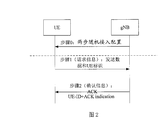
- FIG. 2 is a schematic diagram of a two-step random access process
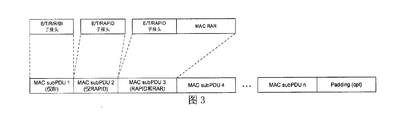
- FIG. 3 is an example diagram of a MAC protocol data unit composed of a MAC random access response
- FIG. 4 is a schematic structural diagram of a MAC RAR
- FIG. 5 is a schematic flowchart of a method for acquiring random access information applied to a user equipment according to an embodiment of the present disclosure
- FIG. 6 is a schematic flowchart of a method for sending random access information applied to a network-side device according to an embodiment of the present disclosure
- FIG. 7 is a schematic structural diagram of a user equipment according to an embodiment of the present disclosure.
- FIG. 8 is a schematic structural diagram of a network-side device according to an embodiment of the present disclosure.
- FIG. 9 is a schematic structural diagram of a network side device according to an embodiment of the present disclosure.
- FIG. 10 is a schematic diagram of a user equipment according to an embodiment of the present disclosure.
- the user equipment may be a mobile phone, a tablet computer, a laptop computer, a personal digital assistant (PDA), and a mobile Internet device (Mobile ID Device, MID). ), Wearable devices (Wearable devices) or terminal devices such as vehicle-mounted devices. It should be noted that the specific types of user equipment are not limited in the embodiments of the present disclosure.
- the network-side device may be a base station, a relay, or an access point.
- the base station may be a base station of 5G and later versions (for example, 5G NR, NB), or a base station in other communication systems (for example, Evolutional Node B (eNB)).
- 5G NR, NB 5G NR, NB
- eNB Evolutional Node B
- the four-step random access process is shown in Figure 1, and includes the following steps:
- Step 1 The network-side device configures the 4-step random access configuration information (4-Step RACH configuration) for the UE.
- Step 2 The UE sends Msg1 to the network-side device.
- Msg1 may include a random access preamble (Preamble), but is not limited thereto.
- Preamble a random access preamble
- Step 3 The network-side device sends Msg2 to the UE.
- Msg2 may appear as a Random Access Response (RAR) message.
- Msg2 may include a backoff indicator (BI), uplink grant (Uplink) information, random access-radio network temporary identifier (RA-RNTI).
- BI backoff indicator
- Uplink uplink grant
- RA-RNTI random access-radio network temporary identifier
- Msg2 may include one or more combinations of BI, uplink authorization information, and RA-RNTI.
- Msg2 may also include other information, such as timing advance command TAC) and so on.
- Step 4 The UE sends Msg3 to the network-side device.
- Msg3 may be represented as a Radio Resource Control (Radio Resource Control, RRC) connection request message.
- Msg2 may include the system architecture evolution temporary mobile station identifier (S-TMSI), but it is not limited to this.
- Step 5 The network-side device sends Msg4 to the UE.
- Msg4 may appear as an RRC connection establishment message.
- Msg3 may include Contention Resolution, but it is not limited to this.
- Step 6 The UE sends Msg5 to the network-side device.
- Msg5 may appear as an RRC connection completion message.
- Msg1-Msg5 may show different message forms during the specific connection state and idle state connection establishment.
- the Msg1-Msg5 of the four-step random access process The message may be a Radio Resource Control (RRC) message, a Media Access Control (MAC) Control Element (CE), or a physical layer indication, data, sequence, etc.
- RRC Radio Resource Control
- MAC Media Access Control
- CE Media Access Control Element
- the two-step random access process is shown in Figure 2, and includes the following steps:
- Step 0 The network side (gNB) configures two-step random access configuration information (2-Step RACH configuration) to the user equipment (User), for example, including: sending resource information corresponding to Msg1 and Msg2;
- Step 1 The UE triggers a 2-step RACH procedure.
- Msg1 request information
- UE-ID UE identification
- PUSCH physical uplink shared channel
- Step 2 The network side sends a confirmation message (Msg2) to the UE. If the UE fails to receive Msg2, the UE resends Msg1.
- Msg2 a confirmation message
- Msg1-Msg2 may show different message forms during the specific connection state and idle state connection establishment process, which is different from the traditional four-step random access Msg1-Msg5.
- the messages that randomly access Msg1-Msg2 may be RRC messages, MAC, CE, or physical layer instructions, data, sequences, and so on.
- step 1 is equivalent to combining and sending Msg1 and Msg3 during normal RACH
- step 2 is equivalent to combining Msg2 and Msg4 during normal RACH.
- FIG. 3 is an example of a MAC protocol data unit (PDU) composed of a random access response (RAR) of a media access control (RAR), and
- FIG. 4 is a schematic structural diagram of a MAC RAR.
- PDU MAC protocol data unit
- RAR random access response
- RAR media access control
- RAR is divided into three types of MAC sub (PDU) PDUs.
- One is BI only, one has Random Preamble Identifier (RAPID), and one has RAPID + RAR.
- the payload of the RAR includes timing advance command (Timing, Advance Command), uplink grant (UL), and temporary-cell wireless network temporary identifier (Temporary Radio Network Temporary Identifier, Temporary C-RNTI).
- the sub PDU of BI is used to execute the BI for UEs that have not detected RAPID; the sub PDU of only RAPID is used as the ACK of SI request (system information request) for UEs that have detected this RAPID; RAPID + The role of the RAR sub PDU is to execute the corresponding RAR content for the UE that has detected the RAPID.
- the 4-step UE For the 4-step RACH process, that is, in the IDLE / inactive state, the 4-step UE is used during the transition from the IDLE / inactive state to the connnect state.
- the UE When receiving a RAR, After the UE detects its own RAPID, it obtains the corresponding uplink authorization, sends Msg3 on the uplink authorization, and completes the competition resolution through Msg4.
- Msg4 provides a reconfiguration message, and upgrades the TC-RNTI to the cell radio network temporary identity Temporary Identifier (C-RNTI)), and then the network can use the C-RNTI for scheduling.
- C-RNTI cell radio network temporary identity Temporary Identifier
- embodiments of the present disclosure provide a method for acquiring random access information and a network node, which can clarify the content of a random access response in a two-step random access process.
- An embodiment of the present disclosure provides a method for acquiring random access information, which is applied to user equipment. As shown in FIG. 5, the method includes:
- Step 101 Receive a random access response sent by a network-side device, where the random access response includes a reserved bit, an uplink authorization, a back-off indication, a timing advance, a preamble sequence or other sequence identification ID, a terminal ID, and a contention resolution ID. , At least one of a radio resource control RRC message, an association between the RRC message and each ID, and a temporary identifier of a connected wireless network, each ID including at least one of a preamble sequence or other sequence ID, a terminal ID, and a contention resolution ID One.
- This embodiment can clarify the content of the random access response in the two-step random access process.
- the method further includes:
- the receiving a random access response sent by a network-side device includes:
- the method further includes:
- the transmission resource information includes time domain resources and / or frequency domain resources and / or air domain resources and / or power domain resources corresponding to the random access preamble or other code sequences carried in the random access request; and / or
- the time domain resource and / or frequency domain resource and / or air domain resource and / or power domain resource corresponding to the physical uplink shared channel carried in the random access request.
- calculating the temporary access wireless network temporary identifier includes:
- the UE For UEs in the IDLE / inative state that use 2-step RACH during the transition from IDLE / inactive to the connnect state, when receiving RAR, the UE needs to complete contention resolution, reconfiguration messages, C-RNTI determination, etc.
- the format of the RAR contains information of multiple UEs and can be detected by multiple UEs. Random Access Wireless Network Temporary Identifier (RA-RNTI) ), Each UE then detects the ID of the random access preamble (preamble) sent by itself according to the corresponding RAPID.
- RA-RNTI Random Access Wireless Network Temporary Identifier
- Initiating RACH Msg1 may use preamble or Physical Uplink Shared Channel (PUSCH) or a combination of the two.
- PUSCH Physical Uplink Shared Channel
- the calculation parameters that may be used include the following:
- the RA-RNTI can be calculated using the following formula:
- RA-RNTI 1 + s_id + 14 ⁇ t_id + 14 ⁇ 80 ⁇ f_id + 14 ⁇ 80 ⁇ 8 ⁇ ul_carrier_id (2-step RACH carrier)
- s_id is the position number of the first orthogonal frequency division multiplexing symbol OFDM of the physical random access channel PRACH corresponding to the two-step random access process
- t_id is the PRACH corresponding to the two-step random access process Sequence number of the first slot of the system frame where the channel is located
- f_id is the sequence number of the frequency domain location where the PRACH corresponds to the two-step random access process
- ul_carrier_id is an indication of the uplink carrier that sends the random access request
- the value of and carrier_id can be set to 1
- the value of and carrier_id can be set to 0.
- the value of and carrier_id can be set to 0.
- the value of and carrier_id can be set to 1.
- the value of and carrier_id can be set to 2, and so on. The value is not specifically limited.
- the RA-RNTI may also be calculated using PUSCH-related calculation parameters.
- the two-step random access uses the same RNTI resource.
- the random access wireless network temporary identifier of the four-step random access process uses the first half of the RNTI resource
- the random access wireless network temporary identifier of the two-step random access process uses the second half of the RNTI resource. section.
- the coreset spectrum location of the RACH receiving RAR is the same as the regular RACH, that is, sharing a section of resources to receive the RAR, a section of RNTI resources not reserved by other RNTIs is reserved, and the first half of the RNTI resources are used by the existing RA-RNTI
- the latter part of the RNTI resources is applicable to the 2-step RACH RA-RNTI. That is, the RNTI interval used by the 2-step RACH can be as follows: [legacy (maxRA-RNTI) + 1,2-step RACH RA-RNTI], where legacy (maxRA-RNTI) is the maximum value of the existing RA-RNTI.
- association between the message contained in the RAR and the UE is as follows:
- the UE ID corresponding to the RAR is a unicast message
- the allocation message is corresponding.
- the RRC connection setup / RRC resume / or radio resource control reconfiguration message in the RAR needs to be associated with a UE ID (can be a contention resolution ID or an ID that can uniquely identify the UE ) Establish an association relationship, where one message may correspond to multiple UE IDs.
- the following message in the random access response corresponds to at least one user terminal identifier:
- RRC messages Other RRC messages, MAC control elements, C-RNTI, or physical layer control instructions.
- the random access response includes a cell wireless network temporary identification and a radio resource control message of each contention-resolved user equipment.
- the RAR in this embodiment directly contains the C-RNTI and RRC messages of each contention resolution UE, and the C-RNTI is included in the RRC message or MAC CE. Instead of automatically upgrading the previous TC-RNTI to C-RNTI.
- the cell wireless network temporary identification is included in a radio resource control message or a media access control control element message.
- the method further includes:
- Contents of the radio resource control message are executed after the cell wireless network temporary identifier is identified as a user equipment for which contention is resolved. That is, for the received RRC message, the UE executes the content of the RRC message after determining that it is a UE for contention resolution.
- the method further includes:
- a corresponding C-RNTI is assigned to each contention-resolved UE, and subsequent RRC messages are scheduled through the assigned C-RNTI to transmit RRC messages.
- the technical solution of this embodiment is applicable to a new air interface (New Radio, NR) and a subsequent evolved network.
- New Radio NR
- An embodiment of the present disclosure further provides a method for sending random access information, which is applied to a network-side device. As shown in FIG. 6, the method includes:
- Step 201 Send a random access response to the user equipment, where the random access response includes a reserved bit, an uplink grant, a back-off indication, a timing advance, a preamble sequence or other sequence identification ID, a terminal ID, a contention resolution ID, and wireless At least one of a resource control RRC message, an association between the RRC message and each ID, and a temporary identifier of a connected wireless network, each ID includes at least one of a preamble sequence or other sequence ID, a terminal ID, and a contention resolution ID.
- the method before sending a random access response to the user equipment, the method further includes:
- the user terminal identifier corresponding to the random access response corresponds to at least one of the following messages in the random access response:
- the random access response is a broadcast message
- the following message in the random access response corresponds to at least one user terminal identifier:
- the random access response includes a cell wireless network temporary identification and a radio resource control message of each contention-resolved user equipment.
- the cell wireless network temporary identification is included in a radio resource control message or a media access control control element message.
- An embodiment of the present disclosure further provides a user equipment, as shown in FIG. 7, including:
- the receiving module 31 is configured to receive a random access response sent by a network-side device, where the random access response includes a reserved bit, an uplink authorization, a back-off indication, a timing advance, a preamble sequence or other sequence identification ID, a terminal ID, Contention resolution ID, radio resource control RRC message, association relationship between RRC message and each ID, and temporary identifier of connected wireless network, each ID includes a preamble sequence or other sequence ID, terminal ID, and contention resolution ID at least one.
- the content of the random access response in the two-step random access process can be specified.
- a calculation module configured to calculate a temporary access wireless network temporary identifier according to the transmission resource information of the random access process
- the receiving module 31 is specifically configured to receive the random access response through the random access wireless network temporary identifier.
- a sending module configured to send a random access request to the network-side device
- the transmission resource information includes time domain resources and / or frequency domain resources and / or air domain resources and / or power domain resources corresponding to the random access preamble or other code sequences carried in the random access request; and / or
- the time domain resource and / or frequency domain resource and / or air domain resource and / or power domain resource corresponding to the physical uplink shared channel carried in the random access request.
- the calculation module is specifically configured to calculate the randomness according to time domain resources and / or frequency domain resources and / or air domain resources and / or power domain resources corresponding to the random access preamble or other code sequences carried in the random access request.
- the calculation module Specifically used to calculate the random access wireless network temporary identifier by using at least one of the following parameters:
- the two-step random access uses the same RNTI resource.
- the random access wireless network temporary identifier of the four-step random access process uses the first half of the RNTI resource
- the random access wireless network temporary identifier of the two-step random access process uses the second half of the RNTI resource. section.
- the user terminal identifier corresponding to the random access response corresponds to at least one of the following messages in the random access response:
- the random access response is a broadcast message
- the following message in the random access response corresponds to at least one user terminal identifier:
- the random access response includes a cell wireless network temporary identification and a radio resource control message of each contention-resolved user equipment.
- the cell wireless network temporary identification is included in a radio resource control message or a media access control control element message.
- a processing module is configured to execute the content of the radio resource control message after identifying the user equipment as a contention-based user equipment according to the cell wireless network temporary identifier.
- a scheduling module configured to schedule subsequent radio resource control messages according to the cell wireless network temporary identity.
- An embodiment of the present disclosure further provides a network-side device, as shown in FIG. 8, including:
- the sending module 41 is configured to send a random access response to the user equipment, where the random access response includes a reserved bit, an uplink grant, a back-off indication, a time advance, a preamble sequence or other sequence identification ID, a terminal ID, and a contention resolution. At least one of an ID, a radio resource control RRC message, an association between the RRC message and each ID, and a temporary identifier of a connected wireless network, each ID including at least a preamble sequence or other sequence ID, a terminal ID, and a contention resolution ID one.
- the method further includes:
- a receiving module configured to receive a random access request sent by the user equipment.
- the user terminal identifier corresponding to the random access response corresponds to at least one of the following messages in the random access response:
- the random access response is a broadcast message
- the following message in the random access response corresponds to at least one user terminal identifier:
- the random access response includes a cell wireless network temporary identification and a radio resource control message of each contention-resolved user equipment.
- the cell wireless network temporary identification is included in a radio resource control message or a media access control control element message.
- An embodiment of the present disclosure further provides a network node, including: a memory, a processor, and a computer program stored on the memory and executable on the processor.
- a network node including: a memory, a processor, and a computer program stored on the memory and executable on the processor.
- the computer program When the computer program is executed by the processor, the computer program implements the foregoing. Steps in a method for acquiring random access information.
- the network node includes a network-side device and a user equipment.
- FIG. 9 is a structural diagram of a network-side device applied in an embodiment of the present disclosure, which can implement the details of the method for sending random access information in the foregoing embodiment, and achieve the same effect.
- the network-side device 500 includes: a processor 501, a transceiver 502, a memory 503, a user interface 504, and a bus interface, where:
- the network-side device 500 further includes: a computer program stored in the memory 503 and executable on the processor 501.
- the computer program When the computer program is executed by the processor 501, the following steps are performed: sending a random connection to the user equipment.
- the random access response includes reserved bits, uplink authorization, back-off indication, timing advance, preamble sequence or other sequence identification ID, terminal ID, contention resolution ID, radio resource control RRC message, RRC message and each At least one of an association relationship between IDs, and a temporary wireless network identifier in a connected state, where each ID includes at least one of a preamble sequence or other sequence ID, a terminal ID, and a contention resolution ID.
- the bus architecture may include any number of interconnected buses and bridges, and one or more processors specifically represented by the processor 501 and various circuits of the memory represented by the memory 503 are linked together.
- the bus architecture can also link a variety of other circuits such as peripherals, voltage regulators, and power management circuits, which are well known in the art, and therefore will not be described further herein.
- the bus interface provides an interface.
- the transceiver 502 may be multiple elements, including a transmitter and a receiver, providing a unit for communicating with various other devices over a transmission medium.
- the user interface 504 may also be an interface capable of externally connecting and connecting the required devices.
- the connected devices include, but are not limited to, a keypad, a display, a speaker, a microphone, a joystick, and the like.
- the processor 501 is responsible for managing the bus architecture and general processing, and the memory 503 may store data used by the processor 501 when performing operations.
- the user terminal identifier corresponding to the random access response corresponds to at least one of the following messages in the random access response:
- the random access response is a broadcast message
- the following message in the random access response corresponds to at least one user terminal identifier:
- the random access response includes a cell wireless network temporary identification and a radio resource control message of each contention-resolved user equipment.
- the cell wireless network temporary identification is included in a radio resource control message or a media access control control element message.
- An embodiment of the present disclosure further provides a user equipment, including: a memory, a processor, and a computer program stored on the memory and executable on the processor.
- the computer program When the computer program is executed by the processor, the computer program implements the foregoing. Steps in a method for acquiring random access information.
- FIG. 10 is a schematic diagram of a hardware structure of a user equipment implementing various embodiments of the present disclosure.
- the user equipment 600 includes, but is not limited to, a radio frequency unit 601, a network module 602, an audio output unit 603, an input unit 604, a sensor 605, a display unit 606, a user input unit 607, an interface unit 608, a memory 609, and processing. 610, and power supply 611 and other components.
- Those skilled in the art can understand that the structure of the user equipment shown in FIG. 10 does not constitute a limitation on the user equipment.
- the user equipment may include more or fewer components than shown in the figure, or some components may be combined, or different components. Layout.
- the user equipment includes, but is not limited to, a mobile phone, a tablet computer, a notebook computer, a palmtop computer, a car terminal, a wearable device, and a pedometer.
- the processor 610 is configured to receive a random access response sent by a network-side device, where the random access response includes a reserved bit, an uplink authorization, a back-off indication, a timing advance, a preamble sequence or other sequence identification ID, and a terminal ID. , At least one of a contention resolution ID, a radio resource control RRC message, an association between the RRC message and each ID, and a temporary identifier of a connected wireless network, each ID including a preamble sequence or other sequence ID, a terminal ID, and contention Solve at least one of the IDs.
- the processor 610 is further configured to calculate a random access wireless network temporary identifier according to transmission resource information of the random access process; and receive the random access response through the random access wireless network temporary identifier.
- processor 610 is further configured to send a random access request to a network-side device
- the transmission resource information includes time domain resources and / or frequency domain resources and / or air domain resources and / or power domain resources corresponding to the random access preamble or other code sequences carried in the random access request; and / or
- the time domain resource and / or frequency domain resource and / or air domain resource and / or power domain resource corresponding to the physical uplink shared channel carried in the random access request.
- the processor 610 is specifically configured to use time domain resources and / or frequency domain resources and / or air domain resources and / or power domain resources corresponding to the random access preamble or other code sequences carried in the random access request. Calculating the random access wireless network temporary identifier; and / or
- the processor 610 is further configured to calculate the random access wireless network temporary identifier by using at least one of the following parameters:
- the two-step random access uses the same RNTI resource.
- the random access wireless network temporary identifier of the four-step random access process uses the first half of the RNTI resource
- the random access wireless network temporary identifier of the two-step random access process uses the second half of the RNTI resource. section.
- the user terminal identifier corresponding to the random access response corresponds to at least one of the following messages in the random access response:
- the random access response is a broadcast message
- the following message in the random access response corresponds to at least one user terminal identifier:
- the random access response includes a cell wireless network temporary identification and a radio resource control message of each contention-resolved user equipment.
- the cell wireless network temporary identification is included in a radio resource control message or a media access control control element message.
- the processor 610 is further configured to execute the content of the radio resource control message after identifying the user equipment that is the contention resolution user according to the cell wireless network temporary identification.
- the processor 610 is further configured to schedule a subsequent radio resource control message according to the cell wireless network temporary identity.
- the radio frequency unit 601 may be used to receive and send signals during the transmission and reception of information or during a call. Specifically, the downlink data from the base station is received and processed by the processor 610; The uplink data is sent to the base station.
- the radio frequency unit 601 includes, but is not limited to, an antenna, at least one amplifier, a transceiver, a coupler, a low noise amplifier, a duplexer, and the like.
- the radio frequency unit 601 can also communicate with a network and other devices through a wireless communication system.
- the user equipment provides wireless broadband Internet access for the user through the network module 602, such as helping the user to send and receive email, browse web pages, and access streaming media.
- the audio output unit 603 may convert audio data received by the radio frequency unit 601 or the network module 602 or stored in the memory 609 into audio signals and output them as sound. Moreover, the audio output unit 603 may also provide audio output (for example, a call signal receiving sound, a message receiving sound, etc.) related to a specific function performed by the user equipment 600.
- the audio output unit 603 includes a speaker, a buzzer, a receiver, and the like.
- the input unit 604 is used for receiving audio or video signals.
- the input unit 604 may include a graphics processing unit (GPU) 6041 and a microphone 6042.
- the graphics processor 6041 pairs images of still pictures or videos obtained by an image capture device (such as a camera) in a video capture mode or an image capture mode. Data is processed.
- the processed image frames may be displayed on a display unit 606.
- the image frames processed by the graphics processor 6041 may be stored in the memory 609 (or other storage medium) or transmitted via the radio frequency unit 601 or the network module 602.
- the microphone 6042 can receive sound, and can process such sound into audio data.
- the processed audio data can be converted into a format that can be transmitted to a mobile communication base station via the radio frequency unit 601 in the case of a telephone call mode and output.
- the user equipment 600 further includes at least one sensor 605, such as a light sensor, a motion sensor, and other sensors.
- the light sensor includes an ambient light sensor and a proximity sensor.
- the ambient light sensor can adjust the brightness of the display panel 6061 according to the brightness of the ambient light.
- the proximity sensor can close the display panel 6061 and the user device 600 when it moves to the ear. / Or backlight.
- the accelerometer sensor can detect the magnitude of acceleration in various directions (usually three axes).
- sensor 605 can also include fingerprint sensor, pressure sensor, iris sensor, molecular sensor, gyroscope, barometer, hygrometer, thermometer, Infrared sensors, etc. are not repeated here.
- the display unit 606 is configured to display information input by the user or information provided to the user.
- the display unit 606 may include a display panel 6061, and the display panel 6061 may be configured in the form of a liquid crystal display (LCD), an organic light-emitting diode (OLED), or the like.
- LCD liquid crystal display
- OLED organic light-emitting diode
- the user input unit 607 may be used to receive inputted numeric or character information, and generate key signal inputs related to user settings and function control of the user equipment.
- the user input unit 607 includes a touch panel 6071 and other input devices 6072.
- Touch panel 6071 also known as touch screen, can collect user's touch operations on or near it (such as the user using a finger, stylus, etc. any suitable object or accessory on touch panel 6071 or near touch panel 6071 operating).
- the touch panel 6071 may include a touch detection device and a touch controller.
- the touch detection device detects the user's touch position, and detects the signal caused by the touch operation, and transmits the signal to the touch controller; the touch controller receives touch information from the touch detection device, converts it into contact coordinates, and sends To the processor 610, receive the command sent by the processor 610 and execute it.
- various types such as resistive, capacitive, infrared and surface acoustic wave can be used to implement the touch panel 6071.
- the user input unit 607 may further include other input devices 6072.
- other input devices 6072 may include, but are not limited to, a physical keyboard, function keys (such as volume control keys, switch keys, etc.), a trackball, a mouse, and a joystick, and details are not described herein again.
- the touch panel 6071 may be overlaid on the display panel 6061.
- the touch panel 6071 detects a touch operation on or near the touch panel 6071, the touch panel 6071 transmits the touch operation to the processor 610 to determine the type of the touch event.
- the type of event provides corresponding visual output on the display panel 6061.
- the touch panel 6071 and the display panel 6061 are implemented as two separate components to implement the input and output functions of the user device, in some embodiments, the touch panel 6071 and the display panel 6061 can be integrated.
- the implementation of the input and output functions of the user equipment is not specifically limited here.
- the interface unit 608 is an interface for connecting an external device with the user equipment 600.
- the external device may include a wired or wireless headset port, an external power (or battery charger) port, a wired or wireless data port, a memory card port, a port for connecting a device with an identification module, and audio input / output (I / O) port, video I / O port, headphone port, and more.
- the interface unit 608 may be used to receive an input (e.g., data information, power, etc.) from an external device and transmit the received input to one or more elements within the user equipment 600 or may be used at the user equipment 600 and externally Transfer data between devices.
- the memory 609 can be used to store software programs and various data.
- the memory 609 may mainly include a storage program area and a storage data area, where the storage program area may store an operating system, at least one application required by a function (such as a sound playback function, an image playback function, etc.), etc .; the storage data area may store data according to Data (such as audio data, phone book, etc.) created by the use of mobile phones.
- the memory 609 may include a high-speed random access memory, and may further include a non-volatile memory, such as at least one magnetic disk storage device, a flash memory device, or other volatile solid-state storage devices.
- the processor 610 is a control center of the user equipment, and uses various interfaces and lines to connect various parts of the entire user equipment.
- the processor 610 runs or executes software programs and / or modules stored in the memory 609, and calls data stored in the memory 609. , To perform various functions of the user equipment and process data, thereby performing overall monitoring of the user equipment.
- the processor 610 may include one or more processing units; preferably, the processor 610 may integrate an application processor and a modem processor, wherein the application processor mainly processes an operating system, a user interface, and an application program, etc.
- the processor mainly handles wireless communication. It can be understood that the foregoing modem processor may not be integrated into the processor 610.
- the user equipment 600 may further include a power source 611 (such as a battery) for supplying power to various components.
- a power source 611 such as a battery
- the power source 611 may be logically connected to the processor 610 through a power management system, so as to implement charge, discharge, and power management through the power management system And other functions.
- the user equipment 600 includes some functional modules that are not shown, and details are not described herein again.
- An embodiment of the present disclosure further provides a computer-readable storage medium, where the computer-readable storage medium stores a computer program, and when the computer program is executed by a processor, the method for acquiring random access information described above is implemented. Steps or steps in a method for transmitting random access information as described above.
- the embodiments described herein may be implemented by hardware, software, firmware, middleware, microcode, or a combination thereof.
- the processing unit can be implemented in one or more application-specific integrated circuits (ASICs), digital signal processors (DSP), digital signal processing equipment (DSPD), and programmable Logic device (Programmable Logic Device, PLD), Field Programmable Gate Array (FPGA), general purpose processor, controller, microcontroller, microprocessor, other for performing the functions described in this application Electronic unit or combination thereof.
- ASICs application-specific integrated circuits
- DSP digital signal processors
- DSPD digital signal processing equipment
- FPGA Field Programmable Gate Array
- controller microcontroller
- microprocessor other for performing the functions described in this application Electronic unit or combination thereof.
- the techniques described herein can be implemented through modules (e.g., procedures, functions, etc.) that perform the functions described herein.
- Software codes may be stored in a memory and executed by a processor.
- the memory may be implemented in the processor or external to the processor.
- the embodiments of the embodiments of the present disclosure may be provided as a method, an apparatus, or a computer program product. Therefore, the embodiments of the present disclosure may take the form of an entirely hardware embodiment, an entirely software embodiment, or an embodiment combining software and hardware aspects. Moreover, the embodiments of the present disclosure may take the form of a computer program product implemented on one or more computer-usable storage media (including but not limited to disk storage, CD-ROM, optical storage, etc.) containing computer-usable program code.
- computer-usable storage media including but not limited to disk storage, CD-ROM, optical storage, etc.
- Embodiments of the present disclosure are described with reference to flowcharts and / or block diagrams of the method, user equipment (system), and computer program product according to the embodiments of the present disclosure. It should be understood that each process and / or block in the flowcharts and / or block diagrams, and combinations of processes and / or blocks in the flowcharts and / or block diagrams can be implemented by computer program instructions.
- These computer program instructions may be provided to a processor of a general purpose computer, special purpose computer, embedded processor, or other programmable data processing user equipment to produce a machine such that the instructions executed by the processor of the computer or other programmable data processing user equipment Means are generated for implementing the functions specified in one or more of the flowcharts and / or one or more of the block diagrams.
- These computer program instructions may also be stored in a computer-readable memory capable of directing a computer or other programmable data processing user equipment to work in a particular manner, such that the instructions stored in the computer-readable memory produce a manufactured article including the instruction means, the The instruction device implements the functions specified in one or more flowcharts and / or one or more blocks of the block diagram.
Landscapes
- Engineering & Computer Science (AREA)
- Computer Networks & Wireless Communication (AREA)
- Signal Processing (AREA)
- Mobile Radio Communication Systems (AREA)
Abstract
本公开提供了一种随机接入信息的获取、发送方法及网络节点,其中,接收网络侧设备发送的随机接入响应,所述随机接入响应包括预留比特、上行授权、回退指示、时间提前量、前导序列或其他序列标识ID、终端ID、竞争解决ID、无线资源控制RRC消息、RRC消息和各ID之间的关联关系、连接态无线网络临时标识符中至少一种,所述各ID包括前导序列或其他序列ID、终端ID和竞争解决ID至少之一。
Description
相关申请的交叉引用
本申请主张在2018年9月19日在中国提交的中国专利申请号No.201811095937.6的优先权,其全部内容通过引用包含于此。
本公开涉及通信技术领域,特别是指一种随机接入信息的获取、发送方法及网络节点。
在传统的随机接入流程中,用户设备在空闲态完成随机接入需要4步(除complete消息),称为四步随机接入(4-step RACH)。现在提出一种技术方案,用户设备在空闲态完成随机接入需要2步,称为两步随机接入(2-Step RACH)。
但对于2-step RACH,随机接入响应的设计方案尚未明确。
发明内容
本公开要解决的技术问题是提供一种随机接入信息的获取、发送方法及网络节点,能够明确两步随机接入过程中随机接入响应的内容。
为解决上述技术问题,本公开的实施例提供技术方案如下:
第一方面,本公开的实施例提供一种随机接入信息的获取方法,应用于用户设备,所述方法包括:
接收网络侧设备发送的随机接入响应,所述随机接入响应包括预留比特、上行授权、回退指示、时间提前量、前导序列或其他序列标识ID、终端ID、竞争解决ID、无线资源控制(Radio Resource Control,RRC)消息、RRC消息和各ID之间的关联关系、连接态无线网络临时标识符中至少一种,所述各ID包括前导序列或其他序列ID、终端ID和竞争解决ID至少之一。
第二方面,本公开的实施例提供一种随机接入信息的发送方法,应用于网络侧设备,所述方法包括:
向用户设备发送随机接入响应,所述随机接入响应包括预留比特、上行授权、回退指示、时间提前量、前导序列或其他序列标识ID、终端ID、竞争解决ID、无线资源控制RRC消息、RRC消息和各ID之间的关联关系、连接态无线网络临时标识符中至少一种,所述各ID包括前导序列或其他序列ID、终端ID和竞争解决ID至少之一。
第三方面,本公开的实施例提供一种用户设备,包括:
接收模块,用于接收网络侧设备发送的随机接入响应,所述随机接入响应包括预留比特、上行授权、回退指示、时间提前量、前导序列或其他序列标识ID、终端ID、竞争解决ID、无线资源控制RRC消息、RRC消息和各ID之间的关联关系、连接态无线网络临时标识符中至少一种,所述各ID包括前导序列或其他序列ID、终端ID和竞争解决ID至少之一。
第四方面,本公开的实施例提供一种网络侧设备,包括:
发送模块,用于向用户设备发送随机接入响应,所述随机接入响应包括预留比特、上行授权、回退指示、时间提前量、前导序列或其他序列标识ID、终端ID、竞争解决ID、无线资源控制RRC消息、RRC消息和各ID之间的关联关系、连接态无线网络临时标识符中至少一种,所述各ID包括前导序列或其他序列ID、终端ID和竞争解决ID至少之一。
第五方面,本公开的实施例提供一种网络节点,包括:存储器、处理器及存储在存储器上并可在处理器上运行的计算机程序,所述计算机程序被所述处理器执行时实现如上所述的随机接入信息的获取方法中的步骤或实现如上所述的随机接入信息的发送方法中的步骤。
第六方面,本公开的实施例提供一种计算机可读存储介质,所述计算机可读存储介质上存储有计算机程序,所述计算机程序被处理器执行时实现如上所述的随机接入信息的获取方法中的步骤或实现如上所述的随机接入信息的发送方法中的步骤。
本公开的实施例具有以下有益效果:
通过本公开的技术方案,可以明确两步随机接入过程中随机接入响应的内容。
图1为相关技术中的四步随机接入的流程示意图;
图2为两步随机接入的流程示意图;
图3为由MAC随机接入响应构成的MAC协议数据单元示例图;
图4为MAC RAR的结构示意图;
图5为本公开实施例应用于用户设备的随机接入信息的获取方法的流程示意图;
图6为本公开实施例应用于网络侧设备的随机接入信息的发送方法的流程示意图;
图7为本公开实施例用户设备的结构示意图;
图8为本公开实施例网络侧设备的结构示意图;
图9为本公开实施例网络侧设备的组成示意图;
图10为本公开实施例用户设备的组成示意图。
为使本公开的实施例要解决的技术问题、技术方案和优点更加清楚,下面将结合附图及具体实施例进行详细描述。
在本公开实施例中,用户设备可以是手机、平板电脑(Tablet Personal Computer)、膝上型电脑(Laptop Computer)、个人数字助理(Personal Digital Assistant,PDA)、移动上网装置(Mobile Internet Device,MID)、可穿戴式设备(Wearable Device)或车载设备等终端侧设备。需要说明的是,在本公开实施例中并不限定用户设备的具体类型。
网络侧设备可以是是基站、中继或接入点等。基站可以是5G及以后版本的基站(例如:5G NR NB),或者其他通信系统中的基站(例如:演进型基站(Evolutional Node B,eNB))。需要说明的是,在本公开实施例中并不限定网络侧设备的具体类型。
四步随机接入的流程如图1所示,包括如下步骤:
步骤1、网络侧设备给UE配置四步随机接入的配置信息(4-Step RACH configuration)。
步骤2、UE向网络侧设备发送Msg1。
在本步骤中,Msg1可以包括随机接入前导码(Preamble),但不仅限于此。
步骤3、网络侧设备向UE发送Msg2。
在本步骤中,Msg2可以表现为随机接入响应(Random Access Response,RAR)消息。Msg2中可以包括回退指示(Backoff Indicator,BI)、上行授权(Uplink Grant)信息、随机接入-无线网络临时标识(Random Access-Radio Network Temporary Identifier,RA-RNTI)。
但应理解的是,在实际应用中,Msg2可以包括BI、上行授权信息和RA-RNTI中的一项或多项组合,当然,Msg2还可以包括其他信息,如时间提前命令(Timing Advance Command,TAC)等。
步骤4、UE向网络侧设备发送Msg3。
在本步骤中,Msg3可以表现为无线资源控制(Radio Resource Control,RRC)连接请求消息。Msg2中可以包括系统架构演进临时移动站标识符(SAE Temporary Mobile Station Identifier,S-TMSI),但不仅限于此。
步骤5、网络侧设备向UE发送Msg4。
在本步骤中,Msg4可以表现为RRC连接建立消息。Msg3中可以包括竞争解决(Contention Resolution),但不仅限于此。
步骤6、UE向网络侧设备发送Msg5。
在本步骤中,Msg5可以表现为RRC连接完成消息。
对于四步随机接入,值得指出的是,常规意义下Msg1-Msg5在具体的连接态和空闲态的连接建立过程中可能表现不同的消息形态,该四步随机接入过程的Msg1-Msg5的消息可以是无线资源控制(RRC)消息、媒体接入控制(Media Access Control,MAC)控制元素(CE)或者物理层指示、数据、序列等。
两步随机接入的流程如图2所示,包括以下步骤:
步骤(step)0:网络侧(gNB)给用户设备(User Equipment,UE)配置两步随机接入的配置信息(2-Step RACH configuration),如包括:Msg1和Msg2对应的发送资源信息;
步骤1:UE触发2-step RACH过程。将请求信息(Msg1)发送给网络侧,如通过物理上行共享信道(Physical Uplink Shared Channel,PUSCH)发送数据(data)和UE标识(UE-ID);
步骤2:网络侧发送确认信息(Msg2)给UE。如果UE接收Msg2失败,则UE重新发送Msg1。
对于两步随机接入,值得指出的是,Msg1-Msg2在具体的连接态和空闲态的连接建立过程中可能表现不同的消息形态,区分于传统的四步随机接入Msg1-Msg5,该两步随机接入Msg1-Msg2的消息可以是RRC消息、MAC CE或者物理层指示、数据、序列等。
对于2-step RACH而言,step1相当于将正常RACH过程中的Msg1和Msg3合并发送,step2相当于将正常RACH过程中的Msg2和Msg4合并。
图3为由媒体接入控制随机接入响应(Random Access Response,RAR)构成的MAC协议数据单元(Protocol Data Unit,PDU)示例,图4为MAC RAR的结构示意图。
简单来说,RAR分为三种MAC子(sub)PDU。一种只有BI的,一种只有随机前导码标识(Random Access Preamble Identifier,RAPID)的,一种有RAPID+RAR的。RAR的有效载荷(payload)内容有定时提前命令(Timing Advance Command),上行授权(UL Grant)和临时-小区无线网络临时标识(Temporary Cell Radio Network Temporary Identifier,Temporary C-RNTI)。其中,只有BI的sub PDU作用是对于没有检测到RAPID的UE,执行该BI;只有RAPID的sub PDU作用是对于检测到该RAPID的UE,作为SI request(系统信息请求)的ACK;有RAPID+RAR的sub PDU作用是对于检测到该RAPID的UE,执行对应的RAR内容。
对于4-step RACH过程,即处于空闲态(IDLE)/非激活态(inative)状态,从IDLE/inactive状态转换为连接(connnect)状态过程中使用4-step的UE,在接收RAR的时候,UE检测到自己的RAPID后,获得对应的上行授权,在上行授权上发送Msg3,通过Msg4完成竞争解决,同时Msg4提供重配消息,并且将T-C-RNTI升级为小区无线网络临时标识(Cell Radio Network Temporary Identifier,C-RNTI)),之后网络侧可以使用该C-RNTI进行调度。
但对于2-step RACH,如何在随机接入响应中完成4-step RACH中Msg2+Msg4的功能,以及随机接入响应使用的随机接入无线网络临时标识符如何计算,都尚未明确。
为了解决上述问题,本公开的实施例提供一种随机接入信息的获取方法及网络节点,能够明确两步随机接入过程中随机接入响应的内容。
本公开实施例提供了一种随机接入信息的获取方法,应用于用户设备,如图5所示,所述方法包括:
步骤101:接收网络侧设备发送的随机接入响应,所述随机接入响应包括预留比特、上行授权、回退指示、时间提前量、前导序列或其他序列标识ID、终端ID、竞争解决ID、无线资源控制RRC消息、RRC消息和各ID之间的关联关系、连接态无线网络临时标识符中至少一种,所述各ID包括前导序列或其他序列ID、终端ID和竞争解决ID至少之一。
本实施例可以明确两步随机接入过程中随机接入响应的内容。
进一步地,所述方法还包括:
根据随机接入过程的传输资源信息计算随机接入无线网络临时标识符,比如RA-RNTI;
所述接收网络侧设备发送的随机接入响应包括:
通过所述随机接入无线网络临时标识符接收所述随机接入响应。
进一步地,所述方法还包括:
向网络侧设备发送随机接入请求;
所述传输资源信息包括:随机接入请求中携带的随机接入前导码或者其他码序列对应的时域资源和/或频域资源和/或空域资源和/或功率域资源;和/或
随机接入请求中携带的发送物理上行共享信道对应的时域资源和/或频域资源和/或空域资源和/或功率域资源。
进一步地,计算所述随机接入无线网络临时标识符包括:
根据随机接入请求中携带的随机接入前导码或者其他码序列对应的时域资源和/或频域资源和/或空域资源和/或功率域资源计算所述随机接入无线网络临时标识符;和/或
根据随机接入请求中携带的发送物理上行共享信道对应的时域资源和/或频域资源和/或空域资源和/或功率域资源计算所述随机接入无线网络临时标识符。
对于处于IDLE/inative状态,从IDLE/inactive转换为connnect状态过程中使用2-step RACH的UE,在接收RAR的时候,UE需要完成竞争解决(contention resolution)、重配消息、C-RNTI确定等功能。
类似于长期演进(Long Term Evolution,LTE)机制,RAR的格式包含多个UE的信息,可以被多个UE检测到随机接入无线网络临时标识符(Random Access-Radio Network Tempory Identity,RA-RNTI),每个UE再根据对应的RAPID检测到自己发送的随机接入前导码(preamble)的ID。
发起RACH Msg1可能使用preamble或者物理上行共享信道(Physical Uplink Shared Channel,PUSCH)或者两者组合;关于RA-RNTI计算,可能用到的计算参数包括以下:
发起RACH Msg1所使用的preamble,以及对应的时域资源和/或频域资源和/或空域资源和/或功率域资源;和/或
发起RACH Msg1所使用的PUSCH,以及对应的时域资源和/或频域资源和/或空域资源和/或功率域资源。
进一步地,在两步随机接入过程的随机接入响应所在的控制资源集频域位置和四步随机接入过程的随机接入响应所在的控制资源集频域位置不同时,利用以下至少一种参数计算所述随机接入无线网络临时标识符:
两步随机接入过程对应的物理随机接入信道PRACH第一个正交频分复用符号OFDM的位置序号,两步随机接入过程对应的PRACH信道所在系统帧的第一个时隙的序号,两步随机接入过程对应的PRACH所在频域位置的序号,发送随机接入请求的上行载波的指示。
具体地,如果2步RACH接收RAR所在的控制资源集(coreset)频域位置和常规RACH(即4步RACH)不一样,则可以采用以下公式计算RA-RNTI:
RA-RNTI=1+s_id+14×t_id+14×80×f_id+14×80×8×ul_carrier_id(2-step RACH carrier)
其中,s_id为两步随机接入过程对应的物理随机接入信道PRACH第一 个正交频分复用符号OFDM的位置序号,0≤s_id<14,t_id是两步随机接入过程对应的PRACH信道所在系统帧的第一个时隙的序号,0≤t_id<80,f_id是两步随机接入过程对应的PRACH所在频域位置的序号,and ul_carrier_id是发送随机接入请求的上行载波的指示,对于2步RACH,and ul_carrier_id的值可以取1,对于4步RACH,and ul_carrier_id的值可以取0;或者,对于4步RACH,and ul_carrier_id的值可以取0,对于上行辅助载波,and ul_carrier_id的值可以取1,对于2步RACH,and ul_carrier_id的值可以取2,等等,取值不做具体限制。
可选地,还可以利用PUSCH相关的计算参数计算RA-RNTI。
进一步地,在两步随机接入过程的随机接入响应所在的控制资源集频域位置和四步随机接入过程的随机接入响应所在的控制资源集频域位置相同时,两步随机接入过程的随机接入无线网络临时标识符与四步随机接入过程的随机接入无线网络临时标识符使用同一段RNTI资源。
进一步地,四步随机接入过程的随机接入无线网络临时标识符使用该段RNTI资源的前半部分,两步随机接入过程的随机接入无线网络临时标识符使用该段RNTI资源的后半部分。
即如果2步RACH接收RAR所在的coreset频谱位置和常规RACH一样,即共享一段资源接收RAR,则预留一段未被其他RNTI占用的RNTI资源,前半部分的RNTI资源供现有的RA-RNTI使用,后一部分的RNTI资源适用于2-step RACH的RA-RNTI。即2步RACH使用的RNTI区间可以如下:[legacy(maxRA-RNTI)+1,2-step RACH RA-RNTI],其中,legacy(maxRA-RNTI)为现有的RA-RNTI的最大值。
进一步地,RAR中包含的消息和UE的关联关系如下:
如果RAR是单播消息,则该RAR对应的UE ID和RAR中含有的无线资源控制连接建立消息(RRC connection setup)和/或无线资源控制连接恢复消息(RRC resume)和/或无线资源控制重配消息是对应的。
如果RAR是广播消息,对应不同的UE,则该RAR中的RRC connection setup/RRC resume/或无线资源控制重配消息等,需要和一个UE ID(可以是竞争解决ID或者可以唯一标识UE的ID)建立关联关系,其中一条消息可以对 应多个UE ID。所述随机接入响应中的以下消息对应至少一个用户终端标识:
无线资源控制连接建立消息;
无线资源控制连接恢复消息;
无线资源控制重配消息;
其他RRC消息、MAC控制元素、C-RNTI或者物理层控制指示等。
进一步地,所述随机接入响应中包括有每个竞争解决的用户设备的小区无线网络临时标识和无线资源控制消息。对于RAR中的C-RNTI使用,与相关技术中的RAR不同,本实施例的RAR中直接含有每个竞争解决UE的C-RNTI和RRC消息,C-RNTI包含在RRC消息或者MAC CE中,而不是将之前的T-C-RNTI自动升级成C-RNTI。
进一步地,所述小区无线网络临时标识包括在无线资源控制消息或媒体接入控制控制元素消息中。
进一步地,所述方法还包括:
根据所述小区无线网络临时标识识别自身为竞争解决的用户设备后,执行所述无线资源控制消息的内容。即对于收到的RRC消息,UE在确定自身是竞争解决的UE之后再执行RRC消息内容。
进一步地,所述方法还包括:
根据所述小区无线网络临时标识进行后续无线资源控制消息的调度。
RAR中对每一个竞争解决的UE都分配对应的C-RNTI,后续的RRC消息通过该分配的C-RNTI进行调度,传输RRC消息。
本实施例的技术方案适用于新空口(New Radio,NR)以及后续演进网络。
本公开实施例还提供了一种随机接入信息的发送方法,应用于网络侧设备,如图6所示,所述方法包括:
步骤201:向用户设备发送随机接入响应,所述随机接入响应包括预留比特、上行授权、回退指示、时间提前量、前导序列或其他序列标识ID、终端ID、竞争解决ID、无线资源控制RRC消息、RRC消息和各ID之间的关联关系、连接态无线网络临时标识符中至少一种,所述各ID包括前导序列或其他序列ID、终端ID和竞争解决ID至少之一。
进一步地,向用户设备发送随机接入响应之前,所述方法还包括:
接收所述用户设备发送的随机接入请求。
进一步地,在所述随机接入响应为单播消息时,所述随机接入响应对应的用户终端标识与所述随机接入响应中的以下至少一种消息对应:
无线资源控制连接建立消息;
无线资源控制连接恢复消息;
无线资源控制重配消息。
进一步地,在所述随机接入响应为广播消息时,所述随机接入响应中的以下消息对应至少一个用户终端标识:
无线资源控制连接建立消息;
无线资源控制连接恢复消息;
无线资源控制重配消息。
进一步地,所述随机接入响应中包括有每个竞争解决的用户设备的小区无线网络临时标识和无线资源控制消息。
进一步地,所述小区无线网络临时标识包括在无线资源控制消息或媒体接入控制控制元素消息中。
本公开实施例还提供了一种用户设备,如图7所示,包括:
接收模块31,用于接收网络侧设备发送的随机接入响应,所述随机接入响应包括预留比特、上行授权、回退指示、时间提前量、前导序列或其他序列标识ID、终端ID、竞争解决ID、无线资源控制RRC消息、RRC消息和各ID之间的关联关系、连接态无线网络临时标识符中至少一种,所述各ID包括前导序列或其他序列ID、终端ID和竞争解决ID至少之一。
本实施例可以明确两步随机接入过程随机接入响应的内容。
进一步地,还包括:
计算模块,用于根据随机接入过程的传输资源信息计算随机接入无线网络临时标识符;
所述接收模块31具体用于通过所述随机接入无线网络临时标识符接收所述随机接入响应。
进一步地,还包括:
发送模块,用于向所述网络侧设备发送随机接入请求;
所述传输资源信息包括:随机接入请求中携带的随机接入前导码或者其他码序列对应的时域资源和/或频域资源和/或空域资源和/或功率域资源;和/或
随机接入请求中携带的发送物理上行共享信道对应的时域资源和/或频域资源和/或空域资源和/或功率域资源。
所述计算模块具体用于根据随机接入请求中携带的随机接入前导码或者其他码序列对应的时域资源和/或频域资源和/或空域资源和/或功率域资源计算所述随机接入无线网络临时标识符;和/或
根据随机接入请求中携带的发送物理上行共享信道对应的时域资源和/或频域资源和/或空域资源和/或功率域资源计算所述随机接入无线网络临时标识符。
进一步地,在两步随机接入过程的随机接入响应所在的控制资源集频域位置和四步随机接入过程的随机接入响应所在的控制资源集频域位置不同时,所述计算模块具体用于利用以下至少一种参数计算所述随机接入无线网络临时标识符:
两步随机接入过程对应的物理随机接入信道PRACH第一个正交频分复用符号OFDM的位置序号,两步随机接入过程对应的PRACH信道所在系统帧的第一个时隙的序号,两步随机接入过程对应的PRACH所在频域位置的序号,发送随机接入请求的上行载波的指示。
进一步地,在两步随机接入过程的随机接入响应所在的控制资源集频域位置和四步随机接入过程的随机接入响应所在的控制资源集频域位置相同时,两步随机接入过程的随机接入无线网络临时标识符与四步随机接入过程的随机接入无线网络临时标识符使用同一段RNTI资源。
进一步地,四步随机接入过程的随机接入无线网络临时标识符使用该段RNTI资源的前半部分,两步随机接入过程的随机接入无线网络临时标识符使用该段RNTI资源的后半部分。
进一步地,在所述随机接入响应为单播消息时,所述随机接入响应对应的用户终端标识与所述随机接入响应中的以下至少一种消息对应:
无线资源控制连接建立消息;
无线资源控制连接恢复消息;
无线资源控制重配消息。
进一步地,在所述随机接入响应为广播消息时,所述随机接入响应中的以下消息对应至少一个用户终端标识:
无线资源控制连接建立消息;
无线资源控制连接恢复消息;
无线资源控制重配消息。
进一步地,所述随机接入响应中包括有每个竞争解决的用户设备的小区无线网络临时标识和无线资源控制消息。
进一步地,所述小区无线网络临时标识包括在无线资源控制消息或媒体接入控制控制元素消息中。
进一步地,还包括:
处理模块,用于根据所述小区无线网络临时标识识别自身为竞争解决的用户设备后,执行所述无线资源控制消息的内容。
进一步地,还包括:
调度模块,用于根据所述小区无线网络临时标识进行后续无线资源控制消息的调度。
本公开实施例还提供了一种网络侧设备,如图8所示,包括:
发送模块41,用于向用户设备发送随机接入响应,所述随机接入响应包括预留比特、上行授权、回退指示、时间提前量、前导序列或其他序列标识ID、终端ID、竞争解决ID、无线资源控制RRC消息、RRC消息和各ID之间的关联关系、连接态无线网络临时标识符中至少一种,所述各ID包括前导序列或其他序列ID、终端ID和竞争解决ID至少之一。
进一步地,所述方法还包括:
接收模块,用于接收所述用户设备发送的随机接入请求。
进一步地,在所述随机接入响应为单播消息时,所述随机接入响应对应的用户终端标识与所述随机接入响应中的以下至少一种消息对应:
无线资源控制连接建立消息;
无线资源控制连接恢复消息;
无线资源控制重配消息。
进一步地,在所述随机接入响应为广播消息时,所述随机接入响应中的以下消息对应至少一个用户终端标识:
无线资源控制连接建立消息;
无线资源控制连接恢复消息;
无线资源控制重配消息。
进一步地,所述随机接入响应中包括有每个竞争解决的用户设备的小区无线网络临时标识和无线资源控制消息。
进一步地,所述小区无线网络临时标识包括在无线资源控制消息或媒体接入控制控制元素消息中。
本公开实施例还提供了一种网络节点,包括:存储器、处理器及存储在存储器上并可在处理器上运行的计算机程序,所述计算机程序被所述处理器执行时实现如上所述的随机接入信息的获取方法中的步骤。
所述网络节点包括网络侧设备和用户设备。
请参阅图9,图9是本公开实施例应用的网络侧设备的结构图,能够实现上述实施例中随机接入信息的发送方法的细节,并达到相同的效果。如图9所示,网络侧设备500包括:处理器501、收发机502、存储器503、用户接口504和总线接口,其中:
在本公开实施例中,网络侧设备500还包括:存储在存储器503上并可在处理器501上运行的计算机程序,计算机程序被处理器501、执行时实现如下步骤:向用户设备发送随机接入响应,所述随机接入响应包括预留比特、上行授权、回退指示、时间提前量、前导序列或其他序列标识ID、终端ID、竞争解决ID、无线资源控制RRC消息、RRC消息和各ID之间的关联关系、连接态无线网络临时标识符中至少一种,所述各ID包括前导序列或其他序列ID、终端ID和竞争解决ID至少之一。
在图9中,总线架构可以包括任意数量的互联的总线和桥,具体由处理器501代表的一个或多个处理器和存储器503代表的存储器的各种电路链接在一起。总线架构还可以将诸如外围设备、稳压器和功率管理电路等之类的 各种其他电路链接在一起,这些都是本领域所公知的,因此,本文不再对其进行进一步描述。总线接口提供接口。收发机502可以是多个元件,即包括发送机和接收机,提供用于在传输介质上与各种其他装置通信的单元。针对不同的用户设备,用户接口504还可以是能够外接内接需要设备的接口,连接的设备包括但不限于小键盘、显示器、扬声器、麦克风、操纵杆等。
处理器501负责管理总线架构和通常的处理,存储器503可以存储处理器501在执行操作时所使用的数据。
进一步地,计算机程序被处理器501、执行时还实现如下步骤:接收所述用户设备发送的随机接入请求。
进一步地,在所述随机接入响应为单播消息时,所述随机接入响应对应的用户终端标识与所述随机接入响应中的以下至少一种消息对应:
无线资源控制连接建立消息;
无线资源控制连接恢复消息;
无线资源控制重配消息。
进一步地,在所述随机接入响应为广播消息时,所述随机接入响应中的以下消息对应至少一个用户终端标识:
无线资源控制连接建立消息;
无线资源控制连接恢复消息;
无线资源控制重配消息。
进一步地,所述随机接入响应中包括有每个竞争解决的用户设备的小区无线网络临时标识和无线资源控制消息。
进一步地,所述小区无线网络临时标识包括在无线资源控制消息或媒体接入控制控制元素消息中。
本公开实施例还提供了一种用户设备,包括:存储器、处理器及存储在存储器上并可在处理器上运行的计算机程序,所述计算机程序被所述处理器执行时实现如上所述的随机接入信息的获取方法中的步骤。
图10为实现本公开各个实施例的一种用户设备的硬件结构示意图。参见图10,该用户设备600包括但不限于:射频单元601、网络模块602、音频输出单元603、输入单元604、传感器605、显示单元606、用户输入单元607、 接口单元608、存储器609、处理器610、以及电源611等部件。本领域技术人员可以理解,图10中示出的用户设备结构并不构成对用户设备的限定,用户设备可以包括比图示更多或更少的部件,或者组合某些部件,或者不同的部件布置。在本公开实施例中,用户设备包括但不限于手机、平板电脑、笔记本电脑、掌上电脑、车载终端、可穿戴设备、以及计步器等。
所述处理器610用于接收网络侧设备发送的随机接入响应,所述随机接入响应包括预留比特、上行授权、回退指示、时间提前量、前导序列或其他序列标识ID、终端ID、竞争解决ID、无线资源控制RRC消息、RRC消息和各ID之间的关联关系、连接态无线网络临时标识符中至少一种,所述各ID包括前导序列或其他序列ID、终端ID和竞争解决ID至少之一。
进一步地,所述处理器610还用于根据随机接入过程的传输资源信息计算随机接入无线网络临时标识符;通过所述随机接入无线网络临时标识符接收所述随机接入响应。
进一步地,所述处理器610还用于向网络侧设备发送随机接入请求;
所述传输资源信息包括:随机接入请求中携带的随机接入前导码或者其他码序列对应的时域资源和/或频域资源和/或空域资源和/或功率域资源;和/或
随机接入请求中携带的发送物理上行共享信道对应的时域资源和/或频域资源和/或空域资源和/或功率域资源。
进一步地,所述处理器610具体用于根据随机接入请求中携带的随机接入前导码或者其他码序列对应的时域资源和/或频域资源和/或空域资源和/或功率域资源计算所述随机接入无线网络临时标识符;和/或
根据随机接入请求中携带的发送物理上行共享信道对应的时域资源和/或频域资源和/或空域资源和/或功率域资源计算所述随机接入无线网络临时标识符。
进一步地,在两步随机接入过程的随机接入响应所在的控制资源集频域位置和四步随机接入过程的随机接入响应所在的控制资源集频域位置不同时,所述处理器610还用于利用以下至少一种参数计算所述随机接入无线网络临时标识符:
两步随机接入过程对应的物理随机接入信道PRACH第一个正交频分复用符号OFDM的位置序号,两步随机接入过程对应的PRACH信道所在系统帧的第一个时隙的序号,两步随机接入过程对应的PRACH所在频域位置的序号,发送随机接入请求的上行载波的指示。
进一步地,在两步随机接入过程的随机接入响应所在的控制资源集频域位置和四步随机接入过程的随机接入响应所在的控制资源集频域位置相同时,两步随机接入过程的随机接入无线网络临时标识符与四步随机接入过程的随机接入无线网络临时标识符使用同一段RNTI资源。
进一步地,四步随机接入过程的随机接入无线网络临时标识符使用该段RNTI资源的前半部分,两步随机接入过程的随机接入无线网络临时标识符使用该段RNTI资源的后半部分。
进一步地,在所述随机接入响应为单播消息时,所述随机接入响应对应的用户终端标识与所述随机接入响应中的以下至少一种消息对应:
无线资源控制连接建立消息;
无线资源控制连接恢复消息;
无线资源控制重配消息。
进一步地,在所述随机接入响应为广播消息时,所述随机接入响应中的以下消息对应至少一个用户终端标识:
无线资源控制连接建立消息;
无线资源控制连接恢复消息;
无线资源控制重配消息。
进一步地,所述随机接入响应中包括有每个竞争解决的用户设备的小区无线网络临时标识和无线资源控制消息。
进一步地,所述小区无线网络临时标识包括在无线资源控制消息或媒体接入控制控制元素消息中。
进一步地,所述处理器610还用于根据所述小区无线网络临时标识识别自身为竞争解决的用户设备后,执行所述无线资源控制消息的内容。
进一步地,所述处理器610还用于根据所述小区无线网络临时标识进行后续无线资源控制消息的调度。
应理解的是,本公开实施例中,射频单元601可用于收发信息或通话过程中,信号的接收和发送,具体的,将来自基站的下行数据接收后,给处理器610处理;另外,将上行的数据发送给基站。通常,射频单元601包括但不限于天线、至少一个放大器、收发信机、耦合器、低噪声放大器、双工器等。此外,射频单元601还可以通过无线通信系统与网络和其他设备通信。
用户设备通过网络模块602为用户提供了无线的宽带互联网访问,如帮助用户收发电子邮件、浏览网页和访问流式媒体等。
音频输出单元603可以将射频单元601或网络模块602接收的或者在存储器609中存储的音频数据转换成音频信号并且输出为声音。而且,音频输出单元603还可以提供与用户设备600执行的特定功能相关的音频输出(例如,呼叫信号接收声音、消息接收声音等等)。音频输出单元603包括扬声器、蜂鸣器以及受话器等。
输入单元604用于接收音频或视频信号。输入单元604可以包括图形处理器(Graphics Processing Unit,GPU)6041和麦克风6042,图形处理器6041对在视频捕获模式或图像捕获模式中由图像捕获装置(如摄像头)获得的静态图片或视频的图像数据进行处理。处理后的图像帧可以显示在显示单元606上。经图形处理器6041处理后的图像帧可以存储在存储器609(或其它存储介质)中或者经由射频单元601或网络模块602进行发送。麦克风6042可以接收声音,并且能够将这样的声音处理为音频数据。处理后的音频数据可以在电话通话模式的情况下转换为可经由射频单元601发送到移动通信基站的格式输出。
用户设备600还包括至少一种传感器605,比如光传感器、运动传感器以及其他传感器。具体地,光传感器包括环境光传感器及接近传感器,其中,环境光传感器可根据环境光线的明暗来调节显示面板6061的亮度,接近传感器可在用户设备600移动到耳边时,关闭显示面板6061和/或背光。作为运动传感器的一种,加速计传感器可检测各个方向上(一般为三轴)加速度的大小,静止时可检测出重力的大小及方向,可用于识别用户设备姿态(比如横竖屏切换、相关游戏、磁力计姿态校准)、振动识别相关功能(比如计步器、敲击)等;传感器605还可以包括指纹传感器、压力传感器、虹膜传感器、 分子传感器、陀螺仪、气压计、湿度计、温度计、红外线传感器等,在此不再赘述。
显示单元606用于显示由用户输入的信息或提供给用户的信息。显示单元606可包括显示面板6061,可以采用液晶显示器(Liquid Crystal Display,LCD)、有机发光二极管(Organic Light-Emitting Diode,OLED)等形式来配置显示面板6061。
用户输入单元607可用于接收输入的数字或字符信息,以及产生与用户设备的用户设置以及功能控制有关的键信号输入。具体地,用户输入单元607包括触控面板6071以及其他输入设备6072。触控面板6071,也称为触摸屏,可收集用户在其上或附近的触摸操作(比如用户使用手指、触笔等任何适合的物体或附件在触控面板6071上或在触控面板6071附近的操作)。触控面板6071可包括触摸检测装置和触摸控制器两个部分。其中,触摸检测装置检测用户的触摸方位,并检测触摸操作带来的信号,将信号传送给触摸控制器;触摸控制器从触摸检测装置上接收触摸信息,并将它转换成触点坐标,再送给处理器610,接收处理器610发来的命令并加以执行。此外,可以采用电阻式、电容式、红外线以及表面声波等多种类型实现触控面板6071。除了触控面板6071,用户输入单元607还可以包括其他输入设备6072。具体地,其他输入设备6072可以包括但不限于物理键盘、功能键(比如音量控制按键、开关按键等)、轨迹球、鼠标、操作杆,在此不再赘述。
进一步的,触控面板6071可覆盖在显示面板6061上,当触控面板6071检测到在其上或附近的触摸操作后,传送给处理器610以确定触摸事件的类型,随后处理器610根据触摸事件的类型在显示面板6061上提供相应的视觉输出。虽然在图10中,触控面板6071与显示面板6061是作为两个独立的部件来实现用户设备的输入和输出功能,但是在某些实施例中,可以将触控面板6071与显示面板6061集成而实现用户设备的输入和输出功能,具体此处不做限定。
接口单元608为外部装置与用户设备600连接的接口。例如,外部装置可以包括有线或无线头戴式耳机端口、外部电源(或电池充电器)端口、有线或无线数据端口、存储卡端口、用于连接具有识别模块的装置的端口、音频输 入/输出(I/O)端口、视频I/O端口、耳机端口等等。接口单元608可以用于接收来自外部装置的输入(例如,数据信息、电力等等)并且将接收到的输入传输到用户设备600内的一个或多个元件或者可以用于在用户设备600和外部装置之间传输数据。
存储器609可用于存储软件程序以及各种数据。存储器609可主要包括存储程序区和存储数据区,其中,存储程序区可存储操作系统、至少一个功能所需的应用程序(比如声音播放功能、图像播放功能等)等;存储数据区可存储根据手机的使用所创建的数据(比如音频数据、电话本等)等。此外,存储器609可以包括高速随机存取存储器,还可以包括非易失性存储器,例如至少一个磁盘存储器件、闪存器件、或其他易失性固态存储器件。
处理器610是用户设备的控制中心,利用各种接口和线路连接整个用户设备的各个部分,通过运行或执行存储在存储器609内的软件程序和/或模块,以及调用存储在存储器609内的数据,执行用户设备的各种功能和处理数据,从而对用户设备进行整体监控。处理器610可包括一个或多个处理单元;优选的,处理器610可集成应用处理器和调制解调处理器,其中,应用处理器主要处理操作系统、用户界面和应用程序等,调制解调处理器主要处理无线通信。可以理解的是,上述调制解调处理器也可以不集成到处理器610中。
用户设备600还可以包括给各个部件供电的电源611(比如电池),优选的,电源611可以通过电源管理系统与处理器610逻辑相连,从而通过电源管理系统实现管理充电、放电、以及功耗管理等功能。
另外,用户设备600包括一些未示出的功能模块,在此不再赘述。
本公开实施例还提供了一种计算机可读存储介质,所述计算机可读存储介质上存储有计算机程序,所述计算机程序被处理器执行时实现如上所述的随机接入信息的获取方法中的步骤或实现如上所述的随机接入信息的发送方法中的步骤。
可以理解的是,本文描述的这些实施例可以用硬件、软件、固件、中间件、微码或其组合来实现。对于硬件实现,处理单元可以实现在一个或多个专用集成电路(Application Specific Integrated Circuits,ASIC)、数字信号处理器(Digital Signal Processing,DSP)、数字信号处理设备(DSP Device,DSPD)、 可编程逻辑设备(Programmable Logic Device,PLD)、现场可编程门阵列(Field-Programmable Gate Array,FPGA)、通用处理器、控制器、微控制器、微处理器、用于执行本申请所述功能的其它电子单元或其组合中。
对于软件实现,可通过执行本文所述功能的模块(例如过程、函数等)来实现本文所述的技术。软件代码可存储在存储器中并通过处理器执行。存储器可以在处理器中或在处理器外部实现。
本说明书中的各个实施例均采用递进的方式描述,每个实施例重点说明的都是与其他实施例的不同之处,各个实施例之间相同相似的部分互相参见即可。
本领域内的技术人员应明白,本公开实施例的实施例可提供为方法、装置、或计算机程序产品。因此,本公开实施例可采用完全硬件实施例、完全软件实施例、或结合软件和硬件方面的实施例的形式。而且,本公开实施例可采用在一个或多个其中包含有计算机可用程序代码的计算机可用存储介质(包括但不限于磁盘存储器、CD-ROM、光学存储器等)上实施的计算机程序产品的形式。
本公开实施例是参照根据本公开实施例的方法、用户设备(系统)、和计算机程序产品的流程图和/或方框图来描述的。应理解可由计算机程序指令实现流程图和/或方框图中的每一流程和/或方框、以及流程图和/或方框图中的流程和/或方框的结合。可提供这些计算机程序指令到通用计算机、专用计算机、嵌入式处理机或其他可编程数据处理用户设备的处理器以产生一个机器,使得通过计算机或其他可编程数据处理用户设备的处理器执行的指令产生用于实现在流程图一个流程或多个流程和/或方框图一个方框或多个方框中指定的功能的装置。
这些计算机程序指令也可存储在能引导计算机或其他可编程数据处理用户设备以特定方式工作的计算机可读存储器中,使得存储在该计算机可读存储器中的指令产生包括指令装置的制造品,该指令装置实现在流程图一个流程或多个流程和/或方框图一个方框或多个方框中指定的功能。
这些计算机程序指令也可装载到计算机或其他可编程数据处理用户设备上,使得在计算机或其他可编程用户设备上执行一系列操作步骤以产生计算 机实现的处理,从而在计算机或其他可编程用户设备上执行的指令提供用于实现在流程图一个流程或多个流程和/或方框图一个方框或多个方框中指定的功能的步骤。
尽管已描述了本公开实施例的优选实施例,但本领域内的技术人员一旦得知了基本创造性概念,则可对这些实施例做出另外的变更和修改。所以,所附权利要求意欲解释为包括优选实施例以及落入本公开实施例范围的所有变更和修改。
还需要说明的是,在本文中,诸如第一和第二等之类的关系术语仅仅用来将一个实体或者操作与另一个实体或操作区分开来,而不一定要求或者暗示这些实体或操作之间存在任何这种实际的关系或者顺序。而且,术语“包括”、“包含”或者其任何其他变体意在涵盖非排他性的包含,从而使得包括一系列要素的过程、方法、物品或者用户设备不仅包括那些要素,而且还包括没有明确列出的其他要素,或者是还包括为这种过程、方法、物品或者用户设备所固有的要素。在没有更多限制的情况下,由语句“包括一个……”限定的要素,并不排除在包括所述要素的过程、方法、物品或者用户设备中还存在另外的相同要素。
以上所述的是本公开的优选实施方式,应当指出对于本技术领域的普通人员来说,在不脱离本公开所述的原理前提下还可以作出若干改进和润饰,这些改进和润饰也在本公开的保护范围内。
Claims (40)
- 一种随机接入信息的获取方法,应用于用户设备,所述方法包括:接收网络侧设备发送的随机接入响应,所述随机接入响应包括预留比特、上行授权、回退指示、时间提前量、前导序列或其他序列标识ID、终端ID、竞争解决ID、无线资源控制RRC消息、RRC消息和各ID之间的关联关系、连接态无线网络临时标识符中至少一种,所述各ID包括前导序列或其他序列ID、终端ID和竞争解决ID至少之一。
- 根据权利要求1所述的随机接入信息的获取方法,还包括:根据随机接入过程的传输资源信息计算随机接入无线网络临时标识符;所述接收网络侧设备发送的随机接入响应包括:通过所述随机接入无线网络临时标识符接收所述随机接入响应。
- 根据权利要求2所述的随机接入信息的获取方法,其中,所述接收网络侧设备发送的随机接入响应之前,还包括:向网络侧设备发送随机接入请求;所述传输资源信息包括:随机接入请求中携带的随机接入前导码或者其他码序列对应的时域资源和/或频域资源和/或空域资源和/或功率域资源;和/或随机接入请求中携带的发送物理上行共享信道对应的时域资源和/或频域资源和/或空域资源和/或功率域资源。
- 根据权利要求3所述的随机接入信息的获取方法,其中,计算所述随机接入无线网络临时标识符包括:根据随机接入请求中携带的随机接入前导码或者其他码序列对应的时域资源和/或频域资源和/或空域资源和/或功率域资源计算所述随机接入无线网络临时标识符;和/或根据随机接入请求中携带的发送物理上行共享信道对应的时域资源和/或频域资源和/或空域资源和/或功率域资源计算所述随机接入无线网络临时标识符。
- 根据权利要求2所述的随机接入信息的获取方法,其中,在所述随机 接入响应所在的控制资源集频域位置和四步随机接入过程的随机接入响应所在的控制资源集频域位置不同时,利用以下至少一种参数计算所述随机接入无线网络临时标识符:两步随机接入过程对应的物理随机接入信道PRACH第一个正交频分复用符号OFDM的位置序号,两步随机接入过程对应的PRACH信道所在系统帧的第一个时隙的序号,两步随机接入过程对应的PRACH所在频域位置的序号,发送随机接入请求的上行载波的指示。
- 根据权利要求2所述的随机接入信息的获取方法,其中,在所述随机接入响应所在的控制资源集频域位置和四步随机接入过程的随机接入响应所在的控制资源集频域位置相同时,所述随机接入无线网络临时标识符与四步随机接入过程的随机接入无线网络临时标识符使用同一段无线网络临时标识资源。
- 根据权利要求6所述的随机接入信息的获取方法,其中,四步随机接入过程的随机接入无线网络临时标识符使用该段无线网络临时标识资源的前半部分,所述随机接入无线网络临时标识符使用该段无线网络临时标识资源的后半部分。
- 根据权利要求1所述的随机接入信息的获取方法,其中,在所述随机接入响应为单播消息时,所述随机接入响应对应的用户终端标识与所述随机接入响应中的以下至少一种消息对应:无线资源控制连接建立消息;无线资源控制连接恢复消息;无线资源控制重配消息。
- 根据权利要求1所述的随机接入信息的获取方法,其中,在所述随机接入响应为广播消息时,所述随机接入响应中的以下消息对应至少一个用户终端标识:无线资源控制连接建立消息;无线资源控制连接恢复消息;无线资源控制重配消息。
- 根据权利要求1所述的随机接入信息的获取方法,其中,所述随机 接入响应中包括有每个竞争解决的用户设备的小区无线网络临时标识和无线资源控制消息。
- 根据权利要求10所述的随机接入信息的获取方法,其中,所述小区无线网络临时标识包括在无线资源控制消息或媒体接入控制控制元素消息中。
- 根据权利要求10所述的随机接入信息的获取方法,还包括:根据所述小区无线网络临时标识识别自身为竞争解决的用户设备后,执行所述无线资源控制消息的内容。
- 根据权利要求10所述的随机接入信息的获取方法,还包括:根据所述小区无线网络临时标识进行后续无线资源控制消息的调度。
- 一种随机接入信息的发送方法,应用于网络侧设备,所述方法包括:向用户设备发送随机接入响应,所述随机接入响应包括预留比特、上行授权、回退指示、时间提前量、前导序列或其他序列标识ID、终端ID、竞争解决ID、无线资源控制RRC消息、RRC消息和各ID之间的关联关系、连接态无线网络临时标识符中至少一种,所述各ID包括前导序列或其他序列ID、终端ID和竞争解决ID至少之一。
- 根据权利要求14所述的随机接入信息的发送方法,其中,向用户设备发送随机接入响应之前,所述方法还包括:接收所述用户设备发送的随机接入请求。
- 根据权利要求14所述的随机接入信息的发送方法,其中,在所述随机接入响应为单播消息时,所述随机接入响应对应的用户终端标识与所述随机接入响应中的以下至少一种消息对应:无线资源控制连接建立消息;无线资源控制连接恢复消息;无线资源控制重配消息。
- 根据权利要求14所述的随机接入信息的发送方法,其中,在所述随机接入响应为广播消息时,所述随机接入响应中的以下消息对应至少一个用户终端标识:无线资源控制连接建立消息;无线资源控制连接恢复消息;无线资源控制重配消息。
- 根据权利要求14所述的随机接入信息的发送方法,其中,所述随机接入响应中包括有每个竞争解决的用户设备的小区无线网络临时标识和无线资源控制消息。
- 根据权利要求18所述的随机接入信息的发送方法,其中,所述小区无线网络临时标识包括在无线资源控制消息或媒体接入控制控制元素消息中。
- 一种用户设备,包括:接收模块,用于接收网络侧设备发送的随机接入响应,所述随机接入响应包括预留比特、上行授权、回退指示、时间提前量、前导序列或其他序列标识ID、终端ID、竞争解决ID、无线资源控制RRC消息、RRC消息和各ID之间的关联关系、连接态无线网络临时标识符中至少一种,所述各ID包括前导序列或其他序列ID、终端ID和竞争解决ID至少之一。
- 根据权利要求20所述的用户设备,还包括:计算模块,用于根据随机接入过程的传输资源信息计算随机接入无线网络临时标识符;所述接收模块具体用于通过所述随机接入无线网络临时标识符接收所述随机接入响应。
- 根据权利要求21所述的用户设备,还包括:发送模块,用于向所述网络侧设备发送随机接入请求;所述传输资源信息包括:随机接入请求中携带的随机接入前导码或者其他码序列对应的时域资源和/或频域资源和/或空域资源和/或功率域资源;和/或随机接入请求中携带的发送物理上行共享信道对应的时域资源和/或频域资源和/或空域资源和/或功率域资源。
- 根据权利要求22所述的用户设备,其中,所述计算模块具体用于根据随机接入请求中携带的随机接入前导码或者其他码序列对应的时域资源和/或频域资源和/或空域资源和/或功率域资源计算所述随机接入无线网络临时标识符;和/或根据随机接入请求中携带的发送物理上行共享信道对应的时域资源和/ 或频域资源和/或空域资源和/或功率域资源计算所述随机接入无线网络临时标识符。
- 根据权利要求21所述的用户设备,其中,在所述随机接入响应所在的控制资源集频域位置和四步随机接入过程的随机接入响应所在的控制资源集频域位置不同时,所述计算模块具体用于利用以下至少一种参数计算所述随机接入无线网络临时标识符:两步随机接入过程对应的物理随机接入信道PRACH第一个正交频分复用符号OFDM的位置序号,两步随机接入过程对应的PRACH信道所在系统帧的第一个时隙的序号,两步随机接入过程对应的PRACH所在频域位置的序号,发送随机接入请求的上行载波的指示。
- 根据权利要求21所述的用户设备,其中,在所述随机接入响应所在的控制资源集频域位置和四步随机接入过程的随机接入响应所在的控制资源集频域位置相同时,所述随机接入无线网络临时标识符与四步随机接入过程的随机接入无线网络临时标识符使用同一段无线网络临时标识资源。
- 根据权利要求25所述的用户设备,其中,四步随机接入过程的随机接入无线网络临时标识符使用该段无线网络临时标识资源的前半部分,所述随机接入无线网络临时标识符使用该段无线网络临时标识资源的后半部分。
- 根据权利要求20所述的用户设备,其中,在所述随机接入响应为单播消息时,所述随机接入响应对应的用户终端标识与所述随机接入响应中的以下至少一种消息对应:无线资源控制连接建立消息;无线资源控制连接恢复消息;无线资源控制重配消息。
- 根据权利要求20所述的用户设备,其中,在所述随机接入响应为广播消息时,所述随机接入响应中的以下消息对应至少一个用户终端标识:无线资源控制连接建立消息;无线资源控制连接恢复消息;无线资源控制重配消息。
- 根据权利要求20所述的用户设备,其中,所述随机接入响应中包括 有每个竞争解决的用户设备的小区无线网络临时标识和无线资源控制消息。
- 根据权利要求29所述的用户设备,其中,所述小区无线网络临时标识包括在无线资源控制消息或媒体接入控制控制元素消息中。
- 根据权利要求29所述的用户设备,还包括:处理模块,用于根据所述小区无线网络临时标识识别自身为竞争解决的用户设备后,执行所述无线资源控制消息的内容。
- 根据权利要求29所述的用户设备,还包括:调度模块,用于根据所述小区无线网络临时标识进行后续无线资源控制消息的调度。
- 一种网络侧设备,包括:发送模块,用于向用户设备发送随机接入响应,所述随机接入响应包括预留比特、上行授权、回退指示、时间提前量、前导序列或其他序列标识ID、终端ID、竞争解决ID、无线资源控制RRC消息、RRC消息和各ID之间的关联关系、连接态无线网络临时标识符中至少一种,所述各ID包括前导序列或其他序列ID、终端ID和竞争解决ID至少之一。
- 根据权利要求33所述的网络侧设备,还包括:接收模块,用于接收所述用户设备发送的随机接入请求。
- 根据权利要求33所述的网络侧设备,其中,在所述随机接入响应为单播消息时,所述随机接入响应对应的用户终端标识与所述随机接入响应中的以下至少一种消息对应:无线资源控制连接建立消息;无线资源控制连接恢复消息;无线资源控制重配消息。
- 根据权利要求33所述的网络侧设备,其中,在所述随机接入响应为广播消息时,所述随机接入响应中的以下消息对应至少一个用户终端标识:无线资源控制连接建立消息;无线资源控制连接恢复消息;无线资源控制重配消息。
- 根据权利要求33所述的网络侧设备,其中,所述随机接入响应中包 括有每个竞争解决的用户设备的小区无线网络临时标识和无线资源控制消息。
- 根据权利要求37所述的网络侧设备,其中,所述小区无线网络临时标识包括在无线资源控制消息或媒体接入控制控制元素消息中。
- 一种网络节点,包括:存储器、处理器及存储在存储器上并可在处理器上运行的计算机程序,所述计算机程序被所述处理器执行时实现如权利要求1至13中任一项所述的随机接入信息的获取方法中的步骤或实现如权利要求14至19中任一项所述的随机接入信息的发送方法中的步骤。
- 一种计算机可读存储介质,其上存储有计算机程序,所述计算机程序被处理器执行时实现如权利要求1至13中任一项所述的随机接入信息的获取方法中的步骤或实现如权利要求14至19中任一项所述的随机接入信息的发送方法中的步骤。
Priority Applications (1)
| Application Number | Priority Date | Filing Date | Title |
|---|---|---|---|
| US17/202,379 US20210204331A1 (en) | 2018-09-19 | 2021-03-16 | Random access information obtaining method, random access information sending method, and network node |
Applications Claiming Priority (2)
| Application Number | Priority Date | Filing Date | Title |
|---|---|---|---|
| CN201811095937.6 | 2018-09-19 | ||
| CN201811095937.6A CN110933766B (zh) | 2018-09-19 | 2018-09-19 | 随机接入信息的获取、发送方法及网络节点 |
Related Child Applications (1)
| Application Number | Title | Priority Date | Filing Date |
|---|---|---|---|
| US17/202,379 Continuation US20210204331A1 (en) | 2018-09-19 | 2021-03-16 | Random access information obtaining method, random access information sending method, and network node |
Publications (1)
| Publication Number | Publication Date |
|---|---|
| WO2020057595A1 true WO2020057595A1 (zh) | 2020-03-26 |
Family
ID=69855222
Family Applications (1)
| Application Number | Title | Priority Date | Filing Date |
|---|---|---|---|
| PCT/CN2019/106660 Ceased WO2020057595A1 (zh) | 2018-09-19 | 2019-09-19 | 随机接入信息的获取、发送方法及网络节点 |
Country Status (3)
| Country | Link |
|---|---|
| US (1) | US20210204331A1 (zh) |
| CN (1) | CN110933766B (zh) |
| WO (1) | WO2020057595A1 (zh) |
Families Citing this family (17)
| Publication number | Priority date | Publication date | Assignee | Title |
|---|---|---|---|---|
| CN113518467B (zh) * | 2020-04-10 | 2024-04-16 | 大唐移动通信设备有限公司 | 数据传输方法、装置及终端 |
| CN117979256A (zh) * | 2020-07-03 | 2024-05-03 | 中信科智联科技有限公司 | 一种接入方法、装置、终端节点及管理节点 |
| KR20230035085A (ko) * | 2020-08-06 | 2023-03-10 | 애플 인크. | 비활성 직접 송신들 동안 사용자 장비(ue)에 랜덤 액세스 채널(rach) 시그널링을 제공하기 위한 시스템들 및 방법들 |
| CN116349299B (zh) | 2020-08-06 | 2025-10-28 | 苹果公司 | 用于经由随机接入信道(rach)过程从用户装备(ue)的非活动直接传输的基带处理器、ue设备和方法 |
| CN114258146B (zh) * | 2020-09-23 | 2025-01-03 | 北京紫光展锐通信技术有限公司 | 单播物理层标识指示、确定方法及装置、存储介质、车载设备 |
| CN114765898B (zh) * | 2021-01-14 | 2025-02-25 | 维沃移动通信有限公司 | 竞争解决方法、装置、设备及存储介质 |
| EP4282217A4 (en) * | 2021-01-22 | 2024-12-18 | Telefonaktiebolaget LM Ericsson (publ) | Method and apparatus for one-to-many message delivery |
| CN115696619A (zh) * | 2021-07-23 | 2023-02-03 | 维沃移动通信有限公司 | 随机接入过程的竞争解决方法、终端及网络侧设备 |
| CN115884424A (zh) * | 2021-08-24 | 2023-03-31 | 大唐移动通信设备有限公司 | 随机接入方法、网络侧设备、终端、装置及存储介质 |
| CN117561752B (zh) * | 2021-09-28 | 2026-03-10 | Oppo广东移动通信有限公司 | 一种资源配置方法及装置、终端、网络设备 |
| EP4430909A4 (en) * | 2021-11-08 | 2025-06-25 | Nokia Technologies Oy | ADAPTIVE BACKOFF FOR DIRECT ACCESS CHANNEL |
| CN114449677B (zh) * | 2022-04-11 | 2022-07-12 | 广州世炬网络科技有限公司 | 基于竞争的随机接入方法、终端及基站 |
| WO2024221181A1 (en) * | 2023-04-24 | 2024-10-31 | Nokia Shanghai Bell Co., Ltd. | Harq process zero of rach procedure |
| WO2024156160A1 (en) * | 2023-05-12 | 2024-08-02 | Zte Corporation | Method, device, and system for radio resource configuration |
| CN119136323B (zh) * | 2023-06-09 | 2025-11-11 | 华为技术有限公司 | 一种通信方法及装置 |
| CN119450751A (zh) * | 2023-07-29 | 2025-02-14 | 华为技术有限公司 | 通信方法及相关装置 |
| WO2025194468A1 (en) * | 2024-03-21 | 2025-09-25 | Nec Corporation | Devices and methods for communication |
Citations (6)
| Publication number | Priority date | Publication date | Assignee | Title |
|---|---|---|---|---|
| CN103748942A (zh) * | 2012-08-10 | 2014-04-23 | 华为技术有限公司 | 随机接入方法、基站及终端 |
| CN105453685A (zh) * | 2013-08-16 | 2016-03-30 | 高通股份有限公司 | 用于采用未许可频谱的lte/lte-a通信系统的上行链路过程 |
| CN106105366A (zh) * | 2014-03-11 | 2016-11-09 | Lg 电子株式会社 | 在无线通信系统中在随机接入过程中将临时标识符分配给终端的方法及其装置 |
| CN106304392A (zh) * | 2015-06-26 | 2017-01-04 | 中兴通讯股份有限公司 | 一种随机接入的方法、设备和系统 |
| CN108282901A (zh) * | 2017-01-06 | 2018-07-13 | 电信科学技术研究院 | 一种随机接入响应方法和装置 |
| CN108432331A (zh) * | 2015-10-30 | 2018-08-21 | 瑞典爱立信有限公司 | 无线资源上的基于竞争的随机接入 |
Family Cites Families (6)
| Publication number | Priority date | Publication date | Assignee | Title |
|---|---|---|---|---|
| EP3937551A3 (en) * | 2012-01-25 | 2022-02-09 | Comcast Cable Communications, LLC | Random access channel in multicarrier wireless communications with timing advance groups |
| CN108353317B (zh) * | 2015-04-10 | 2021-09-03 | 三星电子株式会社 | 用于在移动通信系统中接收mac pdu的方法和装置 |
| WO2018085726A1 (en) * | 2016-11-04 | 2018-05-11 | Intel IP Corporation | Performing 2-step random access channel (rach) procedures |
| CN108282899B (zh) * | 2017-01-05 | 2020-03-06 | 电信科学技术研究院 | 一种两步竞争随机接入方法和装置 |
| KR102603689B1 (ko) * | 2017-04-01 | 2023-11-17 | 삼성전자 주식회사 | 랜덤 액세스 방법, 네트워크 노드 및 사용자 장치 |
| KR20190127742A (ko) * | 2017-04-04 | 2019-11-13 | 엘지전자 주식회사 | 랜덤 액세스 절차를 수행하기 위한 장치 및 방법 |
-
2018
- 2018-09-19 CN CN201811095937.6A patent/CN110933766B/zh active Active
-
2019
- 2019-09-19 WO PCT/CN2019/106660 patent/WO2020057595A1/zh not_active Ceased
-
2021
- 2021-03-16 US US17/202,379 patent/US20210204331A1/en not_active Abandoned
Patent Citations (6)
| Publication number | Priority date | Publication date | Assignee | Title |
|---|---|---|---|---|
| CN103748942A (zh) * | 2012-08-10 | 2014-04-23 | 华为技术有限公司 | 随机接入方法、基站及终端 |
| CN105453685A (zh) * | 2013-08-16 | 2016-03-30 | 高通股份有限公司 | 用于采用未许可频谱的lte/lte-a通信系统的上行链路过程 |
| CN106105366A (zh) * | 2014-03-11 | 2016-11-09 | Lg 电子株式会社 | 在无线通信系统中在随机接入过程中将临时标识符分配给终端的方法及其装置 |
| CN106304392A (zh) * | 2015-06-26 | 2017-01-04 | 中兴通讯股份有限公司 | 一种随机接入的方法、设备和系统 |
| CN108432331A (zh) * | 2015-10-30 | 2018-08-21 | 瑞典爱立信有限公司 | 无线资源上的基于竞争的随机接入 |
| CN108282901A (zh) * | 2017-01-06 | 2018-07-13 | 电信科学技术研究院 | 一种随机接入响应方法和装置 |
Also Published As
| Publication number | Publication date |
|---|---|
| CN110933766B (zh) | 2022-02-08 |
| US20210204331A1 (en) | 2021-07-01 |
| CN110933766A (zh) | 2020-03-27 |
Similar Documents
| Publication | Publication Date | Title |
|---|---|---|
| WO2020057595A1 (zh) | 随机接入信息的获取、发送方法及网络节点 | |
| CN110769505B (zh) | 随机接入方法、终端及网络设备 | |
| US20210153259A1 (en) | Random access method and related device | |
| US11343855B2 (en) | Method and device for random access and terminal | |
| US12004230B2 (en) | Random access method and related device | |
| JP7210755B2 (ja) | ランダムアクセス方法及び機器 | |
| WO2019214637A1 (zh) | 非周期跟踪参考信号的接收方法及终端 | |
| US12193060B2 (en) | Random access method and apparatus, and communications device | |
| CN110022610A (zh) | 一种收发信息的方法、终端设备及网络设备 | |
| WO2021057897A1 (zh) | 数据接收、发送方法、终端及网络侧设备 | |
| CN110035473B (zh) | 一种系统信息的传输方法和用户终端 | |
| WO2019214474A1 (zh) | Rach资源选择、配置方法、用户设备及网络侧设备 | |
| CN110719647B (zh) | 一种随机接入方法、终端及网络设备 | |
| WO2021228226A1 (zh) | 随机接入处理方法和终端 | |
| CN111757535A (zh) | 一种随机接入方法、指示方法、网络设备及终端 | |
| WO2019242466A1 (zh) | 一种随机接入方法、终端及网络设备 | |
| CN109788575B (zh) | 随机接入响应的接收方法、发送方法、终端及网络设备 | |
| CN112788772B (zh) | 波束失败恢复的确认方法、终端设备及存储介质 | |
| CN113133126B (zh) | 变换工作频点的方法、终端及网络设备 | |
| CN113498088B (zh) | 资源确定方法及终端 | |
| WO2021228073A1 (zh) | 随机接入信号的传输方法和终端 | |
| JP7502413B2 (ja) | ランダムアクセス要求リソースの選択方法、端末及びネットワーク機器 | |
| CN112584536B (zh) | 上行传输方法、资源配置方法、终端和网络侧设备 |
Legal Events
| Date | Code | Title | Description |
|---|---|---|---|
| 121 | Ep: the epo has been informed by wipo that ep was designated in this application |
Ref document number: 19861557 Country of ref document: EP Kind code of ref document: A1 |
|
| NENP | Non-entry into the national phase |
Ref country code: DE |
|
| 122 | Ep: pct application non-entry in european phase |
Ref document number: 19861557 Country of ref document: EP Kind code of ref document: A1 |