WO2020045189A1 - ネットワークサービス管理装置、ネットワークサービス管理方法およびネットワークサービス管理プログラム - Google Patents
ネットワークサービス管理装置、ネットワークサービス管理方法およびネットワークサービス管理プログラム Download PDFInfo
- Publication number
- WO2020045189A1 WO2020045189A1 PCT/JP2019/032638 JP2019032638W WO2020045189A1 WO 2020045189 A1 WO2020045189 A1 WO 2020045189A1 JP 2019032638 W JP2019032638 W JP 2019032638W WO 2020045189 A1 WO2020045189 A1 WO 2020045189A1
- Authority
- WO
- WIPO (PCT)
- Prior art keywords
- resource
- network function
- virtual network
- service
- network service
- Prior art date
- Legal status (The legal status is an assumption and is not a legal conclusion. Google has not performed a legal analysis and makes no representation as to the accuracy of the status listed.)
- Ceased
Links
Images




Classifications
-
- H—ELECTRICITY
- H04—ELECTRIC COMMUNICATION TECHNIQUE
- H04L—TRANSMISSION OF DIGITAL INFORMATION, e.g. TELEGRAPHIC COMMUNICATION
- H04L41/00—Arrangements for maintenance, administration or management of data switching networks, e.g. of packet switching networks
- H04L41/50—Network service management, e.g. ensuring proper service fulfilment according to agreements
- H04L41/5041—Network service management, e.g. ensuring proper service fulfilment according to agreements characterised by the time relationship between creation and deployment of a service
-
- H—ELECTRICITY
- H04—ELECTRIC COMMUNICATION TECHNIQUE
- H04L—TRANSMISSION OF DIGITAL INFORMATION, e.g. TELEGRAPHIC COMMUNICATION
- H04L41/00—Arrangements for maintenance, administration or management of data switching networks, e.g. of packet switching networks
- H04L41/08—Configuration management of networks or network elements
- H04L41/0895—Configuration of virtualised networks or elements, e.g. virtualised network function or OpenFlow elements
-
- H—ELECTRICITY
- H04—ELECTRIC COMMUNICATION TECHNIQUE
- H04L—TRANSMISSION OF DIGITAL INFORMATION, e.g. TELEGRAPHIC COMMUNICATION
- H04L41/00—Arrangements for maintenance, administration or management of data switching networks, e.g. of packet switching networks
- H04L41/08—Configuration management of networks or network elements
- H04L41/0896—Bandwidth or capacity management, i.e. automatically increasing or decreasing capacities
-
- H—ELECTRICITY
- H04—ELECTRIC COMMUNICATION TECHNIQUE
- H04L—TRANSMISSION OF DIGITAL INFORMATION, e.g. TELEGRAPHIC COMMUNICATION
- H04L41/00—Arrangements for maintenance, administration or management of data switching networks, e.g. of packet switching networks
- H04L41/34—Signalling channels for network management communication
- H04L41/342—Signalling channels for network management communication between virtual entities, e.g. orchestrators, SDN or NFV entities
-
- H—ELECTRICITY
- H04—ELECTRIC COMMUNICATION TECHNIQUE
- H04L—TRANSMISSION OF DIGITAL INFORMATION, e.g. TELEGRAPHIC COMMUNICATION
- H04L41/00—Arrangements for maintenance, administration or management of data switching networks, e.g. of packet switching networks
- H04L41/40—Arrangements for maintenance, administration or management of data switching networks, e.g. of packet switching networks using virtualisation of network functions or resources, e.g. SDN or NFV entities
-
- H—ELECTRICITY
- H04—ELECTRIC COMMUNICATION TECHNIQUE
- H04L—TRANSMISSION OF DIGITAL INFORMATION, e.g. TELEGRAPHIC COMMUNICATION
- H04L41/00—Arrangements for maintenance, administration or management of data switching networks, e.g. of packet switching networks
- H04L41/50—Network service management, e.g. ensuring proper service fulfilment according to agreements
- H04L41/5003—Managing SLA; Interaction between SLA and QoS
- H04L41/5019—Ensuring fulfilment of SLA
-
- H—ELECTRICITY
- H04—ELECTRIC COMMUNICATION TECHNIQUE
- H04L—TRANSMISSION OF DIGITAL INFORMATION, e.g. TELEGRAPHIC COMMUNICATION
- H04L47/00—Traffic control in data switching networks
- H04L47/70—Admission control; Resource allocation
- H04L47/72—Admission control; Resource allocation using reservation actions during connection setup
-
- H—ELECTRICITY
- H04—ELECTRIC COMMUNICATION TECHNIQUE
- H04L—TRANSMISSION OF DIGITAL INFORMATION, e.g. TELEGRAPHIC COMMUNICATION
- H04L47/00—Traffic control in data switching networks
- H04L47/70—Admission control; Resource allocation
- H04L47/74—Admission control; Resource allocation measures in reaction to resource unavailability
- H04L47/748—Negotiation of resources, e.g. modification of a request
-
- H—ELECTRICITY
- H04—ELECTRIC COMMUNICATION TECHNIQUE
- H04L—TRANSMISSION OF DIGITAL INFORMATION, e.g. TELEGRAPHIC COMMUNICATION
- H04L47/00—Traffic control in data switching networks
- H04L47/70—Admission control; Resource allocation
- H04L47/76—Admission control; Resource allocation using dynamic resource allocation, e.g. in-call renegotiation requested by the user or requested by the network in response to changing network conditions
- H04L47/762—Admission control; Resource allocation using dynamic resource allocation, e.g. in-call renegotiation requested by the user or requested by the network in response to changing network conditions triggered by the network
-
- H—ELECTRICITY
- H04—ELECTRIC COMMUNICATION TECHNIQUE
- H04L—TRANSMISSION OF DIGITAL INFORMATION, e.g. TELEGRAPHIC COMMUNICATION
- H04L41/00—Arrangements for maintenance, administration or management of data switching networks, e.g. of packet switching networks
- H04L41/08—Configuration management of networks or network elements
- H04L41/0894—Policy-based network configuration management
-
- Y—GENERAL TAGGING OF NEW TECHNOLOGICAL DEVELOPMENTS; GENERAL TAGGING OF CROSS-SECTIONAL TECHNOLOGIES SPANNING OVER SEVERAL SECTIONS OF THE IPC; TECHNICAL SUBJECTS COVERED BY FORMER USPC CROSS-REFERENCE ART COLLECTIONS [XRACs] AND DIGESTS
- Y02—TECHNOLOGIES OR APPLICATIONS FOR MITIGATION OR ADAPTATION AGAINST CLIMATE CHANGE
- Y02D—CLIMATE CHANGE MITIGATION TECHNOLOGIES IN INFORMATION AND COMMUNICATION TECHNOLOGIES [ICT], I.E. INFORMATION AND COMMUNICATION TECHNOLOGIES AIMING AT THE REDUCTION OF THEIR OWN ENERGY USE
- Y02D10/00—Energy efficient computing, e.g. low power processors, power management or thermal management
Definitions
- the present invention relates to a network service management device, a network service management method, and a network service management program for constructing and providing a network service.
- Network functions such as firewalls and intrusion detection systems, which were often built and provided on dedicated hardware, can now be provided as virtual machines on general-purpose physical servers as virtualization technology advances and hardware performance improves. It has become.
- network service providers can quickly deploy new services to the market, optimize resource utilization and reduce equipment costs and power consumption, and automate There are merits such as operational efficiency can be improved.
- Network service providers accept service requests from customers, generate network services, and provide them to customers.
- Network services consist of one or more virtual network functions. Reducing the time (lead time) required to generate a virtual network function is an important issue for quickly acquiring customers who want to use network services. In auto healing and auto scaling, the lead time is directly linked to the network service quality.
- a network service (hereinafter also referred to as a service)
- resources on the network function virtualization infrastructure such as virtual machines used by the virtual network function constituting the service and virtual networks connecting the virtual machines.
- the service generation processing is repeatedly executed, and the lead time becomes longer.
- Reasons for the failure to secure resources include resource contention with other services, failure of resources (devices), and resource shortages.
- the required resource requirements are severe or the services are configured. It is difficult to secure all resources because of the large number of virtual network functions to perform.
- Patent Document 1 attempts to secure resources by reserving resources.
- the management device described in Patent Literature 1 receives a service request from a user (customer) and, when generating a requested service, allocates resources of a server device and resources of a network device necessary for providing the service. After the reservation, the application is generated from the reserved resources of the server device, and the network connection is generated from the reserved resources of the network device, thereby generating a service on the resources.
- the management device described in Patent Literature 1 there is no description about how to cope with a case where a failure occurs in a resource after reservation and a service cannot be generated.
- the management device releases all the reserved resources, notifies the user of the service generation failure, and requests the service again. There is a method. However, while the service request is repeated, the user waits for the service to be provided, which leads to a decrease in the user's service satisfaction. When the service is re-requested, the management device reserves necessary resources again to generate the service. However, in this response method, a resource that can be reserved once is reserved for another service first, cannot be reserved for the second time, and is replaced with another resource (necessary for satisfying service requirements). A) reservations may fail because resources are all used by other services and there are no available (vacant) resources (insufficient resources).
- the management device cannot provide a service until a resource becomes available, and the lead time becomes longer.
- the management device cannot provide the service until the resource becomes available, and the lead time is reduced. become longer.
- an object of the present invention is to reduce a lead time for providing a network service.
- the invention according to claim 1 is a network service management apparatus that provides a network service using resources included in a network function virtualization platform, wherein a virtual network configuring the network service is provided. Match the resource requirements of the function, determine the resources to be allocated to the virtual network function, reserve an orchestrator for the resources, secure the reserved resources, and activate the virtual network function on the reserved resources.
- a virtualization infrastructure management unit that generates the network service, wherein the orchestrator fails to secure the resource when the virtualization infrastructure management unit fails to secure the resource among the reserved resources.
- the resource requirements of the virtual network function are met, a new resource to be allocated to the virtual network function is determined, the resource is re-reserved, and the The network service management apparatus is characterized in that the reserved resource and the re-reserved resource are reserved, and a virtual network function is activated on the reserved resource to generate a network service.
- the invention according to claim 7 is a network service management method for a network service management device that provides a network service using resources included in a network function virtualization platform, wherein the network service management device includes the network service management device. Determining the resources to be allocated to the virtual network function, meeting the resource requirements of the virtual network function constituting the service, and reserving the resources; securing the reserved resources; Activating a network function and generating the network service; and, if any of the reserved resources has failed to be reserved, the virtual network function to which the resource that failed to reserve has been allocated.
- the network service management apparatus reallocates and re-reserves resources only for the virtual network function to which the reserved but unreserved resource has been allocated, and re-reserves all virtual networks.
- a function can be activated to provide a network service.
- the reserved resources allocated to the virtual network function and reserved are not released and remain reserved, and are not allocated to the virtual network functions of other network services. For this reason, the network service management apparatus can provide the service using the alternative resources without failing even in a situation where the generation of the network service fails in the related art, and shortens the lead time for providing the network service. be able to.
- the network service management device can newly allocate the resources to the virtual network function after the resources on the network function virtualization platform have returned to a usable state.
- a network service management device according to item 1 or 2.
- the network service management device uses another resource on the network function virtualization base.
- a virtual network function can be activated to create a network service.
- the orchestrator when the orchestrator meets the resource requirement in the reservation or the re-reservation and there is no resource to be allocated to the virtual network function, the orchestrator allocates the resource according to a predetermined adjustment policy.
- the network service management device according to any one of claims 1 to 3, wherein a resource requirement of the virtual network function having no resource is changed to determine a resource to be allocated to the virtual network function.
- the network service management device is modified to relax the resource requirements according to the adjustment policy. Then, resources can be allocated to the virtual network function to provide a network service. There is no need to wait for the activation of the virtual network function until a resource satisfying the resource requirement becomes available, and the lead time for providing a network service can be reduced.
- the orchestrator sets the value after changing the performance and / or capacity of the resource included in the resource requirement according to the status of the resource included in the network function virtualization infrastructure.
- the network service management device according to claim 4, wherein a plurality of different adjustment policies are switched.
- the network service management apparatus adjusts the resource requirement of the virtual network function so as to reduce the amount of allocated resources when the amount of free resources on the network function virtualization base is small. It is possible to switch to a policy. For this reason, the network service management device can activate more virtual network functions and provide more services as compared with the case where the adjustment policy is fixed among the remaining free resources. Become like
- the network service management device according to claim 4 or 5, wherein a virtual network function is activated on the secured new resource and replaced with the degenerated activated virtual network function.
- the network service management device can provide a network service by allocating resources that match the original resource requirements to the virtual network function.
- the service user fulfills the original resource requirements for the virtual network function when the resources on the network function virtualization infrastructure become available without stopping or re-requesting the network service that does not meet the requirements. Resources are allocated, and network services having the original performance and quality can be used.
- a network service management program for causing a computer to execute the network service management method according to the seventh aspect.
- a general computer can execute the network service management method according to the seventh aspect.
- the lead time for providing a network service can be reduced.
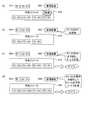
- FIG. 11 is a diagram for describing a problem of a network service generation process in an existing management device as a comparative example.
- FIG. 9 is a diagram for describing an outline of a network service generation process according to the embodiment. It is a figure showing the whole network service management device composition concerning this embodiment. 9 is a flowchart of a network service generation process according to the embodiment.
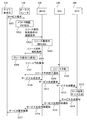
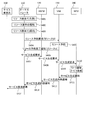
- FIG. 14 is a sequence diagram of a network service generation process when the reservation and the reservation of the resource are successful according to the embodiment.
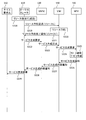
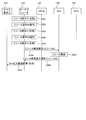
- FIG. 13 is a sequence diagram (1) of a network service generation process according to the embodiment when a reserved resource fails and is reserved again and succeeds in securing.
- FIG. 13 is a sequence diagram (2) of the network service generation process according to the embodiment when a reserved resource fails and is reserved again and succeeds in securing.
- FIG. 13 is a sequence diagram of a network service generation process when there is no resource that satisfies resource requirements according to the present embodiment.
- FIG. 13 is a sequence diagram of a network service generation process according to the present embodiment when there is no resource that satisfies the resource requirement even if the resource requirement is relaxed. It is a flowchart of the network service correction
- FIG. 1 is a diagram for explaining a problem of a network service generation process in an existing management device 900 as a comparative example.
- the management device 900 is, for example, a management device described in Patent Literature 1, and receives a service order (service request) of a network service from a user (service request source), and reserves resources required for providing the received network service. Is a management device that generates a service using reserved resources.
- the network service has service requirements (service specifications) such as performance (processing capacity) and capacity, and the management device 900 reserves resources that satisfy the resource requirements necessary to satisfy the service requirements.
- service specifications such as performance (processing capacity) and capacity
- the management device 900 reserves resources that satisfy the resource requirements necessary to satisfy the service requirements.
- the management device 900 cancels the reservation and notifies the user of the service generation failure.
- the resources are resources that are used for providing services by virtualizing server devices and network devices, and include, for example, a virtual machine (Central Processing Unit), a virtual machine having a virtual memory, and a virtual network (network). Slice), virtual storage, and the like. From the service requirements included in the service order, the resource requirements of the resources allocated to the network service, such as the performance of the virtual CPU (the number of CPU cores), the storage capacity, and the network bandwidth, are determined.
- the virtual resource is not always provided from one device or one base, but may be provided from a plurality of devices or a plurality of bases.
- the management apparatus 900 Upon receiving the service order X 910 of the network service from the service request source, the management apparatus 900 reserves the resources A, B, C, and D required for each virtual network function configuring the network service as the reservation resource 920. . Next, the management device 900 secures the reserved resource 920, generates an individual virtual network function using the reserved resource 920, and connects the virtual network function to generate a network service (service) (FIG. 1). (A)). Subsequently, the management device 900 provides the generated network service to the service request source of the service order X910.
- service network service
- to reserve a resource means that a resource on a network function virtualization platform (a platform for providing resources necessary for executing a network service) is used for a certain period before its use. It means to make a reservation.
- To secure resources means to occupy resources existing in the network function virtualization base at the start of use as resources to be provided for the virtual network function.
- the management device 900 If a failure occurs in the resource D reserved before service generation, the resource D cannot be secured, and the management device 900 fails to generate a network service (see FIG. 1B). In this case, the management device 900 releases all the reserved resources (see FIG. 1C), and notifies the service requester of the service generation failure. After that, when the service order is received again from the service request source, the management device 900 tries to reserve all the resources required for generating the network service again.
- the management device 900 re-uses the same resources. Attempts to make a reservation may fail.
- the management apparatus 900 reserves the scarce resource C as the reserved resource 940 of another service order Y 930 before re-reserving it as the reserved resource 920 of the service order X 910 (see FIG. 1D).
- the management apparatus 900 can reserve the resource F in place of the resource R that is not scarce, but cannot reserve the resource in place of the resource C, and fails to generate the service (see FIG. 1E).
- the resource replacing the resource D means that the resource satisfies the resource requirements of the virtual network function using the resource D.
- the cause of failure in service creation is not limited to failure of reserved resources. Appointments can be made apparently before the service order is accepted because resources are used and there are no available resources and reservations cannot be made, or resources that do not exist are incorrectly registered due to inadequate management of the network function virtualization platform However, there are cases where resources cannot be secured because they do not exist.
- FIG. 2 is a diagram for explaining an outline of the network service generation processing according to the present embodiment.
- the management device 960 releases only the failed resource D instead of releasing all the reserved resources 920.
- Resources A, B and C are reserved as reserved resources 920 (see FIG. 2B).
- the management device 960 additionally reserves a resource F in place of the failed resource D, adds the reserved resource 920, and generates a service using the resources A, B, C, and F (FIG. 2). (See (c)), and provides the service order X910 with the transmission source (service request source).
- the management device 960 releases only the failed resource without releasing the normal resource, and reserves another resource instead. Therefore, the management apparatus 960 can provide a service without failing to make a reservation again after releasing a normal reserved resource once, and as a result, it is possible to shorten a lead time.
- the management device 960 relaxes the resource requirements and reserves the resource d, and reserves the resource A, the resource B, and the resource C. And a service is generated using the resource d (see FIG. 2D) and provided.
- This relaxed resource requirement is a resource requirement of the virtual network function using the resource D. Examples of the relaxed resource requirements include the performance of the CPU of the server that provides the service, the memory size, the size of the storage, and the bandwidth of the network.
- the management device 960 relaxes the resource requirements by lowering the performance or reducing the size (capacity).
- the management device 960 can reduce the resource requirements and generate and provide the service. In addition, the lead time for providing the service can be shortened. At the beginning of using the service, a user who does not need to completely satisfy the service requirement can use the service promptly.
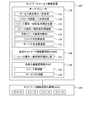
- FIG. 3 is a diagram illustrating an overall configuration of the network service management device 100 according to the present embodiment.
- the network service management apparatus 100 includes a virtual network function operating on physical / virtual resources in a network function virtualization infrastructure (NFVI) 140 connected by a network, and one or more virtual network functions. Performs the life cycle management of the combined network service (hereinafter simply referred to as service).
- NFVI network function virtualization infrastructure
- the network function virtualization base 140 includes physical resources and virtual resources obtained by virtualizing the physical resources, and is a base that provides resources necessary for executing the virtual network function.
- the network service management apparatus 100 receives a service order (service request) for requesting a network service, and determines resources to be used by each virtual network function constituting the network service from among the resources provided in the network function virtualization base 140. To make a reservation, generate a virtual network function using the resources, connect the virtual network function to generate a service, and provide the service to the service request source.
- the network service management apparatus 100 includes an orchestrator 110, a virtual network function manager (VNFM (Virtual Network Function Manager)) 120, and a virtualization infrastructure manager (VIM (Virtualized Infrastructure Manager)) 130.
- the orchestrator 110 performs life cycle management such as generation, monitoring, and deletion of a network service composed of one or more virtual network functions (network applications).
- the virtual network function management unit 120 manages the life cycle of each virtual network function, and provides the orchestrator 110 with resource requirements and constraint information required for the virtual network function.
- the virtualization infrastructure management unit 130 performs operation management of physical / virtual resources such as a CPU, a memory, a storage, and a network, reserves resources on the network function virtualization infrastructure 140, and generates a network service including a virtual network function. Instruct.
- the virtual network function may also be referred to as a network service or simply as a service.
- the orchestrator 110 includes a service request reception / response unit 111, a parameter verification / virtual network function extraction unit (in FIG. 3, described as a parameter verification / VNF (Virtual Network Function) extraction unit) 112, and a resource requirement / constraint condition inquiry unit 113. , A resource requirement / constraint condition adjusting unit 114, a reserved resource candidate determining unit 115, a resource reservation requesting unit 116, and a service generation requesting unit 117.
- the service request reception / response unit 111 receives a service request from a service request source ((service) user, not shown in FIG. 3, see the service request source 310 in FIG. 5), and a network included in the service request. Returns the service generation result and service configuration contents.
- the parameter verification / virtual network function extraction unit 112 verifies parameters included in the service request, and extracts a virtual network function constituting a network service.
- the resource requirement / restriction condition inquiry unit 113 inquires of the virtual network function management unit 120 about the resource requirements and restriction conditions of the virtual network function constituting the service.
- the resource requirements include CPU performance (the number of CPU cores), storage capacity, and network bandwidth.
- the constraint condition includes a condition related to a place where the virtual network function operates (a base where the network function virtualization base 140 is located) and the like. In the following, the resource requirement and the constraint condition may be simply referred to as a resource requirement in some cases.
- the resource requirement / constraint condition adjusting unit 114 satisfies the resource requirements of the virtual network function constituting the network service requested by the service request, and based on the adjustment policy when there is no available resource in the network function virtualization base 140. To relax and adjust resource requirements.
- the reserved resource candidate determination unit 115 determines a resource used by the virtual network function from a group of available resources on the network function virtualization base 140 based on the resource requirements of the virtual network function constituting the network service included in the service request. Are determined (also referred to as determined or assigned).
- the resource reservation request unit 116 requests the virtualization infrastructure management unit 130 to reserve a resource candidate assigned to the virtual network function by the reserved resource candidate determination unit 115.
- the service generation requesting unit 117 secures the resources allocated to the virtual network function in the network function virtualization base 140 and reserves the virtual network function to the virtualization base management unit 130 to generate the virtual network function. Requesting to connect the virtual network function of the network to generate a network service.
- the virtual network function management unit 120 includes a resource requirement / restriction condition reading unit 121.
- the resource requirement / restriction condition reading unit 121 receives an inquiry from the resource requirement / restriction condition inquiry unit 113, reads out a resource requirement or a restriction condition of a virtual network function to be generated from a network service catalog (not shown), and responds. .
- the virtualization infrastructure management unit 130 includes a resource management unit 131 and a service generation unit 132.
- the resource management unit 131 reserves resources allocated to the virtual network function on the network function virtualization base 140, and responds with the reservation result.
- the service generation unit 132 secures a reserved resource allocated to the virtual network function on the network function virtualization base 140, and activates the virtual network function on the resource ( Generation), and further, a plurality of virtual network functions are connected to generate a network service, and a generation result is returned.
- the orchestrator 110, the virtual network function management unit 120, and the virtualization infrastructure management unit 130 may each operate on a physical server having a CPU, a storage unit, and a communication unit. It may run on a server or on one or more virtual machines.
- FIG. 4 is a flowchart of the network service generation process according to the present embodiment.
- the service request reception / response unit 111 receives a service request transmitted by a service request source (see the service request source 310 in FIG. 5).
- step S102 the parameter verification / virtual network function extraction unit 112 verifies parameters included in the service request, and extracts one or a plurality of virtual network functions (described as VNF in FIG. 4) configuring the network service.
- step S103 the resource requirement / constraint condition inquiry unit 113 inquires of the virtual network function management unit 120 about the resource requirements of the virtual network function extracted in step S102, and confirms it.
- the resource requirement / restriction condition reading unit 121 of the virtual network function management unit 120 reads the resource requirement of the virtual network function included in the inquiry from the network service catalog and responds.
- step S104 the reserved resource candidate determining unit 115 satisfies the resource requirements confirmed in step S103, and determines a resource candidate to be assigned to the virtual network function from the available resources on the network function virtualization base 140. If there are a plurality of virtual network functions, resource candidates to be allocated are determined for each virtual network function.
- the reserved resource candidate determination unit 115 may obtain available resources (free resources) on the network function virtualization base 140 from itself (the storage unit of the orchestrator 110), or may reserve the virtual network function management unit 120 or virtual It may be obtained by inquiring of the infrastructure management unit 130. Alternatively, the response from the resource requirement / restriction condition reading unit 121 in step S103 may satisfy the resource requirement of the virtual network function and include information on available resources. In this way, the reserved resource candidate determination unit 115 can determine resource candidates to be assigned to the virtual network function with reference to the resource information acquired from the resource requirement / restriction condition reading unit 121.
- step S105 the reservation resource candidate determination unit 115 proceeds to step S106 if the resource candidates of all the virtual network functions in step S104 are determined and the allocation is successful (step S105 ⁇ Y), and if it fails (step S105). ⁇ N), proceed to step S110.
- the reservation resource candidate determination unit 115 fails to allocate a resource that satisfies the resource requirement because, for example, another service (a virtual network that constitutes another service) that has all reserved resources that satisfy the resource requirement of the virtual network function is reserved. Function).
- step S106 the resource reservation requesting unit 116 requests the virtualization infrastructure management unit 130 to reserve a resource candidate.
- step S107 the service generation requesting unit 117 generates a virtual network function using the reserved resources to the virtualization infrastructure management unit 130 via the virtual network function management unit 120, and further generates a plurality of virtual networks. Request that the function connect and create a network service.
- the virtualization infrastructure management unit 130 secures a reserved resource on the network function virtualization infrastructure 140, and generates (starts) a virtual network function using this resource. Further, the virtualization infrastructure management unit 130 connects a plurality of virtual network functions to generate a network service. The virtualization infrastructure management unit 130 notifies the service generation request unit 117 via the virtual network function management unit 120 whether or not the securing of resources and the generation of a network service (virtual network function) have been successful.
- step S108 the service generation requesting unit 117 proceeds to step S109 if the resources have been successfully secured for all the virtual network functions and the network service has been successfully generated (step S108 ⁇ Y), and if it has failed (step S108 ⁇ N) Proceed to step S114.
- step S109 the service request reception / response unit 111 notifies the service request source that the network service included in the service request has been successfully generated.
- the service request reception / response unit 111 may additionally notify a service content including information on a resource used by the service (a resource used by a virtual network function configuring the service).
- the resource requirement / constraint condition adjustment unit 114 changes the virtual network function for which the resource candidate assignment has failed to be relaxed based on the adjustment policy, and the reserved resource candidate determination unit 115 A resource candidate satisfying the changed and changed resource requirement is assigned to the virtual network function.
- the contents of the relaxation of the resource requirements include, for example, reducing the performance of the CPU (reducing the number of CPU cores), reducing the storage capacity, reducing the number of the same type of virtual network functions in a load balancing cluster system, For example, there is a change in the base where the network function virtualization platform 140 that provides resources is located.
- the resource requirement / constraint condition adjustment unit 114 and the reserved resource candidate determination unit 115 search resource resources that can be used while gradually relaxing the resource requirements, and allocate resource candidates to the virtual network function.
- the resource requirement / constraint condition adjustment unit 114 changes the resource requirements of each virtual network function to relax. Further, the reserved resource candidate determination unit 115 allocates the resource candidates that have been relaxed and changed and satisfy the respective resource requirements to the corresponding virtual network functions.
- step S111 the reserved resource candidate determination unit 115 proceeds to step S106 if the allocation of the resource candidates for all the virtual network functions succeeds (step S111 ⁇ Y) with the resource requirements relaxed in step S110. If (Step S111 ⁇ N), the process proceeds to Step S112. In step S112, the resource reservation request unit 116 requests the virtualization infrastructure management unit 130 to release all the reserved resource candidates. In step S113, the service request reception / response unit 111 notifies the service request source of a result indicating that the generation of the network service included in the service request has failed.
- step S114 the resource management unit 131 of the virtualization infrastructure management unit 130 releases the reservation of the resource for which the reservation failed and releases the resource, and returns to step S104.
- step S104 returned from step S114 the reserved resource candidate determination unit 115 replaces the resource released in step S114 and satisfies the resource requirement of the virtual network function to which the resource that failed to be allocated is allocated and is available. Assign resources as resource candidates. For the resources that have been successfully secured, the resource management unit 131 keeps the reservation without releasing it, and the reserved resource candidate determination unit 115 remains assigned to the virtual network function.
- step S107 returned from step S114 the service generation requesting unit 117 generates a virtual network function using each reserved resource that has not been released, and further connects a plurality of virtual network functions. Request to the virtualization infrastructure management unit 130 via the virtual network function management unit 120 to generate a network service.
- Normal case In the following, the case where resource reservation and reservation succeeded (normal case), the case where resource was reserved but failed to reserve due to a failure and the reservation was successful again, and the resource requirement was relaxed and the reservation and reservation succeeded
- the network service generation processing will be described separately for cases and cases where allocation fails even if resource requirements are relaxed.
- FIG. 5 is a sequence diagram of a network service generation process in the case where resource reservation and reservation are successful according to the present embodiment.
- a description will be given of a network service generation process in a case where resource candidates are successfully allocated in step S104 in FIG. 4 (step S105 ⁇ Y) and service generation is also successful (step S108 ⁇ Y).
- the network service generation process starts when the service request source 310 transmits a service request to the network service management apparatus 100 to request a network service.
- step S201 the service request reception / response unit 111 of the orchestrator 110 receives the service request transmitted by the service request source (see step S101 in FIG. 4).
- step S202 the parameter verification / virtual network function extraction unit 112 of the orchestrator 110 verifies the parameters included in the service request, and extracts a virtual network function constituting a network service (see step S102).
- step S203 the resource requirement / constraint condition inquiry unit 113 of the orchestrator 110 transmits a request to confirm the resource requirement of the virtual network function extracted in step S202 to the virtual network function management unit 120.
- step S204 the resource requirement / restriction condition reading unit 121 of the virtual network function management unit 120 reads the resource requirements of the virtual network function included in the confirmation request in step S203 from a network service catalog (not shown).
- step S205 the resource requirement / restriction condition reading unit 121 transmits the resource requirement of the virtual network function read in step S204 to the orchestrator 110.
- the resource requirement information on available resources that satisfy the resource requirements on the network function virtualization base 140 may be included.
- step S206 the reserved resource candidate determination unit 115 of the orchestrator 110 satisfies the resource requirements acquired in step S205 and allocates available resources on the network function virtualization base 140 as resource candidates for the virtual network function (step S206).
- the reserved resource candidate determination unit 115 may obtain information on available resources from itself (the storage unit of the orchestrator 110), or may obtain the information by inquiring of the virtual network function management unit 120 or the virtualization infrastructure management unit 130. Alternatively, if information of available resources is obtained in step S205, this may be referred to.
- step S207 the resource reservation requesting unit 116 of the orchestrator 110 transmits, to the virtualization infrastructure management unit 130, a reservation request for a resource candidate assigned to a virtual network function constituting a network service.
- step S208 the resource management unit 131 of the virtualization infrastructure management unit 130 reserves resources included in the reservation in step S207.
- step S209 the resource management unit 131 notifies that the reservation of the resource has been completed. Steps S207 to S209 described above correspond to step S106 in FIG.
- step S210 the service generation request unit 117 of the orchestrator 110 transmits a virtual network function and service generation request to the virtual network function management unit 120.
- step S211 the virtual network function management unit 120 transmits the generation request in step S210 to the virtualization infrastructure management unit 130.
- step S212 the service generation unit 132 of the virtualization infrastructure management unit 130 secures the resources reserved in step S208 to generate a virtual network function, and further connects a plurality of virtual network functions to generate a network service. Request to the network function virtualization platform 140 to do so.
- step S213 the network function virtualization base 140 secures the reserved resource requested in step S212, and generates (starts) the virtual network function using this resource. Furthermore, a network service is generated by connecting a plurality of virtual network functions. In step S214, the network function virtualization base 140 notifies that the service has been created.
- step S215 the service generation unit 132 of the virtualization infrastructure management unit 130 notifies the contents of the generated service.
- the contents of the service include the generated virtual network function and the contents of the resource (such as the performance of the virtual CPU).
- step S216 the virtual network function management unit 120 notifies the generated service content.
- the above steps S210 to S216 correspond to steps S107 and S108 ⁇ Y in FIG.
- step S217 the service request reception / response unit 111 of the orchestrator 110 notifies the service request source that the network service has been successfully generated.
- the notification may include the generated virtual network function and the contents of the resource (see step S109).
- FIG. 6 is a sequence diagram (1) of a network service generation process according to the present embodiment when a reserved resource fails and is reserved again and succeeds in securing.
- FIG. 7 is a sequence diagram (2) of the network service generation processing according to the present embodiment when the reserved resource fails and is reserved again and succeeds in securing.
- step S104 of FIG. 4 step S105 ⁇ Y
- step S108 ⁇ N the reserved resource fails and the service generation fails
- Steps S301 to S309 are the same as steps S201 to S209, respectively. It is assumed that resources A and B are reserved in steps S307 to S309. Here, it is assumed that a failure has occurred in the reserved resource A. Steps S310 to S312 are the same as steps S210 to S212, respectively.
- step S313 the network function virtualization infrastructure 140 attempts to secure the reserved resources A and B requested in step S312, but the resource A fails due to a failure.
- step S314 the network function virtualization platform 140 notifies the virtualization platform management unit 130 that the securing of the resource A has failed.
- step S315 the service generation unit 132 of the virtualization infrastructure management unit 130 instructs the resource management unit 131 to release the reservation of the resource A and release the resource A.
- step S316 the service generation unit 132 of the virtualization infrastructure management unit 130 notifies the service generation contents.
- the virtual network function management unit 120 notifies the service generation contents (failure in securing resource A).
- step S318 the reserved resource candidate determination unit 115 of the orchestrator 110 satisfies the resource requirements of the virtual network function to which the released resource A has been allocated, and allocates an available resource as a resource candidate (step S114).
- step S114 See the description of S104 in the description.
- resource C is assigned as a resource candidate instead of resource A.
- Steps S319 to S321 are the same as steps S307 to S309. However, what is reserved is not resource A and resource B, but resource C.
- the resource B is reserved in steps S307 to S309, and is in a state where it is continuously reserved.
- Steps S322 to S329 are the same as steps S210 to S217 in FIG. 5, respectively.
- the resources secured in step S325 and used for the virtual network function are resource B and resource C.
- FIG. 8 is a sequence diagram of a network service generation process when there is no resource satisfying the resource requirement according to the present embodiment.
- the reserved resource fails and the service generation fails (step S108 ⁇ N in FIG. 4), and the resource allocation having the same resource requirements as the failed resource fails (step S105 ⁇ N)
- step S111 ⁇ Y A description will be given of a network service generation process in the case where the resource satisfying the relaxed requirement is successfully secured. It is assumed that at the stage before step S401 in FIG. 8, the reserved resource A has failed and the service generation has failed (see steps S301 to S317 in FIG. 6).
- step S401 the reserved resource candidate determination unit 115 of the orchestrator 110 satisfies the resource requirements of the virtual network function to which the released resource A has been allocated, and attempts to allocate an available resource as a resource candidate. (Step S105 ⁇ N in FIG. 4).
- step S402 the resource requirement / constraint condition adjusting unit 114 relaxes the resource requirement of the virtual network function to which the released resource A has been allocated, based on the adjustment policy.
- step S403 the reserved resource candidate determination unit 115 allocates available resources that satisfy the relaxed resource requirements as resource candidates of the virtual network function to which the released resource A is allocated. Steps S402 to S403 correspond to step S110 in FIG.
- the resource allocation has succeeded (step S403) by once relaxing the resource requirements (step S402). If the resource is not found in one relaxation, the resource requirement is relaxed and the available resource is allocated repeatedly.
- the description is continued assuming that the resource requirement is relaxed in step S402 and the resource D is allocated as a resource candidate in step S403.
- Steps S404 to S414 are the same as steps S207 to S217. However, the resource D is reserved in steps S404 to S406.
- the resource B has been reserved.
- the resources secured in step S410 and used for the virtual network function are resource B and resource D.
- the network service management apparatus 100 succeeds in reserving a resource that satisfies the resource requirement, and then fails in the resource and fails to allocate a substitute resource. At the time when the service request is received, the network service management apparatus 100 performs the same processing even when the allocation of resources satisfying the resource requirements of any of the virtual network functions configuring the service fails. For example, in the resource allocation in step S306 in FIG. 6, it is assumed that the network service management apparatus 100 has succeeded in allocating the resource B, but has failed in allocating the resource A or the resource replacing the resource A.
- the network service management apparatus 100 relaxes the resource requirements (step S402), allocates the resource D (see step S403), reserves the resources B and D (see steps S404 to S406), and generates a service. (See steps S407 to S413).
- FIG. 9 is a sequence diagram of a network service generation process according to the present embodiment when there is no resource that satisfies the resource requirement even if the resource requirement is relaxed. Referring to FIG. 9, the reserved resource fails and the service generation fails (step S108 ⁇ N in FIG. 4), and the allocation of resources having the same resource requirements as the failed resource fails (step S105 ⁇ ).
- step S111 ⁇ N a description will be given of a network service generation process in a case where allocation of a resource satisfying the relaxed requirement fails (step S111 ⁇ N). It is assumed that at the stage before step S501 in FIG. 9, the reserved resource A has failed and the service generation has failed (see steps S301 to S317 in FIG. 6).
- step S501 the reserved resource candidate determination unit 115 of the orchestrator 110 attempts to allocate available resources as resource candidates while satisfying the resource requirements of the virtual network function to which the released resource A has been allocated.
- Step S105 ⁇ N in FIG. 4 the resource requirement / constraint condition adjustment unit 114 relaxes the resource requirement of the virtual network function to which the released resource A is allocated based on the adjustment policy.
- step S503 the reserved resource candidate determination unit 115 attempts to allocate an available resource that meets the relaxed resource requirement as a resource candidate for the virtual network function, but fails because no resource candidate is found.
- step S504 the resource requirement / constraint condition adjustment unit 114 relaxes the resource requirement again based on the adjustment policy.
- step S505 the reserved resource candidate determination unit 115 attempts to allocate an available resource that meets the resource requirements relaxed in step S504 as a resource candidate for the virtual network function, but fails because no resource candidate is found.
- the resource requirement / constraint condition adjustment unit 114 cannot perform the mitigation beyond the mitigation in step S504, and the available resource cannot be found on the network function virtualization base 140 even if the resource requirement is eased. , Continue with the explanation that the assignment failed.
- Steps S502 to S505 correspond to steps S110 to S111 ⁇ N in FIG.
- step S506 the resource reservation request unit 116 of the orchestrator 110 transmits a request to release the reserved resource B to the virtualization infrastructure management unit 130.
- step S507 the resource management unit 131 of the virtualization infrastructure management unit 130 releases the reservation of the resource B and releases the resource B.
- step S508 the resource management unit 131 of the virtualization infrastructure management unit 130 notifies that the release of the resources has been completed. Steps S506 to S508 described above correspond to step S112 in FIG.
- step S509 the service request reception / response unit 111 of the orchestrator 110 notifies the service request source that the network service generation has failed (see step S113 in FIG. 4).
- the network service management apparatus 100 releases the failed resource and reduces the resource requirement. Allocate and reserve alternative resources to meet and create services. Since the network service management apparatus 100 does not release other reserved resources, the reserved resources are not allocated to another service. Therefore, unlike the prior art, rare resources that have been reserved once are released and re-reservation does not fail, and the service lead time can be shortened.
- the network service management apparatus 100 continues the resource requirements and the constraint conditions. (Changed to relax resource requirements according to a coordination policy) to provide network services.
- the service requester (user) cannot use the service with the requested performance or quality, but can use the service at an early stage.
- step S114 the resource management unit 131 of the virtualization infrastructure management unit 130 releases the reservation by canceling the reservation of the failed resource. For this reason, it is possible to newly allocate the resources to the virtual network function after the resource is recovered from the failure.
- the orchestrator 110 does not release the resource in step S315 (see FIG. 6), but instead receives the notification that the resource securing has failed (see step S317). May be released by instructing the resource management unit 131.
- the network service management apparatus 100 since a failure has occurred in the reserved resource, the network service management apparatus 100 generates and provides a service by repeating allocation and reservation (steps S318 to S321). If a failure occurs again in the resource, the network service management device 100 repeats the assignment and the reservation again. This corresponds to repeating steps S104, S105 ⁇ Y, S106, S107, S108 ⁇ N, S114 in FIG.
- FIG. 10 is a flowchart of a network service correction process according to a modification of the present embodiment. With reference to FIG. 10, a description will be given of a network service correction process mainly performed by the orchestrator 110.
- step S121 the reserved resource candidate determination unit 115 satisfies the resource requirement of the virtual network function generated by allocating the resource by relaxing the resource requirement, and the resource requirement before the relaxation is satisfied. Allocate possible resources as resource candidates for the virtual network function.
- step S122 the reserved resource candidate determination unit 115 proceeds to step S123 if the allocation of the resource candidates in step S121 succeeds (step S122 ⁇ Y), and returns to step S121 if the allocation fails (step S122 ⁇ N).
- step S123 the resource reservation requesting unit 116 requests the virtualization infrastructure management unit 130 to reserve a resource candidate.
- step S124 the service generation request unit 117 requests the virtualization infrastructure management unit 130 via the virtual network function management unit 120 to allocate the reserved resources to the virtual network function and generate the virtual network function. I do.
- step S125 the service generation unit 132 of the virtualization infrastructure management unit 130 proceeds to step S127 if the resource reservation succeeds and the virtual network function is successfully generated (step S125 ⁇ Y), and if it fails (step S125 ⁇ N) Proceed to step S126.
- step S126 the resource management unit 131 of the virtualization infrastructure management unit 130 requests the virtualization infrastructure management unit 130 to release the resources reserved in step S123.
- step S127 the service generation unit 132 replaces the existing (reduced and activated virtual network function using resources satisfying the relaxed resource requirements) with the virtual network function newly generated in step S124.
- the service generation unit 132 replaces the existing (reduced and activated virtual network function using resources satisfying the relaxed resource requirements) with the virtual network function newly generated in step S124.
- the connection destination of the VPN to an external network is switched from an existing firewall to a newly generated firewall, thereby enabling the virtual network function. Replace it.
- the virtual network function may be replaced by migrating a virtual machine from an existing resource to a newly secured resource.
- an existing server that is on standby may be replaced with a newly created server.
- processing on an existing server may be stopped and replaced with a newly generated server.
- step S128 the service generation unit 132 stops the existing virtual network function (which has been degenerated and activated using resources satisfying the relaxed resource requirements).
- step S129 the resource management unit 131 releases the resources used by the virtual network function stopped in step S128.
- step S130 the service request reception / response unit 111 notifies the service request source that the resources used by the network service have been switched.
- the service management apparatus 100 can provide a network service satisfying the original performance and quality to a service request source. Further, the network service management apparatus 100 replaces only the virtual network function whose resource has been changed among the virtual network functions constituting the network service. For this reason, the network service management device 100 can correct the network service to satisfy the original performance and quality without interrupting the network service.
- the network service management device 100 corrects the service when the resource of the resource requirement originally required in the virtual network function configuring the network service requested by the service request becomes available. I have.
- the network service management apparatus 100 may correct the service when a resource having a resource requirement that is not the originally required resource requirement but is less relaxed becomes available.
- the adjustment policy reduces the performance and capacity of the resource. For example, reducing the number of CPU cores and storage capacity, reducing the bandwidth of a virtual network, and reducing the number of virtual network functions of the same type in a load balancing cluster system when there are multiple virtual network functions, and gradually reducing the number of resources until resources are allocated. Performance and capacity have been reduced. Note that the lower limit of the resource is set for the virtual network function, and when the lower limit is reached, the resource cannot be relaxed, and the network service management apparatus 100 fails to allocate resources.
- the network service management apparatus 100 refers to the resource usage status (statistical information) of the same kind of virtual network function in the past and refers to the resource usage matching the usage status.
- An adjustment policy for reducing performance or capacity may be adopted. For example, if the average CPU utilization is 30%, the network service management apparatus 100 does not gradually reduce the number of CPU cores from four to three, two, and one, but decreases the number of CPU cores to two. The assignment may fail.
- the network service management apparatus 100 refers to the statistical information of the same type of virtual network function limited to the user and matches the usage status. The performance and capacity of the resource may be reduced. Since the network service management apparatus 100 adopts the adjustment policy based on the statistical information, resources can be allocated in a shorter time than the adjustment policy for gradually lowering the performance and the capacity, and the lead time can be reduced.
- the network service management apparatus 100 may adopt a coordination policy that, when the resource allocation of the virtual network function fails, reduces the resource to the minimum necessary for the virtual network function. If this adjustment policy is adopted, the network service management apparatus 100 compares the amount of resources to be allocated (the performance and / or capacity of the resources) with respect to the adjustment policy for gradually reducing the performance or capacity or the adjustment policy for relaxing by referring to the statistical information. ), The number of virtual network functions that can be generated can be increased, and the number of network services that can be provided can be increased.
- the network service management device 100 may use a plurality of adjustment policies as described above depending on the situation. For example, when the latest lead time of a predetermined period exceeds a predetermined threshold, an adjustment policy that relaxes by referring to statistical information may be adopted instead of an adjustment policy that gradually reduces performance and capacity. . By switching the adjustment policy, the network service management apparatus 100 can provide the service while balancing the reduction of the lead time with the improvement of the service quality including the performance and capacity of the resource.
- the network service management apparatus 100 When the available resources on the network function virtualization base 140 are less than a predetermined threshold, the network service management apparatus 100 refers to the statistical information to replace the adjustment policy for gradually lowering the performance and capacity with a relaxing adjustment policy. You may employ it. In addition, the network service management apparatus 100 may set a smaller predetermined threshold value, and switch to an adjustment policy that relaxes to a necessary minimum resource when the available resource is smaller than this threshold value. By switching the adjustment policy so as to reduce the amount of resources (resource performance and / or capacity) to be allocated according to the state of the available resources, the network service management apparatus 100 activates more virtual network functions using the remaining resources. As a result, more services can be provided.
- the network service management apparatus 100 may use the amount of free resources on the network function virtualization base 140 as well as the state of change in the amount of free resources (increase or decrease, speed of increase or decrease, etc.), and electricity usage of all resources.
- the adjustment policy may be switched according to the resource status such as the amount. Further, the network service management apparatus 100 may switch the adjustment policy according to the user (service request source).
- the network service management device 100 performs resource reallocation when a resource cannot be secured after resource reservation, and assigns a resource that satisfies the resource requirement. If resource allocation is not possible, relax resource requirements and allocate resources.
- the network service management apparatus 100 may perform resource reallocation or resource allocation with relaxed resource requirements. Good.
- the network service management apparatus 100 may reduce resource reallocation and resource requirements. May be allocated.
- Reference Signs List 100 network service management device 110 orchestrator 111 service request reception / response unit 112 parameter verification / virtual network function extraction unit 113 resource requirement / constraint condition inquiry unit 114 resource requirement / constraint condition adjustment unit 115 reserved resource candidate judgment unit 116 resource reservation request Unit 117 service generation requesting unit 120 virtual network function management unit 121 resource requirement / restriction condition reading unit 130 virtualization base management unit 131 resource management unit 132 service generation unit 140 network function virtualization base
Landscapes
- Engineering & Computer Science (AREA)
- Computer Networks & Wireless Communication (AREA)
- Signal Processing (AREA)
- Data Exchanges In Wide-Area Networks (AREA)
Abstract
【課題】ネットワークサービス提供のリードタイムの短縮を可能とする。 【解決手段】ネットワーク機能仮想化基盤140に含まれるリソースを用いてネットワークサービスを提供するネットワークサービス管理装置100は、ネットワークサービスを構成する仮想ネットワーク機能のリソース要件に合致し、仮想ネットワーク機能に割り当てるリソースを決定して、リソースを予約するオーケストレータ110と、予約されたリソースを確保し、確保されたリソース上で仮想ネットワーク機能を起動する仮想化基盤管理部130とを備える。オーケストレータ110は、予約されたリソースの確保に失敗すると、当該リソースに替わるリソースを再予約し、仮想化基盤管理部130は、予約されたリソースを確保し、確保されたリソース上で仮想ネットワーク機能を起動する。
Description
本発明は、ネットワークサービスを構築して提供するネットワークサービス管理装置、ネットワークサービス管理方法およびネットワークサービス管理プログラムに関する。
従来専用ハードウェア上に構築され提供されることが多かったファイアウォールや侵入検知システムなどのネットワーク機能が、仮想化技術の進展やハードウェアの性能向上により、汎用物理サーバ上の仮想マシンとしても提供可能となっている。ネットワーク機能を仮想マシンによる仮想ネットワーク機能として提供することで、ネットワークサービス事業者にとっては、短期間で新サービスを市場に展開できる、リソース利用を最適化して機器コストや電力消費を削減できる、自動化による運用効率が改善できるなどのメリットがある。
ネットワークサービス事業者は、顧客からサービス要求を受け付け、ネットワークサービスを生成して、顧客に提供している。ネットワークサービスは、1つ以上の仮想ネットワーク機能から構成される。仮想ネットワーク機能の生成に要する時間(リードタイム)の短縮は、すぐにネットワークサービスを利用したいと要望する顧客を獲得するための重要な課題となる。また、オートヒーリングやオートスケーリングにおいては、リードタイムがネットワークサービス品質に直結する。
ネットワークサービス(以下、サービスとも記す)を生成するには、サービスを構成する仮想ネットワーク機能が利用する仮想マシンや仮想マシン間を接続する仮想ネットワークなど、ネットワーク機能仮想化基盤上のリソースを確保する必要がある。リソース確保に失敗すると、繰り返しサービス生成処理を実行することになり、リードタイムが長くなる。リソース確保に失敗する原因には、他のサービスとのリソース競合、リソース(装置)の故障、リソース不足などがあり、特に大規模なサービスでは、必要とするリソースの要件が厳しかったり、サービスを構成する仮想ネットワーク機能の数が多かったりして、全てのリソースを確保することが難しくなる。
このような問題に対して、特許文献1に記載の技術は、リソースを予約することによりリソース確保を担保しようとする。
特許文献1に記載の管理装置は、利用者(顧客)からサービスの要求を受け付けて、要求されたサービスを生成する際に、サービス提供に必要なサーバ系装置のリソースおよびネットワーク系装置のリソースを予約した後に、サーバ系装置の予約されたリソースからアプリケーションを生成し、ネットワーク系装置の予約されたリソースからネットワーク接続を生成することで、リソース上でサービスを生成する。しかしながら、特許文献1に記載の管理装置について、予約した後にリソースに故障が発生してサービスが生成できない場合の対応についての記載が見当たらない。
記載の範囲内での対応として、サービス生成に失敗した場合には、管理装置は、予約したリソースを全て解放して、サービス生成失敗を利用者に通知し、利用者が再度サービスを要求するという手法がある。しかしながら、サービス要求が繰り返される間、利用者はサービスが提供されるのを待つことになり、利用者のサービス満足度低下につながってしまう。
サービスが再要求された場合、管理装置は、再度必要なリソースを予約してサービスを生成する。しかしながら、この対応手法では、一度は予約できたリソースが、他のサービスのために先に予約されてしまい2回目には予約できず、さらに、替わりとなる(サービスの要件を満たすために必要な)リソースが他のサービスによって全て使われていて、利用可能な(空いている)リソースがない(リソース不足)ために予約に失敗する場合が起きうる。このときには、管理装置は、リソースに空きが出てくるまでサービスが提供できず、リードタイムが長くなる。また、利用者から要求されたサービスに必要なネットワーク機能仮想化基盤上のリソースが不足している場合にも、管理装置は、リソースに空きが出てくるまでサービスが提供できず、リードタイムが長くなる。
サービスが再要求された場合、管理装置は、再度必要なリソースを予約してサービスを生成する。しかしながら、この対応手法では、一度は予約できたリソースが、他のサービスのために先に予約されてしまい2回目には予約できず、さらに、替わりとなる(サービスの要件を満たすために必要な)リソースが他のサービスによって全て使われていて、利用可能な(空いている)リソースがない(リソース不足)ために予約に失敗する場合が起きうる。このときには、管理装置は、リソースに空きが出てくるまでサービスが提供できず、リードタイムが長くなる。また、利用者から要求されたサービスに必要なネットワーク機能仮想化基盤上のリソースが不足している場合にも、管理装置は、リソースに空きが出てくるまでサービスが提供できず、リードタイムが長くなる。
このような、サービス要求の繰り返しやリソース不足に対応しつつリソースを予約して、サービスを生成することでリードタイムを短縮することが望まれる。
このような背景を鑑みて、本発明は、ネットワークサービス提供のリードタイムを短縮することを課題とする。
このような背景を鑑みて、本発明は、ネットワークサービス提供のリードタイムを短縮することを課題とする。
前記した課題を解決するため、請求項1に記載の発明は、ネットワーク機能仮想化基盤に含まれるリソースを用いてネットワークサービスを提供するネットワークサービス管理装置であって、前記ネットワークサービスを構成する仮想ネットワーク機能のリソース要件に合致し、前記仮想ネットワーク機能に割り当てるリソースを決定し、当該リソースを予約するオーケストレータと、前記予約されたリソースを確保し、確保されたリソース上で前記仮想ネットワーク機能を起動し、前記ネットワークサービスを生成する仮想化基盤管理部とを備え、前記オーケストレータが、前記予約したリソースのなかに前記仮想化基盤管理部が確保に失敗したリソースがあった場合、前記確保に失敗したリソースを割り当てた仮想ネットワーク機能について、当該仮想ネットワーク機能のリソース要件に合致し、当該仮想ネットワーク機能に割り当てる新たなリソースを決定して、当該リソースを再予約し、前記仮想化基盤管理部が、前記確保に失敗したリソース以外の前記予約されたリソースおよび前記再予約されたリソースを確保し、確保されたリソース上で仮想ネットワーク機能を起動してネットワークサービスを生成することを特徴とするネットワークサービス管理装置とした。
また、請求項7に記載の発明は、ネットワーク機能仮想化基盤に含まれるリソースを用いてネットワークサービスを提供するネットワークサービス管理装置のネットワークサービス管理方法であって、前記ネットワークサービス管理装置が、前記ネットワークサービスを構成する仮想ネットワーク機能のリソース要件に合致し、前記仮想ネットワーク機能に割り当てるリソースを決定し、当該リソースを予約するステップと、前記予約されたリソースを確保し、確保されたリソース上で前記仮想ネットワーク機能を起動し、前記ネットワークサービスを生成するステップと、前記予約したリソースのなかに確保に失敗したリソースがあった場合、前記確保に失敗したリソースを割り当てた仮想ネットワーク機能について、当該仮想ネットワーク機能のリソース要件に合致し、当該仮想ネットワーク機能に割り当てる新たなリソースを決定して、当該リソースを再予約するステップと、前記確保に失敗したリソース以外の前記予約されたリソースおよび前記再予約されたリソースを確保し、確保されたリソース上で仮想ネットワーク機能を起動してネットワークサービスを生成するステップとを実行することを特徴とするネットワークサービス管理方法とした。
このような構成にすることで、ネットワークサービス管理装置は、予約したが確保できなかったリソースが割り当てられていた仮想ネットワーク機能に対してのみ、リソースを再度割り当てて、再予約し、全ての仮想ネットワーク機能を起動してネットワークサービスを提供することができる。確保できた、仮想ネットワーク機能に割り当てられ予約済みのリソースは、解放されず予約したままであるため他のネットワークサービスの仮想ネットワーク機能に割り当てられることはない。このため、ネットワークサービス管理装置は、従来技術ではネットワークサービスの生成に失敗する状況においても失敗することなく、替わりのリソースを用いてサービスを提供することができ、ネットワークサービス提供のリードタイムを短縮することができる。
請求項2に記載の発明は、前記オーケストレータまたは前記仮想化基盤管理部が、前記仮想化基盤管理部が確保に失敗したリソースの予約を解除することを特徴とする請求項1に記載のネットワークサービス管理装置とした。
このような構成にすることで、ネットワークサービス管理装置は、ネットワーク機能仮想化基盤上のリソースが利用可能な状態に戻った後に、新たに仮想ネットワーク機能に当該リソースを割り当てることが可能となる。
請求項3に記載の発明は、前記オーケストレータが、前記再予約したリソースのなかに前記仮想化基盤管理部が確保に失敗したリソースがあった場合、前記新たなリソースの決定と当該リソースの予約を、前記仮想化基盤管理部が当該リソースを確保するまで繰り返し、前記仮想化基盤管理部が、前記確保されたリソース上で仮想ネットワーク機能を起動してネットワークサービスを生成することを特徴とする請求項1または2に記載のネットワークサービス管理装置とした。
このような構成にすることで、仮想ネットワーク機能に割り当てられ再予約したリソースが確保できず利用できない場合であっても、ネットワークサービス管理装置は、ネットワーク機能仮想化基盤上の別のリソースを用いて仮想ネットワーク機能を起動してネットワークサービスを生成することができる。
請求項4に記載の発明は、前記オーケストレータが、前記予約または前記再予約において、前記リソース要件に合致し、前記仮想ネットワーク機能に割り当てるリソースがない場合には、所定の調整ポリシに従って、当該割り当てるリソースがなかった仮想ネットワーク機能のリソース要件を変更して、当該仮想ネットワーク機能に割り当てるリソースを決定することを特徴とする請求項1~3のいずれか1項に記載のネットワークサービス管理装置とした。
このような構成にすることで、仮想ネットワーク機能のリソース要件を満たすリソースがネットワーク機能仮想化基盤上にない場合であっても、ネットワークサービス管理装置は、調整ポリシに従ってリソース要件を緩和するように変更して仮想ネットワーク機能にリソースを割り当て、ネットワークサービスを提供することが可能となる。リソース要件を満たすリソースが利用可能となるまで仮想ネットワーク機能の起動を待つ必要がなく、ネットワークサービス提供のリードタイムを短縮することができる。
請求項5に記載の発明は、前記オーケストレータが、前記ネットワーク機能仮想化基盤に含まれるリソースの状況に応じて、前記リソース要件に含まれるリソースの性能および/または容量の変更した後の値が異なる、複数の調整ポリシを切り替えることを特徴とする請求項4に記載のネットワークサービス管理装置とした。
このような構成にすることで、ネットワークサービス管理装置は、ネットワーク機能仮想化基盤上の空きリソース量が少ない場合には、割り当てるリソースの量を小さくするように仮想ネットワーク機能のリソース要件を変更する調整ポリシに切り替えることが可能となる。このため、ネットワークサービス管理装置は、残り少ない空きリソースのなかで、調整ポリシが固定されている場合に比べてより多くの仮想ネットワーク機能を起動することができ、より多くのサービスを提供することができるようになる。
請求項6に記載の発明は、前記オーケストレータが、前記変更されたリソース要件に基づいてリソースが割り当てられた仮想ネットワーク機能を示す縮退起動済み仮想ネットワーク機能について、前記縮退起動済み仮想ネットワーク機能の変更される前のリソース要件を満たすリソースを示す新規リソースを前記縮退起動済み仮想ネットワーク機能に割り当て可能になった場合には、前記新規リソースを予約し、前記仮想化基盤管理部が、前記新規リソースを確保し、確保された前記新規リソース上で仮想ネットワーク機能を起動して、前記縮退起動済み仮想ネットワーク機能と置き換えることを特徴とする請求項4または5に記載のネットワークサービス管理装置とした。
このような構成にすることで、緩和するように変更されたリソース要件のリソースが割り当てられた縮退起動済み仮想ネットワーク機能を含むネットワークサービスについて、変更される前の本来のリソース要件に合致するリソースが利用可能となった時点で、ネットワークサービス管理装置は、本来のリソース要件に合ったリソースを当該仮想ネットワーク機能に割り当てて、ネットワークサービスを提供することが可能となる。サービス利用者は、要件を満たさないネットワークサービスについて、サービスの停止や再要求をすることなく、ネットワーク機能仮想化基盤上のリソースの空きが生じた時点で、仮想ネットワーク機能に本来のリソース要件を満たすリソースが割り当てられ、本来の性能や品質を有したネットワークサービスを利用することができる。
請求項8に記載の発明は、コンピュータに、請求項7に記載のネットワークサービス管理方法を実行させるためのネットワークサービス管理プログラムとした。
このようにすることで、一般的なコンピュータに、請求項7に記載のネットワークサービス管理方法を実行させることができる。
本発明によれば、ネットワークサービス提供のリードタイムを短縮することができる。
≪既存のネットワークサービス生成≫
本発明を実施するための形態(実施形態)であるネットワークサービス管理装置(以下、単に管理装置とも記す)を説明する前に、特許文献1に記載の技術に基づくネットワークサービスの生成処理と問題点、および本発明における生成処理と効果を説明する。
本発明を実施するための形態(実施形態)であるネットワークサービス管理装置(以下、単に管理装置とも記す)を説明する前に、特許文献1に記載の技術に基づくネットワークサービスの生成処理と問題点、および本発明における生成処理と効果を説明する。
図1は、比較例としての既存の管理装置900におけるネットワークサービス生成処理の問題点を説明するための図である。管理装置900は、例えば特許文献1に記載の管理装置であって、ネットワークサービスのサービスオーダ(サービス要求)を利用者(サービス要求元)から受け付け、受け付けたネットワークサービス提供に必要なリソースを予約して、予約済みのリソースを用いてサービスを生成する管理装置である。ネットワークサービスには、性能(処理能力)や容量といったサービス要件(サービス仕様)があり、管理装置900は、サービス要件を満たすために必要なリソース要件を満たすリソースを予約する。管理装置900は、リソースの予約やサービス生成に失敗した場合には、予約を解除して、利用者にサービス生成失敗を通知する。
なお、リソースとは、サーバ系装置やネットワーク系装置が仮想化されて、サービス提供に利用されるリソースであり、例えば、仮想CPU(Central Processing Unit)や仮想メモリを備える仮想マシン、仮想ネットワーク(ネットワークスライス)、仮想ストレージなどである。サービスオーダに含まれるサービス要件から、例えば、仮想CPUの性能(CPUコア数)や記憶容量、ネットワーク帯域といった、ネットワークサービスに割り当てられるリソースのリソース要件が決まる。仮想リソースは、1つの装置や1つの拠点から提供されるとは限らず、複数の装置や複数の拠点から提供されてもよい。
管理装置900は、ネットワークサービスのサービスオーダX910をサービス要求元から受け付けると、ネットワークサービスを構成する個々の仮想ネットワーク機能に必要なリソースA、リソースB、リソースCおよびリソースDを予約リソース920として予約する。次に、管理装置900は、予約リソース920を確保し、確保した予約リソース920を用いて個々の仮想ネットワーク機能を生成し、仮想ネットワーク機能を接続してネットワークサービス(サービス)を生成する(図1(a)参照)。続いて、管理装置900は、サービスオーダX910のサービス要求元に生成したネットワークサービスを提供する。
なお、本明細書において、リソースを予約するとは、ネットワーク機能仮想化基盤(ネットワークサービスの実行に必要なリソースを提供する基盤)にあるリソースを、その利用に先だち、ある期間に亘っての利用として予約しておくという意味である。また、リソースを確保するとは、利用開始時にネットワーク機能仮想化基盤にあるリソースを、仮想ネットワーク機能に供するリソースとして専有することである。
ここで、サービス生成前に予約したリソースDに故障が発生すると、リソースDを確保できず、管理装置900は、ネットワークサービスの生成に失敗する(図1(b)参照)。この場合、管理装置900は、予約した全リソースを解放して(図1(c)参照)、サービス生成失敗をサービス要求元に通知する。その後、サービス要求元から再度サービスオーダを受け付けると、管理装置900は、ネットワークサービスの生成に必要なリソース全てを再度予約しようとする。
しかしながら、CPUコア数が多い、ネットワーク帯域が広いなど、仮想ネットワーク機能が求めるリソース要件が厳しく、ネットワーク機能仮想化基盤において希少なリソースを一旦解放してしまうと、管理装置900が、同じリソースを再度予約しようとしても失敗する場合がある。例えば、管理装置900が、希少なリソースCをサービスオーダX910の予約リソース920として再度予約する前に、別のサービスオーダY930の予約リソース940として予約したとする(図1(d)参照)。すると、管理装置900は、希少ではないリソースDに替わるリソースFは予約できても、リソースCに替わるリソースが予約できず、サービス生成に失敗してしまう(図1(e)参照)。なお、リソースDに替わるリソースとは、当該リソースがリソースDを用いる仮想ネットワーク機能のリソース要件を満たすことを意味している。
サービス生成に失敗する原因は、予約済みリソースの故障に限らない。サービスオーダを受け付ける以前から、リソースが使用されていて空きのリソースがなく予約ができない場合や、ネットワーク機能仮想化基盤の管理上の不備により存在しないリソースが誤って登録されたため、見かけ上は予約可能ではあるが、存在しないのでリソースが確保できない場合などがある。
≪本発明におけるネットワークサービス生成≫
図2は、本実施形態に係るネットワークサービス生成処理の概要を説明するための図である。本発明における管理装置960は、予約したリソースDに故障が発生した場合(図2(a)参照)、予約リソース920を全て解放するのではなく、故障が発生したリソースDのみを解放し、他のリソースA、リソースBおよびリソースCは予約リソース920として予約したままとする(図2(b)参照)。
図2は、本実施形態に係るネットワークサービス生成処理の概要を説明するための図である。本発明における管理装置960は、予約したリソースDに故障が発生した場合(図2(a)参照)、予約リソース920を全て解放するのではなく、故障が発生したリソースDのみを解放し、他のリソースA、リソースBおよびリソースCは予約リソース920として予約したままとする(図2(b)参照)。
続いて、管理装置960は、故障したリソースDに替わるリソースFを追加で予約して予約リソース920に加え、リソースA、リソースB、リソースCおよびリソースFを用いてサービスを生成して(図2(c)参照)、サービスオーダX910の送信元(サービス要求元)に提供する。
予約したリソースに故障が発生した場合に、管理装置960は、正常なリソースを解放せず予約したままにして、故障したリソースのみを解放し、別のリソースを替わりに予約する。このため、管理装置960は、正常な予約リソースを一旦解放した後の再度の予約に失敗することなくサービスの提供ができ、結果としてリードタイムを短縮することができる。
予約したリソースに故障が発生した場合に、管理装置960は、正常なリソースを解放せず予約したままにして、故障したリソースのみを解放し、別のリソースを替わりに予約する。このため、管理装置960は、正常な予約リソースを一旦解放した後の再度の予約に失敗することなくサービスの提供ができ、結果としてリードタイムを短縮することができる。
また、本発明における管理装置960は、リソースDに替わるリソースがネットワーク機能仮想化基盤140上に見つからない場合には、リソース要件を緩和してリソースdを予約し、リソースA、リソースB、リソースCおよびリソースdを用いてサービスを生成して(図2(d)参照)提供する。この緩和されるリソース要件とは、リソースDを用いる仮想ネットワーク機能のリソース要件である。緩和されるリソース要件の例としては、サービスを提供するサーバのCPUの性能やメモリサイズ、ストレージのサイズ、ネットワークの帯域などがある。管理装置960は、性能を下げたり、サイズ(容量)を小さくしたりするようにしてリソース要件を緩和する。
このように要件を満たすネットワーク機能仮想化基盤140上のリソースに空きがなく、リソースが予約できない場合であっても、リソース要件を緩和してサービスを生成して提供することにより、管理装置960は、サービス提供のリードタイムを短くすることができる。サービス利用開始当初は、サービス要件が完全には満たされる必要のない利用者は、いち早くサービスを利用することができるようになる。
≪ネットワークサービス管理装置の全体構成≫
図3は、本実施形態に係るネットワークサービス管理装置100の全体構成を示す図である。ネットワークサービス管理装置100は、ネットワークで接続されたネットワーク機能仮想化基盤(NFVI(Network Functions Virtualisation Infrastructure))140にある物理/仮想リソース上で動作する仮想ネットワーク機能、および1つ以上の仮想ネットワーク機能を組み合わせたネットワークサービス(以下では単にサービスとも記す)のライフサイクル管理を行う。
図3は、本実施形態に係るネットワークサービス管理装置100の全体構成を示す図である。ネットワークサービス管理装置100は、ネットワークで接続されたネットワーク機能仮想化基盤(NFVI(Network Functions Virtualisation Infrastructure))140にある物理/仮想リソース上で動作する仮想ネットワーク機能、および1つ以上の仮想ネットワーク機能を組み合わせたネットワークサービス(以下では単にサービスとも記す)のライフサイクル管理を行う。
ネットワーク機能仮想化基盤140は、物理リソースや物理リソースを仮想化した仮想リソースを含み、仮想ネットワーク機能の実行に必要なリソースを提供する基盤である。ネットワークサービス管理装置100は、ネットワークサービスを要求するサービスオーダ(サービス要求)を受け付け、ネットワーク機能仮想化基盤140に備わるリソースのなかから、ネットワークサービスを構成するそれぞれの仮想ネットワーク機能が利用するリソースを決定して予約し、リソースを用いて仮想ネットワーク機能を生成し、仮想ネットワーク機能を接続してサービスを生成して、サービスの要求元に提供する。
ネットワークサービス管理装置100は、オーケストレータ110、仮想ネットワーク機能管理部(VNFM(Virtual Network Function Manager))120および仮想化基盤管理部(VIM(Virtualised Infrastructure Manager))130を備える。
オーケストレータ110は、1つ以上の仮想ネットワーク機能(ネットワークアプリケーション)から構成されるネットワークサービスの生成や監視、削除などのライフサイクル管理を行う。
オーケストレータ110は、1つ以上の仮想ネットワーク機能(ネットワークアプリケーション)から構成されるネットワークサービスの生成や監視、削除などのライフサイクル管理を行う。
仮想ネットワーク機能管理部120は、個別の仮想ネットワーク機能のライフサイクル管理を行い、オーケストレータ110に対して仮想ネットワーク機能に必要なリソース要件や制約情報を提供する。
仮想化基盤管理部130は、CPUやメモリ、ストレージ、ネットワークなどの物理/仮想リソースの運用管理を行い、ネットワーク機能仮想化基盤140上のリソースの予約や仮想ネットワーク機能から構成されるネットワークサービスの生成を指示する。なお、以下では、仮想ネットワーク機能もネットワークサービス、または単にサービスと記す場合がある。
仮想化基盤管理部130は、CPUやメモリ、ストレージ、ネットワークなどの物理/仮想リソースの運用管理を行い、ネットワーク機能仮想化基盤140上のリソースの予約や仮想ネットワーク機能から構成されるネットワークサービスの生成を指示する。なお、以下では、仮想ネットワーク機能もネットワークサービス、または単にサービスと記す場合がある。
オーケストレータ110は、サービス要求受付/応答部111、パラメータ検証/仮想ネットワーク機能抽出部(図3では、パラメータ検証/VNF(Virtual Network Function)抽出部と記載)112、リソース要件/制約条件問合せ部113、リソース要件/制約条件調整部114、予約リソース候補判断部115、リソース予約要求部116およびサービス生成要求部117を備える。
サービス要求受付/応答部111は、サービス要求元((サービス)利用者、図3には不図示、図5のサービス要求元310参照)からのサービス要求を受け付け、サービス要求に含まれているネットワークサービスの生成結果およびサービス構成内容を応答する。
パラメータ検証/仮想ネットワーク機能抽出部112は、サービス要求に含まれるパラメータを検証し、ネットワークサービスを構成する仮想ネットワーク機能を抽出する。
パラメータ検証/仮想ネットワーク機能抽出部112は、サービス要求に含まれるパラメータを検証し、ネットワークサービスを構成する仮想ネットワーク機能を抽出する。
リソース要件/制約条件問合せ部113は、サービスを構成する仮想ネットワーク機能のリソース要件や制約条件を仮想ネットワーク機能管理部120に問い合わせる。リソース要件には、CPU性能(CPUコア数)や記憶容量、ネットワークの帯域などがある。制約条件には、仮想ネットワーク機能が動作する場所(ネットワーク機能仮想化基盤140がある拠点)などに係る条件がある。なお、以下ではリソース要件と制約条件とを合わせて、単にリソース要件と記す場合がある。
リソース要件/制約条件調整部114は、サービス要求で要求されたネットワークサービスを構成する仮想ネットワーク機能のリソース要件を満たし、利用可能なリソースがネットワーク機能仮想化基盤140にない場合に、調整ポリシに基づいてリソース要件を緩和して、調整する。
予約リソース候補判断部115は、サービス要求に含まれるネットワークサービスを構成する仮想ネットワーク機能のリソース要件に基づいて、ネットワーク機能仮想化基盤140上の利用可能なリソース群から、仮想ネットワーク機能が利用するリソースの候補を判断する(決定するまたは割り当てるとも記す)。
予約リソース候補判断部115は、サービス要求に含まれるネットワークサービスを構成する仮想ネットワーク機能のリソース要件に基づいて、ネットワーク機能仮想化基盤140上の利用可能なリソース群から、仮想ネットワーク機能が利用するリソースの候補を判断する(決定するまたは割り当てるとも記す)。
リソース予約要求部116は、仮想化基盤管理部130に対して予約リソース候補判断部115が仮想ネットワーク機能に割り当てたリソース候補の予約を要求する。
サービス生成要求部117は、仮想化基盤管理部130に対して、ネットワーク機能仮想化基盤140にある仮想ネットワーク機能に割り当てられ予約されたリソースを確保して、仮想ネットワーク機能を生成し、さらに、複数の仮想ネットワーク機能を接続してネットワークサービスを生成するように要求する。
サービス生成要求部117は、仮想化基盤管理部130に対して、ネットワーク機能仮想化基盤140にある仮想ネットワーク機能に割り当てられ予約されたリソースを確保して、仮想ネットワーク機能を生成し、さらに、複数の仮想ネットワーク機能を接続してネットワークサービスを生成するように要求する。
仮想ネットワーク機能管理部120は、リソース要件/制約条件読出し部121を備える。リソース要件/制約条件読出し部121は、リソース要件/制約条件問合せ部113からの問い合わせを受け付けて、ネットワークサービスカタログ(不図示)から生成対象の仮想ネットワーク機能のリソース要件や制約条件を読み出して応答する。
仮想化基盤管理部130は、リソース管理部131とサービス生成部132とを備える。リソース管理部131は、リソース予約要求部116の要求に対して、ネットワーク機能仮想化基盤140上の、仮想ネットワーク機能に割り当てられたリソースを予約し、予約結果を応答する。サービス生成部132は、サービス生成要求部117の要求に応じて、ネットワーク機能仮想化基盤140上の、仮想ネットワーク機能に割り当てられ予約済みのリソースを確保して、リソース上で仮想ネットワーク機能を起動(生成)し、さらに、複数の仮想ネットワーク機能を接続してネットワークサービスを生成して、生成結果を応答する。
なお、オーケストレータ110と仮想ネットワーク機能管理部120と仮想化基盤管理部130とは、CPU、記憶部、通信部を有する物理サーバ上でそれぞれ動作してもよいし、1台または複数台の物理サーバ上で動作してもよいし、または1つ以上の仮想マシン上で動作してもよい。
≪ネットワークサービス生成処理≫
以下、フローチャートとシーケンス図を用いてネットワークサービス生成処理を説明する。図4は、本実施形態に係るネットワークサービス生成処理のフローチャートである。図4を参照しながら、主としてオーケストレータ110が実行するネットワークサービス生成処理を説明する。
ステップS101において、サービス要求受付/応答部111は、サービス要求元(図5のサービス要求元310参照)が送信したサービス要求を受信する。
以下、フローチャートとシーケンス図を用いてネットワークサービス生成処理を説明する。図4は、本実施形態に係るネットワークサービス生成処理のフローチャートである。図4を参照しながら、主としてオーケストレータ110が実行するネットワークサービス生成処理を説明する。
ステップS101において、サービス要求受付/応答部111は、サービス要求元(図5のサービス要求元310参照)が送信したサービス要求を受信する。
ステップS102において、パラメータ検証/仮想ネットワーク機能抽出部112は、サービス要求に含まれるパラメータを検証し、ネットワークサービスを構成する1つまたは複数の仮想ネットワーク機能(図4ではVNFと記載)を抽出する。
ステップS103において、リソース要件/制約条件問合せ部113は、ステップS102で抽出した仮想ネットワーク機能のリソース要件を仮想ネットワーク機能管理部120に問い合わせて確認する。仮想ネットワーク機能管理部120のリソース要件/制約条件読出し部121は、問い合わせに含まれる仮想ネットワーク機能のリソース要件をネットワークサービスカタログから読み出して応答する。
ステップS103において、リソース要件/制約条件問合せ部113は、ステップS102で抽出した仮想ネットワーク機能のリソース要件を仮想ネットワーク機能管理部120に問い合わせて確認する。仮想ネットワーク機能管理部120のリソース要件/制約条件読出し部121は、問い合わせに含まれる仮想ネットワーク機能のリソース要件をネットワークサービスカタログから読み出して応答する。
ステップS104において、予約リソース候補判断部115は、ステップS103で確認したリソース要件を満たし、ネットワーク機能仮想化基盤140上の利用可能なリソースのなかから、仮想ネットワーク機能に割り当てるリソース候補を決定する。複数の仮想ネットワーク機能があれば、それぞれの仮想ネットワーク機能について、割り当てるリソース候補を決定する。
予約リソース候補判断部115は、ネットワーク機能仮想化基盤140上の利用可能なリソース(空きリソース)を自身(オーケストレータ110の記憶部)から取得してもよいし、仮想ネットワーク機能管理部120または仮想化基盤管理部130に問い合わせて取得してもよい。
または、ステップS103でのリソース要件/制約条件読出し部121からの応答が、仮想ネットワーク機能のリソース要件を満たし、利用可能なリソースの情報を含めるようにしてもよい。このようにすることで、予約リソース候補判断部115は、リソース要件/制約条件読出し部121から取得したリソースの情報を参照して、仮想ネットワーク機能に割り当てるリソース候補を決定することができる。
または、ステップS103でのリソース要件/制約条件読出し部121からの応答が、仮想ネットワーク機能のリソース要件を満たし、利用可能なリソースの情報を含めるようにしてもよい。このようにすることで、予約リソース候補判断部115は、リソース要件/制約条件読出し部121から取得したリソースの情報を参照して、仮想ネットワーク機能に割り当てるリソース候補を決定することができる。
ステップS105において、予約リソース候補判断部115は、ステップS104における全ての仮想ネットワーク機能のリソース候補が決定して割り当てに成功すれば(ステップS105→Y)、ステップS106に進み、失敗すれば(ステップS105→N)、ステップS110に進む。予約リソース候補判断部115がリソース要件を満たすリソースの割り当てに失敗するのは、例えば、仮想ネットワーク機能のリソース要件を満たすリソースが全て予約済みである、他のサービス(他のサービスを構成する仮想ネットワーク機能)で利用されているなどの理由による。
ステップS106において、リソース予約要求部116は、仮想化基盤管理部130に要求してリソース候補を予約する。
ステップS107において、サービス生成要求部117は、仮想ネットワーク機能管理部120を経由して仮想化基盤管理部130に対し、予約されたリソースを用いて仮想ネットワーク機能を生成し、さらに、複数の仮想ネットワーク機能を接続してネットワークサービスを生成するように要求する。
ステップS107において、サービス生成要求部117は、仮想ネットワーク機能管理部120を経由して仮想化基盤管理部130に対し、予約されたリソースを用いて仮想ネットワーク機能を生成し、さらに、複数の仮想ネットワーク機能を接続してネットワークサービスを生成するように要求する。
この要求に対して、仮想化基盤管理部130は、ネットワーク機能仮想化基盤140上の予約されたリソースを確保し、このリソースを使って仮想ネットワーク機能を生成する(起動する)。さらに、仮想化基盤管理部130は、複数の仮想ネットワーク機能を接続してネットワークサービスを生成する。仮想化基盤管理部130は、リソースの確保およびネットワークサービス(仮想ネットワーク機能)の生成に成功したか否かを、仮想ネットワーク機能管理部120を経由してサービス生成要求部117に通知する。
ステップS108において、サービス生成要求部117は、全ての仮想ネットワーク機能についてリソース確保に成功して、ネットワークサービスの生成に成功すれば(ステップS108→Y)ステップS109に進み、失敗すれば(ステップS108→N)ステップS114に進む。
ステップS109において、サービス要求受付/応答部111は、サービス要求に含まれていたネットワークサービスの生成に成功した旨の結果をサービス要求元に通知する。なお、サービス要求受付/応答部111は、サービスが利用しているリソース(サービスを構成する仮想ネットワーク機能が利用しているリソース)の情報を含むサービス内容を付加的に通知してもよい。
ステップS109において、サービス要求受付/応答部111は、サービス要求に含まれていたネットワークサービスの生成に成功した旨の結果をサービス要求元に通知する。なお、サービス要求受付/応答部111は、サービスが利用しているリソース(サービスを構成する仮想ネットワーク機能が利用しているリソース)の情報を含むサービス内容を付加的に通知してもよい。
ステップS110において、リソース要件/制約条件調整部114は、リソース候補の割り当てに失敗した仮想ネットワーク機能について、調整ポリシに基づいてリソース要件を緩和するように変更し、予約リソース候補判断部115は、緩和され変更されたリソース要件を満たすリソース候補を仮想ネットワーク機能に割り当てる。リソース要件の緩和の内容としては、例えば、CPUの性能を下げる(CPUコア数を減らす)、記憶容量を減らす、負荷分散クラスタシステムにおいて同種の複数の仮想ネットワーク機能がある場合にその数を減らす、リソースを提供するネットワーク機能仮想化基盤140がある拠点の変更などがある。リソース要件/制約条件調整部114と予約リソース候補判断部115とは、リソース要件を徐々に緩和しながら利用可能なリソースのなかから探して、リソース候補を仮想ネットワーク機能に割り当てる。
なお、リソース候補の割り当てに失敗した仮想ネットワーク機能が複数あれば、リソース要件/制約条件調整部114は、それぞれの仮想ネットワーク機能のリソース要件を緩和するように変更する。また、予約リソース候補判断部115は、緩和され変更された、それぞれのリソース要件を満たすリソース候補を、対応する仮想ネットワーク機能に割り当てる。
ステップS111において、予約リソース候補判断部115は、ステップS110において緩和されたリソース要件で、全ての仮想ネットワーク機能についてリソース候補の割り当てが成功すれば(ステップS111→Y)、ステップS106に進み、失敗すれば(ステップS111→N)、ステップS112に進む。
ステップS112において、リソース予約要求部116は、仮想化基盤管理部130に要求して予約済みのリソース候補全てを解放する。
ステップS113において、サービス要求受付/応答部111は、サービス要求に含まれていたネットワークサービスの生成に失敗した旨の結果をサービス要求元に通知する。
ステップS112において、リソース予約要求部116は、仮想化基盤管理部130に要求して予約済みのリソース候補全てを解放する。
ステップS113において、サービス要求受付/応答部111は、サービス要求に含まれていたネットワークサービスの生成に失敗した旨の結果をサービス要求元に通知する。
ステップS114において、仮想化基盤管理部130のリソース管理部131は、確保に失敗したリソースの予約を解除してリソースを解放し、ステップS104に戻る。なお、ステップS114から戻ったステップS104においては、予約リソース候補判断部115は、ステップS114で解放したリソースに替わり、確保に失敗したリソースが割り当てられた仮想ネットワーク機能のリソース要件を満たし、利用可能なリソースをリソース候補として割り当てる。確保に成功したリソースについては、リソース管理部131は、解放せず予約したままであり、予約リソース候補判断部115は、仮想ネットワーク機能に割り当てたままである。
また、ステップS114から戻ったステップS107においては、サービス生成要求部117は、予約解除されていないそれぞれの予約されたリソースを用いて仮想ネットワーク機能を生成し、さらに、複数の仮想ネットワーク機能を接続してネットワークサービスを生成するように、仮想ネットワーク機能管理部120を経由して仮想化基盤管理部130に対して要求する。
≪ネットワークサービス生成処理:通常ケース≫
以下では、リソースの予約と確保に成功したケース(通常ケース)、リソースを予約したが故障により確保に失敗し再び予約して確保に成功したケース、リソース要件を緩和して予約と確保に成功したケース、およびリソース要件を緩和しても割り当てに失敗したケースに分けてネットワークサービス生成処理を説明する。
以下では、リソースの予約と確保に成功したケース(通常ケース)、リソースを予約したが故障により確保に失敗し再び予約して確保に成功したケース、リソース要件を緩和して予約と確保に成功したケース、およびリソース要件を緩和しても割り当てに失敗したケースに分けてネットワークサービス生成処理を説明する。
図5は、本実施形態に係る、リソースの予約と確保に成功した場合のネットワークサービス生成処理のシーケンス図である。図5を参照しながら、図4のステップS104でリソース候補の割り当てに成功し(ステップS105→Y)、サービス生成にも成功(ステップS108→Y)する場合のネットワークサービス生成処理を説明する。ネットワークサービス生成処理は、サービス要求元310が、ネットワークサービス管理装置100に、サービス要求を送信してネットワークサービスを要求することから始まる。
ステップS201において、オーケストレータ110のサービス要求受付/応答部111は、サービス要求元が送信したサービス要求を受信する(図4のステップS101参照)。
ステップS202において、オーケストレータ110のパラメータ検証/仮想ネットワーク機能抽出部112は、サービス要求に含まれるパラメータを検証し、ネットワークサービスを構成する仮想ネットワーク機能を抽出する(ステップS102参照)。
ステップS202において、オーケストレータ110のパラメータ検証/仮想ネットワーク機能抽出部112は、サービス要求に含まれるパラメータを検証し、ネットワークサービスを構成する仮想ネットワーク機能を抽出する(ステップS102参照)。
ステップS203において、オーケストレータ110のリソース要件/制約条件問合せ部113は、仮想ネットワーク機能管理部120に、ステップS202で抽出した仮想ネットワーク機能のリソース要件の確認要求を送信する。
ステップS204において、仮想ネットワーク機能管理部120のリソース要件/制約条件読出し部121は、ステップS203の確認要求に含まれる仮想ネットワーク機能のリソース要件をネットワークサービスカタログ(不図示)から読み出す。
ステップS204において、仮想ネットワーク機能管理部120のリソース要件/制約条件読出し部121は、ステップS203の確認要求に含まれる仮想ネットワーク機能のリソース要件をネットワークサービスカタログ(不図示)から読み出す。
ステップS205において、リソース要件/制約条件読出し部121は、ステップS204で読み出した仮想ネットワーク機能のリソース要件をオーケストレータ110に送信する。リソース要件とともに、ネットワーク機能仮想化基盤140上にあるリソース要件を満たし利用可能なリソースの情報を含んでもよい。なお、以上のステップS203~S205は、図4のステップS103に対応する。
ステップS206において、オーケストレータ110の予約リソース候補判断部115は、ステップS205で取得したリソース要件を満たし、ネットワーク機能仮想化基盤140上の利用可能なリソースを、仮想ネットワーク機能のリソース候補として割り当てる(ステップS104,S105→Y参照)。予約リソース候補判断部115は、利用可能なリソースの情報を自身(オーケストレータ110の記憶部)から取得してもよいし、仮想ネットワーク機能管理部120または仮想化基盤管理部130に問い合わせて取得してもよいし、または、ステップS205で利用可能なリソースの情報を取得したならば、これを参照してもよい。
ステップS207において、オーケストレータ110のリソース予約要求部116は、仮想化基盤管理部130に対して、ネットワークサービスを構成する仮想ネットワーク機能に割り当てられたリソース候補の予約要求を送信する。
ステップS208において、仮想化基盤管理部130のリソース管理部131は、ステップS207の予約に含まれるリソースを予約する。
ステップS209において、リソース管理部131は、リソースの予約が完了したことを通知する。なお、以上のステップS207~S209は、図4のステップS106に対応する。
ステップS208において、仮想化基盤管理部130のリソース管理部131は、ステップS207の予約に含まれるリソースを予約する。
ステップS209において、リソース管理部131は、リソースの予約が完了したことを通知する。なお、以上のステップS207~S209は、図4のステップS106に対応する。
ステップS210において、オーケストレータ110のサービス生成要求部117は、仮想ネットワーク機能およびサービスの生成要求を仮想ネットワーク機能管理部120に送信する。
ステップS211において、仮想ネットワーク機能管理部120は、ステップS210の生成要求を仮想化基盤管理部130に送信する。
ステップS211において、仮想ネットワーク機能管理部120は、ステップS210の生成要求を仮想化基盤管理部130に送信する。
ステップS212において、仮想化基盤管理部130のサービス生成部132は、ステップS208で予約されたリソースを確保して仮想ネットワーク機能を生成し、さらに、複数の仮想ネットワーク機能を接続してネットワークサービスを生成するように、ネットワーク機能仮想化基盤140に要求する。
ステップS213において、ネットワーク機能仮想化基盤140は、ステップS212の要求にあった予約されたリソースを確保し、このリソースを使って仮想ネットワーク機能を生成する(起動する)。さらに、複数の仮想ネットワーク機能を接続してネットワークサービスを生成する。
ステップS214において、ネットワーク機能仮想化基盤140は、サービスを生成したことを通知する。
ステップS214において、ネットワーク機能仮想化基盤140は、サービスを生成したことを通知する。
ステップS215において、仮想化基盤管理部130のサービス生成部132は、生成されたサービスの内容を通知する。サービスの内容には、生成された仮想ネットワーク機能やそのリソースの内容(仮想CPUの性能など)を含む。
ステップS216において、仮想ネットワーク機能管理部120は、生成されたサービス内容を通知する。なお、以上のステップS210~S216は、図4のステップS107,S108→Yに対応する。
ステップS217において、オーケストレータ110のサービス要求受付/応答部111は、ネットワークサービスの生成に成功した旨の結果をサービス要求元に通知する。通知には、生成された仮想ネットワーク機能やそのリソースの内容を含んでもよい(ステップS109参照)。
ステップS216において、仮想ネットワーク機能管理部120は、生成されたサービス内容を通知する。なお、以上のステップS210~S216は、図4のステップS107,S108→Yに対応する。
ステップS217において、オーケストレータ110のサービス要求受付/応答部111は、ネットワークサービスの生成に成功した旨の結果をサービス要求元に通知する。通知には、生成された仮想ネットワーク機能やそのリソースの内容を含んでもよい(ステップS109参照)。
≪ネットワークサービス生成処理:予約したリソースが故障し、再び予約して確保に成功するケース≫
次に、ネットワークサービス管理装置100が、仮想ネットワーク機能のリソース割り当てに成功してリソースを予約したが、ネットワークサービスを構成するいずれかの仮想ネットワーク機能について、割り当てて予約したリソースが故障し、別のリソースを割り当てて予約し、確保に成功する場合を説明する。図6は、本実施形態に係る、予約したリソースが故障し、再び予約して確保に成功した場合のネットワークサービス生成処理のシーケンス図(1)である。図7は、本実施形態に係る、予約したリソースが故障し、再び予約して確保に成功した場合のネットワークサービス生成処理のシーケンス図(2)である。図6と図7とを参照しながら、図4のステップS104でリソース候補の割り当てに成功し(ステップS105→Y)、その後に予約したリソースが故障してサービス生成に失敗(ステップS108→N)して、再度のリソース割り当てに成功し(ステップS105→Y)、サービス生成に成功(ステップS108→Y)した場合のネットワークサービス生成処理を説明する。
次に、ネットワークサービス管理装置100が、仮想ネットワーク機能のリソース割り当てに成功してリソースを予約したが、ネットワークサービスを構成するいずれかの仮想ネットワーク機能について、割り当てて予約したリソースが故障し、別のリソースを割り当てて予約し、確保に成功する場合を説明する。図6は、本実施形態に係る、予約したリソースが故障し、再び予約して確保に成功した場合のネットワークサービス生成処理のシーケンス図(1)である。図7は、本実施形態に係る、予約したリソースが故障し、再び予約して確保に成功した場合のネットワークサービス生成処理のシーケンス図(2)である。図6と図7とを参照しながら、図4のステップS104でリソース候補の割り当てに成功し(ステップS105→Y)、その後に予約したリソースが故障してサービス生成に失敗(ステップS108→N)して、再度のリソース割り当てに成功し(ステップS105→Y)、サービス生成に成功(ステップS108→Y)した場合のネットワークサービス生成処理を説明する。
ステップS301~S309は、ステップS201~S209とそれぞれ同様である。なお、ステップS307~S309において、リソースAとリソースBとが予約されたとする。
ここで、予約したリソースAに故障が発生したとする。
ステップS310~S312は、ステップS210~S212とそれぞれ同様である。
ここで、予約したリソースAに故障が発生したとする。
ステップS310~S312は、ステップS210~S212とそれぞれ同様である。
ステップS313において、ネットワーク機能仮想化基盤140は、ステップS312の要求にあった予約済みのリソースAとリソースBとを確保しようとするが、リソースAが故障のために失敗する。
ステップS314において、ネットワーク機能仮想化基盤140は、リソースAの確保に失敗したことを仮想化基盤管理部130に通知する。
ステップS315において、仮想化基盤管理部130のサービス生成部132は、リソース管理部131に指示して、リソースAの予約を解除してリソースAを解放する。
ステップS314において、ネットワーク機能仮想化基盤140は、リソースAの確保に失敗したことを仮想化基盤管理部130に通知する。
ステップS315において、仮想化基盤管理部130のサービス生成部132は、リソース管理部131に指示して、リソースAの予約を解除してリソースAを解放する。
ステップS316において、仮想化基盤管理部130のサービス生成部132は、サービス生成内容を通知する。ここでは、リソースAの確保に失敗して、サービスの生成に失敗したことを通知する。
ステップS317において、仮想ネットワーク機能管理部120は、サービス生成内容(リソースA確保に失敗)を通知する。なお、以上のステップS310~S317は、図4のステップS107,S108→N,S114に対応する。
ステップS317において、仮想ネットワーク機能管理部120は、サービス生成内容(リソースA確保に失敗)を通知する。なお、以上のステップS310~S317は、図4のステップS107,S108→N,S114に対応する。
図7に移り、ステップS318において、オーケストレータ110の予約リソース候補判断部115は、解放したリソースAを割り当てた仮想ネットワーク機能のリソース要件を満たし、利用可能なリソースをリソース候補として割り当てる(ステップS114の説明におけるS104の記載を参照)。以下では、リソースAに替わりリソースCがリソース候補として割り当てられたとして説明する。
ステップS319~S321は、ステップS307~ステップS309と同様である。但し、予約されるのは、リソースAとリソースBではなく、リソースCである。リソースBは、ステップS307~S309で予約されて、そのまま継続して予約されたままの状態である。
ステップS322~S329は、図5のステップS210~S217とそれぞれ同様である。なお、ステップS325において確保され、仮想ネットワーク機能に利用されるリソースは、リソースBとリソースCである。
ステップS322~S329は、図5のステップS210~S217とそれぞれ同様である。なお、ステップS325において確保され、仮想ネットワーク機能に利用されるリソースは、リソースBとリソースCである。
≪ネットワークサービス生成処理:予約したリソースに故障が発生し、同等のリソース要件を満たすリソースがないケース≫
続いて、ネットワークサービスを構成するいずれかの仮想ネットワーク機能について、リソース要件を満たすリソースがない場合を説明する。図8は、本実施形態に係る、リソース要件を満たすリソースがない場合のネットワークサービス生成処理のシーケンス図である。図8を参照しながら、予約したリソースが故障してサービス生成に失敗(図4のステップS108→N)して、故障したリソースと同等のリソース要件であるリソースの割り当てに失敗し(ステップS105→N)、緩和した要件を満たすリソース確保に成功(ステップS111→Y)した場合のネットワークサービス生成処理を説明する。なお、図8のステップS401以前の段階で、予約したリソースAが故障して、サービス生成に失敗したとする(図6のステップS301~S317参照)。
続いて、ネットワークサービスを構成するいずれかの仮想ネットワーク機能について、リソース要件を満たすリソースがない場合を説明する。図8は、本実施形態に係る、リソース要件を満たすリソースがない場合のネットワークサービス生成処理のシーケンス図である。図8を参照しながら、予約したリソースが故障してサービス生成に失敗(図4のステップS108→N)して、故障したリソースと同等のリソース要件であるリソースの割り当てに失敗し(ステップS105→N)、緩和した要件を満たすリソース確保に成功(ステップS111→Y)した場合のネットワークサービス生成処理を説明する。なお、図8のステップS401以前の段階で、予約したリソースAが故障して、サービス生成に失敗したとする(図6のステップS301~S317参照)。
ステップS401において、オーケストレータ110の予約リソース候補判断部115は、解放したリソースAを割り当てた仮想ネットワーク機能のリソース要件を満たし、利用可能なリソースをリソース候補として割り当てようとするが、リソース候補が見つからず失敗する(図4のステップS105→N参照)。
ステップS402において、リソース要件/制約条件調整部114は、調整ポリシに基づいて、解放したリソースAを割り当てた仮想ネットワーク機能のリソース要件を緩和する。
ステップS403において、予約リソース候補判断部115は、緩和されたリソース要件を満たし、利用可能なリソースを、解放したリソースAを割り当てた仮想ネットワーク機能のリソース候補として割り当てる。なお、ステップS402~S403は、図4のステップS110に対応する。
ステップS403において、予約リソース候補判断部115は、緩和されたリソース要件を満たし、利用可能なリソースを、解放したリソースAを割り当てた仮想ネットワーク機能のリソース候補として割り当てる。なお、ステップS402~S403は、図4のステップS110に対応する。
図8では、一度のリソース要件の緩和(ステップS402)でリソース割り当てが成功(ステップS403)している。一度の緩和でリソースが見つからない場合には、リソース要件の緩和と、利用可能なリソースの割り当てとを繰り返す。ここでは、ステップS402にてリソース要件を緩和して、ステップS403にてリソース候補としてリソースDが割り当てられたとして説明を続ける。
ステップS404~S414は、ステップS207~ステップS217と同様である。但し、ステップS404~S406で予約されるのは、リソースDである。リソースBは予約された状態が継続している。また、ステップS410において確保され、仮想ネットワーク機能に利用されるリソースは、リソースBとリソースDである。
ステップS404~S414は、ステップS207~ステップS217と同様である。但し、ステップS404~S406で予約されるのは、リソースDである。リソースBは予約された状態が継続している。また、ステップS410において確保され、仮想ネットワーク機能に利用されるリソースは、リソースBとリソースDである。
上記した図8の説明では、ネットワークサービス管理装置100は、リソース要件を満たすリソースの予約に成功した後に、リソースが故障して、替わりとなるリソースの割り当てに失敗している。サービス要求を受け付けた時点で、サービスを構成するいずれかの仮想ネットワーク機能のリソース要件を満たすリソースの割り当てに失敗した場合においても、ネットワークサービス管理装置100は、同様に処理する。例えば、図6のステップS306のリソース割り当てにおいて、ネットワークサービス管理装置100が、リソースBの割り当てには成功したが、リソースAやリソースAに替わるリソースの割り当てには失敗したとする。すると、ネットワークサービス管理装置100は、リソース要件を緩和して(ステップS402)リソースDを割り当てて(ステップS403参照)、リソースBとリソースDを予約して(ステップS404~S406参照)、サービスを生成する(ステップS407~S413参照)。
≪ネットワークサービス生成処理:予約したリソースに故障が発生し、リソース要件を緩和してもリソースがないケース≫
最後に、ネットワークサービスを構成するいずれかの仮想ネットワーク機能について、リソース要件を緩和してもリソース割り当てが不可能な場合を説明する。図9は、本実施形態に係る、リソース要件を緩和してもリソース要件を満たすリソースがない場合のネットワークサービス生成処理のシーケンス図である。図9を参照しながら、予約したリソースが故障してサービス生成に失敗(図4のステップS108→N)して、故障したリソースと同等のリソース要件であるリソースの割り当てに失敗し(ステップS105→N)、緩和した要件を満たすリソースの割り当てに失敗(ステップS111→N)した場合のネットワークサービス生成処理を説明する。なお、図9のステップS501以前の段階で、予約したリソースAが故障して、サービス生成に失敗したとする(図6のステップS301~S317参照)。
最後に、ネットワークサービスを構成するいずれかの仮想ネットワーク機能について、リソース要件を緩和してもリソース割り当てが不可能な場合を説明する。図9は、本実施形態に係る、リソース要件を緩和してもリソース要件を満たすリソースがない場合のネットワークサービス生成処理のシーケンス図である。図9を参照しながら、予約したリソースが故障してサービス生成に失敗(図4のステップS108→N)して、故障したリソースと同等のリソース要件であるリソースの割り当てに失敗し(ステップS105→N)、緩和した要件を満たすリソースの割り当てに失敗(ステップS111→N)した場合のネットワークサービス生成処理を説明する。なお、図9のステップS501以前の段階で、予約したリソースAが故障して、サービス生成に失敗したとする(図6のステップS301~S317参照)。
ステップS501において、オーケストレータ110の予約リソース候補判断部115は、解放したリソースAを割り当てた仮想ネットワーク機能のリソース要件を満たし、利用可能なリソースをリソース候補として割り当てようとするが、リソース候補が見つからず失敗する(図4のステップS105→N参照)。
ステップS502において、リソース要件/制約条件調整部114は、調整ポリシに基づいて解放したリソースAを割り当てた仮想ネットワーク機能のリソース要件を緩和する。
ステップS503において、予約リソース候補判断部115は、緩和されたリソース要件を満たし、利用可能なリソースを、仮想ネットワーク機能のリソース候補として割り当てようとするが、リソース候補が見つからず失敗する。
ステップS504において、リソース要件/制約条件調整部114は、再度、調整ポリシに基づいてリソース要件を緩和する。
ステップS502において、リソース要件/制約条件調整部114は、調整ポリシに基づいて解放したリソースAを割り当てた仮想ネットワーク機能のリソース要件を緩和する。
ステップS503において、予約リソース候補判断部115は、緩和されたリソース要件を満たし、利用可能なリソースを、仮想ネットワーク機能のリソース候補として割り当てようとするが、リソース候補が見つからず失敗する。
ステップS504において、リソース要件/制約条件調整部114は、再度、調整ポリシに基づいてリソース要件を緩和する。
ステップS505において、予約リソース候補判断部115は、ステップS504で緩和されたリソース要件を満たし、利用可能なリソースを、仮想ネットワーク機能のリソース候補として割り当てようとするが、リソース候補が見つからず失敗する。
以下の説明では、リソース要件/制約条件調整部114は、ステップS504における緩和以上の緩和は不可能であり、リソース要件を緩和しても利用可能なリソースがネットワーク機能仮想化基盤140上に見つからず、割り当てに失敗したとして説明を続ける。なお、ステップS502~S505は、図4のステップS110~S111→Nに対応する。
以下の説明では、リソース要件/制約条件調整部114は、ステップS504における緩和以上の緩和は不可能であり、リソース要件を緩和しても利用可能なリソースがネットワーク機能仮想化基盤140上に見つからず、割り当てに失敗したとして説明を続ける。なお、ステップS502~S505は、図4のステップS110~S111→Nに対応する。
ステップS506において、オーケストレータ110のリソース予約要求部116は、仮想化基盤管理部130に対して、予約済みのリソースBの解放要求を送信する。
ステップS507において、仮想化基盤管理部130のリソース管理部131は、リソースBの予約を解除してリソースBを解放する。
ステップS508において、仮想化基盤管理部130のリソース管理部131は、リソースの解放が完了したことを通知する。なお、以上のステップS506~S508は、図4のステップS112に対応する。
ステップS509において、オーケストレータ110のサービス要求受付/応答部111は、ネットワークサービスの生成に失敗した旨の結果をサービス要求元に通知する(図4のステップS113参照)。
ステップS507において、仮想化基盤管理部130のリソース管理部131は、リソースBの予約を解除してリソースBを解放する。
ステップS508において、仮想化基盤管理部130のリソース管理部131は、リソースの解放が完了したことを通知する。なお、以上のステップS506~S508は、図4のステップS112に対応する。
ステップS509において、オーケストレータ110のサービス要求受付/応答部111は、ネットワークサービスの生成に失敗した旨の結果をサービス要求元に通知する(図4のステップS113参照)。
≪ネットワークサービス管理装置の特徴≫
ネットワークサービス管理装置100は、サービスを構成する仮想ネットワーク機能に割り当てられ予約されたリソースが故障して確保できずサービス生成が失敗した場合には、確保に失敗したリソースを解放して、リソース要件を満たす代替となるリソースを割り当て、予約して、サービスを生成する。ネットワークサービス管理装置100は、予約済みの他のリソースは解放しないので、別のサービスに予約済みのリソースが割り当てられることはない。このため、従来技術であったような、一度予約した希少なリソースを解放して再予約に失敗することはなく、サービスのリードタイムを短縮することができる。
ネットワークサービス管理装置100は、サービスを構成する仮想ネットワーク機能に割り当てられ予約されたリソースが故障して確保できずサービス生成が失敗した場合には、確保に失敗したリソースを解放して、リソース要件を満たす代替となるリソースを割り当て、予約して、サービスを生成する。ネットワークサービス管理装置100は、予約済みの他のリソースは解放しないので、別のサービスに予約済みのリソースが割り当てられることはない。このため、従来技術であったような、一度予約した希少なリソースを解放して再予約に失敗することはなく、サービスのリードタイムを短縮することができる。
また、当初のサービス要求で要求されたネットワークサービスを構成する仮想ネットワーク機能に合致したリソース要件や制約条件を満たすリソースが割り当て不可能であっても、ネットワークサービス管理装置100は、リソース要件や制約条件を緩和して(調整ポリシに従ってリソース要件を緩和するように変更して)、ネットワークサービスを提供することができる。サービス要求元(利用者)は、要求した性能や品質のサービスには満たないが、早期にサービスを利用することができる。
ステップS114において、仮想化基盤管理部130のリソース管理部131は、確保に失敗したリソースの予約を解除してリソースを解放している。このため、リソースが故障から復旧した後に、新たに仮想ネットワーク機能に割り当てることが可能となる。なお、故障したリソースの解放については、ステップS315(図6参照)で仮想化基盤管理部130が解放するのではなく、リソース確保に失敗した通知を受けた後に(ステップS317参照)、オーケストレータ110がリソース管理部131に指示して解放するようにしてもよい。
≪ネットワークサービス生成処理の補足説明≫
図6と図7の説明では、予約したリソースに故障が発生したため、ネットワークサービス管理装置100は、割り当てと予約を繰り返して(ステップS318~S321)、サービスを生成し、提供している。再度リソースに故障が発生すれば、ネットワークサービス管理装置100は、割り当てと予約を再度繰り返す。これは、図4のステップS104,S105→Y,S106,S107,S108→N,S114を繰り返すことに相当する。
図6と図7の説明では、予約したリソースに故障が発生したため、ネットワークサービス管理装置100は、割り当てと予約を繰り返して(ステップS318~S321)、サービスを生成し、提供している。再度リソースに故障が発生すれば、ネットワークサービス管理装置100は、割り当てと予約を再度繰り返す。これは、図4のステップS104,S105→Y,S106,S107,S108→N,S114を繰り返すことに相当する。
≪変形例:ネットワークサービスの補正処理≫
仮想ネットワーク機能のリソース要件を緩和してサービスを生成した場合、ネットワークサービス管理装置100は、本来のリソース要件を満たすリソースが利用可能となった時点で当該リソースを予約して、当該リソースを用いてサービスを補正するようにしてもよい。
図10は、本実施形態の変形例に係るネットワークサービス補正処理のフローチャートである。図10を参照しながら、主としてオーケストレータ110が実行するネットワークサービスの補正処理を説明する。
仮想ネットワーク機能のリソース要件を緩和してサービスを生成した場合、ネットワークサービス管理装置100は、本来のリソース要件を満たすリソースが利用可能となった時点で当該リソースを予約して、当該リソースを用いてサービスを補正するようにしてもよい。
図10は、本実施形態の変形例に係るネットワークサービス補正処理のフローチャートである。図10を参照しながら、主としてオーケストレータ110が実行するネットワークサービスの補正処理を説明する。
ステップS121において、予約リソース候補判断部115は、リソース要件を緩和してリソースを割り当てて生成した仮想ネットワーク機能について、当該仮想ネットワーク機能のリソース要件であって、緩和する前のリソース要件を満たし、利用可能なリソースを、仮想ネットワーク機能のリソース候補として割り当てる。
ステップS122において、予約リソース候補判断部115は、ステップS121のリソース候補の割り当てが成功すれば(ステップS122→Y)、ステップS123に進み、失敗すれば(ステップS122→N)、ステップS121に戻る。
ステップS122において、予約リソース候補判断部115は、ステップS121のリソース候補の割り当てが成功すれば(ステップS122→Y)、ステップS123に進み、失敗すれば(ステップS122→N)、ステップS121に戻る。
ステップS123において、リソース予約要求部116は、仮想化基盤管理部130に要求してリソース候補を予約する。
ステップS124において、サービス生成要求部117は、仮想ネットワーク機能管理部120を経由して仮想化基盤管理部130に対し、予約されたリソースを仮想ネットワーク機能に割り当てて仮想ネットワーク機能を生成するように要求する。
ステップS125において、仮想化基盤管理部130のサービス生成部132は、リソース確保に成功して仮想ネットワーク機能の生成に成功すれば(ステップS125→Y)ステップS127に進み、失敗すれば(ステップS125→N)ステップS126に進む。
ステップS126において、仮想化基盤管理部130のリソース管理部131は、仮想化基盤管理部130に要求してステップS123で予約したリソースを解放する。
ステップS124において、サービス生成要求部117は、仮想ネットワーク機能管理部120を経由して仮想化基盤管理部130に対し、予約されたリソースを仮想ネットワーク機能に割り当てて仮想ネットワーク機能を生成するように要求する。
ステップS125において、仮想化基盤管理部130のサービス生成部132は、リソース確保に成功して仮想ネットワーク機能の生成に成功すれば(ステップS125→Y)ステップS127に進み、失敗すれば(ステップS125→N)ステップS126に進む。
ステップS126において、仮想化基盤管理部130のリソース管理部131は、仮想化基盤管理部130に要求してステップS123で予約したリソースを解放する。
ステップS127において、サービス生成部132は、既存の(緩和されたリソース要件を満たすリソースを用いて縮退起動済みの)仮想ネットワーク機能と、ステップS124で新たに生成した仮想ネットワーク機能とを入れ替える。
例えば、VPN(Virtual Private Network)とインターネットとを接続するファイアウォールの仮想ネットワーク機能の場合では、VPNの外部ネットワークへの接続先を既存のファイアウォールから新たに生成したファイアウォールに切り替えることで、仮想ネットワーク機能を入れ替える。また、例えば、Webサービスを提供する仮想マシンのサーバの場合には、既存のリソースから新たに確保したリソースへの仮想マシンのマイグレーションを行うことで仮想ネットワーク機能を入れ替えてもよい。他に、例えば、クラスタシステムを構成する仮想マシンのサーバの場合には、待機している既存のサーバを新たに生成したサーバに入れ替えるようにしてもよい。負荷分散クラスタの場合には、既存のサーバでの処理を停止して、新たに生成したサーバに入れ替えるようにしてもよい。
例えば、VPN(Virtual Private Network)とインターネットとを接続するファイアウォールの仮想ネットワーク機能の場合では、VPNの外部ネットワークへの接続先を既存のファイアウォールから新たに生成したファイアウォールに切り替えることで、仮想ネットワーク機能を入れ替える。また、例えば、Webサービスを提供する仮想マシンのサーバの場合には、既存のリソースから新たに確保したリソースへの仮想マシンのマイグレーションを行うことで仮想ネットワーク機能を入れ替えてもよい。他に、例えば、クラスタシステムを構成する仮想マシンのサーバの場合には、待機している既存のサーバを新たに生成したサーバに入れ替えるようにしてもよい。負荷分散クラスタの場合には、既存のサーバでの処理を停止して、新たに生成したサーバに入れ替えるようにしてもよい。
ステップS128において、サービス生成部132は、既存の(緩和されたリソース要件を満たすリソースを用いて縮退起動済みの)仮想ネットワーク機能を停止する。
ステップS129において、リソース管理部131は、ステップS128で停止した仮想ネットワーク機能が利用していたリソースを解放する。
ステップS130において、サービス要求受付/応答部111は、ネットワークサービスが利用するリソースが入れ替わった旨をサービス要求元に通知する。
ステップS129において、リソース管理部131は、ステップS128で停止した仮想ネットワーク機能が利用していたリソースを解放する。
ステップS130において、サービス要求受付/応答部111は、ネットワークサービスが利用するリソースが入れ替わった旨をサービス要求元に通知する。
≪ネットワークサービスの補正処理の特徴≫
ネットワークサービスの補正処理により、仮想ネットワーク機能が要求するリソース要件や制約条件を緩和して仮想ネットワーク機能が利用しているリソースを、本来のリソース要件や制約条件を満たすリソースに入れ替えることができ、ネットワークサービス管理装置100は、本来の性能や品質を満たすネットワークサービスをサービス要求元に提供することができる。
また、ネットワークサービス管理装置100は、ネットワークサービスを構成する仮想ネットワーク機能のなかで、リソース変更があった仮想ネットワーク機能のみを入れ替えている。このため、ネットワークサービス管理装置100は、ネットワークサービスを中断することなく、本来の性能や品質を満たすネットワークサービスに補正することができる。
ネットワークサービスの補正処理により、仮想ネットワーク機能が要求するリソース要件や制約条件を緩和して仮想ネットワーク機能が利用しているリソースを、本来のリソース要件や制約条件を満たすリソースに入れ替えることができ、ネットワークサービス管理装置100は、本来の性能や品質を満たすネットワークサービスをサービス要求元に提供することができる。
また、ネットワークサービス管理装置100は、ネットワークサービスを構成する仮想ネットワーク機能のなかで、リソース変更があった仮想ネットワーク機能のみを入れ替えている。このため、ネットワークサービス管理装置100は、ネットワークサービスを中断することなく、本来の性能や品質を満たすネットワークサービスに補正することができる。
なお、上記した変形例では、ネットワークサービス管理装置100は、サービス要求で要求されたネットワークサービスを構成する仮想ネットワーク機能において本来求められるリソース要件のリソースが利用可能となった時点でサービスを補正している。これに対して、ネットワークサービス管理装置100は、本来求められるリソース要件ではないが、緩和の程度が小さいリソース要件のリソースが利用可能となった時点でサービスを補正してもよい。
≪変形例:調整ポリシ≫
ステップS110で説明したように調整ポリシは、リソースの性能や容量を下げるものである。例えば、CPUコア数や記憶容量を減らす、仮想ネットワークの帯域を小さくする、負荷分散クラスタシステムにおいて同種の複数の仮想ネットワーク機能がある場合にその数を減らすなどであり、リソースが割り当てられるまで徐々に性能や容量を減らしている。なお、仮想ネットワーク機能に対してリソースの下限が設定されており、下限に到達した場合には、緩和不能となり、ネットワークサービス管理装置100は、リソース割り当てに失敗する。
ステップS110で説明したように調整ポリシは、リソースの性能や容量を下げるものである。例えば、CPUコア数や記憶容量を減らす、仮想ネットワークの帯域を小さくする、負荷分散クラスタシステムにおいて同種の複数の仮想ネットワーク機能がある場合にその数を減らすなどであり、リソースが割り当てられるまで徐々に性能や容量を減らしている。なお、仮想ネットワーク機能に対してリソースの下限が設定されており、下限に到達した場合には、緩和不能となり、ネットワークサービス管理装置100は、リソース割り当てに失敗する。
性能や容量を徐々に下げる調整ポリシとは異なる調整ポリシとして、ネットワークサービス管理装置100は、過去における同種の仮想ネットワーク機能のリソース使用状況(統計情報)を参照して、使用状況に合ったリソースの性能や容量に下げる調整ポリシを採用してもよい。例えば、CPUの平均利用率が30%ならば、ネットワークサービス管理装置100は、CPUコア数を4から3、2、1と徐々に減らすのではなく、2に減らし、2で予約できない場合にリソース割り当てに失敗するようにしてもよい。また、同じ利用者に繰り返し同種の仮想ネットワーク機能を提供している場合には、ネットワークサービス管理装置100は、当該利用者に限った同種の仮想ネットワーク機能の統計情報を参照して使用状況に合ったリソースの性能や容量に下げるようにしてもよい。
ネットワークサービス管理装置100が、統計情報に基づいた調整ポリシを採用することで、徐々に性能や容量を下げる調整ポリシより短い時間でリソースを割り当てることができ、リードタイムを短縮することができる。
ネットワークサービス管理装置100が、統計情報に基づいた調整ポリシを採用することで、徐々に性能や容量を下げる調整ポリシより短い時間でリソースを割り当てることができ、リードタイムを短縮することができる。
また、別の調整ポリシとして、ネットワークサービス管理装置100は、仮想ネットワーク機能のリソース割り当てに失敗した場合に、仮想ネットワーク機能に必要最低限のリソースに緩和する調整ポリシを採用してもよい。この調整ポリシを採用すれば、ネットワークサービス管理装置100は、徐々に性能や容量を下げる調整ポリシや統計情報を参照して緩和する調整ポリシと比べて、割り当てるリソース量(リソースの性能および/または容量)を減らすことができるために、生成可能な仮想ネットワーク機能を増やし、提供可能なネットワークサービスを増やすことができる。
ネットワークサービス管理装置100は、上記したような複数の調整ポリシを状況に応じて使い分けてもよい。例えば、所定期間の直近のリードタイムが、所定の閾値を越えた場合には、性能や容量を徐々に下げる調整ポリシに替えて統計情報を参照して緩和する調整ポリシを採用するにしてもよい。調整ポリシを切り替えることにより、ネットワークサービス管理装置100は、リードタイム短縮とリソースの性能や容量を含めたサービス品質向上とのバランスと取りながら、サービスを提供することができる。
ネットワークサービス管理装置100は、ネットワーク機能仮想化基盤140上の空きリソースが所定の閾値より少ない場合には、性能や容量を徐々に下げる調整ポリシに替えて統計情報を参照して緩和する調整ポリシを採用するにしてもよい。また、ネットワークサービス管理装置100は、さらに小さい所定の閾値を定め、空きリソースがこの閾値より小さい場合には、必要な最低限のリソースに緩和する調整ポリシに切り替えるようにしてもよい。空きリソースの状況に応じて割り当てるリソースの量(リソースの性能および/または容量)を小さくなるように調整ポリシを切り替えることにより、ネットワークサービス管理装置100は、残り少ないリソースでより多くの仮想ネットワーク機能を起動して、より多くのサービスを提供することができるようになる。
ネットワークサービス管理装置100は、ネットワーク機能仮想化基盤140上の空きリソース量の他に、空きリソース量の変化状況(増加傾向か減少傾向か、増加または減少の速度など)やリソース全体での電気使用量などのリソース状況に応じて、調整ポリシを切り替えてもよい。また、ネットワークサービス管理装置100は、利用者(サービス要求元)に応じて調整ポリシを切り替えてもよい。
≪変形例:ネットワークサービス生成以外への適用例≫
上記実施形態では、サービス要求を受け付けて、ネットワークサービスを生成する処理において、ネットワークサービス管理装置100は、リソース予約後にリソースを確保できなかった場合にリソースの再割り当てを行い、リソース要件を満たすリソースの割り当てができない場合にリソース要件を緩和してリソースの割り当てを行う。ネットワークサービスの生成の他に、ネットワークサービスのヒーリングやスケーリングに用いる仮想ネットワーク機能を起動する場合において、ネットワークサービス管理装置100は、リソースの再割り当てやリソース要件を緩和してのリソース割り当てを行ってもよい。また、仮想ネットワーク機能から構成されるネットワークサービスに限らず、ネットワーク経由でサービスを提供するシステム(クラウドシステム)におけるサービス生成において、ネットワークサービス管理装置100は、リソースの再割り当てやリソース要件を緩和してのリソース割り当てを行ってもよい。
上記実施形態では、サービス要求を受け付けて、ネットワークサービスを生成する処理において、ネットワークサービス管理装置100は、リソース予約後にリソースを確保できなかった場合にリソースの再割り当てを行い、リソース要件を満たすリソースの割り当てができない場合にリソース要件を緩和してリソースの割り当てを行う。ネットワークサービスの生成の他に、ネットワークサービスのヒーリングやスケーリングに用いる仮想ネットワーク機能を起動する場合において、ネットワークサービス管理装置100は、リソースの再割り当てやリソース要件を緩和してのリソース割り当てを行ってもよい。また、仮想ネットワーク機能から構成されるネットワークサービスに限らず、ネットワーク経由でサービスを提供するシステム(クラウドシステム)におけるサービス生成において、ネットワークサービス管理装置100は、リソースの再割り当てやリソース要件を緩和してのリソース割り当てを行ってもよい。
≪その他変形例≫
オーケストレータ110や仮想ネットワーク機能管理部120、仮想化基盤管理部130などの構成要素、フローチャートおよびシーケンス図に記載された処理内容は、本発明の趣旨を逸脱しない範囲で適宜変更が可能である。
オーケストレータ110や仮想ネットワーク機能管理部120、仮想化基盤管理部130などの構成要素、フローチャートおよびシーケンス図に記載された処理内容は、本発明の趣旨を逸脱しない範囲で適宜変更が可能である。
100 ネットワークサービス管理装置
110 オーケストレータ
111 サービス要求受付/応答部
112 パラメータ検証/仮想ネットワーク機能抽出部
113 リソース要件/制約条件問合せ部
114 リソース要件/制約条件調整部
115 予約リソース候補判断部
116 リソース予約要求部
117 サービス生成要求部
120 仮想ネットワーク機能管理部
121 リソース要件/制約条件読出し部
130 仮想化基盤管理部
131 リソース管理部
132 サービス生成部
140 ネットワーク機能仮想化基盤
110 オーケストレータ
111 サービス要求受付/応答部
112 パラメータ検証/仮想ネットワーク機能抽出部
113 リソース要件/制約条件問合せ部
114 リソース要件/制約条件調整部
115 予約リソース候補判断部
116 リソース予約要求部
117 サービス生成要求部
120 仮想ネットワーク機能管理部
121 リソース要件/制約条件読出し部
130 仮想化基盤管理部
131 リソース管理部
132 サービス生成部
140 ネットワーク機能仮想化基盤
Claims (8)
- ネットワーク機能仮想化基盤に含まれるリソースを用いてネットワークサービスを提供するネットワークサービス管理装置であって、
前記ネットワークサービスを構成する仮想ネットワーク機能のリソース要件に合致し、前記仮想ネットワーク機能に割り当てるリソースを決定し、当該リソースを予約するオーケストレータと、
前記予約されたリソースを確保し、確保されたリソース上で前記仮想ネットワーク機能を起動し、前記ネットワークサービスを生成する仮想化基盤管理部とを備え、
前記オーケストレータは、
前記予約したリソースのなかに前記仮想化基盤管理部が確保に失敗したリソースがあった場合、前記確保に失敗したリソースを割り当てた仮想ネットワーク機能について、当該仮想ネットワーク機能のリソース要件に合致し、当該仮想ネットワーク機能に割り当てる新たなリソースを決定して、当該リソースを再予約し、
前記仮想化基盤管理部は、
前記確保に失敗したリソース以外の前記予約されたリソースおよび前記再予約されたリソースを確保し、確保されたリソース上で仮想ネットワーク機能を起動してネットワークサービスを生成する
ことを特徴とするネットワークサービス管理装置。 - 前記オーケストレータまたは前記仮想化基盤管理部は、
前記仮想化基盤管理部が確保に失敗したリソースの予約を解除する
ことを特徴とする請求項1に記載のネットワークサービス管理装置。 - 前記オーケストレータは、
前記再予約したリソースのなかに前記仮想化基盤管理部が確保に失敗したリソースがあった場合、前記新たなリソースの決定と当該リソースの予約を、前記仮想化基盤管理部が当該リソースを確保するまで繰り返し、
前記仮想化基盤管理部は、
前記確保されたリソース上で仮想ネットワーク機能を起動してネットワークサービスを生成する
ことを特徴とする請求項1または2に記載のネットワークサービス管理装置。 - 前記オーケストレータは、
前記予約または前記再予約において、前記リソース要件に合致し、前記仮想ネットワーク機能に割り当てるリソースがない場合には、所定の調整ポリシに従って、当該割り当てるリソースがなかった仮想ネットワーク機能のリソース要件を変更して、当該仮想ネットワーク機能に割り当てるリソースを決定する
ことを特徴とする請求項1~3のいずれか1項に記載のネットワークサービス管理装置。 - 前記オーケストレータは、
前記ネットワーク機能仮想化基盤に含まれるリソースの状況に応じて、前記リソース要件に含まれるリソースの性能および/または容量の変更した後の値が異なる、複数の調整ポリシを切り替える
ことを特徴とする請求項4に記載のネットワークサービス管理装置。 - 前記オーケストレータは、
前記変更されたリソース要件に基づいてリソースが割り当てられた仮想ネットワーク機能を示す縮退起動済み仮想ネットワーク機能について、前記縮退起動済み仮想ネットワーク機能の変更される前のリソース要件を満たすリソースを示す新規リソースを前記縮退起動済み仮想ネットワーク機能に割り当て可能になった場合には、前記新規リソースを予約し、
前記仮想化基盤管理部は、
前記新規リソースを確保し、確保された前記新規リソース上で仮想ネットワーク機能を起動して、前記縮退起動済み仮想ネットワーク機能と置き換える
ことを特徴とする請求項4または5に記載のネットワークサービス管理装置。 - ネットワーク機能仮想化基盤に含まれるリソースを用いてネットワークサービスを提供するネットワークサービス管理装置のネットワークサービス管理方法であって、
前記ネットワークサービス管理装置は、
前記ネットワークサービスを構成する仮想ネットワーク機能のリソース要件に合致し、前記仮想ネットワーク機能に割り当てるリソースを決定し、当該リソースを予約するステップと、
前記予約されたリソースを確保し、確保されたリソース上で前記仮想ネットワーク機能を起動し、前記ネットワークサービスを生成するステップと、
前記予約したリソースのなかに確保に失敗したリソースがあった場合、前記確保に失敗したリソースを割り当てた仮想ネットワーク機能について、当該仮想ネットワーク機能のリソース要件に合致し、当該仮想ネットワーク機能に割り当てる新たなリソースを決定して、当該リソースを再予約するステップと、
前記確保に失敗したリソース以外の前記予約されたリソースおよび前記再予約されたリソースを確保し、確保されたリソース上で仮想ネットワーク機能を起動してネットワークサービスを生成するステップと
を実行することを特徴とするネットワークサービス管理方法。 - コンピュータに、請求項7に記載のネットワークサービス管理方法を実行させるためのネットワークサービス管理プログラム。
Priority Applications (1)
| Application Number | Priority Date | Filing Date | Title |
|---|---|---|---|
| US17/270,638 US11502970B2 (en) | 2018-08-27 | 2019-08-21 | Network service management device, network service management method, and network service management program |
Applications Claiming Priority (2)
| Application Number | Priority Date | Filing Date | Title |
|---|---|---|---|
| JP2018158781A JP7077867B2 (ja) | 2018-08-27 | 2018-08-27 | ネットワークサービス管理装置、ネットワークサービス管理方法およびネットワークサービス管理プログラム |
| JP2018-158781 | 2018-08-27 |
Publications (1)
| Publication Number | Publication Date |
|---|---|
| WO2020045189A1 true WO2020045189A1 (ja) | 2020-03-05 |
Family
ID=69645209
Family Applications (1)
| Application Number | Title | Priority Date | Filing Date |
|---|---|---|---|
| PCT/JP2019/032638 Ceased WO2020045189A1 (ja) | 2018-08-27 | 2019-08-21 | ネットワークサービス管理装置、ネットワークサービス管理方法およびネットワークサービス管理プログラム |
Country Status (3)
| Country | Link |
|---|---|
| US (1) | US11502970B2 (ja) |
| JP (1) | JP7077867B2 (ja) |
| WO (1) | WO2020045189A1 (ja) |
Cited By (1)
| Publication number | Priority date | Publication date | Assignee | Title |
|---|---|---|---|---|
| EP4273698A4 (en) * | 2020-12-31 | 2024-07-03 | Vivo Mobile Communication Co., Ltd. | INFORMATION PROCESSING METHOD AND DEVICE, DEVICE AND STORAGE MEDIUM |
Families Citing this family (5)
| Publication number | Priority date | Publication date | Assignee | Title |
|---|---|---|---|---|
| CN109756356B (zh) * | 2017-11-07 | 2021-09-21 | 华为技术有限公司 | 设备升级方法及装置 |
| US12010550B2 (en) * | 2021-09-30 | 2024-06-11 | Amazon Technologies, Inc. | Customer-defined capacity limit plans for communication networks |
| WO2023106975A1 (en) * | 2021-12-06 | 2023-06-15 | Telefonaktiebolaget Lm Ericsson (Publ) | Method and device for configuring a service |
| US11765100B1 (en) * | 2022-04-19 | 2023-09-19 | Bank Of America Corporation | System for intelligent capacity planning for resources with high load variance |
| WO2025203982A1 (ja) * | 2024-03-28 | 2025-10-02 | 日本電気株式会社 | ネットワーク自律運用装置、ネットワーク自律運用方法、およびネットワーク自律運用プログラム |
Citations (3)
| Publication number | Priority date | Publication date | Assignee | Title |
|---|---|---|---|---|
| JP2016213588A (ja) * | 2015-05-01 | 2016-12-15 | 株式会社日立製作所 | 通信システム及び管理装置 |
| JP2017143452A (ja) * | 2016-02-12 | 2017-08-17 | 日本電信電話株式会社 | 管理装置、および、ネットワークサービス管理方法 |
| US20180219794A1 (en) * | 2017-02-01 | 2018-08-02 | Microsoft Technology Licensing, Llc | Deploying a cloud service with capacity reservation followed by activation |
Family Cites Families (5)
| Publication number | Priority date | Publication date | Assignee | Title |
|---|---|---|---|---|
| US10606718B1 (en) * | 2013-12-19 | 2020-03-31 | Amdocs Development Limited | System, method, and computer program for managing fault recovery in network function virtualization (Nfv) based networks |
| JP6631322B2 (ja) * | 2016-03-02 | 2020-01-15 | 富士通株式会社 | リソース管理装置、リソース管理システム及びリソース管理プログラム |
| US20190052528A1 (en) * | 2016-03-28 | 2019-02-14 | Nec Corporation | Network function virtualization management orchestration apparatus, method |
| US11444792B2 (en) * | 2016-08-05 | 2022-09-13 | Telefonaktiebolaget Lm Ericsson (Publ) | Method and apparatus for licensing control in a virtual network environment |
| US11520613B2 (en) * | 2017-06-02 | 2022-12-06 | Telefonaktiebolaget Lm Ericsson (Publ) | Dynamic flavor allocation |
-
2018
- 2018-08-27 JP JP2018158781A patent/JP7077867B2/ja active Active
-
2019
- 2019-08-21 WO PCT/JP2019/032638 patent/WO2020045189A1/ja not_active Ceased
- 2019-08-21 US US17/270,638 patent/US11502970B2/en active Active
Patent Citations (3)
| Publication number | Priority date | Publication date | Assignee | Title |
|---|---|---|---|---|
| JP2016213588A (ja) * | 2015-05-01 | 2016-12-15 | 株式会社日立製作所 | 通信システム及び管理装置 |
| JP2017143452A (ja) * | 2016-02-12 | 2017-08-17 | 日本電信電話株式会社 | 管理装置、および、ネットワークサービス管理方法 |
| US20180219794A1 (en) * | 2017-02-01 | 2018-08-02 | Microsoft Technology Licensing, Llc | Deploying a cloud service with capacity reservation followed by activation |
Cited By (1)
| Publication number | Priority date | Publication date | Assignee | Title |
|---|---|---|---|---|
| EP4273698A4 (en) * | 2020-12-31 | 2024-07-03 | Vivo Mobile Communication Co., Ltd. | INFORMATION PROCESSING METHOD AND DEVICE, DEVICE AND STORAGE MEDIUM |
Also Published As
| Publication number | Publication date |
|---|---|
| JP7077867B2 (ja) | 2022-05-31 |
| JP2020036105A (ja) | 2020-03-05 |
| US20210344611A1 (en) | 2021-11-04 |
| US11502970B2 (en) | 2022-11-15 |
Similar Documents
| Publication | Publication Date | Title |
|---|---|---|
| JP2020036105A (ja) | ネットワークサービス管理装置、ネットワークサービス管理方法およびネットワークサービス管理プログラム | |
| CN110647394B (zh) | 一种资源分配方法、装置及设备 | |
| CN108965485B (zh) | 容器资源的管理方法、装置和云平台 | |
| EP3468151B1 (en) | Acceleration resource processing method and apparatus | |
| CN105743995B (zh) | 一种可移植高可用部署和管理容器集群的系统和方法 | |
| US10489176B2 (en) | Method, system and apparatus for creating virtual machine | |
| CN107547596B (zh) | 一种基于Docker的云平台控制方法及装置 | |
| CN103180830B (zh) | 中央处理器资源分配方法和计算节点 | |
| US10993127B2 (en) | Network slice instance management method, apparatus, and system | |
| JP5256744B2 (ja) | 資源割当てシステム、資源割当て方法及びプログラム | |
| CN105224392B (zh) | 一种虚拟计算资源配额管理方法及平台 | |
| EP2922238A1 (en) | Resource allocation method | |
| US20170031622A1 (en) | Methods for allocating storage cluster hardware resources and devices thereof | |
| EP3338184B1 (en) | Technique for reconfiguring a virtual machine | |
| CN113382077A (zh) | 微服务调度方法、装置、计算机设备和存储介质 | |
| CN103516623A (zh) | 资源分配方法及系统 | |
| KR20170056350A (ko) | Nfv 자원 할당 검증 장치 | |
| KR20090059851A (ko) | 가상 서버 환경에서의 서비스 수준 관리 시스템 및 그 방법 | |
| CN105208124A (zh) | 管理锁的方法及装置、确定锁管理服务器的方法及装置 | |
| WO2019160030A1 (ja) | サービス提供システム、資源割り当て方法、及び資源割り当てプログラム | |
| CN103051564A (zh) | 资源动态调配的方法和装置 | |
| US9635102B2 (en) | Broker module for managing and monitoring resources between internet service providers | |
| CN104601680A (zh) | 一种资源管理方法及装置 | |
| WO2018143235A1 (ja) | 管理システム、管理装置、管理方法及びプログラム | |
| JP2016086225A (ja) | ネットワークシステム、ゲートウェイ装置用プログラム及び管理装置用プログラム |
Legal Events
| Date | Code | Title | Description |
|---|---|---|---|
| 121 | Ep: the epo has been informed by wipo that ep was designated in this application |
Ref document number: 19853459 Country of ref document: EP Kind code of ref document: A1 |
|
| NENP | Non-entry into the national phase |
Ref country code: DE |
|
| 122 | Ep: pct application non-entry in european phase |
Ref document number: 19853459 Country of ref document: EP Kind code of ref document: A1 |