WO2020037532A1 - Souche ccfm1025 de bifidobacterium breve, aliments fermentés par celle-ci et application associée - Google Patents
Souche ccfm1025 de bifidobacterium breve, aliments fermentés par celle-ci et application associée Download PDFInfo
- Publication number
- WO2020037532A1 WO2020037532A1 PCT/CN2018/101685 CN2018101685W WO2020037532A1 WO 2020037532 A1 WO2020037532 A1 WO 2020037532A1 CN 2018101685 W CN2018101685 W CN 2018101685W WO 2020037532 A1 WO2020037532 A1 WO 2020037532A1
- Authority
- WO
- WIPO (PCT)
- Prior art keywords
- ccfm1025
- mice
- bifidobacterium breve
- increase
- intestinal
- Prior art date
- Legal status (The legal status is an assumption and is not a legal conclusion. Google has not performed a legal analysis and makes no representation as to the accuracy of the status listed.)
- Ceased
Links
Images
Classifications
-
- A—HUMAN NECESSITIES
- A61—MEDICAL OR VETERINARY SCIENCE; HYGIENE
- A61P—SPECIFIC THERAPEUTIC ACTIVITY OF CHEMICAL COMPOUNDS OR MEDICINAL PREPARATIONS
- A61P3/00—Drugs for disorders of the metabolism
- A61P3/04—Anorexiants; Antiobesity agents
-
- A—HUMAN NECESSITIES
- A23—FOODS OR FOODSTUFFS; TREATMENT THEREOF, NOT COVERED BY OTHER CLASSES
- A23L—FOODS, FOODSTUFFS OR NON-ALCOHOLIC BEVERAGES, NOT OTHERWISE PROVIDED FOR; PREPARATION OR TREATMENT THEREOF
- A23L33/00—Modifying nutritive qualities of foods; Dietetic products; Preparation or treatment thereof
- A23L33/10—Modifying nutritive qualities of foods; Dietetic products; Preparation or treatment thereof using additives
- A23L33/135—Bacteria or derivatives thereof, e.g. probiotics
-
- A—HUMAN NECESSITIES
- A23—FOODS OR FOODSTUFFS; TREATMENT THEREOF, NOT COVERED BY OTHER CLASSES
- A23L—FOODS, FOODSTUFFS OR NON-ALCOHOLIC BEVERAGES, NOT OTHERWISE PROVIDED FOR; PREPARATION OR TREATMENT THEREOF
- A23L33/00—Modifying nutritive qualities of foods; Dietetic products; Preparation or treatment thereof
- A23L33/40—Complete food formulations for specific consumer groups or specific purposes, e.g. infant formula
-
- A—HUMAN NECESSITIES
- A61—MEDICAL OR VETERINARY SCIENCE; HYGIENE
- A61K—PREPARATIONS FOR MEDICAL, DENTAL OR TOILETRY PURPOSES
- A61K35/00—Medicinal preparations containing materials or reaction products thereof with undetermined constitution
- A61K35/66—Microorganisms or materials therefrom
- A61K35/74—Bacteria
- A61K35/741—Probiotics
- A61K35/744—Lactic acid bacteria, e.g. enterococci, pediococci, lactococci, streptococci or leuconostocs
- A61K35/745—Bifidobacteria
-
- A—HUMAN NECESSITIES
- A61—MEDICAL OR VETERINARY SCIENCE; HYGIENE
- A61P—SPECIFIC THERAPEUTIC ACTIVITY OF CHEMICAL COMPOUNDS OR MEDICINAL PREPARATIONS
- A61P1/00—Drugs for disorders of the alimentary tract or the digestive system
-
- A—HUMAN NECESSITIES
- A61—MEDICAL OR VETERINARY SCIENCE; HYGIENE
- A61P—SPECIFIC THERAPEUTIC ACTIVITY OF CHEMICAL COMPOUNDS OR MEDICINAL PREPARATIONS
- A61P25/00—Drugs for disorders of the nervous system
- A61P25/24—Antidepressants
-
- C—CHEMISTRY; METALLURGY
- C12—BIOCHEMISTRY; BEER; SPIRITS; WINE; VINEGAR; MICROBIOLOGY; ENZYMOLOGY; MUTATION OR GENETIC ENGINEERING
- C12N—MICROORGANISMS OR ENZYMES; COMPOSITIONS THEREOF; PROPAGATING, PRESERVING, OR MAINTAINING MICROORGANISMS; MUTATION OR GENETIC ENGINEERING; CULTURE MEDIA
- C12N1/00—Microorganisms; Compositions thereof; Processes of propagating, maintaining or preserving microorganisms or compositions thereof; Processes of preparing or isolating a composition containing a microorganism; Culture media therefor
- C12N1/20—Bacteria; Culture media therefor
- C12N1/205—Bacterial isolates
-
- A—HUMAN NECESSITIES
- A23—FOODS OR FOODSTUFFS; TREATMENT THEREOF, NOT COVERED BY OTHER CLASSES
- A23V—INDEXING SCHEME RELATING TO FOODS, FOODSTUFFS OR NON-ALCOHOLIC BEVERAGES AND LACTIC OR PROPIONIC ACID BACTERIA USED IN FOODSTUFFS OR FOOD PREPARATION
- A23V2002/00—Food compositions, function of food ingredients or processes for food or foodstuffs
-
- A—HUMAN NECESSITIES
- A23—FOODS OR FOODSTUFFS; TREATMENT THEREOF, NOT COVERED BY OTHER CLASSES
- A23V—INDEXING SCHEME RELATING TO FOODS, FOODSTUFFS OR NON-ALCOHOLIC BEVERAGES AND LACTIC OR PROPIONIC ACID BACTERIA USED IN FOODSTUFFS OR FOOD PREPARATION
- A23V2400/00—Lactic or propionic acid bacteria
- A23V2400/51—Bifidobacterium
- A23V2400/519—Breve
-
- C—CHEMISTRY; METALLURGY
- C12—BIOCHEMISTRY; BEER; SPIRITS; WINE; VINEGAR; MICROBIOLOGY; ENZYMOLOGY; MUTATION OR GENETIC ENGINEERING
- C12R—INDEXING SCHEME ASSOCIATED WITH SUBCLASSES C12C - C12Q, RELATING TO MICROORGANISMS
- C12R2001/00—Microorganisms ; Processes using microorganisms
- C12R2001/01—Bacteria or Actinomycetales ; using bacteria or Actinomycetales
Definitions
- the invention belongs to the technical field of microorganisms, and particularly relates to Bifidobacterium breve CCFM1025, a fermented food thereof, and an application thereof.
- Depression is also called depressive disorder, including major depression, bipolar disorder, seasonal emotional disorders, postpartum depression, and so on.
- depressive disorder including major depression, bipolar disorder, seasonal emotional disorders, postpartum depression, and so on.
- the pathogenesis of depression has not been clarified.
- the inconsistent response of different depression patients to treatment makes it a growing global burden of disease.
- the monoamine neurotransmitter disorder is the main research direction and has been confirmed by a large number of cases. It is mainly manifested in neurotransmitter levels such as serotonin (5-HT), dopamine, and norepinephrine in the cerebral synaptic space. reduce.
- neurotransmitter levels such as serotonin (5-HT), dopamine, and norepinephrine in the cerebral synaptic space. reduce.
- 5-HT serotonin
- dopamine dopamine
- norepinephrine in the cerebral synaptic space. reduce.
- GC glucocorticoids
- Hippocampal injury further aggravates neuroendocrine abnormalities and exacerbates depression symptoms.
- antidepressants currently used in the clinic are mainly focused on increasing monoamine neurotransmitter levels (mainly 5-HT) in the synaptic cleft of the brain.
- monoamine neurotransmitter levels mainly 5-HT
- selective serotonin reuptake inhibitors (SSRI) and serotonin and norepinephrine reuptake inhibitors (SNRI) are the current first-line antidepressants, accounting for more than 70% of clinical medications.
- the current clinical medication has the following two problems: First, the onset of the drug has a delay of 2-4 weeks.
- Brain-gut axis is a new concept proposed in recent years. As a two-way communication system between intestinal bacteria and the brain, it mainly regulates brain functions and behaviors through neural, endocrine and immune pathways.
- the intestine contains a large number of intestinal microorganisms (about 10 14 to 10 15 ), which is the largest micro-ecosystem of the human body.
- the normal communication between the intestinal flora and its metabolites and the host is necessary to maintain the health of the host.
- Disorders of the intestinal microecology are related to many diseases, including diabetes, obesity, inflammatory bowel disease, neurodegenerative diseases and tumors.
- the regulation of intestinal flora through probiotics has also become a new way to treat neurological diseases.
- the present invention overcomes the shortcomings in the prior art and provides Bifidobacterium breve CCFM1025 (Bifidobacterium breve), which was deposited at the Guangdong Provincial Center for Microbial Strains on June 11, 2018, and deposited at It is the Guangdong Provincial Institute of Microbiology, 5th Floor, Building 59, No. 100 Xianlie Middle Road, Guangzhou, and the deposit number is GDMCC No. 60386.
- the present invention overcomes the shortcomings in the prior art and provides a fermented food.
- the present invention provides the following technical solutions, wherein the fermented food is produced by fermentation using Bifidobacterium breve CCFM1025, and the fermented food includes solid food, liquid food, and semi-solid food.
- the fermented food includes dairy products, soybean products, fruit and vegetable products
- the dairy products include milk, sour cream, cheese
- the fruit and vegetable products include cucumber, carrot, Beet, celery, cabbage products.
- the present invention overcomes the shortcomings in the prior art, and provides the application of Bifidobacterium breve CCFM1025 in the preparation of probiotic bacteria colonized in vivo.
- the present invention overcomes the shortcomings in the prior art, and provides the application of Bifidobacterium breve CCFM1025 in the preparation of antidepressant, anti-inflammatory bowel disease, anti-obesity drugs and health products.
- the bifidobacterium breve CCFM1025 can improve the depression-like behavior of depressed mice and the brain of the depressed mice Serotonin (5-HT), serotonin (5-HTP), and brain-derived neurotrophic factor (BDNF), reduce corticosterone levels in the serum of depressed mice;
- the Bifidobacterium breve CCFM1025 can increase the level of serotonin in the serum of depressed mice and improve the function of gastrointestinal motility;
- the Bifidobacterium breve CCFM1025 can improve the intestinal flora disorder of depressed mice and reduce the intestinal Veillonellaceae ), Increasing the abundance of Bifidobacterium and Allobaculum, increasing the alpha diversity of the intestinal flora, reducing the incidence of inflammatory bowel disease and obesity;
- the present invention overcomes the deficiencies in the prior art, and provides the application of the fermented food according to claim 2 or 3 in the preparation of functional foods with anti-depression, anti-inflammatory bowel disease, and anti-obesity.
- the Bifidobacterium breve CCFM1025 can improve the depression-like behavior of depressed mice, and increase -Levels of serotonin, serotonin, and brain-derived neurotrophic factors, reducing corticosterone levels in the serum of depressed mice; the Bifidobacterium breve CCFM1025 can increase the levels of serotonin in the serum of depressed mice, and improve Gastrointestinal peristalsis function; the Bifidobacterium breve CCFM1025 can improve the intestinal flora of depressed mice, reduce the abundance of Veillonellaceae, and increase Bifidobacterium and Mycoplasma The abundance of the family (Allobaculum) improves the intestinal flora ⁇ -diversity and reduces the occurrence of inflammatory bowel disease and obesity; the Bifidobacterium breve can increase try
- the present invention provides the following technical solutions:
- CCFM1025 can significantly alleviate the depression-like behavior of mice, and the evaluation indicators include forced swimming test, sugar water preference test and platform jumping test; taking CCFM1025 can significantly improve the hippocampus of depressed mice Levels of 5-hydroxytryptophan and serotonin in the brain, while significantly increasing the level of BDNF in the prefrontal cortex of the brain; taking CCFM1025 can significantly reduce the levels of corticosterone in the serum of depressed mice and relieve the hyperfunction of HPA caused by depression; Taking CCFM1025 can increase serotonin levels in serum tissues of depressed mice and improve their intestinal motility.
- CCFM1025 can improve the intestinal flora disorder caused by depression, increase the ⁇ -diversity of the intestinal flora, reduce the abundance of the intestinal Veillonellaceae, increase the Bifidobacterium and mycoplasma The abundance of the family (Allobaculum) and normalizes the intestinal flora, reducing the incidence of inflammatory bowel disease and obesity.
- CCFM1025 can increase the mRNA level of tryptophan hydroxylase 1 in simulated intestinal chromaffin cells (RIN14B cells), and increase the secretion of 5-hydroxytryptophan in the cells, which can specifically stimulate the intestine Channel chromaffin cells produce serotonin to provide precursors for serotonin synthesis in the brain.
- the Bifidobacterium breve CCFM1025 can be used to prepare foods, health products and medicines with antidepressant functions, and has a very wide application prospect.
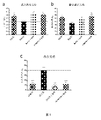
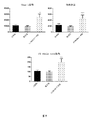
- Fig. 1 is a schematic diagram of the behavioral changes of mice after six weeks of intervention in depressed mice.
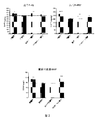
- FIG 2 Six-week intervention of depressed mice with serotonin (5-HT, figure a) and 5-hydroxytryptophan (5-HTP, figure b) in the hippocampus, and brain-derived nerves in the prefrontal cortex Schematic diagram of changes in the levels of nutritional factors (BDNF, Figure c); * P ⁇ 0.05, ** P ⁇ 0.01, *** P ⁇ 0.001 (vs model group).
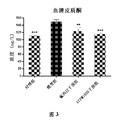
- Figure 3 is a schematic diagram of corticosterone levels in the serum of mice after six weeks of intervention with depressed mice; ** P ⁇ 0.01, *** P ⁇ 0.001 (vs model group).
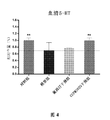
- Figure 4 is a schematic diagram of 5-HT levels in the serum of mice after six weeks of intervention with the strain; ** P ⁇ 0.01 (vs model group).
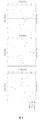
- Fig. 5 is a schematic diagram of ⁇ -diversity changes of intestinal flora of mice after six weeks of intervention of the depressed mice by the strain; * P ⁇ 0.05 (vs model group).
- FIG. 6 is a schematic diagram of ⁇ -diversity changes of intestinal flora of mice after six weeks of intervention of depressed mice by the strain.
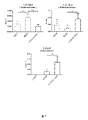
- FIG. 7 is a schematic diagram showing changes in Veillonellaceae, Bifidobacterium, and Allobaculum in the intestinal tract of mice after six weeks of intervention with depressed mice; of which, * P ⁇ 0.05, ** P ⁇ 0.01, *** P ⁇ 0.001.
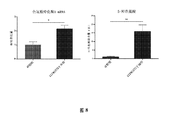
- FIG. 8 is a schematic diagram of changes in the intracellular tryptophan hydroxylase 1 mRNA levels and the 5-hydroxytryptophan content in the cell supernatant after RIN14B cells were stimulated by the strain; of which * P ⁇ 0.05, ** P ⁇ 0.01 .
- an embodiment or “an embodiment” referred to herein refers to a particular feature, structure, or characteristic that can be included in at least one implementation of the present invention.
- the appearances of "in one embodiment” in various places in this specification do not all refer to the same embodiment, nor are they separate or selectively mutually exclusive embodiments.
- the Bifidobacterium Brevii CCFM1025 (Bifidobacterium breve) of the present invention was deposited at the Guangdong Provincial Center for Microbial Strains on June 11, 2018. Therefore, the accession number is GDMCC No. 60386.
- the Bifidobacterium breve CCFM1025 has the following biological characteristics:
- Bacterial characteristics Gram-staining-positive, non-forming bacilli, non-moving bacteria.
- the minimum growth temperature of the strain is 15 ° C
- the maximum growth temperature is 45 ° C
- the best growth is at a temperature of 35-37 ° C
- the optimal growth pH is 6.5
- the culture enters a stable period after 18h;
- the extraction method of Bifidobacterium breve CCFM1025 is:
- step (a) (1) culturing the lactic acid bacteria obtained in step (a) in a liquid mMRS culture medium for 24 hours, and then taking 1 mL of the culture and centrifuging at 8000 rpm for 2 minutes;
- centrifuge at 12000rpm for 5-10min take the supernatant 200 ⁇ L; add 400 ⁇ L ice ethanol or ice isopropanol to 200uL The supernatant was left at 20 ° C for 1 hour, centrifuged at 12000rpm for 5-10min, and the supernatant was discarded; 500 ⁇ L of 70% (volume percentage) ice ethanol was added to resuspend the pellet, and the supernatant was centrifuged at 12000rpm for 1-3min, and the supernatant was discarded; Or let it air dry; 50 ⁇ L ddH 2 O redissolve the precipitate for PCR;
- the obtained PCR product is sent to a professional sequencing company, and the obtained sequencing result is searched and similarly compared with GeneBank using BLAST, and identified as Bifidobacterium breve.
- the extracted whole genome was sent to a professional sequencing company, and the whole genome of the bacteria was sequenced by a second-generation sequencer.
- the obtained sequence results were searched and similarly compared in GeneBank using BLAST.
- the sequencing results were identified as belonging to Bifidobacterium breve A newly discovered strain. Strains were stored at -80 ° C until use.
- Example 1 Bifidobacterium breve CCFM1025 can significantly improve behavioral indicators of depressed mice
- mice Thirty-two 6-week-old male C57BL / 6J mice were selected. After one week of adaptation, they were randomly divided into four groups according to body weight: control group, model group, fluoxetine intervention group, CCFM1025 intervention group, each group containing 8 mice. Animal grouping and processing methods are shown in Table 1.
- Chronic unpredictable stress depression mouse model 1-2 stimuli are randomly used daily, and the timing of each stimulus is randomly determined to avoid circadian rhythm. Each method does not exceed three for five weeks. Stimulating factors include: (1) fasting for 24h; (2) water-free + empty bottle stimulation for 24h; (3) tail clamping for 3min; (4) wet litter for 24h; (5) braking for 1 to 2h; (6) 45 ° Tilt cage box for 24h; (7) continuous light for 24h; (8) no litter for 24h; (9) forced swimming for 15 minutes; (10) orphanage for 24h.
- Lactobacillus gavage Take the second-generation activated bifidobacterium CCFM1025 and incubate at 37 ° C for 24h, centrifuge at 3 ° C and 8000r / min for 3min to collect the bacteria, discard the supernatant and resuspend the bacteria with 5% sterilized skim emulsion
- concentration of lactic acid bacteria was 5 ⁇ 10 9 CFU / mL.
- the gavage volume was 0.2 mL / piece / day.
- the forced swimming test is a behavioral despair experiment, and it is a classic experimental model for evaluating the antidepressant effect of drugs.
- the experimental bucket was filled with about 20 cm of clear water, and the water temperature was about 24 ⁇ 1 °.
- Each mouse was subjected to a 15-minute swimming training test 24 hours before the official experiment. For formal experiments, each mouse was tested for 6 minutes. Use the camera to record the entire experiment. Record the immobility (floating) time, that is, the limbs are not moving or only the hind limbs are slightly moving.
- the experimental results are shown in Figure 1a.
- the mice in the depression group significantly reduced their swimming time in the water, showing behavioral despair. And taking CCFM1025 can significantly improve this phenomenon, indicating that depression symptoms in mice are reduced.
- the sugar water preference test is a model for detecting a lack of pleasure in depression.
- two identical drinking bottles were placed in the cage to allow the mice to adaptively drink water for at least 3 days. After acclimation, one of the bottles was replaced with an aqueous solution containing 1% sucrose. The water and sucrose solution intake was measured by weighing the bottle. Change the position of two bottles daily to reduce drinking preferences due to different amounts of water.
- the first phase is the electric shock training phase.
- the mice were placed on the platform of the jumping platform reaction box, and the electric grid at the bottom of the reaction box was energized (38V). When the mice jumped off the platform, they received an electric shock.
- the training time is 3 minutes. If individual mice do not jump off the platform within 3 minutes, they will be artificially kicked off to ensure that all animals have been injured by electric shock, causing nociceptive memory. After training, return to the original cage.
- the second phase (24h after electric shock training) is the memory reproduction test phase. Put the mouse on the platform of the reaction box. The test time is 3 minutes. This test is not powered. Record the time from when the mouse jumps from the platform to the first jump (time spent on the platform), that is, the platform incubation period.
- the mouse has not jumped off the platform at 180s. Try to avoid human interference with animal behavior throughout the experiment.
- the experimental results show (Figure 1c) that the depression latency of depressed mice is significantly increased, which represents an increase in depression and anxiety, and taking CCFM1025 can alleviate their anxiety.
- Example 2 CCFM1025 can significantly increase neurotransmitter levels in the brain of depressed mice
- mice in Example 2 were euthanized at the sixth weekend, the brain tissues of the mice were taken, and the hippocampus and prefrontal cortex were separated on ice. Take fresh seahorse and prefrontal cortex tissues of a certain quality (weight not less than 50mg), add 9 times the volume of sterile PBS buffer (equivalent to 1g tissue plus 9ml homogenate), and homogenize with a tissue homogenizer. After the tissue fluid was centrifuged at 3000g and 20min, the supernatant was collected, and the 5-HT and BDNF contents were detected by an ELISA kit.
- sterile PBS buffer equivalent to 1g tissue plus 9ml homogenate
- the supernatant of the hippocampal tissue fluid was added with an equal volume of 5% perchloric acid to precipitate the protein, centrifuged at 10,000 g for 10 min, and the supernatant was filtered through a 0.22 ⁇ m aqueous filter, and then subjected to high performance liquid chromatography-fluorescence detection (HPLC-FLD) for 5- Determination of HTP content.
- HPLC-FLD high performance liquid chromatography-fluorescence detection
- the experimental results are shown in Figure 2. The results show that taking CCFM1025 can significantly reverse the reduction of 5-HT, 5-HTP and BDNF levels in the hippocampus caused by stress. Among them, CCFM1025 improved hippocampal 5-HTP and 5-HT to the same extent as fluoxetine, and significantly improved the BDNF in prefrontal cortex better than fluoxetine.
- Example 3 Bifidobacterium breve CCFM1025 can reduce corticosterone levels in serum of mice
- mice in Example 2 were sacrificed euthanized on the sixth weekend, and the blood of the mice was collected and centrifuged at 1000 g for 15 min to obtain serum.
- ELISA kit was used to detect the content of corticosterone in serum.
- the experimental results show ( Figure 3) that, due to persistent chronic stress, the hypothalamus-pituitary-adrenal axis (HPA) hyperfunction occurs in depressed mice, and the serum corticosterone level is significantly increased. Taking CCFM1025 can significantly reduce the serum of depressed mice Corticosterone levels, relieve HPA hyperthyroidism, and show good antidepressant efficacy.
- HPA hypothalamus-pituitary-adrenal axis
- Example 4 Bifidobacterium breve CCFM1025 can increase serum 5-HT levels in depressed mice
- the serum in Example 4 was taken, and the 5-HT content in the serum was detected using an ELISA kit.
- 5-HT in peripheral tissues is important for maintaining normal intestinal motility.
- 5-HT in peripheral tissues can stimulate 5-HT2 receptors in gastrointestinal smooth muscle or 5-HT4 receptors in ganglion cells in the intestinal wall, causing gastrointestinal smooth muscle contraction, increasing gastrointestinal tension, and intestinal motility ;
- the reduction of 5-HT in peripheral tissues is directly related to diseases such as constipation and gastrointestinal discomfort.
- the experimental results show ( Figure 4) that 5-HT in peripheral tissues of depressed mice is significantly reduced, and intestinal motility is impaired.
- taking fluoxetine has an antidepressant effect, it does not improve the intestinal function of depressed mice.
- taking CCFM1025 can not only relieve the symptoms of depression, but also significantly increase the level of 5-HT in serum, restore it to normal levels, and restore the normal intestinal motility of depressed mice.
- Example 5 Regulation of Bifidobacterium Brevibacterium CCFM1025 on the intestinal flora of depressed mice and its multifunctional regulation
- the fresh feces from the sixth weekend of the mice in Example 2 were taken, and the total DNA in the feces samples of the mice was extracted using the MP feces kit.
- the specific operation steps are as follows mainly with reference to the kit instructions.
- the mouse feces genome was used as a template, and the upstream primer 520F (5′-AYTGGGYDTAAAGNG-3 ′) and the downstream primer 802R (5′-TACNVGGGTATCTAATCC-3 ′) were used as primers to amplify the V3-V4 region fragment of 16S rDNA.
- the length of the target fragment was It is about 247bp.
- a 2.0% agarose gel was prepared and electrophoresed at 120V for 40 minutes. After running the gel, the target bands were quickly cut under UV light.
- the QIAquick Gel Extraction Kit gel recovery kit instructions to perform the target strip gel recovery.
- the DNA concentration of the samples was measured according to the Qubit DNA 3.0 kit, and then the library was constructed according to the TurSeq DNA LT Sample Preparation Kit and its instructions. Finally, the MiSeq Regent Kit and its instructions were used to determine the concentration on the Illumina Miseq sequencer.
- Veillonellaceae includes 6 genera and 25 species, which are Gram-negative, anaerobic Or microaerobic and cocci. Some of these bacteria are conditional pathogens, which are common in microbial infections in humans and animals, and are also found in severe osteoarthritis and endocarditis. Taking CCFM1025 can also increase the abundance of Bifidobacterium and Allobaculum. Among them, Bifidobacterium has a variety of important physiological functions such as biological barriers, nutritional effects, anti-tumor, immune enhancement, gastrointestinal function improvement, anti-aging, etc., and is a kind of physiological beneficial bacteria.
- Mycoplasmaceae can produce short-chain fatty acids, especially butyric acid, which can not only provide oxidative energy to intestinal epithelial cells, but also maintain important water and electrolyte balance, regulate intestinal flora balance, and regulate intestinal barrier function.
- short-chain fatty acids can exert anti-inflammatory effects through the two signaling pathways of the G protein-coupled receptors (GPCRs) activation pathway and the histone deacetylases (HDACs) inhibition pathway, and have an effect on inflammation Inflammatory bowel disease (IBD) and obesity have significant improvement effects.
- GPCRs G protein-coupled receptors
- HDACs histone deacetylases
- RIN14B cells were seeded at a density of 4 ⁇ 10 5 / mL in a 24-well plate and incubated for 72 h. Discard the medium, wash cells with HBSS (1 mL) containing 0.1% bovine serum albumin (BSA) and 2 ⁇ M fluoxetine, and add 1 mL of HBSS suspension containing CCFM1025 (control group is HBSS without bacteria), 37 Incubate at °C for 20min, collect the supernatant, centrifuge at 6000g for 5min to remove the precipitate, and freeze the supernatant at -80 °C for measurement. HPLC-FLD was used to detect 5-HTP in the cell supernatant (Reference Example 3).
- TPH1 mRNA measurement The adherent cells in the above steps were washed three times with HBSS, 1 mL of Trizol was added, and incubated on ice for 5-10 min. The cells were detached by pipetting, and the lysate was transferred to an enzyme-free EP tube. Total cellular RNA was extracted by conventional methods, and cDNA was synthesized according to the instructions of the reverse transcription kit (Prime Script RT reagent Kit gDNAEraser, Takara). The synthesized cDNA samples were tested for concentration and purity (A260 / A280) by ultra-micro spectrophotometer (NanoDrop 2000C), and stored at -80 ° C until use.
- CCFM1025 stimulated RIN14B cells, the mRNA level of TPH1 in the cells was significantly increased. Accordingly, the amount of 5-HTP secreted by the cells was also significantly increased.
- 5-HTP secreted by intestinal chromaffin cells can enter the blood circulation and pass through the blood-brain barrier to provide precursors for 5-HT synthesis in the brain. Therefore, CCFM1025 can specifically stimulate 5-HTP secretion by intestinal chromaffin cells to promote 5-HT synthesis in the brain and achieve antidepressant function.
- Example: 7 Using the Bifidobacterium breve CCFM1025 of the present invention to produce a fermented food containing the bacterium
- Fresh vegetables are washed and squeezed, followed by instant high-temperature sterilization. After being heat-sterilized at 140 ° C for 2 seconds, the temperature is immediately reduced to 37 ° C, and then the Bifidobacterium brevis CCFM1025 fungicide fermentation agent prepared by the present invention is used. , So that its concentration reaches 10 6 CFU / mL or more, and it is stored under refrigeration at a temperature of 4 ° C., so that a fruit and vegetable beverage containing the live bifidobacterium CCFM1025 bacteria of the present invention is obtained.
- fermented foods can be prepared by using Bifidobacterium breve CCFM1025 for fermentation production, and the fermented foods include solid food, liquid food, and semi-solid food.
- the fermented food includes dairy products, soy products, fruit and vegetable products, the dairy products include milk, sour cream, cheese; and the fruit and vegetable products include cucumber, carrot, beet, celery, and cabbage products.
- the fermented food can improve the depression-like behavior of depressed mice, increase the levels of serotonin, 5-hydroxytryptophan and brain-derived neurotrophic factor in the brain of depressed mice, and reduce the level of corticosterone in the serum of depressed mice
- the fermented food can improve the serotonin level in the serum of depressed mice and improve the gastrointestinal motility;
- the fermented food can improve the intestinal flora disturbance of the depressed mice and reduce the intestinal Weirongcocaceae ( Veillonellaceae), increase the abundance of Bifidobacterium and Allobaculum, increase the alpha diversity of the intestinal flora, reduce the incidence of inflammatory bowel disease and obesity; can improve the simulated intestinal chromaffin
- the level of tryptophan hydroxylase 1 mRNA in cells (RIN14B cells), and increase the secretion of 5-hydroxytryptophan in the cells can specifically stimulate the intestinal chromaffin cells to produce 5-hydroxytryptophan to thereby Provide precursors for the
Landscapes
- Health & Medical Sciences (AREA)
- Life Sciences & Earth Sciences (AREA)
- Chemical & Material Sciences (AREA)
- Engineering & Computer Science (AREA)
- Medicinal Chemistry (AREA)
- Organic Chemistry (AREA)
- Bioinformatics & Cheminformatics (AREA)
- General Health & Medical Sciences (AREA)
- Pharmacology & Pharmacy (AREA)
- Animal Behavior & Ethology (AREA)
- Public Health (AREA)
- Veterinary Medicine (AREA)
- Mycology (AREA)
- Chemical Kinetics & Catalysis (AREA)
- General Chemical & Material Sciences (AREA)
- Nuclear Medicine, Radiotherapy & Molecular Imaging (AREA)
- Microbiology (AREA)
- Biotechnology (AREA)
- Biomedical Technology (AREA)
- Zoology (AREA)
- Wood Science & Technology (AREA)
- Genetics & Genomics (AREA)
- Polymers & Plastics (AREA)
- Food Science & Technology (AREA)
- Nutrition Science (AREA)
- Molecular Biology (AREA)
- Psychiatry (AREA)
- Obesity (AREA)
- Diabetes (AREA)
- Tropical Medicine & Parasitology (AREA)
- Virology (AREA)
- Child & Adolescent Psychology (AREA)
- Hematology (AREA)
- Neurosurgery (AREA)
- Biochemistry (AREA)
- General Engineering & Computer Science (AREA)
- Neurology (AREA)
- Epidemiology (AREA)
- Pain & Pain Management (AREA)
- Pediatric Medicine (AREA)
Abstract
La présente invention concerne la souche CCFM1025 de Bifidobacterium breve, des aliments fermentés par celle-ci et une application associée dans la préparation d'un médicament anti-dépression, d'un médicament anti-affection abdominale inflammatoire, d'un médicament anti-obésité, de produits de soins de santé et d'aliments fonctionnels.
Priority Applications (2)
| Application Number | Priority Date | Filing Date | Title |
|---|---|---|---|
| PCT/CN2018/101685 WO2020037532A1 (fr) | 2018-08-22 | 2018-08-22 | Souche ccfm1025 de bifidobacterium breve, aliments fermentés par celle-ci et application associée |
| US17/623,936 US20220290095A1 (en) | 2018-08-22 | 2018-08-22 | Bifidobacterium breve CCFM1025, Food Fermented Thereby and Application Thereof |
Applications Claiming Priority (1)
| Application Number | Priority Date | Filing Date | Title |
|---|---|---|---|
| PCT/CN2018/101685 WO2020037532A1 (fr) | 2018-08-22 | 2018-08-22 | Souche ccfm1025 de bifidobacterium breve, aliments fermentés par celle-ci et application associée |
Publications (1)
| Publication Number | Publication Date |
|---|---|
| WO2020037532A1 true WO2020037532A1 (fr) | 2020-02-27 |
Family
ID=69592361
Family Applications (1)
| Application Number | Title | Priority Date | Filing Date |
|---|---|---|---|
| PCT/CN2018/101685 Ceased WO2020037532A1 (fr) | 2018-08-22 | 2018-08-22 | Souche ccfm1025 de bifidobacterium breve, aliments fermentés par celle-ci et application associée |
Country Status (2)
| Country | Link |
|---|---|
| US (1) | US20220290095A1 (fr) |
| WO (1) | WO2020037532A1 (fr) |
Cited By (2)
| Publication number | Priority date | Publication date | Assignee | Title |
|---|---|---|---|---|
| CN118792182A (zh) * | 2023-04-12 | 2024-10-18 | 合肥瀚微生物科技有限公司 | 一株短发酵剂乳杆菌及其应用 |
| CN120098834A (zh) * | 2025-02-24 | 2025-06-06 | 上海市儿童医院 | 一株缓解炎症性肠病的母乳源短双歧杆菌及其用途 |
Families Citing this family (4)
| Publication number | Priority date | Publication date | Assignee | Title |
|---|---|---|---|---|
| CN114533765B (zh) * | 2022-03-17 | 2023-08-25 | 江南大学 | 短双歧杆菌ccfm1025在调节幼年神经发育中的应用 |
| KR102693040B1 (ko) * | 2022-12-15 | 2024-08-09 | 한림대학교 산학협력단 | 비피도박테리움 브레베 ckdb002 균주를 포함하는 염증성 질환의 예방 및 치료용 조성물 |
| CN117305171B (zh) * | 2023-09-28 | 2026-02-24 | 江南大学 | 一株短双歧杆菌及其应用 |
| CN118853502B (zh) * | 2024-09-18 | 2024-11-22 | 合生元(广州)健康产品有限公司 | 一种短双歧杆菌hh079及其产品和应用 |
Citations (2)
| Publication number | Priority date | Publication date | Assignee | Title |
|---|---|---|---|---|
| CN105985918A (zh) * | 2014-10-31 | 2016-10-05 | 安徽锦乔生物科技有限公司 | 抗肥胖的乳酸菌菌株及其在食品组成物以及医药组成物中的应用 |
| CN107109348A (zh) * | 2014-08-29 | 2017-08-29 | 科.汉森有限公司 | 益生菌青春双歧杆菌菌株 |
-
2018
- 2018-08-22 US US17/623,936 patent/US20220290095A1/en not_active Abandoned
- 2018-08-22 WO PCT/CN2018/101685 patent/WO2020037532A1/fr not_active Ceased
Patent Citations (2)
| Publication number | Priority date | Publication date | Assignee | Title |
|---|---|---|---|---|
| CN107109348A (zh) * | 2014-08-29 | 2017-08-29 | 科.汉森有限公司 | 益生菌青春双歧杆菌菌株 |
| CN105985918A (zh) * | 2014-10-31 | 2016-10-05 | 安徽锦乔生物科技有限公司 | 抗肥胖的乳酸菌菌株及其在食品组成物以及医药组成物中的应用 |
Cited By (2)
| Publication number | Priority date | Publication date | Assignee | Title |
|---|---|---|---|---|
| CN118792182A (zh) * | 2023-04-12 | 2024-10-18 | 合肥瀚微生物科技有限公司 | 一株短发酵剂乳杆菌及其应用 |
| CN120098834A (zh) * | 2025-02-24 | 2025-06-06 | 上海市儿童医院 | 一株缓解炎症性肠病的母乳源短双歧杆菌及其用途 |
Also Published As
| Publication number | Publication date |
|---|---|
| US20220290095A1 (en) | 2022-09-15 |
Similar Documents
| Publication | Publication Date | Title |
|---|---|---|
| CN108949640B (zh) | 短双歧杆菌ccfm1025、其发酵食品及其应用 | |
| CN109055269B (zh) | 长双歧杆菌婴儿亚种ccfm687、其发酵食品及其应用 | |
| CN110079485B (zh) | 缓解抑郁的乳酸片球菌ccfm6432、其发酵食品及其应用 | |
| WO2020037533A1 (fr) | Souche ccfm687 de la sous-espèce infantis de bifidobacterium longum et aliment fermenté et application associée | |
| CN113025526B (zh) | 一株减少结肠病理损伤且具有缓解便秘作用的两歧双歧杆菌 | |
| US20220290095A1 (en) | Bifidobacterium breve CCFM1025, Food Fermented Thereby and Application Thereof | |
| CN113215034B (zh) | 一株能够缓解阿尔兹海默症并增加粪便乙酸含量的短双歧杆菌及其应用 | |
| CN114854638B (zh) | 一株高效表达腺苷脱氨酶mRNA缓解结肠炎副干酪乳杆菌 | |
| CN111743159B (zh) | 复合微生物制剂及缓解抑郁和便秘的应用 | |
| Ren et al. | Lactobacillus paracasei from koumiss ameliorates diarrhea in mice via tight junctions modulation | |
| CN113025530B (zh) | 一株缓解泻剂结肠的两歧双歧杆菌及其应用 | |
| CN107619811A (zh) | 植物乳杆菌ccfm200菌株与应用 | |
| CN114540245B (zh) | 一株同时具有缓解抑郁情绪及促进肠道分泌IgA功能的鼠李糖乳杆菌CCFM1228及其应用 | |
| CN114410532B (zh) | 一株降低血浆氧化三甲胺和盲肠三甲胺水平的长双歧杆菌及其应用 | |
| CN114410547B (zh) | 一株能促进5-htp分泌及缓解抑郁的戊糖乳杆菌lpq1及其应用 | |
| CN119060902A (zh) | 一株副干酪乳杆菌ncu-04及其应用 | |
| JP2023501358A (ja) | セロトニン産生細菌 | |
| Qi et al. | Lactiplantibacillus plantarum SG5 inhibits neuroinflammation in MPTP-induced PD mice through GLP-1/PGC-1α pathway | |
| CN114410531B (zh) | 降低血浆tmao及缓解、预防动脉粥样硬化的长双歧杆菌ccfm1216及其应用 | |
| CN118178477A (zh) | Akkermansia muciniphila及其后生元在改善呼吸疾病中的应用 | |
| CN119331766A (zh) | 一种缓解抑郁情绪的罗伊氏粘液乳杆菌ccfm1288及其应用 | |
| CN116173075B (zh) | 一种基于生孢梭菌改善认知功能的合生元组合物及其应用 | |
| WO2021143621A1 (fr) | Souche d'anaerostipes sp. b2131 et son utilisation dans des maladies inflammatoires chroniques de l'intestin | |
| WO2023173899A1 (fr) | Bacillus coagulans pour améliorer la constipation et son application | |
| CN120285022A (zh) | 动物双歧杆菌亚种f1-7在制备预防或治疗肌肉减少症药物中的应用 |
Legal Events
| Date | Code | Title | Description |
|---|---|---|---|
| 121 | Ep: the epo has been informed by wipo that ep was designated in this application |
Ref document number: 18930561 Country of ref document: EP Kind code of ref document: A1 |
|
| NENP | Non-entry into the national phase |
Ref country code: DE |
|
| 122 | Ep: pct application non-entry in european phase |
Ref document number: 18930561 Country of ref document: EP Kind code of ref document: A1 |