WO2020031735A1 - ユーザ装置、制御装置、及び通信制御方法 - Google Patents
ユーザ装置、制御装置、及び通信制御方法 Download PDFInfo
- Publication number
- WO2020031735A1 WO2020031735A1 PCT/JP2019/029320 JP2019029320W WO2020031735A1 WO 2020031735 A1 WO2020031735 A1 WO 2020031735A1 JP 2019029320 W JP2019029320 W JP 2019029320W WO 2020031735 A1 WO2020031735 A1 WO 2020031735A1
- Authority
- WO
- WIPO (PCT)
- Prior art keywords
- 5glan
- identification information
- pdu session
- information
- network
- Prior art date
- Legal status (The legal status is an assumption and is not a legal conclusion. Google has not performed a legal analysis and makes no representation as to the accuracy of the status listed.)
- Ceased
Links
Images



Classifications
-
- H—ELECTRICITY
- H04—ELECTRIC COMMUNICATION TECHNIQUE
- H04W—WIRELESS COMMUNICATION NETWORKS
- H04W76/00—Connection management
- H04W76/10—Connection setup
- H04W76/12—Setup of transport tunnels
-
- H—ELECTRICITY
- H04—ELECTRIC COMMUNICATION TECHNIQUE
- H04W—WIRELESS COMMUNICATION NETWORKS
- H04W76/00—Connection management
- H04W76/20—Manipulation of established connections
- H04W76/22—Manipulation of transport tunnels
-
- H—ELECTRICITY
- H04—ELECTRIC COMMUNICATION TECHNIQUE
- H04W—WIRELESS COMMUNICATION NETWORKS
- H04W4/00—Services specially adapted for wireless communication networks; Facilities therefor
- H04W4/06—Selective distribution of broadcast services, e.g. multimedia broadcast multicast service [MBMS]; Services to user groups; One-way selective calling services
- H04W4/08—User group management
-
- H—ELECTRICITY
- H04—ELECTRIC COMMUNICATION TECHNIQUE
- H04W—WIRELESS COMMUNICATION NETWORKS
- H04W76/00—Connection management
- H04W76/10—Connection setup
- H04W76/11—Allocation or use of connection identifiers
-
- H—ELECTRICITY
- H04—ELECTRIC COMMUNICATION TECHNIQUE
- H04W—WIRELESS COMMUNICATION NETWORKS
- H04W76/00—Connection management
- H04W76/30—Connection release
- H04W76/32—Release of transport tunnels
-
- H—ELECTRICITY
- H04—ELECTRIC COMMUNICATION TECHNIQUE
- H04W—WIRELESS COMMUNICATION NETWORKS
- H04W8/00—Network data management
- H04W8/18—Processing of user or subscriber data, e.g. subscribed services, user preferences or user profiles; Transfer of user or subscriber data
- H04W8/186—Processing of subscriber group data
-
- H—ELECTRICITY
- H04—ELECTRIC COMMUNICATION TECHNIQUE
- H04W—WIRELESS COMMUNICATION NETWORKS
- H04W84/00—Network topologies
- H04W84/02—Hierarchically pre-organised networks, e.g. paging networks, cellular networks, WLAN [Wireless Local Area Network] or WLL [Wireless Local Loop]
- H04W84/10—Small scale networks; Flat hierarchical networks
- H04W84/12—WLAN [Wireless Local Area Networks]
Definitions
- the present disclosure relates to a user device, a control device, and a communication control method.
- This application claims priority based on Japanese Patent Application No. 2018-151352 for which it applied in Japan on August 10, 2018, and uses the content here.
- 5GS Fifth Generation Partnership Project
- 5G System which is the fifth generation (5G) mobile communication system. Discussion has been made (see Non-Patent Document 1, Non-Patent Document 2, and Non-Patent Document 3).
- 5GCN 5G Core Network
- 5GCN 5G Core Network
- 5GS is considering Virtical @ LAN as a new function.
- 5GLAN service that realizes LAN (Local Area Network) connection with 5GS is being studied.
- LAN Local Area Network
- 5GLAN service when expressing that 5GLAN service is realized, it may mean that Virtical @ LAN is realized.
- the expression “for Virtical LAN” may mean that it is for 5GLAN service.
- the private communication may be 5GLAN communication (5GLAN communication).
- the UE transmits and receives data using private communication may mean that data is transmitted and received between UEs without going through a service network such as the Internet or a DN.
- the private communication is not limited to this, and means transmission and reception of data between UEs belonging to a specific group in 5GS.
- One aspect of the present invention has been made in view of the above circumstances, and an object of the present invention is to provide a method for implementing a function for a Vital LAN in 5GS.
- the user apparatus of one embodiment of the present invention in the Protocol Data Unit (PDU) session establishment procedure, establishes a PDU session associated with a 5G Local Area Data Network (5GLAN) group ID, a control unit, and a PDU session release
- release the PDU session further, if the information A is information indicating that the 5GLAN group identified by the 5GLAN group ID has been deleted, the 5GLAN If the group ID is deleted and the information A is information indicating that the user device has been removed from the 5GLAN group, the 5GLAN And maintains the loop ID.
- the control device includes a control unit that establishes a PDU session associated with a 5G Local Area Data Network (5GLAN) group ID in a Protocol Data Unit (PDU) session establishment procedure.
- a PDU session release command message including information A, transmitting to the user equipment, comprising a transmitting and receiving unit, the information A is information indicating the reason why the PDU session is released, the transmitting and receiving unit,
- information A is information indicating the reason why the PDU session is released, the transmitting and receiving unit
- information A is information indicating the reason why the PDU session is released
- the transmitting and receiving unit When deleting the 5GLAN group identified by the 5GLAN group ID, information indicating that the 5GLAN group has been deleted is set in the information A, and when removing the control device from the 5GLAN group, Information indicating that the control device has been removed from the 5GLAN group is set in the information A.
- the communication control method of the user device in the Protocol Data Unit (PDU) session establishment procedure, a step of establishing a PDU session associated with a 5G Local Area Data Network (5GLAN) group ID, PDU
- PDU Protocol Data Unit
- a session release procedure receiving a PDU session release command message including information A from a control device, wherein the information A is information indicating a reason for releasing the PDU session, and the user device Releasing the PDU session based on the completion of the PDU session release procedure, and further, when the information A is information indicating that the 5GLAN group identified by the 5GLAN group ID has been deleted, 5GLAN group ID is deleted, and the information A is information indicating that the user device has been removed from the 5GLAN group. If is characterized by maintaining the 5GLAN group ID.
- the communication control method of the control device according to an embodiment of the present invention, a Protocol Data Unit (PDU) session establishment procedure, in the step of establishing a PDU session associated with a 5G Local Area Data Network (5GLAN) group ID, PDU Transmitting a PDU session release command message including information A to the user equipment in the session release procedure, wherein the information A is information indicating a reason why the PDU session is released; and
- PDU Protocol Data Unit
- 5GLAN 5G Local Area Data Network
- Virtical LAN in 5GS, Virtical LAN can be realized, and for realizing Virtical LAN, UE registration, session establishment, session management, and change / update of UE settings become possible. .
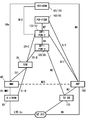
- FIG. 3 is a diagram illustrating an outline of a mobile communication system (EPS / 5GS).
- FIG. 2 is a diagram illustrating a detailed configuration of a mobile communication system (EPS / 5GS).
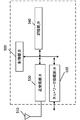
- FIG. 2 is a diagram illustrating a device configuration of a UE.
- FIG. 3 is a diagram illustrating a configuration of an access network device (gNB) in 5GS.
- FIG. 3 is a diagram illustrating a configuration of a core network device (AMF / SMF / UPF) in 5GS. It is a figure explaining a registration procedure.
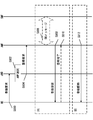
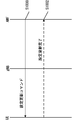
- FIG. 11 is a diagram illustrating a PDU session establishment procedure.
- FIG. 11 is a diagram illustrating a UE setting update procedure.
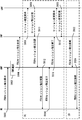
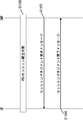
- FIG. 8 is a diagram for explaining a PDU session management procedure led by a network.
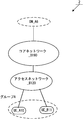
- FIG. 3 is a diagram illustrating an outline of Virtical @ LAN.
- FIG. 1 is a diagram for explaining an outline of a mobile communication system 1 used in each embodiment
- FIG. 2 is a diagram for explaining a detailed configuration of the mobile communication system 1.
- the mobile communication system 1 includes UE_A10, access network_A80, core network_A90, PDN (Packet Data Network) _A5, access network _B120, core network _B190, and DN (Data Network) _A6. Is described.
- these devices and functions may be described with symbols omitted, such as UE_A, access network_A, core network_A, PDN_A, access network_B, core network_B, DN_A, etc. .
- UE_A10 is described as UE
- access network_A80 and / or access network_B120 is described as an access network
- core network_A90 and / or core network_B190 is described as a core network.
- PDN_A5 is described as PDN
- DN_A6 is described as DN.
- FIG. 2 UE_A10, E-UTRAN80, MME40, SGW35, PGW-U30, PGW-C32, PCRF60, HSS50, 5GAN120, AMF140, UPF130, SMF132, PCF160, UDM150 and other devices and functions, and these An interface for connecting devices and functions to each other is described.
- UE_A10 may be described as UE.
- an EPS Evolved Packet System
- an access network_A includes an access network_A and a core network_A, but may further include a UE and / or a PDN.
- 5GS 5G @ System
- 5G system includes a UE, an access network_B, and a core network_B, but may further include a DN.
- the UE is a device that can be connected to a network service through 3GPP access (3GPP access network, also referred to as 3GPP AN) and / or non-3GPP access (non-3GPP access network, also referred to as non-3GPP AN). is there.
- the UE may be a terminal device capable of wireless communication, such as a mobile phone or a smartphone, and may be a terminal device that can be connected to both EPS and 5GS.
- the UE may include a UICC (Universal Integrated Circuit Card) or an eUICC (Embedded UICC). Note that the UE may be expressed as a user device or a terminal device.
- 3GPP access network also referred to as 3GPP AN
- non-3GPP access network also referred to as non-3GPP AN
- the UE may be a terminal device capable of wireless communication, such as a mobile phone or a smartphone, and may be a terminal device that can be connected to both EPS and 5GS.
- the access network_A corresponds to an E-UTRAN (Evolved Universal Terrestrial Radio Access Network) and / or a wireless LAN access network.
- E-UTRAN Evolved Universal Terrestrial Radio Access Network
- eNB45 evolved @ Node @ B 45 are arranged in the E-UTRAN.
- eNB45 may be described by omitting a symbol like eNB.
- the eNBs are connected to each other by, for example, an X2 interface.
- One or more access points are arranged in the wireless LAN access network.
- the access network_B corresponds to the 5G access network (5G AN).
- 5G @ AN is configured with NG-RAN (NG Radio Access Network) and / or non-3GPP access network.
- NG-RAN NG Radio Access Network
- One or more gNBs (NR NodeB) 122 are arranged in the NG-RAN.
- gNB122 may be described with its symbol omitted as in eNB.
- the gNB is a node that provides an NR (New @ Radio) user plane and a control plane to the UE, and is a node that connects to 5GCN via an NG interface (including an N2 interface or an N3 interface).
- the gNB is a base station device newly designed for 5GS, and has a function different from that of the base station device (eNB) used in EPS that is a 4G system.
- the gNBs are connected to each other by, for example, an Xn interface.
- E-UTRAN and NG-RAN may be referred to as 3GPP access.
- a wireless LAN access network or non-3GPP @ AN may be referred to as non-3GPP access.
- the nodes arranged in the access network_B may be collectively referred to as NG-RAN nodes.
- the access network _A, and / or the access network _B, and / or the device included in the access network _A, and / or the device included in the access network _B are the access network or the access network device. In some cases.
- ⁇ Core network_A ⁇ also corresponds to EPC (Evolved @ Packet @ Core).
- EPC for example, MME (Mobility Management Entity), SGW (Serving Gateway), PGW (Packet Data Network Gateway) -U, PGW-C, PCRF (Policy and Charging Rules Rules), HSS (Home Subscriber Server), etc. Be placed.
- MME Mobility Management Entity
- SGW Serving Gateway
- PGW Packet Data Network Gateway
- PGW-C Packet Data Network Gateway
- PCRF Policy and Charging Rules Rules
- HSS Home Subscriber Server
- core network_B corresponds to 5GCN (5G Core Network).
- 5GCN 5G Core Network
- AMF Access / Mobility / Management / Function
- UPF User / Plane / Function
- SMF Session / Management / Function
- PCF Policy / Control / Function
- UDM Unified / Data / Management
- 5GCN may be expressed as 5GC.
- the core network _A, and / or the core network _B, the device included in the core network _A, and / or the device included in the core network _B may be referred to as a core network or a core network device. There is.
- the core network (Core Network_A and / or Core Network_B) is a mobile communication carrier (Mobile Network) that connects the access network (Access Network_A and / or Access Network_B) with the PDN and / or DN.
- the network may be an IP mobile communication network operated by a Network Operator (MNO), a core network for a mobile communication operator that operates and manages the mobile communication system 1, or an MVNO (Mobile Virtual Network Operator). ) Or a virtual network such as MVNE (Mobile Virtual Network Enabler) or a virtual network communication service provider.
- MNO Network Operator
- MVNO Mobile Virtual Network Operator
- MVNE Mobile Virtual Network Enabler
- FIG. 1 shows a case where the PDN and the DN are the same, but they may be different.
- the PDN may be a DN (Data @ Network) that provides a communication service to the UE.
- the DN may be configured as a packet data service network or may be configured for each service.
- the PDN may include a connected communication terminal. Therefore, connecting to a PDN may be connecting to a communication terminal or server device arranged in the PDN. Further, transmitting / receiving user data to / from the PDN may be transmitting / receiving user data to / from a communication terminal or a server device arranged in the PDN.
- PDN may be expressed as DN, or DN may be expressed as PDN.
- an access network _A, a core network _A, a PDN, an access network _B, a core network _B, at least a part of a DN, and / or one or more devices included therein are referred to as a network or a network device.
- the fact that the network and / or the network device sends and receives messages and / or executes procedures means that the access network _A, the core network _A, the PDN, the access network _B, the core network _B, the DN At least some, and / or one or more devices included therein, send and / or receive messages and / or perform procedures.
- the UE can also connect to the access network. Further, the UE can connect to the core network via the access network. Further, the UE can connect to the PDN or DN via the access network and the core network. That is, the UE can transmit / receive (communicate) user data to / from the PDN or DN. When transmitting and receiving user data, not only IP (Internet Protocol) communication but also non-IP communication may be used.
- IP Internet Protocol
- IP communication is data communication using IP, and data transmission and reception are performed by IP packets.
- An IP packet is composed of an IP header and a payload.
- the payload section may include devices / functions included in EPS and data transmitted / received by devices / functions included in 5GS.
- the non-IP communication is data communication that does not use IP, and data is transmitted and received in a format different from the structure of an IP packet.
- the non-IP communication may be data communication realized by transmission and reception of application data to which an IP header is not added, or a UE that adds another header such as a Mac header or an Ethernet (registered trademark) frame header and User data to be transmitted and received may be transmitted and received.
- a mobile communication system using the 5GLAN service realized by the present embodiment will be described with reference to FIG. FIG. 10 describes that the mobile communication system 2 using the 5GLAN service includes UE_A10, UE_B11, access network_B120, core network_B190, and DN (Data @ Network) _A6. Note that the mobile communication system 2 using the 5GLAN service may be an example of the mobile communication system 1.
- these devices and functions may be described by omitting symbols, such as UE_A, UE_B, access network_B, core network_B, and DN_A.
- UE_A10 and / or UE_B11 is described as UE or each UE
- access network_B120 is described as an access network
- core network_B190 is described as a core network
- DN_A6 is DN May be described.
- UE_A and UE_B have established a PDU session for realizing Virtical LAN.
- the PDU session for realizing Virtical LAN may be a PDU session for 5GLAN.
- UE_A and UE_B belong to a group A for performing private communication.
- the group A may be one of one or a plurality of 5GLAN groups, which is a group for 5GLAN supported by the network and / or the UE.
- UE_A and UE_B may further belong to groups other than group A, or may belong to only group A.
- a PDU session may be established for each group.
- the members belonging to the group A may have the UE and / or each device in the core network start the addition and deletion procedures at an arbitrary timing. Further, the group A may be identified by a group ID or other information.
- UE_A and UE_B may establish a PDU session via the same gNB, or may be in a state of establishing a PDU session via different gNBs. Further, UE_A and UE_B may have established a PDU session via the same UPF, or may have established a PDU session via different UPFs.
- UE_A and UE_B may be registered and managed in the same device in the core network, or may be registered and managed in devices in different core networks. Specifically, UE_A and UE_B may be registered in the same AMF or may be registered in different AMFs. Further, UE_A and UE_B may be managed by the same SMF, or may be managed by different SMFs. UE_A and UE_B may be registered and managed in sessions in other devices in the core network.
- UE_A and UE_B may perform private communication via the UPF instead of via the DN. Furthermore, when UE_A and UE_B have established a PDU session via different UPFs, private communication may be performed using an interface between the UPFs.
- the AMF may manage UEs belonging to group A. Even when UE_A and UE_B are registered in different AMFs or when they are registered in the same AMF, devices in the core network other than the AMF may manage UEs belonging to group A.
- UE_A and UE_B may transmit and receive data using non-IP communication.
- UE_A and UE_B may transmit and receive data using Ethernet (registered trademark) by using UPF like HUB or default router.
- the UPF having a function such as a HUB or a default router may be a special UPF, and UE_A and UE_B may establish a PDU session using the UPF having the special function as a gateway.
- UE_A and / or UE_B may have a HUB or default router function.
- UE_A and / or UE_B may include capability information indicating that they have a HUB or default router function in the registration request message. May be registered in the network as a default router in the group by receiving information indicating that the request is accepted in the registration acceptance message and / or capability information of the network.
- each device may be configured as physical hardware, may be configured as logical (virtual) hardware configured on general-purpose hardware, or may be configured as software. May be. At least a part (including all) of the functions of each device may be configured as physical hardware, logical hardware, or software.
- Each storage unit (storage unit_A340, storage unit_A440, storage unit_B540, storage unit_A640, storage unit_B740) in each device / function appearing below is, for example, a semiconductor memory, an SSD ( It consists of Solid State Drive) and HDD (Hard Disk Drive).
- each storage unit is not only information originally set from the shipping stage, but also devices / functions other than the own device / function (for example, UE, and / or access network device, and / or core network device, and / or Or, various kinds of information transmitted and received with the PDN and / or the DN) can be stored.
- each storage unit can store identification information, control information, flags, parameters, and the like included in control messages transmitted and received in various communication procedures described below. Further, each storage unit may store such information for each UE. Also, when interworking between 5GS and EPS, each storage unit may store control messages and user data transmitted and received between devices and functions included in 5GS and / or EPS. it can. At this time, not only data transmitted / received via the N26 interface but also data transmitted / received without the N26 interface can be stored.
- the UE includes a control unit_A300, an antenna 310, a transmission / reception unit_A320, and a storage unit_A340.
- the control unit_A300, the transmitting / receiving unit_A320, and the storage unit_A340 are connected via a bus.
- the transmitting / receiving section_A320 is connected to the antenna 310.
- Control section_A300 is a functional section that controls the operation and functions of the entire UE.
- the control unit_A300 realizes various processes in the UE by reading and executing various programs stored in the storage unit_A340 as necessary.
- Transceiving unit_A320 is a functional unit for performing wireless communication with a base station device (eNB or gNB) in an access network via an antenna. That is, the UE uses the transmission / reception unit _A320 to transmit / receive user data and / or control information to / from the access network device, and / or the core network device, and / or the PDN, and / or the DN. it can.
- eNB base station device
- gNB base station device
- the UE can communicate with the base station device (eNB) in the E-UTRAN via the LTE-Uu interface by using the transmission / reception unit_A320. Further, the UE can communicate with the base station device (gNB) within 5G AN by using the transmission / reception unit_A320. Further, the UE can transmit and receive the AMF and the NAS (Non-Access-Stratum) message via the N1 interface by using the transmission / reception unit_A320. However, since the N1 interface is logical, communication between the UE and the AMF is actually performed via 5G AN.
- Storage unit_A340 is a functional unit for storing programs, user data, control information, and the like necessary for each operation of the UE.
- the gNB includes a control unit_B500, an antenna 510, a network connection unit_B520, a transmission / reception unit_B530, and a storage unit_B540.
- the control unit_B500, the network connection unit_B520, the transmission / reception unit_B530, and the storage unit_B540 are connected via a bus.
- Transmission / reception section_B530 is connected to antenna 510.
- Control unit_B500 is a functional unit that controls the operation and functions of the entire gNB.
- the control unit_B500 implements various processes in the gNB by reading and executing various programs stored in the storage unit_B540 as necessary.
- Network connection unit_B520 is a functional unit for gNB to communicate with AMF and / or UPF. That is, the gNB can transmit / receive user data and / or control information to / from the AMF and / or the UPF using the network connection unit_B520.
- Transceiving unit_B530 is a functional unit for performing wireless communication with UE via antenna 510. That is, the gNB can transmit / receive user data and / or control information to / from the UE using the transmission / reception unit_B530.
- the gNB in the 5G AN can communicate with the AMF via the N2 interface by using the network connection unit_B520, and the UPF via the N3 interface. Can communicate with Further, the gNB can communicate with the UE by using the transmission / reception unit_B530.
- Storage unit_B540 is a functional unit for storing programs, user data, control information, and the like necessary for each operation of the gNB.
- the AMF includes a control unit_B700, a network connection unit_B720, and a storage unit_B740.
- the control unit_B700, the network connection unit_B720, and the storage unit_B740 are connected via a bus.
- the AMF may be a node that handles a control plane.
- Control unit_B700 is a functional unit that controls the operation and functions of the entire AMF.
- the control unit_B700 implements various processes in the AMF by reading and executing various programs stored in the storage unit_B740 as necessary.
- the network connection unit_B720 is a functional unit for connecting the AMF to the base station device (gNB) and / or the SMF and / or the PCF and / or the UDM and / or the SCEF in the 5G AN. That is, the AMF, using the network connection unit_B720, between the base station device (gNB) in 5G AN, and / or SMF, and / or PCF, and / or UDM, and / or SCEF, Data and / or control information can be sent and received.
- the AMF in the 5GCN can communicate with the gNB through the N2 interface by using the network connection unit_A620, and communicate with the UDM through the N8 interface. It can communicate with the SMF via the N11 interface and can communicate with the PCF via the N15 interface. In addition, the AMF can transmit and receive NAS messages to and from the UE via the N1 interface by using the network connection unit_A620. However, since the N1 interface is logical, communication between the UE and the AMF is actually performed via 5G AN. When the AMF supports the N26 interface, the AMF can communicate with the MME via the N26 interface by using the network connection unit_A620.
- the storage unit_B740 is a functional unit for storing a program, user data, control information, and the like necessary for each operation of the AMF.
- the AMF has a function of exchanging control messages with the RAN using the N2 interface, a function of exchanging NAS messages with the UE using the N1 interface, a function of encrypting and protecting the integrity of the NAS message, and a registration management function.
- SM Session Management
- SEA Security Anchor Functionality
- SCM Security Context Management
- N3IWF Non-3GPP Interworking Function
- the RM state for each UE is managed.
- the RM state may be synchronized between the UE and the AMF.
- the RM state includes a non-registered state (RM-DEREGISTERED @ state) and a registered state (RM-REGISTERED @ state).
- RM-DEREGISTERED since the UE is not registered in the network, the AMF cannot reach the UE because the UE context in the AMF does not have valid location information or routing information for the UE.
- the RM-REGISTERED state since the UE is registered in the network, the UE can receive a service that requires registration with the network.
- the RM state may be expressed as a 5GMM state (5GMM @ state).
- the RM-DEREGISTERED state may be expressed as a 5GMM-DEREGISTERED state
- the RM-REGISTERED state may be expressed as a 5GMM-REGISTERED state.
- 5GMM-REGISTERED may be a state where each device has established a 5GMM context or a state where a PDU session context has been established.
- UE_A10 may start transmitting and receiving user data and control messages, or may respond to paging.
- UE_A10 may execute a registration procedure other than a registration procedure for initial registration and / or a service request procedure.
- 5GMM-DEREGISTERED may be in a state where each device has not established a 5GMM context, may be in a state where the location information of UE_A10 is not grasped by the network, or the network may reach UE_A10. The state may be impossible.
- UE_A10 may start a registration procedure, or may establish a 5GMM context by executing the registration procedure.
- the CM status of each UE is managed.
- the CM state may be synchronized between the UE and the AMF.
- the CM state includes a non-connection state (CM-IDLE @ state) and a connection state (CM-CONNECTED @ state).
- CM-IDLE non-connection state
- CM-CONNECTED @ state a connection state established with the AMF via the N1 interface.
- N2 interface N2 interface
- N3 connection the connection of the N3 interface
- the UE in the CM-CONNECTED state, it has a NAS signaling connection (NAS signaling connection) established with the AMF via the N1 interface. Further, in the CM-CONNECTED state, the UE may have a connection of the N2 interface (N2) connection) and / or a connection of the N3 interface (N3 connection).
- N2 interface N2 interface
- N3 connection N3 connection
- the CM state in 3GPP access and the CM state in non-3GPP access may be managed separately.
- the CM state in 3GPP access may include a non-connection state in 3GPP access (CM-IDLE / state / over / 3GPP / access) and a connection state in 3GPP access (CM-CONNECTED / state / over / 3GPP / access).
- CM-IDLE non-connection state in non-3GPP access
- CM-CONNECTED state over non-3GPP access a non-connection state in non-3GPP access
- the non-connection state may be expressed as an idle mode
- the connection state mode may be expressed as a connected mode.
- the CM state may be expressed as a 5GMM mode (5GMM mode).
- the non-connection state may be expressed as a 5GMM non-connection mode (5GMM-IDLE @ mode), and the connection state may be expressed as a 5GMM connection mode (5GMM-CONNECTED @ mode).
- the non-connection state in 3GPP access may be expressed as a 5GMM non-connection mode in 3GPP access (5GMM-IDLE mode over 3GPP access), and the connection state in 3GPP access is a 5GMM connection mode in 3GPP access (5GMM- CONNECTED mode over 3GPP access).
- non-connection state in non-3GPP access may be expressed as a 5GMM non-connection mode in non-3GPP access (5GMM-IDLE mode over non-3GPP access), and the connection state in non-3GPP access is non- It may be expressed as a 5GMM connection mode in 3GPP access (5GMM-CONNECTED mode over non-3GPP access).
- 5GMM non-connection mode may be expressed as an idle mode
- 5GMM connection mode may be expressed as a connected mode.
- one or more AMFs may be arranged in the core network_B.
- the AMF may be an NF that manages one or more NSIs (Network Slice Instances).
- the AMF may be a shared CP function (CCNF; Control Plane Network Function) shared by a plurality of NSIs.
- CCNF Control Plane Network Function
- the N3IWF is a device and / or function disposed between the non-3GPP access and the 5GCN when the UE connects to the 5GS via the non-3GPP access.
- the SMF includes a control unit_B700, a network connection unit_B720, and a storage unit_B740.
- the control unit_B700, the network connection unit_B720, and the storage unit_B740 are connected via a bus.
- the SMF may be a node that handles a control plane.
- Control unit_B700 is a functional unit that controls the operation and functions of the entire SMF.
- the control unit_B700 realizes various processes in the SMF by reading and executing various programs stored in the storage unit_B740 as necessary.
- Network connection unit_B720 is a functional unit for connecting the SMF to the AMF, and / or the UPF, and / or the PCF, and / or the UDM. That is, the SMF can transmit / receive user data and / or control information to / from the AMF and / or the UPF and / or the PCF and / or the UDM using the network connection unit_B720.
- the SMF in the 5GCN can communicate with the AMF via the N11 interface by using the network connection unit_A620, and communicate with the UPF via the N4 interface. It can communicate, can communicate with PCF via N7 interface, and can communicate with UDM via N10 interface.
- the storage unit_B740 is a functional unit for storing a program, user data, control information, and the like necessary for each operation of the SMF.
- the SMF has a session management (Session Management) function for establishing, modifying, and releasing PDU sessions, an IP address allocation (IP address) for UE and its management function, a selection and control function of UPF, an appropriate destination (transmission destination). ), A function to send and receive the SM part of the NAS message, a function to notify the arrival of downlink data (Downlink Data Notification), and an AN through the N2 interface via AMF.
- the UPF includes a control unit_B700, a network connection unit_B720, and a storage unit_B740.
- the control unit_B700, the network connection unit_B720, and the storage unit_B740 are connected via a bus.
- the UPF may be a node that handles the control plane.
- Control unit_B700 is a functional unit that controls the operation and functions of the entire UPF.
- the control unit_B700 realizes various processes in the UPF by reading and executing various programs stored in the storage unit_B740 as necessary.
- Network connection unit_B720 is a functional unit for connecting the UPF to a base station device (gNB) and / or SMF and / or DN in 5G AN. That is, the UPF uses the network connection unit_B720 to transmit and receive user data and / or control information to and from the base station device (gNB) in 5G AN, and / or the SMF, and / or the DN. Can be.
- the UPF in the 5GCN can communicate with the gNB through the N3 interface by using the network connection unit_A620, and communicate with the SMF through the N4 interface. It can communicate with the DN via the N6 interface and can communicate with other UPFs via the N9 interface.
- the storage unit_B740 is a functional unit for storing programs, user data, control information, and the like necessary for each operation of the UPF.
- the UPF functions as an anchor point for intra-RAT mobility or inter-RAT mobility, as an external PDU session point for interconnecting with the DN (i.e., as a gateway between the DN and the core network _B, as a user, Data transfer function), packet routing and transfer function, UL CL (Uplink Classifier) function that supports the routing of multiple traffic flows for one DN, multi-homed PDU session It has a Branching point function, a QoS (Quality of Service) processing function for a user plane, a verification function of uplink traffic, buffering of downlink packets, a function of triggering downlink data notification (Downlink Data Notification), and the like.
- DN i.e., as a gateway between the DN and the core network _B, as a user, Data transfer function
- UL CL Uplink Classifier
- It has a Branching point function, a QoS (Quality of Service) processing function for a user plane, a verification function of uplink traffic, buffering of down
- UPUPF may also be a gateway for IP communication and / or non-IP communication. Further, the UPF may have a function of transferring IP communication or a function of converting non-IP communication and IP communication. Further, a plurality of arranged gateways may be gateways connecting the core network_B and a single DN. Note that the UPF may have connectivity with another NF, and may be connected to each device via another NF.
- the user plane is user data (user @ data) transmitted and received between the UE and the network.
- the user plane may be transmitted and received using a PDN connection or a PDU session.
- the user plane may be transmitted and received using an LTE-Uu interface, and / or an S1-U interface, and / or an S5 interface, and / or an S8 interface, and / or an SGi interface.
- the user plane may be transmitted and received via an interface between the UE and the NG @ RAN, and / or an N3 interface, and / or an N9 interface, and / or an N6 interface.
- the user plane may be expressed as U-Plane.
- control plane is a control message transmitted and received to perform communication control and the like of the UE.
- the control plane may be transmitted and received using a NAS (Non-Access-Stratum) signaling connection between the UE and the MME.
- NAS Non-Access-Stratum
- the control plane may be transmitted and received using the LTE-Uu interface and the S1-MME interface.
- the control plane may be transmitted and received using the interface between the UE and the NG @ RAN and the N2 interface.
- the control plane may be expressed as a control plane or may be expressed as a C-Plane.
- U-Plane User Plane; UP
- C-Plane Control @ Plane; $ CP
- UP User Plane
- CP Control @ Plane; $ CP
- PCF has a function to provide policy rules.
- UDM also has an authentication information processing (Authentication credential processing) function, a user identification processing function, an access authentication function, a registration / mobility management function, a subscriber information management (subscription management) function, and the like.
- Authentication credential processing Authentication credential processing
- user identification processing a user identification processing function
- access authentication a registration / mobility management function
- subscriber information management subscriber information management
- the PCRF is connected to the PGW and / or the PDN, and has a function of performing QoS management for data delivery. For example, it manages the QoS of the communication path between the UE_A10 and the PDN. Further, the PCRF may be a device that creates and / or manages a PCC (Policy and Charging Control) rule and / or a routing rule used when each device transmits and receives user data.
- PCC Policy and Charging Control
- the HSS is connected to the MME and / or the SCEF, and has a function of managing subscriber information and the like.
- the HSS subscriber information is referred to, for example, at the time of MME access control. Further, the HSS may be connected to a location management device different from the MME.
- the SCEF is connected to the DN and / or PDN, the MME, and the HSS, and has a function as a relay device that transfers user data as a gateway that connects the DN and / or the PDN to the core network _A.
- SCEF may be a gateway for non-IP communication.
- SCEF may have a function of converting between non-IP communication and IP communication.
- a plurality of such gateways may be arranged in the core network_A.
- SCEF may be configured outside or inside the core network.
- Network refers to at least a part of access network_B, core network_B, and DN. Further, one or more devices included in at least a part of the access network_B, the core network_B, and the DN may be referred to as a network or a network device. That is, that the network performs transmission / reception and / or processing of the message may mean that a device in the network (network device and / or control device) performs transmission / reception and / or processing of the message. . Conversely, the fact that a device in the network performs transmission / reception and / or processing of a message may mean that the network performs transmission / reception and / or processing of a message.
- an SM (session management) message (also referred to as a NAS (Non-Access-Stratum) SM message) may be a NAS message used in a procedure for SM, and transmitted and received between UE_A10 and SMF_A230 via AMF_A240. Control message. Further, the SM message includes a PDU session establishment request message, a PDU session establishment acceptance message, a PDU session completion message, a PDU session rejection message, a PDU session change request message, a PDU session change acceptance message, a PDU session change response message, and the like. You may. Also, the procedure for the SM may include a PDU session establishment procedure.
- the 5GS (5G @ System) service may be a connection service provided using the core network_B190. Further, the 5GS service may be a service different from the EPS service or a service similar to the EPS service.
- the non-5GS service may be a service other than the 5GS service, and may include an EPS service and / or a non-EPS service.
- the single registration mode is a mode in which the UE_A10 maintains a common registration state for the 5GMM state and the EMM state when the N1 mode and the S1 mode are available.
- the dual registration mode is a mode in which UE_A10 maintains a registered state independently of the 5GMM state and the EMM state when N1 mode and S1 mode are available.
- UE_A10 may be registered in the network only in the N1 mode (that is, registered in only 5GC) or may be registered in the network only in the S1 mode (registered only in the EPC). Alternatively, it may be registered in the network in both N1 mode and S1 mode (registered in both 5GC and EPC).
- UEs that support both 5GC and EPC NAS for interworking between 5GS and EPC can operate in single registration mode or dual registration mode.
- the S1 mode is a mode in which UE_A10 is permitted to access the EPC via E-UTRAN.
- the S1 mode may be a mode in which transmission and reception of a message using the S1 interface is performed.
- the S1 interface may be composed of an S1-MME interface and an S1-U interface.
- the N1 mode is a mode in which UE_A10 is permitted to access 5GC via a 5G access network.
- the N1 mode may be a mode in which transmission and reception of messages using the N1 interface are performed.
- APN Access @ Point @ Name
- the PDN (Packet Data Network) type indicates the type of PDN connection, and includes IPv4, IPv6, IPv4v6, and non-IP. If IPv4 is specified, it indicates that data will be sent and received using IPv4. When IPv6 is specified, it indicates that data is transmitted and received using IPv6. When IPv4v6 is specified, it indicates that data transmission / reception is performed using IPv4 or IPv6. When non-IP is specified, it indicates that communication is to be performed by a communication method other than IP instead of communication using IP.
- a PDU (Protocol Data Unit / Packet Data Unit) session can be defined as an association between the DN providing the PDU connectivity service and the UE, but is established between the UE and an external gateway. Connectivity.
- the UE can transmit and receive user data to and from the DN using the PDU session by establishing a PDU session via the access network_B and the core network_B in 5GS.
- the external gateway may be UPF, SCEF, or the like.
- the UE can use the PDU session to transmit and receive user data to and from a device such as an application server located in the DN.
- Each device may manage one or more pieces of identification information in association with a PDU session.
- these identification information may include one or more of DNN, QoS rule, PDU session type, application identification information, NSI identification information, access network identification information, and SSC mode, and other information may be included. Further, it may be included. Further, when a plurality of PDU sessions are established, each piece of identification information associated with the PDU session may have the same content or different content.
- ⁇ DNN (Data ⁇ Network ⁇ Name) may be identification information for identifying a core network and / or an external network such as a DN. Further, the DNN can be used as information for selecting a gateway such as PGW_A30 / UPF_A235 that connects the core network B190. Further, the DNN may correspond to an APN (Access @ Point @ Name).
- the PDU (Protocol Data Unit / Packet Data Unit) session type indicates a PDU session type, and includes IPv4, IPv6, Ethernet, and Unstructured. If IPv4 is specified, it indicates that data transmission and reception will be performed using IPv4. If IPv6 is specified, it indicates that data transmission and reception will be performed using IPv6. If Ethernet is specified, it indicates that Ethernet frames will be sent and received. Further, Ethernet may indicate that communication using IP is not performed. When Unstructured is specified, it indicates that data is transmitted to and received from an application server or the like in the DN using the point-to-point (P2P) tunneling technology. As the P2P tunneling technology, for example, a UDP / IP encapsulation technology may be used.
- the PDU session type may include IP in addition to the above. The IP can be specified when the UE can use both IPv4 and IPv6.
- Network slices are logical networks that provide specific network capabilities and network characteristics.
- the UE and / or the network can support a network slice (NW slice; NS) in 5GS.
- a network slice instance is composed of an instance (entity) of a network function (NF) and a set of necessary resources, and forms a network slice to be arranged.
- the NF is a processing function in a network and is adopted or defined in 3GPP.
- the NSI is an entity of the NS, comprising one or more in the core network_B.
- the NSI may be configured by a virtual NF (Network Function) generated using NST (Network Slice Template).
- NST Network Slice Template
- the NSI may be an aggregate in the core network_B190 configured by a plurality of NFs.
- the NSI may be a logical network configured to separate user data delivered by a service or the like.
- One or more NFs may be configured in the NS.
- the NF configured in the NS may or may not be a device shared with another NS.
- the UE, and / or the devices in the network may have one or more NSSAI, and / or S-NSSAI, and / or UE usage ⁇ ⁇ type, and / or one or more NSI ⁇ ID based registration information, and / or APN.
- NS can be assigned.
- UE usage type is a parameter value included in UE registration information used for identifying NSI.
- the UE usage type may be stored in the HSS.
- AMF may select SMF and UPF based on UE usage type.
- S-NSSAI Single Network Slice Selection Assistance Information
- S-NSSAI Single Network Slice Selection Assistance Information
- S-NSSAI may be configured only with SST (Slice / Service type), or may be configured with both SST and SD (Slice Differentiator).
- the SST is information indicating the expected NS operation in terms of functions and services.
- the SD may be information for interpolating the SST when one NSI is selected from a plurality of NSIs indicated by the SST.
- the S-NSSAI may be information unique to each PLMN or standard information shared between PLMNs.
- the network may store one or more S-NSSAIs in the registration information of the UE as a default S-NSSAI. When the UE does not transmit a valid S-NSSAI in the registration request message to the network when the S-NSSAI is the default S-NSSAI, the network may provide an NS related to the UE.
- NNSSAI Network (Slice Selection Assistance Information) is a group of S-NSSAI.
- Each S-NSSAI included in the NSSAI is information that assists the access network or the core network in selecting the NSI.
- the UE may store the NSSAI granted from the network for each PLMN. Also, NSSAI may be information used to select an AMF.
- ⁇ SSC Session ⁇ Service ⁇ Continuity
- mode indicates the mode of session service continuity (Session ⁇ Service ⁇ Continuity) supported by the system and / or each device in the 5G system (5GS). More specifically, the mode may indicate the type of session service continuation supported by the PDU session established between UE_A10 and the UPF.
- the SSC @ mode may be a mode indicating the type of session service continuation set for each PDU session. Further, SSC @ mode may be composed of three modes, SSC @ mode @ 1, SSC @ mode @ 2, and SSC @ mode # 3. Note that the SSC @ mode associated with the PDU session does not need to be changed while the PDU session exists.
- ⁇ 5GMM-CONNECTED ⁇ mode with RRC inactive indication is a state indicating that the state of the NAS layer is in a connected state despite the inactive state of the RRC layer.
- 5GMM-CONNECTED mode with RRC inactive indication is a state in which the radio bearer is released while maintaining the context of the NAS signaling connection and / or the NAS signaling connection.
- the support of 5GMM-CONNECTED mode with RRC inactive indication means that the state of the NAS layer is maintained in the connected state even when a notification indicating that the RRC layer has been disabled is received from the lower layer. It may mean that it is supported. Furthermore, the use of 5GMM-CONNECTED mode with RRC inactive indication means that even when a notification indicating that the RRC layer has been deactivated is received from a lower layer, the state of the NAS layer is maintained in a connected state. It may mean.
- the tracking area is one or more ranges that can be represented by the location information of UE_A10 managed by the core network.
- the tracking area may be composed of a plurality of cells. Further, the tracking area may be a range in which a control message such as paging is broadcast, or may be a range in which UE_A10 can move without performing a handover procedure. Further, the tracking area may be a routing area, a location area, or any similar area. Hereinafter, the tracking area may be a TA (Tracking @ Area).
- the ⁇ 5GLAN ⁇ (5G Local Area Data Network) service is a service that provides private communication on a 5G system.
- the 5GLAN service may be referred to as 5GLAN.
- the 5GLAN group is a group of UEs performing private communication.
- the private communication may be communication performed between two or more UEs belonging to a restricted set of UEs.
- the private communication may be a communication realized on a 5G system.
- the private communication may be IP communication realized by IP ⁇ (Internet ⁇ Protocol) ⁇ or non-IP communication realized by a protocol other than IP.
- the non-IP communication may be communication realized by, for example, Ethernet (registered trademark).
- ⁇ PDU session for 5GLAN (PDU ⁇ session ⁇ for 5GLAN) ⁇ is a PDU session established to use the 5GLAN service.
- the 5GLAN group ID may be a PDU session used for user data communication using the 5GLAN service.
- the PDU session for 5GLAN may be a PDU session associated with a 5GLAN group ID.
- the UE may be able to establish a PDU session for 5GLAN by using a specific 5G group ID.
- the PDU session for 5GLAN may be a PDU session that can be established only in the 5GLAN service area.
- the UE may be able to establish a PDU session for 5GLAN by using a specific 5G group ID at a specific location.
- # 5GLAN group ID is information for identifying a 5GLAN group created on the network.
- the 5GLAN group ID may be identification information used when using the 5GLAN service.
- the 5GLAN group ID may be information for identifying the 5GLAN when performing user data communication using the 5GLAN service.
- the 5GLAN group ID may be identification information associated with a PDU session established when using the 5GLAN service.
- the 5GLAN group ID may be information used when establishing a PDU session for 5GLAN.
- the 5GLAN group ID may be realized by a DNN or a VLAN @ (Virtual @ LAN) @ID.
- the 5GLAN group ID may be realized by identification information other than the DNN and the VLAN ID.
- the 5GLAN group ID may be realized by information used to identify a LAN.
- 5GLAN service area is an area where a PDU session for 5GLAN can be established.
- the 5GLAN service area may be an area where a 5GLAN service can be used.
- the 5GLAN service area may be an area indicated by the 5GLAN service area information.
- the 5GLAN service area information may be information for identifying the 5GLAN service area, and may be provided as a set of tracking areas or may be provided as a TAI (Tracking area identity) list.
- the 5GLAN service area may be an area configured by a tracking area belonging to a registration area to which the UE is currently connected.
- the 5GLAN service area may be an area configured by one or a plurality of tracking areas.
- the 5GLAN service area information may be a tracking area ID list including one or a plurality of tracking area IDs.
- the 5GLAN service area may be an area covered by some base stations in the tracking area. Further, the 5GLAN service area may be an area having a size other than the area configured by the tracking area, or may be an area that does not depend on the tracking area. In other words, the 5GLAN service area may be an area configured by one or a plurality of tracking areas, or may be an area different from an area configured by one or a plurality of tracking areas.
- the 5GLAN service area information may be information that requires RAN ⁇ Radio ⁇ Access Network ⁇ assistance or information that does not require RAN assistance.
- the information requiring RAN assistance may be cell information or base station information. Further, the information requiring RAN assistance may be a cell ID or a base station ID.
- the information that requires RAN assistance is not limited to these, and may be information defined by RAN. Further, the information that does not require RAN assistance may be physical position information or position information that can be obtained by an application. Further, the information that does not require the assistance of the RAN is not limited to these, and may be information that can be acquired by other than the RAN.
- the RAN may be expressed as an access network. Conversely, an access network may be referred to as a RAN.
- the first identification information is information indicating whether the UE supports the 5GLAN service.
- the first identification information may be a bit indicating that the 5GLAN service is supported, or may be a bit indicating that the 5GLAN service is not supported.
- expressing that the UE supports the 5GLAN service may mean that the UE supports the use of the 5GLAN service.
- the first identification information may be a bit constituting a 5GMM capability information element ⁇ (5GMM capability information element) ⁇ indicating the capability of the UE in 5G.
- the first identification information is information selected and determined based on UE capability information, and / or UE settings, and / or UE status, and / or user policy, and / or application requirements. It may be.
- the second identification information is information indicating that the UE requests a 5GLAN service.
- expressing that the UE requests the 5GLAN service may mean that the UE requests the use of the 5GLAN service.
- the first identification information and the second identification information may be transmitted and received as the same identification information or may be transmitted and received as separate identification information.
- the second identification information, the capability information of the UE, and / or the configuration of the UE, and / or the state of the UE, and / or user policy, and / or information based on the request of the application is selected and determined It may be.
- the second identification information may be information indicating a preference of the 5GLAN service.
- the second identification information may be information requesting one or a plurality of group IDs permitted and / or set by the network.
- the third identification information is information indicating the 5GLAN group ID requested by the UE.
- the third identification information may include information indicating one or more 5GLAN group IDs.
- the third identification information is information selected and determined based on UE capability information, and / or UE settings, and / or UE status, and / or user policy, and / or application requirements. It may be.
- the third identification information may be information that is selected and determined based on 5GLAN information stored by the UE.
- the third identification information may be selected and determined from one or more 5GLAN group IDs permitted for the network and / or one or more set 5GLAN group IDs.
- the third identification information may be selected and determined based on one or more 5GLAN group IDs rejected by the network stored by the UE and / or a set of 5GLAN group IDs rejected by the network.
- the third identification information is selected so as not to include the 5GLAN group ID included in the set of 5GLAN group IDs rejected from the network corresponding to the current area of the UE and / or the current PLMN. , May be determined.
- the third identification information may be information selected and determined based on information received from the network.
- the third information is information configured by one or more group IDs among the 5GLAN group IDs included in the 13th information, and / or the 15th identification information, and / or the 61st identification information. It may be.
- the third identification information may be information configured by one or more 5GLAN group IDs other than the 5GLAN group ID included in the fourteenth identification information.
- the third identification information may be one or a plurality of 5GLAN group IDs held in advance by the UE.
- the eleventh identification information is information indicating whether or not the network supports the 5GLAN service.
- the eleventh identification information may be a bit indicating that the 5GLAN service is supported or a bit indicating that the 5GLAN service is not supported.
- expressing that the network supports the 5GLAN service may mean that the network supports the use of the 5GLAN service.
- the eleventh identification information may be a bit constituting a 5GS network function support information element ⁇ (5GS network feature information support element) ⁇ that indicates the capability of the network in 5G.
- the eleventh identification information is identification information received from the UE, and / or network capability information, and / or operator policy, and / or network status, and / or user registration information, etc. May be information that is selected and determined by the user. Further, the eleventh identification information may be information selected and determined based on other identification information selected by the network in this procedure.
- 12Twelfth identification information is information indicating whether or not the network has accepted the request for the 5GLAN service.
- the twelfth identification information may be a bit indicating that the request for the 5GLAN service has been accepted, or may be a bit indicating that the request for the 5GLAN service has not been accepted.
- the eleventh identification information and the twelfth identification information may be transmitted and received as the same identification information or may be transmitted and received as separate identification information.
- the twelfth identification information is identification information received from the UE, and / or network capability information, and / or operator policy, and / or network status, and / or user registration information, etc. May be information that is selected and determined by the user. Further, the twelfth identification information may be information that is selected and determined based on other identification information selected by the network in this procedure.
- the thirteenth identification information is information indicating a 5GLAN group ID, which is permitted by the network.
- the thirteenth identification information may include information indicating one or more 5GLAN group IDs.
- the network may include one or more 5GLAN group IDs permitted by the network among the 5GLAN group IDs requested by the UE in the thirteenth identification information. Further, the network may include one or more preset 5GLAN group IDs in the thirteenth identification information.
- the thirteenth identification information is identification information received from the UE, and / or network capability information, and / or operator policy, and / or network status, and / or user registration information, etc. May be information that is selected and determined by the user. Further, the thirteenth identification information may be information selected and determined based on other identification information selected by the network in this procedure. Furthermore, the thirteenth identification information may be transmitted and received when the network supports the 5GLAN service, or may be transmitted and received when the network permits the 5GLAN service.
- the fourteenth identification information is information indicating the 5GLAN group ID rejected by the network.
- the fourteenth identification information may include information indicating one or more 5GLAN group IDs.
- the network may include, in the fourteenth identification information, one or more 5GLAN group IDs rejected by the network among the 5GLAN group IDs requested by the UE.
- the fourteenth identification information is identification information received from the UE, and / or network capability information, and / or operator policy, and / or network status, and / or user registration information, etc. May be information that is selected and determined by the user. Furthermore, the fourteenth identification information may be information that is selected and determined based on other identification information selected by the network in this procedure. Furthermore, the fourteenth identification information may be transmitted and received when the network supports the 5GLAN service, or may be transmitted and received when the network permits the 5GLAN service.
- the fifteenth identification information is information indicating a 5GLAN group ID set by the network.
- the fifteenth identification information may include information indicating one or a plurality of 5GLAN group IDs.
- the fifteenth identification information is identification information received from the UE, and / or network capability information, and / or operator policy, and / or network status, and / or user registration information, etc. May be information that is selected and determined by the user. Furthermore, the fifteenth identification information may be information that is selected and determined based on other identification information selected by the network in this procedure. Furthermore, the fifteenth identification information may be transmitted and received when the network supports the 5GLAN service, or may be transmitted and received when the network permits the 5GLAN service.
- the sixteenth identification information is information indicating a 5GLAN service area.
- the sixteenth identification information may include information indicating one or more 5GLAN service areas. Further, the sixteenth identification information may be associated with the 5GLAN group ID indicated by the thirteenth identification information, may be associated with the 5GLAN group ID indicated by the fourteenth identification information, or may be associated with the fifteenth identification information. May be associated with the 5GLAN group ID indicated by the identification information.
- the sixteenth identification information may include information indicating an area where establishment of a PDU session for 5GLAN is not permitted.
- the information indicating the area where the establishment of the PDU session for 5GLAN is not permitted and the information indicating the area where the establishment of the PDU session for 5GLAN is permitted are transmitted and received as being included in the same information. Or may be transmitted and received as different information.
- the sixteenth identification information is identification information received from the UE, and / or network capability information, and / or operator policy, and / or network status, and / or user registration information, etc. May be information that is selected and determined by the user. Furthermore, the sixteenth identification information may be information selected and determined based on other identification information selected by the network in this procedure. Furthermore, the sixteenth identification information may be transmitted and received when the network supports the 5GLAN service, or may be transmitted and received when the network permits the 5GLAN service.
- the seventeenth identification information is 5GLAN information.
- the 5GLAN information may be information including a 5GLAN group ID and a 5GLAN service area. More specifically, the 5GLAN information may be information including one or a plurality of 5GLAN group IDs and one or a plurality of 5GLAN service areas associated with each 5GLAN group ID. Further, the 5GLAN information may be information indicating a correspondence between the 5GLAN group ID and the 5GLAN service area.
- the seventeenth identification information may be information including the thirteenth identification information and the sixteenth identification information. Further, the seventeenth identification information may be information including the fourteenth identification information and the sixteenth identification information. Further, the seventeenth identification information may be information including the fifteenth identification information and the sixteenth identification information.
- the seventeenth identification information may be information for associating the 5GLAN group ID indicated by the thirteenth identification information with the 5GLAN service area indicated by the sixteenth identification information. Further, the seventeenth identification information may be information for associating the 5GLAN group ID indicated by the fourteenth identification information with the 5GLAN service area indicated by the sixteenth identification information. Further, the seventeenth identification information may be information for associating the 5GLAN group ID indicated by the fifteenth identification information with the 5GLAN service area indicated by the sixteenth identification information.
- the seventeenth identification information is identification information received from the UE, and / or network capability information, and / or operator policy, and / or network status, and / or user registration information, etc. May be information that is selected and determined by the user. Further, the seventeenth identification information may be information selected and determined based on other identification information selected by the network in this procedure. Furthermore, the seventeenth identification information may be transmitted and received when the network supports the 5GLAN service, or may be transmitted and received when the network permits the 5GLAN service.
- the 5GLAN information may be information including one or more 5GLAN group IDs, a PLMN associated with each 5GLAN group ID, and / or a 5GLAN service area. Further, the 5GLAN information may be information indicating a correspondence between the 5GLAN group ID and the PLMN and / or the 5GLAN service area. For example, the seventeenth identification information is determined based on the fourteenth identification information and the eighteenth identification information, 5GLAN group ID and PLMN rejected by the network, and / or information indicating the correspondence between the 5GLAN service area, and It may be a set of information.
- Each device manages a set of information indicating the correspondence between the 5GLAN group ID and the PLMN rejected by the network and a set of information indicating the correspondence between the 5GLAN group ID and the 5G service area rejected by the network as different sets. Or you may memorize. Note that each device may manage or store a set of information indicating the correspondence between the 5GLAN group ID and the PLMN rejected by the network and / or the 5GLAN service area for each PLMN and / or each 5GLAN service area. . Note that the set of information indicating the correspondence between the 5GLAN group ID and the PLMN rejected by the network and / or the 5GLAN service area stored in each device as described above may be a set of 5GLAN group IDs rejected by the network. .
- information including a 5GLAN group ID permitted by the network and information including a 5GLAN group ID rejected by the network may be transmitted and received as different information.
- the eighteenth identification information is a reason value indicating the reason why the request from the UE is not permitted.
- the eighteenth identification information may be information indicating the reason why the requested 5GLAN group ID was rejected.
- the requested 5GLAN group ID may be the 5GLAN group ID indicated by the third identification information.
- the eighteenth identification information may be information indicating that the requested 5GLAN group ID is not permitted in the current PLMN. Further, the eighteenth identification information may be information indicating that the requested 5GLAN group ID is not permitted in the area to which the UE currently belongs.
- the area to which the UE currently belongs may be an area configured by one or a plurality of tracking areas.
- the eighteenth identification information may be transmitted and received in association with the fourteenth identification information. Further, when there are a plurality of 5GLAN group IDs indicated by the fourteenth identification information, the eighteenth identification information may be transmitted and received for each 5GLAN group ID. Further, the fourteenth identification information and the eighteenth identification information may be transmitted and received as the same identification information or may be transmitted and received as separate identification information.
- the eighteenth identification information is identification information received from the UE, and / or network capability information, and / or operator policy, and / or network status, and / or user registration information, etc. May be information that is selected and determined by the user.
- the 21st identification information is a reason value indicating the reason why the request from the UE is not permitted.
- the twenty-first identification information may be a 5GMM reason value. Further, the 21st identification information may be information indicating that the 5GLAN service is not supported, or may be information indicating that the 5GLAN service is not permitted.
- the 21st identification information may be information indicating that the 5GLAN service is not supported and / or the 5GLAN service is not permitted in the current PLMN. Further, the 21st identification information may be information indicating that 5GLAN service is not supported and / or 5GLAN service is not permitted in the area to which the UE currently belongs.
- the area to which the UE currently belongs may be an area configured by one or a plurality of tracking areas.
- the 21st identification information is identification information received from the UE, and / or network capability information, and / or operator policy, and / or network status, and / or user registration information, etc. May be information that is selected and determined by the user.
- the thirty-first identification information is information indicating a 5GLAN group ID requested by the UE.
- the 31st identification information may be information indicating a 5GLAN group ID associated with the PDU session for which the UE requests establishment.
- the 31st identification information is information selected and determined based on UE capability information, and / or UE settings, and / or UE status, and / or user policy, and / or application requirements. It may be. Further, the 31st identification information may be information selected and determined based on information received from the network, or information selected and determined based on information stored by the UE. You may.
- the thirty-second identification information is information indicating the PDU session type requested by the UE.
- the 32nd identification information may be information indicating a PDU session type associated with the PDU session for which the UE requests establishment.
- the PDU session type indicated by the thirty-second identification information may be IPv4, IPv6, or IPv4v6.
- the PDU session type indicated by the thirty-second identification information may be Ethernet or Unstructured.
- the 32nd identification information is information selected and determined based on UE capability information, and / or UE settings, and / or UE status, and / or user policy, and / or application requirements. It may be. Further, the 32nd identification information may be information selected and determined based on information received from the network, or information selected and determined based on information stored by the UE. You may.
- the 41st identification information is information indicating the 5GLAN group ID accepted by the network.
- the 41st identification information may be information indicating a 5GLAN group ID associated with the PDU session whose establishment has been accepted by the network. Further, the forty-first identification information may include information indicating that the UE is added to the 5GLAN group. Furthermore, the 41st identification information may be transmitted and received when the network supports the 5GLAN service, or may be transmitted and received when the network permits the 5GLAN service.
- the 41st identification information, identification information received from the UE, and / or network capability information, and / or operator policy, and / or network status, and / or based on user registration information, based on the network May be information that is selected and determined by the user. Further, the forty-first identification information may be information selected and determined based on other identification information selected by the network in this procedure.
- the 42nd identification information is information indicating the PDU session type accepted by the network.
- the forty-second identification information may be information indicating a PDU session type associated with the PDU session whose establishment has been accepted by the network.
- the PDU session type indicated by the forty-second identification information may be IPv4, IPv6, or IPv4v6.
- the PDU session type indicated by the forty-second identification information may be Ethernet or Unstructured.
- the forty-second identification information is identification information received from the UE, and / or network capability information, and / or operator policy, and / or network status, and / or user registration information, etc. May be information that is selected and determined by the user. Further, the forty-second identification information may be information selected and determined based on other identification information selected by the network in this procedure.
- the 51st identification information is a reason value indicating the reason why the request from the UE is not permitted.
- the fifty-first identification information may be a 5GSM reason value.
- the 51st identification information may be information indicating that the requested 5GLAN group ID is not permitted.
- the requested 5GLAN group ID may be the 5GLAN group ID indicated by the thirty-first identification information.
- the 51st identification information may be information indicating that the requested 5GLAN group ID is not permitted in the current PLMN. Further, the 51st identification information may be information indicating that the requested 5GLAN group ID is not permitted in the area to which the UE currently belongs.
- the area to which the UE currently belongs may be an area configured by one or a plurality of tracking areas.
- the fifty-first identification information is identification information received from the UE, and / or network capability information, and / or operator policy, and / or network status, and / or user registration information, etc. May be information that is selected and determined by the user.
- the 61st identification information is information indicating a new 5GLAN group ID.
- the 61st identification information may include information indicating one or more 5GLAN group IDs.
- the 61st identification information may be information indicating that the 5GLAN group ID held by the UE and / or the network needs to be changed. Further, the 61st identification information may be information indicating the changed 5GLAN group ID. Further, the 61st identification information may be information indicating that the 5GLAN group ID permitted by the network needs to be changed. Further, the 61st identification information may be information indicating a 5GLAN group ID permitted by the changed network. Furthermore, the 61st identification information may be associated with the 5GLAN service area indicated by the 62nd identification information.
- the 61st identification information may be information indicating a 5GLAN group ID different from the currently held 5GLAN group ID.
- the 61st identification information may be information indicating a 5GLAN group ID different from the 5GLAN group ID indicated by previously transmitted and received identification information.
- the 61st identification information may be empty information.
- the 61st identification information may be information indicating release or deletion of information indicating the 5GLAN group ID held by the UE and / or the network.
- the 61st identification information may be information indicating release of a PDU session for 5GLAN.
- the 61st identification information may include information indicating whether or not the corresponding 5GLAN group has been deleted.
- the 61st identification information may include information indicating whether the UE has been removed from the corresponding 5GLAN group.
- the 61st identification information may include information indicating that a 5GLAN group has been newly created. Further, the 61st identification information may include information indicating that the UE has been added to the corresponding 5GLAN group. Furthermore, the 61st identification information may include information indicating that the UE has been added to a valid 5GLAN group.
- the 61st identification information may be a request from an application, and / or a change in network state, and / or identification information transmitted and received previously, and / or information held by the network, and / or capability information of the network. And / or operator policy, and / or network status, and / or user registration information, etc., may be information selected and determined by the network. Further, the 61st identification information may be information selected and determined based on other identification information selected by the network in this procedure.
- the 62nd identification information is information indicating a new 5GLAN service area.
- the 62nd identification information may include information indicating one or more 5GLAN service areas.
- the 62nd identification information may be information indicating that the 5GLAN service area held by the UE and / or the network needs to be changed. Further, the 62nd identification information may be information indicating the changed 5GLAN service area. Further, the 62nd identification information may be associated with the 5GLAN group ID indicated by the 61st identification information.
- the 62nd identification information may be information indicating a 5GLAN service area different from the currently held 5GLAN service area.
- the 62nd identification information may be information indicating a 5GLAN service area different from the 5GLAN service area indicated by the previously transmitted and received identification information.
- the 62nd identification information may be empty information.
- the 62nd identification information may be information indicating release or deletion of information indicating the 5GLAN service area held by the UE and / or the network.
- the 62nd identification information may be information indicating release or deletion of 5GALN information associated with the 5GLAN service area held by the UE and / or the network.
- the 62nd identification information may be information indicating release of a PDU session for 5GLAN.
- the 62nd identification information may include information indicating that a 5GLAN group has been newly created. Further, the 62nd identification information may include information indicating that the UE has been added to the corresponding 5GLAN group.
- the 62nd identification information may be a request from an application, and / or a change in the state of the network, and / or identification information transmitted and received previously, and / or information held by the network, and / or capability information of the network. And / or operator policy, and / or network status, and / or user registration information, etc., may be information selected and determined by the network. Further, the 62nd identification information may be information selected and determined based on other identification information selected by the network in this procedure.
- the 63rd identification information is information indicating new 5GLAN information.
- the 63rd identification information may be information indicating that information of 5GLAN held by the UE and / or the network needs to be changed. Further, the 63rd identification information may be information indicating information of the 5GLAN after the change. Specifically, the 63rd identification information may be information including the 61st identification information and the 62nd identification information. Further, the 63rd identification information may be information for associating the 5GLAN group ID indicated by the 61st identification information with the 5GLAN service area indicated by the 62nd identification information.
- the 63rd identification information may be information indicating 5GLAN information different from the 5GLAN information currently held by the UE and / or the network.
- the 63rd identification information may be information indicating 5GLAN information different from the 5GLAN information indicated by the previously transmitted and received identification information.
- the 63rd identification information may be empty information.
- the 63rd identification information may be information indicating release or deletion of 5GLAN information held by the UE and / or the network. Further, the 63rd identification information may be information indicating release of a PDU session for 5GLAN. Further, the 63rd identification information may include information indicating whether or not the corresponding 5GLAN group has been deleted. Further, the 63rd identification information may include information indicating whether the UE has been removed from the corresponding 5GLAN group.
- the 63rd identification information may include information indicating that a 5GLAN group has been newly created. Further, the 63rd identification information may include information indicating that the UE has been added to the corresponding 5GLAN group.
- the 63rd identification information may be a request from an application, and / or a change in the state of the network, and / or identification information transmitted and received previously, and / or information held by the network, and / or capability information of the network. And / or operator policy, and / or network status, and / or user registration information, etc., may be information selected and determined by the network. Further, the 63rd identification information may be information selected and determined based on other identification information selected by the network in this procedure.
- the 71st identification information is a reason value indicating a reason for releasing the PDU session.
- the 71st identification information may be a 5GSM reason value. Further, the 71st identification information may be information indicating that the established PDU session for 5GLAN has become unusable. Further, the 71st identification information may be information indicating that the 5GLAN group ID associated with the established PDU session for 5GLAN has become unusable. Further, the 71st identification information may be information indicating that the 5GLAN group associated with the established PDU session for 5GLAN has been deleted. Further, the 71st identification information may be information indicating that the UE has been removed from the 5GLAN group associated with the established PDU session for 5GLAN.
- the 71st identification information may be information indicating that the PDU session for the established 5GLAN has become temporarily unavailable. Furthermore, the 71st identification information may be information indicating that the PDU session for the established 5GLAN has become unusable in the current PLMN. Further, the 71st identification information may be information indicating that the established PDU session for 5GLAN has become unavailable in the area to which the UE currently belongs. The area to which the UE currently belongs may be an area configured by one or a plurality of tracking areas.
- the 71st identification information is a request from an application, and / or a change in network status, and / or network capability information, and / or an operator policy, and / or a network status, and / or user registration information.
- the information may be selected and determined by the network based on the above.
- the procedures used in each embodiment include a registration procedure, a PDU session establishment procedure, a UE configuration update procedure, and a PDU session management procedure.
- the PDU session management procedure may be a PDU session release procedure and / or a PDU session modification procedure.
- HSS and UDM, PCF and PCRF, SMF and PGW-C, and UPF and PGW-U are respectively the same device (that is, the same physical device).
- Hardware, or the same logical hardware, or the same software) will be described as an example.
- the contents described in the present embodiment can also be applied to a case where these are configured as different devices (that is, different physical hardware, different logical hardware, or different software).
- data transmission / reception may be performed directly between them, data may be transmitted / received via the N26 interface between the AMF and the MME, or data may be transmitted / received via the UE.
- the registration procedure is a procedure in 5GS.
- this procedure refers to the registration procedure.
- the registration procedure is a procedure for the UE to register with the access network_B and / or the core network_B and / or the DN under the initiative of the UE. If the UE has not been registered in the network, the UE can execute this procedure at an arbitrary timing such as when the power is turned on. In other words, the UE can start this procedure at any timing in the non-registered state (RM-DEREGISTERED state). Also, each device (especially UE and AMF) can transition to a registered state (RM-REGISTERED state) based on completion of the registration procedure.
- the registration procedure updates the location registration information of the UE in the network, and / or periodically notifies the UE of the status of the UE from the network, and / or updates specific parameters related to the UE in the network. Procedure may be used.
- the UE may start the registration procedure when mobility across TAs is performed. In other words, the UE may start the registration procedure when moving to a TA different from the TA indicated in the retained TA list. Further, the UE may start this procedure when the running timer expires. Further, the UE may start the registration procedure when the context of each device needs to be updated due to disconnection or invalidation of the PDU session. Further, the UE may initiate a registration procedure when a change occurs in capability information and / or preferences regarding UE PDU session establishment. Further, the UE may periodically start the registration procedure.
- the UE may, based on the completion of the UE configuration update procedure, or based on the completion of the registration procedure, or based on the completion of the PDU session establishment procedure, or based on the completion of the PDU session management procedure, or at each procedure.
- the registration procedure may be started based on information received from the network.
- the UE is not limited to these, and can execute the registration procedure at any timing.
- the UE starts a registration procedure by transmitting a registration request (Registration @ request) message to the AMF (S800) (S802) (S804). Specifically, the UE transmits an RRC message including a registration request message to 5G @ AN (or gNB) (S800).
- the registration request message is a NAS message.
- the RRC message may be a control message transmitted and received between the UE and 5G @ AN (or gNB).
- the NAS message is processed in the NAS layer, and the RRC message is processed in the RRC layer.
- the NAS layer is a higher layer than the RRC layer.
- the UE can transmit at least one of the first to third identification information included in the registration request message and / or the RRC message, but a control message different from these, For example, it may be transmitted by being included in a control message of a layer lower than the RRC layer (for example, a MAC layer, an RLC layer, a PDCP layer).
- the UE by transmitting these identification information, may indicate that the UE supports each function, may indicate the request of the UE, or may indicate both of these .
- two or more pieces of identification information of these pieces of identification information may be configured as one or more pieces of identification information.
- the information indicating support of each function and the information indicating a request to use each function may be transmitted and received as the same identification information or may be transmitted and received as different identification information.
- the UE may set information indicating that the 5GLAN service is supported as the first identification information, or may request the first identification information indicating that the UE supports the 5GLAN service by a registration request. It may be transmitted in a message. Conversely, when the UE does not support the 5GLAN service, the information indicating that the 5GLAN service is not supported may be set as the first identification information, or the first identification information indicating that the 5GLAN service is not supported is registered The request may be transmitted by being included in the request message, or the first identification information may not be transmitted. Further, the UE may transmit the first identification information unless this procedure is a registration procedure for periodically notifying the UE of the state of the UE to the network. Alternatively, even if this procedure is a registration procedure for periodically notifying the UE of the state of the UE to the network, the UE may transmit the first identification information.
- the information indicating the request for the 5GLAN service may be set in the second identification information, or the second identification information indicating the request for the 5GLAN service may be included in the registration request message. May be sent. Conversely, when the UE does not request the 5GLAN service, the UE does not need to transmit the second identification information.
- the UE may set the second identification information indicating the priority of the 5GLAN service, or the second identification information indicating the priority of the 5GLAN service. It may be transmitted in the form of a registration request message. Conversely, if the UE does not request to use the 5GLAN service with priority, the UE may not need to transmit the second identification information.
- the information indicating the request of the 5GLAN group ID may be set to the second identification information, or the second indicating the request of the 5GLAN group ID.
- the identification information may be included in the registration request message and transmitted. Conversely, when the UE does not request notification of the authorized 5GLAN group from the network, the UE may not transmit the second identification information.
- the UE may request to set one or more 5GLAN group ID to the third identification information, or the UE requests Third identification information indicating one or more 5GLAN group IDs may be included in the registration request message and transmitted.
- one or more 5GLAN group IDs may be set as the third identification information.
- third identification information indicating one or more 5GLAN group IDs may be included in the registration request message and transmitted. Conversely, when the UE does not store the 5GLAN group ID, the UE need not transmit the third identification information.
- the one or more 5GLAN group IDs stored by the UE may be information acquired and stored by the UE in a procedure before this procedure, and / or information previously held.
- the procedure prior to this procedure may be, for example, a registration procedure, and / or a UE setting update procedure, and a network-driven PDU session management procedure.
- the procedure before this procedure may be any procedure executed before this other procedure.
- the UE by transmitting the registration request message including the SM message (for example, PDU session establishment request message), or by transmitting the SM message with the registration request message (for example, PDU session establishment request message),
- the PDU session establishment procedure may be started during the registration procedure.
- the ⁇ 5G ⁇ AN selects an AMF to which the registration request message is transferred (S802).
- the 5G @ AN can select the AMF based on information included in the registration request message and / or the RRC message.
- the 5G @ AN may select an AMF that supports the 5GLAN service based on at least one of the first to third identification information.
- the method of selecting the AMF is not limited to this, and the 5G @ AN (or gNB) may select the AMF based on other conditions.
- 5G @ AN (or gNB) extracts the registration request message from the received RRC message and transfers the registration request message to the selected AMF (S804).
- the AMF When the AMF receives the registration request message, it can execute the first condition determination.
- the first condition determination is for determining whether the network (or AMF) accepts the request of the UE.
- the AMF starts the procedure of FIG. 6A when the first condition determination is true, whereas it starts the procedure of FIG. 6B when the first condition determination is false.
- the first condition determination is to receive a registration request message, and / or each identification information included in the registration request message, and / or subscriber information, and / or network capability information, and / or an operator policy, and It may be executed based on network status, and / or user registration information, and / or the context held by the AMF. For example, if the network grants the UE request, the first condition determination may be true, and if the network does not grant the UE request, the first condition determination may be false. In addition, the network of the registration destination of the UE, and / or a device in the network, if the function that the UE requires, the first condition determination is true, does not support the function that the UE requests In this case, the first condition determination may be false.
- the first condition determination may be true, and if transmitted and received identification information is not permitted, the first condition determination may be false. Note that the condition for determining whether the first condition is true or false is not limited to the above-described condition.
- the AMF can first execute the fourth condition determination in the procedure of FIG. 6A.
- the fourth condition determination is for determining whether the AMF transmits / receives an SM message to / from the SMF.
- the fourth condition determination may be executed based on whether the AMF has received the SM message. Further, the fourth condition determination may be performed based on whether the registration request message includes the SM message. For example, if the AMF receives the SM message, and / or if the SM message is included in the registration request message, the fourth condition determination may be true, if the AMF did not receive the SM message, If the registration request message does not include the SM message, the fourth condition determination may be false.
- the condition for determining whether the fourth condition is true or false is not limited to the above-described condition.
- the AMF selects the SMF when the fourth condition determination is true, and performs transmission / reception of the SM message with the selected SMF, whereas when the fourth condition determination is false, Are not executed (S806). Further, even when the fourth condition determination is true, the AMF may stop the procedure of FIG. 6A when receiving the SM message indicating rejection from the SMF. At this time, the AMF can start the procedure of FIG. 6 (B).
- the AMF can notify the SMF of the identification information received in the registration request message when transmitting and receiving the SM message with the SMF in S806.
- the SMF can acquire the identification information received from the AMF by transmitting / receiving the SM message to / from the AMF.
- the AMF receives the registration request message, and / or based on the completion of the transmission and reception of the SM message between the SMF, as a response message to the registration request message, via 5GAN (or gNB), to the UE
- a registration acceptance (Registration @ accept) message is transmitted (S808).
- the AMF may transmit a registration acceptance message based on receiving the registration request message from the UE.
- the AMF may transmit a registration acceptance message based on the completion of transmission and reception of the SM message with the SMF.
- the registration acceptance message is a NAS message transmitted and received on the N1 interface, but is transmitted and received between the UE and 5G @ AN (gNB) while being included in the RRC message.
- the AMF may transmit the registration acceptance message including at least one of the eleventh to eighteenth identification information.
- AMF may indicate that the network supports each function by transmitting these identification information and / or a registration acceptance message, or may indicate that the request of the UE has been accepted. Alternatively, information indicating a combination of these may be indicated. Further, when a plurality of pieces of identification information are transmitted and received, two or more pieces of identification information of these pieces of identification information may be configured as one or more pieces of identification information.
- the information indicating support of each function and the information indicating a request to use each function may be transmitted and received as the same identification information or may be transmitted and received as different identification information.
- the UE may recognize whether the network supports the 5GLAN service based on the reception of the eleventh identification information. Specifically, when receiving the eleventh identification information indicating that the network supports the 5GLAN service, the UE may recognize that the network supports the 5GLAN service. Conversely, when receiving the eleventh identification information indicating that the network does not support the 5GLAN service, or when receiving the eleventh identification information, the UE may recognize that the network does not support the 5GLAN service.
- the UE may recognize whether or not use of the 5GLAN service is permitted from the network based on the reception of the eleventh identification information. Specifically, when receiving the eleventh identification information indicating that the network supports the 5GLAN service, the UE may recognize that the use of the 5GLAN service is permitted from the network. Conversely, when the UE receives the 11th identification information indicating that the network does not support the 5GLAN service, or does not receive the 11th identification information, recognizing that the use of the 5GLAN service is not permitted from the network Good.
- the UE may recognize whether or not the request for using the 5GLAN service has been accepted by the network based on the reception of the twelfth identification information. Specifically, when receiving the twelfth identification information indicating that the network accepts the request for the 5GLAN service, the UE may recognize that the network has accepted the request for the 5GLAN service. Conversely, the UE recognizes that the network does not accept the request for the 5GLAN service when receiving the twelfth identification information indicating that the network does not accept the request for the 5GLAN service, or when not receiving the twelfth identification information. May do it.
- the UE may recognize whether or not use of the 5GLAN service is permitted from the network based on the reception of the twelfth identification information. Specifically, when the UE receives the twelfth identification information indicating that the network has accepted the request for the 5GLAN service, the UE may recognize that the use of the 5GLAN service has been permitted from the network. Conversely, when the UE receives the twelfth identification information indicating that the network does not accept the request for the 5GLAN service or does not receive the twelfth identification information, the UE recognizes that the use of the 5GLAN service is not permitted from the network. May do it.
- the UE when receiving the thirteenth identification information, may store the received one or more 5GLAN group IDs, and stores the received one or more 5GLAN group IDs as a 5GLAN group ID permitted from the network.
- the received one or more 5GLAN group IDs may be stored as 5GLAN information, and the received one or more 5GLAN group IDs may be stored in association with the PLMN ID, and / or area information.
- the area information may be information indicating a registration area or information indicating a 5GLAN service area.
- the UE may store the received one or more 5GLAN group IDs, and stores the received one or more 5GLAN group IDs as the 5GLAN group ID rejected from the network.
- One or more received 5GLAN group IDs may be stored as 5GLAN information, and one or more received 5GLAN group IDs may be stored in association with the PLMN @ ID and / or area information.
- the UE may add the received 5GLAN group ID to a set of rejected 5GLAN group IDs.
- the UE may store the received one or more 5GLAN group IDs, or may store the received one or more 5GLAN group IDs as the set 5GLAN group ID, One or more received 5GLAN group IDs may be stored as 5GLAN information, and one or more received 5GLAN group IDs may be stored in association with the PLMN @ ID and / or area information.
- the UE may store information indicating the received one or more 5GLAN service areas, or may correspond to the received information indicating the one or more 5GLAN service areas and the received 5GLAN group ID. It may be stored together.
- the UE when the UE receives the 16th identification information indicating the 5GLAN service area permitted by the network, the UE corresponds to the 5GLAN group ID indicated by the 13th identification information and the 5GLAN service area indicated by the 16th identification information
- the 5GLAN group ID indicated by the fifteenth identification information may be stored in association with the 5GLAN service area indicated by the sixteenth identification information.
- the UE when the UE receives the 16th identification information indicating the 5GLAN service area prohibited by the network, the UE associates the 5GLAN service area indicated by the 16G identification information with the 5GLAN group ID indicated by the 14th identification information. You may memorize it.
- the UE may store the received information of one or more 5GLANs. Further, when the UE receives the seventeenth identification information, the UE may delete the old 5GLAN information if the UE has already stored the 5GLAN information. That is, the UE may update the old 5GLAN information to the new 5GLAN information indicated by the received seventeenth identification information and store it. Alternatively, the 5GLAN information indicated by the received seventeenth identification information may be added to the 5GLAN information already stored by the UE and stored.
- the UE may recognize the reason for the rejection of the UE request. Specifically, when receiving the eighteenth identification information, the UE may recognize the reason why the 5GLAN group ID requested by the UE has been rejected.
- the UE When the UE receives the eighteenth identification information, based on the reason value indicated in the eighteenth identification information, one or more 5GLAN group IDs rejected by the network indicated in the fourteenth identification information are included in any set. Decide whether to memorize. Specifically, when the UE receives the eighteenth identification information indicating that the 5GLAN group ID requested by the UE is not permitted in the current PLMN, the network indicated by the fourteenth identification information rejects. Add one or more 5GLAN group IDs to the set of 5GLAN group IDs rejected by the current PLMN.
- the UE in the area to which it currently belongs, when receiving the 18th identification information indicating that the requested 5GLAN group ID is not permitted, the network indicated by the 14th identification information rejects one or Add multiple 5GLAN group IDs to the set of 5GLAN group IDs rejected by the combination of the current PLMN and the current area.
- the current area may be a registration area to which the UE currently belongs, or a 5GLAN service area to which the UE currently belongs.
- each process executed by the UE based on the reception of each piece of identification information may be performed during this procedure or after completion of this procedure, or may be performed based on completion of this procedure after completion of this procedure. Good.
- the AMF determines which identification information among the eleventh to eighteenth identification information to include in the registration acceptance message by receiving the identification information, and / or the subscriber information, and / or the network capability information, and / or Alternatively, the selection and determination may be made based on an operator policy, and / or network status, and / or user registration information, and / or a context held by the AMF.
- the AMF may set information indicating that the network supports the 5GLAN service in the eleventh identification information, or the network may Eleventh identification information indicating support for the 5GLAN service may be included in the registration acceptance message and transmitted.
- the AMF each device in the core network and / core network does not support the 5GLAN service, information indicating that the network does not support the 5GLAN service may be set in the eleventh identification information, May transmit the 11th identification information indicating that the 5GLAN service is not supported in the registration acceptance message, or may not transmit the 11th identification information.
- the AMF may transmit the eleventh identification information to notify the UE that each device in the core network and / the core network supports the 5GLAN service, or each device in the core network. And / or the eleventh identification information may be transmitted to notify the UE that the core network does not support the 5GLAN service.
- information indicating that the network has accepted the request for using the 5GLAN service may be set to the twelfth identification information.
- twelfth identification information indicating that the network has accepted the request for use of the 5GLAN service may be included in the registration acceptance message and transmitted.
- information indicating that the network does not accept the request for using the 5GLAN service may be set to the twelfth identification information.
- the twelfth identification information indicating that the network does not accept the request for use of the 5GLAN service may be included in the registration acceptance message and transmitted, or the twelfth identification information may not be transmitted.
- the AMF may send the twelfth identification information to notify the UE that the network has accepted the request for using the 5GLAN service, or the network does not accept the request for using the 5GLAN service.
- the twelfth identification information may be transmitted to notify the UE of the fact.
- the AMF may receive one or more pieces of identification information among the first to third pieces of identification information from the UE, and may transmit the thirteenth identification information when there is a 5GLAN group ID permitted by the network. Conversely, the AMF receives one or more pieces of identification information from the first to third pieces of identification information from the UE, and does not need to transmit the thirteenth identification information if there is no 5GLAN group ID permitted by the network. Good. In other words, the AMF may transmit the thirteenth identification information to notify the UE of one or more 5GLAN group IDs permitted by the network.
- the AMF may transmit the fourteenth identification information and / or the eighteenth identification information. Conversely, when the AMF does not receive the third identification information from the UE, the AMF may not transmit the fourteenth identification information and / or the eighteenth identification information.
- the AMF transmits the 14th identification information, and / or the 18th identification information. Good. Conversely, if the network grants all 5GLAN group IDs requested by the UE, the AMF may not send the fourteenth identification information and / or the eighteenth identification information. When transmitting the fourteenth identification information, the AMF may transmit the eighteenth identification information. In other words, the AMF may transmit the fourteenth identification information to notify the rejected 5GLAN group ID. Further, the AMF may send an eighteenth identification to inform the UE of the reason for rejecting the UE's request.
- the AMF When there is a change in one or more 5GLAN group IDs held by the network, and / or when the network assigns a new 5GLAN group ID to the UE, and / or the AMF sends the first to third identification information from the UE.
- the AMF may transmit the fifteenth identification information.
- the AMF may transmit the fifteenth identification information without changing one or more 5GLAN group IDs held by the network.
- the AMF may request the UE to maintain the storage of the 5GLAN group ID by transmitting the fifteenth identification information.
- the AMF notifies the UE of the 5GLAN group ID held by the network and / or notifies the UE that there is a change in the 5GLAN group ID held by the network, and / or the network
- the fifteenth identification information may be transmitted to notify the UE that the UE has newly assigned the 5GLAN group ID and / or to request the UE to maintain the 5GLAN group ID.
- the AMF may transmit the sixteenth identification information. In other words, the AMF may transmit the sixteenth identification information to notify the UE of one or more valid 5GLAN service areas.
- the AMF receives the at least one of the first to third identification information, if the UE has a 5GLAN group ID to allow, and / or if the UE has a valid 5GLAN service area, the seventeenth identification information May be sent.
- the AMF may transmit the seventeenth identification information to notify the UE of a 5GLAN group ID to be allowed and / or a valid 5GLAN service area to the UE.
- the AMF can also transmit an SM message (eg, a PDU session establishment acceptance message) in the registration acceptance message or send an SM message (eg, a PDU session establishment acceptance message) together with the registration acceptance message.
- this transmission method may be executed when the SM message (for example, the PDU session establishment request message) is included in the registration request message and the fourth condition determination is true. Further, this transmission method may be executed when the SM message (for example, the PDU session establishment request message) is included together with the registration request message, and the fourth condition determination is true.
- the AMF can indicate that the procedure for the SM has been accepted in the registration procedure.
- the AMF receives the received identification information, and / or subscriber information, and / or network capability information, and / or operator policy, and / or network status, and / or user registration information, and / or A registration acceptance message may be transmitted based on the context or the like held by the AMF to indicate that the request of the UE has been accepted.
- the UE receives the registration acceptance message via the 5G AN (gNB) (S808).
- the UE can recognize that the request of the UE by the registration request message has been accepted and the contents of various kinds of identification information included in the registration acceptance message.
- the UE can further transmit a registration completion message to the AMF via 5G @ AN (gNB) as a response message to the registration acceptance message (S810).
- the registration completion message may be transmitted including an SM message such as a PDU session establishment completion message, or by including the SM message. , May indicate that the procedure for the SM has been completed.
- the registration completion message is a NAS message transmitted and received on the N1 interface, and is transmitted and received between the UE and the 5G @ AN (gNB) by being included in the RRC message.
- the AMF receives the registration completion message via the 5G AN (gNB) (S810).
- each device completes the procedure of FIG. 6A based on the transmission and reception of the registration acceptance message and / or the registration completion message.
- the AMF transmits a registration rejection (Registration reject) message to the UE via the 5G @ AN (gNB) as a response message to the registration request message in the procedure of (B) of FIG. 6 (S812).
- the registration rejection message is a NAS message transmitted / received on the N1 interface, and is transmitted / received between the UE and the 5G @ AN (gNB) while being included in the RRC message.
- the AMF may transmit the registration reject message to indicate that the UE request by the registration request message has been rejected. Further, the AMF may transmit the 21st identification information included in the registration rejection message, or may indicate the reason why the request from the UE has been rejected by transmitting the 21st identification information. Further, the AMF may transmit the value of the back-off timer in the registration reject message. Note that the AMF may transmit the twenty-first identification information based on receiving at least one of the first to third identification information.
- the UE may recognize the reason why the request of the UE is rejected by receiving the 21st identification information. Specifically, based on the reception of the 21st identification information, the UE may recognize that the network does not support the 5GLAN service, or may recognize that the 5GLAN service is not permitted, and The PLMN may recognize that the 5GLAN service is not supported, and / or that the 5GLAN service is not permitted, and in the current area, the 5GLAN service is not supported, and / or the 5GLAN service is not It may recognize that it is not permitted, or may recognize a combination of these.
- the UE may delete the held information based on the reception of the registration rejection message and / or the 21st identification information, and may specifically delete the information of 5GLAN.
- the UE may start counting the back-off timer based on the reception of the registration rejection message and / or the 21st identification information.
- the back-off timer started by the UE may use a back-off timer value received from the network, or may use a timer value stored by the UE.
- the UE may not have to restart the registration procedure, may stop it, or may be prohibited while at least performing the counting of the back-off timer.
- the UE may transition to a state where the 5GLAN service is restricted based on the reception of the registration rejection message and / or the 21st identification information.
- each process executed by the UE based on the reception of each piece of identification information may be performed during this procedure or after completion of this procedure, or may be performed based on completion of this procedure after completion of this procedure.
- Good. The UE receives the registration reject message via the 5G AN (gNB) (S812). By receiving the registration rejection message, the UE can recognize that the request of the UE by the registration request message has been rejected and the contents of various kinds of identification information included in the registration rejection message. Further, after transmitting the registration request message, even if a predetermined period has elapsed, if the registration acceptance message or the registration rejection message is not received, the UE may recognize that the request of the UE has been rejected. . Each device completes the procedure (B) in this procedure based on the transmission and reception of the registration rejection message.
- the procedure of FIG. 6B may be started when the procedure of FIG. 6A is stopped.
- the AMF may transmit a registration rejection message including an SM message indicating rejection such as a PDU session establishment rejection message. Including a SM message indicating rejection may indicate that the procedure for SM has been rejected.
- the UE may further receive an SM message indicating rejection, such as a PDU session establishment rejection message, or recognize that the procedure for the SM has been rejected.
- Each device completes the registration procedure based on the completion of the procedure of (A) or (B) in FIG.
- each device may transition to a state in which the UE is registered in the network (RM_REGISTERED state) based on the completion of the procedure of (A) in FIG. 6, or may complete the procedure of (B) in FIG.
- the UE may maintain a state in which the UE is not registered in the network (RM_DEREGISTERED @ state), or may transition to a state in which the UE is not registered in the network.
- the transition of each device to each state may be performed based on the completion of the registration procedure, or may be performed based on the establishment of a PDU session.
- each device may execute processing based on information transmitted and received in the registration procedure based on completion of the registration procedure. For example, when information indicating that some requests of the UE are rejected is transmitted / received, the reason why the request of the UE is rejected may be recognized. Furthermore, each device may perform this procedure again based on the reason that the request of the UE has been rejected, or may perform the registration procedure for the core network_A or another cell.
- the UE may store the identification information received together with the registration acceptance message and / or the registration rejection message, or may recognize the network decision.
- the UE when the UE receives the eleventh identification information indicating that the network supports the 5GLAN service, and / or the thirteenth identification information, after completing this procedure, establishes a PDU session for 5GLAN. May initiate a procedure for Similarly, if the UE receives the twelfth identification information indicating that the network has accepted the request for the 5GLAN service, and / or the thirteenth identification information, the PDU session for 5GLAN is established after the completion of this procedure. You may start a procedure to do so. Further, the UE may start a procedure for establishing a PDU session for 5GLAN after completion of the procedure based on the reception of the thirteenth identification information.
- the UE may start a timer and wait to receive one or more 5GLAN group IDs from the network until the timer stops or expires. Further, if the UE receives one or more 5GLAN group IDs from the network before the UE-initiated timer expires, the timer may be stopped, and if the timer expires, the UE may perform a registration procedure, and / or 5GLAN. May initiate a PDU session establishment procedure.
- the UE uses the thirteenth identification information. Based on the reception, after the completion of this procedure, a release procedure of the PDU session corresponding to the 5GLAN group ID not included in the one or more 5GLAN group IDs indicated by the thirteenth identification information is started.
- the PDU session release procedure may be a UE request PDU session release procedure, which is started by the UE transmitting a PDU session release request message to the SMF, or the SMF may send a PDU session release command message to the UE. May be initiated by sending a PDU session release procedure of the network request.
- the PDU session release procedure may be a procedure in which the UE releases the PDU session locally.
- the PDU session for establishing a PDU session for 5GLAN The establishment procedure may begin.
- the UE is based on the reception of the sixteenth identification information, when the UE is located outside the 5GLAN service area indicated by the received information, a PDU session establishment procedure for establishing a PDU session for 5GLAN, It may not start or may stop.
- the UE is prohibited from establishing a PDU session for establishing a PDU session for 5GLAN when the UE is located outside the 5GLAN service area indicated by the received information. It may be.
- the UE After the UE receives the 16th identification information, from within the 5GLAN service area, when the UE moves out of the 5GLAN service area, the UE corresponds to the 5GLAN service area indicated by the 16th identification information, and / or Or, corresponding to the 5GLAN group ID associated with the 5GLAN service area indicated in the 16th identification information, releasing the PDU session for 5GLAN, or the user plane resource associated with the corresponding PDU session for 5GLAN To release.
- the UE After the UE releases the user plane resources associated with the PDU session for 5GLAN, if the UE returns from outside the 5GLAN service area to the inside of the 5GLAN service area, the UE will be released for the 5GLAN. May initiate a re-establishment procedure of the user plane resource associated with the PDU session of the user. Conversely, after the UE releases the user plane resources associated with the PDU session for 5GLAN, even after a certain period of time, from outside the 5GLAN service area, if the UE does not return to the 5GLAN service area, the UE May release the PDU session for the 5GLAN whose user plane resources have been released.
- the UE Based on the reception of the seventeenth identification information, the UE starts a PDU session establishment procedure for establishing a PDU session for 5GLAN using the information of 5GLAN indicated in the seventeenth identification information after completing this procedure. May do it. Specifically, the UE receives the seventeenth identification information, and after the completion of this procedure, while the UE is located in the 5GLAN service area, performs a PDU session for 5GLAN using the corresponding 5GLAN group ID. A PDU session establishment procedure for establishing may be initiated.
- the UE receives the seventeenth identification information, and after completing this procedure, if the UE is located outside the 5GLAN service area, to establish a PDU session for 5GLAN using the corresponding 5GLAN group ID.
- the PDU session establishment procedure may not be started or may be stopped.
- the UE receives the seventeenth identification information, and after completing this procedure, if the UE is located outside the 5GLAN service area, for establishing a PDU session for 5GLAN using the corresponding 5GLAN group ID.
- the PDU session establishment procedure may be prohibited.
- the UE After the UE receives the seventeenth identification information, from within the 5GLAN service area, when the UE moves out of the 5GLAN service area, the UE corresponds to the 5GLAN service area indicated by the seventeenth identification information, and / or Alternatively, the PDU session for the 5GLAN indicated in the seventeenth identification information is released, or the user plane resource associated with the PDU session for the corresponding 5GLAN is released.
- the UE After the UE releases the user plane resources associated with the PDU session for 5GLAN, if the UE returns from outside the 5GLAN service area to the inside of the 5GLAN service area, the UE will be released for the 5GLAN. May initiate a re-establishment procedure of the user plane resource associated with the PDU session of the user. Conversely, after the UE releases the user plane resources associated with the PDU session for 5GLAN, even after a certain period of time, from outside the 5GLAN service area, if the UE does not return to the 5GLAN service area, the UE May release the PDU session for the 5GLAN whose user plane resources have been released.
- the UE performs After the procedure is completed, a release procedure of the PDU session not corresponding to the information of 5GLAN indicated by the seventeenth identification information is started.
- the PDU session release procedure may be a UE request PDU session release procedure, which is started by the UE transmitting a PDU session release request message to the SMF, or the SMF may send a PDU session release command message to the UE. May be initiated by sending a PDU session release procedure of the network request.
- the PDU session release procedure may be a procedure in which the UE releases the PDU session locally. Note that the UE may start the procedure for releasing the PDU session for 5GLAN after completing this procedure.
- the UE may start the registration procedure under other conditions after completing this procedure based on the reception of the 21st identification information.
- the registration procedure under other conditions may be started after the count of the back-off timer expires.
- the UE starts the registration procedure under other conditions means that, for example, the UE sets a 5GLAN group ID different from the previously transmitted 5GLAN group ID to the third identification information and transmits it to the network.
- the registration procedure may be started, or the registration procedure may be started by sending a registration request message after changing the area where the UE is located, or by reflecting the change combining these, You may start the procedure.
- the UE may start the registration procedure without using information on the 5GLAN service. Specifically, the UE may start the registration request procedure without requesting the 5GLAN service by transmitting the first to third identification information without including it in the registration request message.
- the PDU session establishment procedure is a procedure in 5GS.
- this procedure refers to a PDU session establishment procedure.
- the PDU session establishment procedure is a procedure for each device to establish a PDU session. Note that each device can start the PDU session establishment procedure at an arbitrary timing when the registration procedure is completed and the device enters the registration state. Also, each device may be able to execute a PDU session establishment procedure in a registration procedure. Further, each device may establish a PDU session based on the completion of the PDU session establishment procedure.
- the PDU session establishment procedure may be a procedure initiated by the UE or a procedure initiated by the UE.
- Each device can establish a plurality of PDU sessions by executing the PDU session establishment procedure a plurality of times. For example, when the UE requests to belong to a plurality of 5GLAN groups, the UE may start a PDU session establishment procedure for each requested 5GLAN group.
- the UE may start a PDU session establishment procedure based on the identification information received in the registration procedure. For example, when supporting the 5GLAN service, the UE may start a PDU session establishment procedure using the information of the 5GLAN received in the registration procedure to establish a PDU session for 5GLAN.
- UE via 5G AN (gNB) and AMF, by sending a NAS message including a PDU session establishment request (PDU session establishment request) message to SMF (S900) (S902) (S904), PDU session Start the establishment procedure.
- PDU session establishment request PDU session establishment request
- the UE transmits a NAS message including a PDU session establishment request message to the AMF via the N1 interface and the 5G @ AN (gNB) (S900).
- the UE can transmit at least one of the identification information of at least the 31st to 32nd identification information in the PDU session establishment request message and / or the NAS message.
- the message may be transmitted by being included in a control message of a layer lower than the RRC layer (for example, a MAC layer, an RLC layer, and a PDCP layer).
- RRC layer for example, a MAC layer, an RLC layer, and a PDCP layer.
- These identifications may be included in these messages to indicate the request of the UE.
- two or more pieces of identification information of these pieces of identification information may be configured as one or more pieces of identification information.
- the UE may request the network to establish a PDU session for 5GLAN, or request that the UE belongs to the 5GLAN group indicated by the 31st identification information. Is also good. If the UE stores one or more 5GLAN group IDs permitted by the network, before starting the procedure, or during the procedure, the UE stores one or more 5GLAN group IDs stored by the UE as 1 One 5GLAN group ID may be selected and set as the 31st identification information. Note that the UE may transmit the thirty-first identification information when storing at least one 5GLAN information and / or 5GLAN group ID permitted from the network.
- the UE may not include the 31st identification information in the PDU session establishment request message, The 31 identification information need not be transmitted to the SMF.
- the establishment of a PDU session for 5GLAN may be prohibited, and the UE may be prohibited from starting a PDU session establishment procedure for establishing a PDU session for 5GLAN.
- the UE may indicate the PDU session type that requests the network to establish by transmitting the 32nd identification information. For example, when requesting the establishment of a PDU session for 5GLAN, the UE may set information indicating Ethernet in the 32nd identification information. When the UE requests establishment of a PDU session for 5GLAN, the UE may set information indicating IPv4, IPv6, IPv4v6, or Unstructured in the 32nd identification information.
- the AMF Upon receiving the NAS message including the PDU session establishment request message (S900), the AMF extracts the PDU session establishment request message from the NAS message and selects SMF as the transfer destination of the PDU session establishment request message (S902).
- the AMF includes identification information included in the PDU session establishment request message and / or NAS message, and / or subscriber information, and / or network capability information, and / or operator policy, and / or network status.
- the transfer destination SMF may be selected based on the registration information of the user and / or the context held by the AMF.
- the AMF may select the SMF that supports the 5GLAN service based on the received 31st identification information, or select the SMF that manages the 5GLAN group indicated by the 5GLAN group ID indicated by the 31st identification information.
- SMF that supports the 5GLAN group indicated by the 5GLAN group ID indicated by the 31st identification information may be selected, or the SMF that manages the session of the 5GLAN group indicated by the 5GLAN group ID indicated by the 31st identification information May be selected.
- the method of selecting the SMF is not limited to this, and the AMF may select the SMF based on other conditions.
- AMF transfers a PDU session establishment request message to the selected SMF via the N11 interface (S904).
- the SMF Upon receiving the PDU session establishment request message (S904), the SMF recognizes various identification information included in the PDU session establishment request message. Then, the SMF executes a third condition determination.
- the third condition determination is for the SMF to determine whether to accept the request from the UE. In the third condition determination, the SMF determines whether the third condition determination is true or false.
- the SMF starts the procedure of FIG. 7A when the third condition determination is true, and starts the procedure of FIG. 7B when the third condition determination is false.
- the third condition determination is based on the PDU session establishment request message, and / or each identification information included in the PDU session establishment request message, and / or the subscriber information, and / or the network capability information, and / or the operator policy. And / or the state of the network, and / or the registration information of the user, and / or the context held by the SMF, and the like. For example, if the network grants the UE's request, the third condition determination may be true. Further, when the network does not permit the request from the UE, the third condition determination may be false.
- the third condition determination may be true, and does not support the function requested by the UE. In this case, the third condition determination may be false. Furthermore, if transmitted and received identification information is permitted, the third condition determination may be true, and if transmitted and received identification information is not permitted, the third condition determination may be false. Note that the condition for determining whether the third condition is true or false is not limited to the above-described condition.
- the SMF selects the UPF to which the PDU session is to be established, transmits a session establishment request message to the selected UPF via the N4 interface (S906), and starts the procedure of (A) in FIG.
- the SMF is each identification information obtained based on the reception of the PDU session establishment request message, and / or subscriber information, and / or network capability information, and / or operator policy, and / or network status,
- One or more UPFs may be selected based on the registration information of the user and / or the context held by the SMF.
- the SMF may transmit a session establishment request message to each UPF.
- the SMF may select a UPF that supports the 5GLAN service based on the received 31st identification information, or may select a UPF that supports the function of the router or the HUB in the 5GLAN service, The UPF that supports the 5GLAN group indicated by the 5GLAN group ID indicated by the identification information may be selected.
- the method of selecting the UPF is not limited to this, and the SMF may select the UPF based on other conditions.
- the UPF receives a session establishment request message from the SMF via the N4 interface (S906), and creates a context for the PDU session. Further, the UPF receives the session establishment request message and / or sends a session establishment response message to the SMF via the N4 interface based on creation of a context for the PDU session (S908).
- the SMF receives a session establishment response message from the UPF via the N4 interface as a response message to the session establishment request message (S908).
- the SMF may perform address assignment of an address to be assigned to the UE based on receiving the PDU session establishment request message and / or selecting the UPF and / or receiving the session establishment response message.
- the SMF receives the PDU session establishment request message, and / or selects the UPF, and / or receives the session establishment response message, and / or based on the completion of the address assignment of the address to be assigned to the UE, via the AMF, the UE, A PDU session establishment acceptance (PDU @ session @ establishment @ accept) message is transmitted to the client (S910) (S912).
- the AMF receiving the PDU session establishment request message sends a PDU session establishment message to the UE via the N1 interface.
- the NAS message including the acceptance message is transmitted (S912).
- the PDU session establishment acceptance message is a NAS message, and may be a response message to the PDU session establishment request. Also, the PDU session establishment acceptance message may indicate that the establishment of the PDU session has been accepted.
- the SMF and the AMF may transmit the PDU session establishment acceptance message to indicate that the UE request by the PDU session establishment request has been accepted.
- the SMF and the AMF may transmit the PDU session establishment acceptance message including at least one of the 41st to 42nd identification information.
- the SMF and AMF may indicate that the network supports each function by transmitting their identification information and / or a PDU session establishment acceptance message, or that the UE request has been accepted. May be indicated.
- two or more pieces of the identification information may be configured as one or more pieces of identification information.
- the information indicating support of each function and the information indicating a request to use each function may be transmitted and received as the same identification information or may be transmitted and received as different identification information.
- the UE may recognize that the establishment of the PDU session for 5GLAN has been accepted based on the reception of the 41st identification information, or may recognize that the PDU session for 5GLAN has been established. . Further, the UE may recognize the 5GLAN group ID associated with the PDU session for 5GLAN based on the reception of the 41st identification information, or by using the established PDU session for 5GLAN. , It may be recognized that communication of user data using the 5GLAN service has become possible, or recognition may be performed by combining these.
- the UE recognizes that the UE has been added to the 5GLAN group based on the reception of the 41st identification information. Is also good.
- the UE recognizes the PDU session type associated with the PDU session accepted by the network based on the reception of the forty-second identification information. Specifically, the UE may recognize that a PDU session of the same PDU session type as the PDU session type requested by the UE has been established based on the reception of the 42nd identification information, or the PDU requested by the UE. It may recognize that a PDU session of a PDU session type different from the session type has been established.
- the SMF and the AMF determine which identification information of at least the 41st to 42nd identification information to include in the PDU session establishment acceptance message by each received identification information, and / or subscriber information, and / or The selection and determination may be made based on capability information, and / or operator policy, and / or network status, and / or user registration information, and / or the context held by the AMF.
- the SMF may transmit the forty-first identification information.
- the SMF notifies the network that the PDU session for 5GLAN accepts the establishment and / or that the network accepts that the UE belongs to the 5GLAN group required by the UE. May be transmitted.
- the SMF and AMF may also include the selected and / or authorized PDU session ID in the PDU session establishment acceptance message. Also, the SMF and the AMF can specify a PDU session type indicating the type of the selected and / or permitted PDU session. As described above, any one of IPv4, IPv6, IP, Ethernet, and Unstructured can be designated as the PDU session type. Also, the SMF and the AMF may include the SSC mode of the selected and / or authorized PDU session in the PDU session establishment acceptance message.
- the SMF and AMF can include the approved QoS rules in the PDU session establishment acceptance message.
- the approved QoS rule group may include one or more QoS rules.
- the group of approved QoS rules may include a plurality of QoS rules.
- the approved QoS rule group may include one QoS rule.
- the SMF may send a PDU session establishment acceptance message including information indicating that some requests of the UE have been rejected, or information indicating that some requests of the UE have been rejected. May be sent to indicate why some of the UE's requests were rejected. Further, the UE may recognize why some of the UE's requests were rejected by receiving information indicating that some of the UE's requests were rejected. The reason for rejection may be information indicating that the content indicated by the identification information received by the SMF is not permitted.
- the UE Upon receiving the NAS message including the PDU session establishment acceptance message from the AMF via the N1 interface (S912), the UE transmits a PDU session establishment completion message to the SMF via the AMF (S914) (S916).
- the UE can detect that the UE request by the PDU session establishment request has been accepted.
- the UE transmits a PDU session establishment completion message to the AMF via the N1 interface (S914).
- the AMF Upon receiving the PDU session establishment completion message from the UE, the AMF sends a PDU session establishment completion message to the SMF via the N11 interface (S916).
- the PDU session establishment completion message transmitted by the AMF to the SMF may be a response message to the PDU session establishment acceptance message transmitted from the SMF to the AMF in S910. Further, the PDU session establishment completion message may be a NAS message. Further, the PDU session establishment completion message may be a message indicating that the PDU session establishment procedure is completed.
- the SMF can execute the second condition determination.
- the second condition determination is for determining the type of message transmitted and received on the N4 interface.
- the SMF transmits a session change request message to the UPF via the N4 interface (S918), and receives a session change acceptance message transmitted from the UPF as a response message thereof (S918).
- the SMF transmits a session establishment request message to the UPF via the N4 interface (S918), and receives a session change acceptance message transmitted from the UPF as a response message thereof (S918). S920).
- the second condition determination may be performed based on whether a session on the N4 interface for the PDU session has been established. For example, if a session on the N4 interface for a PDU session is established, the second condition determination may be true, and if a session on the N4 interface for the PDU session is not established, May be false.
- the condition for determining whether the second condition is true or false is not limited to the above-described condition.
- Each device performs a PDU session establishment procedure based on transmission / reception of a PDU session establishment acceptance message and / or transmission / reception of a PDU session establishment completion message, and / or transmission / reception of a session change response message, and / or transmission / reception of a session establishment response message.
- the procedure (A) in this procedure is completed, the UE is in a state where a PDU session for the DN has been established.
- the SMF transmits a PDU session establishment rejection (PDU @ session @ establishment @ reject) message to the UE via the AMF (S922) (S924). Specifically, the SMF transmits a PDU session establishment rejection message to the AMF via the N11 interface (S922). Upon receiving the PDU session establishment request message from the SMF via the N11 interface (S922), the AMF sends a PDU session establishment rejection message to the UE using the N1 interface (S924).
- PDU session establishment rejection PDU @ session @ establishment @ reject
- the PDU session establishment rejection message may be a NAS message. Further, the PDU session establishment rejection message may be a message indicating that the establishment of the PDU session has been rejected.
- the SMF may transmit the PDU session establishment rejection message to indicate that the UE request by the PDU session establishment request has been rejected. Furthermore, the SMF may be transmitted including the 51st identification information in the PDU session establishment rejection message, or may indicate the reason why the request from the UE has been rejected by transmitting the 51st identification information. . Further, the SMF may transmit the value of the back-off timer in the PDU session establishment rejection message. The SMF may transmit the fifty-first identification information based on receiving at least one of the thirty-first to thirty-second identification information.
- the UE may recognize the reason why the request of the UE is rejected by receiving the 51st identification information. Specifically, the UE may recognize that the 5GLAN group ID requested by the UE is not permitted based on the reception of the 51st identification information, or the 5GLAN group ID requested by the UE in the current PLMN is not permitted. It may be recognized that the 5GLAN group ID is not permitted in the current area.
- the UE may start counting the back-off timer based on the reception of the PDU session establishment rejection message and / or the fifty-first identification information.
- the back-off timer started by the UE may use a back-off timer value received from the network, or may use a timer value stored by the UE.
- the UE may not have to restart the PDU session establishment procedure, may stop it, or may be prohibited while at least performing the counting of the back-off timer.
- the UE may delete the retained information based on the reception of the PDU session establishment rejection message and / or the fifty-first identification information.
- the 5GLAN corresponding to the 5GLAN group ID requested by the UE may be deleted.
- the information may be deleted, or the 5GLAN group ID requested by the UE may be deleted from the 5GLAN group IDs stored by the UE and allowed by one or more networks.
- the UE may add the 5GLAN group ID requested by the UE to the set of rejected 5GLAN group IDs based on the reception of the PDU session establishment rejection message and / or the 51st identification information. Specifically, when the 51st identification information indicates that the 5GLAN group ID requested by the UE in the current PLMN is not permitted, the UE includes the 5GLAN group ID included in the 41st identification information in the current PLMN. It may be added to the set of rejected 5GLAN group IDs. Further, when the 51st identification information indicates that the 5GLAN group ID requested by the UE in the current area is not permitted, the UE sets the 5GLAN group ID included in the 41st identification information to the current PLMN and the current area. May be added to the set of rejected 5GLAN group IDs.
- the UE By receiving the PDU session establishment rejection message, the UE can recognize that the UE request by the PDU session establishment request has been rejected and the contents of various identification information included in the PDU session establishment rejection message.
- Each device completes the PDU session establishment procedure based on the completion of the procedure of (A) or (B) in FIG. Note that each device may transition to a state in which a PDU session is established based on the completion of the procedure of FIG. 7A, or may perform a PDU session based on the completion of the procedure of FIG. 7B. It may recognize that the session establishment procedure has been rejected, or may transition to a state where a PDU session has not been established. Further, the UE can communicate with the DN using the established PDU session by completing the procedure of FIG. 7A.
- each device may execute a process based on information transmitted and received in the PDU session establishment procedure. For example, when each device transmits and receives information indicating that some requests of the UE have been rejected, each device may recognize the reason why the request of the UE was rejected. Further, each device may perform this procedure again based on the reason that the request of the UE has been rejected, or may perform the PDU session establishment procedure for another cell.
- the UE may store the identification information received with the PDU session establishment acceptance message and / or the PDU session establishment rejection message based on the completion of the PDU session establishment procedure, or may recognize the network decision. Good.
- the UE when the UE receives the 41st identification information, after completing this procedure, based on the completion of this procedure and / or the reception of the 41st identification information, the UE may use the established PDU session for 5GLAN. Then, user data communication using the 5GLAN service may be executed.
- the UE may execute the received PDU session type user data communication.
- a PDU session establishment procedure for establishing a PDU session different from the received PDU session type may be started.
- the UE When the UE receives the 51st identification information, after completing this procedure, based on the completion of this procedure, and / or the reception of the 51st identification information, the UE starts the PDU session establishment procedure under other conditions. Good. When the UE is running the back timer, the PDU session establishment procedure may be started under other conditions after the count of the back-off timer expires.
- the UE starts the PDU session establishment procedure under other conditions, for example, the UE sets a 5GLAN group ID different from the previously transmitted 5GLAN group ID to the 31st identification information and transmits it to the network
- the PDU session establishment procedure may be started by that, or the PDU session establishment procedure may be started by transmitting a PDU session establishment request message after changing the area where the UE is located, or a combination thereof.
- the PDU session establishment procedure may be started with the change reflected.
- the UE may set the 5GLAN group ID reselected from one or a plurality of 5GLAN group IDs permitted from the network stored by the UE as the new 31st identification information.
- the UE may initiate the PDU session establishment procedure without using information on the 5GLAN service. Specifically, the UE may request a PDU session for other than 5GLAN by transmitting the 31st identification information without including it in the registration request message.
- the PDU session establishment procedure using the 5GLAN group ID requested by the UE refers to a PDU session establishment procedure started by transmitting a PDU session establishment request message including the 5GLAN group ID requested earlier by the UE. It may be.
- the UE may be prohibited from establishing a PDU session establishment procedure using the same 5GLAN group ID, or transmitting a PDU session establishment request message including the same 5GLAN group ID. It may be prohibited.
- the UE When the UE receives the fifty-first identification information, transmission of the PDU session establishment request message including the same 5GLAN group ID may be prohibited after the completion of this procedure until a change in the state of the UE occurs.
- the state change of the UE may be that the power of the UE is turned off or that the USIM is removed. Further, the change in the state of the UE may be that information held by the UE is updated. Updating of the information held by the UE may be performed by a registration procedure, or may be performed by a UE setting change procedure.
- the UE may transition to a state in which transmission of a PDU session establishment request message including the same group ID is prohibited for a certain period of time, or in the same PLMN.
- the state may be changed to a state in which transmission of a PDU session establishment request message including the same group ID is prohibited, or in a state where transmission of a PDU session establishment request message including the same group ID is prohibited in the same area. It may transition.
- the certain period may be a period set by a back-off timer value, or may be a period set by another network or UE.
- UE setting update procedure (Generic UE configuration update procedure) will be described using FIG.
- the UE setting update procedure is also referred to as this procedure.
- This procedure is for the core network to update the setting information of the UE.
- This procedure may be a procedure for mobility management that is led by the network for UEs registered in the network.
- devices in the core network such as the AMF may start this procedure based on the update of the network settings and / or the update of the operator policy.
- the trigger of this procedure may be detection of the mobility of the UE, detection of a change in the state of the UE, and / or the access network, and / or a change in the state of the core network, or change in the state of the network slice. It may be.
- the trigger of this procedure may be the receipt of a request from the DN and / or the application server of the DN, a change in network settings, or a change in operator policy.
- the trigger of this procedure may be the expiration of a running timer. Note that the trigger for starting the procedure by the device in the core network is not limited to these.
- this procedure may be executed at any timing after the above-described registration procedure and / or PDU session establishment procedure is completed. Further, this procedure may be executed at an arbitrary timing as long as each device has established a 5GMM context and / or each device is in a 5GMM connection mode.
- the trigger of this procedure may be a change in the state of the 5GLAN service managed by the network, specifically, when the network creates a new 5GLAN group, or when the network deletes the 5GLAN group.
- the change of the members belonging to the 5GLAN group managed by the network may be determined.
- the state change of the 5GLAN service managed by the network may be executed based on a request from an application.
- each device transmits and receives a message including identification information for changing the setting information of the UE, and / or identification information for stopping or changing the function executed by the UE. Is also good. Furthermore, based on the completion of this procedure, each device may update the setting information to the setting indicated by the network, or may start the behavior indicated by the network.
- the UE may update the setting information of the UE based on the control information transmitted and received by this procedure. Further, the UE may stop the function being executed or start a new function in accordance with the update of the setting information of the UE.
- the device in the core network by initiating this procedure, further by transmitting a control message and control information of this procedure to the UE, UE configuration information that can be identified using these control information, , May be updated by the UE.
- the device in the core network may stop the function being executed by the UE by updating the setting information of the UE, or may cause the UE to start a new function.
- the AMF starts a UE configuration update procedure by transmitting a configuration update command (Configuration @ update @ command) message to the UE via the 5G @ AN (or gNB) (S1000).
- a configuration update command Configuration @ update @ command
- 5G @ AN or gNB
- the AMF may transmit the setting update command message including at least one of the 61st to 63rd identification information.
- the AMF may indicate the new UE setting information by transmitting the identification information, or may request an update of the UE setting information. Further, two or more pieces of the identification information may be configured as one or more pieces of identification information.
- the information indicating the support of each function and the information indicating a request to use each function may be transmitted and received with the same identification information or may be transmitted and received as different identification information.
- the AMF may send the 61st identification information when the network creates a new 5GLAN group and / or changes the 5GLAN group ID allowed by the network. That is, the AMF may notify the UE of the 5GLAN group ID permitted by the new network by transmitting the 61st identification information.
- the AMF identifies the 61st identification. Information may be sent. That is, the AMF may notify the UE that the 5GLAN group to which the UE belongs is deleted by transmitting the 61st identification information. Also, when the AMF transmits the 61st identification information to notify that the network deletes the 5GLAN group to which the UE belongs, the AMF may include a reason value in the configuration update command message.
- the AMF is the 61st. May be transmitted. That is, the AMF may notify the UE of deleting the UE from the 5GLAN group to which the UE belongs by transmitting the 61st identification information. Further, when the AMF transmits the 61st identification information to notify that the UE is to be deleted from the 5GLAN group to which the UE belongs, the AMF may include a reason value in the configuration update command message.
- the AMF will use the 62nd identification information. May be sent. In other words, the AMF transmits the 62nd identification information, that a new 5GLAN group has been created for the UE, and / or a change to the 5GLAN service area valid for the UE, that there is an update, the 5GLAN service area valid for the UE May be notified that has been deleted.
- the AMF may send the 63rd identification information. That is, the AMF may notify the UE that the network has created a new 5GLAN group and / or change the 5GLAN group ID permitted by the network by transmitting the 63rd identification information.
- the AMF transmits the 63rd identification information. May do it. That is, the AMF may notify the UE of deleting the 5GLAN group to which the UE belongs by transmitting the 63rd identification information. Also, when the AMF transmits that the network deletes the 5GLAN group to which the UE belongs by transmitting the 63rd identification information, the AMF may include a reason value in the configuration update command message.
- the AMF When the network deletes the UE from the group indicated by the 5GLAN group ID associated with the PDU session for 5GLAN that the UE has already established, that is, when deleting the UE from the 5GLAN group to which the UE belongs, the AMF is the 63rd. Identification information may be transmitted. That is, the AMF may notify the UE of deleting the UE from the 5GLAN group to which the UE belongs by transmitting the 63rd identification information. Also, when the AMF transmits the 63rd identification information to notify that the UE is to be deleted from the 5GLAN group to which the UE belongs, the AMF may include a reason value in the configuration update command message.
- the AMF may transmit the 63rd identification information. That is, the AMF may notify the UE that there is a change or update to one or more 5GLAN service areas valid for the UE by transmitting the 63rd identification information. Further, if the network deletes one or more 5GLAN service areas valid for the UE, the AMF may send the 63rd identification information. That is, by transmitting the 63rd identification information, the AMF may notify the UE that one or more 5GLAN service areas valid for the UE have been deleted.
- the AMF determines which identification information of at least one of the 61st to 63rd identification information to include in the setting update command message, each received identification information, and / or subscriber information, and / or network capability information, And / or operator policy, and / or network status, and / or user registration information, and / or contexts held by the AMF, and so forth.
- the AMF receives the received identification information, and / or subscriber information, and / or network capability information, and / or operator policy, and / or network status, and / or user registration information, and / or A request for updating the setting information of the UE may be indicated by transmitting a setting update command message based on the context or the like held by the AMF.
- the UE receives the setting update command message via the 5G AN (gNB) (S1000).
- the UE may update the setting information of the UE based on the setting update command message and / or the identification information included in the setting update command message.
- the UE may recognize that the 5GLAN group ID stored and held by the UE and / or the network is updated based on the reception of the 61st identification information, or the old 5GLAN group ID already stored is invalid. It may recognize that there is, may recognize that the new 5GLAN group ID indicated by the 61st identification information is valid, or may recognize a combination thereof. Note that the old 5GLAN group ID may be one or more 5GLAN group IDs stored and held by the UE before the UE receives the 61st identification information.
- the UE may update the stored 5GLAN group ID based on the reception of the 61st identification information. Specifically, based on the reception of the 61st identification information, the UE may store the new 5GLAN group ID indicated by the 61st identification information, or may delete the older 5GLAN group ID. .
- the UE may start a PDU session release procedure for the 5GLAN associated with the old 5GLAN group ID based on the reception of the 61st identification information.
- the UE starts the release procedure of the PDU session for 5GLAN associated with the 5GLAN group ID different from the new 5GLAN group ID indicated by the 61st identification information based on the reception of the 61st identification information May do it.
- the PDU session release procedure may be a UE request PDU session release procedure, which is started by the UE transmitting a PDU session release request message to the SMF, or the SMF may send a PDU session release command message to the UE. May be initiated by sending a PDU session release procedure of the network request.
- the PDU session release procedure may be a procedure in which the UE releases the PDU session locally. Note that the UE may start the procedure for releasing the PDU session for 5GLAN after completing this procedure.
- the UE may delete the 5GLAN group ID stored by the UE and / or the 5GLAN information stored by the UE.
- the UE may start a PDU session release procedure for 5GLAN associated with the 5GLAN group ID indicating the 5GLAN group to which the UE belongs. Note that the UE may start the procedure for releasing the PDU session for 5GLAN after completing this procedure.
- the UE may recognize whether or not the 5GLAN group to which the UE belongs has been deleted based on the reception of the 61st identification information. For example, when the 61st identification information is information indicating that the 5GLAN group to which the UE belongs has been deleted, the UE may release the PDU session for 5GLAN. Furthermore, when the 61st identification information is information indicating that the 5GLAN group to which the UE belongs has been deleted, the UE is a 5GLAN group ID associated with a PDU session for 5GLAN, and / or a 5GLAN. 5GLAN information related to the 5GLAN group ID associated with the PDU session for the 5GLAN may be deleted.
- the UE maintains information on the PDU session for 5GLAN, and the PDU session for 5GLAN. To maintain the establishment.
- the UE may recognize whether or not the UE has been deleted from the 5GLAN group to which the UE belongs based on the reception of the 61st identification information. For example, when the 61st identification information is information indicating that the UE has been deleted from the 5GLAN group to which the UE belongs, the UE may release the PDU session for 5GLAN. Further, if the 61st identification information is information indicating that the UE has been deleted from the 5GLAN group to which the UE belongs, the UE is a 5GLAN group ID associated with a PDU session for 5GLAN, and / or 5GLAN information related to the 5GLAN group ID associated with the PDU session for 5GLAN may be maintained.
- the UE may add the 5GLAN group ID of the 5GLAN group from which the UE has been deleted to the set of rejected 5GLAN group IDs.
- the UE maintains information on the PDU session for 5GLAN, and Maintain PDU session establishment.
- the UE may recognize that the 5GLAN group has been newly created based on the reception of the 61st identification information.
- the UE may recognize that the UE has been added to the new group based on receiving the 61st identification information.
- the UE may recognize that the UE is in a state where it can be added to a new 5GLAN group based on the reception of the 61st identification information, and that the network is added to the UE in the new group. May be recognized.
- the UE may recognize that the 5GLAN service area is updated based on the reception of the 62nd identification information. Specifically, the UE may recognize that the old 5GLAN service area has been changed to invalid or invalid based on the 62nd identification information. The UE may recognize, based on the 62nd identification information, that the new 5GLAN service area indicated in the 62nd identification information has been effectively changed or is valid.
- the old 5GLAN service area may be one or more 5GLAN service areas permitted by the network and stored before the UE receives the 62nd identification information.
- the UE may update the stored 5GLAN service area based on the reception of the 62nd identification information. Specifically, the UE may store the new 5GLAN service area indicated in the 62nd identification information based on the reception of the 62nd identification information, or may delete the old 5GLAN service area from the storage. Good.
- the UE may delete the stored 5GLAN service area and / or the stored information on the 5GLAN service area.
- the UE may start a PDU session release procedure for 5GLAN.
- the PDU session release procedure may be a UE request PDU session release procedure, which is started by the UE transmitting a PDU session release request message to the SMF, or the SMF may send a PDU session release command message to the UE. May be initiated by sending a PDU session release procedure of the network request.
- the PDU session release procedure may be a procedure in which the UE releases the PDU session locally. Note that the UE may start the procedure for releasing the PDU session for 5GLAN after completing this procedure.
- the UE may recognize that the 5GLAN group has been newly created based on the reception of the 62nd identification information.
- the UE may recognize that the UE has been added to the new group based on receiving the 62nd identification information.
- the UE may recognize that the UE is in a state where it can be added to a new 5GLAN group based on the reception of the 62nd identification information, and that the network is added to the UE in the new group. May be recognized.
- the UE may recognize that the information of 5GLAN is updated based on the reception of the 63rd identification information. Specifically, the UE may recognize that the old 5GLAN information has been changed to invalid or invalid based on the reception of the 63rd identification information. The UE may recognize that the information of the new 5GLAN has been effectively changed or is effective based on the reception of the 63rd identification information.
- the old 5GLAN information may be the 5GLAN information stored before the UE receives the 63rd identification information.
- the UE may update the stored 5GLAN information based on the reception of the 63rd identification information. Specifically, the UE may store the new 5GLAN information indicated in the 63rd identification information based on the reception of the 63rd identification information, or may delete the old 5GLAN information from the storage. Good, or both.
- the UE may start a PDU session release procedure for the 5GLAN associated with the old 5GLAN information based on the reception of the 63rd identification information. Note that the UE may locally release the PDU session as a procedure for releasing the PDU session for 5GLAN. Note that the UE may start the procedure for releasing the PDU session for 5GLAN after completing this procedure.
- the UE based on the reception of the 63rd identification information, starts the release procedure of the PDU session for the 5GLAN associated with the 5GLAN information different from the new 5GLAN information indicated in the 63rd identification information Is also good.
- the PDU session release procedure may be a UE request PDU session release procedure, which is started by the UE transmitting a PDU session release request message to the SMF, or the SMF may send a PDU session release command message to the UE. May be initiated by sending a PDU session release procedure of the network request.
- the PDU session release procedure may be a procedure in which the UE releases the PDU session locally. Note that the UE may start the procedure for releasing the PDU session for 5GLAN after completing this procedure.
- the UE may delete the stored 5GLAN service area and / or the stored information on the 5GLAN service area.
- the UE may start a PDU session release procedure for 5GLAN. Note that the UE may start the procedure for releasing the PDU session for 5GLAN after completing this procedure.
- the UE may recognize whether or not the 5GLAN group to which the UE belongs has been deleted based on the reception of the 63rd identification information. For example, when the 63rd identification information is information indicating that the 5GLAN group to which the UE belongs has been deleted, the UE may release the PDU session for 5GLAN. Further, when the 63rd identification information is information indicating that the 5GLAN group to which the UE belongs has been deleted, the UE is a 5GLAN group ID associated with a PDU session for 5GLAN, and / or 5GLAN. 5GLAN information related to the 5GLAN group ID associated with the PDU session for the 5GLAN may be deleted.
- the UE maintains information on the PDU session for 5GLAN, and the PDU session for 5GLAN. To maintain the establishment.
- the UE may recognize whether or not the UE has been deleted from the 5GLAN group to which the UE belongs based on the reception of the 63rd identification information. For example, when the 63rd identification information is information indicating that the UE has been deleted from the 5GLAN group to which the UE belongs, the UE may release the PDU session for 5GLAN. Furthermore, when the 63rd identification information is information indicating that the UE has been deleted from the 5GLAN group to which the UE belongs, the UE is a 5GLAN group ID associated with a PDU session for 5GLAN, and / or 5GLAN information related to the 5GLAN group ID associated with the PDU session for 5GLAN may be maintained.
- the UE may add the 5GLAN group ID of the 5GLAN group from which the UE has been deleted to the set of rejected 5GLAN group IDs.
- the UE maintains information on the PDU session for 5GLAN, and Maintain PDU session establishment.
- the UE may recognize that the 5GLAN group has been newly created based on the reception of the 63rd identification information.
- the UE may recognize that the UE has been added to the new group based on the reception of the 63rd identification information.
- the UE may recognize, based on the reception of the 63rd identification information, that the UE is in a state where it can be added to a new 5GLAN group, and that the network is added to the UE in the new group. May be recognized.
- each process executed by the UE based on the reception of each piece of identification information may be performed during this procedure or after completion of this procedure, or may be performed based on completion of this procedure after completion of this procedure. Good. Further, the UE, based on the identification information included in the configuration update command message, as a response message to the configuration update command message, a configuration update complete (Configuration update complete) message, via 5G AN (gNB), sends to the AMF (S1002).
- a configuration update complete (Configuration update complete) message via 5G AN (gNB)
- the AMF receives the setting update completion message via 5G @ AN (gNB) (S1002).
- each device completes this procedure based on transmission / reception of the setting update command message and / or the setting update completion message.
- each device may execute processing based on information transmitted and received in this procedure. For example, when update information for the setting information is transmitted and received, each device may update the setting information. Furthermore, when transmitting and receiving information indicating that the registration procedure needs to be performed, the UE may start the registration procedure based on completion of the procedure.
- the UE may store the identification information received together with the setting information command message, or may recognize the decision of the network.
- the UE may start the registration procedure after completing this procedure. Specifically, the UE may start the registration procedure by transmitting a registration request message including the new 5GLAN group ID received with the 61st identification information.
- the UE may start a PDU session establishment procedure for 5GLAN after completing this procedure. Specifically, the UE may start a PDU session establishment procedure for 5GLAN by transmitting a PDU session establishment request message including the 5GLAN group ID indicated by the 61st identification information.
- the UE may start the registration procedure after completing this procedure. Specifically, the UE may start the registration procedure by transmitting a registration request message while the UE is in the new 5GLAN service area received with the 62nd identification information.
- the UE may start a PDU session establishment procedure for 5GLAN after completing this procedure. Specifically, while the UE is in the new 5GLAN service area, indicated by the 62nd identification information, by transmitting a PDU session establishment request message including the 5GLAN group ID corresponding to the 5GLAN service area, for the 5GLAN, The PDU session establishment procedure may be started.
- the UE may start the registration procedure after completing this procedure. Specifically, while the UE is in the 5GLAN service area included in the new 5GLAN information indicated by the 63rd identification information, by transmitting a recording request message including a 5GLAN group ID corresponding to the 5GLAN service area, You may start the registration procedure.
- the UE may start a PDU session establishment procedure for 5GLAN after completing this procedure. Specifically, while the UE is in the new 5GLAN service area, indicated by the 63rd identification information, by transmitting a PDU session establishment request message including the 5GLAN group ID corresponding to the 5GLAN service area, for the 5GLAN The PDU session establishment procedure may be started.
- the device in the core network can instruct the UE to update the setting information that the UE has already applied, and the UE is executing.
- An instruction to stop or change the function can be given.
- This procedure may be a network initiated PDU session change procedure (PDU session modification procedure) and / or a network initiated PDU session release procedure (PDU session release procedure), or the like. May be performed.
- each device may transmit and receive a PDU session change command message, and / or a PDU session change completion message, and / or a PDU session change command reject message in a network-driven PDU session change procedure.
- the device may send and receive a PDU session release command message and / or a PDU session release completion message in a network initiated PDU session release procedure.
- the UE and the SMF that have transitioned to a state in which at least one PDU session has been established can perform a network-initiated session management procedure at an arbitrary timing. To start.
- the SMF transmits a session management request message to the UE (S1102), and starts this procedure.
- this procedure is a PDU session change procedure
- the session management request message may be a PDU session change command message.
- the session management request message may be a PDU session release command message.
- the SMF may include the 71st identification information in the session management request message, or may indicate the request of the network or the SMF by including this identification information. Further, the SMF may transmit the value of the backoff timer in the session management request message.
- the SMF may send the 71st identification information.
- the SMF may send the 71st identification.
- the UE that has received the session management request message transmits a session management completion message (S1104).
- the session management completion message may be a PDU session change completion message.
- the session management completion message may be a PDU session release completion message.
- the SMF receives the session management completion message via the 5G AN (gNB) and the AMF (S1104).
- each device completes this procedure based on transmission / reception of the session management request message and / or the session management completion message.
- each device may execute processing based on information transmitted and received in this procedure. For example, when this procedure is a PDU session change procedure, and / or when information indicating change of the PDU session setting is transmitted / received in this procedure, each device changes the setting of the already established PDU session. Is also good. Also, for example, when this procedure is a PDU session release procedure, and / or when information indicating a request to release a PDU session is transmitted / received in this procedure, each device enters a state in which the already established PDU session is released. May transition. Furthermore, when all the established PDU sessions are released by this procedure, each device may transition to the non-connection state. Further, in this procedure, when each device has transmitted and received the information instructing the re-establishment of the PDU session, the UE may start the PDU session establishment procedure.
- the UE may recognize that the PDU session is released based on the reception of the 71st identification information.
- the UE may recognize the reason for releasing the PDU session based on the reception of the 71st identification information.
- the UE may recognize that the PDU session for 5GLAN is released based on the reception of the 71st identification information.
- the UE may recognize that the PDU session for 5GLAN has become unavailable based on the reception of the 71st identification information.
- the UE may recognize that the PDU session for 5GLAN has been disabled in the current PLMN based on the reception of the 71st identification information.
- the UE may recognize that the PDU session for 5GLAN has been disabled in the current area based on the reception of the 71st identification information.
- the UE may recognize that the 5GLAN group ID associated with the PDU session for 5GLAN has become unavailable based on the reception of the 71st identification information.
- the UE may start counting the back-off timer based on the reception of the 71st identification information.
- the back-off timer started by the UE may use a back-off timer value received from the network, or may use a timer value stored by the UE.
- the UE may not have to restart the PDU session establishment procedure, may stop it, or may be prohibited while at least performing the counting of the back-off timer.
- the UE may recognize whether or not the 5GLAN group to which the UE belongs has been deleted based on the reception of the 71st identification information. For example, when the 71st identification information is information indicating that the 5GLAN group to which the UE belongs has been deleted, the UE is a 5GLAN group ID associated with a PDU session for 5GLAN, and / or a 5GLAN. 5GLAN information related to the 5GLAN group ID associated with the PDU session for storage may be deleted from the storage. If the 71st identification information is information indicating that the 5GLAN group to which the UE belongs has been deleted, the UE is in a state where the PDU session establishment procedure for establishing a PDU session for 5GLAN is prohibited. May transition to.
- the UE may recognize whether or not the UE has been deleted from the 5GLAN group to which the UE belongs based on the reception of the 71st identification information.
- the 71st identification information is information indicating that the UE has been deleted from the 5GLAN group to which the UE belongs
- the UE is a 5GLAN group ID associated with a PDU session for 5GLAN, and / or a 5GLAN.
- 5GLAN information related to the 5GLAN group ID associated with the PDU session for the 5GLAN may be maintained.
- the UE uses a 5GLAN group ID indicating the deleted 5GLAN group, and a PDU for 5GLAN.
- the state may transition to a state in which the PDU session establishment procedure for establishing a session is prohibited.
- the UE may add the 5GLAN group ID of the 5GLAN group from which the UE has been deleted to the set of rejected 5GLAN group IDs.
- each process executed by the UE based on the reception of each piece of identification information may be performed during this procedure or after completion of this procedure, or may be performed based on completion of this procedure after completion of this procedure.
- the device in the core network can instruct the UE to update or delete the setting of the PDU session already established by the UE by transmitting and receiving the network-initiated session management request message.
- the UE may release the PDU session for 5GLAN based on the completion of this procedure and / or the reception of the 71st identification information after the completion of this procedure.
- the UE transitions to a state in which the PDU session establishment procedure for establishing a PDU session for 5GLAN can be executed after the expiration of the count of the back-off timer and the completion of this procedure. May do it.
- the deletion of the 5GLAN group to which the UE belongs or the deletion of the UE from the 5GLAN group to which the UE belongs, An embodiment to be realized will be described.
- a procedure combining the first embodiment and the second embodiment may be performed. Specifically, after the UE belongs to the 5GLAN group, using the UE setting change procedure, realize the deletion of the 5GLAN group to which the UE belongs, using the PDU session management procedure, the 5GLAN group to which the UE belongs From the UE may be realized. Conversely, after the UE belongs to the 5GLAN group, using the PDU session management procedure, to realize the deletion of the 5GLAN group to which the UE belongs, using the UE setting change procedure, from the 5GLAN group to which the UE belongs, May be realized.
- each device first performs a first registration procedure started by the UE.
- the UE may or may not be permitted to use the 5GLAN service from the network.
- the UE may not be able to receive the eleventh to eighteenth identification information in the first registration procedure.
- the UE may transition to a state in which the 5GLAN service is permitted from the network by receiving at least one of the at least eleventh to thirteenth identification information in the first registration procedure.
- the UE may receive at least one of the eleventh to eighteenth identification information in the first registration procedure.
- each device may perform the first UE setting update procedure, so that the UE may store 5GLAN group ID permitted from the network, and / or 5GLAN service area, and / or 5GLAN information. .
- the UE may receive at least one of the 61st to 63rd identification information in the first UE configuration update procedure.
- the 61st to 63rd identification information received by the UE is a 5GLAN group ID indicating a 5GLAN group created by the network, and / or information including information related to the 5GLAN group ID. Good.
- each device may perform the second registration procedure based on the information transmitted and received in the first UE setting update procedure after the completion of the first UE setting update procedure.
- the UE may store 5GLAN group ID and / or 5GLAN information granted from the network in the second registration procedure.
- the UE may receive at least one of the eleventh to eighteenth identification information in the second registration procedure.
- the UE may receive the 13th identification information in the second registration procedure and store the 5GLAN group ID permitted from the network.
- the UE may use the information received during the first UE configuration update procedure in the second registration procedure.
- each device establishes a PDU session for 5GLAN by performing a UE-initiated PDU session establishment procedure, and transitions to a state where private communication can be performed with another UE belonging to the same group.
- each device transmits and receives user data using private communication.
- each device deletes the 5GLAN group or deletes the UE from the 5GLAN group by performing the second UE setting update procedure started by the core network. Specifically, when the network deletes the 5GLAN group to which the UE belongs, the UE recognizes that the 5GLAN group has been deleted based on the reception of at least one of the 61st to 63rd identification information. Further, a process associated with the deletion of the 5GLAN group may be executed.
- the UE may start a procedure for releasing a PDU session for 5GLAN, and the UE may further associate a PDU session for 5GLAN with a 5GLAN group ID, and And / or 5GLAN information related to the 5GLAN group ID associated with the PDU session for 5GLAN may be deleted.
- the UE may delete the stored 5GLAN service area and / or the information on the stored 5GLAN service area.
- the UE may transition to a state in which a PDU session establishment procedure for establishing a PDU session for 5GLAN is prohibited.
- the UE may recognize that the UE has been deleted from the 5GLAN group based on the reception of at least one of the 61st to 63rd identification information. Alternatively, a process associated with the UE being deleted from the 5GLAN group may be executed. Note that, when the network expresses that the UE is deleted from the 5GLAN group to which the UE belongs, it may mean that the network removes the UE from the 5GLAN group to which the UE belongs.
- the UE may initiate a PDU session release procedure for 5GLAN. If the UE is deleted from the 5GLAN group, the UE may receive the 5GLAN group ID associated with the PDU session for 5GLAN, and / or the 5GLAN information associated with the 5GLAN group ID associated with the PDU session for 5GLAN. May be maintained. If the UE is deleted from the 5GLAN group, and if the UE further stores the 5GLAN group ID associated with the PDU session for the 5GLAN as the 5GLAN group ID permitted from the network, the UE returns a PDU for the 5GLAN. The 5GLAN group ID associated with the session may be stored as the 5GLAN group ID rejected from the network, or the storage may be updated.
- the UE When the UE is deleted from the 5GLAN group, the UE uses the 5GLAN group ID indicating the deleted 5GLAN group, and transitions to a state in which the PDU session establishment procedure for establishing a PDU session for 5GLAN is prohibited. You may.
- the UE may make a transition to a state in which user data cannot be transmitted / received using the private communication associated with the corresponding 5GLAN group ID.
- each device may send and receive a rejection message for a request from each device. If the request in each procedure is rejected, each device may start the procedure again or may stop the subsequent procedures.
- the UE may receive the thirteenth identification information in the first registration procedure, and further, the first UE setting update procedure, And the second registration procedure may be omitted. Note that, even when the UE receives the thirteenth identification information at the time of the first registration procedure, each device may execute the first UE setting update procedure and the second registration procedure.
- each device first performs a first registration procedure started by the UE.
- the UE may or may not be permitted to use the 5GLAN service from the network.
- the UE may not be able to receive the eleventh to eighteenth identification information in the first registration procedure.
- the UE may transition to a state in which the 5GLAN service is permitted from the network by receiving at least one of the at least eleventh to thirteenth identification information in the first registration procedure.
- the UE may receive at least one of the eleventh to eighteenth identification information in the first registration procedure.
- each device may perform the first UE setting update procedure, so that the UE may store 5GLAN group ID permitted from the network, and / or 5GLAN service area, and / or 5GLAN information. .
- the UE may receive at least one of the 61st to 63rd identification information in the first UE configuration update procedure.
- the 61st to 63rd identification information received by the UE is a 5GLAN group ID indicating a 5GLAN group created by the network, and / or information including information related to the 5GLAN group ID. Good.
- each device may perform the second registration procedure based on the information transmitted and received in the first UE setting update procedure after the completion of the first UE setting update procedure.
- the UE may store 5GLAN group ID and / or 5GLAN information granted from the network in the second registration procedure.
- the UE may receive at least one of the eleventh to eighteenth identification information in the second registration procedure.
- the UE may receive the 13th identification information in the second registration procedure and store the 5GLAN group ID permitted from the network.
- the UE may use the information received during the first UE configuration update procedure in the second registration procedure.
- each device establishes a PDU session for 5GLAN by performing a UE-initiated PDU session establishment procedure, and transitions to a state where private communication can be performed with another UE belonging to the same group.
- each device transmits and receives user data using private communication.
- each device deletes the 5GLAN group or deletes the UE from the 5GLAN group by performing the PDU session management procedure started by the network. Specifically, when the network deletes the 5GLAN group to which the UE belongs, the UE may recognize that the 5GLAN group has been deleted based on the reception of the 71st identification information, and further that the 5GLAN group has been deleted. May be executed.
- the UE may release the PDU session for 5GLAN, and the UE may further associate the PDU session for 5GLAN with a 5GLAN group ID, and / or 5GLAN.
- 5GLAN information related to the 5GLAN group ID associated with the PDU session for the 5GLAN may be deleted.
- the UE may delete the stored 5GLAN service area and / or the information on the stored 5GLAN service area.
- the UE may transition to a state in which a PDU session establishment procedure for establishing a PDU session for 5GLAN is prohibited.
- the UE may recognize that the UE has been deleted from the 5GLAN group based on the reception of the 71st identification information, and that the UE has been deleted from the 5GLAN group. May be executed. Note that, when the network expresses that the UE is deleted from the 5GLAN group to which the UE belongs, it may mean that the network removes the UE from the 5GLAN group to which the UE belongs.
- the UE may release a PDU session for 5GLAN. If the UE is deleted from the 5GLAN group, the UE may receive the 5GLAN group ID associated with the PDU session for 5GLAN, and / or the 5GLAN information associated with the 5GLAN group ID associated with the PDU session for 5GLAN. May be maintained. If the UE is deleted from the 5GLAN group, and if the UE further stores the 5GLAN group ID associated with the PDU session for the 5GLAN as the 5GLAN group ID permitted from the network, the UE returns a PDU for the 5GLAN. The 5GLAN group ID associated with the session may be stored as the 5GLAN group ID rejected from the network, or the storage may be updated.
- the UE When the UE is deleted from the 5GLAN group, the UE uses the 5GLAN group ID indicating the deleted 5GLAN group, and transitions to a state in which the PDU session establishment procedure for establishing a PDU session for 5GLAN is prohibited. You may.
- the UE may make a transition to a state in which user data cannot be transmitted / received using the private communication associated with the corresponding 5GLAN group ID.
- each device may send and receive a rejection message for a request from each device. If the request in each procedure is rejected, each device may start the procedure again or may stop the subsequent procedures.
- the UE may receive the thirteenth identification information in the first registration procedure, and further, the first UE setting update procedure, And the second registration procedure may be omitted. Note that, even when the UE receives the thirteenth identification information at the time of the first registration procedure, each device may execute the first UE setting update procedure and the second registration procedure.
- the program that operates on the device according to the present invention may be a program that controls a Central Processing Unit (CPU) and the like to cause a computer to function so as to realize the functions of the embodiment according to the present invention.
- the program or information handled by the program is temporarily stored in a volatile memory such as a random access memory (RAM), a nonvolatile memory such as a flash memory, a hard disk drive (HDD), or another storage device system.
- RAM random access memory
- HDD hard disk drive
- a program for realizing the functions of the embodiment according to the present invention may be recorded on a computer-readable recording medium.
- the program may be realized by causing a computer system to read and execute the program recorded on the recording medium.
- the “computer system” is a computer system built in the device, and includes an operating system and hardware such as peripheral devices.
- the “computer-readable recording medium” is a semiconductor recording medium, an optical recording medium, a magnetic recording medium, a medium for dynamically storing a program for a short time, or another recording medium readable by a computer. Is also good.
- Each functional block or various features of the device used in the above-described embodiment may be implemented or executed by an electric circuit, for example, an integrated circuit or a plurality of integrated circuits.
- Electrical circuits designed to perform the functions described herein may be general purpose processors, digital signal processors (DSPs), application specific integrated circuits (ASICs), field programmable gate arrays (FPGAs), or other Logic devices, discrete gate or transistor logic, discrete hardware components, or a combination thereof.
- a general purpose processor may be a microprocessor, or may be a conventional processor, controller, microcontroller, or state machine.
- the above-described electric circuit may be constituted by a digital circuit or may be constituted by an analog circuit.
- one or more aspects of the present invention can use a new integrated circuit based on the technology.
- the present invention is not limited to the above embodiment.
- an example of the device is described, but the present invention is not limited to this, and stationary or non-movable electronic devices installed indoors and outdoors, for example, AV devices, kitchen devices It can be applied to terminal devices or communication devices such as cleaning / washing equipment, air conditioning equipment, office equipment, vending machines, and other living equipment.
Landscapes
- Engineering & Computer Science (AREA)
- Computer Networks & Wireless Communication (AREA)
- Signal Processing (AREA)
- Databases & Information Systems (AREA)
- Multimedia (AREA)
- Mobile Radio Communication Systems (AREA)
Priority Applications (3)
| Application Number | Priority Date | Filing Date | Title |
|---|---|---|---|
| US17/267,428 US11758607B2 (en) | 2018-08-10 | 2019-07-25 | User equipment, control apparatus, and communication control method |
| EP19846295.4A EP3836740B1 (en) | 2018-08-10 | 2019-07-25 | User device and communication control method |
| CN201980054223.7A CN112567882B (zh) | 2018-08-10 | 2019-07-25 | 用户装置以及通信控制方法 |
Applications Claiming Priority (2)
| Application Number | Priority Date | Filing Date | Title |
|---|---|---|---|
| JP2018-151352 | 2018-08-10 | ||
| JP2018151352A JP7283869B2 (ja) | 2018-08-10 | 2018-08-10 | ユーザ装置、制御装置、及び通信制御方法 |
Publications (1)
| Publication Number | Publication Date |
|---|---|
| WO2020031735A1 true WO2020031735A1 (ja) | 2020-02-13 |
Family
ID=69415210
Family Applications (1)
| Application Number | Title | Priority Date | Filing Date |
|---|---|---|---|
| PCT/JP2019/029320 Ceased WO2020031735A1 (ja) | 2018-08-10 | 2019-07-25 | ユーザ装置、制御装置、及び通信制御方法 |
Country Status (5)
| Country | Link |
|---|---|
| US (1) | US11758607B2 (enExample) |
| EP (1) | EP3836740B1 (enExample) |
| JP (1) | JP7283869B2 (enExample) |
| CN (1) | CN112567882B (enExample) |
| WO (1) | WO2020031735A1 (enExample) |
Cited By (3)
| Publication number | Priority date | Publication date | Assignee | Title |
|---|---|---|---|---|
| WO2022069788A1 (en) | 2020-09-30 | 2022-04-07 | Nokia Technologies Oy | Network slice local switching at a distributed unit |
| WO2022143983A1 (zh) * | 2020-12-31 | 2022-07-07 | 华为技术有限公司 | Lan群组计费的方法、及相关装置 |
| EP4256855A4 (en) * | 2021-01-13 | 2024-09-11 | Samsung Electronics Co., Ltd. | METHOD AND USER DEVICE FOR HANDLING COMMUNICATIONS IN A SATELLITE COMMUNICATIONS NETWORK |
Families Citing this family (4)
| Publication number | Priority date | Publication date | Assignee | Title |
|---|---|---|---|---|
| CN113473391B (zh) * | 2017-10-30 | 2022-10-25 | 华为技术有限公司 | 会话建立方法、设备及系统 |
| US11743231B2 (en) * | 2018-08-13 | 2023-08-29 | Apple Inc. | Local area network (LAN) service in fifth generation (5G) systems |
| US11343653B2 (en) | 2019-01-15 | 2022-05-24 | Ofinno, Llc | Session establishment to join a group communication |
| JP2021158499A (ja) * | 2020-03-26 | 2021-10-07 | ソニーグループ株式会社 | アプリケーションファンクションノード及び通信方法 |
Citations (1)
| Publication number | Priority date | Publication date | Assignee | Title |
|---|---|---|---|---|
| JP2018151352A (ja) | 2017-03-15 | 2018-09-27 | オムロン株式会社 | 光センサおよびセンサシステム |
Family Cites Families (6)
| Publication number | Priority date | Publication date | Assignee | Title |
|---|---|---|---|---|
| CN101730142B (zh) * | 2009-06-30 | 2012-09-05 | 中兴通讯股份有限公司 | 多分组数据网络连接的建立方法以及装置 |
| JP5021821B2 (ja) * | 2011-01-07 | 2012-09-12 | 株式会社エヌ・ティ・ティ・ドコモ | 移動通信方法、移動管理ノード及びサービングゲートウェイ装置 |
| EP2860883B1 (en) * | 2012-06-12 | 2019-08-14 | Samsung Electronics Co., Ltd. | Method and device for transmitting and receiving small data in mobile communication system |
| US10397892B2 (en) * | 2017-02-06 | 2019-08-27 | Huawei Technologies Co., Ltd. | Network registration and network slice selection system and method |
| WO2019119447A1 (en) * | 2017-12-22 | 2019-06-27 | Qualcomm Incorporated | Expedited release of a user equipment |
| CN108271229B (zh) * | 2018-01-31 | 2020-08-14 | 中国联合网络通信集团有限公司 | 一种用户面选择方法及装置 |
-
2018
- 2018-08-10 JP JP2018151352A patent/JP7283869B2/ja active Active
-
2019
- 2019-07-25 CN CN201980054223.7A patent/CN112567882B/zh active Active
- 2019-07-25 EP EP19846295.4A patent/EP3836740B1/en active Active
- 2019-07-25 US US17/267,428 patent/US11758607B2/en active Active
- 2019-07-25 WO PCT/JP2019/029320 patent/WO2020031735A1/ja not_active Ceased
Patent Citations (1)
| Publication number | Priority date | Publication date | Assignee | Title |
|---|---|---|---|---|
| JP2018151352A (ja) | 2017-03-15 | 2018-09-27 | オムロン株式会社 | 光センサおよびセンサシステム |
Non-Patent Citations (5)
| Title |
|---|
| "3GPP TS 23.501", June 2018, article "Technical Specification Group Services and System Aspects; System Architecture for the 5G System; Stage 2 (Release 15" |
| "Technical Specification Group Services and System Aspects; Procedures for the 5G System; Stage 2 (Release 15", 3GPP TS 23.502, June 2018 (2018-06-01) |
| "Technical Specification Group Services and System Aspects; Study on 5GS Enhanced support of Vertical and LAN Services; (Release 16", 3GPP TR 23.734, July 2018 (2018-07-01) |
| 3GPP: "3rd Generation Partnership Project; Technical Specification Group Core Network and Terminals; 5G System - Phase 1; CT WG1 Aspects (Release 15)", 3GPP TR 24.890 V15.1.0, 29 March 2018 (2018-03-29), XP051412259 * |
| 3GPP: "3rd Generation Partnership Project; Technical Specification Group Services and System Aspects; Feasibility Study on LAN Support in 5G (Release 16)", 3GPP TR 22.821 V16.1.0, 23 June 2018 (2018-06-23), XP055685917 * |
Cited By (6)
| Publication number | Priority date | Publication date | Assignee | Title |
|---|---|---|---|---|
| WO2022069788A1 (en) | 2020-09-30 | 2022-04-07 | Nokia Technologies Oy | Network slice local switching at a distributed unit |
| EP4223062A4 (en) * | 2020-09-30 | 2024-06-12 | Nokia Technologies Oy | Network slice local switching at a distributed unit |
| US12477316B2 (en) | 2020-09-30 | 2025-11-18 | Nokia Technologies Oy | Network slice local switching at a distributed unit |
| WO2022143983A1 (zh) * | 2020-12-31 | 2022-07-07 | 华为技术有限公司 | Lan群组计费的方法、及相关装置 |
| EP4256855A4 (en) * | 2021-01-13 | 2024-09-11 | Samsung Electronics Co., Ltd. | METHOD AND USER DEVICE FOR HANDLING COMMUNICATIONS IN A SATELLITE COMMUNICATIONS NETWORK |
| US12232072B2 (en) | 2021-01-13 | 2025-02-18 | Samsung Electronics Co., Ltd. | Communication in satellite communication network |
Also Published As
| Publication number | Publication date |
|---|---|
| EP3836740B1 (en) | 2023-12-13 |
| EP3836740A4 (en) | 2022-04-20 |
| US11758607B2 (en) | 2023-09-12 |
| EP3836740A1 (en) | 2021-06-16 |
| JP2020028000A (ja) | 2020-02-20 |
| CN112567882A (zh) | 2021-03-26 |
| JP7283869B2 (ja) | 2023-05-30 |
| US20210329725A1 (en) | 2021-10-21 |
| CN112567882B (zh) | 2024-04-16 |
Similar Documents
| Publication | Publication Date | Title |
|---|---|---|
| JP7283868B2 (ja) | ユーザ装置、制御装置、及び通信制御方法 | |
| JP7123607B2 (ja) | ユーザ装置、制御装置、及び通信制御方法 | |
| JP7283869B2 (ja) | ユーザ装置、制御装置、及び通信制御方法 | |
| JP7339727B2 (ja) | ユーザ装置、制御装置、及び通信制御方法 | |
| JP6828000B2 (ja) | Ue、制御装置、ueの通信制御方法及び制御装置の通信制御方法 | |
| WO2020204092A1 (ja) | ユーザ装置、制御装置、及び通信制御方法 | |
| WO2020100719A1 (ja) | ユーザ装置、制御装置、及び通信制御方法 | |
| JP7329358B2 (ja) | Ue、及び通信制御方法 | |
| WO2019225326A1 (ja) | ユーザ装置、制御装置、及び通信制御方法 | |
| WO2021085615A1 (ja) | UE(User Equipment)、及び通信制御方法 | |
| WO2020031855A1 (ja) | User Equipment(UE)、及び通信制御方法 | |
| WO2022215596A1 (ja) | UE(User Equipment)、及び通信制御方法 | |
| JP2023165046A (ja) | UE(User Equipment)、及び通信制御方法 | |
| JP6859306B2 (ja) | Ue、制御装置及び通信制御方法 | |
| WO2022215594A1 (ja) | UE(User Equipment)、及び通信制御方法 | |
| JP7350508B2 (ja) | Ue、及び通信制御方法 | |
| WO2020004278A1 (ja) | ユーザ装置、制御装置、及び通信制御方法 | |
| JP7605837B2 (ja) | UE(User Equipment)、及び通信制御方法 | |
| JP7610597B2 (ja) | UE(User Equipment)、及び通信制御方法 | |
| JP7627266B2 (ja) | UE(User Equipment)、及び通信制御方法 | |
| JP7603065B2 (ja) | UE(User Equipment)、及び通信制御方法 | |
| WO2022215591A1 (ja) | UE(User Equipment)、及び通信制御方法 | |
| WO2022215595A1 (ja) | UE(User Equipment)、及び通信制御方法 |
Legal Events
| Date | Code | Title | Description |
|---|---|---|---|
| 121 | Ep: the epo has been informed by wipo that ep was designated in this application |
Ref document number: 19846295 Country of ref document: EP Kind code of ref document: A1 |
|
| NENP | Non-entry into the national phase |
Ref country code: DE |
|
| ENP | Entry into the national phase |
Ref document number: 2019846295 Country of ref document: EP Effective date: 20210310 |