WO2020021976A1 - 情報処理装置、健康管理システム及びプログラム - Google Patents
情報処理装置、健康管理システム及びプログラム Download PDFInfo
- Publication number
- WO2020021976A1 WO2020021976A1 PCT/JP2019/026089 JP2019026089W WO2020021976A1 WO 2020021976 A1 WO2020021976 A1 WO 2020021976A1 JP 2019026089 W JP2019026089 W JP 2019026089W WO 2020021976 A1 WO2020021976 A1 WO 2020021976A1
- Authority
- WO
- WIPO (PCT)
- Prior art keywords
- information
- proposal
- user
- information processing
- action
- Prior art date
- Legal status (The legal status is an assumption and is not a legal conclusion. Google has not performed a legal analysis and makes no representation as to the accuracy of the status listed.)
- Ceased
Links
Images

Classifications
-
- G—PHYSICS
- G16—INFORMATION AND COMMUNICATION TECHNOLOGY [ICT] SPECIALLY ADAPTED FOR SPECIFIC APPLICATION FIELDS
- G16H—HEALTHCARE INFORMATICS, i.e. INFORMATION AND COMMUNICATION TECHNOLOGY [ICT] SPECIALLY ADAPTED FOR THE HANDLING OR PROCESSING OF MEDICAL OR HEALTHCARE DATA
- G16H20/00—ICT specially adapted for therapies or health-improving plans, e.g. for handling prescriptions, for steering therapy or for monitoring patient compliance
Definitions
- the present invention relates to an information processing device, a health management system, and a program.
- Patent Document 1 discloses the following system. This system uses a pedometer to obtain information about the number of steps of a user. The system calculates the excess or deficiency of the exercise amount achieved in the past with respect to the set basic plan. The system presents the user with a next recommended plan including exercises such as walking, trips that also exercise, and the like, based on the calculation results.
- an object of the present invention is to support a user's activity amount to reach a target value.
- an information processing device includes an activity amount acquisition unit that acquires a user's activity amount, a target value acquisition unit that acquires a target value of the activity amount, and the information processing device based on the target value or the target value.
- a comparing unit that compares the value with the integrated value of the activity amount, and when the integrated value of the activity amount is low with respect to the target value or a value based on the target value and meets a first condition,
- the system includes a proposal determining unit that determines a proposal including an action related to housework to be performed, and a proposal output unit that outputs the proposal.
- a health management system includes the information processing device described above, and a behavior detection terminal including a sensor that senses the behavior of the user, and the behavior acquisition unit includes the behavior detection terminal. To acquire the amount of action sensed.
- a program causes a processor included in the information processing device to execute a process of each unit included in the above information processing device.
- the information processing apparatus further includes a candidate acquisition unit that acquires candidate information including a plurality of candidates for the action to be proposed, wherein the proposal determination unit is configured to select a second candidate from among the plurality of candidates.
- the proposal may be determined by selecting an action that satisfies the above condition.
- the information processing device may further include a position information acquisition unit that acquires position information of the user, and the proposal determination unit may determine the proposal using the position information.
- the location information may include information as to whether or not the location of the user is the home of the user, or information as to whether or not the location of the user is outdoors.
- the information processing apparatus may further include a time acquisition unit that acquires time information, and the proposal determination unit may determine the proposal by further using the time information.
- an appropriate action according to the time is proposed. For example, it is preferable that washing is not performed at midnight, and there is an appropriateness according to the time for each action. With time taken into account, suggestions can be more acceptable to the user.
- the information processing apparatus further includes a schedule acquisition unit that acquires information on the schedule of the user, and the proposal determination unit determines the proposal further using the information on the schedule. Is also good.
- a schedule may be considered, for example, if it is planned to bring an acquaintance to home in the near future, cleaning may be proposed. With the schedule taken into account, the proposal can be more meaningful to the user.
- the information processing apparatus further includes a past information obtaining unit that obtains information of the past behavior of the user, and the suggestion determination unit further uses the past behavior information to A proposal may be determined. Further, the suggestion determination unit may narrow down the candidates based on the past behavior.
- the proposal determination unit may determine a proposal to suppress an action as the proposal based on the past action.
- the proposal determination unit determines a proposal to suppress behavior as the proposal when the integrated value of the activity amount is higher than the target value or a value based on the target value and a third condition is satisfied. Is also good.
- the information processing apparatus may further include a weather acquisition unit that acquires weather information, and the proposal determination unit may determine the proposal using the weather information.
- the candidate information may include information for identifying the user, and the suggestion determination unit may determine the suggestion further using information for identifying the user.
- the candidate information By providing the candidate information with information for identifying the user, the candidate information can be prepared for each user, and a more appropriate proposal according to the user can be made.
- the candidate information includes information indicating a personal relationship between the user and a person other than the user, or information regarding a pet bred by the user
- the suggestion determination unit includes The suggestion may be determined further using information indicating the personal relationship or information regarding the pet.
- an action can be proposed in consideration of a relationship with a person other than the user such as the user's family. For example, it is possible to prevent a housework that should be performed by one person in a family from being proposed to two users, and to propose an efficient action as a whole family.
- appropriate action can be proposed, for example, suggesting a dog walking to a user who has a dog.
- support can be performed such that the user's activity amount reaches the target value.
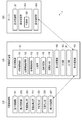
- FIG. 1 is a block diagram schematically illustrating an example of an application scene of a health management system according to an embodiment.
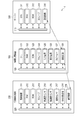
- FIG. 2 is a block diagram schematically illustrating an example of a hardware configuration of the health management system according to the embodiment.
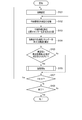
- FIG. 3 is a flowchart illustrating an example of a procedure of a process performed by the information processing apparatus according to the embodiment.
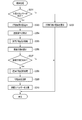
- FIG. 4 is a flowchart illustrating an example of a procedure of a proposal process performed by the information processing apparatus according to the embodiment.
- FIG. 5 is a diagram schematically illustrating a configuration example of the behavior database according to the embodiment.
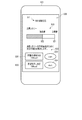
- FIG. 6 is a diagram schematically illustrating an example of a proposal screen displayed on the information processing apparatus according to the embodiment.
- the health management system acquires a user's activity amount and a target value of the activity amount, and presents a suggestion regarding the behavior to the user based on a difference between the target value and the activity amount.
- the health management system 1 includes an information processing device 100, a behavior detection terminal 200, and a server 300.
- the information processing device 100 is a device such as a smartphone, a tablet-type information processing terminal, or a personal computer (PC) having a function of acquiring, processing, and presenting information to a user.
- a smartphone or the like that is close to the user is preferable.
- a wristwatch-type or head-mounted wearable terminal may be employed.
- the behavior detection terminal 200 is a device that is worn by a user and includes various sensors.
- the behavior detection terminal 200 may be, for example, a body-worn or watch-type activity meter.
- the behavior detection terminal 200 detects a user's movement for analyzing the behavior of the user.
- the behavior detection terminal 200 transmits data relating to the detected movement of the user or an analysis result based on the data to the information processing apparatus 100.
- the server 300 stores information necessary for information processing of the information processing device 100.
- the information processing apparatus 100 includes a first control unit 101, a first storage unit 102, an input unit 103, an output unit 104, and a first communication unit 105.
- the first control unit 101 controls the operation of each unit of the information processing device 100 and performs various calculations. Further, the first control unit 101 executes application software (app) operating on the information processing apparatus 100.
- the first storage unit 102 stores various information related to the calculation of the first control unit 101.
- the input unit 103 acquires various information input by the user.
- the output unit 104 presents various information to the user.
- the first communication unit 105 communicates with devices external to the information processing device 100, such as the behavior detection terminal 200 and the server 300.
- the action detection terminal 200 includes a second control unit 201, a second storage unit 202, an angular velocity detection unit 203, an acceleration detection unit 204, an azimuth detection unit 205, a position detection unit 206, and a second communication unit.
- the second control unit 201 controls the operation of each unit of the behavior detection terminal 200, and performs various types of information processing.
- the second storage unit 202 performs processing on information necessary for various processes performed by the second control unit 201, data acquired from each detection unit described below, and data acquired by the second control unit 201. The results and the like are stored.
- the angular velocity detecting unit 203 detects an angular velocity applied to the action detection terminal 200.
- the acceleration detection unit 204 detects an acceleration applied to the behavior detection terminal 200.
- the azimuth detecting unit 205 detects the direction in which the action detection terminal 200 is facing, for example, based on geomagnetism.
- the position detection unit 206 receives a radio wave transmitted from, for example, a navigation satellite in order to obtain position information of the behavior detection terminal 200.
- An example of position detection by the position detection unit 206 is position detection using a GPS (global positioning system).
- GPS global positioning system
- the analysis of the movement and the analysis of the behavior may be performed by the behavior detection terminal 200 or may be performed by the information processing apparatus 100 based on the data.
- the second communication unit 207 communicates with a device external to the behavior detection terminal 200. For example, the second communication unit 207 transmits the detection result of each detection unit, analysis data, and the like to the information processing device 100.
- the server 300 includes a third control unit 301, a third storage unit 302, and a third communication unit 304.
- the third control unit 301 controls the operation of each unit of the server 300.
- the third storage unit 302 stores various information.
- an action database (DB) 303 described later is recorded.
- the third communication unit 304 communicates with a device external to the server 300. For example, the third communication unit 304 transmits information of the behavior database 303 to the information processing device 100 in response to a request from the information processing device 100.
- the first control unit 101 of the information processing apparatus 100 includes a behavior amount acquisition unit 111, a position information acquisition unit 112, a target value acquisition unit 113, a comparison unit 114, a proposal determination unit 115, and a proposal output unit 116. Is provided.
- the activity amount acquisition unit 111 acquires an activity amount that represents a user's activity by a numerical value.
- the amount of action may be, for example, a value of calories consumed by the action of the user.
- the activity amount acquisition unit 111 may acquire the activity amount of the user analyzed by the first control unit 101 based on the data acquired by the various detection units of the activity detection terminal 200.
- the activity amount acquisition unit 111 may acquire data acquired by the various detection units of the activity detection terminal 200 and calculate the activity amount based on the data.
- the activity amount acquisition unit 111 may acquire the activity amount of the user analyzed by the second control unit 201 based on the data acquired by the various detection units of the activity detection terminal 200.
- the location information acquisition unit 112 acquires the location information of the user.
- the position information acquisition unit 112 acquires, for example, the position information of the action detection terminal 200 calculated by the position detection unit 206 based on the radio wave from the navigation satellite acquired by the position detection unit 206, and uses the position information of the user.
- the target value acquisition unit 113 acquires a target value of the user's activity amount.
- the target value can be input, for example, in an application operating on the information processing device 100.
- the target value may be, for example, a target value of calorie consumption per day.
- Comparison unit 114 compares the value related to the target value with the integrated value of the amount of action.
- the value relating to the target value may be a point-in-time target value that is a target value of the integrated value of the calorie consumption at each point in the day.
- the target value at each point in time may be a value that increases with the passage of time during the day, and may particularly be a value that increases during a time period when the activity is active.
- the integrated value of the amount of activity is the integrated value of the amount of activity acquired by the activity amount acquisition unit 111. If the amount of activity is the calorie consumption and the target value is the calorie consumption of the day, the integrated value of the calorie consumption of the day It can be a value.
- the suggestion determination unit 115 determines a proposal for an action to be performed on the user using the position information when the integrated value of the action amount is lower than the target value or a value based on the target value and a predetermined condition is satisfied. For example, when the integrated value of the calorie consumption is smaller than a predetermined value with respect to the point-in-time target value of the calorie consumption, the suggestion determination unit 115 determines to make a proposal regarding the action.
- the proposal can be determined with reference to, for example, a behavior database.
- the behavior database may be stored in the third storage unit 302 of the server 300 as shown in FIG. 1, or may be stored in the first storage unit 102 of the information processing device 100.
- the proposal determination unit 115 determines the content of the proposal based on the position information acquired by the position information acquisition unit 112.
- the proposal determination unit 115 may determine the content of the proposal based on the target value of the consumed calories and the integrated value of the consumed calories.
- the proposal determination unit 115 may determine the content of the proposal in consideration of the time, the execution frequency of the action, the weather, family relationships, and the like.
- the proposal output unit 116 outputs the proposal determined by the proposal determination unit.
- the proposal output unit 116 causes the display device of the output unit 104 to display the proposal, for example.
- the health management system 1 in a situation where the user's activity amount may not reach the target value, the health management system 1 causes the user to take an action related to housework such that the user's activity amount reaches the target value. Prompt.
- an action related to housework is often a natural action for a user in accordance with daily life. For this reason, according to the proposal by the health management system 1, it becomes easier for the user to achieve the action value as the action goal. Further, the health management system 1 further considers various conditions when deciding a proposed action. For this reason, the health management system 1 can propose a more appropriate action to the user.
- the health management system 1 includes the information processing device 100, the behavior detection terminal 200, and the server 300.
- the information processing apparatus 100 for example, a smartphone, includes a CPU (Central Processing Unit) 121, a RAM (Random Access Memory) 122, a ROM (Read Only Memory) 123, and a storage 124 connected to each other via a bus line 129. , An input device 125, a display device 126, a speaker 127, and a communication circuit 128.
- a CPU Central Processing Unit
- RAM Random Access Memory
- ROM Read Only Memory
- the CPU 121 performs various kinds of signal processing and controls the operation of each unit of the information processing apparatus 100.
- the RAM 122 is, for example, a main memory of the CPU 121.
- a dynamic RAM (DRAM), a static RAM (SRAM), or the like can be used.
- the ROM 123 stores, for example, a startup program and the like.
- an eMMC Embedded Multi Media Card
- an SSD Solid State Drive
- HDD Hard Disk Drive
- Various information such as programs, parameters, and data used by the CPU is recorded in the storage. These elements can be appropriately changed.
- an integrated circuit such as an ASIC (Application Specific Integrated Circuit), an FPGA (Field Programmable Gate Array), or a GPU (Graphics Processing Unit) may be used.
- the CPU 121, the RAM 122, and the like can operate as the first control unit 101 described above.
- the RAM 122, the ROM 123, the storage 124, and the like can operate as the first storage unit 102 described above. That is, for example, a program stored in the ROM 123 or the storage 124 is expanded in the RAM 122.
- the CPU 121 controls the operation of the information processing apparatus 100 by interpreting and executing the program developed in the RAM 122.
- the input device 125 is a device that is operated by a user and acquires an instruction from the user.
- the input device 125 may include, for example, a button switch, a slider, a touch panel, and the like.
- the input signal acquired by the input device 125 can be processed by the CPU 121.
- the input device 125 can operate as the input unit 103 described above.
- the display device 126 includes a display element such as a liquid crystal display (LCD) and an organic EL display.
- the display device 126 displays an image under the control of the CPU 121.
- a touch screen may be configured by a touch panel serving as an input device and a liquid crystal display serving as a display device 126.
- the speaker 127 outputs sound under the control of the CPU 121.
- the display device 126 and the speaker 127 can operate as the output unit 104 described above.
- the communication circuit 128 is a circuit for communicating with a device external to the information processing device 100. Communication with the external device may be performed by wire or wirelessly. For wireless communication, for example, standards such as Wi-Fi (registered trademark) and Bluetooth (registered trademark) may be used, or mobile data communication using, for example, a cellular system may be used.
- the communication circuit 128 can operate as the first communication unit 105 described above.
- the behavior detection terminal 200 includes a control circuit 211, a RAM 212, a ROM 213, a storage 214, and a communication circuit 219, which are connected to each other via a bus line 220. Further, the behavior detection terminal 200 includes an angular velocity sensor 215, an acceleration sensor 216, a magnetic sensor 217, and a GNSS (Global Navigation Satellite System) receiver 218 as sensors for sensing the amount of behavior of the user.
- GNSS Global Navigation Satellite System
- the control circuit 211 may include, for example, a CPU, an ASIC, an FPGA, and the like.
- the control circuit 211 processes various information and controls the operation of each unit of the behavior detection terminal 200.
- the RAM 122 stores data necessary for information processing by the control circuit 211, for example.
- the ROM 213 may include programs, parameters, and the like necessary for information processing by the control circuit 211.
- the storage 214 may include, for example, a flash memory or the like.
- the storage 214 stores information necessary for the operation of the behavior detection terminal 200, data acquired by various sensors, various information obtained by analyzing data acquired by various sensors, and the like.
- the control circuit 211, the RAM 212, and the like can operate as the above-described second control unit 201.
- the RAM 212, the ROM 213, the storage 214, and the like can operate as the above-described second storage unit 202.
- the angular velocity sensor 215 is a three-axis angular velocity sensor manufactured using, for example, a MEMS (microelectromechanical system) technique.
- the angular velocity sensor 215 detects the rotation of the action detection terminal 200 as the angular velocity detection unit 203 described above.
- the acceleration sensor 216 is a three-axis acceleration sensor manufactured using, for example, the MEMS technology.
- the acceleration sensor 216 detects the acceleration applied to the action detection terminal 200 including gravity, as the above-described acceleration detection unit 204.
- the magnetic sensor 217 detects, for example, terrestrial magnetism as the azimuth detecting unit 205 described above.
- the GNSS receiver 218 receives the signal transmitted from the navigation satellite as the above-described position detection unit 206.
- the communication circuit 219 is a circuit for communicating with a device external to the behavior detection terminal 200 as the second communication unit 207 described above. Communication with the external device may be performed by wire or wirelessly. For wireless communication, for example, standards such as Wi-Fi and Bluetooth may be used.
- the behavior detection terminal 200 communicates with the information processing apparatus 100 by, for example, wireless communication using Bluetooth.
- the data obtained by the various sensors or the result of analysis based on the data is transmitted to the information processing apparatus 100 as behavior information.
- the transmission of the behavior information to the information processing device 100 may be performed periodically, or may be performed in response to a request from the information processing device 100.
- the server 300 includes a CPU 311, a RAM 312, a ROM 313, a storage 314, and a communication circuit 315 connected to each other via a bus line 316.
- the CPU 311 processes various information related to the server 300.
- the RAM 312 is a main memory of the CPU 311.
- the ROM 313 stores information such as programs used by the CPU 311.
- the storage 314 includes, for example, an HDD, and records various information.
- the CPU 311 and the RAM 312 and the like can operate as the above-described third control unit 301.
- the RAM 312, the ROM 313, the storage 314, and the like can operate as the above-described third storage unit 302.
- the communication circuit 315 is a circuit for communicating with a device external to the server 300 as the third communication unit 304 described above.
- the information processing device 100 and the server 300 communicate with each other via a network such as the Internet.
- step S101 the CPU 121 performs initial settings.
- the items set here include, for example, a target energy consumption per day. Also, clear the integrated value of the energy consumption on the day.
- step S102 the CPU 121 obtains behavior information from the behavior detection terminal 200.
- the CPU 121 records the acquired behavior information in the storage 124.
- the acquisition of the behavior information from the behavior detection terminal 200 may be performed continuously or intermittently, or may be performed at an arbitrary timing.
- the information processing apparatus 100 may request behavior information from the behavior detection terminal 200 under predetermined conditions. For example, when the proposed action is limited to housework performed at home, the information processing apparatus 100 may acquire action information from the action detection terminal 200 when the user arrives at home.
- step S103 the CPU 121 analyzes the behavior information obtained in step S102. This analysis may include calculating energy consumption.
- the CPU 121 adds the calculated energy consumption to, for example, the integrated value of the energy consumption of the day. In this way, the energy consumption is integrated with the lapse of time, and the information processing apparatus 100 holds the integrated value of the energy consumption at that time.
- the CPU 121 refers to the current time information and the target value of the energy consumption, and calculates a time point target value that is the target value of the energy consumption at the current time.
- the target point value calculated here may be, for example, a value obtained by determining the activity time in consideration of the user's wake-up time and bedtime, and dividing the target value of energy consumption on the day by the activity time.
- the accumulated user behavior pattern may be considered in calculating the point-in-time target value. For example, in the case of a user who has a small amount of activity in the morning but a large amount of activity in the afternoon, the target value in the morning may be set relatively low and the target value in the afternoon may be set relatively high.
- step S105 the CPU 121 determines whether the difference between the integrated value of the consumed energy and the target value at the time is greater than a predetermined value. When the difference is equal to or smaller than the predetermined value, the process proceeds to step S107. On the other hand, when the difference is larger than the predetermined value, the process proceeds to step S106.
- step S106 the CPU 121 performs a proposal process.
- the suggestion process when the energy consumption is insufficient, the user is suggested to increase the energy consumption so that the energy consumption can achieve the target.
- This action may include, for example, housework.
- the proposal can be made by being displayed on the display device 126 of the information processing apparatus 100, for example.
- the proposal may be presented by voice from the speaker 127 of the information processing device 100. Further, when the current calorie consumption is too high, a proposal for suppressing the calorie consumption may be made.
- the process proceeds to step S107.
- step S107 the CPU 121 determines whether or not to reset the information on the consumed energy.
- the information may be reset when the date changes.
- the information may be reset according to a user's instruction.
- the target value of the energy consumption and the like may be changed according to a user's instruction.
- step S108 the CPU 121 determines whether or not to end the processing. For example, when the user performs an input to end the process, it is determined that the process is to be ended. When it is determined that the processing ends, the processing ends. On the other hand, when it is determined that the processing is not to be ended, the processing returns to step S102. That is, the behavior information is accumulated, and the integrated value of the consumed energy is continuously compared with the target value with the lapse of time. When energy is appropriately consumed to achieve the goal, the health management system 1 does not specifically work on the user.
- step S107 the health care system 1 proposes to the user to perform an additional action such as housework. If it is determined in step S107 to reset, the process returns to step S101. For example, when the date changes, the above-described processing for the new day is repeated.
- step S106 The proposal process performed in step S106 will be described with reference to the flowchart shown in FIG.
- step S201 the CPU 121 determines whether or not energy consumption is insufficient. When the consumed energy is not insufficient, the process proceeds to step S202. When the difference between the integrated value of the consumed energy and the target value at the time is larger than the predetermined value and the consumed energy is not insufficient, that is, when the value of the consumed energy is too high, the process proceeds to step S202.
- step S202 the CPU 121 proposes to the user to suppress the action.
- This proposal can be made by various methods such as screen display using the display device 126 and audio output using the speaker 127.
- step S201 If it is determined in step S201 that the energy consumption is insufficient, the process proceeds to step S203.
- step S ⁇ b> 203 the CPU 121 acquires information on the proposed action candidate from the action database 303.
- the first control unit 101 including the CPU 121, the RAM 122, and the like operates as a candidate obtaining unit that obtains candidate information including a proposed action candidate.
- the information acquired here may be, for example, a table as shown in FIG. FIG. 5 shows an example of an item, and does not show the contents of data.
- the contents can be set as appropriate, and the items and contents can be changed as appropriate.
- this table includes information on various actions.
- Various activities include, for example, activities related to cleaning such as a living room, a bedroom, a children's room, a bath, a kitchen, a corridor, etc.
- activities are included, such as activities related to children, such as caring for children, playing with children, and shopping-related activities such as food and daily necessities.
- the actions listed here are examples, and may include other information.
- Each information included in the table can be prepared for each user. Each piece of information can be managed by user information for identifying which user's information.
- the table includes, for each action, information for calculating energy consumption, information for selecting which action to propose, and the like.
- the information for calculating the consumed energy includes information such as METs (Metabolic equivalents), the individual time required for the behavior, individual adjustment values such as weight and behavior habits, and other values.
- the table may include energy consumption for each individual, which can be calculated based on such information, for each type of behavior.
- the information for determining which action is to be proposed includes an execution place where the action is performed, a recommended time range for performing the action, a recommended execution frequency for performing the action, and weather information for performing the action.
- Family information such as when other members of the family performed the action or when it was suggested to be performed by other members as examples of information indicating a personal relationship with a person other than the user, pets kept by the user May be included.
- the weather may include temperature, pressure, humidity, wind speed, wind direction, and the like, as well as the sky pattern such as fine rain.
- the CPU 121 specifies conditions for selecting a proposed action.
- the conditions specified here include the shortage of the energy consumption predicted based on the integrated value of the energy consumption and the target value and the time point target value, the current position of the user that can be specified by using the satellite navigation system, and the like,
- the current time for example, a future schedule registered in the information processing apparatus 100, for example, the user's action history recorded in the information processing apparatus 100, the user's preference regarding the action specified from the action history, etc., various sensors or WEB Current weather, future weather forecasts, etc.
- the first control unit 101 including the CPU 121 and the RAM 122 includes a time acquisition unit that acquires time information, a schedule acquisition unit that acquires schedule information of the user, and information of past behavior of the user such as an action history. It operates as a past information acquisition unit for acquiring weather information, a weather acquisition unit for acquiring weather information related to user location information, and the like.
- step S205 the CPU 121 performs a suggested action selection process of selecting an action to be proposed based on the information on the action candidate acquired in step S203 and the condition specified in step S204.
- a suggested action selection process of selecting an action to be proposed based on the information on the action candidate acquired in step S203 and the condition specified in step S204.
- An example of the proposed action selection process is shown below.
- the CPU 121 selects a plurality of appropriate behavior candidates with reference to the predicted shortage of the energy consumption and the value of the energy consumption column of the table shown in FIG. At least one action to be proposed is selected from these selected actions based on various selection conditions.
- actions performed at home can be candidates. Even if you are outside the house, such as outdoors, if you are returning home, the action performed at home after returning home can be a candidate. Even at home, during the daytime, “playing with children (outdoors)” can be a candidate. Conversely, after sunset, “playing with children (outdoors)” can be excluded from the candidates. Even at home, washing can be eliminated from the list at midnight. If the weather is good during the day, the priority as a washing candidate may increase, and if it is rainy, the priority as a washing candidate may decrease. In consideration of the action history and the current time, cooking can be a candidate before meals, and dishwashing can be a candidate after meals.
- the priority as a cleaning candidate may rise, and if there is a plan to invite an acquaintance to home soon, the priority as a cleaning candidate will be Can go up. If the cleaning is performed immediately before, the priority as a cleaning candidate may be lowered. Also, for example, if the user keeps a dog, walking of the dog can be proposed, and if the user keeps tropical fish, replacement of water can be proposed.
- a room to be cleaned may be assigned to each of the husband and the wife with reference to the family information. Further, with reference to family information, candidates may be assigned such that cooking is a candidate for a wife and dishwashing is a candidate for a husband, or vice versa.
- family information it is possible to prevent a couple from suggesting the same housework, for example, and a more appropriate proposal can be made.
- each item is assigned a score in accordance with, for example, a predetermined rule, and an action proposal that gives the highest score may be selected. Further, in the proposed action selection process, a proposal may be determined using the result of machine learning. Especially when there are many items to be considered, a proposal using the result of machine learning may be useful.
- step S206 the CPU 121 causes the display device 126 to display the selected action.
- a screen 500 as shown in FIG. 6 is displayed. That is, along with the current time 511, a bar 520 indicating the energy consumption up to the present is displayed. The bar 520 indicates the current value 522 with respect to the target value 521, so that the achievement rate at the current time can be understood at a glance.
- the suggested action selected in step S205 is displayed on the suggested list 530. In the example of FIG. 6, a first proposal 531 for cleaning the room for 30 minutes and a second proposal 532 for washing the laundry for 30 minutes are displayed.
- the health management system 1 has a mechanism for acquiring data of a user when the proposed action is performed, and improving the accuracy of information included in the action database. Therefore, as an example, in the proposal list 530, a first start icon 533 is provided beside the first proposal 531 and a second start icon 534 is provided beside the second proposal 532. .
- the user When performing a proposed action, the user first selects a start icon corresponding to the action, and then performs the action.
- the proposal is displayed on the display device 126 of the information processing apparatus 100, but the present invention is not limited to this.
- the proposal may be presented to the user by voice from the speaker 127 of the information processing device 100.
- the action detection terminal 200 is provided with an output unit such as a display device or a speaker
- the information processing apparatus 100 transmits information indicating the content of the proposal to the action detection terminal 200, and the behavior detection terminal 200 transmits the suggestion to the user. May be presented.
- step S207 the CPU 121 determines whether or not the action suggested by the user has started. That is, it is determined whether or not the user has selected the start icon.
- the start icon is not selected, that is, when the user has not started the suggestion action, the suggestion process ends.
- the start icon is selected, that is, when the user starts the suggested action, the process proceeds to step S208.
- step S208 the CPU 121 performs a suggested action recording process.
- the action information after the start icon is selected is acquired from the action detection terminal 200.
- the CPU 121 records the acquired behavior information in the storage 124.
- the CPU 121 causes the display device 126 to display a stop icon (not shown).
- the stop icon is an icon that is selected when the user ends the suggested action.
- the CPU 121 acquires the behavior information from the behavior detection terminal 200 and records it in the storage 124 until the stop icon is selected.
- the CPU 121 analyzes the behavior of the user recorded from when the start icon is selected to when the stop icon is selected. This analysis includes obtaining the integrated value of the energy consumption during that time. This analysis also includes improving the accuracy of the information included in the behavior database.
- Information such as energy can be obtained.
- This information may be associated with a time interval from the last cleaning to the current cleaning. This time interval can be reflected in information on the frequency of cleaning that the user prefers, or can be reflected in the time required for cleaning that can change according to the interval.
- information as to which user of the family often performs the housework may be stored.
- Information on the analyzed behavior of the user is recorded in the storage 124.
- the recorded information is used for the next proposal process.
- the recorded action information can also be used to determine when to suggest the same action next.
- step S209 the CPU 121 updates the contents of the behavior database based on the behavior information of the user obtained as a result of the proposed behavior recording process. That is, the information as shown in FIG. 5 is updated.
- the first control unit 101 including the CPU 121 and the RAM 122 includes a period obtaining unit that obtains information on a period in which the user performs an action according to a suggestion, and candidate information based on the amount of activity in the period sensed by the activity detection terminal. It operates as a candidate information update unit that updates the. By updating the action database in this way, the accuracy of the action proposal is gradually improved.
- step S210 the CPU 121 adds the integrated value of the energy consumption calculated in step S208 to the integrated value of the energy consumption calculated in step S103.
- the proposal process ends.
- the health management system 1 can propose an action such as housework appropriate for the user at a timing necessary for the user.
- an action such as housework appropriate for the user at a timing necessary for the user.
- the user since the user is offered an action with less discomfort that can be naturally dealt with in daily life, the user is less likely to feel resistance.
- the user can naturally perform an appropriate amount of exercise. This contributes to maintaining or improving the health of the user.
- Part of the processing described as being performed by the information processing apparatus 100 may be performed outside the information processing apparatus 100, such as the server 300.
- the proposal process may be performed by the server 300.
- the behavior detection terminal 200 may acquire necessary information from the information processing device 100 and perform the processing described as being performed by the information processing device 100.
- the sensors mounted on the behavior detection terminal 200 can be changed as appropriate.
- the behavior detection terminal 200 may include an air pressure sensor or the like for detecting altitude.
- the behavior detection terminal 200 does not include the position detection unit 206 including the GNSS receiver 218, and the information processing apparatus 100 may include the position detection unit.
- the user has the information processing apparatus 100. That is, the position of the user may be acquired by the information processing device 100.
- the behavior detection terminal 200 and the information processing device 100 can be integrated. That is, for example, the information processing apparatus 100 such as a smartphone may detect and record the behavior of the user, and the above-described processing may be performed by the information processing apparatus 100 based on the data. If the behavior detection terminal 200 is, for example, a wristwatch-type terminal and includes a display device or the like, the behavior detection terminal 200 may play the role of the information processing device 100.
- the behavior database 303 be in the server 300 where information is collected from each terminal.
- the behavior database may be recorded in the information processing device 100 when the relationship with another person is not considered. In this case, the information processing device 100 does not need to access the server 300.
- the data appearing in the present embodiment is described in a natural language, more specifically, the data is specified in a pseudo language, a command, a parameter, a machine language, and the like that can be recognized by a computer.
- the present invention is not limited to the above-described embodiment, and can be variously modified in an implementation stage without departing from the scope of the invention.
- the embodiments may be appropriately combined and implemented, and in that case, the combined effects can be obtained.
- the above embodiments include various inventions, and various inventions can be extracted by combinations selected from a plurality of disclosed constituent features. For example, even if some components are deleted from all the components shown in the embodiment, if the problem can be solved and an effect can be obtained, a configuration from which the components are deleted can be extracted as an invention.
- Health management system 100 Information processing device 101. First control unit 102. First storage unit 103. Input unit 104. Output unit 105. First communication unit 111. Activity amount acquisition unit 112. Position information acquisition unit 113. Target value acquisition section 114. Comparison section 115. Proposal determination unit 116. Proposal output unit 121. CPU 122. RAM 123. ROM 124. Storage 125. Input device 126. Display device 127. Speaker 128. Communication circuit 129. Bus line 200. Behavior detection terminal 201. Second control unit 202. Second storage unit 203. Angular velocity detection section 204. Acceleration detection section 205. Direction detection unit 206. Position detecting section 207. Second communication unit 211. Control circuit 212. RAM 213. ROM 214.
Landscapes
- Health & Medical Sciences (AREA)
- Engineering & Computer Science (AREA)
- Epidemiology (AREA)
- General Health & Medical Sciences (AREA)
- Medical Informatics (AREA)
- Primary Health Care (AREA)
- Public Health (AREA)
- Medical Treatment And Welfare Office Work (AREA)
Abstract
ユーザーの行動量が目標値に到達するような支援をする。 情報処理装置100は、行動量取得部111と、目標値取得部113と、比較部114と、提案決定部115と、提案出力部116とを備える。行動量取得部111は、ユーザーの行動量を取得する。目標値取得部113は、行動量の目標値を取得する。比較部114は、前記目標値又は当該目標値に基づく値と前記行動量の積算値とを比較する。提案決定部115は、前記目標値又は当該目標値に基づく値に対して前記行動量の積算値が低く所定の条件を満たしたとき、前記位置情報を用いてユーザーに対して行う家事と関連する行動を含む提案を決定する。提案出力部116は、前記提案を出力する。
Description
本発明は、情報処理装置、健康管理システム及びプログラムに関する。
ユーザーの運動量を管理して、理想とする運動量を達成することを支援する運動量管理システムが知られている。例えば特許文献1には、次のようなシステムが開示されている。このシステムは、歩数計を用いてユーザーの歩数に関する情報を取得する。システムは、設定した基本プランに対して、過去に達成した運動量の過不足を演算する。システムは、演算結果に基づいて、ウォーキング等の運動、運動を兼ねた旅行等を含む次回の推奨プランをユーザーに提示する。
行動量の目標値を達成するような量の行動を行おうとする場合、スポーツ又は旅行といった特別な活動は、ユーザーの高い意欲を必要とする。
本発明は、一側面では、ユーザーの行動量が目標値に到達するような支援をすることを目的とする。
本発明の一態様によれば、情報処理装置は、ユーザーの行動量を取得する行動量取得部と、行動量の目標値を取得する目標値取得部と、前記目標値又は当該目標値に基づく値と前記行動量の積算値とを比較する比較部と、前記目標値又は当該目標値に基づく値に対して前記行動量の積算値が低く第1の条件を満たしたとき、ユーザーに対して行う家事と関連する行動を含む提案を決定する提案決定部と、前記提案を出力する提案出力部とを備える。
本発明の一態様によれば、健康管理システムは、上述の情報処理装置と、前記ユーザーの行動量をセンシングするセンサを備える行動検知端末とを備え、前記行動量取得部は、前記行動検知端末がセンシングした前記行動量を取得する。
本発明の一態様によれば、プログラムは、上記の情報処理装置が備える前記各部の処理を、前記情報処理装置が備えるプロセッサに実行させる。
これらにより、ユーザーにとって必要なタイミングで、ユーザーにとって適切な例えば家事といった行動が提案され得る。ユーザーにとって日常生活の中で自然に取り組める違和感の少ない行動が提案されるので、ユーザーにとって抵抗感が生じにくい。このような提案により、ユーザーは自然と適量の運動を行うことができる。このことは、ユーザーの健康維持又は健康向上に貢献する。
本発明の一態様によれば、情報処理装置は、提案する行動の複数の候補を含む候補情報を取得する候補取得部をさらに備え、前記提案決定部は、前記複数の候補の中から第2の条件を満たす行動を選択することで前記提案を決定してもよい。
行動の候補の中から選択されることで、容易に、ユーザーにとってより適切な行動が提案され得る。
本発明の一態様によれば、情報処理装置は、ユーザーの位置情報を取得する位置情報取得部を更に備え、前記提案決定部は、前記位置情報を用いて前記提案を決定してもよい。さらに、前記位置情報は、前記ユーザーの位置が当該ユーザーの自宅であるか否かの情報、又は、前記ユーザーの位置が屋外であるか否かの情報を含んでもよい。
位置情報が考慮されることで、ユーザーにとってより適切な行動が提案され得る。また、ユーザーが自宅にいるか否かなど応じた適切な行動が提案される。例えば、掃除は自宅で行われるが、買い物は自宅外で行われるなど、行動ごとに場所に応じた適否がある。自宅であるかなどが考慮されることで、提案は、ユーザーにとってより受け入れやすいものとなり得る。
本発明の一態様によれば、情報処理装置は、時刻の情報を取得する時刻取得部をさらに備え、前記提案決定部は、前記時刻の情報をさらに用いて前記提案を決定してもよい。
これにより、時刻に応じた適切な行動が提案される。例えば、洗濯は深夜に行わないことが好ましいなど、行動ごとに時刻に応じた適否がある。時刻が考慮されることで、提案は、ユーザーにとってより受け入れやすいものとなり得る。
本発明の一態様によれば、情報処理装置は、前記ユーザーのスケジュールの情報を取得するスケジュール取得部をさらに備え、前記提案決定部は、前記スケジュールの情報をさらに用いて前記提案を決定してもよい。
これにより、スケジュールに応じた適切な行動が提案される。例えば、近日中に知人を自宅に招く予定があれば掃除を行うことが提案されなど、スケジュールが考慮され得る。スケジュールが考慮されることで、提案は、ユーザーにとってより有意義なものとなり得る。
本発明の一態様によれば、情報処理装置は、前記ユーザーの過去の行動の情報を取得する過去情報取得部をさらに備え、前記提案決定部は、前記過去の行動の情報をさらに用いて前記提案を決定してもよい。また、前記提案決定部は、前記過去の行動に基づいて前記候補を絞り込んでもよい。
これにより、過去の行動に応じた適切な行動が提案される。例えば、数日に1回でよい行動が毎日繰り返し提案されることが防止され得るし、1日に1回でより行動が1日何度も繰り返し提案されることが防止され得る。過去の行動が考慮されることで、提案は、ユーザーにとってより効率的なものとなり得る。
本発明の一態様によれば、前記提案決定部は、前記過去の行動に基づいて、前記提案として行動を抑制する提案を決定してもよい。また、前記提案決定部は、前記目標値又は当該目標値に基づく値に対して前記行動量の積算値が高く第3の条件を満たしたとき、前記提案として行動を抑制する提案を決定してもよい。
これらにより、行動量が不足しているときに限らず、行動量が過多の場合にも、ユーザーにとって望ましい提案がなされ得る。
本発明の一態様によれば、情報処理装置は、天気の情報を取得する天気取得部をさらに備え、前記提案決定部は、前記天気の情報をさらに用いて前記提案を決定してもよい。
これにより、天気に応じた適切な行動が提案される。例えば、洗濯は晴れの日に行われることが好ましいなど、行動ごとに天気に応じた適否がある。天気が考慮されることで、提案は、ユーザーにとってよりよいものとなり得る。
本発明の一態様によれば、前記候補情報は、前記ユーザーを識別する情報を含み、前記提案決定部は、前記ユーザーを識別する情報をさらに用いて前記提案を決定してもよい。
候補情報にユーザーを識別する情報を持たせることで、候補情報をユーザーごとに用意することができ、ユーザーに応じたより適切な提案がなされ得る。
本発明の一態様によれば、前記候補情報は、前記ユーザーと前記ユーザー以外の人との人物関係を示す情報、又は、前記ユーザーが飼育しているペットに関する情報を含み、前記提案決定部は、前記人物関係を示す情報又は前記ペットに関する情報をさらに用いて前記提案を決定してもよい。
これにより、例えばユーザーの家族といったユーザー以外の人との関係が考慮された行動の提案がなされ得る。例えば家族内で一人が行えばよい家事が二人のユーザーに提案されることなどが防止され、家族全体として効率的な行動の提案がなされ得る。また、ペットの有無やペットの種類に関する情報を用いることで、例えば犬を飼っているユーザーに犬の散歩を提案するなど、適切な行動の提案がなされ得る。
本発明によれば、ユーザーの行動量が目標値に到達するような支援が実行され得る。
本発明の一実施形態について図面を参照して説明する。本実施形態は、健康管理システムに関する。健康管理システムは、ユーザーの行動量と行動量の目標値とを取得し、目標値と行動量との差に基づいて、ユーザーに対して行動に関する提案を提示する。
§1 適用例
一実施形態に関する健康管理システム1が適用される場面の一例について、図1を参照して説明する。健康管理システム1は、情報処理装置100と、行動検知端末200と、サーバー300とを備える。情報処理装置100は、例えばスマートフォン、タブレット型の情報処理端末、パーソナルコンピュータ(PC)といった、情報を取得し、処理し、ユーザーに提示する機能を有する装置である。情報処理装置100としては、ユーザーが身近に所持するスマートフォン等が好ましい。情報処理装置100の他の例として、腕時計型又は頭部装着型のウェアラブル端末が採用されてもよい。行動検知端末200は、ユーザーに装着され、各種センサを備える装置である。行動検知端末200は、例えば身体装着型又は腕時計型の活動量計等であり得る。行動検知端末200は、ユーザーの行動を解析するためのユーザーの動きを検出する。行動検知端末200は、検出したユーザーの動きに関するデータ、又は当該データに基づく解析結果を情報処理装置100宛に送信する。サーバー300は、情報処理装置100の情報処理に必要な情報を記憶している。
一実施形態に関する健康管理システム1が適用される場面の一例について、図1を参照して説明する。健康管理システム1は、情報処理装置100と、行動検知端末200と、サーバー300とを備える。情報処理装置100は、例えばスマートフォン、タブレット型の情報処理端末、パーソナルコンピュータ(PC)といった、情報を取得し、処理し、ユーザーに提示する機能を有する装置である。情報処理装置100としては、ユーザーが身近に所持するスマートフォン等が好ましい。情報処理装置100の他の例として、腕時計型又は頭部装着型のウェアラブル端末が採用されてもよい。行動検知端末200は、ユーザーに装着され、各種センサを備える装置である。行動検知端末200は、例えば身体装着型又は腕時計型の活動量計等であり得る。行動検知端末200は、ユーザーの行動を解析するためのユーザーの動きを検出する。行動検知端末200は、検出したユーザーの動きに関するデータ、又は当該データに基づく解析結果を情報処理装置100宛に送信する。サーバー300は、情報処理装置100の情報処理に必要な情報を記憶している。
情報処理装置100は、第1の制御部101と、第1の記憶部102と、入力部103と、出力部104と、第1の通信部105とを備える。第1の制御部101は、情報処理装置100の各部の動作を制御し、また、各種演算を行う。また、第1の制御部101は、情報処理装置100で動作するアプリケーションソフトウェア(アプリ)を実行する。第1の記憶部102は、第1の制御部101の演算に関する各種情報を記憶する。入力部103は、ユーザーによって入力される各種情報を取得する。出力部104は、ユーザーに各種情報を提示する。第1の通信部105は、行動検知端末200、サーバー300等、情報処理装置100の外部の機器と通信する。
行動検知端末200は、第2の制御部201と、第2の記憶部202と、角速度検出部203と、加速度検出部204と、方位検出部205と、位置検出部206と、第2の通信部207とを備える。第2の制御部201は、行動検知端末200の各部の動作を制御し、また、各種情報処理を行う。第2の記憶部202は、第2の制御部201で行う各種処理に必要な情報、後述する各検出部から取得したデータ、第2の制御部201が取得されたデータに対して処理を行った結果等を記憶する。角速度検出部203は、行動検知端末200に加わる角速度を検出する。加速度検出部204は、行動検知端末200に加わる加速度を検出する。方位検出部205は、例えば地磁気に基づいて、行動検知端末200が向いている方向を検出する。位置検出部206は、行動検知端末200の位置情報を得るために、例えば航法衛星から送信された電波を受信する。位置検出部206による位置検出の一例として、GPS(global positioning system)を用いた位置検出が挙げられる。角速度検出部203、加速度検出部204、方位検出部205及び位置検出部206の検出結果に基づけば、行動検知端末200を装着したユーザーの動きなどが解析され、さらにユーザーの行動が解析され得る。動きの解析、行動の解析は、行動検知端末200で行われてもよいし、データに基づいて情報処理装置100で行われてもよい。第2の通信部207は、行動検知端末200の外部の機器と通信する。例えば、第2の通信部207は、各検出部の検出結果、解析データ等を情報処理装置100宛に送信する。
サーバー300は、第3の制御部301、第3の記憶部302、第3の通信部304を備える。第3の制御部301は、サーバー300の各部の動作を制御する。第3の記憶部302は、各種情報を記憶する。第3の記憶部302には、後述する行動データベース(DB)303が記録されている。第3の通信部304は、サーバー300の外部の機器と通信する。例えば、第3の通信部304は、情報処理装置100からの要求に応じて、情報処理装置100宛に、行動データベース303の情報を送信する。
情報処理装置100の第1の制御部101は、行動量取得部111と、位置情報取得部112と、目標値取得部113と、比較部114と、提案決定部115と、提案出力部116とを備える。
行動量取得部111は、ユーザーの行動を数値で表した行動量を取得する。行動量は、例えばユーザーの行動に伴って消費されるカロリーの値であってもよい。行動量取得部111は、行動検知端末200の各種検出部で取得されたデータに基づいて、第1の制御部101で解析されたユーザーの行動量を取得してもよい。また、行動量取得部111は、行動検知端末200の各種検出部で取得されたデータを取得し、当該データに基づいて行動量を算出してもよい。また、行動量取得部111は、行動検知端末200の各種検出部で取得されたデータに基づいて、第2の制御部201で解析されたユーザーの行動量を取得してもよい。
位置情報取得部112は、ユーザーの位置情報を取得する。位置情報取得部112は、例えば、位置検出部206で取得された航法衛星からの電波に基づいて位置検出部206で算出された行動検知端末200の位置情報を取得し、それをユーザーの位置情報とする。
目標値取得部113は、ユーザーの行動量の目標値を取得する。目標値は、例えば、情報処理装置100で動作するアプリにおいて入力され得る。目標値は、例えば1日の消費カロリーの目標値であってもよい。
比較部114は、目標値に関する値と行動量の積算値とを比較する。目標値に関する値としては、例えば目標値が1日の消費カロリーである場合、1日の各時点での消費カロリーの積算値の目標値である時点目標値であり得る。この各時点での目標値は、1日の中で時間経過と共に大きくなる値であり得、特に、活動が活発な時間帯に大きくなる値であり得る。行動量の積算値は、行動量取得部111が取得した行動量の積算値であり、行動量が消費カロリーであり、目標値が1日の消費カロリーである場合、当該日の消費カロリーの積算値であり得る。
提案決定部115は、目標値又は当該目標値に基づく値に対して行動量の積算値が低く所定の条件を満たしたとき、位置情報を用いてユーザーに対して行う行動に関する提案を決定する。提案決定部115は、例えば、消費カロリーの時点目標値に対して消費カロリーの積算値が所定の値よりも小さいとき、行動に関する提案を行うと決定する。提案は、例えば行動データベースを参照して決定され得る。行動データベースは、図1に示すようにサーバー300の第3の記憶部302に記憶されていてもよいし、情報処理装置100の第1の記憶部102に記憶されていてもよい。提案決定部115は、位置情報取得部112が取得した位置情報に基づいて提案内容を決定する。提案決定部115は、消費カロリーの時点目標値と消費カロリーの積算値とに基づいて提案内容を決定してもよい。提案決定部115は、時刻、行動の実施頻度、天気、家族関係などを考慮して、提案内容を決定してもよい。
提案出力部116は、提案決定部で決定された提案を出力する。提案出力部116は、例えば提案を、出力部104の表示装置に表示させる。
本実施形態によれば、健康管理システム1は、ユーザーの行動量が目標値に到達しないおそれがある状況において、ユーザーに対して行動量が目標値に到達するような家事に関する行動を起こすように促す。一般に、家事に関する行動はユーザーにとって日常生活に即した自然な行動である場合が多い。このため、健康管理システム1による提案に従えば、ユーザーは行動目標とする行動値を達成しやすくなる。また、健康管理システム1は、提案する行動を決定するに際して、さらに種々の条件等を考慮する。このため、健康管理システム1は、より一層適切な行動をユーザーに提案することができる。
§2 構成例
上述のとおり、健康管理システム1は、情報処理装置100と、行動検知端末200と、サーバー300とを備える。
上述のとおり、健康管理システム1は、情報処理装置100と、行動検知端末200と、サーバー300とを備える。
〈情報処理装置〉
例えばスマートフォンである情報処理装置100は、バスライン129を介して互いに接続された、CPU(Central Processing Unit)121と、RAM(Random Access Memory)122と、ROM(Read Only Memory)123と、ストレージ124と、入力装置125と、表示装置126と、スピーカー127と、通信回路128とを備える。
例えばスマートフォンである情報処理装置100は、バスライン129を介して互いに接続された、CPU(Central Processing Unit)121と、RAM(Random Access Memory)122と、ROM(Read Only Memory)123と、ストレージ124と、入力装置125と、表示装置126と、スピーカー127と、通信回路128とを備える。
CPU121は、各種信号処理等を行い、情報処理装置100の各部の動作を制御する。RAM122は、例えば、CPU121のメインメモリとなる。RAM122には、例えば、Dynamic RAM(DRAM)、Static RAM(SRAM)等が用いられ得る。ROM123は、例えば起動プログラム等を記録している。ストレージ124には、例えば、eMMC(Embedded Multi Media Card)、SSD(Solid State Drive)、HDD(Hard Disk Drive)等が用いられ得る。ストレージには、CPUで用いられるプログラム、パラメータ、データ等各種情報が記録されている。これらの素子は適宜に変更され得る。CPU121に加えて、又はCPU121に代えて、ASIC(Application Specific Integrated Circuit)、FPGA(Field Programmable Gate Array)、GPU(Graphics Processing Unit)等の集積回路が用いられてもよい。
CPU121及びRAM122等は、上述の第1の制御部101として動作し得る。また、RAM122、ROM123、ストレージ124等は、上述の第1の記憶部102として動作し得る。すなわち、例えば、ROM123又はストレージ124に記憶されたプログラムは、RAM122に展開される。CPU121は、RAM122に展開されたプログラムを解釈及び実行して、情報処理装置100の動作を制御する。
入力装置125は、ユーザーにより操作され、ユーザーによる指示を取得する装置である。入力装置125は、例えばボタンスイッチ、スライダ、タッチパネル等を含み得る。入力装置125で取得された入力信号は、CPU121で処理され得る。入力装置125は、上述の入力部103として動作し得る。
表示装置126は、例えば液晶ディスプレイ(LCD)、有機ELディスプレイといった、表示素子を含む。表示装置126は、CPU121の制御下で、画像を表示する。例えば、入力装置であるタッチパネルと、表示装置126である液晶ディスプレイとによって、タッチスクリーンが構成されてもよい。スピーカー127は、CPU121の制御下で音声を出力する。表示装置126及びスピーカー127は、上述の出力部104として動作し得る。
通信回路128は、情報処理装置100の外部の機器と通信を行うための回路である。外部機器との通信は、有線で行われても、無線で行われてもよい。無線通信には、例えばWi-Fi(登録商標)、Bluetooth(登録商標)等の規格が用いられてもよいし、例えばセルラー方式を用いたモバイルデータ通信が用いられてもよい。通信回路128は、上述の第1の通信部105として動作し得る。
〈行動検知端末〉
行動検知端末200は、バスライン220を介して互いに接続された、制御回路211と、RAM212と、ROM213と、ストレージ214と、通信回路219とを備える。また、行動検知端末200は、ユーザーの行動量をセンシングするセンサなどとして、角速度センサ215と、加速度センサ216と、磁気センサ217と、GNSS(Global Navigation Satellite System)受信機218とを備える。
行動検知端末200は、バスライン220を介して互いに接続された、制御回路211と、RAM212と、ROM213と、ストレージ214と、通信回路219とを備える。また、行動検知端末200は、ユーザーの行動量をセンシングするセンサなどとして、角速度センサ215と、加速度センサ216と、磁気センサ217と、GNSS(Global Navigation Satellite System)受信機218とを備える。
制御回路211は、例えば、CPU、ASIC、FPGA等を含み得る。制御回路211は、各種情報を処理し、行動検知端末200の各部の動作を制御する。RAM122は、例えば制御回路211による情報処理に必要なデータを記憶する。ROM213は、制御回路211による情報処理に必要なプログラム、パラメータ等を含み得る。ストレージ214は、例えばフラッシュメモリ等を含み得る。ストレージ214は、行動検知端末200の動作に必要な情報、各種センサで取得したデータ、各種センサで取得したデータを解析した結果である各種情報等を記憶する。制御回路211及びRAM212等は、上述の第2の制御部201として動作し得る。RAM212、ROM213、ストレージ214等は、上述の第2の記憶部202として動作し得る。
角速度センサ215は、例えばMEMS(microelectromechanical system)技術を用いて作製された3軸の角速度センサである。角速度センサ215は、上述の角速度検出部203として、行動検知端末200の回転を検出する。加速度センサ216は、例えばMEMS技術を用いて作製された3軸の加速度センサである。加速度センサ216は、上述の加速度検出部204として、重力を含めて行動検知端末200に加わる加速度を検出する。磁気センサ217は、上述の方位検出部205として、例えば地磁気を検出する。GNSS受信機218は、上述の位置検出部206として、航法衛星から発信された信号を受信する。受信信号に基づいて、行動検知端末200の位置が特定され得る。通信回路219は、上述の第2の通信部207として、行動検知端末200の外部の機器と通信を行うための回路である。外部機器との通信は、有線で行われても、無線で行われてもよい。無線通信には、例えばWi-Fi、Bluetooth等の規格が用いられてもよい。
行動検知端末200は、例えばBluetoothを用いた無線通信によって、情報処理装置100と通信する。各種センサが取得したデータ又はそれに基づく解析の結果を行動情報として、情報処理装置100宛に送信する。情報処理装置100への行動情報の送信は、定期的に行われてもよいし、情報処理装置100からの要求に応じて行われてもよい。
〈サーバー〉
サーバー300は、バスライン316を介して互いに接続された、CPU311と、RAM312と、ROM313と、ストレージ314と、通信回路315とを備える。CPU311は、サーバー300に関する各種情報を処理する。RAM312は、CPU311のメインメモリとなる。ROM313は、CPU311で用いられるプログラム等の情報を記憶する。ストレージ314は、例えばHDDを含み、各種情報を記録している。CPU311及びRAM312等は、上述の第3の制御部301として動作し得る。RAM312、ROM313、ストレージ314等は、上述の第3の記憶部302として動作し得る。通信回路315は、上述の第3の通信部304としてサーバー300の外部の装置と通信を行うための回路である。情報処理装置100とサーバー300とは、例えばインターネットといったネットワークを介して通信する。
サーバー300は、バスライン316を介して互いに接続された、CPU311と、RAM312と、ROM313と、ストレージ314と、通信回路315とを備える。CPU311は、サーバー300に関する各種情報を処理する。RAM312は、CPU311のメインメモリとなる。ROM313は、CPU311で用いられるプログラム等の情報を記憶する。ストレージ314は、例えばHDDを含み、各種情報を記録している。CPU311及びRAM312等は、上述の第3の制御部301として動作し得る。RAM312、ROM313、ストレージ314等は、上述の第3の記憶部302として動作し得る。通信回路315は、上述の第3の通信部304としてサーバー300の外部の装置と通信を行うための回路である。情報処理装置100とサーバー300とは、例えばインターネットといったネットワークを介して通信する。
§3 動作例
情報処理装置100で実行される健康管理システム1に関連する動作について、図面を参照して説明する。
情報処理装置100で実行される健康管理システム1に関連する動作について、図面を参照して説明する。
ステップS101において、CPU121は、初期設定を行う。ここで設定される事項は、例えば1日あたりの目標消費エネルギーを含む。また、当日の消費エネルギーの積算値をクリアする。
ステップS102において、CPU121は、行動検知端末200から、行動情報を取得する。CPU121は、取得した行動情報を、ストレージ124に記録する。行動検知端末200からの行動情報の取得は、連続的に又は断続的に行われてもよいし、任意のタイミングで行われてもよい。例えば情報処理装置100が、所定の条件で行動検知端末200に行動情報を要求してもよい。例えば、提案する行動が自宅で行われる家事に限られる場合、情報処理装置100は、ユーザーが自宅に到着したときに行動検知端末200から行動情報を取得してもよい。
ステップS103において、CPU121は、ステップS102で取得した行動情報を解析する。この解析には、消費エネルギーの算出が含まれ得る。CPU121は、算出した消費エネルギーを例えば当日の消費エネルギーの積算値に加算する。このように、時間経過に伴って消費エネルギーが積算され、情報処理装置100は、その時点での消費エネルギーの積算値を保持する。
ステップS104において、CPU121は、現在の時刻情報と消費エネルギーの目標値とを参照し、現在時刻における消費エネルギーの目標値である時点目標値を算出する。ここで算出される時点目標値は、例えばユーザーの起床時間と就寝時間とを考慮して活動時間を決定し、当日の消費エネルギーの目標値を活動時間で案分した値であり得る。また、時点目標値の算出には、蓄積されたユーザーの行動パターンが考慮されてもよい。例えば、午前中の活動量は少ないが午後の活動量は多いユーザーの場合には、午前中の時点目標値は比較的低く設定され、午後の時点目標値を比較的高く設定されてもよい。
ステップS105において、CPU121は、消費エネルギーの積算値と時点目標値との差が所定値より大きいか否かを判定する。差が所定値以下のとき、処理はステップS107に進む。一方、差が所定値より大きいとき、処理はステップS106に進む。
ステップS106において、CPU121は、提案処理を行う。提案処理では、消費エネルギーが不足している場合には、消費エネルギーが目標を達成できるよう、消費エネルギーを増やす行動をユーザーに提案する。この行動には、例えば家事が含まれ得る。ここで提案される行動の選択には、諸般の事情が勘案される。提案は、例えば情報処理装置100の表示装置126に表示されることで行われ得る。提案は、情報処理装置100のスピーカー127から音声で提示されてもよい。また、現時点での消費カロリーが高すぎるとき、消費カロリーを抑制する提案がなされてもよい。提案処理の後、処理はステップS107に進む。
ステップS107において、CPU121は、消費エネルギーに関する情報をリセットするか否かを判定する。例えば、日付が変わったとき、情報がリセットされ得る。ユーザーの指示に応じて、情報がリセットされてもよい。また、ユーザーの指示に応じて消費エネルギーの目標値等が変更されてもよい。ステップS107において、リセットしないと判定されたとき、処理はステップS108に進む。
ステップS108において、CPU121は、処理を終了するか否かを判定する。例えば、ユーザーが処理を終了する旨の入力を行ったとき、処理を終了すると判定される。処理を終了すると判定されたとき、当該処理は終了する。一方、処理を終了しないと判定されたとき、処理はステップS102に戻る。すなわち、行動情報が蓄積され、時間経過と共に消費エネルギーの積算値が時点目標値と比較され続ける。目標を達成するように適切にエネルギーが消費されているとき、健康管理システム1は、ユーザーに対して特別に働きかけをしない。一方、消費エネルギーの積算値が時点目標値よりも小さく、エネルギー消費が目標に達しない可能性があるとき、健康管理システム1は、ユーザーに対して家事などの追加の行動を行うことを提案する。ステップS107において、リセットすると判定されたとき、処理はステップS101に戻る。例えば日付が変わったとき、新しい日に関する上述の処理が繰り返される。
ステップS106で行われる提案処理について、図4に示すフローチャートを参照して説明する。
ステップS201において、CPU121は、消費エネルギーが不足しているか否かを判定する。消費エネルギーが不足していないとき、処理はステップS202に進む。消費エネルギーの積算値と時点目標値との差が所定値より大きく消費エネルギーが不足していないとき、すなわち、消費エネルギーの値が高すぎるとき、処理はステップS202に進む。
ステップS202において、CPU121は、ユーザーに対して行動を抑制するように提案する。この提案は、表示装置126を用いた画面表示、スピーカー127を用いた音声出力など種々の方法によって行われ得る。
ステップS201で消費エネルギーが不足していると判定されたとき、処理はステップS203に進む。ステップS203において、CPU121は、行動データベース303から提案する行動の候補に関する情報を取得する。言い換えると、CPU121及びRAM122等からなる第1の制御部101は、提案する行動の候補を含む候補情報を取得する候補取得部などとして動作する。
ここで取得される情報は、例えば図5に示すようなテーブルであり得る。なお、図5には、項目の一例が示されており、データの内容については示されていない。内容は、適宜に設定され得るし、項目も内容も、適宜に変更され得る。
図5に示すように、このテーブルには、種々の行動に関する情報が含まれる。種々の行動には、例えば、リビング、寝室、子ども部屋、風呂、台所、廊下などといった場所ごとの掃除に関する行動、洗濯物干し、アイロンがけなどといった洗濯に関する行動、調理、食器洗いなどといった食事に関する行動、子どもの世話、子どもと遊ぶなどといった子どもと関係する行動、食材、日用品など店舗ごとの買い物に関する行動など、種々の行動が含まれる。ここに挙げた行動は一例であり、他の情報が含まれ得る。
テーブルに含まれる各情報は、ユーザーごとに用意され得る。各情報は、何れのユーザーの情報であるかを識別するためのユーザー情報によって管理され得る。テーブルには、それぞれの行動に関して、消費エネルギーを算出するための情報、何れの行動を提案するかを選択するための情報などが含まれる。消費エネルギーを算出するための情報としては、METS(Metabolic equivalents)、当該行動に関する個人別の所要時間、体重及び行動の癖などといった個人別の調整値、その他の値などといった情報が含まれる。テーブルには、これらの情報に基づいて算出され得る個人別の消費エネルギーが行動の種類ごとに含まれ得る。
また、何れの行動を提案するか決定するための情報としては、当該行動が行われる実施場所、当該行動を行うにあたっての推奨時刻範囲、当該行動を行う推奨実施頻度、当該行動を実施可能な天気、ユーザー以外の人との人物関係を示す情報の一例として家族の他のメンバーがその行動をいつ行ったか又は他のメンバーに行うことが提案されたかなどといった家族情報、ユーザーが飼育しているペットに関する情報などが含まれ得る。ここで、天気は、晴雨などの空模様のみならず、気温、気圧、湿度、風速、風向き等を含んでもよい。
ステップS204において、CPU121は、提案する行動を選択するための条件の特定を行う。ここで特定される条件には、消費エネルギーの積算値と目標値及び時点目標値とに基づいて予測される消費エネルギーの不足量、衛星航法システム等を利用して特定され得るユーザーの現在位置、現在の時刻、例えば情報処理装置100に登録されている今後のスケジュール、例えば情報処理装置100に記録されているユーザーの行動履歴、行動履歴などから特定された行動に関するユーザーの好み、各種センサ又はWEBから取得される現在の天気、今後の天気予報などが含まれ得る。言い換えると、CPU121及びRAM122等からなる第1の制御部101は、時刻の情報を取得する時刻取得部、ユーザーのスケジュールの情報を取得するスケジュール取得部、行動履歴などといったユーザーの過去の行動の情報を取得する過去情報取得部、ユーザーの位置情報に関する天気の情報を取得する天気取得部などとして動作する。
ステップS205において、CPU121は、ステップS203で取得した行動の候補の情報と、ステップS204で特定した条件とに基づいて、提案する行動を選択する提案行動選択処理を行う。提案行動選択処理の一例を以下に示す。
CPU121は、予測される消費エネルギーの不足量と、図5に示すテーブルの消費エネルギーの欄の値とを参照して、適切な行動の候補を複数選択する。これら選択された行動の中で、各種選択条件に基づいて、提案する行動を少なくとも1つ選択する。
例えば、自宅にいるときには、自宅で行う行動が候補となり得る。屋外などの自宅外にいても、帰宅中であれば、帰宅後に自宅で行う行動が候補となり得る。自宅にいても、日中の時間であれば、「子どもと遊ぶ(屋外)」も候補になり得る。逆に日没後であれば、「子どもと遊ぶ(屋外)」は候補から除外され得る。自宅にいても、深夜であれば、洗濯は候補から除外され得る。天気がよい日中であれば洗濯の候補としての優先順位は上がり得るし、雨天であれば、洗濯の候補としての優先順位は下がり得る。行動履歴や現在時刻などを勘案し、食事前であれば、調理が候補になり得るし、食事後であれば、食器洗いが候補になり得る。ユーザーの行動履歴を参照し、前回の掃除から時間が経過していれば掃除の候補としての優先順位は上がり得るし、近々知人を自宅に招く予定があれば、掃除の候補としての優先順位は上がり得る。直前に掃除をしていれば、掃除の候補としての優先順位は下がり得る。また、例えば、ユーザーが犬を飼育していれば、犬の散歩が提案され得るし、ユーザーが熱帯魚を飼っていれば、水の交換が提案され得る。
また、例えば夫婦で健康管理システム1を使用しているとき、家族情報を参照して、夫と妻とのそれぞれに掃除する部屋が割り振られてもよい。また、家族情報を参照して、妻に対しては調理を候補として夫に対しては食器洗いを候補とする、又はその逆とする等のように、候補が割り振られてもよい。このように家族情報を参照することで、例えば夫婦で同じ家事が提案されることが防止され、より適切な提案が行われ得る。
提案行動選択処理では、例えば所定の規則に従って各項目に点数付されており、最も高い点数が得られるような行動の提案が選択されてもよい。また、提案行動選択処理では、機械学習の結果を利用した提案の決定が行われてもよい。特に考慮すべき事項が多い場合には、機械学習の結果を利用した提案が有益で有り得る。
ステップS206において、CPU121は、選択した行動を表示装置126に表示させる。表示装置126には、例えば、図6に示すような画面500が表示される。すなわち、現在時刻511と共に、現在までの消費エネルギーを示すバー520が表示される。このバー520は、目標値521に対する現在値522を示すことにより、現時点での達成率が一目で分かるようになっている。さらに、ステップS205で選択された提案行動が、提案一覧530に表示される。図6の例では、部屋の掃除を30分行う第1の提案531と、洗濯物干しを30分行う第2の提案532とが表示されている。
さらに、本実施形態に係る健康管理システム1は、提案した行動を実施したときのユーザーのデータを取得して、行動データベースに含まれる情報の精度を向上させる仕組みを有する。このため、一例として、提案一覧530には、第1の提案531の横に、第1のスタートアイコン533が設けられ、第2の提案532の横には、第2のスタートアイコン534が設けられる。ユーザーは、提案された行動を実施するとき、まず、その行動に対応するスタートアイコンを選択し、それから行動を実施する。
ここでは、情報処理装置100の表示装置126に提案が表示される例を示したが、これに限らない。情報処理装置100のスピーカー127から音声でユーザーに提案を提示してもよい。あるいは、行動検知端末200に表示装置又はスピーカーといった出力部が備えられている場合、情報処理装置100は、提案内容を示す情報を行動検知端末200宛に送信し、行動検知端末200が提案をユーザーに提示してもよい。
ステップS207において、CPU121は、ユーザーが提案した行動を開始したか否かを判定する。すなわち、ユーザーが、スタートアイコンを選択したか否かを判定する。スタートアイコンが選択されていないとき、すなわちユーザーが提案行動を開始していないとき、この提案処理を終了する。一方、スタートアイコンが選択されたとき、すなわちユーザーが提案行動を開始したとき、処理はステップS208に進む。
ステップS208において、CPU121は、提案行動記録処理を行う。提案行動記録処理では、スタートアイコンが選択された後の行動情報を、行動検知端末200から取得する。CPU121は、取得した行動情報を、ストレージ124に記録する。CPU121は、表示装置126に図示しないストップアイコンを表示させる。ストップアイコンは、ユーザーが提案行動を終了したときに選択するアイコンである。CPU121は、ストップアイコンが選択されるまで、行動検知端末200から行動情報を取得してストレージ124に記録する。ストップアイコンが選択された後に、CPU121は、スタートアイコンが選択されてからストップアイコンが選択されるまでに記録されたユーザーの行動を解析する。この解析には、その間の消費エネルギーの積算値を求めることも含まれる。また、この解析には、行動データベースに含まれる情報の精度を向上させることも含まれる。
例えば、部屋の掃除を30分行う第1の提案531が選択されたとき、記録されたユーザーの行動情報に基づけば、部屋の掃除に実際に必要な時間、そのときのユーザーの動きに基づく消費エネルギー等の情報が得られる。この情報は、前回の掃除から今回の掃除までの時間間隔と関連付けられてもよい。この時間間隔は、ユーザーが好む掃除の実施頻度に係る情報に反映され得るし、間隔に応じて変化し得る掃除に必要な時間に反映され得る。また、例えば家族のうち何れのユーザーが当該家事を実施することが多いかといった情報も蓄積され得る。
また、解析されたユーザーの行動の情報は、ストレージ124に記録される。記録された情報は、次の提案処理に用いられる。例えば、記録された行動の情報は、同じ行動を次に提案する時期の決定にも用いられ得る。
ステップS209において、CPU121は、提案行動記録処理の結果得られたユーザーの行動情報に基づいて、行動データベースの内容を更新する。すなわち、図5に示されるような情報が更新される。言い換えると、CPU121及びRAM122等からなる第1の制御部101は、ユーザーが提案に従って行動する期間に関する情報を取得する期間取得部と、行動検知端末がセンシングした期間内の行動量に基づいて候補情報を更新する候補情報更新部などとして動作する。このように行動データベースが更新されることで、行動の提案に関する精度が徐々に向上する。
ステップS210において、CPU121は、ステップS208で算出した消費エネルギーの積算値を、ステップS103で算出している消費エネルギーの積算値に加算する。以上で、提案処理を終了する。
以上のような本実施形態に係る健康管理システム1は、ユーザーにとって必要なタイミングで、ユーザーにとって適切な例えば家事といった行動を提案することができる。特に、ユーザーにとって日常生活の中で自然に取り組める違和感の少ない行動が提案されるので、ユーザーにとって抵抗感が生じにくい。このような提案により、ユーザーは自然と適量の運動を行うことができる。このことは、ユーザーの健康維持又は健康向上に貢献する。
§4 変形例
上述の実施形態は、あらゆる点において本発明の例示に過ぎない。本発明の範囲を逸脱することなく種々の改良や変形を行うことができることは言うまでもない。つまり、本発明の実施にあたって、実施形態に応じた具体的構成が適宜採用されてもよい。例えば、以下のような変更が可能である。なお、以下では、上記実施形態と同様の構成要素に関しては同様の符号を用い、上記実施形態と同様の点については、適宜説明を省略した。以下の変形例は適宜組み合わせ可能である。
上述の実施形態は、あらゆる点において本発明の例示に過ぎない。本発明の範囲を逸脱することなく種々の改良や変形を行うことができることは言うまでもない。つまり、本発明の実施にあたって、実施形態に応じた具体的構成が適宜採用されてもよい。例えば、以下のような変更が可能である。なお、以下では、上記実施形態と同様の構成要素に関しては同様の符号を用い、上記実施形態と同様の点については、適宜説明を省略した。以下の変形例は適宜組み合わせ可能である。
〈動作主体〉
情報処理装置100で行われると説明した処理の一部は、サーバー300など、情報処理装置100の外部で行われてもよい。例えば提案処理がサーバー300で行われてもよい。あるいは、行動検知端末200は、情報処理装置100から必要な情報を取得し、情報処理装置100で行われると説明した処理を行ってもよい。
情報処理装置100で行われると説明した処理の一部は、サーバー300など、情報処理装置100の外部で行われてもよい。例えば提案処理がサーバー300で行われてもよい。あるいは、行動検知端末200は、情報処理装置100から必要な情報を取得し、情報処理装置100で行われると説明した処理を行ってもよい。
〈行動端末の構成〉
行動検知端末200に搭載されるセンサは適宜に変更され得る。例えば、行動検知端末200は、高度を検出するための気圧センサ等を備えていてもよい。また、行動検知端末200は、GNSS受信機218を含む位置検出部206を備えておらず、情報処理装置100が位置検出部を備えていてもよい。情報処理装置100による行動提案が行われるとき、ユーザーは情報処理装置100を有している。すなわち、ユーザーの位置は、情報処理装置100によって取得されてもよい。
行動検知端末200に搭載されるセンサは適宜に変更され得る。例えば、行動検知端末200は、高度を検出するための気圧センサ等を備えていてもよい。また、行動検知端末200は、GNSS受信機218を含む位置検出部206を備えておらず、情報処理装置100が位置検出部を備えていてもよい。情報処理装置100による行動提案が行われるとき、ユーザーは情報処理装置100を有している。すなわち、ユーザーの位置は、情報処理装置100によって取得されてもよい。
〈システム構成〉
ユーザーが情報処理装置100を常に身に着けている場合、行動検知端末200と情報処理装置100とは一体となり得る。すなわち、例えばスマートフォンといった情報処理装置100が、ユーザーの行動を検知して記録し、そのデータに基づいて上述の処理が情報処理装置100で行われてもよい。また、行動検知端末200が例えば腕時計型の端末であり、表示装置等を備えていれば、行動検知端末200が情報処理装置100の役割を担ってもよい。
ユーザーが情報処理装置100を常に身に着けている場合、行動検知端末200と情報処理装置100とは一体となり得る。すなわち、例えばスマートフォンといった情報処理装置100が、ユーザーの行動を検知して記録し、そのデータに基づいて上述の処理が情報処理装置100で行われてもよい。また、行動検知端末200が例えば腕時計型の端末であり、表示装置等を備えていれば、行動検知端末200が情報処理装置100の役割を担ってもよい。
〈行動データベース〉
例えば家族などの他人との関係をも考慮される場合には、行動データベース303は、各端末から情報が集まるサーバー300にあることが好ましい。しかしながら、他人との関係を考慮しない場合には、行動データベースは、情報処理装置100に記録されていてもよい。この場合、情報処理装置100は、サーバー300にアクセスする必要がない。
例えば家族などの他人との関係をも考慮される場合には、行動データベース303は、各端末から情報が集まるサーバー300にあることが好ましい。しかしながら、他人との関係を考慮しない場合には、行動データベースは、情報処理装置100に記録されていてもよい。この場合、情報処理装置100は、サーバー300にアクセスする必要がない。
〈積算期間〉
1日の消費エネルギーを積算する場合を例に挙げて説明したが、これに限らない。1日の消費エネルギーではなく、1週間の消費エネルギーなど、任意の期間の消費エネルギーについて上述の処理が行われてもよい。
1日の消費エネルギーを積算する場合を例に挙げて説明したが、これに限らない。1日の消費エネルギーではなく、1週間の消費エネルギーなど、任意の期間の消費エネルギーについて上述の処理が行われてもよい。
なお、本実施形態において登場するデータを自然言語により説明しているが、より具体的には、コンピュータが認識可能な疑似言語、コマンド、パラメータ、マシン語等で指定される。
また、本発明は、上記実施形態に限定されるものではなく、実施段階ではその要旨を逸脱しない範囲で種々に変形することが可能である。また、各実施形態は適宜組み合わせて実施してもよく、その場合組み合わせた効果が得られる。さらに、上記実施形態には種々の発明が含まれており、開示される複数の構成要件から選択された組み合わせにより種々の発明が抽出され得る。例えば、実施形態に示される全構成要件からいくつかの構成要件が削除されても、課題が解決でき、効果が得られる場合には、この構成要件が削除された構成が発明として抽出され得る。
1.健康管理システム
100.情報処理装置
101.第1の制御部
102.第1の記憶部
103.入力部
104.出力部
105.第1の通信部
111.行動量取得部
112.位置情報取得部
113.目標値取得部
114.比較部
115.提案決定部
116.提案出力部
121.CPU
122.RAM
123.ROM
124.ストレージ
125.入力装置
126.表示装置
127.スピーカー
128.通信回路
129.バスライン
200.行動検知端末
201.第2の制御部
202.第2の記憶部
203.角速度検出部
204.加速度検出部
205.方位検出部
206.位置検出部
207.第2の通信部
211.制御回路
212.RAM
213.ROM
214.ストレージ
215.角速度センサ
216.加速度センサ
217.磁気センサ
218.GNSS受信機
219.通信回路
220.バスライン
300.サーバー
301.第3の制御部
302.第3の記憶部
303.行動データベース
304.第3の通信部
311.CPU
312.RAM
313.ROM
314.ストレージ
315.通信回路
316.バスライン
Claims (15)
- ユーザーの行動量を取得する行動量取得部と、
行動量の目標値を取得する目標値取得部と、
前記目標値又は当該目標値に基づく値と前記行動量の積算値とを比較する比較部と、 前記目標値又は当該目標値に基づく値に対して前記行動量の積算値が低く第1の条件を満たしたとき、ユーザーに対して行う家事と関連する行動を含む提案を決定する提案決定部と、
前記提案を出力する提案出力部と
を備える、情報処理装置。 - 提案する行動の複数の候補を含む候補情報を取得する候補取得部をさらに備え、
前記提案決定部は、前記複数の候補の中から第2の条件を満たす行動を選択することで前記提案を決定する、
請求項1に記載の情報処理装置。 - ユーザーの位置情報を取得する位置情報取得部を更に備え、
前記提案決定部は、前記位置情報を用いて前記提案を決定する、
請求項1又は2に記載の情報処理装置。 - 前記位置情報は、前記ユーザーの位置が当該ユーザーの自宅であるか否かの情報、又は、前記ユーザーの位置が屋外であるか否かの情報を含む、請求項3に記載の情報処理装置。
- 時刻の情報を取得する時刻取得部をさらに備え、
前記提案決定部は、前記時刻の情報をさらに用いて前記提案を決定する、
請求項1乃至4のうち何れか1項に記載の情報処理装置。 - 前記ユーザーのスケジュールの情報を取得するスケジュール取得部をさらに備え、
前記提案決定部は、前記スケジュールの情報をさらに用いて前記提案を決定する、
請求項5に記載の情報処理装置。 - 前記ユーザーの過去の行動の情報を取得する過去情報取得部をさらに備え、
前記提案決定部は、前記過去の行動の情報をさらに用いて前記提案を決定する、
請求項1乃至6のうち何れか1項に記載の情報処理装置。 - 前記ユーザーの過去の行動の情報を取得する過去情報取得部をさらに備え、
前記提案決定部は、前記過去の行動に基づいて前記候補を絞り込む、
請求項2に記載の情報処理装置。 - 前記提案決定部は、前記過去の行動に基づいて、前記提案として行動を抑制する提案を決定する、
請求項7に記載の情報処理装置。 - 前記提案決定部は、前記目標値又は当該目標値に基づく値に対して前記行動量の積算値が高く第3の条件を満たしたとき、前記提案として行動を抑制する提案を決定する、
請求項1乃至9のうち何れか1項に記載の情報処理装置。 - 天気の情報を取得する天気取得部をさらに備え、
前記提案決定部は、前記天気の情報をさらに用いて前記提案を決定する、
請求項1乃至10のうち何れか1項に記載の情報処理装置。 - 前記候補情報は、前記ユーザーを識別する情報を含み、
前記提案決定部は、前記ユーザーを識別する情報をさらに用いて前記提案を決定する、 請求項2に記載の情報処理装置。 - 前記候補情報は、前記ユーザーと前記ユーザー以外の人との人物関係を示す情報、又は、前記ユーザーが飼育しているペットに関する情報を含み、
前記提案決定部は、前記人物関係を示す情報又は前記ペットに関する情報をさらに用いて前記提案を決定する、
請求項12に記載の情報処理装置。 - 請求項1乃至13のうち何れか1項に記載の情報処理装置と、
前記ユーザーの行動量をセンシングするセンサを備える行動検知端末と
を備え、
前記行動量取得部は、前記行動検知端末がセンシングした前記行動量を取得する、
健康管理システム。 - 請求項1乃至13のいずれか1項に記載の情報処理装置が備える前記各部の処理を、前記情報処理装置が備えるプロセッサに実行させるプログラム。
Applications Claiming Priority (2)
| Application Number | Priority Date | Filing Date | Title |
|---|---|---|---|
| JP2018-139716 | 2018-07-25 | ||
| JP2018139716A JP2020017078A (ja) | 2018-07-25 | 2018-07-25 | 情報処理装置、健康管理システム及びプログラム |
Publications (1)
| Publication Number | Publication Date |
|---|---|
| WO2020021976A1 true WO2020021976A1 (ja) | 2020-01-30 |
Family
ID=69181451
Family Applications (1)
| Application Number | Title | Priority Date | Filing Date |
|---|---|---|---|
| PCT/JP2019/026089 Ceased WO2020021976A1 (ja) | 2018-07-25 | 2019-07-01 | 情報処理装置、健康管理システム及びプログラム |
Country Status (2)
| Country | Link |
|---|---|
| JP (1) | JP2020017078A (ja) |
| WO (1) | WO2020021976A1 (ja) |
Cited By (2)
| Publication number | Priority date | Publication date | Assignee | Title |
|---|---|---|---|---|
| CN116195911A (zh) * | 2021-11-30 | 2023-06-02 | 深圳银星智能集团股份有限公司 | 控制方法、控制装置及清洁设备 |
| JP2025027598A (ja) * | 2023-08-16 | 2025-02-28 | デジタルアーツ株式会社 | 情報処理装置、情報処理方法、及び情報処理プログラム |
Families Citing this family (1)
| Publication number | Priority date | Publication date | Assignee | Title |
|---|---|---|---|---|
| JP7622705B2 (ja) * | 2022-07-05 | 2025-01-28 | トヨタ自動車株式会社 | スケジュール管理システム、その制御方法、及び、制御プログラム |
Citations (4)
| Publication number | Priority date | Publication date | Assignee | Title |
|---|---|---|---|---|
| JP2008181317A (ja) * | 2007-01-24 | 2008-08-07 | Nec Corp | 健康管理システム、携帯端末、プログラム及び健康管理方法 |
| JP2015049825A (ja) * | 2013-09-04 | 2015-03-16 | 日本電気株式会社 | 情報処理装置、生活支援方法、及びコンピュータ・プログラム |
| US20150364057A1 (en) * | 2014-06-17 | 2015-12-17 | Johnson & Johnson Consumer, Inc. | Systems and methods for wellness, health, and lifestyle planning, tracking, and maintenance |
| JP2016529981A (ja) * | 2013-08-07 | 2016-09-29 | ナイキ イノベイト シーブイ | 活動リマインダによる活動認識 |
-
2018
- 2018-07-25 JP JP2018139716A patent/JP2020017078A/ja active Pending
-
2019
- 2019-07-01 WO PCT/JP2019/026089 patent/WO2020021976A1/ja not_active Ceased
Patent Citations (4)
| Publication number | Priority date | Publication date | Assignee | Title |
|---|---|---|---|---|
| JP2008181317A (ja) * | 2007-01-24 | 2008-08-07 | Nec Corp | 健康管理システム、携帯端末、プログラム及び健康管理方法 |
| JP2016529981A (ja) * | 2013-08-07 | 2016-09-29 | ナイキ イノベイト シーブイ | 活動リマインダによる活動認識 |
| JP2015049825A (ja) * | 2013-09-04 | 2015-03-16 | 日本電気株式会社 | 情報処理装置、生活支援方法、及びコンピュータ・プログラム |
| US20150364057A1 (en) * | 2014-06-17 | 2015-12-17 | Johnson & Johnson Consumer, Inc. | Systems and methods for wellness, health, and lifestyle planning, tracking, and maintenance |
Cited By (3)
| Publication number | Priority date | Publication date | Assignee | Title |
|---|---|---|---|---|
| CN116195911A (zh) * | 2021-11-30 | 2023-06-02 | 深圳银星智能集团股份有限公司 | 控制方法、控制装置及清洁设备 |
| JP2025027598A (ja) * | 2023-08-16 | 2025-02-28 | デジタルアーツ株式会社 | 情報処理装置、情報処理方法、及び情報処理プログラム |
| JP7836283B2 (ja) | 2023-08-16 | 2026-03-26 | デジタルアーツ株式会社 | 情報処理装置、情報処理方法、及び情報処理プログラム |
Also Published As
| Publication number | Publication date |
|---|---|
| JP2020017078A (ja) | 2020-01-30 |
Similar Documents
| Publication | Publication Date | Title |
|---|---|---|
| US11432721B2 (en) | Methods, systems and devices for physical contact activated display and navigation | |
| US10016165B2 (en) | Information processing apparatus, information processing method, and program | |
| US9750433B2 (en) | Using health monitor data to detect macro and micro habits with a behavioral model | |
| JP5888306B2 (ja) | 使用者情報入力装置、入力画面表示方法及び入力画面表示プログラム | |
| US8952818B1 (en) | Fall detection apparatus with floor and surface elevation learning capabilites | |
| EP3549090B1 (en) | A method of allowing a user to receive information associated with a goal | |
| US9299036B2 (en) | Life pattern detection | |
| US20170262617A1 (en) | Activity tracking device | |
| US20180056130A1 (en) | Providing insights based on health-related information | |
| JP6008572B2 (ja) | 運動支援システム及び運動支援方法 | |
| JP2018512927A (ja) | 睡眠補助のためのウェアラブルデバイス | |
| JP2020044222A (ja) | ゲームサーバ、プログラム、方法、ゲームシステムおよび情報処理端末 | |
| CN110709940B (zh) | 用于预测传感器测量质量的方法、系统和介质 | |
| CN111247782B (zh) | 用于自动创建即时ad-hoc日历事件的方法和系统 | |
| WO2018012071A1 (ja) | 情報処理システム、記録媒体及び情報処理方法 | |
| JP2020017078A (ja) | 情報処理装置、健康管理システム及びプログラム | |
| US20180025656A1 (en) | Sequence of contexts wearable | |
| JP2019053676A (ja) | 情報処理装置、情報処理方法、プログラム、及び情報処理システム | |
| JP2023108015A (ja) | ゲームサーバ、プログラム、方法、ゲームシステムおよび情報処理端末 | |
| JP2017012277A (ja) | 携帯型電子装置、センサ制御システム、センサ制御方法及びセンサ制御プログラム | |
| JP6910522B2 (ja) | ゲームサーバ、プログラム、方法、ゲームシステムおよび情報処理端末 | |
| US10624570B2 (en) | User fatigue level analysis component | |
| Schneider et al. | Evaluating GPS sampling rates for pedestrian assistant systems | |
| JP7287425B2 (ja) | 表示制御装置、電子時計、表示制御方法、及び、プログラム | |
| JP2016110662A (ja) | 使用者情報入力装置、入力画面表示方法及び入力画面表示プログラム |
Legal Events
| Date | Code | Title | Description |
|---|---|---|---|
| 121 | Ep: the epo has been informed by wipo that ep was designated in this application |
Ref document number: 19842082 Country of ref document: EP Kind code of ref document: A1 |
|
| NENP | Non-entry into the national phase |
Ref country code: DE |
|
| 122 | Ep: pct application non-entry in european phase |
Ref document number: 19842082 Country of ref document: EP Kind code of ref document: A1 |