WO2019239759A1 - データ送信方法、データ送信装置及びプログラム - Google Patents
データ送信方法、データ送信装置及びプログラム Download PDFInfo
- Publication number
- WO2019239759A1 WO2019239759A1 PCT/JP2019/018852 JP2019018852W WO2019239759A1 WO 2019239759 A1 WO2019239759 A1 WO 2019239759A1 JP 2019018852 W JP2019018852 W JP 2019018852W WO 2019239759 A1 WO2019239759 A1 WO 2019239759A1
- Authority
- WO
- WIPO (PCT)
- Prior art keywords
- data
- evaluation
- attribute information
- transmission
- procedure
- Prior art date
- Legal status (The legal status is an assumption and is not a legal conclusion. Google has not performed a legal analysis and makes no representation as to the accuracy of the status listed.)
- Ceased
Links
Images


Classifications
-
- H—ELECTRICITY
- H04—ELECTRIC COMMUNICATION TECHNIQUE
- H04L—TRANSMISSION OF DIGITAL INFORMATION, e.g. TELEGRAPHIC COMMUNICATION
- H04L67/00—Network arrangements or protocols for supporting network services or applications
- H04L67/01—Protocols
- H04L67/06—Protocols specially adapted for file transfer, e.g. file transfer protocol [FTP]
-
- H—ELECTRICITY
- H04—ELECTRIC COMMUNICATION TECHNIQUE
- H04L—TRANSMISSION OF DIGITAL INFORMATION, e.g. TELEGRAPHIC COMMUNICATION
- H04L67/00—Network arrangements or protocols for supporting network services or applications
- H04L67/50—Network services
- H04L67/56—Provisioning of proxy services
- H04L67/561—Adding application-functional data or data for application control, e.g. adding metadata
-
- G—PHYSICS
- G06—COMPUTING OR CALCULATING; COUNTING
- G06F—ELECTRIC DIGITAL DATA PROCESSING
- G06F16/00—Information retrieval; Database structures therefor; File system structures therefor
-
- G—PHYSICS
- G06—COMPUTING OR CALCULATING; COUNTING
- G06F—ELECTRIC DIGITAL DATA PROCESSING
- G06F16/00—Information retrieval; Database structures therefor; File system structures therefor
- G06F16/90—Details of database functions independent of the retrieved data types
-
- G—PHYSICS
- G06—COMPUTING OR CALCULATING; COUNTING
- G06F—ELECTRIC DIGITAL DATA PROCESSING
- G06F16/00—Information retrieval; Database structures therefor; File system structures therefor
- G06F16/90—Details of database functions independent of the retrieved data types
- G06F16/906—Clustering; Classification
-
- H—ELECTRICITY
- H04—ELECTRIC COMMUNICATION TECHNIQUE
- H04L—TRANSMISSION OF DIGITAL INFORMATION, e.g. TELEGRAPHIC COMMUNICATION
- H04L67/00—Network arrangements or protocols for supporting network services or applications
- H04L67/50—Network services
- H04L67/56—Provisioning of proxy services
Definitions
- the present invention relates to a data transmission method, a data transmission device, and a program.
- Non-Patent Document 1 In order to solve such a problem, a technique has been proposed in which information that is not required by the device data collection source is eliminated at the edge of the communication network, and only the necessary information flows into the communication network managed by the carrier. (For example, Non-Patent Document 1).
- Machine learning and deep learning are AI technologies that utilize device data. In machine learning, regularity and relevance are found from a large amount of data, and judgment and prediction are performed. Deep learning is a method developed from machine learning, and AI itself determines and determines the setting and combination of feature amounts, but requires a large amount of data to improve accuracy.
- Non-Patent Document 1 When the technique described in Non-Patent Document 1 is applied to such an application, there is a possibility that device data that was initially considered unnecessary in the application will be useful. In this case, a shortage may occur in the type and range of device data to be analyzed for the application, which may affect the analysis result.
- the present invention has been made in view of the above points, and aims to increase the diversity of data that can be collected by a data transmission destination.
- the data transmission apparatus determines the relationship between the reception procedure for receiving the first data and the second data with different transmission destinations, and the relationship between the first data and the second data.
- the computer executes an evaluation procedure for evaluation and a transmission procedure for transmitting the first data and the second data to respective transmission destinations, and the transmission procedure depends on the evaluation result of the evaluation procedure,
- the first data is also transmitted to the transmission destination of the second data.
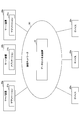
- FIG. 1 is a diagram showing an example of a system configuration in the embodiment of the present invention.
- a plurality of devices such as a device 20a, a device 20b, and a device 20c (hereinafter simply referred to as “device 20” if they are not distinguished from each other) and a plurality of devices such as a server device 30a, a server device 30b, and a server device 30c.
- the server device (hereinafter referred to simply as “server device 30” when they are not distinguished from each other) is connected to the communication network N1.
- Each server device 30 includes an application 31a, an application 31b, or an application 31c (hereinafter simply referred to as “application 31” if they are not distinguished from each other).
- the device 20 is a device or apparatus that generates data (hereinafter referred to as “device data”) and transmits the device data to a predetermined application 31.
- device data data
- an IoT (Internet of Things) device or a communication terminal such as a smartphone may be used as the device 20.
- Each application 31 of each server device 30 is software that provides a service using AI technology such as machine learning and deep learning for device data transmitted from the device 20, and is provided by, for example, a service provider.
- Each server device 30 may be configured as a cloud system.
- the application 31a collects data of the device 20a
- the application 31b collects data of the device 20b
- the application 31c collects data of the device 20c. That is, the transmission destination of the device data transmitted from each device 20 is different.
- the relationship between the application 31 and the device 20 is not limited to one-to-one. Any of many-to-one, one-to-many, and many-to-many may be used.
- the communication network N1 is a network that supports a TCP / IP protocol stack and transfers device data transmitted from each device 20 to each application 31, for example.
- the communication network N1 includes a data set generation device 10.
- the data set generation device 10 receives device data transmitted from each device 20.
- the data set generation device 10 includes device data that is highly related to the newly received device data, as well as the newly received device data, among the previously received device data. It is a computer which transmits to the application 31 (server apparatus 30) of the collection source (transmission destination). As a result, the application 31 can perform machine learning, deep learning, and the like based on not only device data scheduled to be collected but also device data highly related to the device data.
- the data set generation device 10 may be realized by using, for example, a computer on which a virtualized router (implemented by software) is mounted, a computer in a data center, or the like.
- each device 20 is not addressed to the application 31 that is the collection source of device data from the device 20, but to the data set generation device 10 so that each device data can be received by the data set generation device 10.
- Data may be sent.
- the data set generation device 10 manages the correspondence information between each device 20 (or the type of device data) and each application 31, and determines the application 31 (server device 30) that is the destination of the received device data as You may identify based on the said correspondence information.
- each device 20 may transmit each device data to the collection source application 31, and the data set generation apparatus 10 may obtain a copy of each device data from the communication network N1 by packet capture or the like.
- FIG. 2 is a diagram illustrating a hardware configuration example of the data set generation device 10 according to the embodiment of the present invention.
- the data set generation device 10 in FIG. 2 includes a drive device 100, an auxiliary storage device 102, a memory device 103, a CPU 104, an interface device 105, and the like that are mutually connected by a bus B.
- a program that realizes processing in the data set generation apparatus 10 is provided by a recording medium 101 such as a CD-ROM.
- the recording medium 101 storing the program is set in the drive device 100, the program is installed from the recording medium 101 to the auxiliary storage device 102 via the drive device 100.
- the program need not be installed from the recording medium 101 and may be downloaded from another computer via a network.
- the auxiliary storage device 102 stores the installed program and also stores necessary files and data.
- the memory device 103 reads the program from the auxiliary storage device 102 and stores it when there is an instruction to start the program.
- the CPU 104 executes functions related to the data set generation device 10 in accordance with a program stored in the memory device 103.
- the interface device 105 is used as an interface for connecting to a network.
- FIG. 3 is a diagram illustrating a functional configuration example of the data set generation device 10 according to the embodiment of the present invention.
- the data set generation device 10 includes a communication processing unit 11 and a data processing unit 12. Each of these units is realized by processing that the CPU 104 causes one or more programs installed in the data set generation apparatus 10 to execute.
- the data set generation apparatus 10 also uses the device data storage unit 13.
- the device data storage unit 13 can be realized using, for example, a storage device that can be connected to the auxiliary storage device 102 or the data set generation device 10 via a network.
- the communication processing unit 11 performs processing related to communication (transfer) of device data.
- the communication processing unit 11 includes a device data receiving unit 111 and a device data transmitting unit 112.
- the device data receiving unit 111 receives device data.
- the device data transmission unit 112 transmits the device data to the application 31 that collects the device data.
- the data processing unit 12 performs processing related to device data.
- the data processing unit 12 includes a relevance evaluation unit 121, an attribute information addition unit 122, and a data combination unit 123.
- the relevance evaluation unit 121 includes device data (hereinafter referred to as “reception data”) received by the device data reception unit 111 and device data (hereinafter referred to as “reception data”) stored in the device data storage unit 13 in the past. , And "Reserved data”).
- the attribute information adding unit 122 adds geographical attribute information to the received data if the received data is not given geographical attribute information.
- the geographical attribute information is information indicating a location (position) where the received data is collected, for example.
- the attribute information adding unit 122 adds timed attribute information if the received data is not given timed attribute information.
- the term attribute information is information indicating the time (date and time) when the received data is collected or received. In this way, received data having attribute information is stored in the device data storage unit 13.
- the geographical attribute information and the temporal attribute information are described as the attribute information. However, either the geographical attribute information or the temporal attribute information is used. It may be added, and attribute information other than the geographical attribute and the temporal attribute information may be added.
- the attribute information added to the received data by the attribute information adding unit 122 is used as attribute information (evaluation target attribute information) as a target for evaluating the relationship between the received data and the accumulated data.
- the data combination unit 123 combines the received data and the accumulated data evaluated (determined) as having the relevance to the received data.
- the stored data is also transmitted to the application 31 of the received data collection source (transmission destination) together with the received data. That is, the device data transmission unit 112 transmits the stored data to the collection source (transmission destination) of the received data according to the evaluation result of the relationship between the received data and the stored data.
- the accumulated data combined with the received data may or may not be limited to the accumulated data collected from the device 20 managed by the same user as the device 20 that is the transmission source of the received data.
- the units constituting the data processing unit 12 do not necessarily have to be mounted in the same computer (node), and may be distributed to a plurality of computers (nodes).
- FIG. 4 is a flowchart for explaining an example of a processing procedure executed by the data set generation device 10 in response to reception of device data.
- the attribute information adding unit 122 adds attribute information indicating the location, date, etc. of the received data to the received data (S102). ). For example, in the case of a location, the attribute information adding unit 122 inquires of the network device (for example, a base station) that accommodates the device 20 about the area covered by the network device, and uses the information indicating the area as location information. It may be added to the received data. If there is a network device that knows the position of the device 20, the attribute information adding unit 122 may query the network device for the position information and add the position information to the received data as location information.
- the network device for example, a base station
- the date and time received by the device data receiving unit 111 may be adopted.
- attribute information is included in the received data (for example, when such attribute information is added to the received data by the device 20)
- the attribute information is not added to the received data. You don't have to be broken.
- the attribute information adding unit 122 stores the received data in the device data storage unit 13 (S103). Therefore, device data including attribute information is stored in the device data storage unit 13.
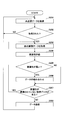
- FIG. 5 is a flowchart for explaining an example of a processing procedure of device data transmission processing.
- the processing procedure of FIG. 5 may be executed asynchronously with the processing procedure of FIG. 4 or may be executed synchronously (for example, following step S102).
- asynchronous execution will be described.
- step S201 the relevance evaluation unit 121 acquires one piece of untransmitted device data (hereinafter referred to as “untransmitted data”) from the device data storage unit 13.
- the untransmitted data refers to device data that has not been transmitted (transferred) to the application 31 that is the collection source of the untransmitted data by the data set generation device 10. Note that when the processing procedure of FIG. 5 is executed synchronously with the processing procedure of FIG. 4, the received data becomes untransmitted data.
- step S201 and subsequent steps are executed after a certain period.
- the relevance evaluation unit 121 stores accumulated data other than the untransmitted data and has not been evaluated for relevance with the untransmitted data (hereinafter referred to as “untransmitted data”). Is acquired from the device data storage unit 13 (S203).
- the relevance evaluation unit 121 evaluates the relevance between the untransmitted data and the target accumulated data (S204).
- the evaluation method of relevance three evaluation methods of method a to method c are shown below.
- a range of strength of relevance (maximum value and minimum value) and a stage for dividing the range (that is, a stage of relevance evaluation value) are determined. .
- the distance between the farthest devices 20 among all the devices 20 from which the device data is collected is set as the minimum value of the relevance strength range, and the distance between the closest devices 20 is set as the range of the range.
- Maximum value When evaluating the strength of relevance in 10 stages, the maximum value and the minimum value are equally divided into ten. Each divided range is hereinafter referred to as a “divided range”. Evaluation values of 10, 9, 8,.
- the relevance evaluation unit 121 obtains a difference (distance) between the location of the untransmitted data and the location of the target storage data, and sets the evaluation value corresponding to the divided range to which the difference (distance) belongs to the untransmitted data and the target storage. Assume the evaluation value for the location with the data
- Evaluation values can be obtained for date and time as well.
- the range of strength of relevance is the past 24 hours, the 24 hours are equally divided into 10, and the evaluation values of 10, 9, 8,... Assign.
- the relevance evaluation unit 121 obtains a difference between the date / time of the untransmitted data and the date / time of the target accumulated data, and evaluates the evaluation value corresponding to the division range to which the difference belongs with respect to the time between the untransmitted data and the target accumulated data. Value. When the difference exceeds 24 hours, the evaluation value may be 0.
- the relevance evaluation unit 121 uses the total value of the evaluation value of the place and the evaluation value of the date as the evaluation value of the relevance between the untransmitted data and the target accumulated data. If there are other items of attribute information, the evaluation values may be obtained in the same manner for the other items.
- the relevance evaluation unit 121 uses, for example, a clustering technique that uses attribute information (a combination of the values of each item constituting the attribute information) to collect a set of accumulated data excluding untransmitted data into a plurality of subsets (a plurality of classes). Classify into: AI techniques such as machine learning and deep learning may be applied to the classification. The relevance evaluation unit 121 obtains the degree of fit to each subset (probability value classified into each subset) (for example, a value indicating a probability of 0 to 1) for untransmitted data, and the target accumulated data is The degree of fit to the subset to which it belongs is used as an evaluation value of the relationship between untransmitted data and target accumulated data.
- attribute information a combination of the values of each item constituting the attribute information
- Classify into AI techniques such as machine learning and deep learning may be applied to the classification.
- the relevance evaluation unit 121 obtains the degree of fit to each subset (probability value classified into each subset) (for example, a value indicating a
- the relevance evaluation unit 121 includes a set of accumulated data (including untransmitted data) transmitted from the same device 20 as untransmitted data, and a set of accumulated data (target accumulated data transmitted from the same device 20 as target accumulated data). Are also extracted from the device data storage unit 13, correlation coefficients for the two sets are obtained, and the correlation coefficients are used as evaluation values.
- the variable for which the correlation coefficient is calculated may be attribute information or a device data value.
- the value of the device data is, for example, a numerical value indicating the temperature if it is device data of the device 20 that measures the temperature.
- the relevance evaluation unit 121 determines whether or not the relevance between the target accumulated data and the received data is high (or the presence or absence of relevance) (S205).
- An example of a method for determining the degree of relevance (relevance / non-relevance) is shown below for each relevance evaluation method.
- a threshold for the evaluation value of the relevance is determined, and if the evaluation value of the relevance between the untransmitted data and the target accumulated data exceeds the threshold, it is determined that the relevance is high (there is relevance), and not In this case, it is determined that the relevance is low (no relevance).
- a threshold for the evaluation value (correlation coefficient) of relevance is determined, and if the evaluation value of relevance between unsent data and target accumulated data exceeds the threshold, the relevance is high (relevant) If not, it is determined that the relevance is low (no relevance).
- the data combining unit 123 By combining (associating) the target accumulated data, a data set for untransmitted data is generated (S206).
- a combination of target stored data with respect to untransmitted data (Association) is not performed.
- the relevance evaluation unit 121 determines whether or not there is accumulated data that has not been evaluated for relevance with unsent data (S207). If there is corresponding storage data (YES in S207), one of the corresponding storage data is set as the target storage data (S203), and steps S204 and after are executed. In this case, if it is determined that the new target accumulated data is highly related to the untransmitted data (related to the untransmitted data) (Yes in S205), the new target stored data is not transmitted.
- a data set is configured with the data (S206). That is, one untransmitted data may be associated with one or a plurality of accumulated data.
- the device data transmission unit 112 transmits the untransmitted data to the application 31 (server device 30) that is the collection source of the untransmitted data ( S208).
- the application 31 server device 30
- a data set (data set) of the untransmitted data and the other stored data is transmitted to the application 31 (server device 30).
- the other accumulated data combined with the untransmitted data may be transmitted to the application 31 that has collected the untransmitted data at a timing different from that of the untransmitted data.
- the collection source application 31 can easily recognize that the untransmitted data and the other accumulated data are related. Can be used for the analysis processing of Davis data.
- step S201 and subsequent steps are executed. That is, if other untransmitted data is stored in the device data storage unit 13, Step S ⁇ b> 203 and subsequent steps are executed for the other untransmitted data.
- a transmitted flag is stored in the device data storage unit 13 in association with untransmitted data in step S208. May be.
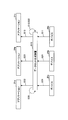
- FIG. 6 is a diagram for explaining a specific example of processing executed by the data set generation device 10 in the system configuration of the present embodiment.
- device data transmitted from the device 20c (hereinafter referred to as “device data c”) is received by the data set generation apparatus 10 (S11).
- the process of FIG. 4 is executed using the device data c as received data
- the process of FIG. 5 is executed using the device data c as untransmitted data (S12).
- the data set generation device 10 transmits only the device data c to the application 31c that is the collection source of the device data c (S13).
- device data transmitted from the device 20b (hereinafter referred to as “device data b”) is received by the data set generation device 10 (S21).
- the process of FIG. 4 is executed using the device data b as received data
- the process of FIG. 5 is executed using the device data b as untransmitted data (S22).
- the data set generation device 10 transmits only the device data b to the application 31b that is the collection source of the device data b (S23).
- the device data transmitted from the device 20a (hereinafter referred to as “device data a”) is received by the data set generation device 10 (S31).
- the process of FIG. 4 is executed using the device data a as received data
- the process of FIG. 5 is executed using the device data a as untransmitted data (S32).
- the data set generation device 10 transmits a data set including the device data a and the device data b to the application 31a that is the collection source of the device data a (S33).
- the relevance of the device data transmitted from the various devices 20 is evaluated, and the data related to other device data is collected for the other device data. It is transmitted not only to the original (transmission destination) but also to the collection source (transmission destination) of device data highly related to the other device data. Therefore, the diversity of data that can be collected by the data transmission destination can be increased. As a result, for example, each application 31 can target a wider range of data as a learning target, and can improve the accuracy of analysis.
- the data set generation device 10 is an example of a data transmission device.
- the device data receiving unit 111 is an example of a receiving unit.
- the relevance evaluation unit 121 is an example of an evaluation unit.
- the device data transmission unit 112 is an example of a transmission unit.
- the attribute information adding unit 122 is an example of an adding unit.
Landscapes
- Engineering & Computer Science (AREA)
- Theoretical Computer Science (AREA)
- Databases & Information Systems (AREA)
- Computer Networks & Wireless Communication (AREA)
- Signal Processing (AREA)
- Data Mining & Analysis (AREA)
- Physics & Mathematics (AREA)
- General Engineering & Computer Science (AREA)
- General Physics & Mathematics (AREA)
- Library & Information Science (AREA)
- Information Retrieval, Db Structures And Fs Structures Therefor (AREA)
- Information Transfer Between Computers (AREA)
Abstract
データ送信装置は、それぞれ送信先が異なる第1のデータ及び第2のデータを受信する受信手順と、前記第1のデータと前記第2のデータとの関連性を評価する評価手順と、前記第1のデータ及び前記第2のデータを、それぞれの送信先へ送信する送信手順とをコンピュータが実行し、前記送信手順は、前記評価手順による評価結果に応じ、前記第1のデータを、前記第2のデータの送信先へも送信することで、データの送信先が収集可能なデータの多様性を高める。
Description
本発明は、データ送信方法、データ送信装置及びプログラムに関する。
IoT(Internet of Things)の進展に伴い、様々なデバイスが通信ネットワークに接続され、デバイスから収集されるデータ(以下、「デバイスデータ」という。)が通信ネットワークに流通するようになってきた。これにより、大量のデバイスデータが通信ネットワークに流通し、通信ネットワークの帯域圧迫や負荷増大の発生が問題視されている。
このような問題を解決するために、通信ネットワークのエッジにおいて、デバイスデータの収集元が必要としてない情報を排除して、キャリアが管理する通信ネットワーク内に必要な情報のみを流入させる技術が提案されている(例えば、非特許文献1)。
小野,肥後,石橋,桑原,高谷、"ネットワークを介した移動型カメラの画像転送方式の検討"、信ソ大2017,B-6-5,2017.9.
デバイスデータを活用するAI技術として、機械学習や深層学習がある。機械学習では、大量のデータから規則性や関連性を見つけ出し、判断や予測を行う手法である。深層学習は、機械学習を発展させた手法であり、特徴量の設定や組み合わせをAI自らが考えて決定するが、精度を高めるために大量のデータを要する。
最近では、このようなAI技術を活用したアプリケーションが一般的となってきている。非特許文献1に記載された技術等をこのようなアプリケーションに適用する場合、当該アプリケーションにおいて当初は不要であると考えられていたデバイスデータが有用となる可能性が考えられる。この場合、当該アプリケーションについて分析対象のデバイスデータの種類や範囲等に不足が生じ、分析結果に影響を及ぼす可能性がある。
分析の精度を高めたり、分析の範囲を拡大させたりするためには、より様々な種類の広範囲なデータを対象とする必要がある。
本発明は、上記の点に鑑みてなされたものであって、データの送信先が収集可能なデータの多様性を高めることを目的とする。
そこで上記課題を解決するため、データ送信装置は、それぞれ送信先が異なる第1のデータ及び第2のデータを受信する受信手順と、前記第1のデータと前記第2のデータとの関連性を評価する評価手順と、前記第1のデータ及び前記第2のデータを、それぞれの送信先へ送信する送信手順とをコンピュータが実行し、前記送信手順は、前記評価手順による評価結果に応じ、前記第1のデータを、前記第2のデータの送信先へも送信する。
データの送信先が収集可能なデータの多様性を高めることができる。
以下、図面に基づいて本発明の実施の形態を説明する。図1は、本発明の実施の形態におけるシステム構成例を示す図である。図1において、デバイス20a、デバイス20b及びデバイス20c等の複数のデバイス(以下、これらを区別しない場合、単に「デバイス20」という。)と、サーバ装置30a、サーバ装置30b及びサーバ装置30c等の複数のサーバ装置(以下、これらを区別しない場合、単に「サーバ装置30」という。)とは、通信ネットワークN1に接続されている。各サーバ装置30は、アプリケーション31a、アプリケーション31b又はアプリケーション31c(以下、これらを区別しない場合、単に「アプリケーション31」という。)を有する。
デバイス20は、データ(以下、「デバイスデータ」という。)を生成して、予め決められたアプリケーション31宛てにデバイスデータを送信する機器又は装置である。例えば、IoT(Internet of Things)デバイスや、スマートフォン等の通信端末等が、デバイス20として利用されてもよい。
各サーバ装置30の各アプリケーション31は、デバイス20から送信されるデバイスデータについて、機械学習や深層学習などのAI技術を活用したサービスを提供するソフトウェアであり、例えば、サービス事業者によって提供される。各サーバ装置30は、クラウドシステムとして構成されてもよい。なお、本実施の形態において、アプリケーション31aは、デバイス20aのデータを収集し、アプリケーション31bは、デバイス20bのデータを収集し、アプリケーション31cは、デバイス20cのデータを収集する。すなわち、各デバイス20から送信されるデバイスデータの送信先は異なる。但し、アプリケーション31とデバイス20との関係は、1対1に限られない。多対1、1対多、多対多のいずれであってもよい。
通信ネットワークN1は、例えば、TCP/IPのプロトコルスタックをサポートし、各デバイス20から送信されるデバイスデータを各アプリケーション31へ転送するネットワークである。
図1において、通信ネットワークN1は、データセット生成装置10を含む。データセット生成装置10は、各デバイス20から送信されるデバイスデータを受信する。データセット生成装置10は、過去に受信したデバイスデータの中で、新たに受信されたデバイスデータと関連性が高いデバイスデータを、新たに受信されたデバイスデータと共に、当該新たに受信されたデバイスデータの収集元(送信先)のアプリケーション31(サーバ装置30)へ送信するコンピュータである。その結果、当該アプリケーション31は、収集を予定しているデバイスデータのみならず、当該デバイスデータと関連性の高いデバイスデータに基づいて、機械学習や深層学習等を行うことができる。なお、データセット生成装置10は、例えば、仮想化された(ソフトウェアで実現された)ルータが実装されるコンピュータや、データセンタにおけるコンピュータ等が用いられて実現されてもよい。
なお、各デバイスデータがデータセット生成装置10によって受信可能とされるように、各デバイス20は、当該デバイス20からのデバイスデータの収集元のアプリケーション31宛てではなく、データセット生成装置10宛てにデバイスデータを送信してもよい。この場合、データセット生成装置10は、各デバイス20(又はデバイスデータの種類)と各アプリケーション31との対応情報を管理し、受信されたデバイスデータの送信先のアプリケーション31(サーバ装置30)を、当該対応情報に基づいて特定してもよい。または、各デバイス20は、各デバイスデータを収集元のアプリケーション31に送信し、データセット生成装置10は、通信ネットワークN1からパケットキャプチャ等で各デバイスデータの複製を取得してもよい。
図2は、本発明の実施の形態におけるデータセット生成装置10のハードウェア構成例を示す図である。図2のデータセット生成装置10は、それぞれバスBで相互に接続されているドライブ装置100、補助記憶装置102、メモリ装置103、CPU104、及びインタフェース装置105等を有する。
データセット生成装置10での処理を実現するプログラムは、CD-ROM等の記録媒体101によって提供される。プログラムを記憶した記録媒体101がドライブ装置100にセットされると、プログラムが記録媒体101からドライブ装置100を介して補助記憶装置102にインストールされる。但し、プログラムのインストールは必ずしも記録媒体101より行う必要はなく、ネットワークを介して他のコンピュータよりダウンロードするようにしてもよい。補助記憶装置102は、インストールされたプログラムを格納すると共に、必要なファイルやデータ等を格納する。
メモリ装置103は、プログラムの起動指示があった場合に、補助記憶装置102からプログラムを読み出して格納する。CPU104は、メモリ装置103に格納されたプログラムに従ってデータセット生成装置10に係る機能を実行する。インタフェース装置105は、ネットワークに接続するためのインタフェースとして用いられる。
図3は、本発明の実施の形態におけるデータセット生成装置10の機能構成例を示す図である。図3において、データセット生成装置10は、通信処理部11及びデータ処理部12等を有する。これら各部は、データセット生成装置10にインストールされた1以上のプログラムが、CPU104に実行させる処理により実現される。データセット生成装置10は、また、デバイスデータ記憶部13を利用する。デバイスデータ記憶部13は、例えば、補助記憶装置102、又はデータセット生成装置10にネットワークを介して接続可能な記憶装置等を用いて実現可能である。
通信処理部11は、デバイスデータの通信(転送)に関する処理を行う。図3において、通信処理部11は、デバイスデータ受信部111及びデバイスデータ送信部112を含む。デバイスデータ受信部111は、デバイスデータを受信する。デバイスデータ送信部112は、デバイスデータを当該デバイスデータの収集元のアプリケーション31宛てに送信する。
データ処理部12は、デバイスデータに関する処理を行う。図3において、データ処理部12は、関連性評価部121、属性情報追加部122及びデータ組み合わせ部123を含む。
関連性評価部121は、デバイスデータ受信部111によって受信されたデバイスデータ(以下、「受信データ」という。)と、デバイスデータ記憶部13に記憶されている、過去に受信されたデバイスデータ(以下、「蓄積データ」という。)との関連性を評価する。
属性情報追加部122は、受信データに対して、地理的な属性情報が付与されていない受信データであれば地理的な属性情報を追加する。地理的な属性情報とは、例えば、当該受信データが収集された場所(位置)を示す情報である。また、属性情報追加部122は、時期的な属性情報が付与されていない受信データであれば時期的な属性情報を追加する。時期的な属性情報とは、当該受信データが収集又は受信された時期(日時等)を示す情報である。こうして属性情報を持つ受信データがデバイスデータ記憶部13に記憶される。なお、上記の属性情報の追加の説明では、属性情報として地理的な属性情報と時期的な属性情報の2つで説明したが、地理的な属性情報と時期的な属性情報のいずれか一方を追加することにしてもよいし、また、地理的な属性及び時期的な属性情報以外の属性情報が追加されてもよい。なお、属性情報追加部122によって受信データに追加された属性情報は、受信データと蓄積データとの関連性の評価の対象としての属性情報(評価対象属性情報)として用いられる。
データ組み合わせ部123は、受信データと、受信データに関連性が有ると評価(判定)された蓄積データとを組み合わせる。受信データがいずれかの蓄積データと組み合わされた場合、当該蓄積データも受信データと共に受信データの収集元(送信先)のアプリケーション31宛てに送信される。すなわち、デバイスデータ送信部112は、受信データと蓄積データとの関連性の評価結果に応じて、当該蓄積データを当該受信データの収集元(送信先)へ送信する。
なお、受信データと組み合わされる蓄積データは、受信データの送信元のデバイス20と同一ユーザによって管理されているデバイス20から収集された蓄積データに限定されてもよいし、そうでなくてもよい。
なお、データ処理部12を構成する各部は、必ずしも同一のコンピュータ(ノード)内に実装されなくてもよく、複数のコンピュータ(ノード)に分散されてもよい。
以下、データセット生成装置10が実行する処理手順について説明する。図4は、デバイスデータの受信に応じてデータセット生成装置10が実行する処理手順の一例を説明するためのフローチャートである。
デバイスデータ受信部111がデバイスデータ(受信データ)を受信すると(S101)、属性情報追加部122は、当該受信データが収集された場所や日時等を示す属性情報を当該受信データに追加する(S102)。例えば、場所の場合、属性情報追加部122が、デバイス20を収容するネットワーク装置(例えば、基地局等)に対して当該ネットワーク装置がカバーするエリアを問い合わせ、当該エリアを示す情報を場所の情報として受信データに追加してもよい。また、デバイス20の位置を把握しているネットワーク装置があれば、属性情報追加部122がその位置情報を当該ネットワーク装置に問い合わせ、当該位置情報を場所の情報として受信データに追加してもよい。また、日時については、デバイスデータ受信部111によって受信された日時が採用されてもよい。但し、受信データにこのような属性情報が含まれている場合(例えば、デバイス20によってこのような属性情報が受信データに付加されている場合等)には、受信データに対する属性情報の追加は行われなくてよい。
続いて、属性情報追加部122は、受信データをデバイスデータ記憶部13に記憶する(S103)。したがって、デバイスデータ記憶部13には、属性情報を含むデバイスデータが蓄積される。
図5は、デバイスデータの送信処理の処理手順の一例を説明するためのフローチャートである。図5の処理手順は、図4の処理手順とは非同期に実行されてもよいし、同期的に(例えば、ステップS102に続いて)実行されてもよい。ここでは、非同期に実行される例について説明する。
ステップS201において、関連性評価部121は、デバイスデータ記憶部13から未送信のデバイスデータ(以下、「未送信データ」という。)を一つ取得する。ここで、未送信データとは、データセット生成装置10によって、当該未送信データの収集元のアプリケーション31への送信(転送)が実行されていないデバイスデータをいう。なお、図5の処理手順が図4の処理手順と同期的に実行される場合、受信データが未送信データとなる。
未送信データが無い場合(S202でNO)、一定期間経過後にステップS201以降が実行される。未送信データが取得された場合(S202でYES)、関連性評価部121は、当該未送信データ以外の蓄積データであって、当該未送信データとの関連性が評価されていない蓄積データ(以下「対象蓄積データ」という。)をデバイスデータ記憶部13から取得する(S203)。
続いて、関連性評価部121は、当該未送信データと対象蓄積データとの関連性を評価する(S204)。関連性の評価方法の一例として、方法a~方法cの3つの評価方法を以下に示す。
[方法a]
属性情報の項目(場所、日時)ごとに、関連性の強さの範囲(最大値及び最小値)と、当該範囲を分割する段階(すなわち、関連性の評価値の段階)とを定めておく。例えば、場所であれば、デバイスデータの収集対象の全デバイス20のうち、最も遠いデバイス20間の距離を関連性の強さの範囲の最小値とし、最も近いデバイス20間の距離を当該範囲の最大値とする。関連性の強さを10段階で評価する場合、当該最大値と当該最小値との間を均等に10分割する。分割された各範囲を、以下「分割範囲」という。距離が近い分割範囲から順に、10、9、8・・・2、1の評価値を割り当てる。関連性評価部121は、未送信データの場所と、対象蓄積データの場所との差分(距離)を求め、当該差分(距離)が属する分割範囲に対応する評価値を、未送信データ及び対象蓄積データとの場所に関する評価値とする。
属性情報の項目(場所、日時)ごとに、関連性の強さの範囲(最大値及び最小値)と、当該範囲を分割する段階(すなわち、関連性の評価値の段階)とを定めておく。例えば、場所であれば、デバイスデータの収集対象の全デバイス20のうち、最も遠いデバイス20間の距離を関連性の強さの範囲の最小値とし、最も近いデバイス20間の距離を当該範囲の最大値とする。関連性の強さを10段階で評価する場合、当該最大値と当該最小値との間を均等に10分割する。分割された各範囲を、以下「分割範囲」という。距離が近い分割範囲から順に、10、9、8・・・2、1の評価値を割り当てる。関連性評価部121は、未送信データの場所と、対象蓄積データの場所との差分(距離)を求め、当該差分(距離)が属する分割範囲に対応する評価値を、未送信データ及び対象蓄積データとの場所に関する評価値とする。
日時についても同様に評価値を求めることができる。例えば、関連性の強さの範囲を過去24時間とし、24時間を均等に10分割し、各分割範囲に対して、時間が新しい順に、10、9、8・・・2、1の評価値を割り当てる。関連性評価部121は、未送信データの日時と、対象蓄積データの日時との差分を求め、当該差分が属する分割範囲に対応する評価値を、未送信データ及び対象蓄積データとの時間に関する評価値とする。なお、当該差分が24時間を超える場合には、当該評価値が0とされてもよい。
関連性評価部121は、場所の評価値と日時の評価値との合計値を、未送信データと対象蓄積データとの関連性の評価値とする。なお、属性情報の項目が他にも有る場合には、他の項目についても同様に評価値を求めればよい。
[方法b]
関連性評価部121は、例えば、属性情報(属性情報を構成する各項目の値の組み合わせ)を利用したクラスタリング手法により、未送信データを除く蓄積データの集合を複数の部分集合(複数のクラス)に分類する。分類には、機械学習や深層学習等のAI技術が適用されてもよい。関連性評価部121は、未送信データについて、各部分集合への当てはまり度合い(各部分集合へ分類される確率値)(例えば、0~1の確率を示す値等)を求め、対象蓄積データが属する部分集合への当てはまり度合いを、未送信データと対象蓄積データとの関連性の評価値とする。
関連性評価部121は、例えば、属性情報(属性情報を構成する各項目の値の組み合わせ)を利用したクラスタリング手法により、未送信データを除く蓄積データの集合を複数の部分集合(複数のクラス)に分類する。分類には、機械学習や深層学習等のAI技術が適用されてもよい。関連性評価部121は、未送信データについて、各部分集合への当てはまり度合い(各部分集合へ分類される確率値)(例えば、0~1の確率を示す値等)を求め、対象蓄積データが属する部分集合への当てはまり度合いを、未送信データと対象蓄積データとの関連性の評価値とする。
[方法c]
関連性評価部121は、未送信データと同じデバイス20から送信された蓄積データの集合(未送信データも含む)と、対象蓄積データと同じデバイス20から送信された蓄積データの集合(対象蓄積データも含む)のそれぞれをデバイスデータ記憶部13から抽出し、2つの集合に対する相関係数を求め、当該相関係数を評価値とする。相関係数の算出対象とする変数は、属性情報でもよいし、デバイスデータの値でもよい。デバイスデータの値とは、例えば、気温を計測するデバイス20のデバイスデータであれば、気温を示す数値である。
関連性評価部121は、未送信データと同じデバイス20から送信された蓄積データの集合(未送信データも含む)と、対象蓄積データと同じデバイス20から送信された蓄積データの集合(対象蓄積データも含む)のそれぞれをデバイスデータ記憶部13から抽出し、2つの集合に対する相関係数を求め、当該相関係数を評価値とする。相関係数の算出対象とする変数は、属性情報でもよいし、デバイスデータの値でもよい。デバイスデータの値とは、例えば、気温を計測するデバイス20のデバイスデータであれば、気温を示す数値である。
続いて、関連性評価部121は、対象蓄積データと受信データとの関連性が高いか否か(又は関連性の有無)を判定する(S205)。関連性の高さ(関連性の有無)の判定方法の一例を、関連性の評価方法別に以下に示す。
[方法aの場合]
関連性の評価値に対する閾値を決めておき、未送信データと対象蓄積データとの関連性の評価値が当該閾値を超える場合には関連性が高い(関連性が有る)と判定し、そうでない場合には関連性が低い(関連性が無い)と判定する。
関連性の評価値に対する閾値を決めておき、未送信データと対象蓄積データとの関連性の評価値が当該閾値を超える場合には関連性が高い(関連性が有る)と判定し、そうでない場合には関連性が低い(関連性が無い)と判定する。
[方法bの場合]
未送信データと対象蓄積データとの関連性の評価値が、未送信データについて部分集合ごとに求められた当てはまり度合い中での最高値である場合には関連性が高い(関連性が有る)と判定し、そうでない場合には関連性が低い(関連性が無い)と判定する。
未送信データと対象蓄積データとの関連性の評価値が、未送信データについて部分集合ごとに求められた当てはまり度合い中での最高値である場合には関連性が高い(関連性が有る)と判定し、そうでない場合には関連性が低い(関連性が無い)と判定する。
[方法cの場合]
関連性の評価値(相関係数)に対する閾値を決めておき、未送信データと対象蓄積データとの関連性の評価値が当該閾値を超える場合には関連性が高い(関連性が有る)と判定し、そうでない場合には関連性が低い(関連性が無い)と判定する。
関連性の評価値(相関係数)に対する閾値を決めておき、未送信データと対象蓄積データとの関連性の評価値が当該閾値を超える場合には関連性が高い(関連性が有る)と判定し、そうでない場合には関連性が低い(関連性が無い)と判定する。
未送信データと対象蓄積データとの関連性が高い(未送信データと対象蓄積データとに関連性が有る)と判定される場合(S205でYES)、データ組み合わせ部123は、未送信データに対して対象蓄積データを組み合わせる(関連付ける)ことで、未送信データに対するデータセットを生成する(S206)。一方、未送信データと対象蓄積データとの関連性が低い(未送信データと対象蓄積データとに関連性が無い)と判定される場合(S205でNO)、未送信データに対する対象蓄積データの組み合わせ(関連付け)は行われない。
続いて、関連性評価部121は、未送信データと関連性が評価されていない蓄積データの有無を判定する(S207)。該当する蓄積データが有る場合(S207でYES)、該当する蓄積データのうちの一つが対象蓄積データとされて(S203)、ステップS204以降が実行される。この場合、新たな対象蓄積データについて、未送信データとの関連性が高い(未送信データと関連性が有る)と判定されれば(S205でYes)、当該新たな対象蓄積データは、未送信データと共にデータセットを構成する(S206)。すなわち、1つの未送信データには、1又は複数の蓄積データが関連付けられる可能性が有る。
一方、ステップS207の判定に該当する蓄積データが無い場合(S207でNO)、デバイスデータ送信部112は、未送信データを未送信データの収集元のアプリケーション31(サーバ装置30)宛てに送信する(S208)。この際、未送信データに対して他の蓄積データが組み合わされていれば、未送信データと当該他の蓄積データとのデータの組(データセット)が当該アプリケーション31(サーバ装置30)宛てに送信される。なお、未送信データに組み合わされている他の蓄積データは、未送信データとは別のタイミングで未送信データの収集元のアプリケーション31へ送信されてもよい。但し、未送信データと当該他の蓄積データとが組み合わされて送信することで、収集元のアプリケーション31は、当該未送信データと当該他の蓄積データとが関連を有することを容易に認識することができ、デビスデータの解析処理等に役立てることができる。
続いて、ステップS201以降が実行される。すなわち、他の未送信データがデバイスデータ記憶部13に記憶されていれば、当該他の未送信データについてステップS203以降が実行される。なお、各蓄積データが当該蓄積データの収集元へ送信済みであるか否かを判別可能とするために、ステップS208において、送信済みフラグが未送信データに関連付けられてデバイスデータ記憶部13に記憶されてもよい。
図6は、本実施の形態のシステム構成においてデータセット生成装置10が実行する処理の具体例を説明するための図である。
図6では、まず、デバイス20cから送信されたデバイスデータ(以下、「デバイスデータc」という。)がデータセット生成装置10において受信される(S11)。デバイスデータcを受信データとして、図4の処理が実行され、デバイスデータcを未送信データとして図5の処理が実行される(S12)。ここでは、デバイスデータcと関連性の高い蓄積データは無いとする。したがって、データセット生成装置10は、デバイスデータcのみを、デバイスデータcの収集元のアプリケーション31cへ送信する(S13)。
続いて、デバイス20bから送信されたデバイスデータ(以下、「デバイスデータb」という。)がデータセット生成装置10において受信される(S21)。デバイスデータbを受信データとして、図4の処理が実行され、デバイスデータbを未送信データとして図5の処理が実行される(S22)。ここでは、デバイスデータbと関連性の高い蓄積データは無いとする。したがって、データセット生成装置10は、デバイスデータbのみを、デバイスデータbの収集元のアプリケーション31bへ送信する(S23)。
続いて、デバイス20aから送信されたデバイスデータ(以下、「デバイスデータa」という。)がデータセット生成装置10において受信される(S31)。デバイスデータaを受信データとして、図4の処理が実行され、デバイスデータaを未送信データとして図5の処理が実行される(S32)。ここでは、デバイスデータbが、デバイスデータaと関連性が高いと判定されたとする。したがって、データセット生成装置10は、デバイスデータa及びデバイスデータbとを含むデータセットを、デバイスデータaの収集元のアプリケーション31aへ送信する(S33)。
上述したように、本実施の形態によれば、様々なデバイス20から送信されるデバイスデータの関連性を評価し、他のデバイスデータと関連性の高いデータについては、当該他のデバイスデータの収集元(送信先)だけでなく、当該他のデバイスデータと関連性の高いデバイスデータの収集元(送信先)へも送信される。したがって、データの送信先が収集可能なデータの多様性を高めることができる。その結果、例えば、各アプリケーション31は、より広範囲のデータを学習対象とすることが可能になり、分析の精度を高めることができる。
なお、本実施の形態において、データセット生成装置10は、データ送信装置の一例である。デバイスデータ受信部111は、受信部の一例である。関連性評価部121は、評価部の一例である。デバイスデータ送信部112は、送信部の一例である。属性情報追加部122は、追加部の一例である。
以上、本発明の実施の形態について詳述したが、本発明は斯かる特定の実施形態に限定されるものではなく、請求の範囲に記載された本発明の要旨の範囲内において、種々の変形・変更が可能である。
10 データセット生成装置
11 通信処理部
12 データ処理部
13 デバイスデータ記憶部
20a、20b、20c デバイス
30a、30b、30c サーバ装置
31a、31b、31c アプリケーション
100 ドライブ装置
101 記録媒体
102 補助記憶装置
103 メモリ装置
104 CPU
105 インタフェース装置
111 デバイスデータ受信部
112 デバイスデータ送信部
121 関連性評価部
122 属性情報追加部
123 データ組み合わせ部
B バス
11 通信処理部
12 データ処理部
13 デバイスデータ記憶部
20a、20b、20c デバイス
30a、30b、30c サーバ装置
31a、31b、31c アプリケーション
100 ドライブ装置
101 記録媒体
102 補助記憶装置
103 メモリ装置
104 CPU
105 インタフェース装置
111 デバイスデータ受信部
112 デバイスデータ送信部
121 関連性評価部
122 属性情報追加部
123 データ組み合わせ部
B バス
Claims (8)
- それぞれ送信先が異なる第1のデータ及び第2のデータを受信する受信手順と、
前記第1のデータと前記第2のデータとの関連性を評価する評価手順と、
前記第1のデータ及び前記第2のデータを、それぞれの送信先へ送信する送信手順とをコンピュータが実行し、
前記送信手順は、前記評価手順による評価結果に応じ、前記第1のデータを、前記第2のデータの送信先へも送信する、
ことを特徴とするデータ送信方法。 - 前記送信手順は、前記評価手順による評価結果に応じ、前記第1のデータを、前記第2のデータとともに前記第2のデータの送信先へ送信する、
ことを特徴とする請求項1記載のデータ送信方法。 - 地理的な属性情報と時期的な属性情報のうちの少なくともいずれか一方を評価対象属性情報とし、
前記第1のデータ及び前記第2のデータに対し、前記評価対象属性情報が付与されていないデータであれば、当該評価対象属性情報を追加する追加手順をコンピュータが実行し、
前記評価手順は、前記第1のデータの評価対象属性情報と、前記第2のデータの評価対象属性情報とに基づいて前記関連性を評価する、
ことを特徴とする請求項1又は2記載のデータ送信方法。 - 前記評価手順は、同じ属性情報を対象に前記第1のデータの属性情報と前記第2のデータの属性情報との距離を求め、属性情報が複数あれば求めた距離の合計を求める、
ことを特徴とする請求項1ないし請求項3のいずれか1項に記載のデータ送信方法。 - 前記評価手順は、属性情報を利用したクラスタリング手法により、前記第1のデータをクラスに分類し、前記第2のデータが各クラスに分類される確率値を求め、最高の確率値となったクラスに前記第1のデータが分類されていれば、関連性が高いと判断する、
ことを特徴とする請求項1ないし請求項3のいずれか1項に記載のデータ送信方法。 - 前記評価手順は、前記第1のデータと同じ送信元のデータ集合と前記第2のデータと同じ送信元のデータ集合との相関係数を求める、
ことを特徴とする請求項1ないし請求項3のいずれか1項に記載のデータ送信方法。 - それぞれ送信先が異なる第1のデータ及び第2のデータを受信する受信部と、
前記第1のデータと前記第2のデータとの関連性を評価する評価部と、
前記第1のデータ及び前記第2のデータを、それぞれの送信先へ送信する送信部とを有し、
前記送信部は、前記評価部による評価結果に応じ、前記第1のデータを、前記第2のデータの送信先へも送信する、
ことを特徴とするデータ送信装置。 - 請求項1乃至6いずれか一項記載のデータ送信方法をコンピュータに実行させることを特徴とするプログラム。
Priority Applications (1)
| Application Number | Priority Date | Filing Date | Title |
|---|---|---|---|
| US16/973,719 US11575731B2 (en) | 2018-06-11 | 2019-05-13 | Data transmission method, data transmission apparatus and program |
Applications Claiming Priority (2)
| Application Number | Priority Date | Filing Date | Title |
|---|---|---|---|
| JP2018111116A JP7222185B2 (ja) | 2018-06-11 | 2018-06-11 | データ送信方法、データ送信装置及びプログラム |
| JP2018-111116 | 2018-06-11 |
Publications (1)
| Publication Number | Publication Date |
|---|---|
| WO2019239759A1 true WO2019239759A1 (ja) | 2019-12-19 |
Family
ID=68842165
Family Applications (1)
| Application Number | Title | Priority Date | Filing Date |
|---|---|---|---|
| PCT/JP2019/018852 Ceased WO2019239759A1 (ja) | 2018-06-11 | 2019-05-13 | データ送信方法、データ送信装置及びプログラム |
Country Status (3)
| Country | Link |
|---|---|
| US (1) | US11575731B2 (ja) |
| JP (1) | JP7222185B2 (ja) |
| WO (1) | WO2019239759A1 (ja) |
Citations (3)
| Publication number | Priority date | Publication date | Assignee | Title |
|---|---|---|---|---|
| JP2013195363A (ja) * | 2012-03-22 | 2013-09-30 | Fuji Xerox Co Ltd | 移動状況判定プログラム及び移動状況判定装置 |
| JP2014128459A (ja) * | 2012-12-28 | 2014-07-10 | Kddi Corp | 行動対応情報を適時に提示可能なユーザインタフェース装置、プログラム及び方法 |
| JP2015026196A (ja) * | 2013-07-25 | 2015-02-05 | インターナショナル・ビジネス・マシーンズ・コーポレーションInternational Business Machines Corporation | 移動体からのデータを集約し、フィルタリング処理する方法、並びに、そのコンピュータ及びコンピュータ・プログラム |
Family Cites Families (9)
| Publication number | Priority date | Publication date | Assignee | Title |
|---|---|---|---|---|
| US8489463B2 (en) | 2010-10-20 | 2013-07-16 | Cisco Technology, Inc. | Providing a marketplace for sensor data |
| US9225793B2 (en) | 2011-01-28 | 2015-12-29 | Cisco Technology, Inc. | Aggregating sensor data |
| US9003052B2 (en) | 2012-07-09 | 2015-04-07 | The Boeing Company | System and method for air-to-ground data streaming |
| KR101479953B1 (ko) | 2013-03-11 | 2015-01-07 | 주식회사 케이티 | 센서 데이터간의 종속성 분석을 통한 센서데이터 수집주기의 조절방법, 및 센서데이터 수집주기의 조절을 위한 네트워크 애플리케이션 서버 |
| JP2015001891A (ja) | 2013-06-17 | 2015-01-05 | 日本電信電話株式会社 | センサデータ収集システム、基地局装置、センサノード装置、サンプリングレート制御方法、及びプログラム |
| US10455021B2 (en) * | 2014-12-08 | 2019-10-22 | Ebay Inc. | Systems, apparatus, and methods for configuring device data streams |
| US10129227B2 (en) * | 2015-12-23 | 2018-11-13 | Mcafee, Llc | Sensor data collection, protection, and value extraction |
| US11580151B2 (en) | 2017-04-18 | 2023-02-14 | Arundo Analytics, Inc. | Identifying clusters of similar sensors |
| US10111043B1 (en) * | 2017-04-24 | 2018-10-23 | Uber Technologies, Inc. | Verifying sensor data using embeddings |
-
2018
- 2018-06-11 JP JP2018111116A patent/JP7222185B2/ja active Active
-
2019
- 2019-05-13 US US16/973,719 patent/US11575731B2/en active Active
- 2019-05-13 WO PCT/JP2019/018852 patent/WO2019239759A1/ja not_active Ceased
Patent Citations (3)
| Publication number | Priority date | Publication date | Assignee | Title |
|---|---|---|---|---|
| JP2013195363A (ja) * | 2012-03-22 | 2013-09-30 | Fuji Xerox Co Ltd | 移動状況判定プログラム及び移動状況判定装置 |
| JP2014128459A (ja) * | 2012-12-28 | 2014-07-10 | Kddi Corp | 行動対応情報を適時に提示可能なユーザインタフェース装置、プログラム及び方法 |
| JP2015026196A (ja) * | 2013-07-25 | 2015-02-05 | インターナショナル・ビジネス・マシーンズ・コーポレーションInternational Business Machines Corporation | 移動体からのデータを集約し、フィルタリング処理する方法、並びに、そのコンピュータ及びコンピュータ・プログラム |
Also Published As
| Publication number | Publication date |
|---|---|
| JP2019215617A (ja) | 2019-12-19 |
| US20210281630A1 (en) | 2021-09-09 |
| US11575731B2 (en) | 2023-02-07 |
| JP7222185B2 (ja) | 2023-02-15 |
Similar Documents
| Publication | Publication Date | Title |
|---|---|---|
| US20250071023A1 (en) | Methods, system, articles of manufacture, and apparatus to manage telemetry data in an edge environment | |
| US10812358B2 (en) | Performance-based content delivery | |
| US10027739B1 (en) | Performance-based content delivery | |
| Yigit et al. | AI-enhanced digital twin framework for cyber-resilient 6G Internet of Vehicles networks | |
| US9973390B2 (en) | Method of discovering network topology | |
| CN112148468B (zh) | 一种资源调度方法、装置、电子设备及存储介质 | |
| US9110884B2 (en) | Message publishing and subscribing method and apparatus | |
| CN103401937B (zh) | 日志数据处理方法及系统 | |
| US8825750B2 (en) | Application server management system, application server management method, management apparatus, application server and computer program | |
| WO2016095516A1 (zh) | 一种复杂事件处理方法、装置及系统 | |
| JP6558374B2 (ja) | スケール数推定装置、スケール数管理システム、スケール数推定方法、スケール数管理方法、および、コンピュータ・プログラム | |
| CN104378234A (zh) | 跨数据中心的数据传输处理方法及系统 | |
| JP2011505778A (ja) | 並行してトポロジを発見する方法および装置 | |
| EP4122174B1 (en) | Location-aware routing for east-west data traffic | |
| CN113703826A (zh) | 响应数据处理请求的方法、装置、设备以及存储介质 | |
| CN104092735A (zh) | 一种基于二叉树的云计算数据访问方法及系统 | |
| US20160021001A1 (en) | Communication control apparatus, communication control method, communication system, and recording medium | |
| WO2019239759A1 (ja) | データ送信方法、データ送信装置及びプログラム | |
| WO2023012928A1 (ja) | デバイス推定システム、デバイス推定装置、パケット解析モデル学習装置、波形解析モデル学習装置、および、プログラム | |
| CN112242908A (zh) | 一种网络功能部署方法、系统及存储介质 | |
| CN114285784B (zh) | 数据传输和管道搭建方法、装置、计算设备和存储介质 | |
| Wang et al. | Minerva: Information-centric programming for social sensing | |
| CN116708440A (zh) | 分布式训练的通信方法、系统和相关设备 | |
| US10484276B2 (en) | Route resolution system and route resolution method | |
| Datta et al. | Efficient photo crowdsourcing in delay-tolerant networks with evolving pois |
Legal Events
| Date | Code | Title | Description |
|---|---|---|---|
| 121 | Ep: the epo has been informed by wipo that ep was designated in this application |
Ref document number: 19820598 Country of ref document: EP Kind code of ref document: A1 |
|
| NENP | Non-entry into the national phase |
Ref country code: DE |
|
| 122 | Ep: pct application non-entry in european phase |
Ref document number: 19820598 Country of ref document: EP Kind code of ref document: A1 |